Game Info
↑ Back to top

Portal
Series:
Genres:
Themes:
Perspectives:
Game Modes:
Game Engines:
Overview
↑ Back to topDescription from Steam STEAM
Portal 2 draws from the award-winning formula of innovative gameplay, story, and music that earned the original Portal over 70 industry accolades and created a cult following. The single-player portion of Portal 2 introduces a cast of dynamic new characters, a host of fresh puzzle elements, and a much larger set of devious test chambers. Players will explore never-before-seen areas of the Aperture Science Labs and be reunited with GLaDOS, the occasionally murderous computer companion who guided them through the original game. The game’s two-player cooperative mode features its own entirely separate campaign with a unique story, test chambers, and two new player characters. This new mode forces players to reconsider everything they thought they knew about portals. Success will require them to not just act cooperatively, but to think cooperatively. Product Features Extensive single player: Featuring next generation gameplay and a wildly-engrossing story. Complete two-person co-op: Multiplayer game featuring its own dedicated story, characters, and gameplay. Advanced physics: Allows for the creation of a whole new range of interesting challenges, producing a much larger but not harder game. Original music. Massive sequel: The original Portal was named 2007's Game of the Year by over 30 publications worldwide. Editing Tools: Portal 2 editing tools will be included.
Description from IGDB IGDB
Storyline IGDB
Portal's plot is revealed to the player via audio messages or "announcements" from GLaDOS and visual elements inside rooms found in later levels. According to The Final Hours of Portal 2, the year is established to be "somewhere in 2010"—twelve years after Aperture Science has been abandoned. The game begins with Chell waking up from a stasis bed and hearing instructions and warnings from GLaDOS, an artificial intelligence, about upcoming tests. Chell enters into distinct chambers that introduce players to the game's mechanics, sequentially. GLaDOS's announcements serve as instructions to Chell and help the player progress through the game, but also develops the atmosphere and characterizes the AI as a person. Chell is promised cake as her reward if she completes all test chambers. Chell proceeds through the empty Enrichment Center, with GLaDOS as her only interaction. As the player nears completion, GLaDOS's motives and behavior turn more sinister; although she is designed to appear encouraging, GLaDOS's actions and speech suggest insincerity and callous disregard for the safety and well-being of the test subjects. The test chambers become increasingly dangerous as Chell proceeds, tests including a live-fire course designed for military androids, as well as some chambers flooded with a hazardous liquid. In another chamber, GLaDOS notes the importance of the Weighted Companion Cube, a waist-high crate with a single large pink heart on each face, for helping Chell to complete the test. However, GLaDOS declares it must be euthanized in an "emergency intelligence incinerator" before Chell can continue. Some later chambers include automated turrets with childlike voices (also voiced by McLain) that fire at Chell, only to sympathize with her after being destroyed or disabled. After Chell completes the final test chamber, GLaDOS maneuvers Chell into an incinerator in an attempt to kill her. Chell escapes with the portal gun and makes her way through the maintenance areas within the Enrichment Center. GLaDOS panics and insists that she was pretending to kill Chell as part of testing. GLaDOS then asks Chell to assume the "party escort submission position", lying face-first on the ground, so that a "party associate" can take her to her reward, but Chell continues her escape. In this section, GLaDOS communes with Chell as it becomes clear the AI had killed everyone else in the center. Chell makes her way through the maintenance areas and empty office spaces behind the chambers, sometimes following graffiti messages which point in the right direction. These backstage areas, which are in an extremely dilapidated state, stand in stark contrast to the pristine test chambers. The graffiti includes statements such as "the cake is a lie", and pastiches of Emily Dickinson's poem "The Chariot", Henry Wadsworth Longfellow's "The Reaper and the Flowers", and Emily Brontë's "No Coward Soul Is Mine", referring to and mourning the death of the Companion Cube. GLaDOS attempts to dissuade Chell with threats of physical harm and misleading statements as Chell makes her way deeper into the maintenance areas. Chell reaches a large chamber where GLaDOS's hardware hangs overhead. GLaDOS continues to threaten Chell, but during the exchange, a sphere falls off of GLaDOS and Chell drops it in an incinerator. GLaDOS reveals that Chell has just destroyed the morality core or her conscience, one of the multiple "personality cores" that Aperture Science employees installed after the AI flooded the enrichment center with neurotoxin gas. With it removed, she can access its emitters again. A six-minute countdown starts as Chell dislodges and incinerates more of GLaDOS' personality cores, while GLaDOS discourages her both verbally, with taunts and juvenile insults, and physically by firing rockets at her. After Chell destroys the last personality core, a malfunction tears the room apart and transports everything to the surface. Chell is then seen lying outside the facility's gates amid the remains of GLaDOS. Following the announcement of Portal 2, the ending was expanded in a later update. In this retroactive continuity, Chell is dragged away from the scene by an unseen entity speaking in a robotic voice, thanking her for assuming the "party escort submission position". The final scene, after a long and speedy zoom through the bowels of the facility, shows a Black Forest cake, and the Weighted Companion Cube, surrounded by a mix of shelves containing dozens of apparently inactive personality cores. The cores begin to light up, before a robotic arm descends and extinguishes the candle on the cake, causing the room to blackout. As the credits roll, GLaDOS delivers a concluding report: the song "Still Alive", which declares the experiment to be a huge success, as well as serving to indicate to the player that GLaDOS is still alive, that her "happy" core was not disabled.
Wikipedia Description WIKIPEDIA
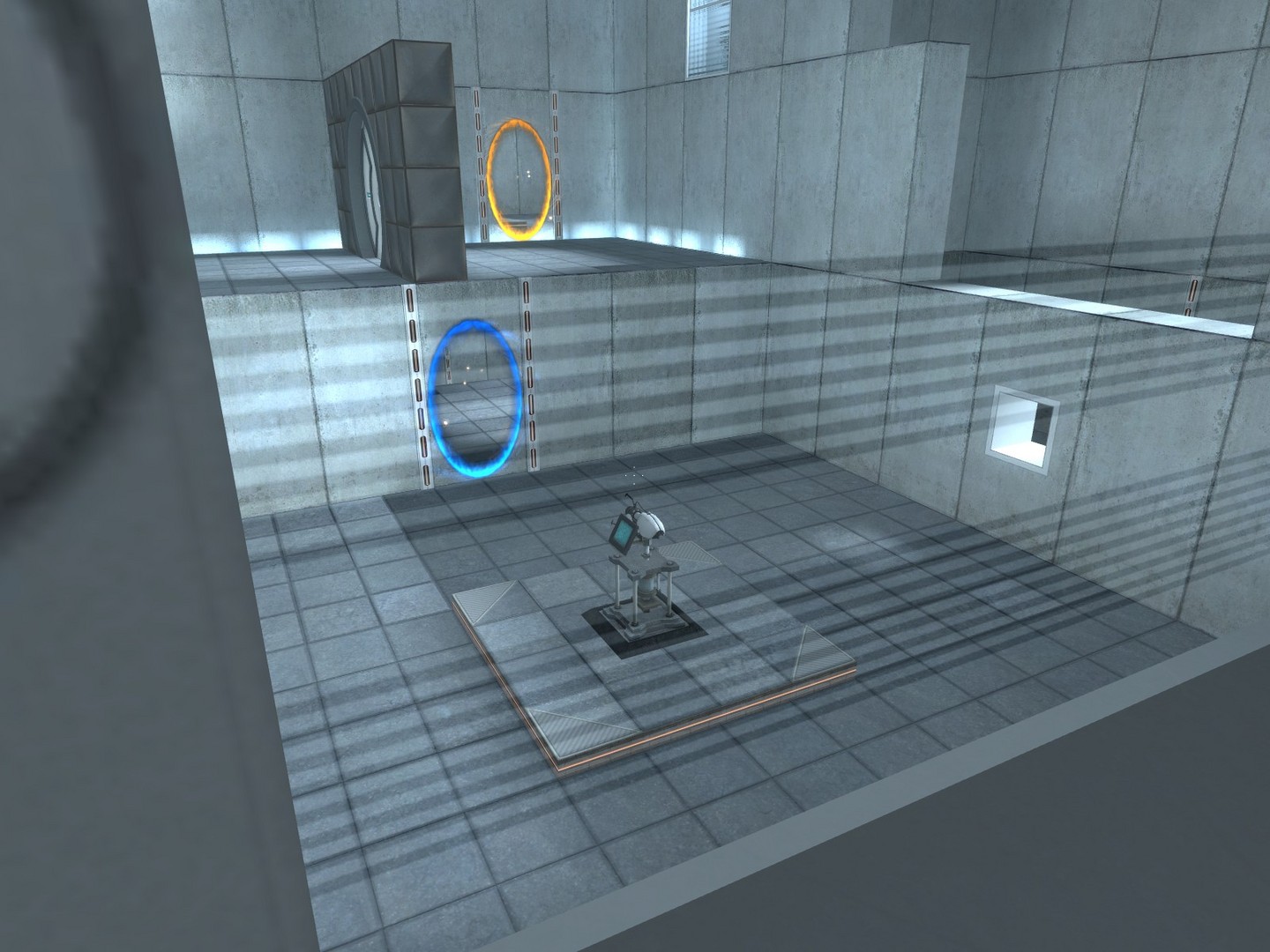
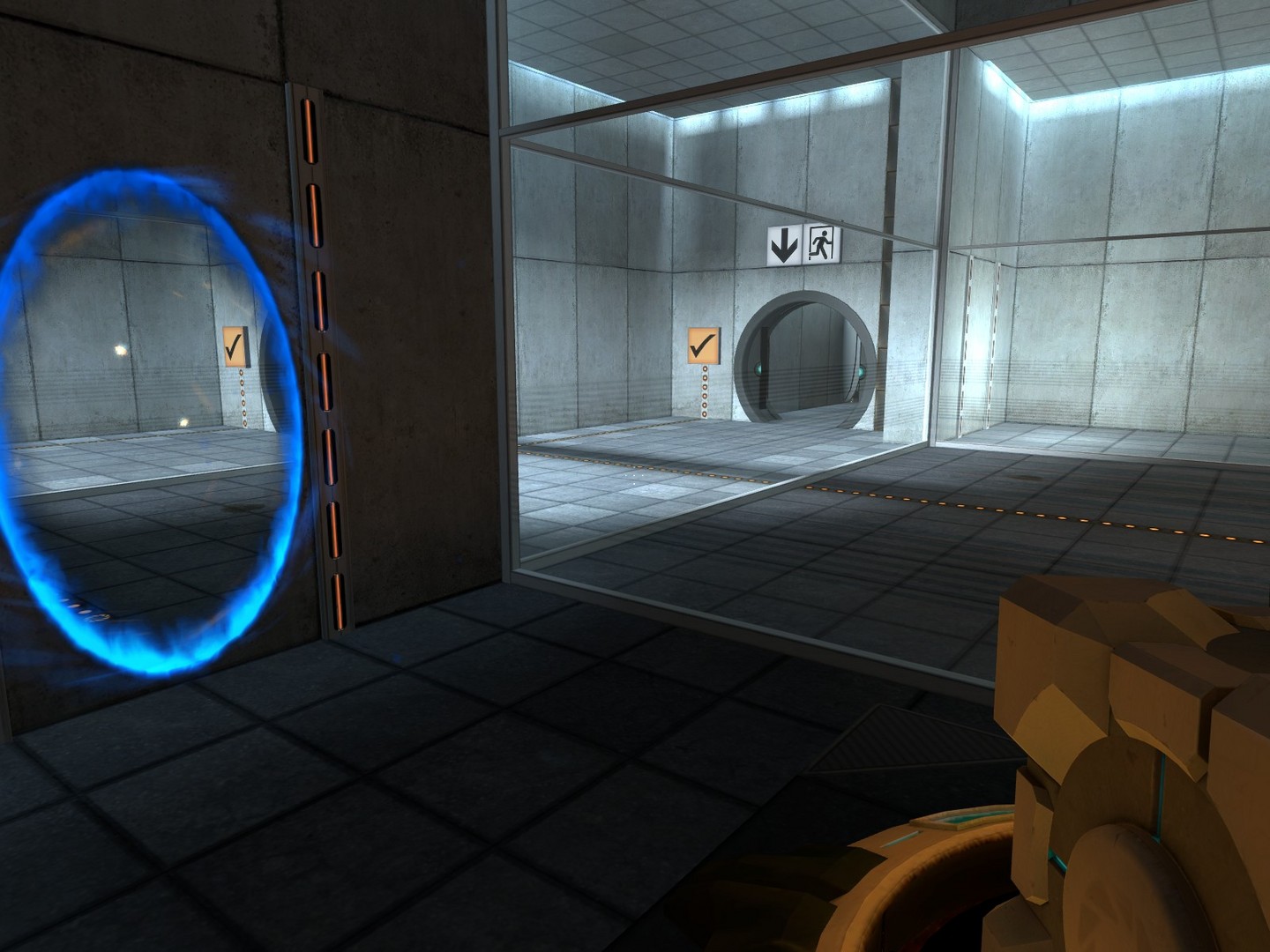
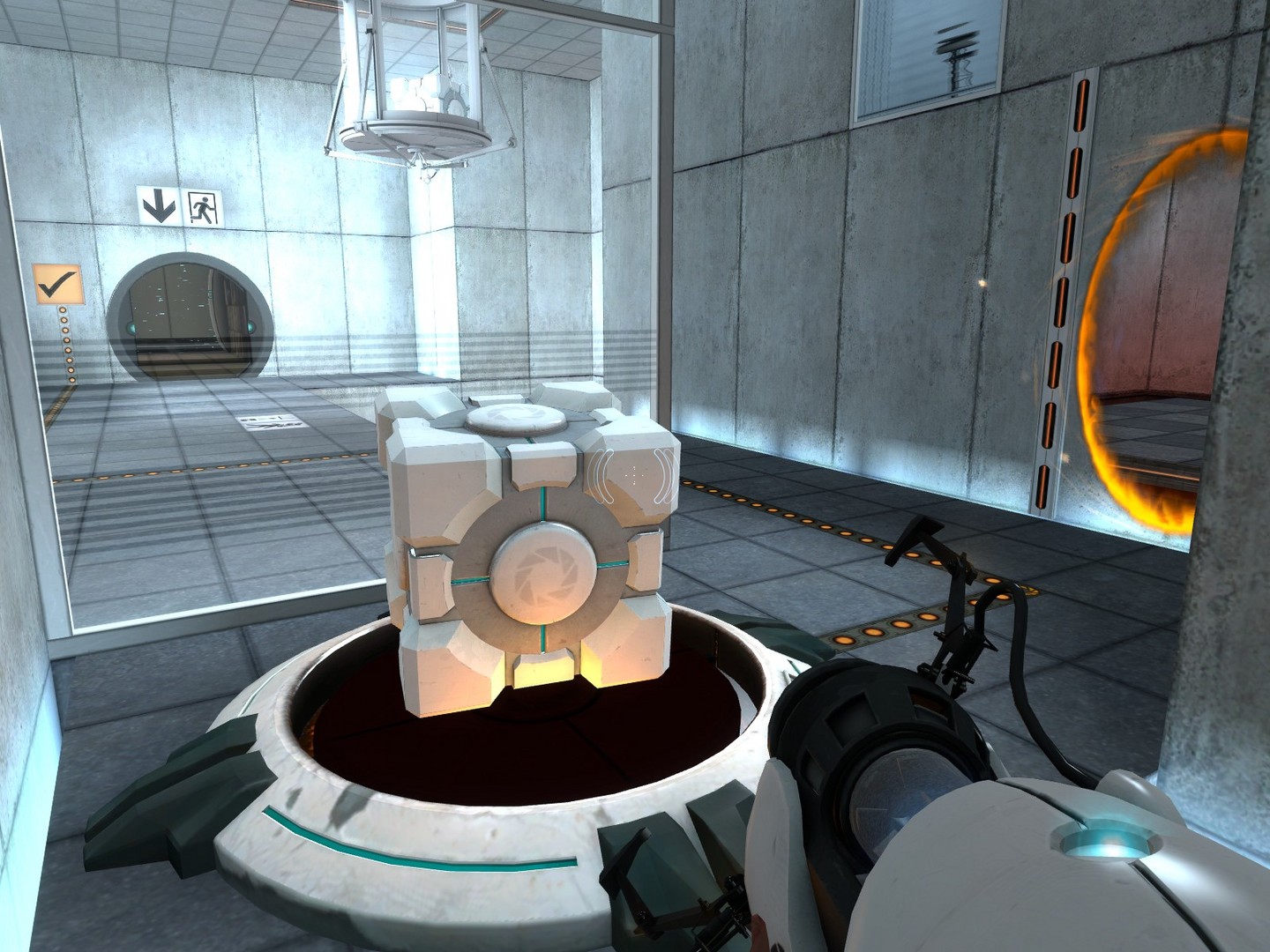
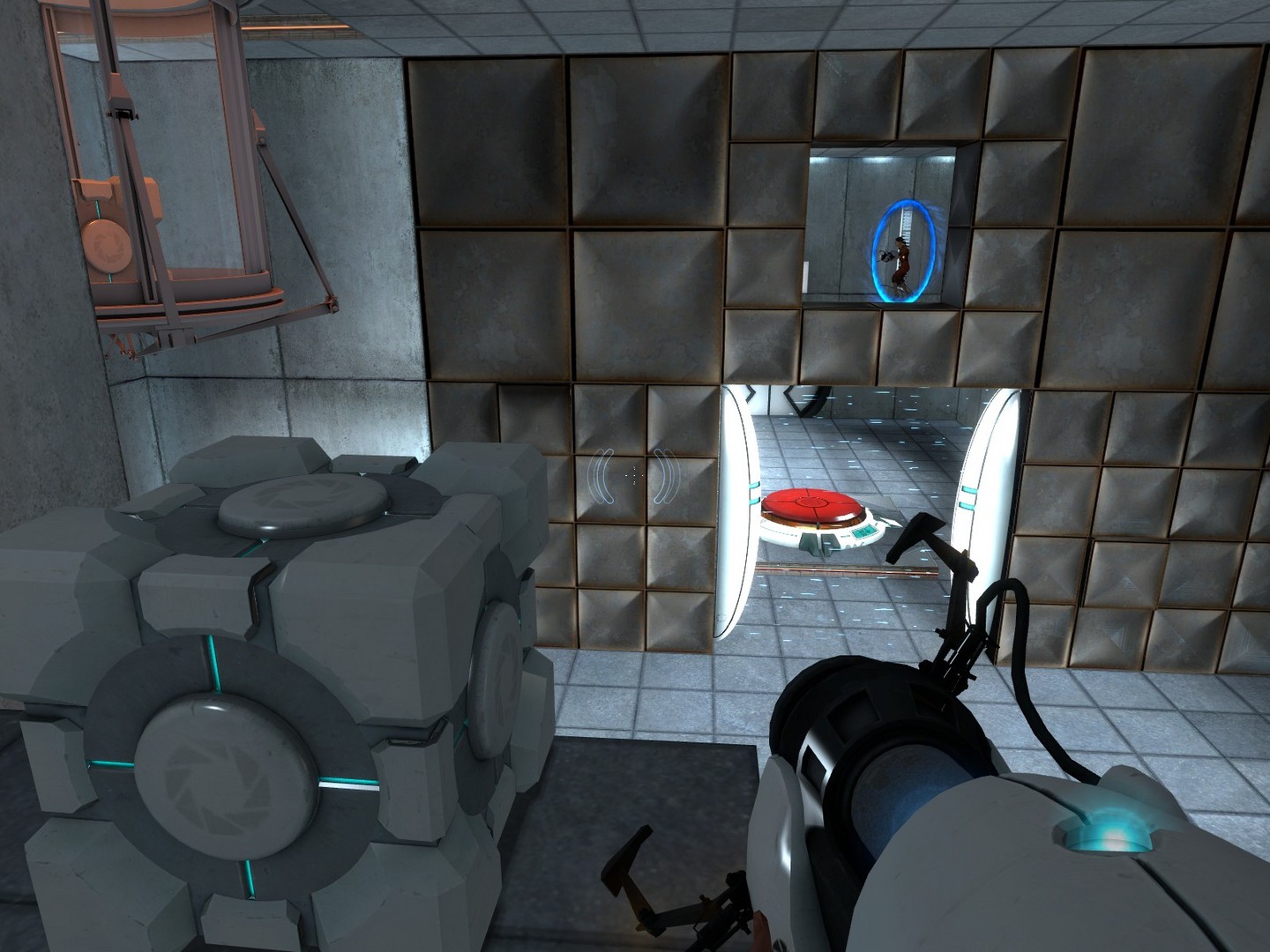
In Portal, the player controls the protagonist, Chell, from a first-person perspective as she is challenged to navigate through a series of test chambers using the Aperture Science Handheld Portal Device, or portal gun, under the supervision of the artificial intelligence GLaDOS. The portal gun can create two distinct portal ends, orange and blue. The portals create a visual and physical connection between two different locations in three-dimensional space. Neither end is specifically an entrance or exit; all objects that travel through one portal will exit through the other. An important aspect of the game's physics is momentum redirection and conservation. As moving objects pass through portals, they come through the exit portal at the same direction that the exit portal is facing and with the same speed with which they passed through the entrance portal. For example, a common maneuver is to place a portal some distance below the player on the floor, jump down through it, gaining speed in freefall, and emerge through the other portal on a wall, flying over a gap or another obstacle. This process of gaining speed and then redirecting that speed towards another area of a puzzle allows the player to launch objects or Chell over great distances both vertically and horizontally. This is referred to as 'flinging' by Valve. If portal ends are not on parallel planes, the character passing through is reoriented to be upright with respect to gravity after leaving a portal end. Chell and all other objects in the game that can fit into the portal ends will pass through the portal. However, a portal shot cannot pass through an open portal; it will simply fizzle or create a new portal in an offset position. Creating a portal end instantly fizzles an existing portal end of the same color. Moving objects, glass, non-white surfaces, liquids, or areas that are too small will not be able to anchor portals. Chell is often provided with cubes that she can pick up and use to climb on or to place on large buttons that open doors or activate mechanisms. Particle fields, known as "Emancipation Grills", occasionally called "Fizzlers" in the developer commentary, exist at the end of all and within some test chambers; when passed through, they will deactivate (fizzle) any active portals and disintegrate any object carried through. These fields also block attempts to fire portals through them. Although Chell is equipped with mechanized heel springs to prevent damage from falling, she can be killed by various other hazards in the test chambers, such as turrets, bouncing balls of energy, and toxic liquid. She can also be killed by objects hitting her at high speeds, and by a series of crushers that appear in certain levels. Unlike most action games at the time, there is no health indicator; Chell dies if she is dealt a certain amount of damage in a short period, but returns to full health fairly quickly. Some obstacles, such as the energy balls and crushing pistons, deal fatal damage with a single blow. Many solutions exist for completing each puzzle. Two additional modes are unlocked upon the completion of the game that challenge the player to work out alternative methods of solving each test chamber. Challenge chambers are unlocked near the halfway point and Advanced Chambers are unlocked when the game is completed. In Challenge chambers, levels are revisited with the added goal of completing the test chamber either with as little time, with the fewest portals, or with the fewest footsteps possible. In Advanced chambers, certain levels are made more complex with the addition of more obstacles and hazards.
About Portal
Portal is a Action, Platform, Puzzle game released in 2007 developed by Valve that offers Co-operative, Multiplayer gameplay from a first person perspective playable on Android, Linux, Mac with 3692 user ratings averaging 86.5/100. The game explores themes like Comedy, Science fiction. If you enjoy Portal, you might also like similar games in our database of 45,000+ titles.
Basic Info
Details
↑ Back to topAdditional Information
Платформы 7
Genres 3
Themes 2
Player Perspectives 1
Game Modes 3
Companies
↑ Back to topDevelopers
Valve
No description available
Publishers
Electronic Arts
No description available
Valve
No description available
Keywords
↑ Back to topScreenshots
↑ Back to top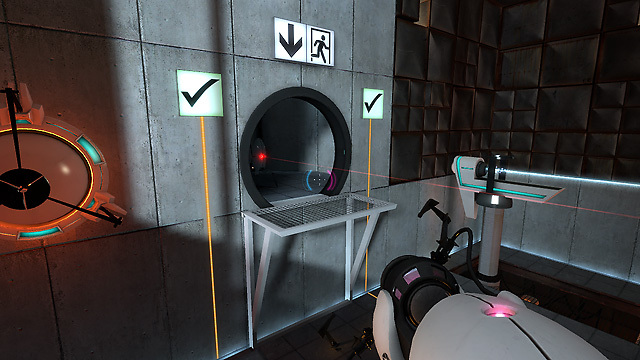
Similar Games
↑ Back to top
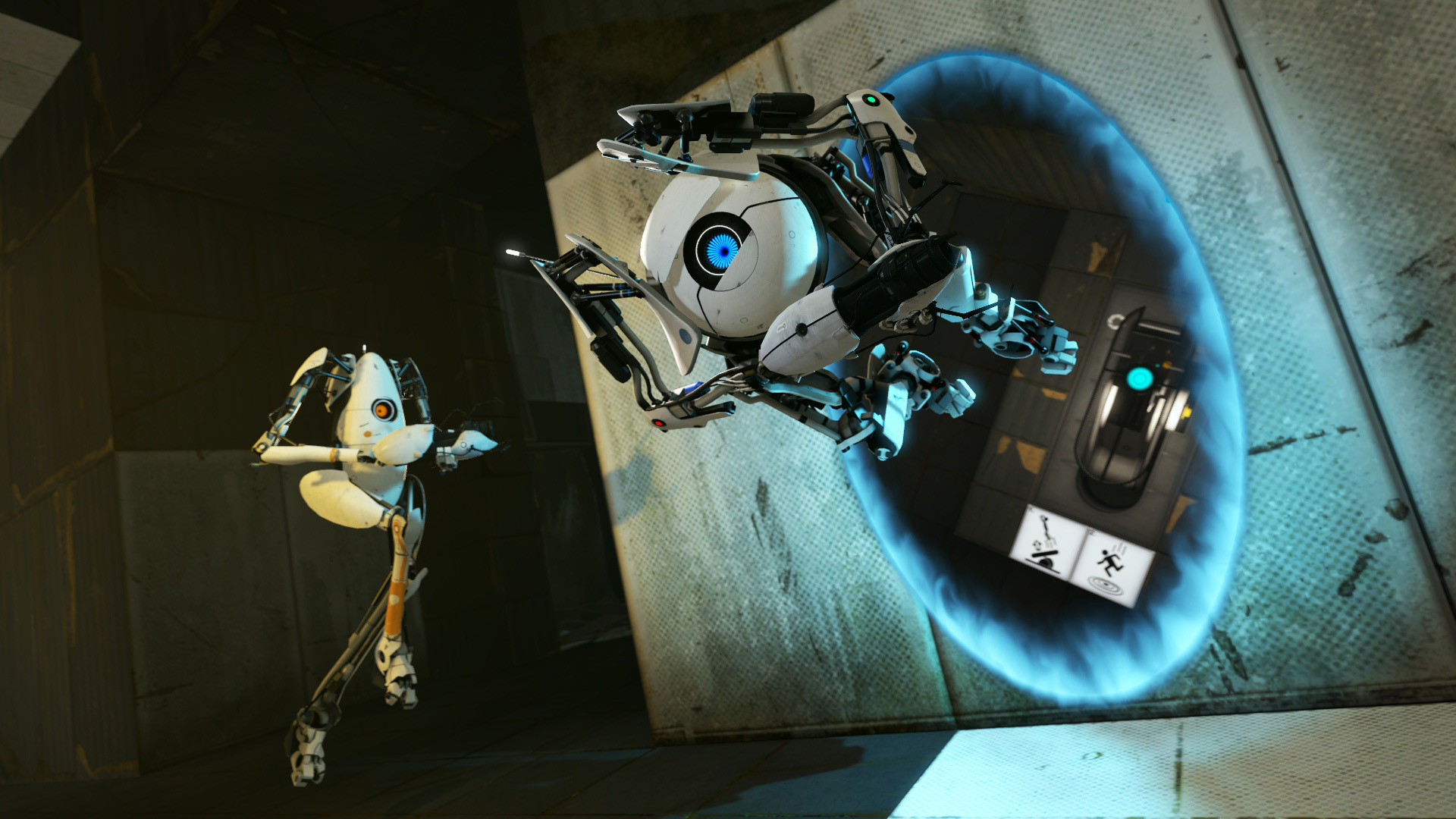
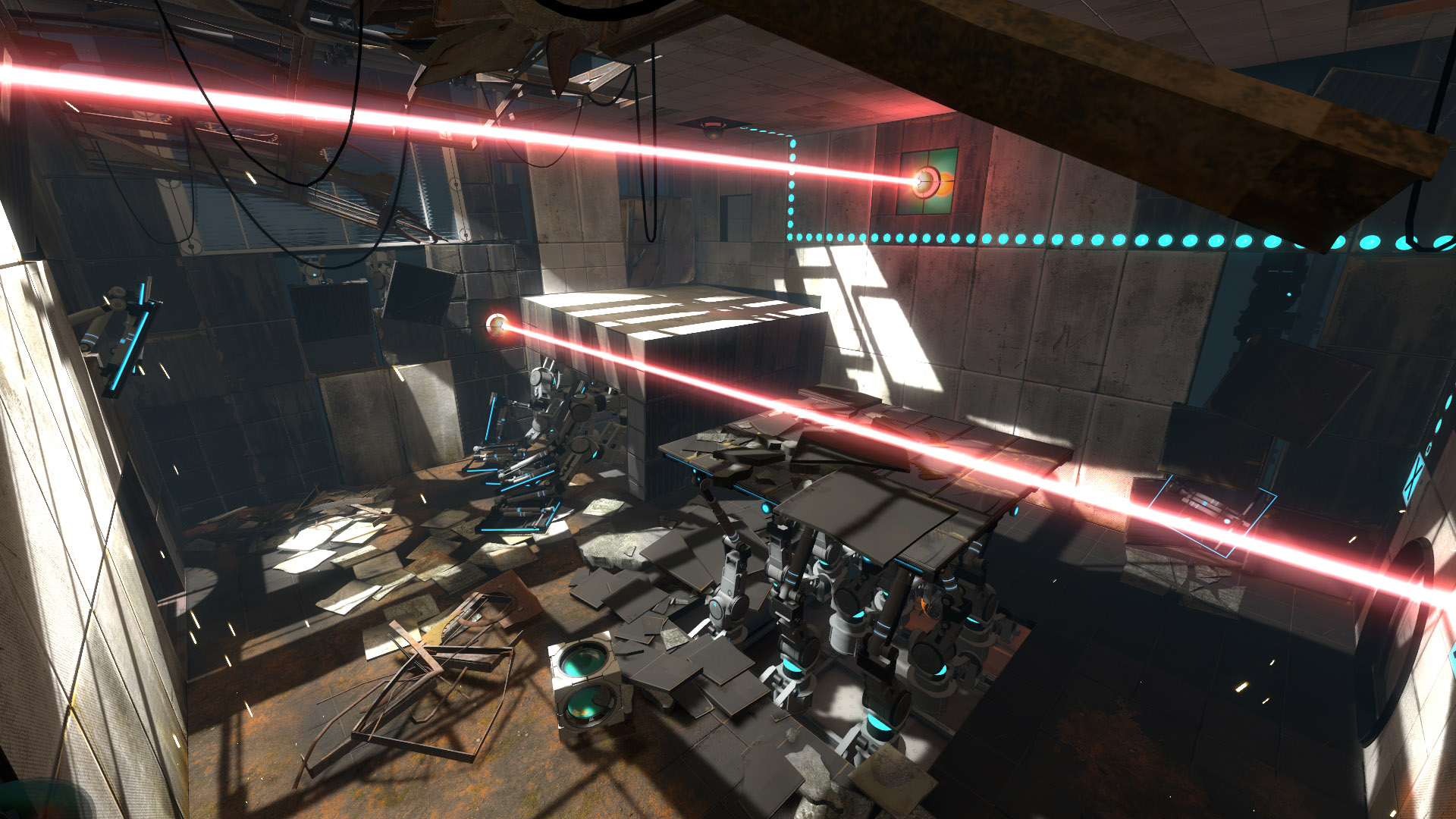

Portal 2

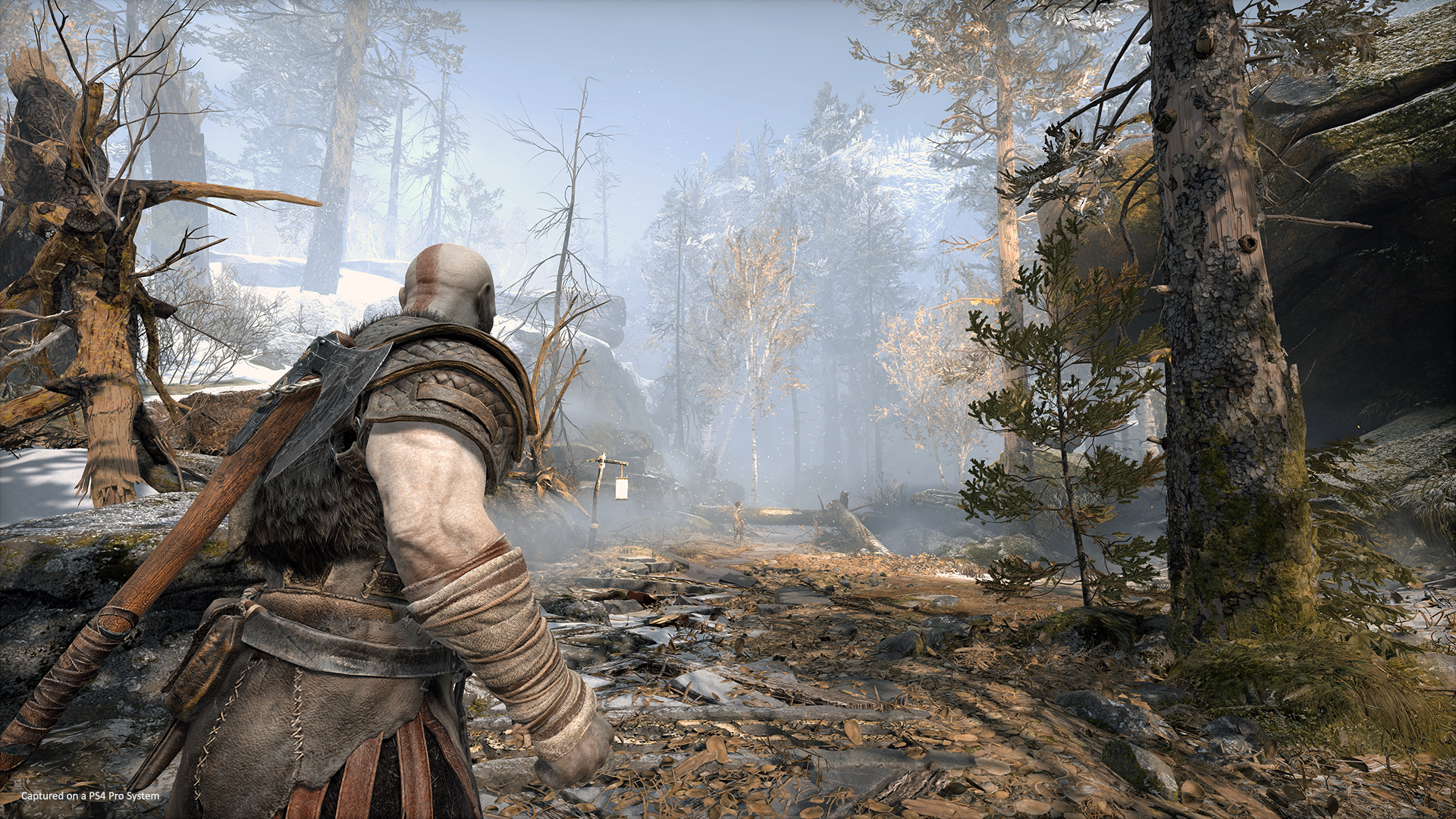
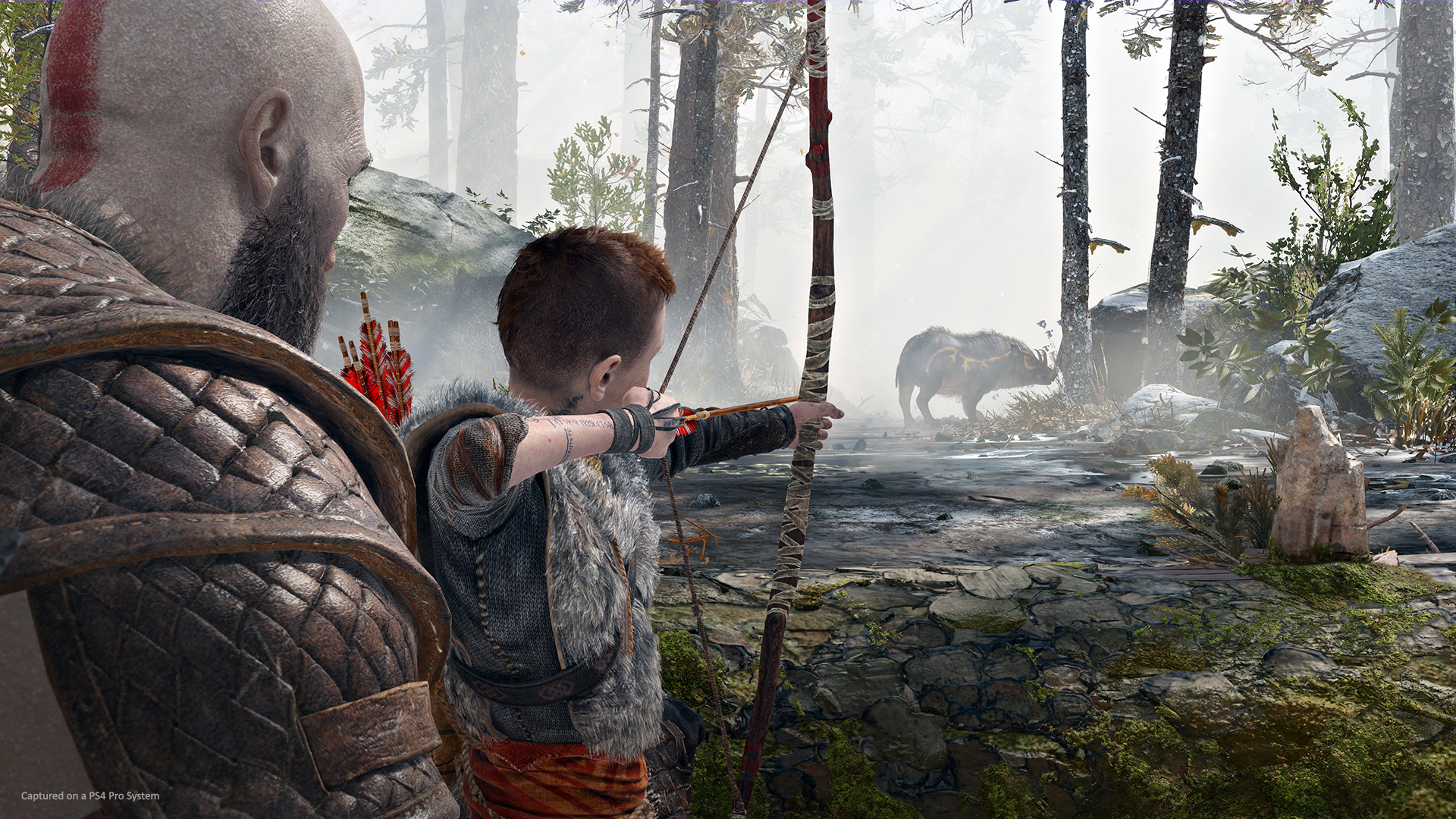
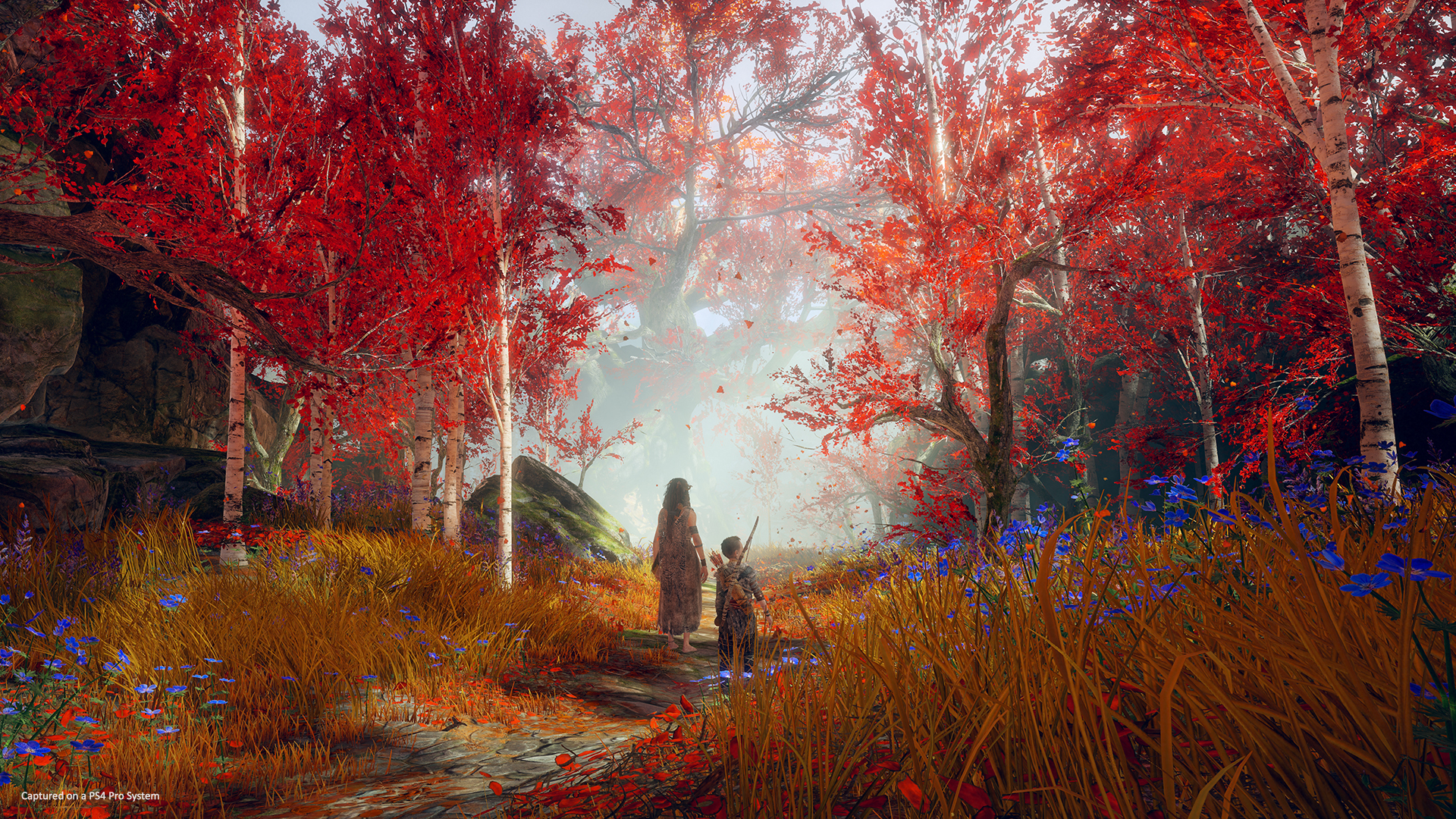

God of War

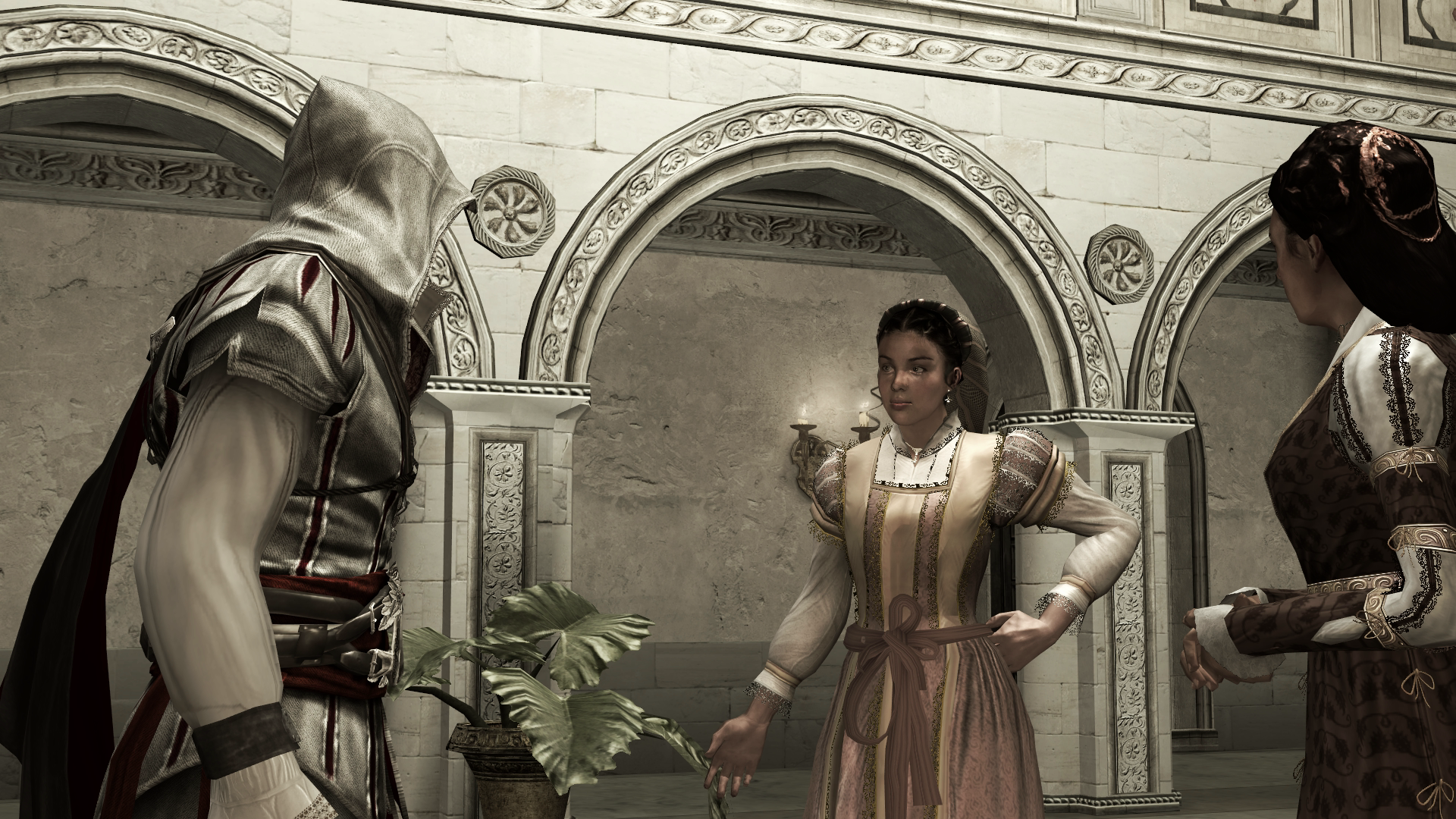
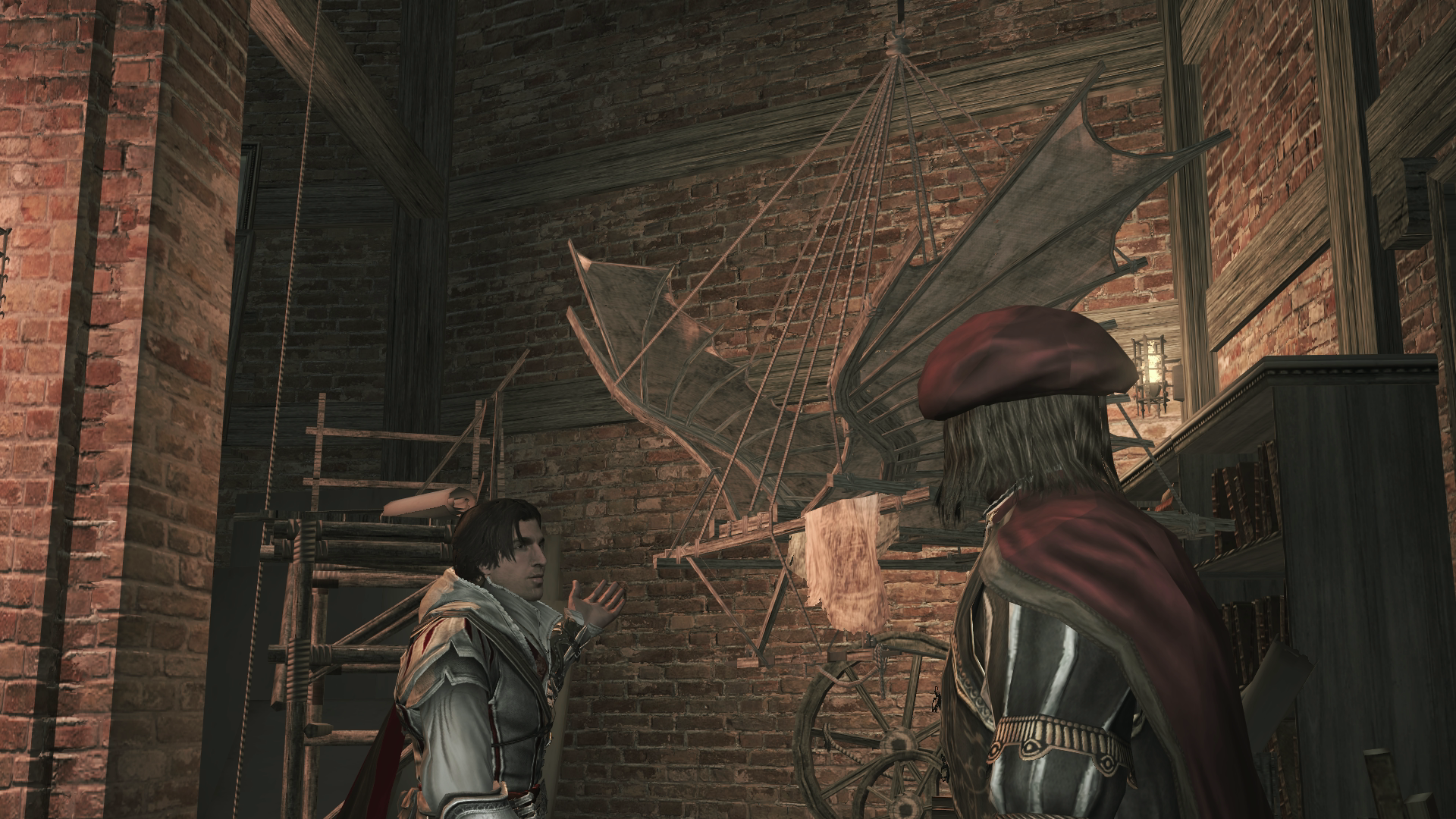
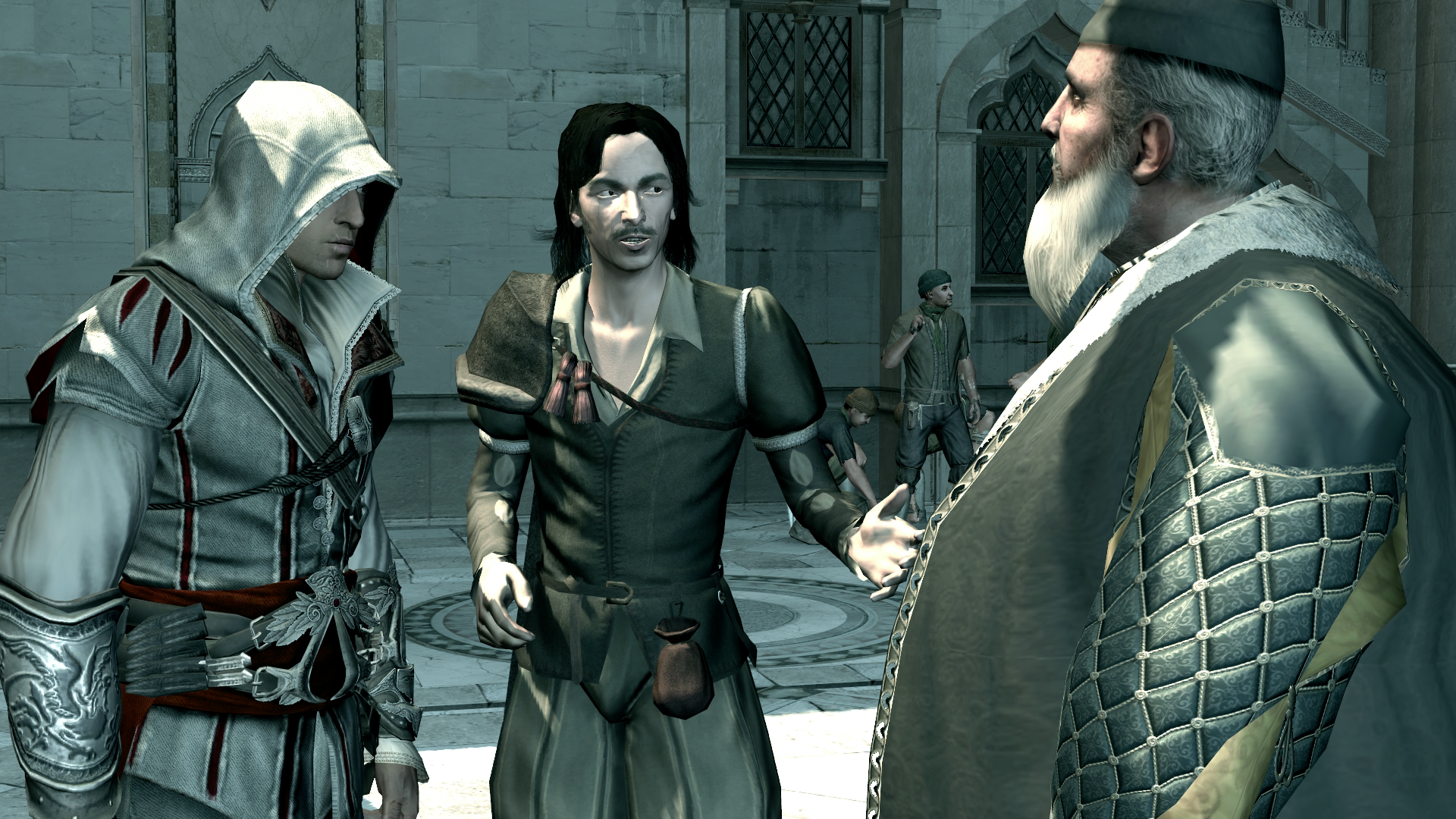
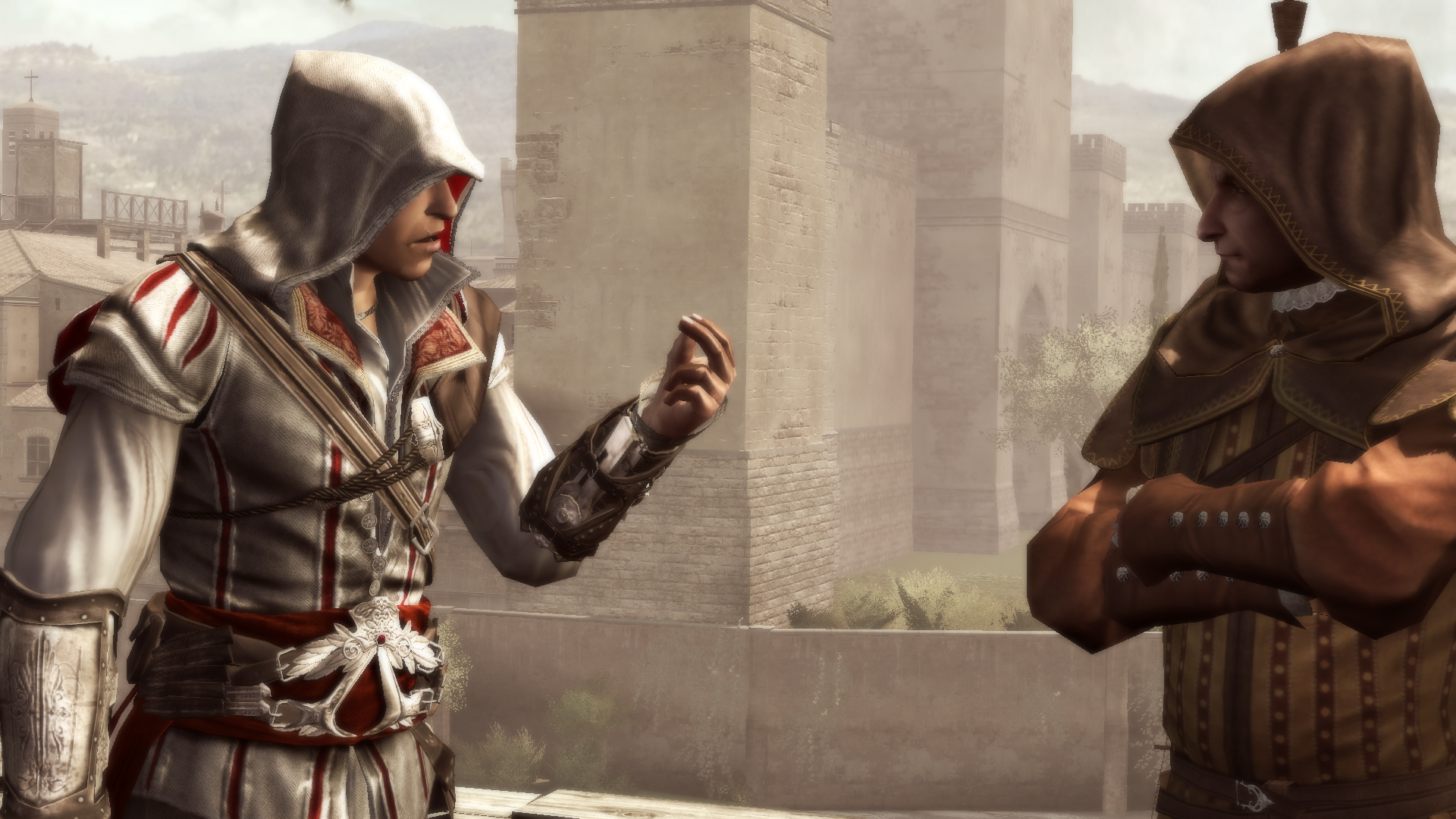
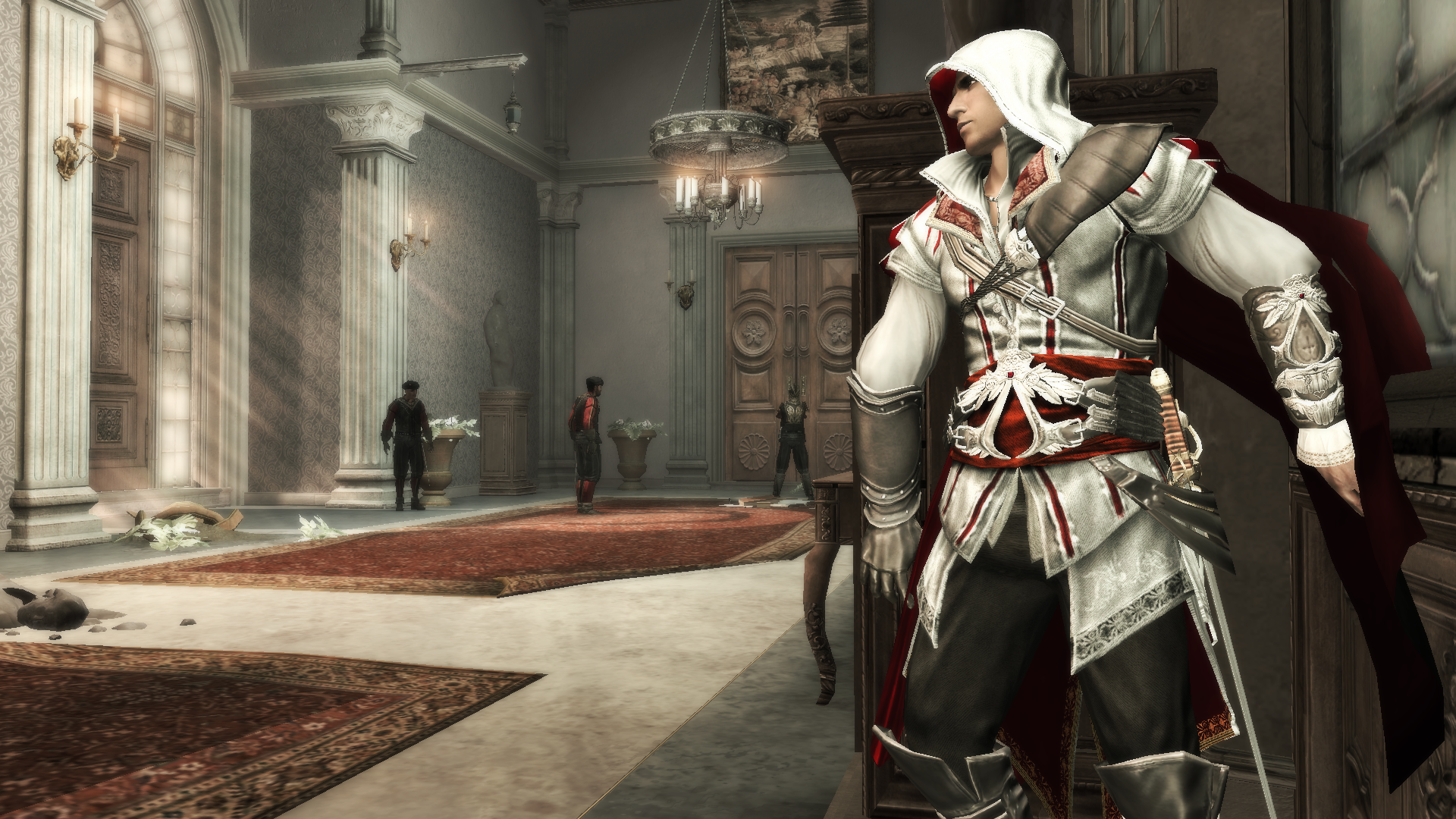

Assassin's Creed II
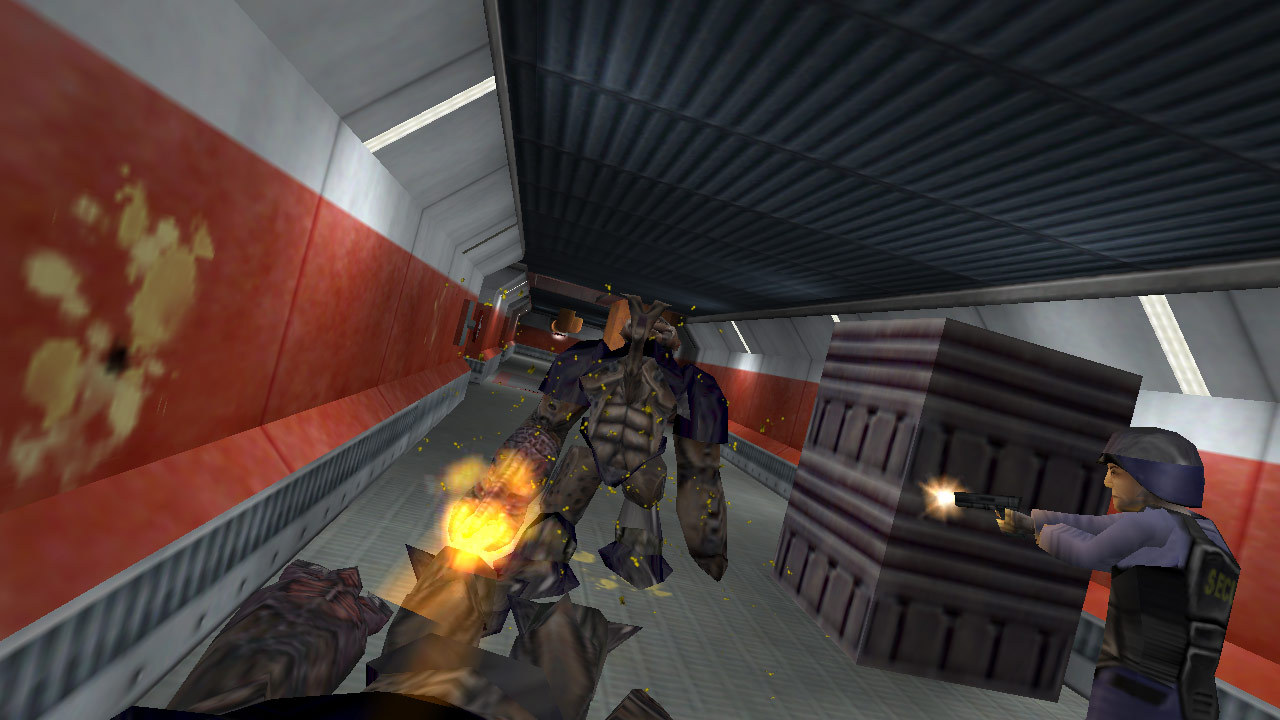





Half-Life



Dishonored

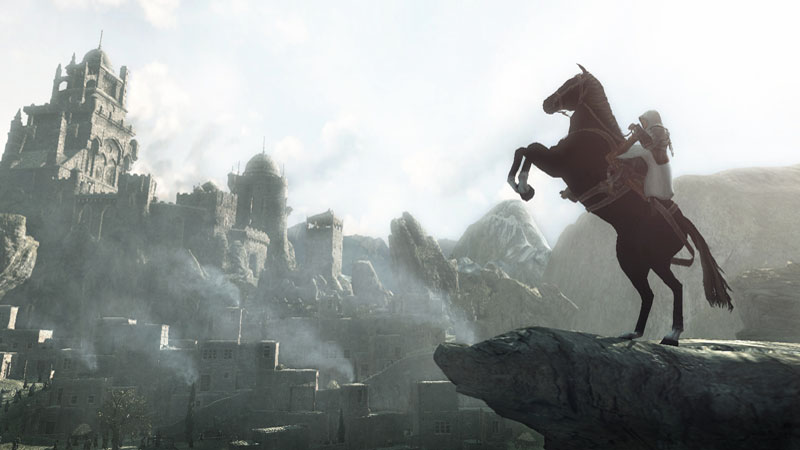

Assassin's Creed

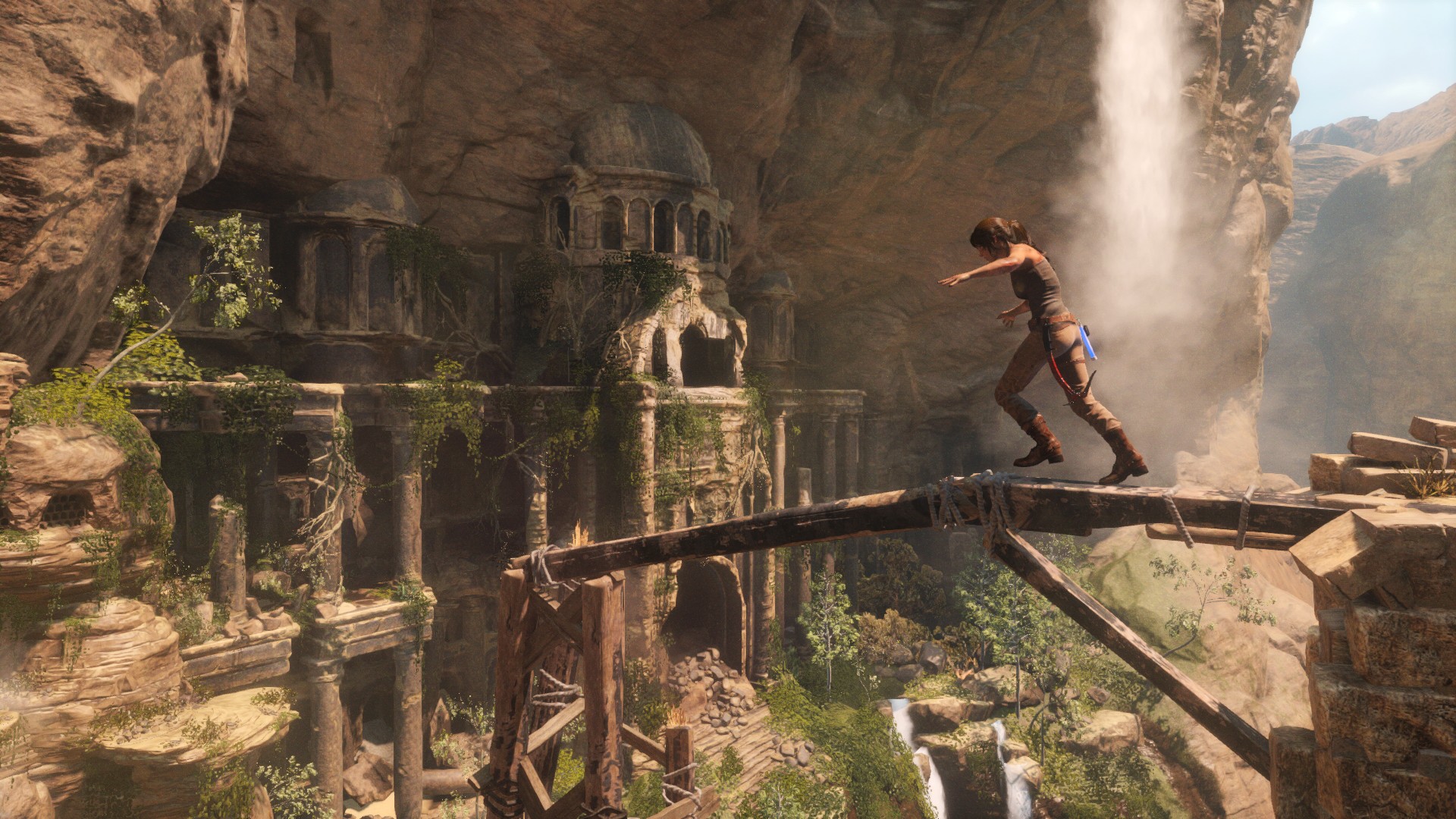
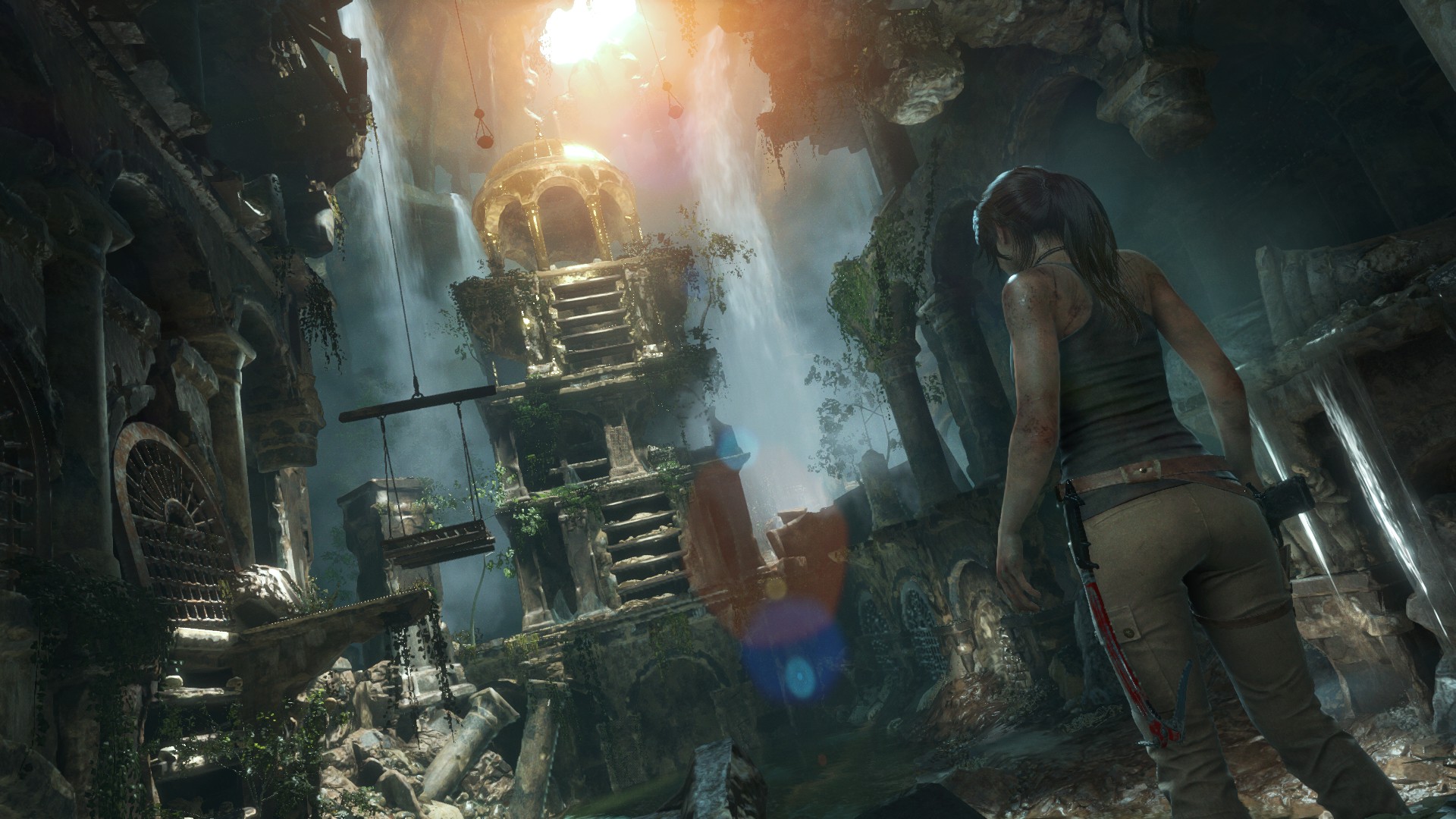
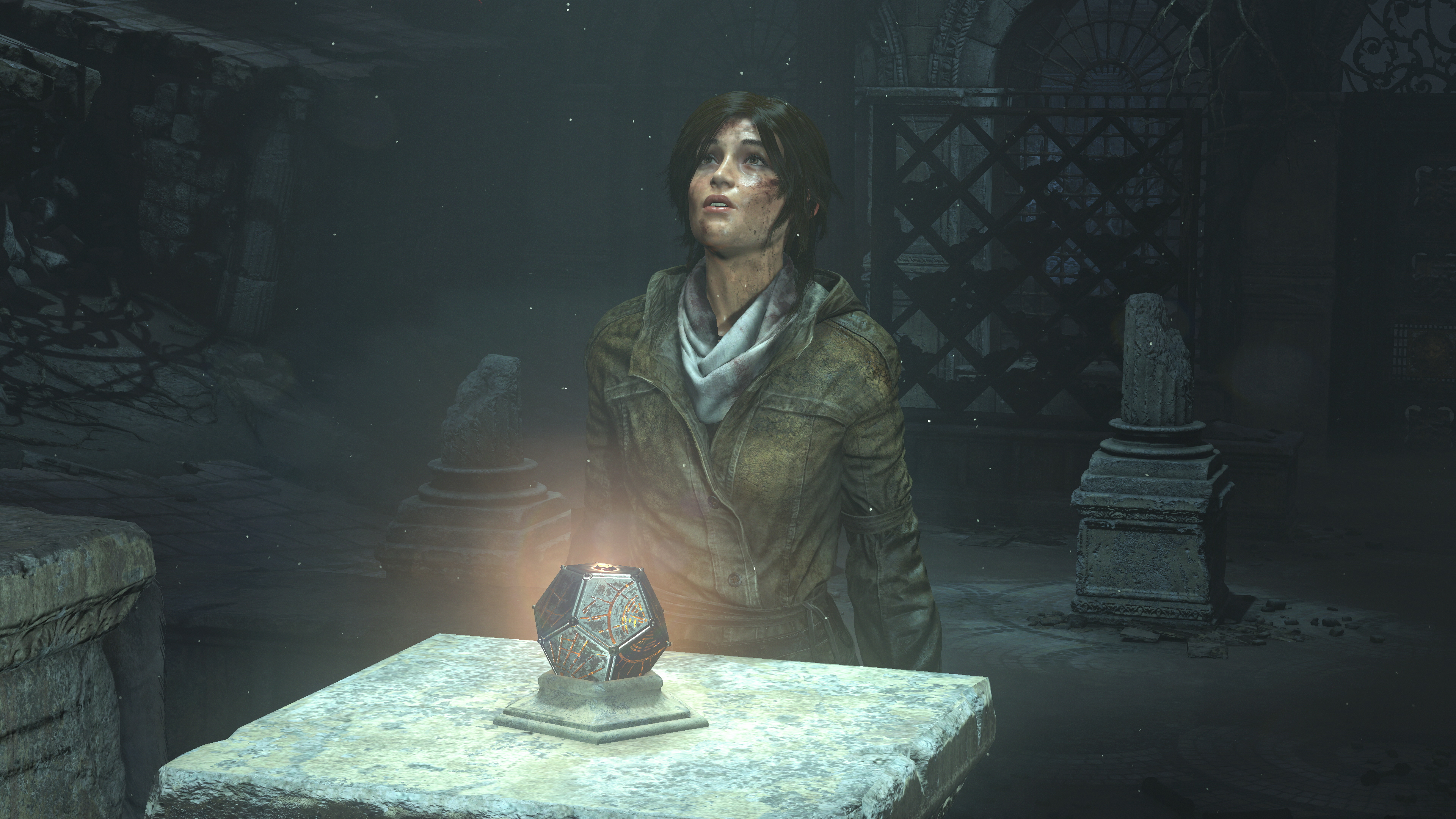
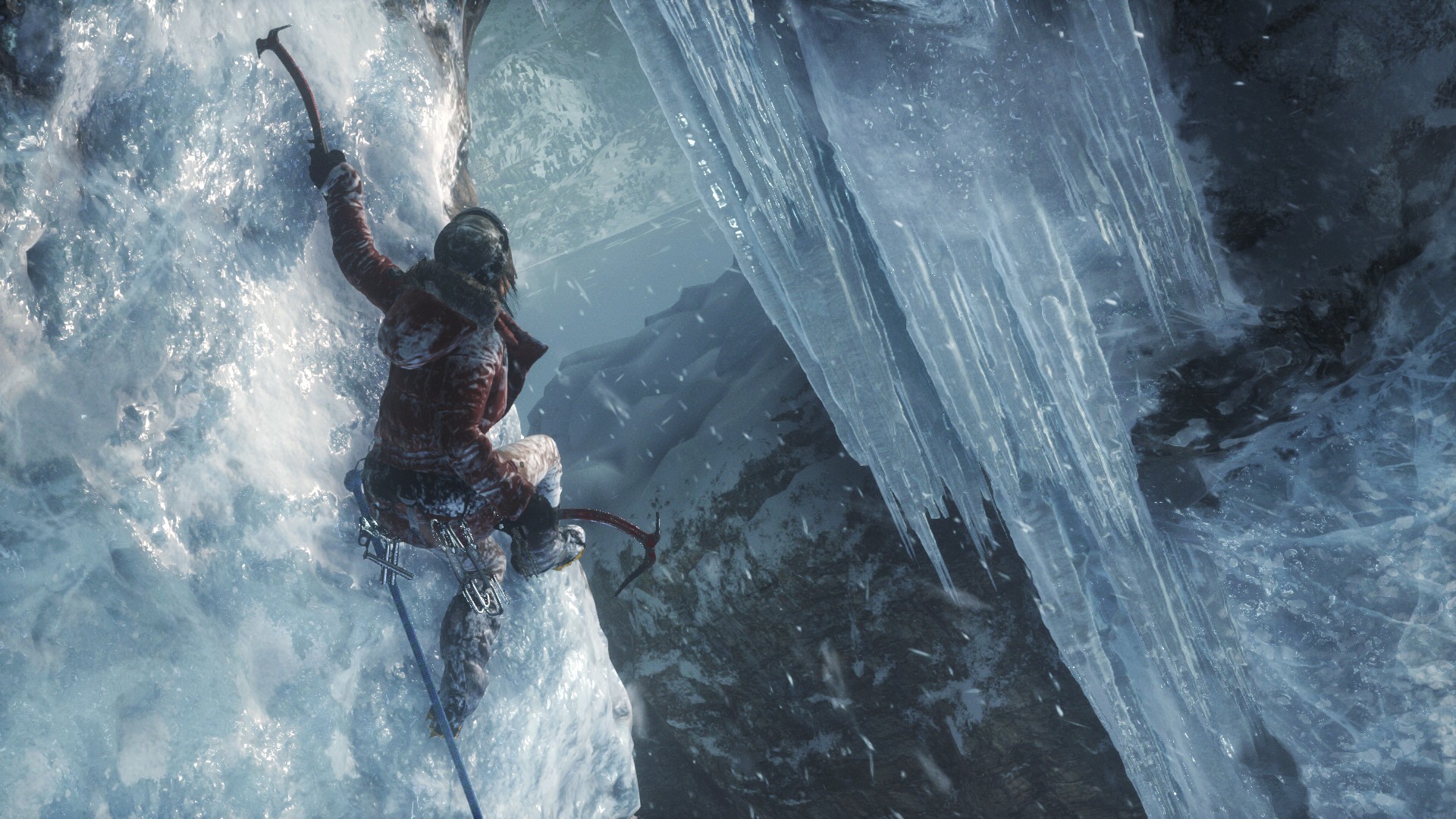
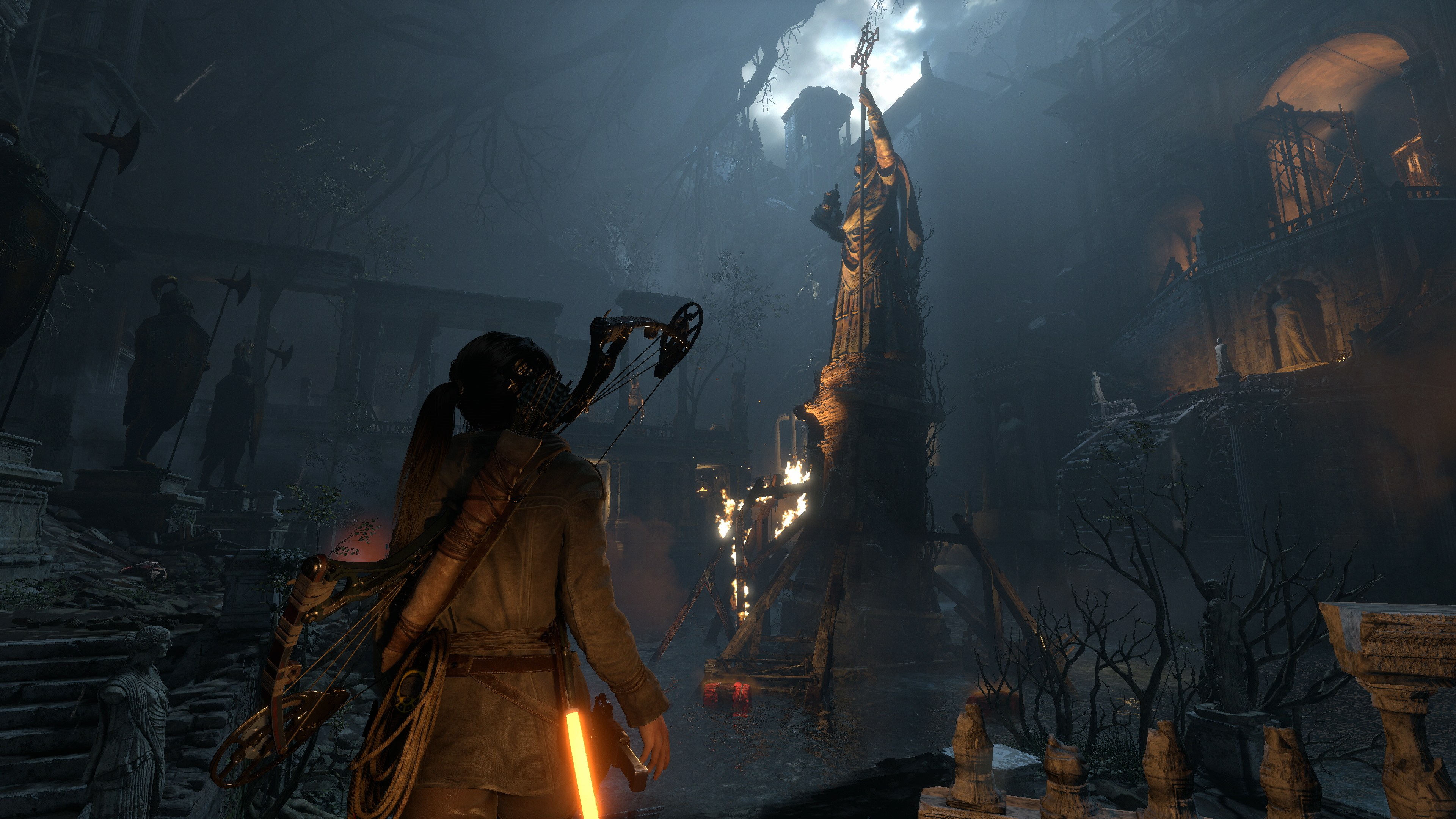
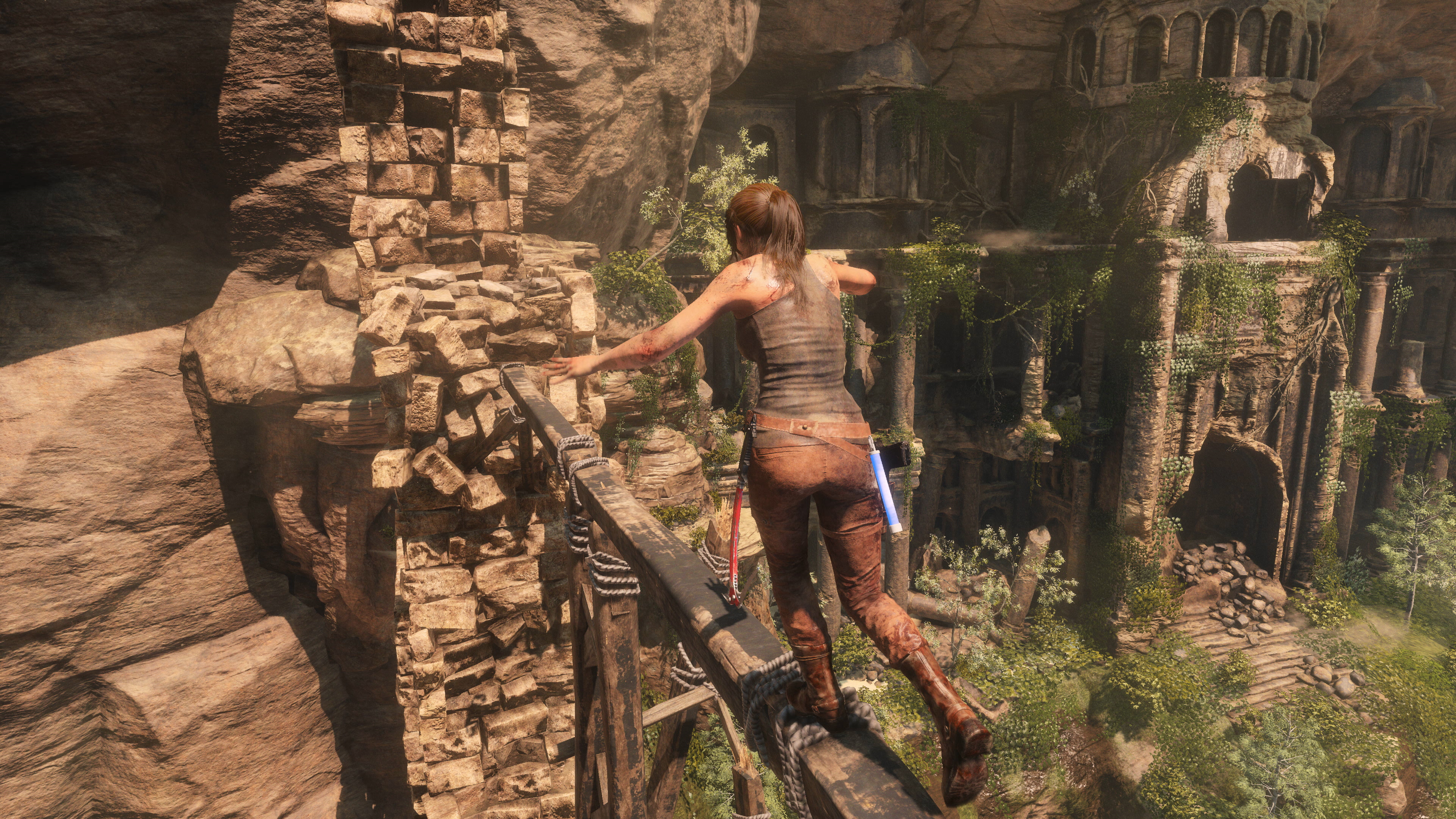
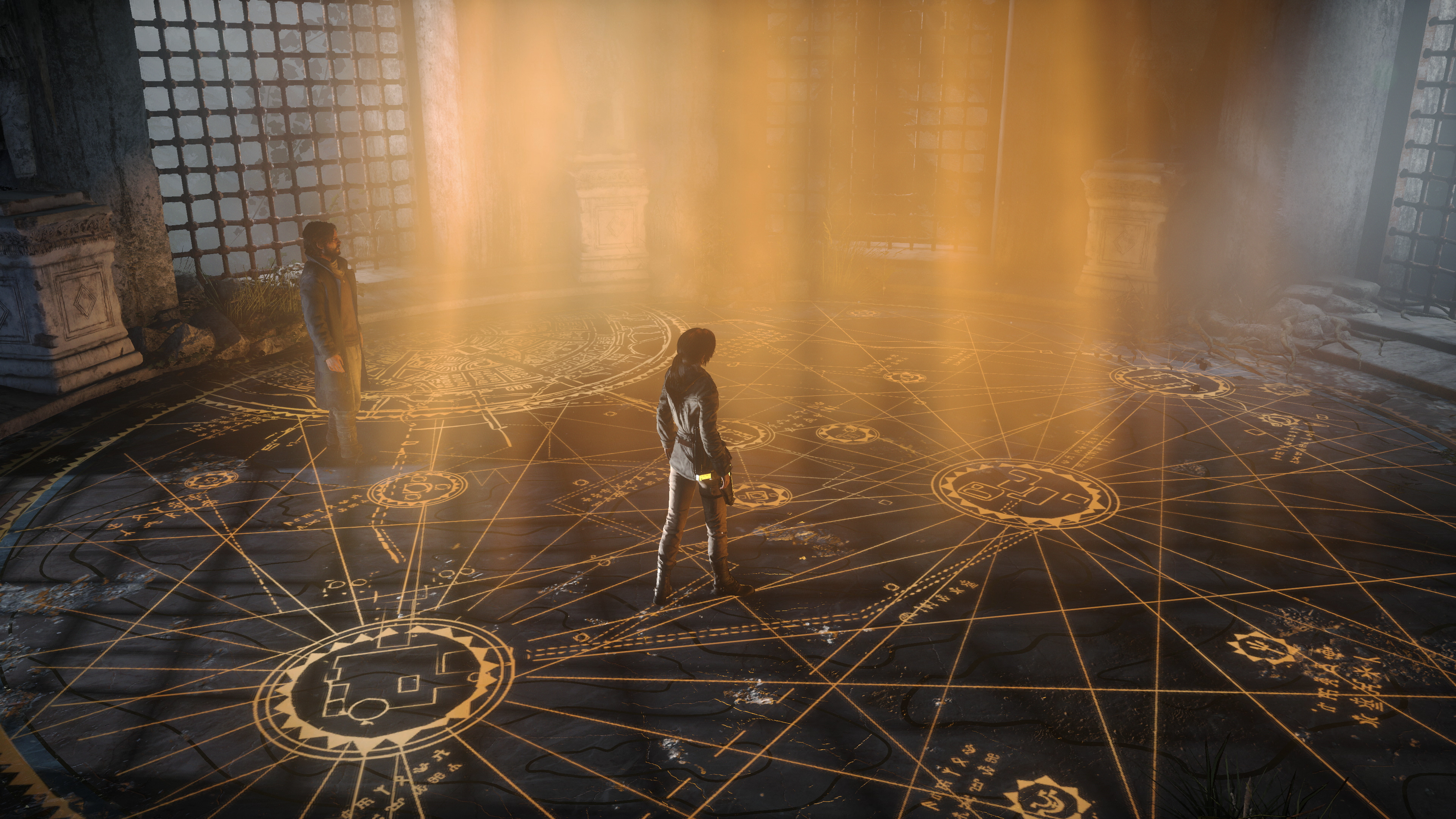
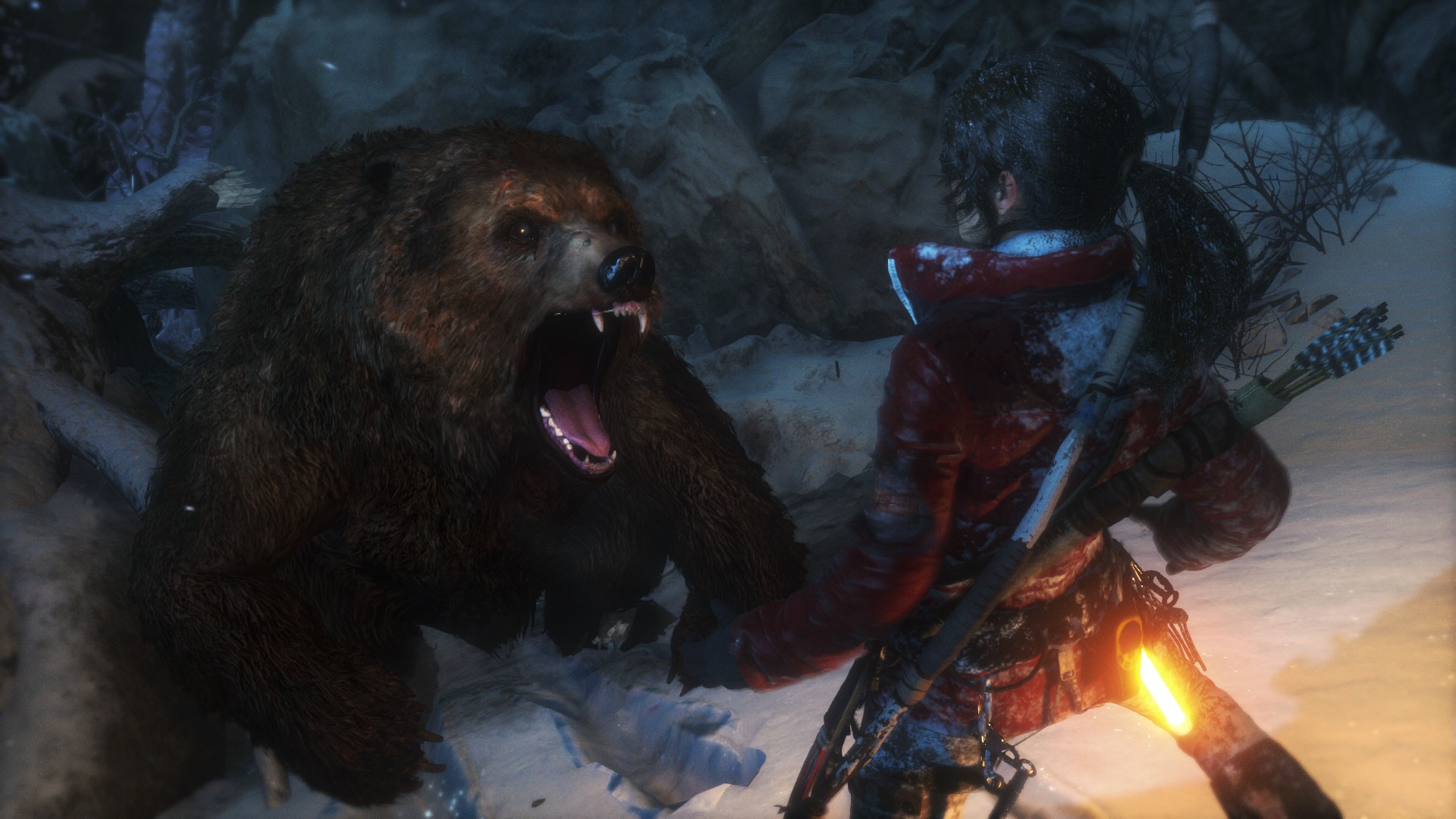
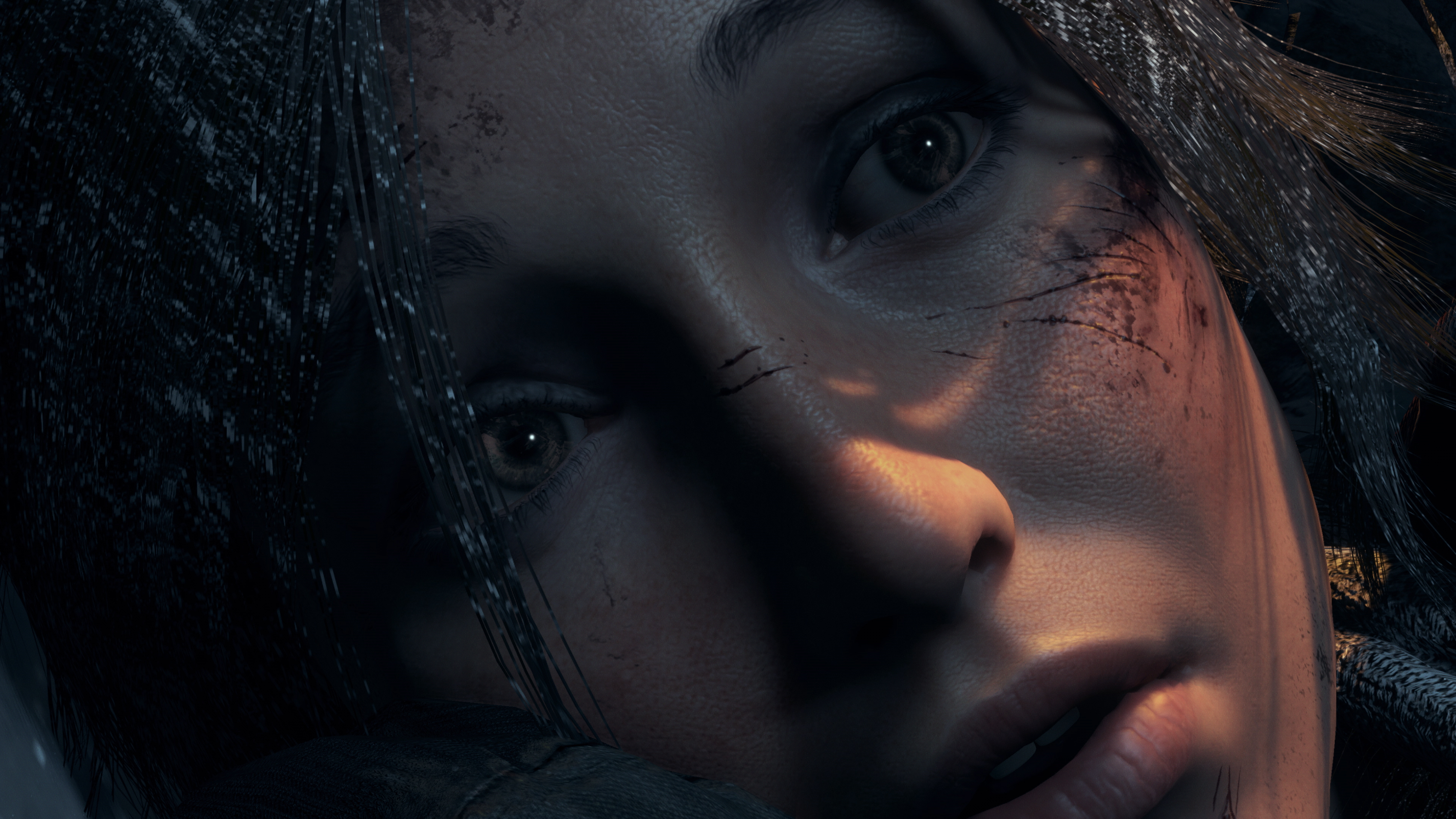
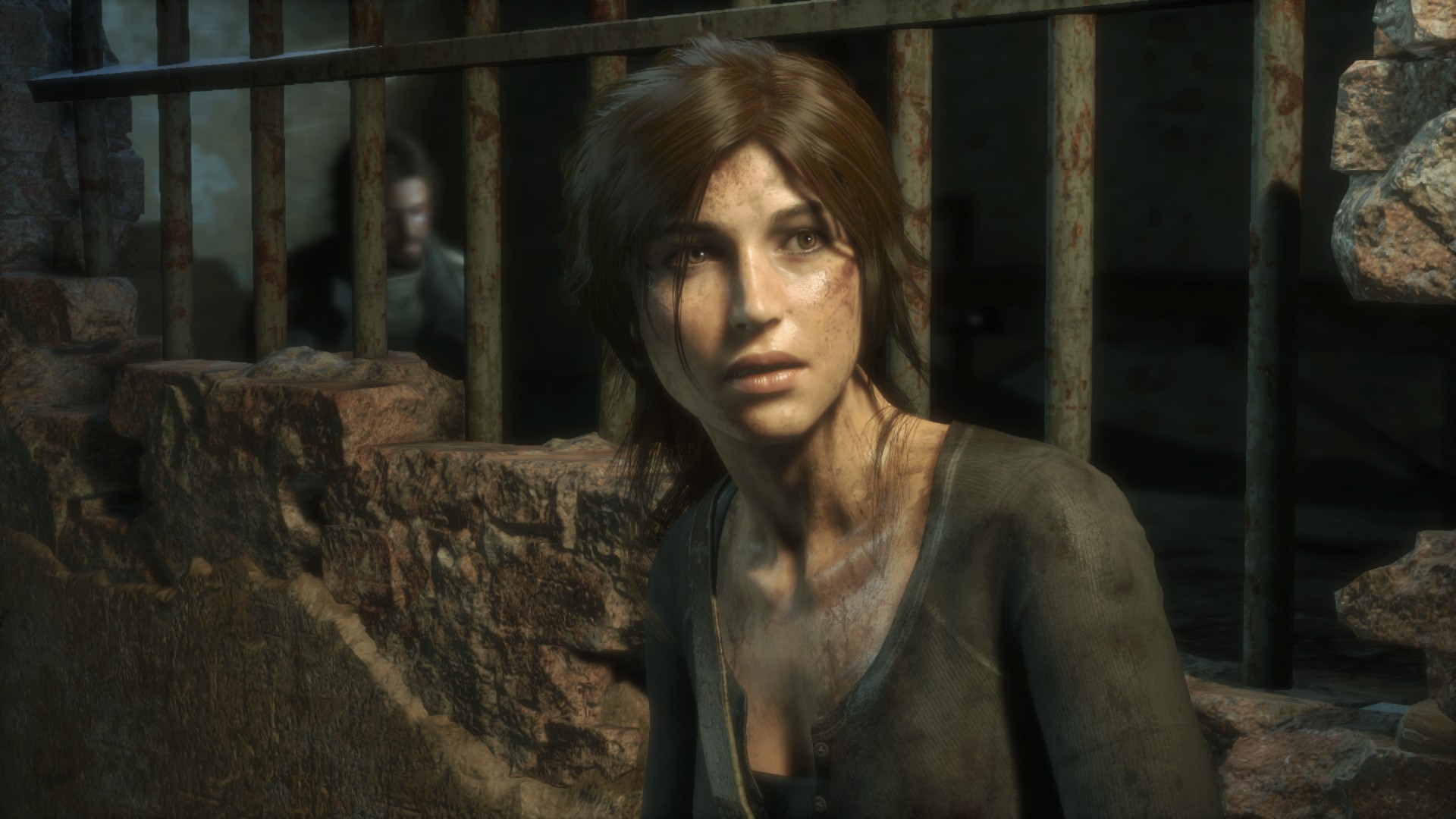

Rise of the Tomb Raider
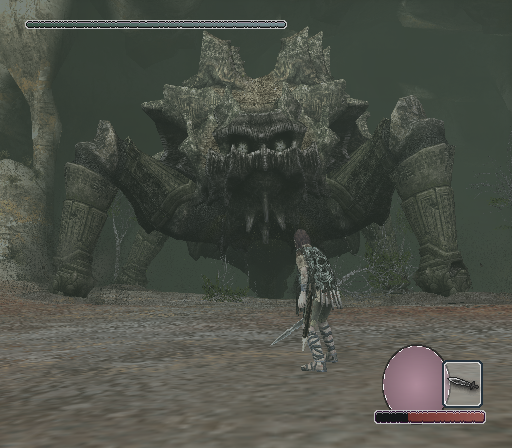
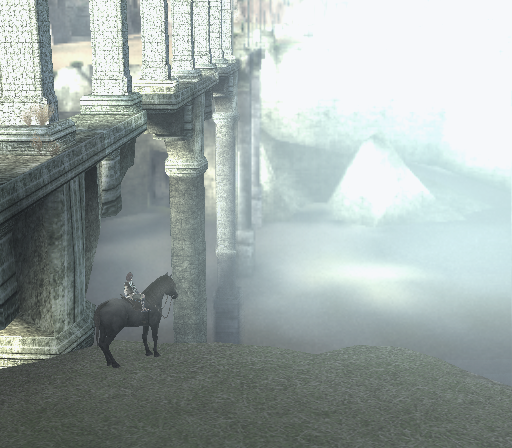
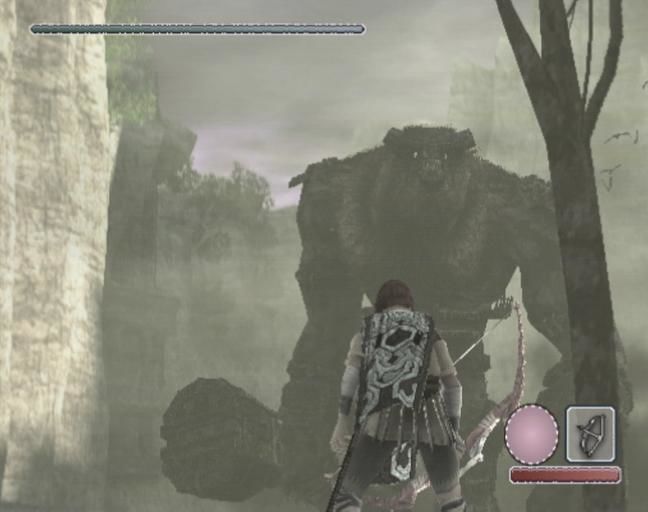
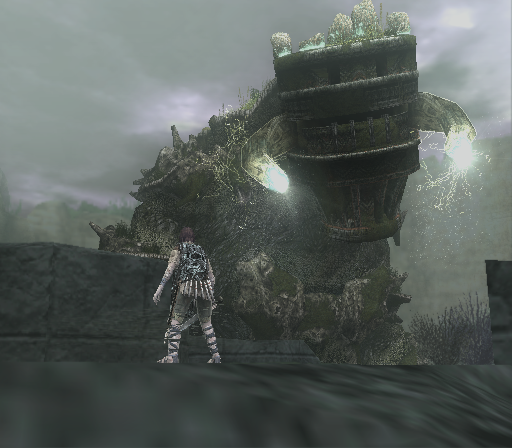
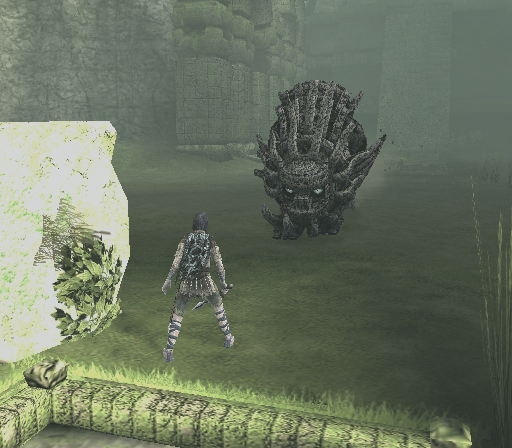
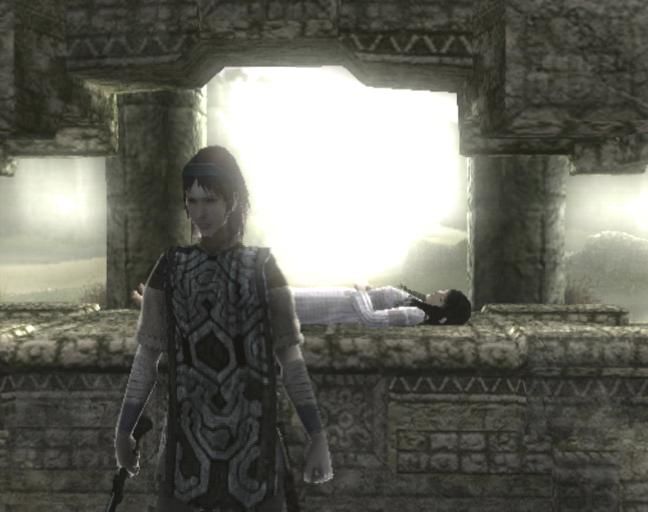
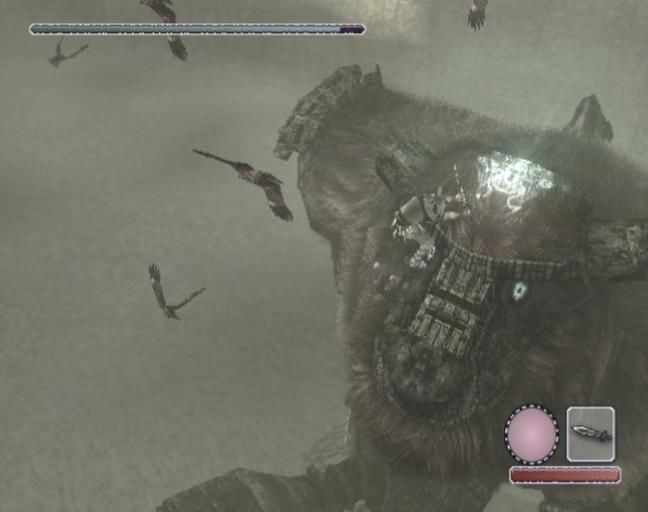

Shadow of the Colossus

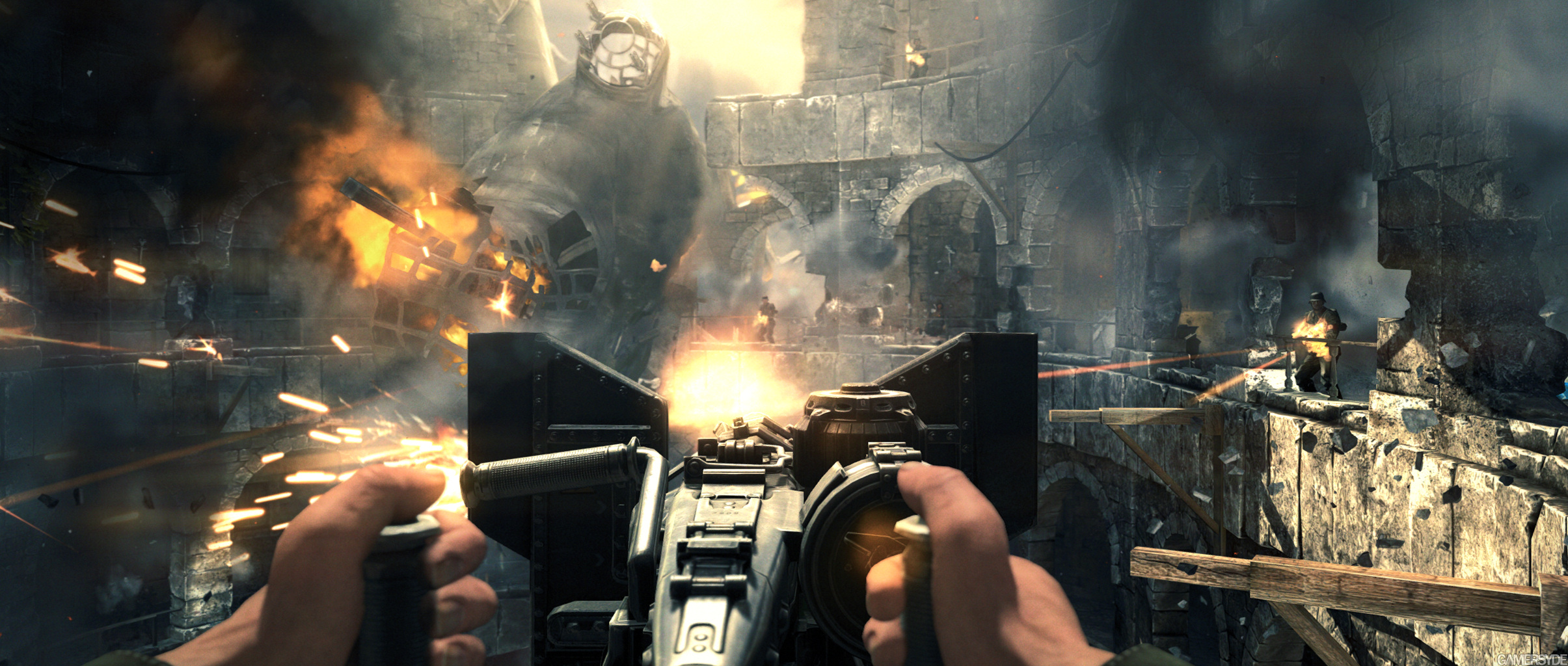
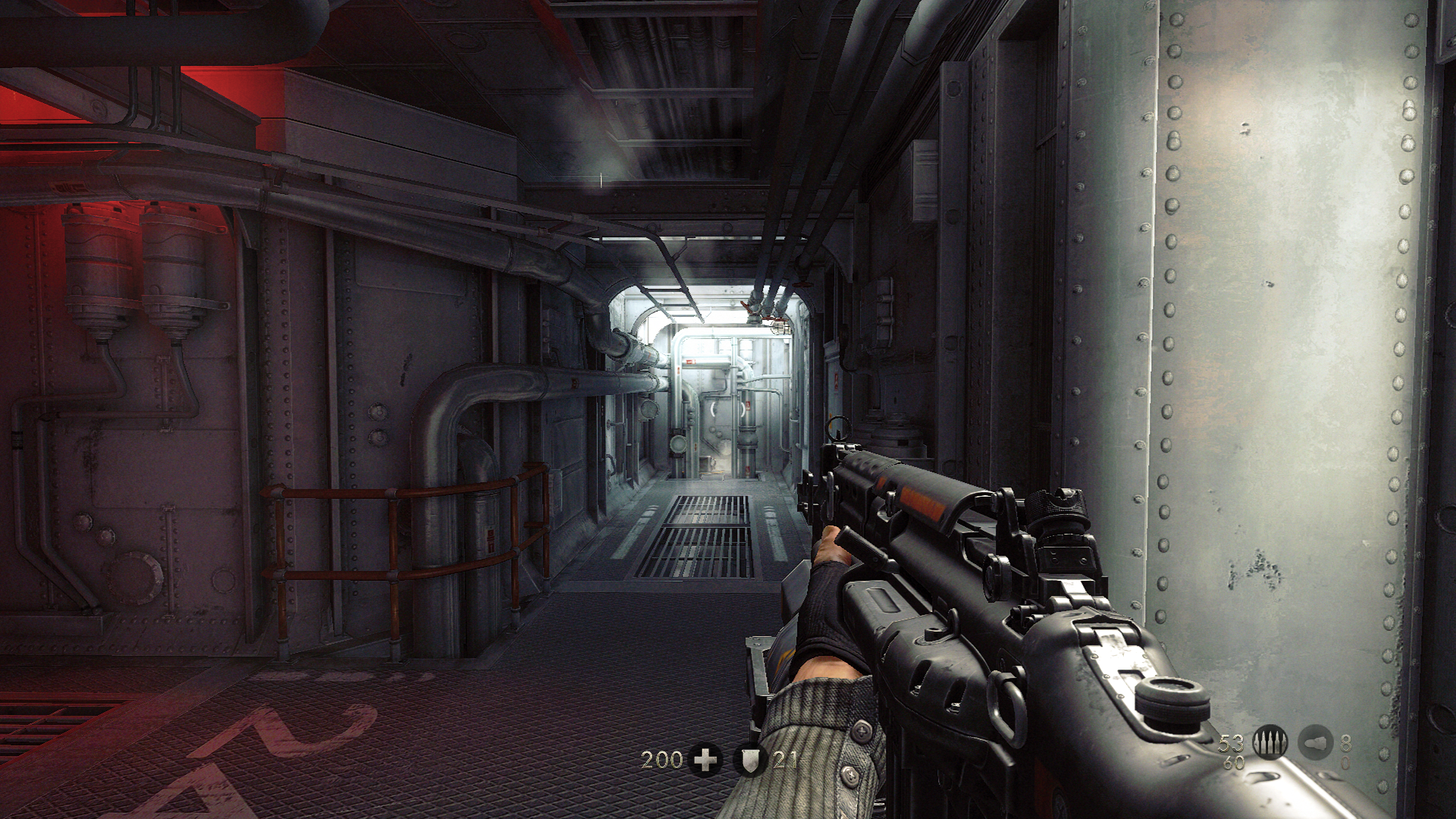

Wolfenstein: The New Order

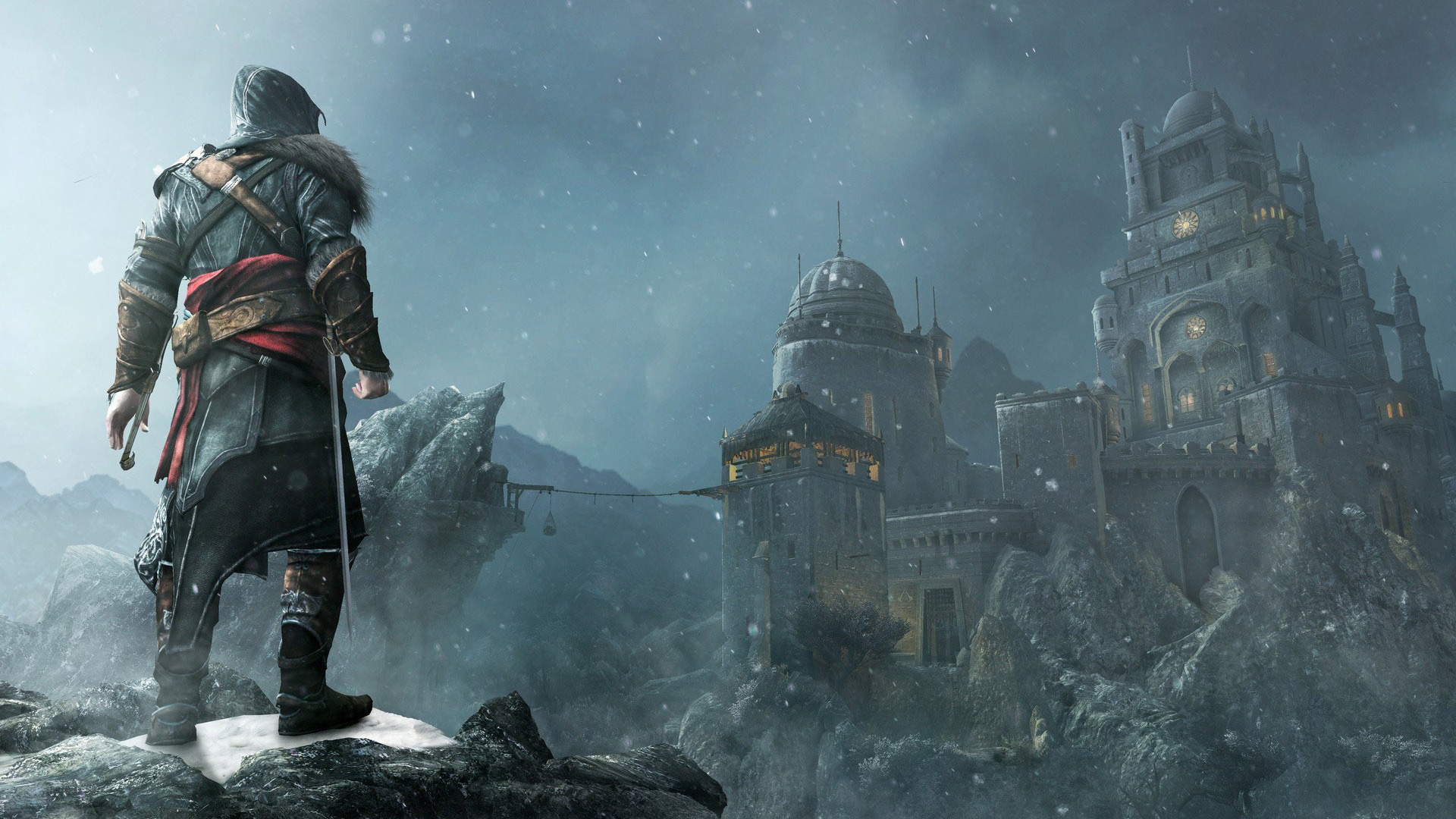
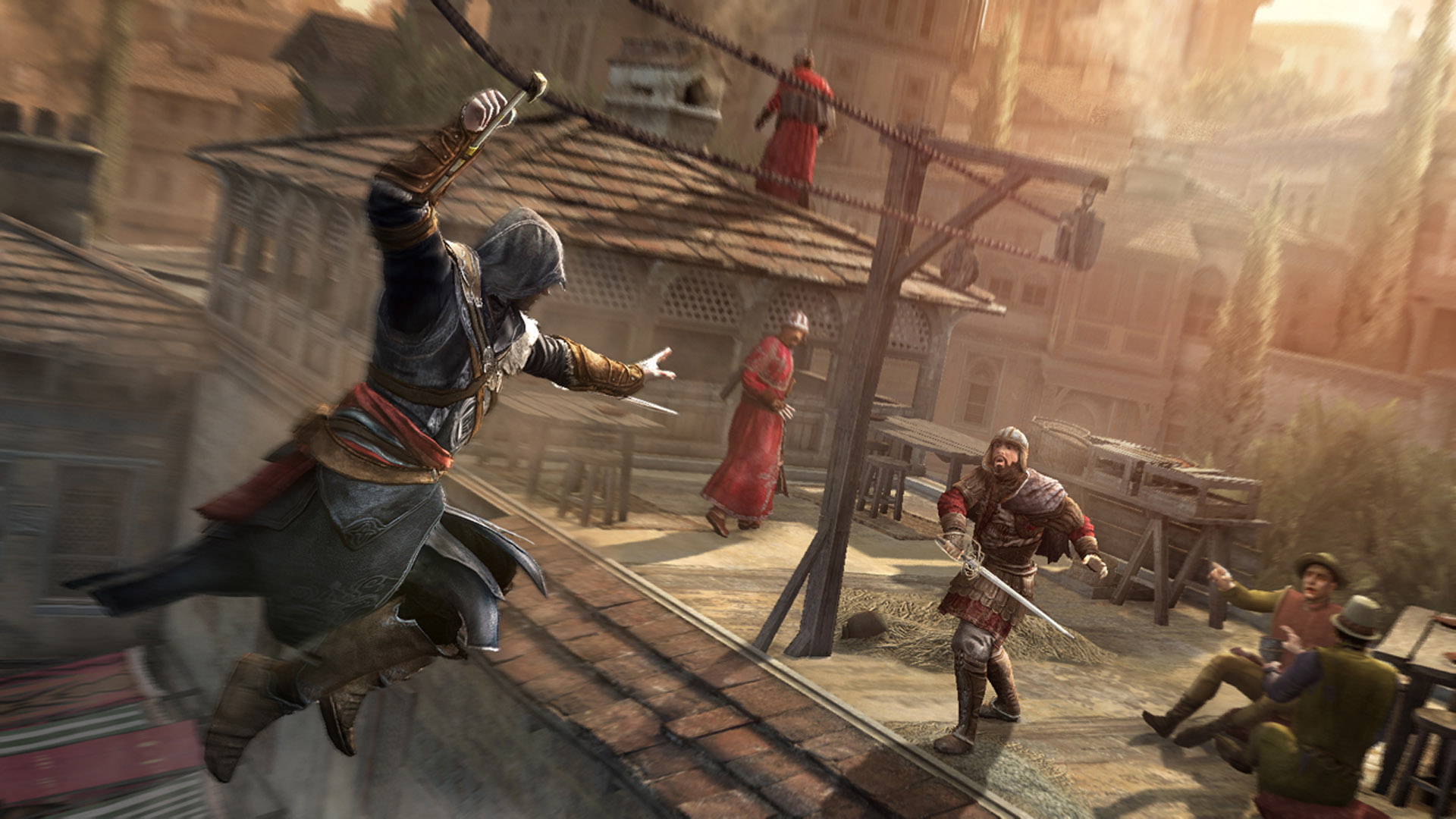
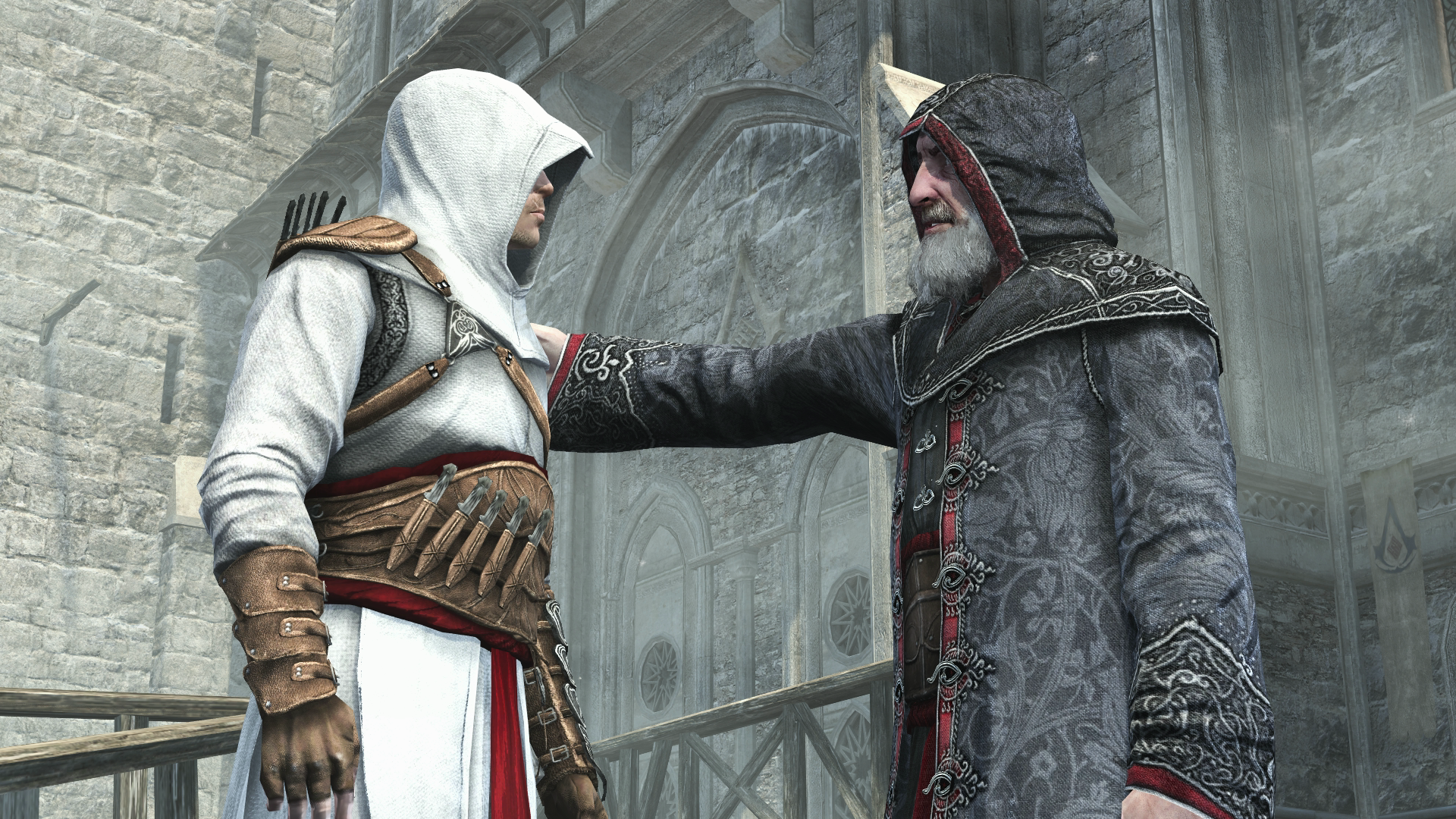
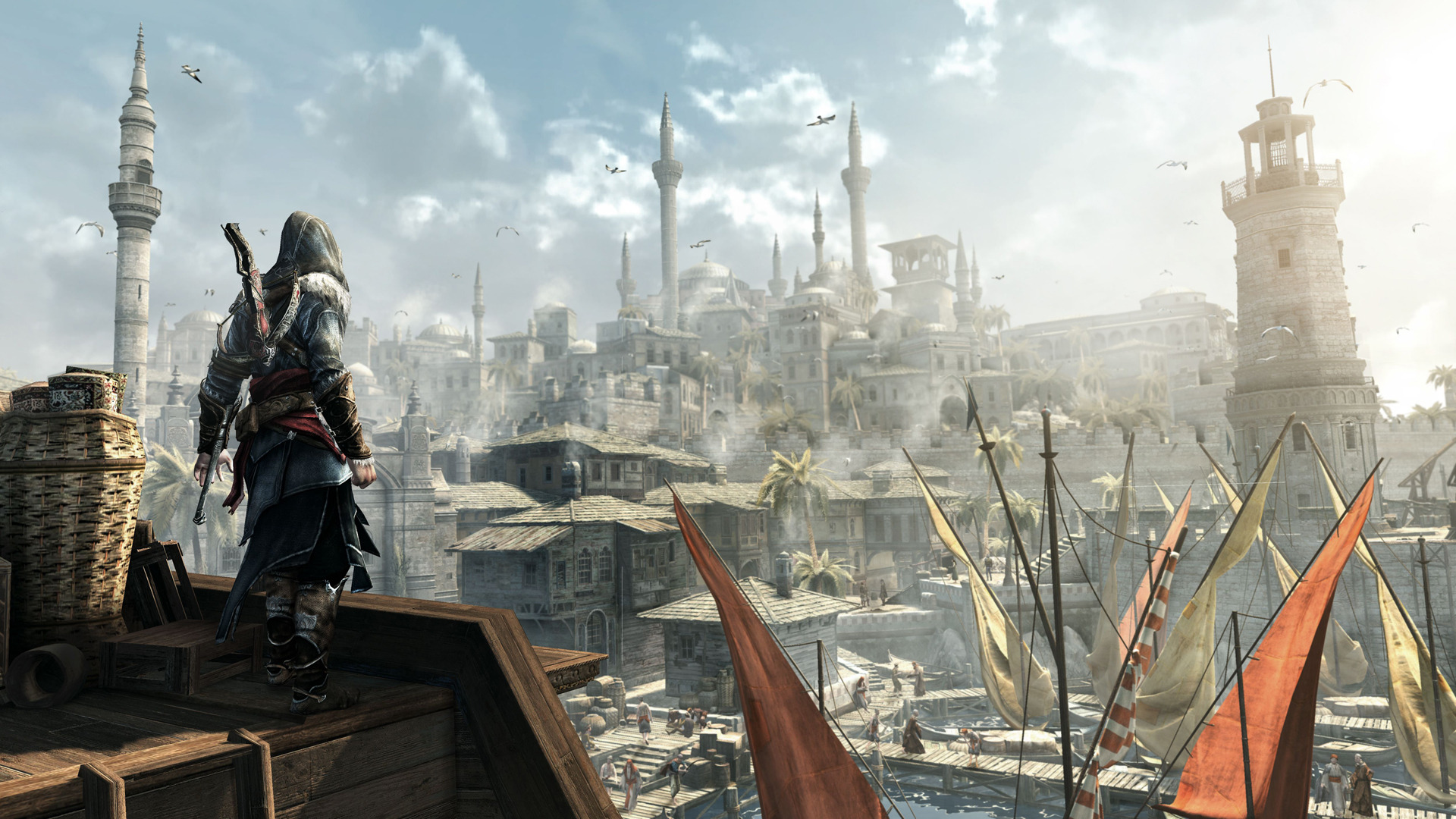
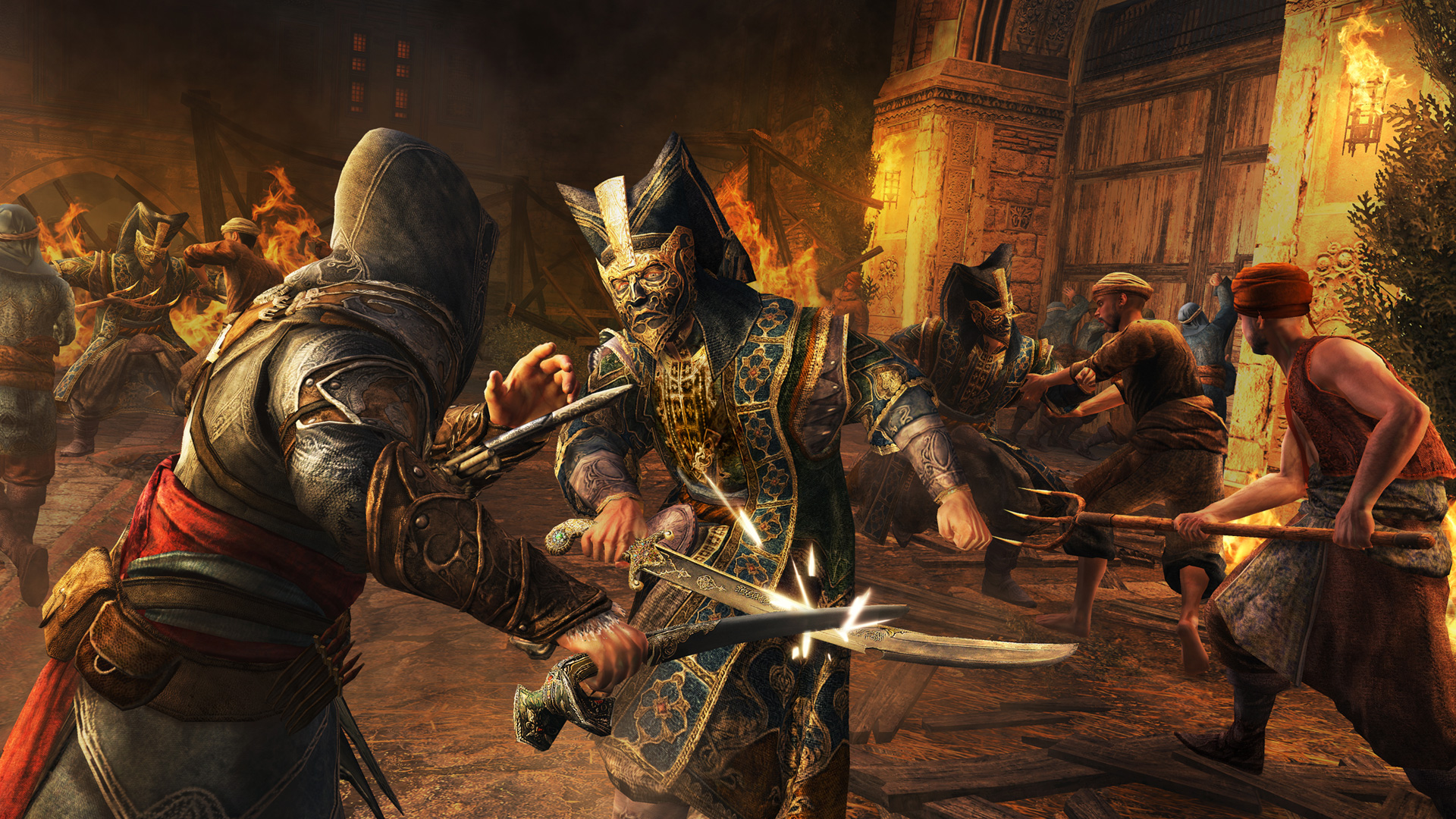

Assassin's Creed Revelations