Game Info
↑ Back to top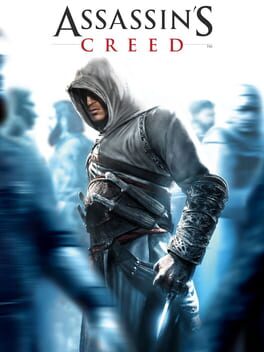

Assassin's Creed
Series:
Genres:
Themes:
Perspectives:
Game Modes:
Game Engines:
Overview
↑ Back to topDescription from IGDB IGDB
Storyline IGDB
Desmond Miles, a bartender, is kidnapped by the company Abstergo Industries for use as a test subject in the "Animus," a device that can simulate genetic memory. Abstergo intends to put Desmond in the device to recall the memories of his ancestor, Altaïr Ibn-La'Ahad, a member of the Assassin Brotherhood in the year 1191, who lived during the Third Crusade in the Holy Land. Initially, Desmond has trouble adjusting to the device, but eventually relives Altaïr's exploits over the next several days. The game then primarily changes to Altaïr's point-of-view, with occasional transitions to Desmond, due to problems with the Animus or onset of the Bleeding Effect. The game opens with Desmond entering Altaïr's memory, but he soon faces synchronization problems. On this, Lucy Stillman and Warren Vidic's voices can be heard, arguing over Desmond's safety within the Animus. After experiencing a few problems, Desmond exits the virtual machine and Vidic briefs him about the Animus' inner workings, before initializing the machine's tutorial program. After Desmond is done with the tutorial, he enters the closest synchronizable memory of Altaïr; Lucy adds that Desmond has to relive key moments of Altaïr's life to increase his synchronization, before reaching the final memory which holds the information that Abstergo is seeking. Altaïr is first shown attempting to retrieve one of a series of artifacts known as the "Pieces of Eden" from Solomon's Temple with the help of Malik Al-Sayf, and his brother Kadar, but they are stopped by Robert de Sablé, Grand Master of the Knights Templar and sworn enemy of the Assassins. While retrieving the treasure, Altaïr breaks all three tenets of the Assassins' Creed in an attempt to kill Robert, but he ultimately fails. In the following commotion, Malik's brother is killed, and Malik's left arm is crippled and later amputated. When Altaïr returns to the Assassins' stronghold at Masyaf with apologies, Malik, who survived de Sablé, comes back with the artifact and disparages Altaïr because of his arrogance. After narrowly defeating a retaliatory attack by the Templars, Al Mualim, leader of the Assassins, demotes Altaïr to a novice but gives him another chance to rise through the ranks of the Brotherhood. Al Mualim assigns Altaïr the task of assassinating nine key figures across the Holy Land in Jerusalem, Acre and Damascus, aiming to bring peace between the Crusader and Saracen forces. Each target is based on an actual historical figure from the Third Crusade, including Majd Addin, Garnier de Naplouse, Jubair al Hakim, Abu'l Nuqoud, Sibrand, William of Montferrat, and Robert de Sablé. Altaïr completes each task, learning how each target is connected to Robert and the Templars and how together they aim to end the Crusades and place the Holy Land under their own control. With men on both sides killed, he discovers that Robert's last plot is to attempt to unite the Christian and Muslim forces against their new common enemy, the Assassins themselves. Altaïr defeats de Sablé before Richard the Lionheart, failing to convince the King that an end to the war would be welcome to both sides, but ending Robert's plot. From de Sablé, Altaïr discovers that Al Mualim was himself a member of the Templars and used the Assassin to kill the other members who held the secret to the treasure's power, so that he could selfishly keep the artifact for himself. Altaïr quickly returns to Masyaf and approaches his master, who reveals the truth to him: the Piece of Eden, which he had recovered through the help of Altaïr directly before his transgression, creates illusions. He denounces religion and other seemingly supernatural events (e.g. the Ten Plagues of Egypt, the parting of the Red Sea, and the presence of the Greek Gods in the Trojan War) as illusions caused by the Piece, and then states his intention to use the artifact to compel mankind into a brainwashed state, and in doing so, bringing an end to all conflict; Altaïr is eventually able to see through the deceptions created by the artifact to kill Al Mualim. When Altaïr recovers the artifact, the Piece of Eden activates, showing a holographic view of the world with numerous locations of other Pieces of Eden marked across the globe. When the process is complete, Desmond learns that Abstergo is a modern-day front of the Templars, and they are already seeking other artifacts at locations identified in Altaïr's memories. Further, he learns that the modern-day Assassins had tried to rescue him before the memory had completed but had failed. Following this, Desmond was to be killed after an order from a high-ranking Templar, Alan Rikkin, but Lucy Stillman saves him from death and, at one point, tucks her ring finger into her palm, referring to the Assassins' tradition of cutting off the finger. Though Desmond remains trapped in the Abstergo laboratory, his experience in the Animus has created a Bleeding Effect of Altaïr's life in his own, allowing Desmond to use Altaïr's Eagle Vision, which, in turn, allows him to see strange messages painted on the walls of his room and the floor of the lab. The messages all deal with various forms of the end of the world from different cultures, including several references to 21 December 2012, the date that Abstergo plans to launch a satellite that will "permanently end the war." It is hinted that this method would be by the same method that Al Mualim hypnotized Masyaf, only on a larger scale. Finally, the game ends with Desmond wondering what the images all mean and who could have drawn them.
Wikipedia Description WIKIPEDIA
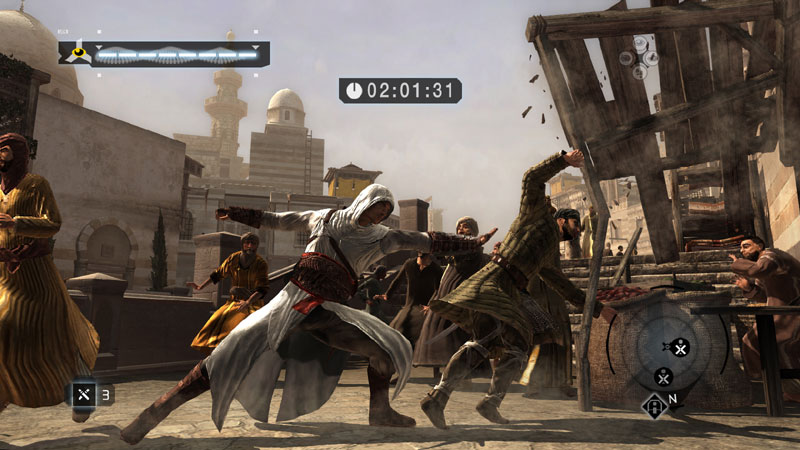
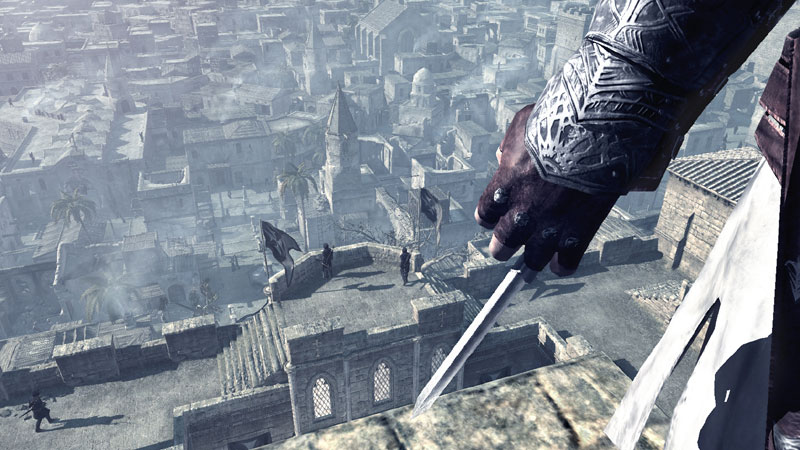
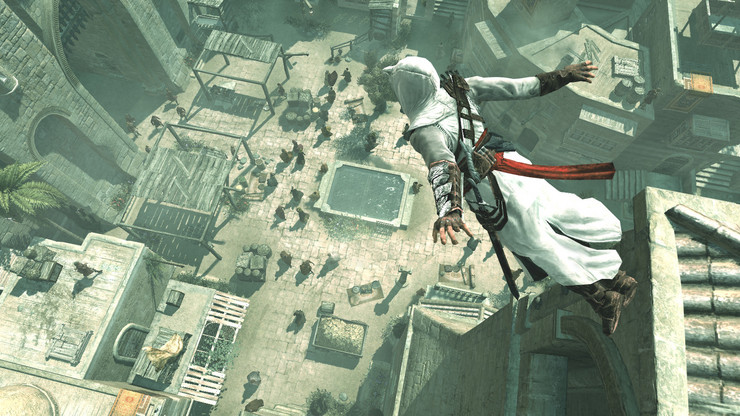
The Assassin's Creed games are centered around one or more fictional members of the Order of the Assassins. Their memories are experienced by an in-game character in the modern-day period through a device called the Animus and its derivations. The Animus allows the user to explore these memories passed down via genetics. Within the context of the game, this provides a diegetic interface to the real-world player of the game, showing them elements like health bars, a mini-map, and target objectives as if presented by the Animus. Additionally, should the player cause the historical character to die or fail a mission, this is rectified as desynchronization of the genetic memory, allowing the player to try the mission again. Through the Animus interface, the player can retry any past mission already completed; for example, in Assassin's Creed: Brotherhood, the player achieves better synchronization results by performing the mission in a specific manner, such as by only killing the mission's target. The Animus also imparts special abilities to the modern-day character that helps them see their target in a crowd or other unique points of interest. While playing as the Assassin characters, the games are generally presented from a third-person view in an open world environment, focusing on stealth and parkour. The games use a mission structure to follow the main story, assigning the player to complete an assassination of public figureheads or a covert mission. Alternatively, several side missions are available, such as mapping out the expansive cities from a high perch followed by performing a "Leap of Faith" into a haystack below, collecting treasures hidden across the cities, exploring ruins for relics, building a Brotherhood of Assassins to perform other tasks, or funding the rebuilding of a city through the purchasing and upgrading of shops and other features. At times, the player is in direct control of the modern-day character who, by nature of the Animus use, has learned Assassin techniques through the Bleeding Effect, as well as their genetic ability of Eagle Vision, which separates friend, foe, and assassination targets by illuminating people in different colors. The games use the concept of active versus passive moves, with active moves, such as running, climbing the sides of buildings, or jumping between rooftops, more likely to alert the attention of nearby guards. When the guards become alerted, the player must either fight them or break their line of sight and locate a hiding place, such as a haystack or a well, and wait until the guards' alert is reduced. The combat system allows for a number of unique weapons, armor, and moves, including the use of a hidden blade set in a bracer attached at the Assassin's wrist with a blade ejected via-spring mechanism, which can be used to perform surreptitious assassinations.
About Assassin's Creed
Assassin's Creed is a Action, Open World, Platform, Sandbox, Stealth game released in 2007 developed by Ubisoft Montreal that offers Single player gameplay from a third person perspective playable on PlayStation 3, Xbox 360 with 1710 user ratings averaging 73.2/100. The game explores themes like Fantasy, Historical, Non-fiction. If you enjoy Assassin's Creed, you might also like similar games in our database of 45,000+ titles.
Basic Info
Details
↑ Back to topAdditional Information
Платформы 2
Genres 5
Themes 5
Player Perspectives 1
Game Modes 1
Companies
↑ Back to topDevelopers
Ubisoft Montreal
No description available
Publishers
Ubisoft Entertainment
No description available
Keywords
↑ Back to topScreenshots
↑ Back to top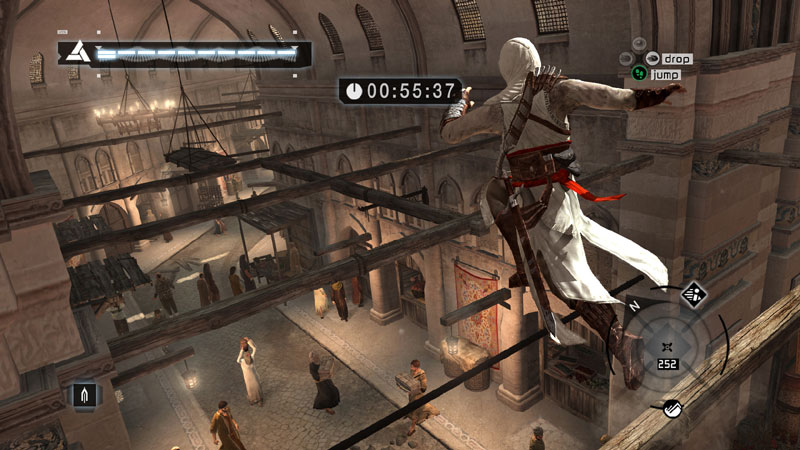
Similar Games
↑ Back to top




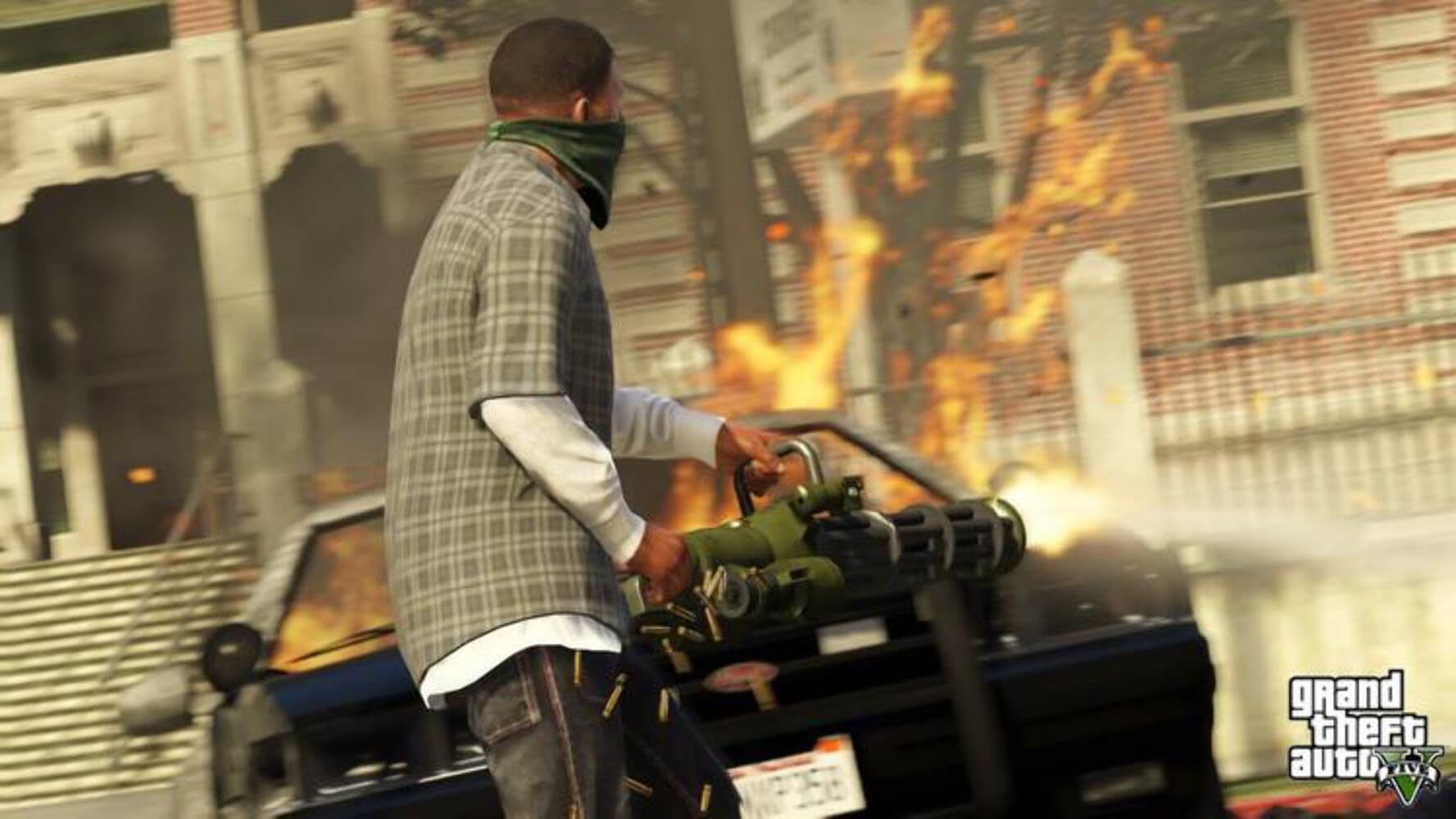

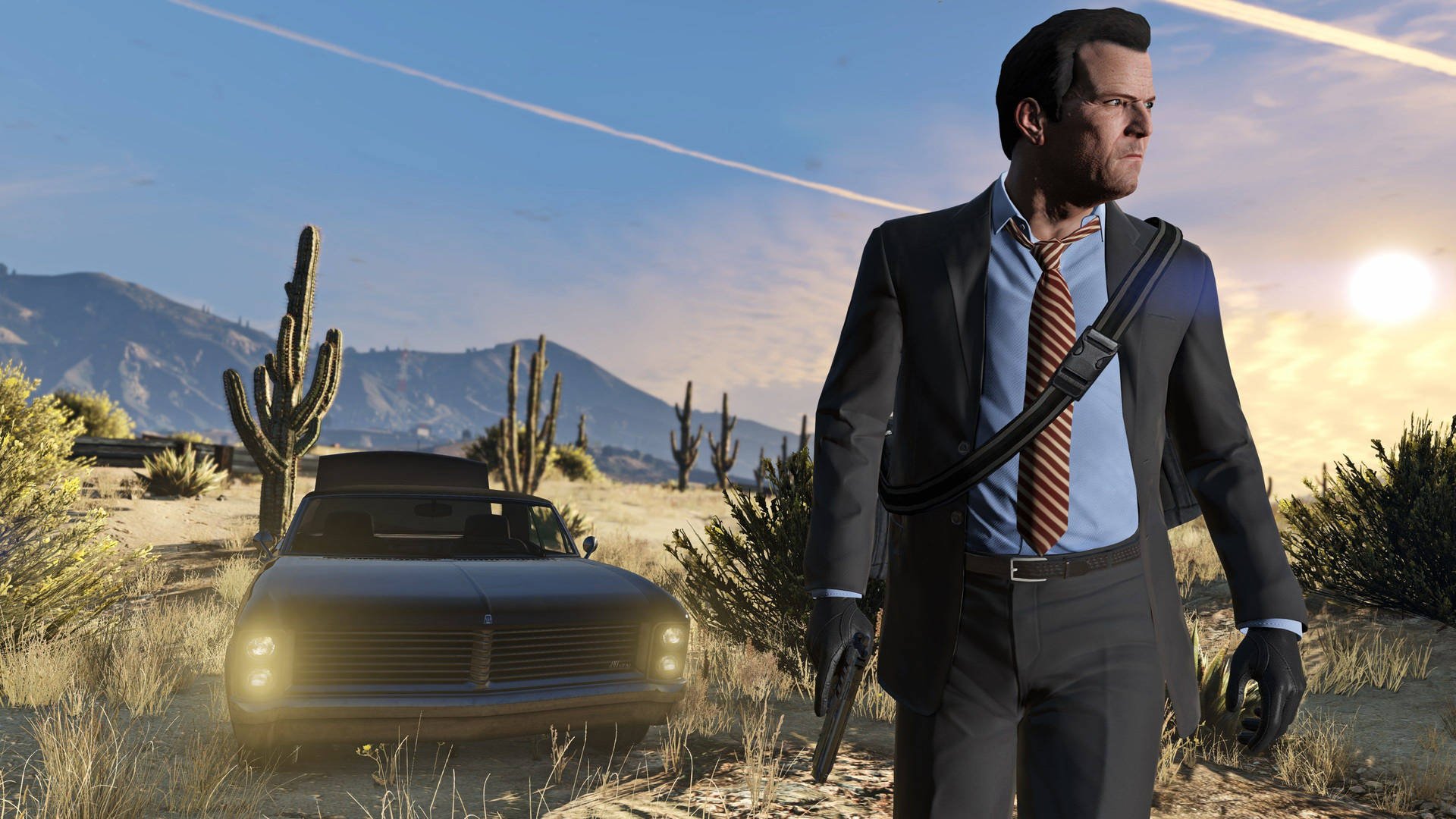





Grand Theft Auto V

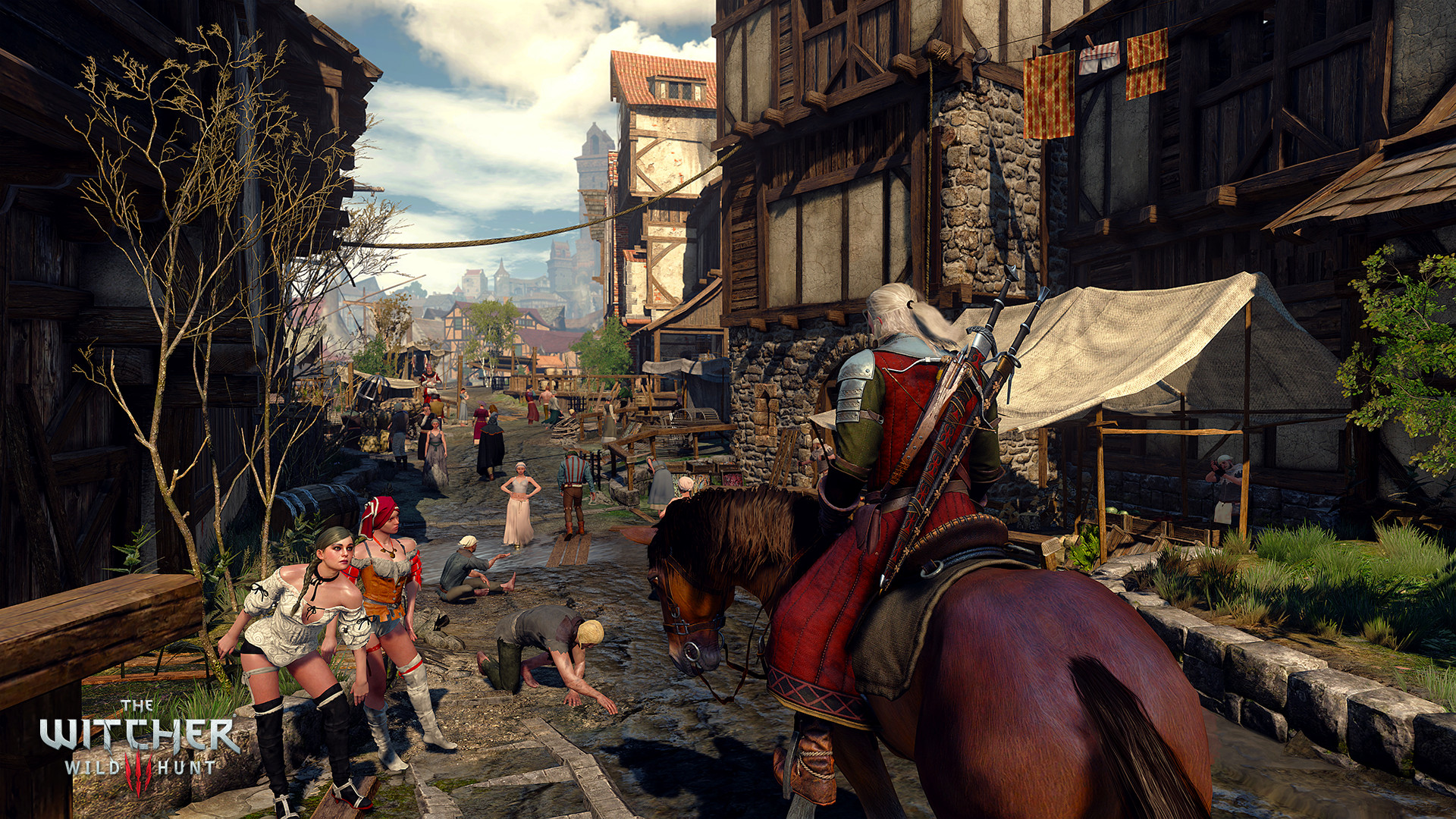
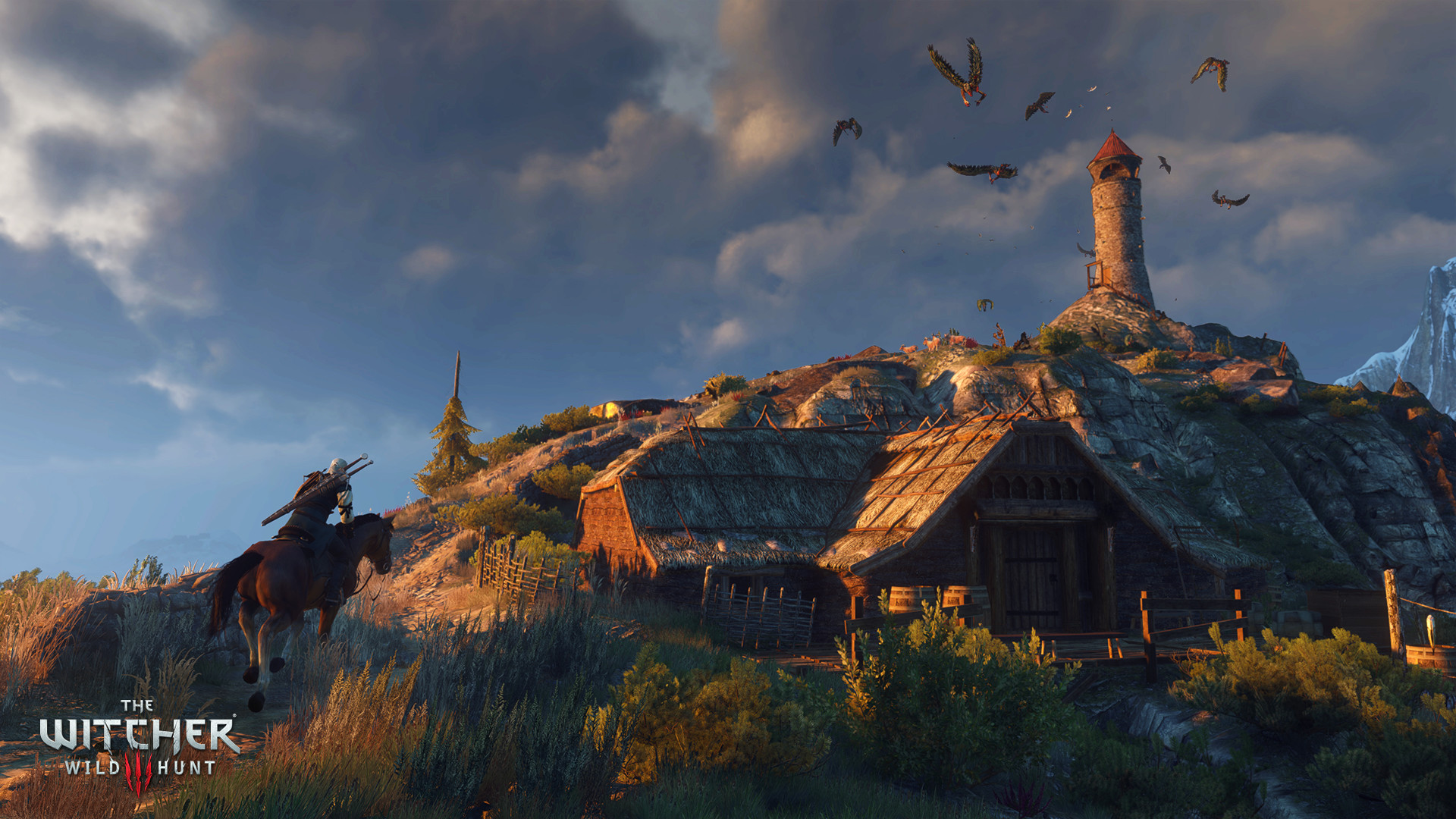
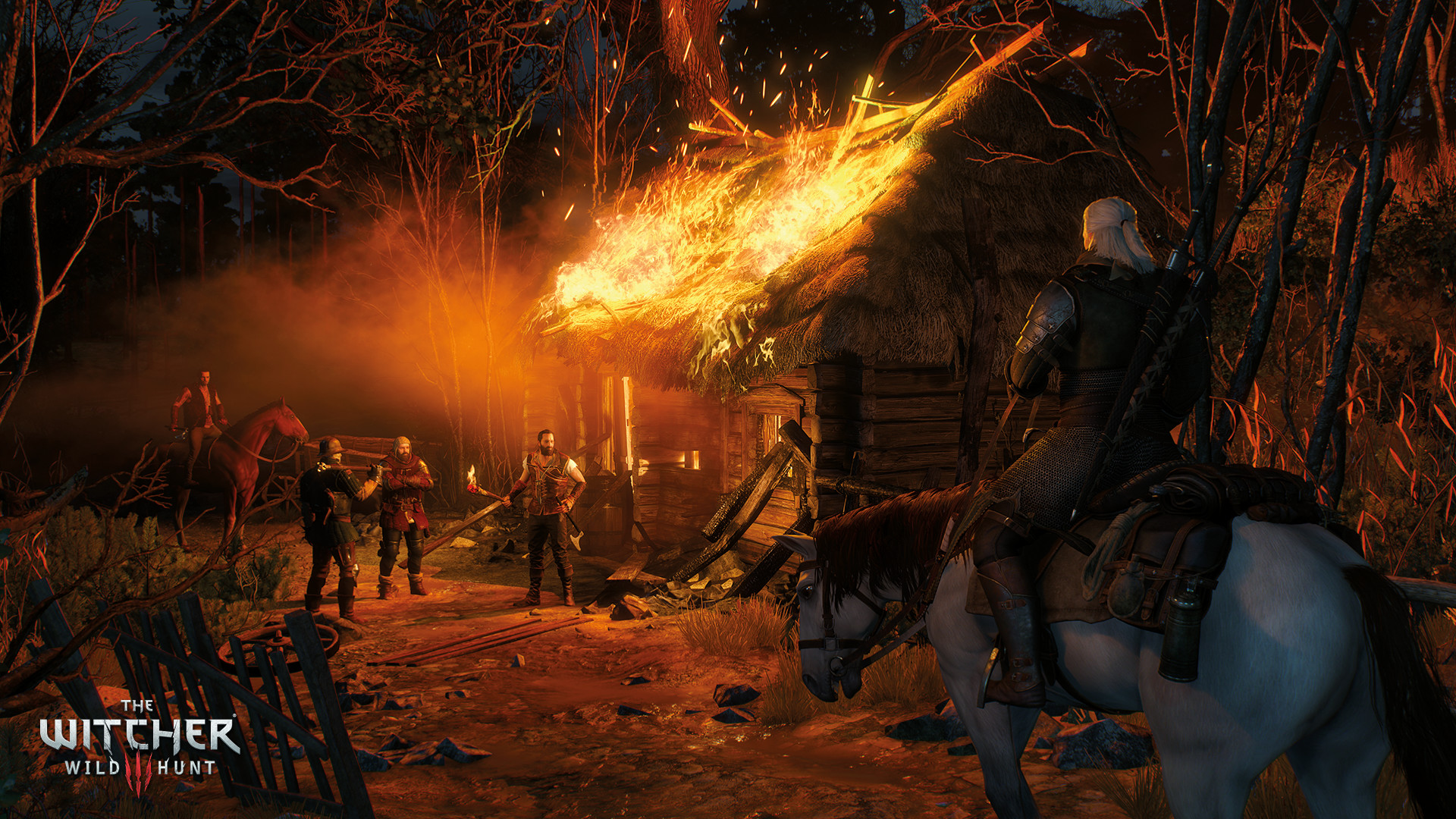
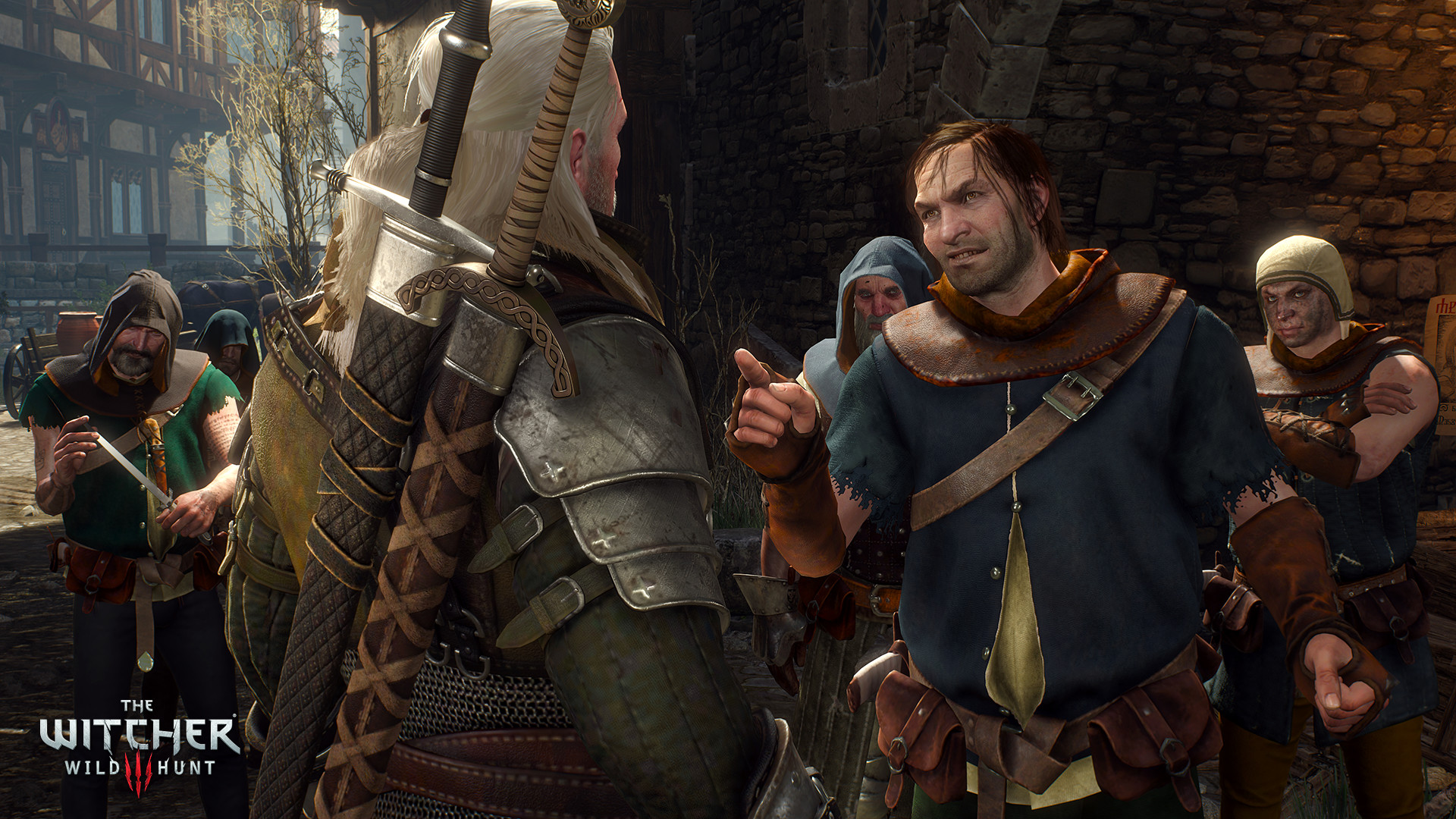
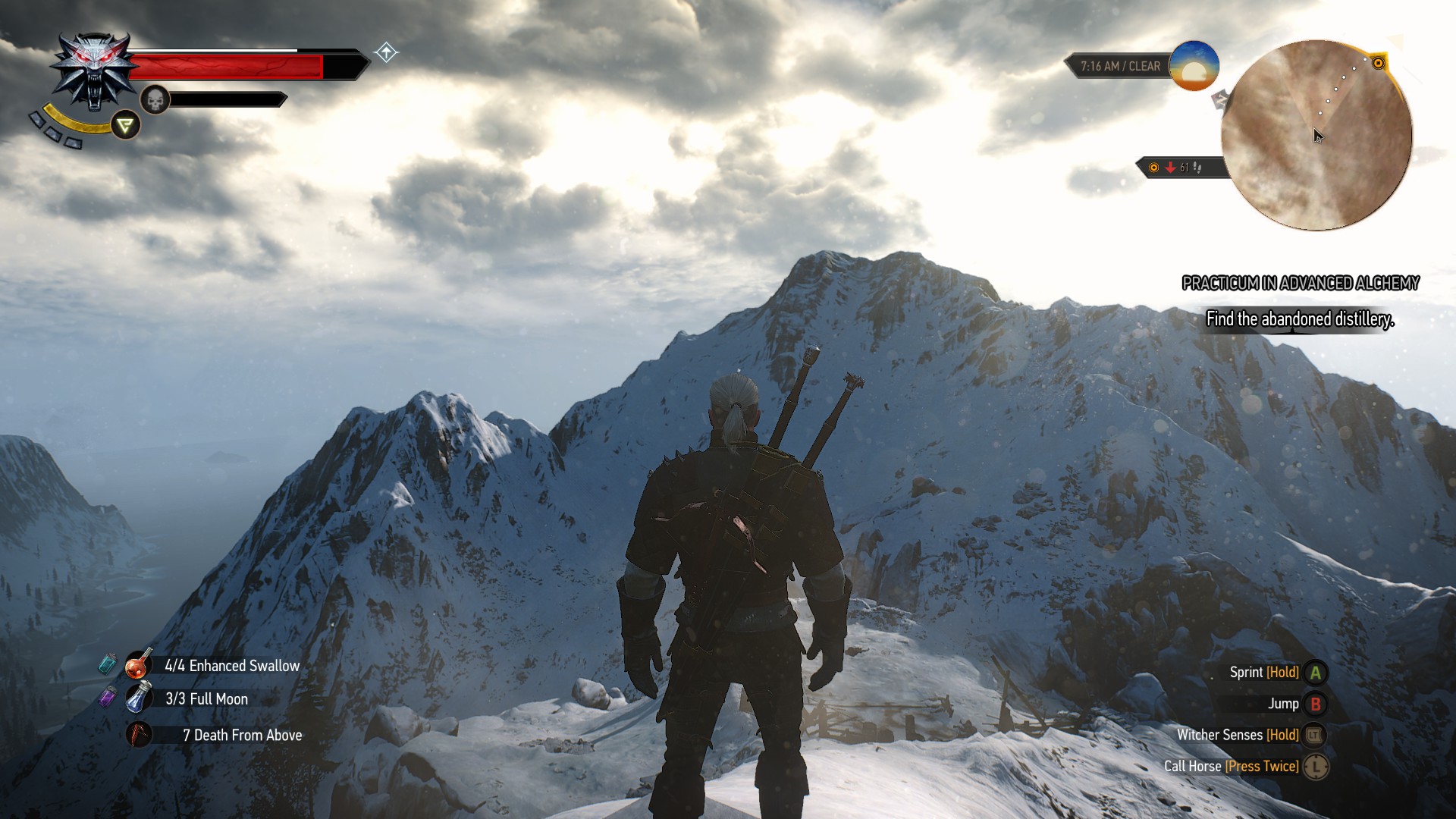
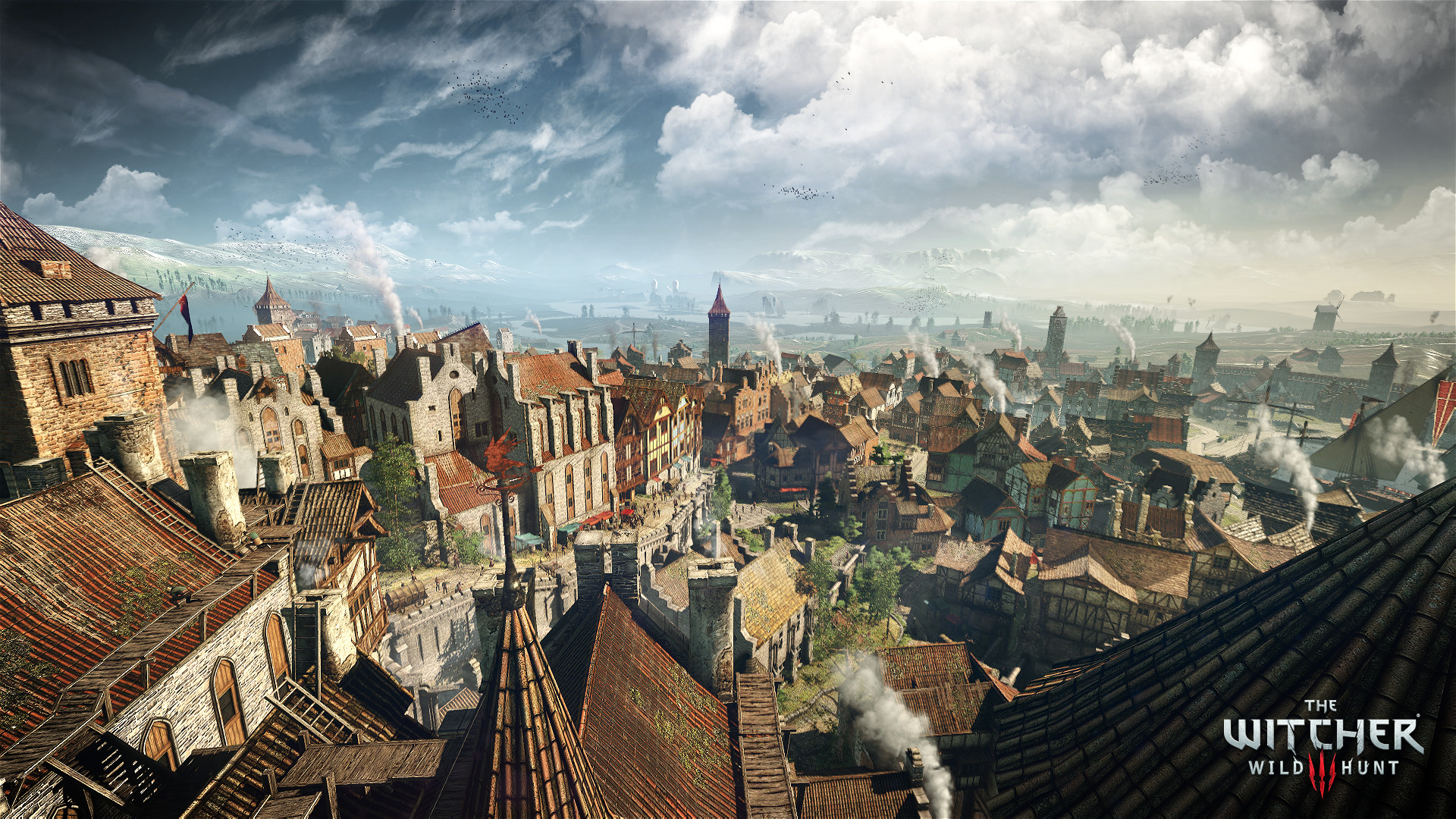
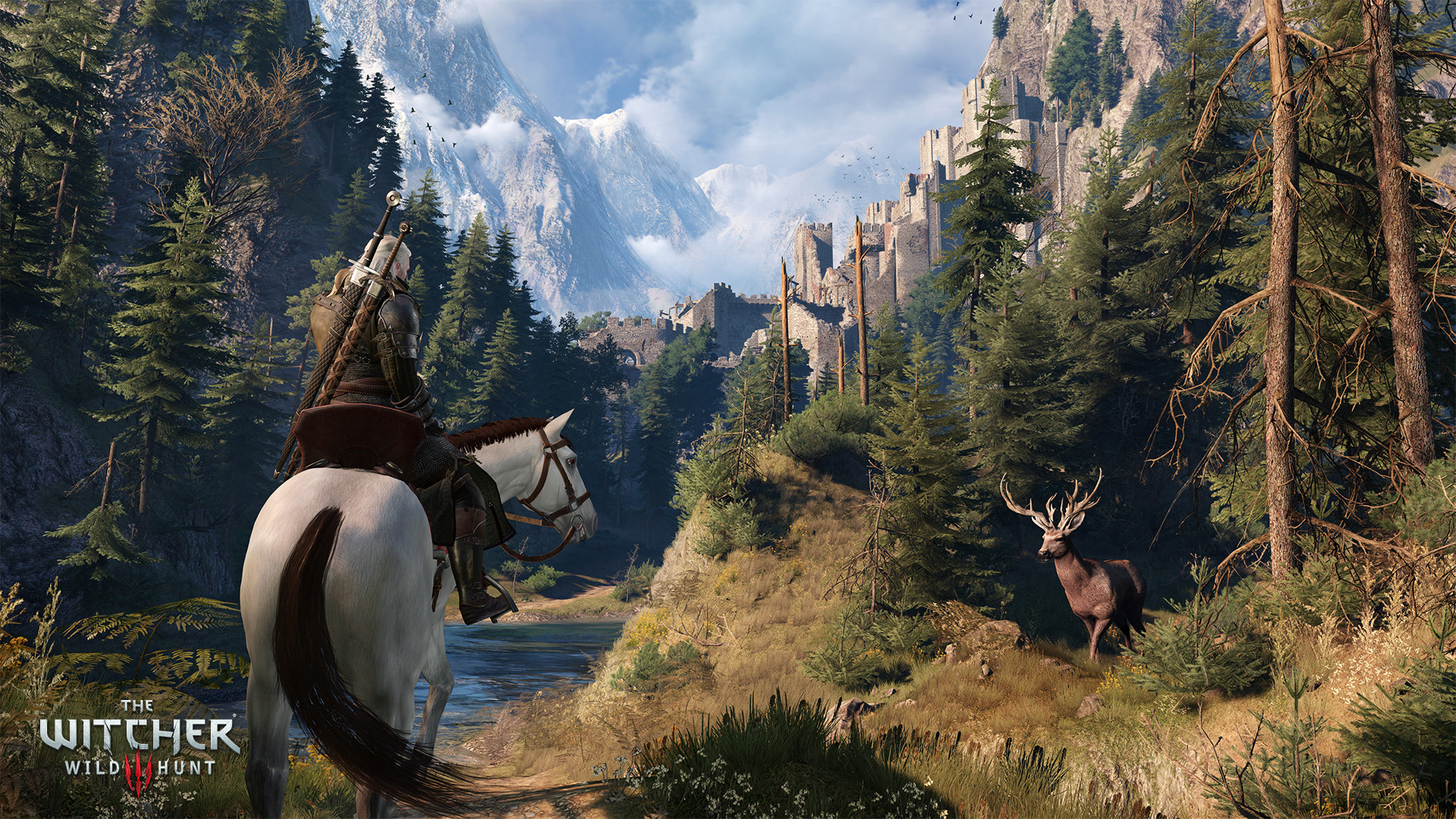
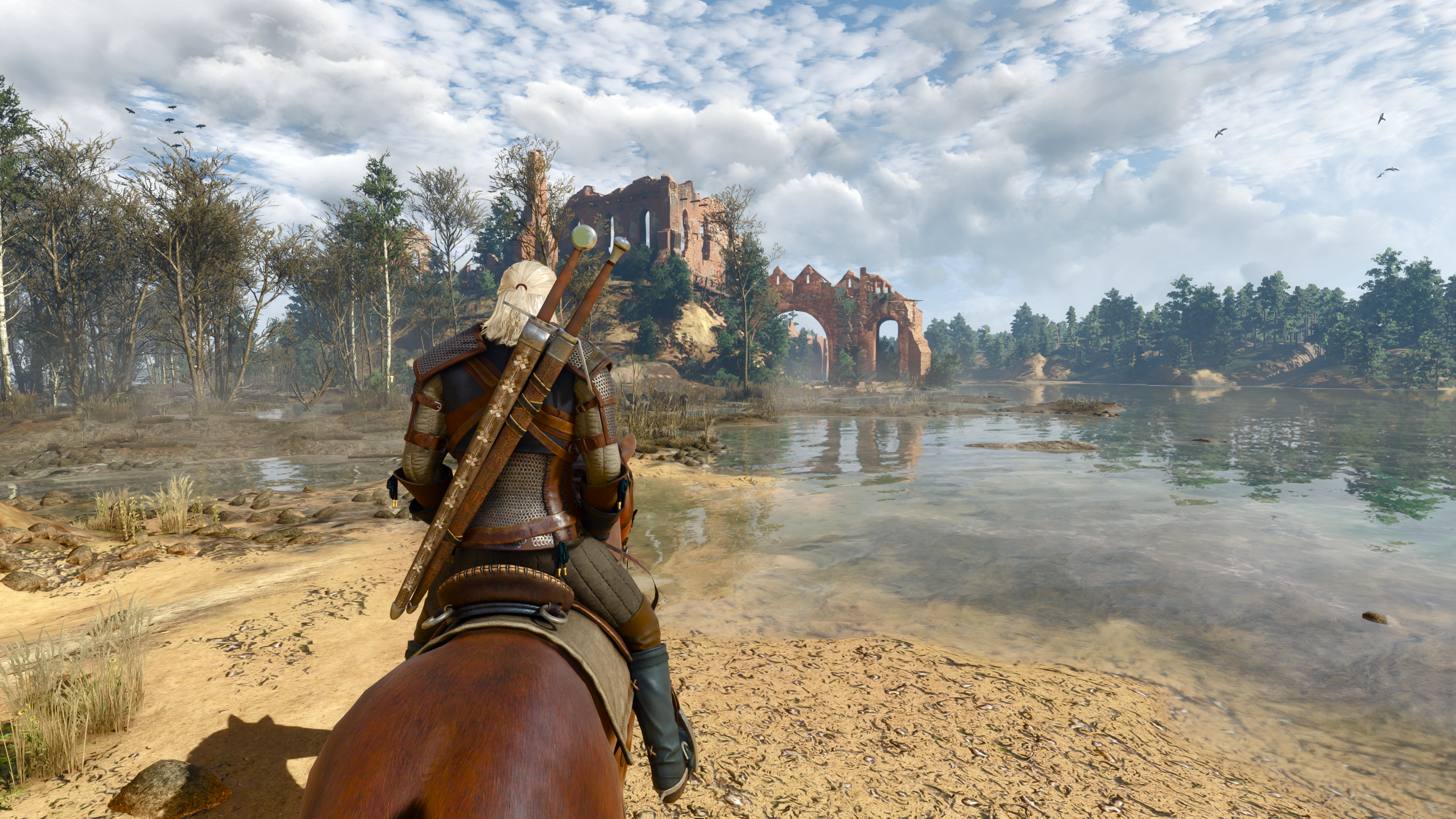
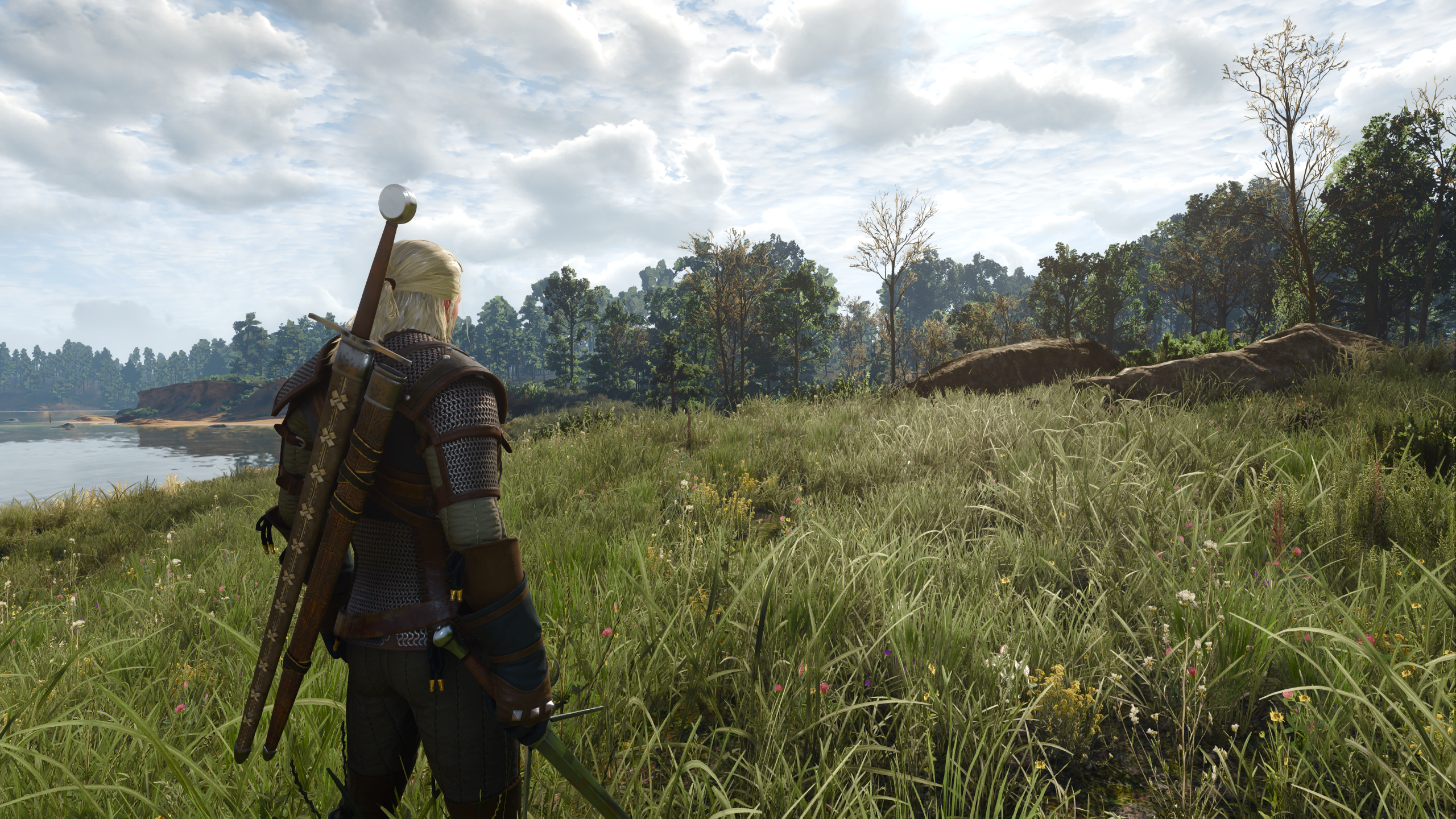

The Witcher 3: Wild Hunt
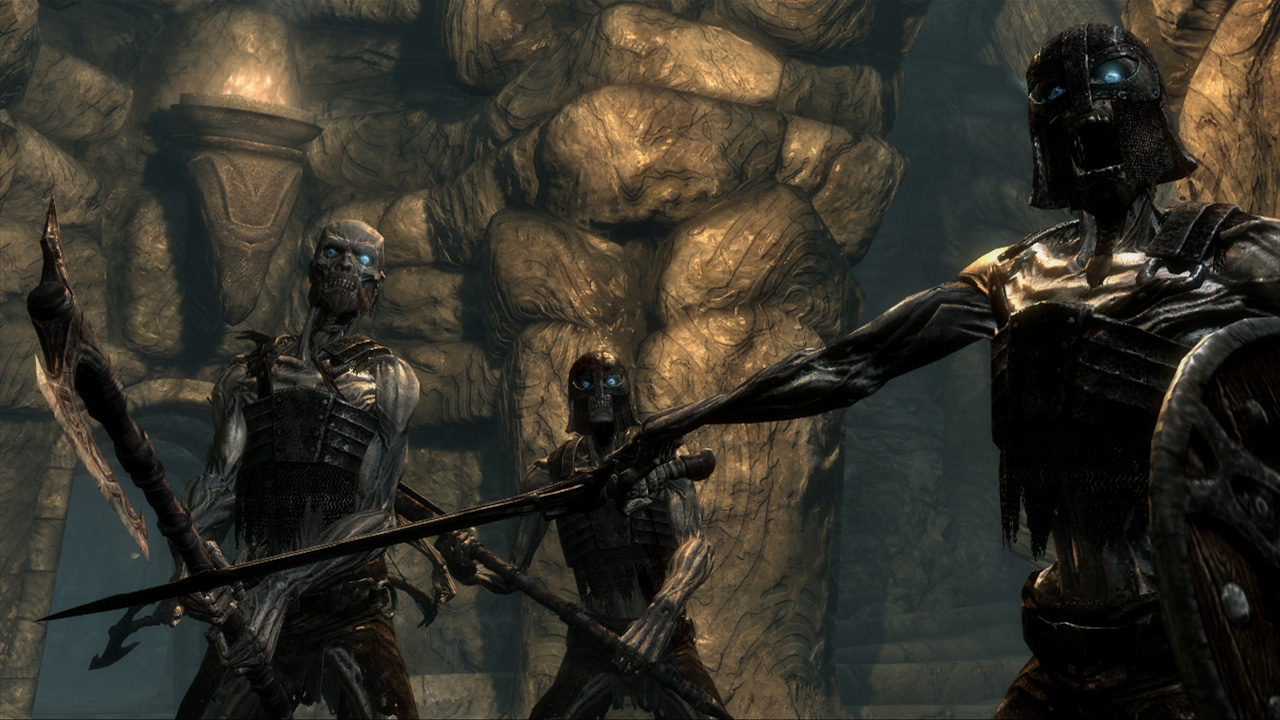
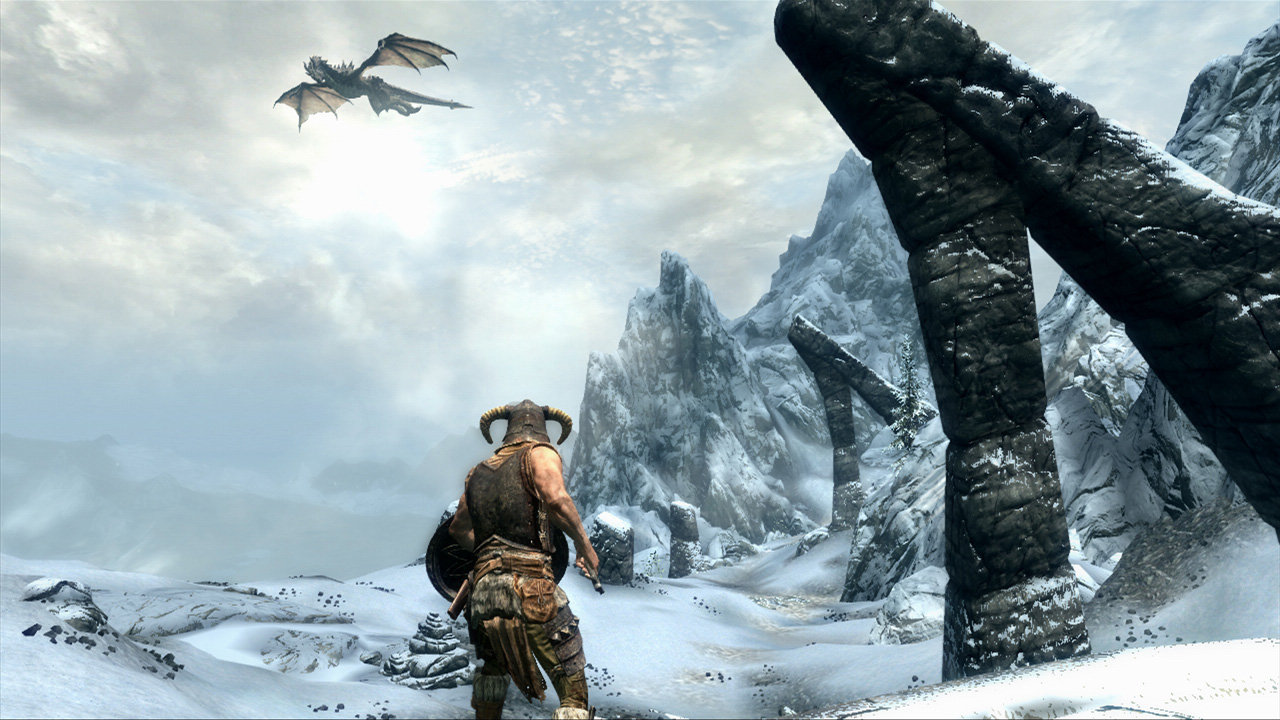
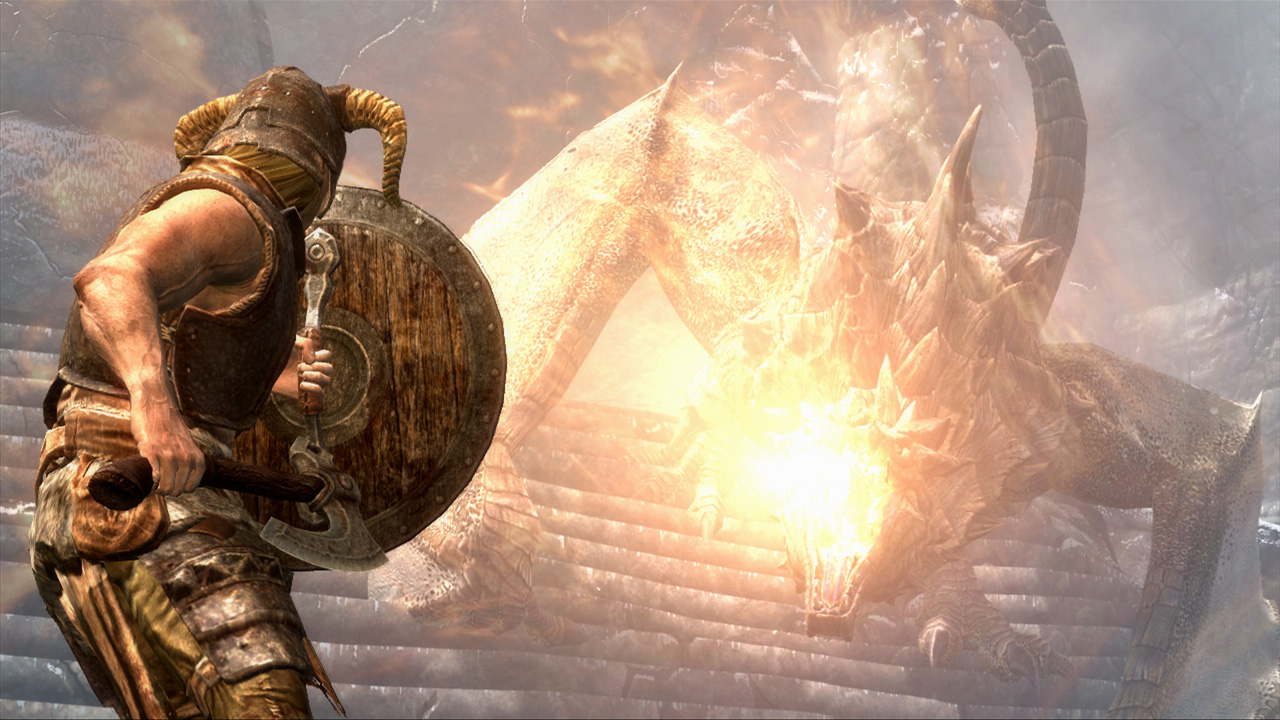

The Elder Scrolls V: Skyrim



Grand Theft Auto: San Andreas


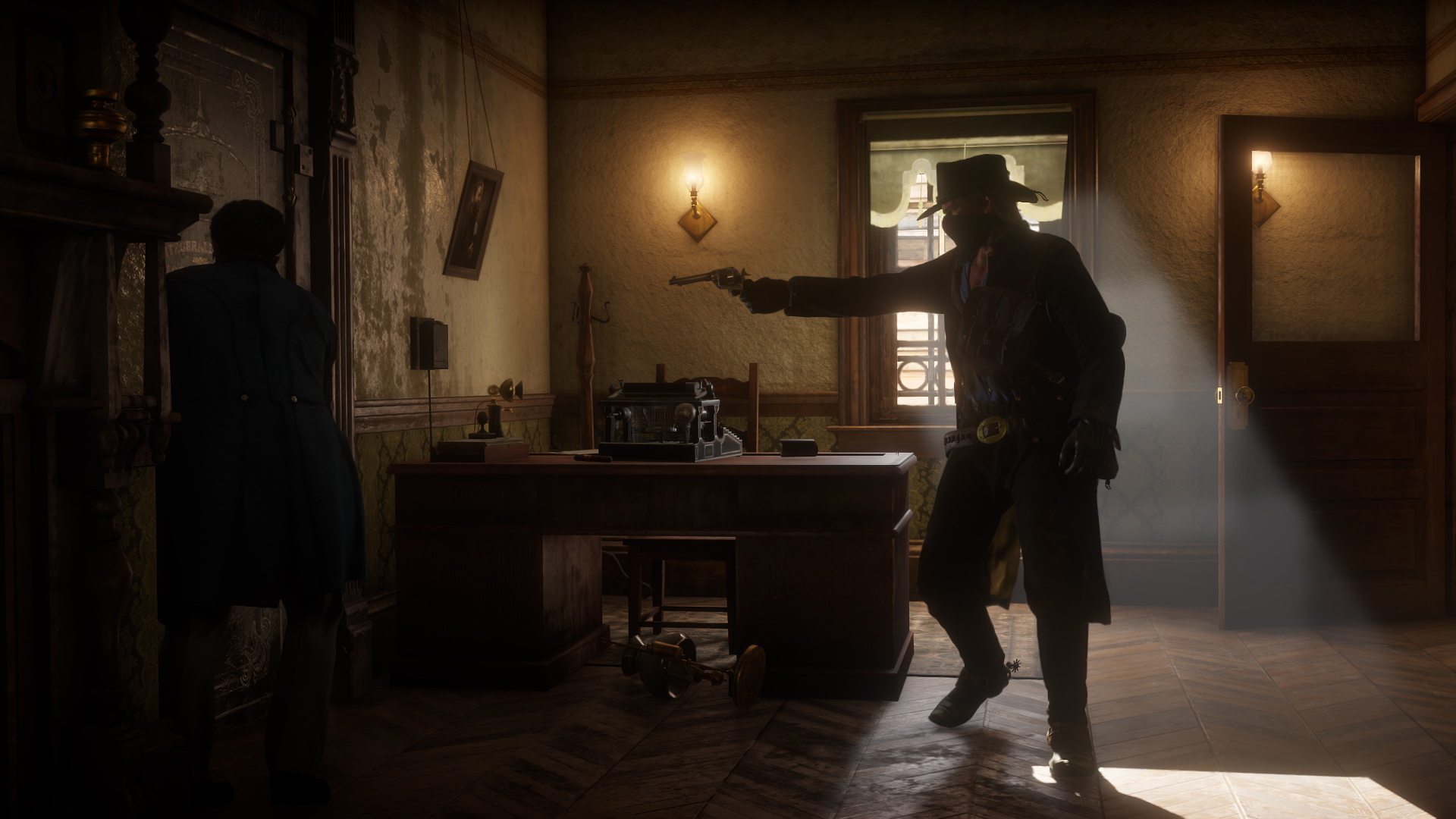
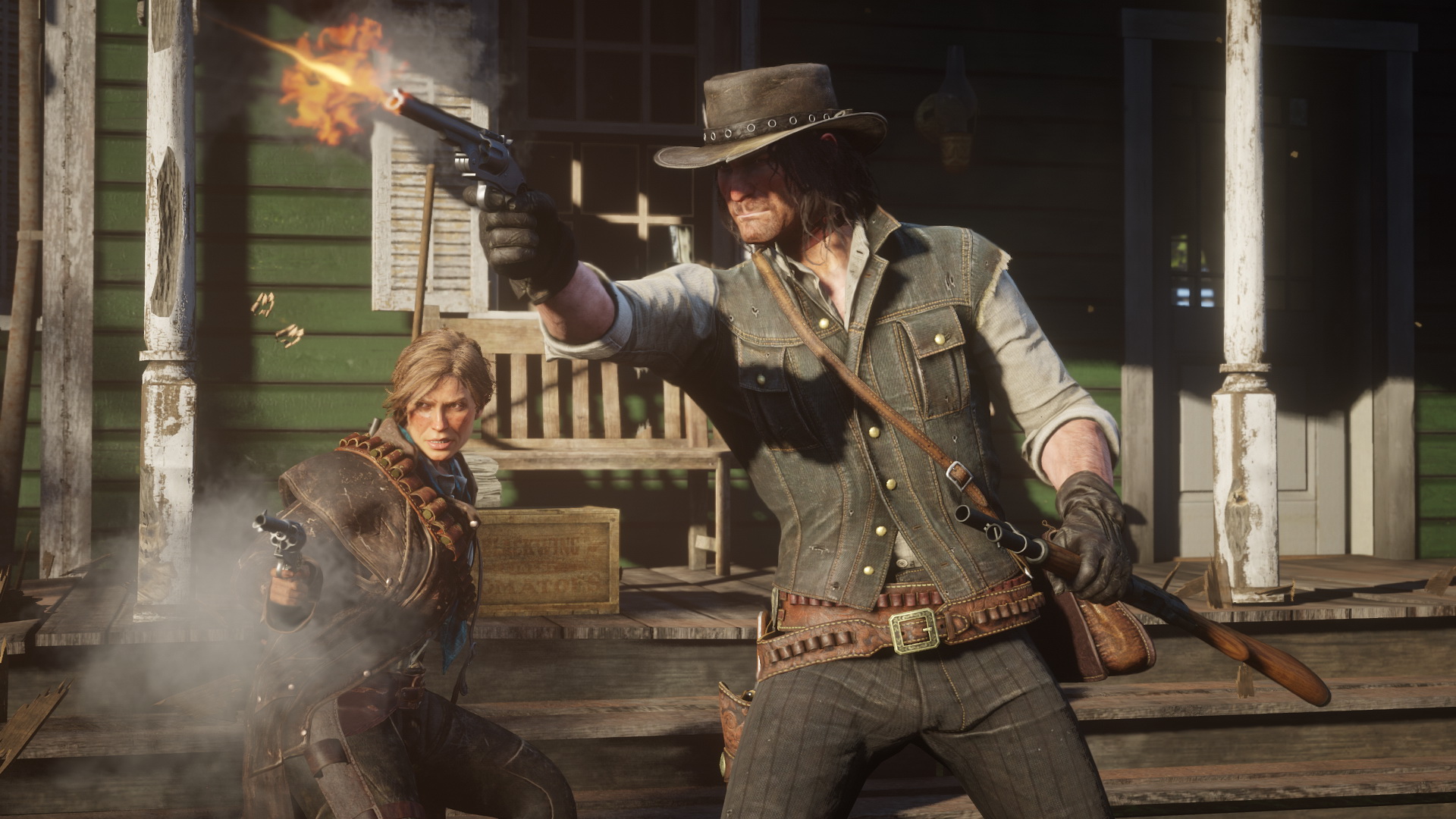
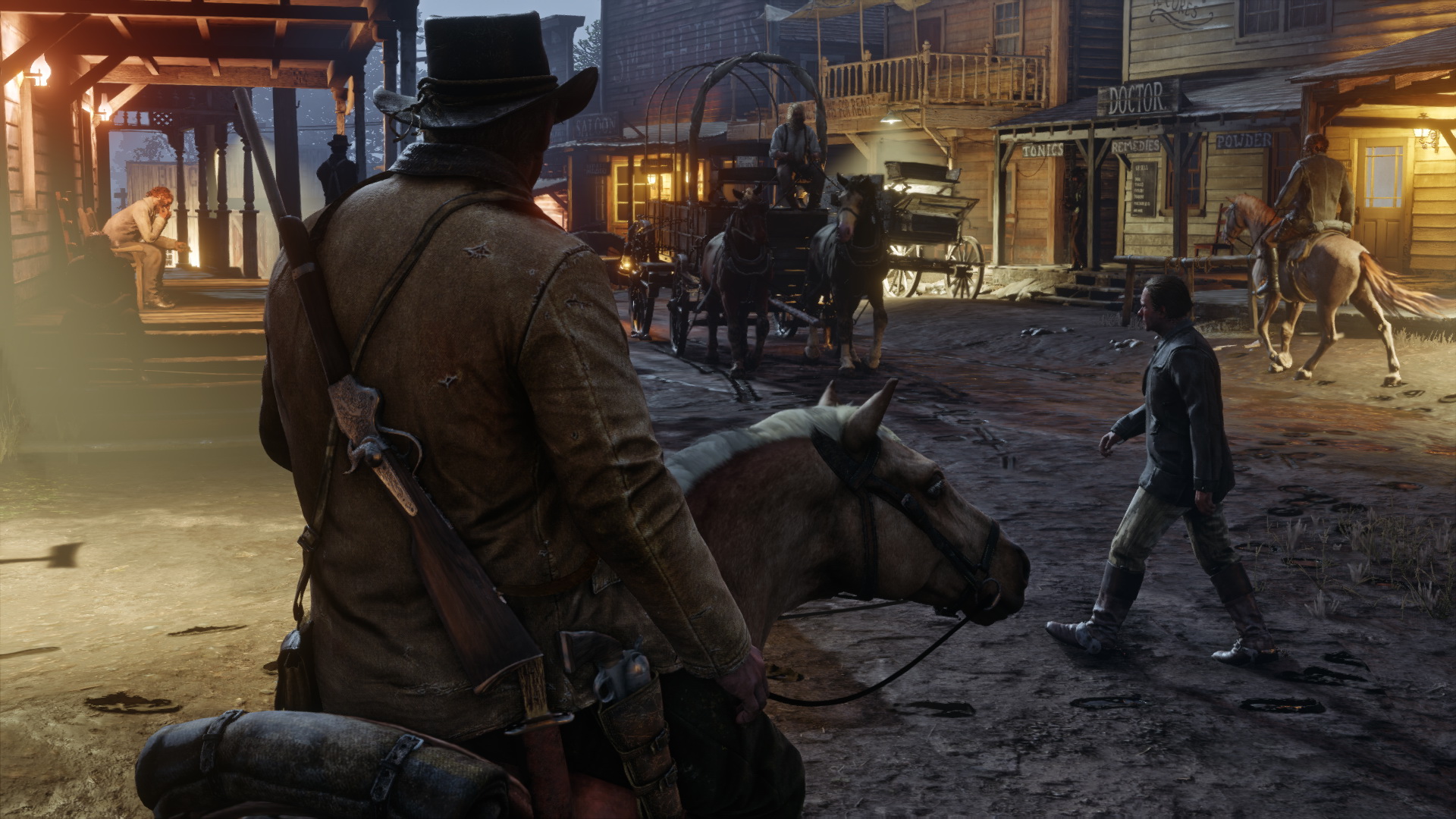
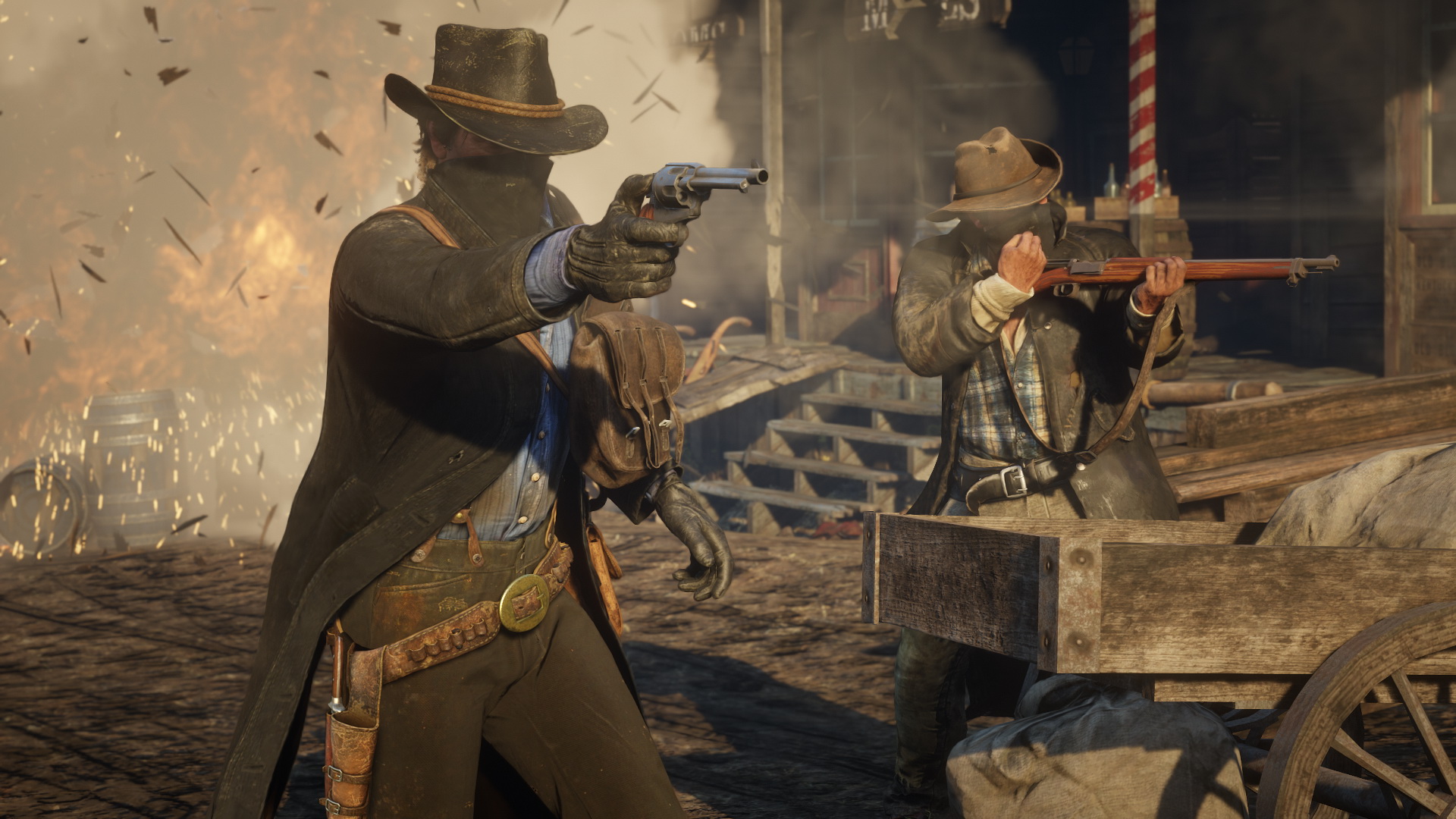



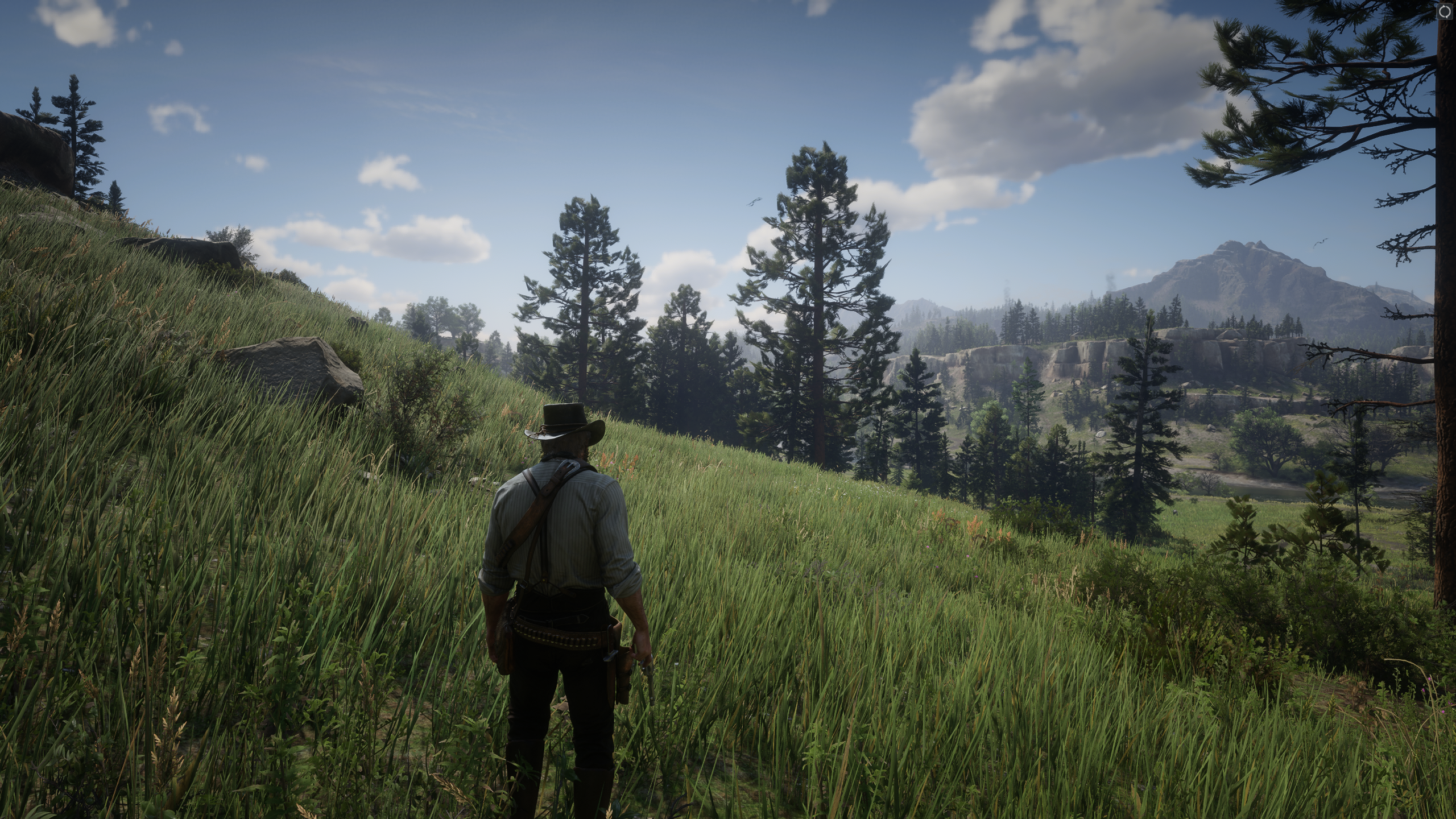

Red Dead Redemption 2

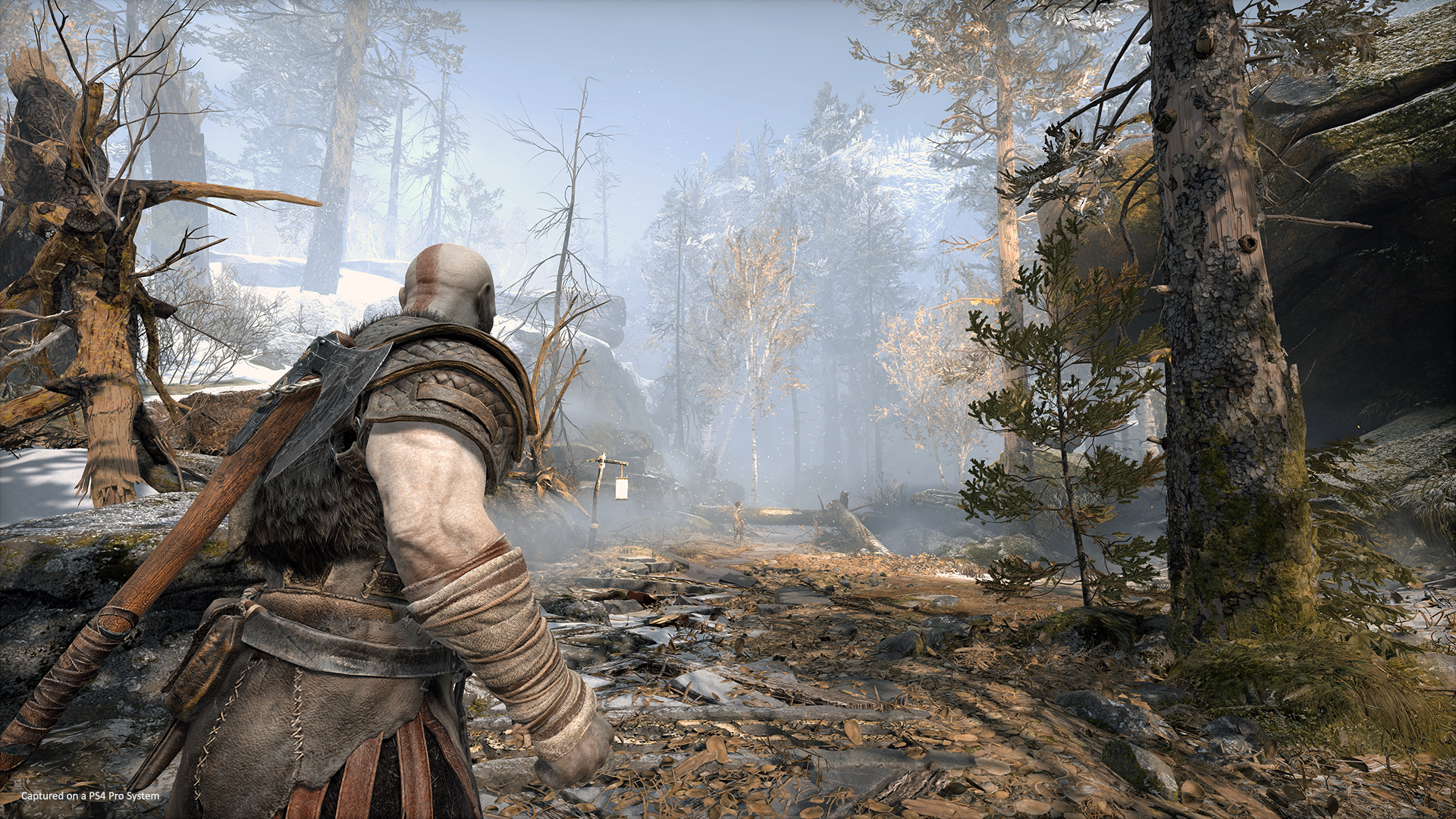
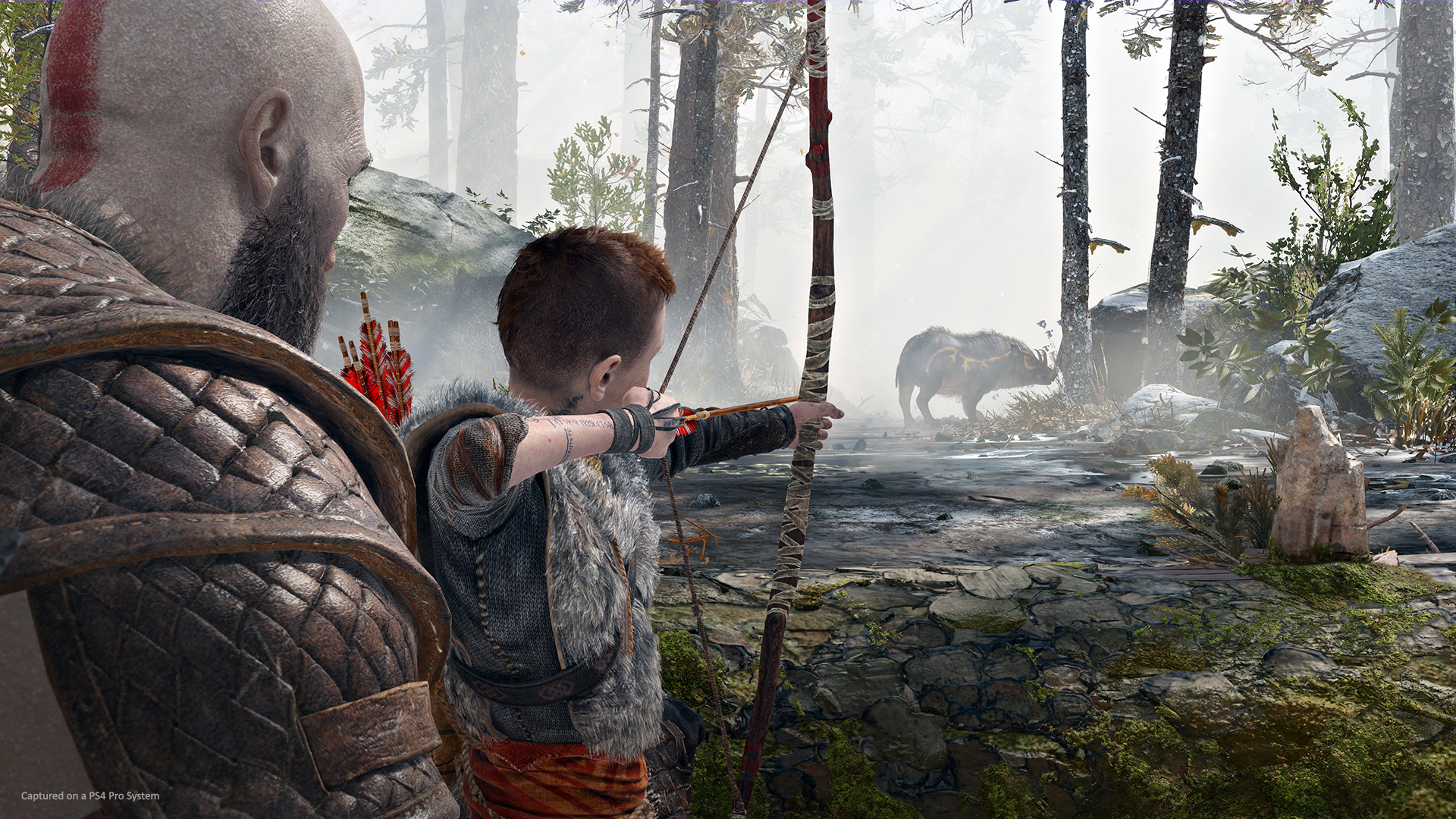
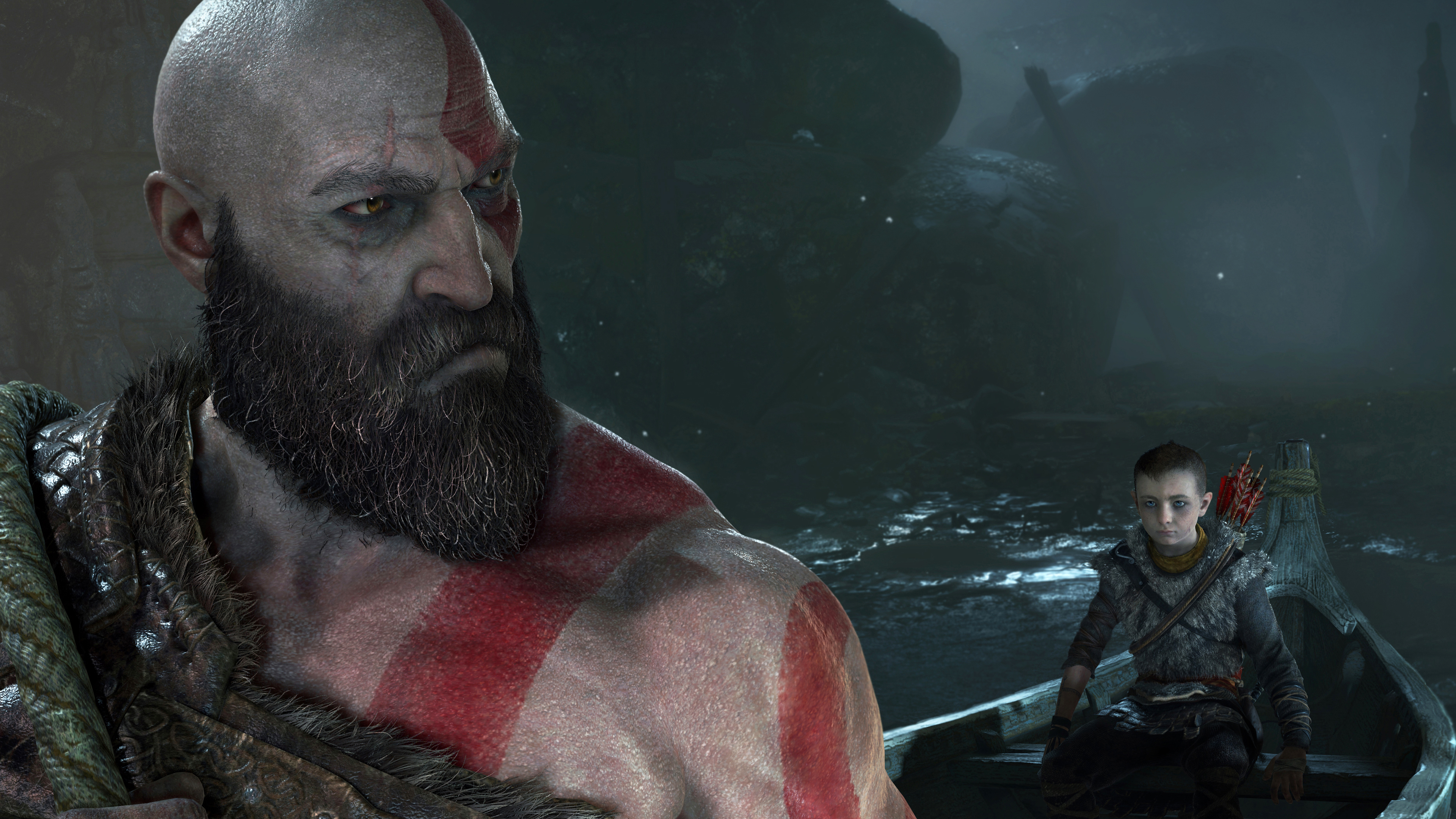
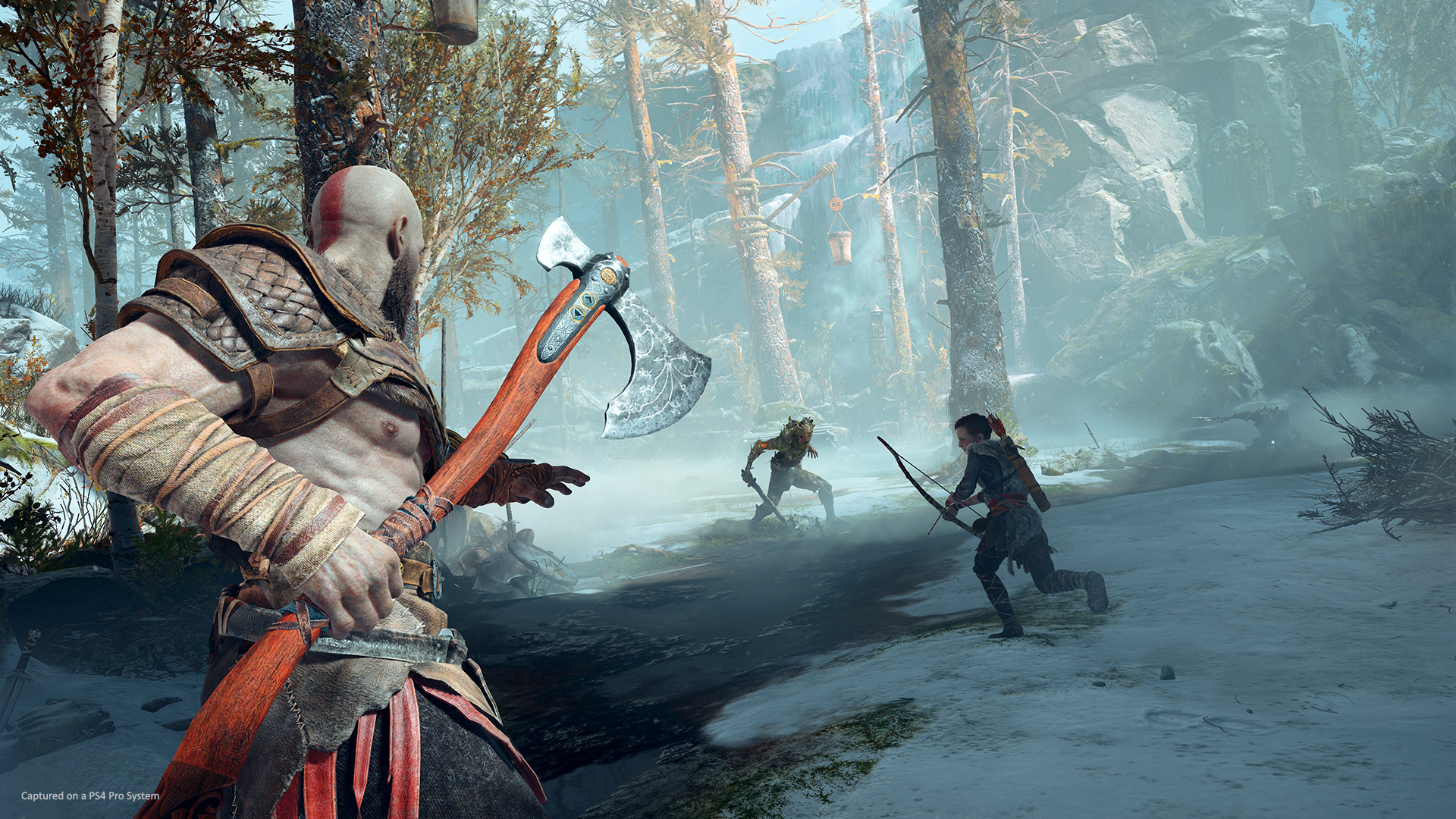
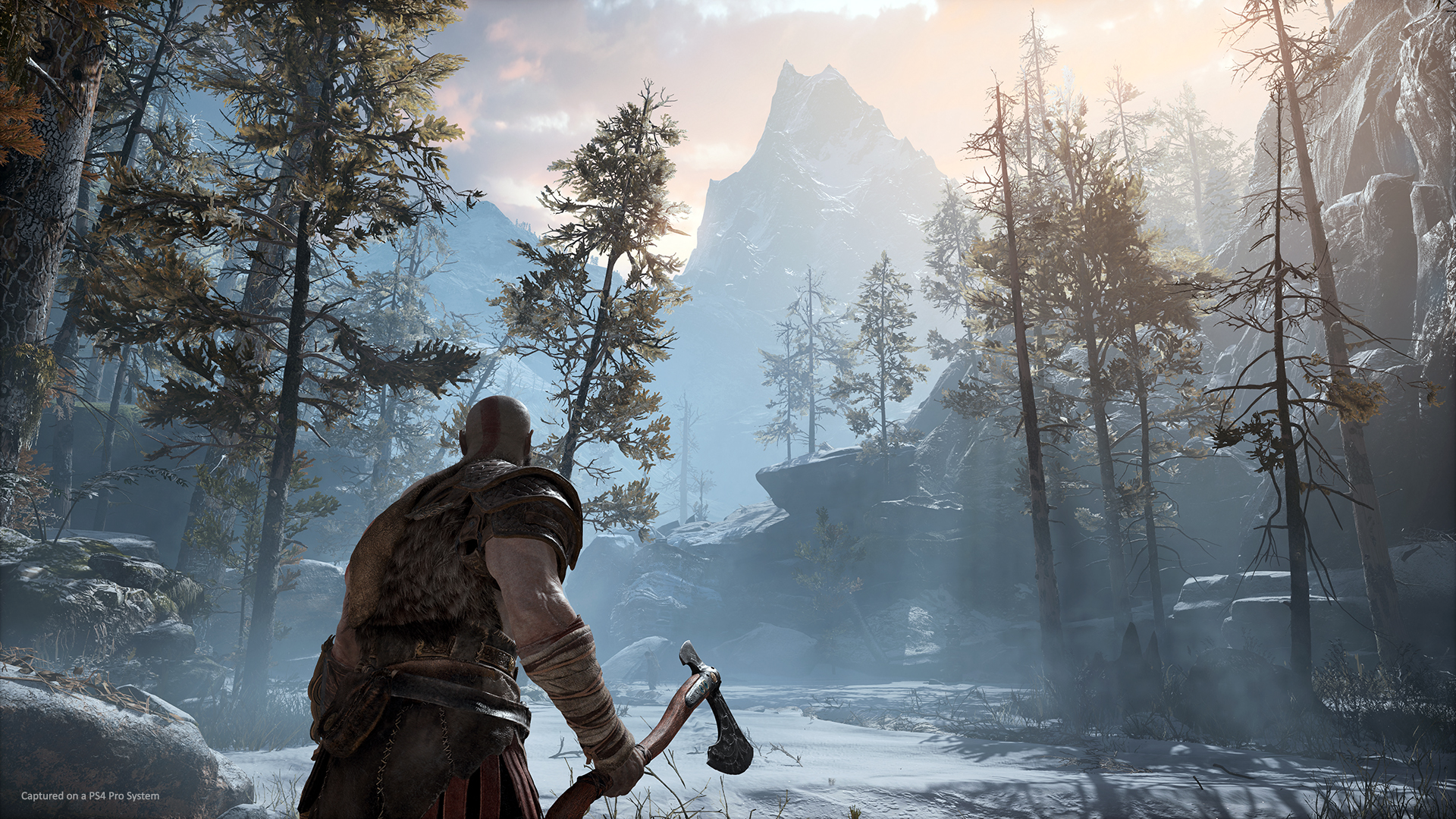
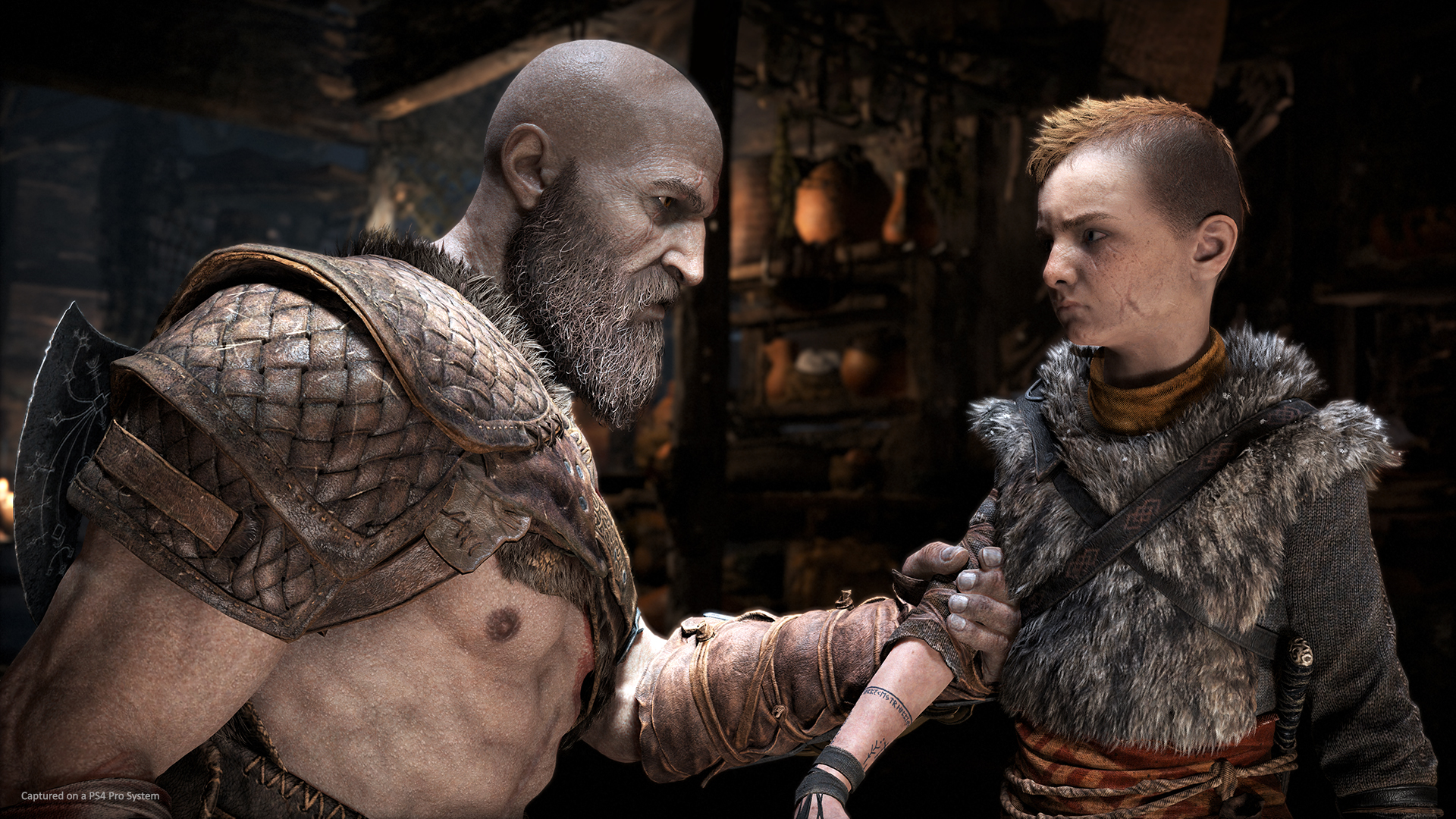
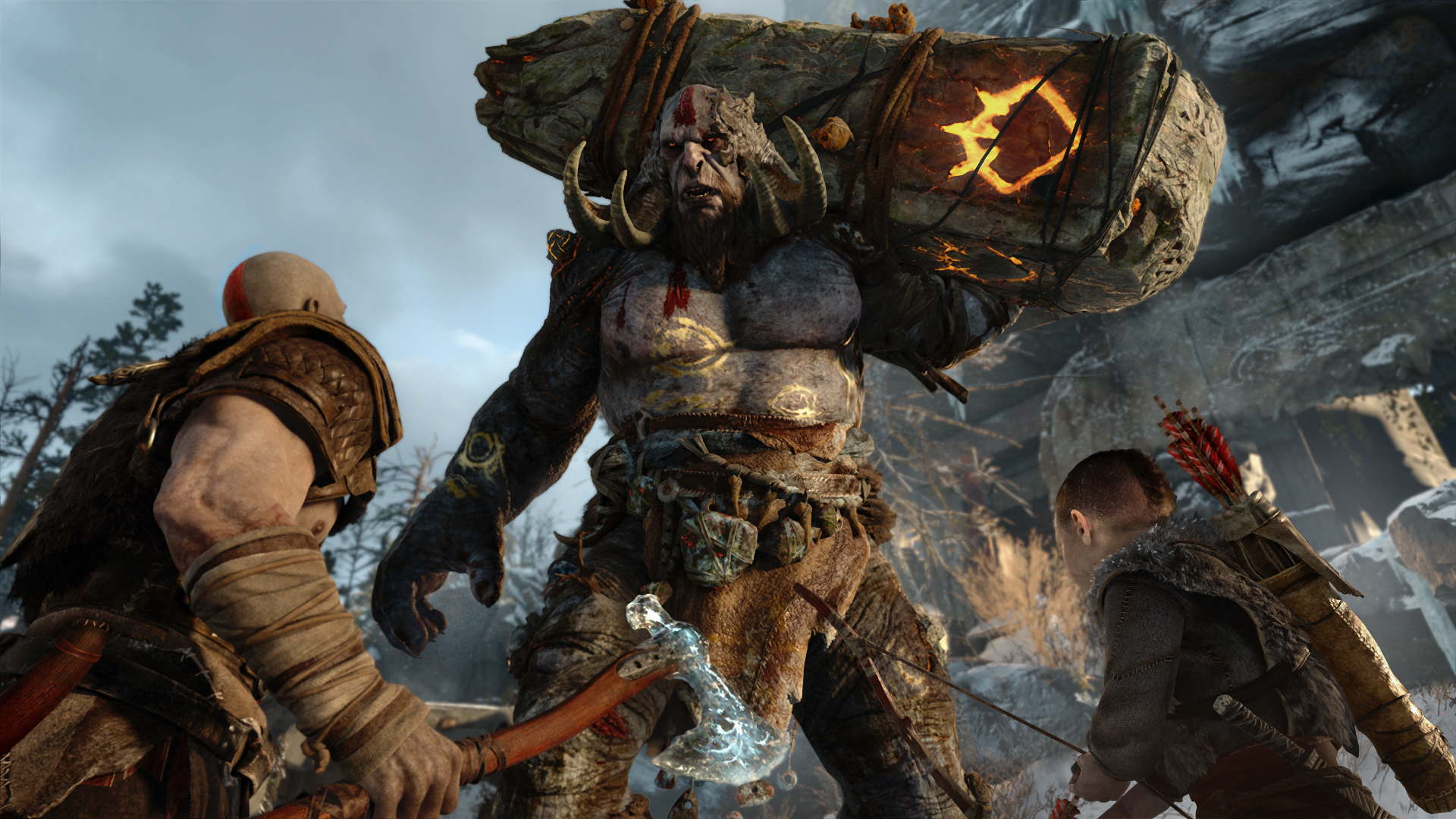
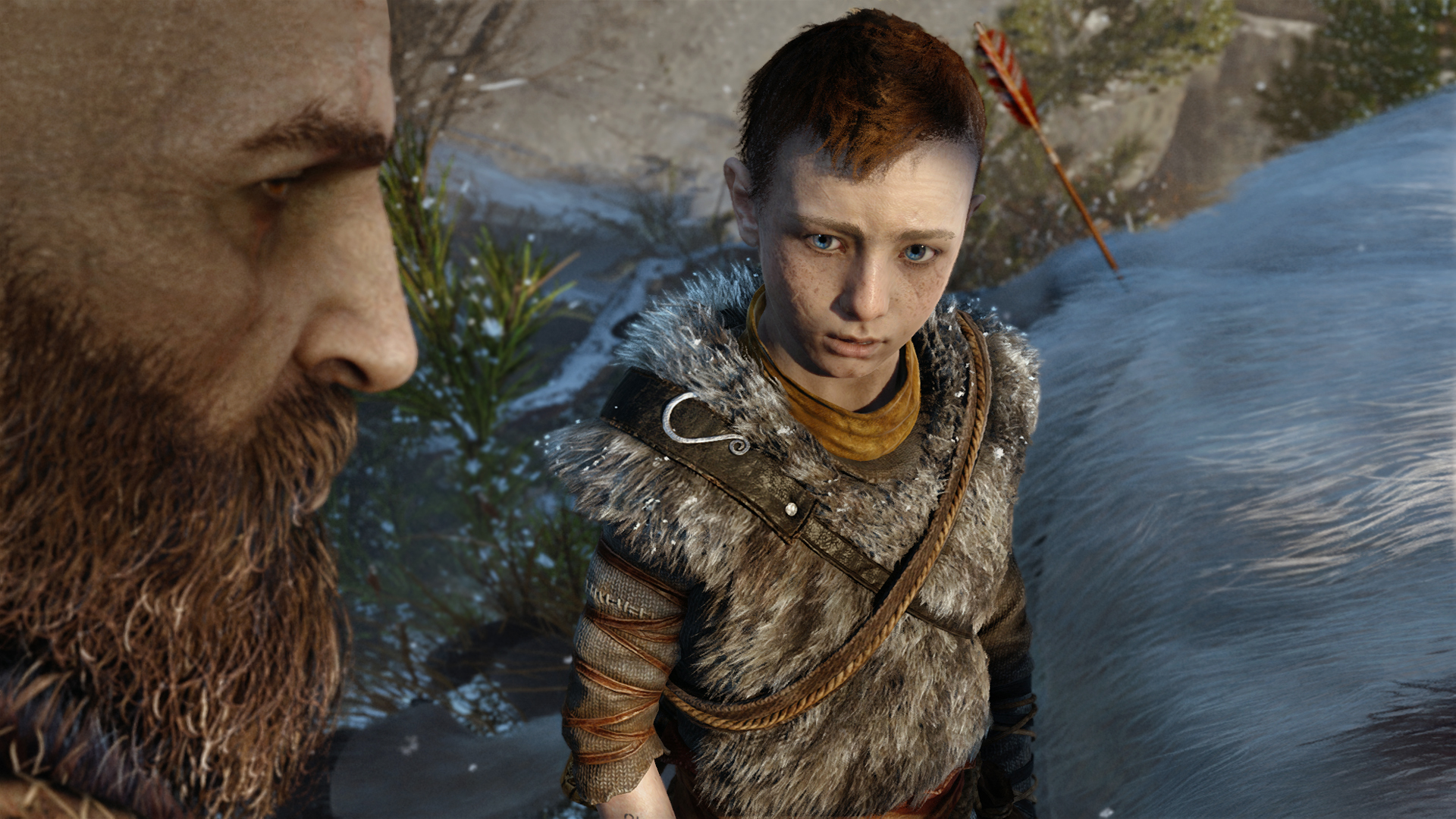
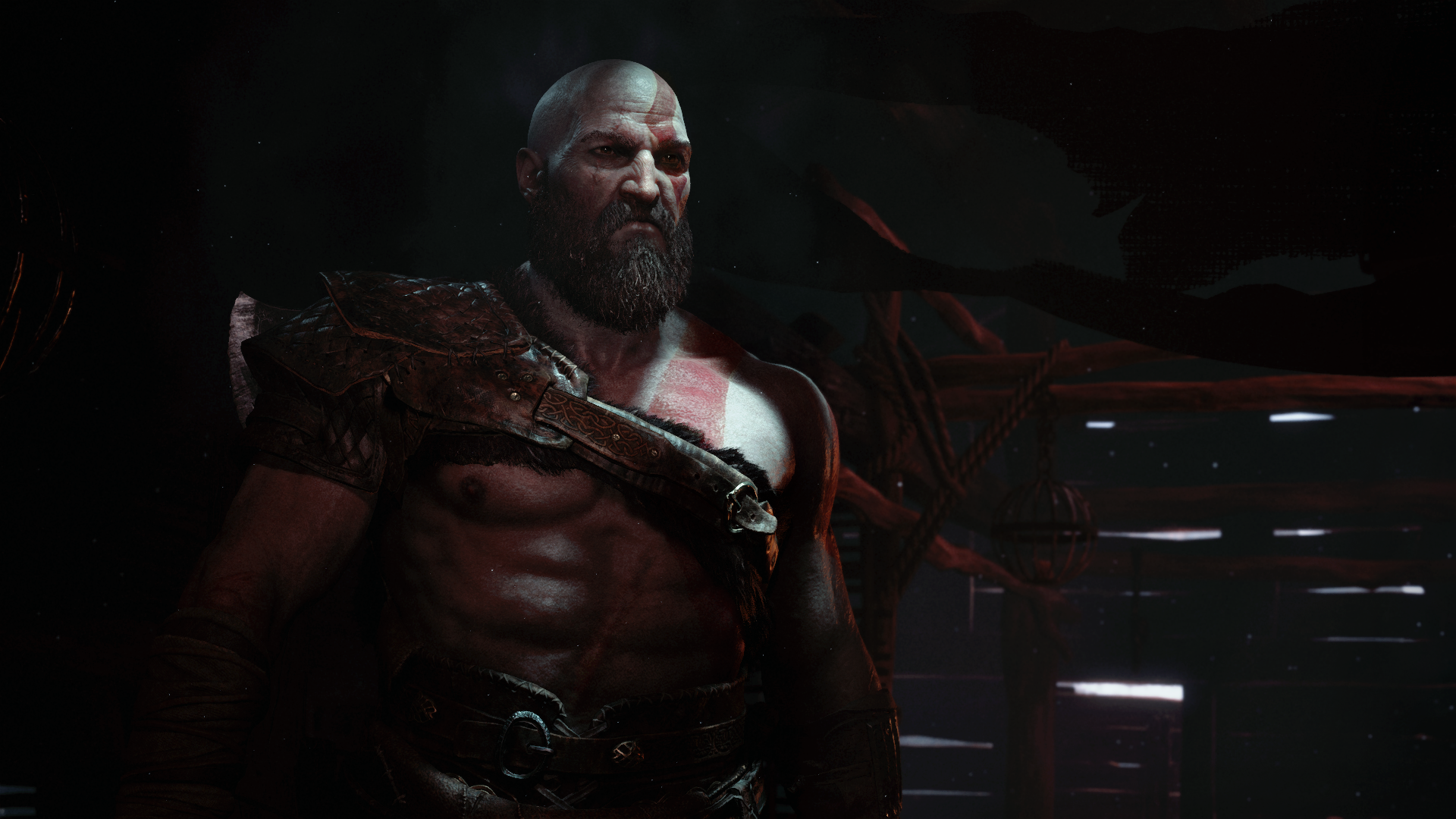
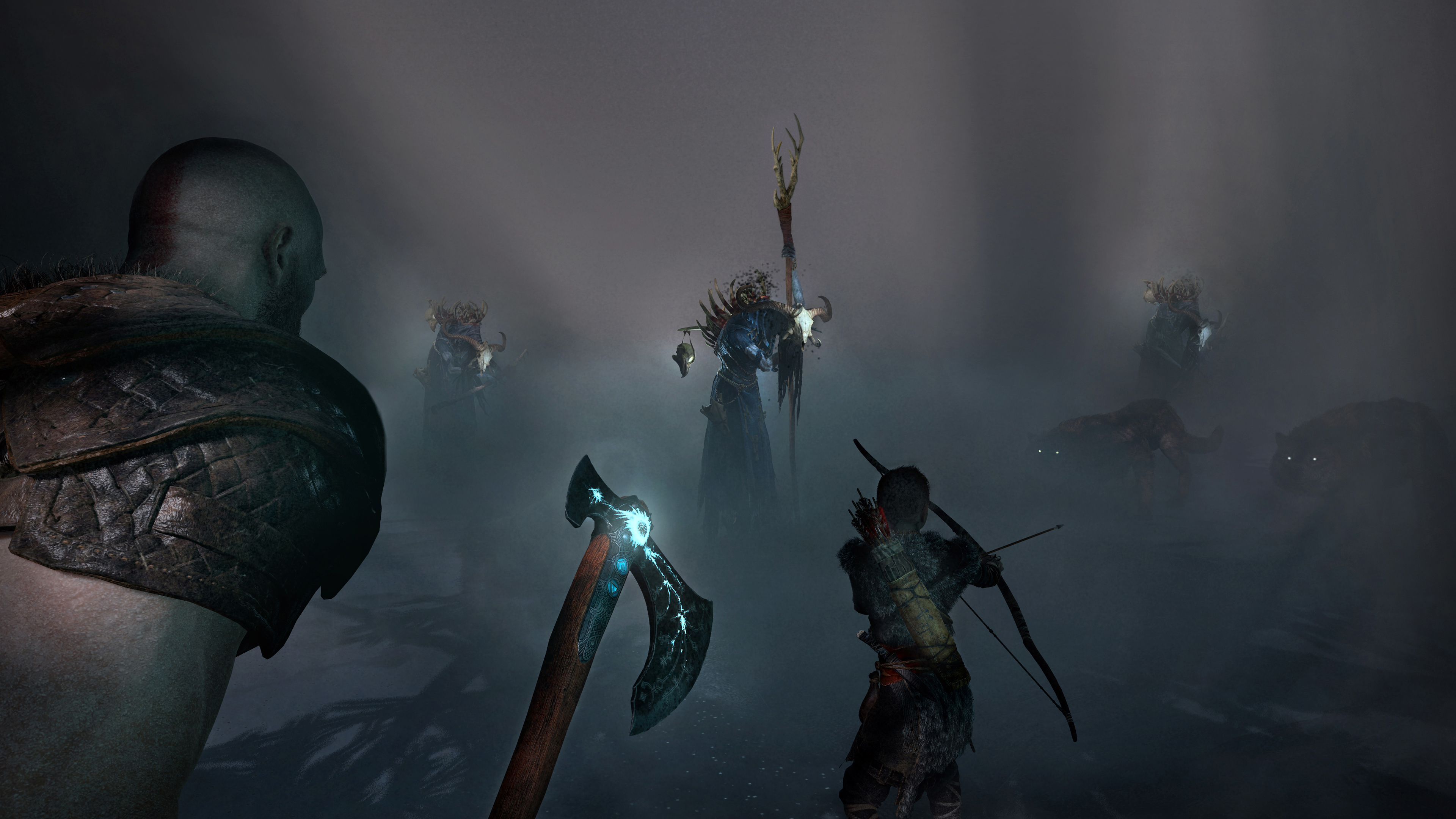

God of War
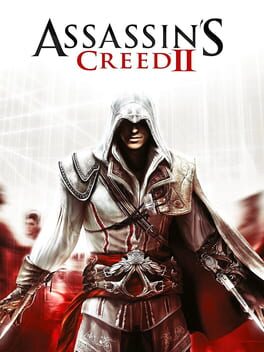
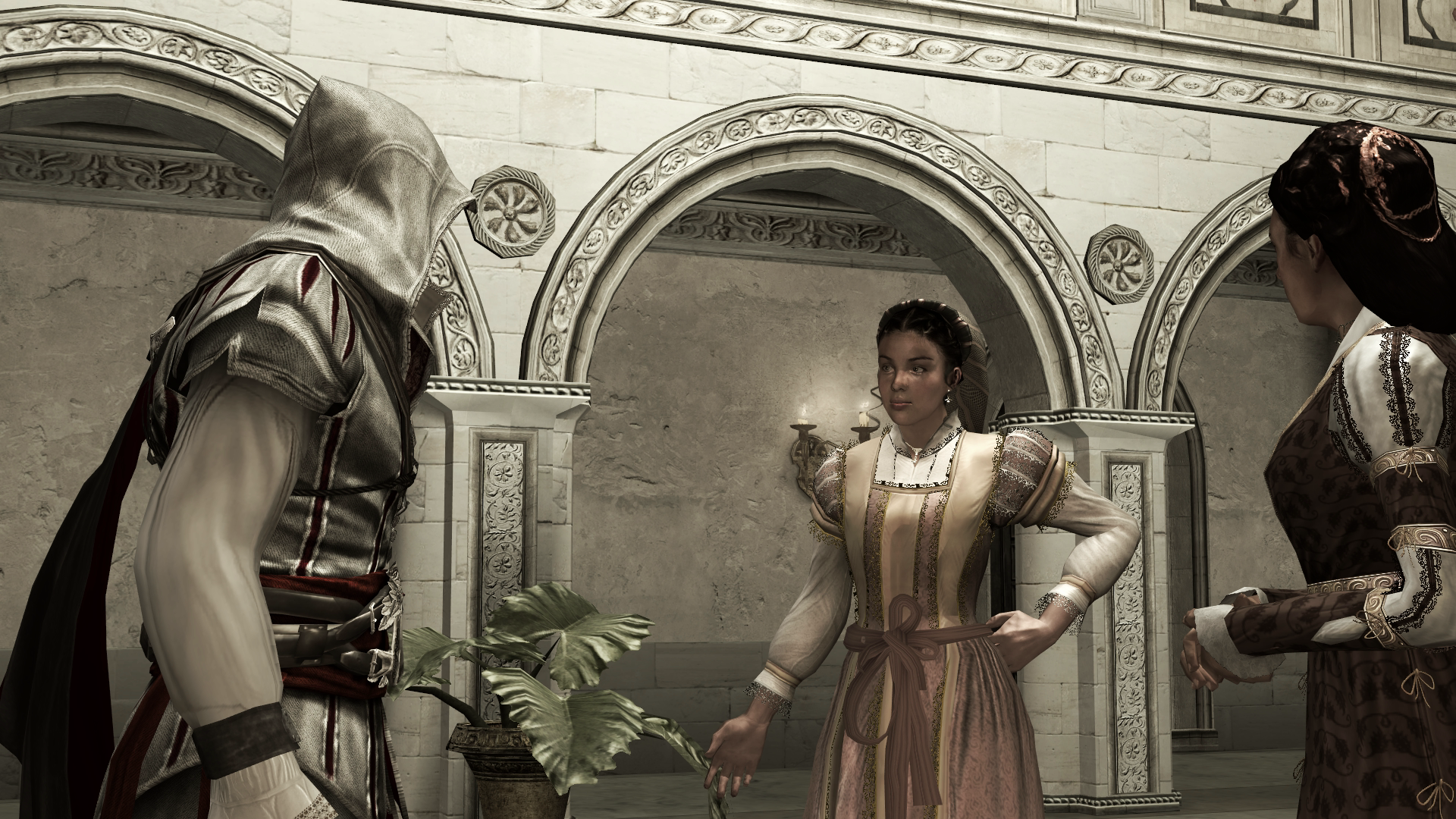
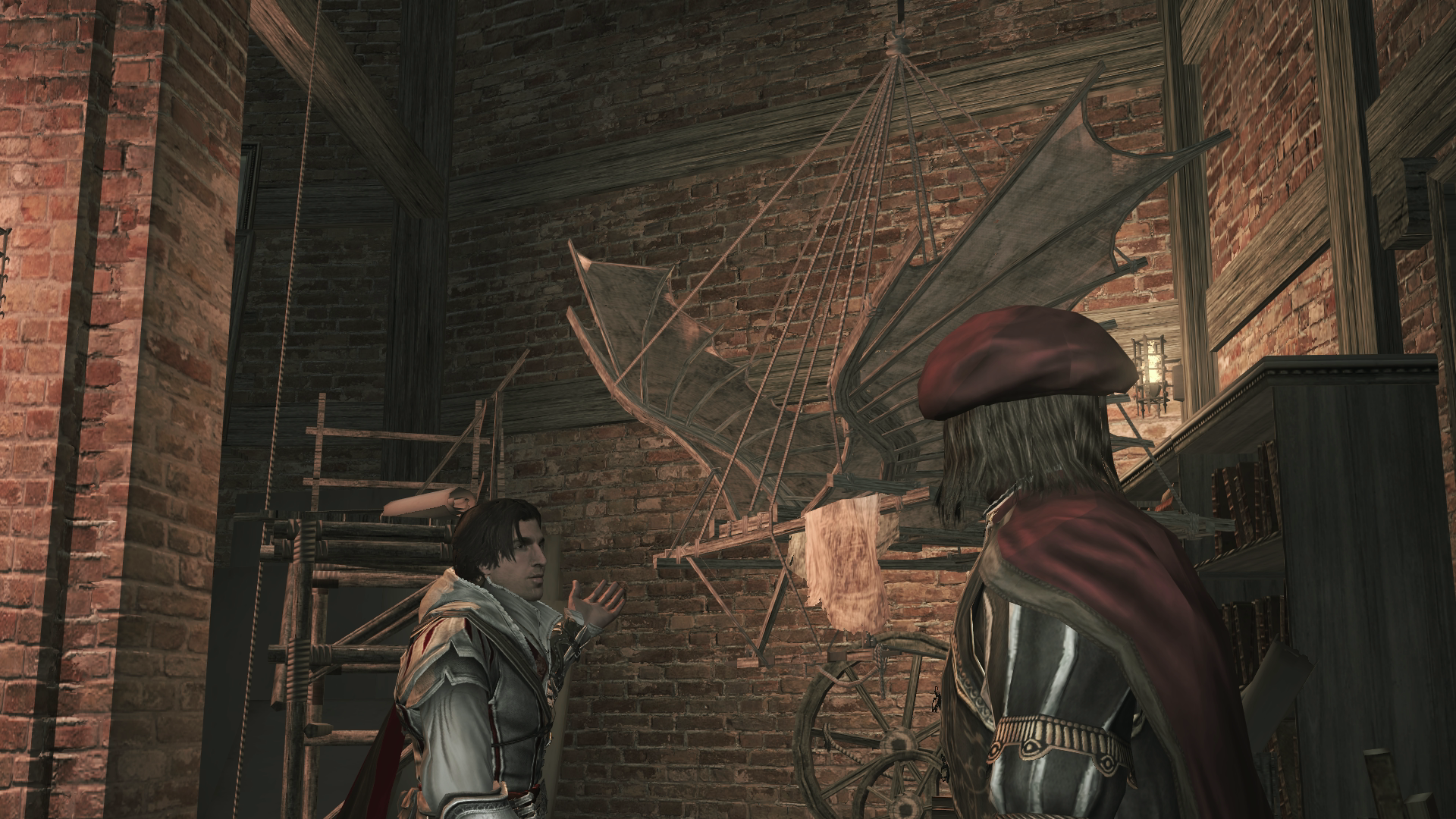
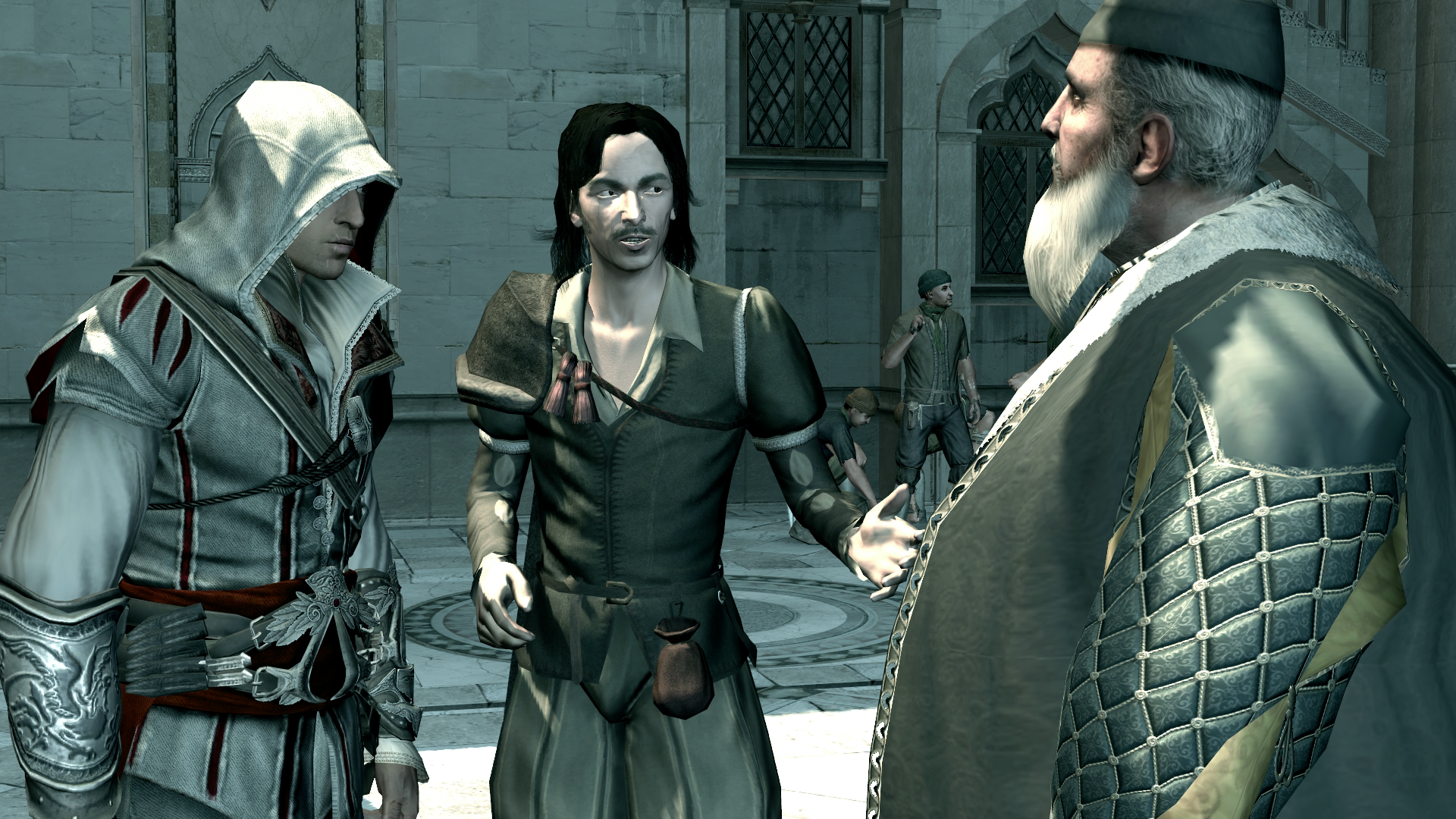
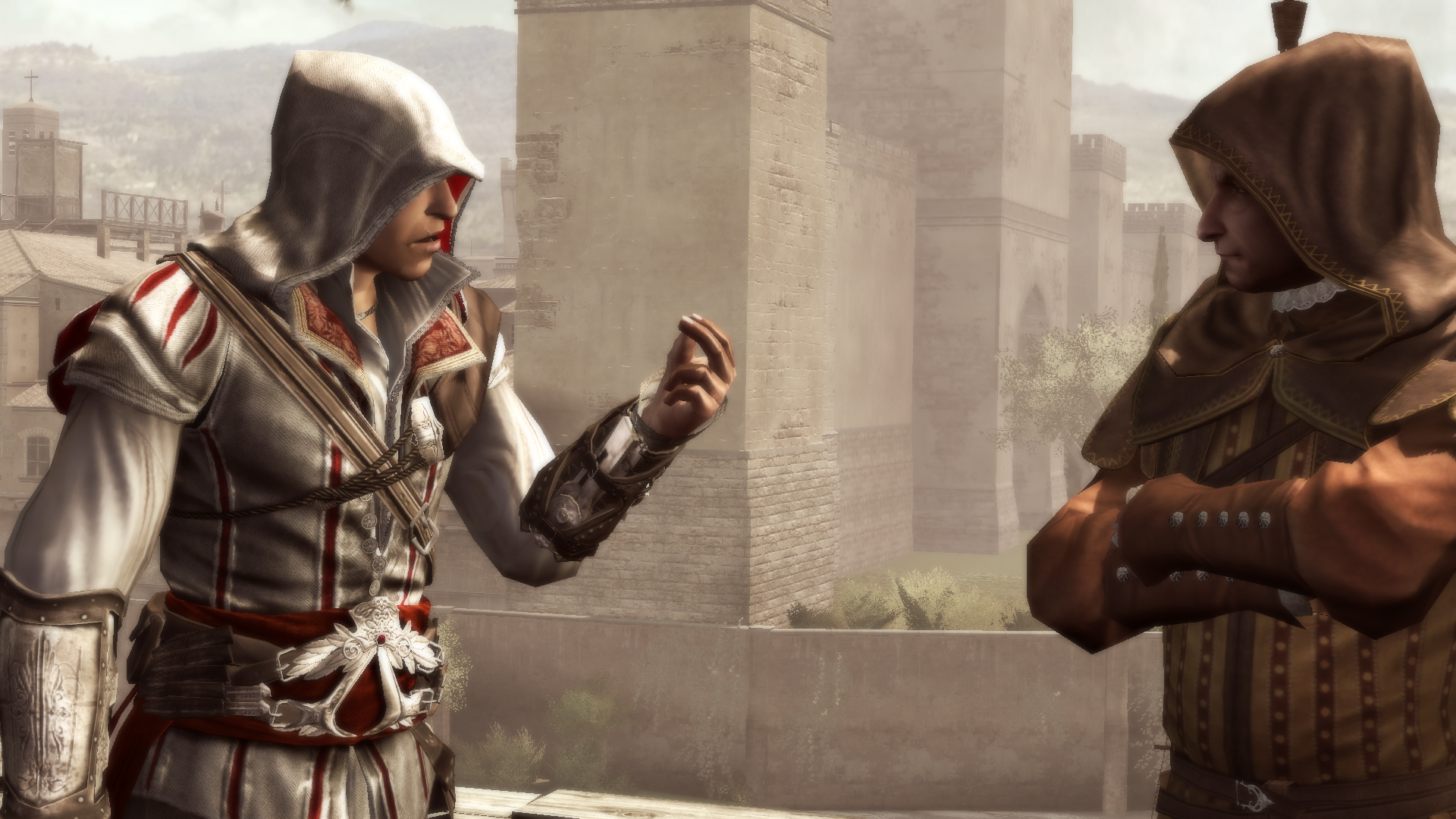
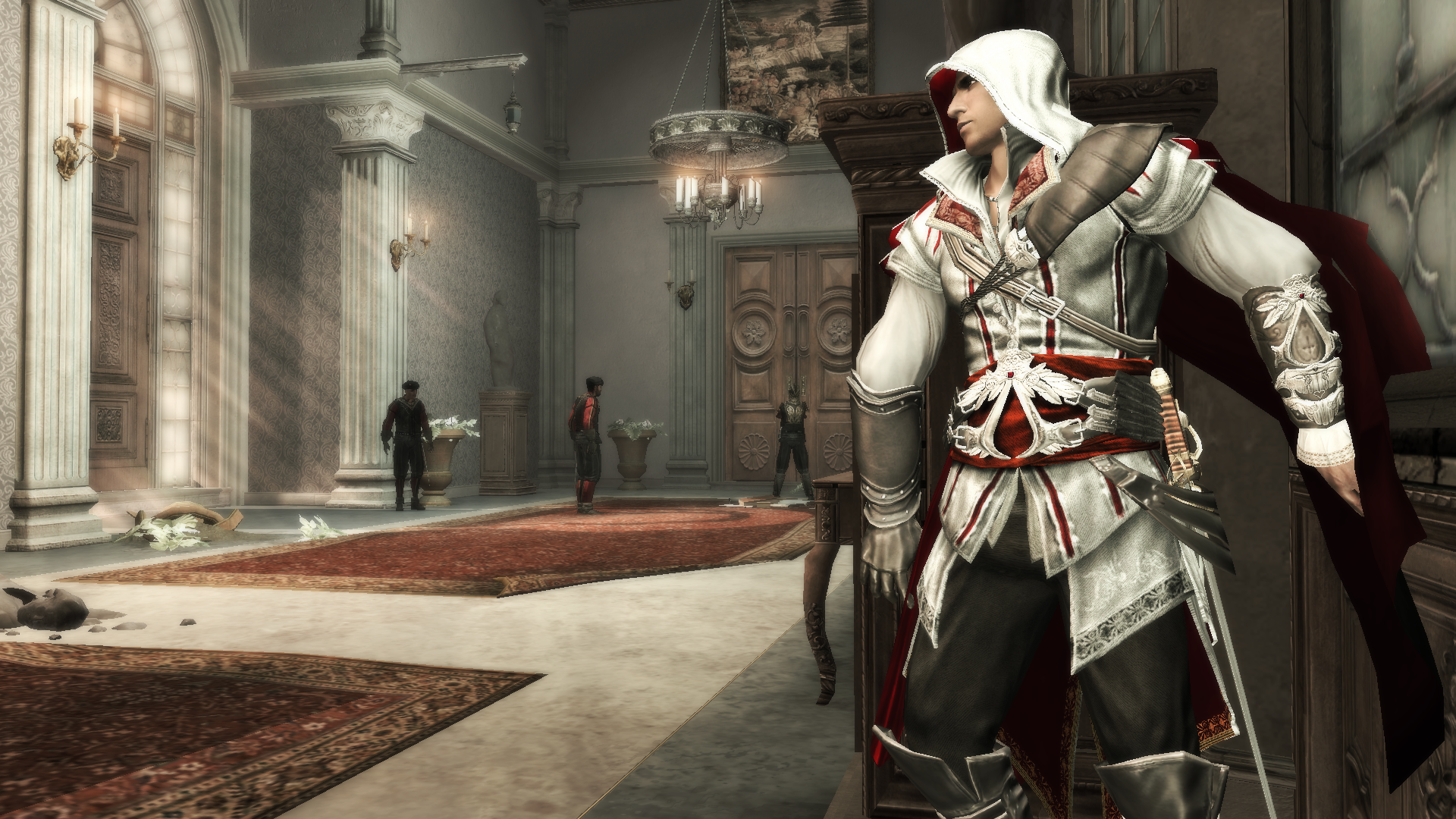

Assassin's Creed II



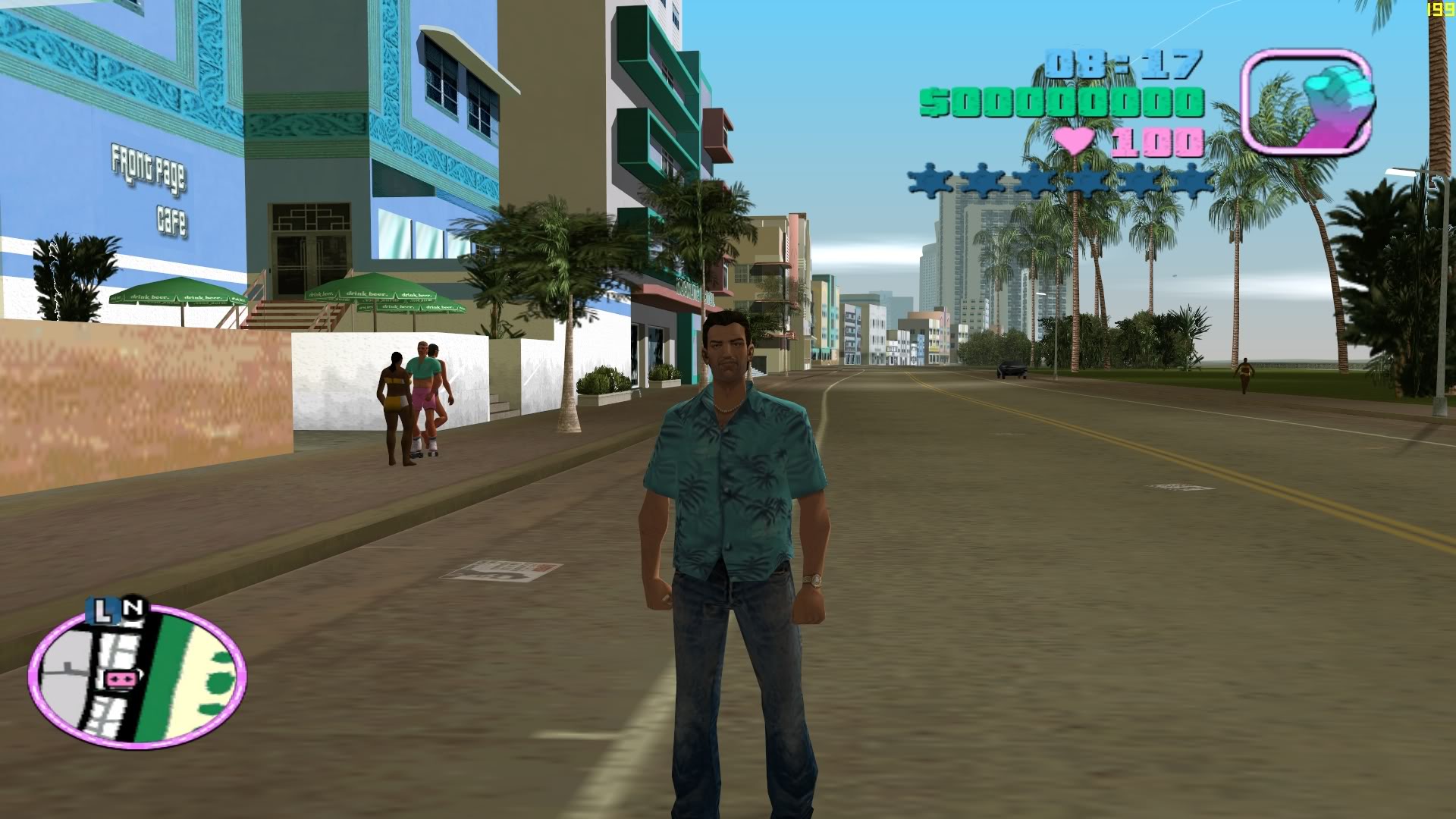
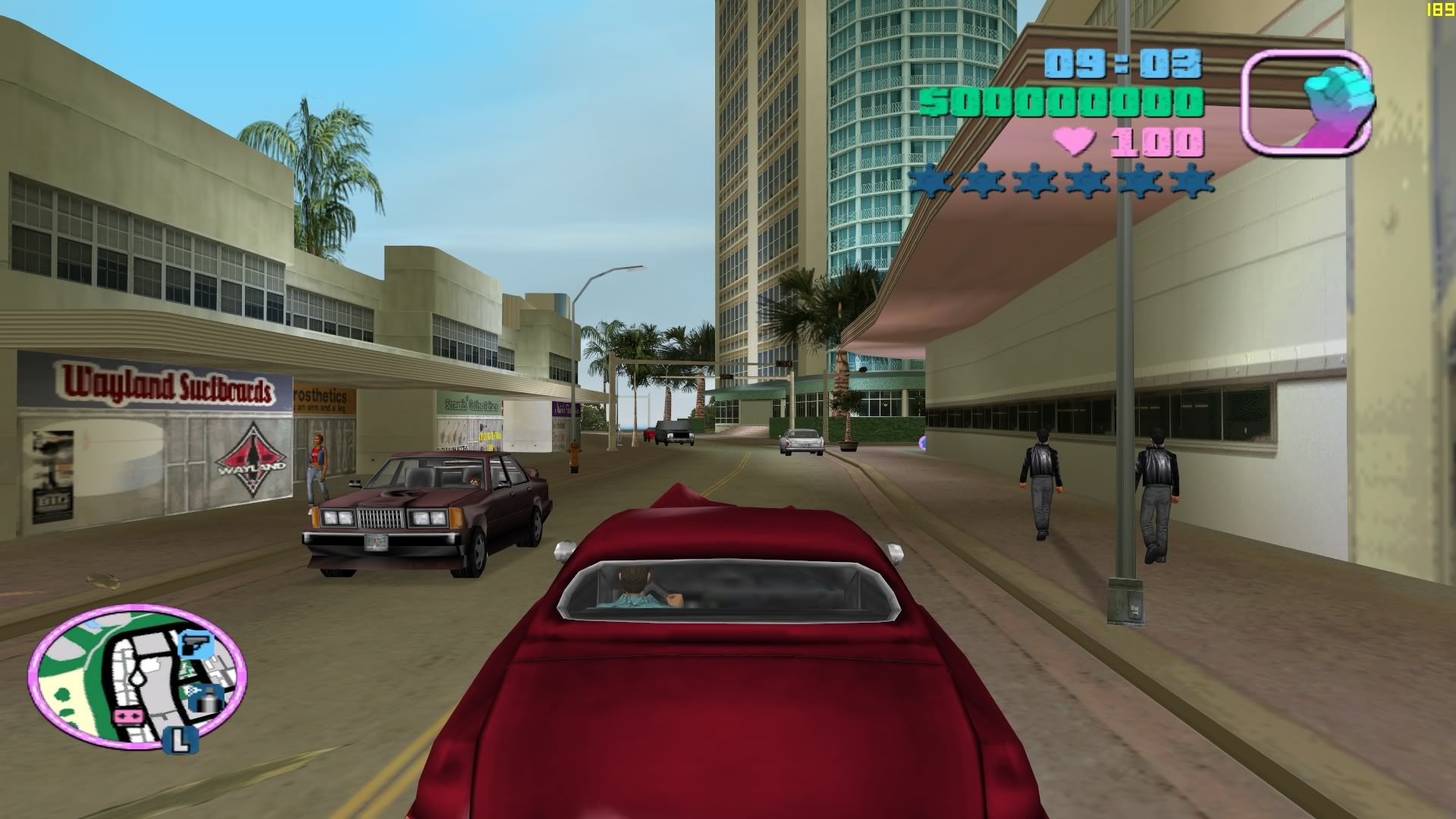

Grand Theft Auto: Vice City





The Legend of Zelda: Breath of the Wild



Mass Effect 2

Batman: Arkham City