Game Info
↑ Back to top

God of War
Series:
Genres:
Themes:
Perspectives:
Game Modes:
Overview
↑ Back to topDescription from Steam STEAM
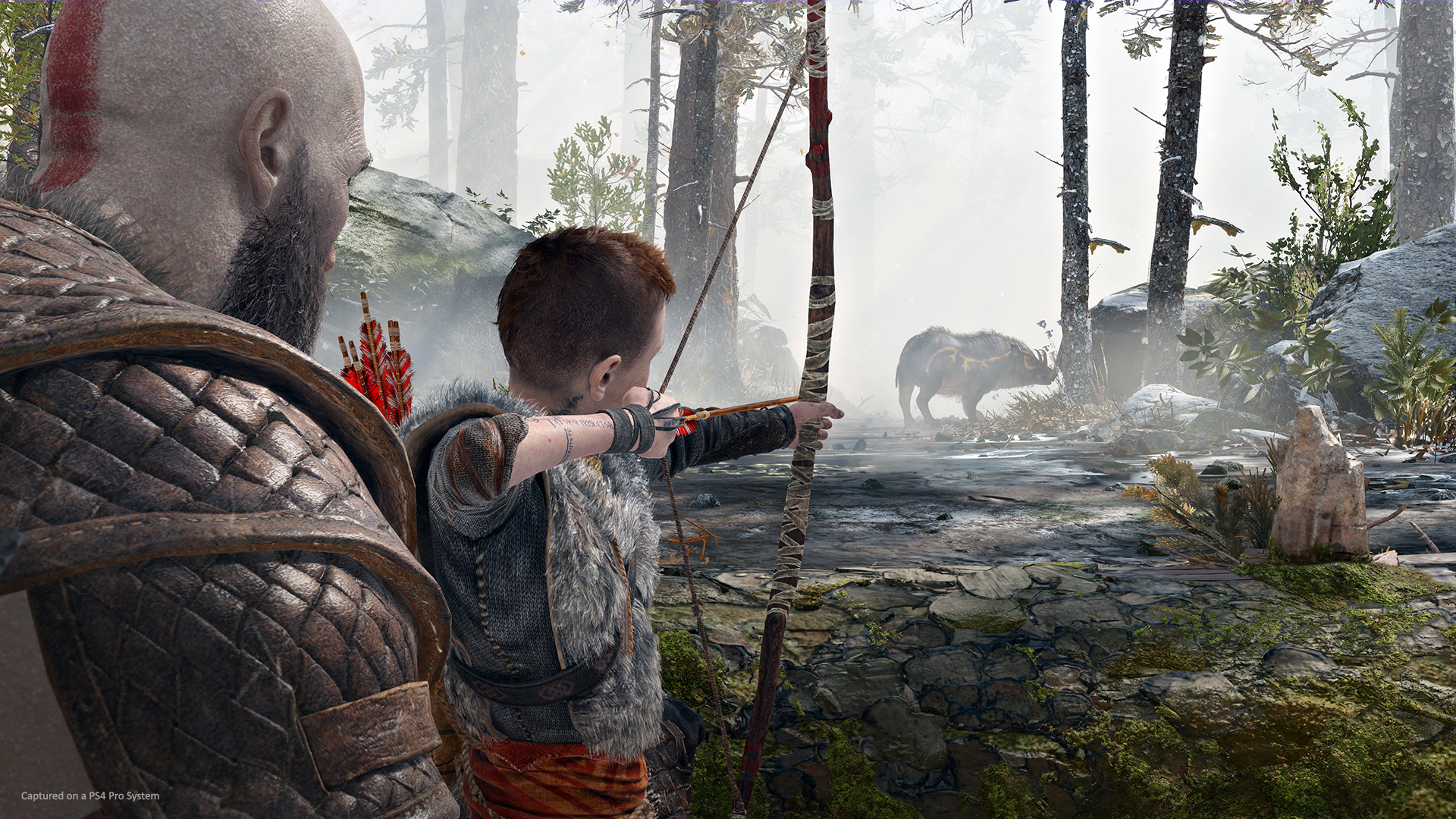
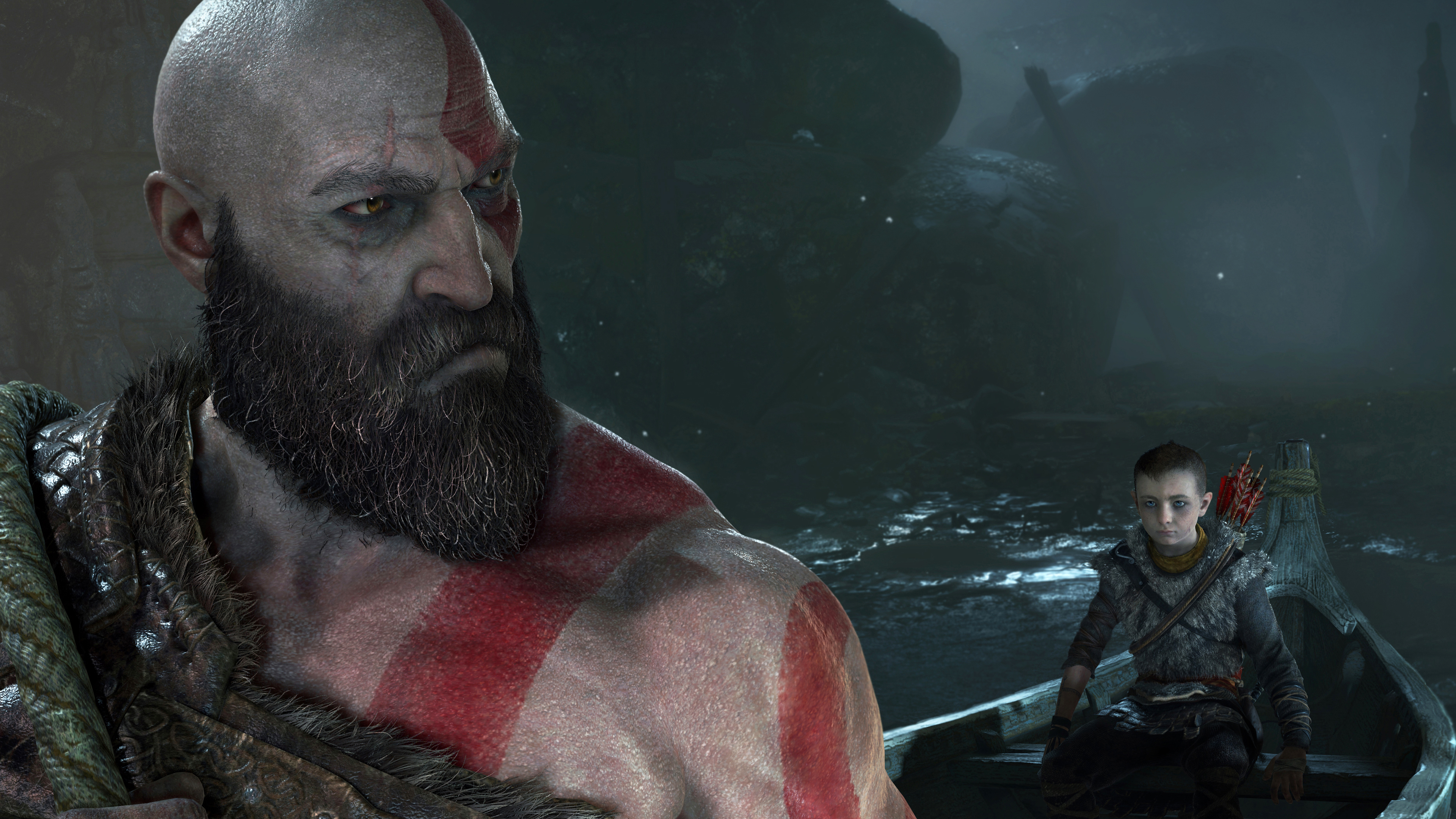
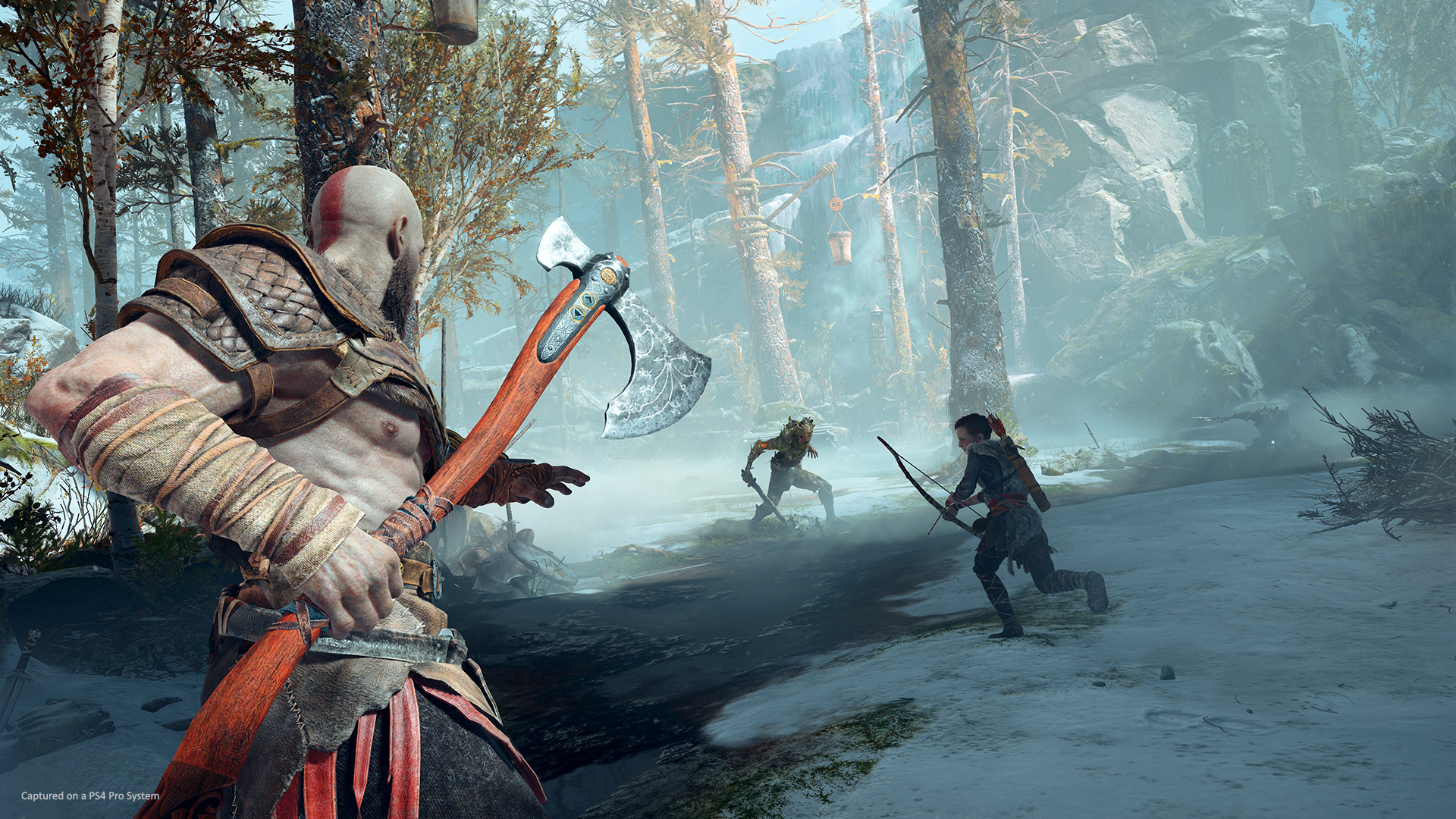
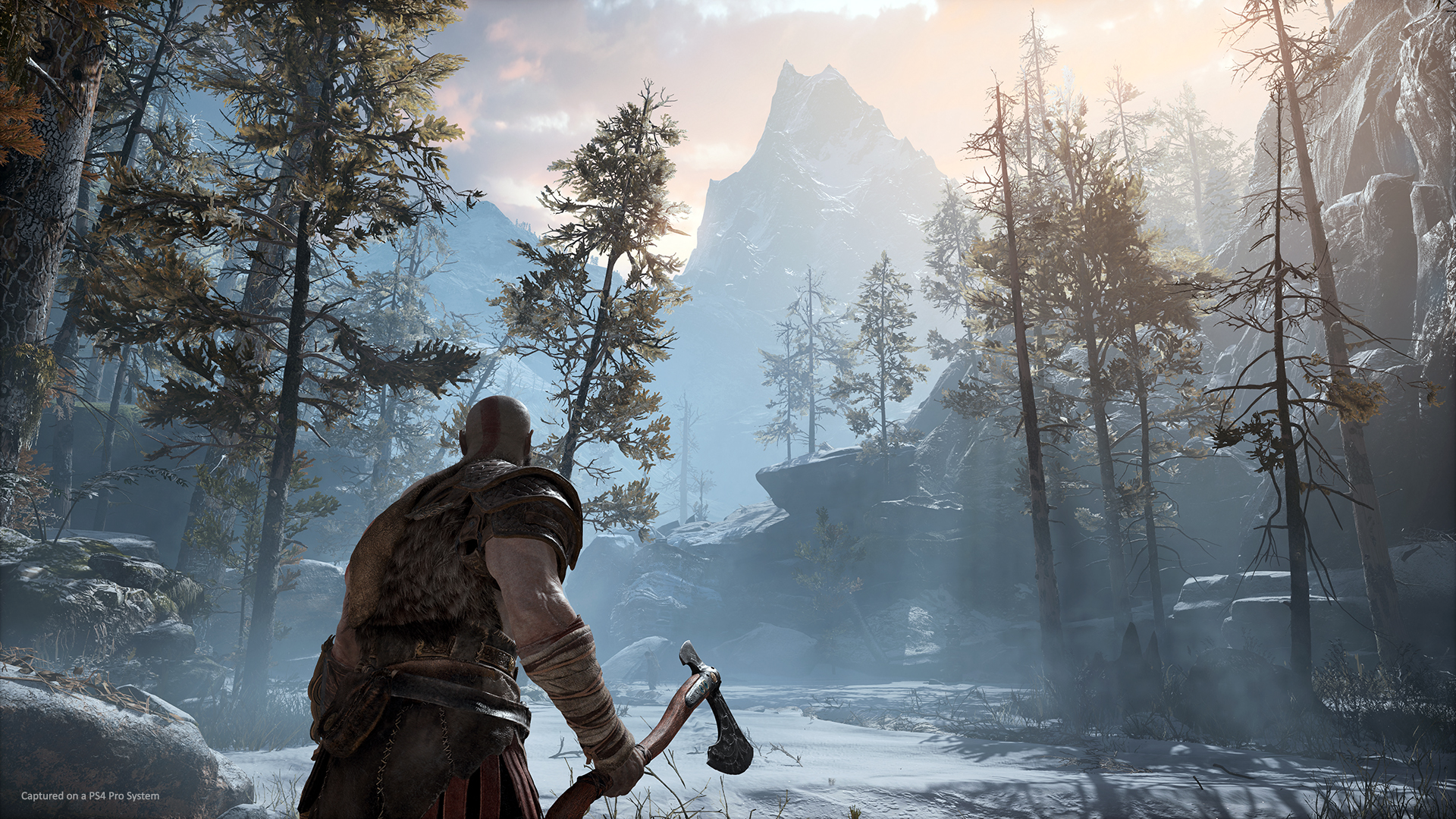
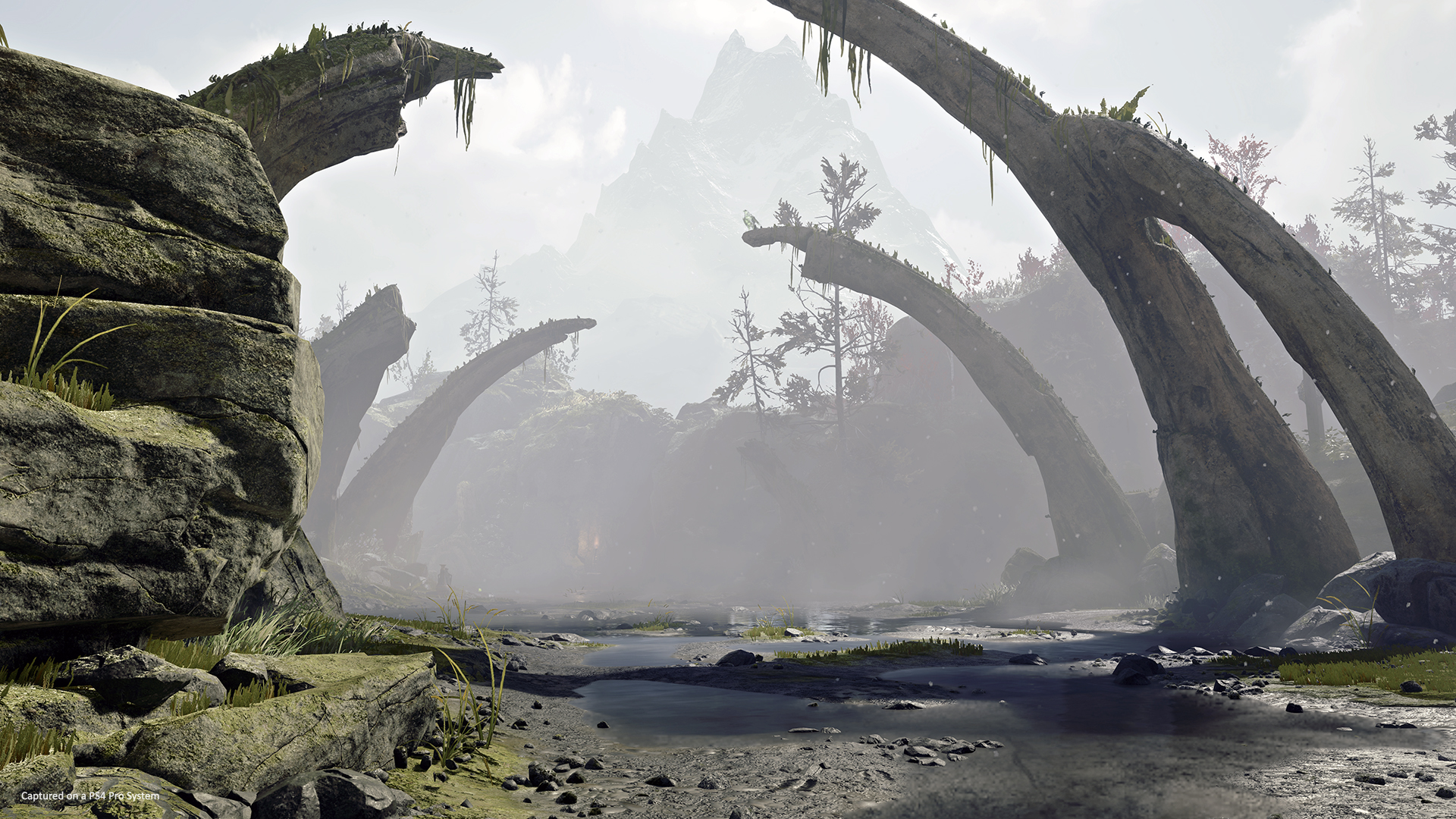
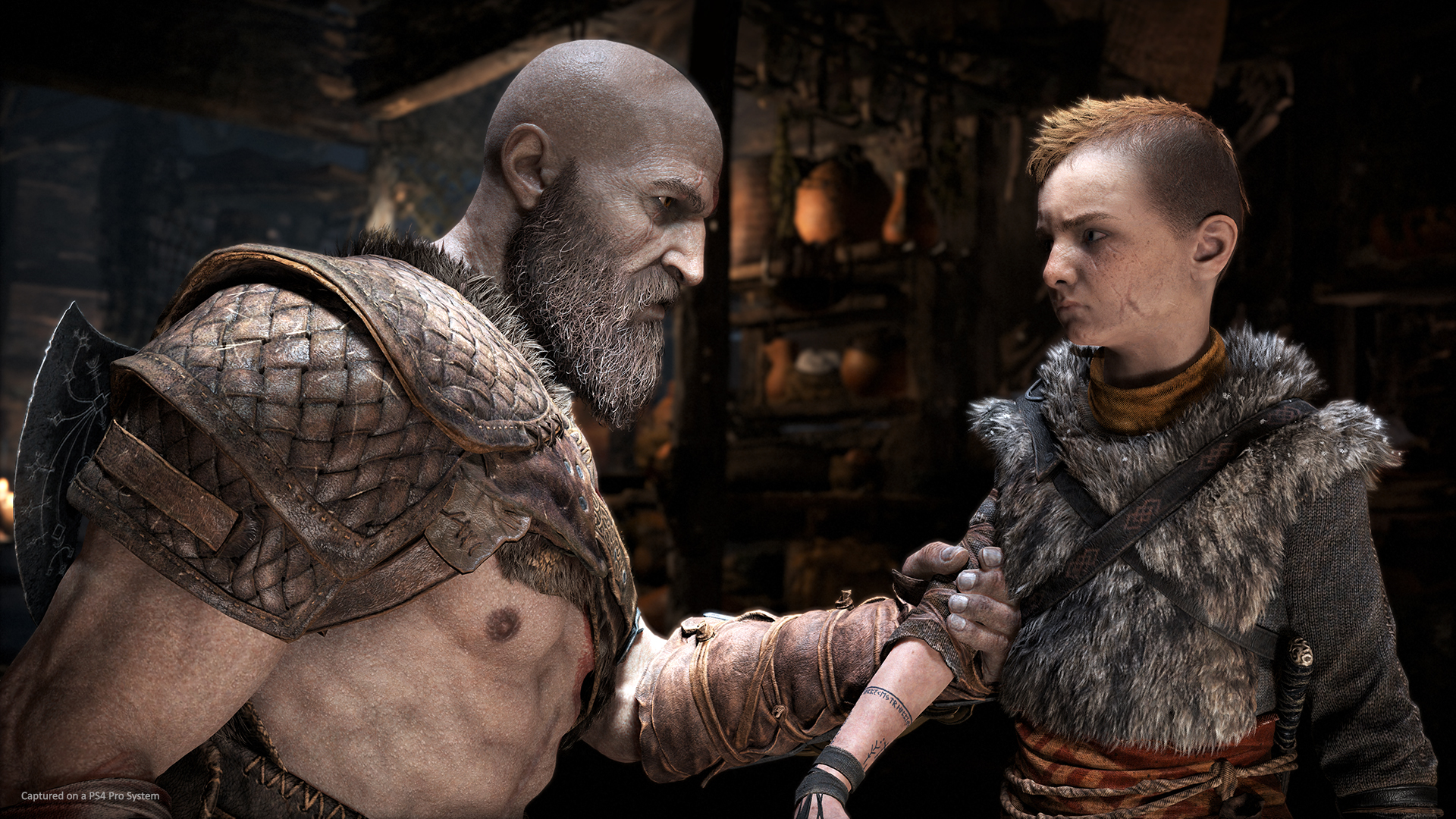
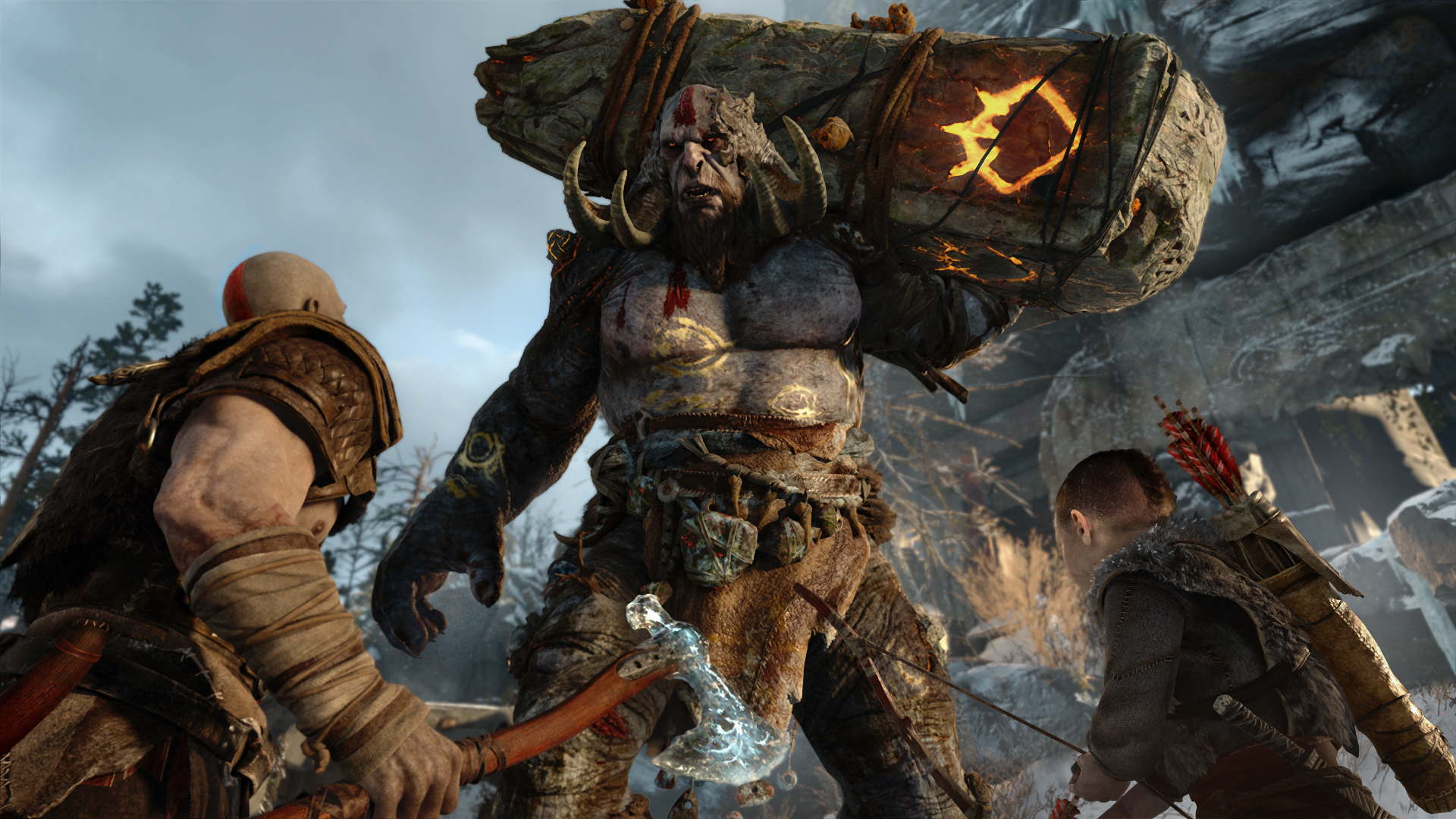
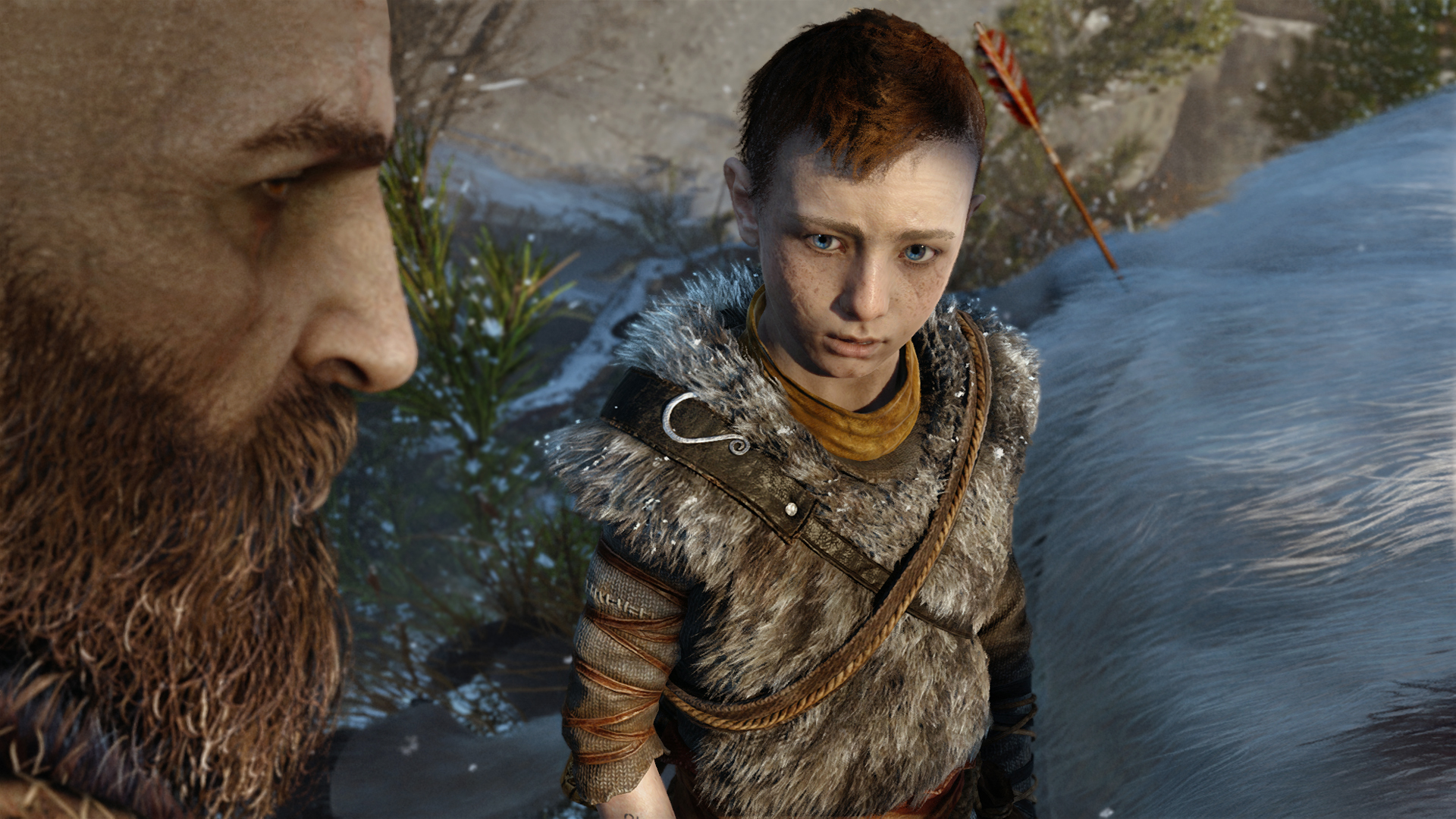
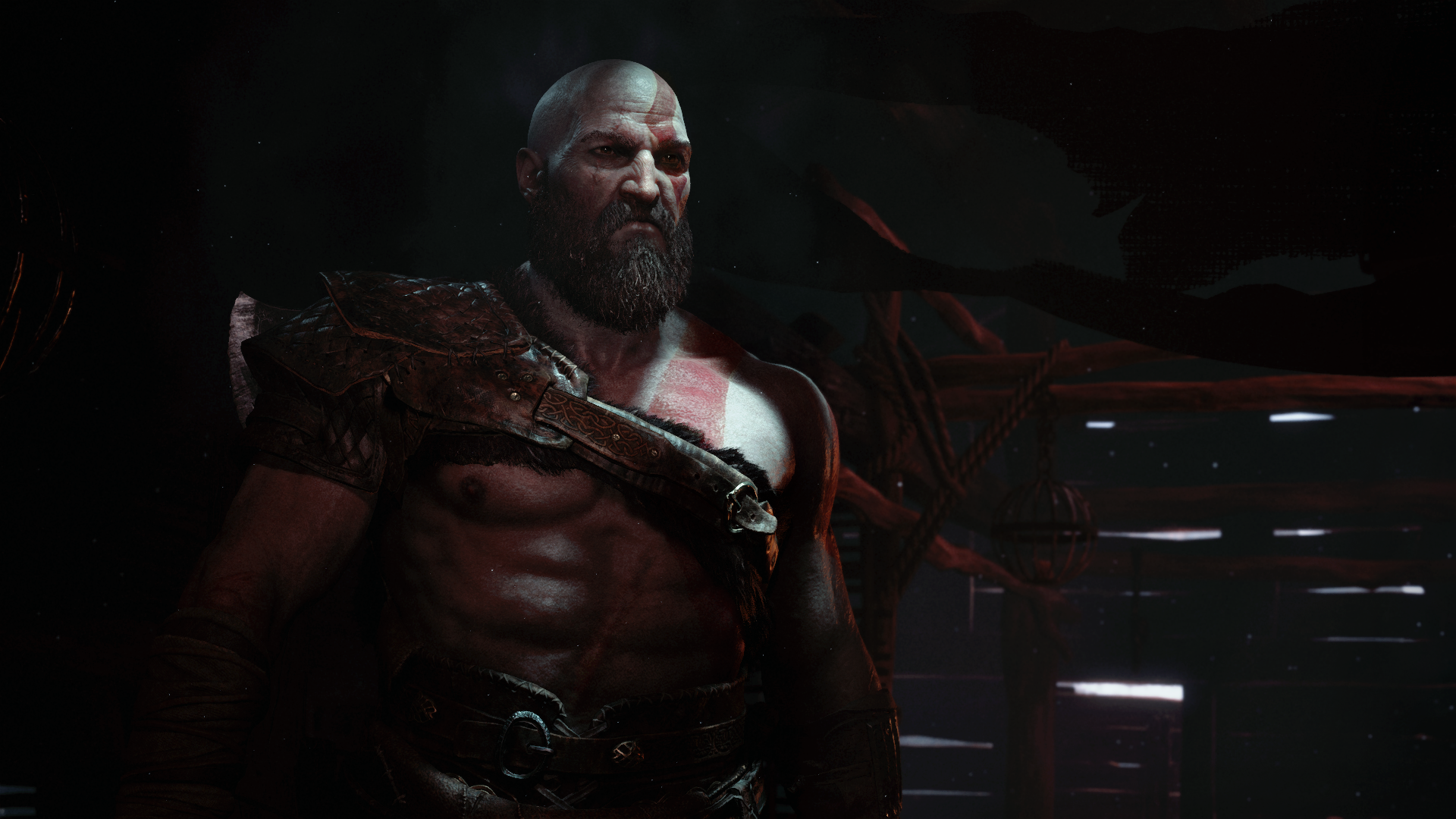
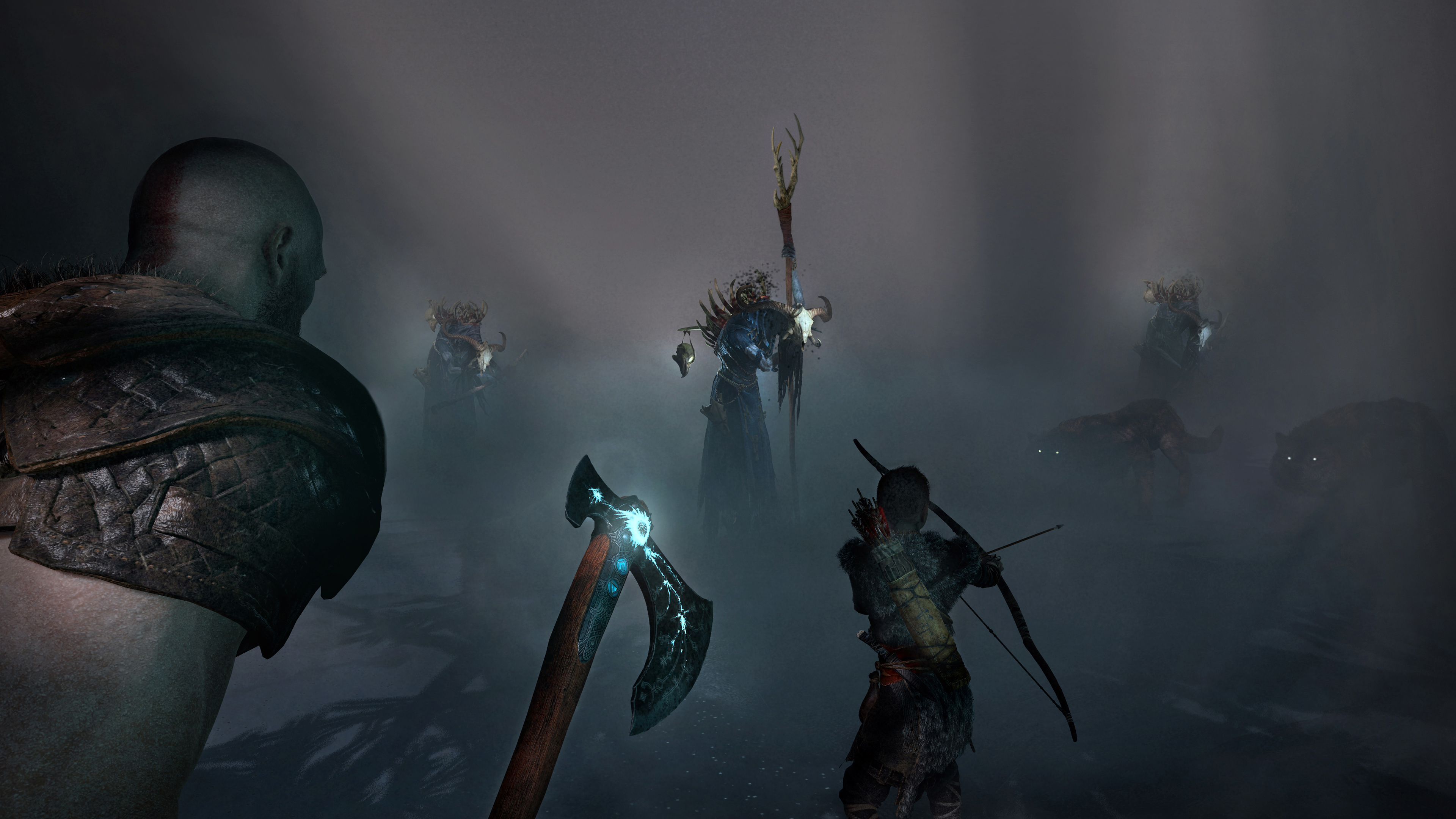
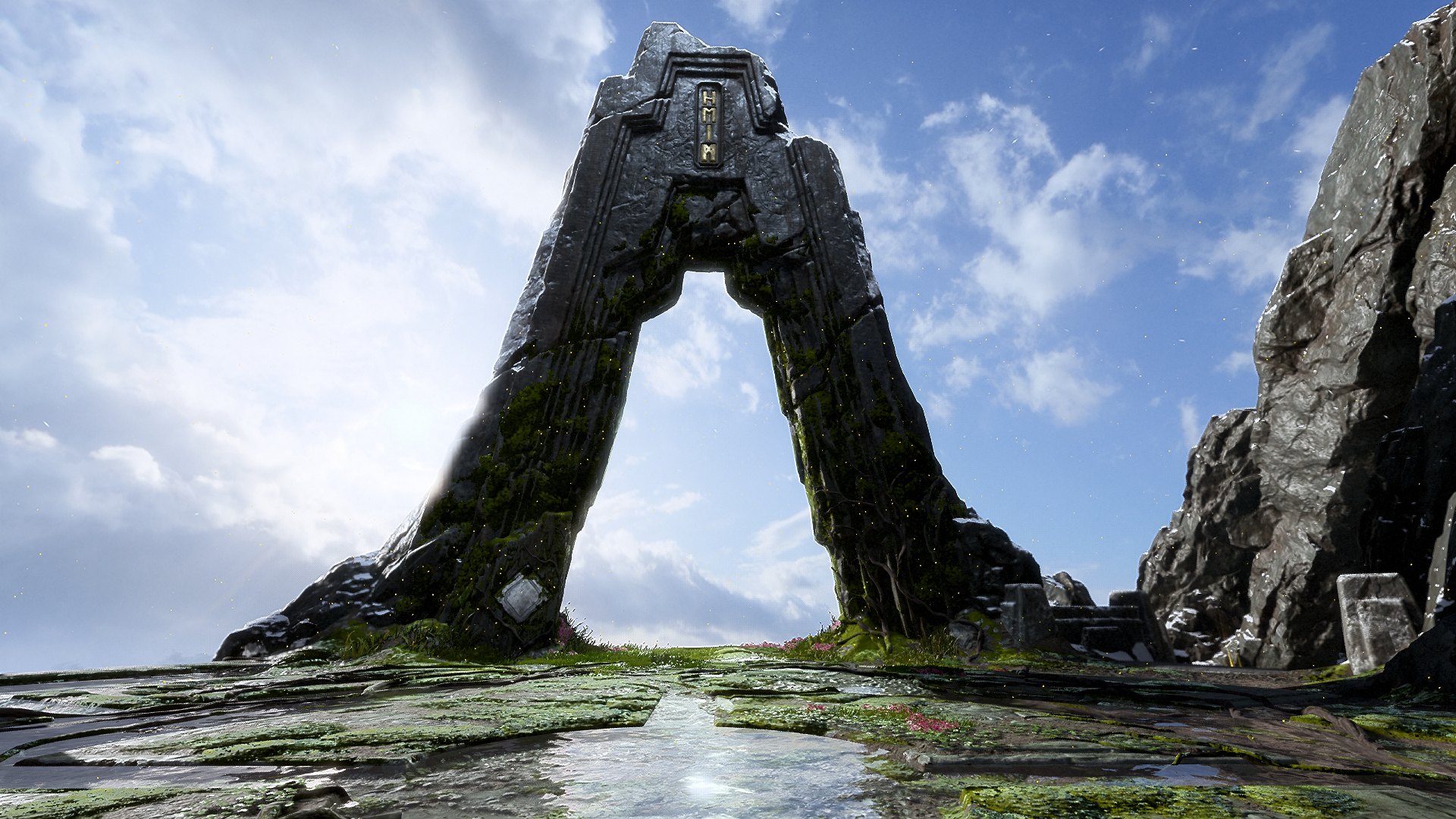
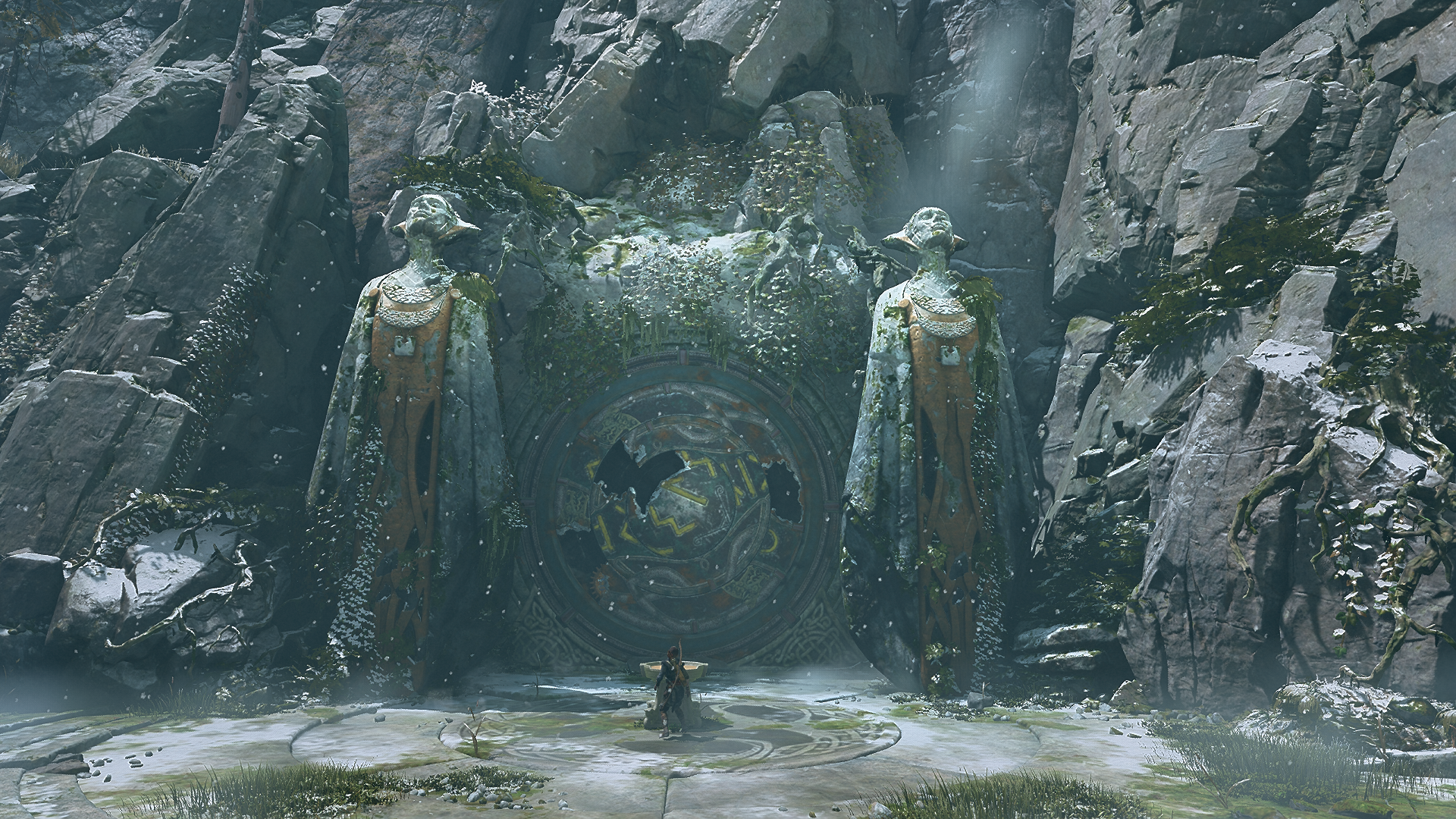
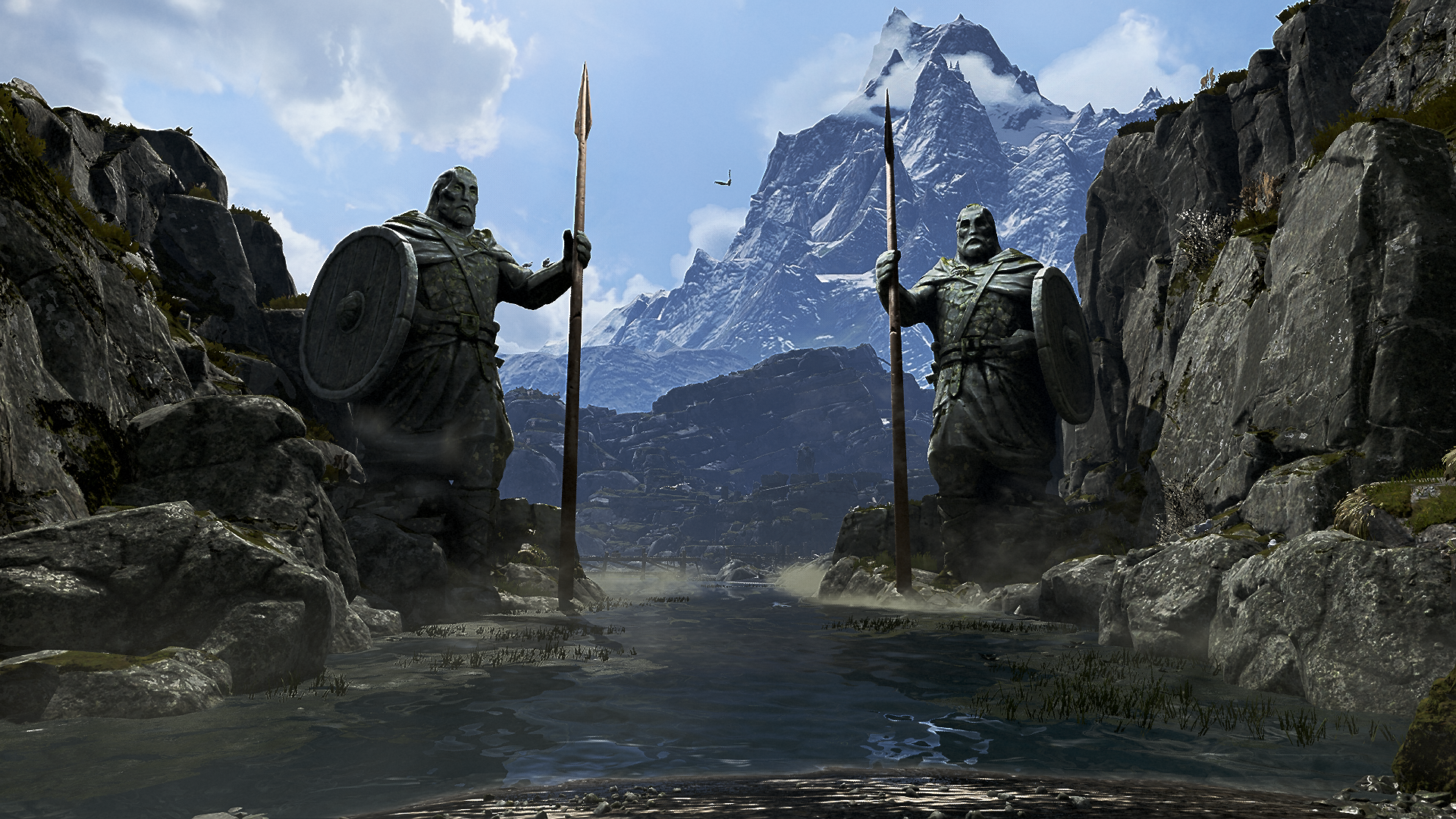
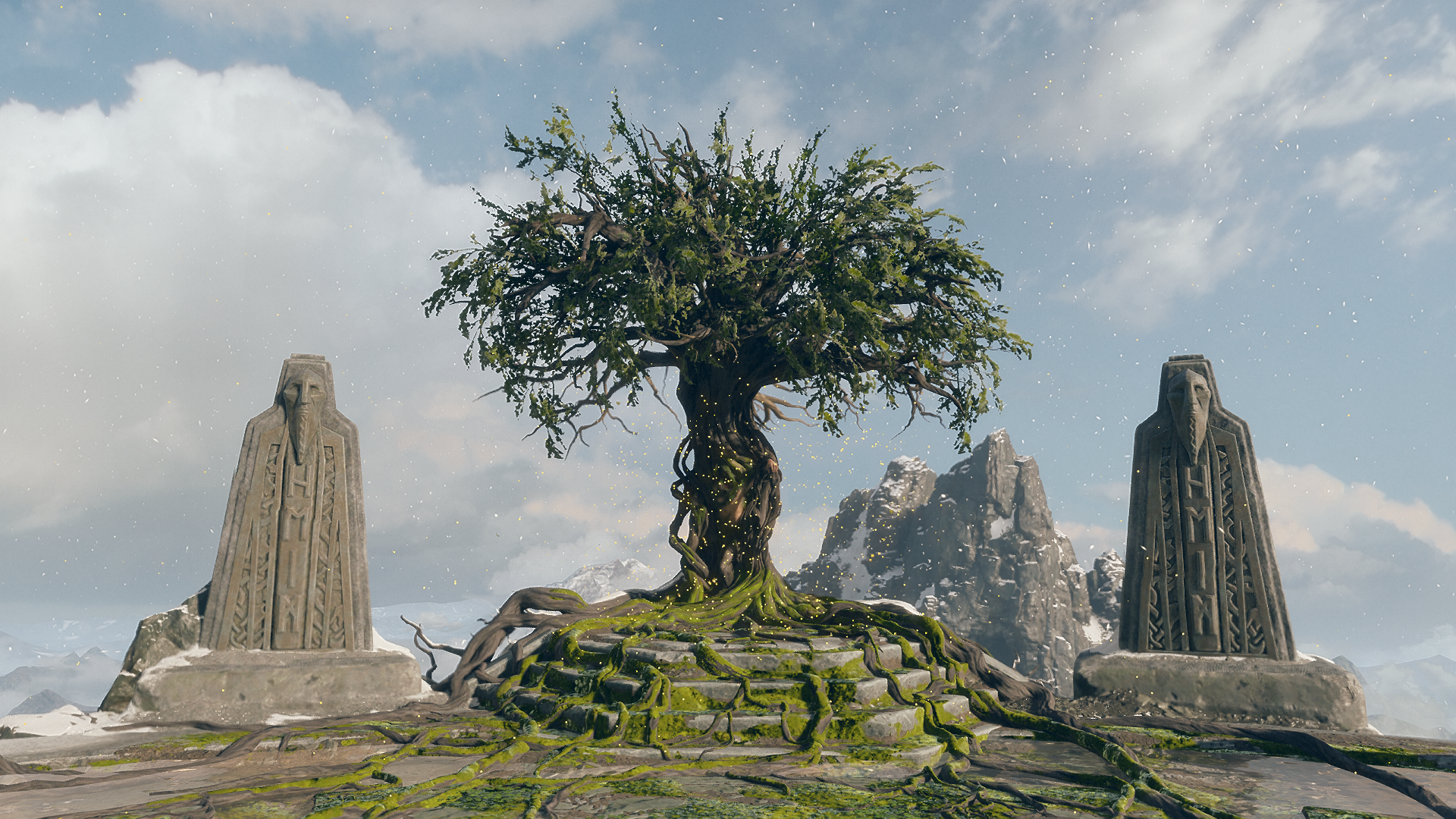
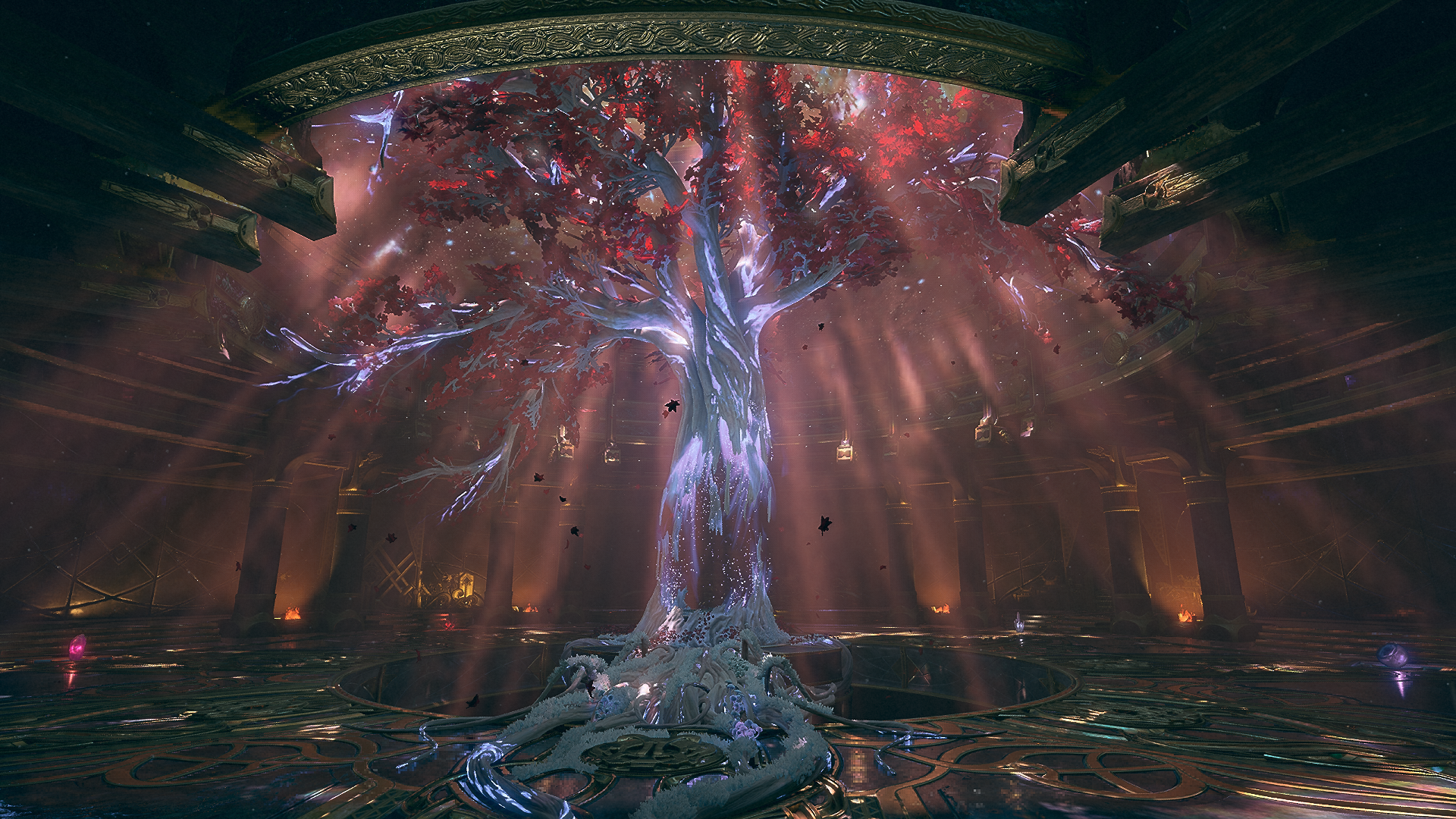
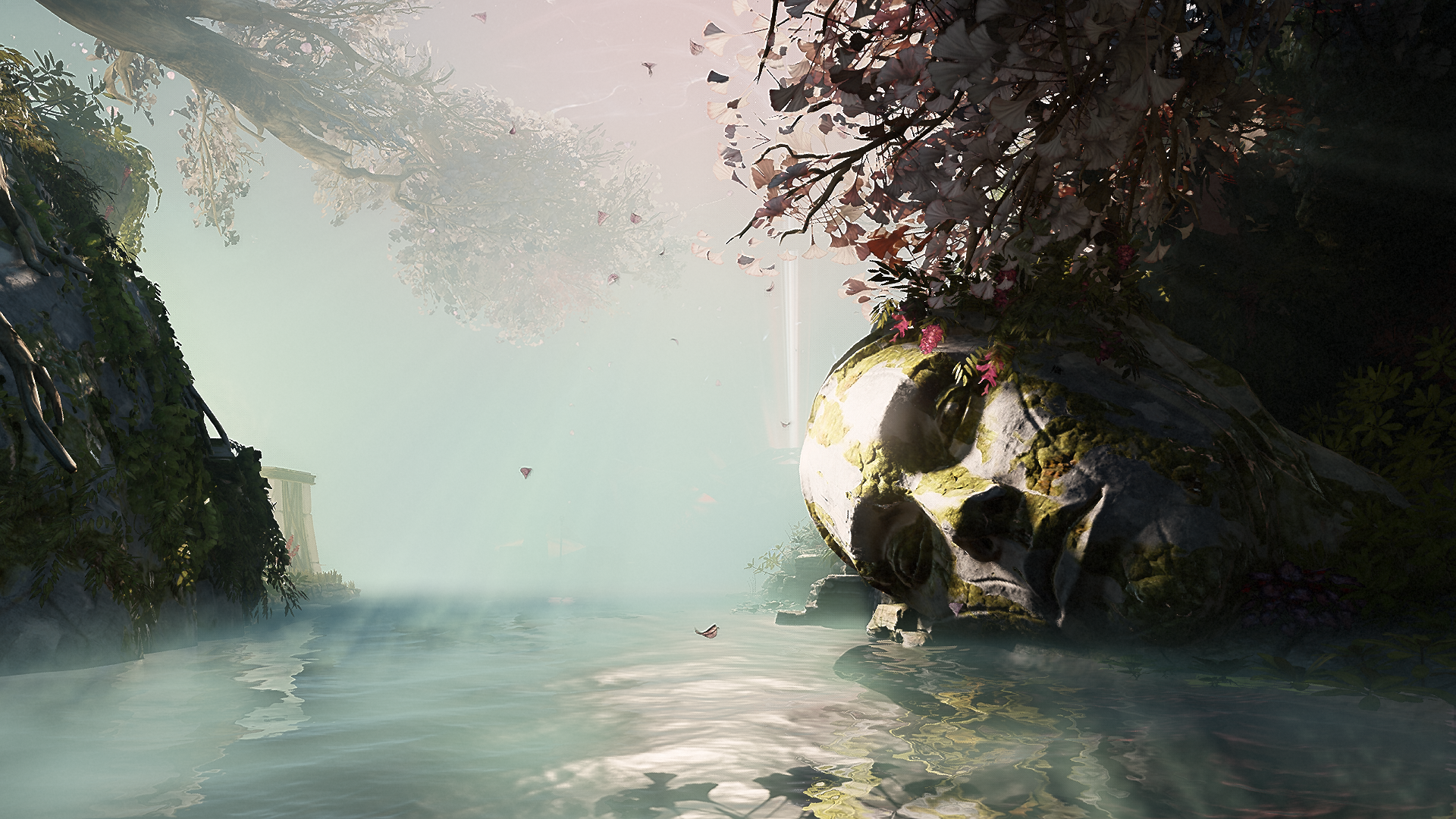
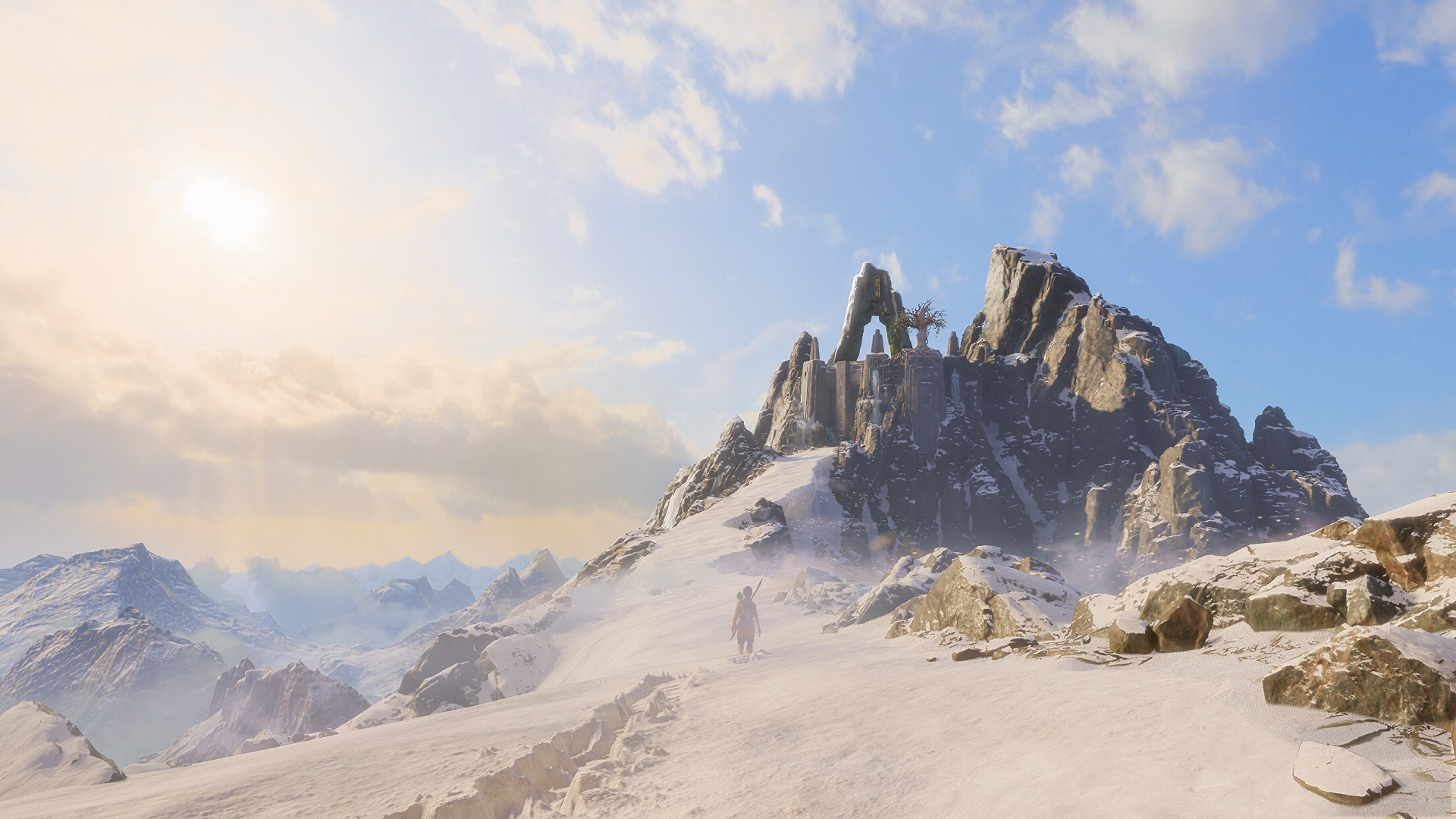
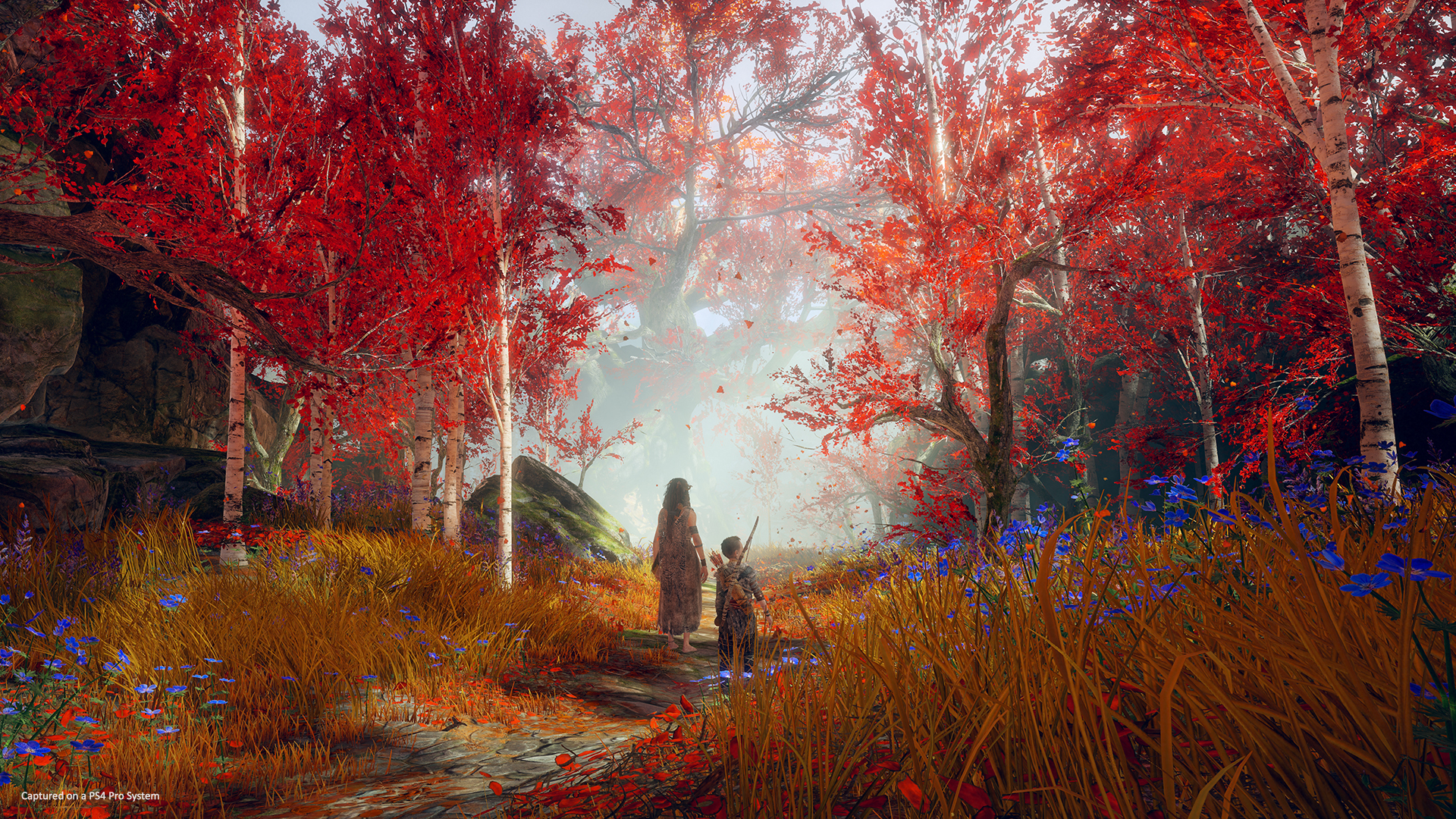
Enter the Norse realm His vengeance against the Gods of Olympus years behind him, Kratos now lives as a man in the realm of Norse Gods and monsters. It is in this harsh, unforgiving world that he must fight to survive… and teach his son to do the same. Grasp a second chance Kratos is a father again. As mentor and protector to Atreus, a son determined to earn his respect, he is forced to deal with and control the rage that has long defined him while out in a very dangerous world with his son. Journey to a dark, elemental world of fearsome creatures From the marble and columns of ornate Olympus to the gritty forests, mountains and caves of pre-Viking Norse lore, this is a distinctly new realm with its own pantheon of creatures, monsters and gods. Engage in visceral, physical combat With an over the shoulder camera that brings the player closer to the action than ever before, fights in God of War™ mirror the pantheon of Norse creatures Kratos will face: grand, gritty and grueling. A new main weapon and new abilities retain the defining spirit of the God of War series while presenting a vision of conflict that forges new ground in the genre. PC FEATURES High Fidelity Graphics Striking visuals enhanced on PC. Enjoy true 4K resolution, on supported devices, [MU1] with unlocked framerates for peak performance. Dial in your settings via a wide range of graphical presets and options including higher resolution shadows, improved screen space reflections, the addition of GTAO and SSDO, and much more. NVIDIA® DLSS and Reflex Support Quality meets performance. Harness the AI power of NVIDIA Deep Learning Super Sampling (DLSS) to boost frame rates and generate beautiful, sharp images on select Nvidia GPUs. Utilize NVIDIA Reflex low latency technology allowing you to react quicker and hit harder combos with the responsive gameplay you crave on GeForce GPUs. Controls Customization Play your way. With support for the DUALSHOCK®4 and DUALSENSE® wireless controllers, a wide range of other gamepads, and fully customizable bindings for mouse and keyboard, you have the power to fine-tune every action to match your playstyle. Ultra-wide Support Immerse yourself like never before. Journey through the Norse realms taking in breathtaking vistas in panoramic widescreen. With 21:9 ultra-widescreen support, God of War™ presents a cinema quality experience that further expands the original seamless theatrical vision.
Description from IGDB IGDB
Storyline IGDB
Many years have passed since Kratos, Spartan warrior and former Greek God of War, took his vengeance against the Greek Gods, and he now lives with his young son Atreus in ancient Norway in the realm of Midgard. The game begins after the death of the Jötunn warrior Faye, Kratos' second wife and Atreus' mother, whose last request was for her ashes to be spread at the highest speak of the nine realms. Kratos and Atreus prepare a funeral pyre for her, mourn her death and soon go on a hunt as per Kratos' desire. However much to Kratos' disappointment, Atreus proves his incompetence and lack of focus, making Kratos reconsider taking Atreus in his journey. Kratos is soon attacked by a mysterious stranger with godlike powers, and who cannot feel anything physically. After seemingly killing him, Kratos reluctantly takes Atreus with him and begins their journey.
Wikipedia Description WIKIPEDIA
The series consists of eight single-player-only games, and two that include multiplayer. Throughout the first era, the games featured a third-person, fixed cinematic camera with the exception of Betrayal, which was the first to feature a 2D side-scrolling view; the February 2026 prequel, Sons of Sparta, is also a 2D side-scroller. For 2018's God of War and Ragnarök, the camera was switched from being fixed and became an over-the-shoulder free camera. A first-person camera is featured in God of War III and Ascension during certain scripted sequences. Throughout the series, the player controls the character Kratos in a combination of hack and slash combat, platforming, and puzzle game elements to achieve goals and complete the story (platforming elements were removed from the second era games due to the camera change). The 2018 installment added Kratos' son Atreus, and although the game is played entirely as Kratos, there are times when the player may choose to passively control Atreus (a button is dedicated to Atreus, and he will fire an arrow from his bow depending on where the camera is pointed). While Atreus is still an accompanying character in Ragnarök (in addition to a couple of other characters), there are some story missions where the player takes full control of Atreus; his combat is similar to Kratos' but he uses a bow. Throughout the Greek games, Kratos' main weapon is a pair of double-chained blades that appear in three iterations: the Blades of Chaos, the Blades of Athena (or Athena's Blades), and the Blades of Exile. They each perform similarly, but differ in the types of combos and amount of damage each yields, as well as cosmetic differences. Other weapons are also obtained during the games and vary in gameplay. Magic is also used, and four abilities are typically acquired. God of War III differs in that instead of separate abilities, there are four primary weapons that possess their own respective magic offensive. The game also features "Items"—additional secondary weapons with limited usage, such as the Bow of Apollo. With each new game, most weapons and magic are lost via a plot device, and a new arsenal of weapons and abilities are acquired during gameplay. Ascension differs from the previous games in that instead of acquiring new weapons that are kept throughout the entire game, the player collects up to five World Weapons (such as a sword or a javelin) that have limited usage. When there is not a World Weapon equipped, the player can punch or kick foes as part of a new mechanic added to the game. In the Norse games, Kratos' primary weapon is a magical battle axe called the Leviathan Axe. It can be thrown and summoned back to his hand, similar to Thor's hammer Mjölnir. Later on in 2018's God of War, he recovers the Blades of Chaos, which is retained in Ragnarök. They perform similarly as they did during the Greek games, but with different abilities. Both the Leviathan Axe and Blades of Chaos, as well as the Draupnir Spear introduced in Ragnarök, can be upgraded to use special magical attacks called runic attacks. Each weapon has a light and heavy runic attack, and the player can choose which runic attacks to equip on the weapons. The series offers combo-based combat, and includes a quick time event (QTE) feature, also called context sensitive attacks, which is initiated when the player has weakened a foe or to perform a defensive maneuver. It allows limited control of Kratos during the QTE cinematic sequence; success ends the battle, while failure usually results in damage to the player. As well as the QTE system, Ascension features a prompt-less free-form system, allowing players the choice of when to attack or dodge based on the enemy's actions. A grab maneuver can be used on minor foes. The Norse games changed this up; after an enemy has been weakened enough, a prompt will appear above its head, and depending on the enemy, Kratos may rip it in half or grab them and throw them into other enemies, among other possible outcomes. He will also jump on top of and ride large enemies, such as ogres, causing them to attack other enemies, similar to the cyclopes in the Greek games. Relics, which the player can use in successive games (such as Poseidon's Trident obtained in the original God of War allowing Kratos to swim underwater for extended periods) are also found and necessary for game progression. Kratos often has a special ability, which provides temporary invulnerability and increased attack damage. This ability has become an ongoing feature of gameplay throughout the series—Rage of the Gods in the original God of War and Ascension, Rage of the Titans in God of War II, Rage of Sparta in God of War III, and Thera's Bane in Ghost of Sparta. This ability can be recharged by building hits on foes in combat, and gaining game-specific orbs. Thera's Bane, however, is recharged automatically. While Kratos does not retain any relics from the Greek era in 2018's God of War, he does have a rage ability, called Spartan Rage, and with this ability, Kratos uses powerful bare-handed attacks, as opposed to weapons, to greatly damage enemies. Ragnarök enhanced the Spartan Rage ability, giving two other variants, one providing health and another delivering a powerful weapon attack depending on the weapon equipped. Another variant was introduced in Ragnarök's expansion Valhalla, which allows the player to use the Blade of Olympus, similar to the rage ability from God of War III. Gorgon Eyes and Phoenix Feathers, found throughout the Greek games in unmarked chests (white chests in Ascension), increase the maximum amount of health and magic, respectively. Minotaur Horns, which increase the Items and Fire meter's maximum length, are available in God of War III and Ghost of Sparta, respectively. The Items meter allows the use of secondary weapons, called Items, and the Fire meter allows the use of the Thera's Bane ability. The meters are increased in increments and reach their maximum once a certain number of Eyes, Feathers, and Horns are found. Other chests contain green, blue, or red orbs. Green orbs replenish the player's health, blue orbs replenish magic allowing further usage, and red orbs provide experience points (XP) for upgrading weapons and magic for new, more powerful attacks, and replenish the Rage meter in the original God of War. Gold orbs found in God of War II and Ascension, and white orbs in God of War III, replenish the Rage meter instead of red orbs; the Rage meter in Ascension is also refilled by landing attacks on foes. Chests with changing colors, which allow players to choose which meter to replenish, have also been available. Red orbs can also be collected by killing foes and destroying certain inanimate objects. Bosses and more powerful opponents release a combination of colored orbs when killed via the quick-time feature. For the Norse games, Apples of Iðunn replaced the Gorgon Eyes to increase the maximum length of the health meter, while Horns of Blood Mead increase the maximum length of the rage meter. The Norse games also changed the green and red orbs to stones, which need to be stomped in order to replenish the health and rage meters. Magic is also done differently. Instead of collecting blue orbs to replenish magic, there is a cool down time on magical runic attacks, and once that cool down time is up, the magical runic attack can be used again. Furthermore, players accumulate different crafting resources, primarily Hacksilver, to create and purchase new items, such as new armor or upgrading existing armor and weapons, and XP is used for learning new combat skills. Chests in the Norse games provide a variety of different items. With the exception of Ascension, each installment offers a challenge mode, which yields extra red orbs (or XP), secret costumes, and behind-the-scenes videos. Bonus content can also be unlocked by defeating the game's difficulty levels. The Norse games also include a challenge mode, located in the realm Muspelheim, which rewards various items upon completion. Battle arenas, which allow players to set difficulty levels and choose their own opponents, are included in God of War II, God of War III, and Ghost of Sparta. Ragnarök's expansion Valhalla introduced its own version of a battle arena in the form of the trials of Valhalla, which uses elements of the roguelite genre. Excluding Betrayal, the Greek games were known for including a quick-time sex minigame in each installment until Ascension, which dropped the mini-game. Ascension was the first installment in the series to feature multiplayer, which is online-only for both competitive and cooperative play. Up to eight players on two teams of two to four players (or a four to eight player deathmatch) battle for control of a map in order to earn rewards from the gods. Players can also fight each other in one-on-one matches. Players must align with either Zeus, Hades, Ares, or Poseidon, which allows them to try different weapons, armor sets, and powers inspired by the god of their choice, and extras can be unlocked. A multiplayer option returned with Sons of Sparta, and similar to Valhalla, it is a roguelite challenge mode called the Pit of Agonies, but unlike Ascension, this mode is for local multiplayer (offline) and can also be done solo. At launch, it could only be accessed after the player completed the main game, but in an update patch on February 26, 2026, players can input a cheat code to unlock it sooner.
About God of War
God of War is a Action, Open World, Platform, Puzzle, Roguelike / Roguelite, Role-playing (RPG) game released in 2018 developed by SIE Santa Monica Studio that offers Single player gameplay from a third person perspective playable on PC (Microsoft Windows), PlayStation 4 with 3096 user ratings averaging 92.3/100. The game explores themes like Drama, Fantasy, Historical. If you enjoy God of War, you might also like similar games in our database of 45,000+ titles.
Basic Info
Details
↑ Back to topAdditional Information
Платформы 2
Genres 6
Themes 3
Player Perspectives 1
Game Modes 1
Companies
↑ Back to topDevelopers
SIE Santa Monica Studio
No description available
Publishers
Sony Interactive Entertainment
No description available
Keywords
↑ Back to topScreenshots
↑ Back to top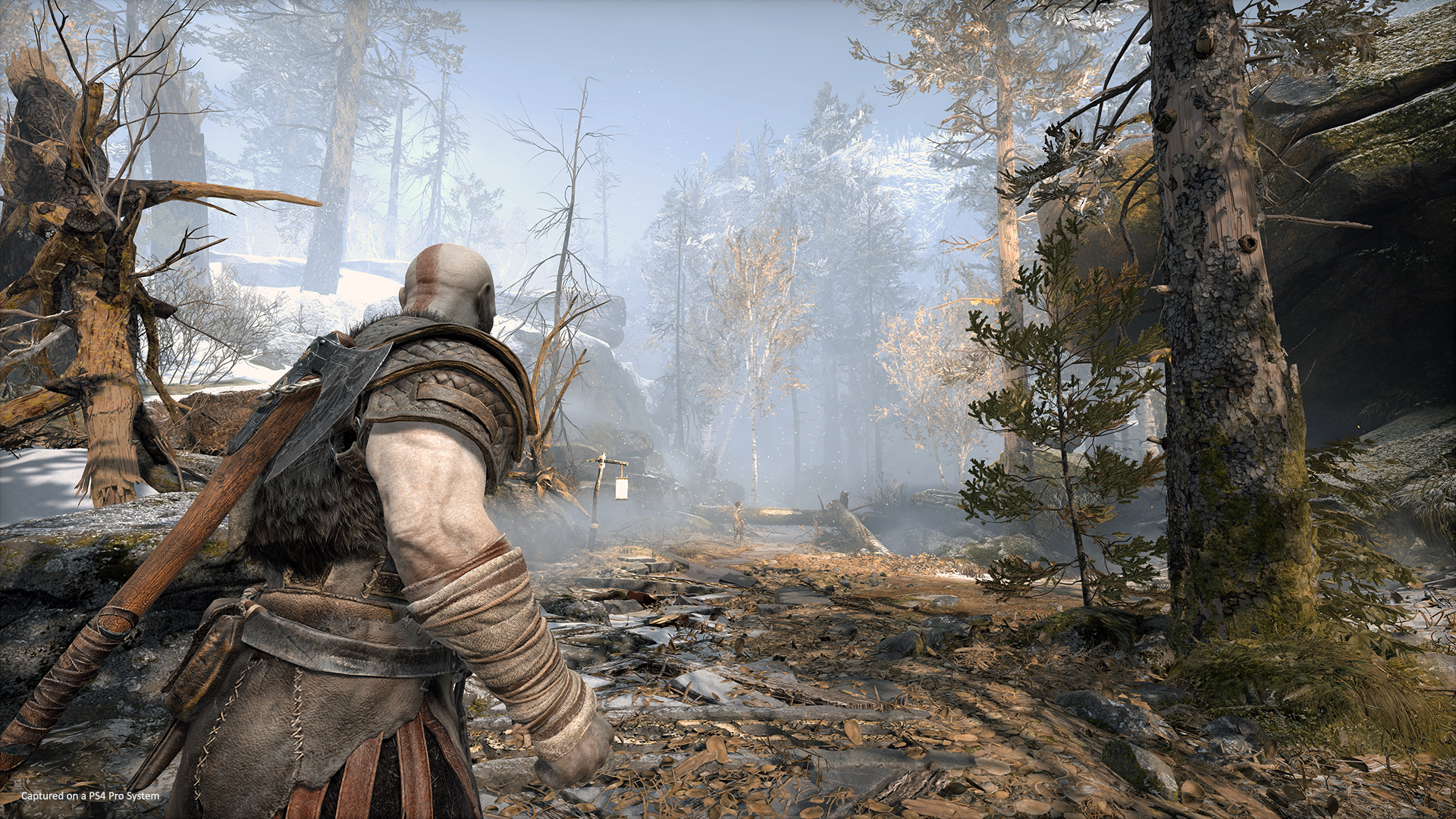
Similar Games
↑ Back to top
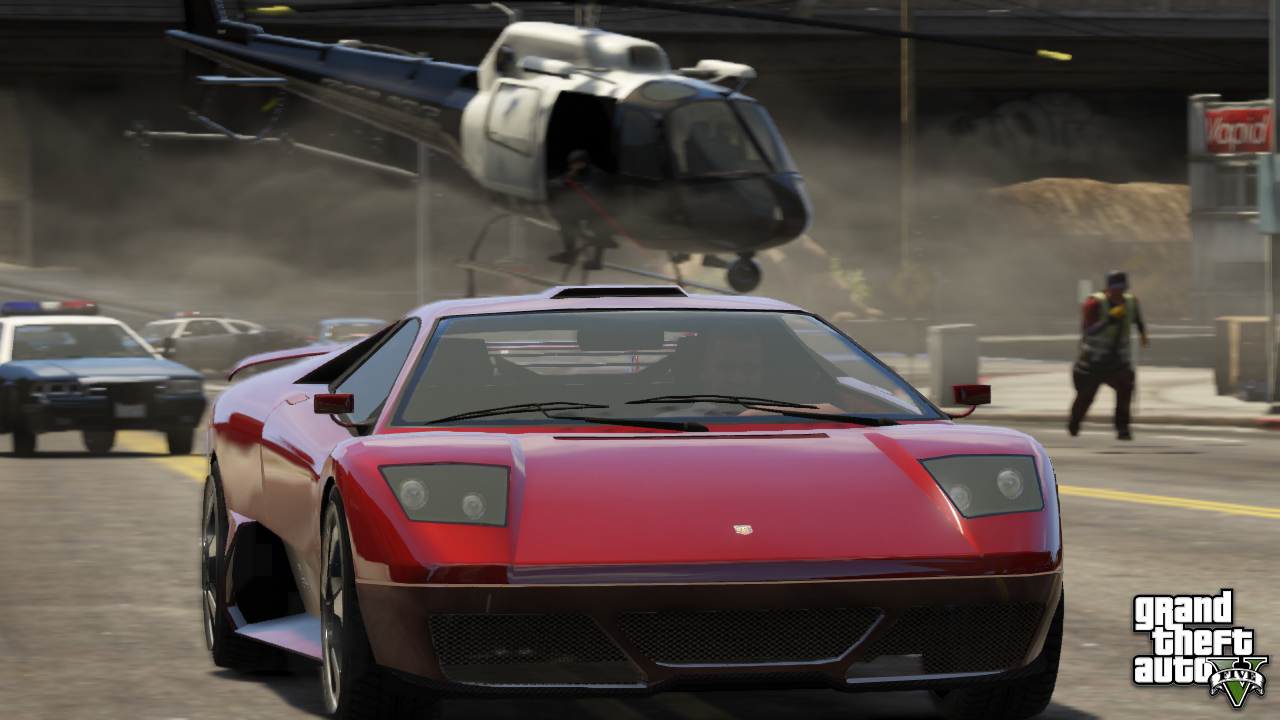
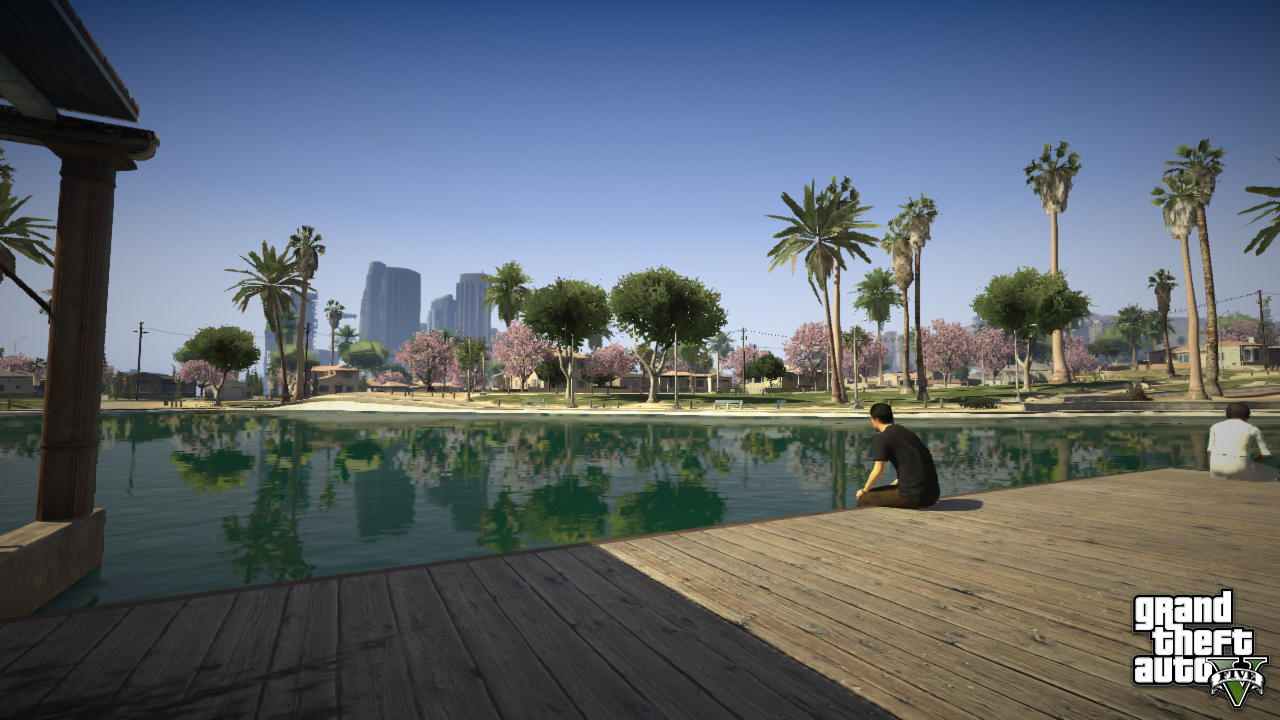
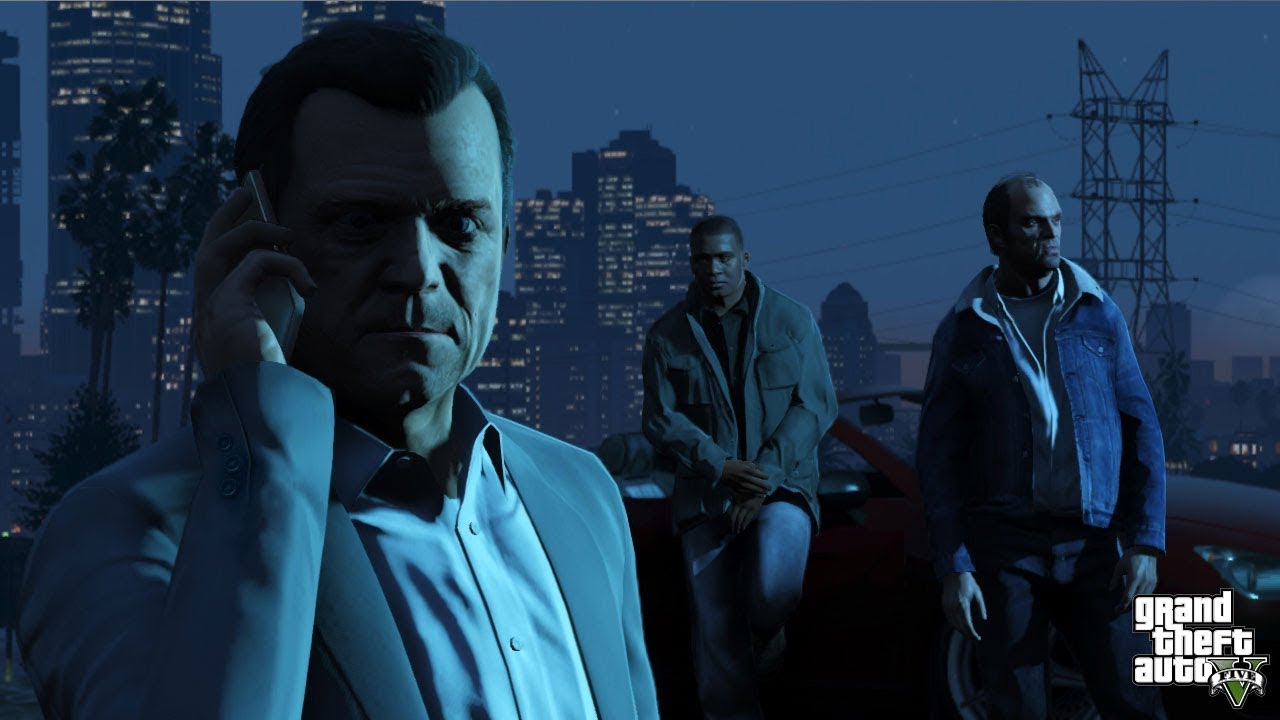
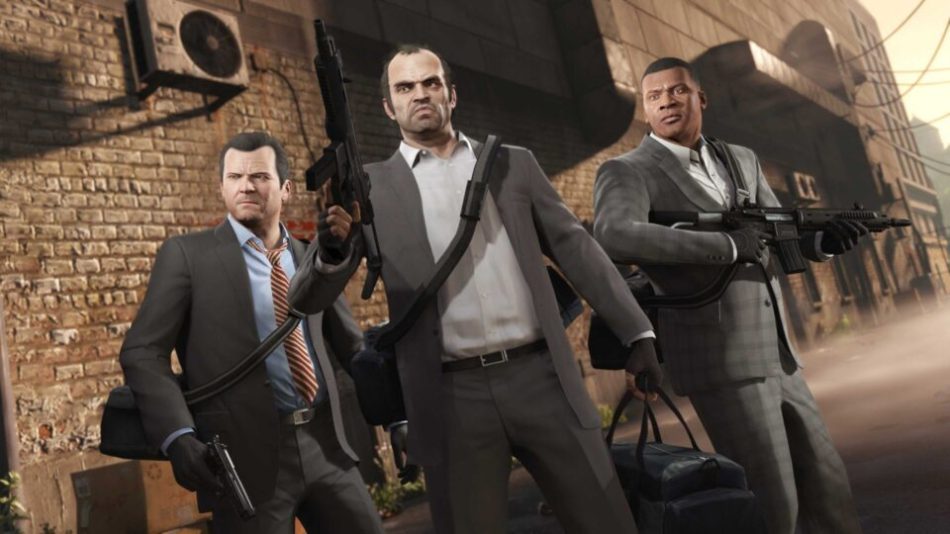
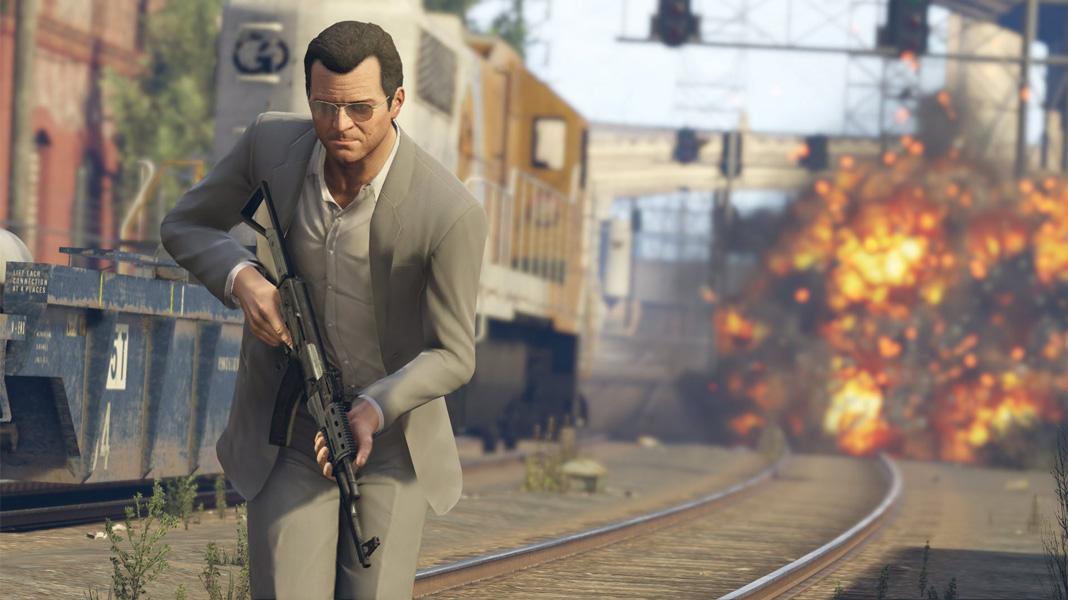
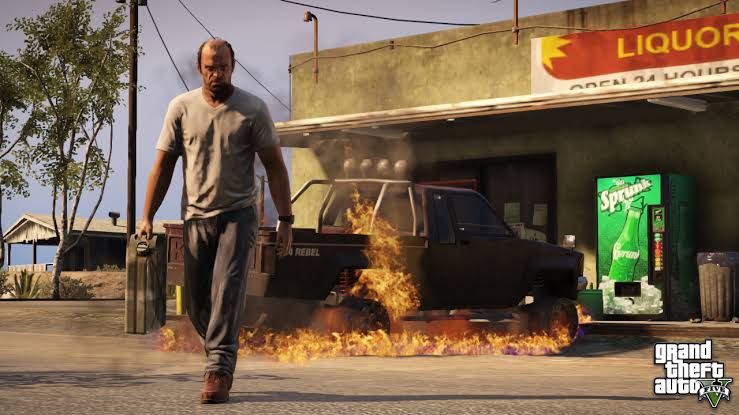
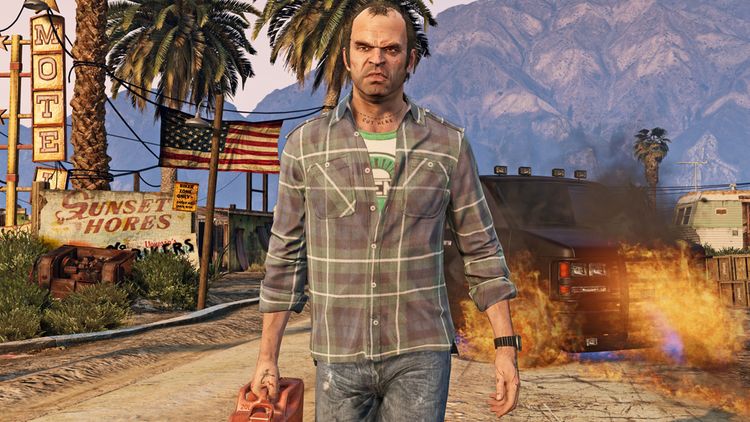
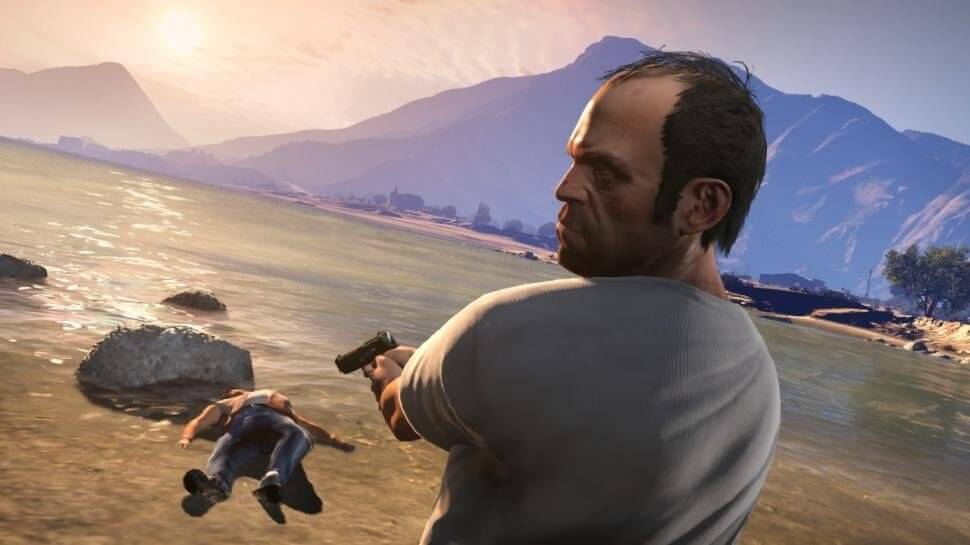

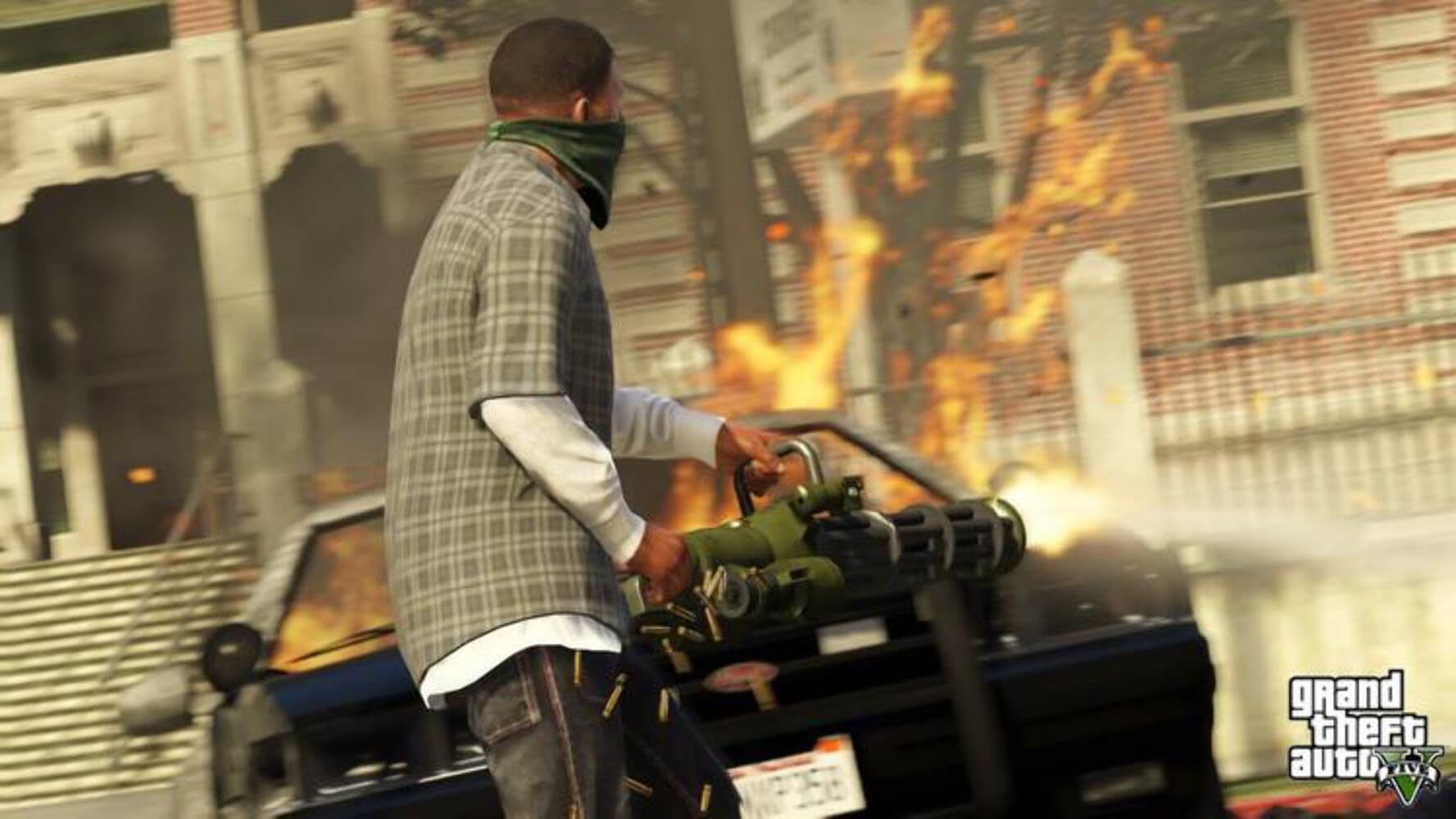
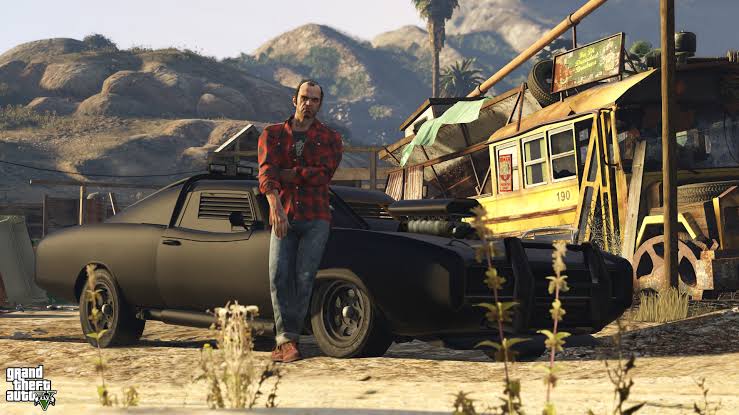
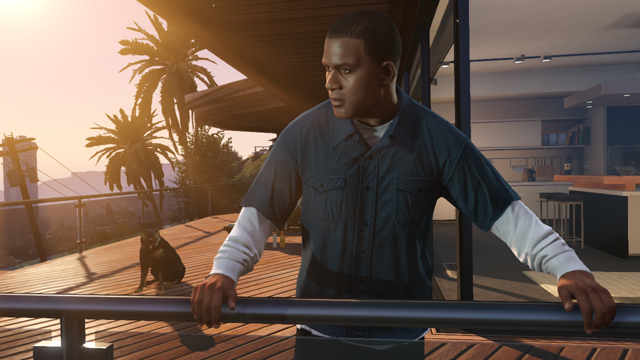
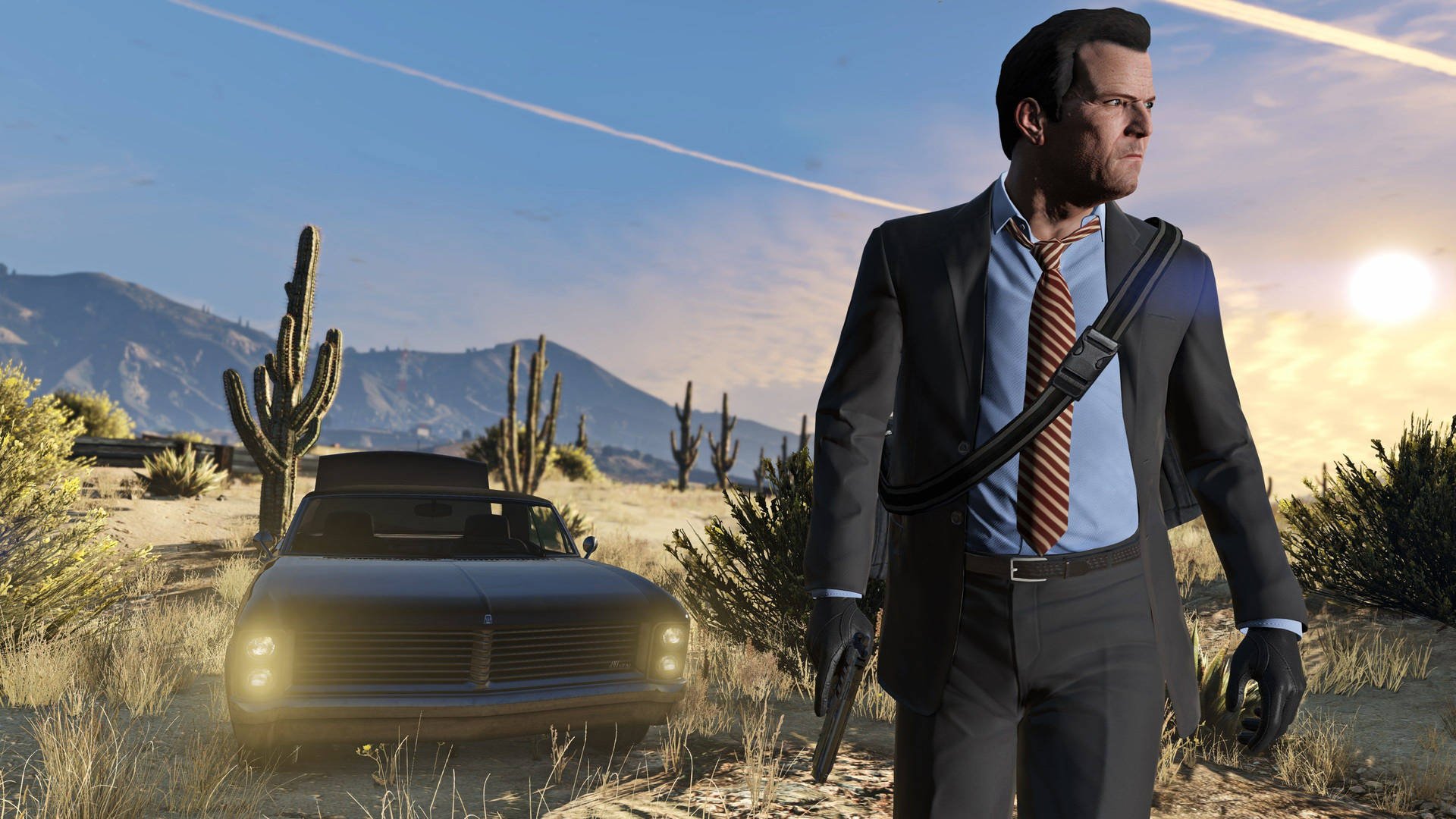
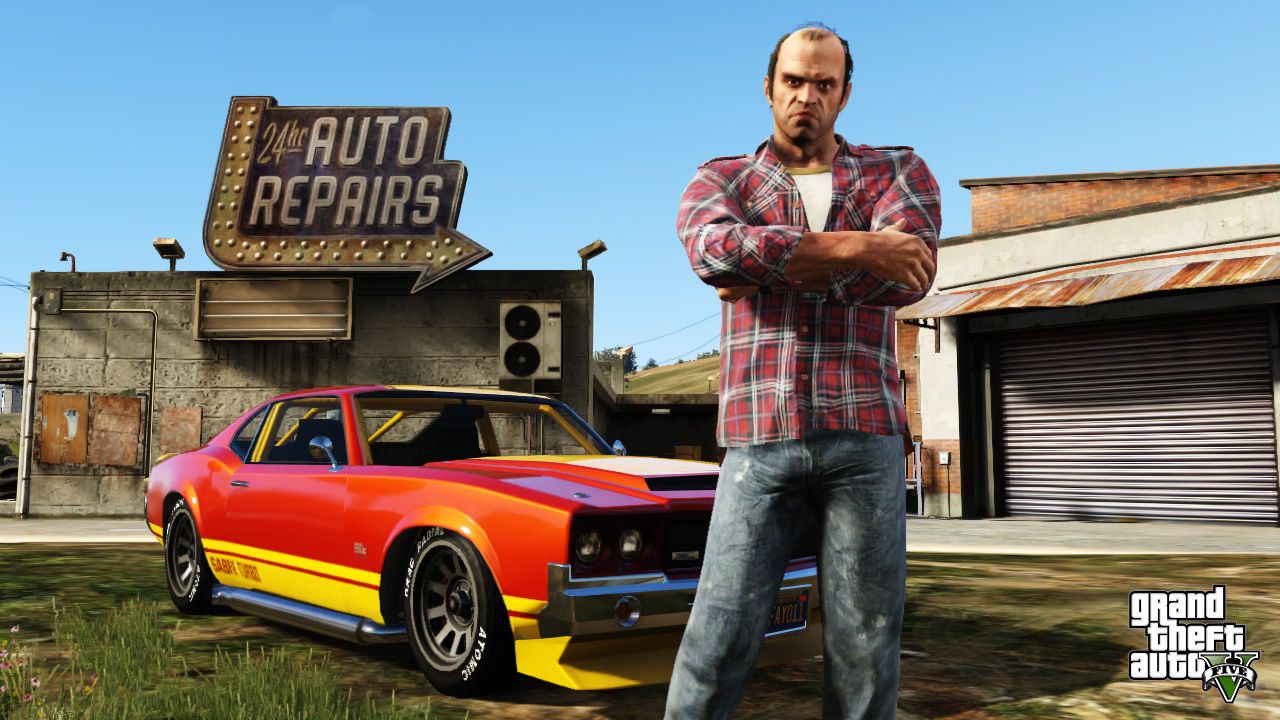
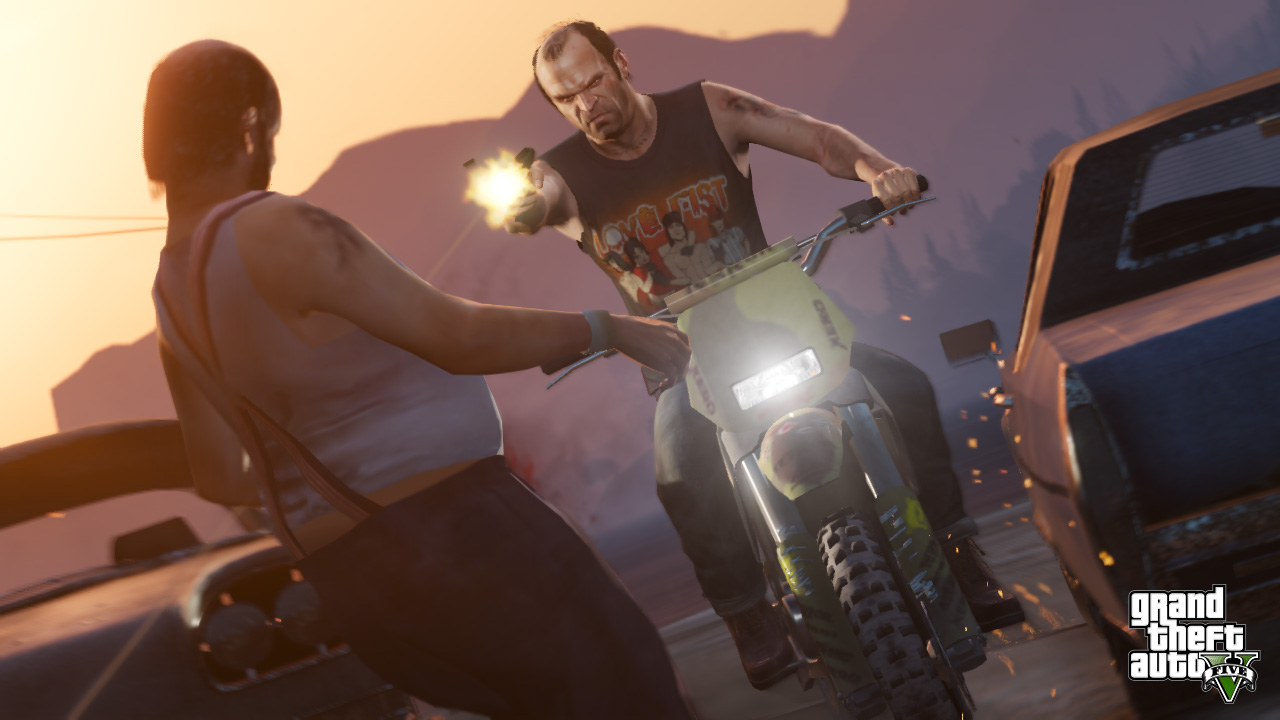
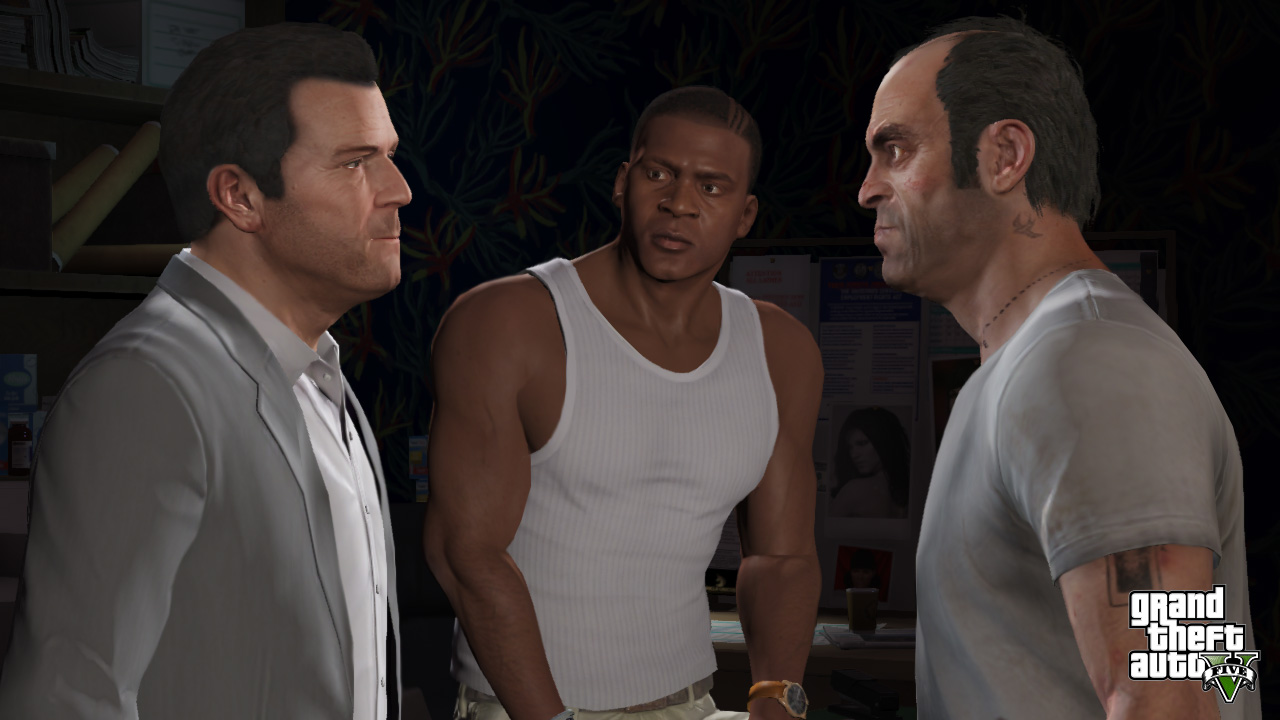

Grand Theft Auto V
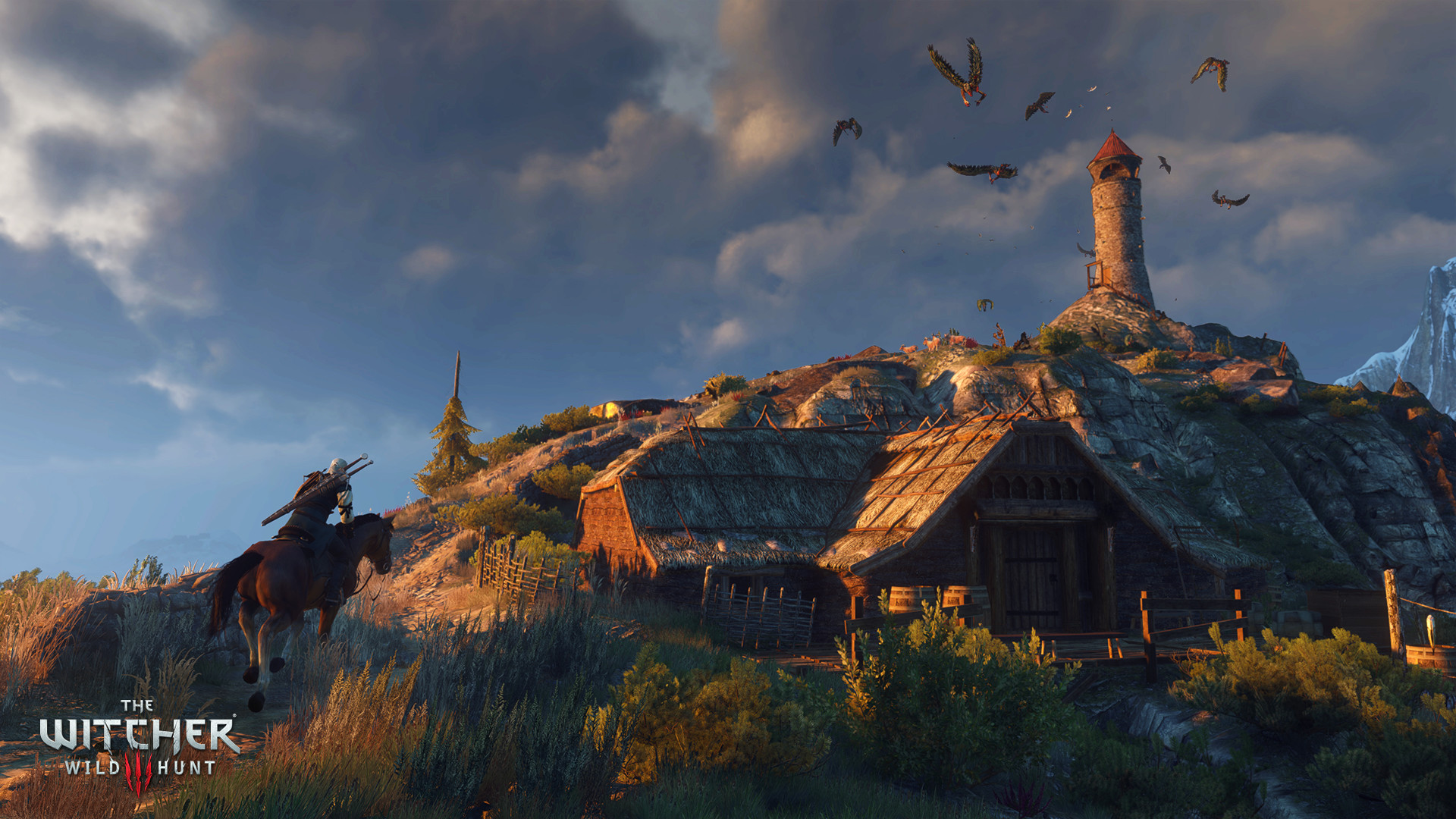
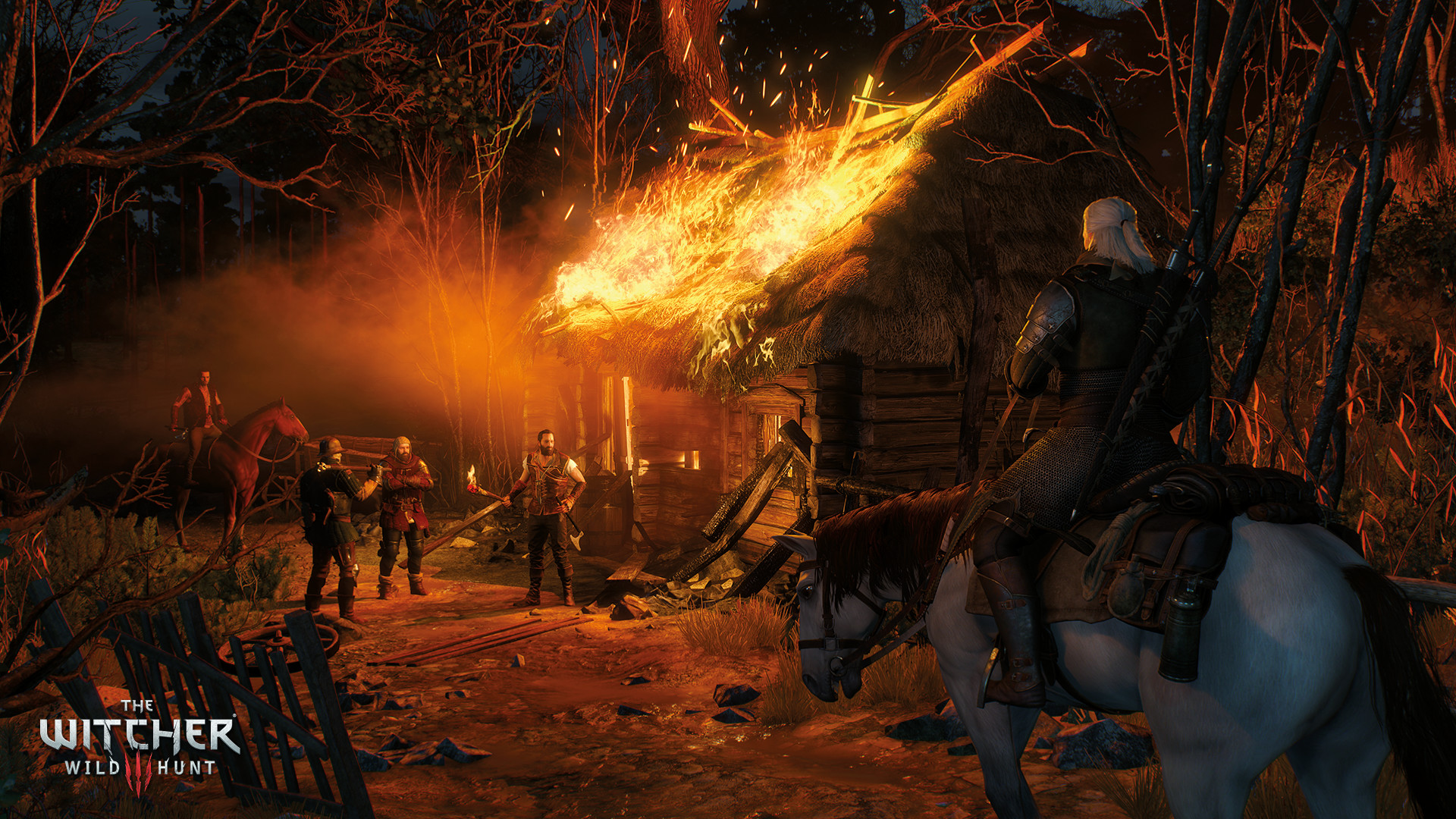
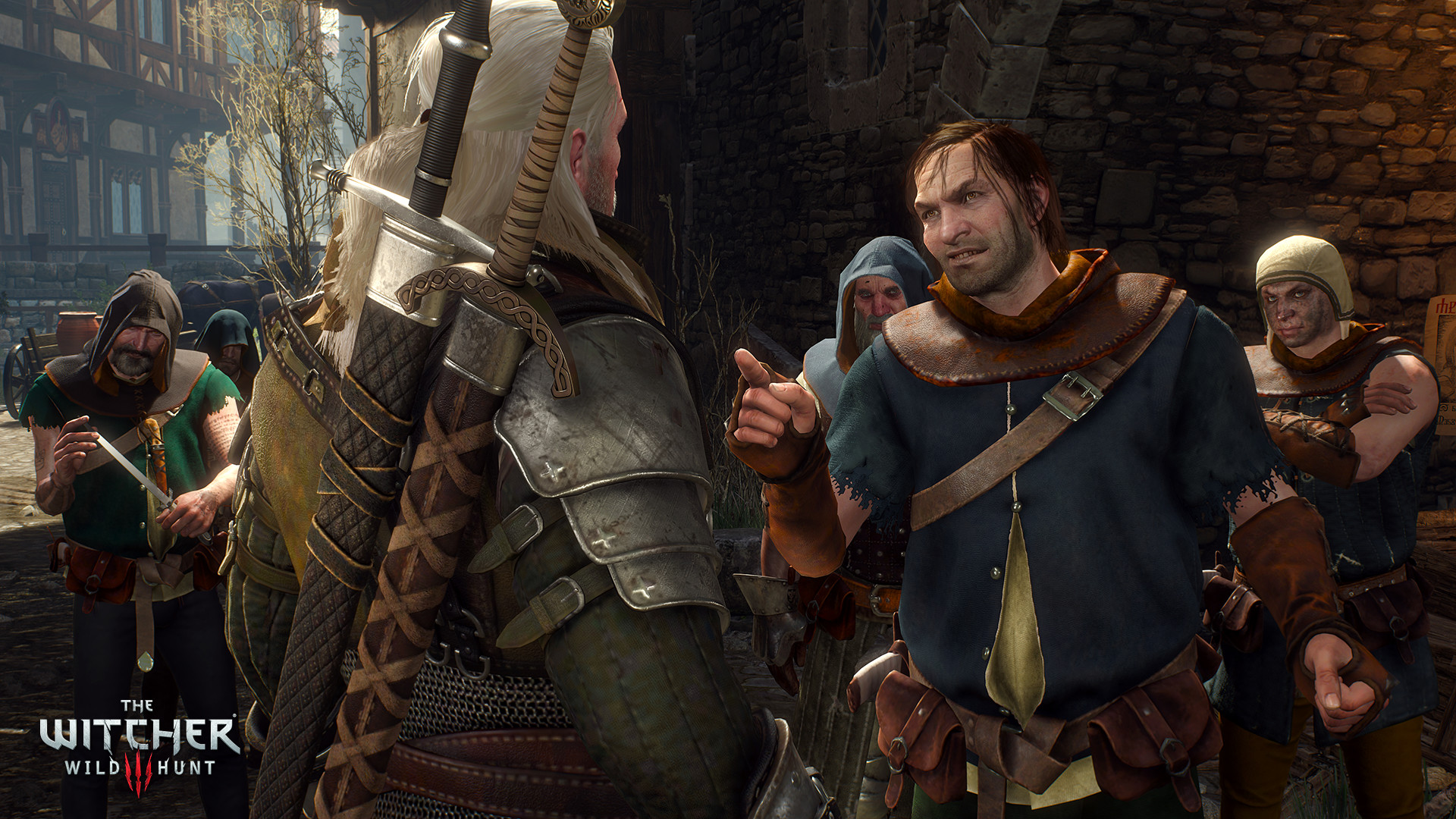
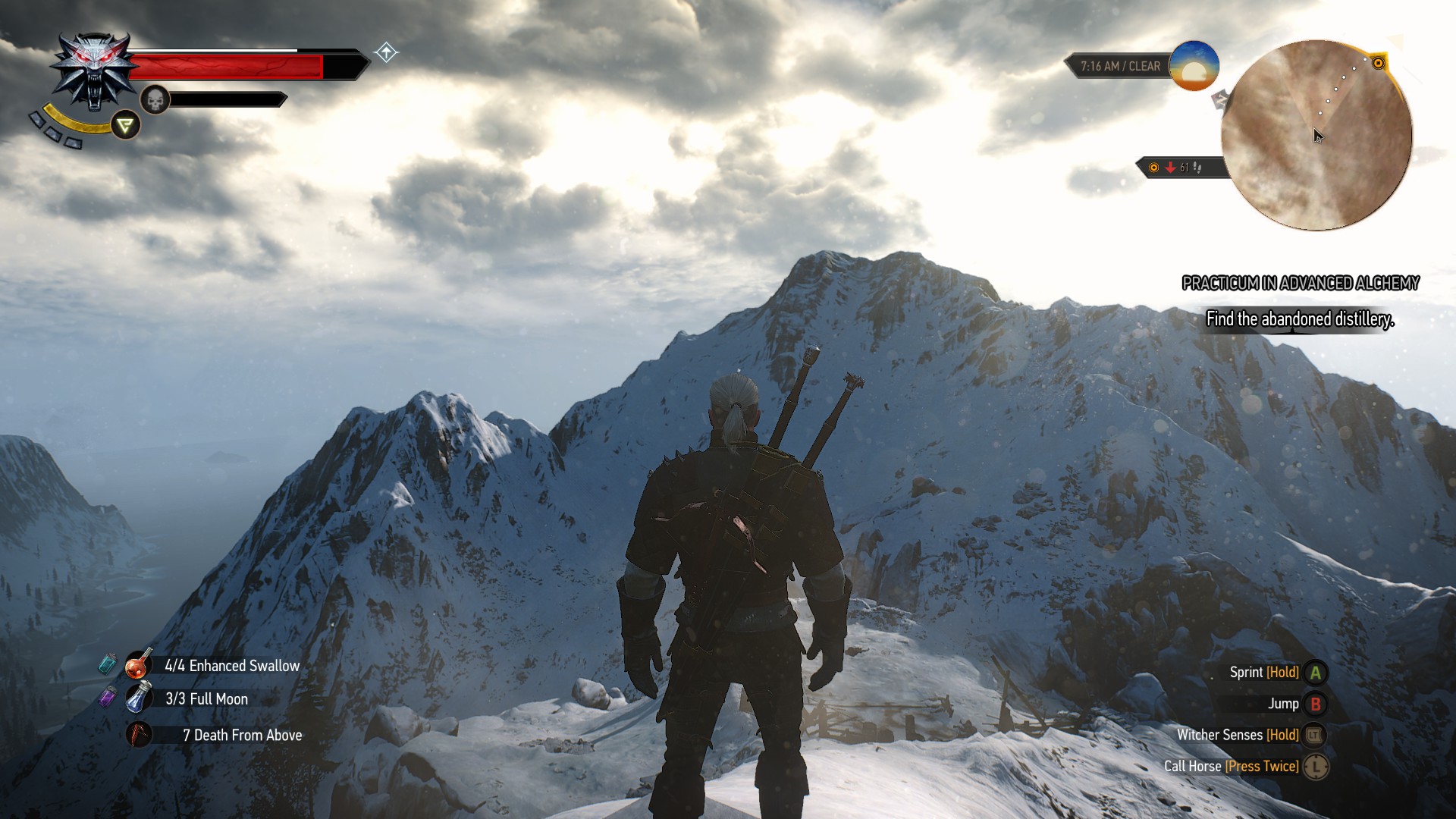
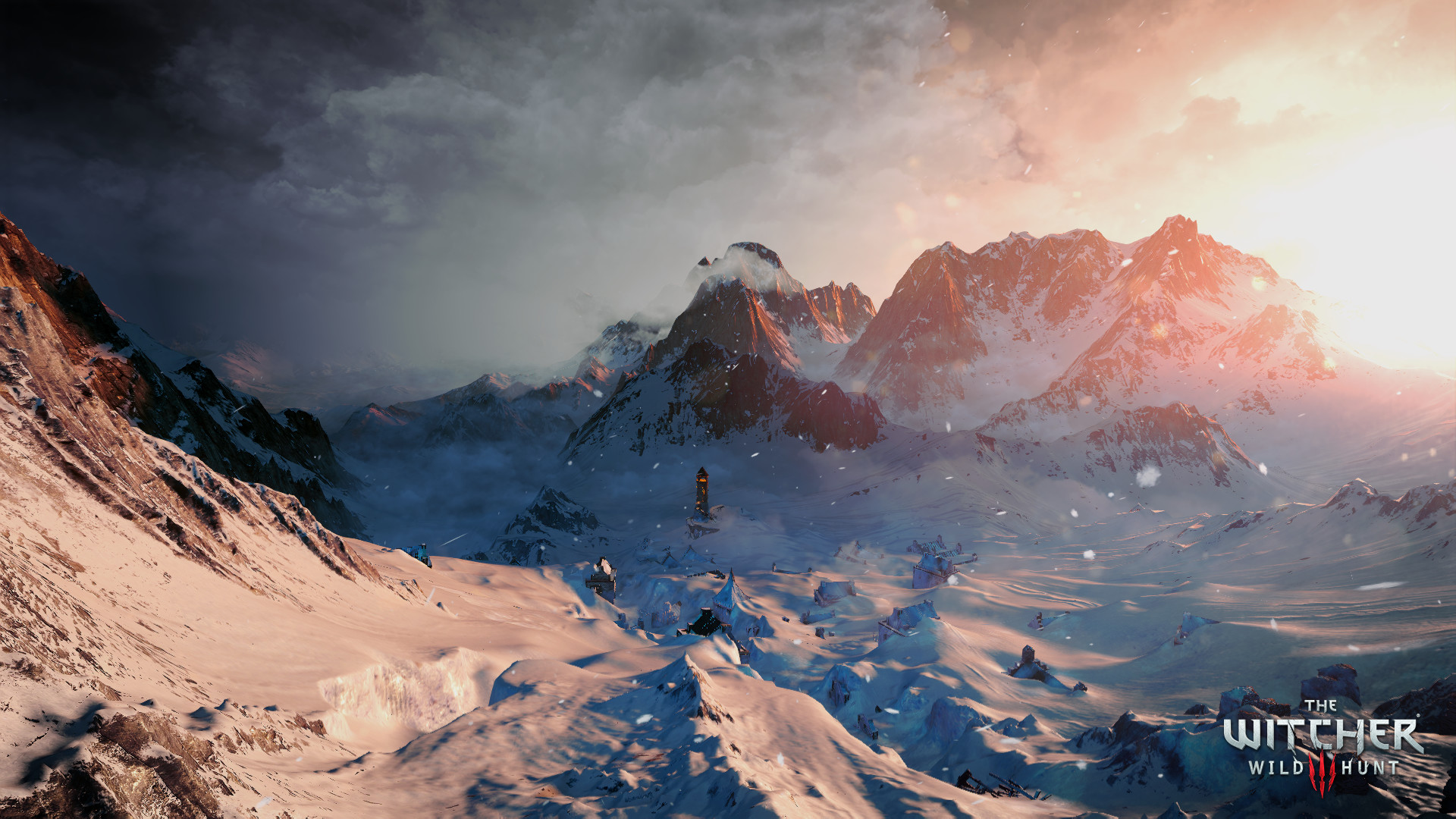
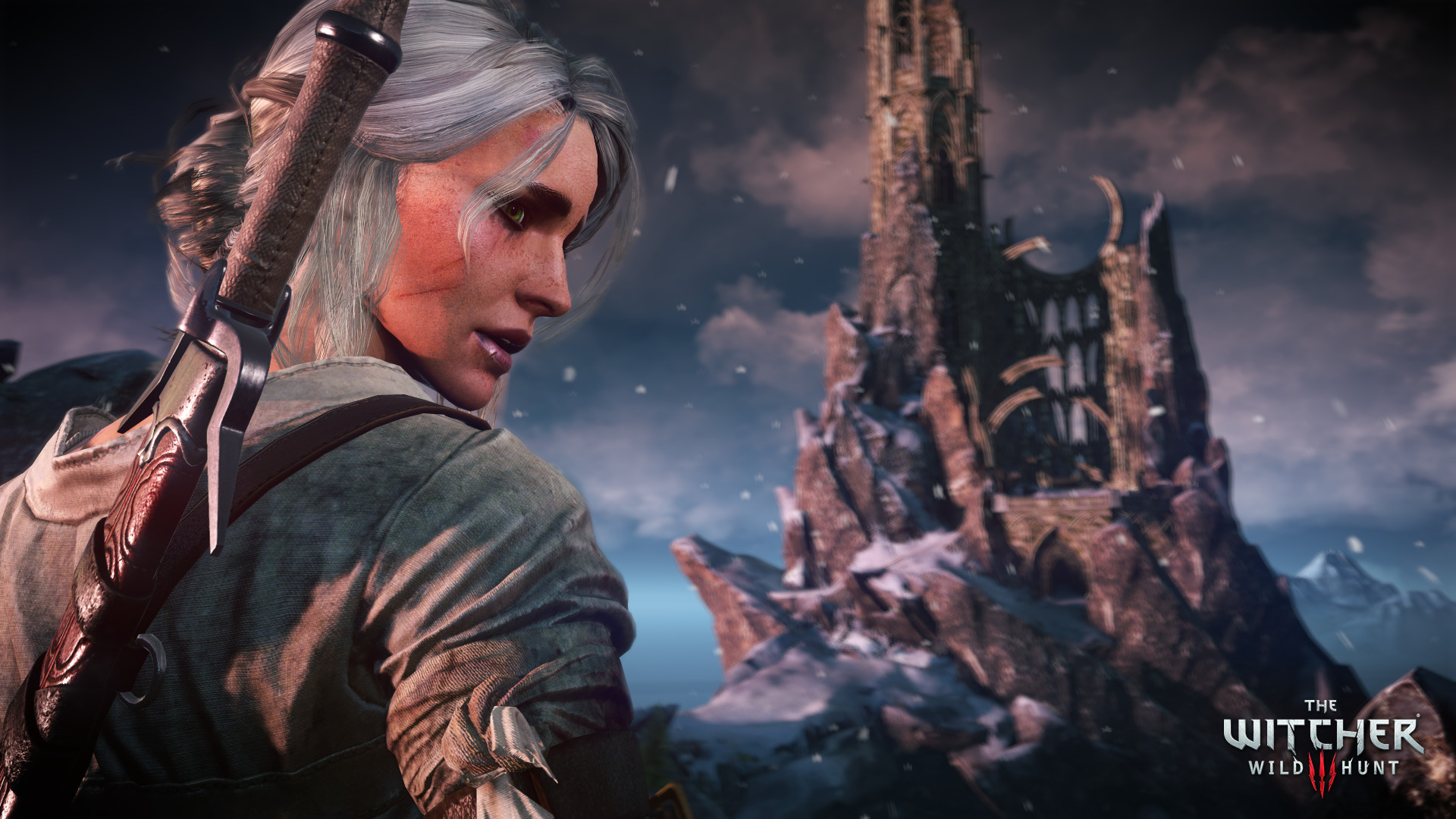
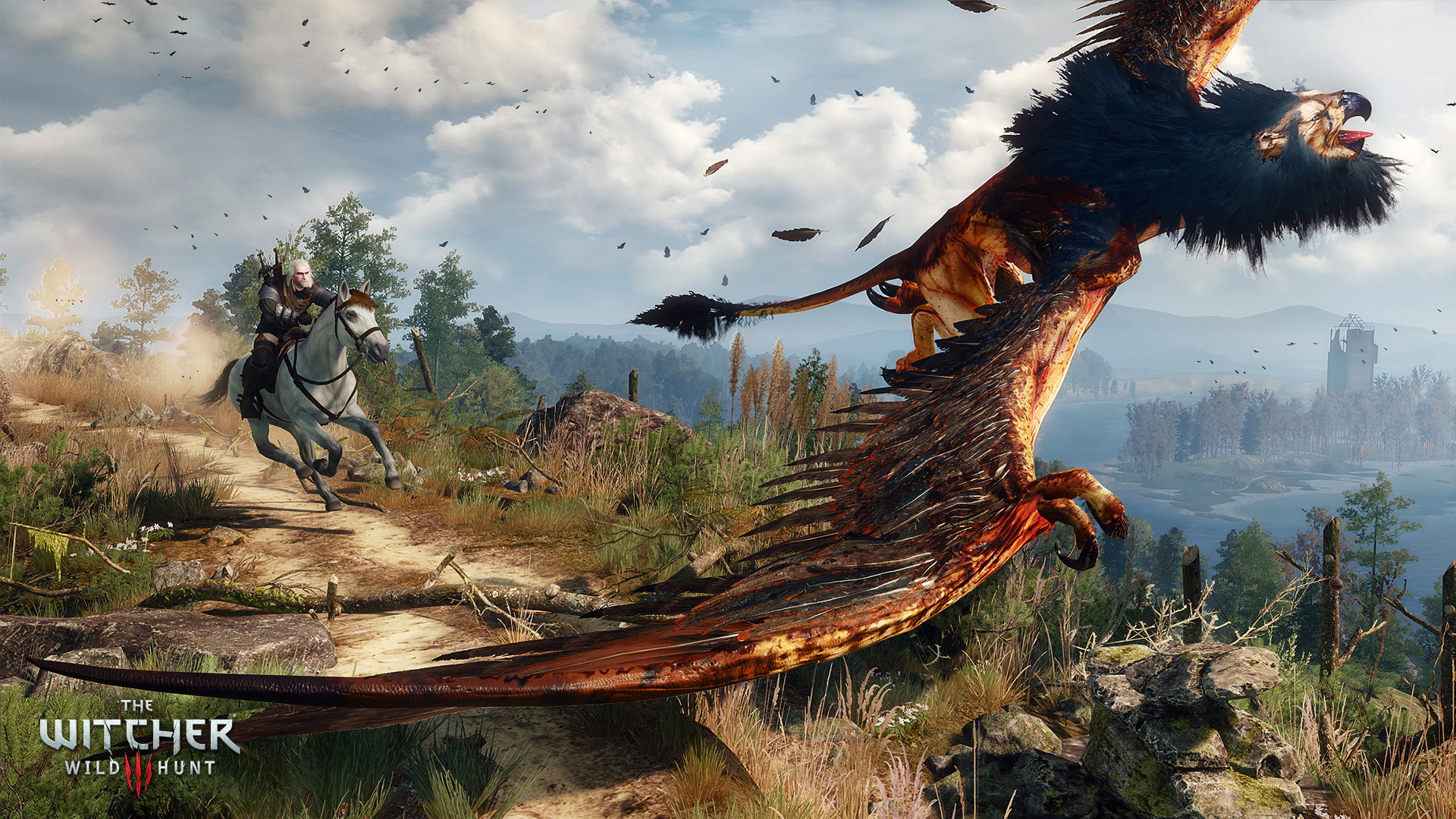
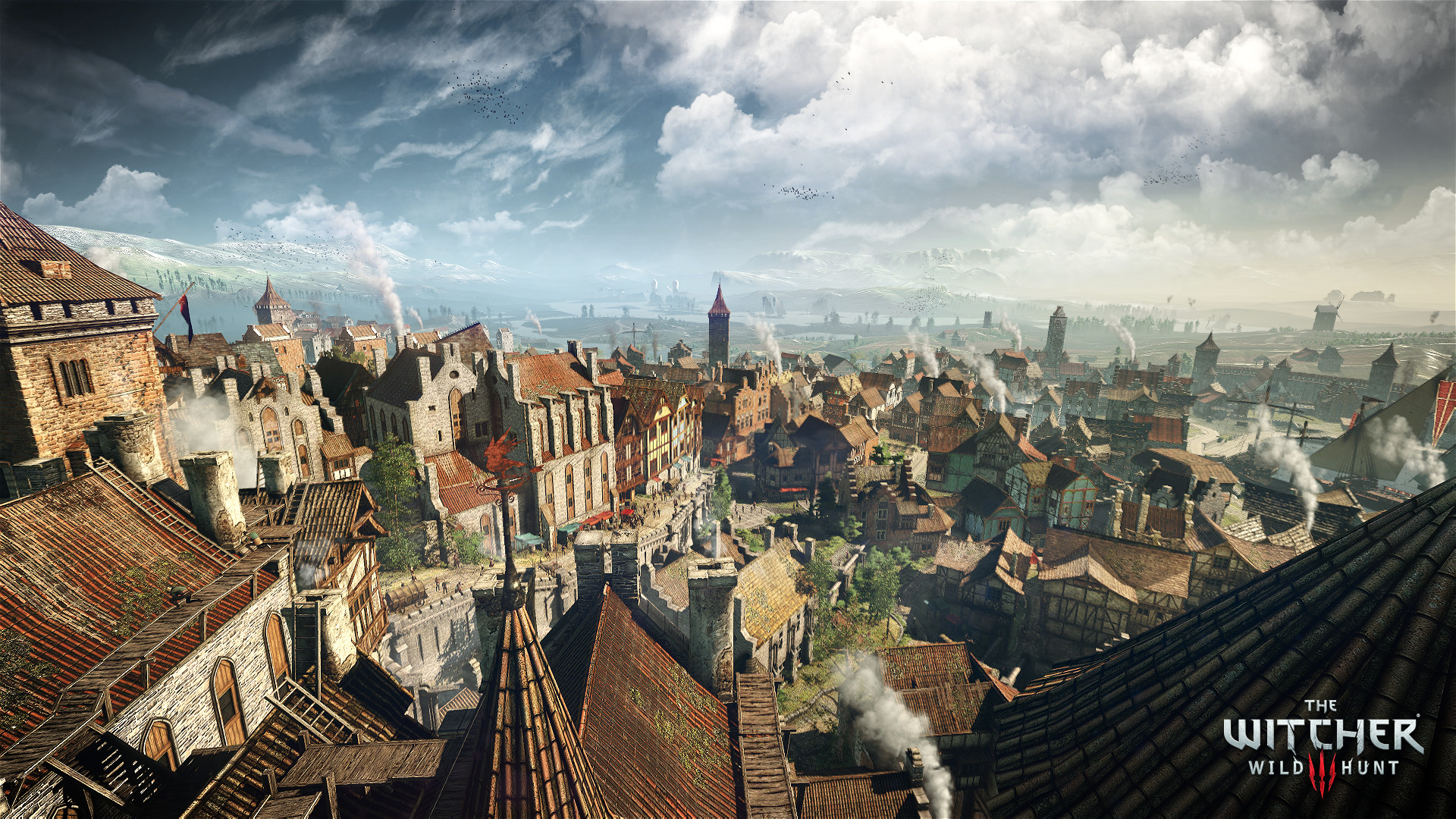
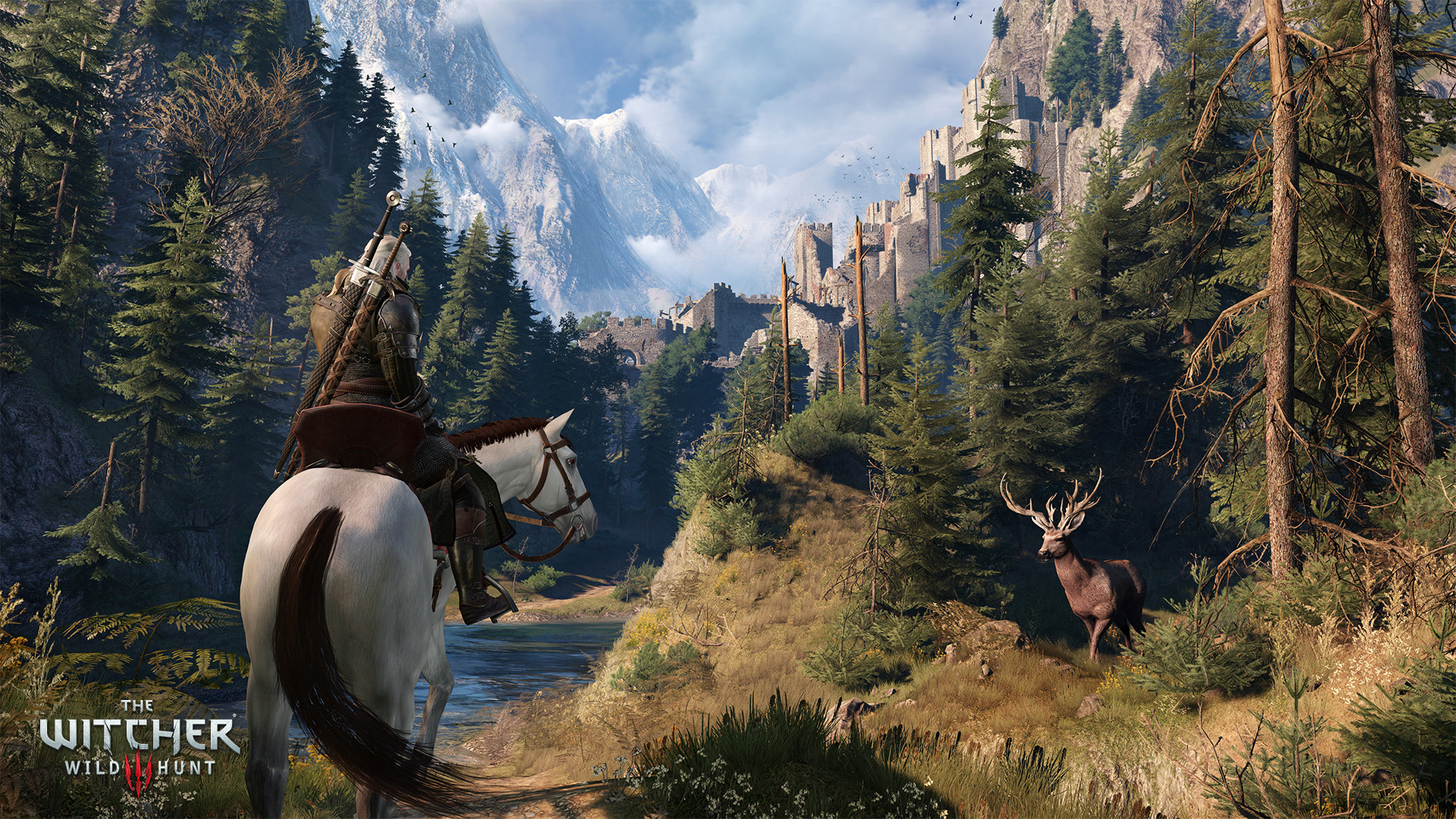
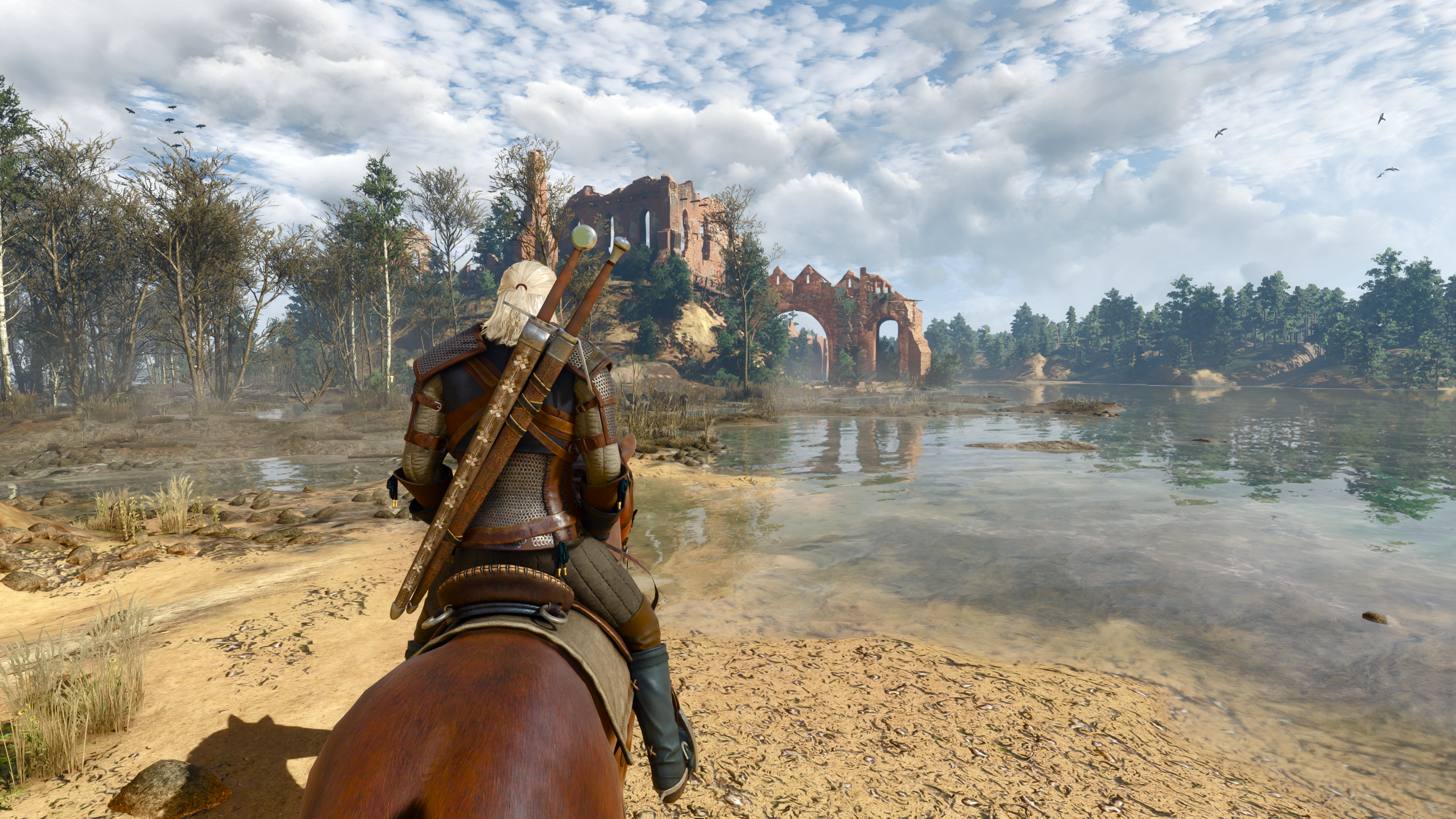
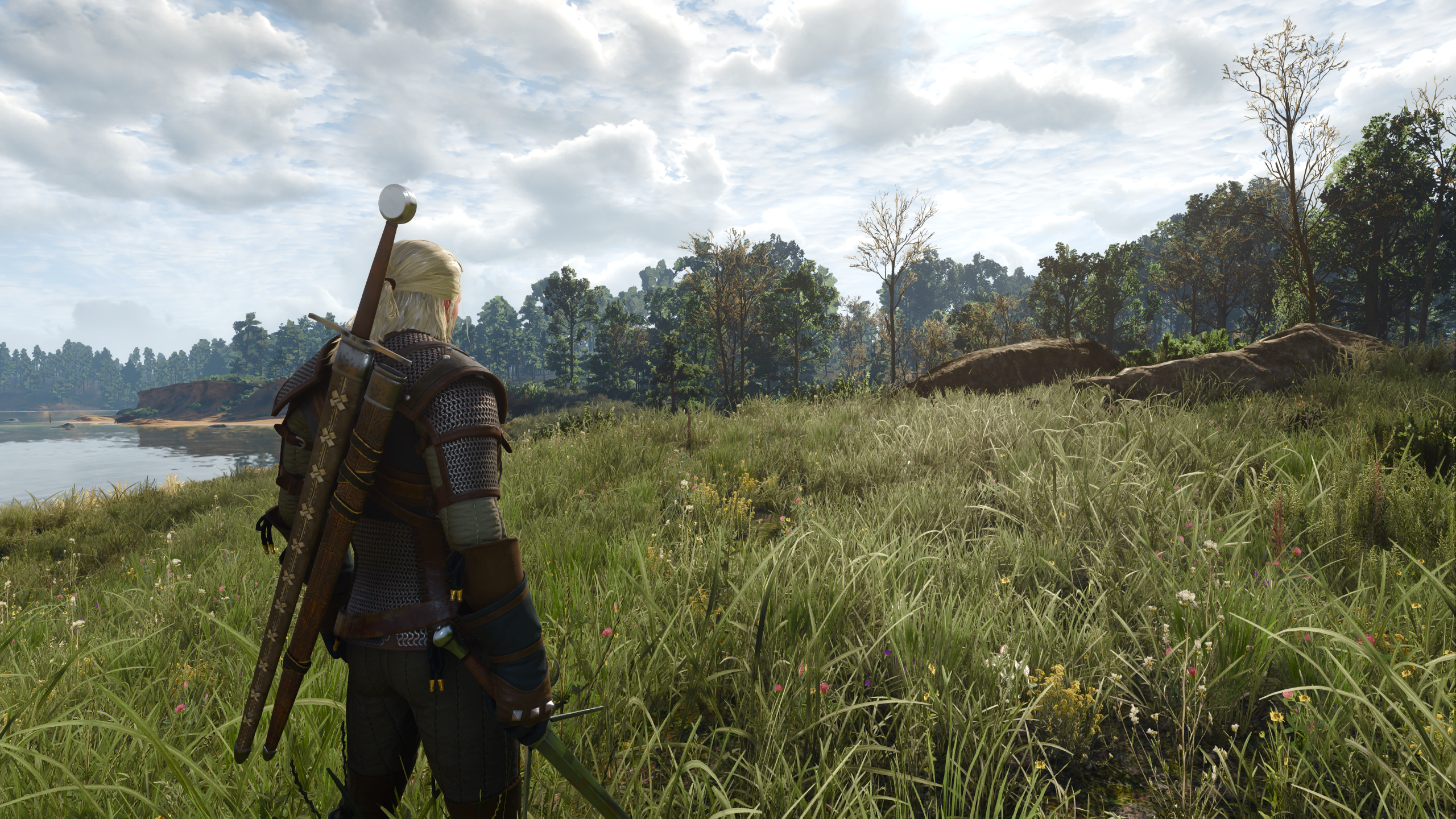

The Witcher 3: Wild Hunt
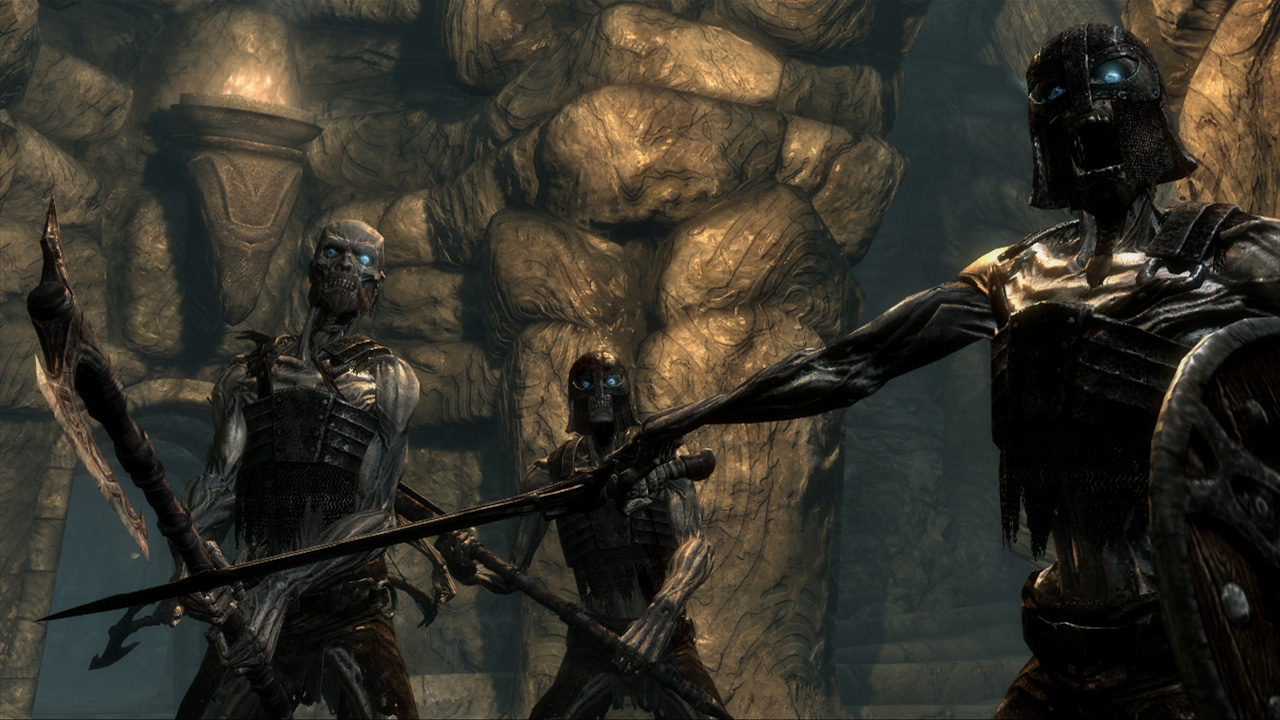
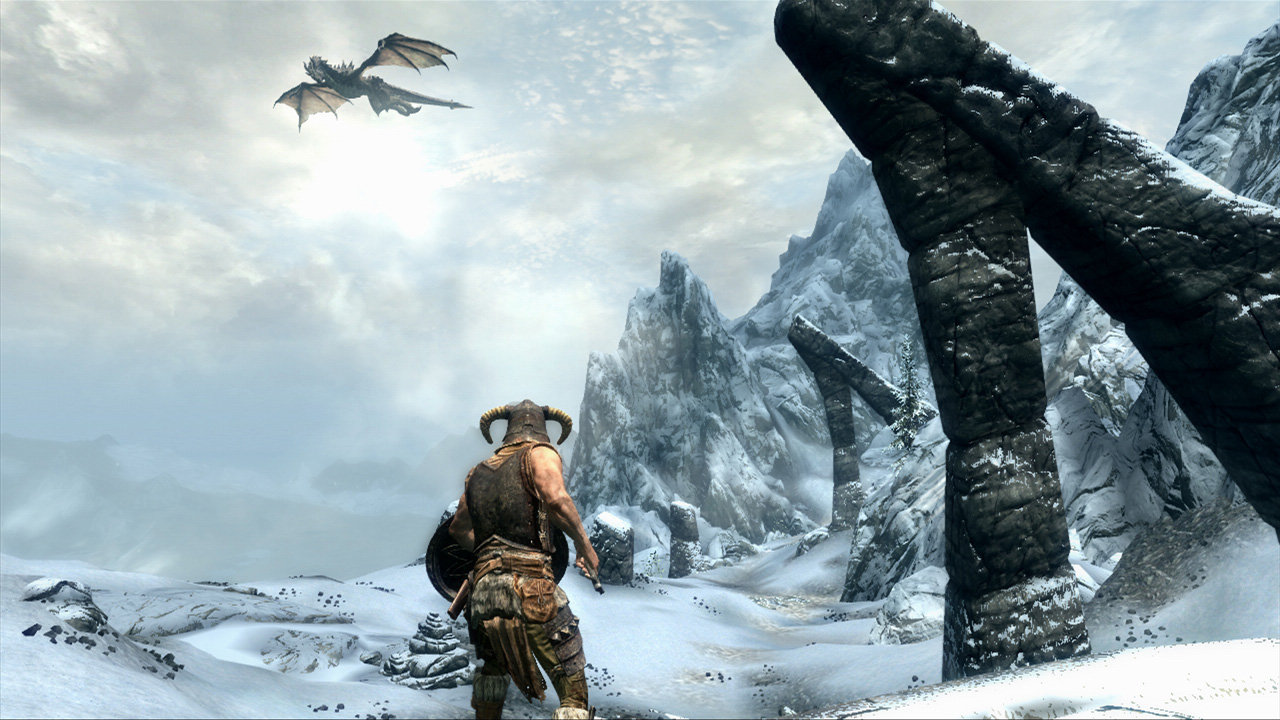
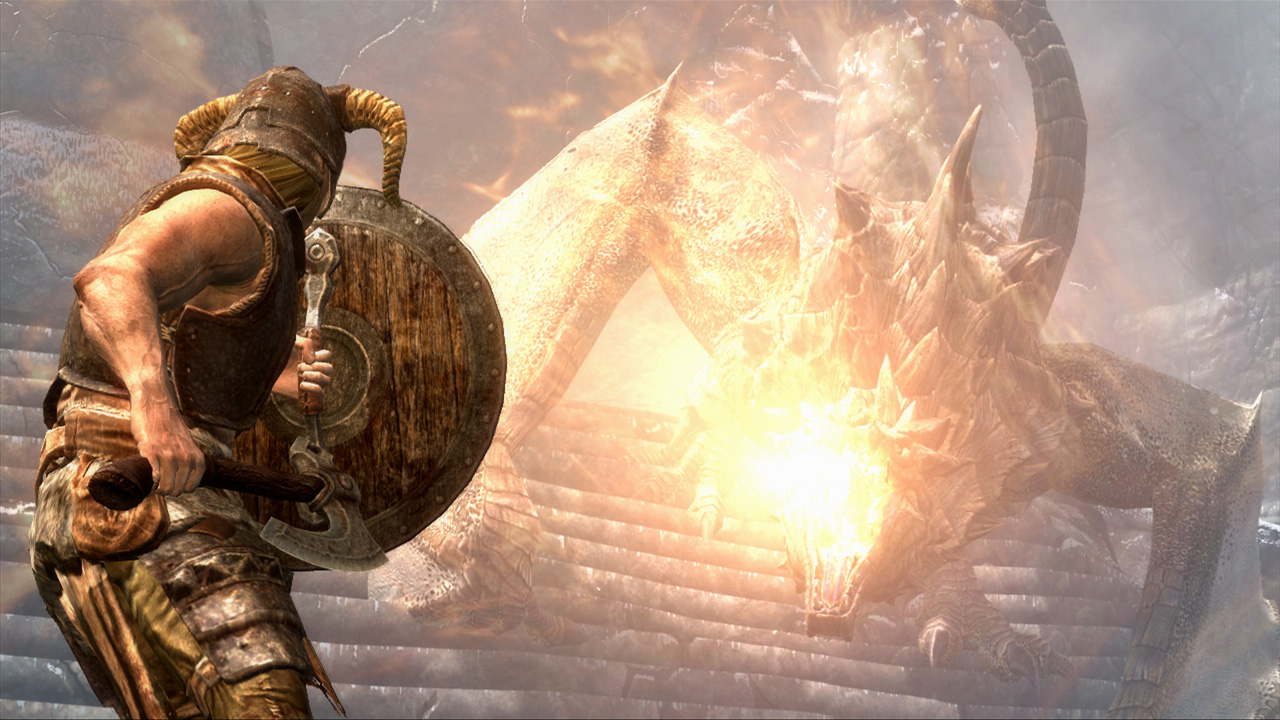
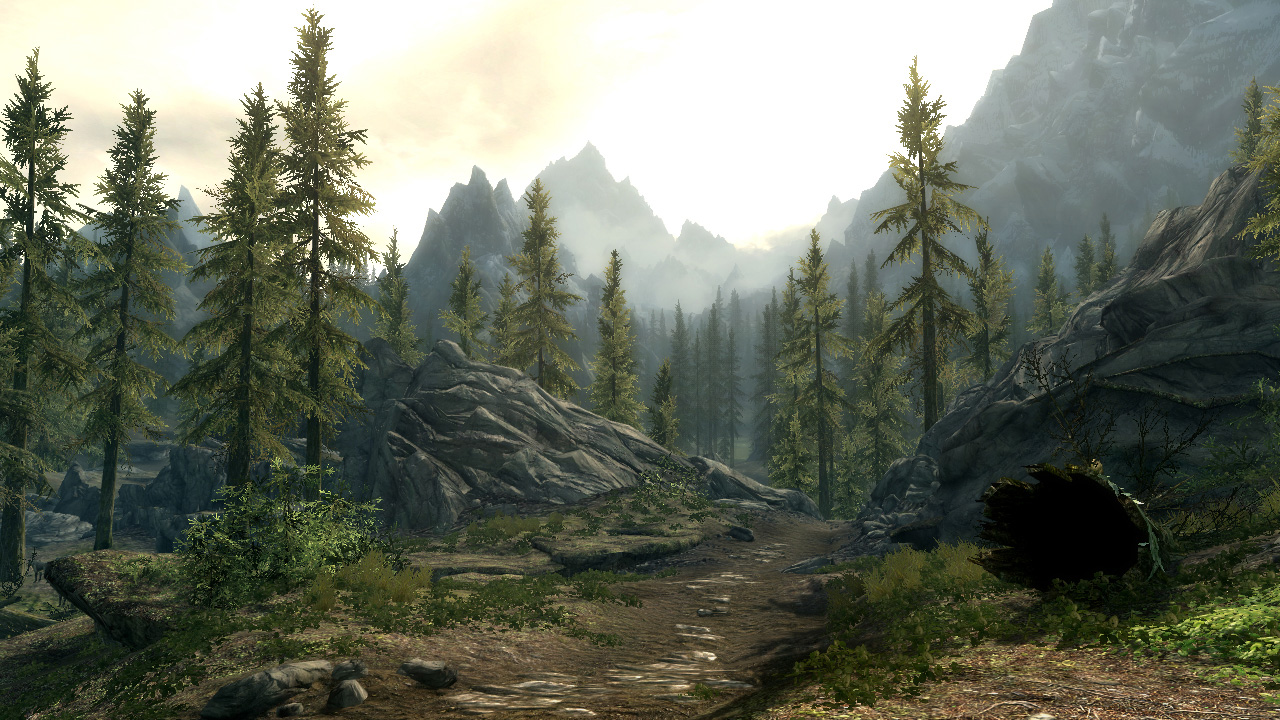

The Elder Scrolls V: Skyrim

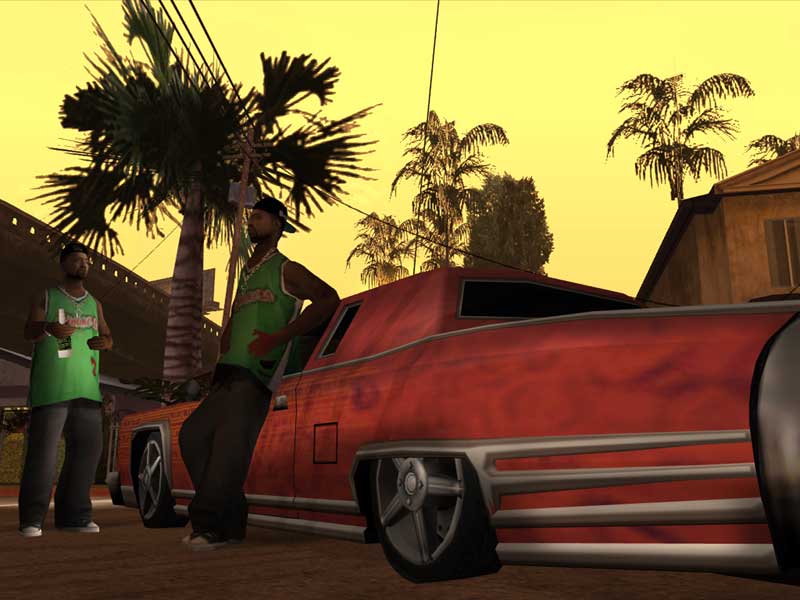
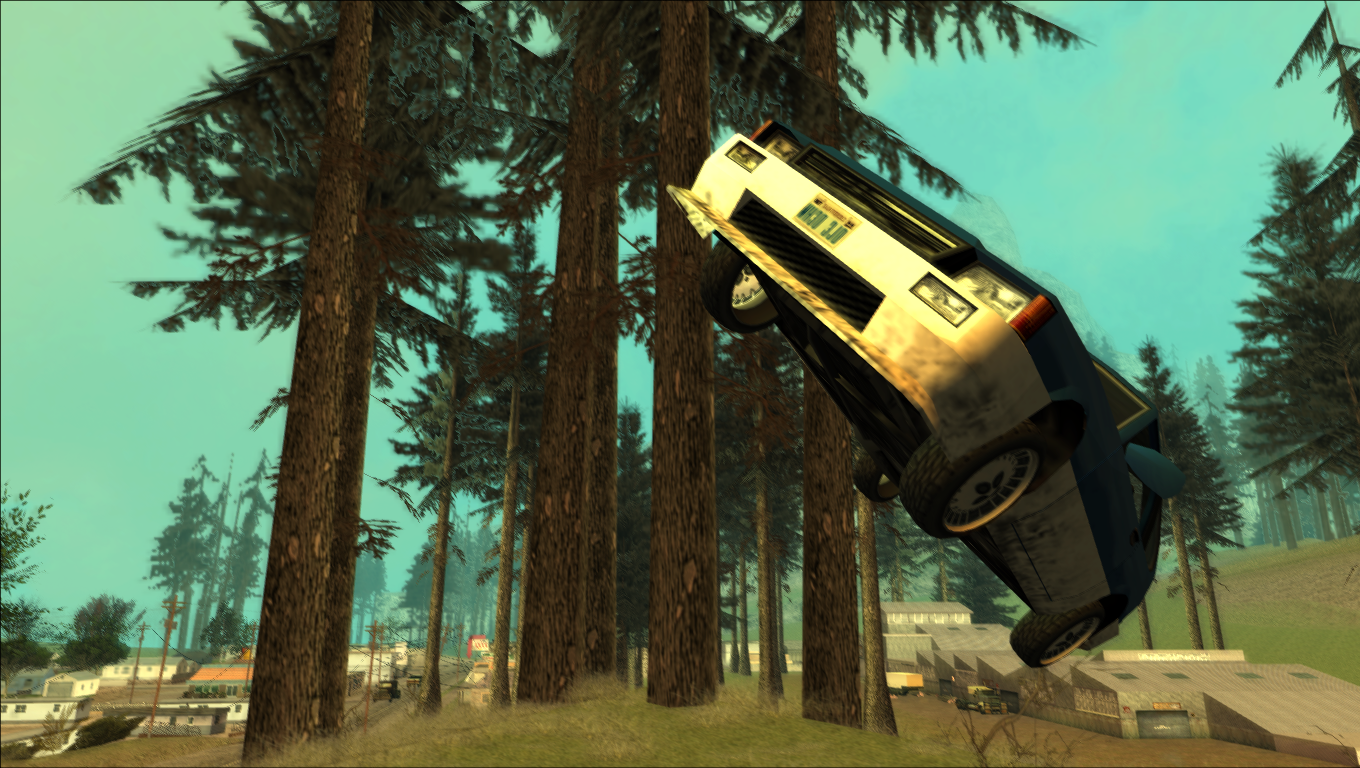
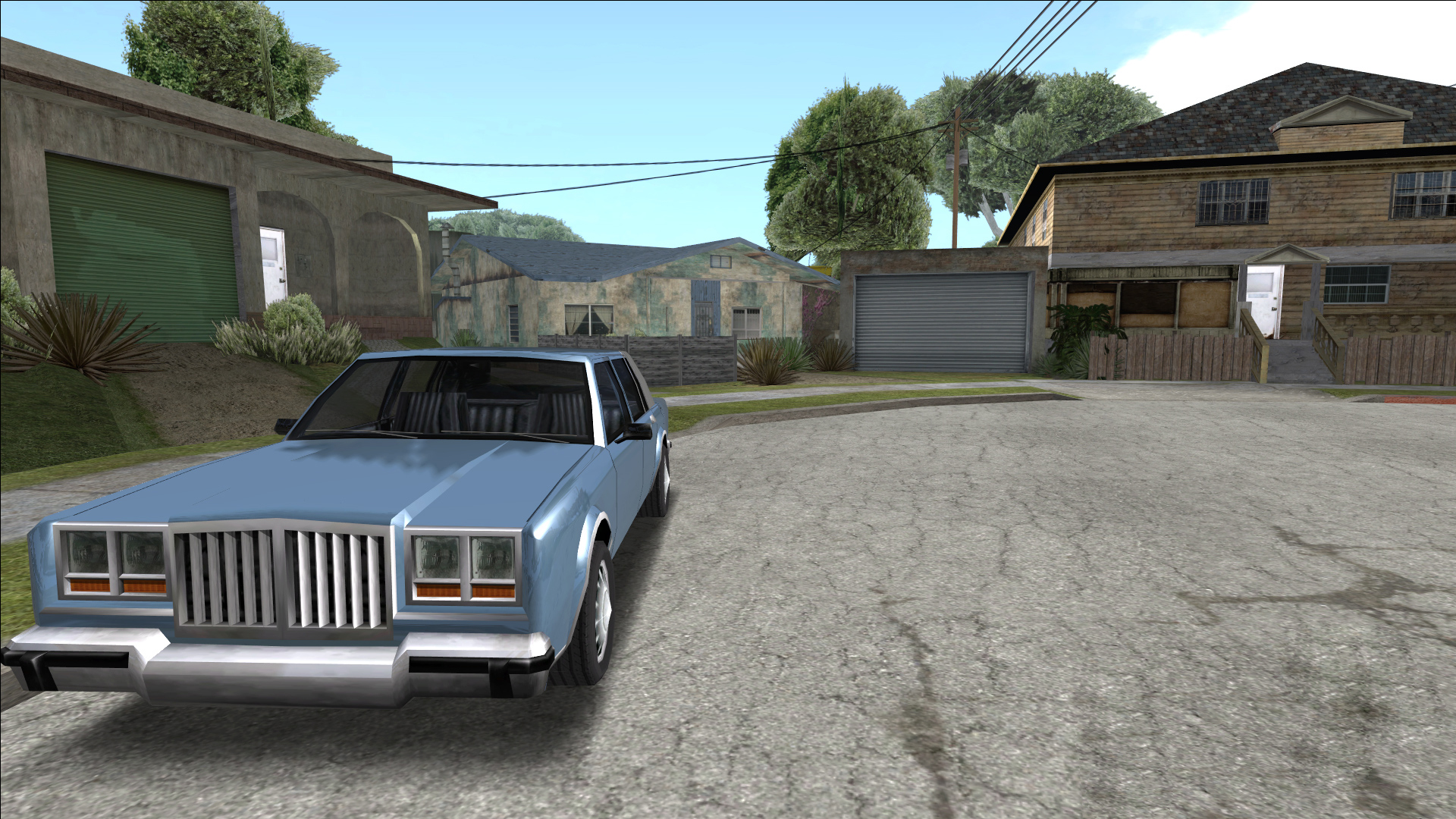
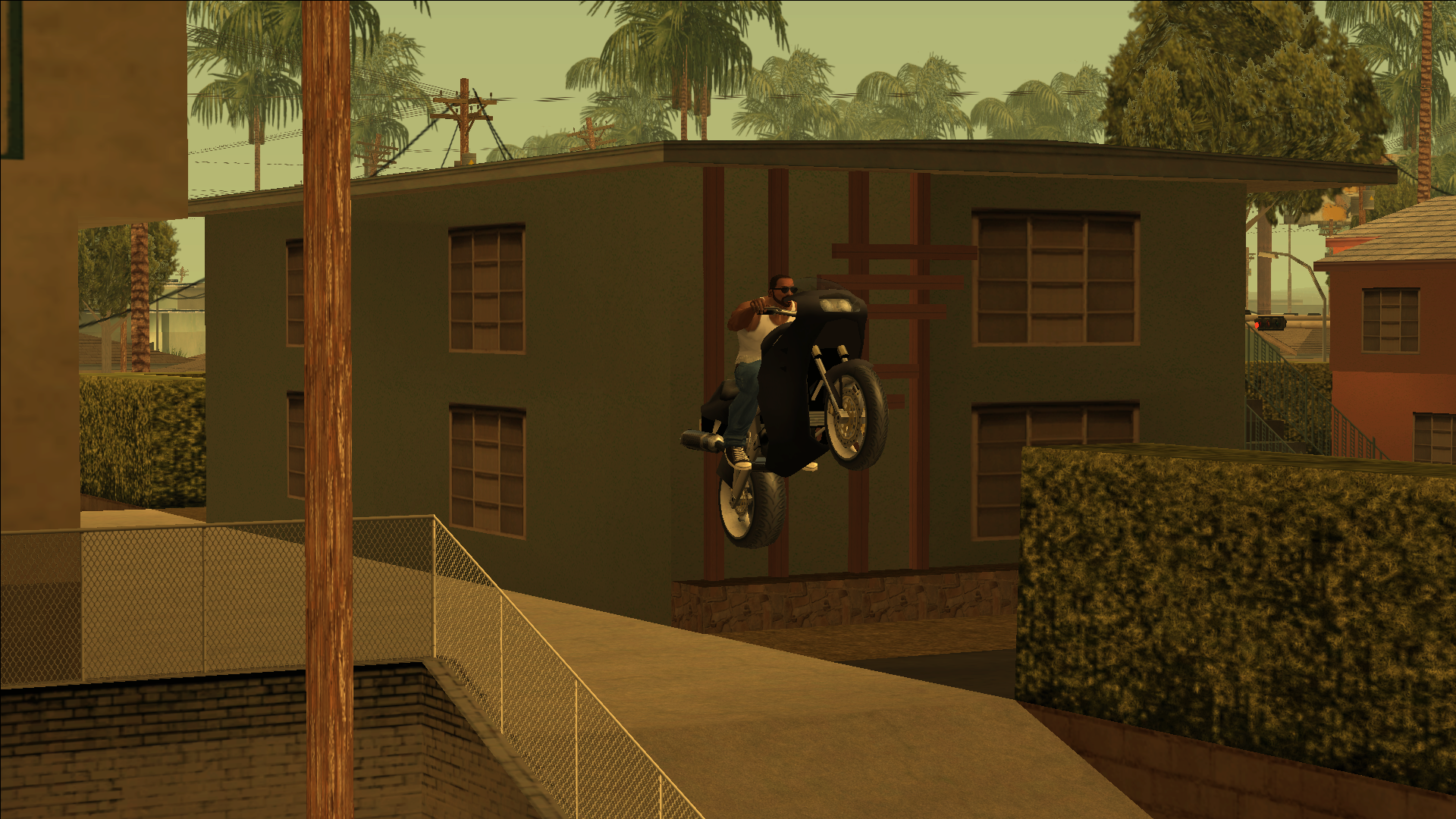

Grand Theft Auto: San Andreas

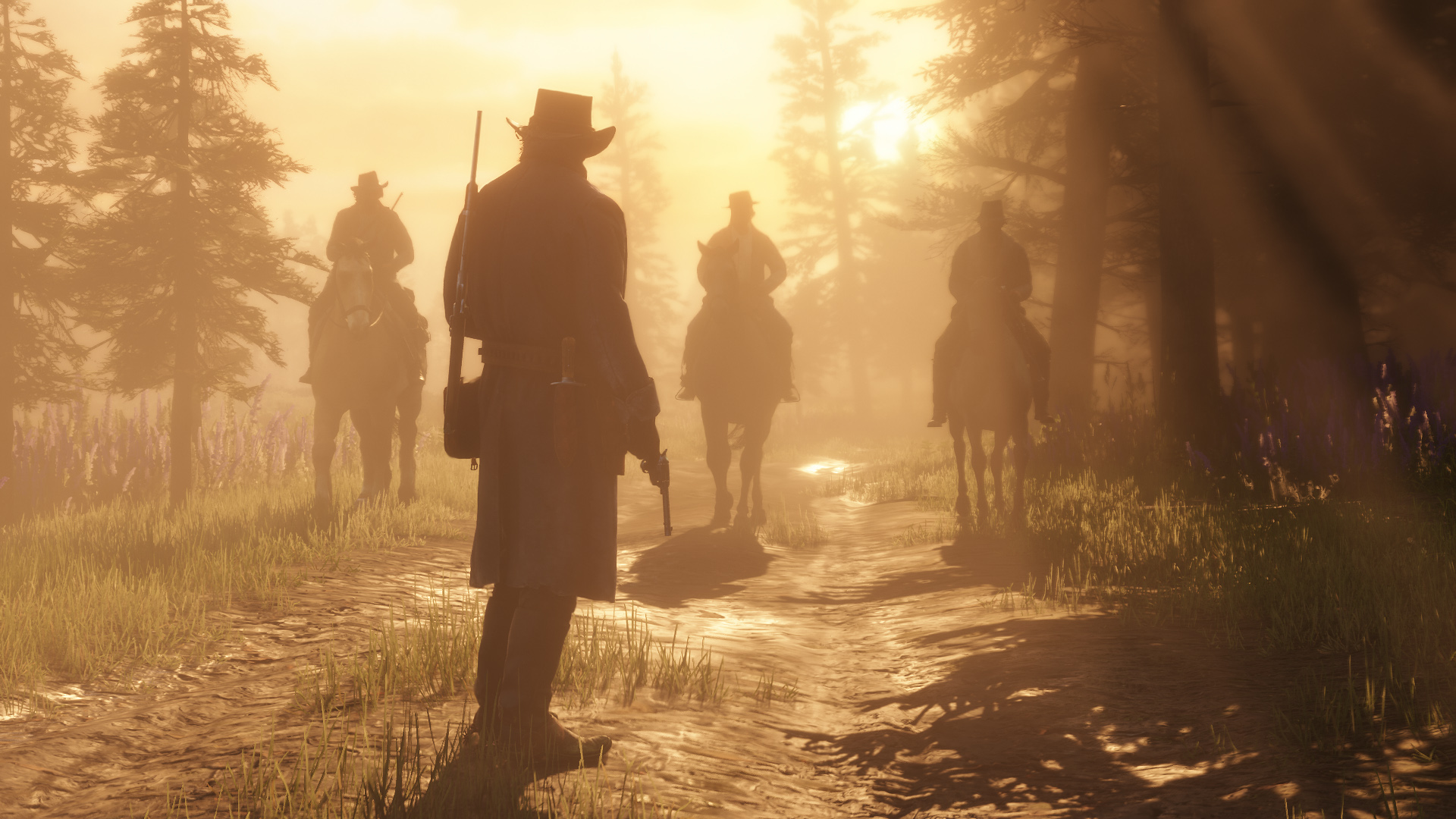
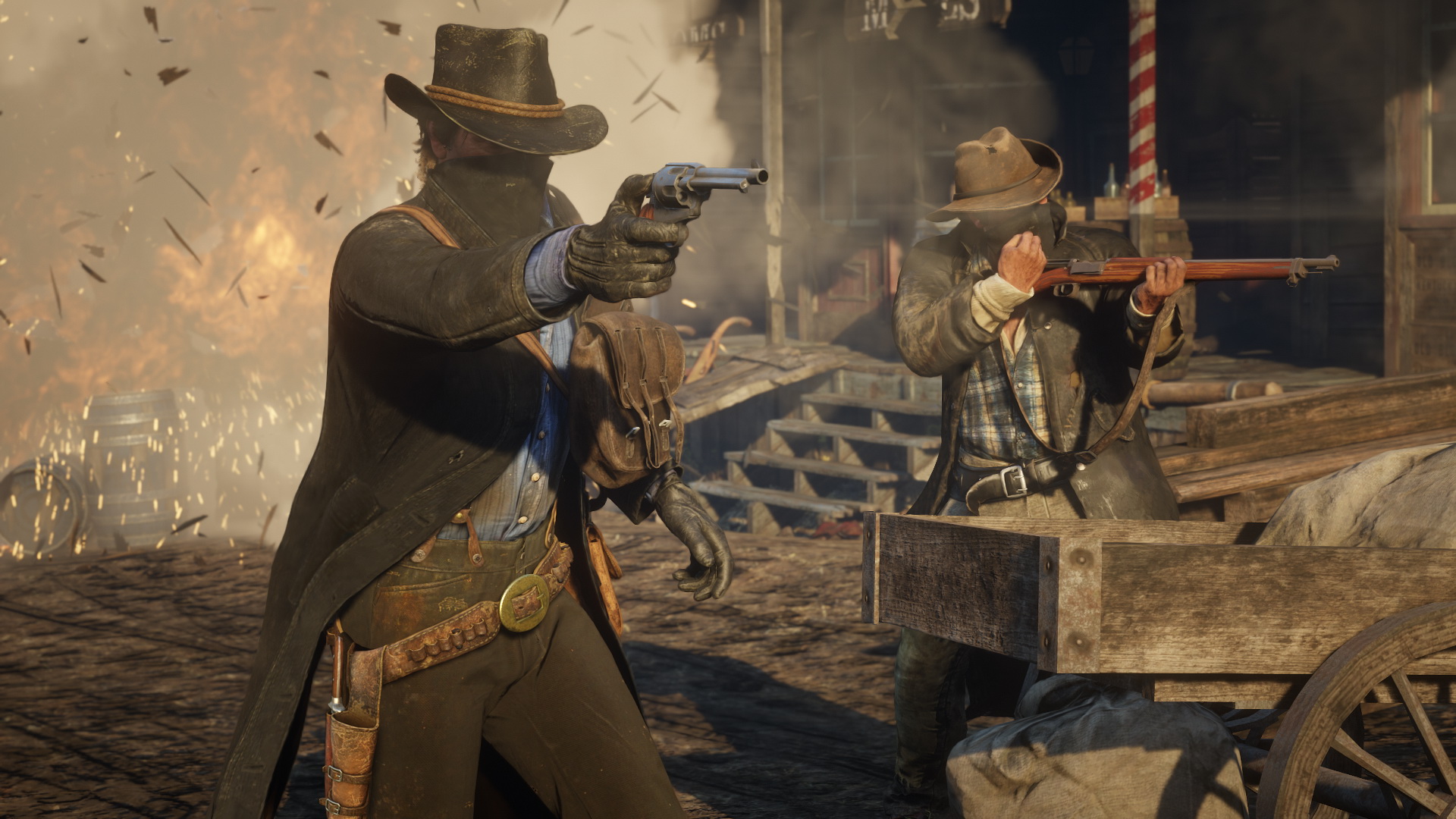
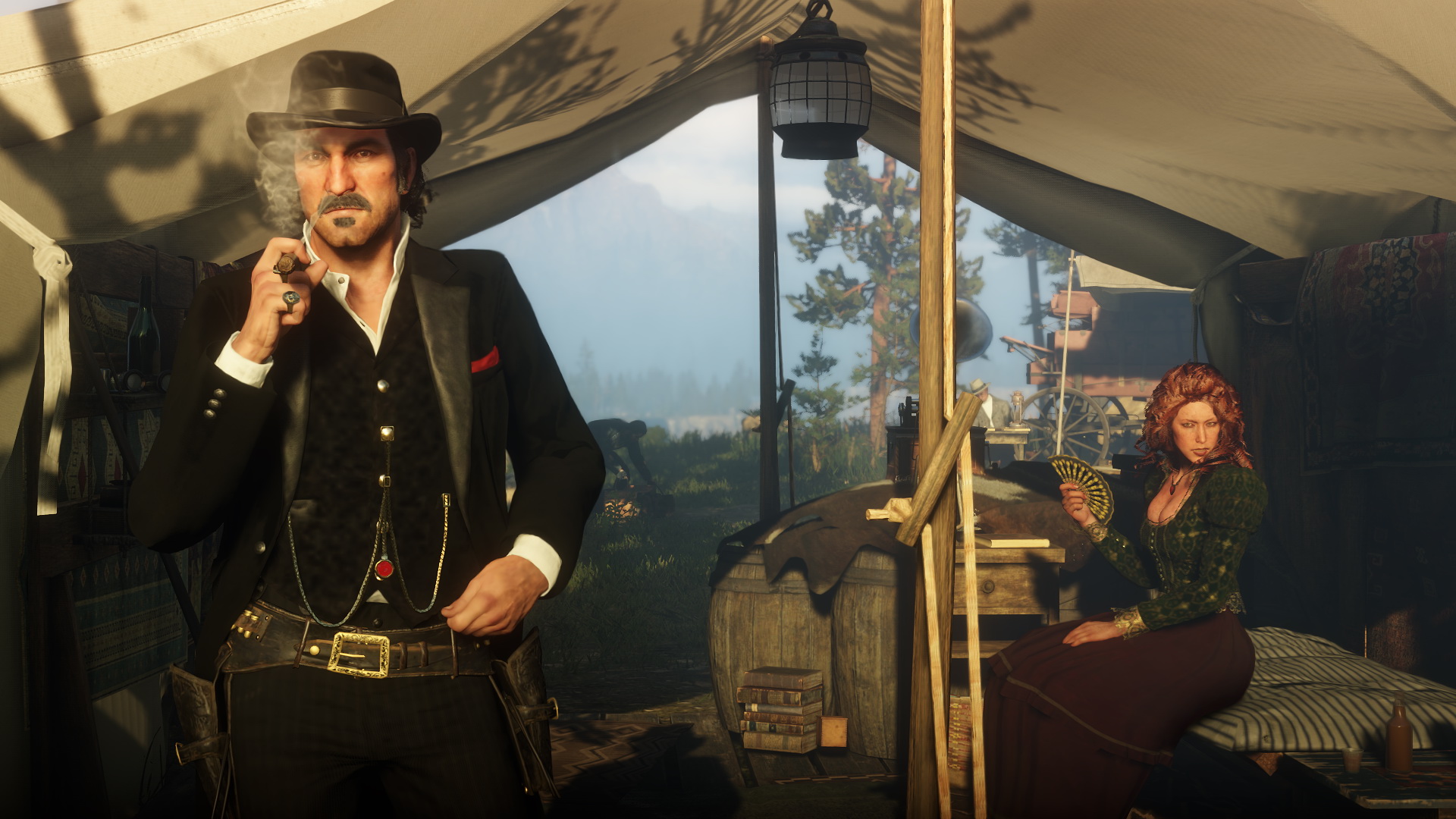
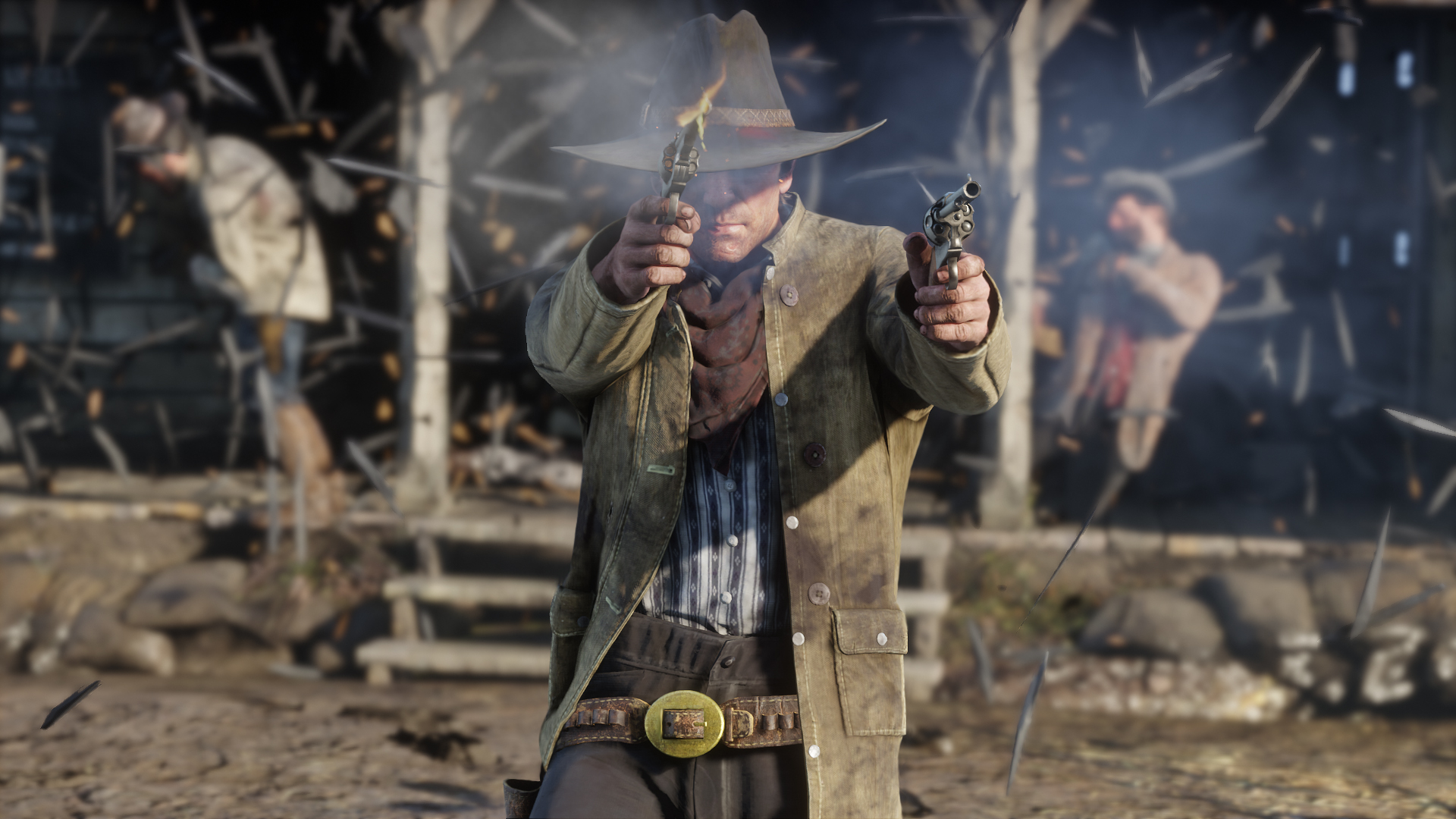
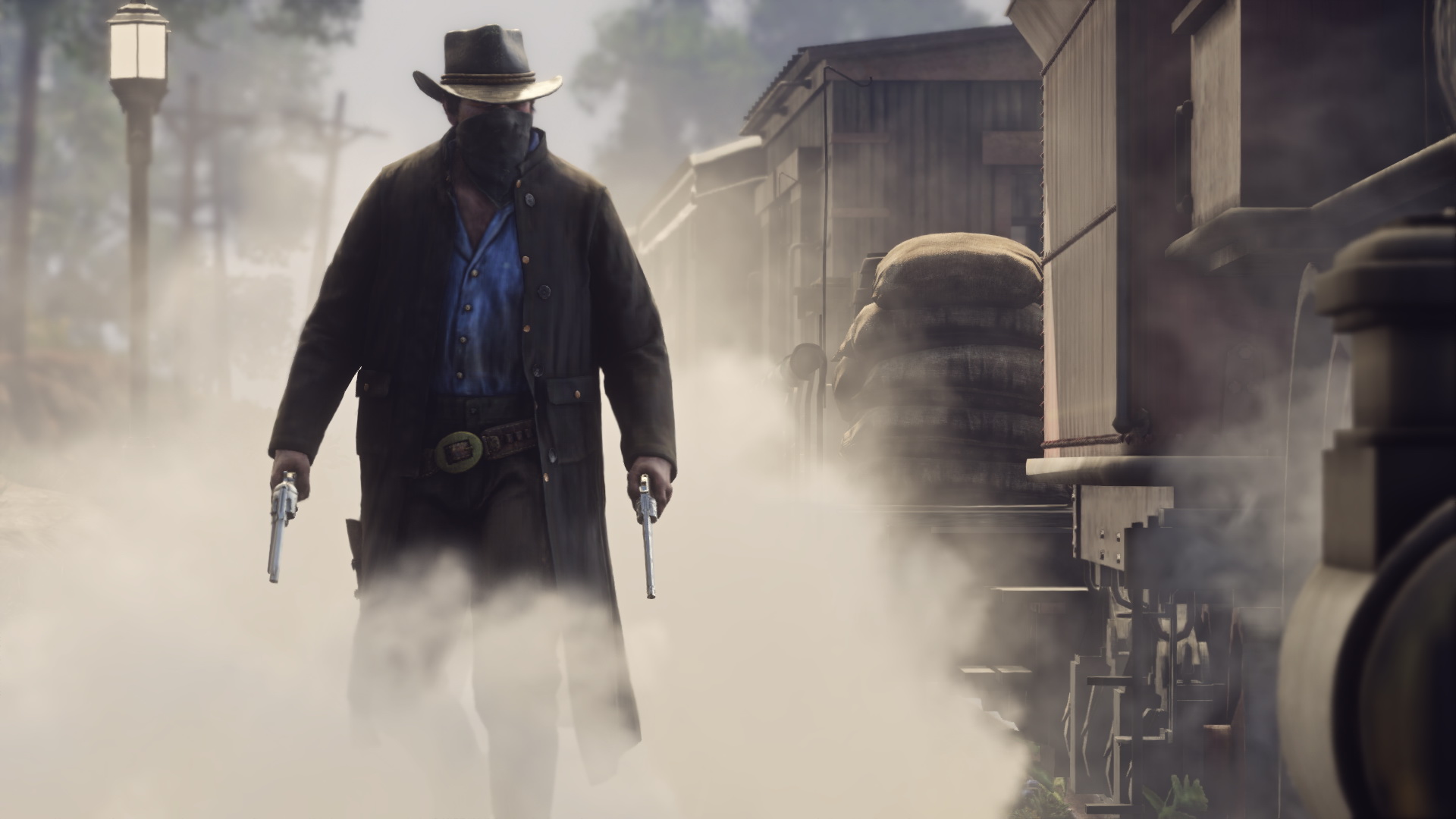


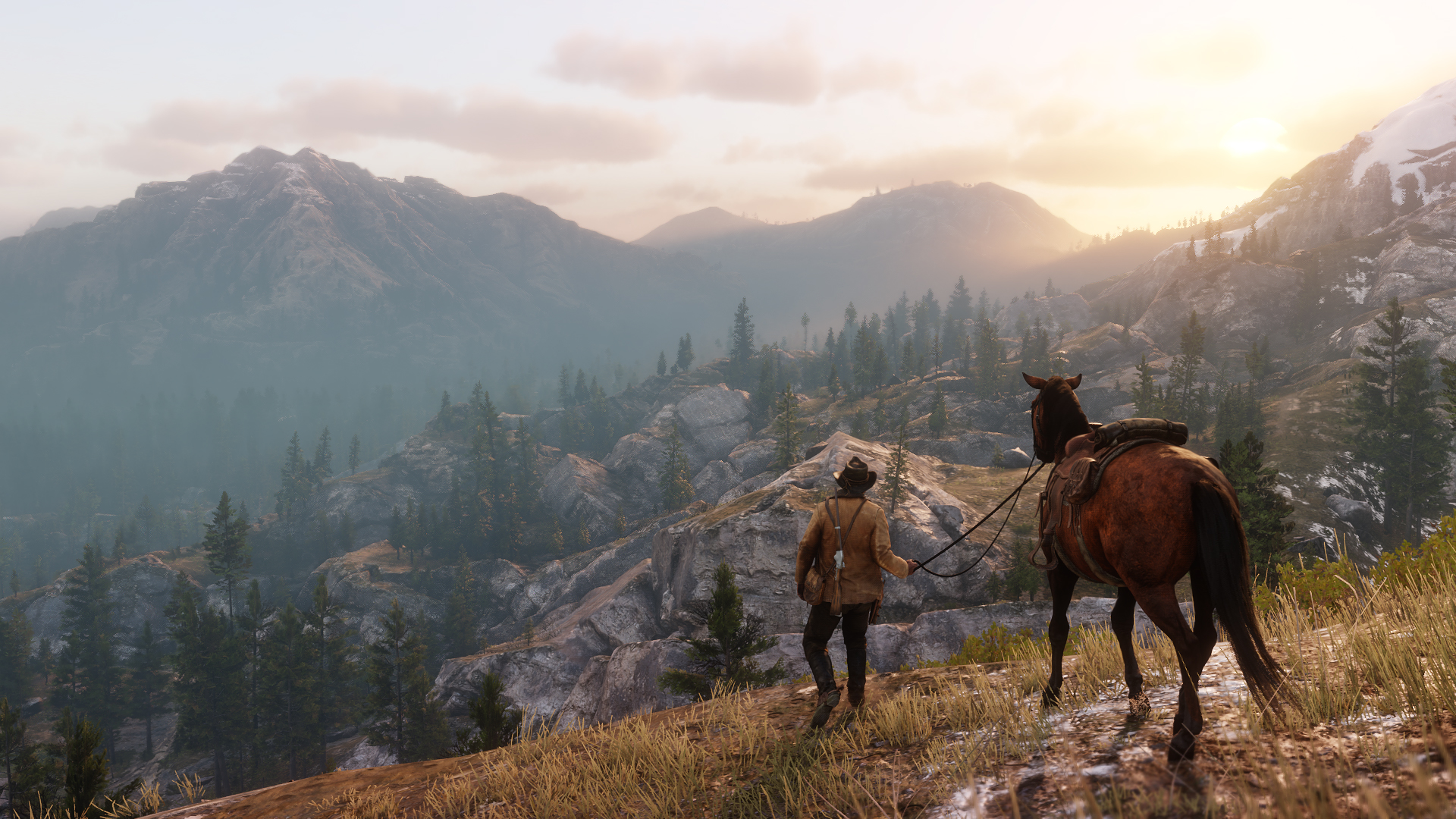
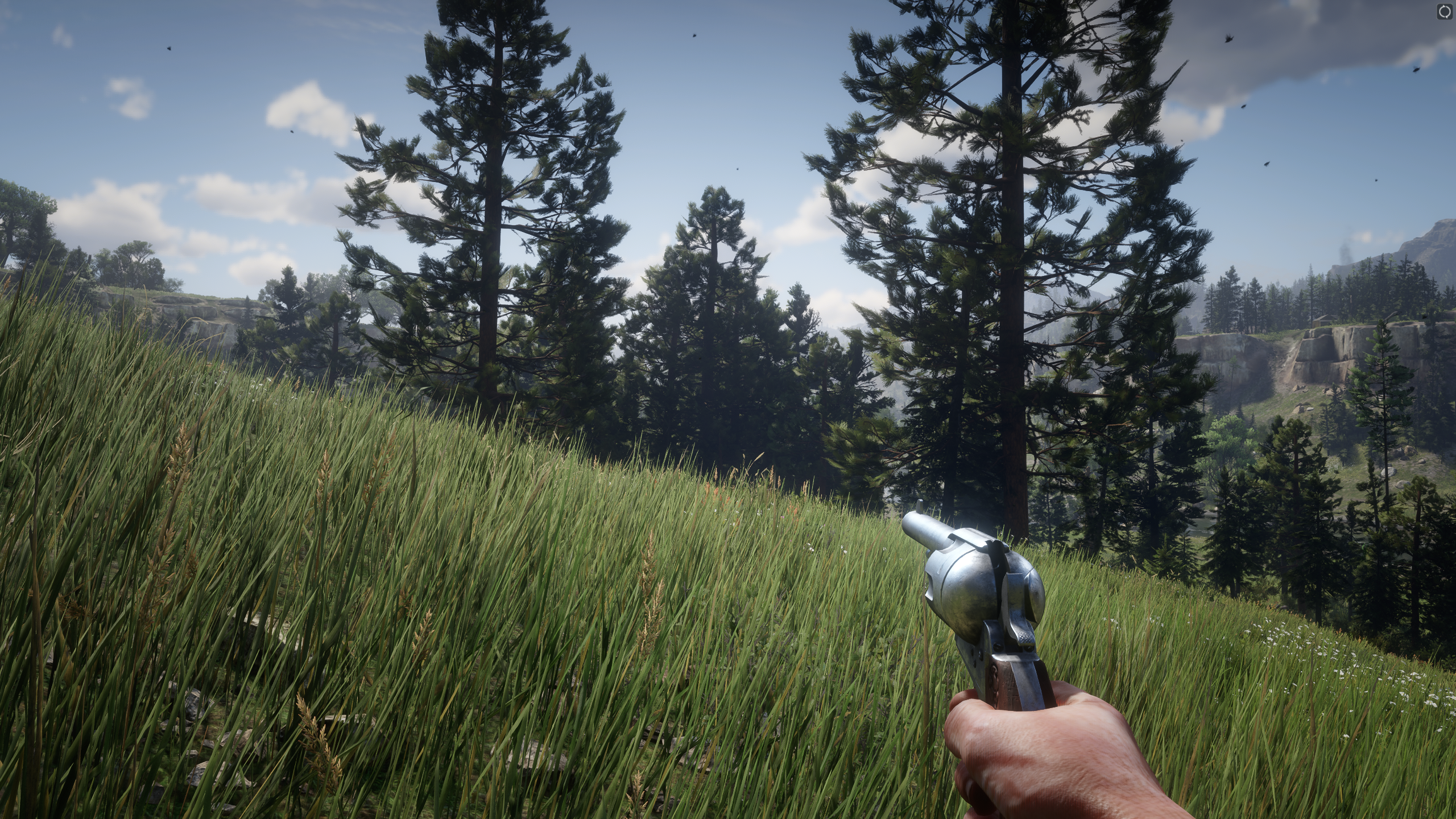
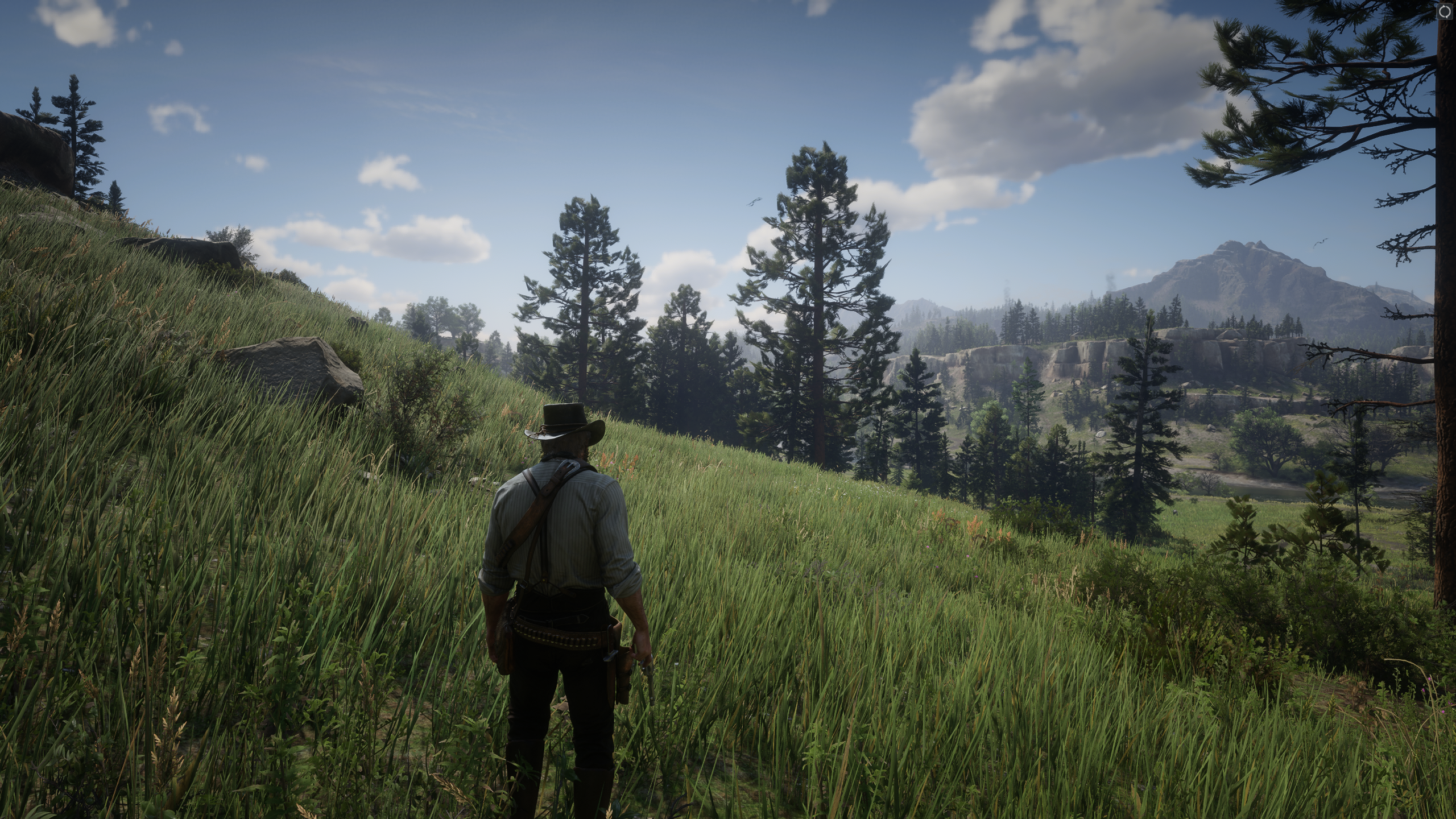

Red Dead Redemption 2

Assassin's Creed II



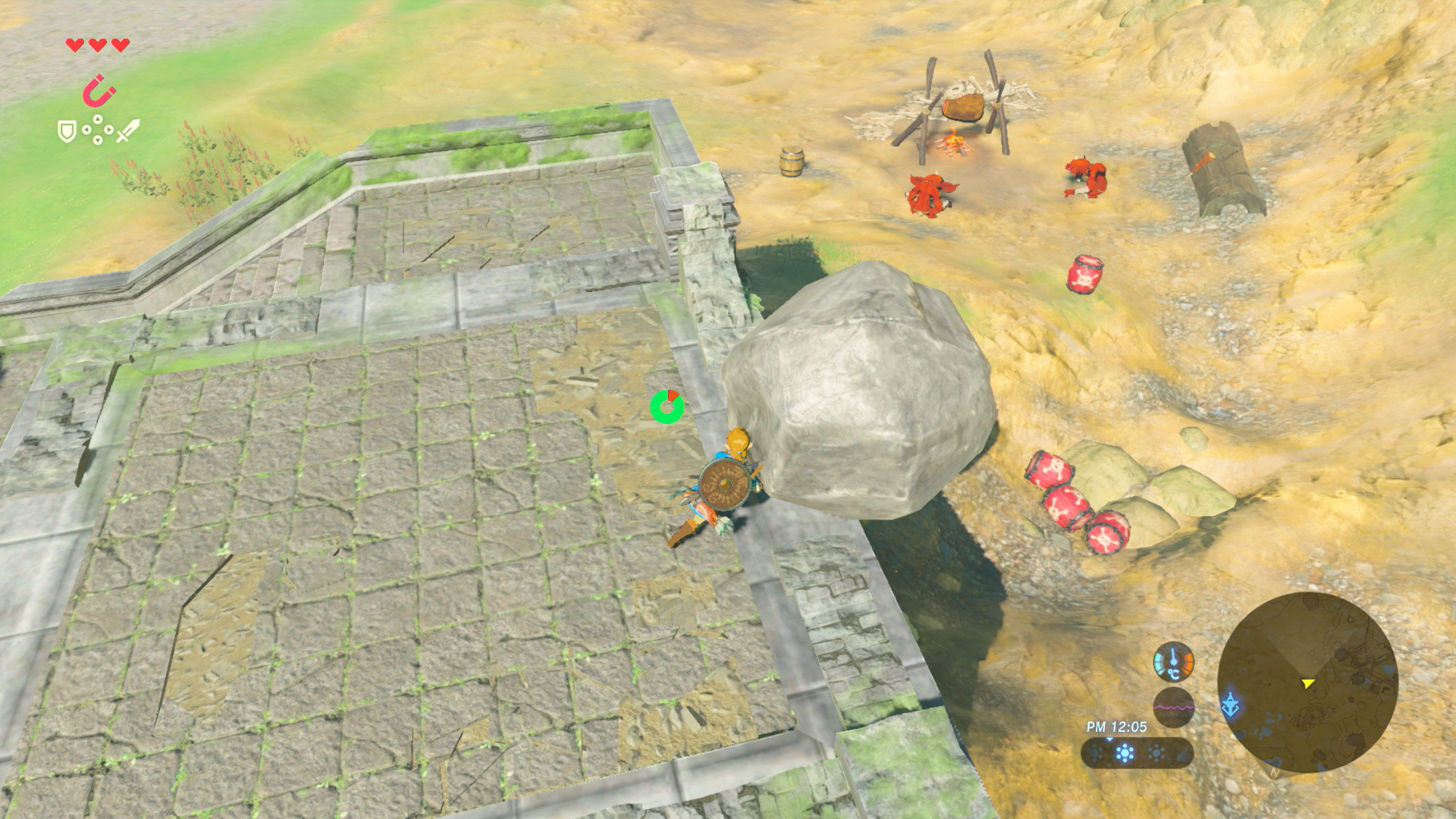
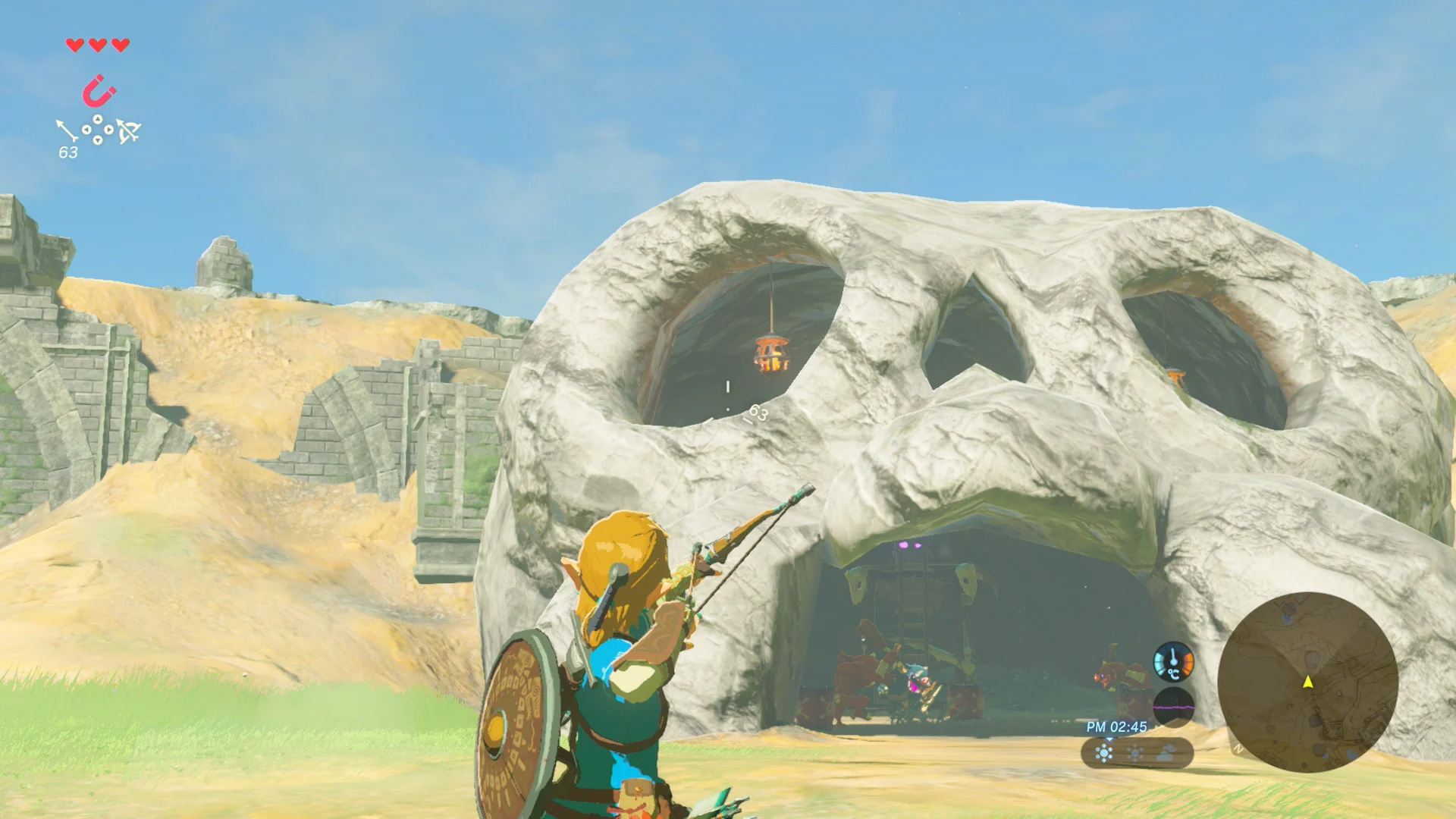
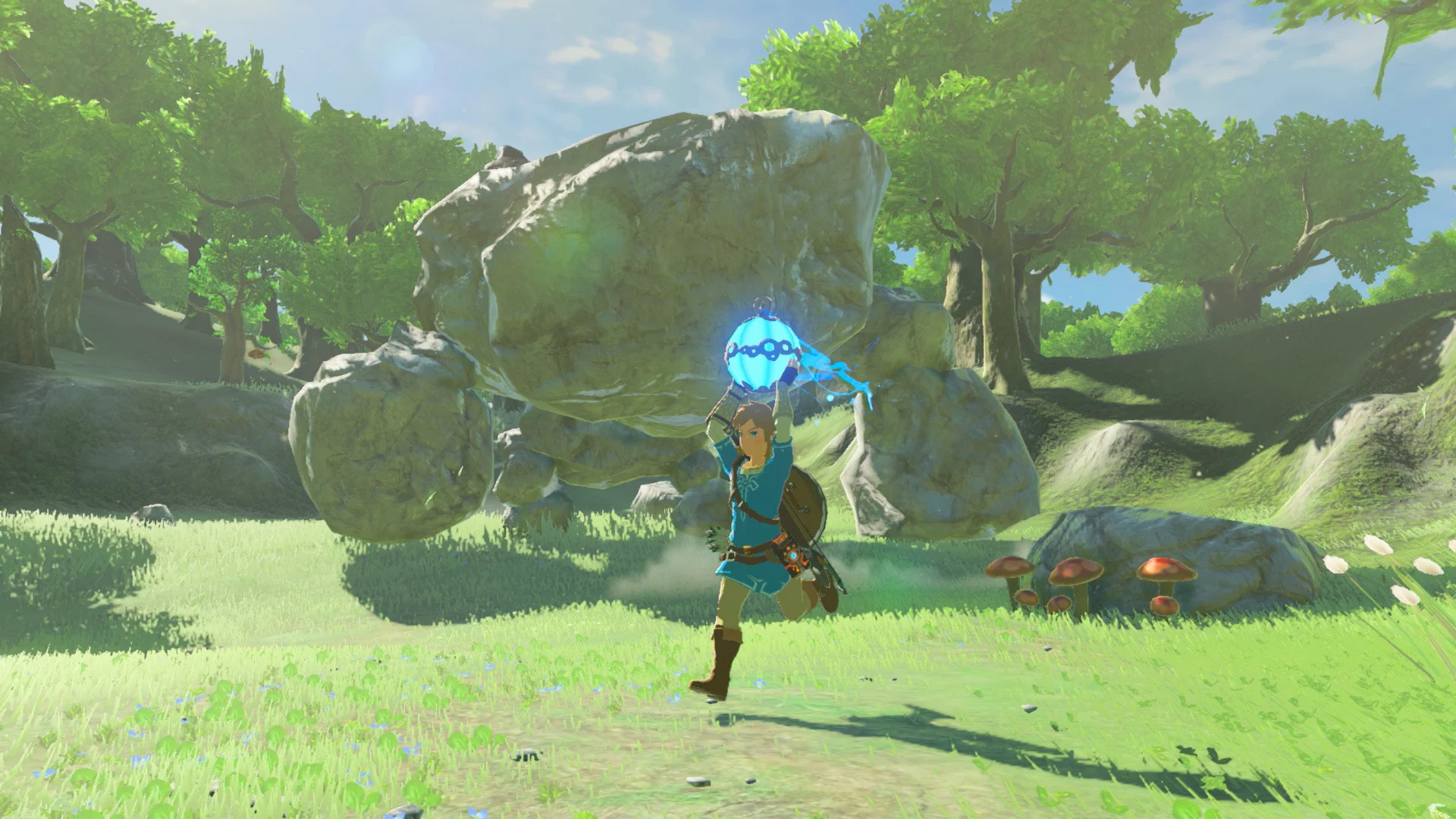
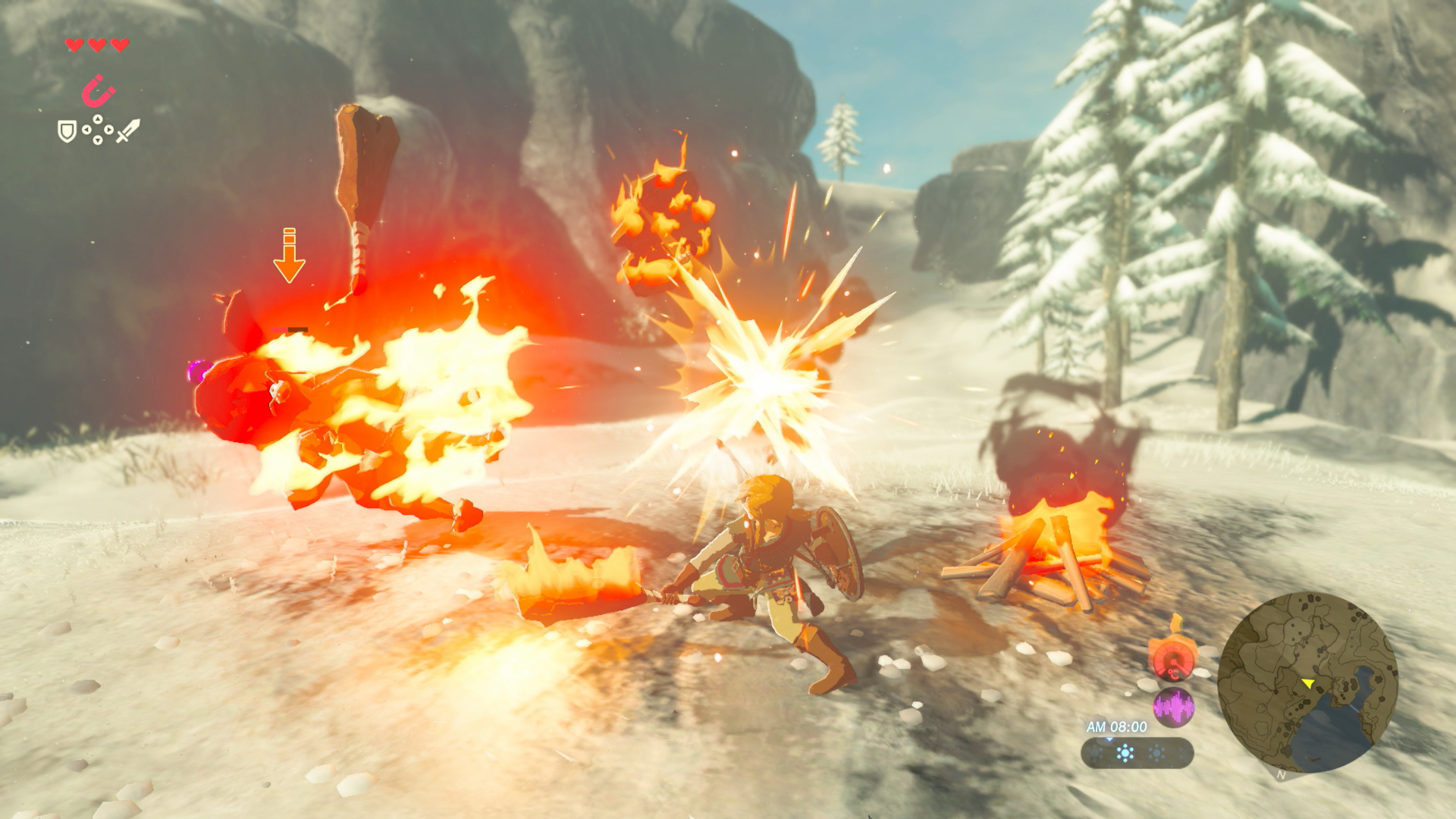

The Legend of Zelda: Breath of the Wild
Batman: Arkham City

Batman: Arkham Asylum


Tomb Raider