Game Info
↑ Back to top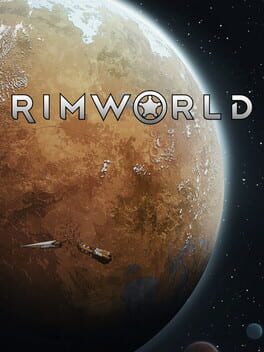

RimWorld
Genres:
Themes:
Perspectives:
Game Modes:
Game Engines:
Overview
↑ Back to topDescription from Steam STEAM
RimWorld is a sci-fi colony sim driven by an intelligent AI storyteller. Inspired by Dwarf Fortress, Firefly, and Dune. You begin with three survivors of a shipwreck on a distant world. Manage colonists' moods, needs, wounds, illnesses and addictions. Build in the forest, desert, jungle, tundra, and more. Watch colonists develop and break relationships with family members, lovers, and spouses. Replace wounded limbs and organs with prosthetics, bionics, or biological parts harvested from others. Fight pirates, tribes, mad animals, giant insects and ancient killing machines. Craft structures, weapons, and apparel from metal, wood, stone, cloth, and futuristic materials. Tame and train cute pets, productive farm animals, and deadly attack beasts. Trade with passing ships and caravans. Form caravans to complete quests, trade, attack other factions, or migrate your whole colony. Dig through snow, weather storms, and fight fires. Capture refugees or prisoners and turn them to your side or sell them into slavery. Discover a new generated world each time you play. Explore hundreds of wild and interesting mods on the Steam Workshop. Learn to play easily with the help of an intelligent and unobtrusive AI tutor. RimWorld is a story generator. It’s designed to co-author tragic, twisted, and triumphant stories about imprisoned pirates, desperate colonists, starvation and survival. It works by controlling the “random” events that the world throws at you. Every thunderstorm, pirate raid, and traveling salesman is a card dealt into your story by the AI Storyteller . There are several storytellers to choose from. Randy Random does crazy stuff, Cassandra Classic goes for rising tension, and Phoebe Chillax likes to relax. Your colonists are not professional settlers – they’re crash-landed survivors from a passenger liner destroyed in orbit. You can end up with a nobleman, an accountant, and a housewife. You’ll acquire more colonists by capturing them in combat and turning them to your side, buying them from slave traders, or taking in refugees. So your colony will always be a motley crew. Each person’s background is tracked and affects how they play. A nobleman will be great at social skills (recruiting prisoners, negotiating trade prices), but refuse to do physical work. A farm oaf knows how to grow food by long experience, but cannot do research. A nerdy scientist is great at research, but cannot do social tasks at all. A genetically engineered assassin can do nothing but kill – but he does that very well. Colonists develop - and destroy - relationships. Each has an opinion of the others, which determines whether they'll become lovers, marry, cheat, or fight. Perhaps your two best colonists are happily married - until one of them falls for the dashing surgeon who saved her from a gunshot wound. The game generates a whole planet from pole to equator. You choose whether to land your crash pods in a cold northern tundra, a parched desert flat, a temperate forest, or a steaming equatorial jungle. Different areas have different animals, plants, diseases, temperatures, rainfall, mineral resources, and terrain. These challenges of surviving in a disease-infested, choking jungle are very different from those in a parched desert wasteland or a frozen tundra with a two-month growing season. Travel across the planet. You're not stuck in one place. You can form a caravan of people, animals, and prisoners. Rescue kidnapped former allies from pirate outposts, attend peace talks, trade with other factions, attack enemy colonies, and complete other quests. You can even pack up your entire colony and move to a new place. You can use rocket-powered transport pods to travel faster. You can tame and train animals. Lovable pets will cheer up sad colonists. Farm animals can be worked, milked, and sheared. Attack beasts can be released upon your enemies. There are many animals - cats, labrador retrievers, grizzly bears, camels, cougars, chinchillas, chickens, and exotic alien-like lifeforms. People in RimWorld constantly observe their situation and surroundings in order to decide how to feel at any given moment. They respond to hunger and fatigue, witnessing death, disrespectfully unburied corpses, being wounded, being left in darkness, getting packed into cramped environments, sleeping outside or in the same room as others, and many other situations. If they're too stressed, they might lash out or break down. Wounds, infections, prosthetics, and chronic conditions are tracked on each body part and affect characters' capacities. Eye injuries make it hard to shoot or do surgery. Wounded legs slow people down. Hands, brain, mouth, heart, liver, kidneys, stomach, feet, fingers, toes, and more can all be wounded, diseased, or missing, and all have logical in-game effects. And other species have their own body layouts - take off a deer's leg, and it can still hobble on the other three. Take off a rhino's horn, and it's much less dangerous. You can repair body parts with prosthetics ranging from primitive to transcendent. A peg leg will get Joe Colonist walking after an unfortunate incident with a rhinoceros, but he'll still be quite slow. Buy an expensive bionic leg from a trader the next year, and Joe becomes a superhuman runner. You can even extract, sell, buy, and transplant internal organs. And there's much more than that! The game is easy to mod and has an active mod community. Read more at . (All non-English translations are made by fans.)
Description from IGDB IGDB
Storyline IGDB
RimWorld follows three survivors from a crashed space liner as they build a colony on a frontier world at the rim of known space. Inspired by the space western vibe of Firefly, the deep simulation of Dwarf Fortress, and the epic scale of Dune and Warhammer 40,000. Manage colonists' moods, needs, thoughts, individual wounds, and illnesses. Engage in deeply-simulated small-team gunplay. Fashion structures, weapons, and apparel from metal, wood, stone, cloth, or exotic, futuristic materials. Fight pirate raiders, hostile tribes, rampaging animals and ancient killing machines. Discover a new generated world each time you play. Build colonies in biomes ranging from desert to jungle to tundra, each with unique flora and fauna. Manage and develop colonists with unique backstories, traits, and skills. Learn to play easily with the help of an intelligent and unobtrusive AI tutor.
Wikipedia Description WIKIPEDIA
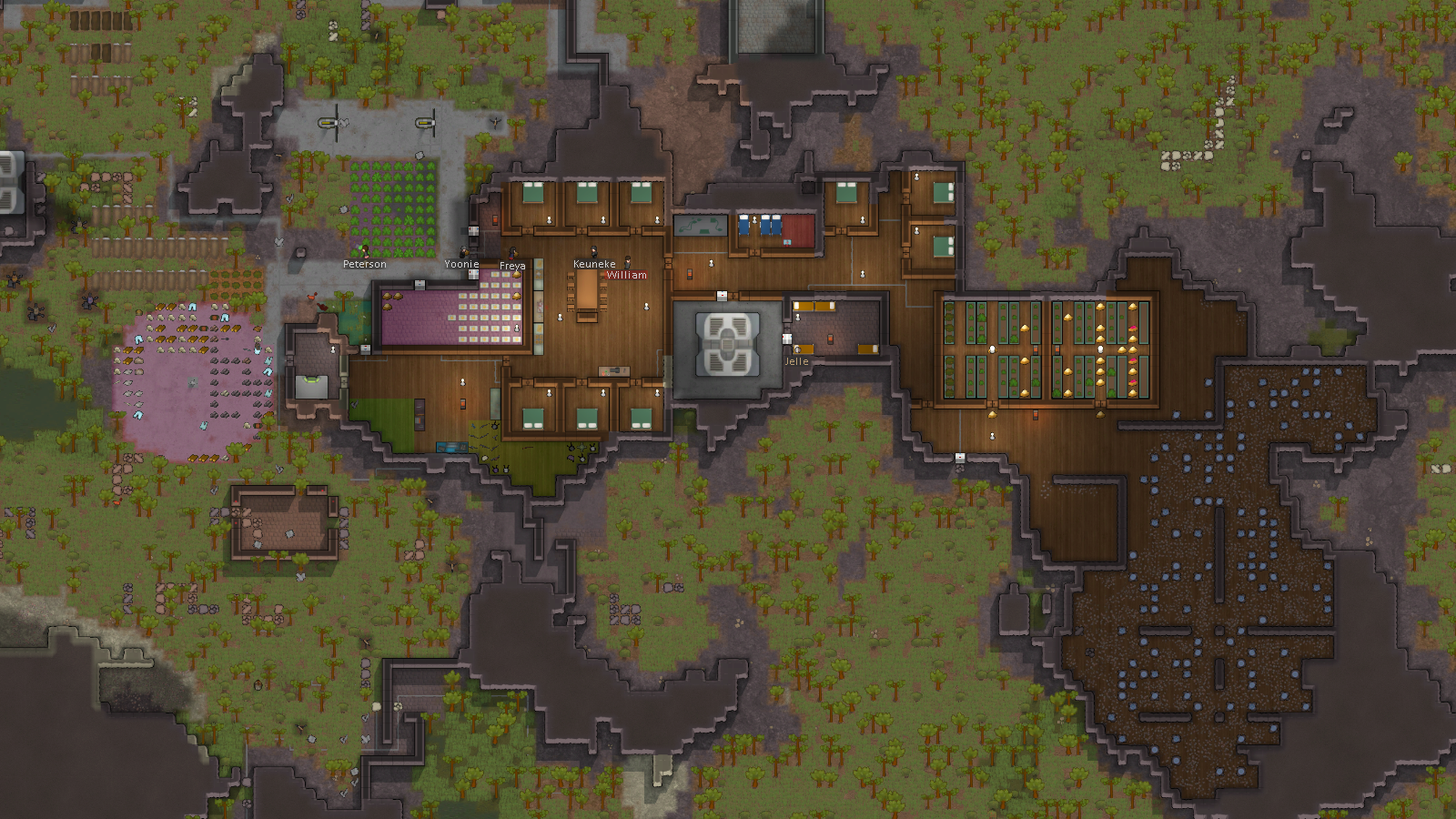
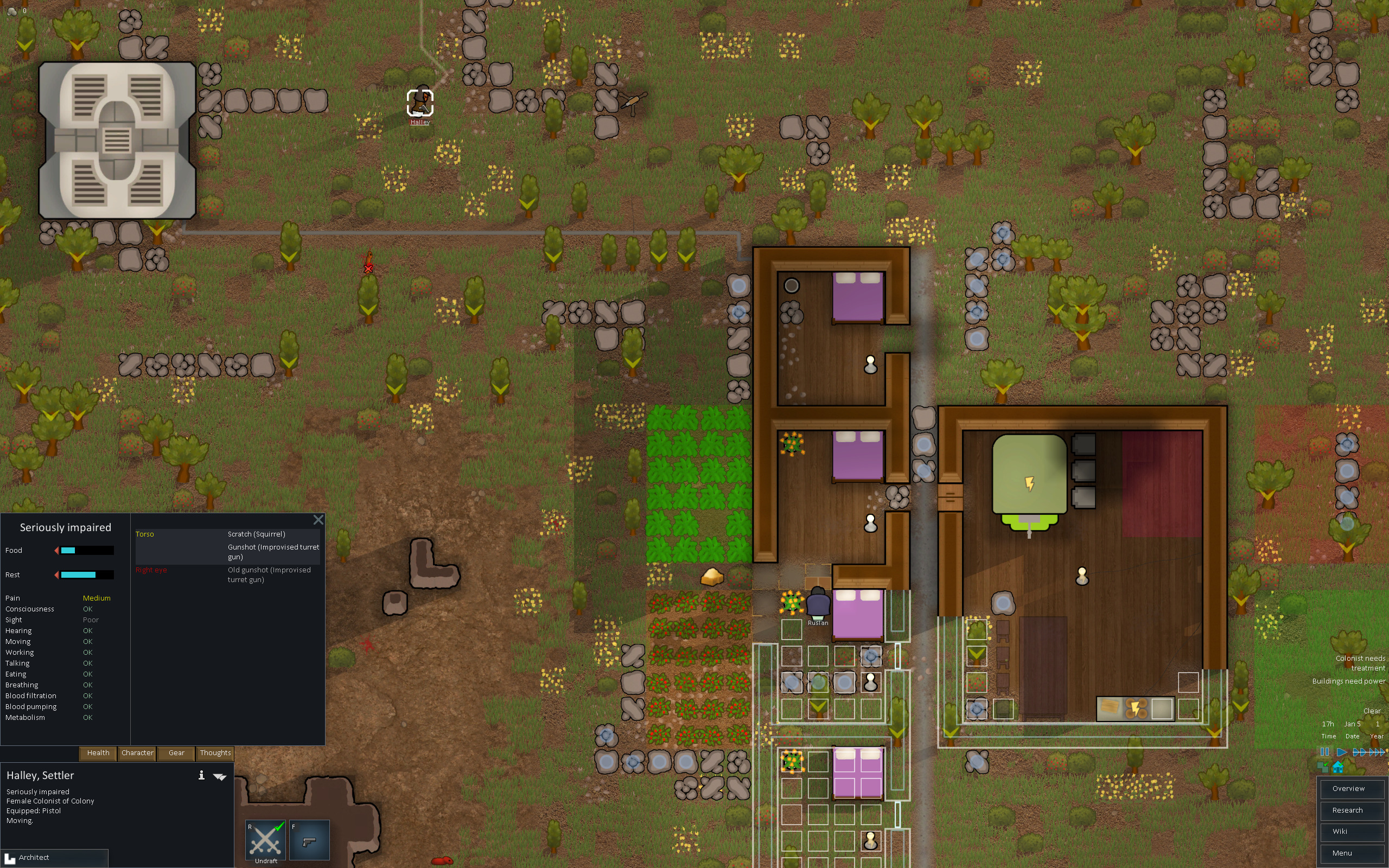
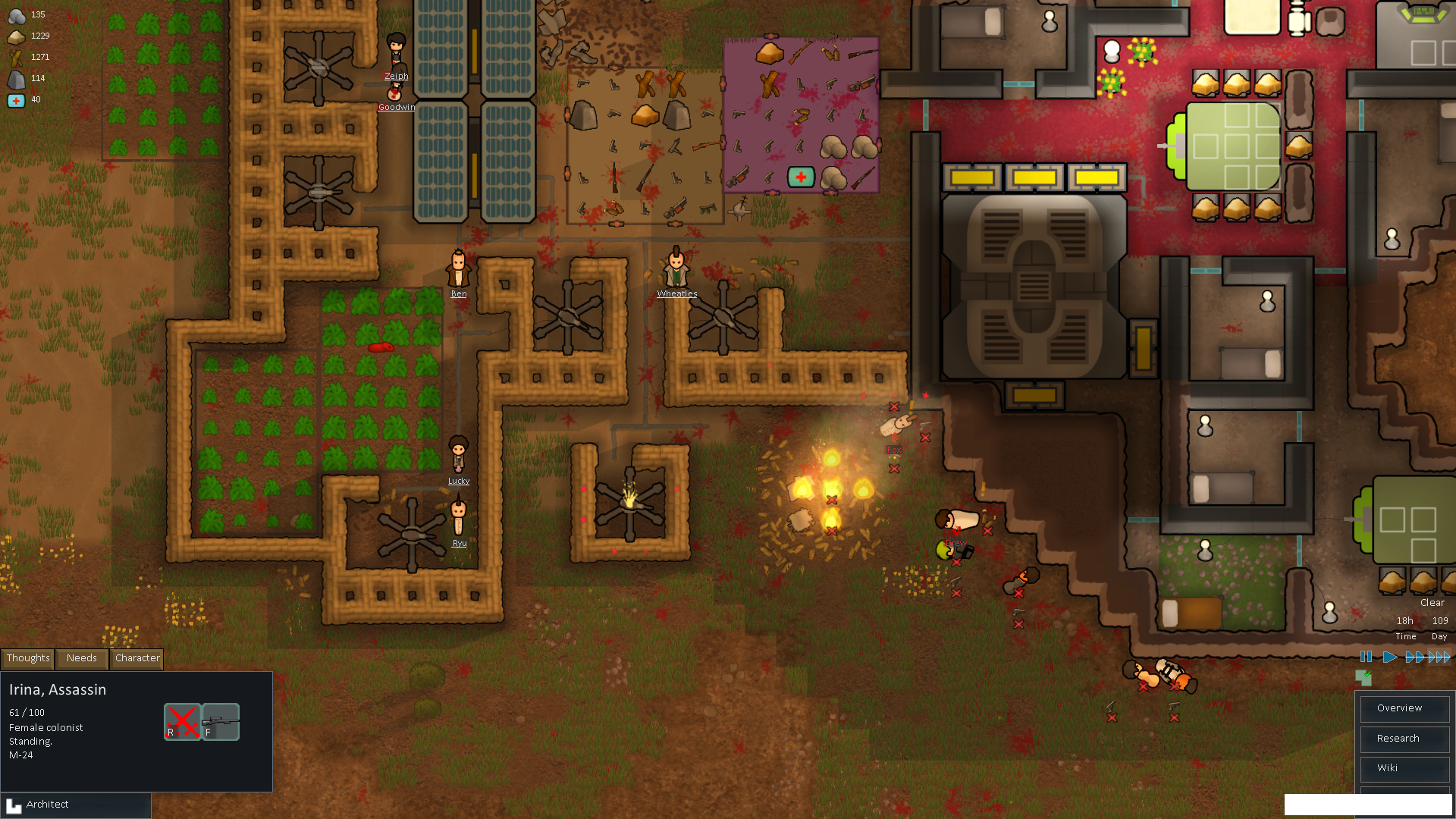
The objective of the game is to ensure the survival of a colony of people ("pawns"), fighting against various environmental and internal events through randomly generated events in a customizable world. As the game progresses, events become progressively harder and the player can unlock more advanced technology through research. The game is two-dimensional, viewed from a top down perspective. In-game events are procedurally generated by an AI storyteller, which is central to gameplay; game difficulty, event difficulty, and difficulty progression depend on its settings. The AI storyteller will analyze the player's current situation and choose events based on what it assesses will make the most interesting narrative. The game has three pre-configured AI storytellers: "Cassandra Classic", who follows traditional storytelling techniques of rising and falling tension; "Phoebe Chillax", who allows for additional downtime between events; and "Randy Random", who forsakes a narrative altogether in favor of randomness and excitement. There are 6 different preset difficulties to choose from, along with a custom difficulty option. These presets influence the severity and frequency of events, as well as the balance of positive and negative events. Events can range from simple occurrences, such as a caravan of traders passing by or spacecraft debris crash landing, to catastrophic long-lasting events, such as cold snaps or volcanic winters. Combat events randomly occur throughout the game, and the player will have to defend the colony by either drafting their colonists or by building defensive mechanisms, such as traps and automated turrets. Ducking behind cover, such as trees, walls, or sandbags, gives pawns a much lower chance of being hit by projectiles during firefights. The game has two save-modes. Commitment mode acts as RimWorld's permadeath mode, disabling manual saving, while the "reload anytime" mode allows the player to save and load freely, giving the player a chance to undo an event. The colony starts with a predetermined number of pawns, gradually recruiting new colonists over time. Each pawn has a randomly generated background, set of traits and skills, and relations with other pawns, which affect how they can contribute to or endanger the progress and efficiency of the colony, and how they may interact with other pawns. Colonists are not directly controlled by the player themselves, but instead given tasks and orders to be completed (e.g. build a wall, tailor a shirt, etc.), with a priority system that can be assigned by the player. For combat encounters, colonists can be "drafted" and directed manually by the player. Pawns require food, rest, and shelter. They will request a place to sit while eating, well-made and undamaged clothes, and enough time for recreation, such as stargazing, cloud watching, or playing chess. If needs are left unmet, pawns may have "mental breaks" such as going into a daze, setting fires, or attacking other pawns. A pawn's mental stability is represented by a mood meter, affected by needs, personality traits, and backstories. Players combine hunting, farming, animal husbandry, and trading to meet their colonists' food needs. Wild animals can be lured and tamed with food, with certain animals having a chance to attack the tamer on a failed attempt. Upon taming, domestic animals can reproduce and can form relationships with human pawns. They may also be taught commands, which vary from simply obeying its master, assisting in combat, and occasionally hauling and storing items. New technologies can be unlocked by constructing research stations. Assigning pawns to work at research stations allows their colony to progress along a tech tree, starting at tribal technologies, like simple clothing, all the way to space-age technology, like nuclear reactors for a spaceship. Once unlocked, electricity is produced via wind turbines, solar panels, or geothermal power stations. Other advancements include medicine, advanced weaponry, and drugs. On December 20, 2016, Alpha version 16, titled "Wanderlust", was released. Many new features were added to the world map, including: a spherical world map; time-zones; factions now starting with several bases; the ability to travel across the whole world map; the ability to set up multiple colonies; world generation; and customizable world map parameters. It is possible for players to attack other bases and plunder resources from them, angering the attacked faction in the process. Players are able to install modifications ("mods") that are distributed via the Steam Workshop, the game's official forums, or other mod websites. The game has an active modding community, which publishes mods from simple quality of life upgrades to complete gameplay overhauls.
About RimWorld
RimWorld is a Base Building, Real Time Strategy (RTS), Role-playing (RPG), Sandbox, Strategy, Survival game released in 2018 developed by Ludeon Studios that offers Single player gameplay from a bird view / isometric perspective playable on Linux, Mac, PC (Microsoft Windows) with 276 user ratings averaging 85.5/100. The game explores themes like Indie, Modding, Procedural Generation. If you enjoy RimWorld, you might also like similar games in our database of 45,000+ titles.
Basic Info
Details
↑ Back to topAdditional Information
Платформы 3
Genres 6
Themes 4
Player Perspectives 1
Game Modes 1
Companies
↑ Back to topDevelopers
Ludeon Studios
No description available
Publishers
Ludeon Studios
No description available
Keywords
↑ Back to topScreenshots
↑ Back to top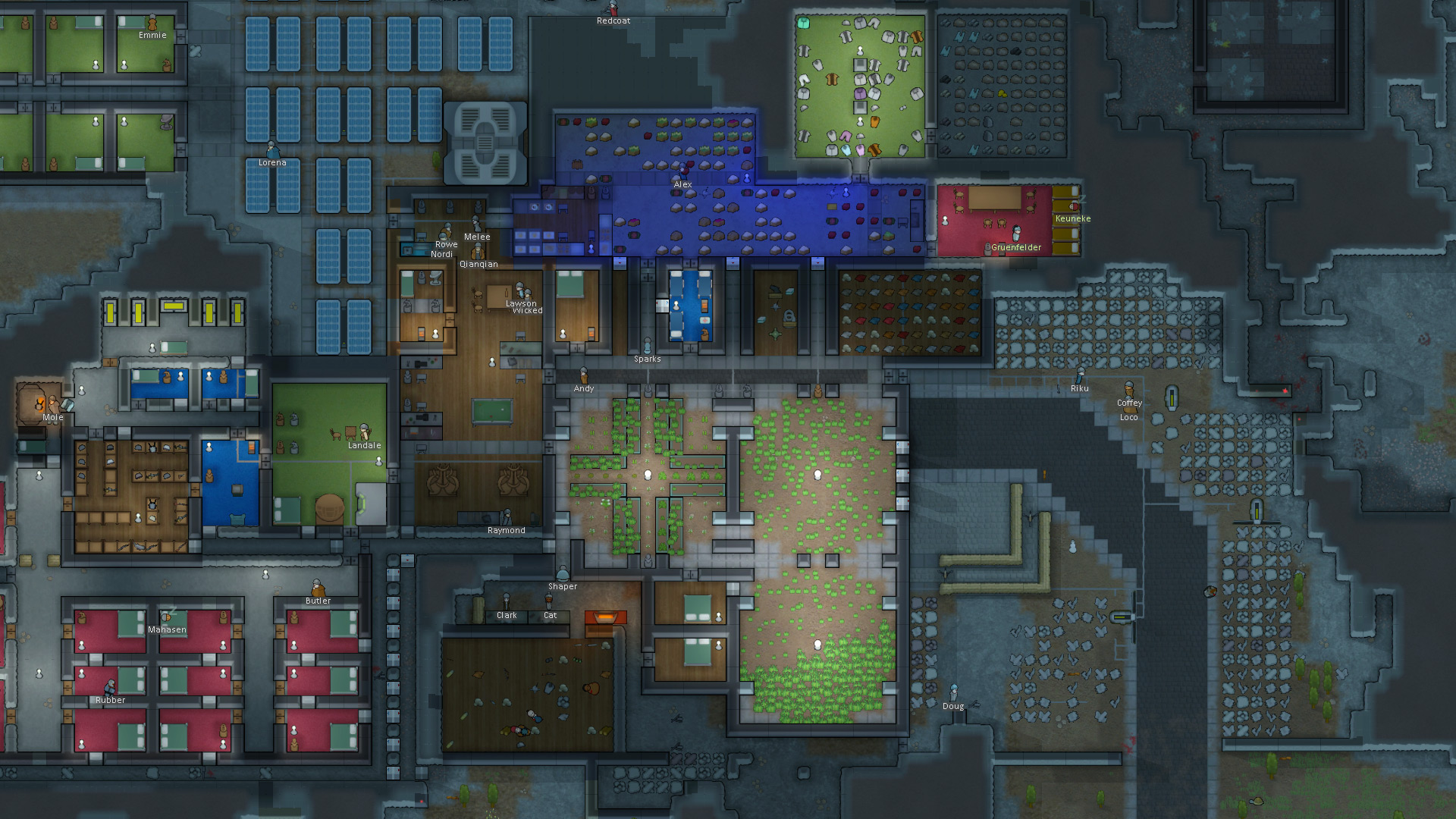

Similar Games
↑ Back to top

Fallout 4


Stardew Valley

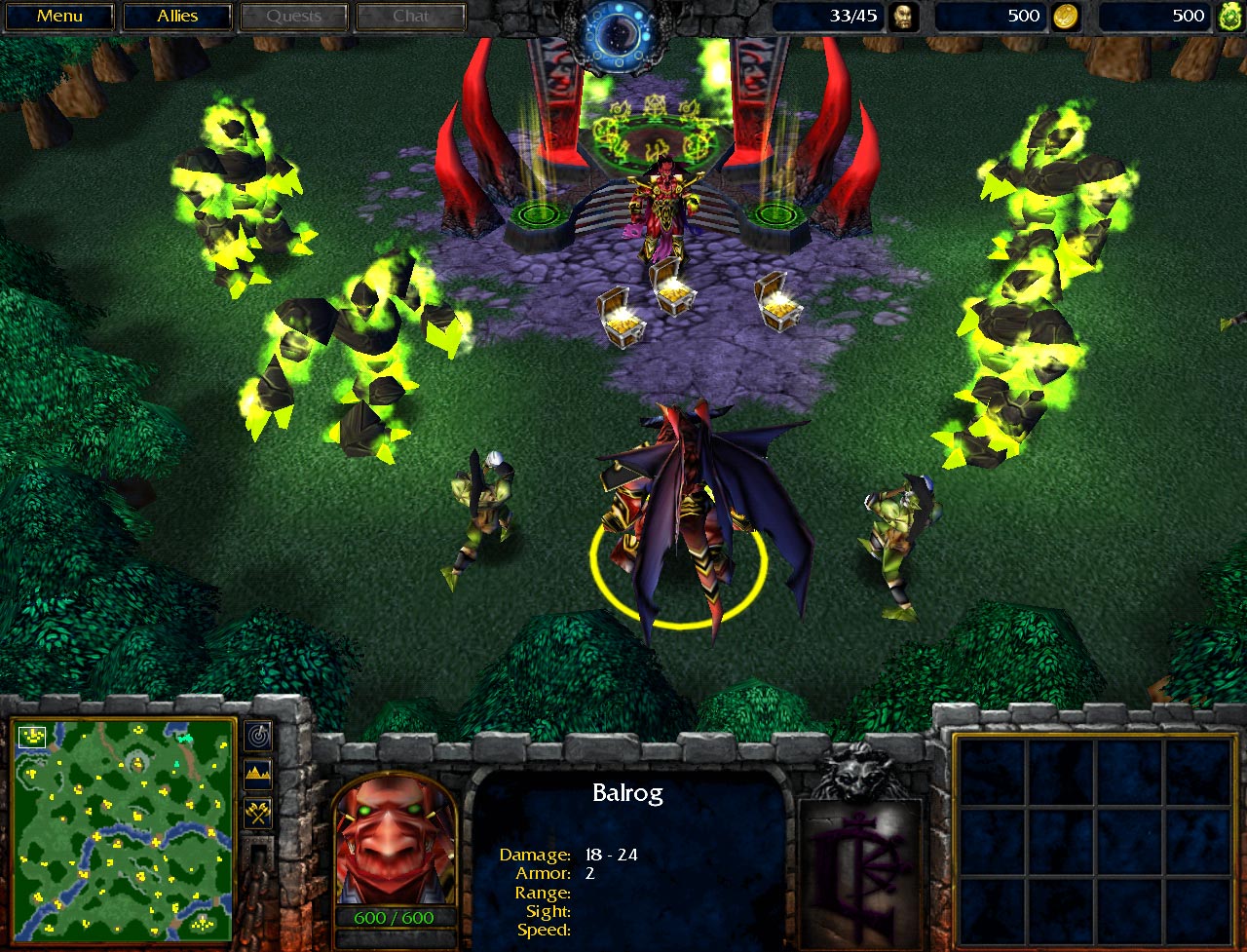

Warcraft III: Reign of Chaos

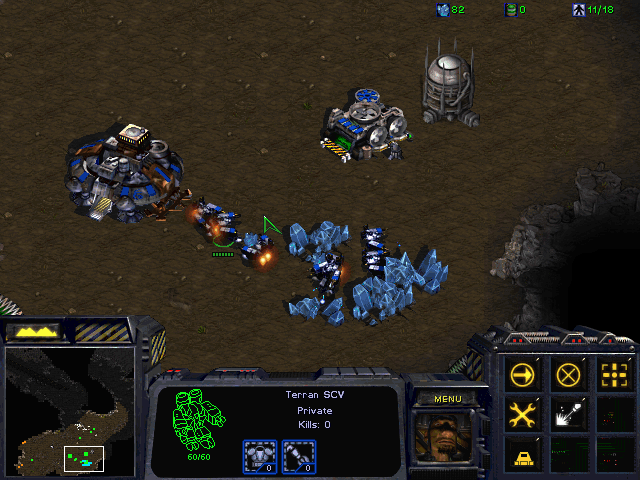
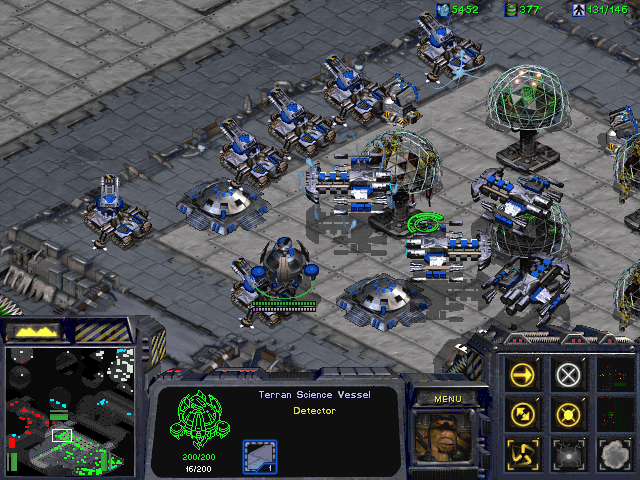

StarCraft

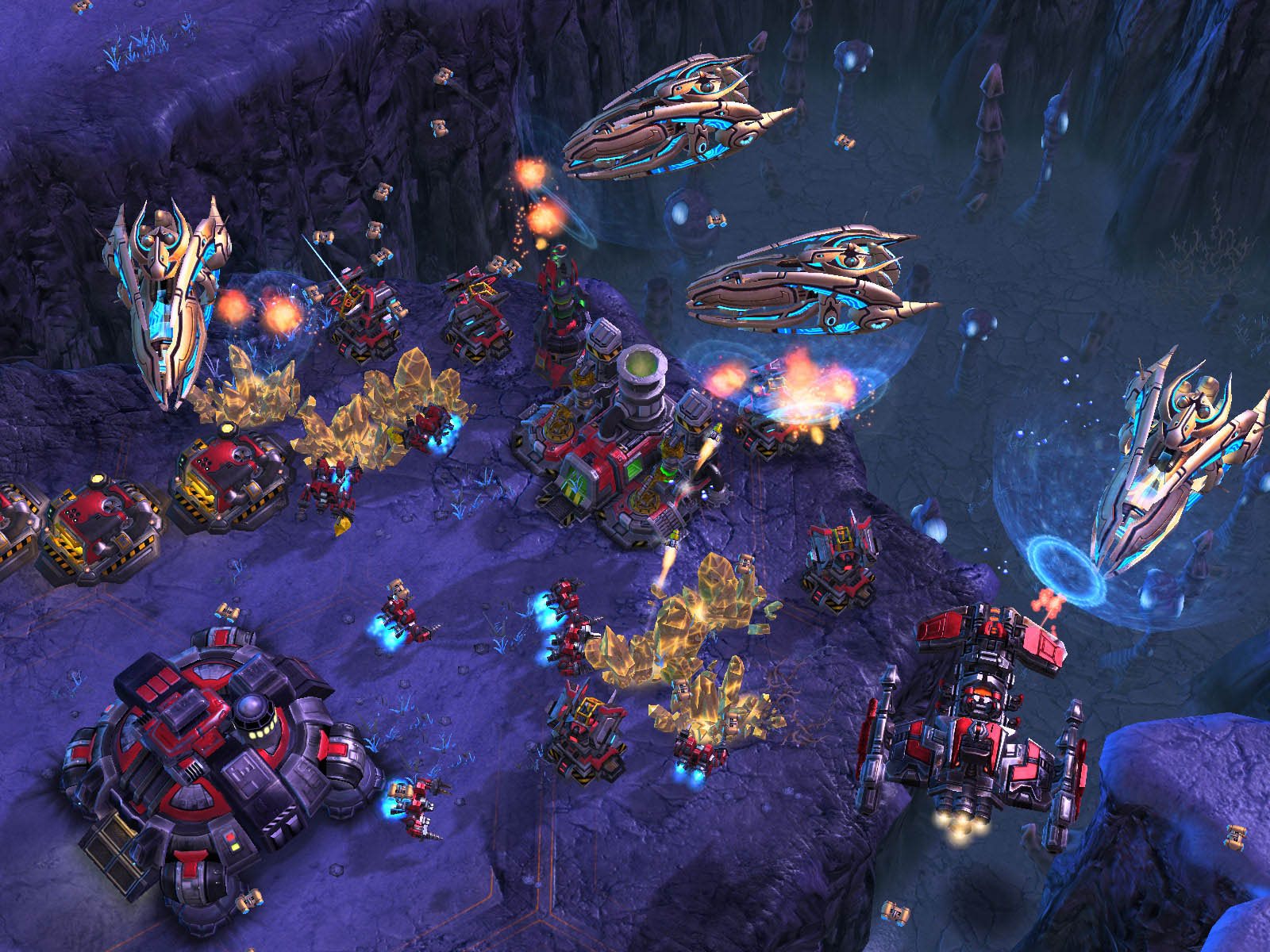

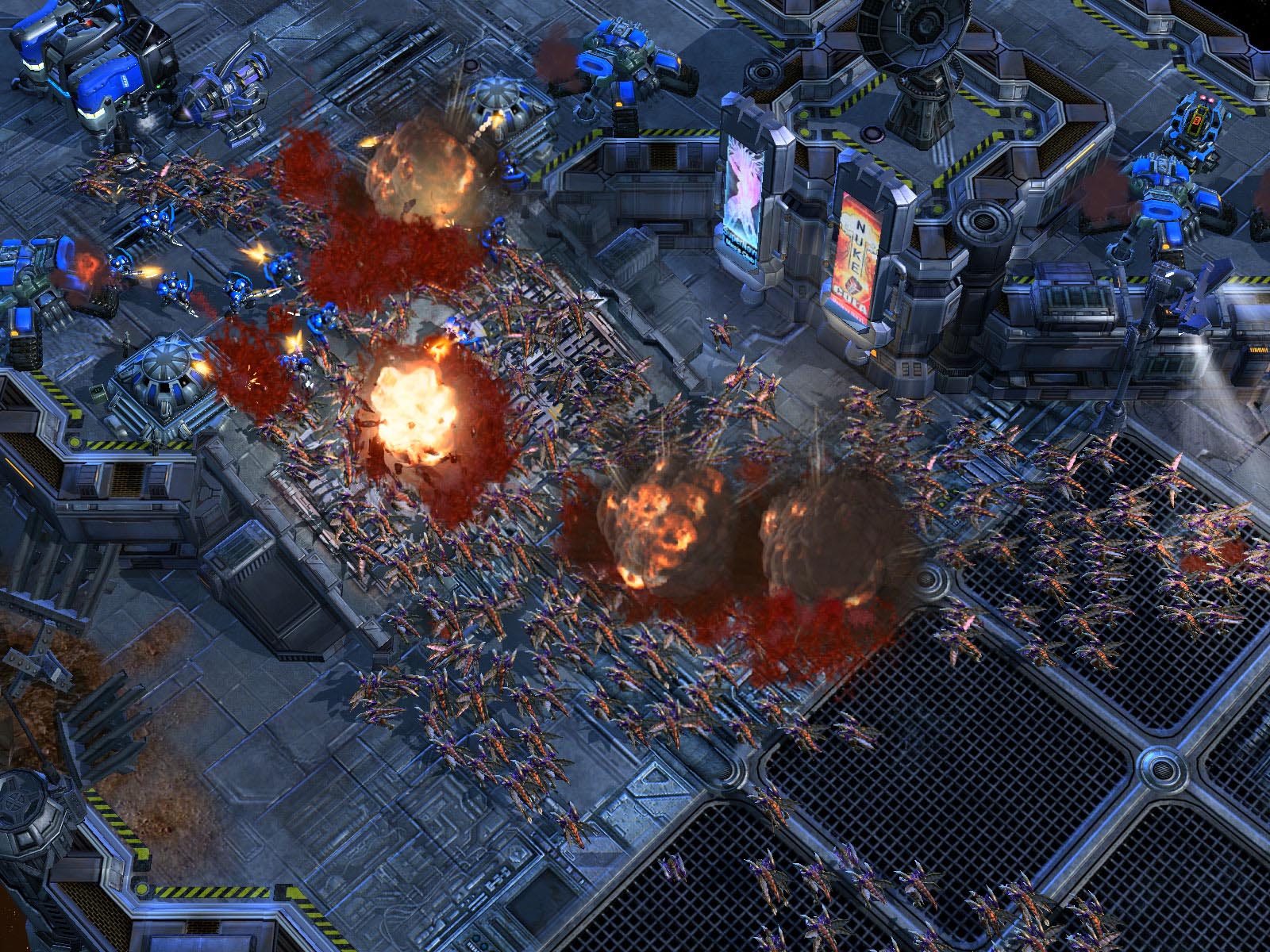

StarCraft II: Wings of Liberty
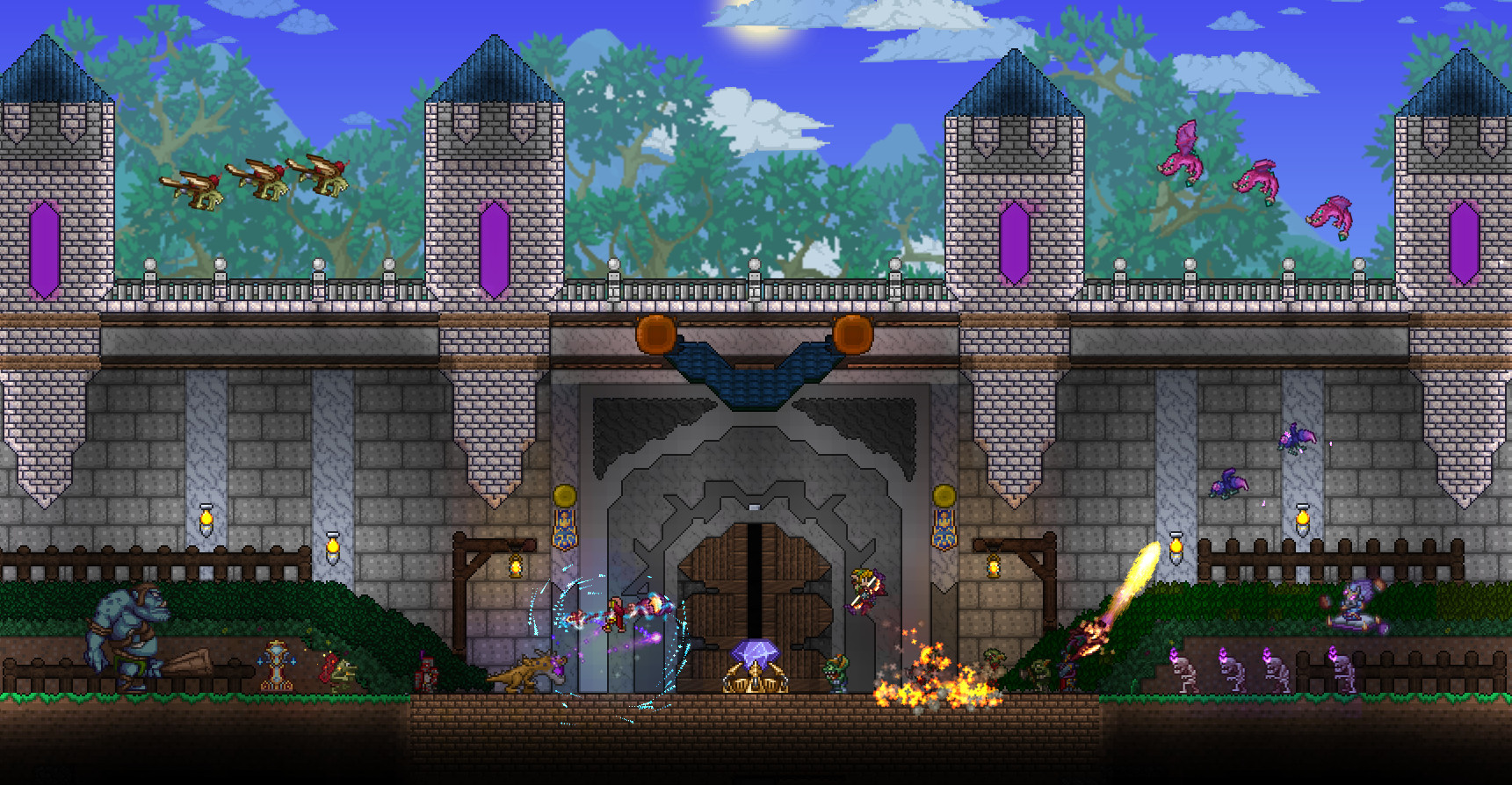

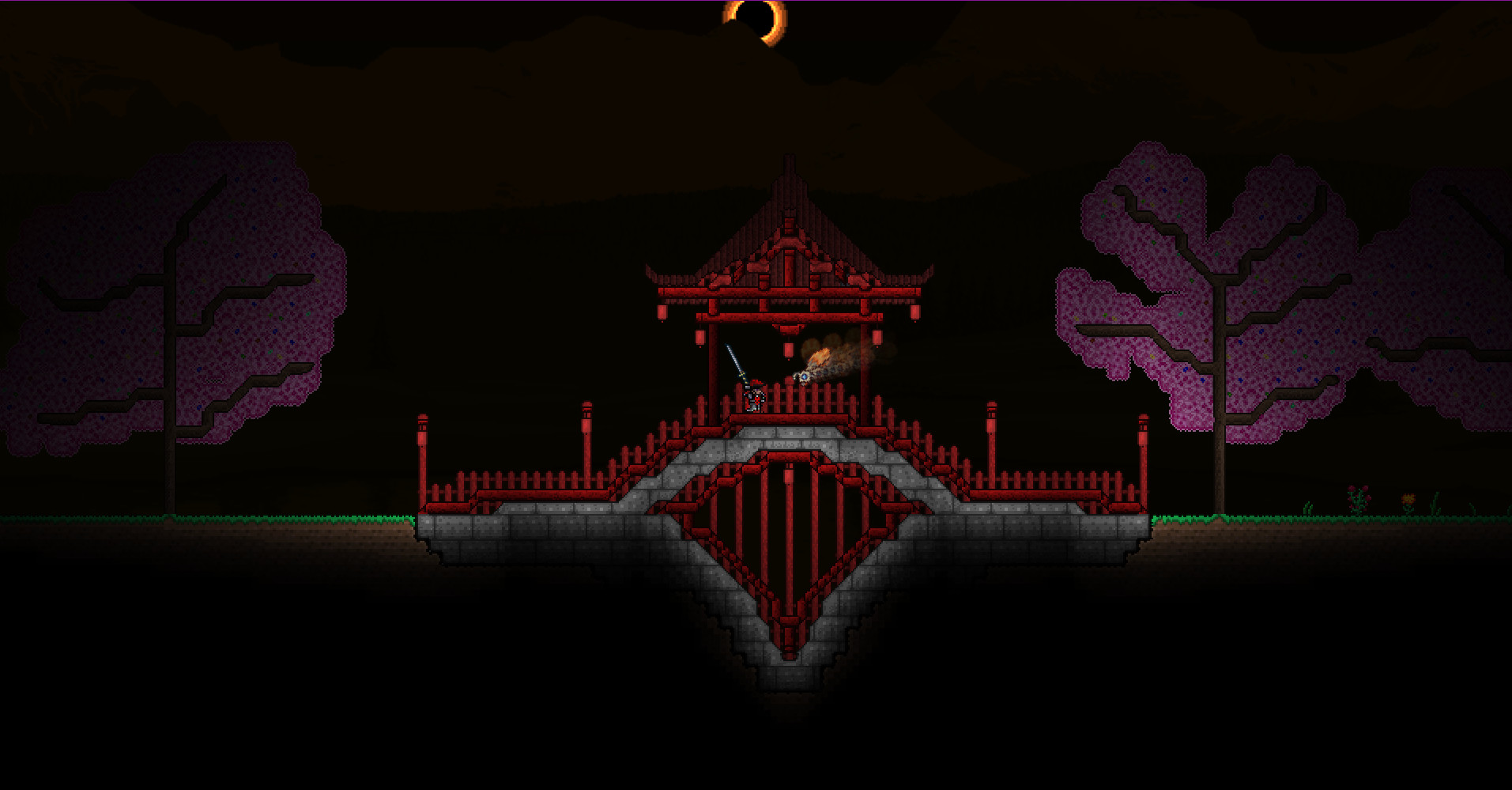

Terraria

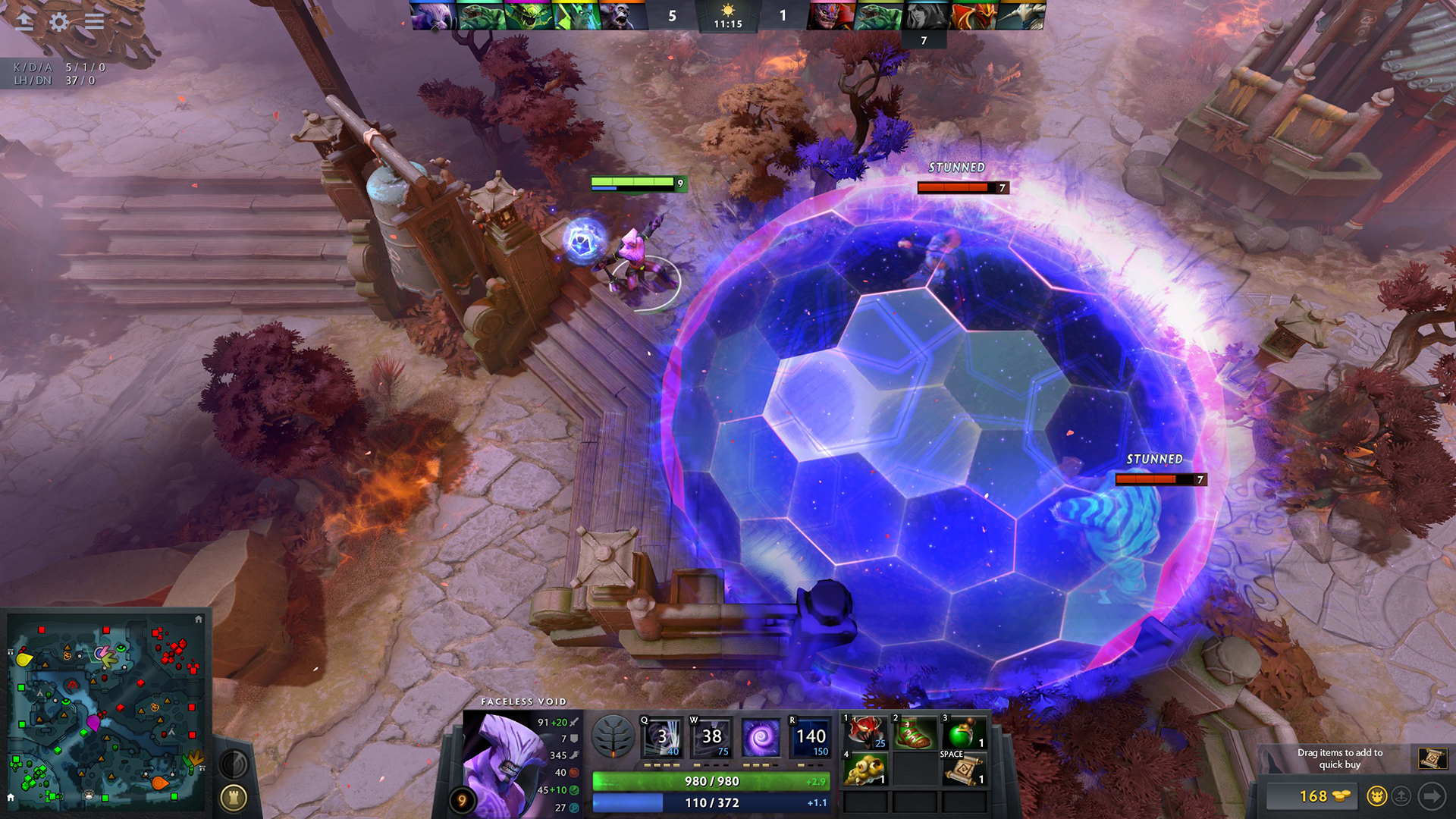
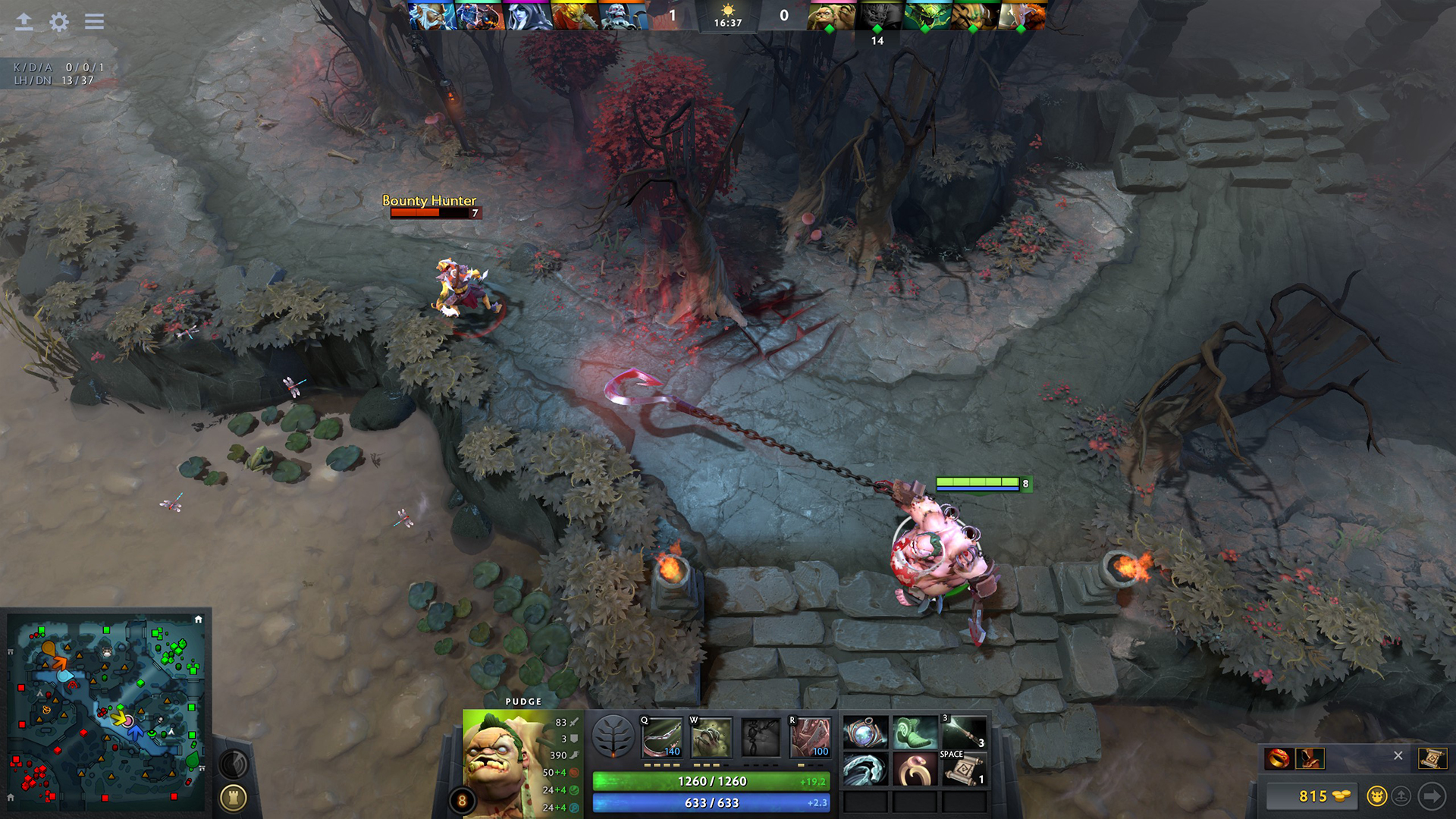
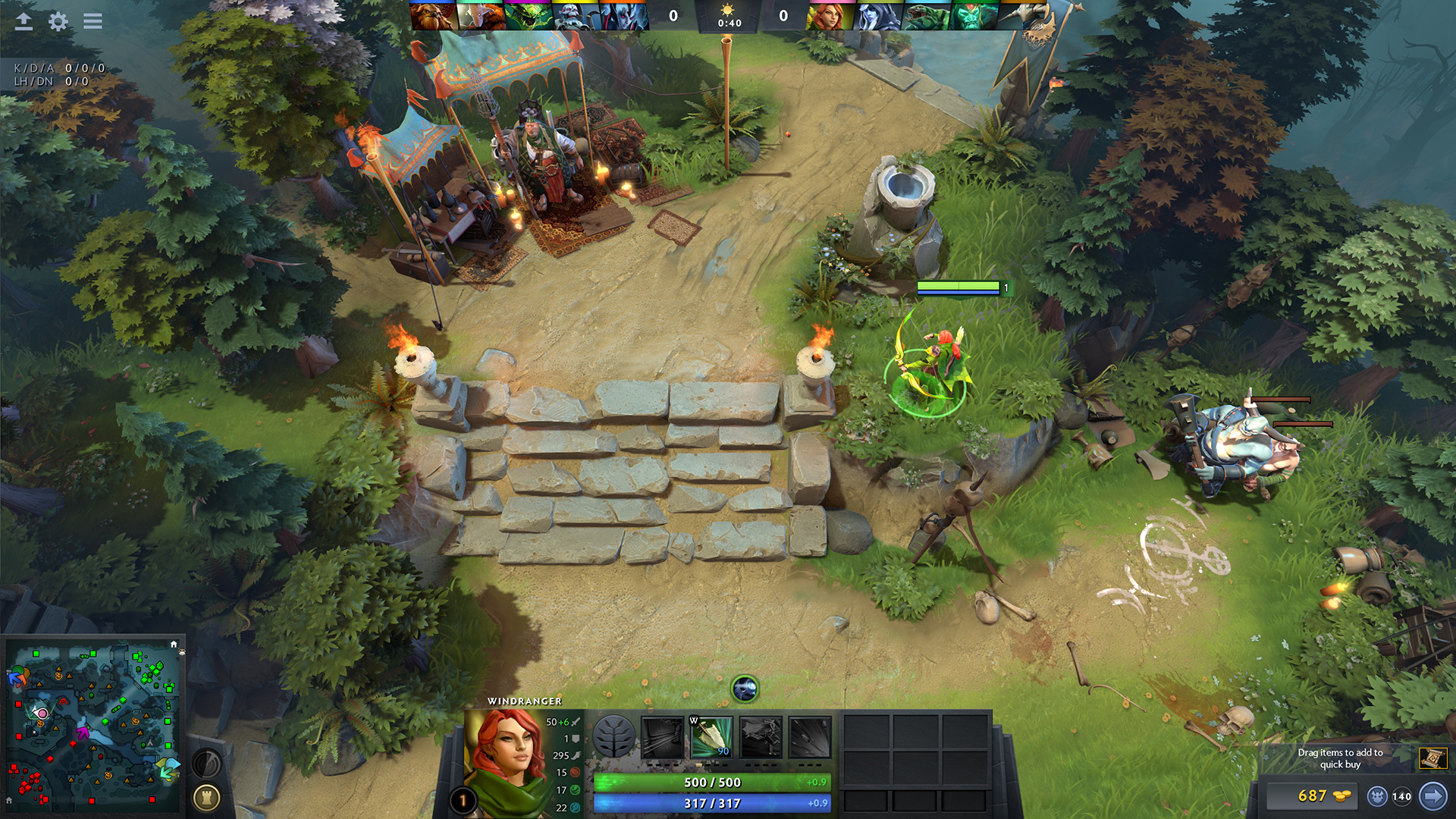

Dota 2
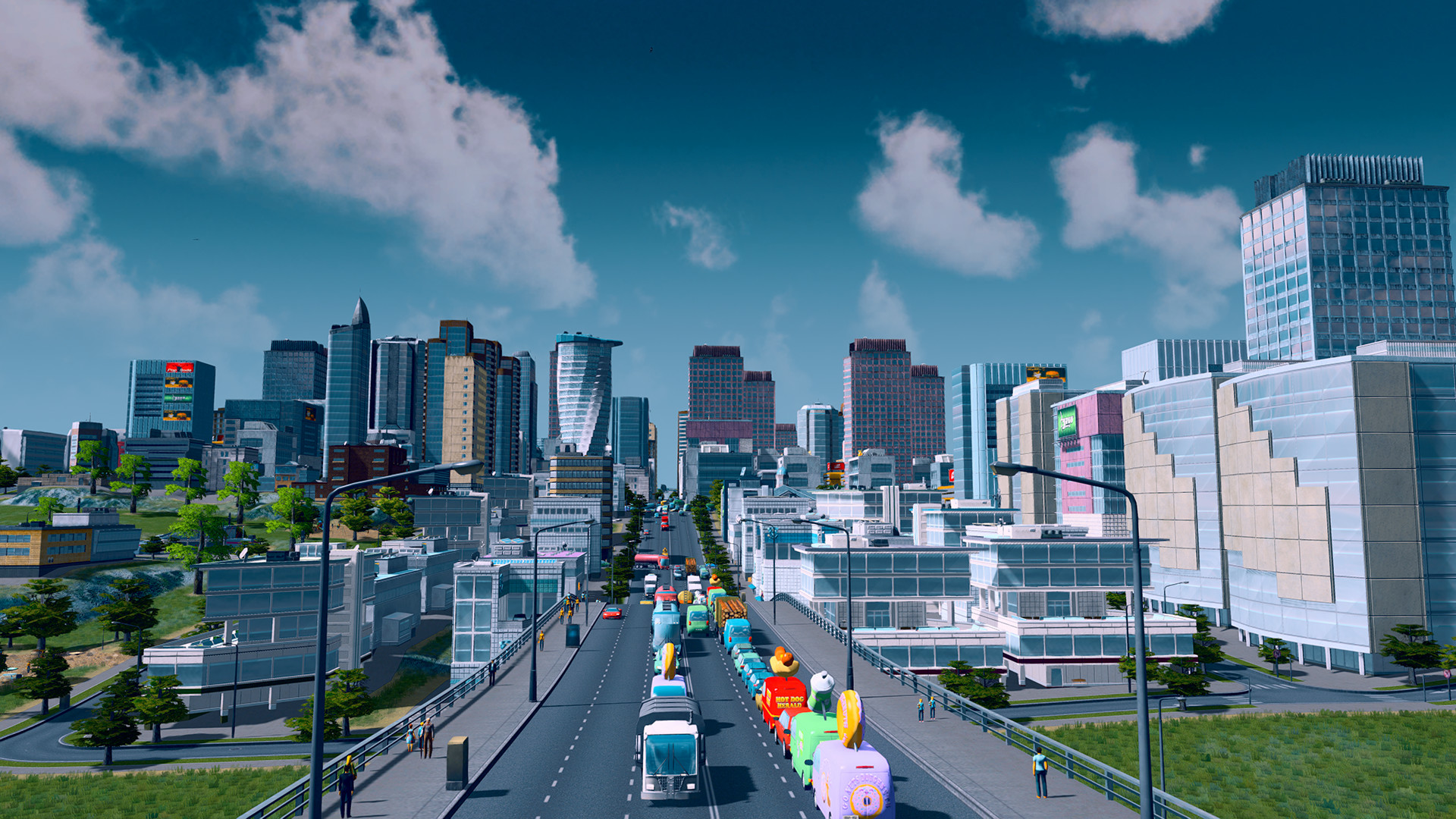
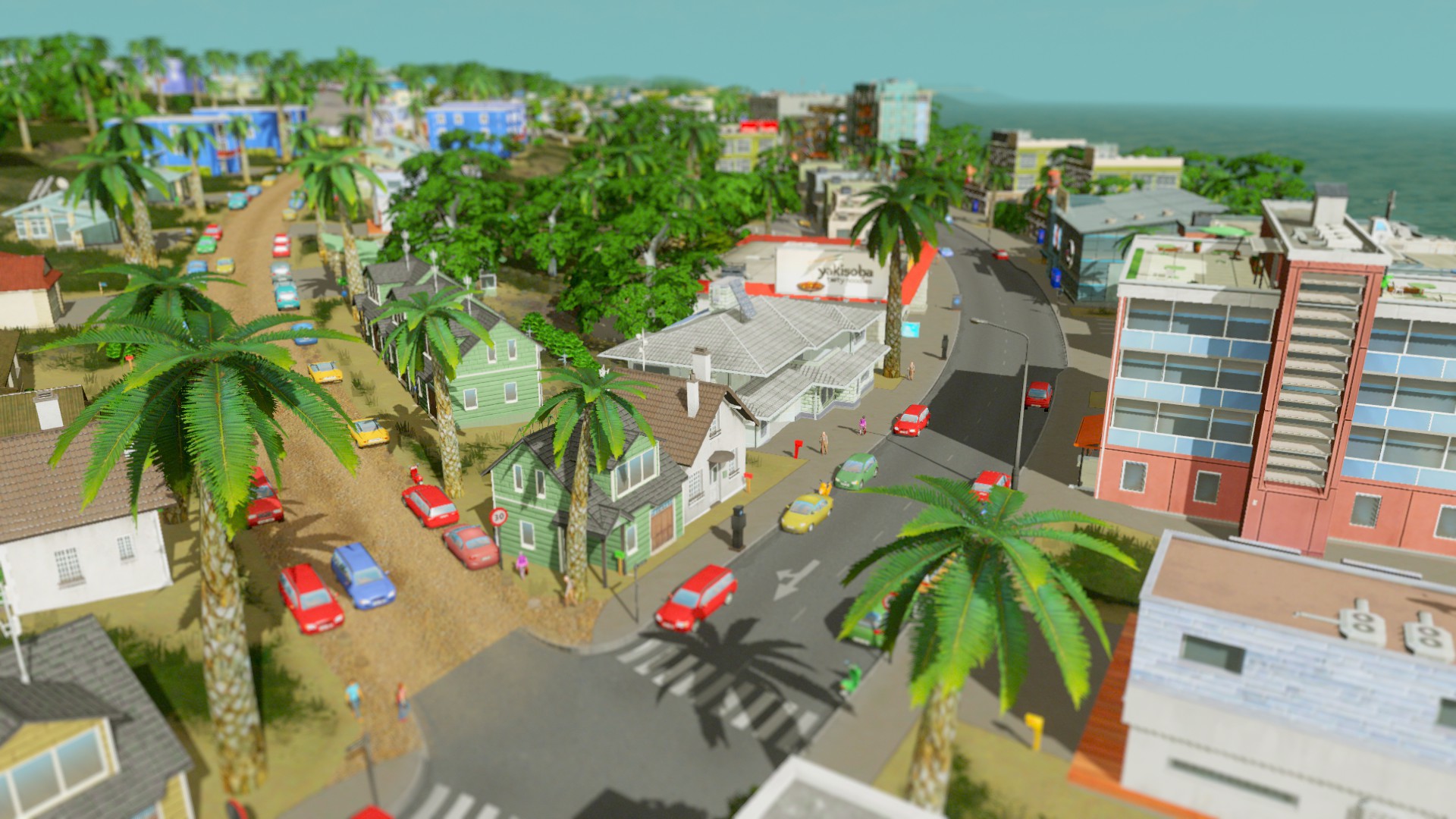

Cities: Skylines


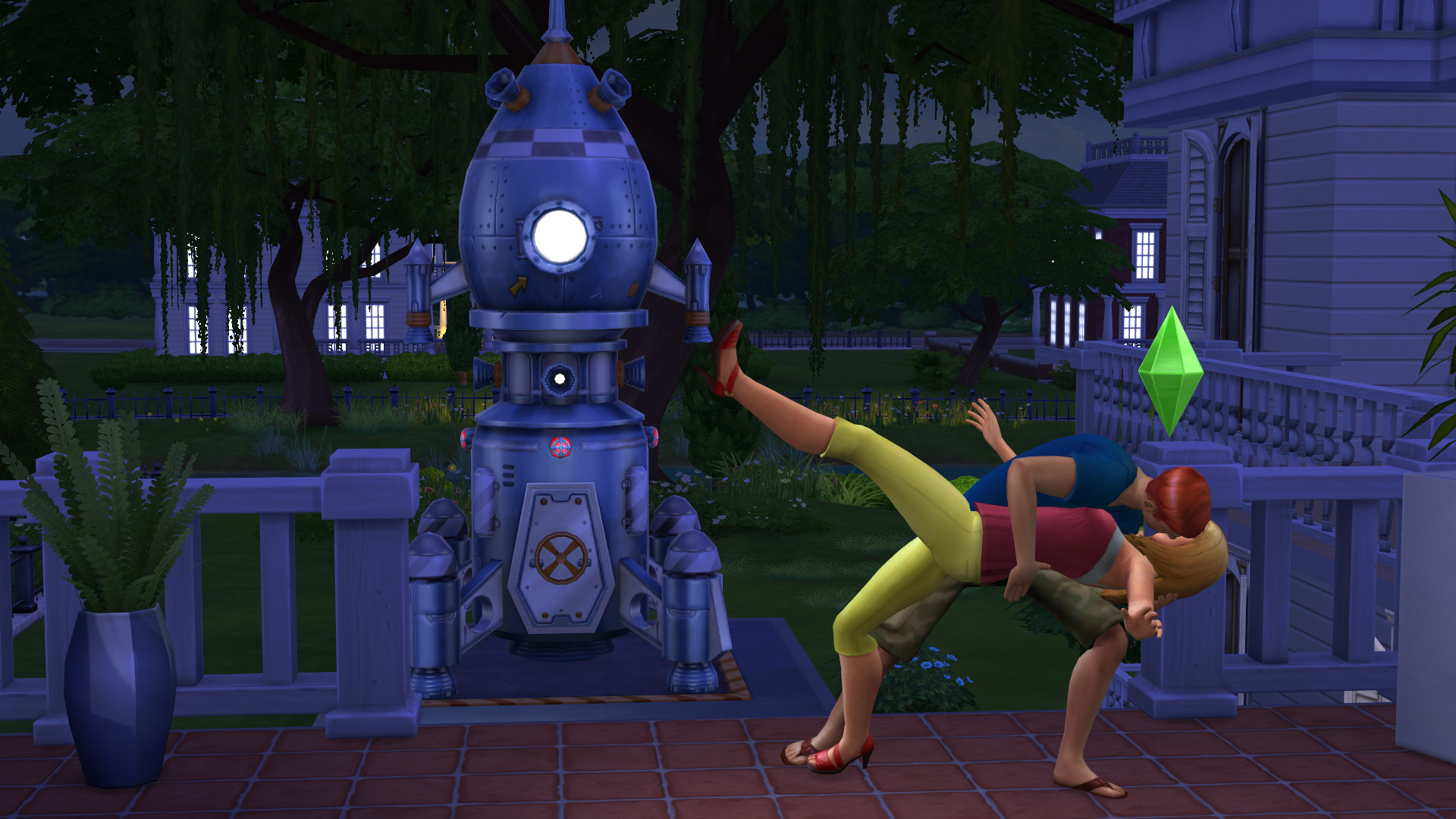

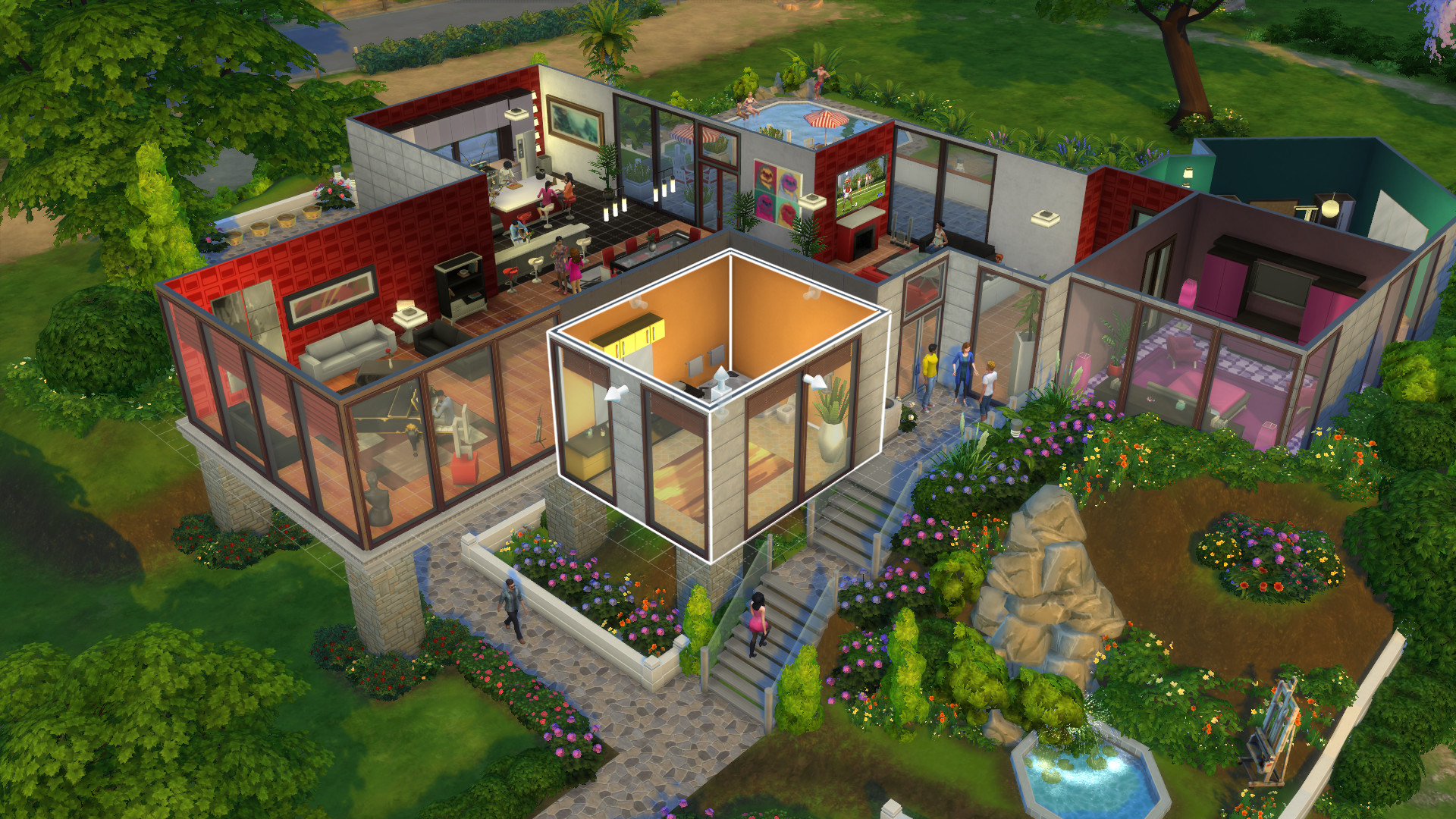



The Sims 4




The Sims 3



No Man's Sky