Game Info
↑ Back to top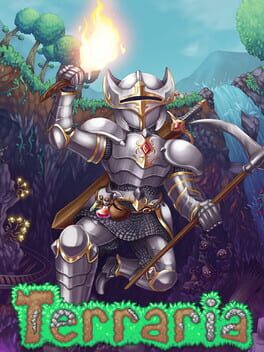

Terraria
Series:
Genres:
Themes:
Perspectives:
Game Modes:
Game Engines:
Overview
↑ Back to topDescription from Steam STEAM
Dig, Fight, Explore, Build: The very world is at your fingertips as you fight for survival, fortune, and glory. Will you delve deep into cavernous expanses in search of treasure and raw materials with which to craft ever-evolving gear, machinery, and aesthetics? Perhaps you will choose instead to seek out ever-greater foes to test your mettle in combat? Maybe you will decide to construct your own city to house the host of mysterious allies you may encounter along your travels? In the World of Terraria, the choice is yours! Blending elements of classic action games with the freedom of sandbox-style creativity, Terraria is a unique gaming experience where both the journey and the destination are completely in the player’s control. The Terraria adventure is truly as unique as the players themselves! Are you up for the monumental task of exploring, creating, and defending a world of your own? Key features: Sandbox Play Randomly generated worlds Free Content Updates
Description from IGDB IGDB
Wikipedia Description WIKIPEDIA
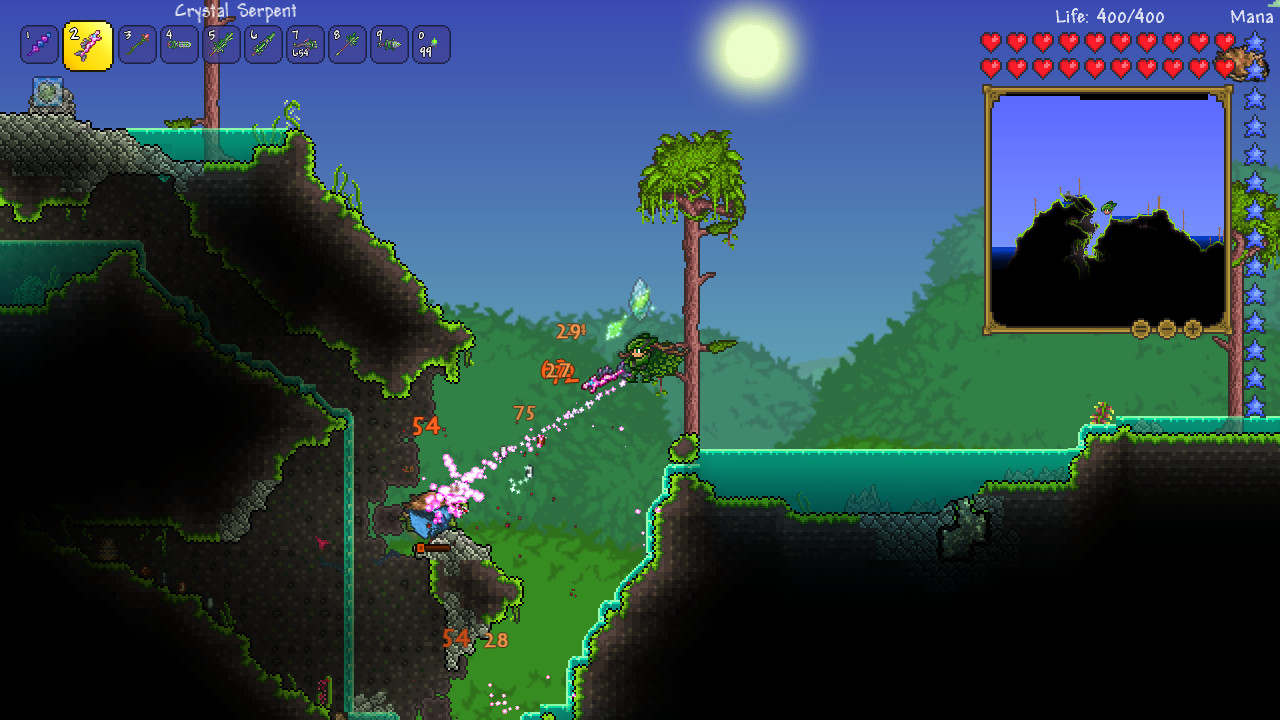
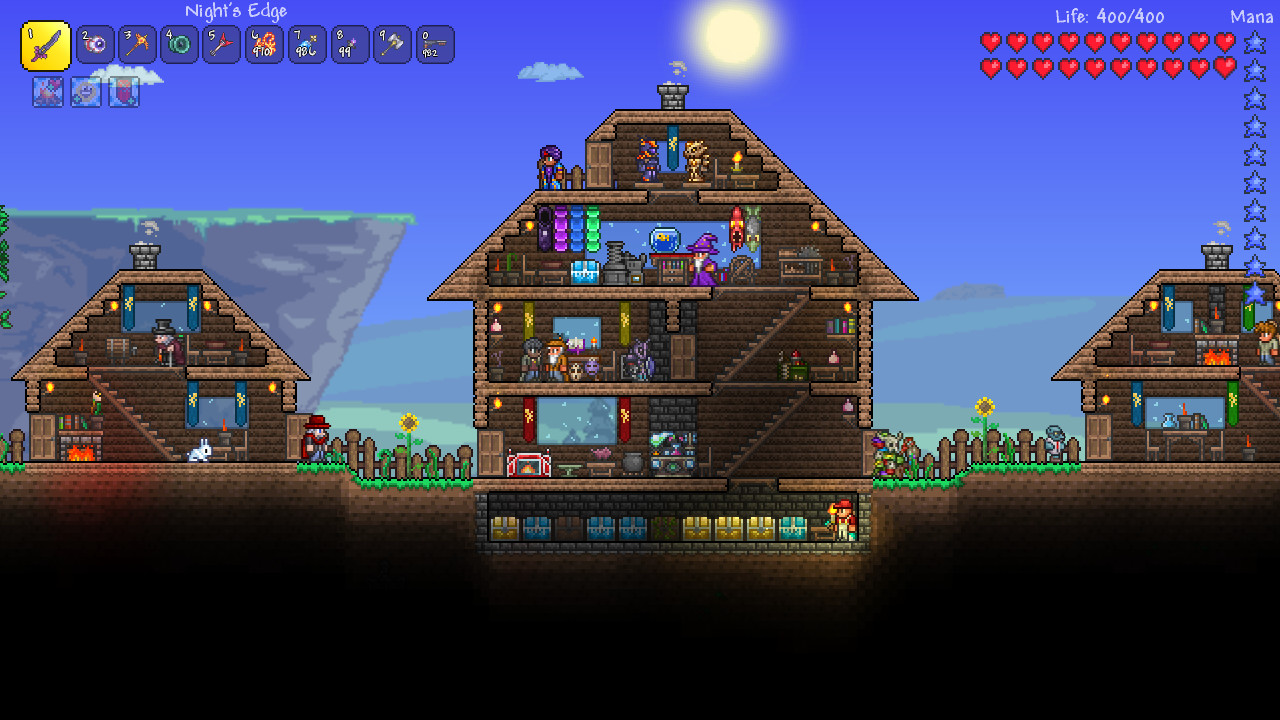
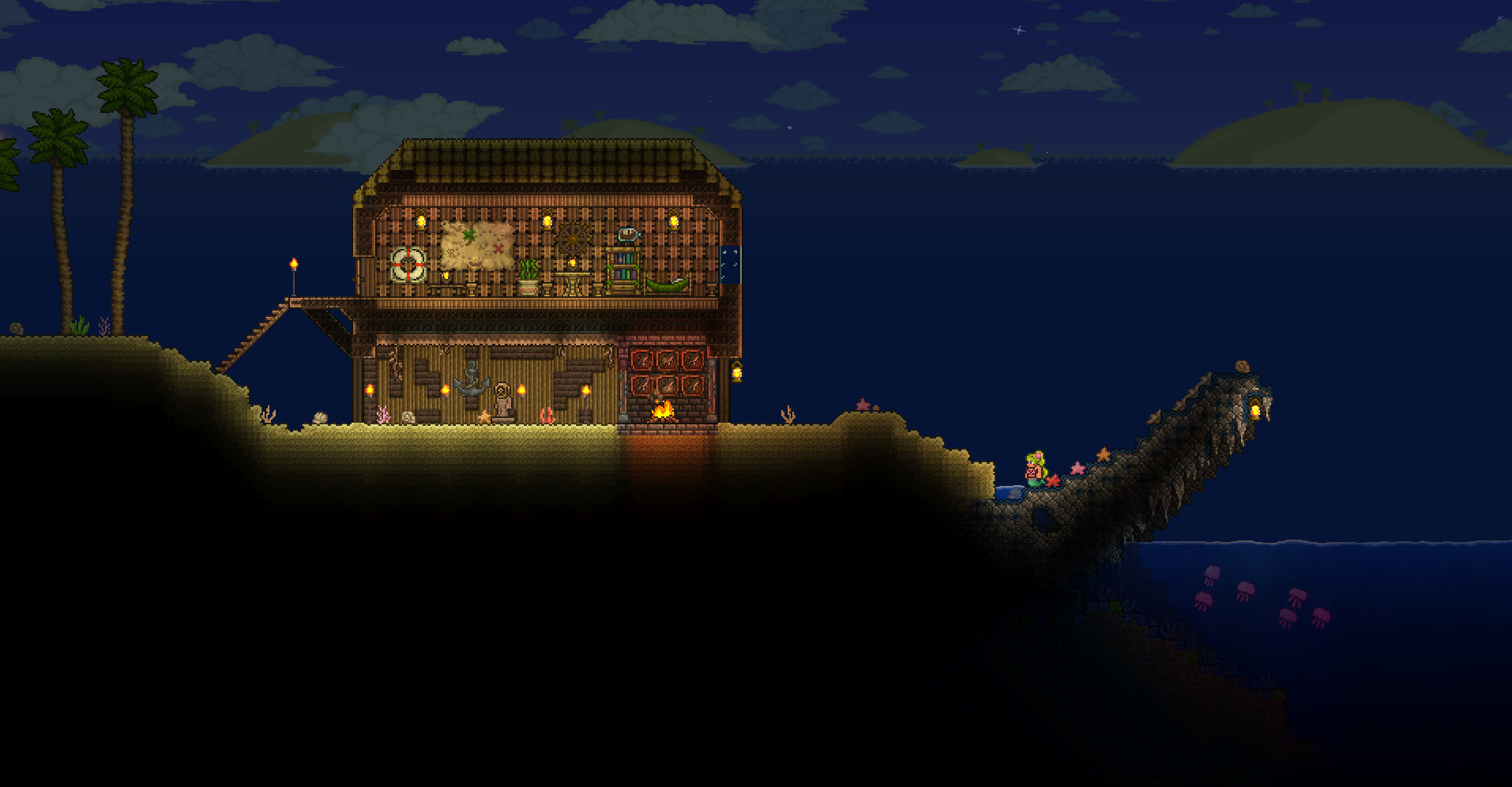
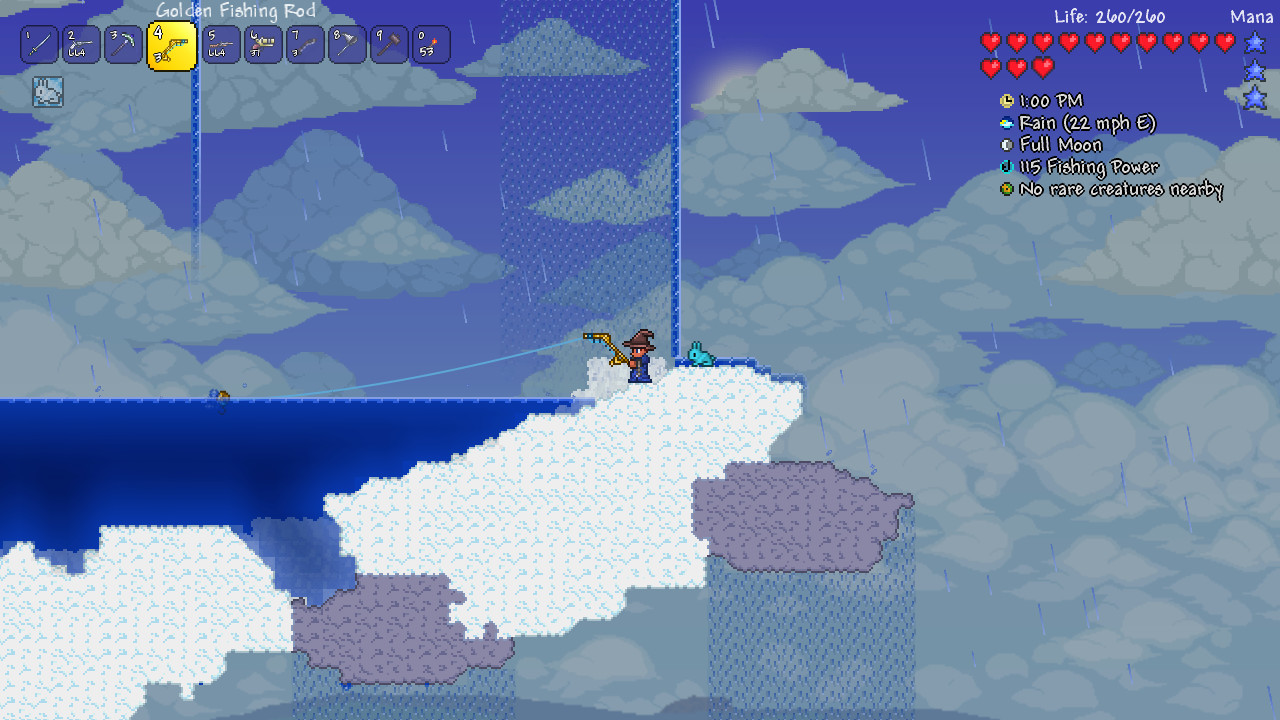
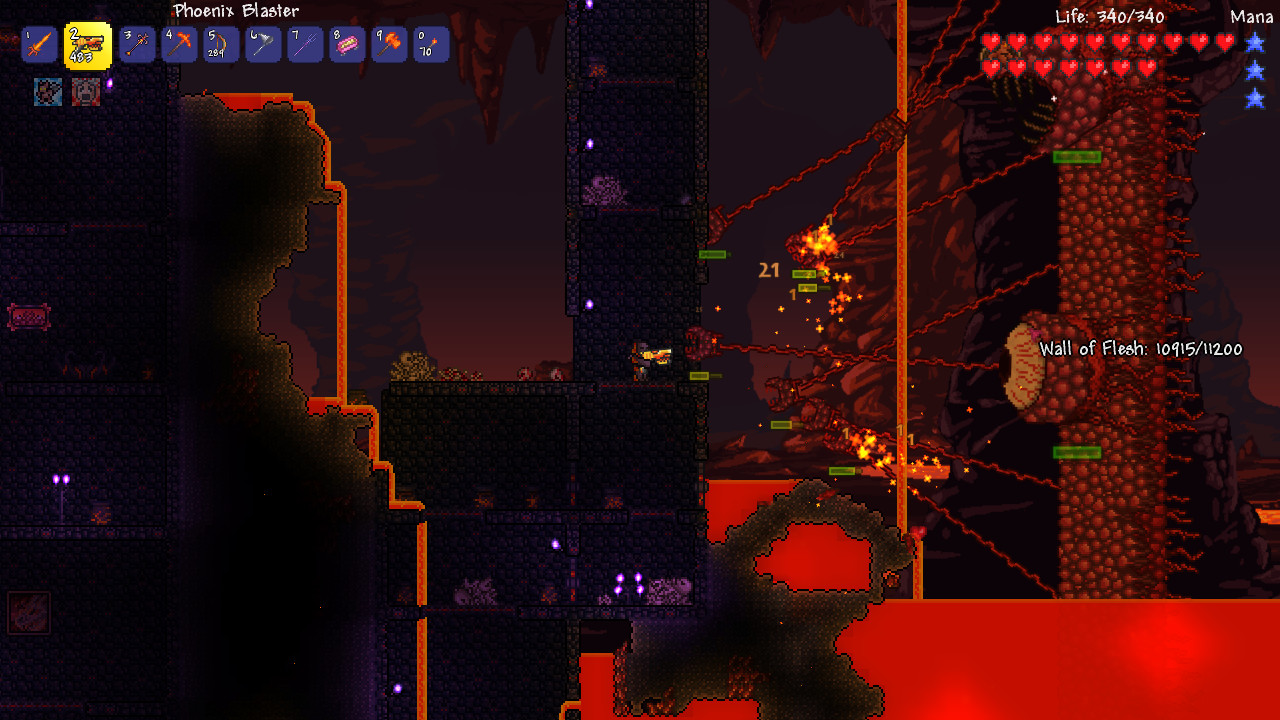
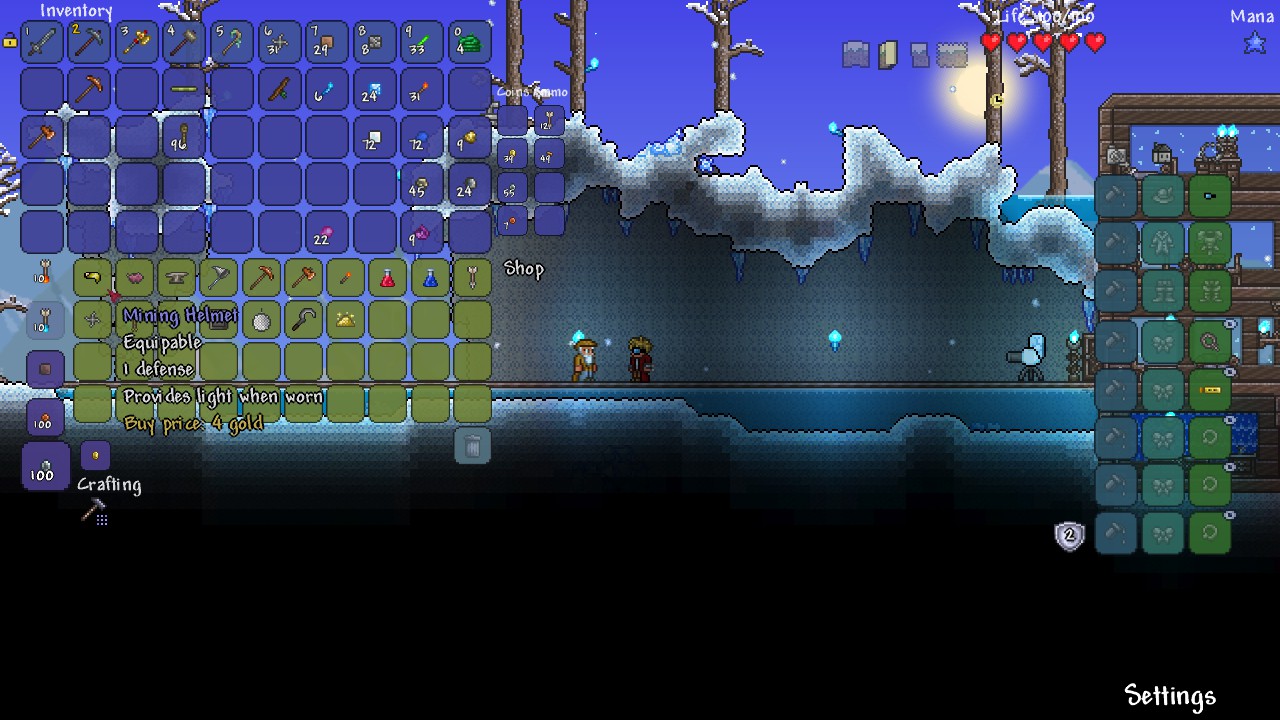
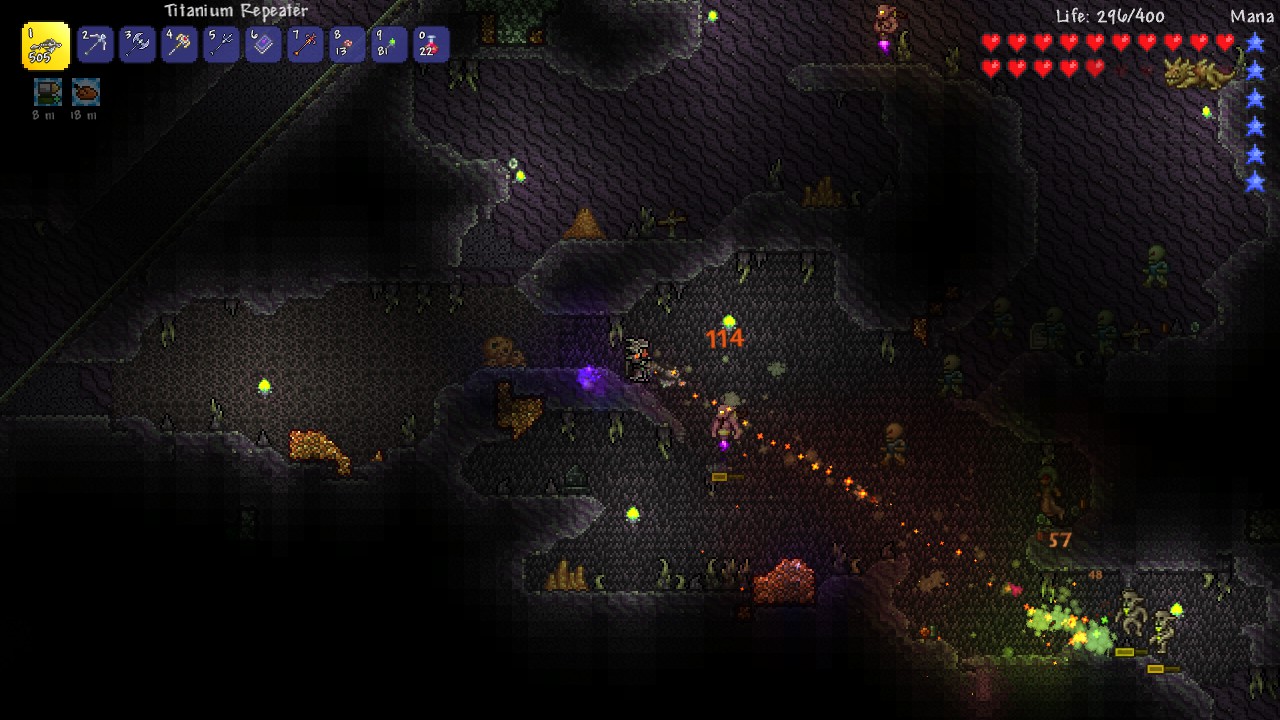
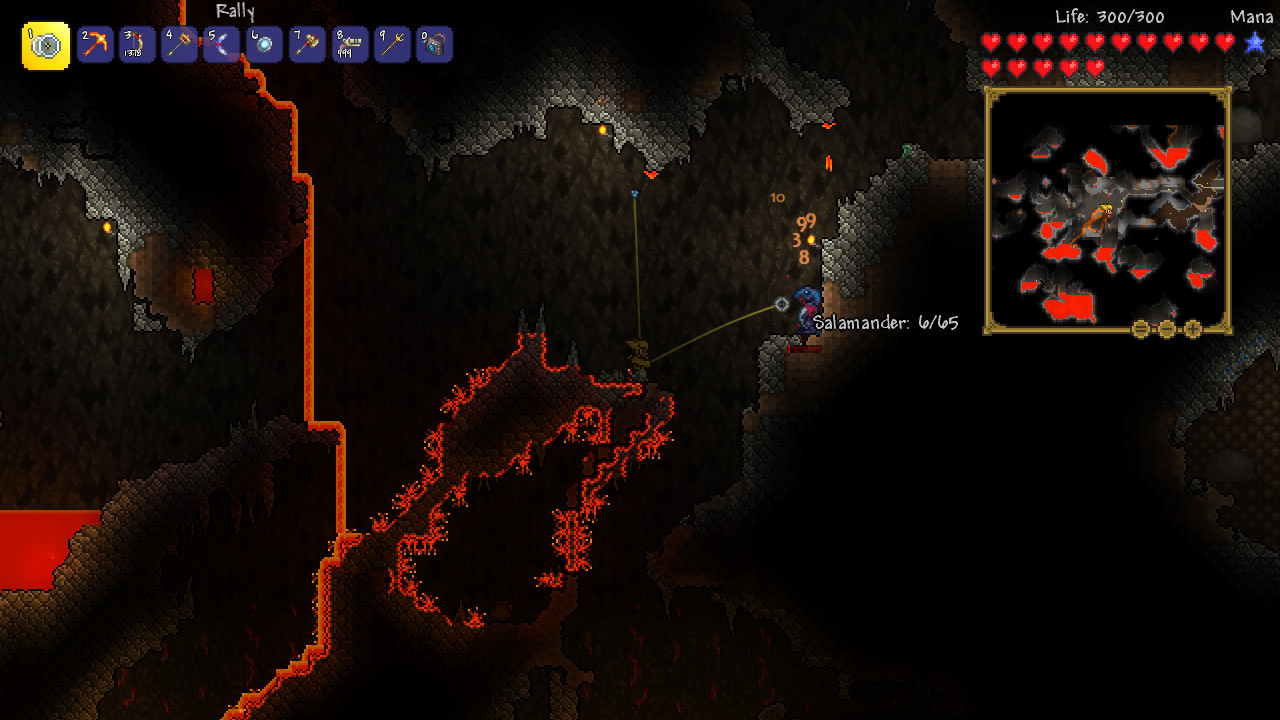
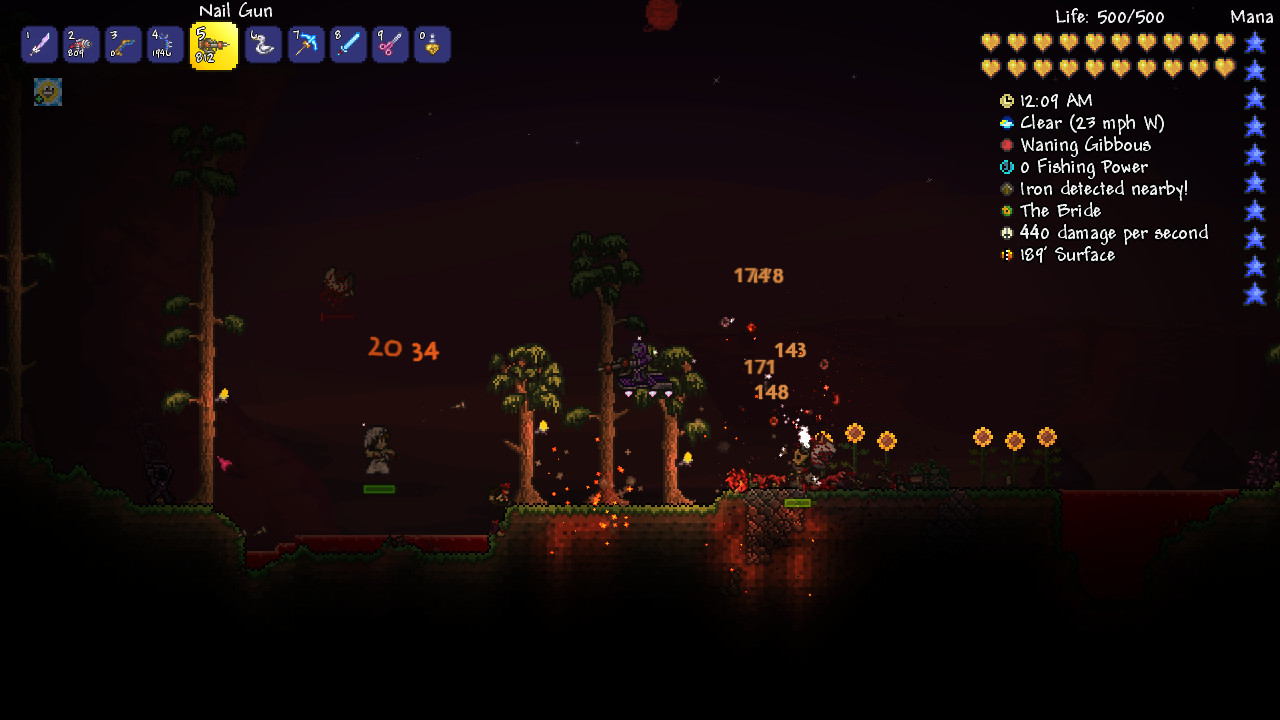
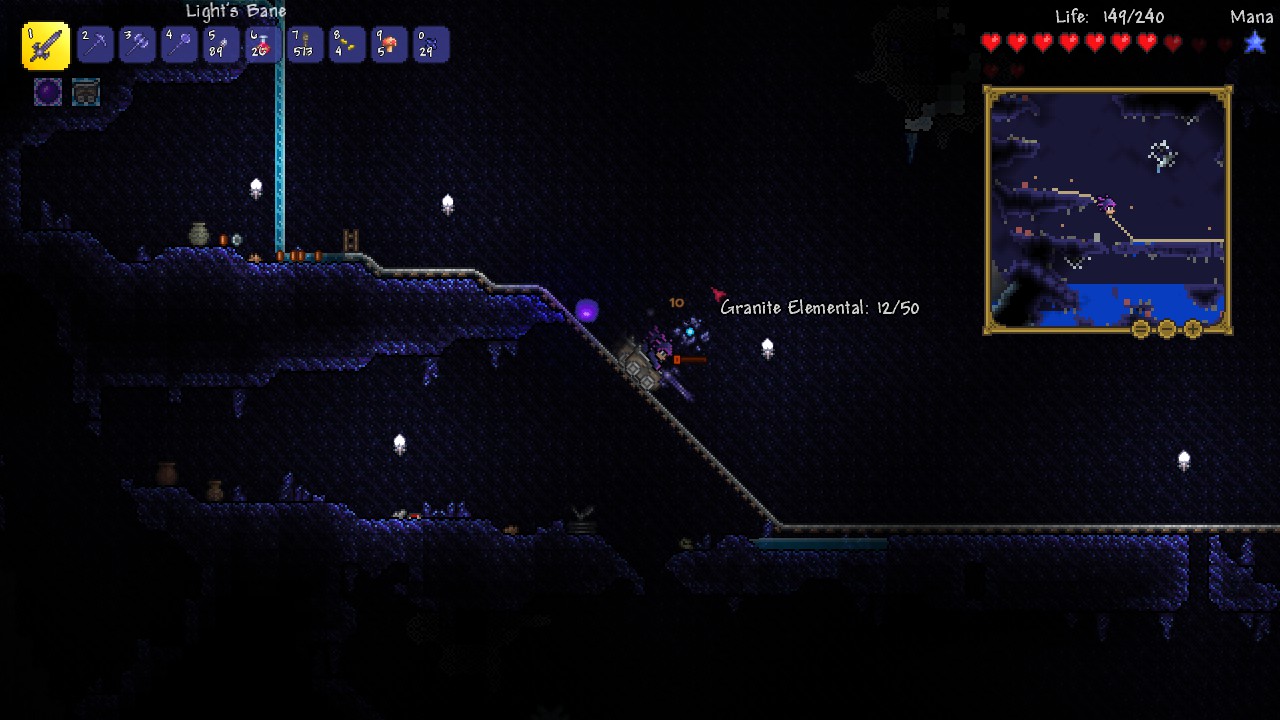
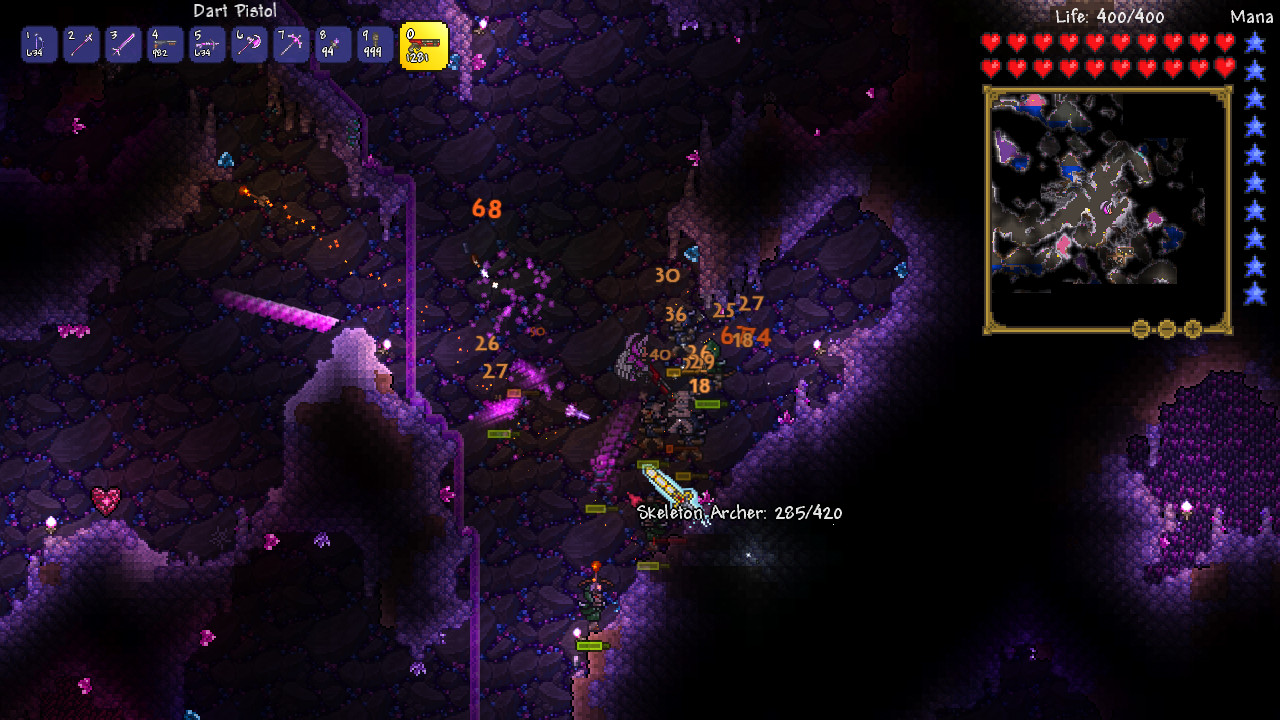
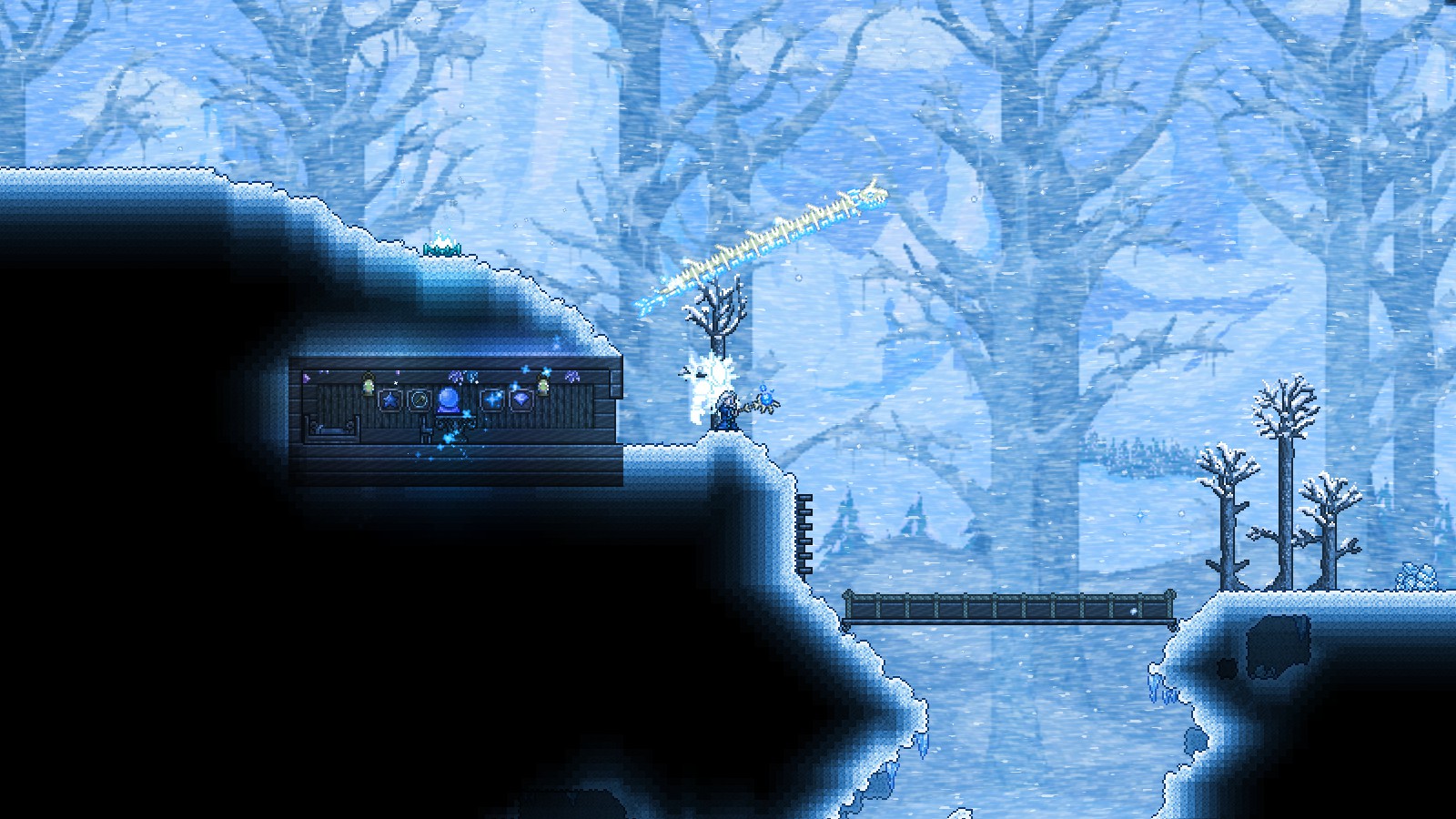
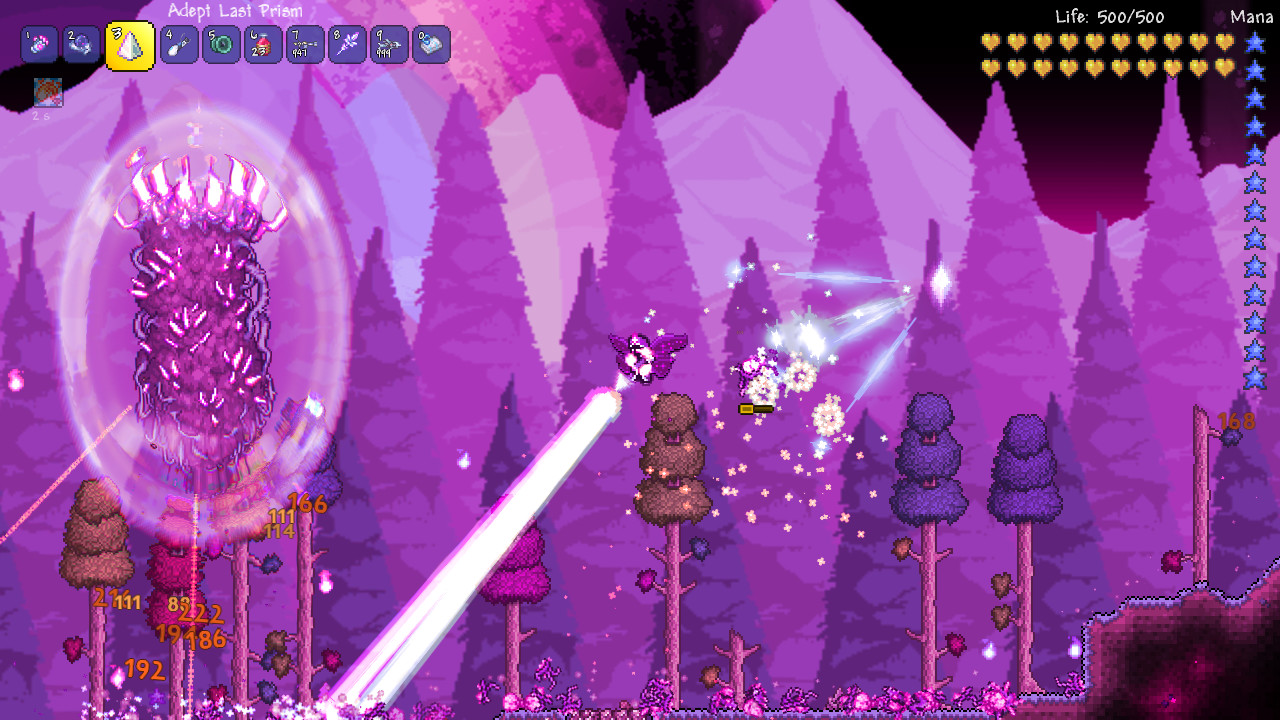
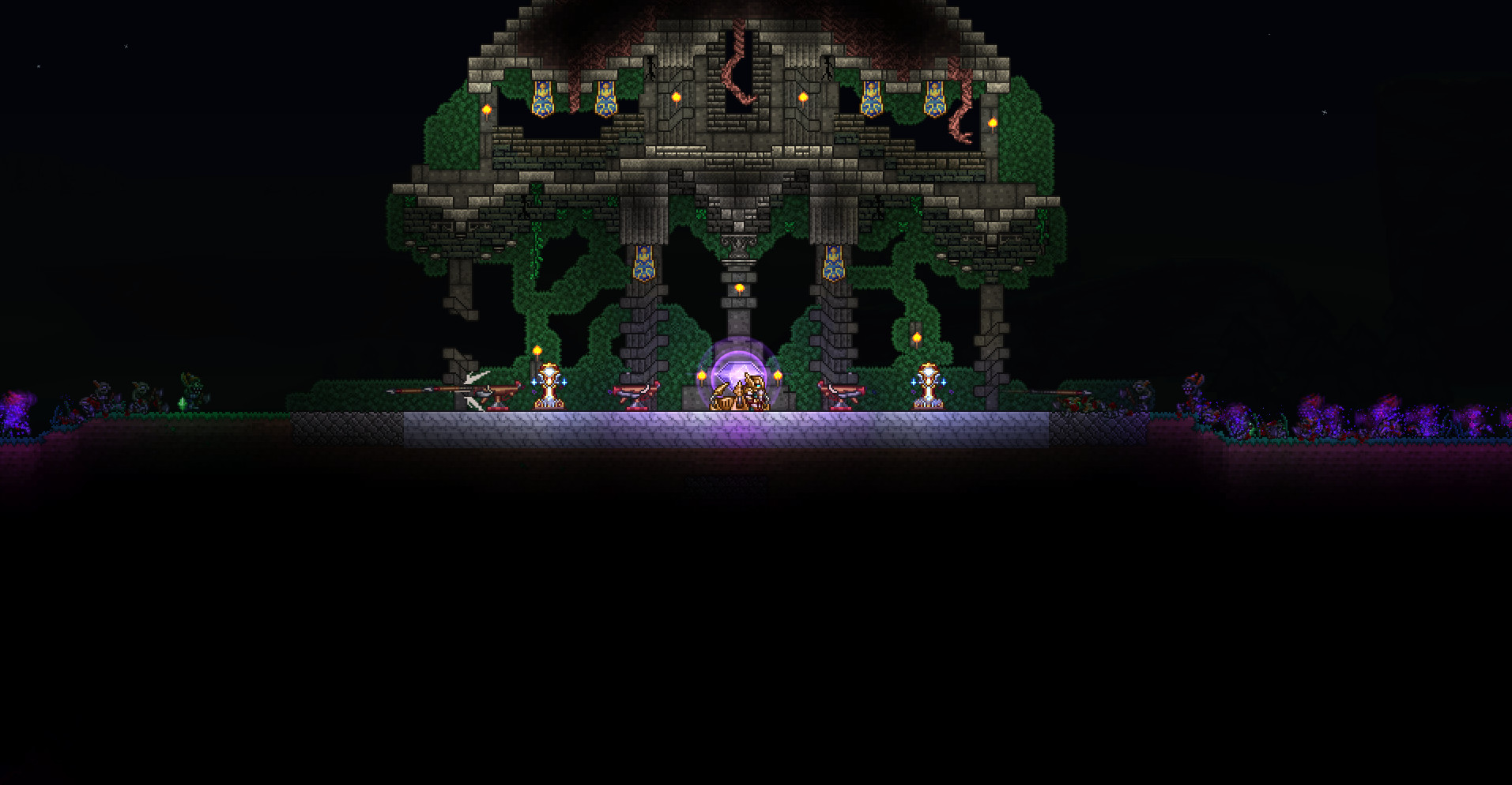
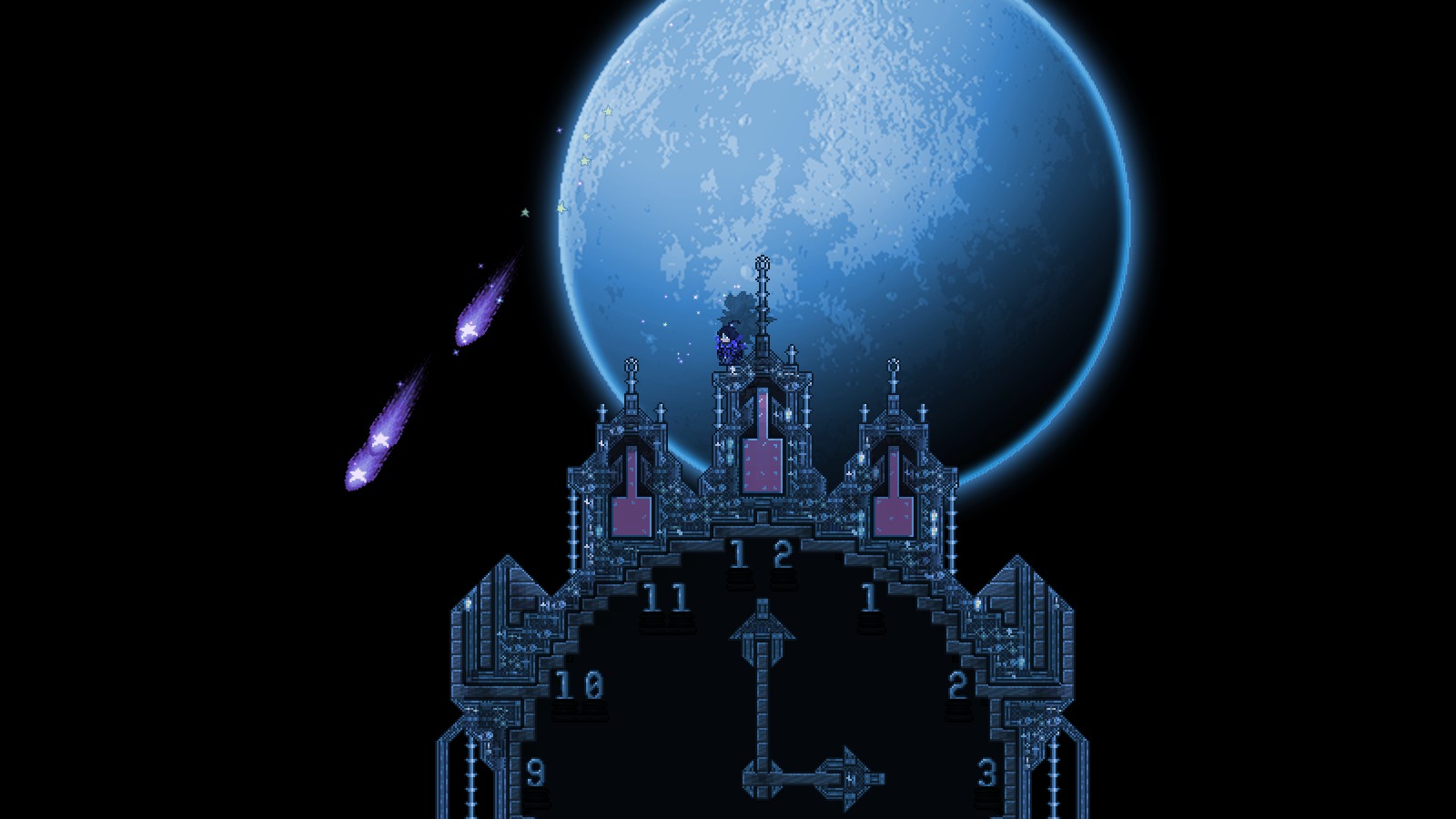
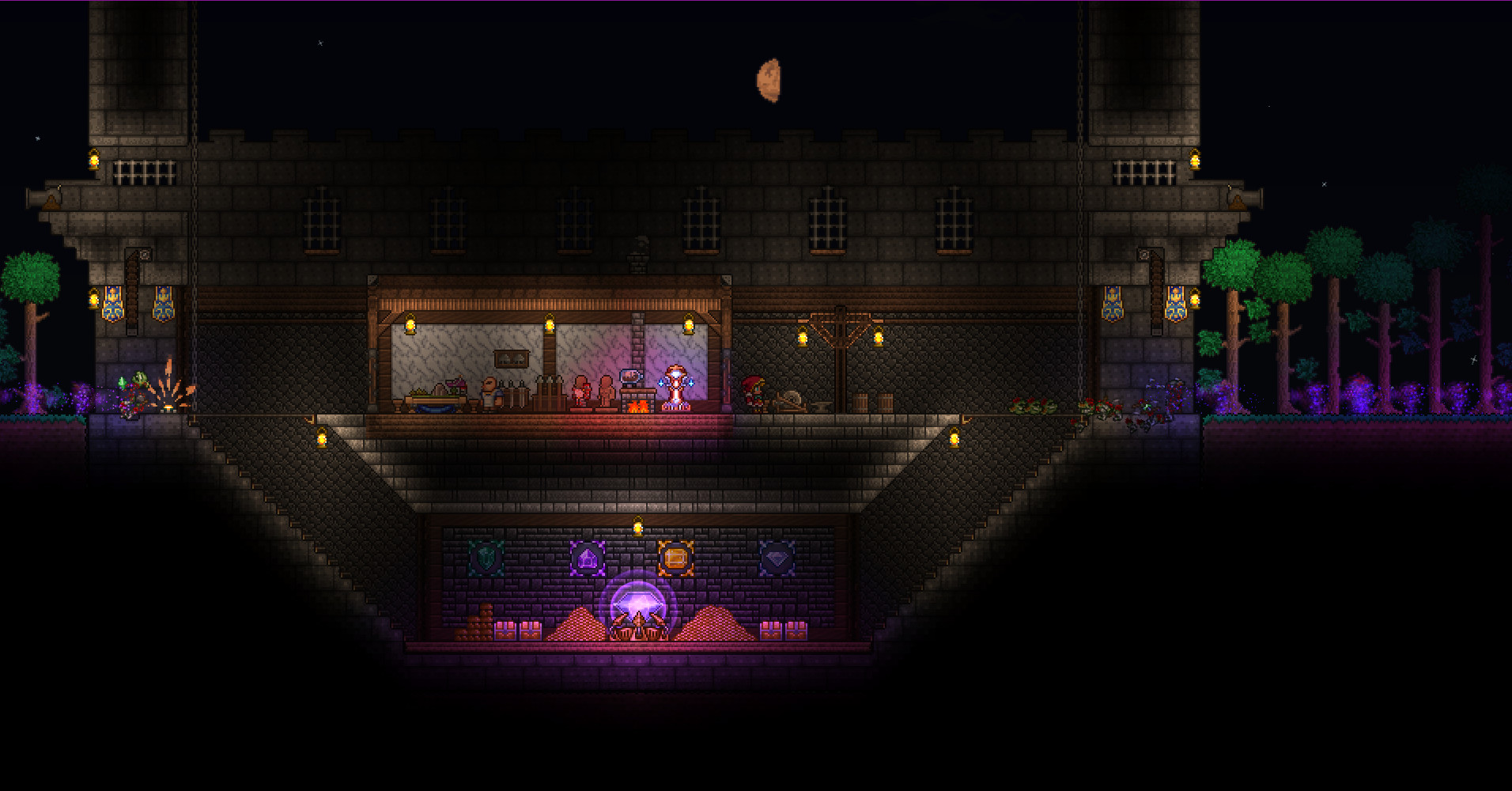
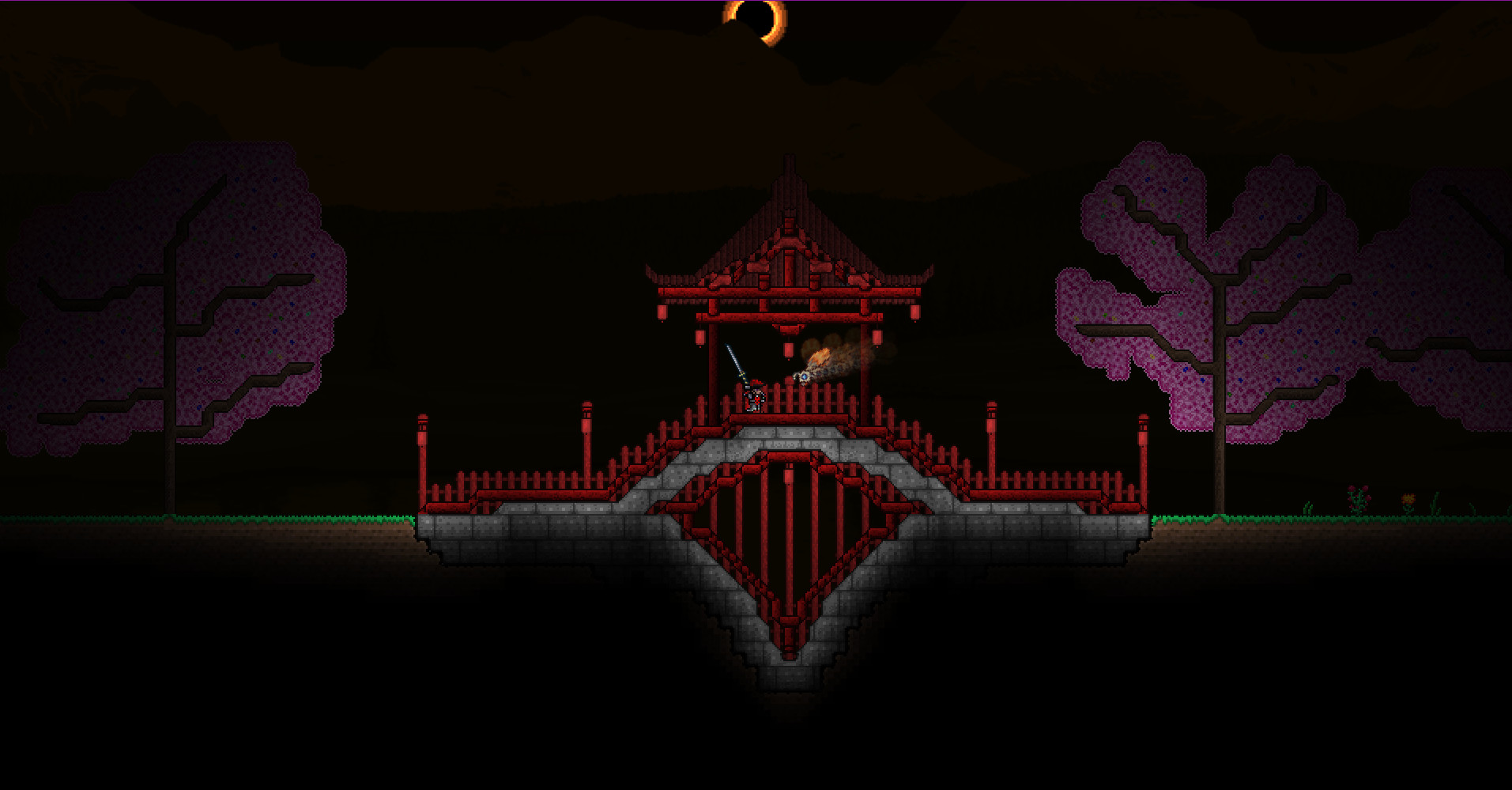
Terraria is a sandbox, action-adventure, role-playing, and platformer video game. It offers gameplay that revolves around exploration, building, crafting, combat, survival, and mining, without having any set goals. It is playable in both single-player and multiplayer modes. The game's two-dimensional graphical style is reminiscent of the 16-bit sprites found on the Super Nintendo Entertainment System game console. Terraria is noted for its classic exploration-adventure style of gameplay, similar to games such as Minecraft. When creating a procedurally generated world, the player is able to choose the size of the world from three options. Players start in a world with basic tools and a non-player character (NPC) guide that introduces aspects of the game and provides information on other NPCs and item recipes. Scholar Ji Soo Lim said in his study that the participants had to rely on a wiki to learn more about the game. The world is divided into biomes, with each having unique enemies and resources. Evil biomes, such as Corruption and Crimson, are populated with tougher enemies and can spread and infect other biomes. A vast array of resources, such as ores, can be found while exploring caves. Some resources may only be found in specific areas of the world, stored in containers or dropped by enemies. Players can use found resources to craft equipment and items, such as weapons, armor, and potions, at crafting stations. The player can also fish, golf, and decorate their homes. Players also begin with low health and mana, which can be increased by finding and crafting specific equipment or items. Terraria has several difficulty modes: the "Classic" mode, and "Expert" and "Master" modes, both of which increase the difficulty in exchange for exclusive items. There is also the "Journey" mode, which allows the player to duplicate items, adjust the world's difficulty, and control weather and time while playing. The game features a character class system, primarily divided into melee, ranged, magic, and summoner classes. The equipment a player uses defines their class (e.g., melee players use close-range weapons, ranged players use bows and guns), therefore a player's class can change throughout the game if a player changes their equipment. Players can encounter a variety of enemies who appear depending on factors such as time, location, and special events. A more difficult version of enemies, called bosses, attack the player differently than regular enemies and can drop valuable items. They can be summoned either by players using special items or when certain criteria are met. The defeat of some bosses is directly tied to in-game progression, such as the Wall of Flesh, who advances the game into "hardmode", a stage that introduces tougher enemies, as well as new NPCs, resources, and items. Like bosses, players can also battle enemies and mini-bosses during special events they trigger, such as goblins, pirates, or aliens, in which enemies appear constantly, and they must either be defeated or a certain amount of time must pass before the event ends. There are also seasonal special events, such as a Halloween-themed one, which introduces special paintings, gear, and goodie bags. By completing specific goals, such as defeating a boss or obtaining a certain item, players can attract NPCs, such as a merchant, nurse, or demolitionist, to occupy houses they have built. Some NPCs can also be acquired by finding them throughout the world. After acquiring NPCs, players may buy or sell items from them or obtain services from them (e.g., a nurse heals a player; an angler offers fishing-related rewards). The happiness status of NPCs is controlled by two factors: the biome they reside in, and the NPCs they are neighbors with. Depending on their happiness, NPCs will lower their prices and sell special items. Players also have the option to customize their character's appearance when creating a new character, and in-game through equipping various items. Along with this, players can obtain vanity items, which are armor pieces and accessories with only a cosmetic effect, and dyes, which change the color of equipped accessory and armor items. Players can obtain accessories that provide boosts to the player's statistics, such as wings that enable the player to fly or a shield that provides knockback immunity. Terraria has support for modifications, which is facilitated by the third-party tModLoader, an open source modification of Terraria that allows players to use other custom-made modifications. It received official support when it was released as a free downloadable content (DLC) on the Steam digital distribution service in 2020. Mods for Terraria vary widely in their scope, content, and purpose. Some, such as Thorium and Calamity, add new content, including bosses, weapons, and biomes. Others, such as Terraria Overhaul, add new game and combat mechanics, including seasons, fire spread, and modify the player's movement. Additions, such as Recipe Browser, Veinminer, Magic Storage, and Fargo's Mutant Mod, aim to improve quality of life by streamlining parts of the game. The Terraria community has also developed "modpacks", a type of a modification that bundles several different mods together, such as The Bereft Souls.
About Terraria
Terraria is a Action, Base Building, Open World, Platform, Role-playing (RPG), Sandbox, Strategy game released in 2011 developed by Re-Logic that offers Co-operative, Multiplayer gameplay from a side view perspective playable on Android, Google Stadia, Linux with 944 user ratings averaging 82.5/100. The game explores themes like Crafting & Gathering, Fantasy, Horror. If you enjoy Terraria, you might also like similar games in our database of 45,000+ titles.
Basic Info
Details
↑ Back to topAdditional Information
Платформы 15
Genres 7
Themes 6
Player Perspectives 1
Game Modes 3
Companies
↑ Back to topDevelopers
Re-Logic
No description available
Publishers
505 Games
No description available
Headup Games
No description available
Re-Logic
No description available
Keywords
↑ Back to topScreenshots
↑ Back to top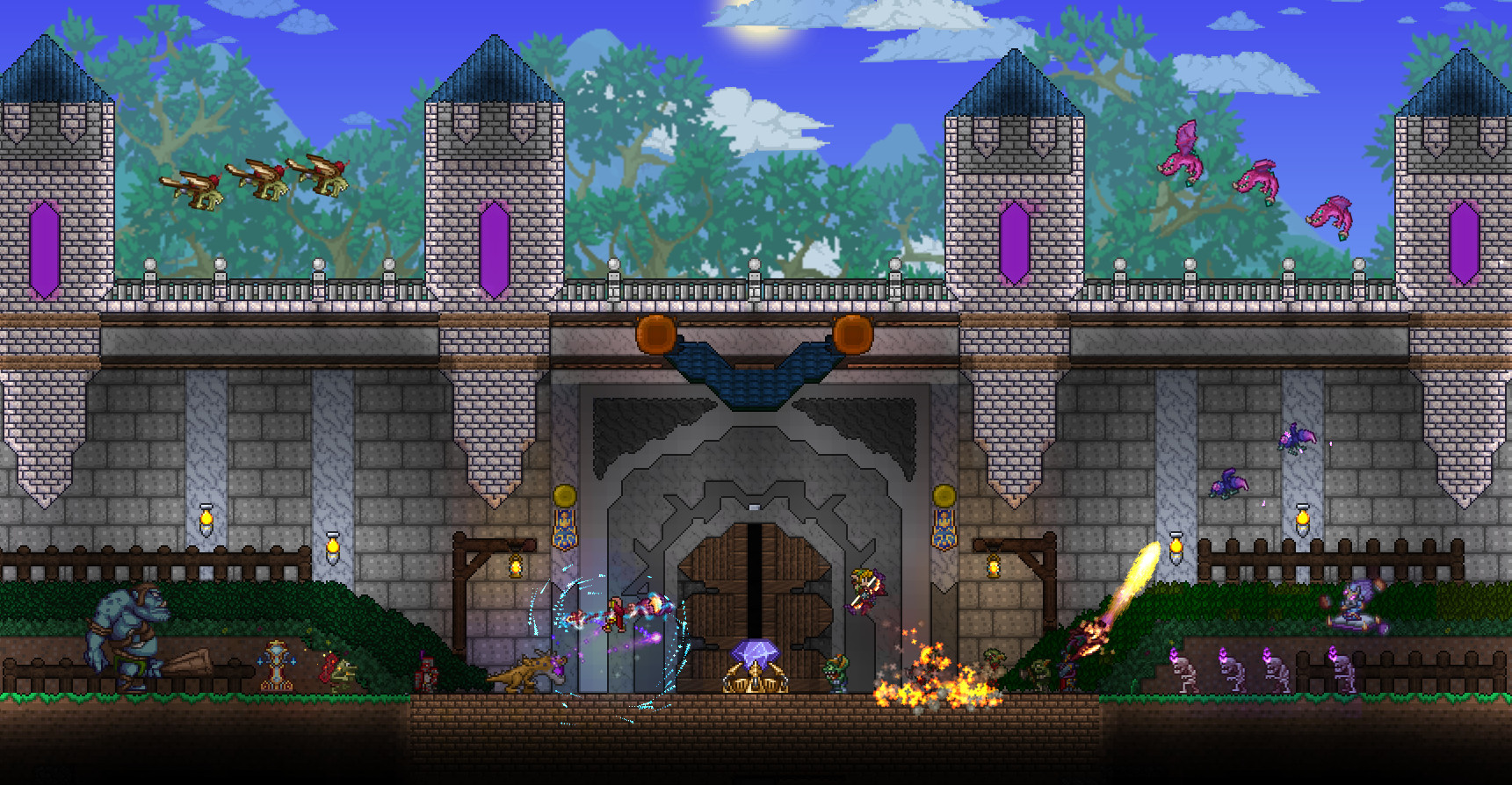

Similar Games
↑ Back to top
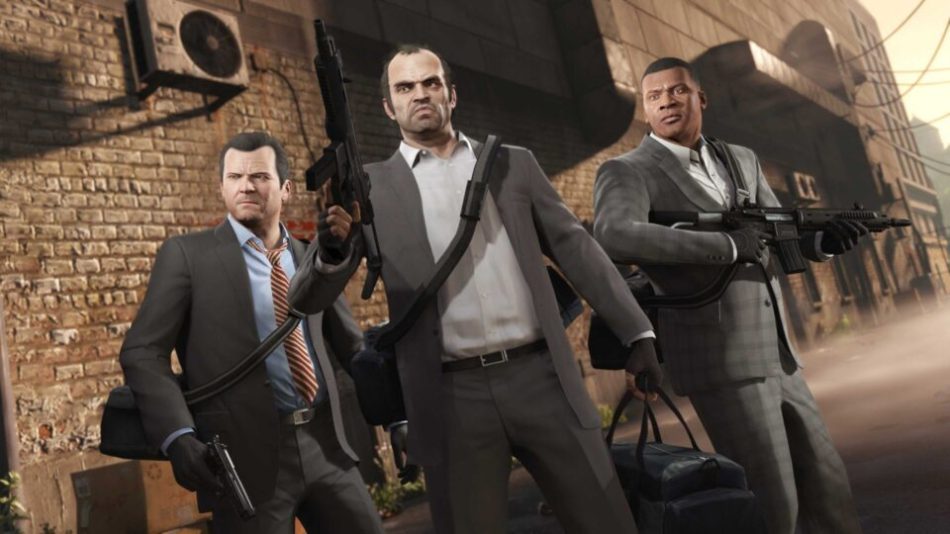
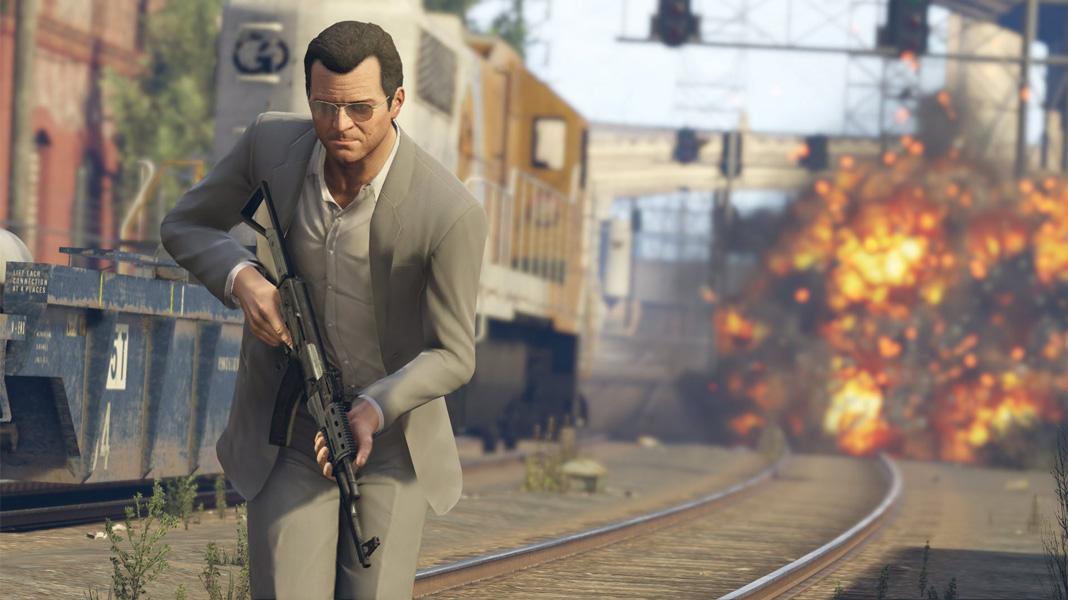
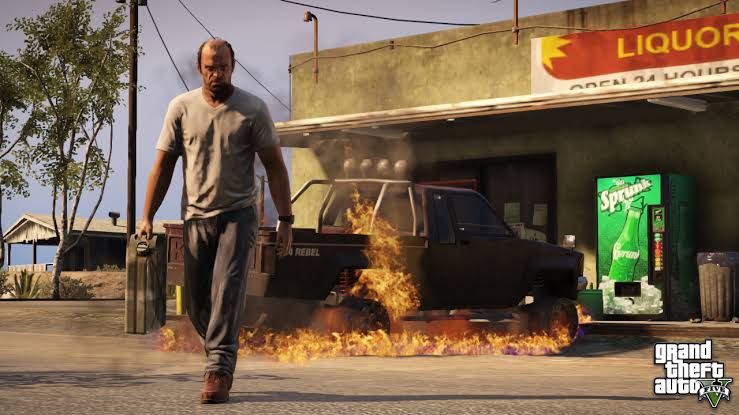
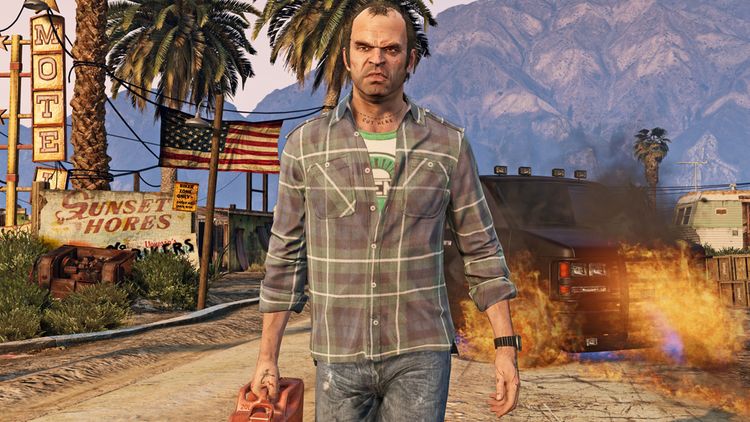
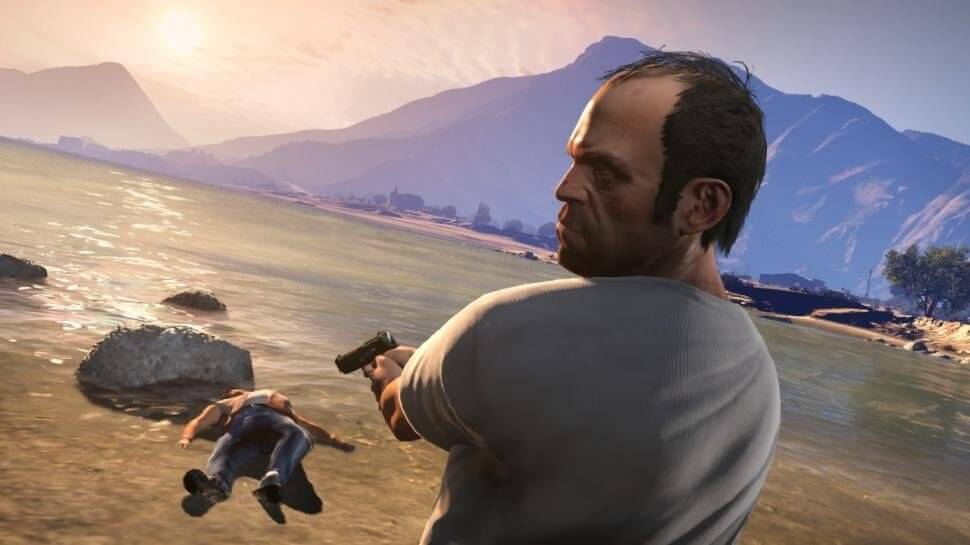
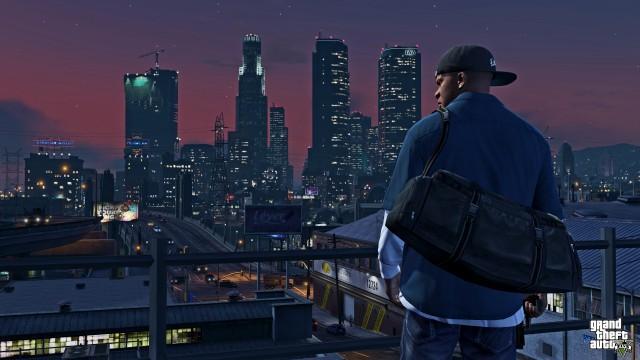
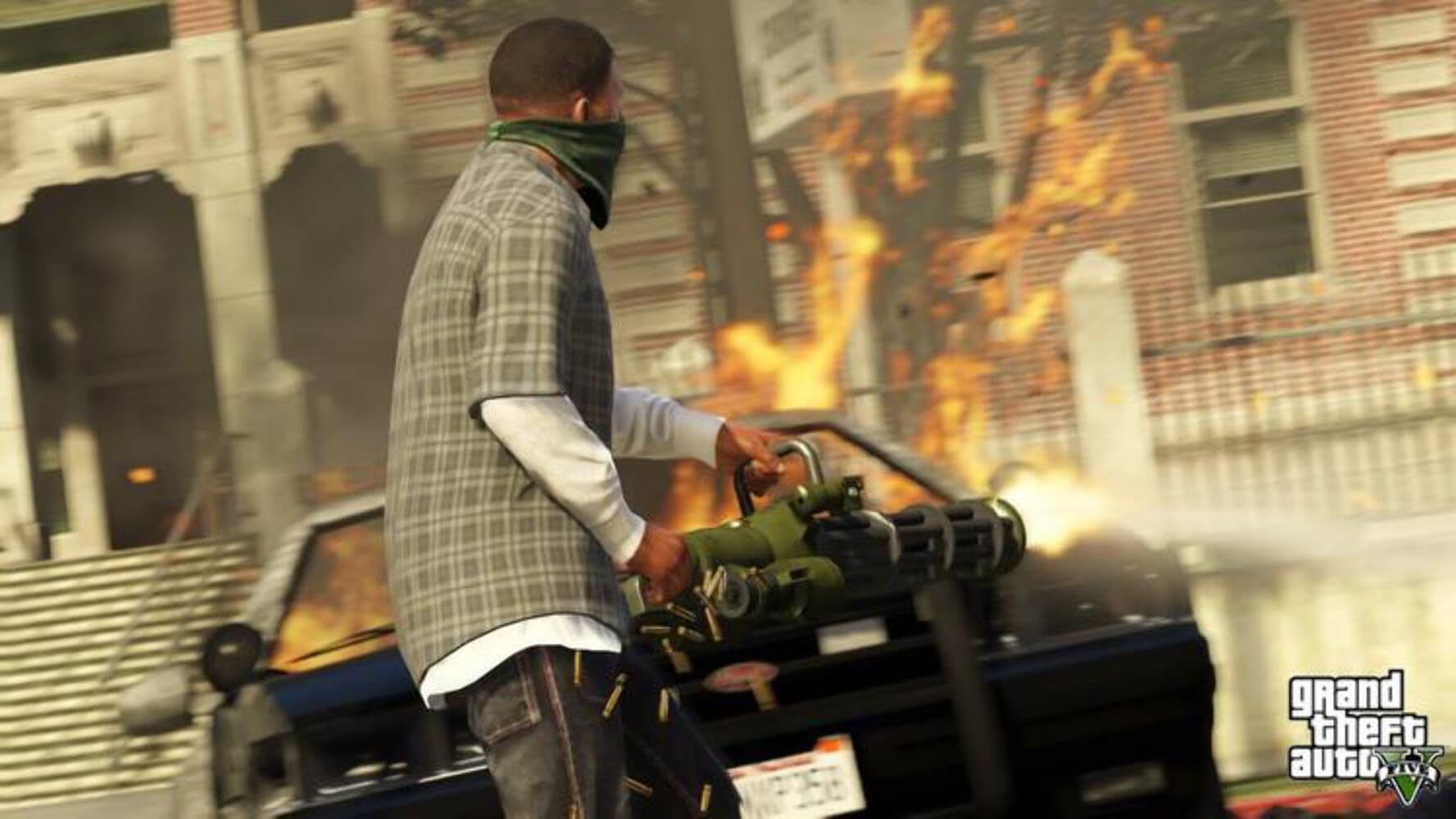
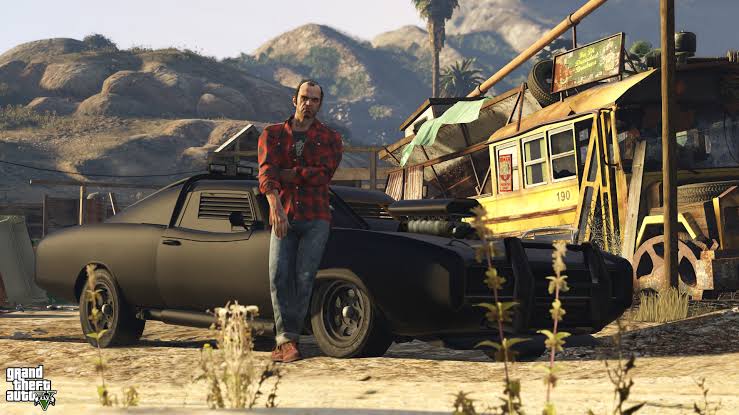

Grand Theft Auto V

The Elder Scrolls V: Skyrim

Assassin's Creed II



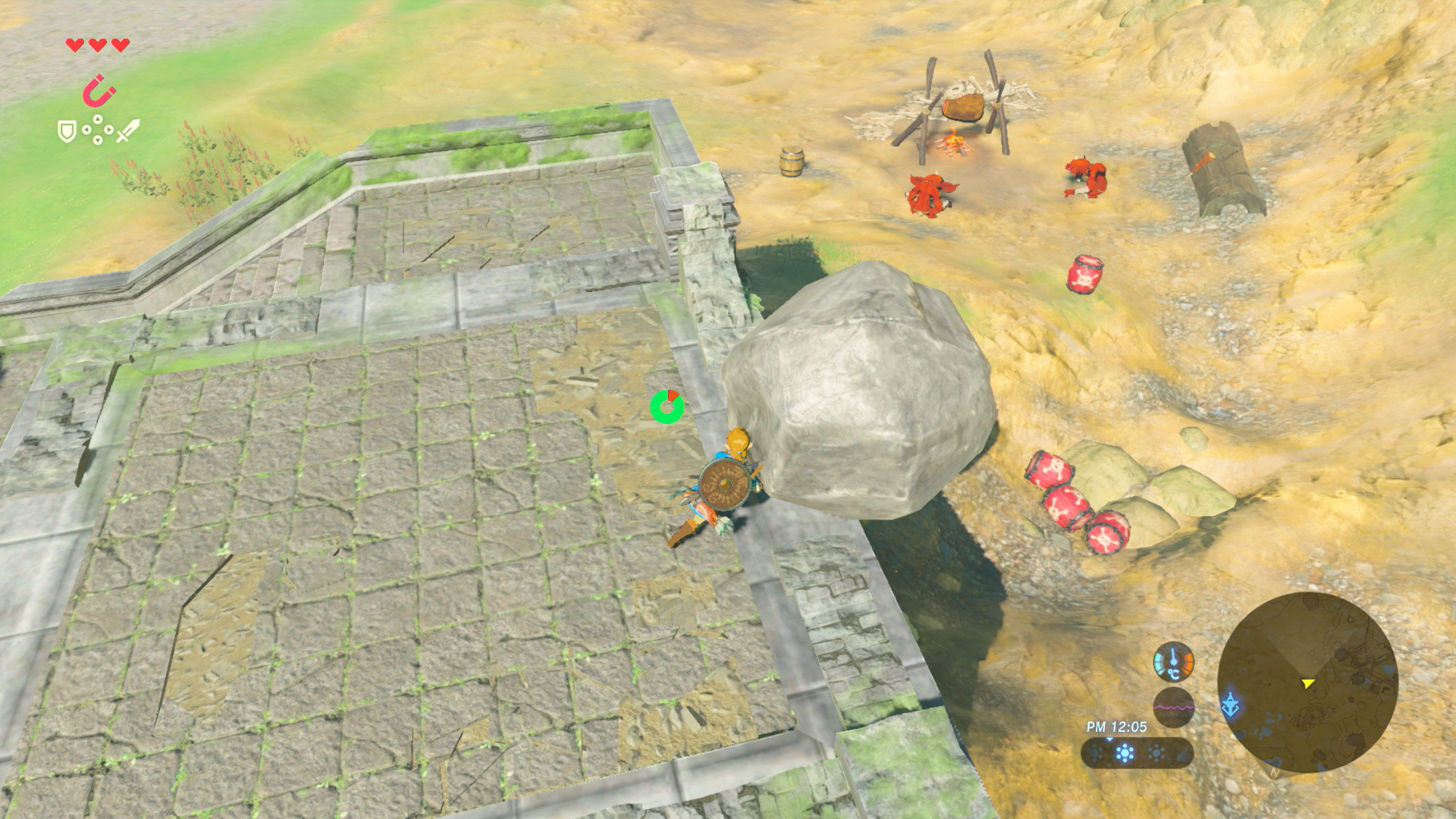
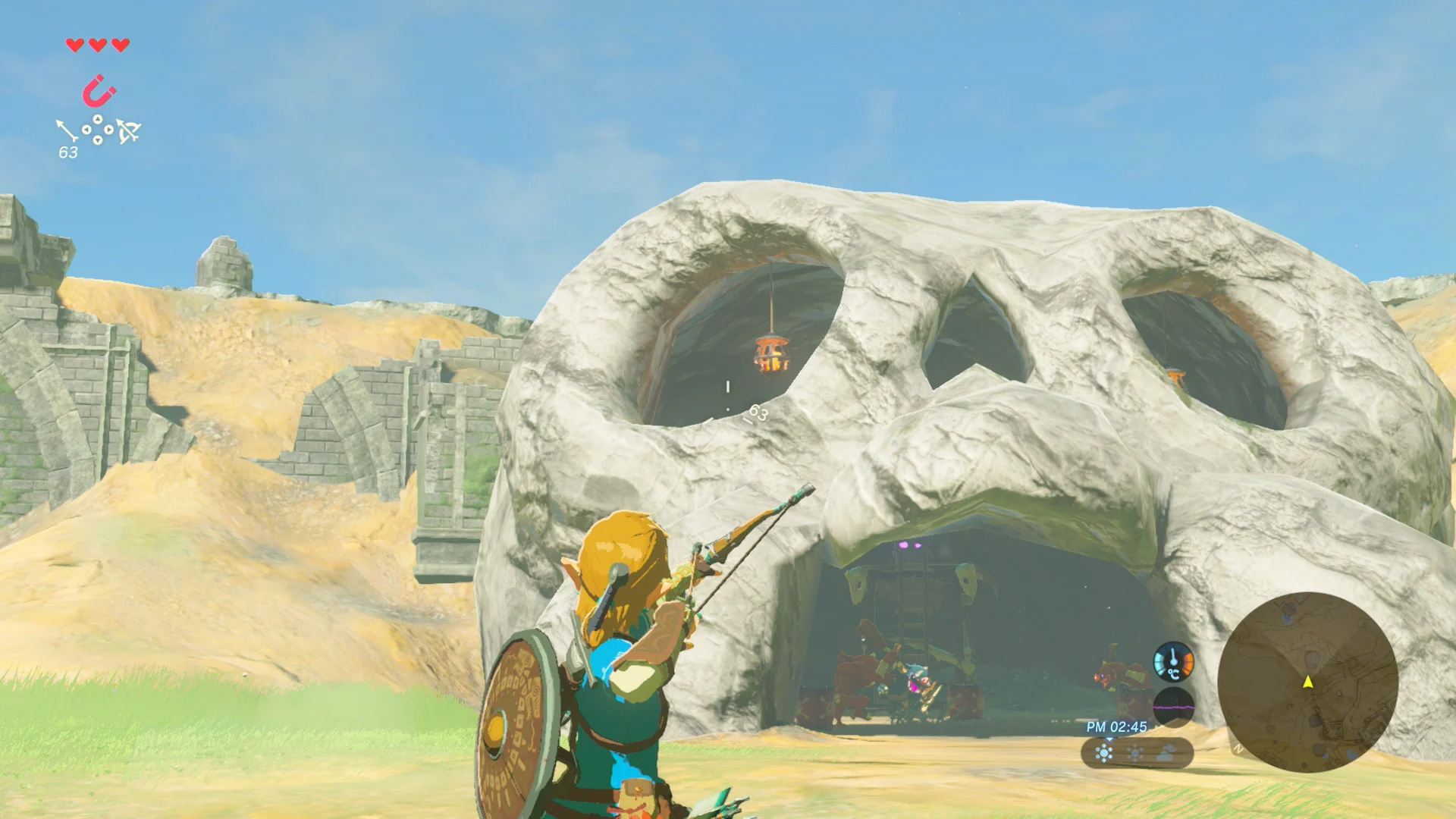
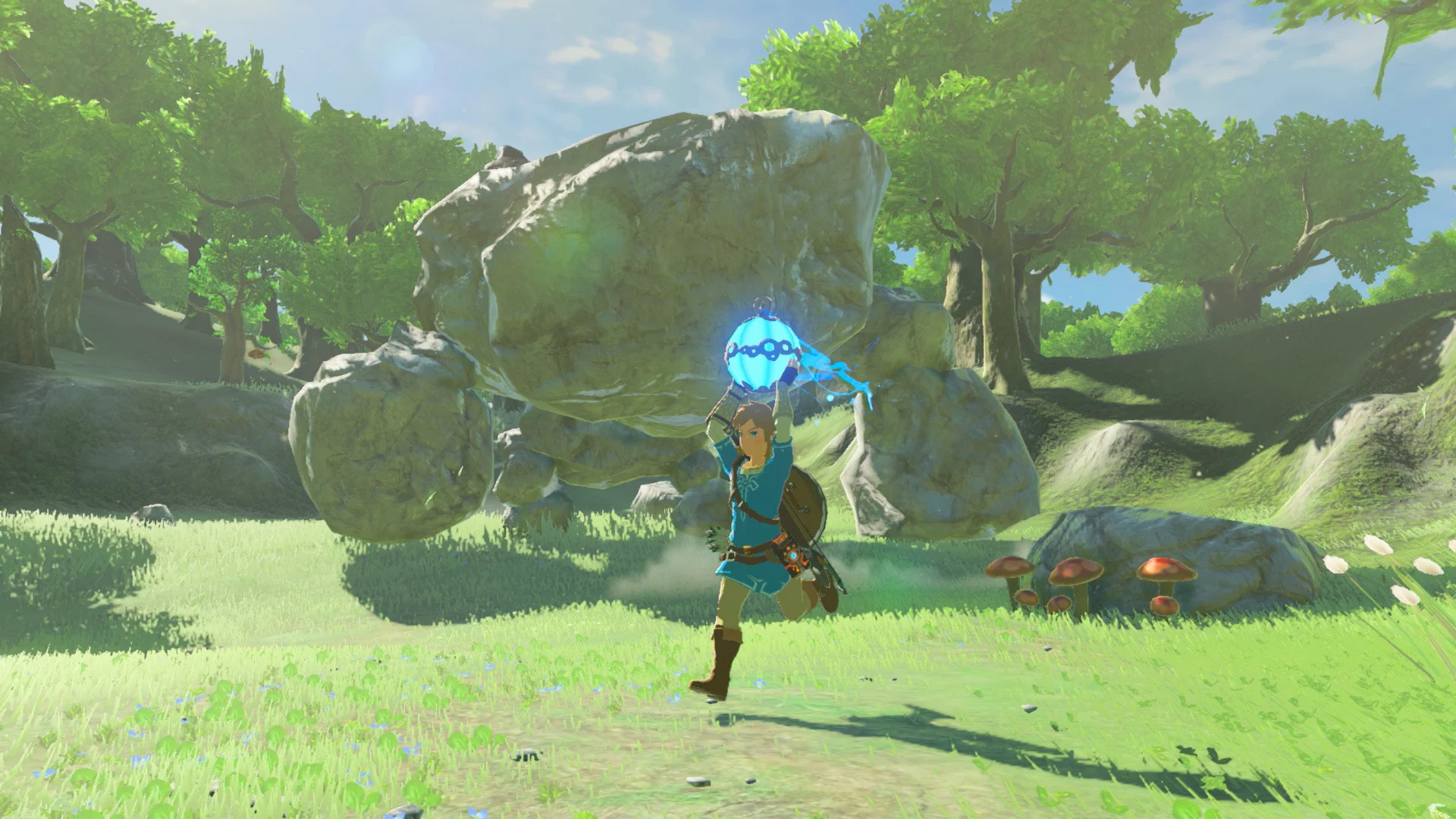
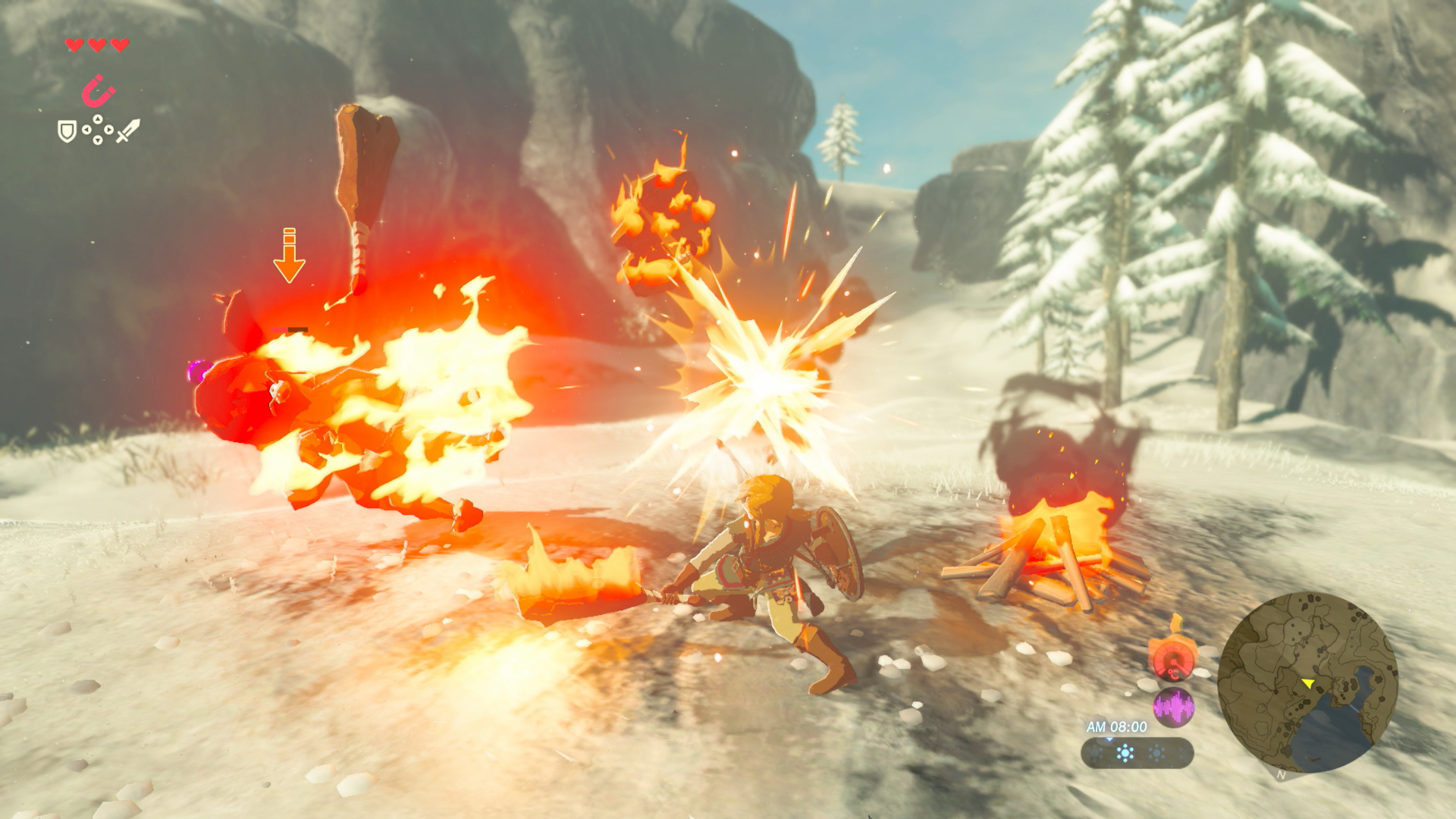

The Legend of Zelda: Breath of the Wild
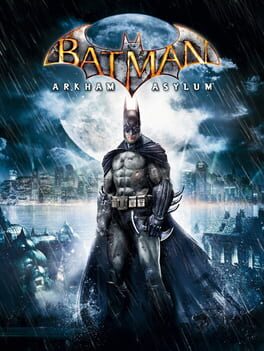
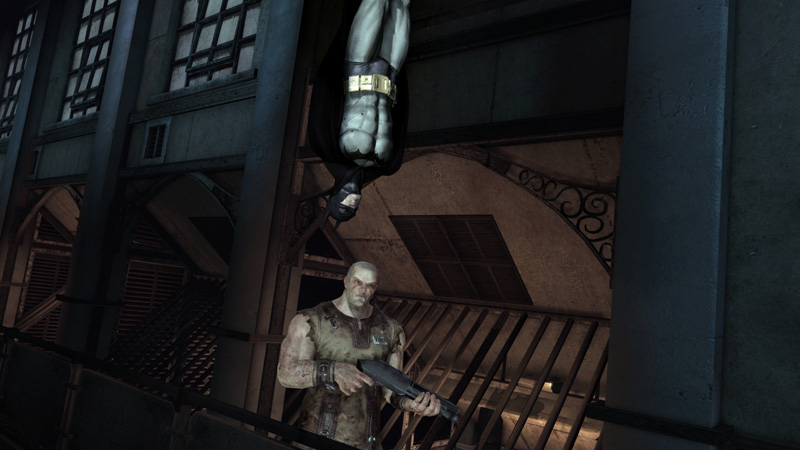
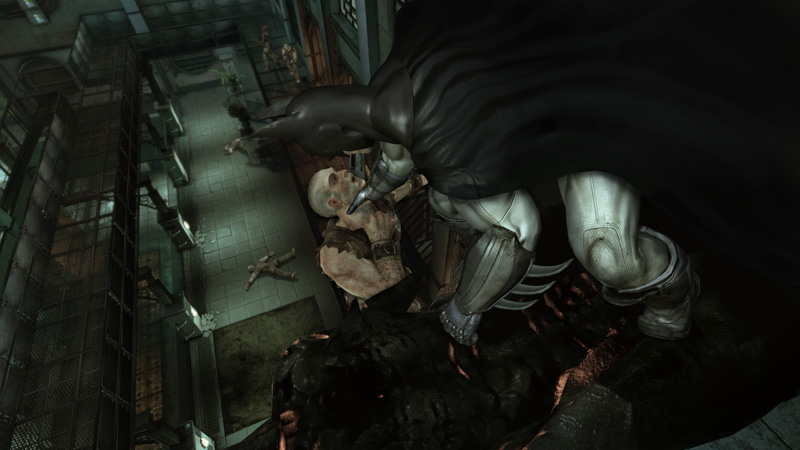

Batman: Arkham Asylum

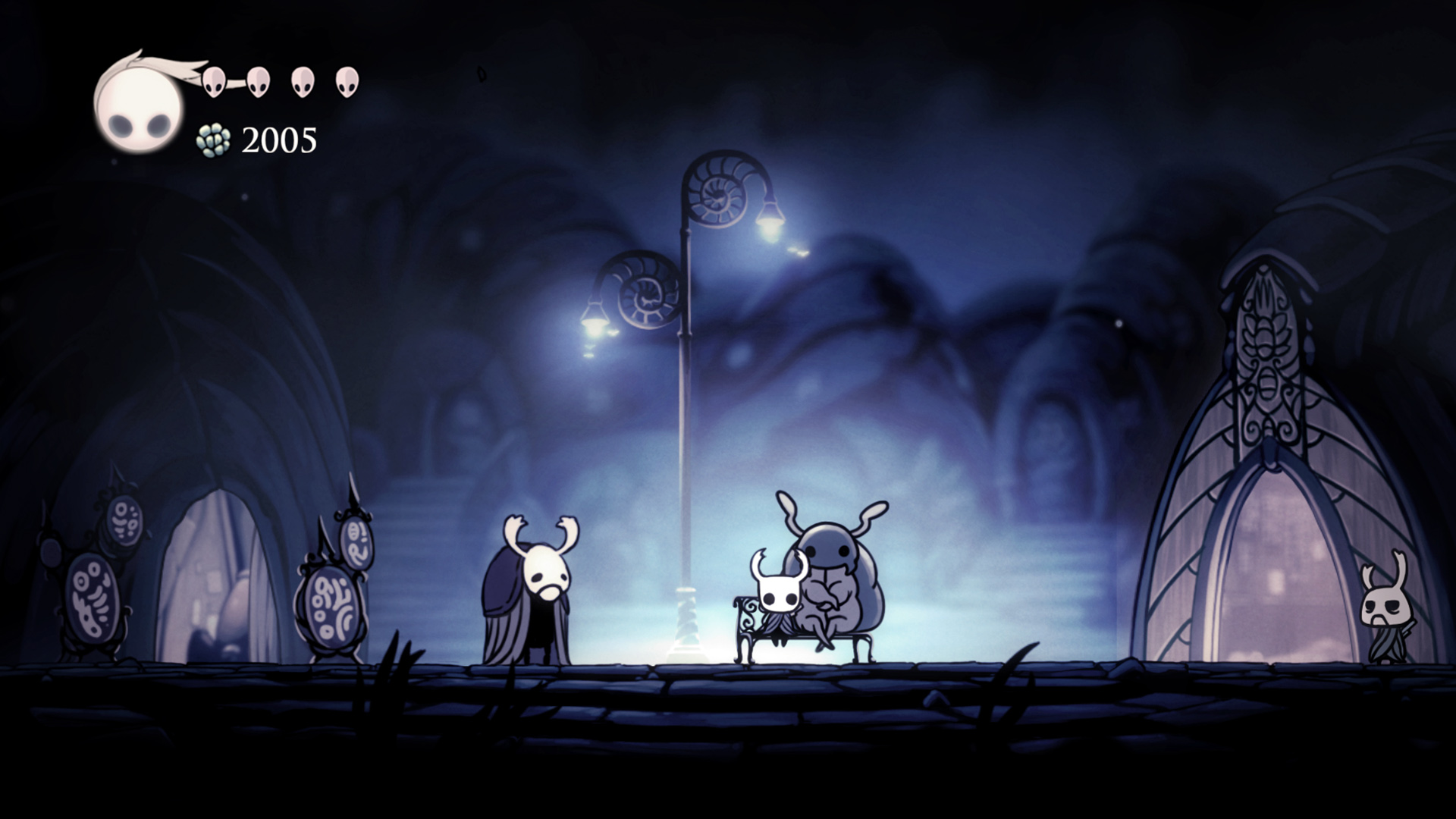

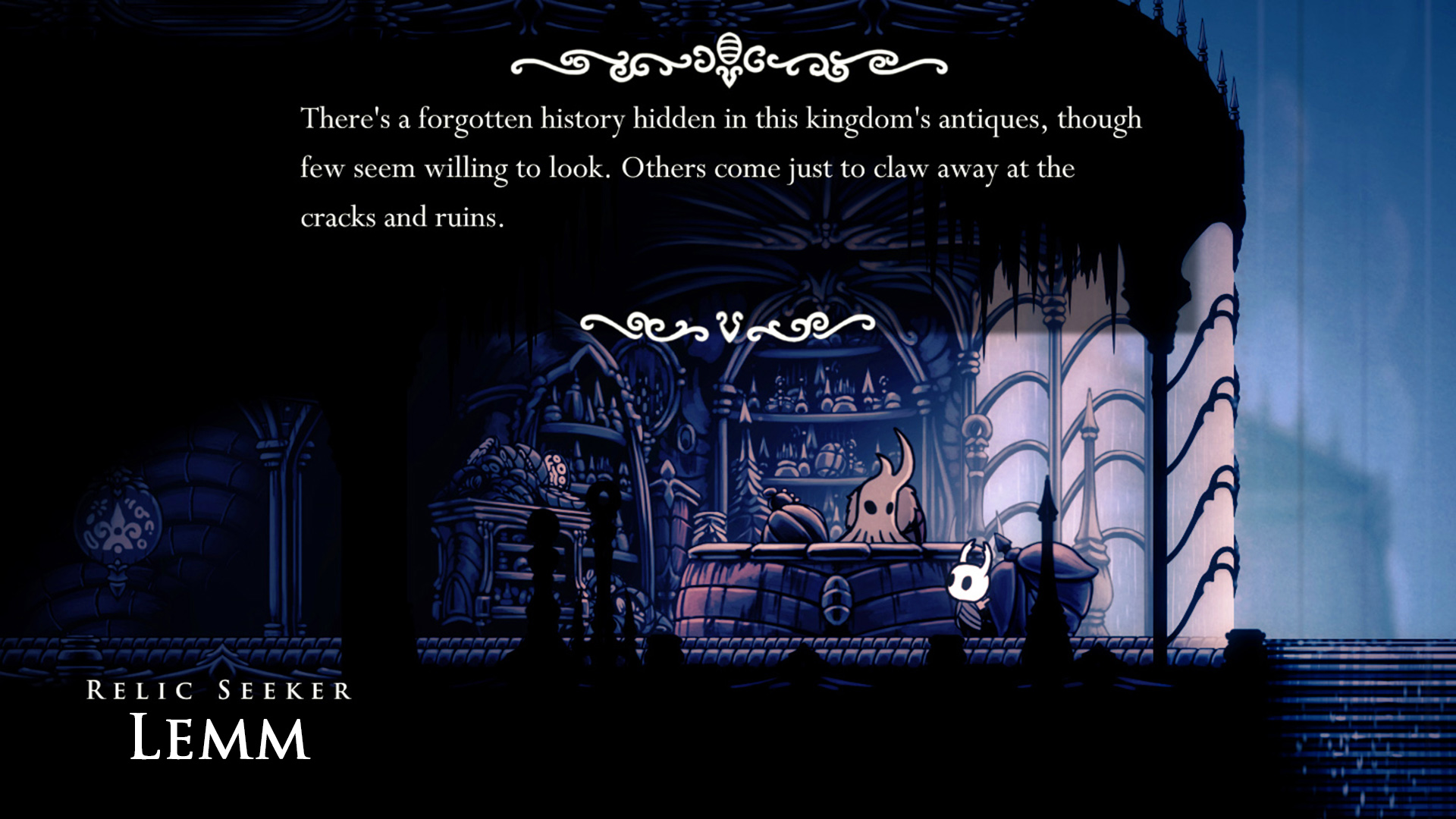
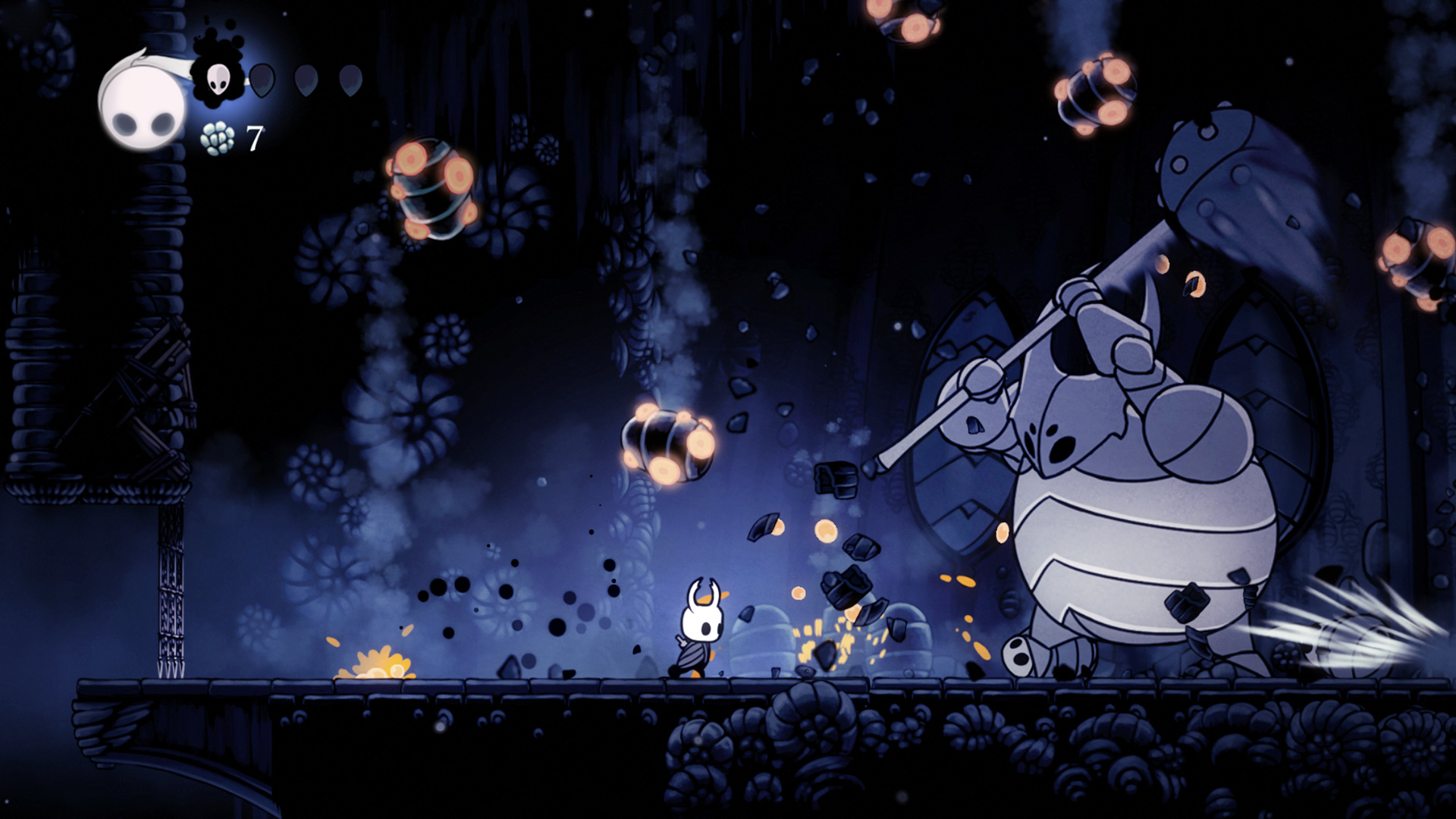
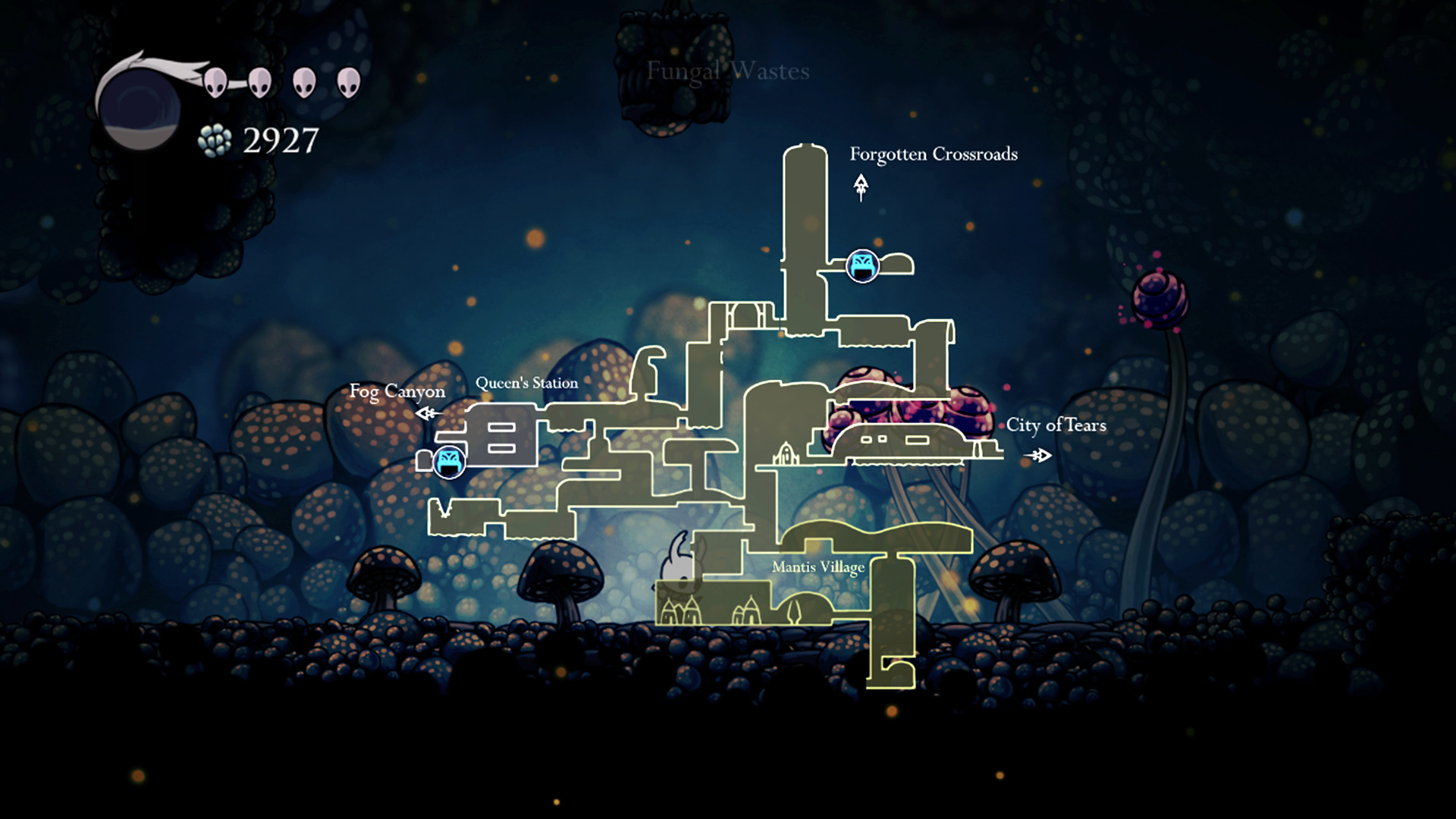

Hollow Knight
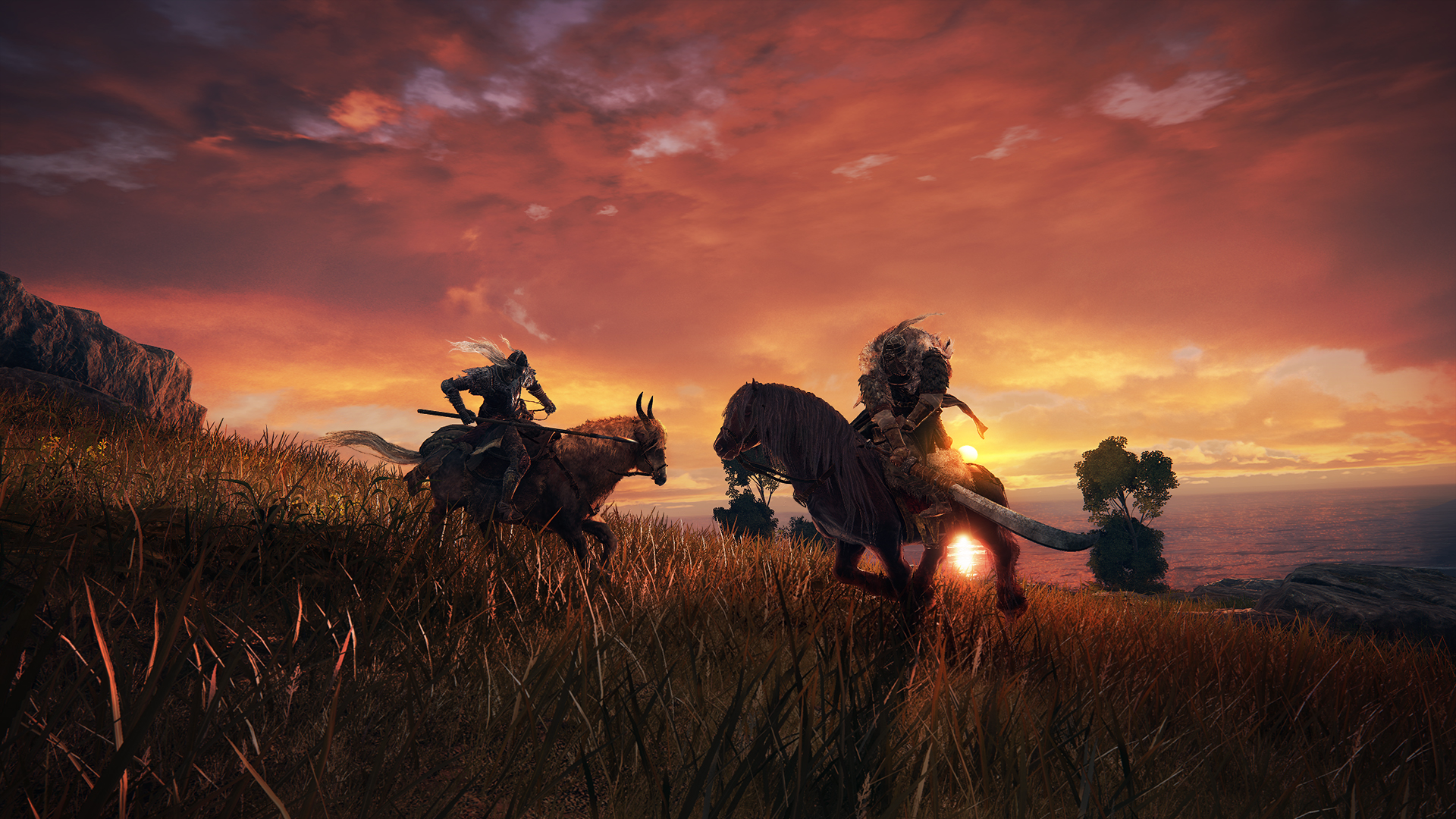
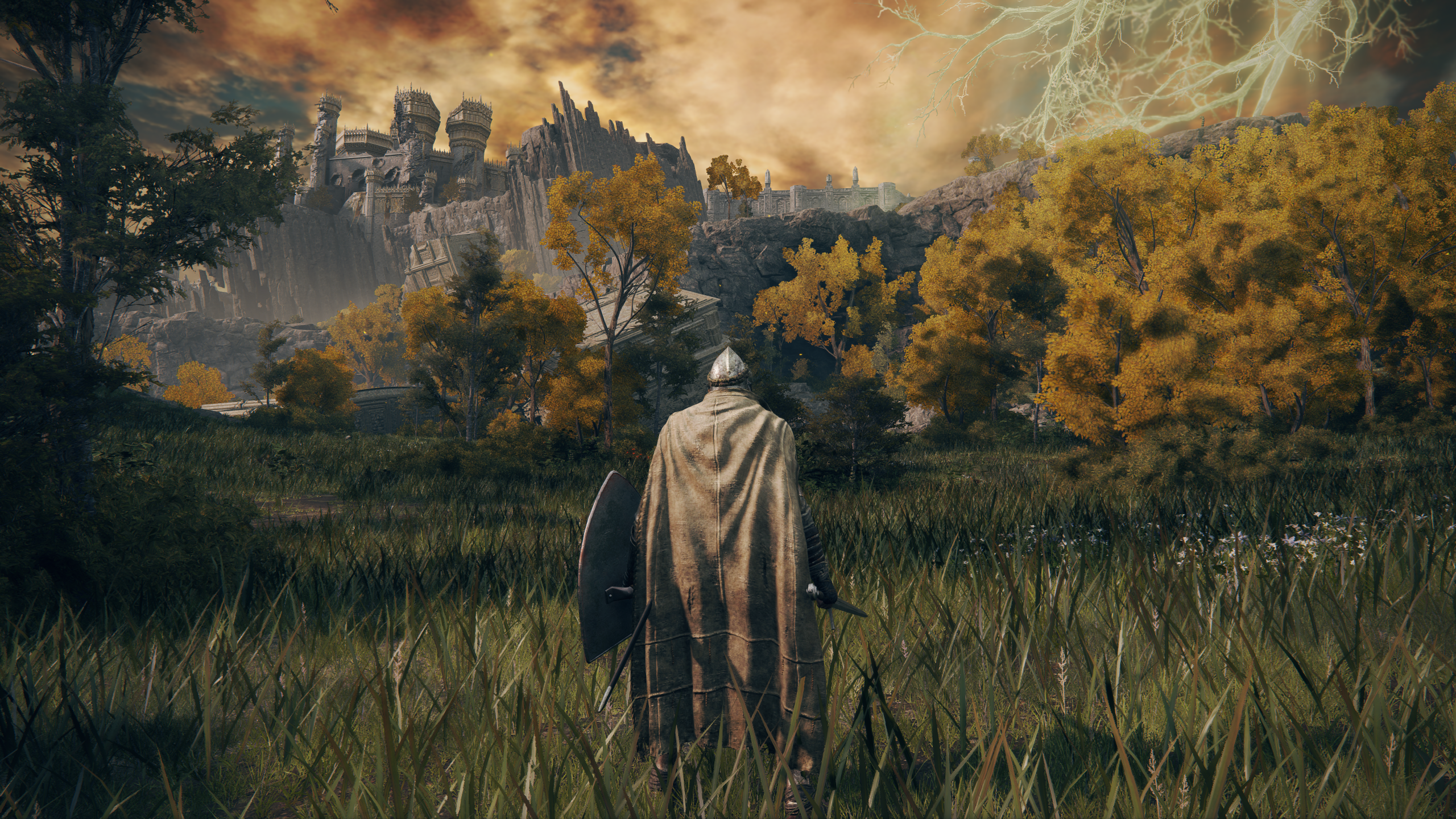

Elden Ring

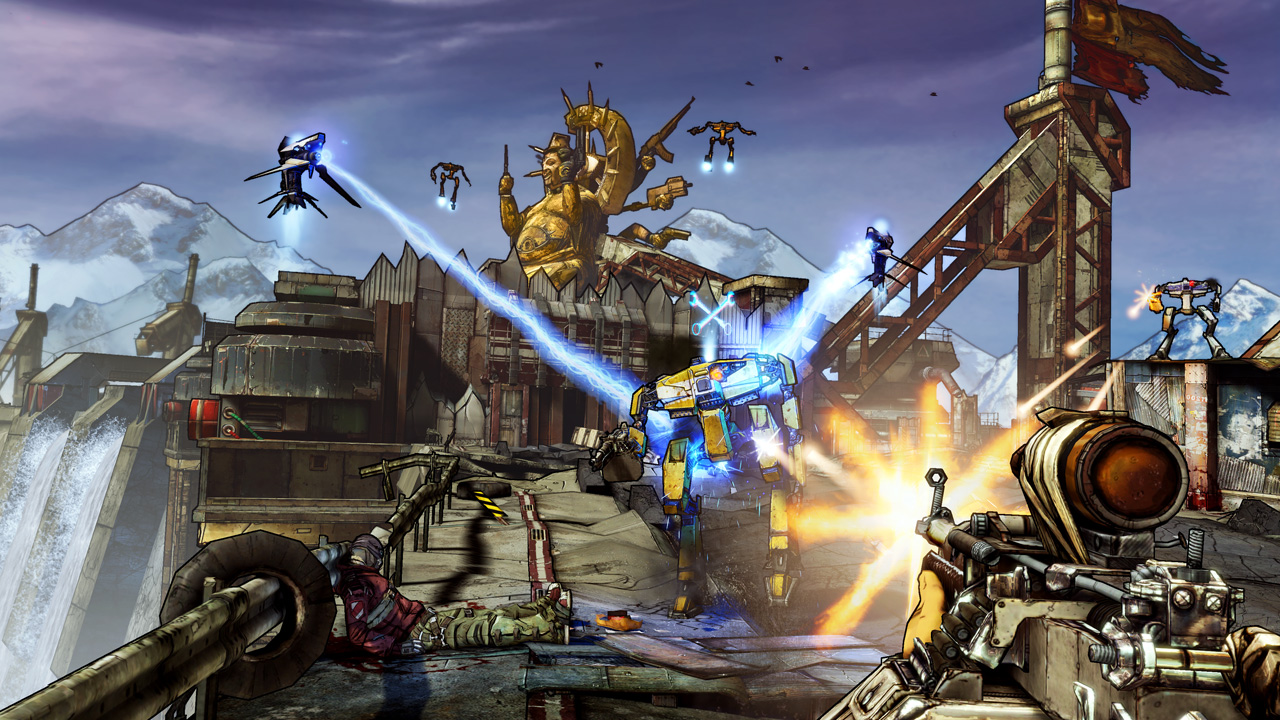
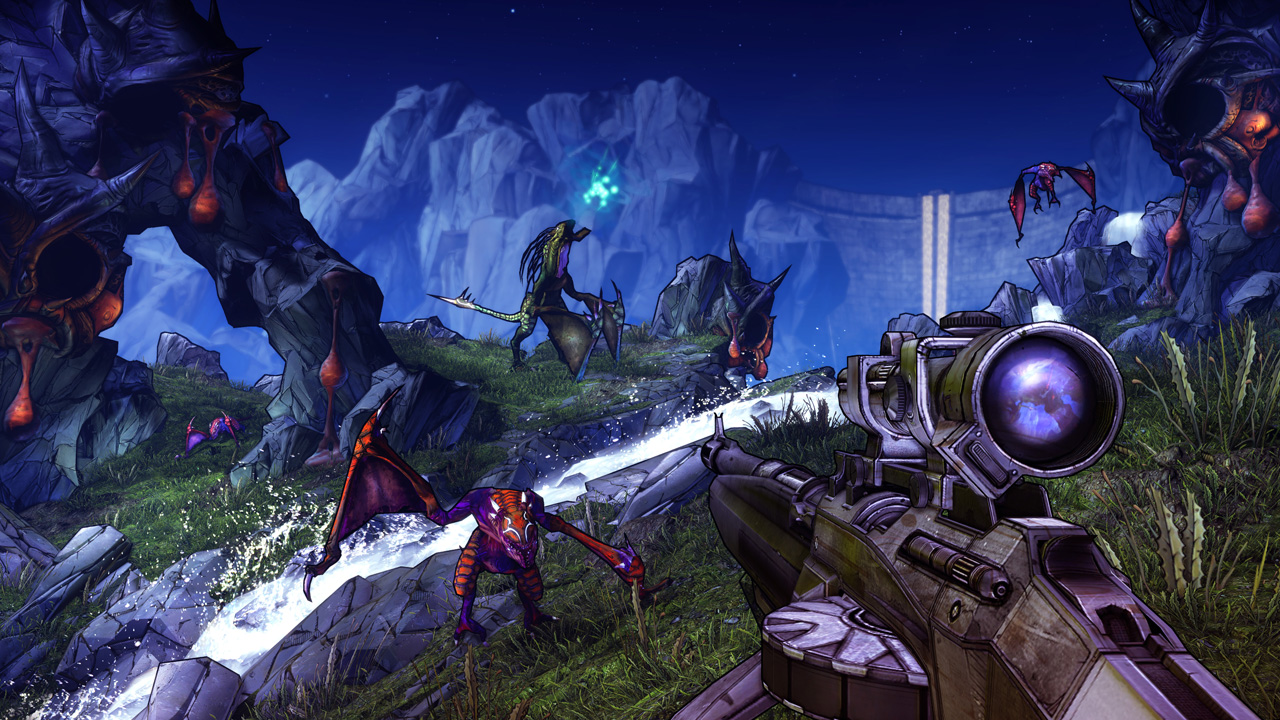
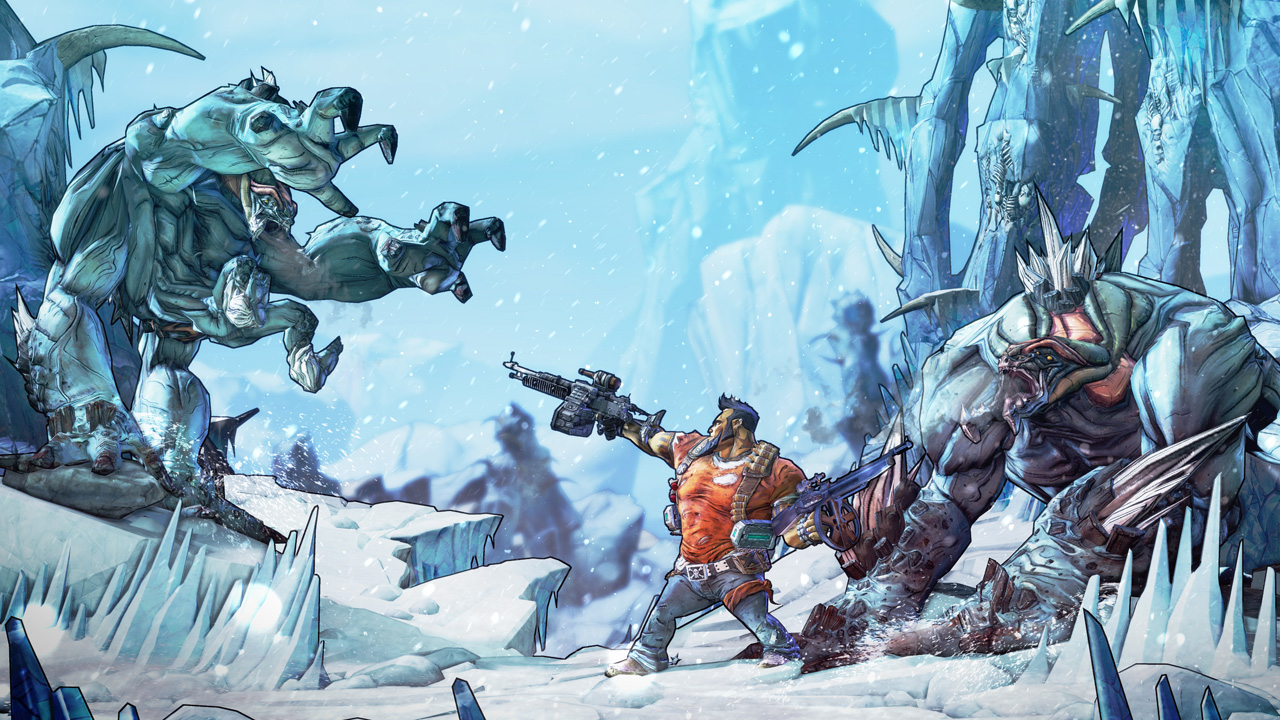

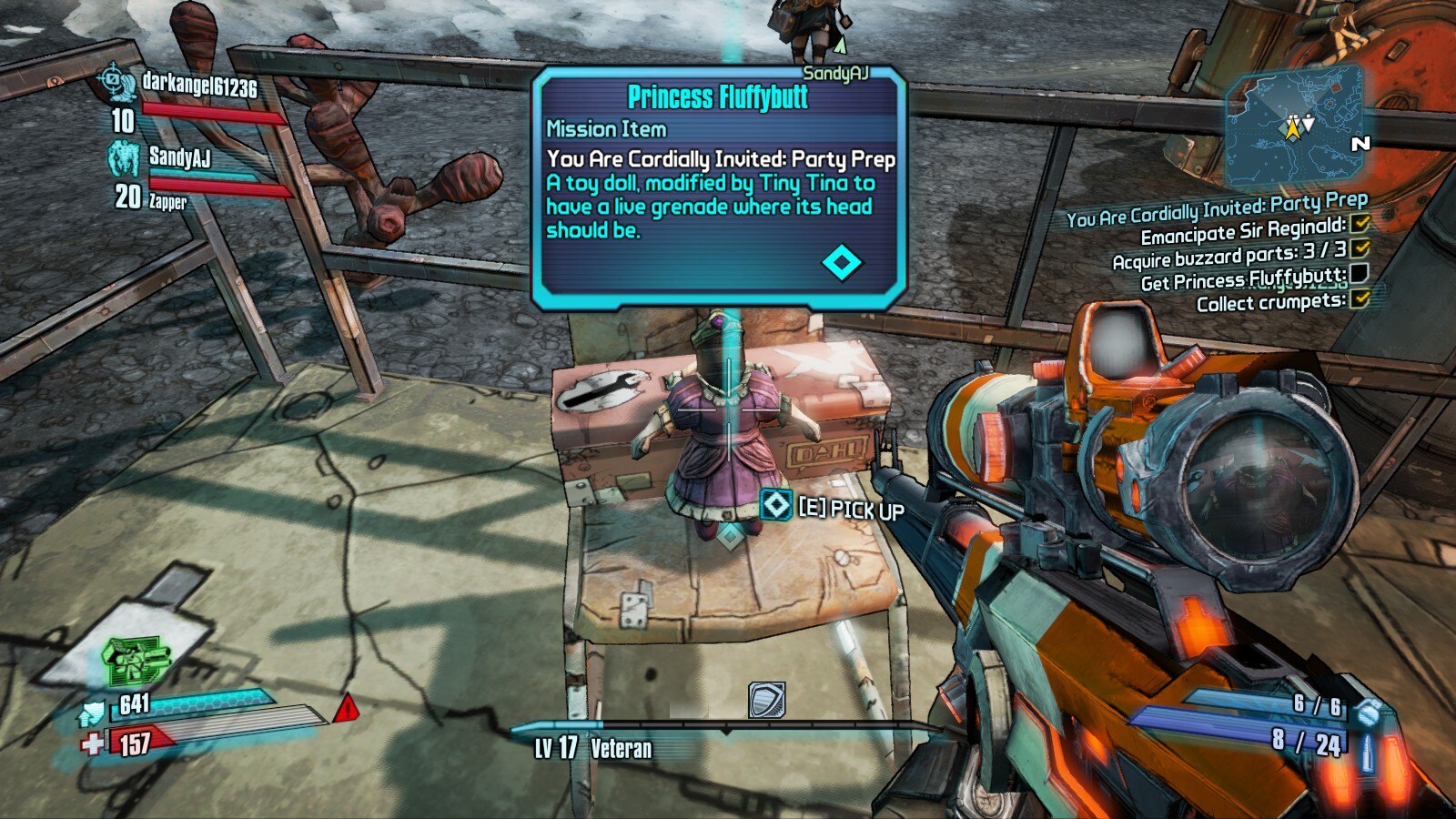
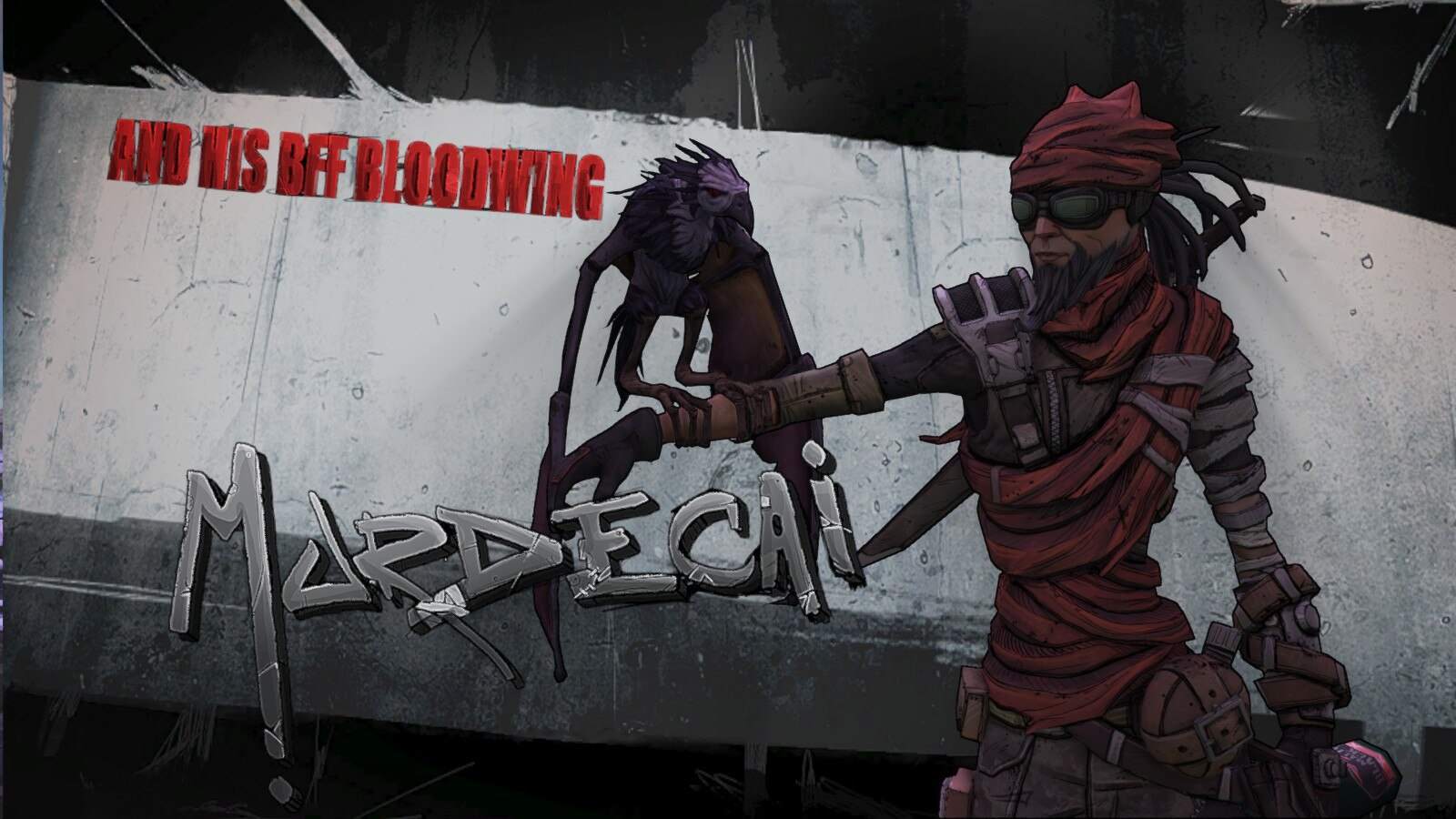

Borderlands 2
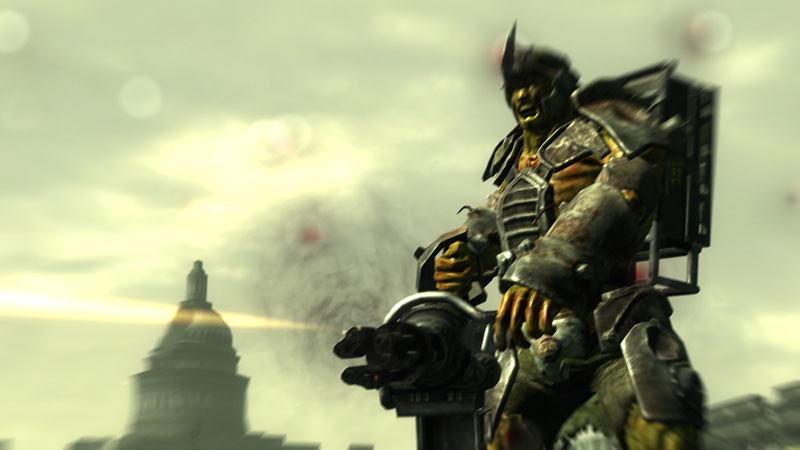

Fallout 3
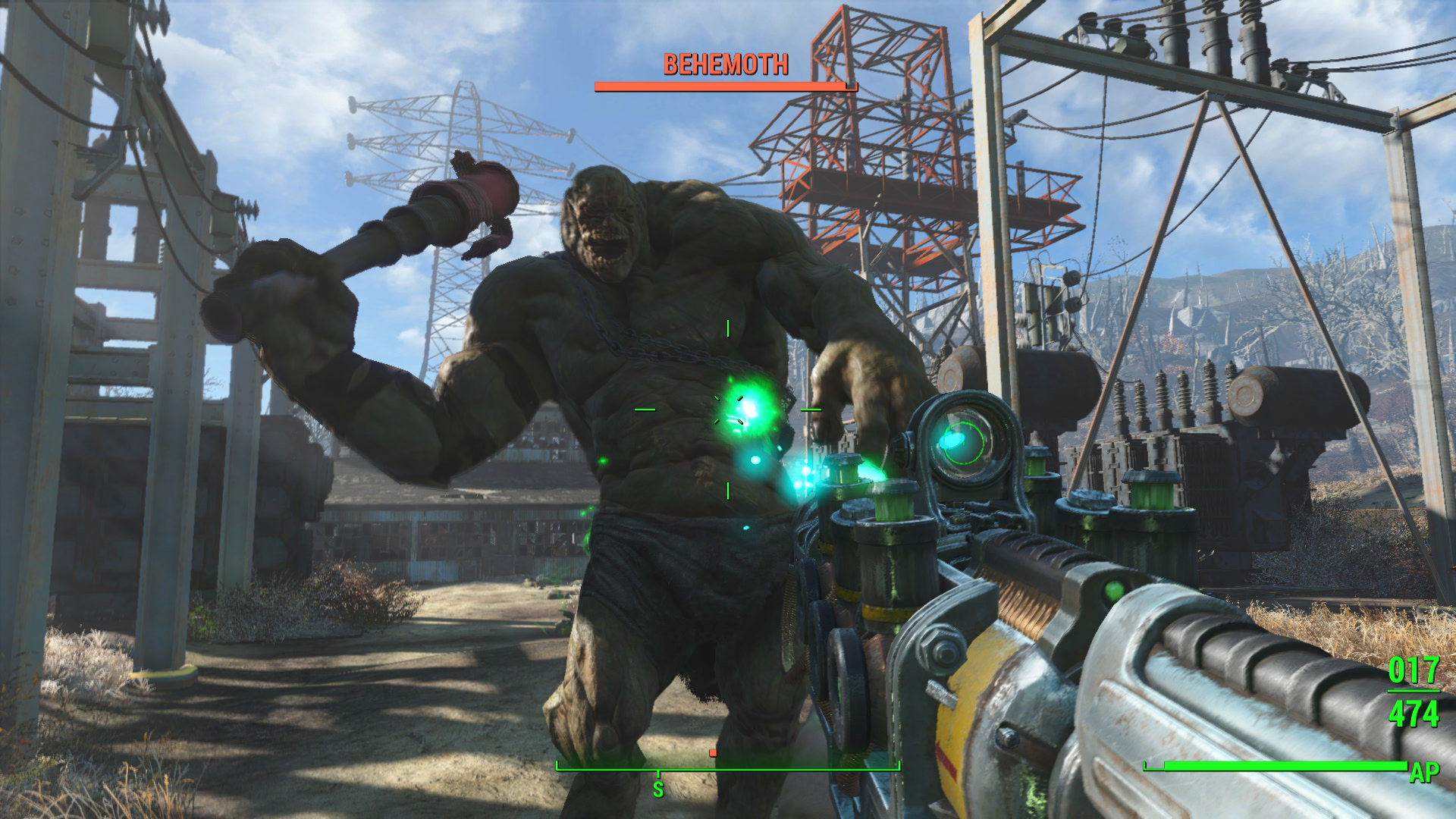
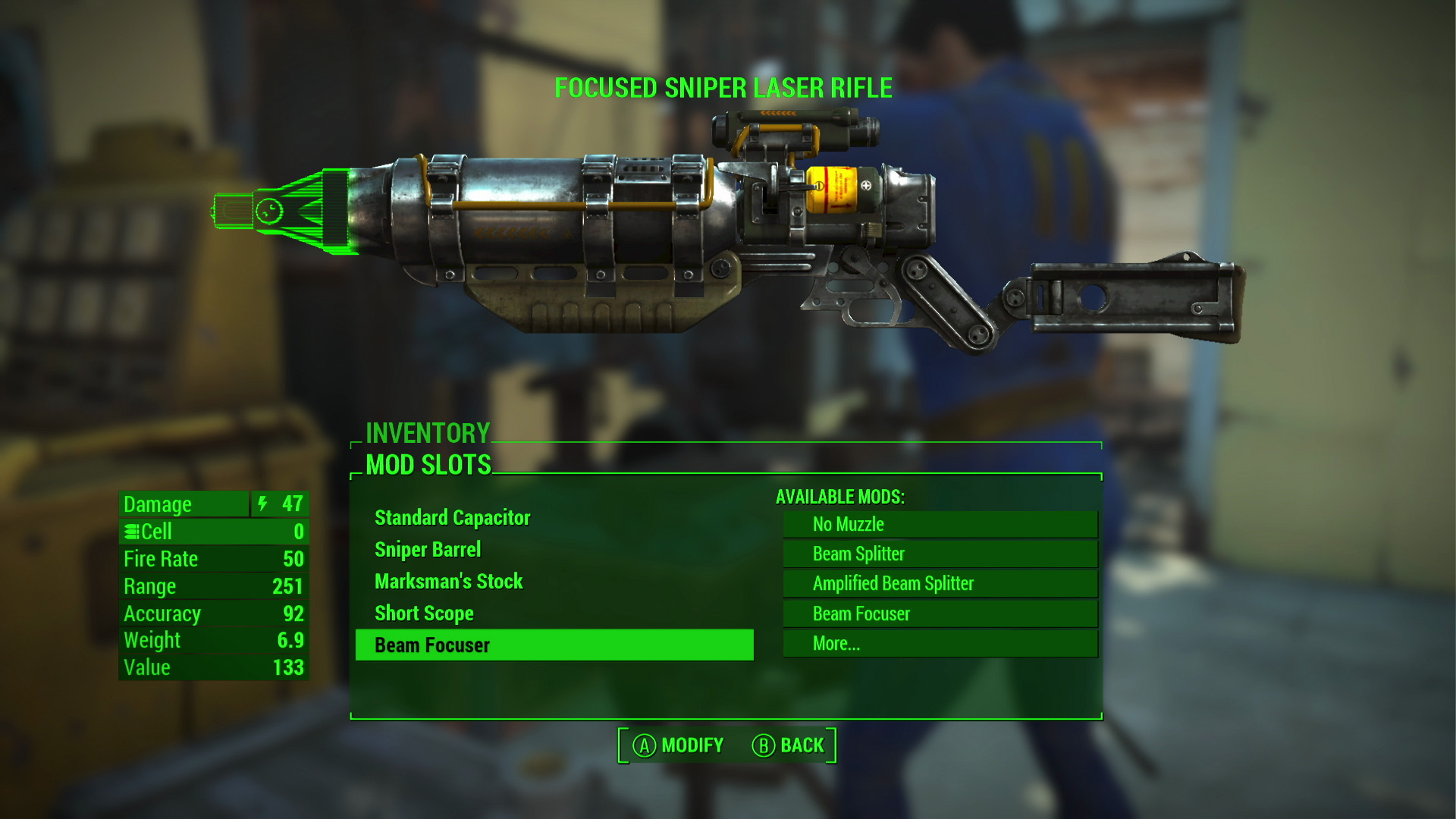
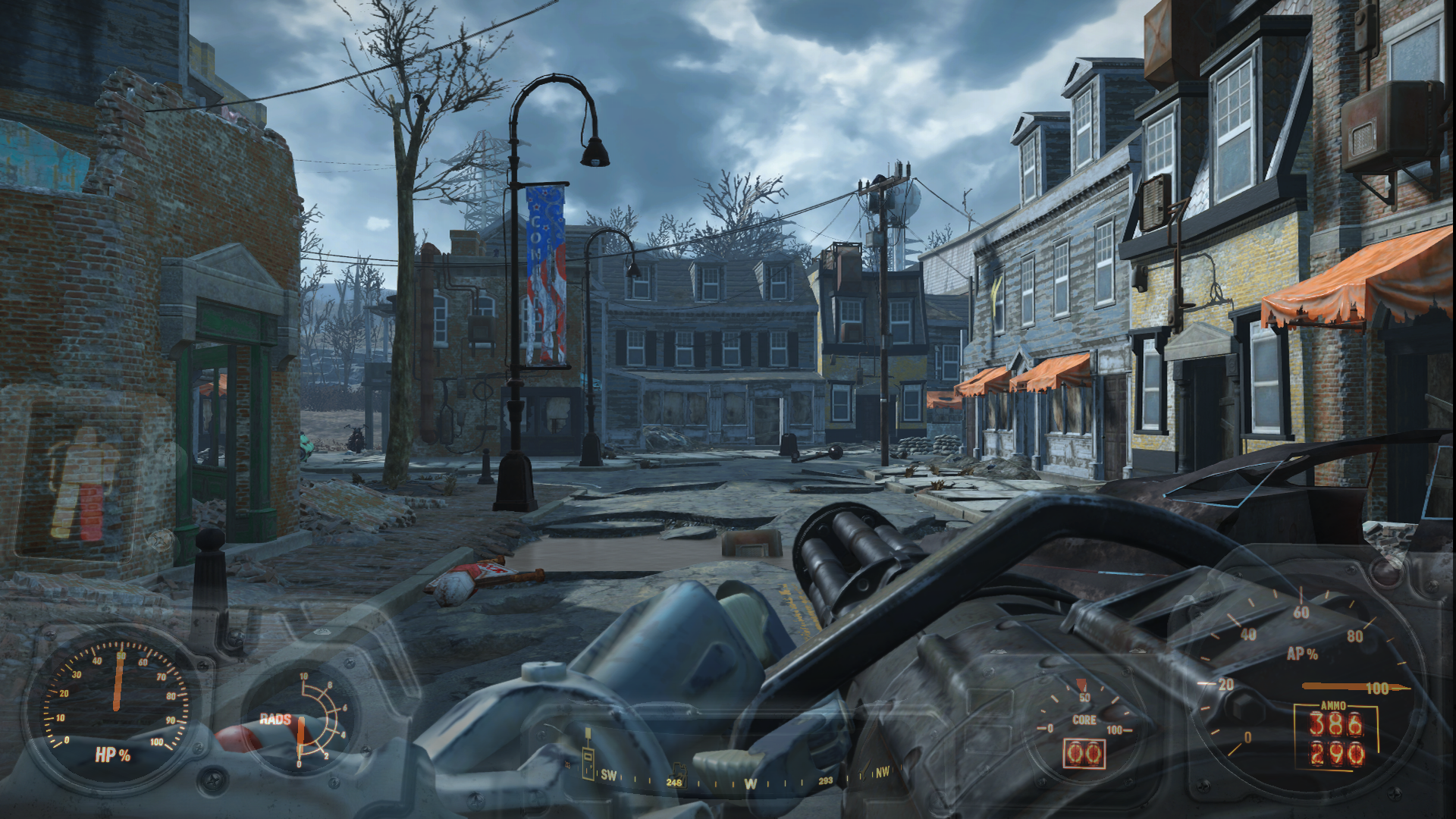
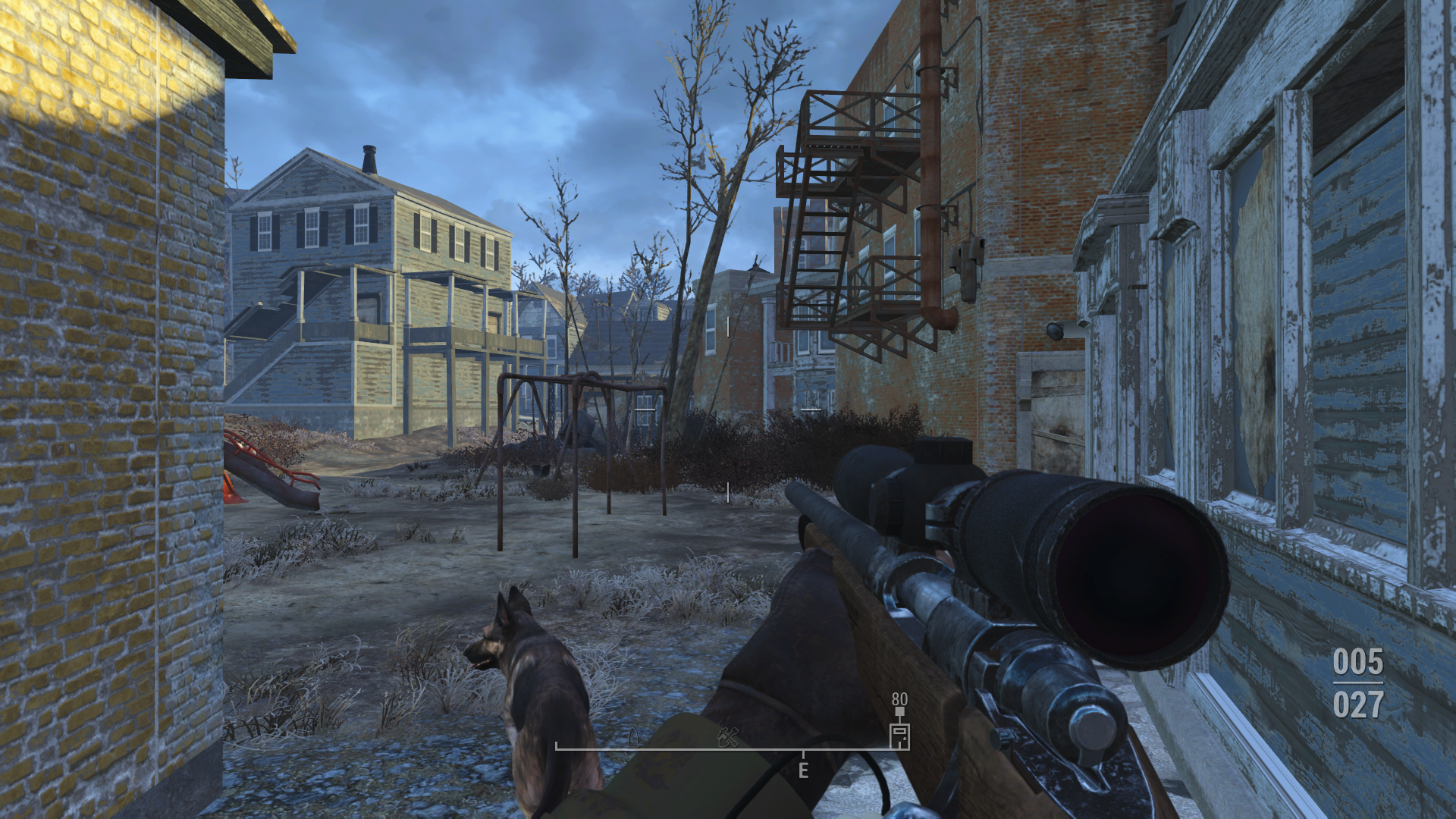
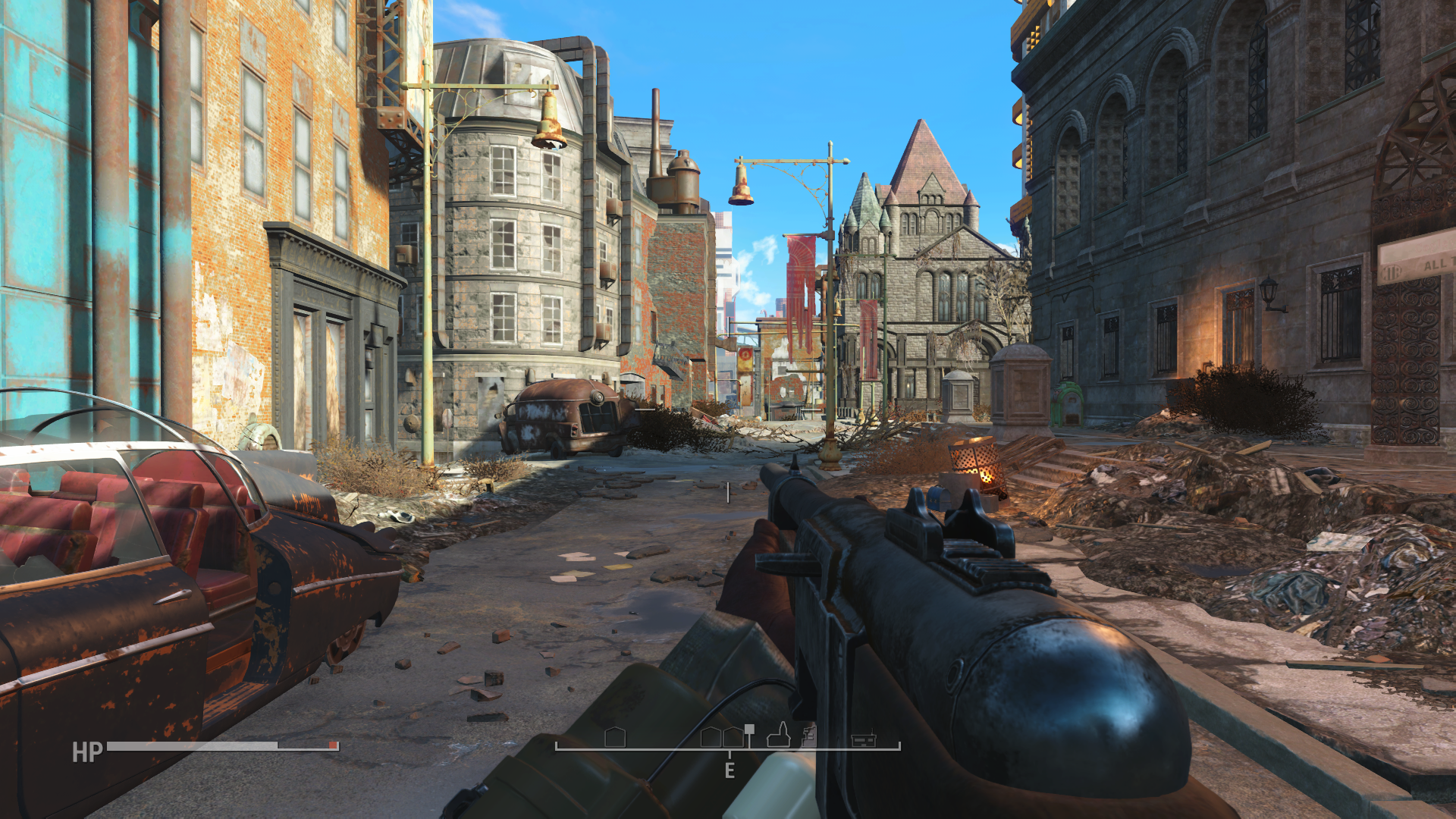

Fallout 4
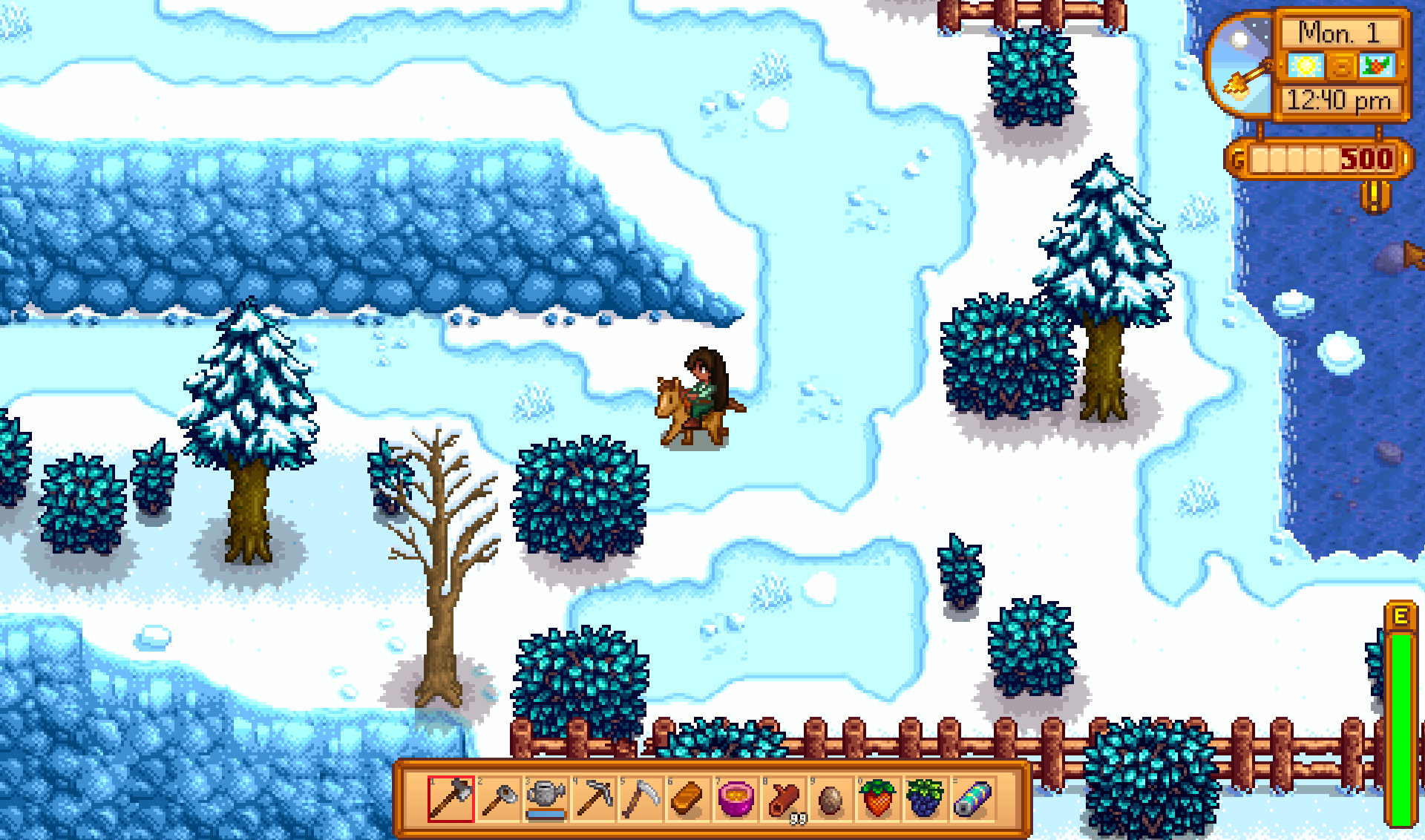
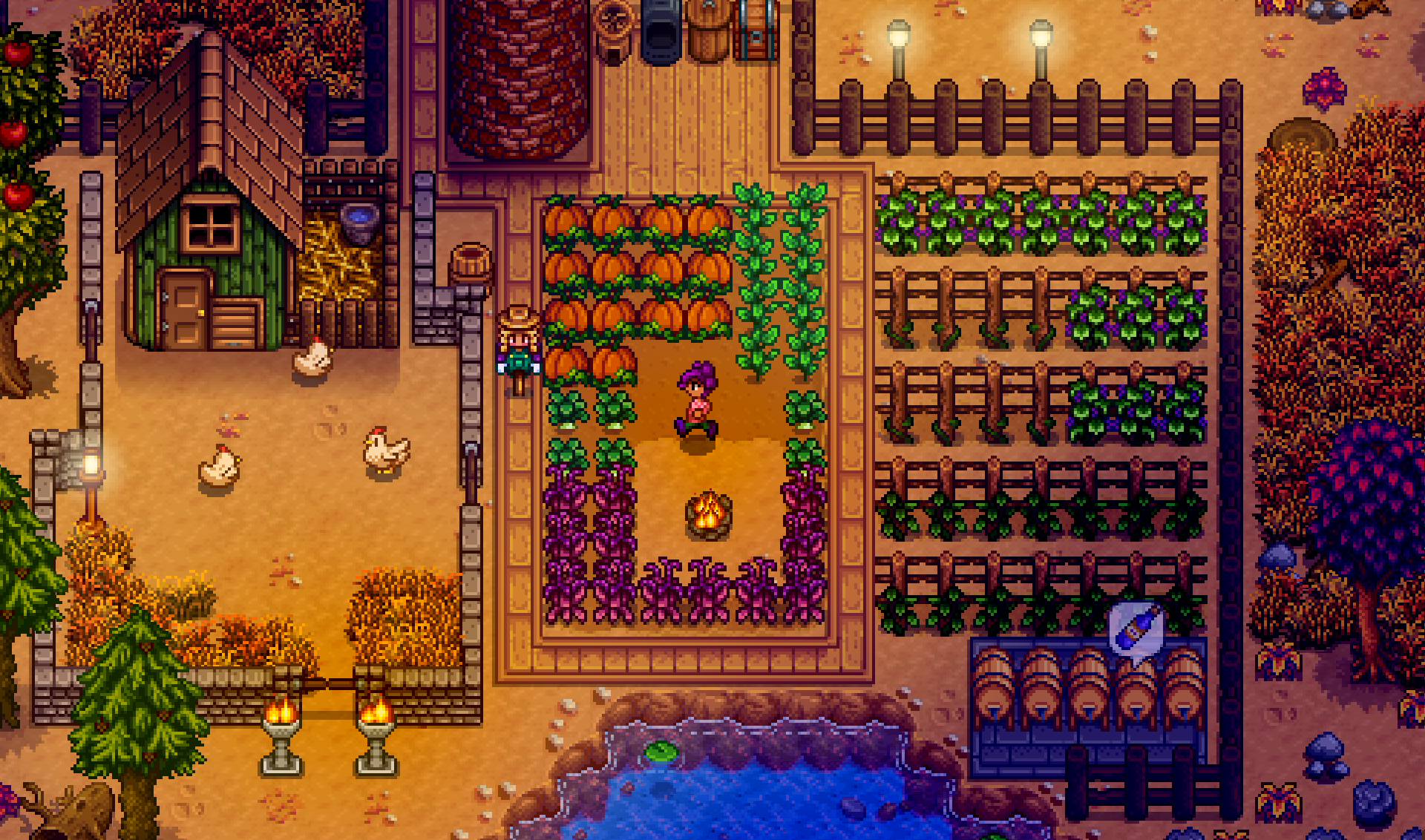


Stardew Valley