Game Info
↑ Back to top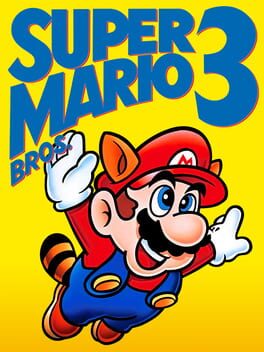

Super Mario Bros. 3
Series:
Genres:
Themes:
Perspectives:
Game Modes:
Overview
↑ Back to topDescription from IGDB IGDB
Storyline IGDB
The Mushroom Kingdom has been a peaceful place thanks to the brave deeds of Mario and Luigi. The Mushroom Kingdom forms an entrance to the Mushroom World where all is not well. Bowser has sent his 7 children to make mischief as they please in the normally peaceful Mushroom World. They stole the royal magic wands from each country in the Mushroom World and used them to turn their kings into animals. Mario and Luigi must recover the royal magic wands from Bowser's 7 kids to return the kings to their true forms. "Goodbye and good luck!," said the Princess and Toad as Mario and Luigi set off on their journey deep into the Mushroom World.
Wikipedia Description WIKIPEDIA
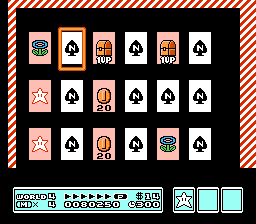
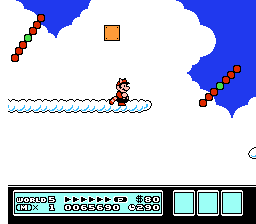
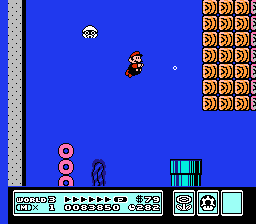
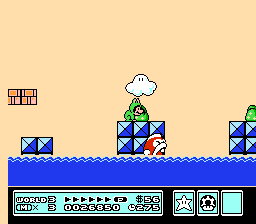
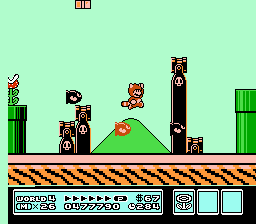
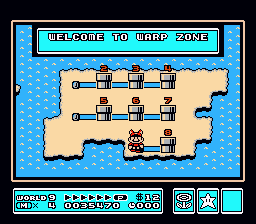
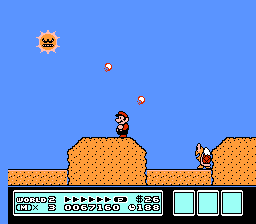
Super Mario Bros. 3 is a two-dimensional side-scrolling platform game in which the player controls either Mario or Luigi. It shares similar gameplay mechanics with previous games in the series — Super Mario Bros., Super Mario Bros.: The Lost Levels, and Super Mario Bros. 2 — while introducing several elements. In addition to the running and jumping found in previous games, the player character can slide down slopes, pick up and throw certain items, and freely climb vines. New power-ups are introduced, including the Super Leaf and the Tanooki Suit, which allow Mario to fly and float. The game world consists of eight kingdoms, each subdivided into multiple levels. The eight worlds feature distinct visual themes: the first world is grass and the second world, "Desert Land" (or "Desert Hill" in Japanese and North American PRG0 versions), contains sand-covered levels with pyramids, while the levels in the fourth world, "Giant Land" ("Big Island"), contain obstacles and enemies twice their normal height and width. The player navigates via two game screens: an overworld map and a course. The overworld map displays an overhead representation of the current kingdom and has several paths leading from the world's entrance to a castle. Paths connect to action panels, fortresses, and other map icons, and allow players to take different routes to reach the kingdom's goal. Moving the on-screen character to an action panel or fortress will allow access to that course, a linear stage populated with obstacles and enemies. The majority of the game takes place in these levels, with the player traversing the stage by dashing, jumping, flying, swimming, and dodging or defeating enemies. Players start with a certain number of lives and may gain additional lives by picking up green spotted 1-Up mushrooms hidden in bricks, or by collecting 100 coins, among other methods. Mario and Luigi lose a life if they take damage while small, fall into lava or a bottomless pit, or run out of time. The game ends when all lives are lost, although the player can continue from the beginning of the world they lost their last life in by selecting "Continue". If the player continues, all fortresses and enemy courses, as well as the tank and ship levels from the eighth world that the player previously completed will remain completed and any locked doors that were unlocked will also remain unlocked. This allows the player to continue from the last fortress level they completed in most cases. The player will also keep their items in their inventory. Completing stages allows the player to progress through the overworld map and to succeeding worlds. Each world features a final stage with a boss to defeat. The first seven worlds feature an airship controlled by one of the Koopalings, while the player battles Bowser in his castle in the eighth world as the Final Boss. Other map icons include large boulders and locked doors that impede paths. Mini-games and bonus screens on the map provide the player a chance to obtain special power-ups and additional lives. Power-ups obtained in these mini-games are stored in a reserve, and can be activated by the player from the map screen. In addition to special items from previous games like the Super Mushroom, Super Star, and the Fire Flower, new power-ups are introduced that provide the player with new options. The Super Leaf and Tanooki Suit give Mario raccoon and tanooki appearances respectively, allowing him to fly for a short period of time. The Tanooki Suit also enables him to turn into Statue Mario to avoid enemies for a short period of time. Changing into a Tanooki statue while jumping results in Mario pounding the ground and killing whatever enemies are directly under him; this is the first appearance of the now standard "ground pound" move in the Mario series. The new "Frog Suit" highly increases the character's underwater speed and agility, and boosts jumping height on land. Another new suit, the Hammer Suit, gives Mario the appearance of the Hammer Bro. enemy and allows him to throw hammers at enemies and resist fire attacks when crouching. Super Mario Bros. 3 includes a multiplayer option which allows two players to play by taking turns at navigating the overworld map and accessing stage levels. The first player controls Mario, while the other controls Luigi (a palette swap of Mario). Through this mode, players can access several mini-games, including a remake of the original Mario Bros. arcade game, in which one player has the opportunity to steal the cards of another, but may lose their turn if they lose the mini-game.
About Super Mario Bros. 3
Super Mario Bros. 3 is a Arcade, Platform, Turn-based game released in 1988 developed by Nintendo R&D4 that offers Multiplayer, Single player gameplay from a side view perspective playable on Arcade, Family Computer, Nintendo 3DS with 1606 user ratings averaging 89.5/100. The game explores themes like Fantasy. If you enjoy Super Mario Bros. 3, you might also like similar games in our database of 45,000+ titles.
Basic Info
Details
↑ Back to topAdditional Information
Платформы 6
Genres 3
Themes 1
Player Perspectives 1
Game Modes 2
Companies
↑ Back to topDevelopers
Nintendo R&D4
No description available
Publishers
Nintendo
No description available
Playtronic
No description available
Keywords
↑ Back to topScreenshots
↑ Back to top



Similar Games
↑ Back to top

Super Mario World
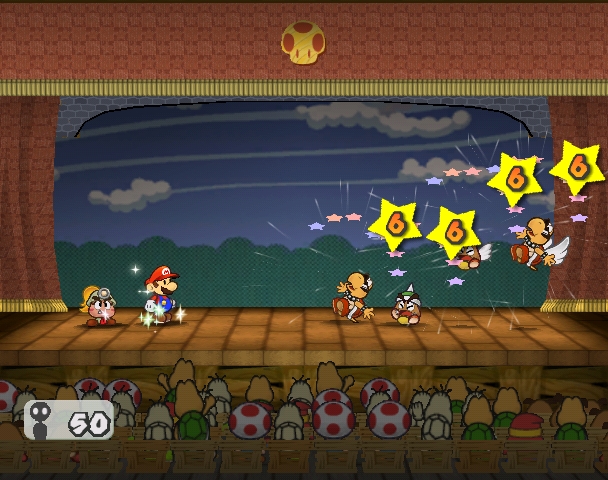
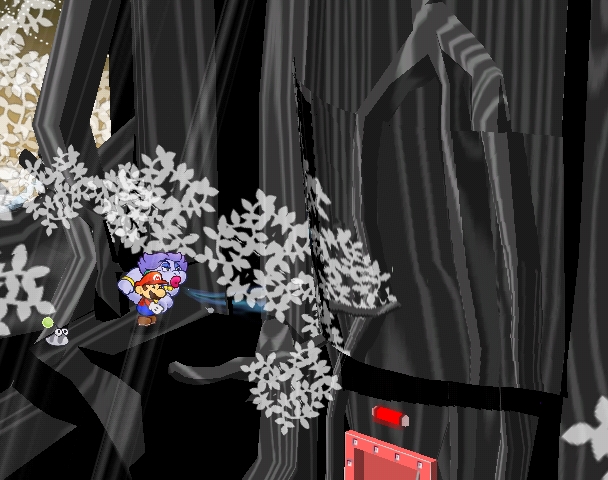
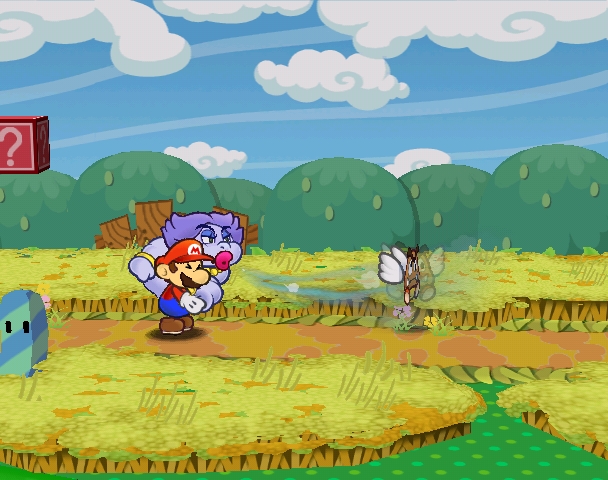
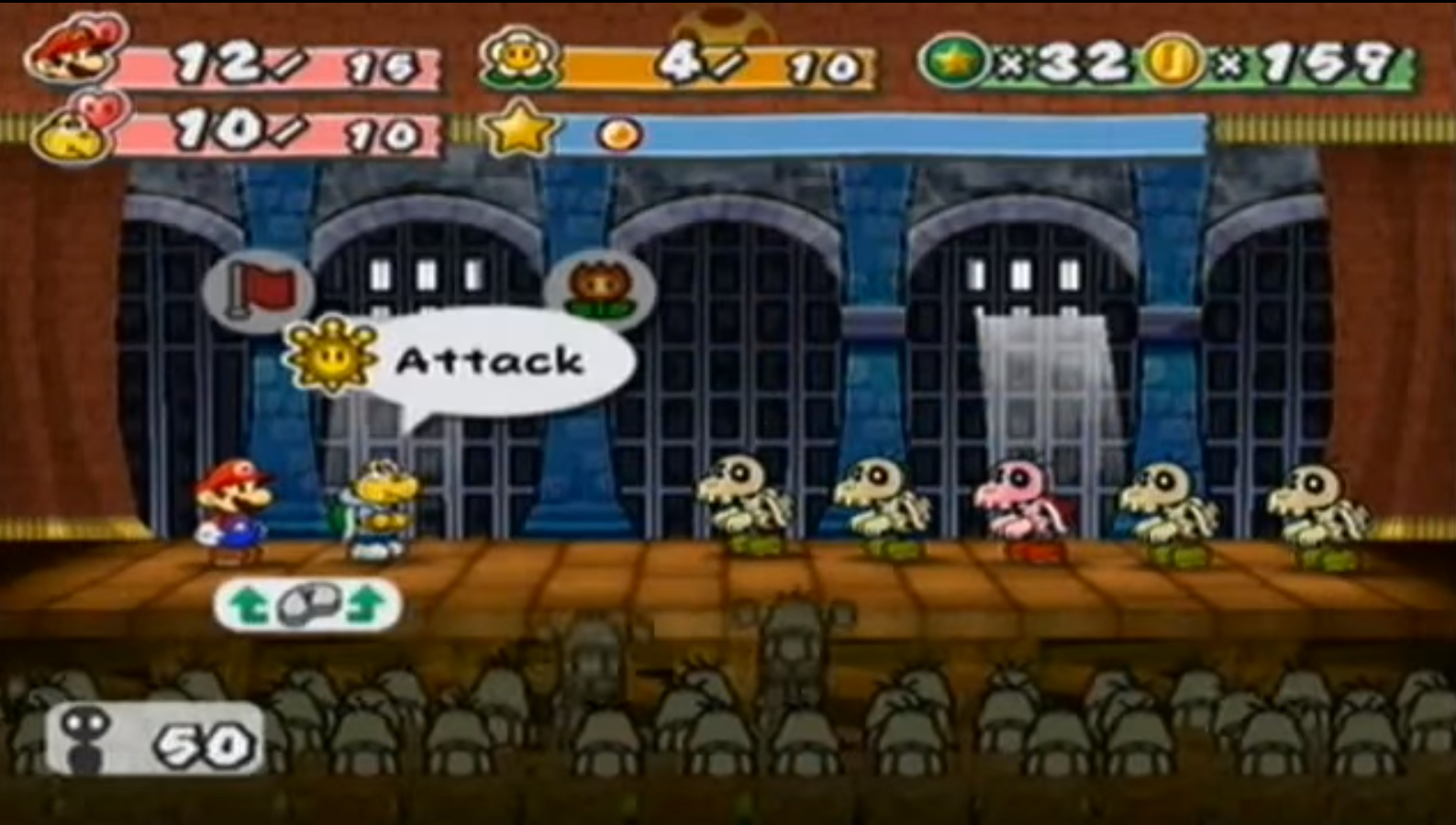
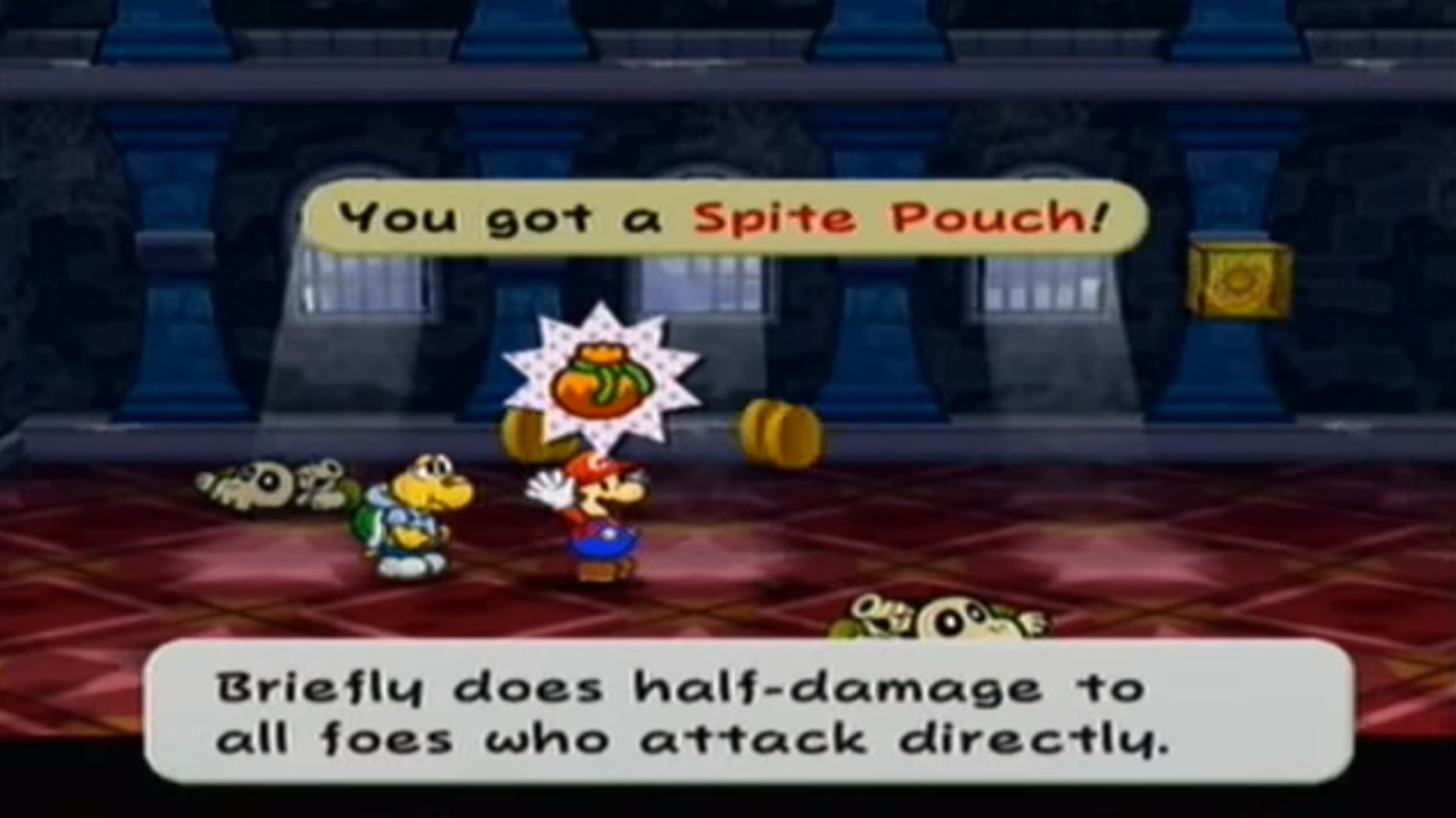
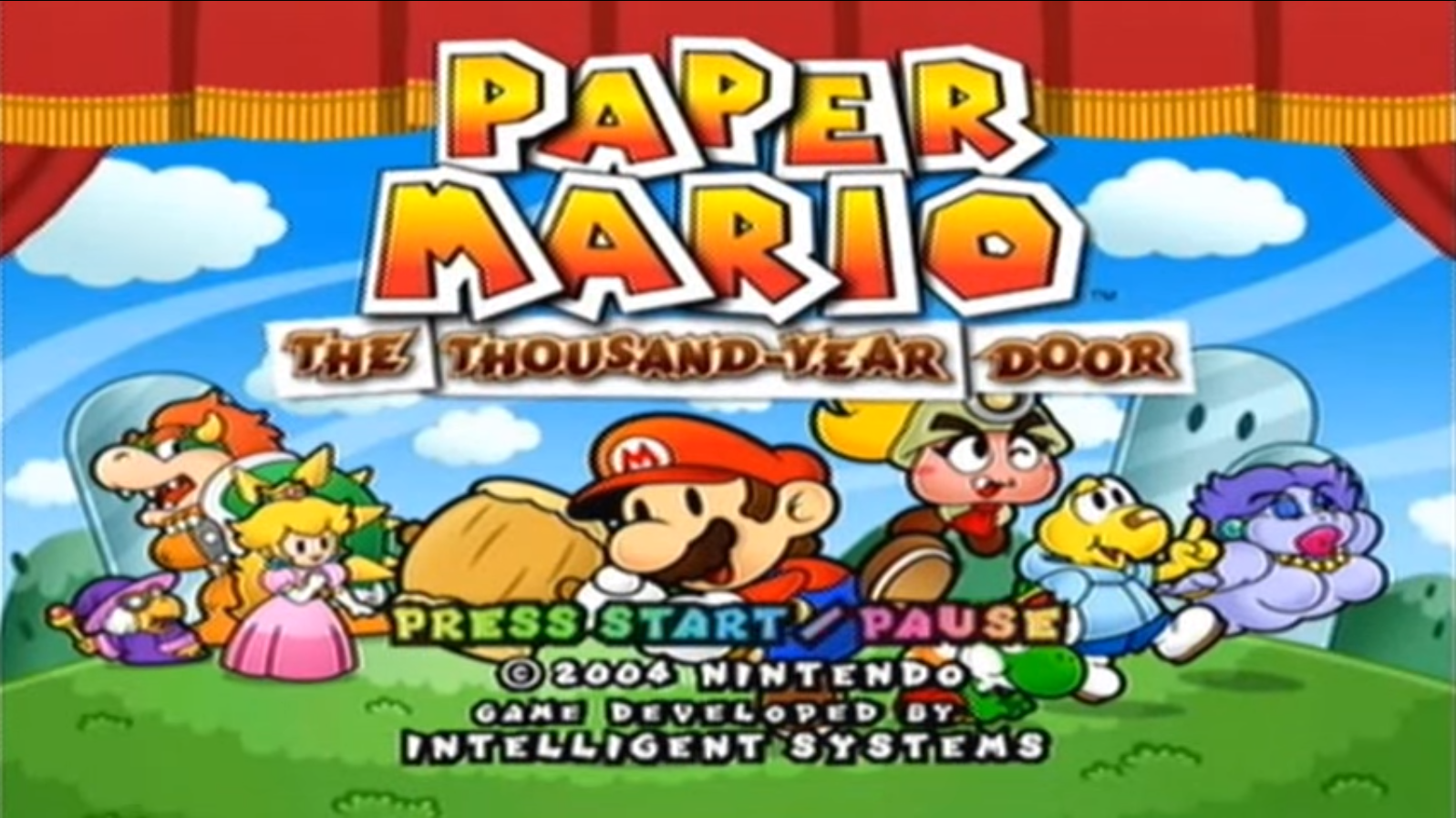
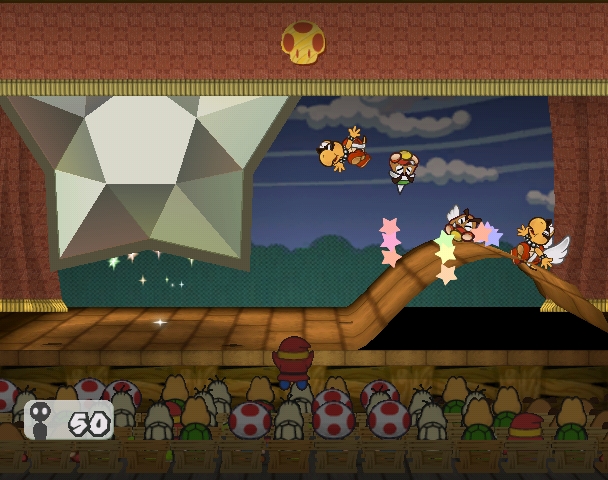
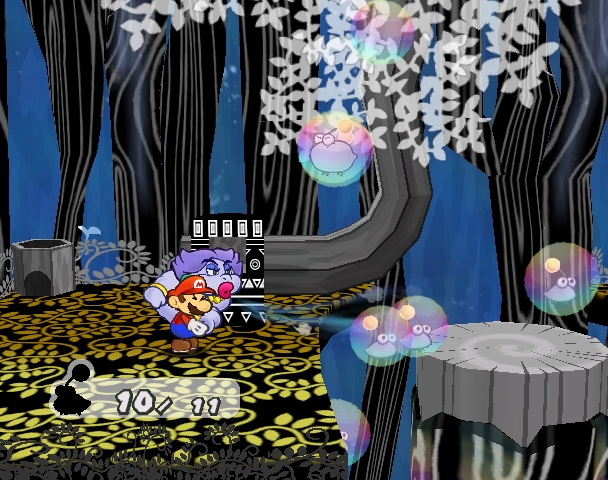
Paper Mario: The Thousand-Year Door
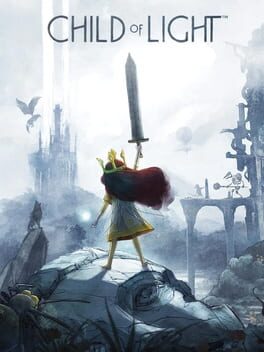
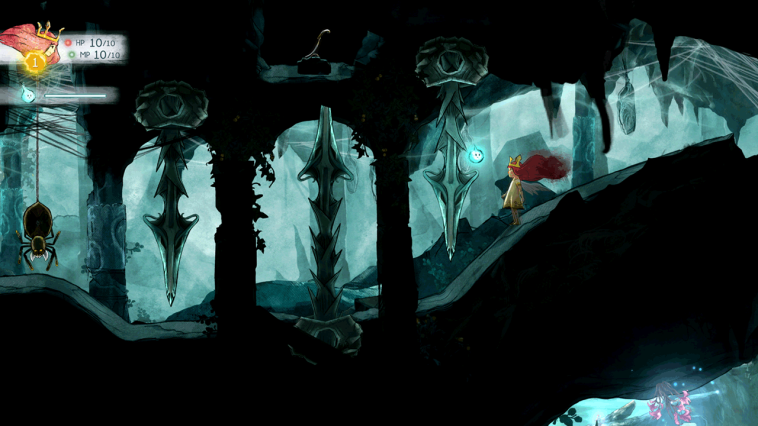
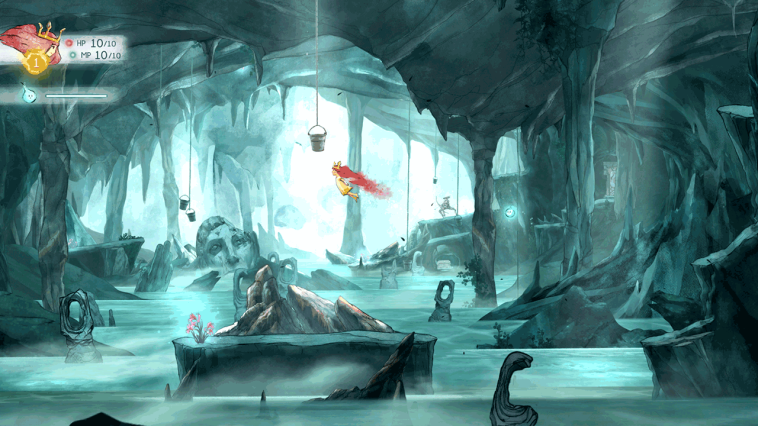

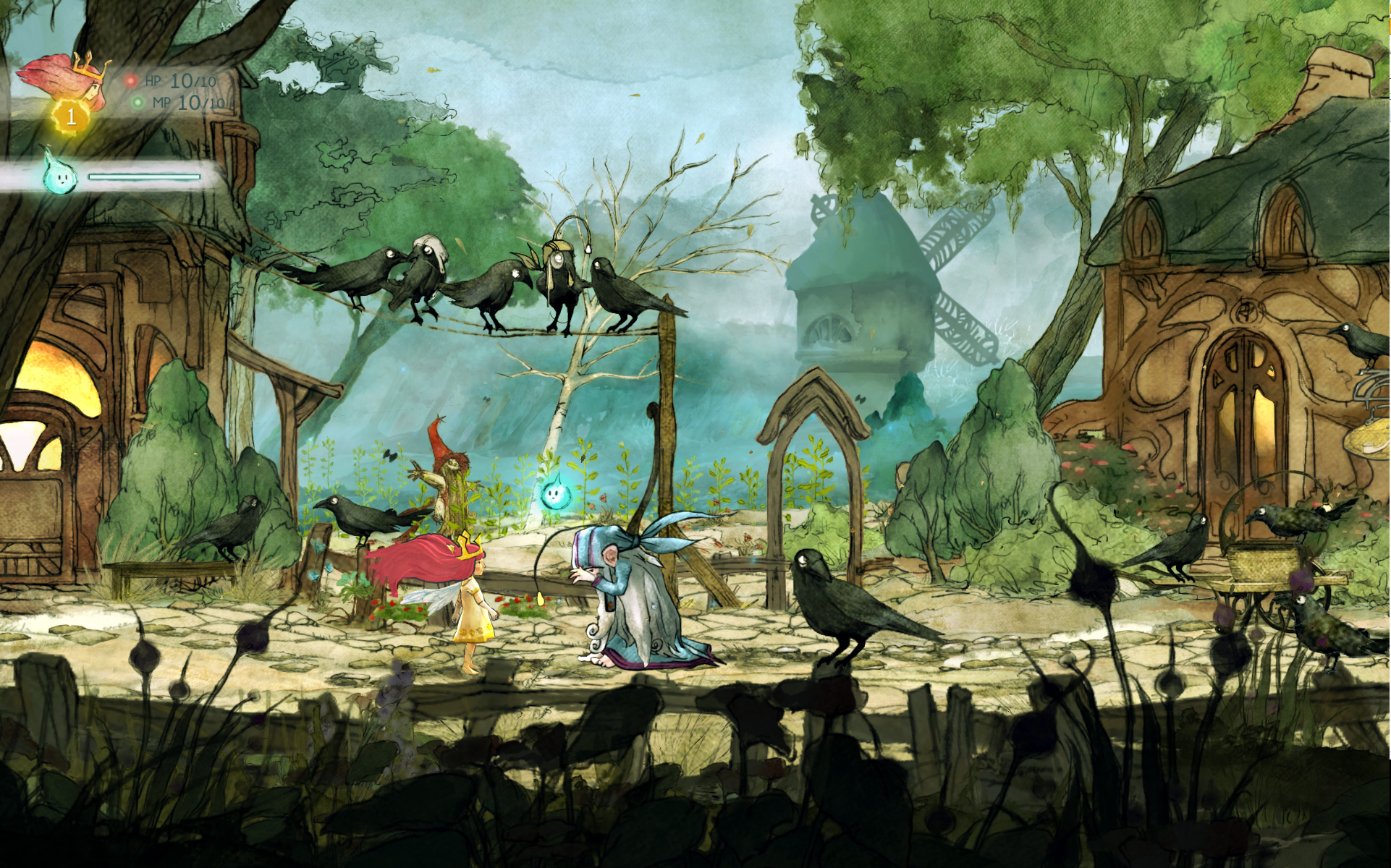
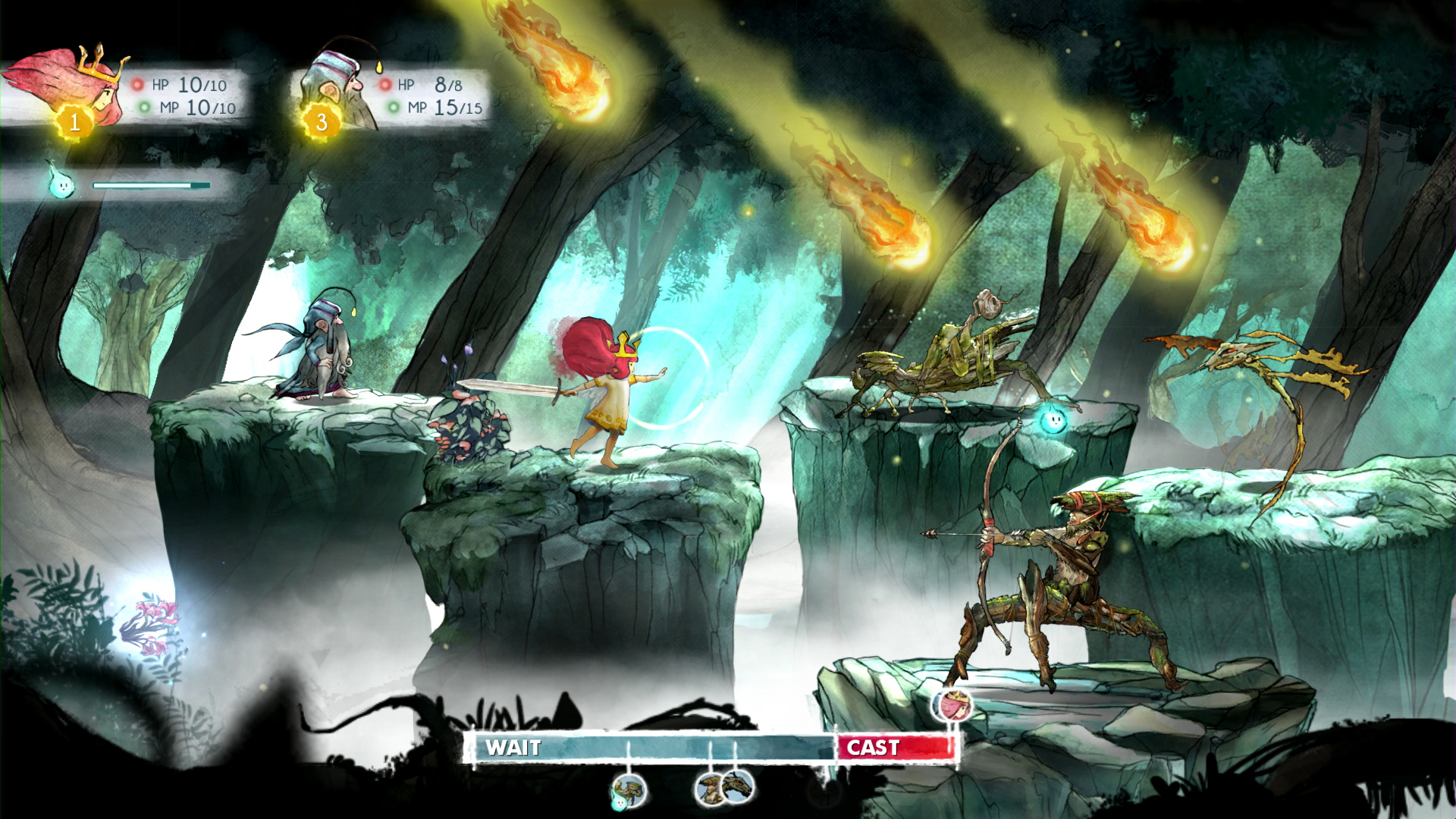
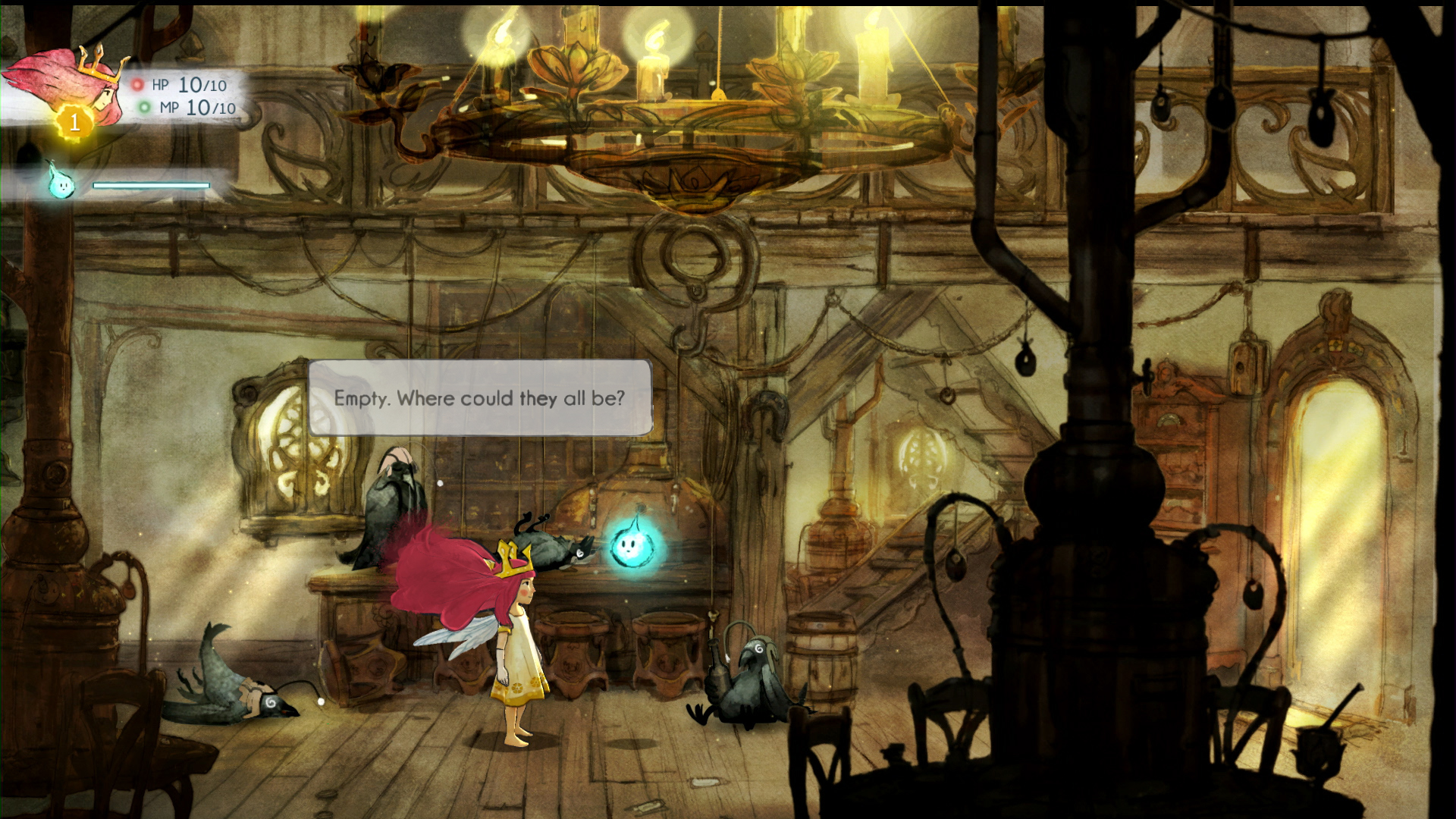

Child of Light
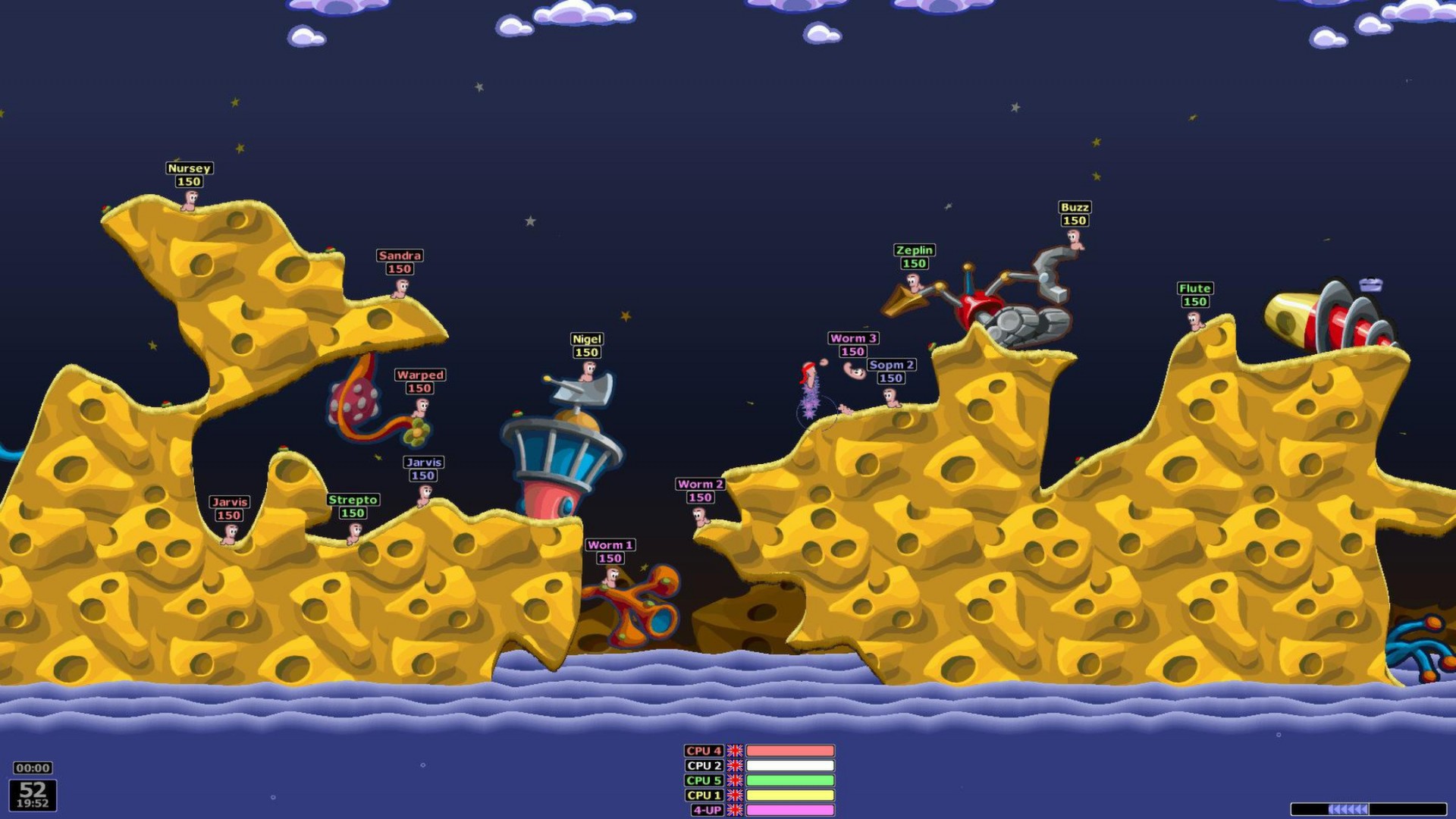
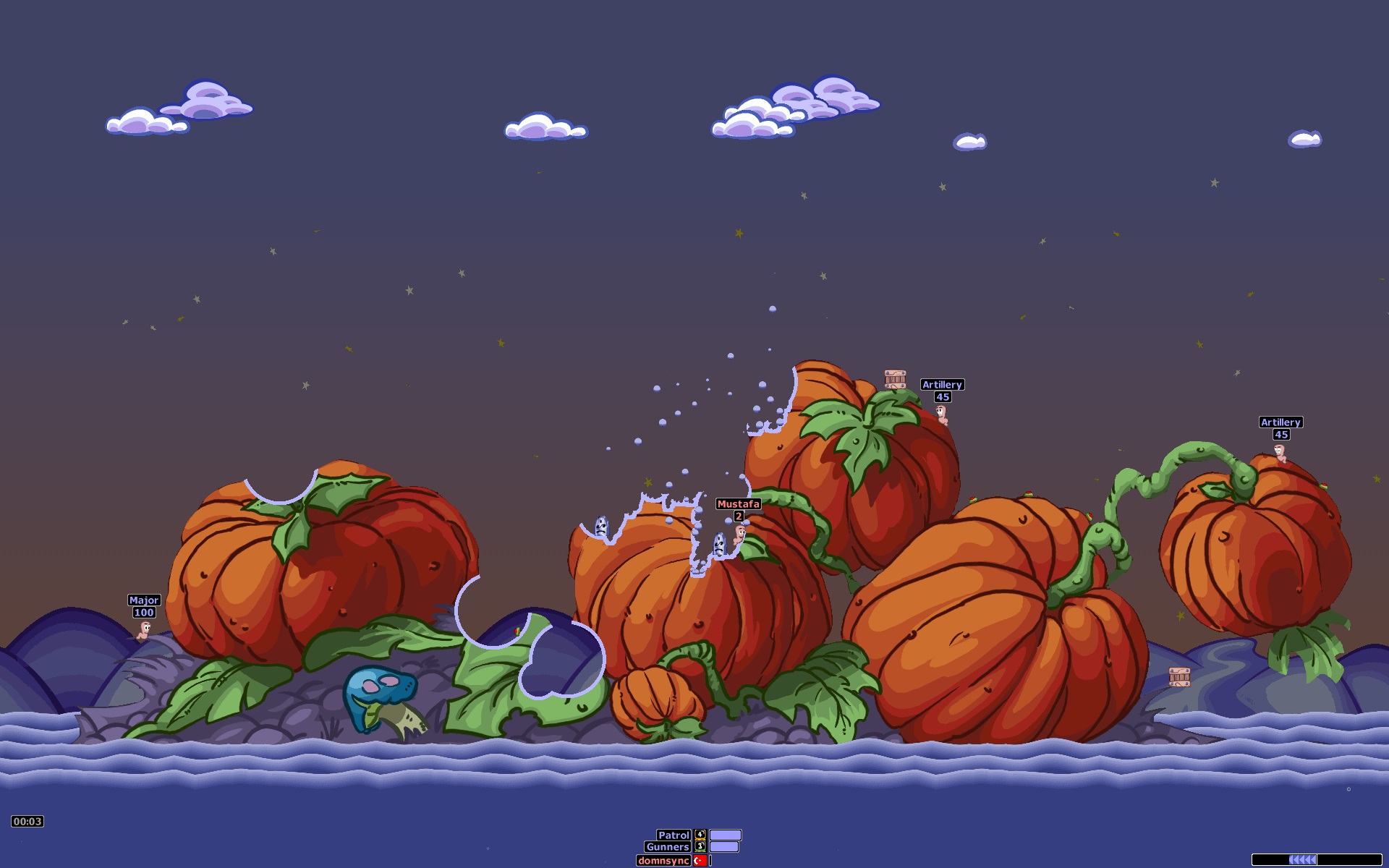
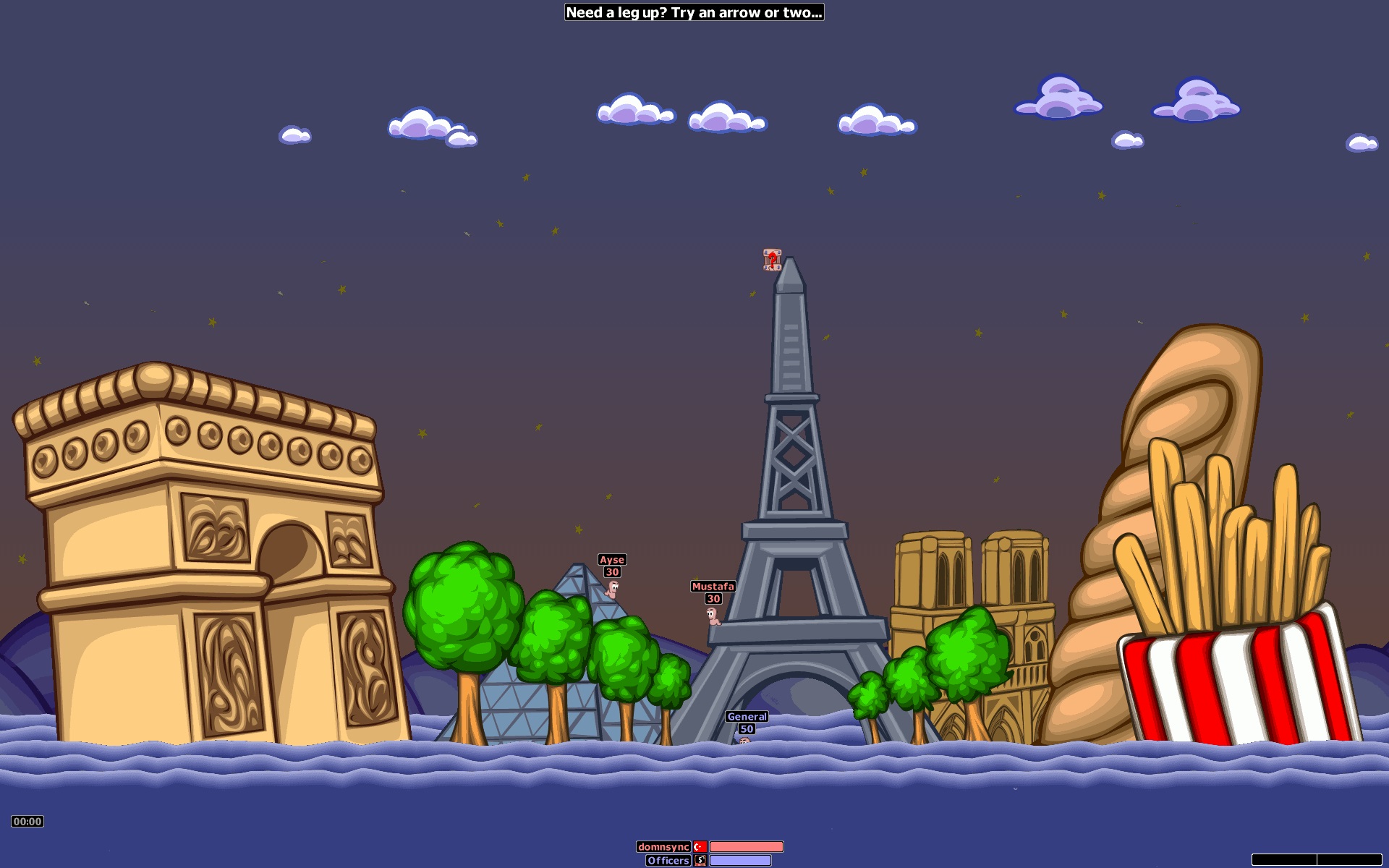
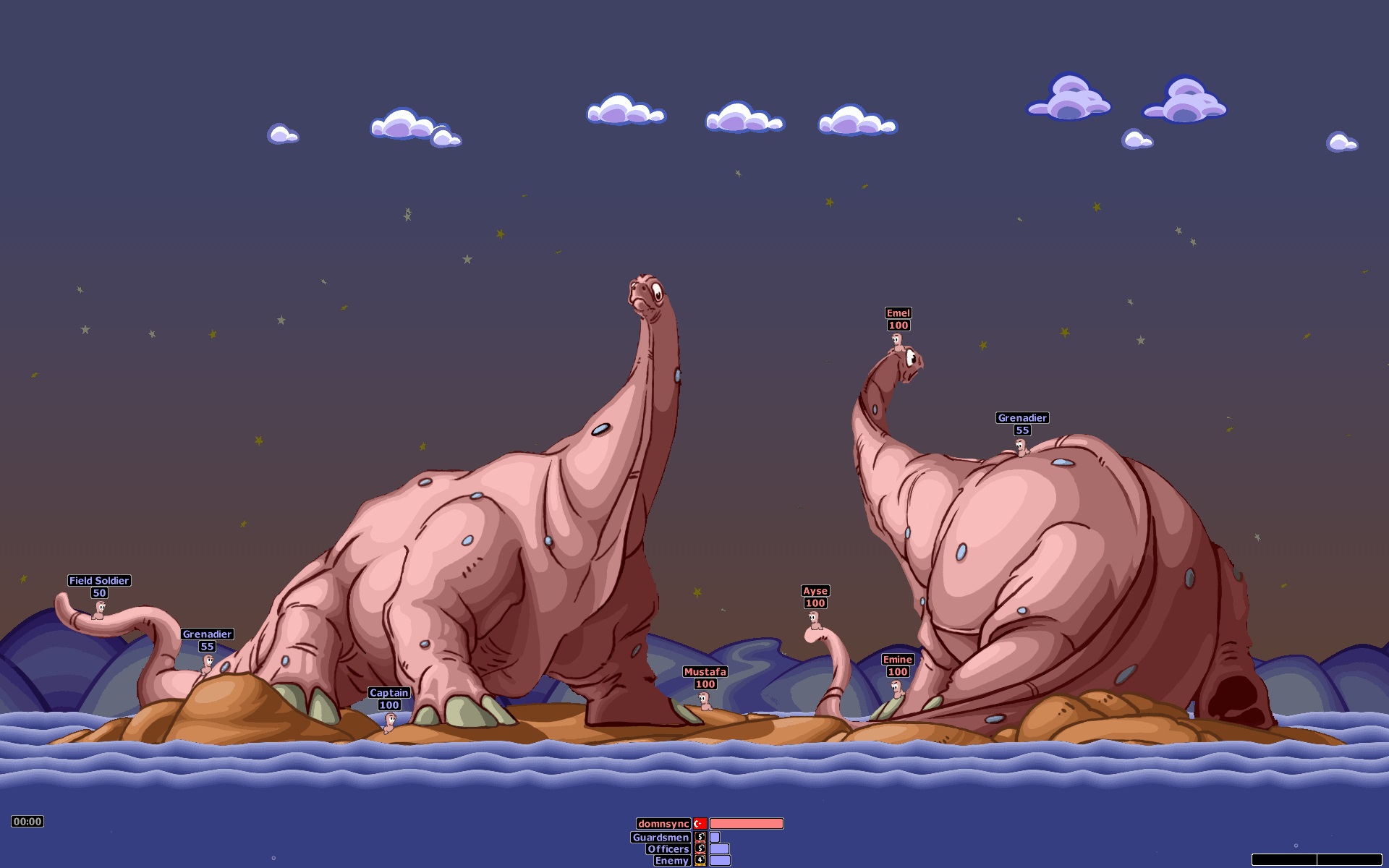
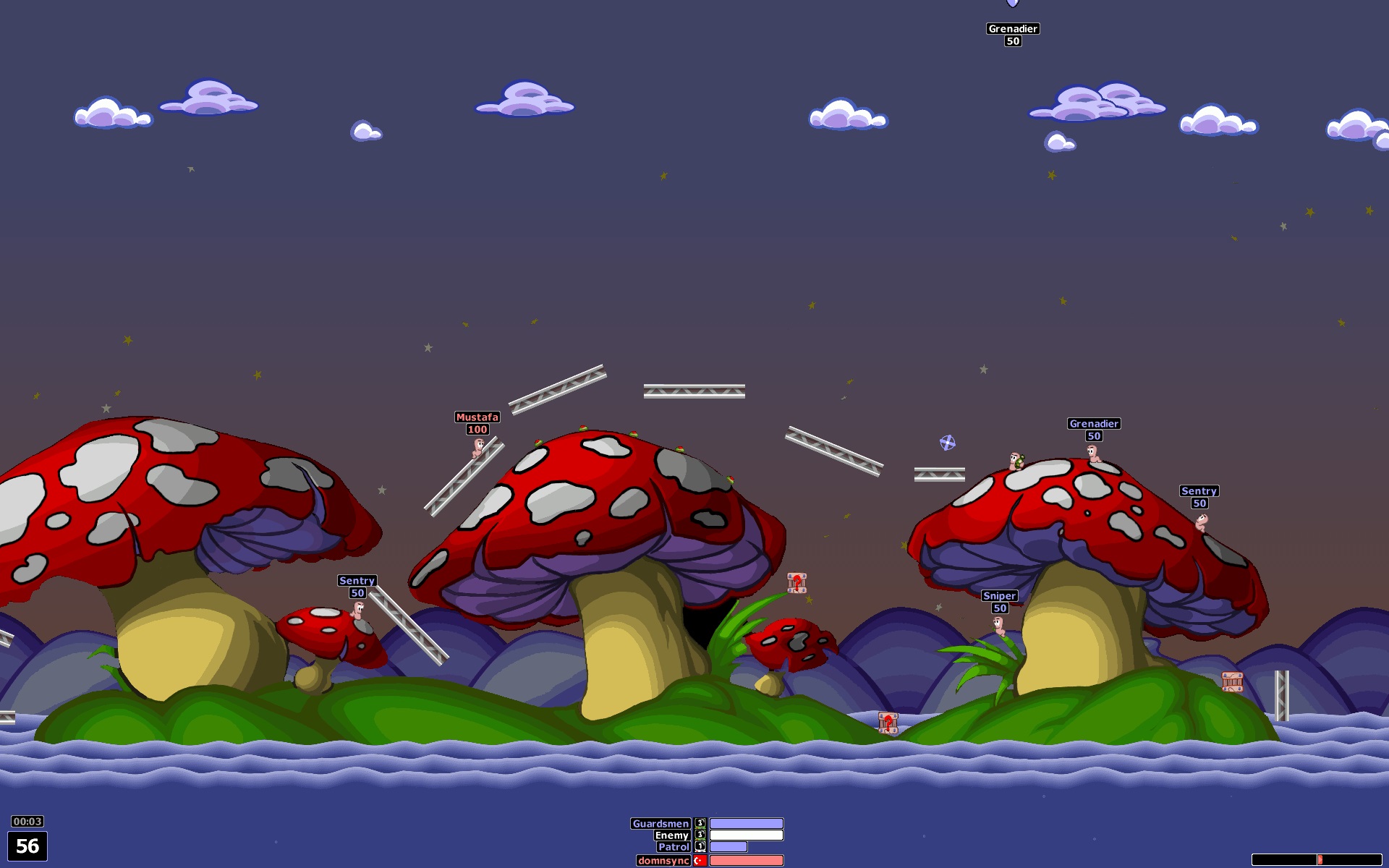

Worms Armageddon
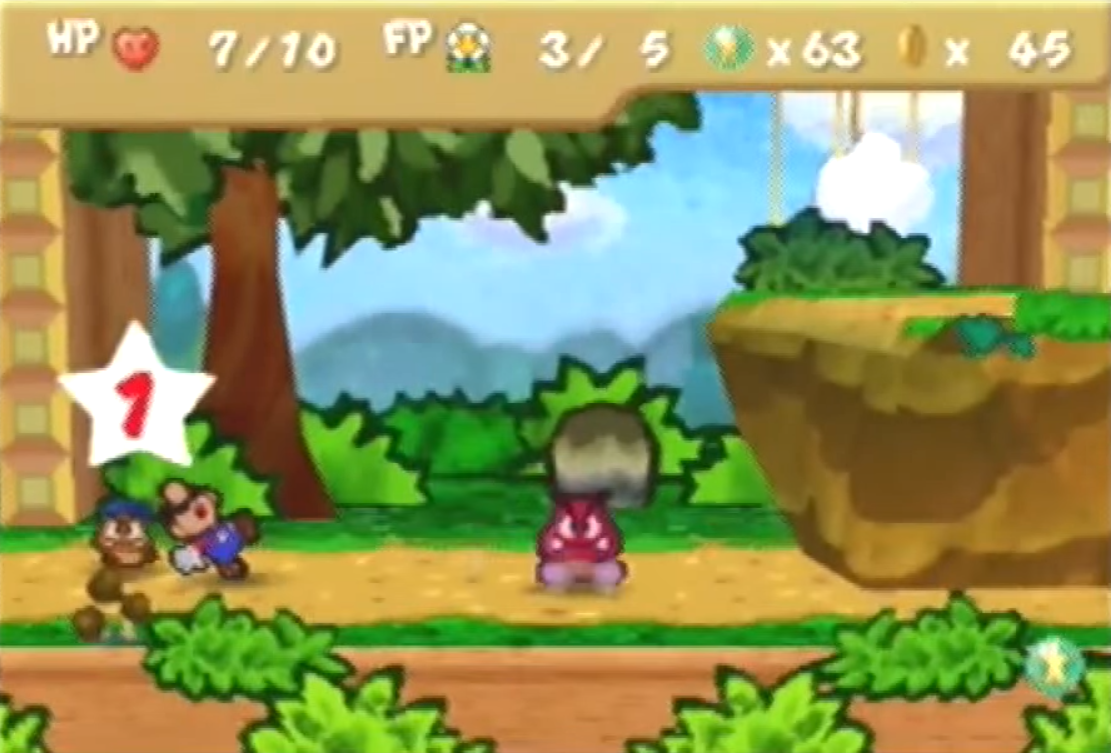

Paper Mario
Super Mario RPG: Legend of the Seven Stars

Mario & Luigi: Superstar Saga
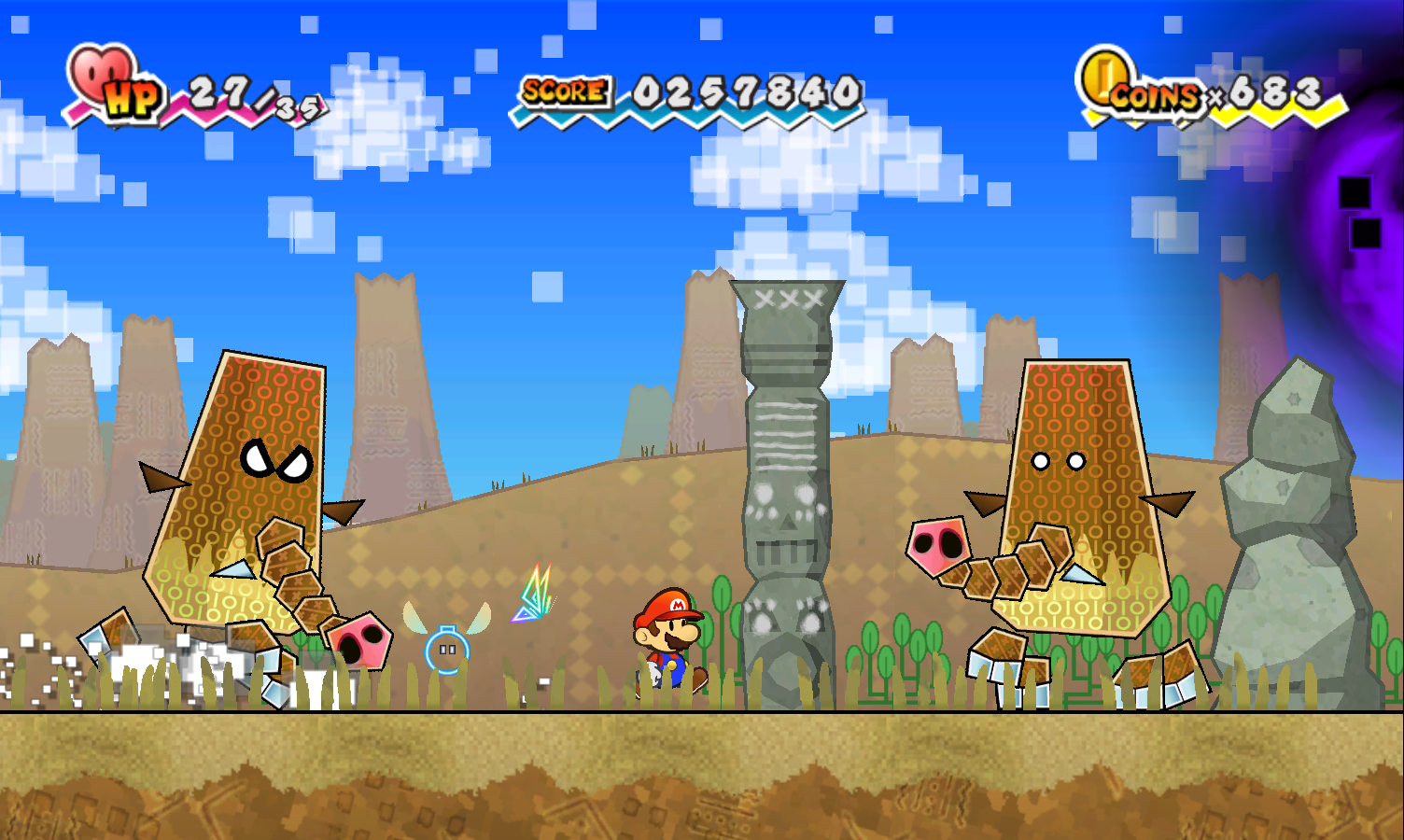
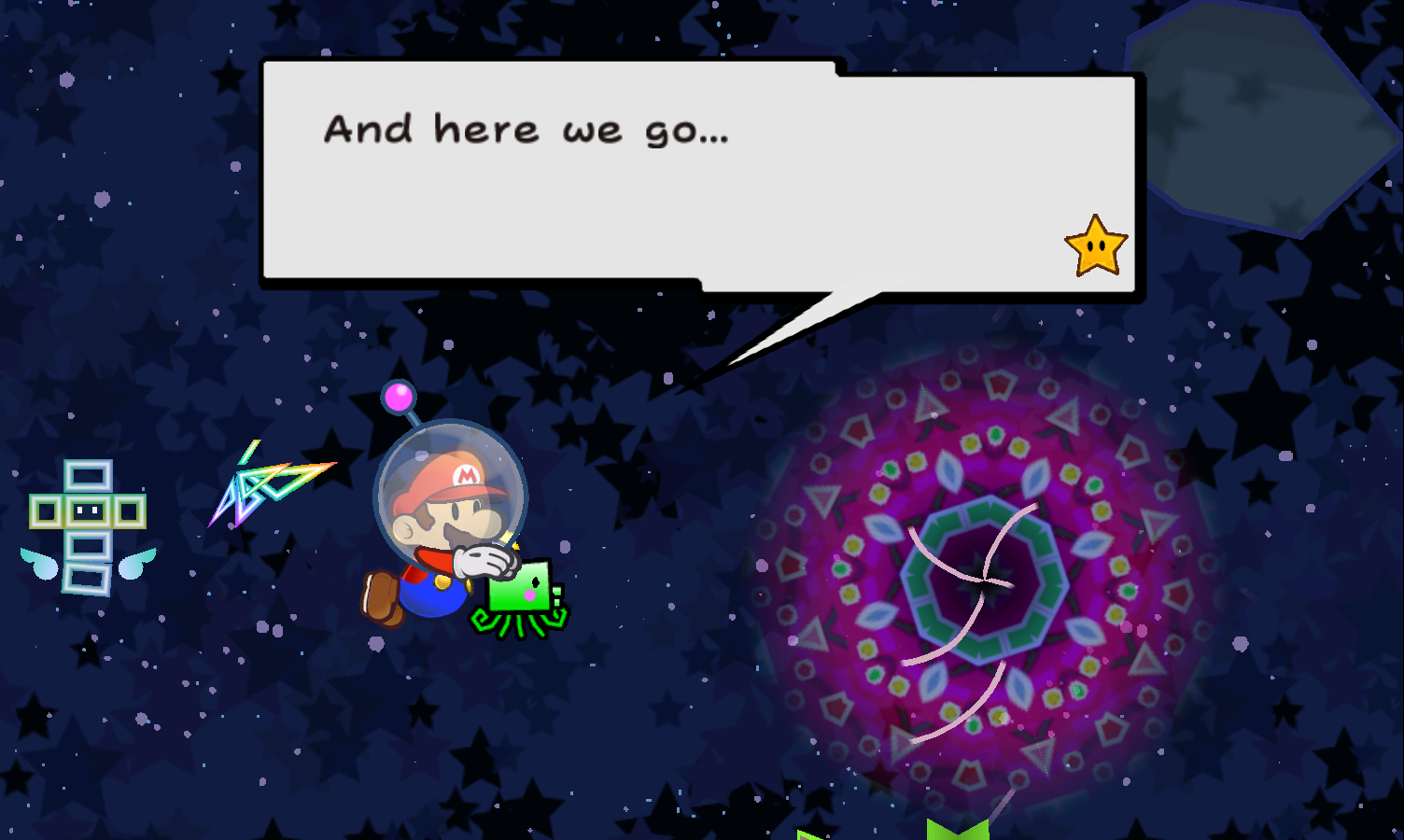

Super Paper Mario
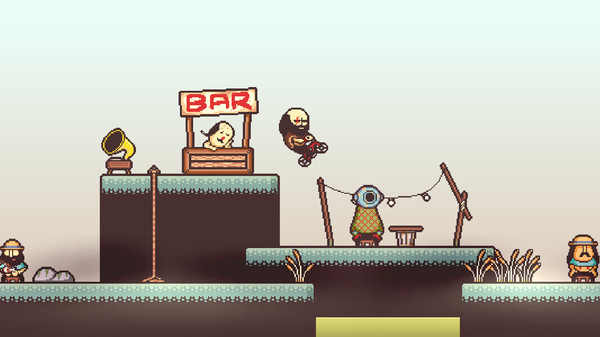


Lisa: The Painful
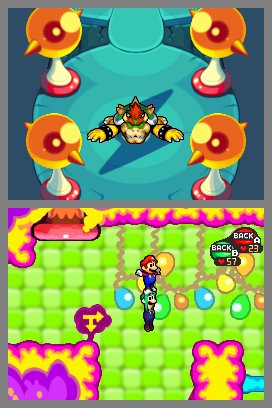
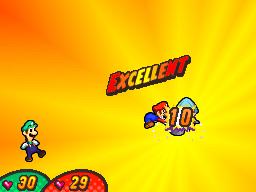
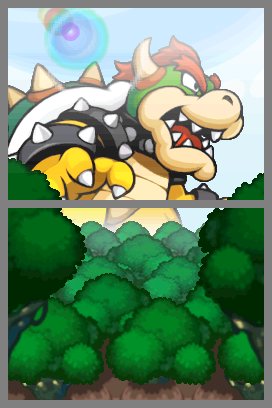
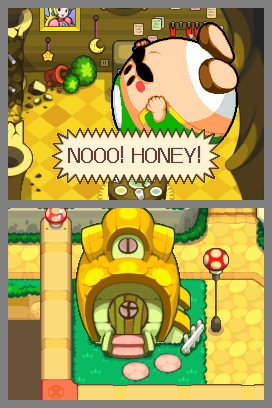


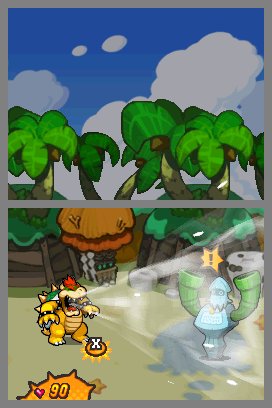
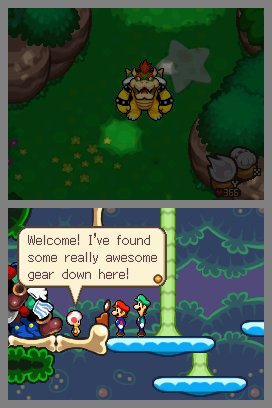

Mario & Luigi: Bowser's Inside Story