Game Info
↑ Back to top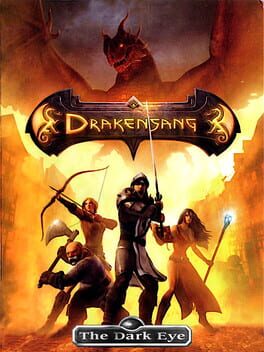

Drakensang: The Dark Eye
Series:
Genres:
Themes:
Perspectives:
Game Modes:
Game Engines:
Overview
↑ Back to topDescription from IGDB IGDB
Storyline IGDB
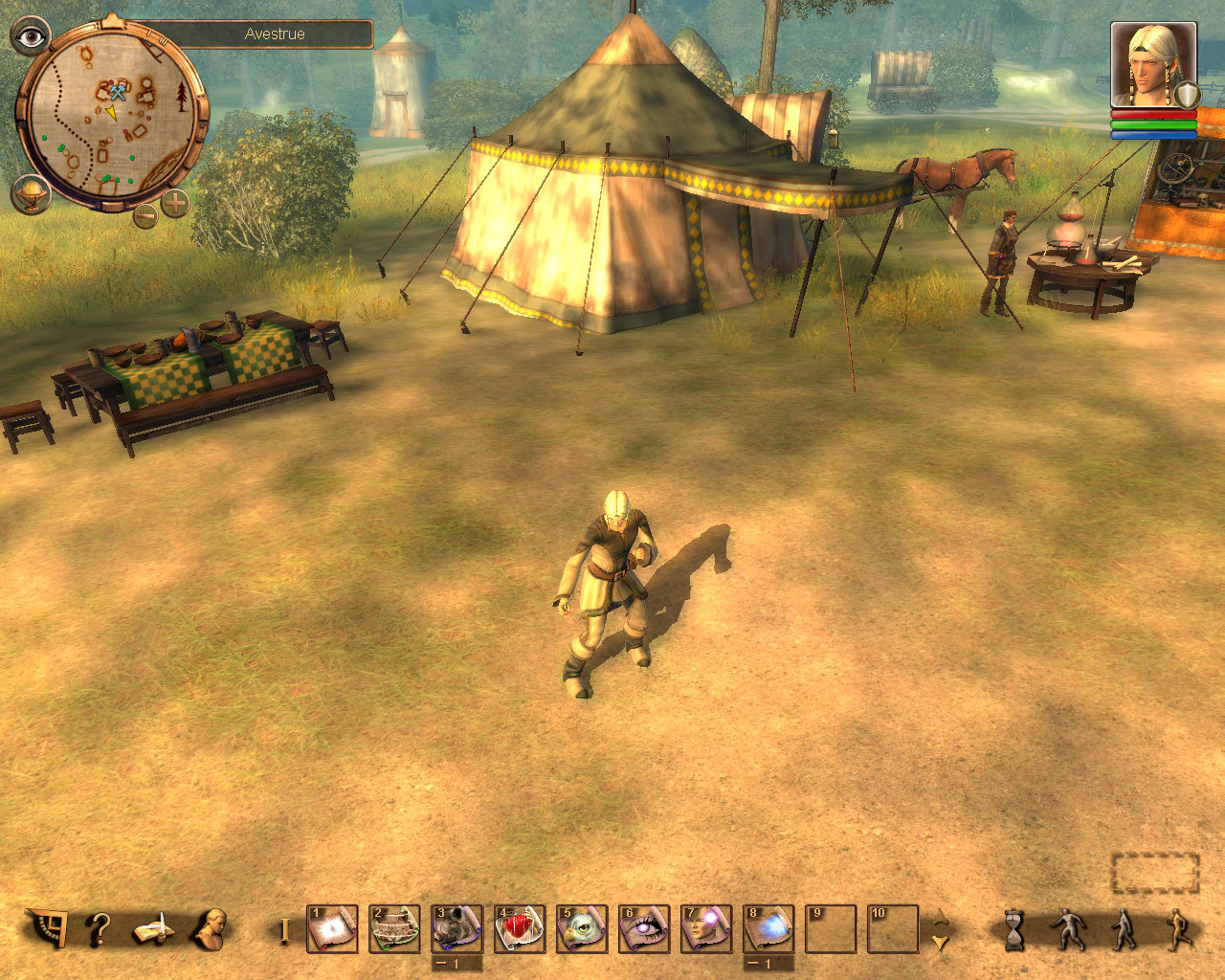
The main character receives a letter asking for assistant from an old friend named Ardo, now living in Ferdok. On the way, the character arrives at the hamlet of Avestrue and finds that the word of two notables persons are needed to proceed to the city. The characters Rhulana the amazon and Dranor the thief are met here. Upon reaching Ferdok, the character learns of the reason for the access restrictions. Recently, Ferdok is shaken by a series of gruesome deaths, and Ardo is one of the victims. Thus begins a lengthy investigation to find the connection and put a stop to the murders. They turns out to be the work of the Dragon cultists, an ancient cult which serve Ardakor, an ancient evil dragon.
Wikipedia Description WIKIPEDIA
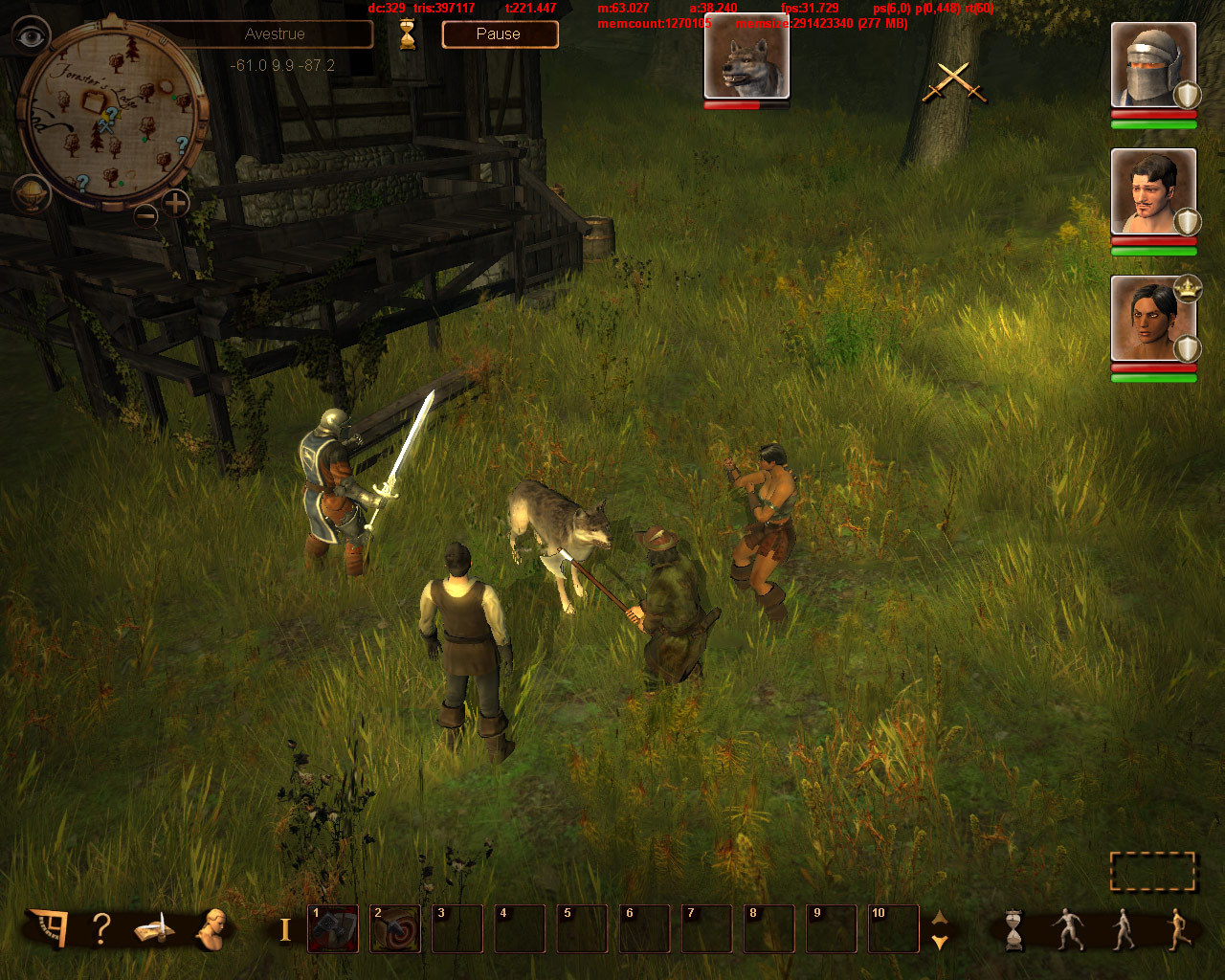
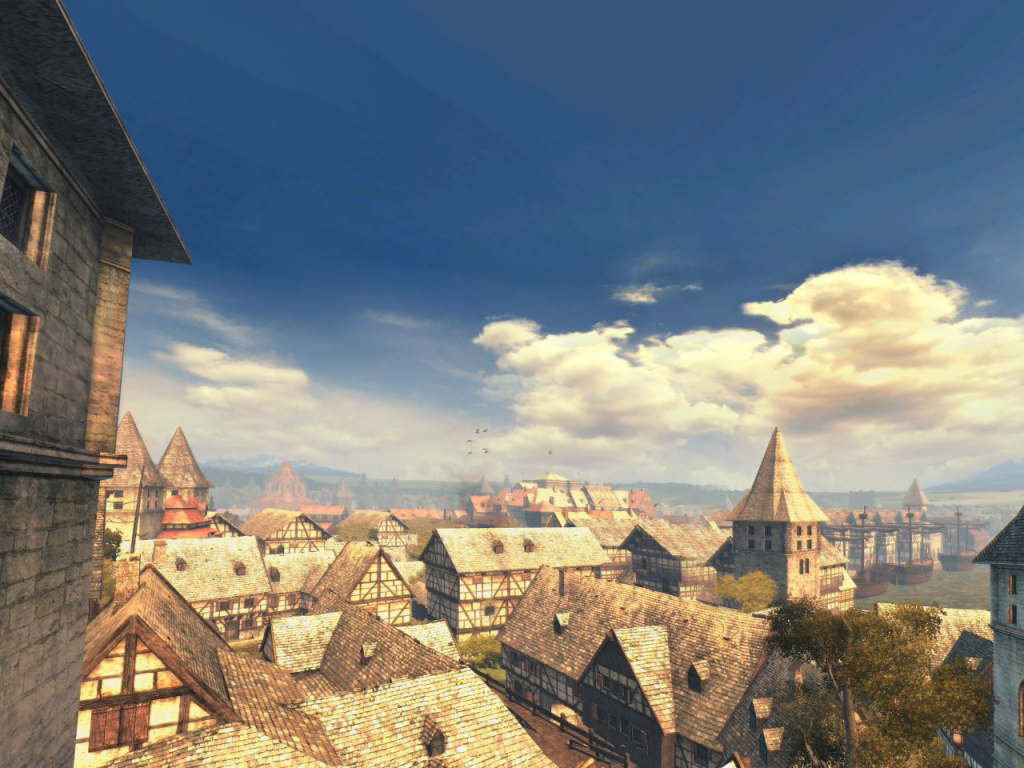
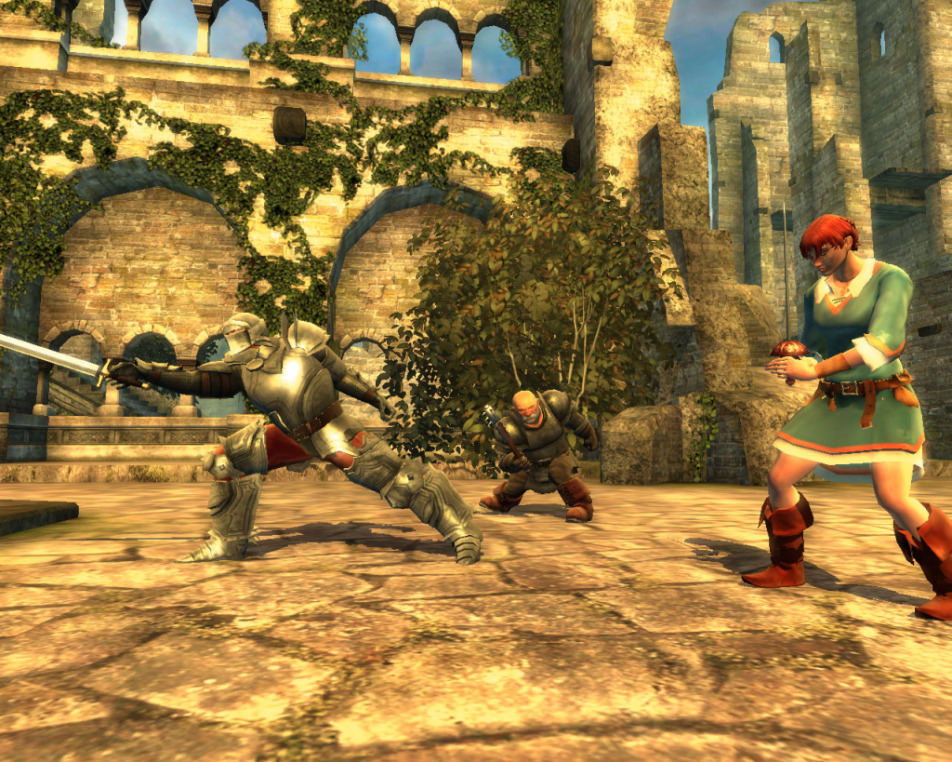
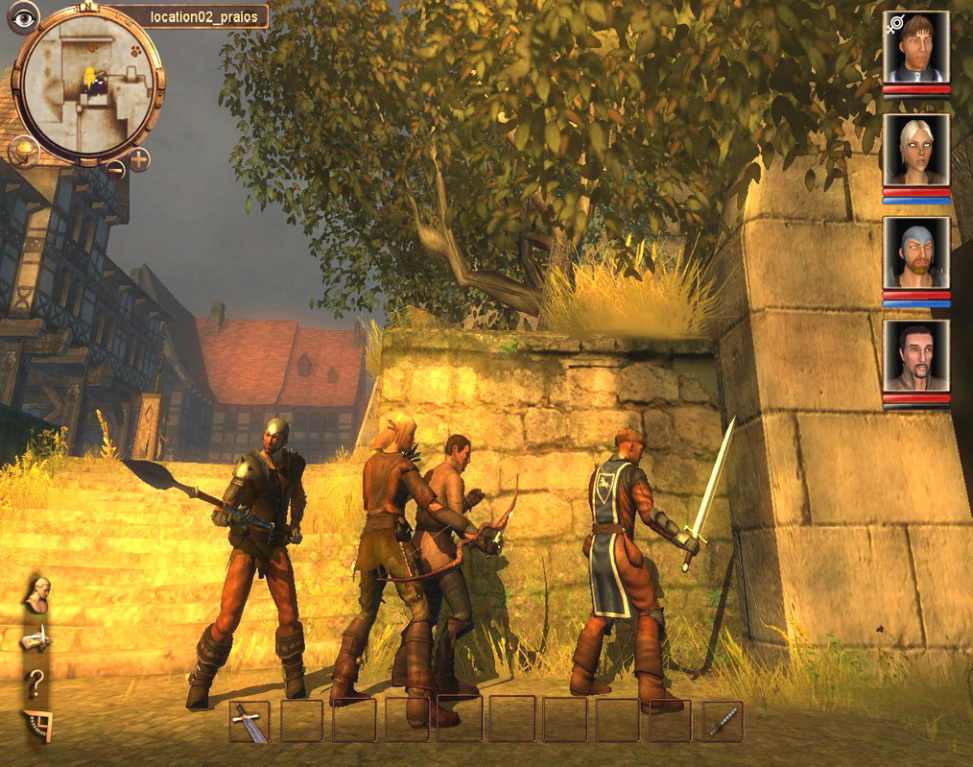
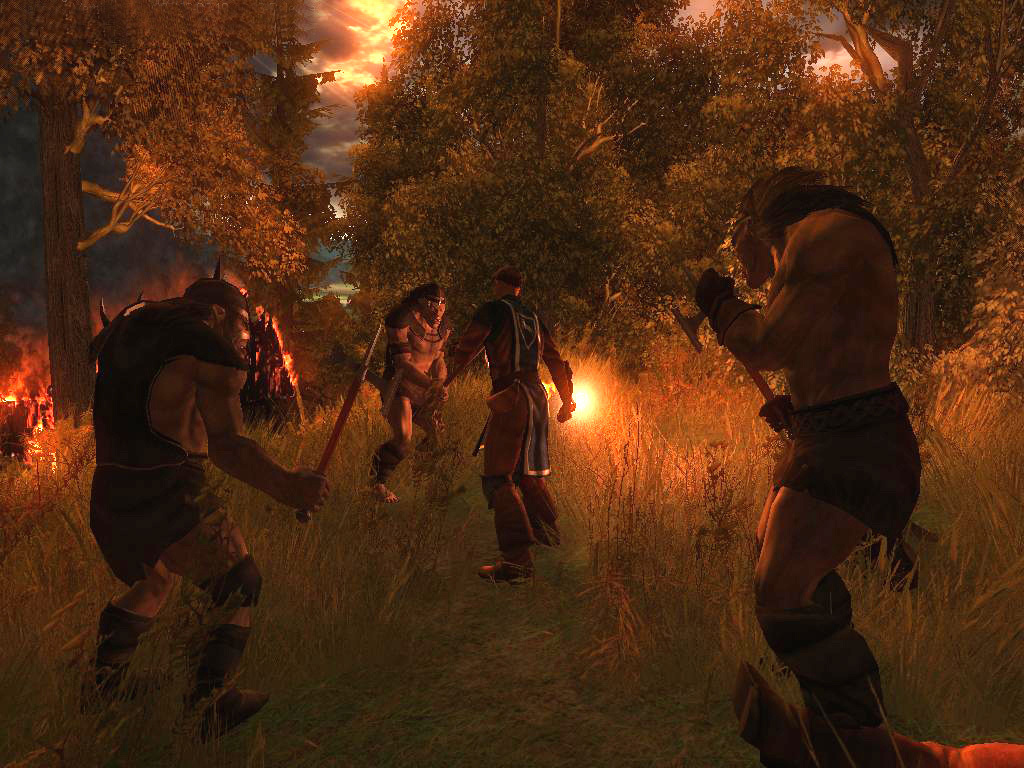
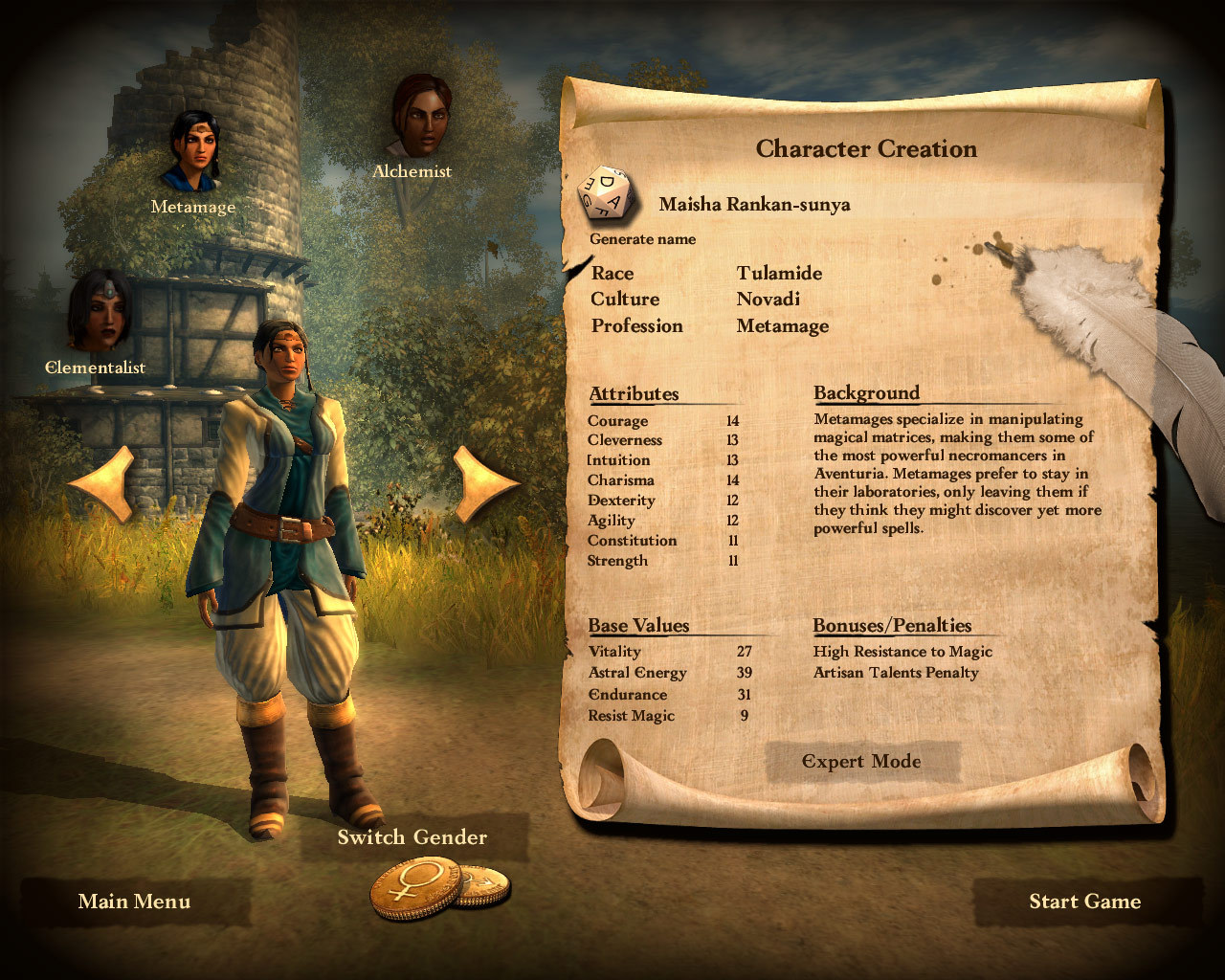
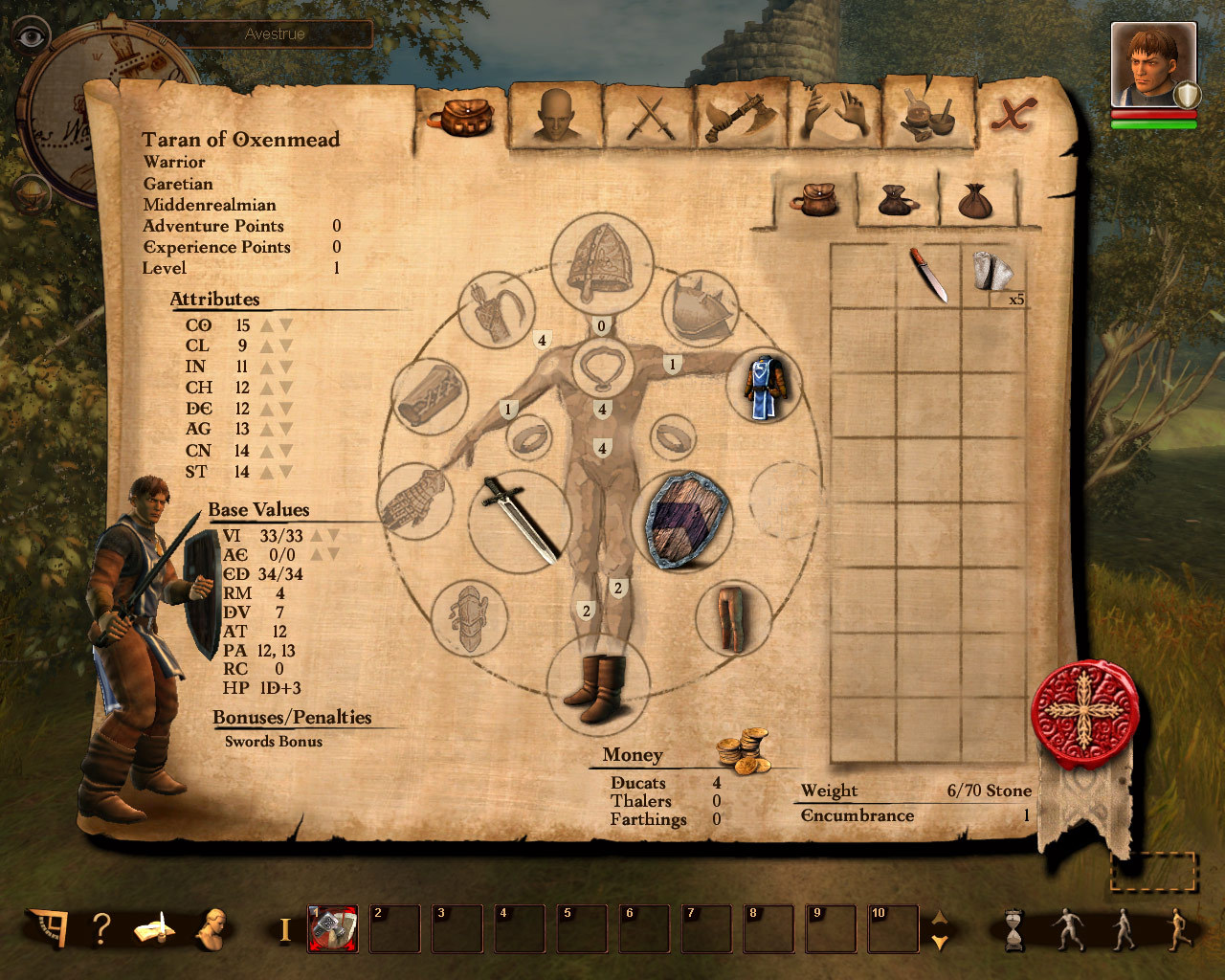
The game is based upon The Dark Eye (Das Schwarze Auge) rules system, and the graphics are generated using the Nebula Device graphics engine developed by Radon Labs. The player begins the game by building a starting character. There are a total of twenty character classes from which to choose, with many familiar RPG staples such as Fighters or unusual classes like dwarven prospectors. Each of the races can only choose from a subset of classes (or jobs). Thus an elf can be either a ranger, fighter, or spellweaver. The classes are not restricted as to what weapons they can use, although they have different starting skill levels. The game begins with only the main character. Throughout the quest, the player will be able to recruit additional characters of different races and classes. There are eight primary attributes, and an extensive array of talents. The broad categories are Combat talents (further divided into 13 talents with specific weapon types), Magic Talents (consisting of individual spells) and Regular Talents (containing 24 talents divided into 5 sub-categories, governing the character's non-combat skills, from crafting to social interaction). As characters complete quests or kill enemies, they gain experience points, which can be used to increase attributes or improve talents. Each character starts with a different collection of talents, and more can be learned at trainers for a fee. During the game, the characters can learn various alchemical, archery and blacksmith recipes, then assemble materials to make weapons, ammunition, potions, lockpicks and so forth. Most of the interactions in Drakensang require skill checking. When a character skins a slain wolf, for example, three rolls are made against the character's Cleverness, Courage and Intuition. If they pass the test (the rolled numbers are lower than the attributes), then the action is immediately successful. When one or more attribute tests fails, the points in Animal Lore talent are used to compensate for the missing points. If the test is still not passed, then the character fails to gain anything from the animal. Other actions, from picking locks to casting spells, also use the same mechanic. In case of spells, the amount of remaining talent points is also used to determine the spell's effectiveness. Spell casting in Drakensang uses Astral Energy (AE). Each character has a certain amount of AE that can be used to cast spells, with the cost in AE dependent on the spell's power setting. AE is slowly regenerated or can be replenished by potions. The effectiveness of each spell depends on its power level and other factors. Combat in Drakensang is executed in real time, with all characters acting at the same time. Each activity requires a specific number of time units to execute, and can be interrupted before it completes. The player can pause the action and queue orders to party members. While offensive spells never miss (they can still "fizzle" if the skill check fails), the result of physical attacks are determined by checking an attacker's chance to hit and the target's dodging or parrying ability. If the attack connects, the weapon damage and the target's armor are brought into question to calculate the amount of damage done. When a character sustains wounds from combat, their attributes are lowered. Each wound must be dealt with individually, either with bandages, spells or potions. When a character's hit points reach 0, they are incapacitated. If the whole party is incapacitated, the game is over. The evaluation of various actions (both combat and non-combat) are displayed in a console that can be viewed by the player.
About Drakensang: The Dark Eye
Drakensang: The Dark Eye is a Open World, Real-Time with Pause (RTwP), Role-playing (RPG), Sandbox, Squad Management game released in 2008 developed by Radon Labs that offers Single player gameplay from a third person perspective playable on PC (Microsoft Windows) with 35 user ratings averaging 73.0/100. The game explores themes like Fantasy, Historical. If you enjoy Drakensang: The Dark Eye, you might also like similar games in our database of 45,000+ titles.
Basic Info
Details
↑ Back to topAdditional Information
Платформы 1
Genres 5
Themes 2
Player Perspectives 1
Game Modes 1
Companies
↑ Back to topDevelopers
Radon Labs
No description available
Publishers
DTP Entertainment
No description available
Eidos Interactive
No description available
THQ
No description available
Keywords
↑ Back to topScreenshots
↑ Back to top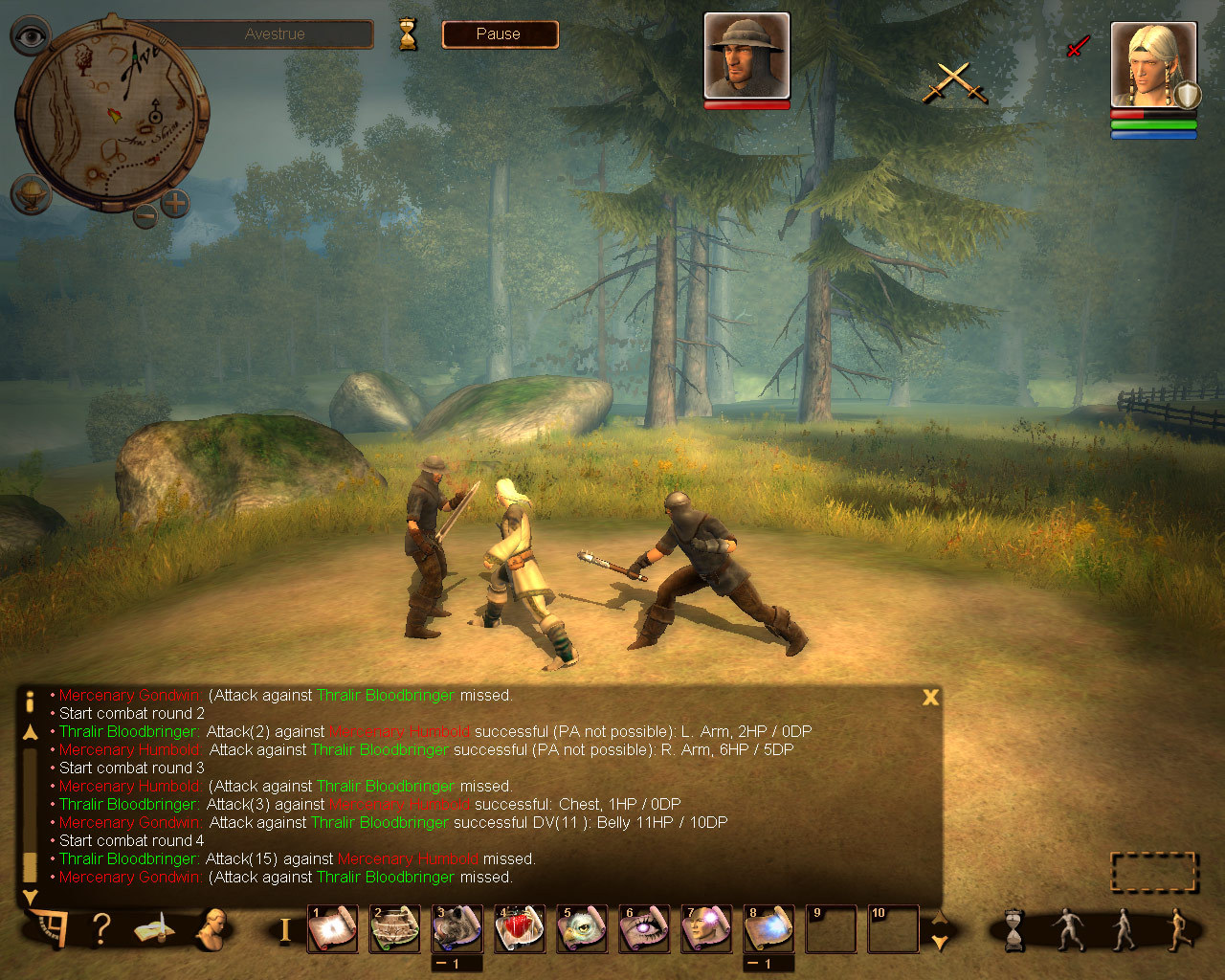
Similar Games
↑ Back to top
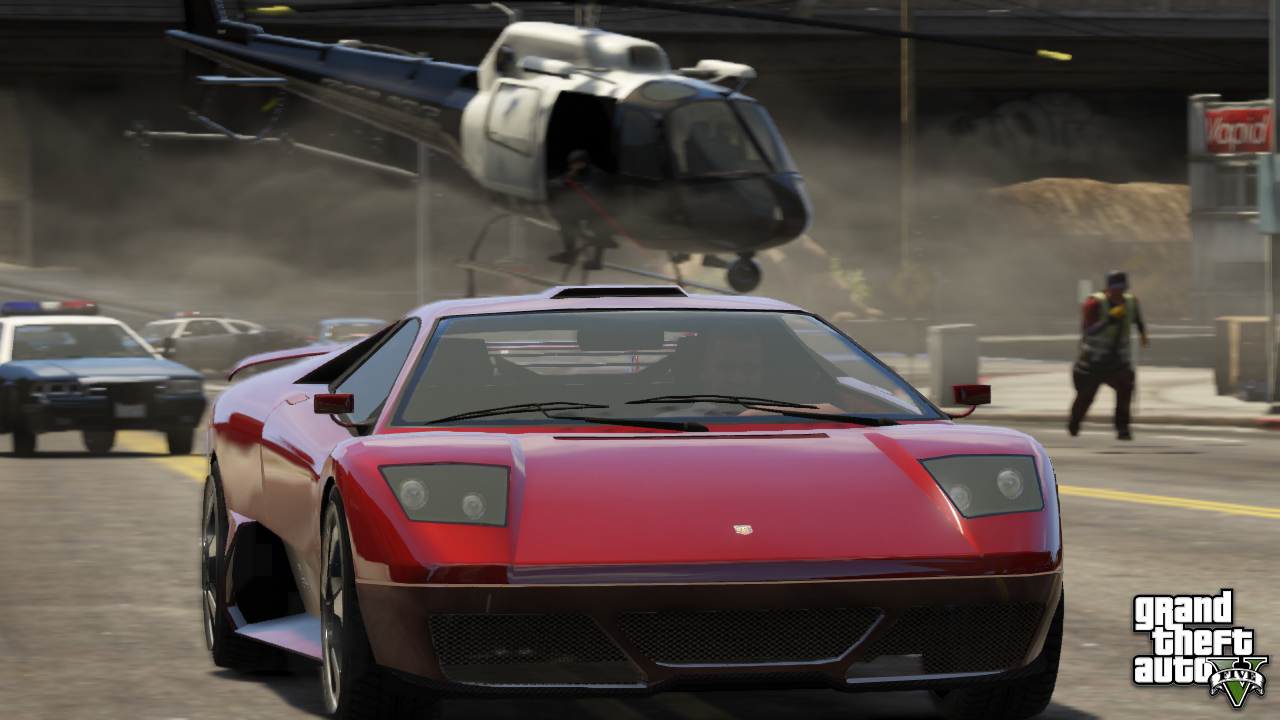
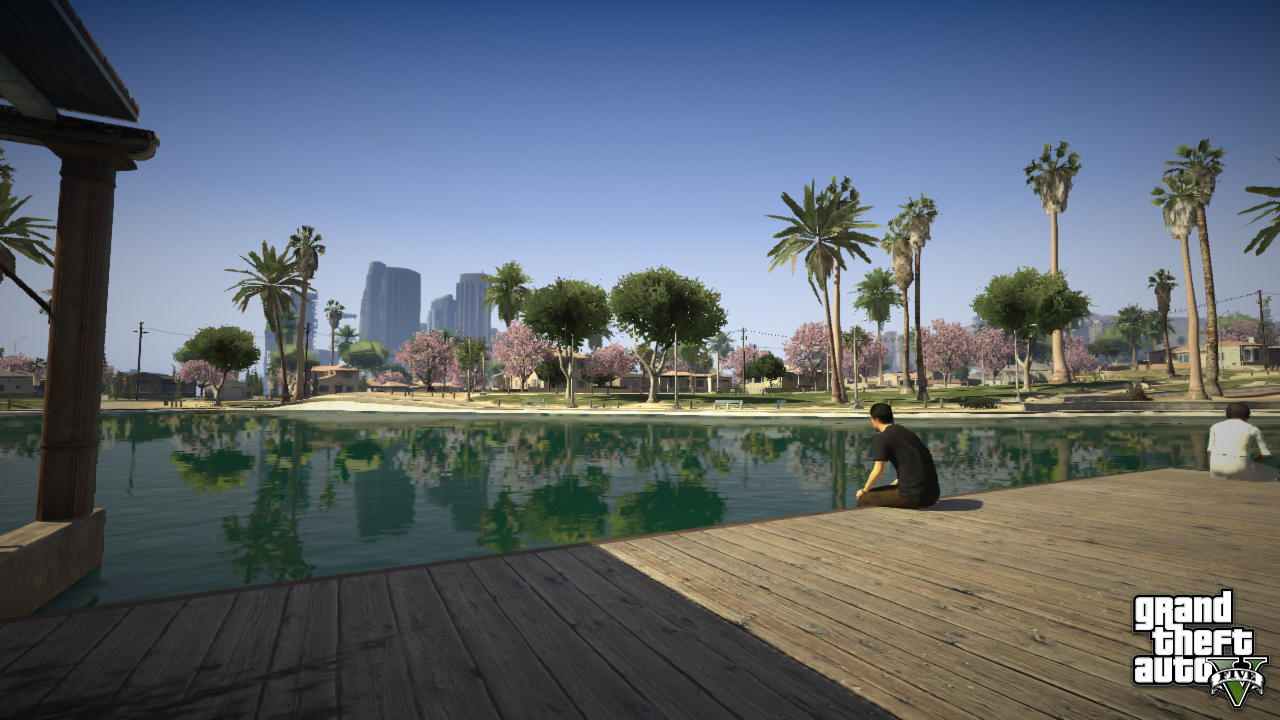
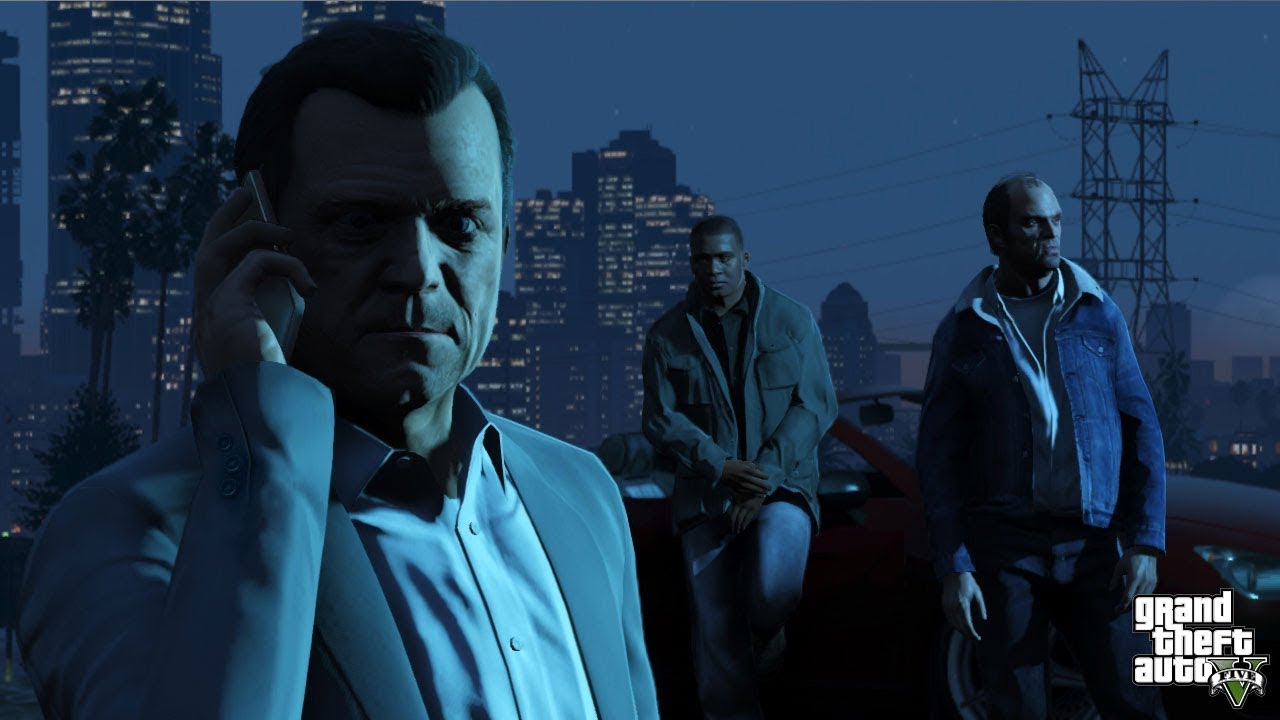
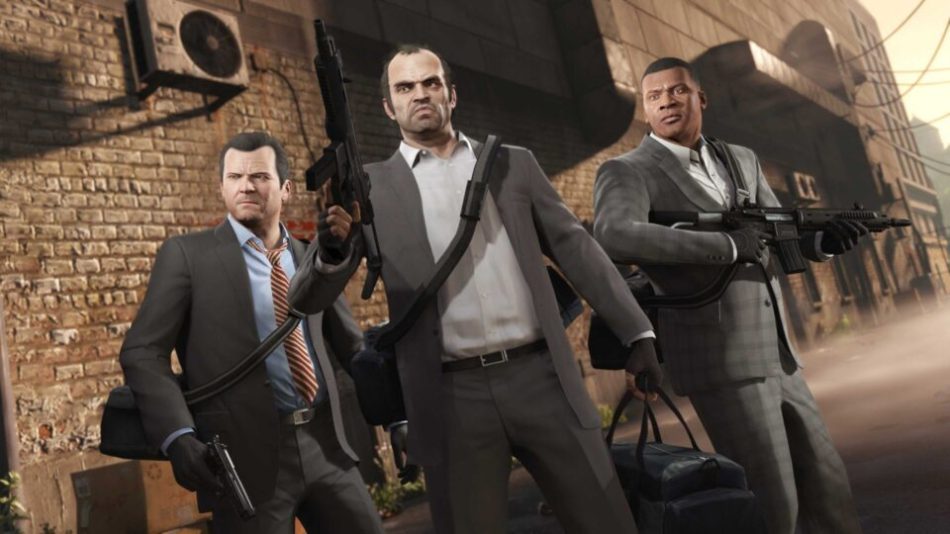

Grand Theft Auto V
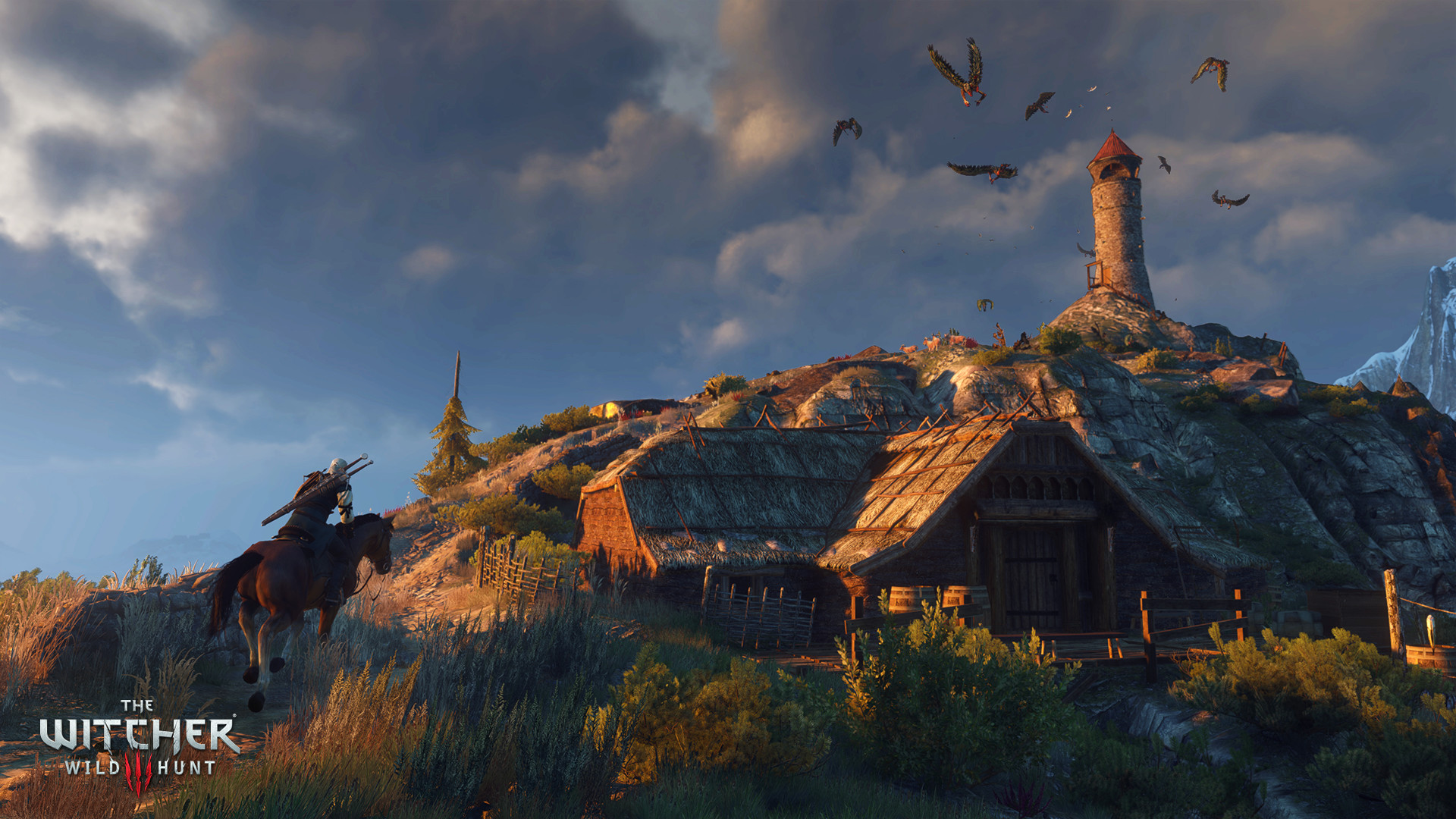
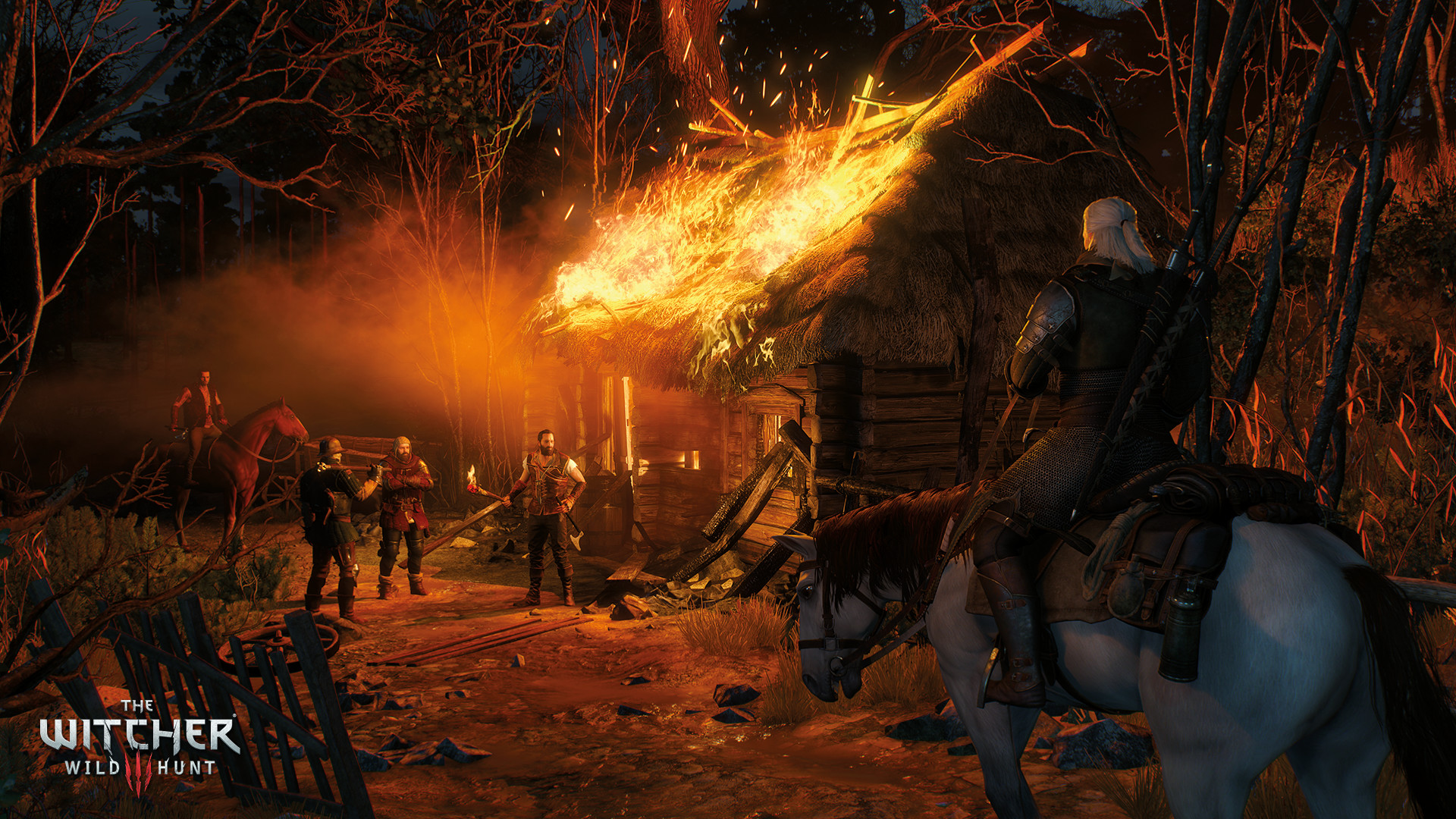
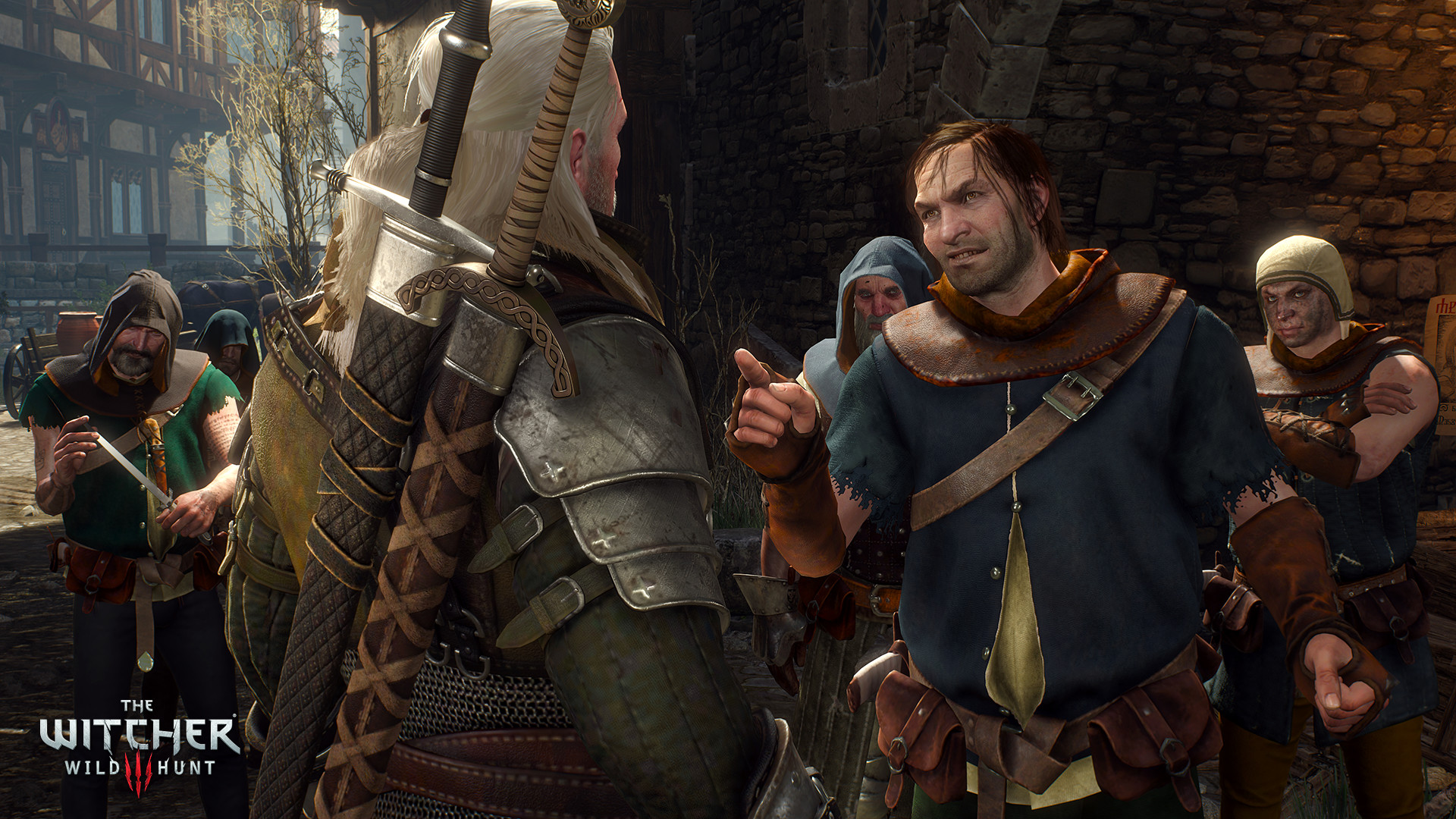
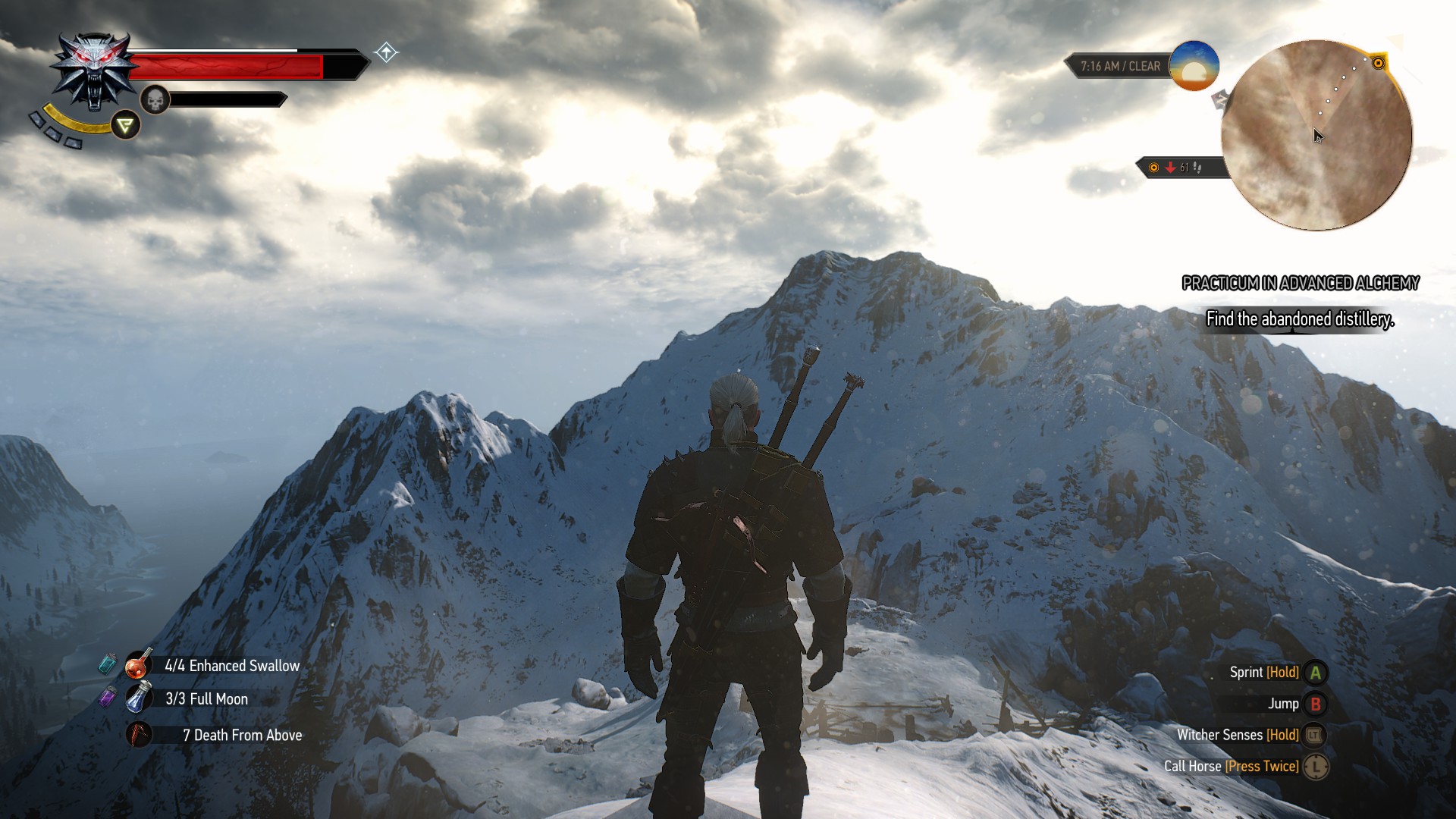
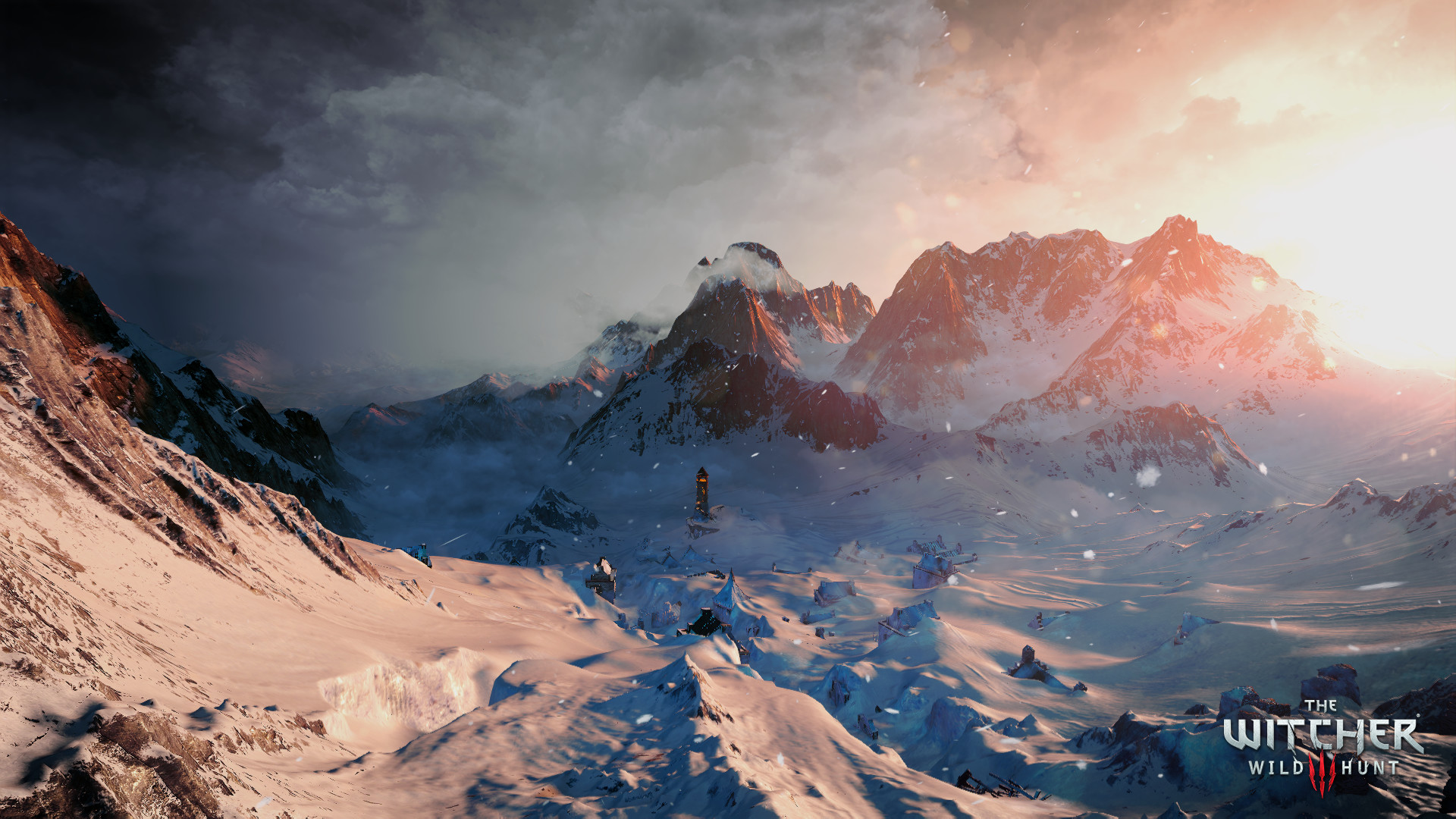
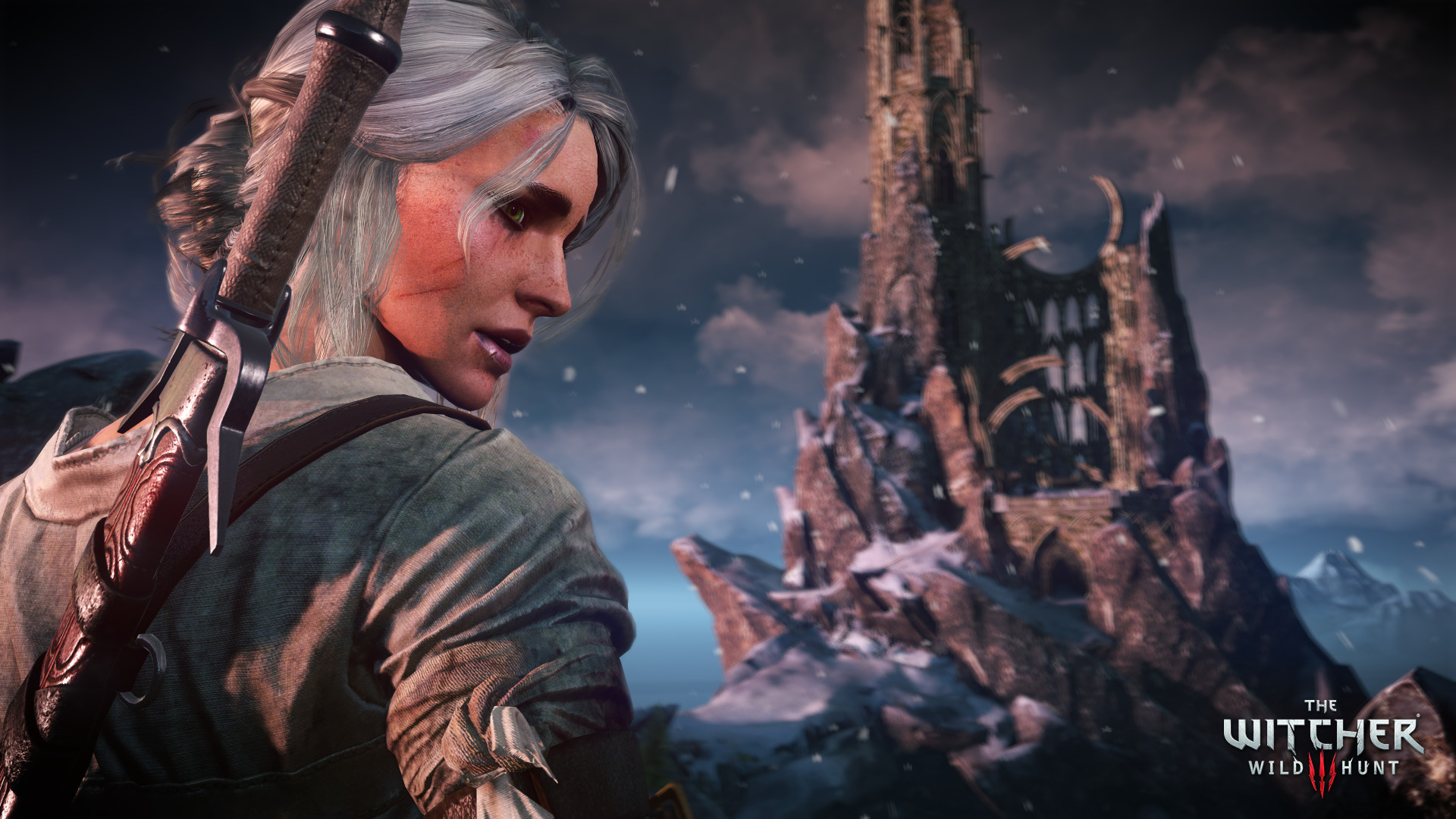
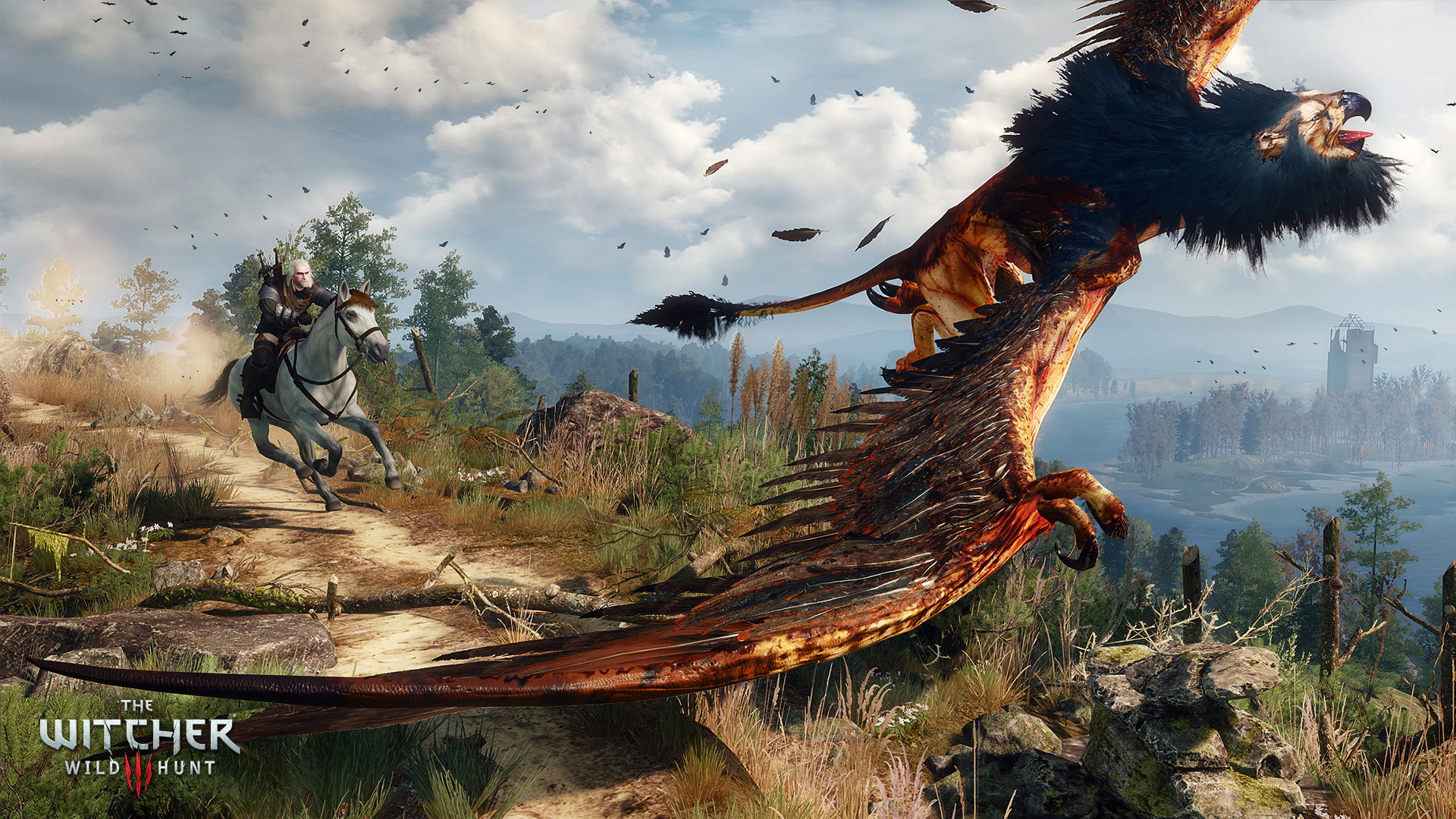
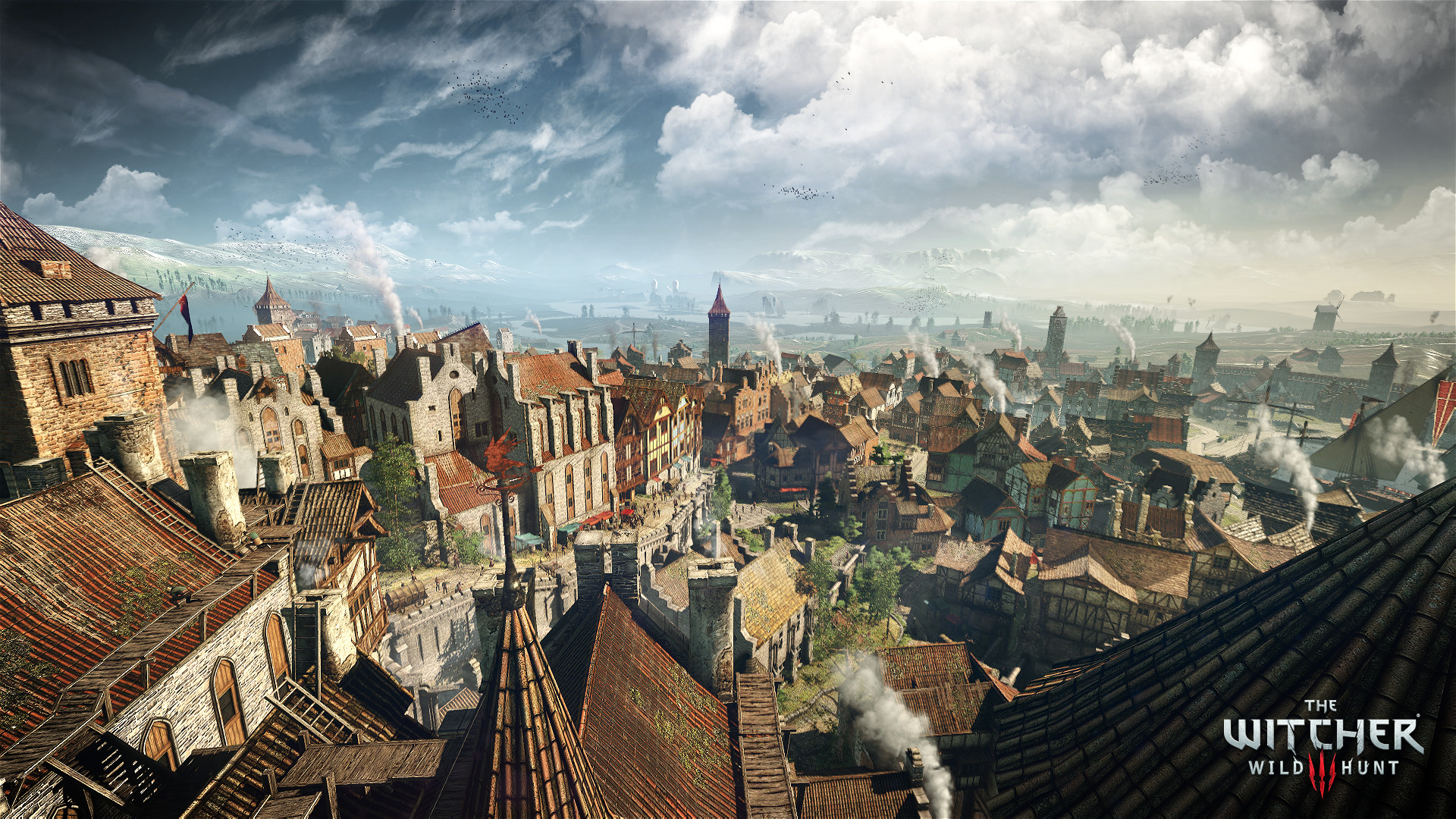
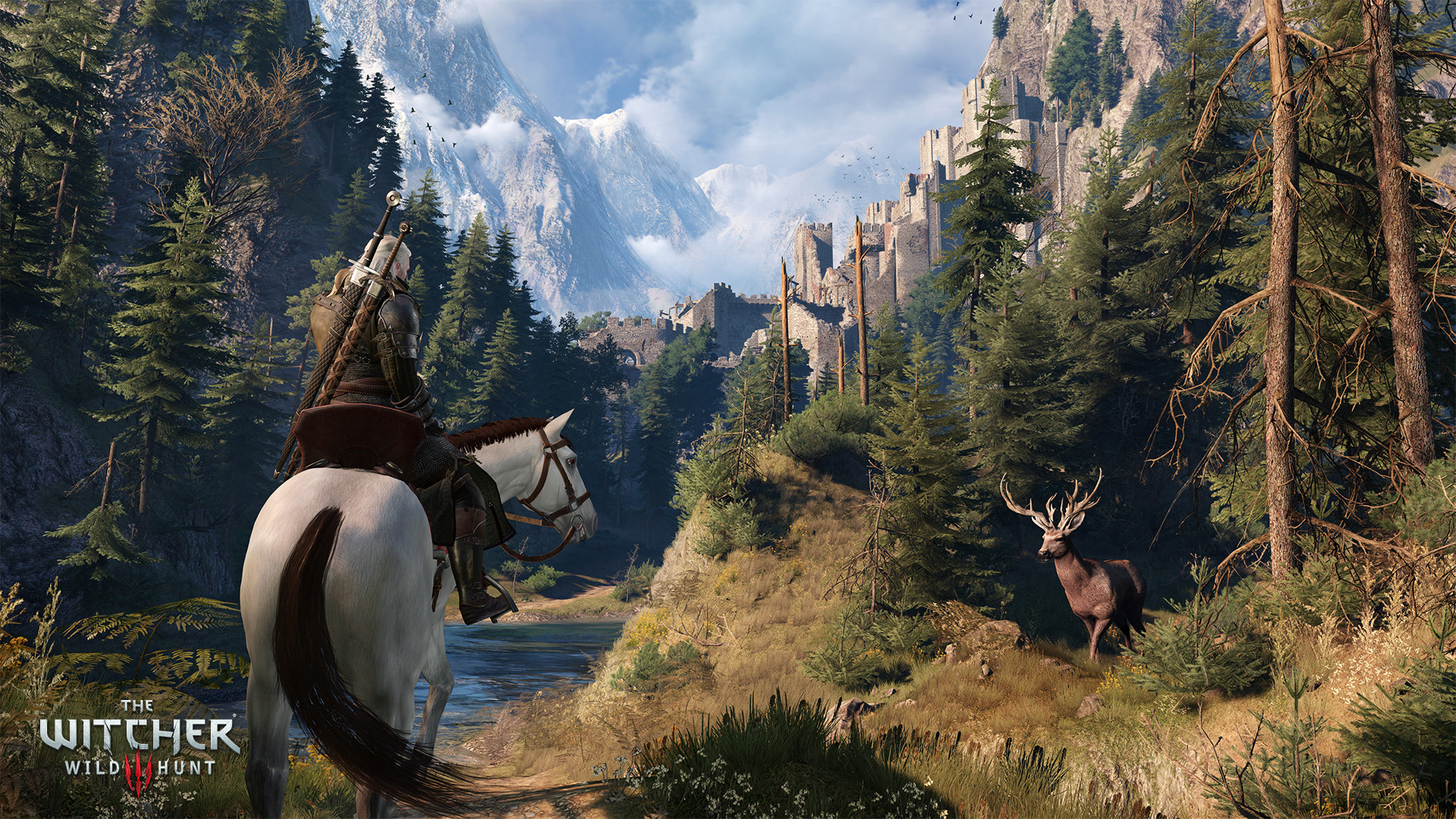
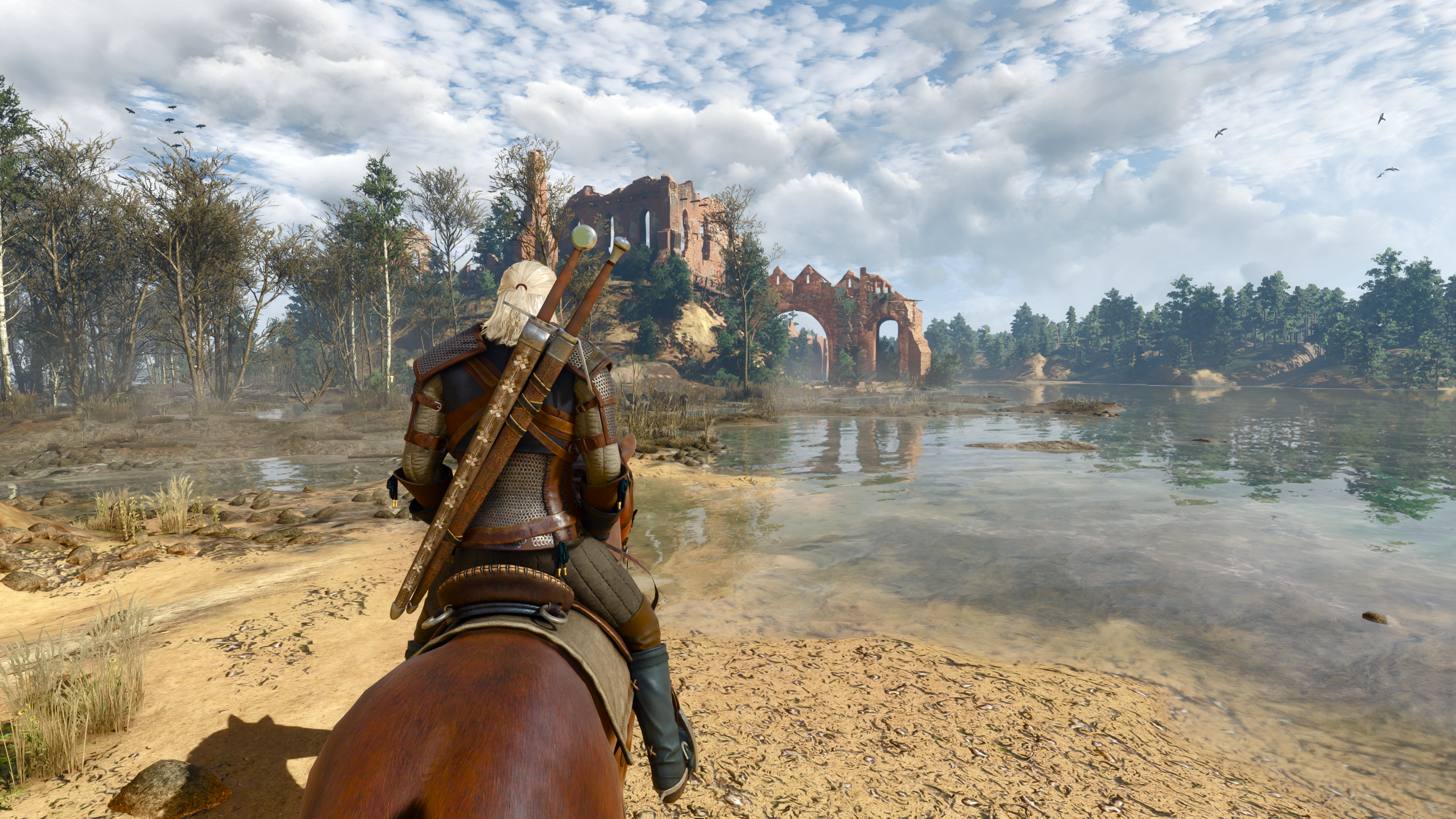
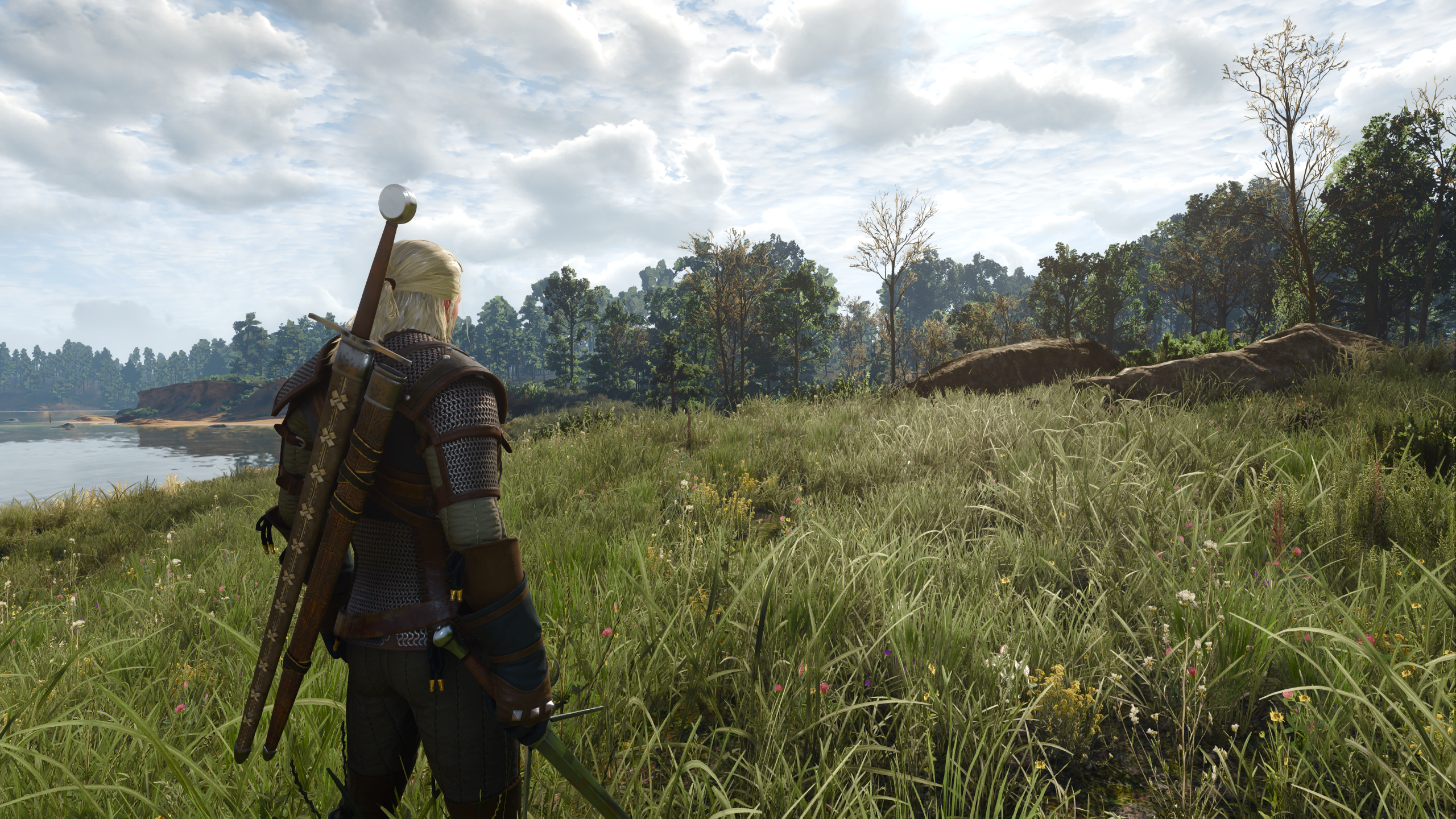

The Witcher 3: Wild Hunt
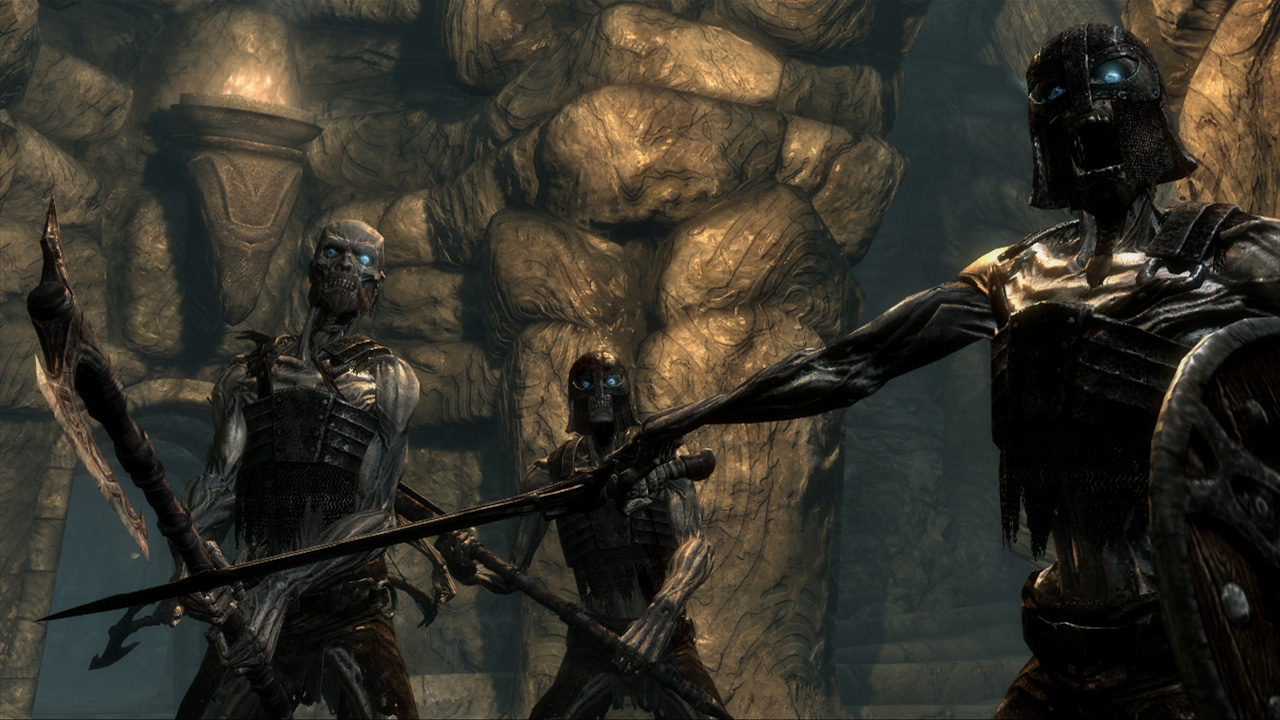
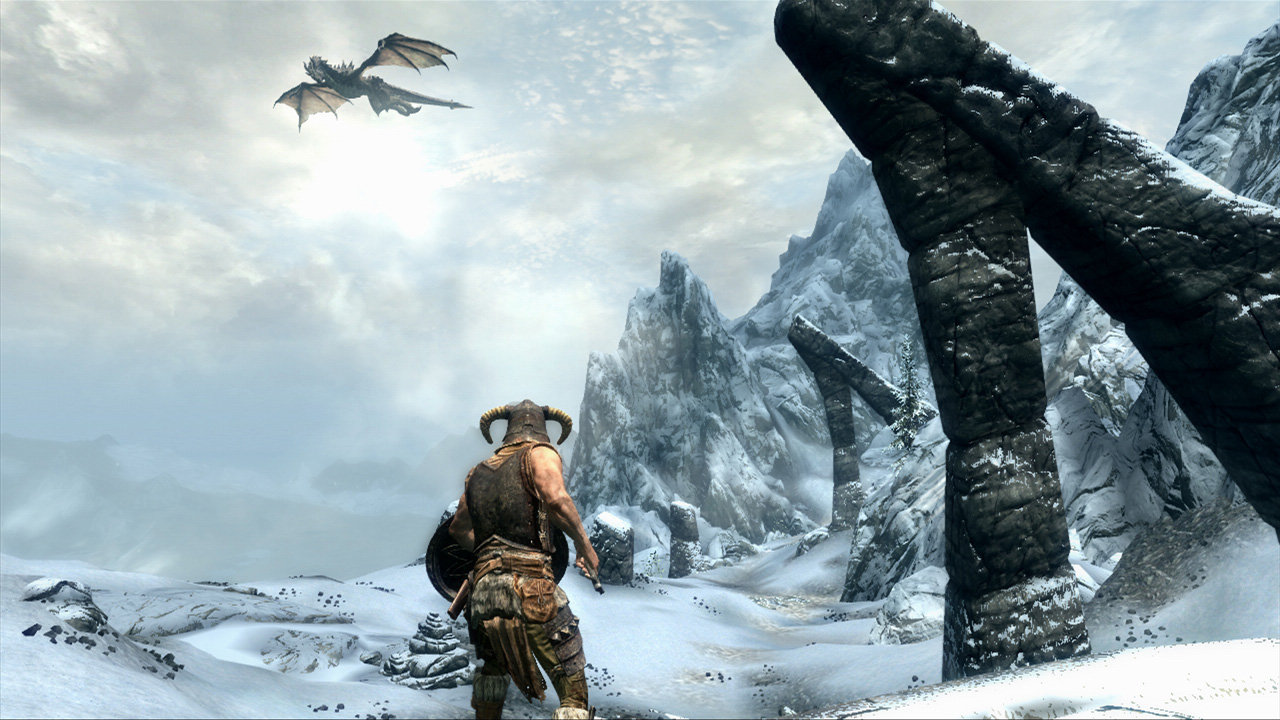
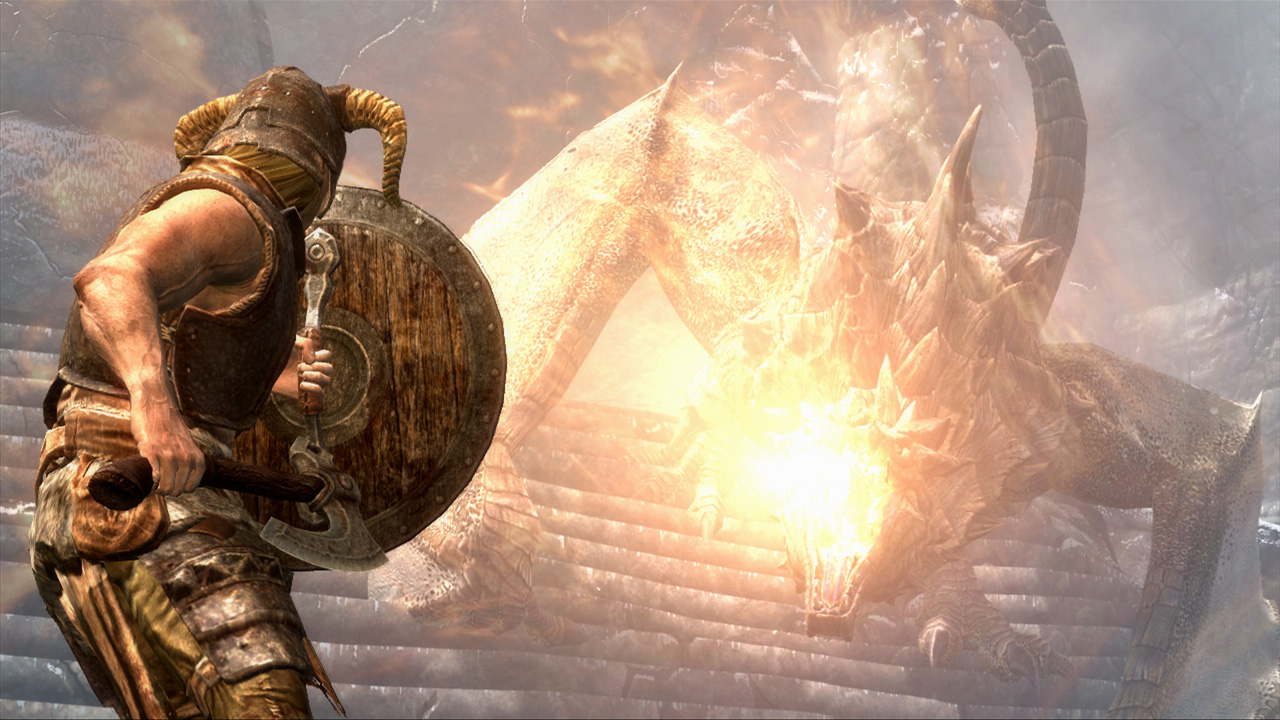
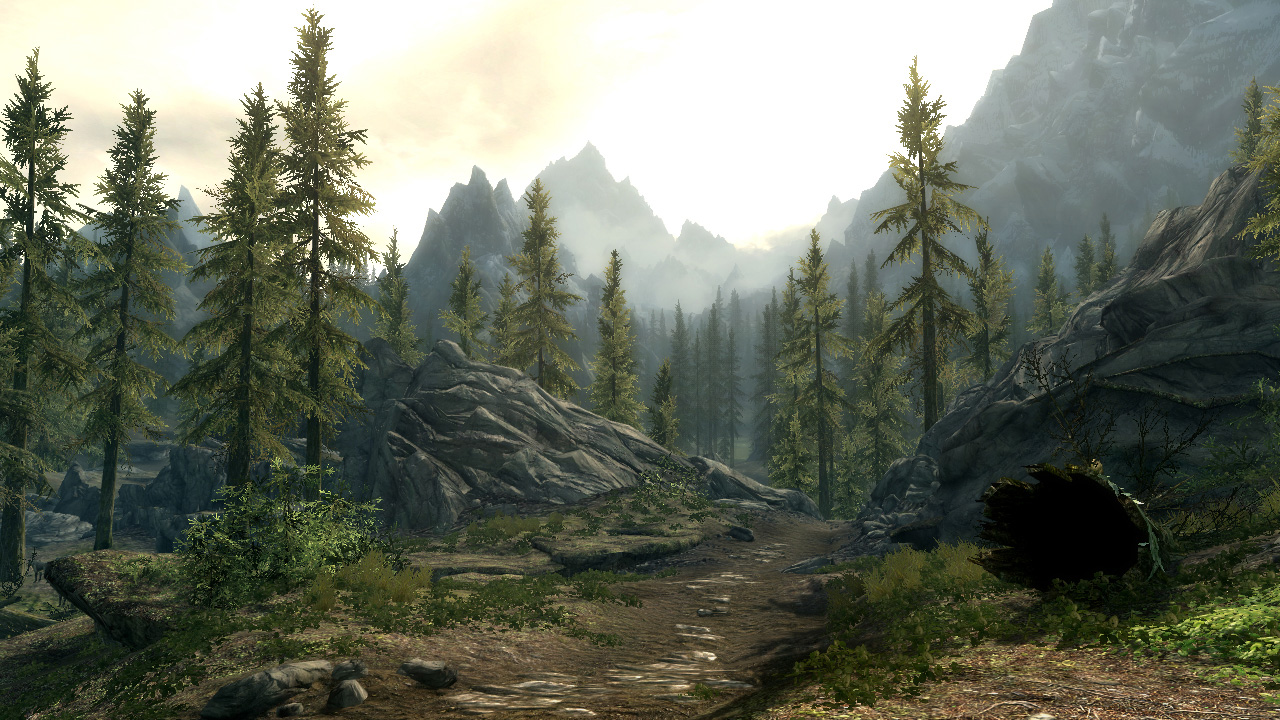
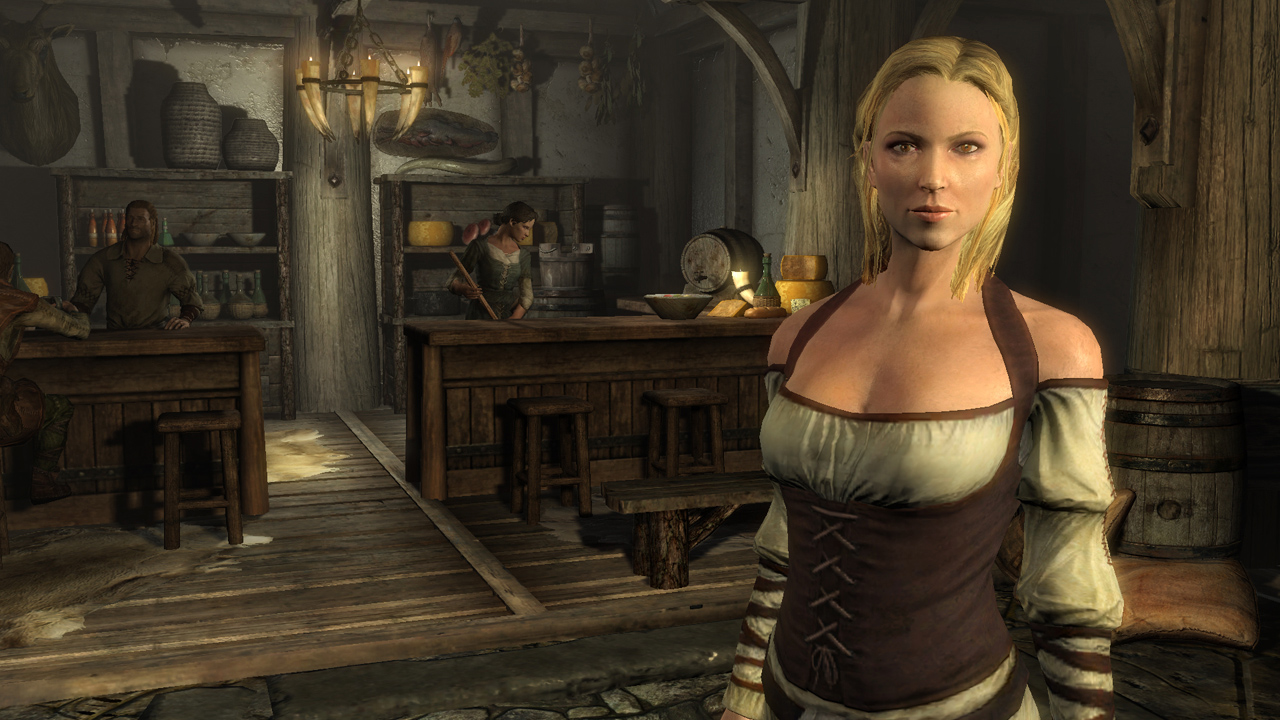
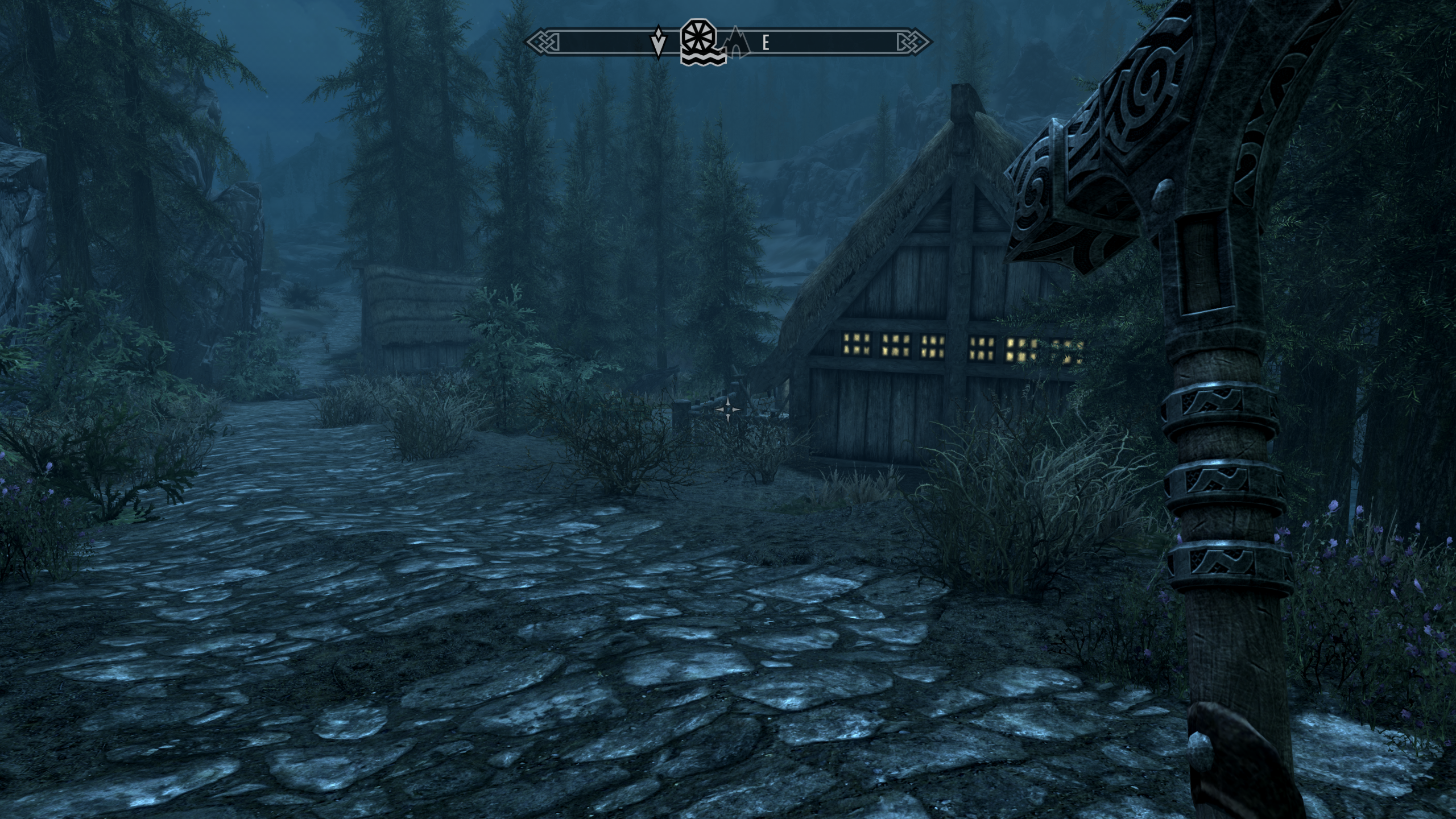
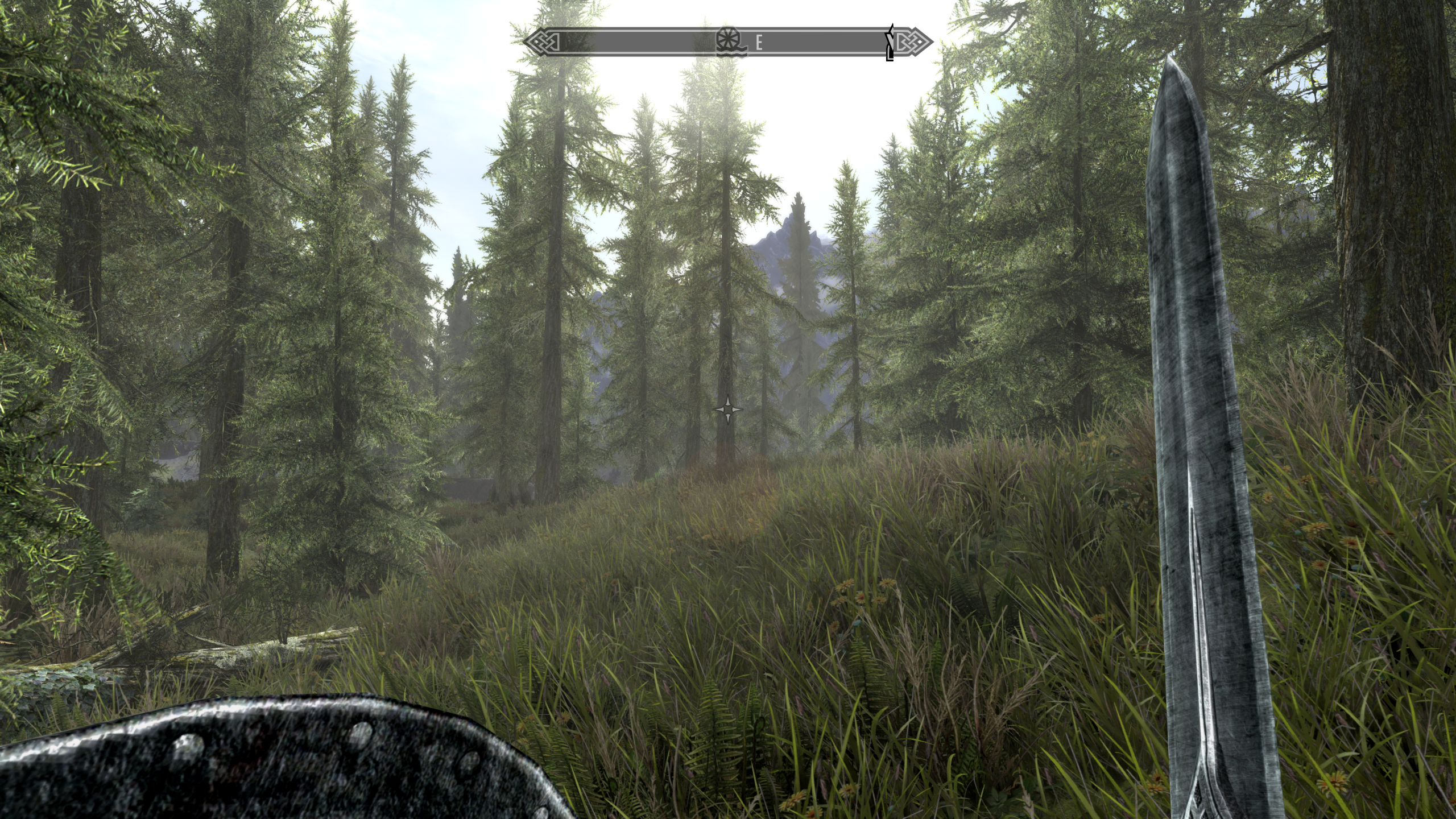

The Elder Scrolls V: Skyrim

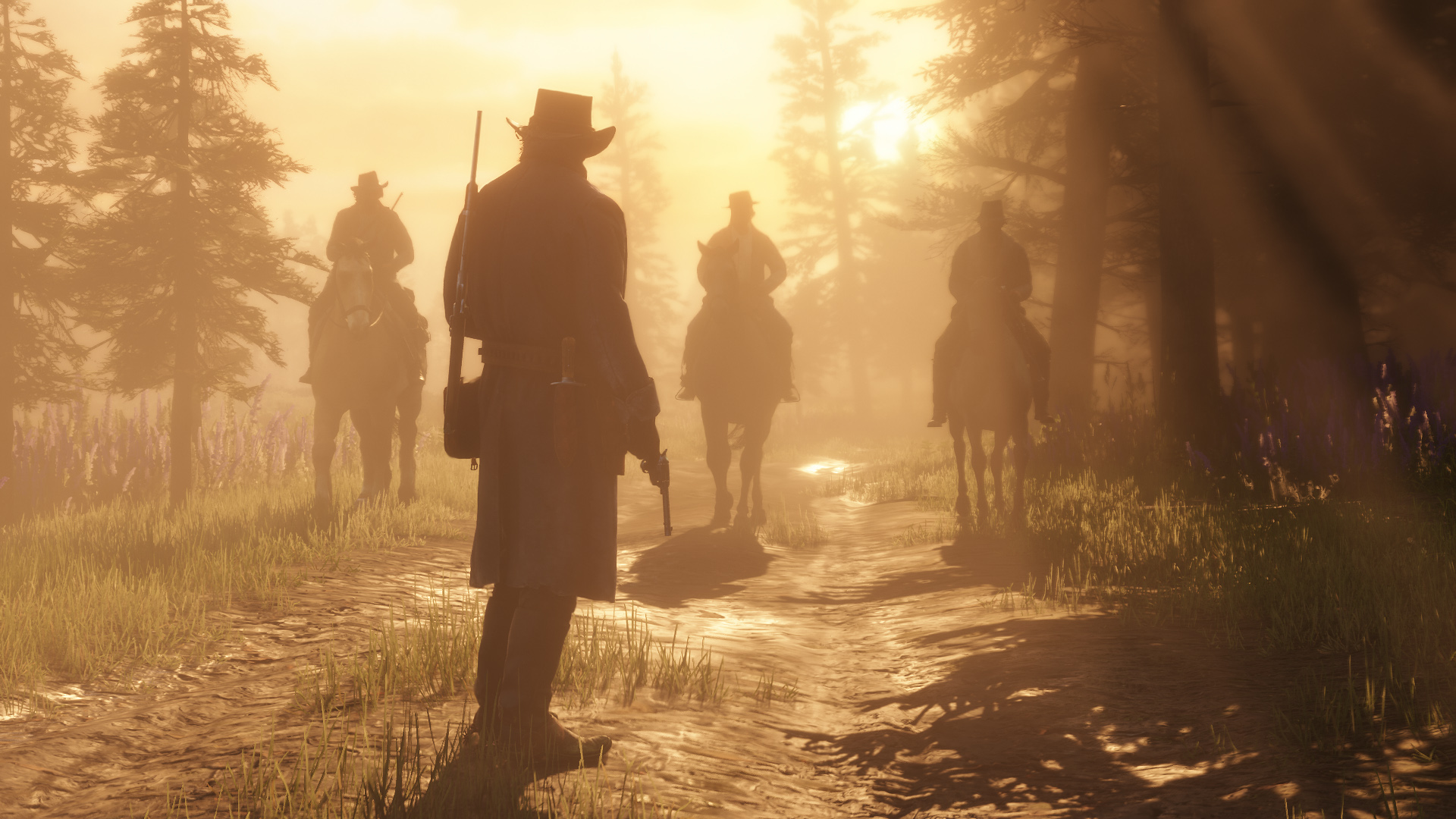

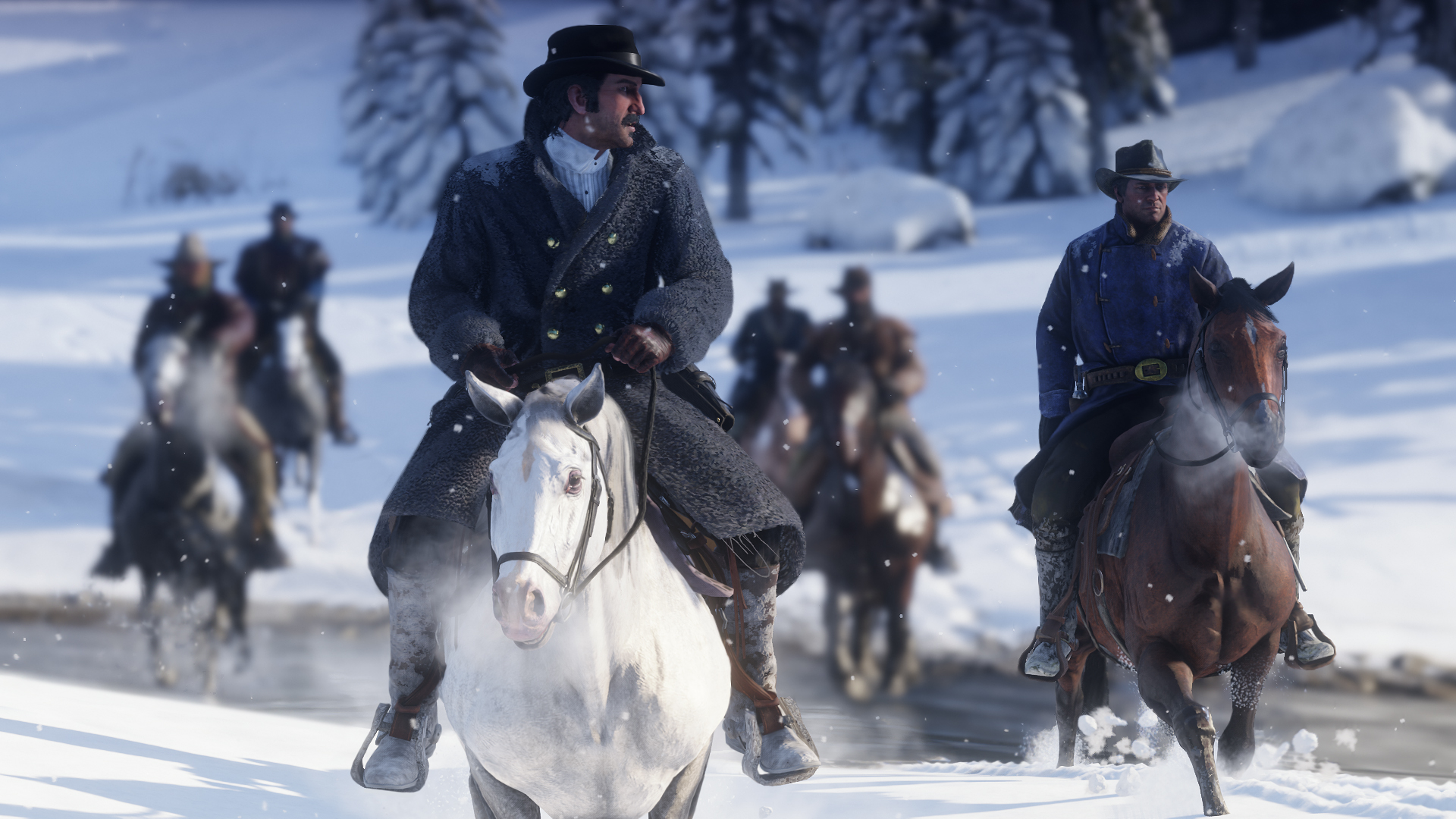
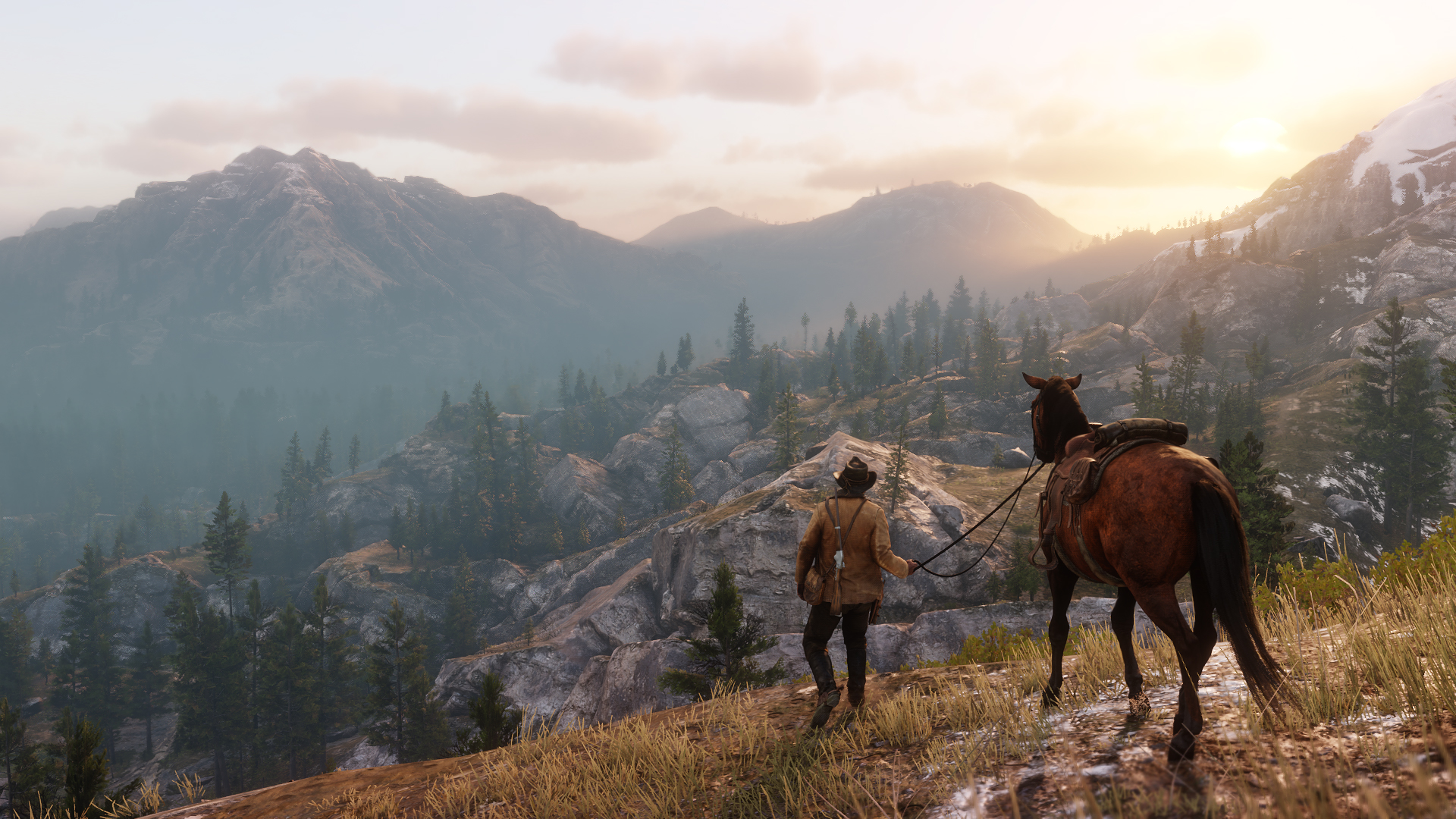
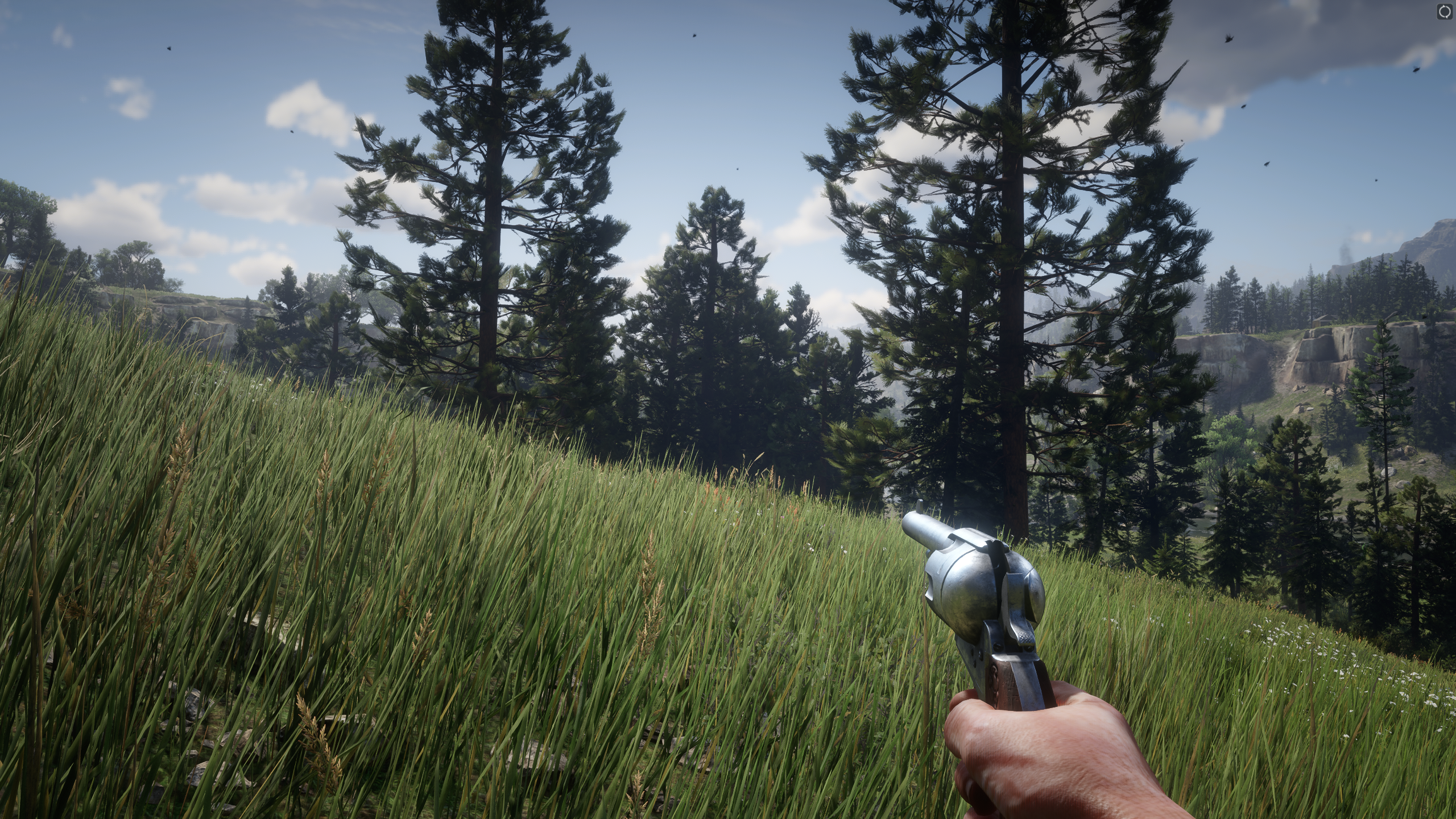
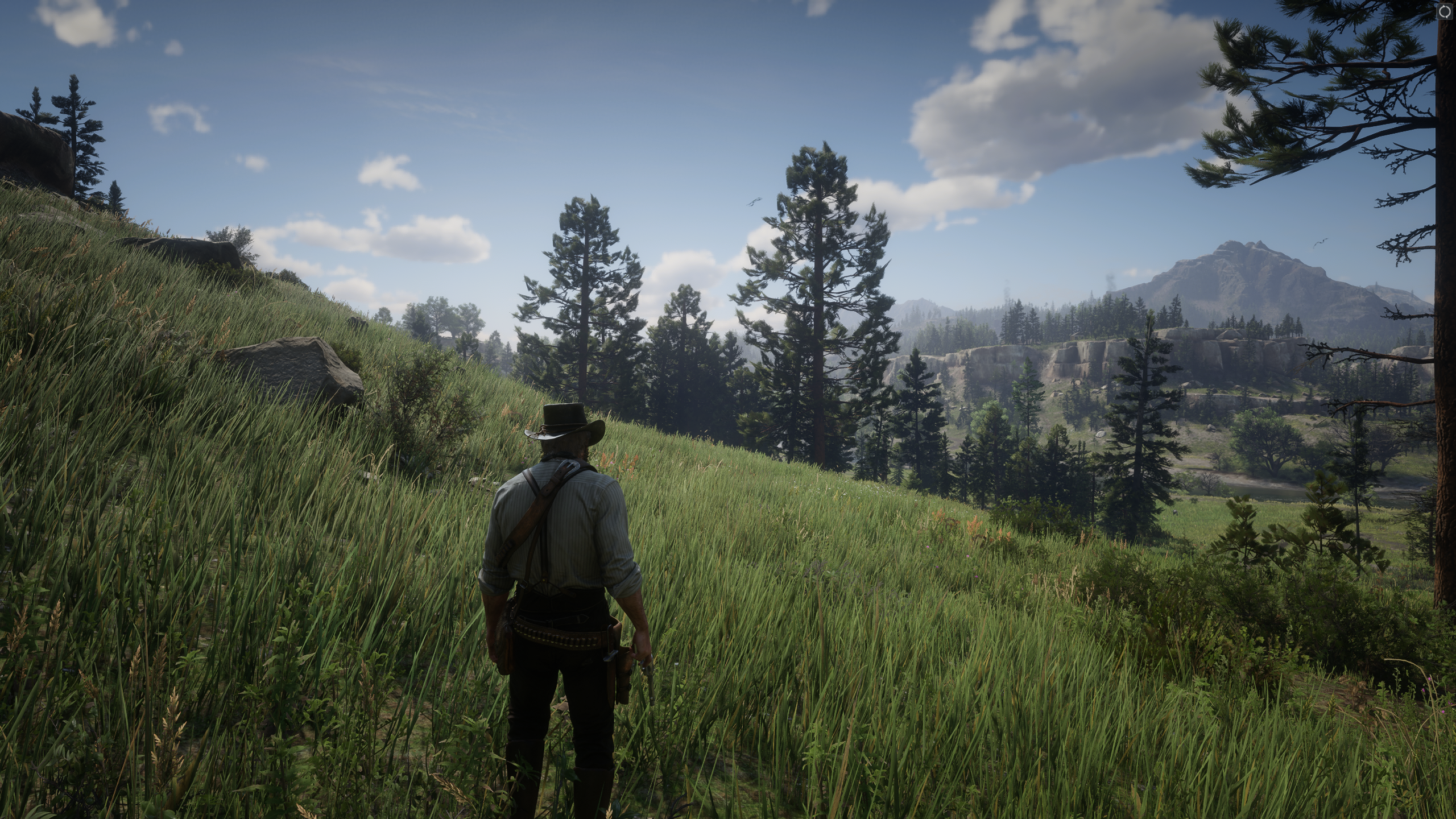

Red Dead Redemption 2

Assassin's Creed II



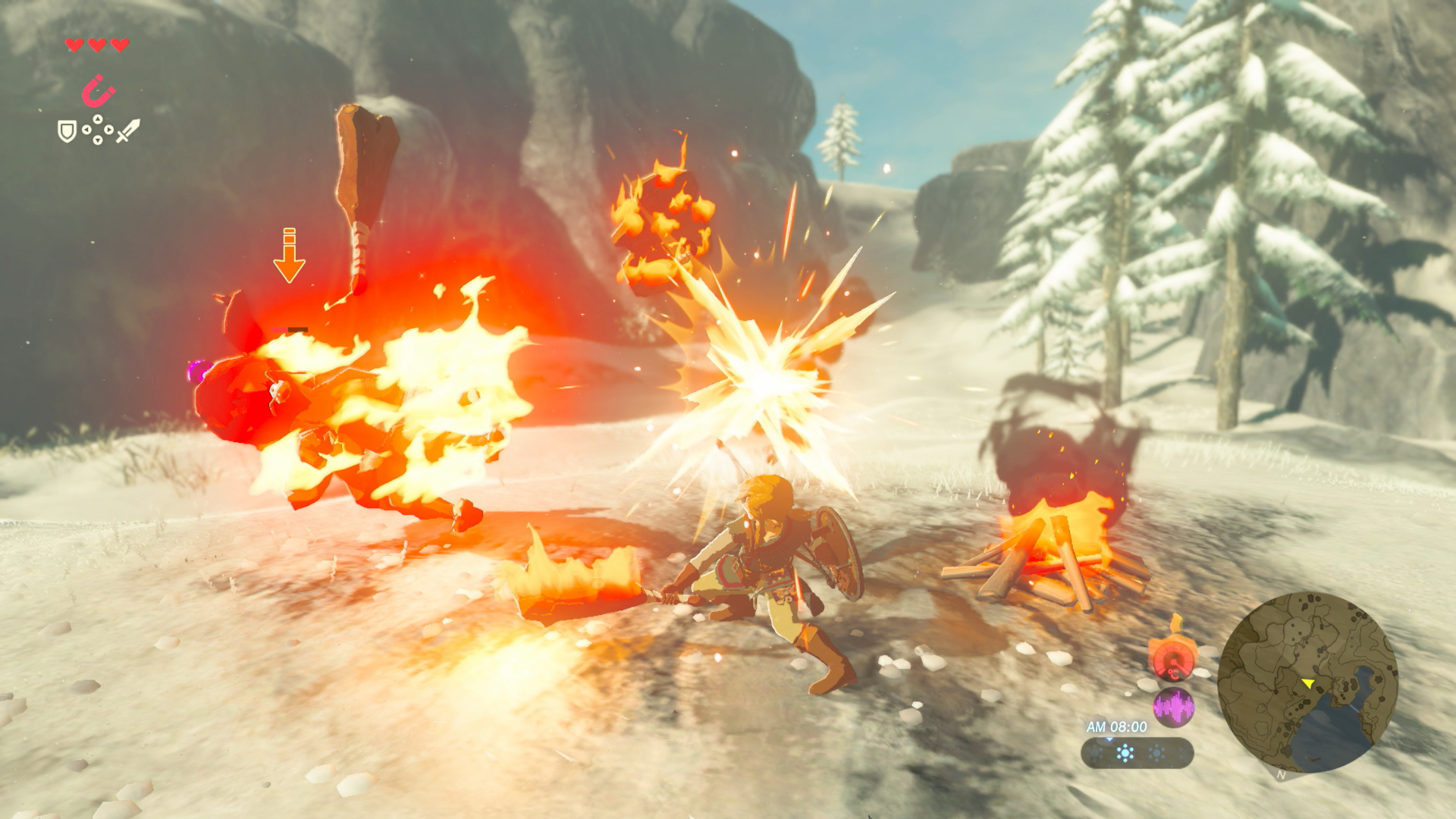

The Legend of Zelda: Breath of the Wild
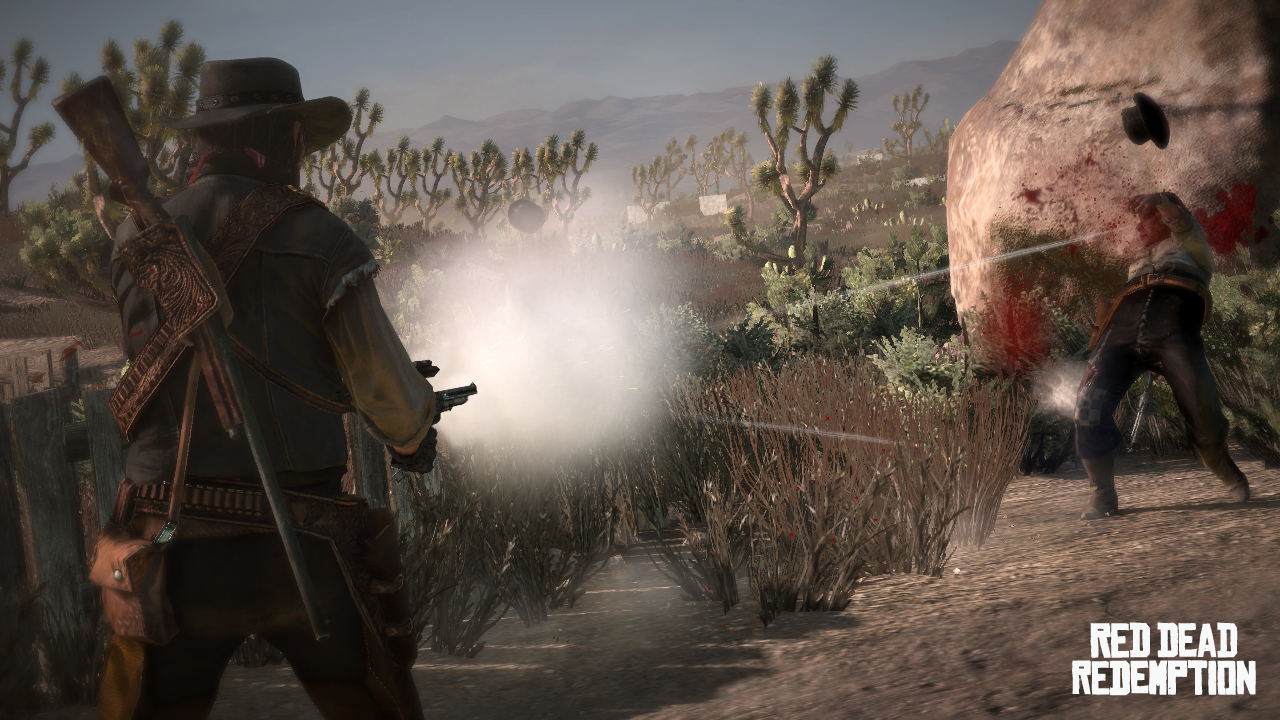
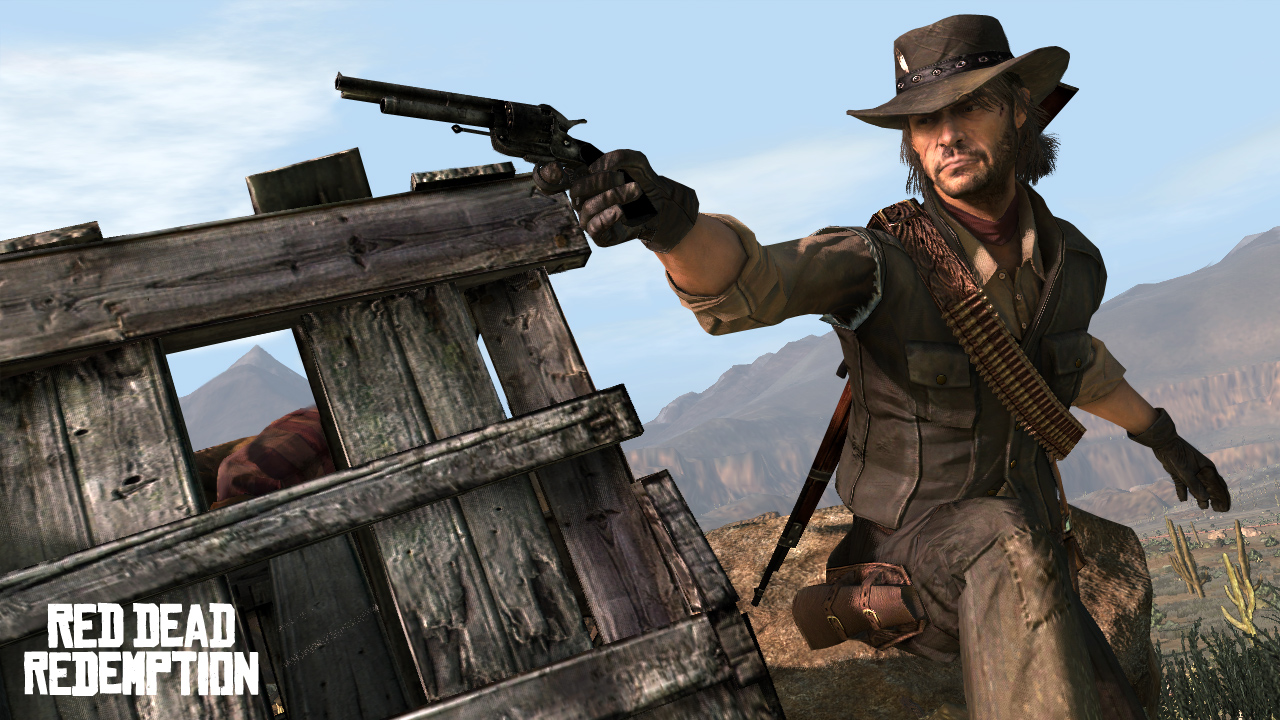
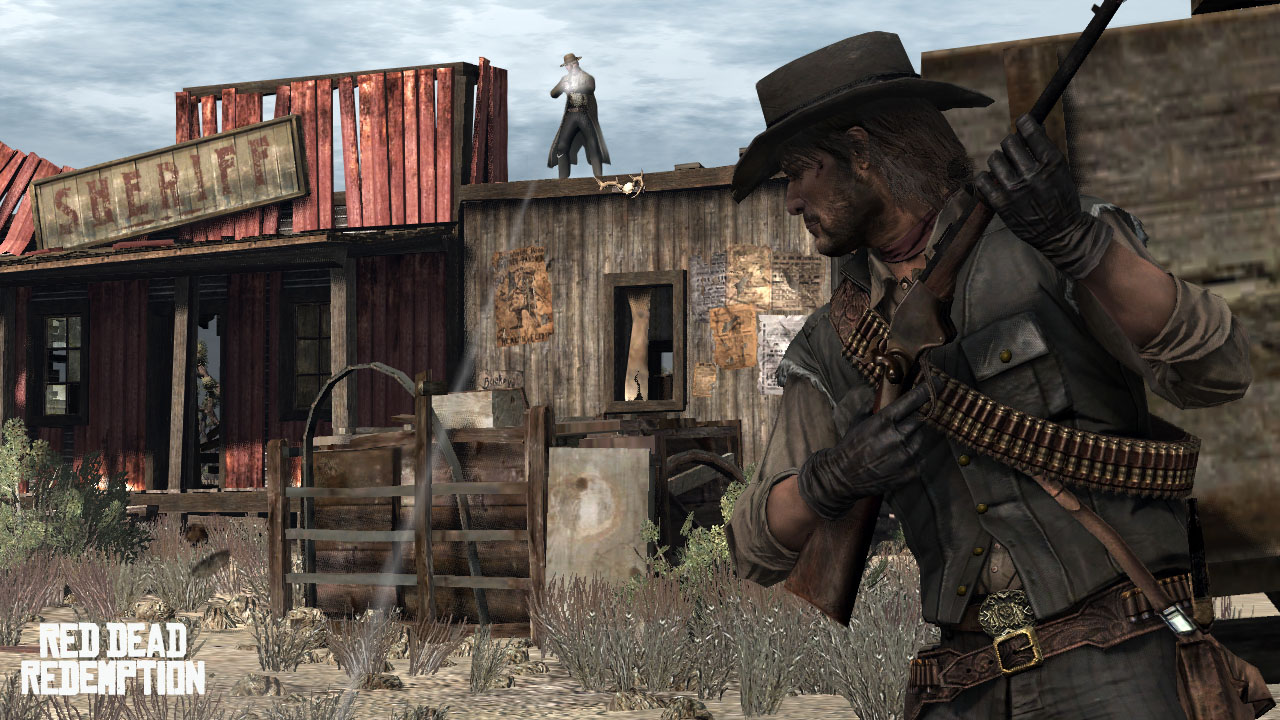

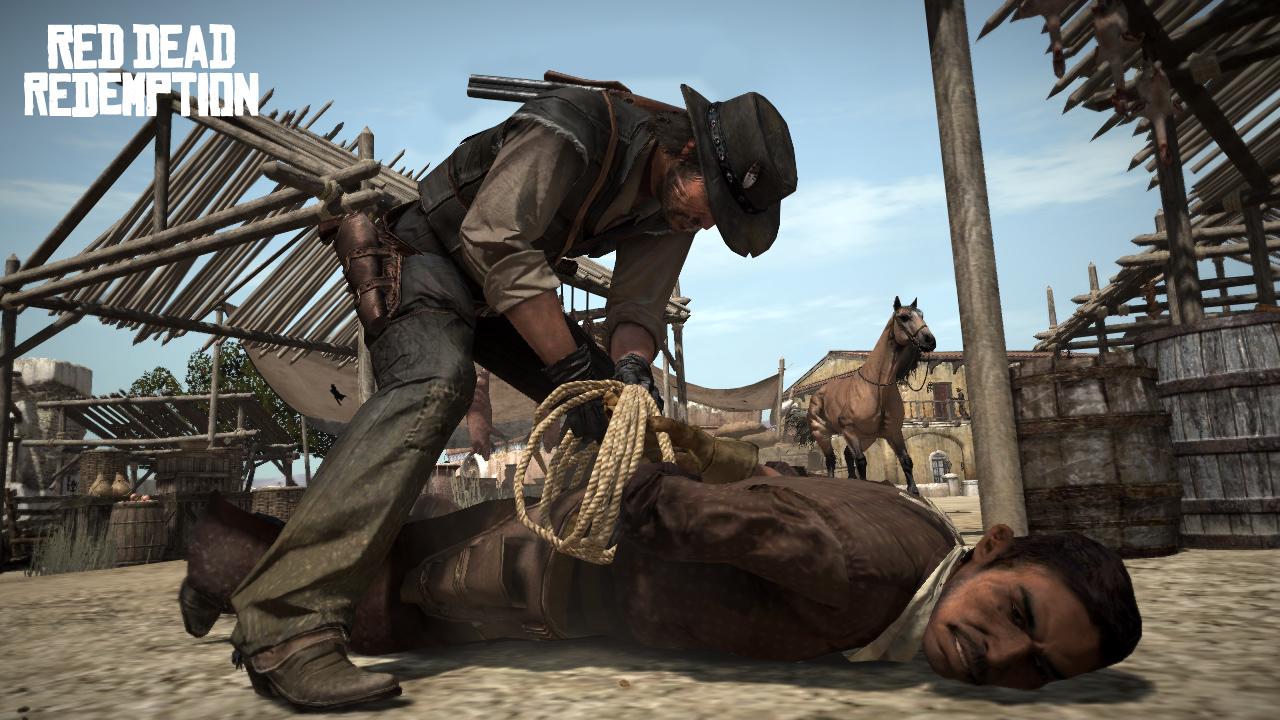
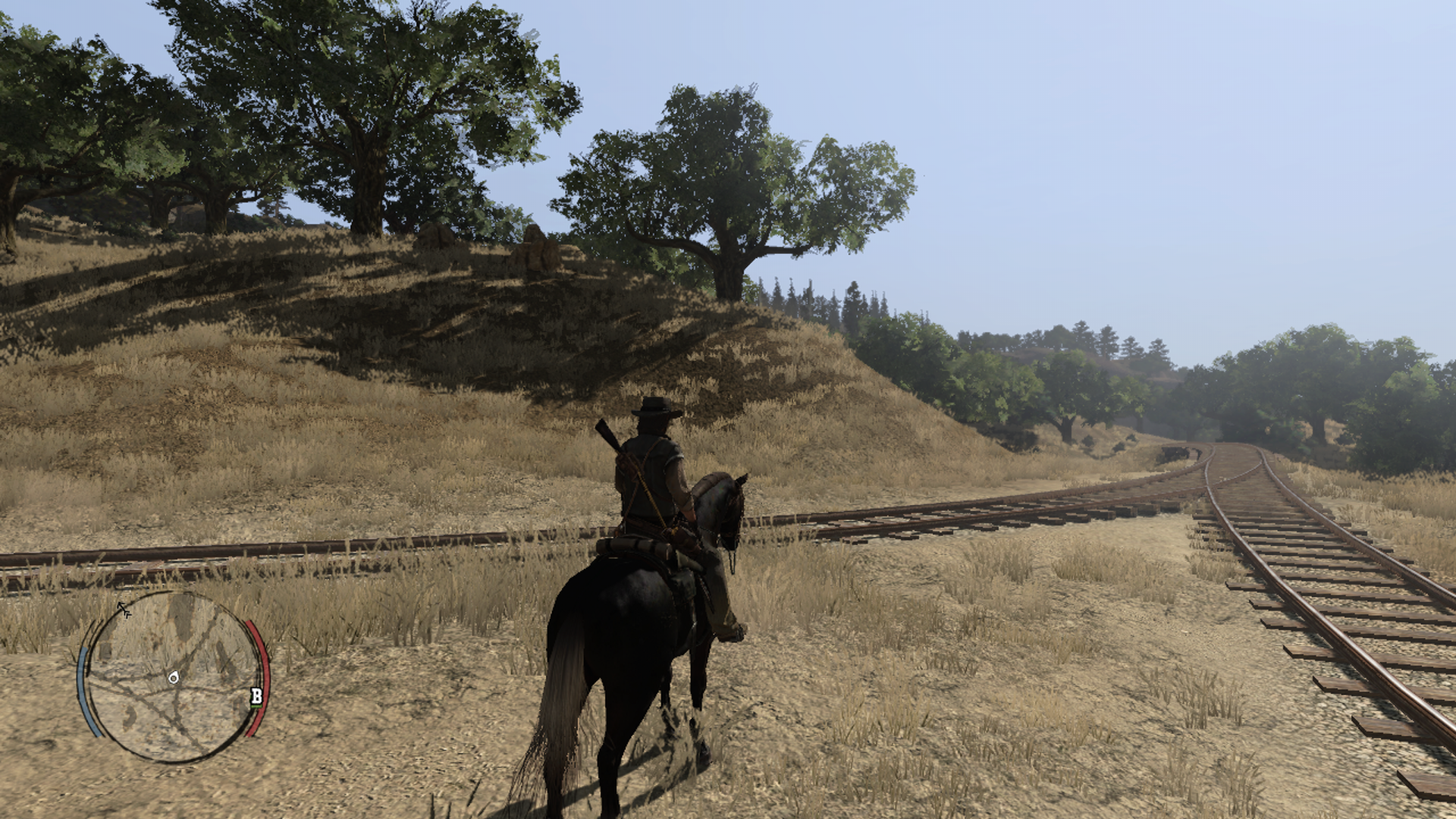
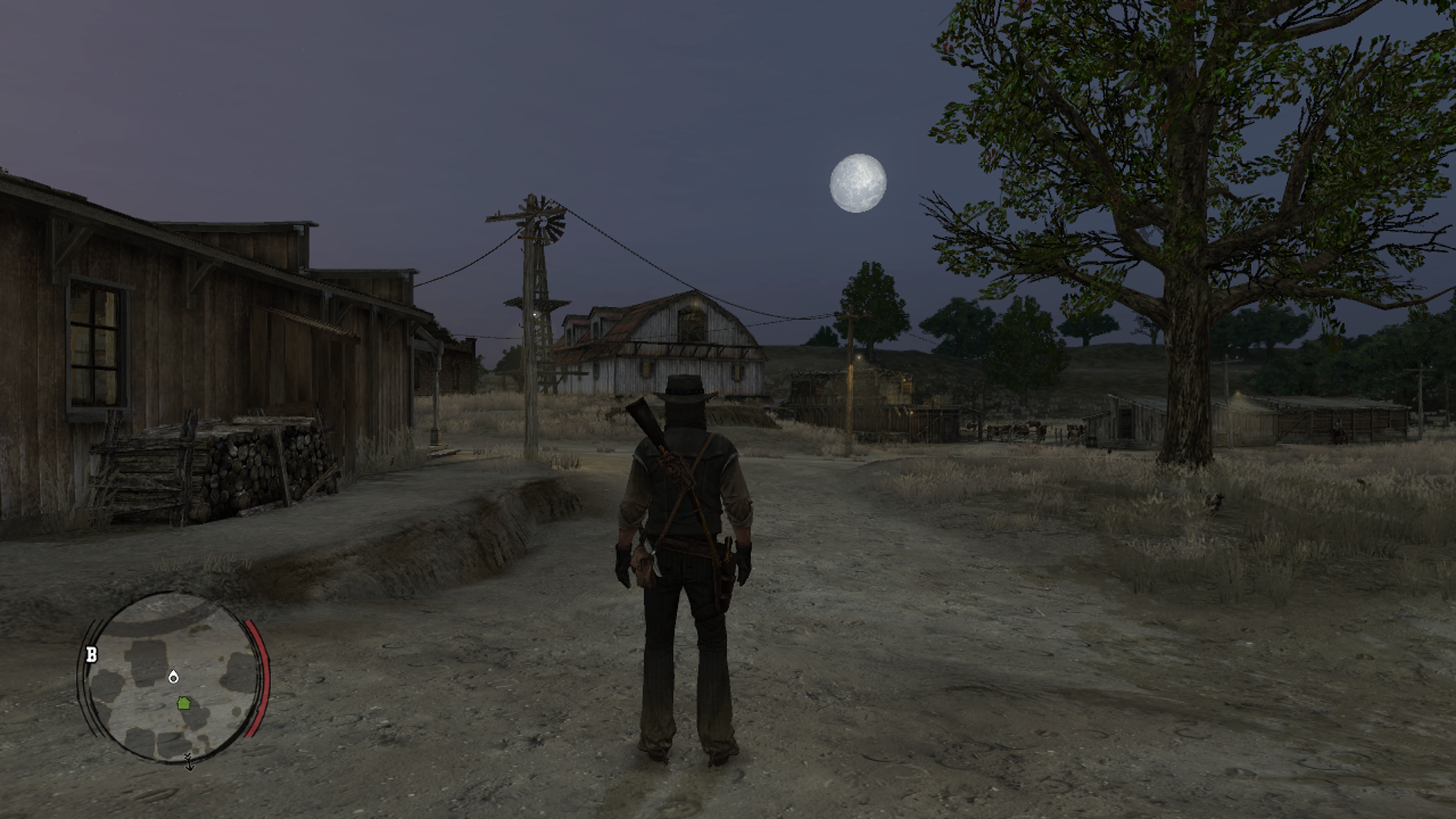

Red Dead Redemption

Fallout: New Vegas

Elden Ring
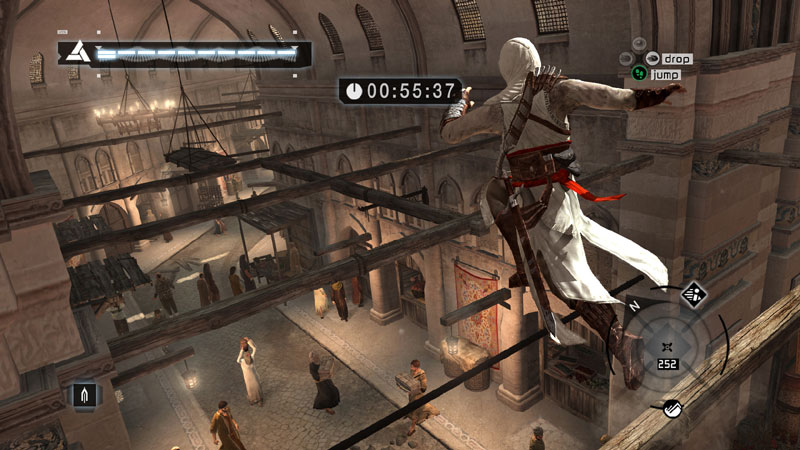
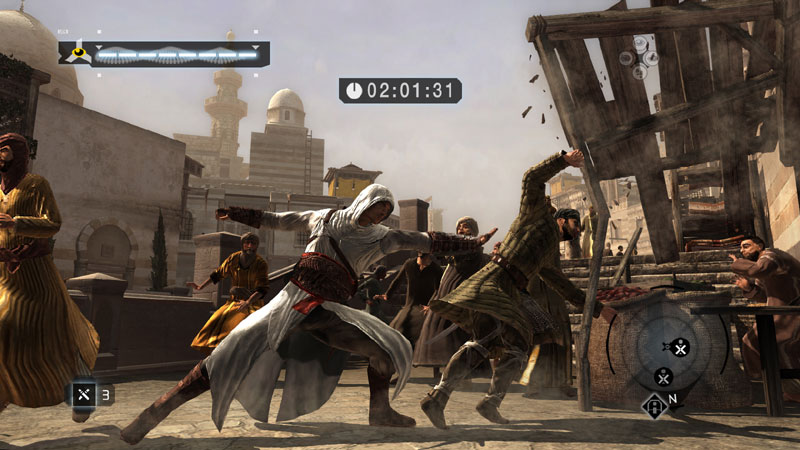
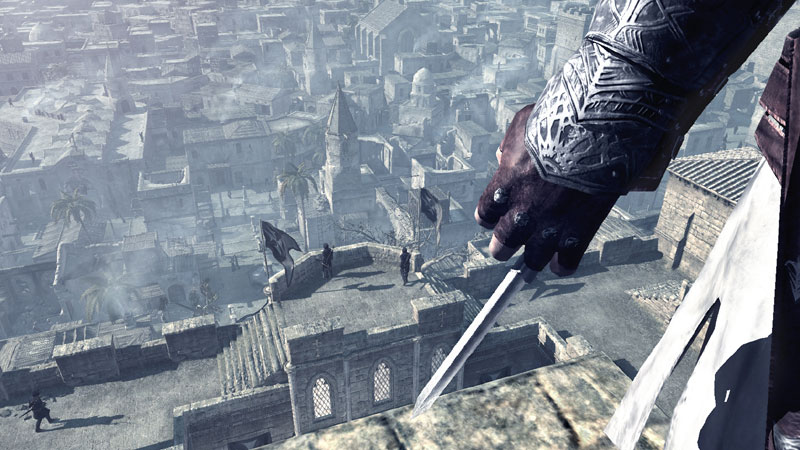
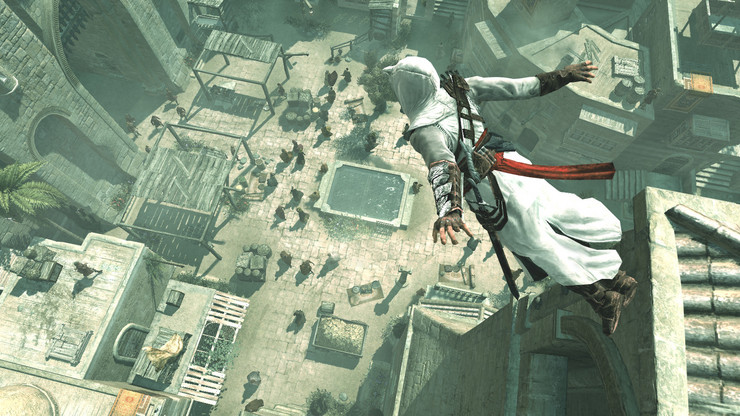
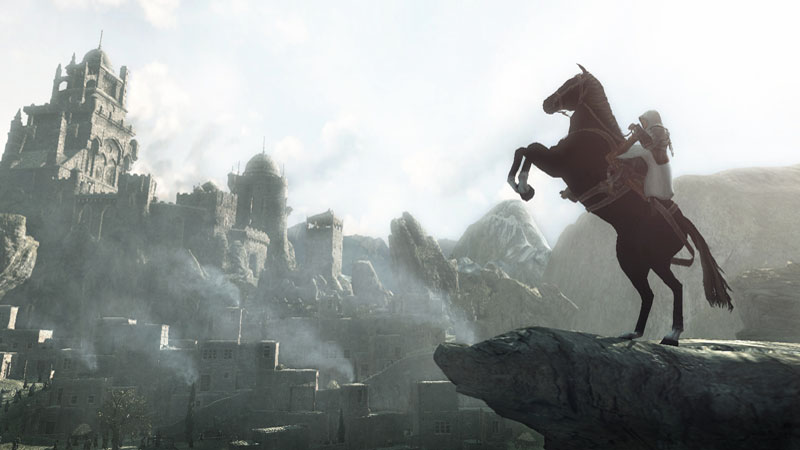

Assassin's Creed


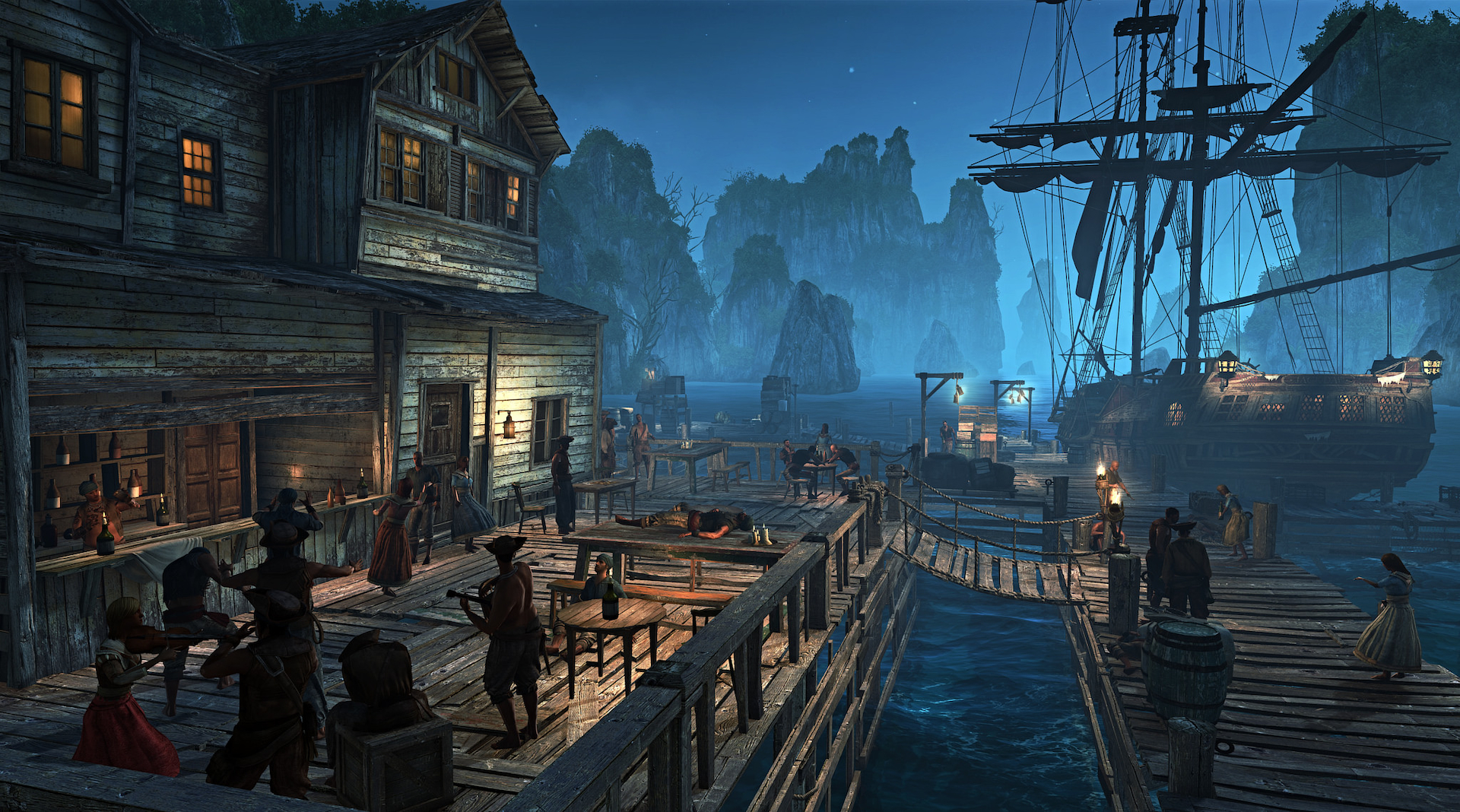


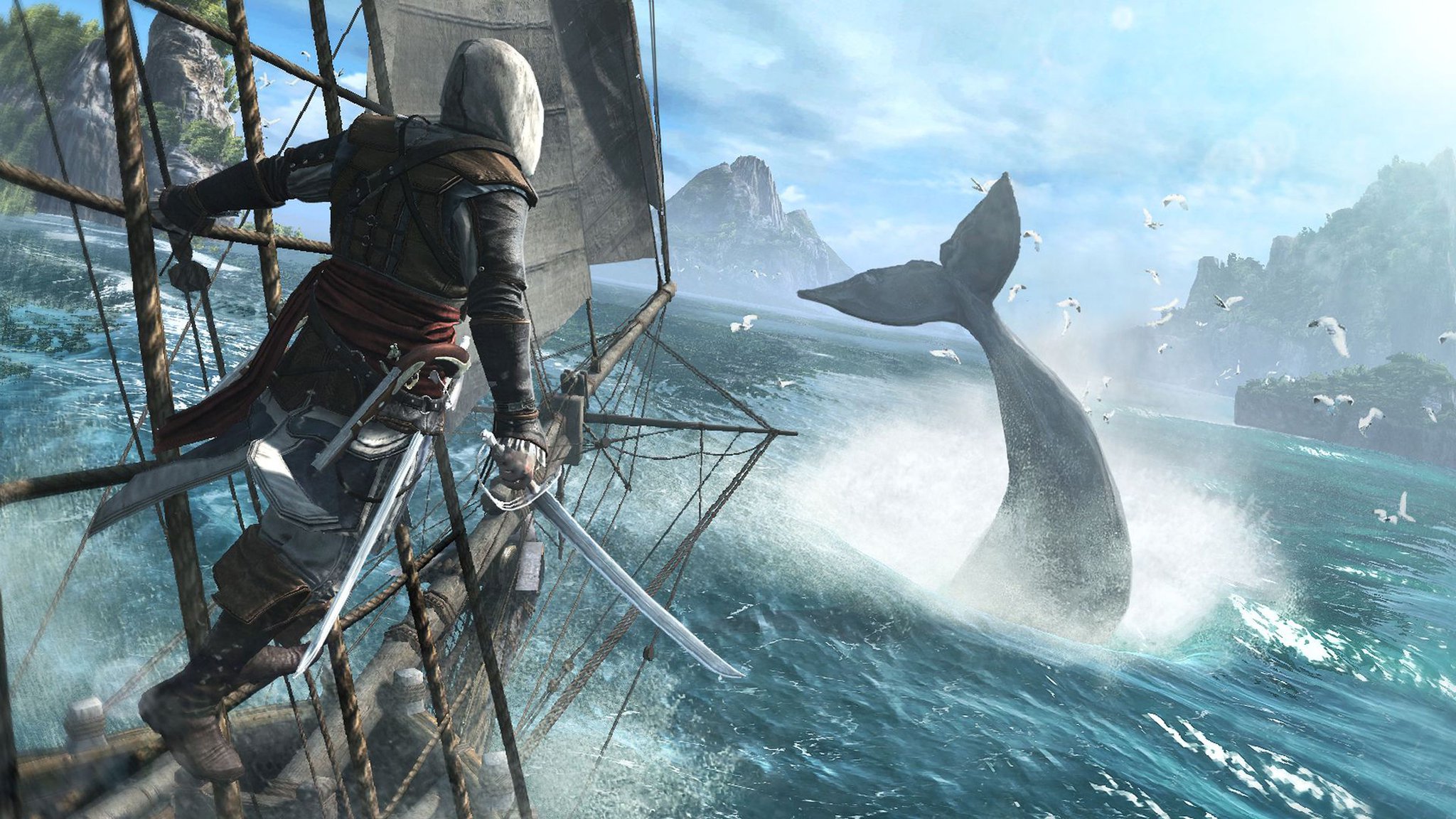
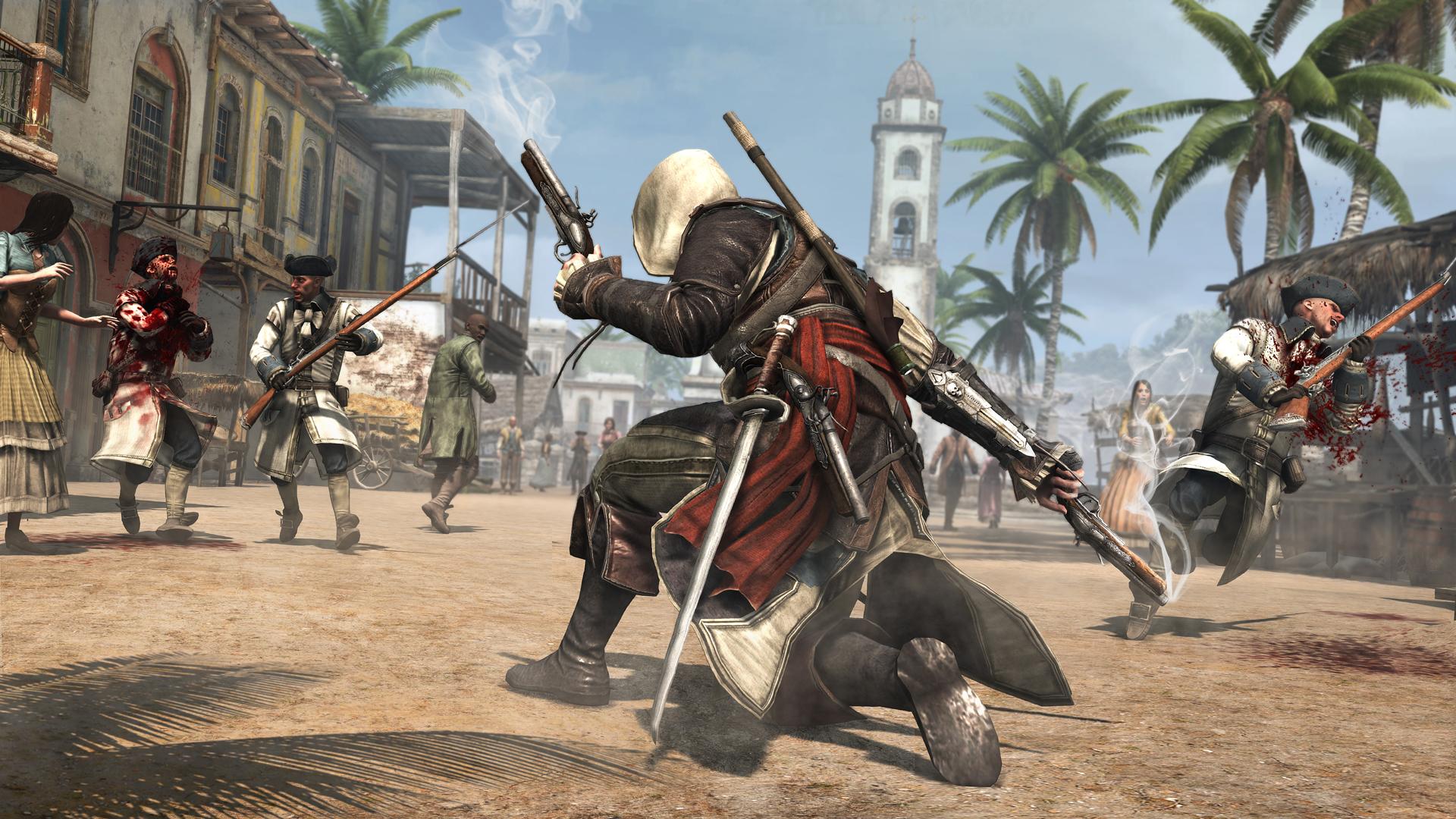


Assassin's Creed IV Black Flag