Game Info
↑ Back to top

Europa Universalis IV
Series:
Genres:
Themes:
Perspectives:
Game Modes:
Game Engines:
Overview
↑ Back to topDescription from Steam STEAM
Europa Universalis IV: Monthly Subscription Europa Universalis IV ’s expansion content is now available via subscription letting you enjoy all of the expansions and add-ons that have been developed over the last eight years. All new subscribers will gain immediate access to all additional content ever created for Europa Universalis IV , with no additional upfront cost. If you already own the base game and some of the expansions or content packs, this subscription does not remove that ownership, but will open up all content that you have not purchased. Subscribers must already own the Europa Universalis IV base game . Subscription is handled in-game and can be accessed once you start up Europa Universalis IV. This is only available to players on Steam using Microsoft Windows. Sign up now to enjoy: All major Expansions, including the the illustrious glory of Emperor and Chinese imperial drama of Mandate of Heaven. All immersion packs, adding new mechanics for Spain, Great Britain and Russian nations, among others. All content packs, adding new unit designs, advisor portraits and music for dozens of different nations. ...and many more improvements to the core game experience. This subscription will automatically renew at the end of every month until it is cancelled. Just Updated About the Game Developed by Paradox Tinto, the fourth instalment of the award-winning Europa Universalis series gives you a chance to control any nation in the world and lead it through four dramatic centuries - starting from the late middle ages and culminating in the Napoleonic era. Rule your land and dominate the world with unparalleled freedom, depth and historical accuracy. Write a new history of the world and build an empire for the ages. Europa Universalis IV includes the base game, three expansion packs and one cosmetic compilation pack. Europa Universalis IV: Control any nation in the world across four centuries of history, writing a new history of humankind from the Age of Discovery to the Age of Revolutions. Accumulate wealth, land and prestige in a fierce competition for global dominance. Art of War: Centered on the 30 Years War and bubbling political instability between church and state, this expansion features improved gameplay mechanics that puts warfare at the forefront of your quest for domination on the continent. Common Sense: This expansion focuses on diplomacy and the internal development of nations. It allows you to peacefully develop your nation and build a 'tall' empire, whilst also giving you the tools to execute grand diplomacy. Game changing religious features add depth and intriguing complexity to the gameplay. Rights of Man: This expansion adds greater depth and detail to a host of game systems. New Great Power diplomatic options give them more flexibility, monarch personality traits add more flavour to the power of the throne and there are new religious options for Coptic and Fetishist religions. Digital Extreme Edition Upgrade Pack: This compilation pack includes mostly cosmetic content, including new unit art, event art and game music drawn from content packs inspired by Islamic, Ottoman, Central European and American History. It also includes unique events from the American Dream pack. Start before the Renaissance on a map of the world as it was then. Choose from any of hundreds of nations and then rule up to the Age of Revolutions. Or, if you wish, start your game at any date in the span, with historical monarchs and other leaders. Hundreds of dynamic historical events are yours to experience, from merely troubling civil wars to world changing moments like the Protestant Reformation. Discover and settle the New World, or resist European conquest. Control the flow of trade by developing your trade power in key provinces, using ships and governmental policy to bring the wealth of the world to your own ports. Build alliances into iron bonds, cemented by royal marriage or play a flexible hand, keeping your options open. Strike when your enemies are weak, using your armies to grab new land and new potential riches. Your nation’s pace of development will be heavily influenced by the person on the throne. Experience rapid development under a skilled monarch only to see things slow down when a less competent heir takes over. Plan for the future by spending monarch power wisely. Four hundred years of research into new ways of war, administration and trade are available. Unlock new weapons, new buildings and new ship types. Over time, you can embrace national ideas that represent both your historic legacy and your ambitions for the future. From grand voyages of discovery to religious wars to revolutionary governments, the entire history of the early modern world waits for you to rewrite it in Europa Universalis IV.
Description from IGDB IGDB
Storyline IGDB
Wikipedia Description WIKIPEDIA
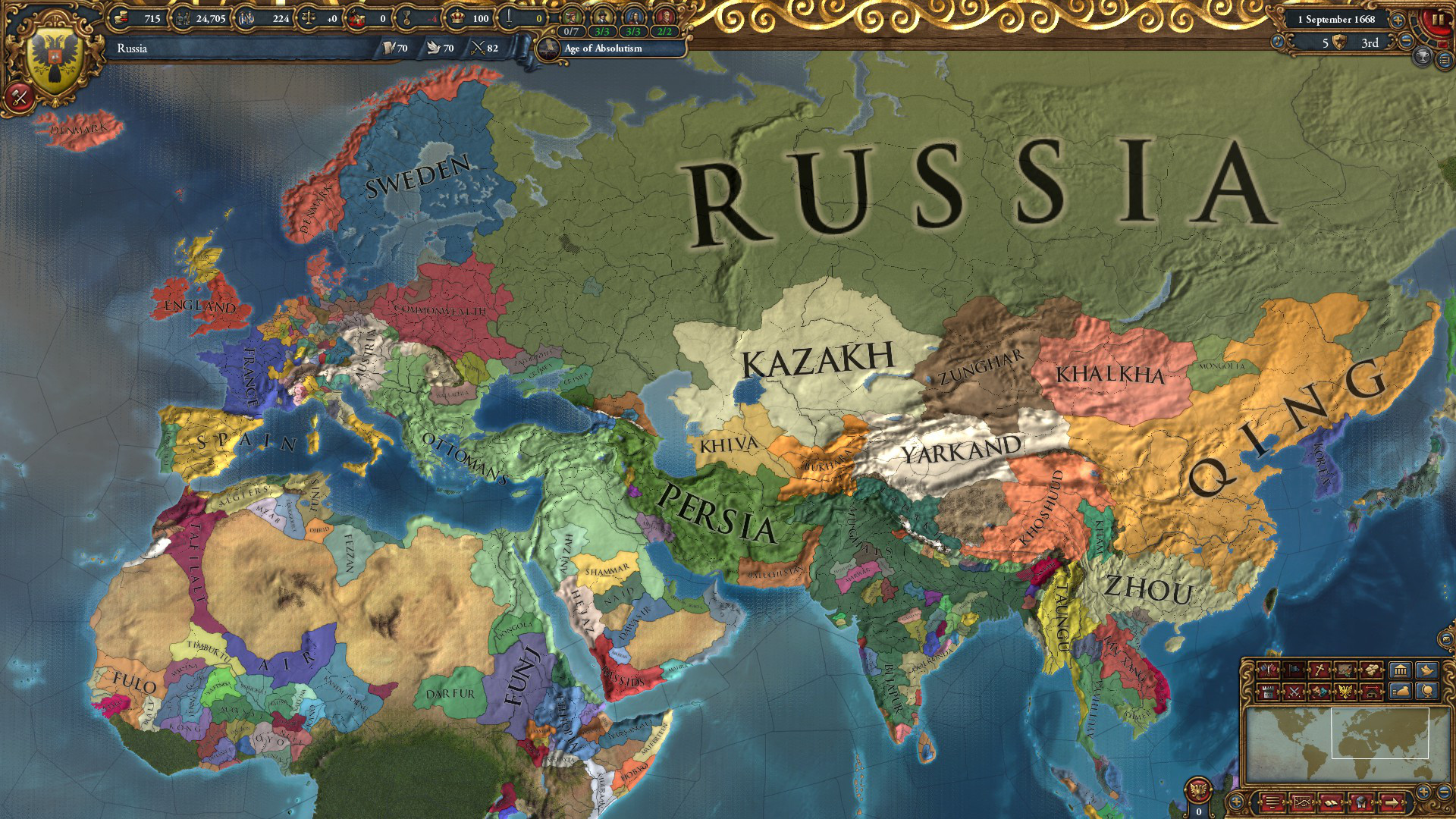
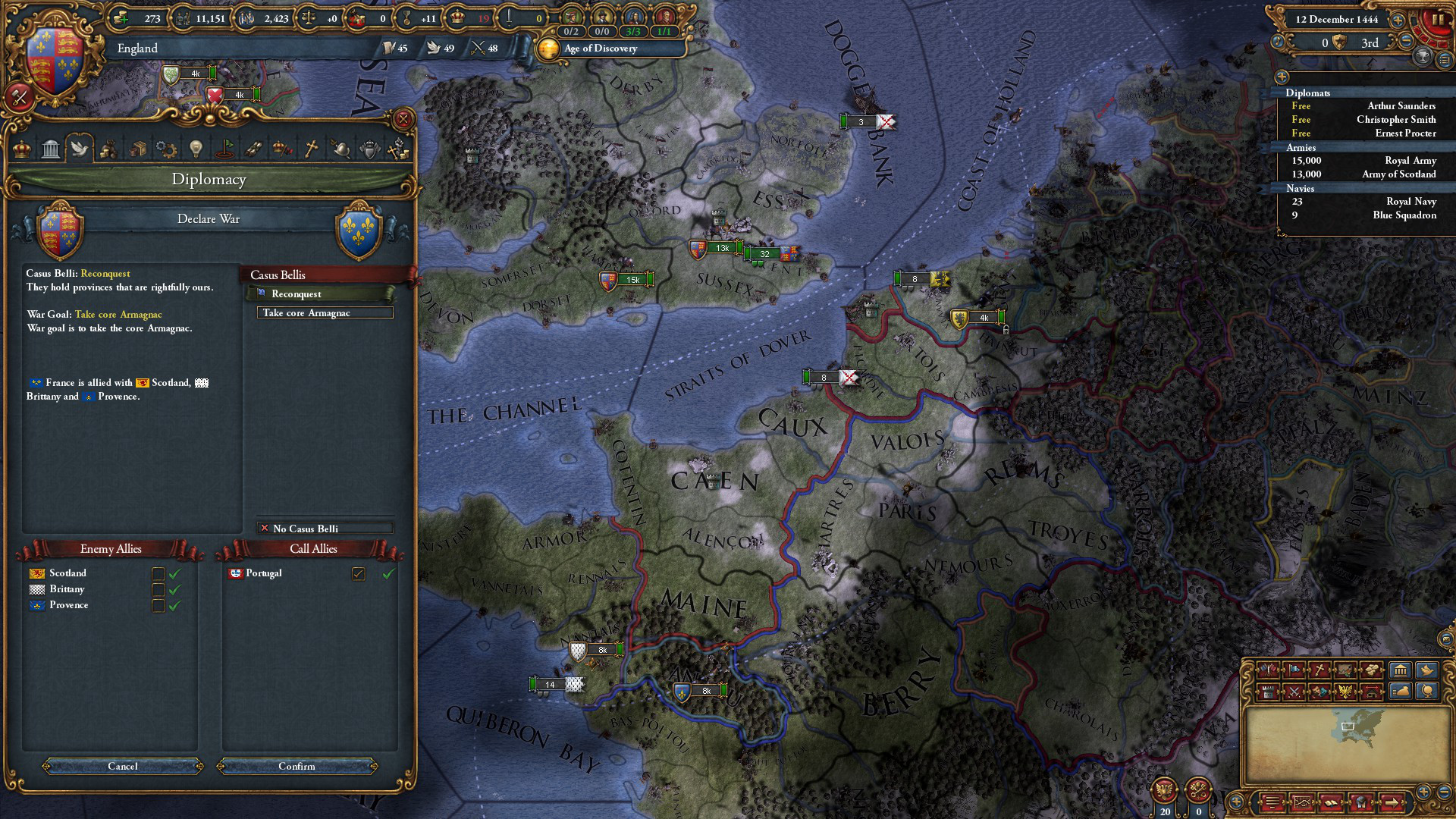
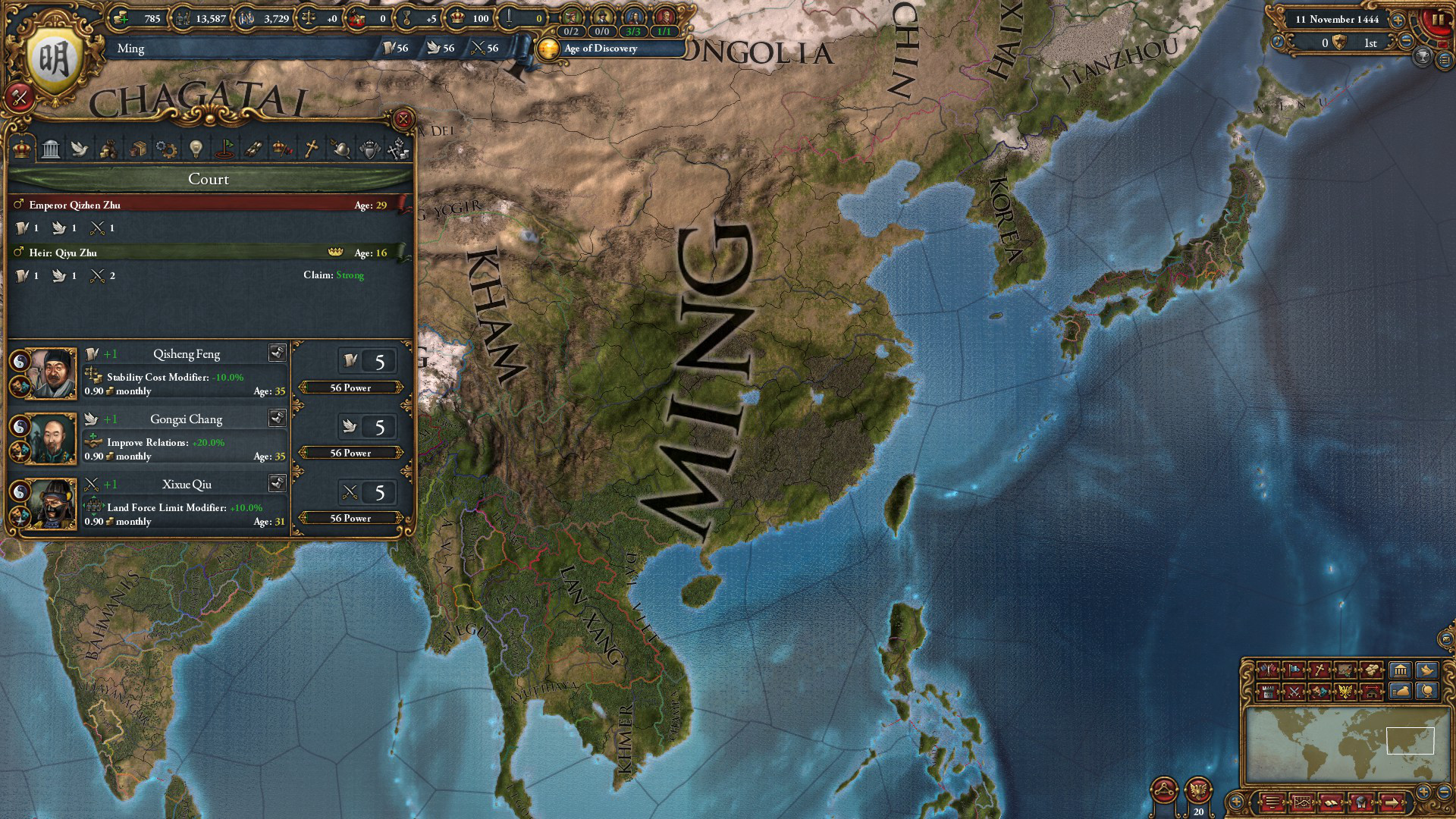
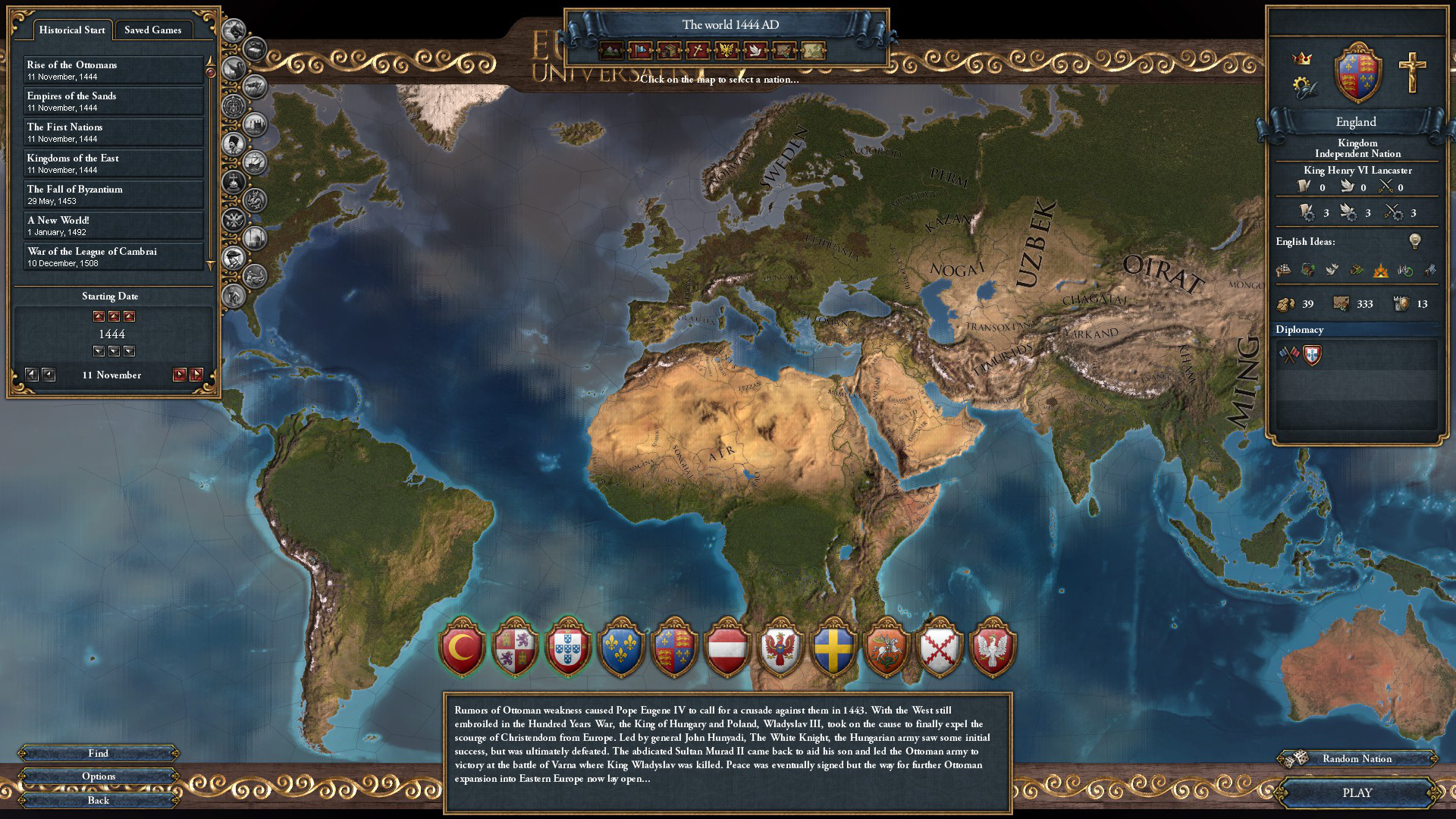
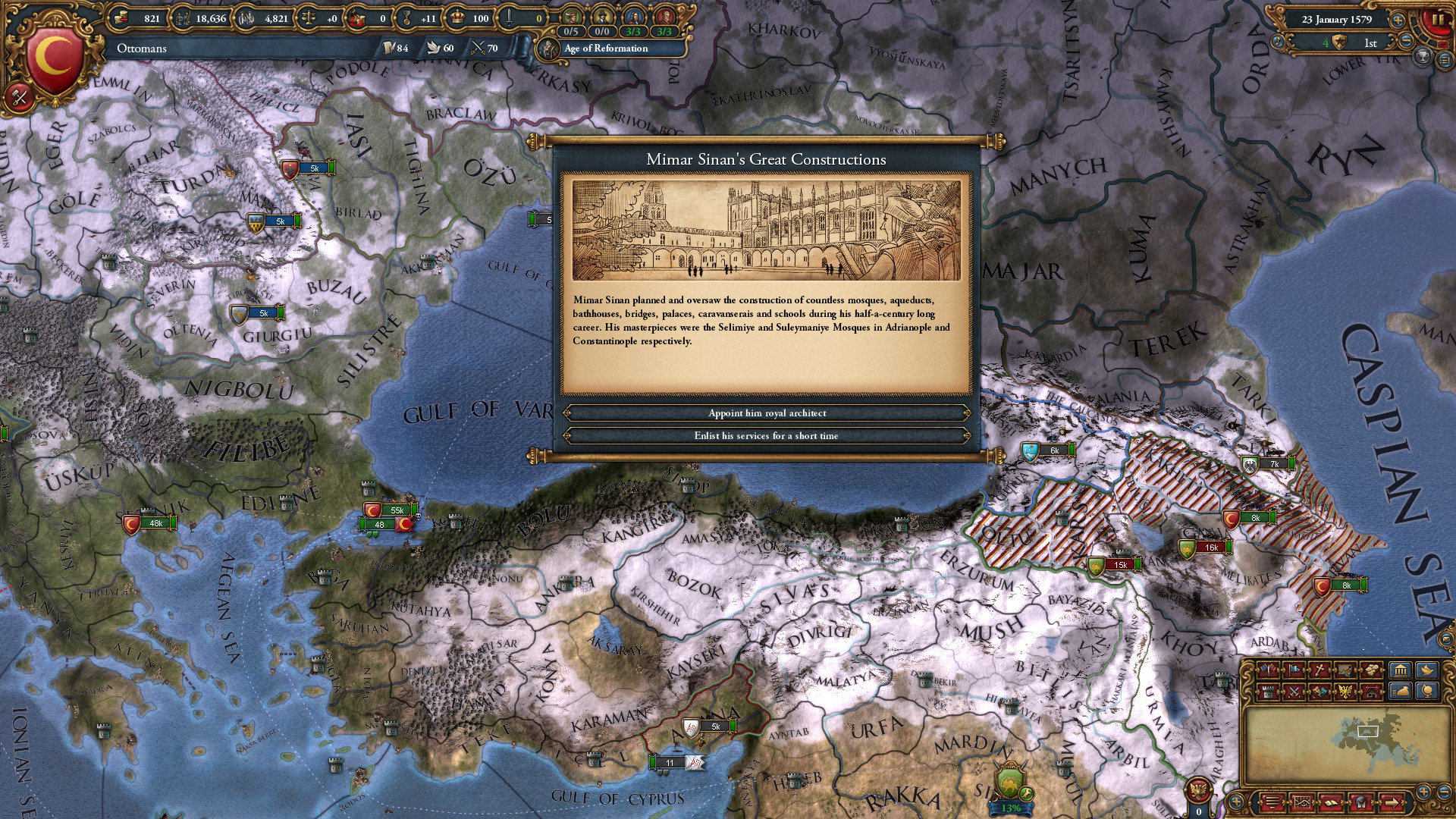
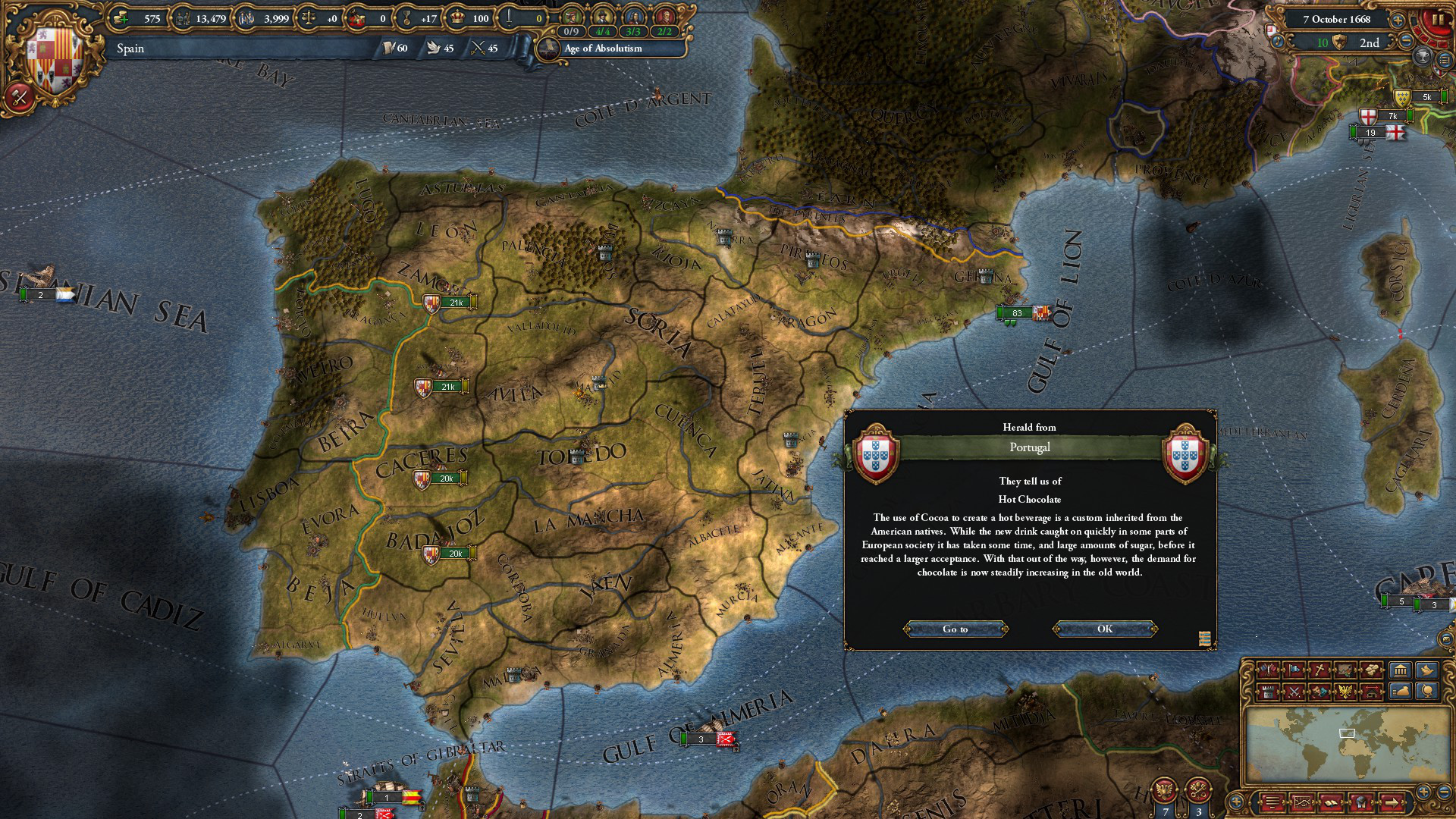
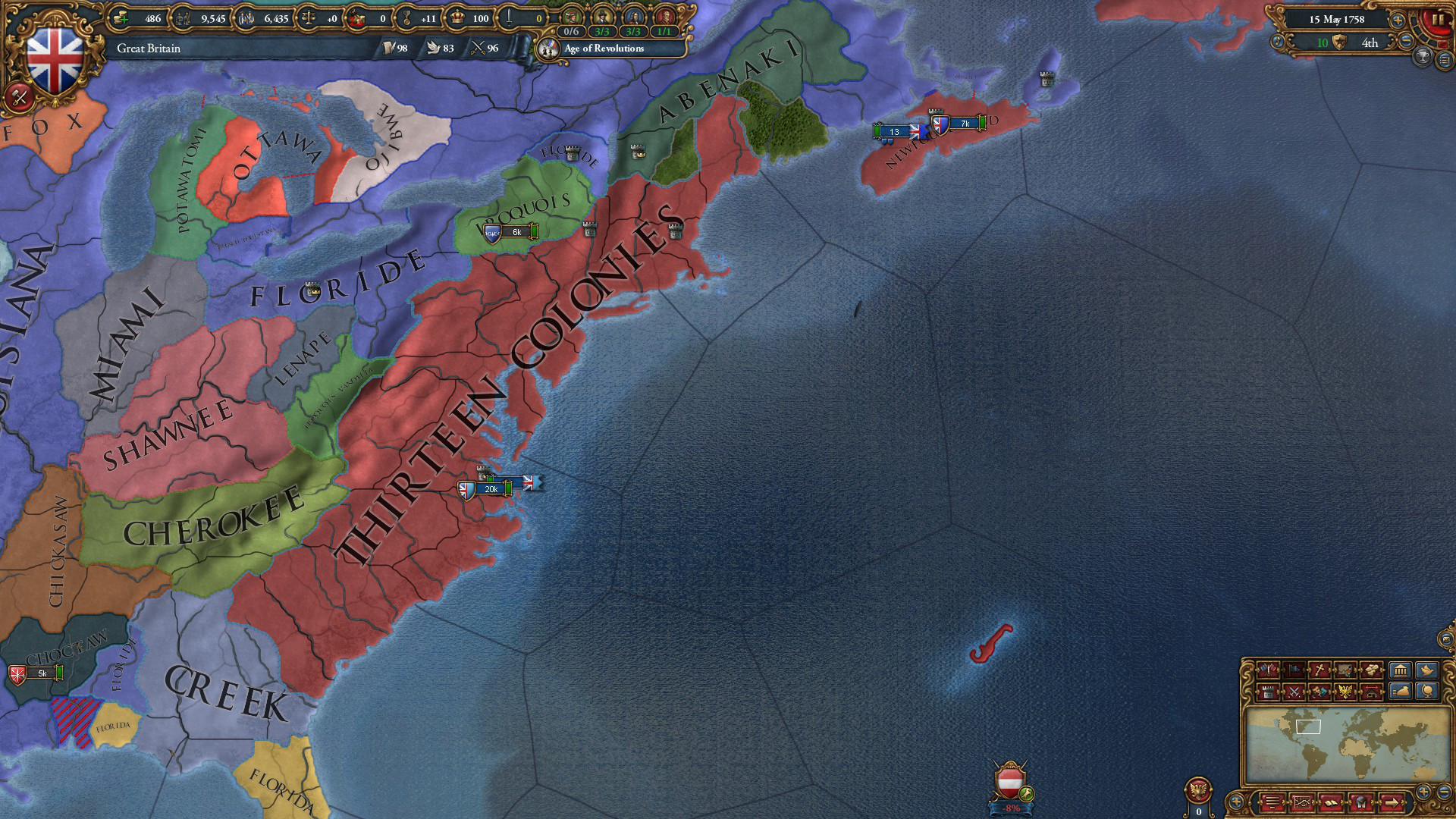
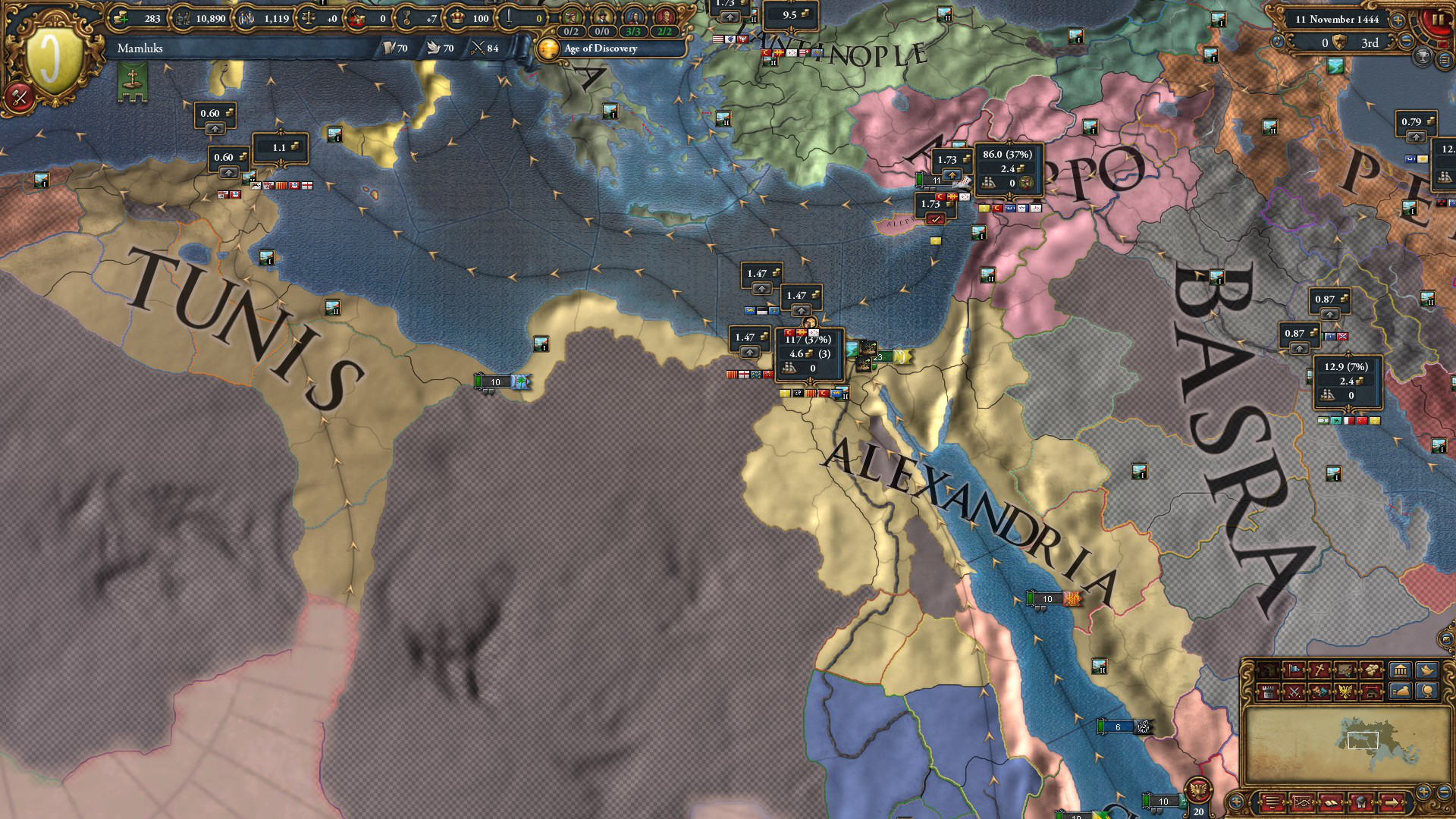
The game includes different bookmarked starting dates called "scenarios", with the world state, borders and events reflecting their historical equivalents for each. The earliest scenarios begin on 11 November 1444, one day after the Christian defeat at Varna, while the latest scenario begins on 21 September 1792, the end of the French monarchy. The player can also choose any day within the games time span as a starting date. The game itself is an interactive map of Earth divided into the provinces that compose nations. Each of these provinces contribute to their country either positively or negatively, as provinces can both provide resources to a nation and serve as a point of unrest and rebellion. At the beginning of the game many provinces are considered "uncolonized" and are meant to represent possible land colonizable by other nations. The gameplay requires the player to lead a nation by finding a balance of military, diplomacy, and economy. The player does so through their choices as sovereign of their nation, and the spending of resources available to them: prestige, power projection, stability, gold (ducats), manpower, legitimacy for monarchies, republican tradition for republics, devotion for theocracies, horde unity for steppe nomads, meritocracy for celestial empires, and monarch power (administrative, diplomatic, and military). Players can choose to conquer the world by military might, become a colonial superpower, establish trade dominance, etc. as one of over 500 different nations. The game is a sandbox environment; there is no strict win condition for players. A player's game ends when the player's nation is annexed (removed from the map) or when the in-game date reaches 3 January 1821. Diplomacy is a large aspect of the game, as creating alliances (or vassal states and tributaries), improving opinions, and preventing defensive coalitions are vital to a player's survival. Espionage can also be employed against enemy states to claim their territory or incite rebellion in their provinces, along with other dubious ends. Combat can be waged on both land and sea, during which the game attempts to simulate real-world factors such as morale, discipline, varying unit types with associated strengths and weaknesses, competency of leaders, terrain, and supply lines. Trade is also an important part of the game, where the world is divided into many trade nodes, and trade flows through each of the nodes and can be collected by merchants. Many major religions, such as Catholicism, Orthodox Christianity, Protestantism, Sunni Islam, and Shia Islam, are present in the game and can provide distinct bonuses to their practitioners. Players can employ missionaries to convert their provinces or can engage in policies of universal religious freedom. For example, the Catholic faith makes use of the Papacy, which can allow a nation to have control over the Pope or to use its influence for other rewards. Native American and Aboriginal religions are also present in the game, most commonly utilizing a system of selecting a bonus for the lifetime of the present monarch. Furthermore, many of the world's institutions, from feudalism to industrialization, are also present in the game. Institutions normally appear around a certain year, and begin spreading through provinces. The rate of institution spread and where the institution spawns are malleable to player actions. Once reaching requirements, usually consisting of a ducat cost and a certain amount of institutions present in the player's provinces, the player can embrace the institution. Foregoing embracing an institution for too long increases a nation's technology cost; embracing an institution gives an institution-specific nation bonus, as well as purging any technological maluses that the lack of institution may have incurred. Technological advancements are invested in over time, and require the expense of monarch points. They provide benefits to the nation as detailed below: Administrative technology unlocks advancements such as increased productivity, new forms of government, new buildings, and the national idea system. Diplomatic technology unlocks advancements such as naval units, improvements in trade, new buildings, and improved colonial expansion. Military technology unlocks advancements such as new types of land units, improved unit morale, combat tactics, and new buildings. Gameplay is influenced by random events that arise periodically for the player. These events can be either helpful or harmful. Some of these random events are driven by an individual country's history, while some can apply to any country and serve generally to enhance the "flavor" of the game. Some events are also motivated by various institutions that occur throughout the history of the game, such as the Industrial Revolution. Players can choose to play single-player mode versus the AI, or multiplayer over a LAN or the Internet against a mix of human and AI opponents. Single-player also has the option of "Ironman" mode, which locks several settings such as difficulty, and removes the control of saving the game from the player. This means that any mistakes are irreversible. It is, however, the only way to receive any of the game's many achievements.
About Europa Universalis IV
Europa Universalis IV is a Real Time Strategy (RTS), Sandbox, Strategy, Tactical game released in 2013 developed by Paradox Development Studio that offers Co-operative, Multiplayer gameplay from a bird view / isometric perspective playable on Linux, Mac, PC (Microsoft Windows) with 234 user ratings averaging 87.9/100. The game explores themes like Drama, Fantasy, Historical. If you enjoy Europa Universalis IV, you might also like similar games in our database of 45,000+ titles.
Basic Info
Details
↑ Back to topAdditional Information
Платформы 3
Genres 4
Themes 6
Player Perspectives 1
Game Modes 3
Companies
↑ Back to topDevelopers
Paradox Development Studio
No description available
Publishers
Paradox Interactive
No description available
Keywords
↑ Back to topScreenshots
↑ Back to top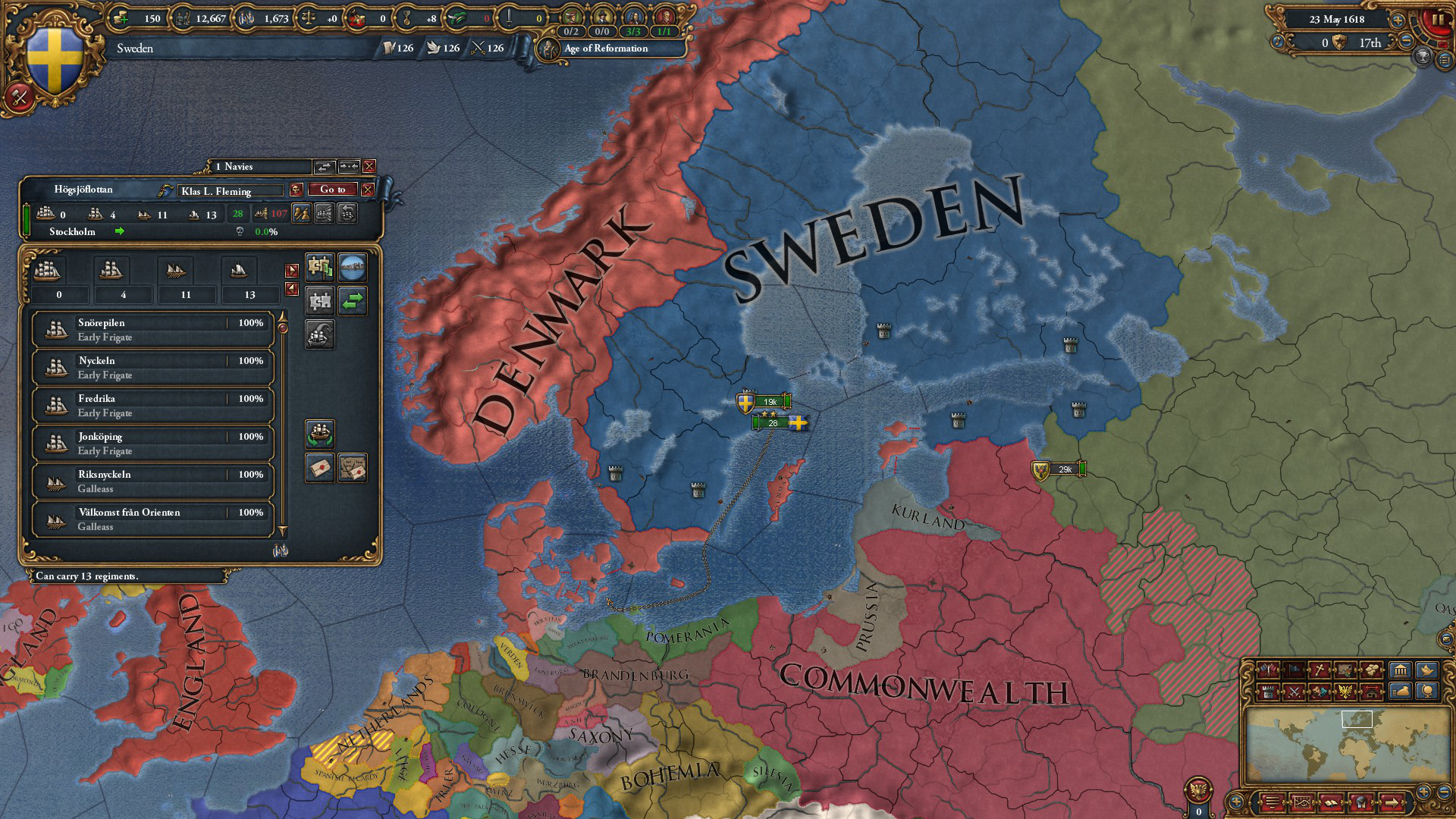

Similar Games
↑ Back to top





Stardew Valley

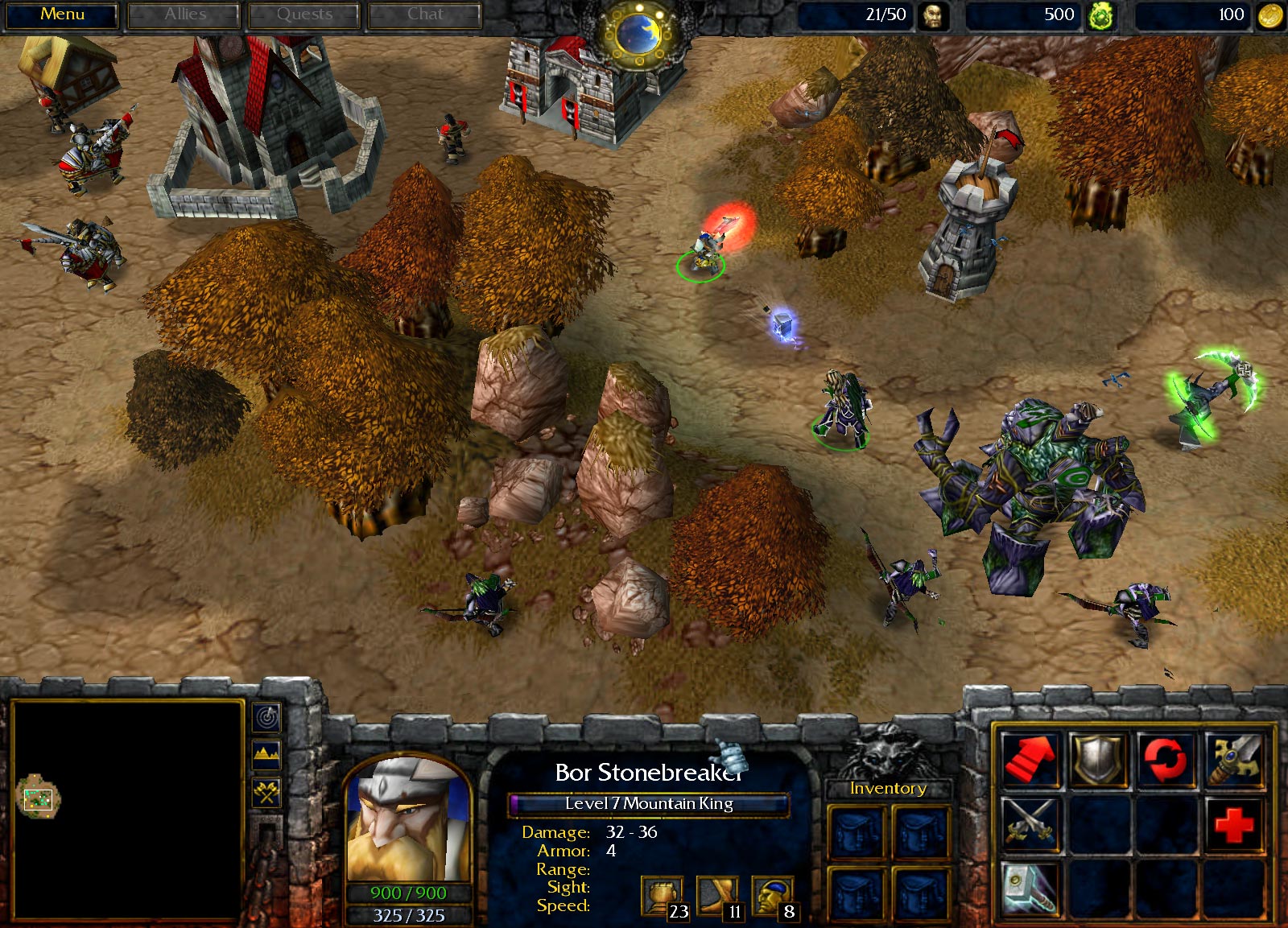
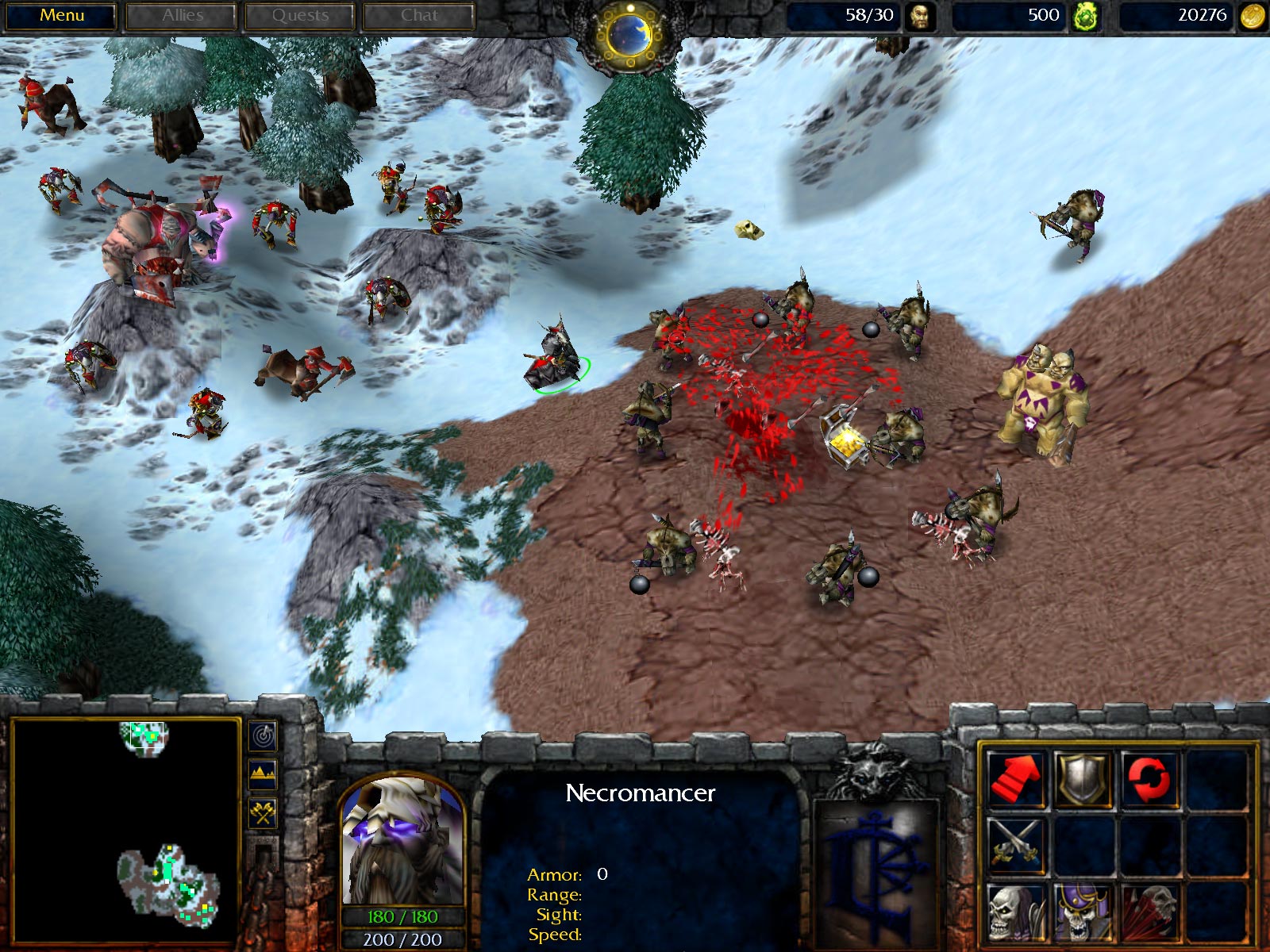
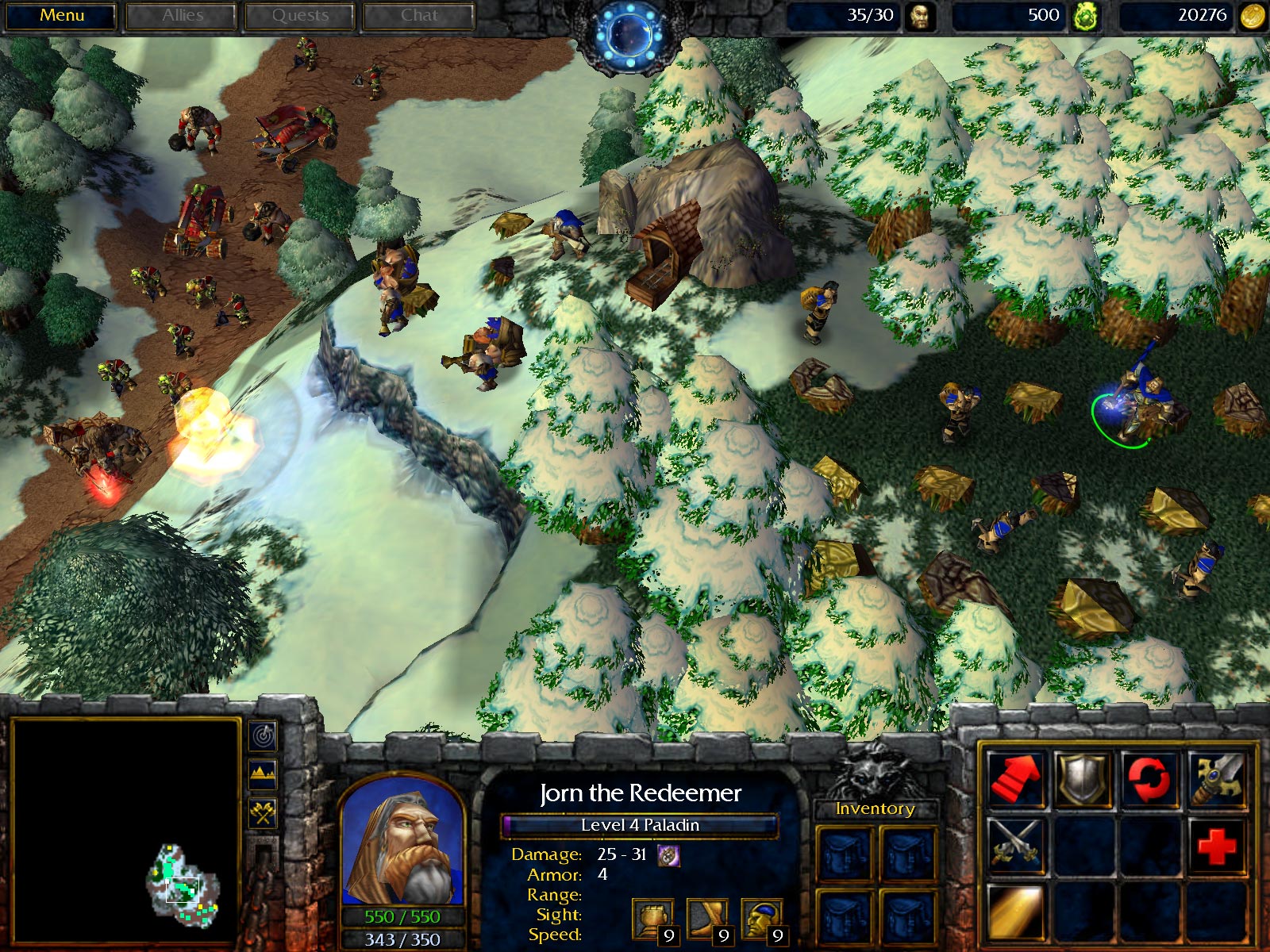
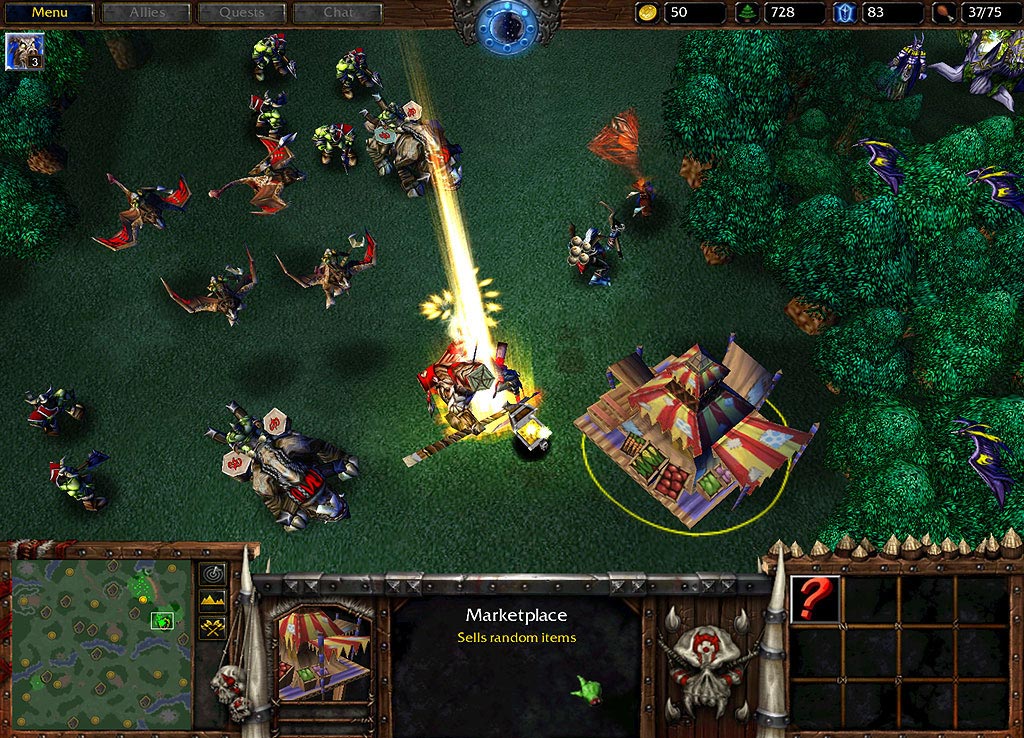
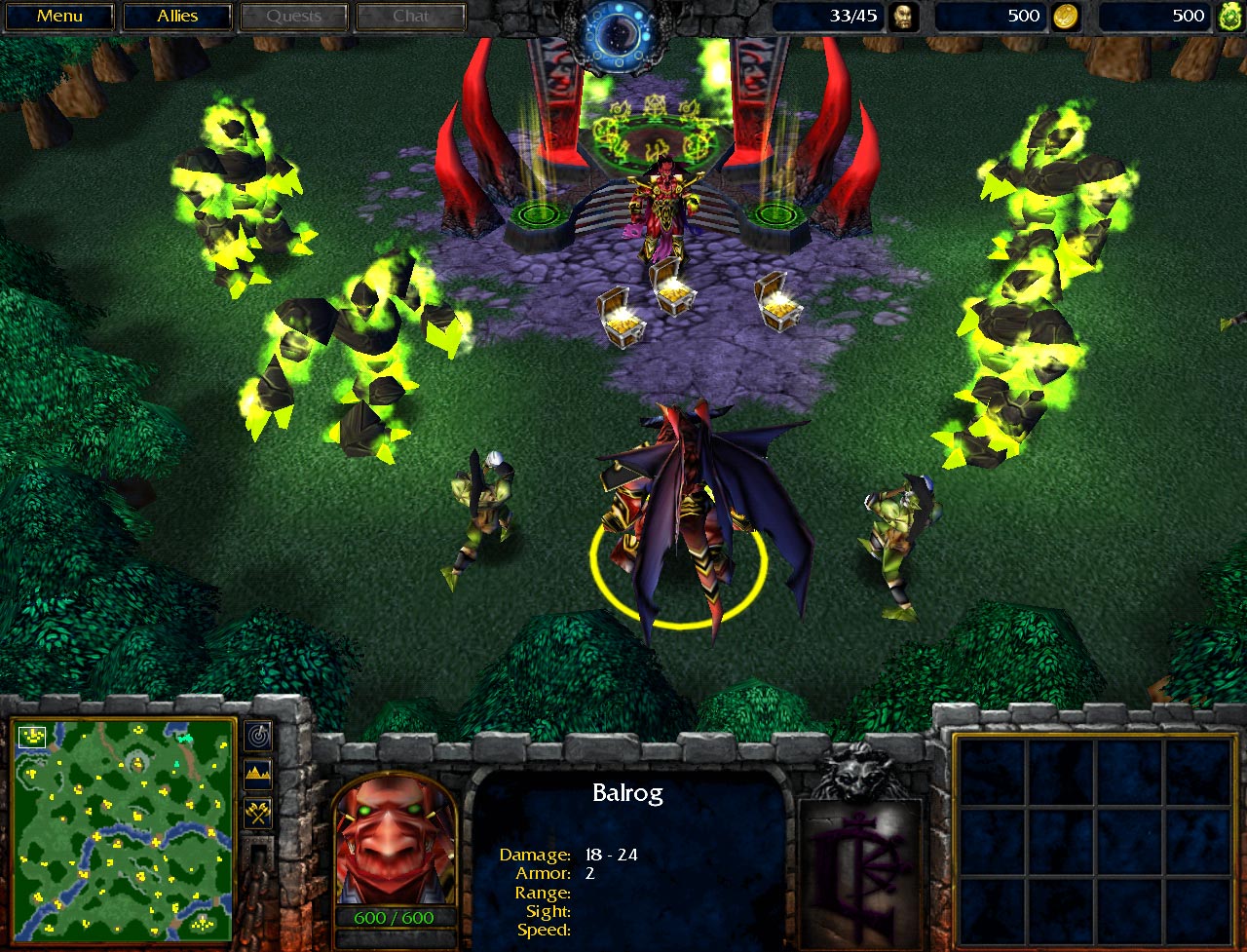

Warcraft III: Reign of Chaos
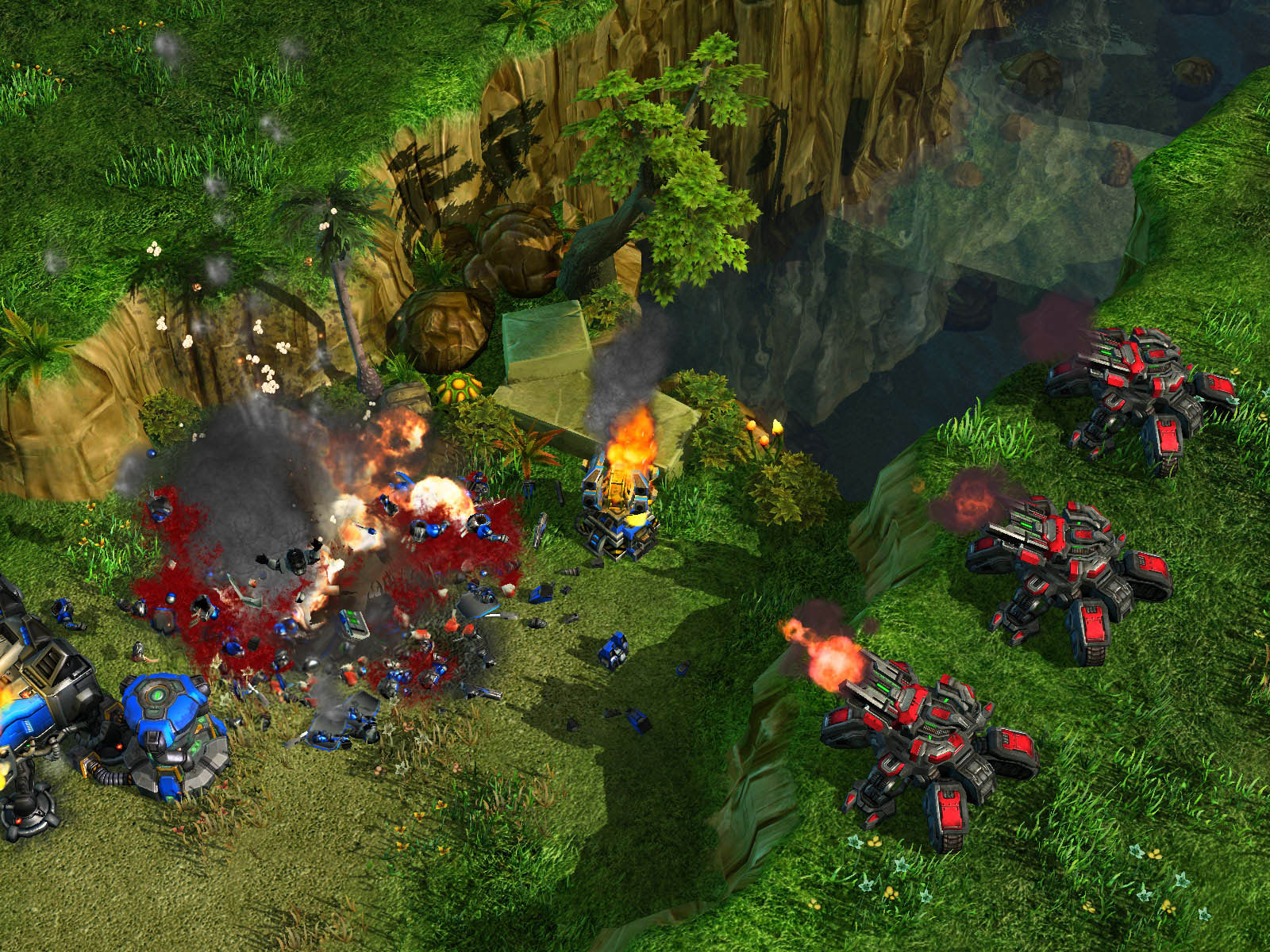
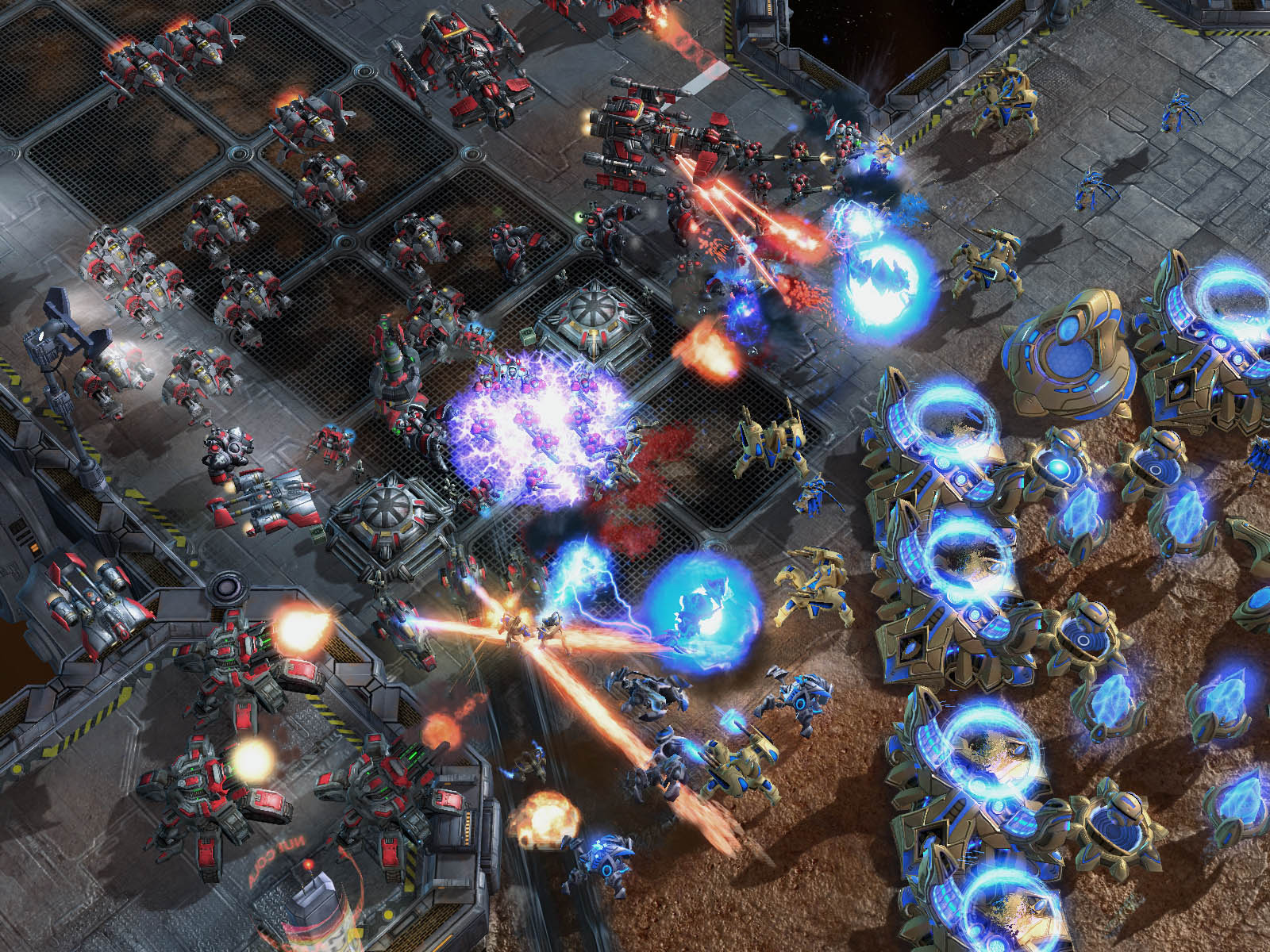
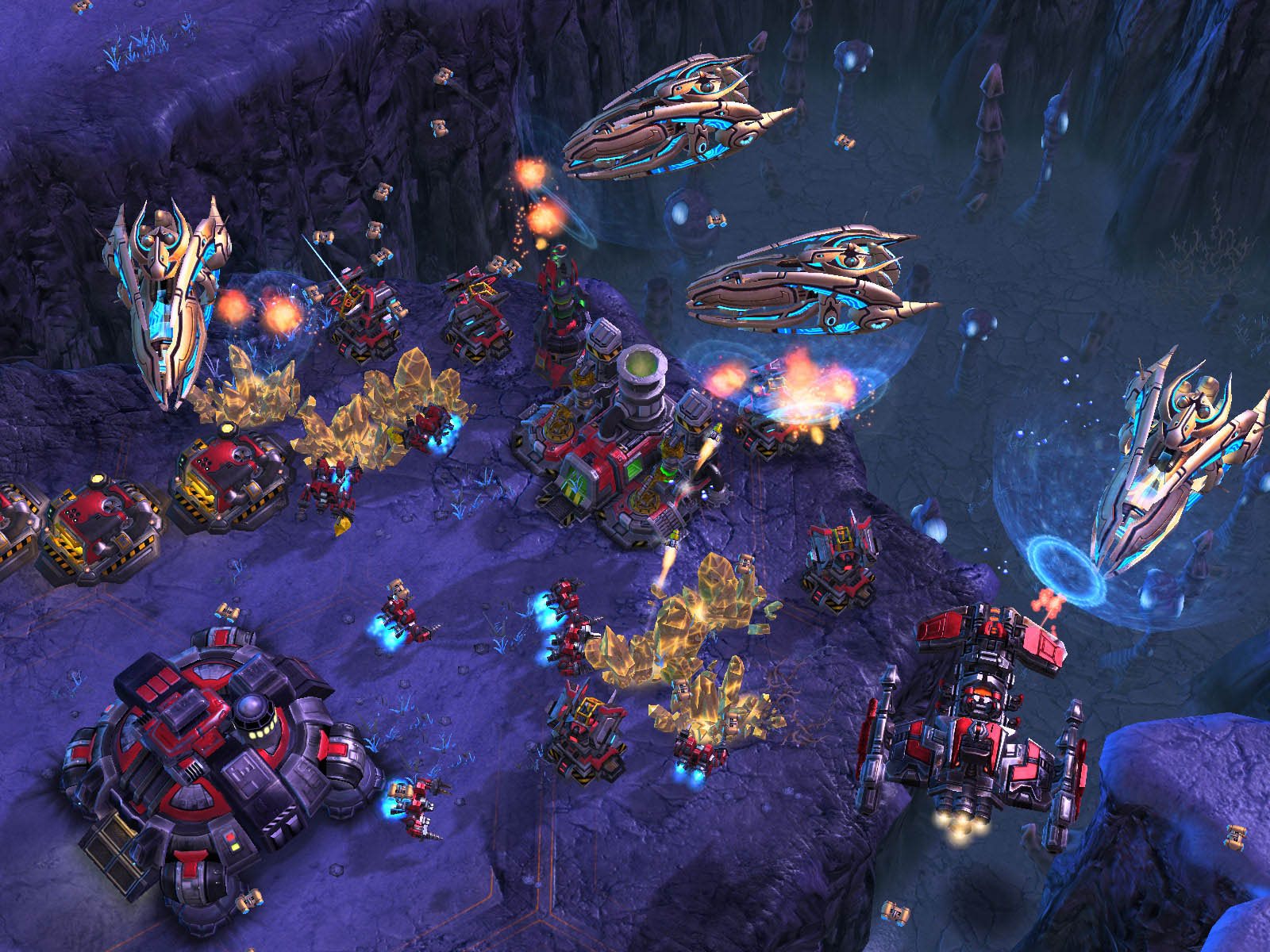

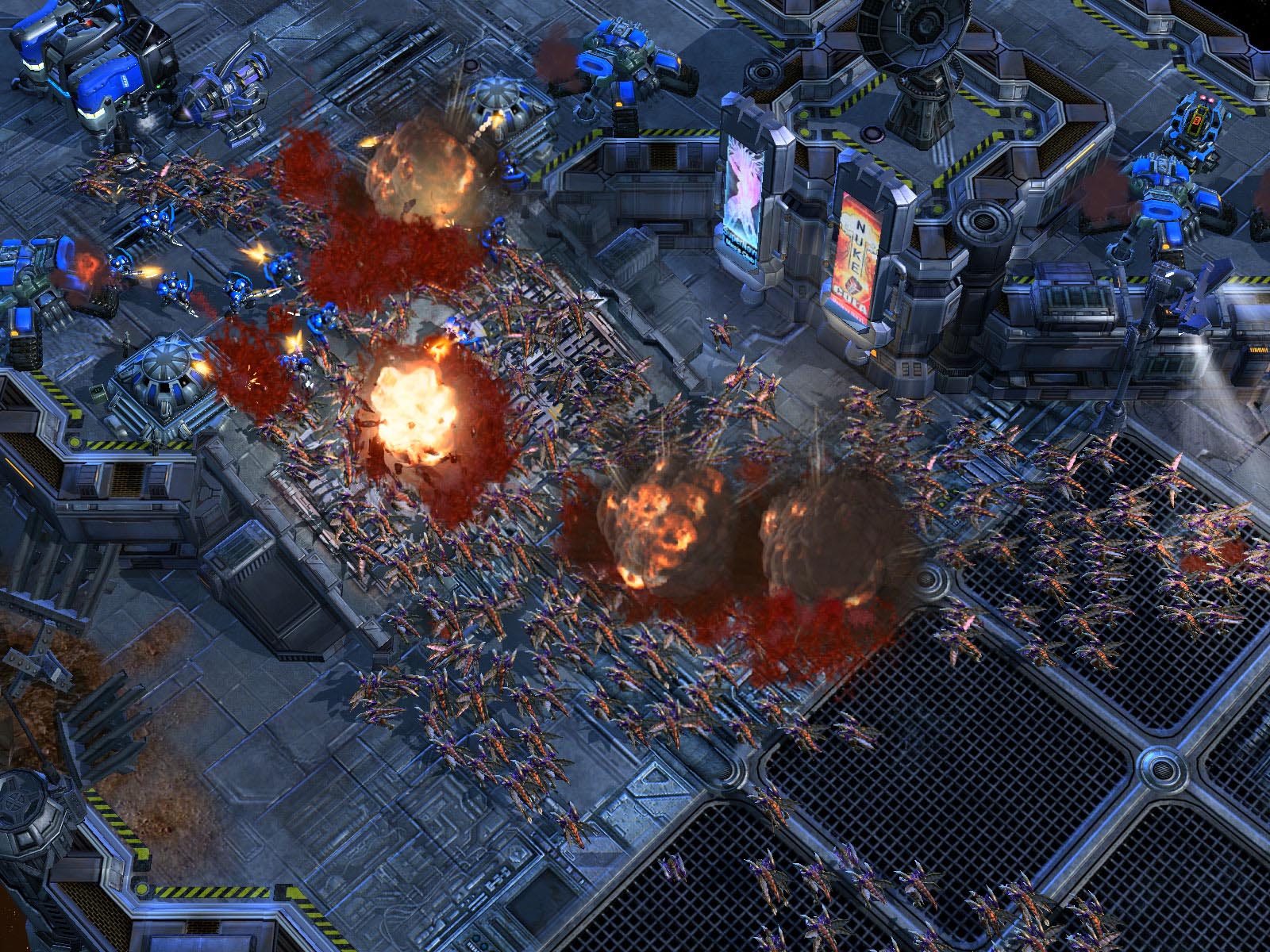

StarCraft II: Wings of Liberty
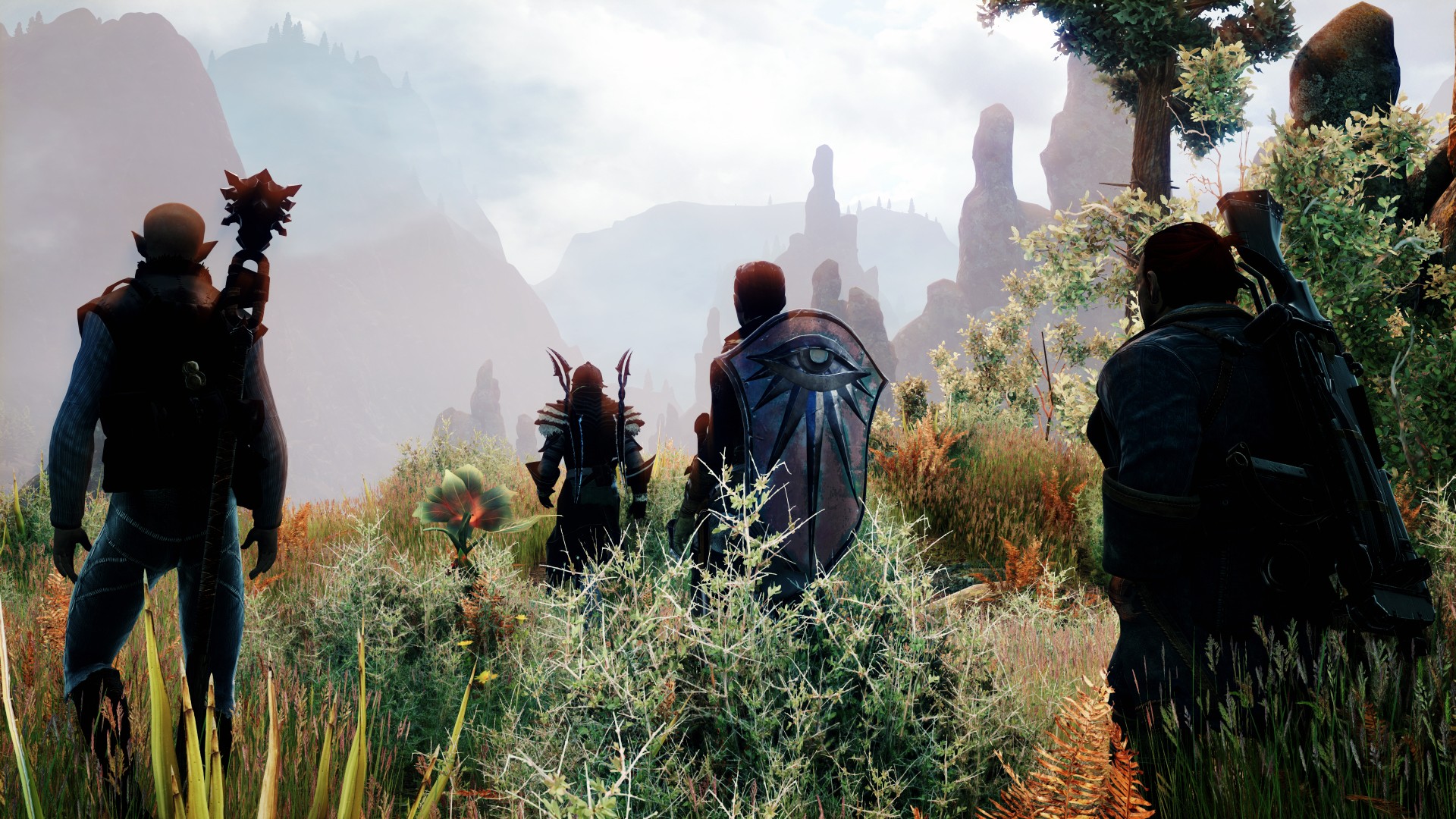


Dragon Age: Inquisition
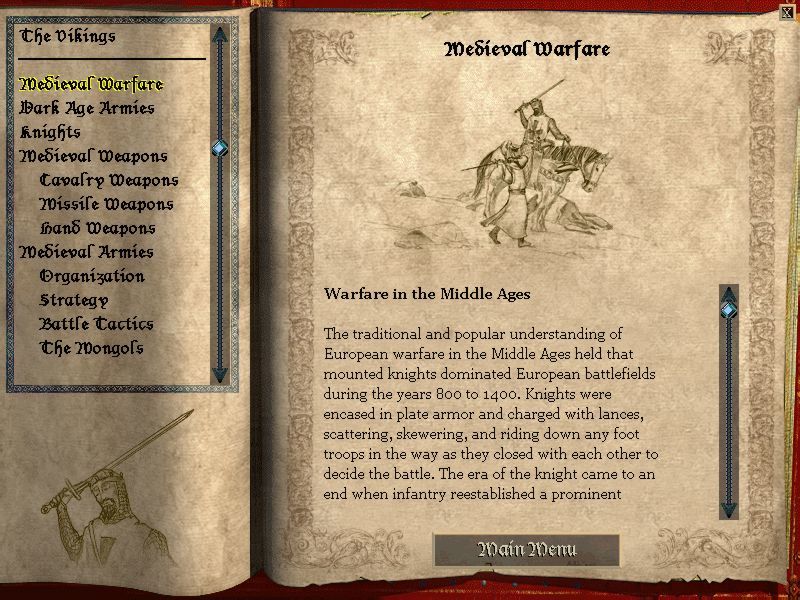
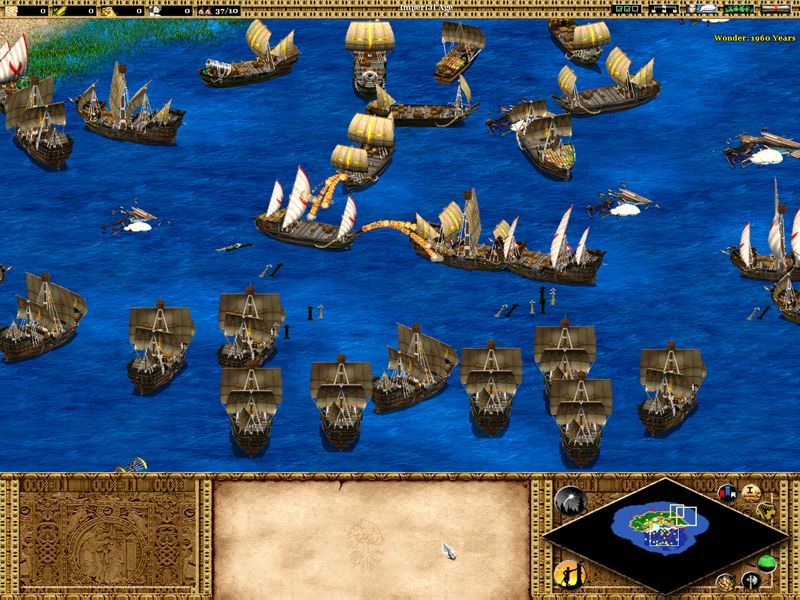
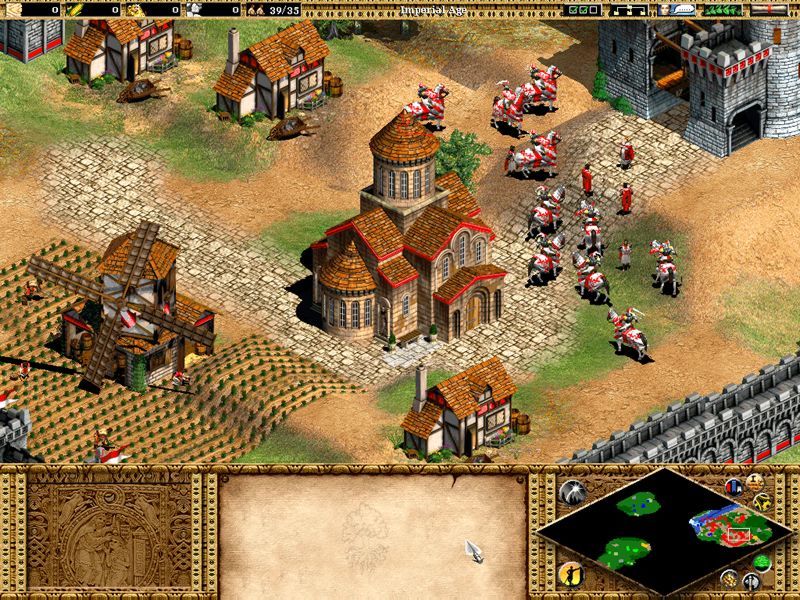


Age of Empires II: The Age of Kings

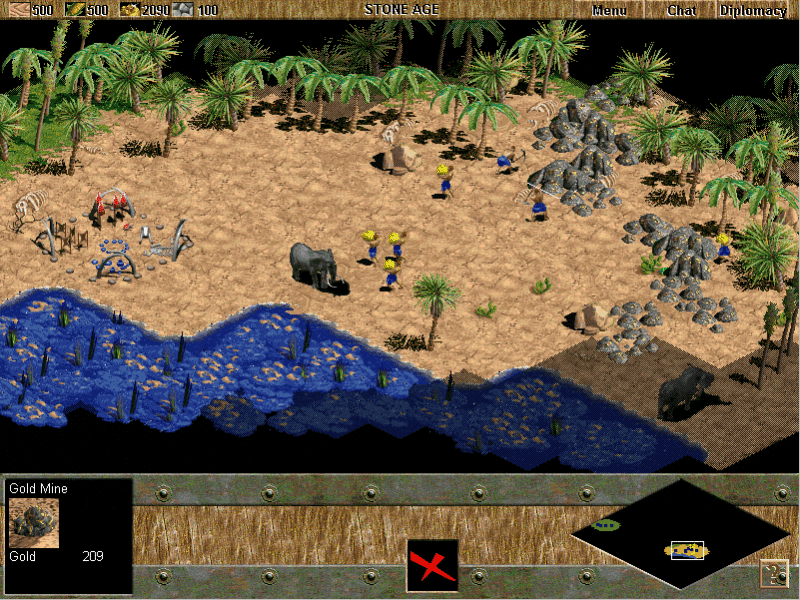

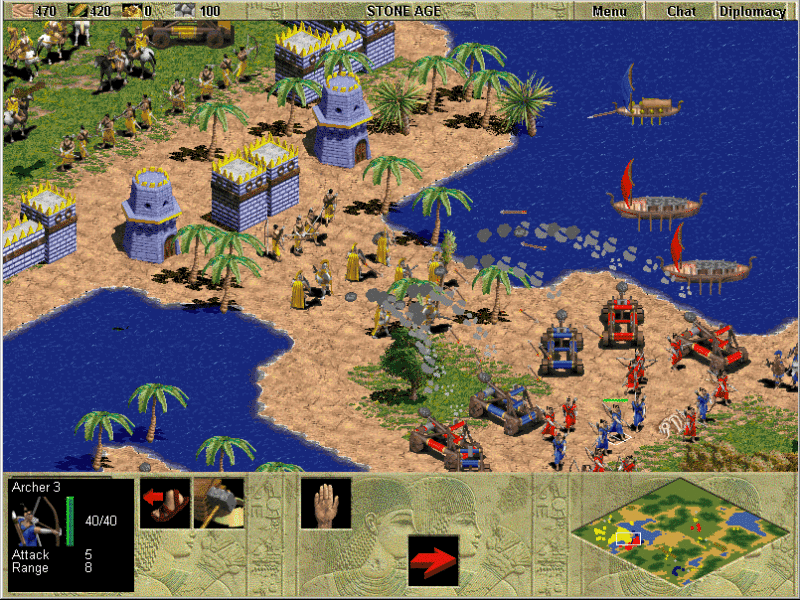

Age of Empires


Cities: Skylines

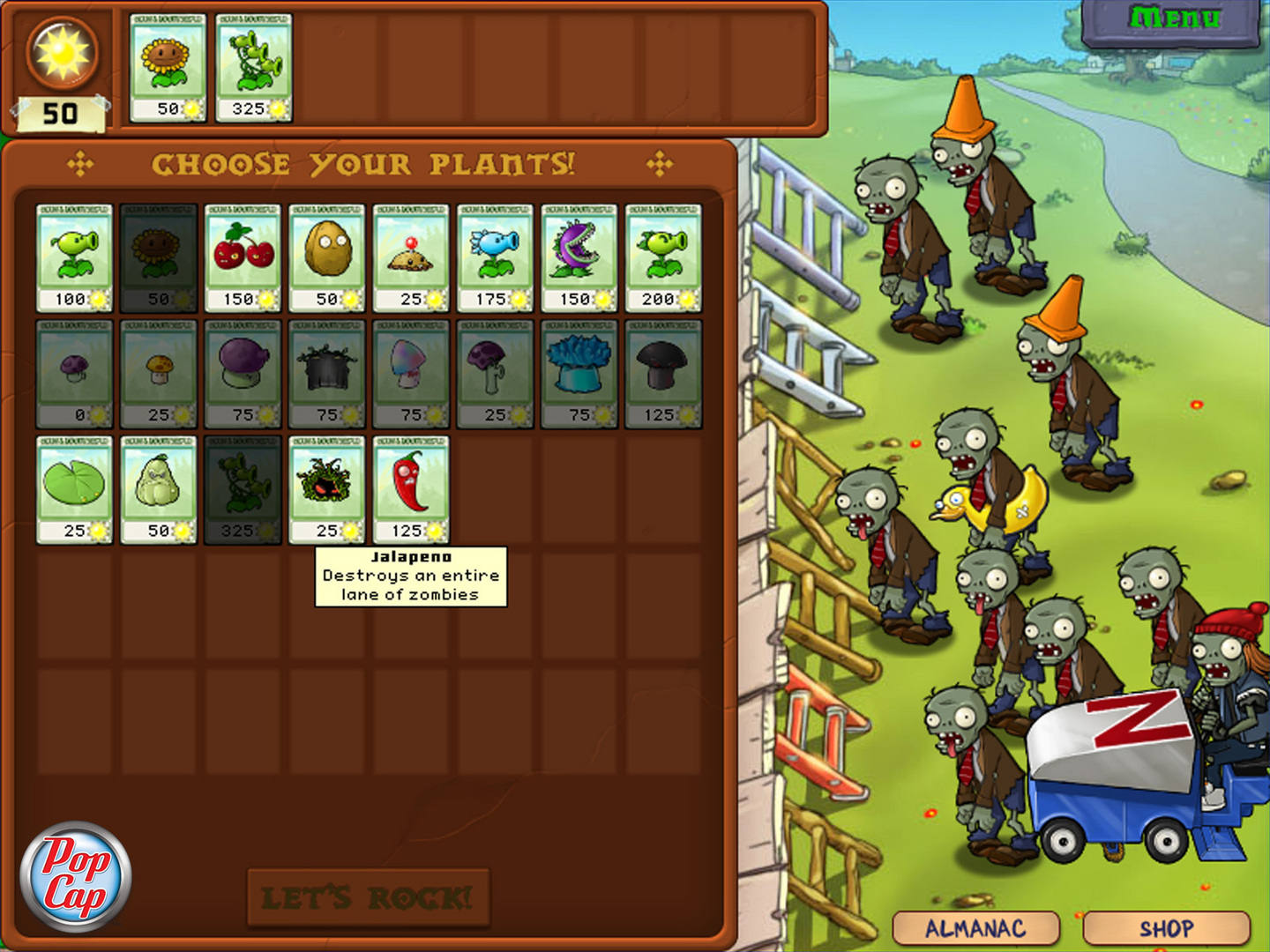
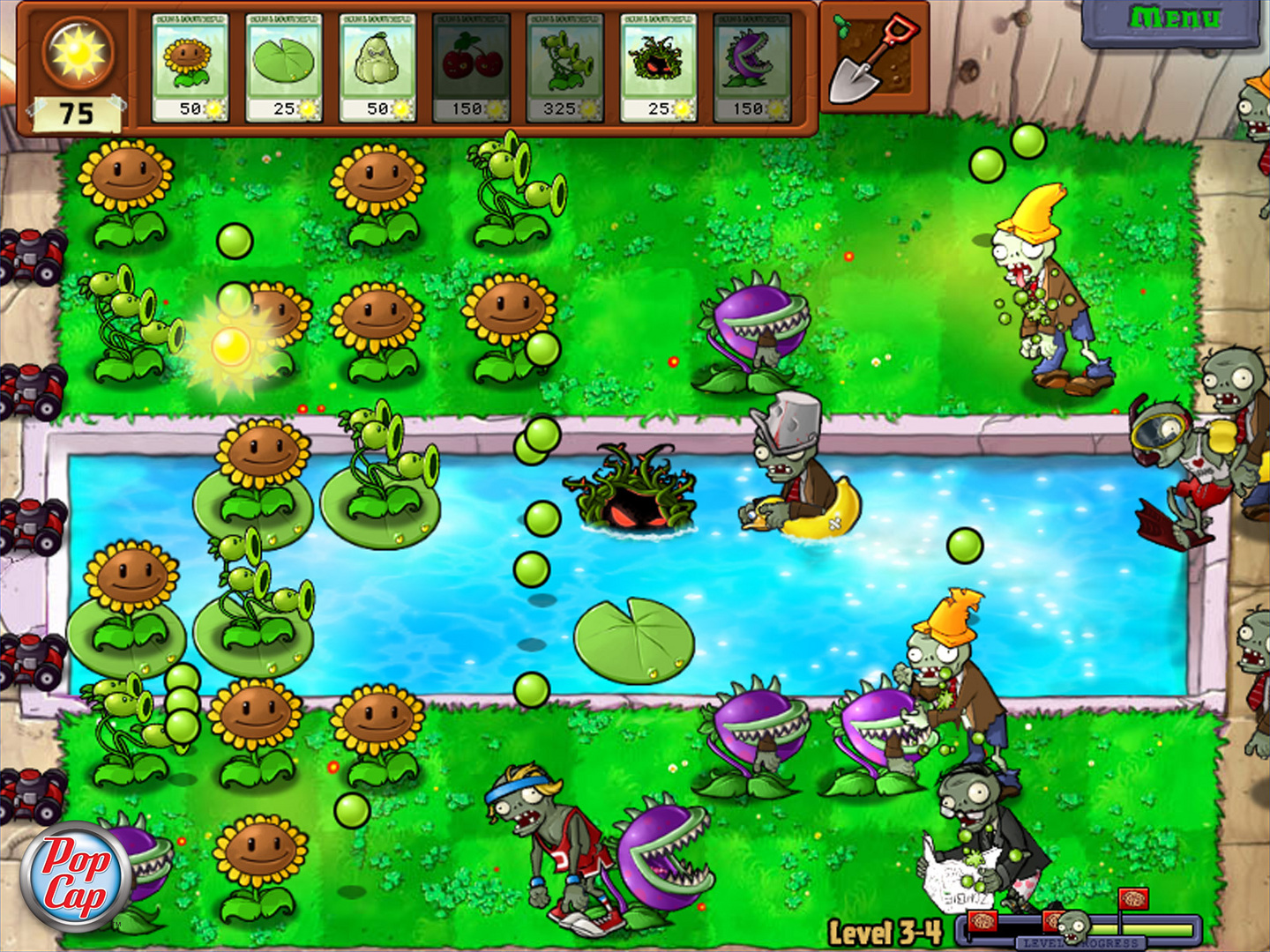

Plants vs. Zombies


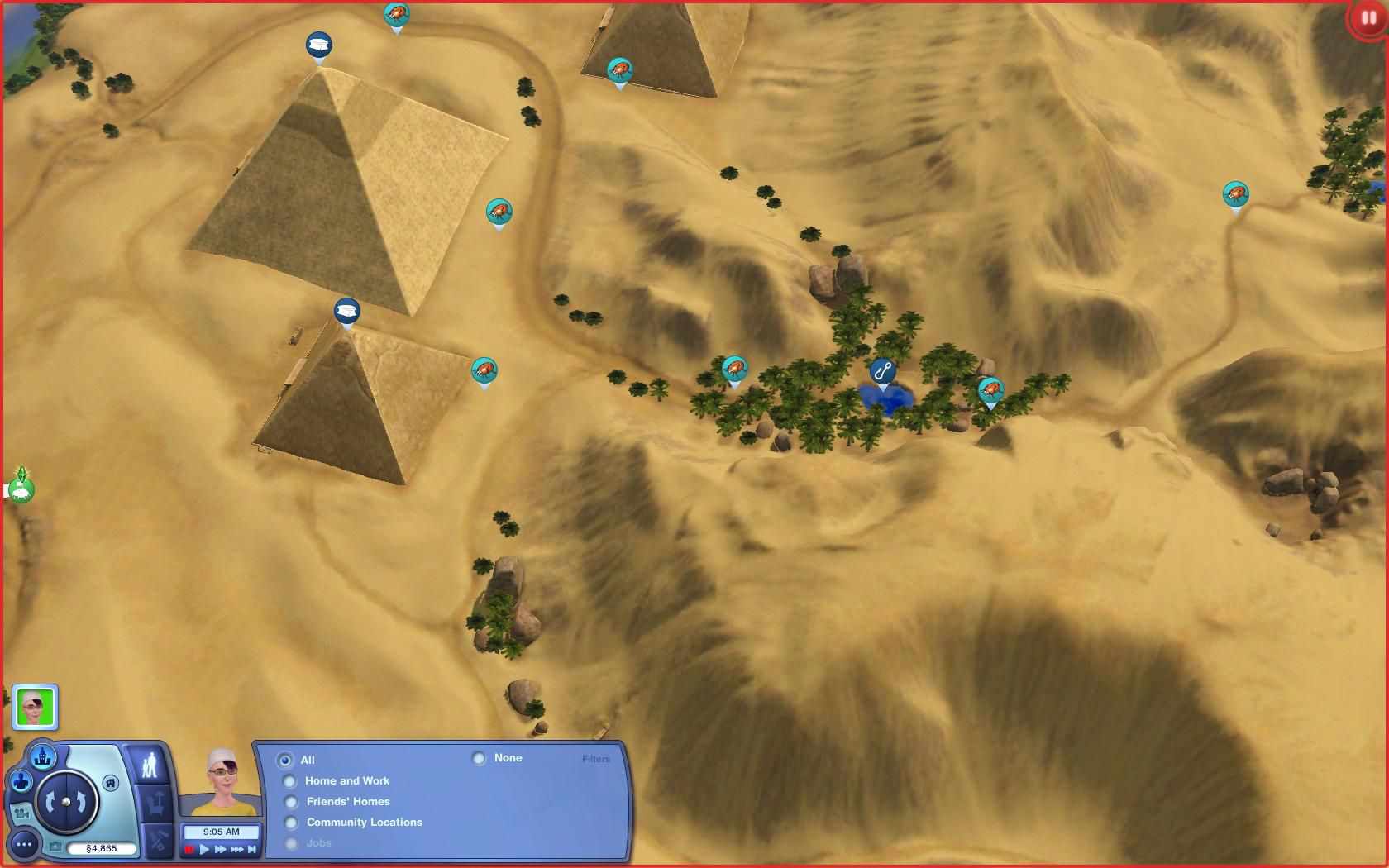
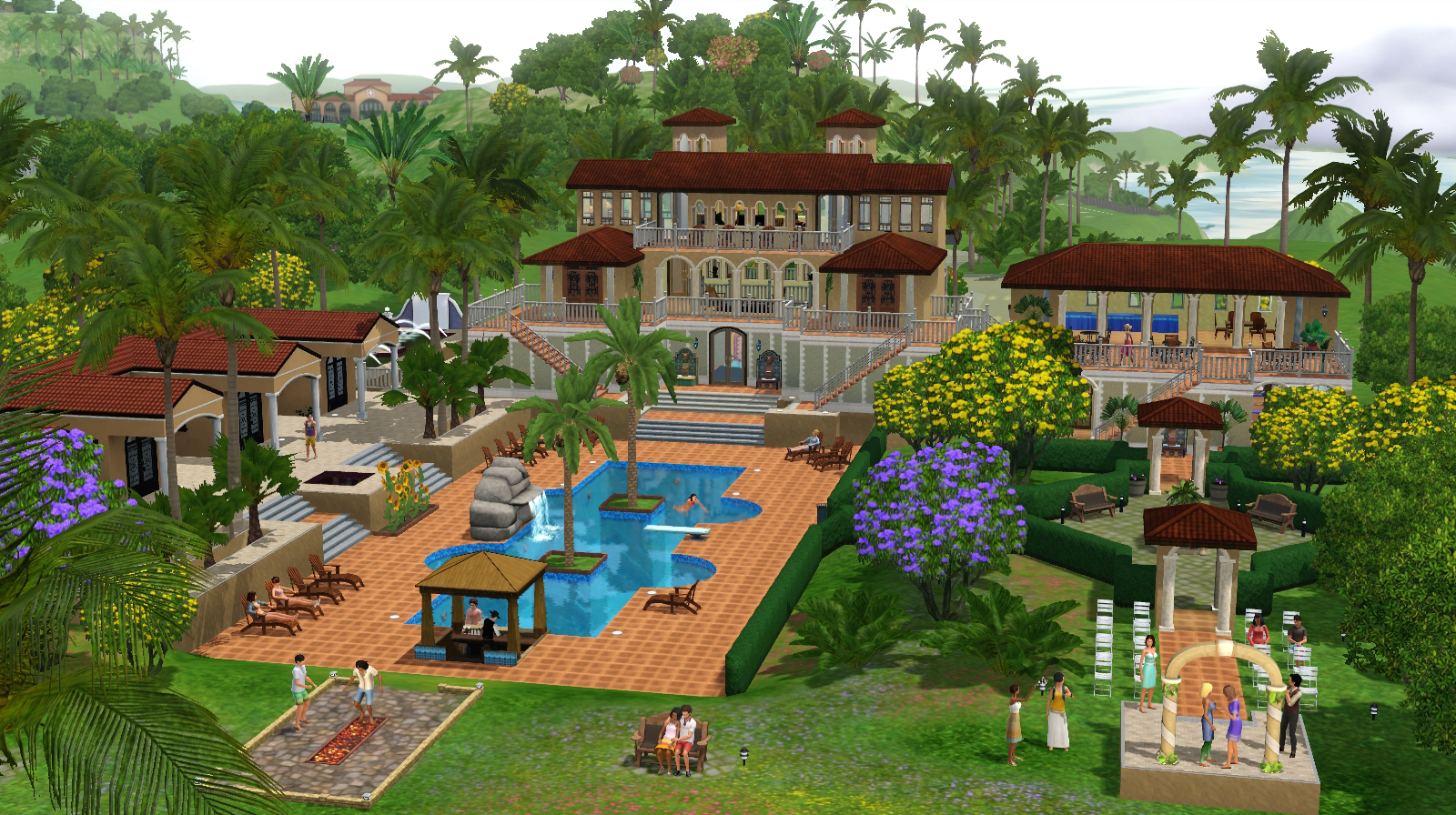







The Sims 3





Warcraft III: The Frozen Throne









The Sims 2