Game Info
↑ Back to topGlory
Genres:
Themes:
Perspectives:
Game Modes:
Game Engines:
Overview
↑ Back to topDescription from Steam STEAM
War decides power and history, sorts the cowards from the brave and crumbles one civilisation and thrives another. What if you had the power to do this? Command your army through harsh terrain, combat and battle to achieve victory. Can you? Become a Commander yourself and fight for glory! Key Features A Single Player Campaign full of action and combat waiting for you. Unlock Unique Soldiers As You Progress. Command An Army and Defeat Your Enemy. Multiplayer for versing your friends or others to see how great a Commander you really are, once you're up for the challenge. The game is a simple war game but it does have multiplayer for if you complete the campaign. I know it isn't a large game, but it's something to think about. Specifics You, as Commander, hire soldiers amid battle with coins which are gained every few seconds or from killing enemy soldiers. At the start of the game, you only have one soldier but as you progress you will unlock more to hire. The aim of the game is to protect your camp, weapons shipment or cargo and destroy the enemy's.
Description from IGDB IGDB
Wikipedia Description WIKIPEDIA
The first four games are hybrid adventure/role playing video games with real-time combat, while the fifth game switches to the action RPG genre. The gameplay standards established in earlier Sierra adventure games are enhanced by the player's ability to choose the character's career path from among the three traditional role-playing game backgrounds: fighter, magic-user/wizard and thief. Further variation is added by the ability to customize the Hero's abilities, including the option of selecting skills normally reserved for another character class, leading to unique combinations often referred to as "hybrid characters". During the second or third games, a character can be initiated as a Paladin by performing honorable actions, changing his class and abilities, and receiving a unique sword. This applies when the character is exported into later games. Any character that finishes any game in the series (except Dragon Fire, the last in the series) can be exported to a more recent game (Shadows of Darkness has a glitch which allows one to import characters from the same game), keeping the character's statistics and parts of its inventory. If the character received the paladin sword, he would keep the magic sword (Soulforge or Piotyr's sword) and special paladin magic abilities (with the exception of Shadows of Darkness, where the character loses all of his belongings, including the weapons, before the game begins). A character imported into a later game in the series from any other game can be assigned any character class, including Paladin. Each career path has its own strengths and weaknesses, and scenarios unique to the class because of the skills associated with it. Each class also has its own distinct way to solve various in-game puzzles, which encourage replay: some puzzles have up to four different solutions. For instance, if a door is closed, instead of lockpicking or casting an open spell, the fighter can simply knock down the door. The magic user and the thief are both non-confrontational characters, as they lack the close range ability of the fighter, but are better able to attack from a distance, using daggers or spells. An example of these separate paths can be seen early in the first game. A gold ring belonging to the healer rests in a nest on top of a tree; fighters might make it fall by hurling rocks, thieves may want to climb the tree, while a magic user can simply cast the fetch spell to retrieve the nest, and then, while the fighter and magic user return the ring for a reward, the thief can choose between returning or selling the same ring in the thieves' guild (which is not available for those not possessing the "thieving" skills). It is also possible to build, over the course of several games, a character that has points in every skill in the game, and can therefore perform nearly every task. However, certain tasks are presented only to characters of a specific class. Each character class features special abilities unique to that class, as well as a shared set of attributes which can be developed by performing tasks and completing quests. In general, for a particular game the maximum value which can be reached for an ability is 100*[the number of that game]. Quest for Glory V allows stat bonuses which can push an attribute over the maximum and lets certain classes raise certain attributes beyond the normal limits. Quest for Glory V also features special kinds of equipment which lower some stats while raising others. At the beginning of each game, the player may assign points to certain attributes, and certain classes only have specific attributes enabled, although skills can be added for an extra cost. General attributes influence all characters' classes and how they interact with objects and other people in the game; high values in strength allows movement of heavier objects and communication helps with bargaining goods with sellers. These attributes are changed by performing actions related to the skill; climbing a tree eventually increases the skill value in climb, running increases vitality, and so on. There are also complementing skills which are tied to specific classes; parry (the ability to block a blow with the sword), for instance, is mainly used by fighters and paladins, lock picking and sneaking are defaults with the thief, and the ability to cast magic spells is usually associated with magic user. Vital statistics are depleted by performing some actions. Health, (determined by strength and vitality), determines the hit points of the character, which decreases when the character is attacked or harms himself. Stamina (based on agility and vitality) limits the number of actions (exercise, fighting, running, etc.) the character is able to perform before needing rest or risking injury. Mana is only required by characters with skill in magic, and is calculated according to the character's intelligence and magic attributes. Puzzle and Experience points only show the development of the player and his progress in the game, though in the first game also affects the kind of random encounters a player faces, as some monsters only appear after a certain level of experience is reached.
About Glory
Glory is a Action, Role-playing (RPG), Shooter game developed by Reach Game Studios that offers Multiplayer, Single player gameplay from a first person perspective playable on PC (Microsoft Windows), PlayStation 4, Xbox Series X|S with 0 user ratings averaging 0/100. The game explores themes like Fantasy, Science fiction, Warfare. If you enjoy Glory, you might also like similar games in our database of 45,000+ titles.
Basic Info
Details
↑ Back to topAdditional Information
Платформы 3
Genres 3
Themes 3
Player Perspectives 1
Game Modes 2
Companies
↑ Back to topDevelopers
Reach Game Studios
No description available
Keywords
↑ Back to topScreenshots
↑ Back to topNo Screenshots Available
Screenshots for this game haven't been loaded yet.
Similar Games
↑ Back to top
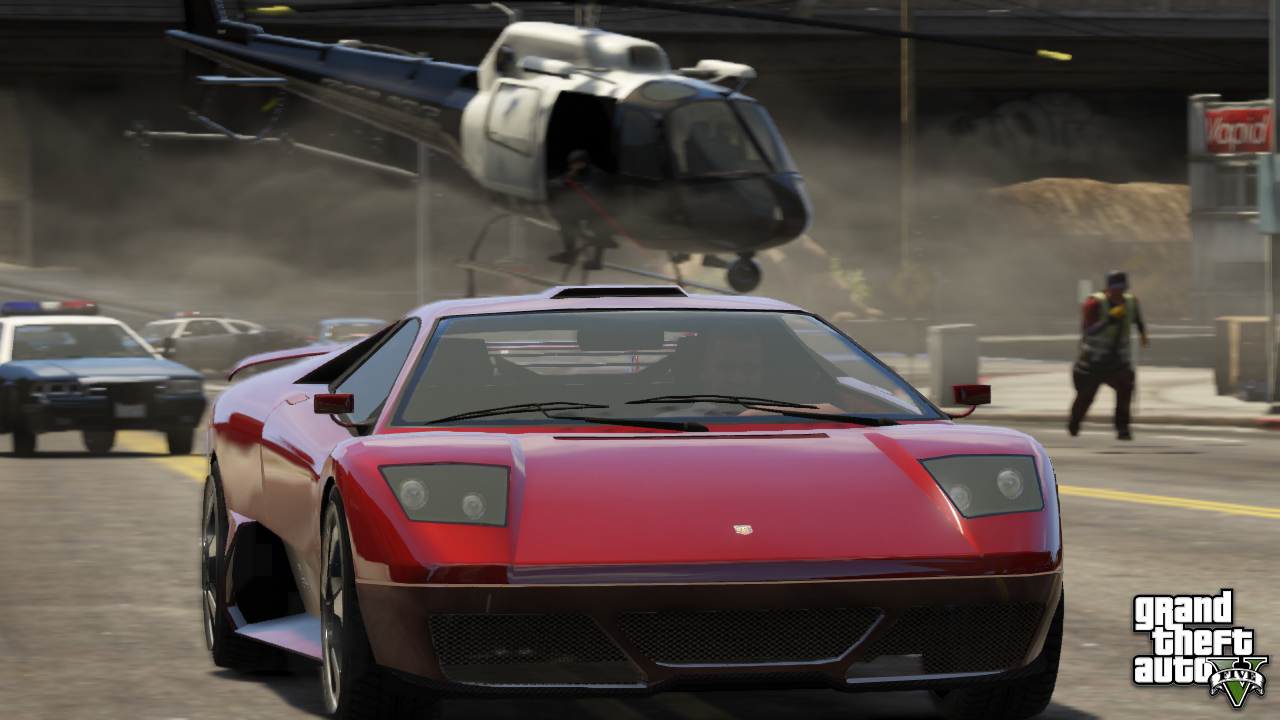

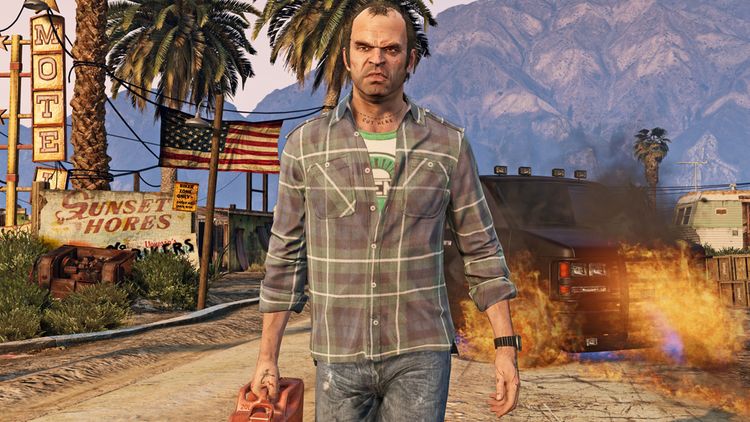
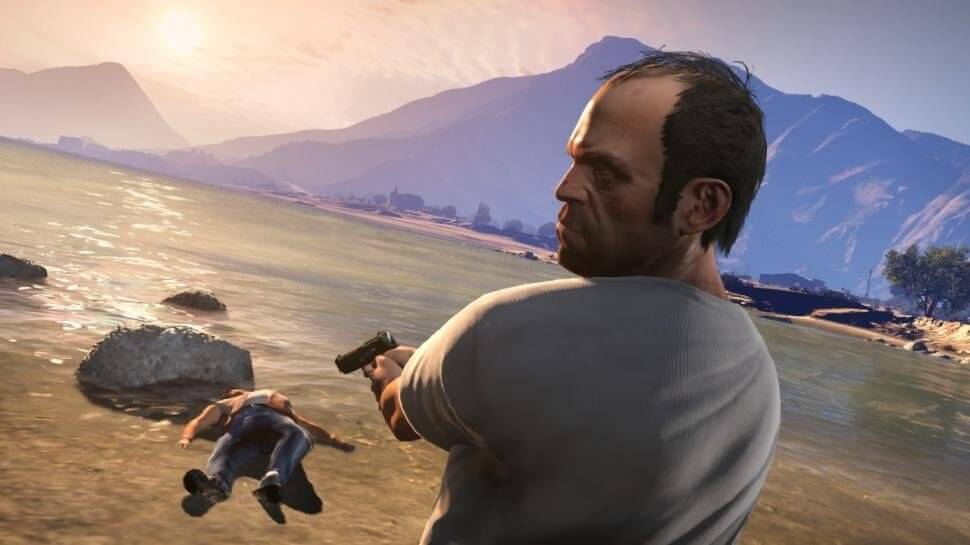

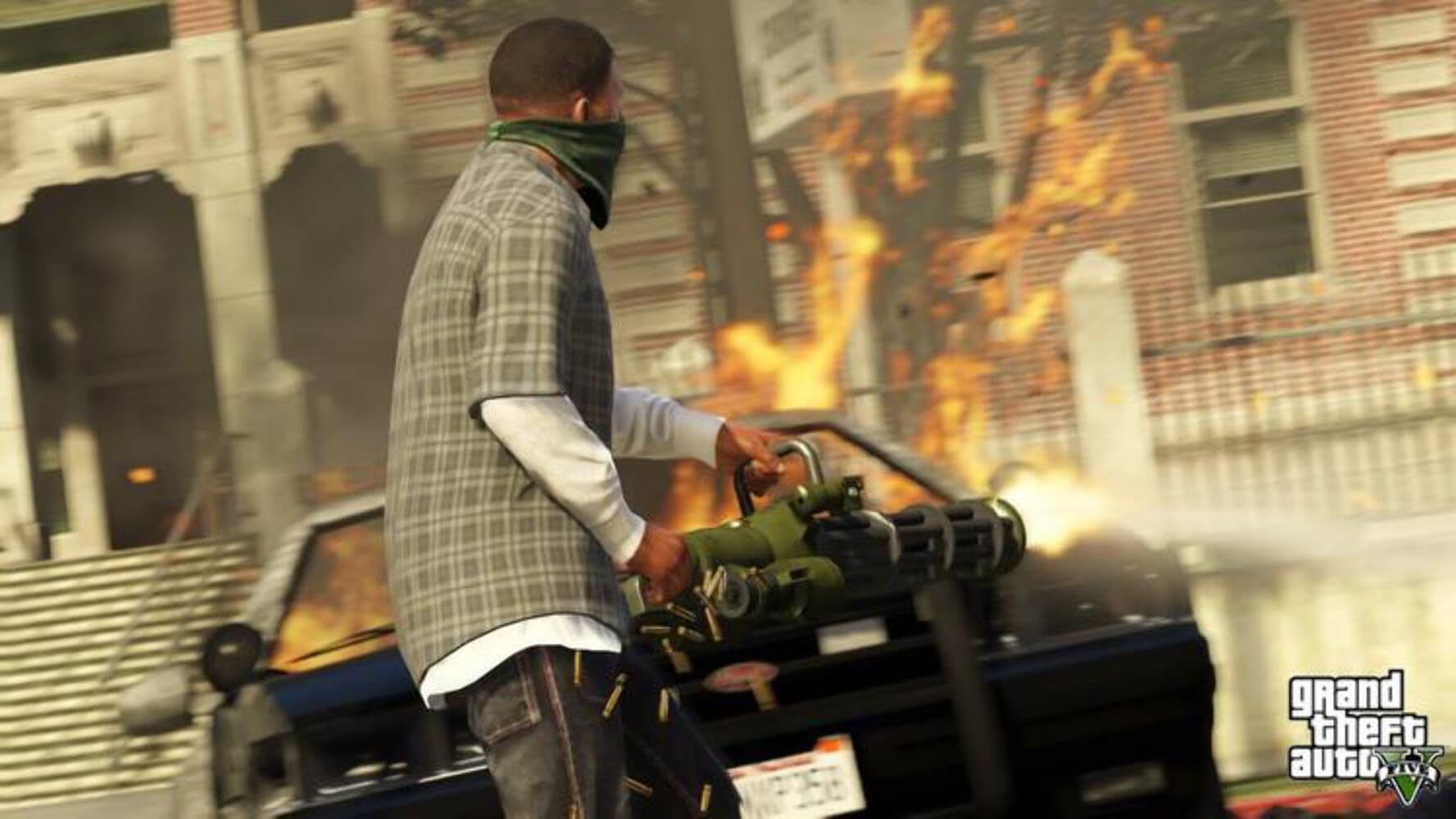
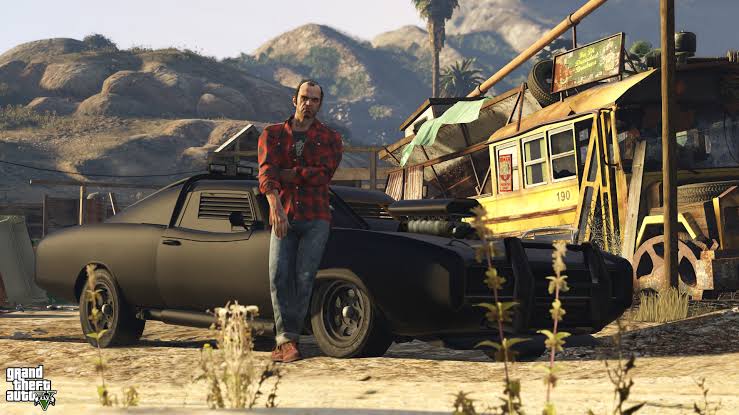
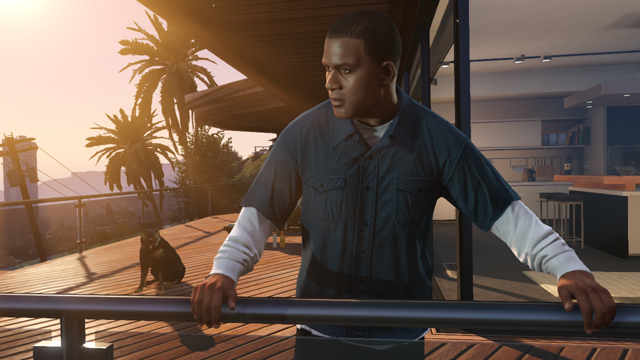
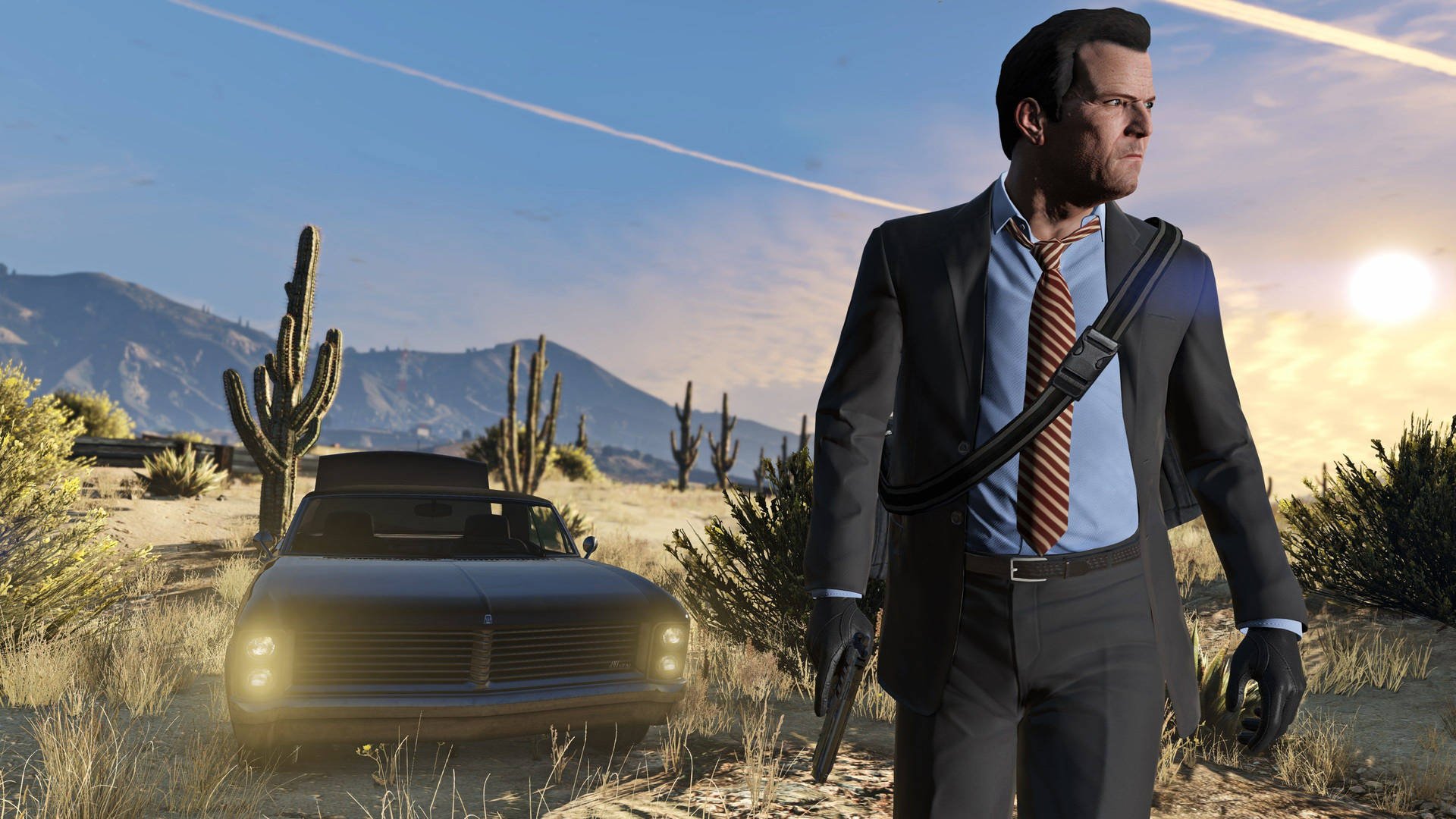



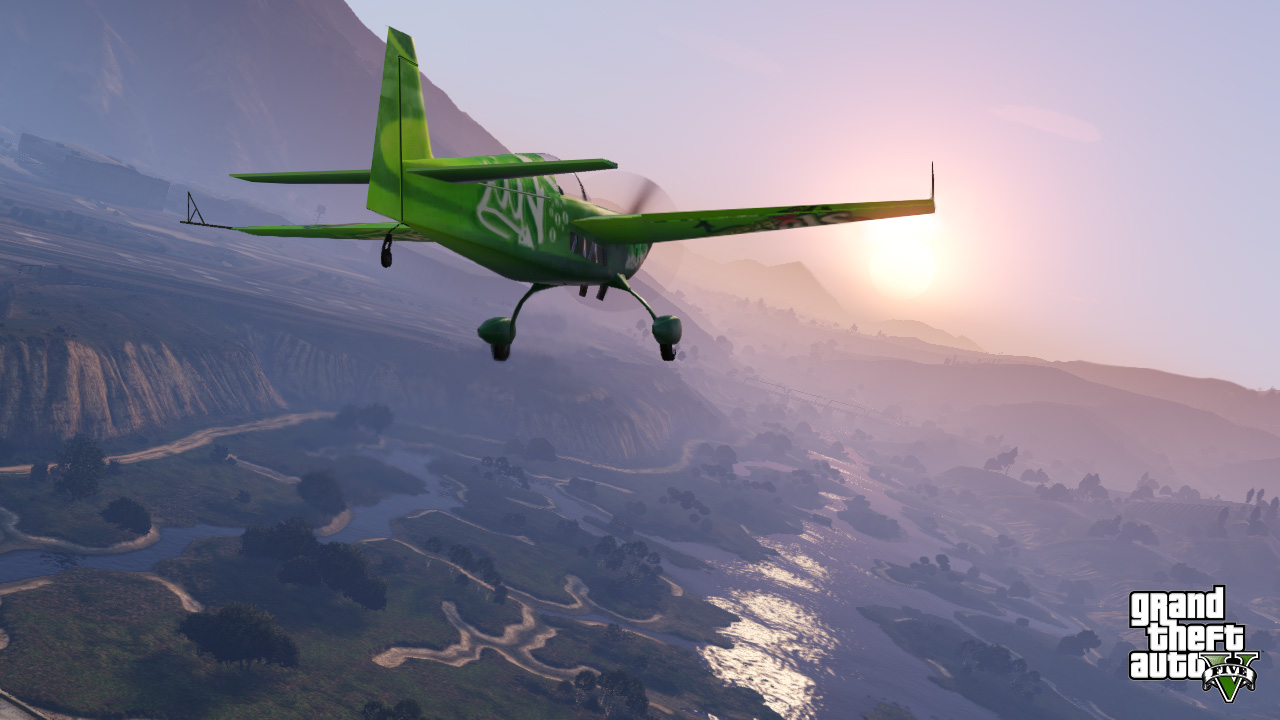
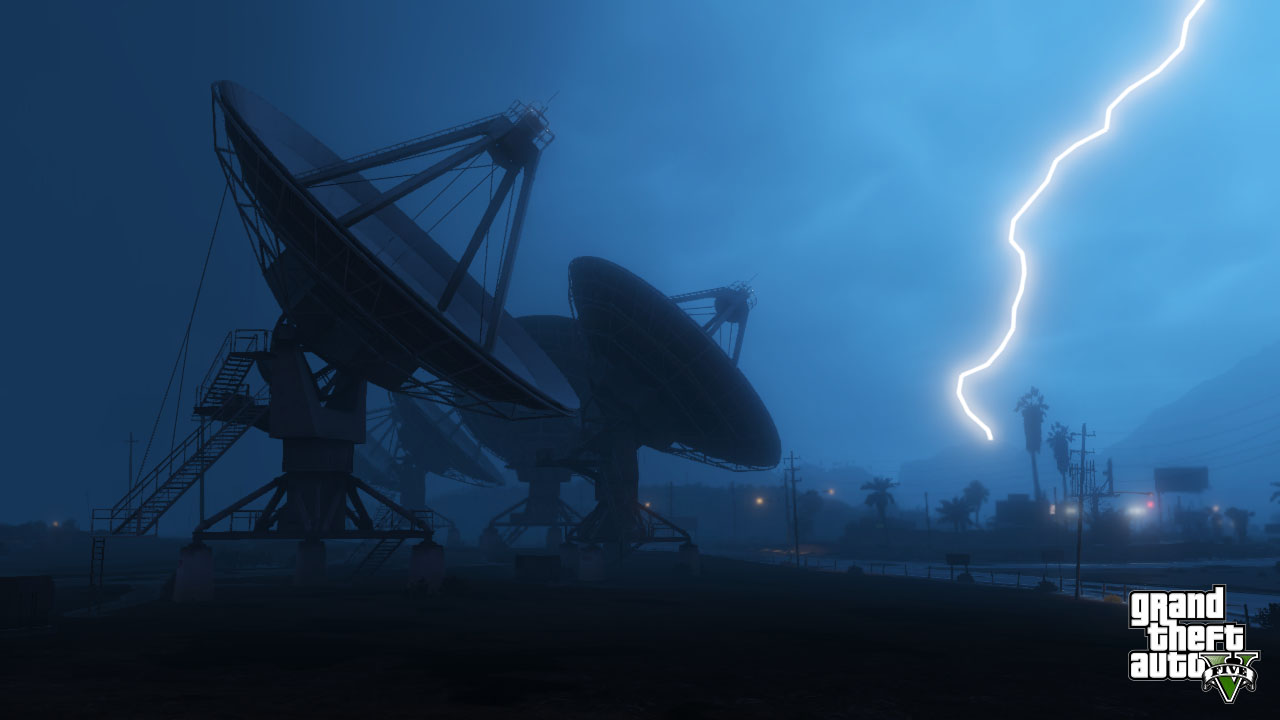

Grand Theft Auto V
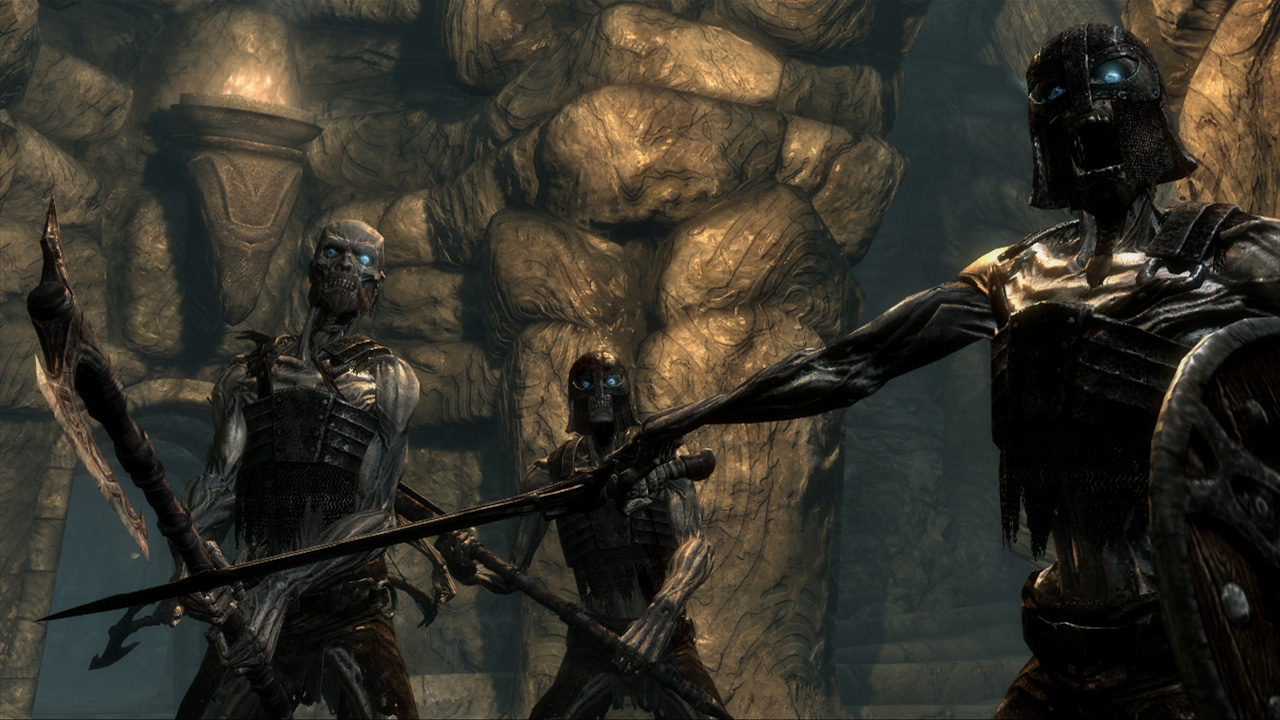
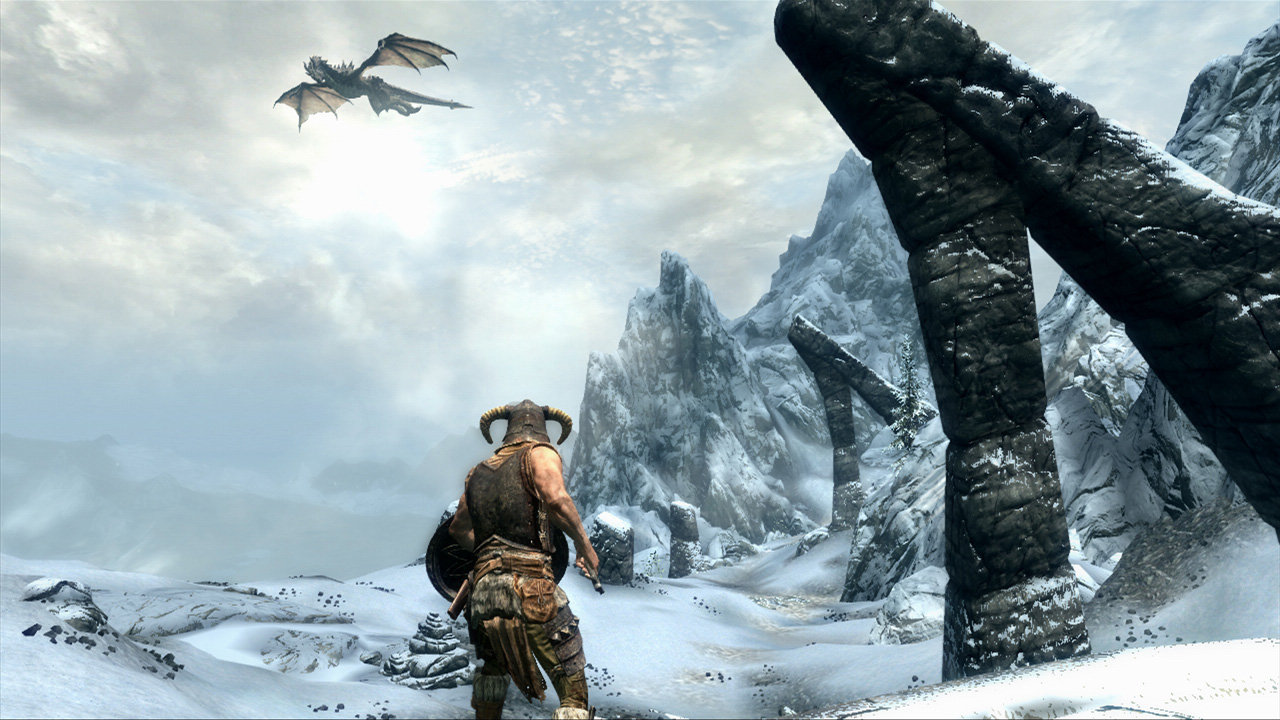
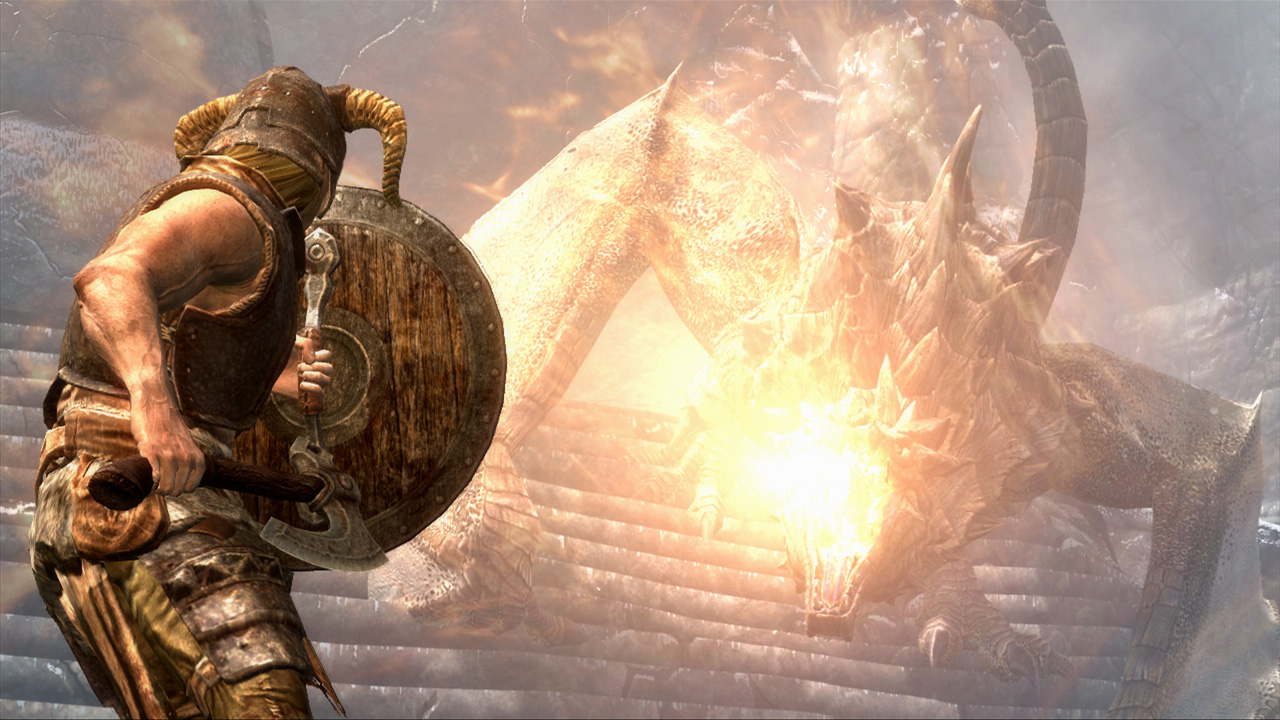

The Elder Scrolls V: Skyrim
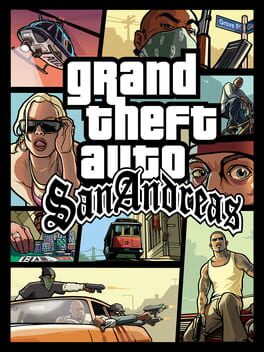
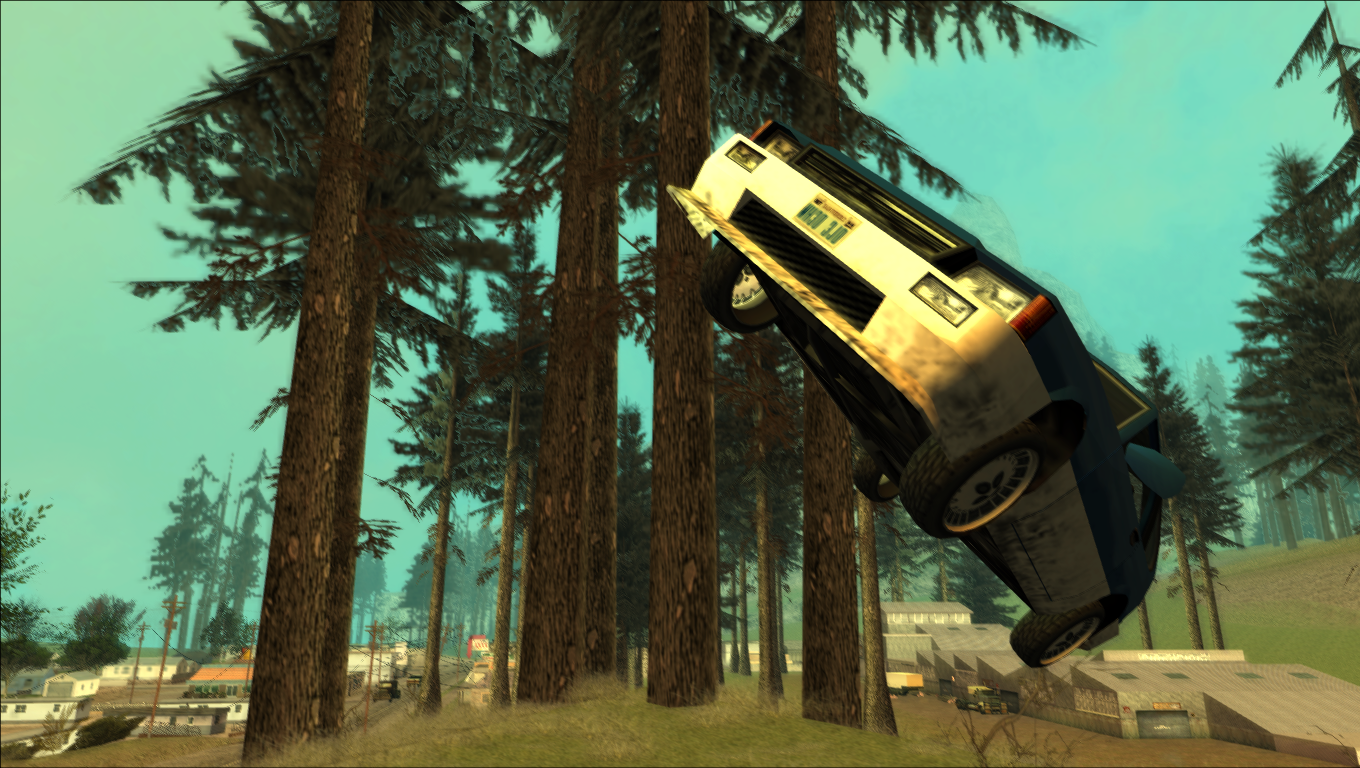
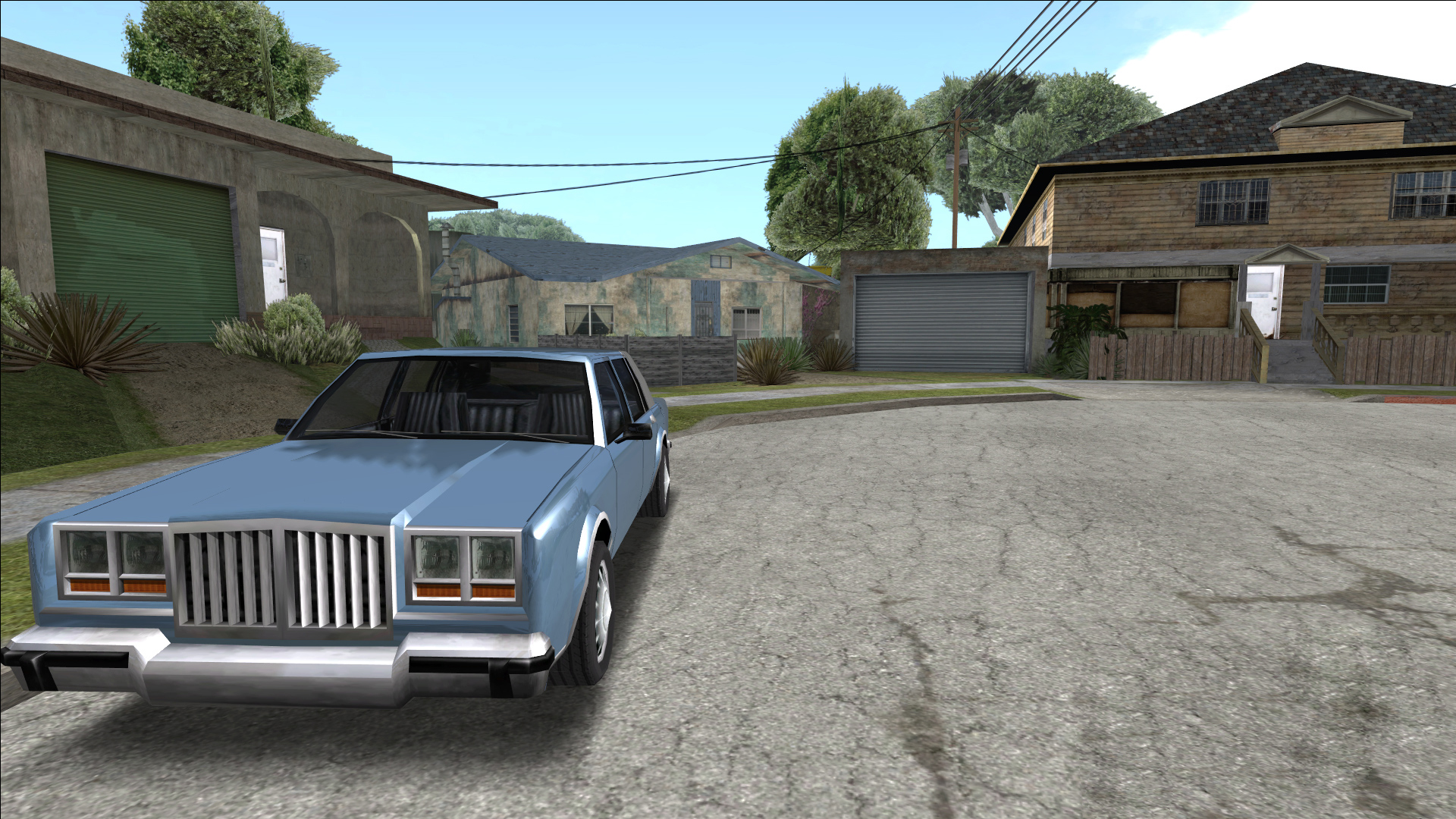
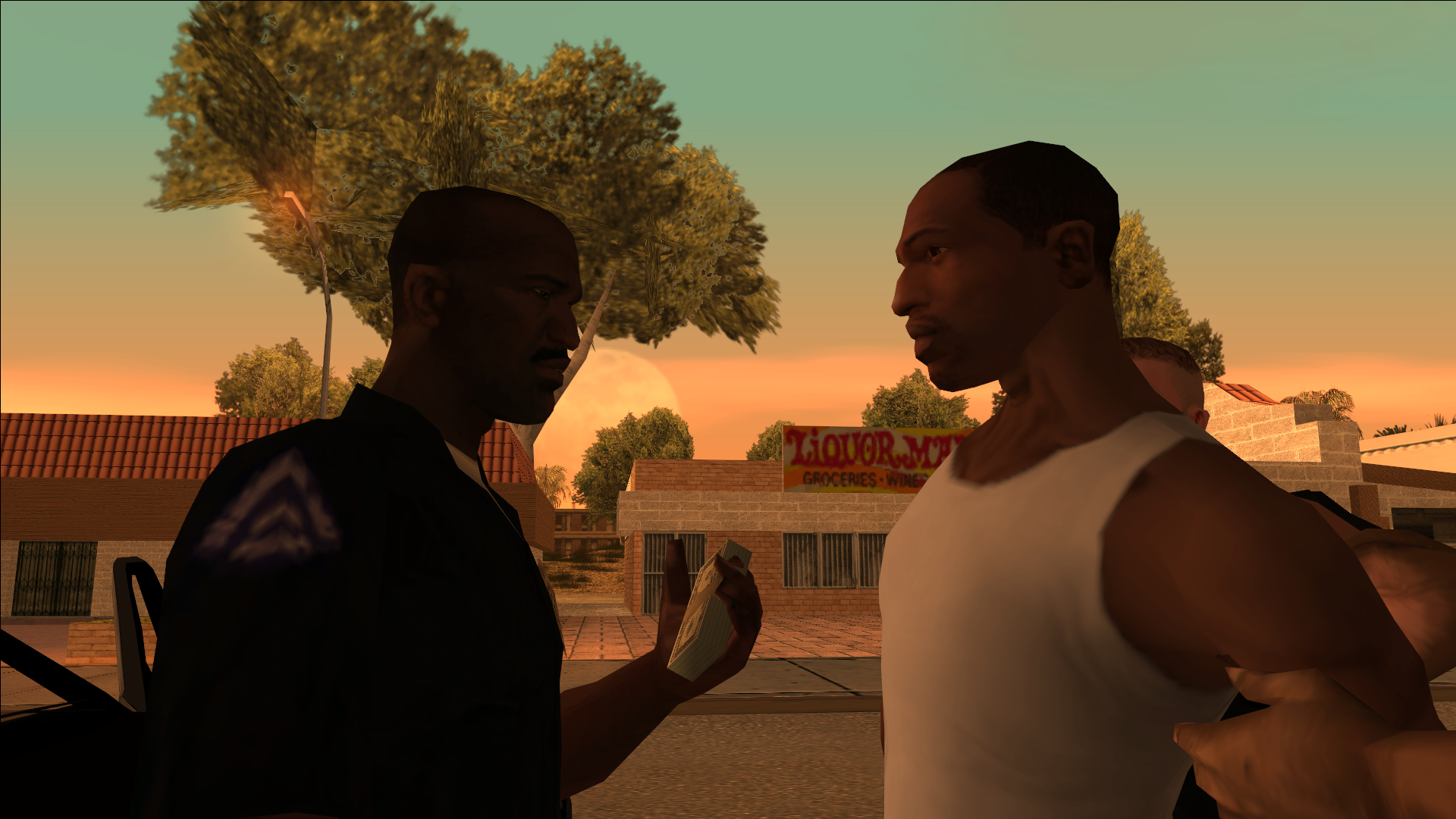
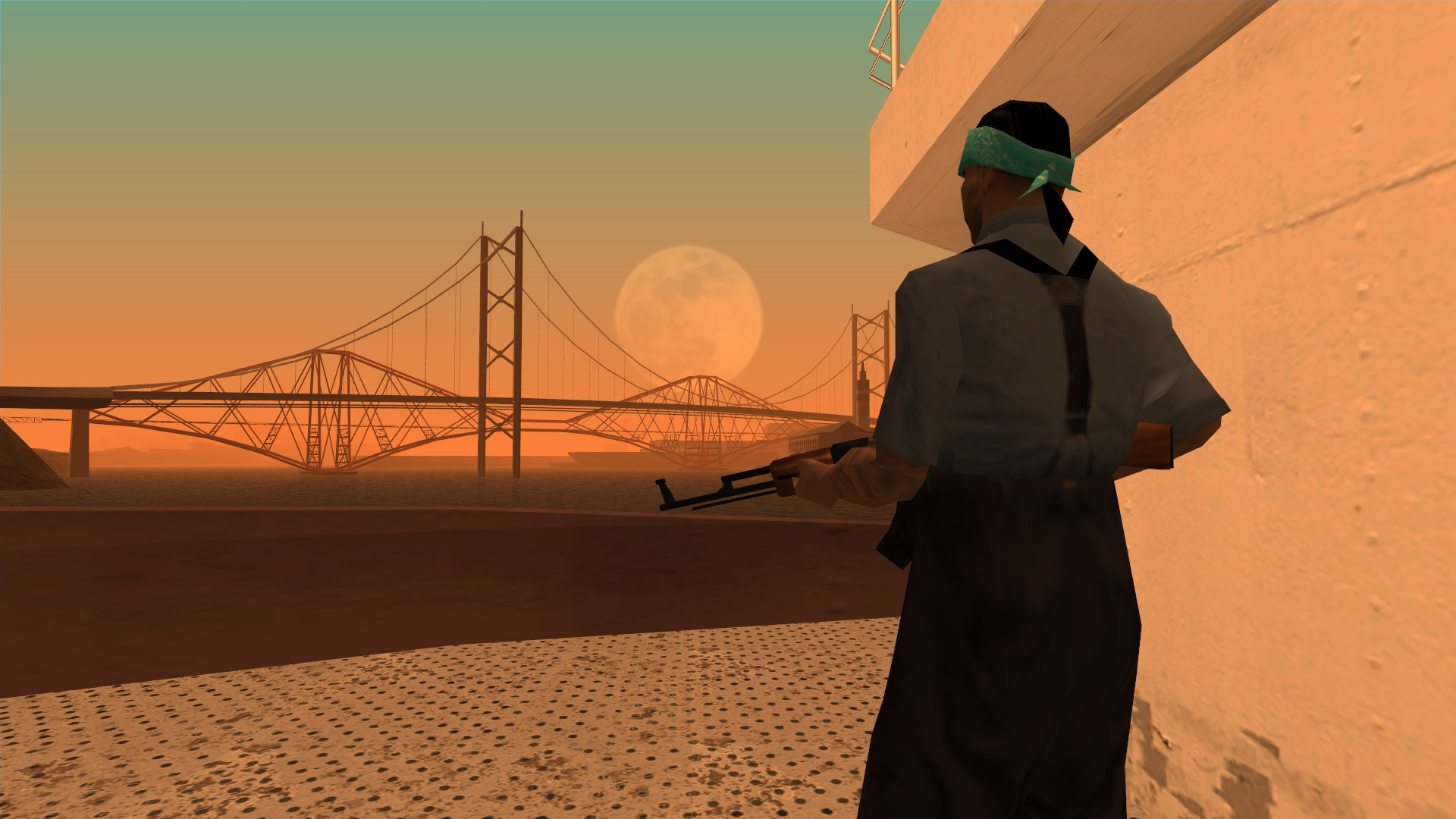
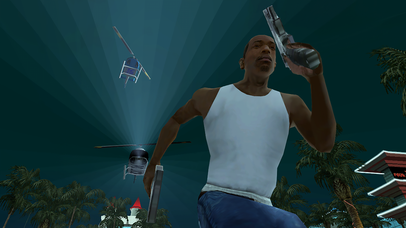

Grand Theft Auto: San Andreas

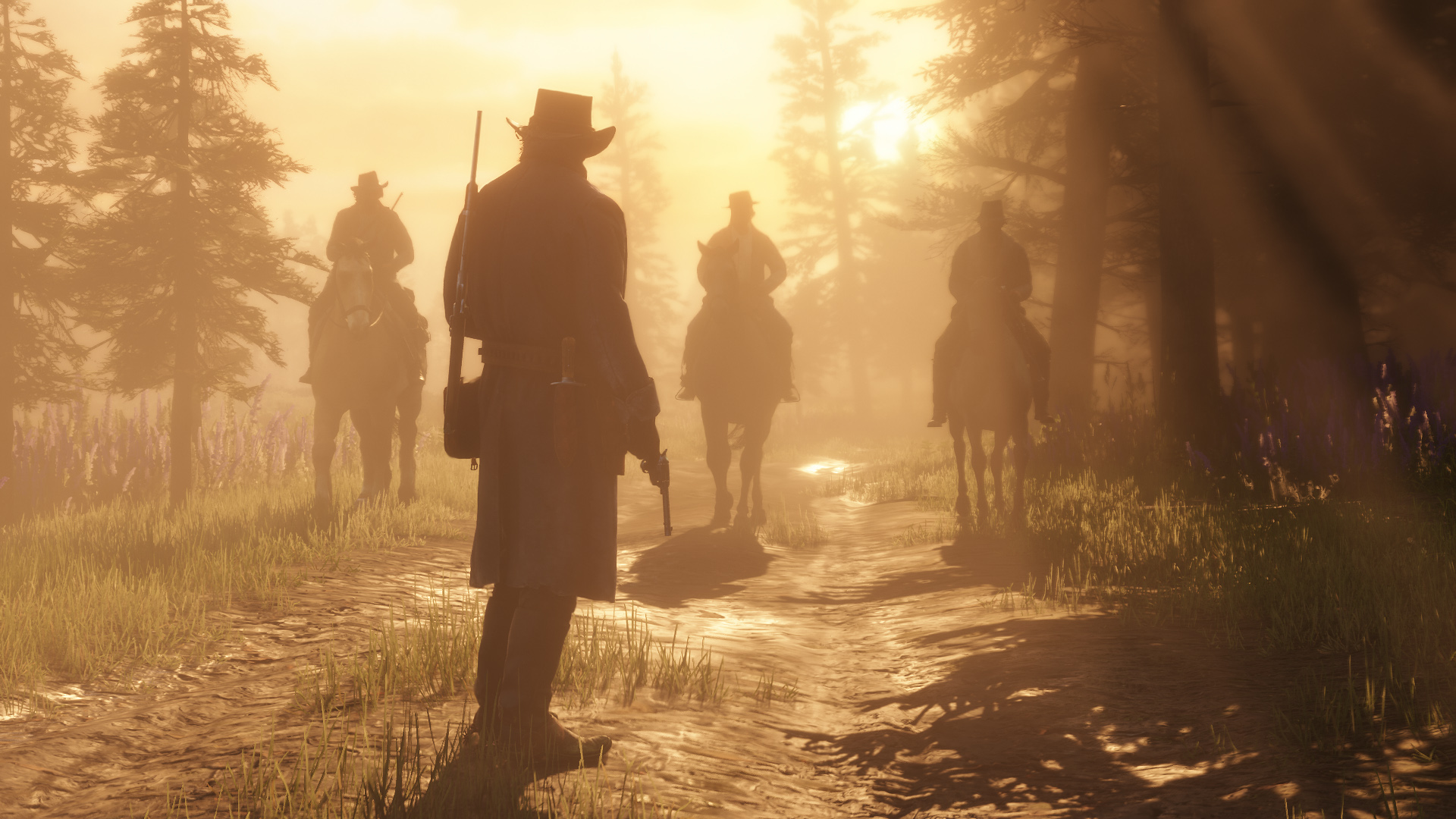
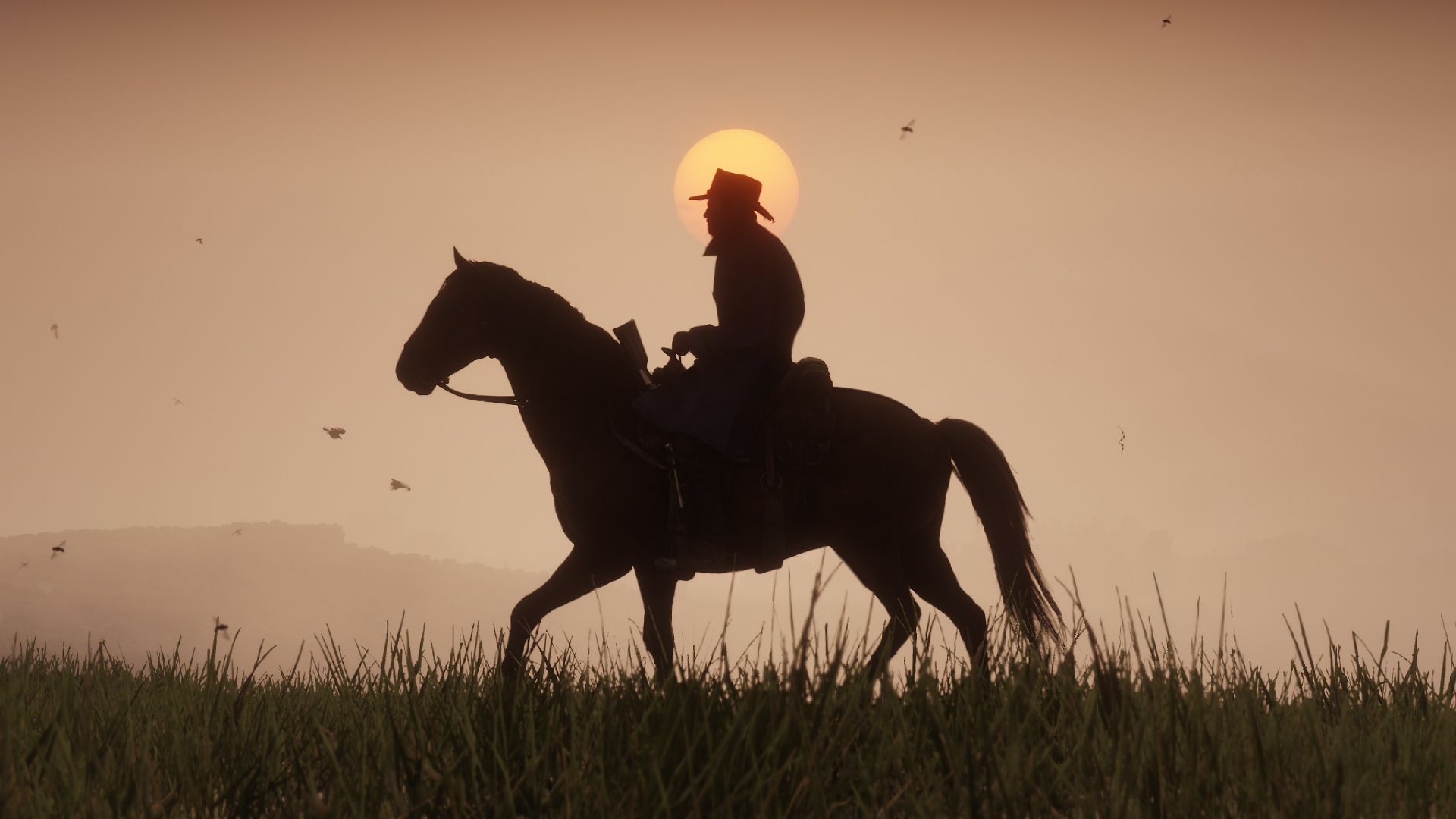
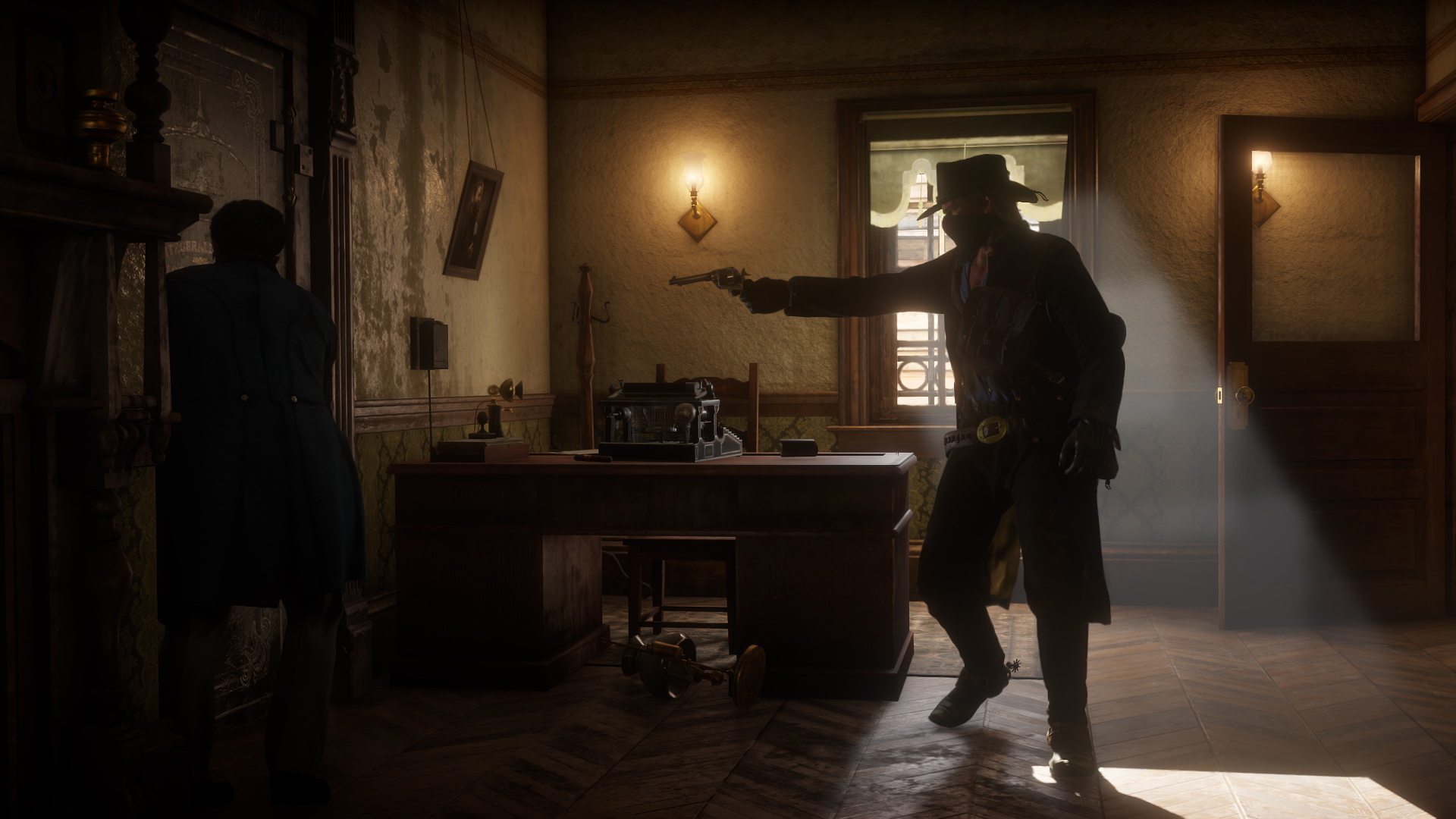
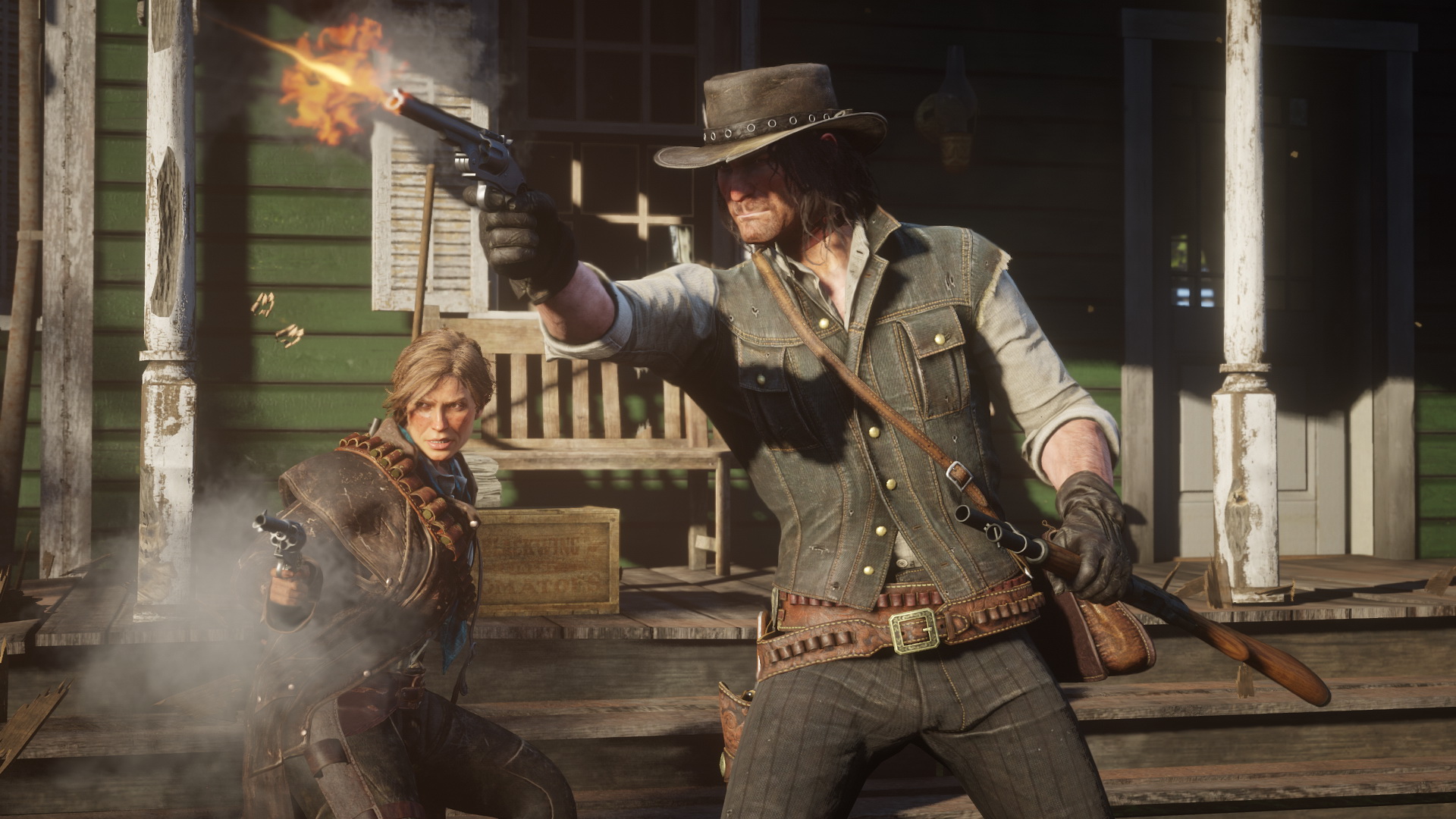
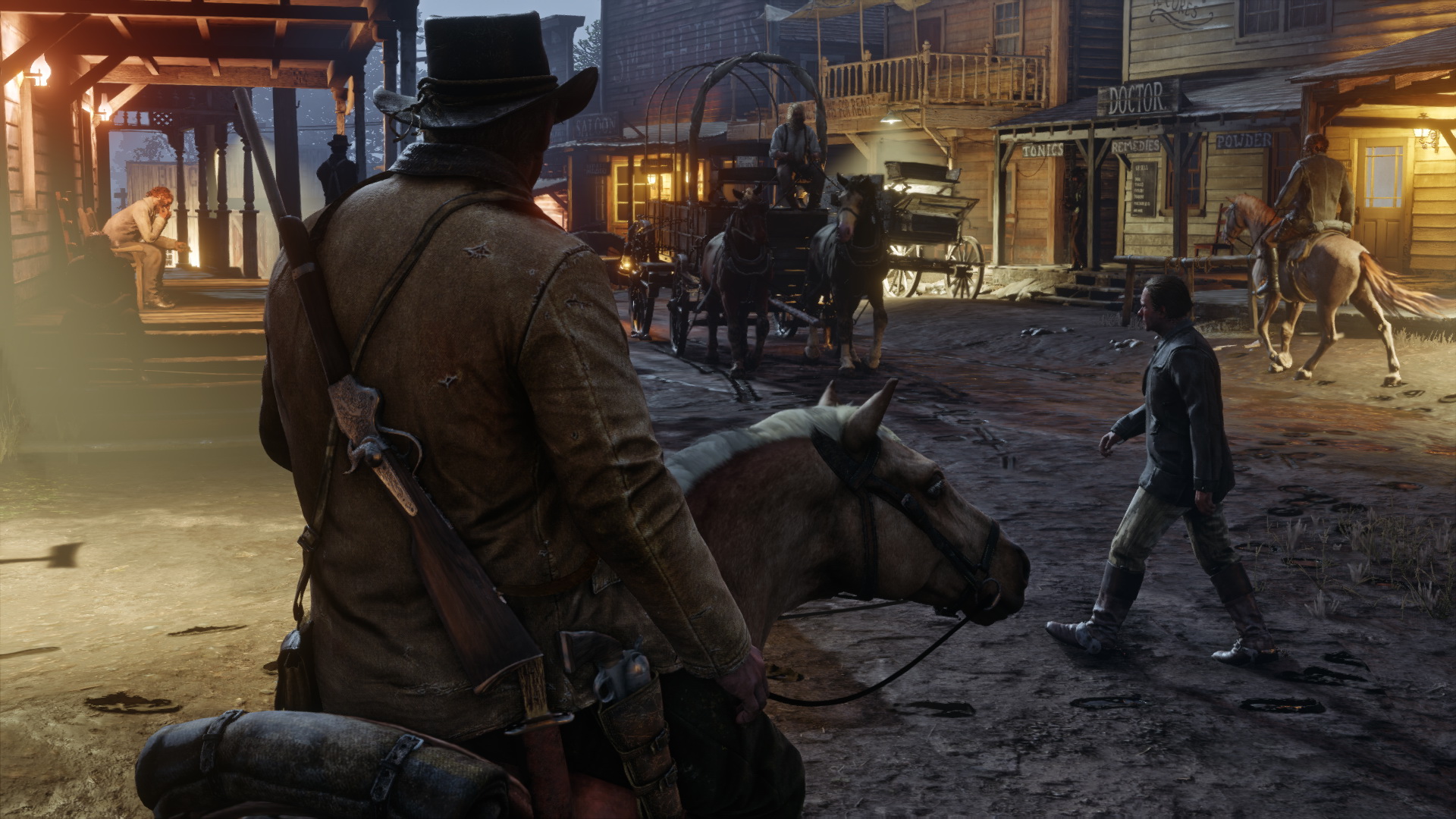
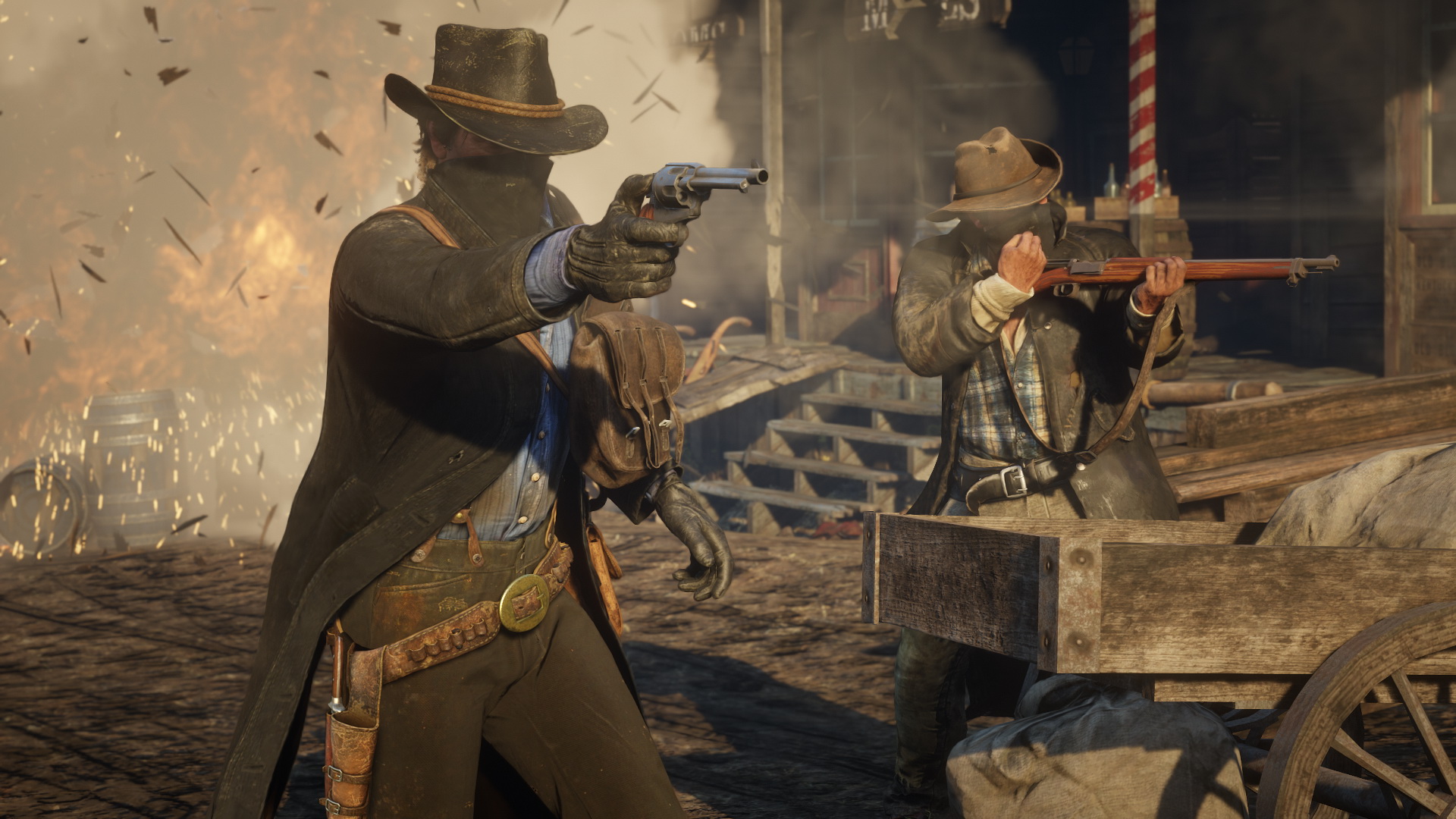
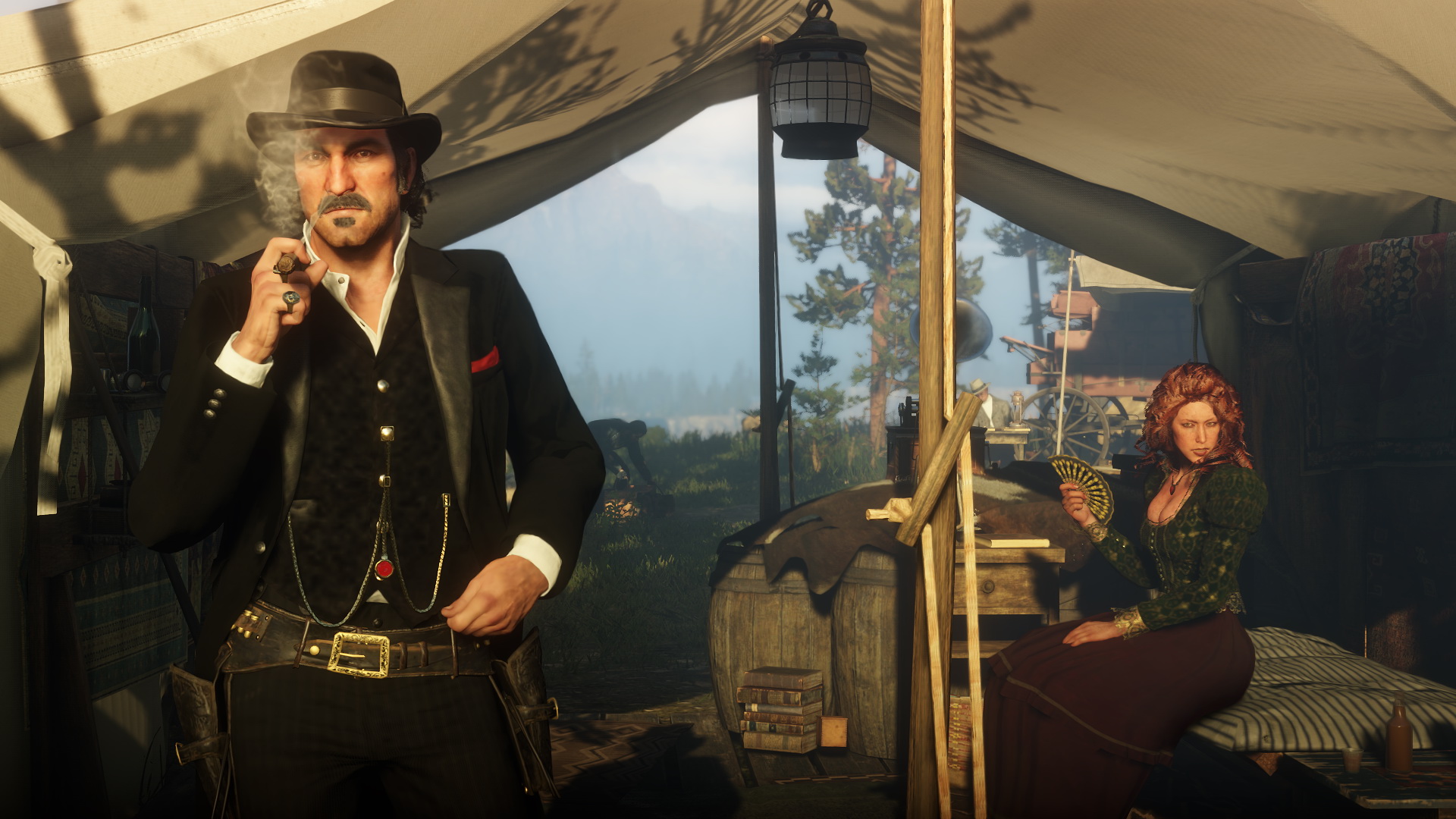
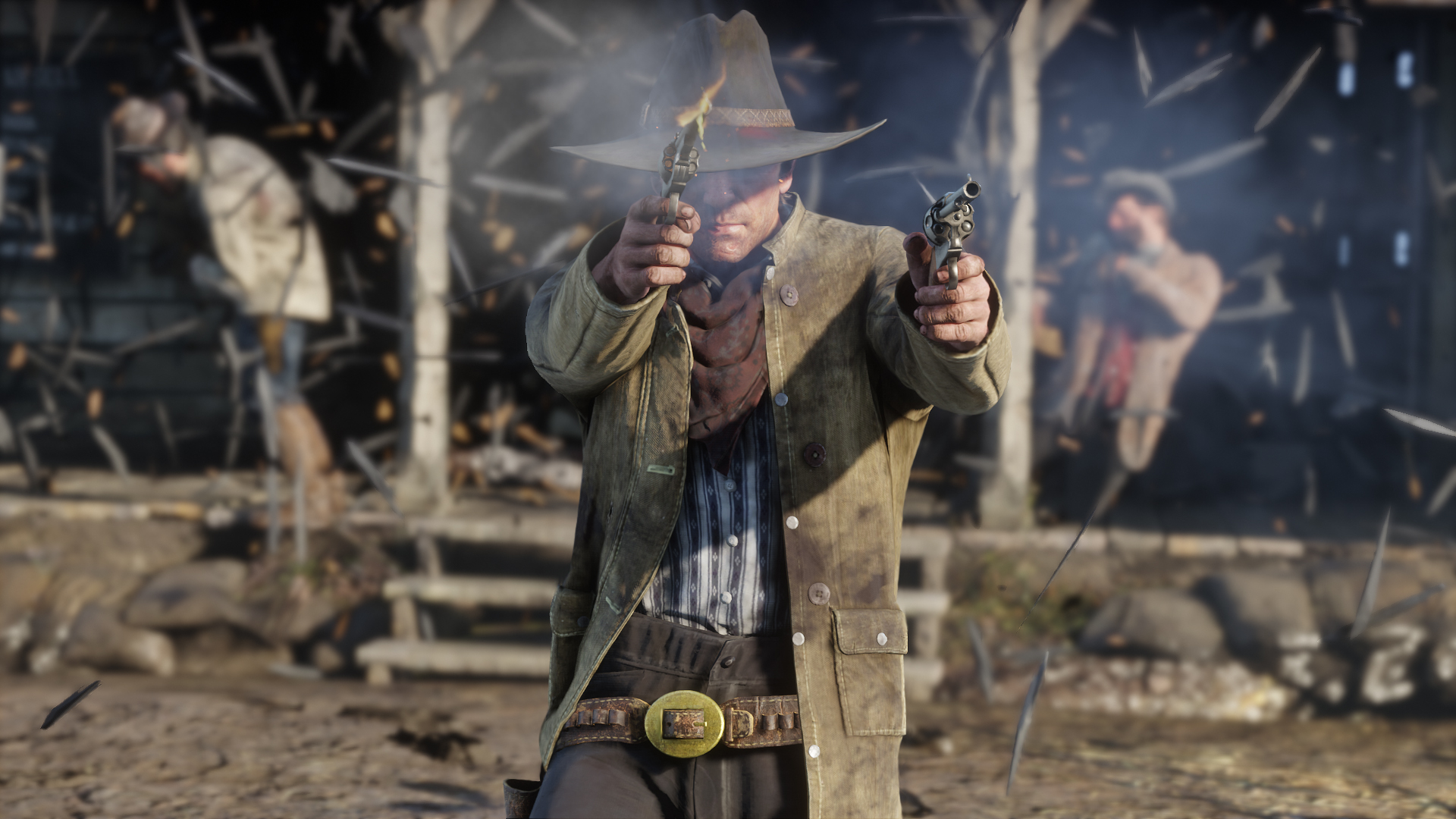
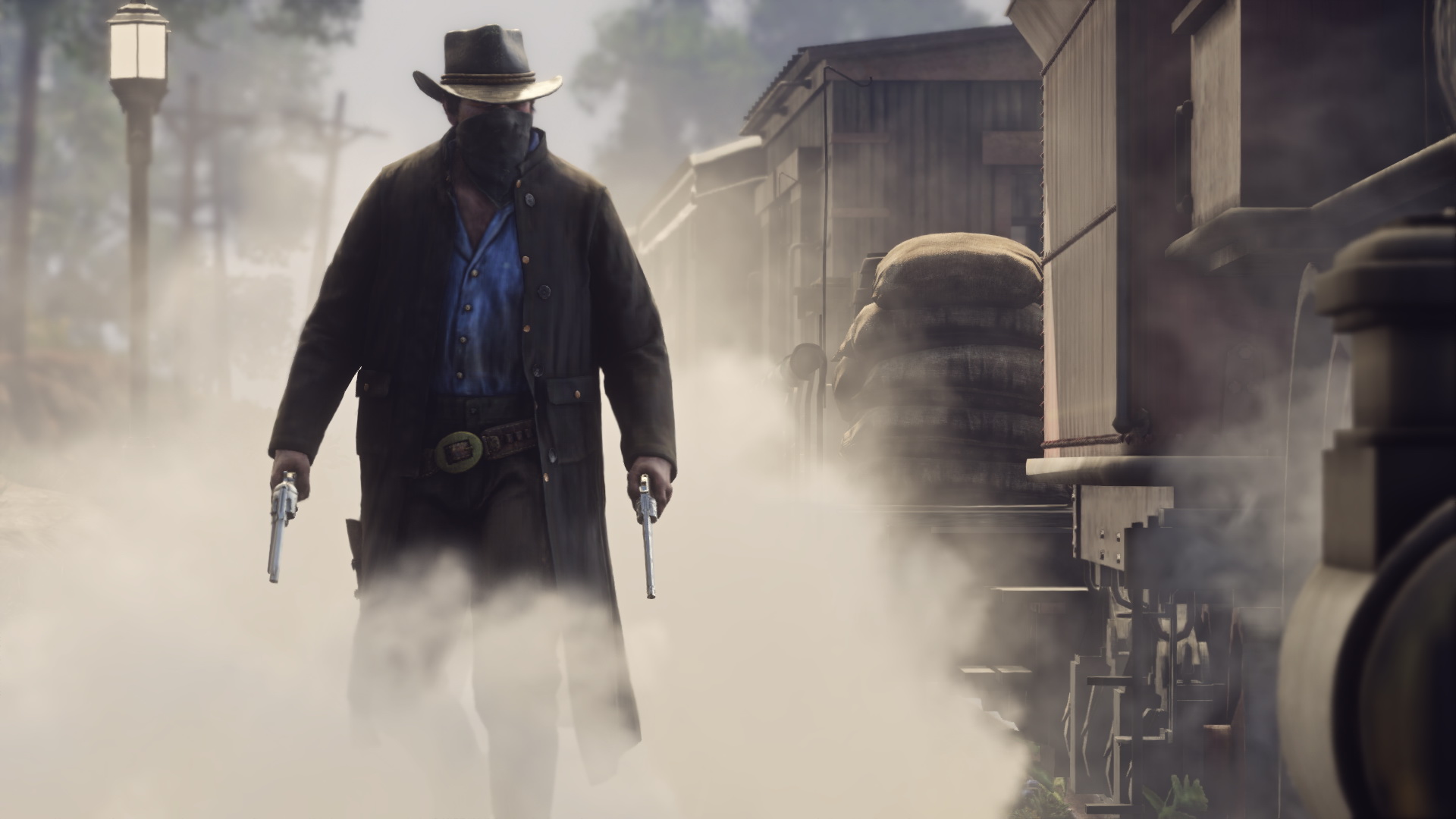


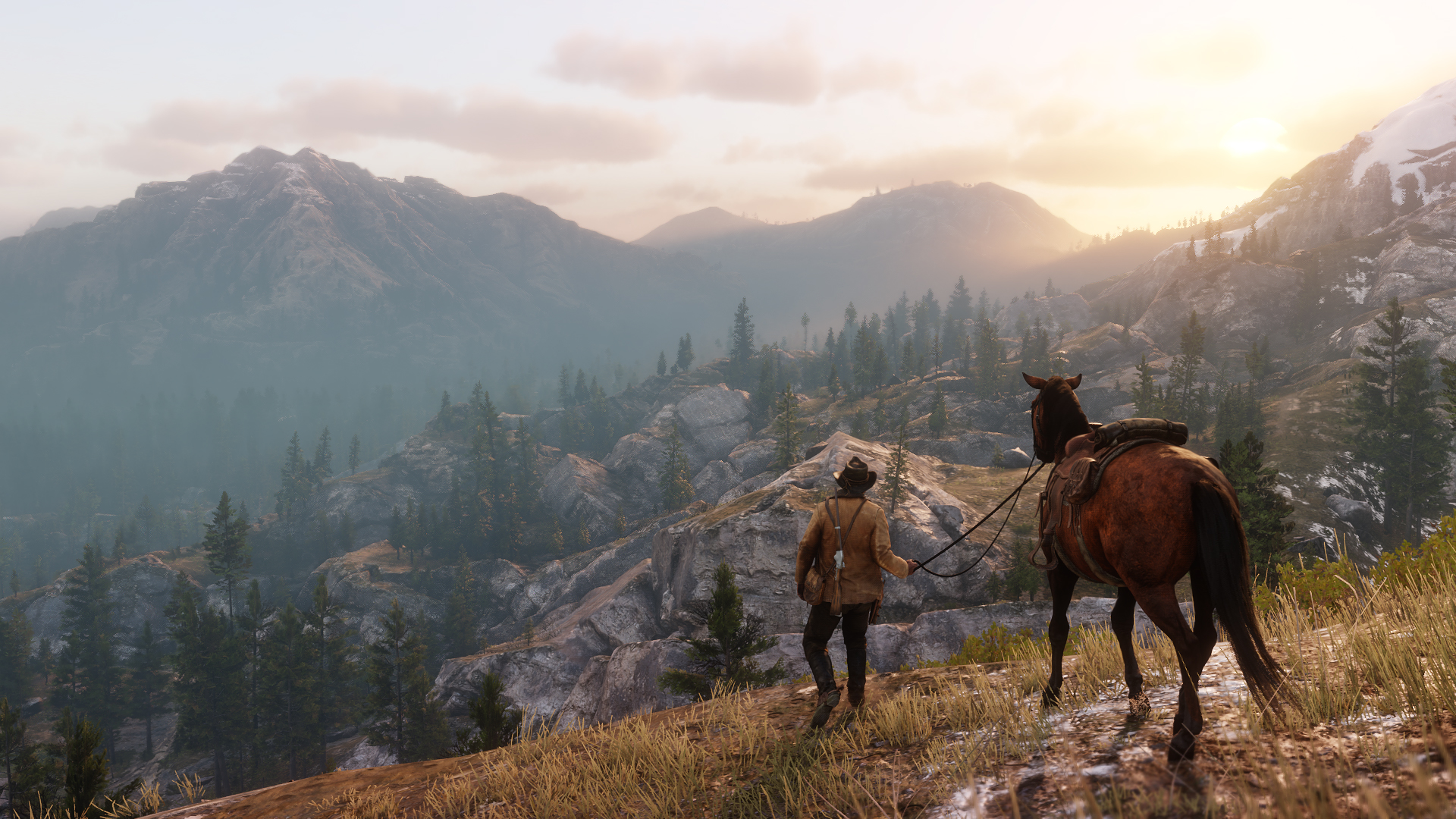
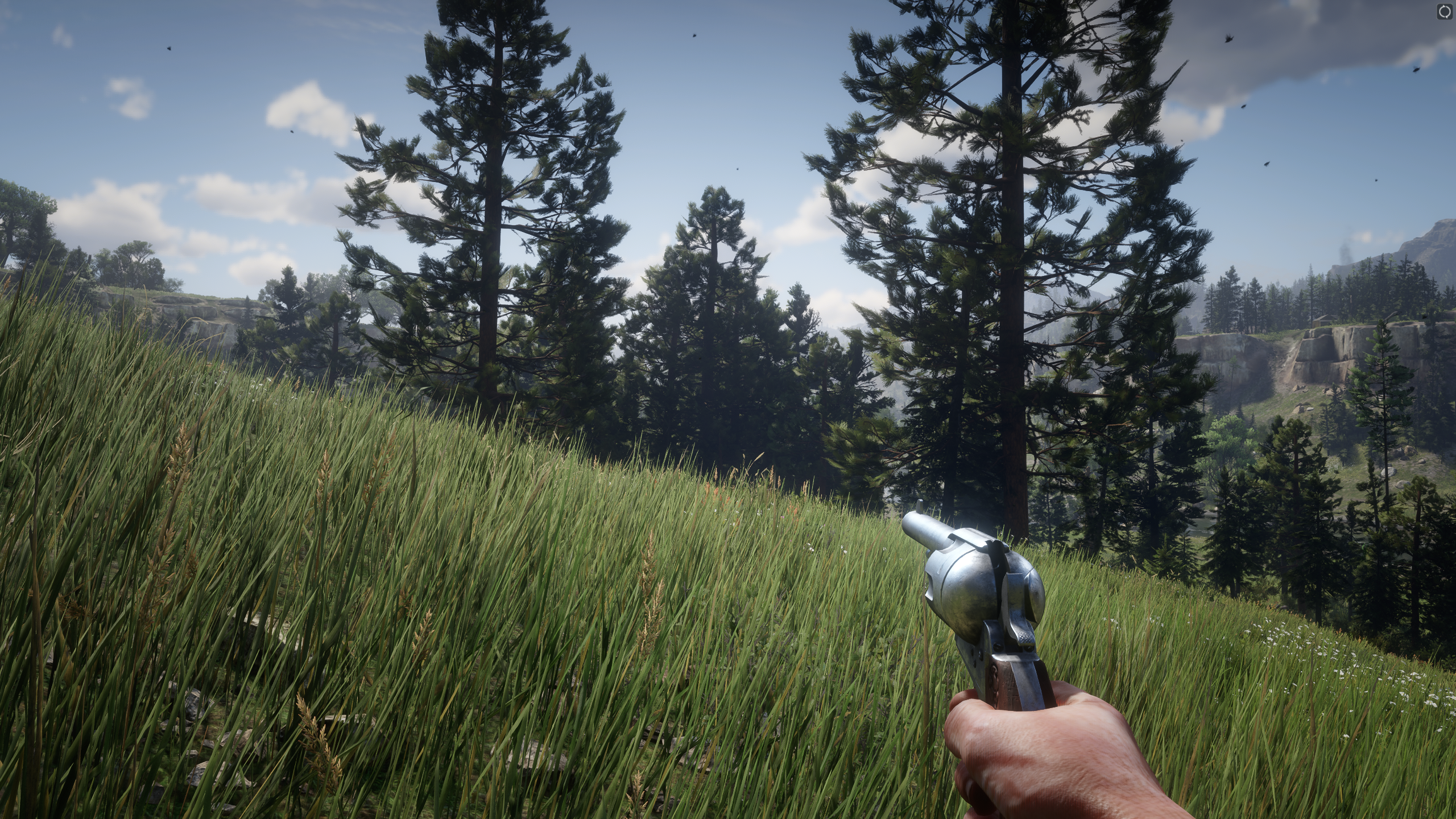
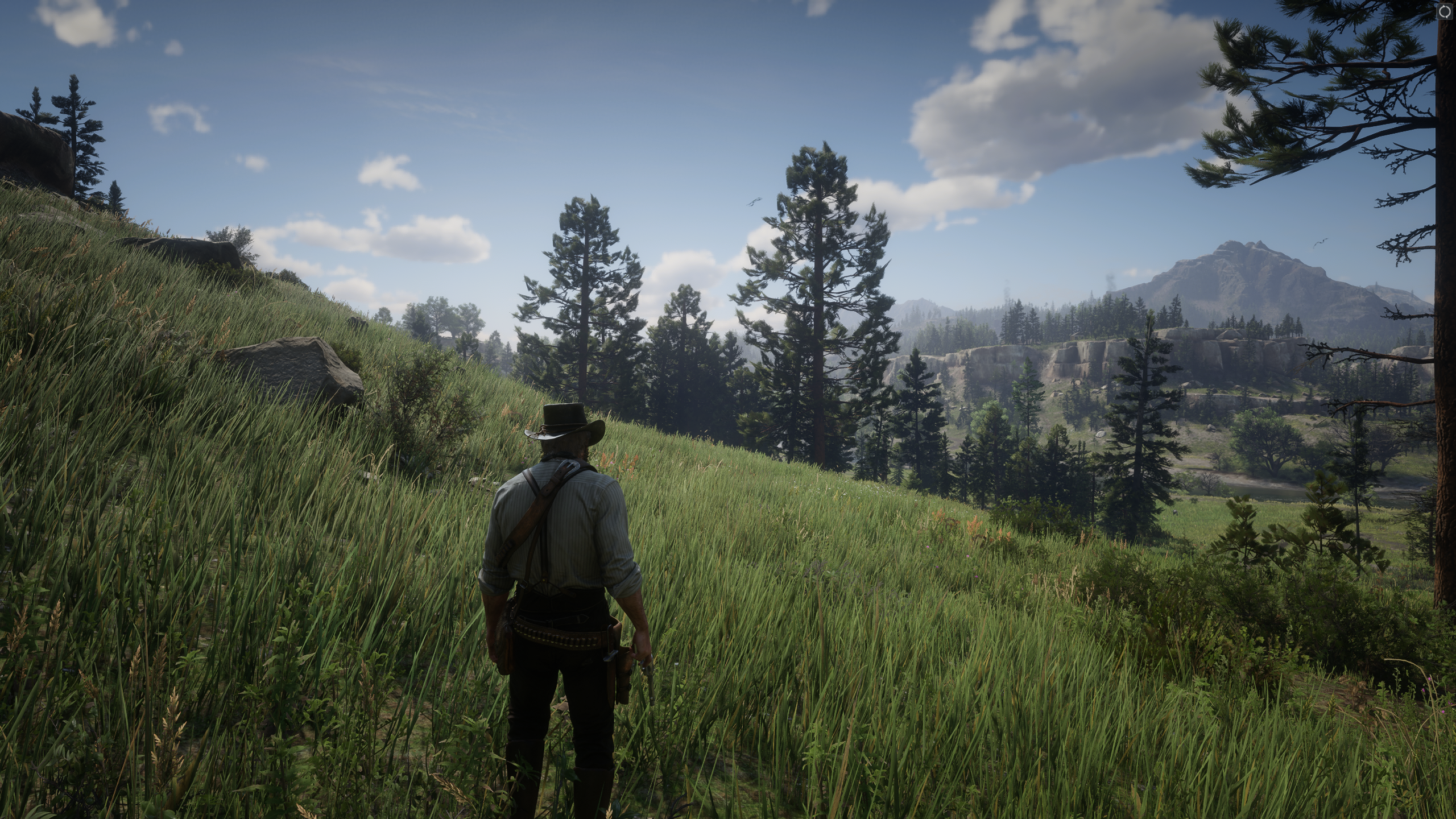

Red Dead Redemption 2
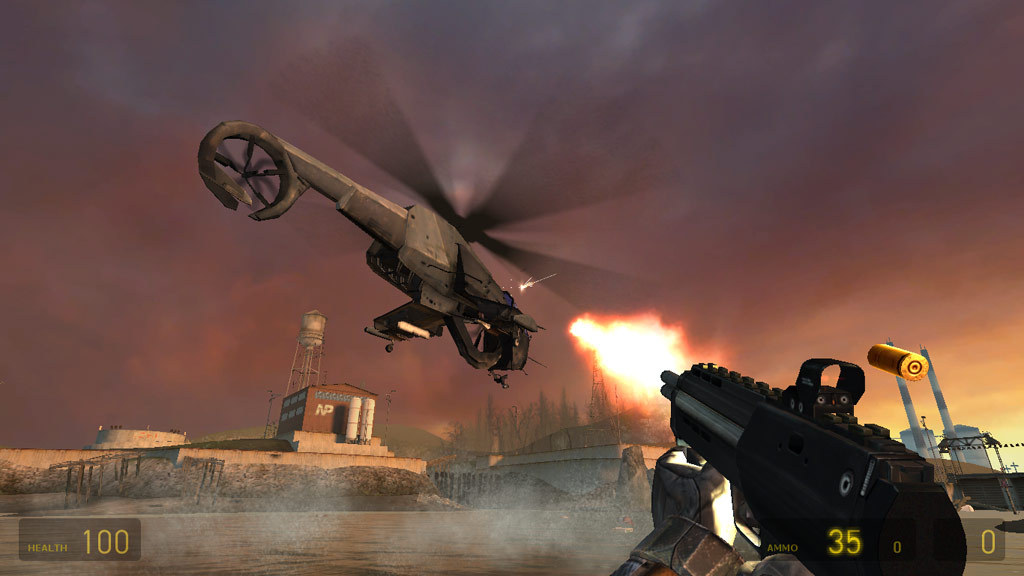

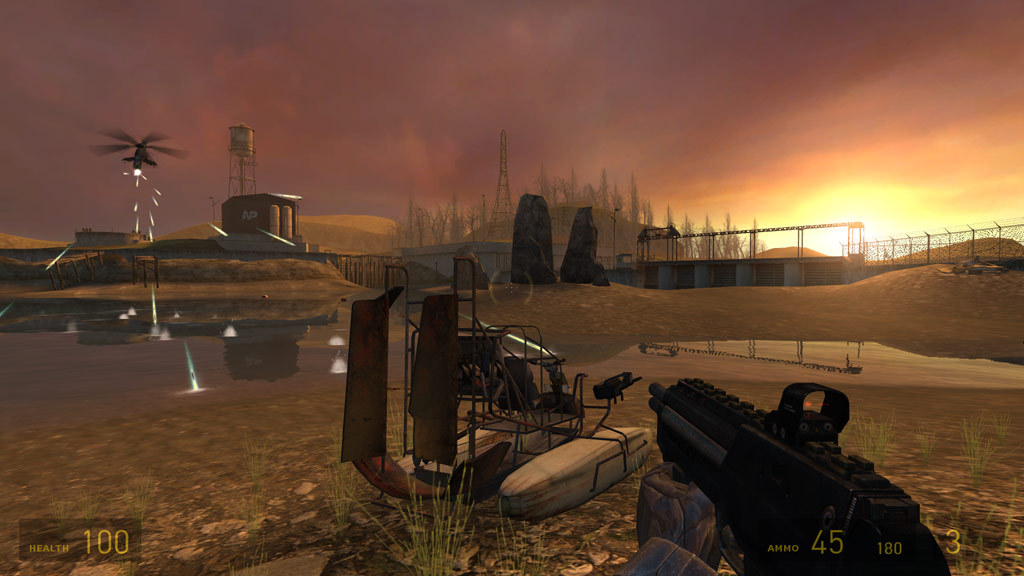
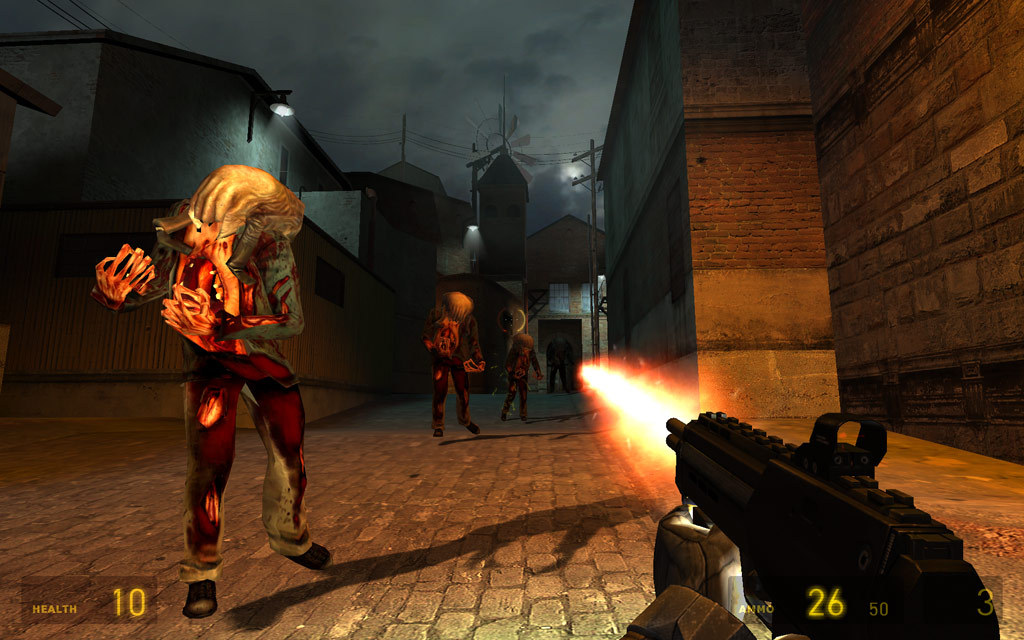
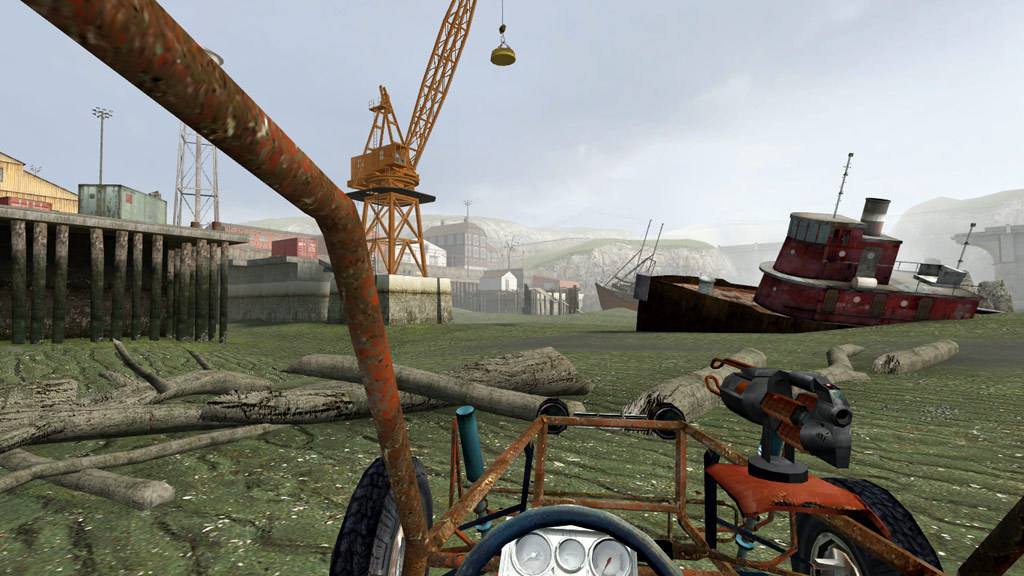

Half-Life 2
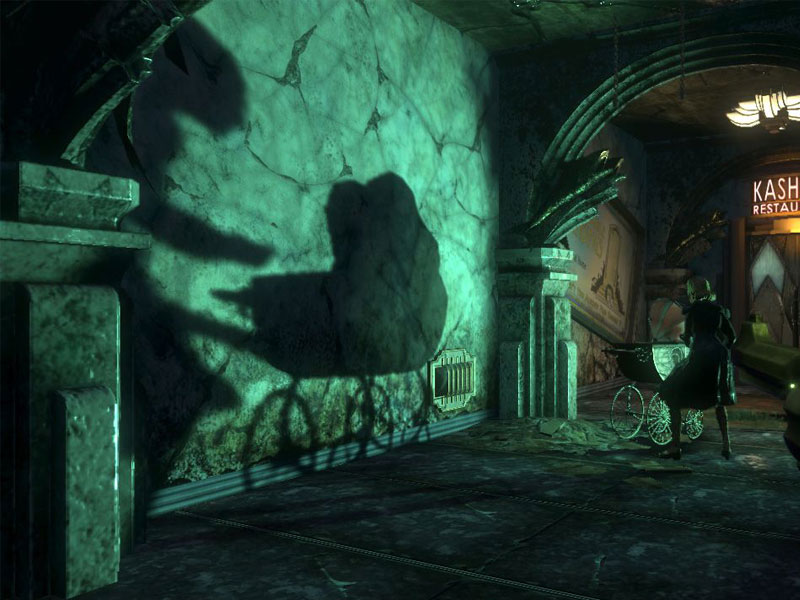
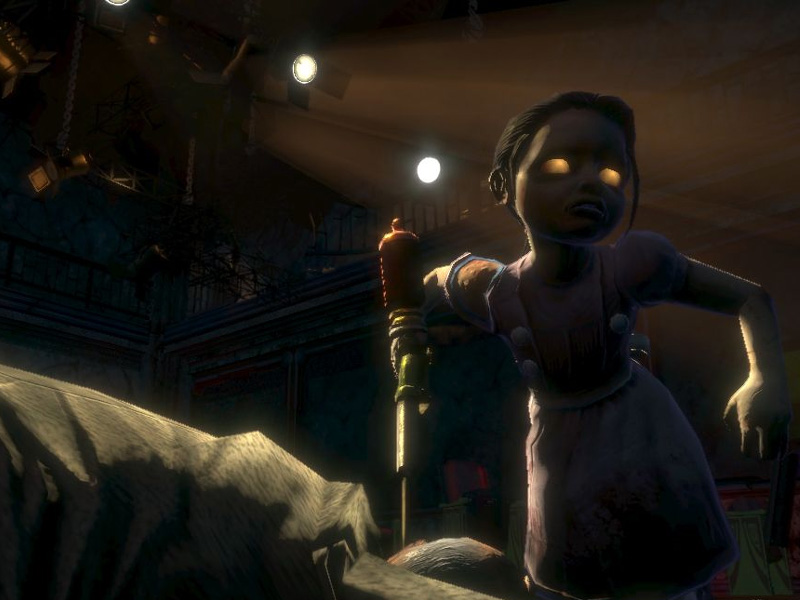
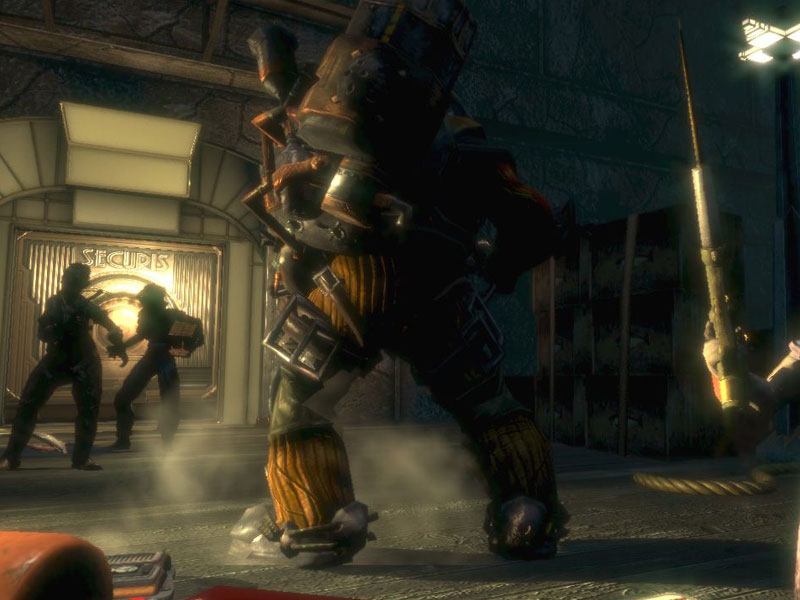
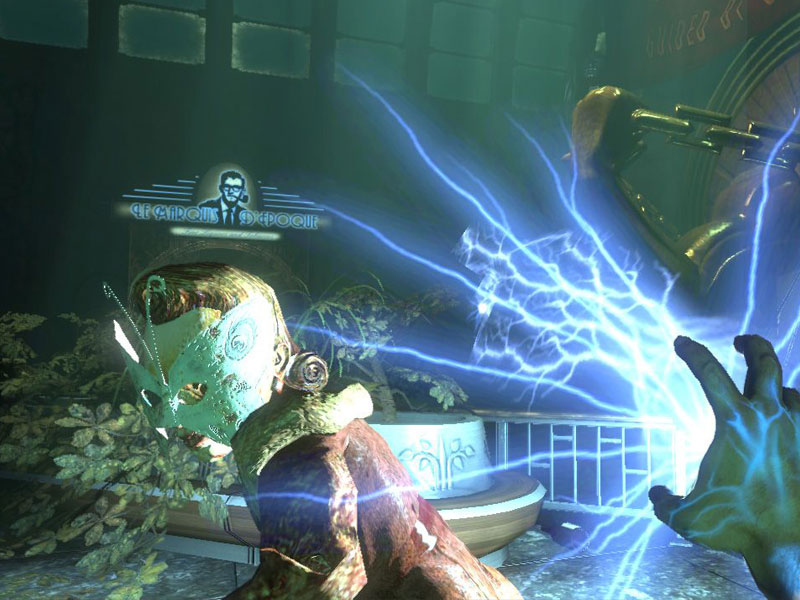
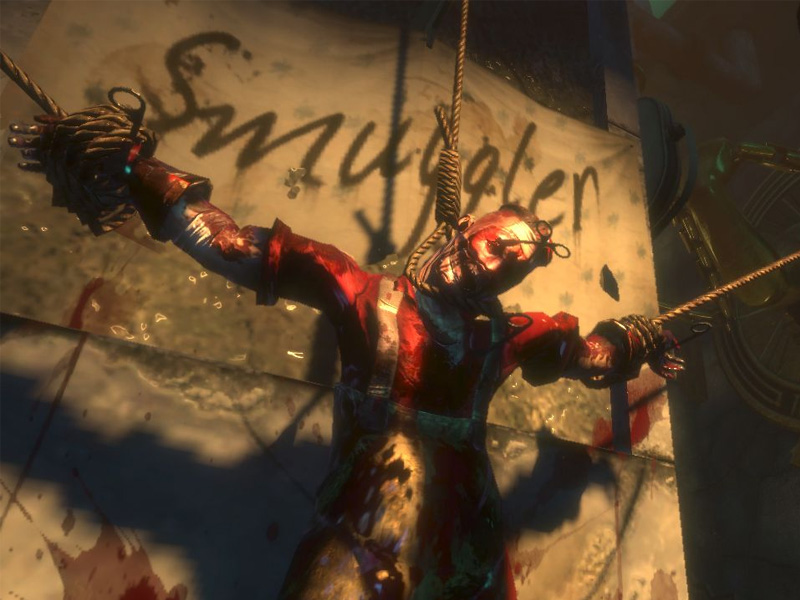

BioShock




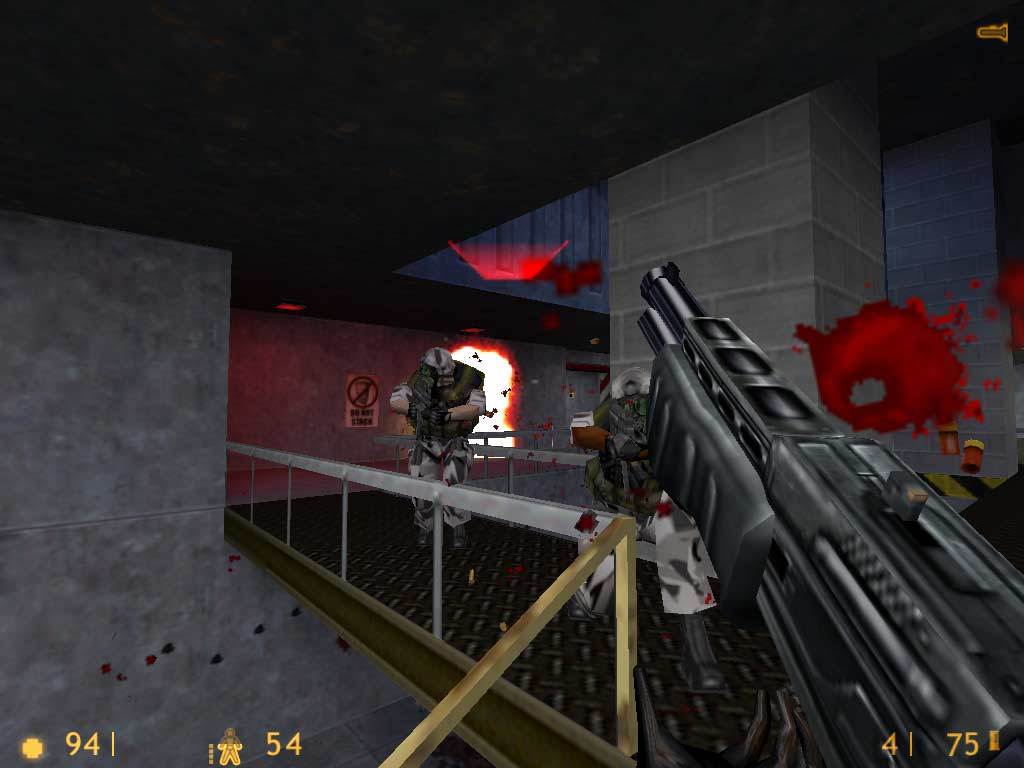
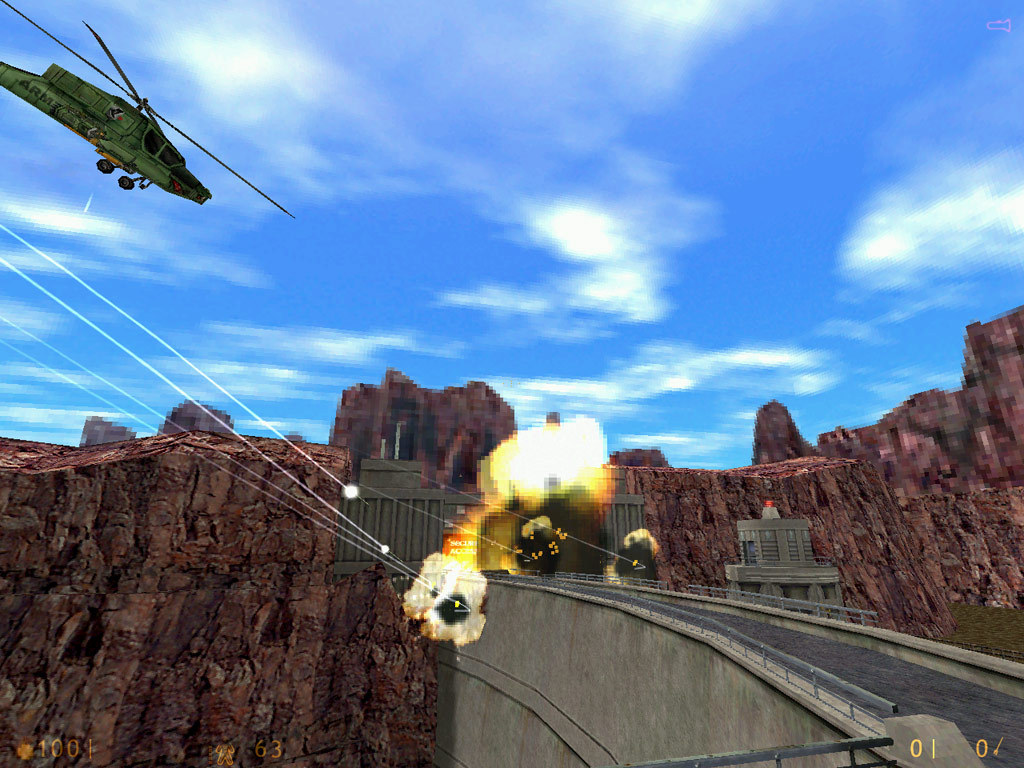

Half-Life
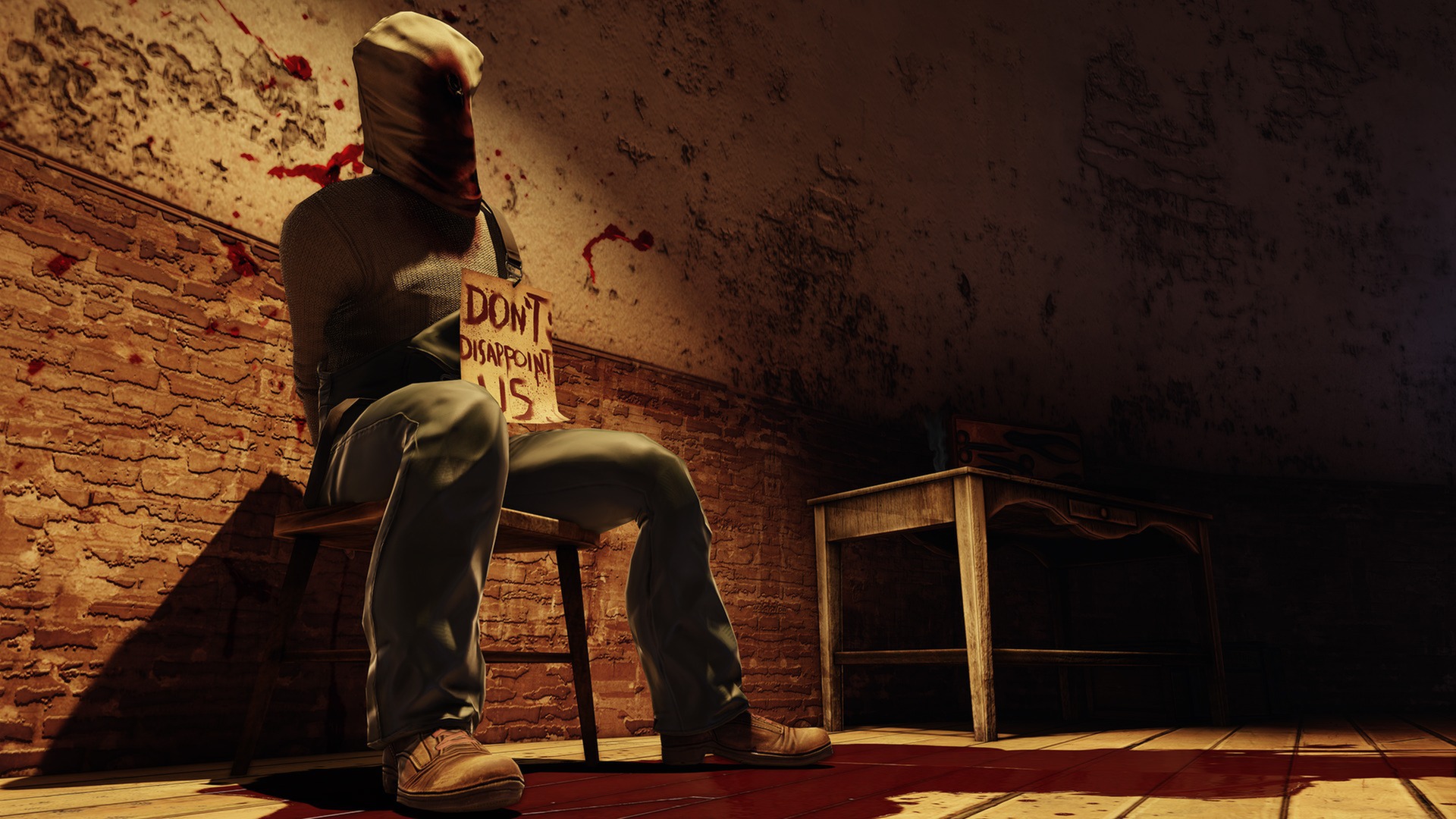



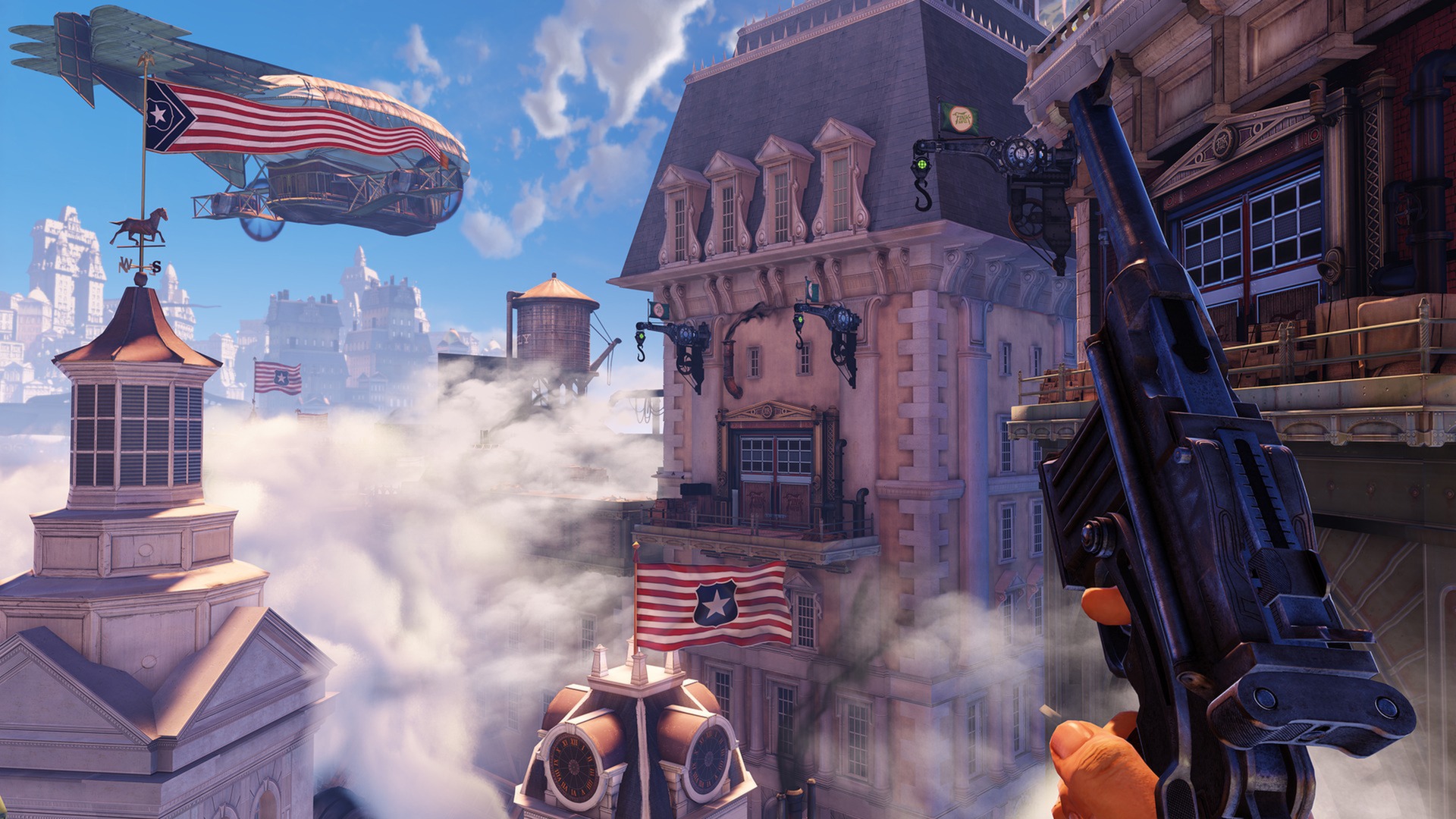
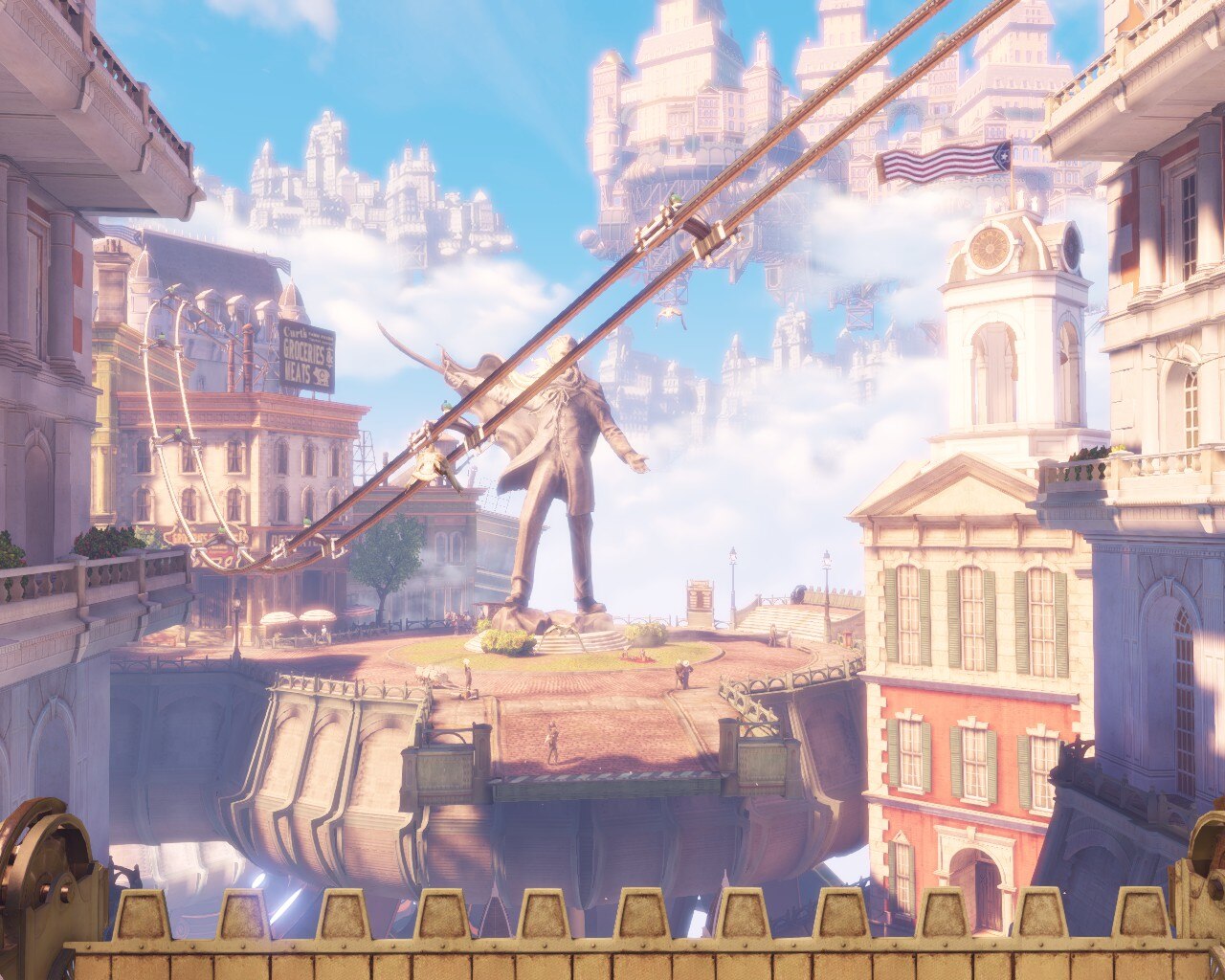

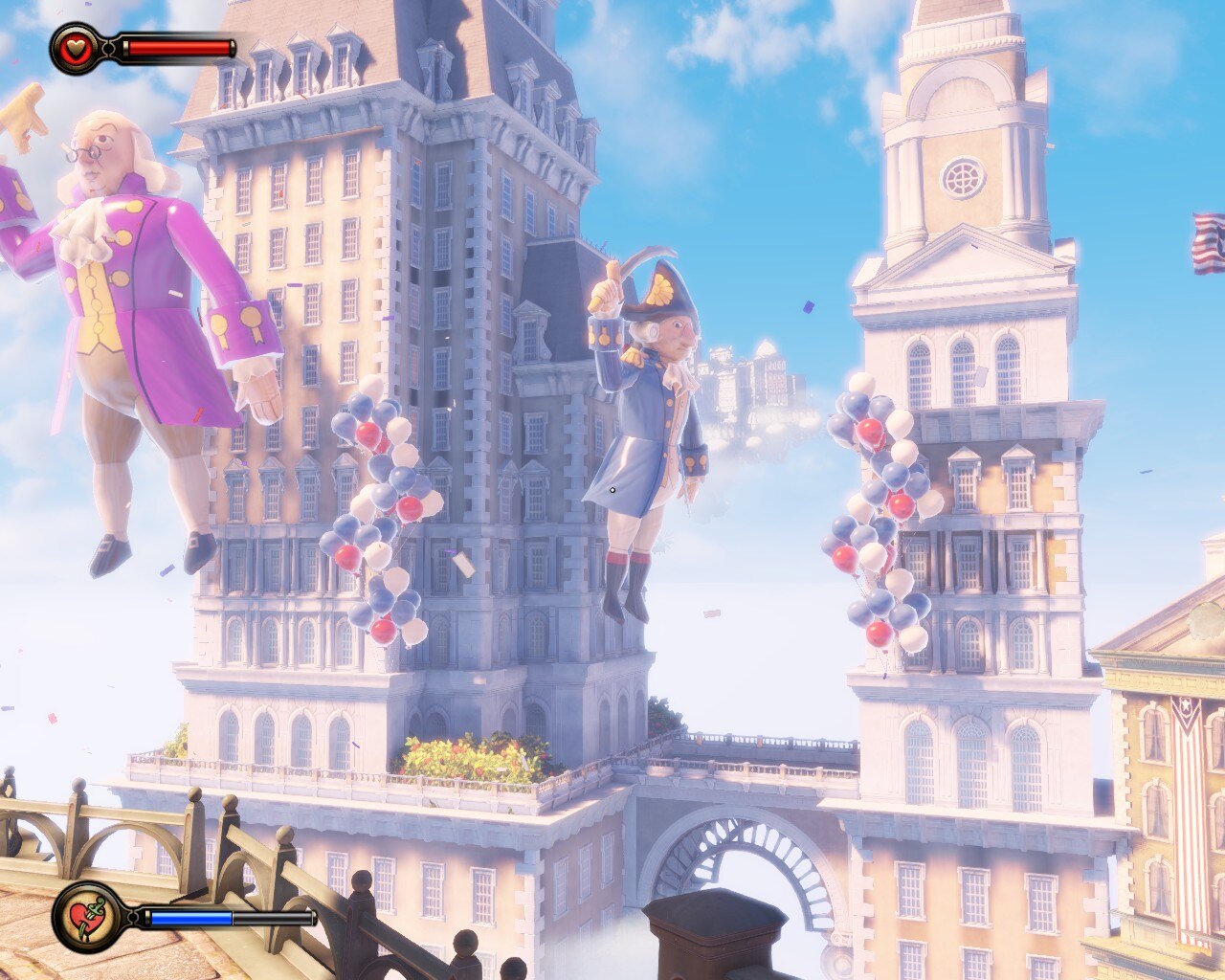

BioShock Infinite

Mass Effect

Fallout: New Vegas
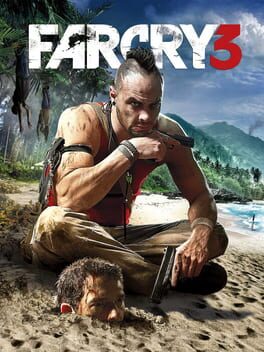
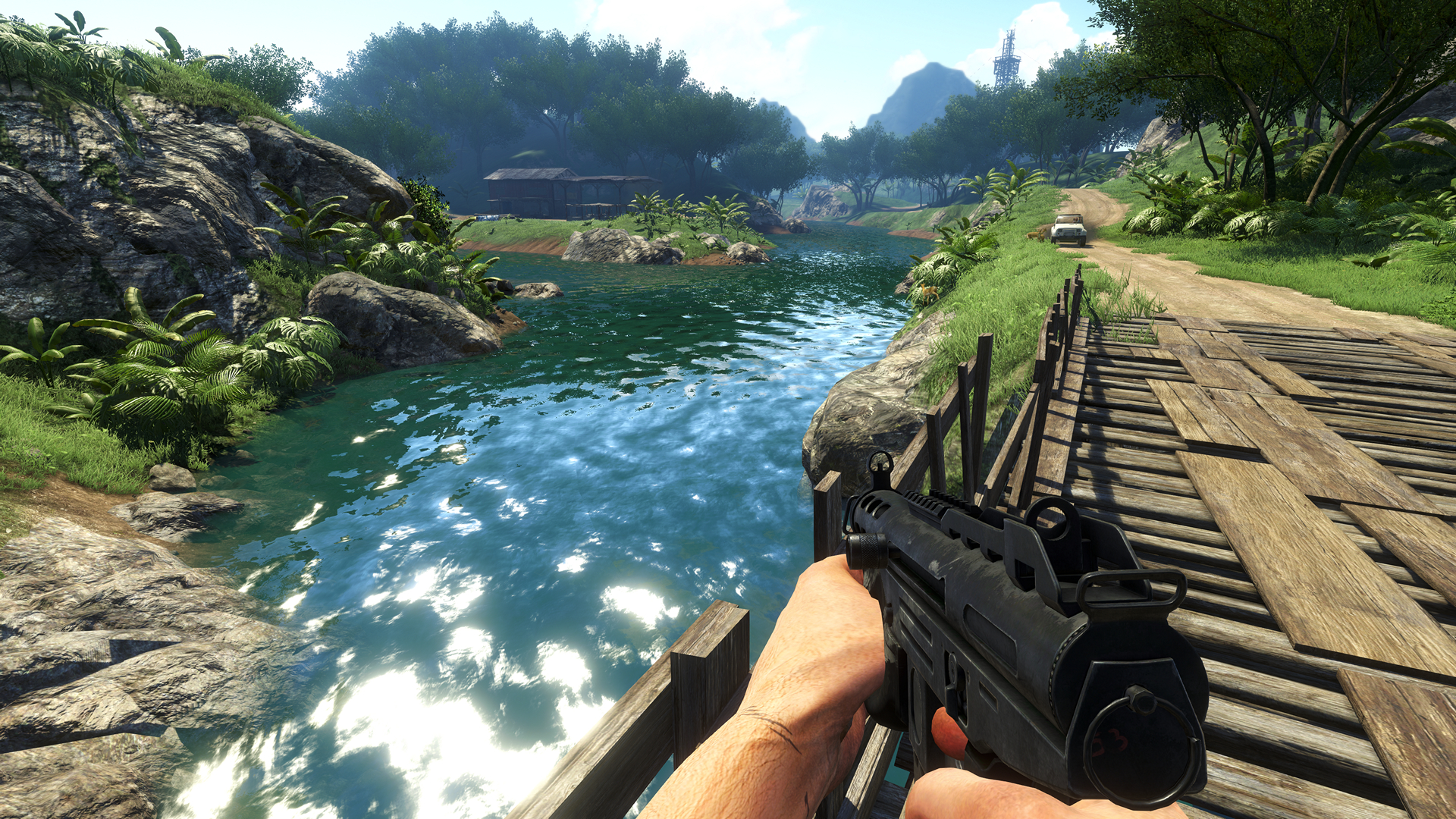
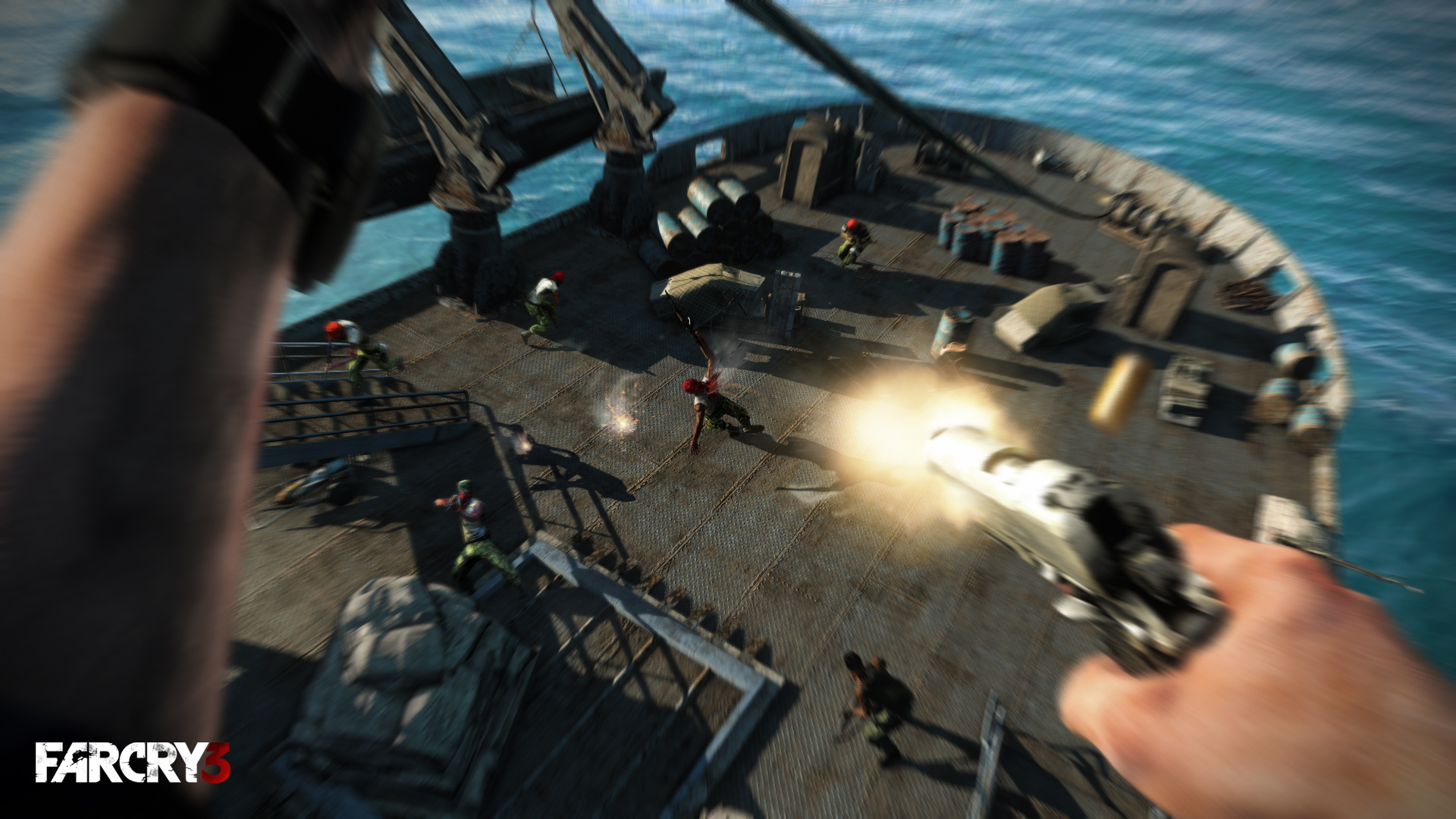
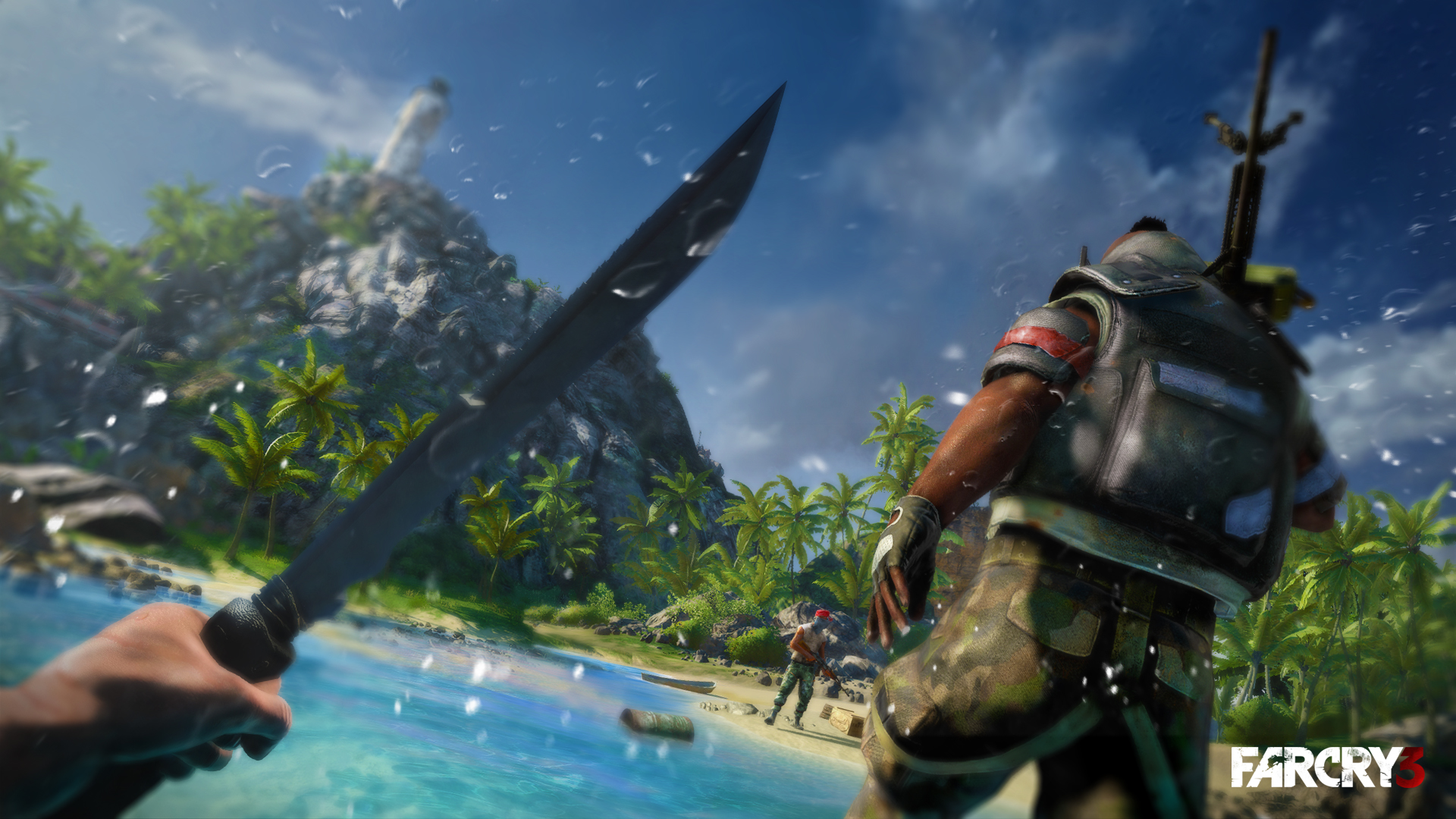
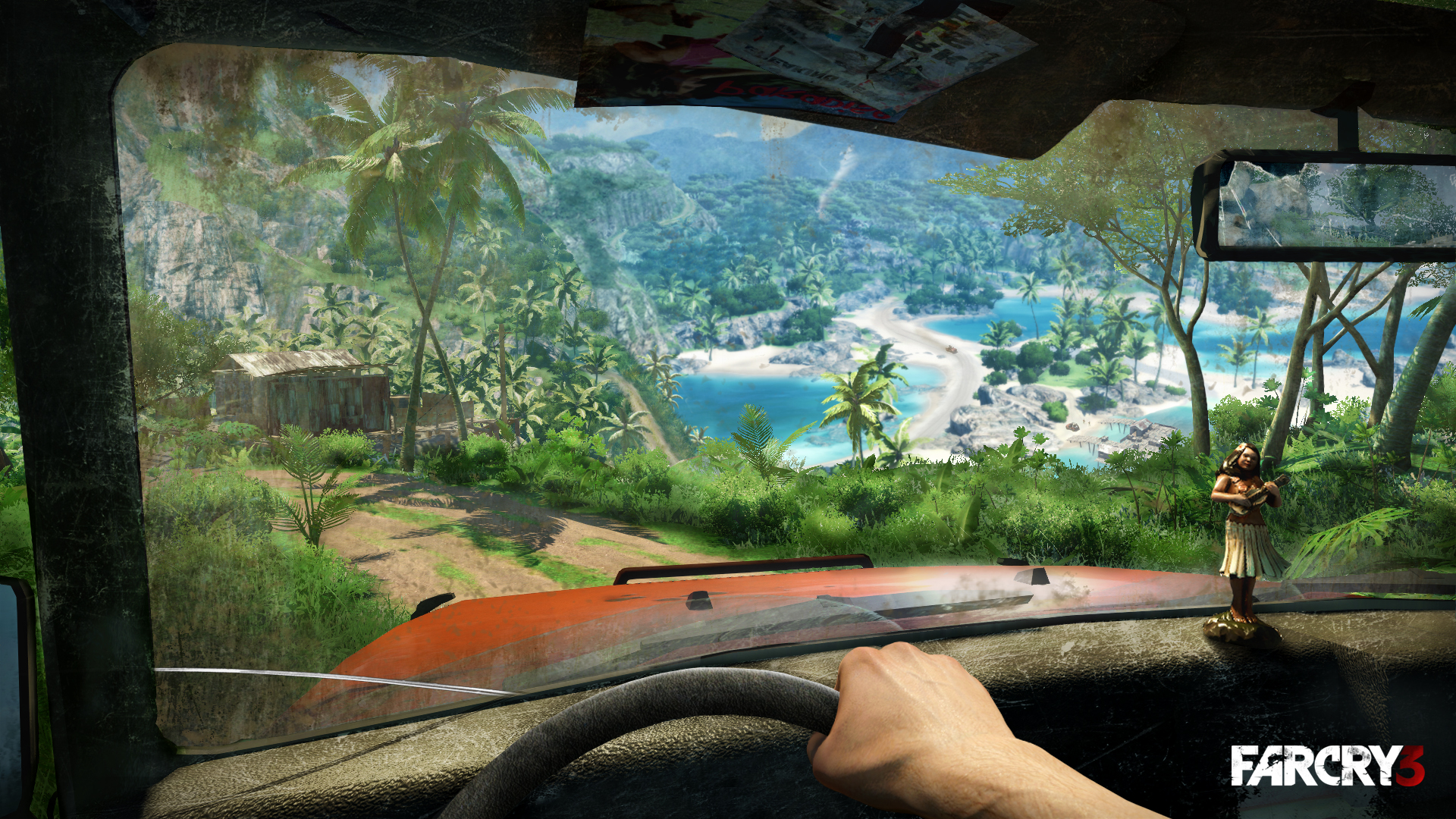
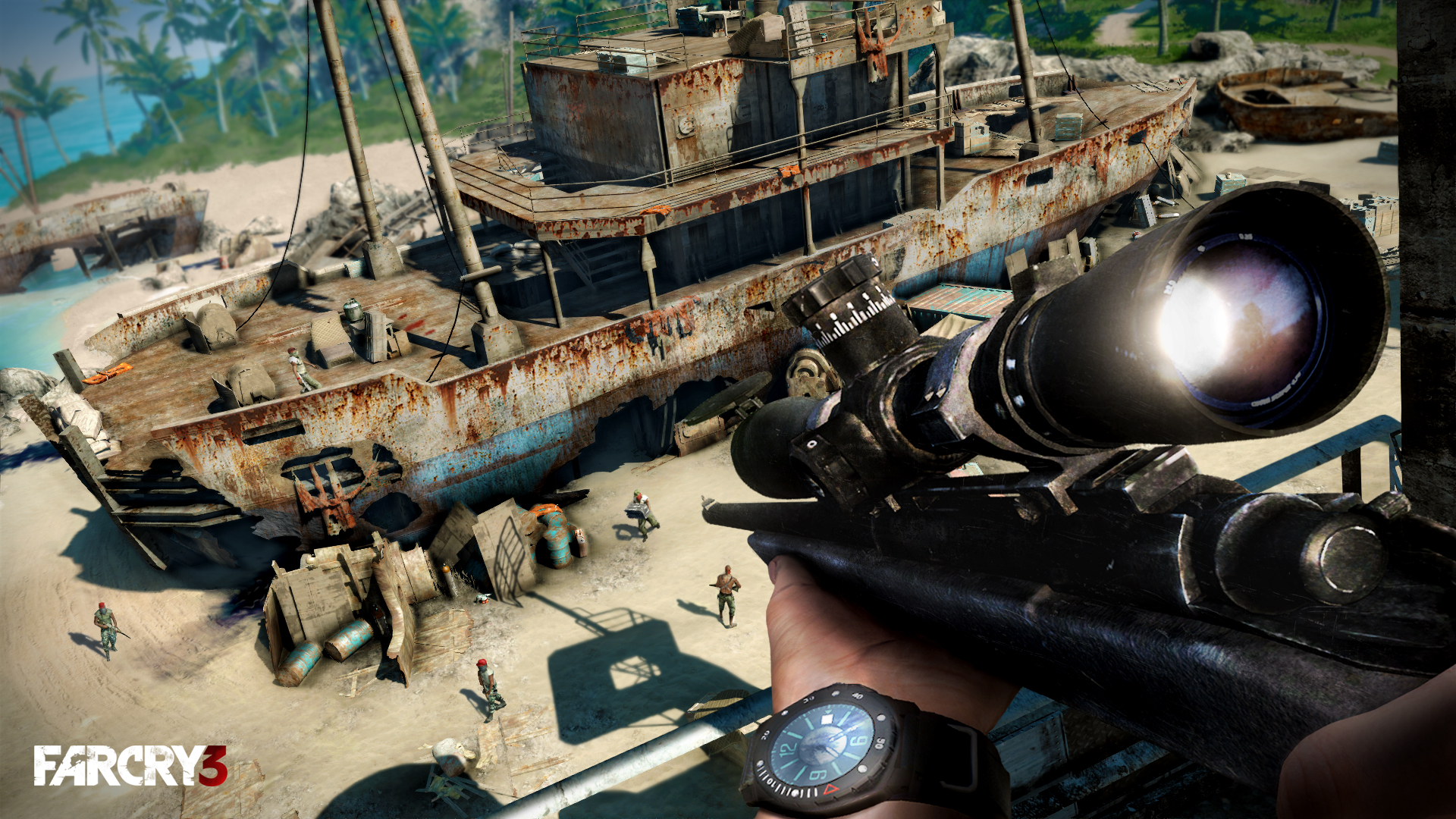
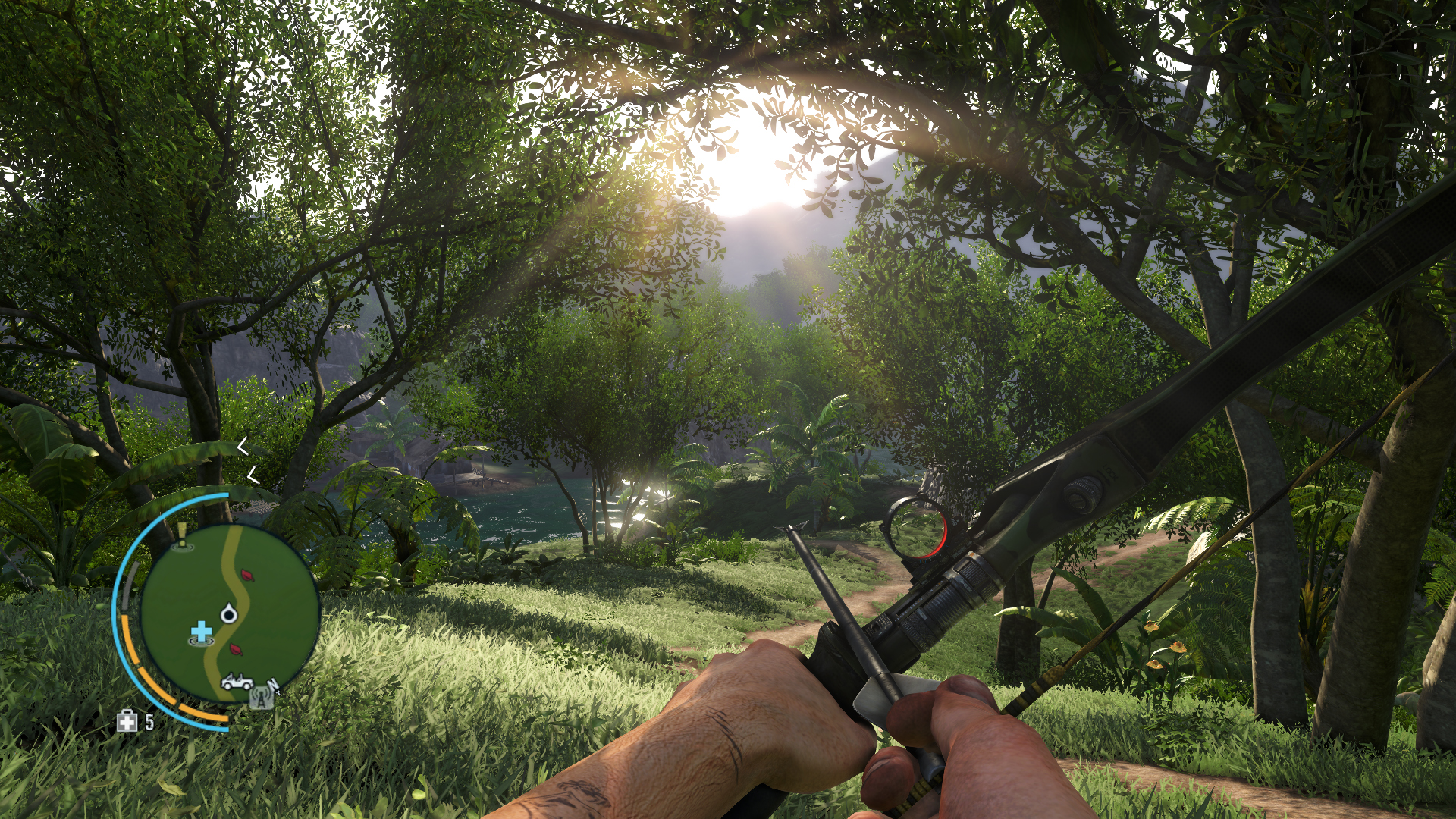

Far Cry 3