Game Info
↑ Back to top
Alive
Genres:
Themes:
Game Modes:
Overview
↑ Back to topDescription from IGDB IGDB
Wikipedia Description WIKIPEDIA
The Dead or Alive series focuses on fast-paced gameplay in a three-dimensional playing field. Like other modern fighting games that attempt to emulate real life martial arts, DOA's input system is designed so controls correspond to the game character's actions; if the character moves forward with a punch, the controls most likely would include the punch input and pressing forward on the directional pad. In comparison to others in the fighting game genre, such as Virtua Fighter, the series places emphasis on striking characters quickly and efficiently. There is an emphasis on quick combos and air-juggles since the game's countering system and fast recovery times prevent slow, technical sets of moves in most instances. The series controls also make the instances of speed and simplicity more congruent with the focus of timing and combos in mind, as the commands for basic attacks are widely considered more straightforward than most video games. There is only one button for punch, kick, throw and guard, with the player rarely having to combine more than two different input schemes together at a time. One of the series' most innovative additions to the genre is its countering system, officially known as the "Triangle System". The basic gameplay of the series is based on the Triangle System with three basic actions: Blows, Throws, and Holds; Blows beat Throws, Throws beat Holds, and Holds beat Blows. Beginning with the original Dead or Alive, players could tap the guard button and a direction corresponding with the anticipated attack, which would do a powerful counterattack known as Counter Hold. Counter Holds must be timed correctly and match the direction of the attack being countered. If the attack targets the torso, the player must also take into account whether the attack is a punch or a kick. The input for Holds has changed several times over the course of the series with the latest games adopting a 4-point Hold system, and some games offering the option to change the input type. This countering system further sets Dead or Alive apart as skilled players can identify combo patterns on defense and counter accordingly, which in turn encourages the opponent to adjust their offense on the fly to be less predictable and avoid being countered. The series uses interactive features that appear in certain fighting arenas, called "Danger Zones". Fighters caught in a Danger Zone will take extra damage, giving the attacker a slight advantage. These environmental hazards can be anything from Falls to Explosives to Breakable Structures. If a fighter has low health, being trapped in a Danger Zone is more likely to knock them out than a normal attack, although in certain titles, elements such as falls cannot do this, and instead just leave the fighter with very low health. In the first Dead or Alive, stages were simply fighting ring arenas and the Danger Zones were just explosive outer edges of the arena floors. In Dead or Alive 2, stage environments became larger and multi-tiered and the original Danger Zone was replaced with more fully interactive ones such as Falls off the Edge, Walls, Electrically Charged Walls, Explosive Walls, Breakable Walls and Windows. Players are also offered the ability to sidestep into the foreground or background. Since Dead or Alive 2, the series has implemented its Tag team fighting system, allowing characters to switch back and forth instantly for combo attacks and even attack simultaneously when timed correctly. The Tag Mode also included special throws unique to certain pairs of characters called "Tag Throws", and the mode allows for the participation of four players, something not very common in the fighting game genre. Dead or Alive 3 introduced the "Attack Change" feature in the Tag mechanics where the fighting character can switch places with a partner, in which the character jumping in can then unleash an attack while jumping in. Since Dead or Alive 3, Tag matches can be selected in the other game modes. Dead or Alive 3 improved upon the gameplay and graphics in superior detail compared to the previous games. The game offered unrestricted 3D-axis movements with better sidestepping, giving players the ability to dodge most attacks with a sidestep. The game added a new feature in its Sparring Mode called "Exercise" also known as "Command Training", an automatic command tutorial that teaches players how to perform attacks. The game expanded on the concept of multi-tiered environments, pushing the range of the stage sizes larger than that of its predecessors. Dead or Alive 4 introduced the "Bounce Combo" system where players can perform further attacks to opponents who are bouncing off the floor or ground, and can also performed attacks on opponents while they are down. Moving Obstacles were introduced in certain stages as a type of Danger Zone that causes damage to fighters who are hit by them and using a counter hold at the right timing can help players avoid being hit by them. Jumping over non-moving Obstacles and performing flying attacks while jumping over them was also introduced. Dead or Alive: Dimensions utilizes the Nintendo 3DS bottom touchscreen in addition to the normal control system, offering optional touchscreen-based controls by tapping a move set to execute Blow combos, Throws, and Holds. Since Dimensions, the series supports in-game frame data that can be displayed during Training Mode. Dead or Alive 5 uses a revamped control system and features a more cinematic experience, especially with regards to Danger Zone effects. "Power Blow" is a triggered powerful attack that can enable the player that is low on health to knock the opponent character away in a selected direction, possibly initiating a cinematic quick time event called Cliffhanger. The game's new Critical System features Critical Stuns, Critical Combos, and Critical Bursts. Dead or Alive 5 Ultimate further added the vertical Power Launcher and an extensive Tutorial mode. Dead or Alive 5 Plus for the PlayStation Vita features optional touchscreen-based controls from first-person perspective. Dead or Alive 6 introduces both the Gauge System and costume customization. The Gauge System consists of the "Break Gauge", which allows numerous special moves to be performed depending on how full the gauge is, such as Fatal Rushes, Side Attacks, Break Holds, and Break Blows. The game also features an enhanced Bounce Combo system that allows players to bound their opponent on the ground for a finisher, with different inputs depending on the character. The spin-off Xtreme series is mostly based around two-on-two matches of beach volleyball and casino gambling. After the original Dead or Alive Xtreme Beach Volleyball, the available activities have expanded to include the likes of watercraft racing and beach photography, while emphasizing the series' breast physics.
About Alive
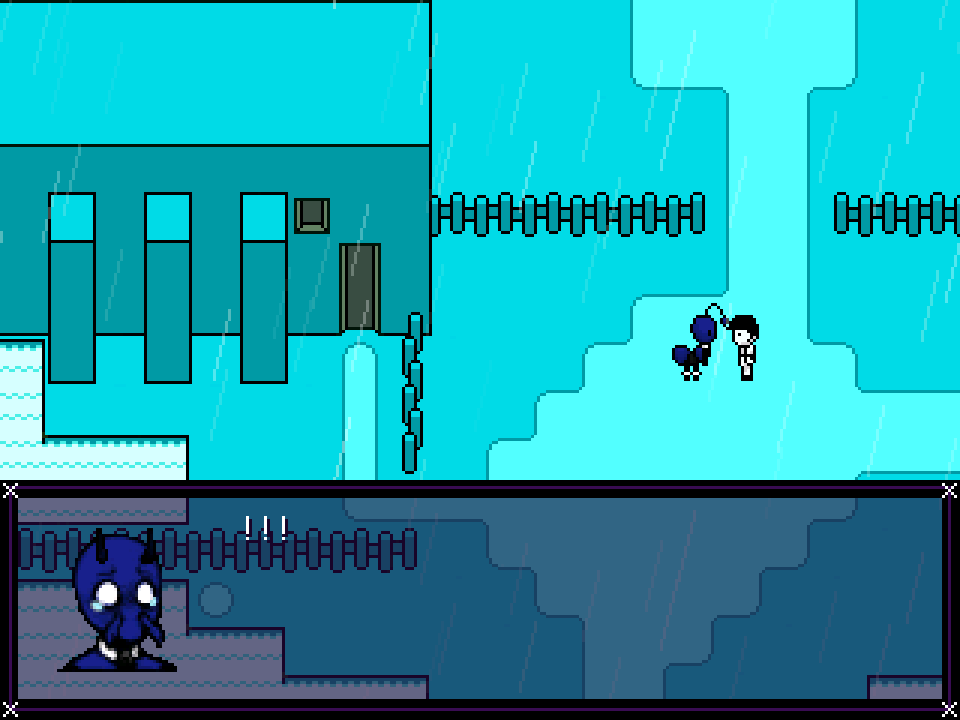
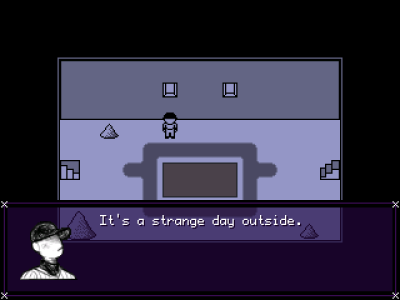
Alive is a Precision Combat, Role-playing (RPG) game that offers Single player gameplay with 0 user ratings averaging 0/100. The game explores themes like Horror, Zombie. If you enjoy Alive, you might also like similar games in our database of 45,000+ titles.
Basic Info
Details
↑ Back to topAdditional Information
Genres 2
Themes 2
Game Modes 1
Companies
↑ Back to topNo Companies Available
Company information for this game hasn't been loaded yet.
Keywords
↑ Back to topScreenshots
↑ Back to top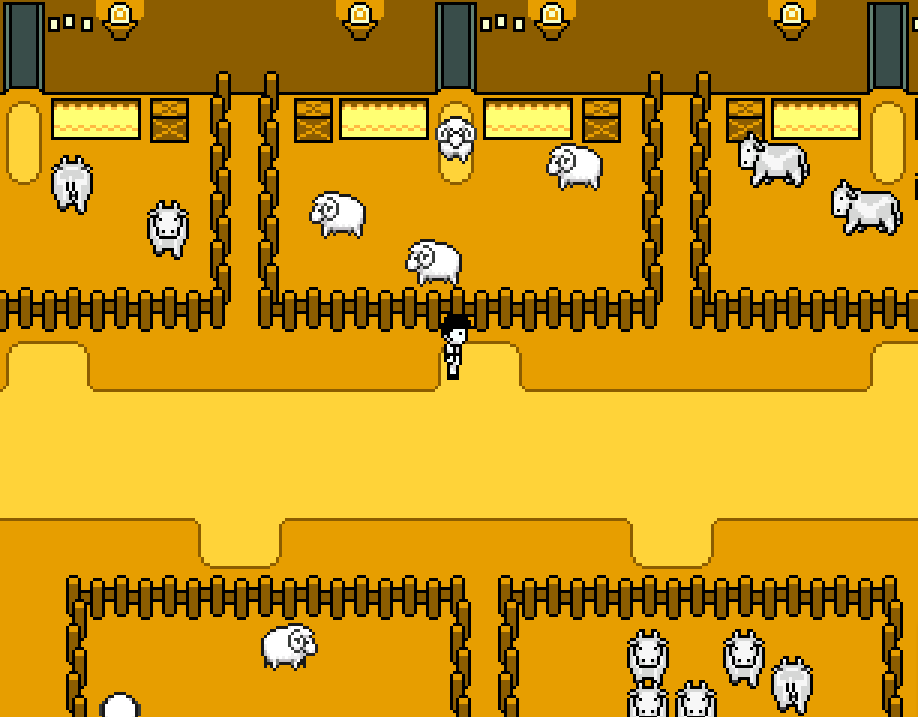
Similar Games
↑ Back to top
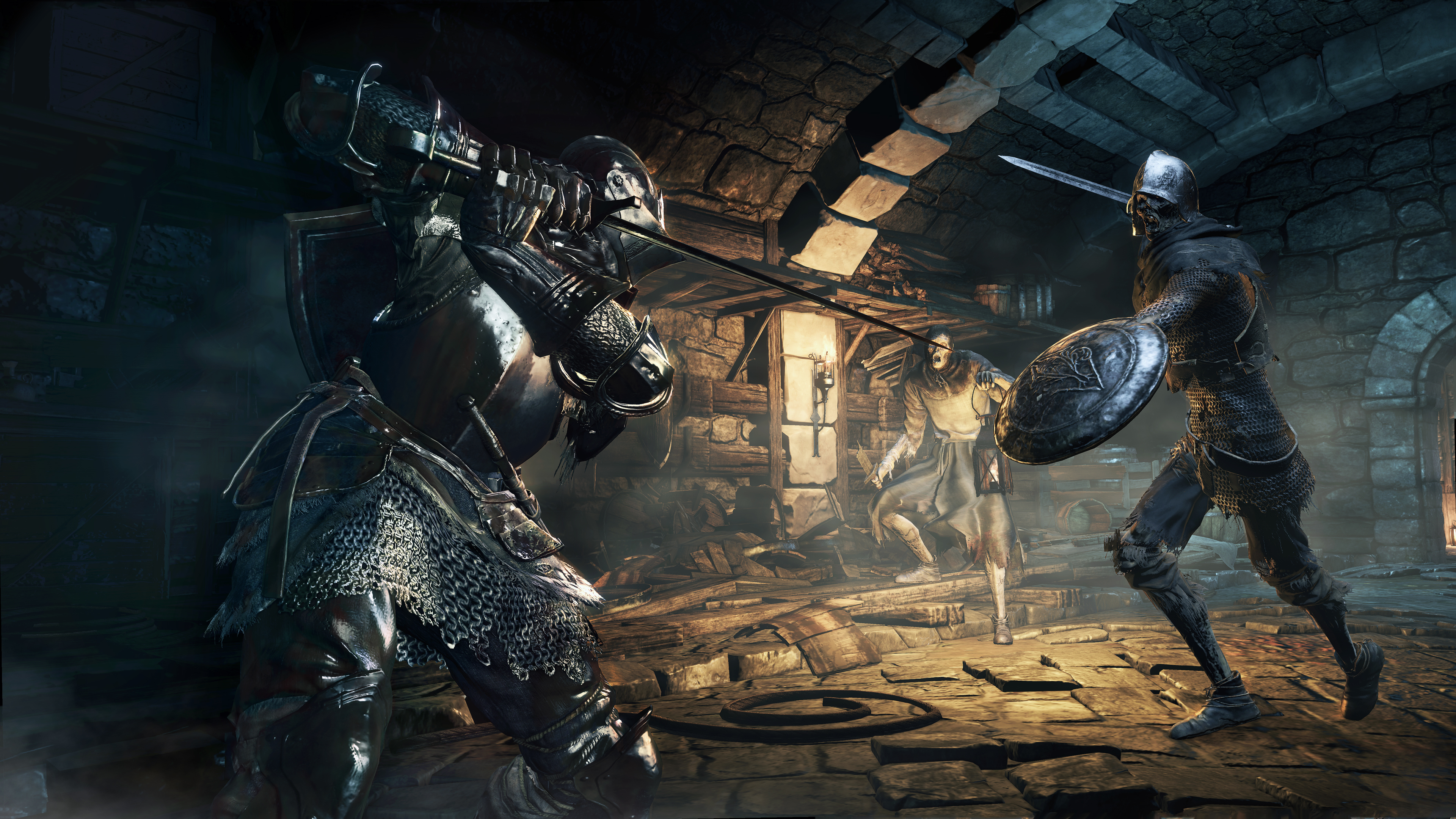


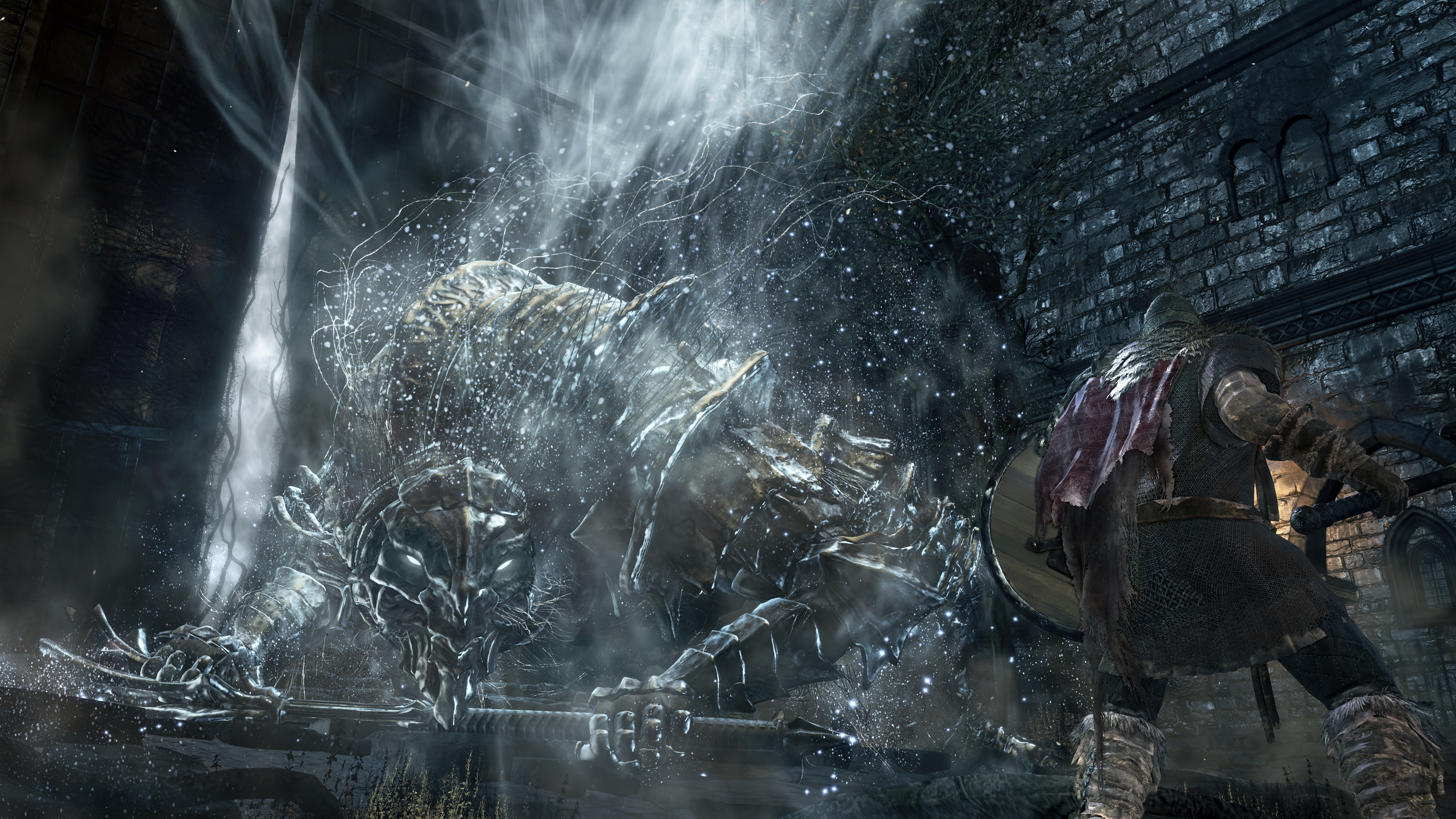
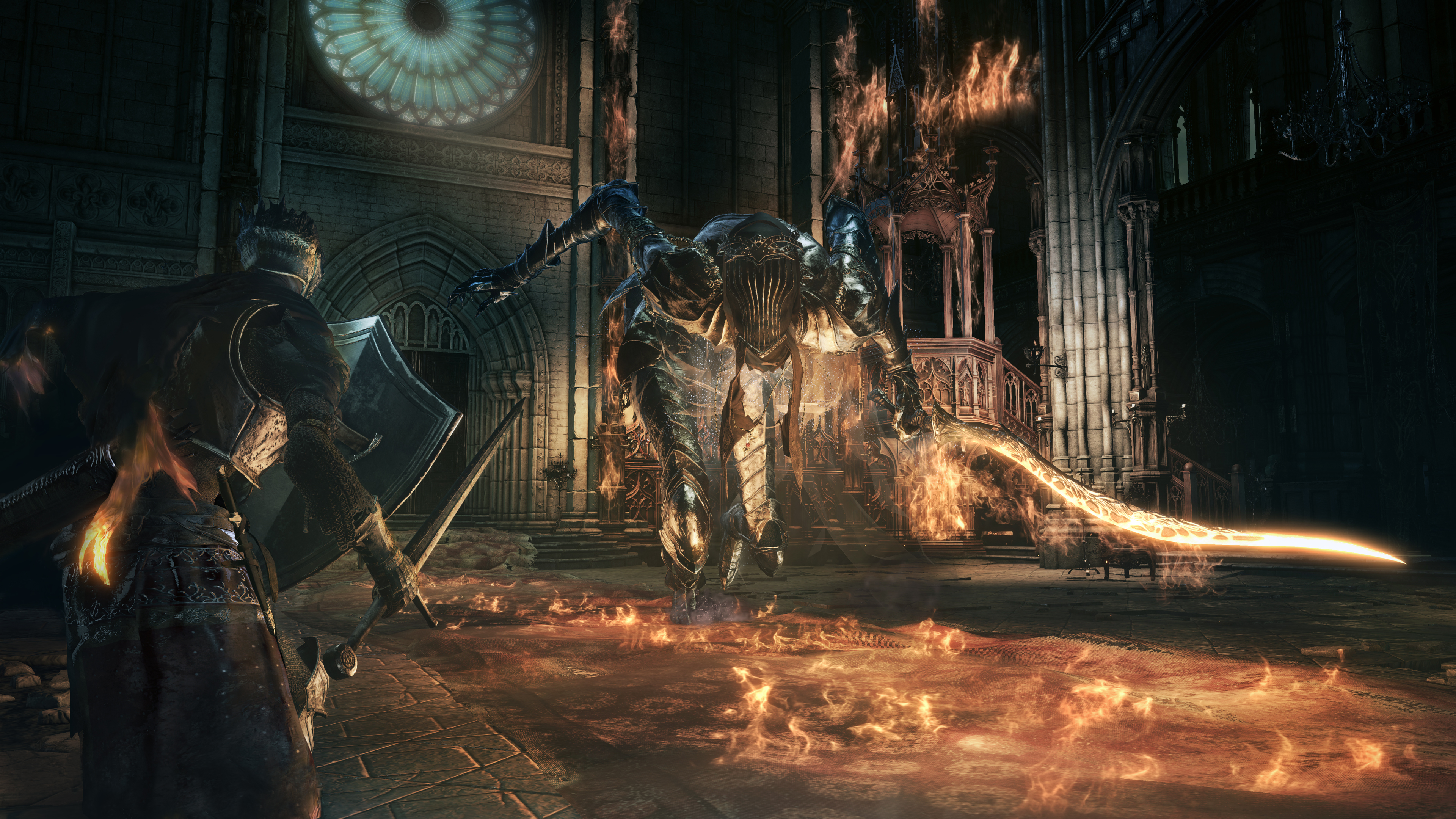
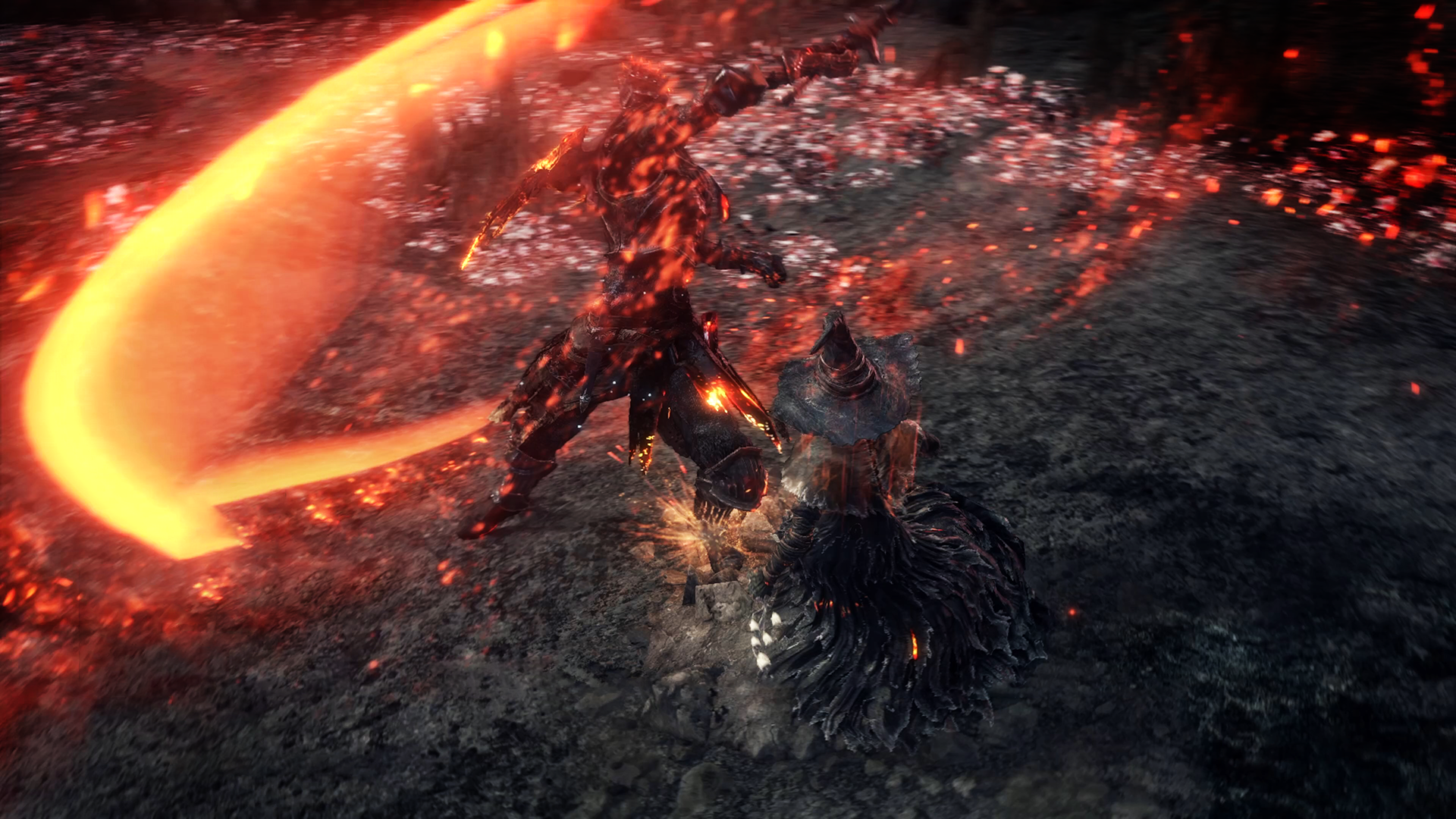
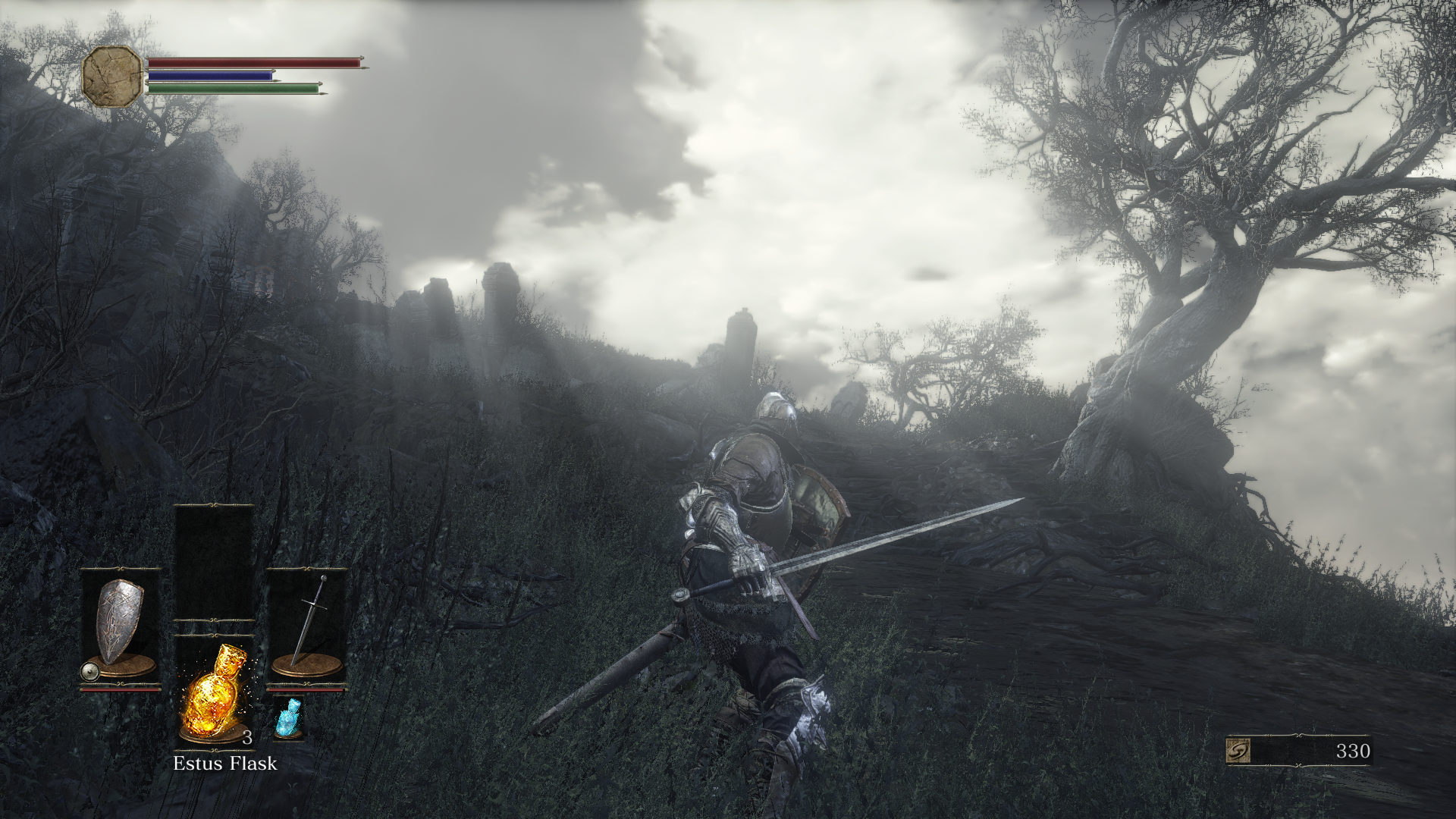
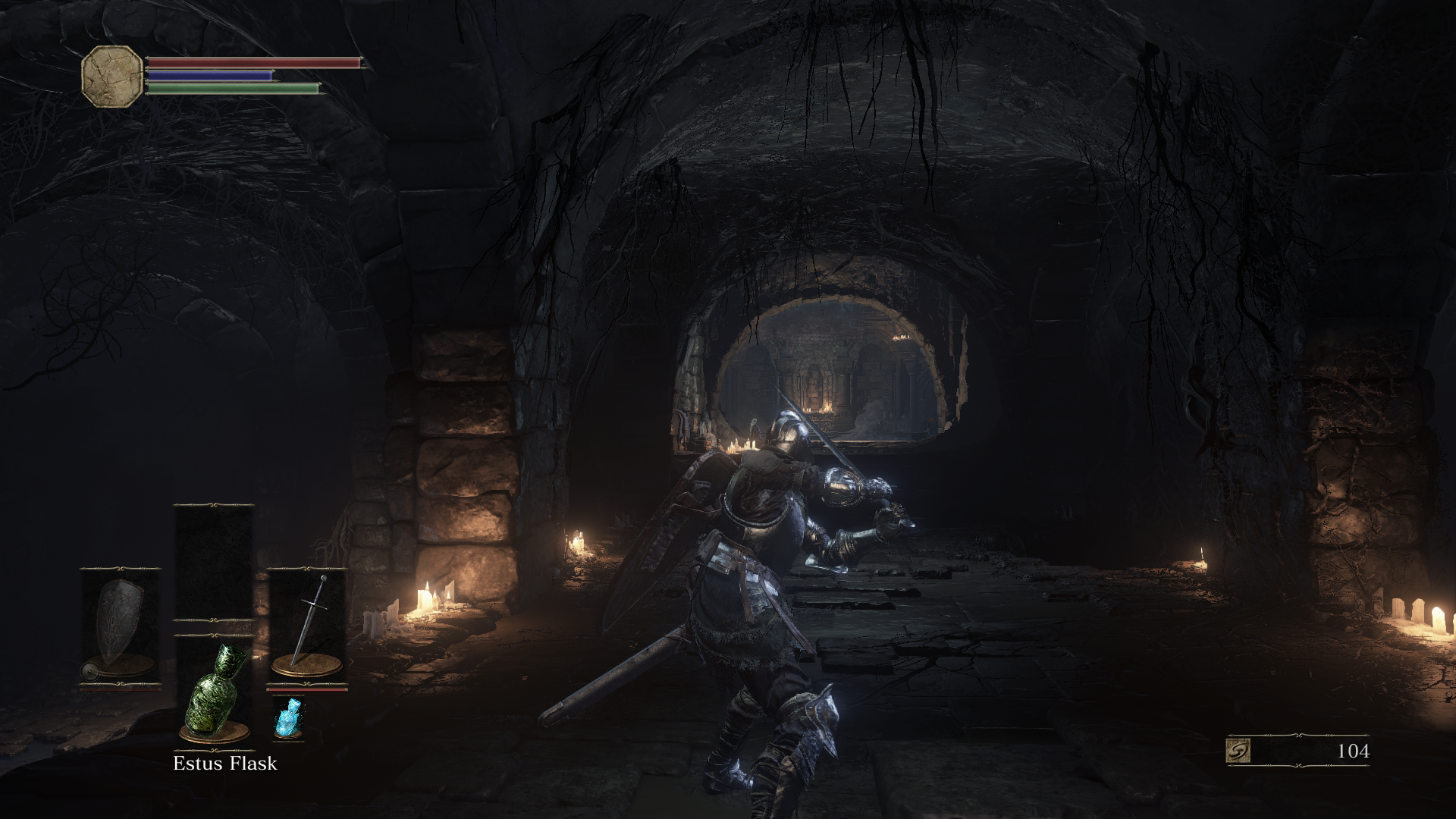

Dark Souls III

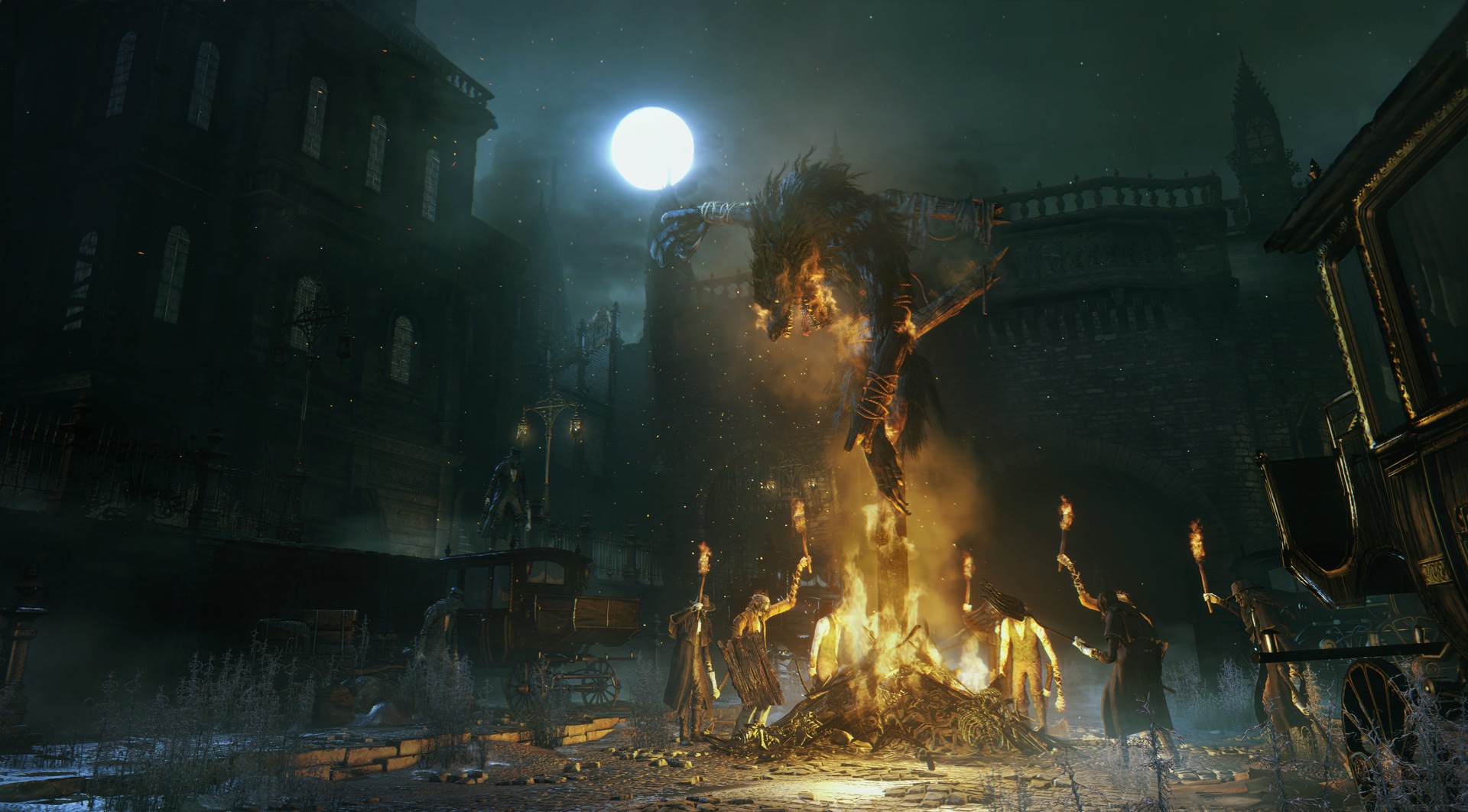
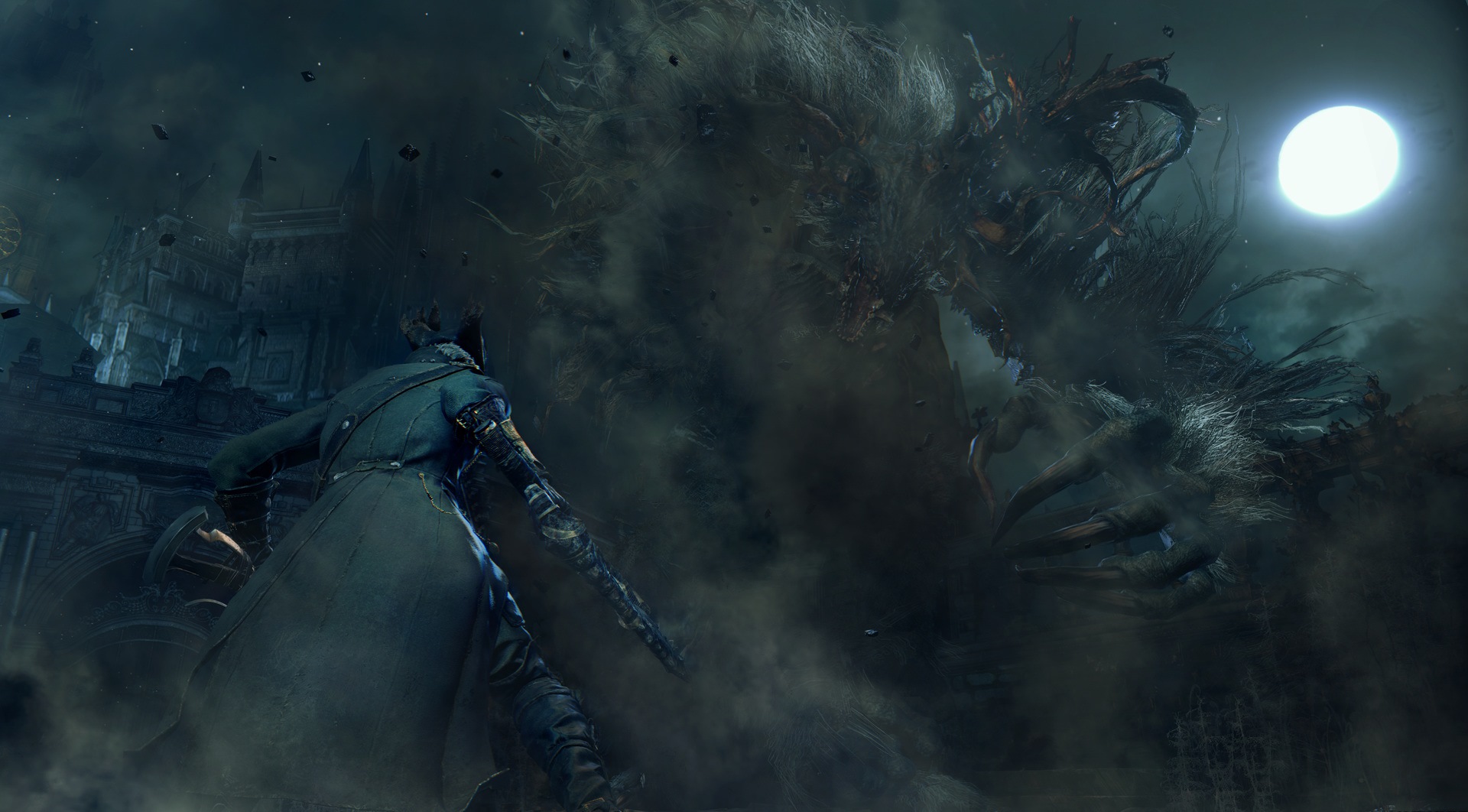

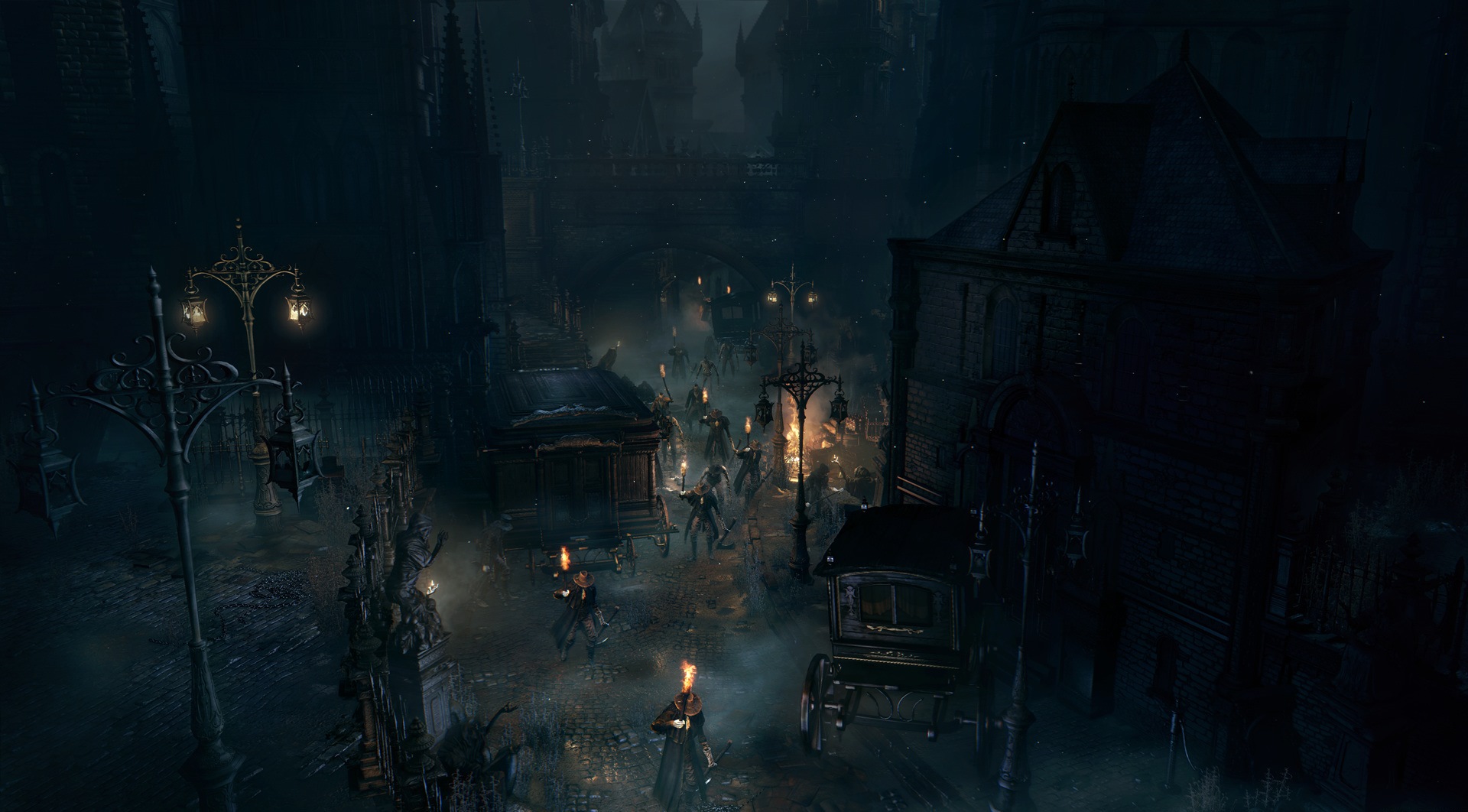
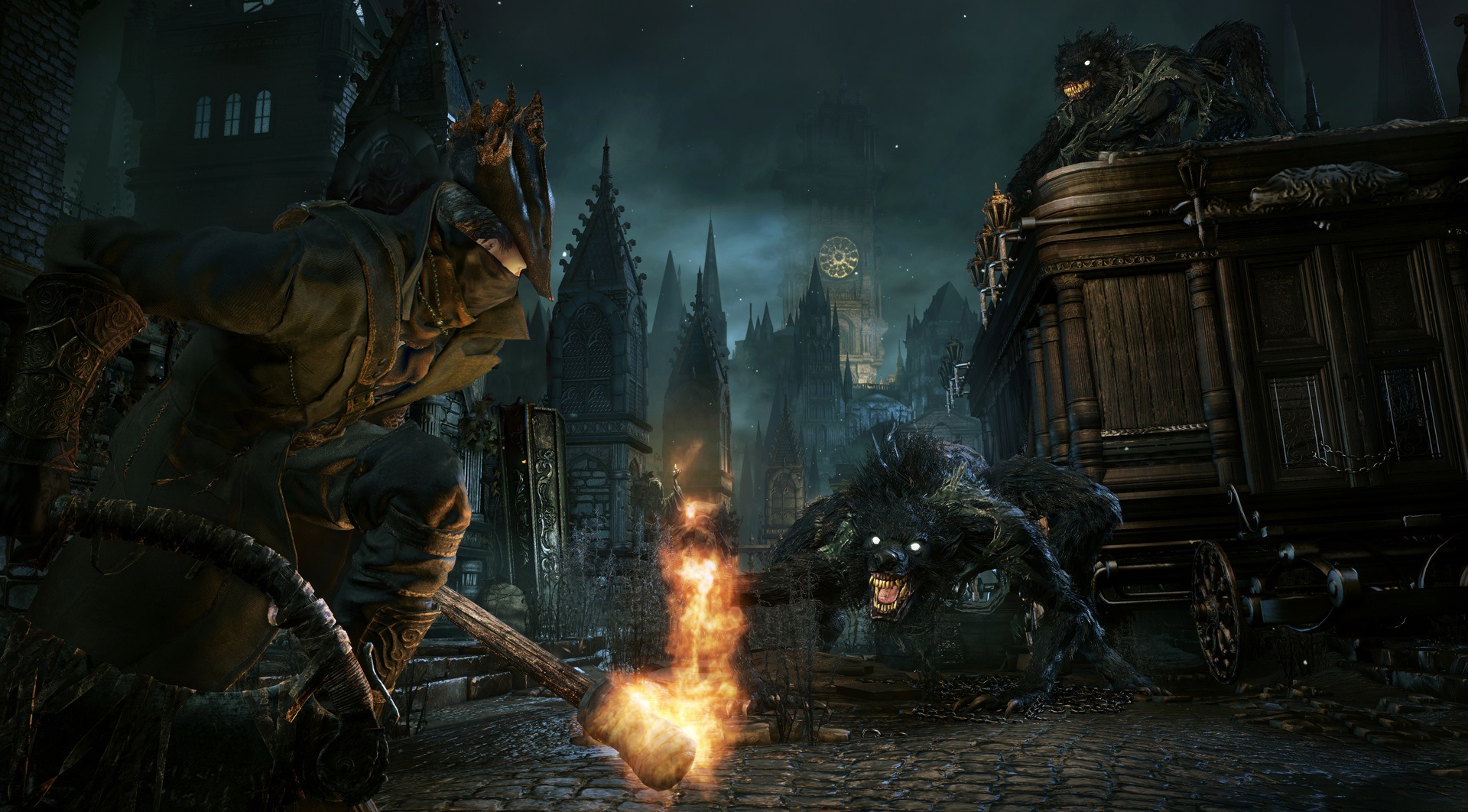

Bloodborne
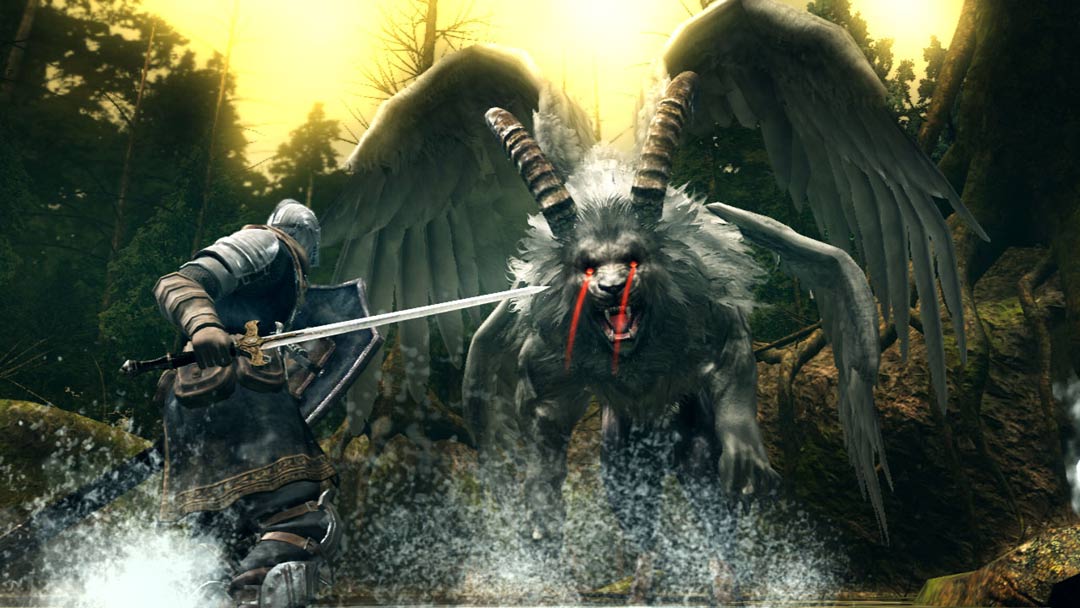
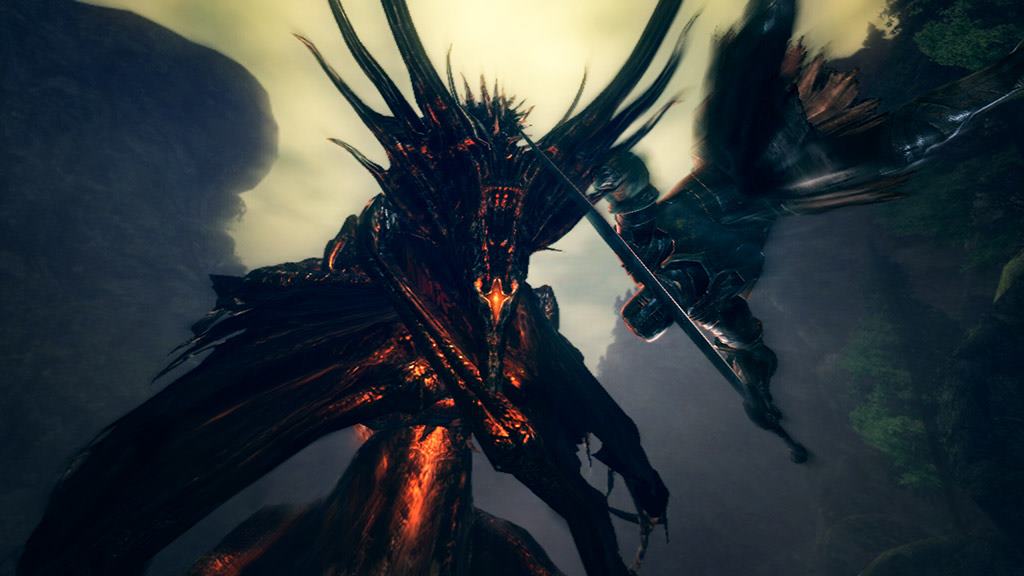
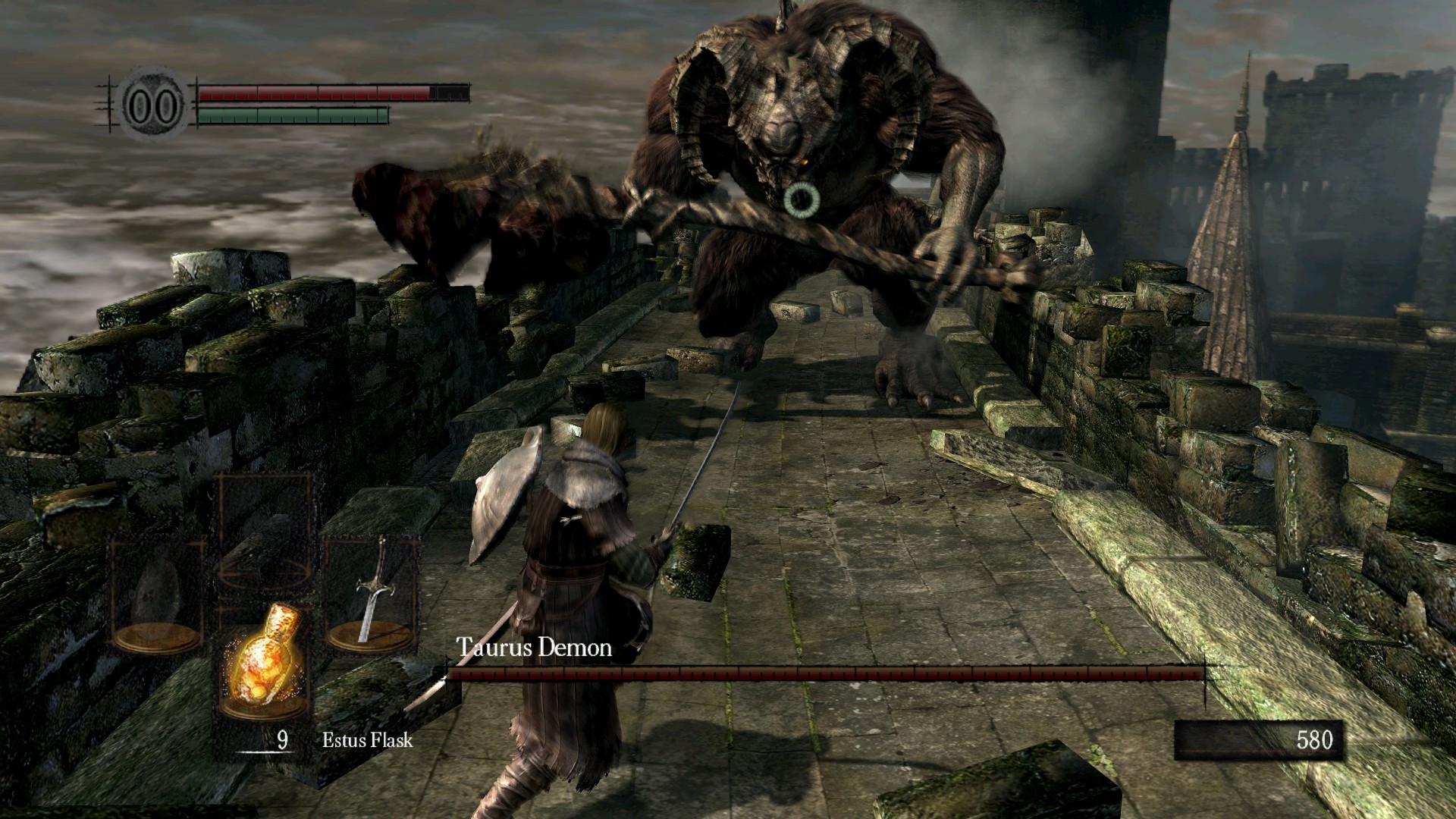
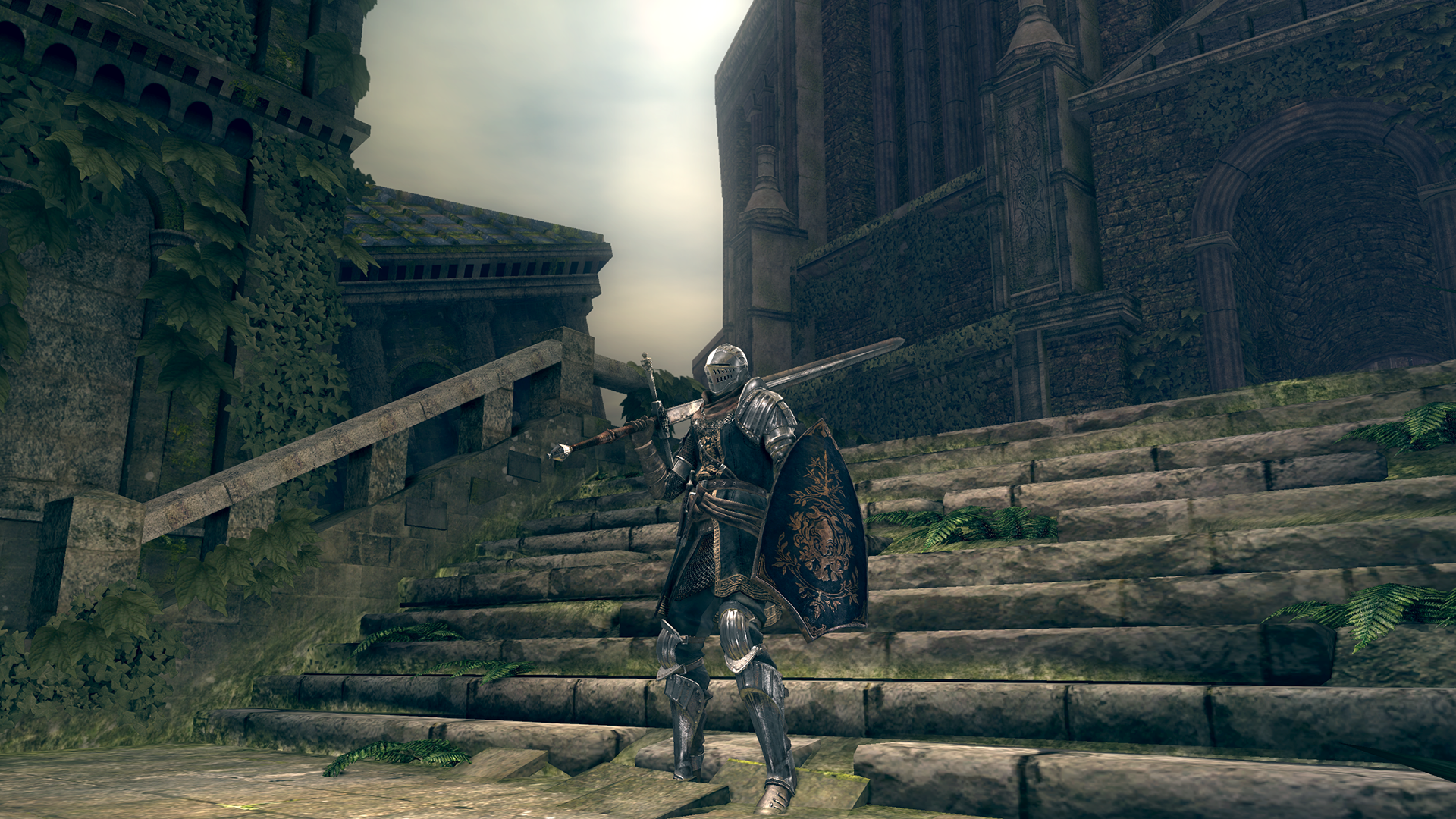
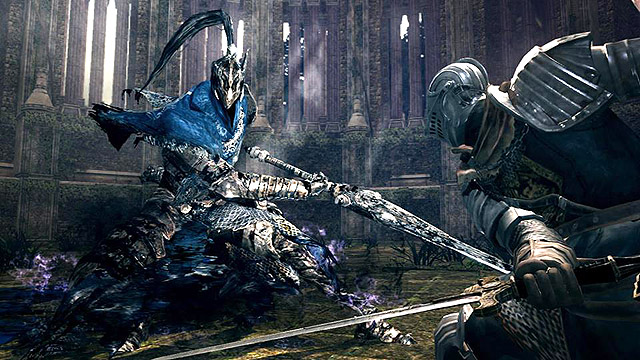

Dark Souls

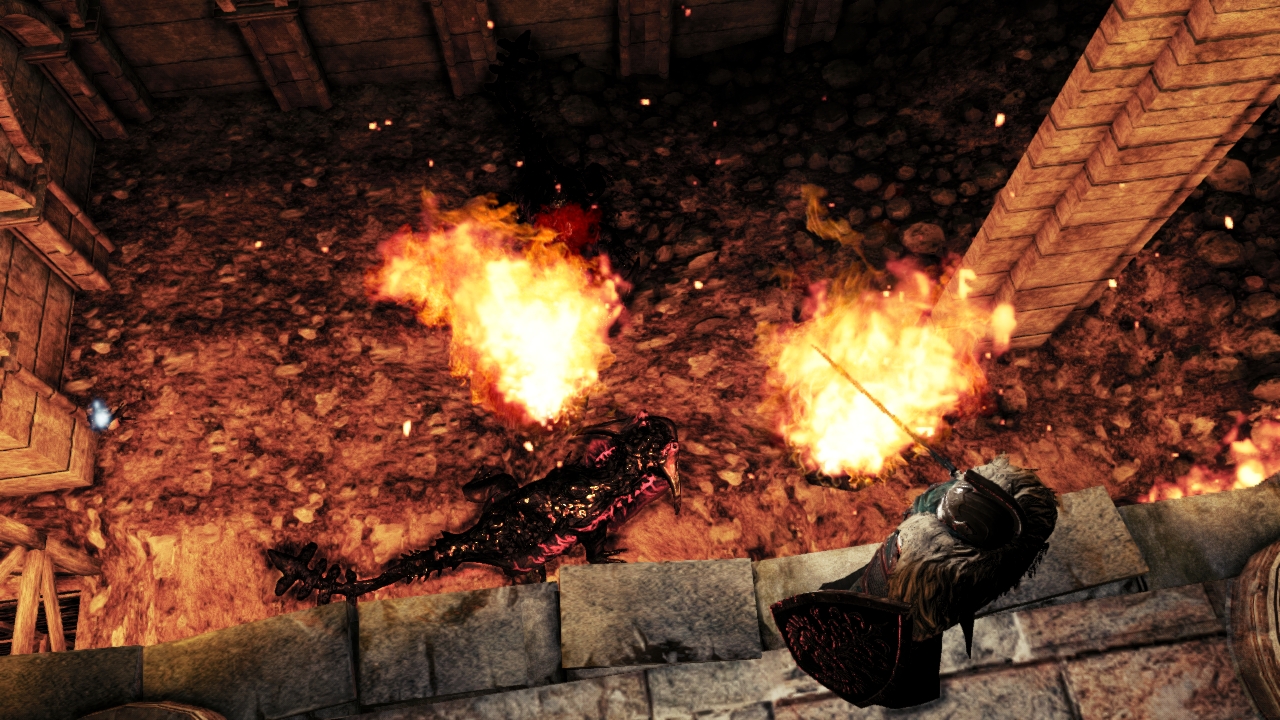

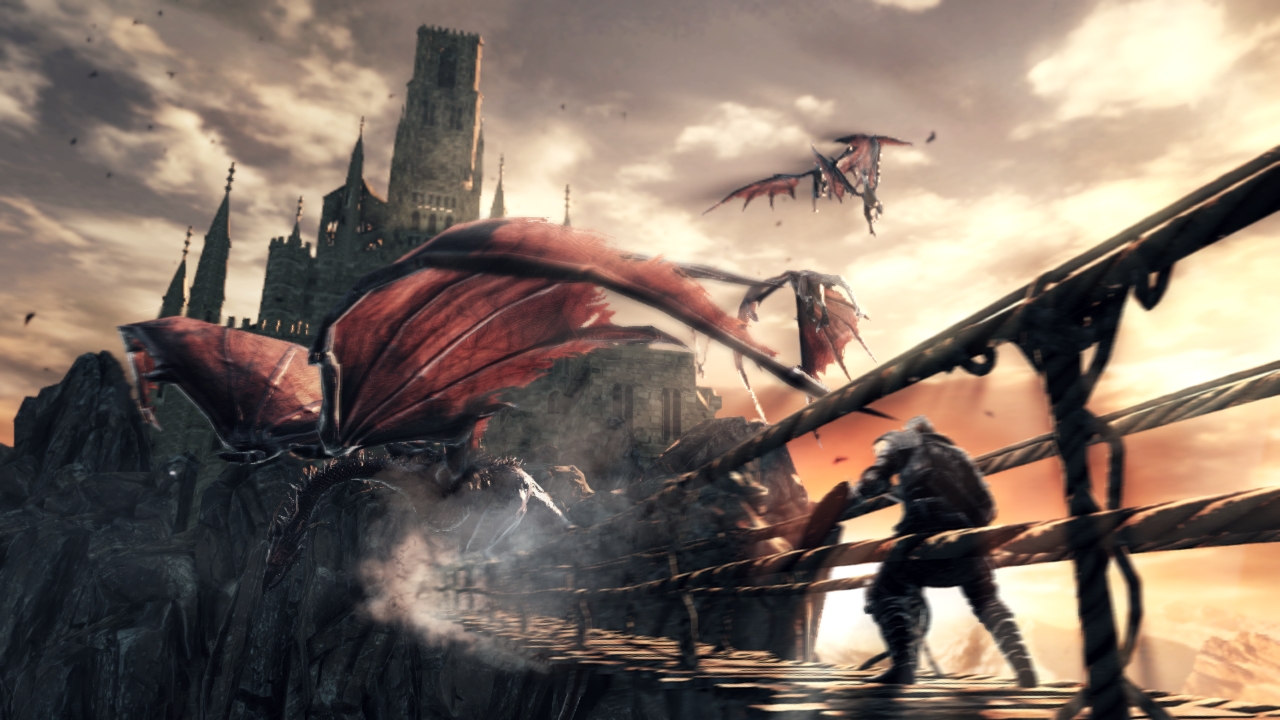
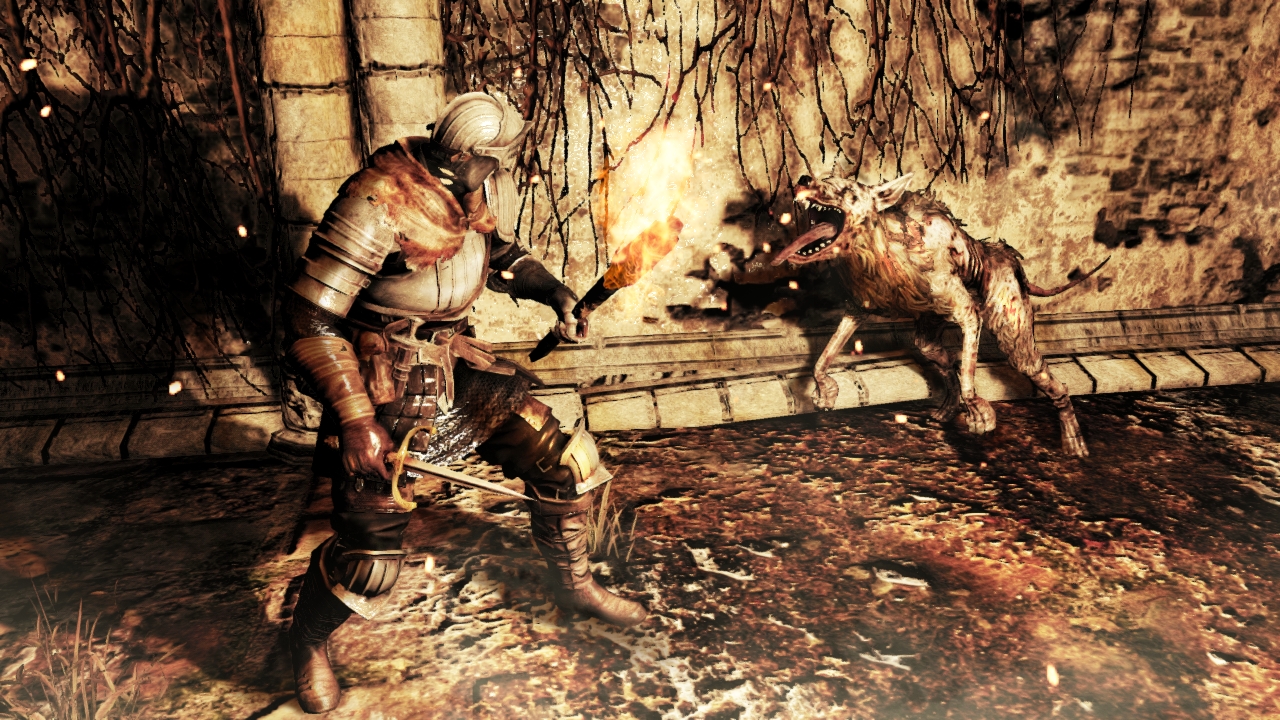


Dark Souls II
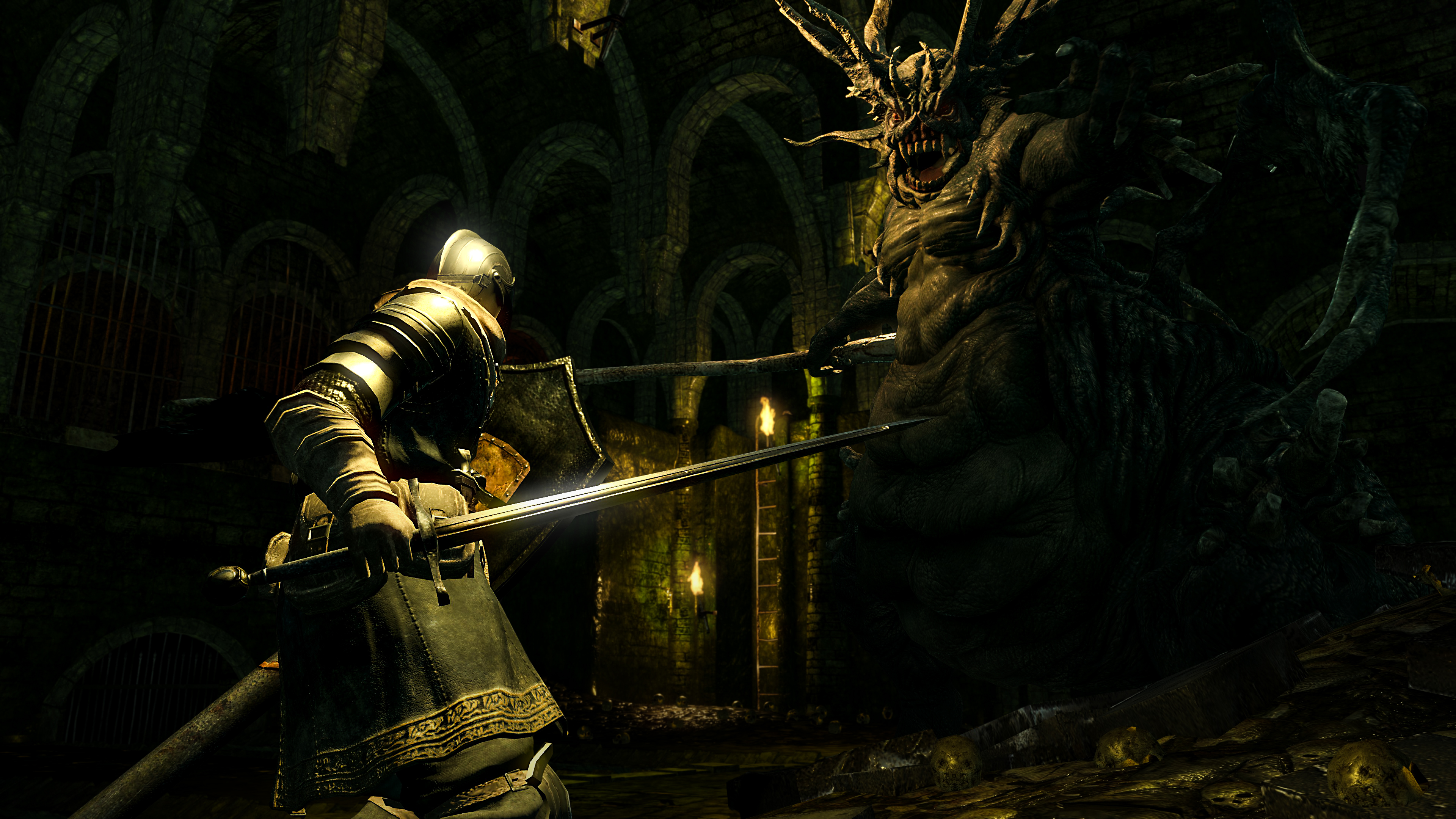
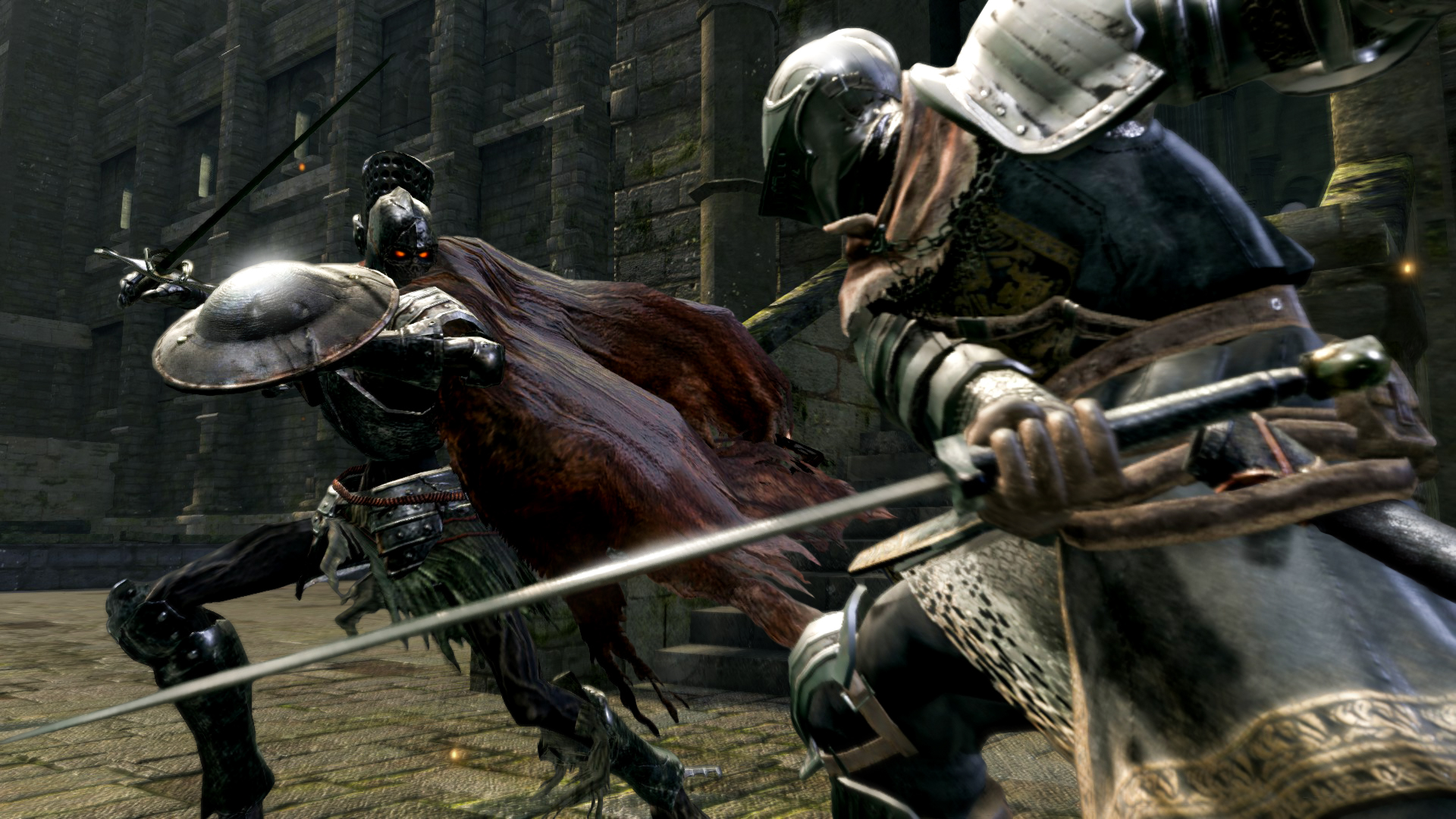

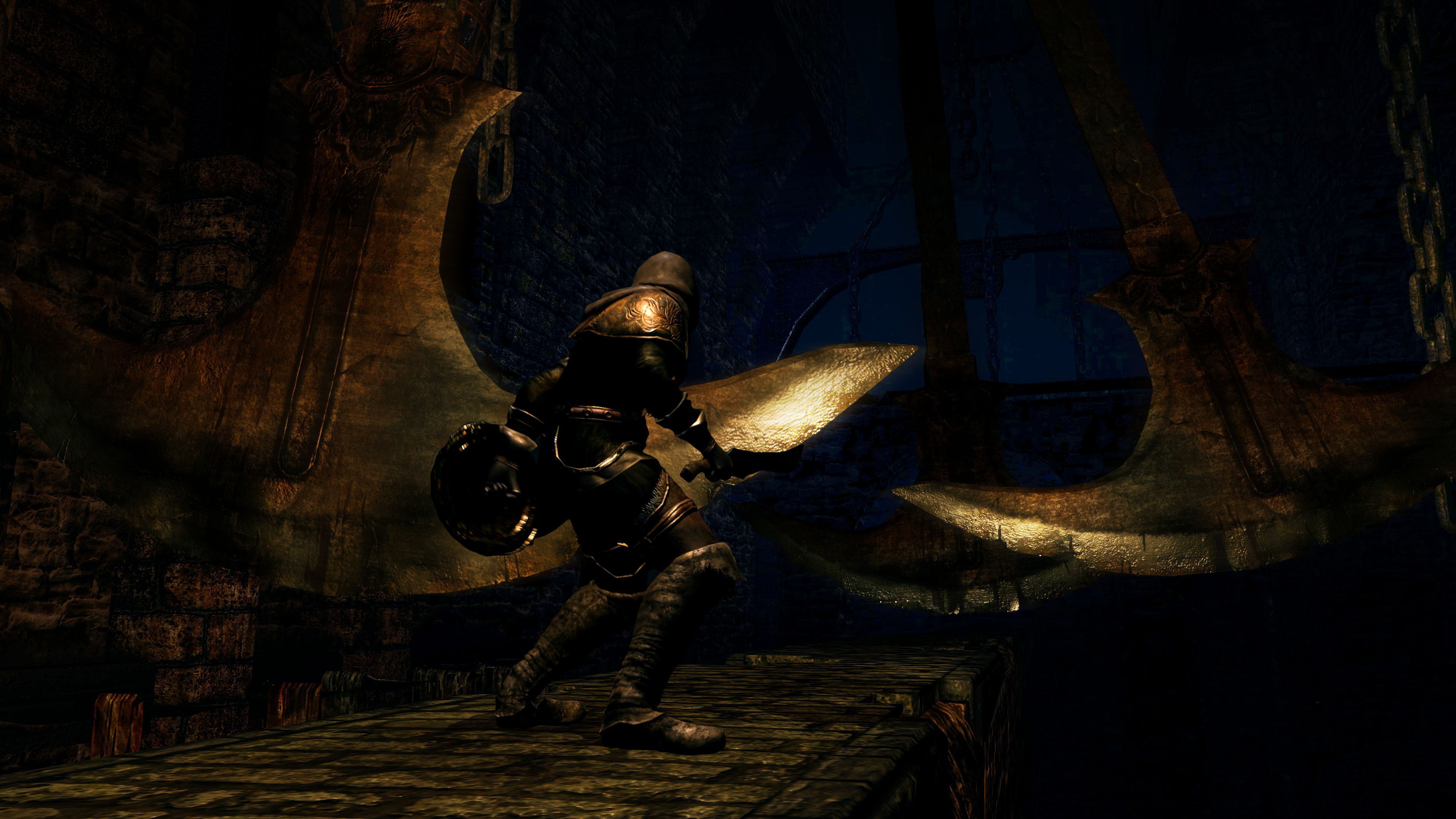
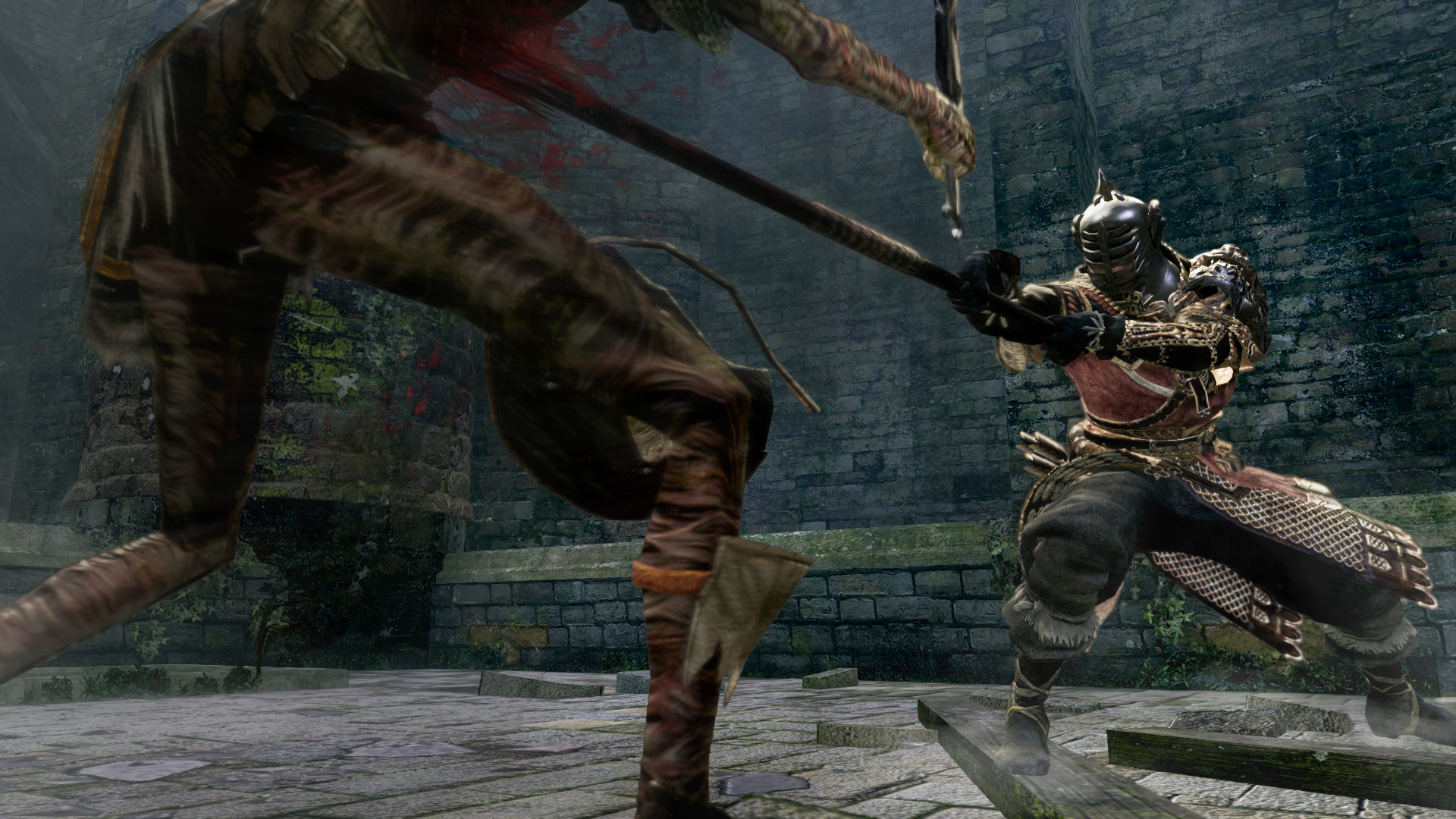
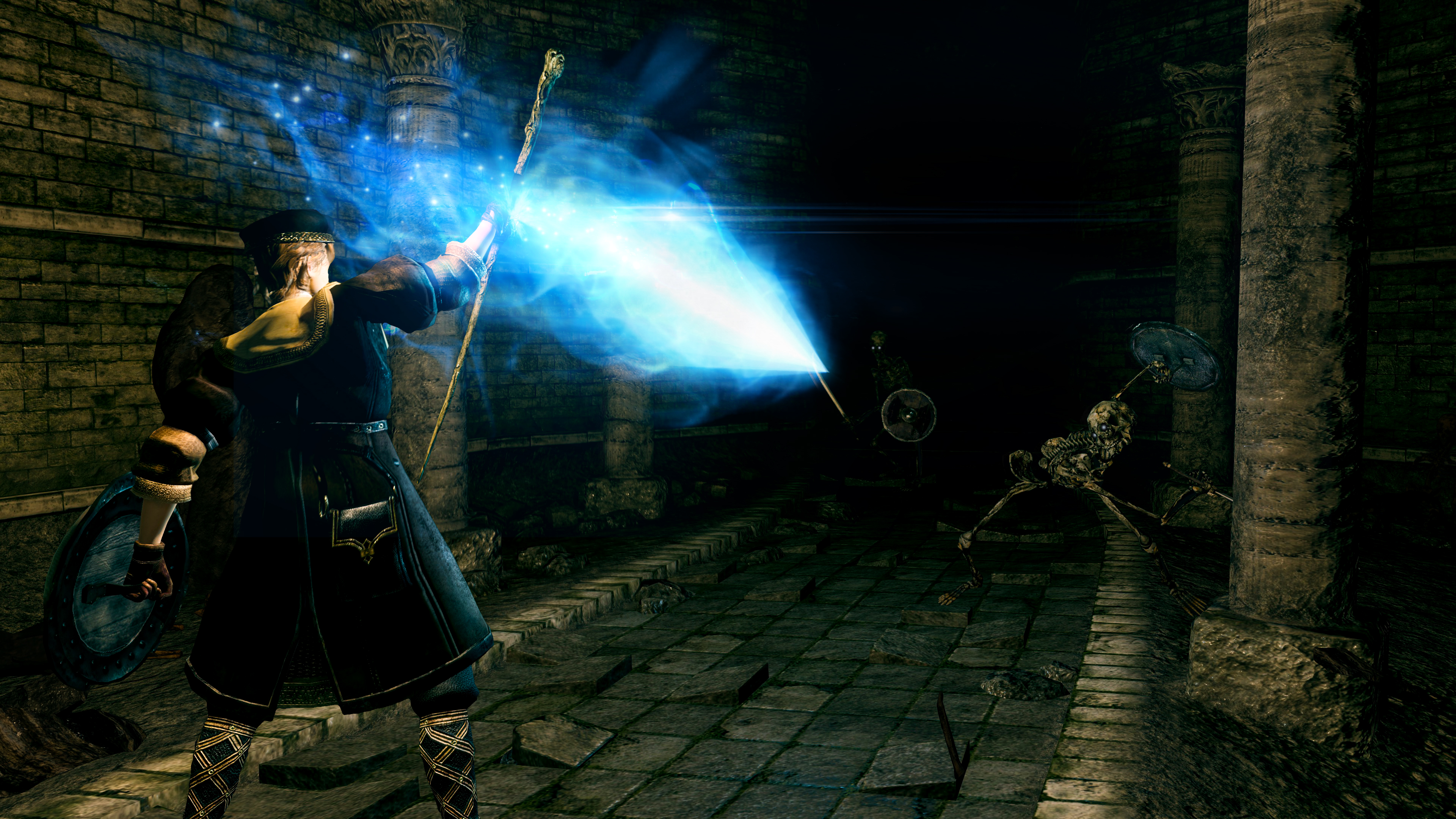
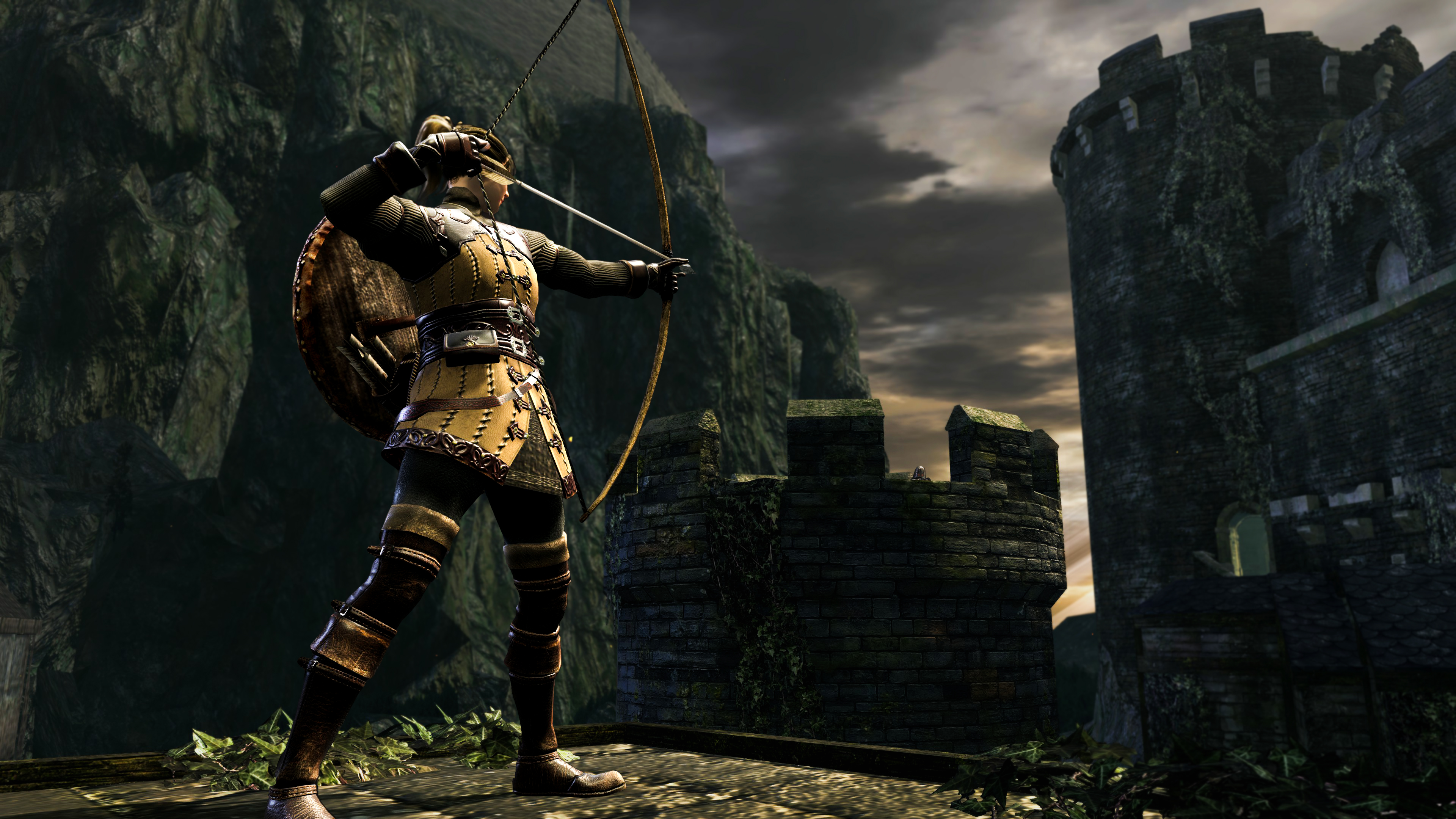
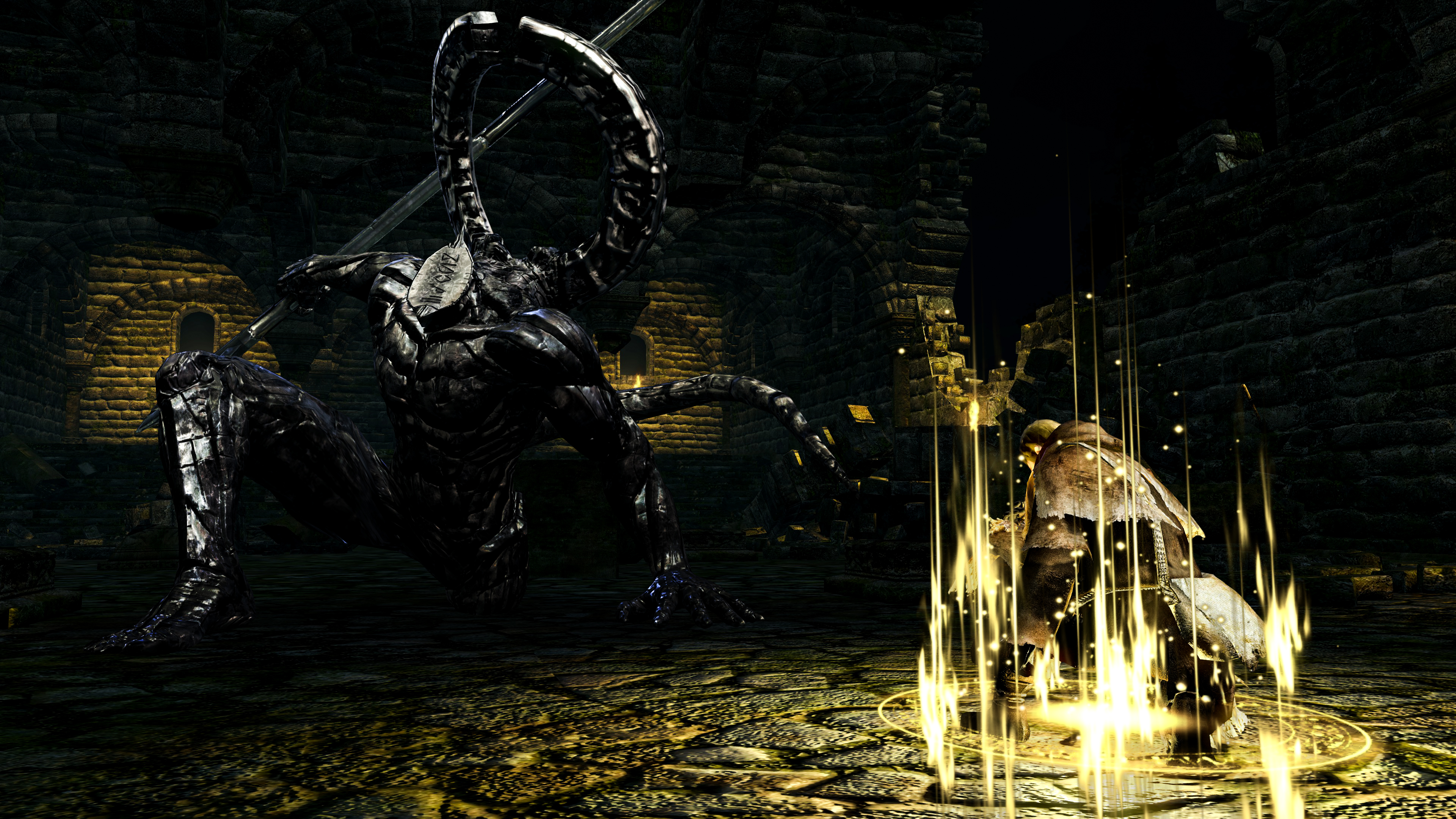
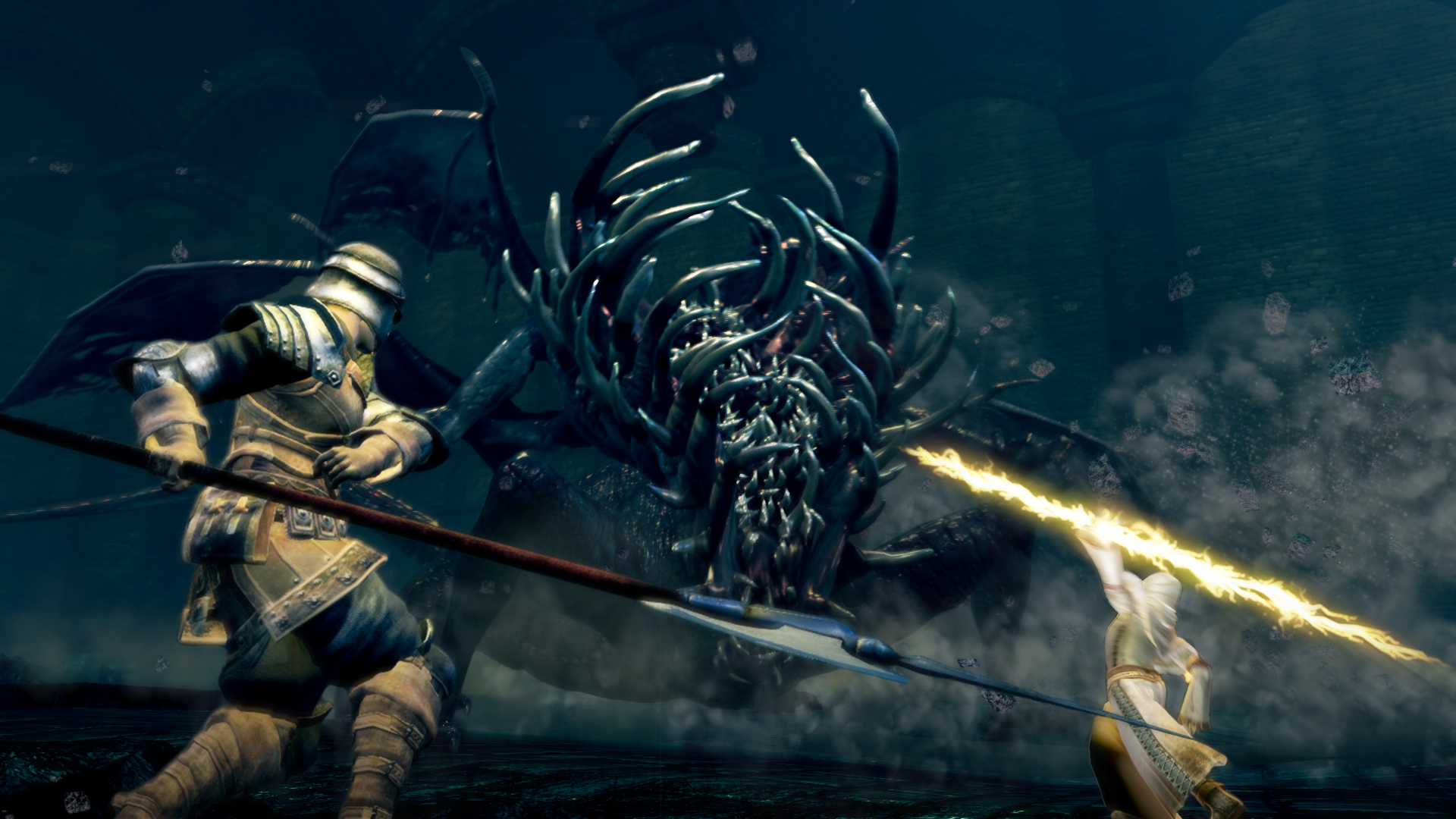
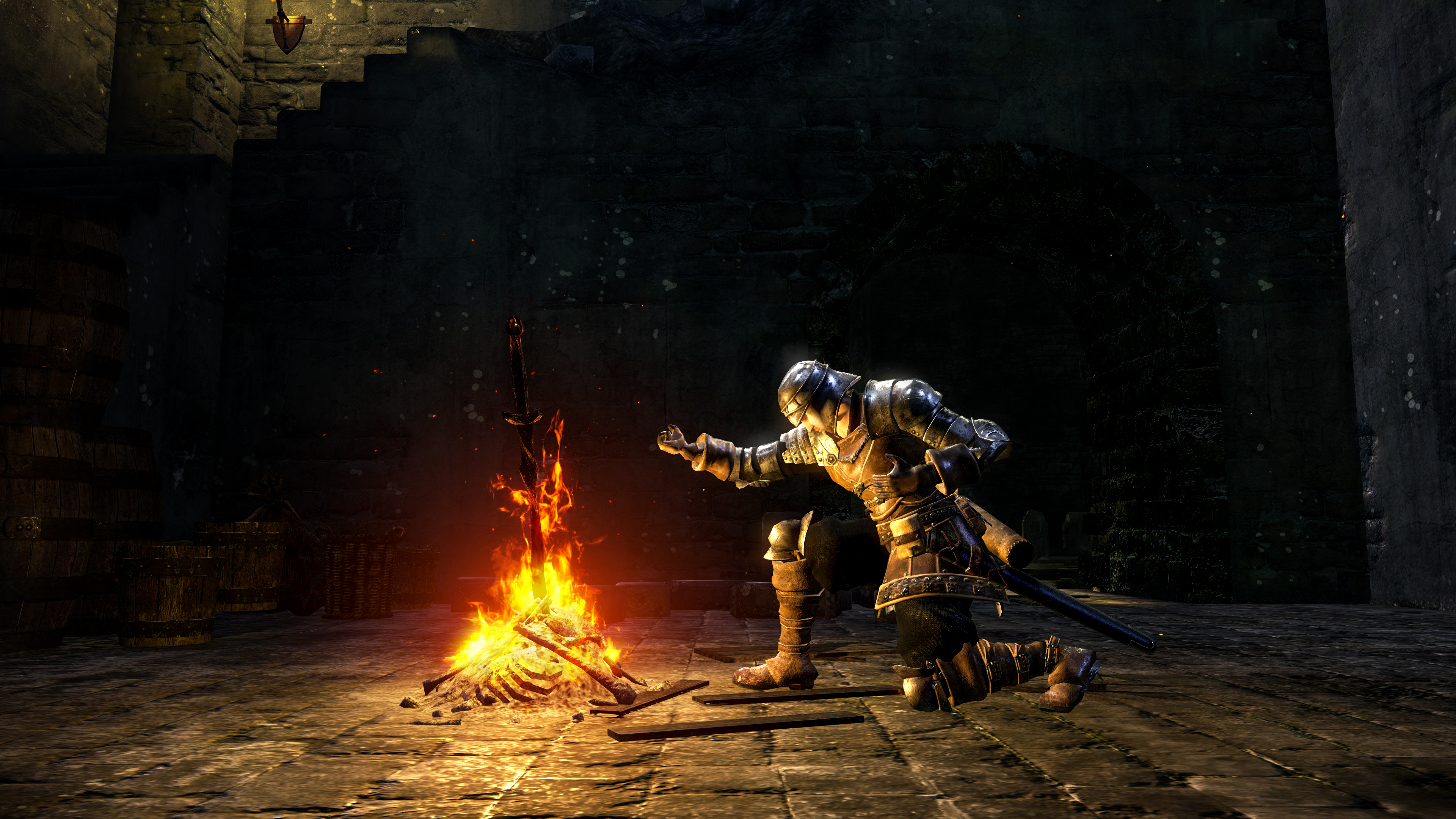
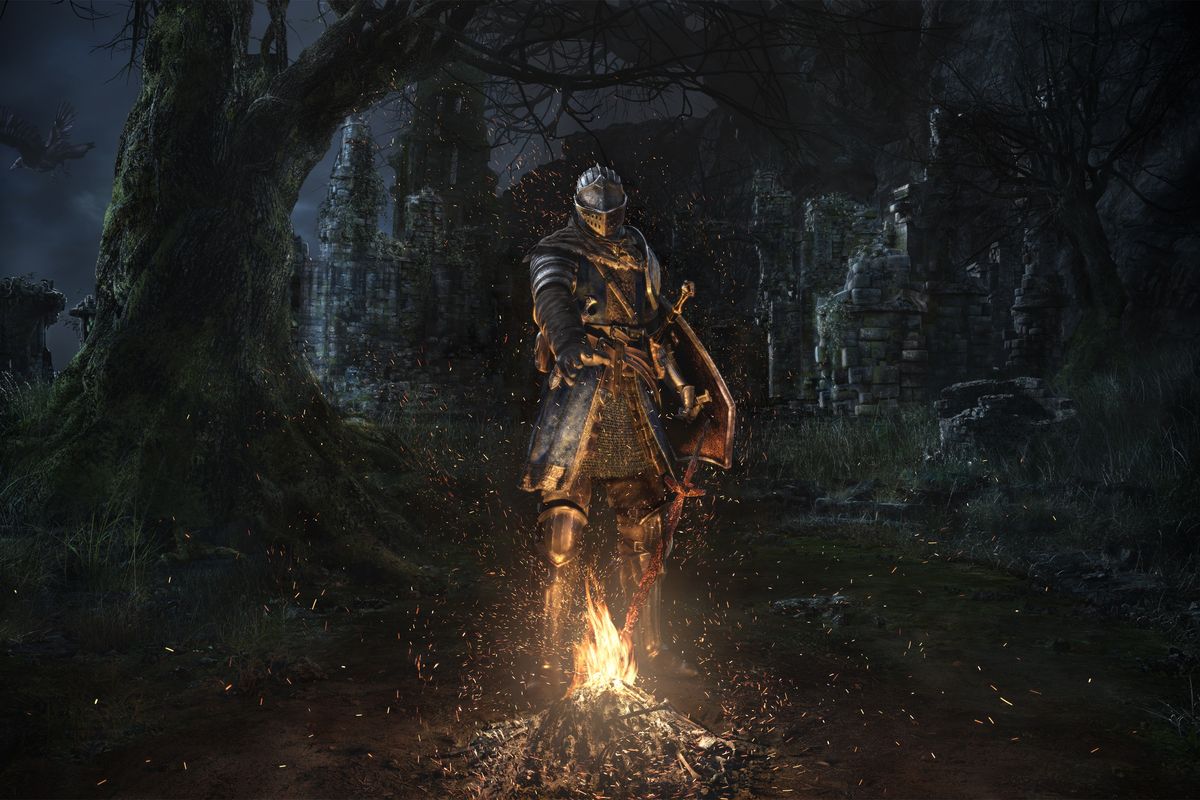
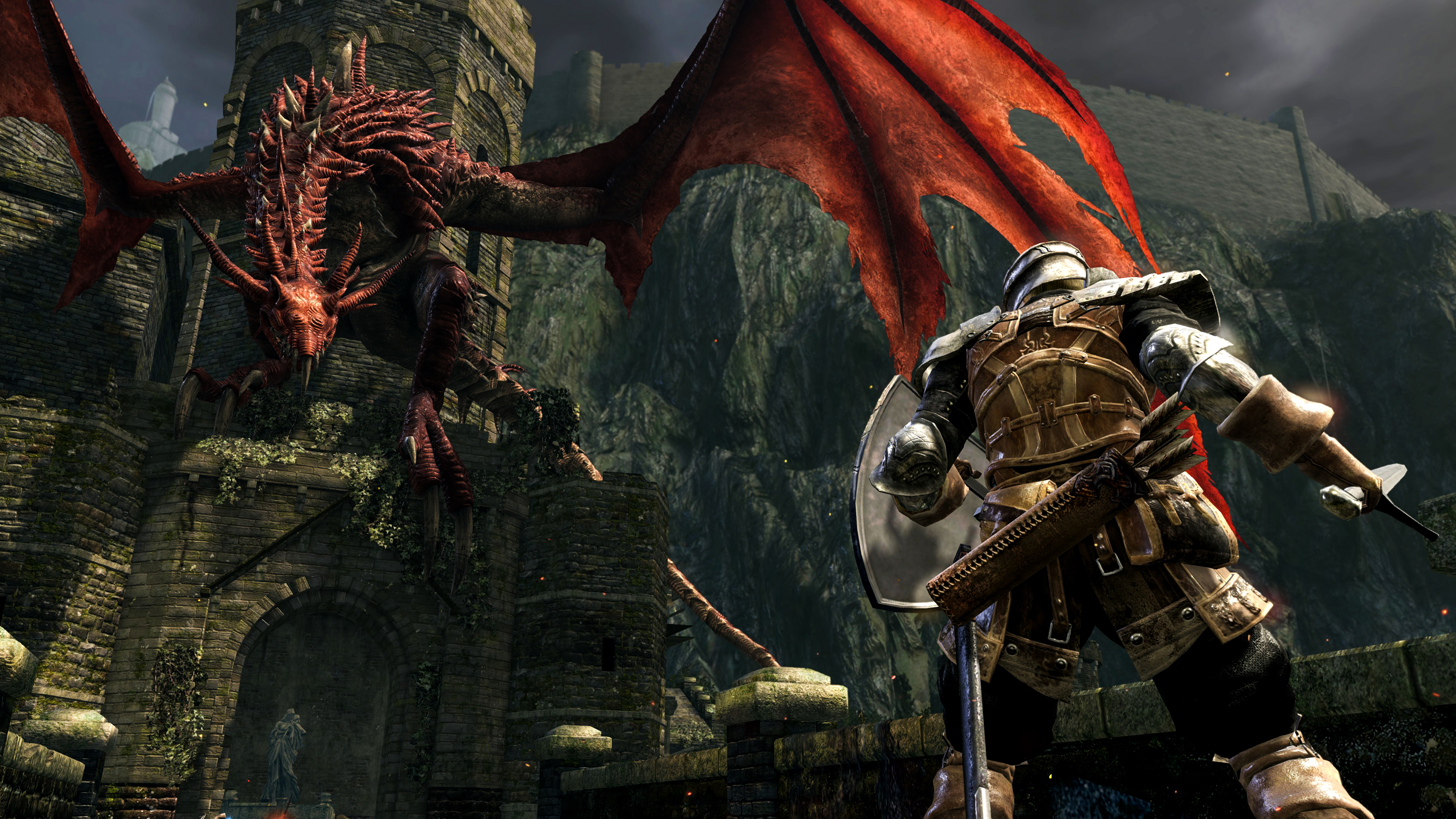

Dark Souls: Remastered

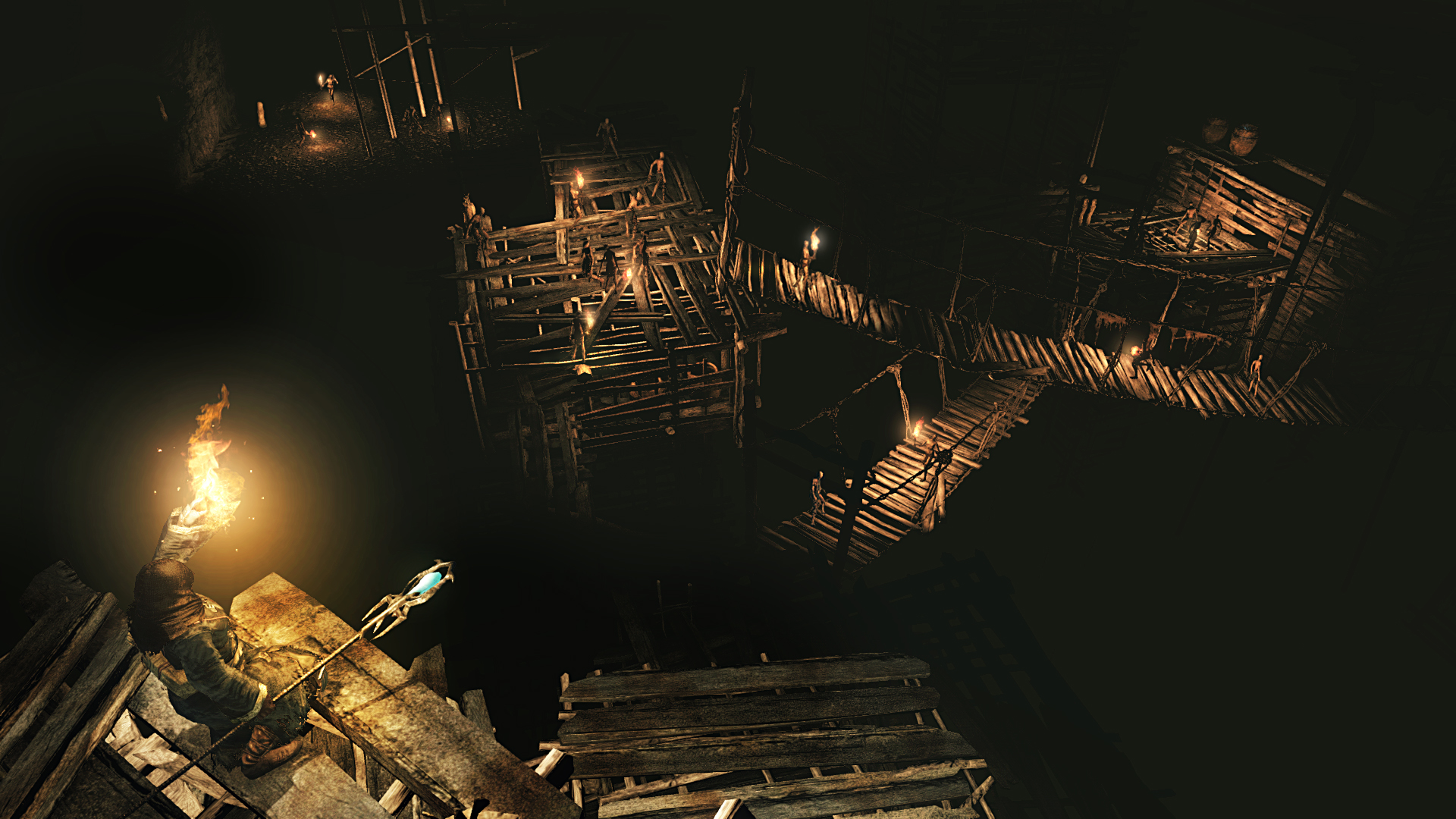
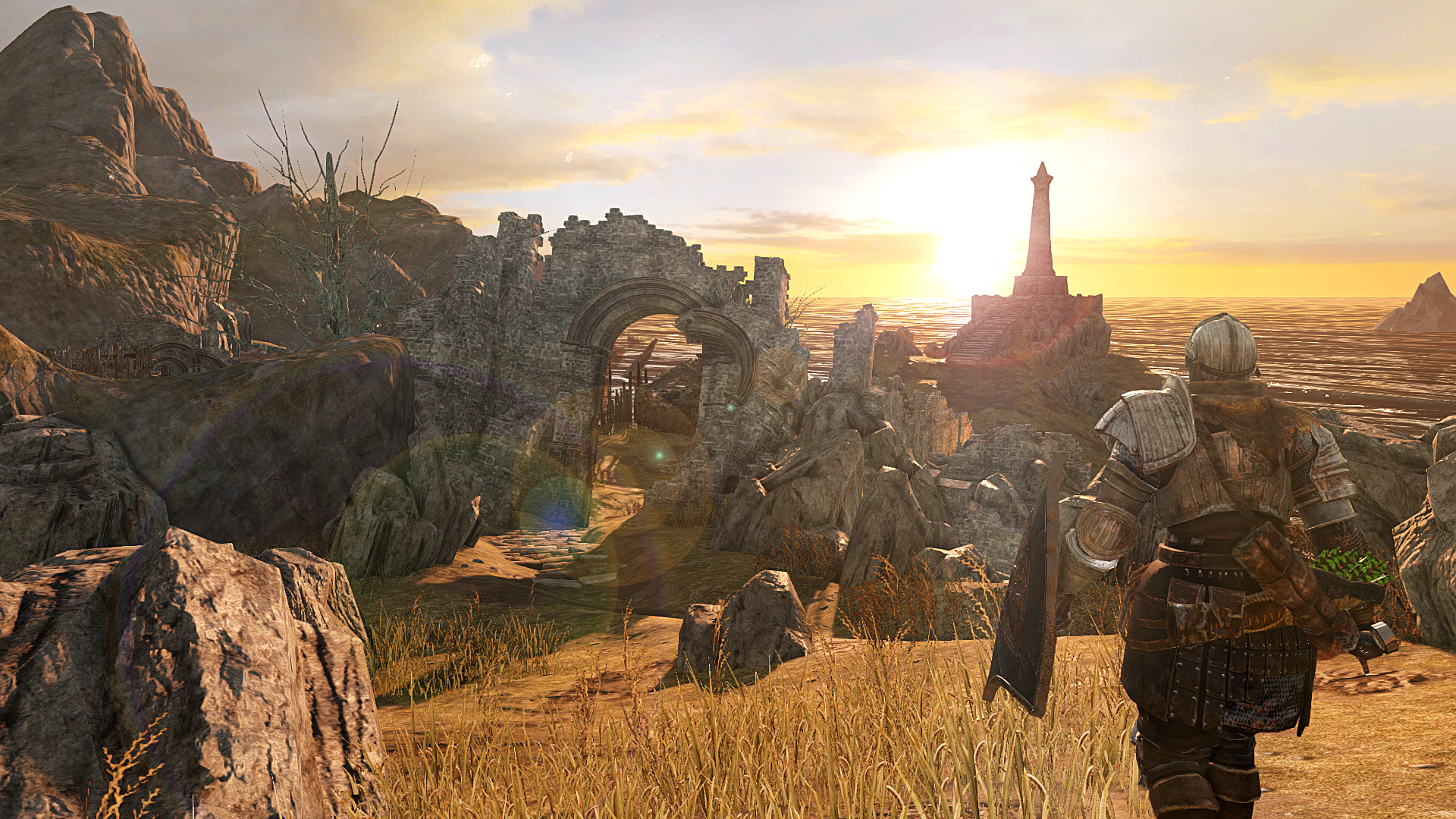
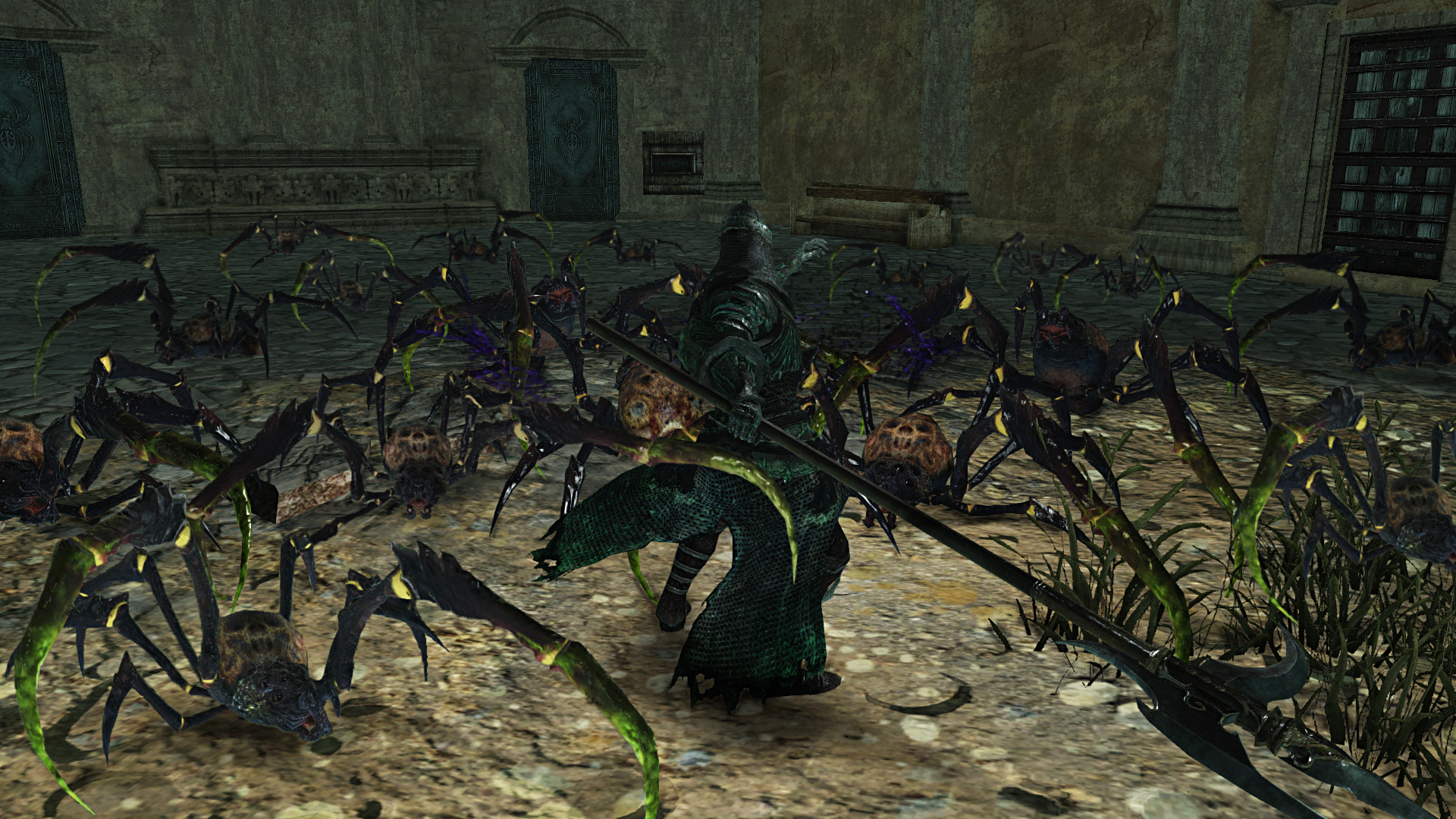
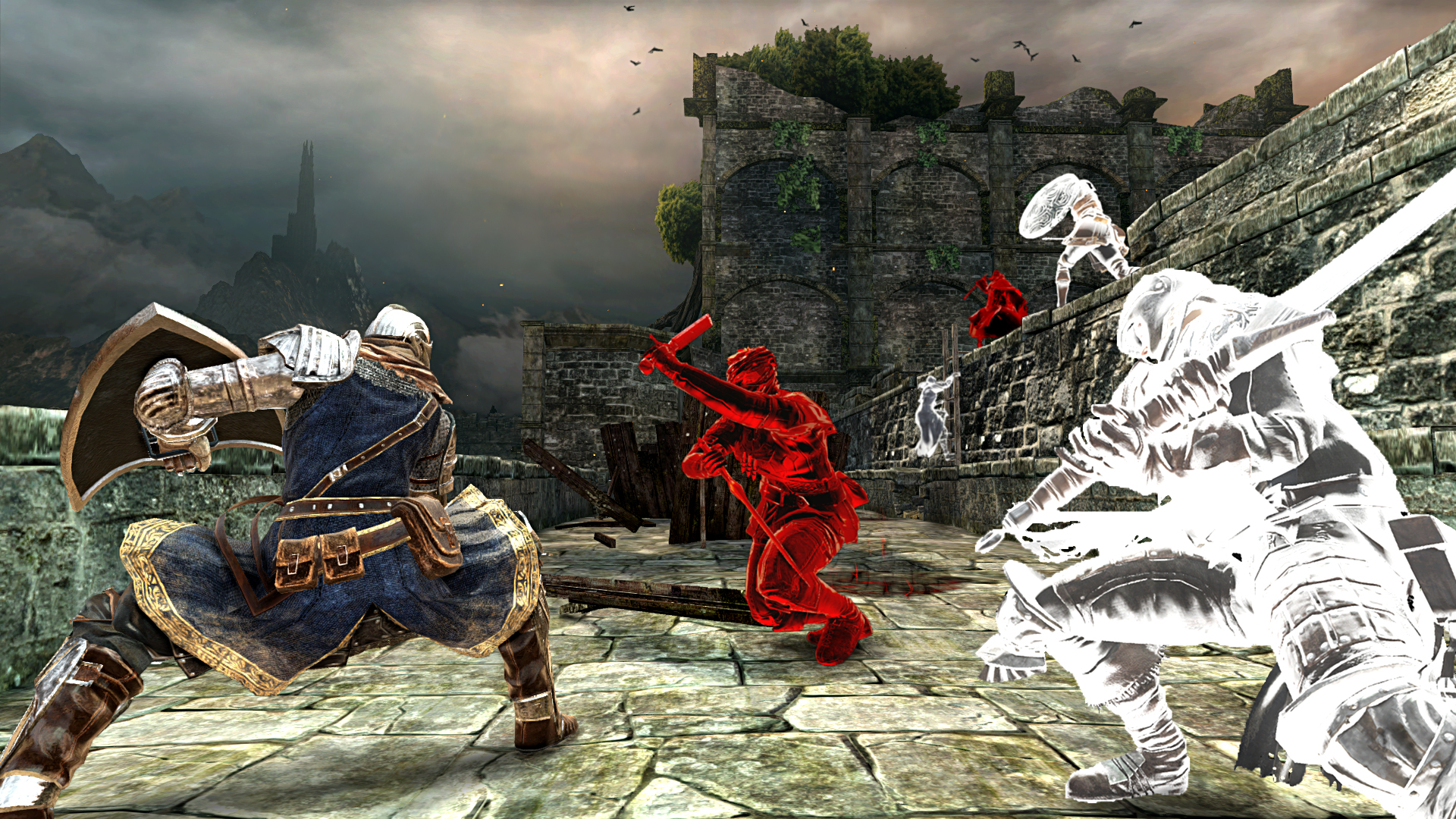
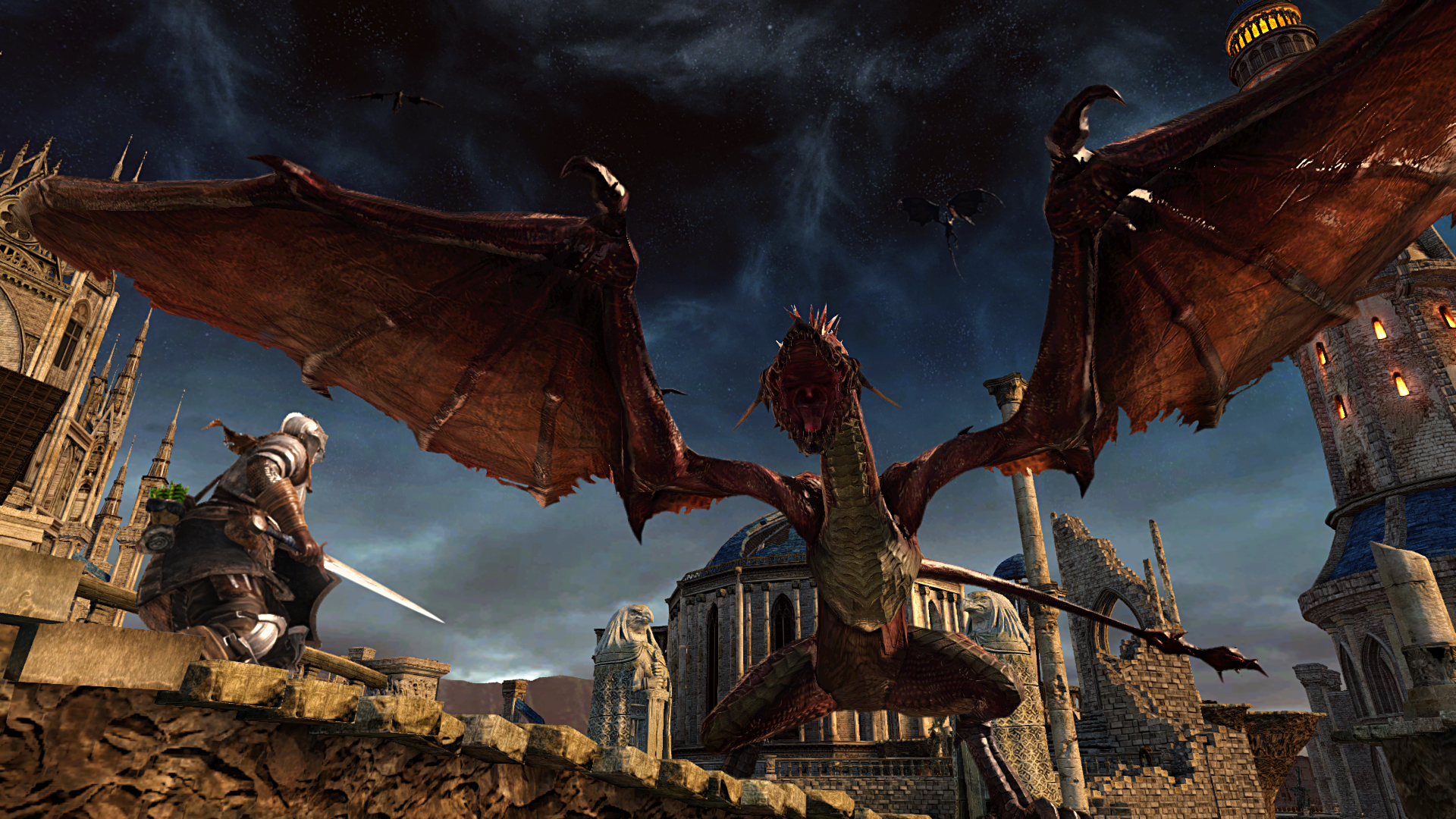

Dark Souls II: Scholar of the First Sin



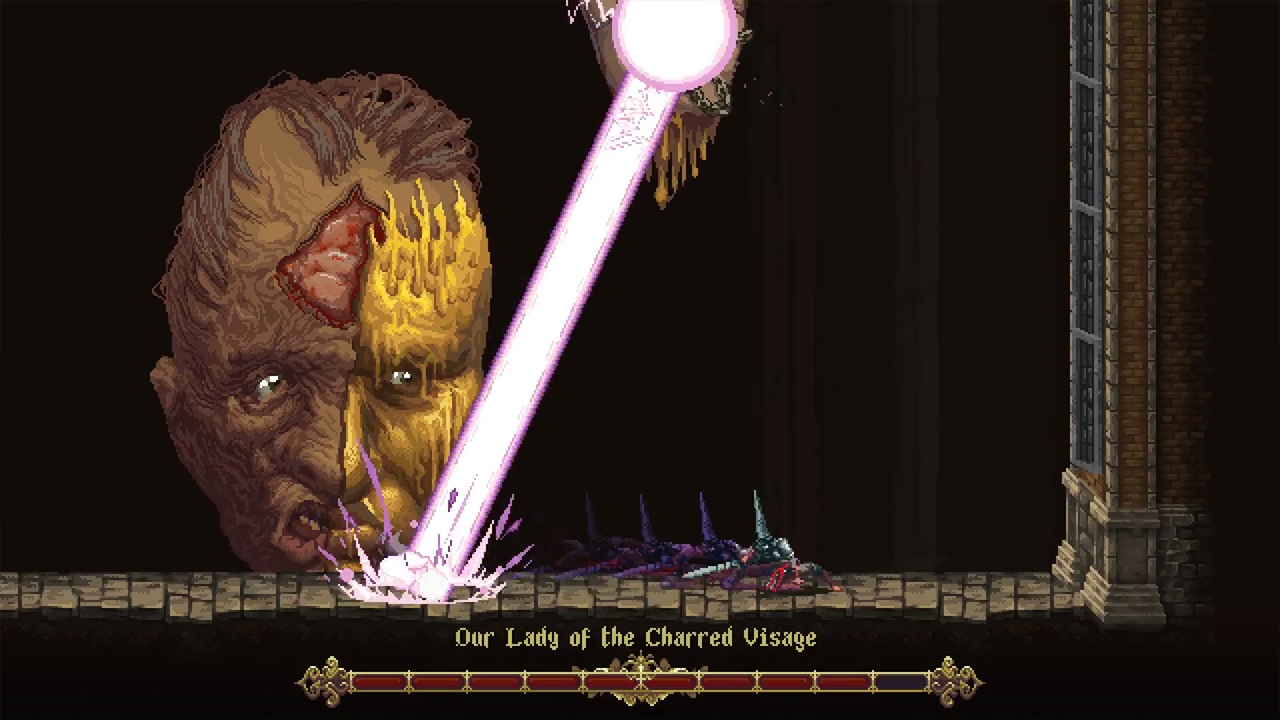
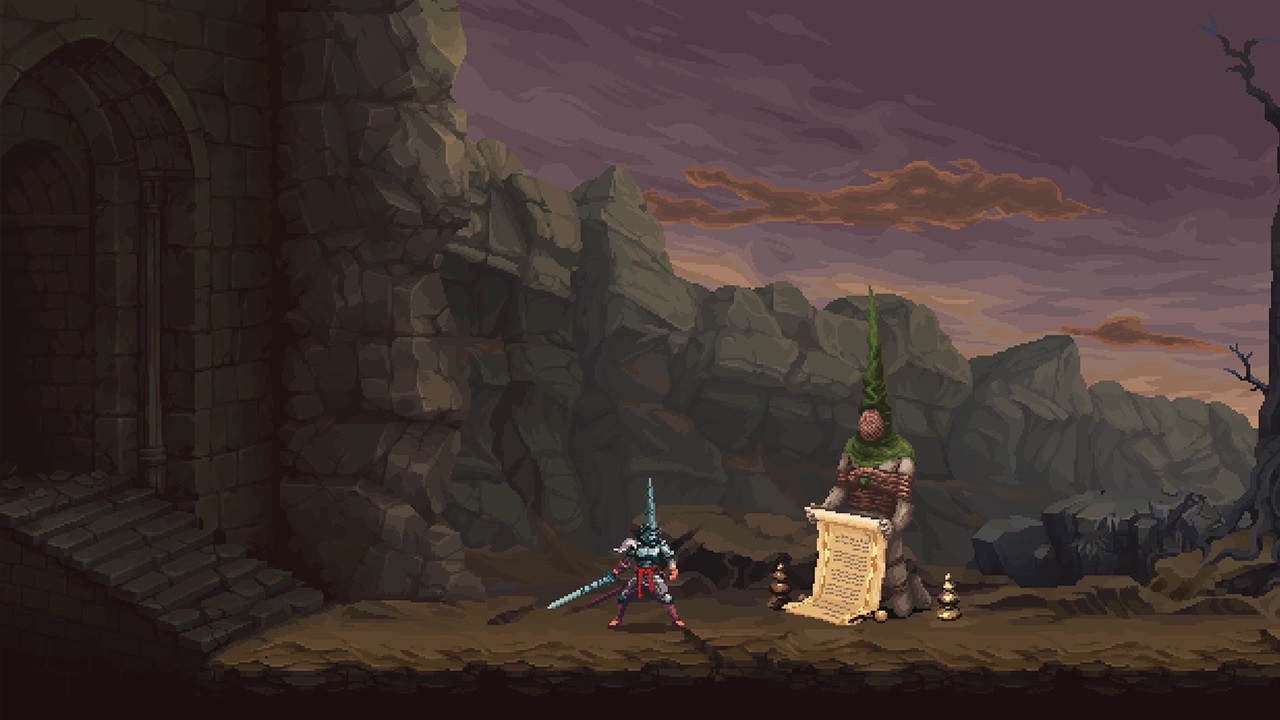
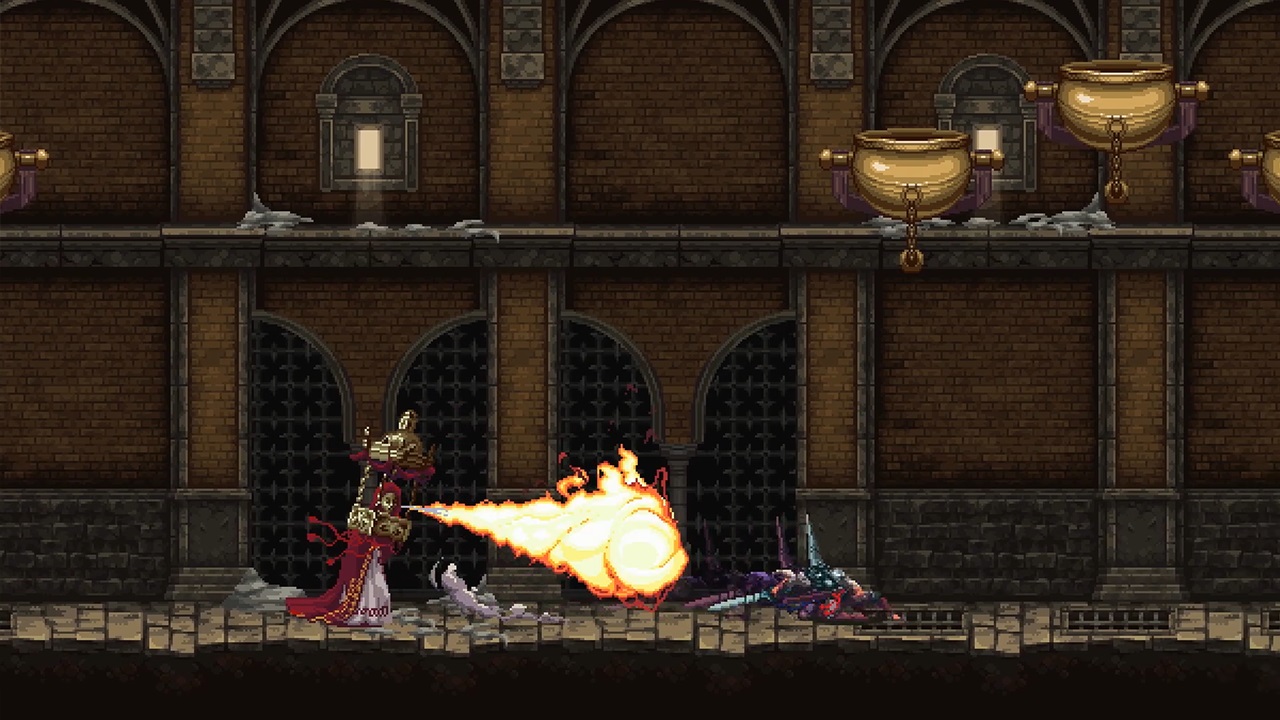

Blasphemous

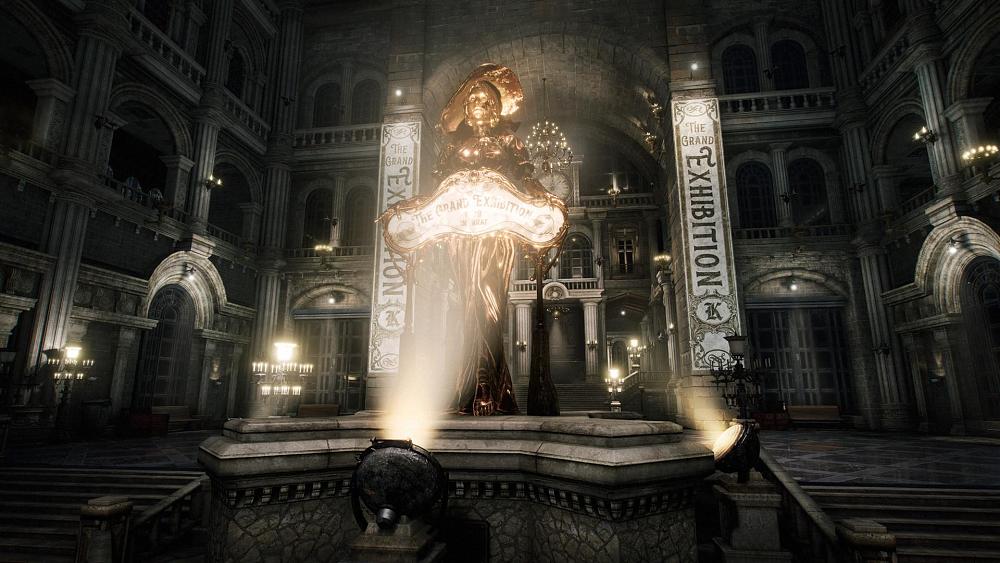


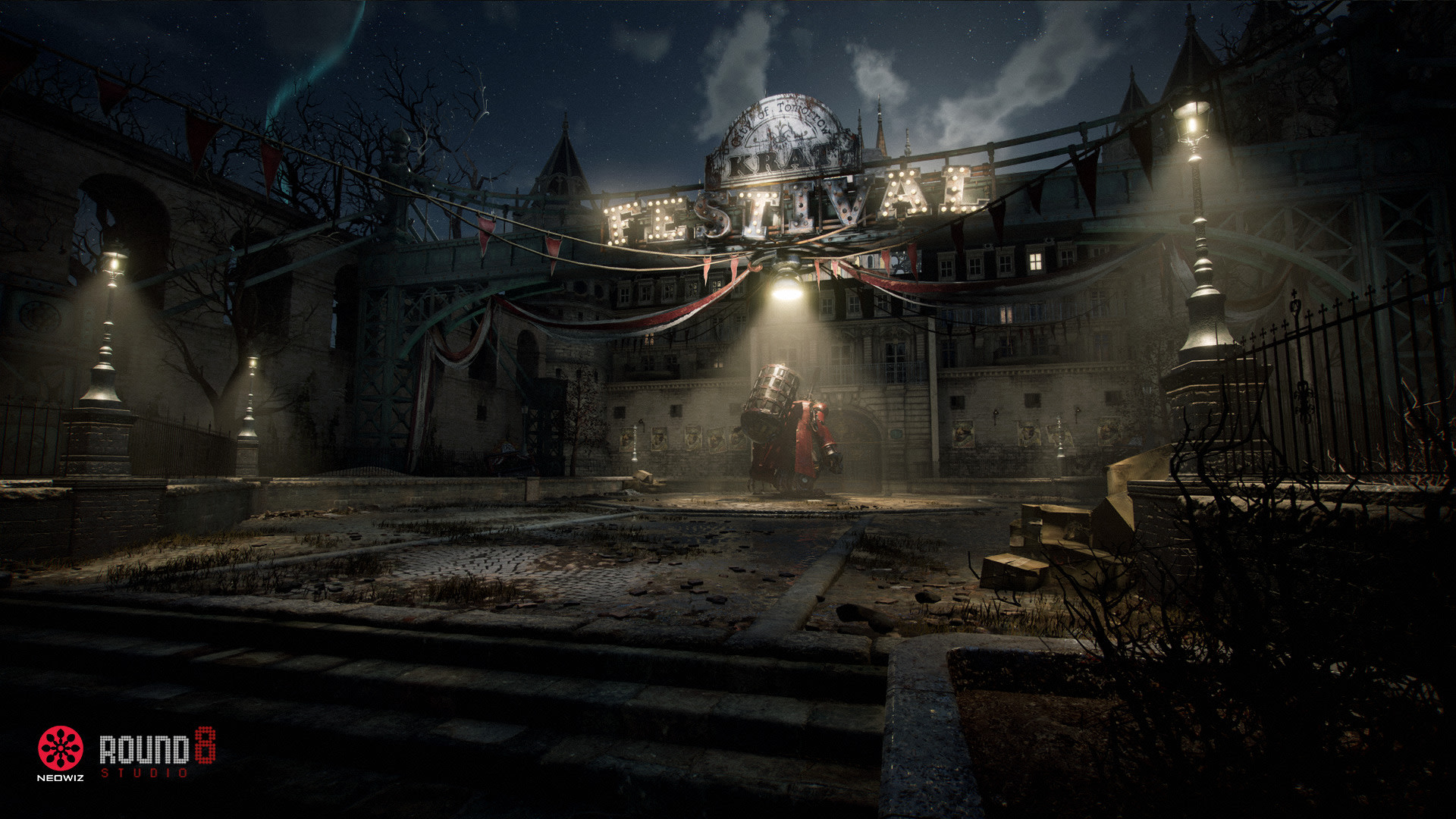


Lies of P

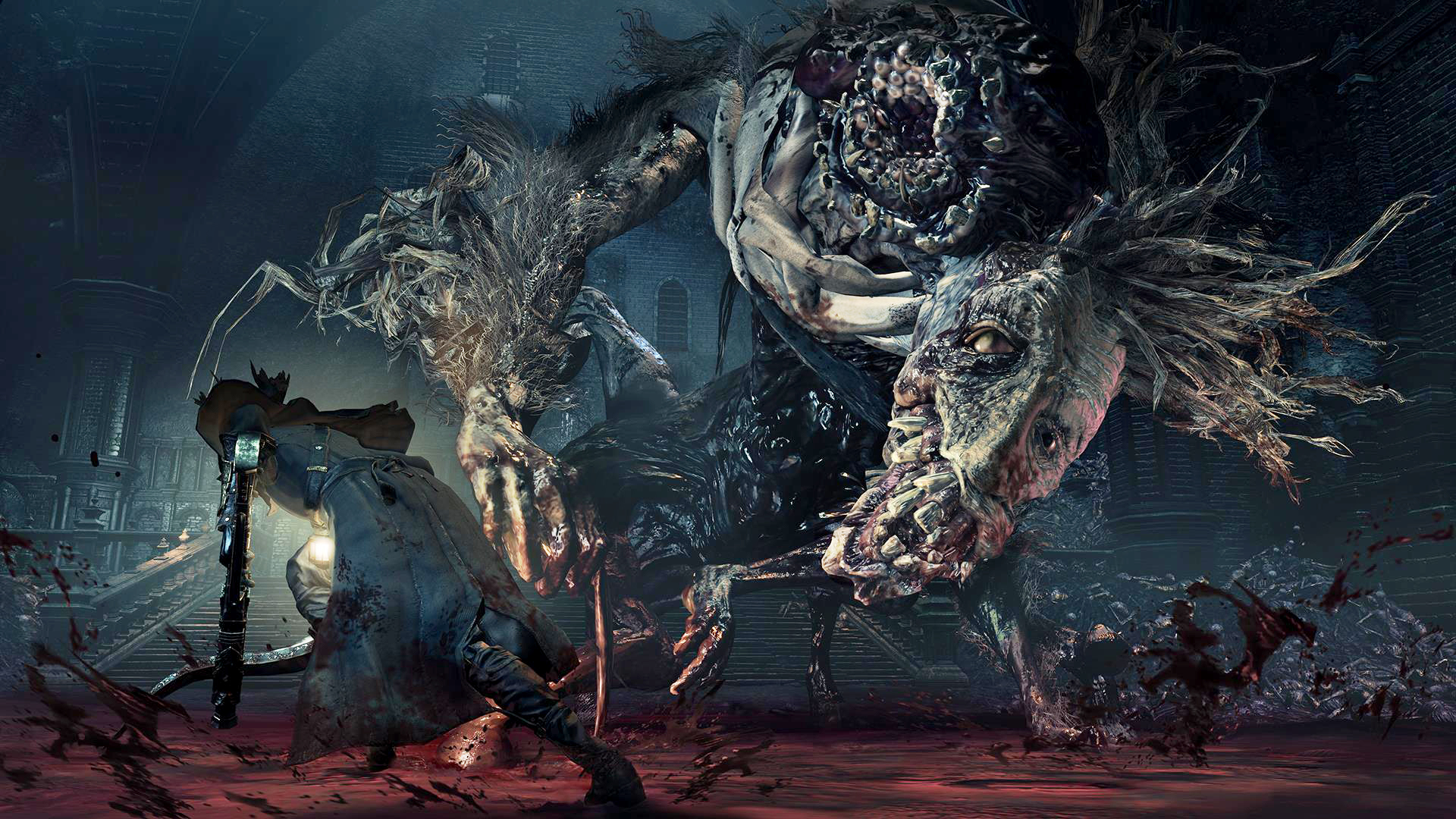
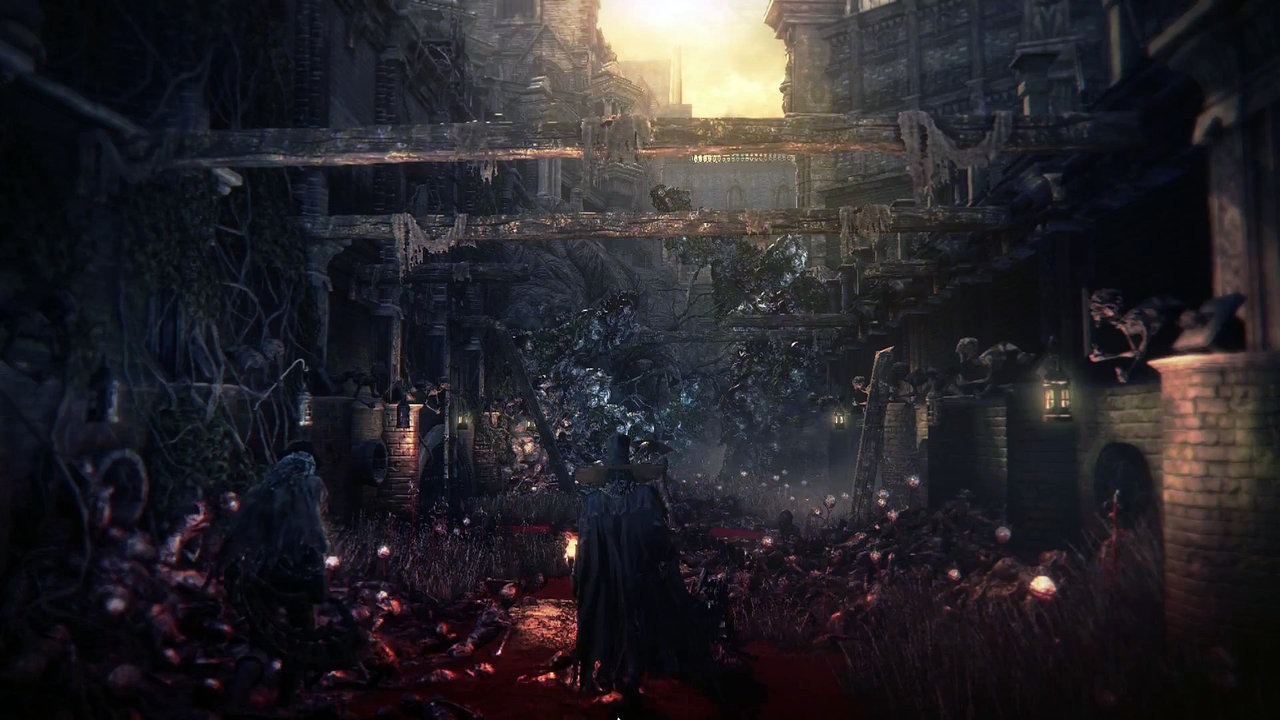
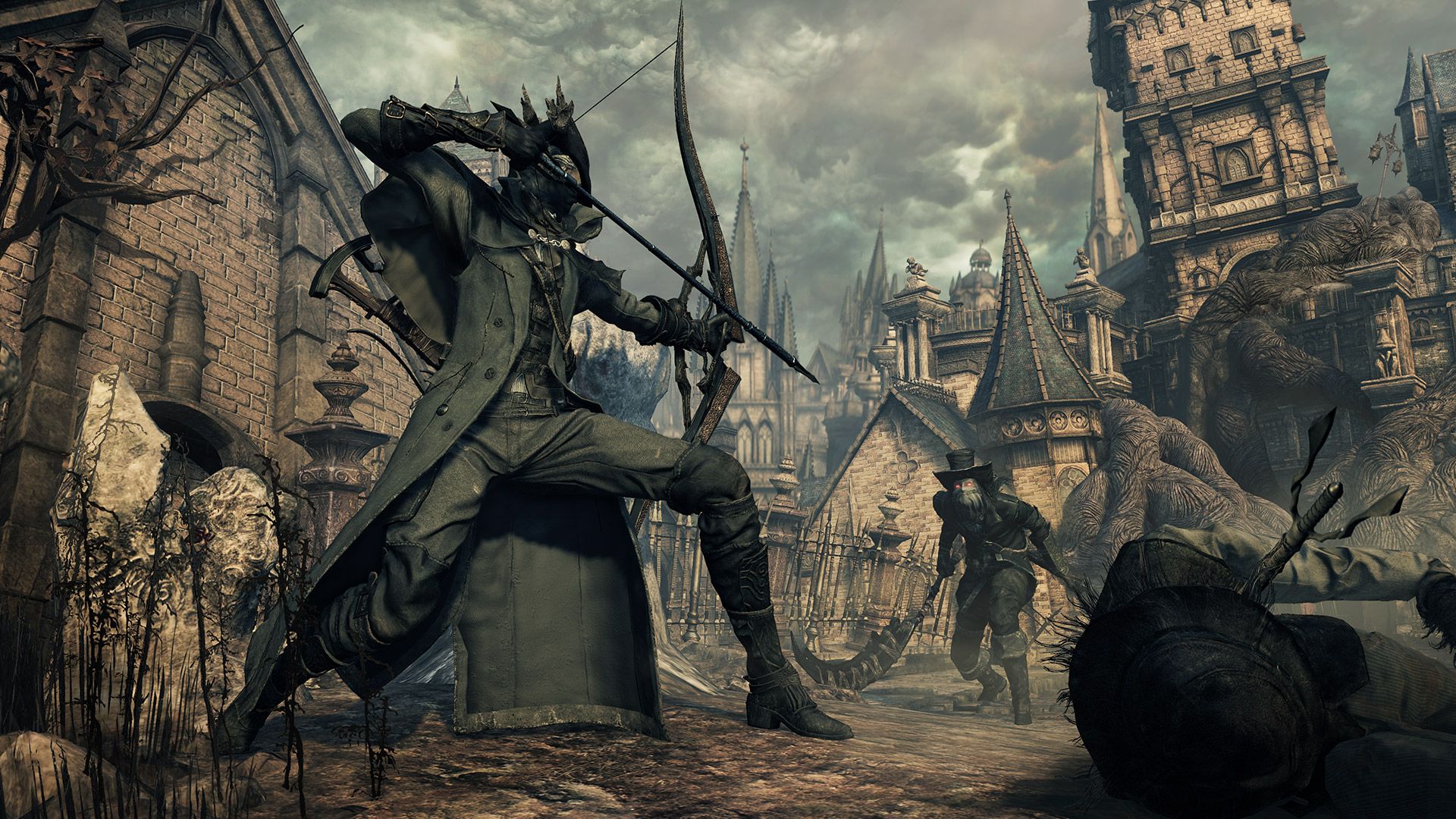


Bloodborne: The Old Hunters
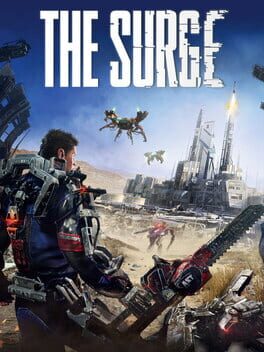
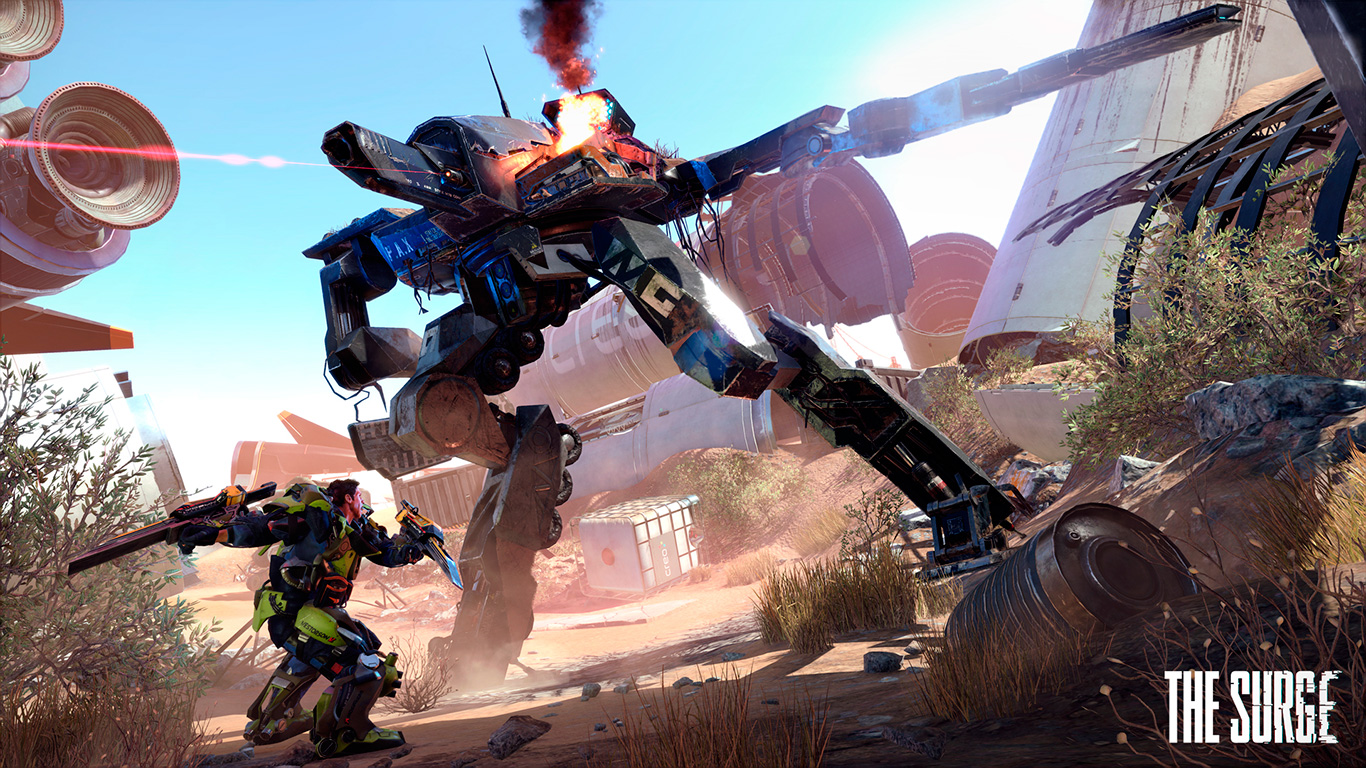
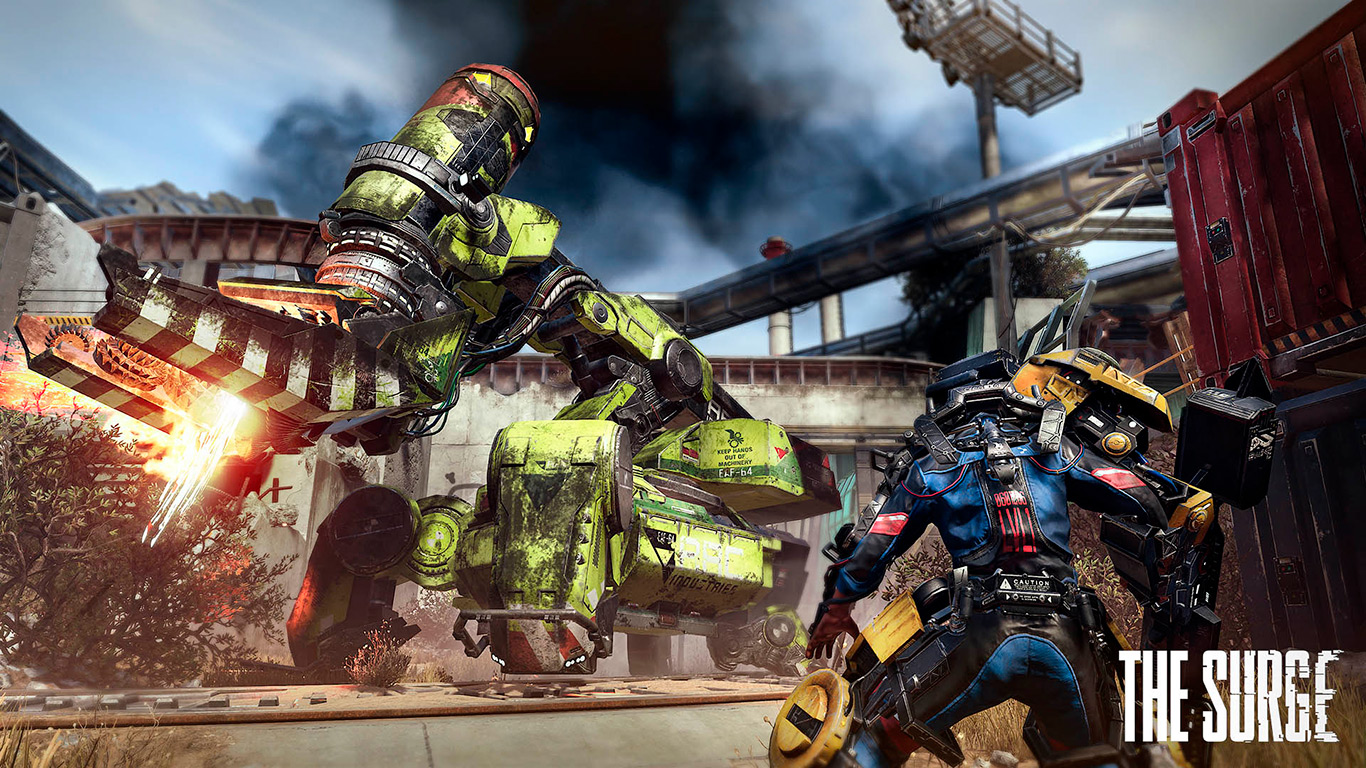
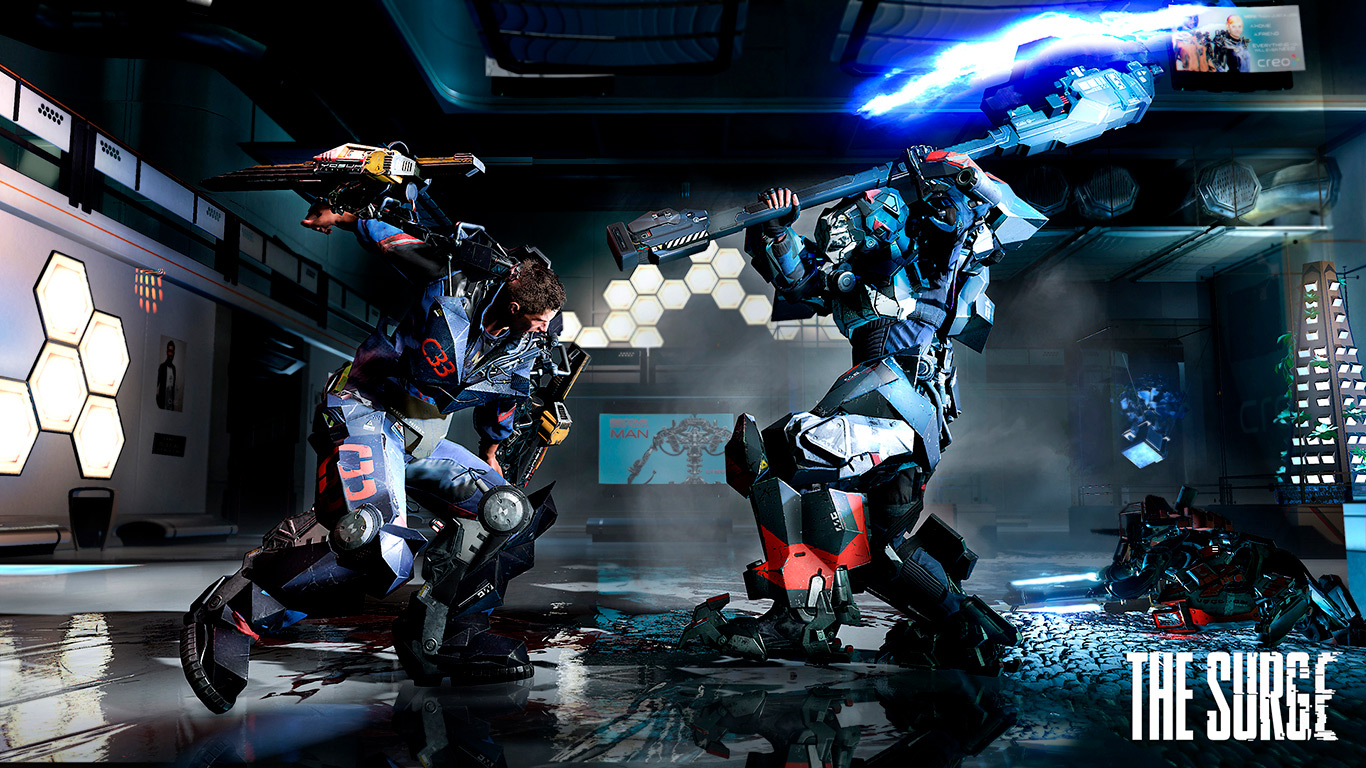
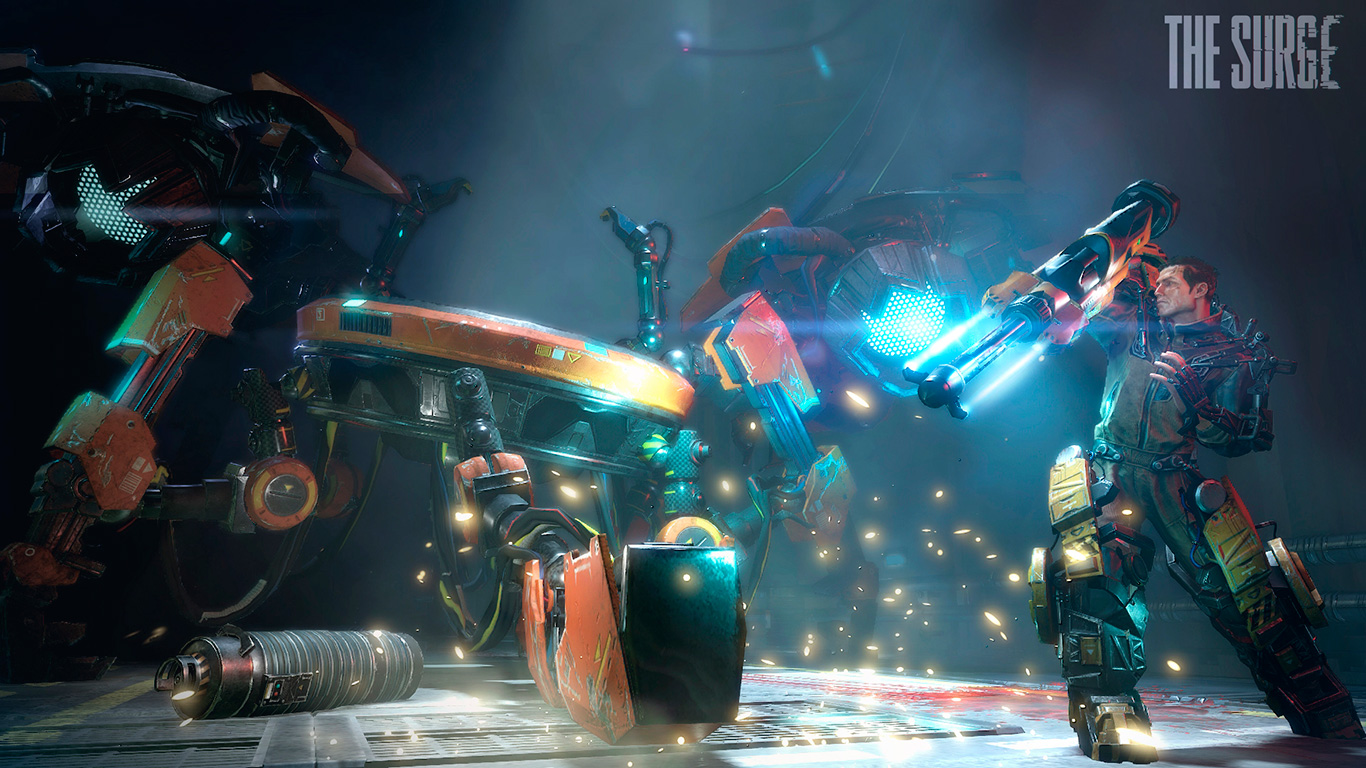
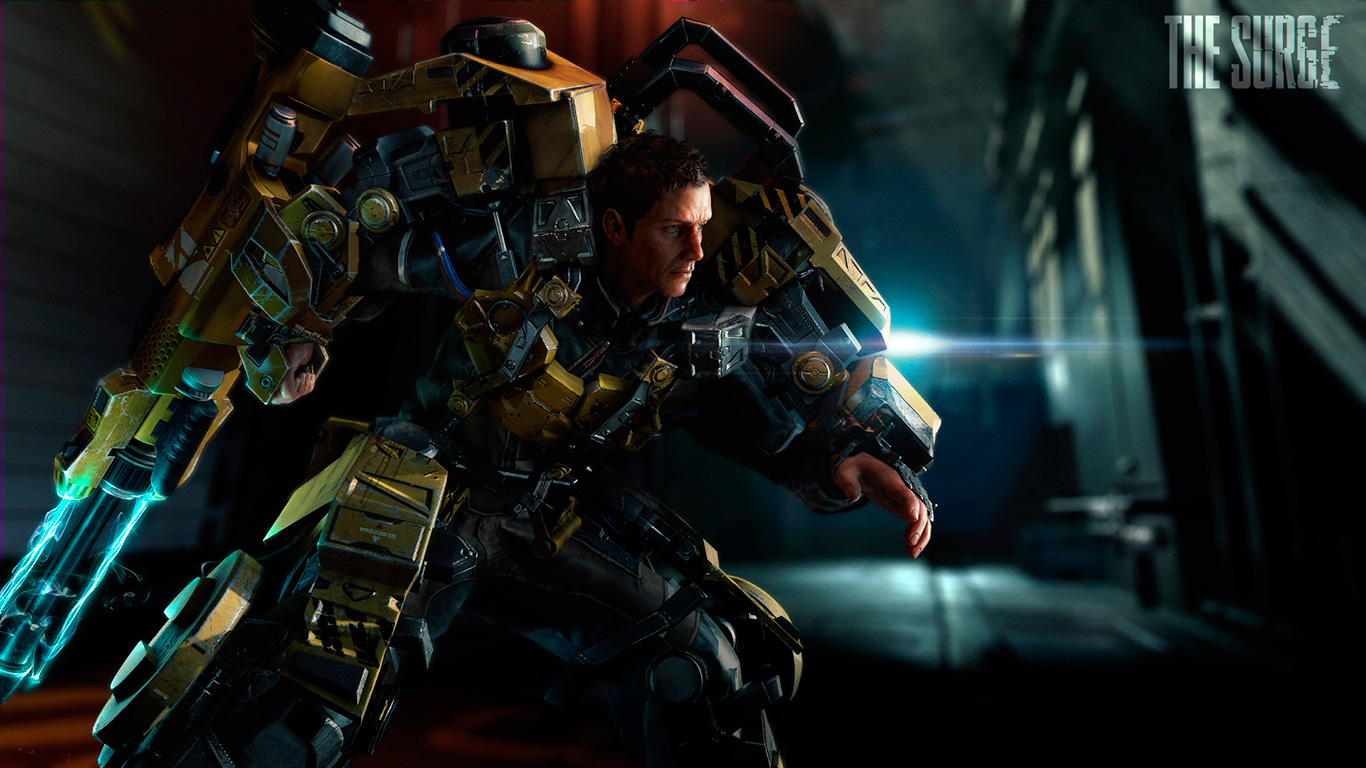

The Surge

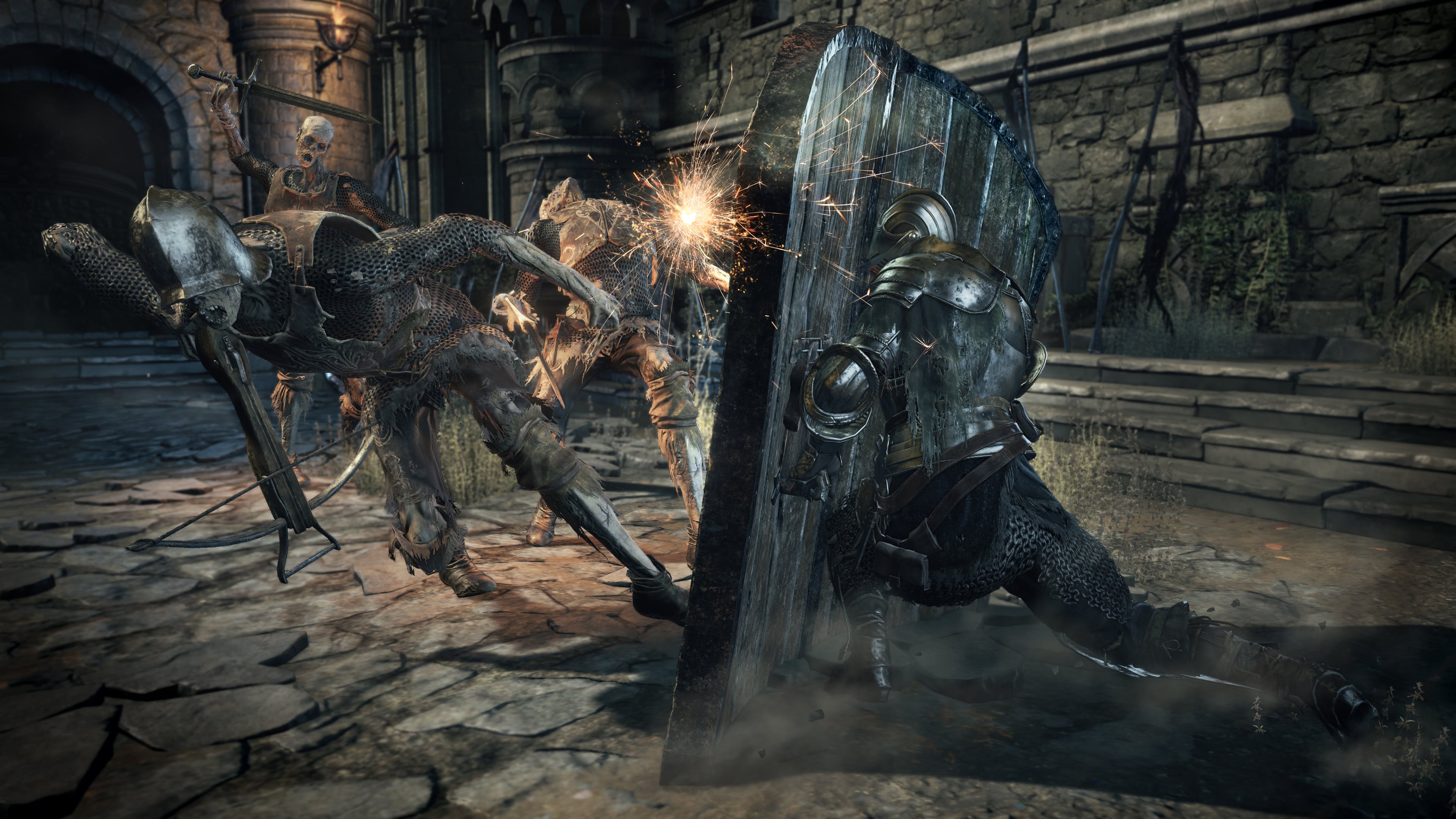
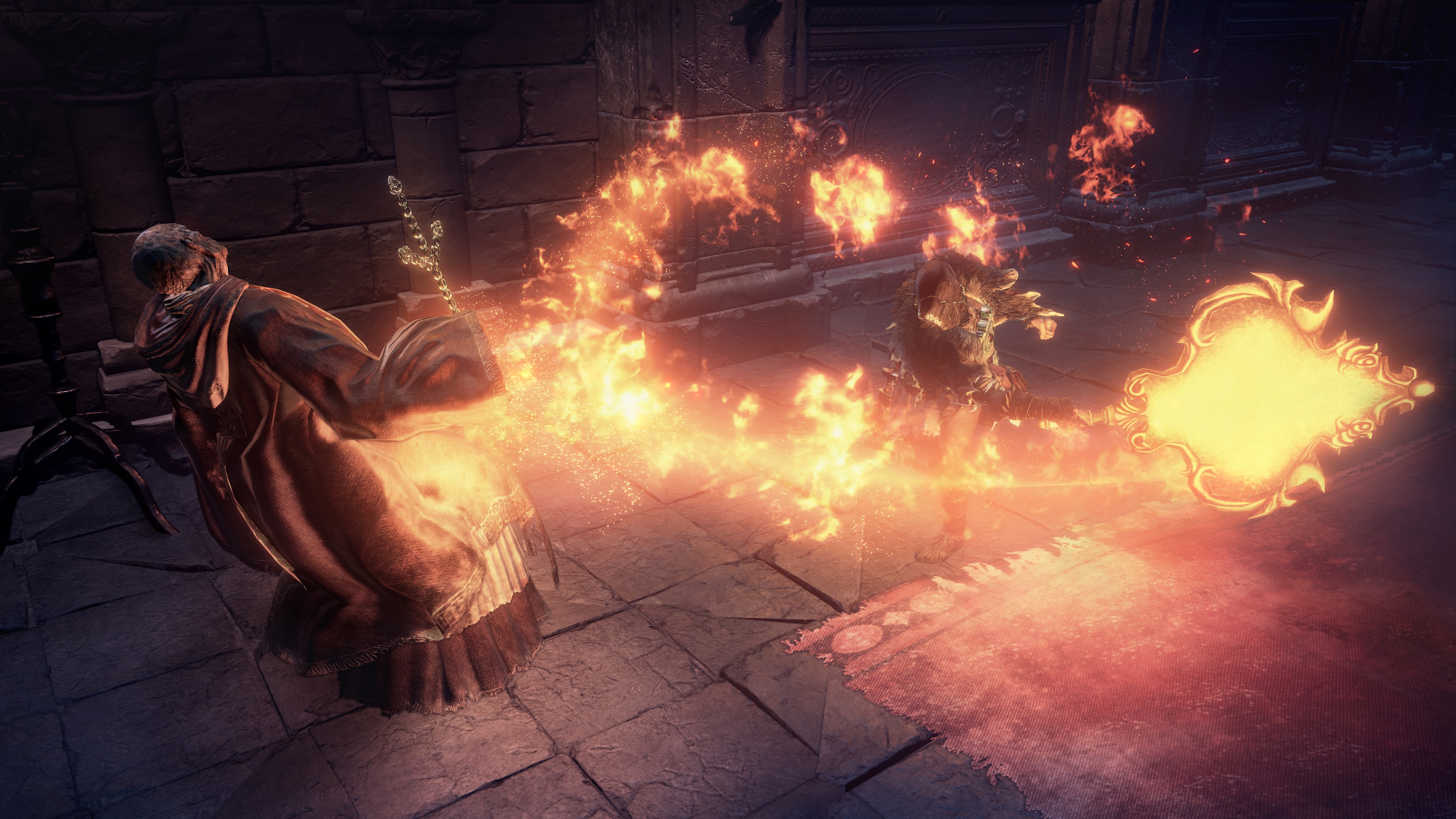
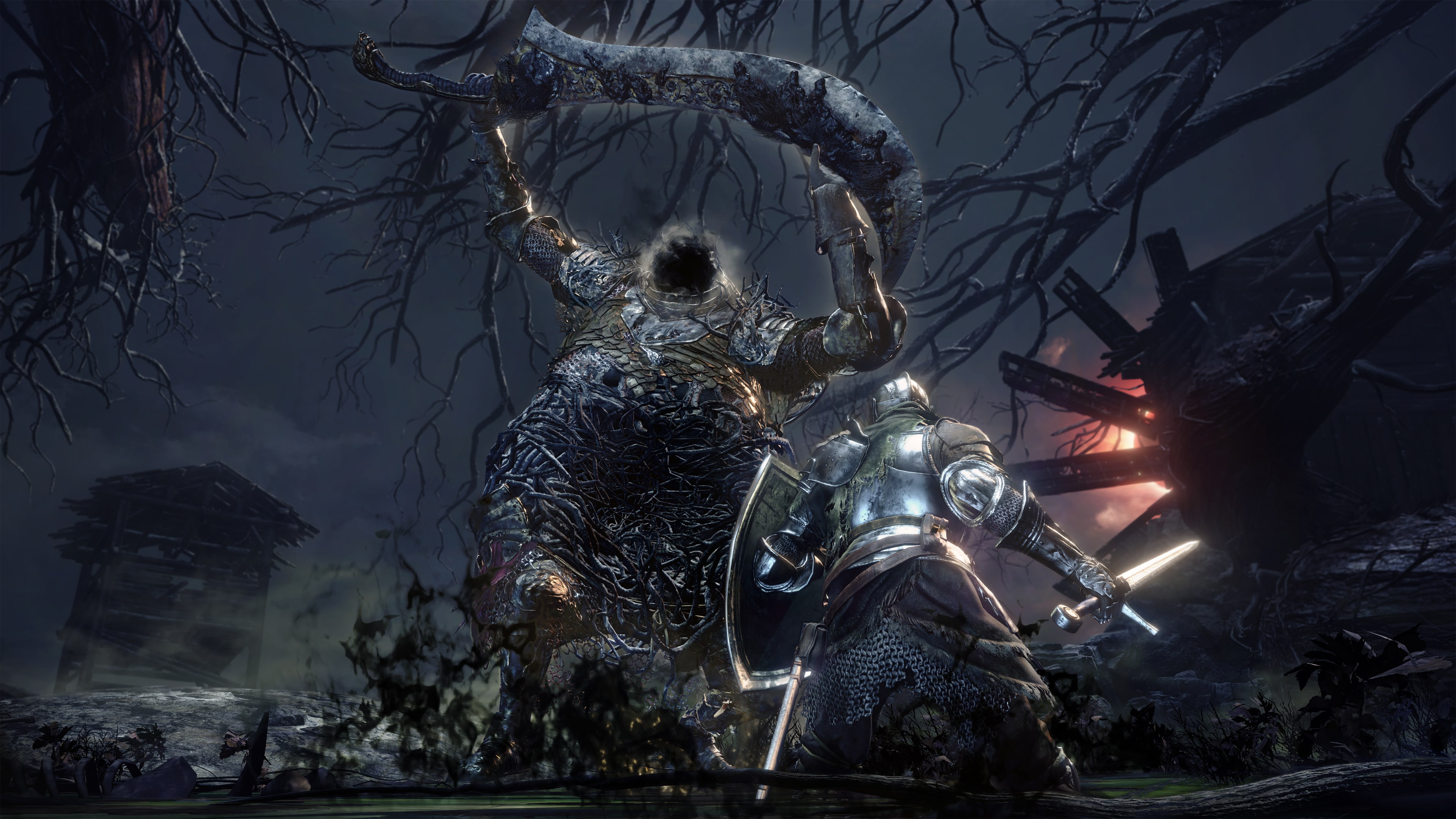
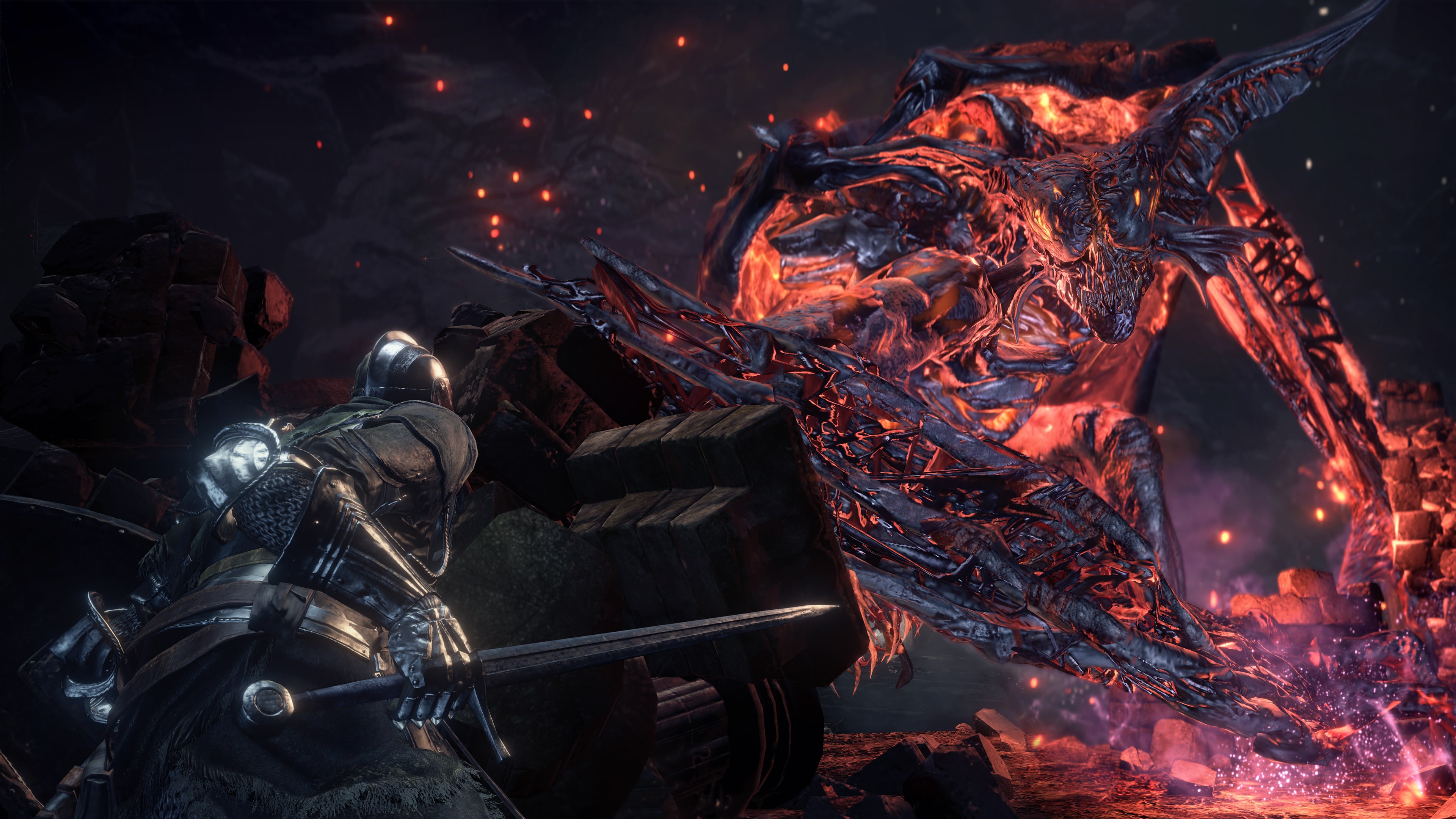


Dark Souls III: The Ringed City