Game Info
↑ Back to top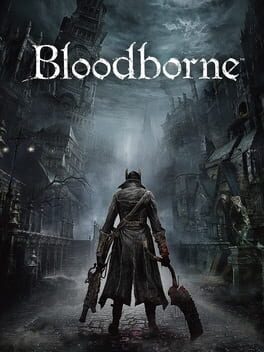

Bloodborne
Genres:
Themes:
Perspectives:
Game Modes:
Overview
↑ Back to topDescription from IGDB IGDB
Wikipedia Description WIKIPEDIA
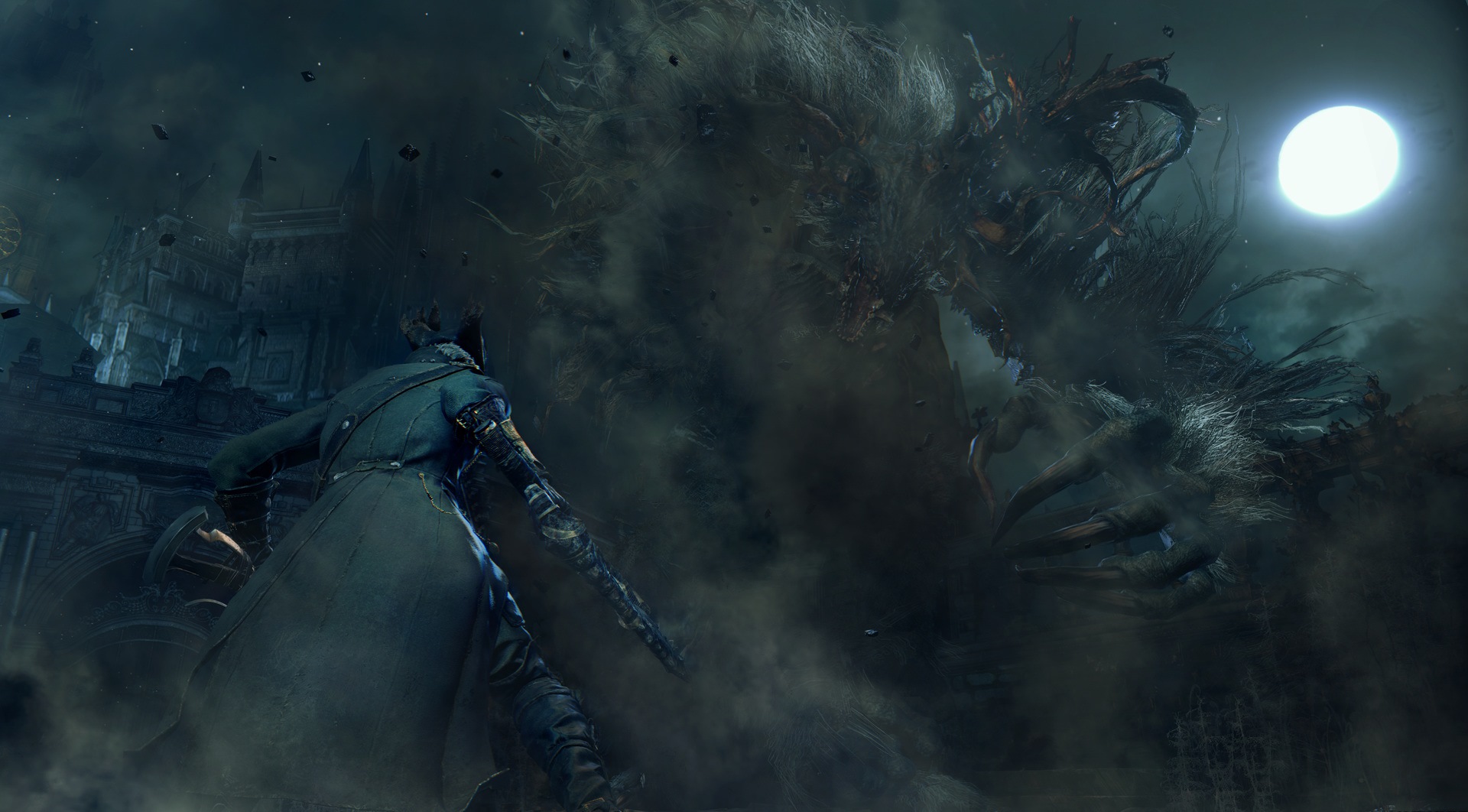
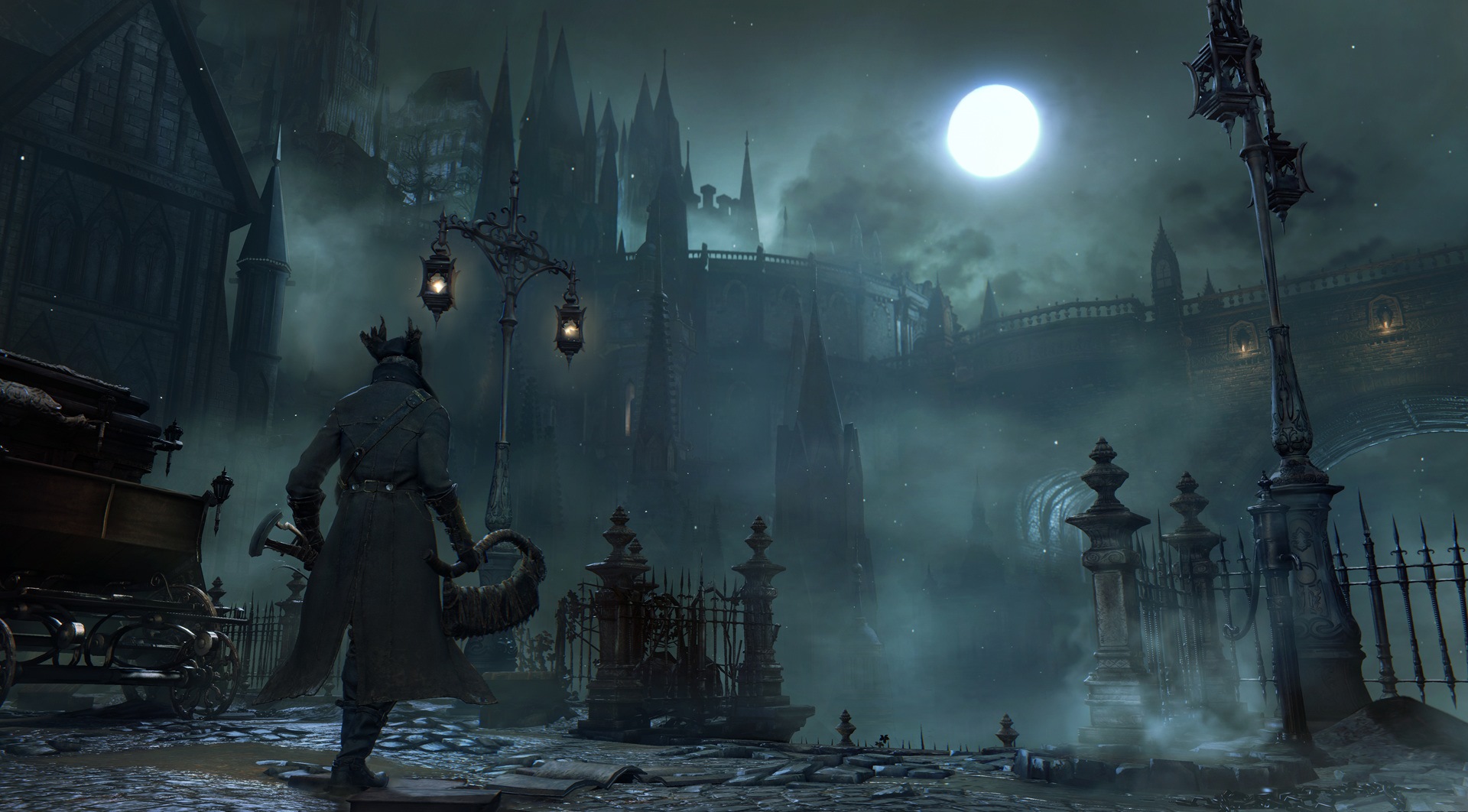
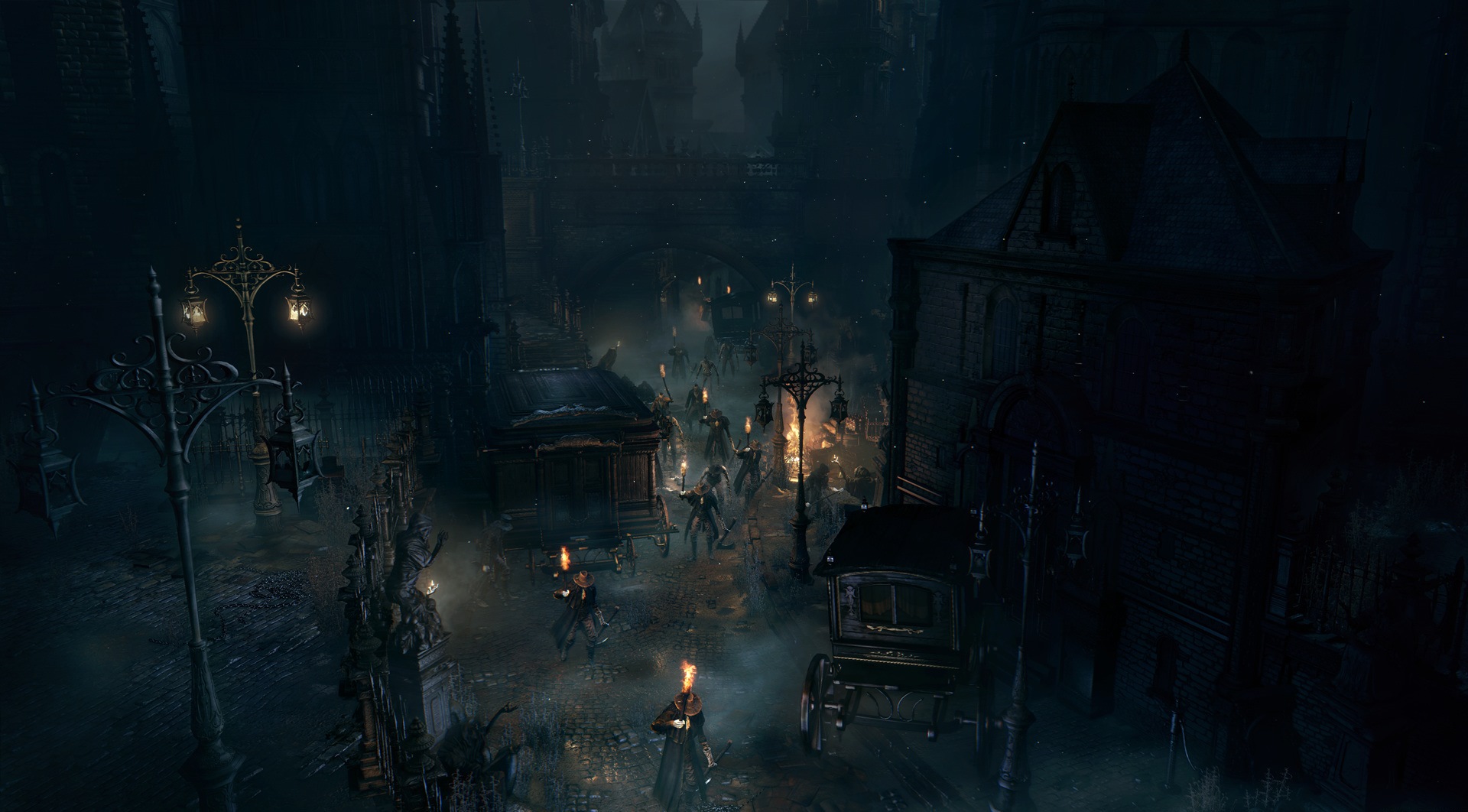
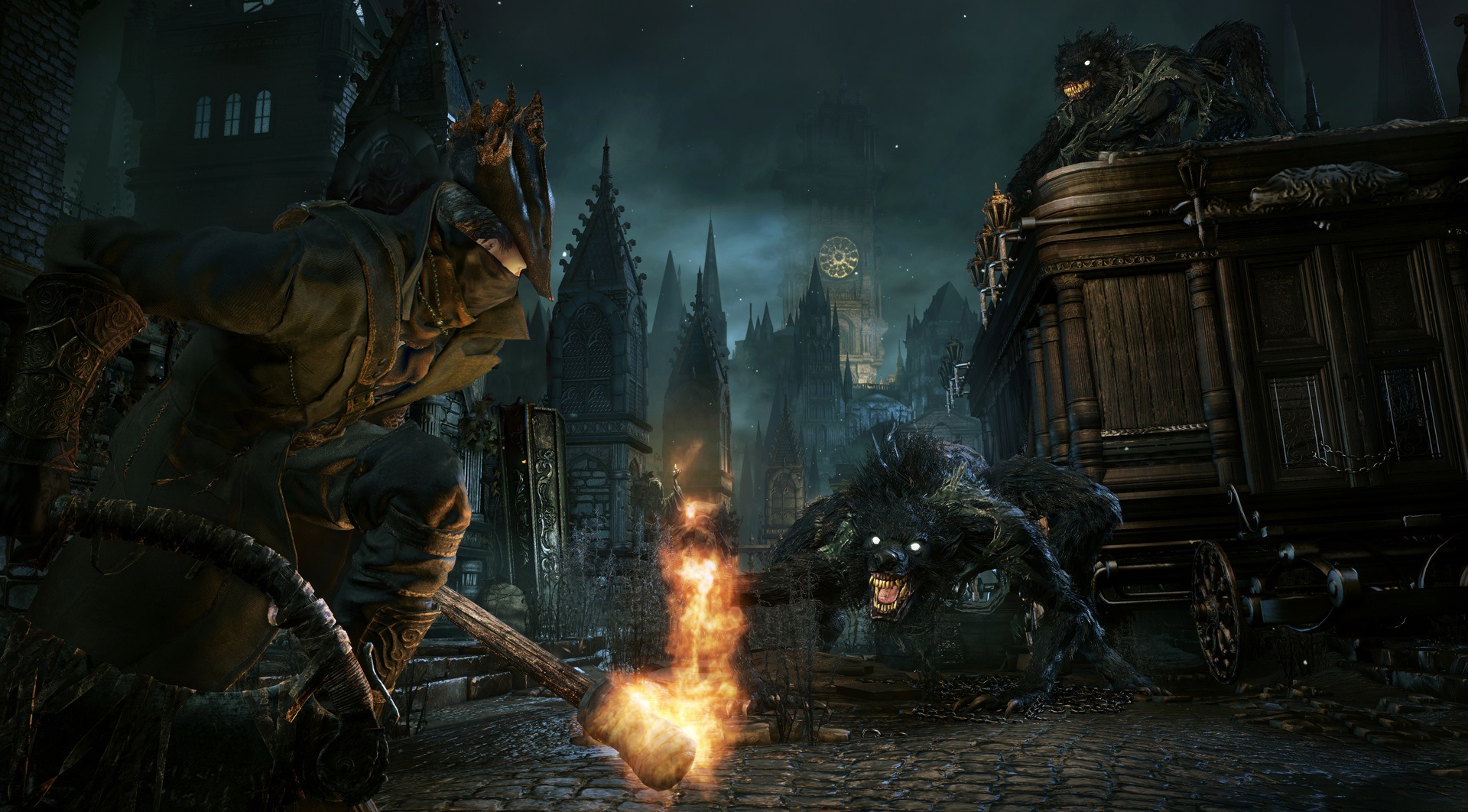
Bloodborne is an action role-playing game played from a third-person perspective which features elements similar to those found in the Dark Souls series, also made by FromSoftware. The player makes their way through different locations within the decrepit Gothic city of Yharnam while battling enemies and bosses, collecting different types of items and interacting with non-player characters. At the beginning of the game, the player creates their character, the Hunter, and determines their basic details; such as gender, name and visual appearance. The player also chooses a starting class, known as an "Origin", which provides a basic backstory for the Hunter and sets the player's starting attributes. Another way the player defines their Hunter is by choosing what brotherhood they are a member of. These religious societies, known as "Covenants", each have their views on Yharnam and the world beyond. Yharnam is an interconnected map with non-linear progression and optional areas unlocked through exploration. The player can return to the hub world, known as the "Hunter's Dream", by interacting with lanterns spread throughout the Yharnam. Lanterns also serve as the game's checkpoints; the player will return to the last activated lantern when they die. Positioned separately from Yharnam, the Hunter's Dream allows players to purchase items such as weapons, clothing and consumables, level up their character, upgrade their weapons, or teleport to different areas. Combat involves strafing, dodging enemy attacks and hitting them with different weapons. The new Rally system allows the player to recover portions of lost health by striking an enemy within a small window of time after taking damage. Director Hidetaka Miyazaki explained that this represents the player's increased will to continue after successfully striking an enemy. A New Game Plus mode allows the player to retain most of their equipment and upgrades on new playthroughs, and the game is more challenging than the previous playthrough. The player may only wield one of two melee weapons equipped to the right hand and one of two secondary weapons equipped to the left hand at any one time, weapons can be switched during gameplay. Many melee weapons are Trick Weapons, which can swap into two forms with different moves. Certain weapons are wielded in both hands after transforming, meaning the left hand secondary weapon cannot be used. The player's main secondary weapon is a firearm, which can be used to shoot enemies or parry an incoming attack and stun the enemy. When an enemy is stunned, the player can perform a Visceral attack; Visceral attacks cause a large amount of damage in one hit and can also be performed after the player strikes an enemy from behind with a charged attack. Other weapons provide different functions or methods of combat. The player can carry other support weapons, such as Molotov cocktails, throwing knives, and pebbles. Similarly to the Dark Souls games, slaying enemies grants the player "Blood Echoes," used to level stats and upgrade weapons. Should the player die, their Blood Echoes will be dropped at the location of their death. If they can reach that point again, they can regain them. However, should the player die before retrieving their dropped Blood Echoes, they will be lost forever. Sometimes, the player's Blood Echoes may be captured by an enemy, typically identified by glowing blue eyes; defeating this enemy will return the lost Blood Echoes. Insight is a secondary form of currency; obtained through boss interactions, story events and multiplayer modes. it can be spent to purchase items, or to summon the help of non-playable characters to help fighting bosses. Accumulating Insight allows for unique interactions with non-playable characters and enemies, such as new dialogue and the appearance of previously unseen foes. Multiplayer mode is present, allowing players to cooperate against enemies and bosses or invade each other's worlds and fight against one another. Players may also leave notes in certain spots of the game world, available for others to read. Other players may rate a message as 'Fine' or 'Foul', indicating whether the note is helpful or malicious to future readers. When a player rates a message as 'Fine', the player who wrote the note will have their health restored. Chalice Dungeons are specialized dungeons that become available to the player through the use of special items and materials. Each dungeon can be generated as a fixed version with preset layouts, items, and enemies as well as a "root" version that randomly generates new configurations of the dungeon through procedural generation.
About Bloodborne
Bloodborne is a Action, Open World, Precision Combat, Role-playing (RPG) game released in 2015 developed by FromSoftware that offers Co-operative, Multiplayer gameplay from a third person perspective playable on PlayStation 4 with 1696 user ratings averaging 91.9/100. The game explores themes like Fantasy, Gothic, Horror. If you enjoy Bloodborne, you might also like similar games in our database of 45,000+ titles.
Basic Info
Details
↑ Back to topAdditional Information
Платформы 1
Genres 4
Themes 3
Player Perspectives 1
Game Modes 3
Companies
↑ Back to topDevelopers
FromSoftware
No description available
Publishers
Sony Computer Entertainment
No description available
Keywords
↑ Back to topScreenshots
↑ Back to top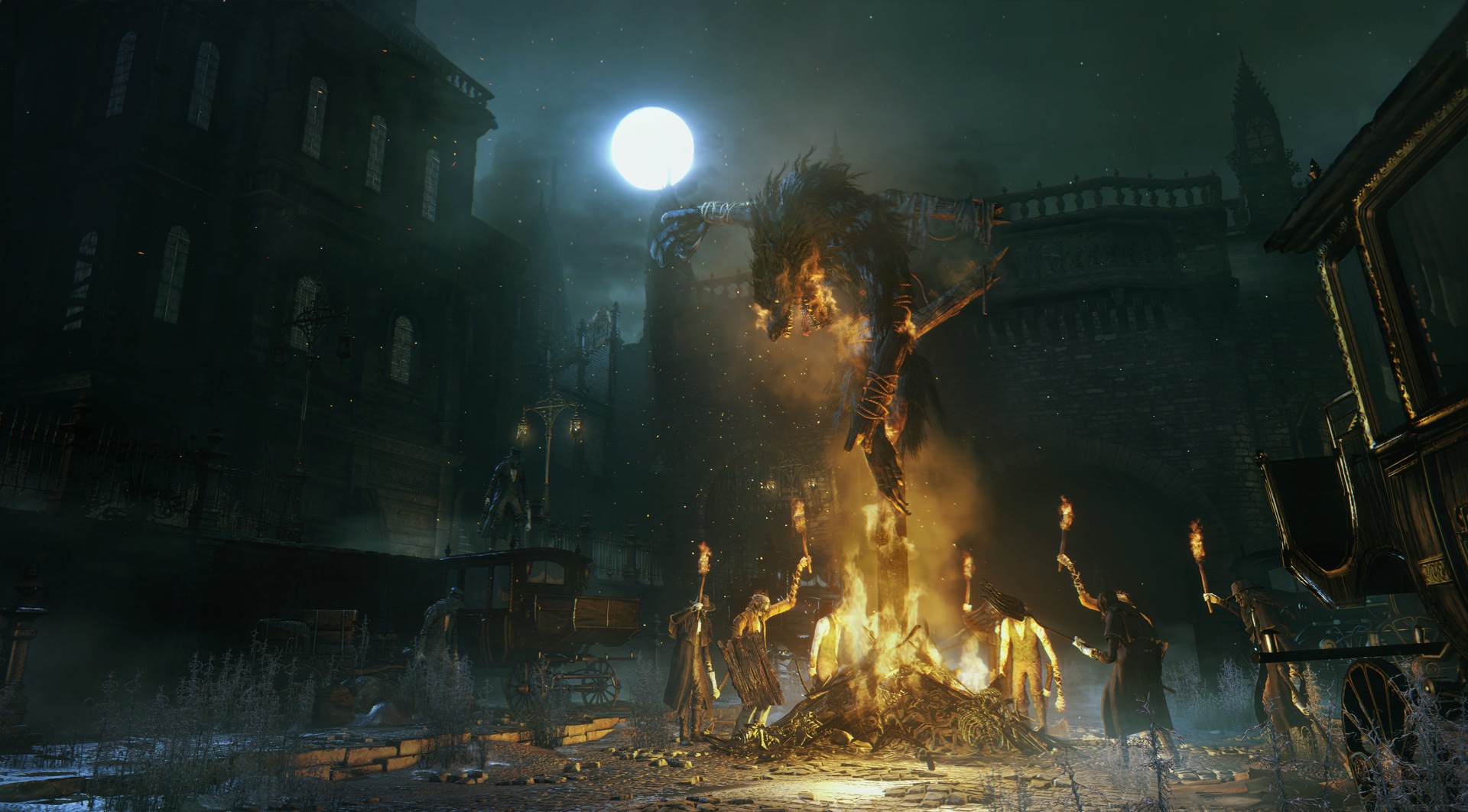
Similar Games
↑ Back to top

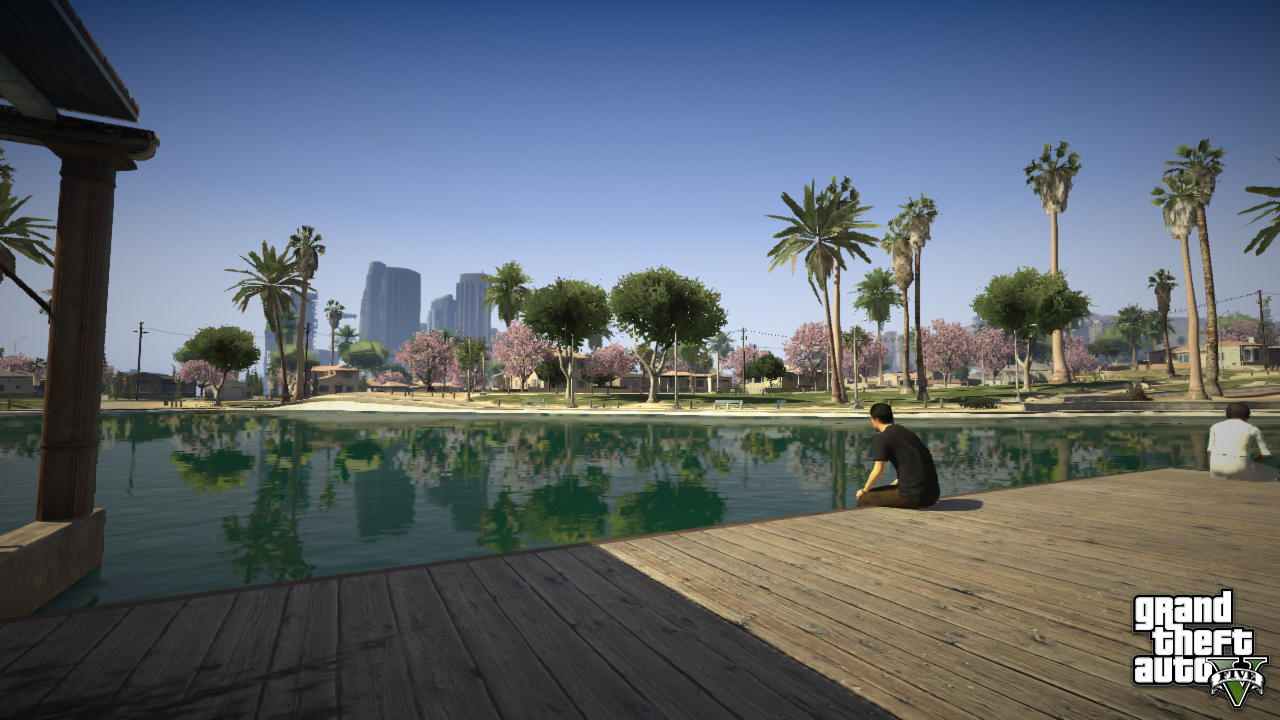
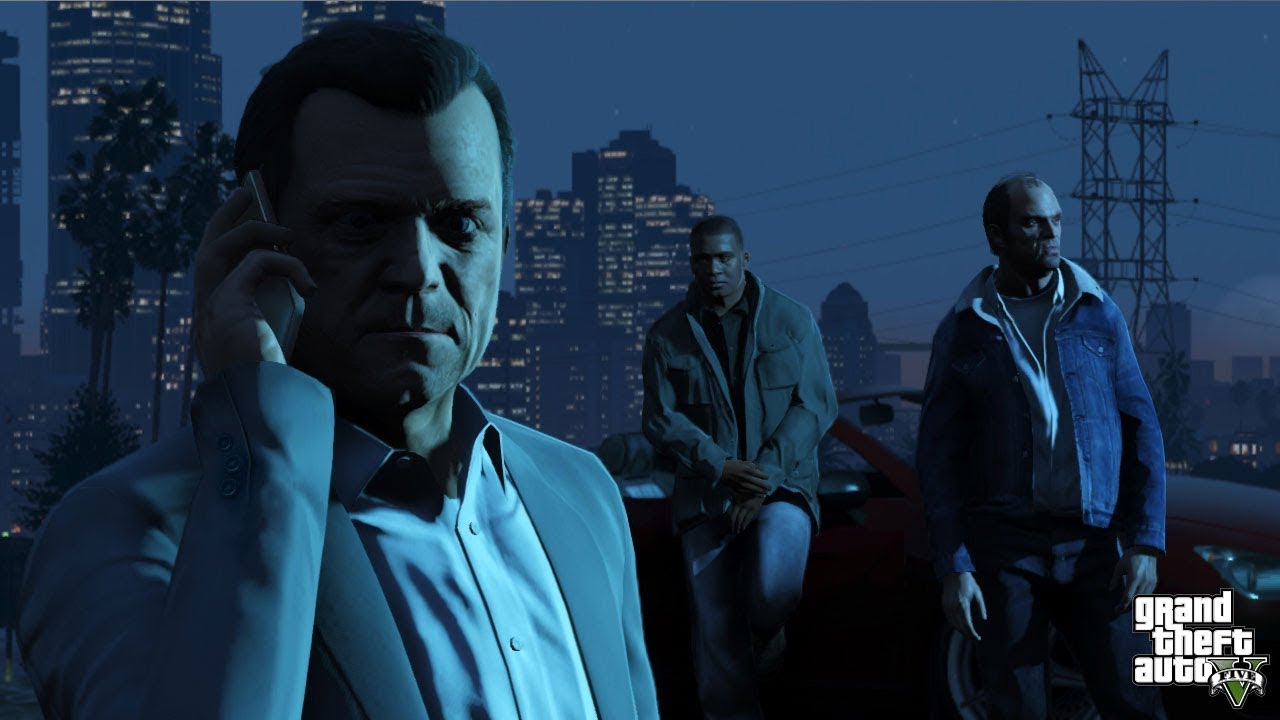
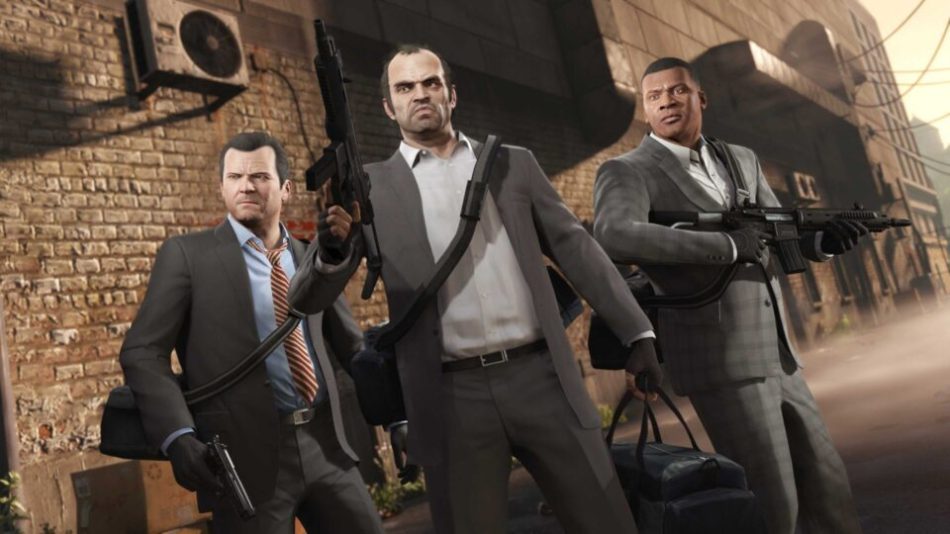

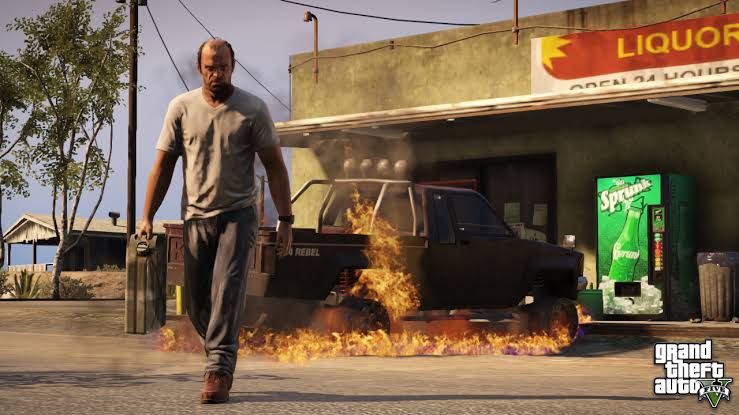
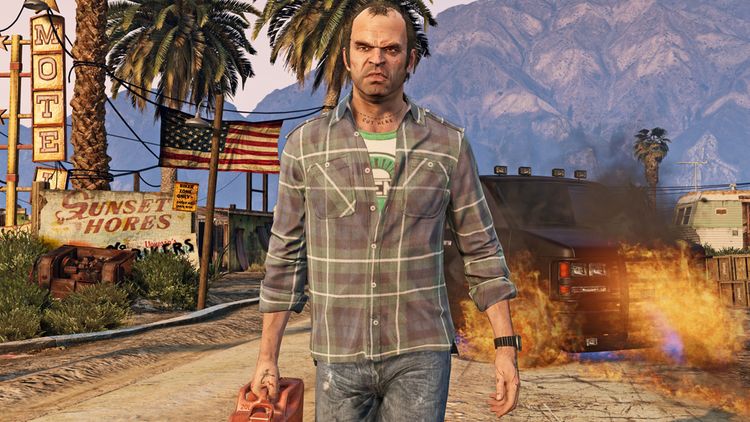
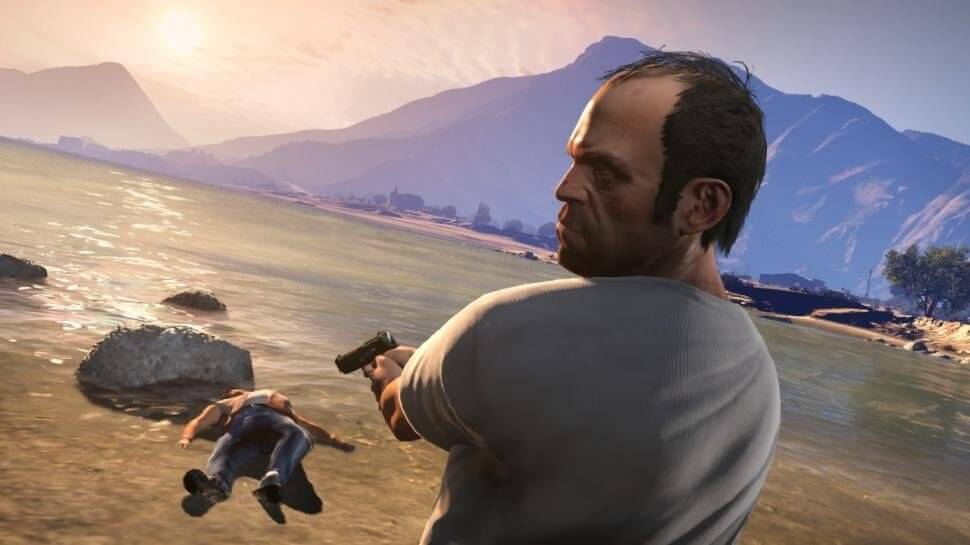

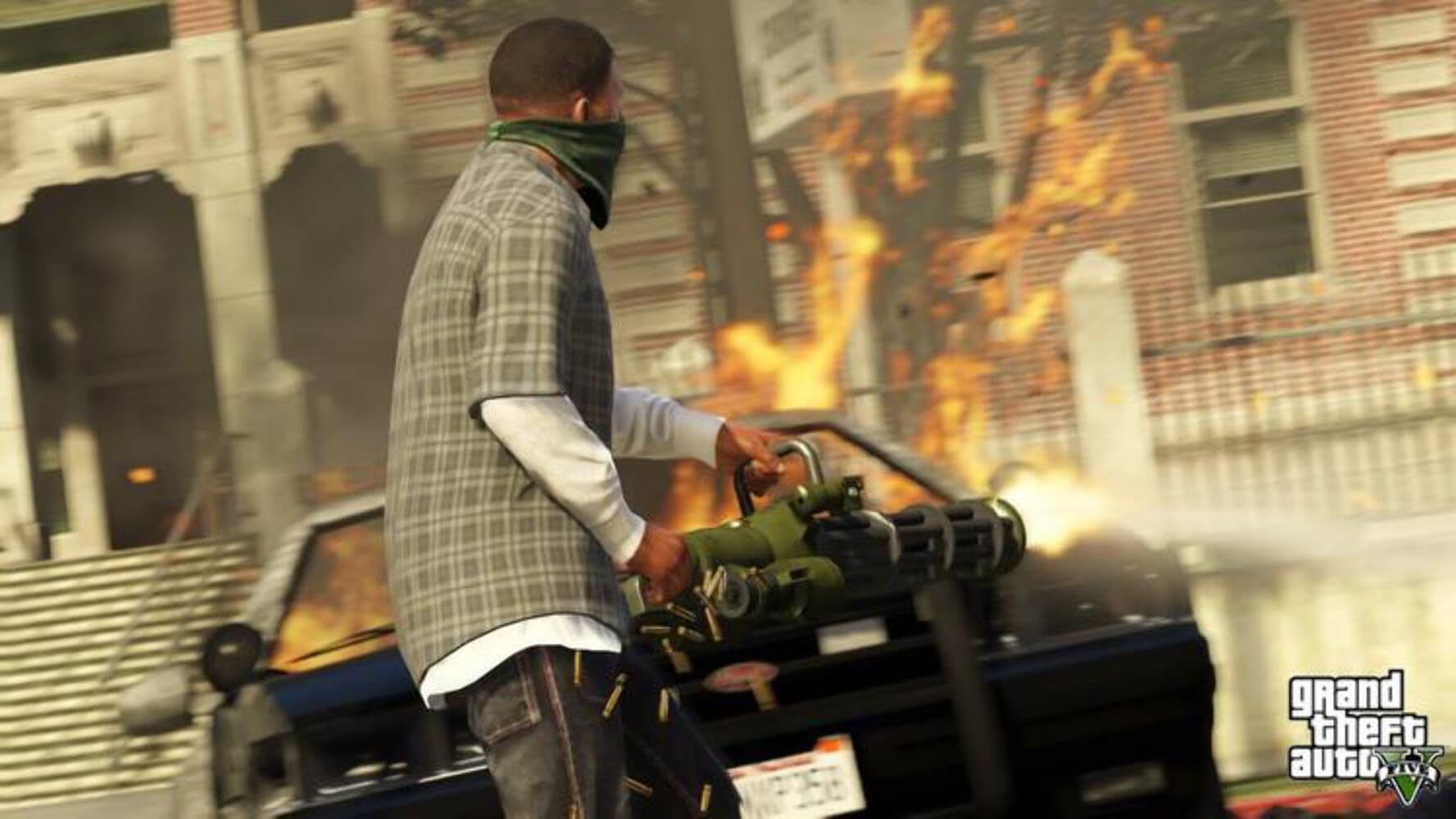
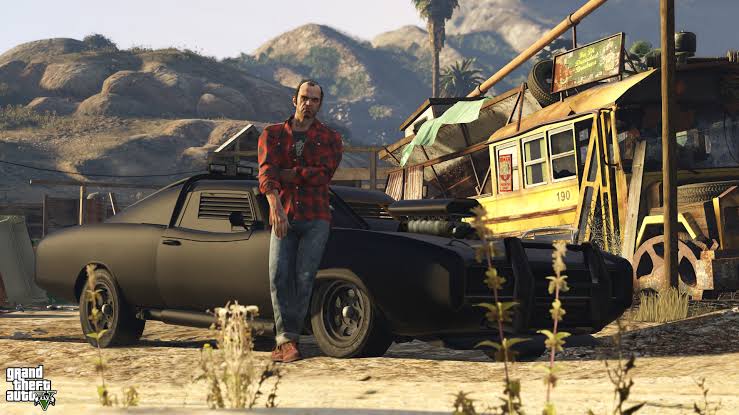
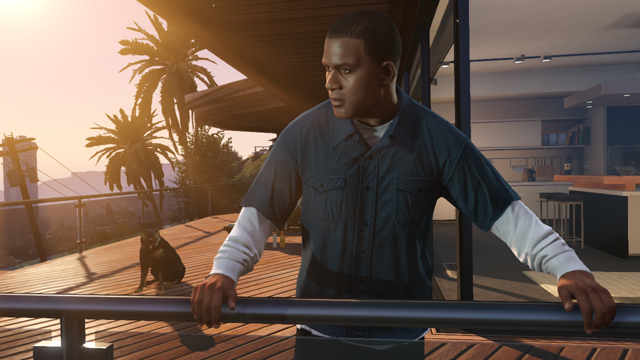






Grand Theft Auto V

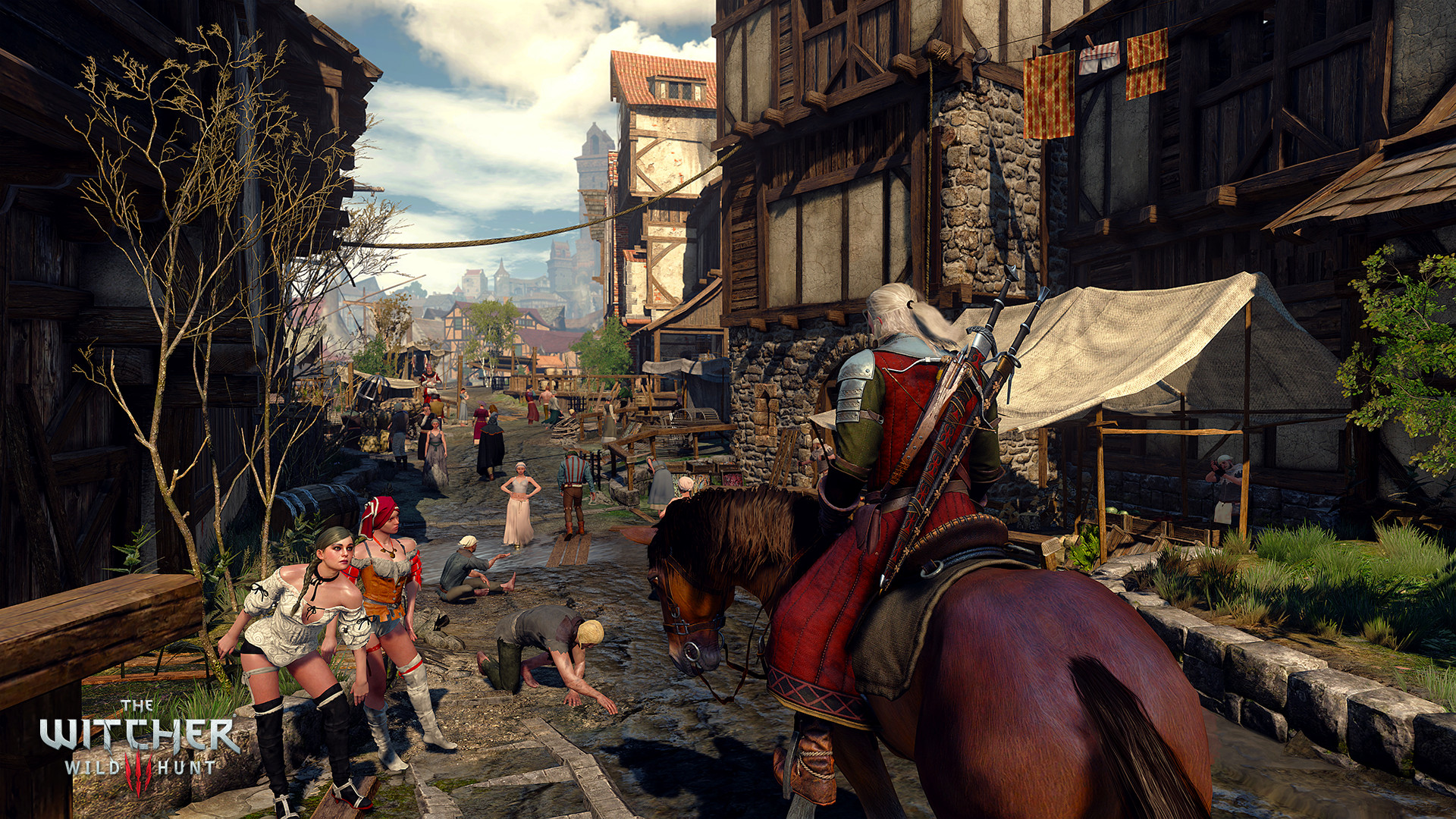
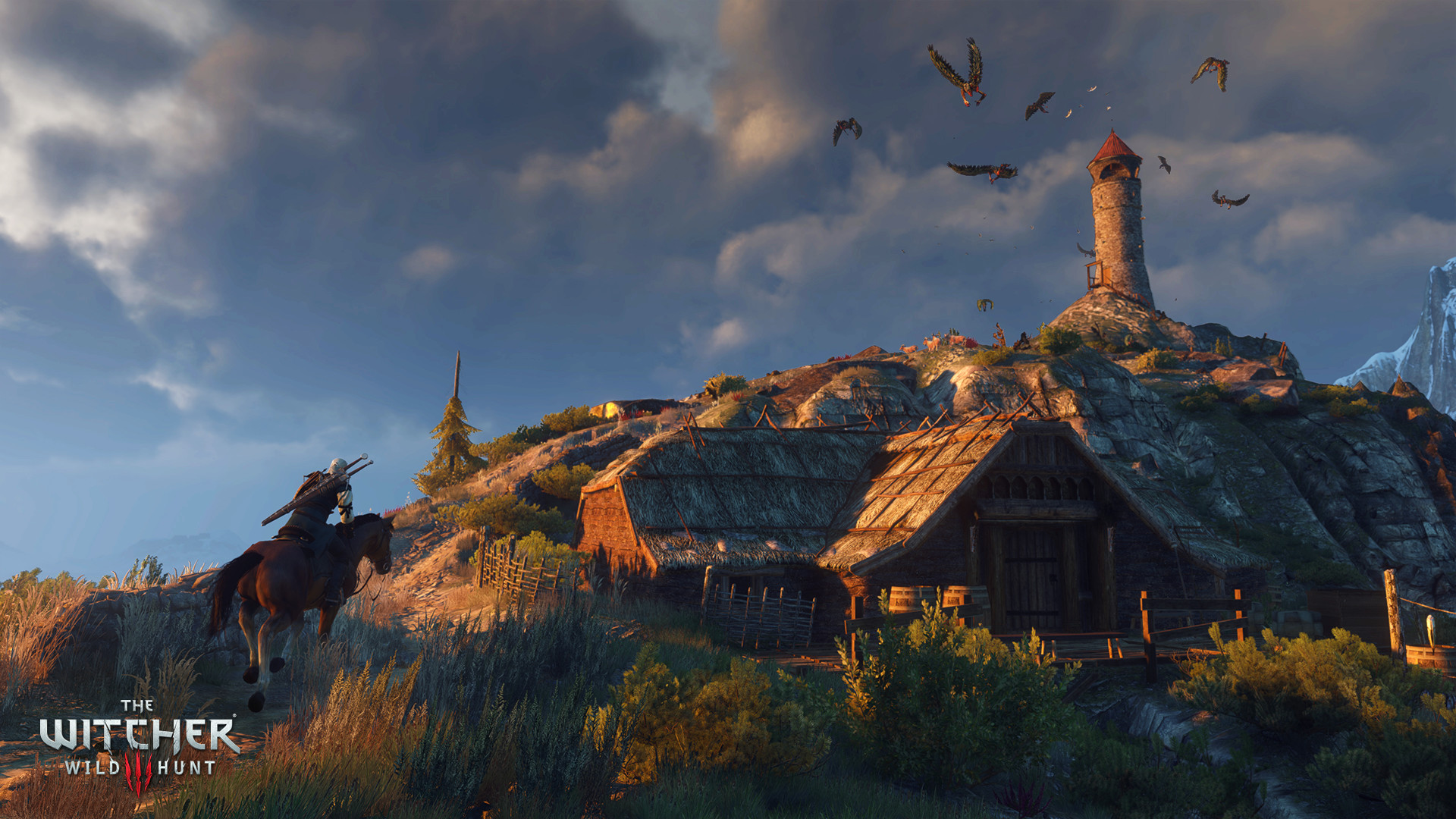
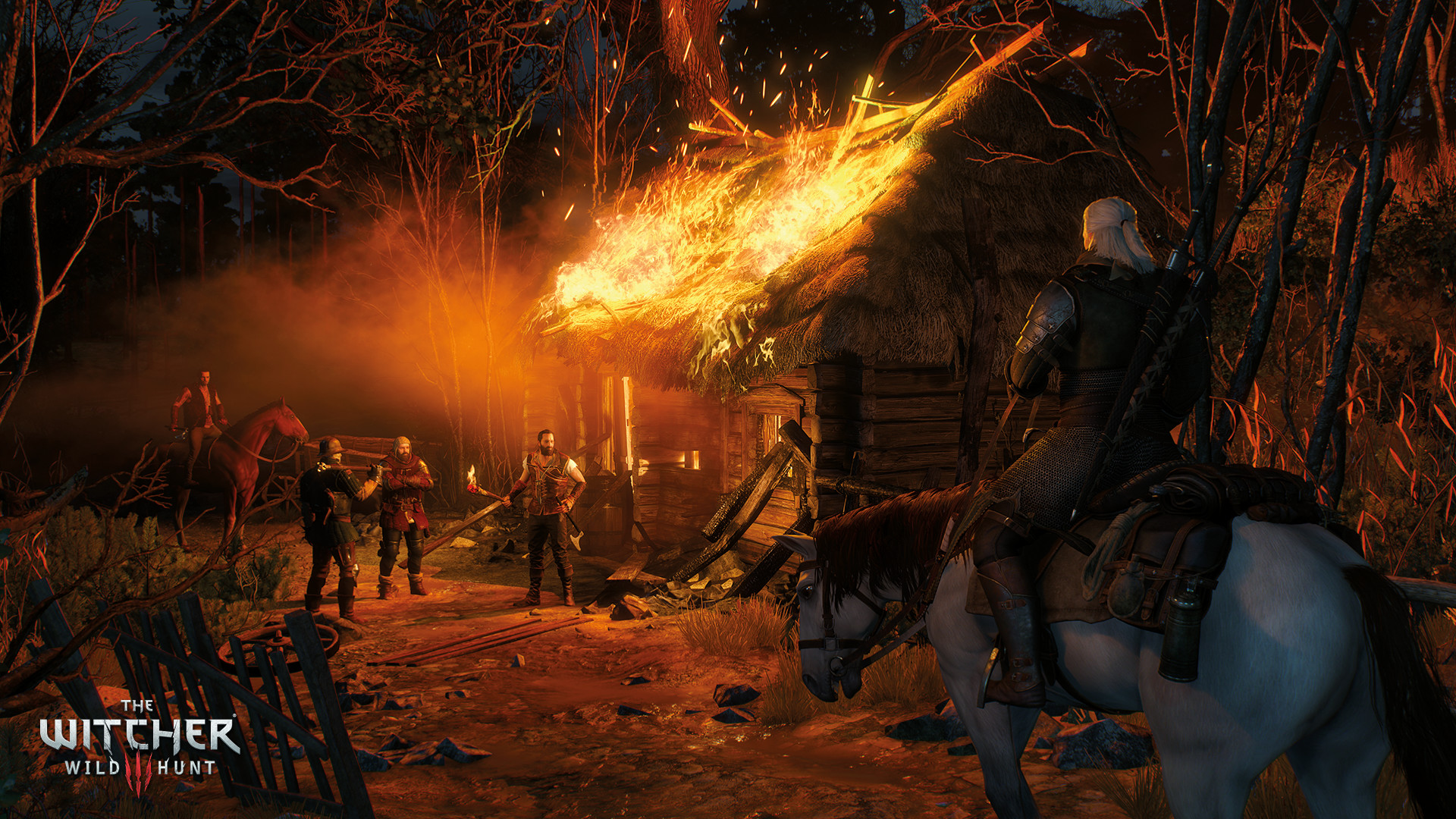
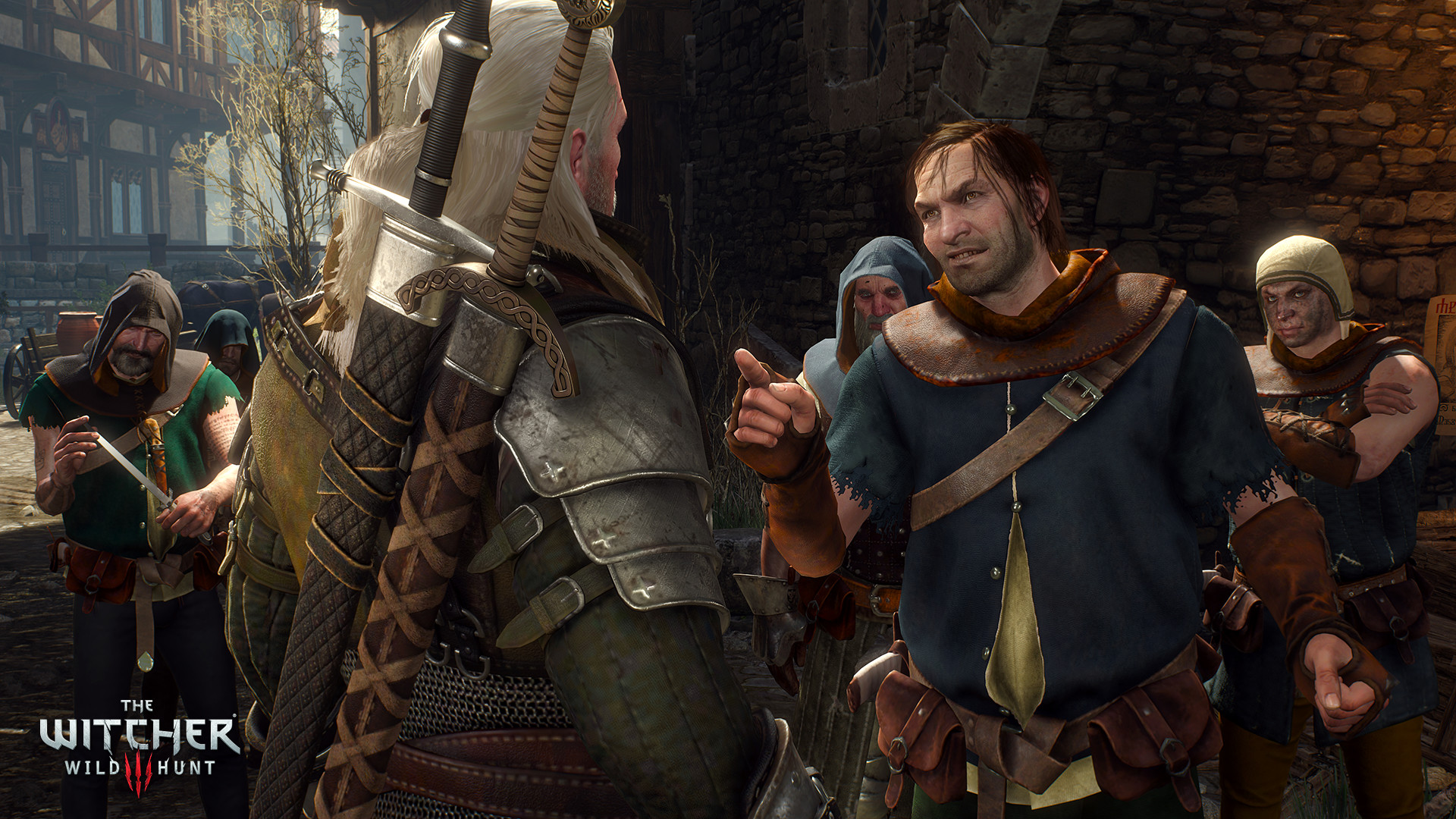
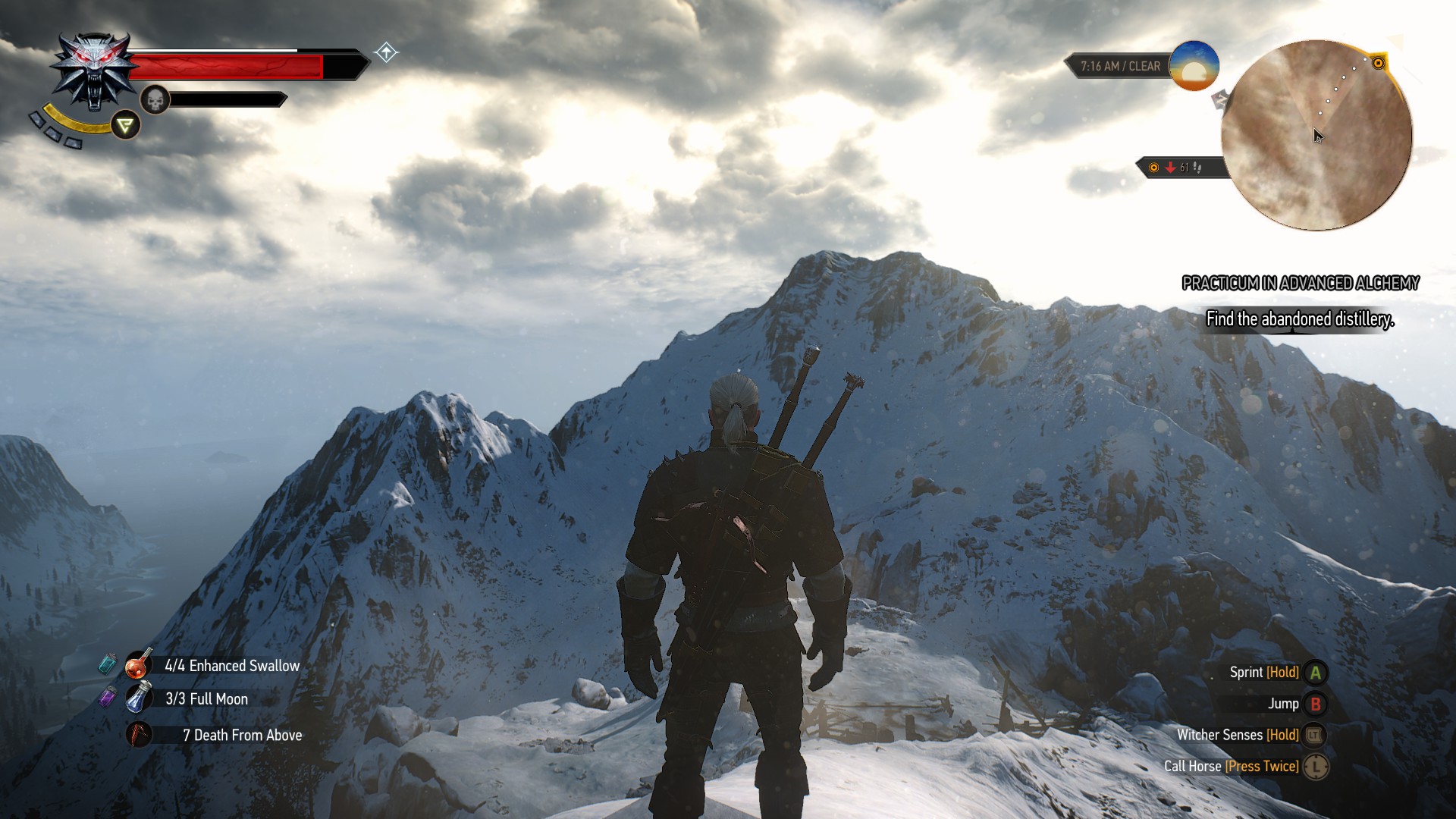
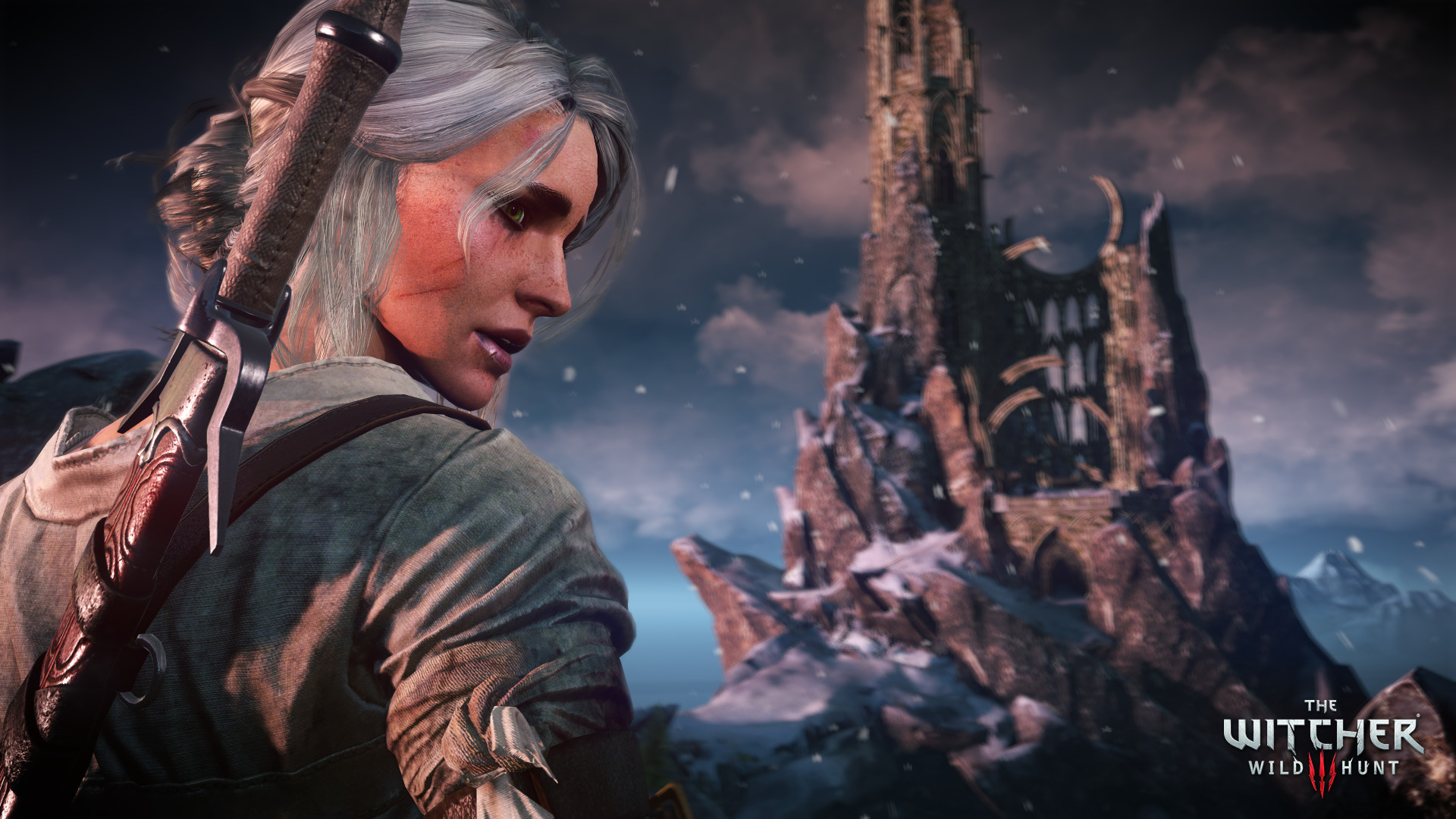
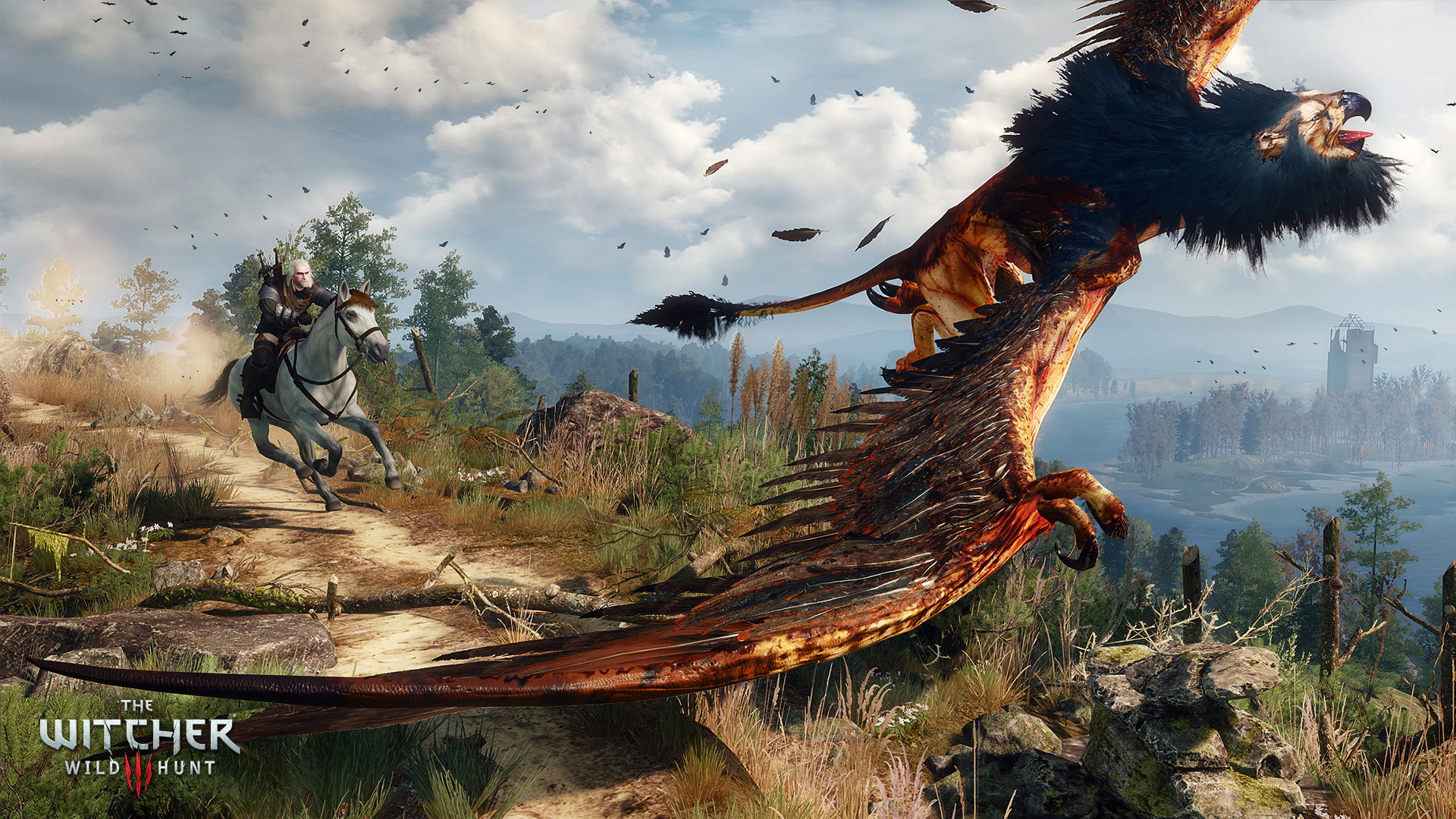
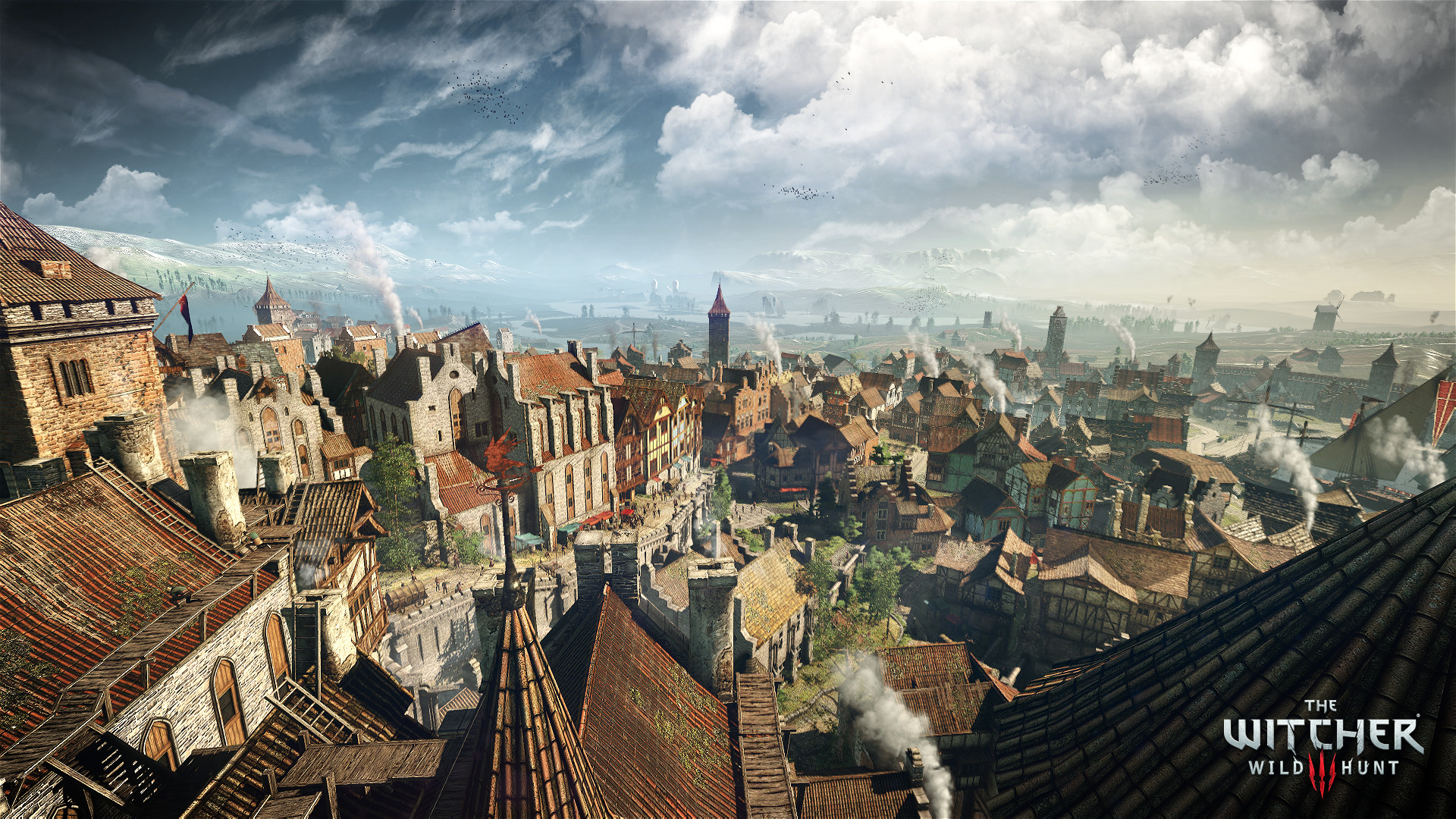
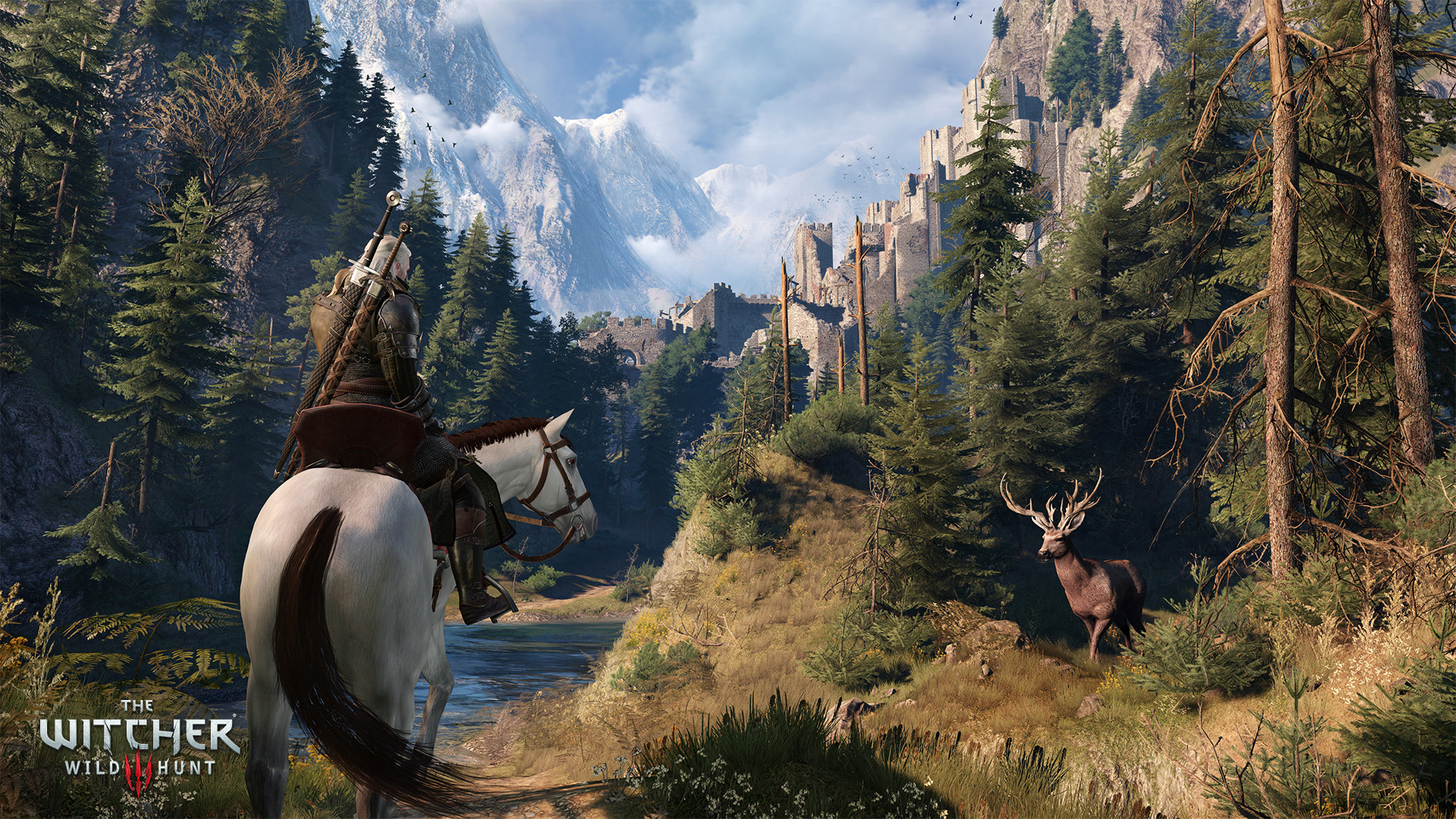
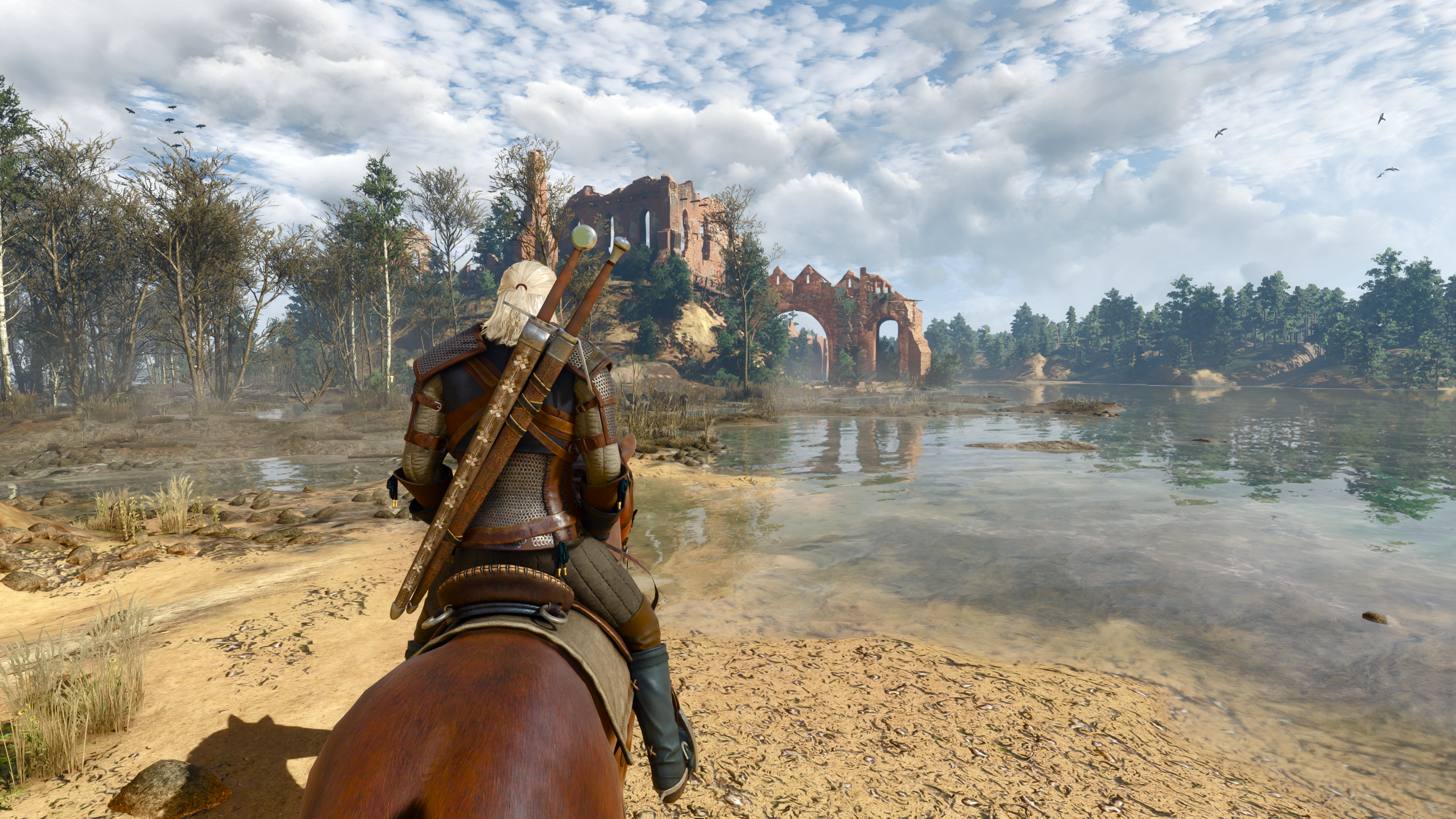
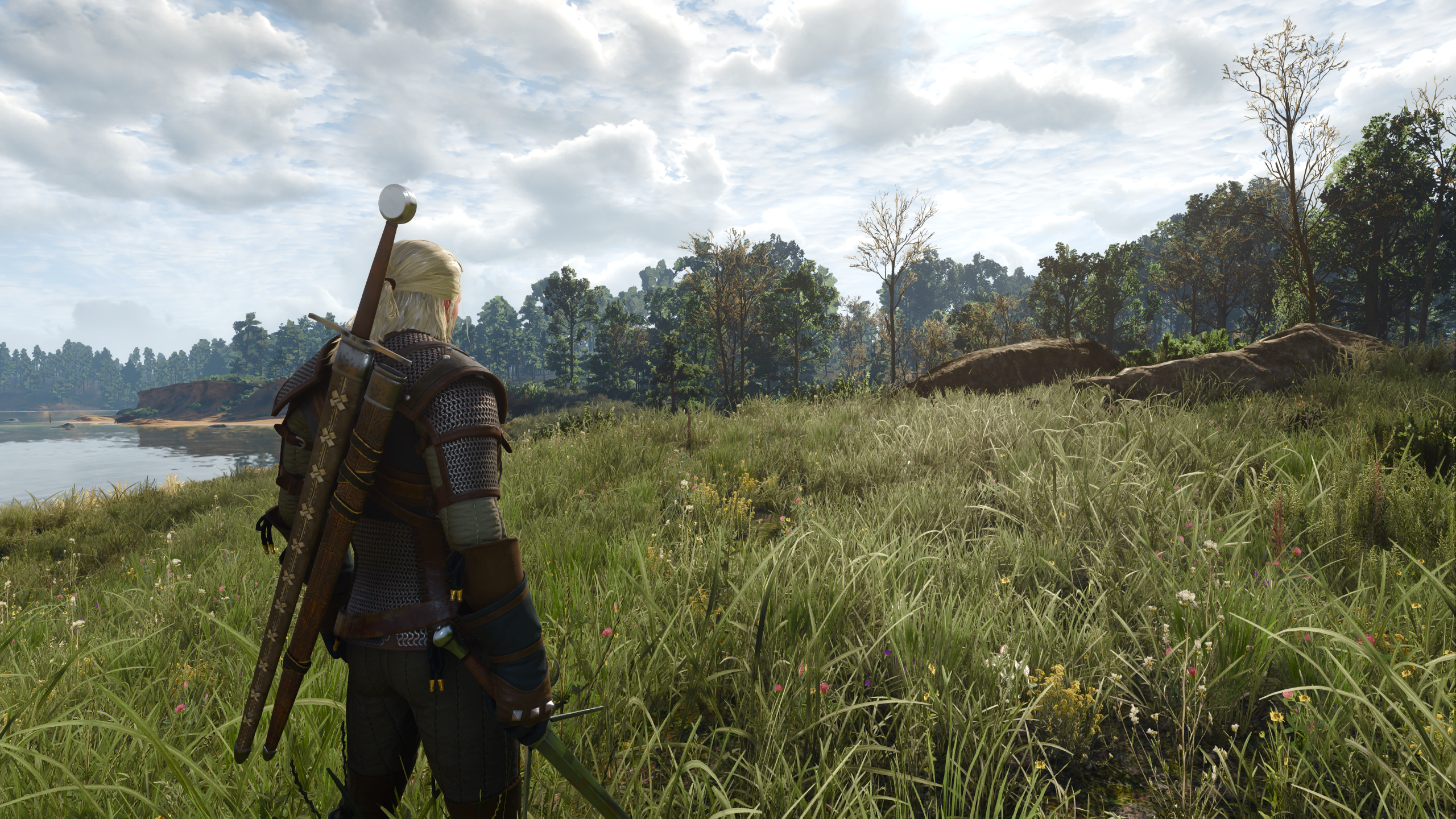

The Witcher 3: Wild Hunt
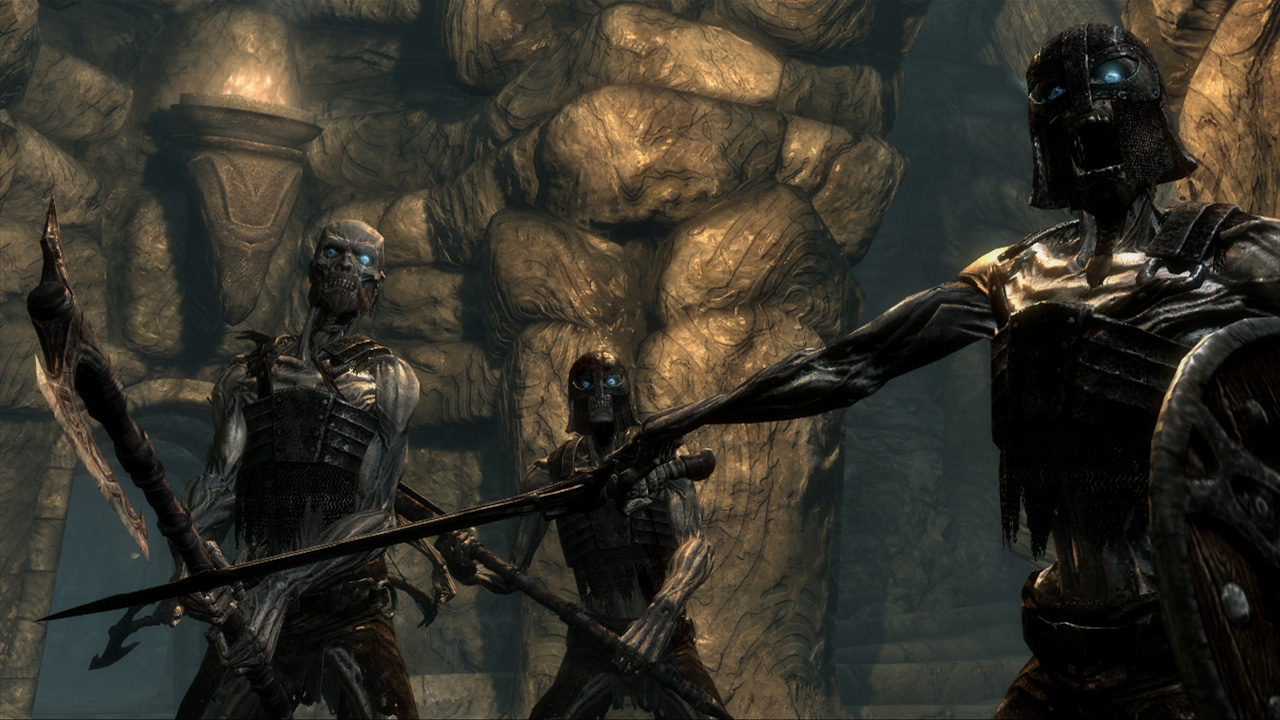
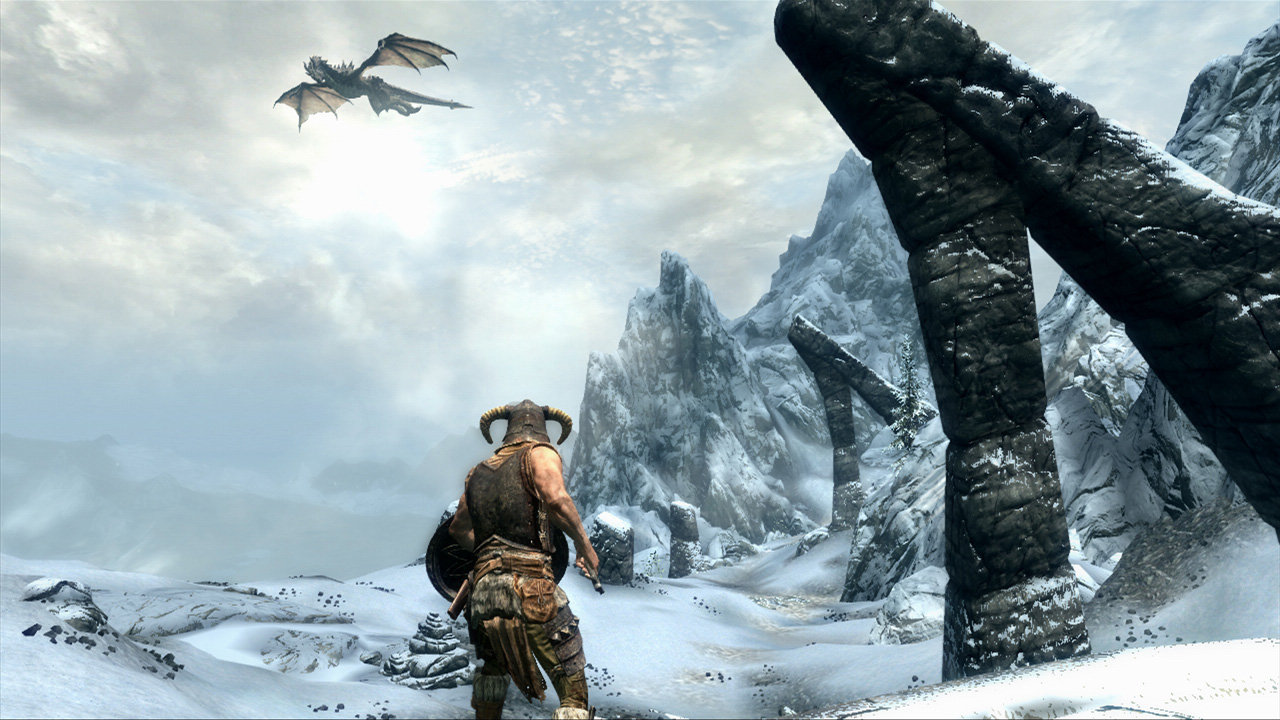
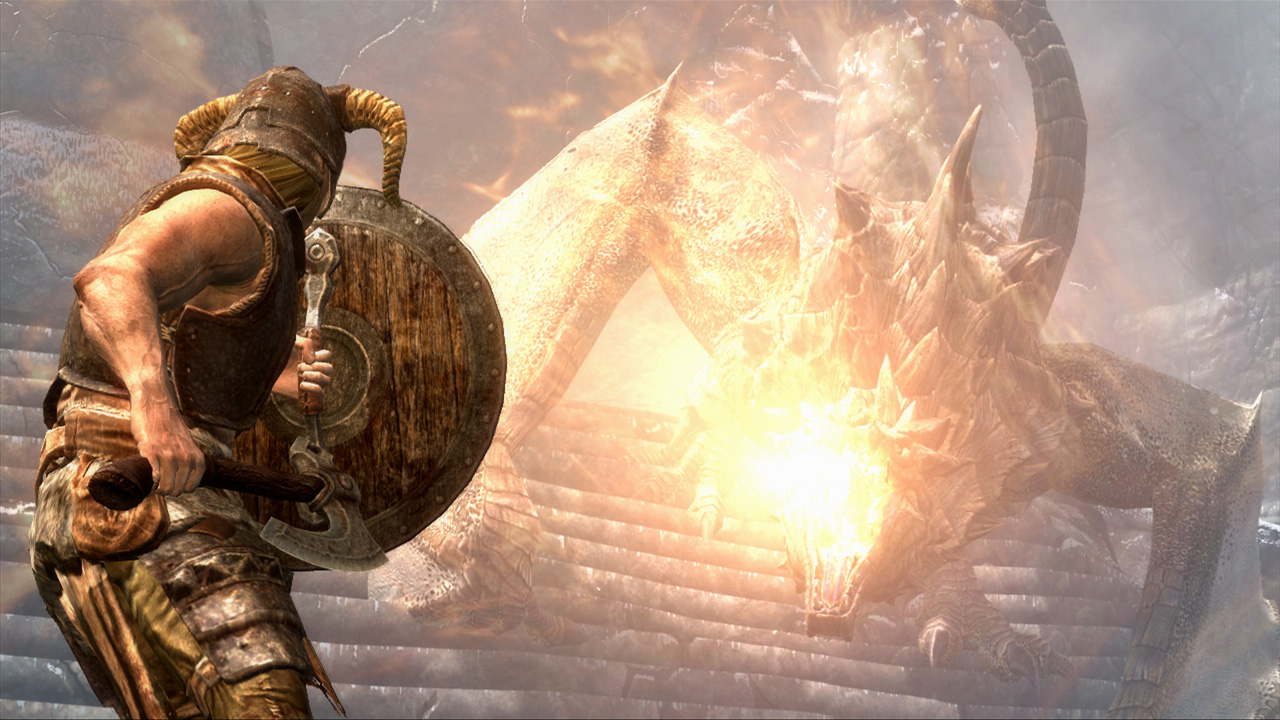
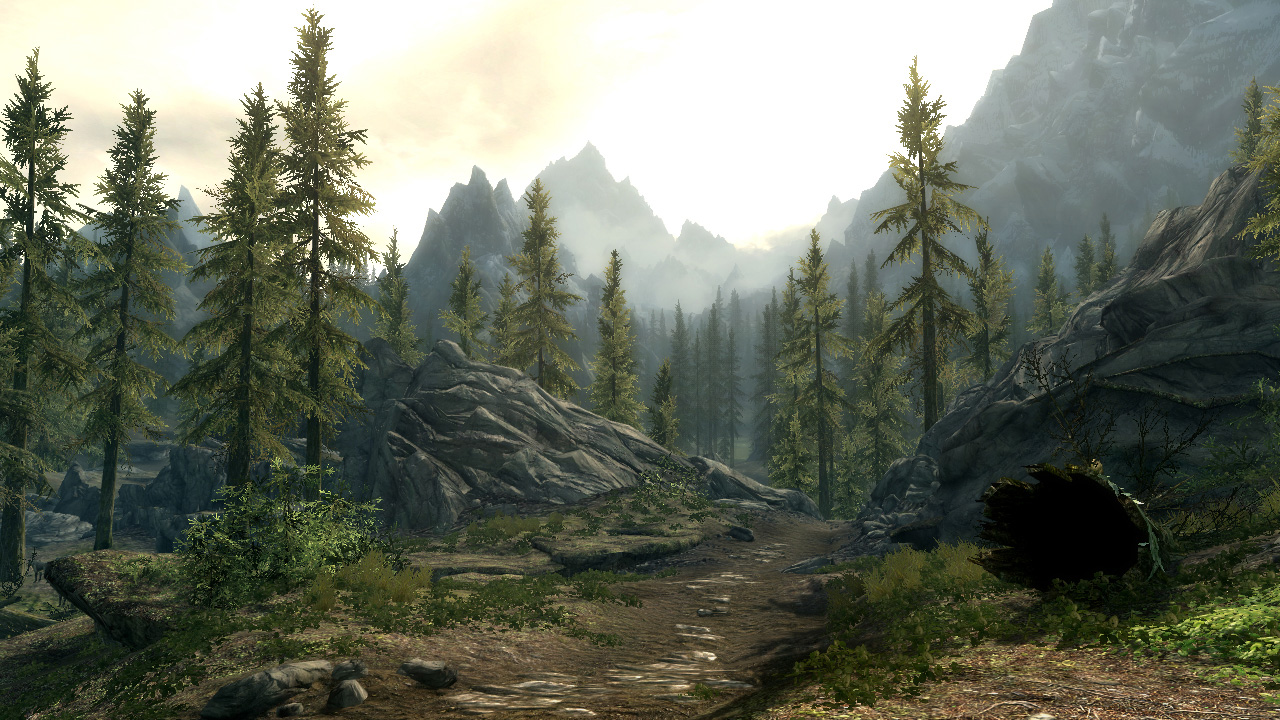
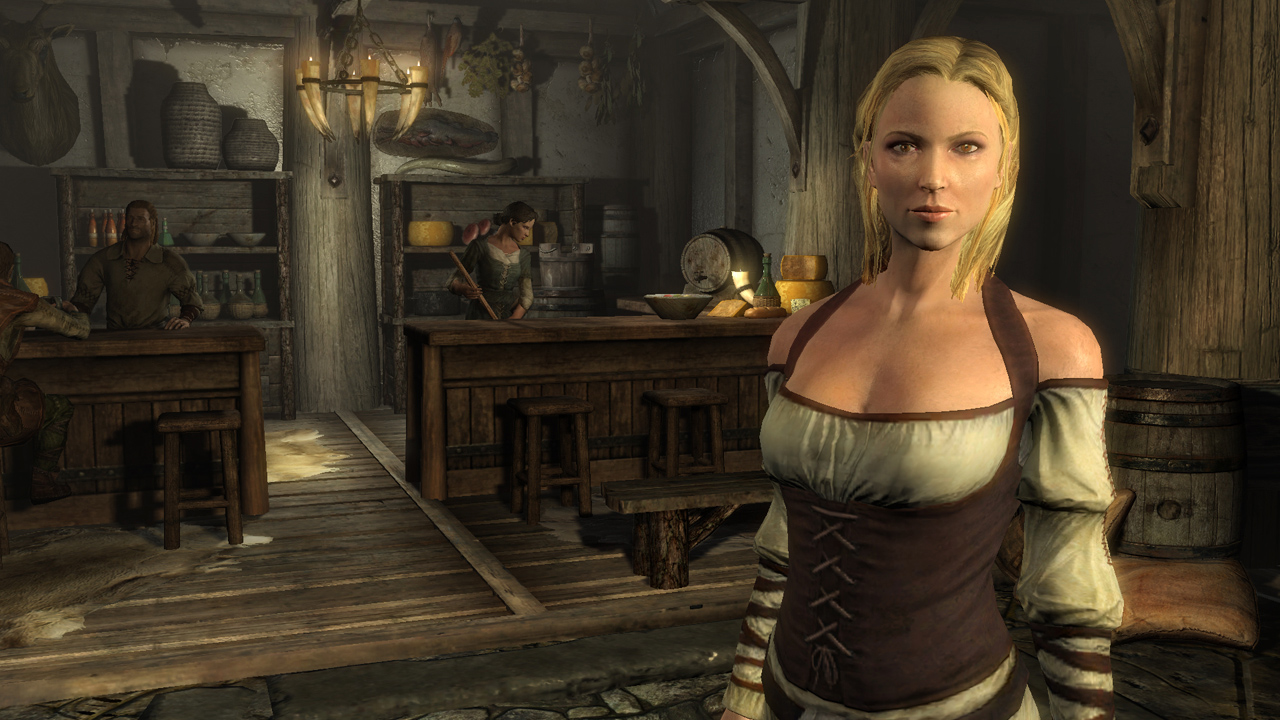
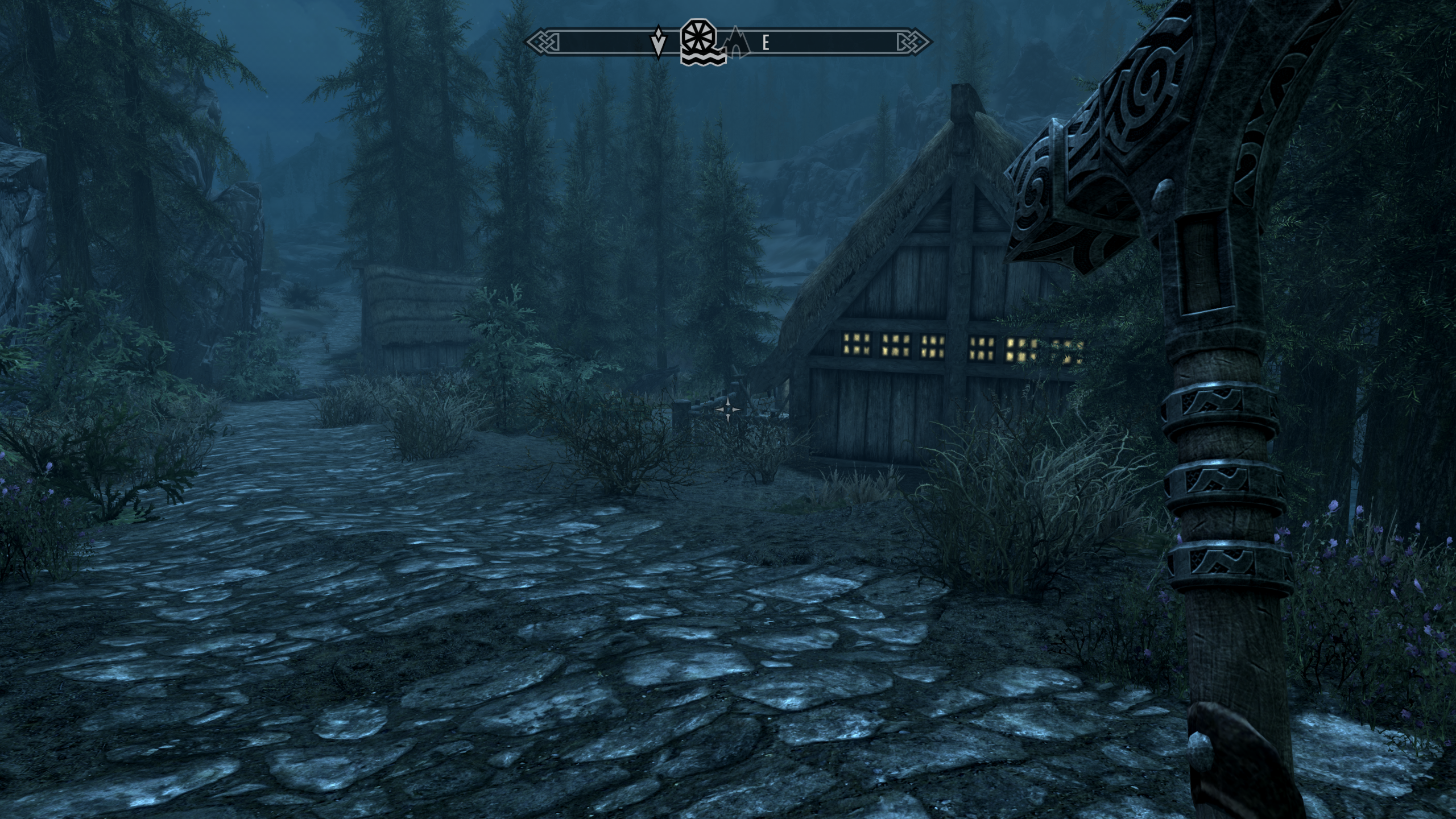
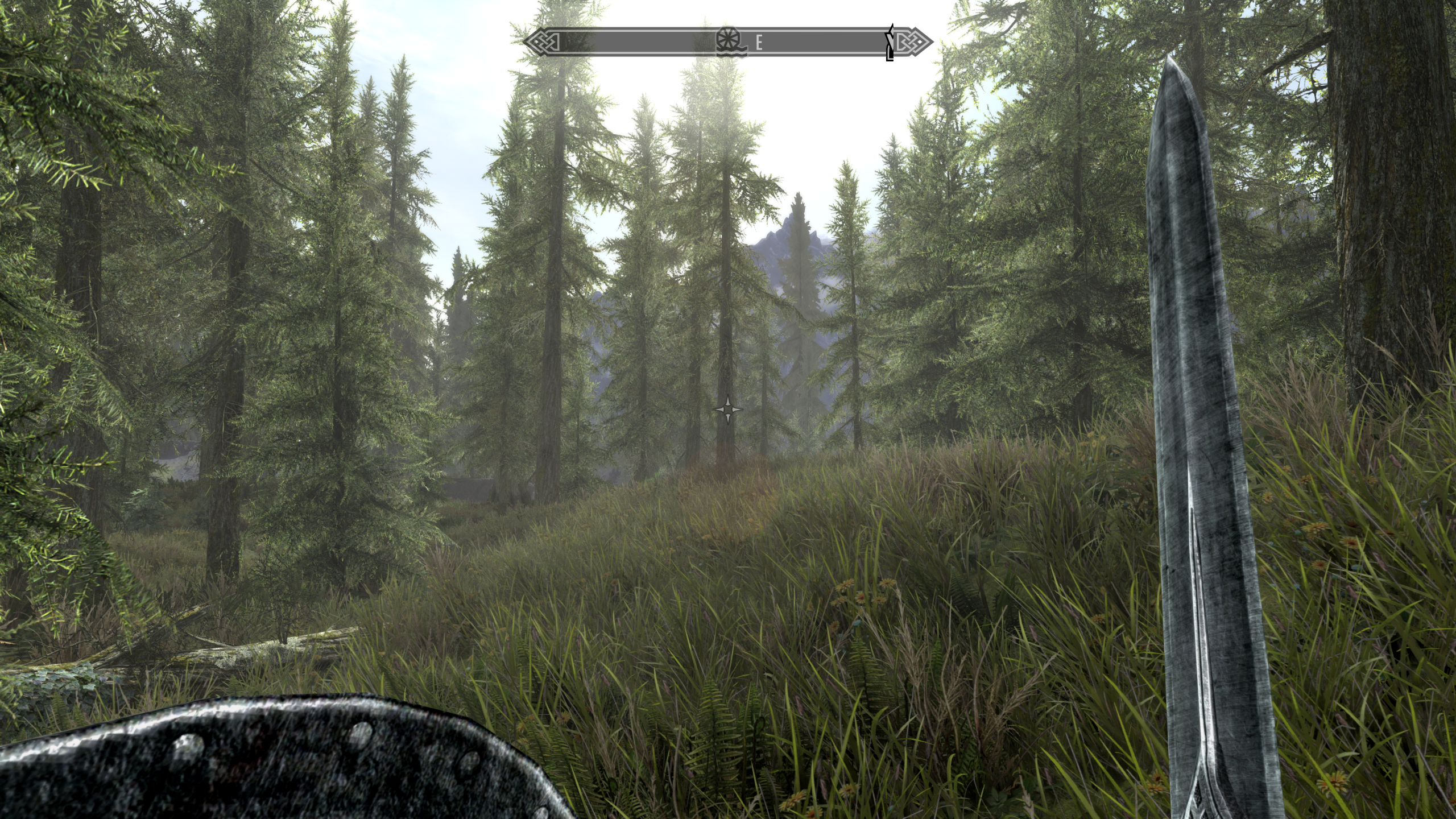

The Elder Scrolls V: Skyrim
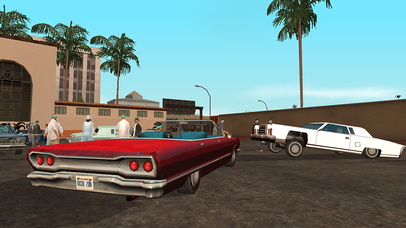
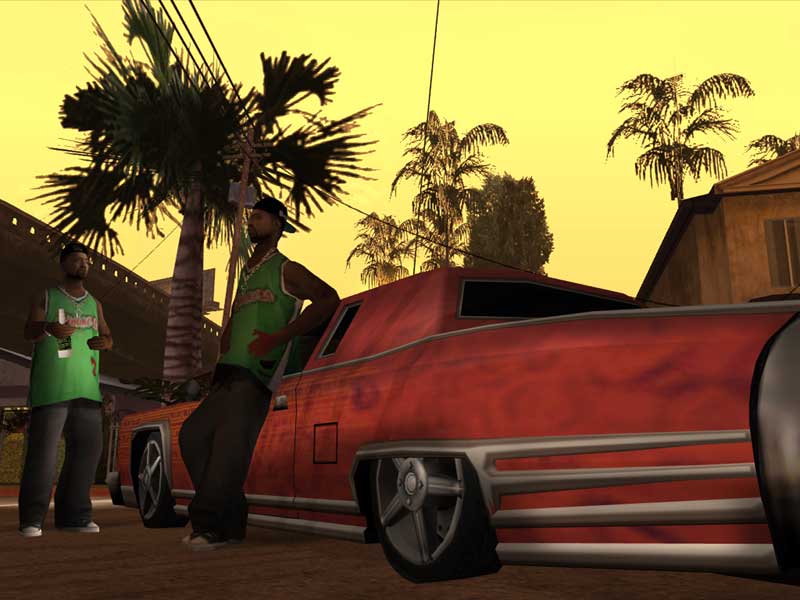
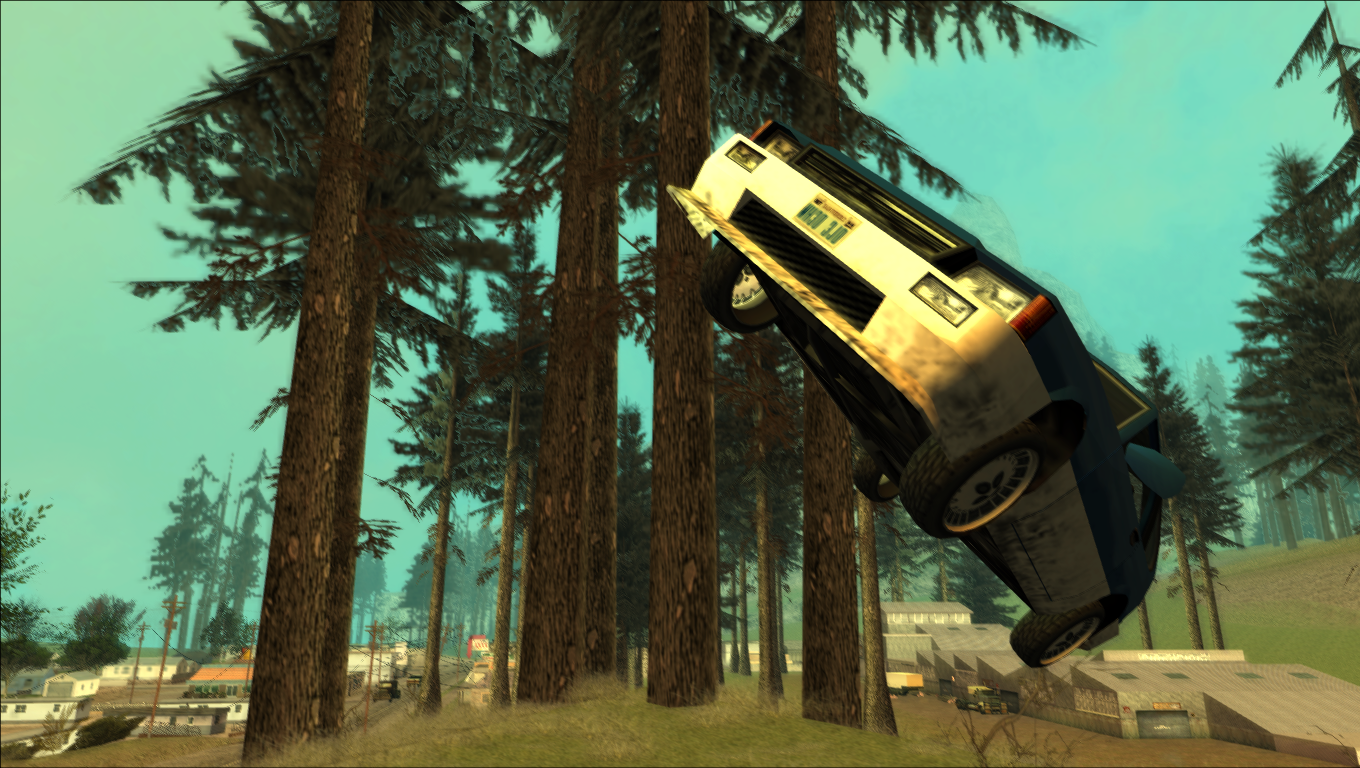
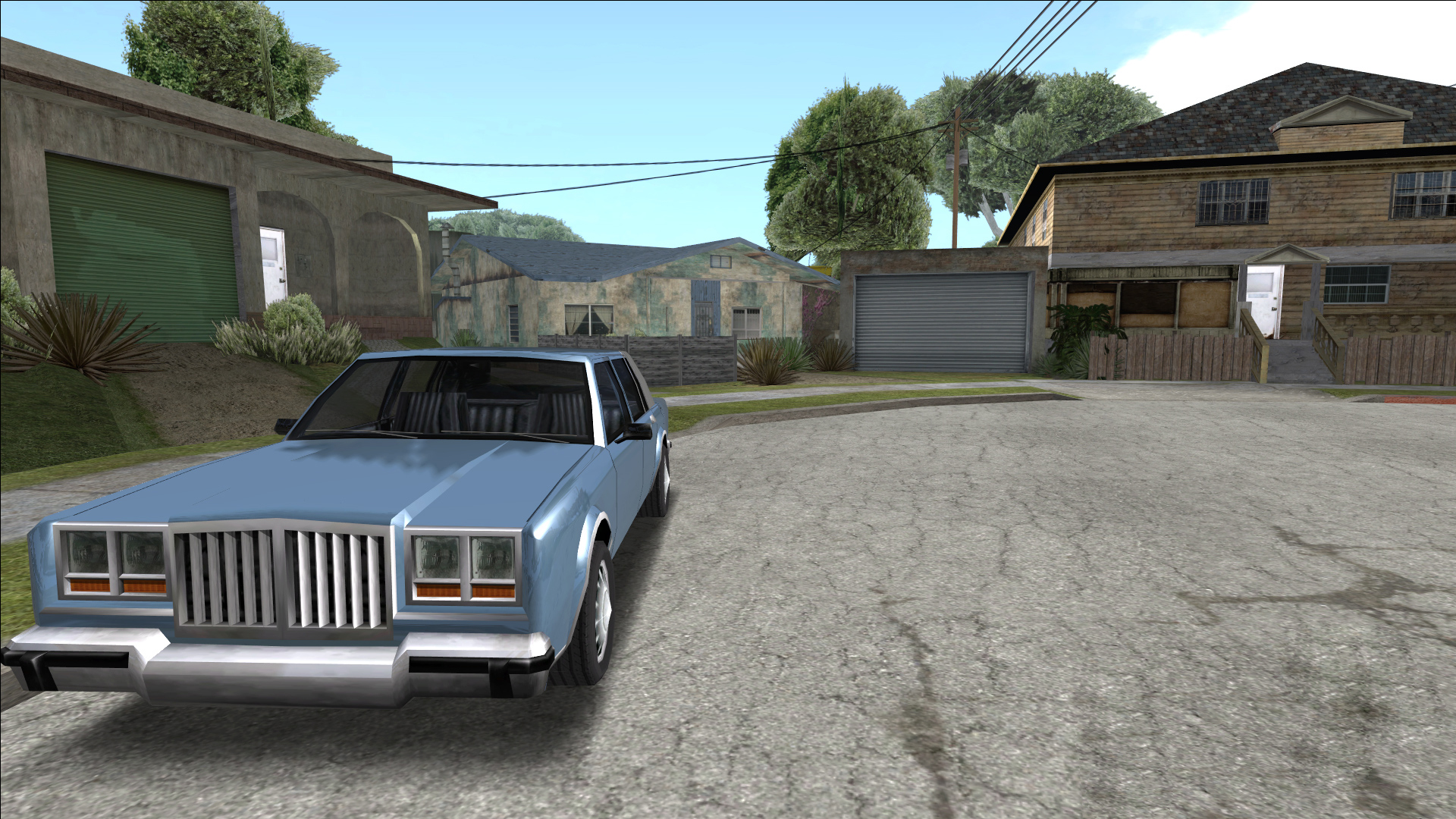
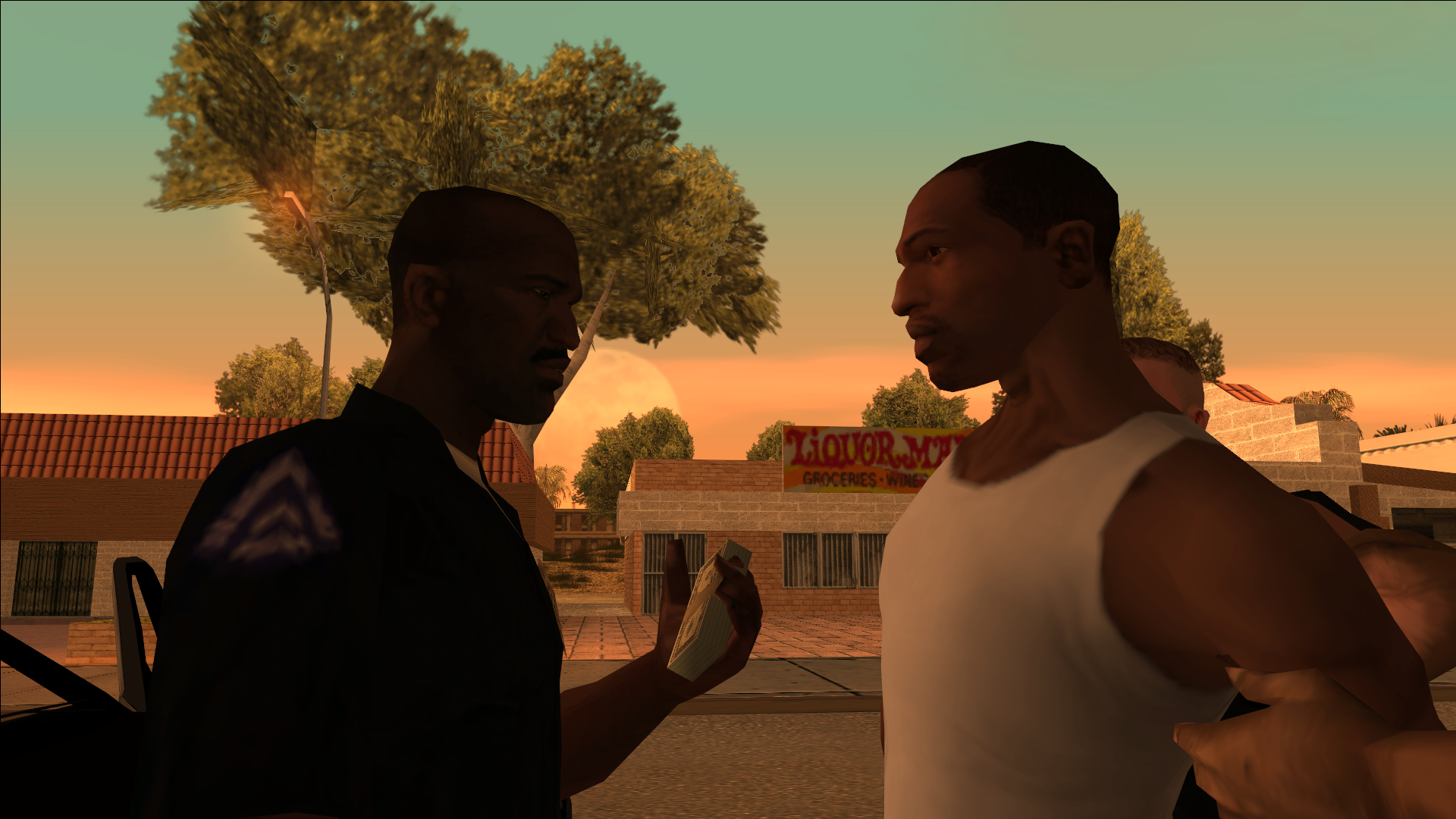
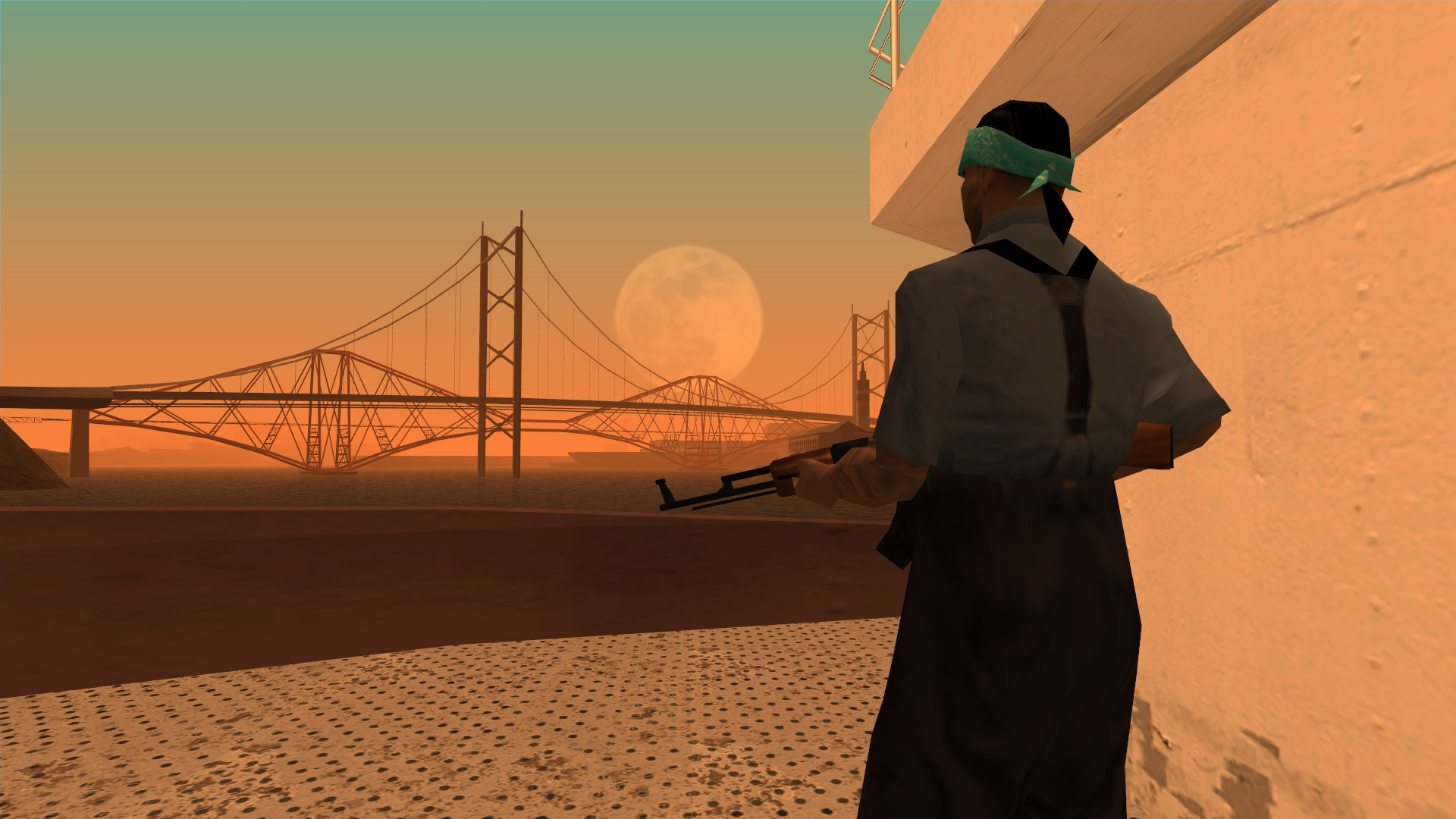
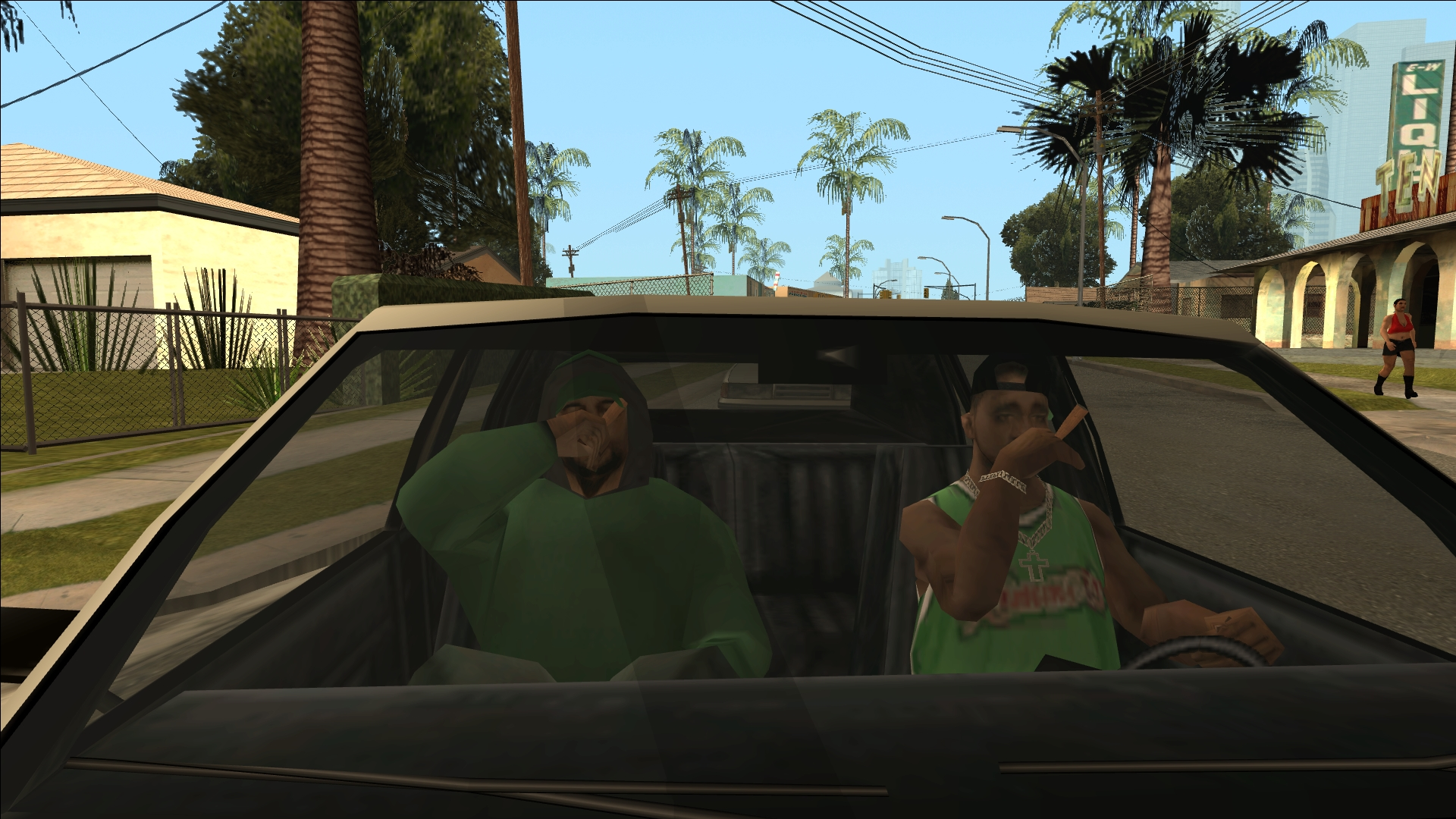
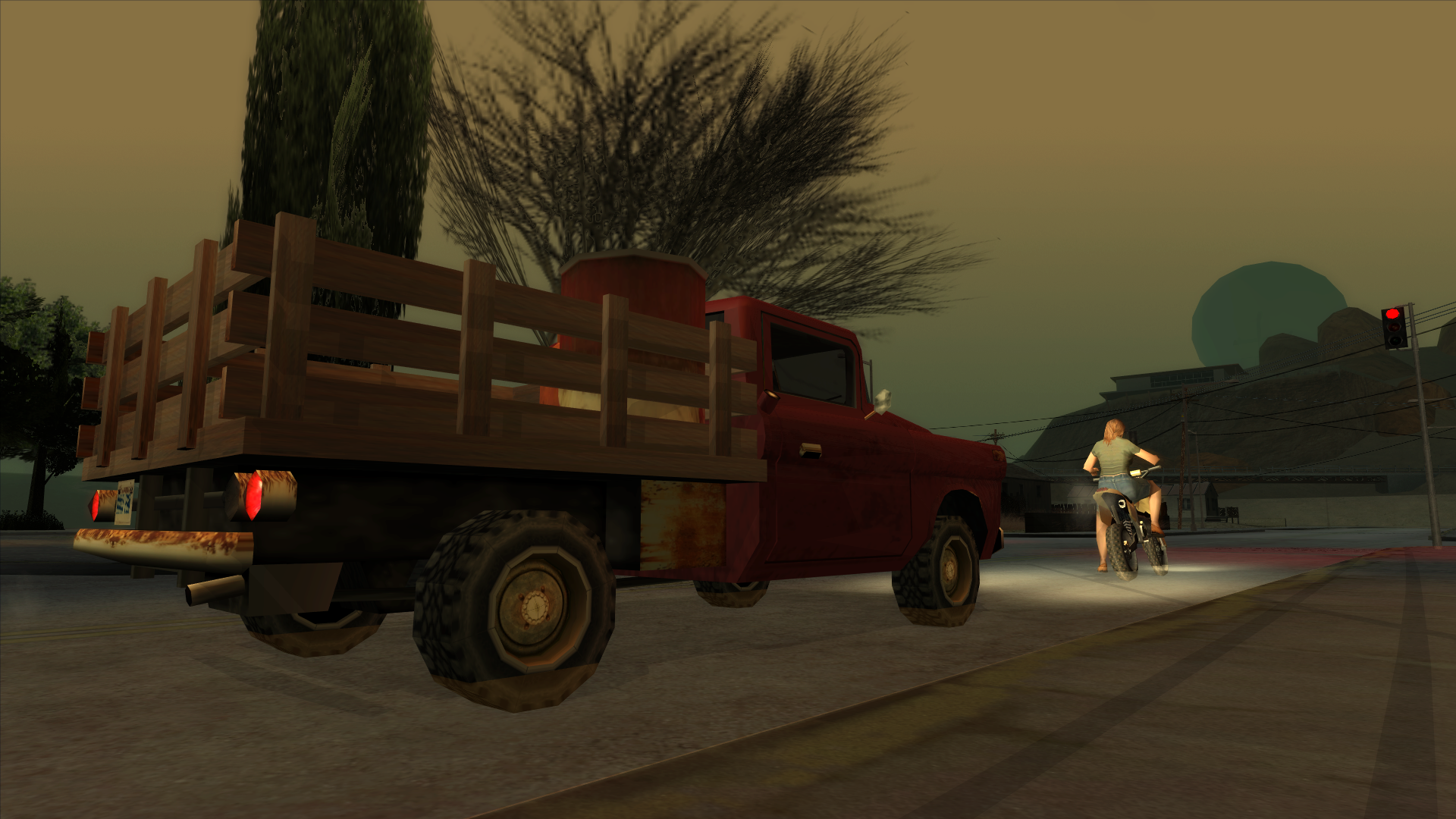
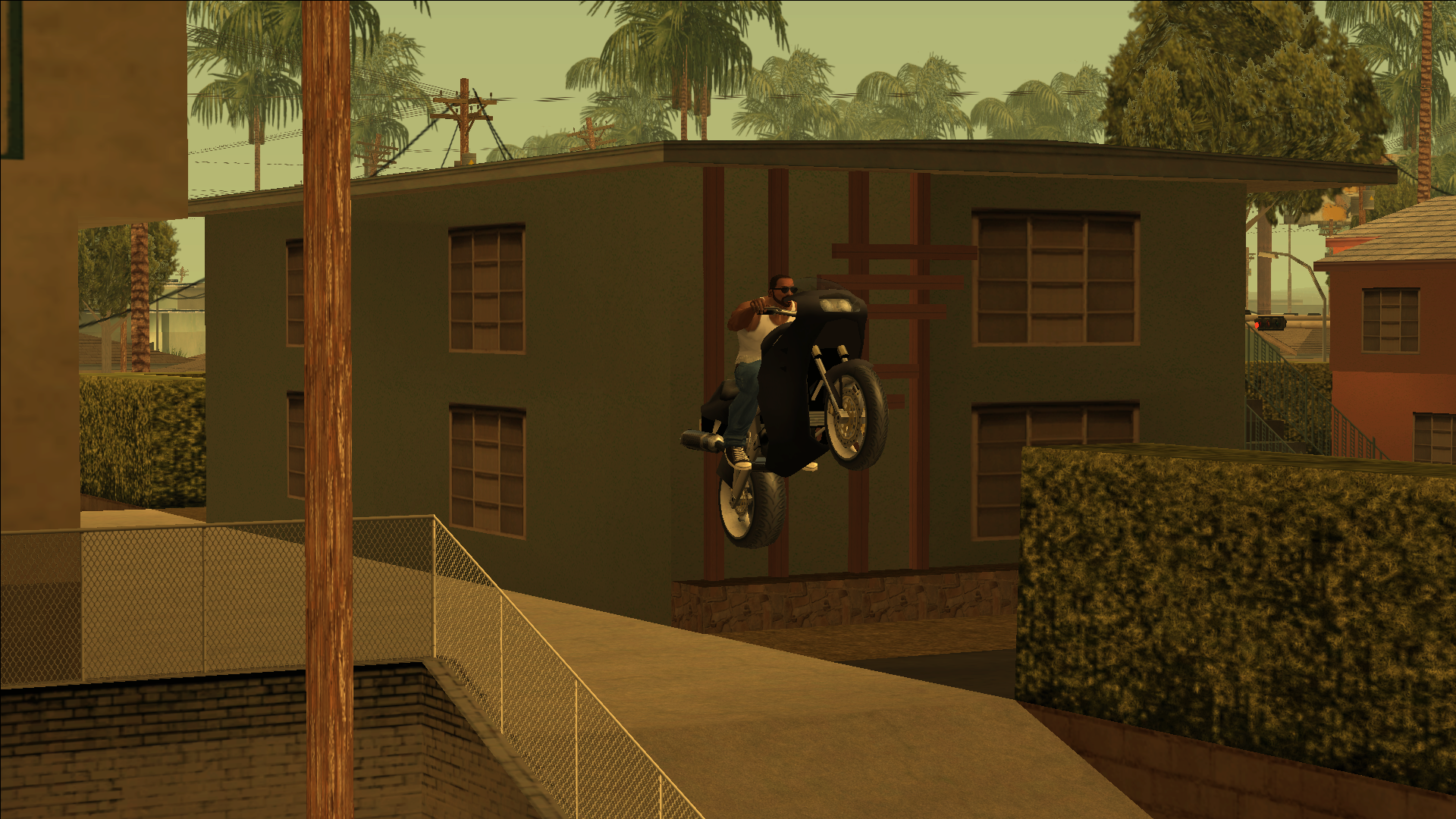

Grand Theft Auto: San Andreas

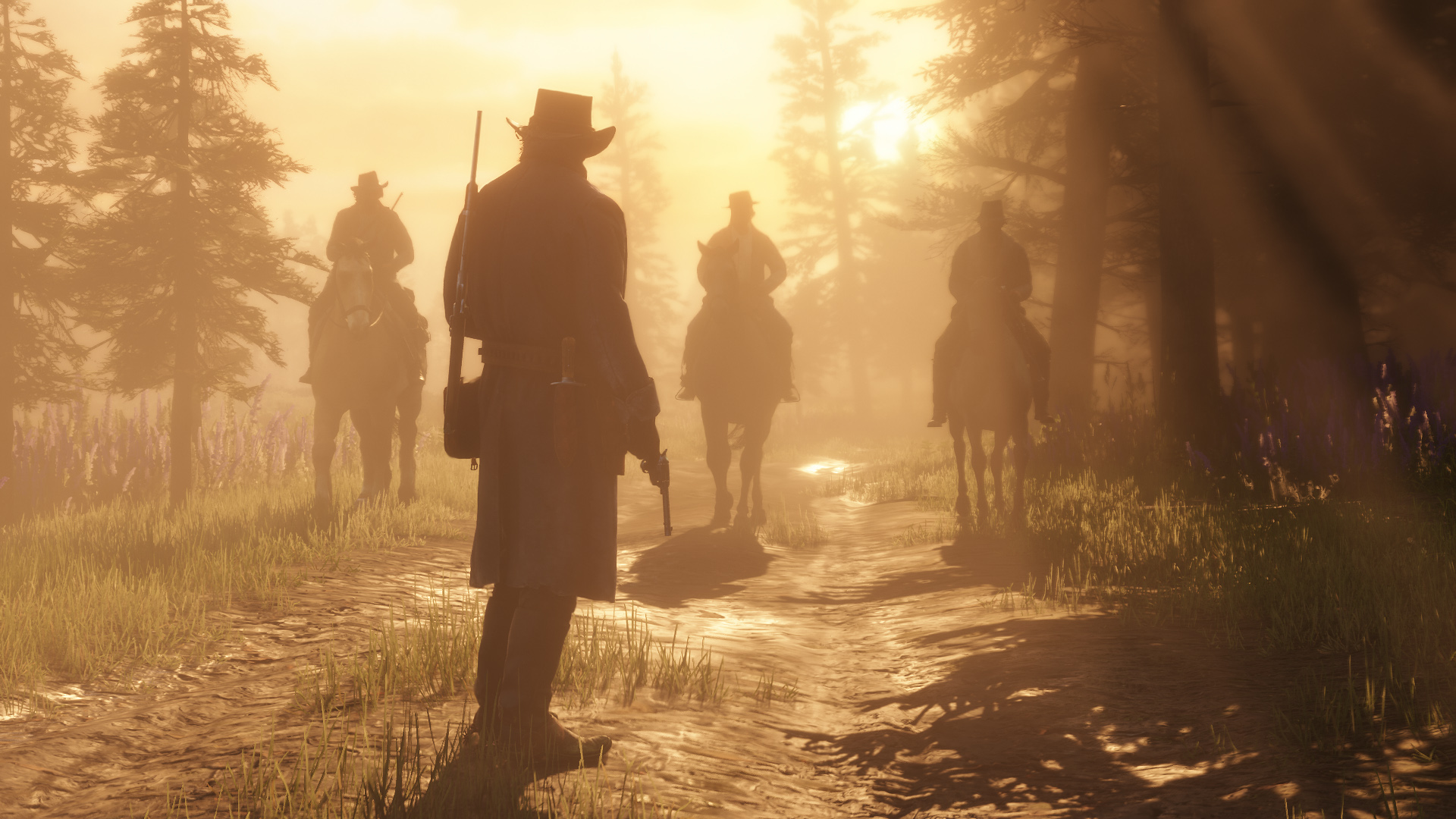
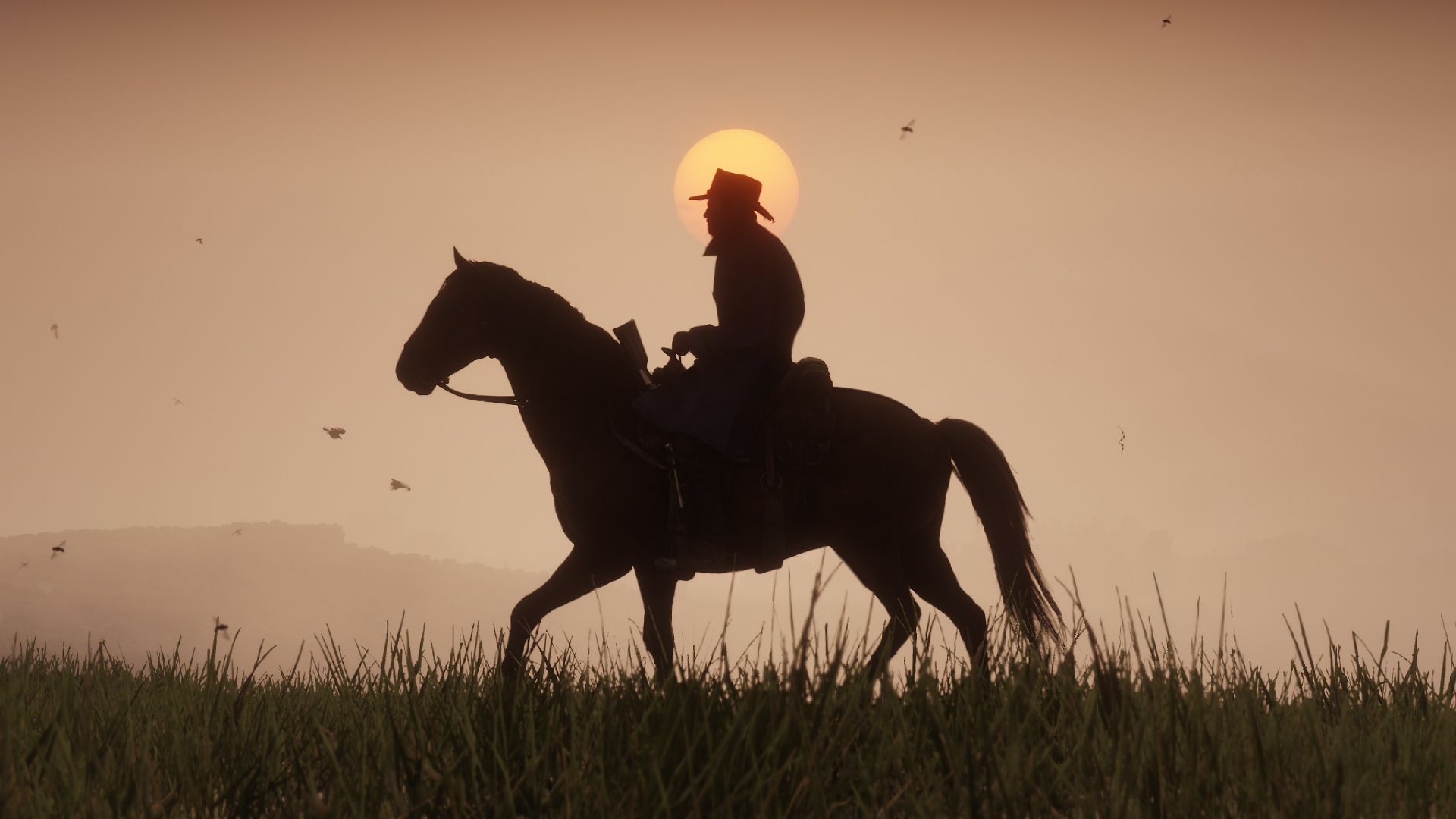
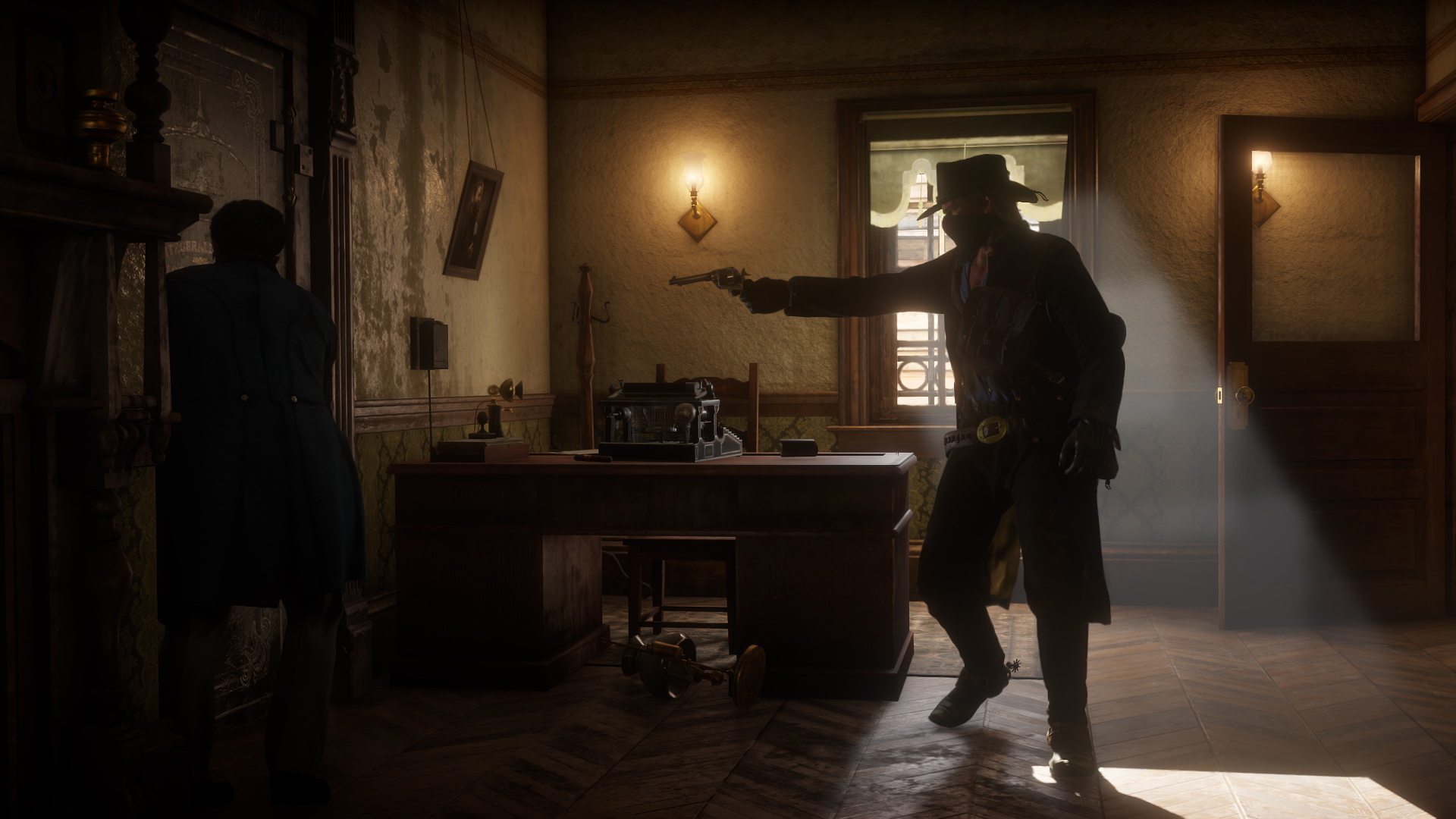

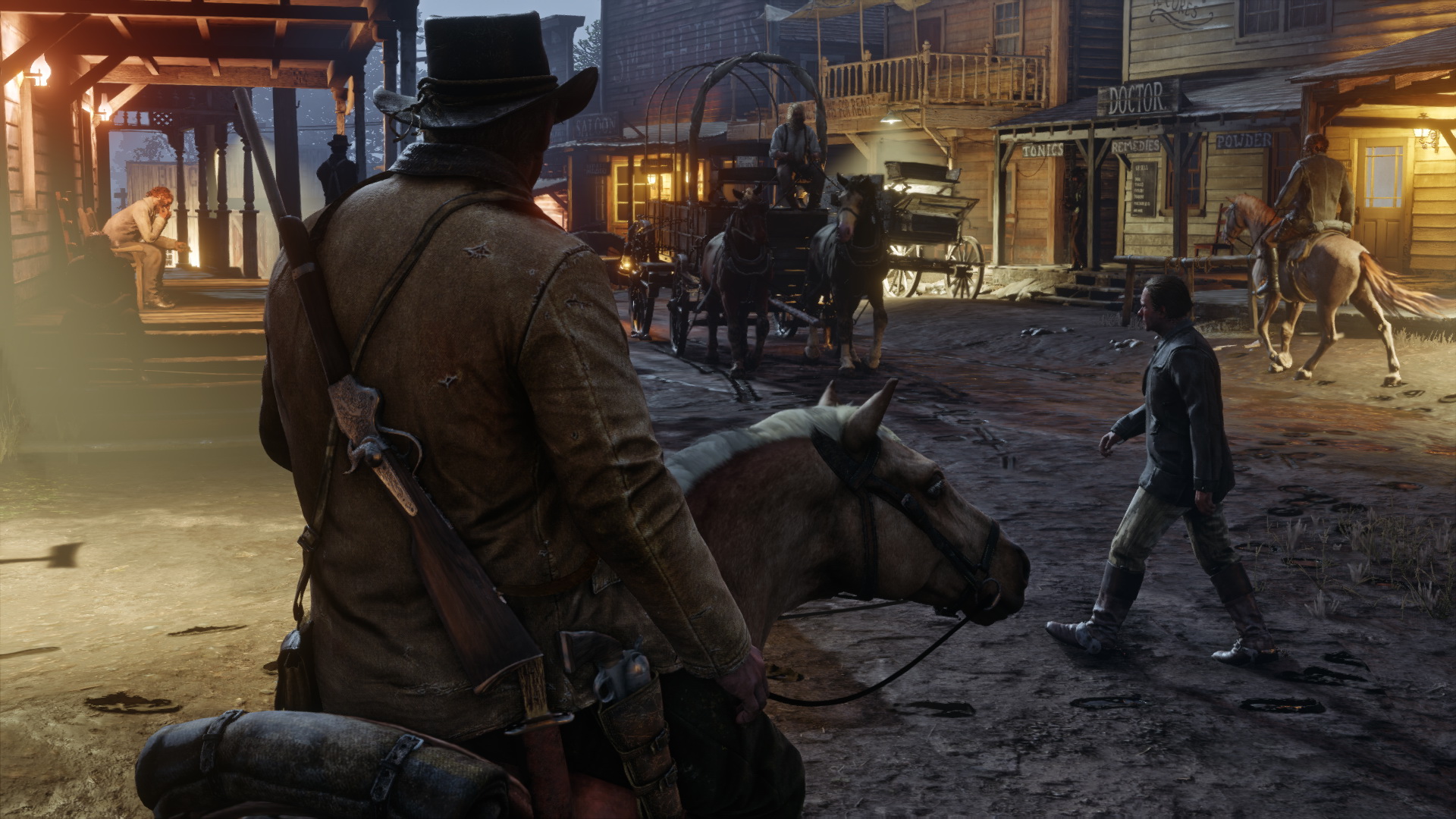

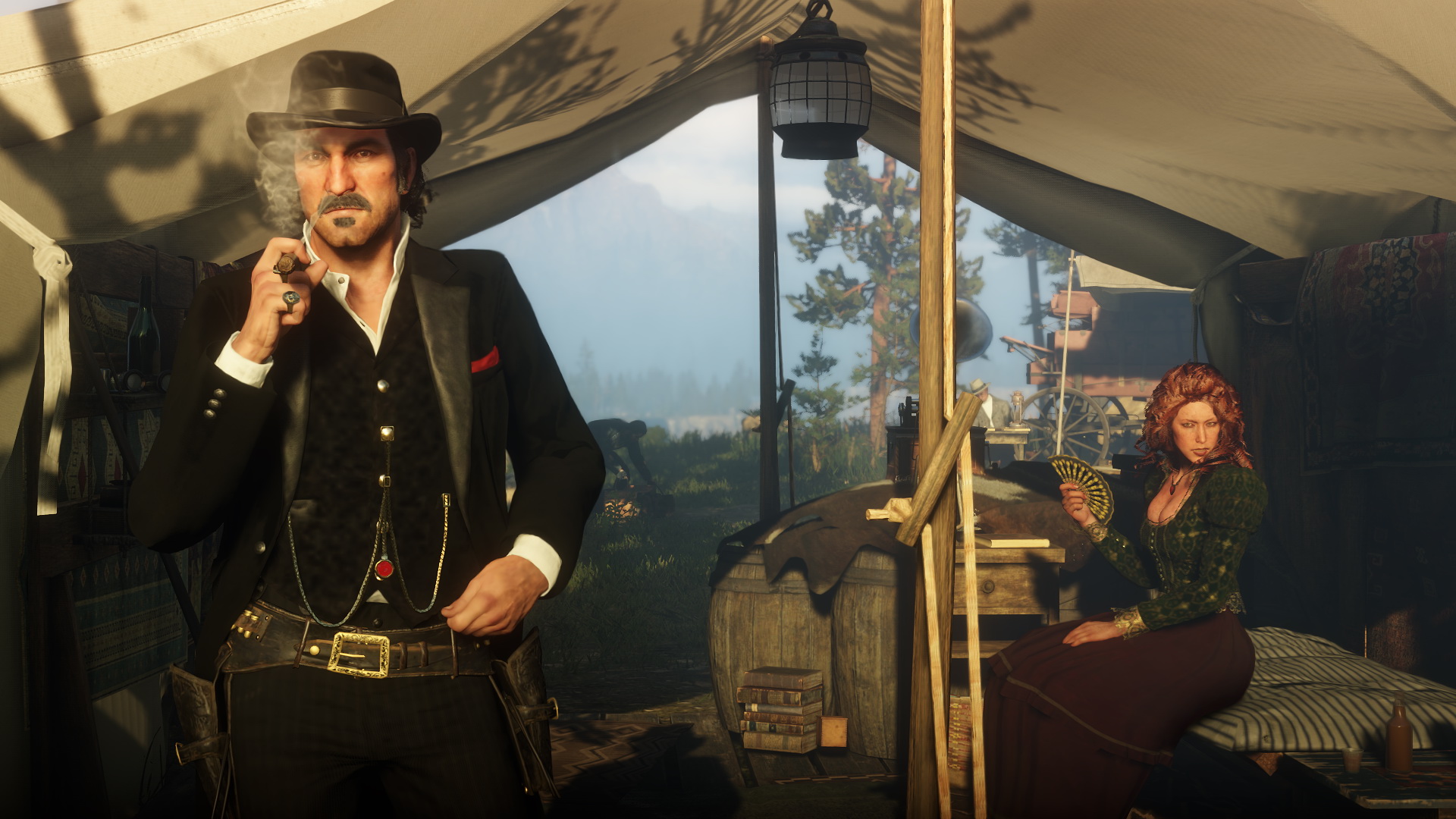
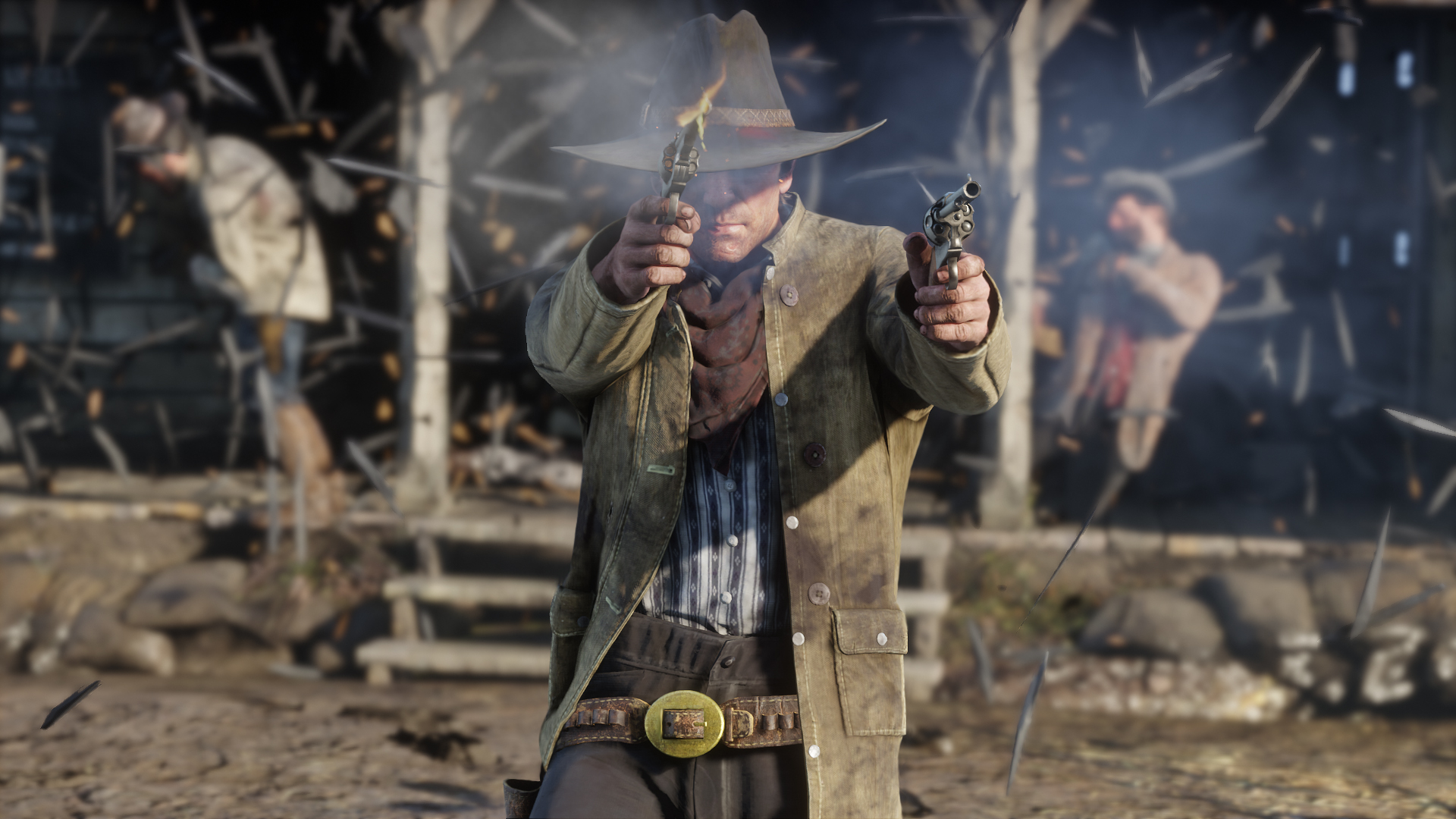
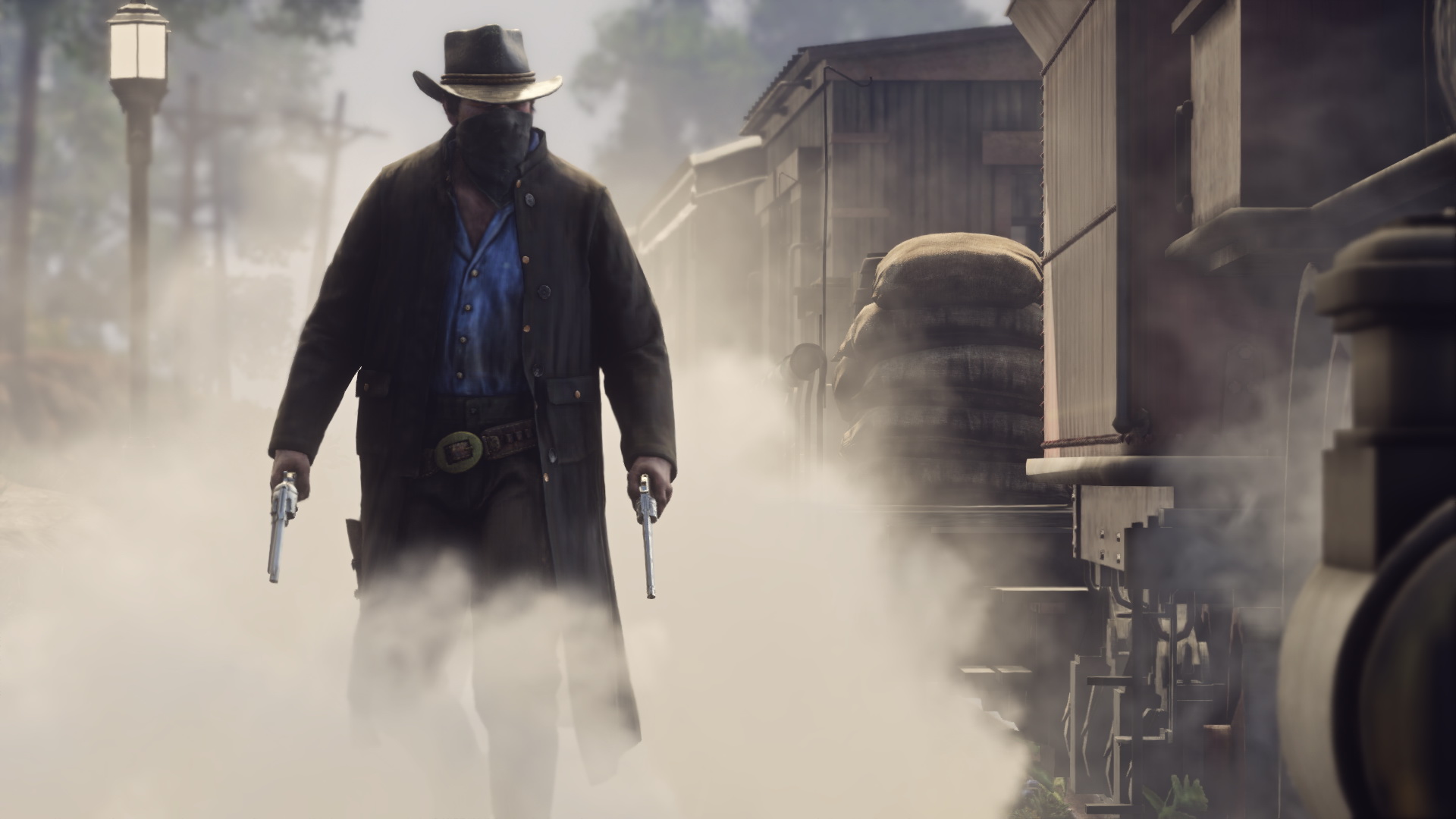


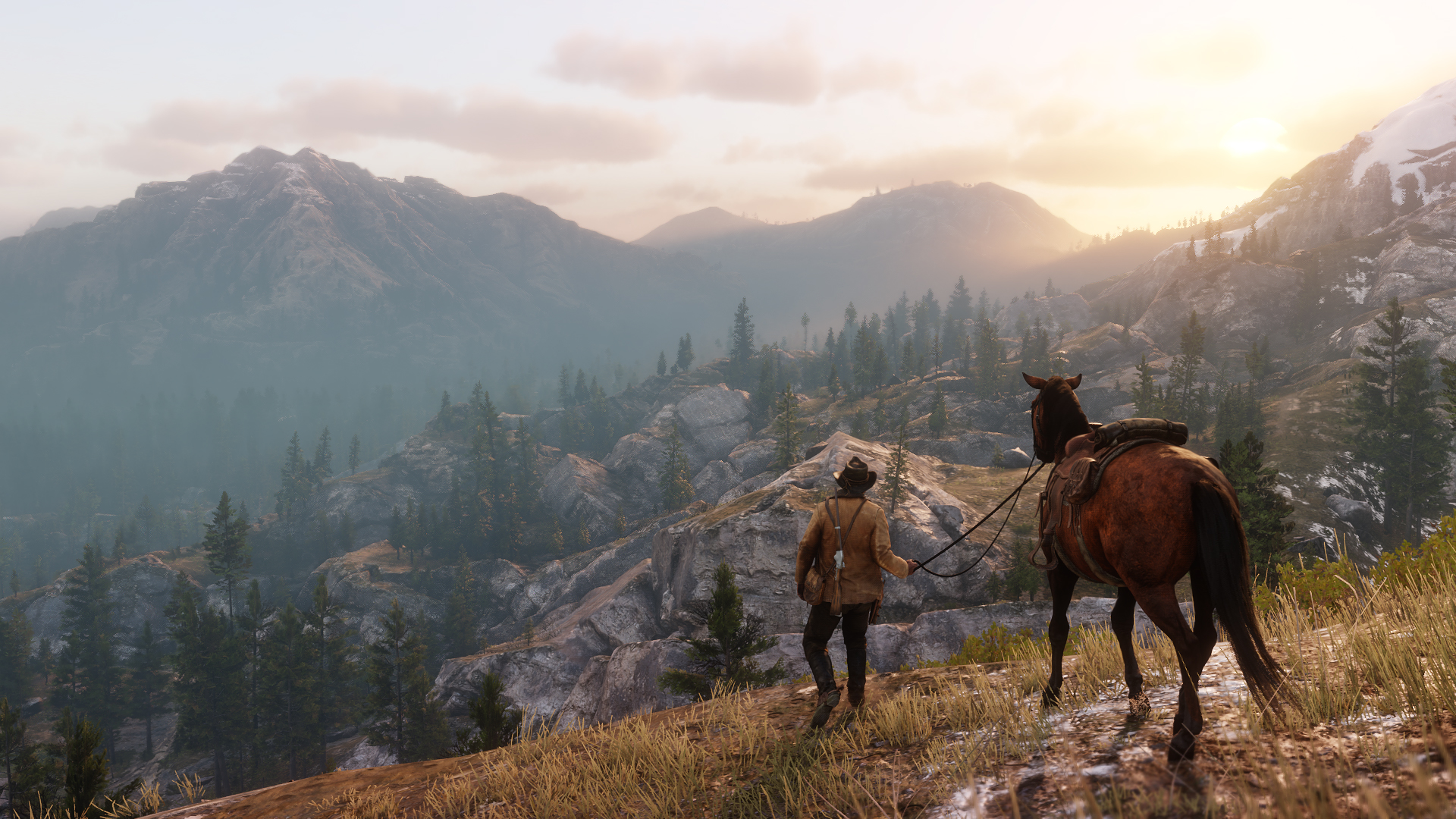
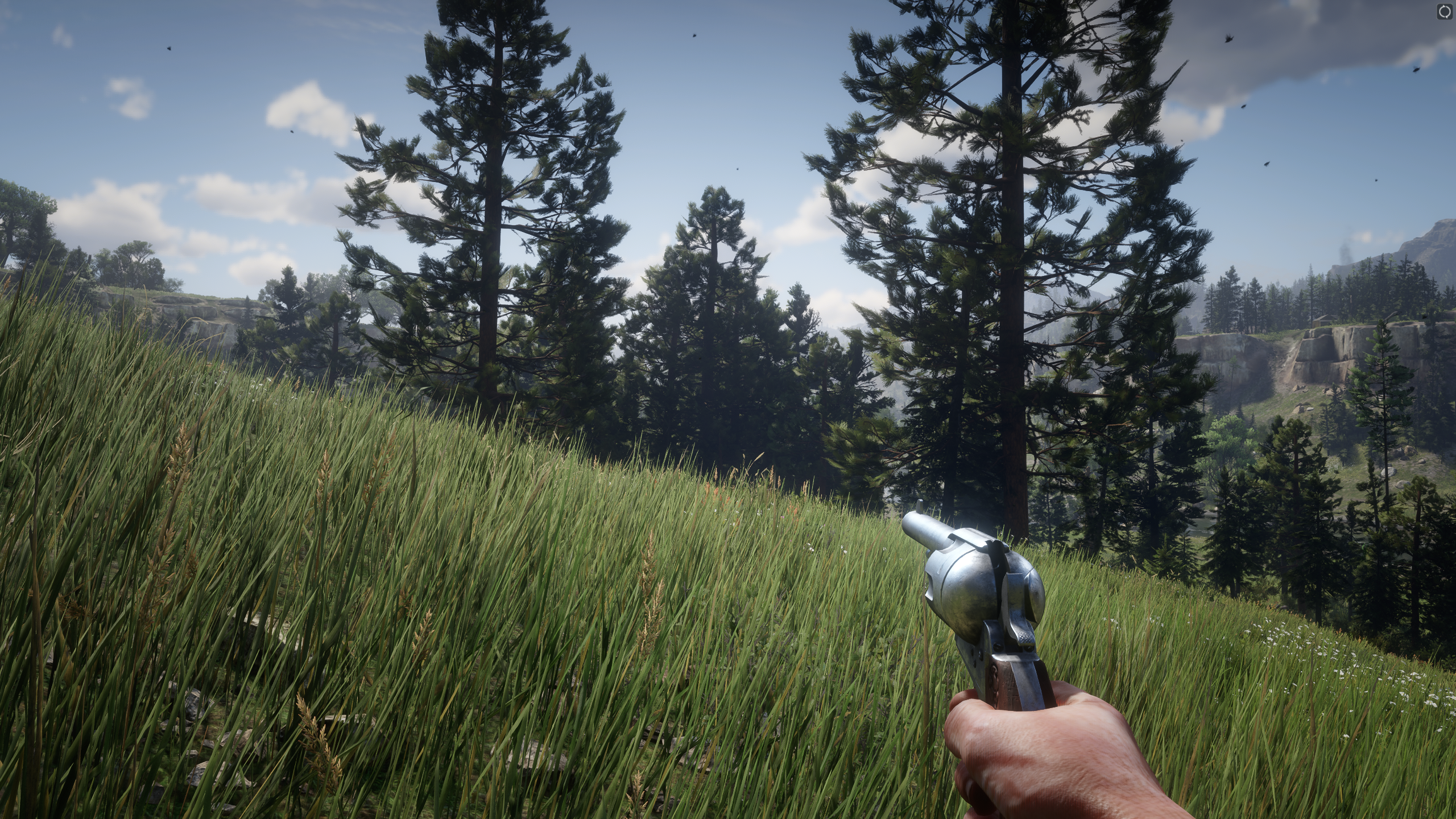
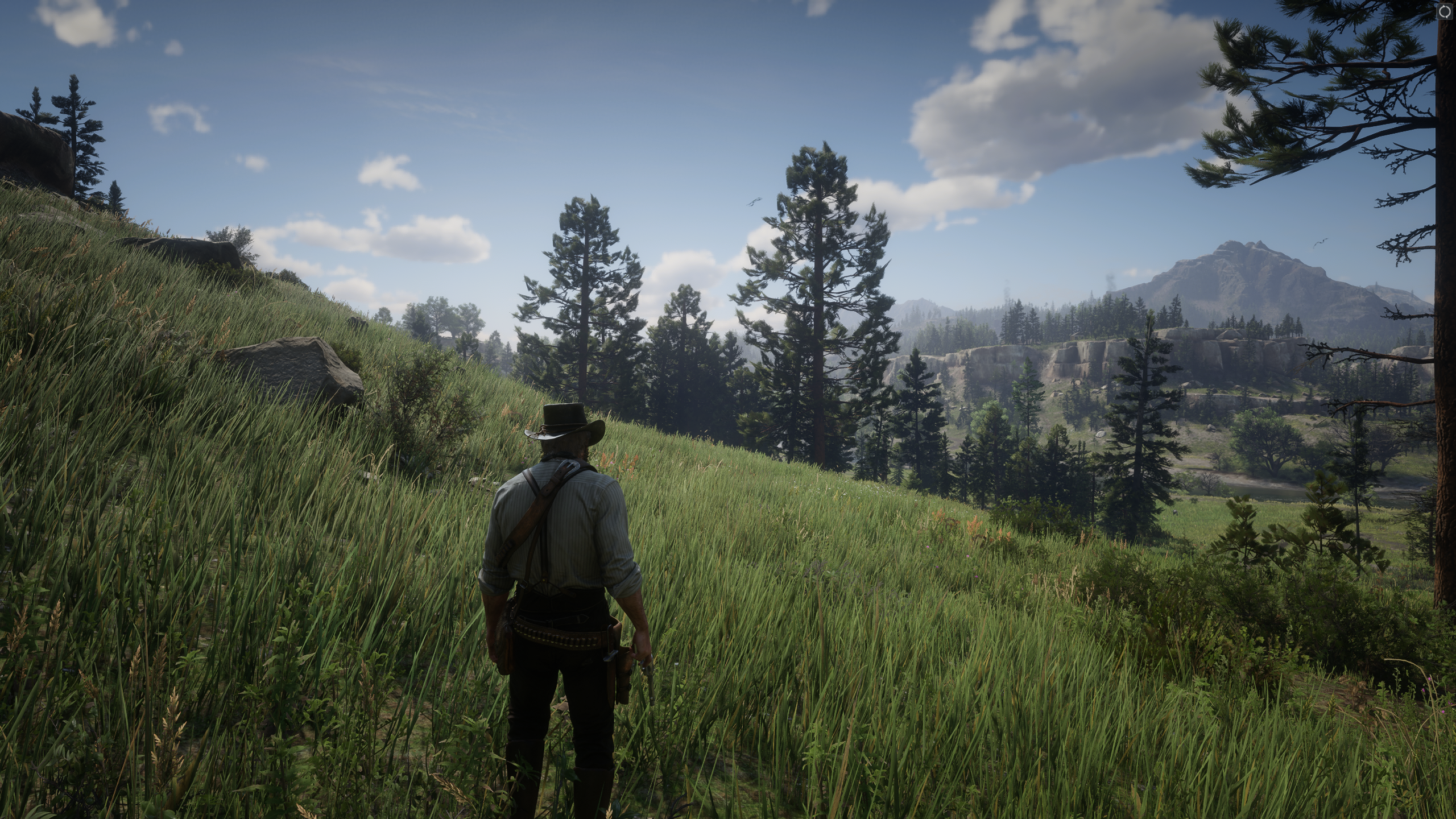

Red Dead Redemption 2
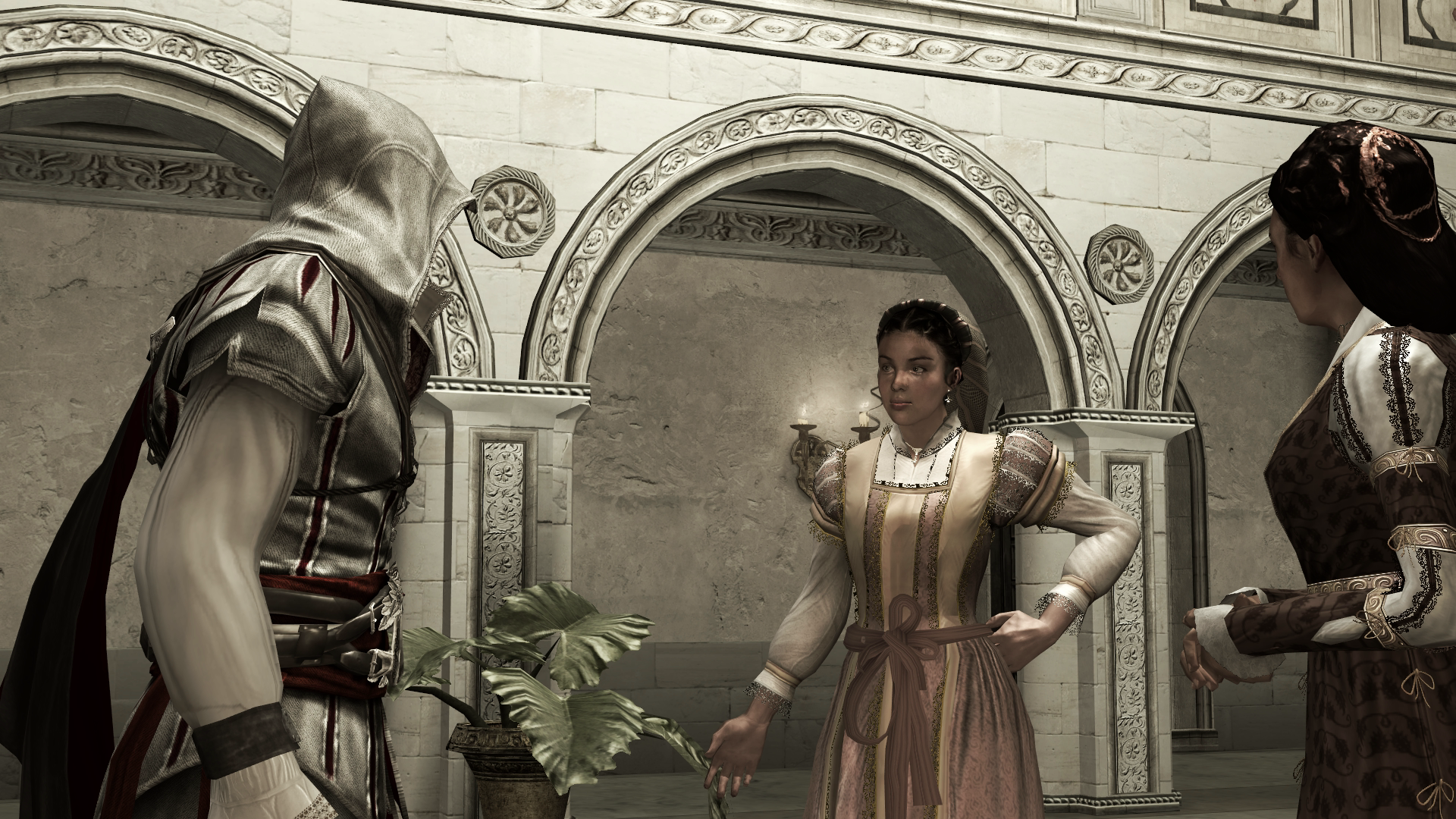
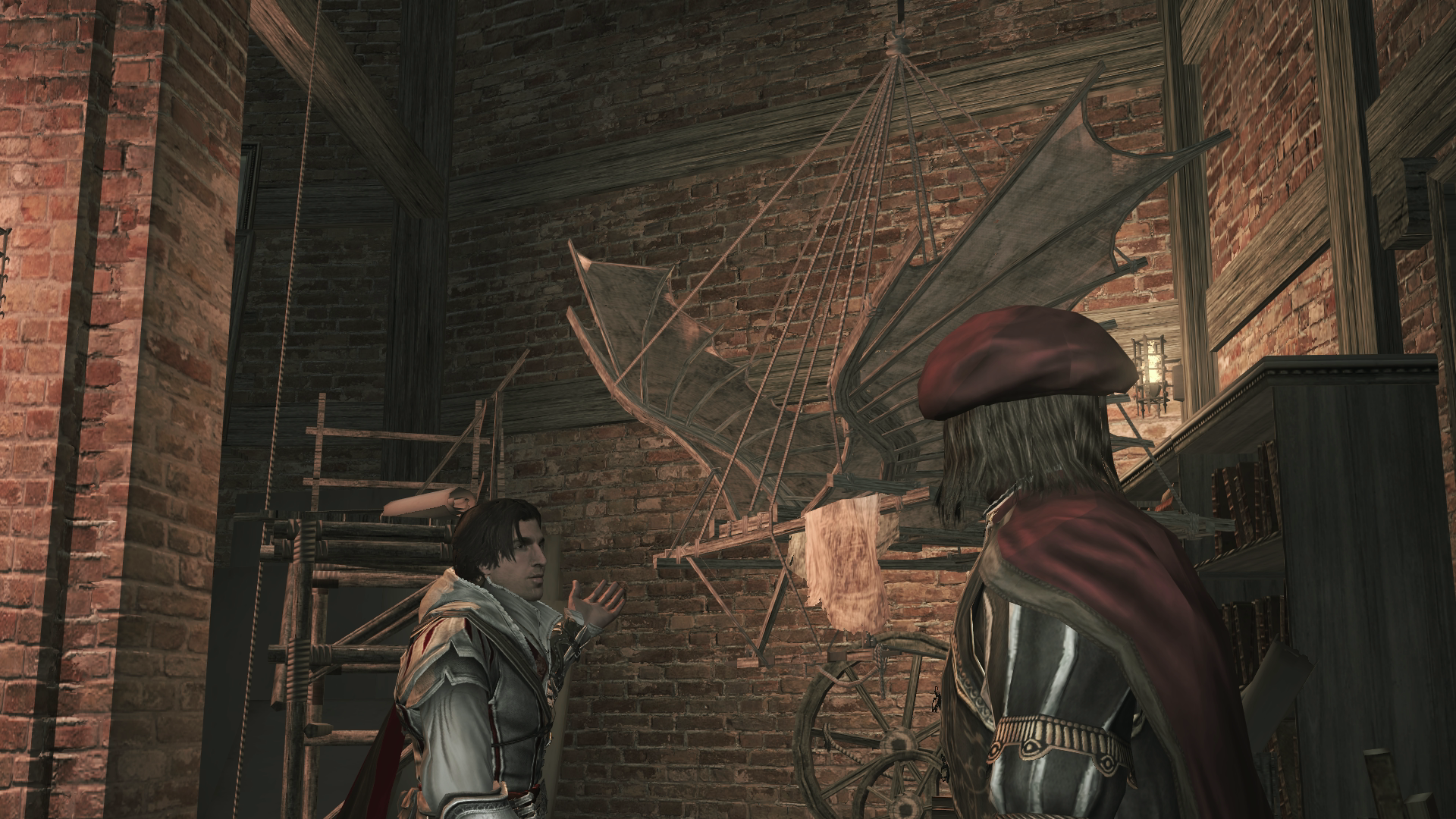
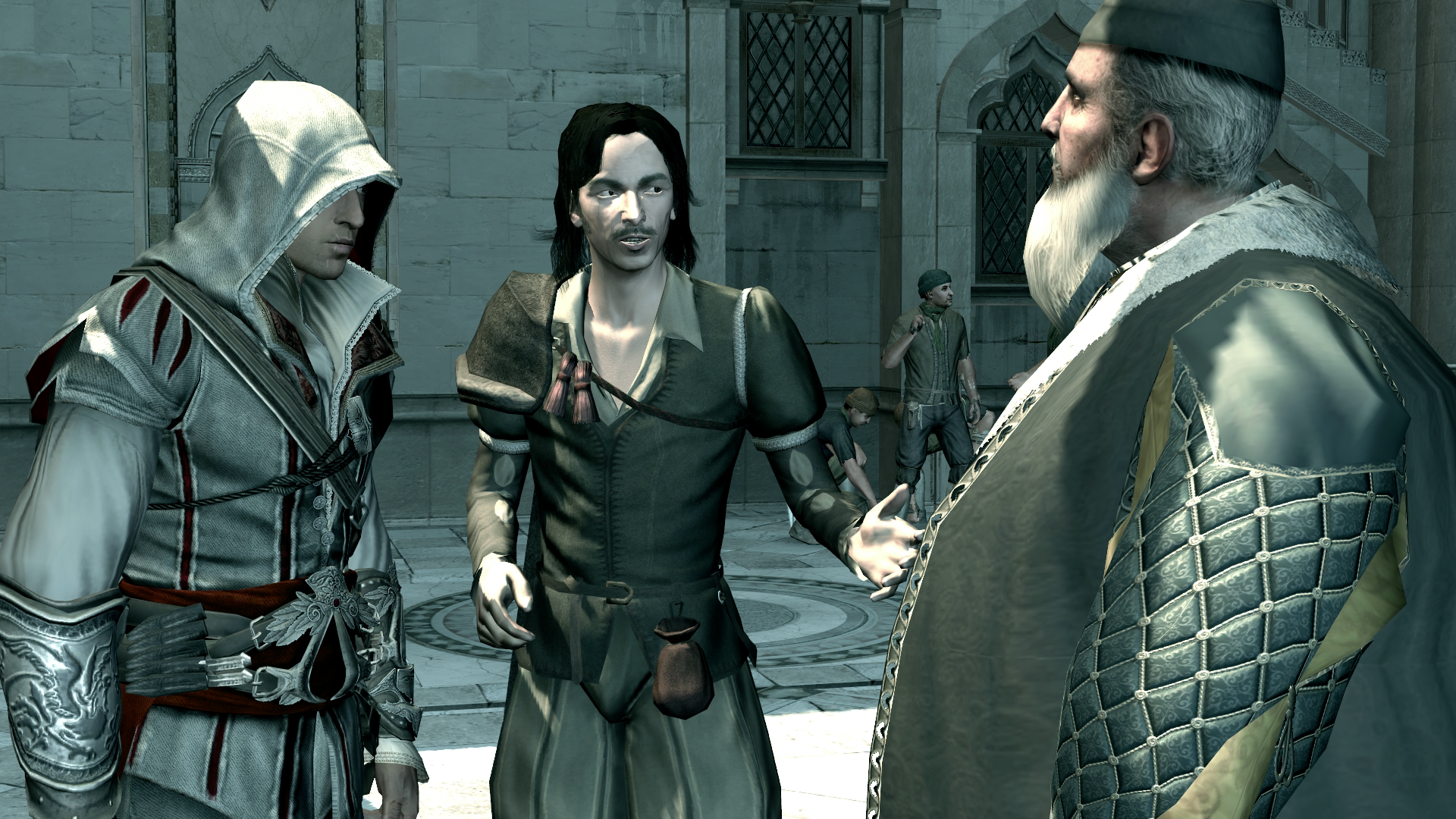
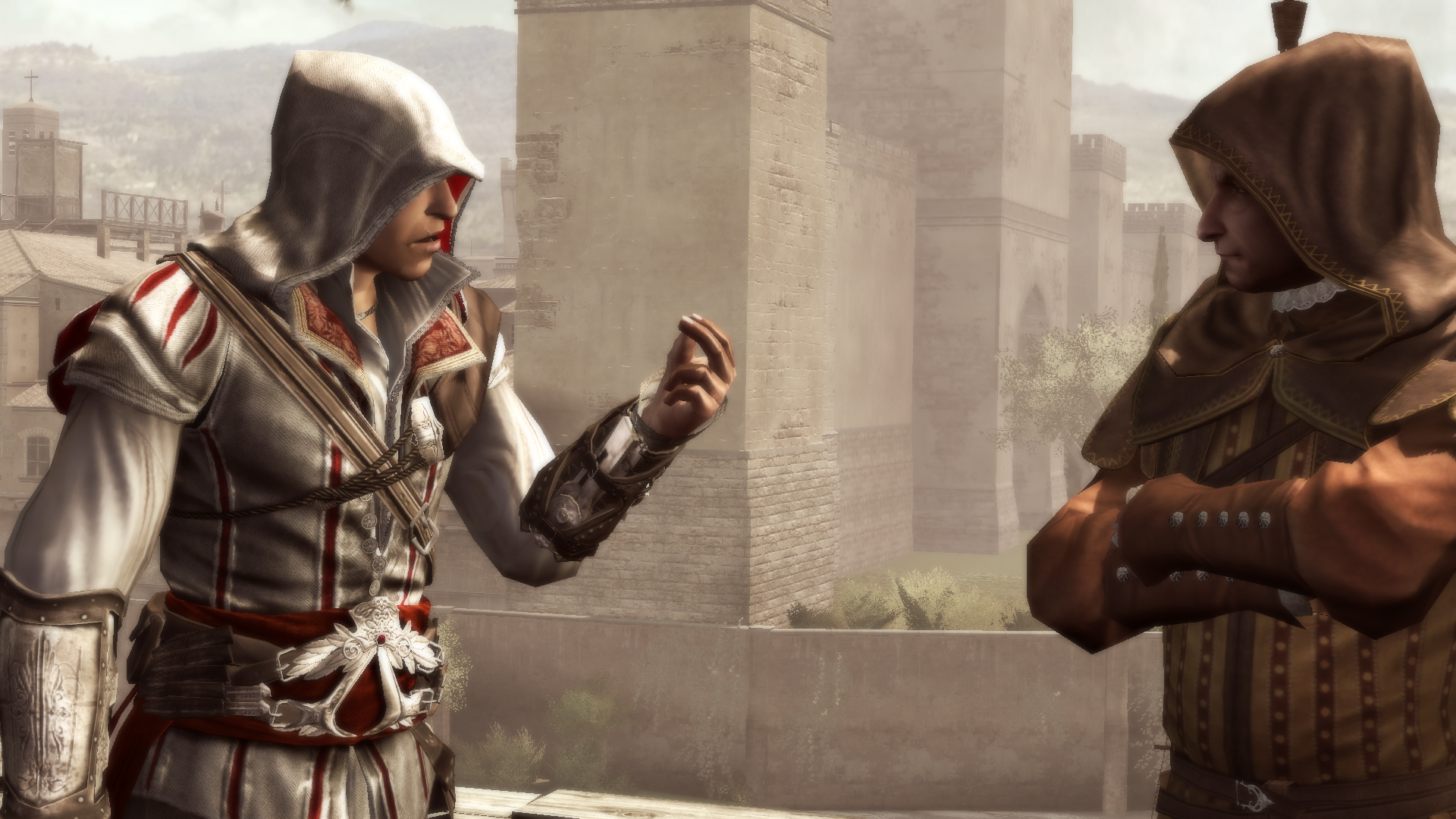
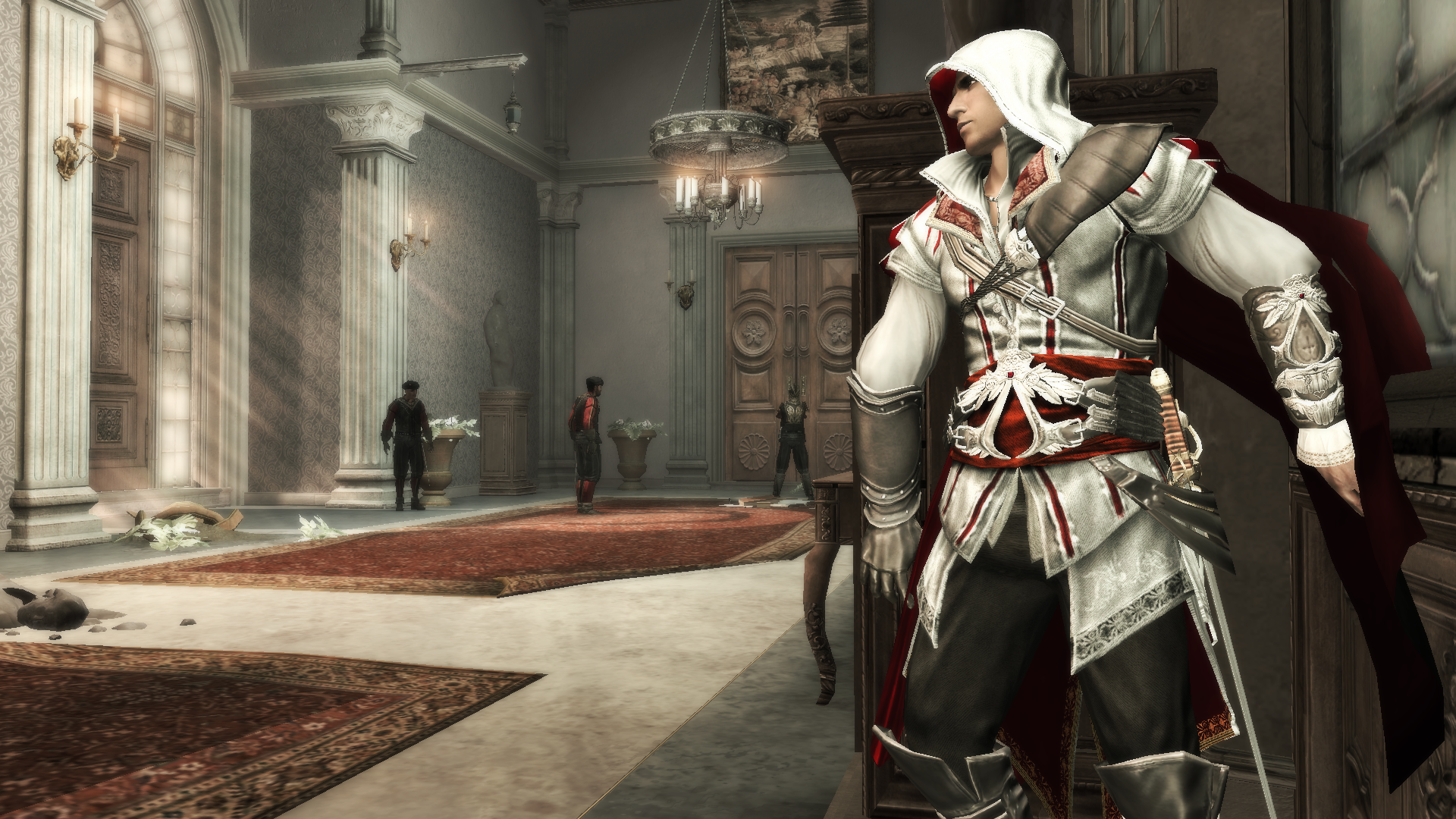

Assassin's Creed II

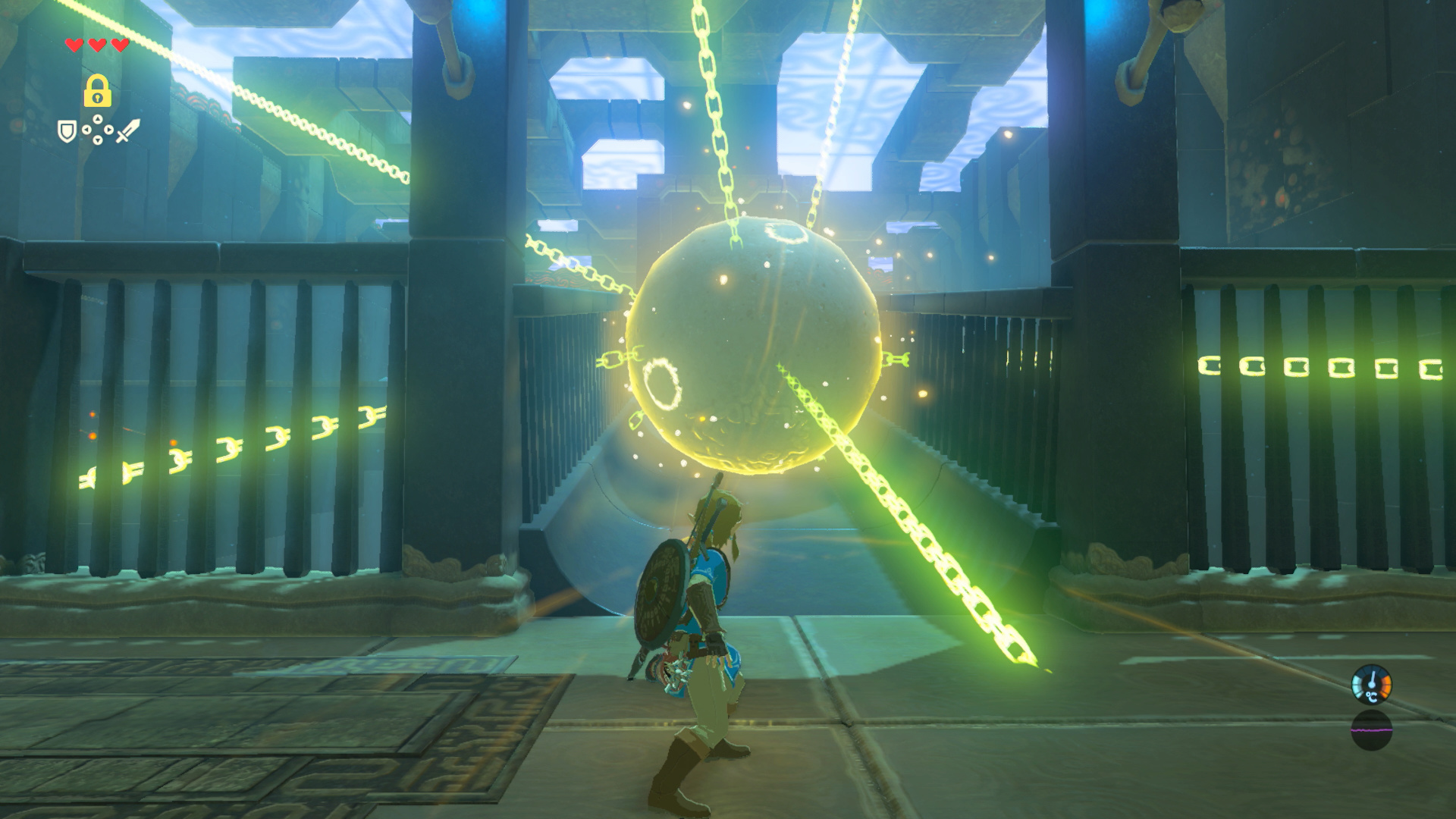


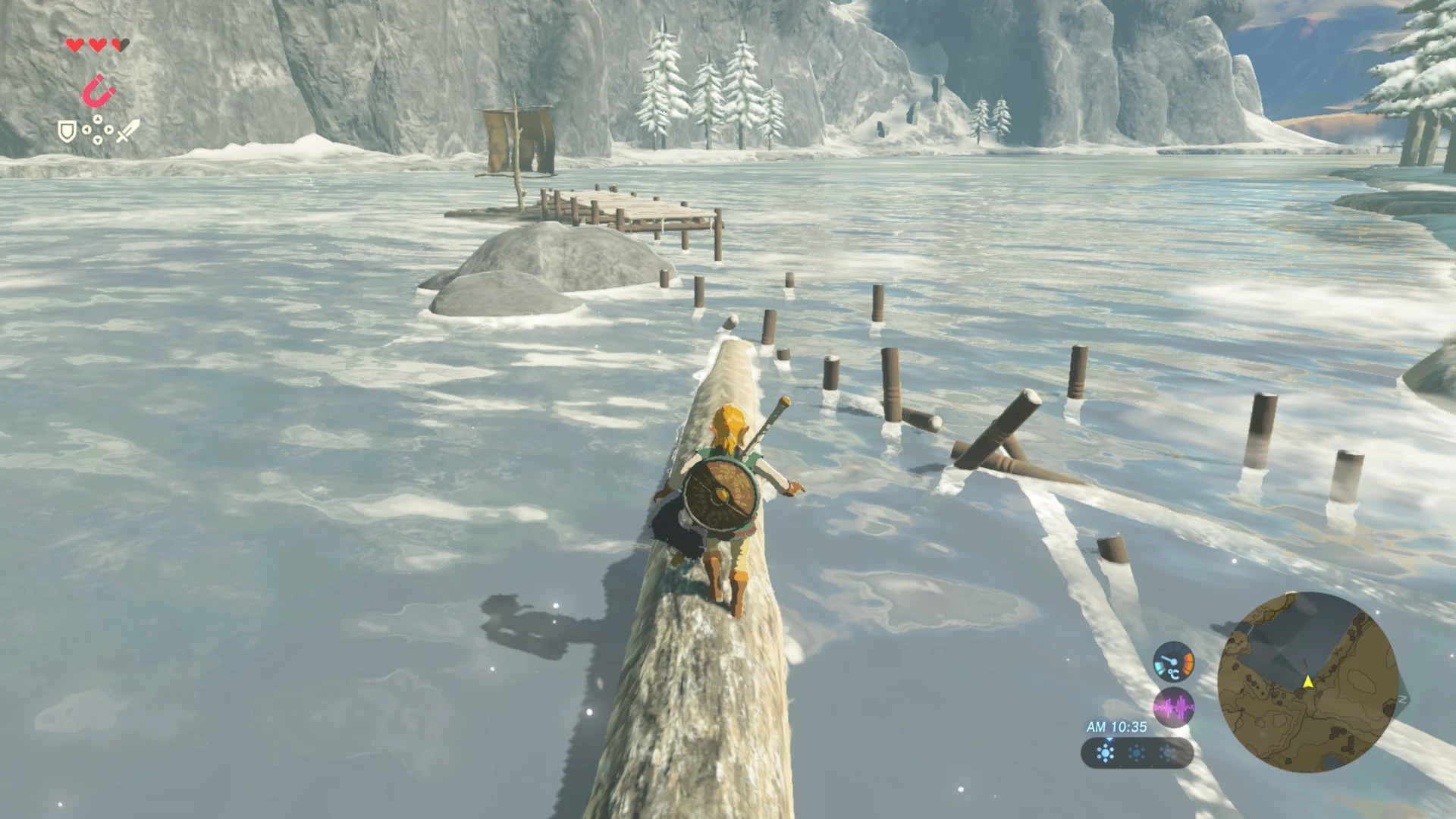

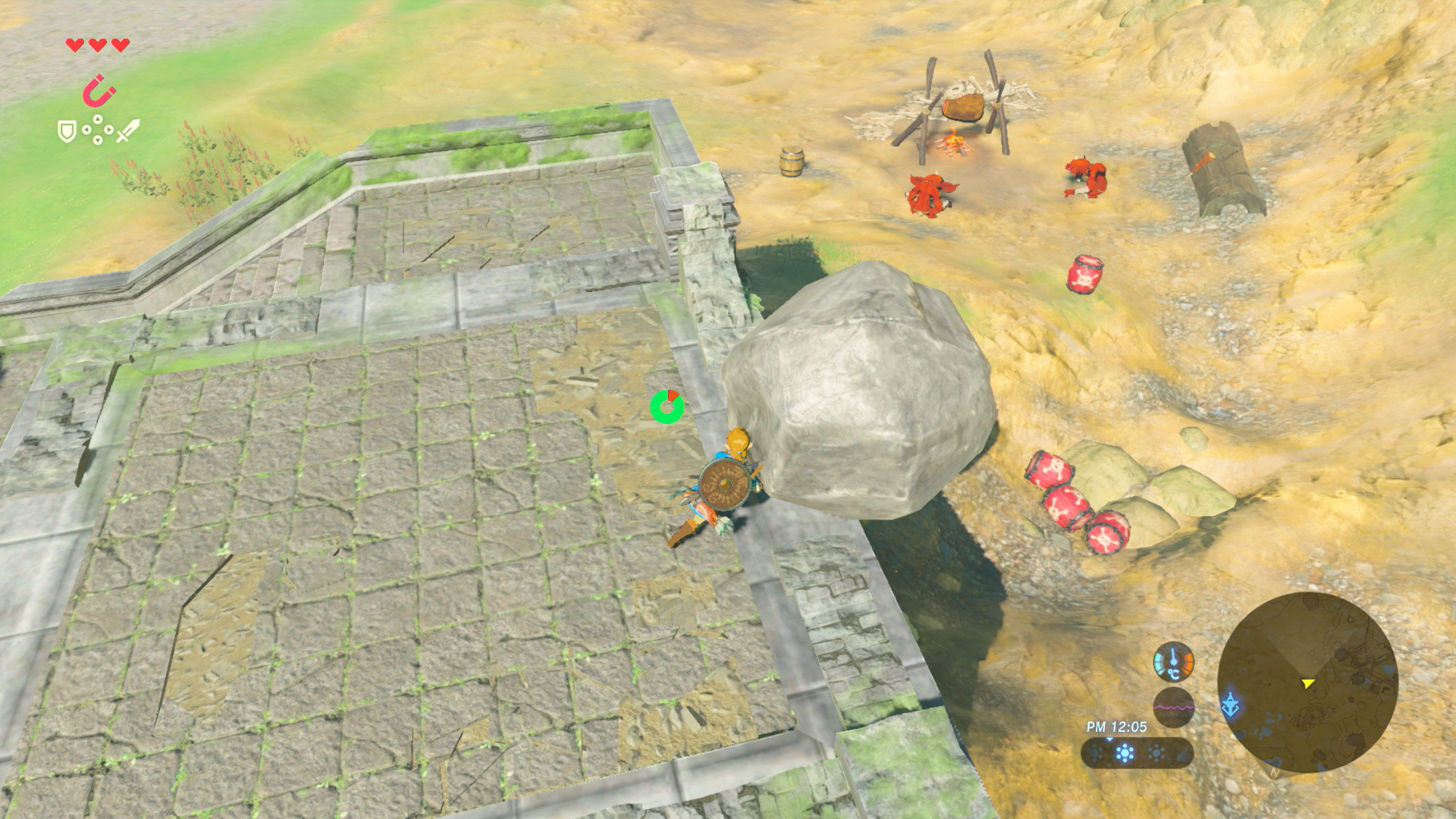
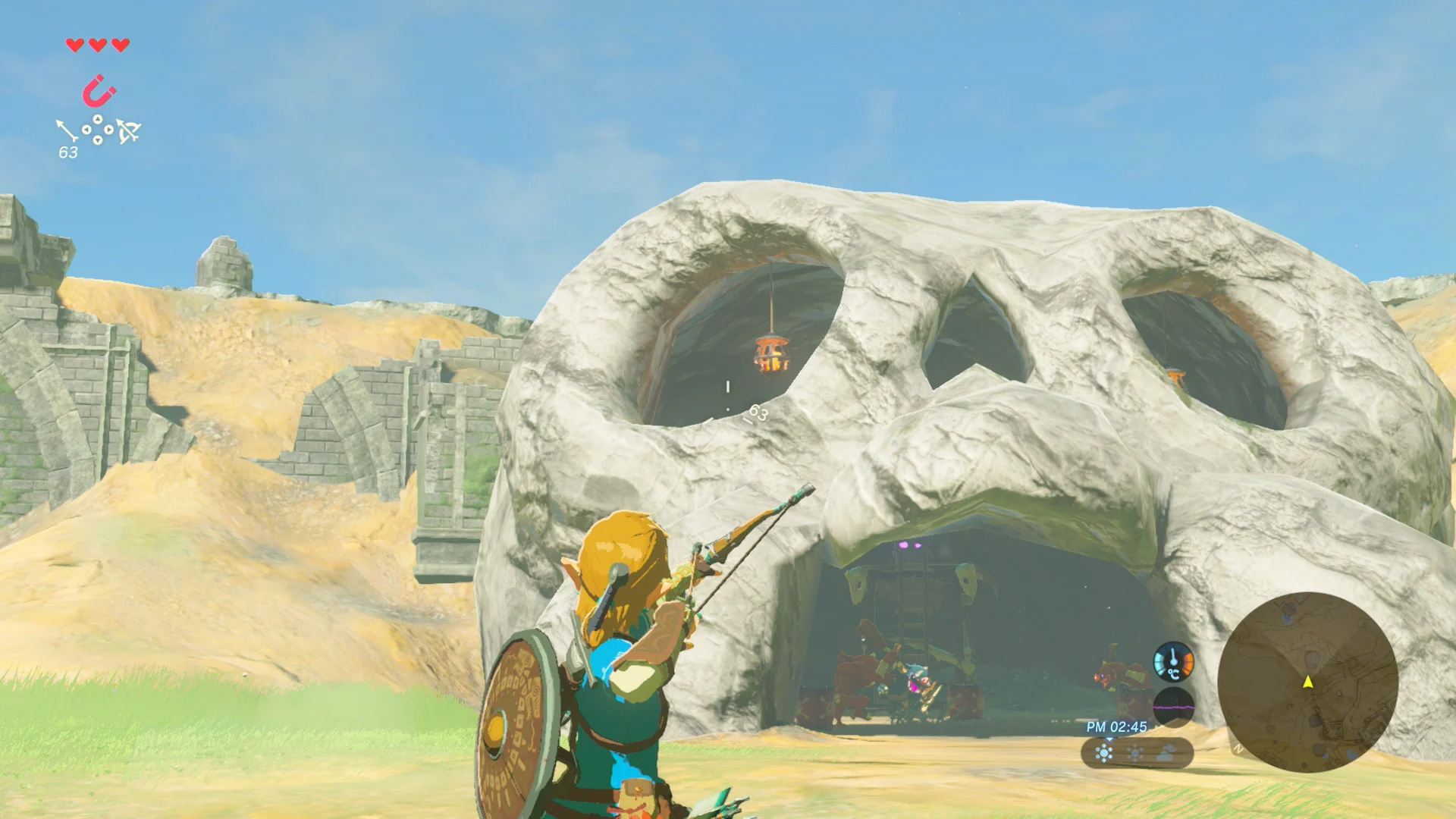
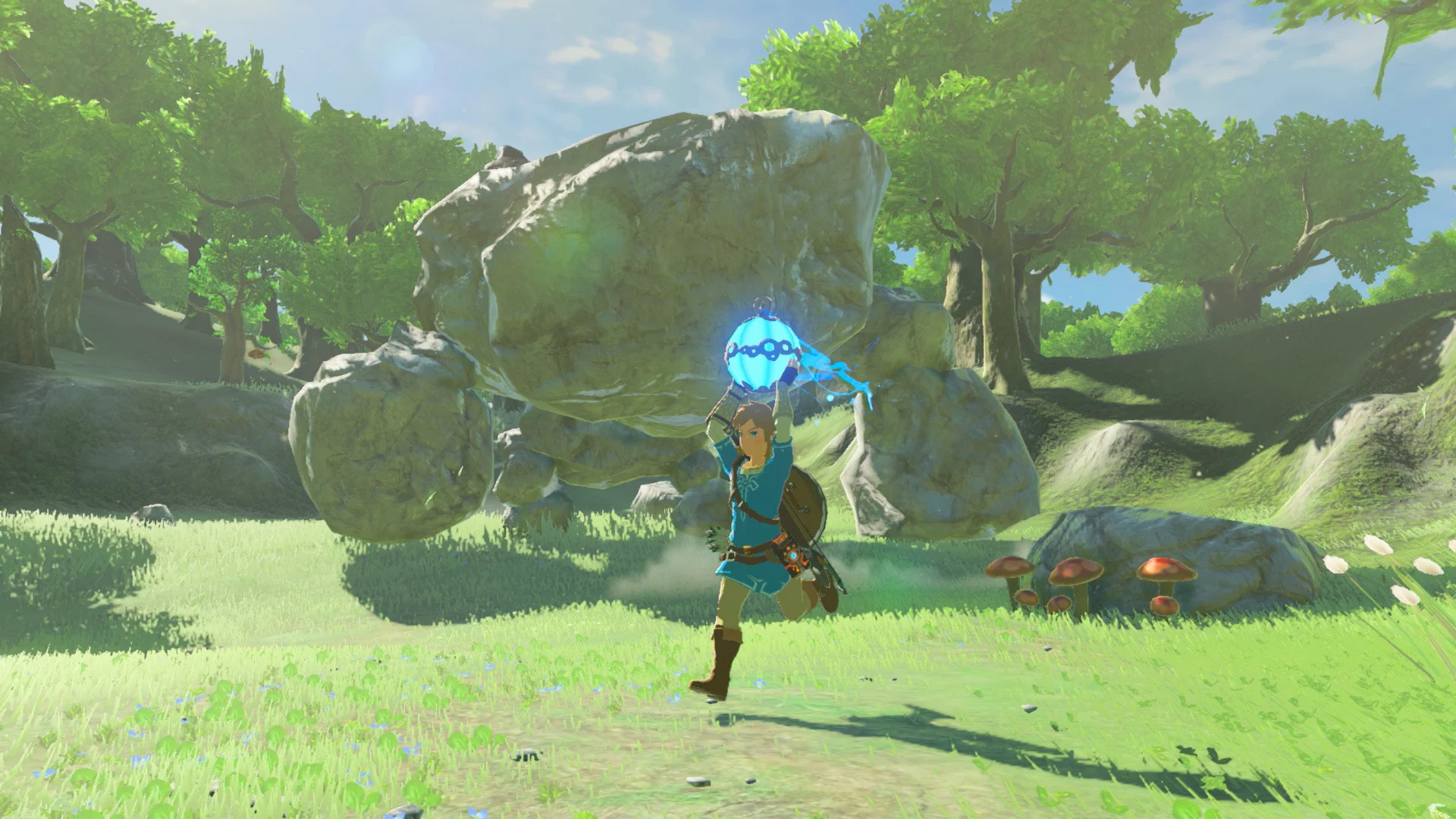
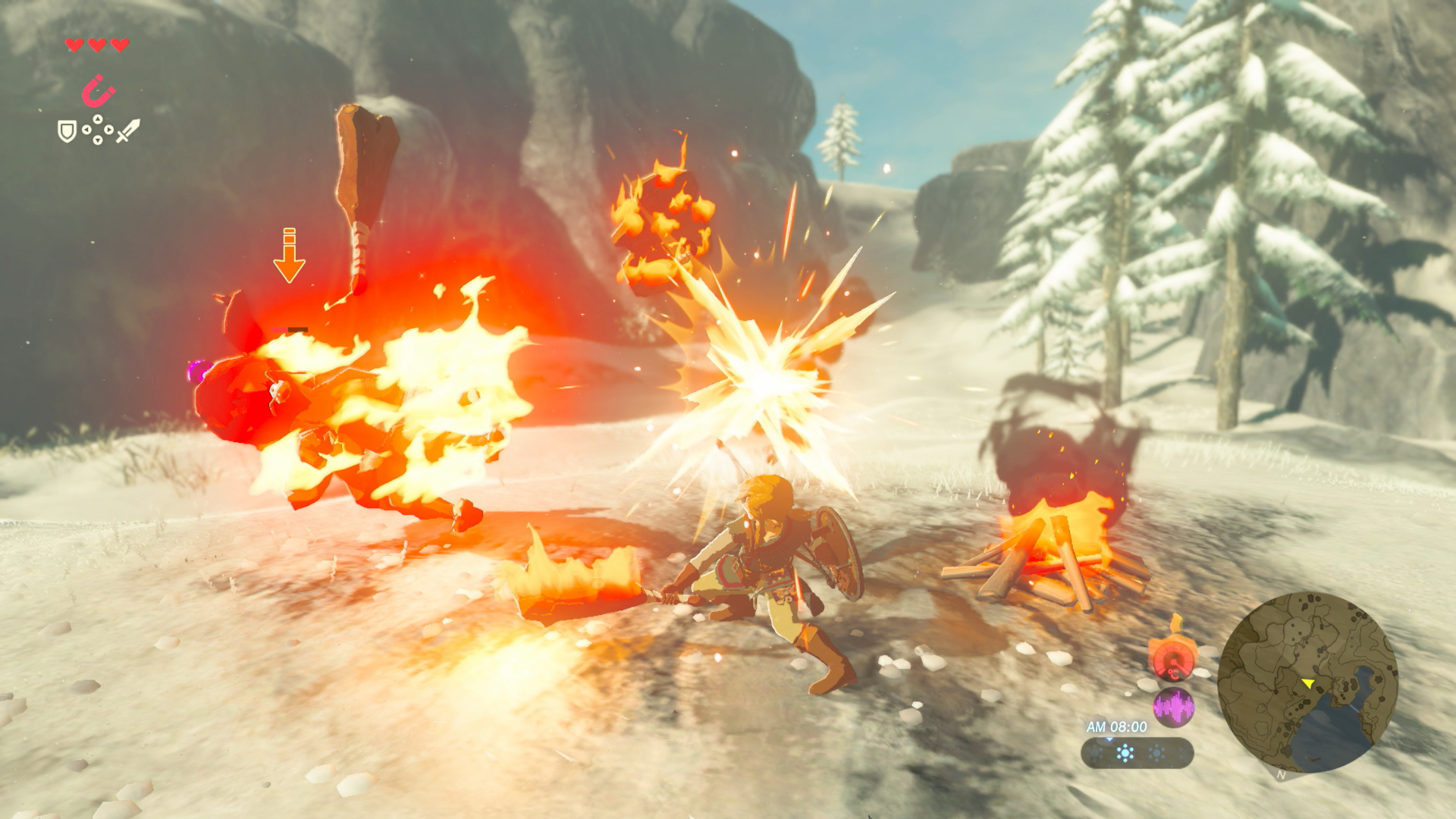

The Legend of Zelda: Breath of the Wild
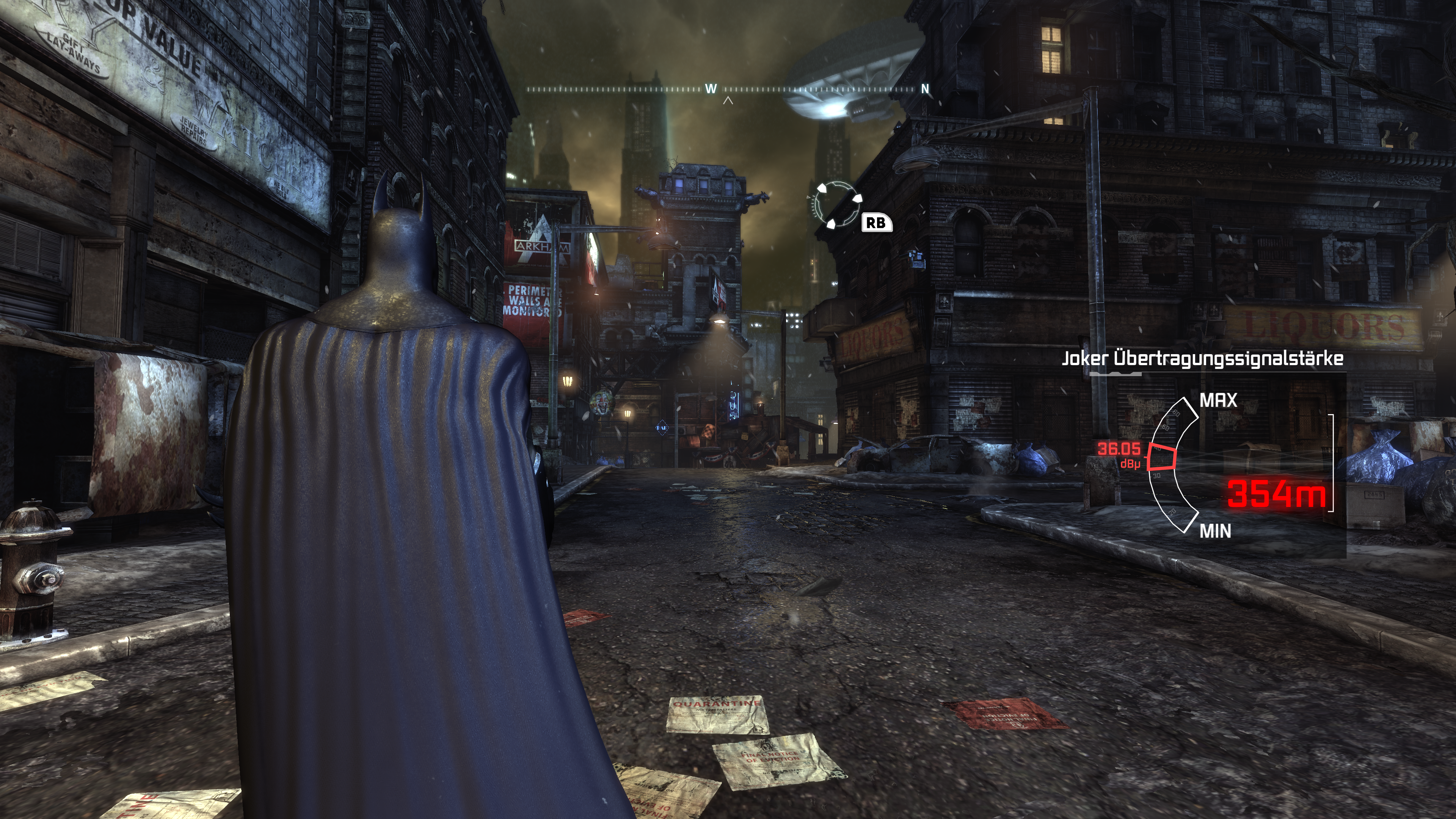
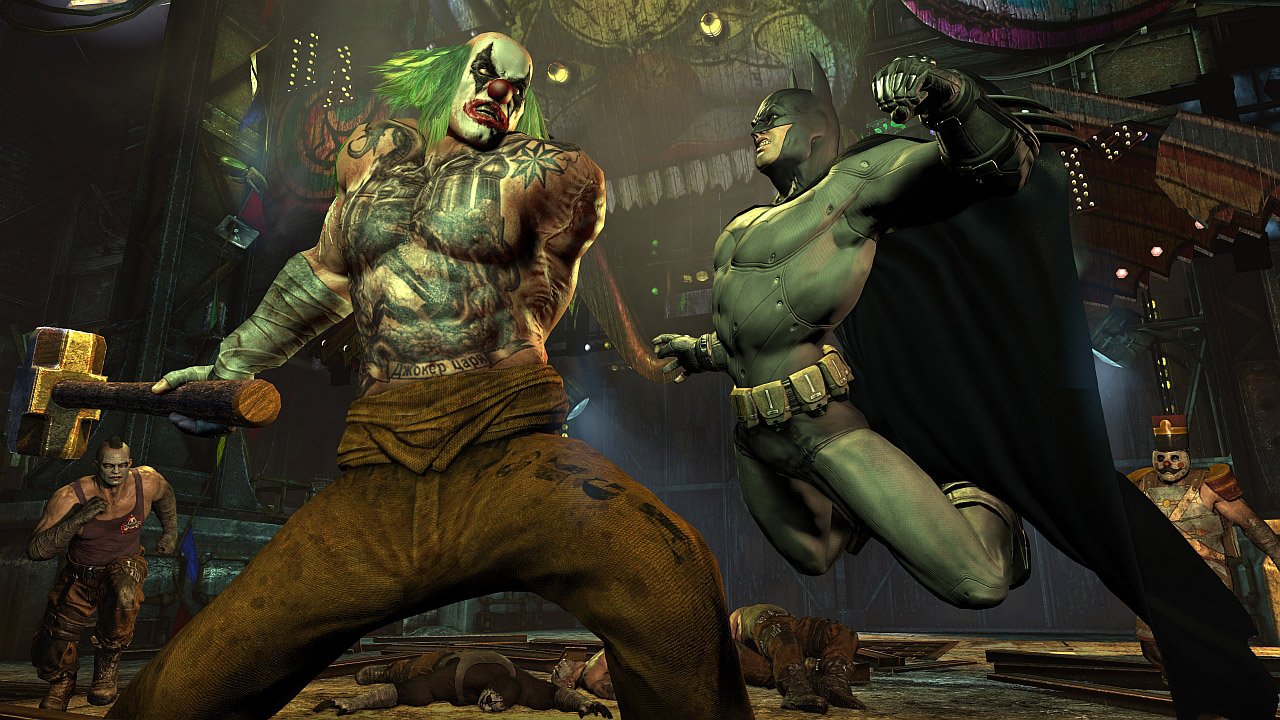
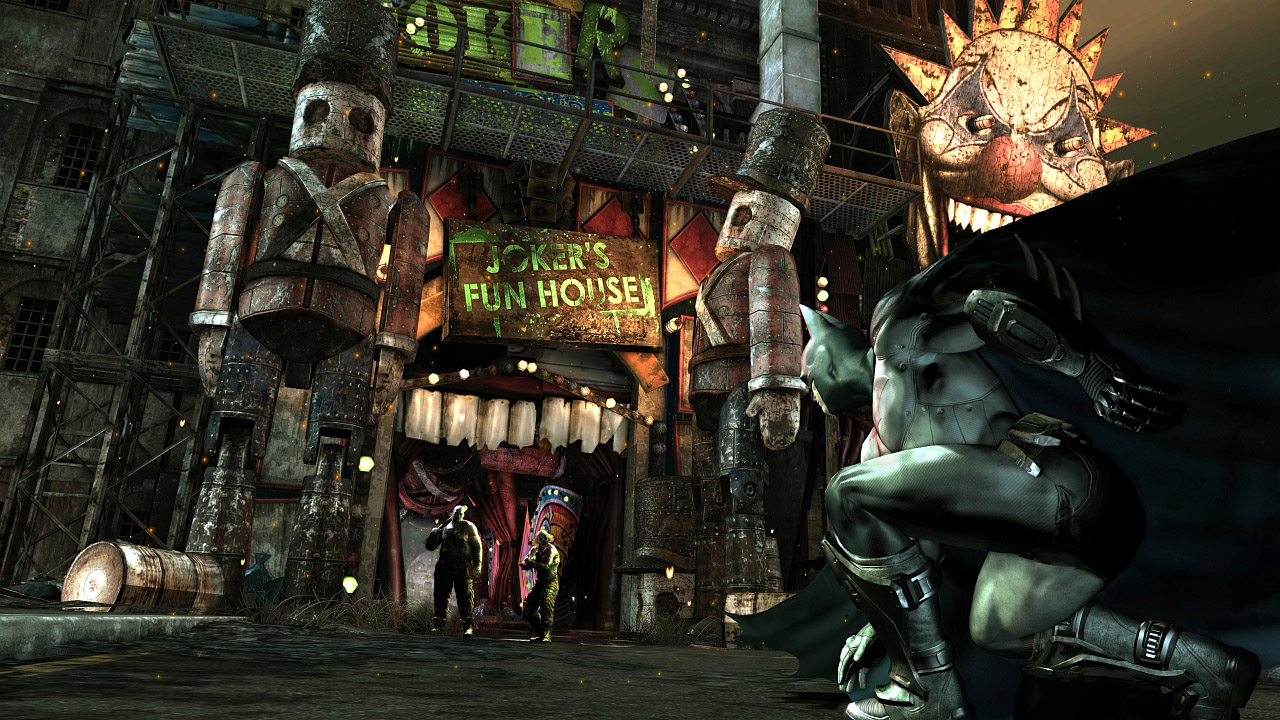
Batman: Arkham City
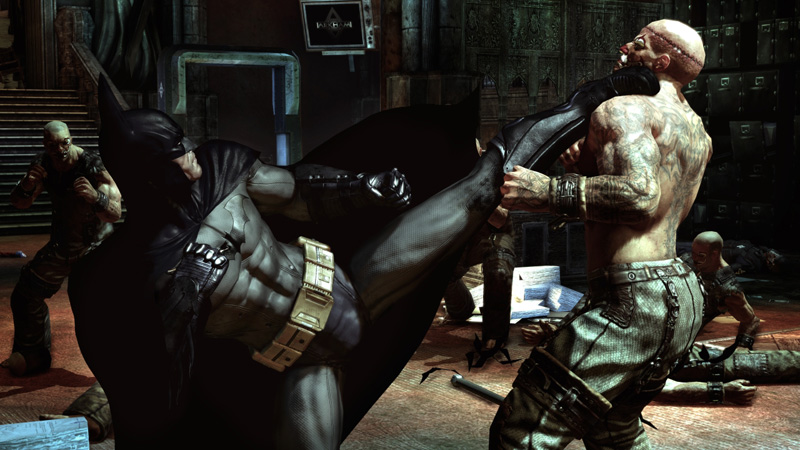
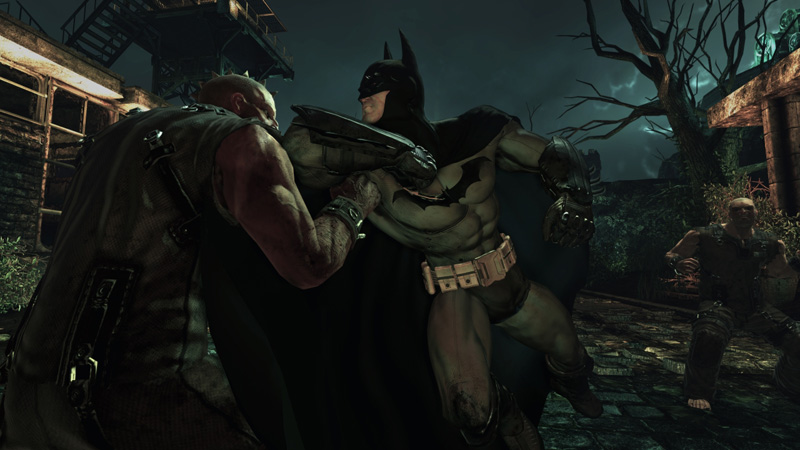
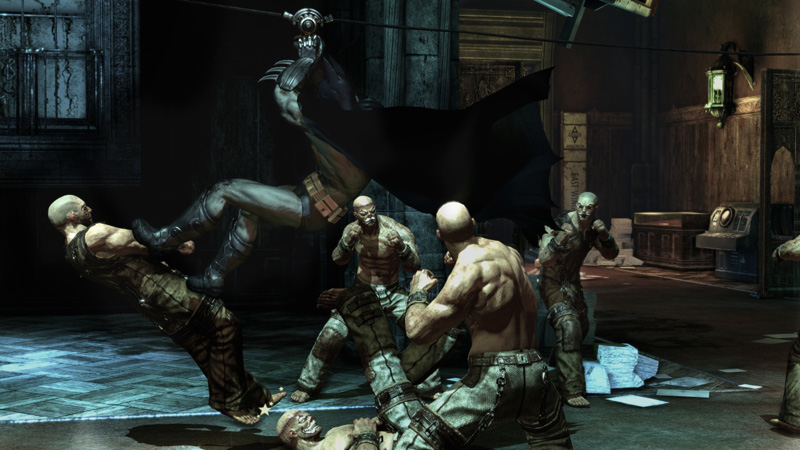
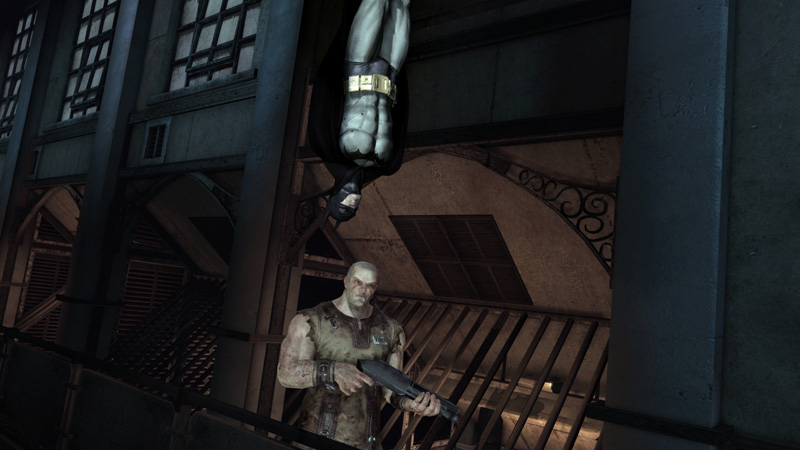
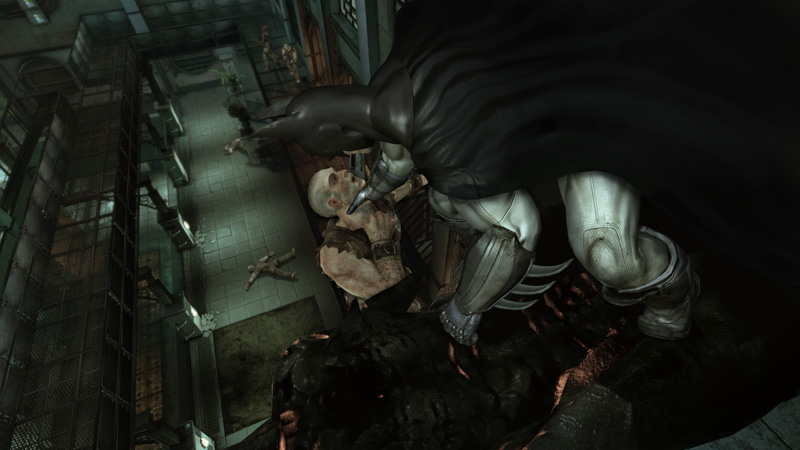

Batman: Arkham Asylum

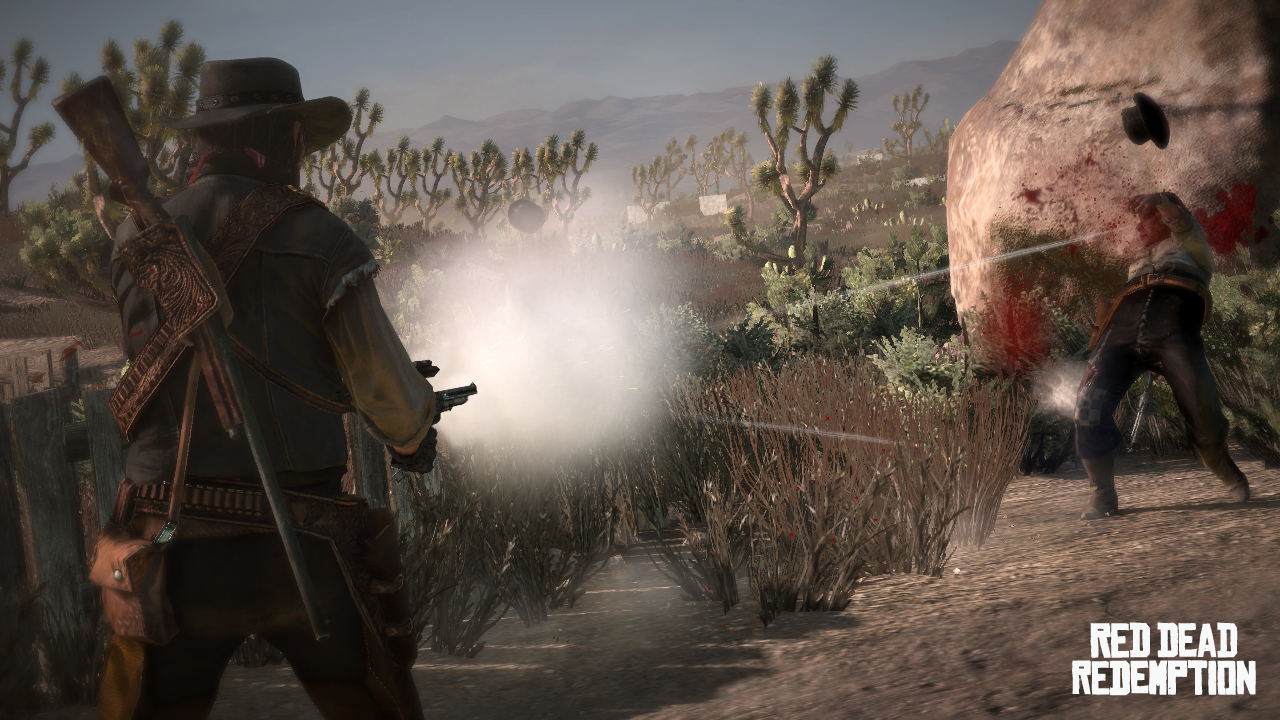

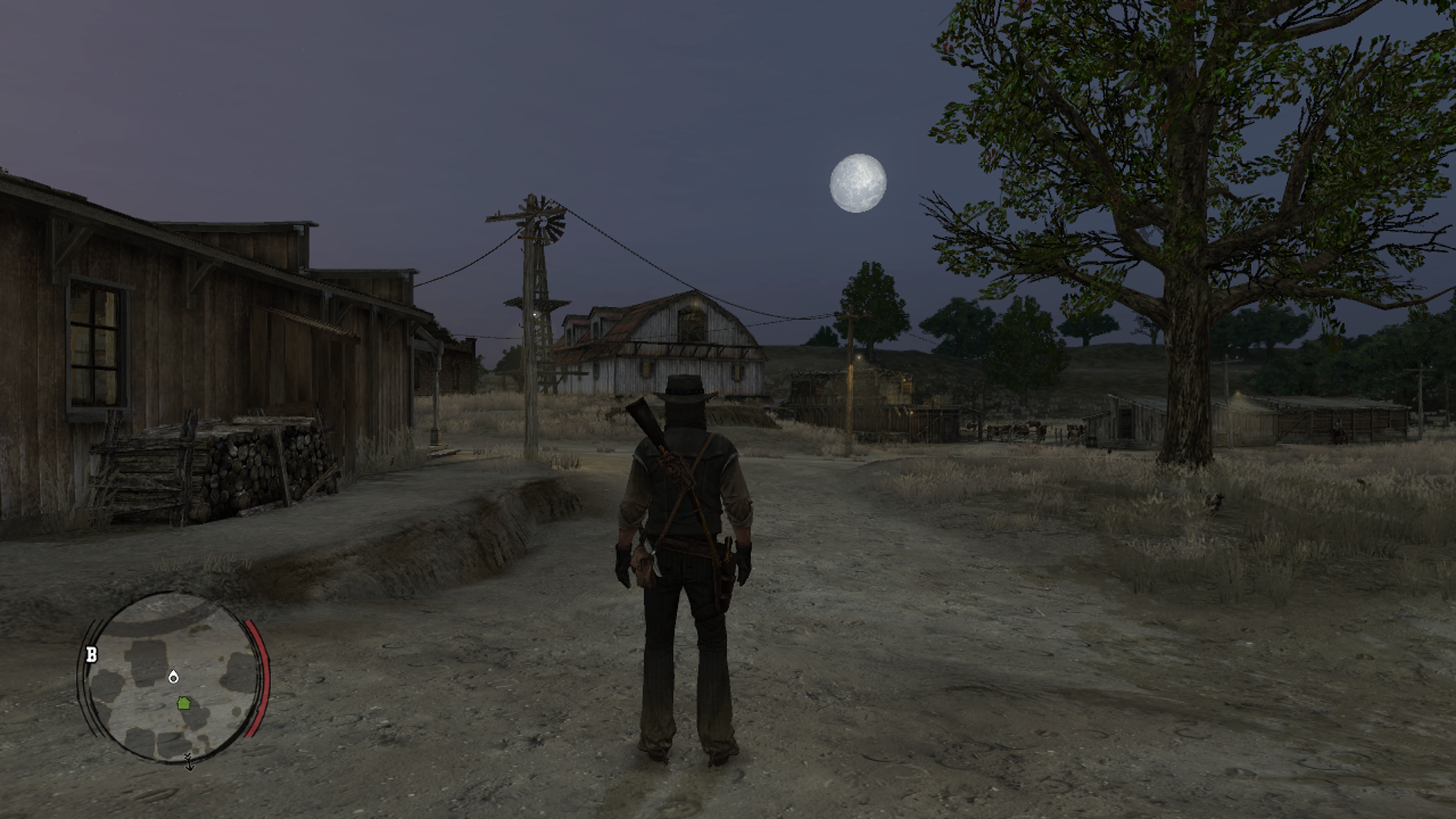

Red Dead Redemption

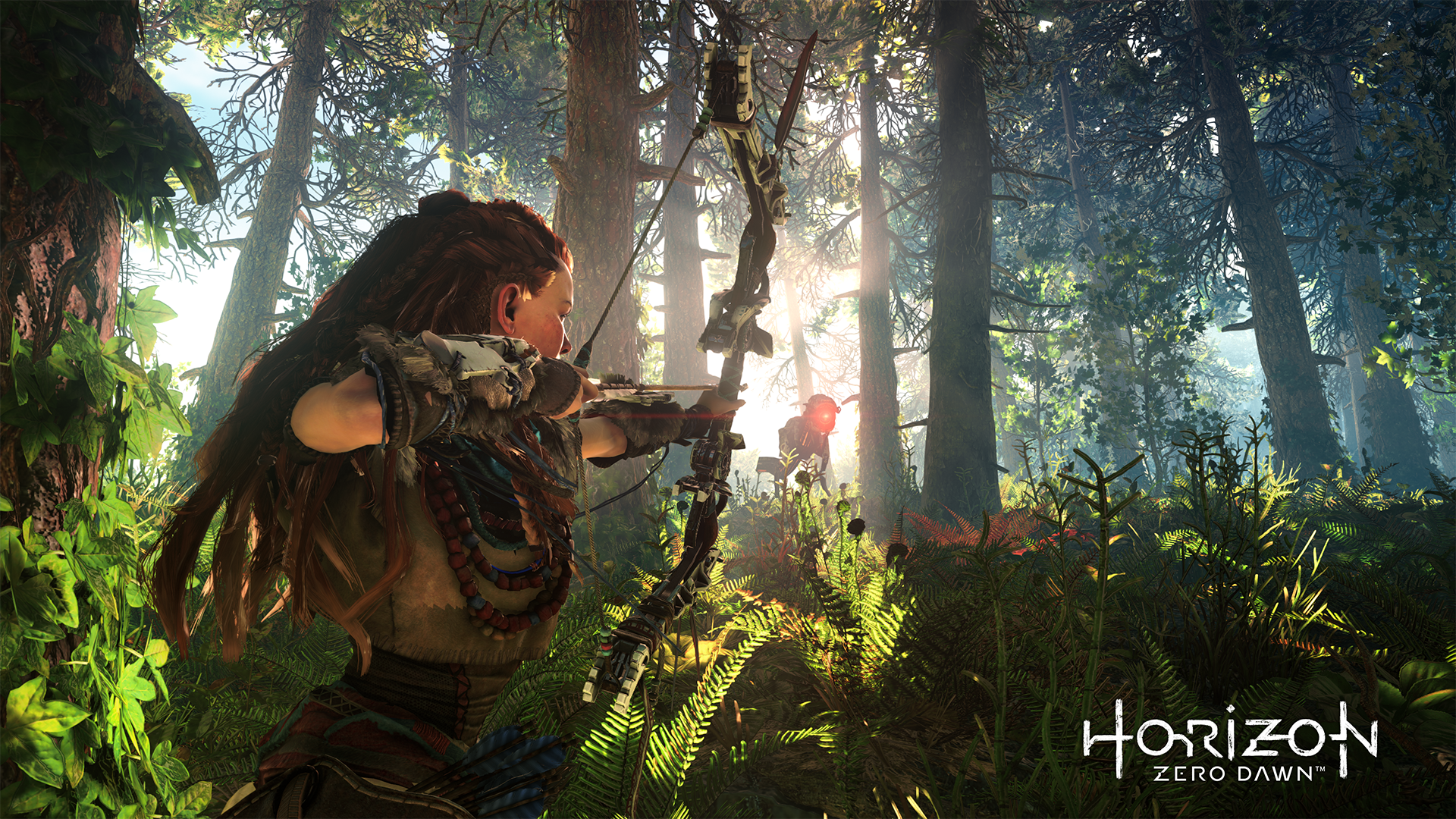
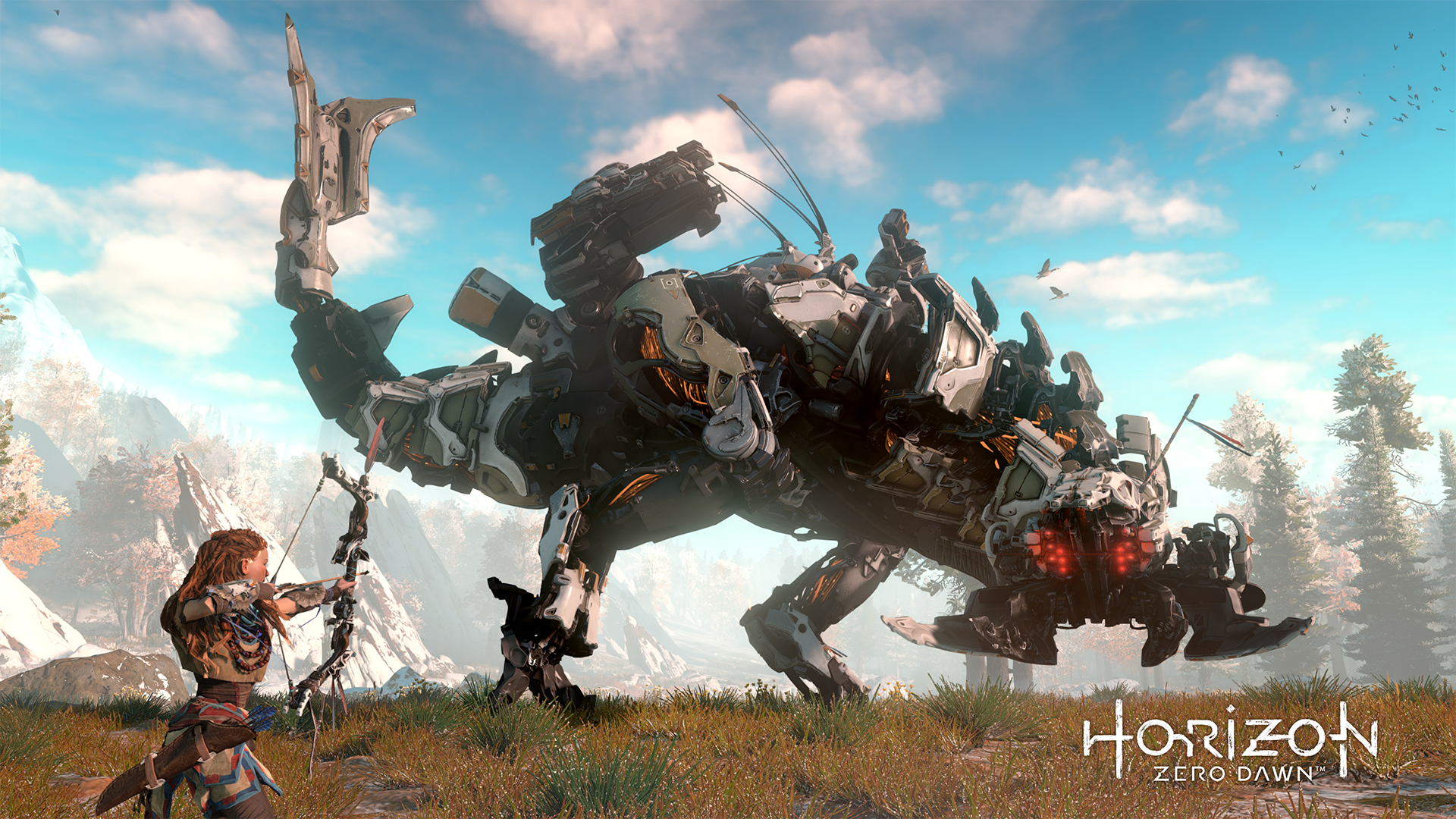
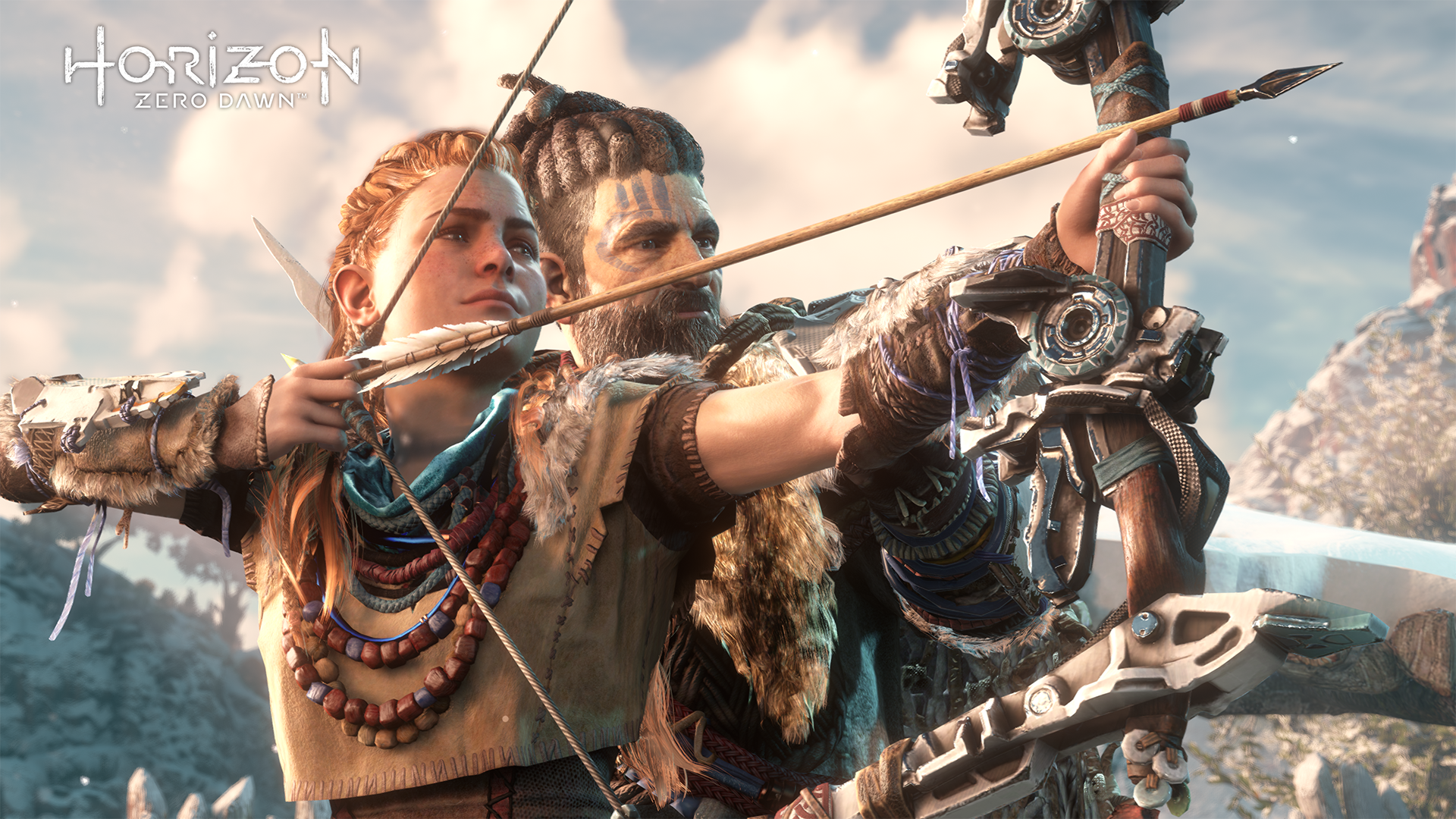
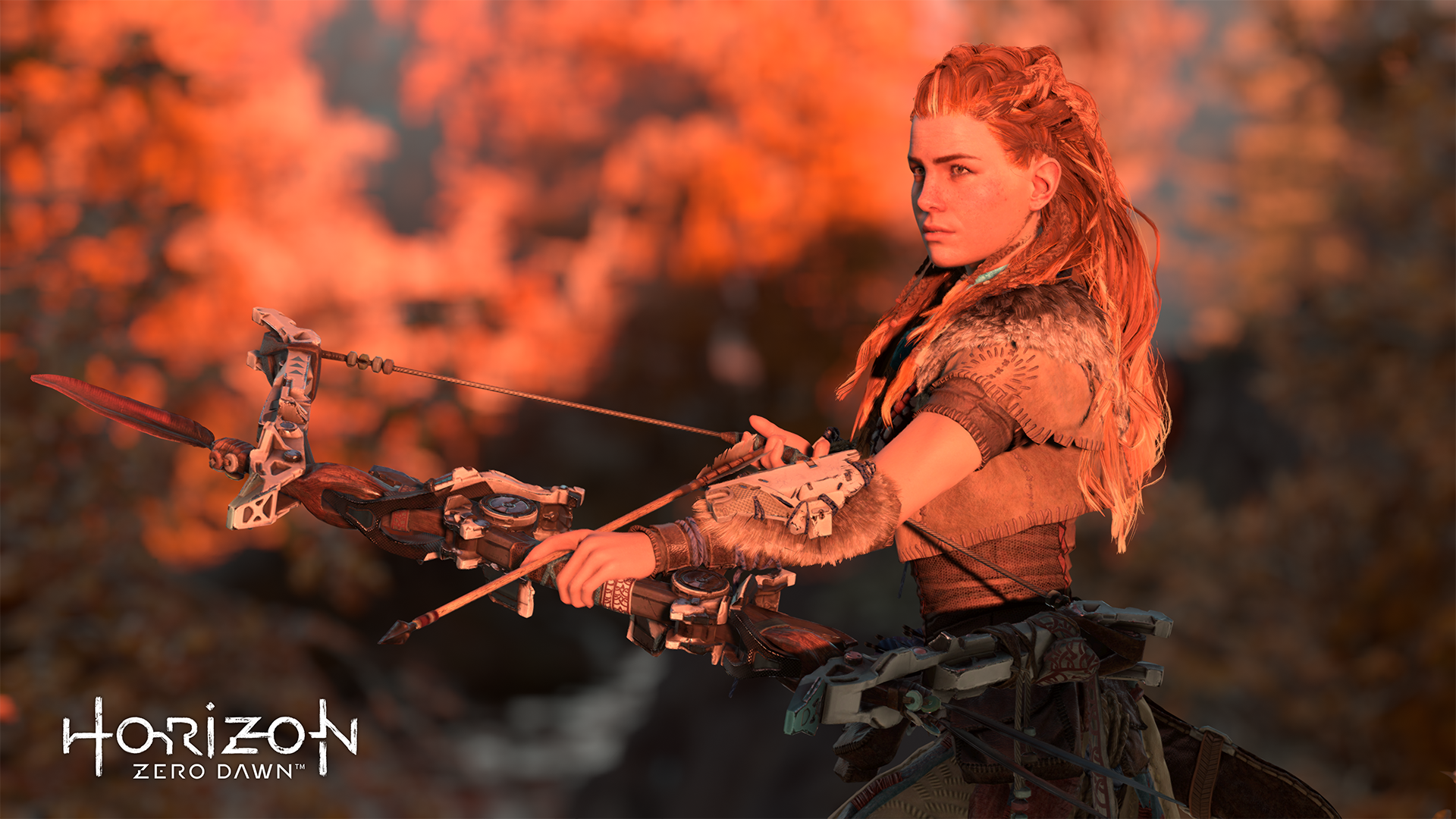
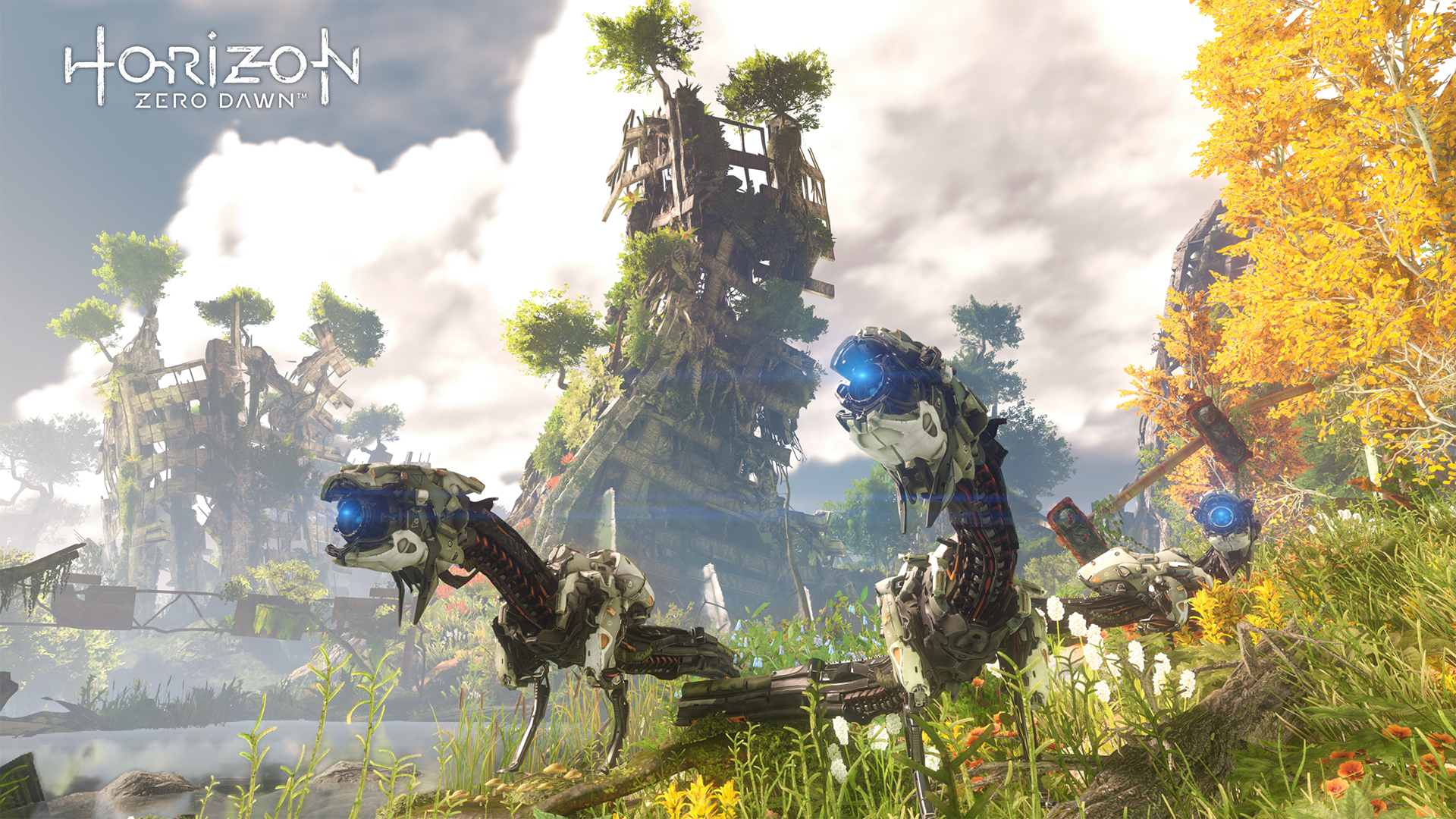

Horizon Zero Dawn