Game Info
↑ Back to top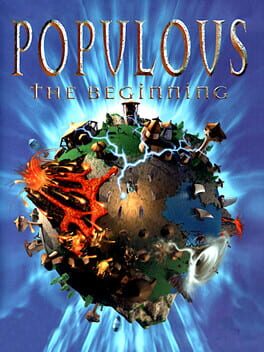

Populous: The Beginning
Series:
Genres:
Themes:
Perspectives:
Game Modes:
Overview
↑ Back to topDescription from Steam STEAM
Shaman, the path is laid before you. Your destiny is to become a god! But it will not be easy. Not for you, and not for your followers. To become a deity, you must conquer all 25 planets of the system and defeat every other tribe and their shamans. The ultimate struggle will be a difficult one, as you build mystical cities, unleash devastating spells, harness volcanoes and tornadoes, and shape the face of the planet at your will. Remember, your apotheosis awaits! In the third part of the Populous series, you control your shaman and the tribe of her followers in a difficult quest to conquer all 25 planets of a star system and ascend to godhood. For the first time in the series, the world is presented in true 3D, which at the time amazed both the players and the gaming press. The level of control you exert over your followers also takes you to a new level: you can order individuals or groups to perform certain tasks like gathering resources, constructing buildings, or attacking your enemies. Populous: The Beginning takes a slightly different approach from the previous installments of the series but this is not, by any means, a bad thing as it kept the series fresh and innovative. It was a bold move for Bullfrog but the proof exists in the fact that, after all these years Populous 3 is still a great strategy god-game.
Description from IGDB IGDB
Populous: The Beginning is a strategy and god-style video game. It is the third entry in the Populous video game series, developed by Bullfrog Productions in 1998. The PC version of the game was released November 30, 1998 and a PlayStation version was later developed and released on April 2, 1999. Unlike earlier games in the series, which cast the player in the role of a god influencing loyal followers, The Beginning took a radical departure and placed the player in the role of a shaman, who directly leads her tribe against opponents. Throughout the twenty-five missions of the campaign, the player leads their tribe across a solar system, dominating enemy tribes and tapping new sources of magic, with the ultimate goal of the shaman attaining godhood herself. Populous: The Beginning was the first entry in the series to use true 3D computer graphics; Bullfrog waited four years after Populous II: Trials of the Olympian Gods so that the graphics technology could catch up to their vision for a new and different game in the series. The developers considered the addition of terrain deformation and manipulation, combined with "smart" villagers who automatically attended to tasks, to add an entirely new dimension to the series. The game's original title was Populous: The Third Coming before being changed prior to the beta release. Populous: The Beginning plays very differently from earlier titles and received mixed reviews. Reviewers positively noted the excellent graphics, while complaints were directed at the artificial intelligence and the indecision in game design between being a real time strategy title and a god game. GamePro's Peter Olafson wrote that Populous: The Beginning was not a bad game, in fact a good one; "but it's a different game—one without a quintessential quality that defined Populous."
Storyline IGDB
Populous: The Beginning takes place before the first two games in the series. The player controls the Blue tribe, pitted against the three enemy tribes which control most of the solar system. The player's destiny as Shaman is to become a deity; only by defeating all the enemies in the system can the player's shaman become omnipotent. The player begins on the planet furthest from the sun, and attacks each planet in sequence. Along the way, the Shaman can learn new skills and magic to defeat her (usually) much more powerful enemies. Victory requires the player to either destroy the opposition, or on occasion perform special actions. The player loses if his or her Shaman is killed and there are no remaining followers, if the Shaman is killed and there is no circle of reincarnation, or the player runs out of time on timed levels.[16] Upon beating back the other tribes, the Shaman ascends to godhood, and further helps her people conquer the Matak, Chumara and Dakini in one final conflict.
Wikipedia Description WIKIPEDIA
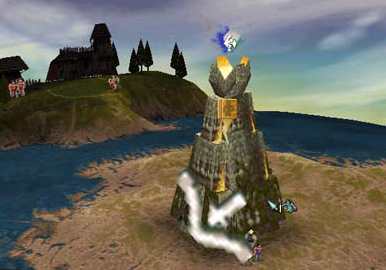
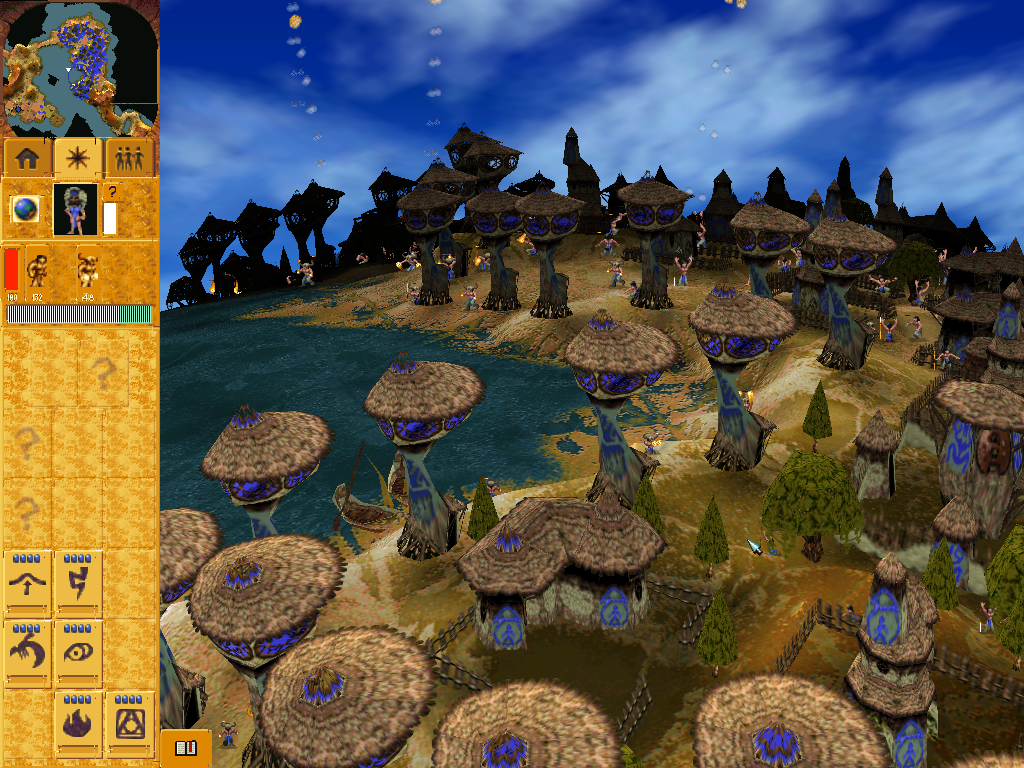
Whereas previous Populous games were god games where players assumed the role of a god with terrain-altering abilities, Populous: The Beginning adopts elements of real-time strategy games. Rather than being a god, the player controls a Shaman trying to become one, and directly controls the actions of followers by ordering them to build structures or attack enemies. In the campaign mode, the player fights opposing tribes for dominion over the planetary system. Multiplayer with up to four players per game was offered via local area network, modem connections, or over the Internet through an external matchmaking service. In the campaign, enemy tribes also have shamans, and on later levels all inhabit the same world. The objective in most missions is to eliminate enemy tribes with overwhelming force, though some missions have a different structure. The game has no formal resource management; new units are created automatically at houses, and training new troops costs nothing except mana. Only wood from trees is required to build new structures. In comparison to the isometric presentation of the previous games in the series, Populous: The Beginning features three-dimensional (3D) graphics, with the game camera at a variable height and capable of rotating 360 degrees, enabling the player to quickly move across the planet's terrain. While the terrain's topology is a torus, the map is locally projected onto a sphere to give the illusion of a planet. On maps where there is no fog of war, players can see what opponents are doing at any time. Support for 3D acceleration enables the player to view the game in 16-bit or 32-bit colour. The landscape and real-time structure building and follower movement are also shown. The player commands different types of followers, each of which has advantages and disadvantages in combat. The most basic unit is the Brave, which builds huts, towers, and military buildings. Braves are trained to become other units: tough melee Warriors; weak, long-range, Firewarriors; Preachers, who convert enemy units and prevent enemy preachers from converting friendly troops; and Spies, who perform espionage functions. Shamans are physically weaker than warriors, but can cast powerful spells and can be reincarnated if killed. These spells include tornadoes, storms, or volcanos that create new landmasses, and are slowly learned throughout the campaign. Some spells will disappear after use. Other spells can slowly be replenished for continued use; the rate of spell regeneration depends upon the player's number of followers. Examples of spells include "Landbridge", which raises the sea floor to create bridges across the sea; "Swarm", which sends a horde of insects to sow confusion in enemy ranks; and "Tornado", which creates a cyclone to destroy buildings. There are twenty-six spells in total; they can be used a limited number of times by worshipping at totems, or permanently learned by entering vaults with the player's shaman.
About Populous: The Beginning
Populous: The Beginning is a Base Building, Real Time Strategy (RTS), Role-playing (RPG), Squad Management, Strategy game released in 1998 developed by Bullfrog Productions that offers Co-operative, Multiplayer gameplay from a bird view / isometric perspective playable on PC (Microsoft Windows), PlayStation, PlayStation 3 with 39 user ratings averaging 75.1/100. The game explores themes like Crafting & Gathering, Fantasy. If you enjoy Populous: The Beginning, you might also like similar games in our database of 45,000+ titles.
Basic Info
Details
↑ Back to topAdditional Information
Платформы 4
Genres 5
Themes 2
Player Perspectives 1
Game Modes 3
Companies
↑ Back to topDevelopers
Bullfrog Productions
No description available
Publishers
Dice Multi Media Europe
No description available
Electronic Arts
No description available
Sold Out Sales & Marketing
No description available
Keywords
↑ Back to topScreenshots
↑ Back to top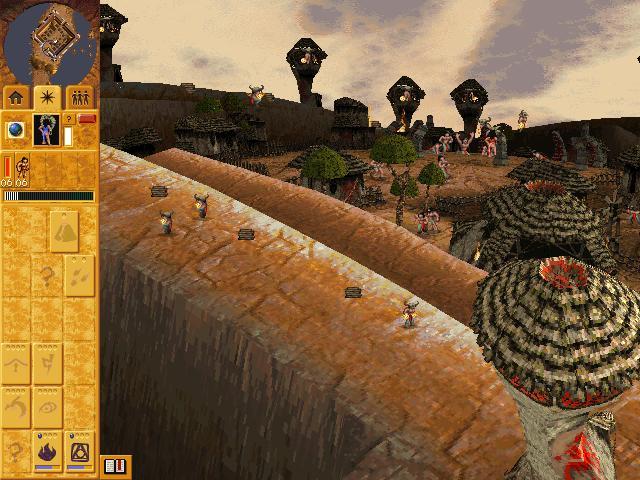


Similar Games
↑ Back to top
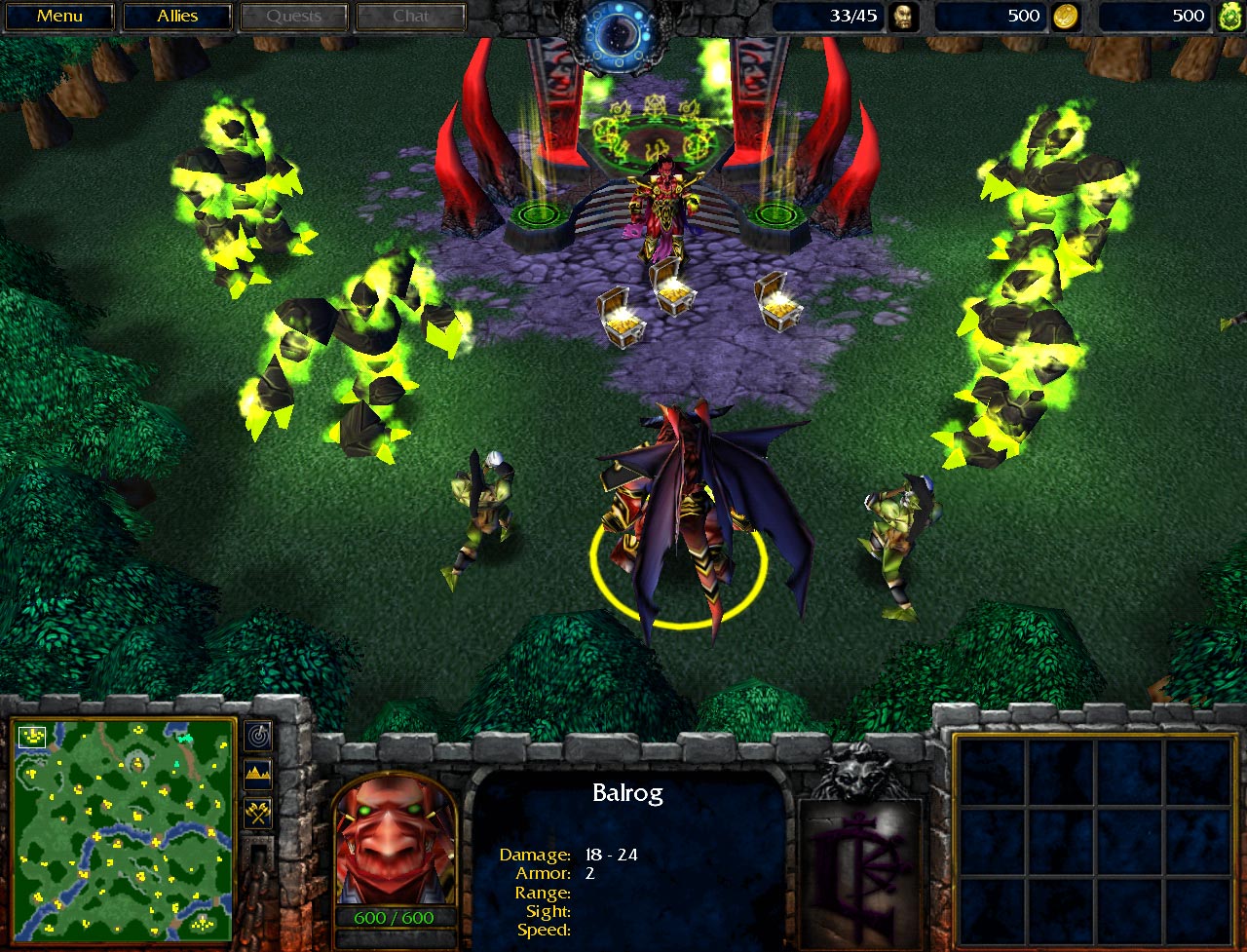

Warcraft III: Reign of Chaos



Chrono Trigger


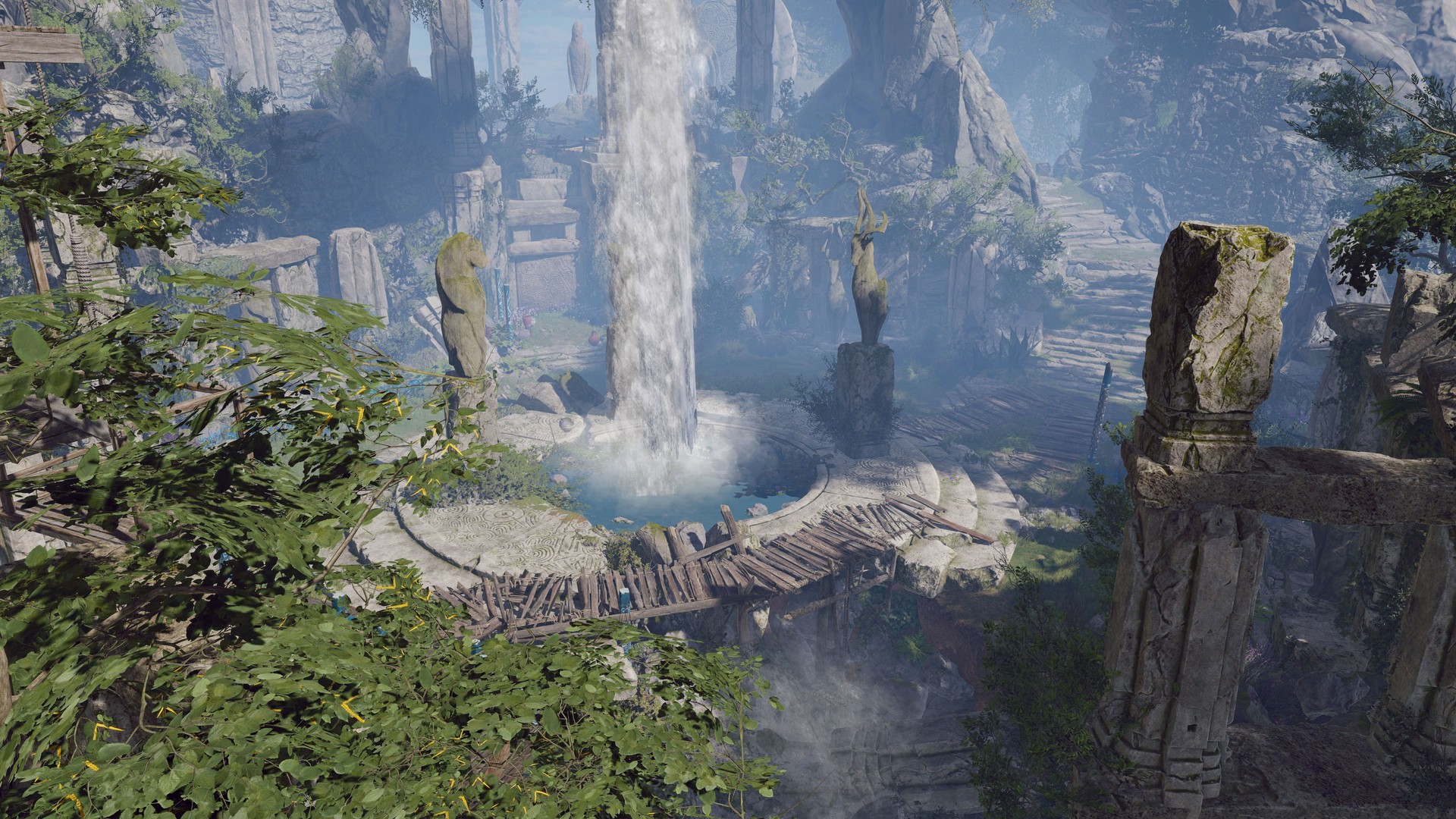
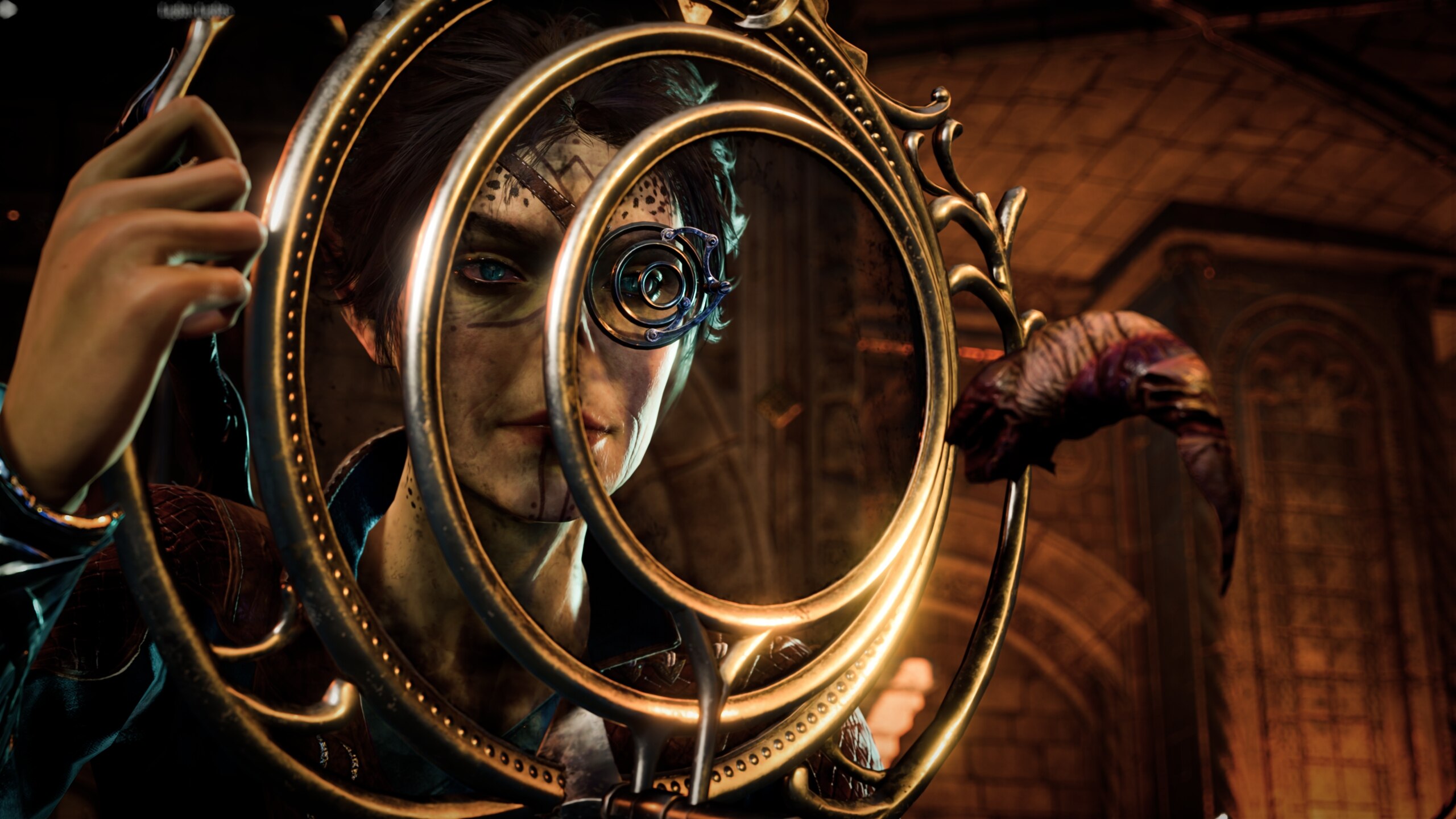
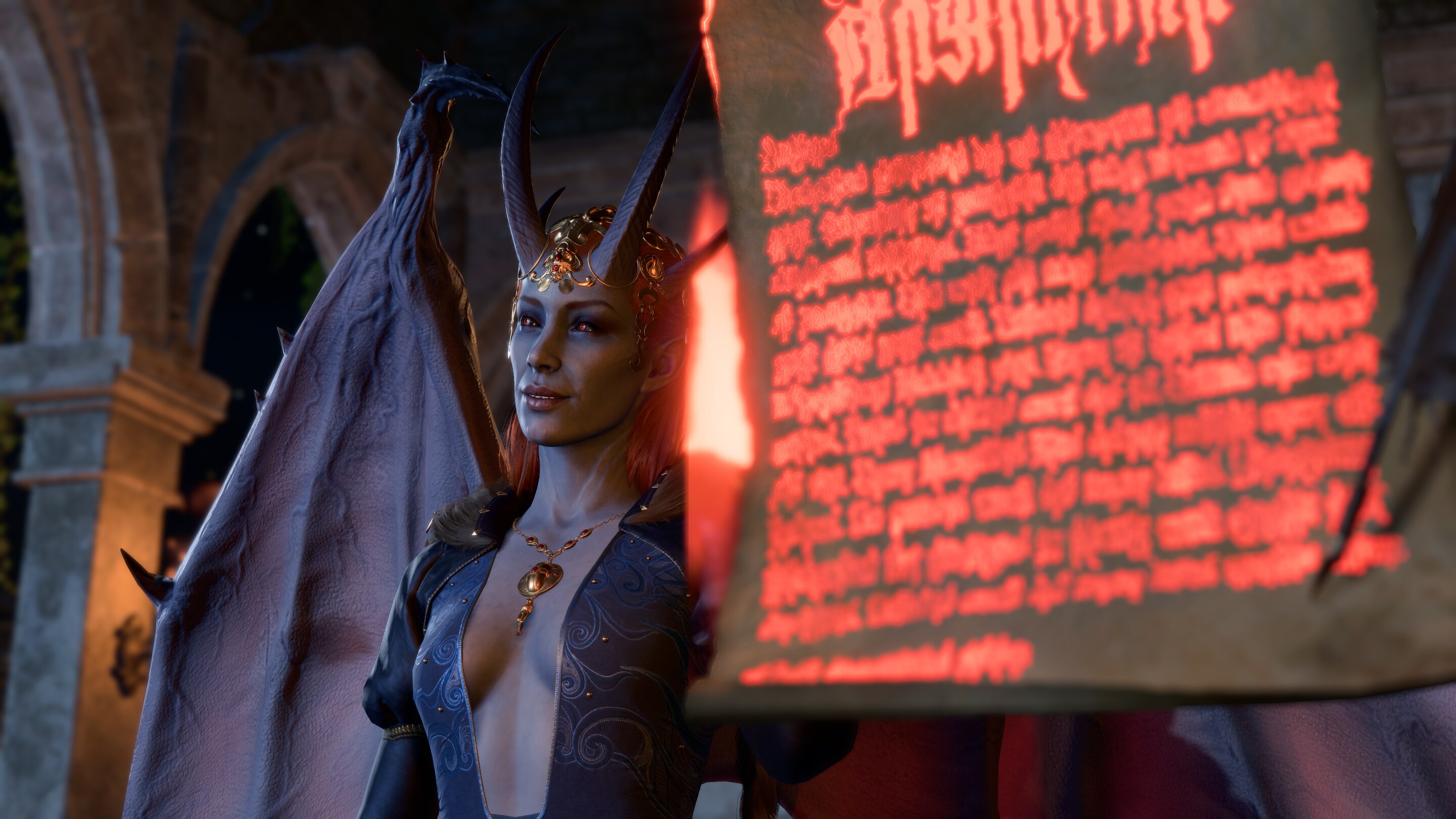

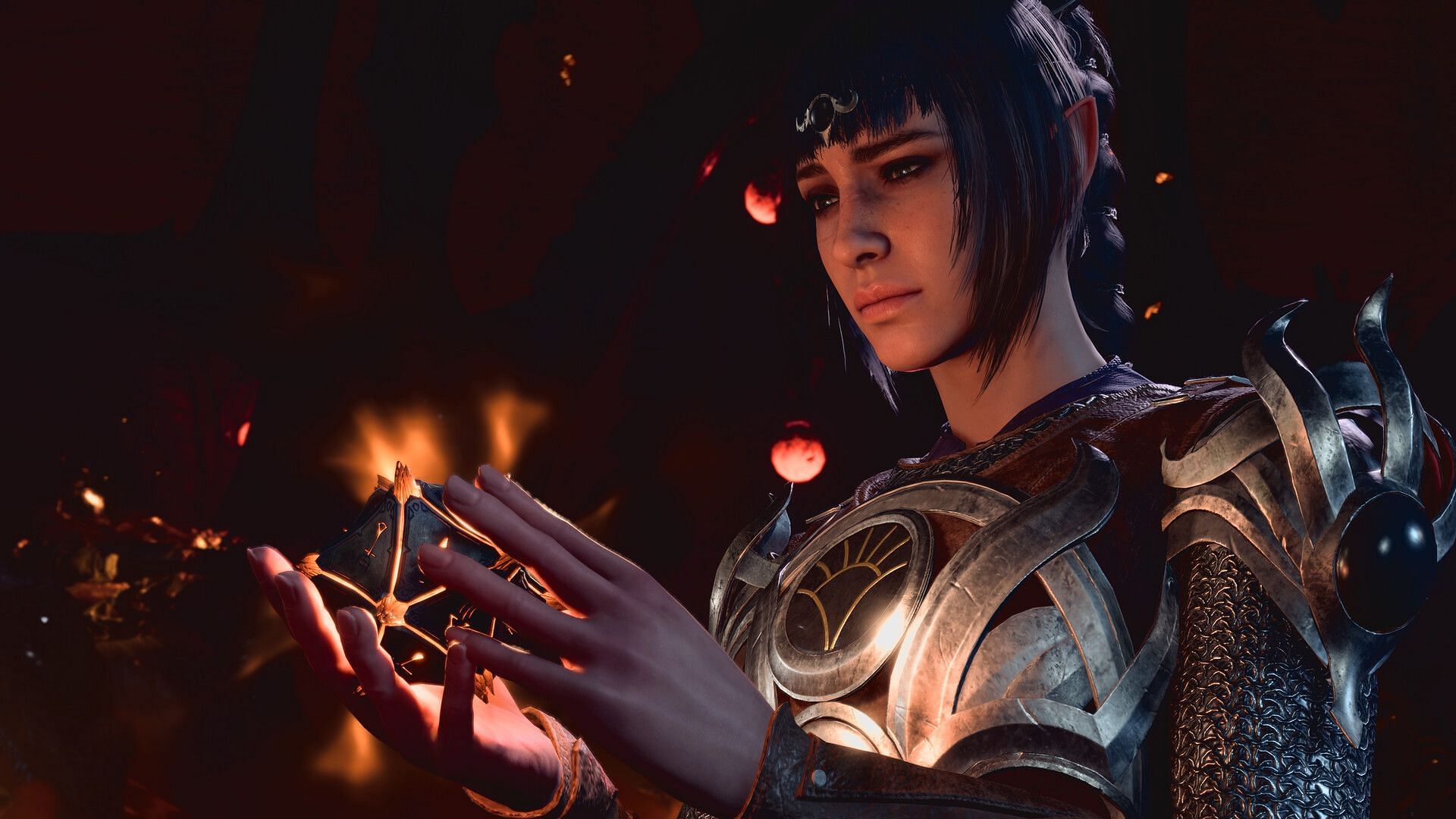


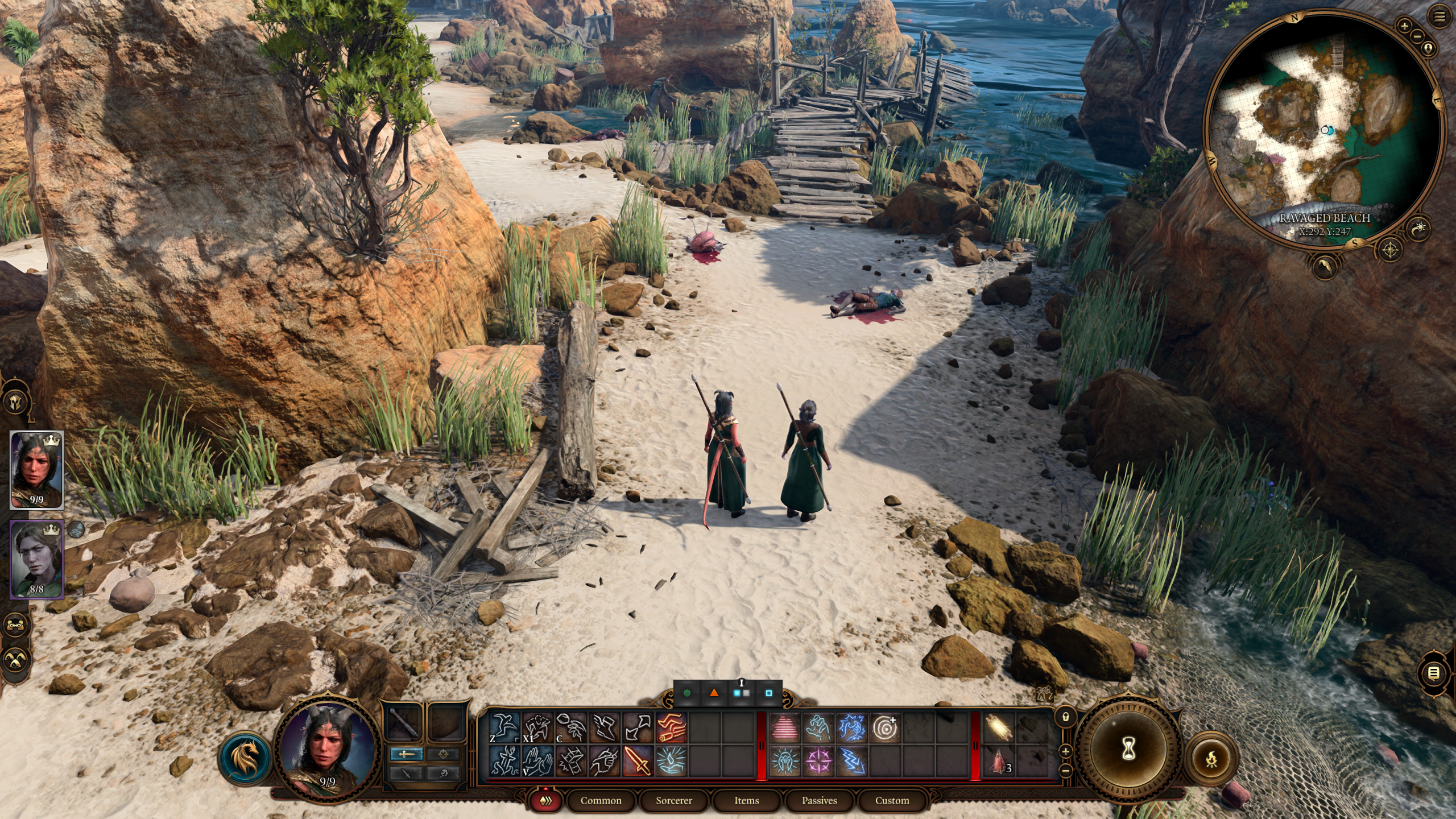

Baldur's Gate III

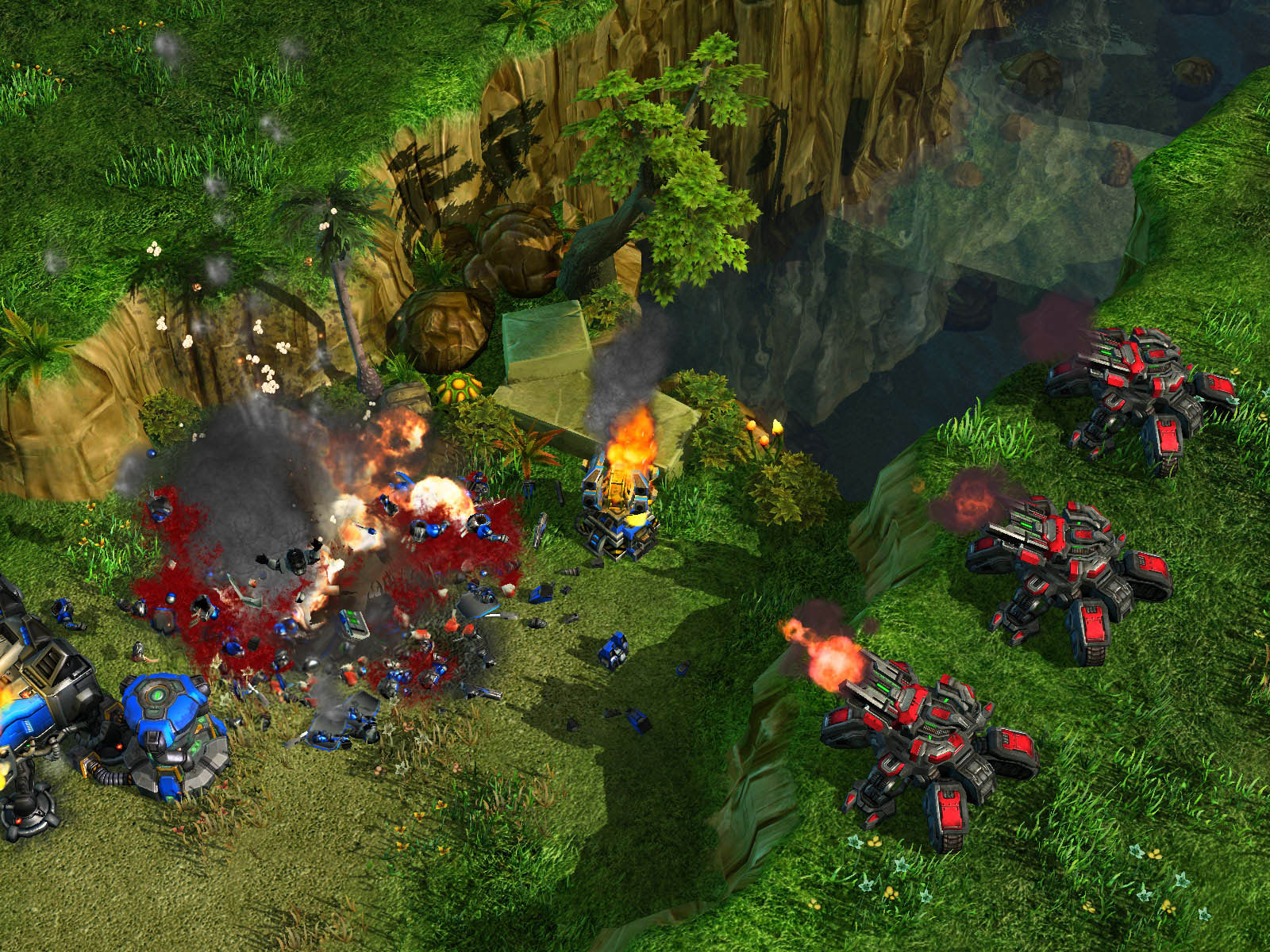
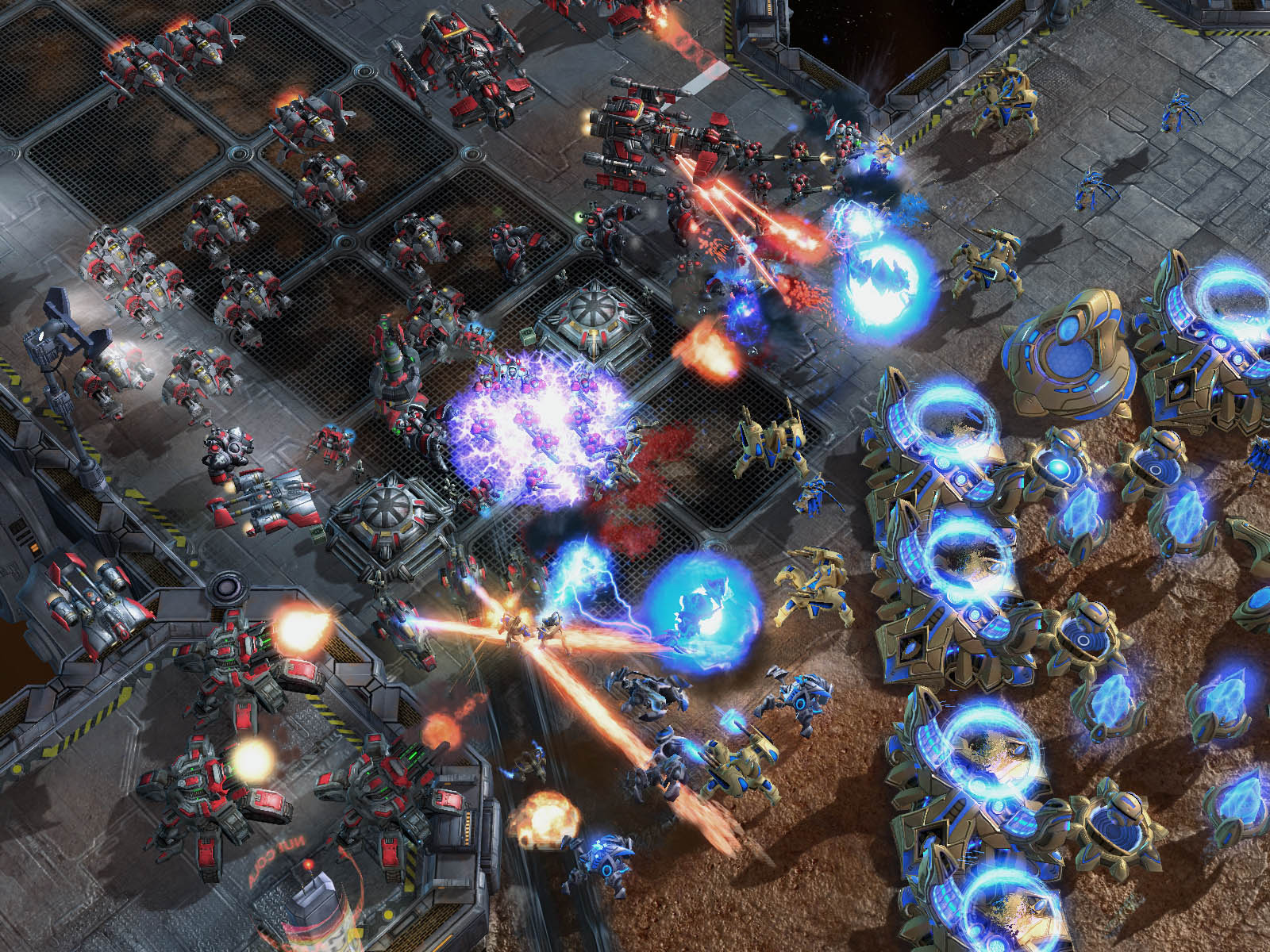
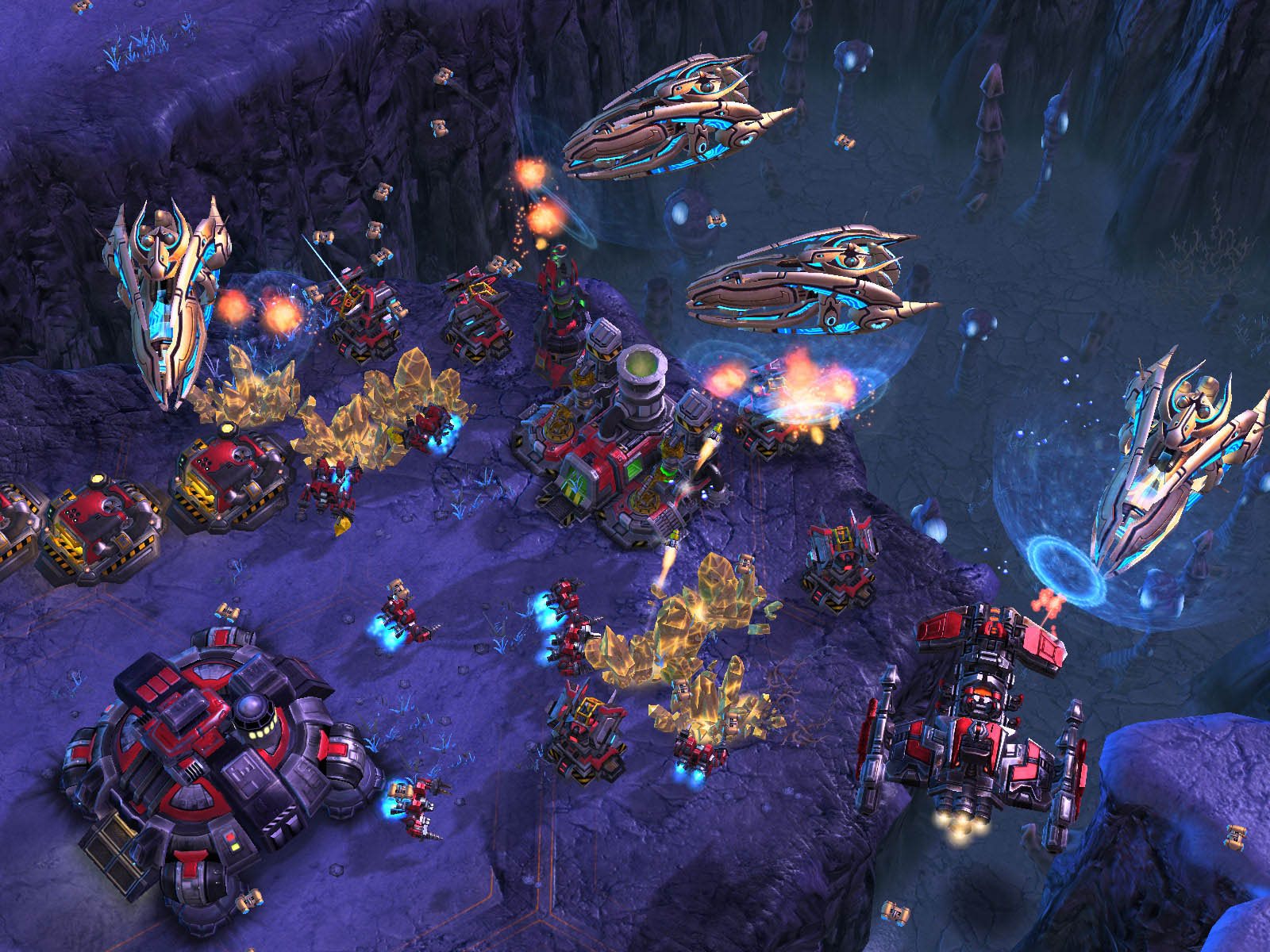


StarCraft II: Wings of Liberty


Dragon Age: Inquisition

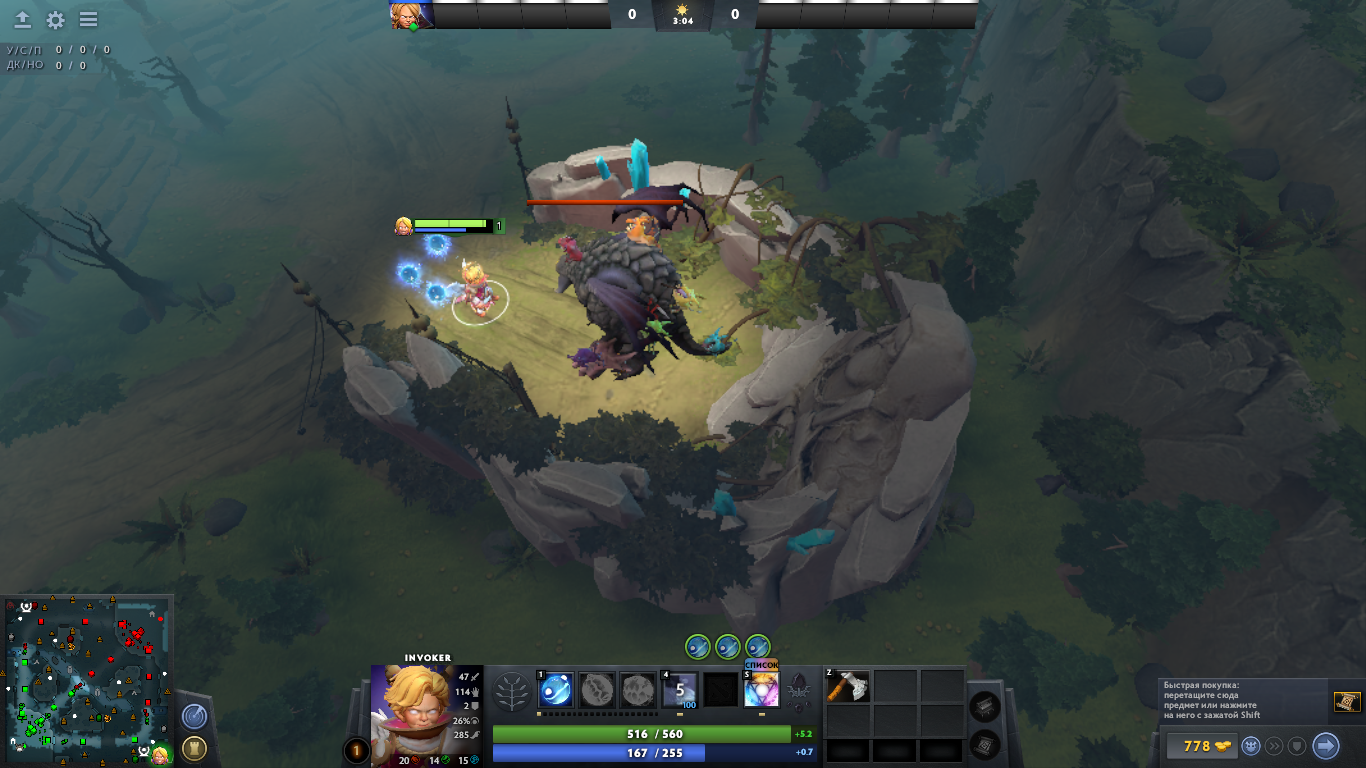

Dota 2
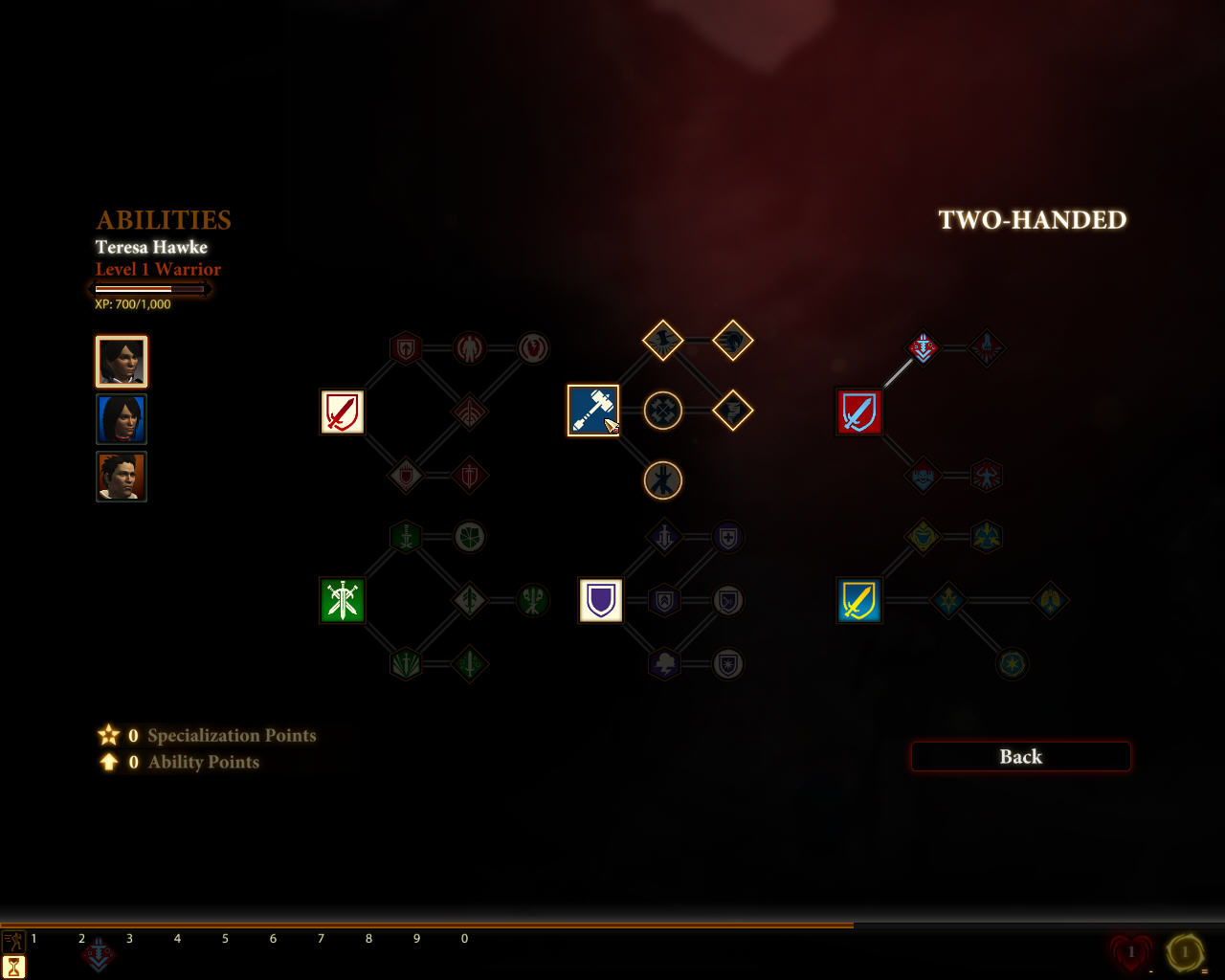


Dragon Age II



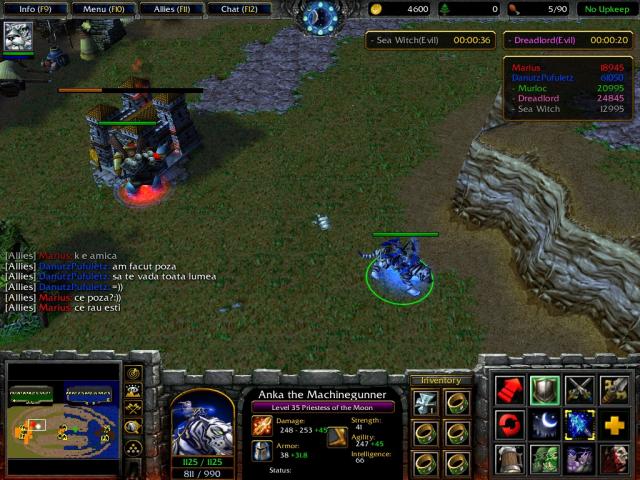
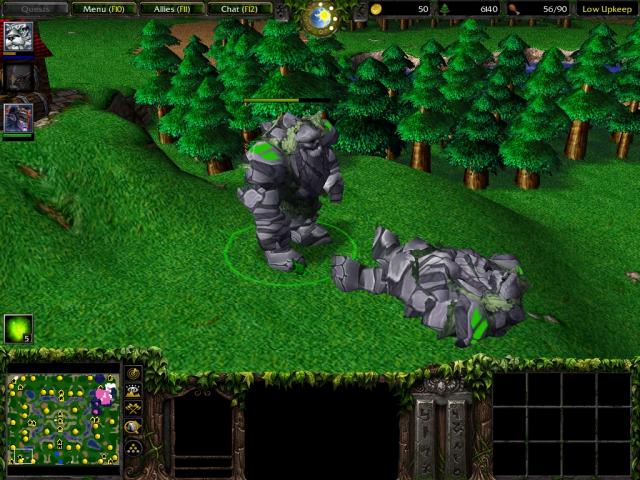
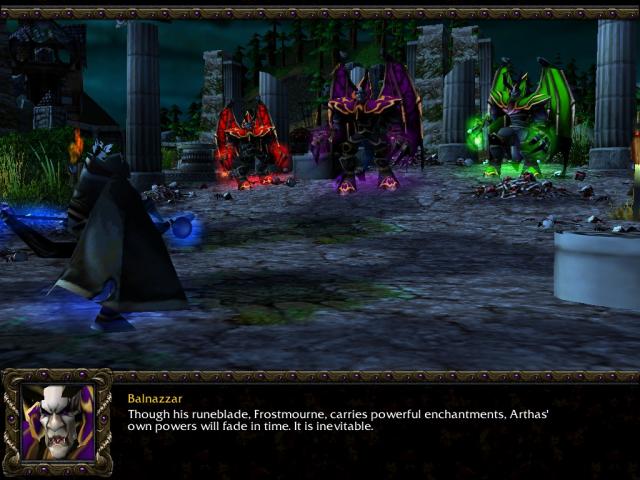
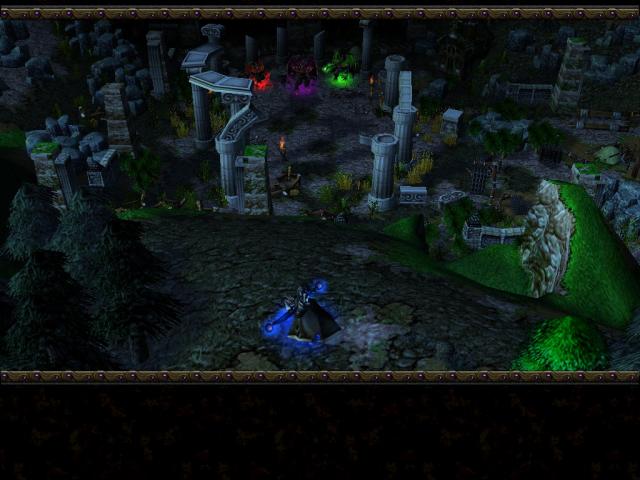


Warcraft III: The Frozen Throne




The Sims 2


Baldur's Gate II: Shadows of Amn


Age of Mythology