Game Info
↑ Back to top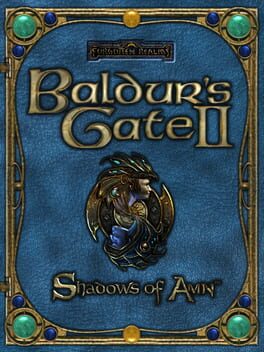

Baldur's Gate II: Shadows of Amn
Series:
Genres:
Themes:
Perspectives:
Game Modes:
Game Engines:
Overview
↑ Back to topDescription from IGDB IGDB
Storyline IGDB
Some time after the events described in Baldur's Gate, the protagonist and his friends Imoen, Minsc and Jaheira have been captured by an elven mage called Jon Irenicus. His intentions and connection to the heroes unknown, Irenicus conducts experiments on them, holding them in cages somewhere in his vast underground complex. During his absence, the heroes manage to escape, and soon find themselves in the city of Athkatla in the country of Amn, where they confront Irenicus. However, at that moment several wizards arrive and arrest both Irenicus and Imoen for unlicensed use of magic. The first task at hand is to raise the money needed to rescue Imoen, before facing Irenicus again and unraveling his true goals. Baldur's Gate II: Shadows of Amn is a party-based role-playing game using the AD&D rules. The basic gameplay is similar to that of its predecessor: the player navigates a party of up to six active combatants over isometric environments, conversing with non-playable characters using branching dialogue, and fighting enemies in real-time, free-movement combat that can be paused to issue specific orders to the characters. World traveling now occurs by selecting locations on a map rather than exploring wilderness areas to reach the destination. However, the game world is larger than in the previous game, with more individual locations to visit and side quests to perform. Being a direct sequel to Baldur's Gate, the game lets the player control stronger, higher-level characters from the onset. The main character can also be imported from the previous installment. Three new classes (sorcerer, monk, and barbarian) are available along with those that were present in the original game. Characters can also acquire specializations within most of the classes: a paladin, for instance, can become a dragon slayer or an inquisitor. Weapon proficiencies are more specific: for example, instead of just specializing in blades, the player can choose between proficiencies in long swords, two-handed swords, bastard swords, katanas and scimitars. There are many new types of weapons, armor, and magic spells in the sequel. Sixteen characters may join the party during the course of the story. Each of them has his or her own motivations, sometimes conflicting with those of other characters. Scripted events and interaction with playable as well as non-playable characters have been noticeably increased in the sequel. The main character can also romance some of the companions by choosing appropriate behavior and dialogue lines. The game allows the player to make many moral decisions and pursue character-specific side quests unrelated to the main story. Many of the companions bring their own quests, and unique tasks are available for the main character depending on his or her class.
Wikipedia Description WIKIPEDIA
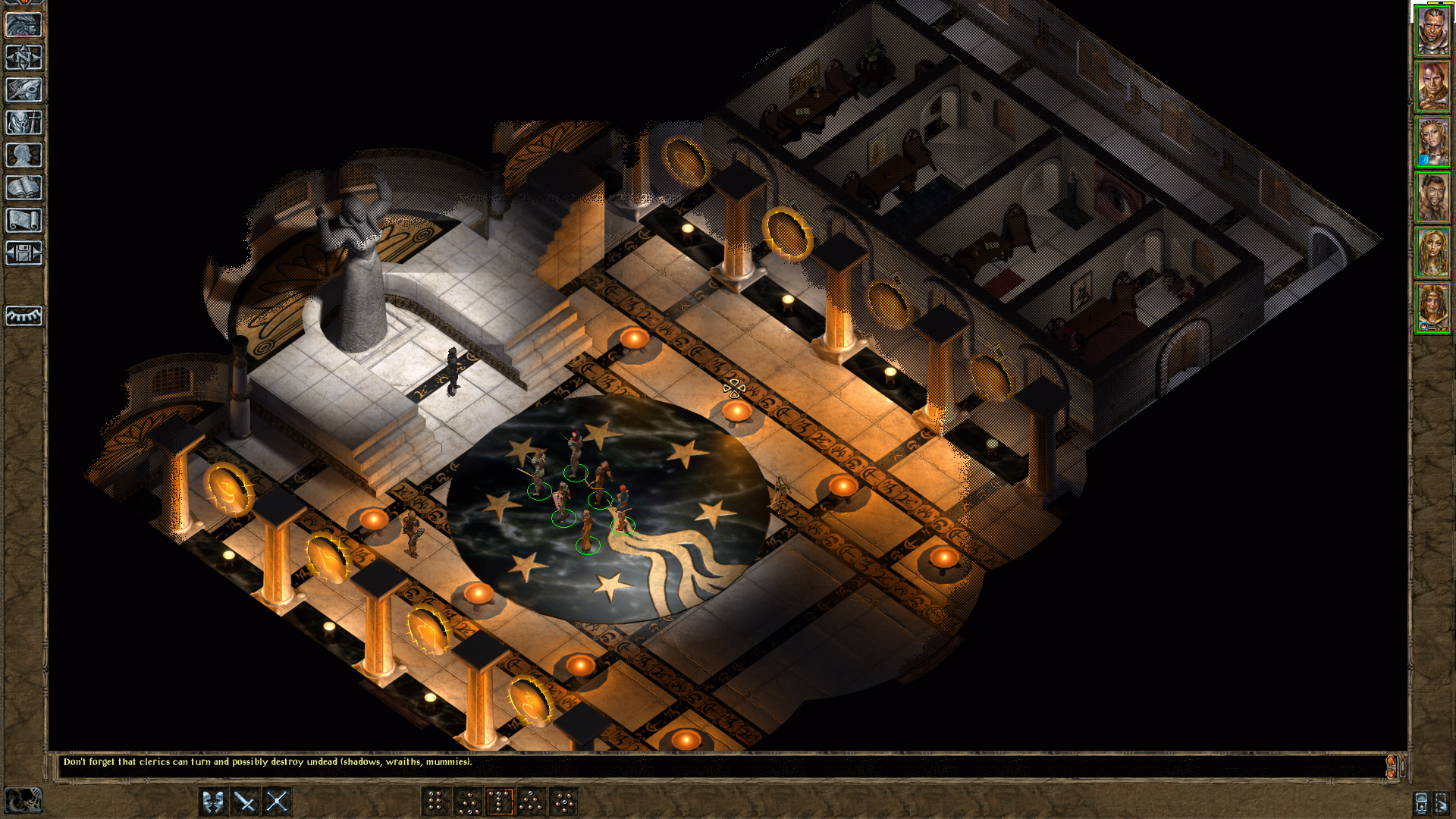
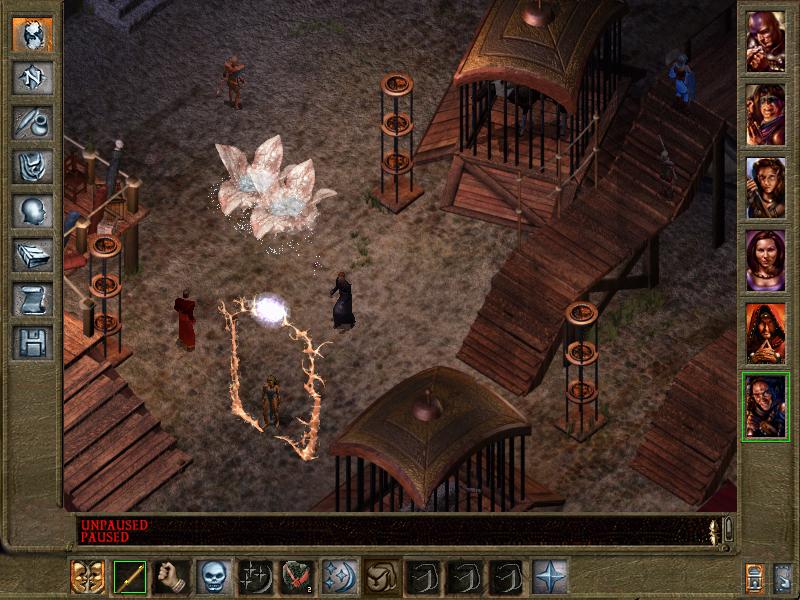
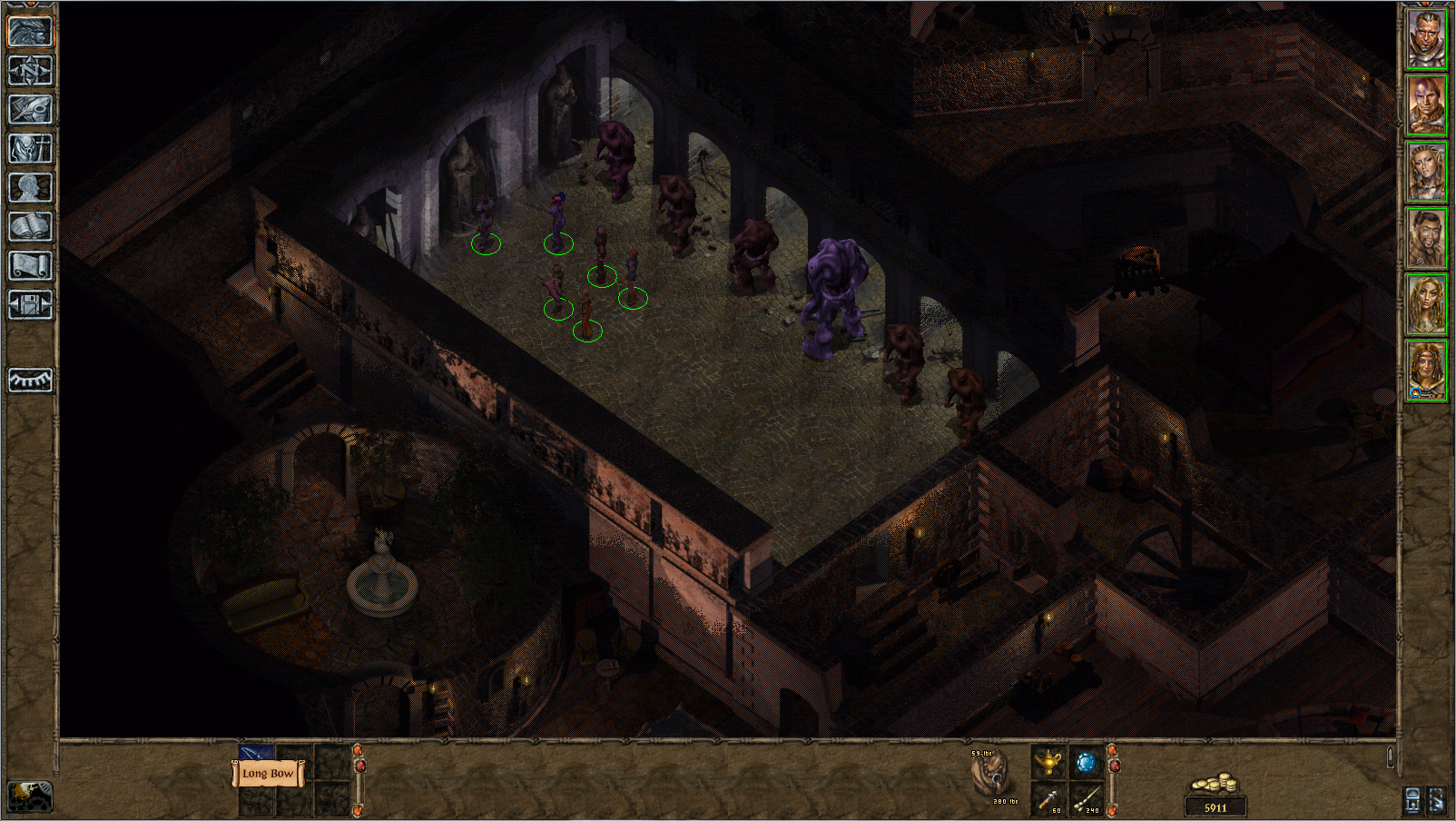
Baldur's Gate II: Shadows of Amn is an Advanced Dungeons & Dragons 2nd edition computer role-playing game. The central quest of the game consists of about 50 to 60 hours of play, while the full game, including all side quests, is estimated to be between 200 and 300 hours. The player controls a party of up to six characters, one of whom is the protagonist; if the protagonist dies, a saved-game must be loaded, or a new game begun. The game begins with character creation through a series of configuration screens, choosing such things as class, ability scores, appearance, and alignment. Alternatively, an existing character from Baldur's Gate or its expansion Tales of the Sword Coast can be imported. Once in the game world, the player may recruit certain non-player characters (NPCs) to travel with him or her, though only five may do so at a time; depending on who is present in the group, bickering, romance, and side quests can result. NPCs in the party often converse with the player or with one another, and at times interject into the player's conversations with others. The game is played from an isometric perspective, and the screen, which does not need to remain centered on the protagonist, can be scrolled with the mouse or keyboard. Areas are revealed as they are explored by the player's characters. A fog of war effect hides explored areas when the player's characters move away from them. The player can also change the formation in which the party moves. Clicking an area exit, such as a doorway or staircase, causes another area to be loaded. Clicking on the edge of an outside area causes the party to travel there; the game then presents the player with the World Map, from which the player may select a destination. The player interacts with characters and objects by clicking on them. Clicking on the ground causes the player's selected characters to move. The gameplay, though in real-time, can be paused, whereupon commands may be issued to controllable characters, who will attempt to execute them when the game is unpaused. The game can also be set to pause automatically at certain times. Dialogue is started by NPCs at certain scripted times, or by the player's clicking on NPCs who are not immediately hostile. When speaking to an NPC, the player must often choose what to say from a list of responses. The dialogue may lead to quests or important information. When the player clicks on a hostile being, the currently selected characters will advance to attack it. Information about characters, creatures, items, and buildings in the game environment is shown on a tool tip, which appears when the mouse pointer is held over game elements. When a character in the group gains the necessary experience points, he or she gains a level. Experience points are awarded for certain player actions, such as killing enemies or completing quests. The party also has a reputation, which is affected by the player's moral actions, and which, along with the party leader's charisma attribute, influences how NPCs in the game world react to the player. The characters in the party will also complain if the party's reputation conflicts with their alignment. Resting heals the characters in the party and refreshes those who are fatigued; also, resting allows a character to memorize spells. The game contains over 300 spells available for memorization. With the exception of sorcerers, magic-users must memorize spells before they can be cast. Spell-casting takes time and may be disrupted by attacks or other spells. The player can access sub-screens through the interface: area and world maps; the journal, which tracks important information, such as quests and the game's plot; the inventory page, which is used to manage and equip items; the record screen, which is used to view information about, as well as level up, characters in the party; the mage book and priest scroll screens, where spells can be inspected and memorized; and the options screen, where settings may be altered, saved-games loaded, or the game saved or quit.
About Baldur's Gate II: Shadows of Amn
Baldur's Gate II: Shadows of Amn is a Real-Time with Pause (RTwP), Role-playing (RPG), Squad Management game released in 2000 developed by BioWare, BioWare Edmonton that offers Co-operative, Single player gameplay from a bird view / isometric perspective playable on Linux, Mac, PC (Microsoft Windows) with 507 user ratings averaging 89.9/100. The game explores themes like Drama, Fantasy, Romance. If you enjoy Baldur's Gate II: Shadows of Amn, you might also like similar games in our database of 45,000+ titles.
Basic Info
Details
↑ Back to topAdditional Information
Платформы 3
Genres 3
Themes 3
Player Perspectives 1
Game Modes 2
Companies
↑ Back to topDevelopers
BioWare
No description available
BioWare Edmonton
No description available
MumboJumbo
No description available
Publishers
Black Isle Studios
No description available
Interplay Entertainment
No description available
MacPlay
No description available
Keywords
↑ Back to topScreenshots
↑ Back to top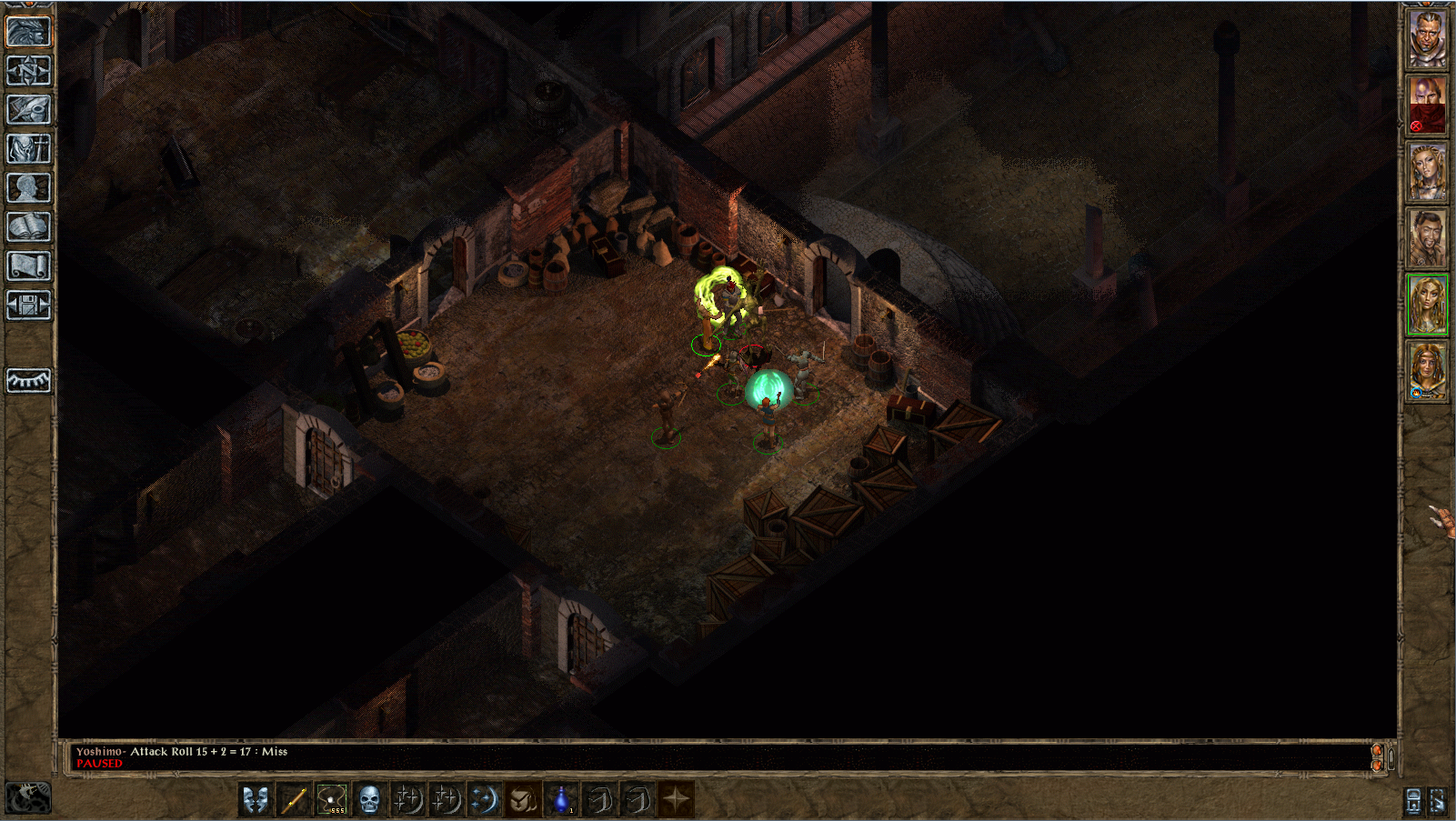

Similar Games
↑ Back to top
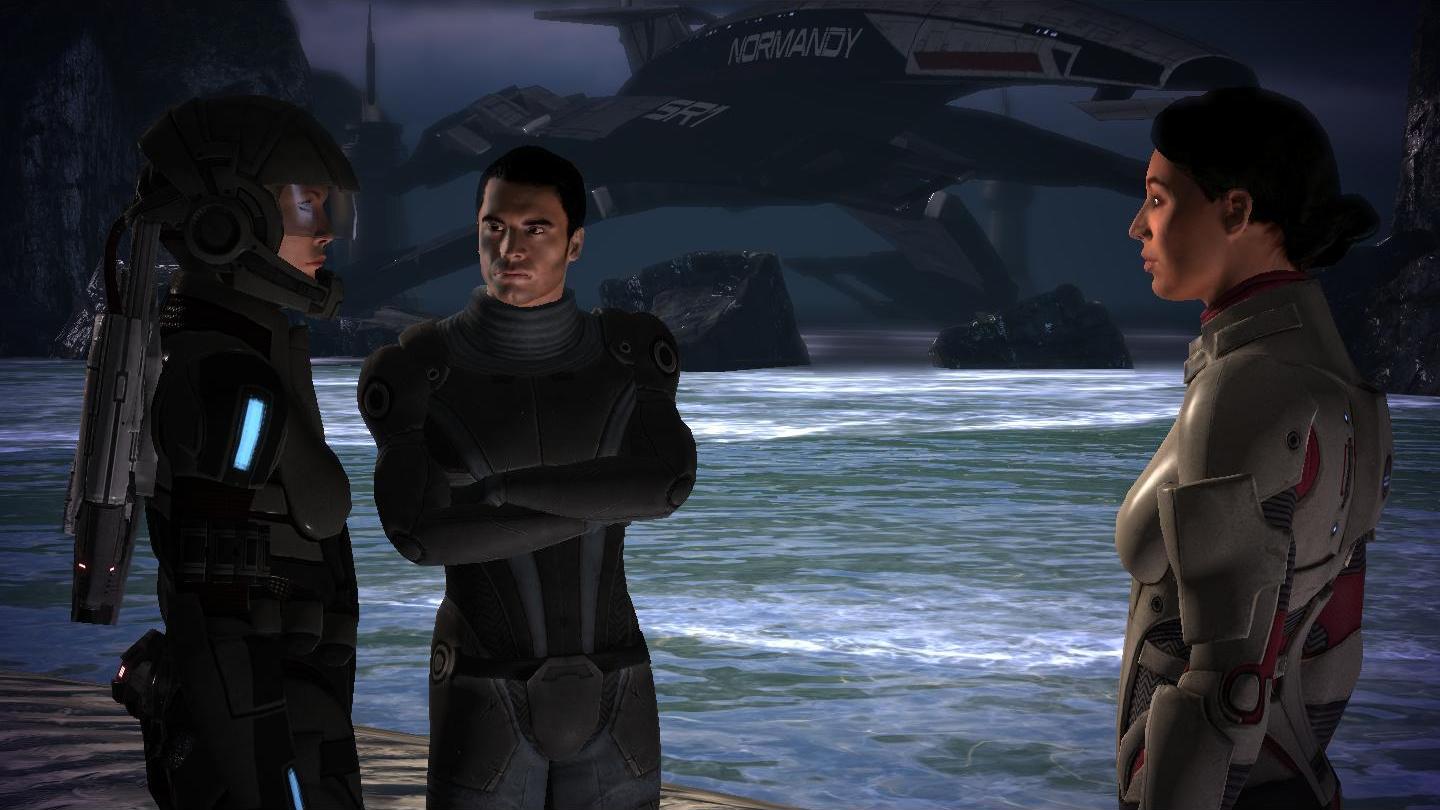
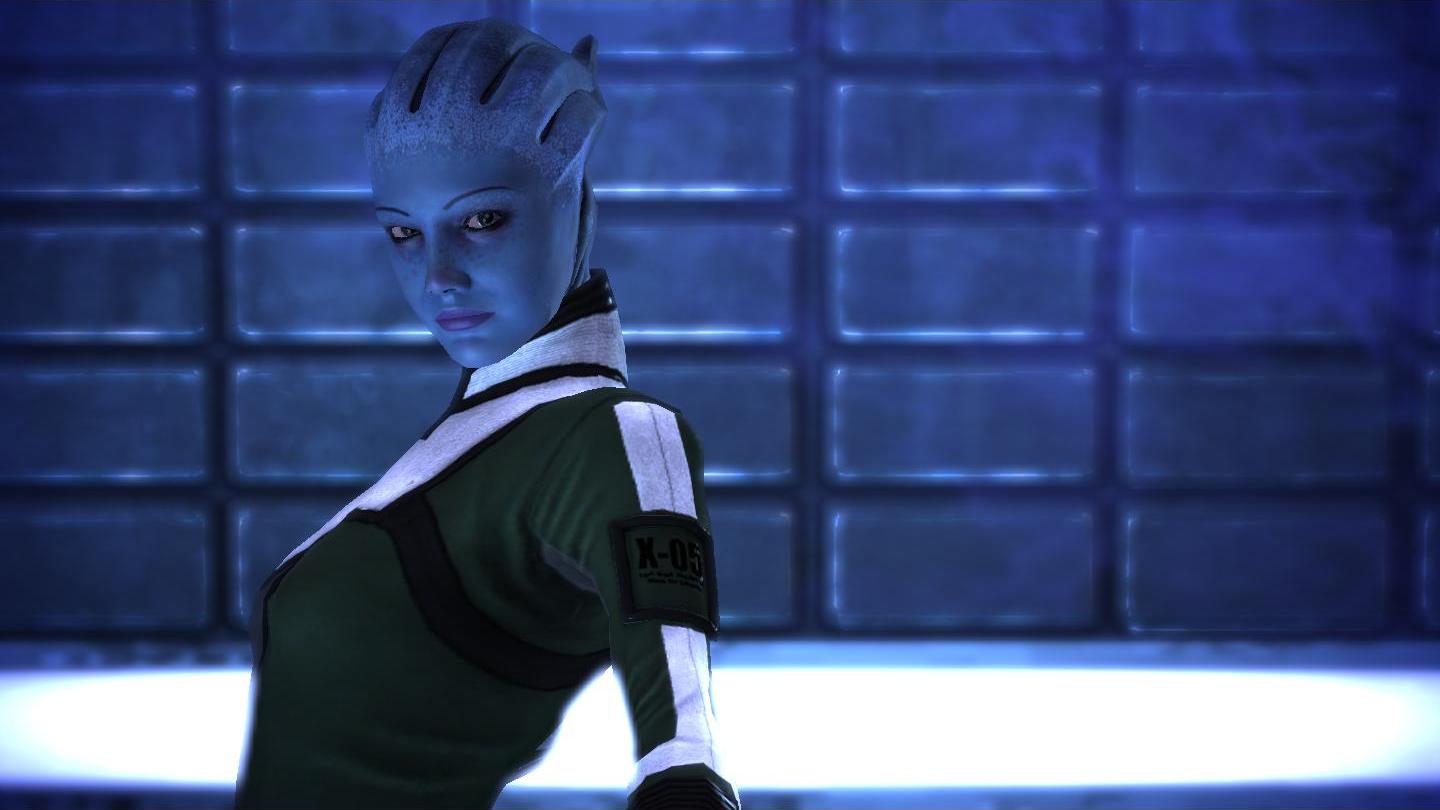
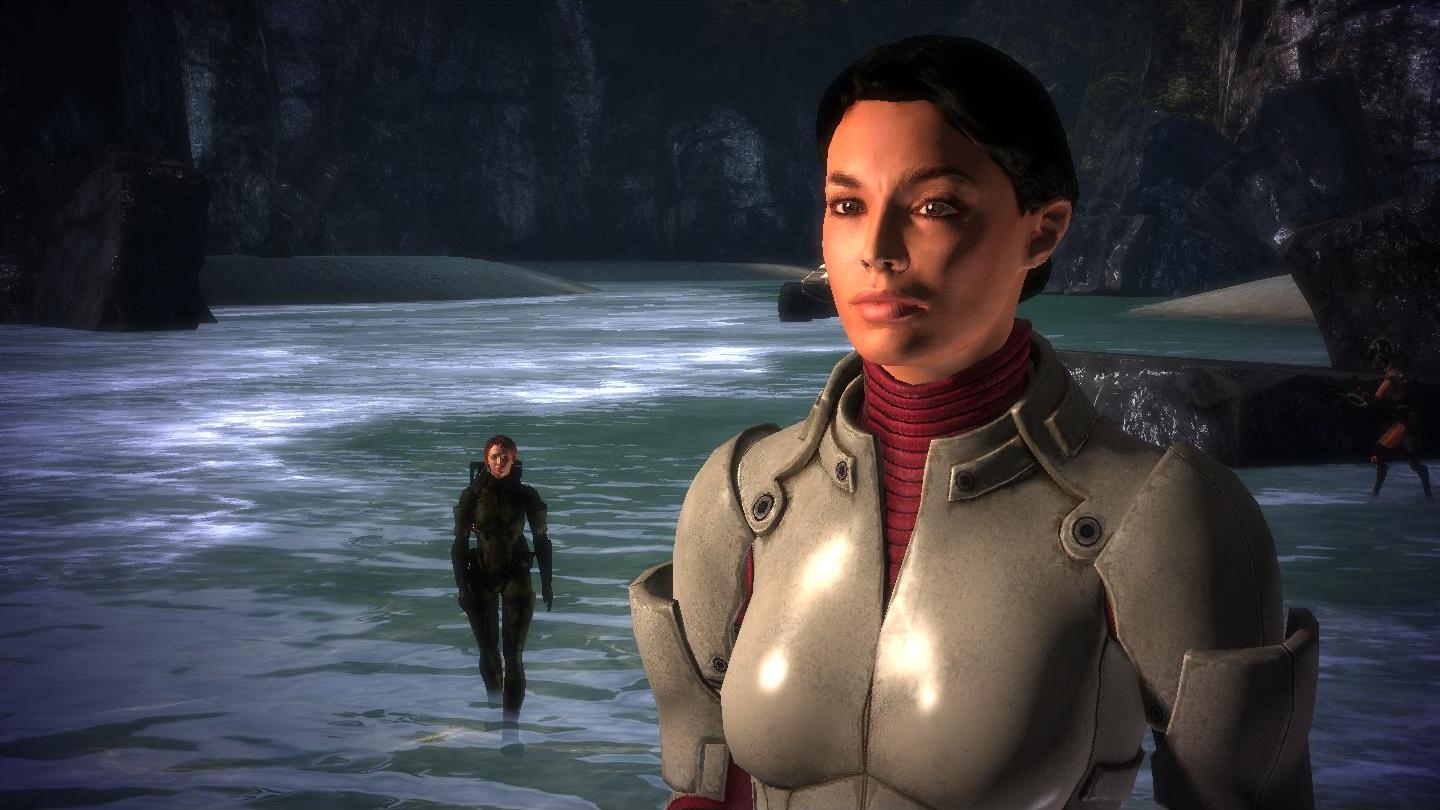
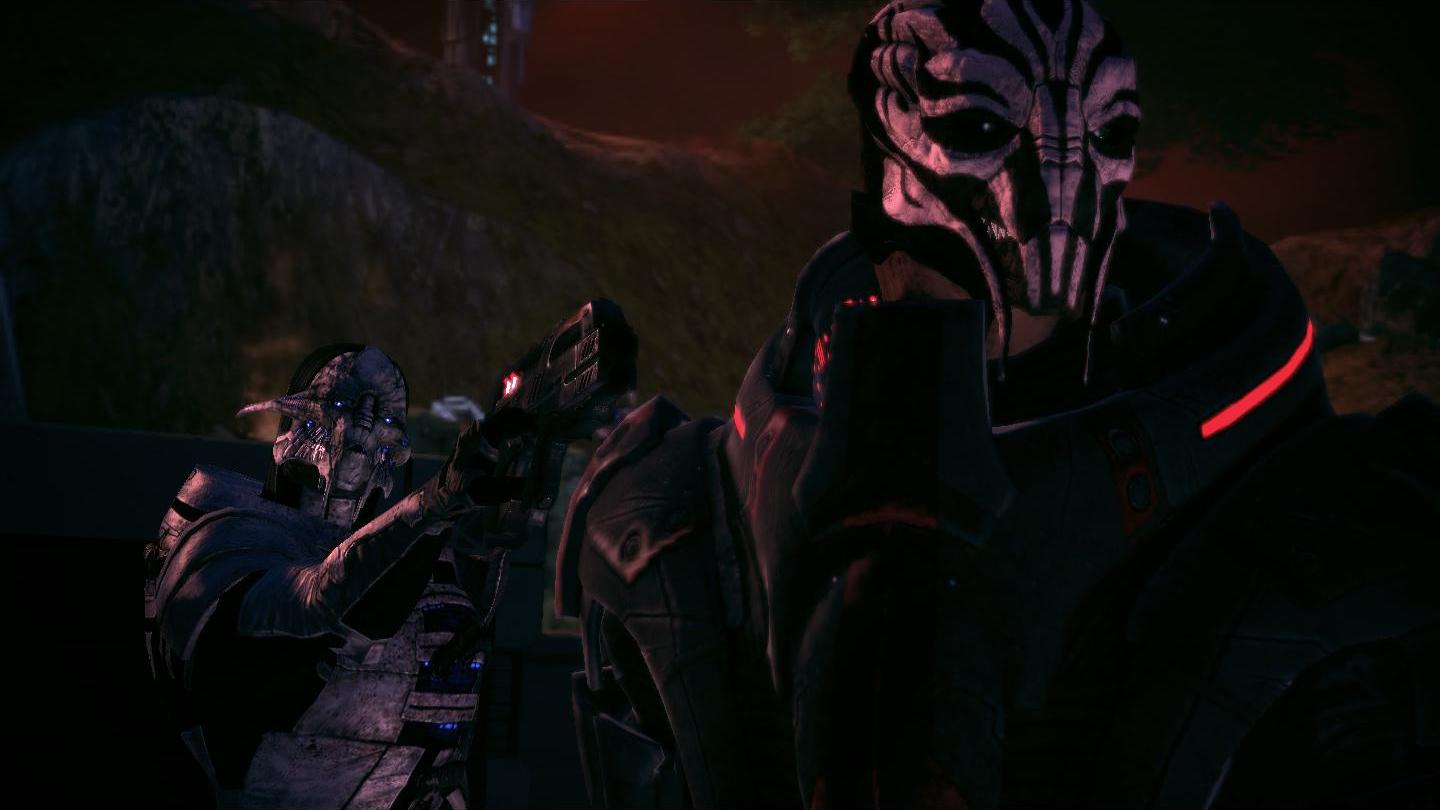
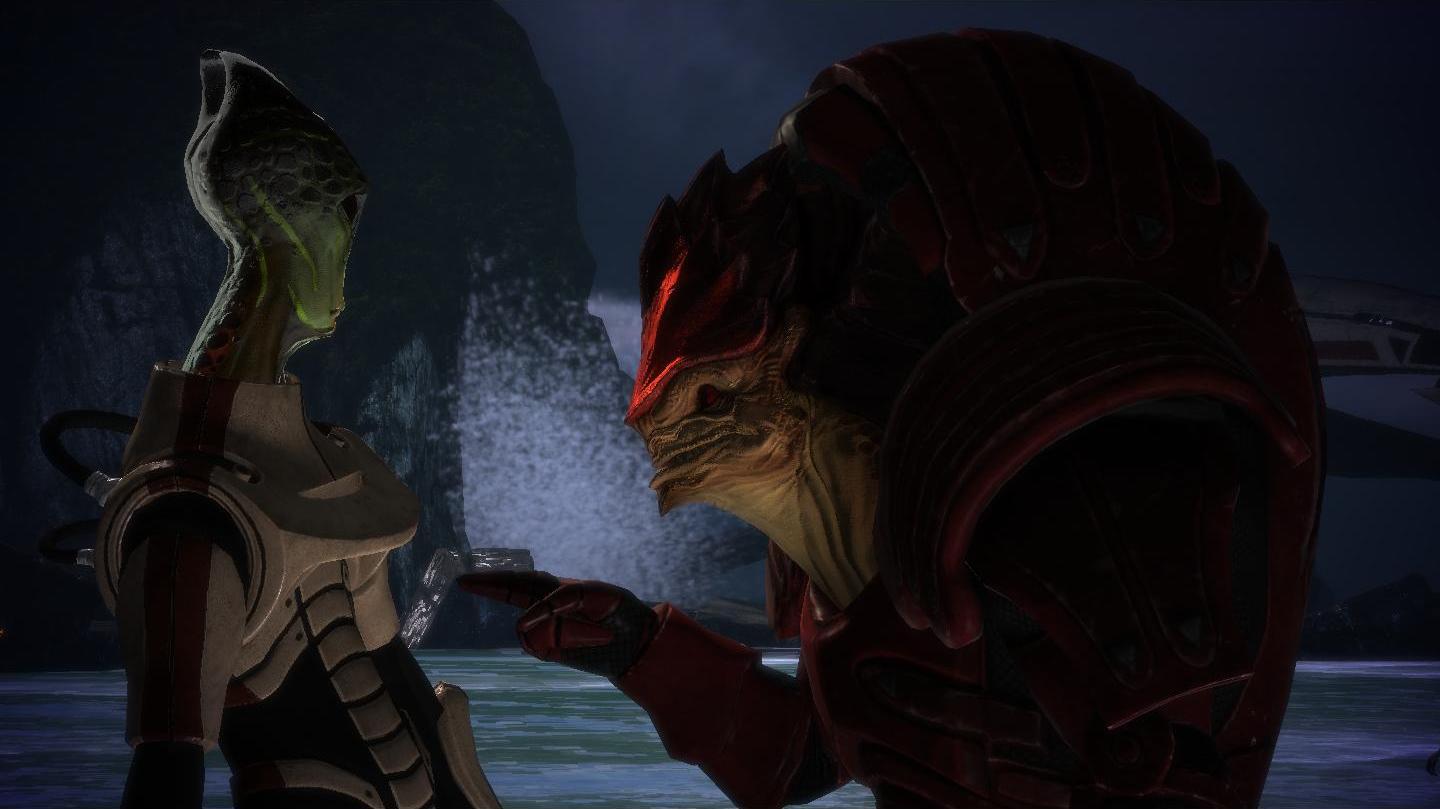

Mass Effect
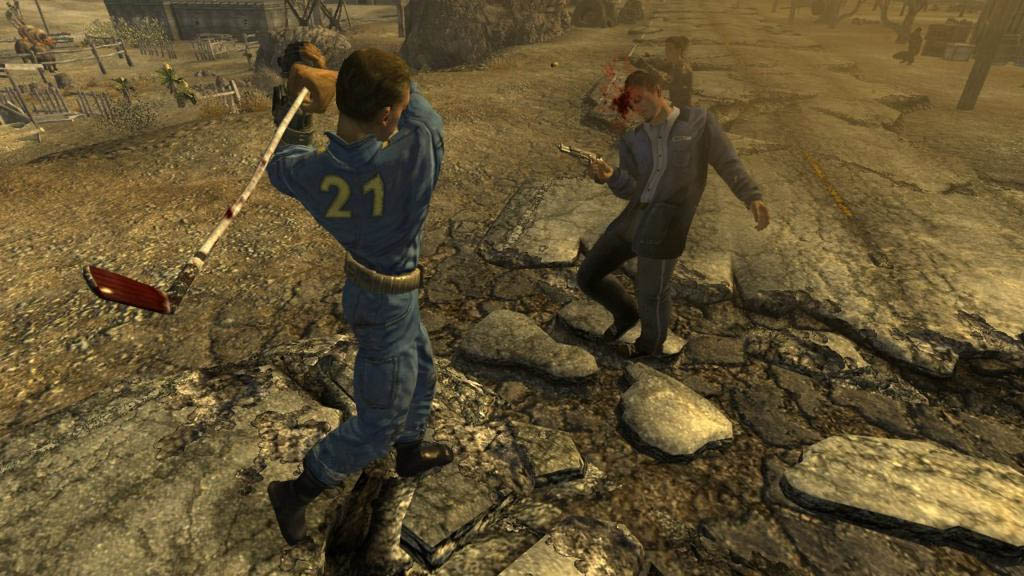
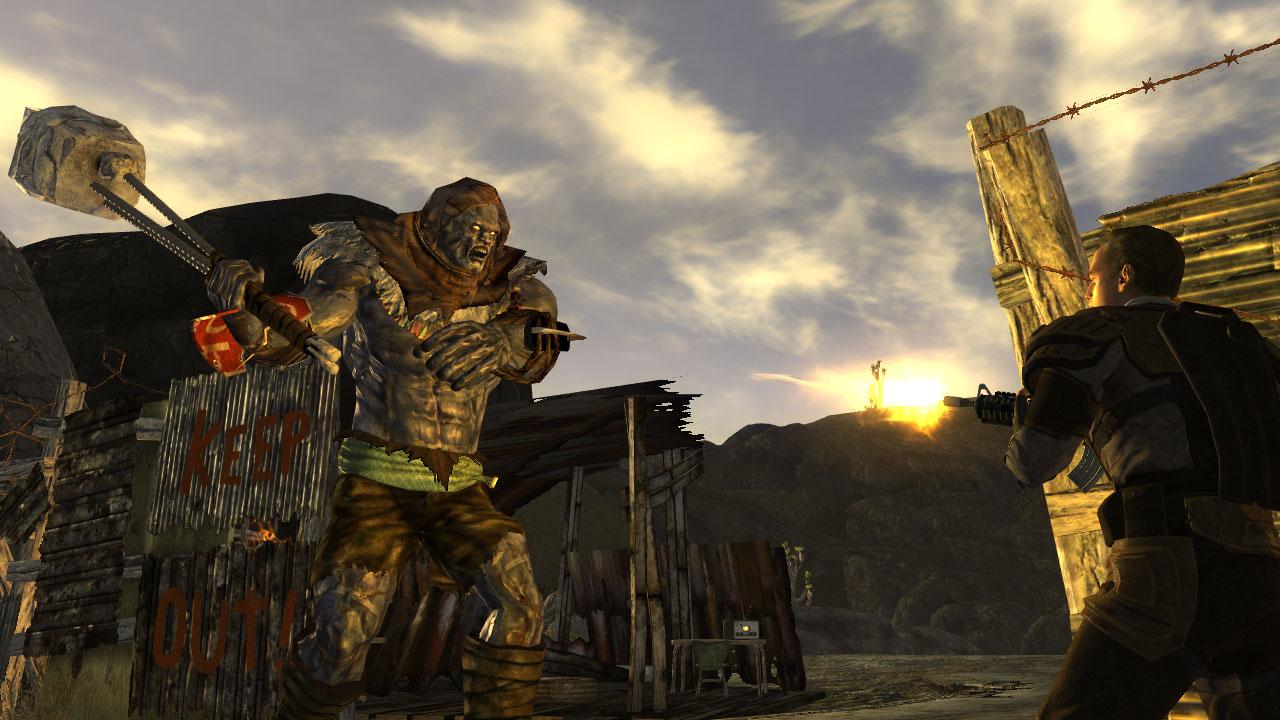

Fallout: New Vegas

Fallout 3
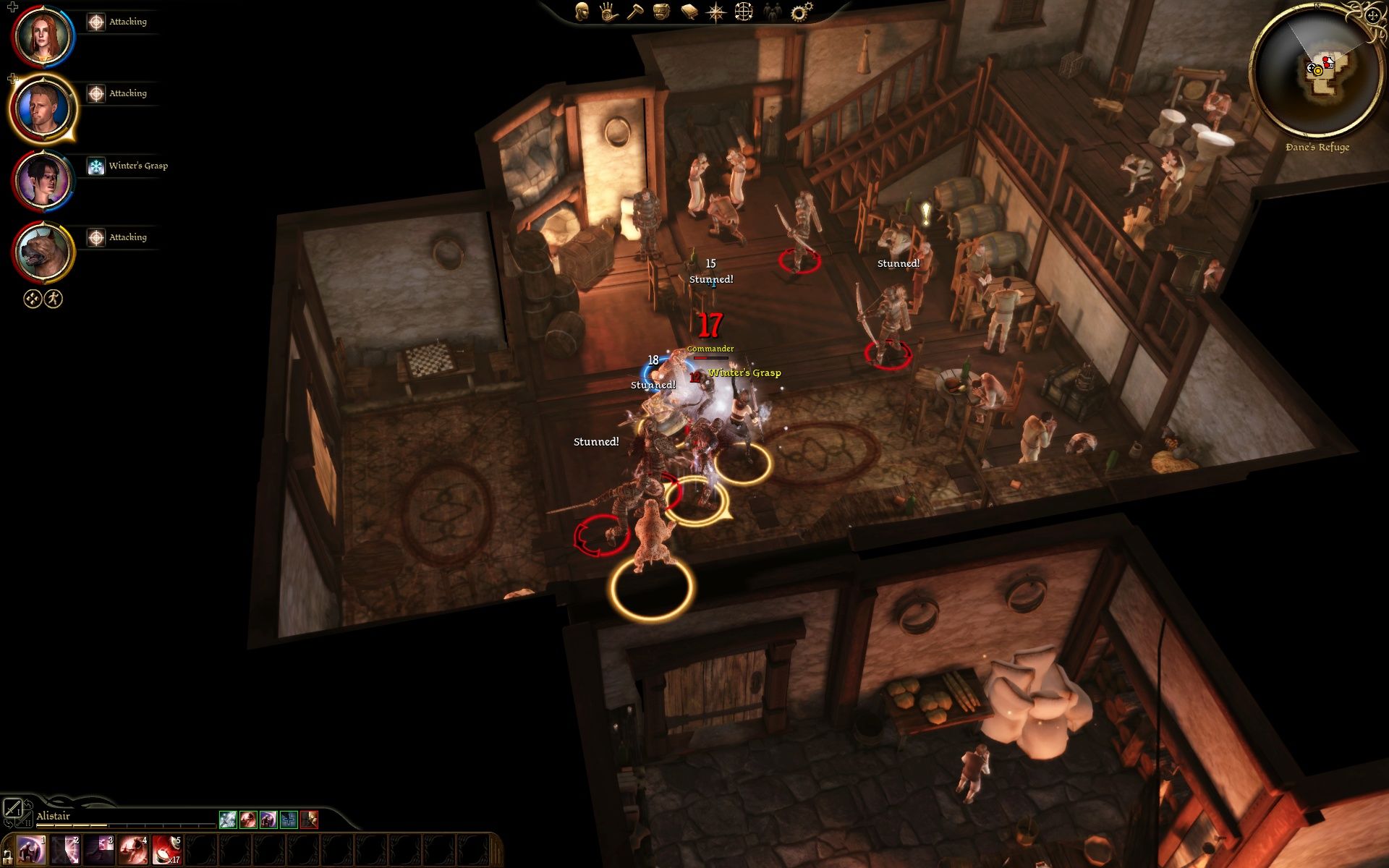
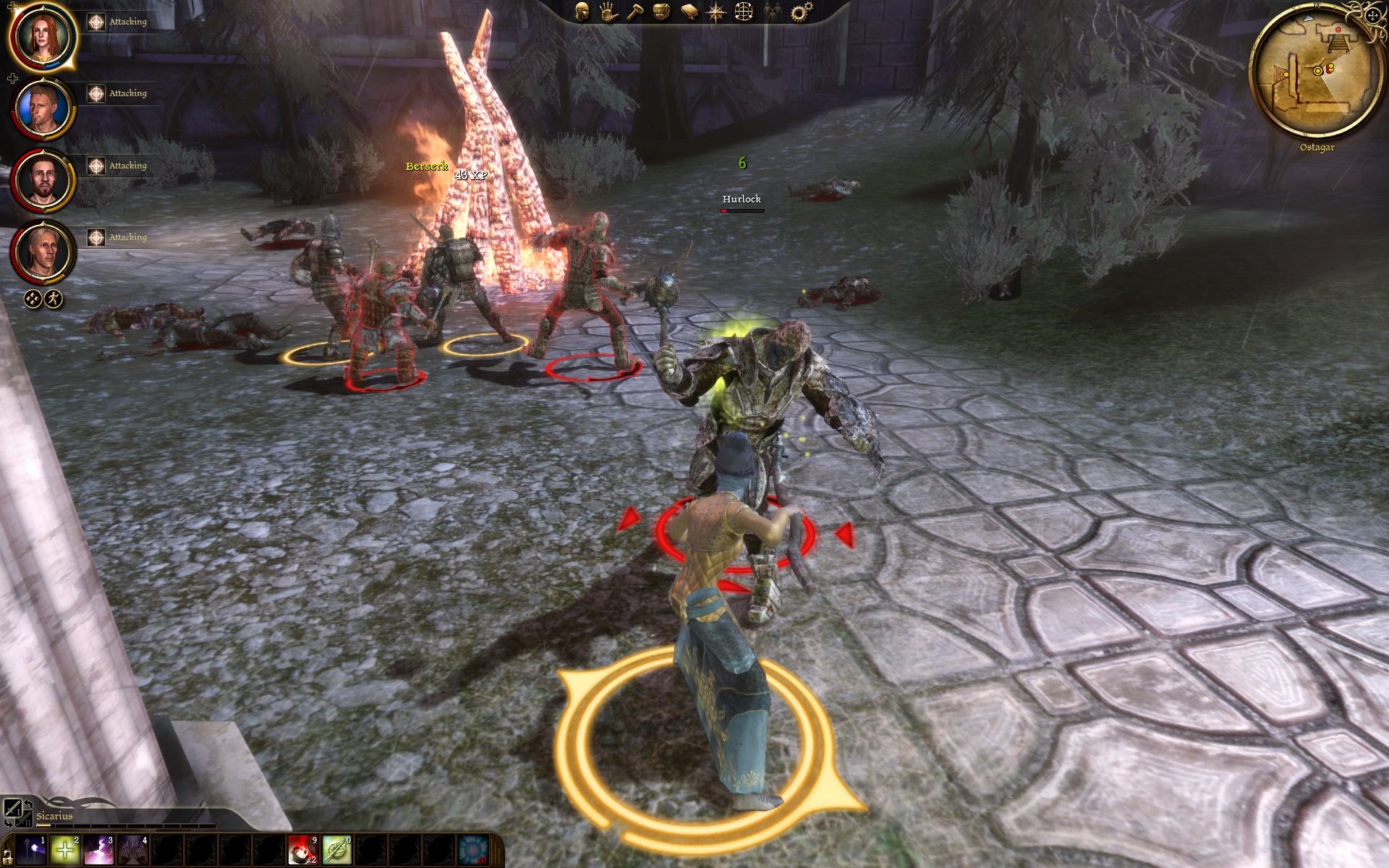
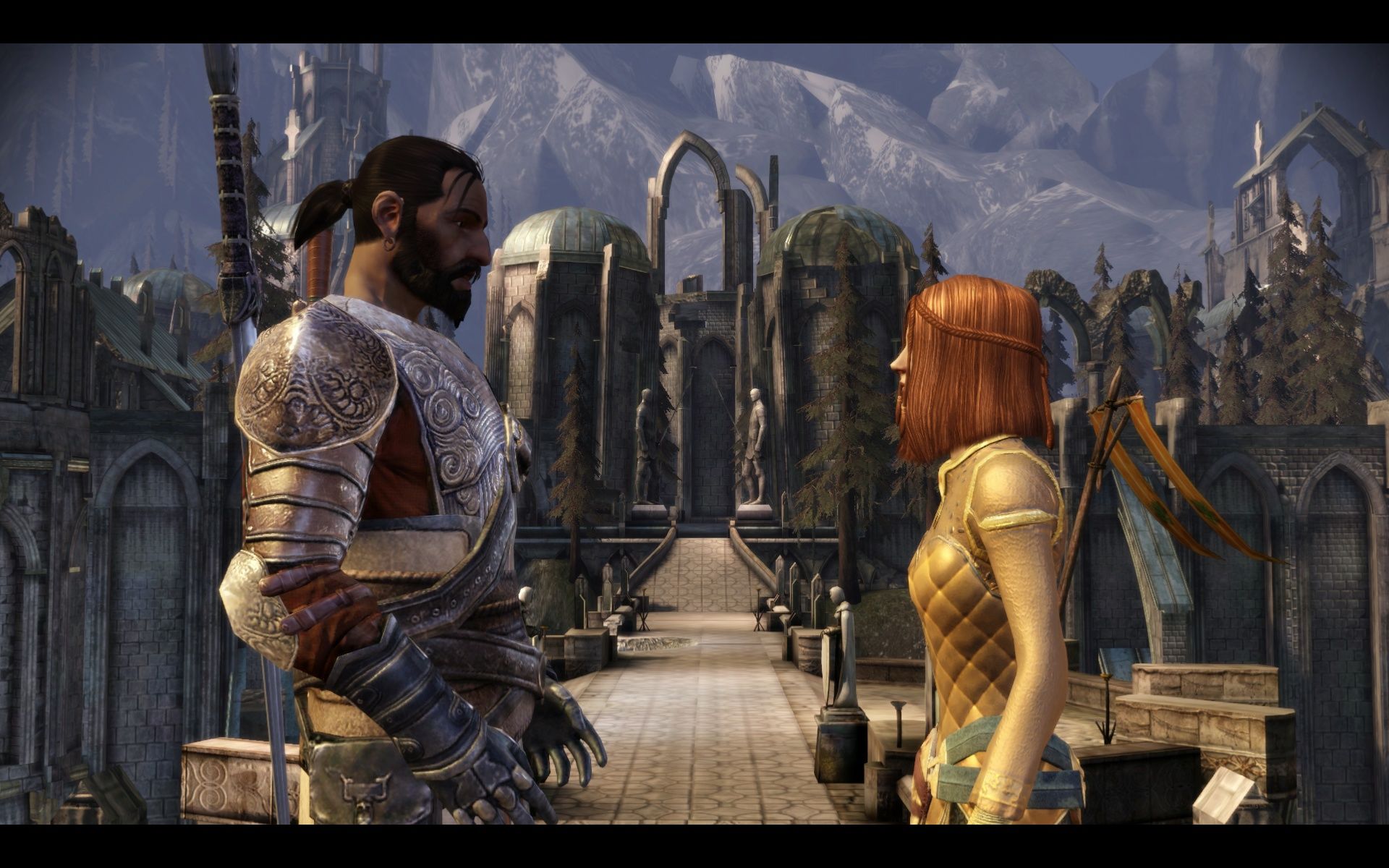
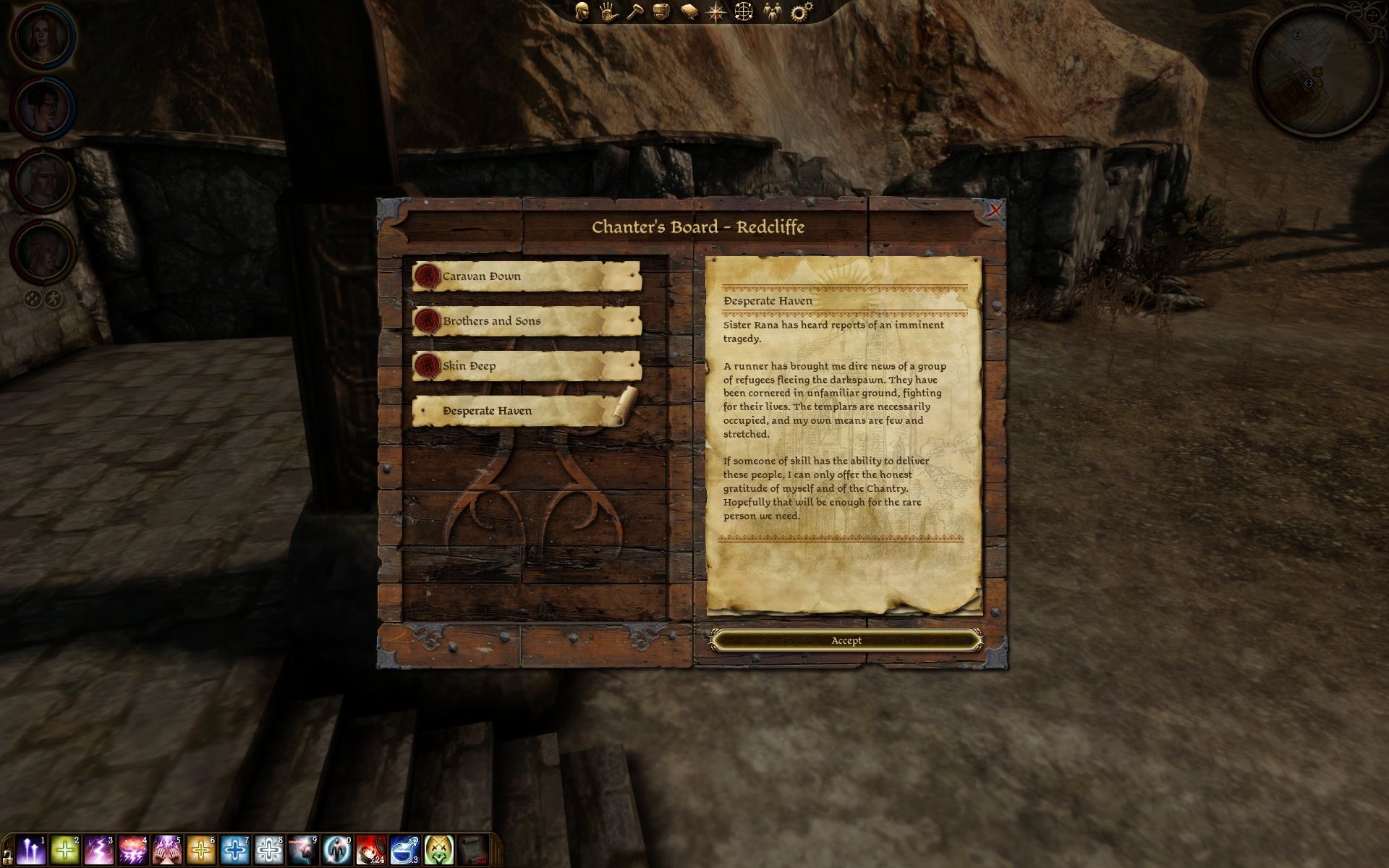
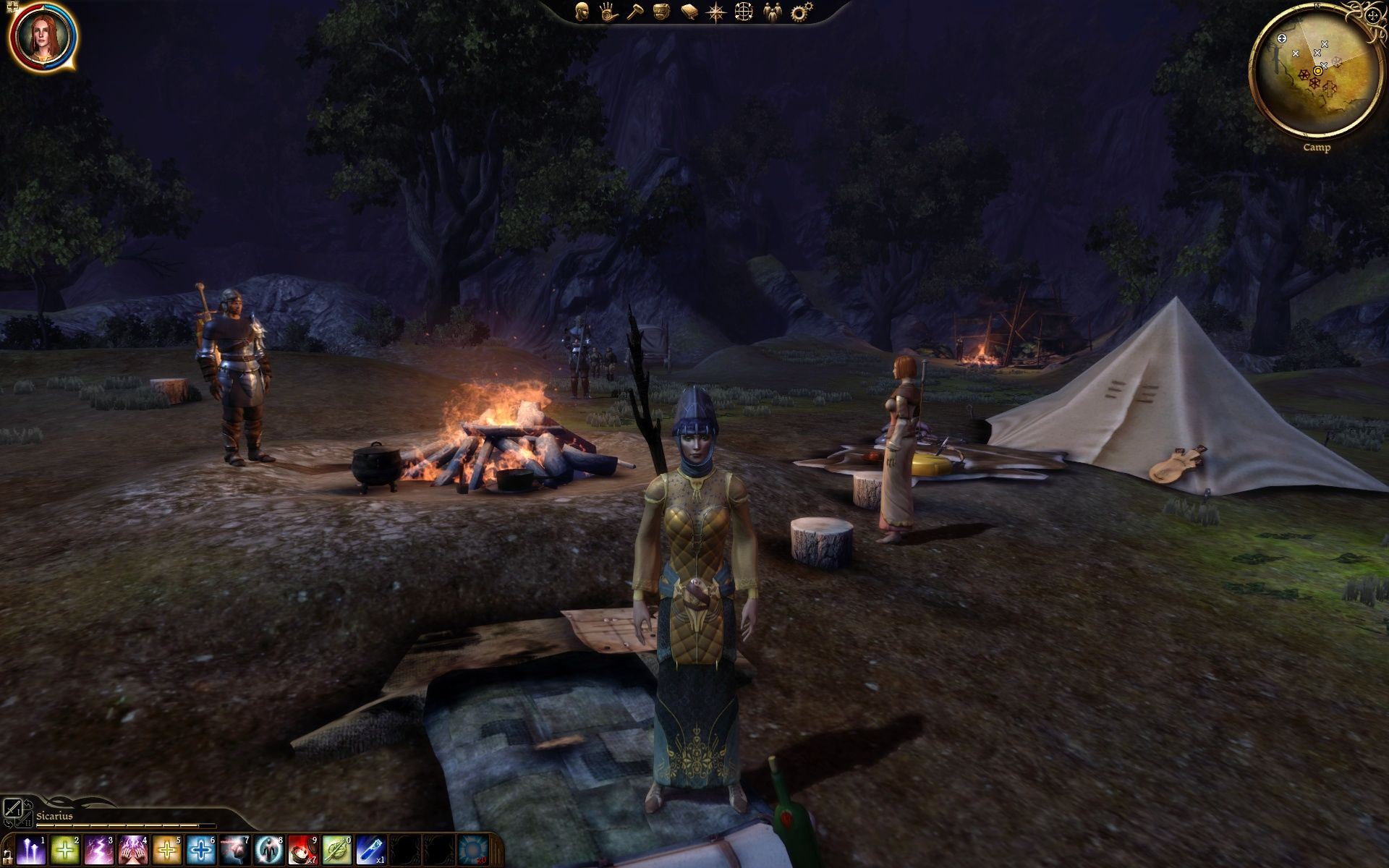
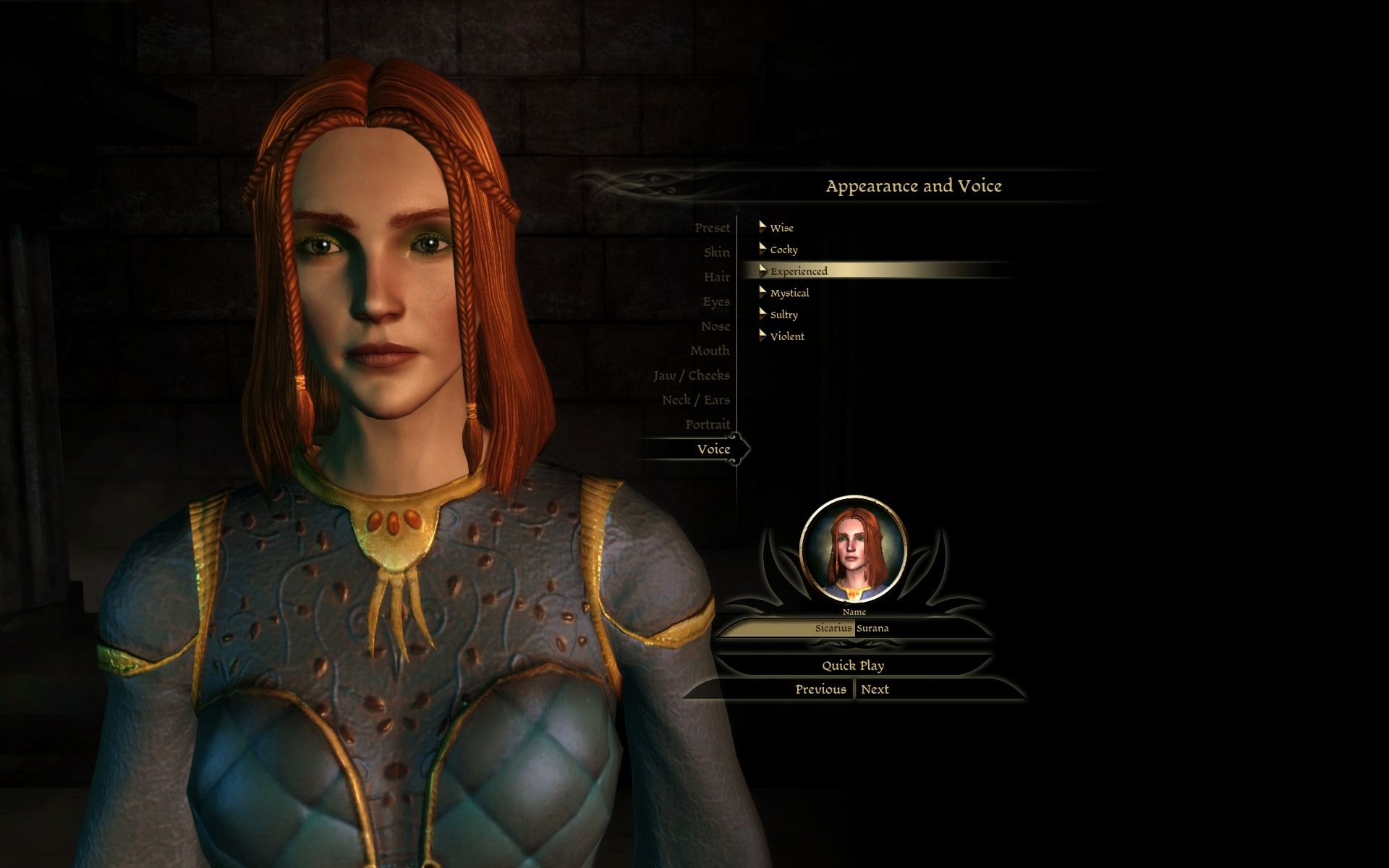

Dragon Age: Origins
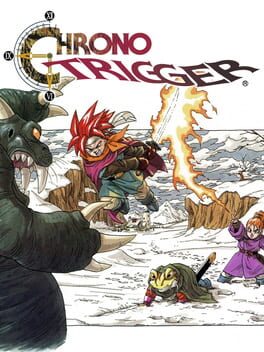



Chrono Trigger
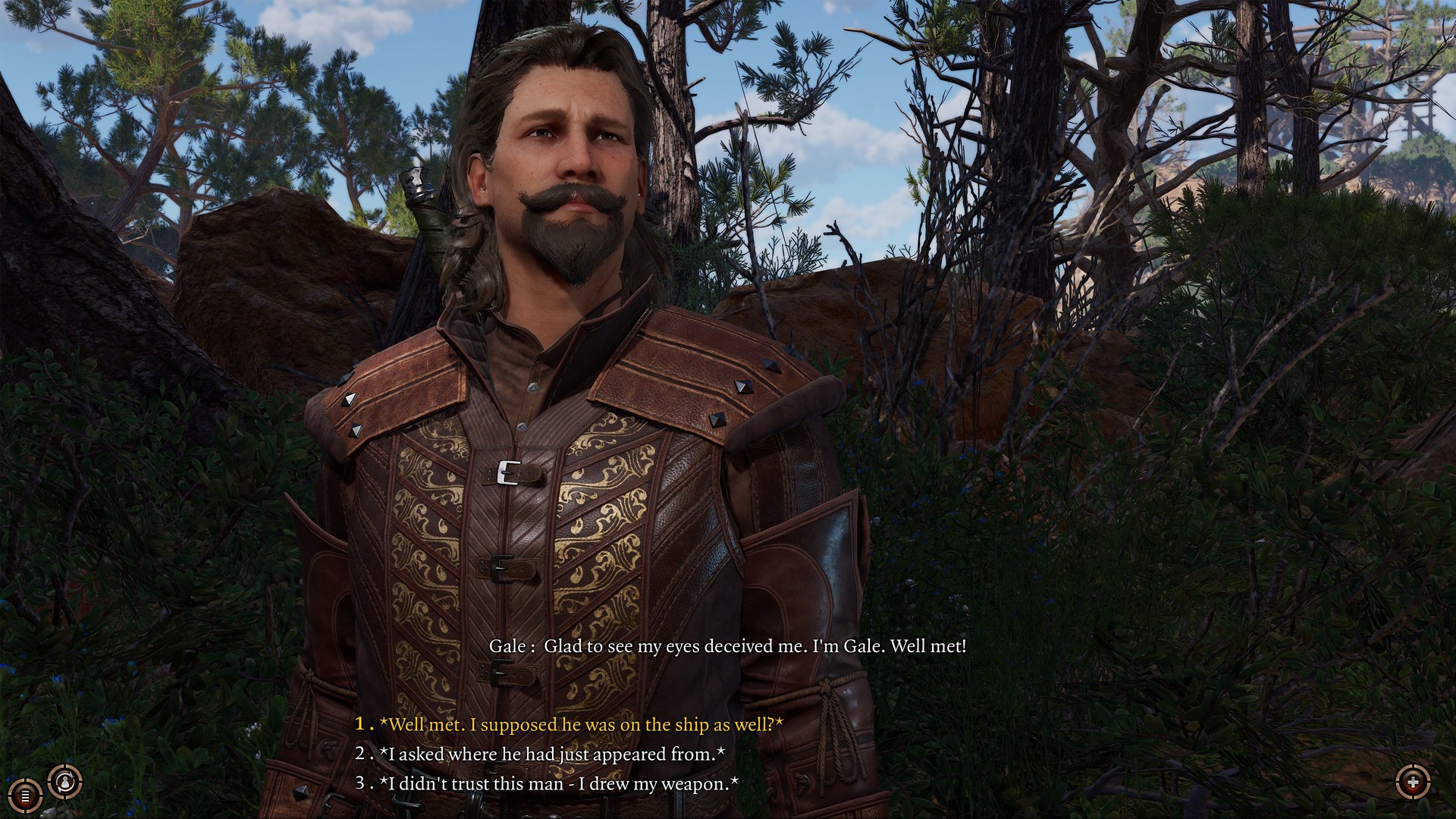
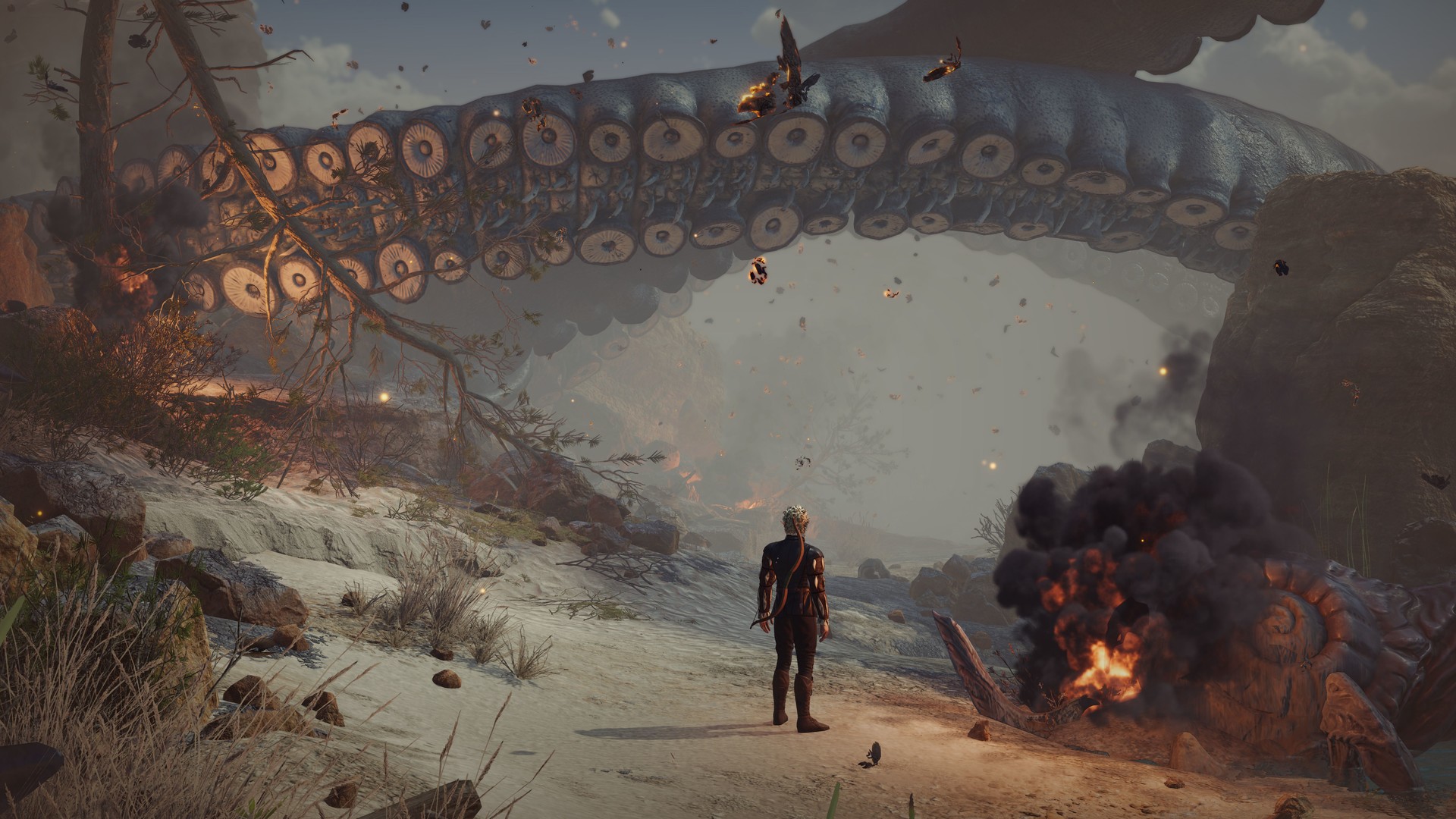
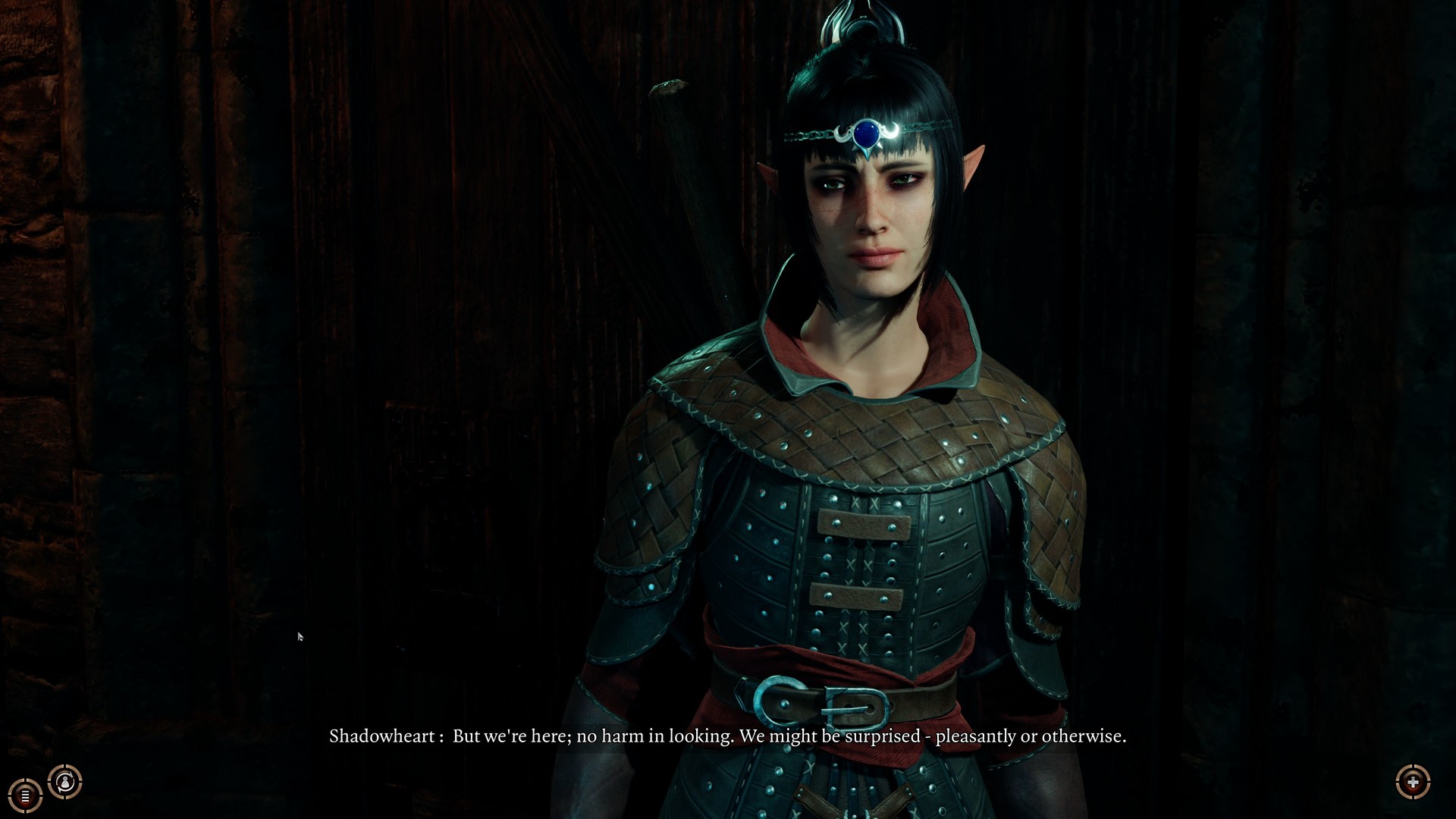
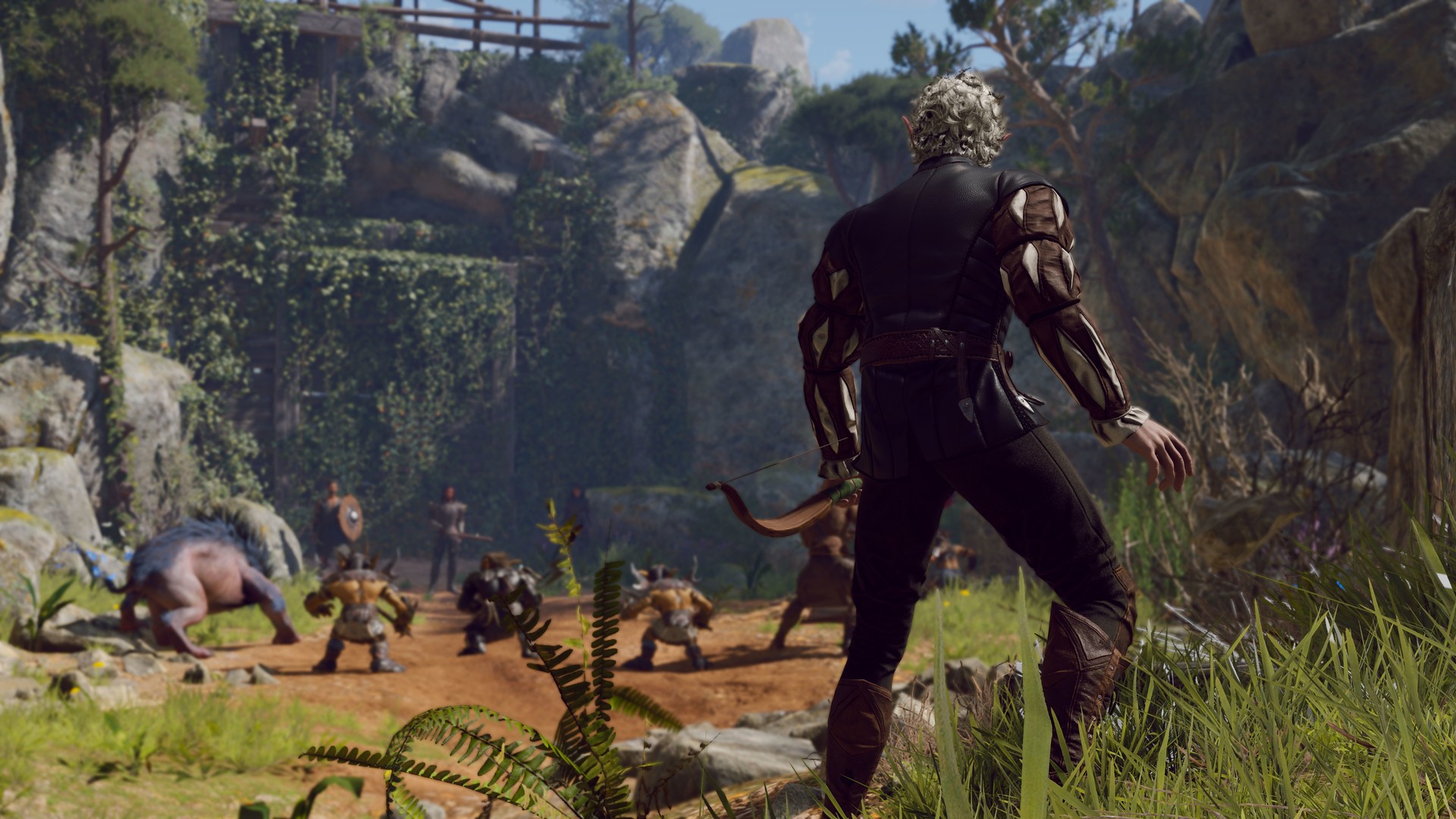

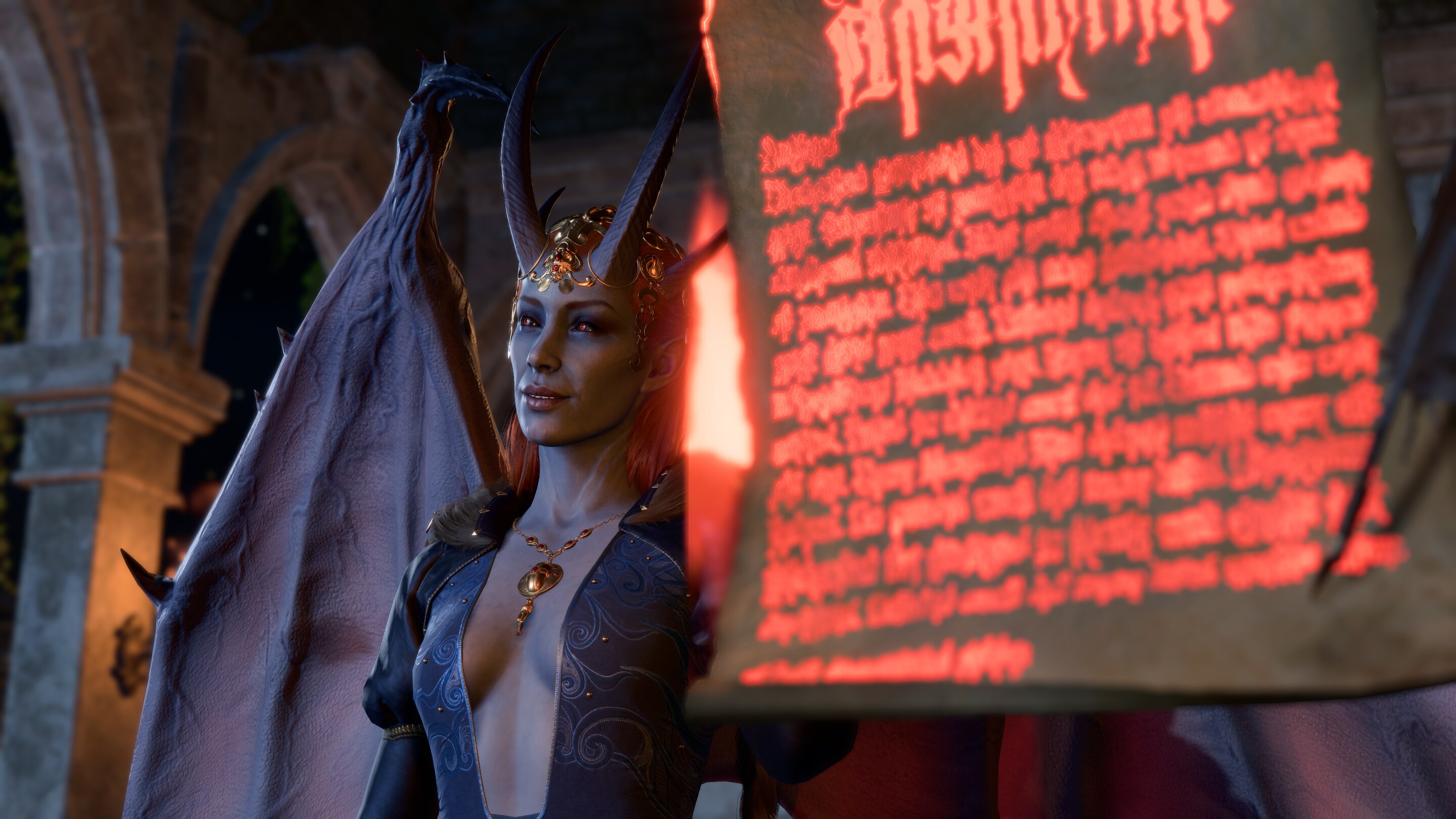
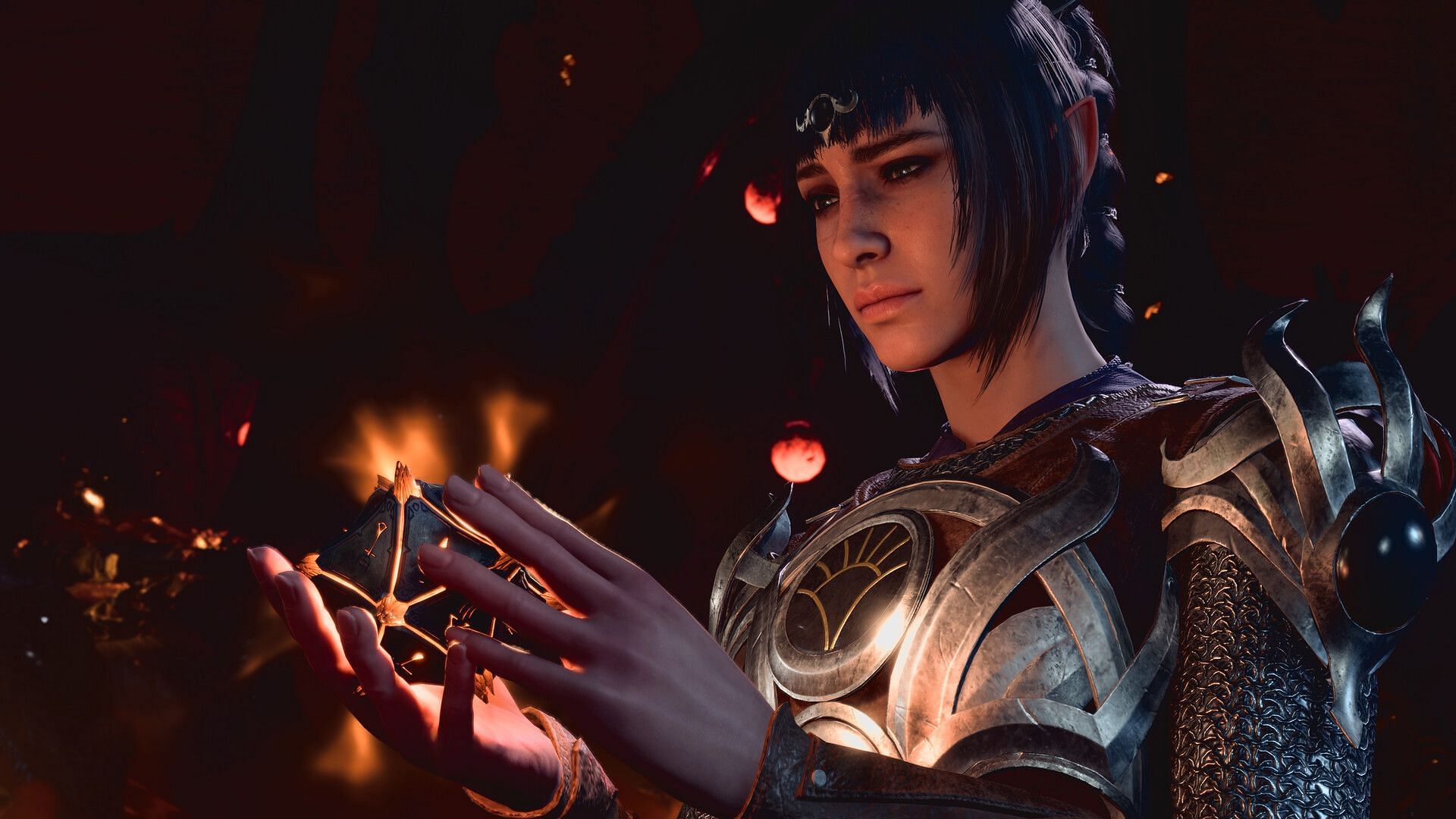
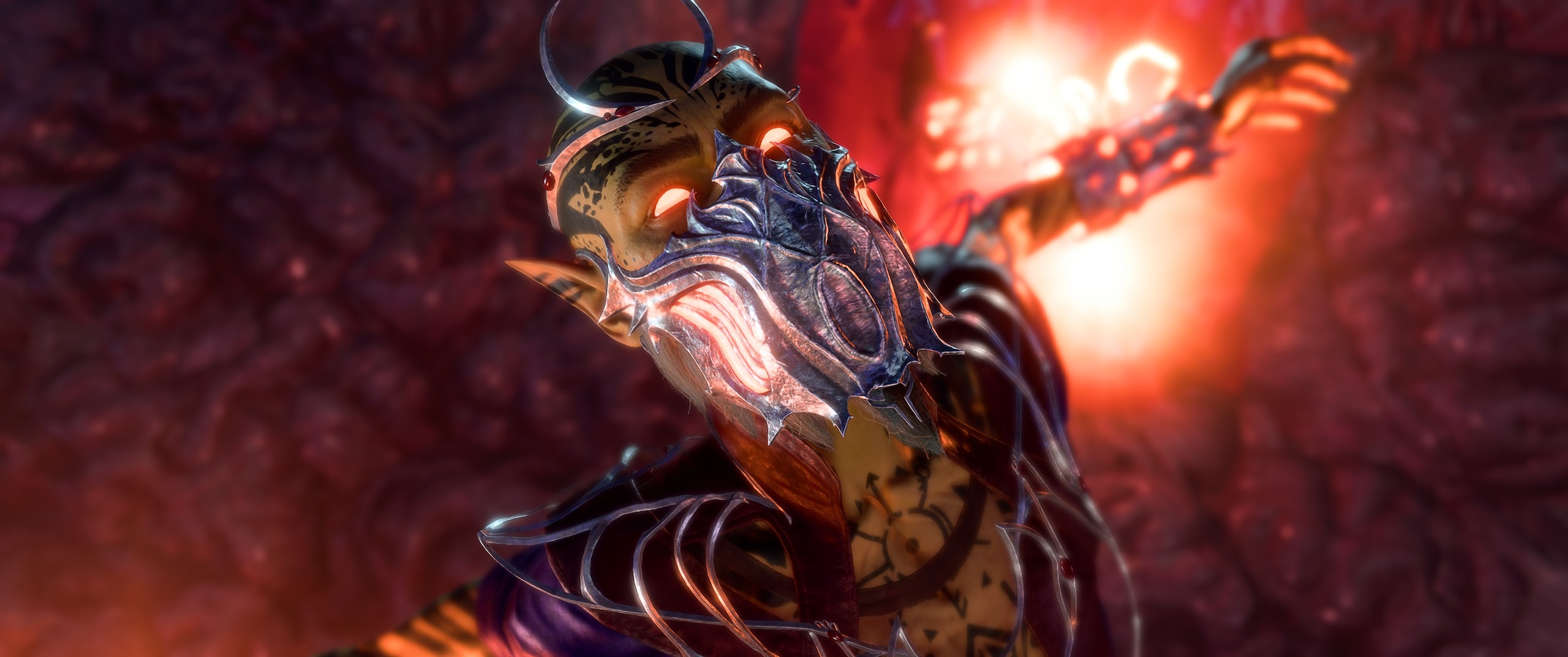
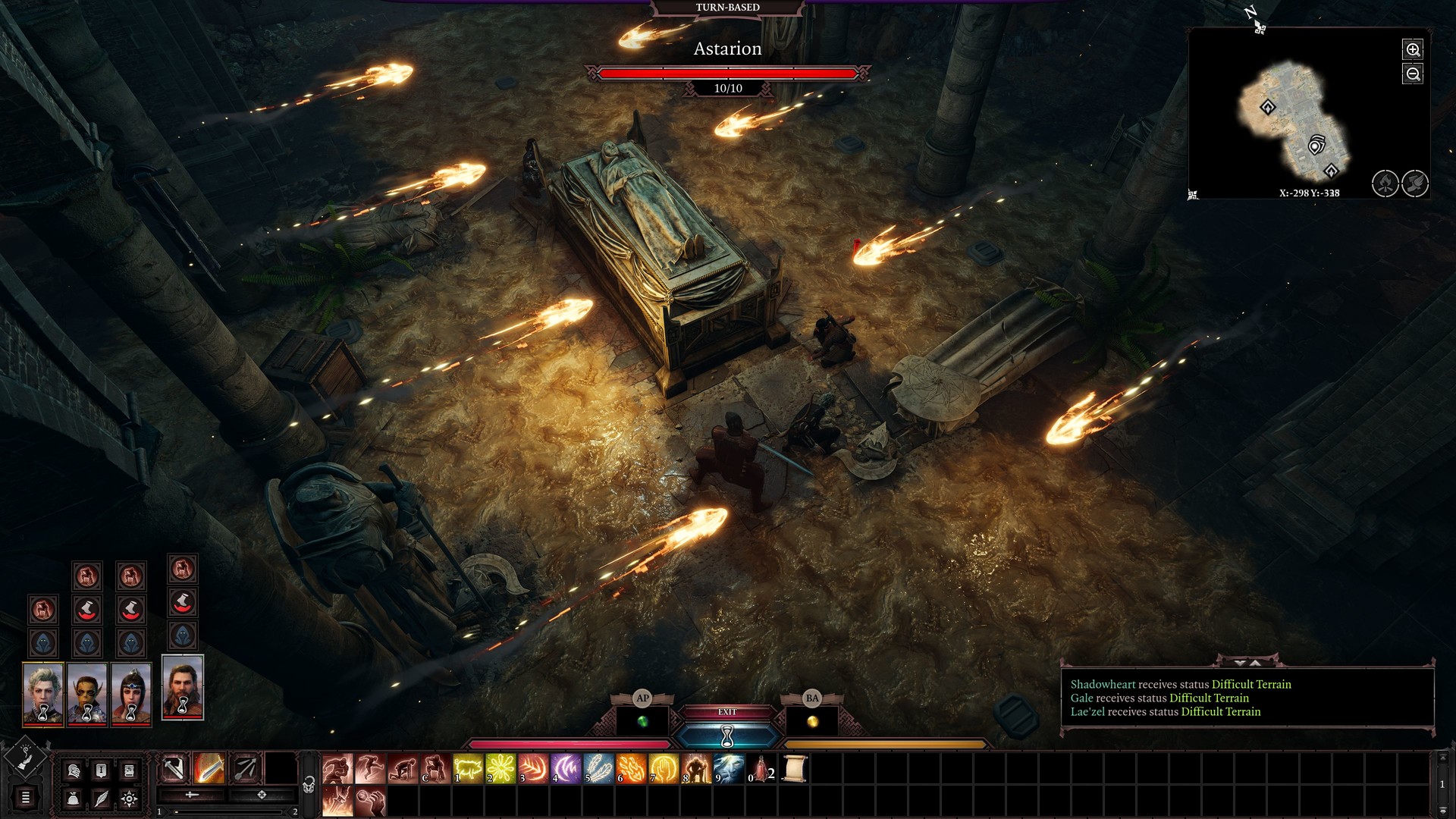
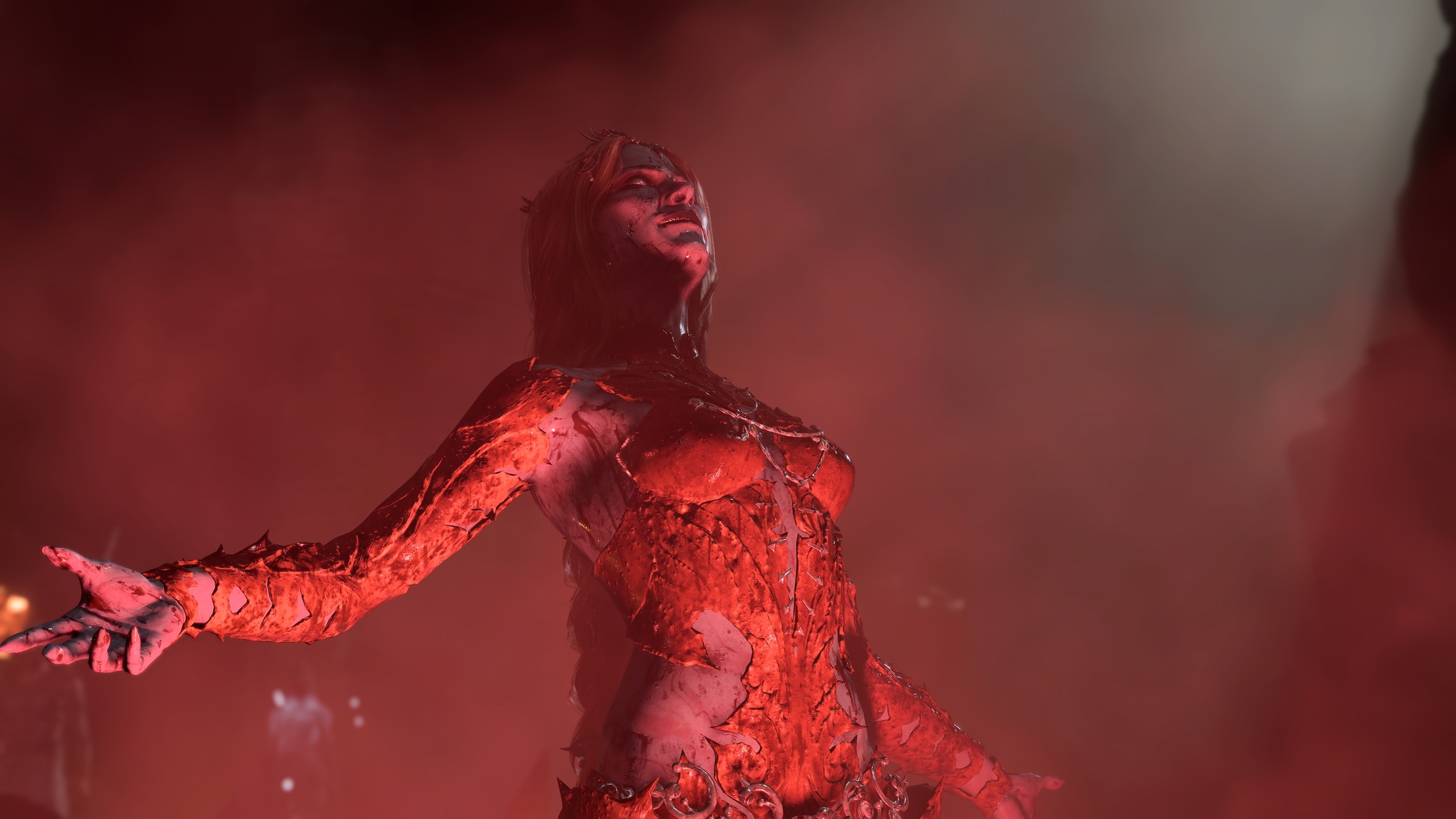
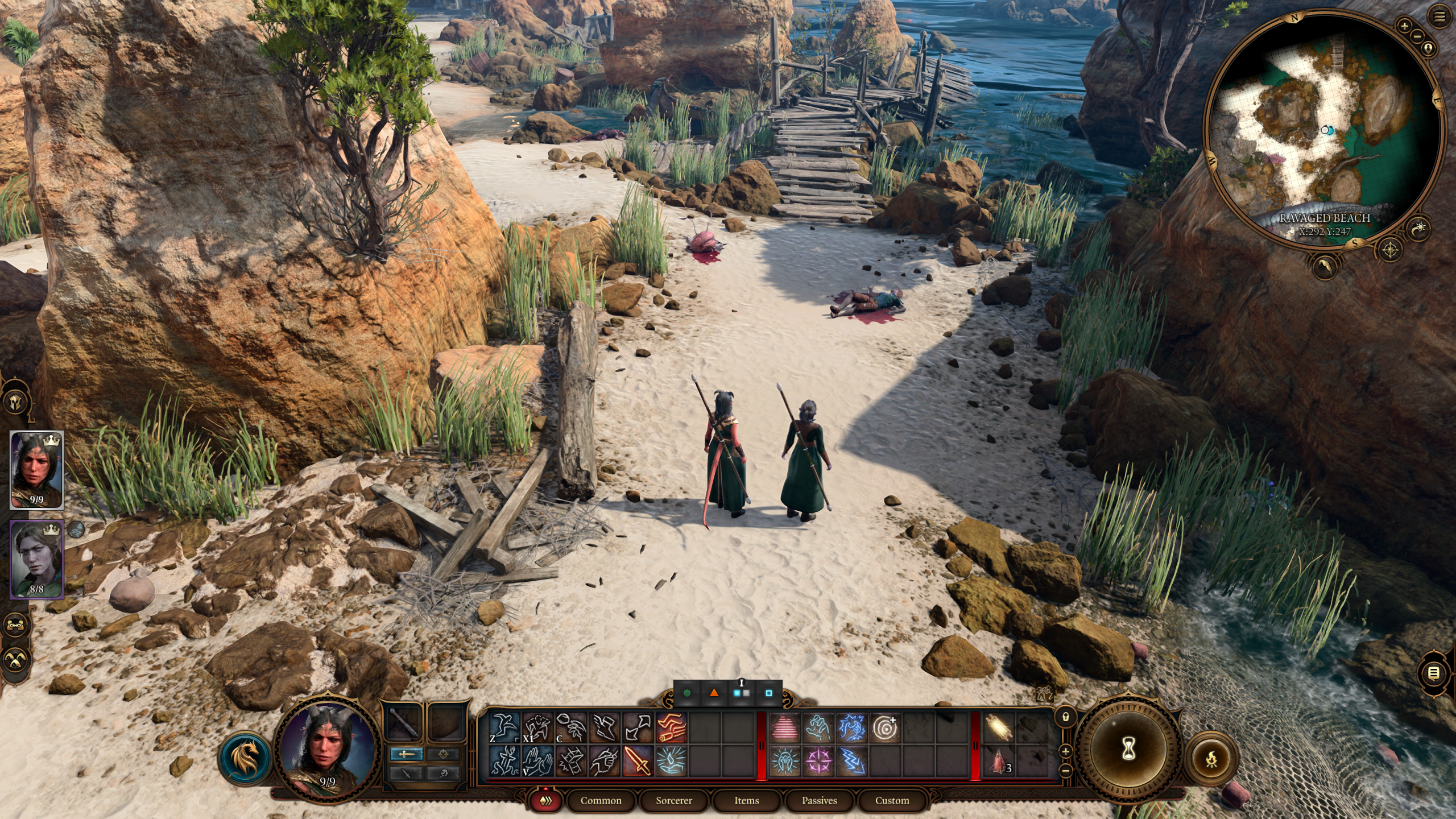

Baldur's Gate III
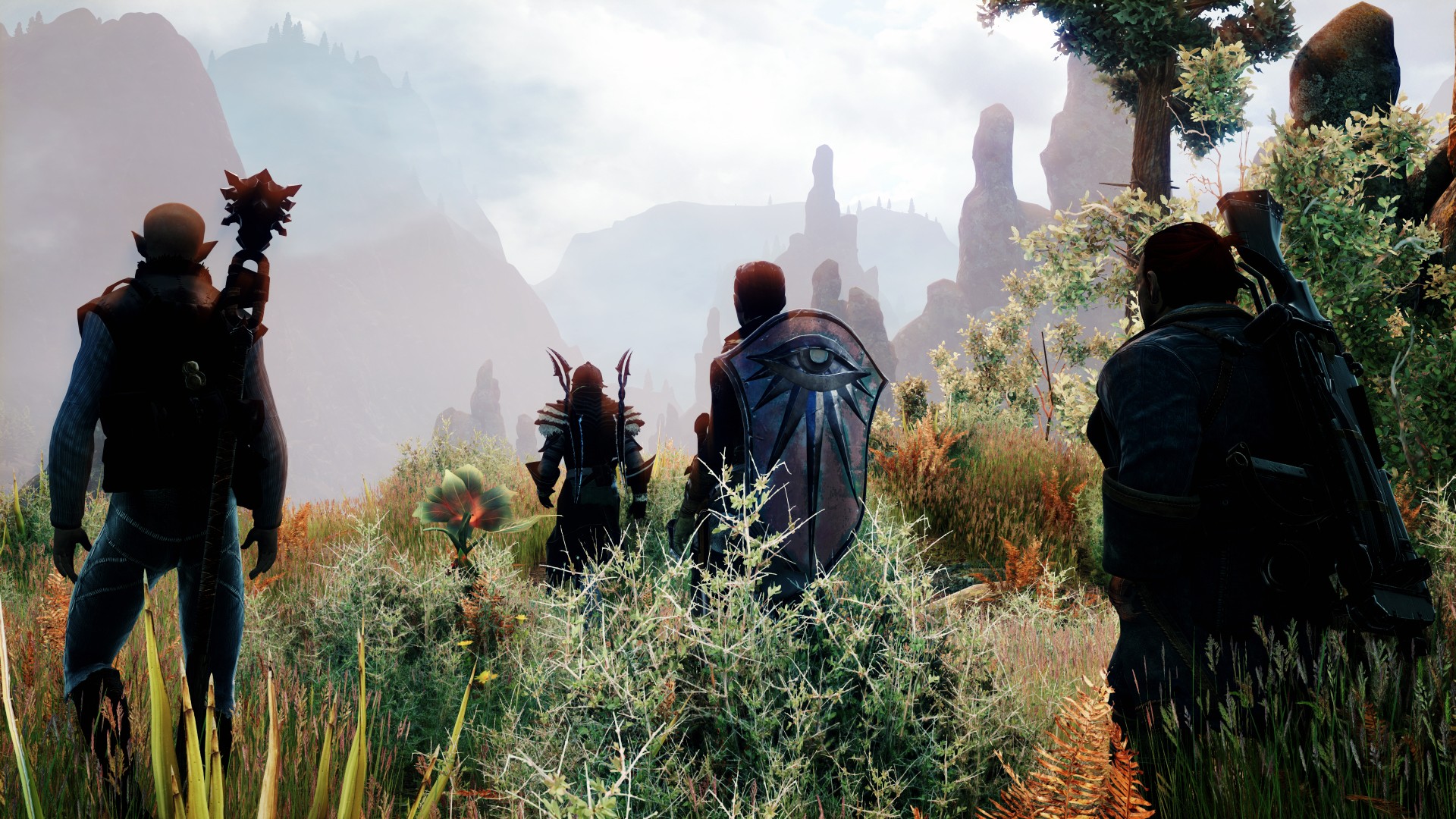
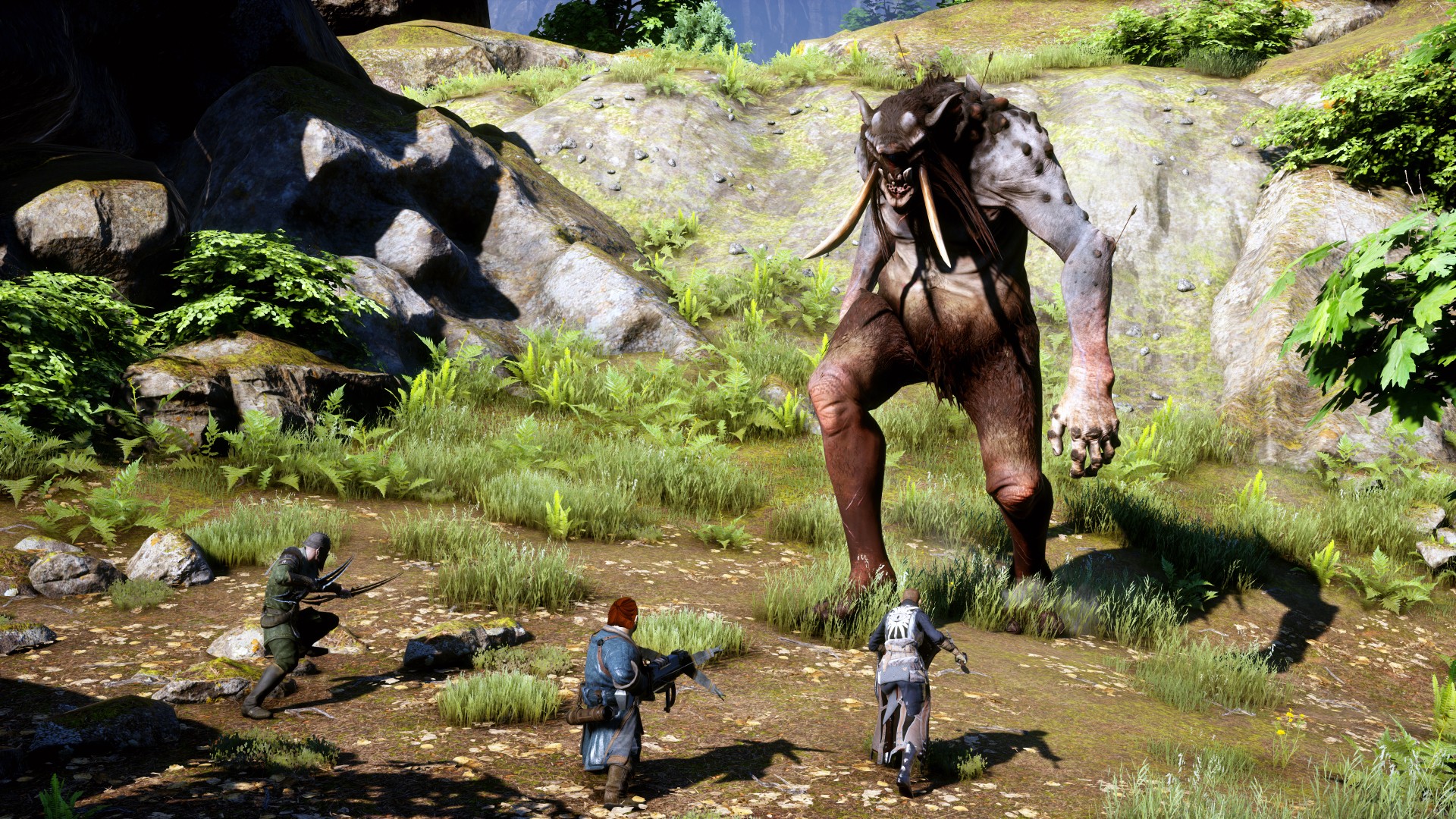

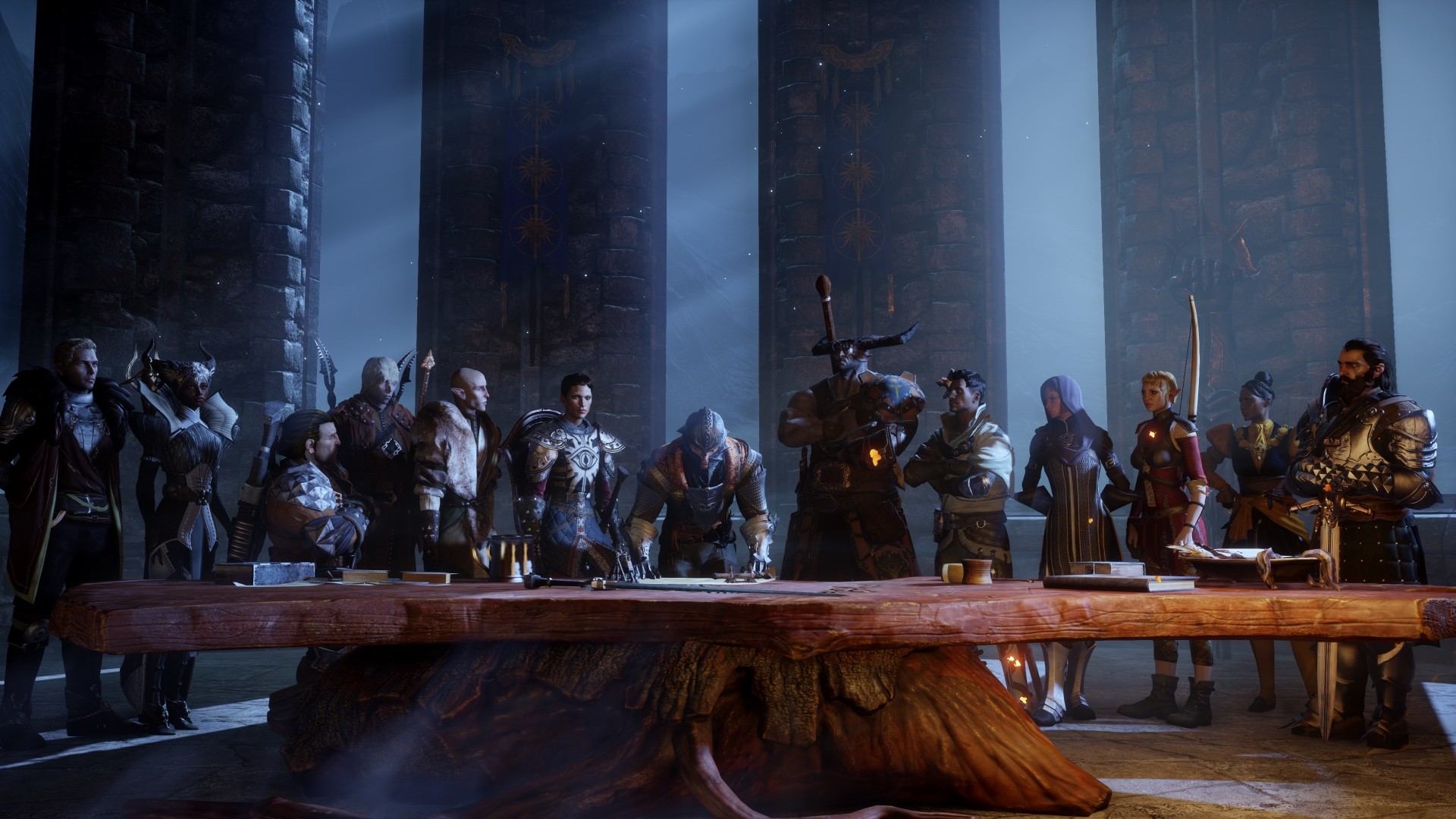
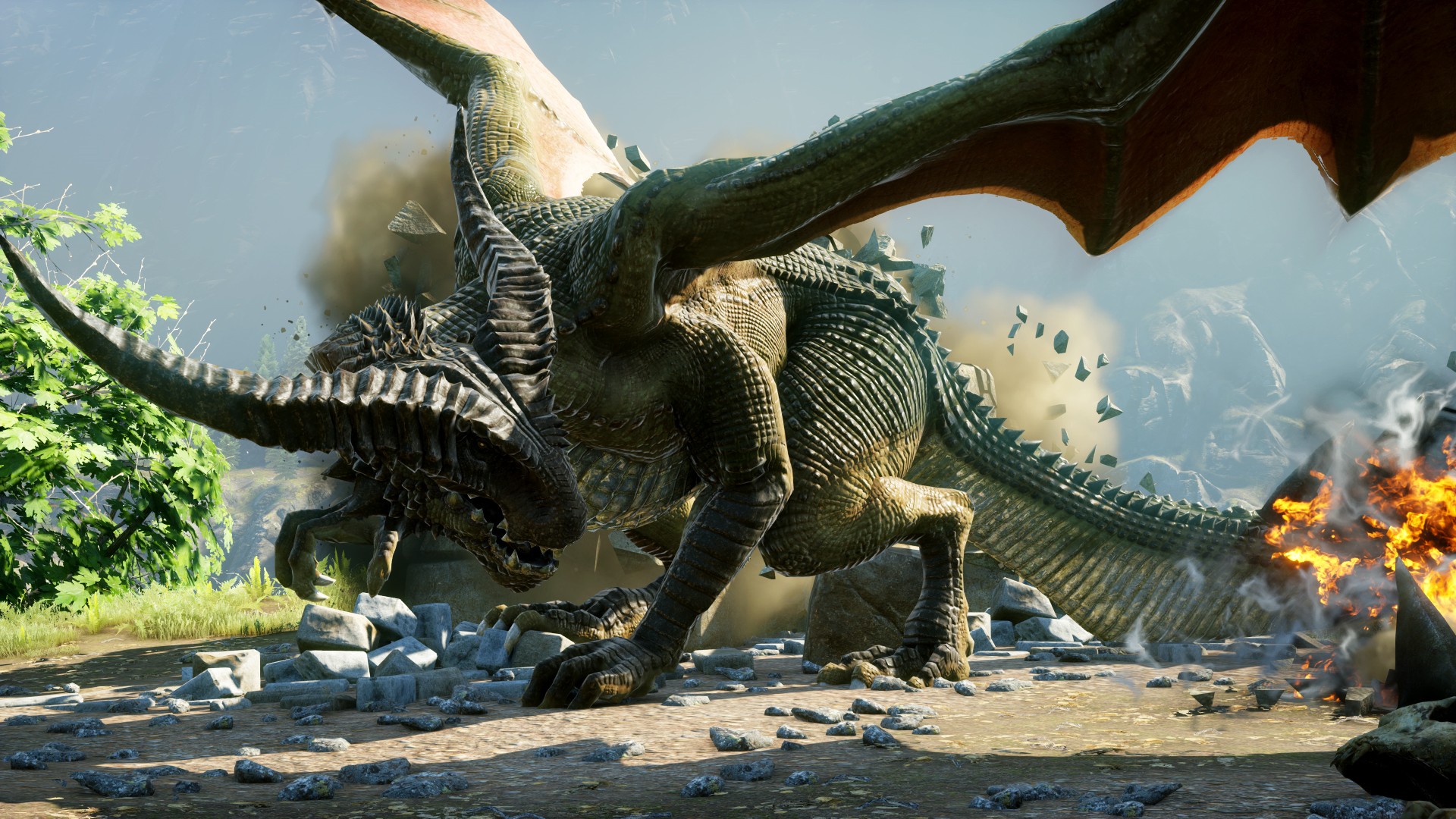

Dragon Age: Inquisition

Final Fantasy X



Assassin's Creed Odyssey
Final Fantasy IX


Dota 2