Game Info
↑ Back to top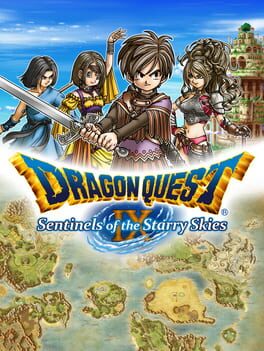

Dragon Quest IX: Sentinels of the Starry Skies
Series:
Genres:
Themes:
Perspectives:
Game Modes:
Overview
↑ Back to topDescription from IGDB IGDB
Wikipedia Description WIKIPEDIA
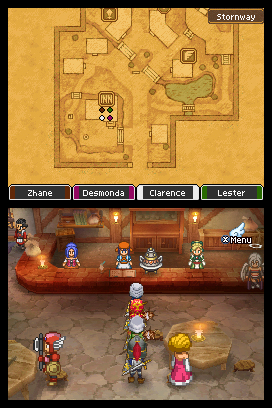
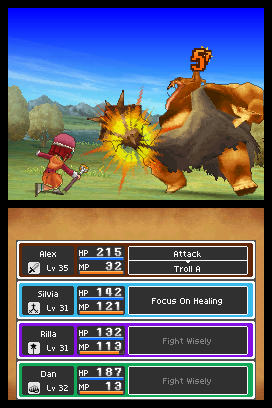
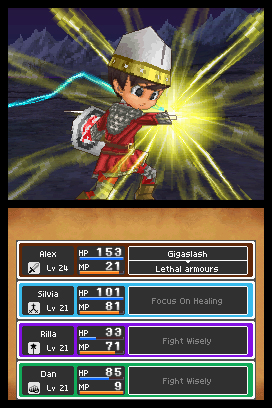
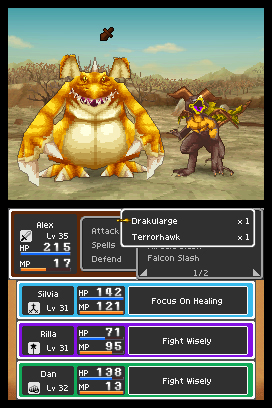
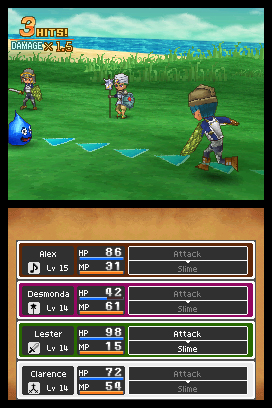
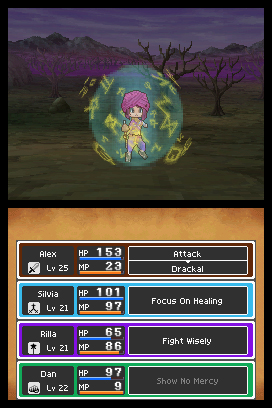
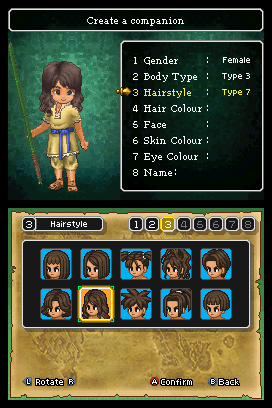
Dragon Quest IX: Sentinels of the Starry Skies is a role-playing video game set in a fantasy world; the player takes on the role of a customizable player character of the Celestrian people trapped in the mortal world. The display is split between the two screens of the Nintendo DS; the top screen displays the map area and the player's location on it together with party status, while the bottom screen shows the immediate environment and main menu display. The in-game environment is displayed from an overhead isometric perspective, with both the environment and character models being displayed with 3D graphics. In addition to the main story quests, the player can pick up optional side-quests from non-player characters (NPCs) found through the world, with some being standalone and others being related chains of quests. Multiple quests can be taken on and completed at once, and can vary in content from errand tasks to defeating specific monsters. The player can use an alchemy pot to synthesise equipment, items, and weapons using ingredients gathered by foraging or finding them in treasure chests or getting them as drops from defeated monsters. Saving can only be performed at a church in town. As with all previous mainline Dragon Quest games, Dragon Quest IX uses a traditional turn-based battle system, though enemies are displayed as roaming sprites rather than previously established random encounters. Coming into contact with an enemy sprite during exploration triggers a battle in a combat arena themed after the current location, and depending on the party's level an enemy may give chase or run away. In addition to the protagonist, the player needs to create the remaining three members. The party is restricted to four including the protagonist, with a further eight able to be held in reserve. All party members can be individually controlled or act automatically based on preset commands managed in the battle menu. The player can attack, defend, use an item, use skills dubbed Abilities, perform magic which draws on a magic resource called MP, trigger a special action called a Coup de Grâce, or attempt to escape. Consecutive normal attacks trigger a damage multiplier which remains until the sequence is broken by an enemy or a non-attack skill. A core part of organizing the player party is assigning character classes called Vocations. The player character starts by default as a Minstrel, with access to defensive, offensive, and supportive skills, and they can later branch into other Vocations, including Warrior, Thief, and Priest. Vocations are permanently assigned to other characters, with the protagonist able to change Vocations at an in-game location after a certain point in the narrative. By using Vocations, the player can learn skills exclusive to each one. Changing Vocation resets the character's experience level to one and removes all learned spells, with skill point abilities purchased by the player along with unspent skill points being carried over, but switching back to a class restores that character's level and spells. At the end of battle, the party is awarded experience points which raise a character's level, skill points to raise specific character statistics, and gold to spend at shops in towns. If the party falls in battle, they are returned to their last save and lose half the gold they hold. In addition to single-player gameplay, Dragon Quest IX incorporates multiplayer. Up to three designated players can connect locally, with the one who initiated the session acting as host. The party can travel together, or the four can split up and act independently. Guest party members cannot progress the narrative, but are allowed to keep any items, experience points, and gold they acquire. Guests are not restricted by level, allowing a party composition of any level to take part in quests at different parts of the story. After completing a story quest early in the game, the player could engage in a form of passive online interaction dubbed Tag Mode. While the DS is in sleep mode, it can interact with other nearby systems with the game installed, allowing up to three characters to be imported into the game bringing a gift, ranging from items and equipment to treasure maps leading to caves that can hold treasure or dungeons to explore. The online functions were not region locked, allowing trading between systems in Japan, North America, and Europe. While much of the text went untranslated, map titles were automatically translated into the DS system's native language. The online elements lasted until 2014, when the Nintendo Wi-Fi service was shut down.
About Dragon Quest IX: Sentinels of the Starry Skies
Dragon Quest IX: Sentinels of the Starry Skies is a Open World, Role-playing (RPG), Sandbox, Squad Management, Turn-based, Turn-based strategy (TBS) game released in 2009 developed by Armor Project, Bird Studio that offers Co-operative, Multiplayer gameplay from a first person, third person perspective playable on Nintendo DS with 51 user ratings averaging 85.1/100. The game explores themes like Fantasy. If you enjoy Dragon Quest IX: Sentinels of the Starry Skies, you might also like similar games in our database of 45,000+ titles.
Basic Info
Details
↑ Back to topAdditional Information
Платформы 1
Genres 6
Themes 1
Player Perspectives 2
Game Modes 3
Companies
↑ Back to topDevelopers
Armor Project
No description available
Bird Studio
No description available
LEVEL-5
No description available
Square Enix Product Development Division 9
No description available
Publishers
Nintendo
No description available
Square Enix
No description available
Keywords
↑ Back to topScreenshots
↑ Back to top




Similar Games
↑ Back to top
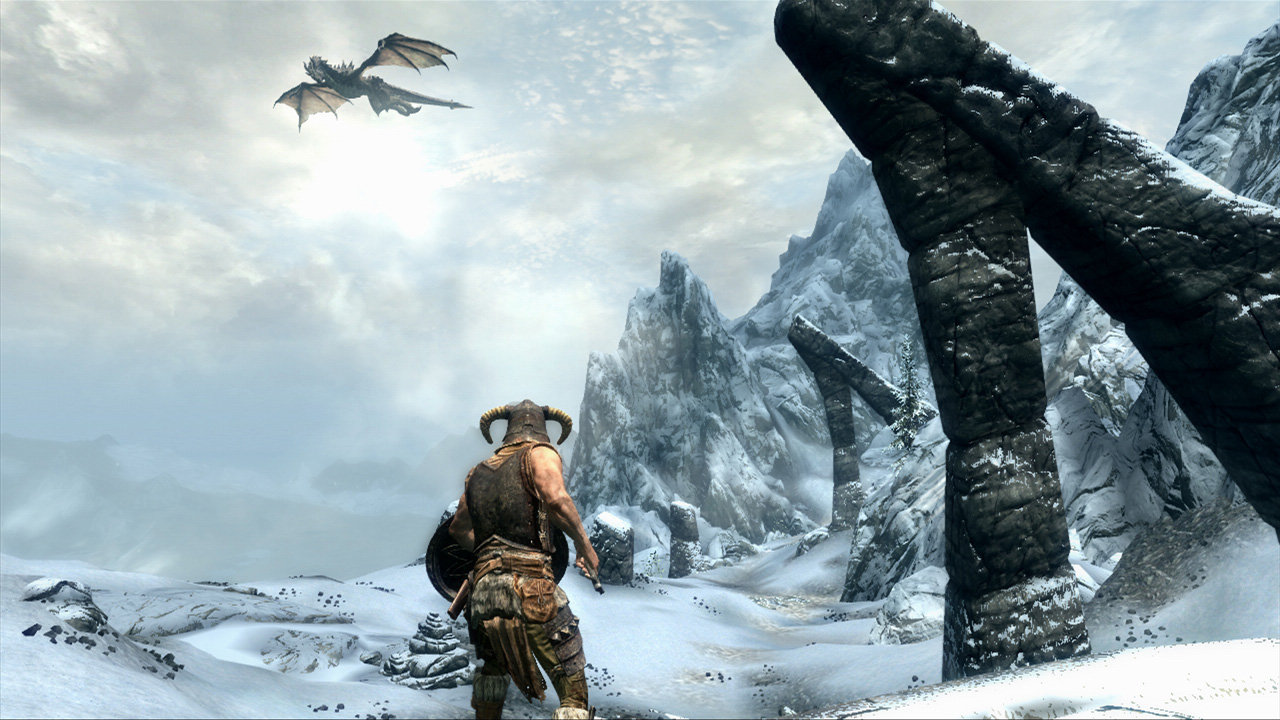
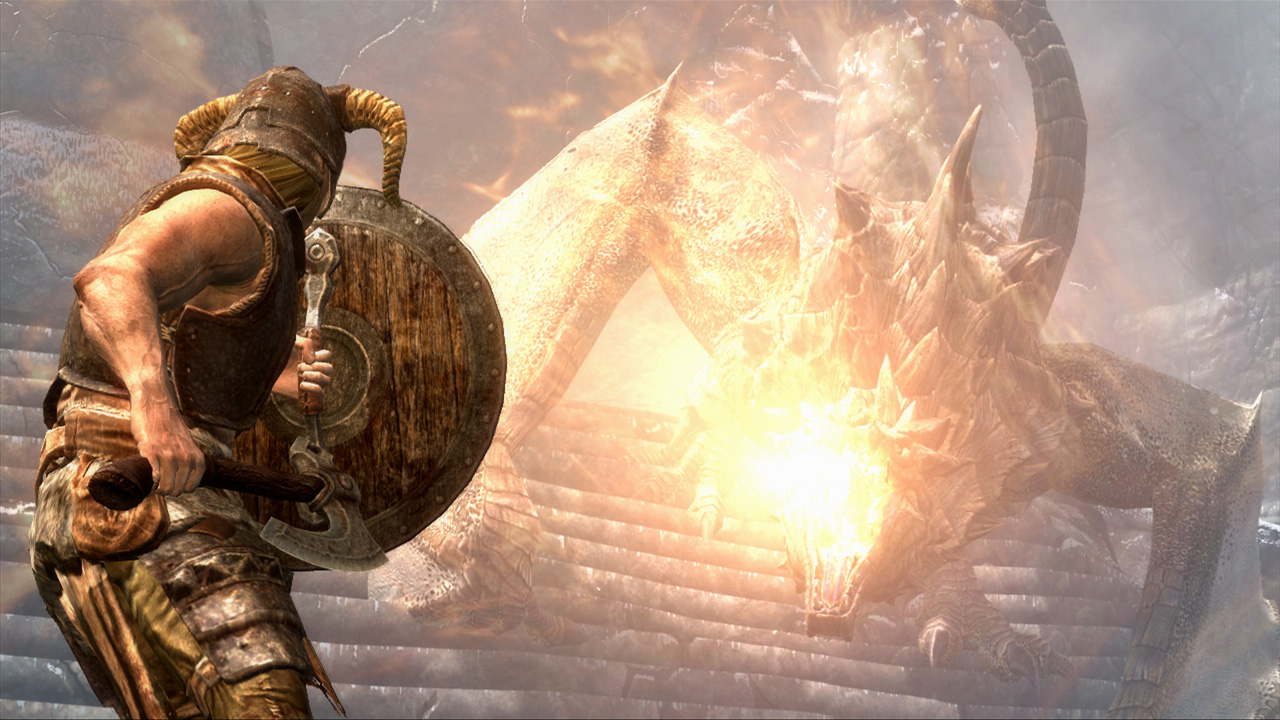
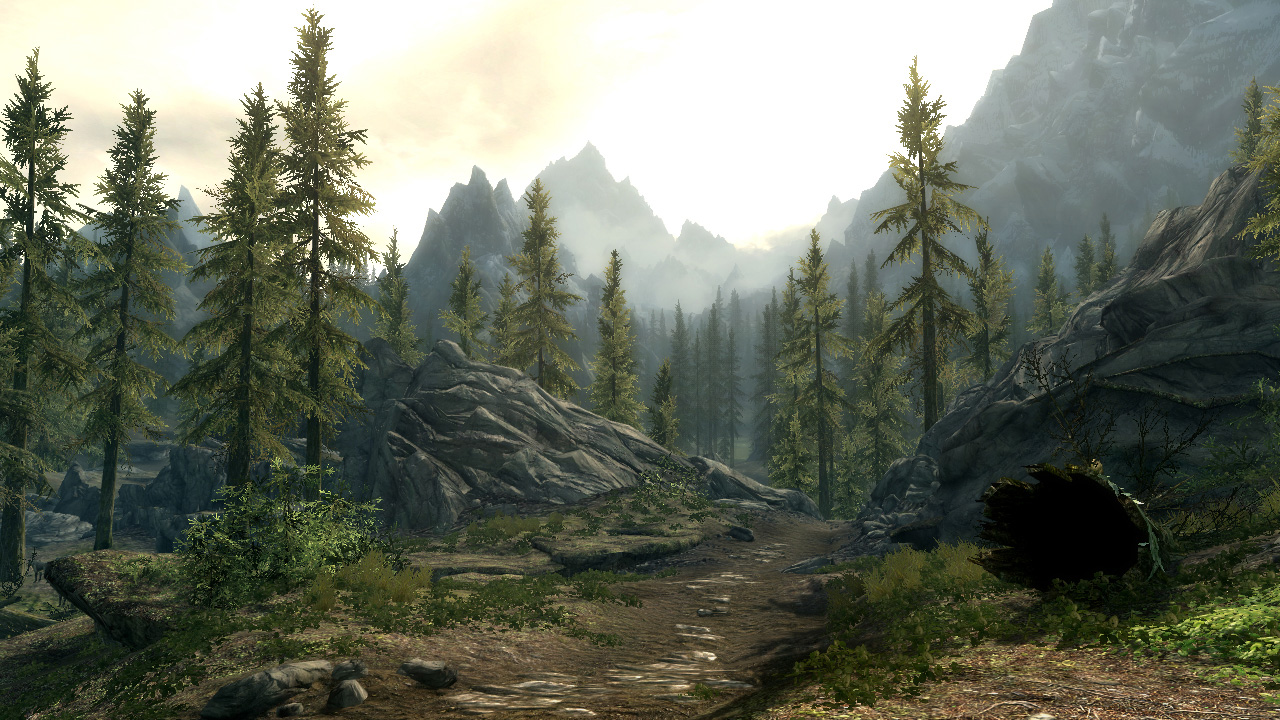
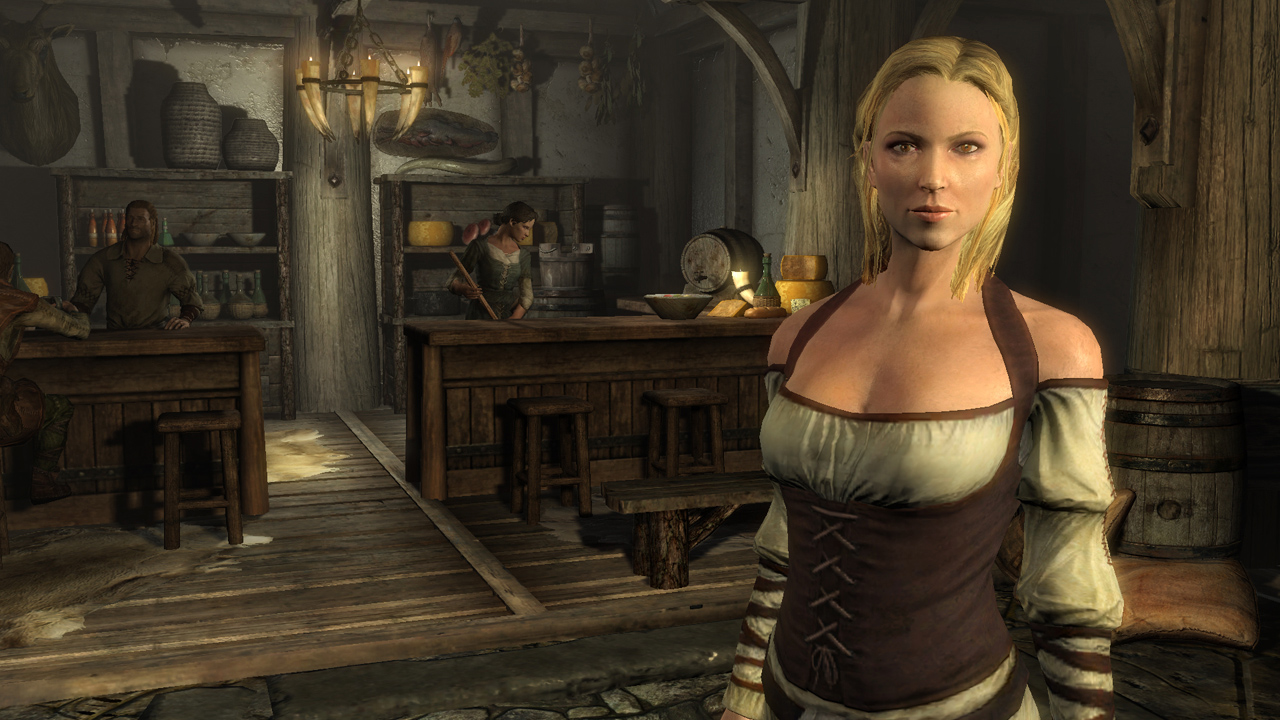
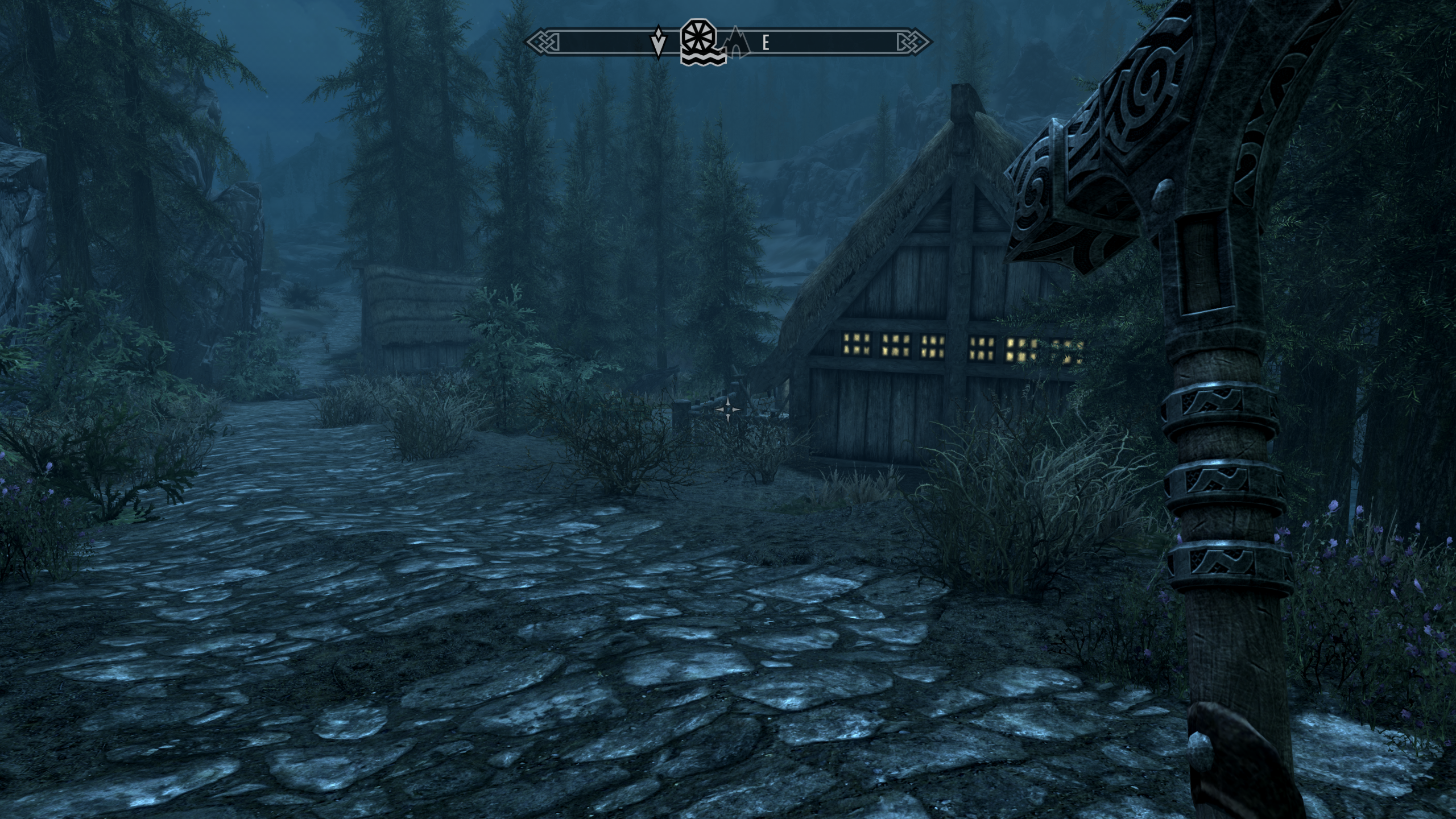
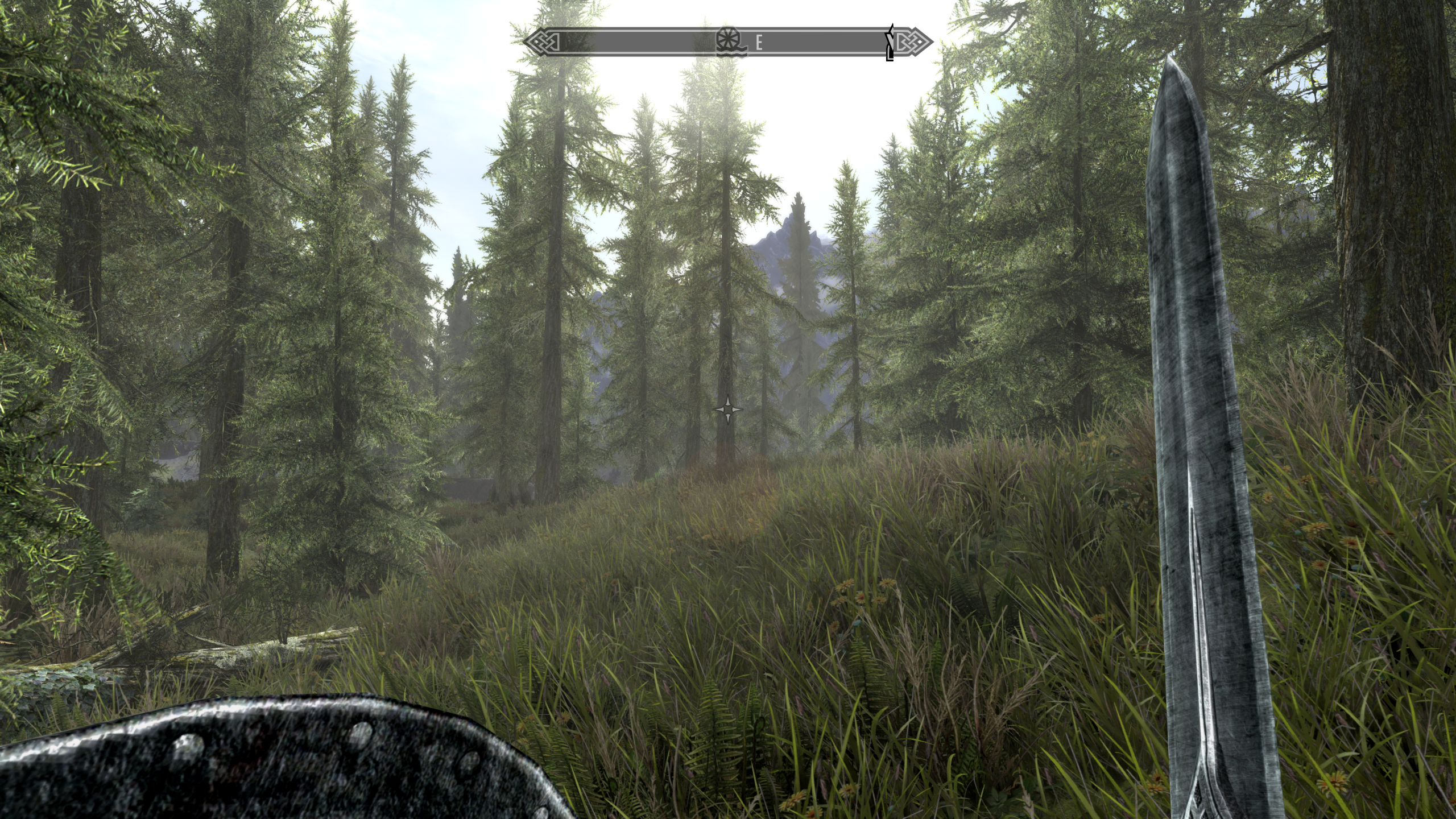

The Elder Scrolls V: Skyrim
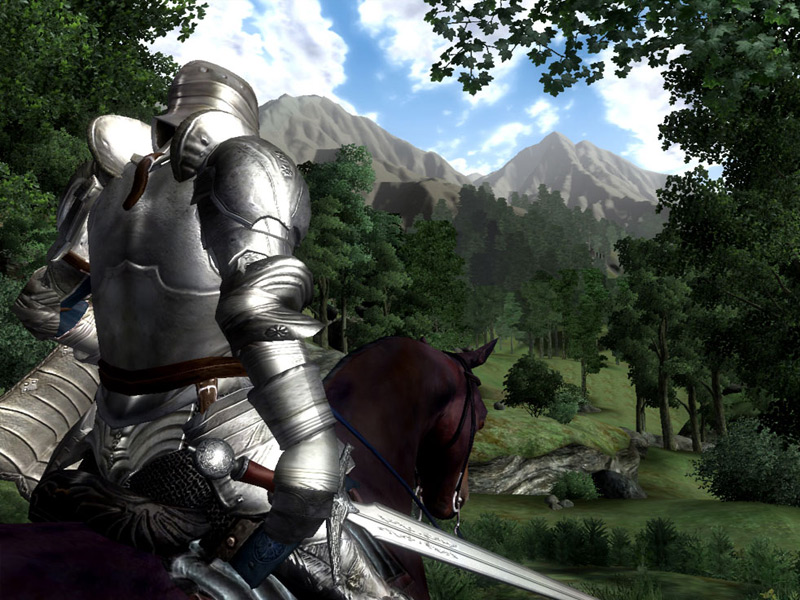
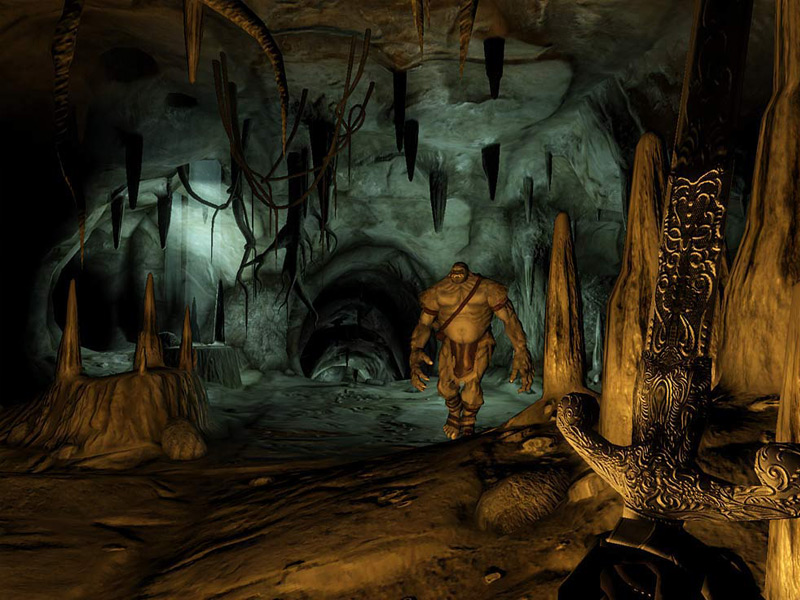
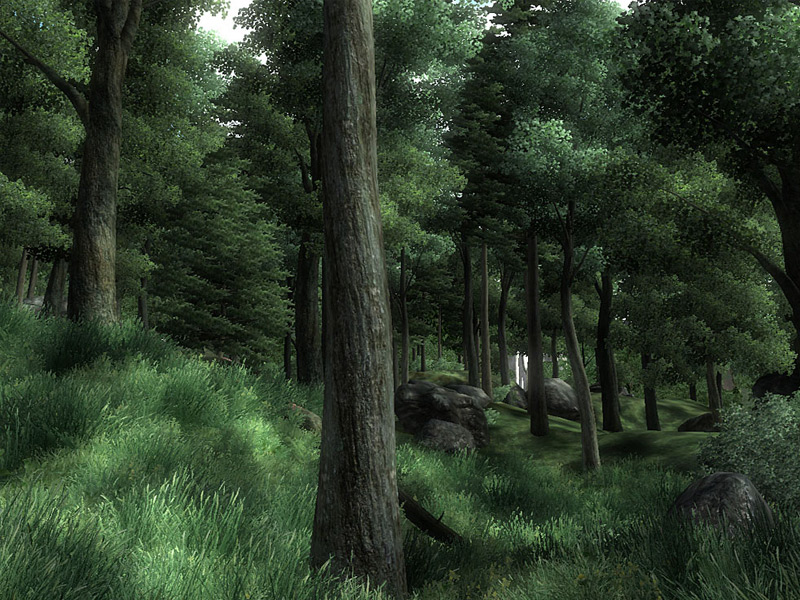
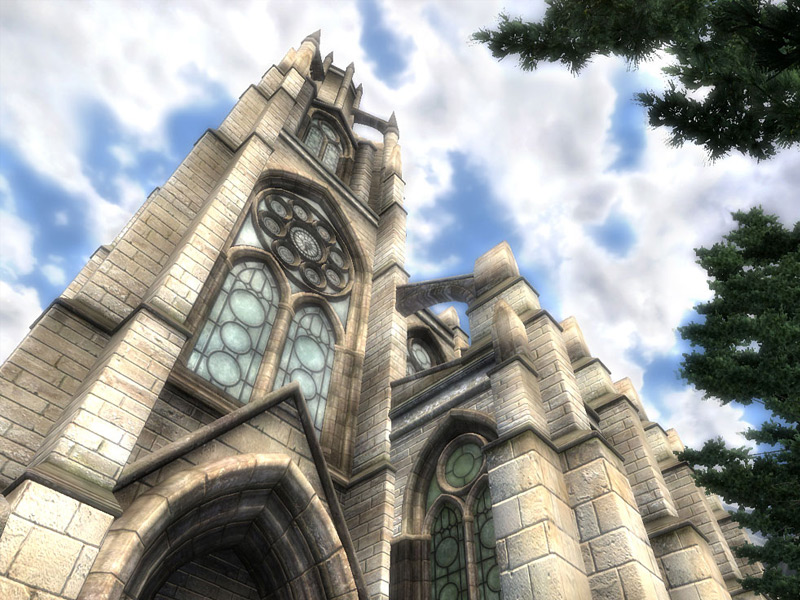
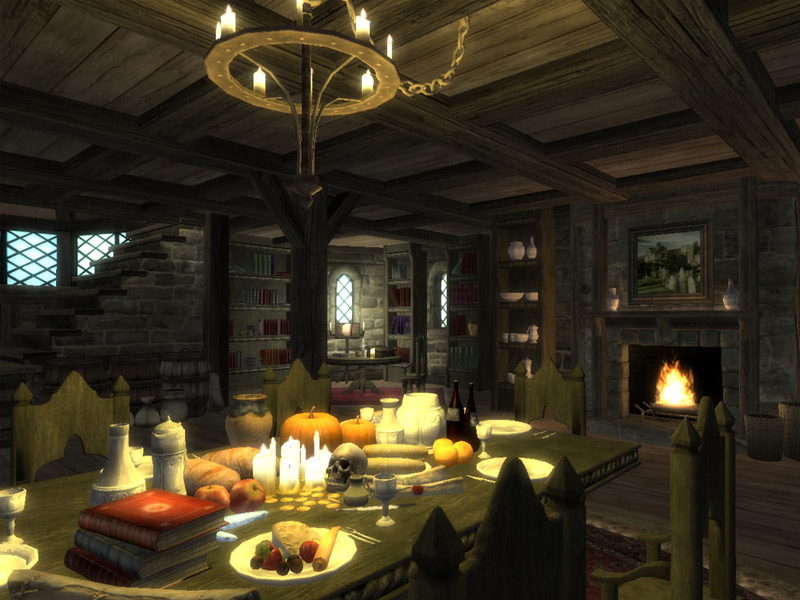
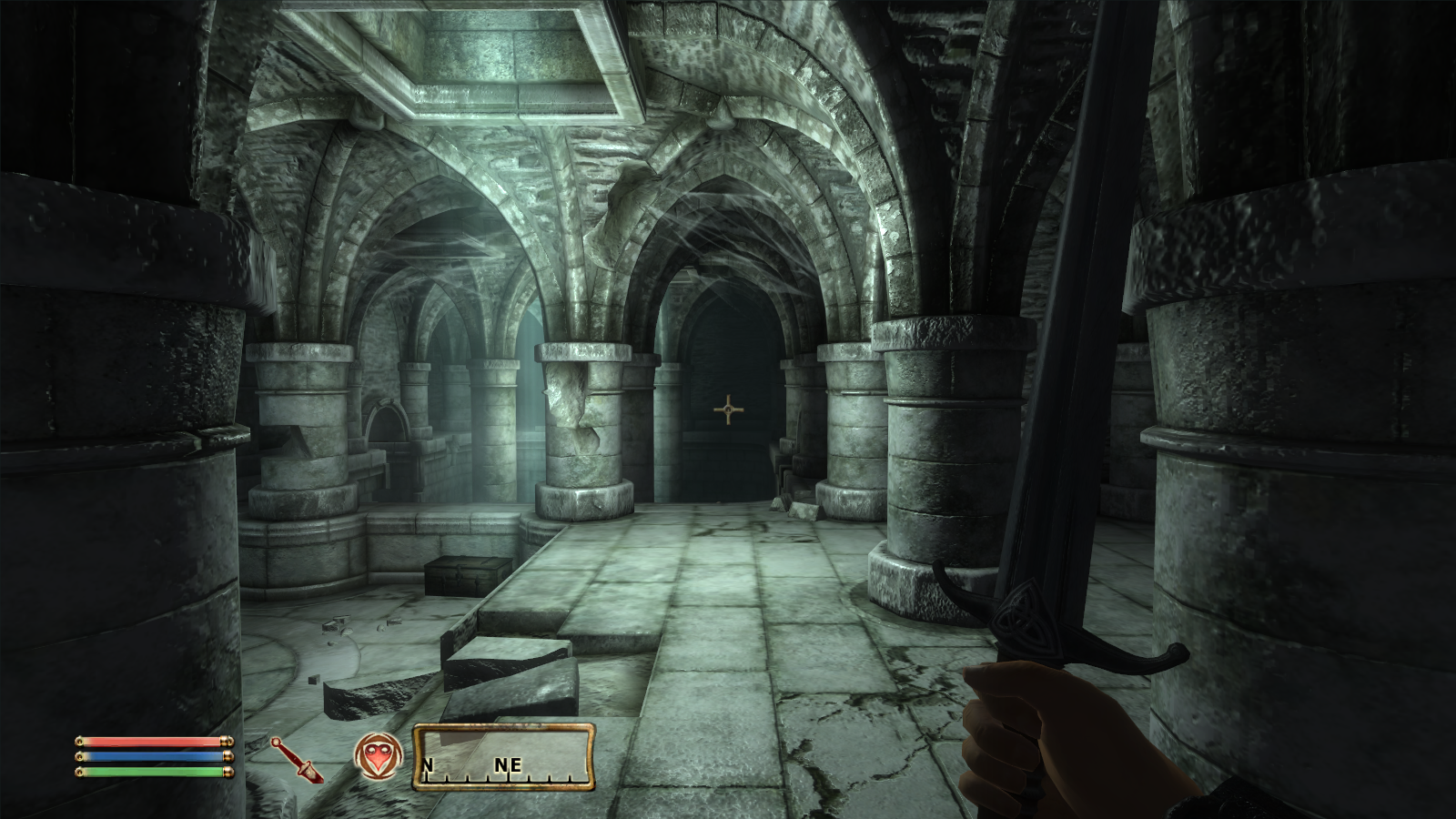
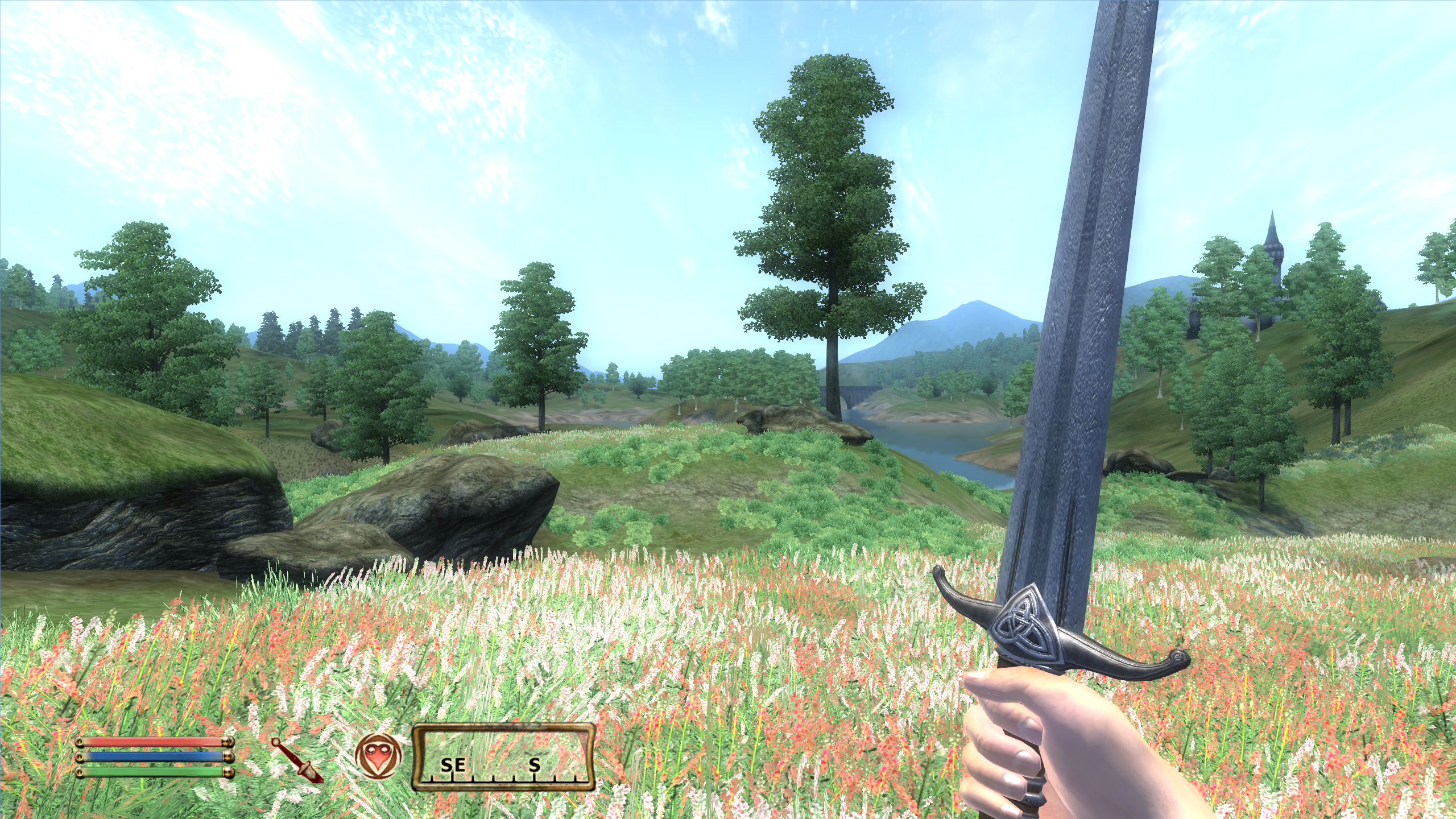

The Elder Scrolls IV: Oblivion

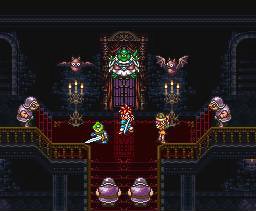
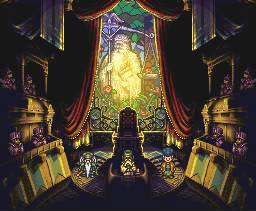
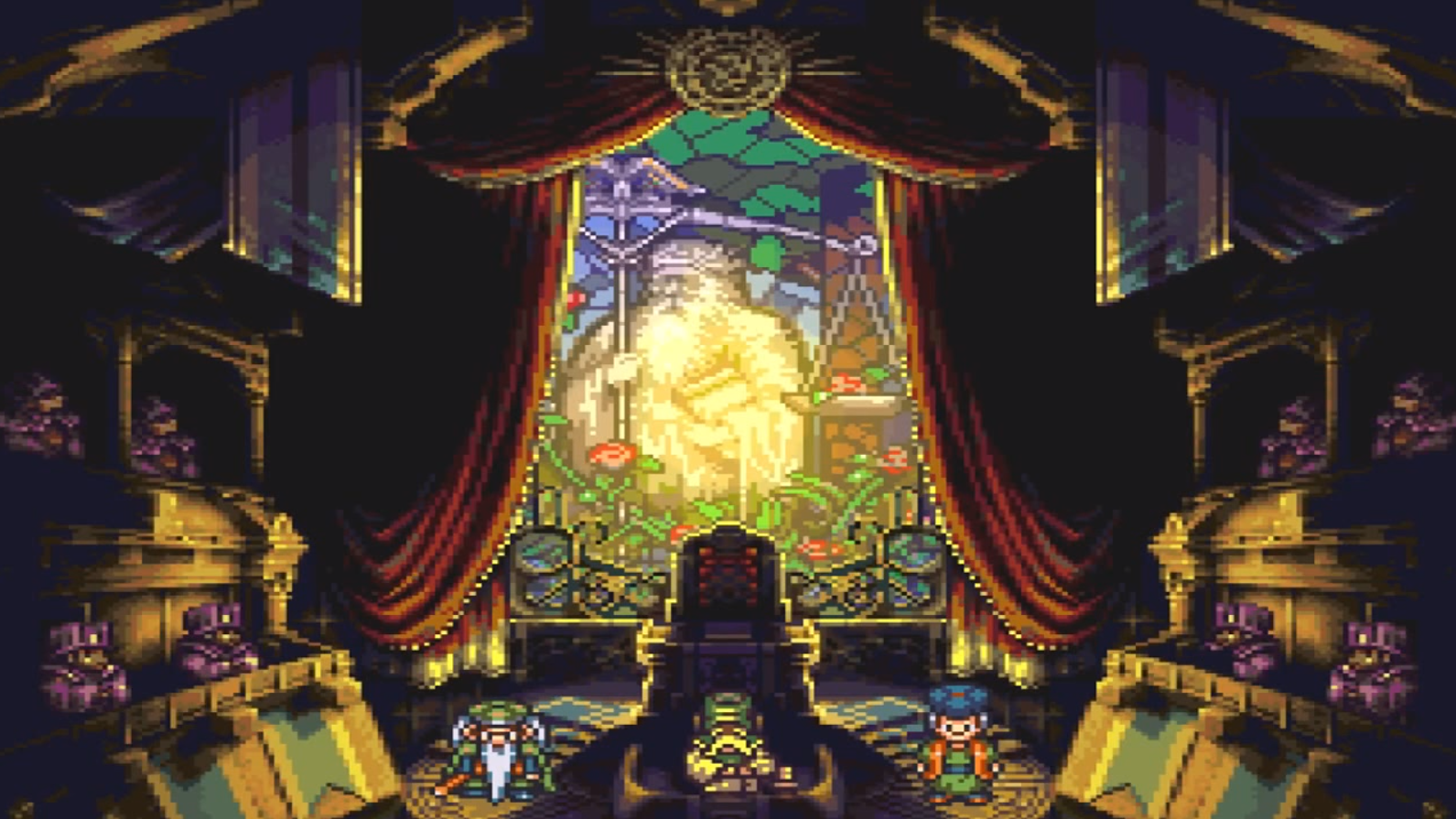


Chrono Trigger
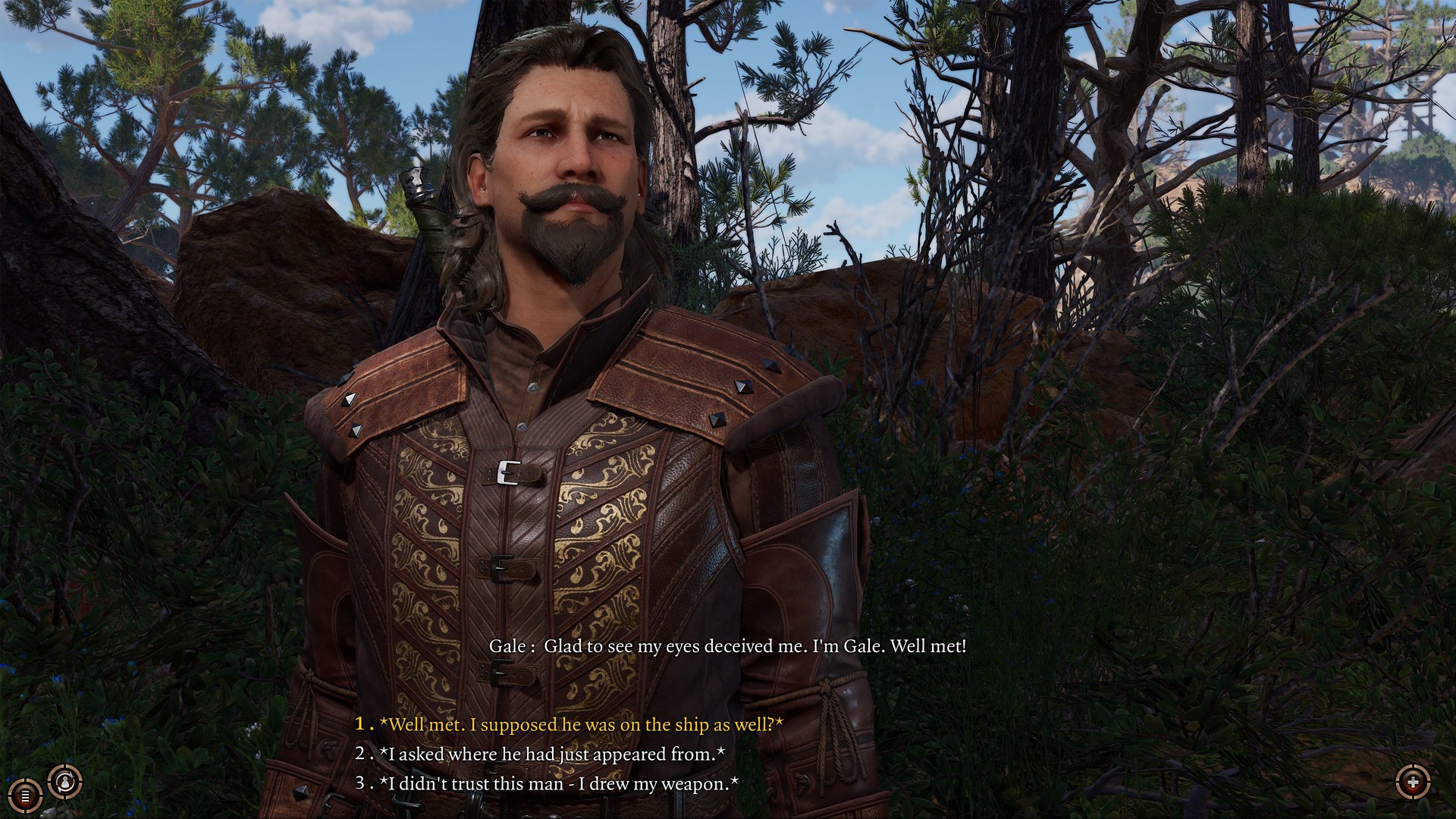
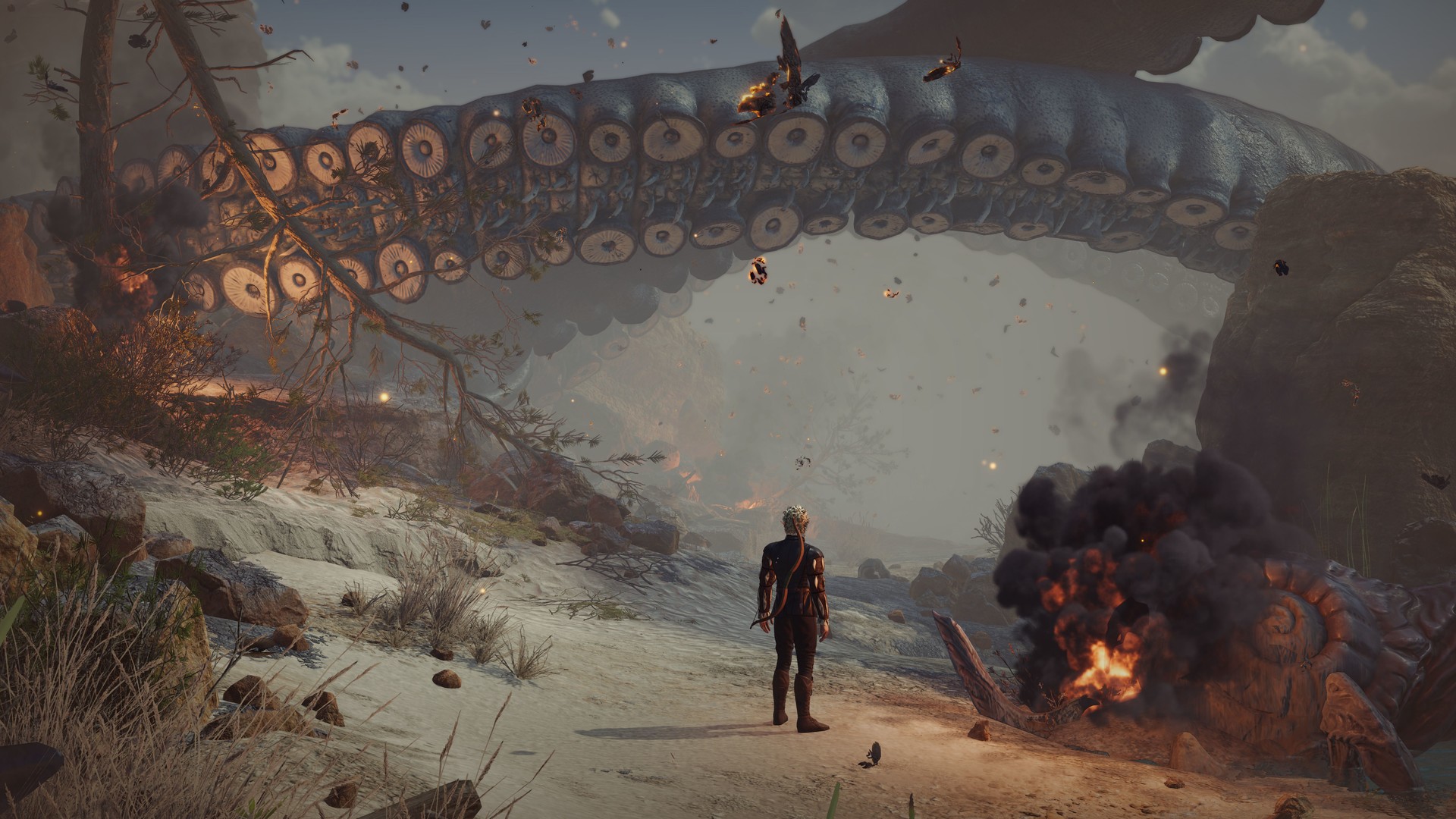
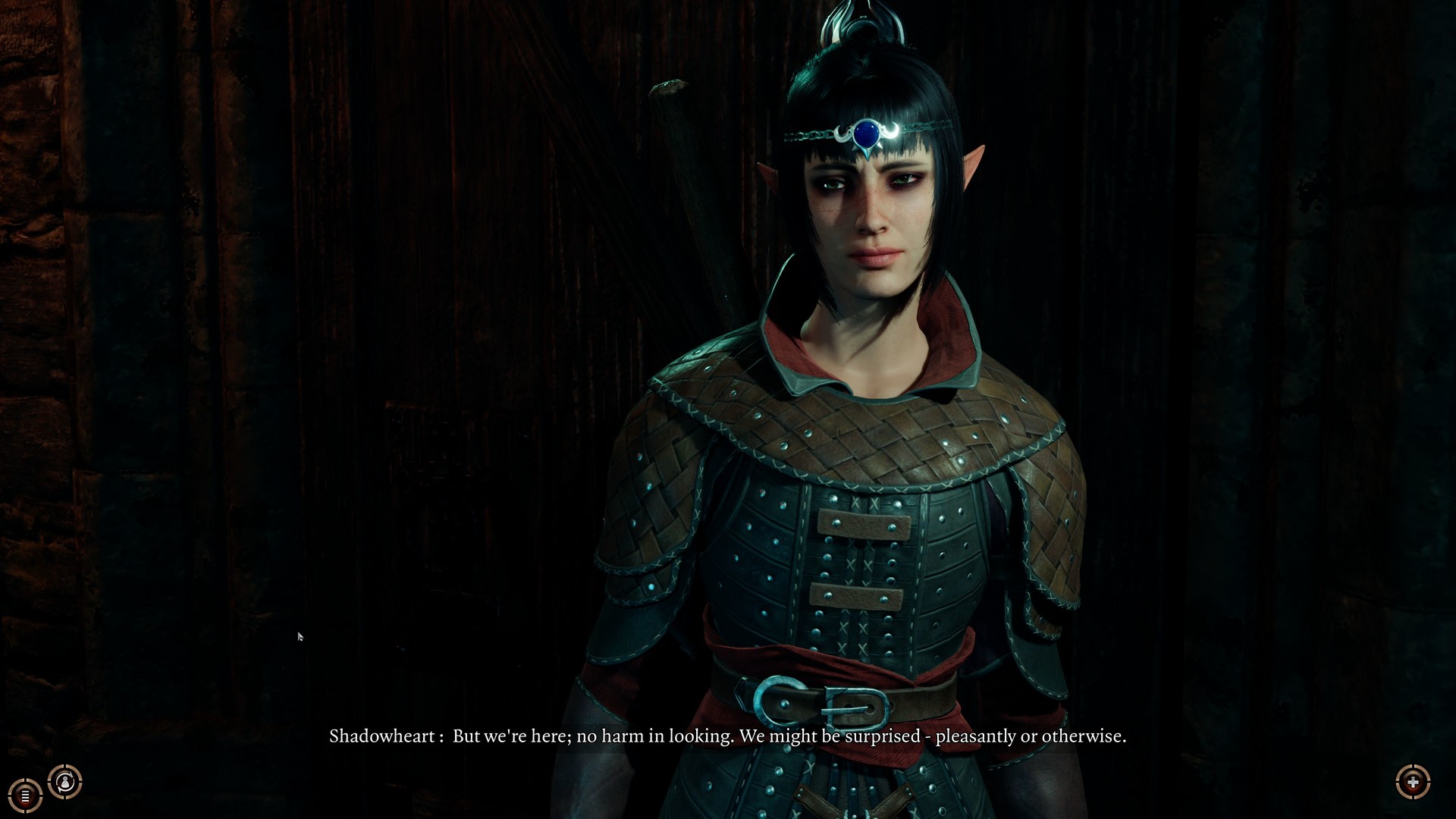
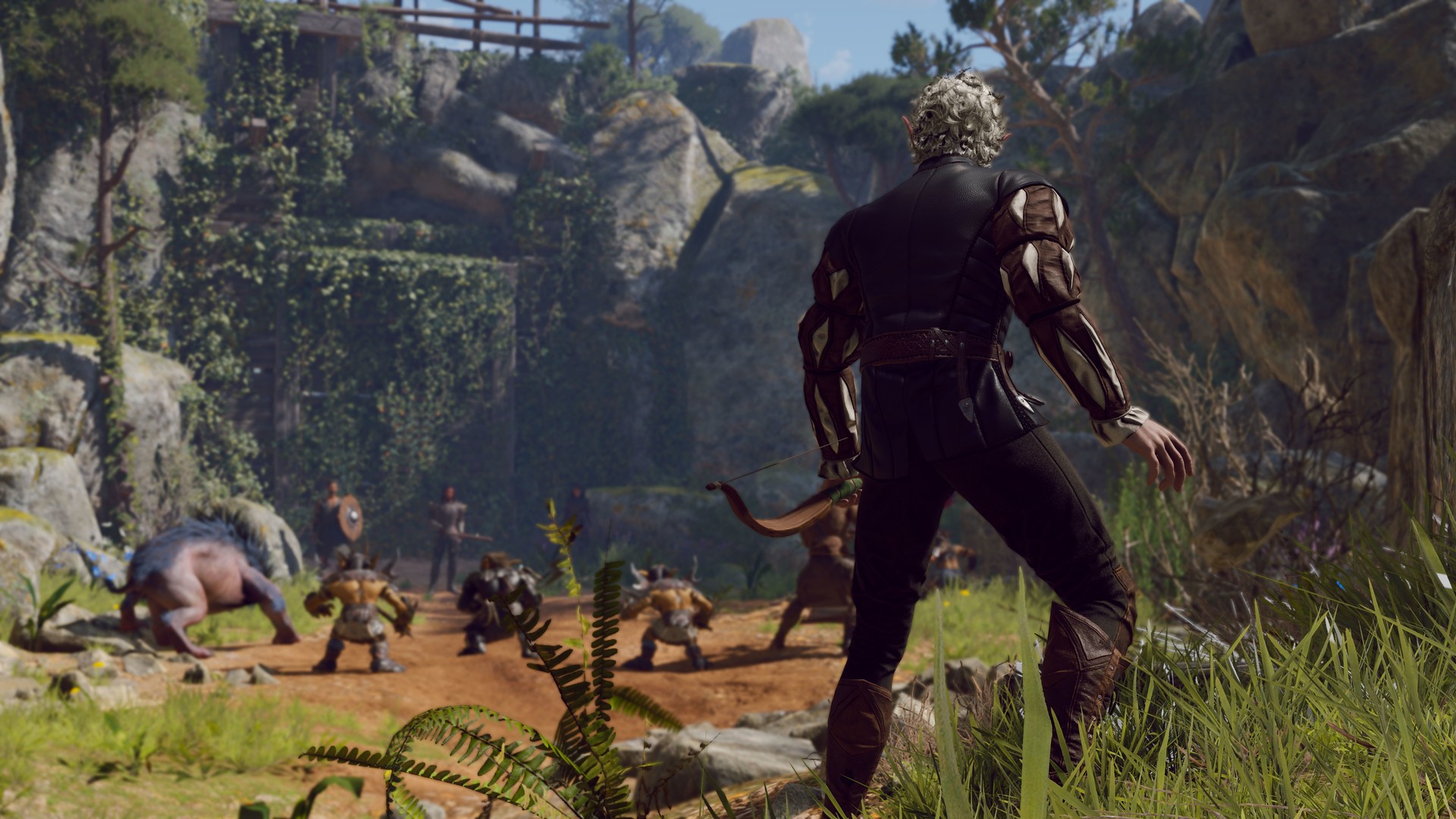

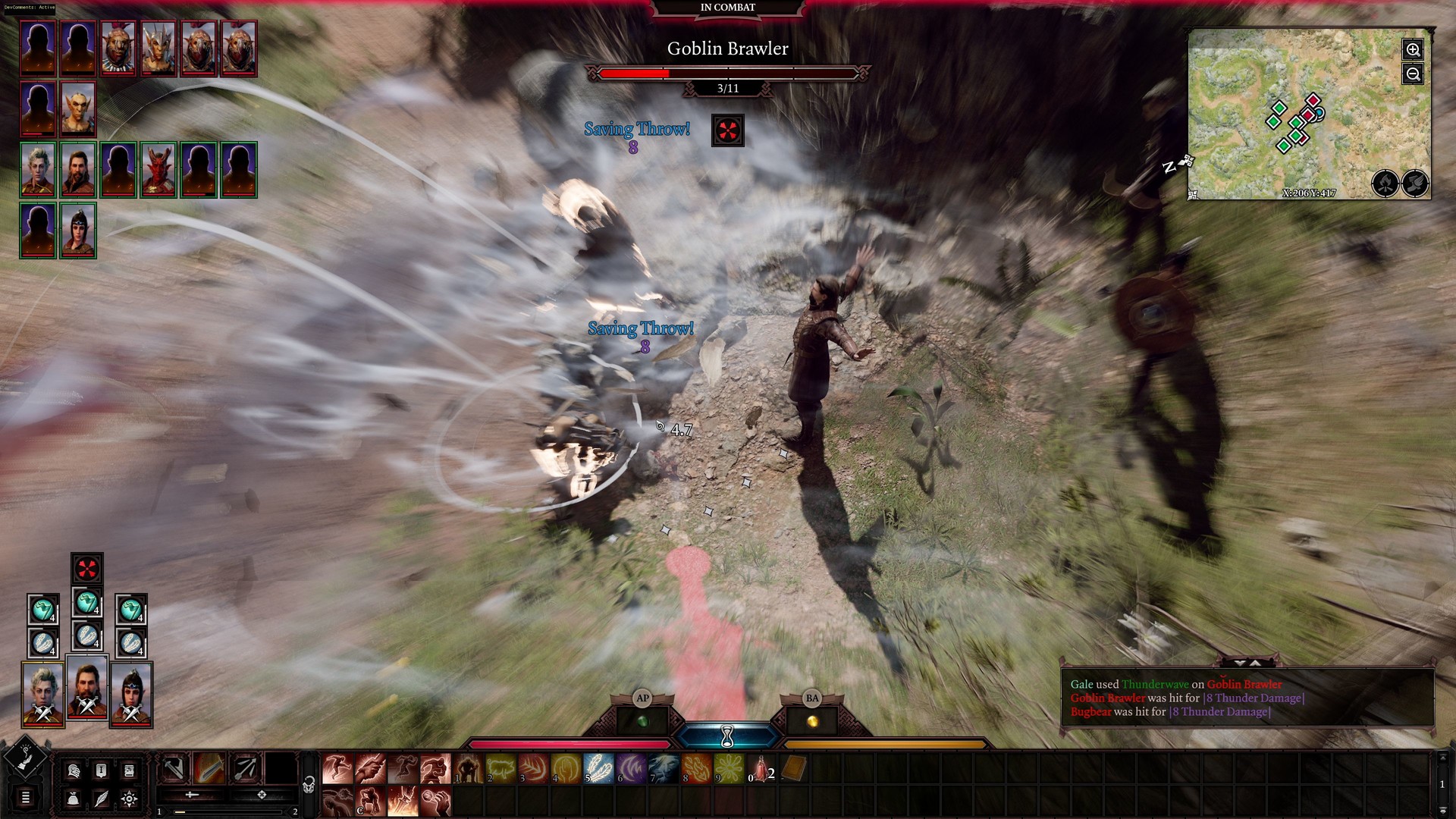
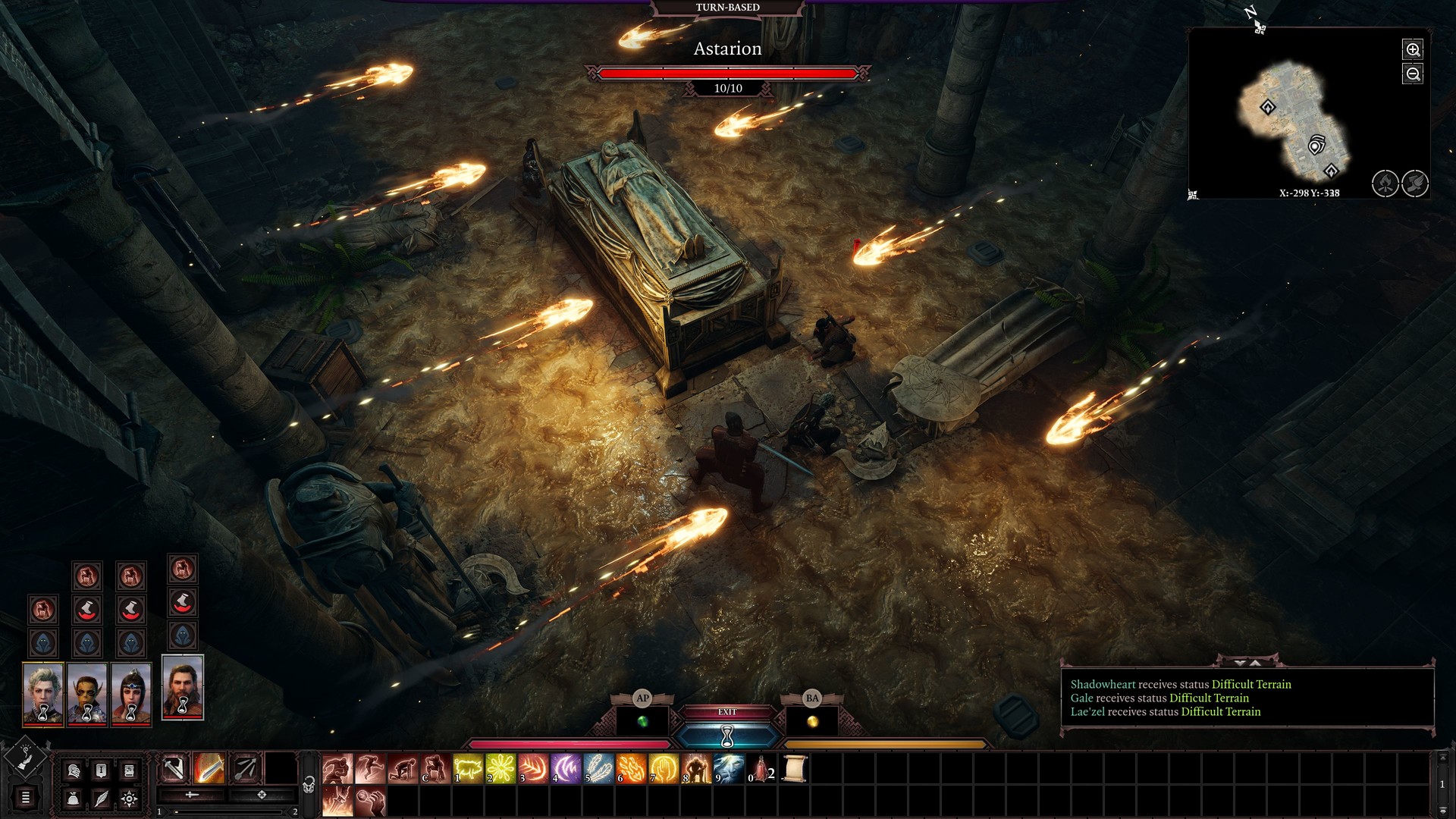
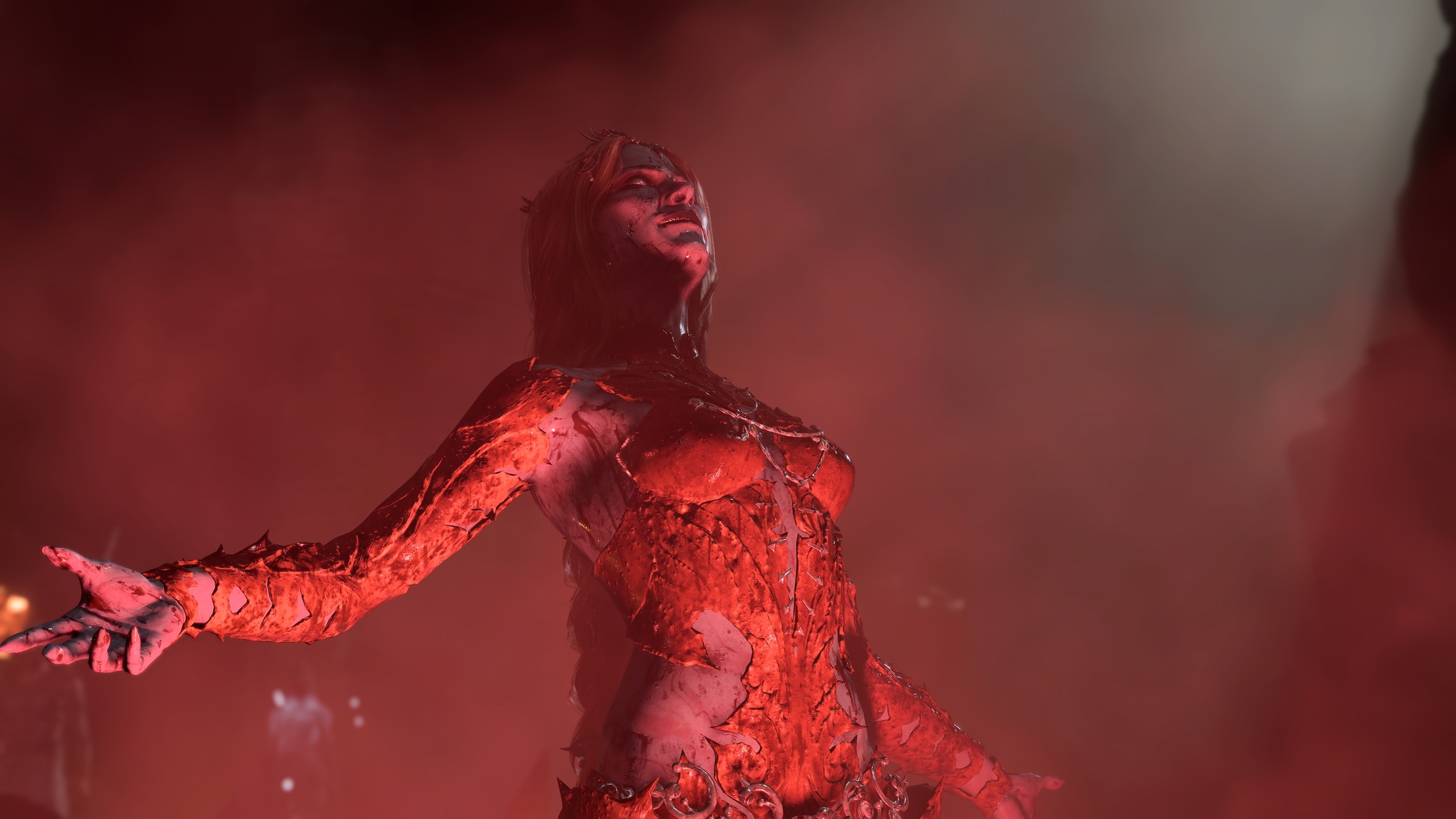
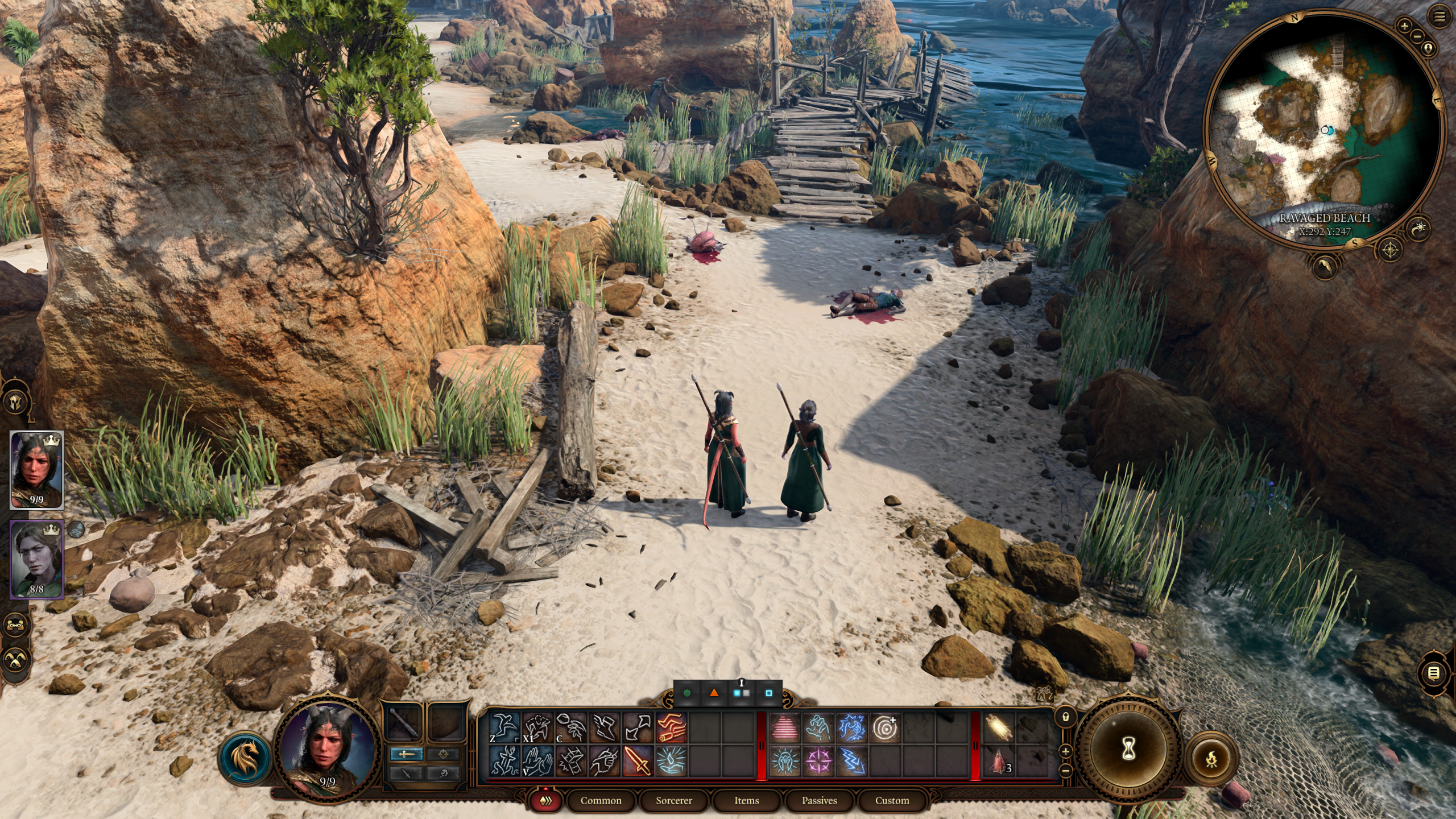

Baldur's Gate III
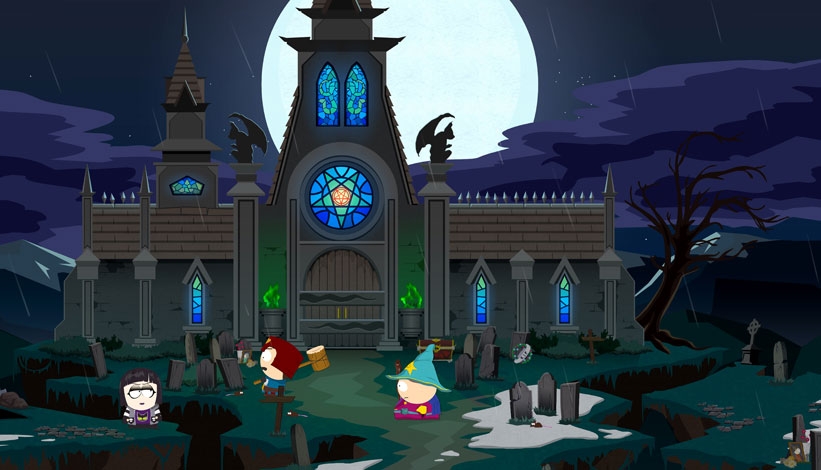


South Park: The Stick of Truth

Final Fantasy IX




The Elder Scrolls III: Morrowind


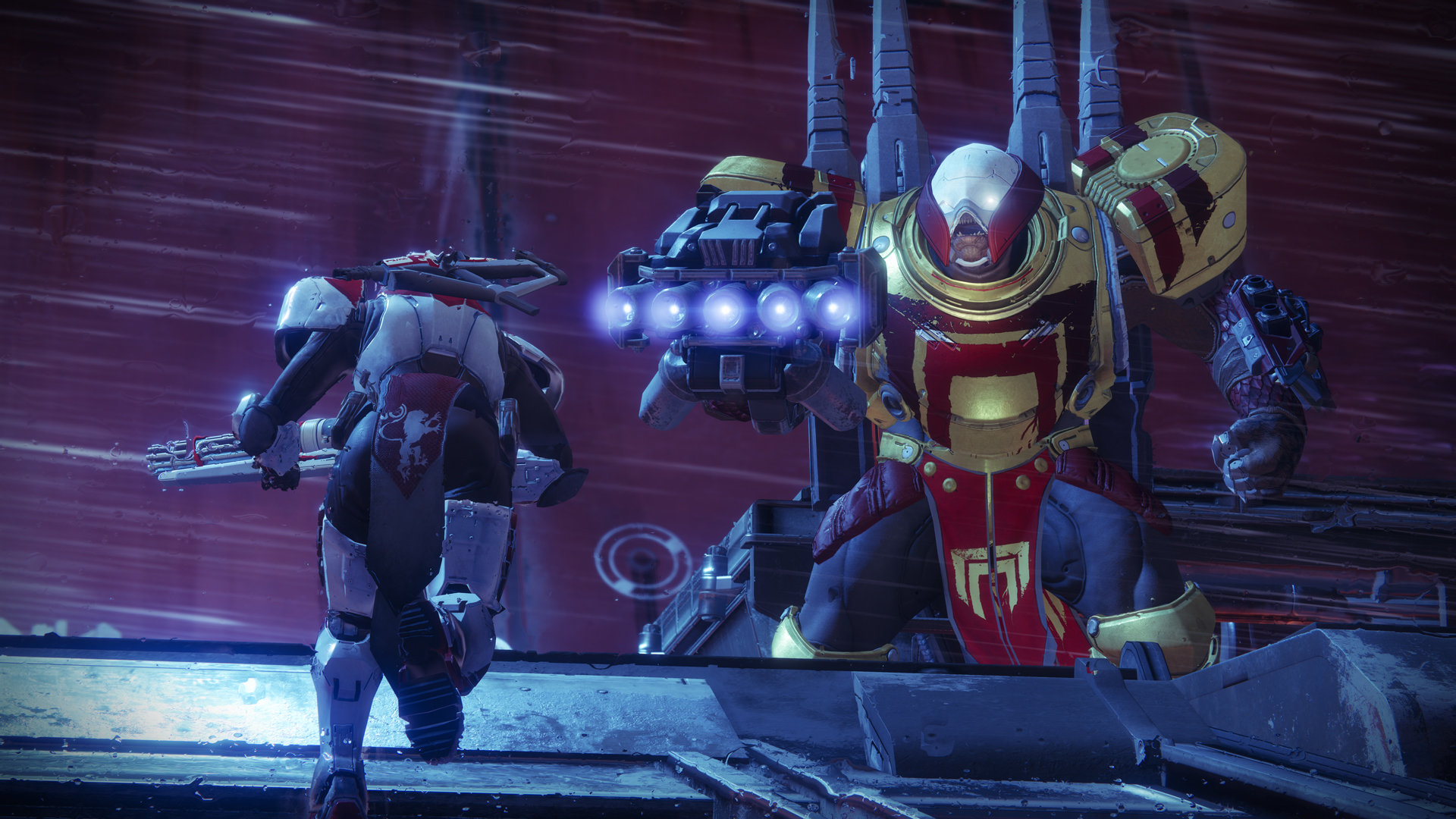
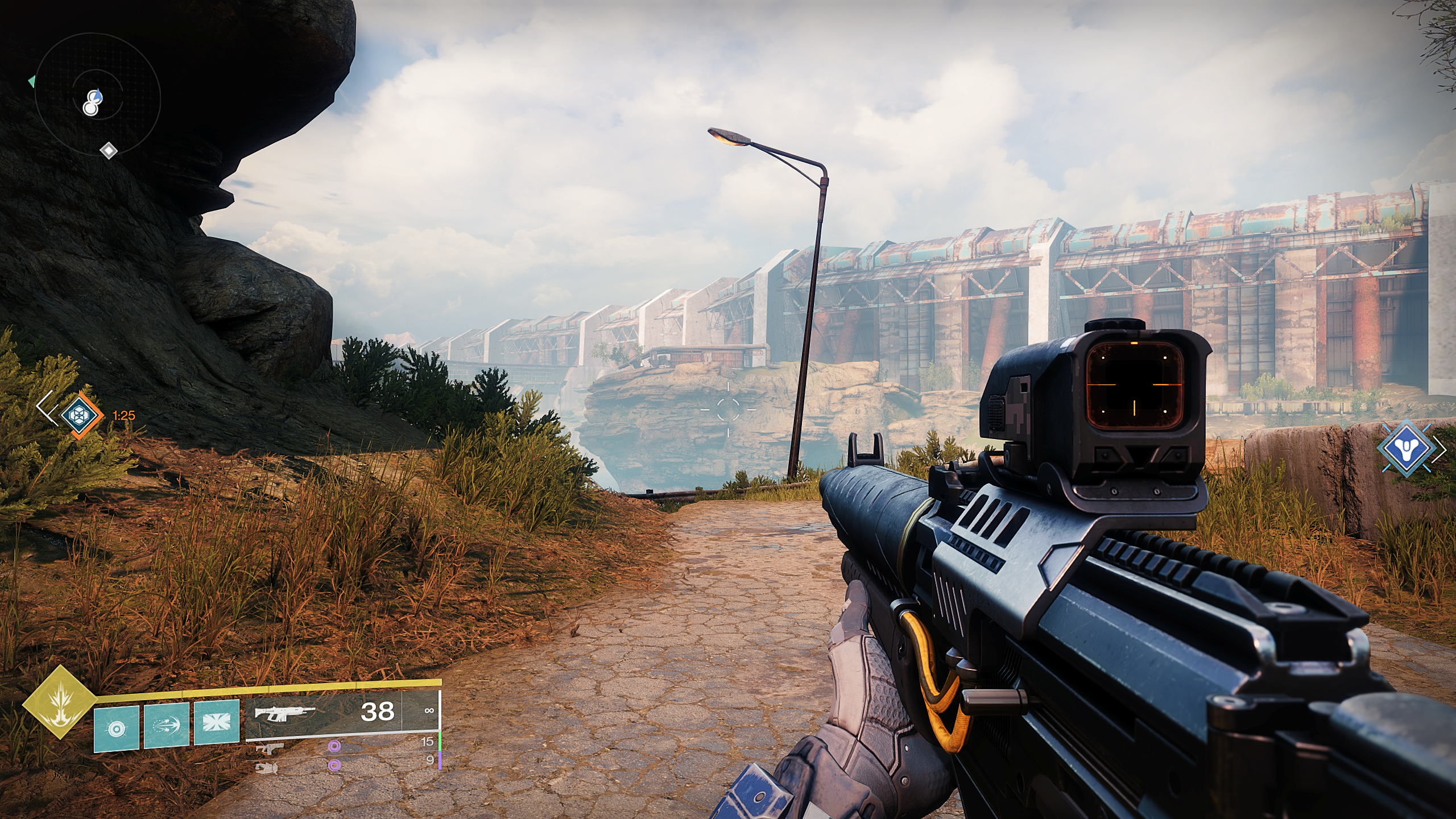

Destiny 2


Pokémon Red Version


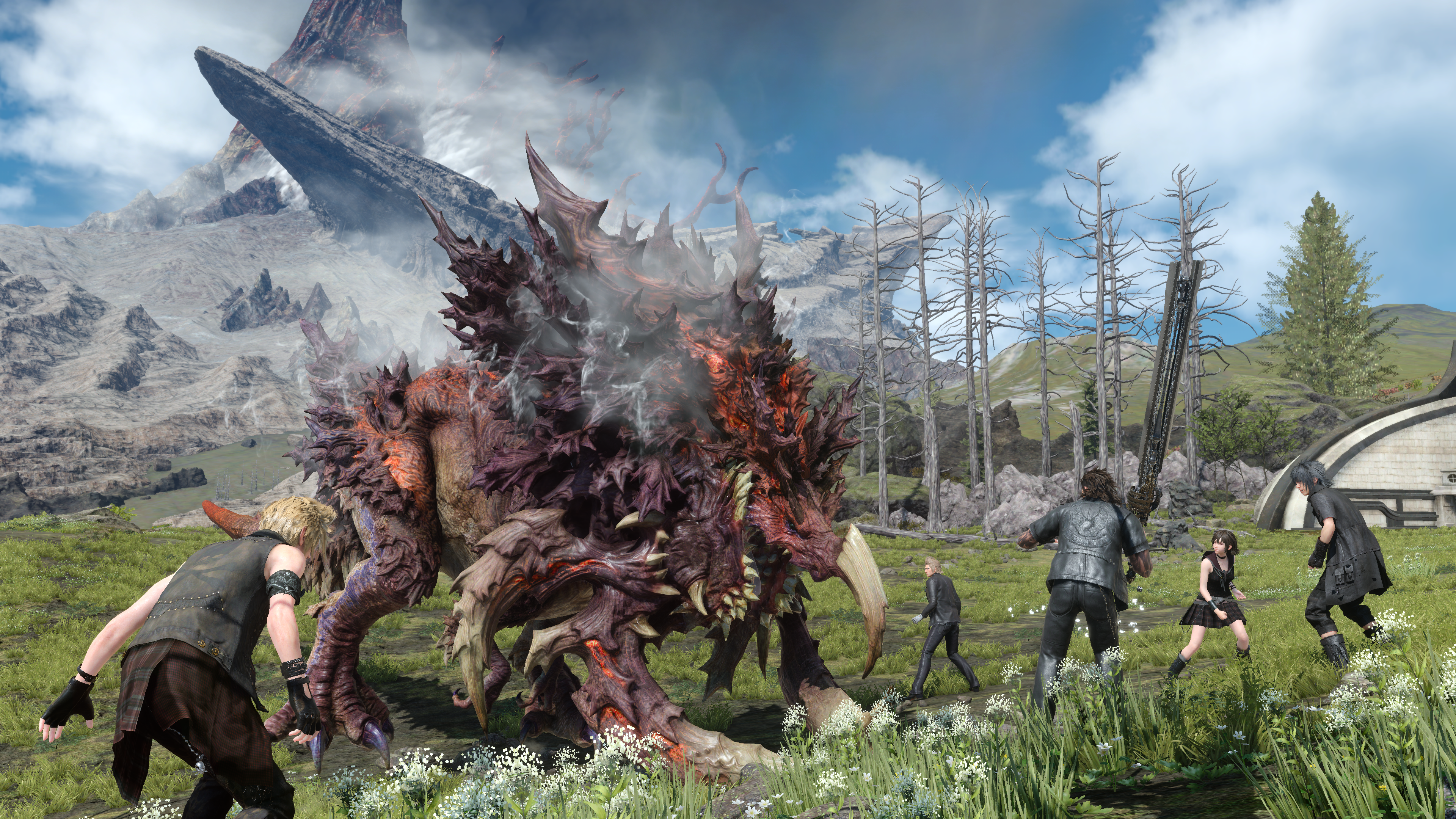
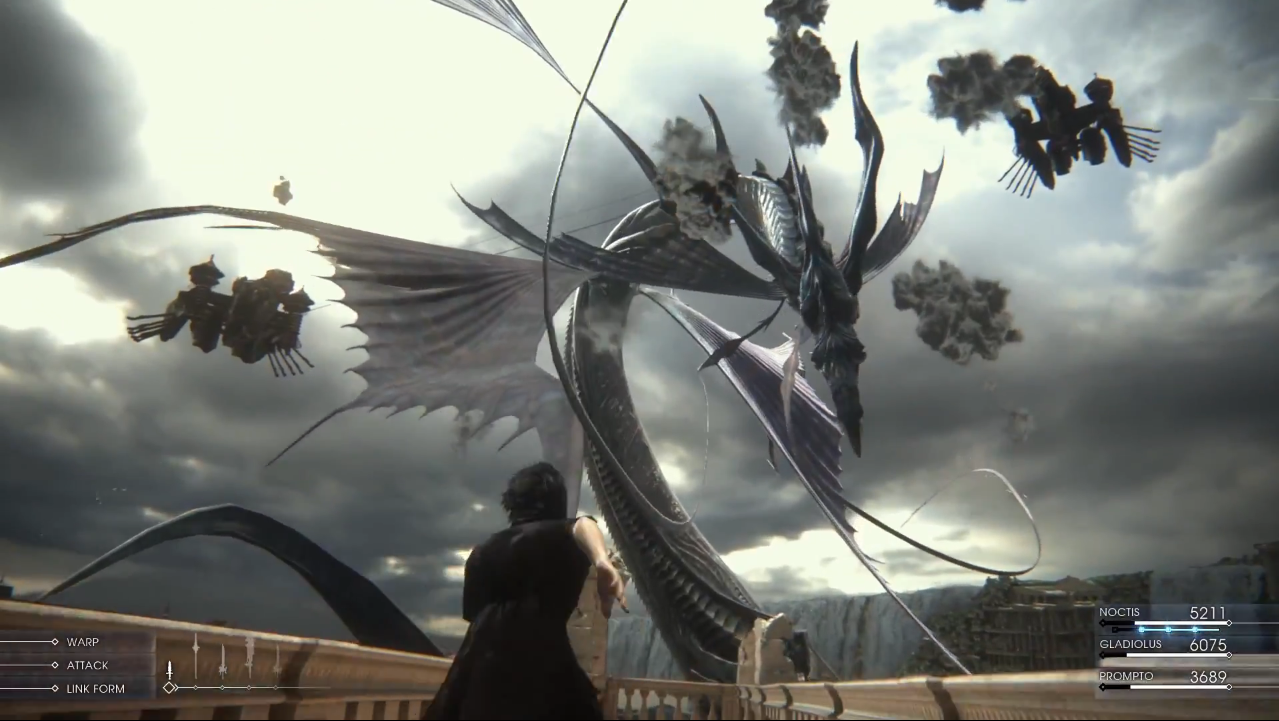
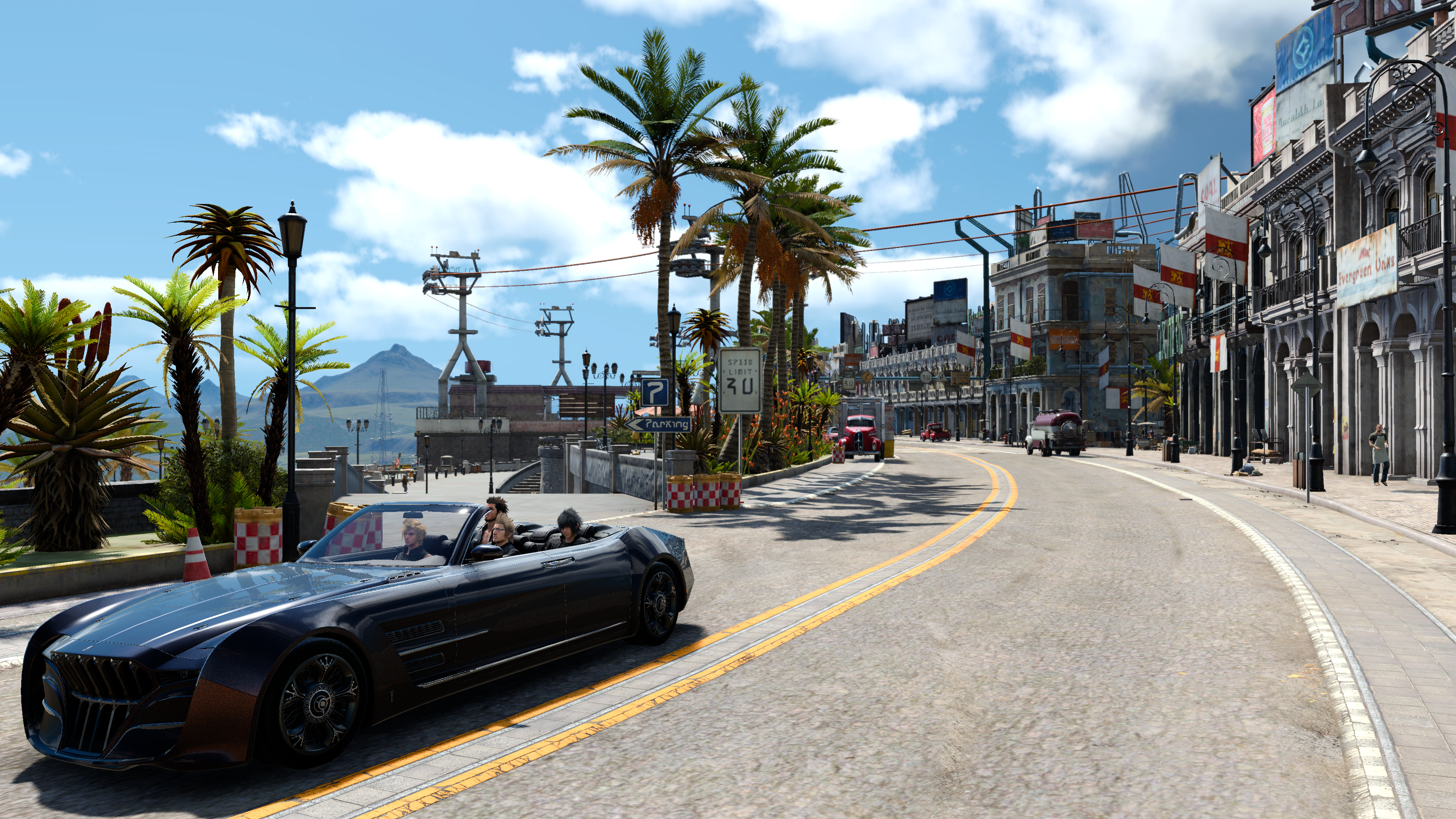
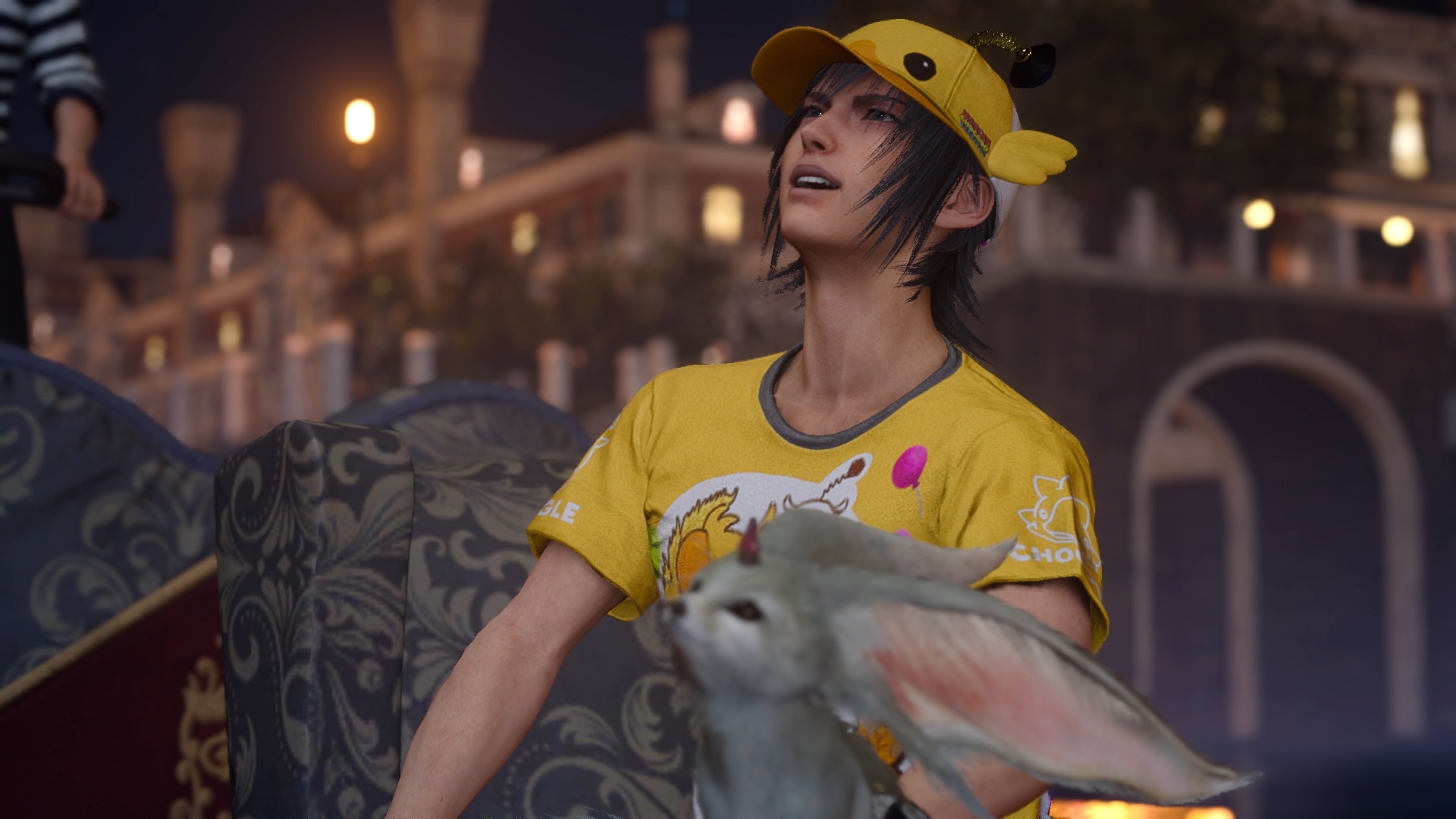


Final Fantasy XV


EarthBound