Game Info
↑ Back to top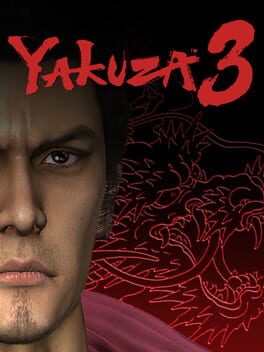

Yakuza 3
Series:
Genres:
Themes:
Perspectives:
Game Modes:
Overview
↑ Back to topDescription from IGDB IGDB
Storyline IGDB
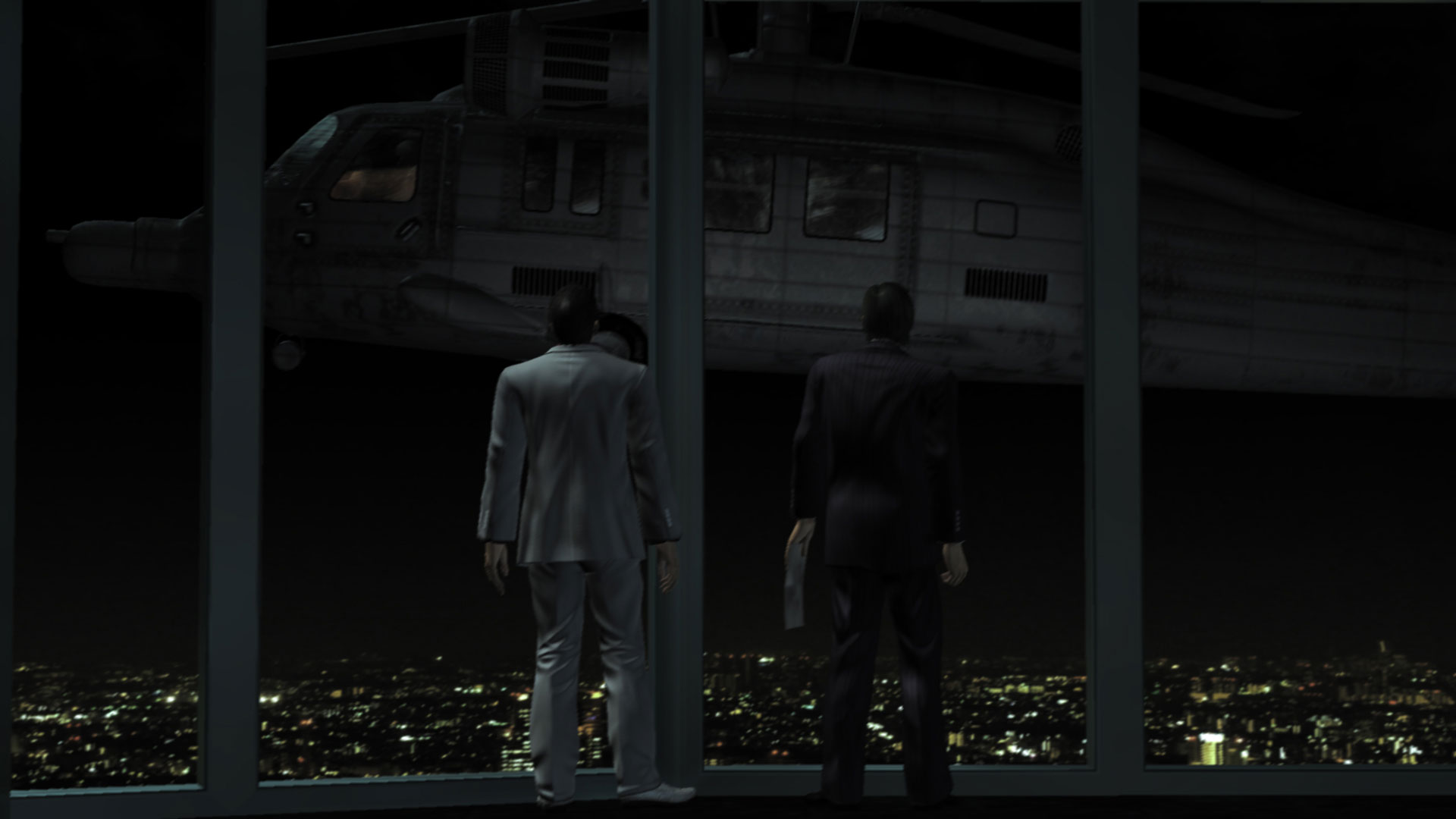
The Yakuza wars are spreading over to the tropical paradise of Okinawa. After leaving his last base in Kamimuro Chou, Kiryuu Kazuma went to Okinawa and opened an orphanage named Asagao with Haruka. Together with the children, they have taken in, the two slowly let go of the violent lives they have led prior to their arrival. However, the happy days are short-lived for the Yakuza are tightly connected with the Japanese government. A shady deal that involves the land on which Asagao is built spurs Kiryuu and Haruka back to their old hometown and fights with oppositional Yakuza groups. Fights and political intrigue come hand in hand, become the rising dragon and protect the sanctuary you have built.
Wikipedia Description WIKIPEDIA
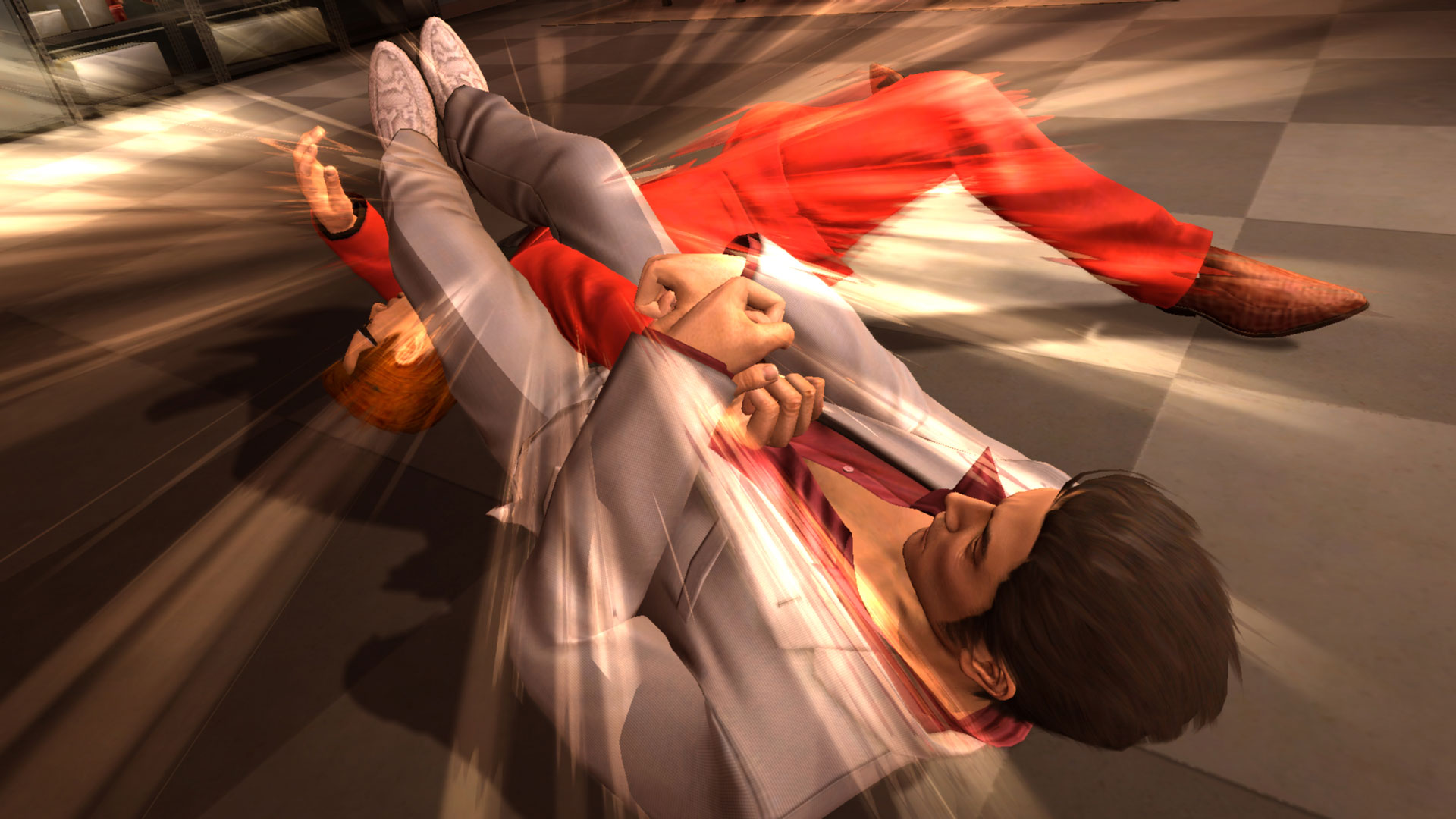
All Yakuza / Like a Dragon games feature a mixture of combat, story and exploration. The main character randomly encounters foes on their path, triggering combat. In fights, the player character uses hand-to-hand combat, using combos, grabs, throws and finishing moves, and some games allow the player character to select from and use multiple fighting styles. Players can also grab nearby objects on the street to beat the enemies. Despite the emphasis on hand-to-hand combat, weapons can be obtained and used by grabbing weapons dropped by the enemies or purchasing them from weapon shops. Some characters, such as Goro Majima and Tatsuo Shinada, have fighting styles centered around their trademark weapons, which have infinite durability. Winning some of these battles can result in obtaining money or items which can be sold or used to purchase equipment or a variety of items in shops, gamble, or play mini-games. Battles end quicker by finishing the enemies using powerful moves called Heat Actions, which require the filling of the 'Heat Gauge' to become usable. Some of these tend to include quick time events. As the player character fights, they gain experience points that can be used to increase their stats and become a stronger fighter. The eighth installment in the series, Yakuza: Like a Dragon, includes a new battle system where the player character recruits party members to fight alongside them in turn-based role-playing game battles against enemies, and to play alongside them in mini-games. Due to its success, Sega has confirmed that future titles will continue to use turn-based gameplay, while the Judgment series will retain the action gameplay of earlier titles. However, there is no solid plan, the type of gameplay is chosen depending on what is considered to be best suited for the story. The series has a high number of sub-stories, which are side missions that often complement the main story. These give the player extra experience. There are many mini-games; for example, Yakuza: Like a Dragon featured a total number of 24 different minigames. The games range from activities like bowling, darts, and arcade games, to much more complex ones, like professions, which can take a number of hours over the course of several sessions to complete. Examples include: Coliseum Fights: where the player fights in three-round mini championships against various opponents in different challenges to earn points which can be spent on unique items. Weapon/gear crafting: the player needs to find various components and blueprints to produce powerful and varied gear and weapons. Cabaret Club Management: the player runs a hostess club in three-minute sessions and tries to earn as much money as possible by matching up the right girl with the right client and quickly responding to their calls for help. They also take part in battles against other hostess clubs. Pocket Circuit: a minigame where Pocket Circuit cars (like slot cars, but bounded by the car's lane and self-powered, similar to Tamiya's Mini 4WD line of scale model cars) race against each other. In both Yakuza 0 and Yakuza Kiwami, there are several race series that take place and a number of side stories relating to this minigame. Hostess/Cabaret Clubs: this involves talking to hostess girls to fill out their "love" gauge, as well as ordering the right food/drink, buying gifts and wearing the right accessories to please them as much as possible, until they can be taken out on a date. This was one of many aspects that was controversially cut from the Western release of Yakuza 3, leading to criticism of Sega for ignoring Western gamers' desire to experience Japanese culture. This content was restored in the remastered version. Club Sega: a virtual recreation of the real-life Sega arcade chain that features activities such as UFO catchers, darts, and playable emulations of classic Sega arcade titles such as Fantasy Zone and Virtua Fighter. The available games differ with each series installment. Some entries also feature playable Master System games. A recurring superboss known as Amon appears in most of the games. Depending on the title, there may be more than one. For example, Yakuza 5 features an Amon for each playable character, including an idol version for Haruka to face off against.
About Yakuza 3
Yakuza 3 is a Action, Arcade, Open World, Role-playing (RPG) game released in 2009 developed by CS1 Team that offers Multiplayer, Single player gameplay from a first person, third person perspective playable on PlayStation 3 with 68 user ratings averaging 79.9/100. The game explores themes like Drama. If you enjoy Yakuza 3, you might also like similar games in our database of 45,000+ titles.
Basic Info
Details
↑ Back to topAdditional Information
Платформы 1
Genres 4
Themes 1
Player Perspectives 2
Game Modes 2
Companies
↑ Back to topDevelopers
CS1 Team
No description available
Publishers
Sega
No description available
Keywords
↑ Back to topScreenshots
↑ Back to top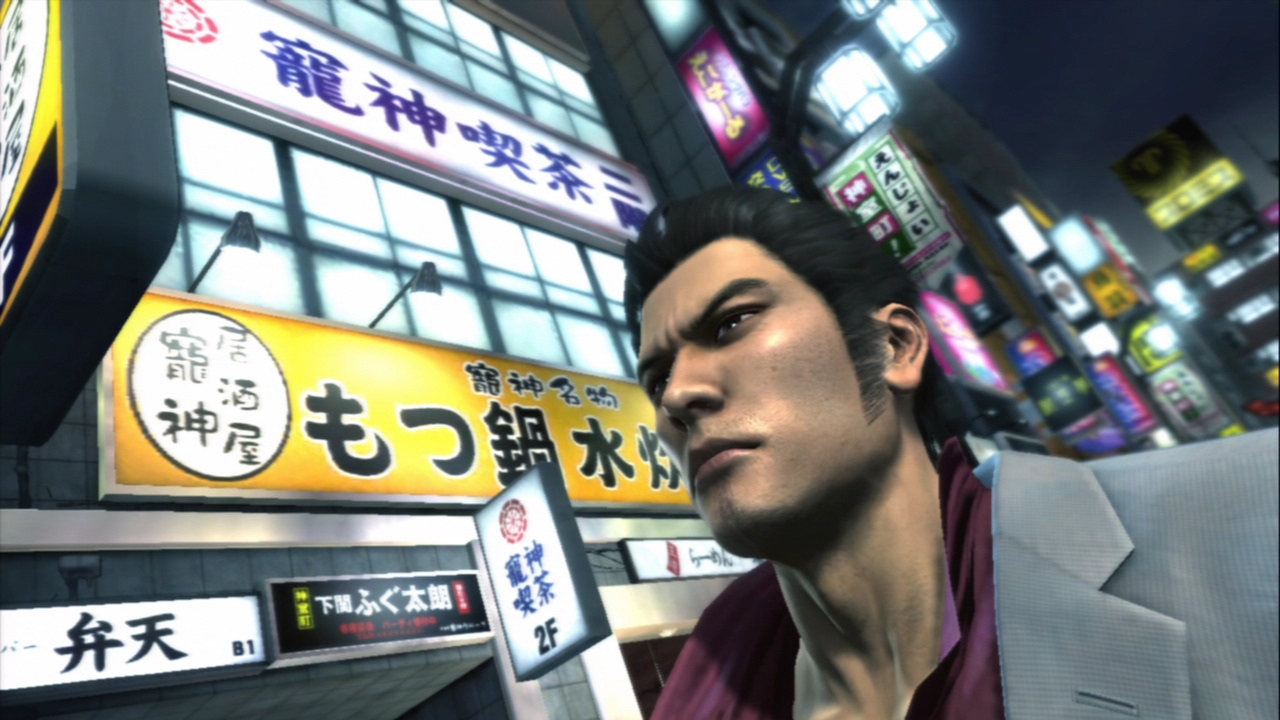

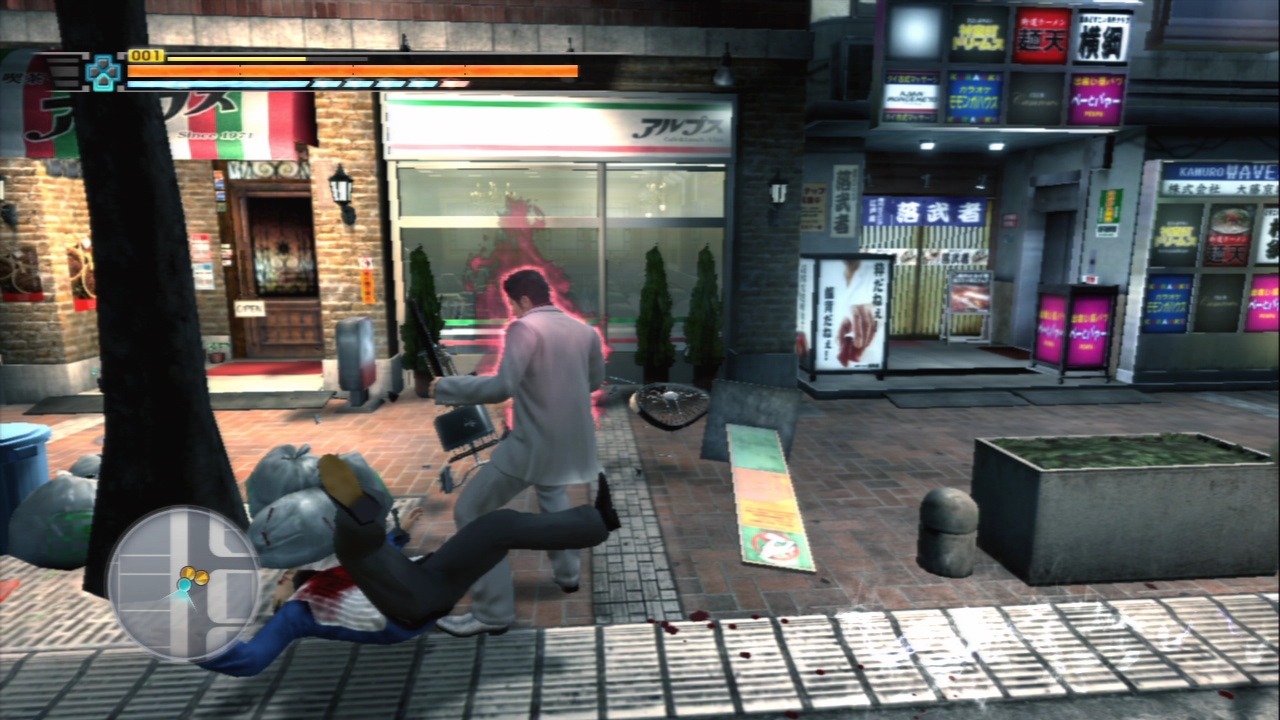
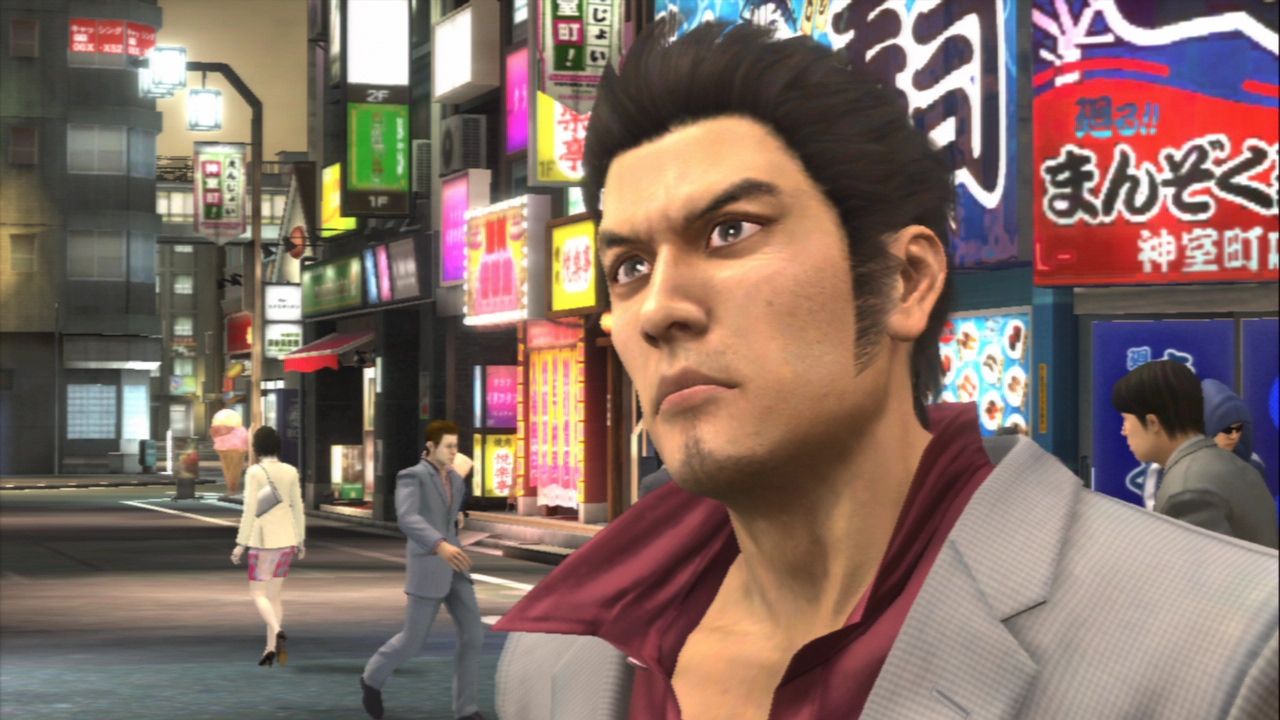

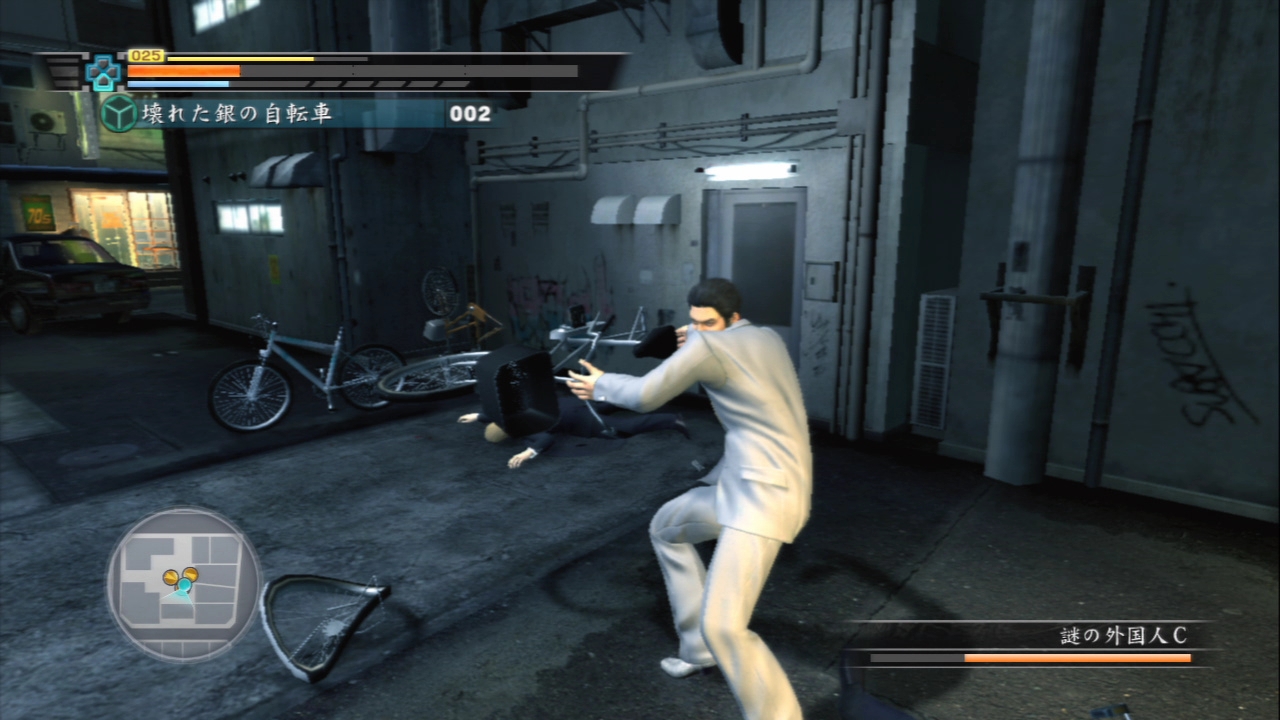

Similar Games
↑ Back to top
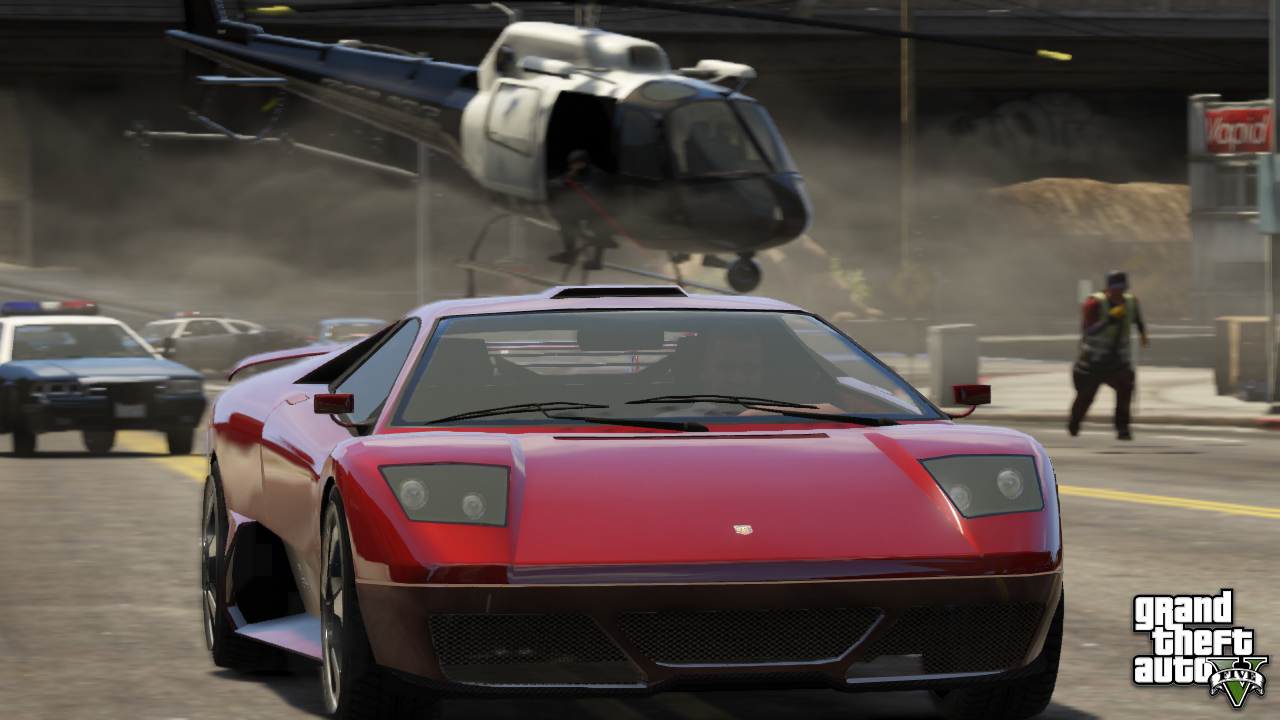
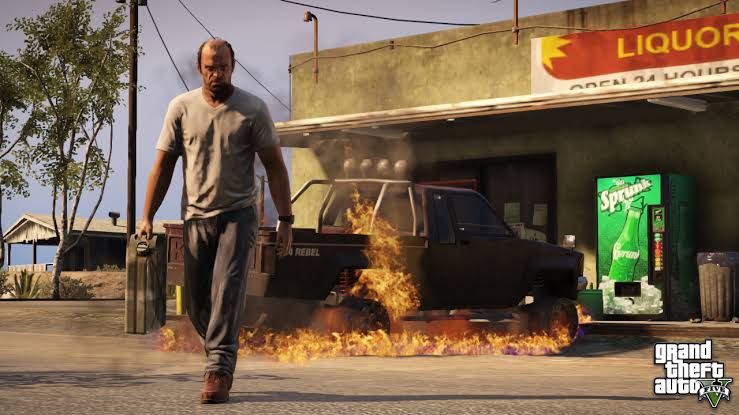
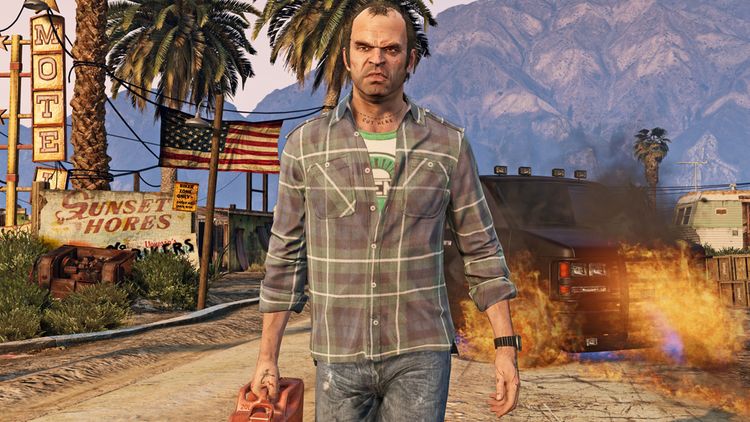
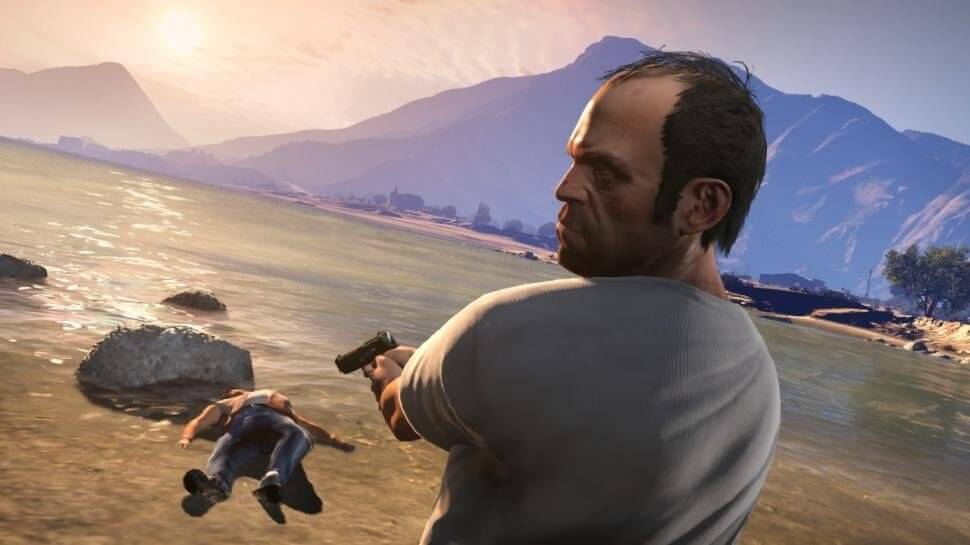
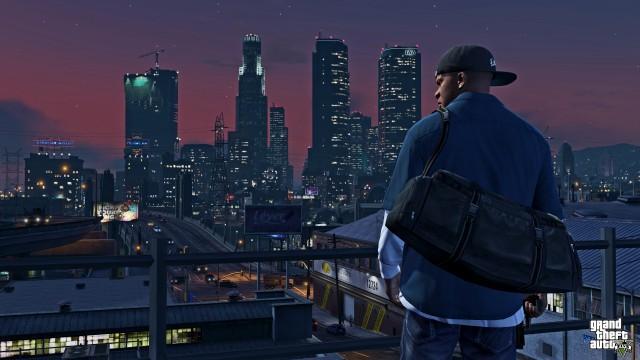
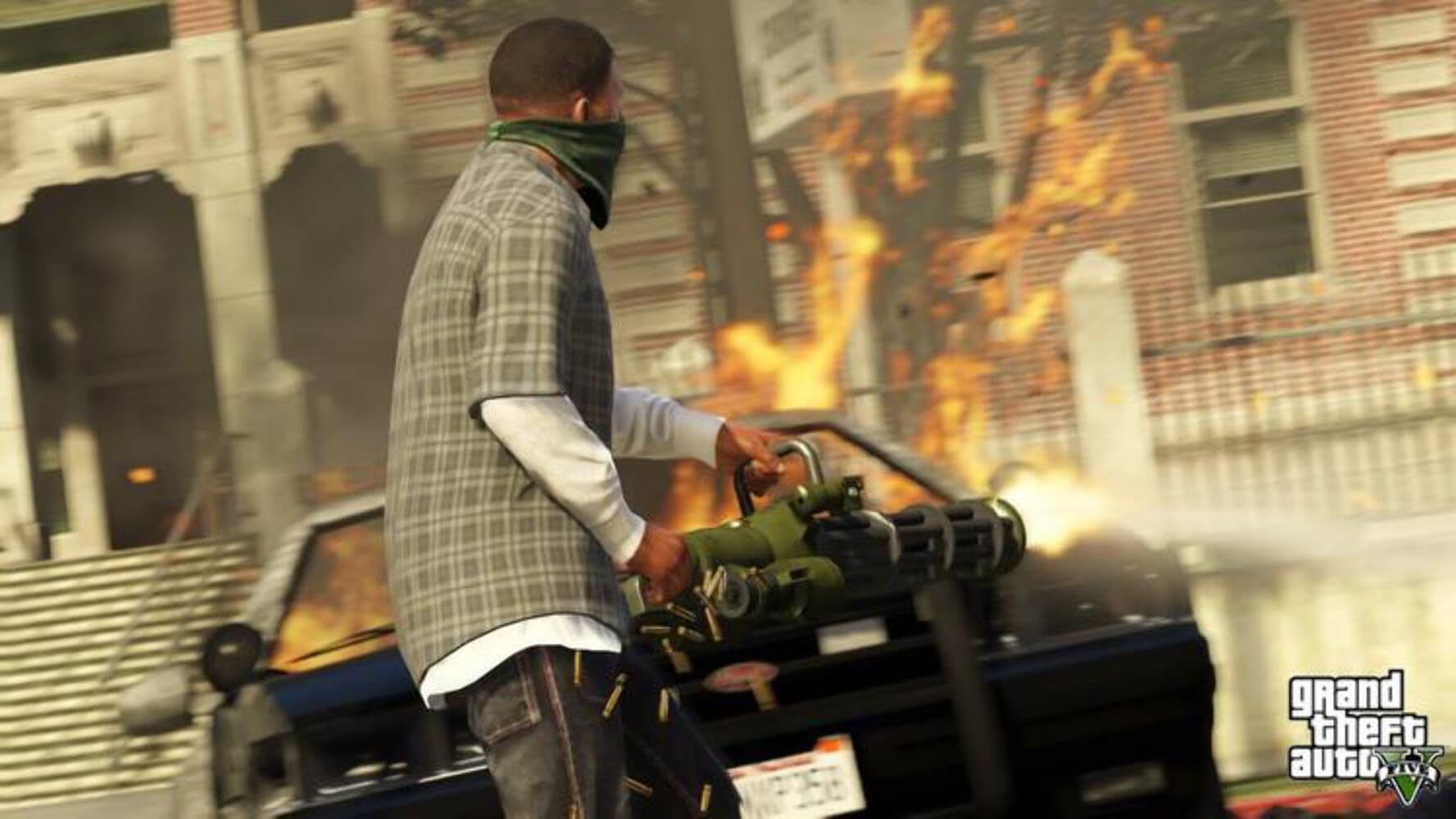
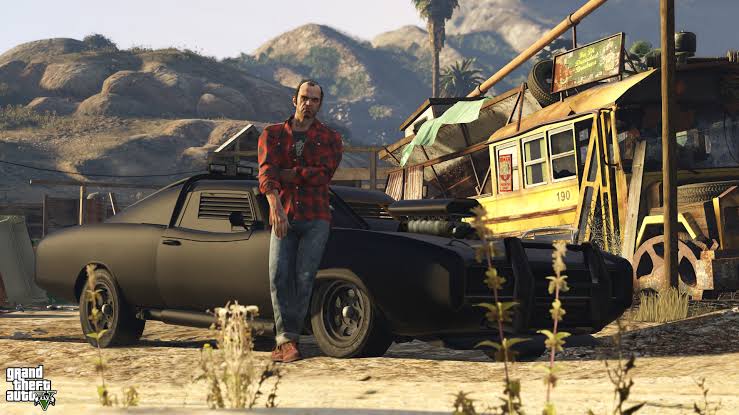
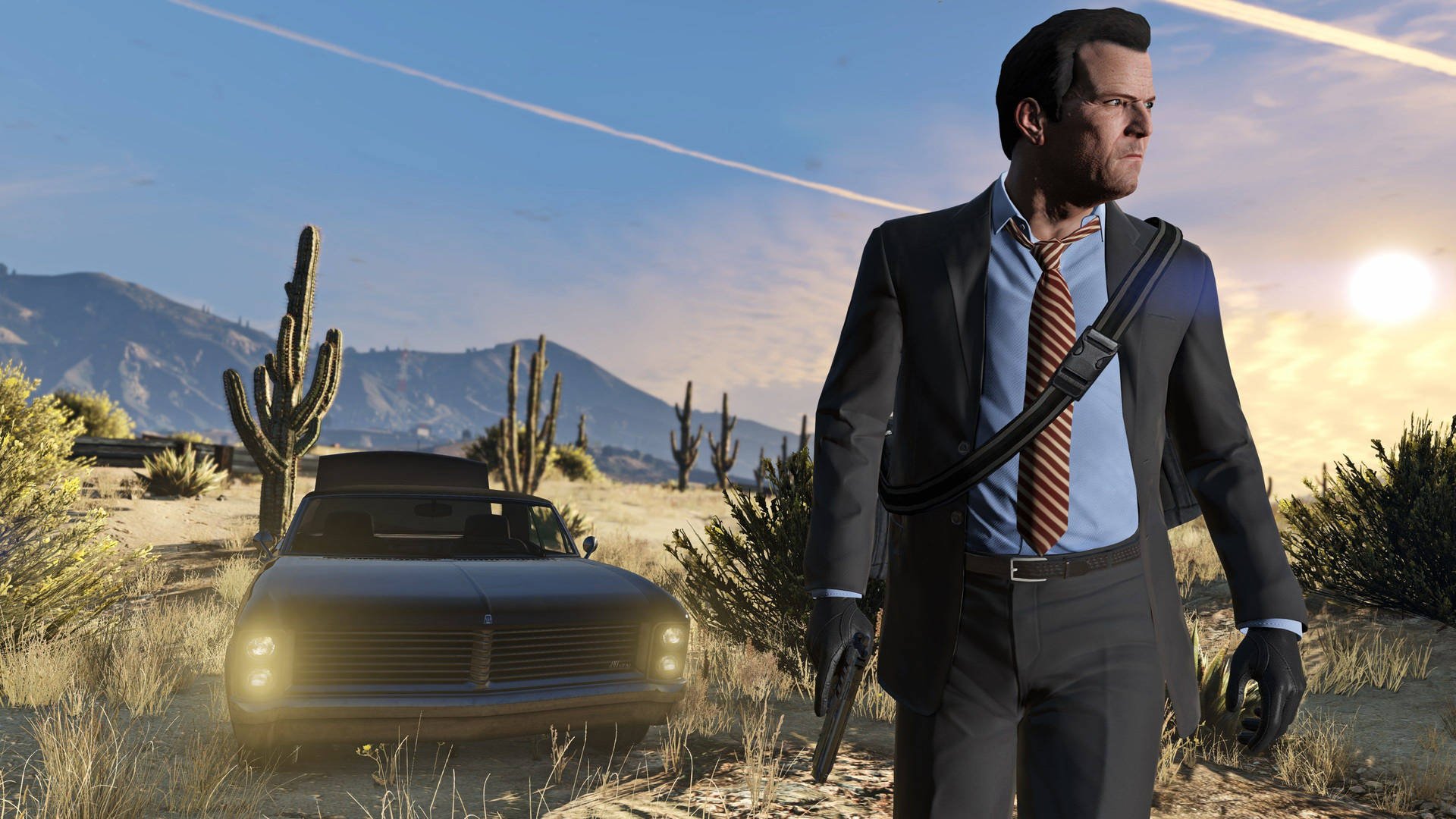
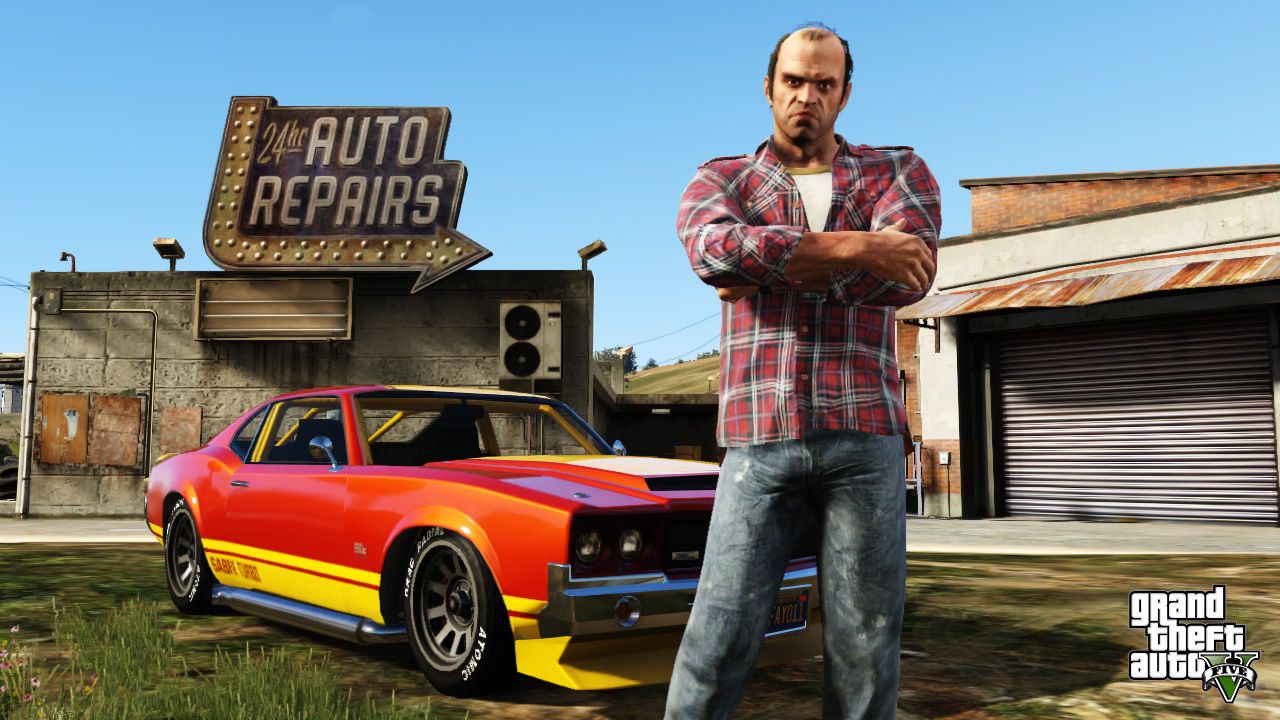
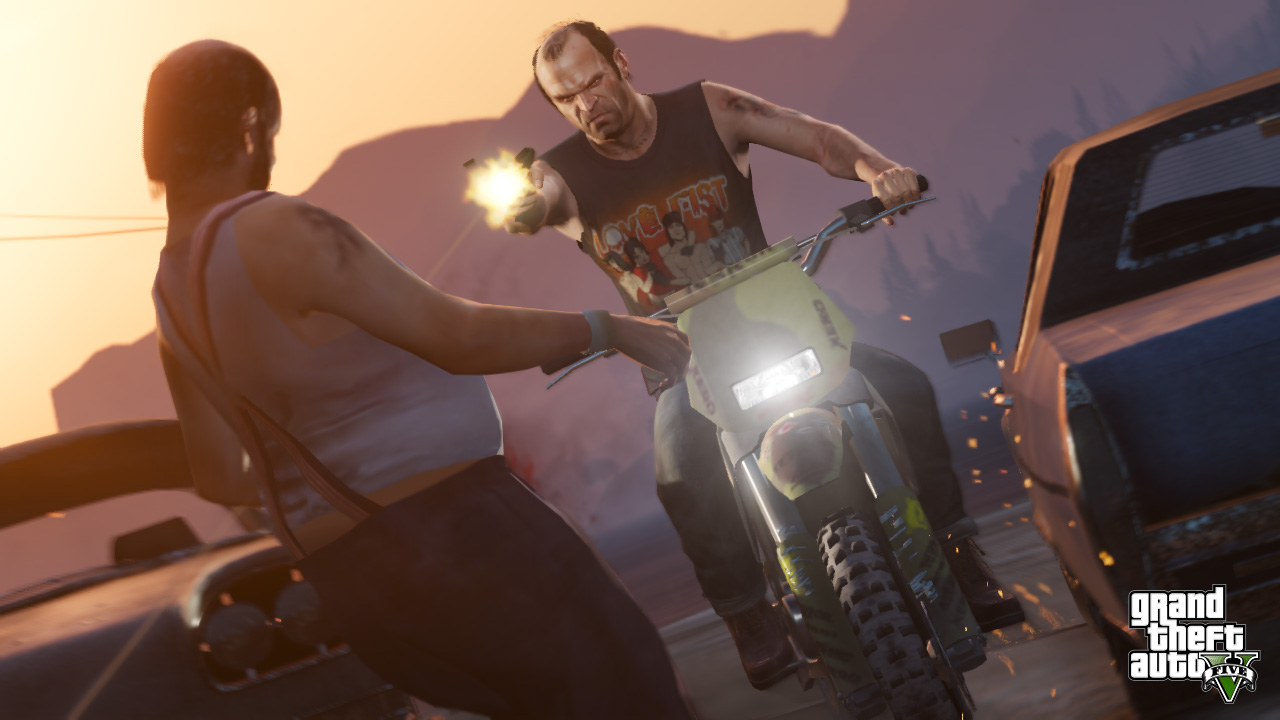
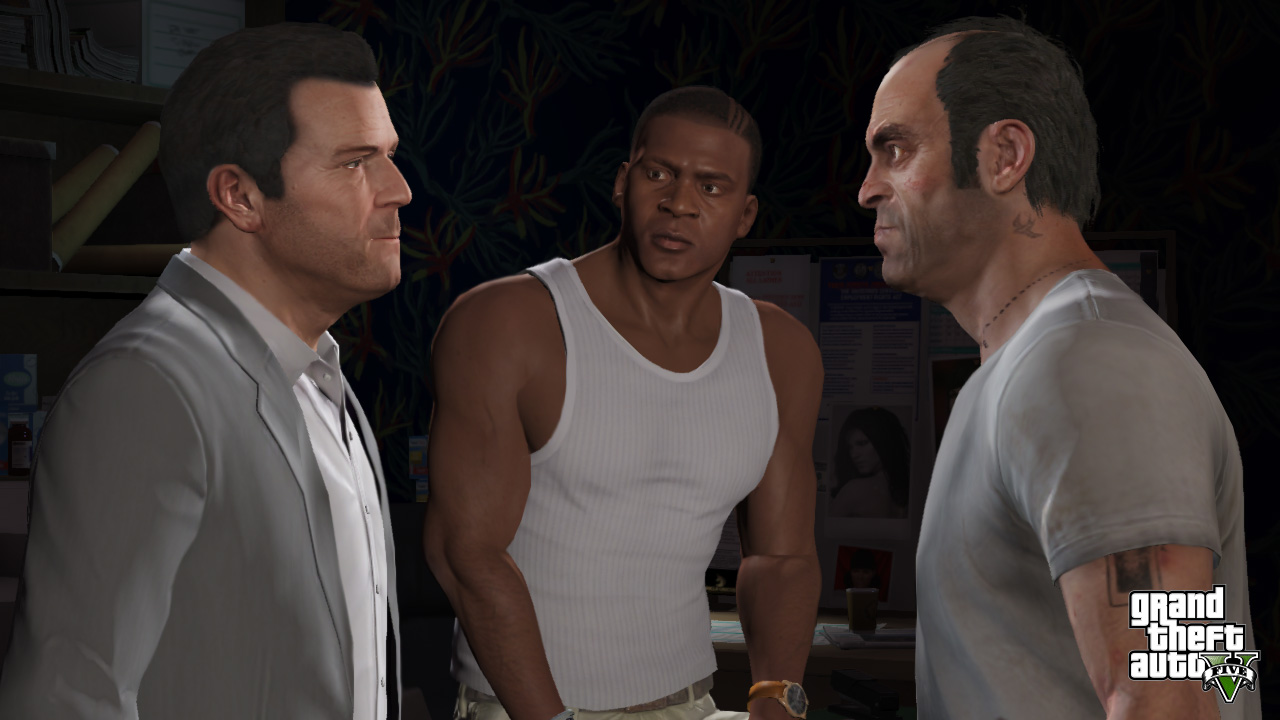
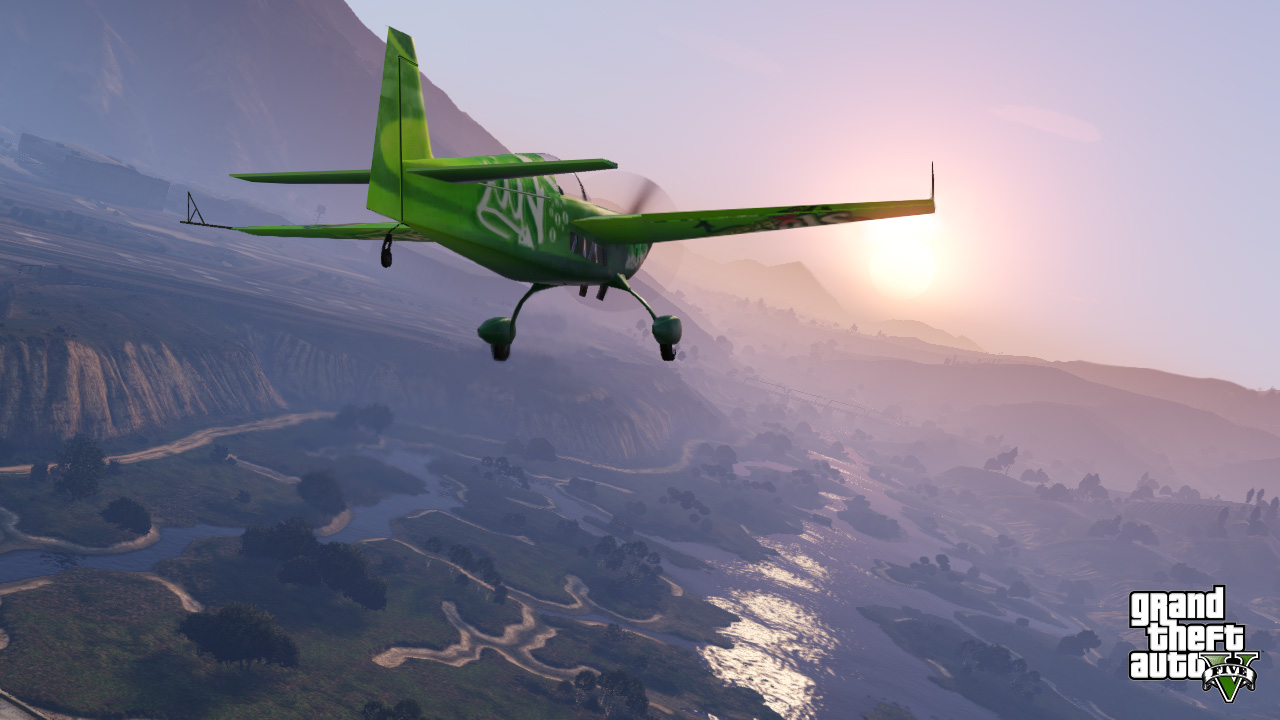

Grand Theft Auto V
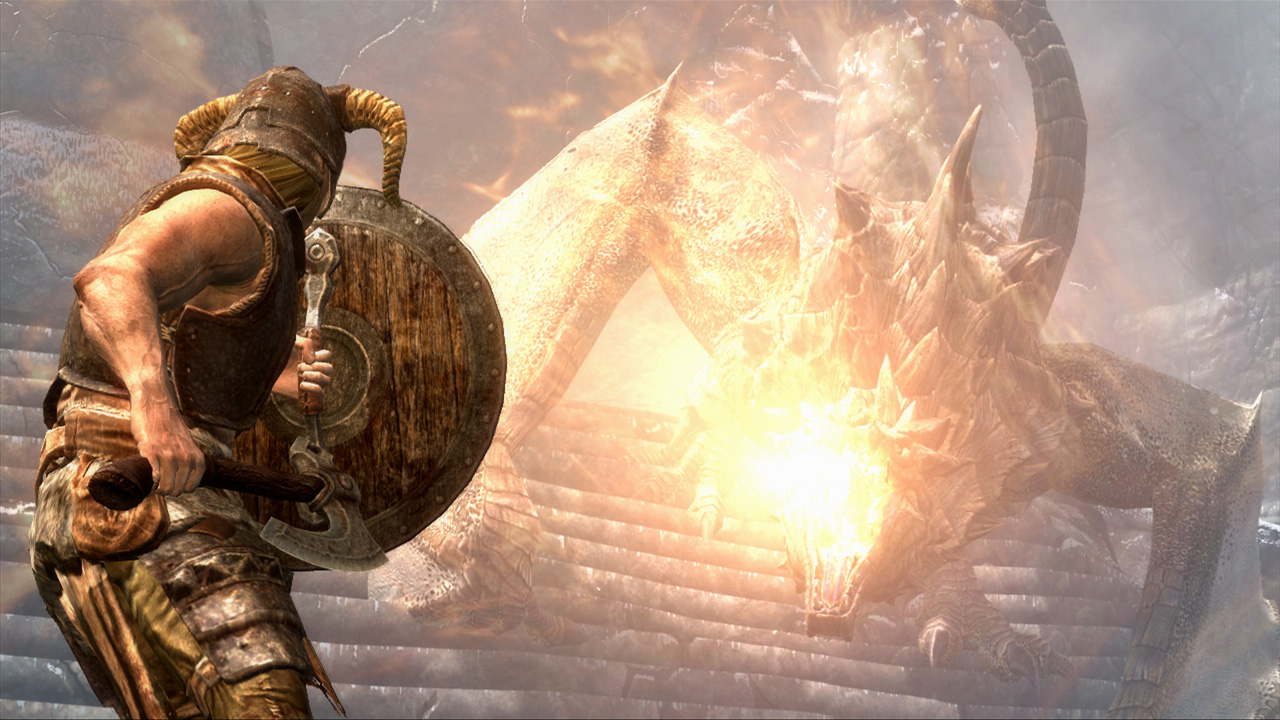
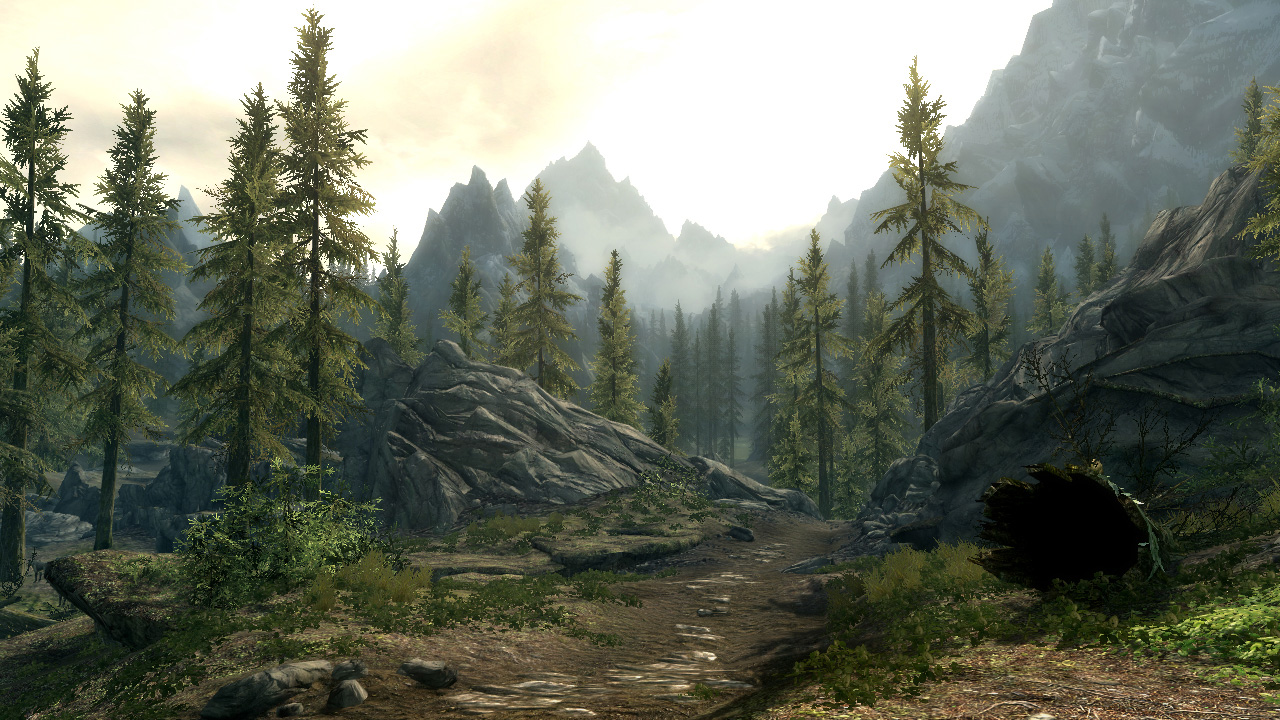
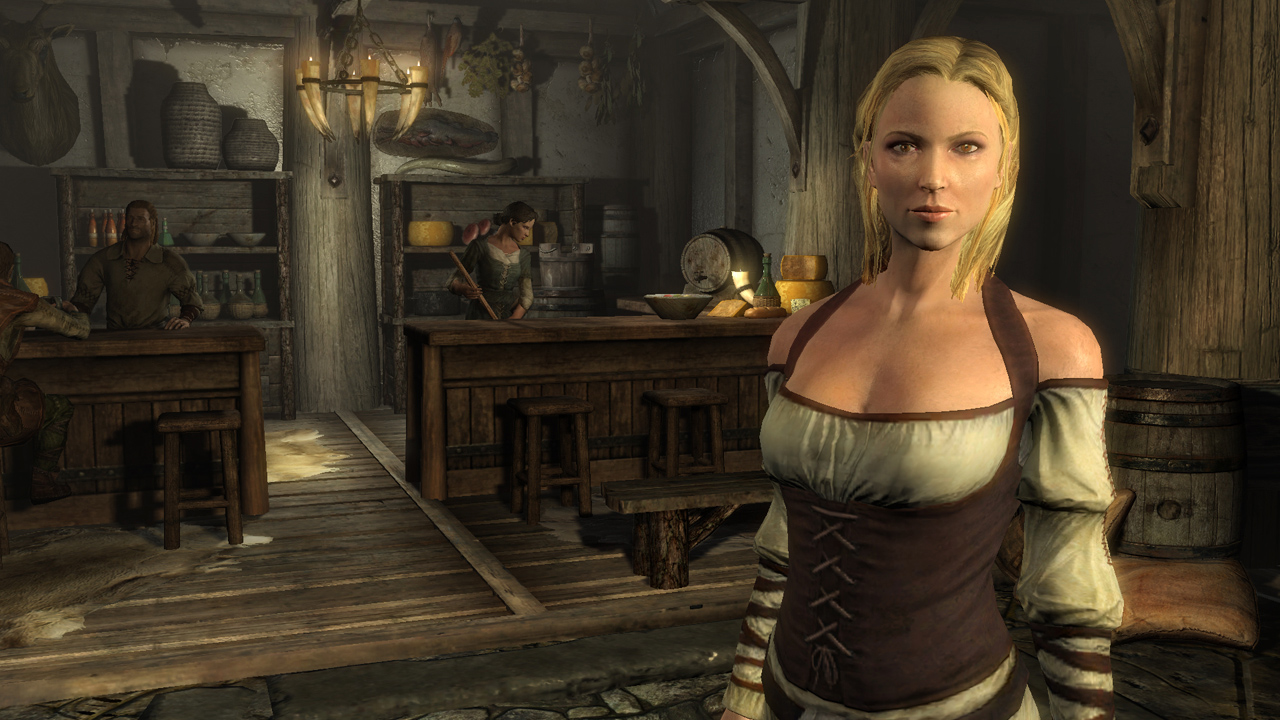
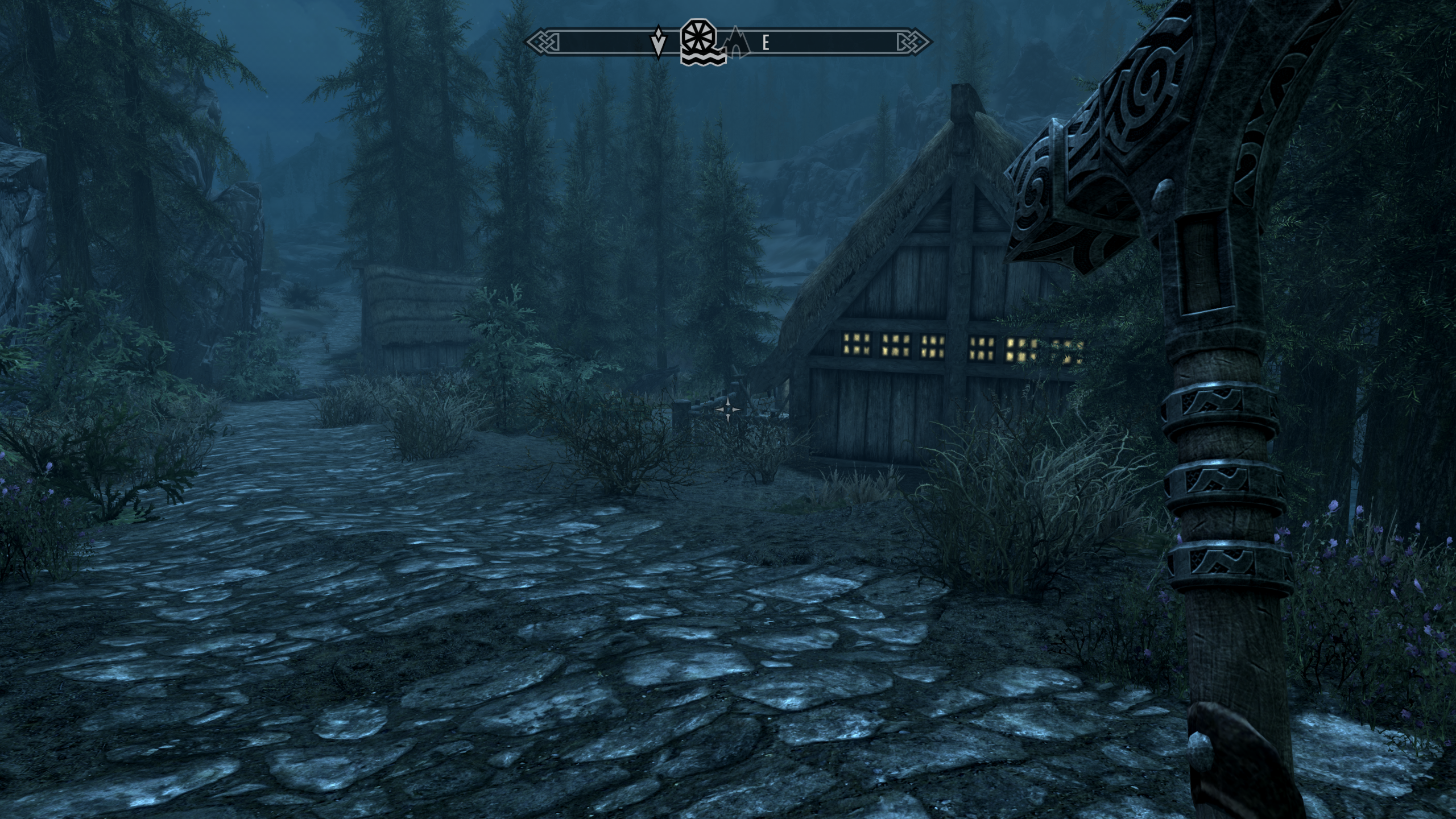

The Elder Scrolls V: Skyrim

Grand Theft Auto: San Andreas


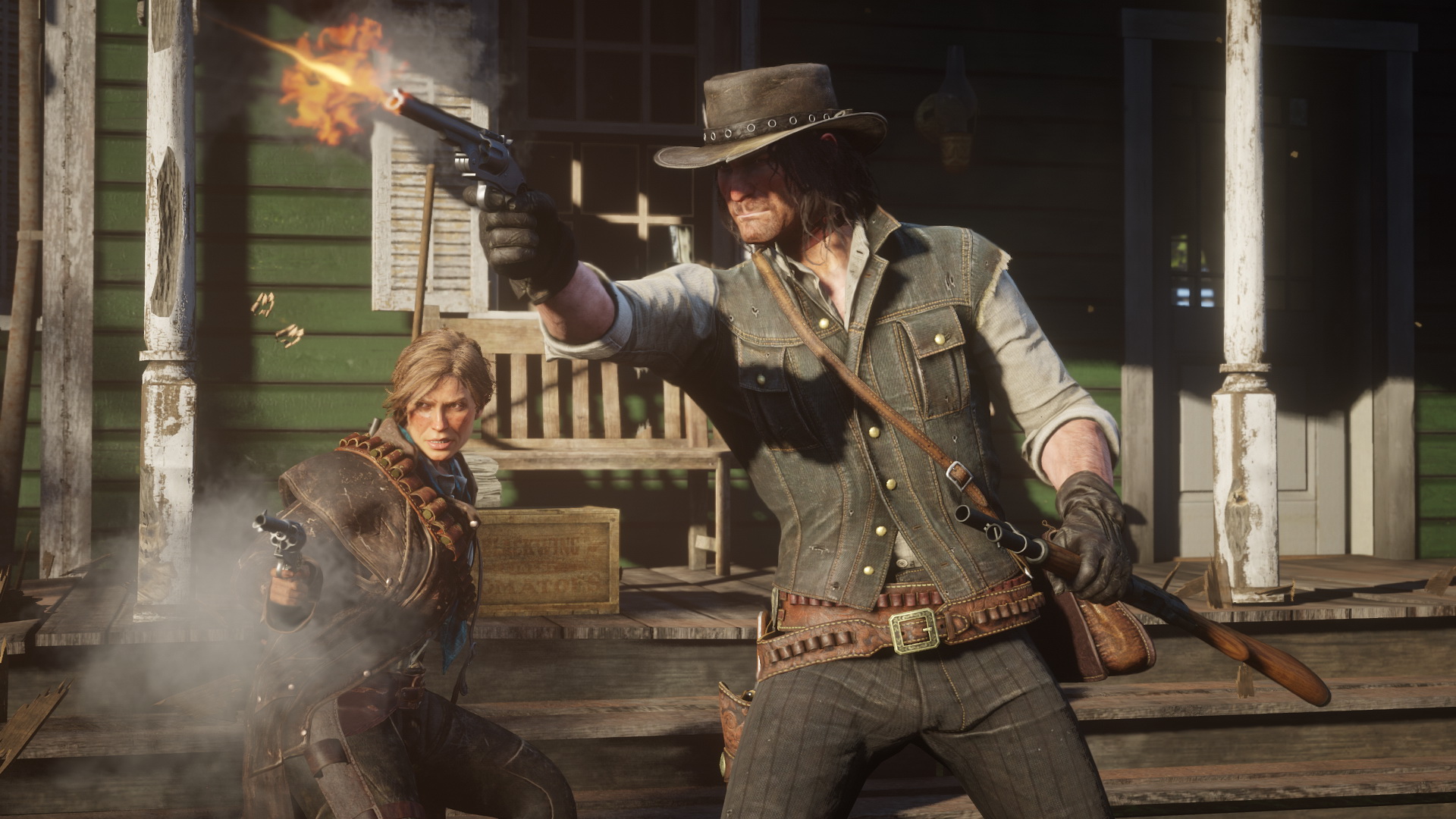
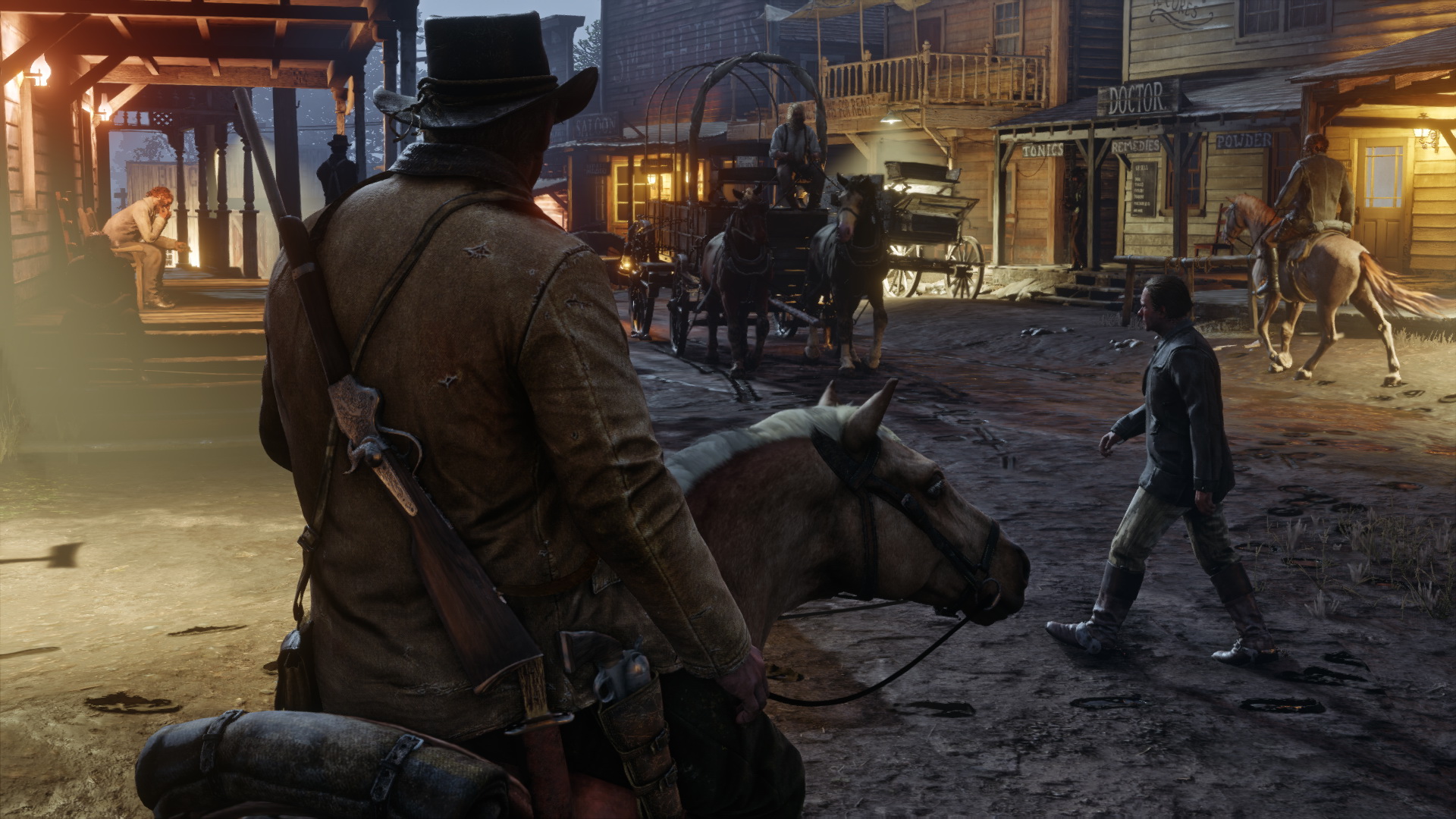

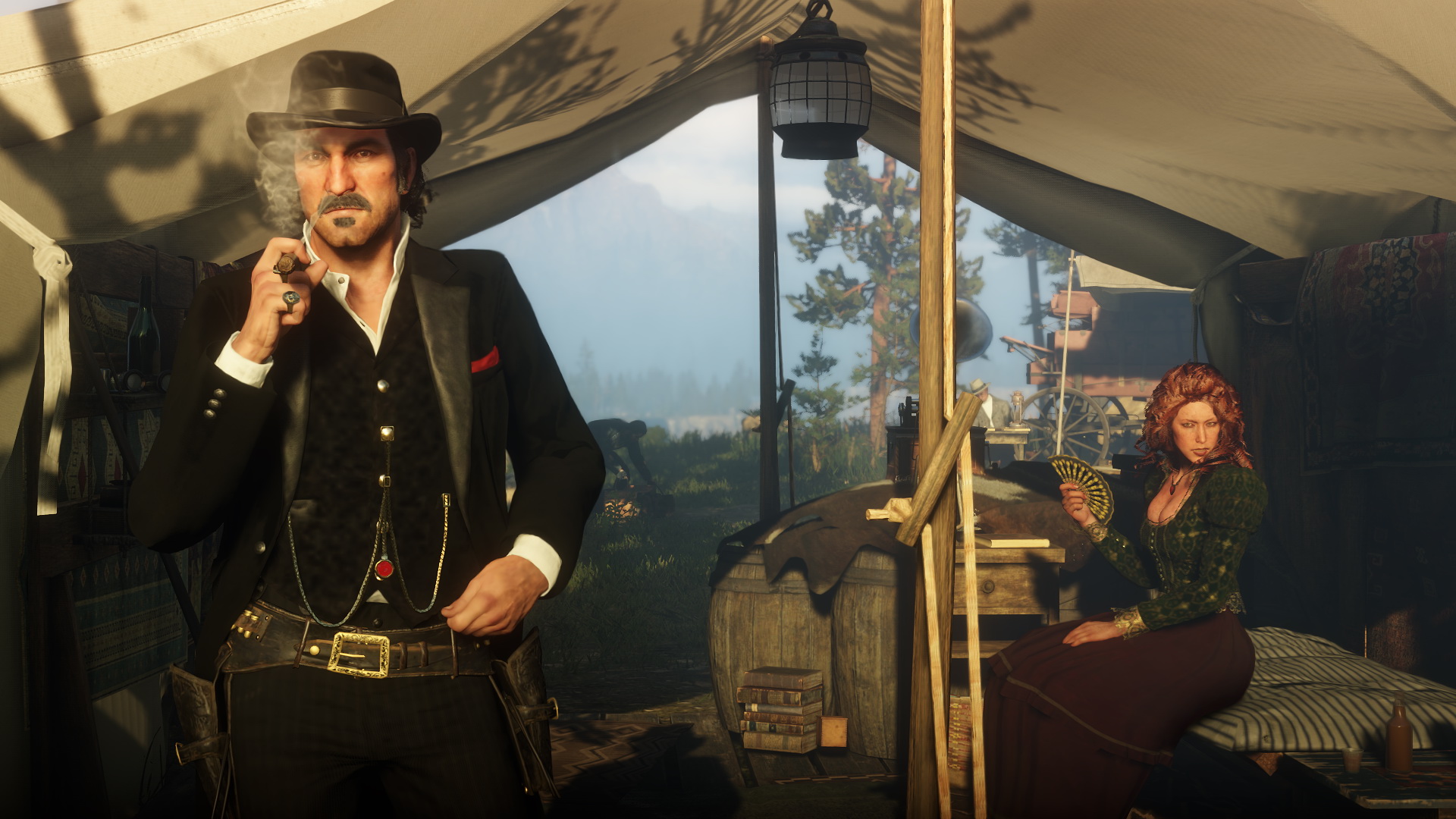
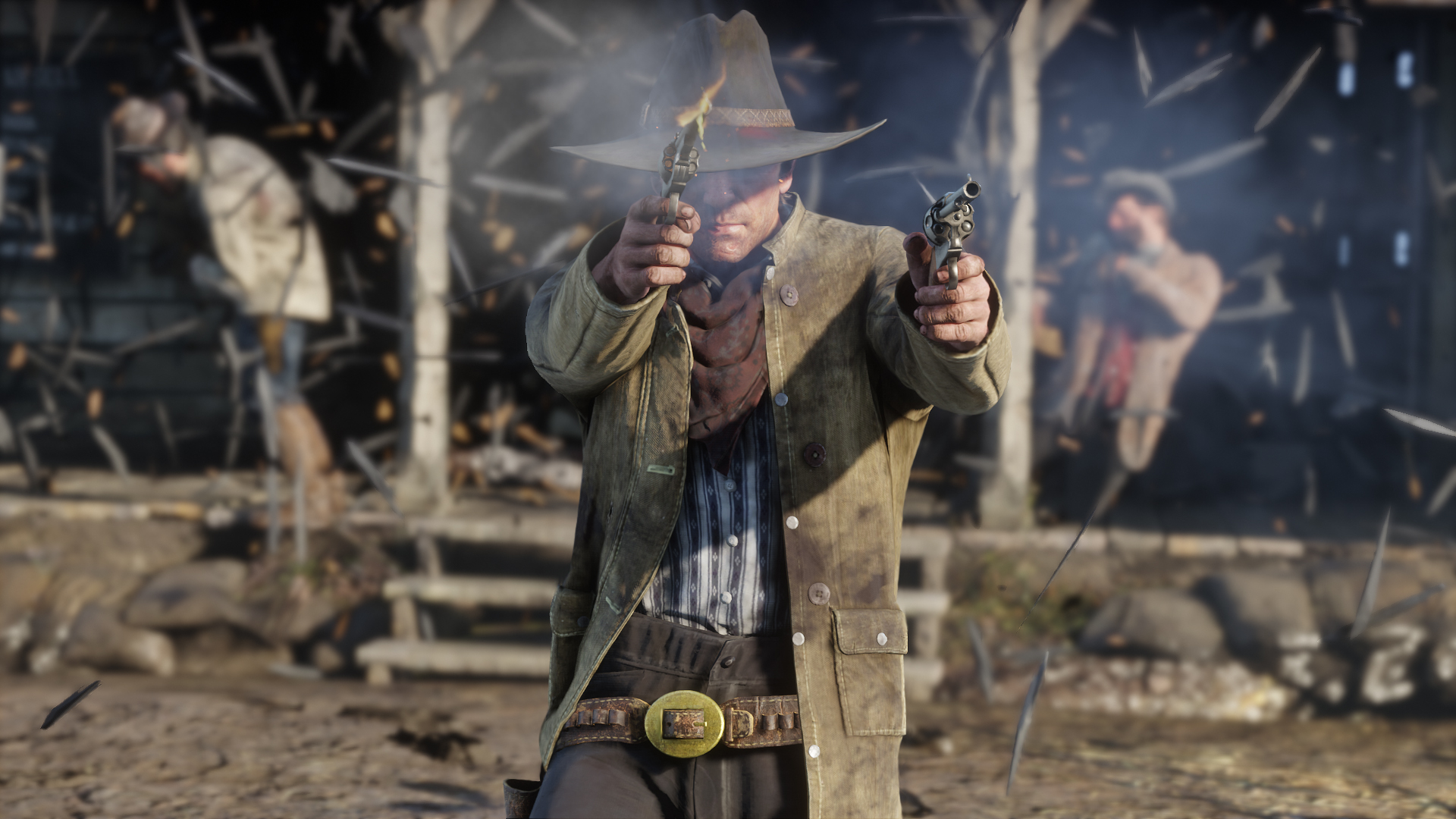



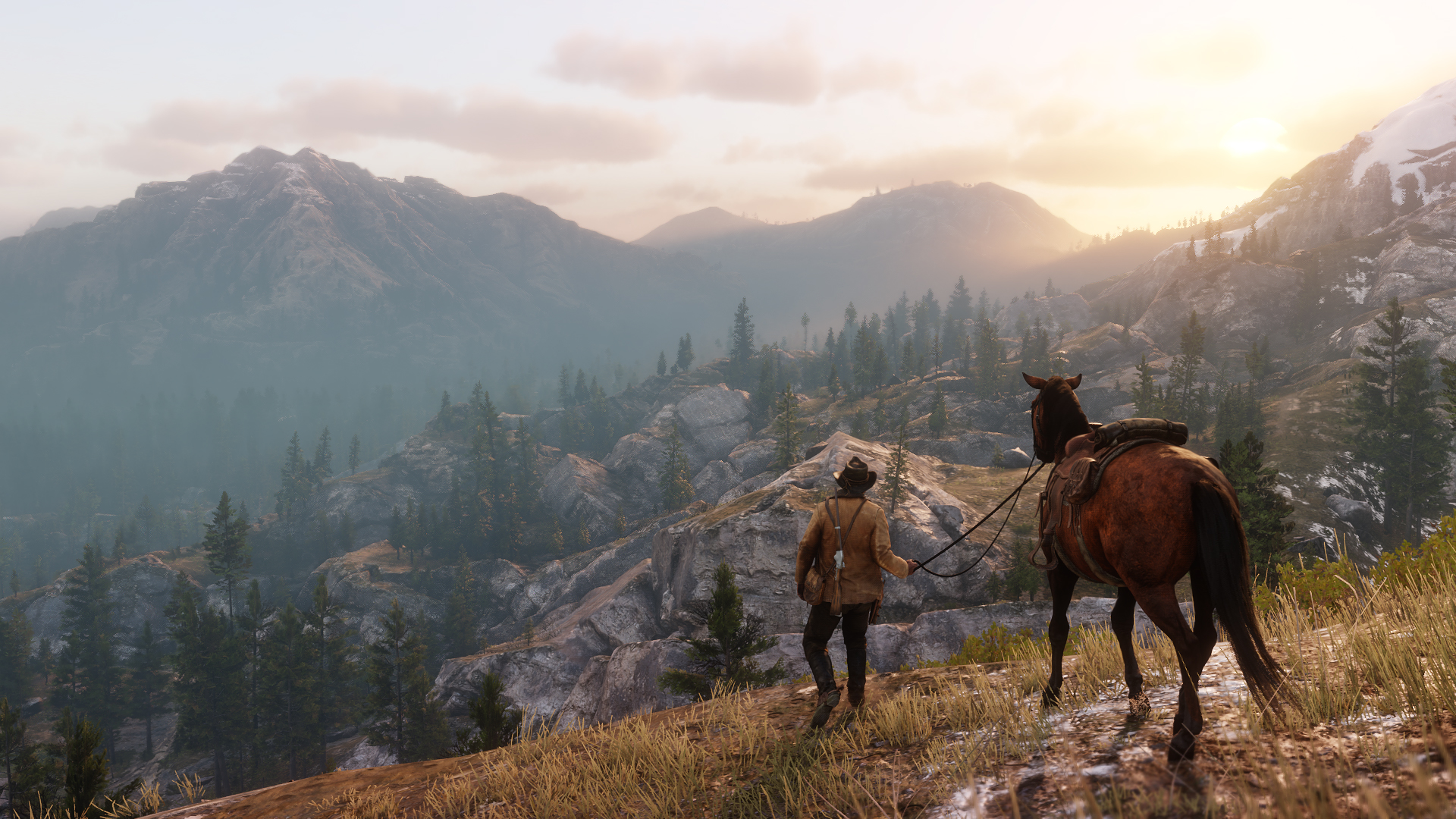
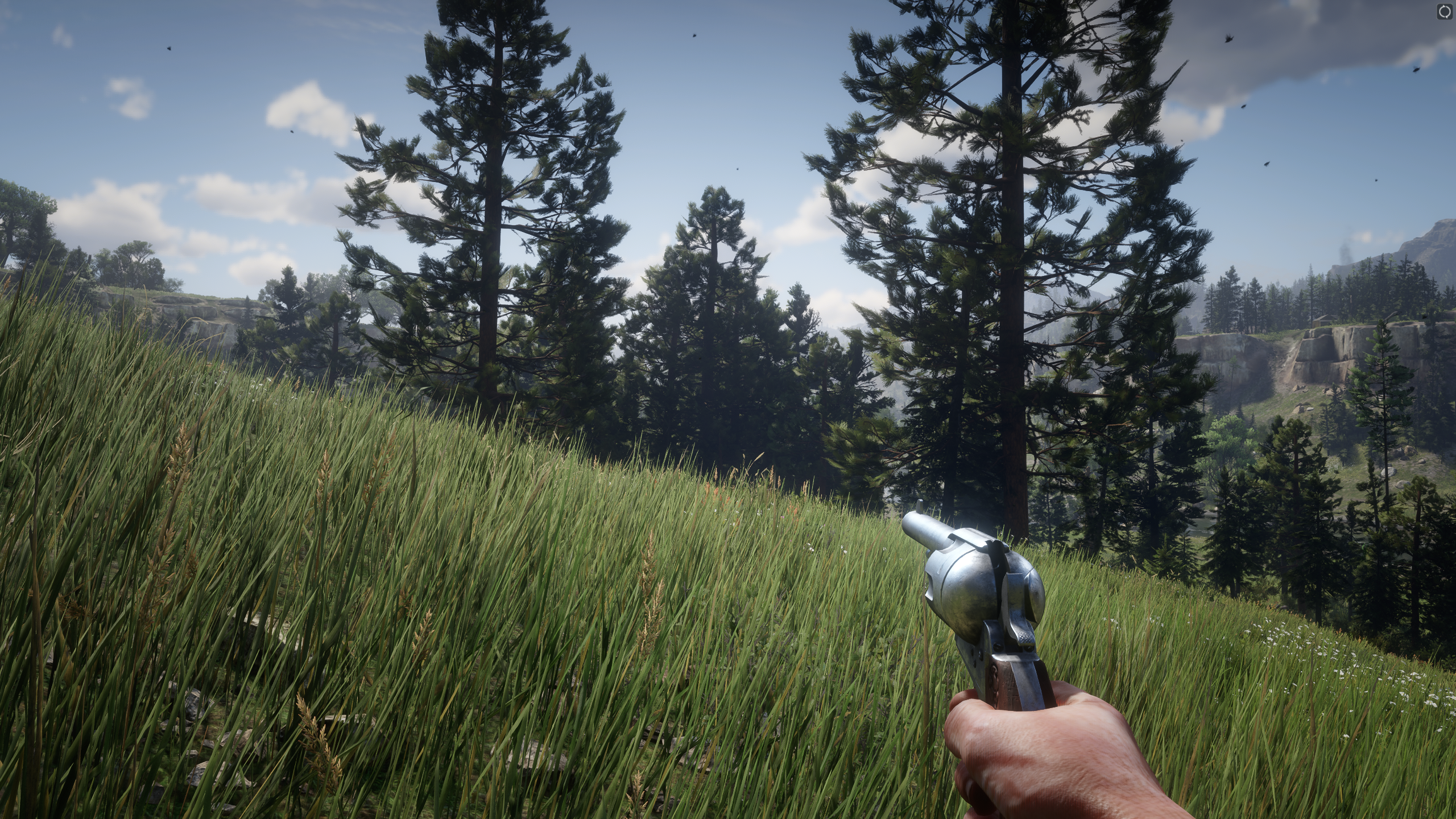
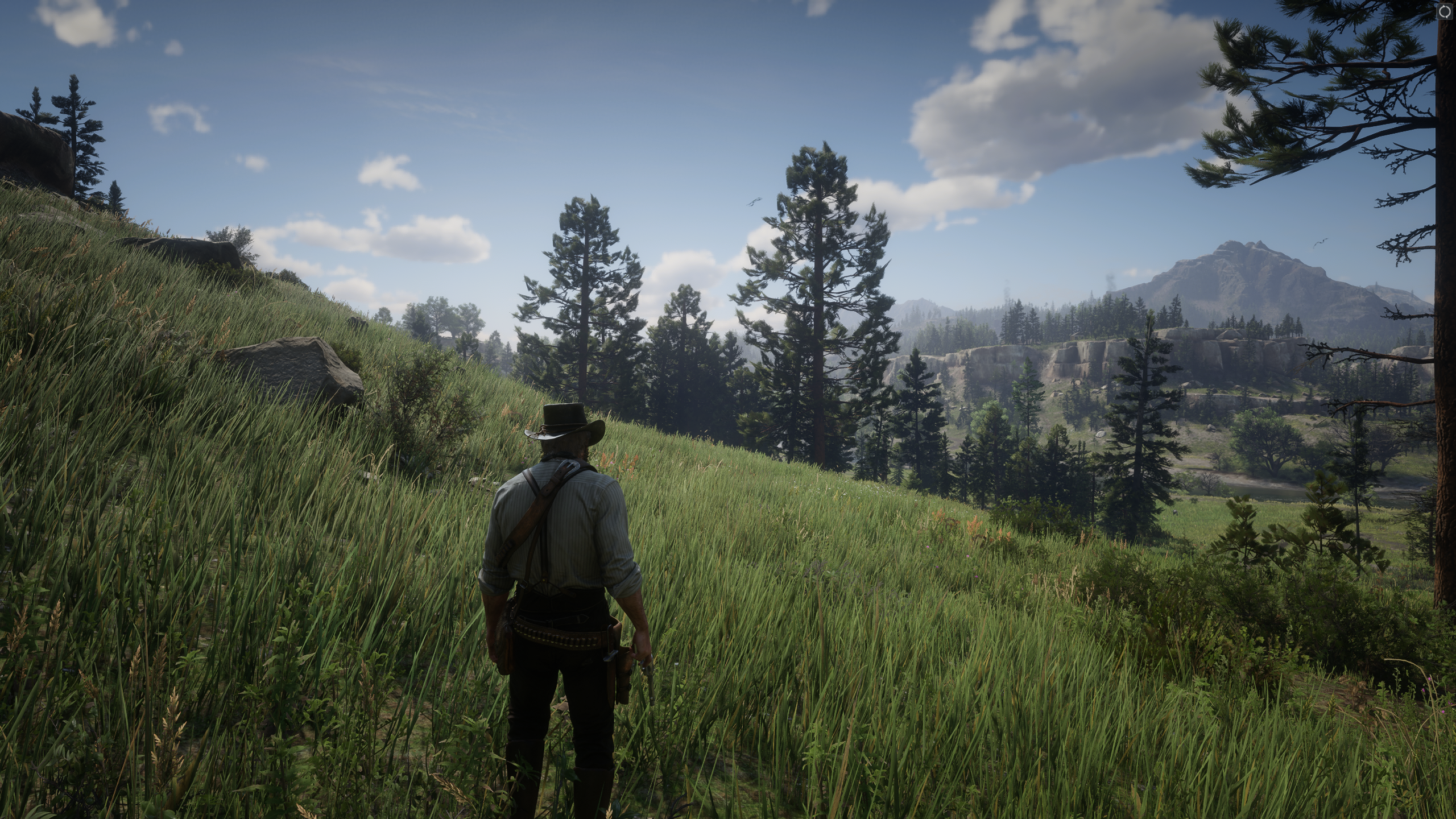

Red Dead Redemption 2

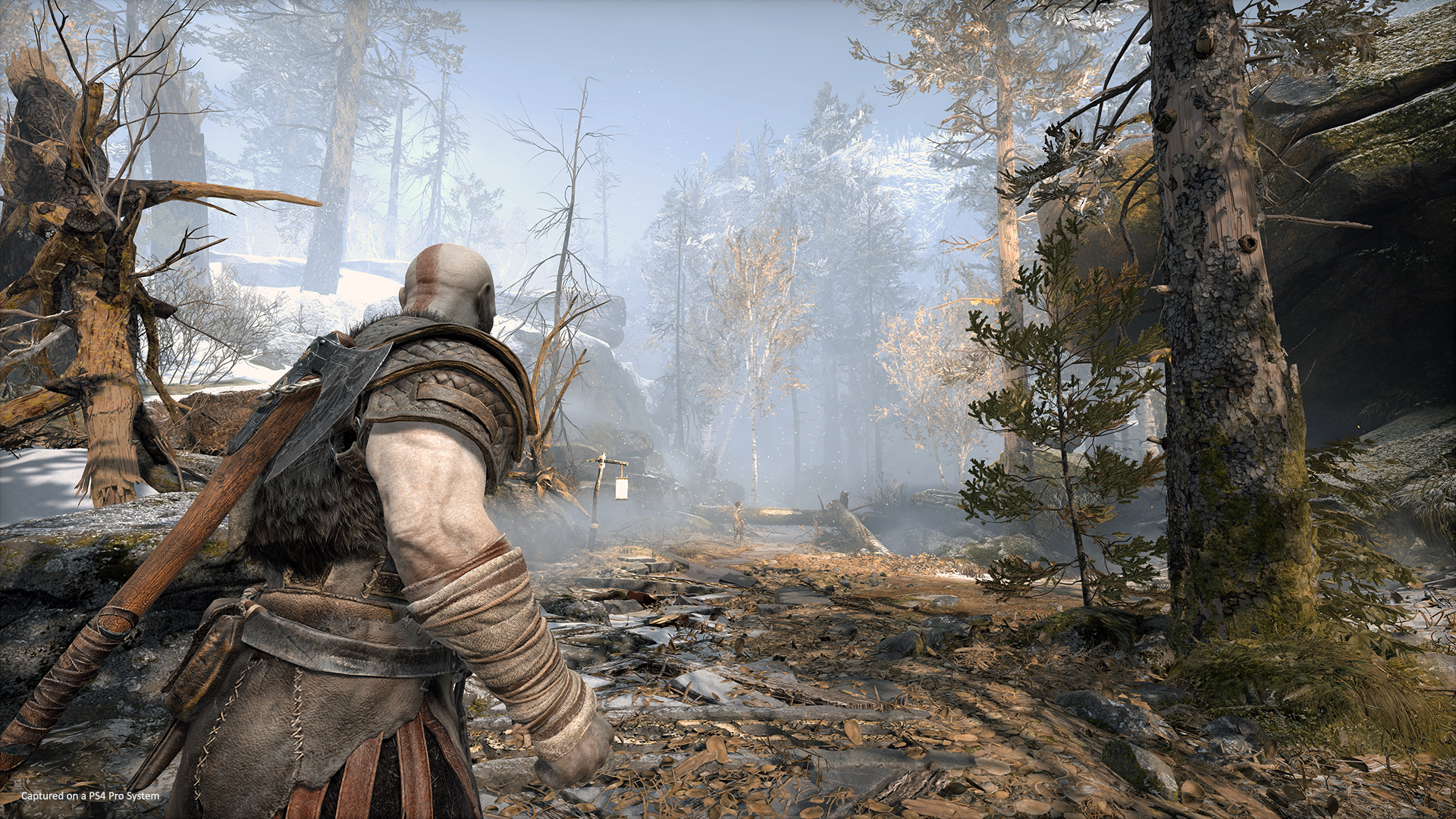
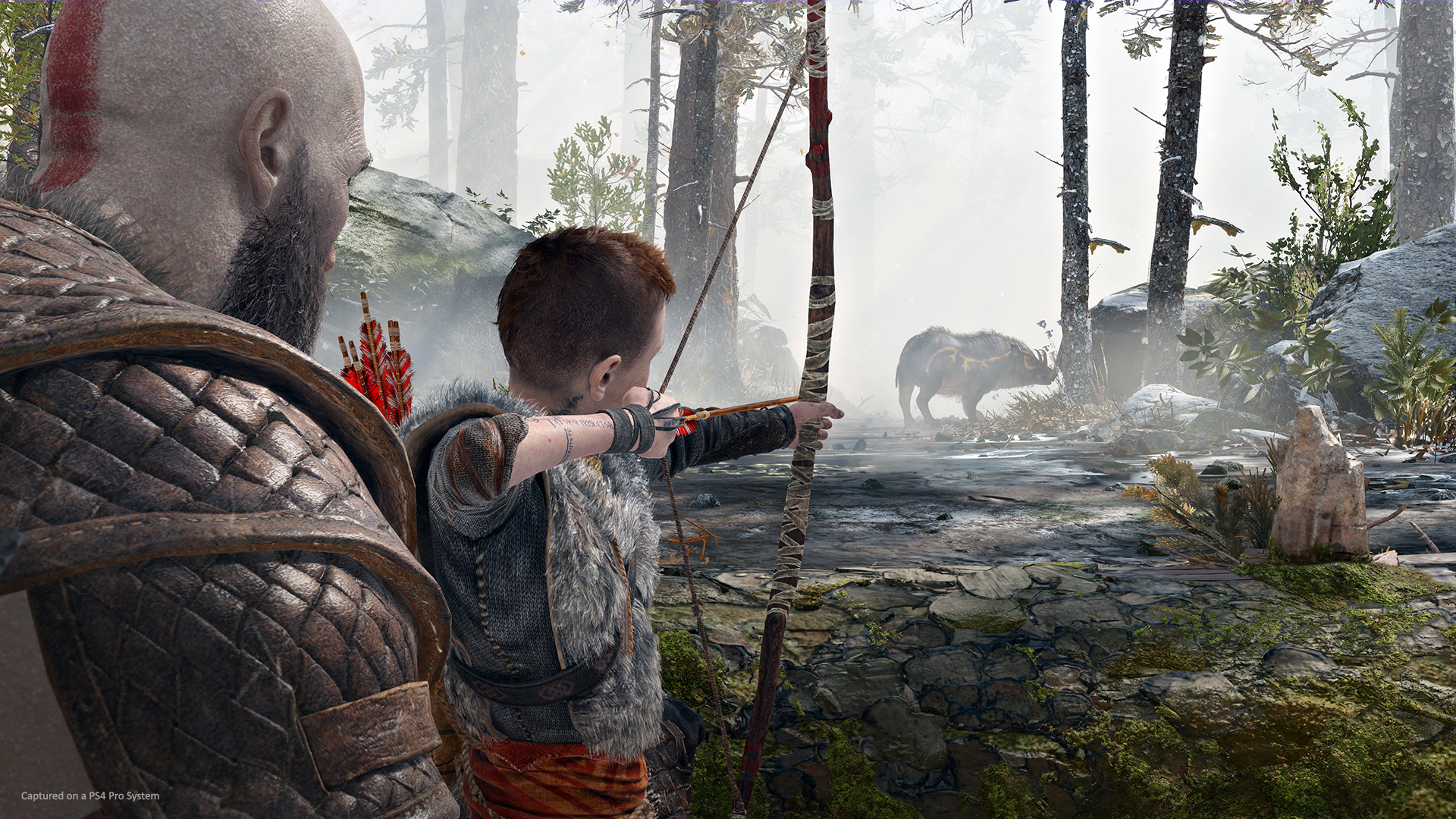
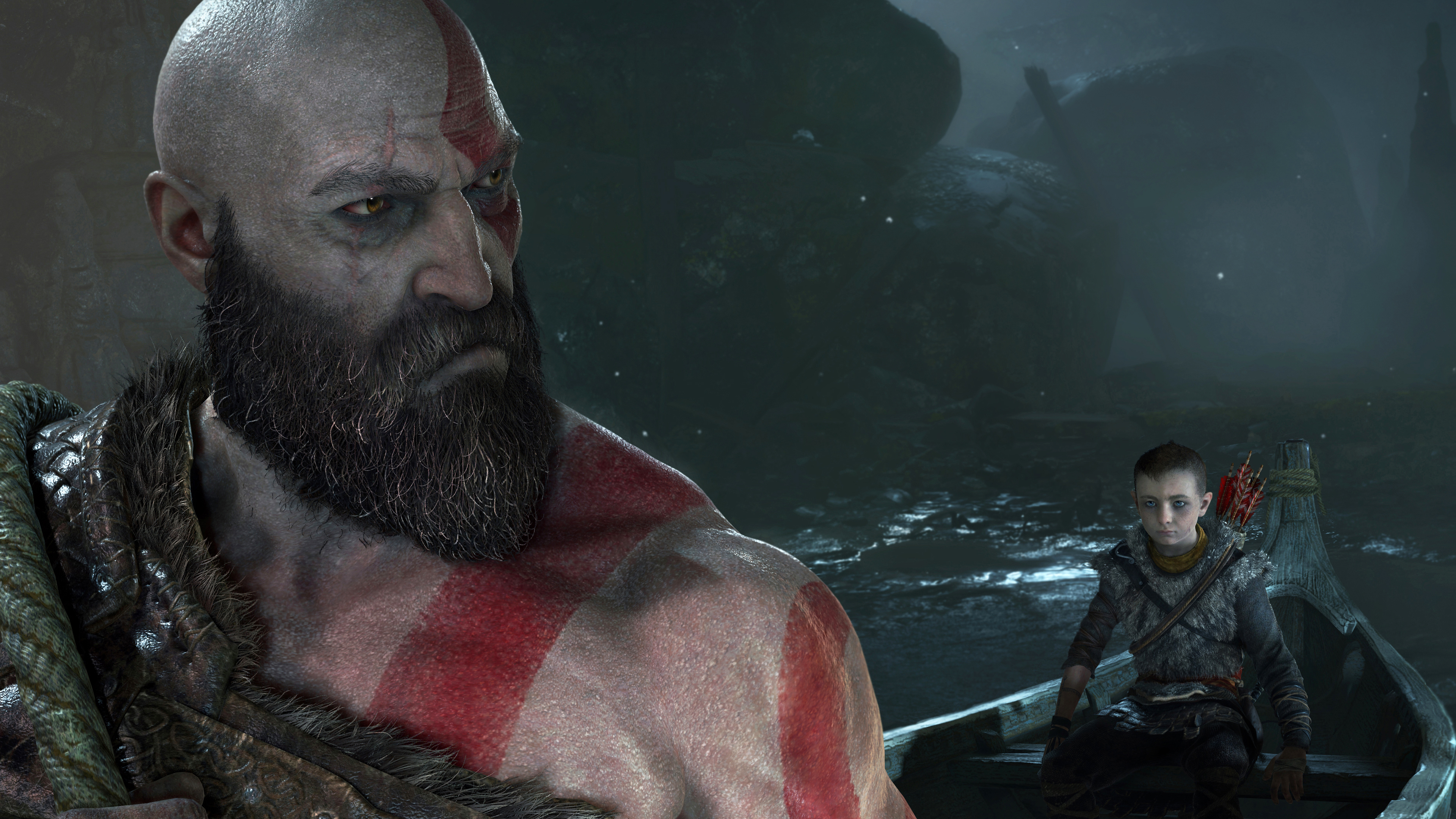
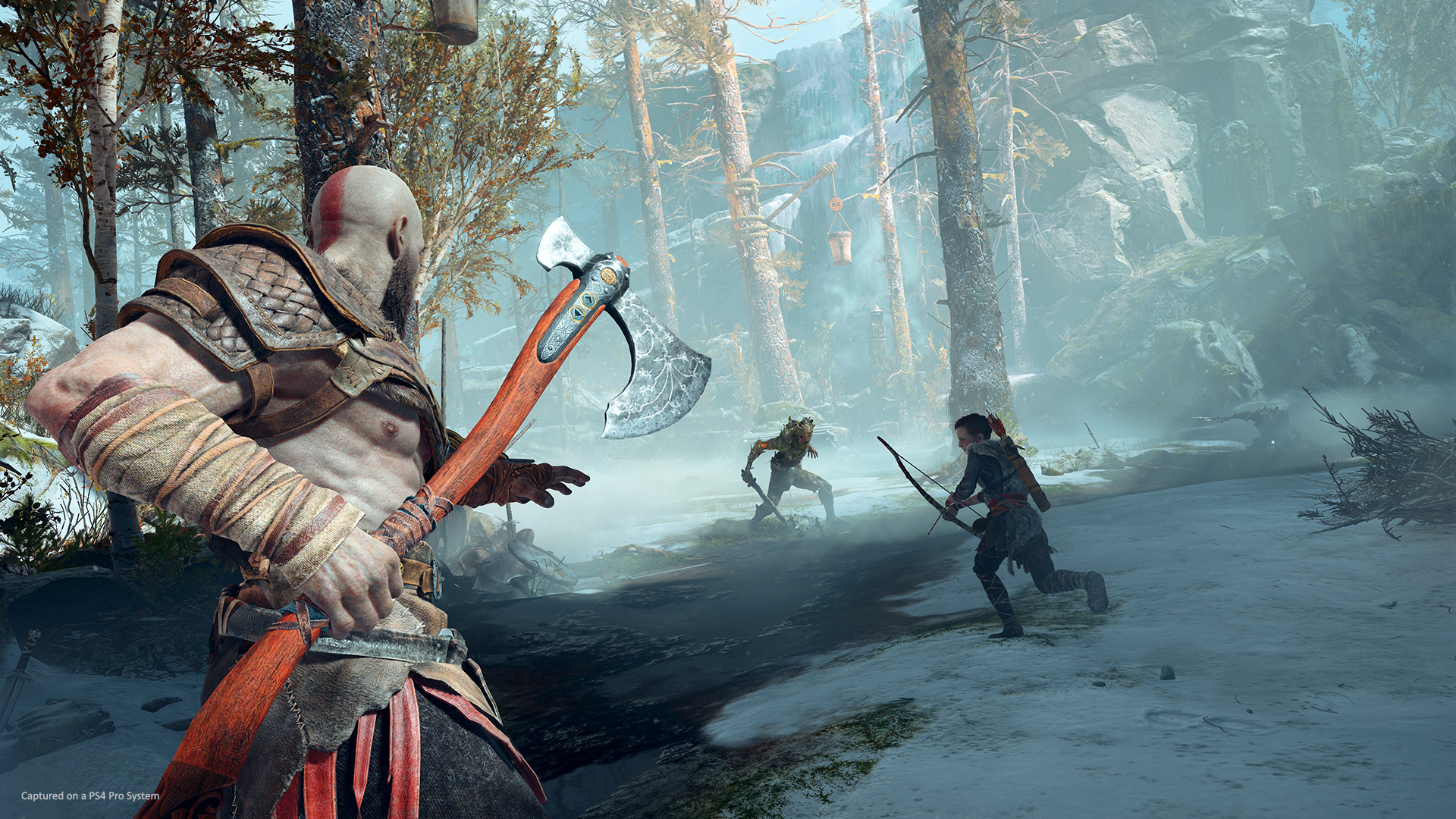
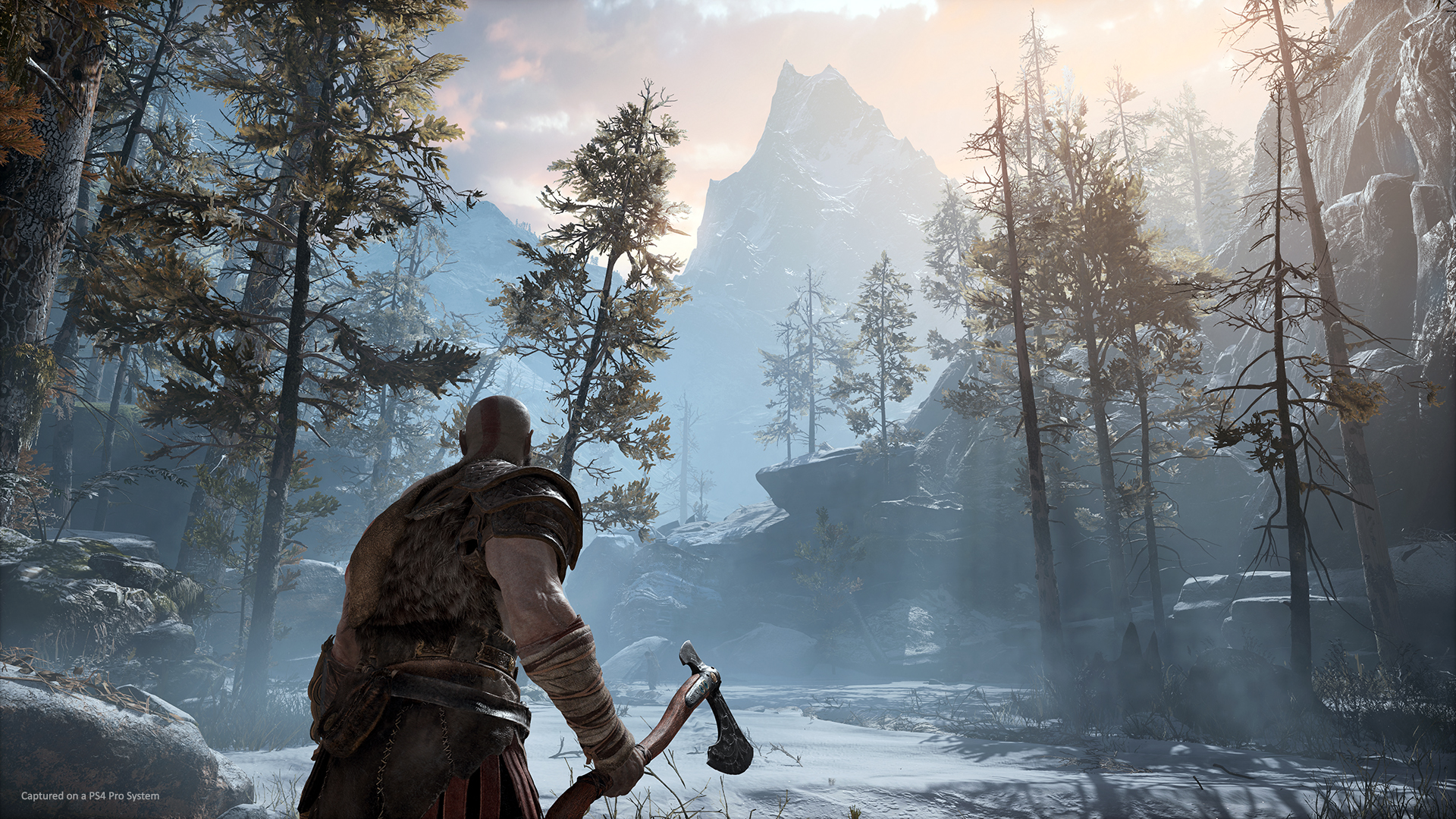
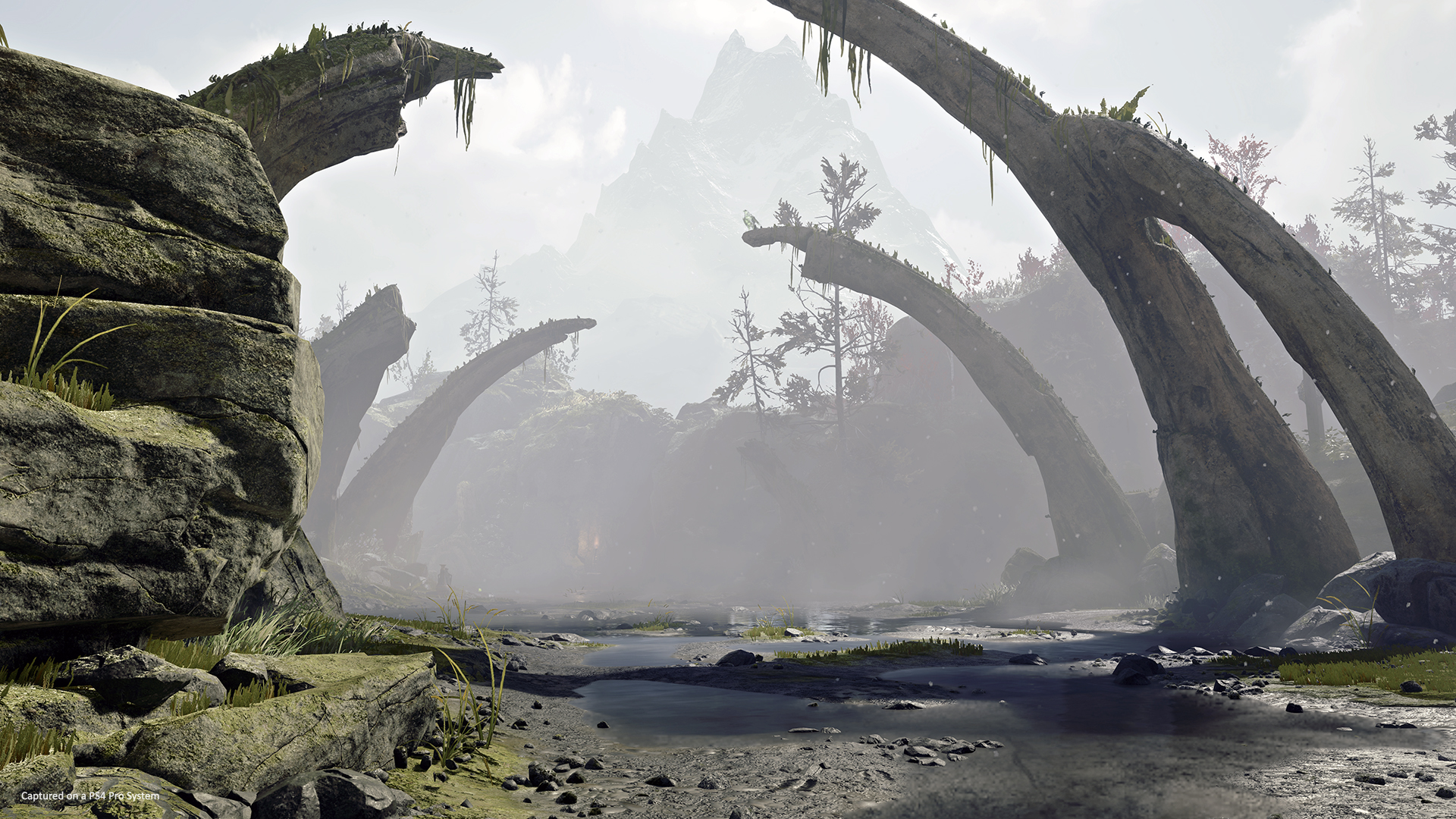
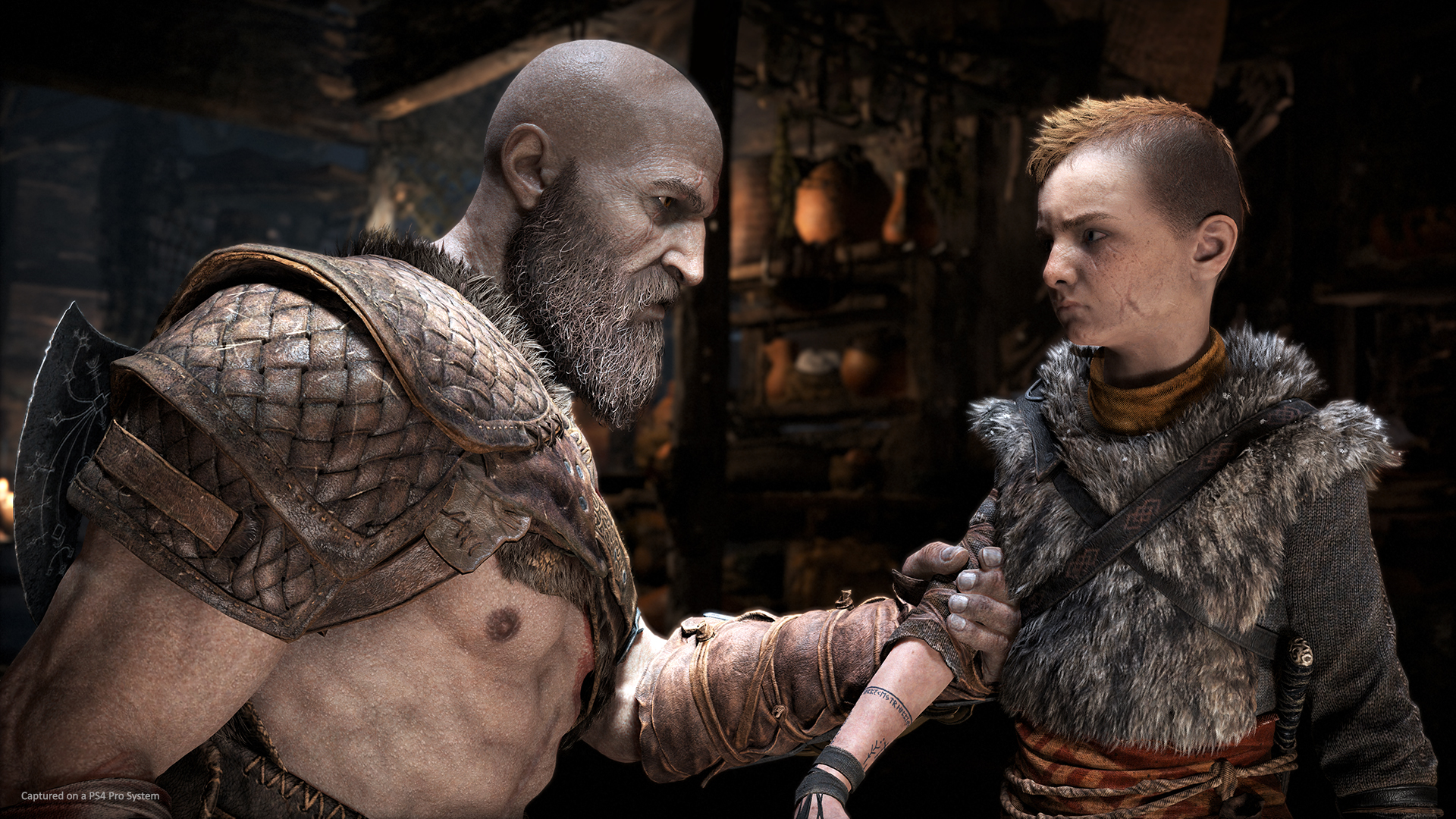
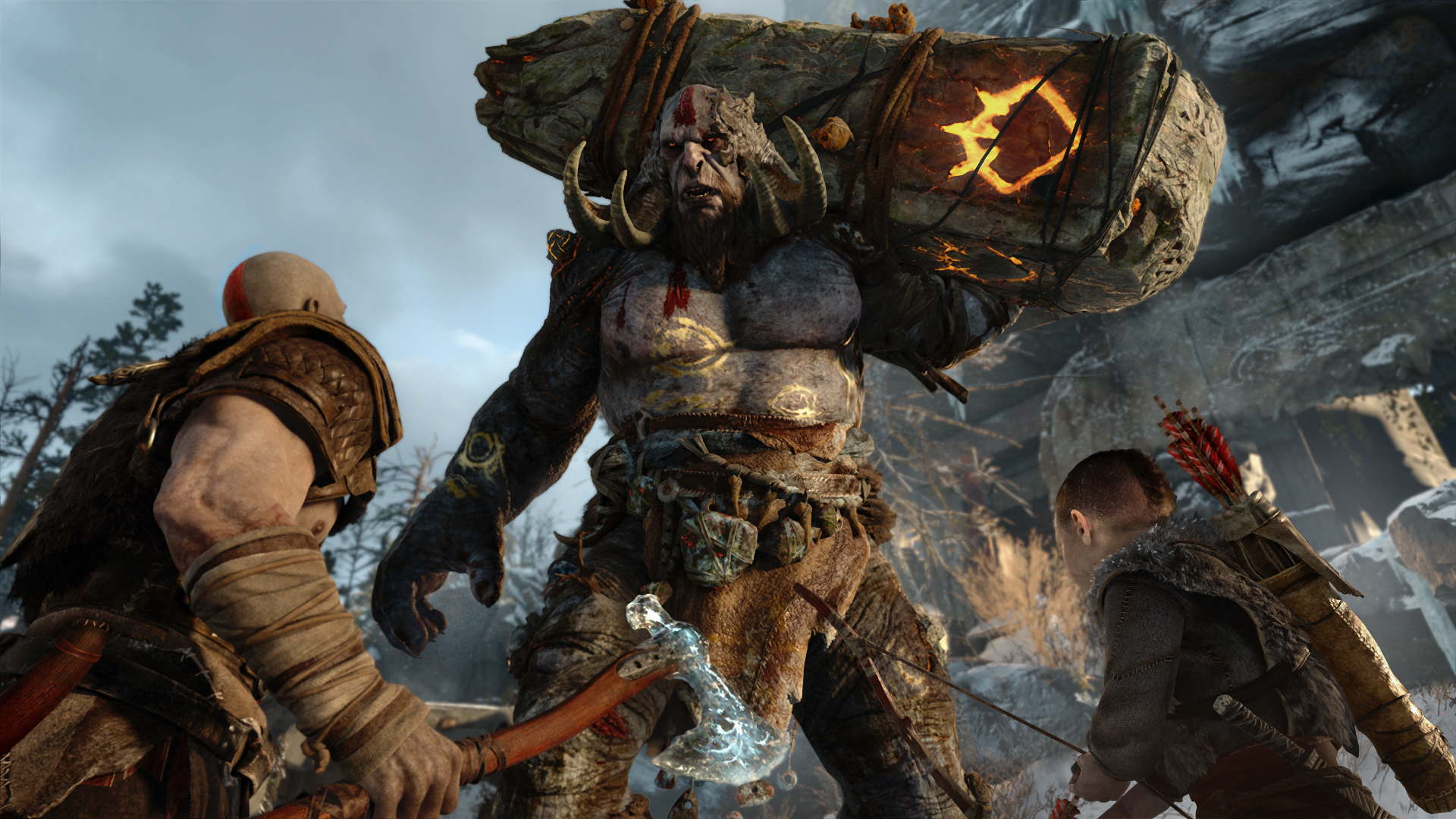
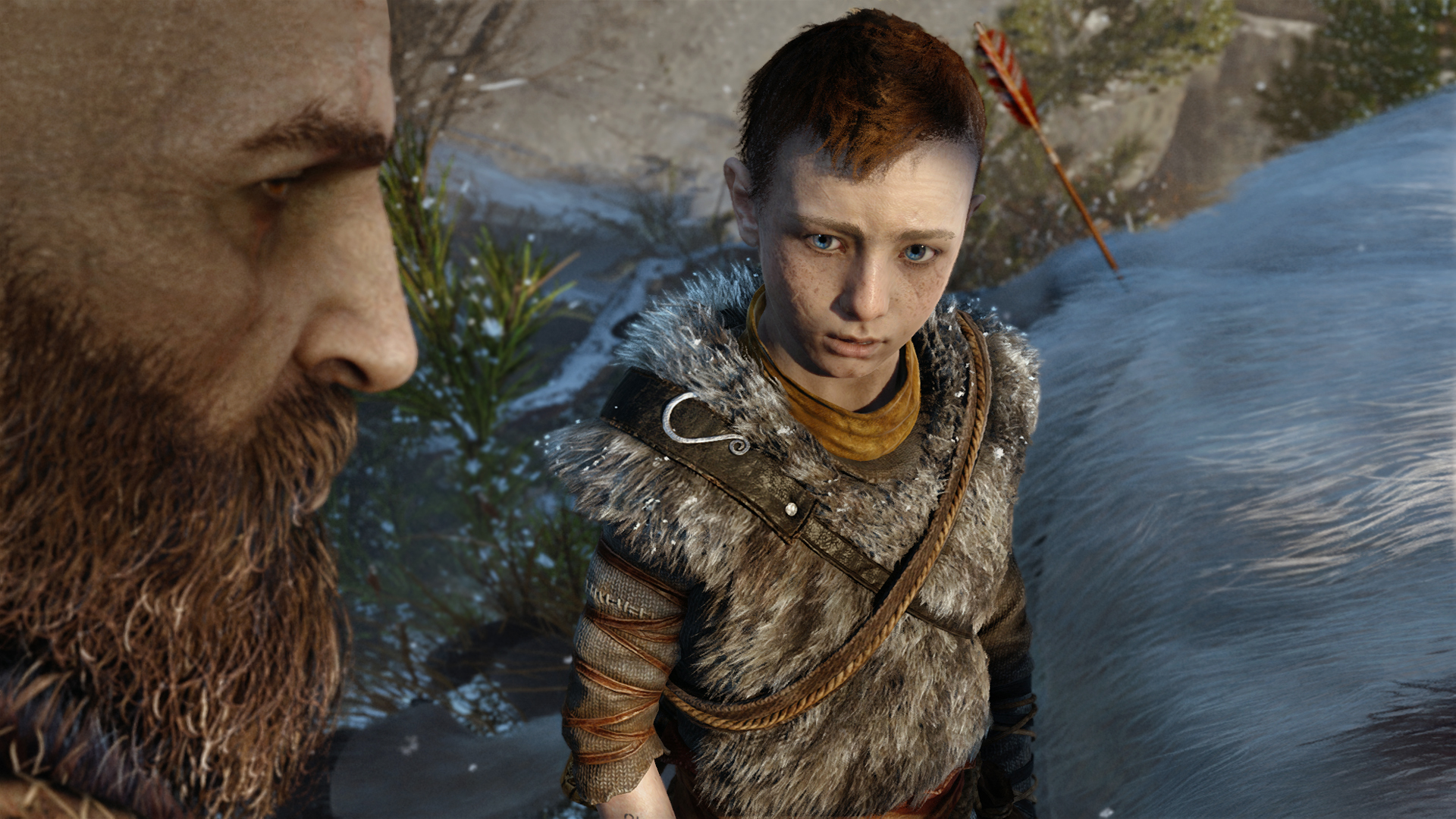

God of War

Grand Theft Auto: Vice City
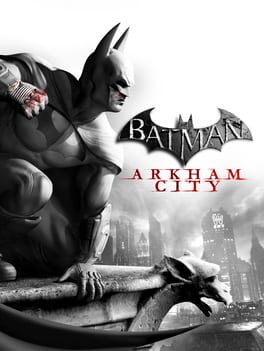
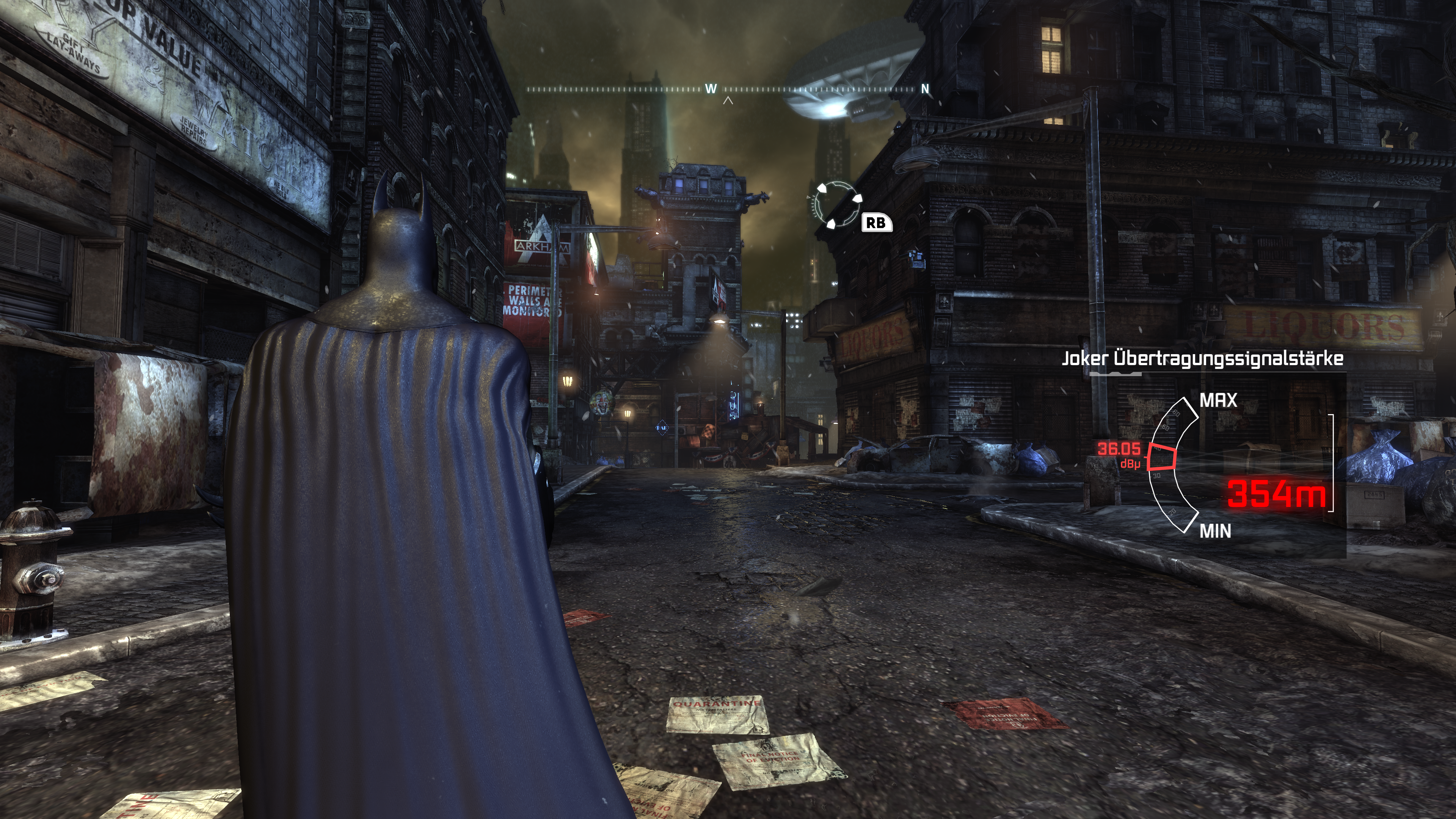
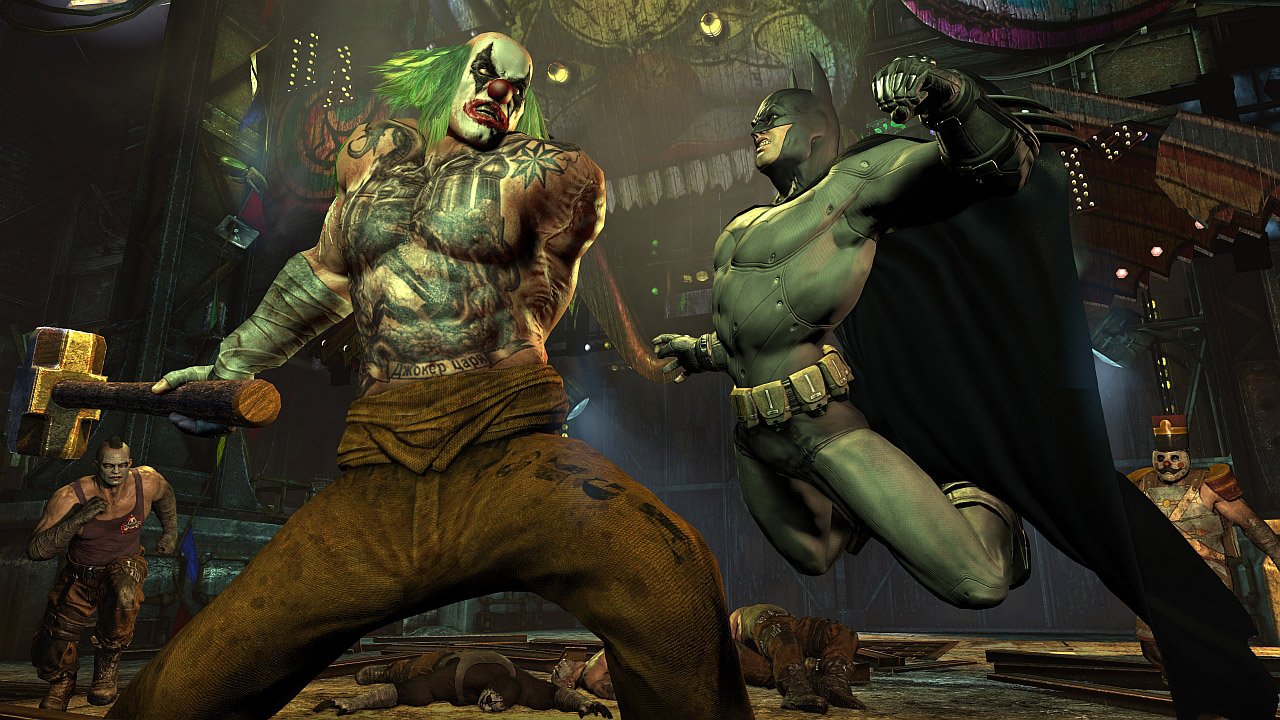
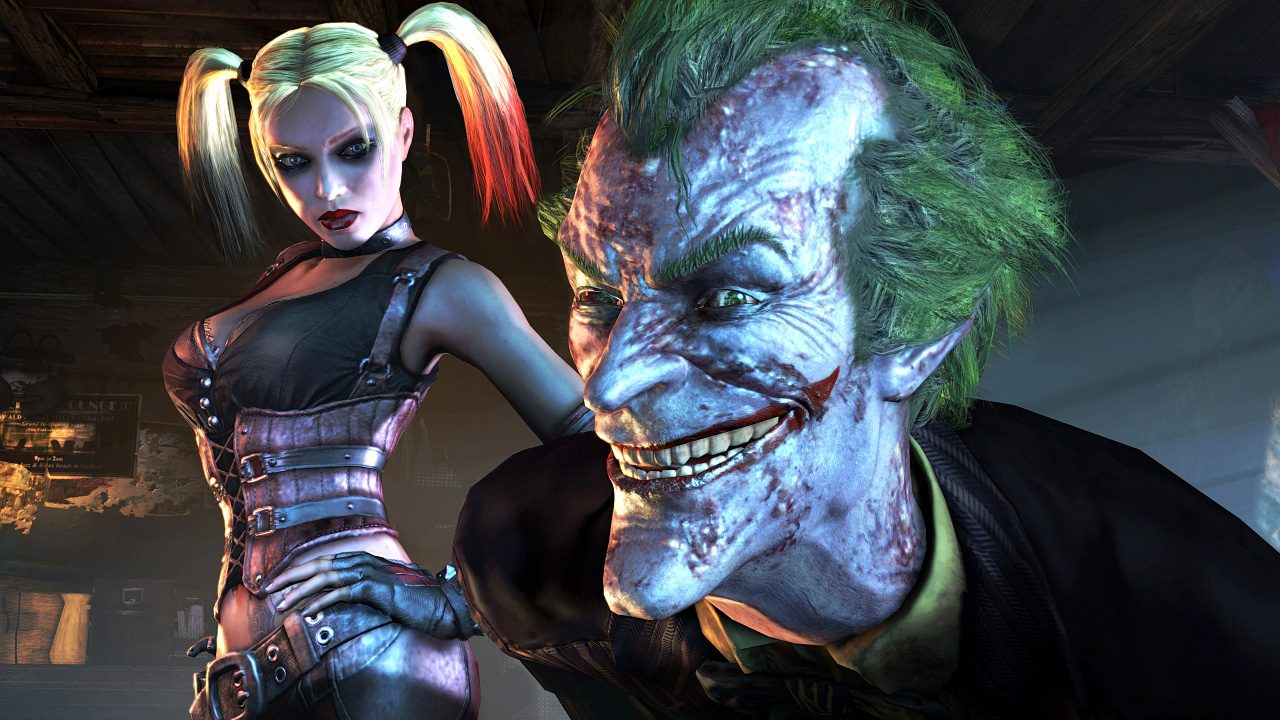
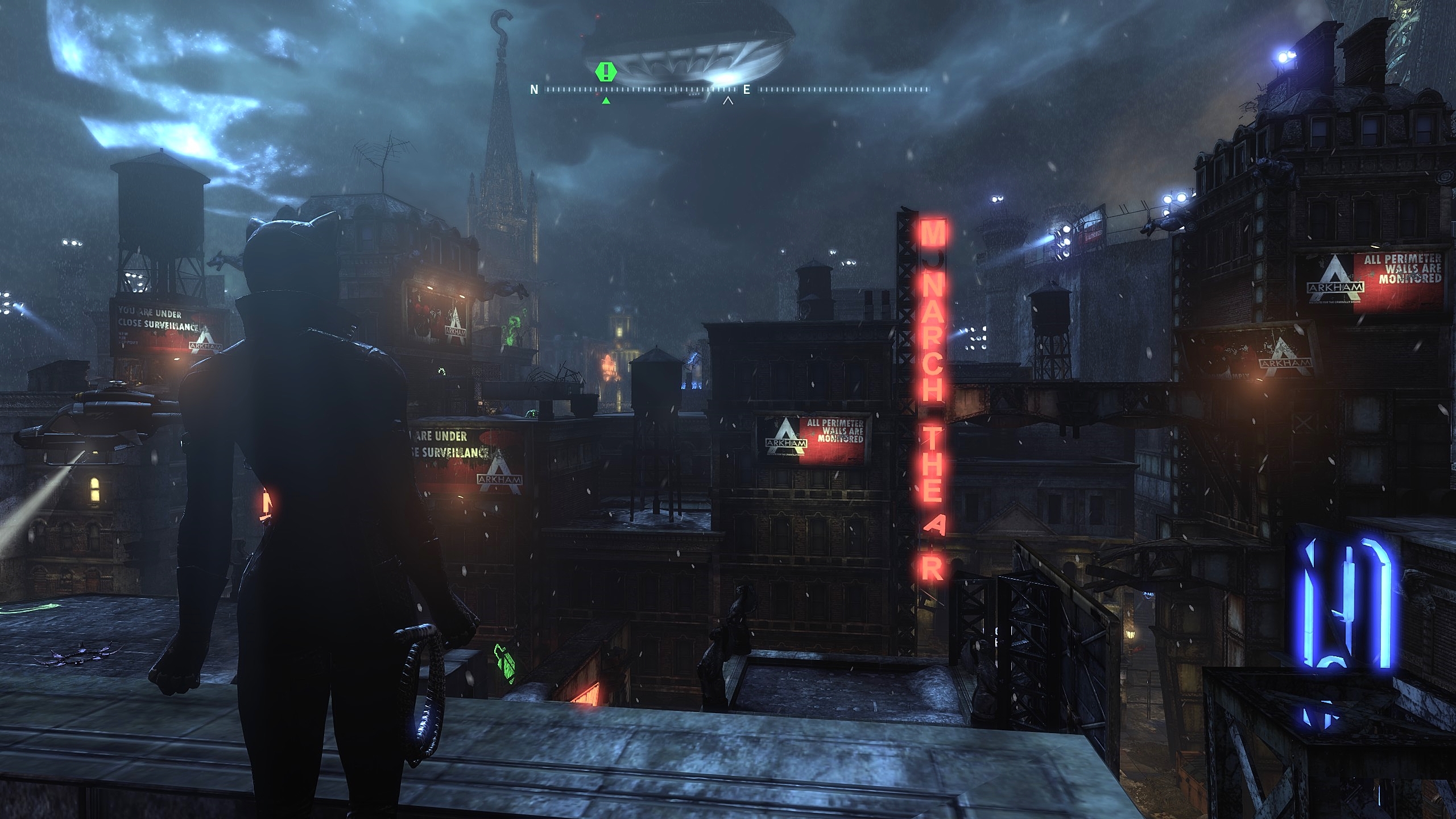
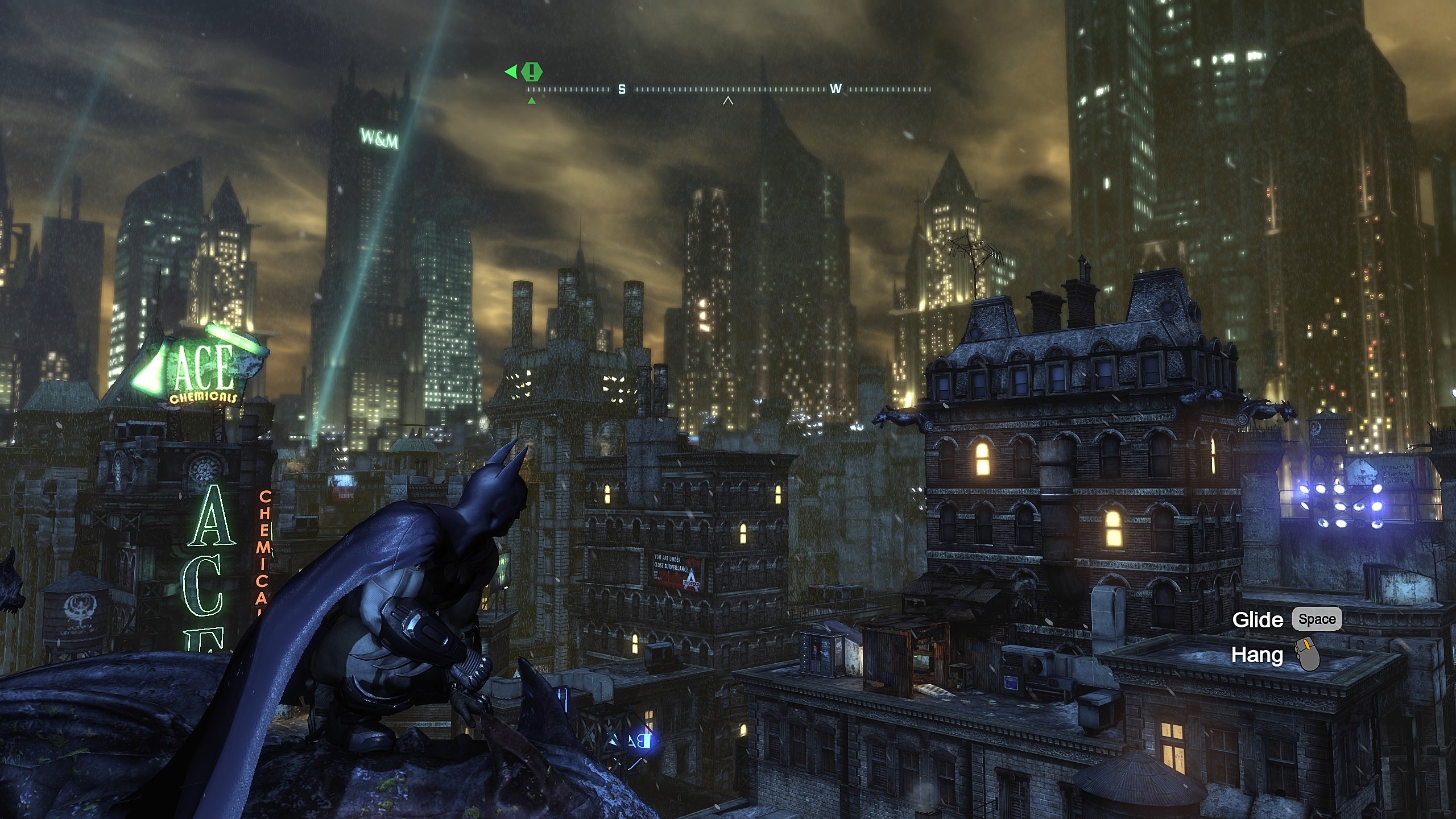
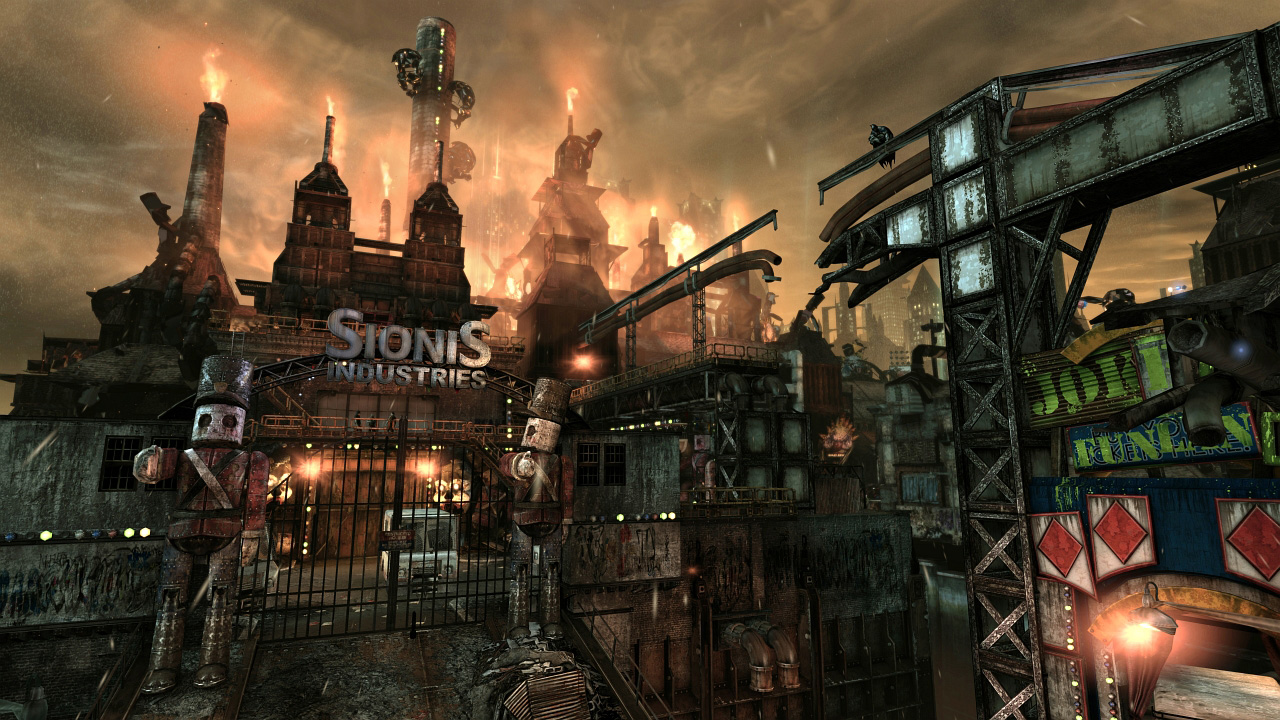
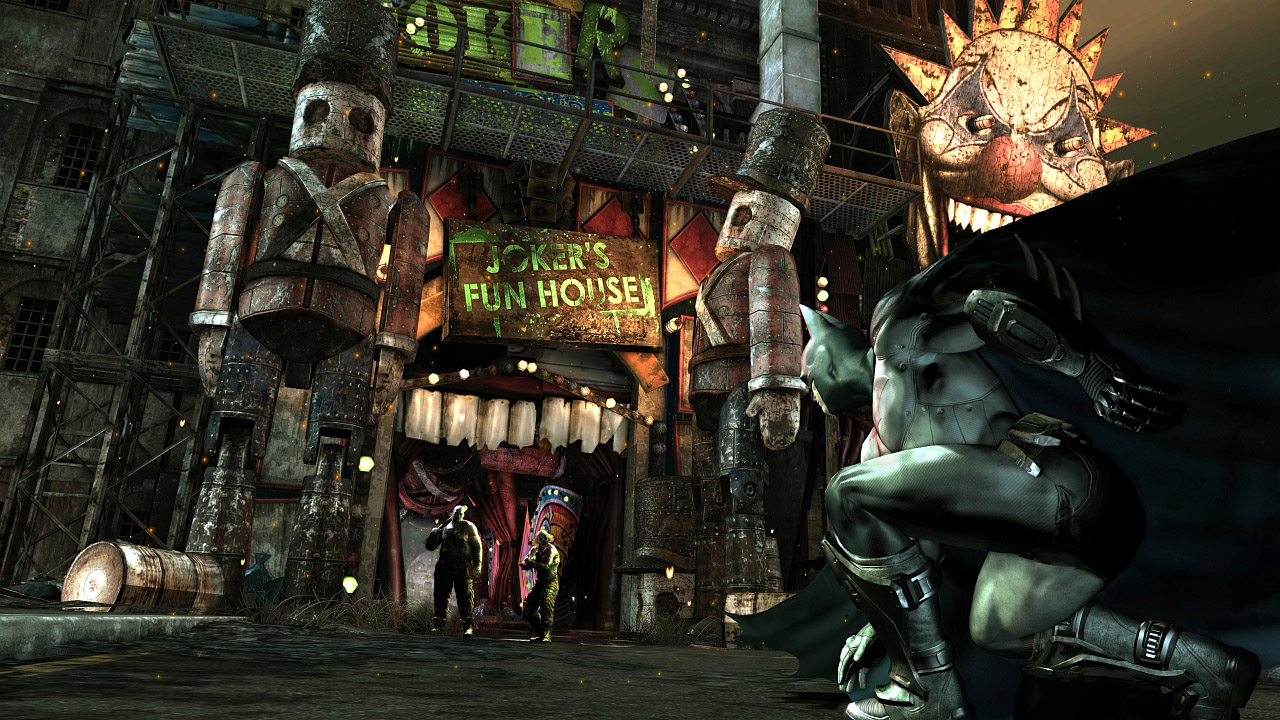
Batman: Arkham City

Batman: Arkham Asylum

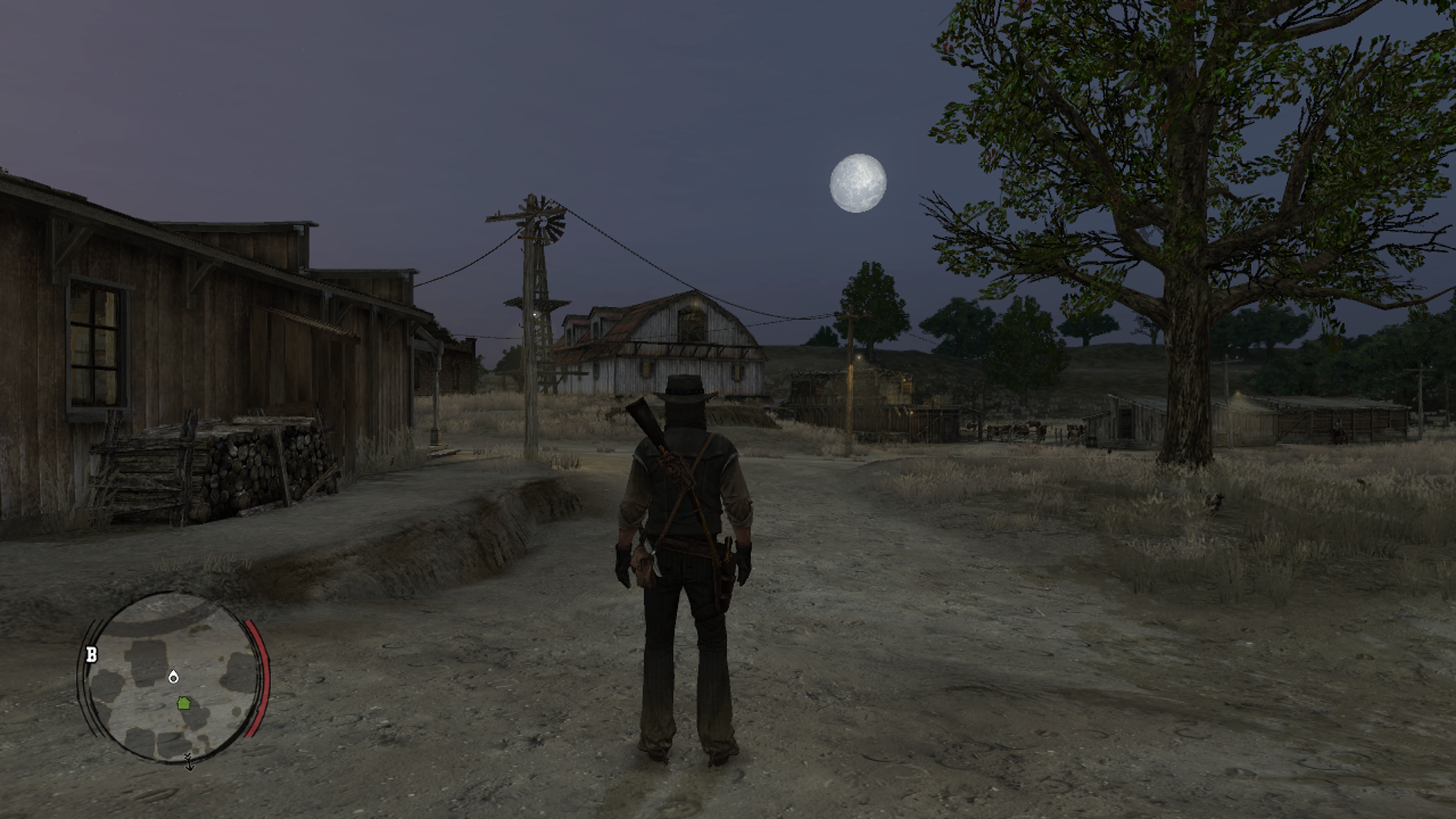

Red Dead Redemption
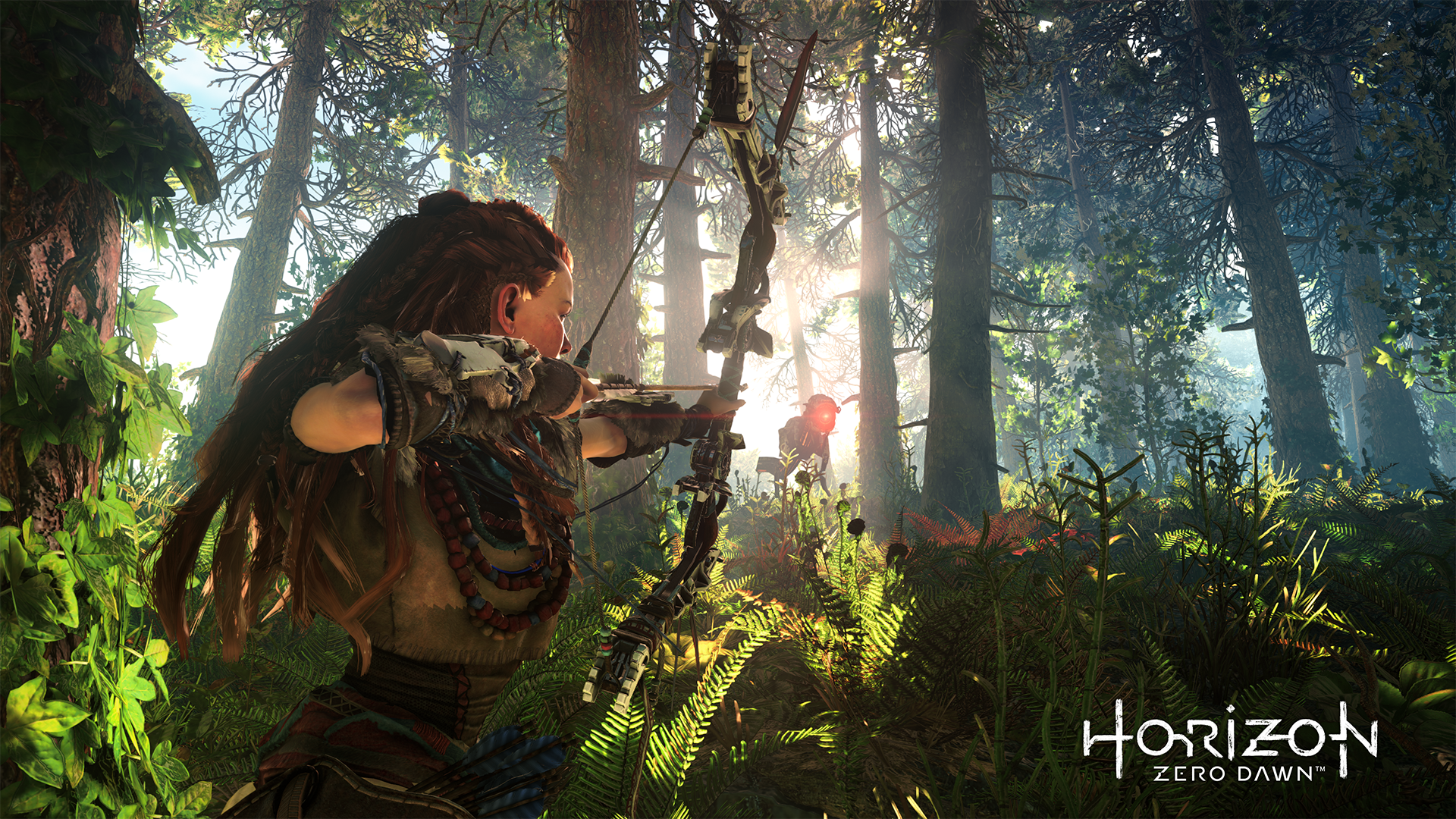
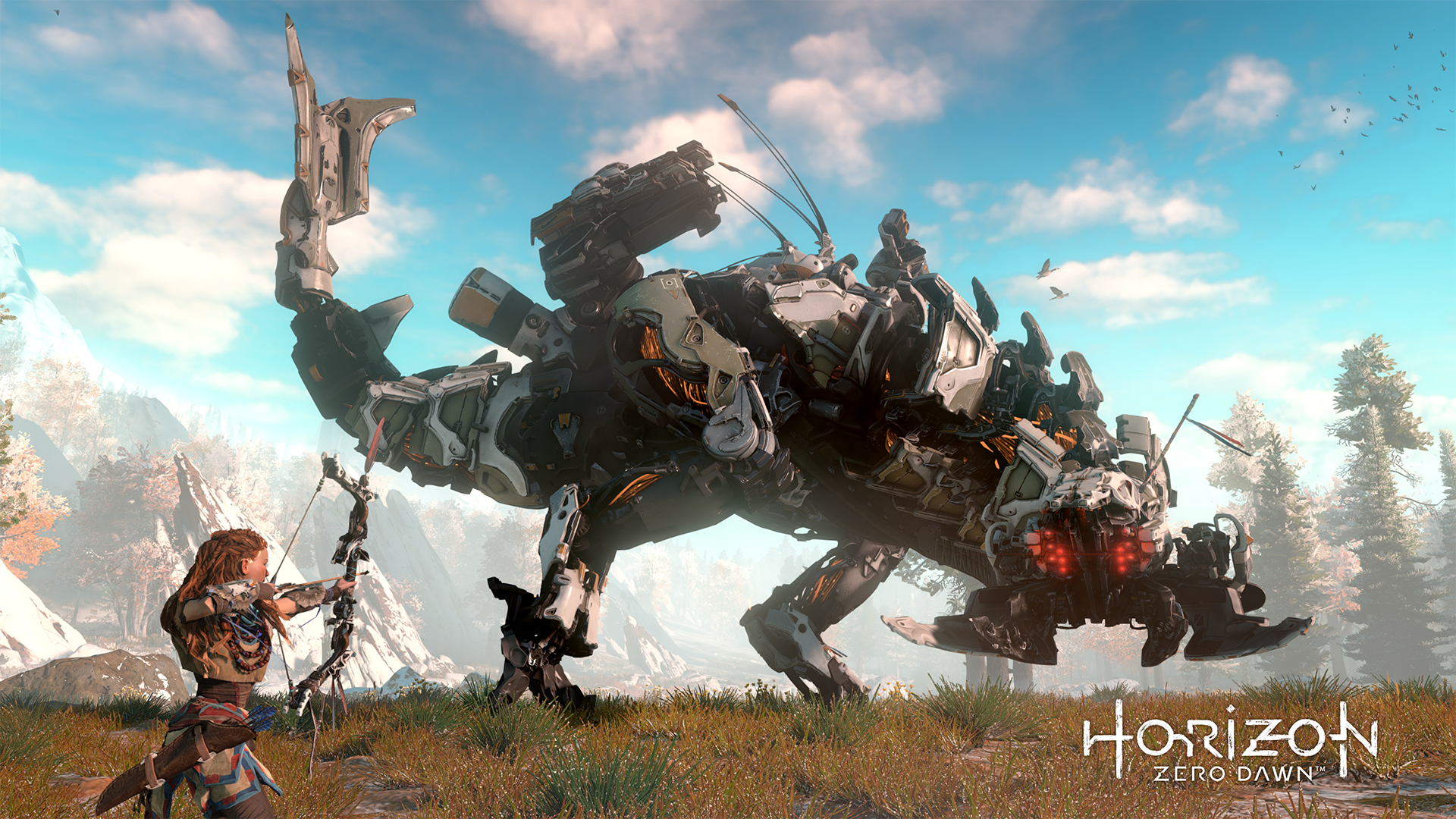

Horizon Zero Dawn
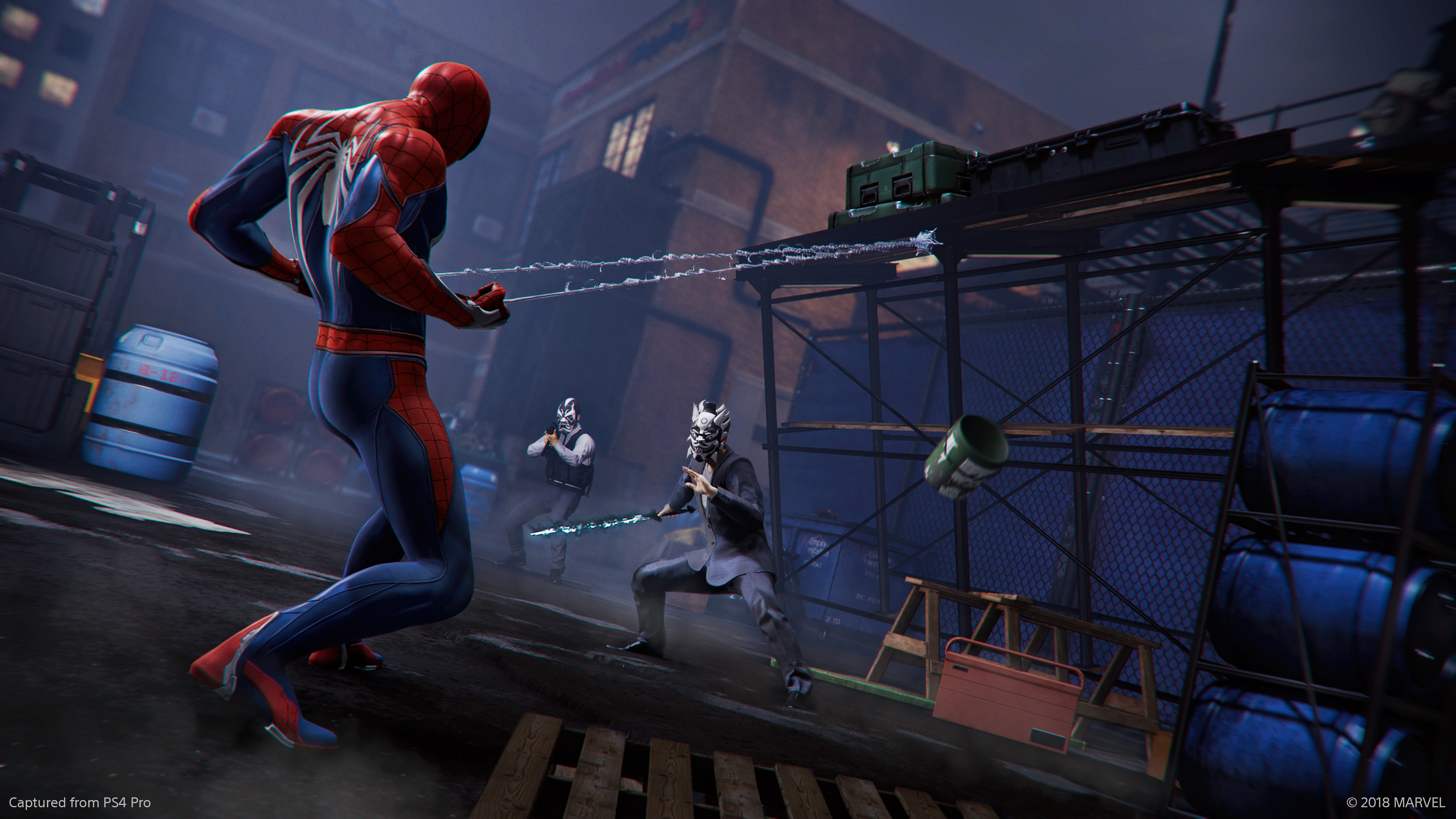
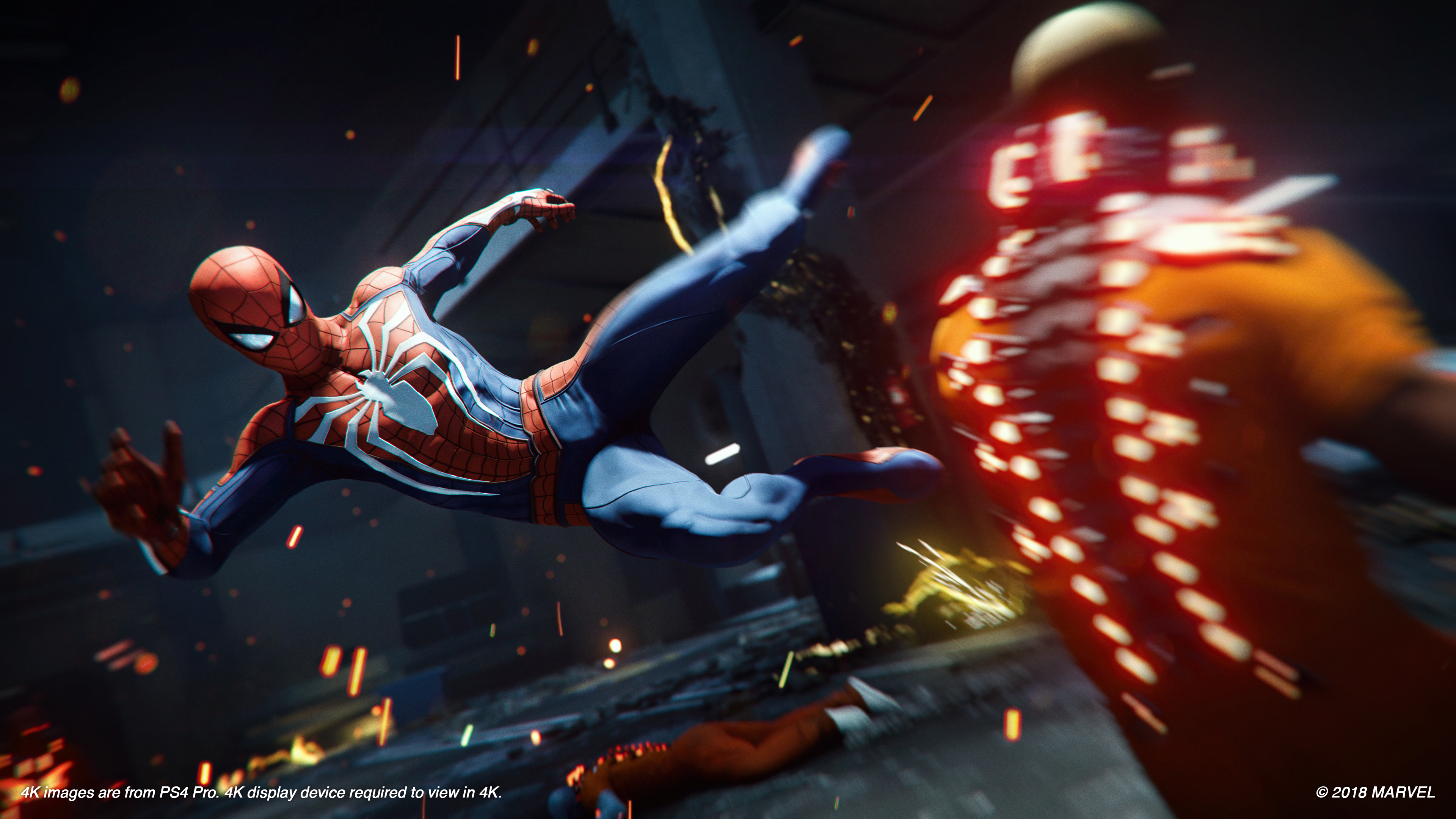
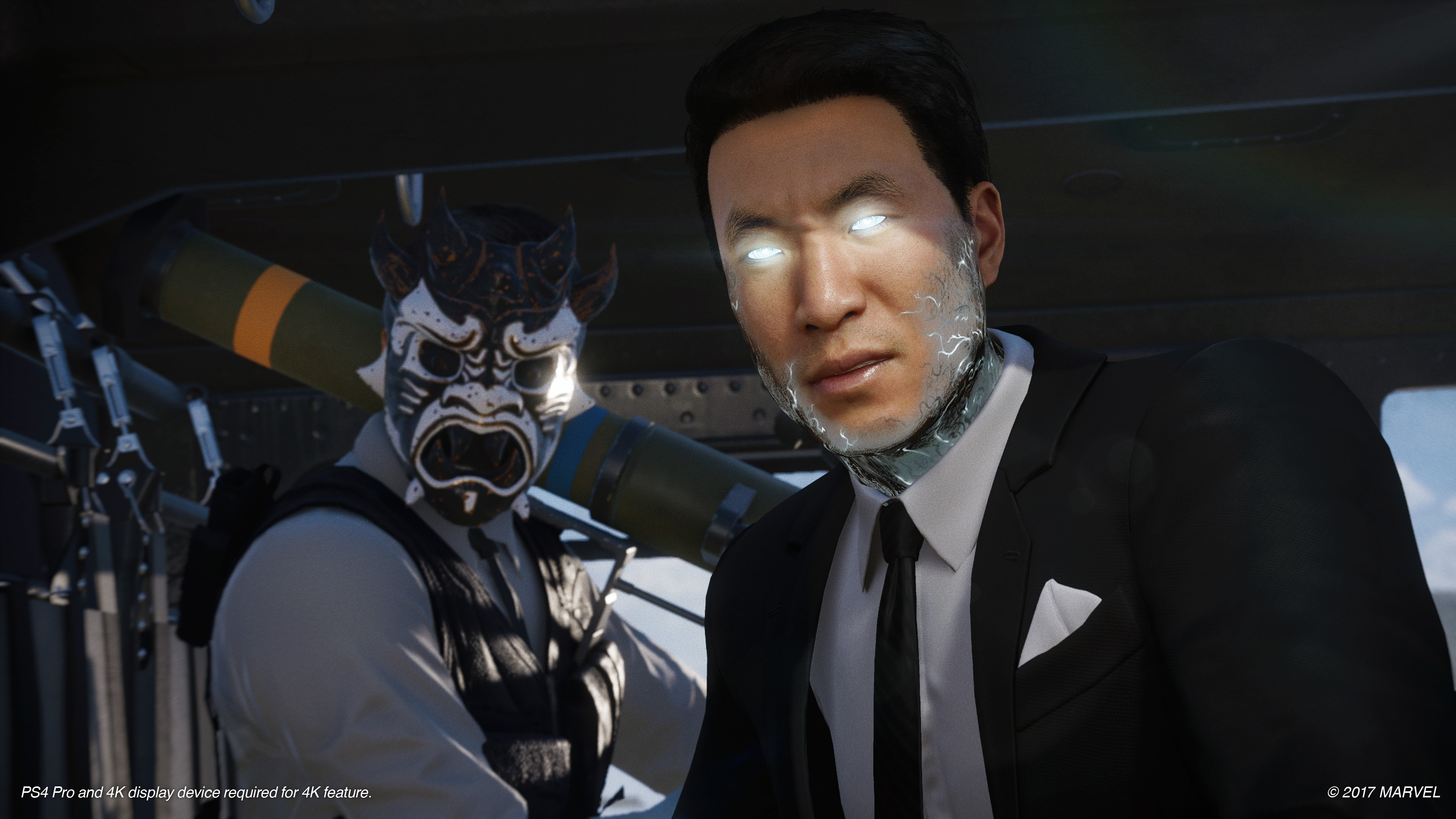
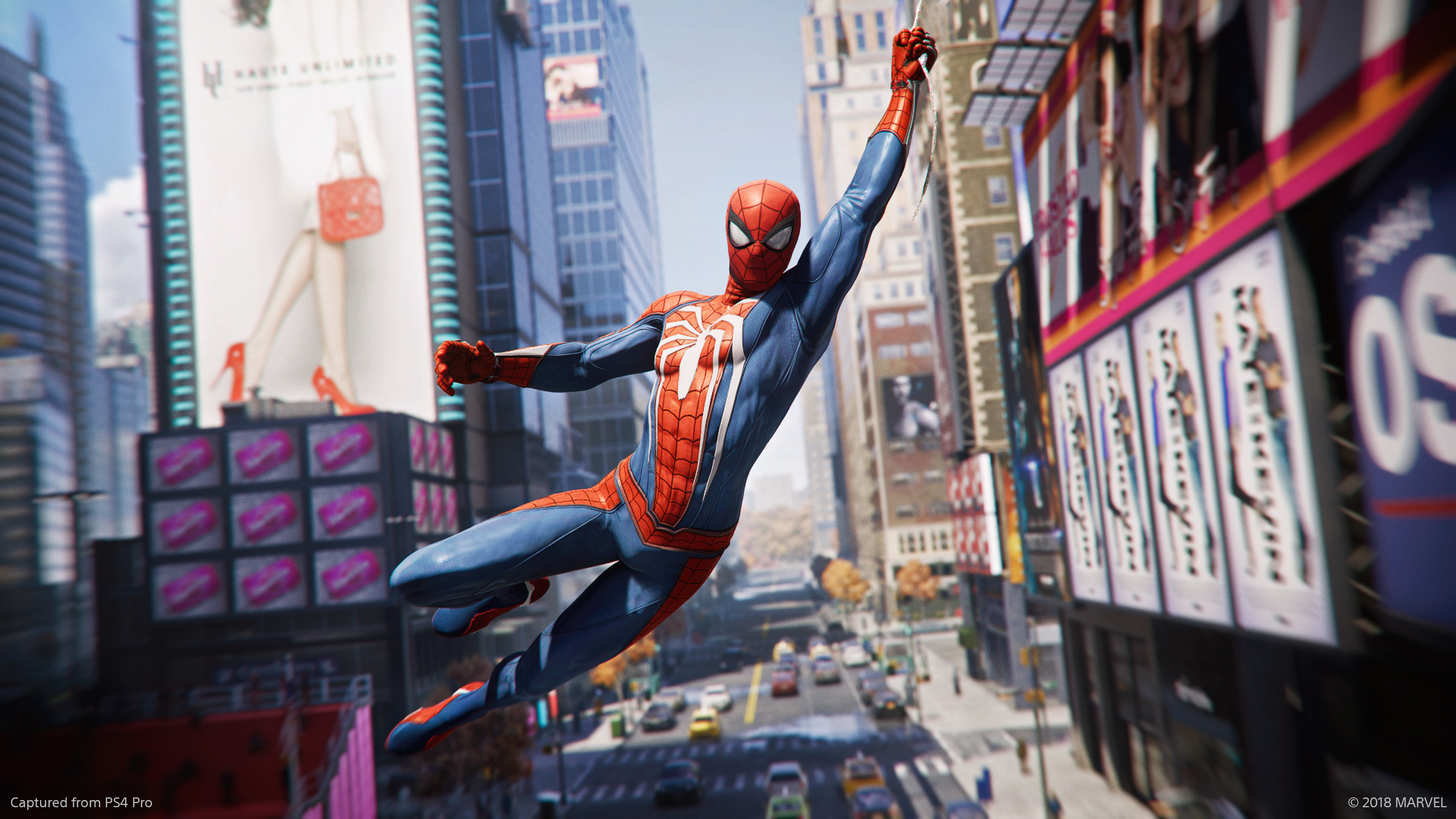
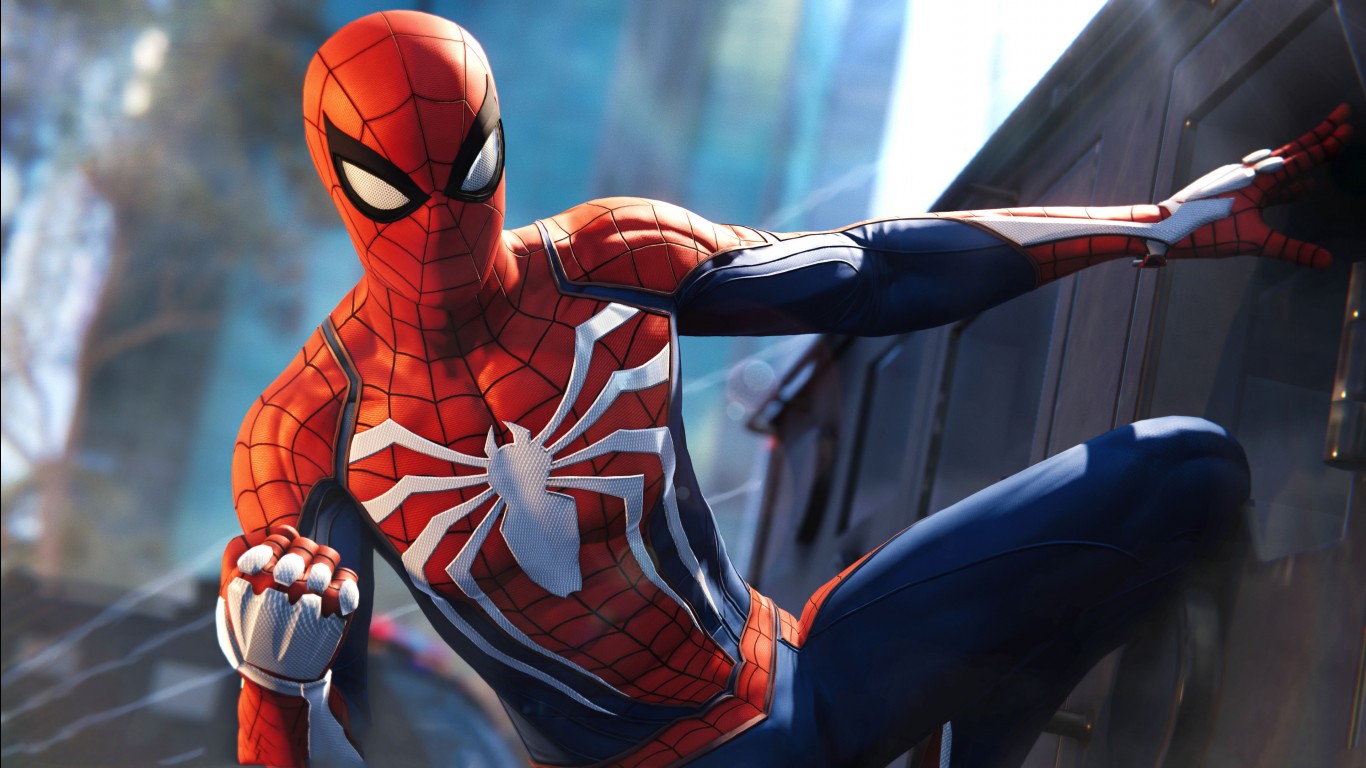
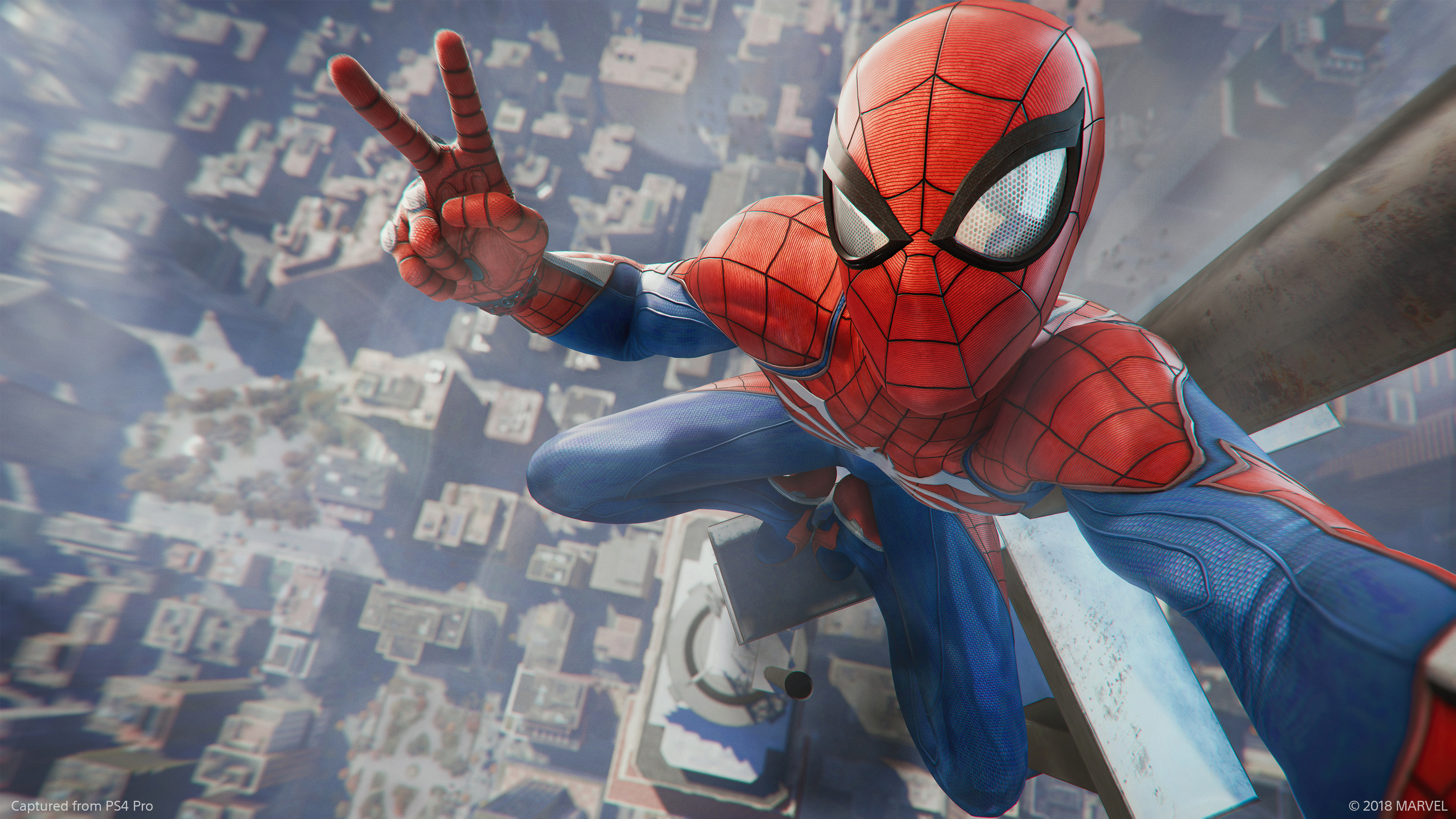
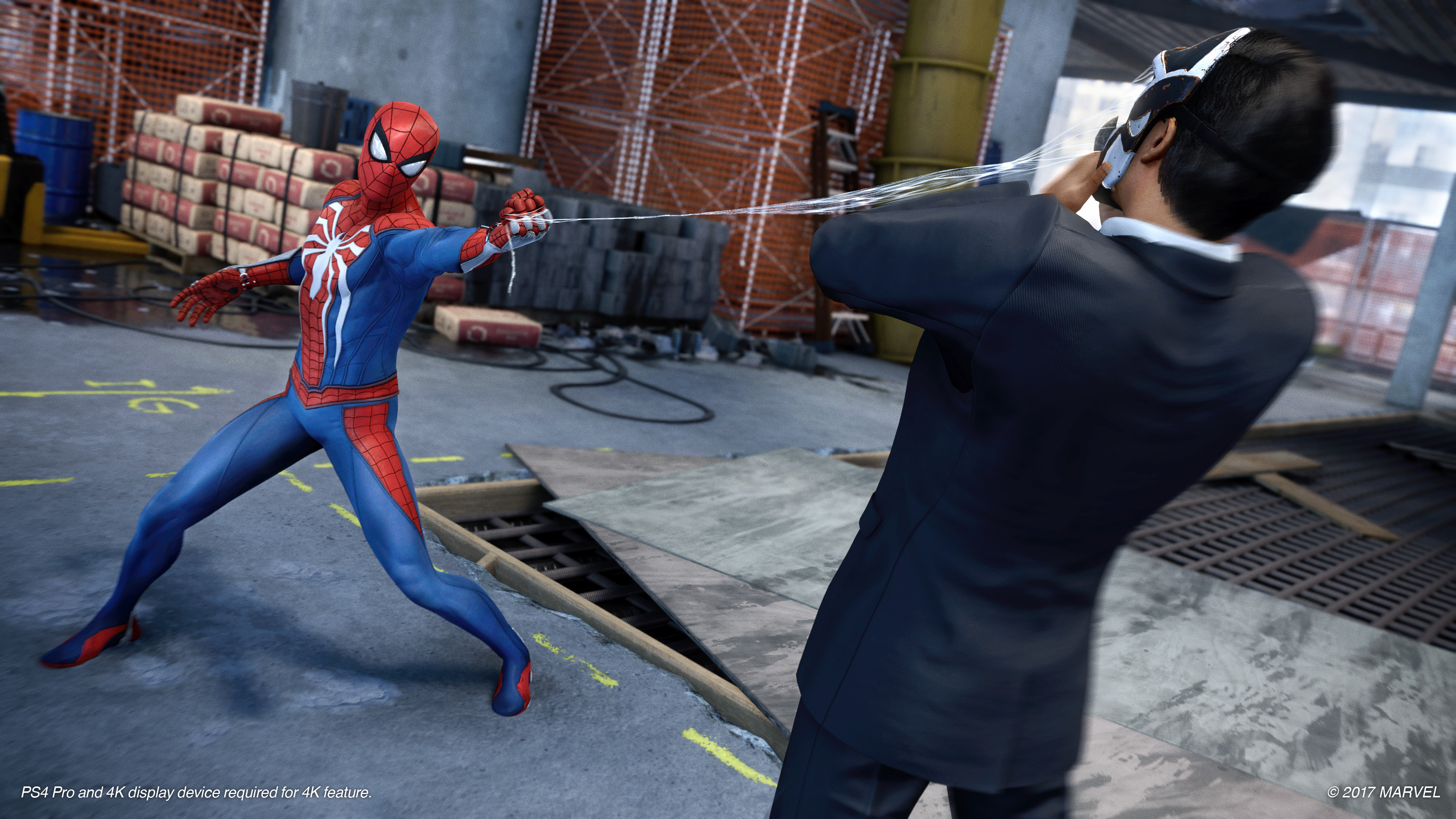

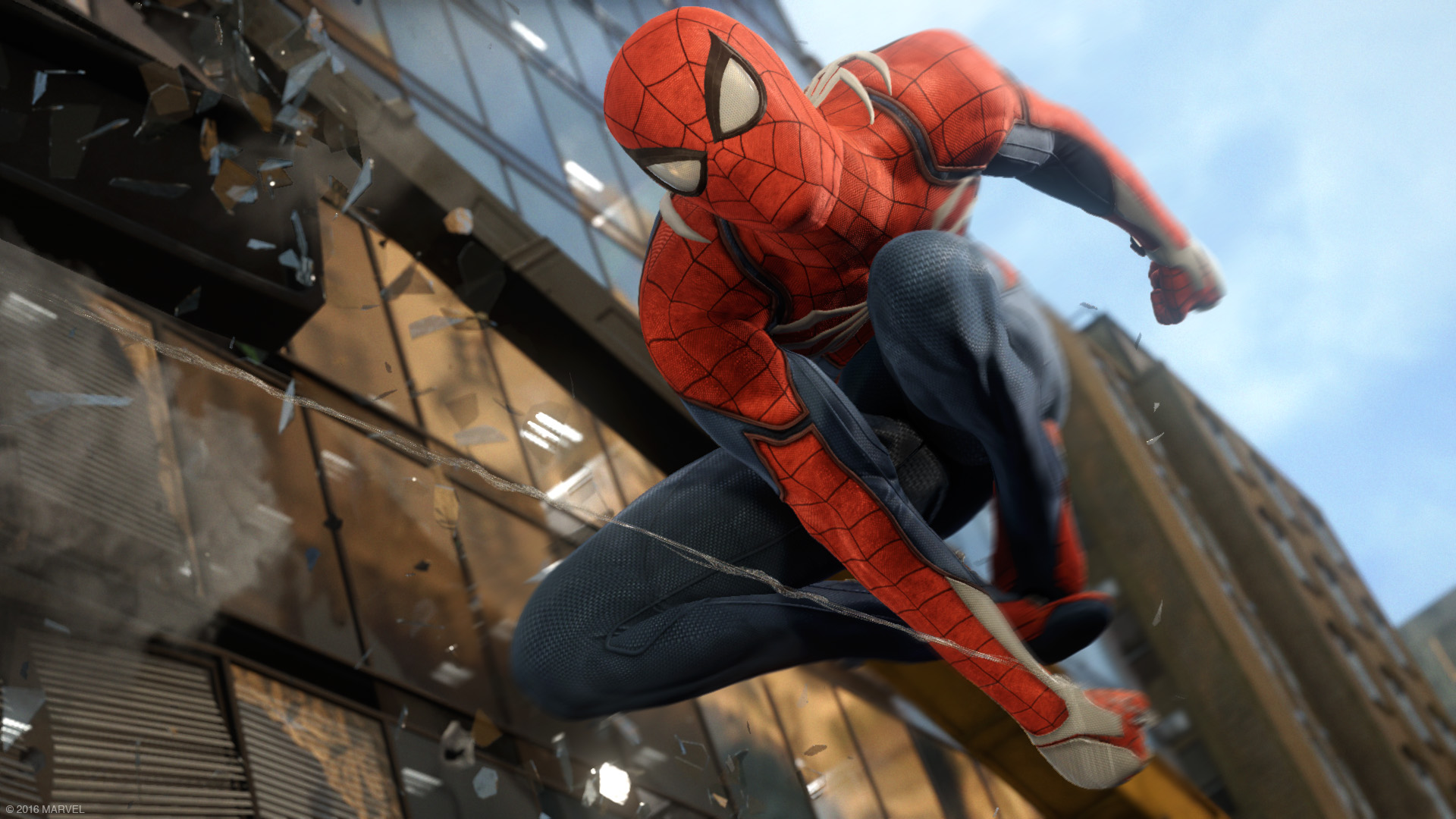


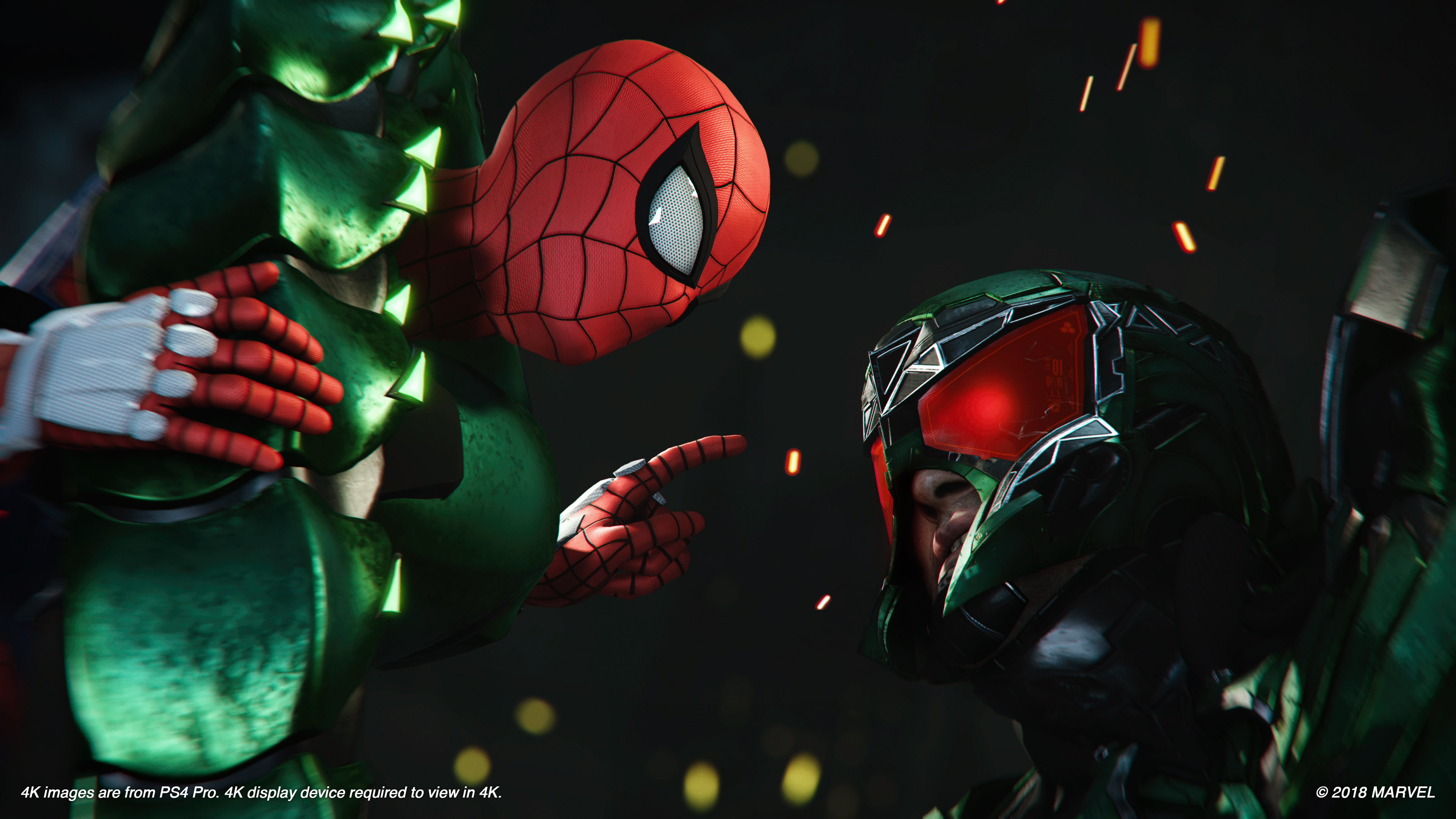

Marvel's Spider-Man