Game Info
↑ Back to top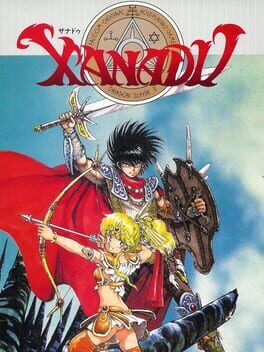
Xanadu
Series:
Genres:
Themes:
Perspectives:
Game Modes:
Overview
↑ Back to topDescription from Steam STEAM
An Adventure Through Kyoto and Xanadu: the Otherworld Set in modern-day Japan, where Kyoto has become the capital, the story unfolds as boys and girls awaken as "eligibles" and travel to the other world of Xanadu. Kamiya Rei, a boy who gained the power to fight monsters in the otherworldly labyrinth Xanadu, transfers to "Hirasaka Academy", which aims to conquer Xanadu. Alongside his unique companions, Rei will challenge Xanadu... Key Features ■ Innovative 2D x 3D Battle system Kyoto Xanadu features an innovative combat system combining two distinct actions. "2D Battle" offers classic side-scrolling gameplay as players explore the vast labyrinth beneath the academy. Opening gates that appear at specific points within the labyrinth triggers a shift to "3D Battle", where players engage enemies in 3D combat using diverse skill attacks and technical maneuvers within the gate’s inner space. ■ Enhance abilities through Soul-Device and Guardian customization Use points earned through Xanadu exploration and daily activities to enhance your Soul-Device! Not only does this boost the device's performance, but it also allows you to learn new actions and skill attacks. Equip Guardian Cards obtained in 3D Battle to your character for a massive boost in power. Not only will your attacks enchantlike fire and ice, but you'll also gain access to ranged attacks distinct from standard Soul-Devices! ■ Enjoy your daily life as a High School Student! At the academy, set action cards before class begins. Attending classes increases subject-specific parameters based on the card's content and also changes your friendship level with other characters. As the story progresses, more types of action cards become available, adding the fun of collecting them. After school, let’s explore Kyoto City! Gather information at tourist spots, shop in the shopping districts, enjoy dinner with classmates... how you spend your time is up to you! ■ Chat, Side Quests, and other variousfun elements The daily life segment centered around Hirasaka Academy features various content, including character chats and quests occurring throughout Kyoto City. Engaging with these elements allows players to gain a deeper understanding of the world of "Kyoto Xanadu" and the personalities of its characters.
Description from IGDB IGDB
In Legend of Xanadu, the player controls a young adventurer named Areios. Monsters attack his homeland, and he is forced to flee. After traveling by ship and arriving at the town Bolda, Areios finds out that strange things have been happening in the North Cave near the town. His first mission will be to venture to the North Cave and investigate the matter. Of course, soon Areios finds himself involved in a battle against sinister forces, and commences the longest and most dangerous adventure of his life! The game is an action RPG set in the Dragon Slayer universe, with a gameplay style similar to Falcom's other popular series, Ys. Controlling Areios, the player explores the top-down world, visiting towns and fighting monsters in vast outdoor areas and dungeons. Like in Ys series, it is sufficient to "bump" into a monster in order to inflict damage. Areios gains hit points and becomes stronger by sustaining damage from enemies and resting. His weapons and armor can gain experience and level up. In many areas, companions will join Areios and help him in combat, controlled by the computer AI. The game is divided into chapters; the final stage of each chapter is a side-scrolling/platform level, which Areios has to navigate in order to reach the boss enemy, defeat him, and end the chapter. In such stages, the combat turns into a more familiar action-oriented style, with the player being required to press buttons in time in order to execute attacks and jump. There is a day/night cycle in the game, manifested not only in graphical changes, but also in the schedules of townspeople: when it's dark, people will return to their homes and go to sleep, etc.
Storyline IGDB
The game begins with the player directly in control of the protagonist, with little to no introduction. To progress, one must speak with the king, who gives the player the bare essentials and a small amount of cash to train. After selecting which attributes to raise, the player must find his way out of the city and into the vast underground complex. Finding this exit is the first of many cryptic puzzles the player will encounter, though the game is not a puzzle game but an role-playing video game with puzzle game and adventure game elements far ahead of its time.
Wikipedia Description WIKIPEDIA
Dragon Slayer laid the foundations for the action role-playing game genre, influencing future series like Ys. Xanadu was an early real-time action RPG with full-fledged character statistics, and it introduced several innovative gameplay mechanics, such as the Karma morality system, individual experience for equipped items, a heavy emphasis on puzzle-solving, equipment that changes the player character's visible appearance, food that is consumed slowly over time and is essential for keeping the player character alive, magic that can be used to attack enemies from a distance, and training facilities to improve various statistics. It also introduced a platformer-style side-scrolling view, including the ability to jump. The side-scrolling view is used during exploration and switches to the overhead view of its predecessor during battle, while certain rooms also use an overhead view. This gameplay is credited as a precursor to the development of the metroidvania genre. The game begins with the player directly in control of the protagonist, with little to no introduction. To progress, one must speak with the king, who gives the player the bare essentials and a small amount of cash to train. After selecting which attributes to raise, the player must navigate of the city and into the vast underground complex. Finding this exit is the first of many puzzles the player will encounter, though the game is not a puzzle game but a role-playing video game with puzzle game and adventure game elements. The protagonist can move left and right, climb down ladders, jump, cast equipped spells, enter doors, or use equipped items. Similar to Falcom's own later Ys series, damage is done by walking directly into the enemy; however, unlike with Ys, in Xanadu it doesn't matter which part of the target's body the player character runs into. The main view in Xanadu is a side-scrolling platformer view, though it is more in line with Sorcerian than a typical platformer such as Super Mario Bros. When engaging in a battle or entering a building, the view is changed to a top-down perspective. Each "layer" or stratum has its own complex network of buildings, caves and tunnels. To level up, the player must visit temples, where a minister will grant a level up to the protagonist provided the player has enough experience points. Otherwise, the minister will let the player know how much is needed to go up a level. There are two types of levels: fighting and magic. Fighting experience is raised through combat, and magic though spell use. The two systems go hand in hand and are used at the same time. Each enemy killed is either good or bad, even though all enemies will attack the player character. If the player kills too many good enemies, the Karma statistic will rise, at which point the temples will refuse to level up the player. This can be remedied by drinking a black poison bottle; these cannot be carried nor bought, and must be found within dungeons, and will remove half the protagonist's hit points. All equippable items, such as swords and armor, have their own experience levels. This is raised simply by using the item; for example, swords by attacking, armor by being hit, magic by casting the spell, and so on. In this sense, a highly developed dagger will be more effective than a brand new longsword. A highly developed sword will be far more useful than a maxed out dagger, so it is vital to upgrade equipment. Xanadu has a limited number of enemies in each area, to deter powerleveling. This requires the player to think ahead about how he handles the enemies, how to get the most experience out of them, and to keep Karma from getting too high. This is a factor that must be juggled with weapon experience; if the player defeats all enemies using a dagger, then upgrades to a sword and proceeds to fight the area's boss, the player will be at a disadvantage and should have either kept the highly developed dagger, or bought the sword early on so as to level it up with the finite number of encounters in the area. Every area generally has at least one boss, although it is not always required to fight them. Enemies will drop various items, but most commonly will drop money or food. Money is used for upgrading equipment and buying items. The protagonist slowly eats his supply of food as time passes in the game. This slowly heals hit points as well. If food runs out, hit points begin dropping at a rapid pace until more food is found or bought, or the protagonist dies. In addition to purchasing them, items can be found in chests and in dungeon areas, or by entering a secret code name at the character creation area at the outset. The game autosaves right before a boss fight and, in some versions, after leaving a building. The player can manually save, which costs 100 gold. The Sega Saturn remake did away with this by adding a Save command in the status menu.
About Xanadu
Xanadu is a Action, Open World, Platform, Puzzle, Role-playing (RPG), Sandbox game released in 1985 developed by Nihon Falcom that offers Single player gameplay from a bird view / isometric, side view perspective playable on MSX, MSX2, PC (Microsoft Windows) with 0 user ratings averaging 0/100. The game explores themes like Fantasy, Historical, Non-fiction. If you enjoy Xanadu, you might also like similar games in our database of 45,000+ titles.
Basic Info
Details
↑ Back to topAdditional Information
Платформы 5
Genres 6
Themes 3
Player Perspectives 2
Game Modes 1
Companies
↑ Back to topDevelopers
Nihon Falcom
No description available
Publishers
Nihon Falcom
No description available
Keywords
↑ Back to topScreenshots
↑ Back to top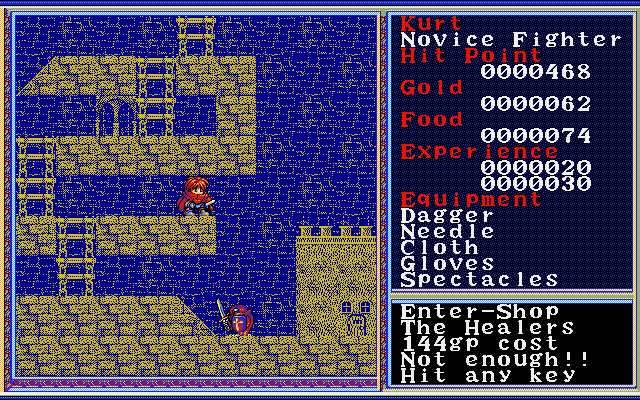
Similar Games
↑ Back to top


















Grand Theft Auto V
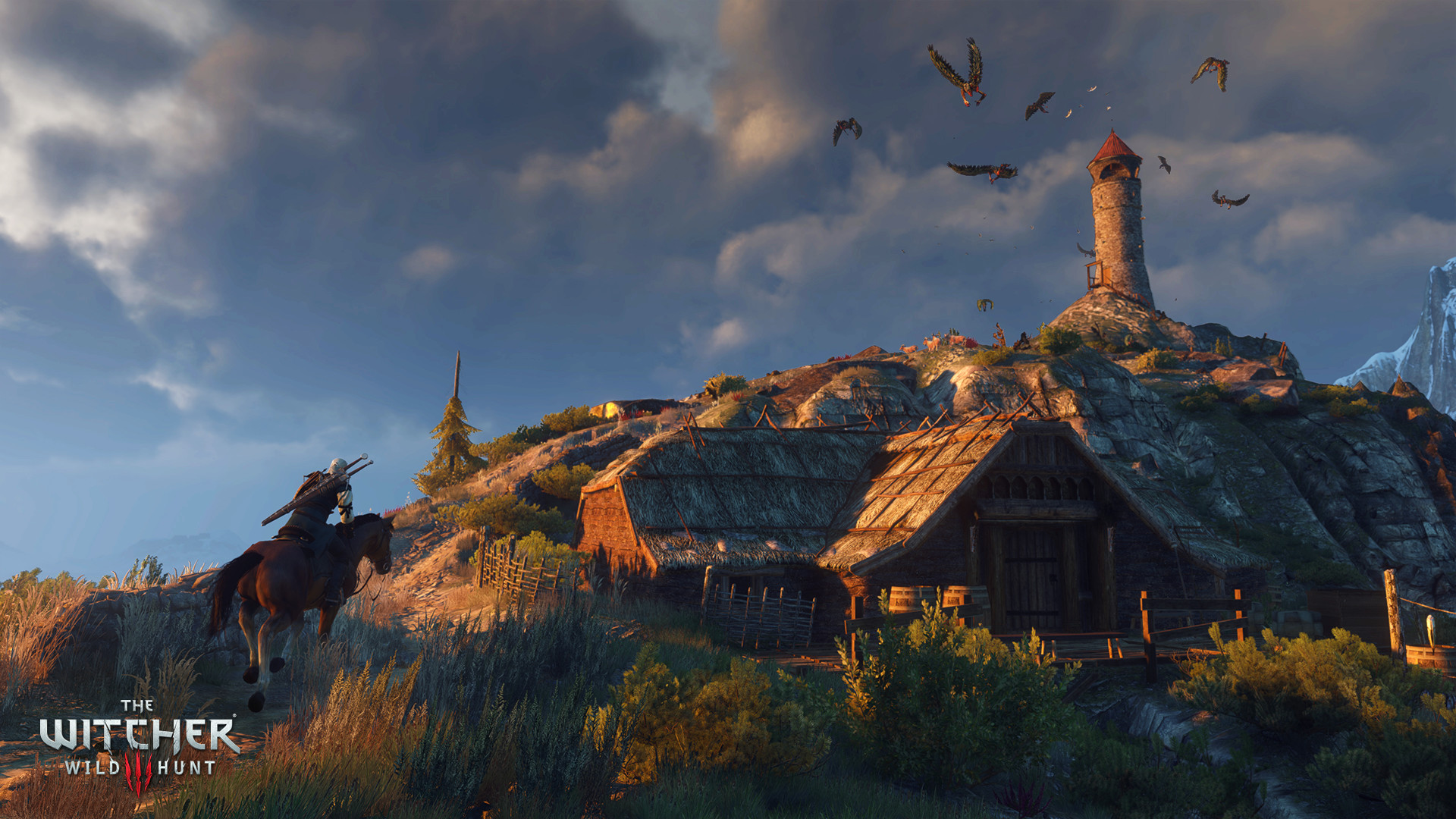
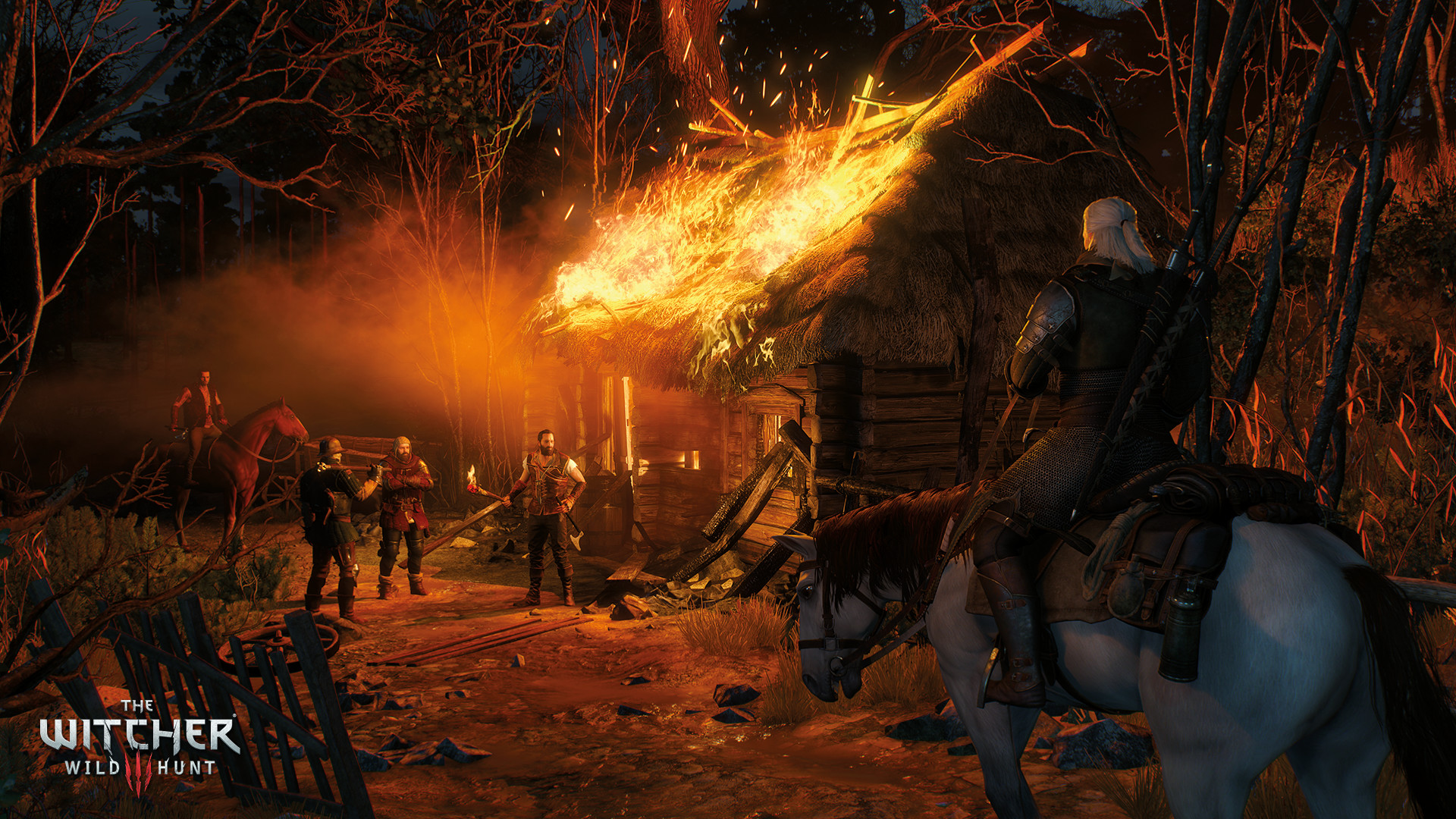
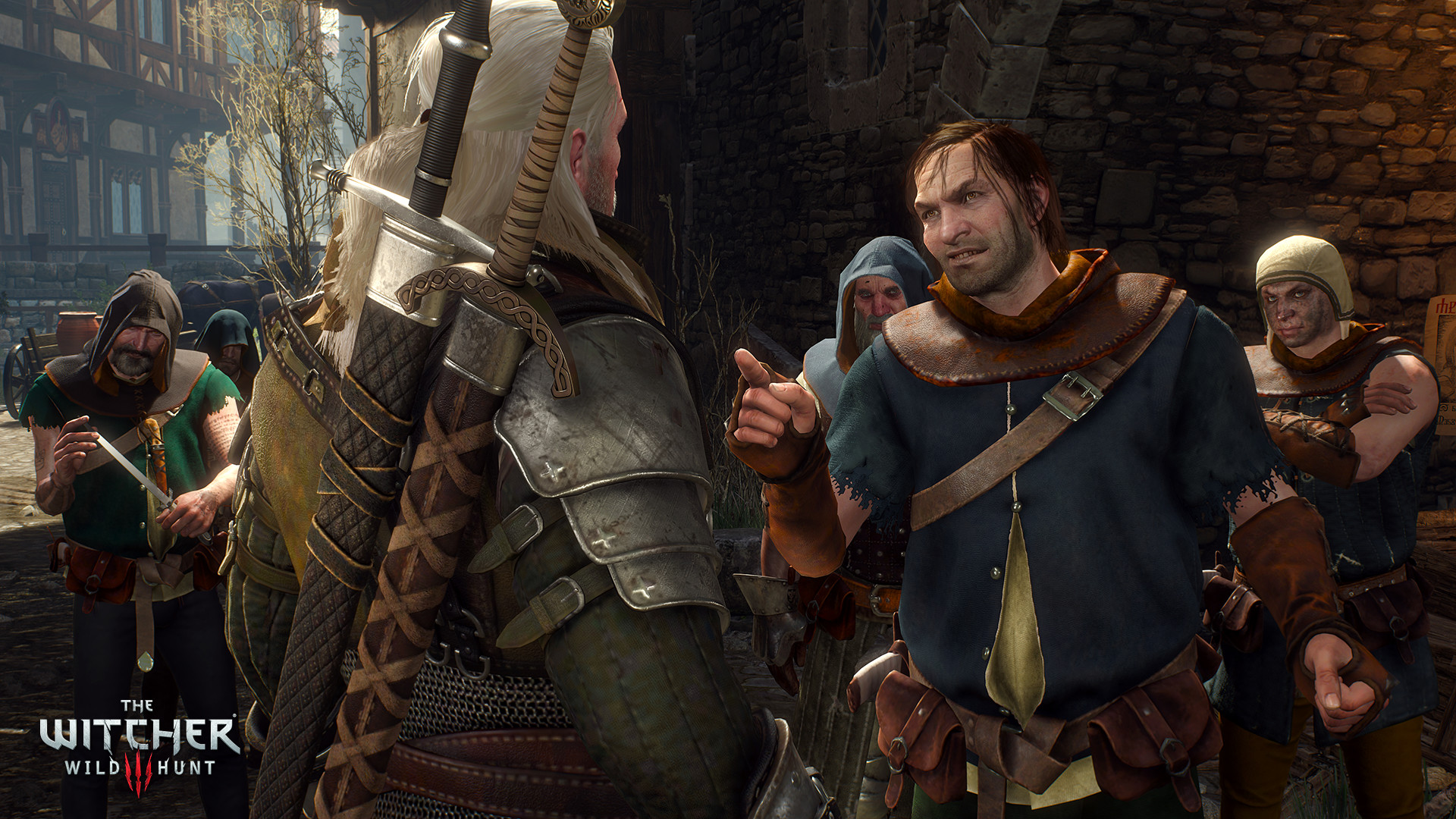
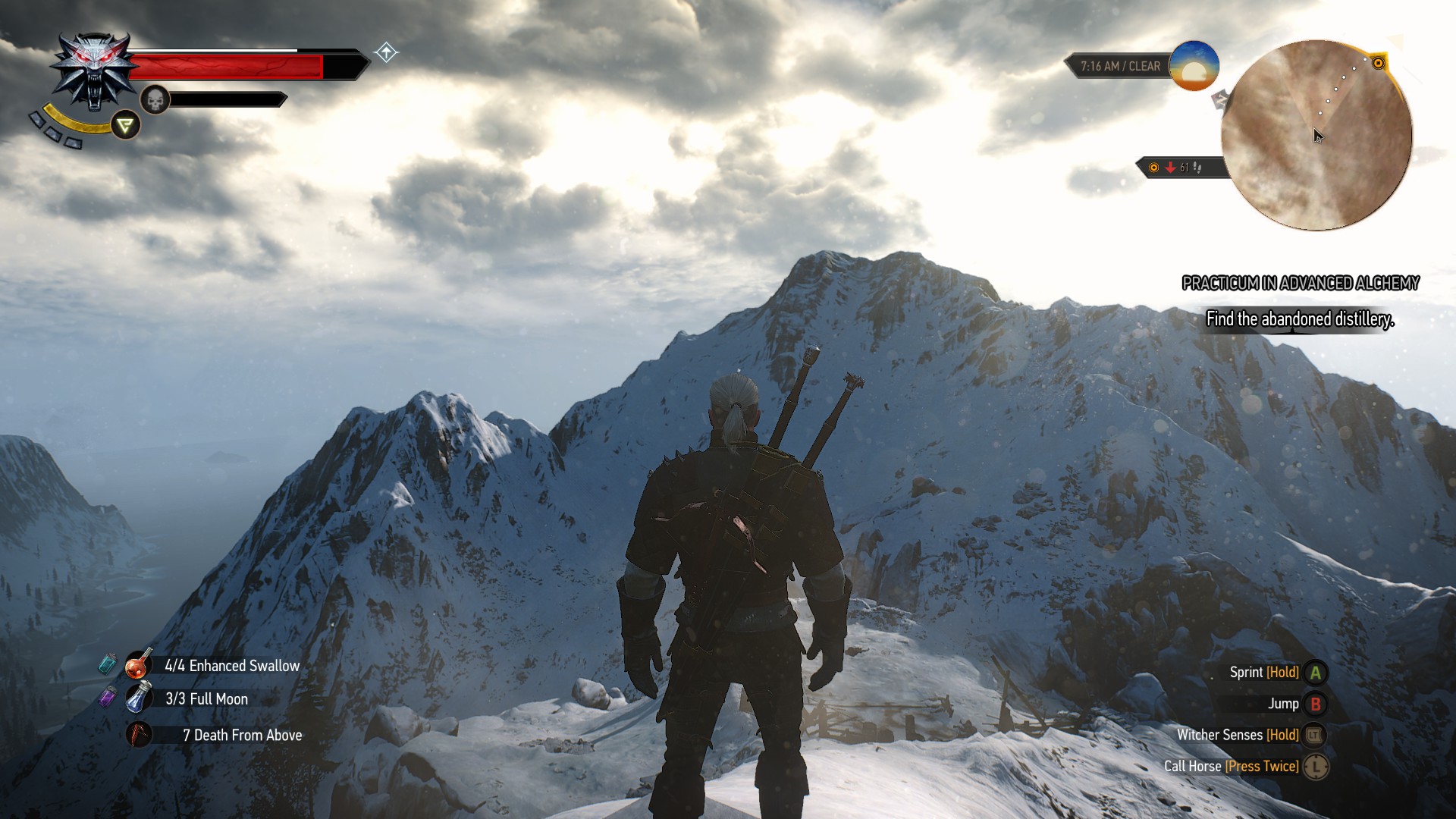

The Witcher 3: Wild Hunt

The Elder Scrolls V: Skyrim


God of War

Assassin's Creed II




The Legend of Zelda: Breath of the Wild

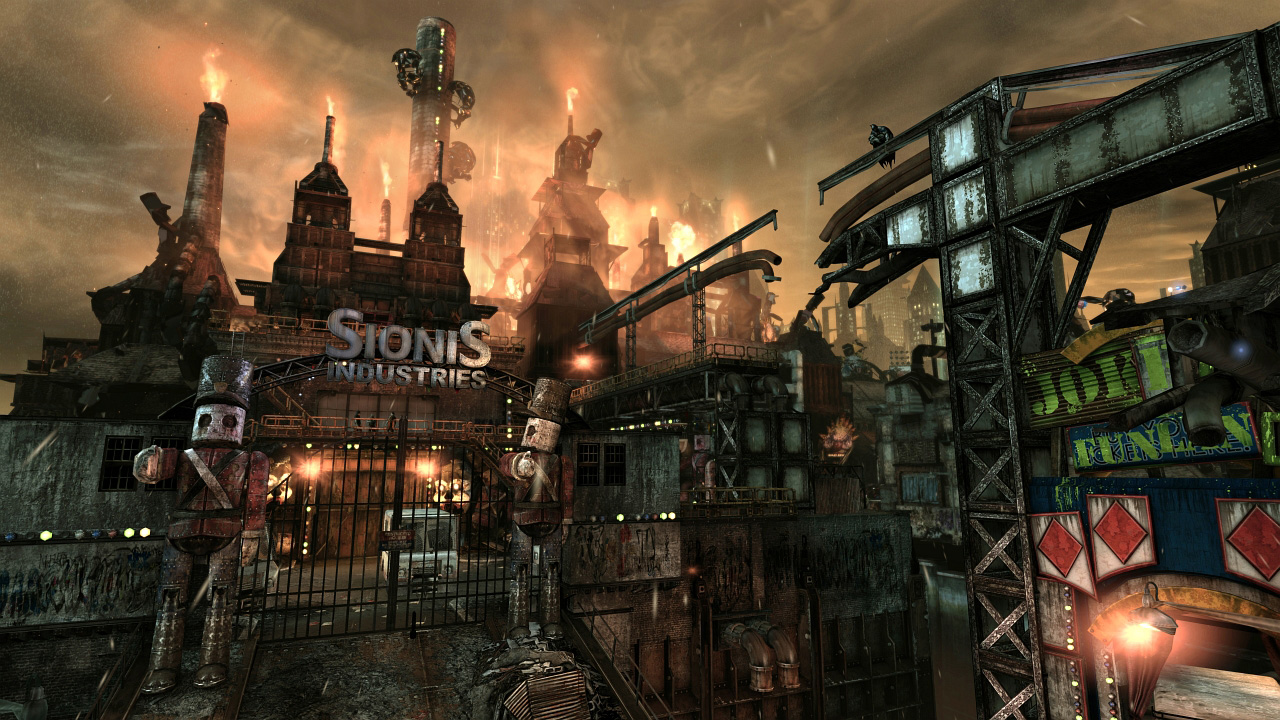
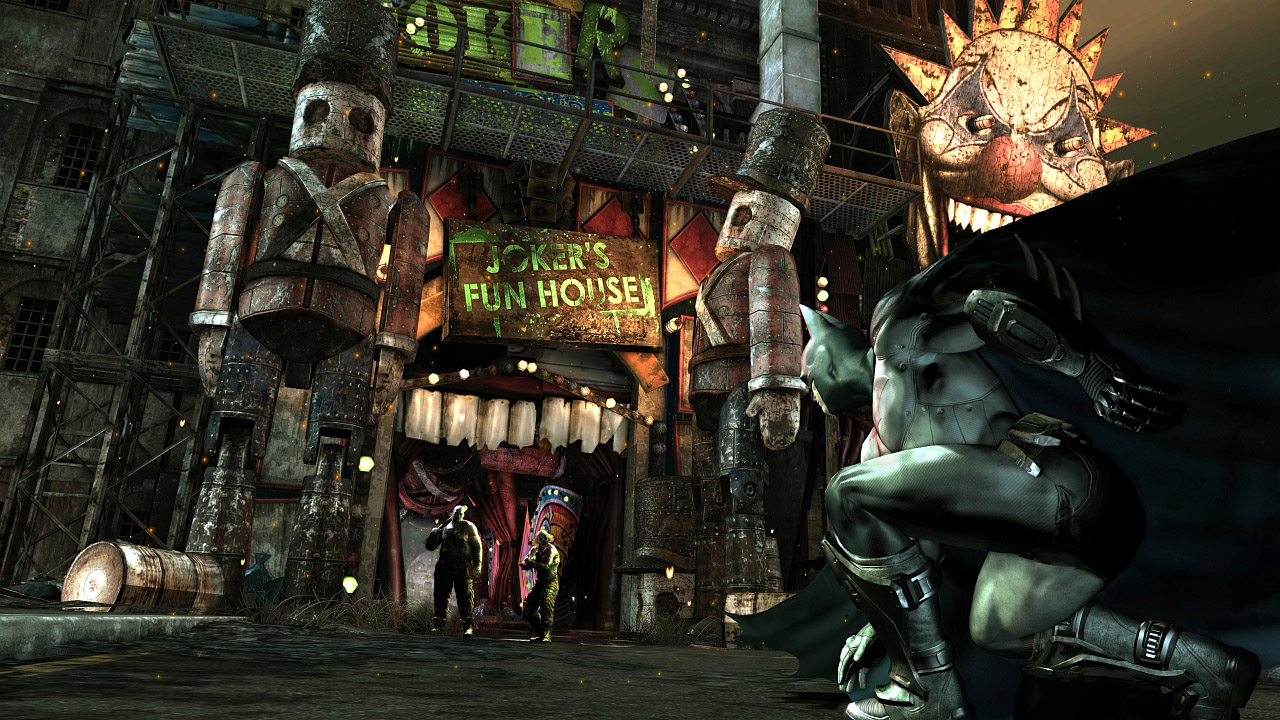
Batman: Arkham City

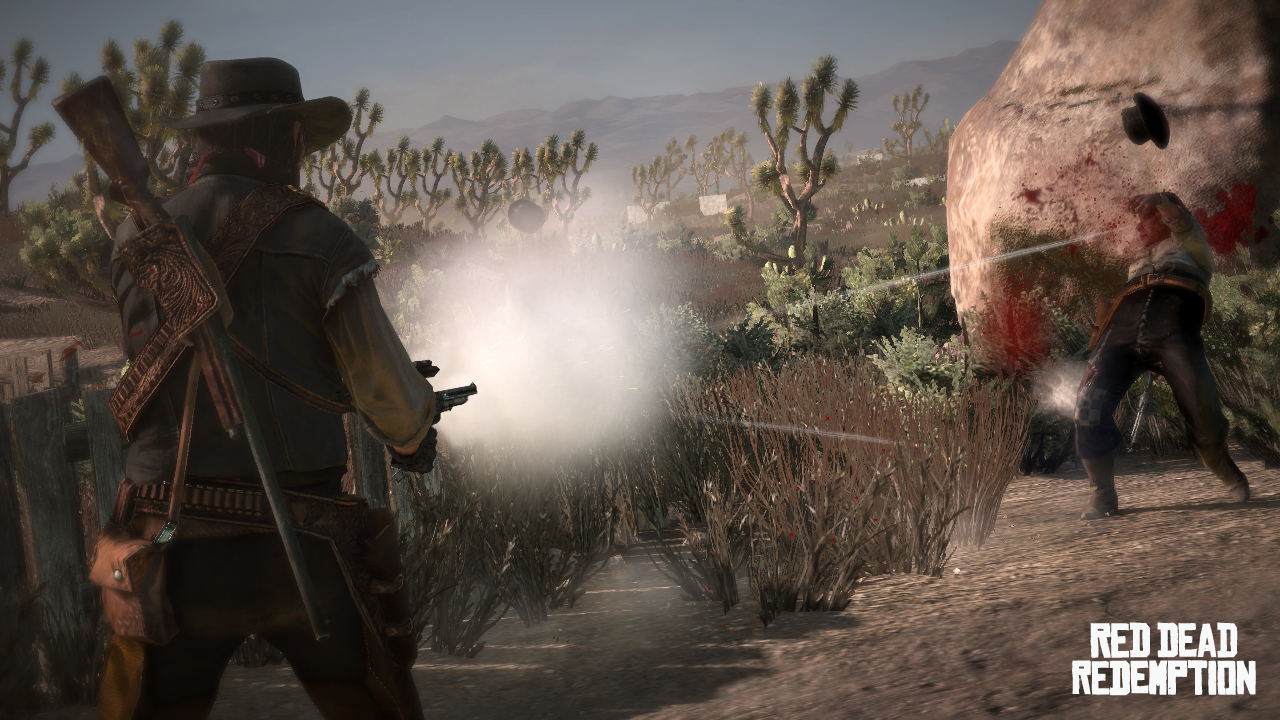

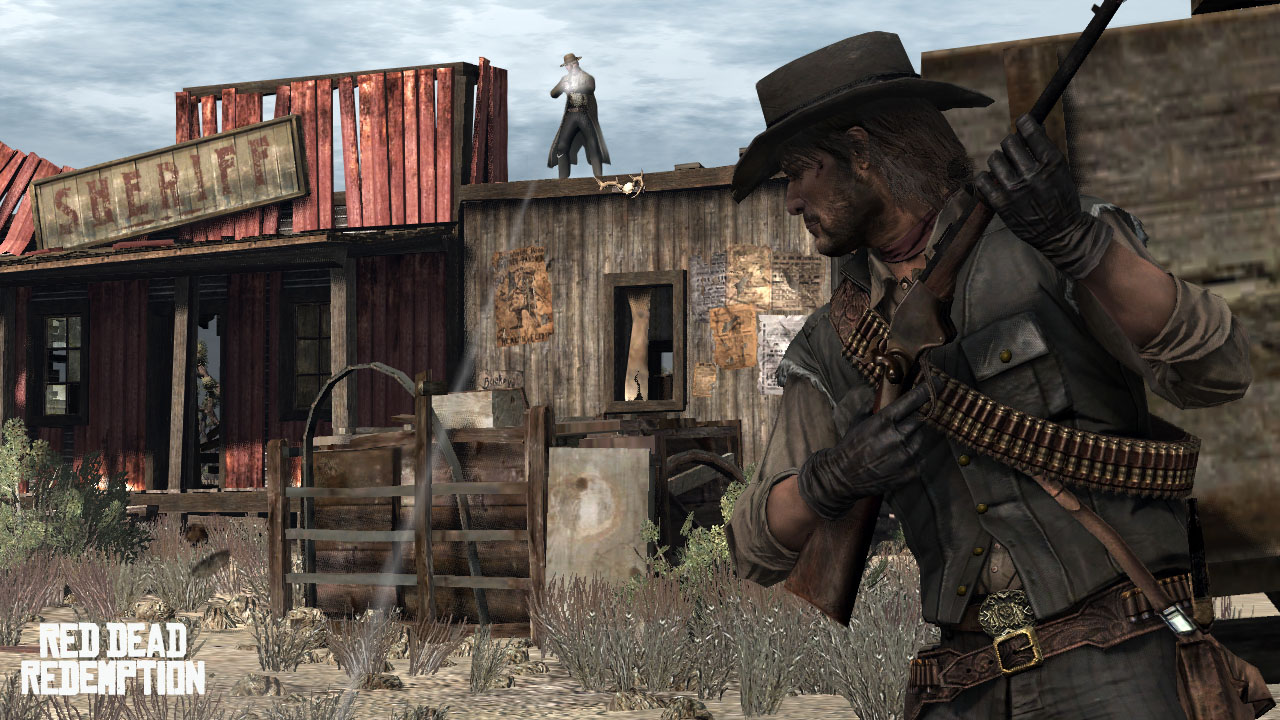


Red Dead Redemption


Tomb Raider


The Legend of Zelda: Ocarina of Time



Hollow Knight