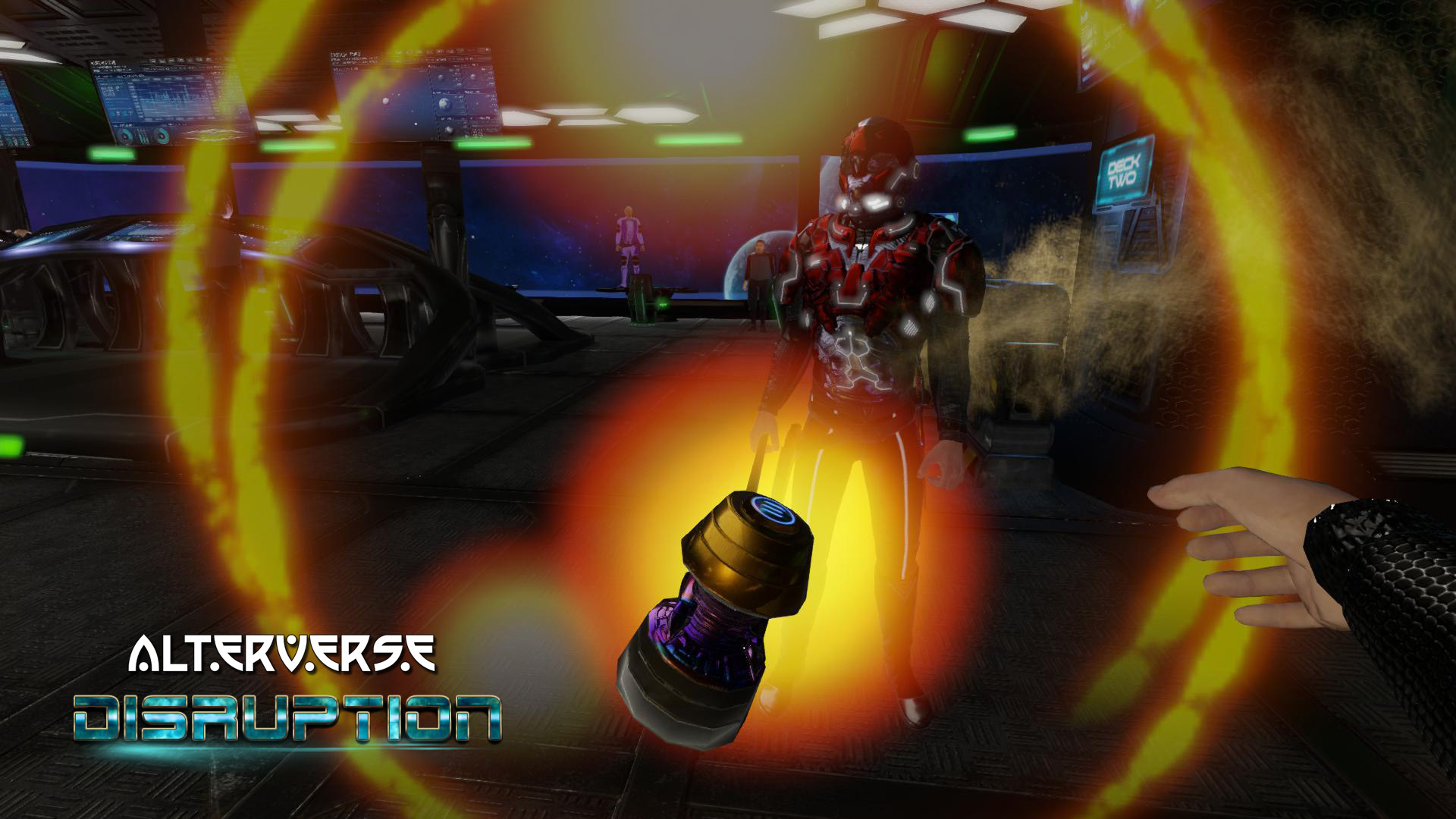
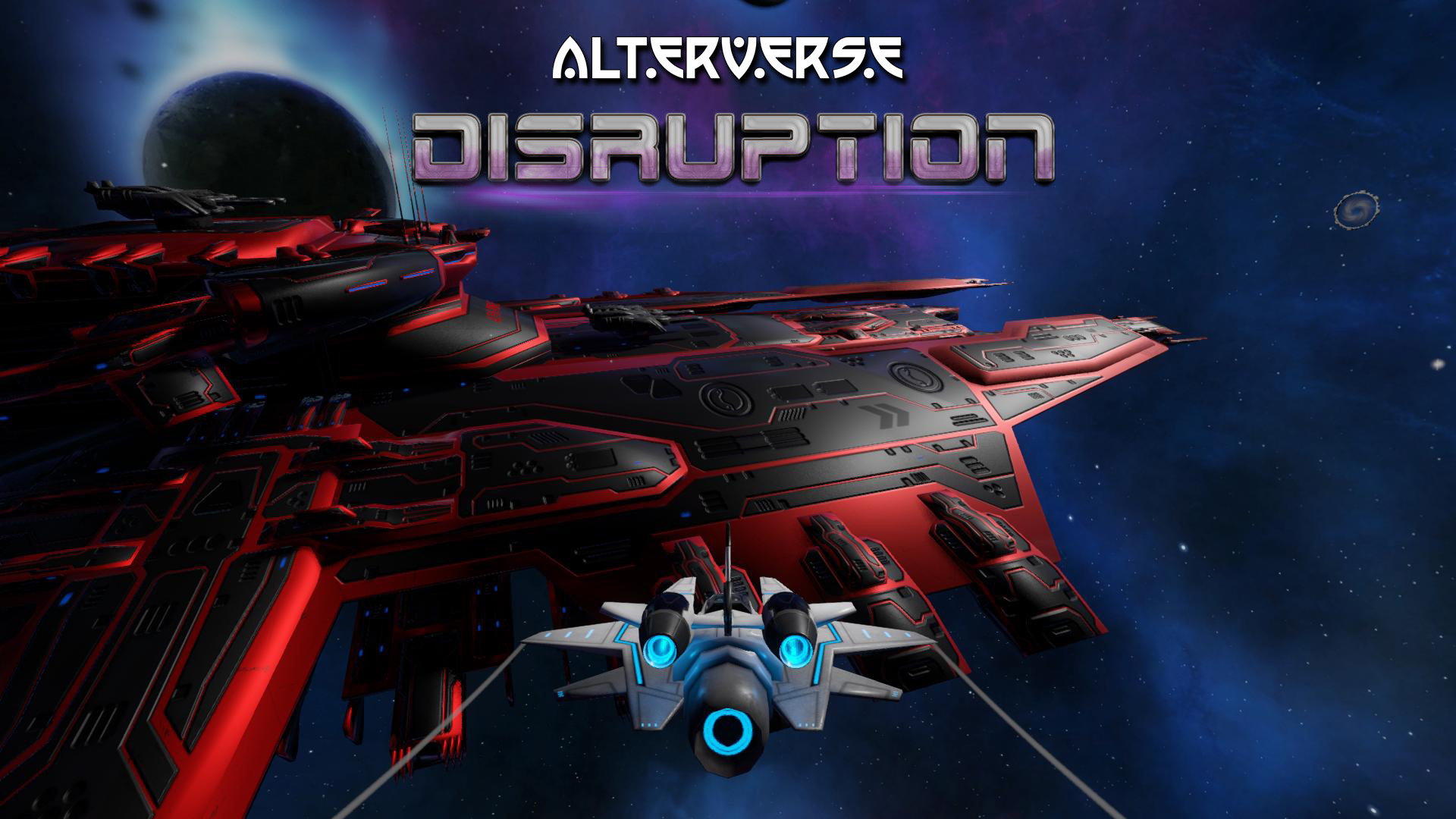
Game Info
↑ Back to top
VIA
Genres:
Themes:
Perspectives:
Game Modes:
Overview
↑ Back to topDescription from IGDB IGDB
Wikipedia Description WIKIPEDIA
Gameplay of The Legend of Zelda games feature a mix of puzzles, action-adventure, and exploration. These elements used to be constant throughout the series, with small refinements and additions in each new game. Later installments include stealth gameplay, where the player must avoid enemies while proceeding through a level, as well as racing elements. Depending on the game, players control Link or Princess Zelda from a fixed top-down perspective, or in a 3D game world with a free-roaming camera. Zelda games can be beaten with a minimal amount of exploration and side quests, but the player is frequently rewarded with helpful items or increased abilities for solving puzzles, or exploring hidden areas. Some items are consistent and appear many times throughout the series, while others are unique to a single game. Staples of the series include bombs that can both act as weapons and open blocked or hidden doorways; boomerangs, which can kill or paralyze enemies; keys for locked doors; shields; bows and arrows; light sources; magical rods, hammers, musical instruments; digging tools; and a grappling hook-like device named the hookshot. Items can be bought, rented, or found as a puzzle-solving reward, depending on the game. In 2017's Breath of the Wild and its 2023 sequel, Tears of the Kingdom, swords and other weapons originally found in dungeons or purchased from shops are now found in the game world and stolen from defeated enemies. These are generally used through by swapping out to one or more selected button prompts through a menu, while the sword is usually fixed. Echoes copied by Zelda in Echoes of Wisdom also attack or clear paths with bombs. Early in certain Zelda games, swords are given to Link and/or found in a secluded area. More powerful swords, or special sword abilities, can be discovered by Link or taught to him in the games. Existing weapons can also receive upgrades. The motion controls of 2011's Skyward Sword, using either the Wii's Wii MotionPlus or the Nintendo Switch's Joy-Con, simulate sword fighting by swinging the controller in specific directions to attack enemies, or counter an enemy's attempt to block. Breath of the Wild introduced a physics engine—allowing for physics-based solutions such as crushing an enemy via rolling a boulder onto it—and what was called a chemistry engine, a rule-based state calculator in which various elements (fire, water, wind, etc.) interact with other objects and elements in different ways. Echoes of Wisdom is also a departure from other games' style of combat, as the playable Zelda is primarily unable to directly hit enemies on her own. Instead, she uses an item called the Tri Rod to create echoes via coping objects and enemies and recreating them to solve puzzles and defeat enemies, even if the object or enemy in question is not in the area or region her current situation is. Another physics-based technique in newer Zelda titles involves using certain abilities to allow Link or Zelda to remotely move or drop objects on top of enemies, drop enemies down holes, or propel themselves across gaps. Although the games contain role-playing elements (Zelda II: The Adventure of Link is the only one to include an experience system), they emphasize straightforward hack-and-slash-style combat. This has led to much debate over whether or not Zelda games should be classified as action RPGs, a genre on which the series has had a strong influence. In 1992, series co-creator Shigeru Miyamoto disagreed with the label, classifying Zelda as "a real-time adventure game". He said that he was "not interested in systems where everything in the game is decided by stats and numbers" but wanted "to preserve as much of that 'live' feeling as possible", and felt that action games are better suited to convey to players. In 2012, Dark Souls director Hidetaka Miyazaki listed A Link to the Past as one of his top RPGs, alongside video games such as Dragon Quest III, Wizardry, and The Elder Scrolls IV: Oblivion, and the collectable card game, Magic: The Gathering. The games pioneered a number of features that were to become industry standards. The original Zelda was the first console game with a save function that enabled players to stop playing and then resume later. Ocarina of Time introduced a targeting system that let the player lock the camera on to enemy or friendly non-player characters which simplified 3D combat.
About VIA
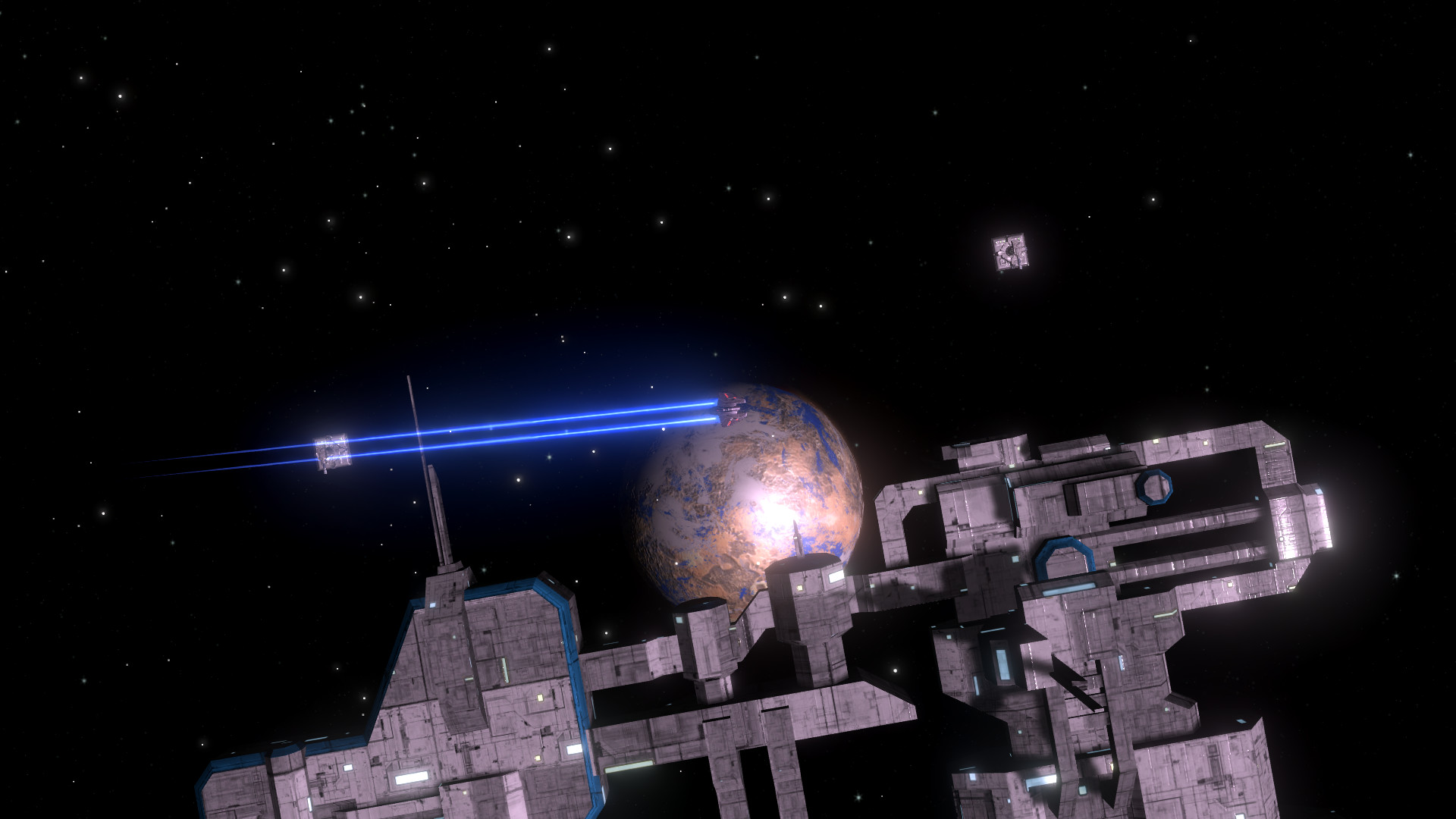
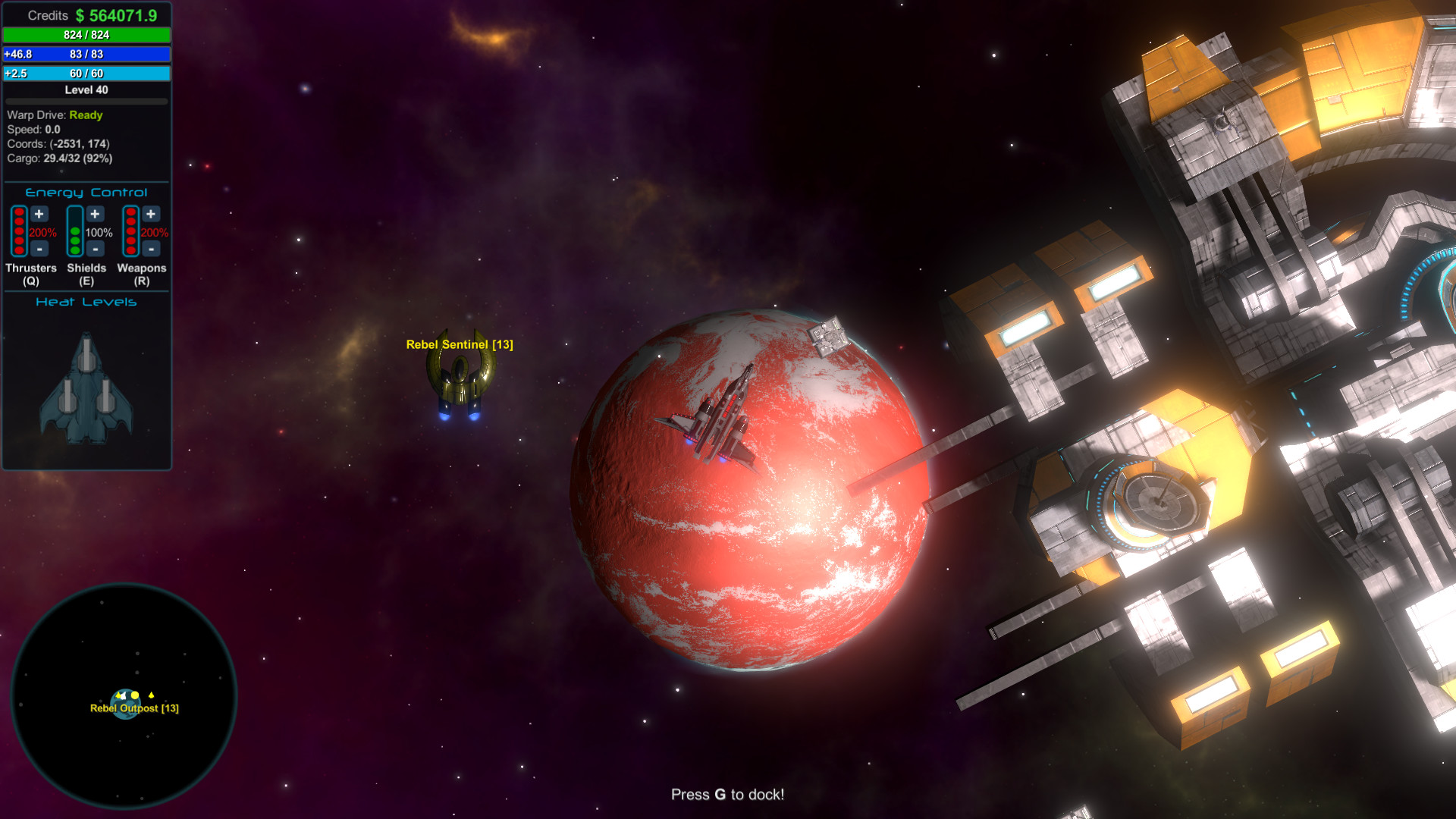
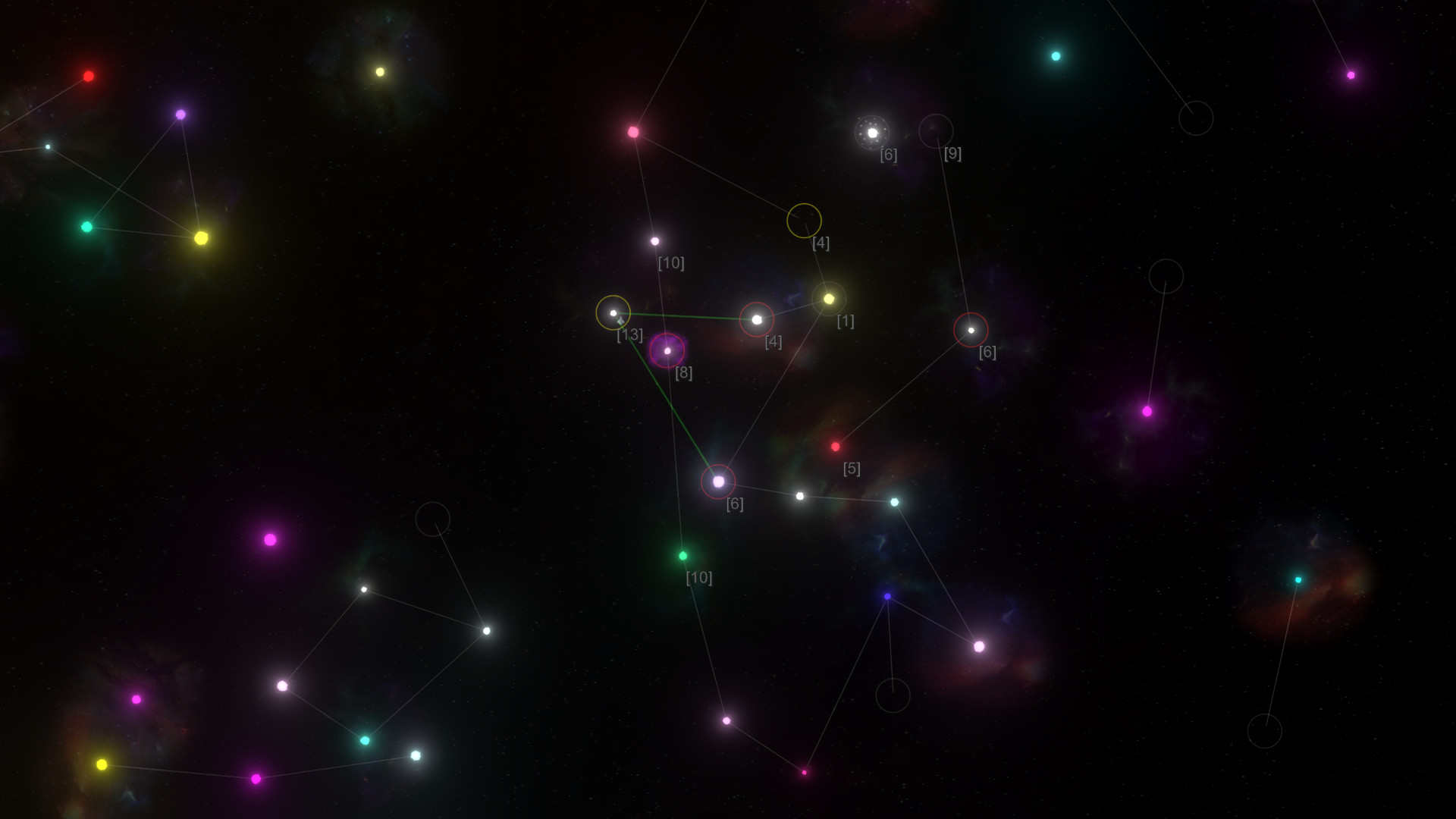
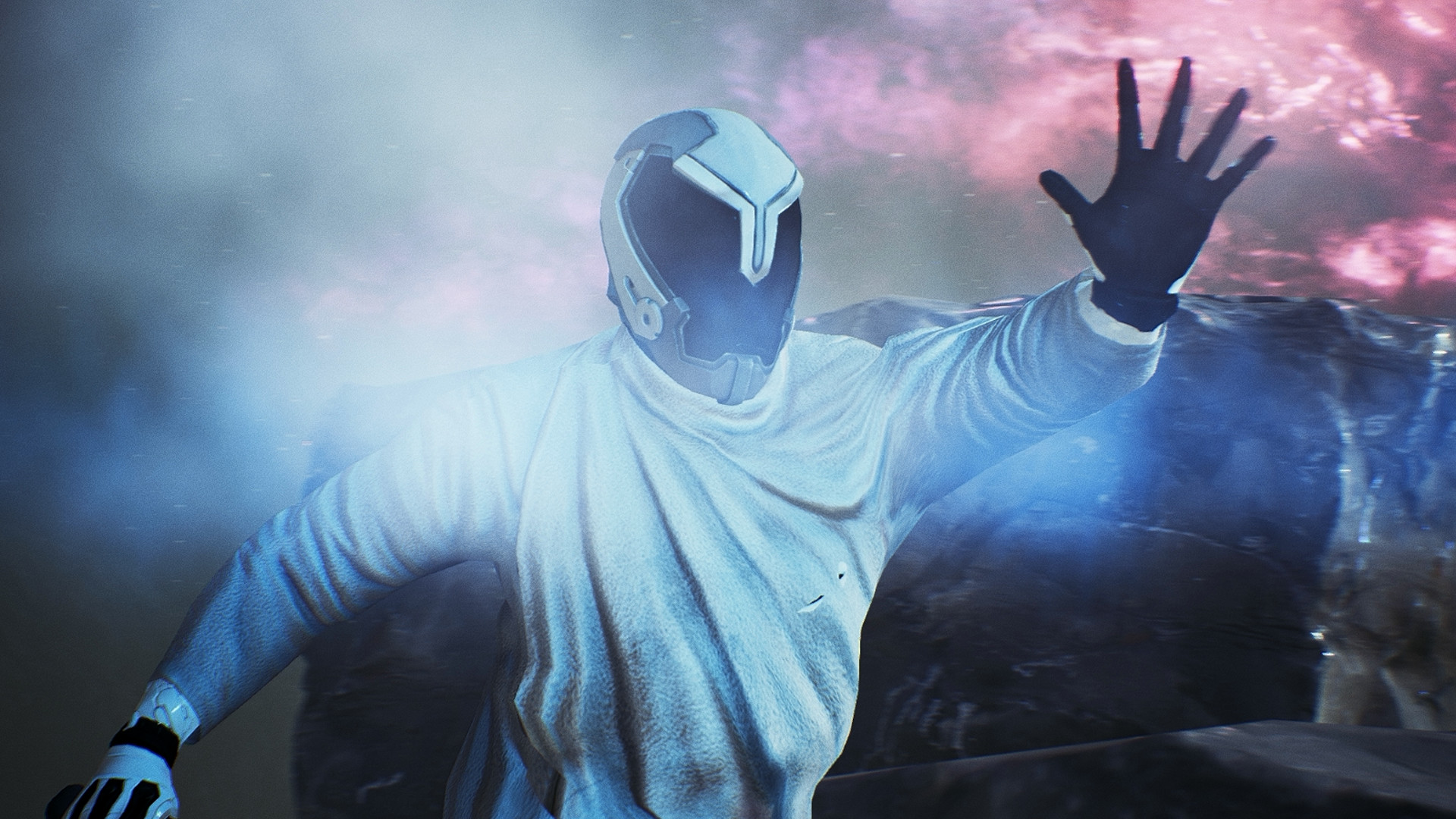
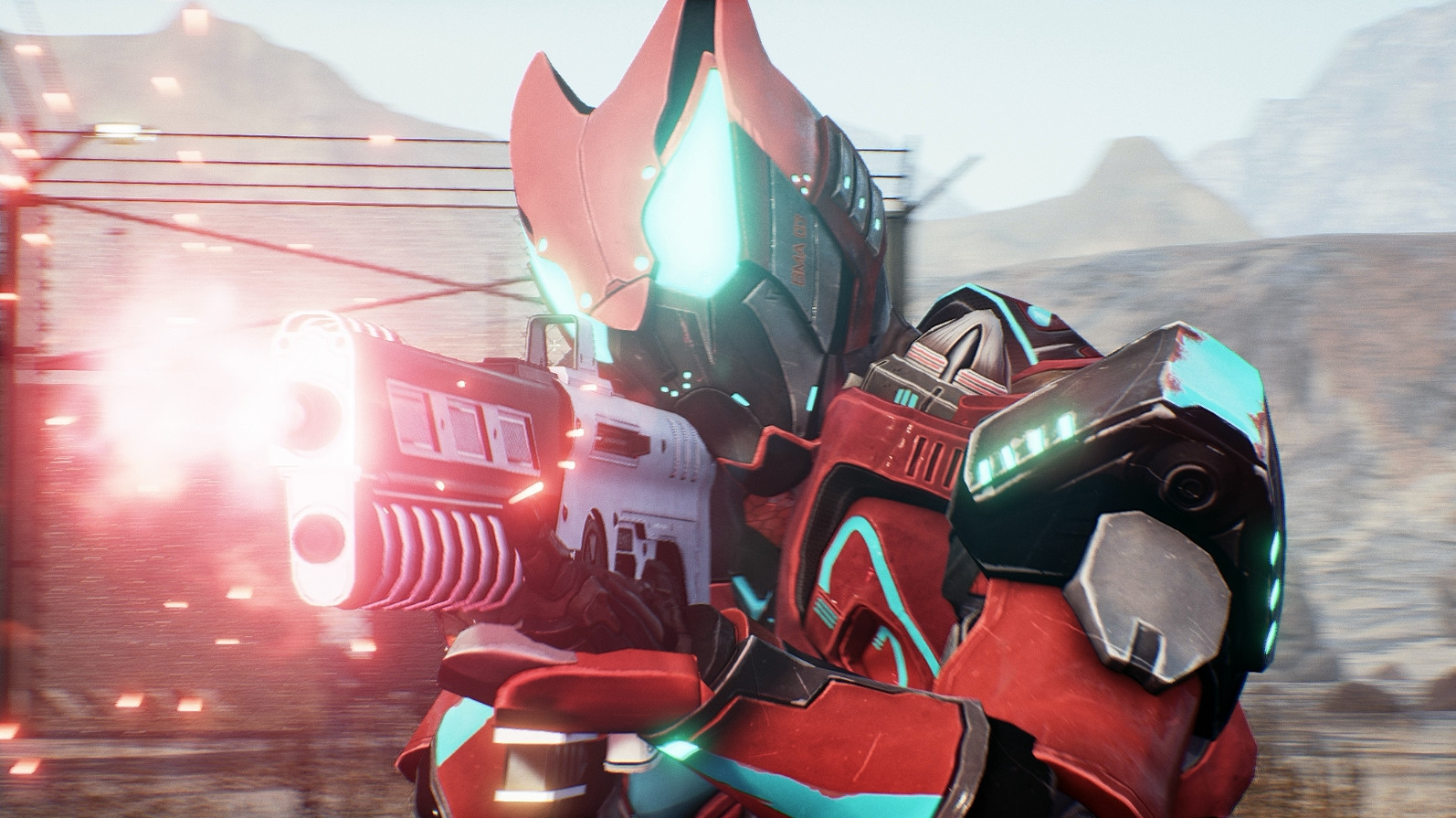
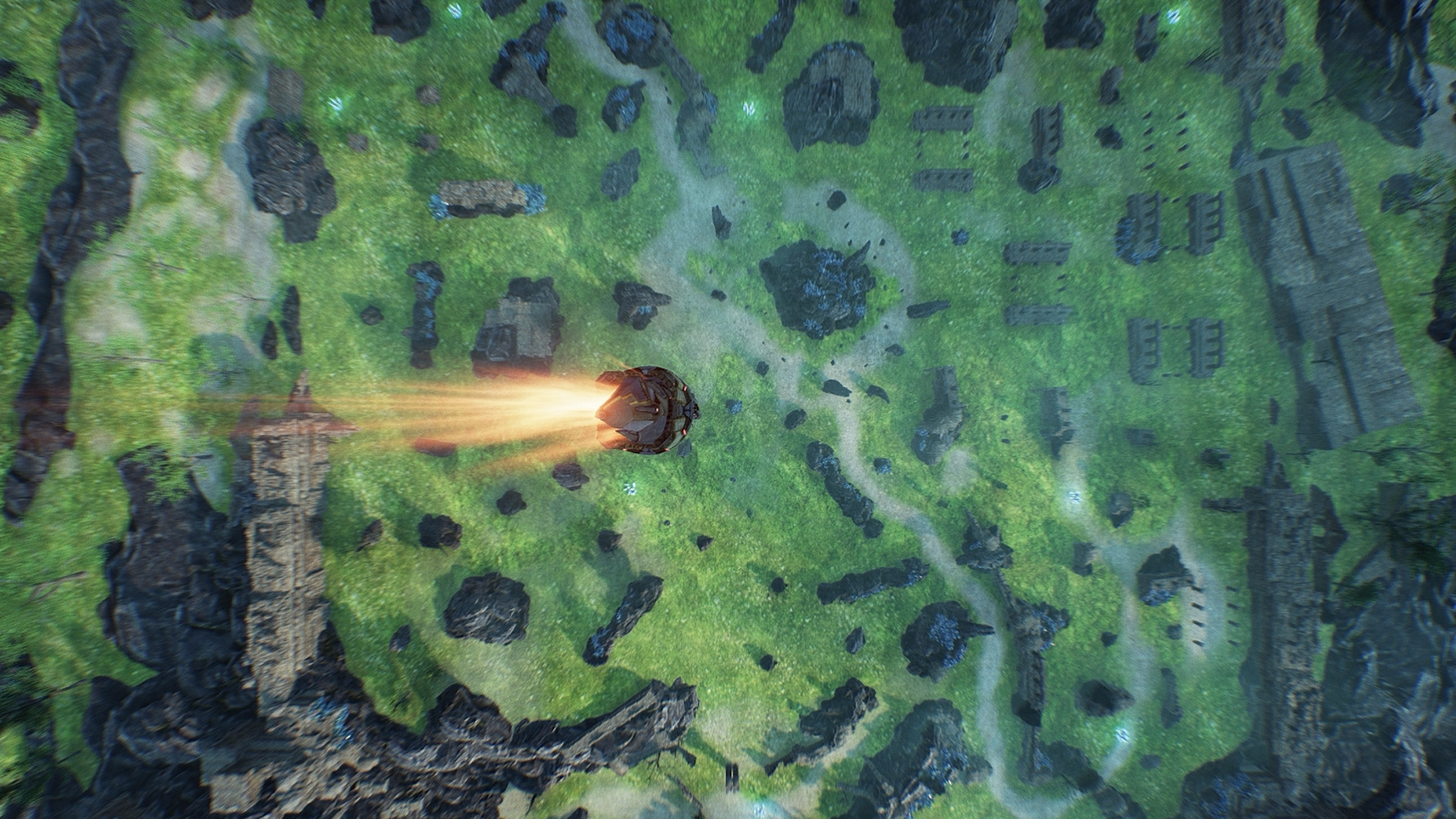
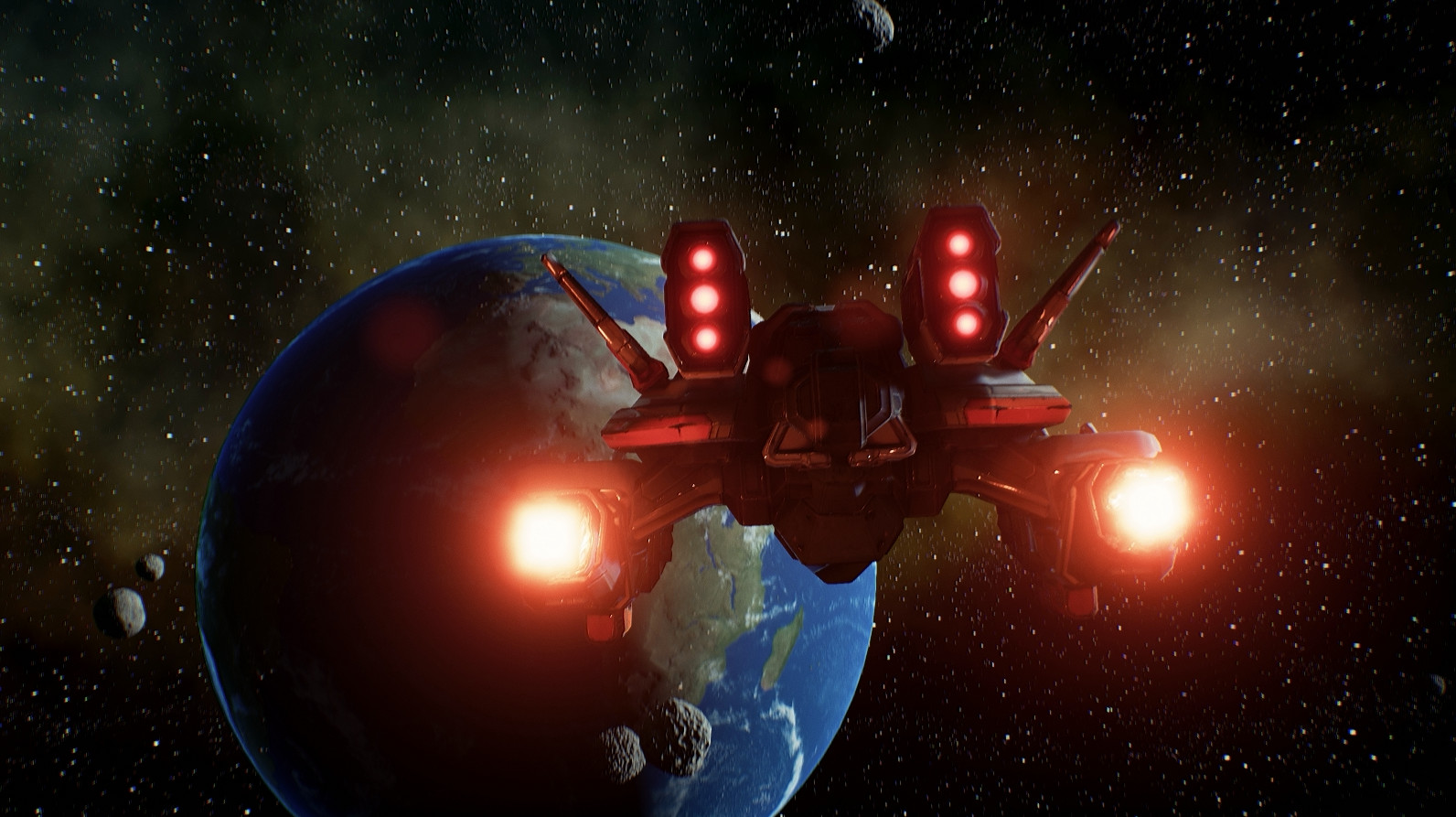
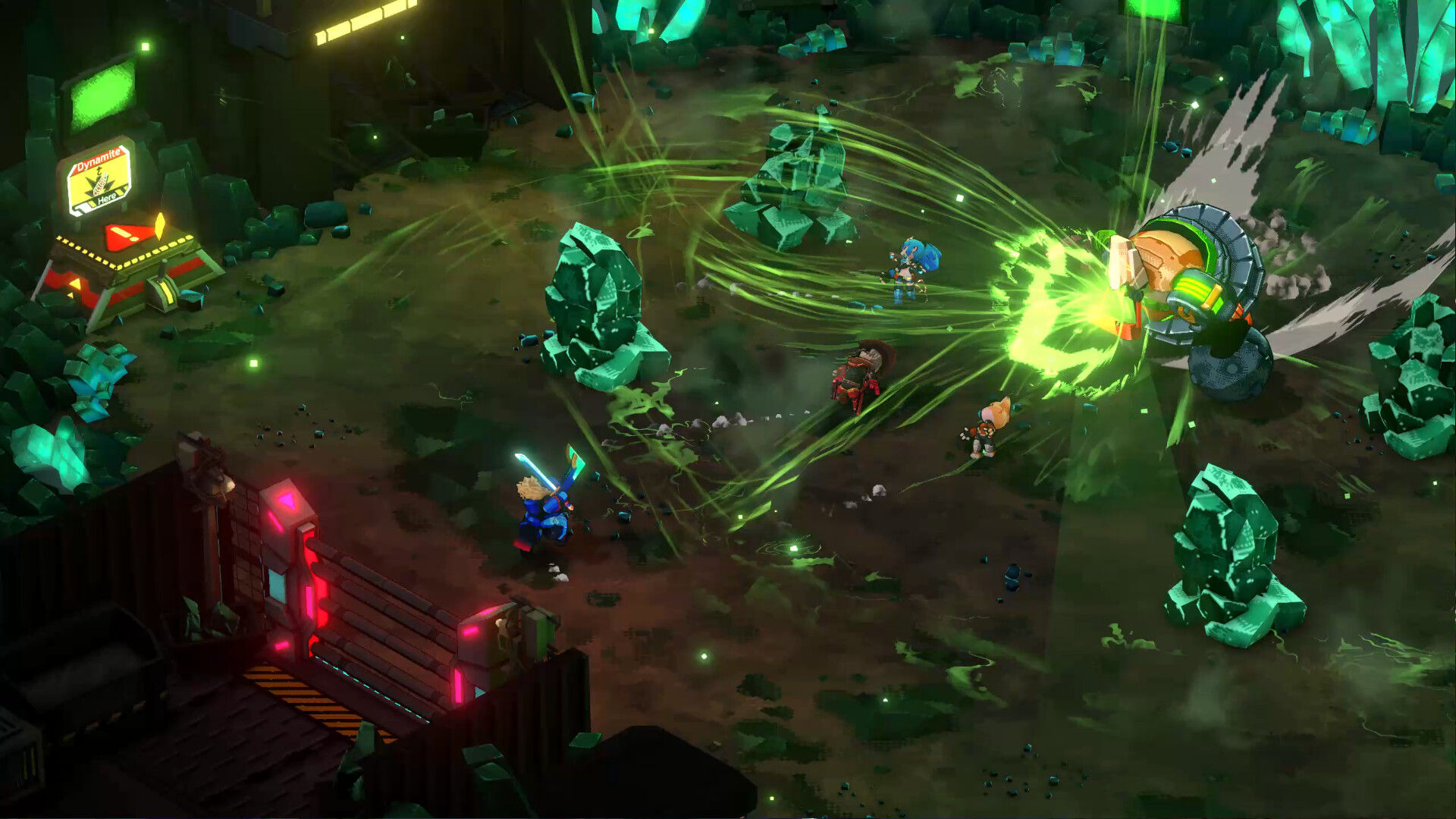
VIA is a Action, Card & Board Game, MOBA, Racing, Role-playing (RPG) game that offers Multiplayer, Player vs Player (PvP) gameplay from a third person perspective with 0 user ratings averaging 0/100. The game explores themes like Crafting & Gathering, Indie, Science fiction. If you enjoy VIA, you might also like similar games in our database of 45,000+ titles.
Basic Info
Details
↑ Back to topAdditional Information
Genres 5
Themes 3
Player Perspectives 1
Game Modes 2
Companies
↑ Back to topNo Companies Available
Company information for this game hasn't been loaded yet.
Keywords
↑ Back to topScreenshots
↑ Back to top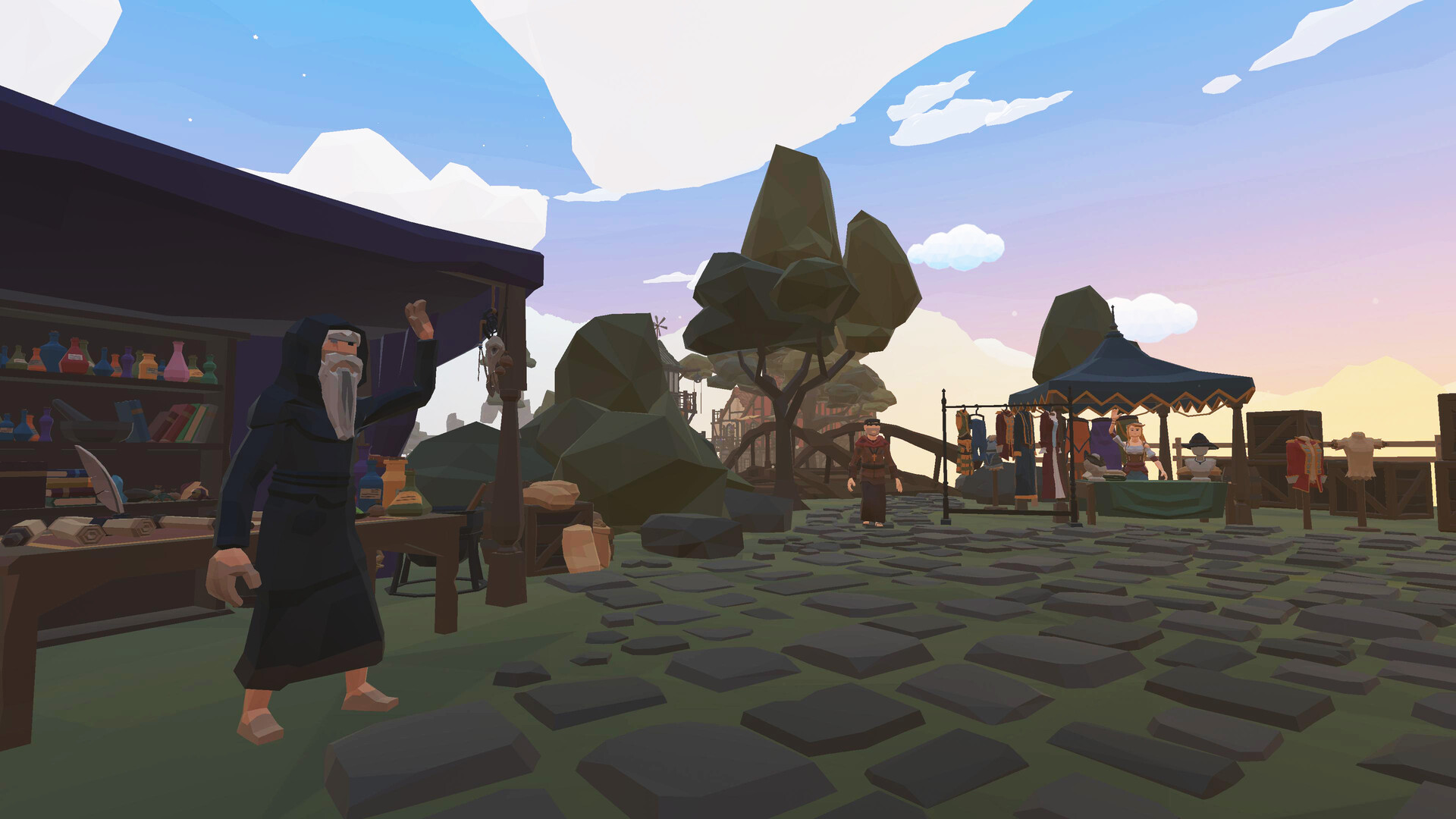
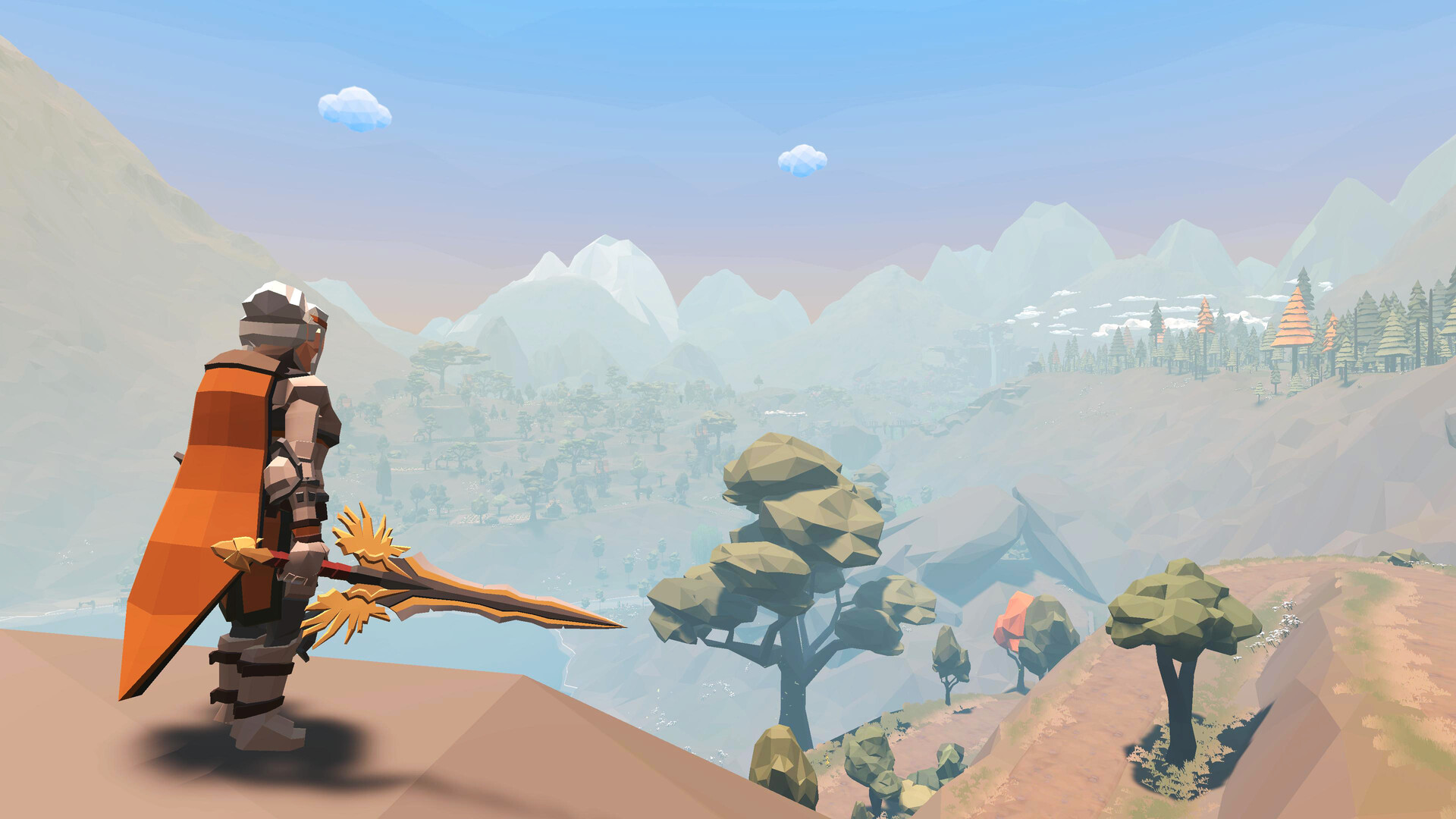
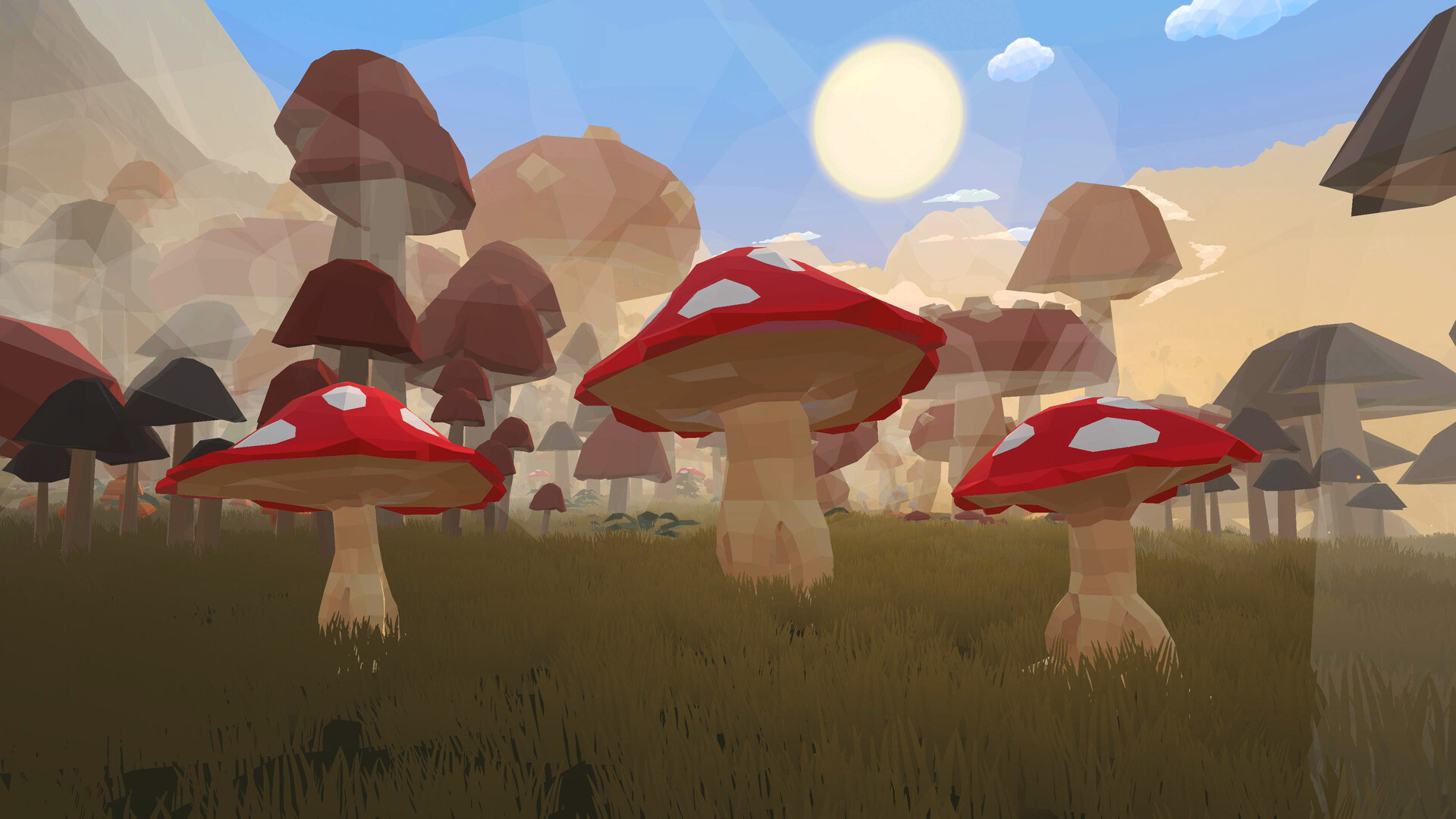
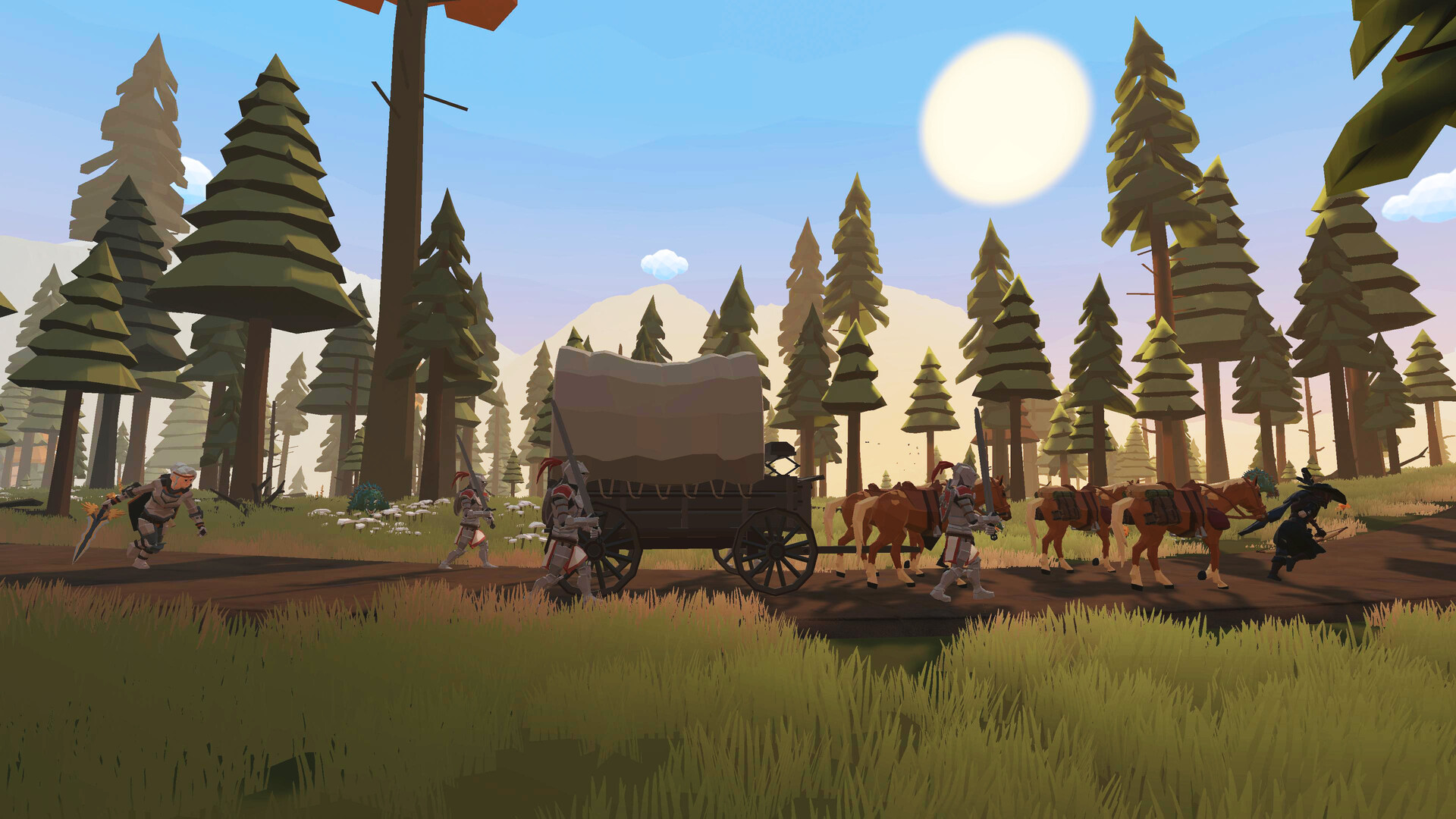
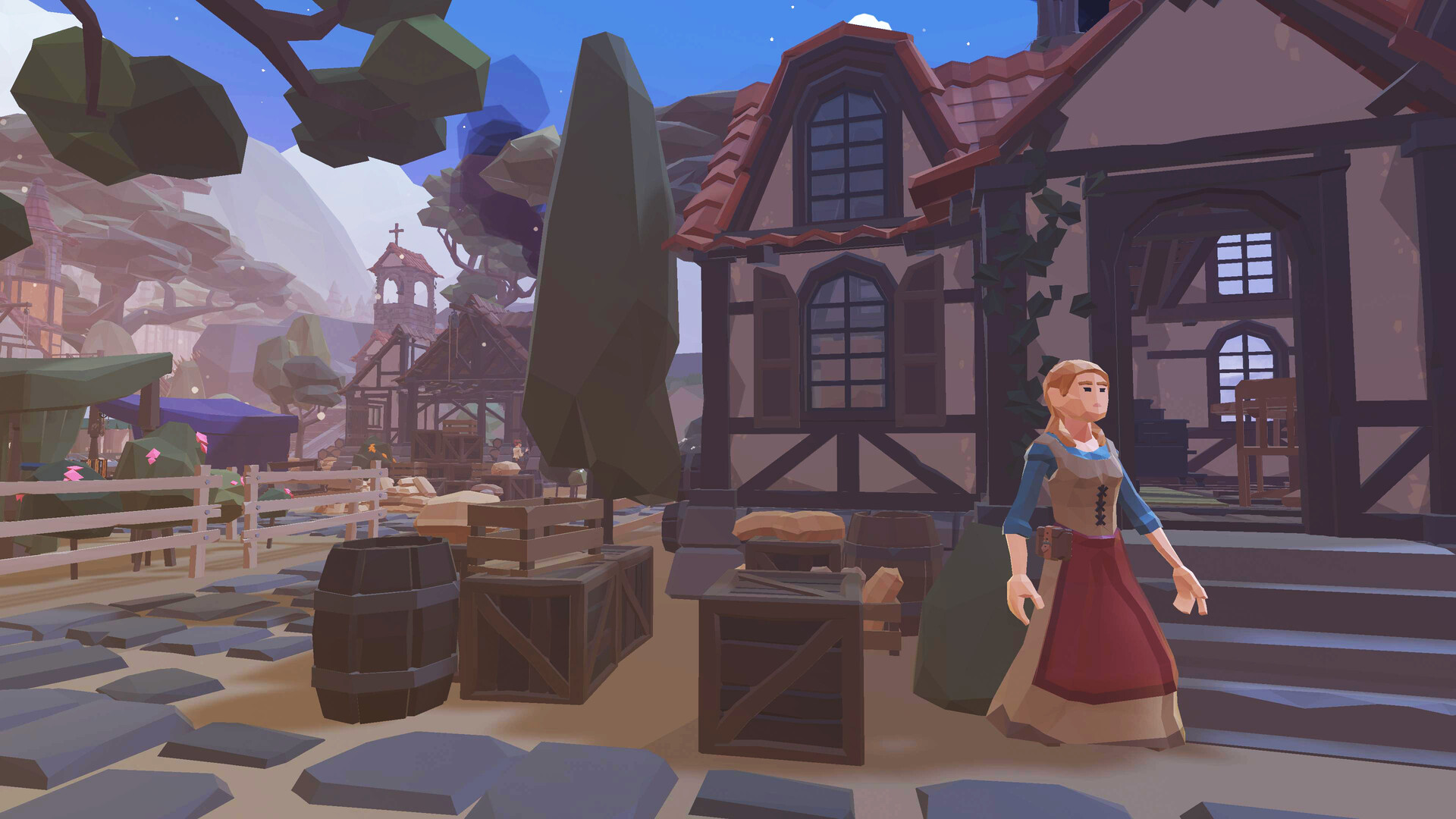
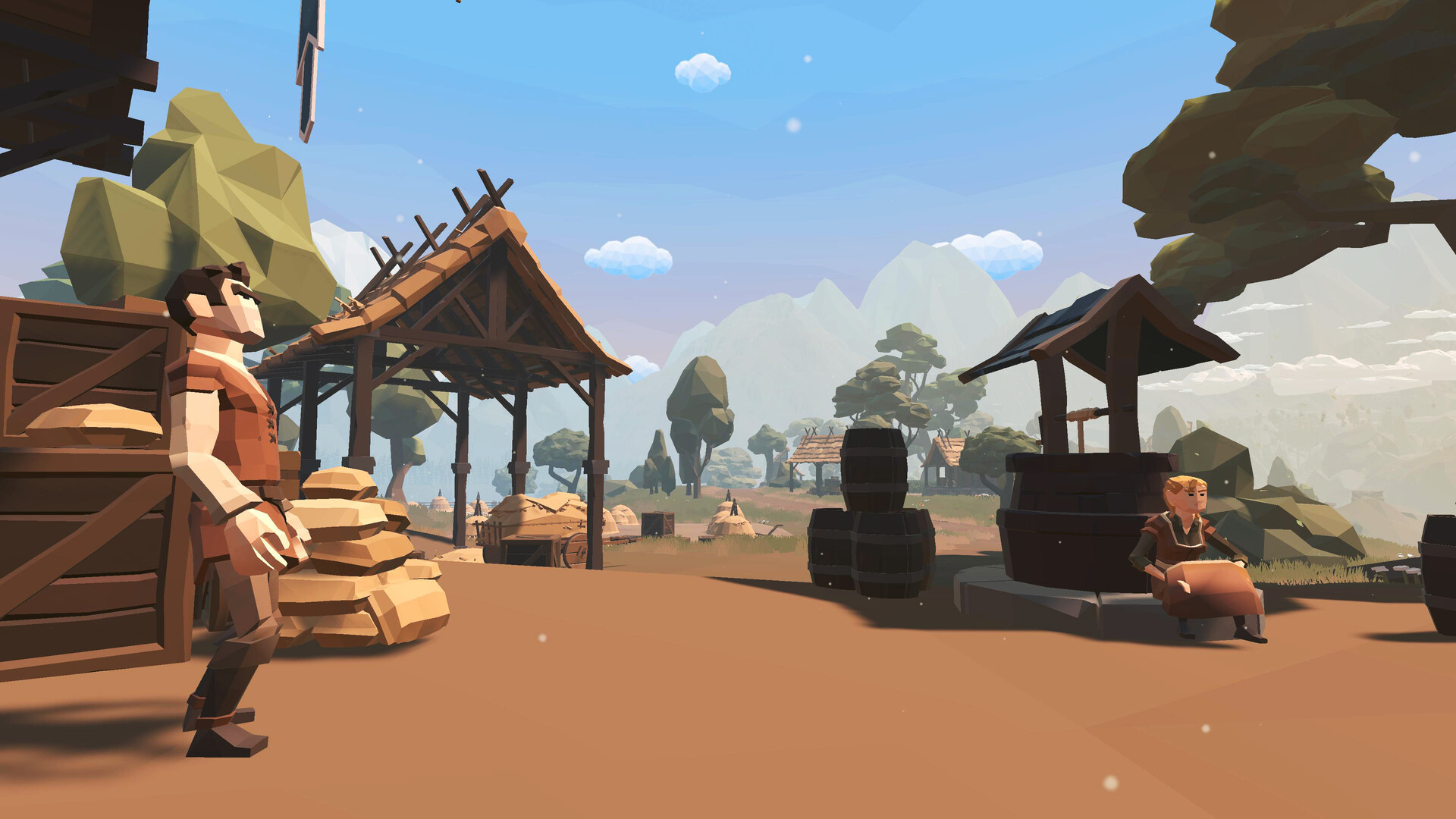
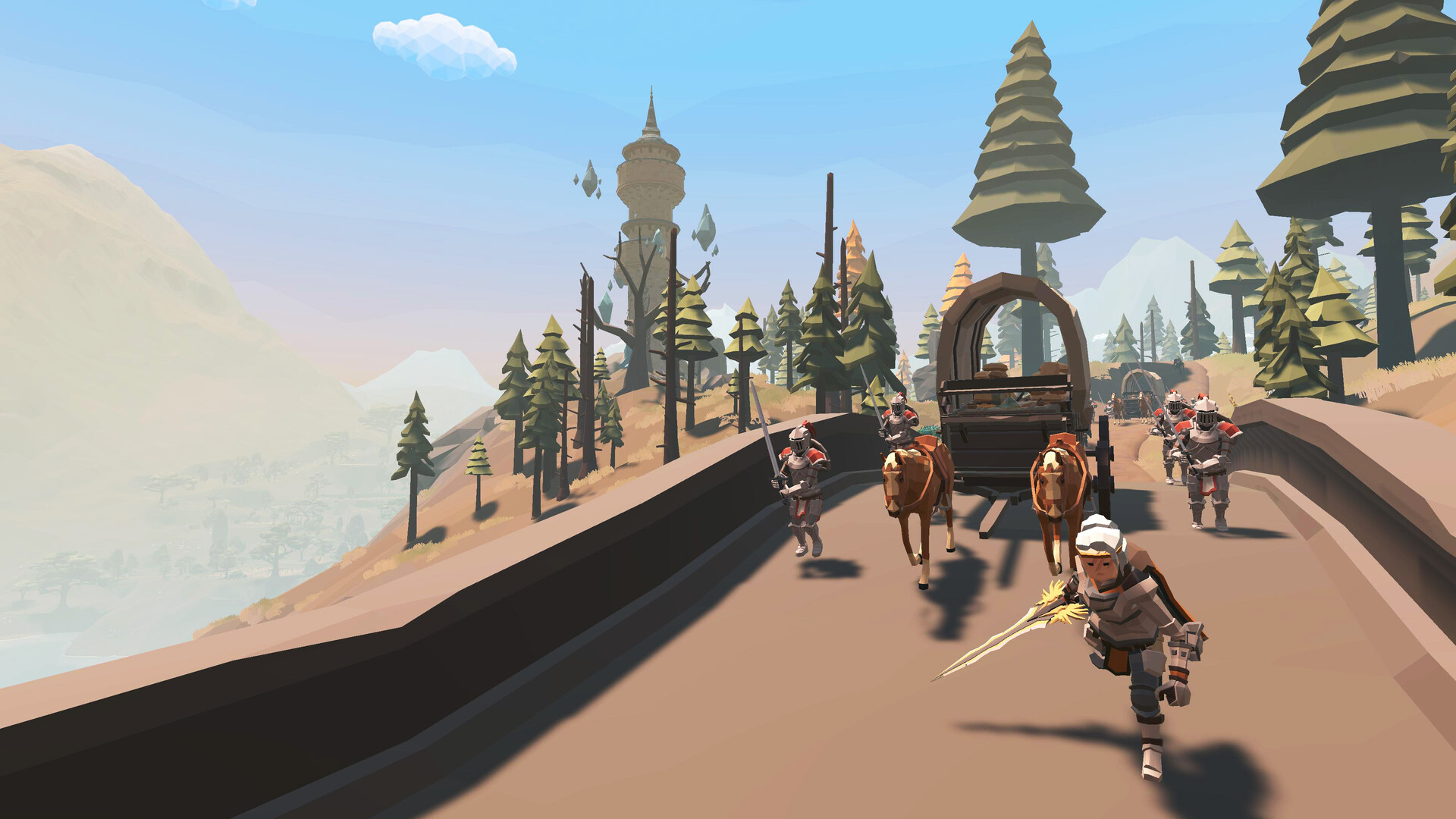
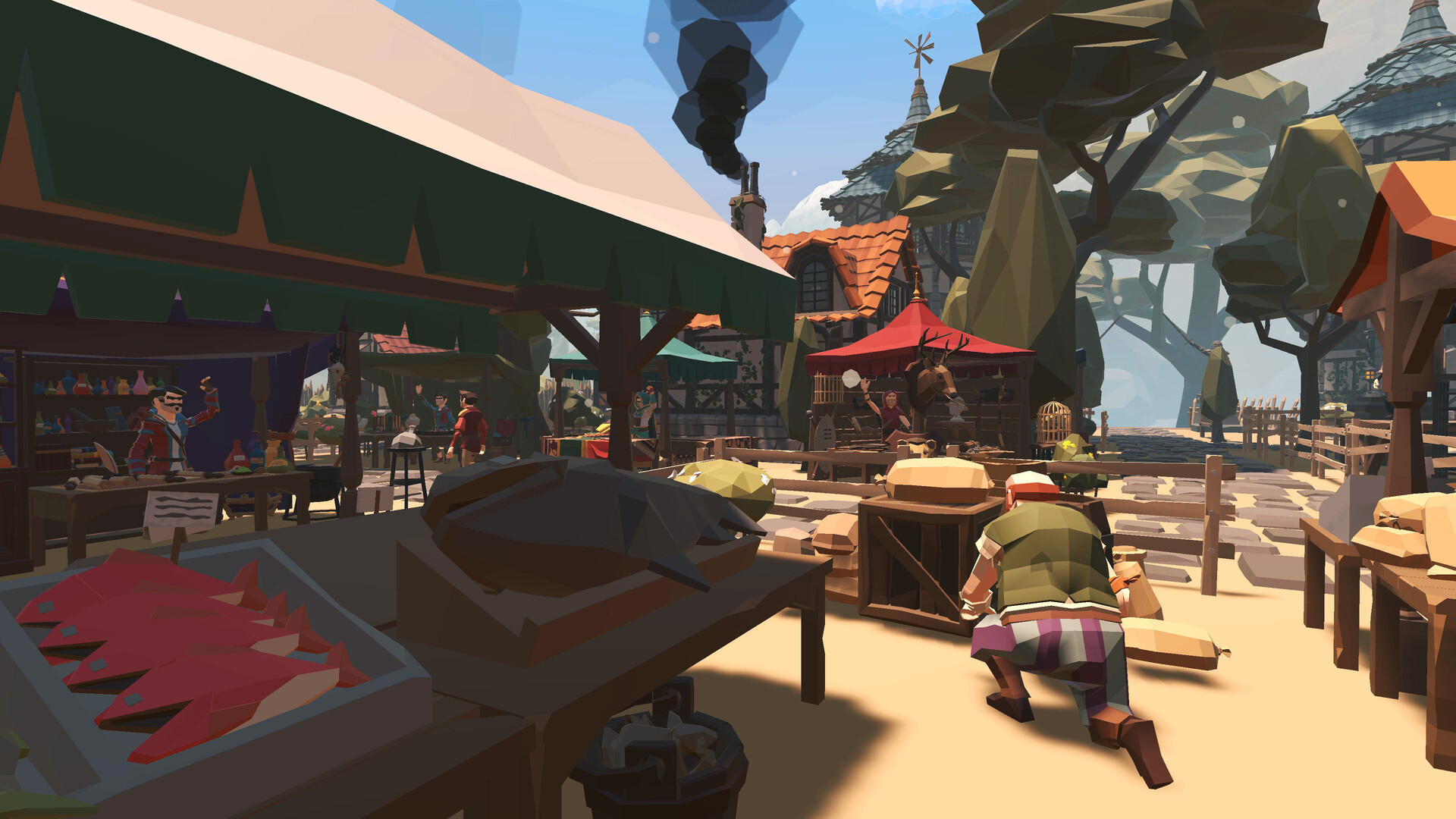
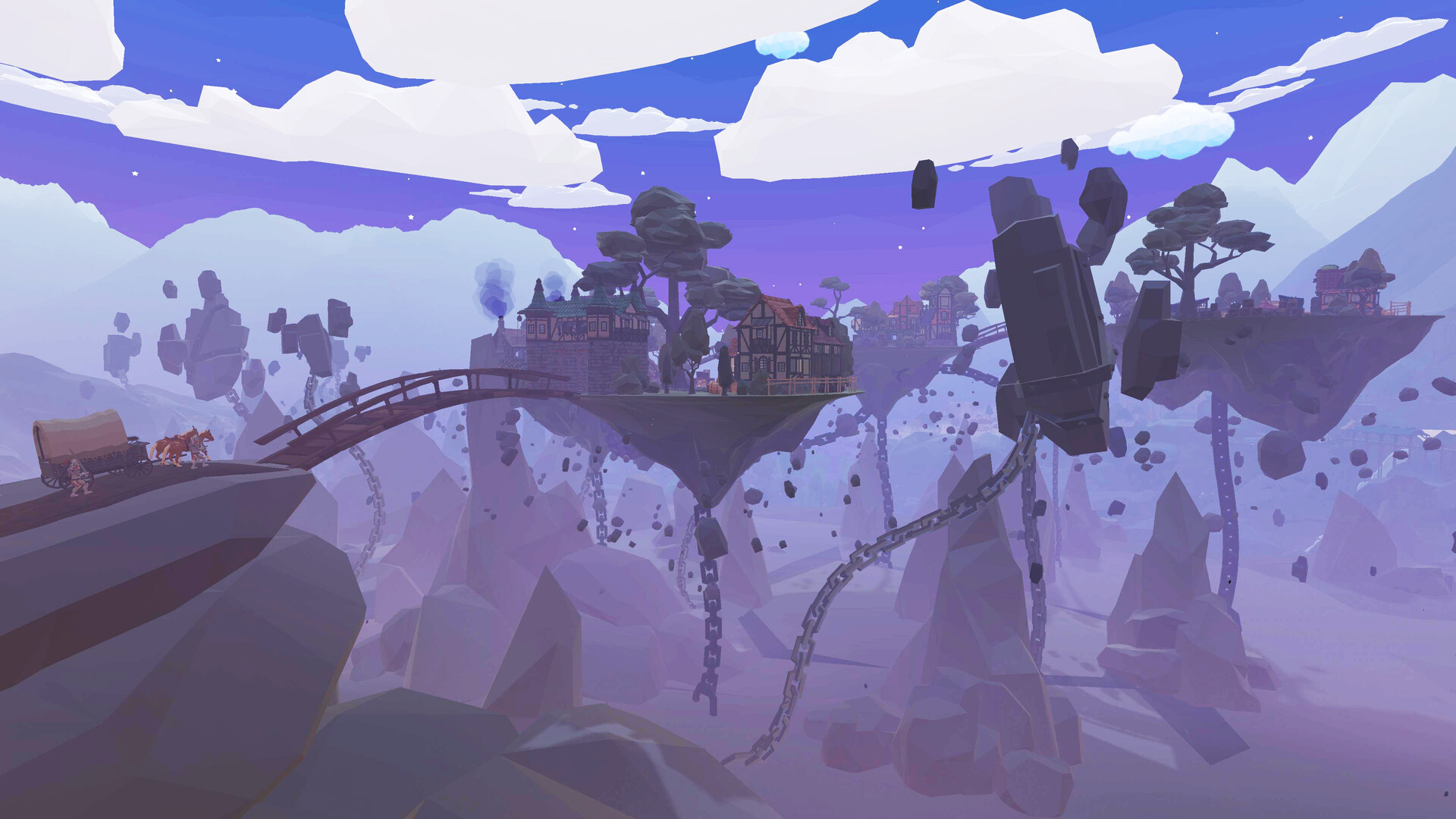
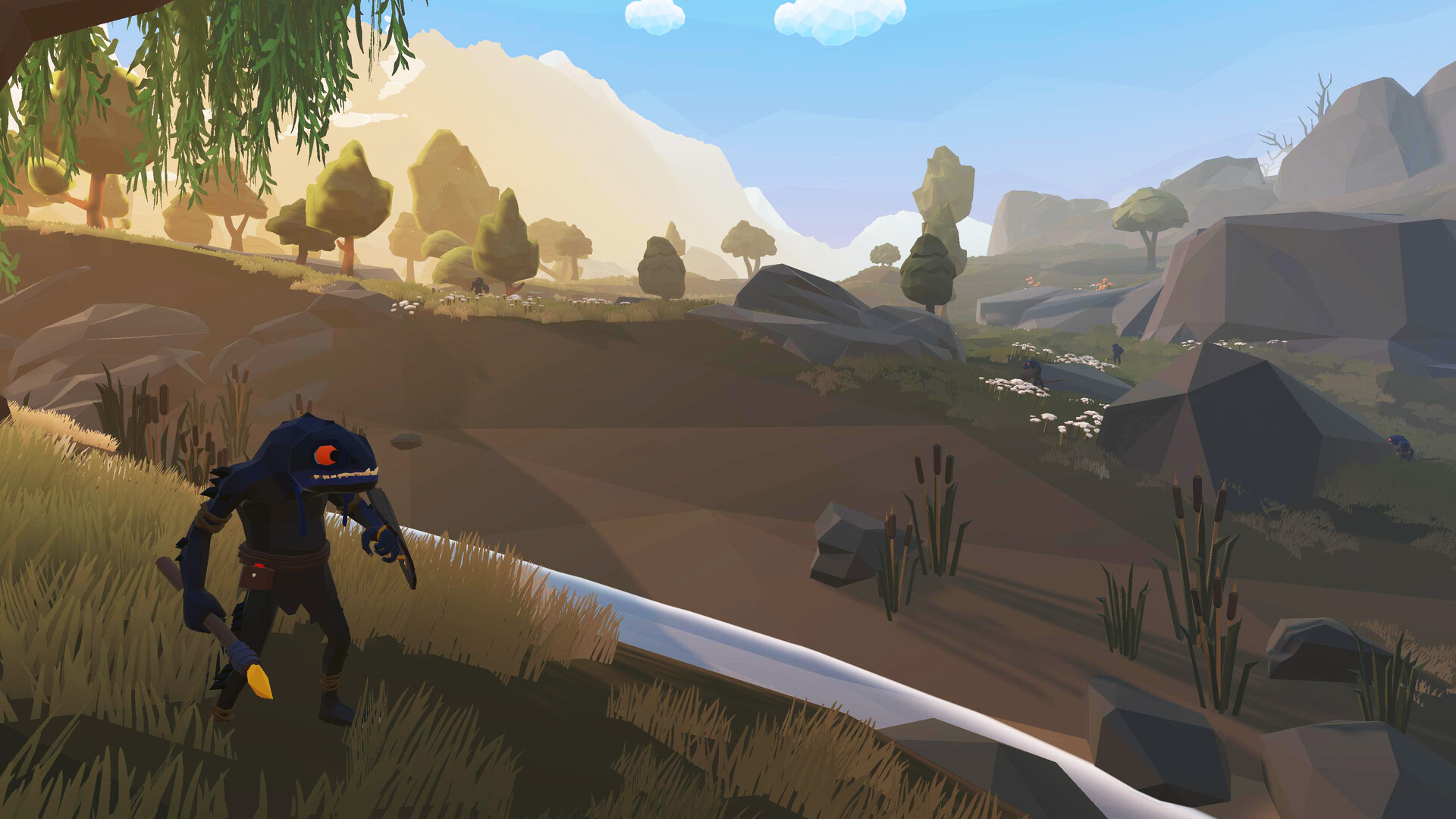
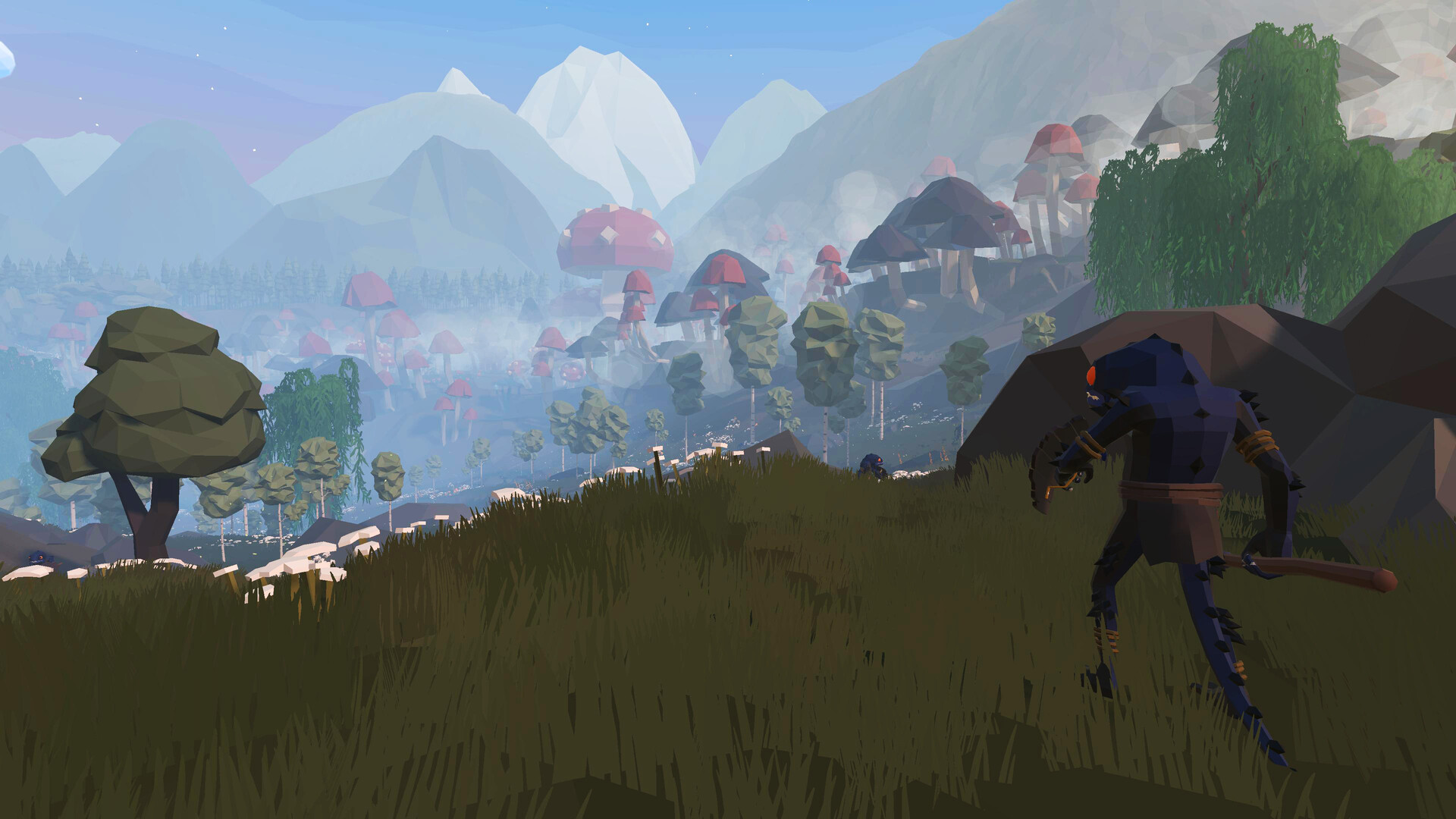
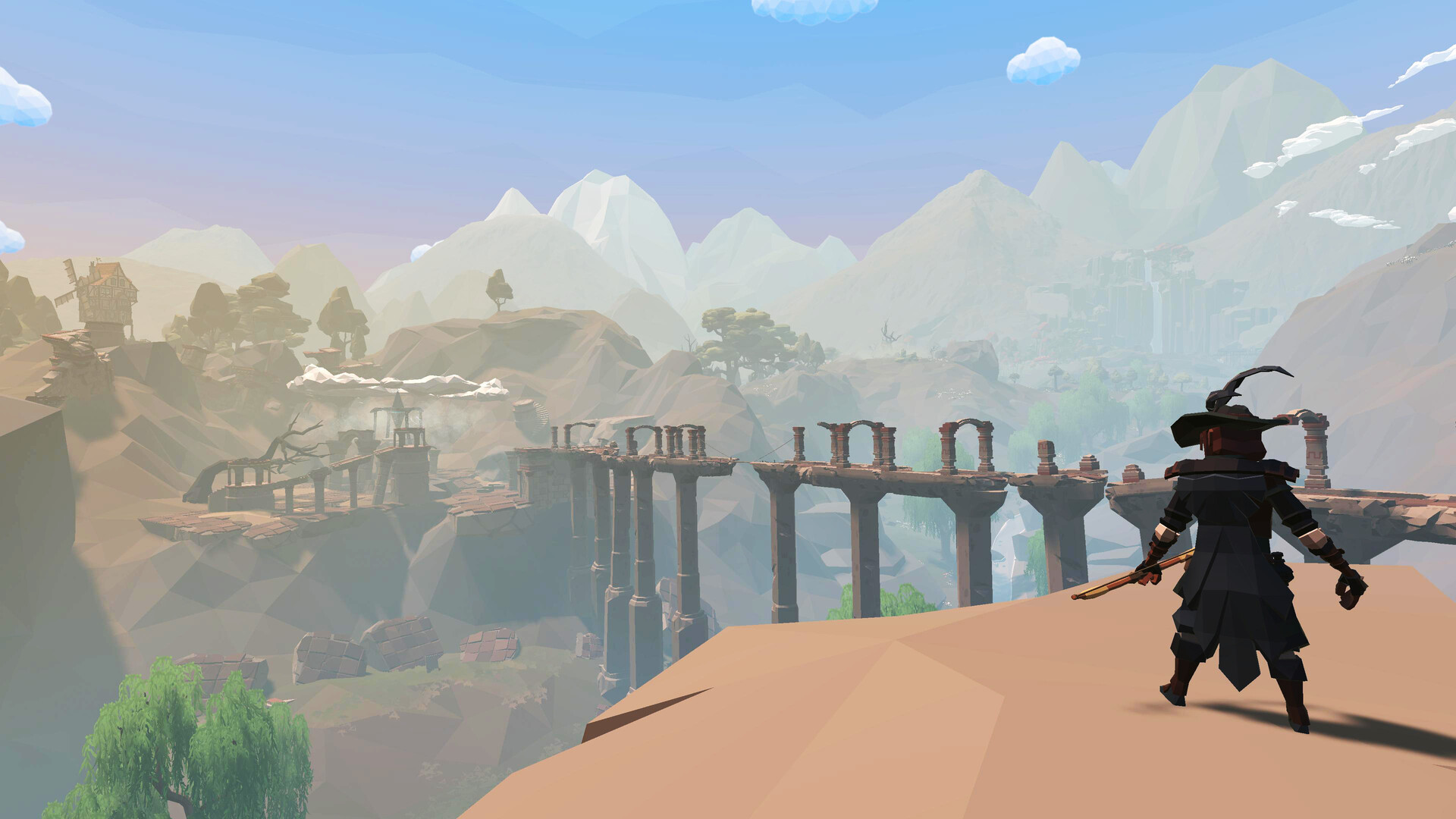
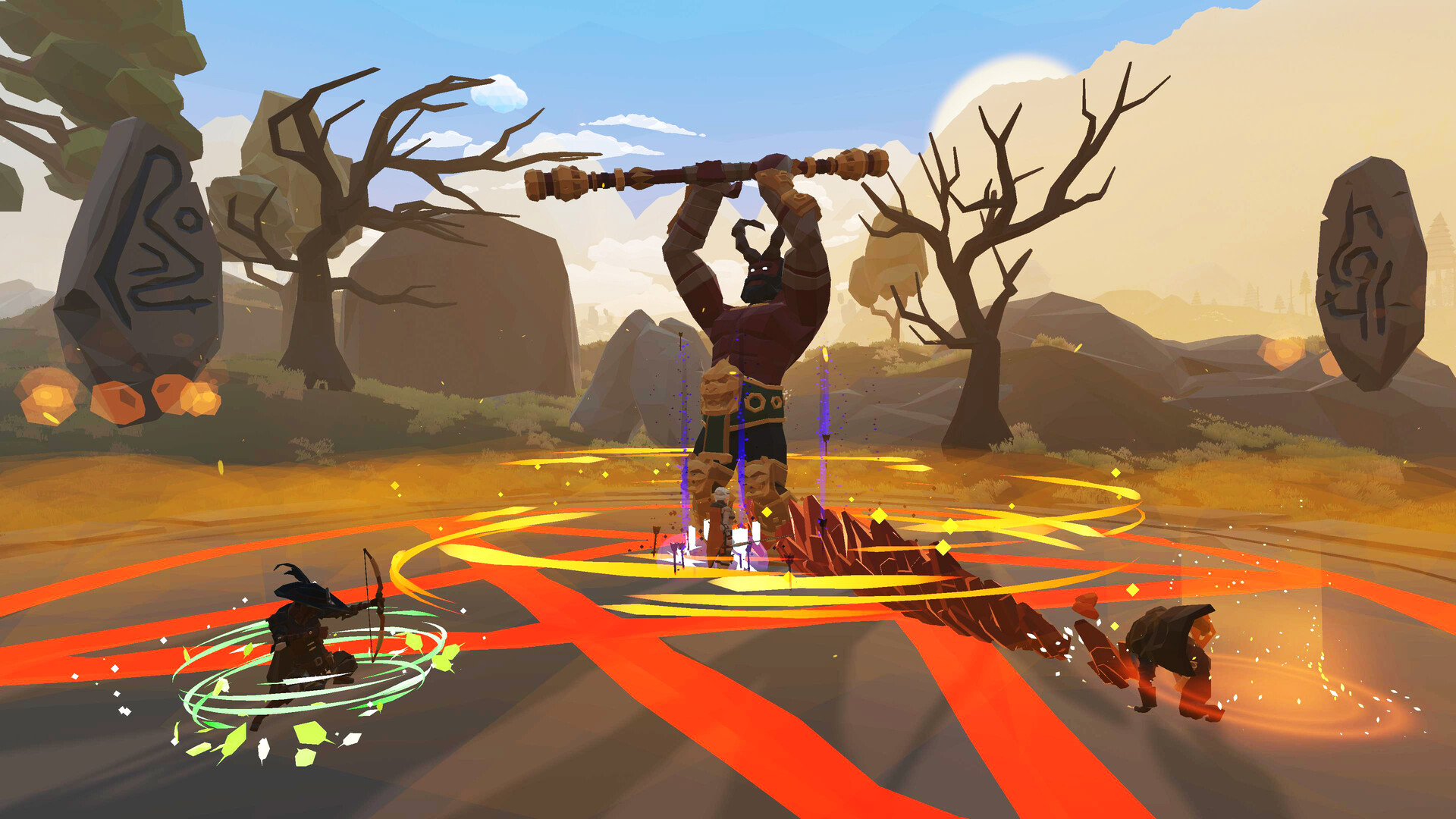
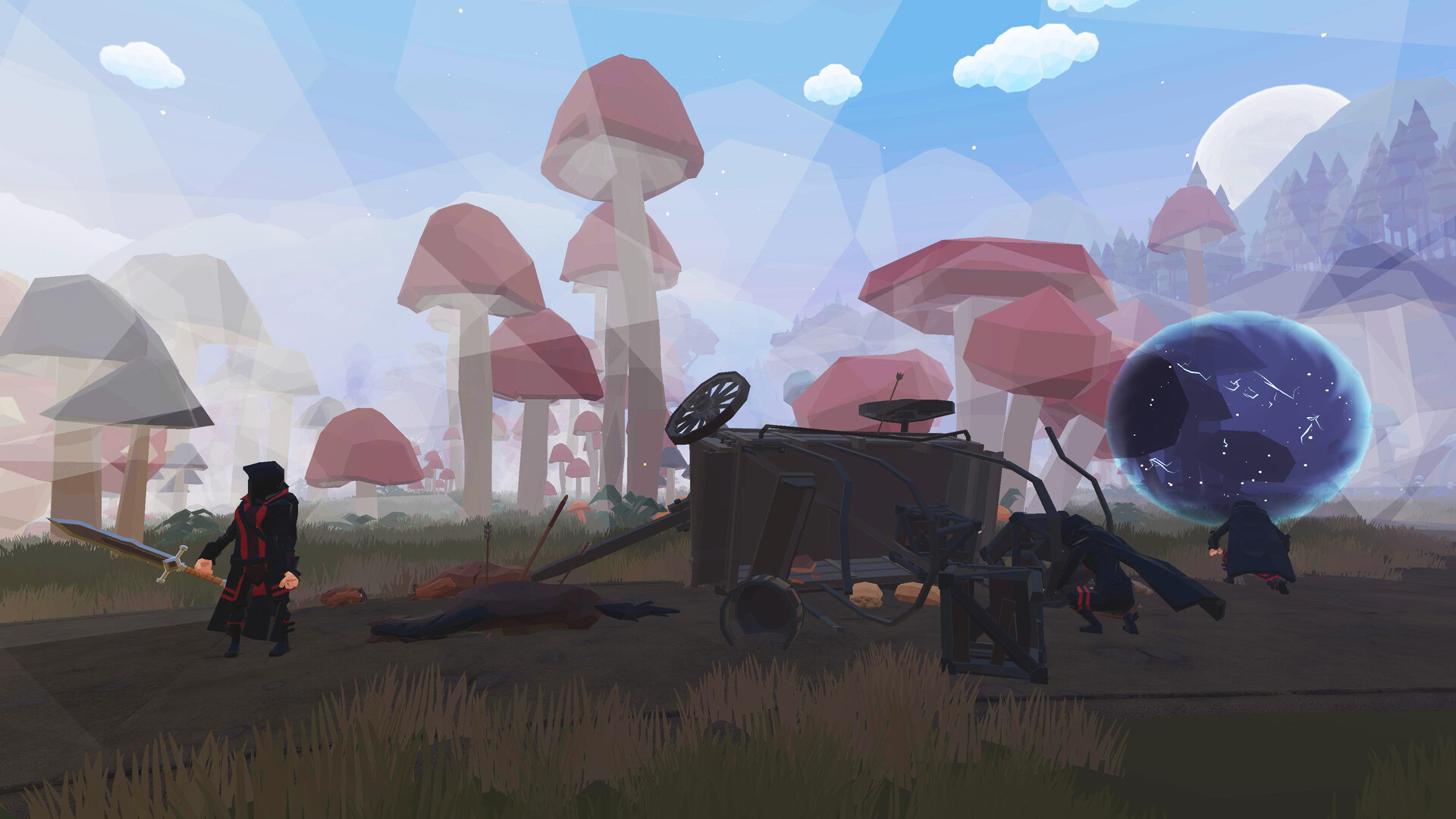
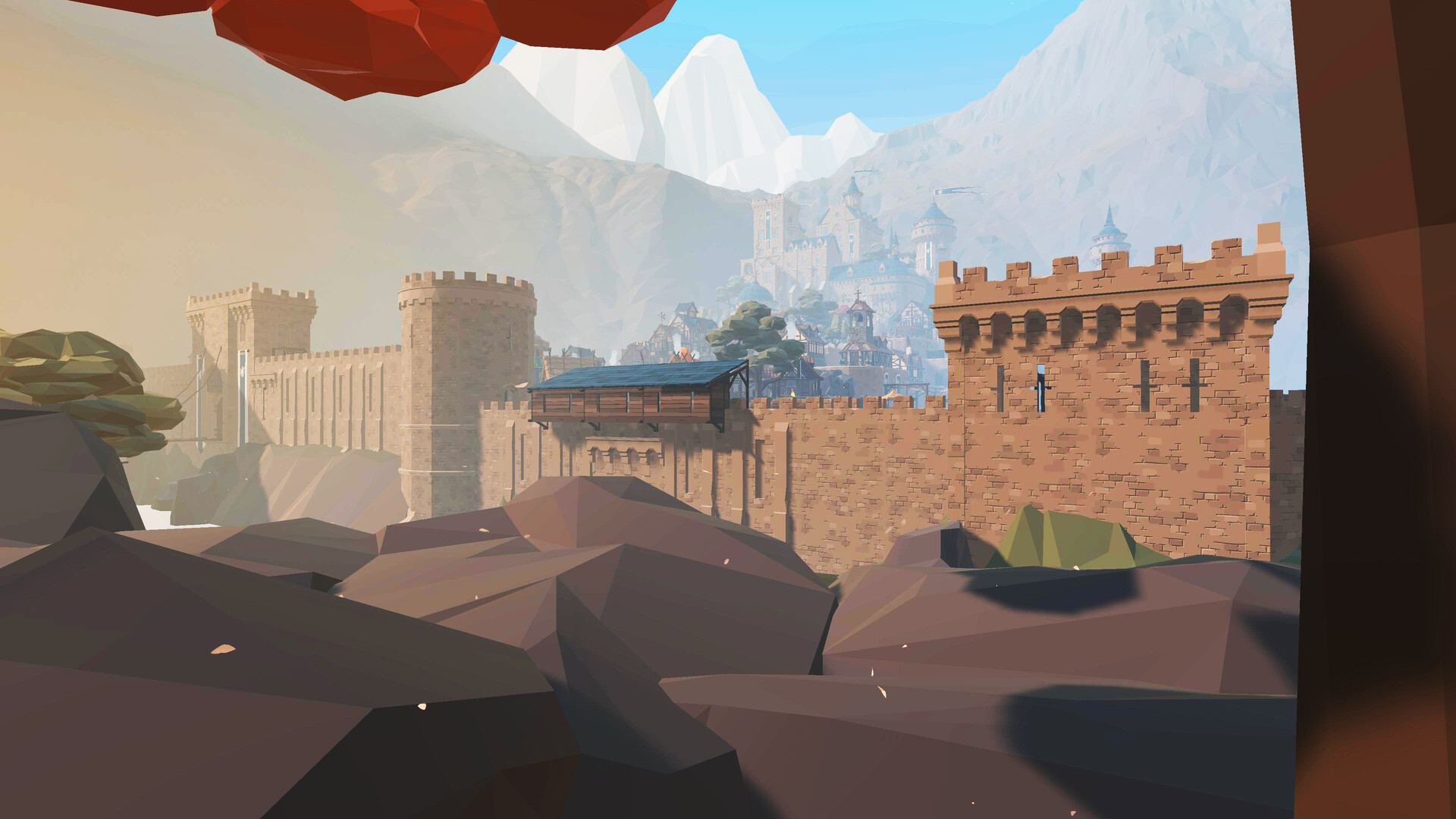
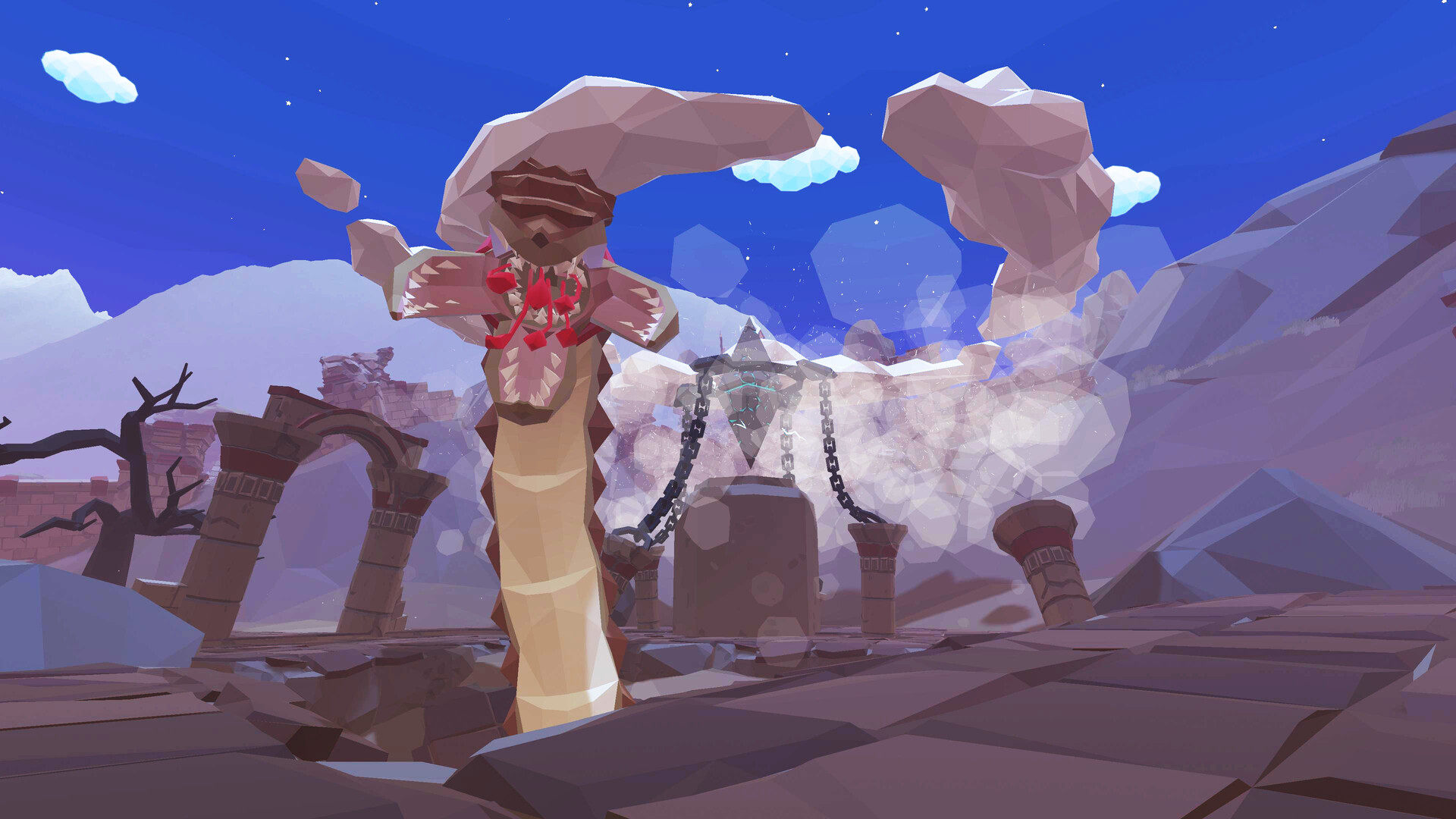
Similar Games
↑ Back to top

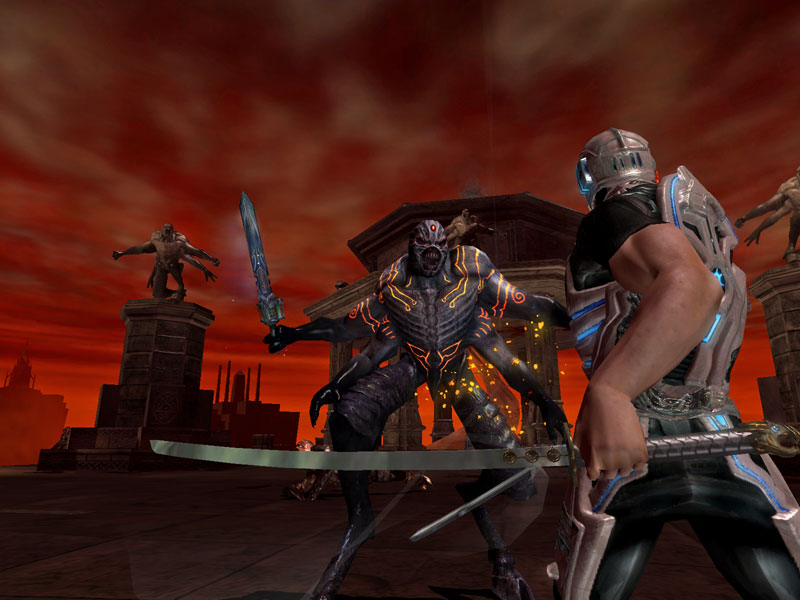
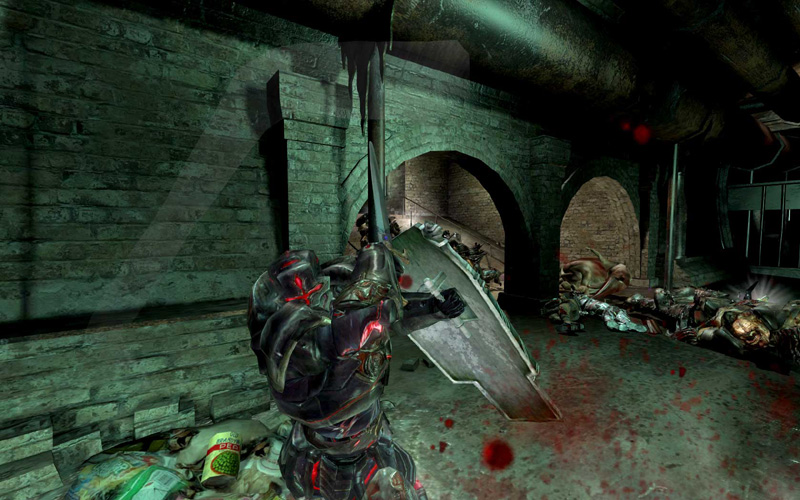
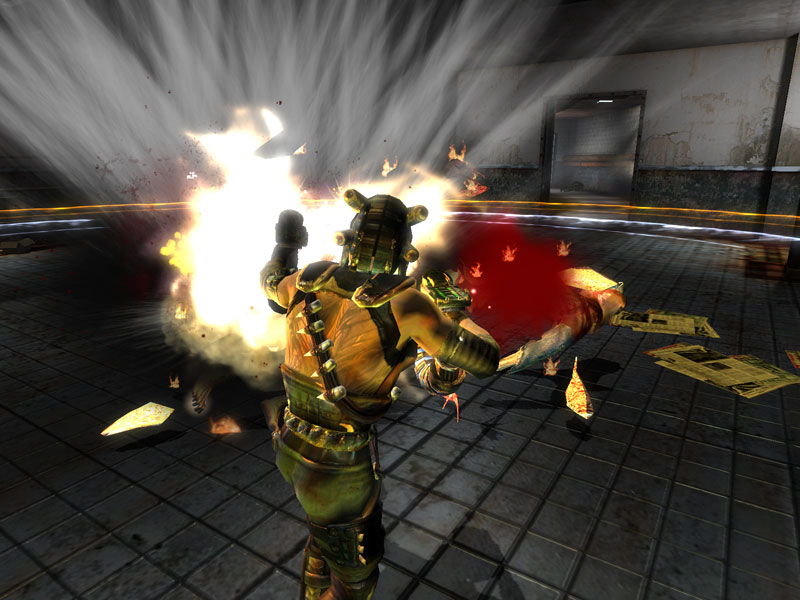

Hellgate: London


Mega Man Star Force: Pegasus
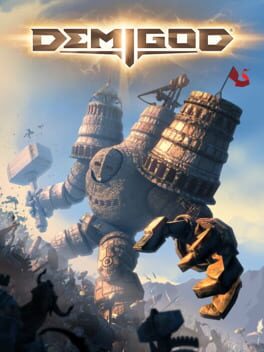
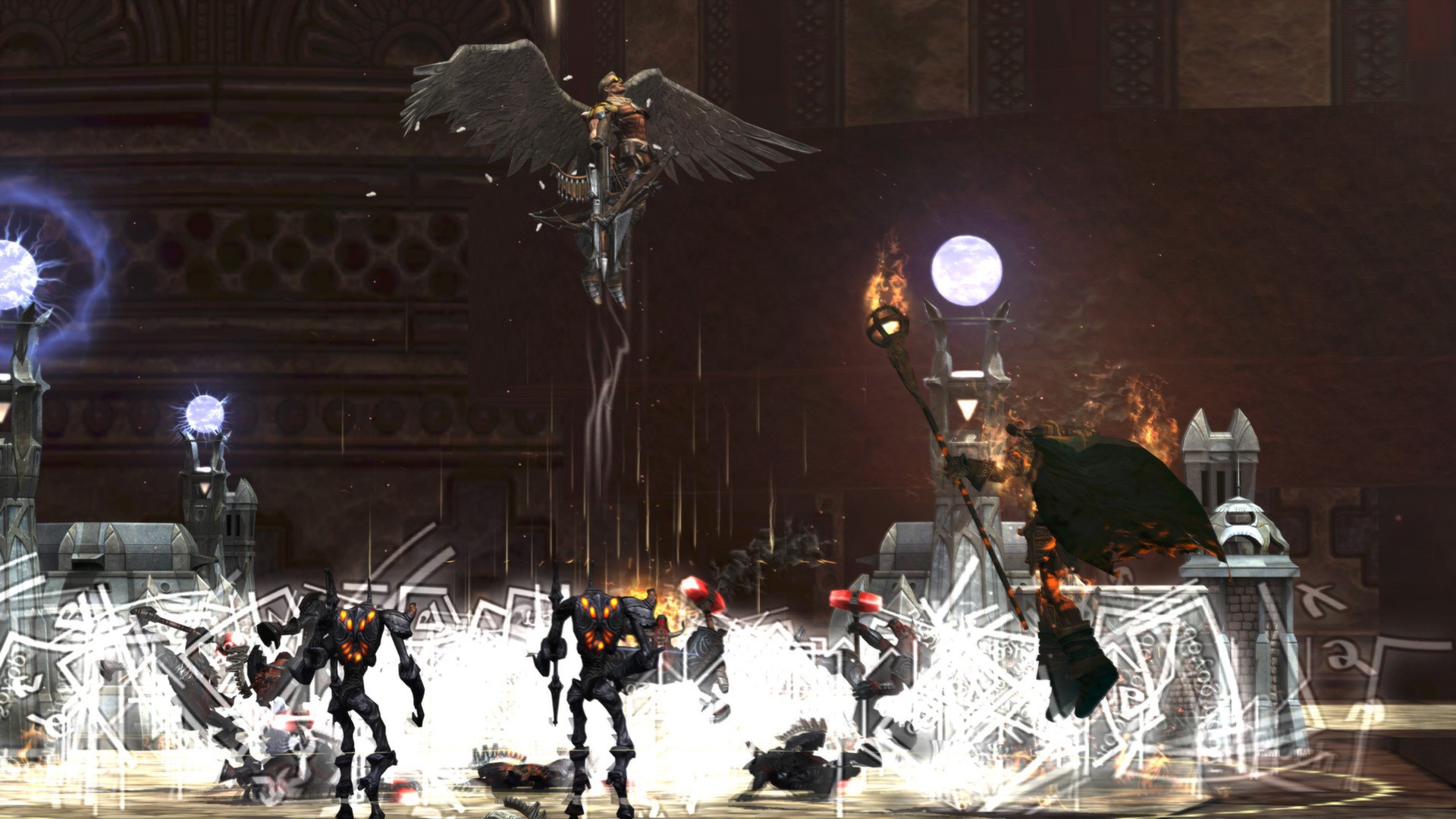
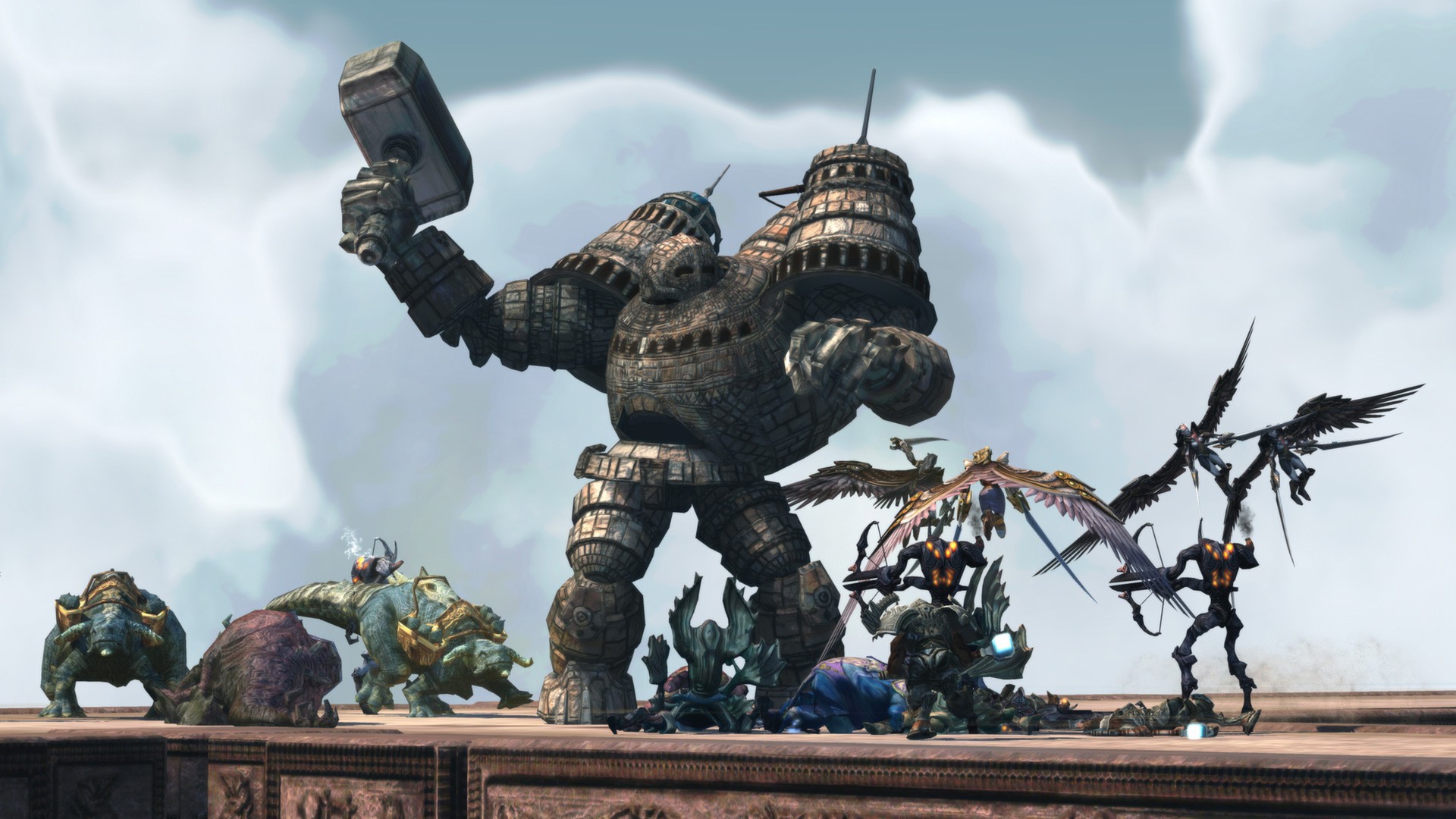
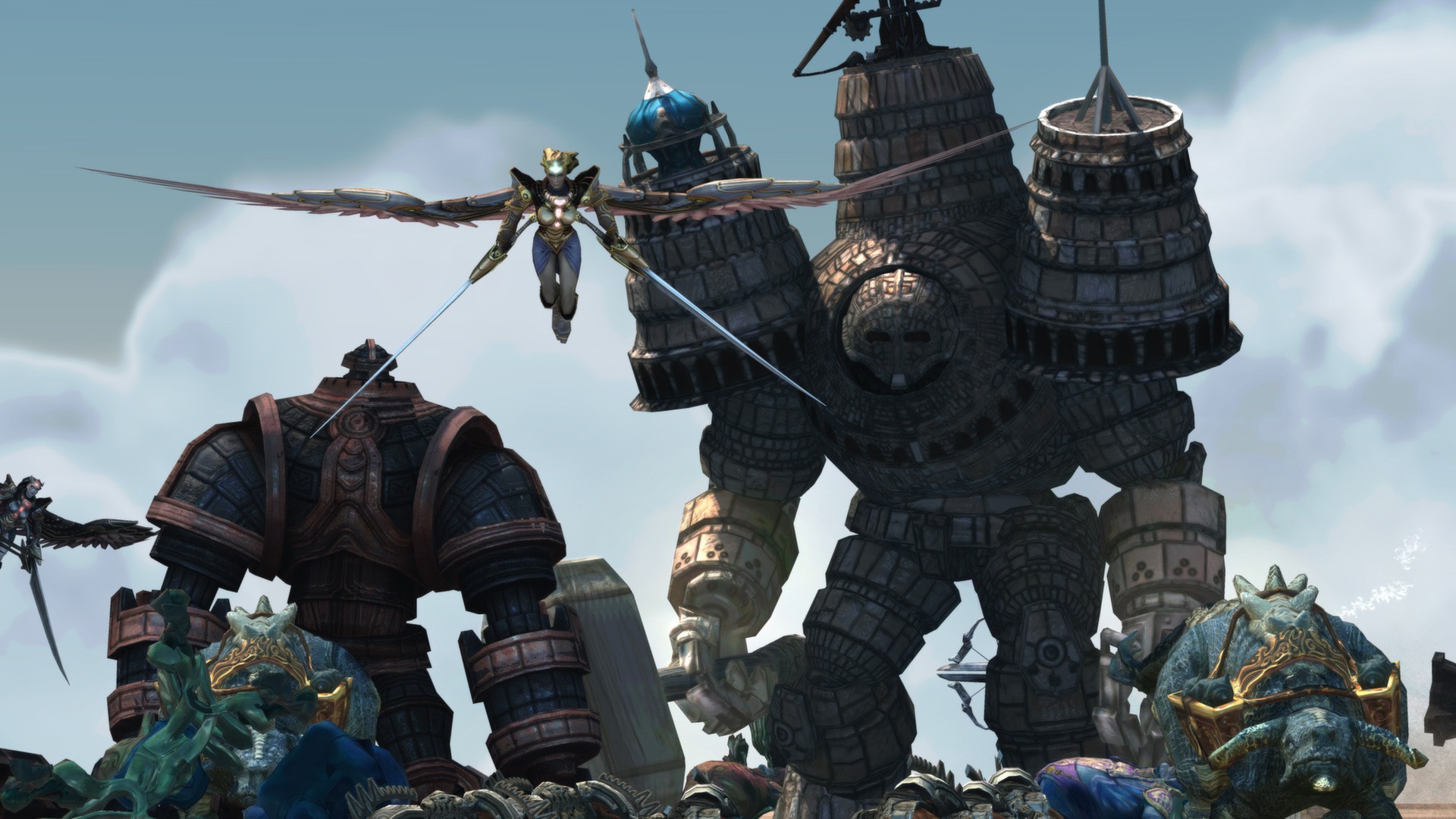


Demigod
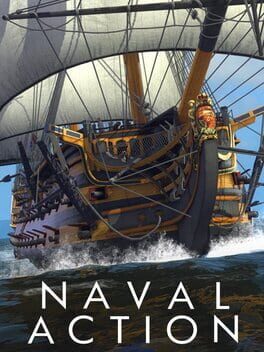
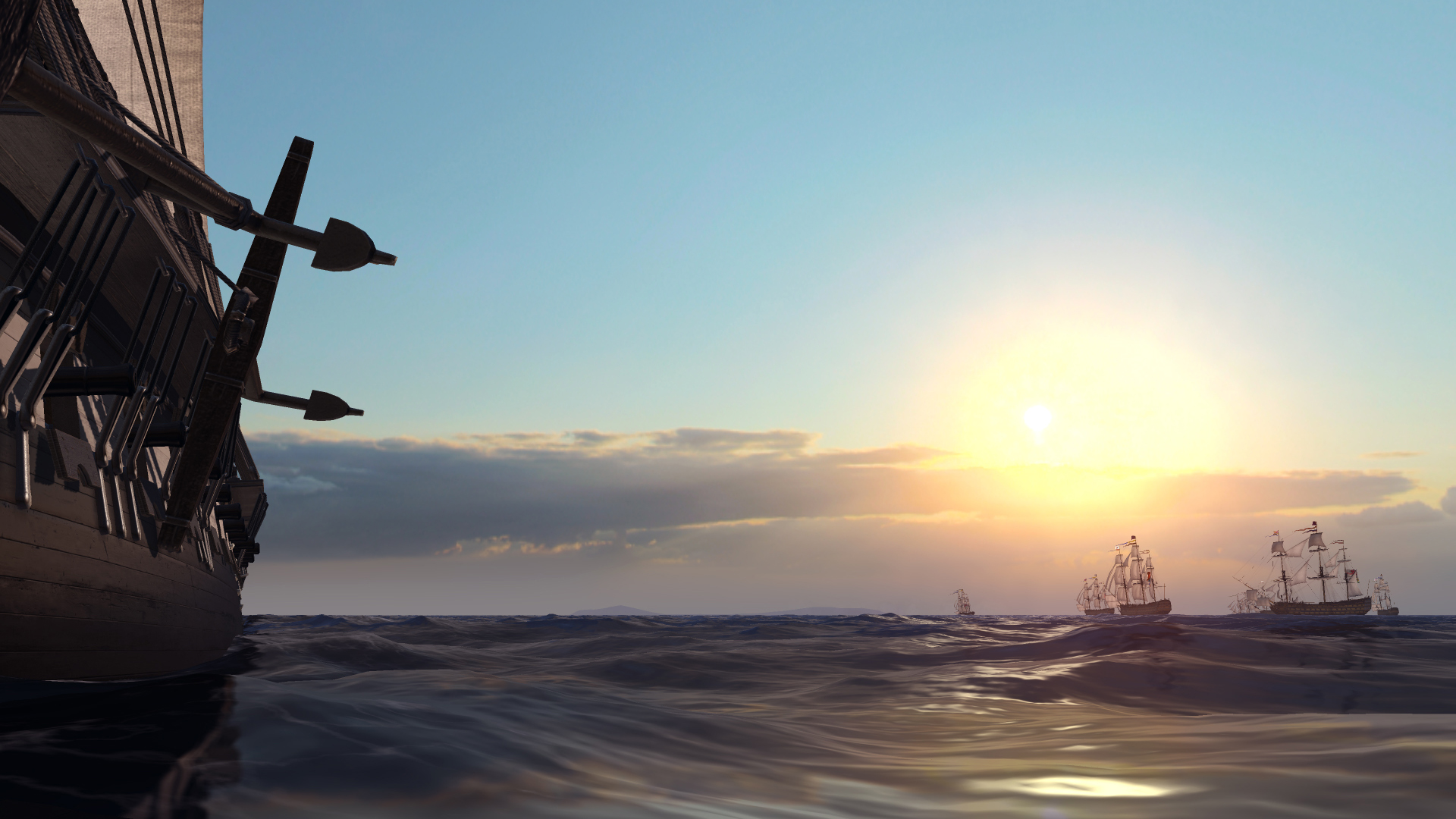
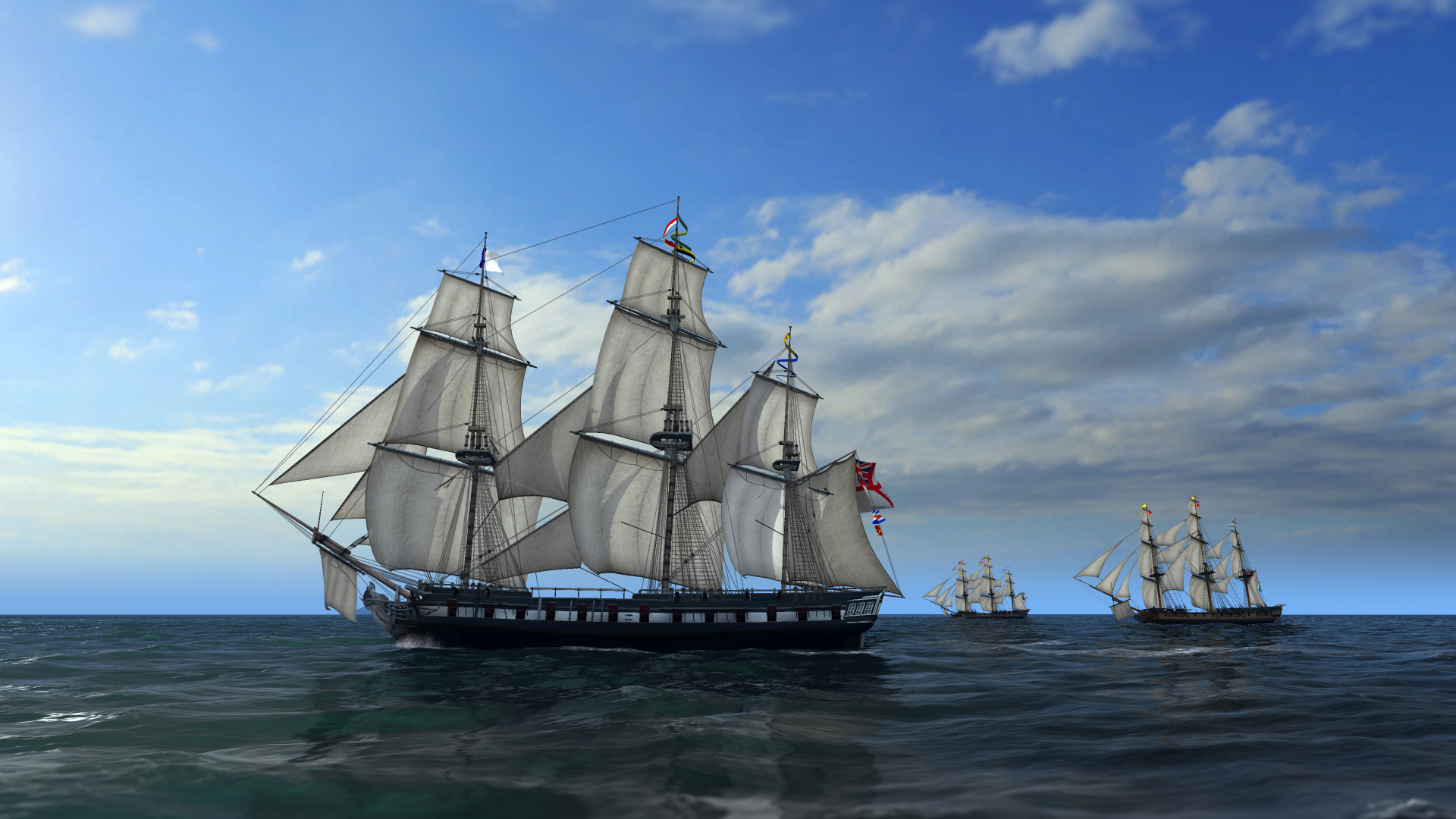
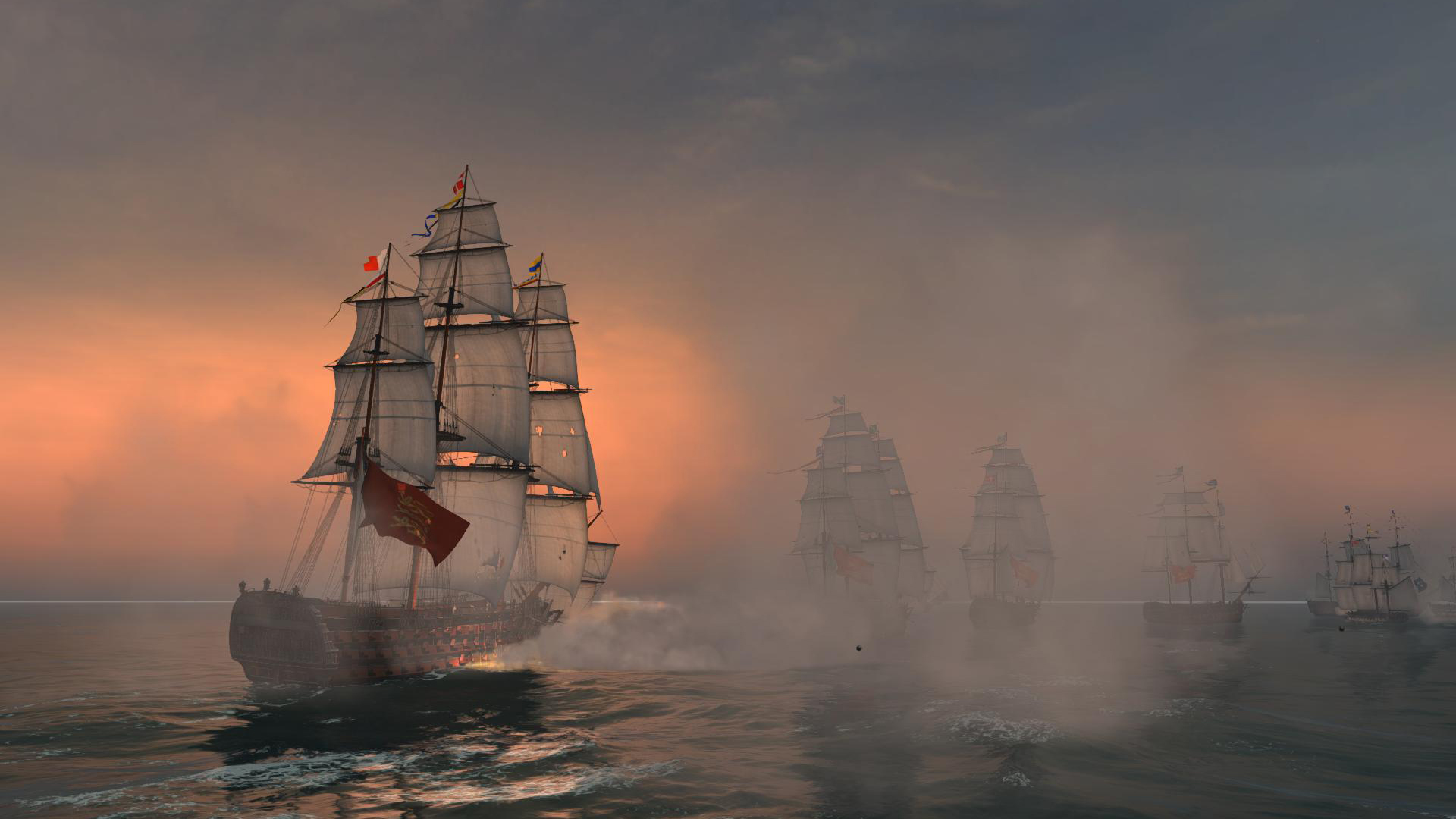
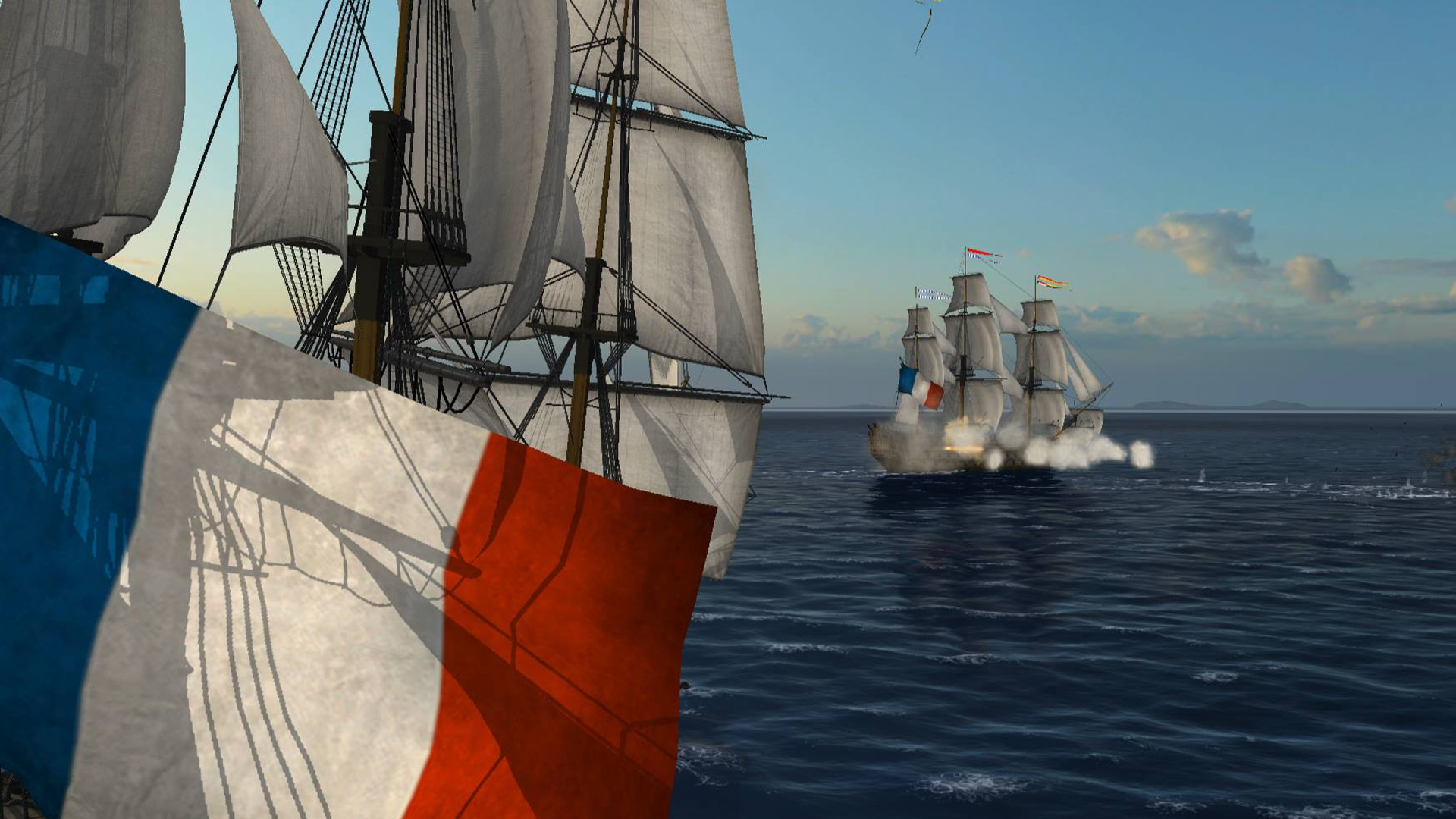


Naval Action

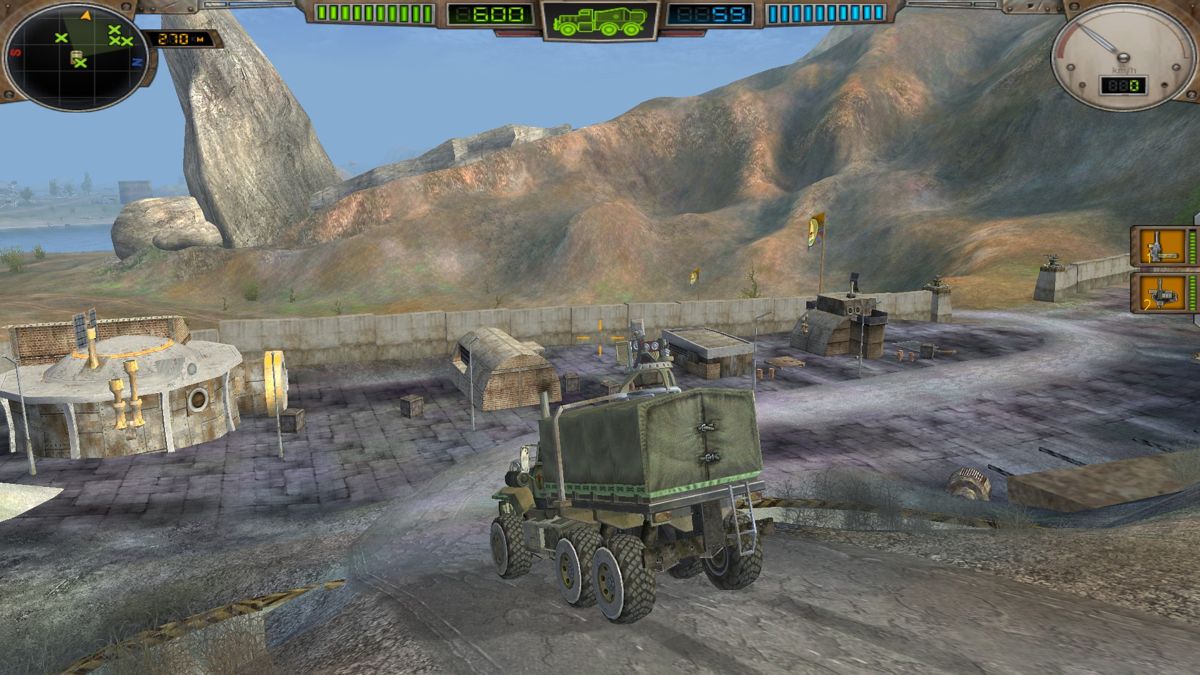
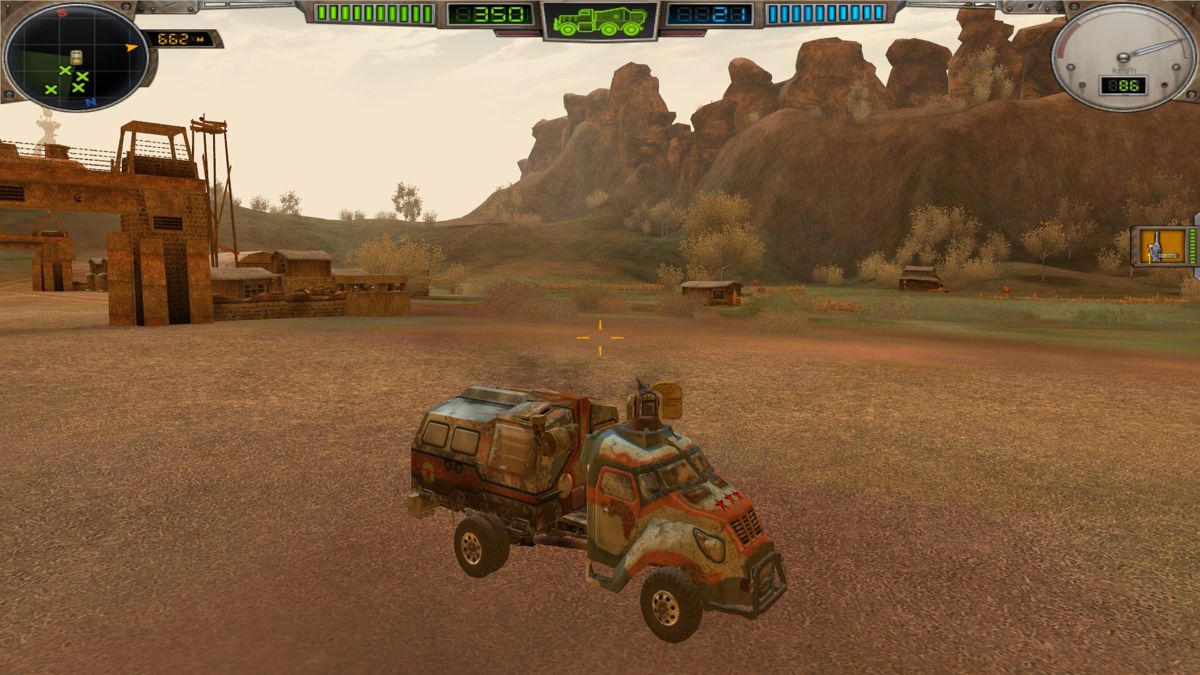
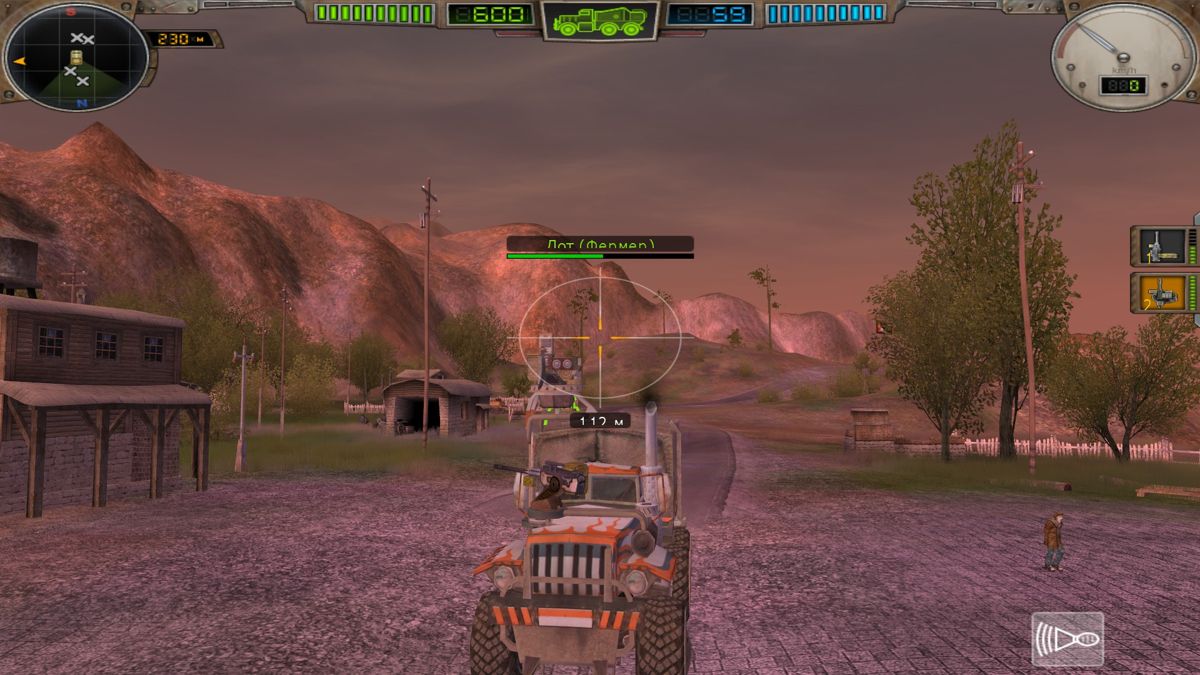
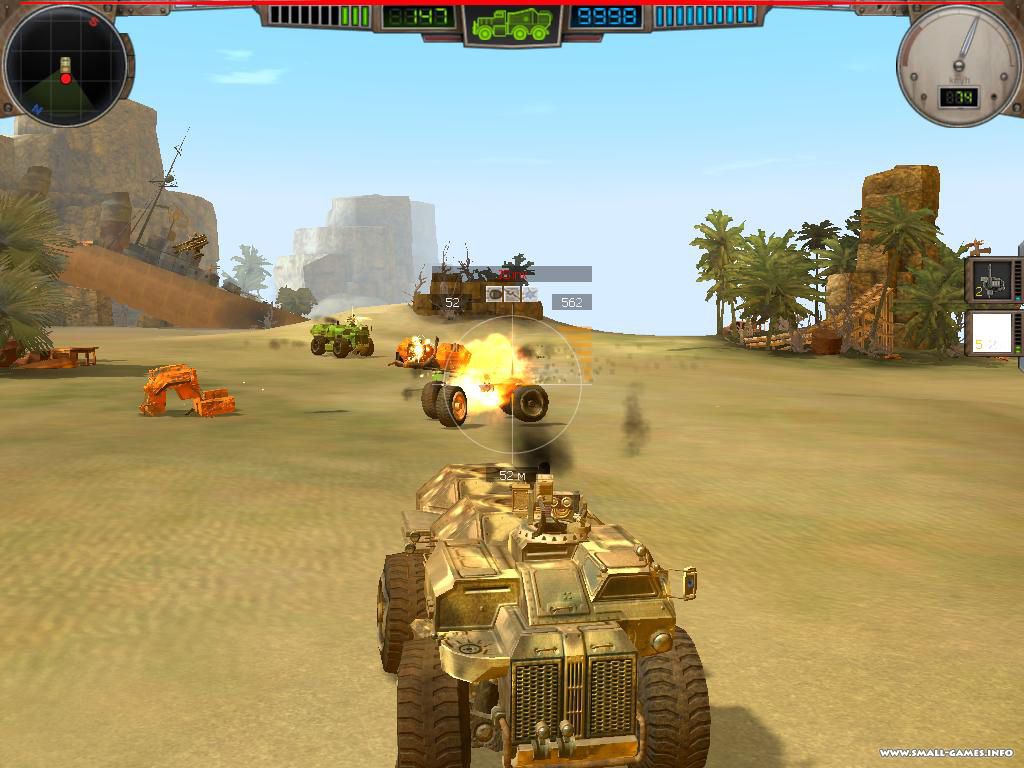

Hard Truck Apocalypse: Rise of Clans
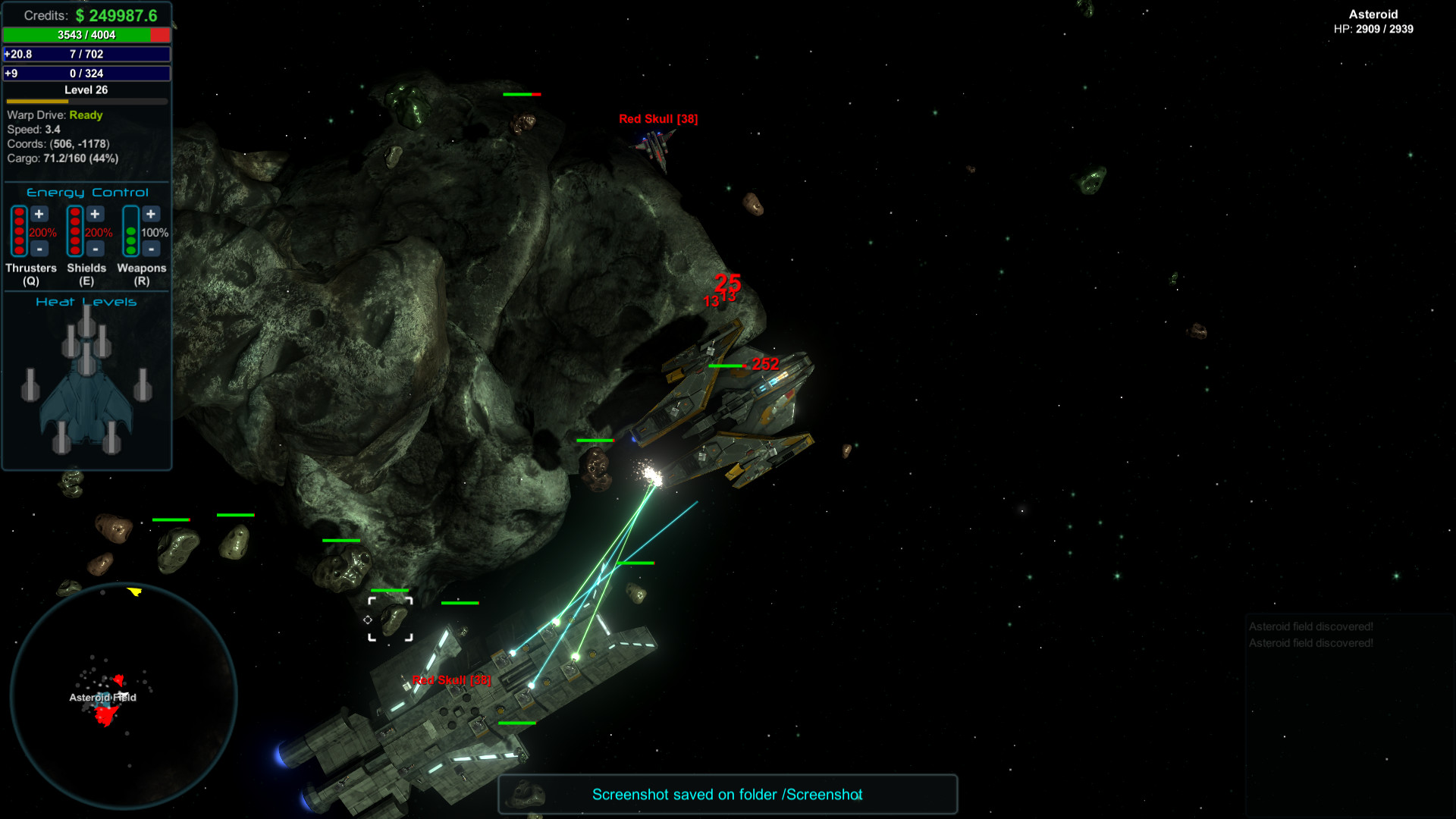
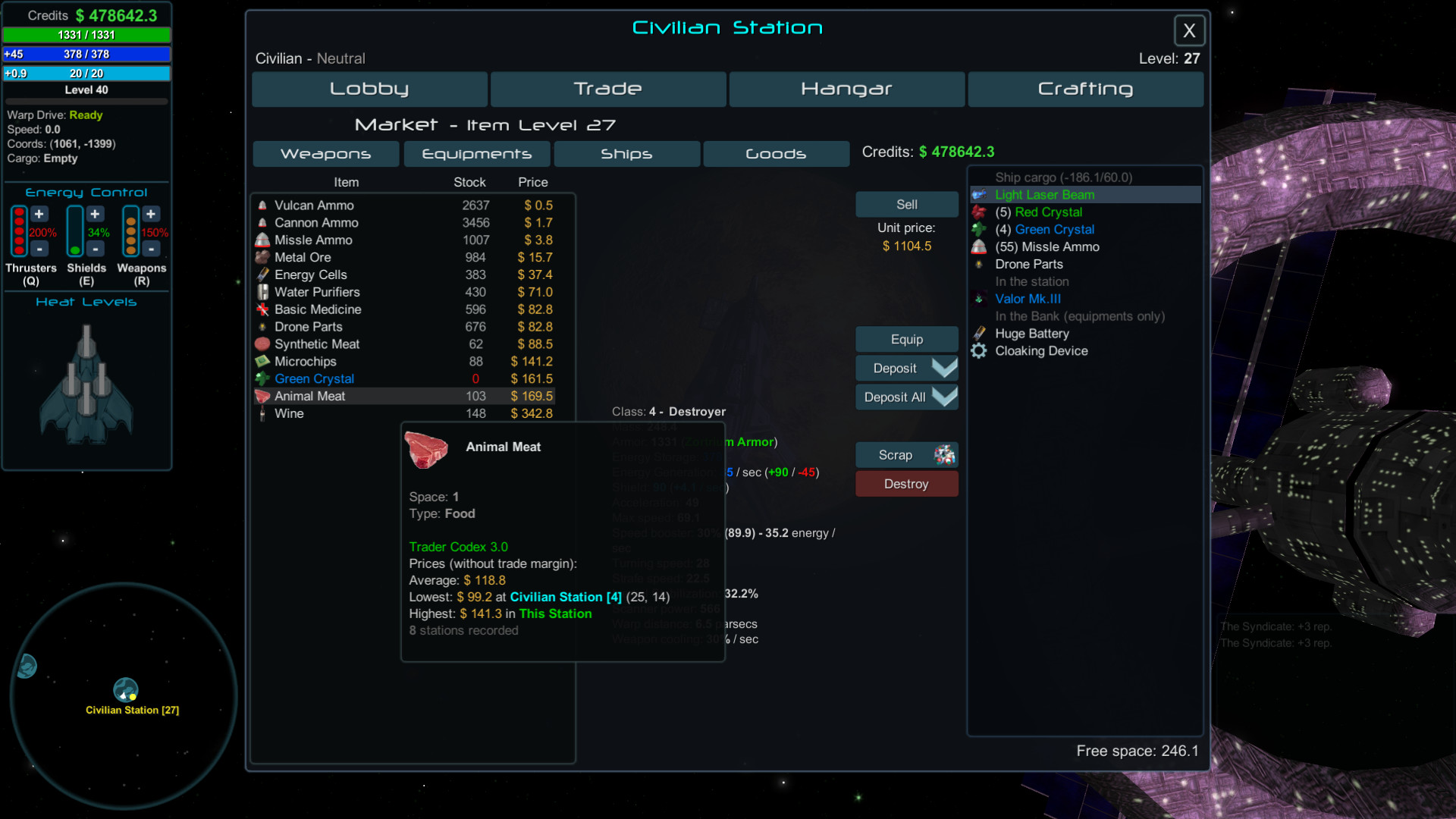

Star Valor
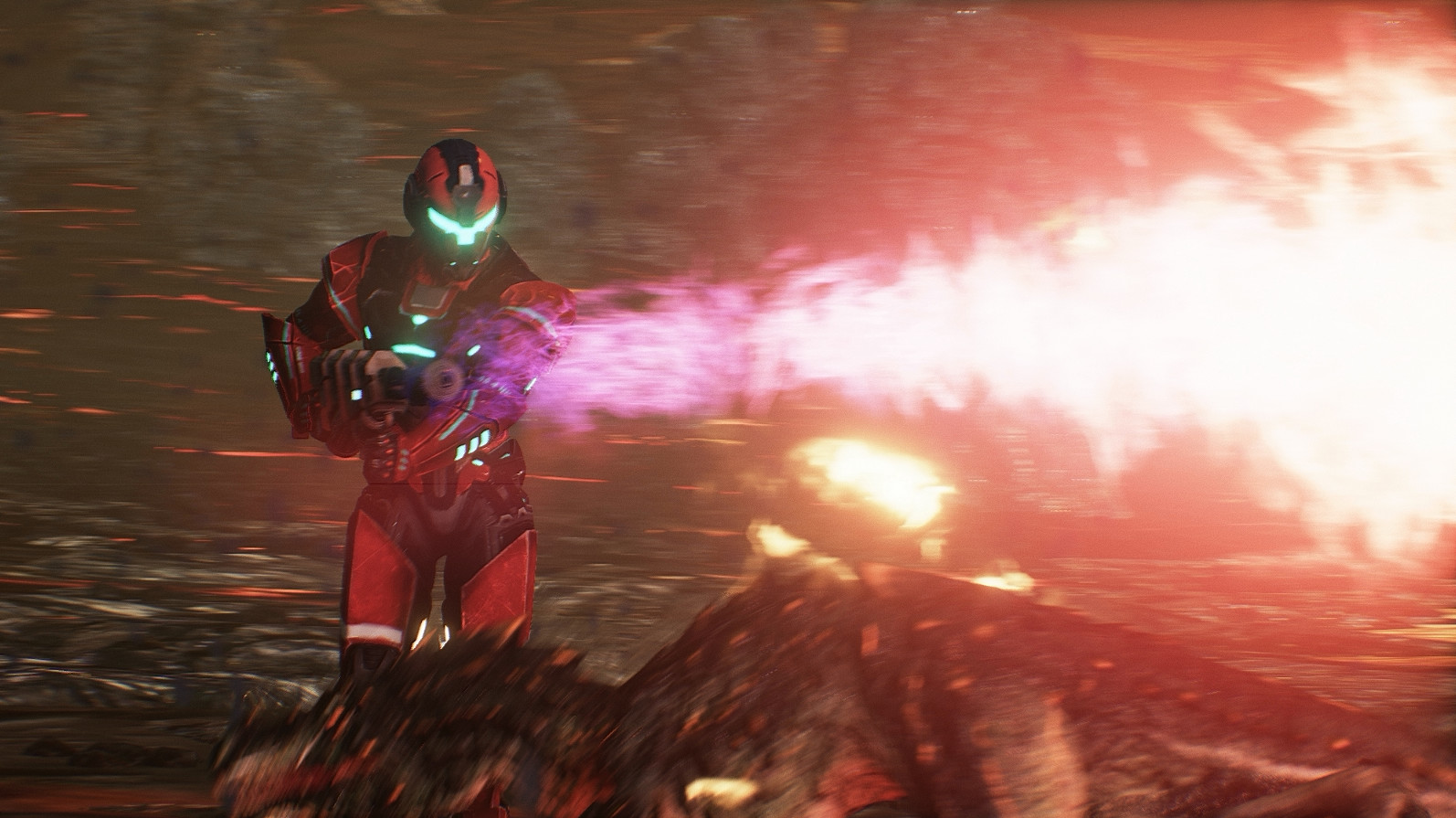

Guardians of Orion
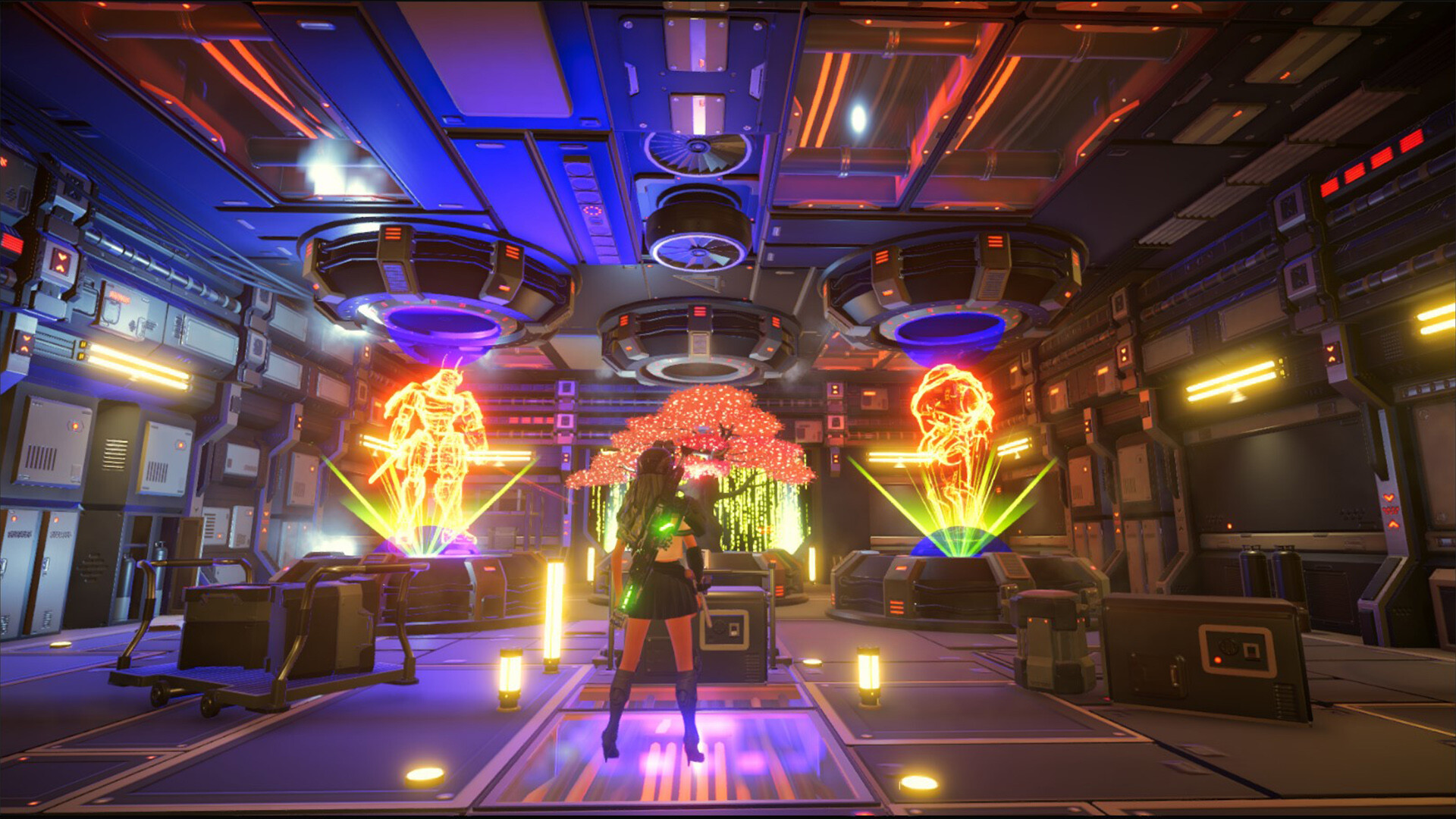
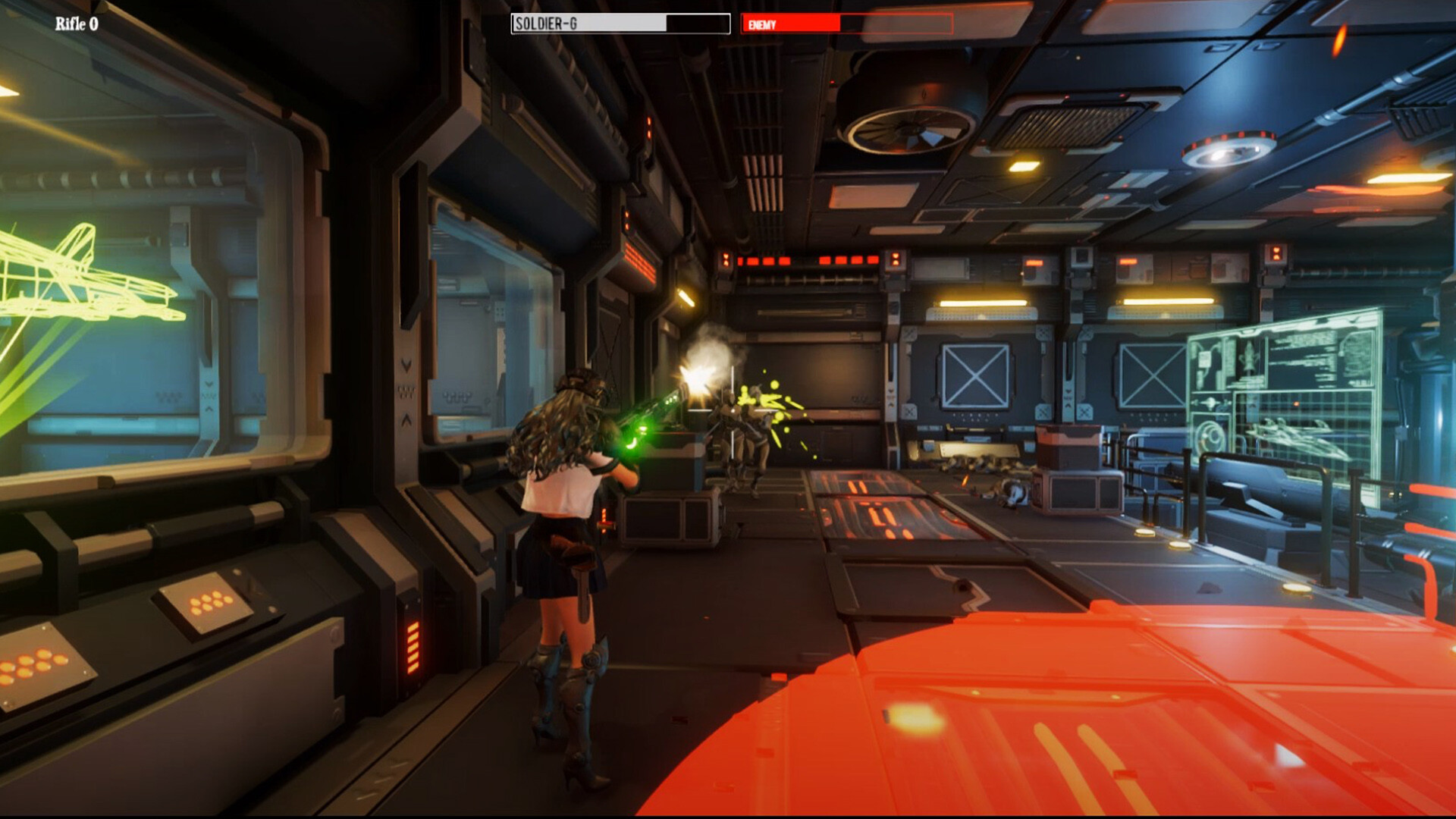
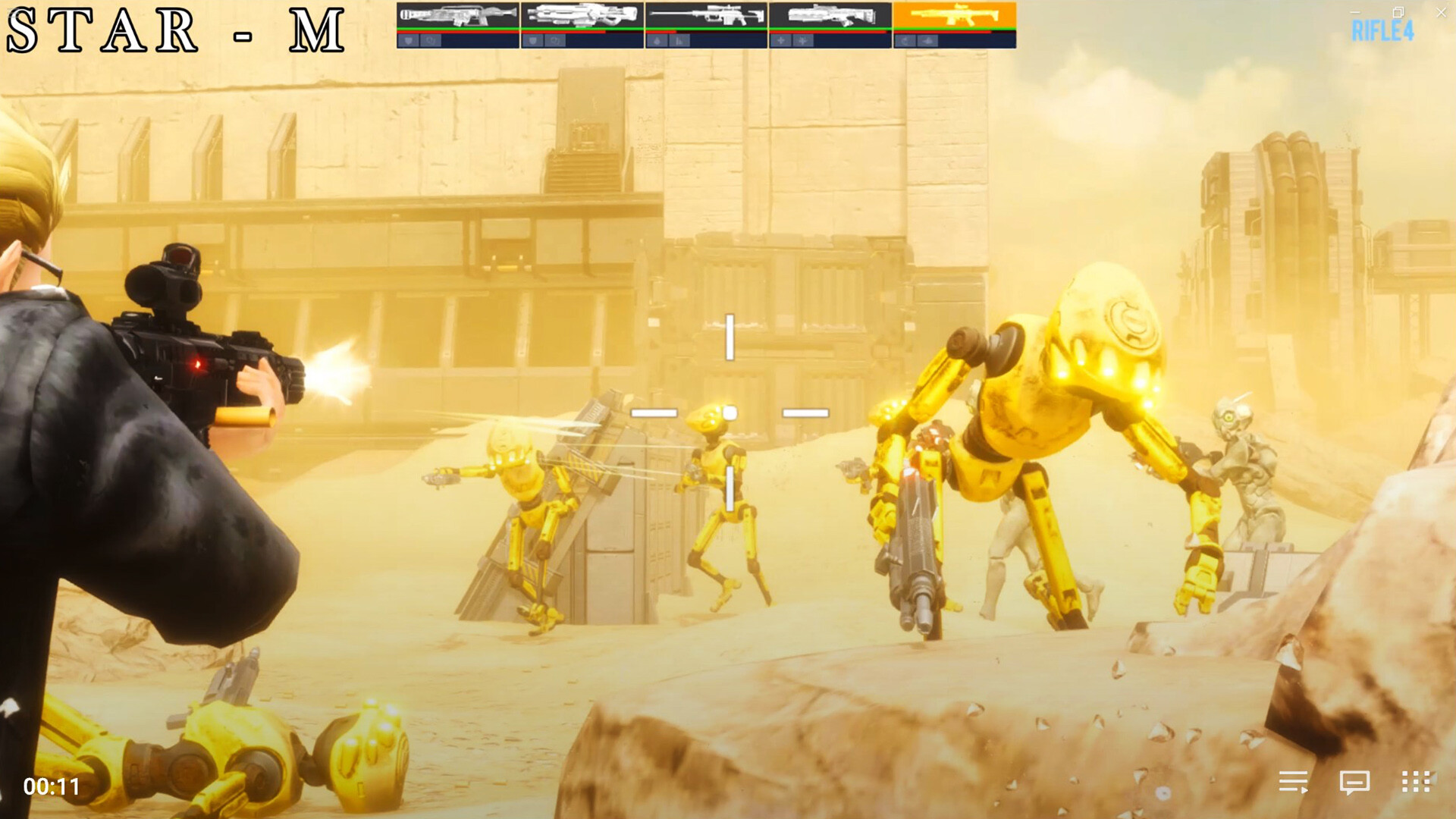
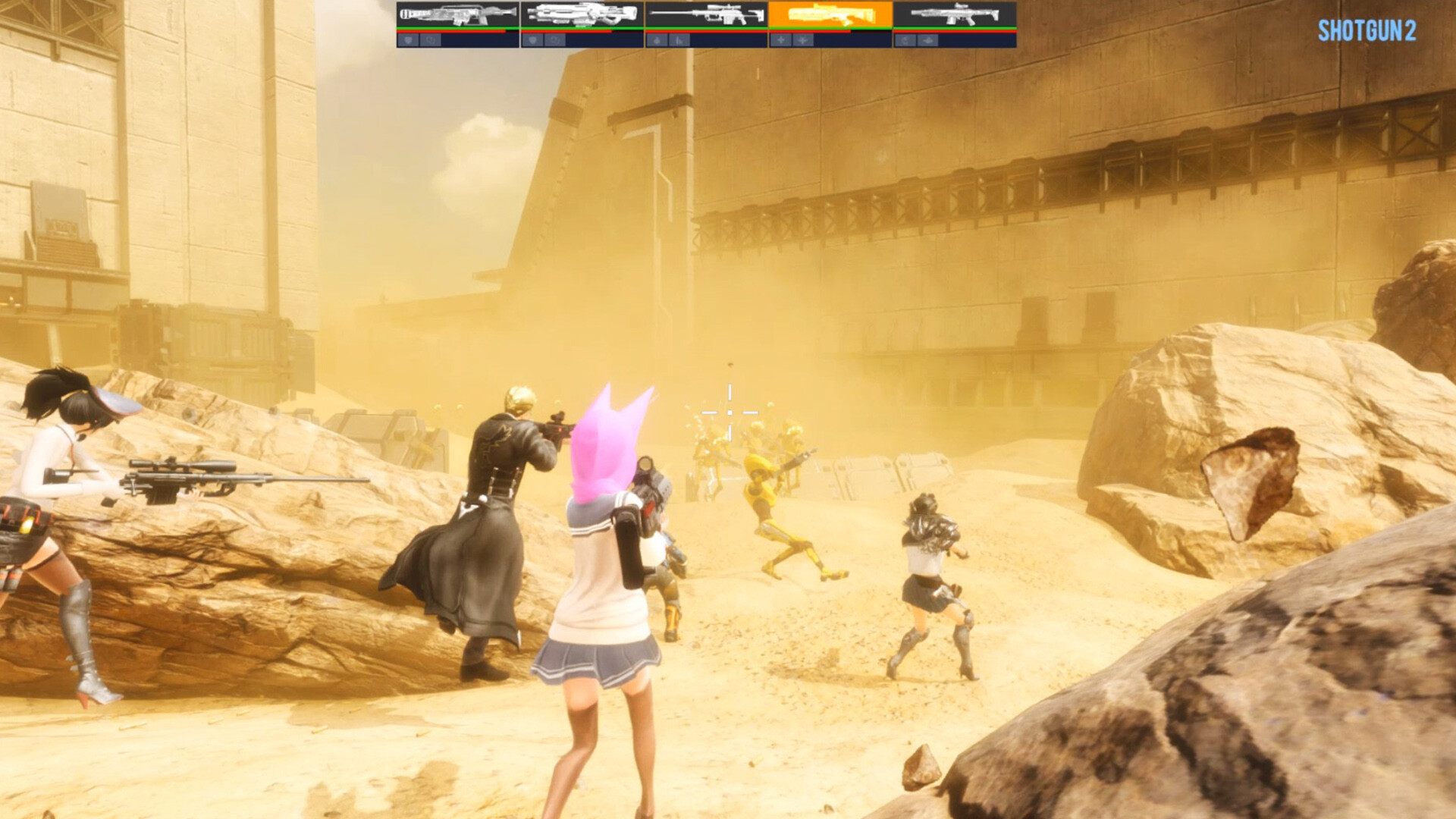
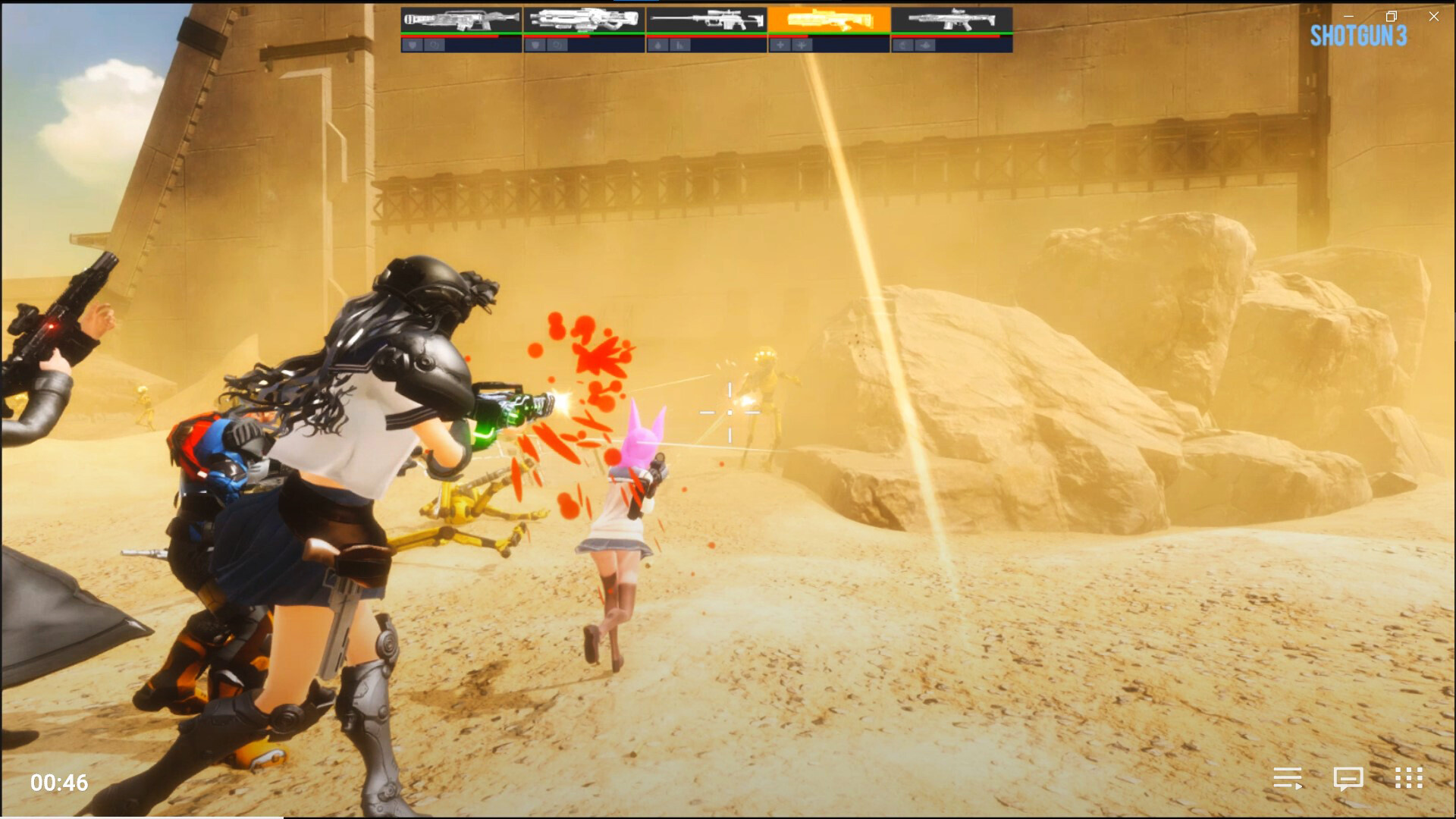
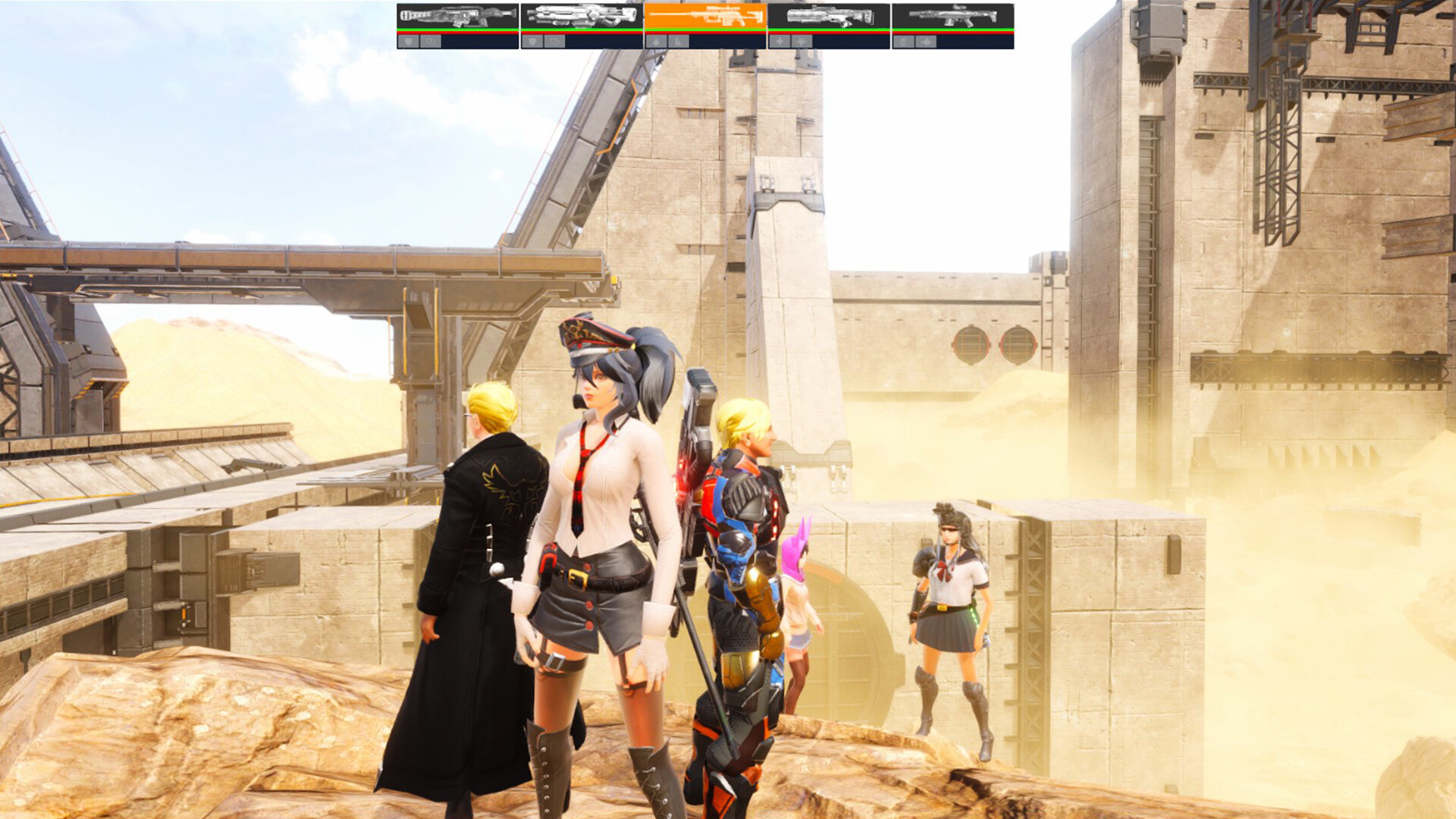
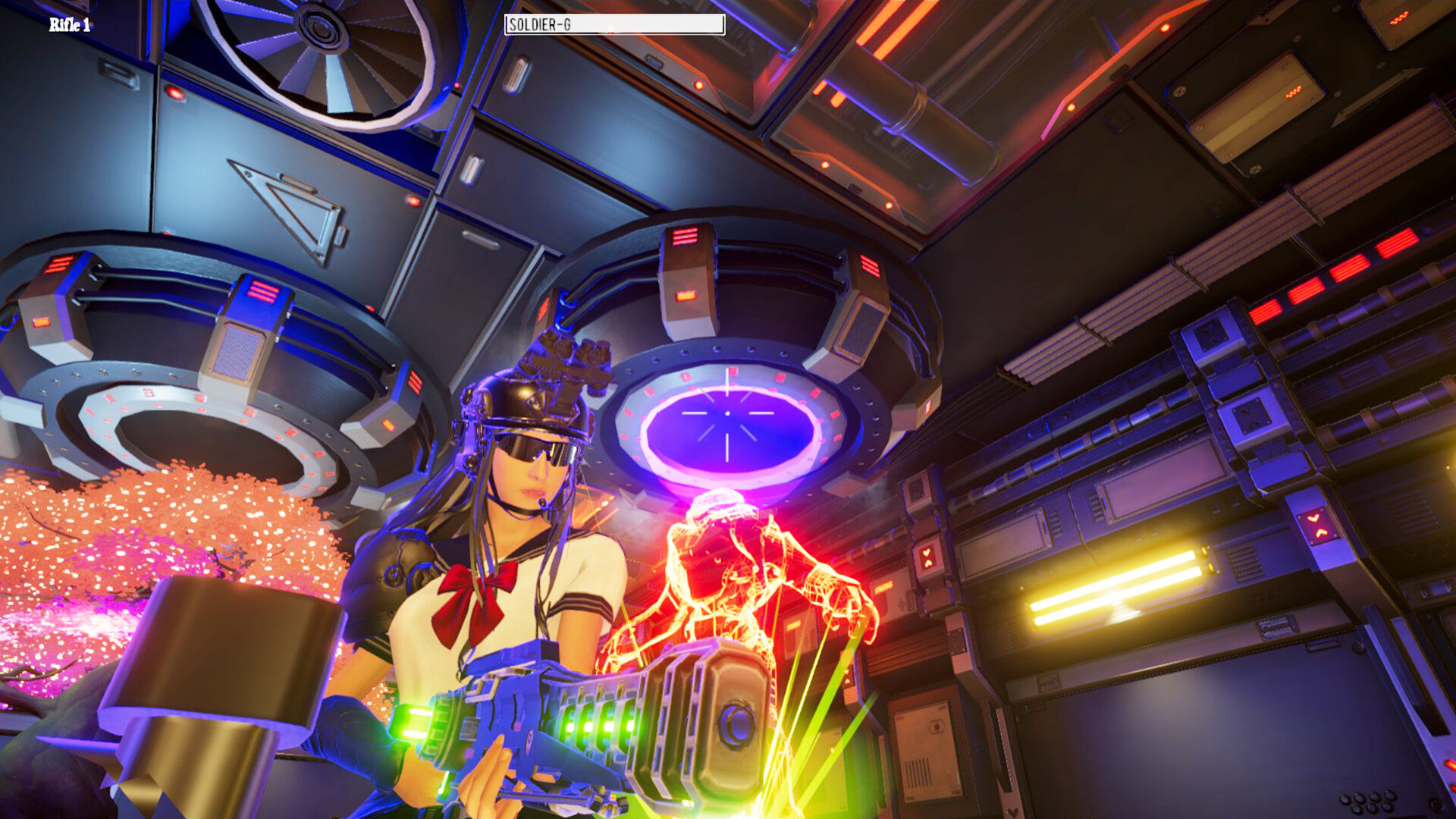
Star: M

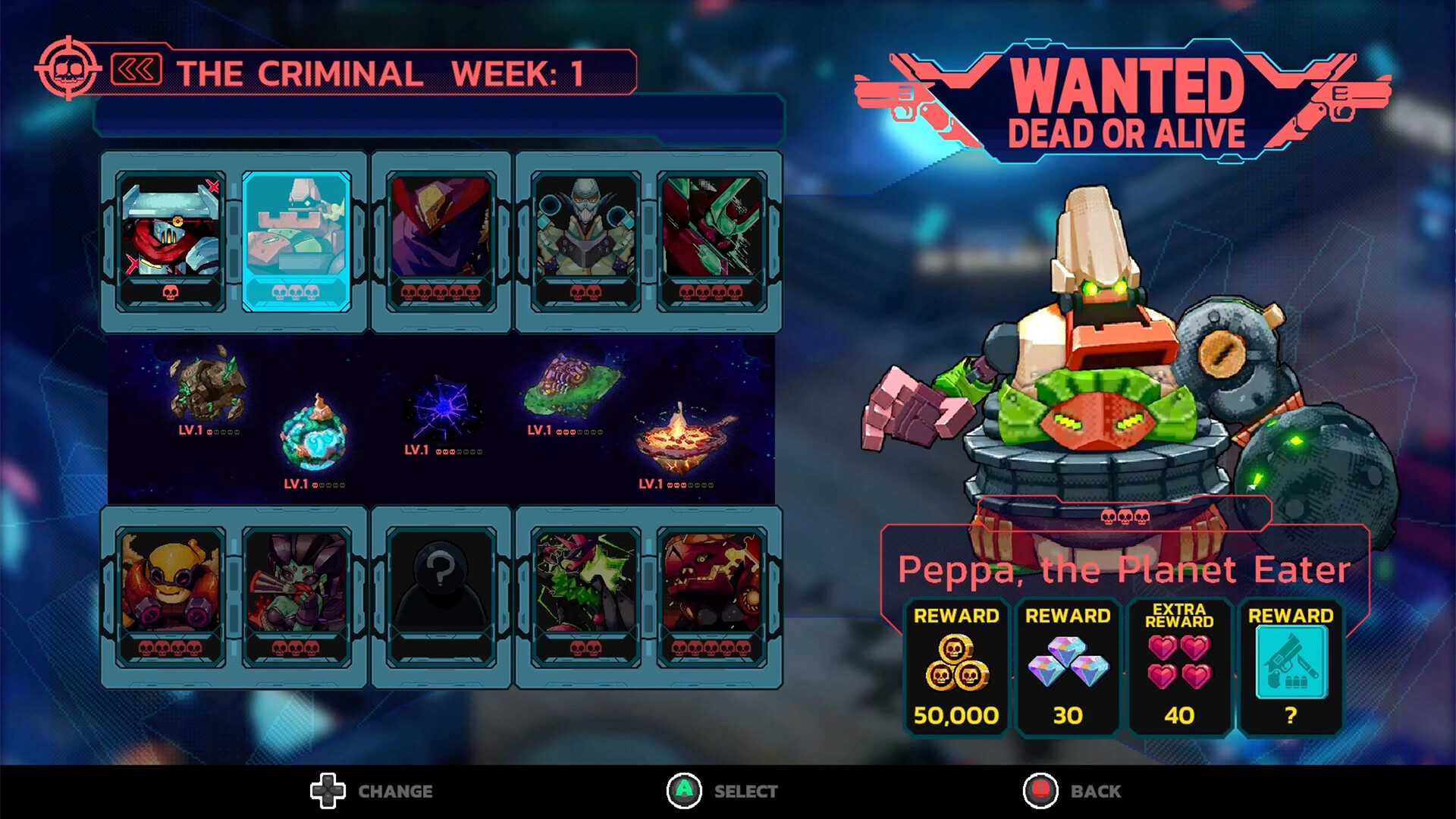
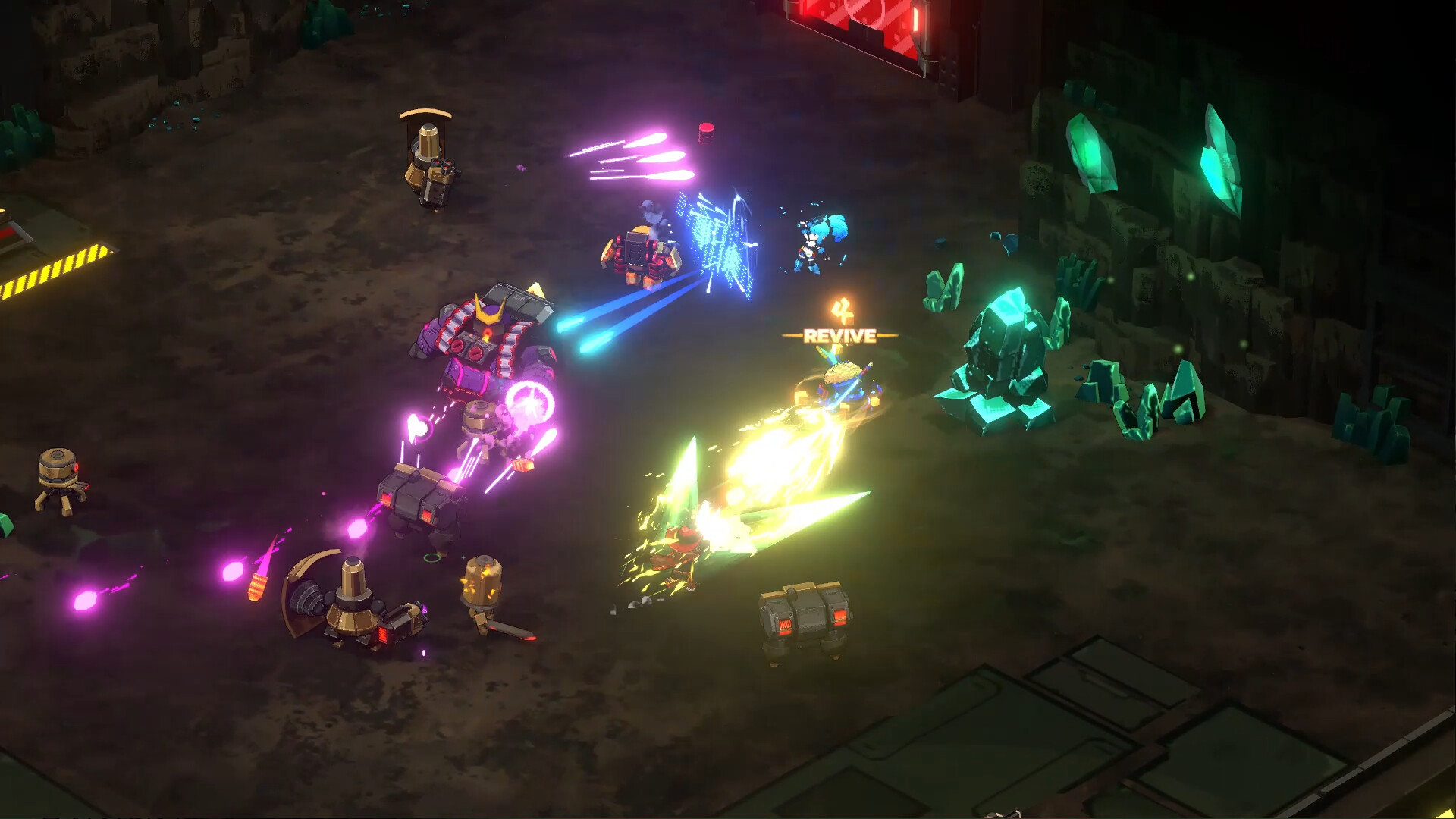
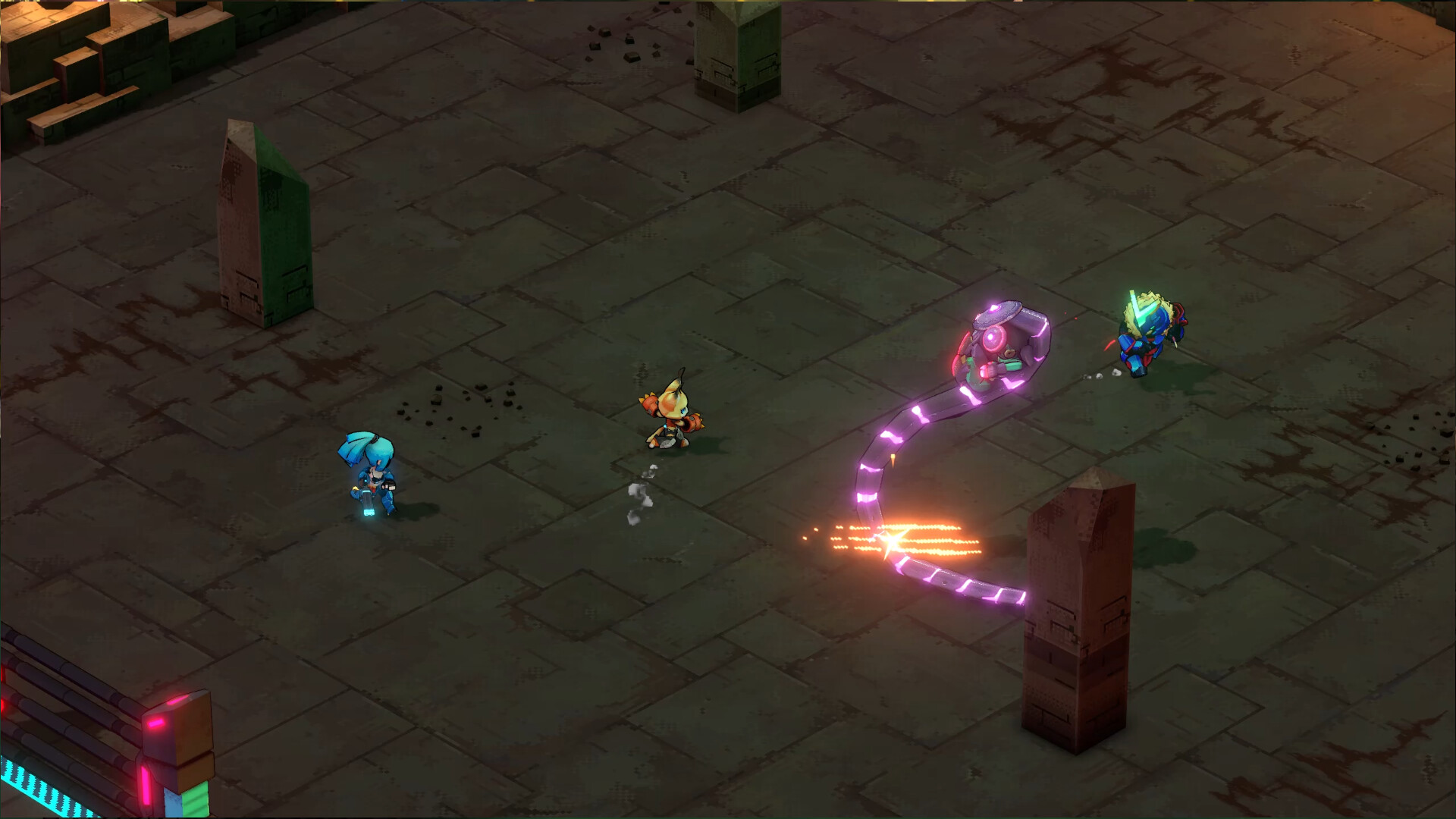
Bounty Brawl: Most Wanted

Infinity Rising
Legends of the Jedi