Game Info
↑ Back to top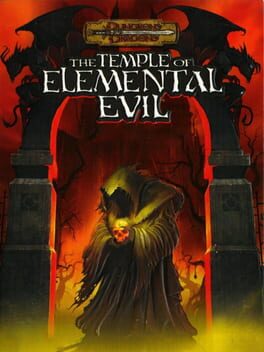

The Temple of Elemental Evil
Series:
Genres:
Themes:
Perspectives:
Game Modes:
Overview
↑ Back to topDescription from Steam STEAM
The Temple of Elemental Evil , first released in 2003, has inspired a passionate community for over two decades. This updated edition is a true labor of love, shaped by years of fan dedication and the incredible efforts of the Circle of Eight and Temple+ modding communities. It brings the classic D&D adventure to life for modern players with over a thousand fixes and improvements - from enhanced stability and AI to smoother performance, refined UI, and countless quality-of-life updates. We’re deeply thankful to everyone who’s helped preserve and evolve this classic. THE STORY SO FAR: An evil demoness founded a cult dedicated to exploring evil in its most elemental forms. This cult was based in a temple just outside the village of Hommlet in a vile shire known as Nulb. Soon, this cult ruled the region with tyranny; times of chaos and violence ensued. Hard-fought battles were waged and the war was eventually won by the good armies of nearby lands. The temple was razed, the villains were imprisoned, and order was restored. The temple itself faded into distant memory...until now. THE ADVENTURE BEGINS: Recently, bandits have begun patrolling the roads outside Hommlet and wicked forces are rumored to be afoot, converging on the ruined temple at Nulb. Their purposes for such meetings are as yet unknown. The identity of these people are equally a mystery. Some claim they are bent on slaying monsters and maintaining order within the region, but no one can be sure. So begins your adventure within the Realm of Greyhawk. It is an adventure that will lead to the source of a deep and abiding mystery, to the very core of evil itself. FEATURES: Multiple story paths and multiple endings Five controllable characters and three followers in each party Richly varied environments populated with reactive NPCs Characters that can be customized with skills, feats and spells Party-based adventuring and tactical turn-based combat Gameplay that supports all alignments Formidable obstacles including a wide array of monsters First PC game based on the classic Greyhawk module
Description from IGDB IGDB
Storyline IGDB
Thirteen years before the start of the game, Hommlet was a peaceful town. Due to low taxes and safe roads, the area became prosperous, and the village flourished. This prosperity drew the attention of evil forces, who began slowly trickling into the area. It is not known where these forces came from, but the Dyvers of Nyr Dyv and the inhabitants of the forestlands of the Wild Coast were the chief suspects. As the presence of bandits, kobolds, and goblins increased, a local militia led by Waldgraf of Ostverk was raised to defend Hommlet. This only served to check the evil forces, however.
Wikipedia Description WIKIPEDIA
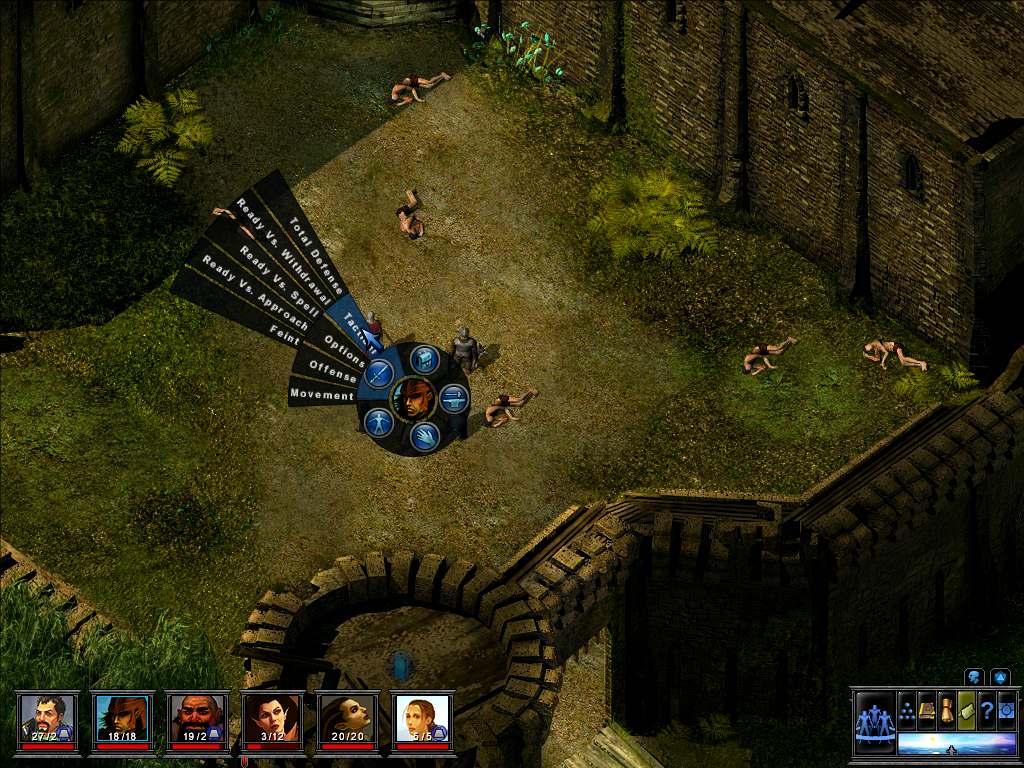
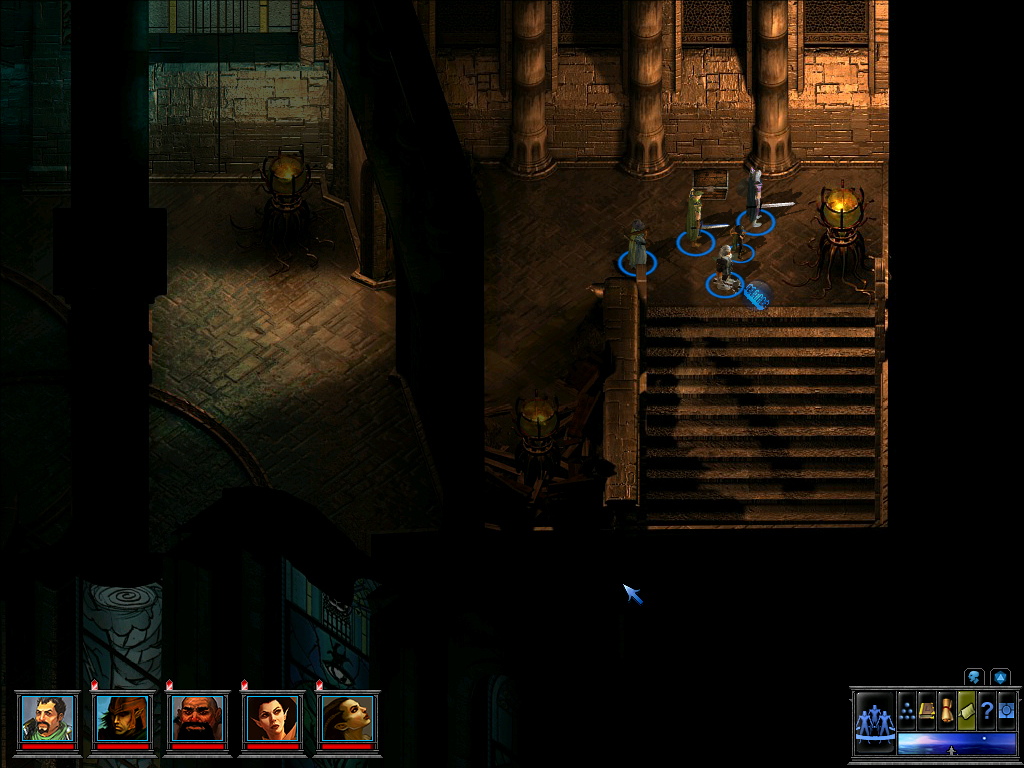
The game focuses on a party of up to five player-controlled characters. These characters can be created by the player or can be one of the pre-made characters that come with the game. All, however, must be within one step of a party alignment. Any player-made characters are created in a 13-step process, but there is an option to let the game deal with most aspects of character creation for the player. At any time, the party can have up to three NPC followers, and all player characters can have a familiar and/or animal companion as allowed by class. All characters have a screen that shows information pertaining to them. Five tabs—inventory, skills, feats, spells, and abilities—allow the player to manage equipment, change spell configurations, and compare character attributes. This screen also appears when the party is bartering with an NPC or looting a body, but clicking out of the inventory tab will eject the player from the interaction. Additionally, small portraits of the characters appear on the bottom of the screen, along with a small red bar showing remaining health and icons depicting any status conditions, such as level drain, blessings, or paralysis. The characters are controlled via radial menus. After selecting a character, the player right clicks to open a circular menu. From there, hovering over wedges brings out more options, such as specific spells, actions, or inventory items. The main radial menu, which encircles a picture of the character selected, has up to six sections, the number being based on class abilities. Specific actions are color-coded based on the type of action they are. Characters can use their skills throughout the game by selecting them on the radial menu. To pick another character's pocket, the player would select a character with the Sleight of Hand skill, left-click on the skill from the radial menu, and left click on the victim. Dialog skills, such as Intimidate and Gather Information, appear as options in dialog with an icon denoting the skill being used. Skills are increased every level at a rate derived from the character's class and Intelligence. Combat is turn-based, with characters going individually based on their initiative. Each character can make five types of actions: free, no, full-round, move, and standard. Characters can take a move action and a standard action each turn. Full-round actions count as a use of both actions. Free actions take a negligible amount of time to perform, so they count as neither actions. No actions also count for neither actions, but they require special circumstances in order to be performed. Characters can choose special attacks to perform or spells to cast, and they can also choose to attack or cast in specific ways. Defensive casting and fighting, dealing non-lethal damage, tripping an opponent, and coup de graces are examples of particular actions in combat. Characters have a set yet semi-random number of hit points based on their level, class, and Constitution score. Upon being reduced to zero hit points, a character is staggered, and a full round action will cost him or her one hit point. A creature with hit points between −1 and −9 is unconscious, and loses one hit point a round. The character has a 10% chance of stabilizing, which will stop the loss of hit points but will keep the character unconscious. Other characters can stop this loss of life through a successful heal check. If a character or creature reaches −10 hit points, it dies. Although most of the main rules from 3.5 edition of Dungeons & Dragons are implemented, there are several exceptions. Some of them, such as applying a bonus to AC from the Dodge feat, are simplified to streamline play. Others, such as not letting prone characters attack, are implemented to reduce the number of required animations. The structure of the engine is also utilized, allowing encumbered characters to move at 3/4 their maximum rate, even if the resulting speed is not a whole number. Certain abilities, including Barbarian Rage, are modified to better flow with the game. A hybridization of some rules also occurred; the spell Doom is modified to reflect the first printing of the Player's Handbook, and weapon sizes are a blend of 3 and 3.5 editions. The game also has two difficulty levels, Normal and Ironman, with the latter intended to more closely mimic the paper-and-pencil game.
About The Temple of Elemental Evil
The Temple of Elemental Evil is a Role-playing (RPG), Squad Management, Strategy, Turn-based game released in 2003 developed by Troika Games that offers Single player gameplay from a bird view / isometric perspective playable on PC (Microsoft Windows) with 30 user ratings averaging 73.4/100. The game explores themes like Fantasy. If you enjoy The Temple of Elemental Evil, you might also like similar games in our database of 45,000+ titles.
Basic Info
Details
↑ Back to topAdditional Information
Платформы 1
Genres 4
Themes 1
Player Perspectives 1
Game Modes 1
Companies
↑ Back to topDevelopers
Troika Games
No description available
Publishers
Atari, Inc.
No description available
Keywords
↑ Back to topScreenshots
↑ Back to top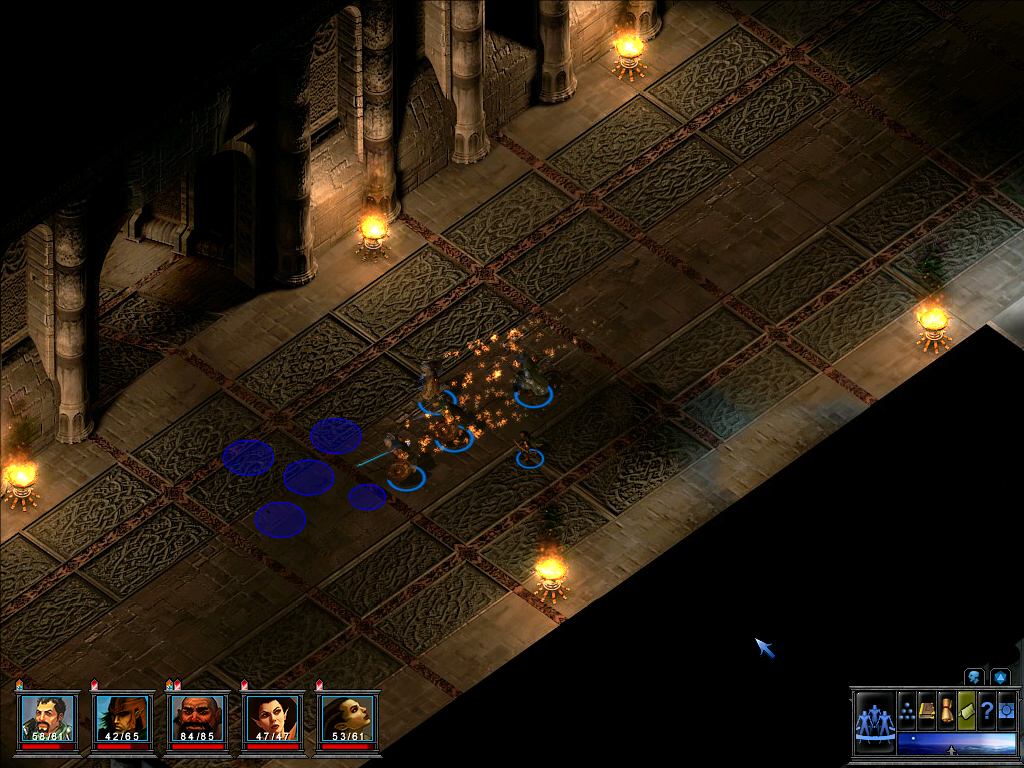
Similar Games
↑ Back to top



Chrono Trigger

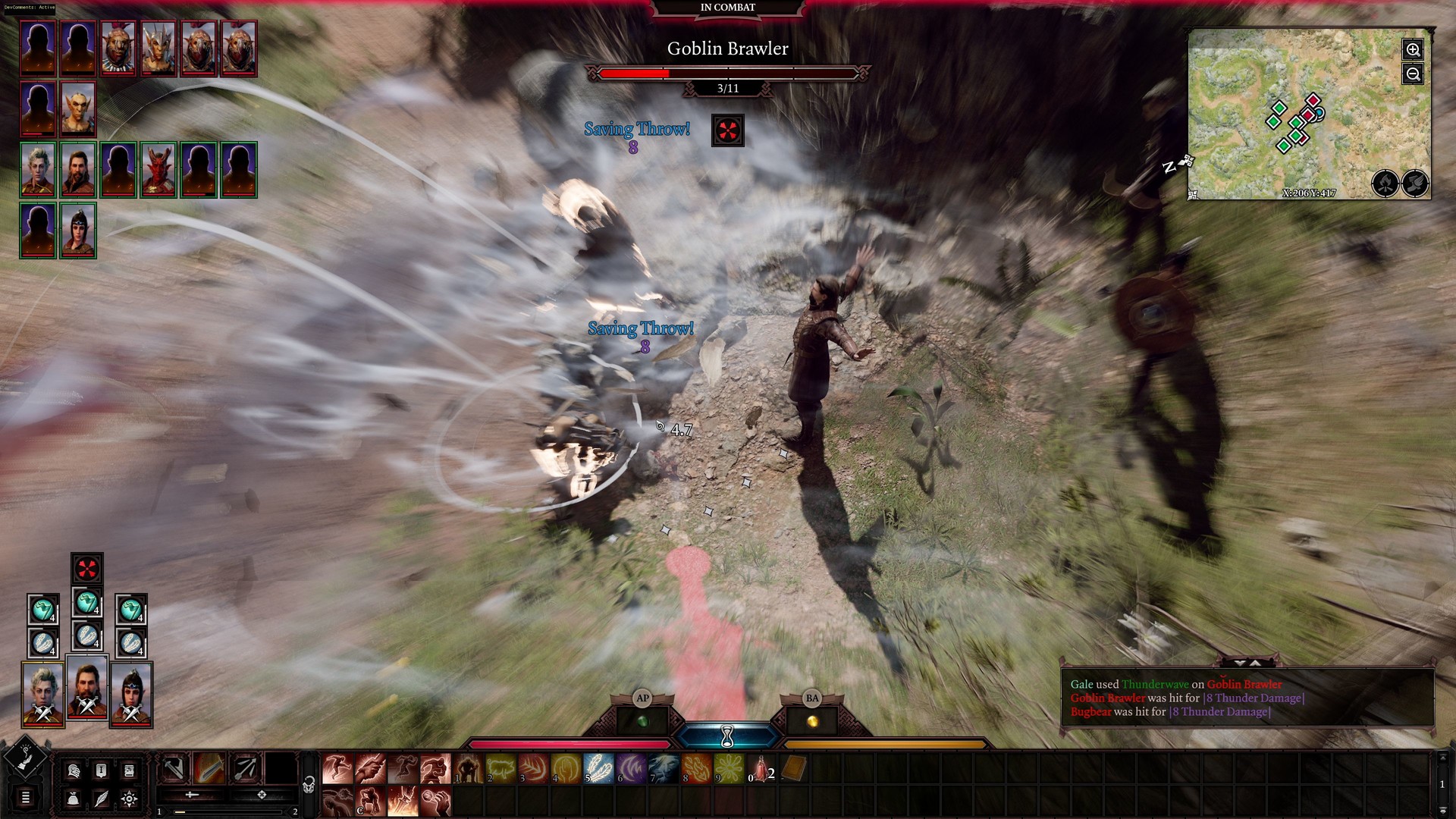
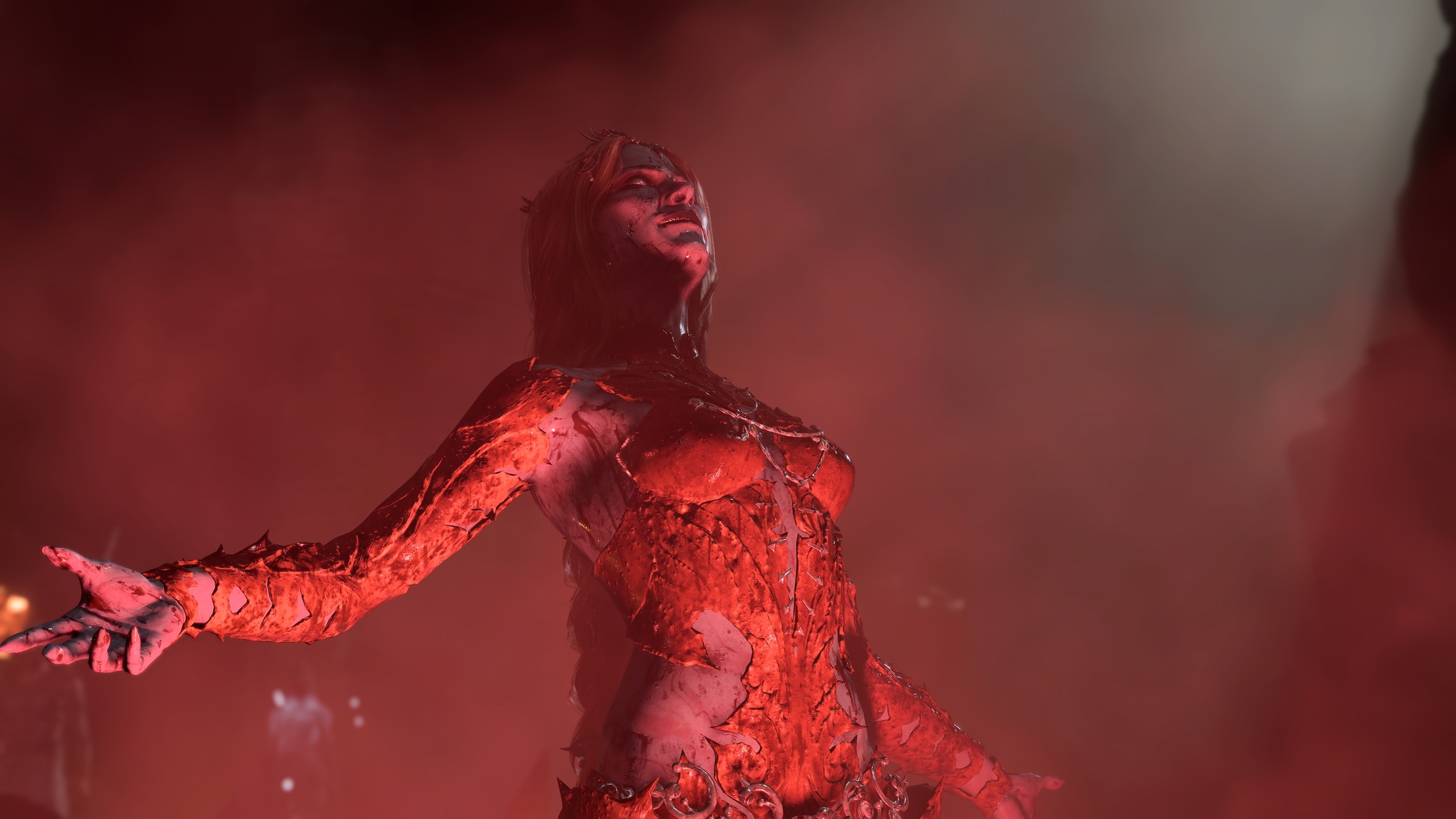
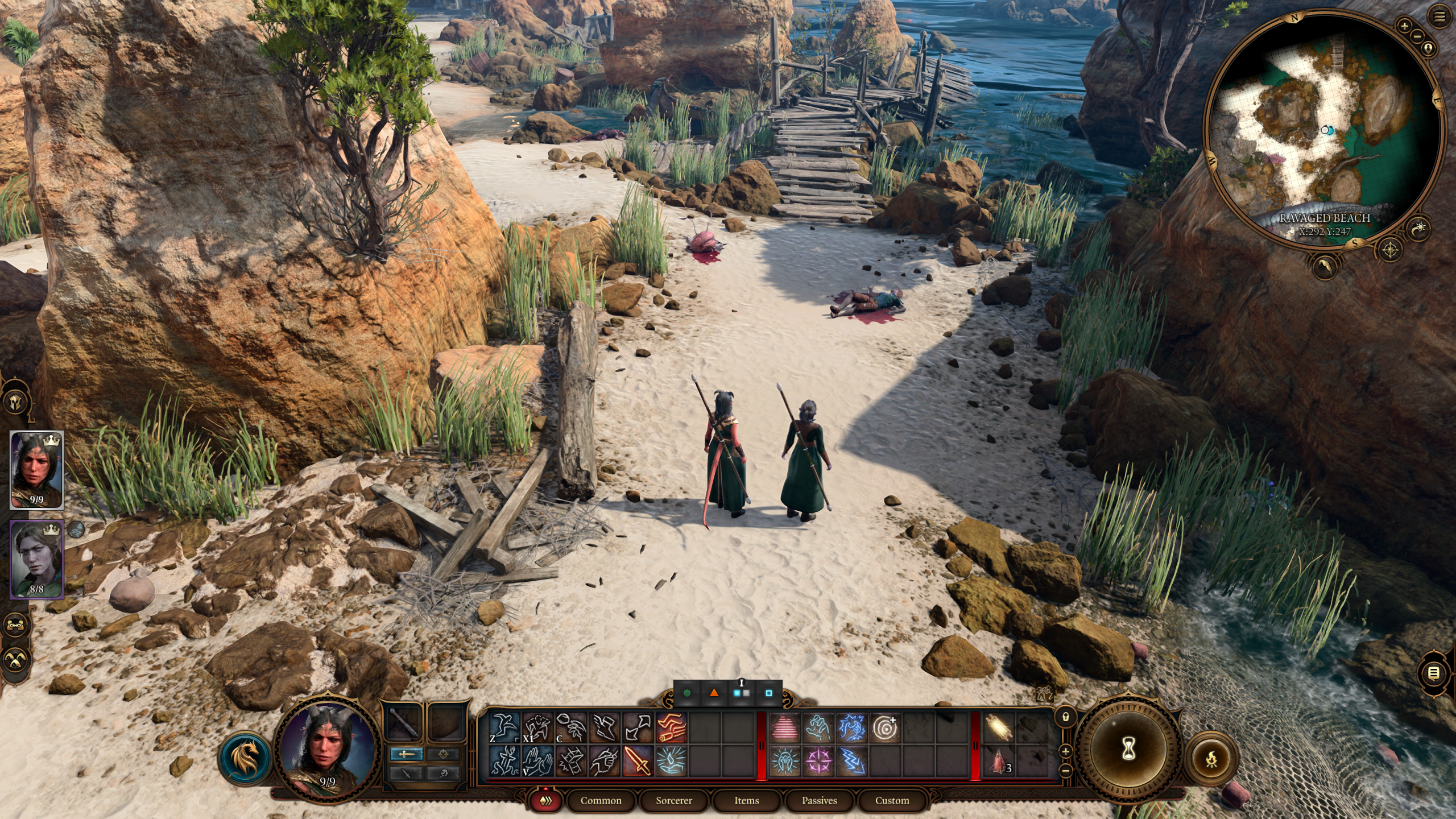

Baldur's Gate III

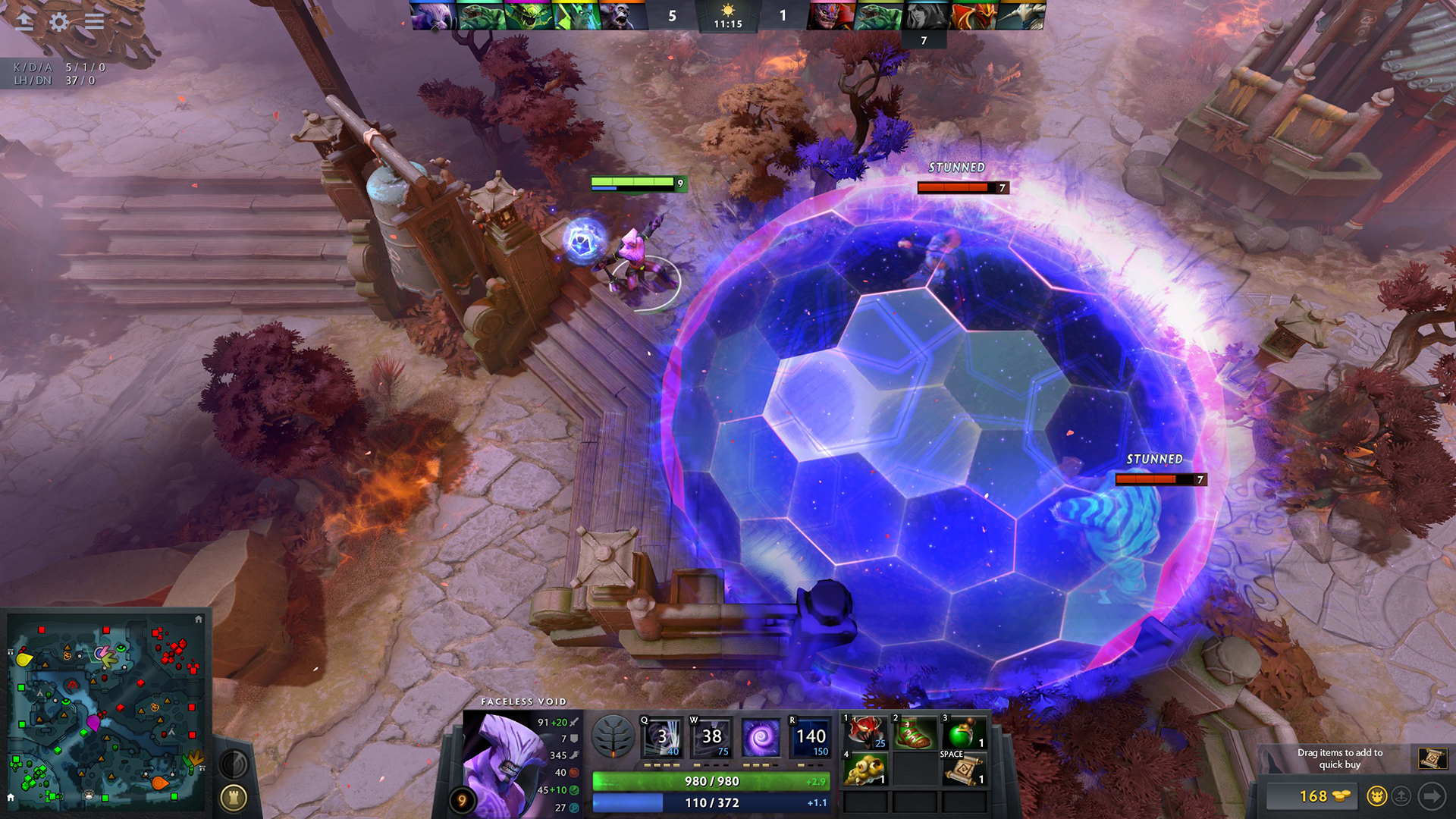
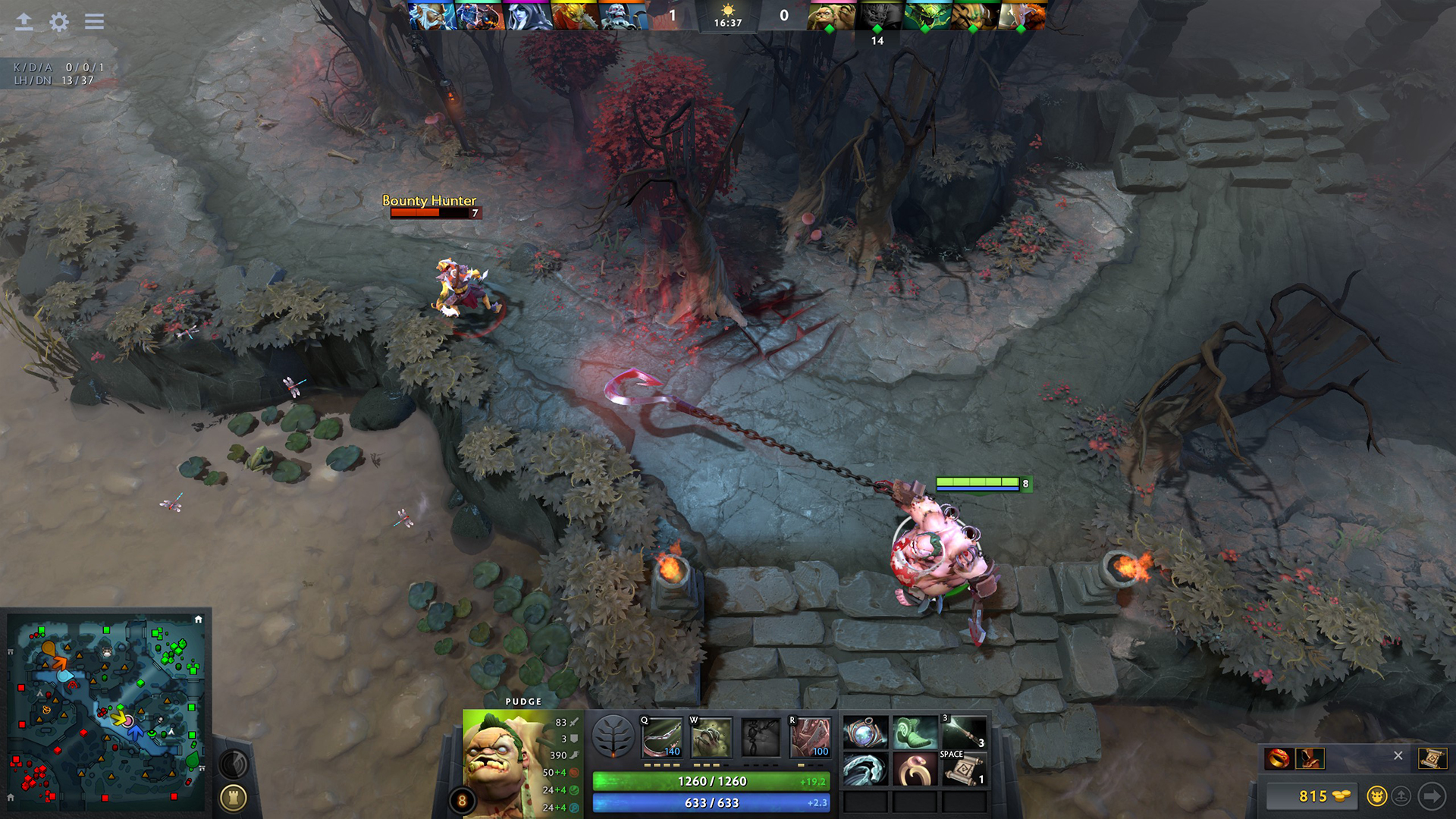

Dota 2


Hearthstone

Heroes of Might and Magic III: The Restoration of Erathia



Divinity: Original Sin II


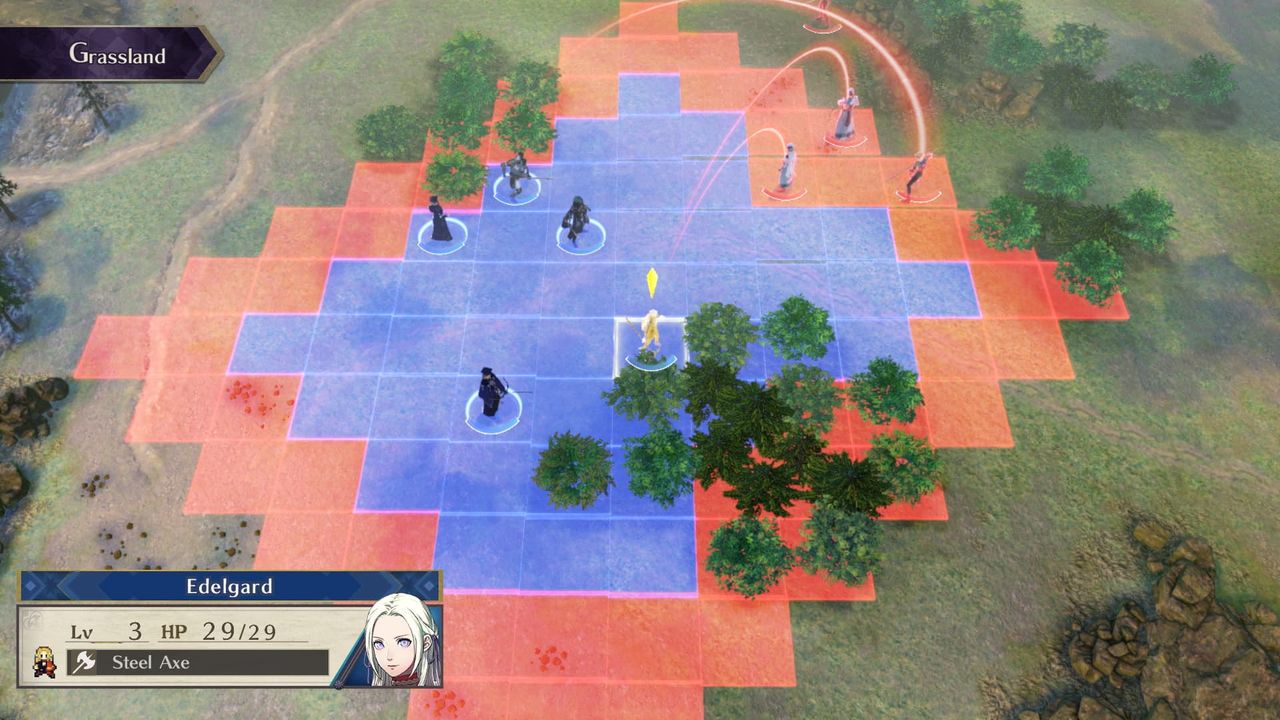
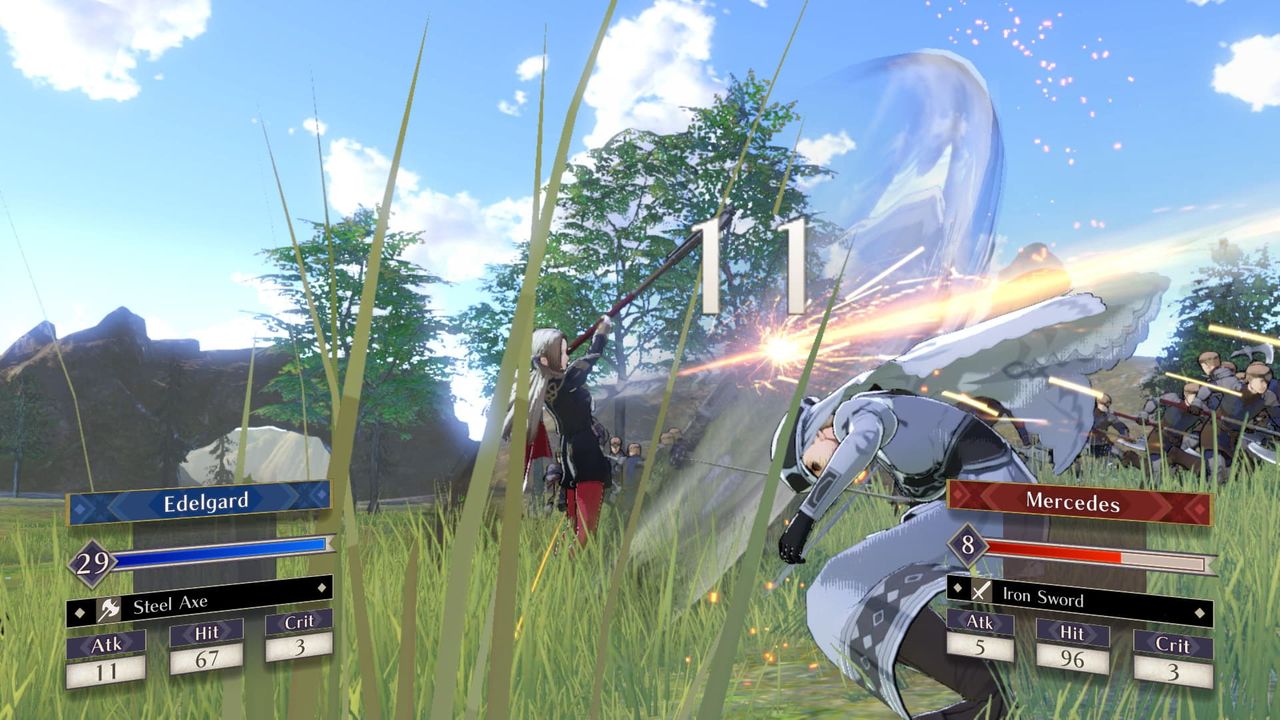
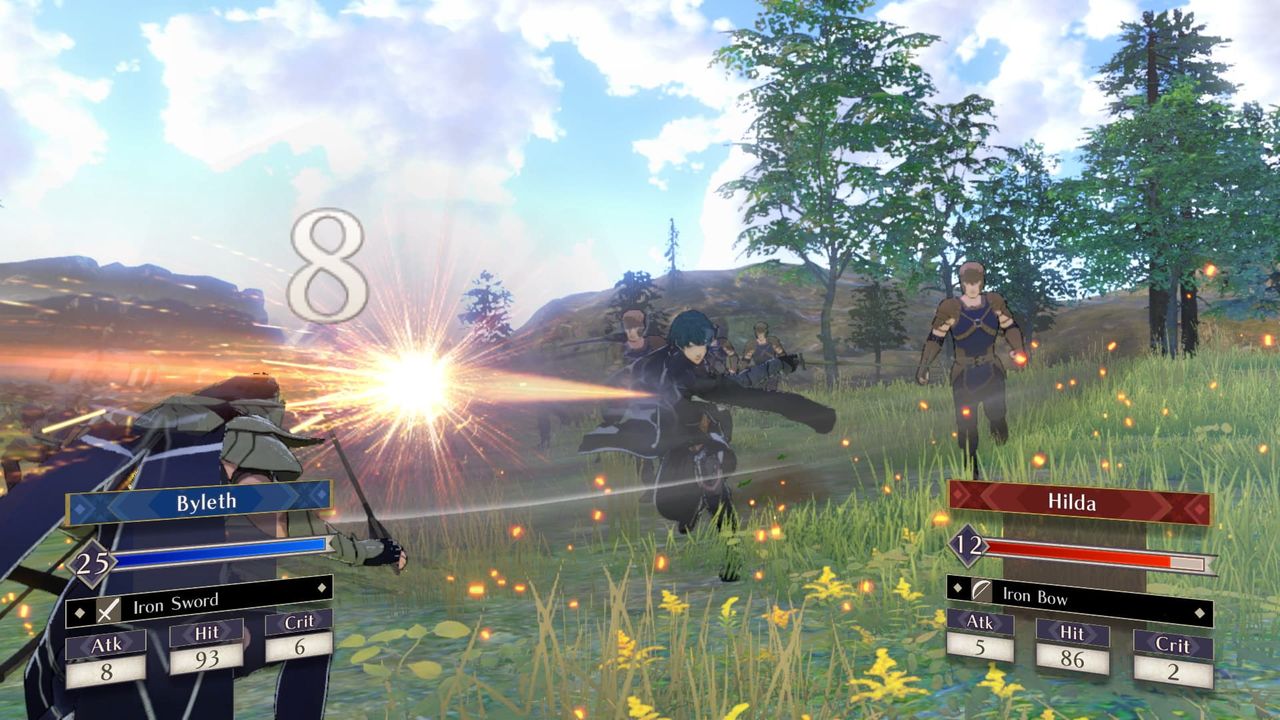
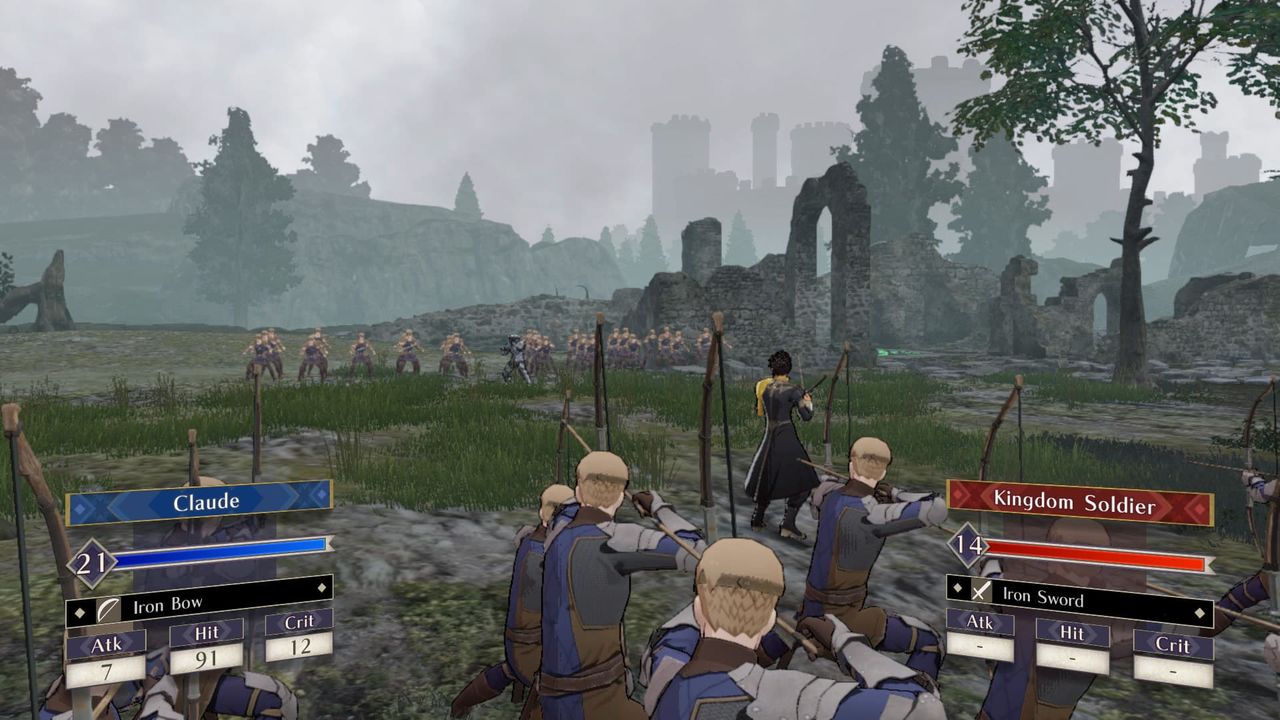
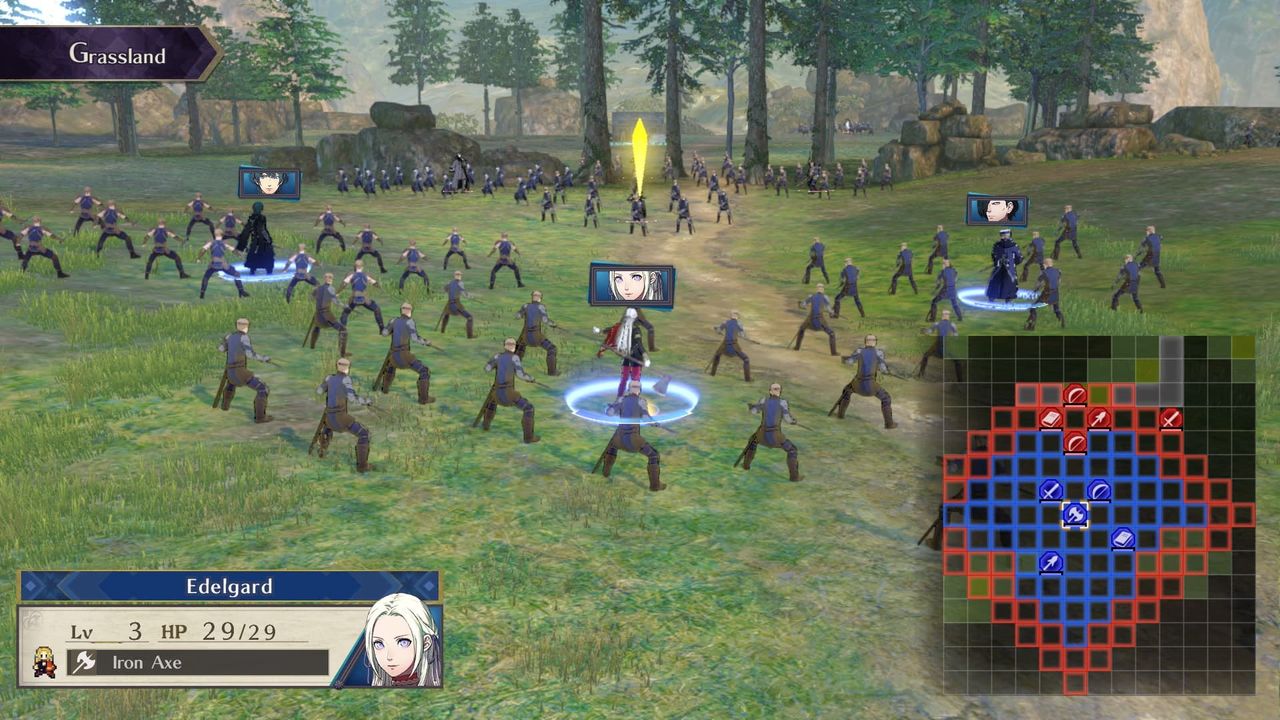
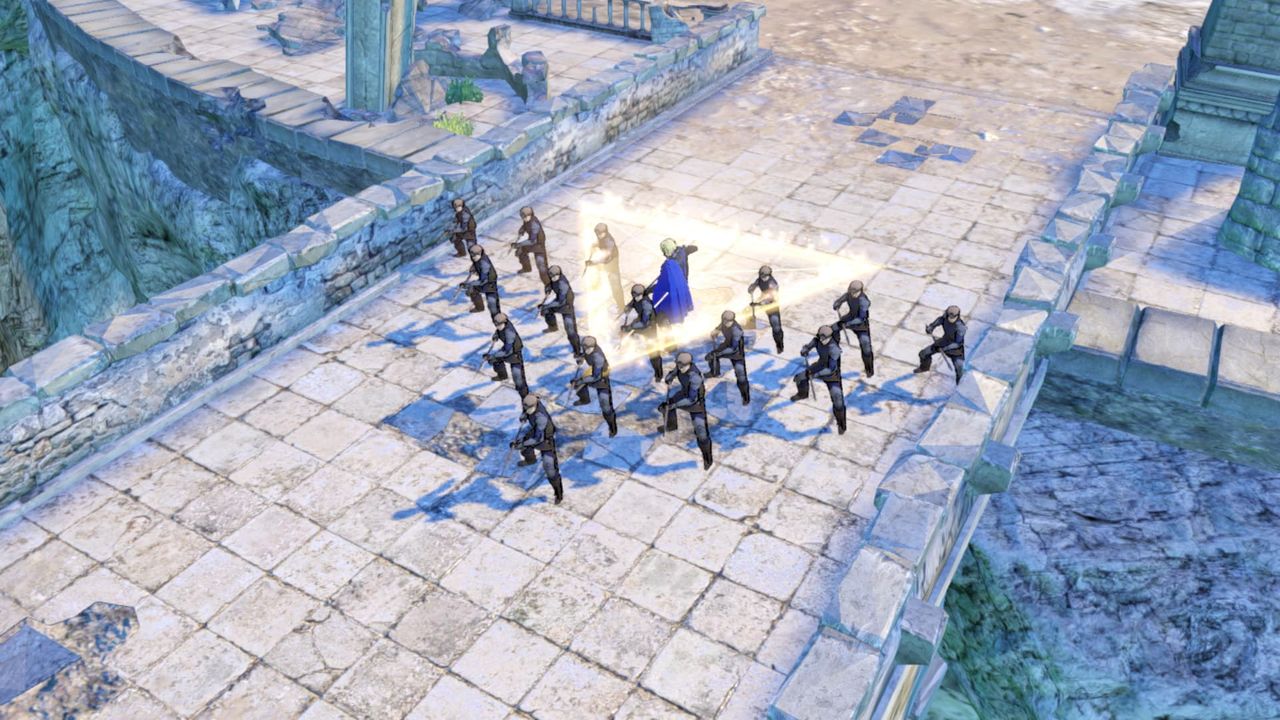
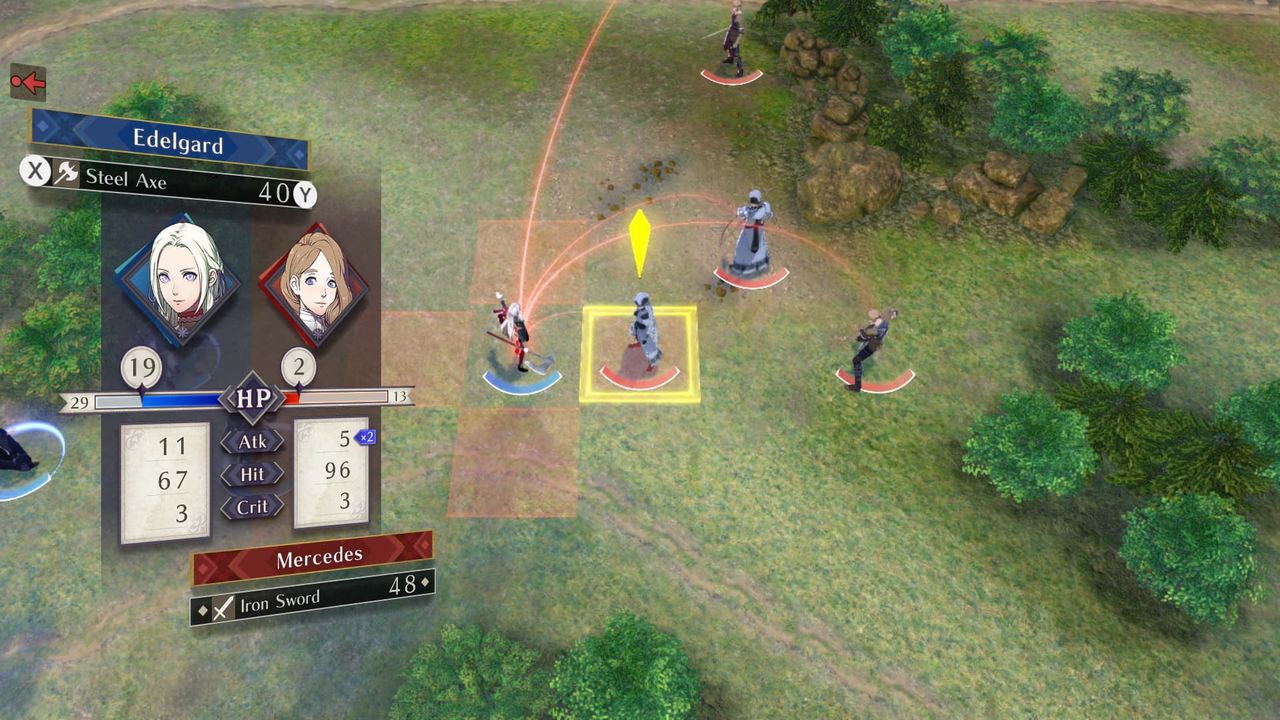

Fire Emblem: Three Houses


Final Fantasy


Heroes of Might and Magic V

Heroes of Might and Magic IV



Shadowrun Returns