Game Info
↑ Back to top

Fire Emblem Engage
Series:
Genres:
Themes:
Perspectives:
Game Modes:
Game Engines:
Overview
↑ Back to topDescription from IGDB IGDB
Storyline IGDB
In a war against the Fell Dragon, four kingdoms worked together with heroes from other worlds to seal away this great evil. One-thousand years later, this seal has weakened and the Fell Dragon is about to reawaken. As a Divine Dragon, use rich strategies and robust customization to meet your destiny—to collect Emblem Rings and bring peace back to the Continent of Elyos. Summon valiant heroes like Marth and Celica with the power of Emblem Rings and add their power to yours in this brand-new Fire Emblem story. Aside from merging appearances, Engaging lets you inherit weapons, skills, and more from these battle-tested legends. The turn-based, tactical battle system returns with a fresh cast of characters you can customize and Engage to carefully craft your strategy.
Wikipedia Description WIKIPEDIA
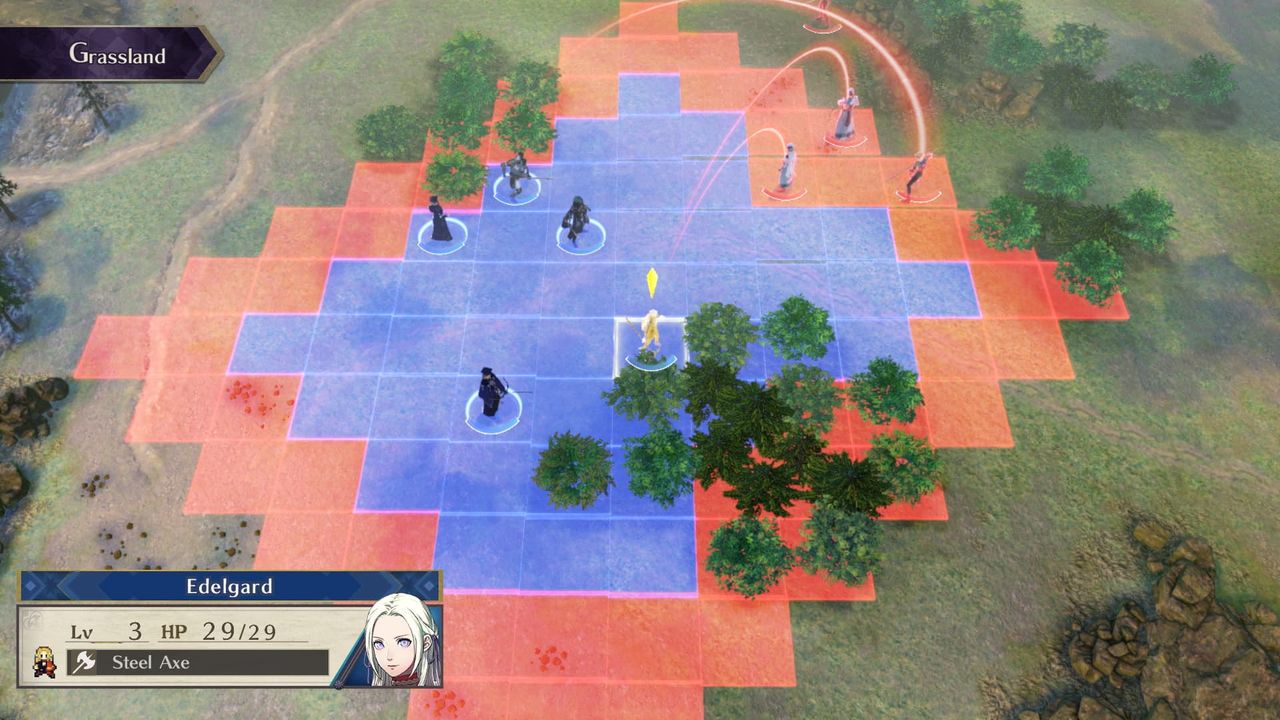
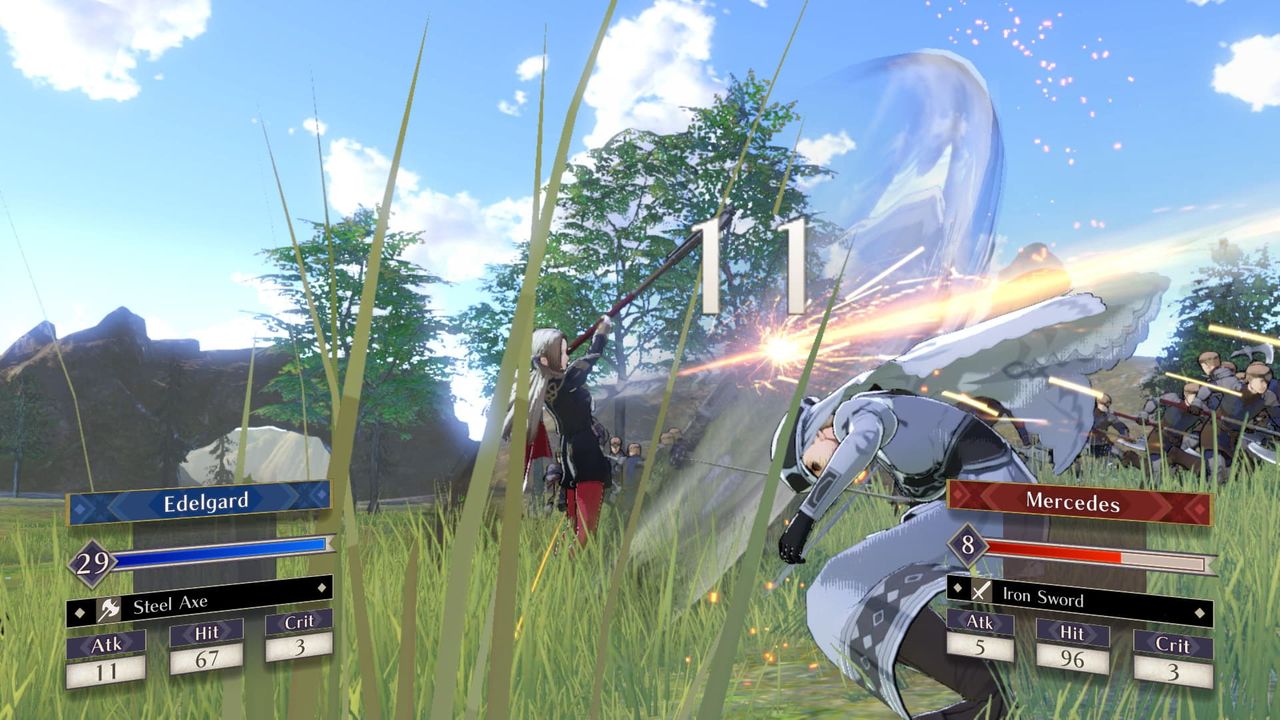
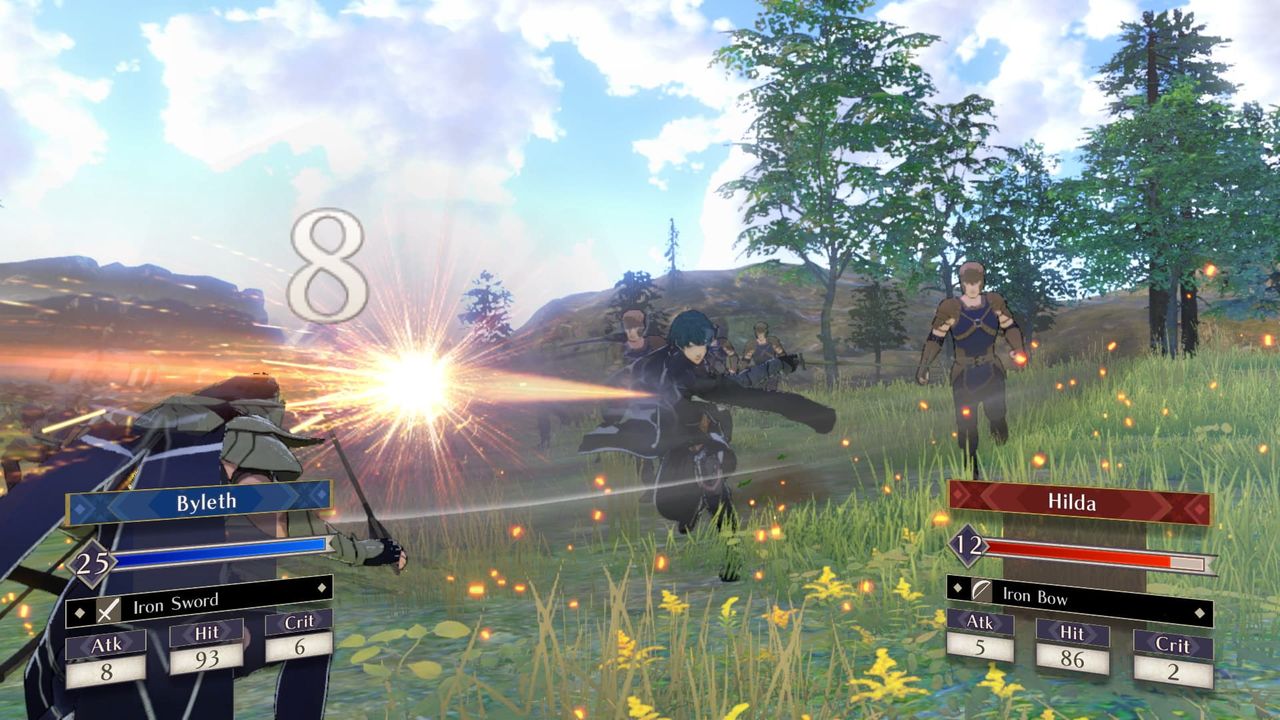
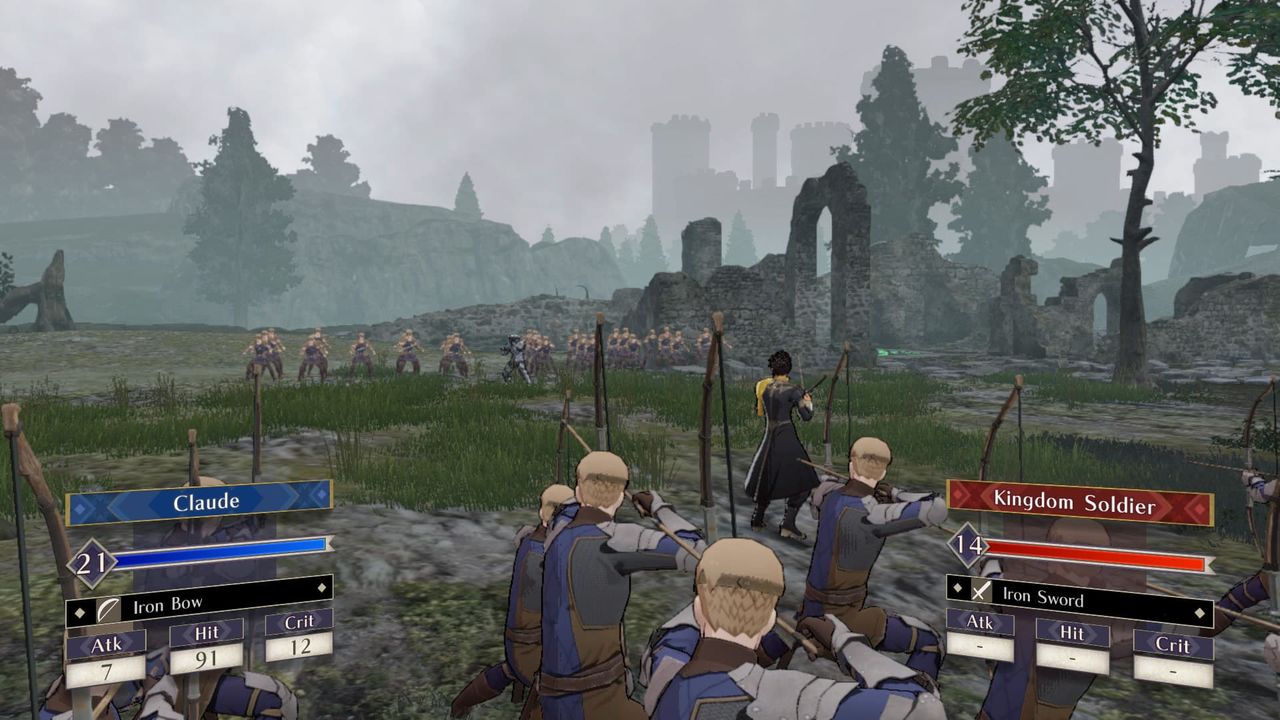
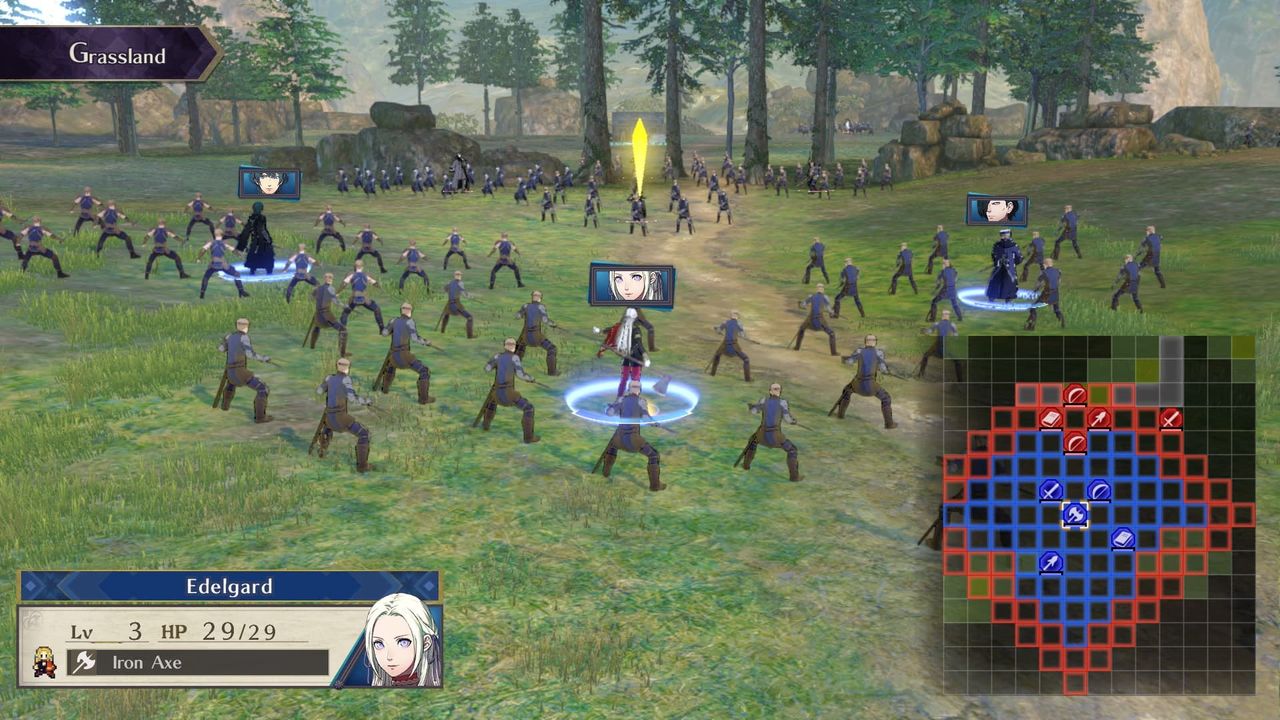
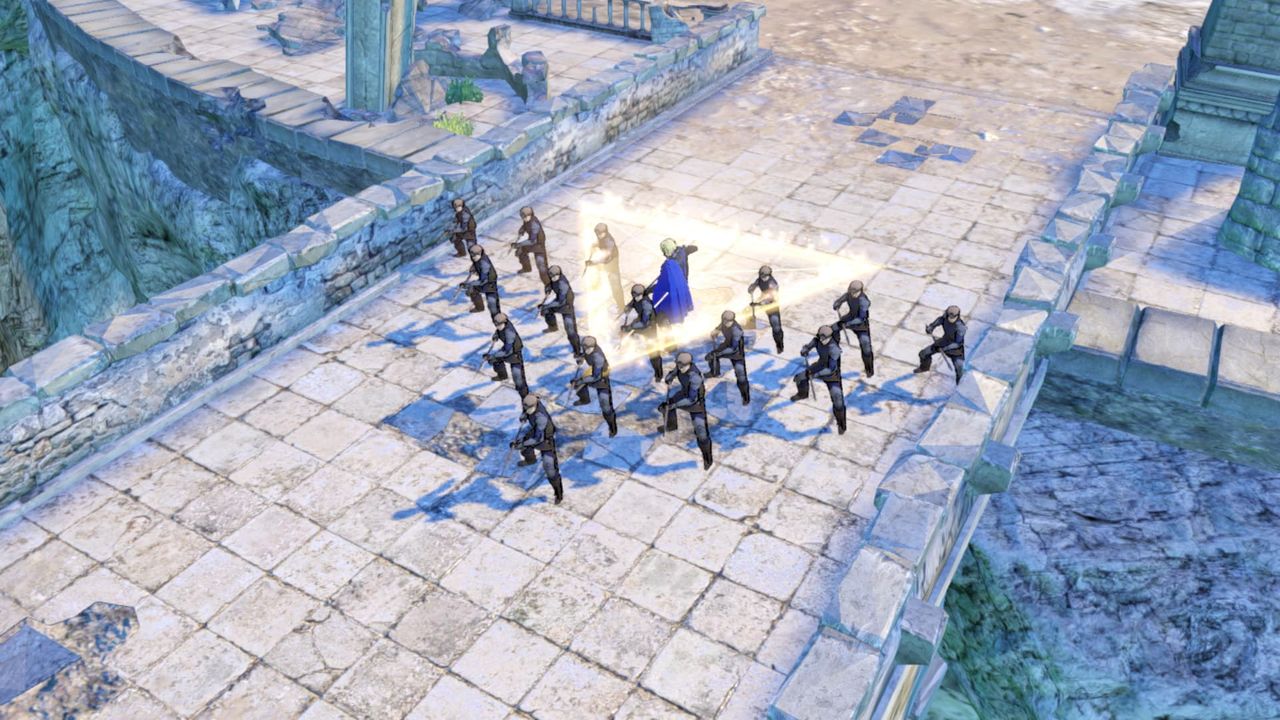
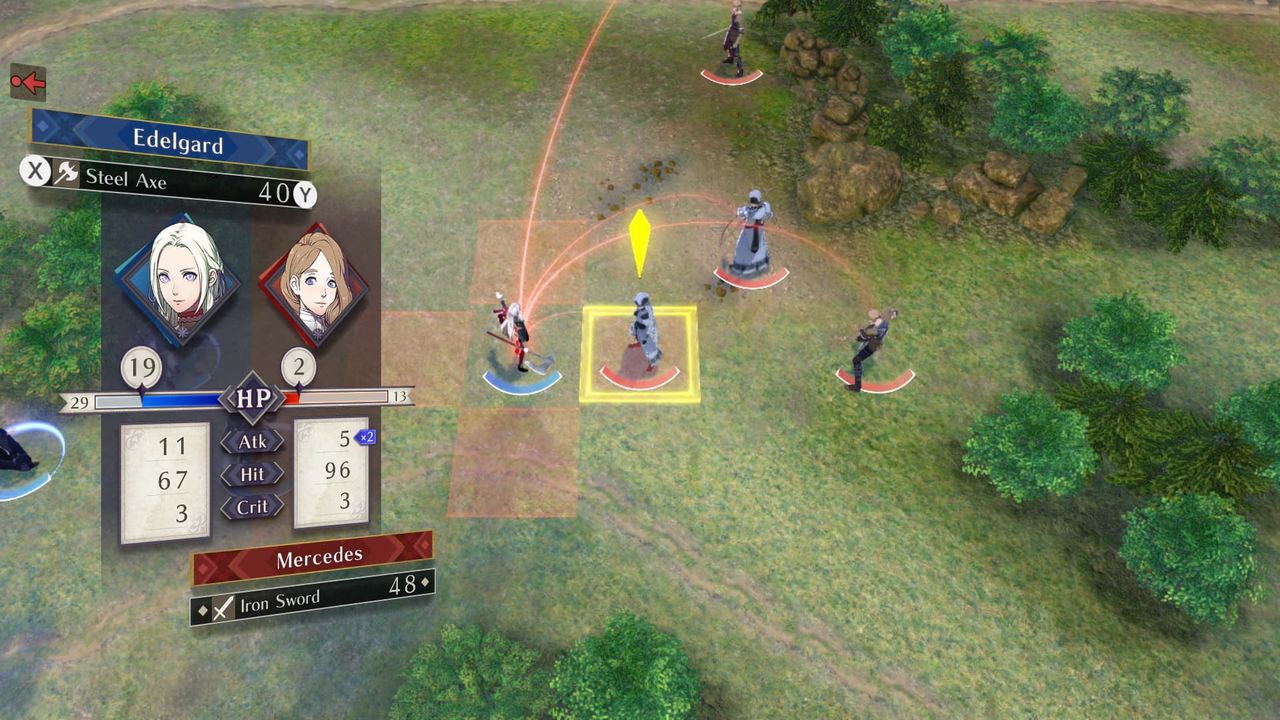
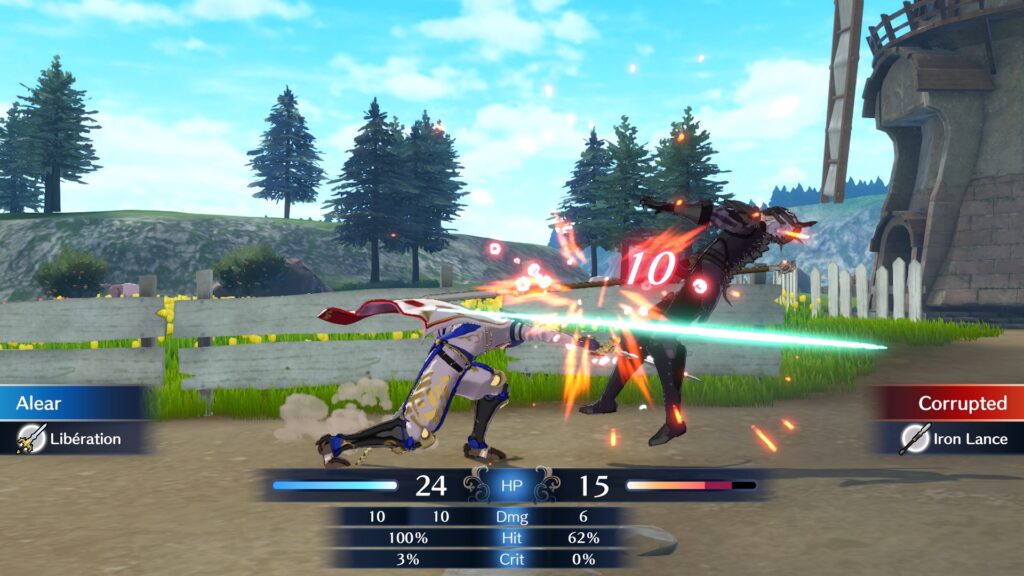
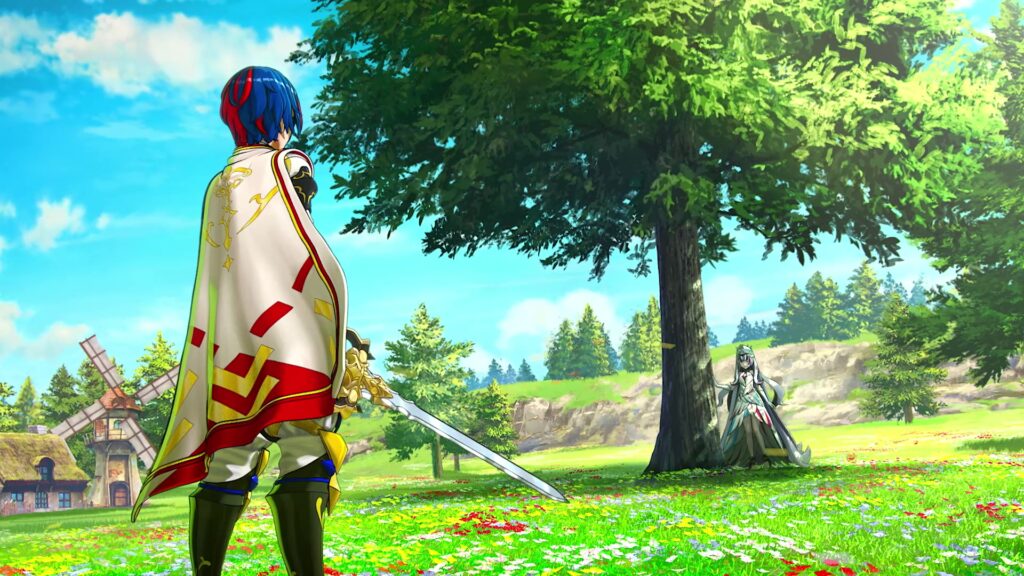
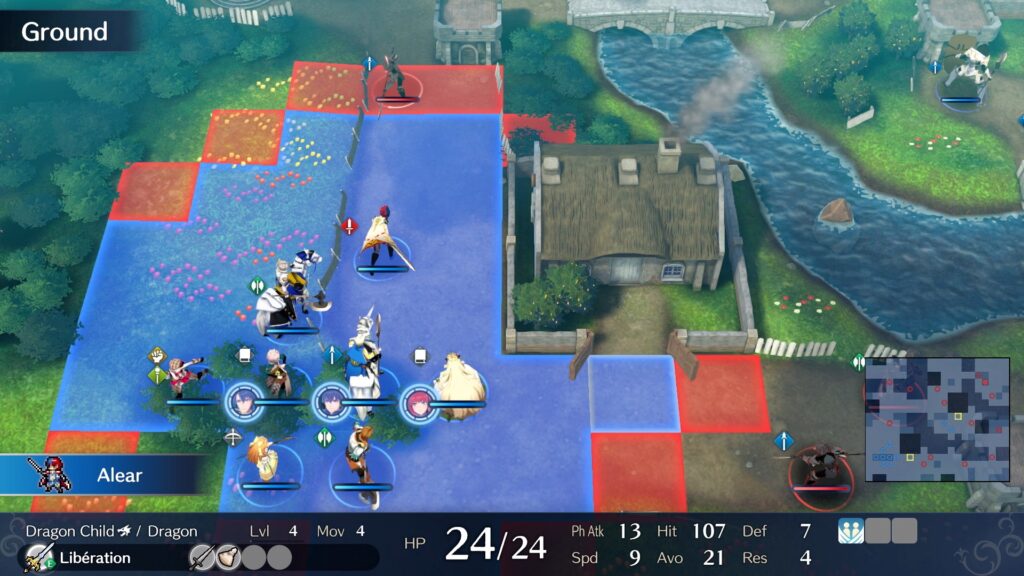
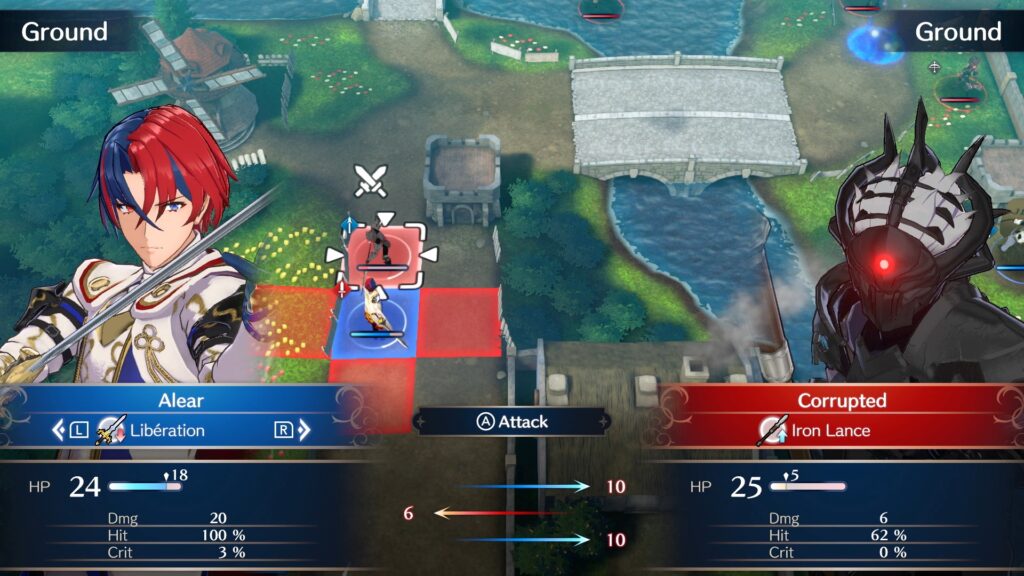
Fire Emblem Engage is a tactical role-playing game. Players control the main character whose name and gender can be specified at the start of the game; by default, the main character's name is Alear. The player controls Alear and their allies through a series of battles as the plot advances; there are also optional "skirmish" battles and "Paralogue" side missions if the player wants to further strengthen their team. In-between these story battles, the player can have their characters relax and engage in social activities with each other. New characters will regularly join Alear's team as the game progresses; these characters have their own personal starting statistics (stats), stat growth rates, and unique personal skill. Each character has a specific set of other characters they can gain "support levels" with. As their support level increases, units unlock conversations and increased bonuses when fighting nearby in battle. The battles feature a grid map, similar to a large chessboard, where both the characters under player control and enemy units are laid out. The flow of the game is turn-based, with the game alternating between a player phase where player units move and act and an enemy phase where hostile units move and act. The maps feature a variety of pathways and obstructions. As an example, rivers are impassable to ground-based units and only traversable by flying units. Other terrain grants defensive bonuses; for example, fortresses give an occupying unit an evasion boost and regenerate a portion of the unit's health at the start of the turn. Units have a character class which determines their available weapon types, movement capabilities, and affects the growth of their personal stats. For example, an armored class might have low movement and slow speed, but have a high defense stat allowing them to take little damage from enemy physical attacks. Characters are equipped with weapons, magical tomes, and other items by the player which the characters use to attack hostile units or heal friendly units. Magical staves allow characters who can use them to perform other utility actions such as creating temporary obstructions on the map or warping units across long distances. When a unit is commanded to engage in combat, the stats of both the attacker and defender are compared to determine how powerful and accurate the attacks are. The game features a "weapon triangle" seen in earlier games of the series: swords have advantage over axes, lances have advantage over swords, and axes have advantage over lances. Additionally, brawling attacks have advantage over bows, daggers, and magical tomes. If a unit attacks with weapon triangle advantage and hits their target, the defender is inflicted with a "Break" status that stops them from counterattacking both in the current combat and their next combat. Two new mechanics are Chain Attacks, which allow certain classes to chip in and help an ally's attack on a nearby foe, and Chain Guards, which allow certain support classes to completely nullify an attack on an adjoining ally. In addition to three difficulty levels, Engage has both a "Classic" and a "Casual" mode the player selects from. In Classic mode, if a character falls to 0 HP and is defeated, they are lost forever, never to be deployed again. In Casual mode, defeated characters are only unavailable for the remainder of the map, but will be restored for later chapters of the story. A core mechanic unique to Engage is equipping characters with powerful Emblem Rings which allow the character to fight alongside the heroes of previous Fire Emblem games. Emblem Rings allow the character to learn new weapon proficiencies and inherit skills related to the Emblem, even if the ring is later moved to another character. While a ring is equipped, the character gains stat bonuses and new skills. Additionally, characters can "Engage" with their Emblem to transform into a fused state for a limited number of turns. Engaging unlocks additional passive skills; access to the Emblem's weapon(s); and a single-use Engage action, usually a powerful attack. After the Engage expires, characters refill an Engage meter by partaking in regular combat. When the meter is full, the character can Engage again. In addition to the main Emblem Rings, there is a system of "Bond Rings" where characters who don't have access to an Emblem Ring can be given weaker rings. Characters featured as Emblems in Engage include Marth from Fire Emblem: Shadow Dragon and the Blade of Light and its sequels; Celica from Gaiden and its remake Echoes; Sigurd from Genealogy of the Holy War; Leif from Thracia 776; Roy from The Binding Blade; Lyn from The Blazing Blade; Eirika and Ephraim from The Sacred Stones; Ike from Path of Radiance; Micaiah from Radiant Dawn; Lucina from Awakening; Corrin from Fates; and Byleth from Three Houses. Just as characters can gain support conversations and bonuses with each other, characters and Emblems can increase a bond level between them, which unlocks conversations and grants bonuses in battle. After battles are completed, the characters can return to the Somniel, a floating refuge that acts as a hub location. It is somewhat similar to the role of Garreg Mach Monastery in Three Houses. On the Somniel, the player can shop for new equipment, forge their weapons to be stronger, play minigames, have Alear talk with both human allies and Emblems, and interact with social simulation elements. For example, in the Somniel cafe, the player can arrange meals via previously collecting ingredients, having the chef cook them into a dish, and picking units to share the resulting meal with. Other minigames include working out, fishing, polishing Emblem Rings, riding a flying wyvern through an obstacle course, battling in an arena, and more. While the main game is single-player, there are two optional quasi-multiplayer modes available with a Nintendo Switch Online account at the Somniel: cooperative Relay Trials and competitive Outrealm Trials. The computer AI still controls enemies rather than another player directly, however.
About Fire Emblem Engage
Fire Emblem Engage is a Grid-Based, Role-playing (RPG), Simulator, Squad Management, Strategy, Tactical, Turn-based, Turn-based strategy (TBS) game released in 2023 developed by Intelligent Systems that offers Co-operative, Multiplayer gameplay from a bird view / isometric, third person perspective playable on Nintendo Switch with 46 user ratings averaging 74.8/100. The game explores themes like Fantasy, Fire Emblem, Warfare. If you enjoy Fire Emblem Engage, you might also like similar games in our database of 45,000+ titles.
Basic Info
Details
↑ Back to topAdditional Information
Платформы 1
Genres 8
Themes 3
Player Perspectives 2
Game Modes 3
Companies
↑ Back to topDevelopers
Intelligent Systems
No description available
Publishers
Nintendo
No description available
Keywords
↑ Back to topScreenshots
↑ Back to top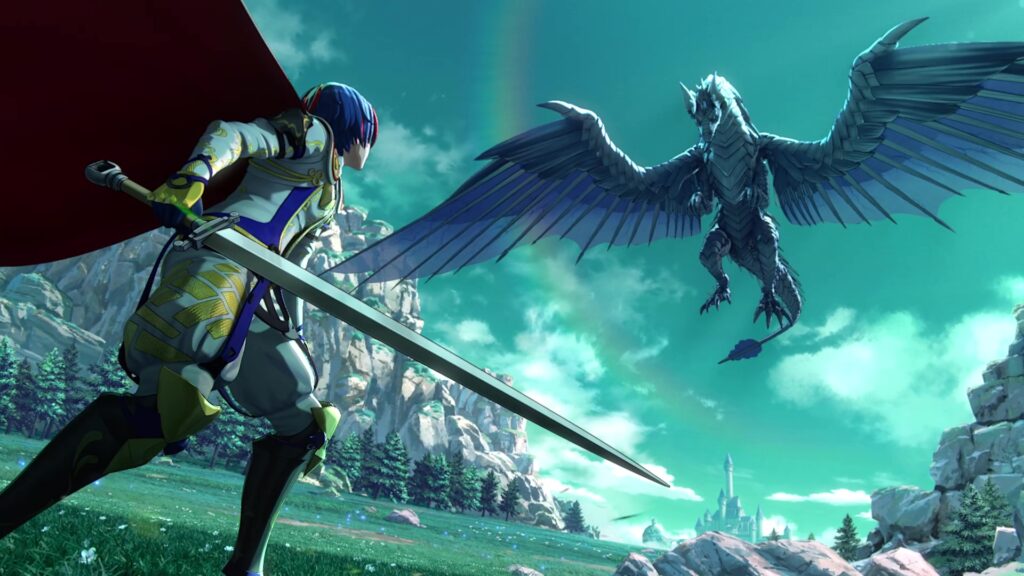
Similar Games
↑ Back to top

Dragon Age: Origins

Final Fantasy VII

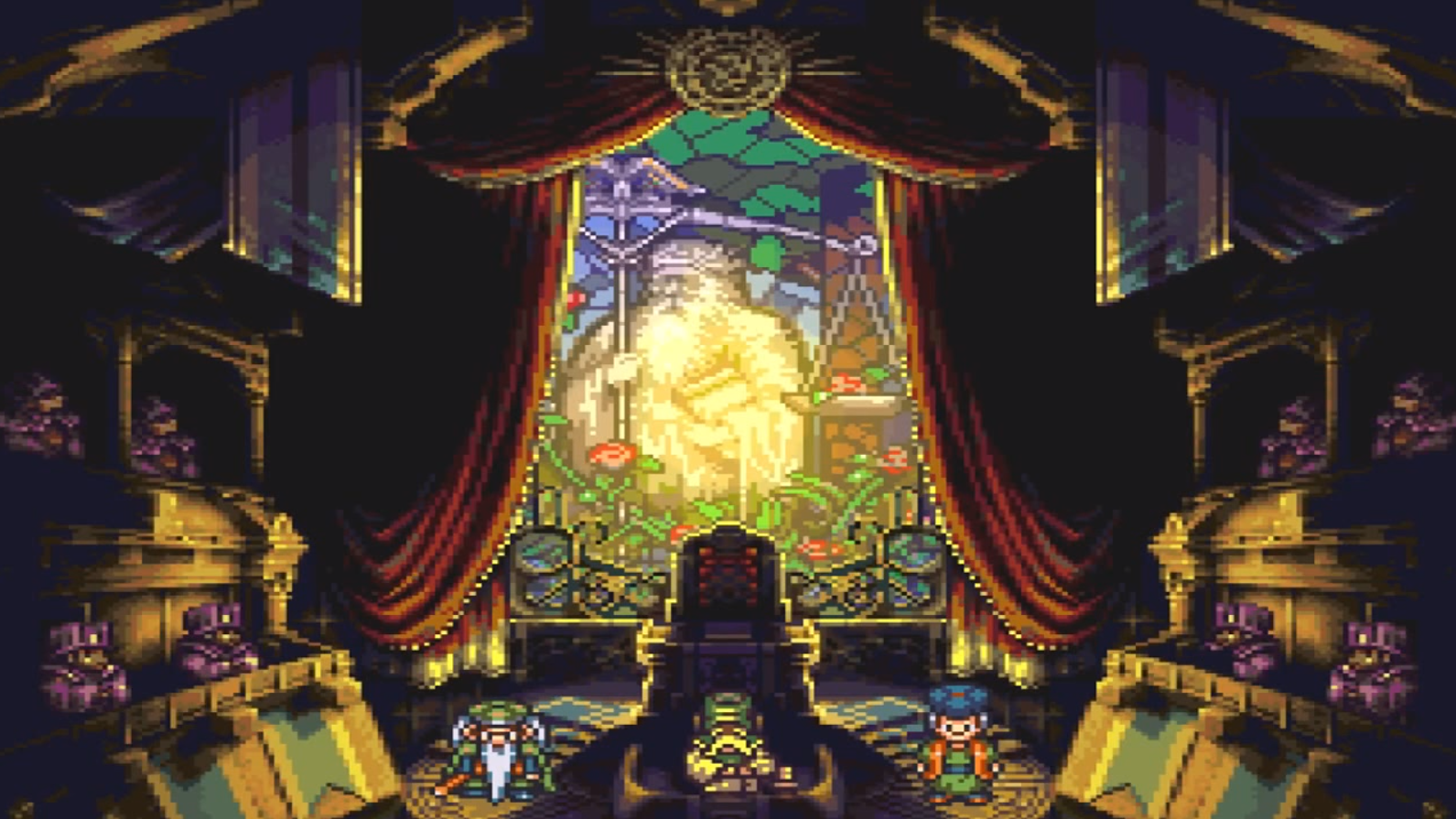

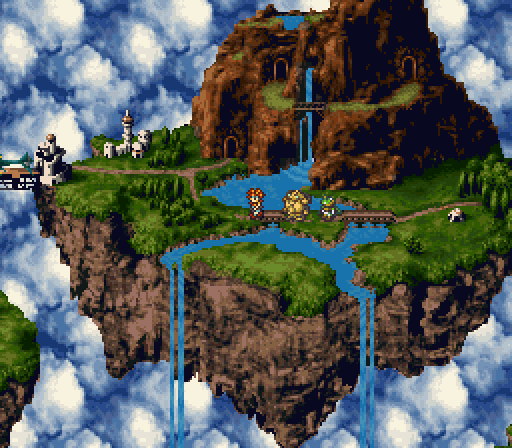
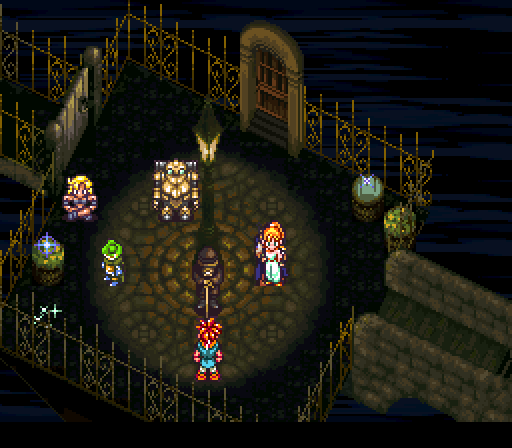
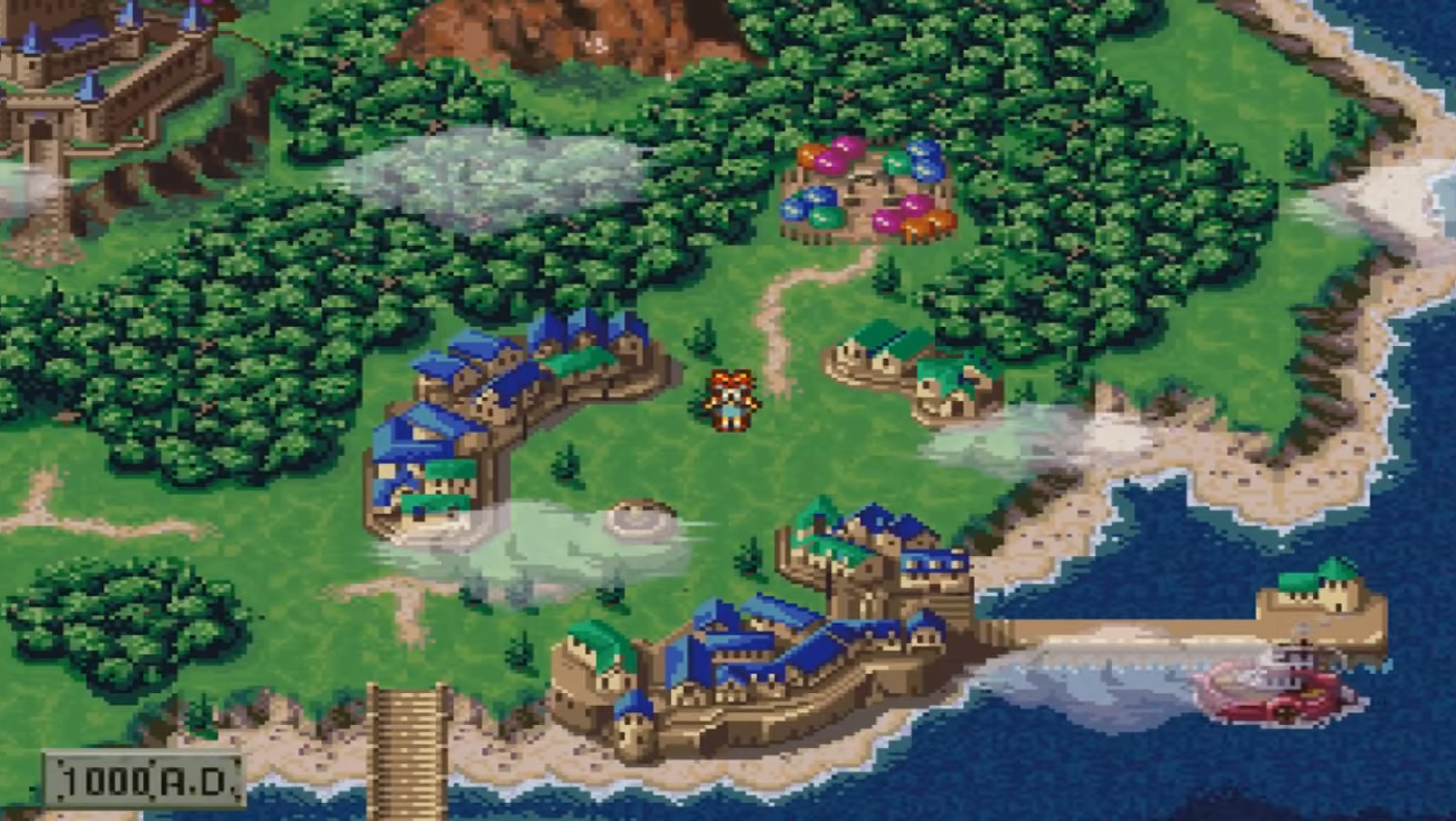

Chrono Trigger
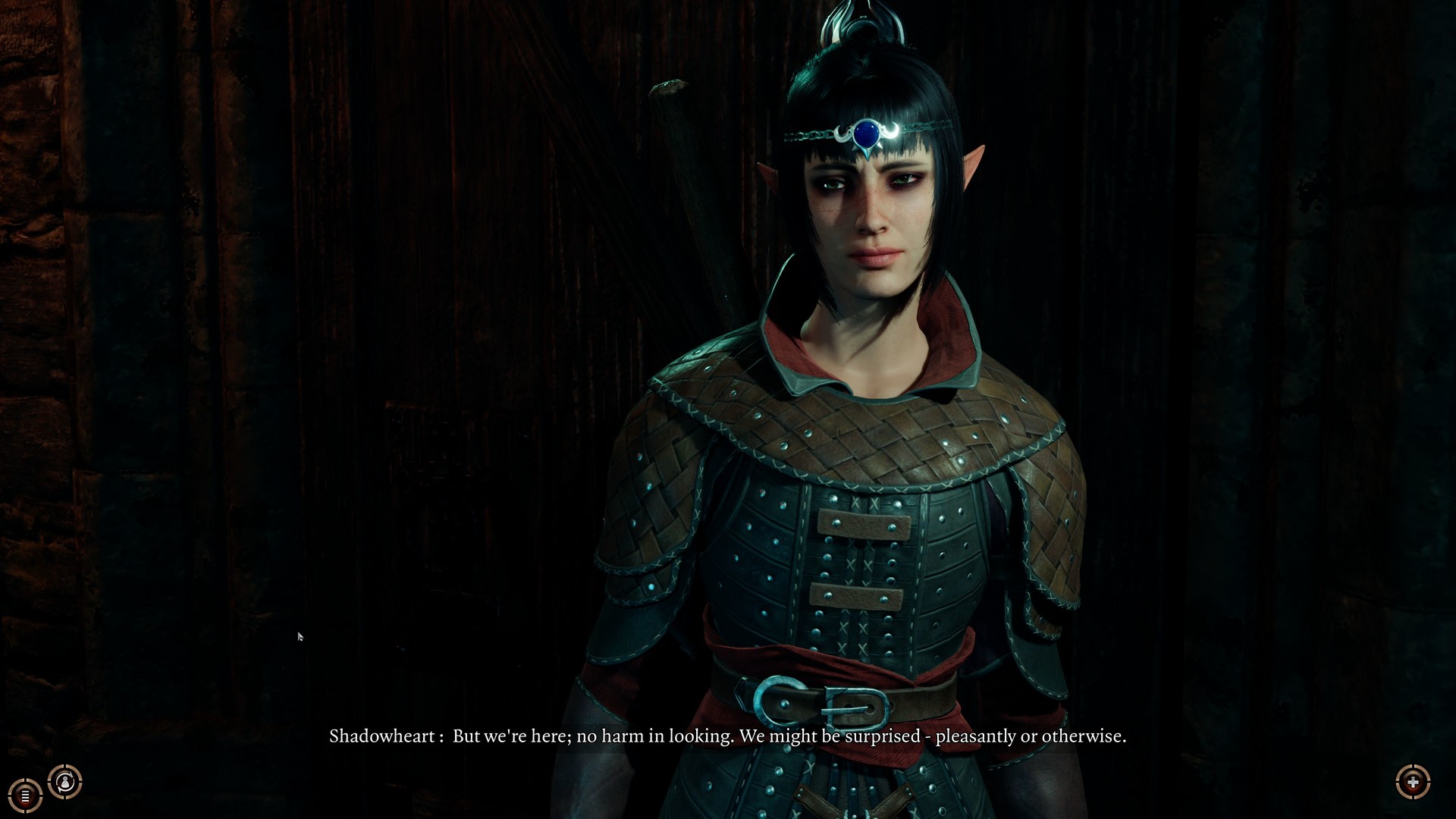
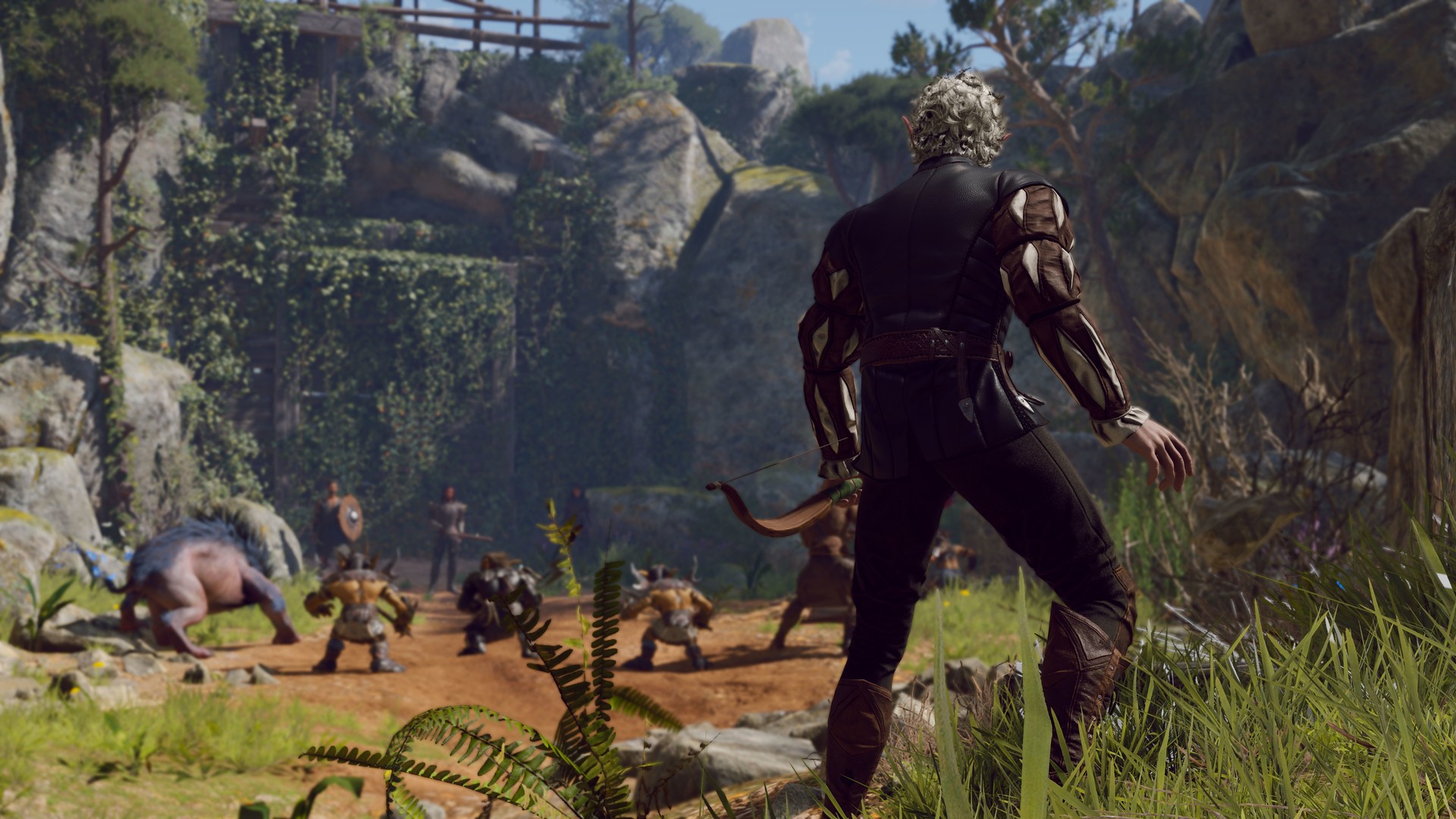

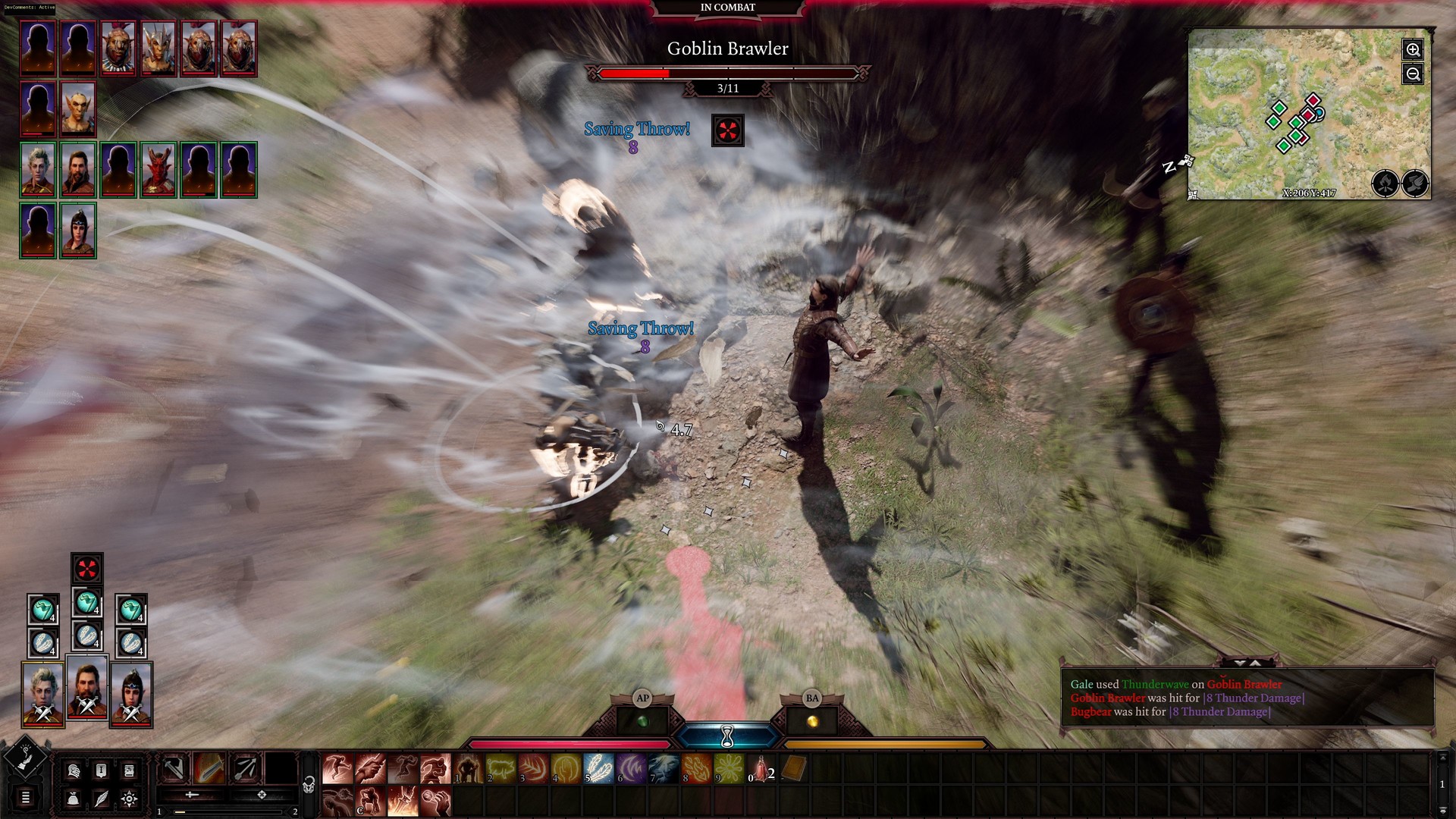
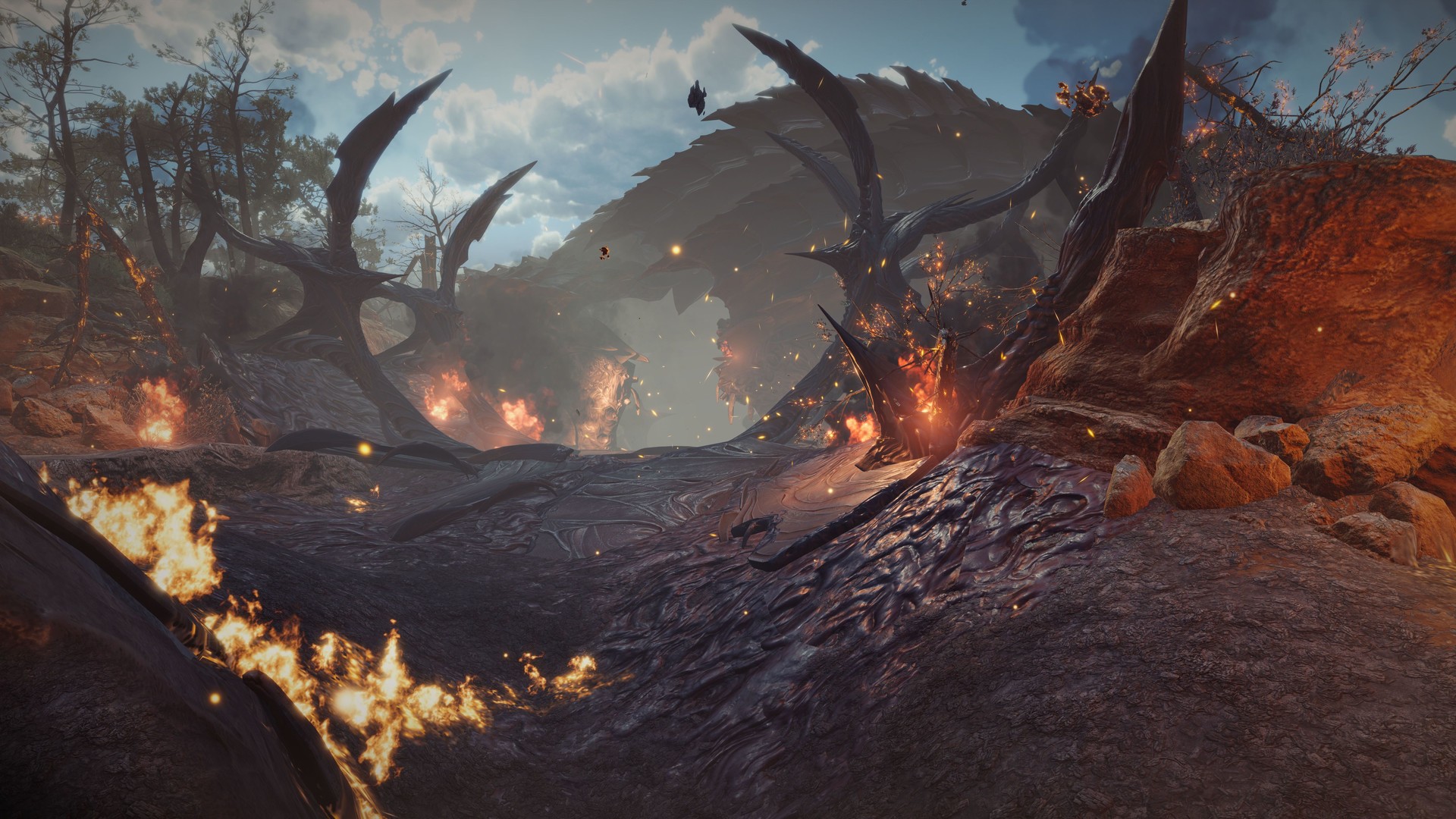
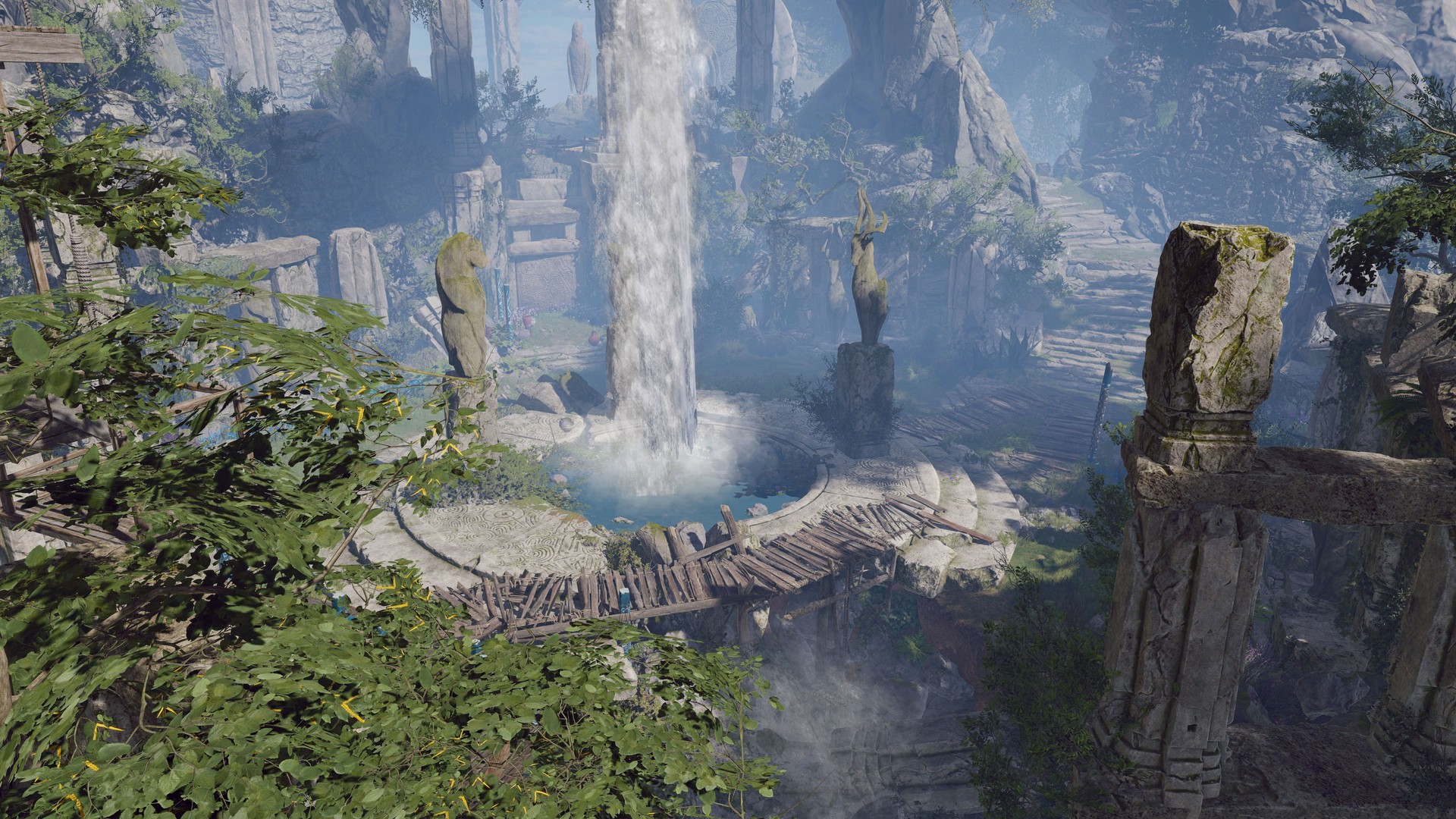
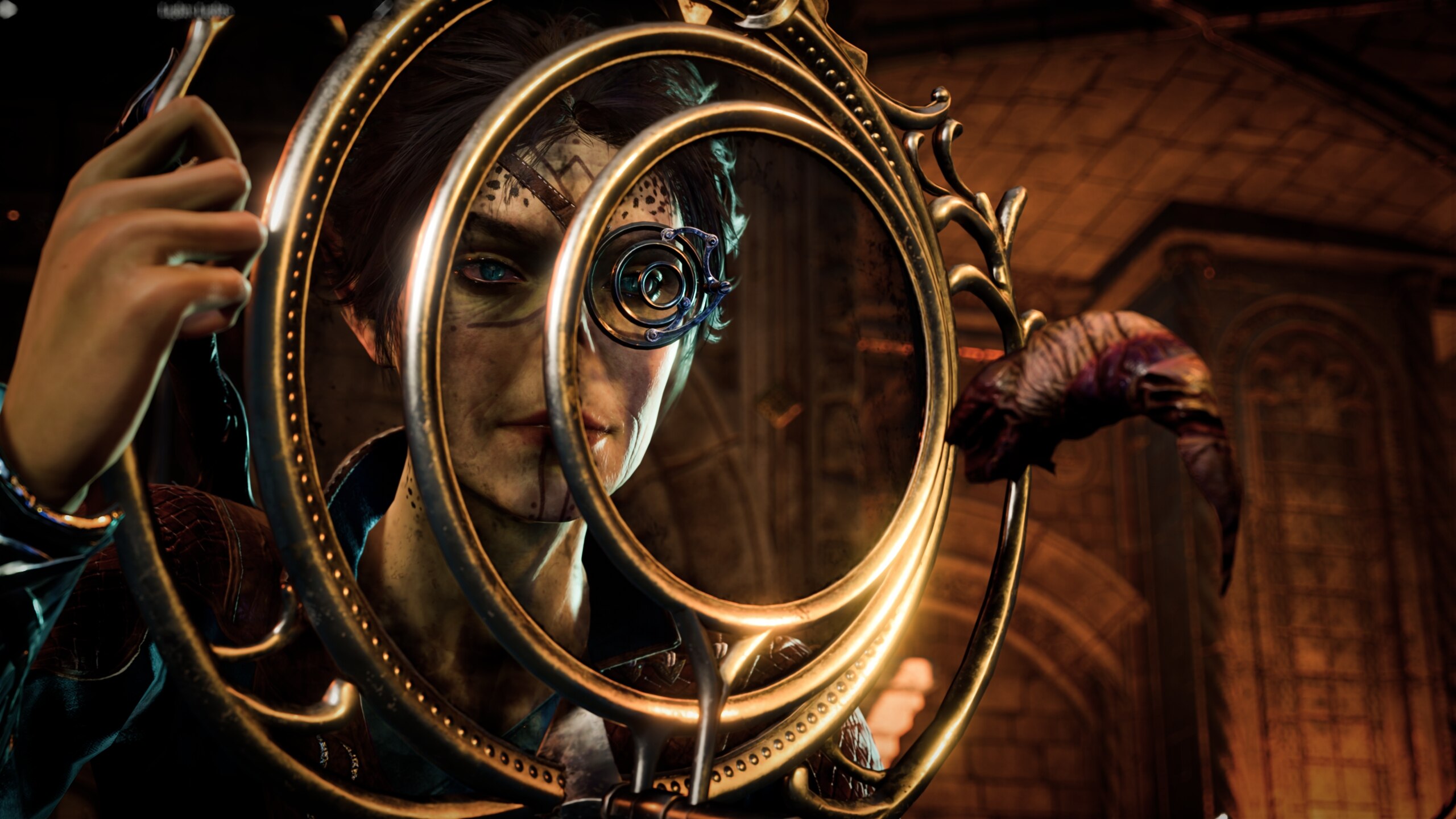
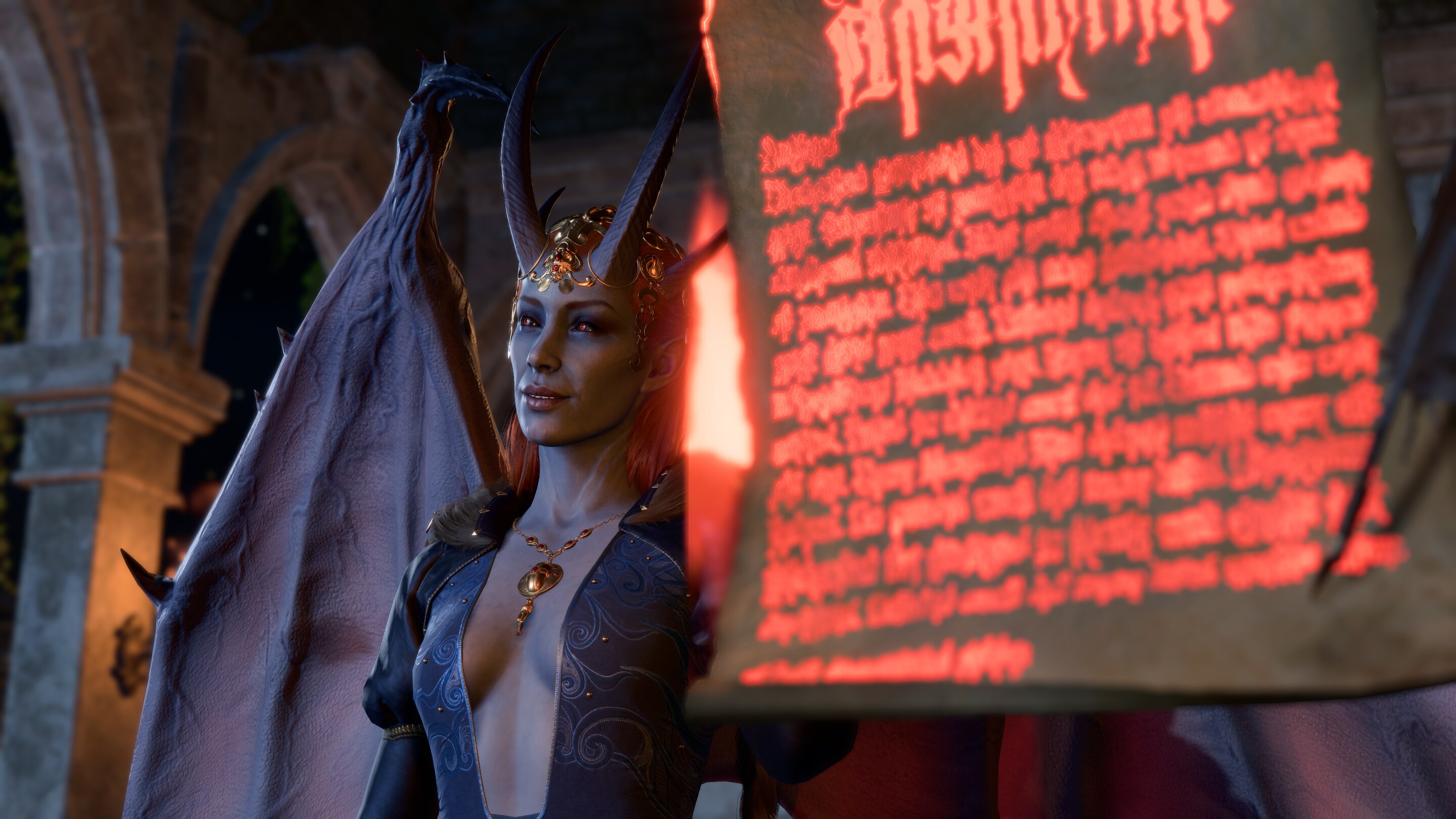
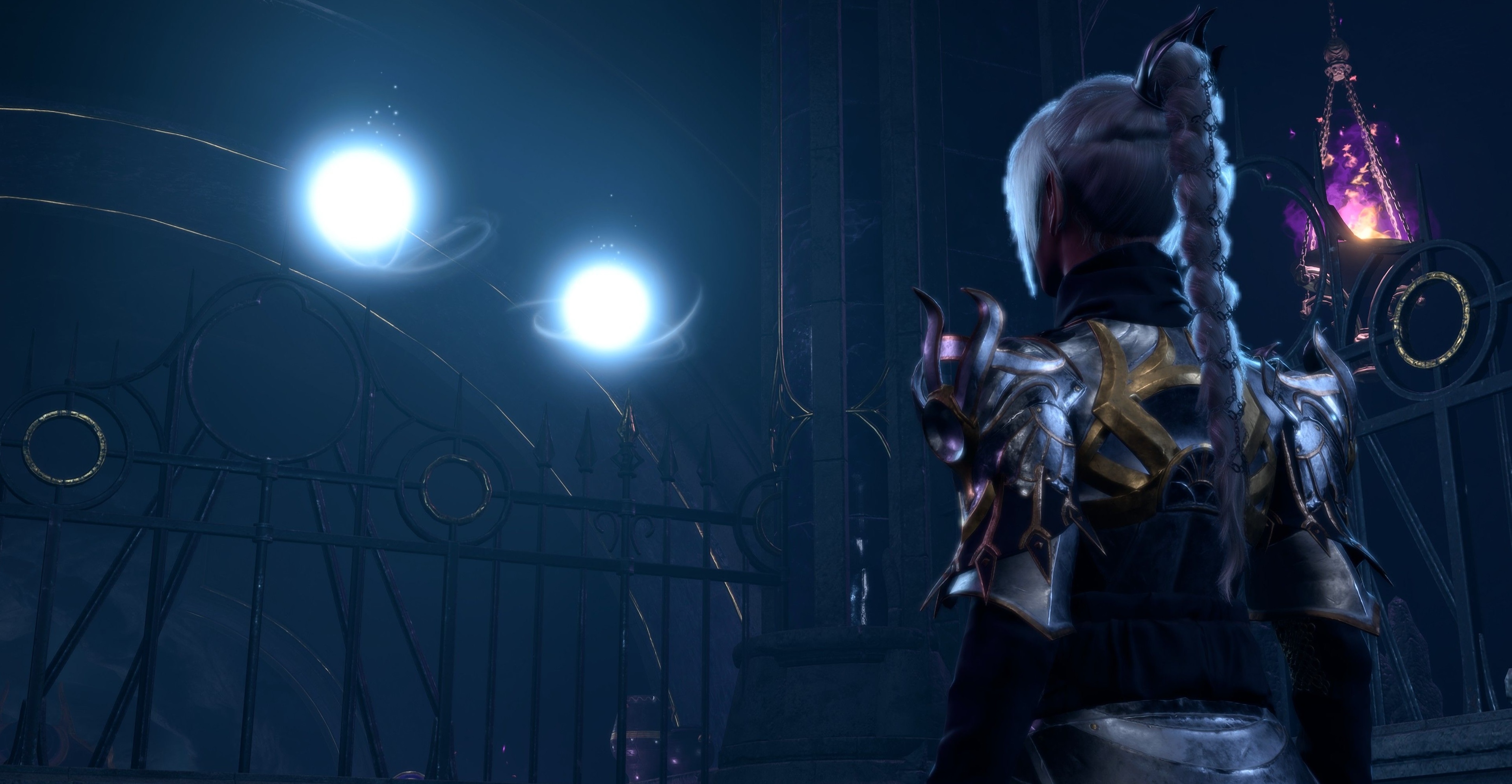

Baldur's Gate III



Sid Meier's Civilization V


Dragon Age: Inquisition

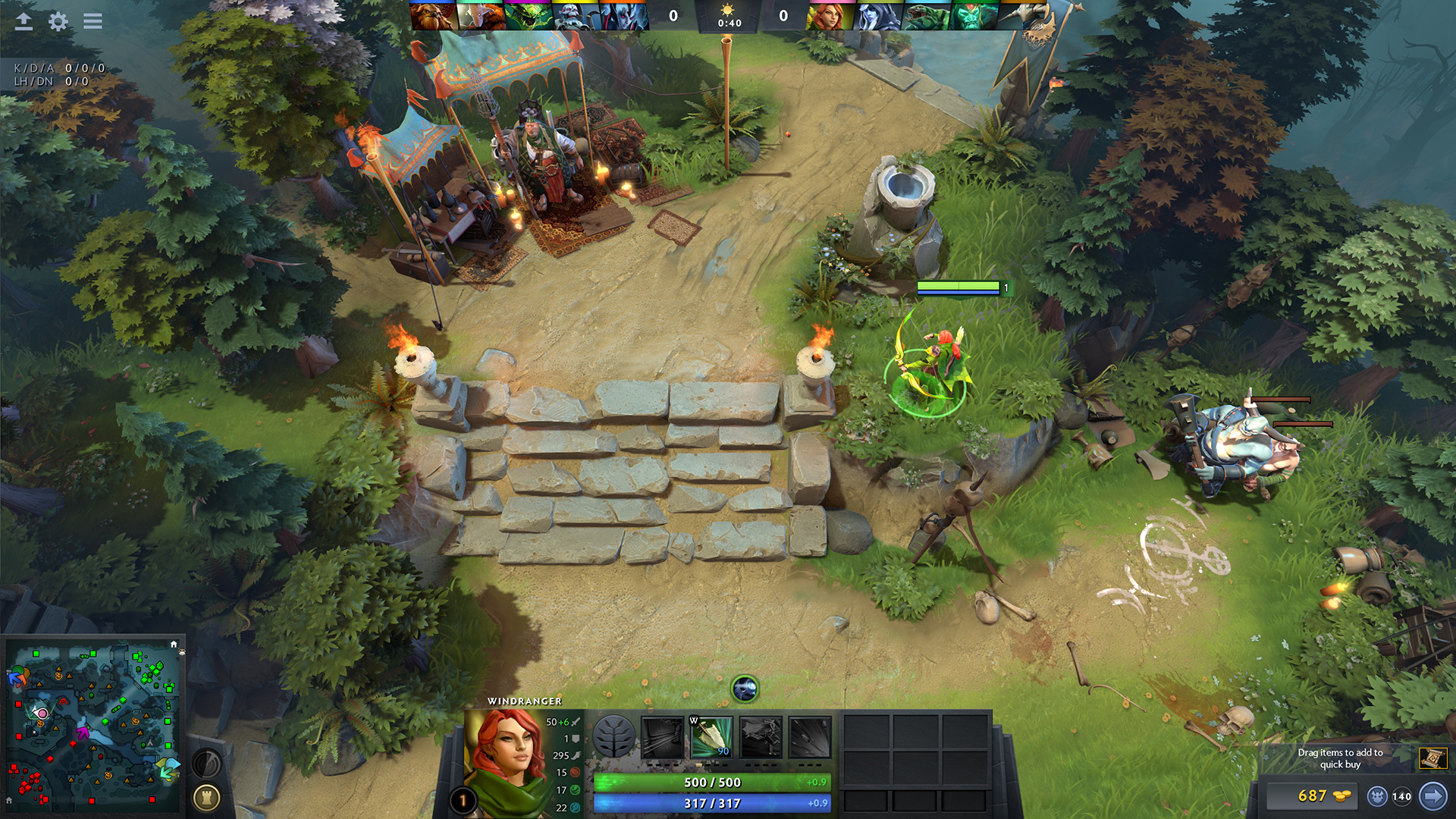
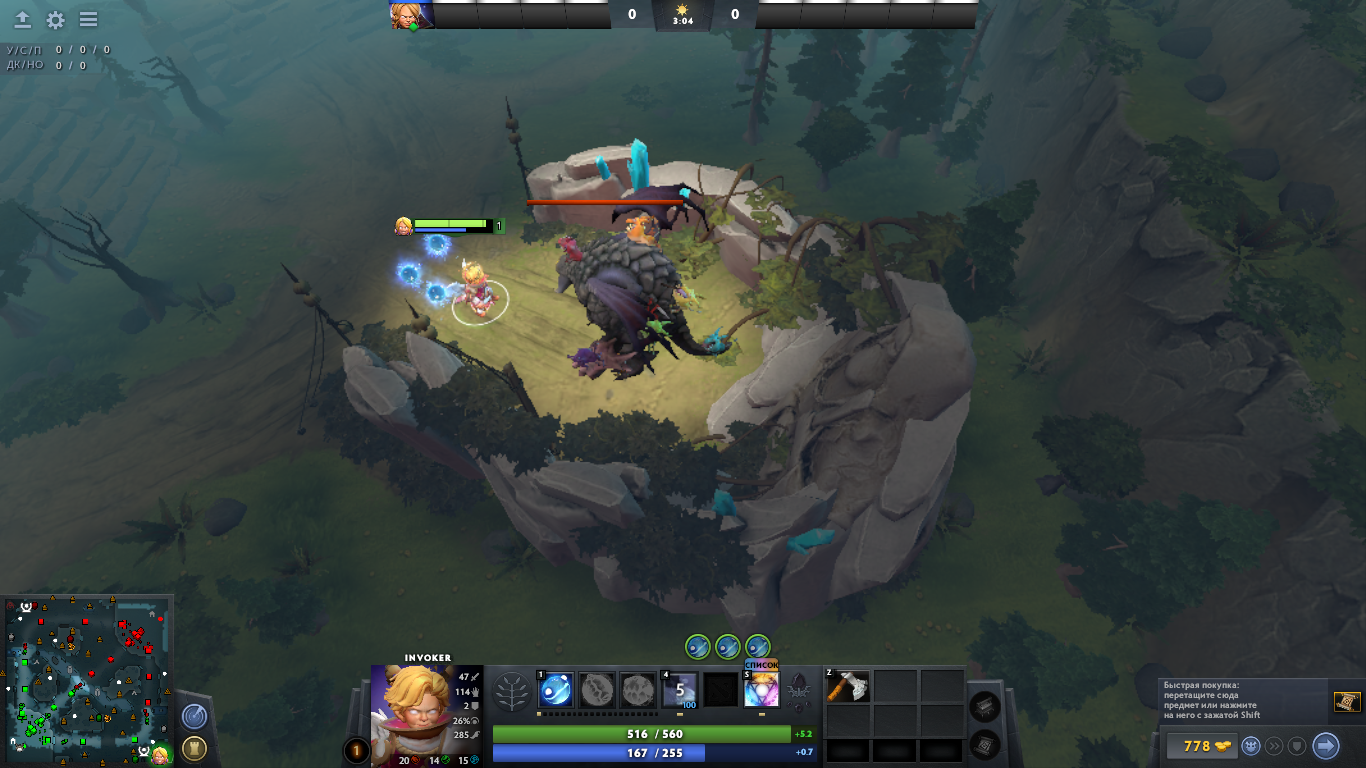

Dota 2

Clair Obscur: Expedition 33

Age of Empires III


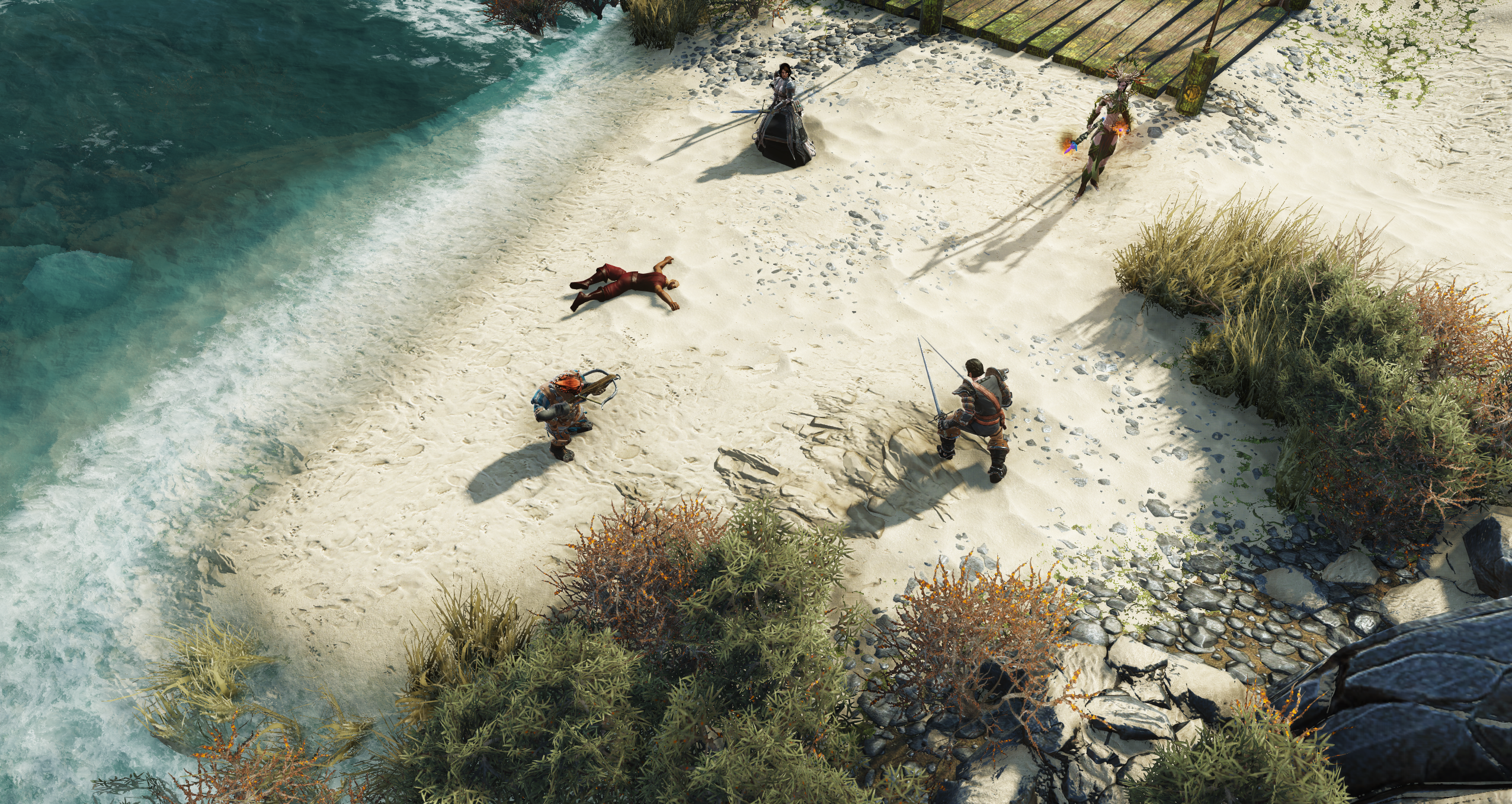

Divinity: Original Sin II

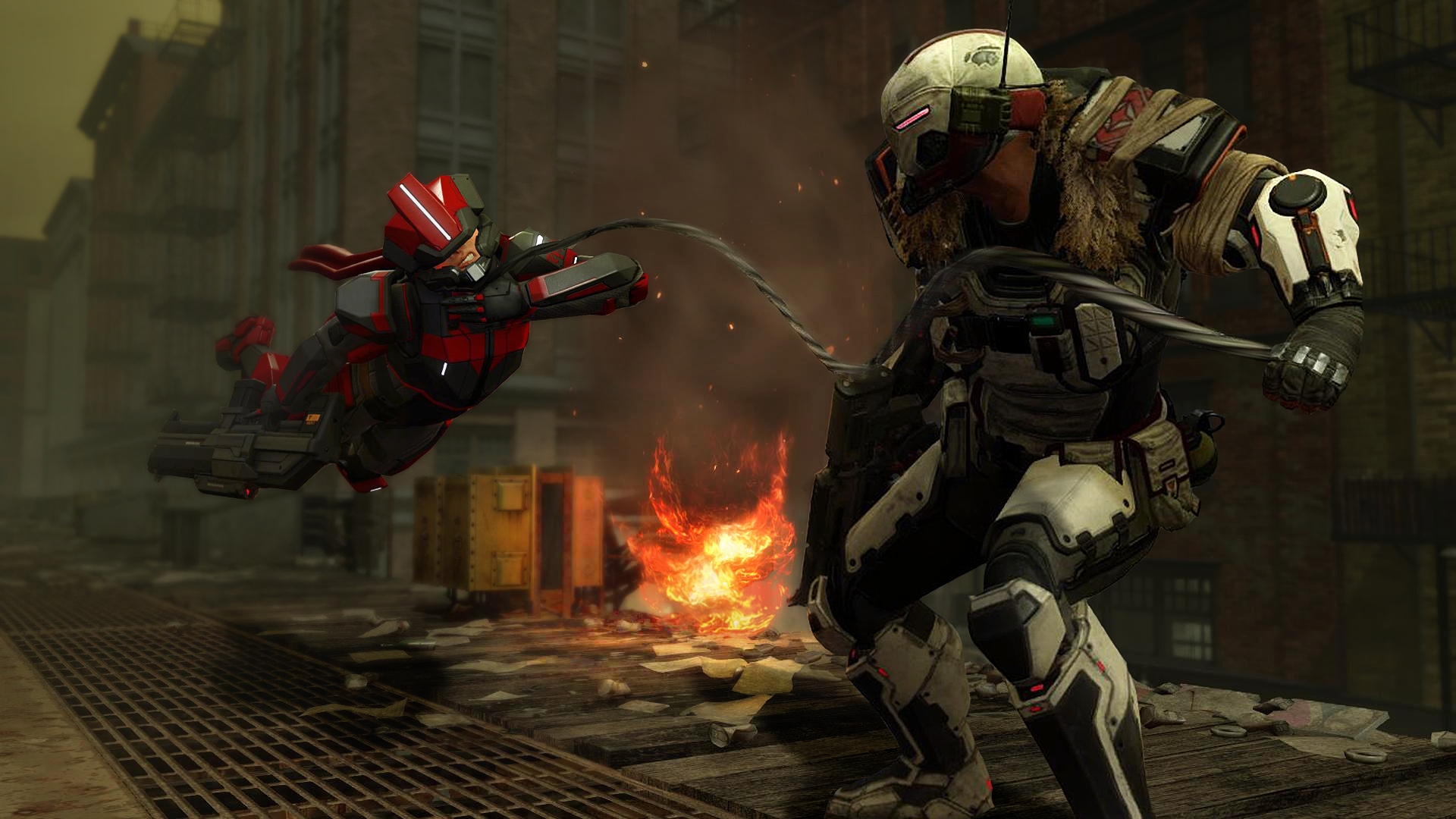
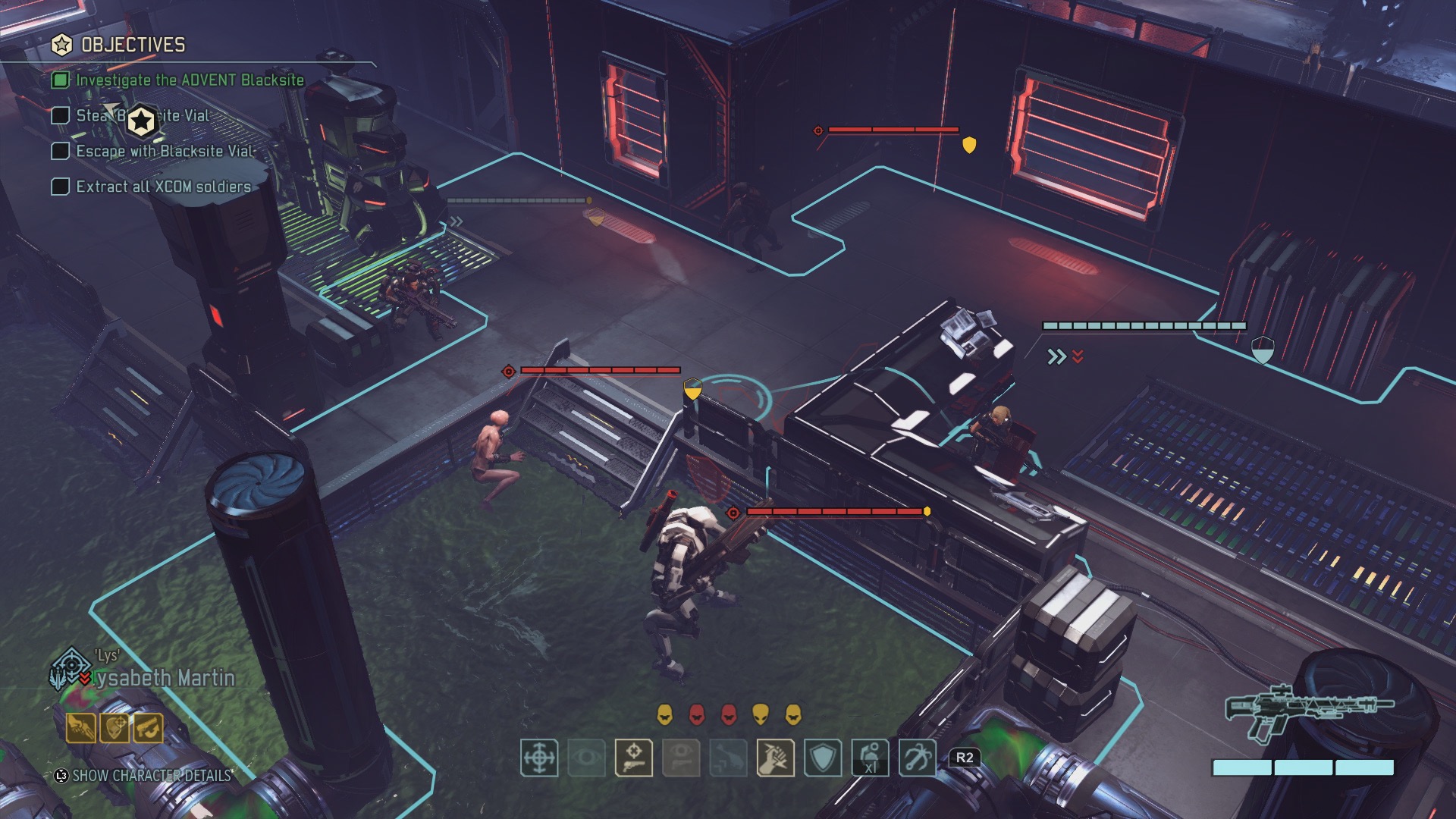
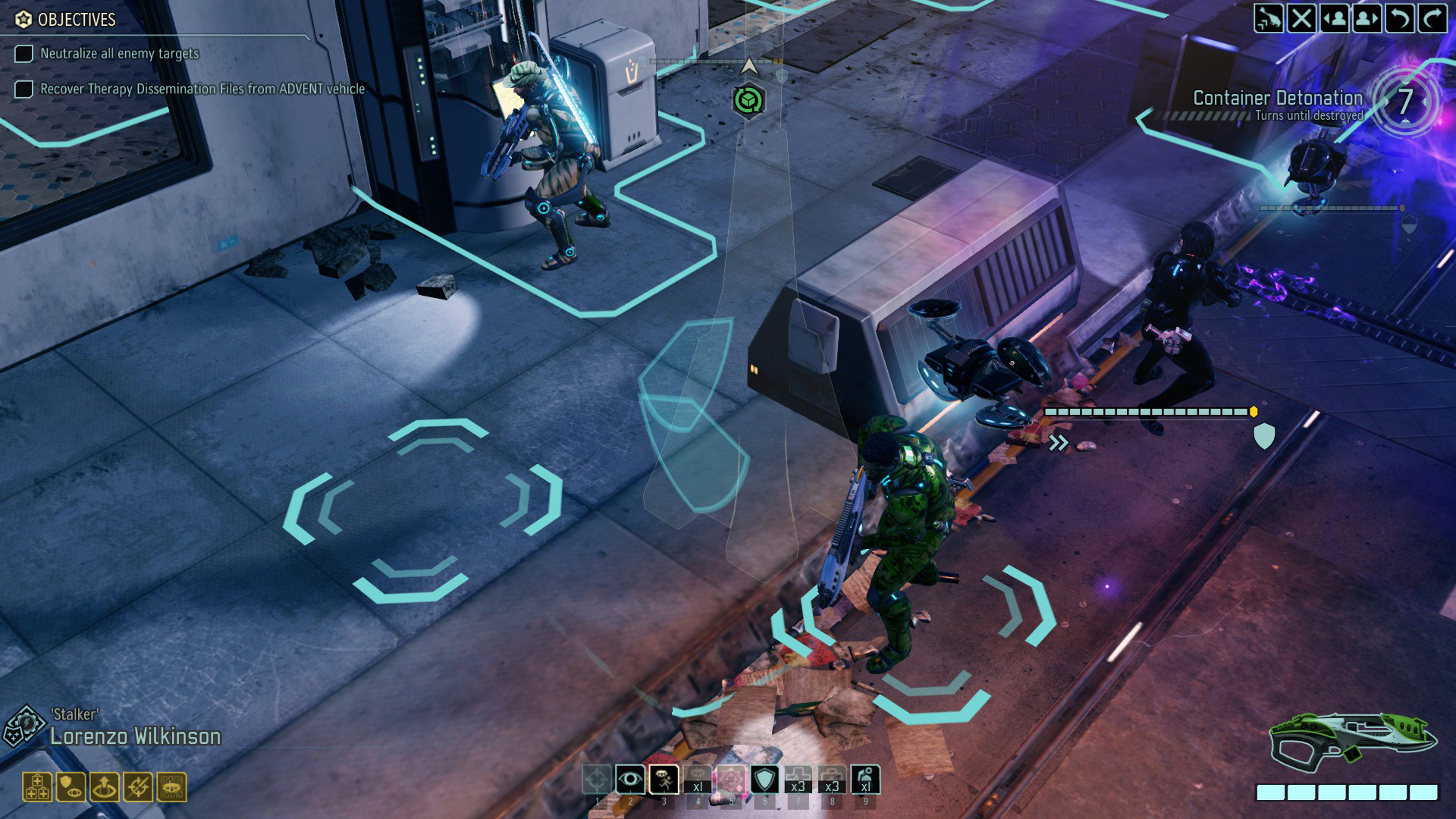

XCOM 2