Game Info
↑ Back to top

Mount & Blade II: Bannerlord
Series:
Genres:
Themes:
Perspectives:
Game Modes:
Game Engines:
Overview
↑ Back to topDescription from Steam STEAM
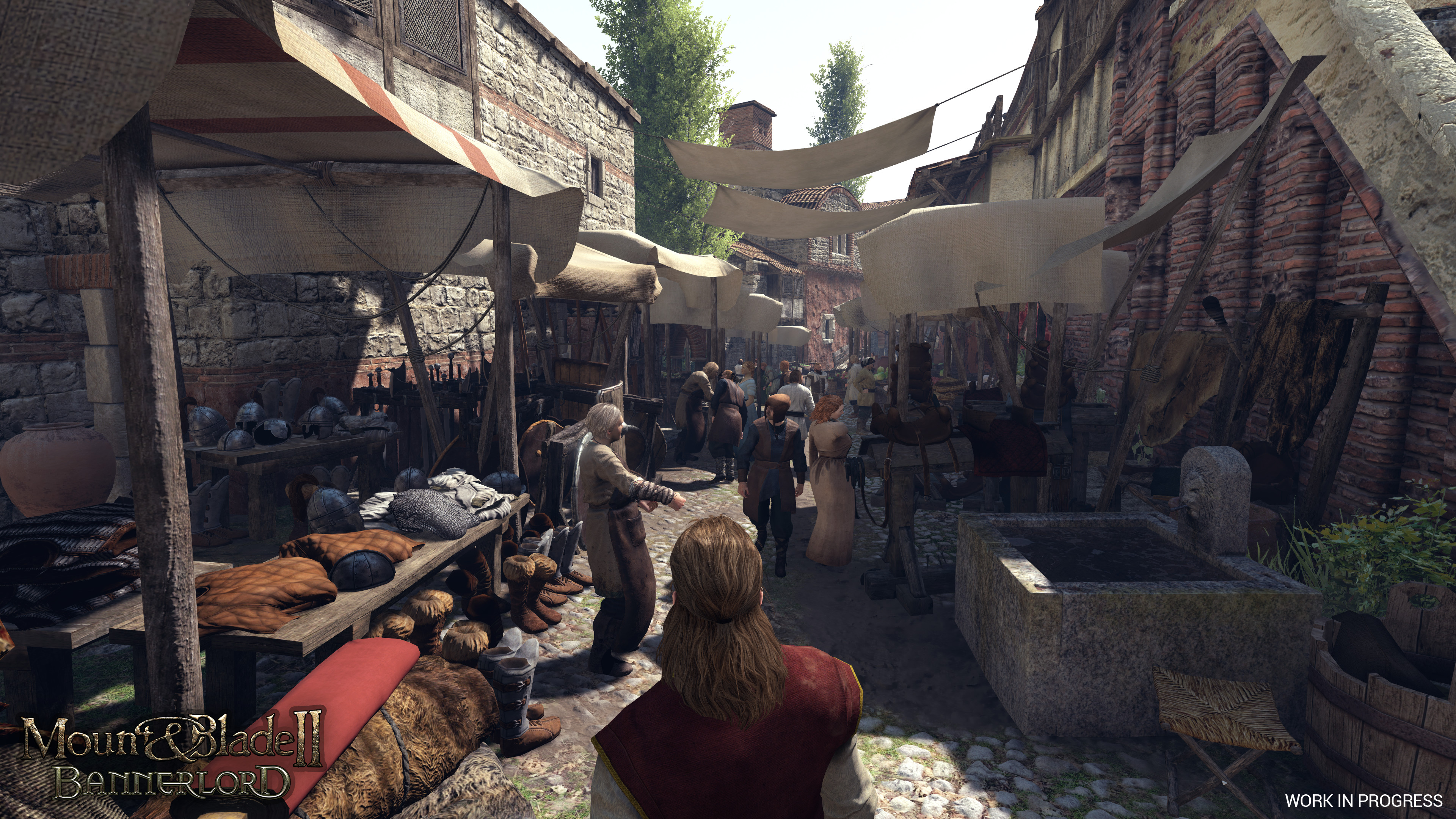
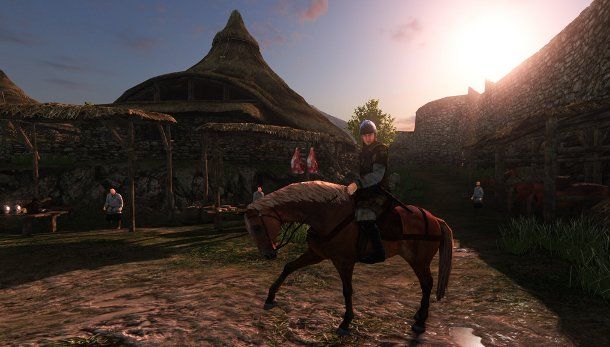
The horns sound, the ravens gather. An empire is torn by civil war. Beyond its borders, new kingdoms rise. Gird on your sword, don your armour, summon your followers and ride forth to win glory on the battlefields of Calradia. Establish your hegemony and create a new world out of the ashes of the old. Mount & Blade II: Bannerlord is the eagerly awaited sequel to the critically acclaimed medieval combat simulator and role-playing game, Mount & Blade: Warband. Create and develop a character that matches your play style as you explore, raid and conquer your way across a vast medieval sandbox where no two playthroughs are the same. Raise armies, engage in politics, trade, craft weapons, recruit companions and manage your fiefdom as you attempt to establish your clan among the nobility of Calradia. Command and fight alongside your troops in first- or third-person in huge real-time battles using Mount & Blade’s deep but intuitive skill-based directional combat system. Put your combat prowess to the test against players from all over the world in multi-player PvP, including ranked matchmaking and casual game modes, or host your own server with the Mount & Blade II: Dedicated Server files. Customise the game to experience an entirely different adventure using the Mount & Blade II: Bannerlord - Modding Kit and share your creations with others through Steam Workshop.
Description from IGDB IGDB
Storyline IGDB
Wikipedia Description WIKIPEDIA
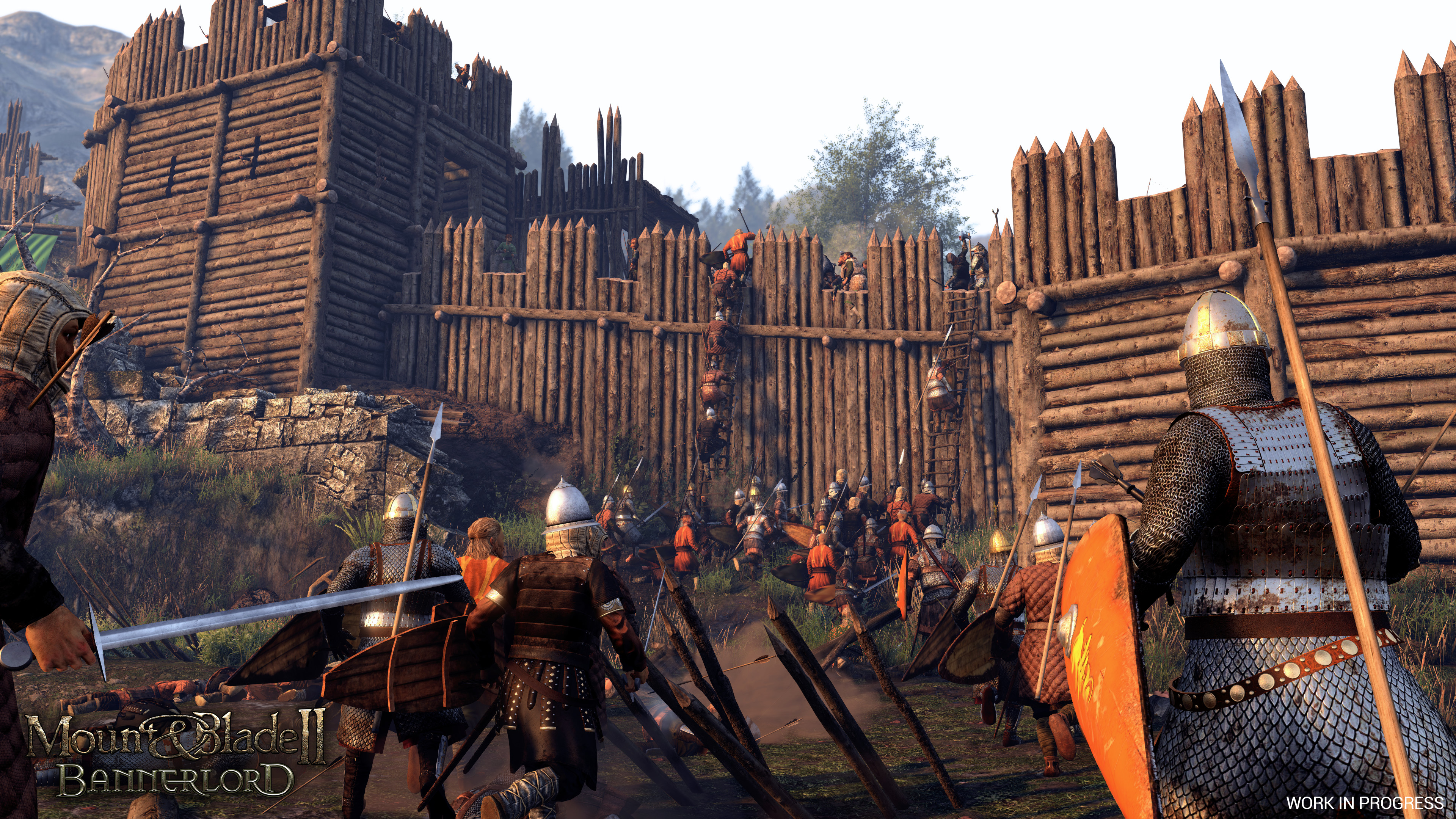
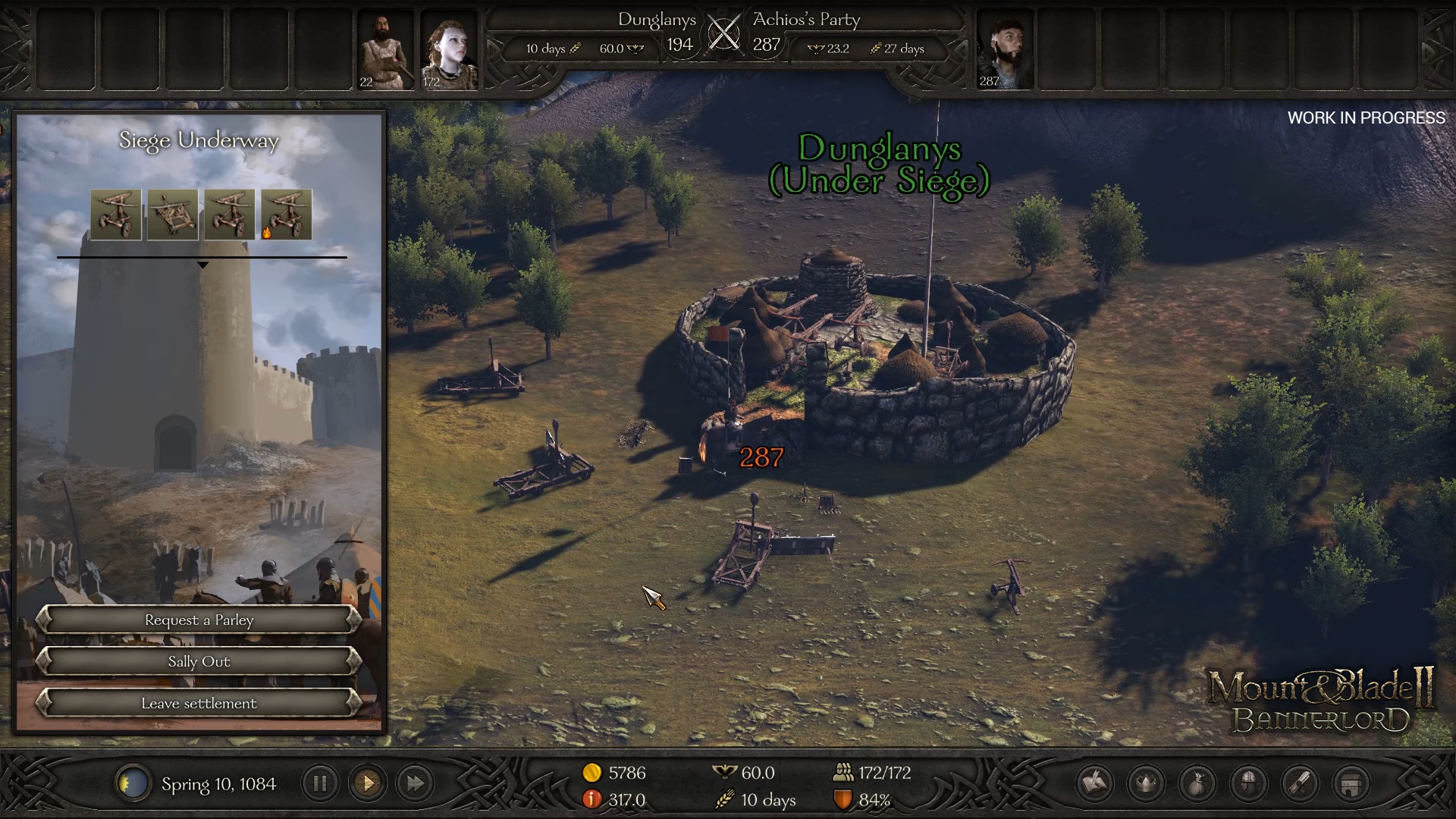
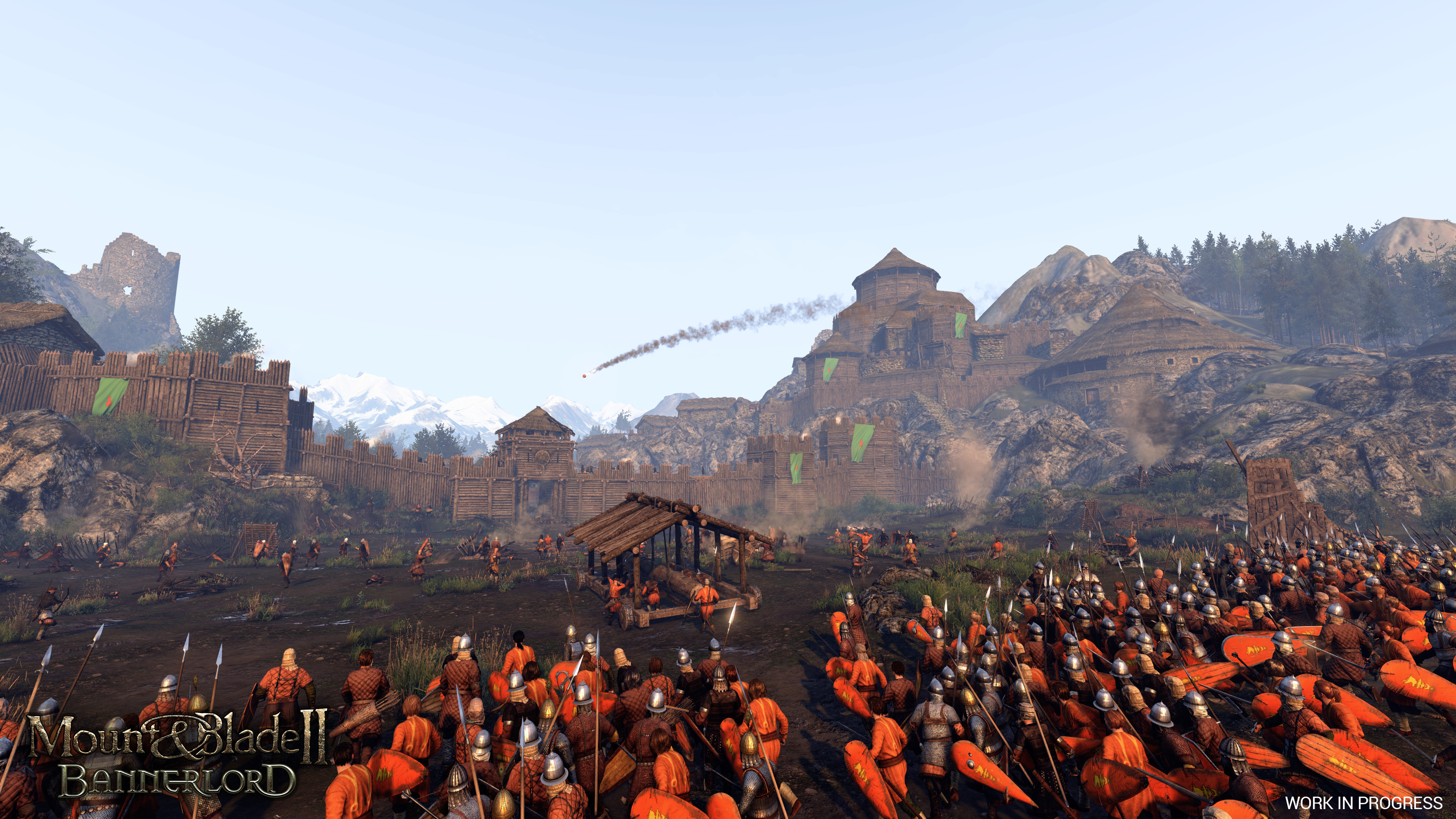
Mount & Blade II: Bannerlord is a strategy action role-playing game. The fundamental gameplay premise is the same as previous entries in the series: the player builds up a party of soldiers and performs quests on an overhead campaign map, with battles being played out on battlefields that allow the player to personally engage in combat alongside their troops. Bannerlord, however, includes significant improvements to numerous elements of gameplay. Sieges in Bannerlord are intended to be more strategic than they were in Warband. The player may construct a variety of different siege engines and strategically position them before the battle begins in order to target certain sections of the enemy fortifications. On the overhead campaign map, the player can choose to bombard the walls, possibly creating breaches that can be used once the battle begins. To discourage prolonged bombardments on the battle map, only the merlons, gatehouses, and siege engines are destructible during the actual battle. The design of the defending castles and cities is intended to be biased in favor of the defenders; for example, murder holes are often located at key chokepoints, allowing the defenders to slaughter large numbers of the attackers before they can breach the gates. Bannerlord features numerous improvements to the relationships between characters. The player is able to use a more advanced dialogue system to try to persuade non-player characters to do things that they want. While conversing with a character, the player needs to fill up a progress bar by successfully pushing their arguments with chances to fail critically, fail, succeed, or succeed critically; if the bar is filled, the character will give in to the player. If the character does not give in to charm alone, the player can employ the game's bartering system to exchange items, animals, and, having a certain perk, fiefs; this system is also used for regular transactions between the player and merchants. If the player repeatedly fails to persuade the character, a deal may become impossible and the relationship between them may be negatively affected. The persuasion system can also be used to court and marry characters. While Warband allowed characters to marry, the player may also have children with their spouse in Bannerlord. If the player character dies, one of their children can inherit their soldiers and fiefs and become the new player character. Bannerlord, like Warband, has a multiplayer component that allows players to engage in combat with each other across a variety of maps and game modes. As in Warband, the multiplayer of Bannerlord is restricted to battles and is separate from the campaign, although the developers have expressed interest in adding multiplayer to the campaign through post-release downloadable content. Bannerlord utilizes a class system that allows players to choose what type of soldier they want to play as. Classes are divided into three categories: infantry, ranged, and cavalry. Each class has positive and negative elements that are influenced by the positive and negative elements of their faction in general. Players select classes using a point system, which replaces the money system of Warband.
About Mount & Blade II: Bannerlord
Mount & Blade II: Bannerlord is a Action, Open World, Role-playing (RPG), Sandbox, Simulator, Squad Management, Strategy, Tactical game released in 2020 developed by Taleworlds that offers Multiplayer, Player vs Player (PvP) gameplay from a first person, third person perspective playable on PC (Microsoft Windows), PlayStation 4, PlayStation 5 with 133 user ratings averaging 78.8/100. The game explores themes like Crafting & Gathering, Historical, Medieval. If you enjoy Mount & Blade II: Bannerlord, you might also like similar games in our database of 45,000+ titles.
Basic Info
Details
↑ Back to topAdditional Information
Платформы 5
Genres 8
Themes 5
Player Perspectives 2
Game Modes 3
Companies
↑ Back to topDevelopers
Taleworlds
No description available
Publishers
Prime Matter
No description available
Taleworlds
No description available
Keywords
↑ Back to topScreenshots
↑ Back to top
Similar Games
↑ Back to top
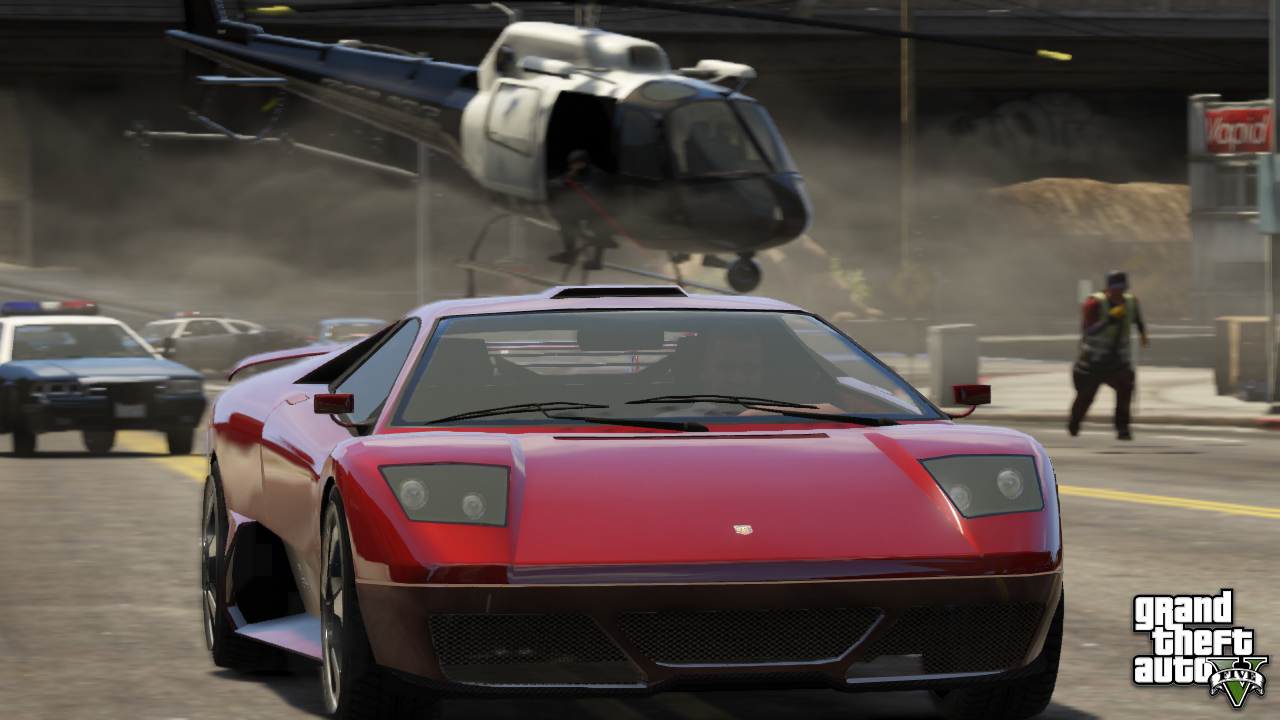
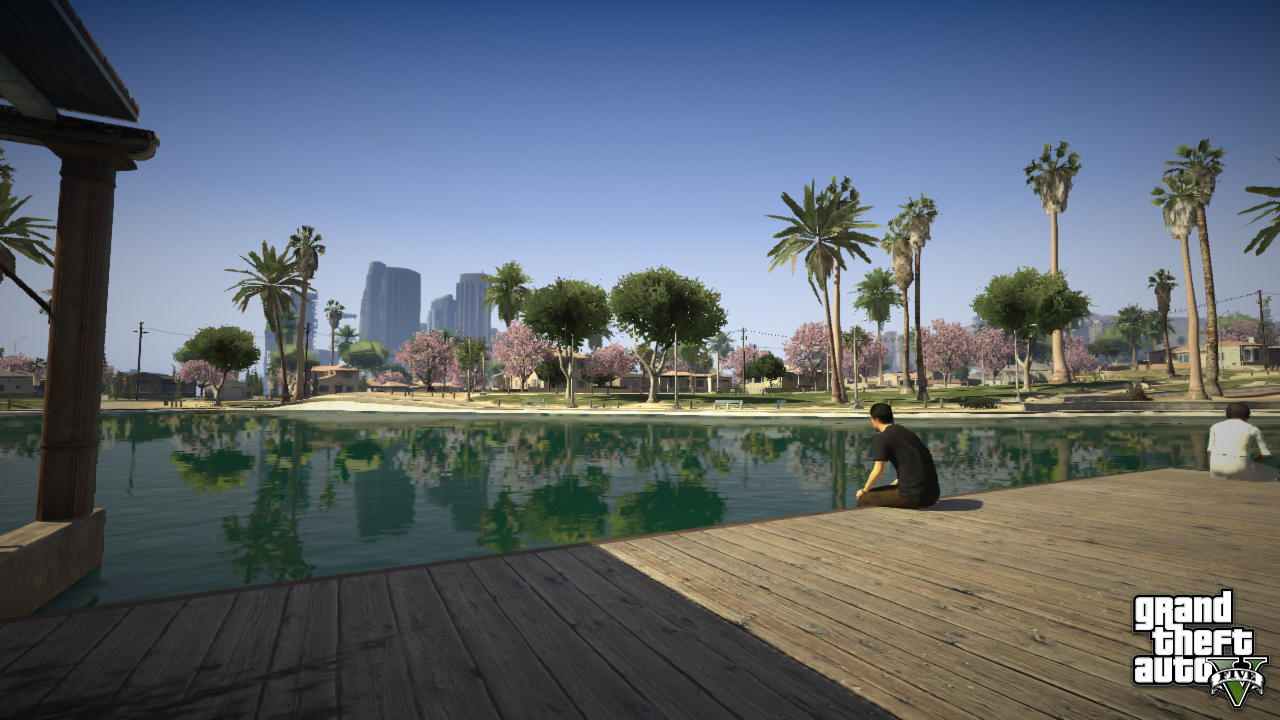
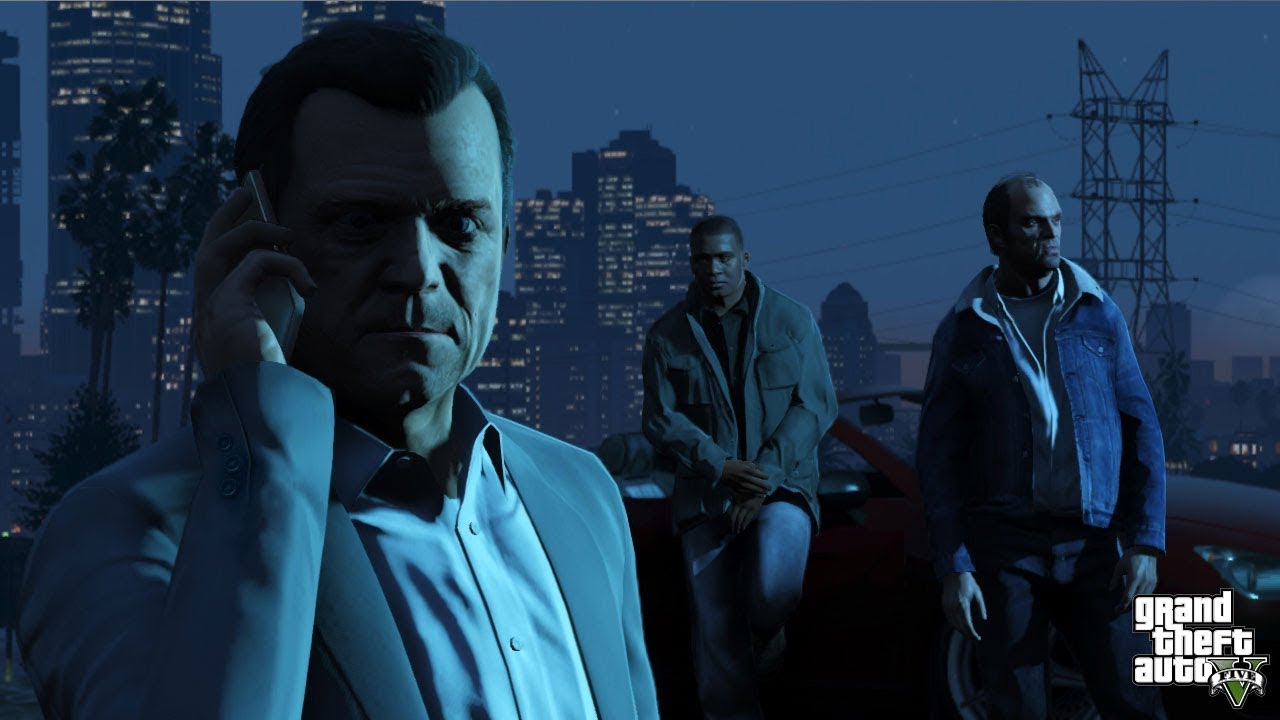
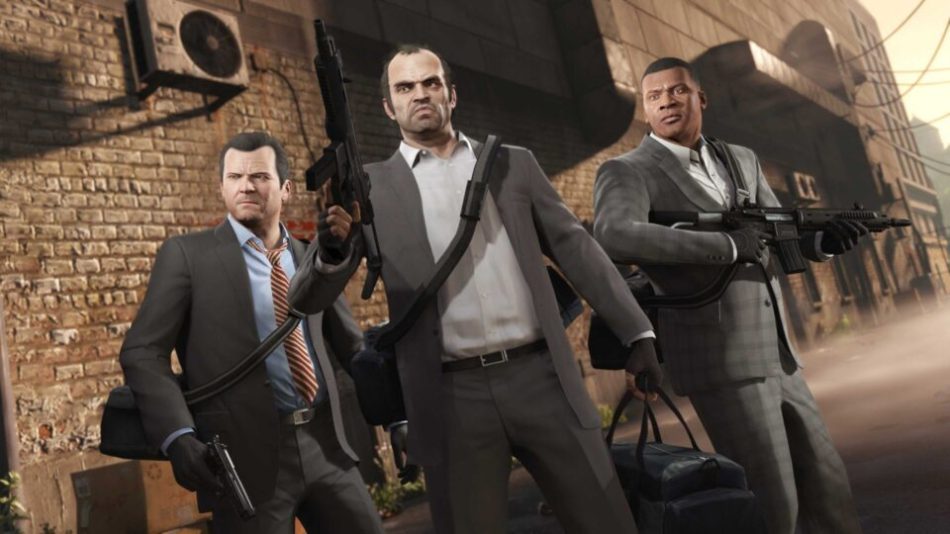
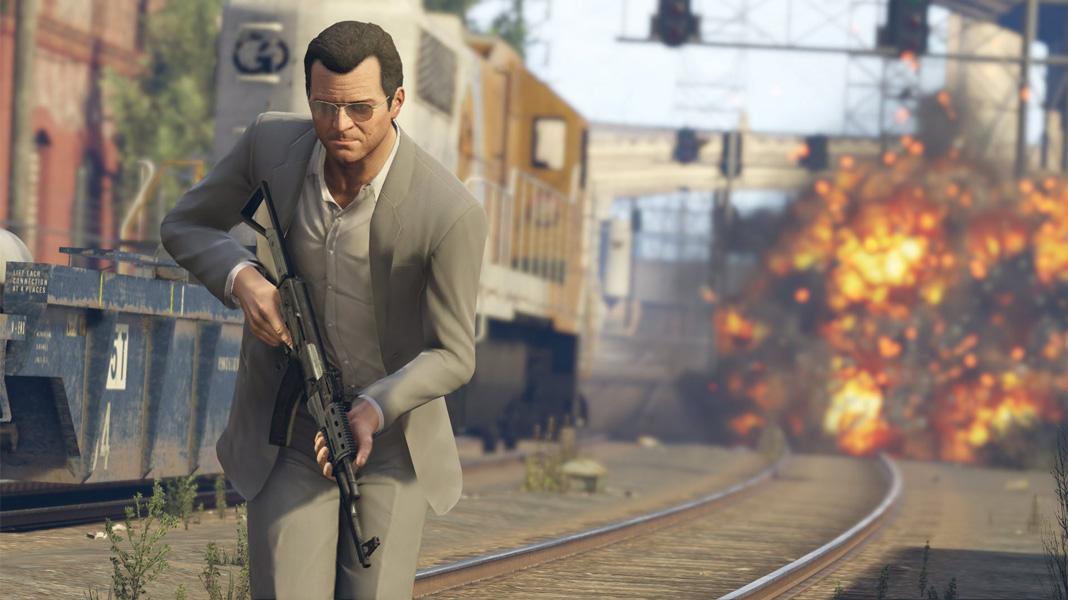
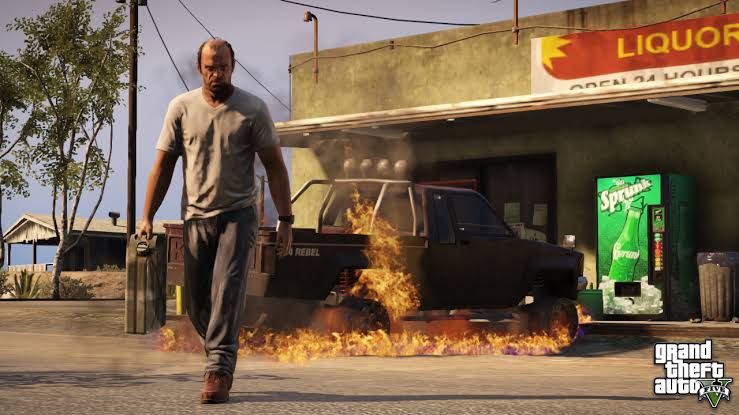
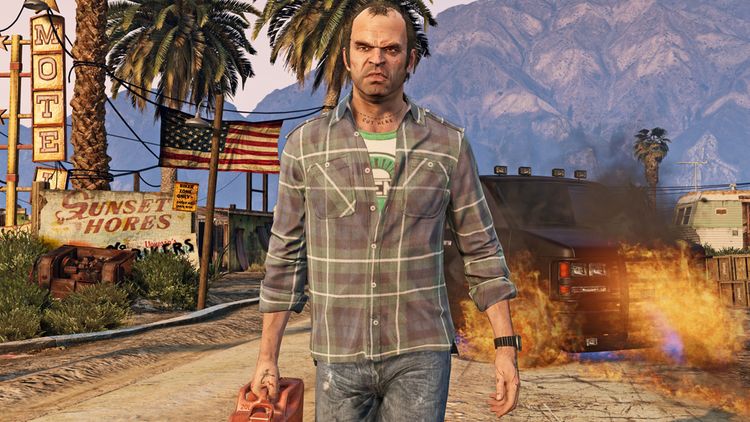
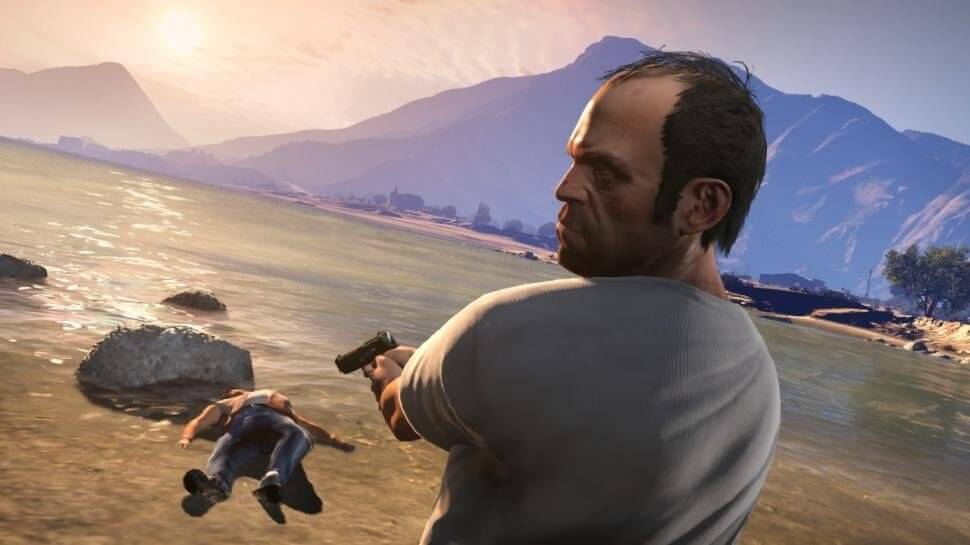


Grand Theft Auto V
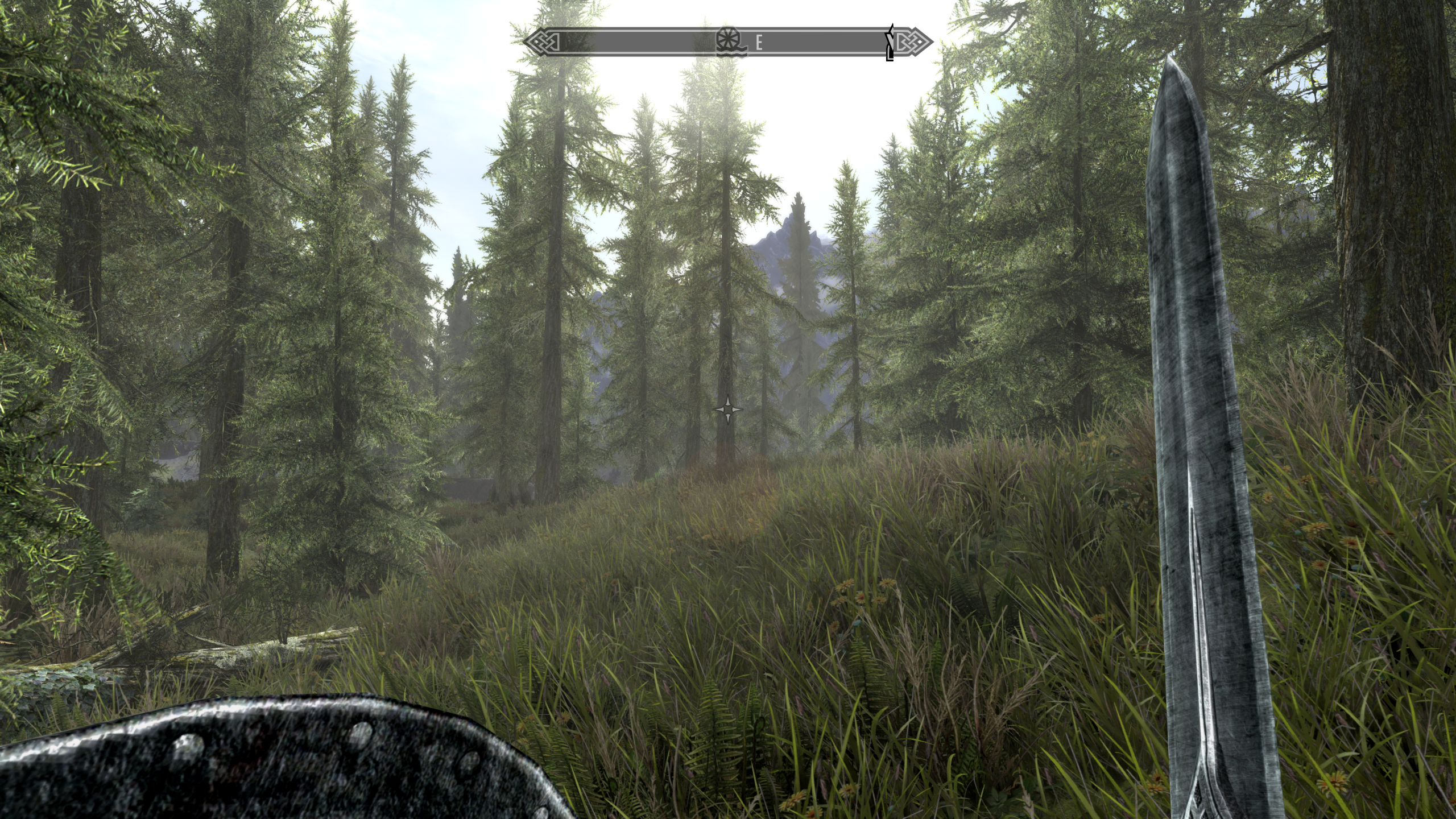

The Elder Scrolls V: Skyrim
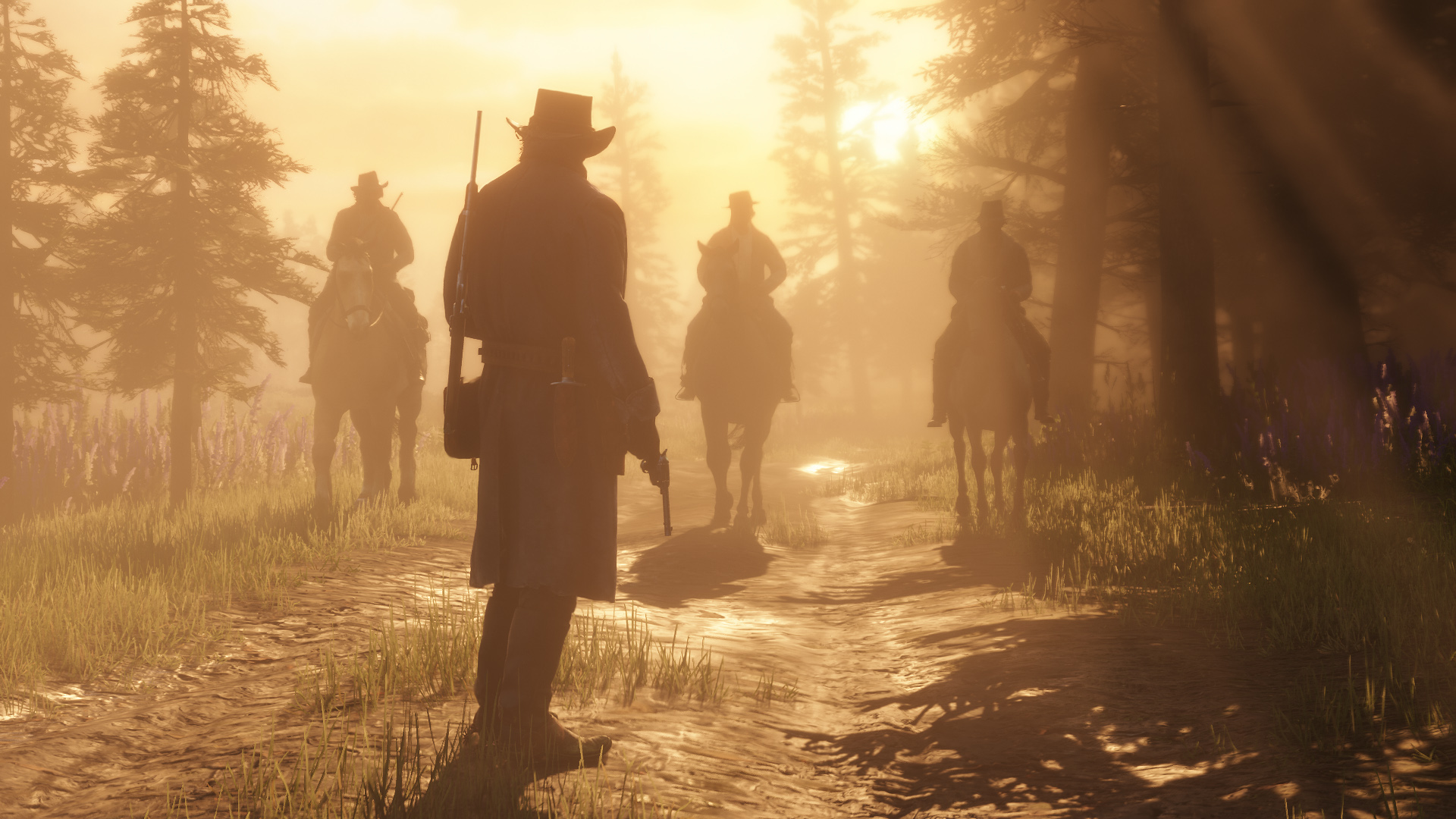
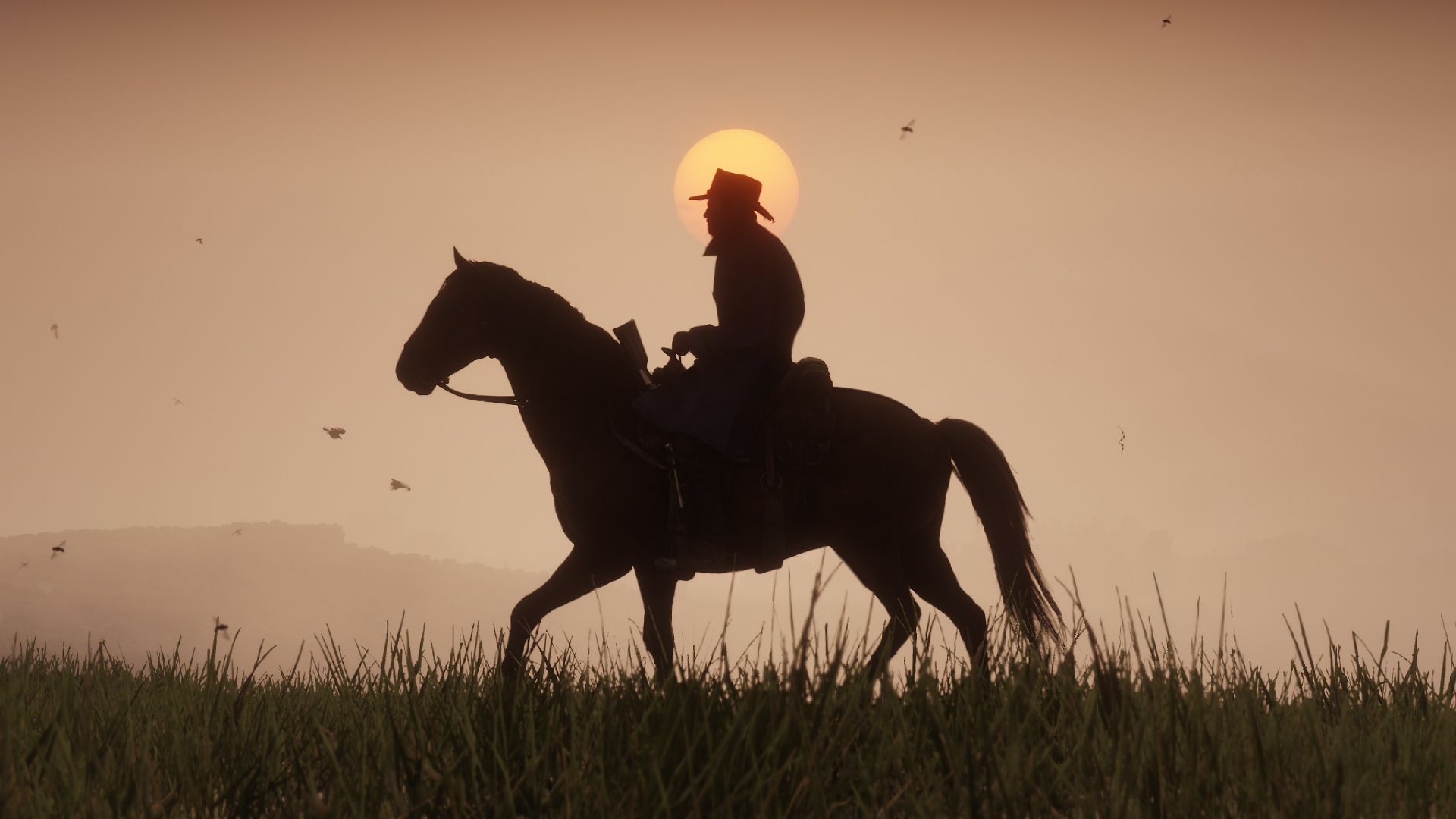

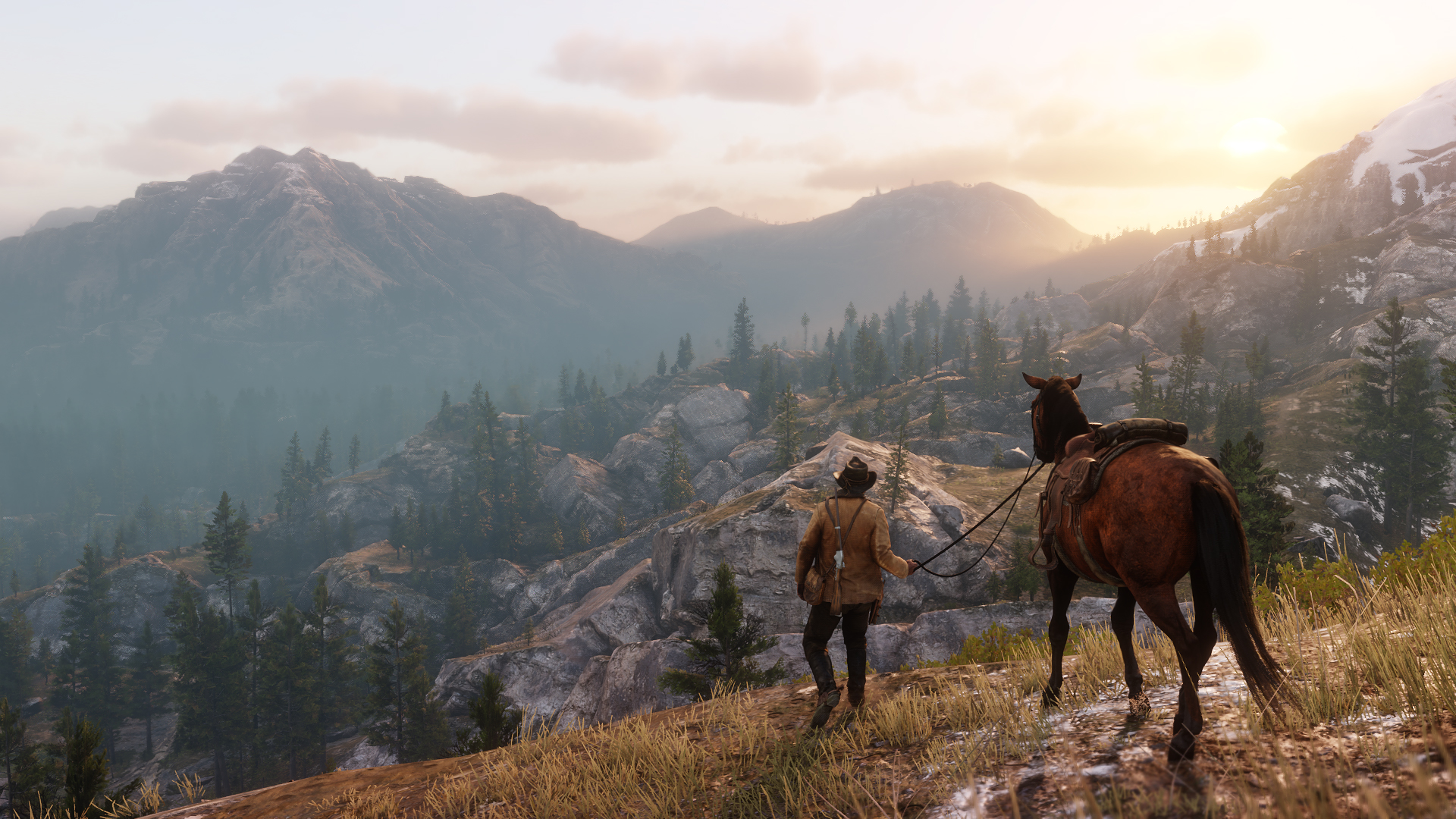
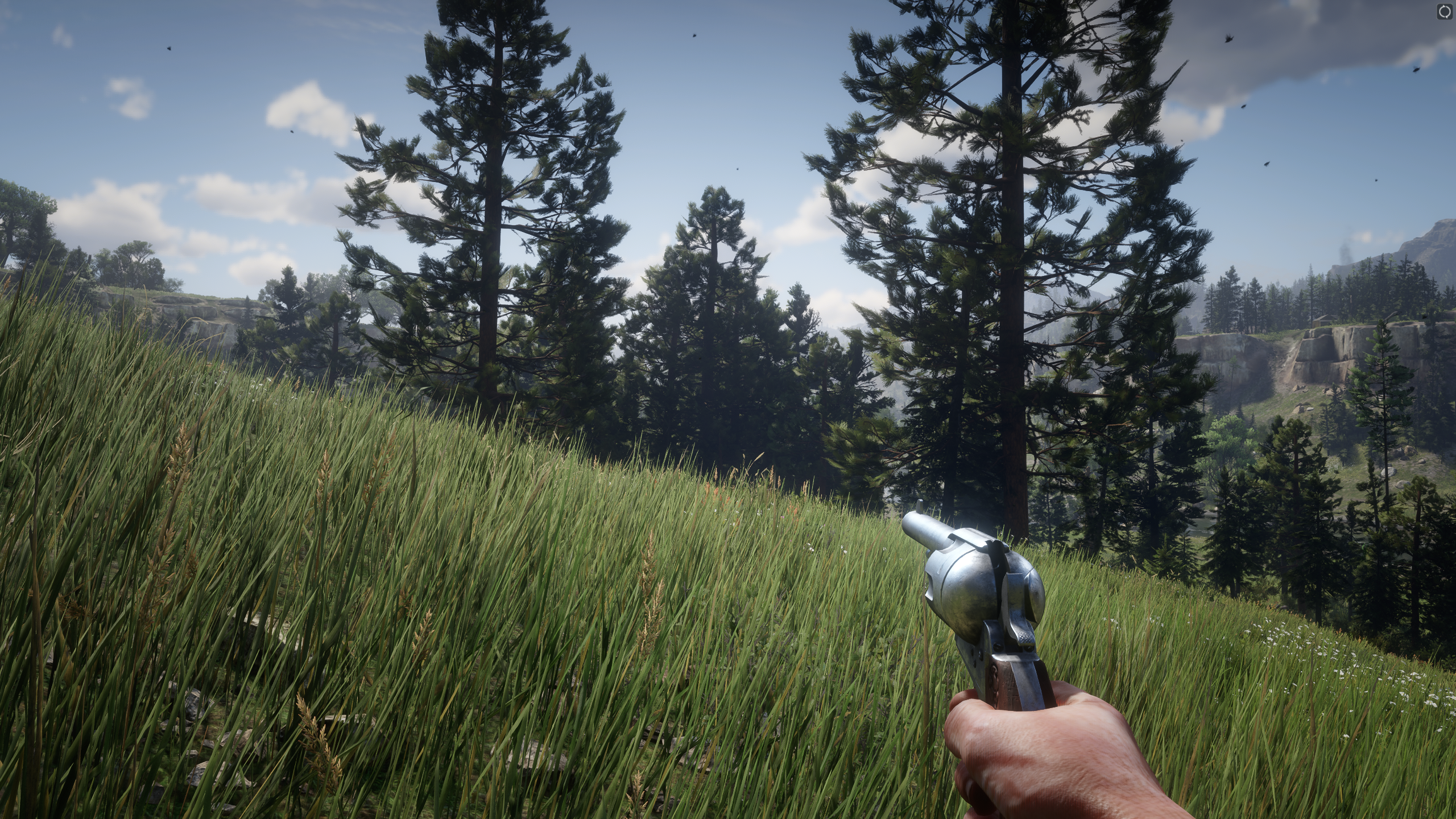
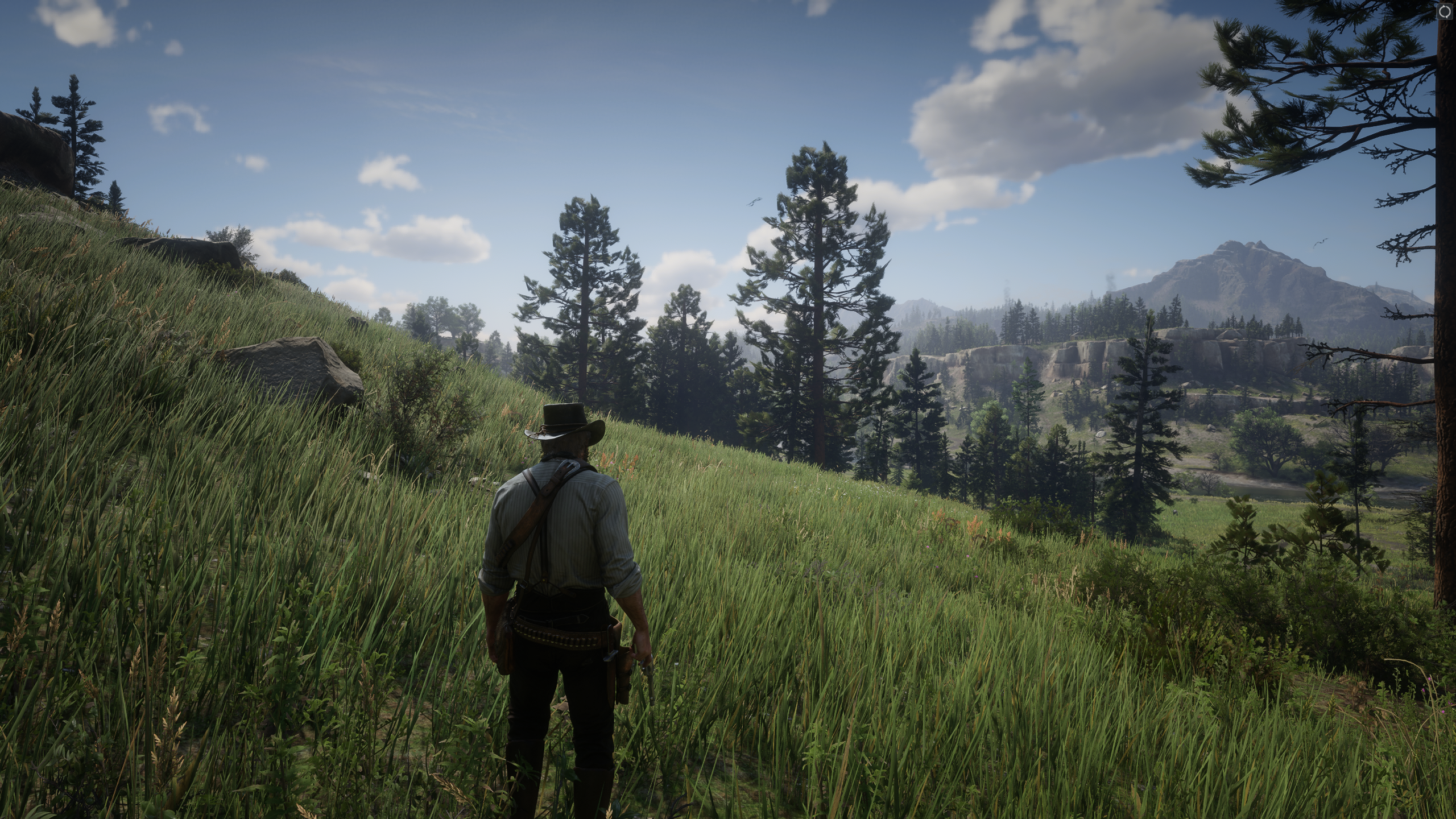

Red Dead Redemption 2
Batman: Arkham City

Batman: Arkham Asylum
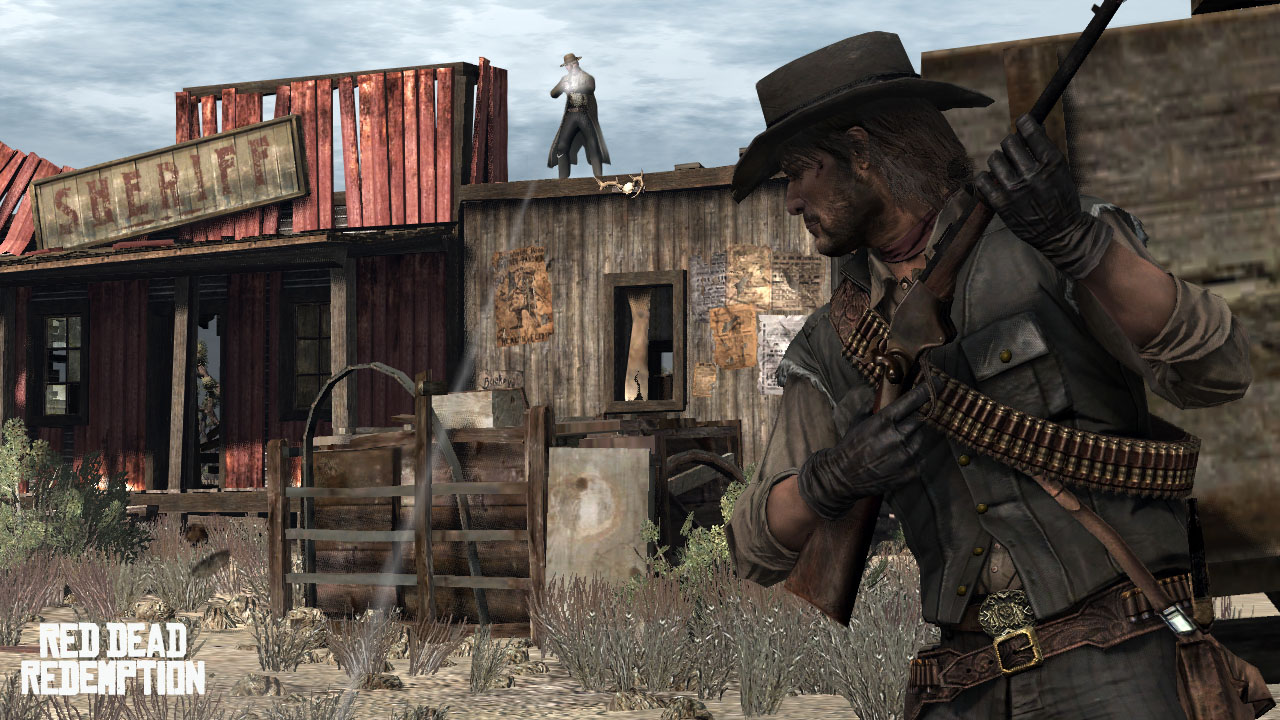

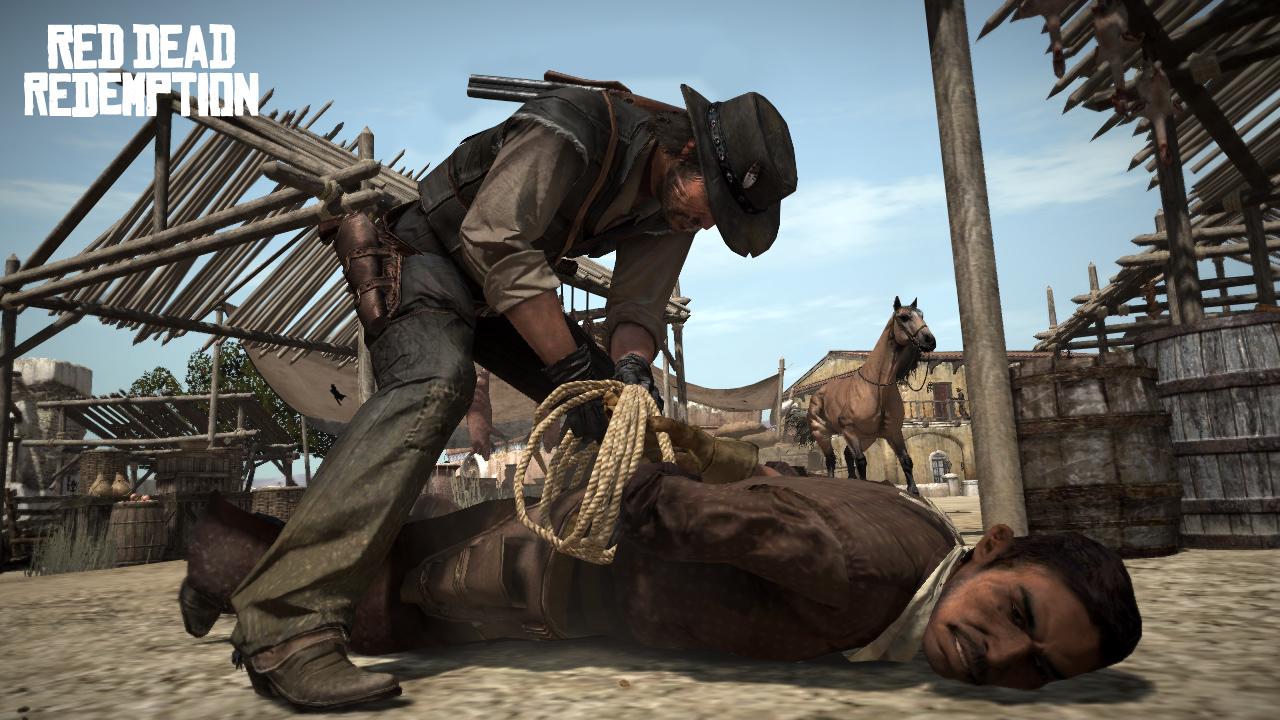
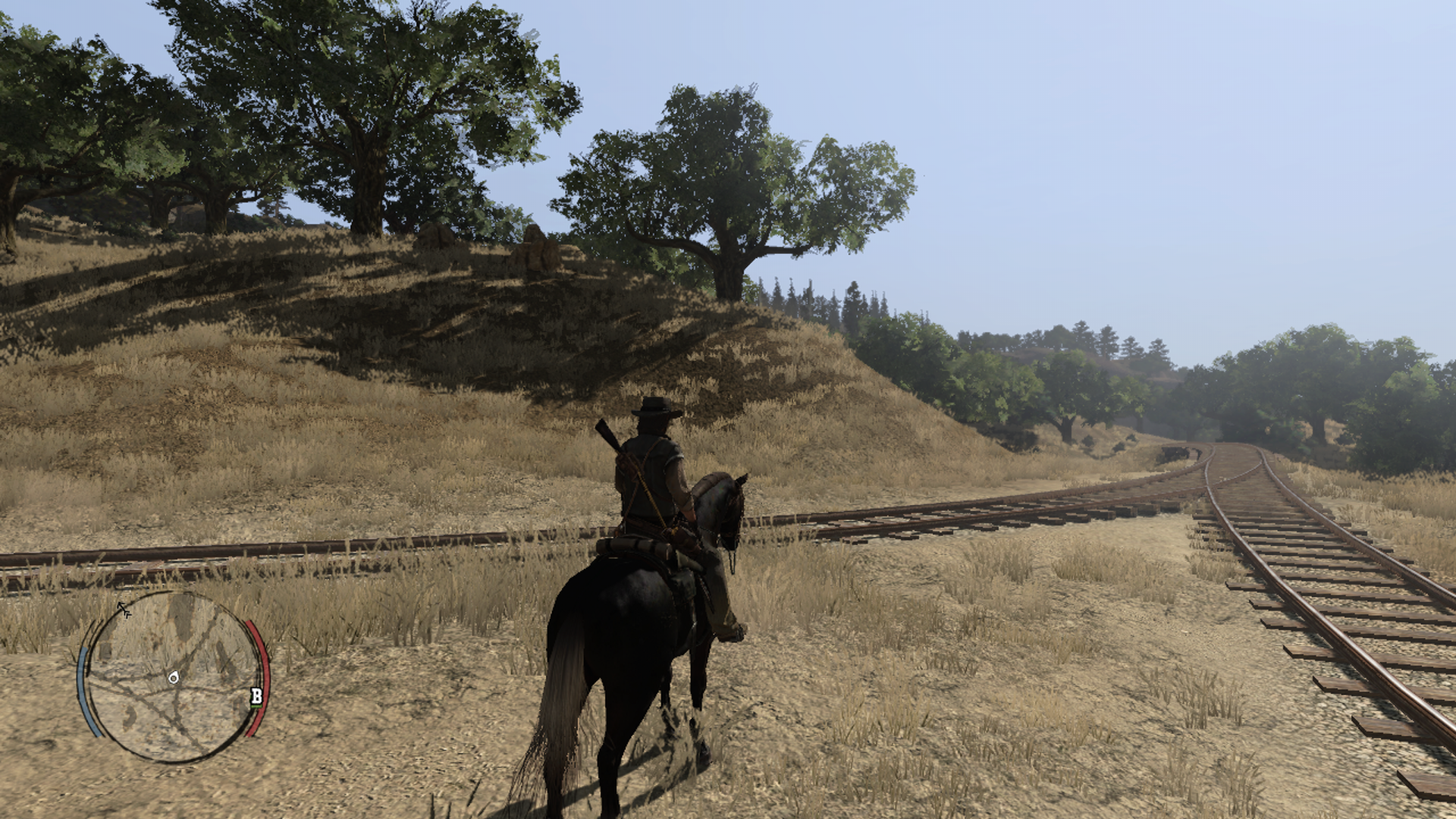
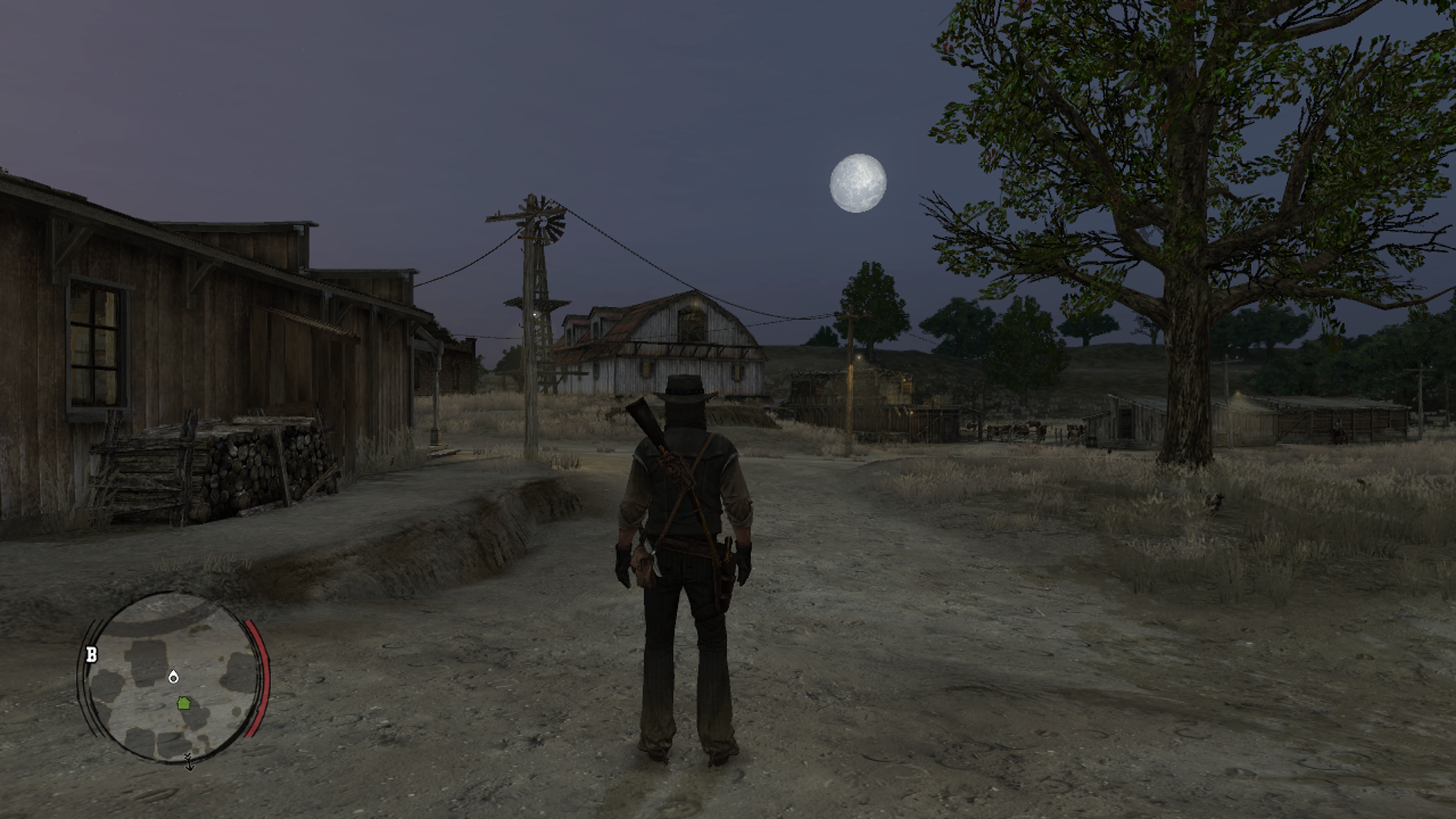

Red Dead Redemption

Fallout: New Vegas






Assassin's Creed IV Black Flag

Fallout 3

Fallout 4


Stardew Valley