Game Info
↑ Back to top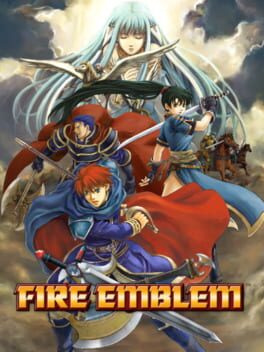

Fire Emblem: The Blazing Blade
Series:
Genres:
Themes:
Perspectives:
Game Modes:
Overview
↑ Back to topDescription from IGDB IGDB
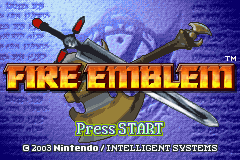
It is the seventh game of the Fire Emblem series, the second game in the series to be released for the Game Boy Advance, and the first to be released in both North America and Europe. It features a prologue storyline designed to introduce newcomers to Fire Emblem gameplay and tactical basics. The overall narrative is a prequel to the events of the previous game, Fire Emblem: The Binding Blade, which is set twenty years later. The game was first released under the localized title "Fire Emblem" in the West, but it was later rebranded as "Fire Emblem: The Blazing Blade" when Fire Emblem Heroes was released.
Wikipedia Description WIKIPEDIA
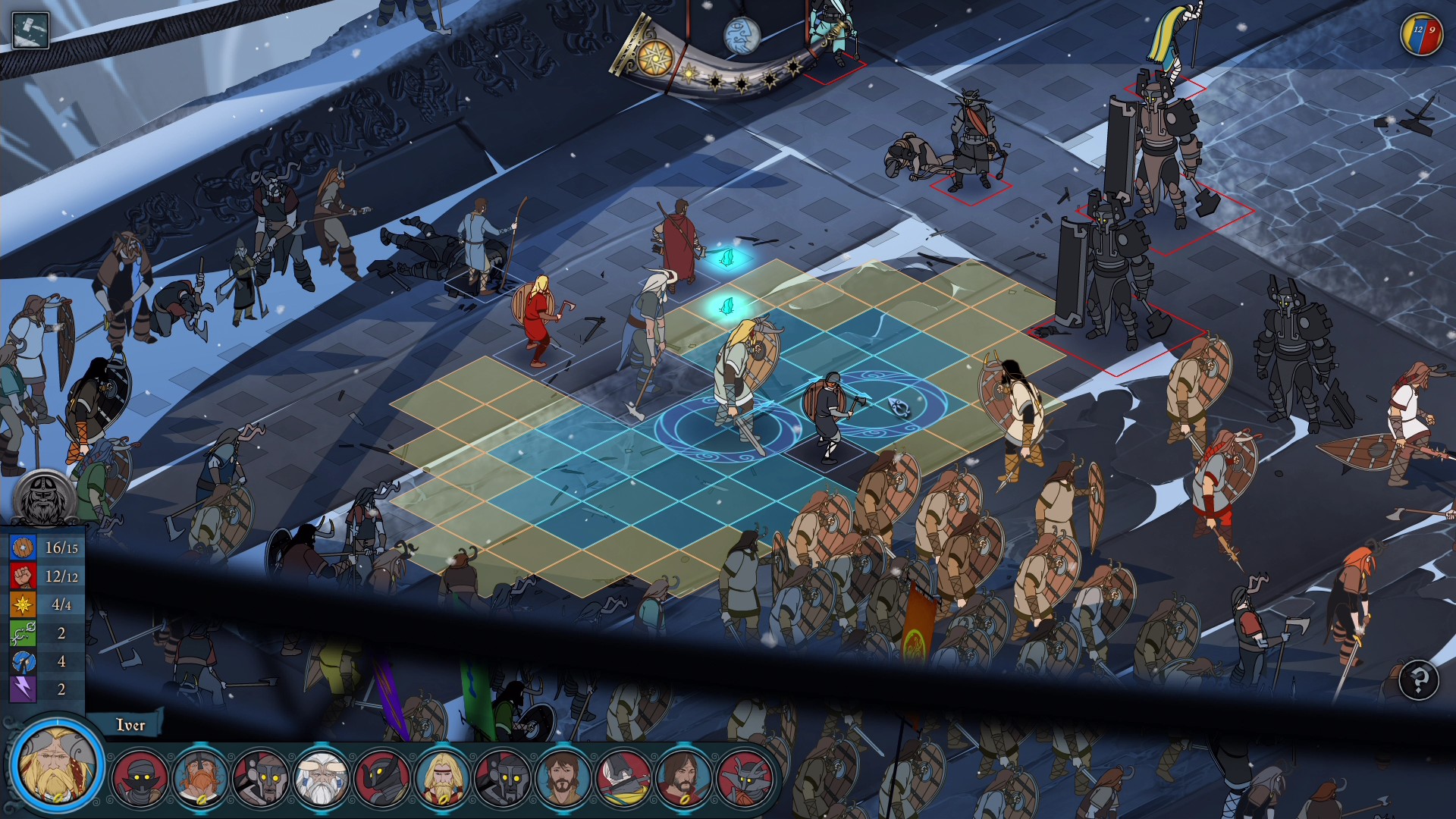
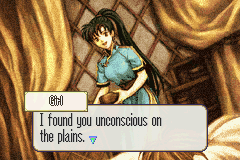
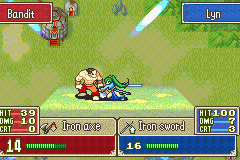
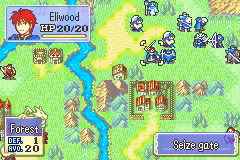
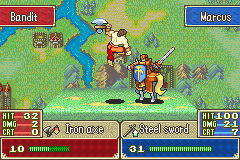
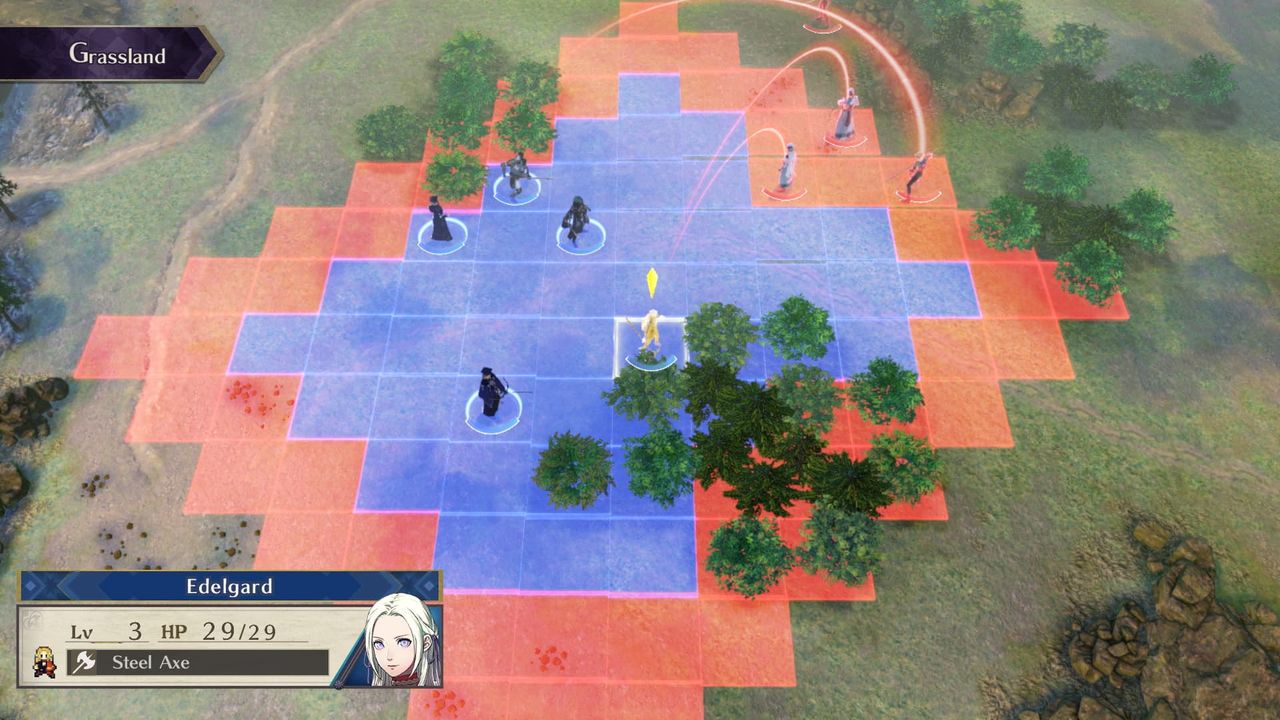
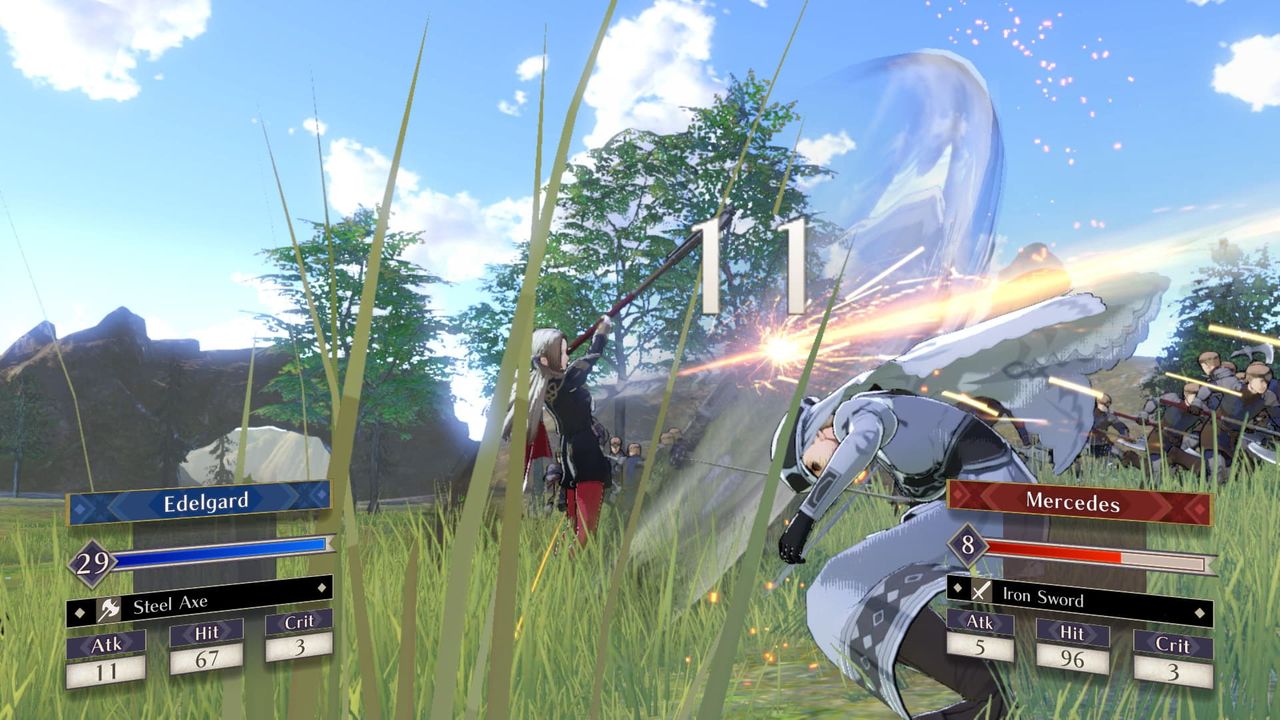
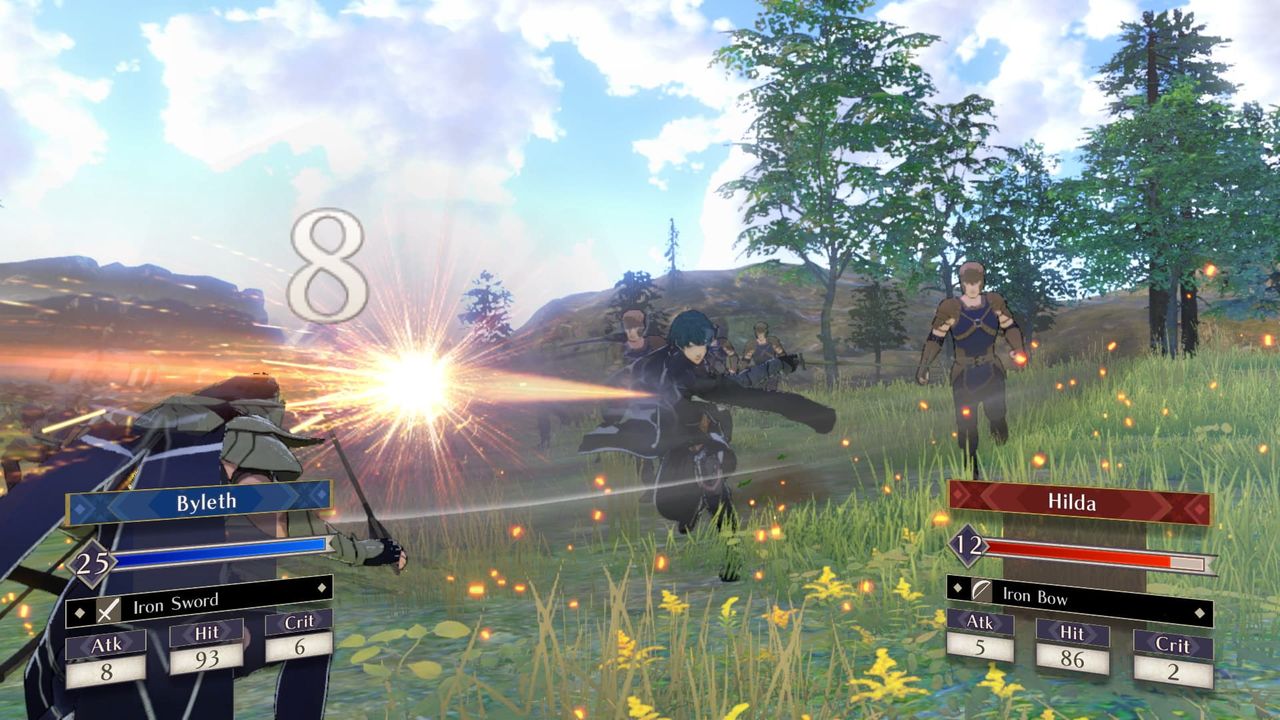
Fire Emblem is a tactical role-playing game in which players take the role of story protagonists Lyn, Eliwood, and Hector as they navigate story-driven missions across the fictional continent of Elibe. The player takes on the role of a mostly unseen tactician directing their army. The single-player campaign is divided into chapters which generally begin with story elements presented through the use of scenes animated with still images of the main characters, then followed by a battle with an enemy; after each battle, the player is allowed to save their progress. In-game currency is gained either through battles in the game's various arenas or through other means, rather than from defeating units. Currency can be used to buy new items and weapons from merchants at specific locations within maps. Items can also be exchanged between units before and during battles. Battles in the main plotline occur on maps organized into square grids. Battle actions are governed by a turn-based system in which every unit on both sides is allotted a chance to move and act. During gameplay, weather and terrain effects appear, such as fog of war or other environmental elements that can be manipulated to any side's advantage, affecting the progress of battle. Units are split among player, enemy and allied non-player character (NPC) factions. Each unit's movement, range, and attack range are displayed when selected. The player must clear a map or achieve specified conditions to advance the campaign: these objectives vary between defeating all enemies (or just their leader), defending positions for some time, capturing strongholds, or rescuing/defending NPCs. When engaging a targeted unit with the player's selected unit, the battle map scene transitions into an aiding transaction or direct combat between the player's current unit and their target, depending on whether that target is friend/ally or foe, respectively, with animations playing out appropriately. When hit with an attack, a character loses health points (HP). For player characters, HP can be restored with items or by units with healing magic; it can also be regained by standing in forts, gates or castles, or using a special spell that replenishes health based on damage dealt to an enemy. Each unit is governed by a character class system that determines their types of actions, and what weapons and tools they can use. A unit will gain experience points (EXP) after each action in combat. Units level up upon reaching 100 EXP and their attributes, such as attack power and defense, are randomly improved, while their weapon ranks naturally increase when using associated weapon types. Upon reaching Level 10 and using a special item, a unit's class can be upgraded to a more powerful version with access to new items and weapons. If a unit is defeated in battle, they are subject to permanent death, thus removed from all future encounters and the overall storyline (with a few exceptions for some characters at certain points). If the main characters (Lyn, Eliwood, or Hector) or others of critical importance should fall, then the game ends, and the player must restart their current level. Weapon strengths and weaknesses are governed by the series' Weapons Triangle system; axes are strong against lances, lances are strong against swords, and swords are strong against axes. Bows are independent of the system, being effective against airborne units. A similar system, dubbed the Magic Trinity in-game, governs how different types of spells react; elemental magic (anima) is strong against light, light against dark, and dark against elemental (anima). The strength of weapon types assigned to a particular unit is raised through usage, with its rank ranging from E to S, with S being the greatest possible affinity with a promoted character. Characters also have a Support system, where talking in battle strengthens two characters' relationship, and consequently provides stat boosts. The greater the Support rank, which ranges from "C" to "A", the better the boost. Outside of the main campaign, players can battle against the game's artificial intelligence (AI) in the Link Arena: after building a team, the player fights a battle against their own units controlled by the game AI. Fire Emblem also features a Link Arena multiplayer option in which up to four players can link up and do battle with teams of characters from the single-player save file. Players choose up to five characters and equip them like in the main campaign. During battle, each player takes turns to attack with one character unit. Weapons are selected automatically for each battle. Victory is determined by either surviving for a period of time or accumulating the most points.
About Fire Emblem: The Blazing Blade
Fire Emblem: The Blazing Blade is a Grid-Based, Role-playing (RPG), Squad Management, Strategy, Tactical, Turn-based, Turn-based strategy (TBS) game released in 2003 developed by Intelligent Systems that offers Multiplayer, Single player gameplay from a bird view / isometric, side view perspective playable on Game Boy Advance, Wii U with 136 user ratings averaging 87.2/100. The game explores themes like Fantasy, Fire Emblem, Historical. If you enjoy Fire Emblem: The Blazing Blade, you might also like similar games in our database of 45,000+ titles.
Basic Info
Details
↑ Back to topAdditional Information
Платформы 2
Genres 7
Themes 4
Player Perspectives 2
Game Modes 2
Companies
↑ Back to topDevelopers
Intelligent Systems
No description available
Publishers
Nintendo
No description available
Keywords
↑ Back to topScreenshots
↑ Back to top

Similar Games
↑ Back to top



Chrono Trigger

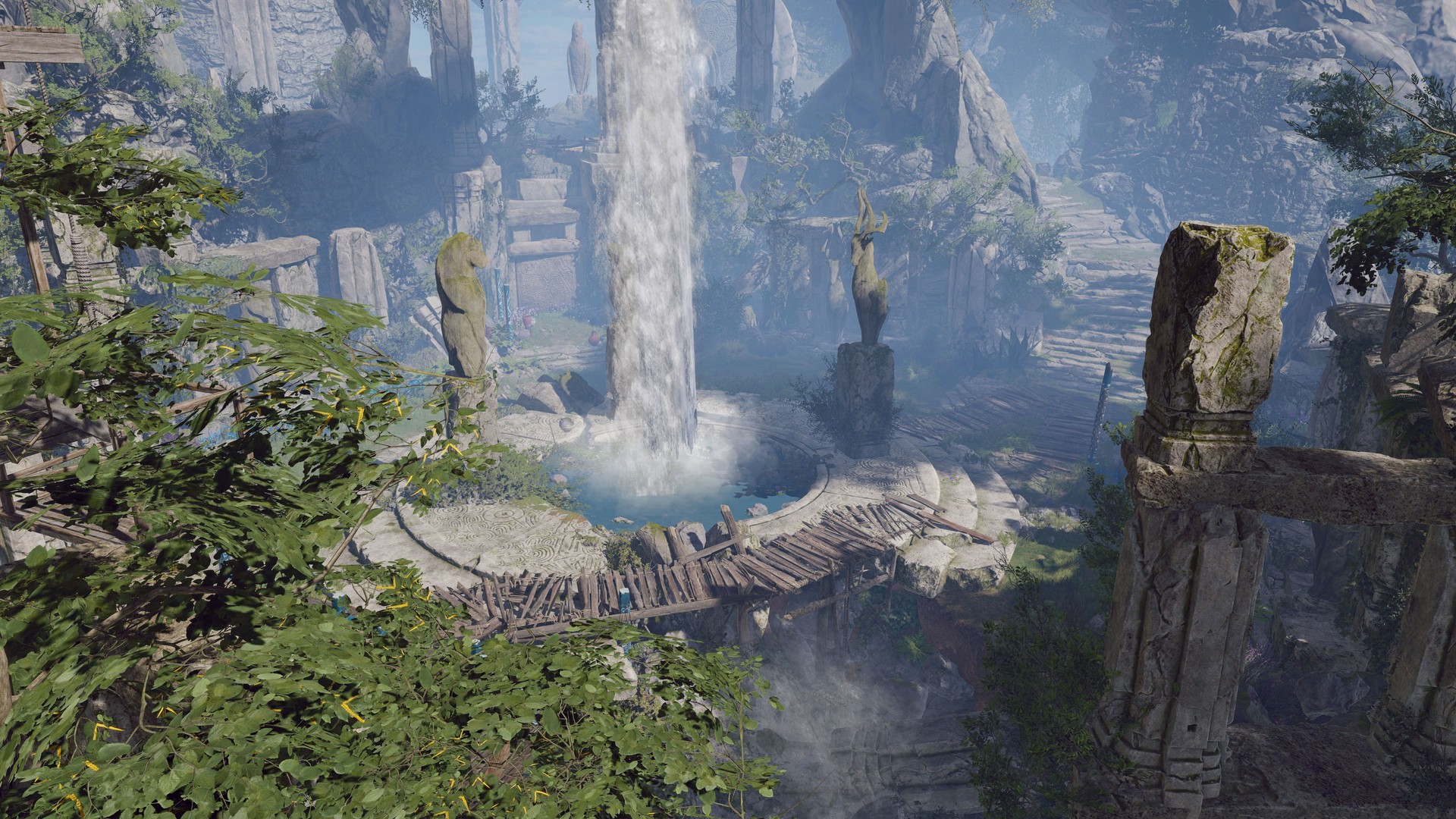
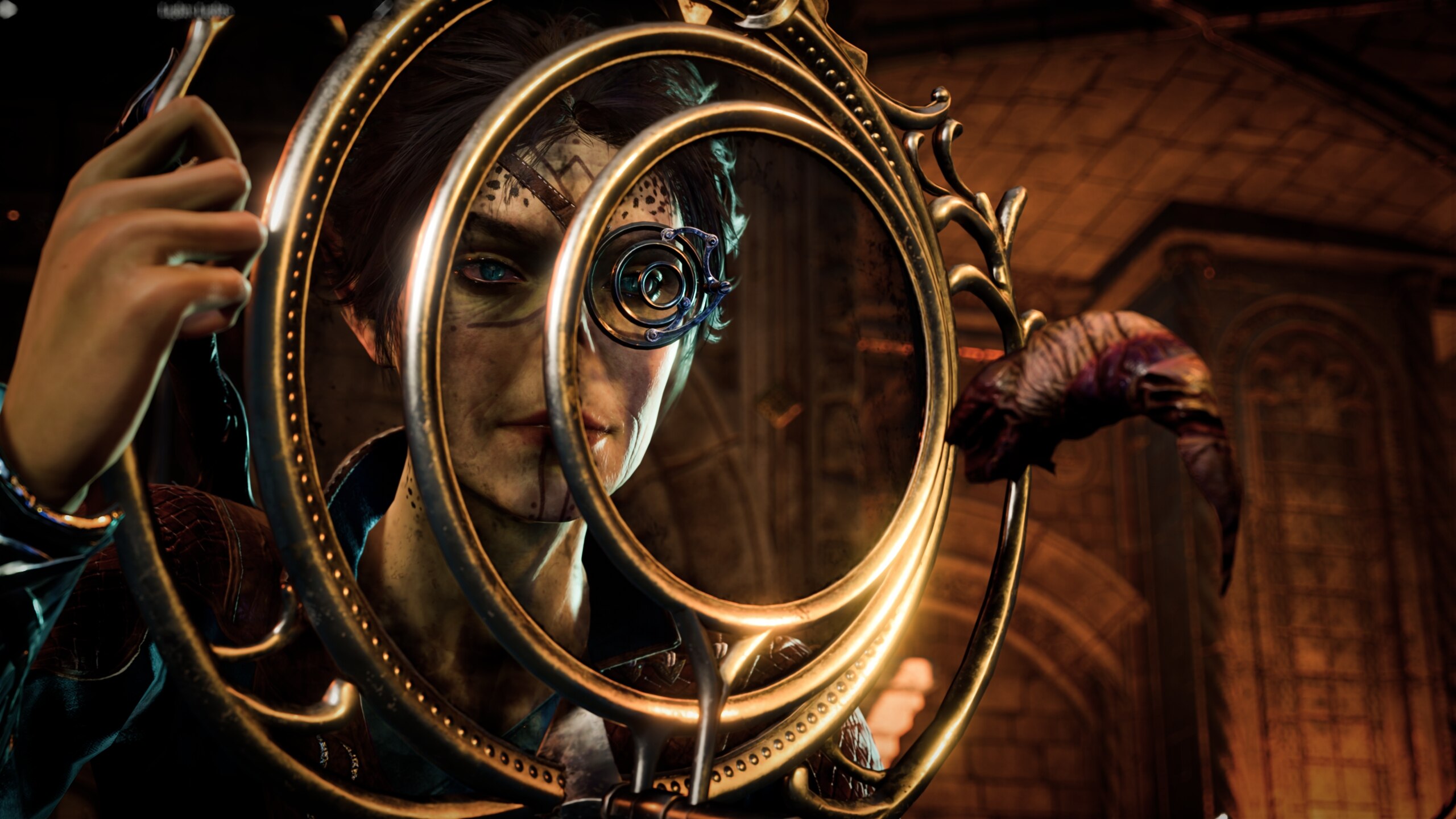
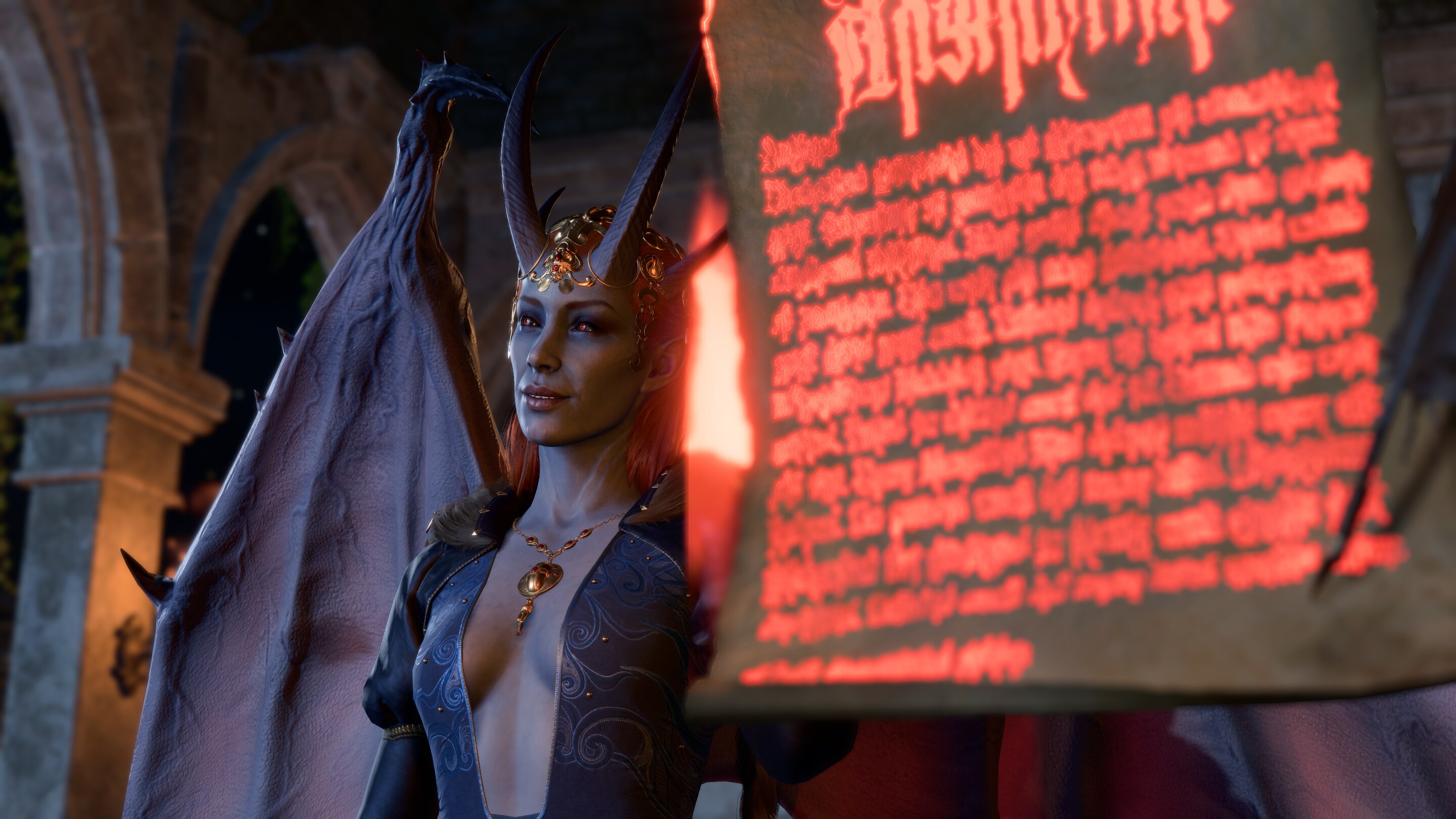
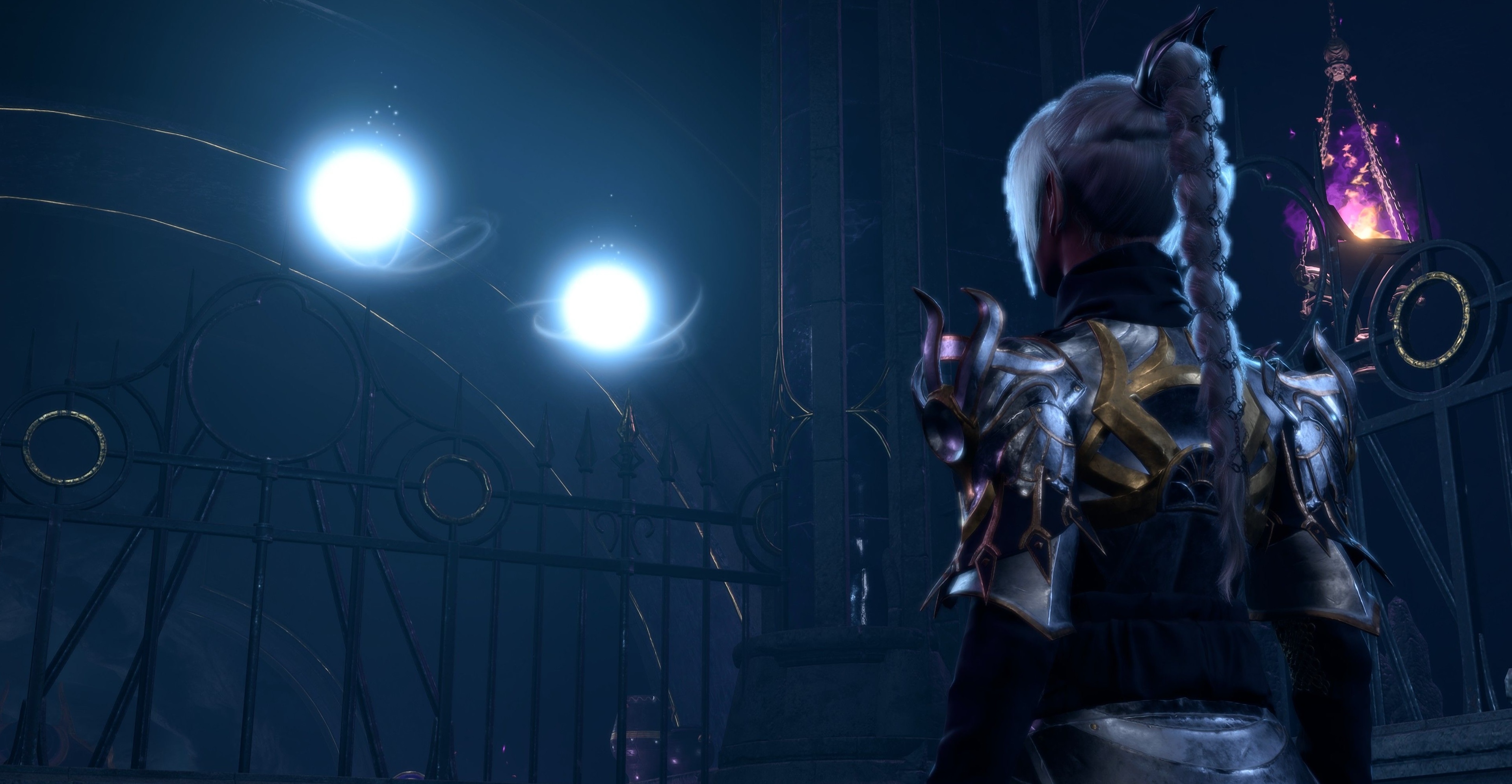

Baldur's Gate III


Sid Meier's Civilization V


Dragon Age: Inquisition
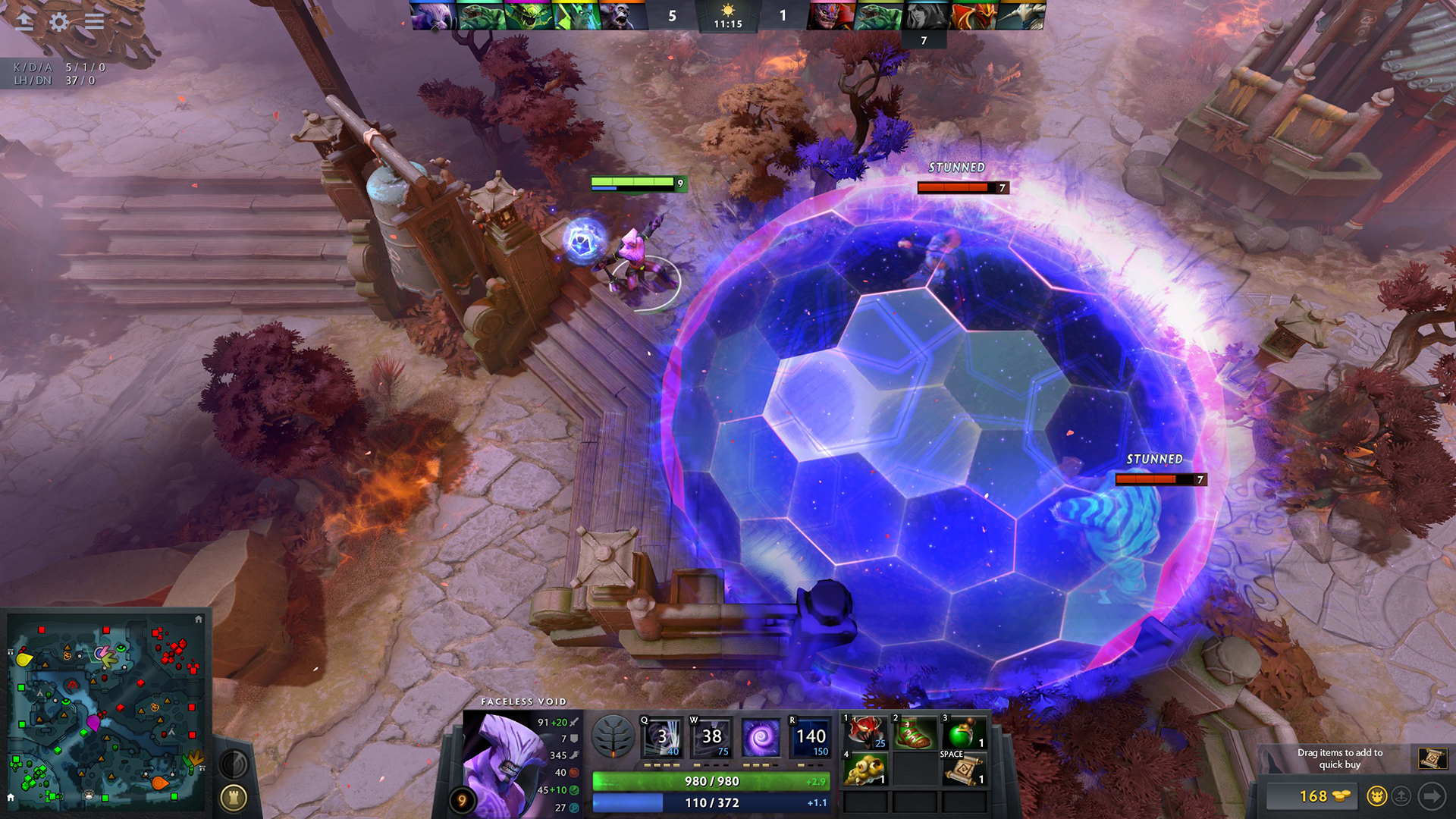
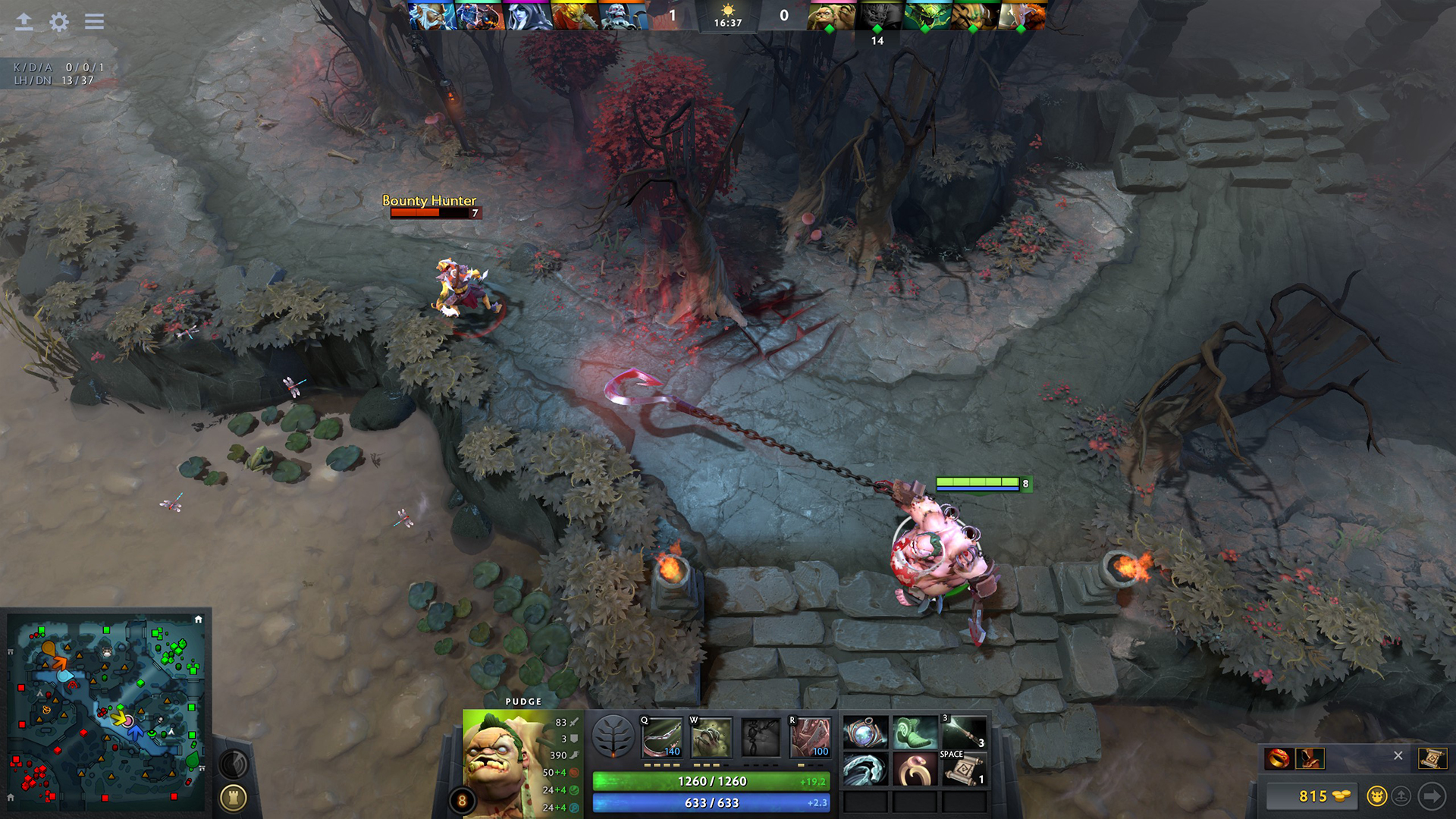
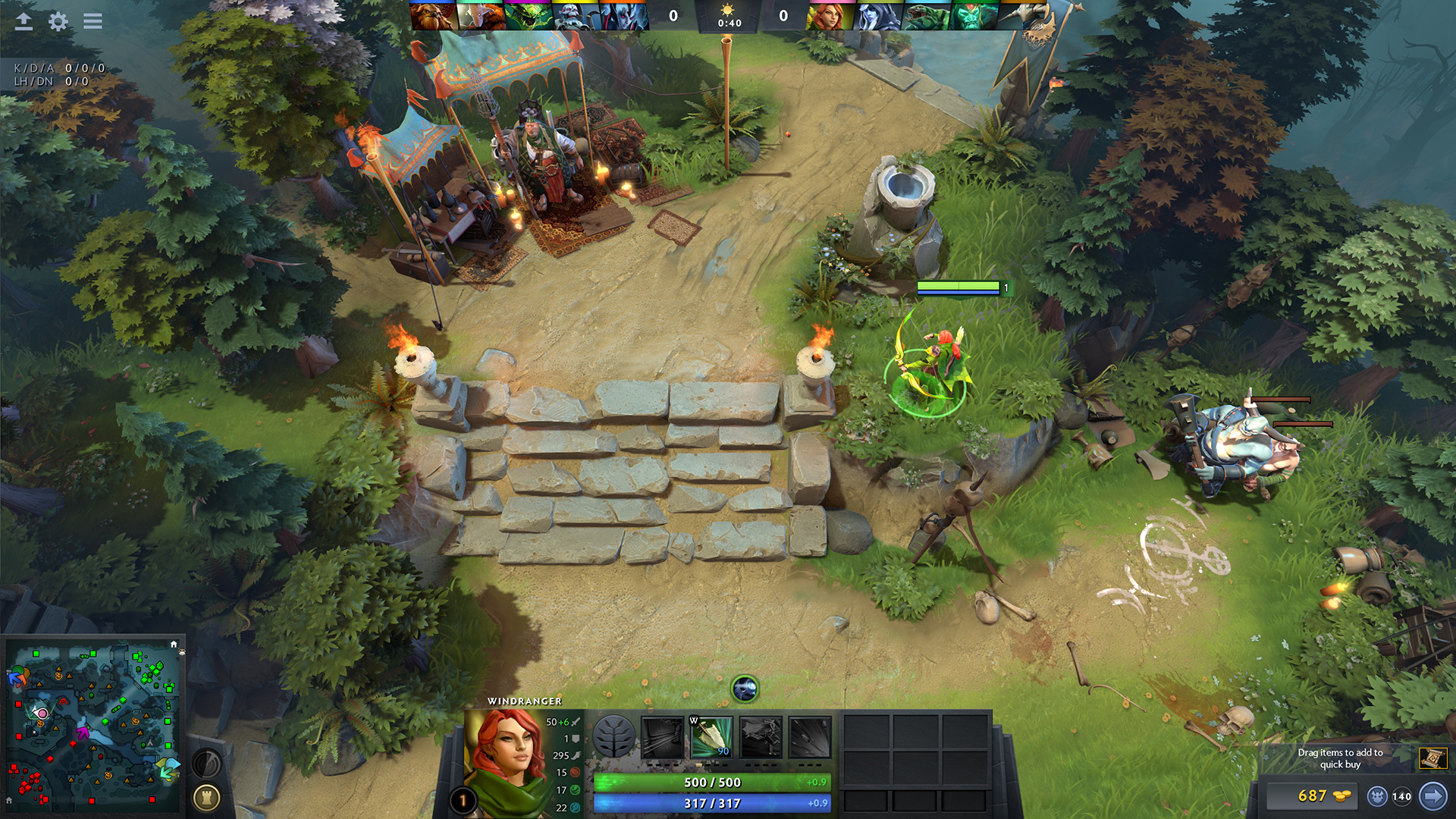

Dota 2
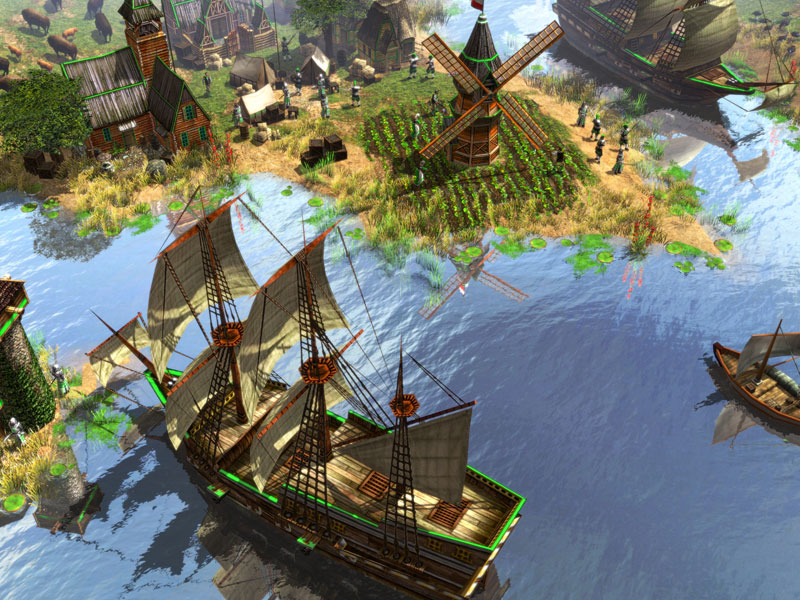
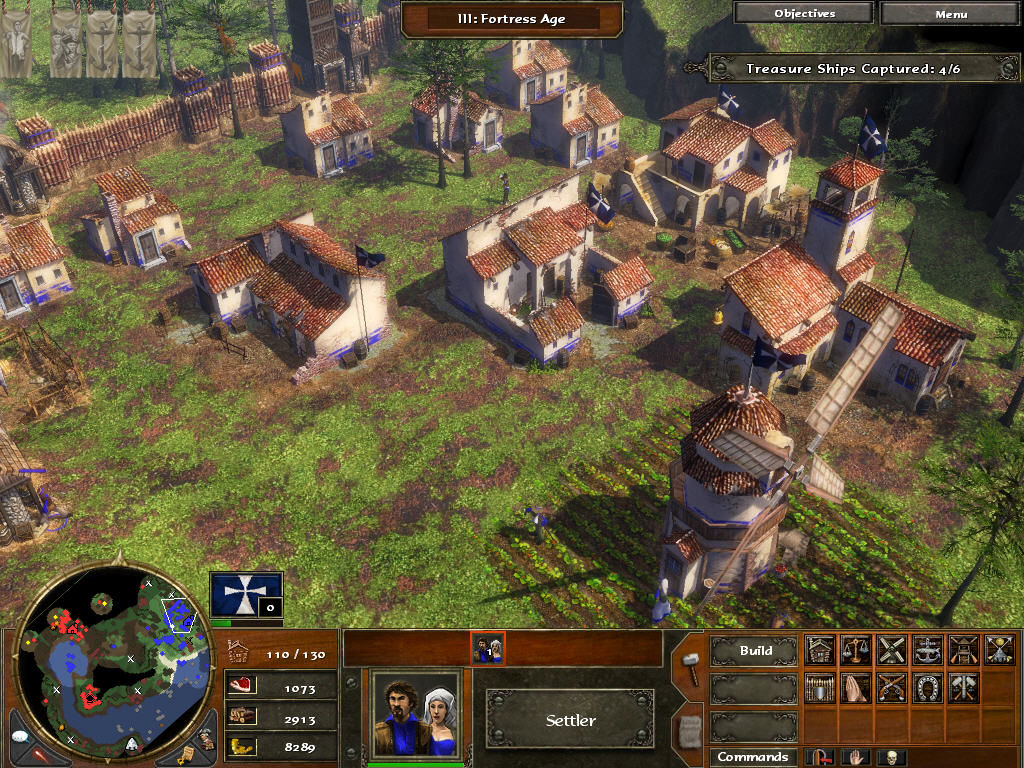
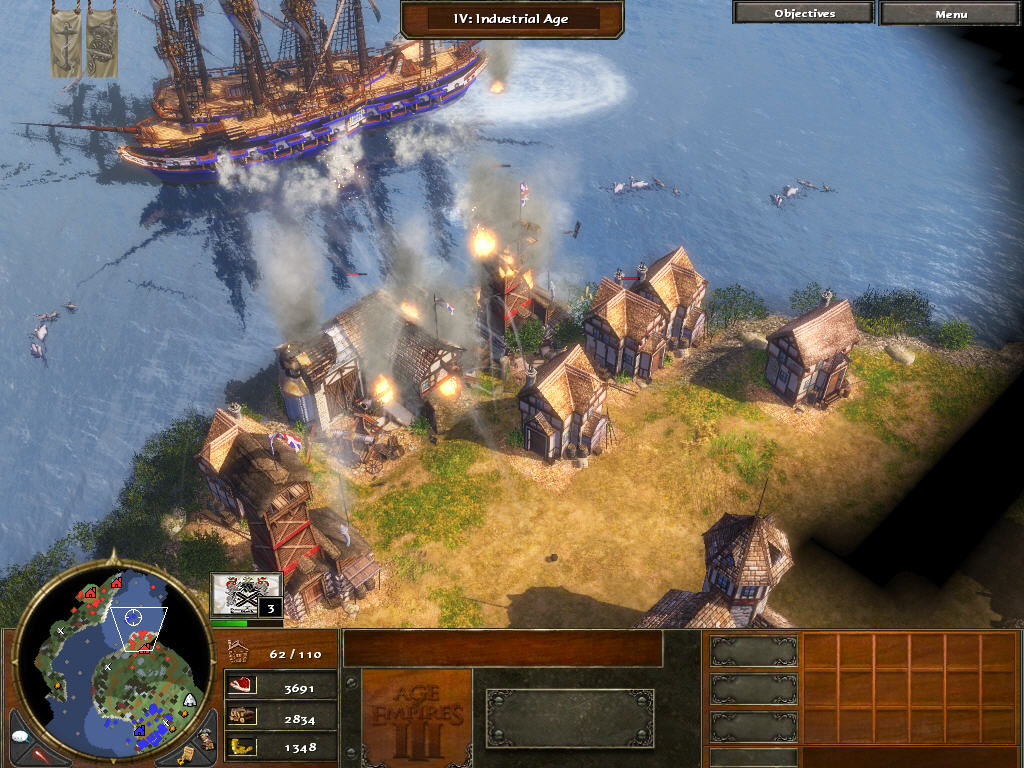

Age of Empires III
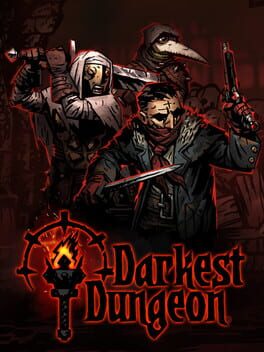
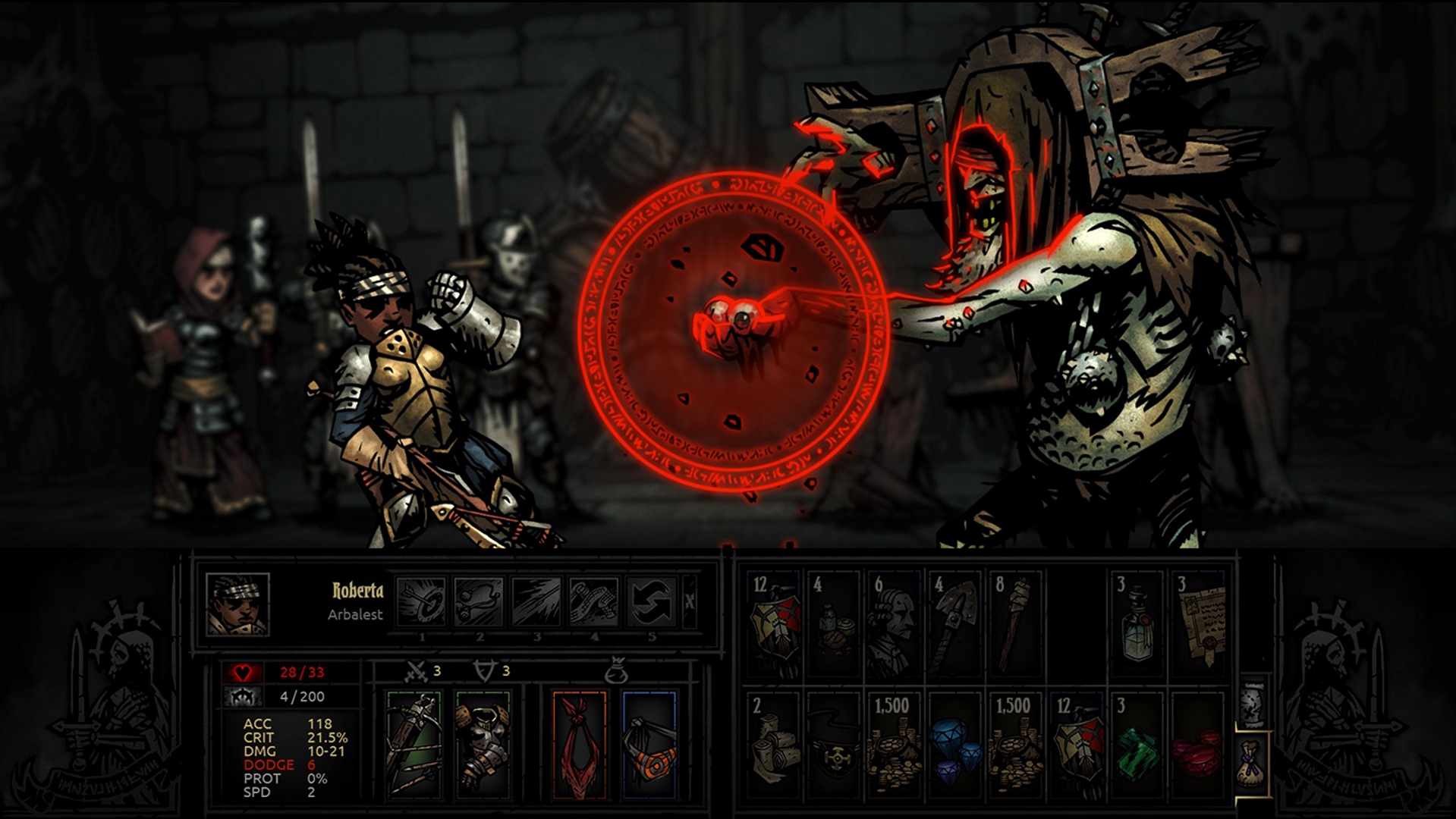
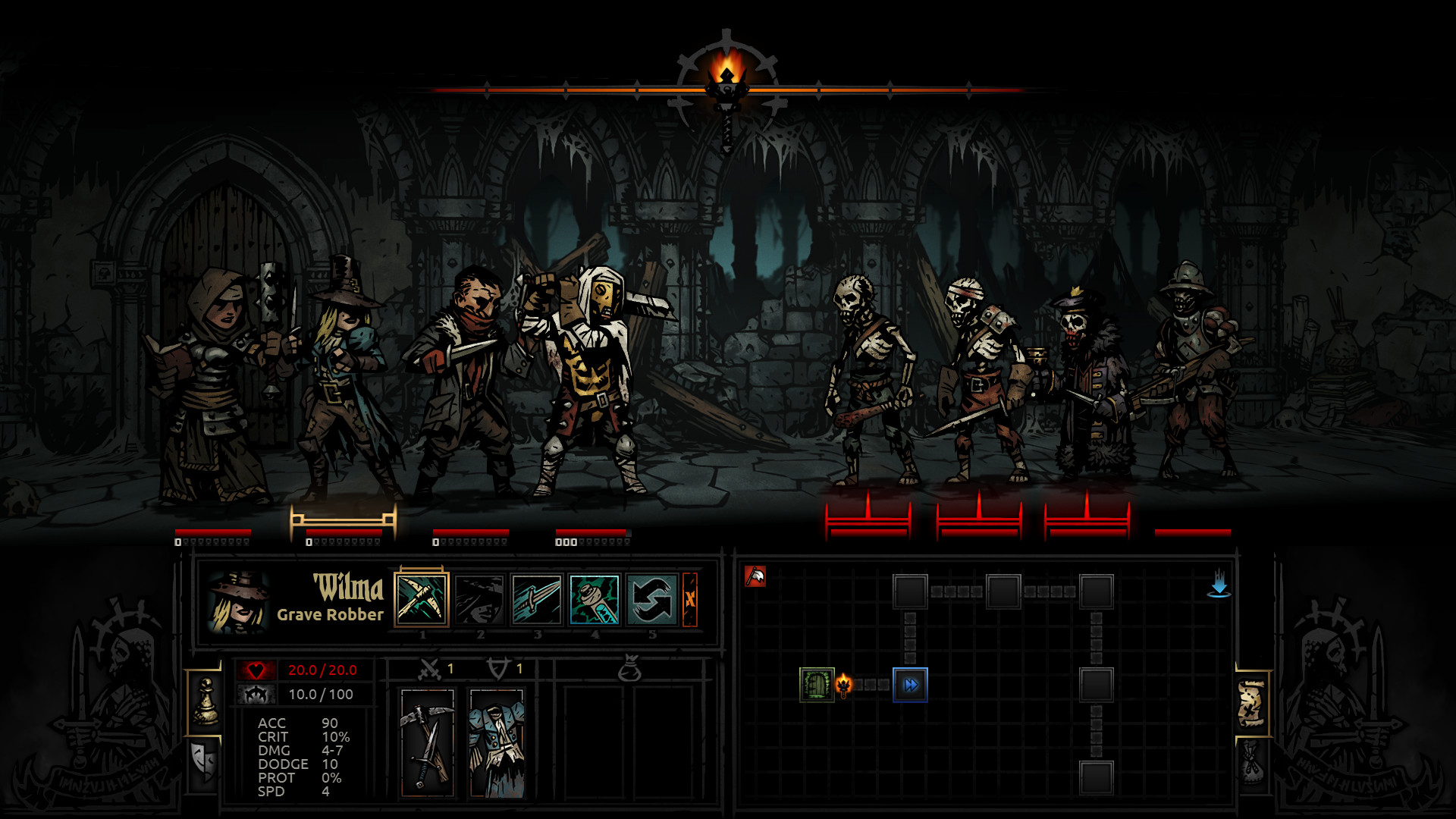

Darkest Dungeon
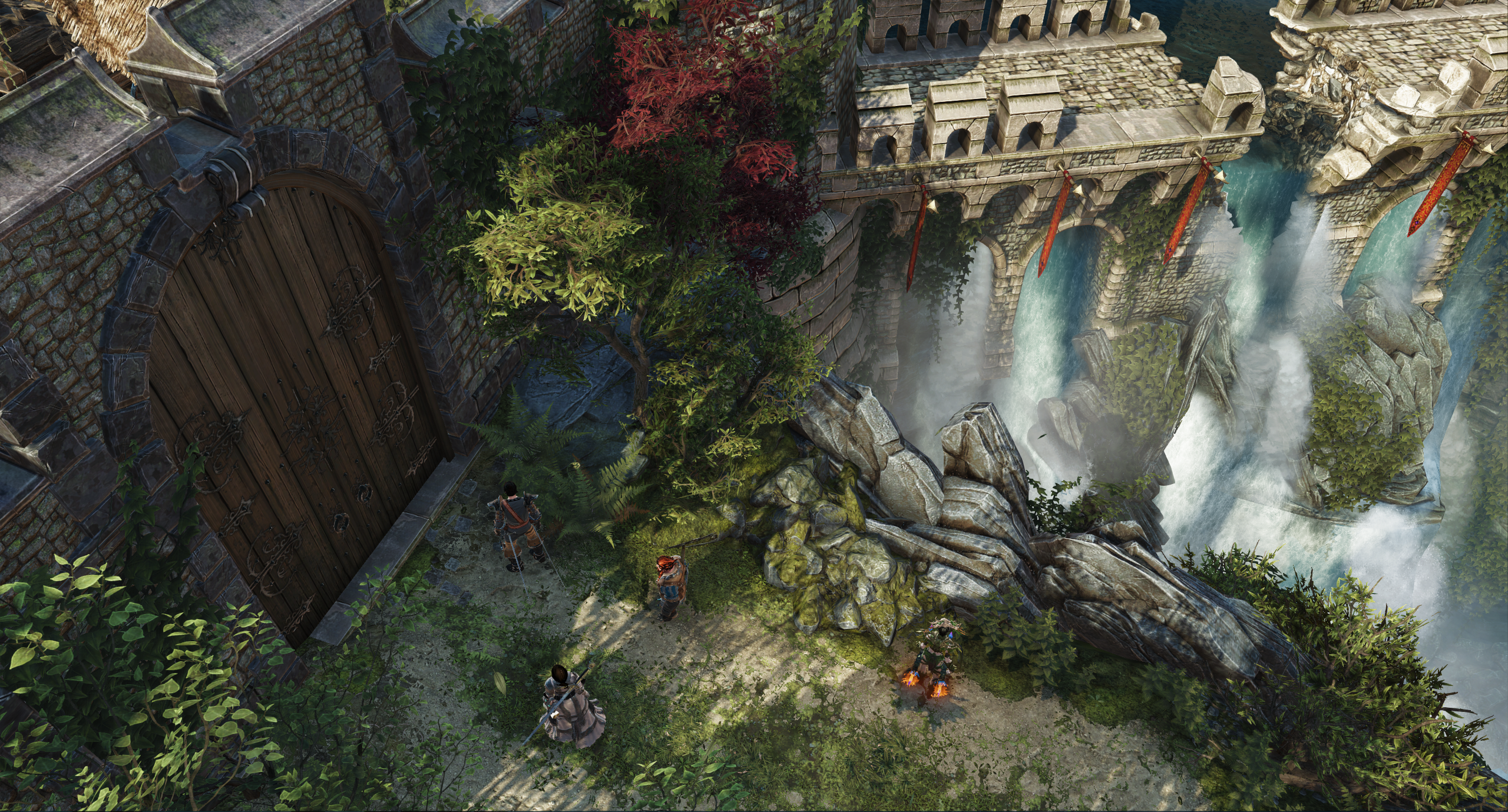



Divinity: Original Sin II

XCOM 2

Pokémon Diamond Version



Fire Emblem: Three Houses