Game Info
↑ Back to top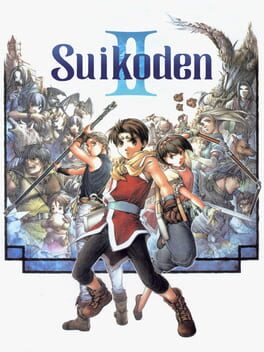

Suikoden II
Series:
Genres:
Themes:
Perspectives:
Game Modes:
Overview
↑ Back to topDescription from IGDB IGDB
Wikipedia Description WIKIPEDIA
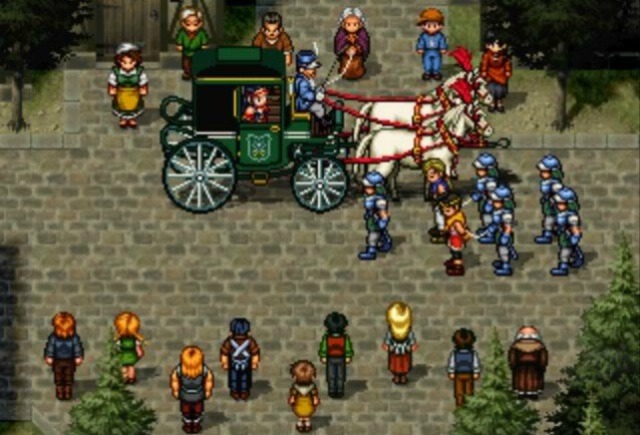
Suikoden II is a role-playing video game with strategic elements, with multiple gameplay formats ranging from one-on-one combat to large scale confrontations between two armies. The player controls a silent protagonist, advancing the plot by completing tasks and talking with other characters. The player can also recruit over 100 new characters to his cause, often involving a short sidequest to do so. In towns, the player can gather information, sharpen characters' weaponry, and buy equipment and runes; wilderness areas generally feature random encounters with monsters. Like other games of the series, Suikoden II employs a unique character leveling system from most RPGs. There is a fixed number of experience points needed to gain each level, and experience gained after battles is determined by the difference in levels between the party members and enemies. This allows for low-level characters to catch up to the levels of enemies at later points in the game quickly, reducing the need for level grinding. Runes, the source of all magic in the world of Suikoden II, are handled the same as the original Suikoden. Characters have a certain number of spell usages per "spell level"; for instance, a character with four level 1 spell slots and a Fire Rune could cast "Flaming Arrows" (the level 1 Fire Rune spell) four times. Some specialized runes or skill-based runes have different rules, such as unlimited use or a single use per battle. Updates from the original Suikoden include a grid and unit based tactical battle system, the addition of a three rune slot system which allows for three different runes to be equipped at once, a party inventory system, a "dash" button that allowed the player to move around the screen quicker, and vast graphical improvement. Also notable is the inclusion of a variety of mini-games including one quite reminiscent of Iron Chef. A transfer of data from the prior game in the series enables returning characters to enter the fray with higher levels and improved weapons. References to the original Suikoden are also adapted accordingly for a greater feel in continuity. Following the original Suikoden, Suikoden II contains three different types of combat: Regular battles: Where the majority of combat takes place in the game, the turn-based battle system in Suikoden II is considered typical of JRPGs at the time, containing options for attack, magic (runes), items etc. The player can enter battles through random encounters on the world map and dungeons, or at specific points of the plot. The player may have a party of up to 6 characters in this battle type, against up to 6 enemies. If all six characters lose all their hit points and are thus incapacitated, it is game over and the player must restart (exceptions exist for certain plot battles in which winning is optional). This is the only type of combat where the player can gain experience, items or Potch (the currency of Suikoden II). Emphasis is placed on "unite attacks," unique combination attacks between specific characters in the party. These special attacks exhibit a wide variety of abilities and usually highlight the personality traits and relationships of the characters. Duels: The main character is pitted against another character in single combat. This style of fighting only has three moves: Attack, Wild Attack, and Defend. This duel is played in a Rock, Paper, Scissors style where "Attack" beats "Defend", "Wild Attack" beats "Attack", and "Defend" beats "Wild Attack". The player must attempt to guess what kind of attack the enemy is going to perform by the dialogue displayed on-screen before each round. Massive battles: More interactivity was added to this element of the gameplay over that of its predecessor. While some of the shades of the old "Rock, Paper, Scissors" style battle of the original (where cavalry beats archers, archers beat magic and magic beats cavalry) remain, Suikoden II introduces a grid style battle system reminiscent to that of the Romance of the Three Kingdoms or Fire Emblem games. As the main character recruits characters for his castle, this opens up more options for more units. Certain characters are 'unit leaders' while others are 'supports'. Every character adds a certain amount of defense or attack to a unit. In addition, certain characters also add special abilities to the unit to which they have been attached. The numbers affect the chances of win or loss as much as the type of units being pitted against each other. Every unit may take up to a total of two 'losses' which are counted when a unit suffers a severe number of casualties. Each skirmish they take part in might result in no loss, loss on one side, or even loss on both sides. As mentioned before, certain characters add special abilities to the units. Examples of these abilities include being able to take more losses than usual, magic or archery to allow attacks from a distance, healing of itself or others, etc. When a unit suffers its maximum losses it will retreat from battle and, when this happens there is a possibility of the characters in the unit being wounded or even killed. Should a character be killed in a massive battle, they are considered permanently dead.
About Suikoden II
Suikoden II is a Grid-Based, Role-playing (RPG), Squad Management, Strategy, Turn-based, Turn-based strategy (TBS) game released in 1998 developed by Konami that offers Single player gameplay from a third person perspective playable on PC (Microsoft Windows), PlayStation, PlayStation 3 with 109 user ratings averaging 91.7/100. The game explores themes like Fantasy, Fire Emblem, Historical. If you enjoy Suikoden II, you might also like similar games in our database of 45,000+ titles.
Basic Info
Details
↑ Back to topAdditional Information
Платформы 5
Genres 6
Themes 4
Player Perspectives 1
Game Modes 1
Companies
↑ Back to topDevelopers
Konami
No description available
Publishers
Konami
No description available
Keywords
↑ Back to topScreenshots
↑ Back to top

Similar Games
↑ Back to top
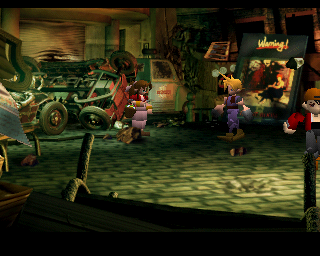
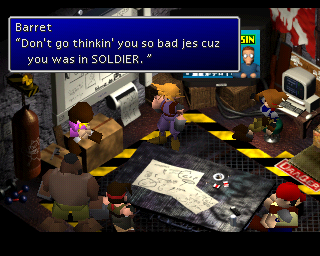
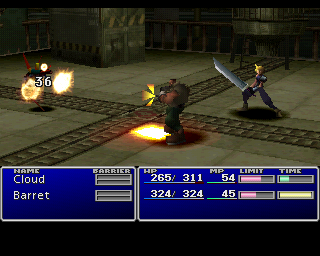
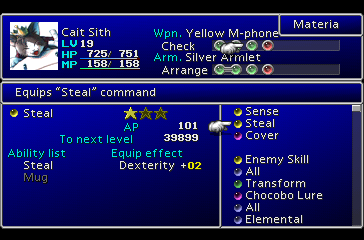

Final Fantasy VII


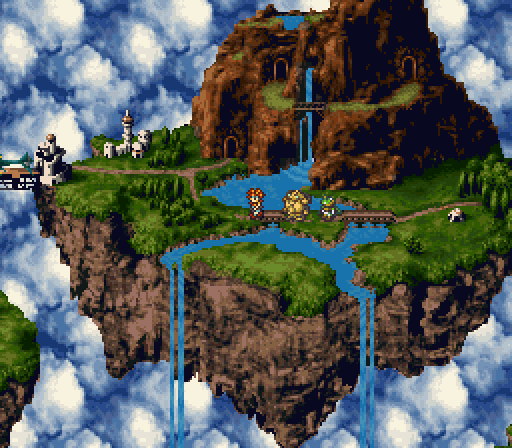
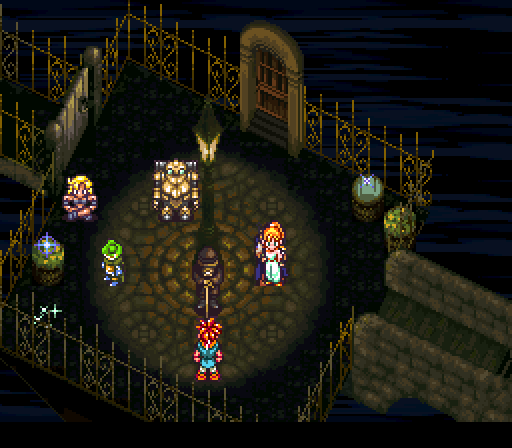
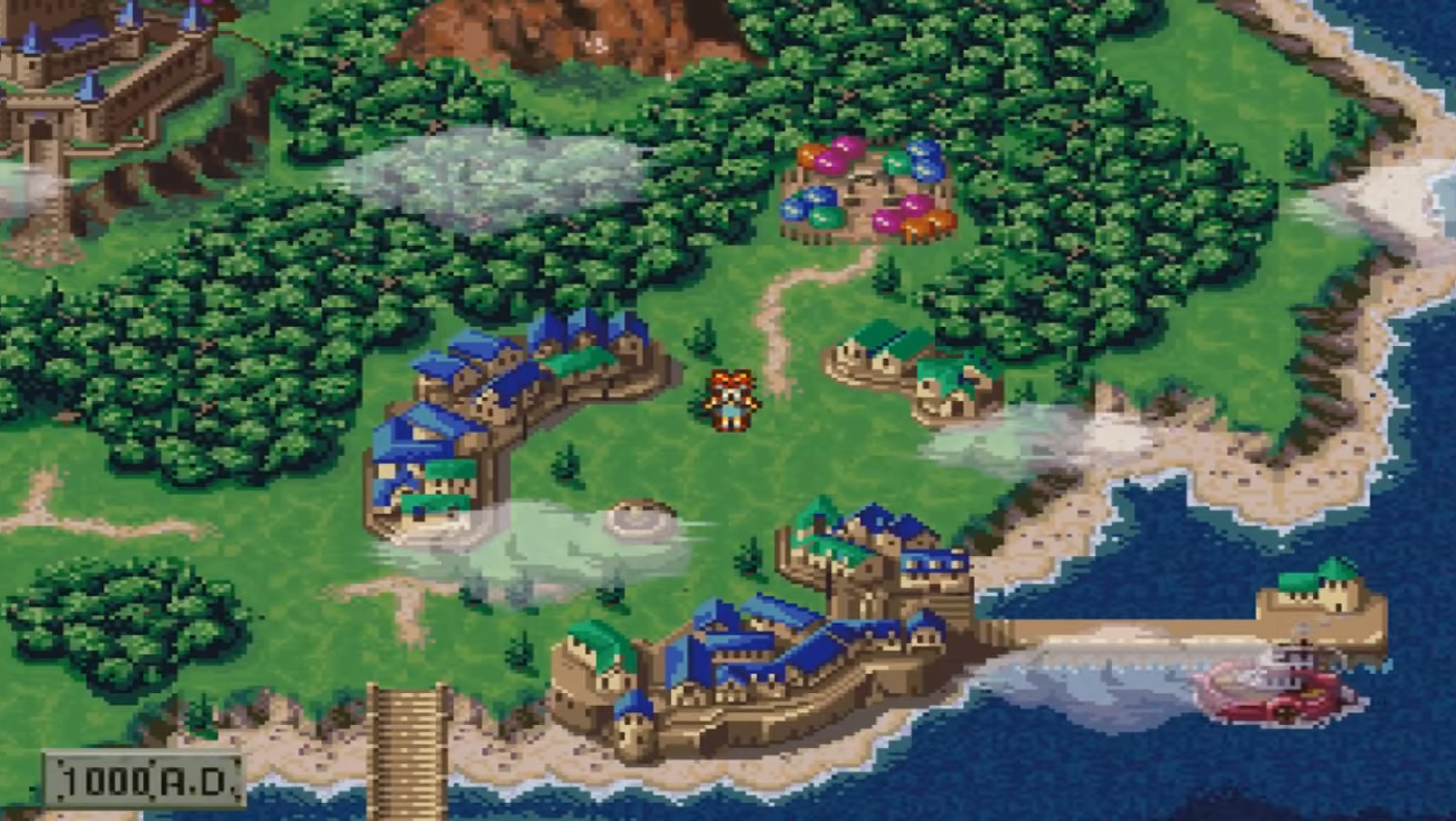

Chrono Trigger
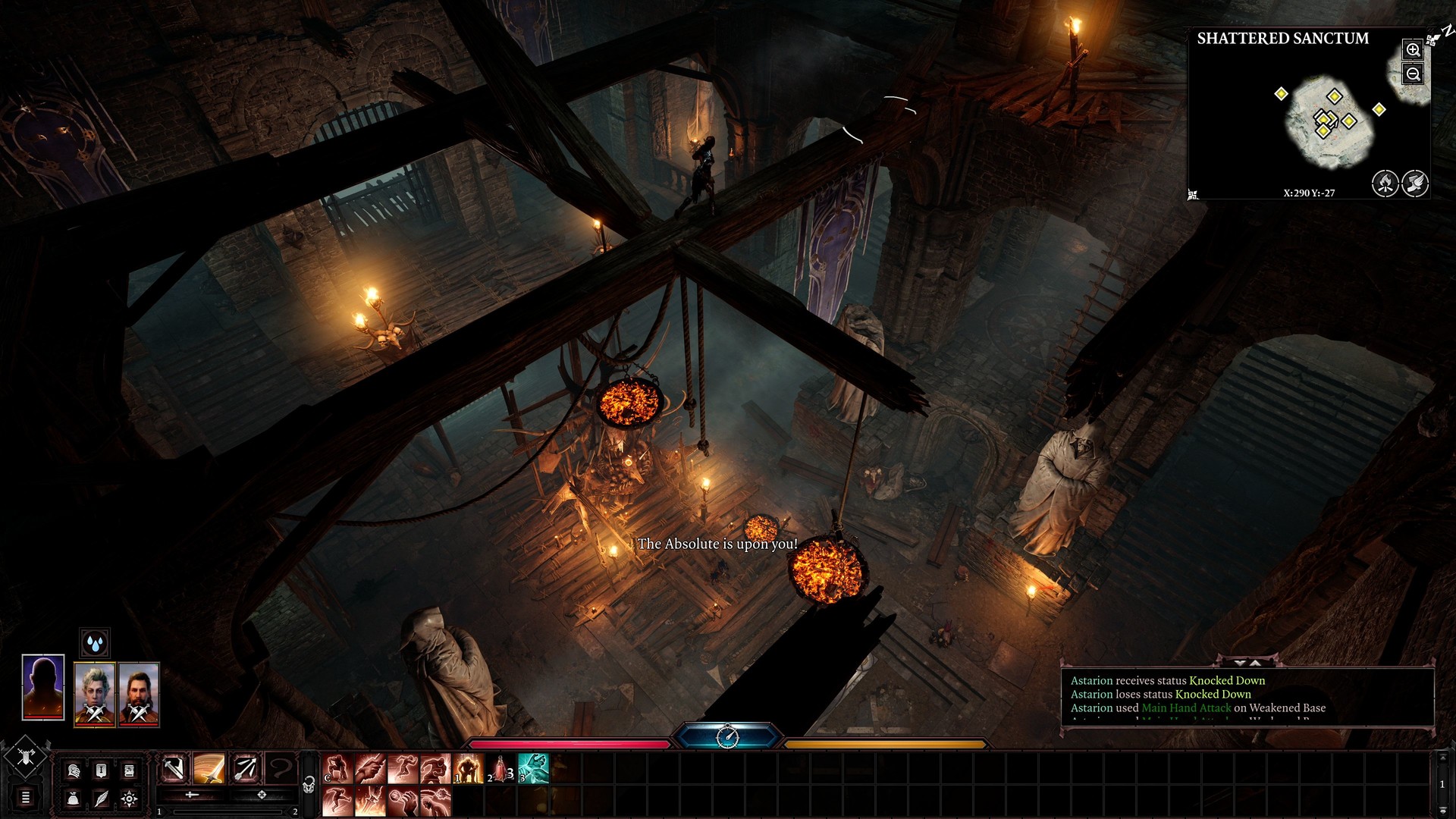
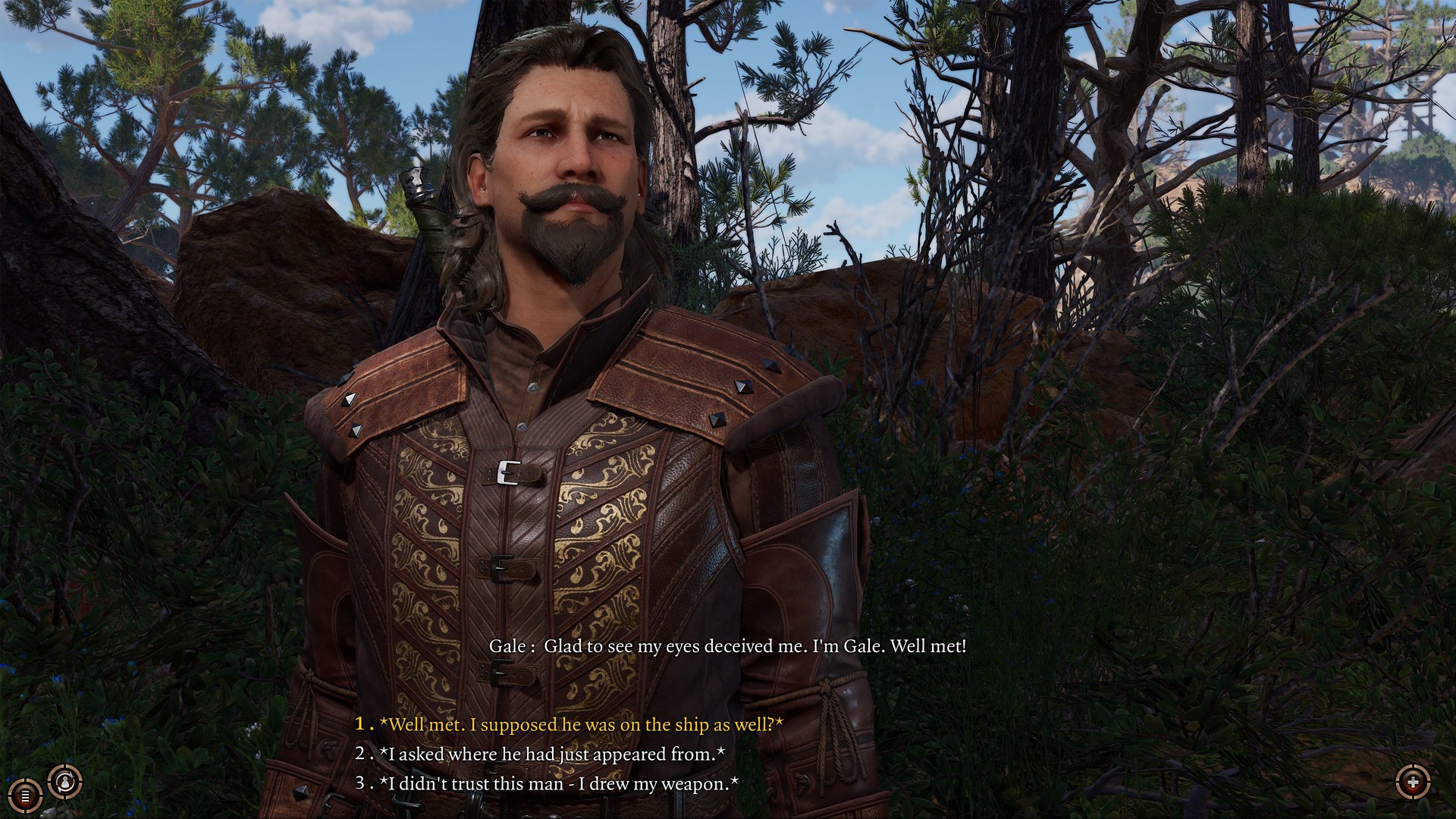

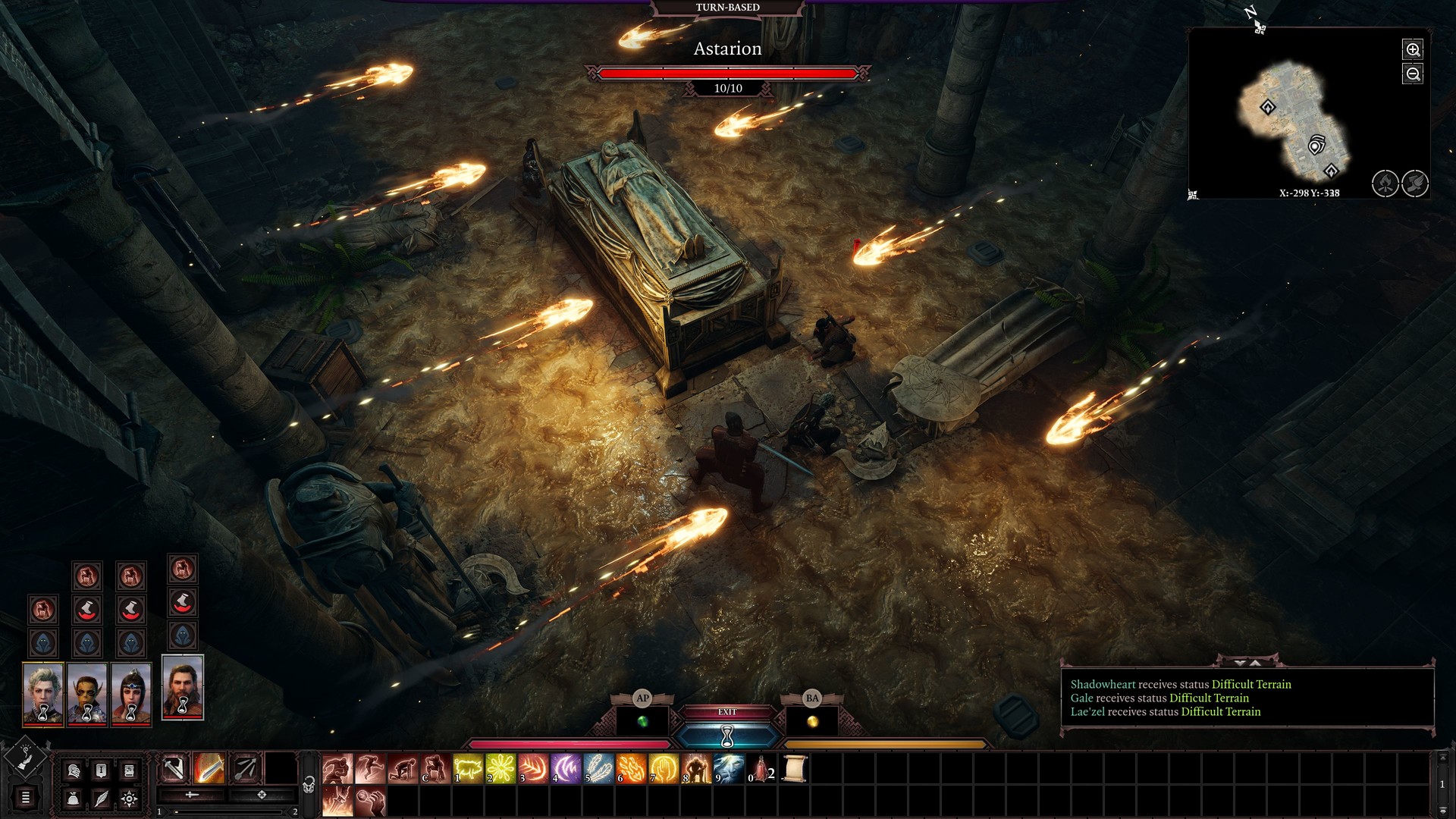
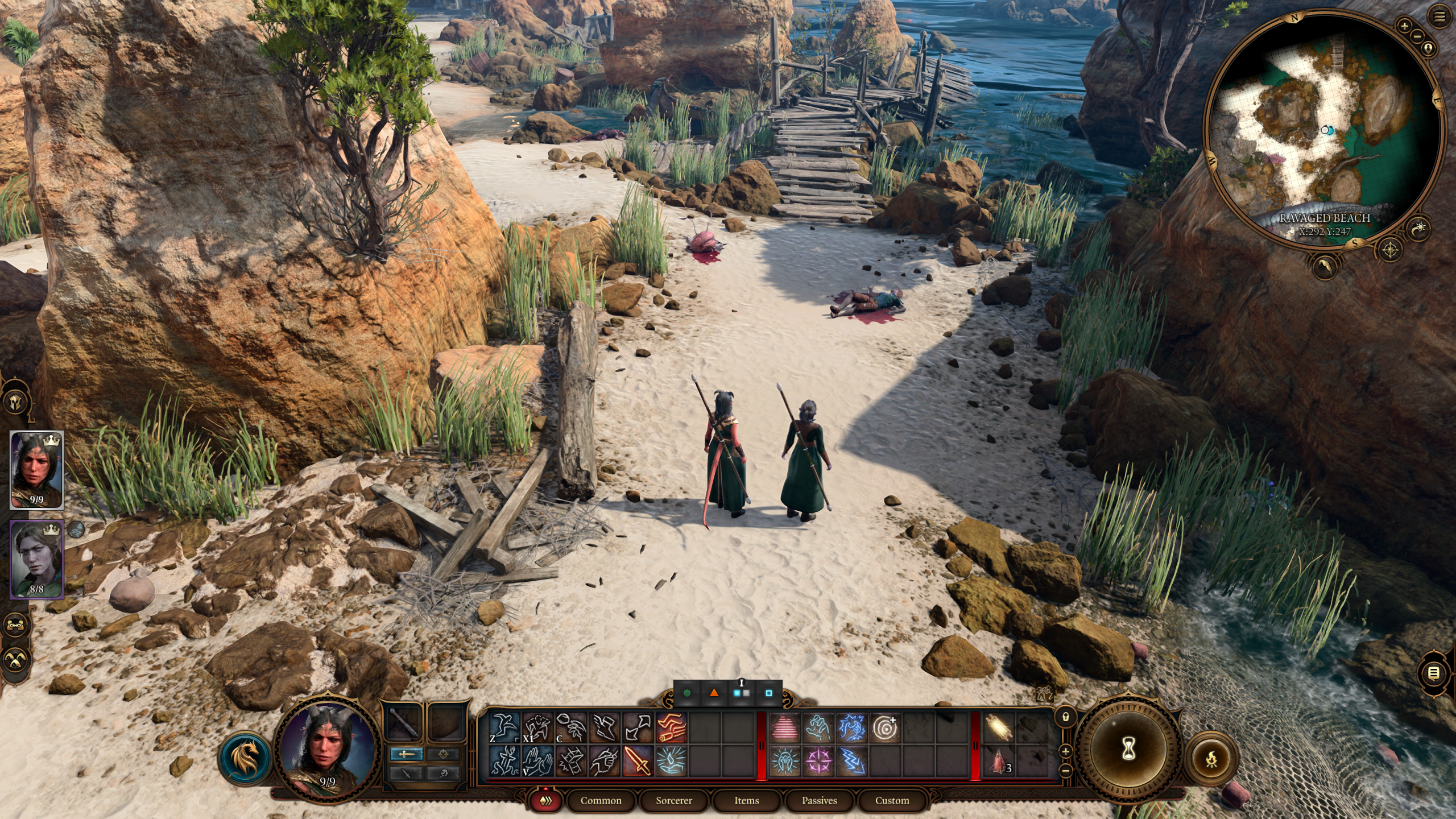

Baldur's Gate III
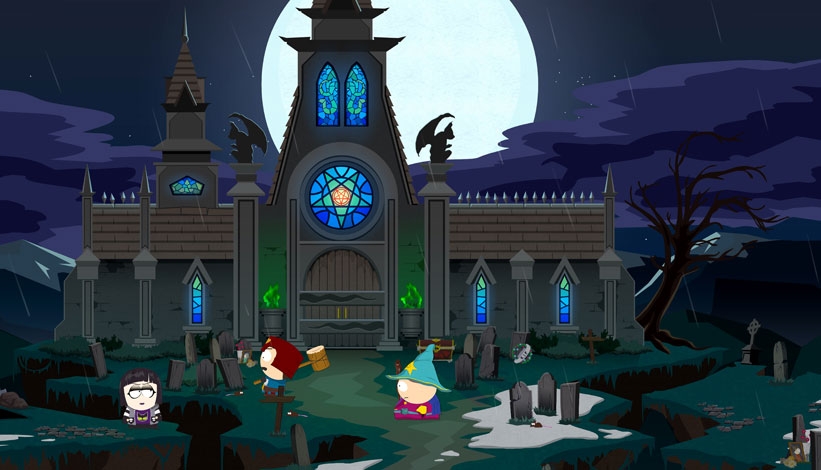
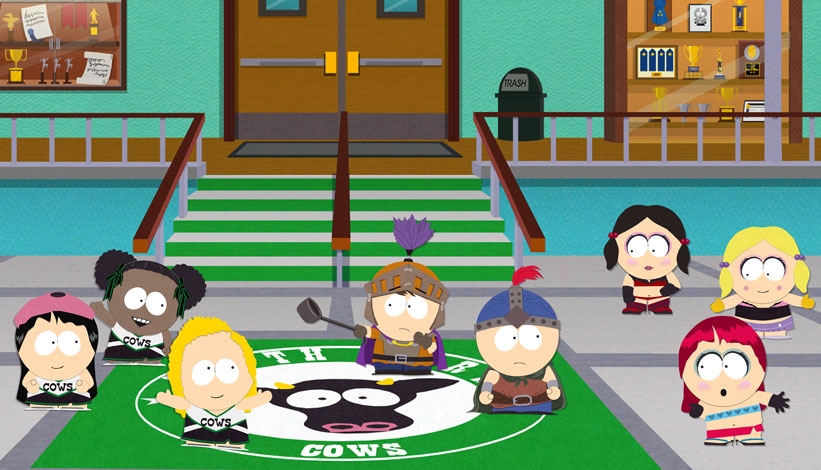


South Park: The Stick of Truth


Sid Meier's Civilization V

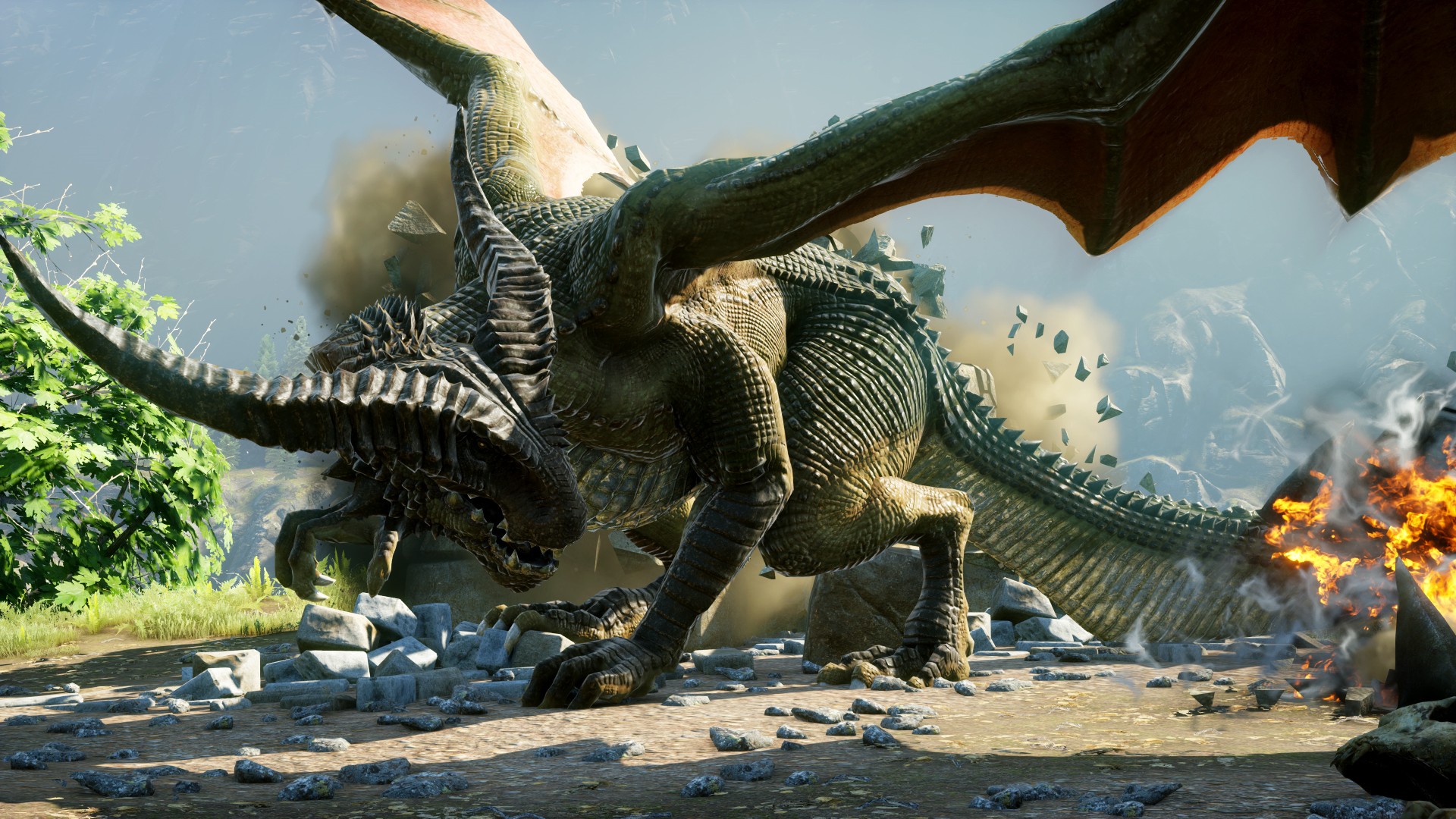

Dragon Age: Inquisition
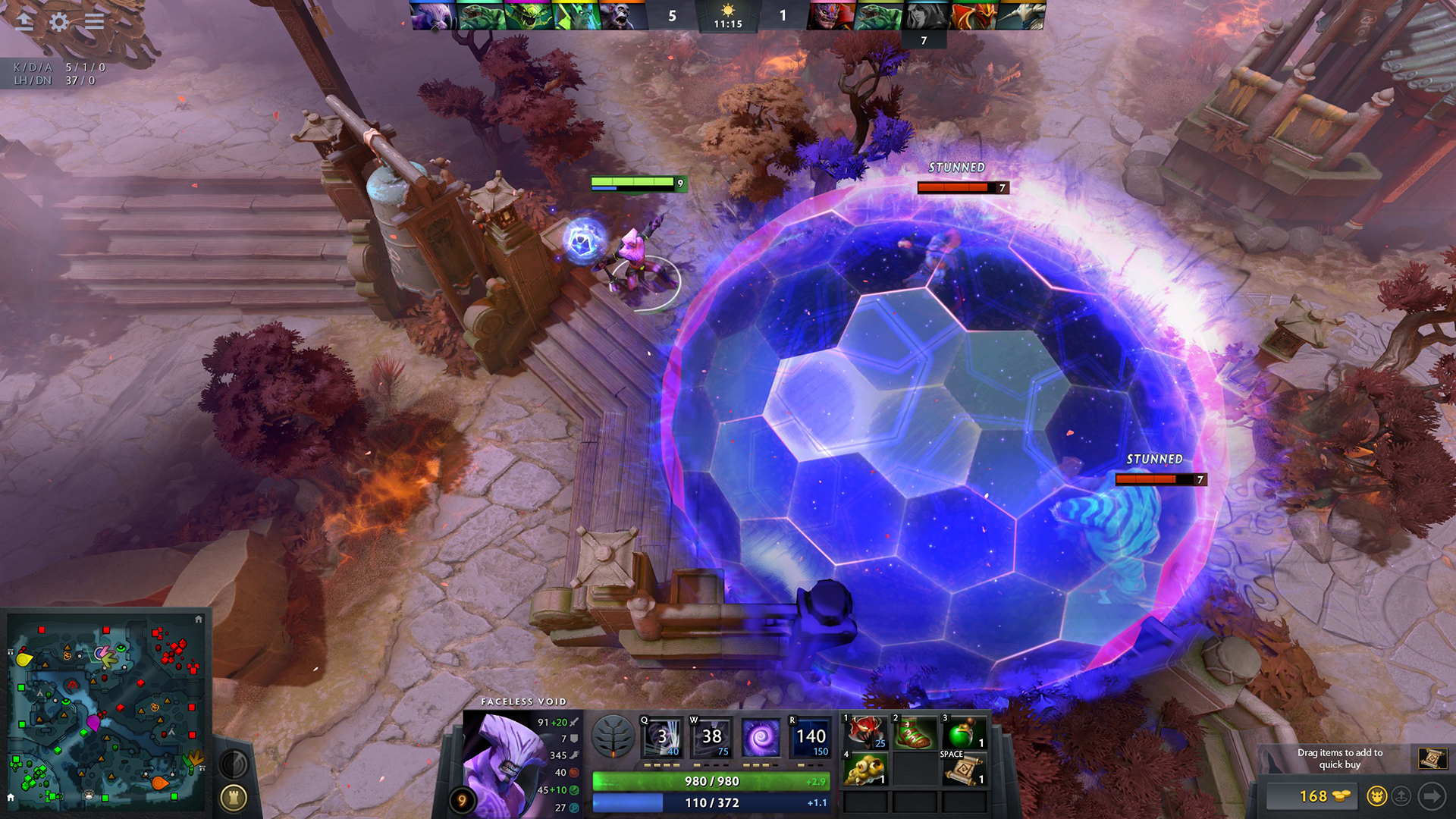
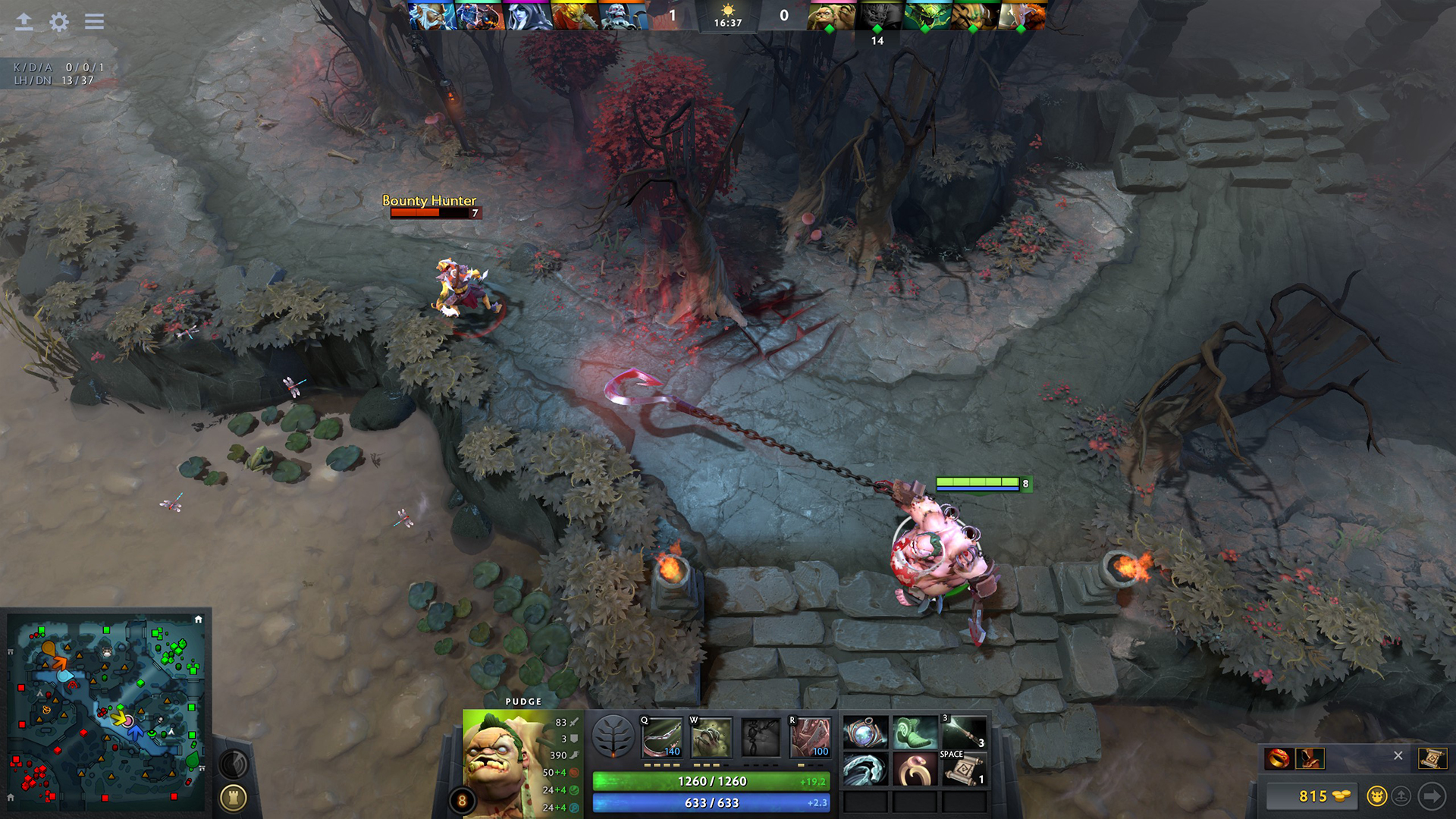

Dota 2
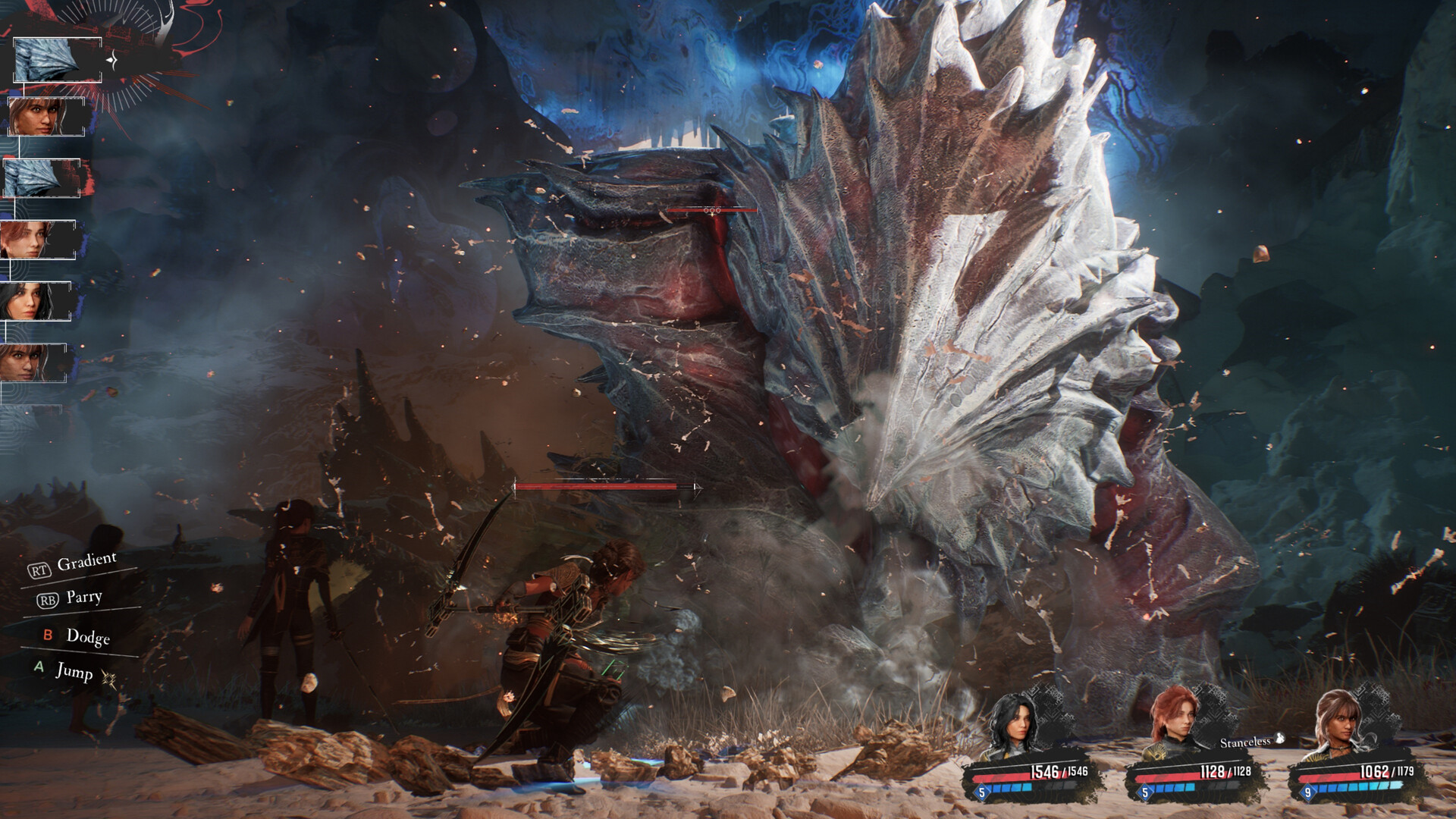

Clair Obscur: Expedition 33



Divinity: Original Sin II

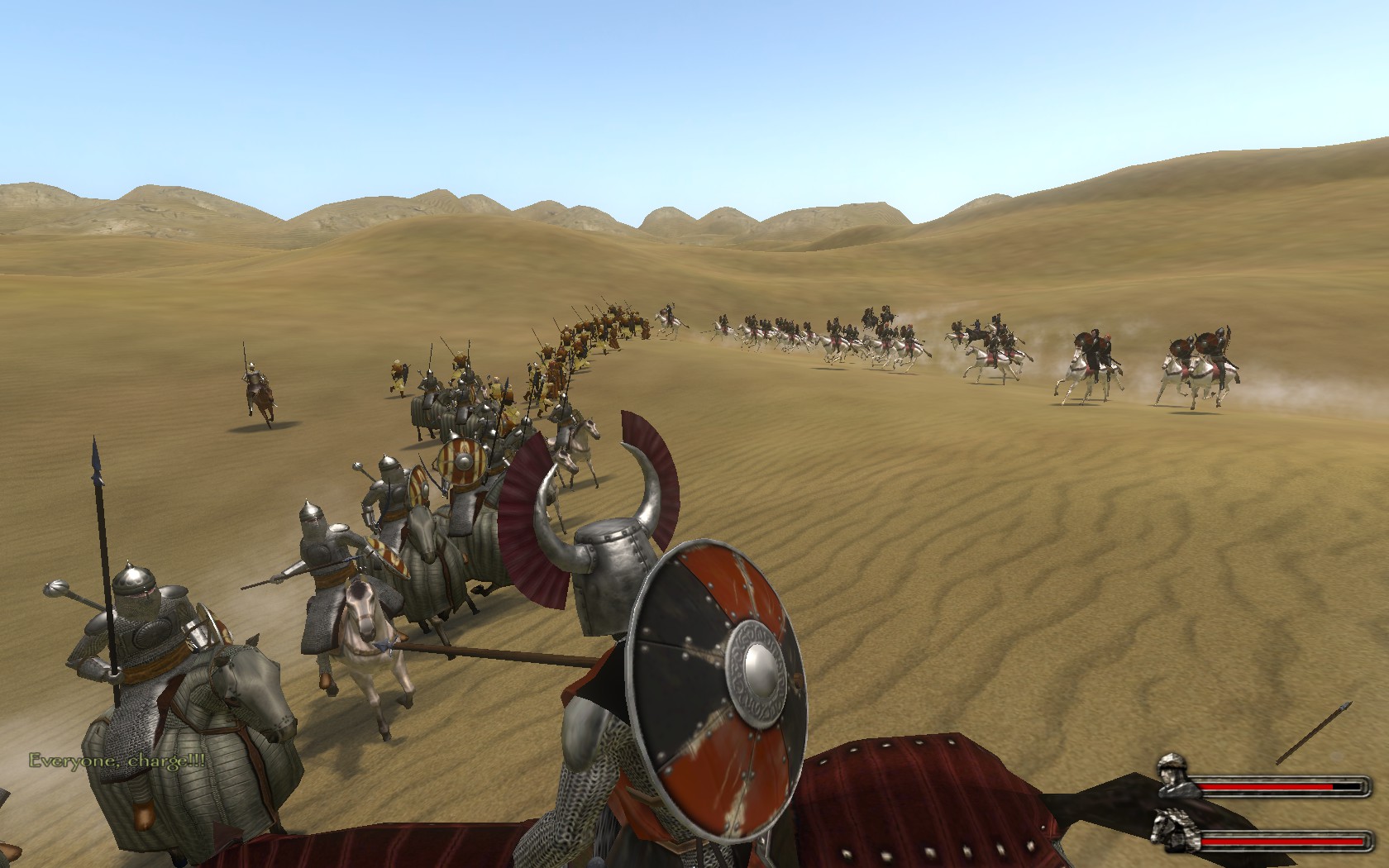
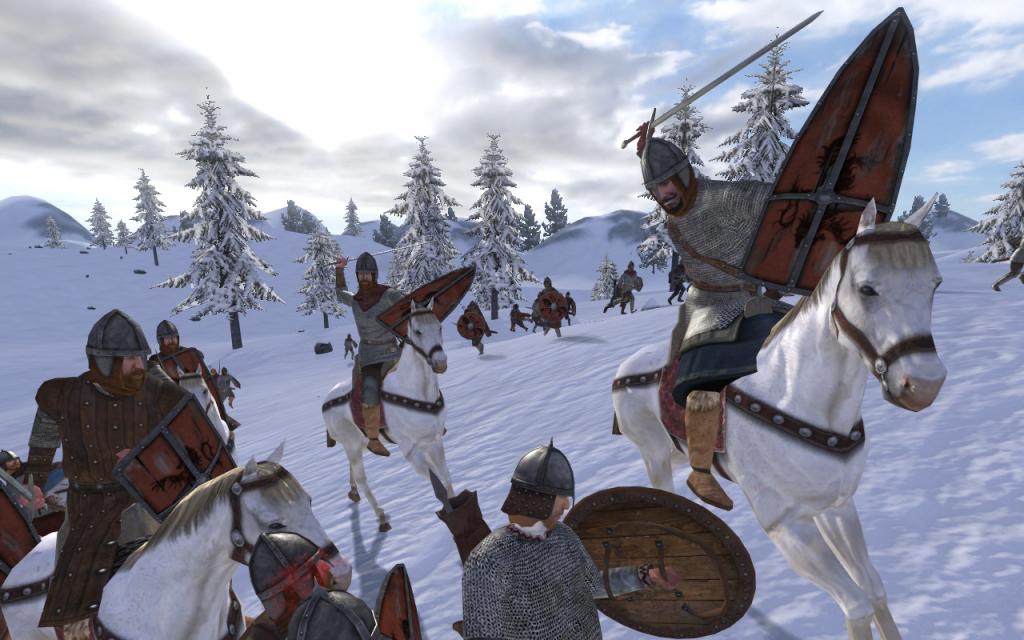

Mount & Blade: Warband
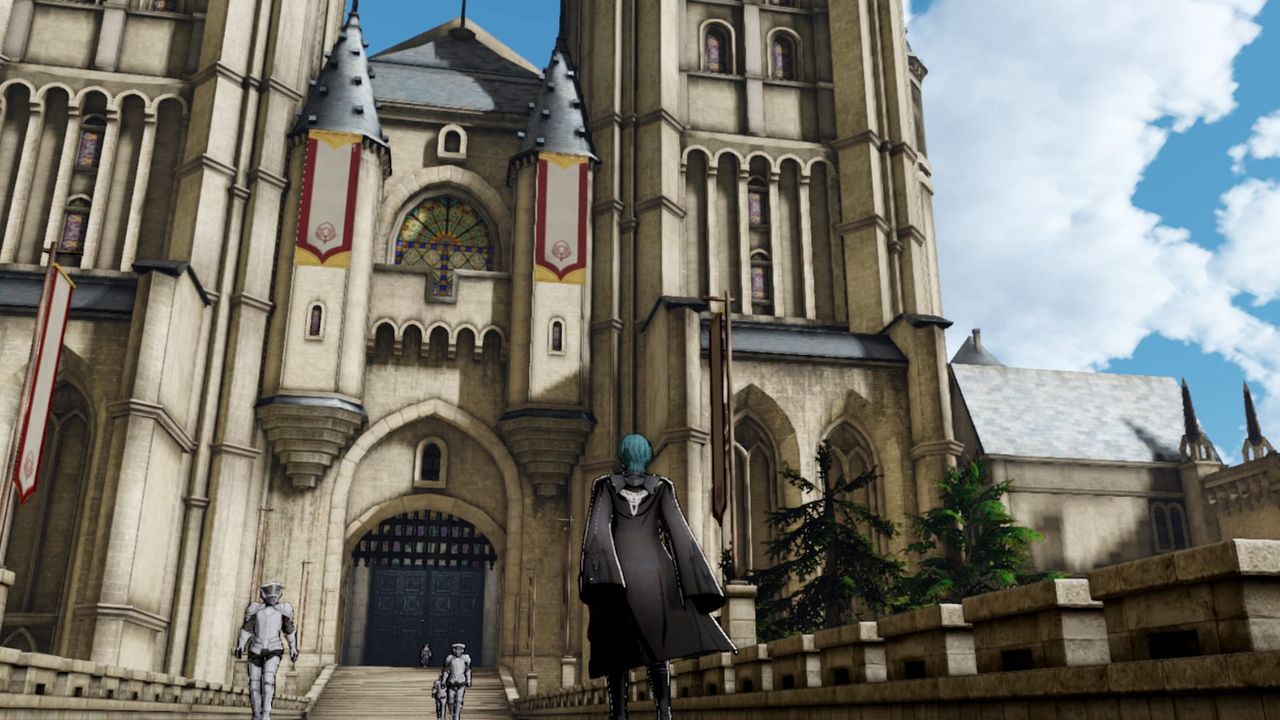


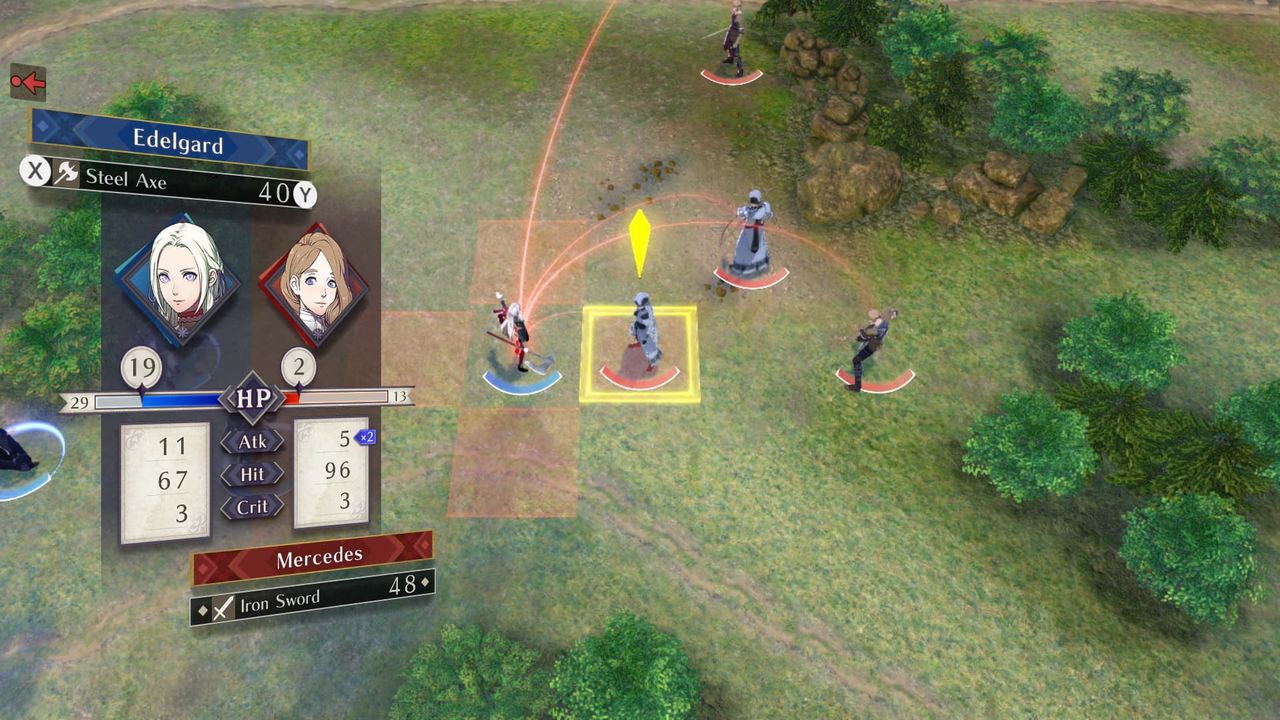

Fire Emblem: Three Houses