Game Info
↑ Back to top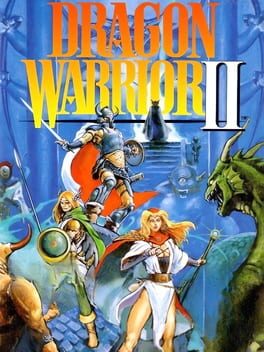

Dragon Warrior II
Series:
Genres:
Themes:
Perspectives:
Game Modes:
Overview
↑ Back to topDescription from IGDB IGDB
Storyline IGDB
Wikipedia Description WIKIPEDIA
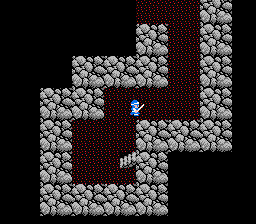
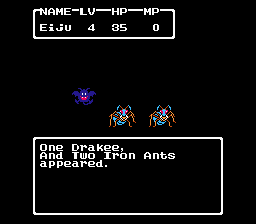
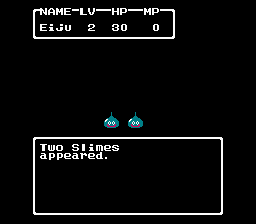
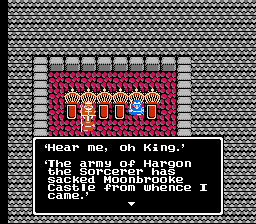
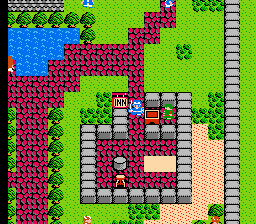
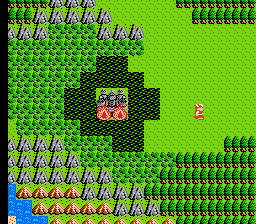
Dragon Quest II is a role-playing video game. It allows the player to control more than one character, each of whom has their own characteristics, and it is the first game in the Dragon Quest series to do so. The game introduced a party system where, instead of beginning the game with an entire party as was common in previous computer RPGs, the player begins the game with only one character and gradually recruits more party members during the course of the game. The player controls his or her characters as they move in the game world. They can search treasure chests, talk and trade with villagers, equip themselves with weapons and armor, and cast spells. While wandering fields, towers, caves, seas, and dungeons, the player randomly encounters monsters, after which the game shifts to battle mode. The game's battle mode introduces groups of monsters, which is an upgrade from the one-on-one battles of Dragon Quest. In the battle mode, the player gives orders to the characters on how to fight the monsters. Once the player defeats all of the monsters, the characters gain experience points and gold. The experience points raise the characters' experience levels. This improves the characters' attributes, and they may also learn new spells. To win, the player must fight monsters to improve the characters' experience levels and get gold to buy better weapons and armor. Eventually, the player's characters become strong enough to make it to the next town or dungeon. This repeats until the player reaches the final boss and defeats him. However, the gameplay is not necessarily linear, especially after the player gets the boat. Exploration is a key component of the game. The game offers a few spots to save the game. In most of the towns, talking to a king or minister saves the game. In the American version, which incorporated a battery for saved games rather than the password system of the original, talking to the king also allows for the deletion and moving of saved games. Dragon Quest II is noted for greatly expanding upon the gameplay of the previous game, Dragon Quest. The game is the first in the series to feature multiple heroes and enemies in a battle, as well as a sailing ship. It also allowed the player to land the ship anywhere, making it possible to explore the entire game world in an open-ended manner. It included other new gameplay features such as weapons which cast spells when used in battles. Compared with its predecessor, Dragon Warrior II offers a wider array of spells and items and a much larger world. The game also expanded the inventory management system of its predecessor by giving each character an individual inventory that holds up to eight items, placing a greater emphasis on conservative item management between the characters. Dragon Quest II: Luminaries of the Legendary Line was also the first Dragon Quest game to include a game of chance (played with Lottery Tickets that the player finds), and was also the first Dragon Quest game to use multiple key types and to include travel doors (warp gates).
About Dragon Warrior II
Dragon Warrior II is a Role-playing (RPG), Squad Management, Turn-based, Turn-based strategy (TBS) game released in 1987 developed by Armor Project, Bird Studio that offers Single player gameplay from a bird view / isometric perspective playable on Family Computer, MSX, MSX2 with 12 user ratings averaging 69.9/100. The game explores themes like Fantasy. If you enjoy Dragon Warrior II, you might also like similar games in our database of 45,000+ titles.
Basic Info
Details
↑ Back to topAdditional Information
Платформы 4
Genres 4
Themes 1
Player Perspectives 1
Game Modes 1
Companies
↑ Back to topDevelopers
Armor Project
No description available
Bird Studio
No description available
Chunsoft
No description available
Publishers
Enix Corporation
No description available
Keywords
↑ Back to topScreenshots
↑ Back to top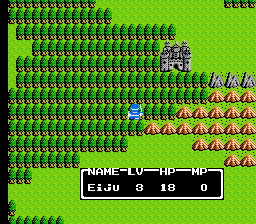
Similar Games
↑ Back to top


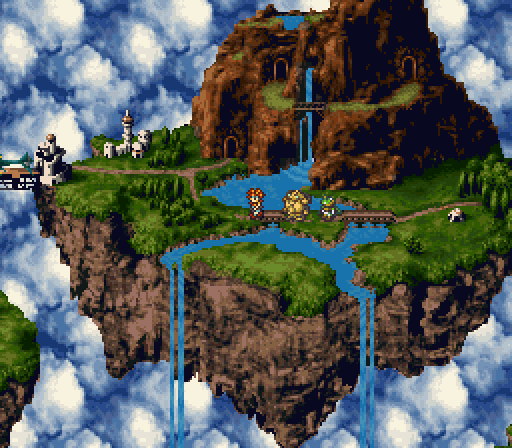
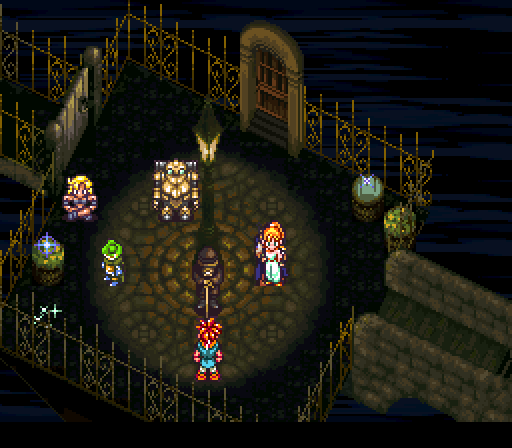
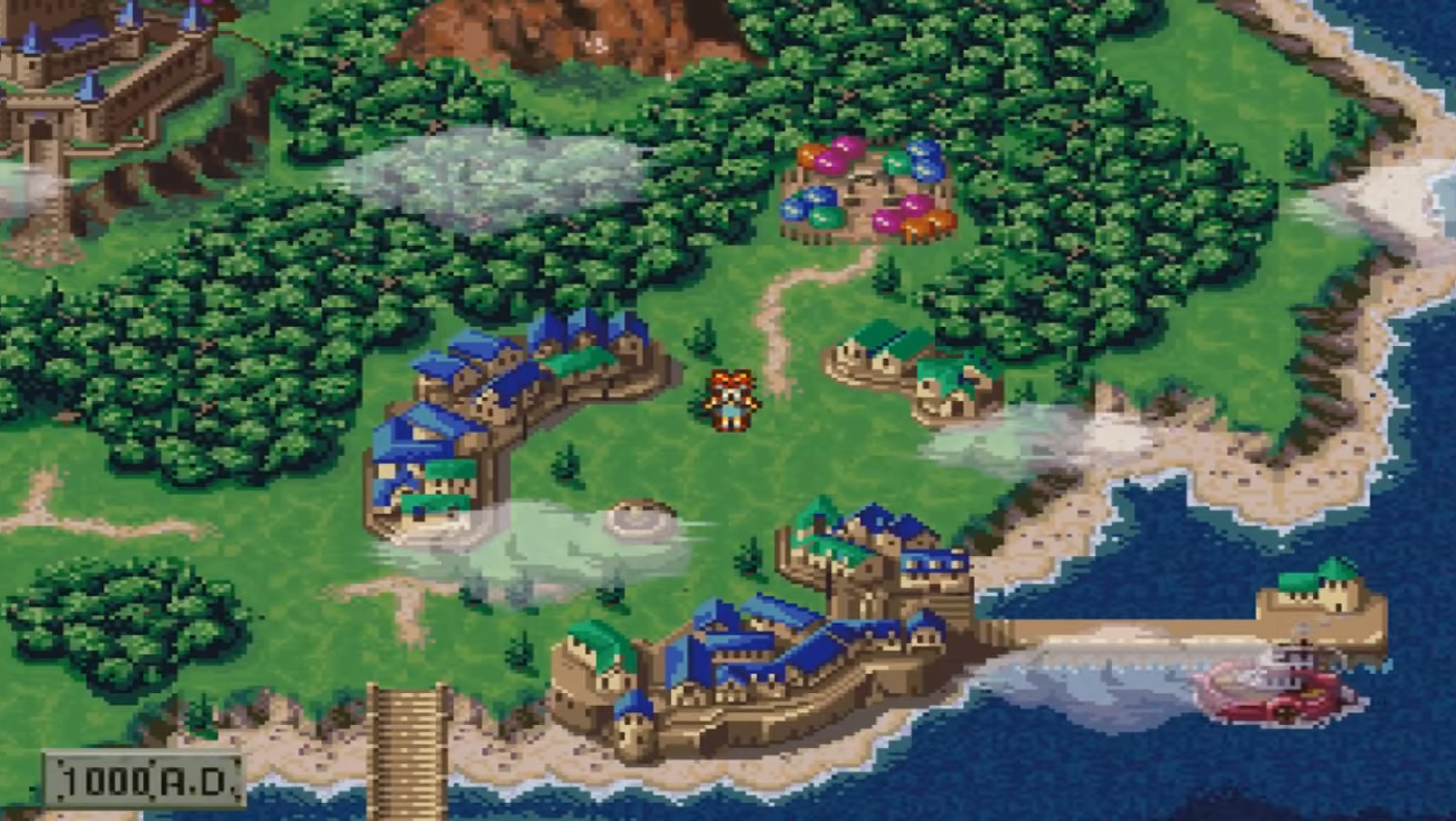

Chrono Trigger
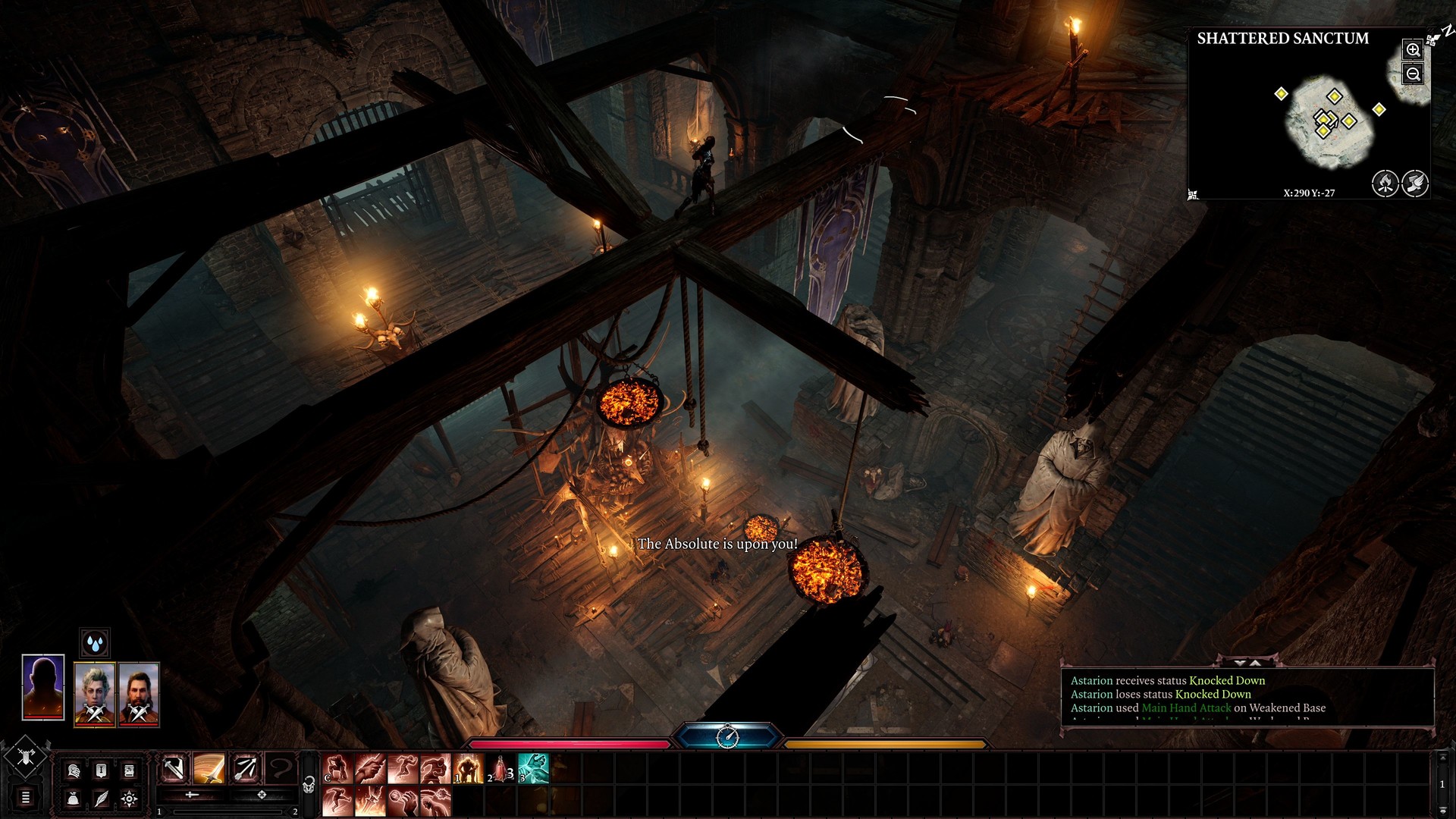
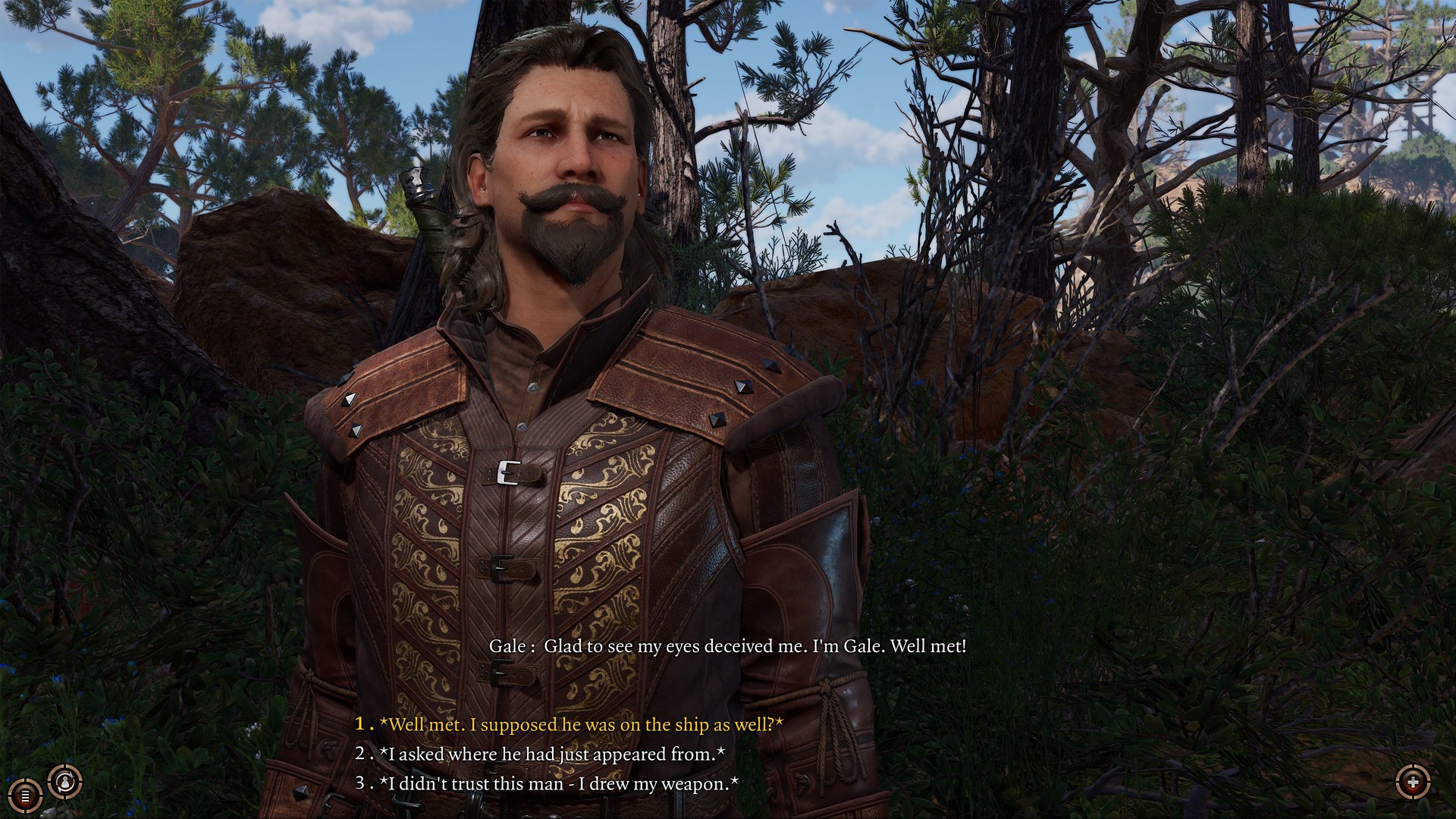
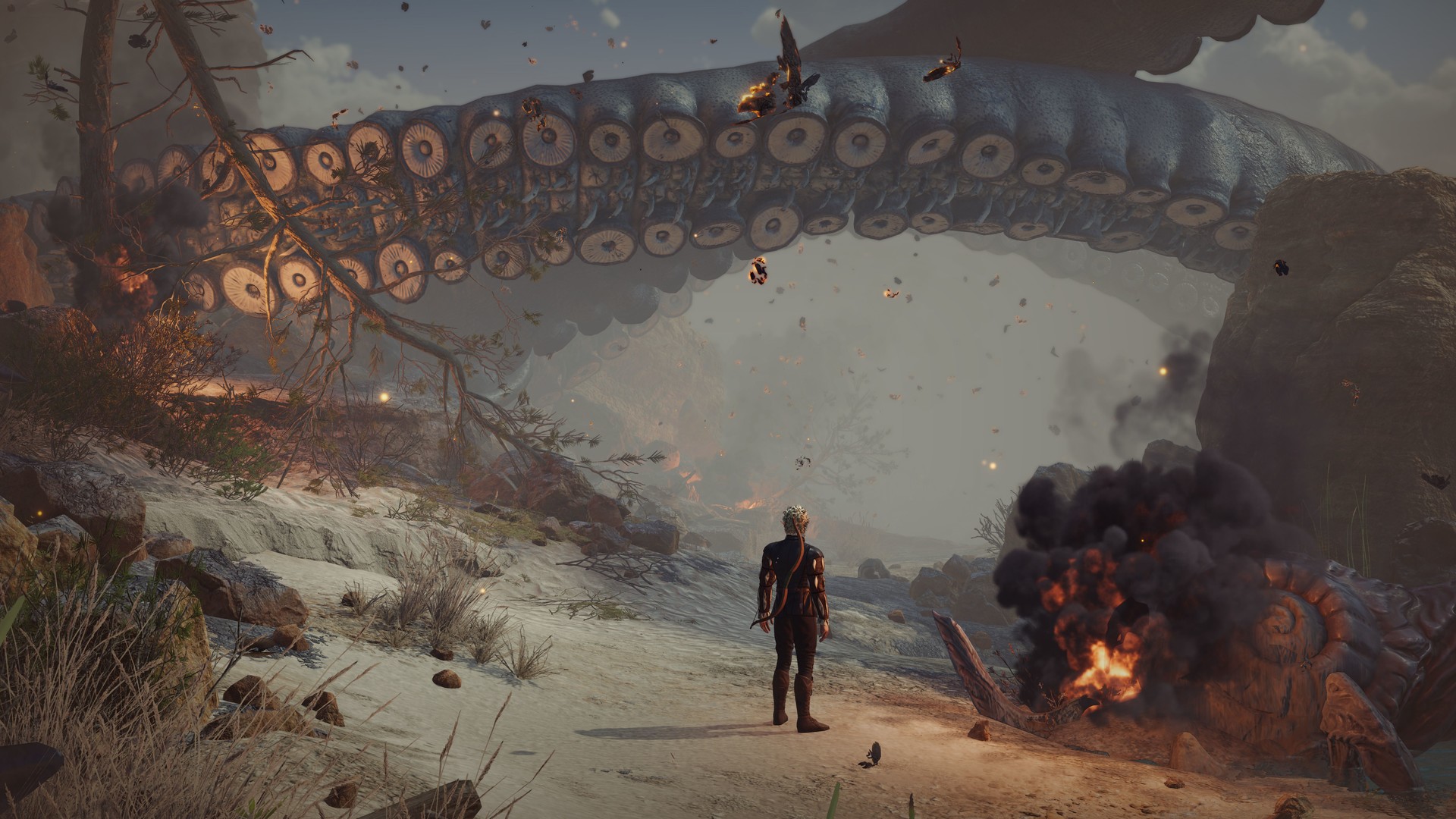
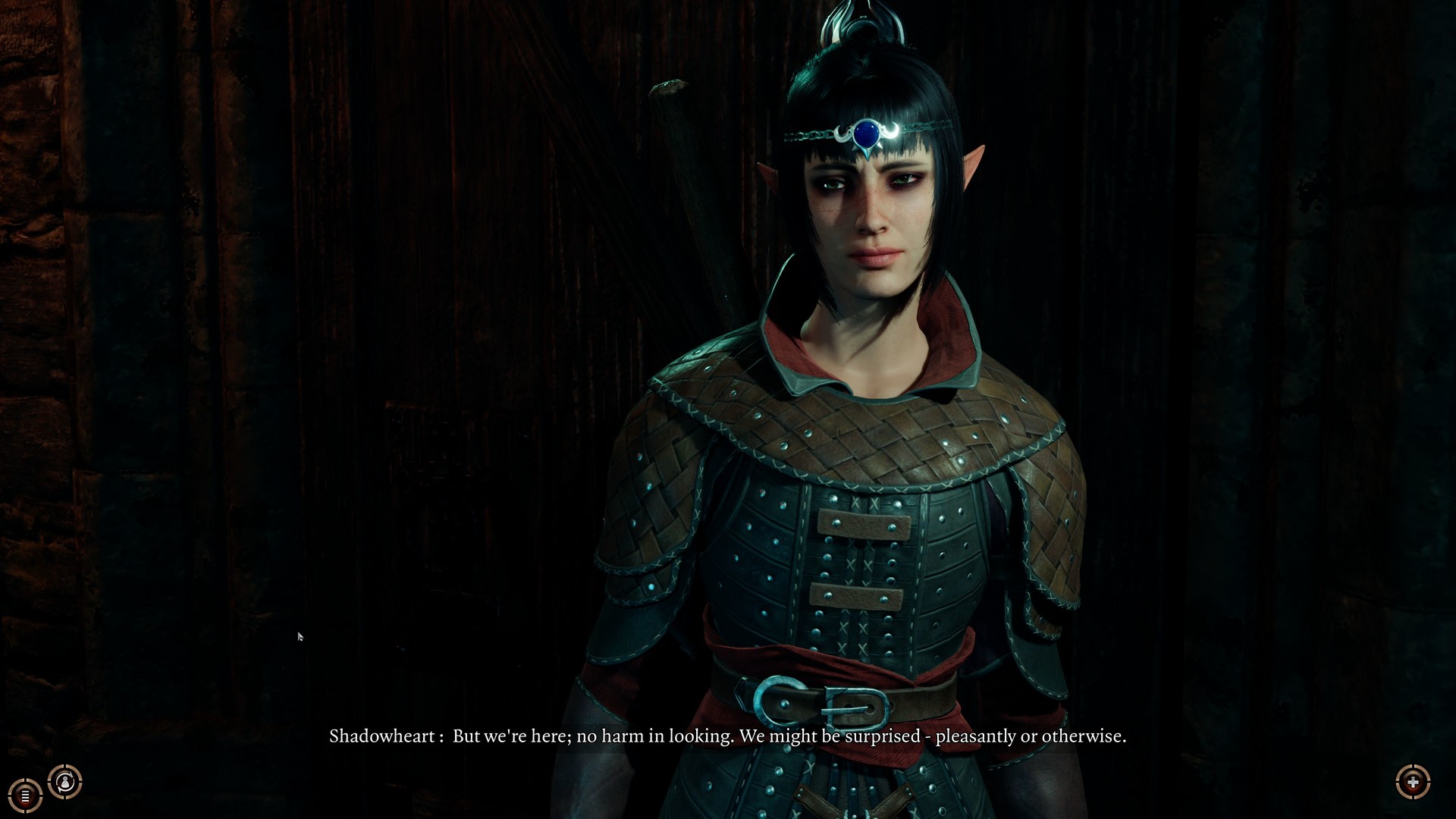
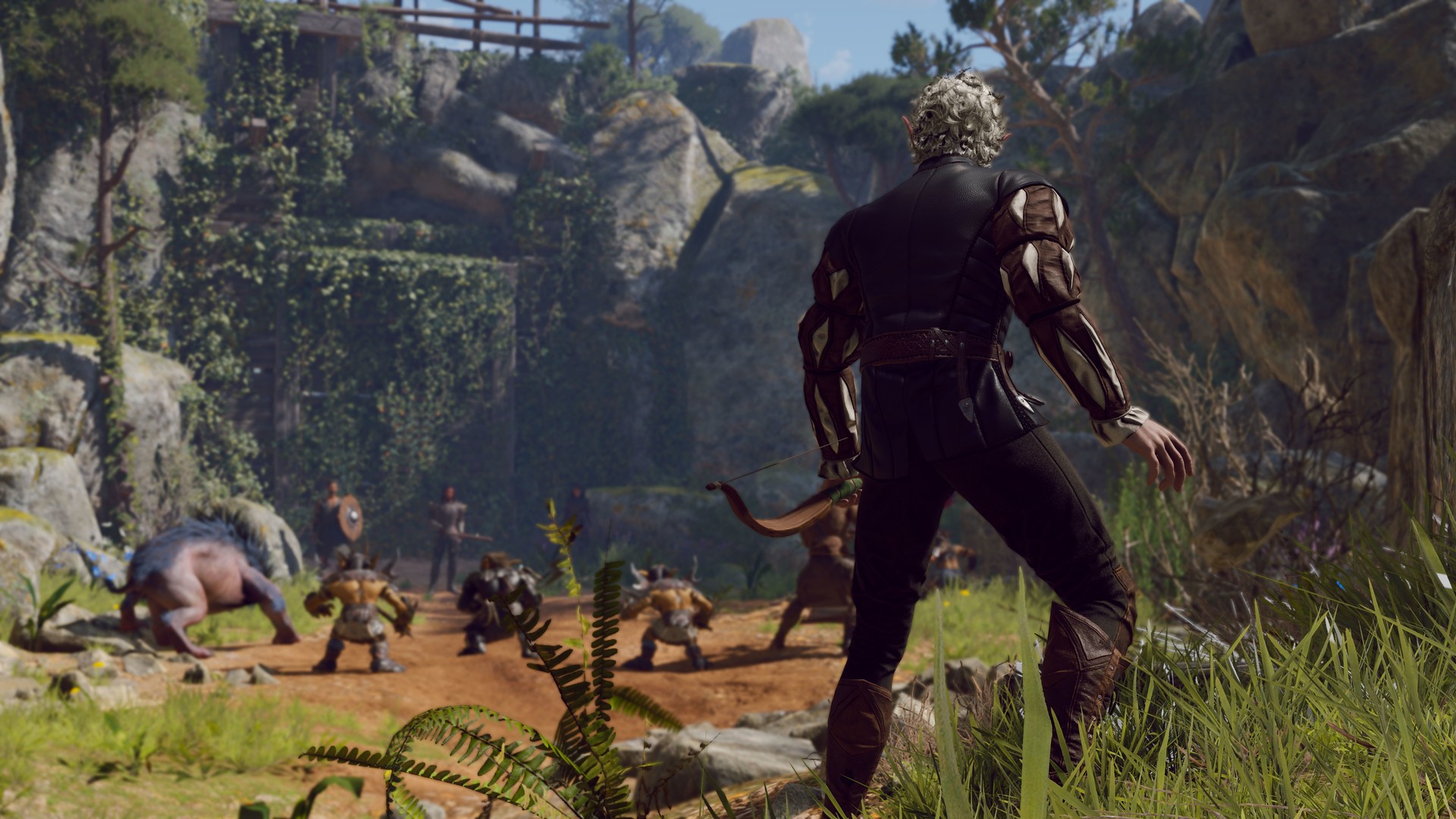

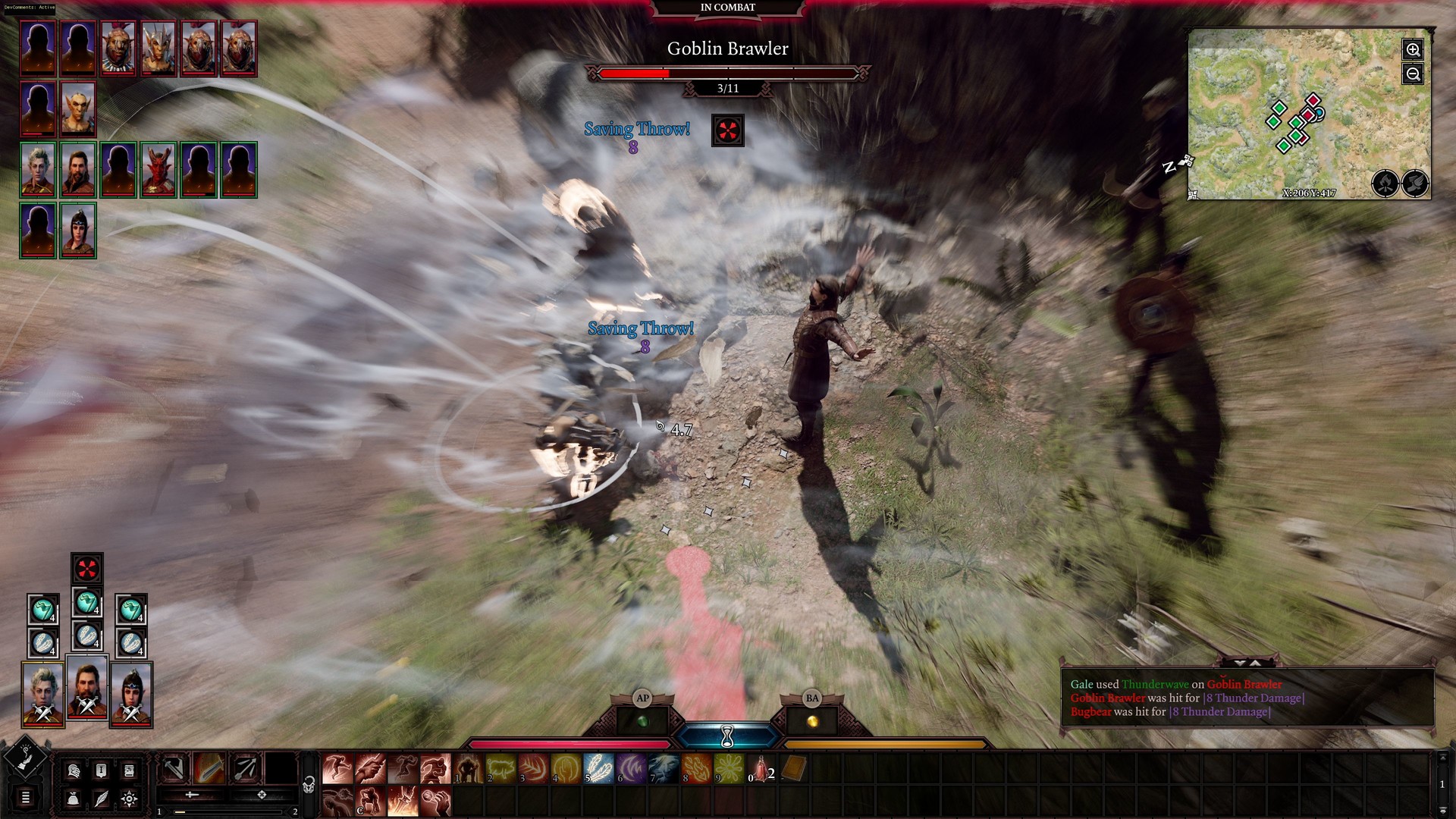
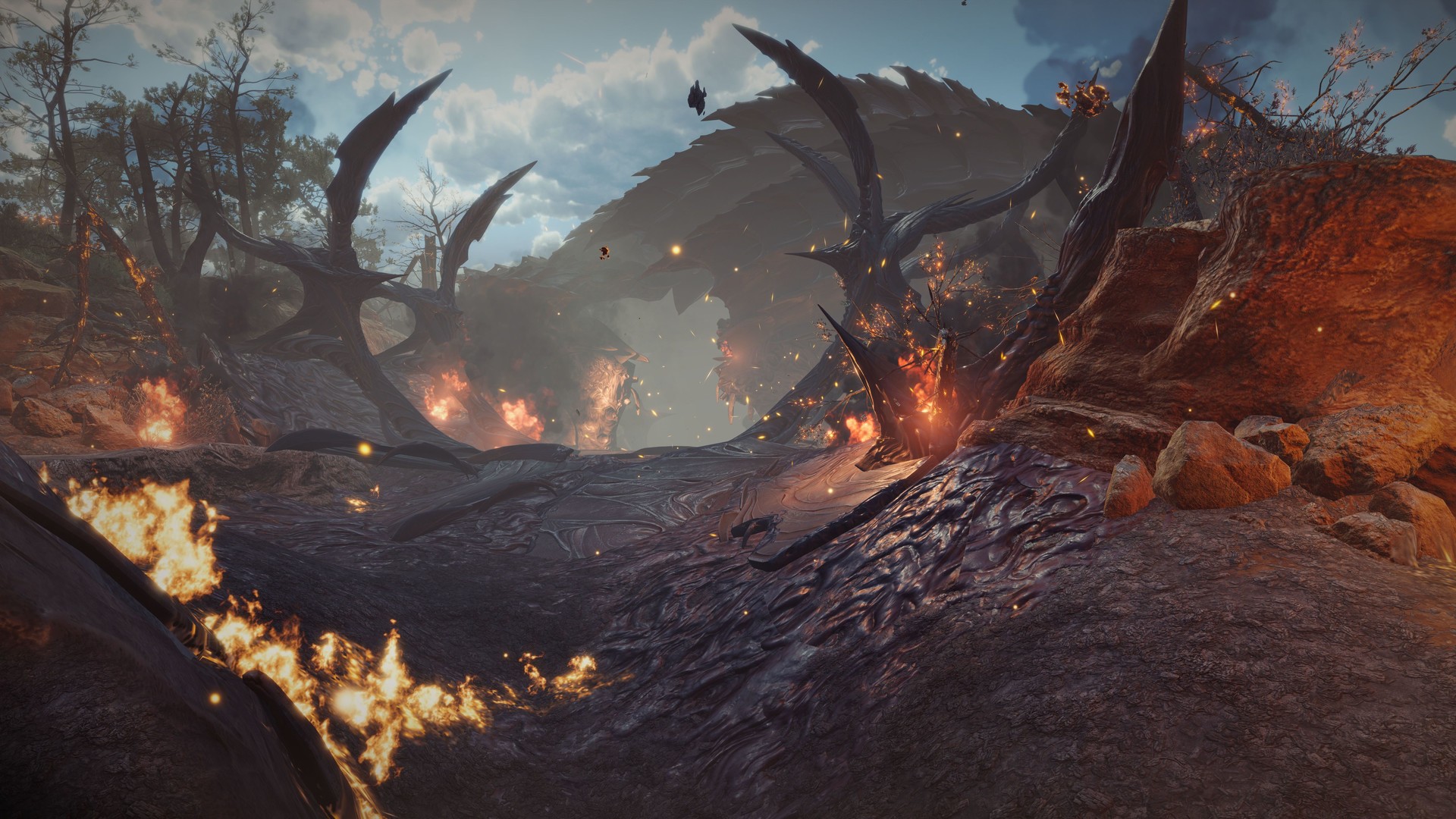
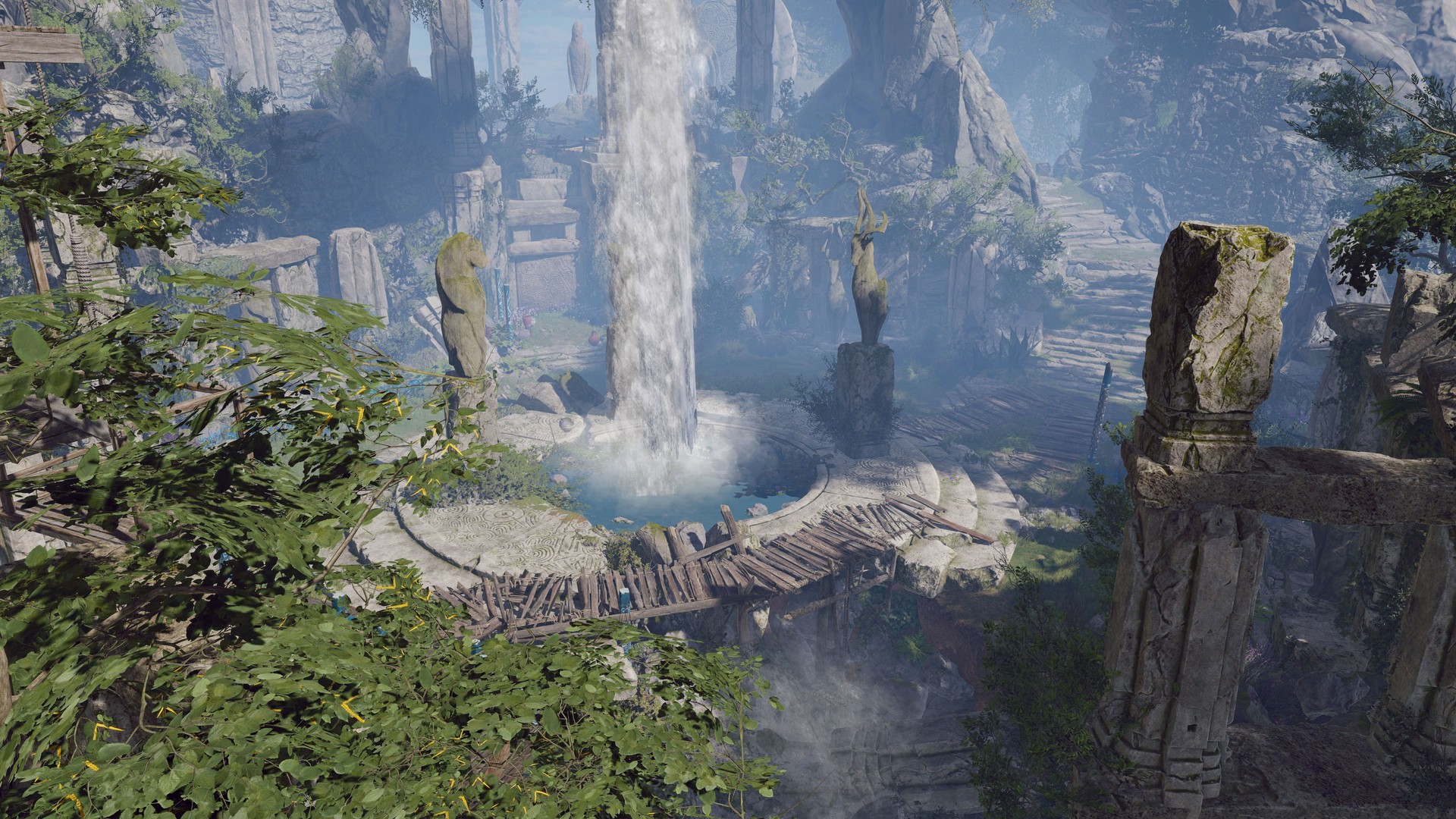
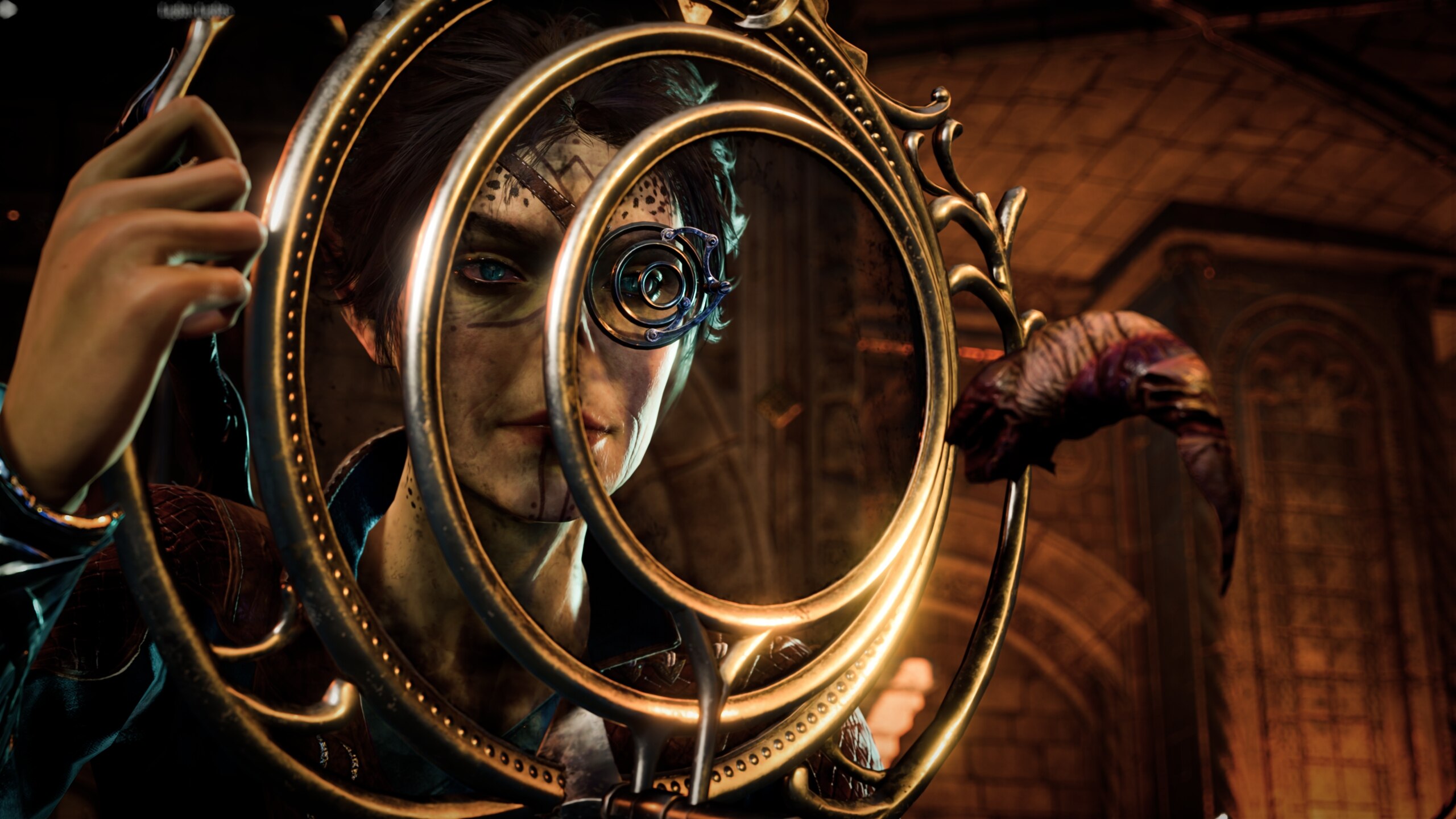
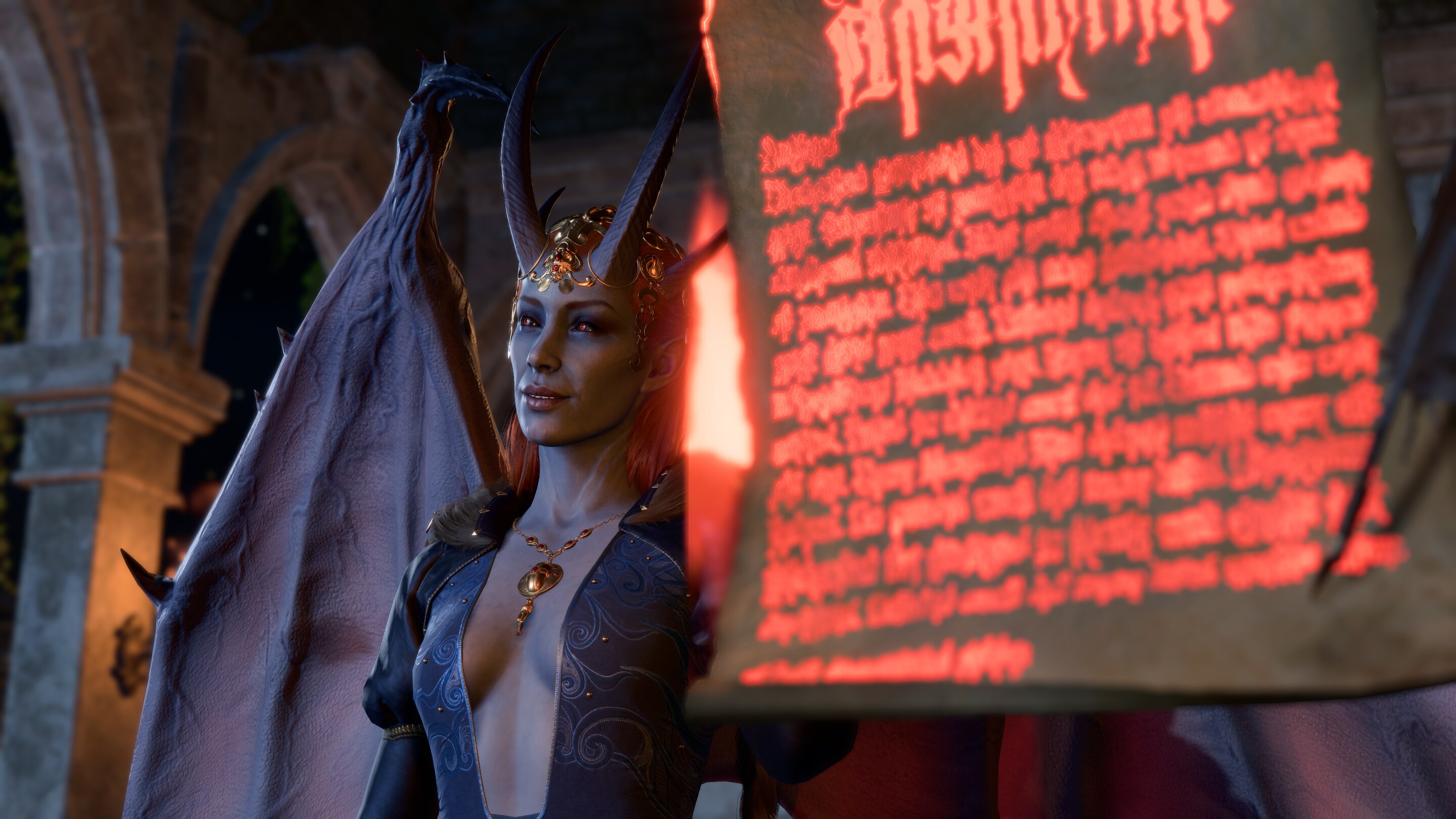
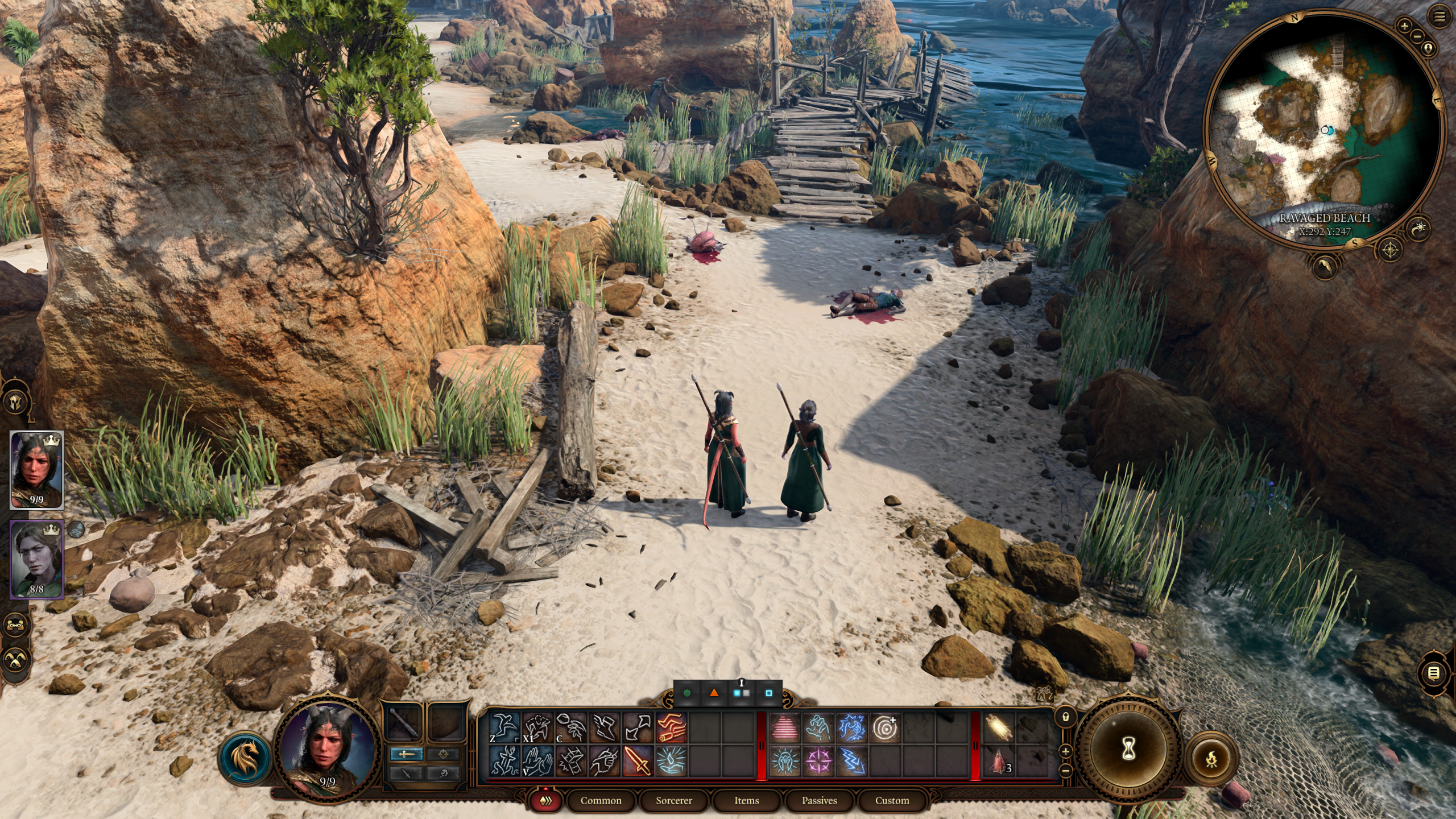

Baldur's Gate III
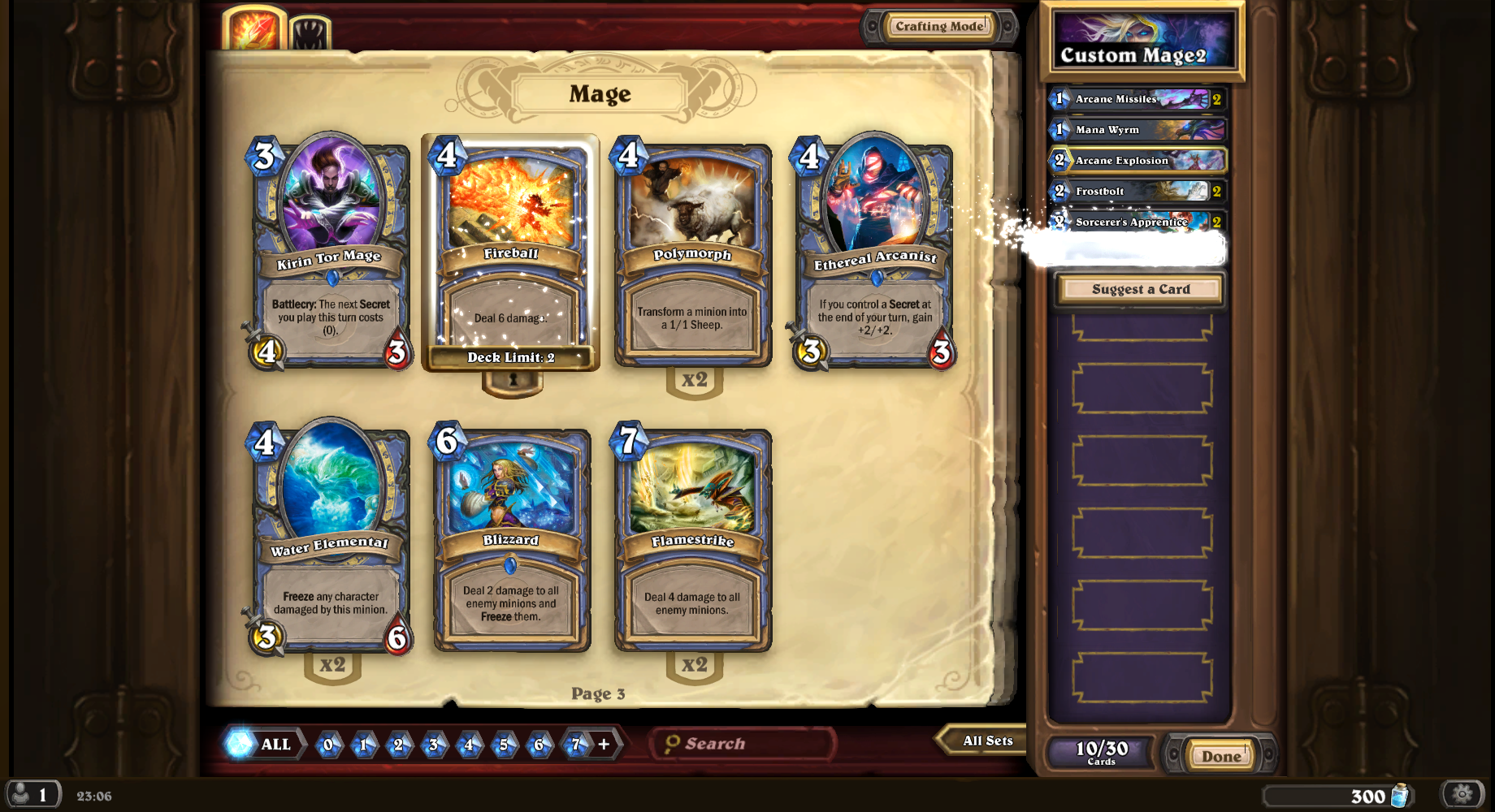
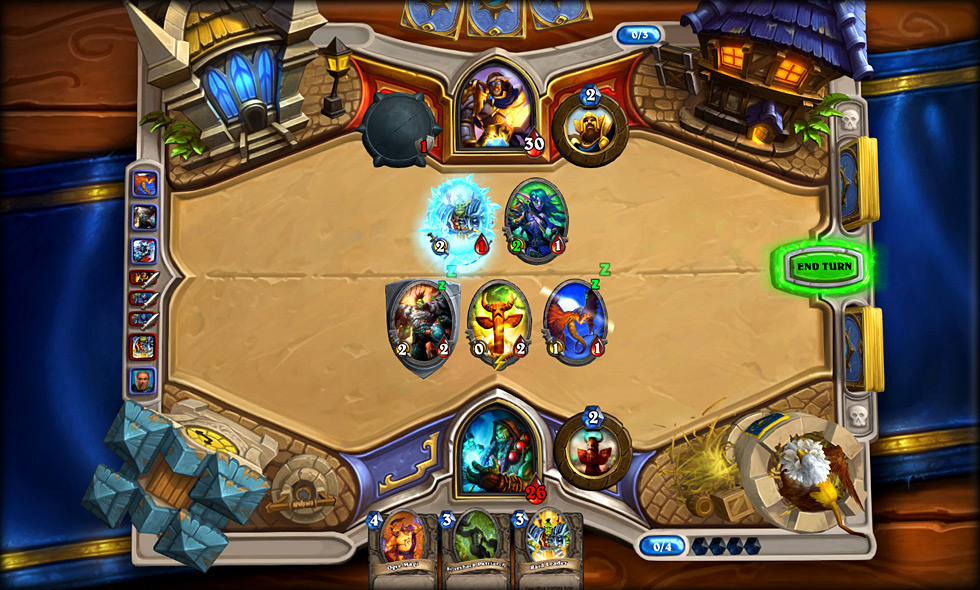

Hearthstone
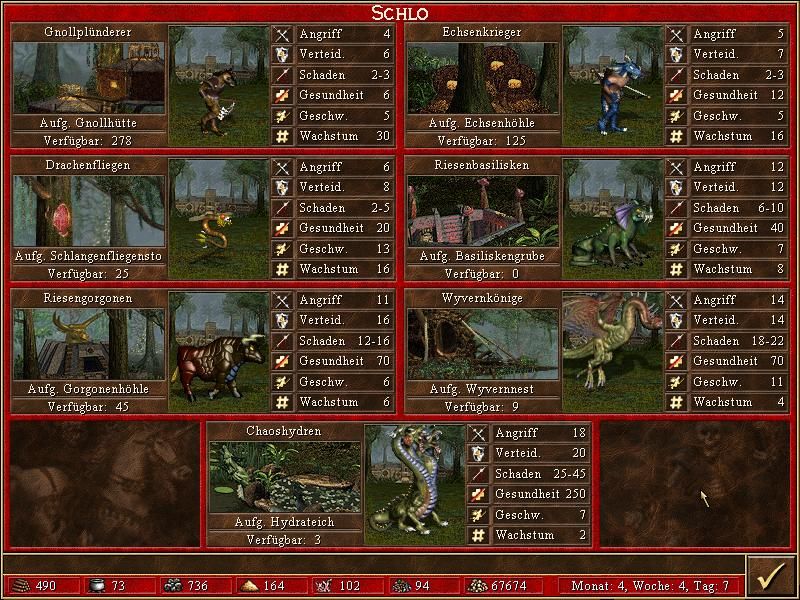
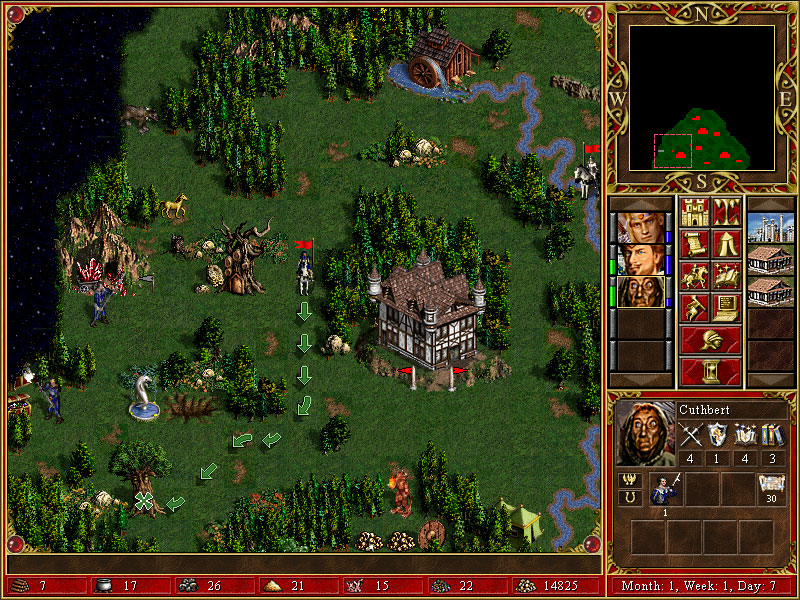
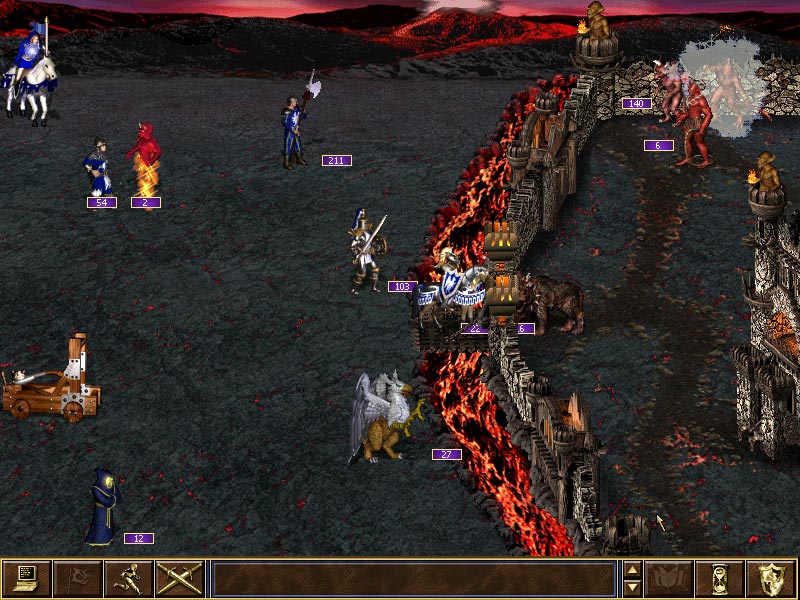
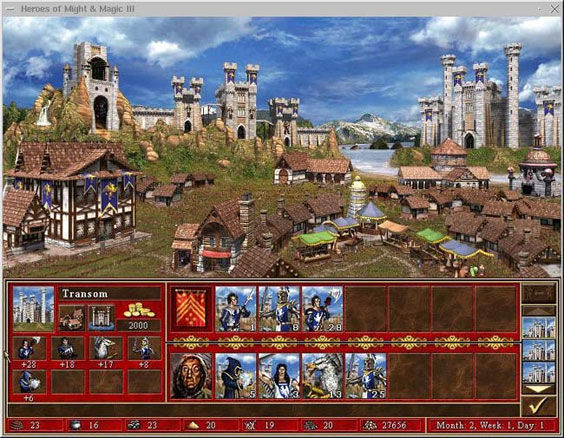
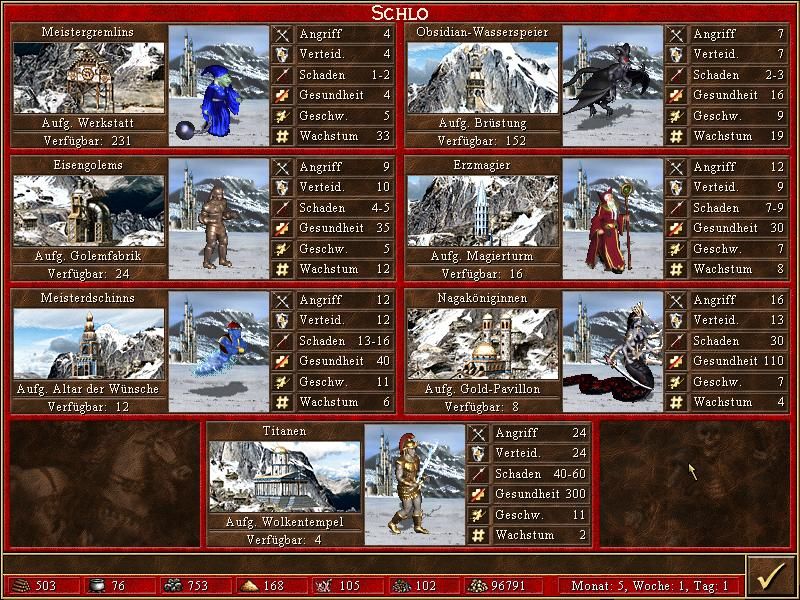

Heroes of Might and Magic III: The Restoration of Erathia
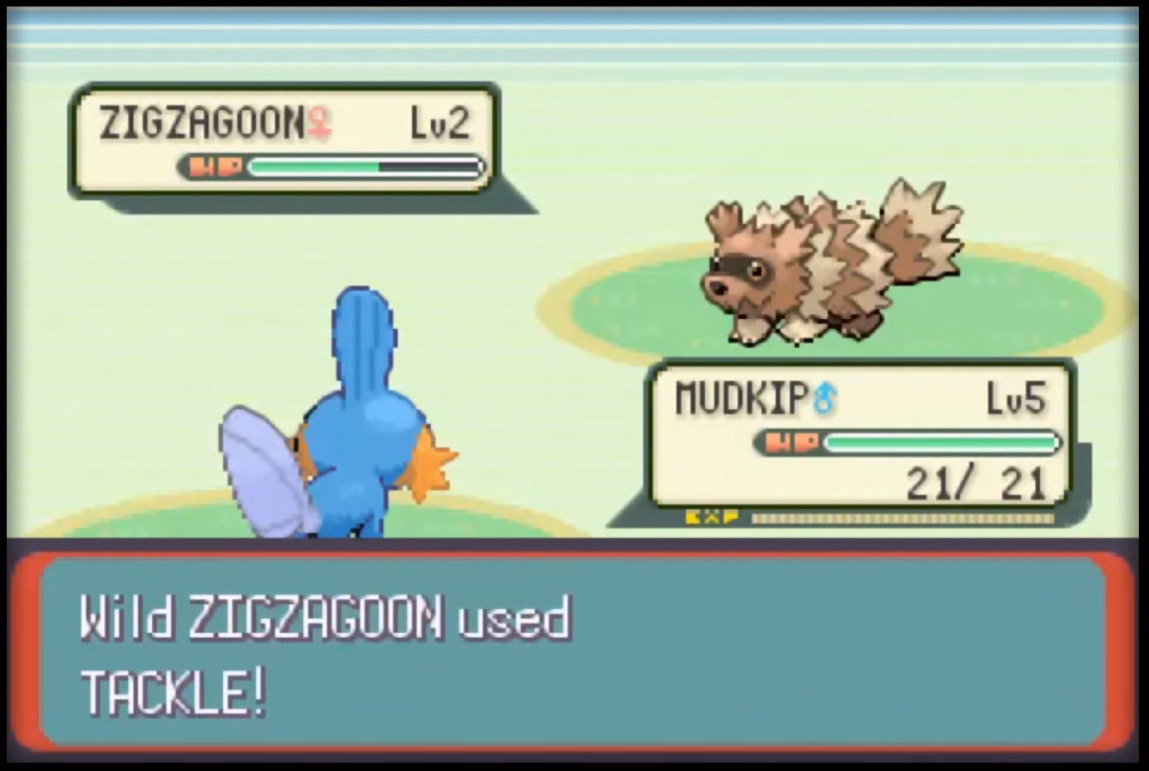



Pokémon Emerald Version

Pokémon Red Version




Pokémon FireRed Version

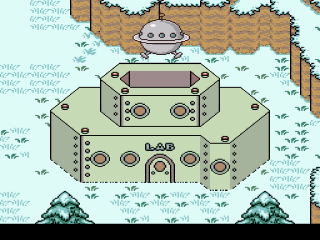
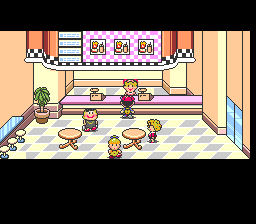
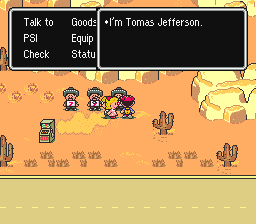
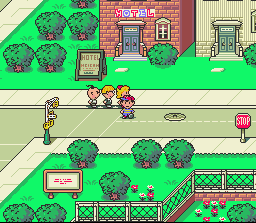
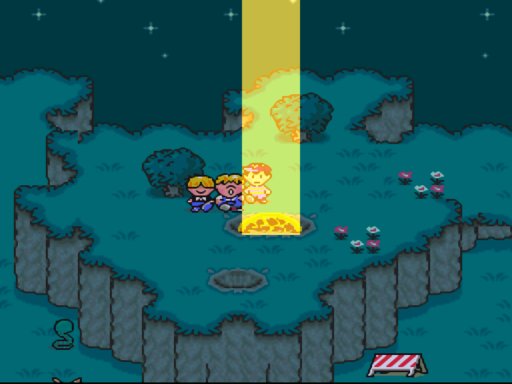

EarthBound
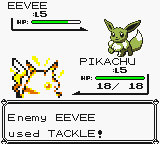

Pokémon Yellow Version: Special Pikachu Edition
Pokémon Blue Version



Divinity: Original Sin II