Game Info
↑ Back to top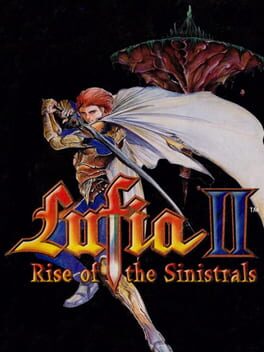

Lufia II: Rise of the Sinistrals
Series:
Genres:
Themes:
Perspectives:
Game Modes:
Overview
↑ Back to topDescription from IGDB IGDB
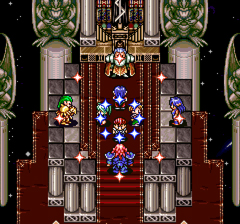
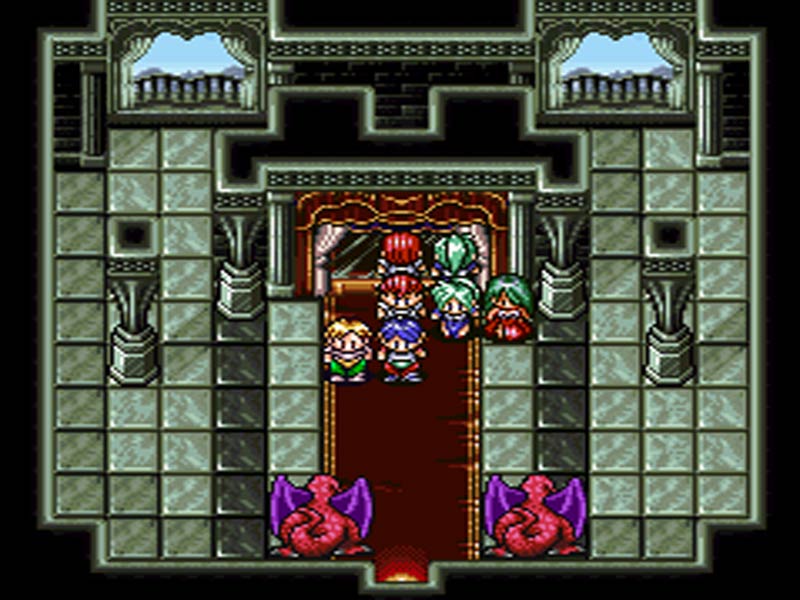
Lufia II: Rise of the Sinistrals serves as a prequel to Lufia & the Fortress of Doom, unfolding its events ninety-nine years before. The narrative delves into the origins of the series' antagonists, the Sinistrals, a group of super-humans. Players take on the role of the ancestor of Maxim, the protagonist from the first game, as he embarks on a quest after encountering Iris, a mysterious woman. Maxim seeks other heroes to join forces in preventing the Sinistrals from wreaking havoc and destroying the world. Like its predecessor, Rise of the Sinistrals follows the Japanese-style turn-based RPG format with an infusion of puzzle elements. The game incorporates intricate puzzles into its dungeon designs, requiring players to use various items and accessories for solving. Additionally, it introduces the "Capsule Monsters" system, allowing summoned monsters to participate in battles. These creatures evolve through the consumption of weapons, armour, or special fruits. Unlike the first game, dungeons in Rise of the Sinistrals lack random battles, with enemies visibly moving on-screen.
Wikipedia Description WIKIPEDIA
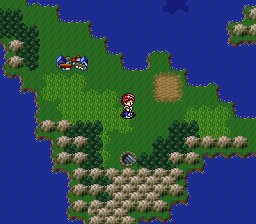
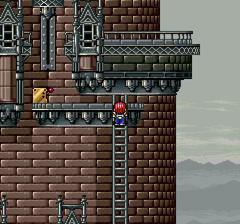
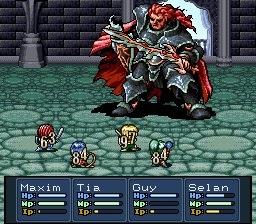
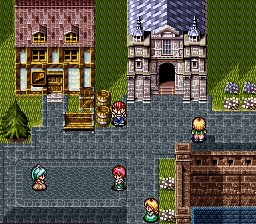
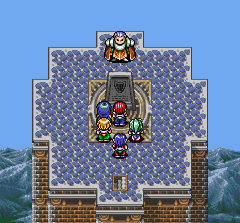
Characters walk around an overworld map and then enter dungeons, where they fight monsters and either buy or find new equipment and spells. The player's party supports up to four characters at once, along with a Capsule Monster. There are various forms of transportation faster than walking, including a warping spell, a boat modified into a submarine, and a blimp. The game includes the casino minigames Pachinko Slot, Black Jack, Slot Machine, Stud Poker, and Action Bingo. In dungeons, monsters appear on the map, and can be avoided if the player wishes. Motion in dungeons is also turn-based, and monsters do not move unless the player does. The main player character, Maxim, gains a number of tools and weapons which can only be used in dungeons (similar to The Legend of Zelda titles), such as a bow and arrow, bombs and a hookshot. These, along with his sword, stun monsters temporarily and interact with obstacles. Dungeons place great emphasis on puzzles. On the world map, monsters are encountered randomly. Aside from the RPG standards of "Fight", "Use Item" and "Use Magic", characters have access to IP Skills, which are attached to weapons, armor and accessories. Each character's IP bar fills when taking damage, and IP Skills deplete varying amounts of charge when activated. Players can freely wear and customize their characters with sets of these weapons and armor for different IP skill effects and apply them while utilizing tactics during battles. IP Skills themselves cannot be customized, sometimes forcing the player to choose between a newer and stronger piece of gear, or an older, weaker one that has a useful IP Skill. Capsule monsters are special creatures which the player may only find on specific locations of the world. Once a Capsule monster is found, the party acquires a fifth, computer controlled member. These monsters can be fed items and equipment, and once they are satiated they evolve to a different form, up to a fifth and definitive form, labeled M. Seven of them exist, and each Capsule monster belongs to a different element (Neutral, Light, Wind, Water, Dark, Fire and Soil), and has a different set of skills. The Ancient Cave, a randomly generated dungeon composed of 99 floors, is presented to the player as a side-quest in the town of Gruberik. Every time the player enters the cave, a new layout is generated, similar to the roguelike genre. Within the cave, the characters are downgraded to zero experience points and stripped of nearly all equipment and items. The player must proceed through the cave's floors, collecting equipment, finding magic spells and increasing levels, with the objective of reaching the Ancient Cave's final floor. There are three ways of exiting the cave: by dying, by reaching its bottom, and by finding and using an item exclusive to the cave, named "providence". Within the cave lie two kinds of chests, blue and red. Red chests contain items which can only be used inside the cave for the duration of the playing session. As soon as the player leaves the cave, all items from red chests disappear, except for "Iris Treasures", which cannot be equipped and serve only as collectibles. The bottom floor of the inn in Gruberik serves as a storage for these items. The rare blue chests contains items which can be used outside the cave and brought back to the cave on subsequent journeys. Some items that can be found in blue chests can also be found by other means, such as monster drops. These can also be taken in and out of the Ancient Cave just as if they were found in blue chests.
About Lufia II: Rise of the Sinistrals
Lufia II: Rise of the Sinistrals is a Puzzle, Roguelike / Roguelite, Role-playing (RPG), Tactical, Turn-based game released in 1995 developed by Neverland that offers Single player gameplay from a side view perspective playable on Super Famicom, Super Nintendo Entertainment System with 37 user ratings averaging 82.7/100. The game explores themes like Fantasy. If you enjoy Lufia II: Rise of the Sinistrals, you might also like similar games in our database of 45,000+ titles.
Basic Info
Details
↑ Back to topAdditional Information
Платформы 2
Genres 5
Themes 1
Player Perspectives 1
Game Modes 1
Companies
↑ Back to topDevelopers
Neverland
No description available
Publishers
Natsume Inc.
No description available
Nintendo
No description available
Taito
No description available
Keywords
↑ Back to topScreenshots
↑ Back to top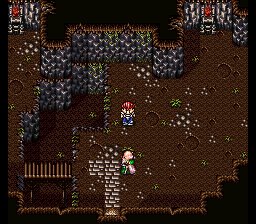
Similar Games
↑ Back to top

Final Fantasy VII
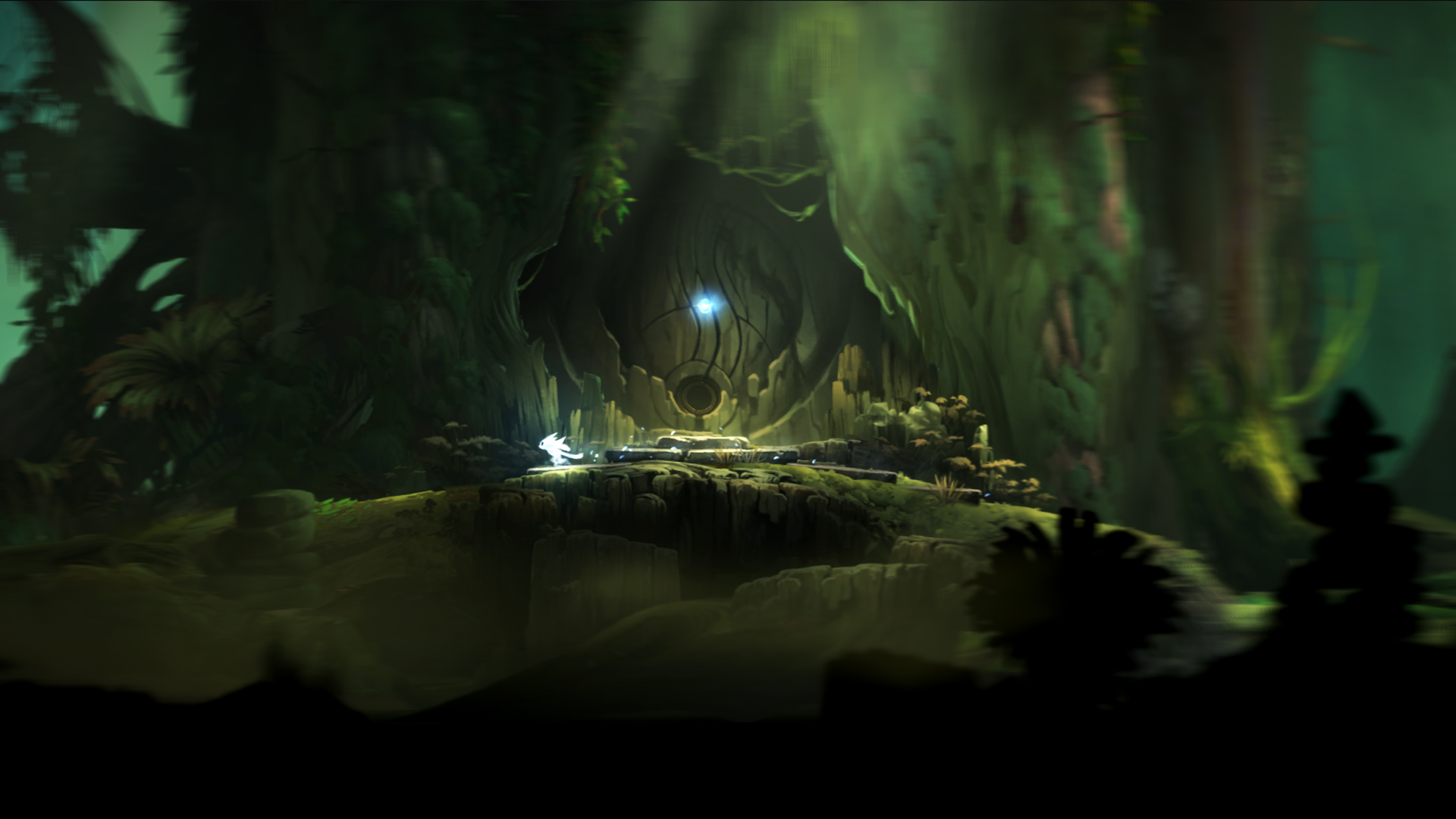
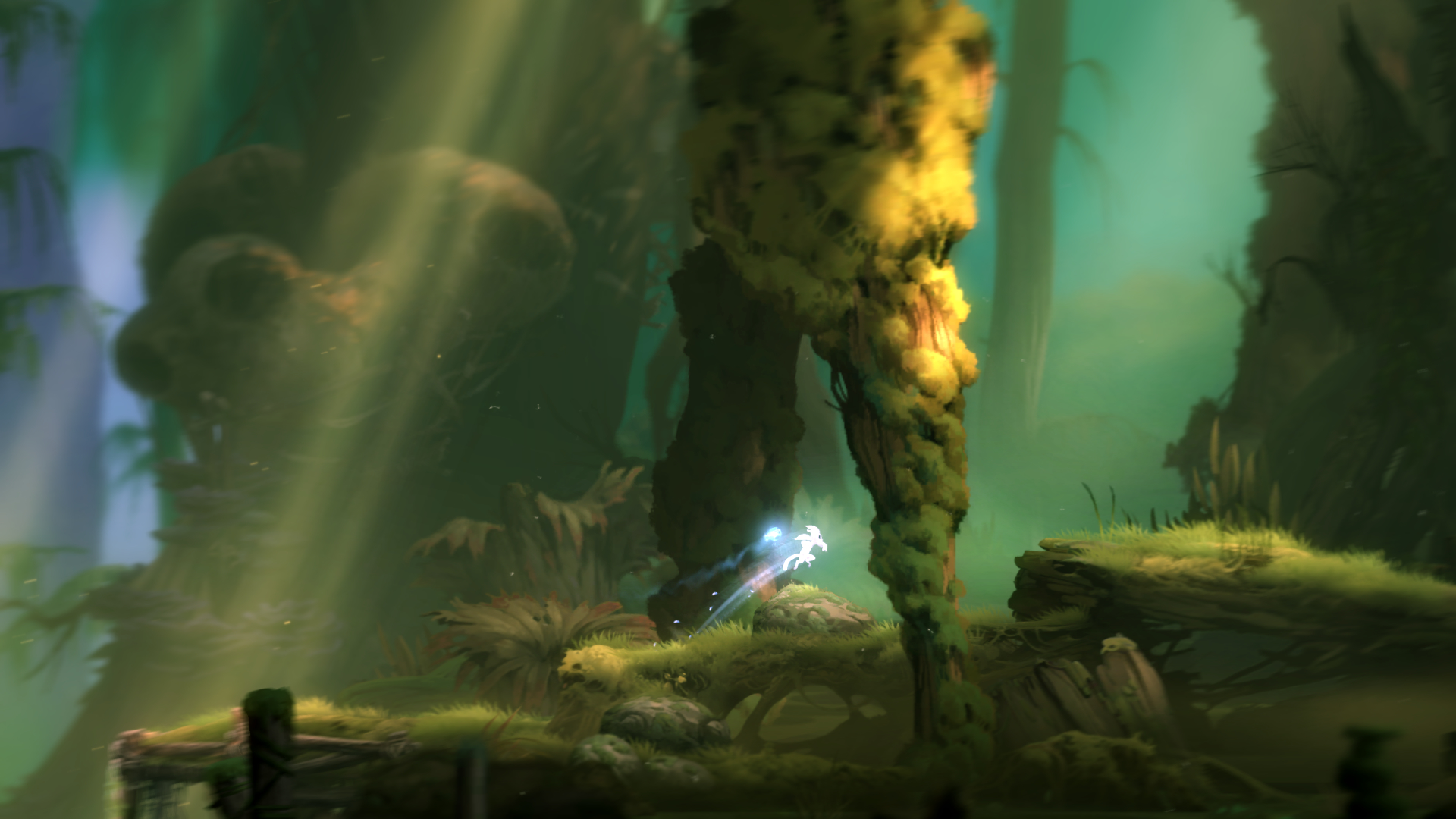

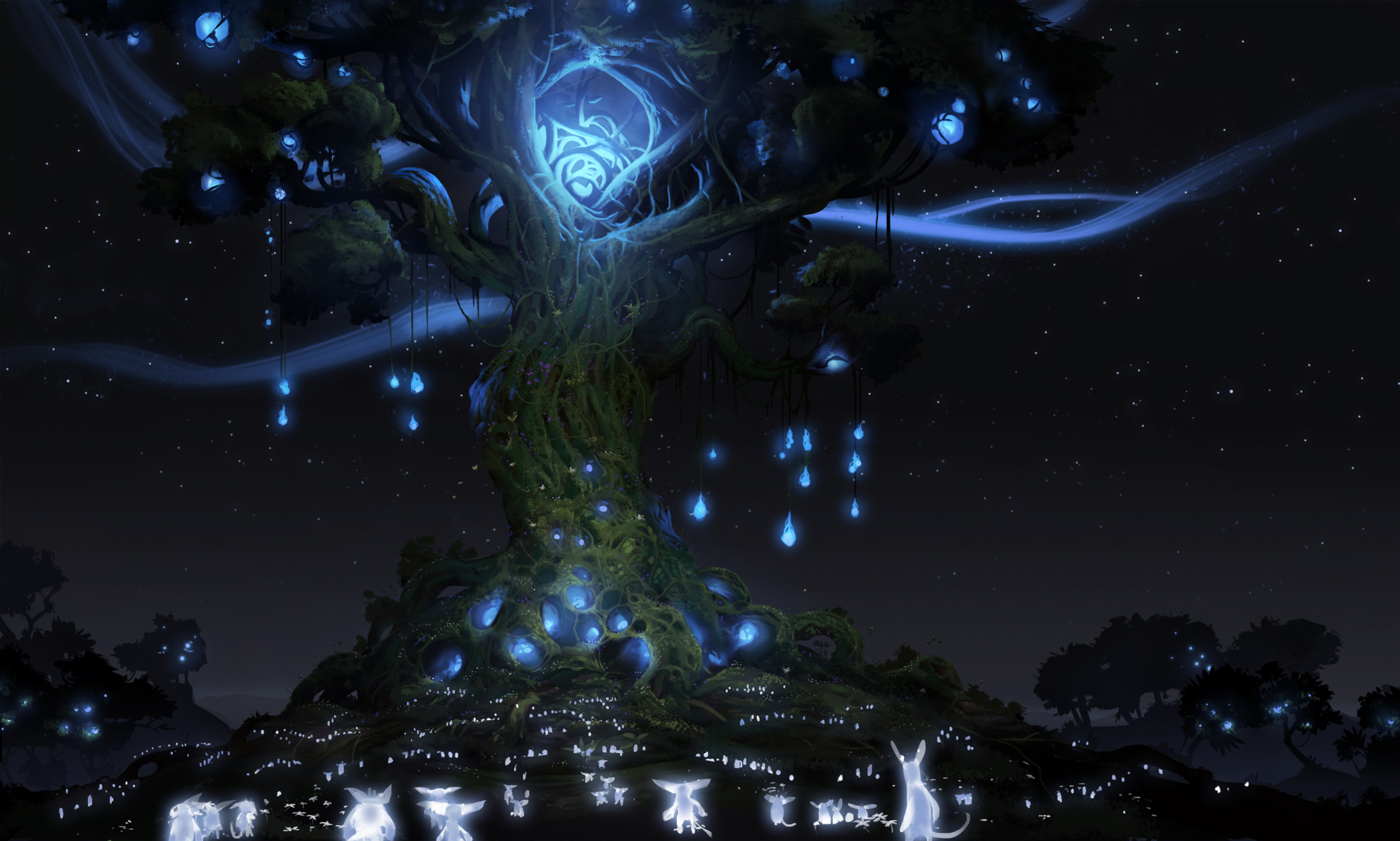

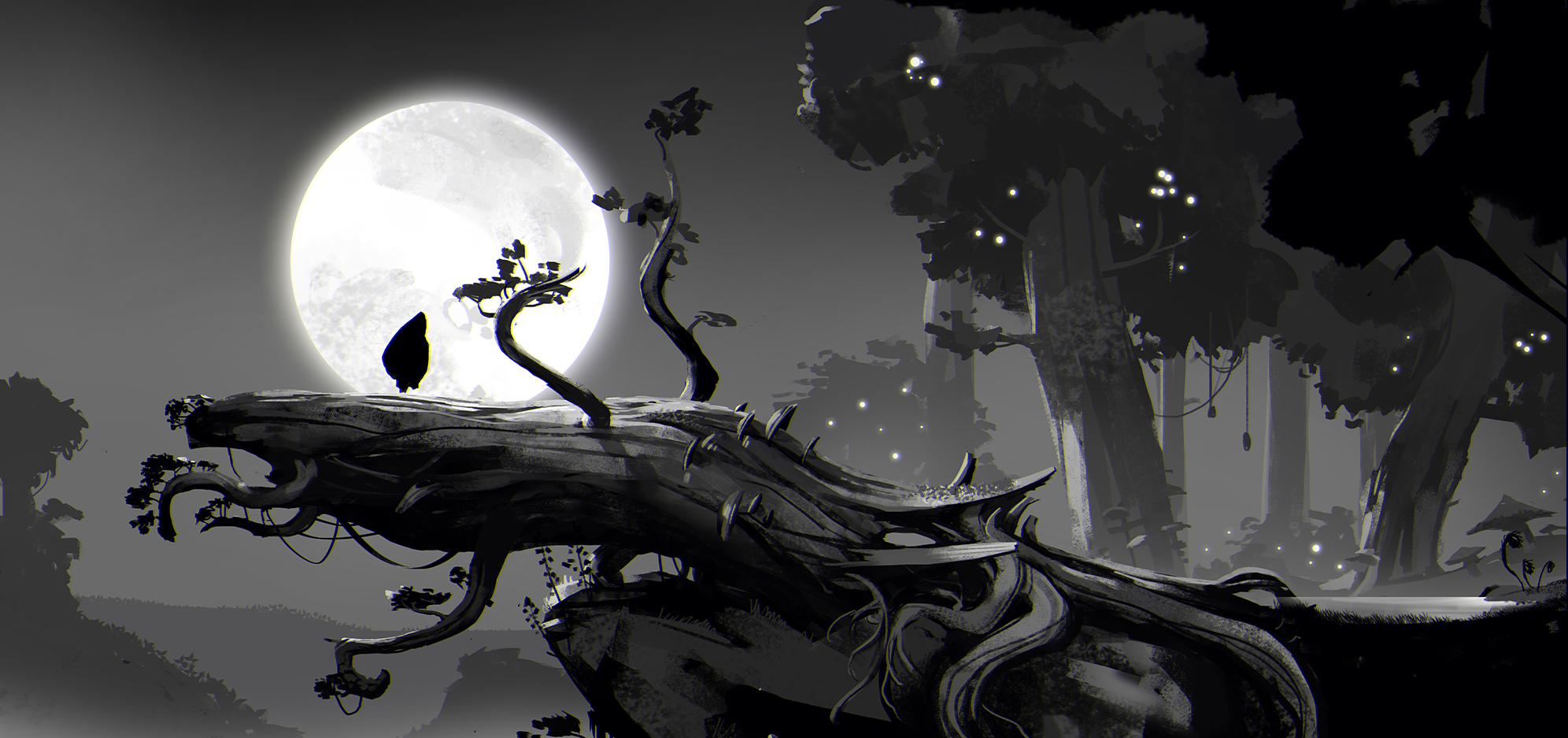

Ori and the Blind Forest


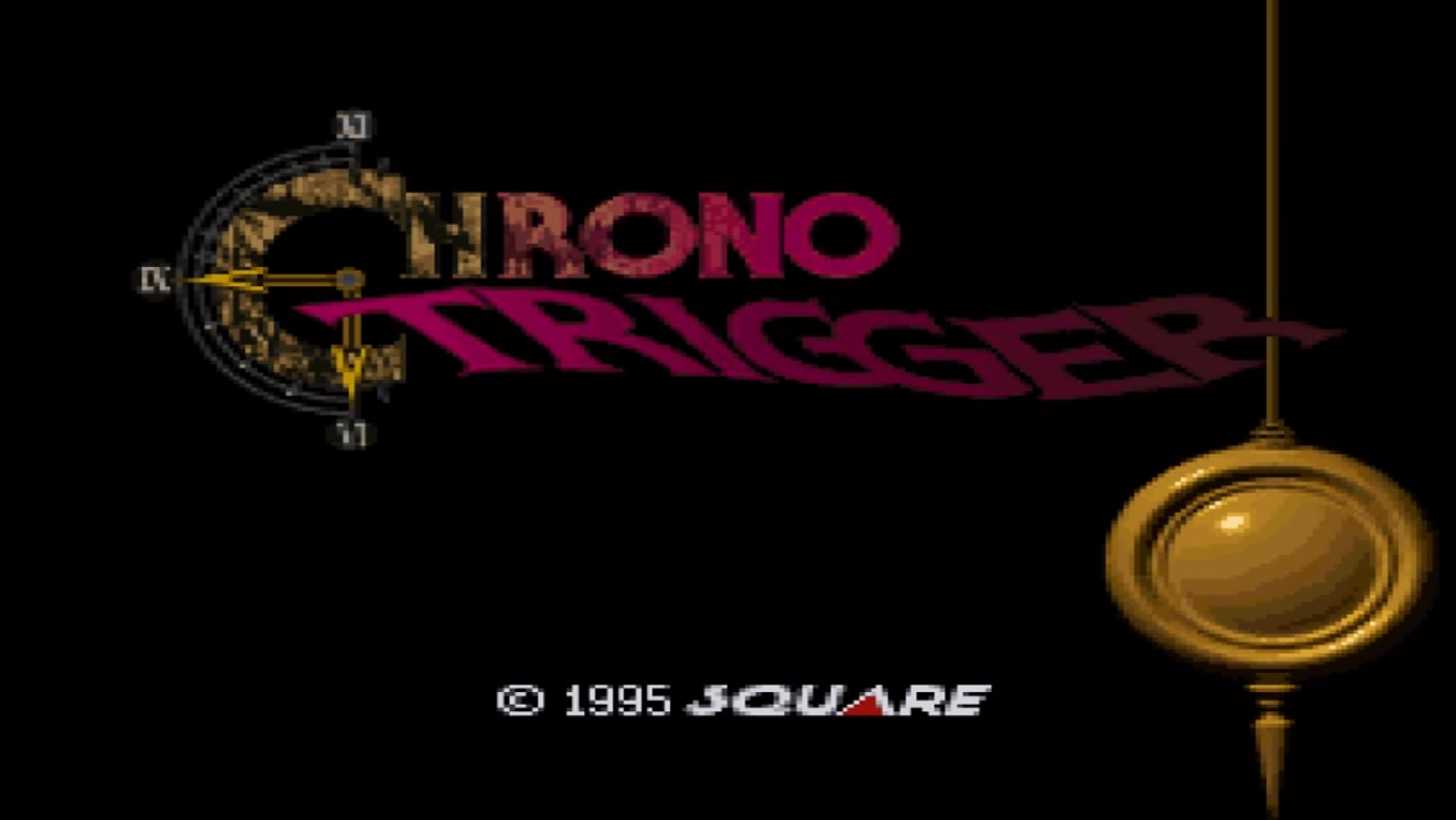

Chrono Trigger
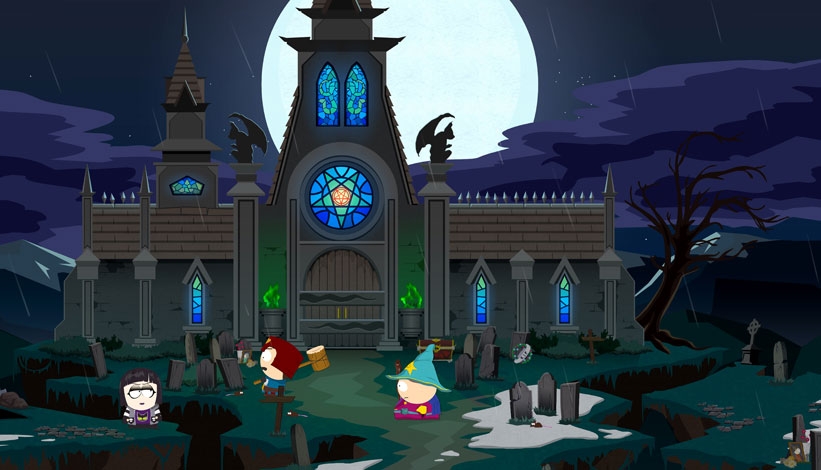
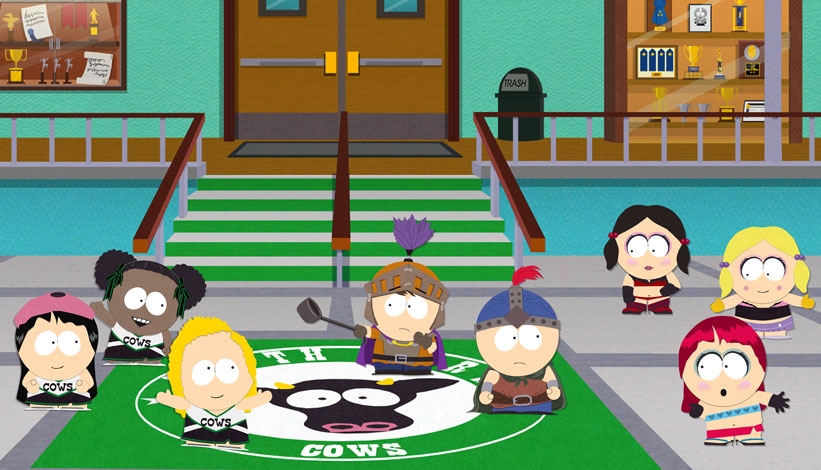


South Park: The Stick of Truth

Final Fantasy X
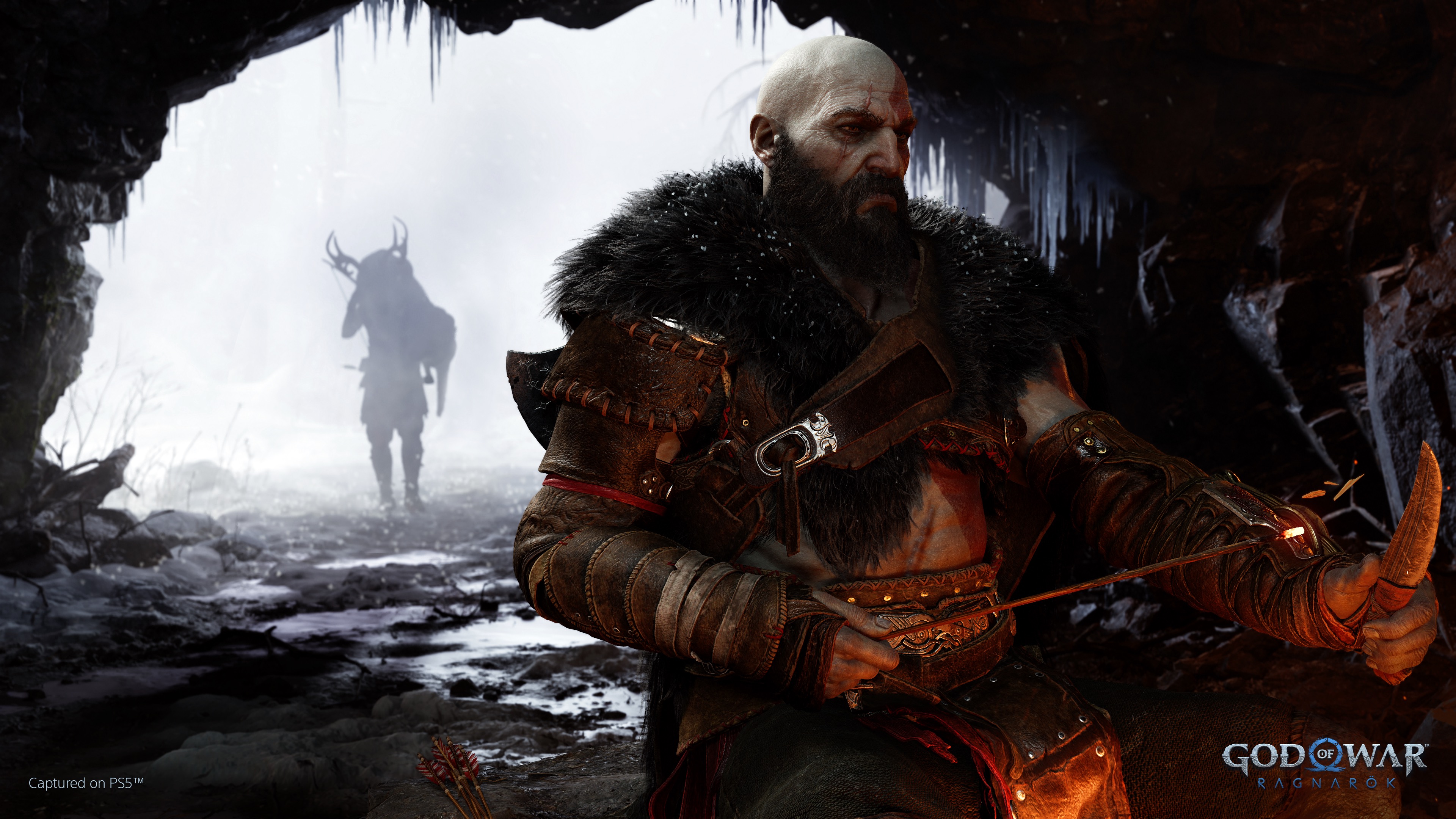
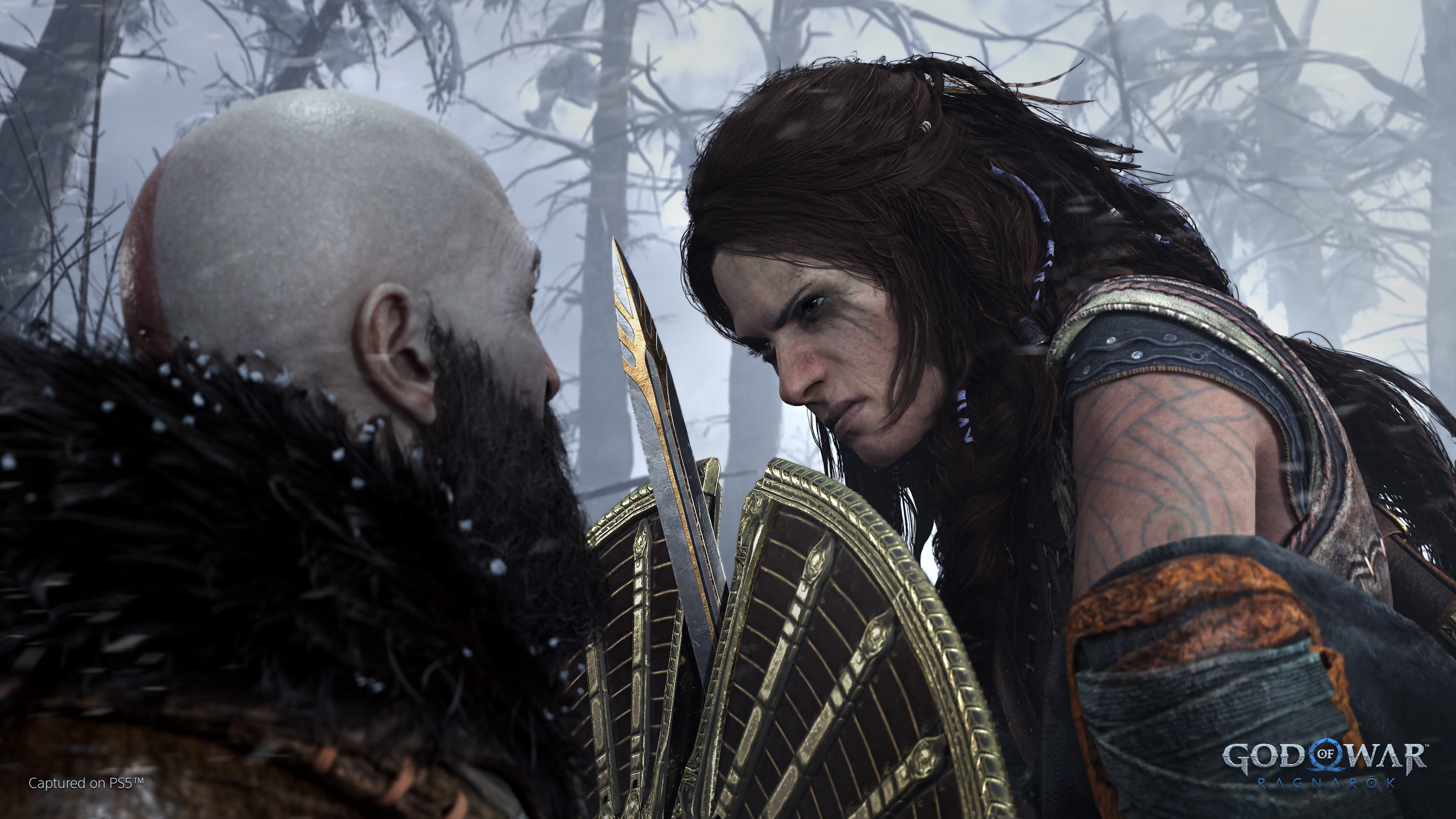
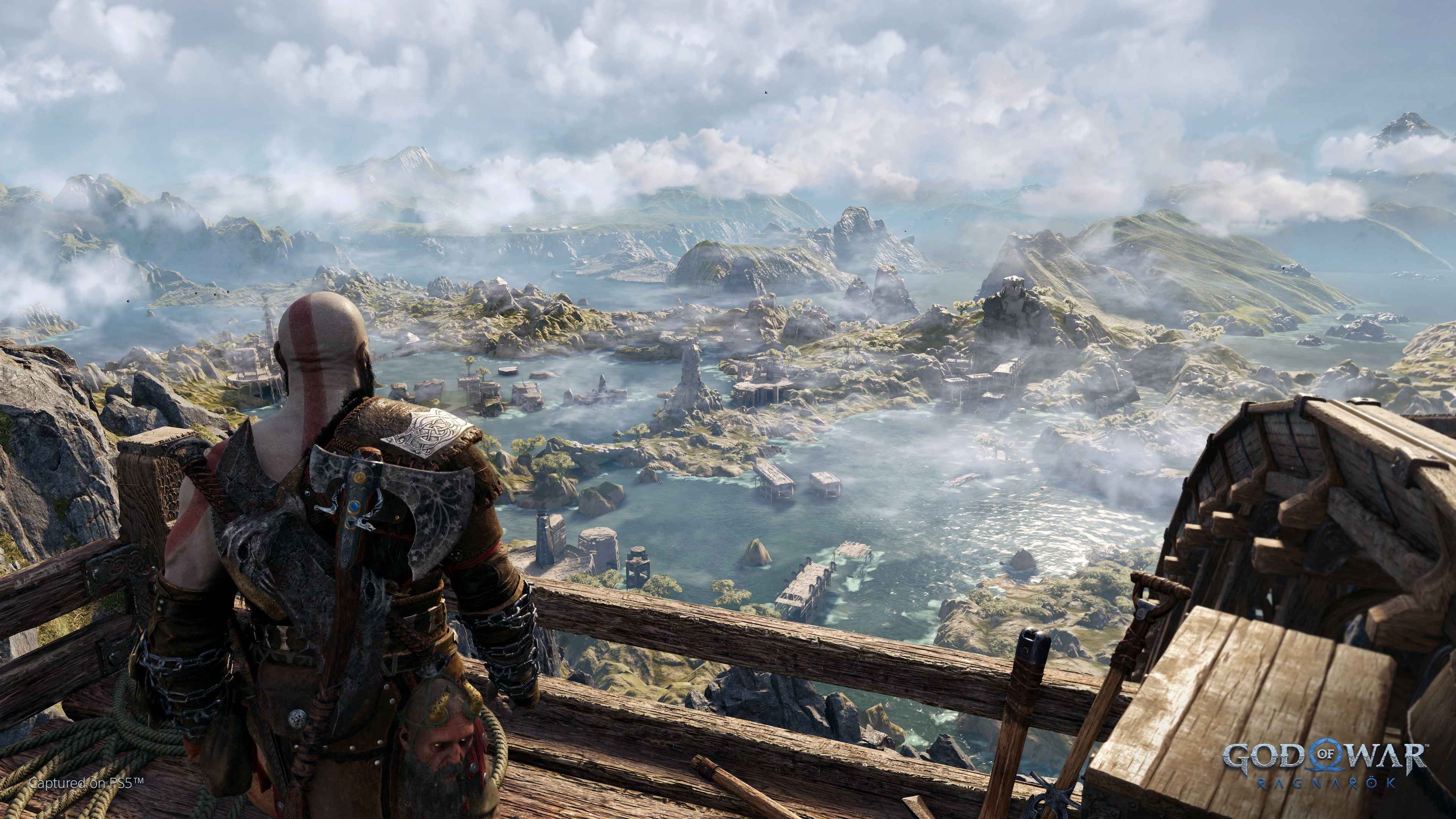
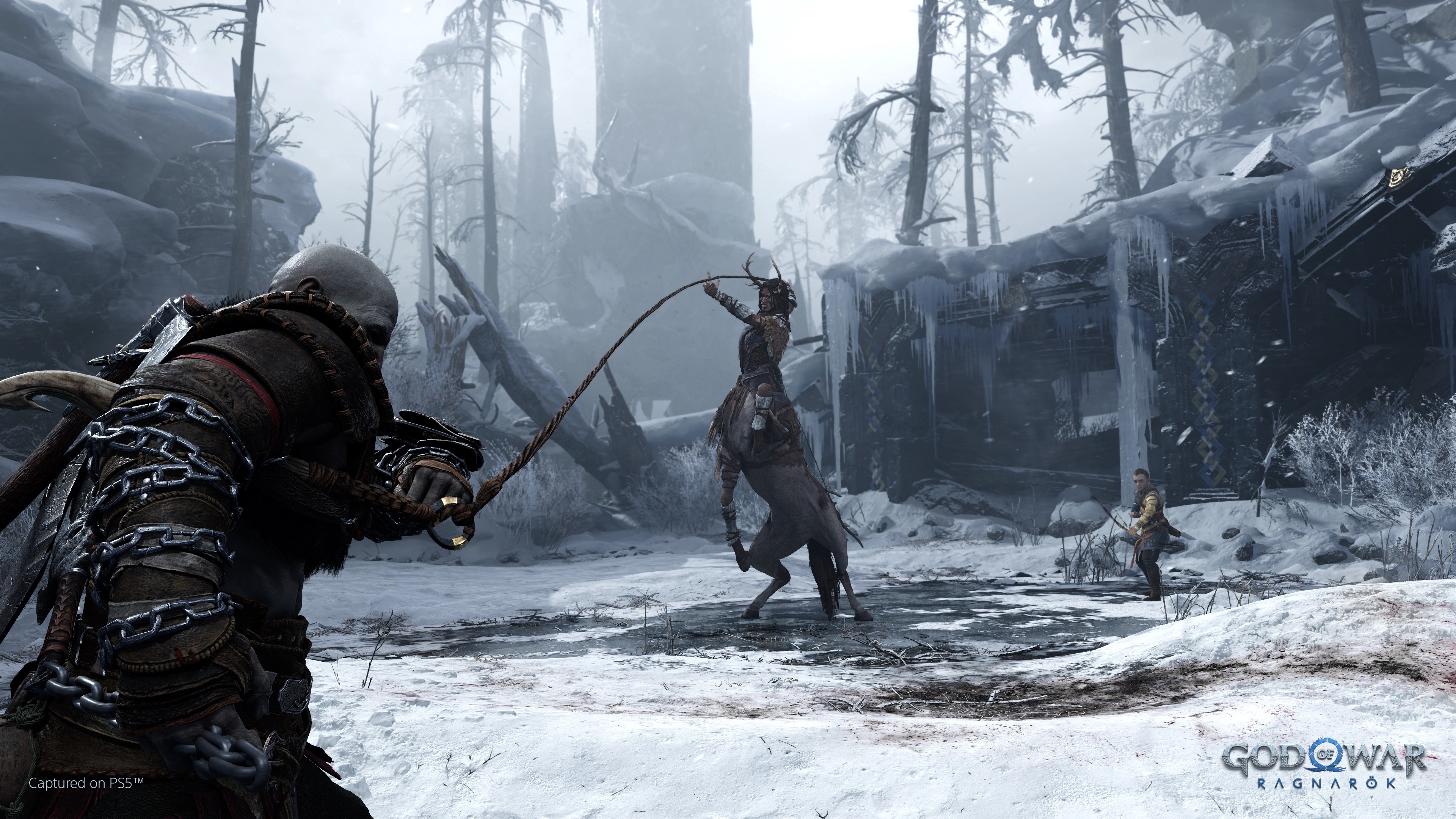

God of War Ragnarök

Final Fantasy III


Slay the Spire
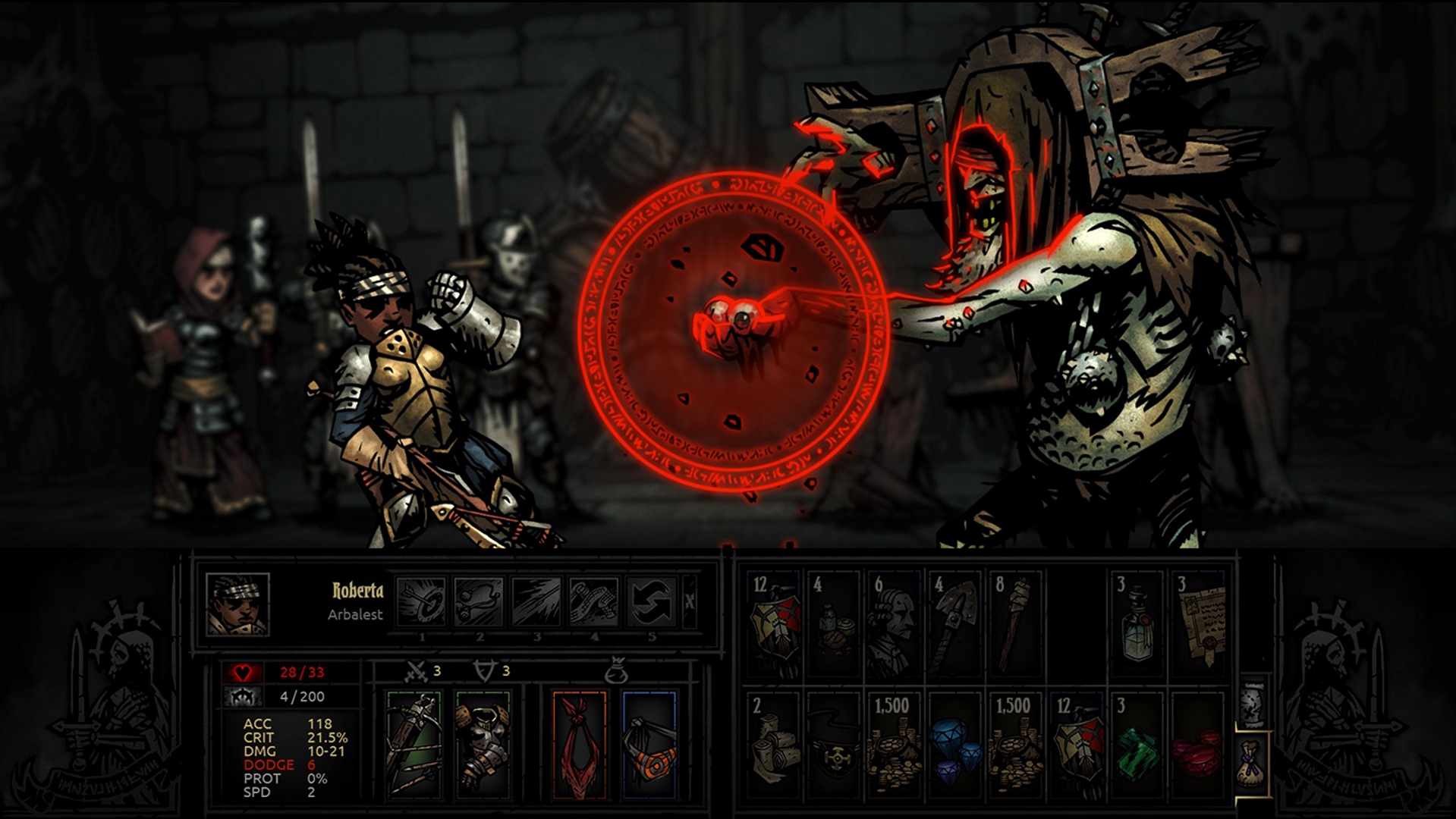
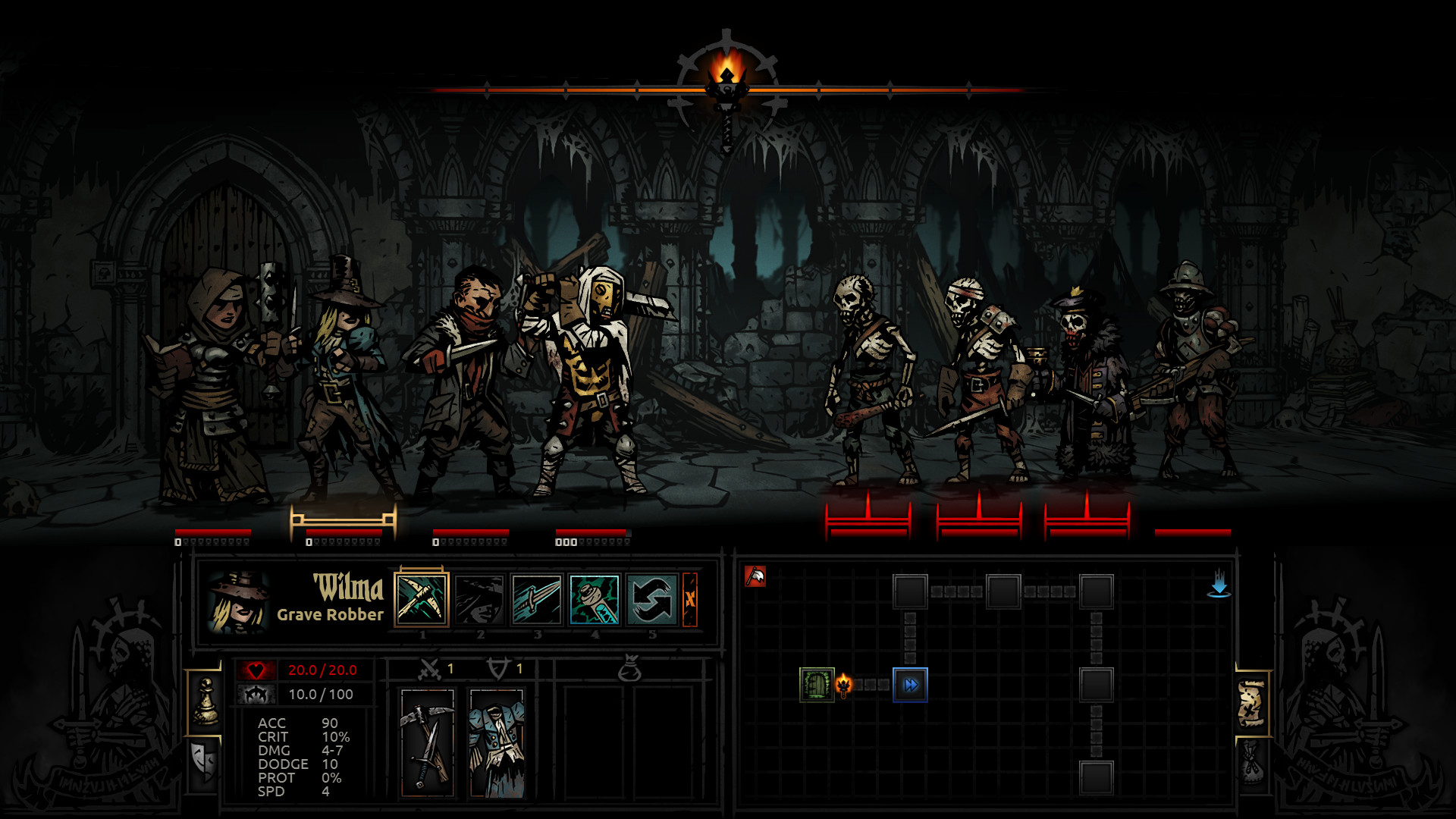

Darkest Dungeon
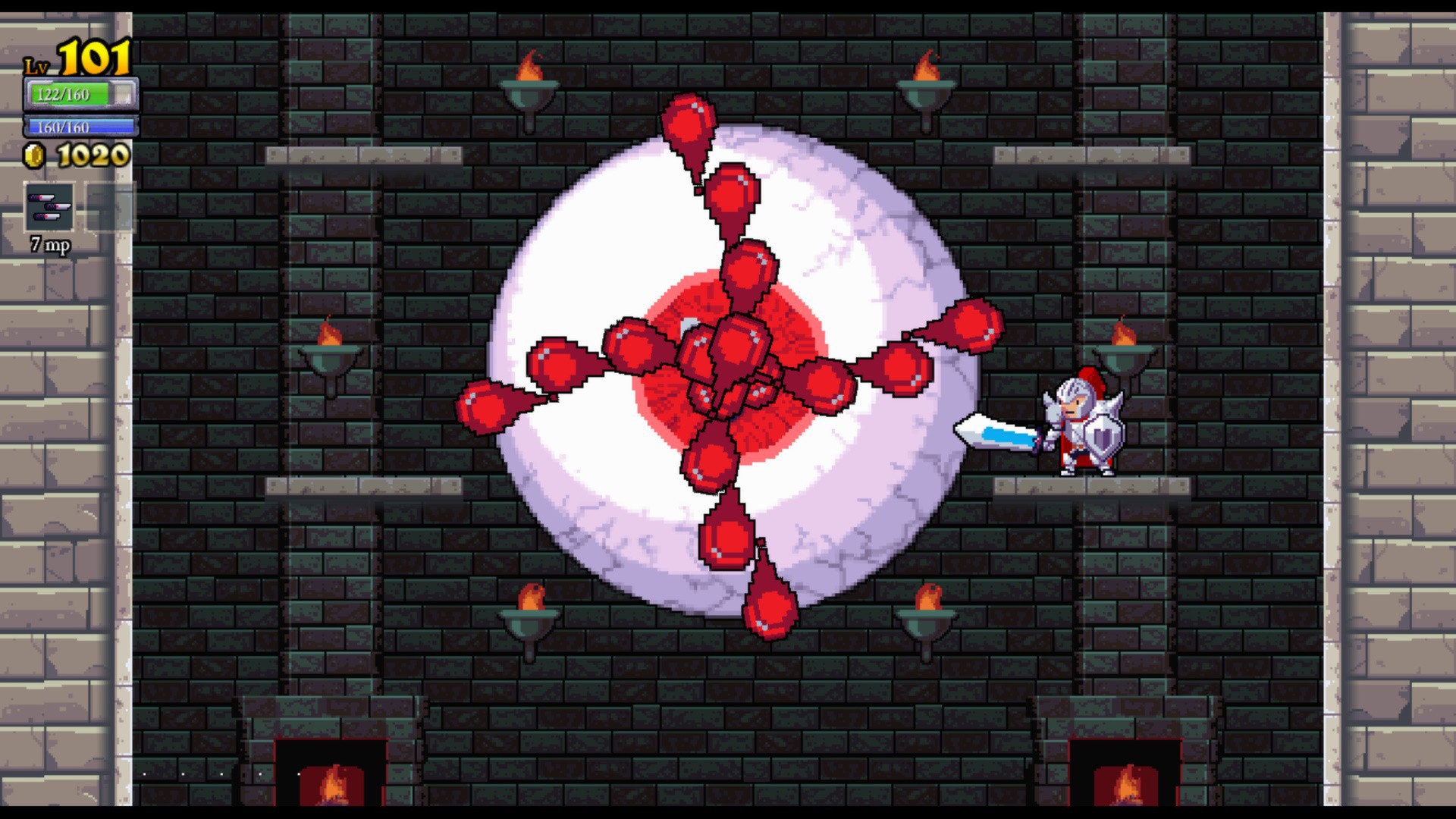



Rogue Legacy


The Banner Saga