Game Info
↑ Back to top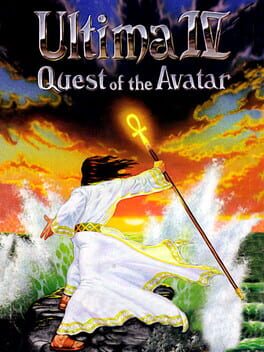

Ultima IV: Quest of the Avatar
Series:
Genres:
Themes:
Perspectives:
Game Modes:
Overview
↑ Back to topDescription from IGDB IGDB
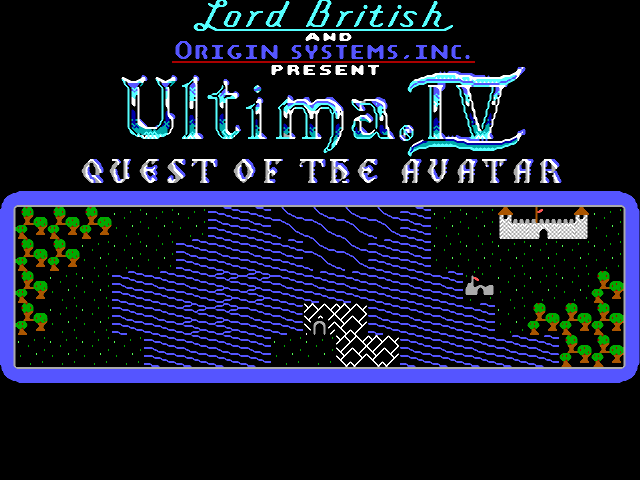
Following the defeat of the evil triad in the previous three Ultima games, the world of Sosaria changed beyond recognition: continents rose and sank, and new cities were built, heralding the advent of a different civilization. Unified by the reign of the benevolent monarch Lord British, the new world was renamed Britannia. Lord British wished to base people's well-being on the ethical principles of Truth, Love, and Courage, proclaiming the Eight Virtues (Honesty, Compassion, Valor, Justice, Sacrifice, Honor, Spirituality, and Humility) as the ideal everyone should strive for. The person who could accomplish full understanding and realization of these virtues would serve as a spiritual leader and a moral example for the inhabitants of Britannia; he alone would be able to obtain holy artifacts, descend into the Stygian Abyss, and access the Codex of Ultimate Wisdom. This person is the Avatar. The fourth game in the Ultima series features an improved game engine, with color graphics and enhanced character interaction: the player can have conversations with non-playable characters by typing names of various topics. However, the main difference between Ultima IV and its predecessors in the series (as well as other role-playing games) lies in the game's objectives and the ways to fulfill them. Instead of building up a character by any means possible in order to face a villain in the end of the game, in Ultima IV the player is trying to become the Avatar, a role model for people. This means upholding the Eight Virtues, basically trying to become a better person. Making morally conscious decisions and helping other people is not done expecting a material reward, but because it is the actual goal of the game and the main focus of its gameplay. The game frowns on behavior typical of most other RPGs, such as backstabbing fleeing enemies or picking up everything that isn't nailed down even if it does not belong to the protagonist. This different approach established the game's reputation as the first "true" Ultima, influencing the design philosophy of later installments and the overall spirit of the series. Character creation is done by choosing responses to morally ambiguous questions. Each of the Eight Virtues corresponds to a character class; by determining the player's personal priorities in the virtues, the game assigns a class and a starting location for the Avatar. After emerging in Britannia, the player is free to explore it in various ways (on foot, moongate teleportation, on horseback, by ship, etc.). Certain items must be collected in any order to enter the Stygian Abyss and complete the game. The Avatar also has to reach the highest level in all virtues. This is achieved by various means: donating blood increases Sacrifice, not fleeing from combat increases Valor, etc. The process, however, is not irreversible: should the Avatar overpay a blind seller, he gains Compassion points; should he, on the other hand, cheat the seller by underpaying, his level in several virtues would decrease. These unorthodox features of the game co-exist with plenty of traditional RPG elements, such as dungeons to explore and hostile monsters to kill. Enemies are encountered on the world map as well as in dungeons; combat takes place on separate top-down screens, allowing player-controlled and enemy parties freely move on them. Characters accumulate experience points and level up, gaining higher amount of hit points and access to stronger magic spells. Like in the previous installments of the series, world map, town exploration and combat are presented from a top-down view, while the dungeons are pseudo-3D and are explored from first-person perspective. Ultima IV also introduces several new gameplay features to the series and role-playing games in general. A number of initially non-playable characters living in various areas of the game world are able to to join the party and fight alongside the hero, replacing traditional player-generated characters or mercenaries and adventurers available only in special locations. Additional new elements include buying and combining reagents in order to cast spells, puzzle rooms in dungeons, and others. The FM Towns version, while identical to the others in gameplay, introduces upgraded graphics similar to those used in next installment of the series.
Storyline IGDB
As an addendum to this work, I, Lord British, would like to speak of the Quest of the Avatar mentioned in these pages. The Quest of the Avatar is the search for a new standard, a new vision of life for which out people may strive. We seek the person who can become a shining example of our nation and guides us from the Age of Darkness into the Age of Light. We have sent this message our to the farthest reaches of the known universe, indeed, we have even spoken across the void of time. Is there One who can complete the Quest of the Avatar? Many have tried already, and have met with partial success, becoming enlightened in one or more of the Eight Virtues of the Avatar - but none have yet attained the true state of being an Avatar. The secrets of the Avatar are buried deep in the hearts of both our people and the land in which we dwell. The search will be arduous and the One who shall succeed must be able to assemble all the parts of the great mystery in order to solve the Quest. Gaze upon the device portrayed on the facing page of this tome. Learn it well, for when thou dost gaze upon it again then shall thy life's quest be revealed.
Wikipedia Description WIKIPEDIA
Instead of simply choosing stats to assign points to as in the first three Ultima games, players are asked various ethical dilemmas by a gypsy fortune-teller using remotely tarot-like cards of the eight virtues. These situations do not have one correct resolution; rather, players must rank the Eight Virtues and whichever stands as their highest priority determines the type of character they will play. For example, choosing Compassion creates a Bard, Honor a Paladin, Sacrifice a Tinker, and so on. This is also the first Ultima where playing as a human is necessary, eliminating other races such as the elves, dwarves, and "bobbits" found in previous games (although even in the first three Ultimas where they could be chosen as player characters, there were never any non-player characters (NPC) of those non-human races). Although each profession embodies a particular Virtue, to become an Avatar the player must achieve enlightenment in all eight virtues. Virtue affects how NPCs interact with the player; enlightenment in the Virtues is achieved through the player's actions as well as through meditation at shrines. Shrines to each of the Virtues are scattered about Britannia, each requiring the player to possess the corresponding Virtue's rune before allowing entry. Through meditation and correctly repeating the Virtue's mantra three times at the shrine, the player gains insight and ultimately enlightenment in the Virtue. The seer Hawkwind in Lord British's castle provides the player with feedback on their progress in the Virtues, offering advice for actions that will improve their standing in each of the Eight Virtues, informing them when they are ready to visit a shrine for elevation, or chastising the character if they "hath strayed far from the path of the Avatar". A player may be encouraged to give alms to the poor to improve their Sacrifice, or never flee from battle to improve their Valor. Players are equally able to lower their virtue by their in-game actions, such as selecting a bragging response in a dialog with certain characters (lowers Humility). While most actions have a minor effect on a Virtue's progress, certain actions can have an immediate and devastating effect on a player's progress on multiple Virtues. Technically, the game was very similar to Ultima III: Exodus, although much larger. It is the first Ultima to feature a dynamic conversation system; whereas NPCs in earlier games would only give one canned answer when talked to, now players could interact with them by specifying a subject of conversation, the subject determined either by a standard set of questions (name, job, health) or by information gleaned from the previous answers, or from other characters. Many sub-quests were arranged around this. Users playing the game a second time could save considerable time by knowing the answers to key questions, which frequently required travel to another city to talk with another NPC. In at least one case, a player is asked "Who sent you?", which may require yet another round trip between cities. Another addition were dungeon rooms, uniquely designed combat areas in the dungeons that supplemented the standard combat against randomly appearing enemies. Ultima IV is an open world game; most quests can be completed in any order. There are no fetch quests. Although it is a turn-based game, the clock runs while the game was running. If a player does not act for a while, NPCs and monsters may move and time passes. Time is an important aspect to the game, as certain actions can only be performed at certain times. The world of Britannia was first introduced here in full, and the world map in the series did not greatly change in later games. The player may travel about Britannia by foot, on horseback, across the sea in a ship or by air in a "lighter than air device". Speed and ease of travel is affected by the mode of travel as well as terrain and wind.
About Ultima IV: Quest of the Avatar
Ultima IV: Quest of the Avatar is a Open World, Role-playing (RPG), Squad Management, Turn-based, Turn-based strategy (TBS) game released in 1985 developed by Origin Systems that offers Single player gameplay from a bird view / isometric, first person perspective playable on Amiga, Apple II, Atari 8-bit with 38 user ratings averaging 87.7/100. The game explores themes like Fantasy. If you enjoy Ultima IV: Quest of the Avatar, you might also like similar games in our database of 45,000+ titles.
Basic Info
Details
↑ Back to topAdditional Information
Платформы 17
Genres 5
Themes 1
Player Perspectives 2
Game Modes 1
Companies
↑ Back to topDevelopers
Origin Systems
No description available
Publishers
Fujitsu Interactive
No description available
MicroProse Software, Inc.
No description available
Origin Systems
No description available
Pony Canyon
No description available
Sega Enterprises, Ltd.
No description available
Tec Toy
No description available
U.S. Gold
No description available
Keywords
↑ Back to topScreenshots
↑ Back to top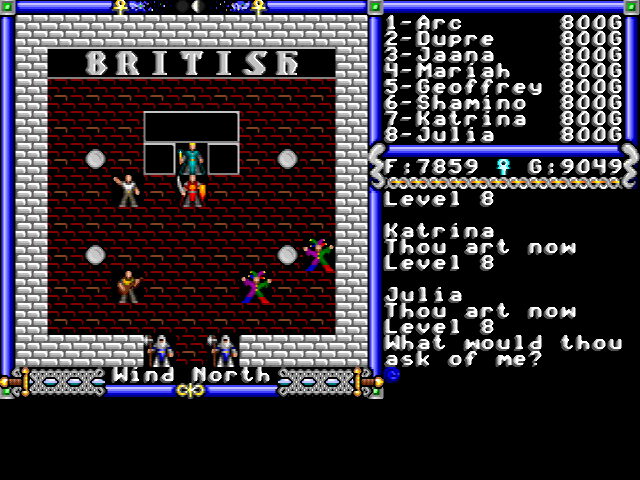
Similar Games
↑ Back to top
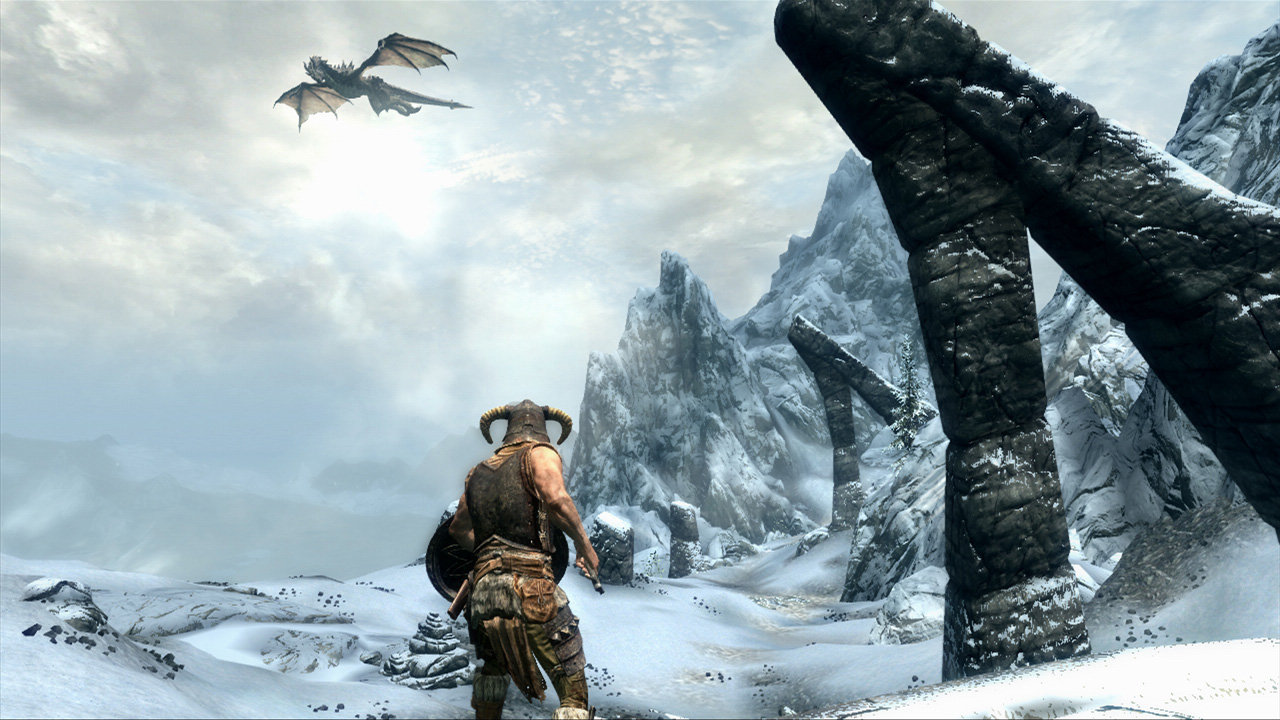
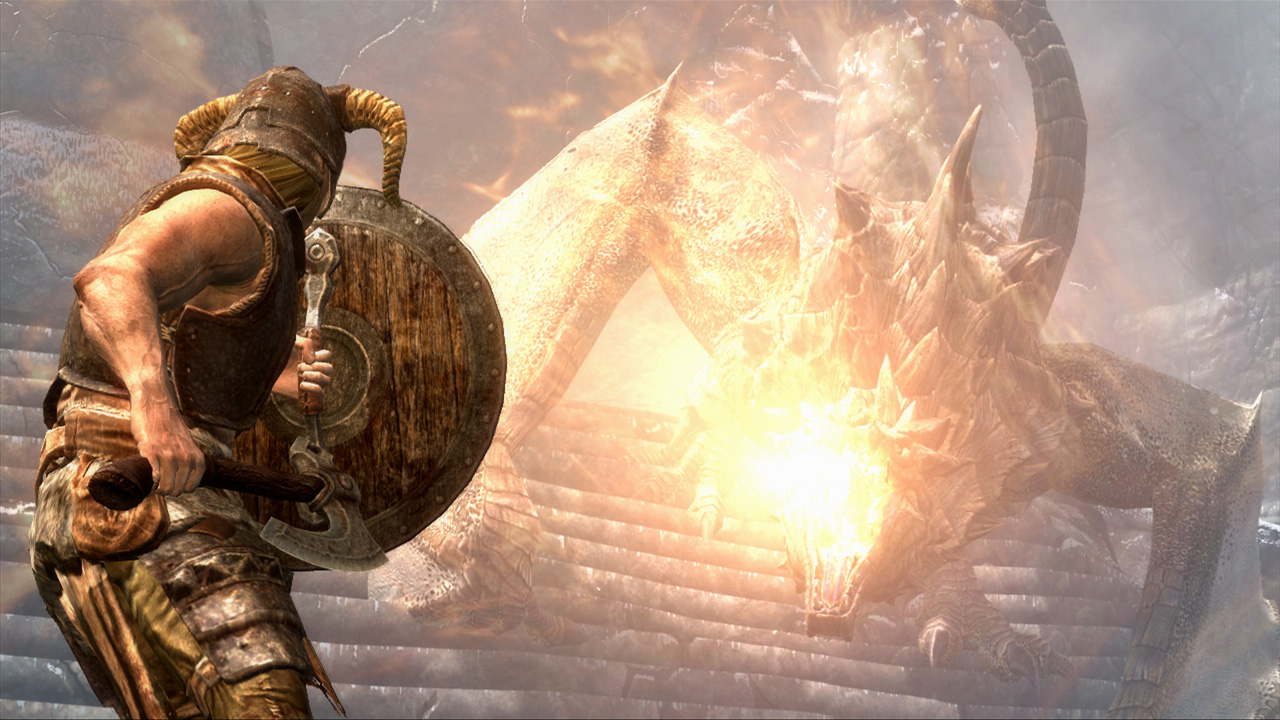
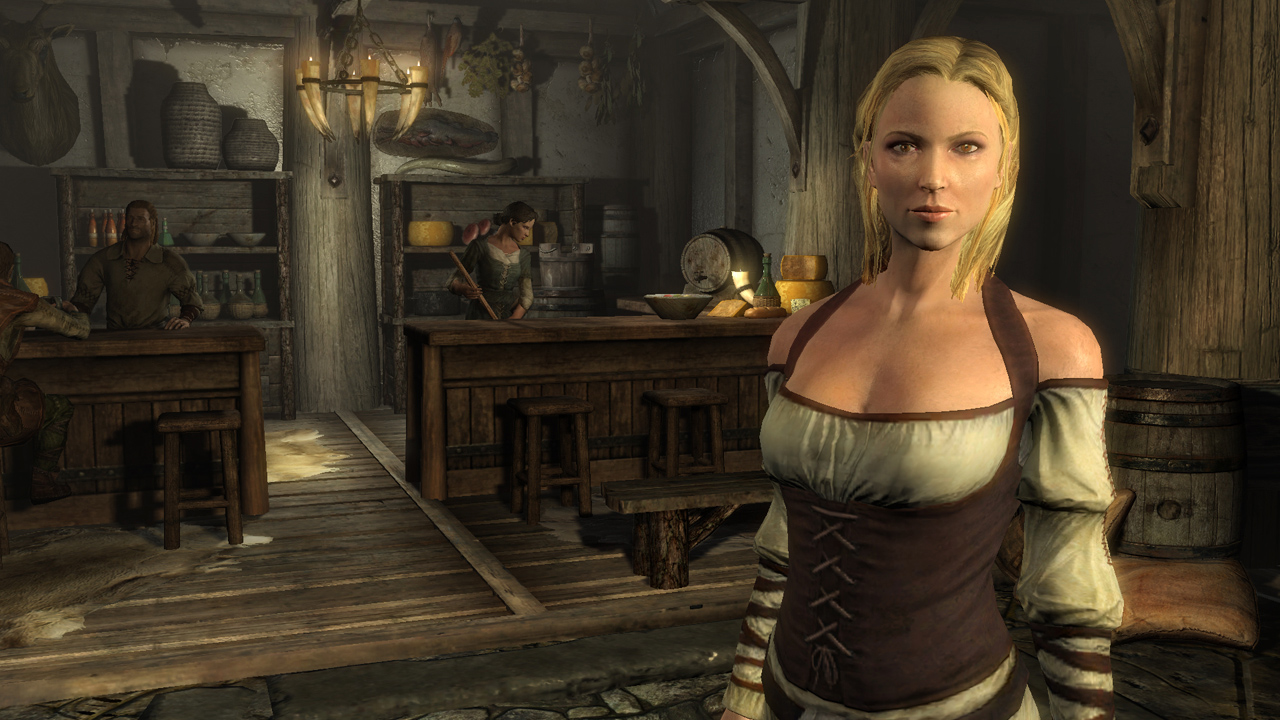
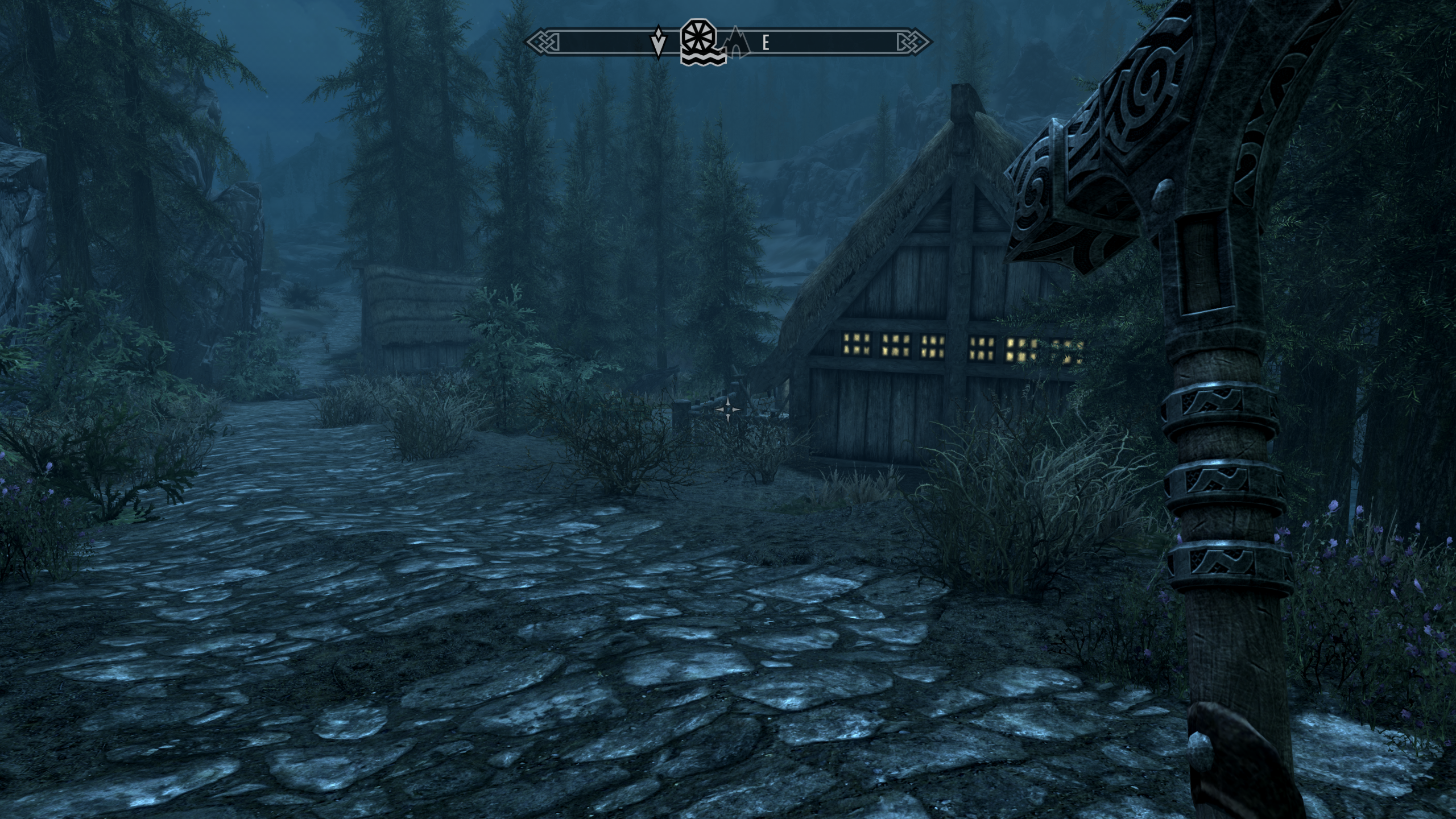
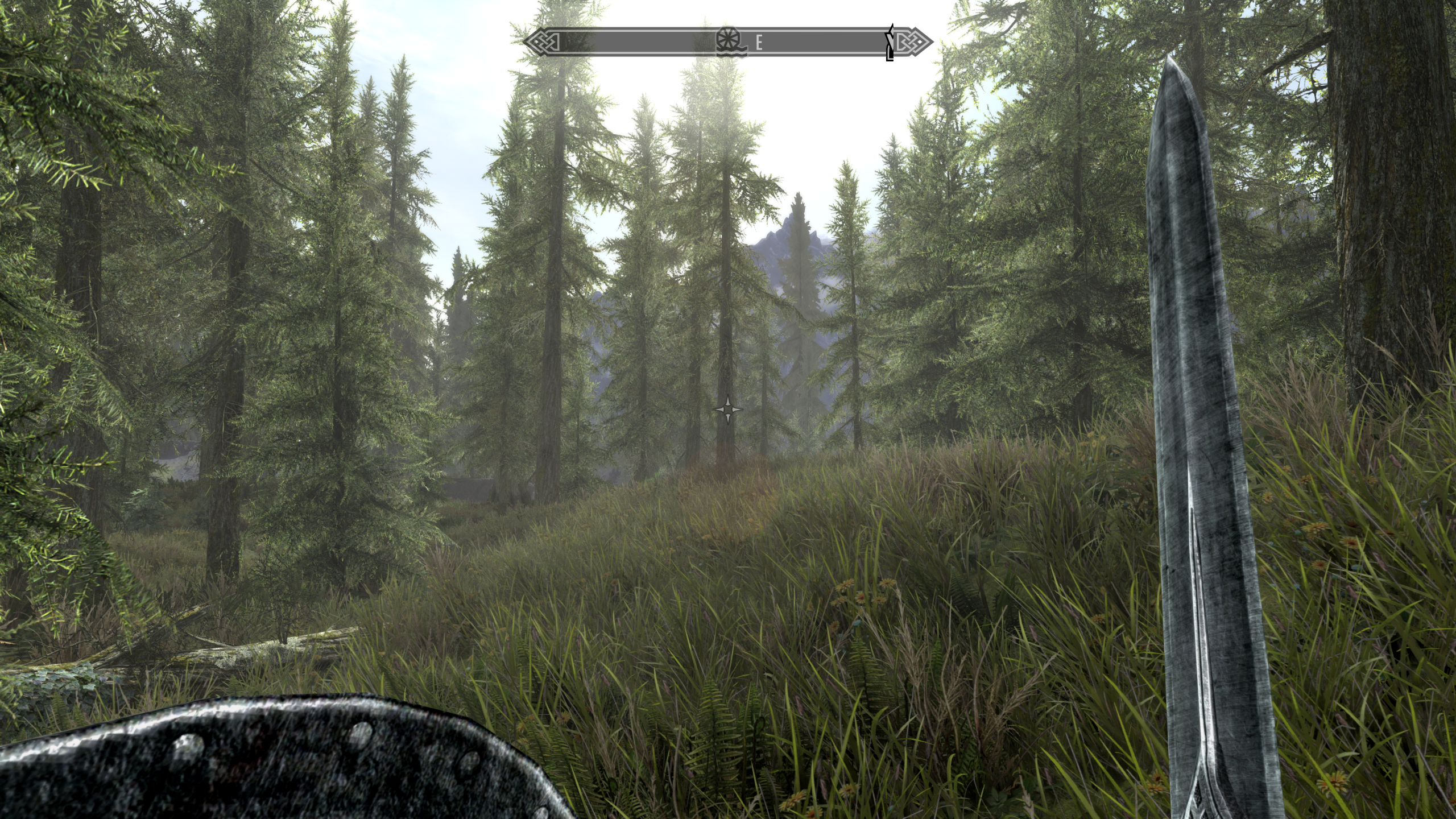

The Elder Scrolls V: Skyrim
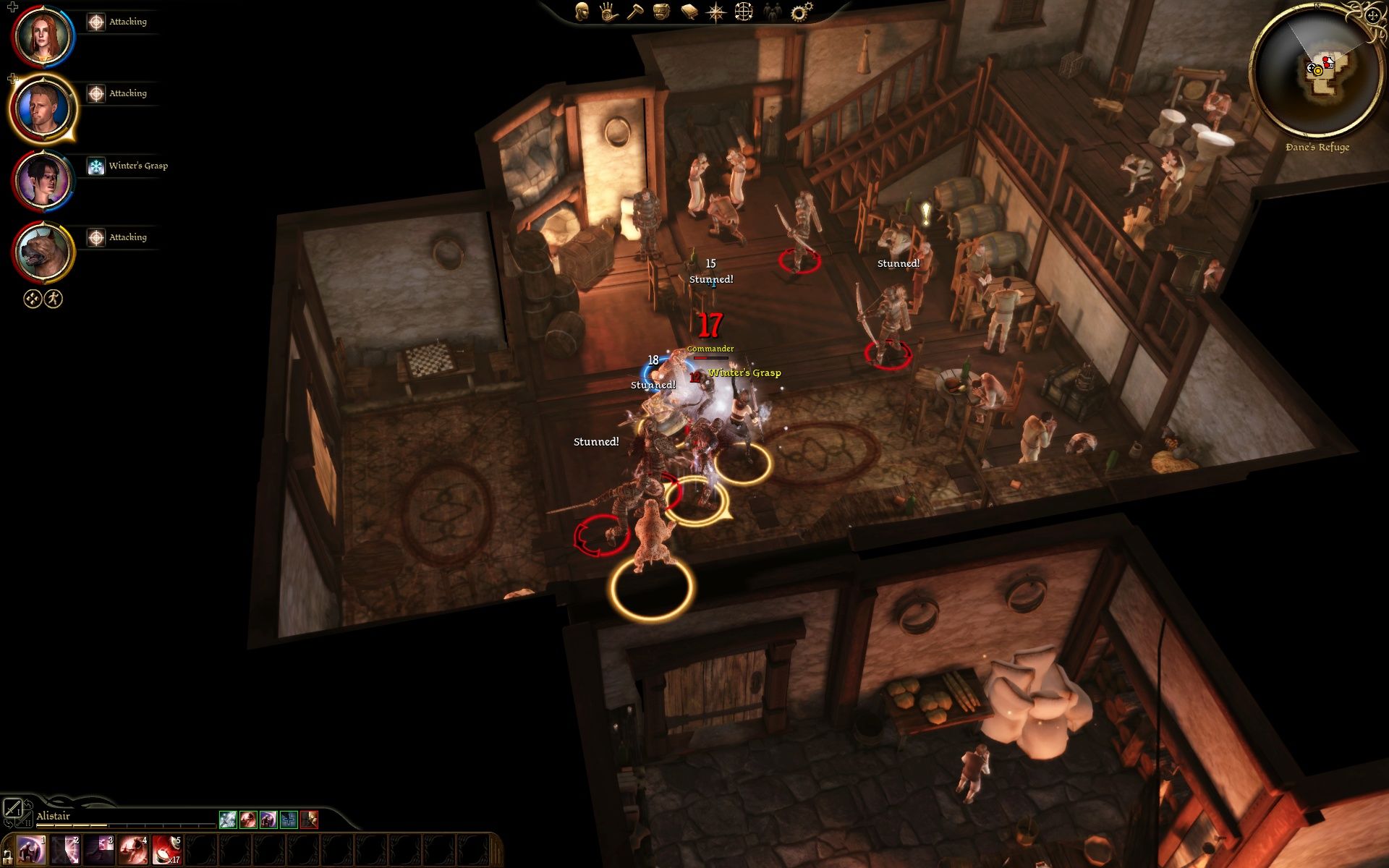
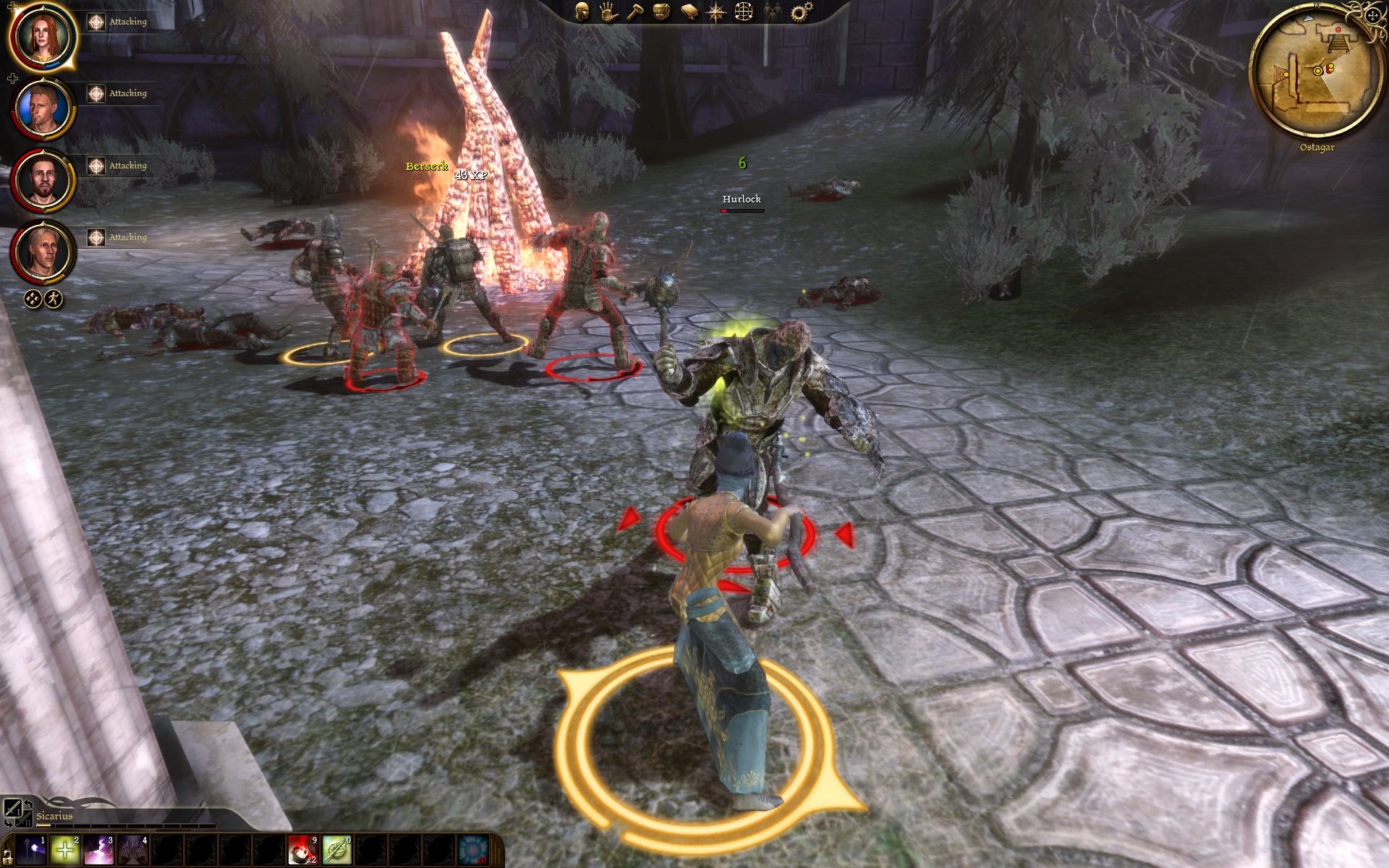
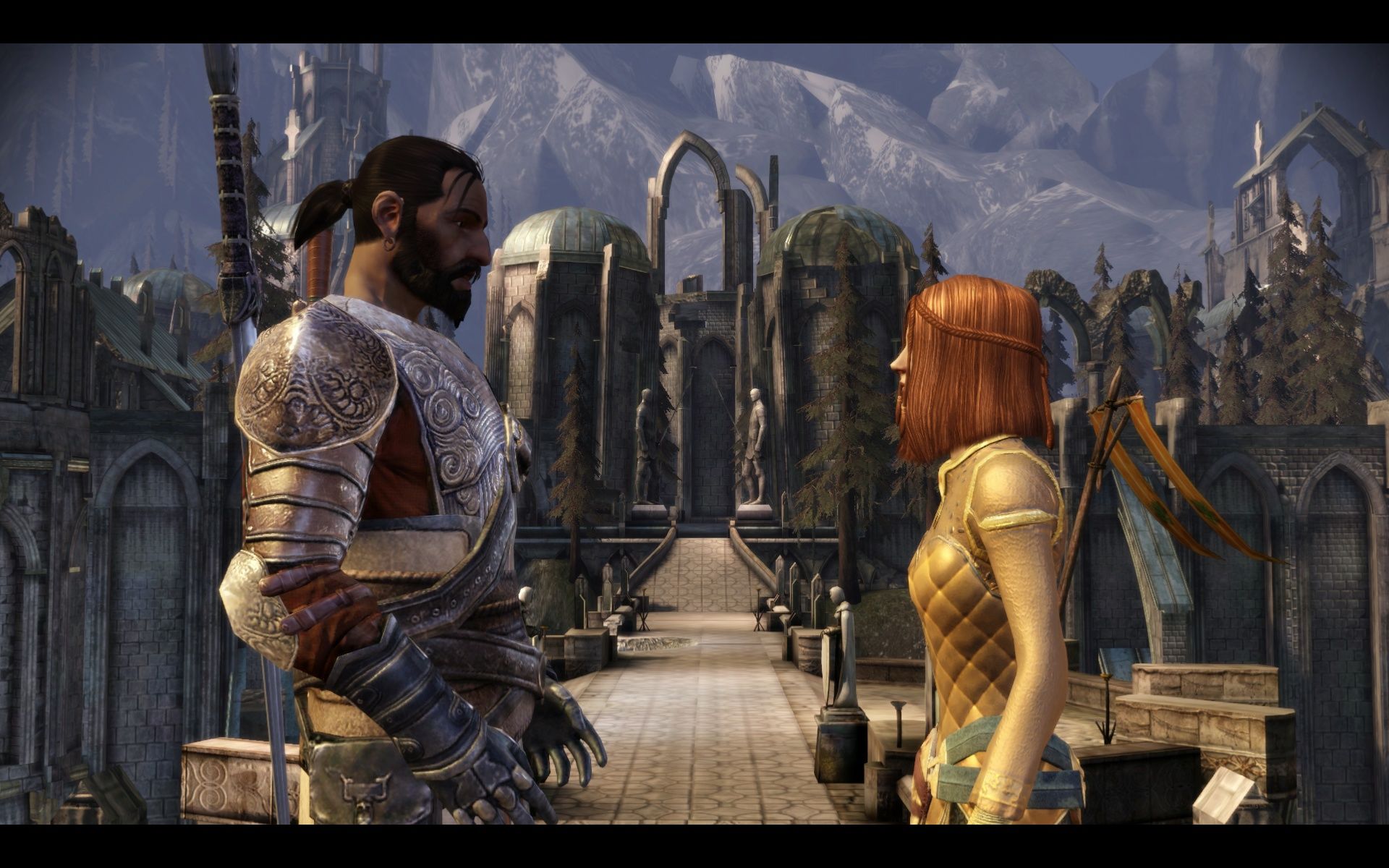
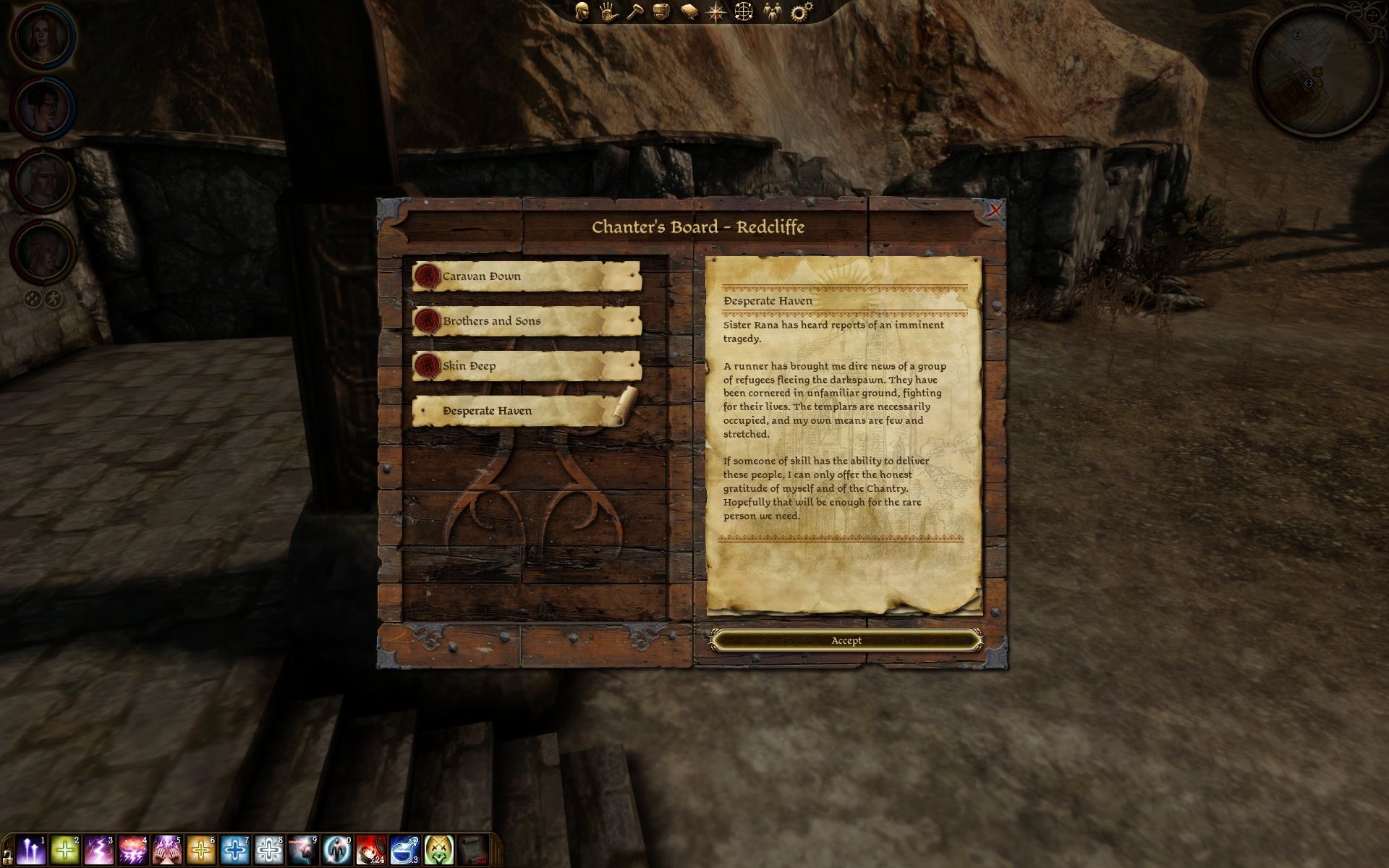
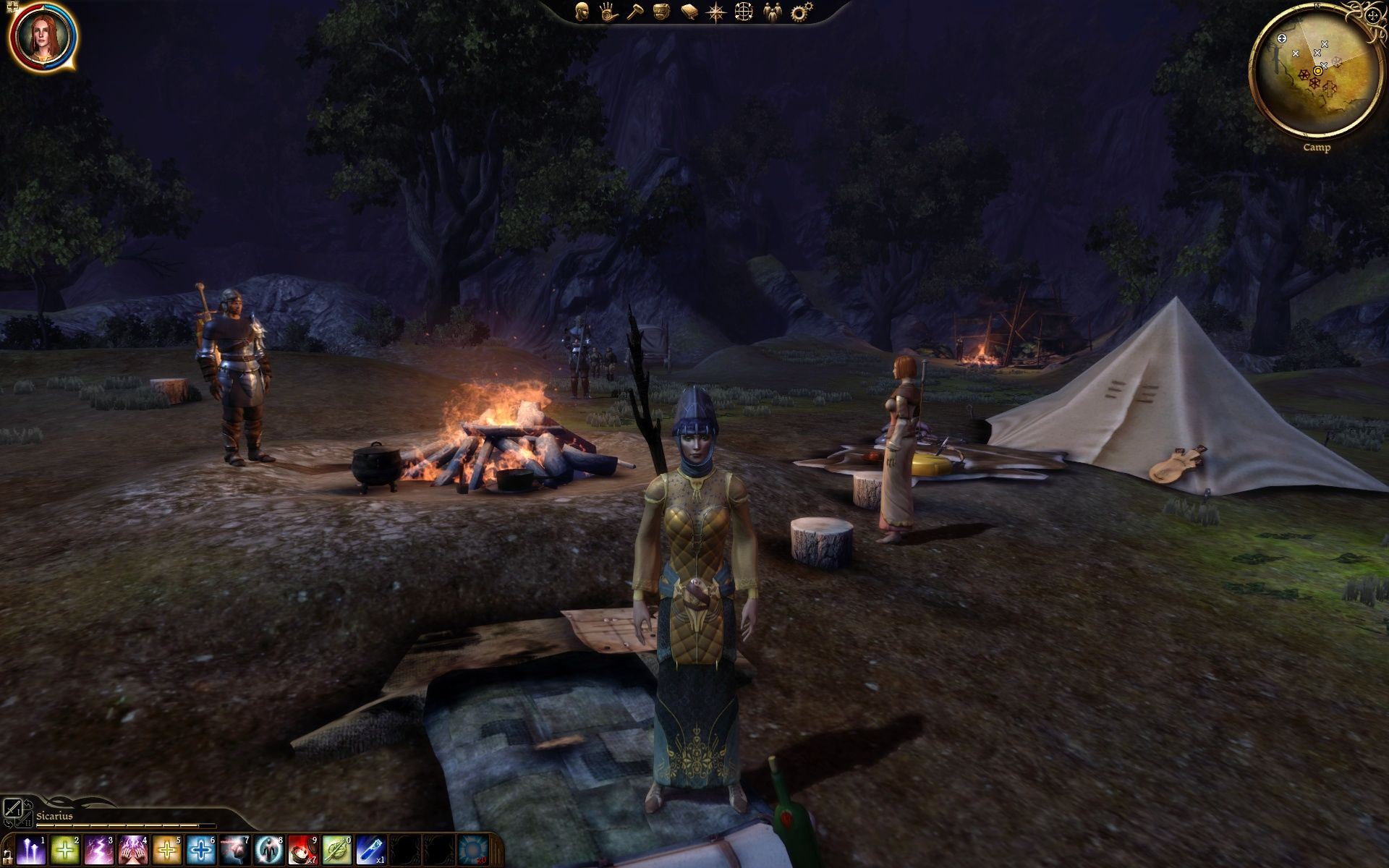

Dragon Age: Origins
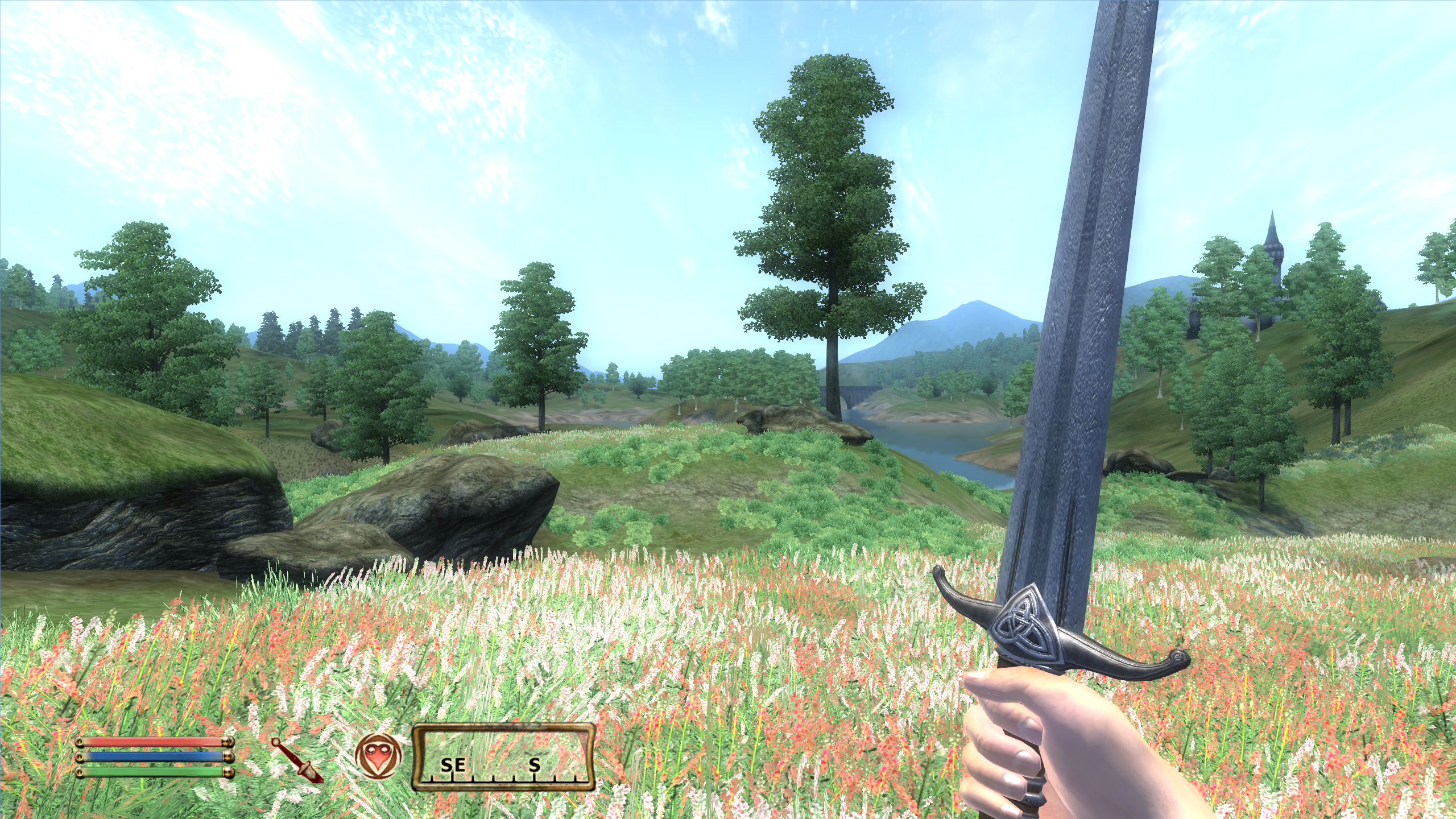

The Elder Scrolls IV: Oblivion



Chrono Trigger

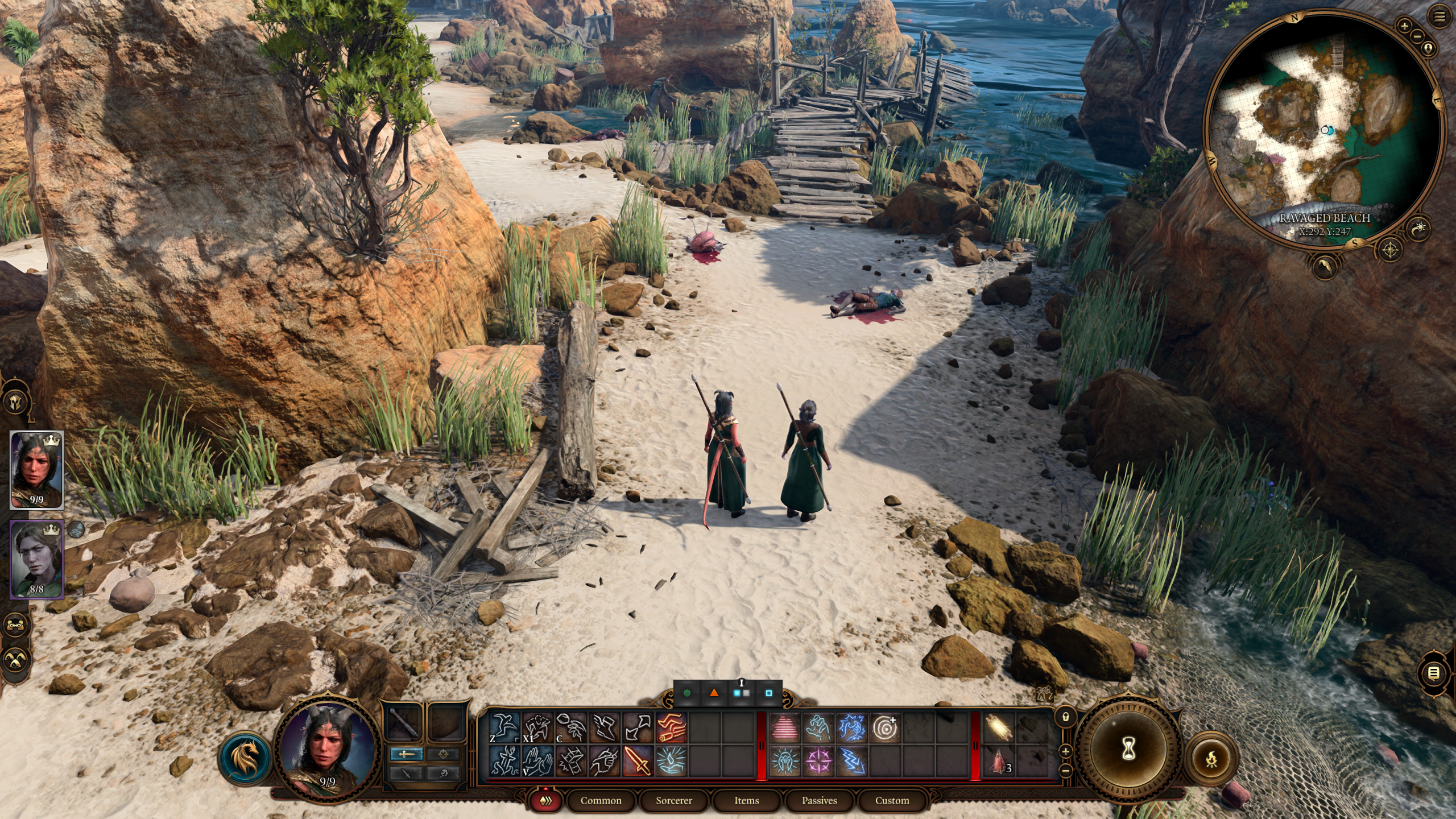

Baldur's Gate III
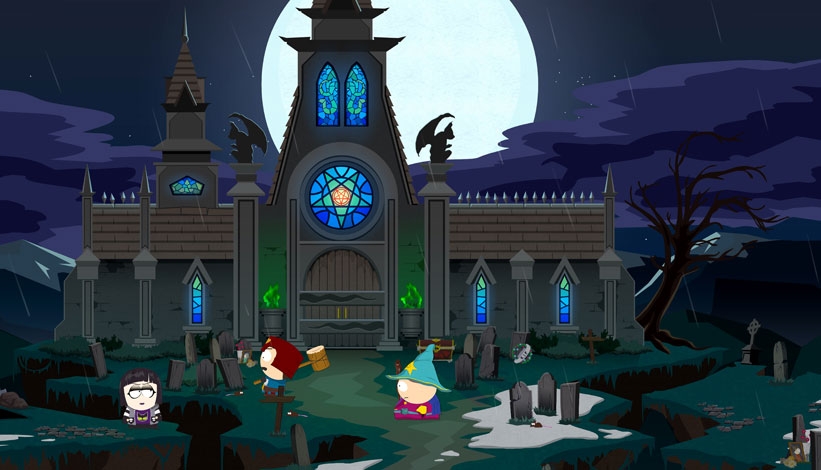

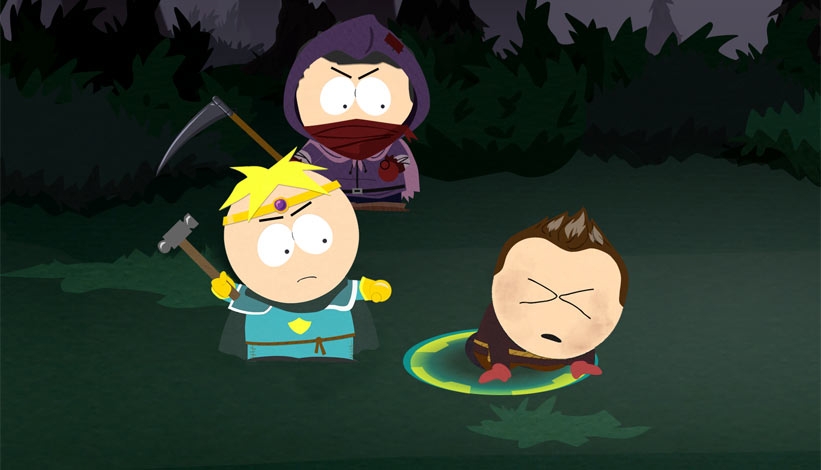

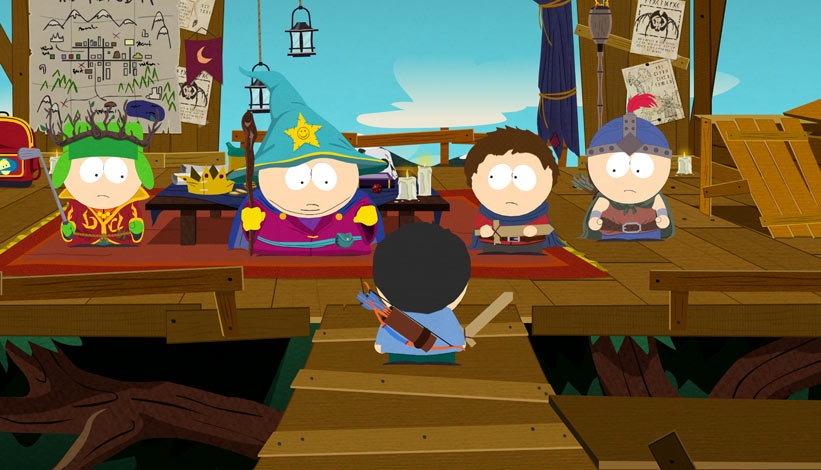

South Park: The Stick of Truth
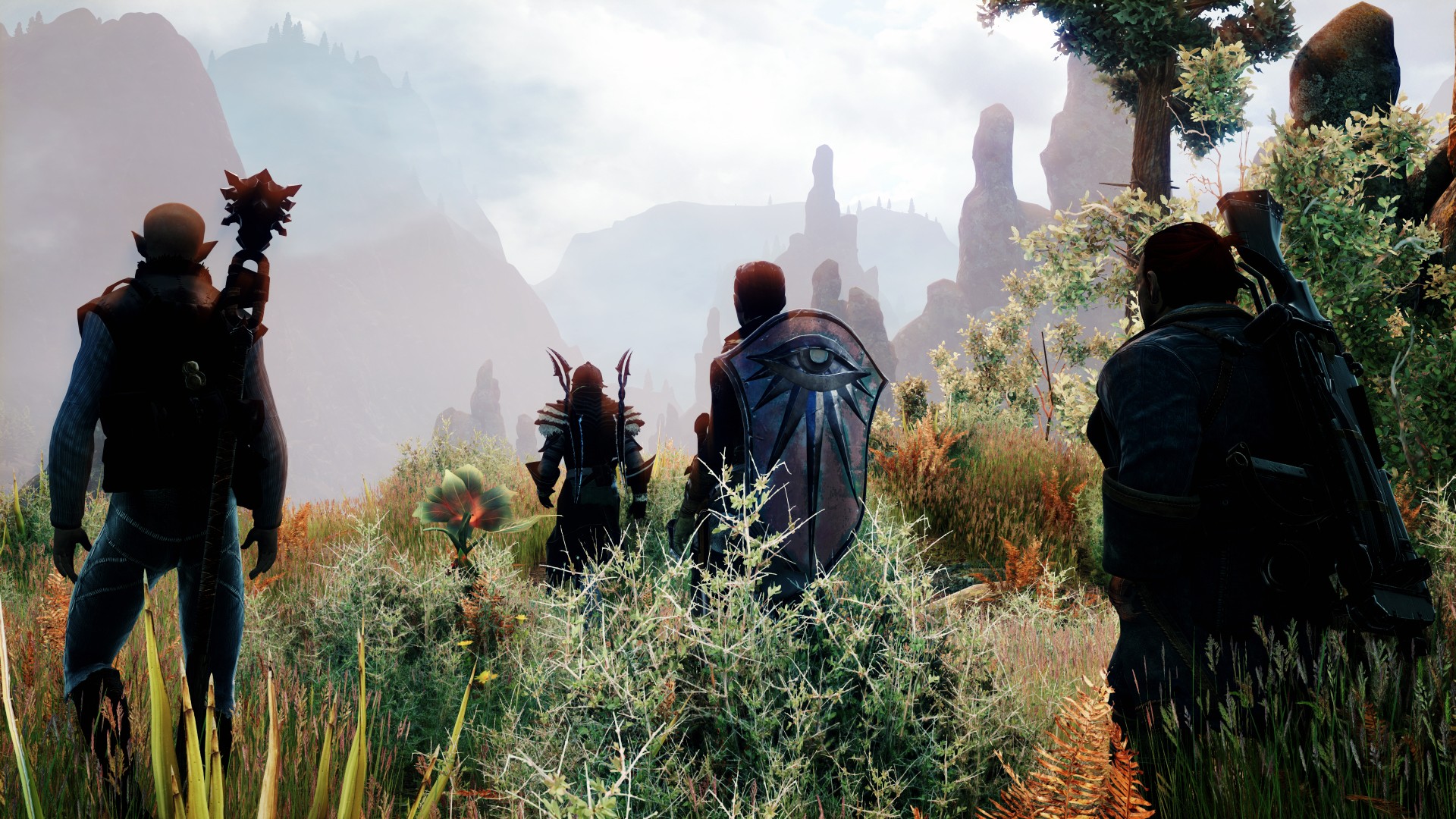
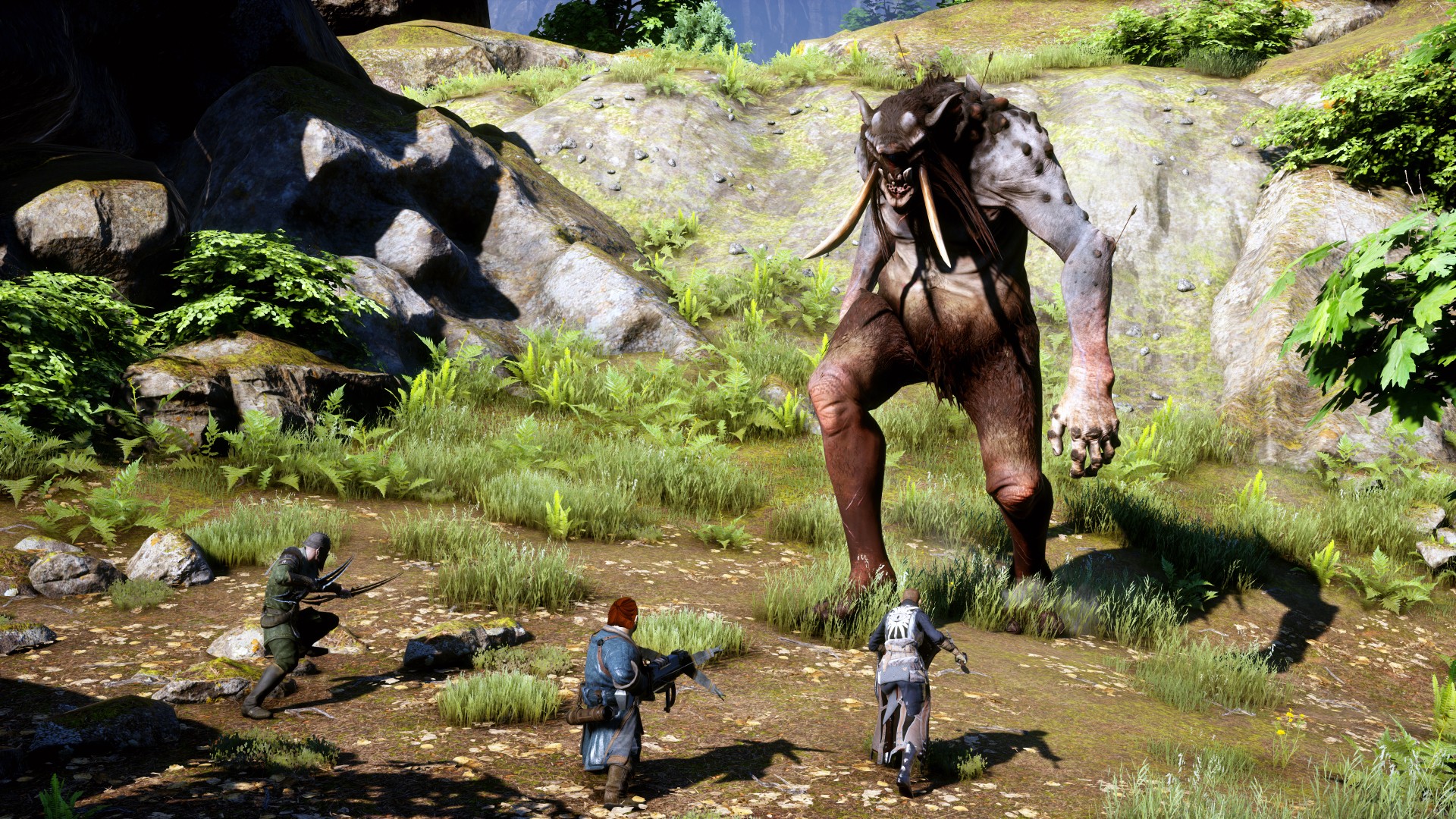


Dragon Age: Inquisition

Final Fantasy IX


Final Fantasy III

Dota 2

Heroes of Might and Magic III: The Restoration of Erathia