Game Info
↑ Back to top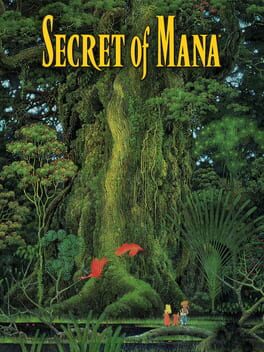

Secret of Mana
Series:
Genres:
Themes:
Perspectives:
Game Modes:
Overview
↑ Back to topDescription from IGDB IGDB
Initially released in Japan in 1993, Secret of Mana took the world by storm with its innovative real-time battle system and gorgeously rendered world. It continues to stand out among other action RPGs for its seamless gameplay that anyone from beginner to veteran can enjoy. One of the most memorable elements of the Mana series is the Ring Command menu system. With the single press of a button, a ring-shaped menu appears on the screen, where players can use items, change weapons, and do a variety of other actions without needing to switch screens. This Ring Command menu system for which the Mana series is so well known was first introduced in Secret of Mana and has since appeared in most games in the series. Play as Randi and his two companions, Primm and Popoi, as they adventure all around the world. At the center of our epic story is the mystical power of Mana. Battle the empire in its quest for control of Mana. Befriend the eight elementals who wield the forces of nature itself. Numerous encounters await at every turn.
Storyline IGDB
Wikipedia Description WIKIPEDIA
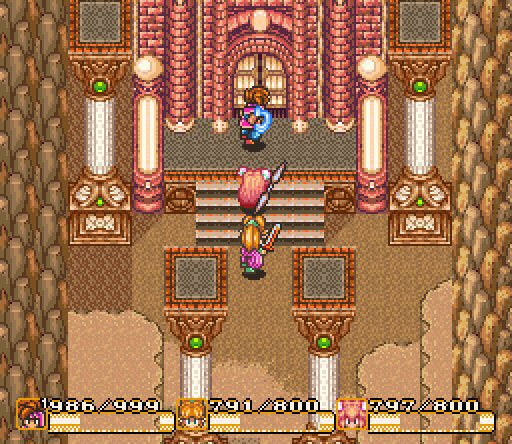
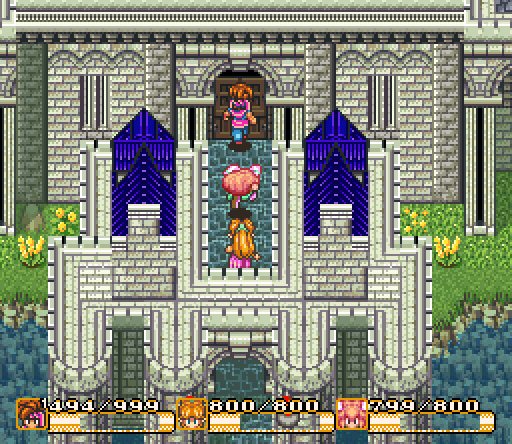
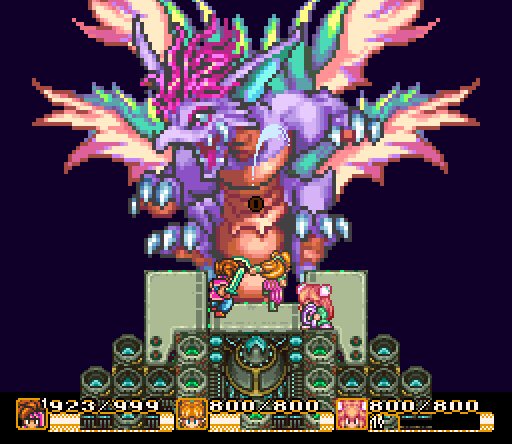
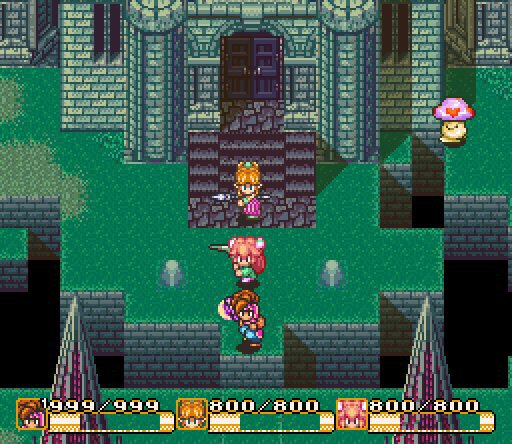
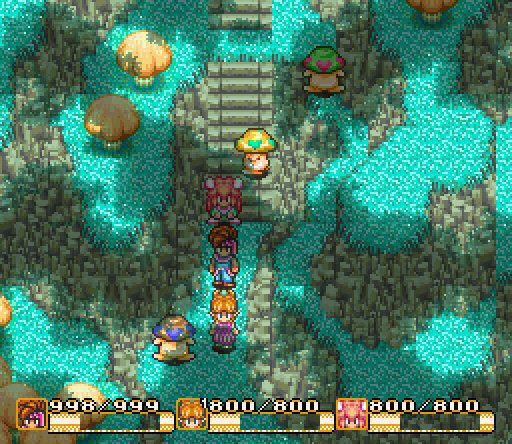
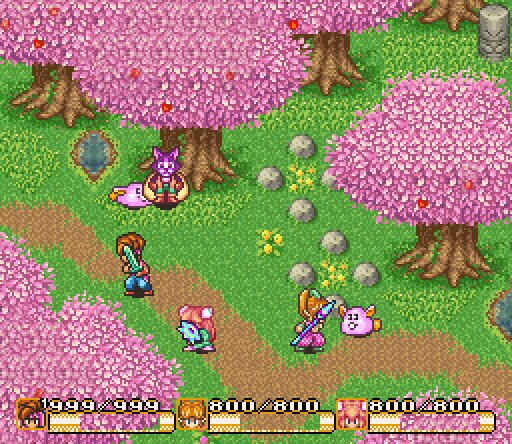
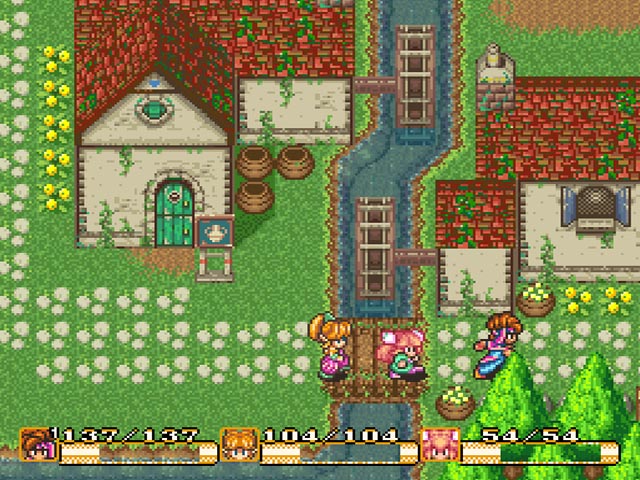
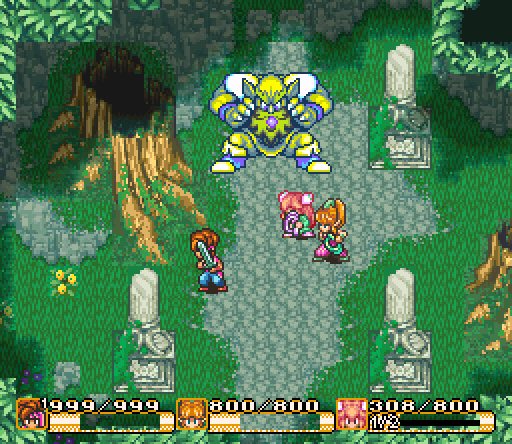
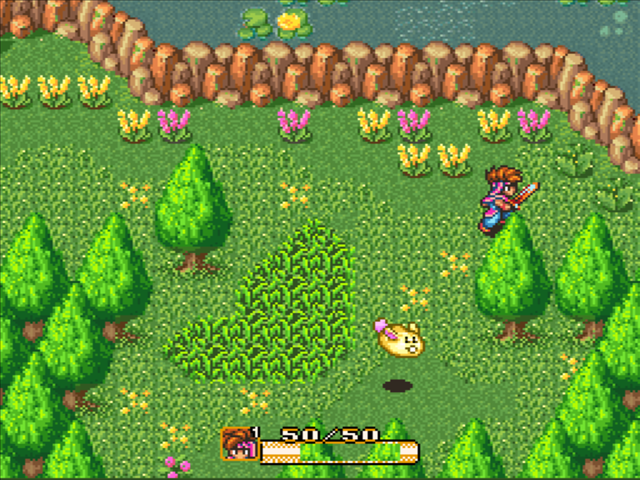
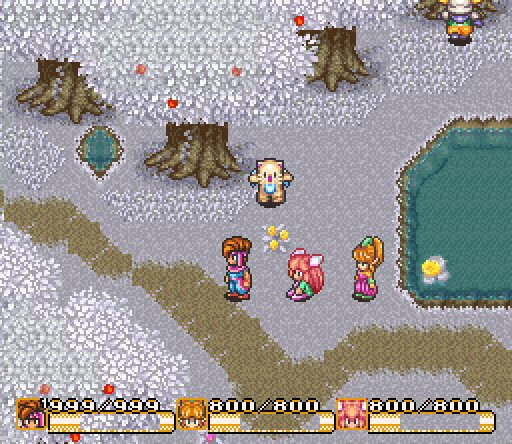
Like many other role-playing games of the 16-bit era, Secret of Mana displays a top-down perspective, in which the player characters navigate the terrain and fight off hostile creatures. The game features three such characters: the hero, the girl, and the sprite, named Randi, Primm, and Popoi outside the initial North American and European releases. The player can also choose their own names for them. The player can choose to control each of the characters at any time; whichever character is currently selected, the other two companions are controlled via artificial intelligence. The game may be played simultaneously by up to three players, made possible by the Super Multitap accessory for the Super NES console. The Virtual Console version of the game supports three-player gameplay via additional GameCube controllers or Classic Controllers. Each character possesses individual strengths and weaknesses. The hero, while unable to use magic, masters weapons at a quicker rate; the girl is a healer, able to cast restorative and support spells; and the sprite casts offensive magic to damage and impair enemies. Upon collecting enough experience points in battle, each character increases in level and improves in areas such as strength and evasion. The trio can rest in towns, where they can regain hit points or purchase restorative items and equipment. Options such as changing equipment, casting spells, or checking status are performed by cycling through the game's Ring Commands, a circular menu which hovers over the currently controlled party member. The game is momentarily paused whenever the Ring Commands appear. Combat takes place in real-time. Located at the bottom of the screen is a power bar, a gauge that determines the amount of damage done to an enemy when attacking. Swinging a weapon causes the gauge to empty and then quickly recharge, allowing that character to attack at full strength. The party wields eight different types of weaponry: sword, spear, bow, axe, boomerang, glove, whip, and javelin. All weapons can be upgraded eight times, and repeated use of a weapon increases its skill level to a maximum of eight, unlocking a new special attack with each level. Weapons are upgraded with Weapon Orbs, which are found in dungeons or earned by defeating certain bosses. The player takes each Orb to a blacksmith, located in most towns, who uses it to reforge one weapon. In order to learn magic, the party must rescue spirits known as Elementals. The eight Elementals represent different elements—such as water, earth, and life—and each provides the player with specific spells. Magic has skill levels similar to weapons, but each magic spell costs magic points to cast. At the start of the game, to reach a destination, players must traverse an enemy-infested countryside. Travel may be expedited with Cannon Travel Centers, where the party may be launched to faraway destinations via a giant cannon. Cannon Travel usually requires a fee, but is mandatory to visit other continents later on. Later, the party is given access to Flammie, a miniature dragon which is controlled by the player and able to fly freely across the world, represented by an overworld map. These sequences make use of the SNES's Mode 7 capability to create a rotatable background, giving the illusion that the ground beneath Flammie is rendered in three dimensions. While riding Flammie, the player may access either the "rotated map", which presents the world as a globe, or the "world map", a two-dimensional view of the overworld.
About Secret of Mana
Secret of Mana is a Open World, Role-playing (RPG), Squad Management game released in 1993 developed by Square that offers Co-operative, Multiplayer gameplay from a bird view / isometric perspective playable on Android, Super Famicom, Super NES CD-ROM System with 203 user ratings averaging 82.8/100. The game explores themes like Fantasy, Warfare. If you enjoy Secret of Mana, you might also like similar games in our database of 45,000+ titles.
Basic Info
Details
↑ Back to topAdditional Information
Платформы 7
Genres 3
Themes 2
Player Perspectives 1
Game Modes 3
Companies
↑ Back to topDevelopers
Square
No description available
Publishers
Square
No description available
Square Enix
No description available
Keywords
↑ Back to topScreenshots
↑ Back to top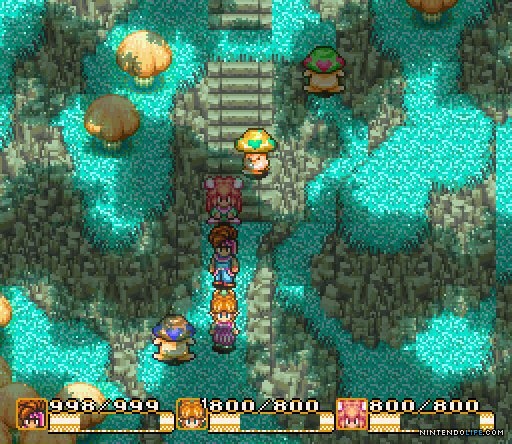
Similar Games
↑ Back to top
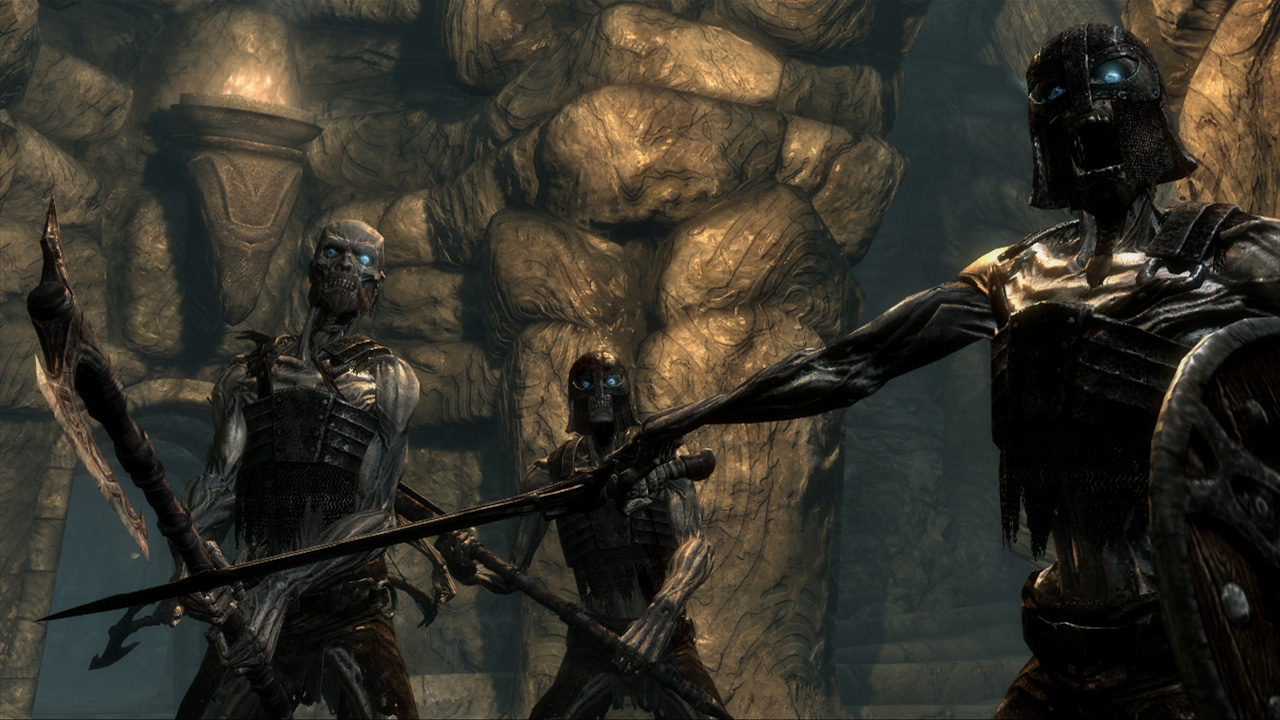
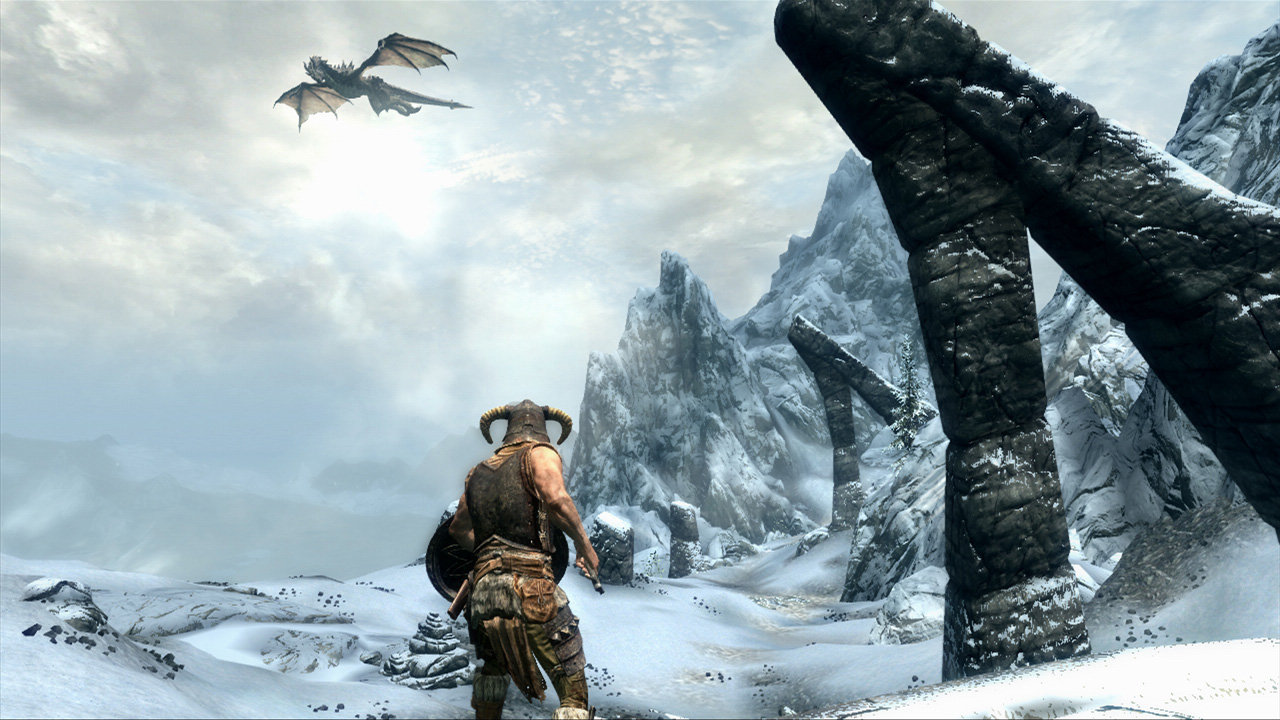
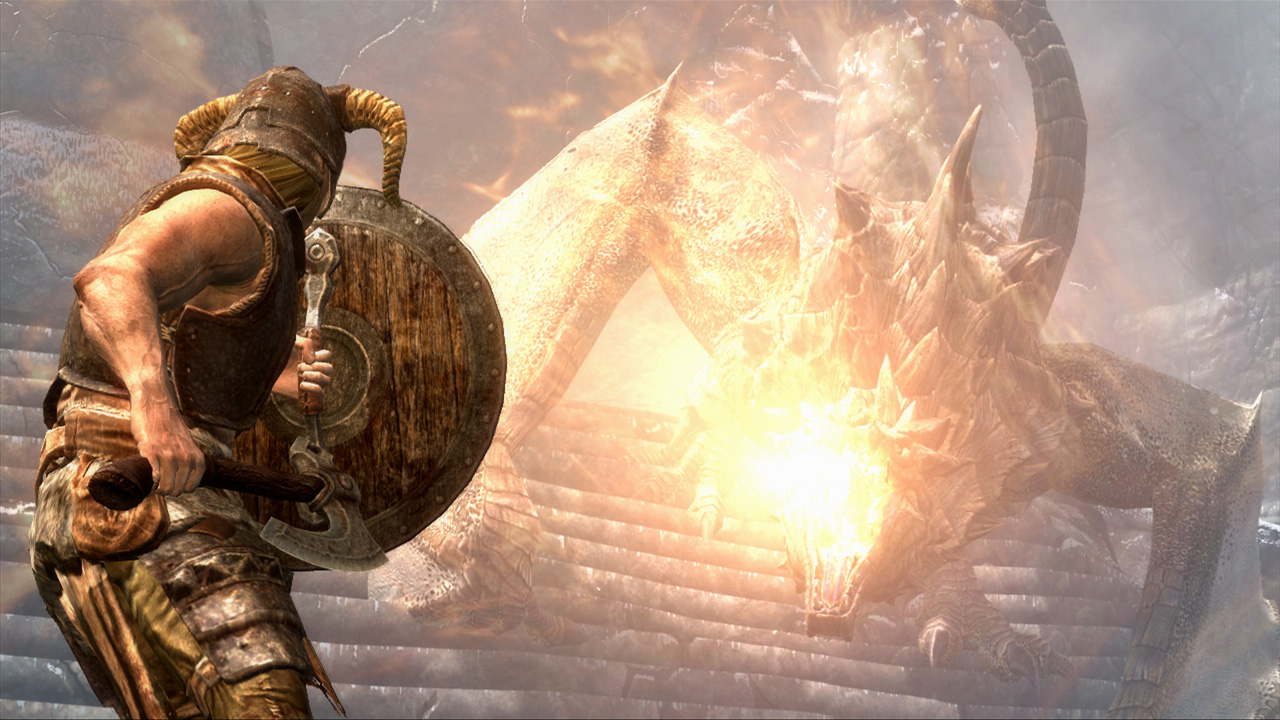
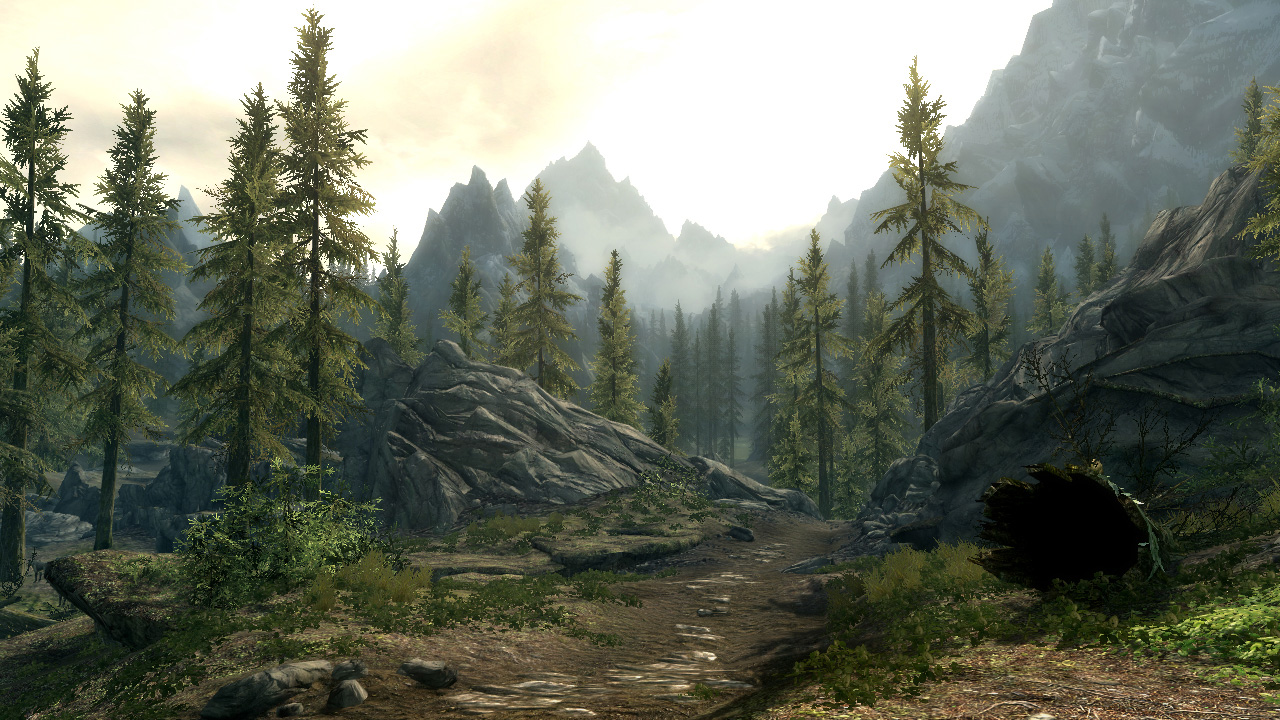
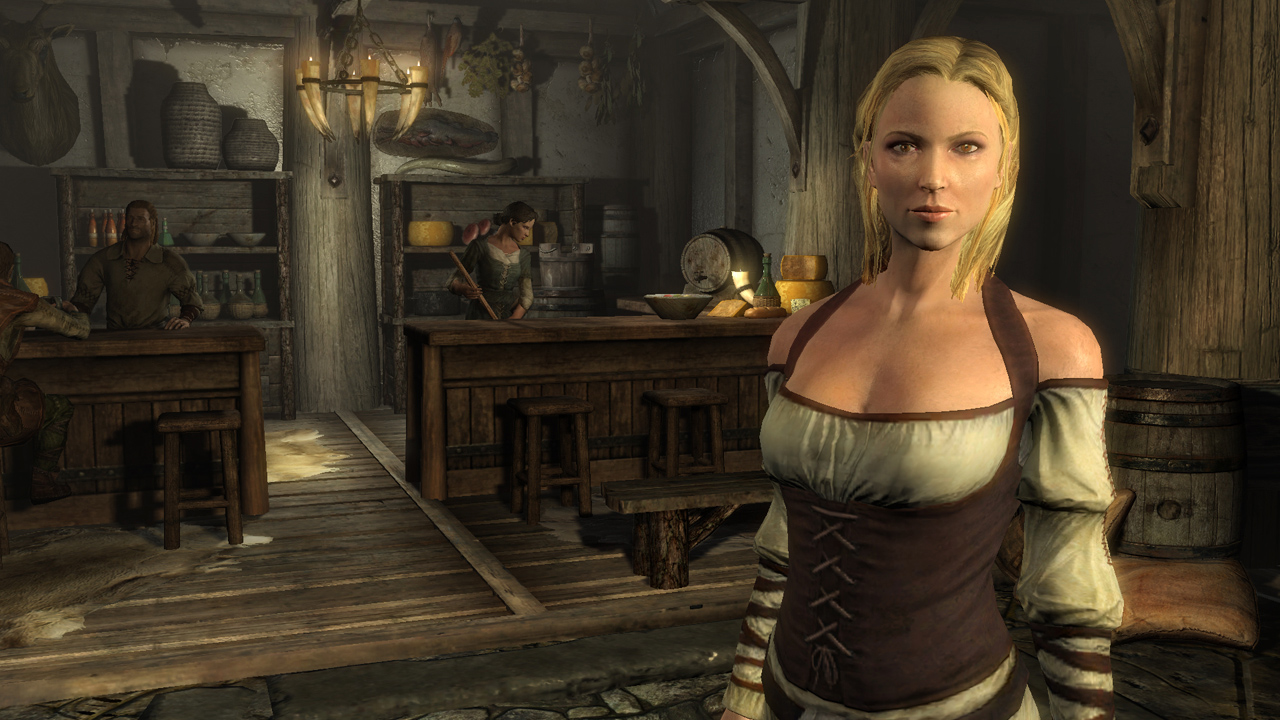
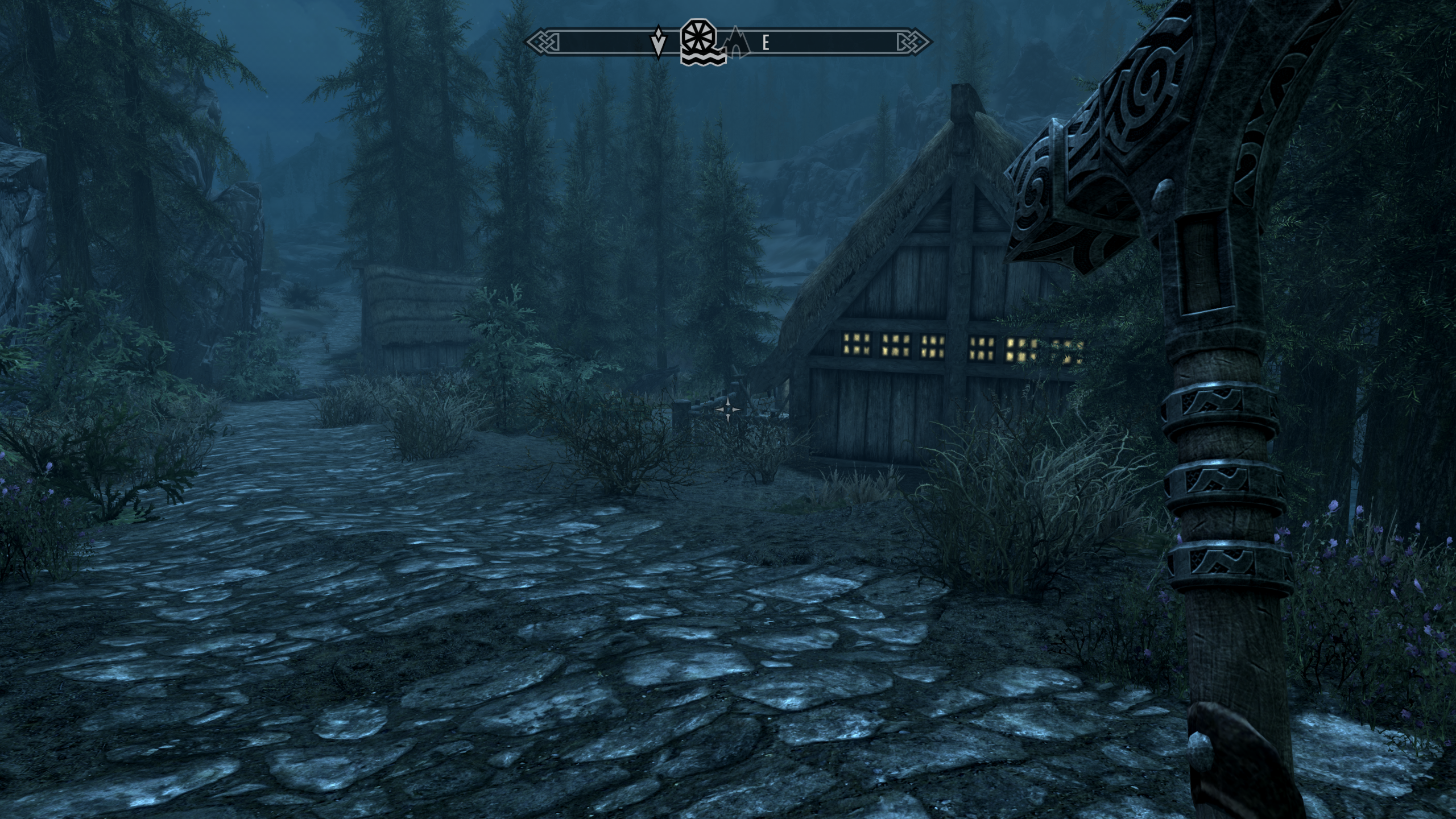
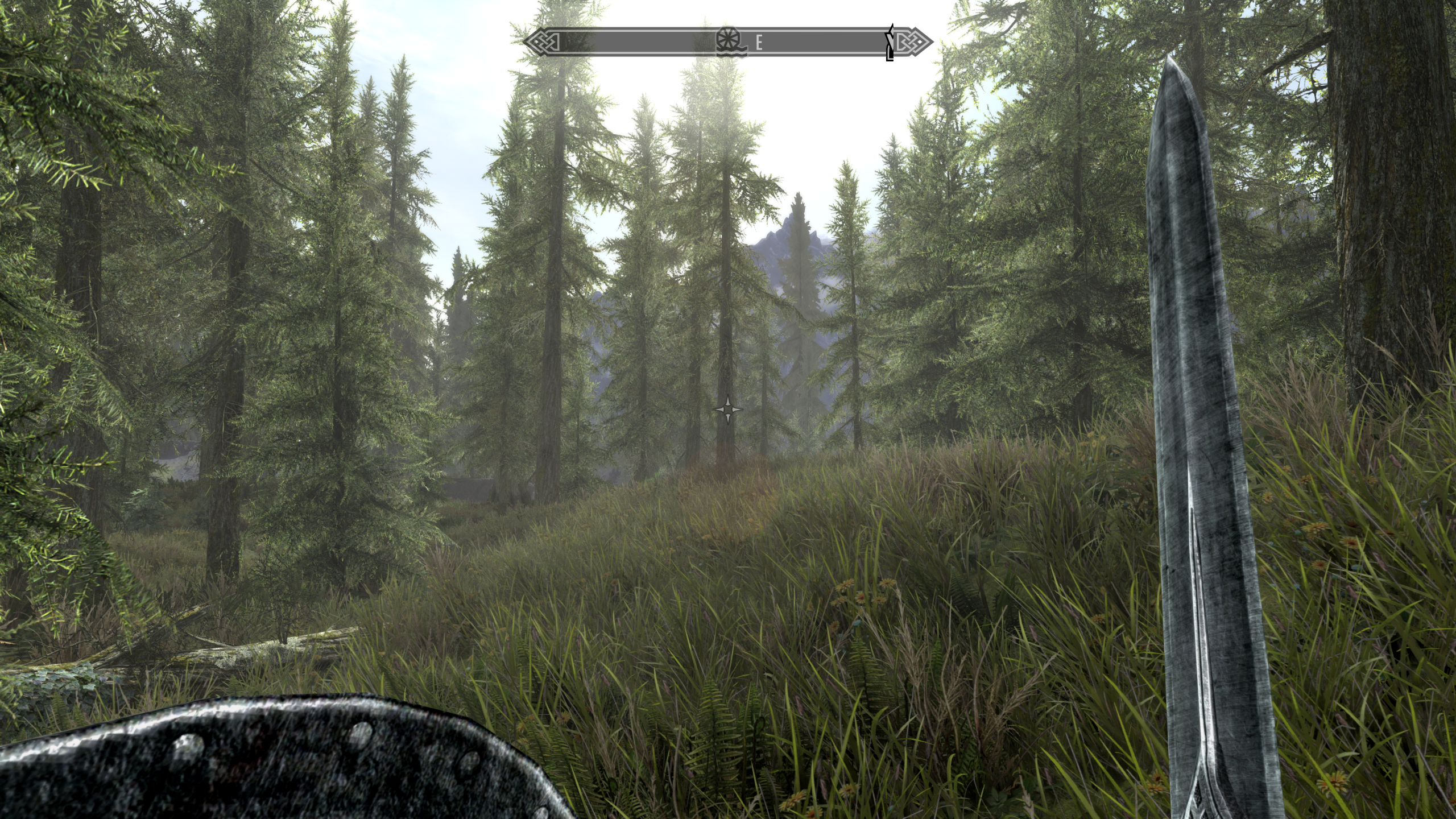

The Elder Scrolls V: Skyrim

Fallout 3
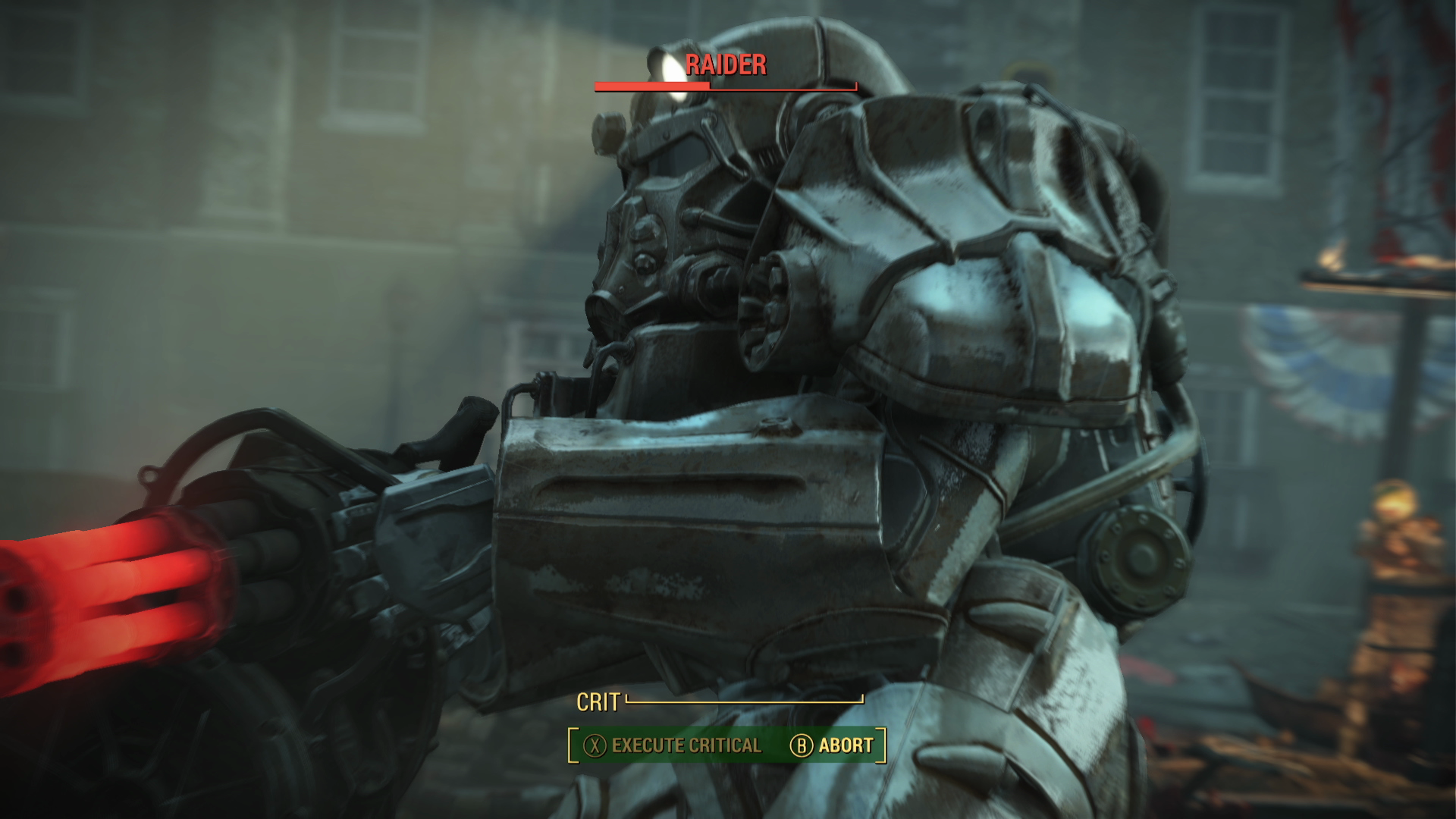
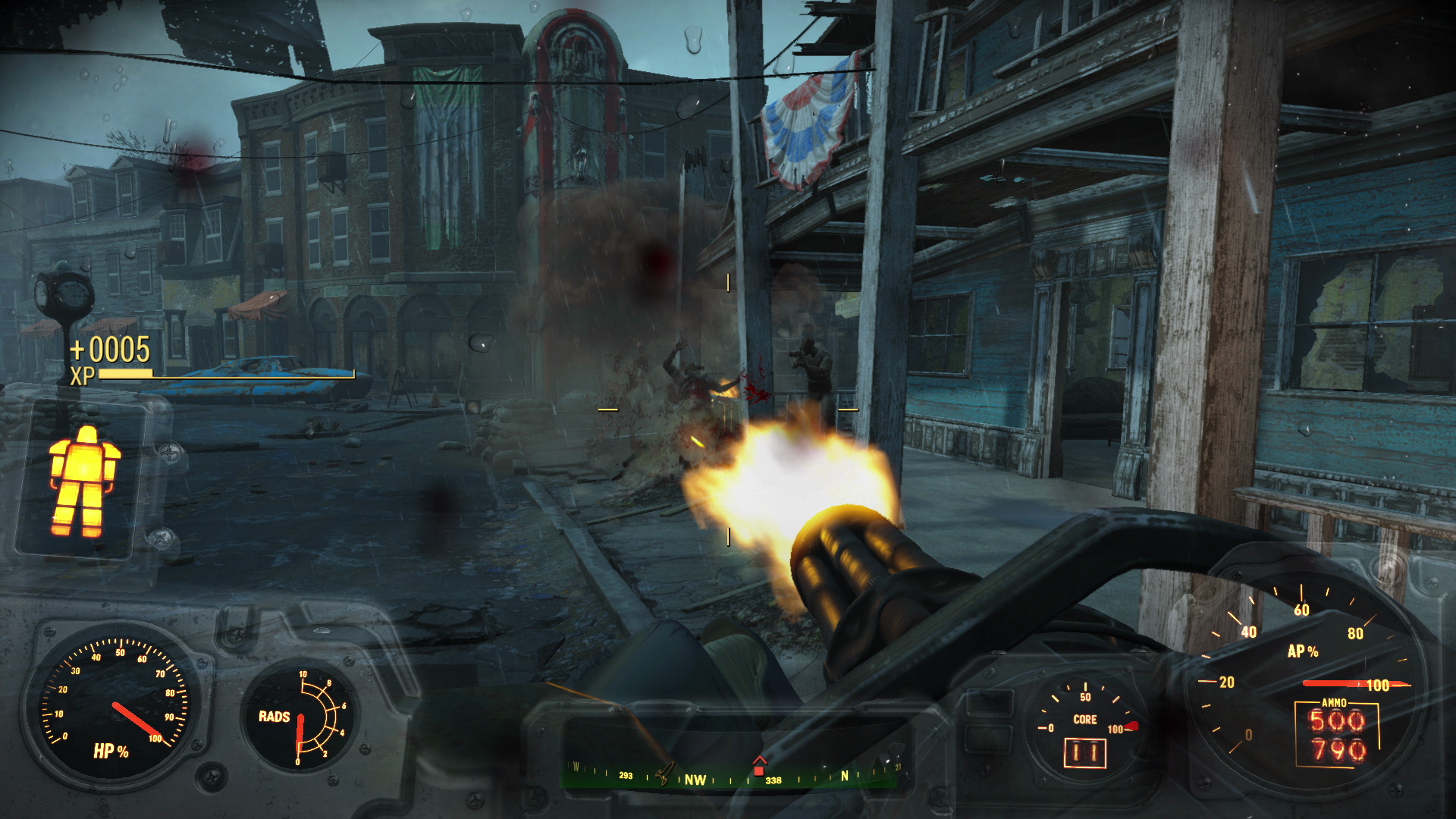
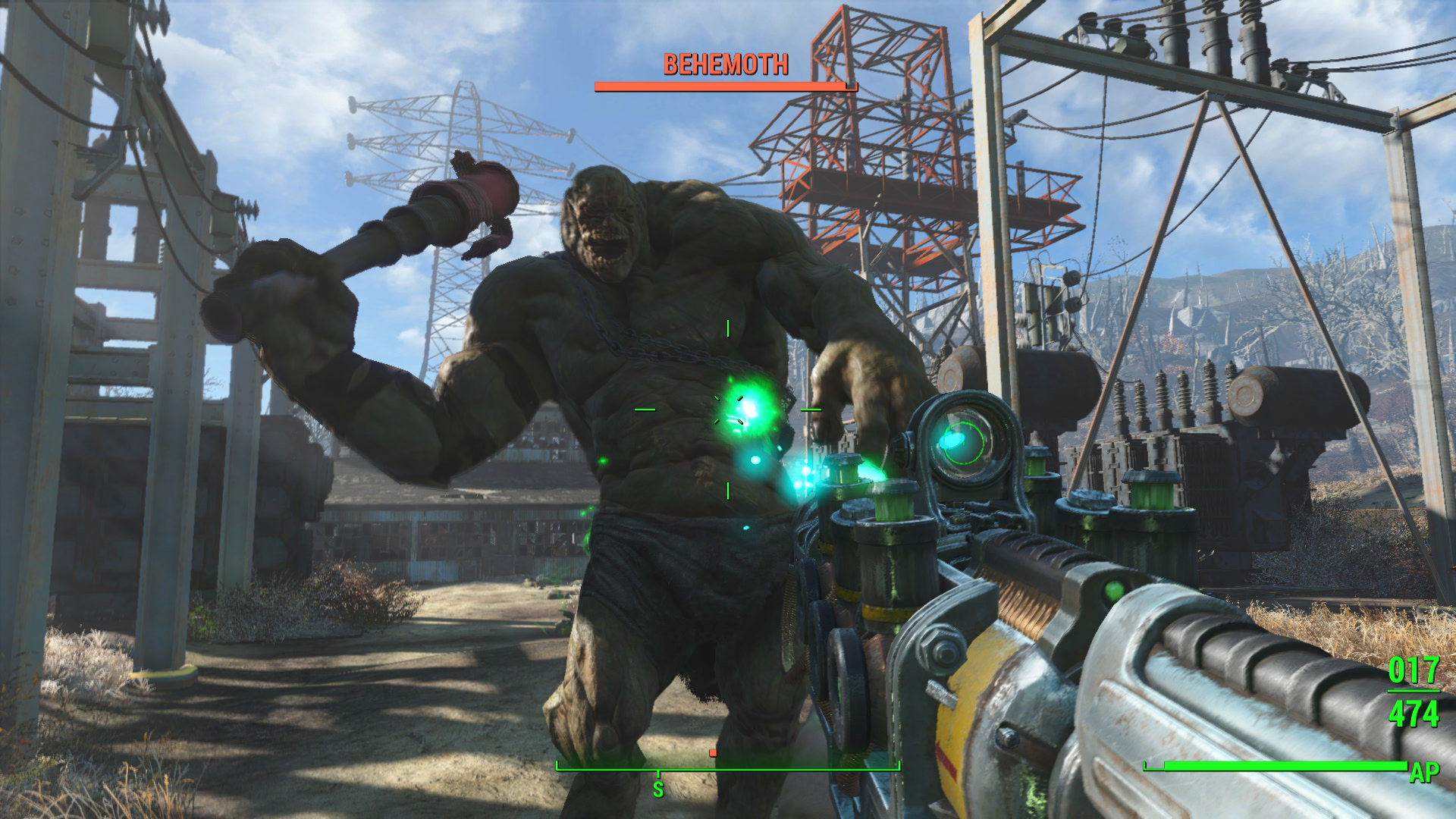
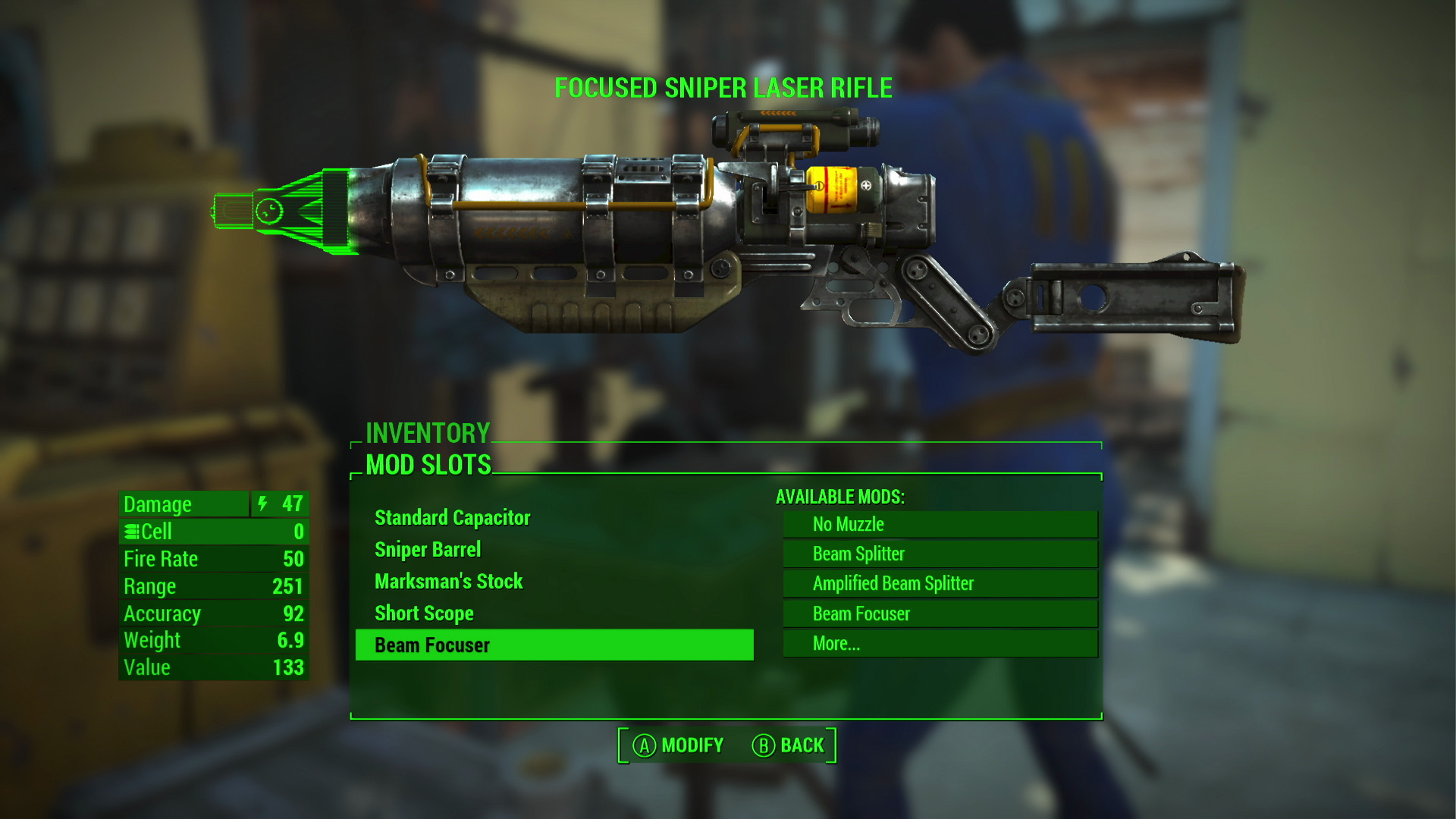

Fallout 4
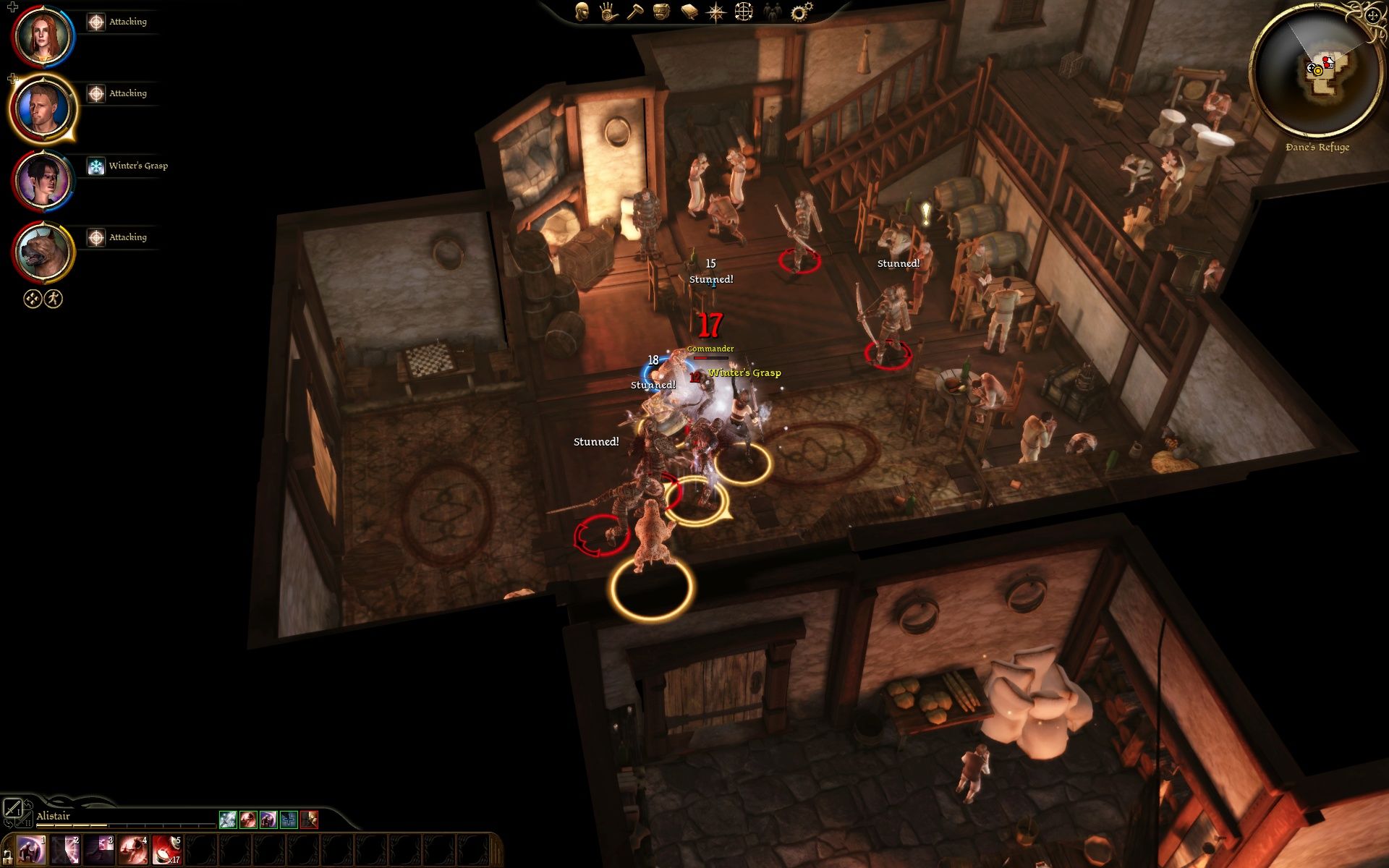
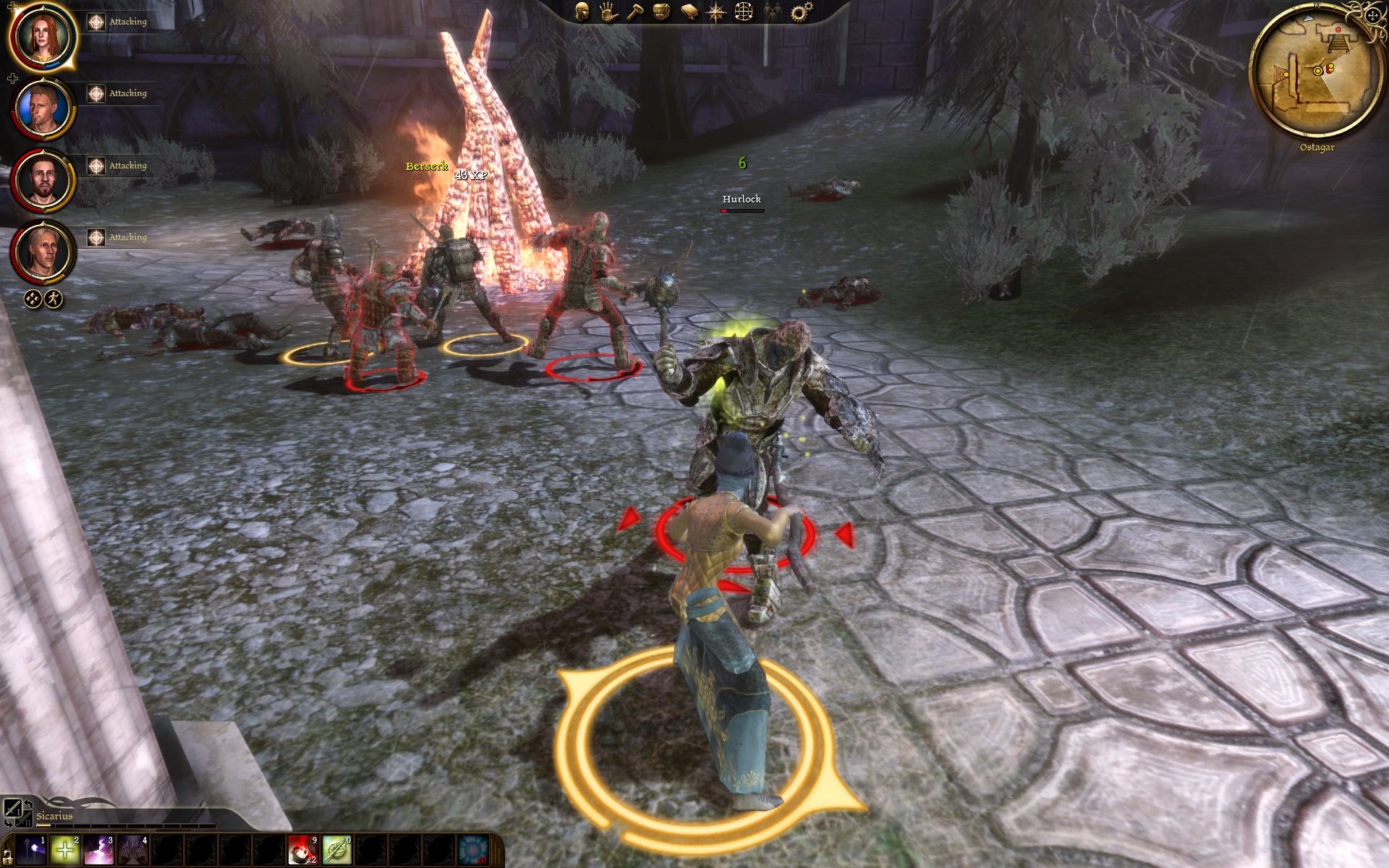
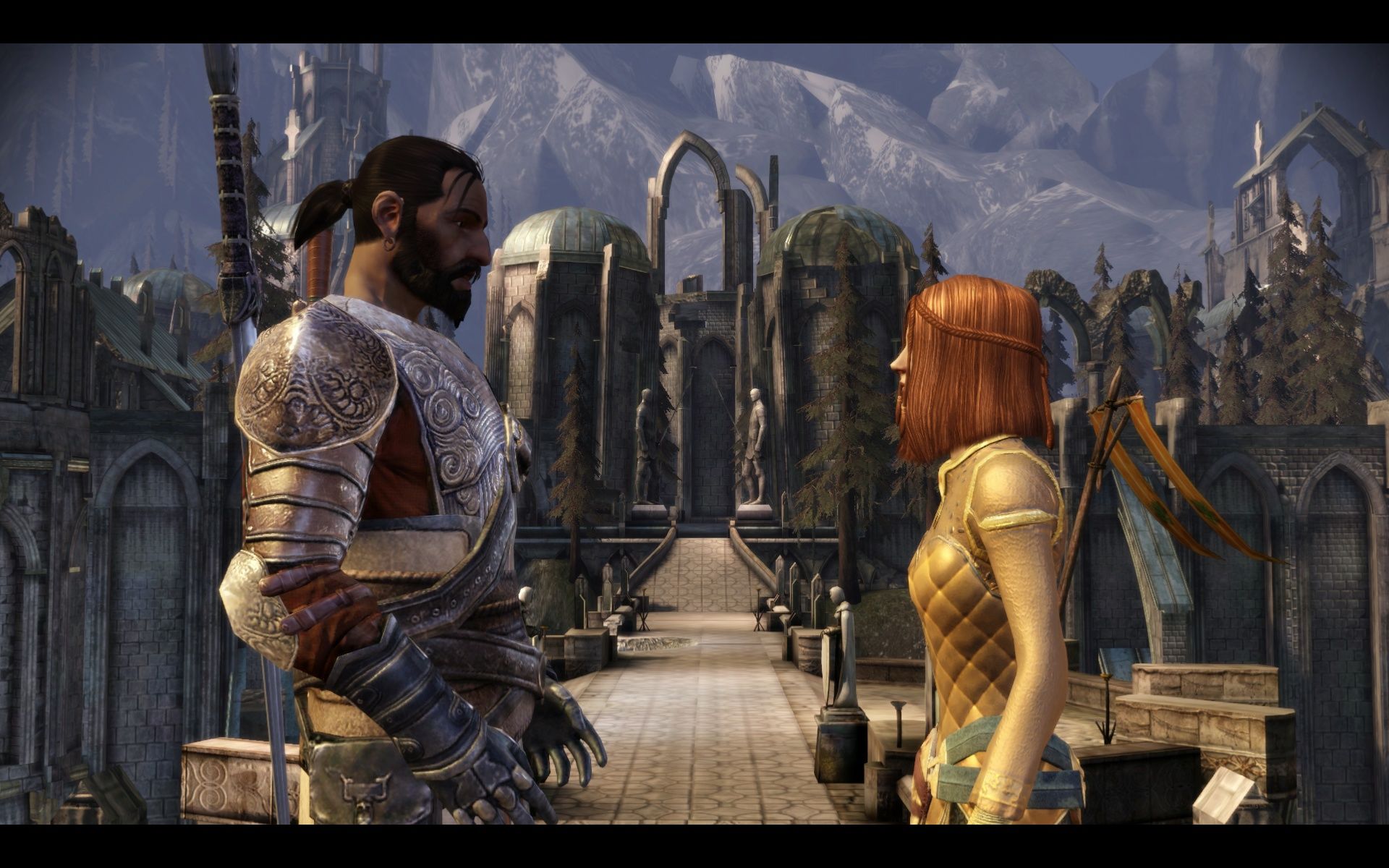
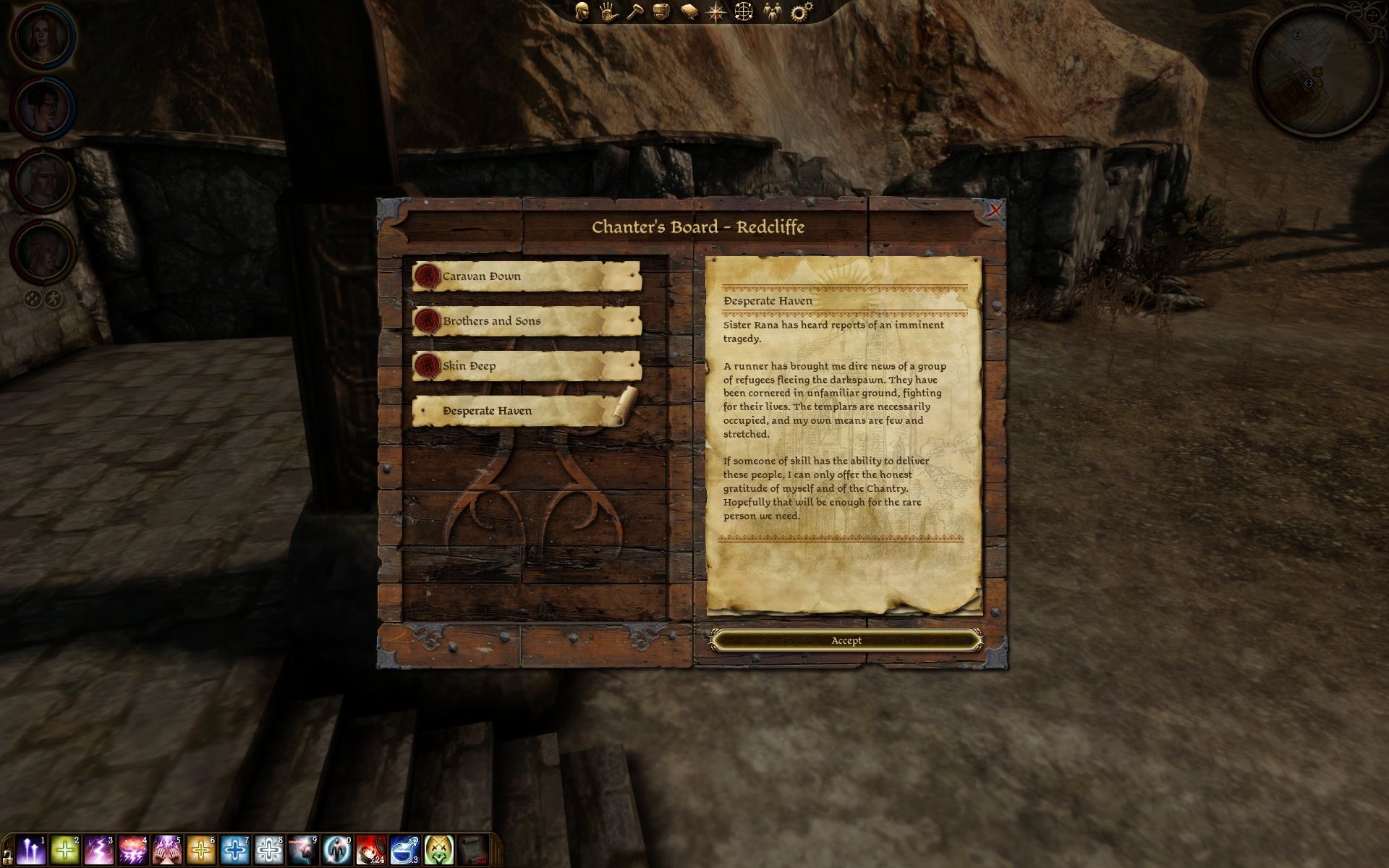
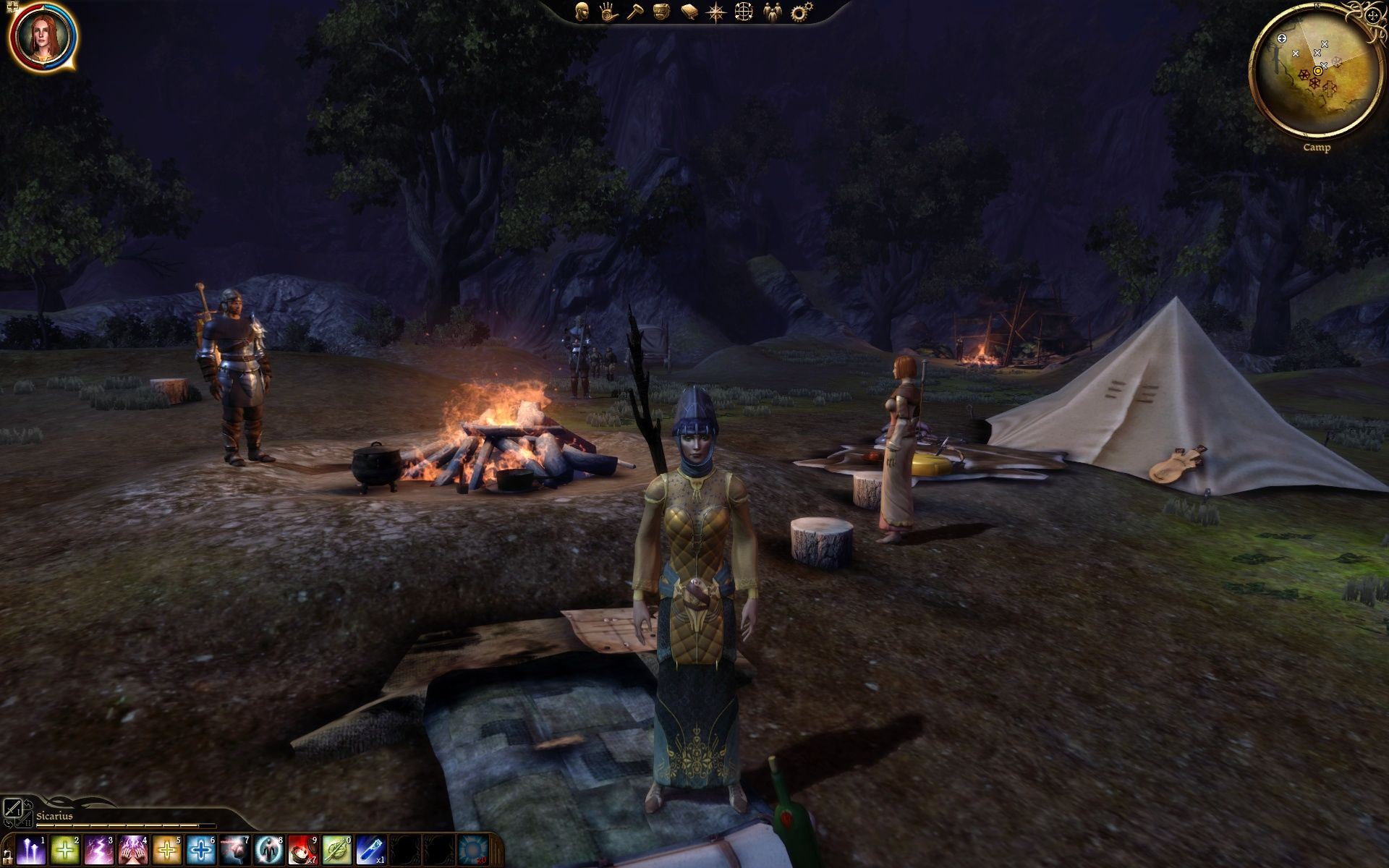
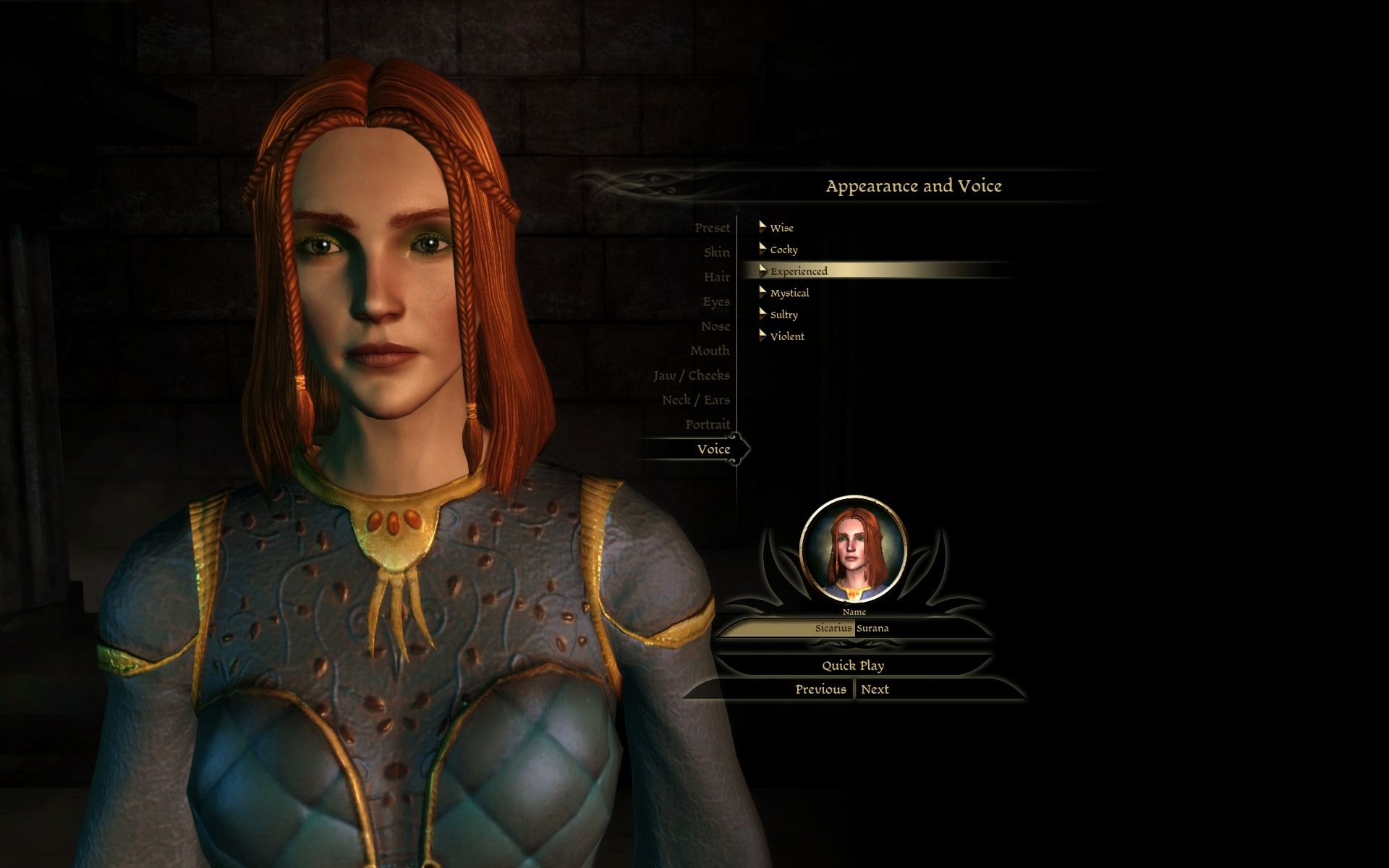

Dragon Age: Origins
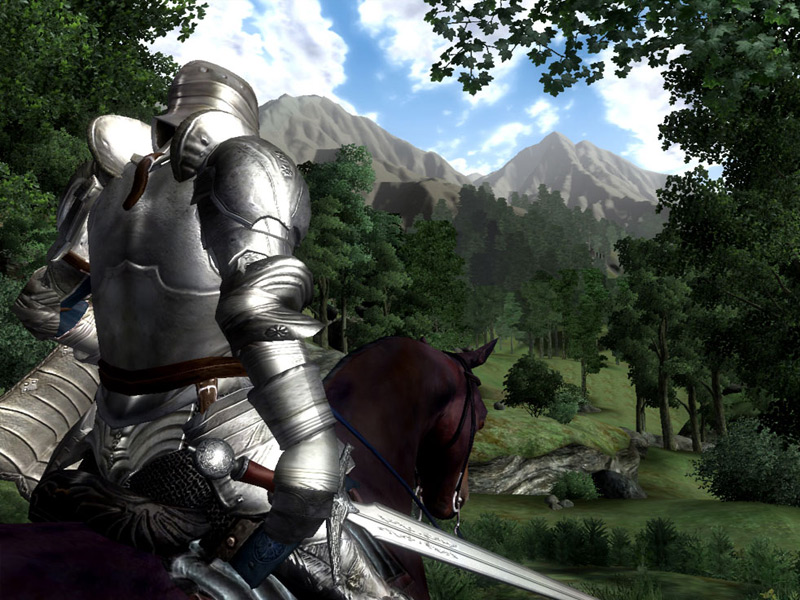
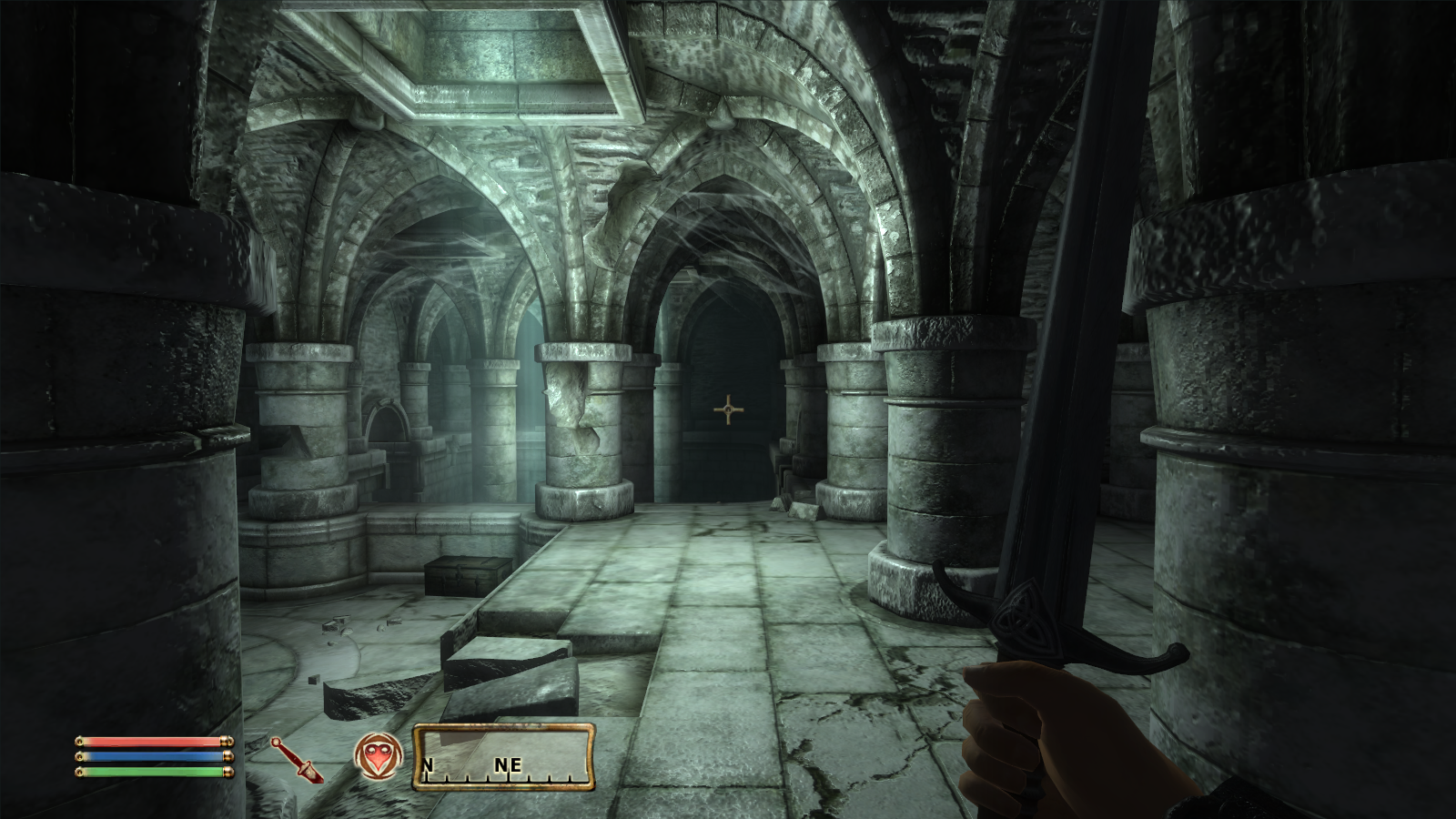
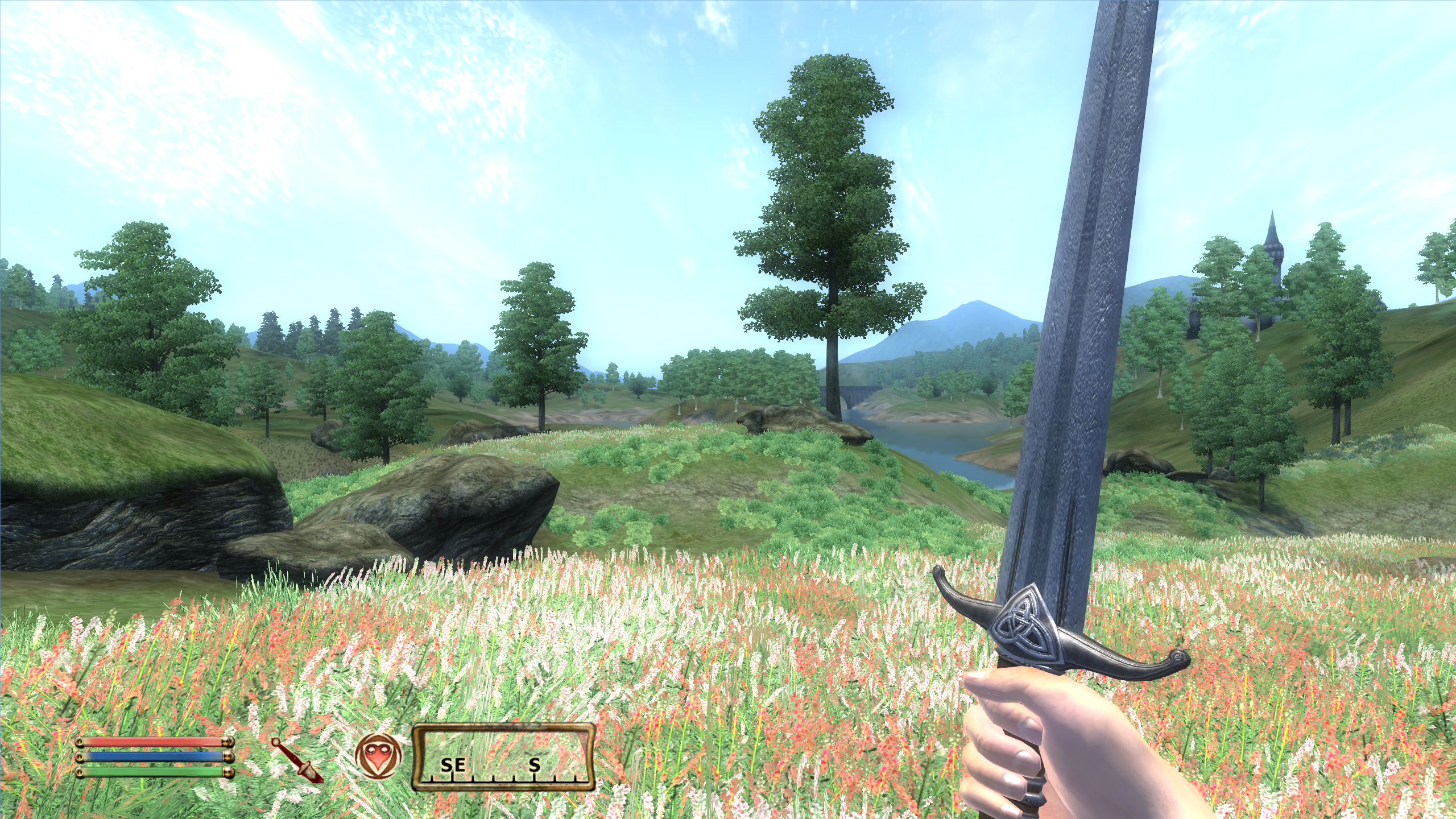

The Elder Scrolls IV: Oblivion
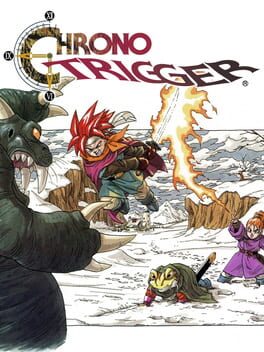


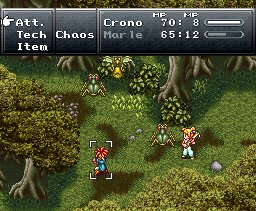

Chrono Trigger
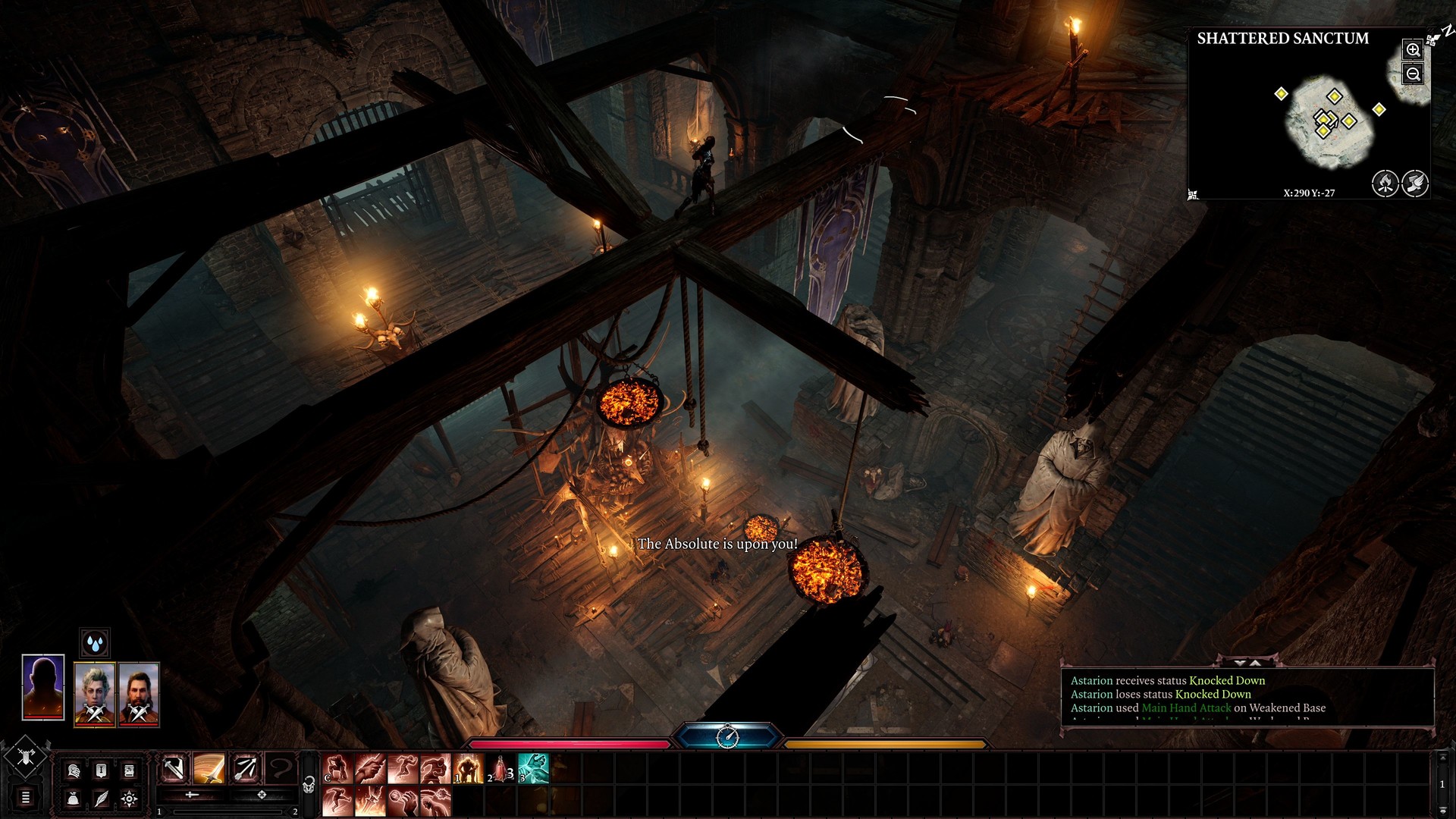
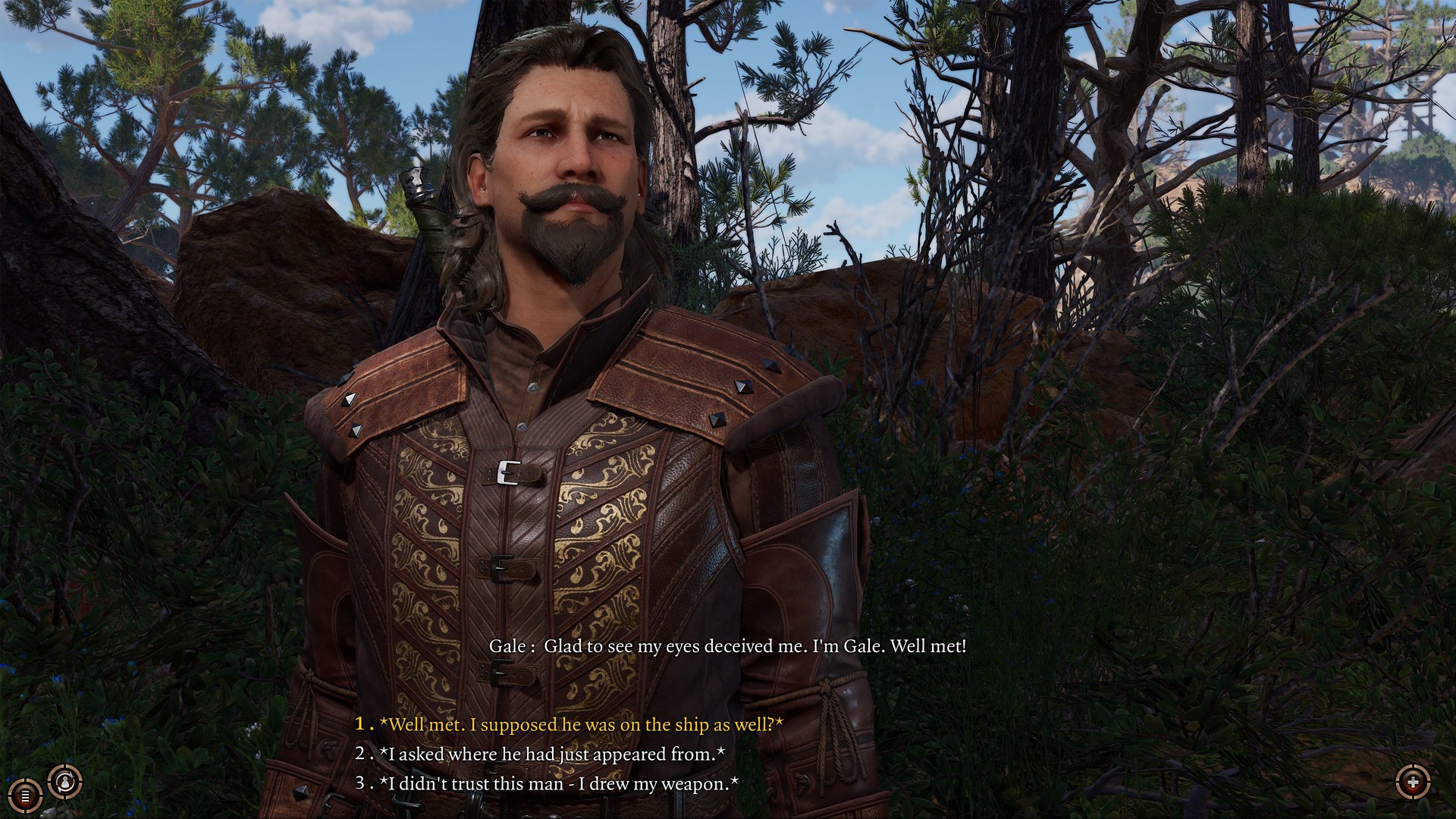
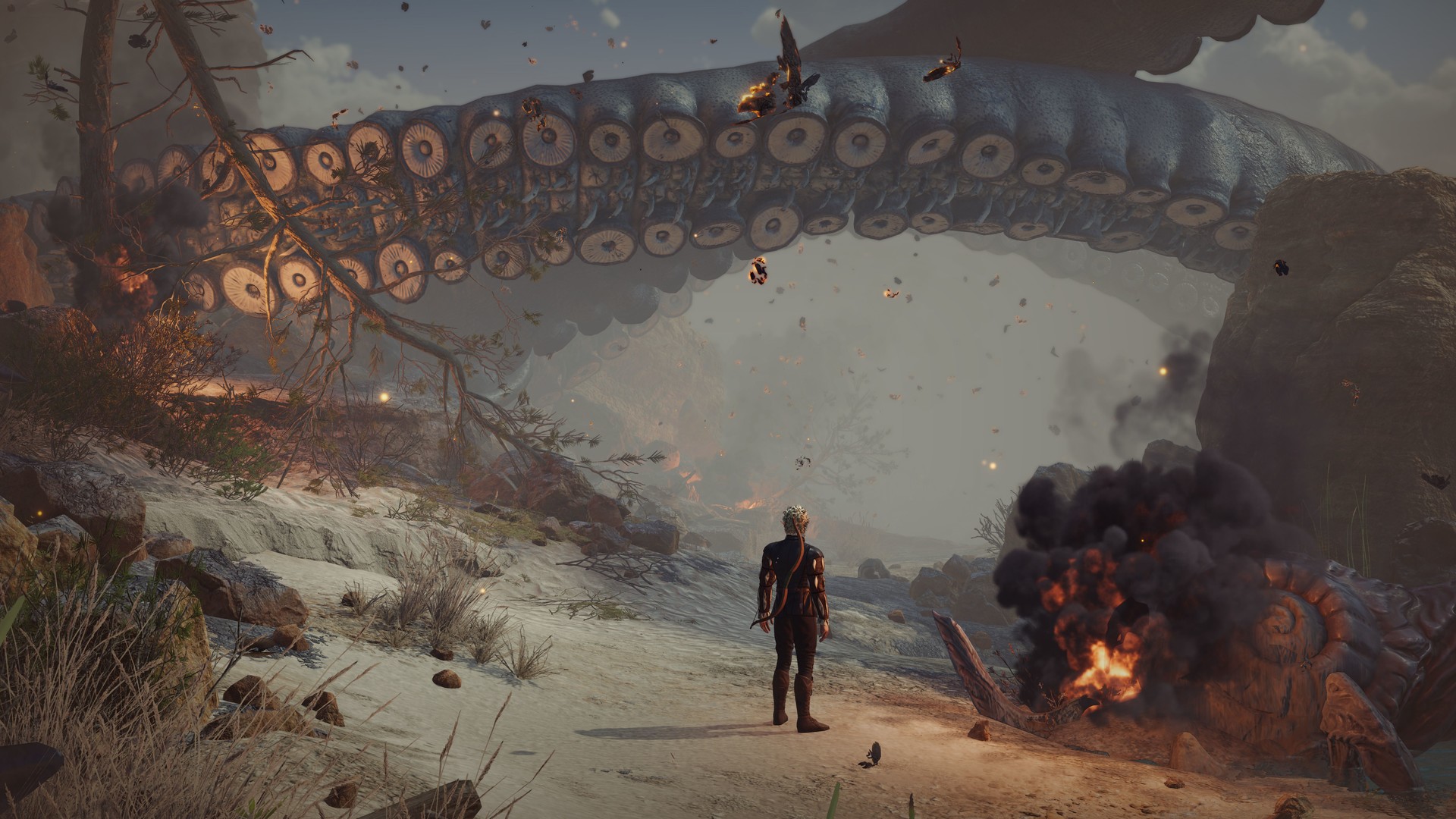
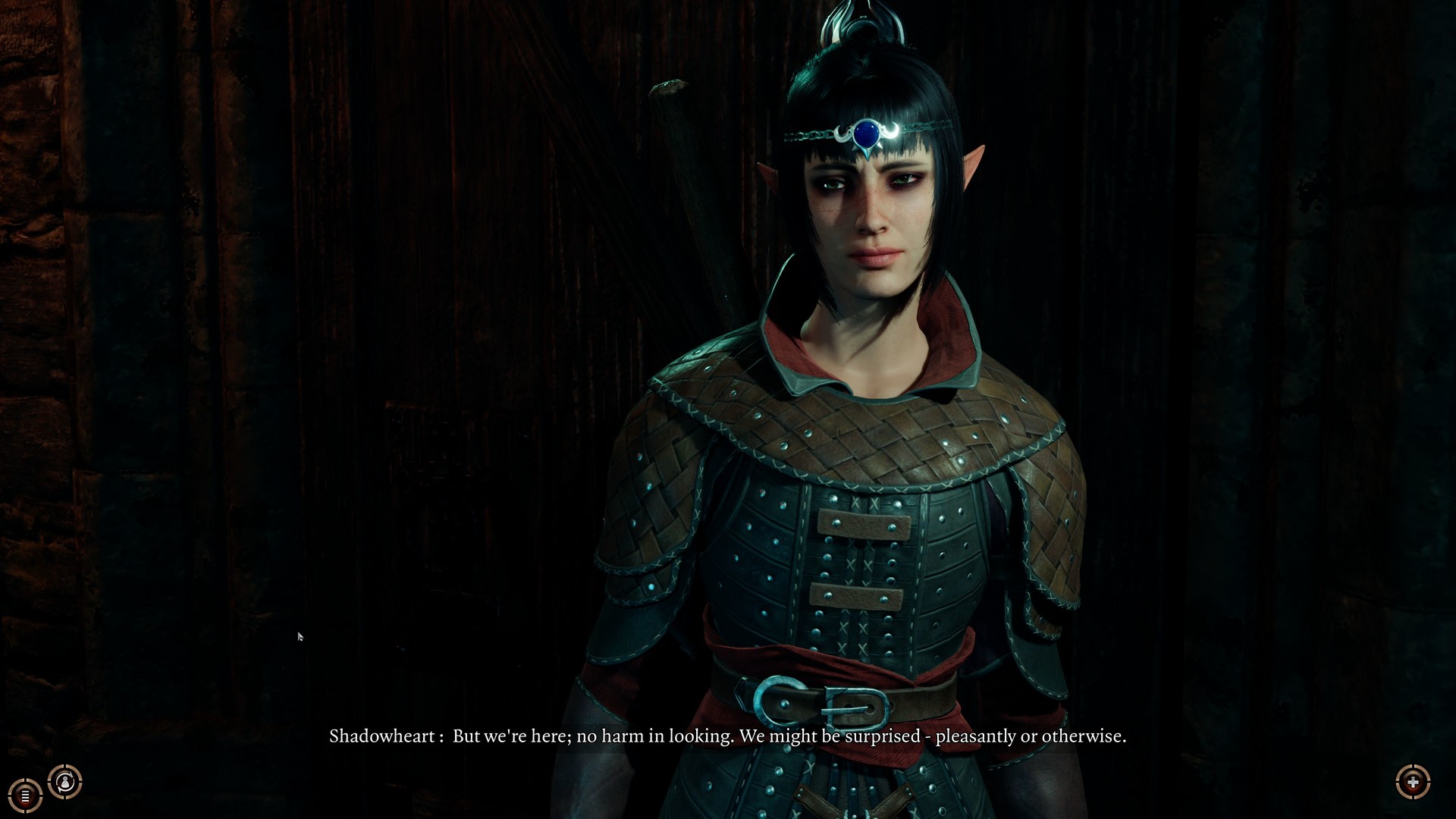
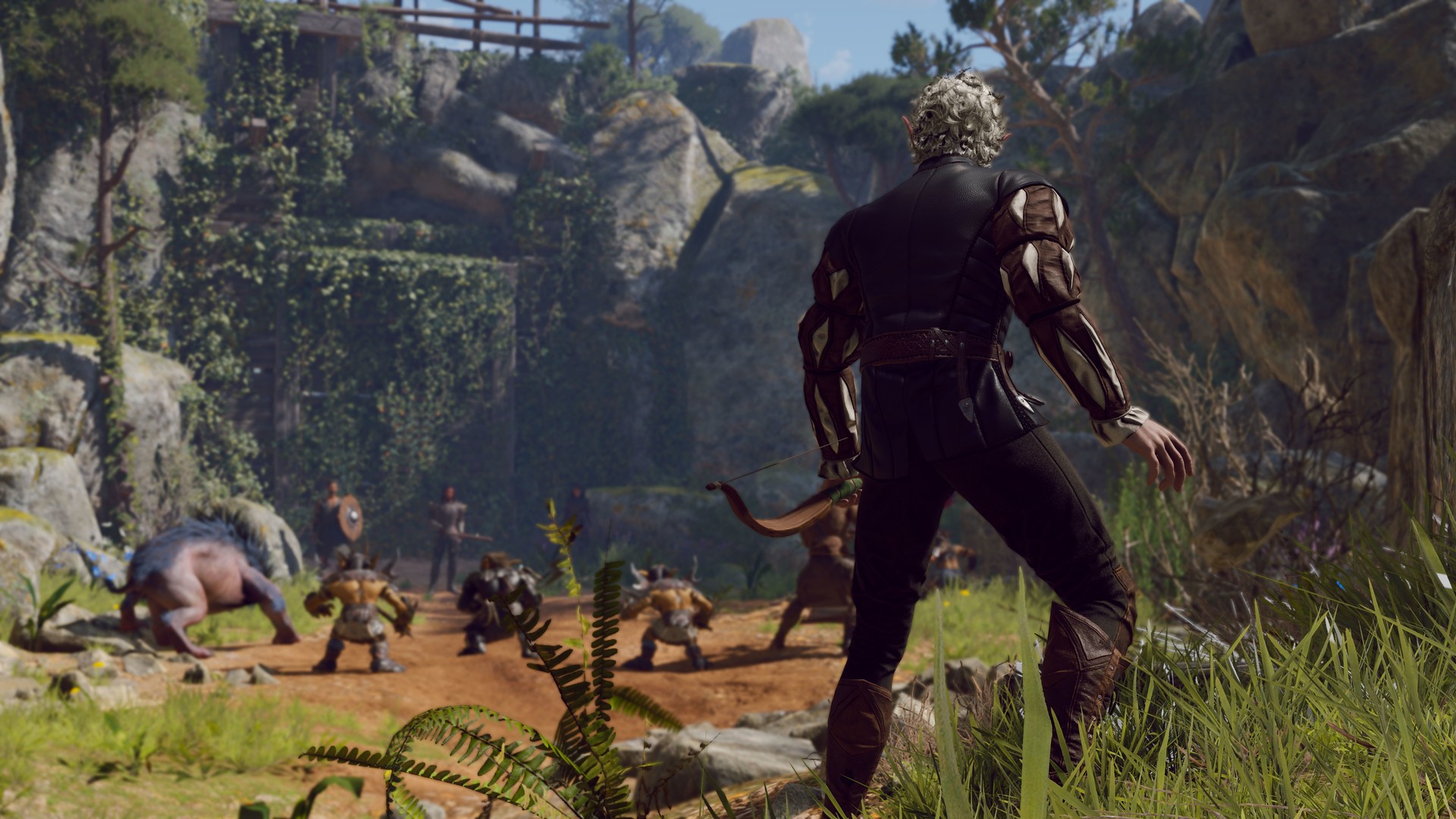

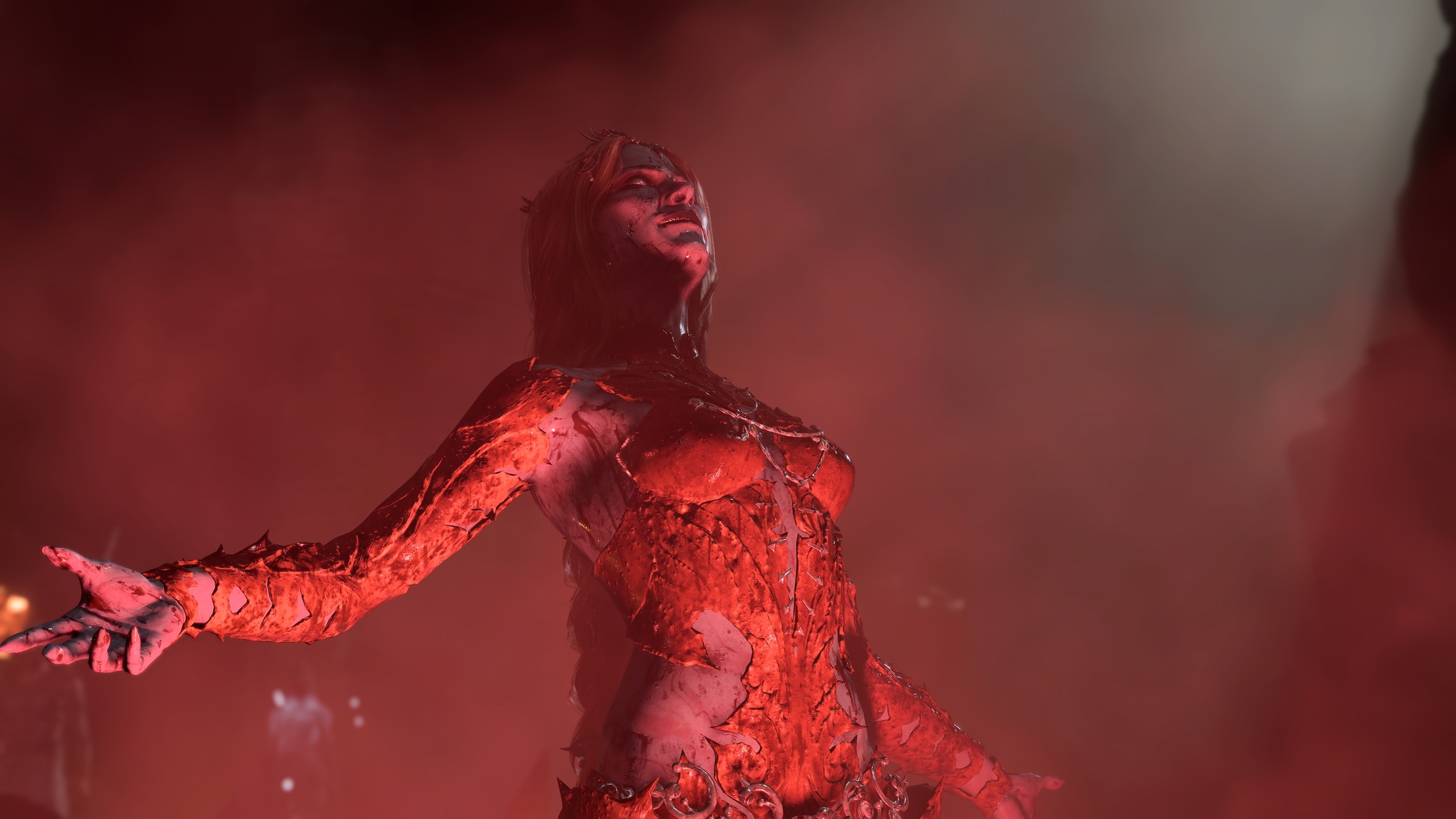
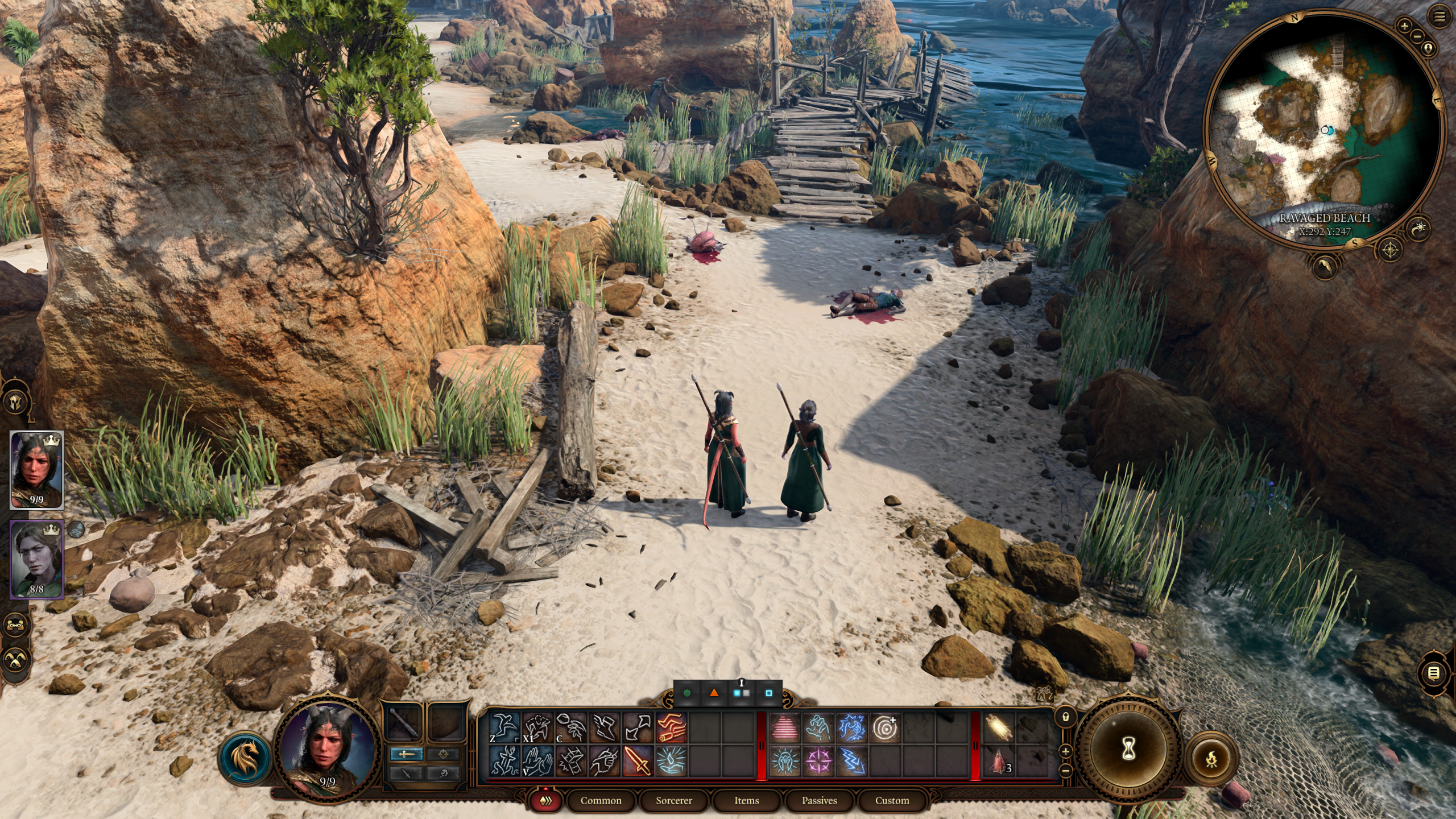

Baldur's Gate III

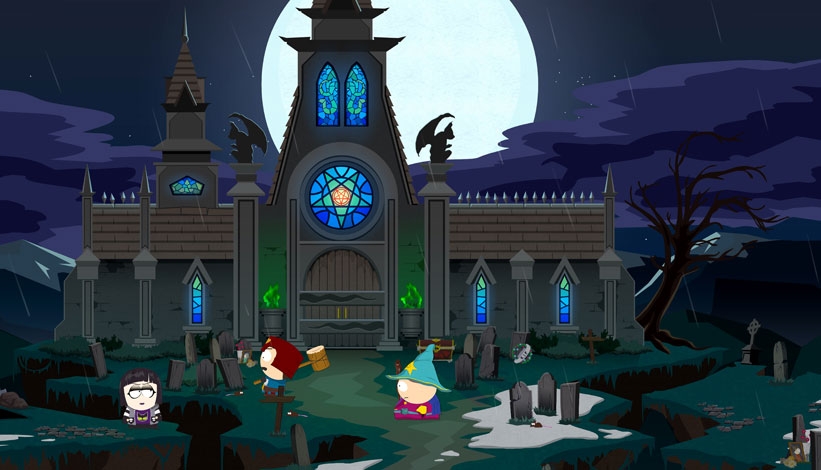
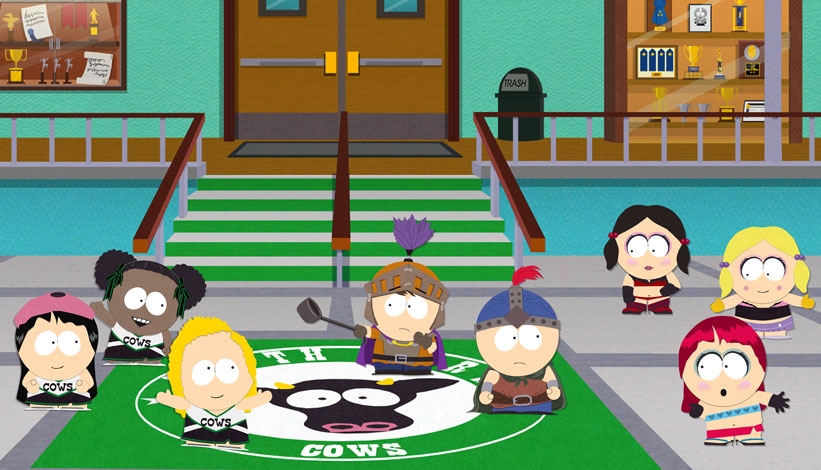
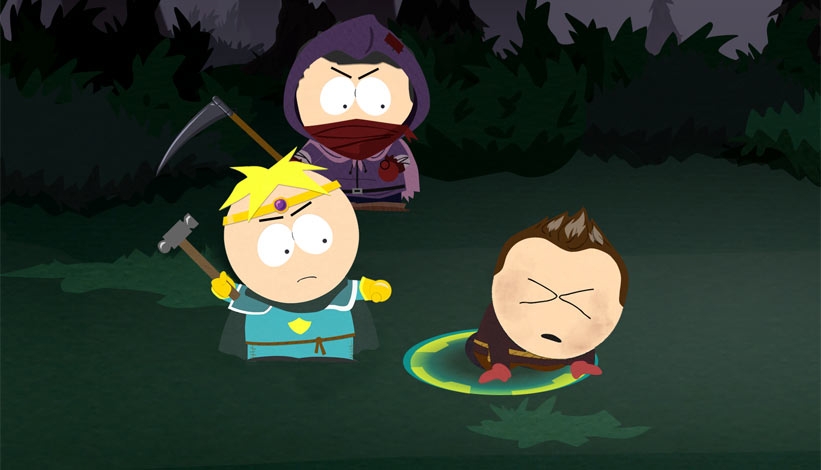

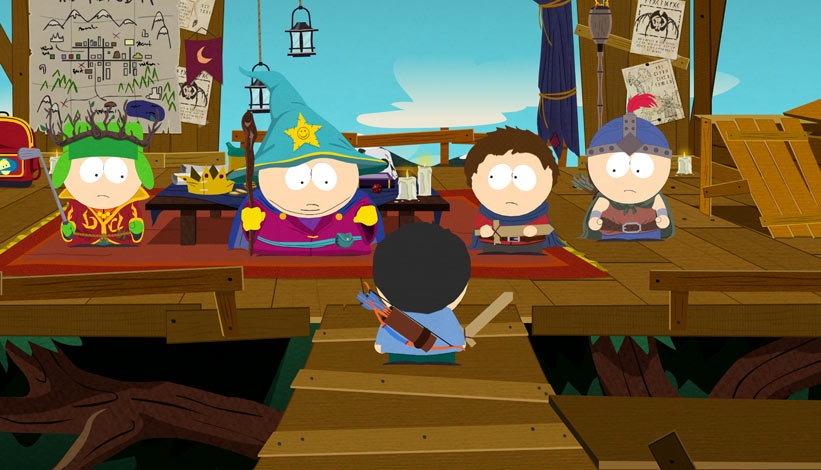

South Park: The Stick of Truth
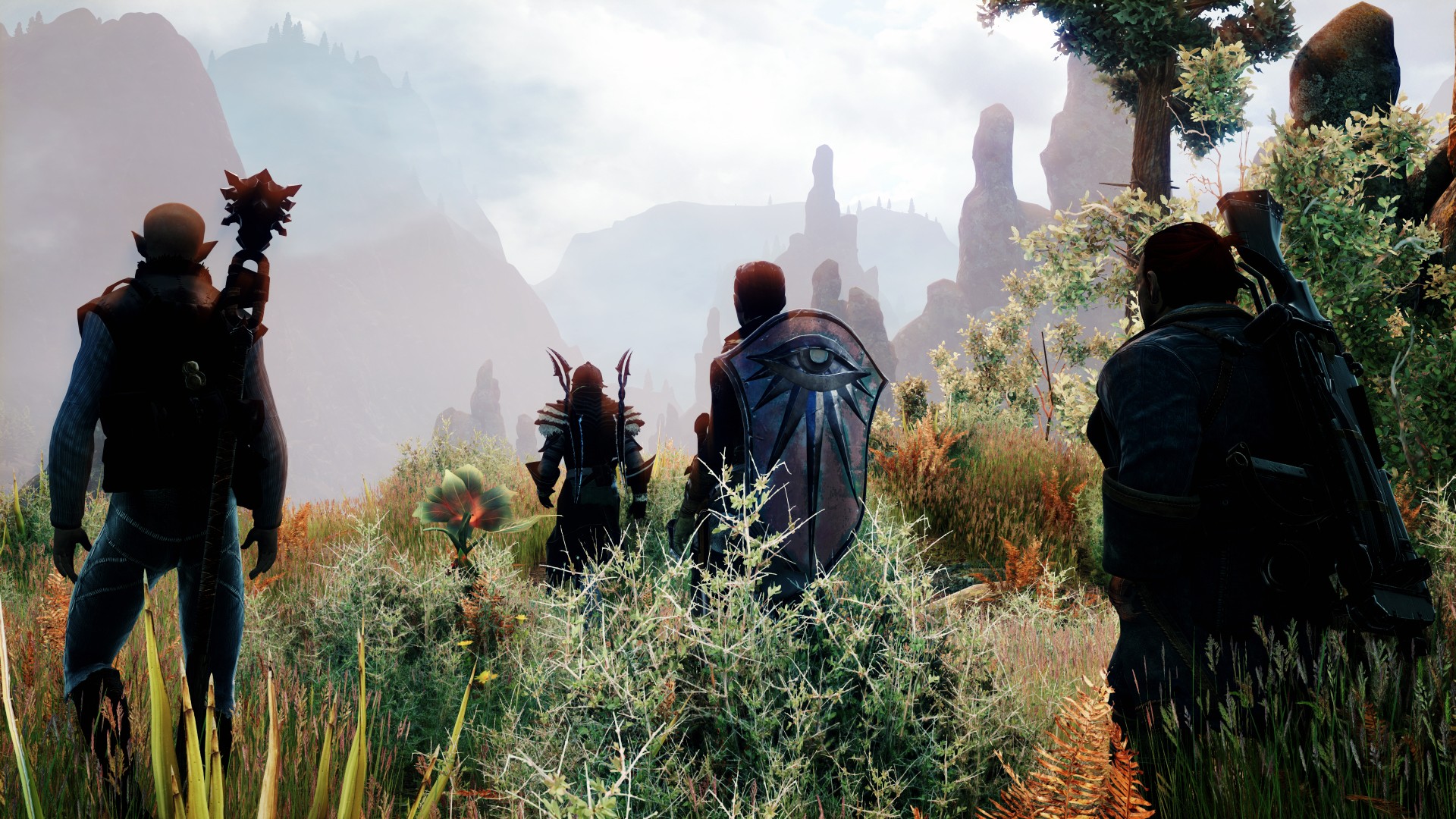
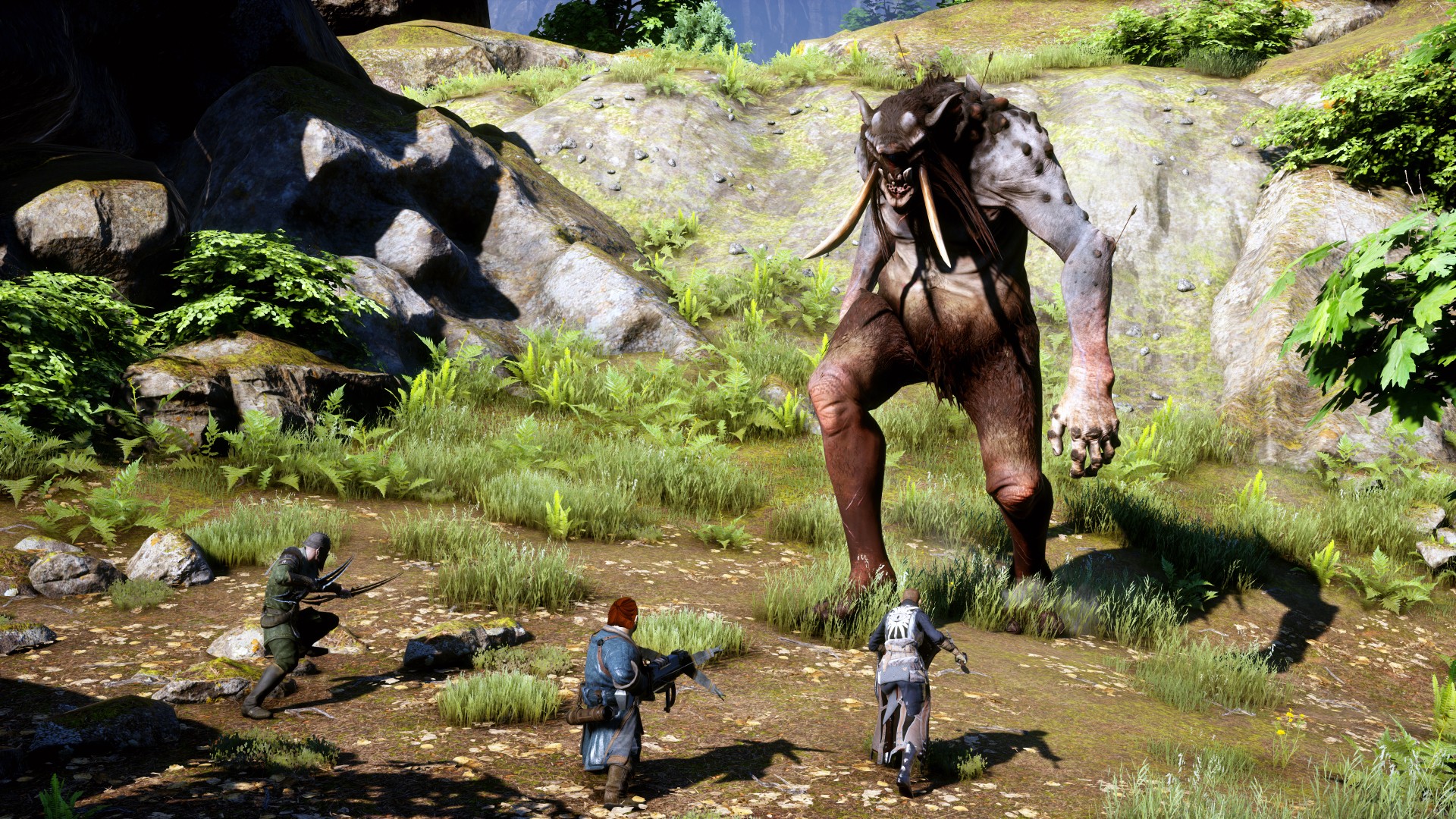

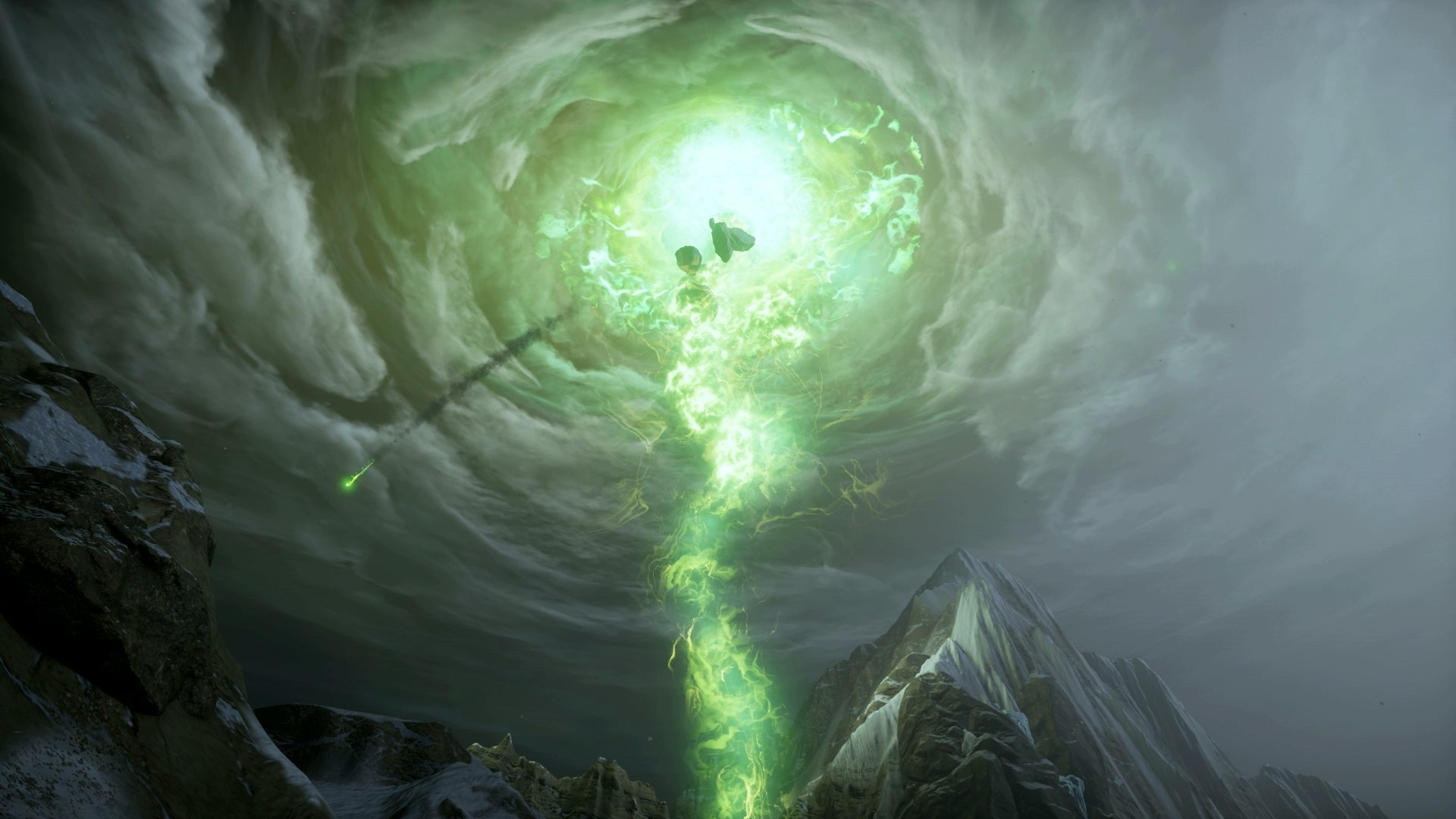
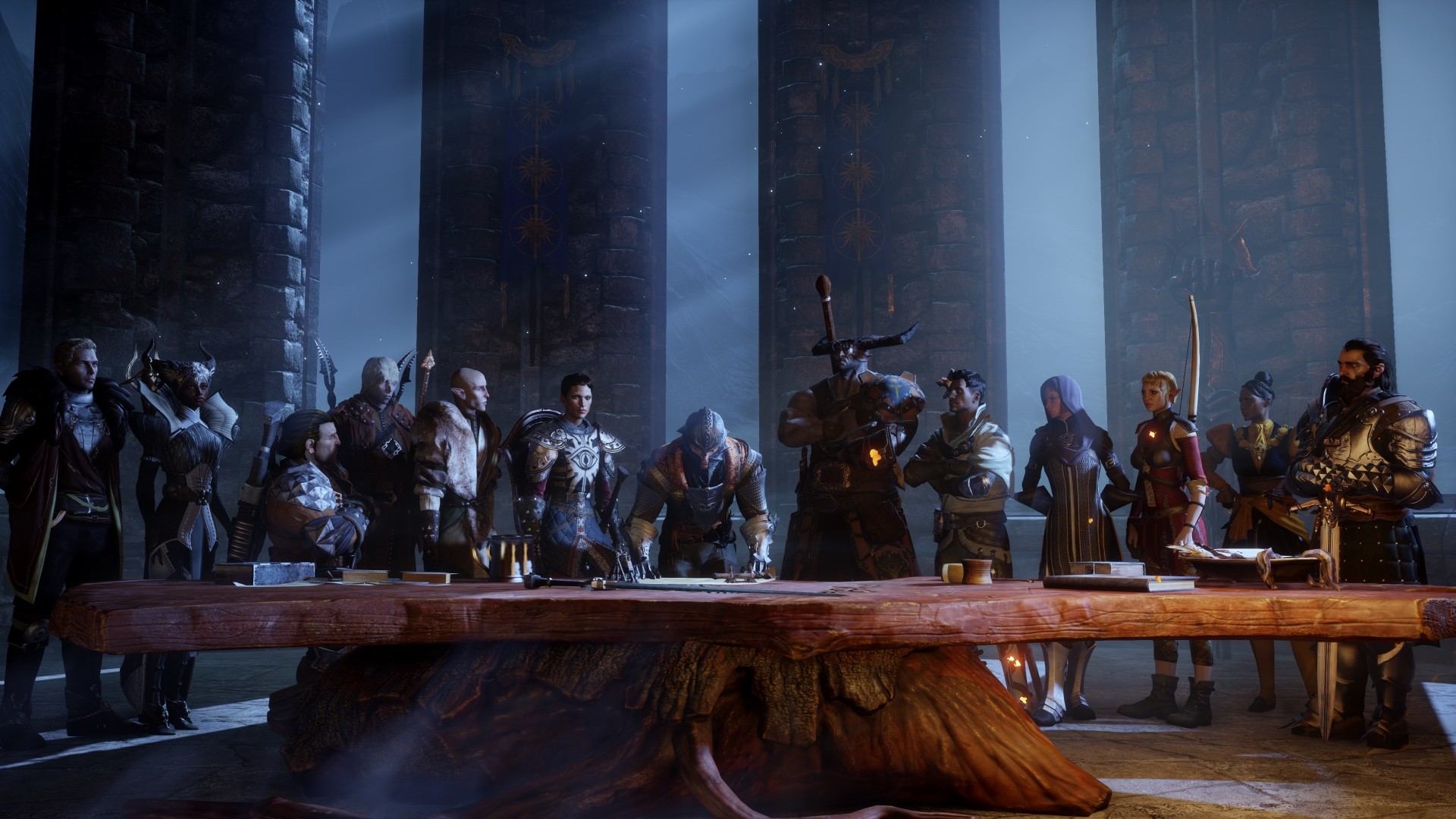
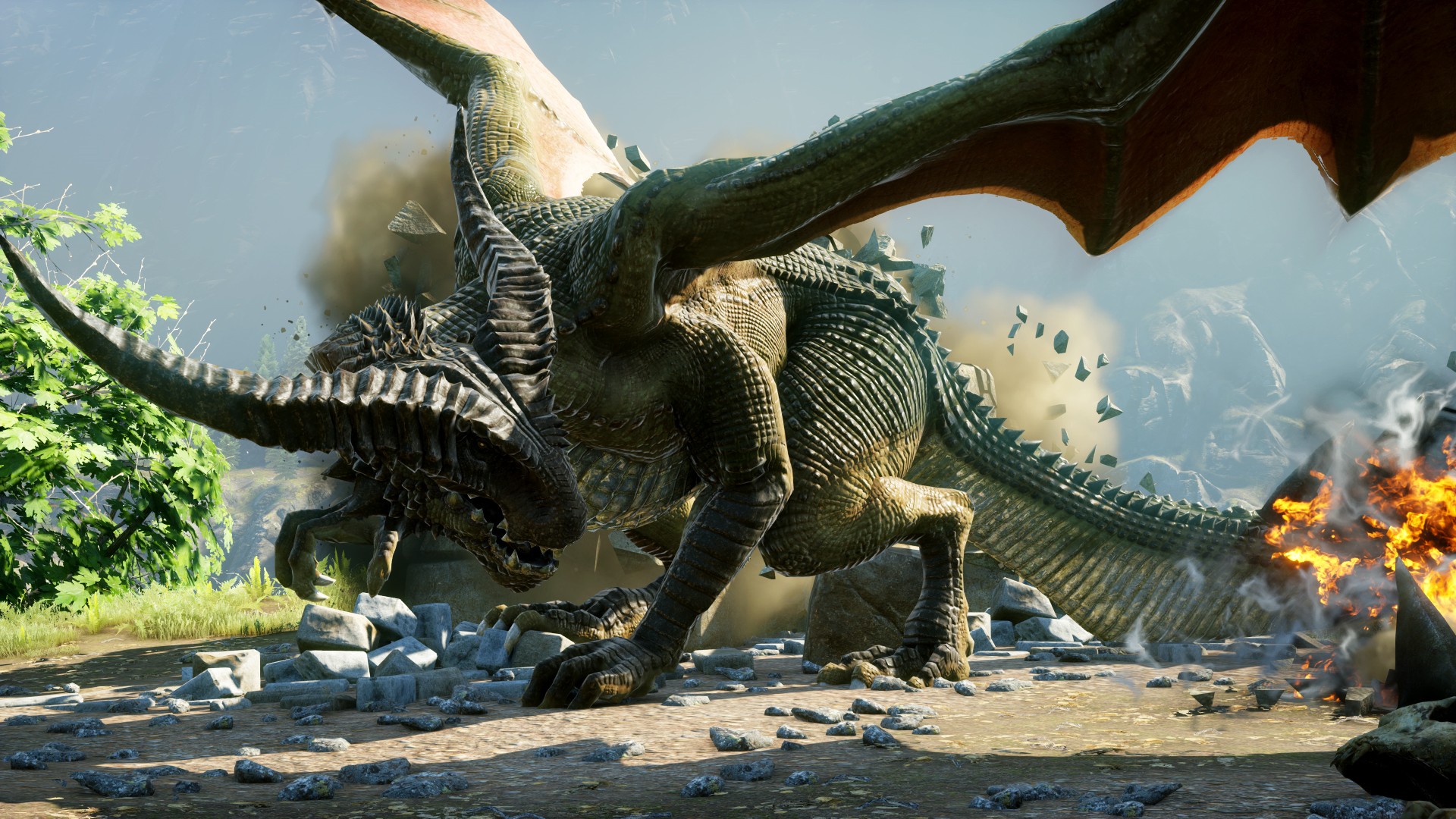

Dragon Age: Inquisition
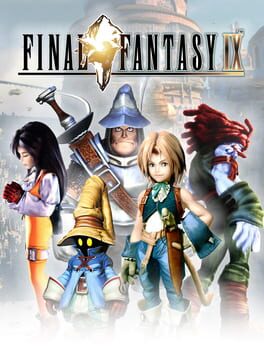
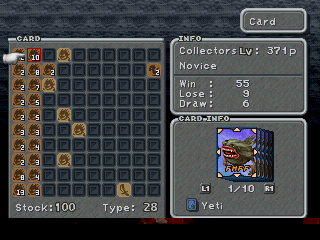
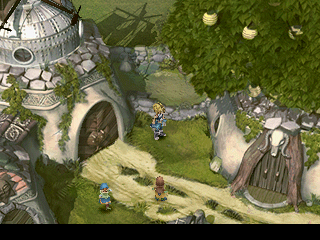
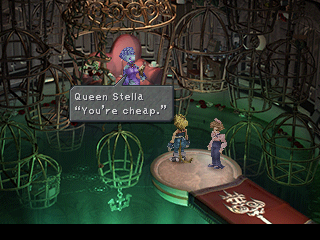

Final Fantasy IX


Final Fantasy III