Game Info
↑ Back to top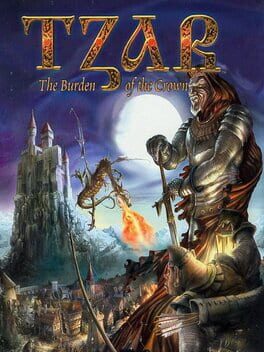

Tzar: The Burden of the Crown
Genres:
Themes:
Perspectives:
Game Modes:
Overview
↑ Back to topDescription from Steam STEAM
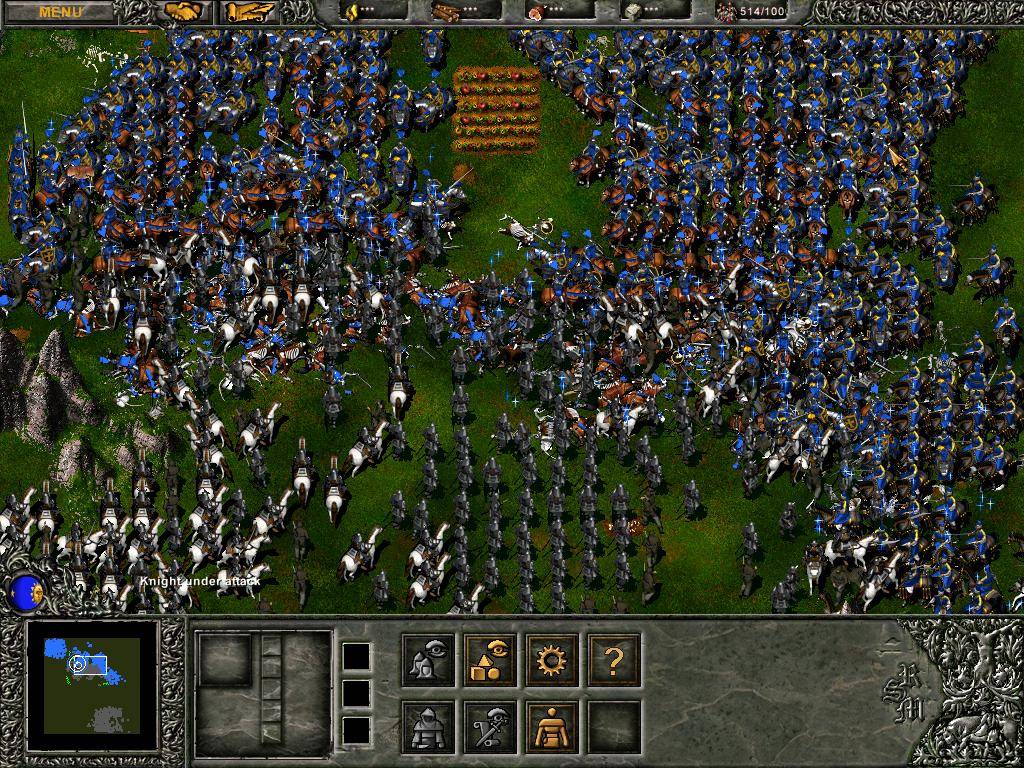
Tzar: The Burden of the Crown is an RTS classic by Haemimont Games, originally released in 2000 A sinister evil has come to the peaceful kingdom of Keanor, a land of beauty, mystery and magic. The Palace lies in ruins as armies of malevolent warriors sweep through the countryside while the once-proud Imperial Guard cowers in fear. The citizens of Keanor flee their homes in terror, praying for the rise of the one true leader who, it was foretold, would lead them against the armies of darkness. Are you the hero they seek? Tzar puts you at the heart of the battle of good versus evil. Set in the real-time fantasy world of Keanor, where the sword is the law of the land, it is up to you to stop the armies of evil. Recruit, train and command vast armies of Knights and Archers, and build fantastic weapons to smash enemy defenses. Train your Wizards to unleash their arcane powers against your foes, or conjure mighty Dragons, Jinni, and Undead to do your bidding. Can you carry the burden of the crown? Real-time strategy gameplay set against a beautifully rendered fantasy world with Dragons, Jinni, Knights, Wizards and much more. A challenging game environment with changing climate that impacts gameplay, wild animals to contend with or avoid, magical artifacts to discover, and ancient ruins to explore. Twenty exciting and unique missions to play in the campaign and an infinite amount of random maps.
Description from IGDB IGDB
Tzar: The Burden of the Crown is a real-time strategy game for the PC published by Take-Two Interactive and developed by the Bulgarian game developer company Haemimont Games. The gameplay is set up in a fictional medieval age. The basic goal is to conquer the neighbouring kingdoms and destroy all traces of them, or destroy their castles, depending on selected playing mode. There are many different buildings and characters you can produce, each depending on which of the 3 races you choose to be: European, Asian or Arabian. The main differences are the types of special buildings available, and the types of troops you can make. There is also a campaign option for single players in which the player must complete specific goals, such as destroying an enemy force, or protecting a citadel from attack. The game also includes a map editor where players can create their own map to play on with strategic rivers, forests, and resources to build their armies with.
Wikipedia Description WIKIPEDIA
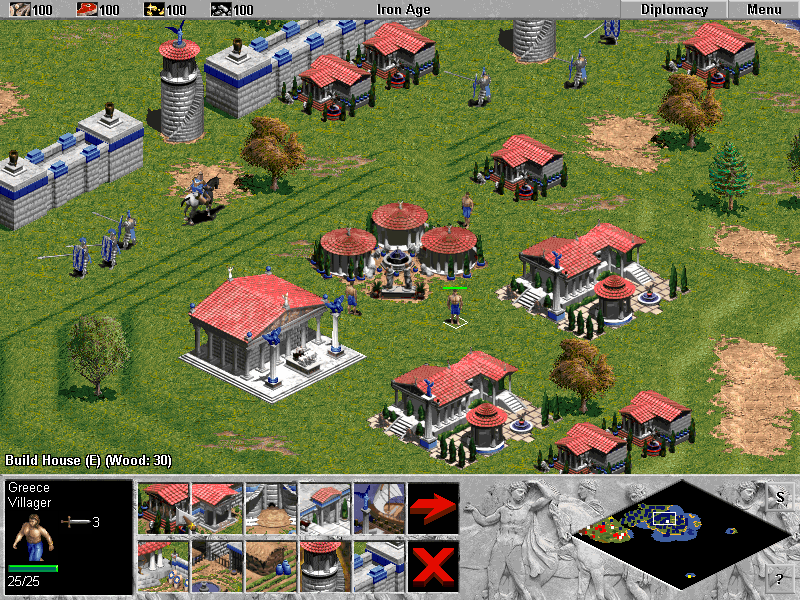
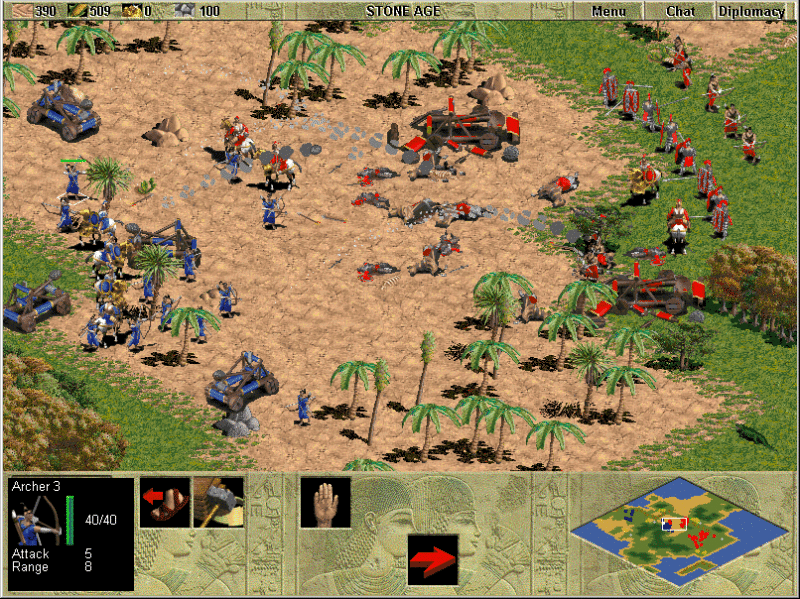
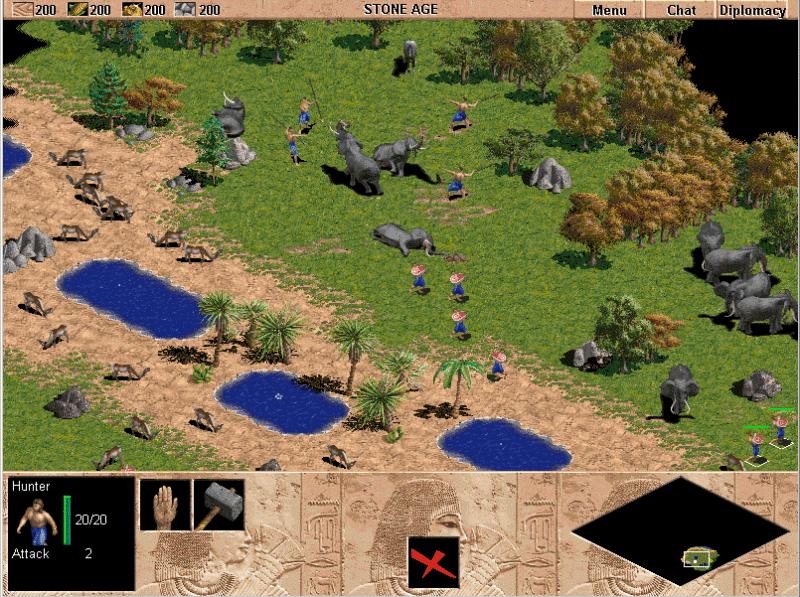
The gameplay is set in a fictional medieval age. The game is a basic real time strategy game that resembles the gameplay of the Age of Empires series. The basic goal is to conquer the neighbouring kingdoms and destroy all traces of them, or destroy their castles, depending on the selected playing mode. There are many different buildings and characters player can produce, each depending on which of the three races the player chooses to play as: European, Asian or Arabian. The main differences are the types of special buildings and the types of troops available. There are four types of resources a player has to gather: food, wood, stone and gold. Food can be gathered by harvesting crops, milking cows or killing them for meat, as well as fishing if the map has lakes or rivers. Wood is gathered by chopping down trees, and gold and stone are gathered by mining. All units have health (hit points) but sorcerers also have mana which gradually regenerates when used to cast spells or summon creatures. The main buildings that can be constructed by all three races are houses, farms, blacksmiths, workshops, barracks, stables, towers, walls, gates and inns. The players usually starts the game with a castle and a few peasants. All types of resources can be carried to the castle. Building houses increases the population limit. Farms can be used to produce cows and also as a place to gather food. Stables are required for some types of mounted soldiers, and blacksmiths provide various improvements to units' armour and fighting skills. Workshops are used to build siege machines. Towers are used for defence. Inns are the place where the player can exchange resources and later hire mercenaries and heroes. Docks can be built to fishing and travelling across the sea. There are four strategies in which the player can take: religion (mosque- Arabians, cathedral-Europeans, Shaolin monastery-Asians), magic (mage tower-all races), war (warrior's academy-all races), or trade (merchant's guild-all races). The player takes a path by building the corresponding building. Due to the high cost of these elite buildings, the player can only take one of the strategic paths each with their own unique style. Religion will allow the player to produce priests, spies, and elite religious unit. Priests have the ability to heal and bless units by increasing their stats for a short period of time. They also have a long line of sight to spot wizards and neutralize them with one long range shot making religion the perfect counter for a player taking the magic path. Spies have the ability to impersonate an opponent unit to infiltrate their kingdoms allowing the players to see what their opponents are doing. The player's opponent can command spies and move them around or even have them collect resources if player's spies impersonate a peasant. Spies can reveal their true selves at any time the players give the command. Europeans elite units are crusaders which are mounted units with high armor. They come in groups at a time and the player cannot produce more until the current group is completely killed. Arabians have Jihadi warriors which are an upgrade from a typical soldier. What makes them unique is that they are actually peasants. Peasants are much cheaper than the standard soldier, suggesting the player to spam peasants and converting them to Jihadi warriors and swarm the enemy. Asian's elite unit is the monk which are all purpose warriors. They have a good balance of attack and defense and can share their battle experience with other kung-Fu units. Magic will allow the player to produce wizards and research spells. Wizards will start out with no abilities until they are researched from the mage tower. Each race have unique spells but they are all devastating for large groups of units making magic the perfect counter against a player taking the war path. In addition, after researching, wizards can summon magical creatures - giants and bats (Europeans), genies (Arabians) and dragons (Asians). They all have high attack and hit points but are vulnerable to priests. War will allow the player to value each soldier by removing the cap leveling up allowing them to reach heroic status as they experience more and more battles. The player can also research faster experience gain and influence by heroes. The player taking this path will be able to hire mercenaries giving quality units at no time at all. This strategic path suggests leveling up units and swarming creating hordes of experienced warriors and heroes. Despite how strong religious units are, outnumbering eventually wins making war the perfect path against a player who has taken the religious path. The trade path allows the player to trade with allies, gamble with resources, take up loans, and increase the population cap in order to produce more peasants to collect more resources. This path is more suited when playing with allies. In addition, the trade path allows the research of elite war galleons which are larger, stronger, and have longer attack range than the other war ships making trade a considerable path to take when playing in island maps. Lastly, the player can research the ability that allows european and arabian peasants to bribe enemy units as long as the price is right. There is also a campaign option for single players in which the player must complete specific goals, such as destroying an enemy force, or protecting a citadel from attack. The campaign has a total of 20 missions. The game also includes a map editor where players can create their own maps to play on with strategically placed rivers, forests, and resources to use to build their armies with. The game is best known for the first implementation of a full experience system for every unit in a RTS game. The game doesn't have the commonly known system of Warcraft III for heroes but still every unit has the potential to reach level twelve and thus gaining a heroic status. There is no limit of the "hero" units a player can have, as long as they can keep them alive.
About Tzar: The Burden of the Crown
Tzar: The Burden of the Crown is a Base Building, Built-in Editors, Real Time Strategy (RTS), Role-playing (RPG), Strategy game released in 2000 developed by Haemimont Games that offers Multiplayer, Single player gameplay from a bird view / isometric perspective playable on PC (Microsoft Windows) with 23 user ratings averaging 88.8/100. The game explores themes like Fantasy, Medieval. If you enjoy Tzar: The Burden of the Crown, you might also like similar games in our database of 45,000+ titles.
Basic Info
Details
↑ Back to topAdditional Information
Платформы 1
Genres 5
Themes 2
Player Perspectives 1
Game Modes 2
Companies
↑ Back to topDevelopers
Haemimont Games
No description available
Publishers
FX Interactive
No description available
Take-Two Interactive
Headquartered in New York City, Take-Two Interactive Software, Inc. is a leading developer, marketer and publisher of interactive entertainment for consumers around the globe. The Company develops and publishes products through its two wholly-owned labels Rockstar Games and 2K. Our products are designed for console systems, handheld gaming systems and personal computers, including smartphones and tablets, and are delivered through physical retail, digital download, online platforms and cloud streaming services. The Company’s common stock is publicly traded on NASDAQ under the symbol TTWO.
TalonSoft
No description available
Keywords
↑ Back to topScreenshots
↑ Back to top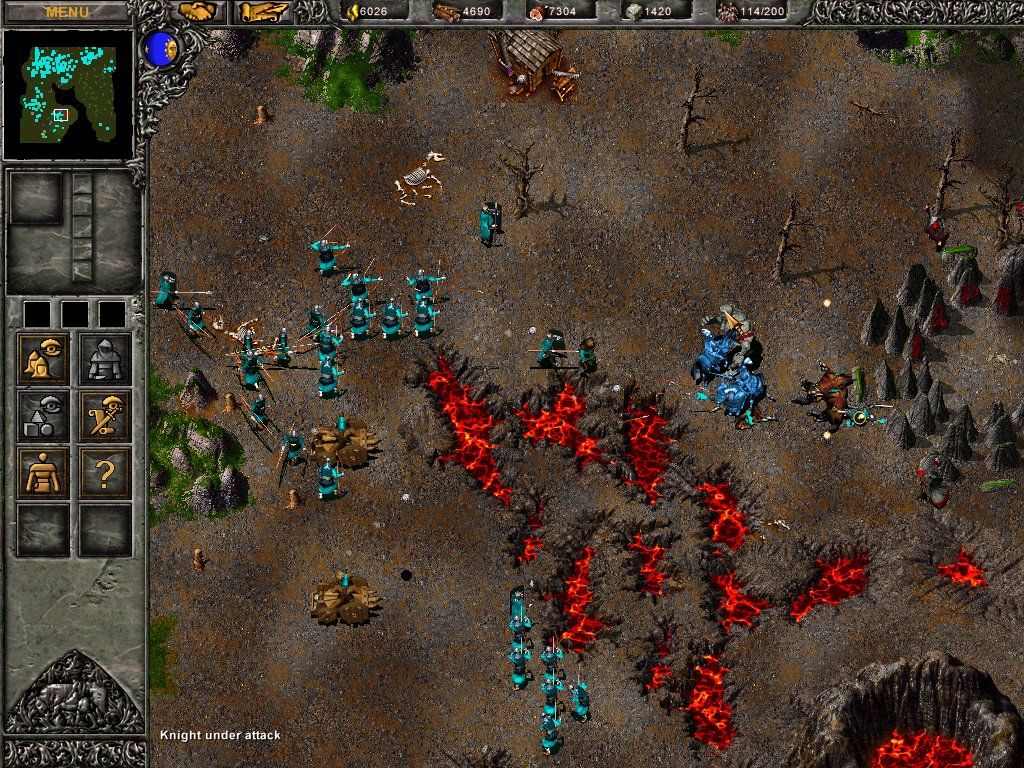
Similar Games
↑ Back to top
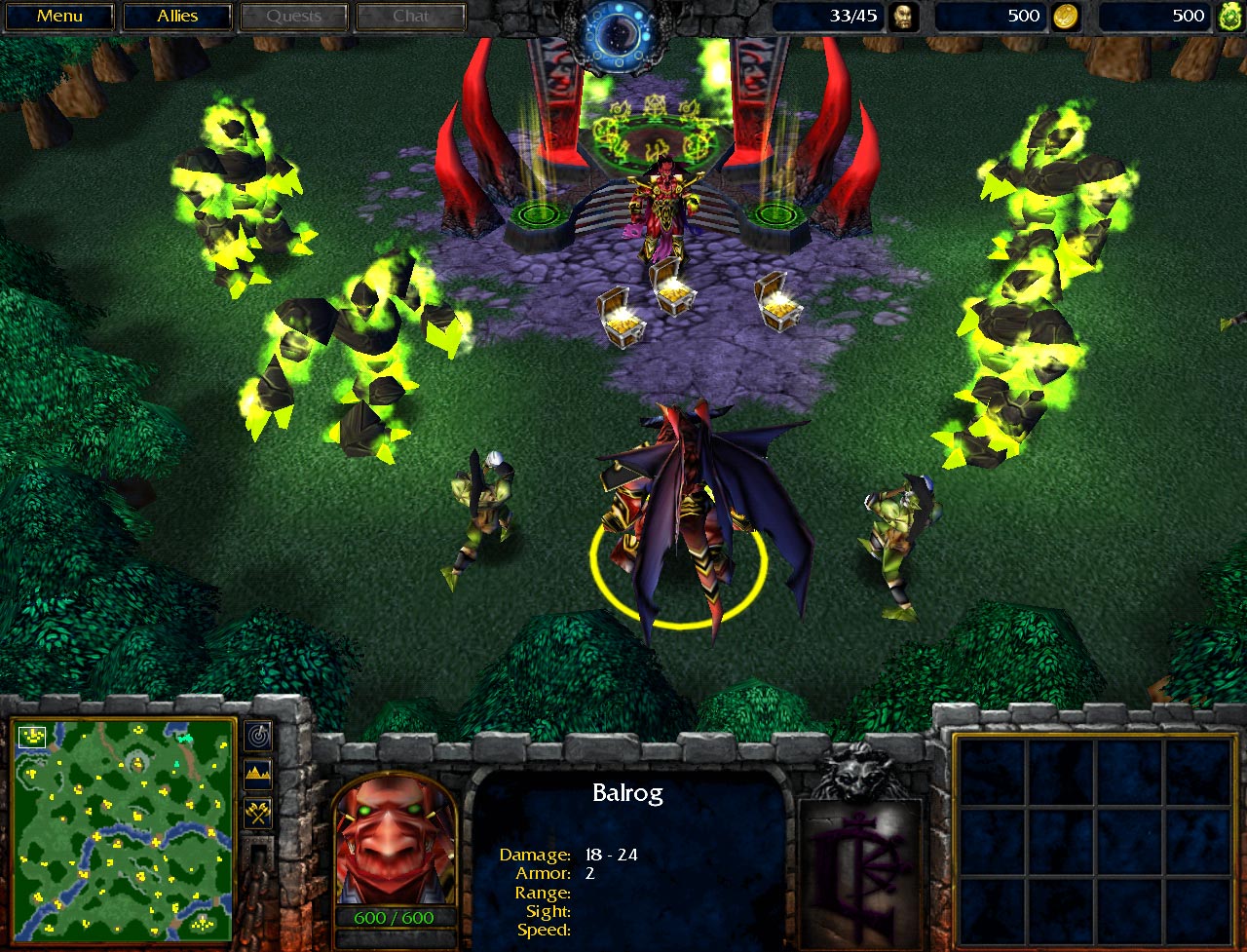

Warcraft III: Reign of Chaos
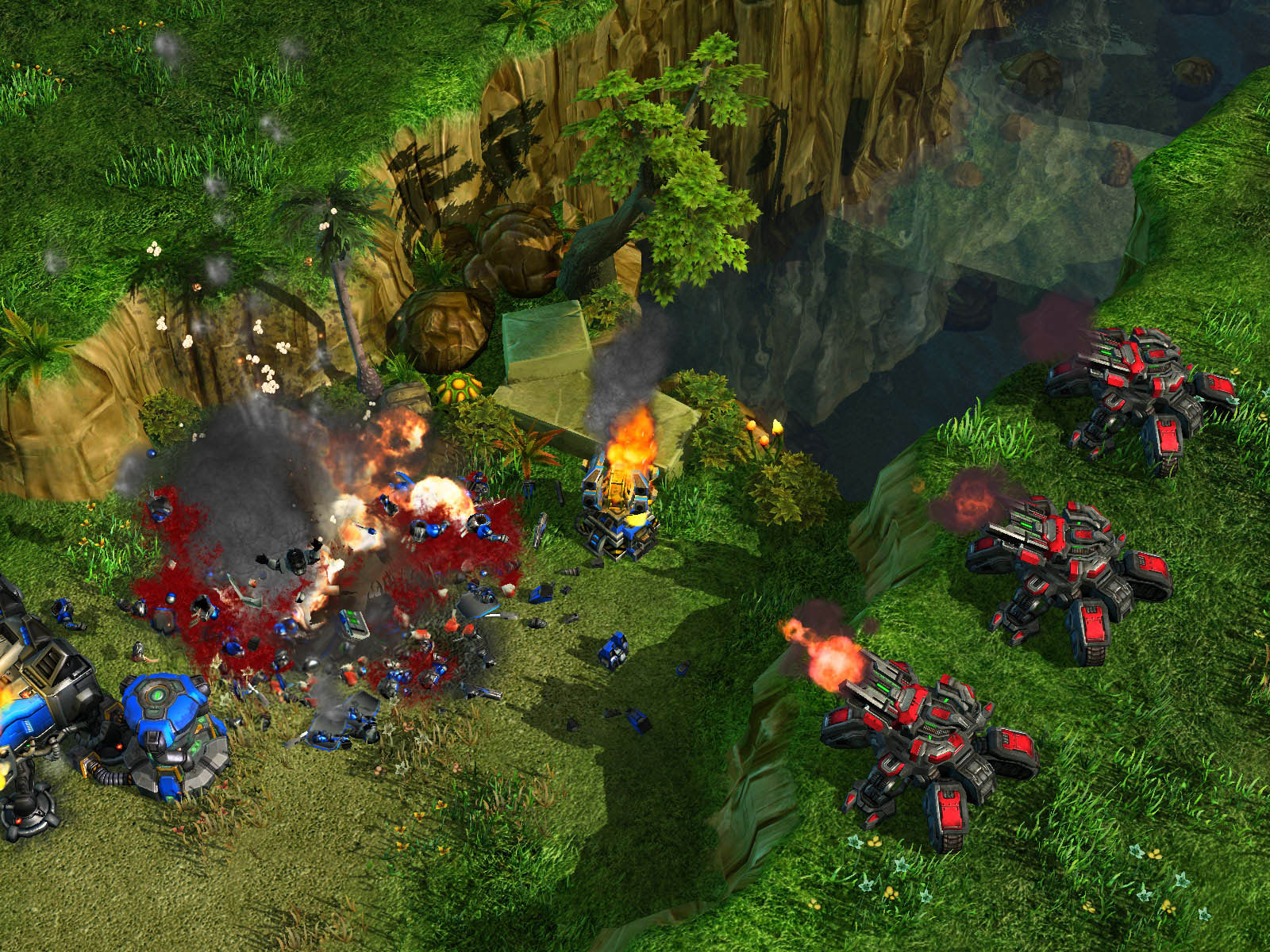
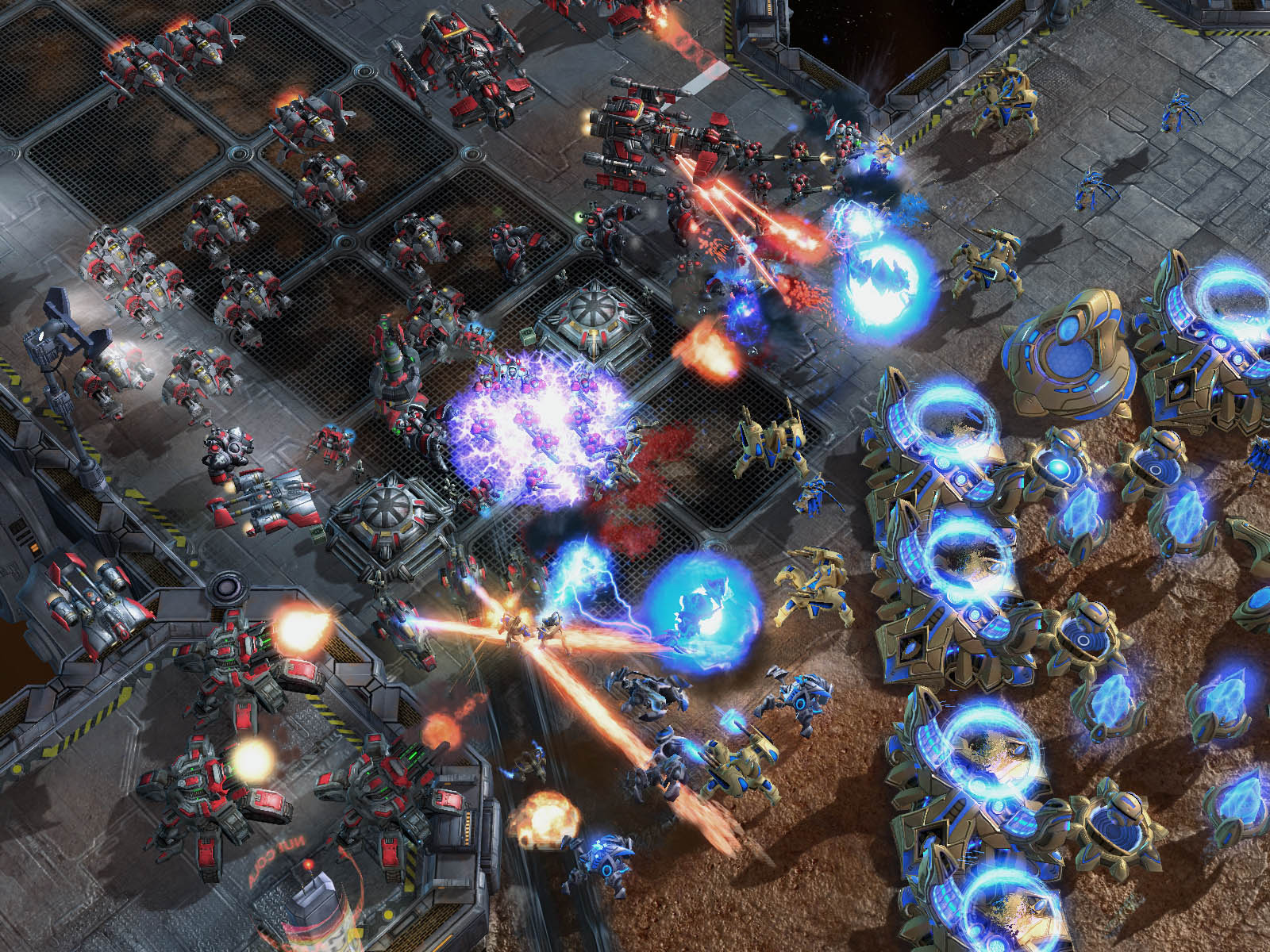


StarCraft II: Wings of Liberty
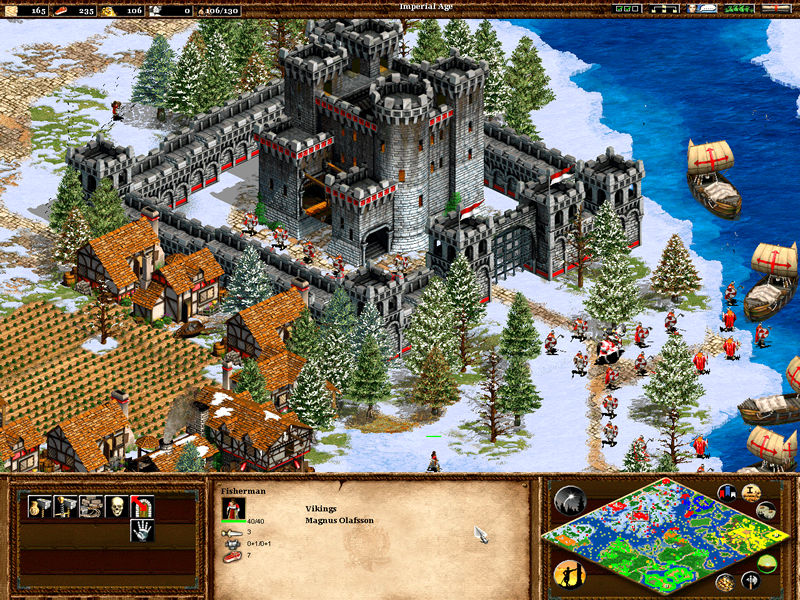
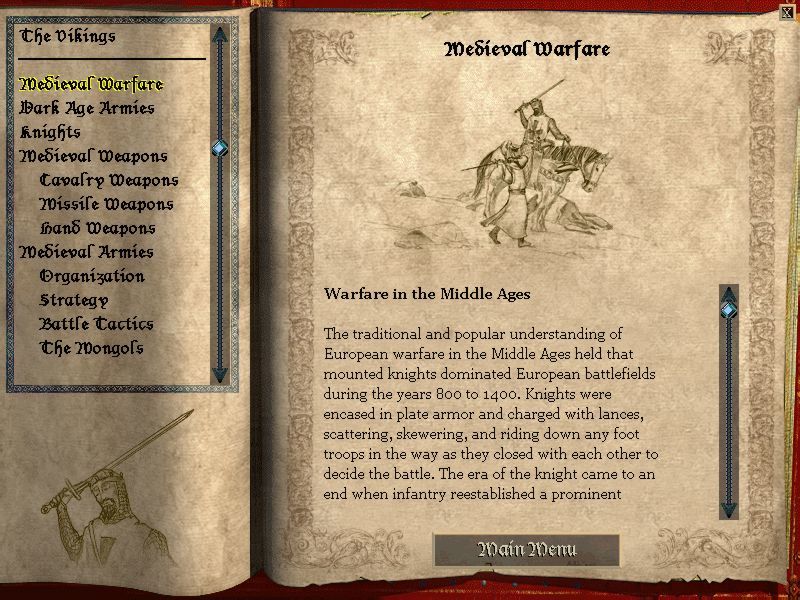
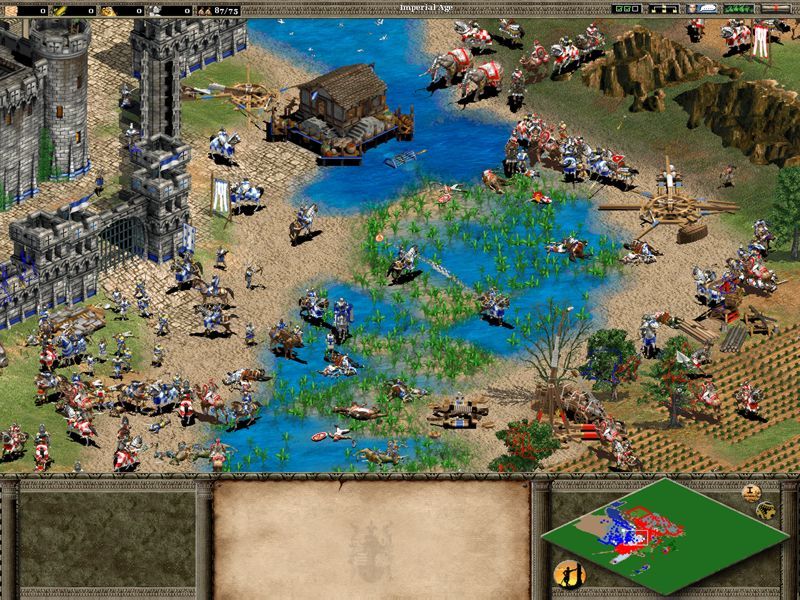
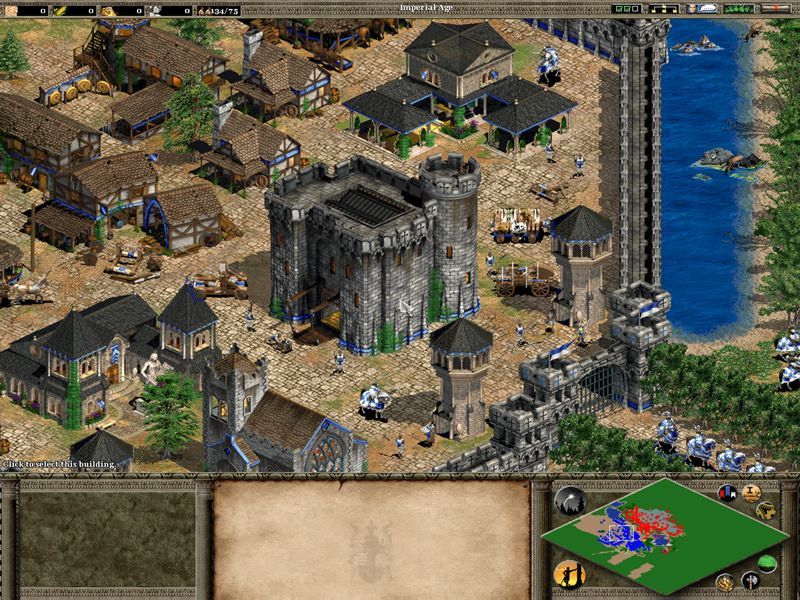


Age of Empires II: The Age of Kings
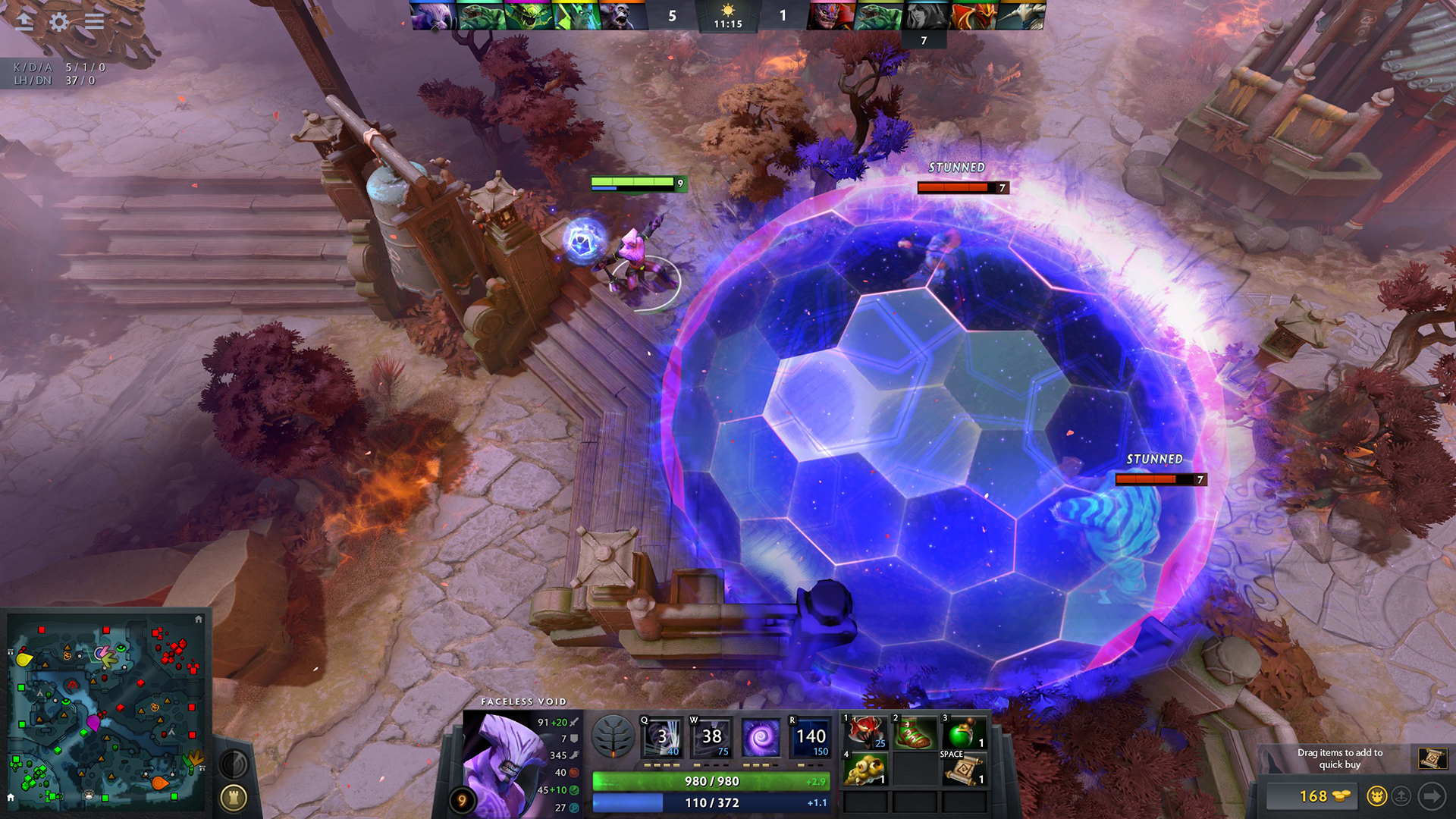

Dota 2
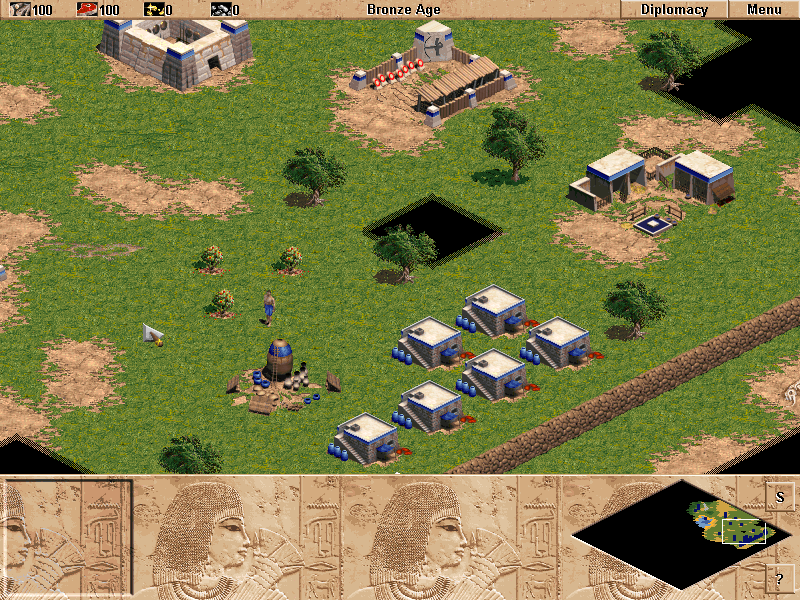



Age of Empires




The Sims 4




Warcraft III: The Frozen Throne


Diablo




The Sims 2


Age of Mythology

Age of Empires III