Game Info
↑ Back to top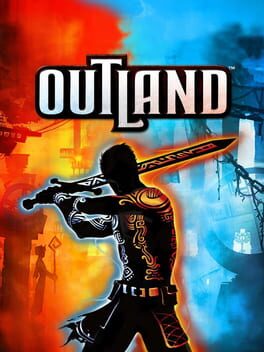

Outland
Genres:
Themes:
Perspectives:
Game Modes:
Overview
↑ Back to topDescription from Steam STEAM
Welcome to the Outlands! A faraway place where work is hard but rewarding, where people dream big but stay grounded, where friends become family, and settlements become cities. It’s up to you to use the extensive catalog of tools and buildings at your disposal to guide them towards their goals. Outlanders are individuals. Simple folk with hopes, dreams, and desires. You cannot control them directly. Instead, you place buildings, manage resources and declare the number of work spots in each building, then watch the Outlanders themselves decide who takes which job, which house they inhabit, and which building to build. You can nudge them in the right direction by prioritizing certain tasks, or by passing Decrees™, which bend the rules of the game to allow things like longer work hours and tighter resource consumption. But beware… these often come at the expense of your follower’s happiness, so use them wisely. Unlike other games of its style, Outlanders’ campaign offers a string of increasingly complex mission-based levels, each with its own specific goals and story, where new buildings and mechanics are unlocked organically throughout. You will follow the story of a cast of lovable, eccentric, and (mostly) well-intentioned town leaders, as they pursue their dreams and whims, while their paths slowly start to intertwine in surprising, often humorous, sometimes heart-warming ways. When challenges get too hard and the Outlanders start getting too picky, you can take a detour to the Sandbox mode, where creativity is the new leader in town. You can play with the full catalog of buildings and mechanics right off the bat and customize the maps and rules as you please. Create themed towns, make up your own goals, or challenge yourself. You can create the experience of your choice, the only limit here is your imagination. There are no wars in the Outlands. No raids, no combat, no armed conflict of any kind. All the Outlanders coexist in harmony. It’s the choices you make that will lead you to either victory or failure. The many biomes and landscapes of the Outlands are rendered in a crisp and vibrant graphical style, dense with atmosphere and details that linger with you long after you put the game down. It all comes to life through rich sound design, full of authentic soundscapes unique to each biome, and underscored by an uplifting music soundtrack that brings the magic out of everyday labor in the Outlands. People have been visiting the Outlands for a while now, and have come together on Discord to form a very friendly and helpful community. Join our server and find helpful guides and tips, share your theories on the world of Outlanders and its many mysteries, participate in community challenges, or share a nice chat with friendly people. The journey of Outlanders is only just beginning. As new leaders keep coming from far away to share their stories, and new ways of playing and sharing your experiences appear on the horizon, the ever-shifting landscape of possibilities gets more and more exciting. Everybody’s coming to the Outlands! Will you join them?
Description from IGDB IGDB
Storyline IGDB
Wikipedia Description WIKIPEDIA
Two new playable races were added to World of Warcraft in The Burning Crusade: the Draenei of the Alliance and the Blood Elves of the Horde. Previously, the shaman class was exclusive to the Horde faction (available to the orc, troll and tauren races), and the paladin class was exclusive to the Alliance faction (available to the human and dwarf races); with the new races, the expansion allowed players to be a Draenei shaman (Alliance), and a Blood Elf paladin (Horde). The level cap was raised by ten, making it 70. In addition, a new planet, Outland, was added, with associated quests, dungeons, raids, zones, creatures, and cities. After reaching level 70, players were able to ride flying mounts although only in Outland, not in Eastern Kingdoms or Kalimdor. In Player versus Player (PvP) mode, a new battleground, Eye of the Storm was introduced with two brackets: one for characters between levels 61–69, and another for level 70 characters. Players are unable to summon flying mounts in this battleground. The Eye of the Storm battleground is only available to those with the expansion. A new PvP Arena System was introduced as a way for players to fight in 2 vs 2, 3 vs 3, or 5 vs 5 death-match style battles. While the arena system allowed players without The Burning Crusade expansion to partake in skirmish matches, those without the expansion were unable to participate in rated matches, which yield rewards based on a point system. Ladder matches were only accessible to players who had reached level 70. Three arena stages were introduced in The Burning Crusade expansion, including The Ruins of Lordaeron in the Undercity, The Circle of Blood in Blade's Edge Mountains, and the Ring of Trials in Nagrand. Arena matches have taken a more prominent role in World of Warcraft's PvP content and developed into an esport. One example of Arena matches as an electronic sport was the World Series of Video Games in 2007, where player teams competed in 3 vs 3 matches to earn cash prizes. Blizzard also holds its own seasonal tournament, the World of Warcraft Arena Tournament, which pitches teams from servers all around the world against each other. This tournament concludes with a 5v5 world final event, the first of which took place at BlizzCon ’07 and so ended season 1. Additional "outdoor" PvP objectives were implemented, which are different for each zone in which they are located. Most of these outdoor PvP objectives involve "capturing" key points to reward players of the same faction in the area, usually with a temporary buff that adds a damage boost to player attacks or increases the rate players gain experience or faction points while the players are in the zone. For example, Terokkar Forest's PvP contest involves players standing near towers in order to capture them while defending the towers in PvP combat with players of the opposite faction that try to capture the objective. Other examples include Halaa in Nagrand and the Hellfire Fortifications in Hellfire Peninsula, where players compete for control to unlock quest and vendor access or gain factional reputation for rewards.
About Outland
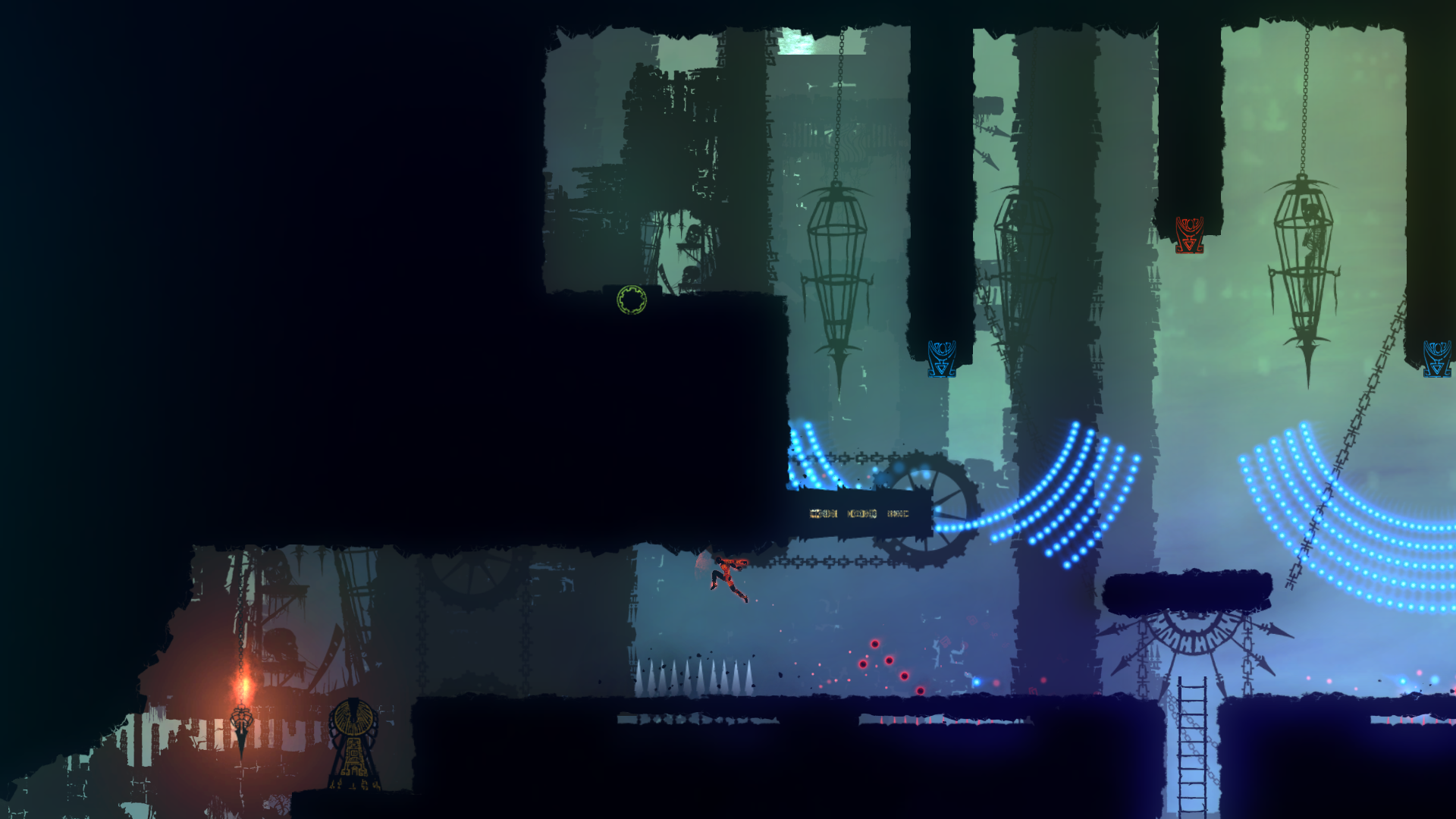
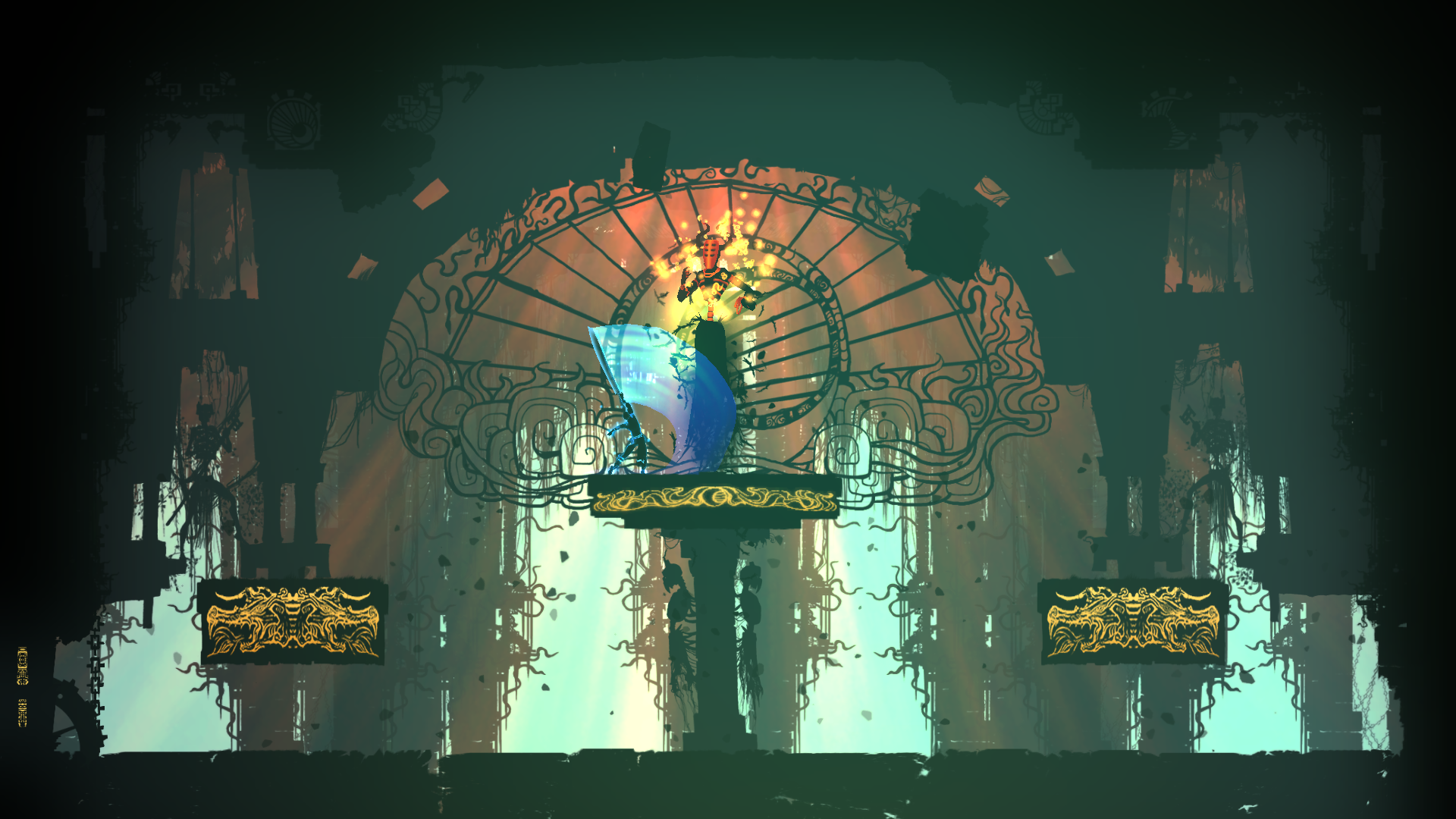
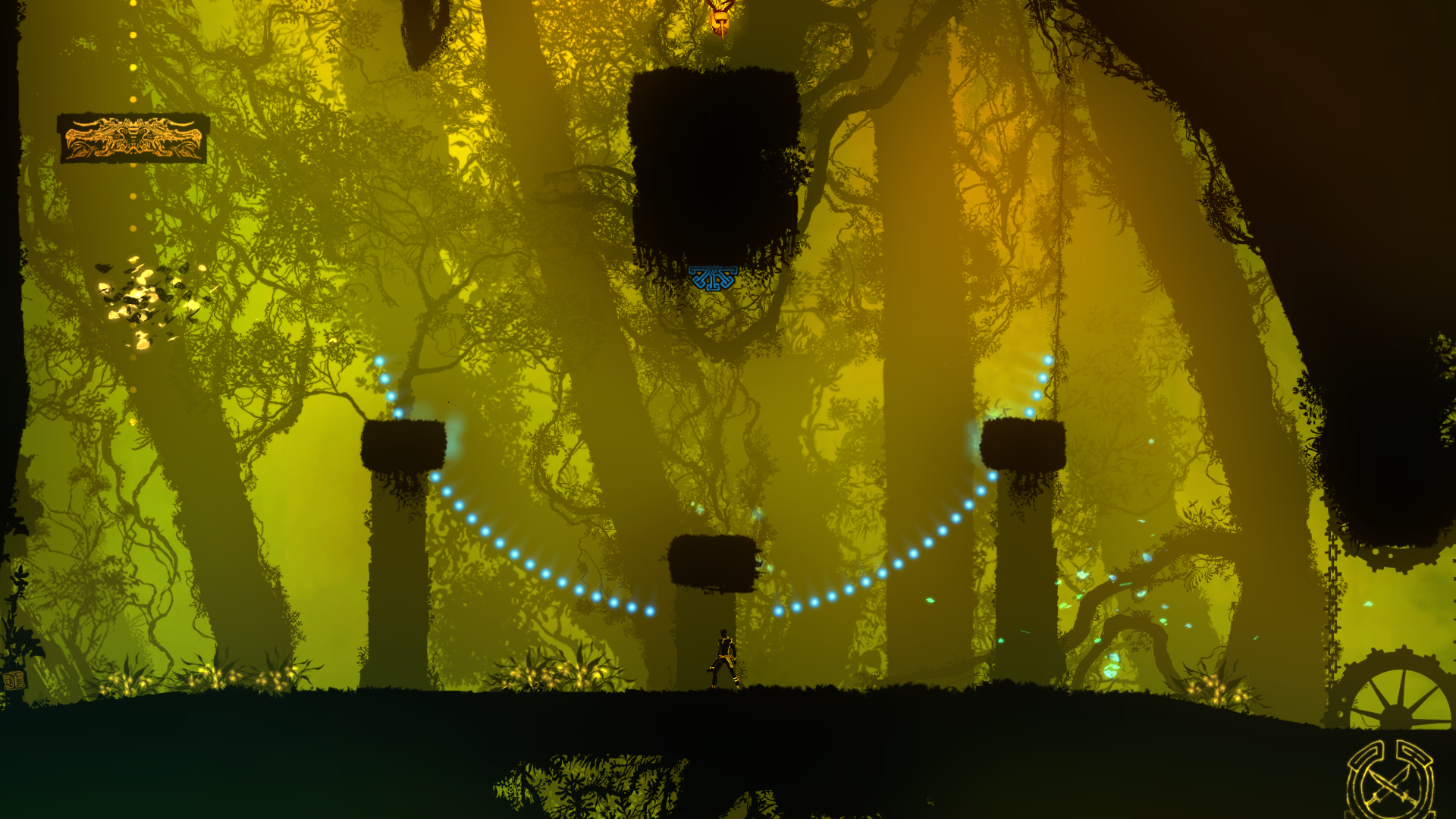
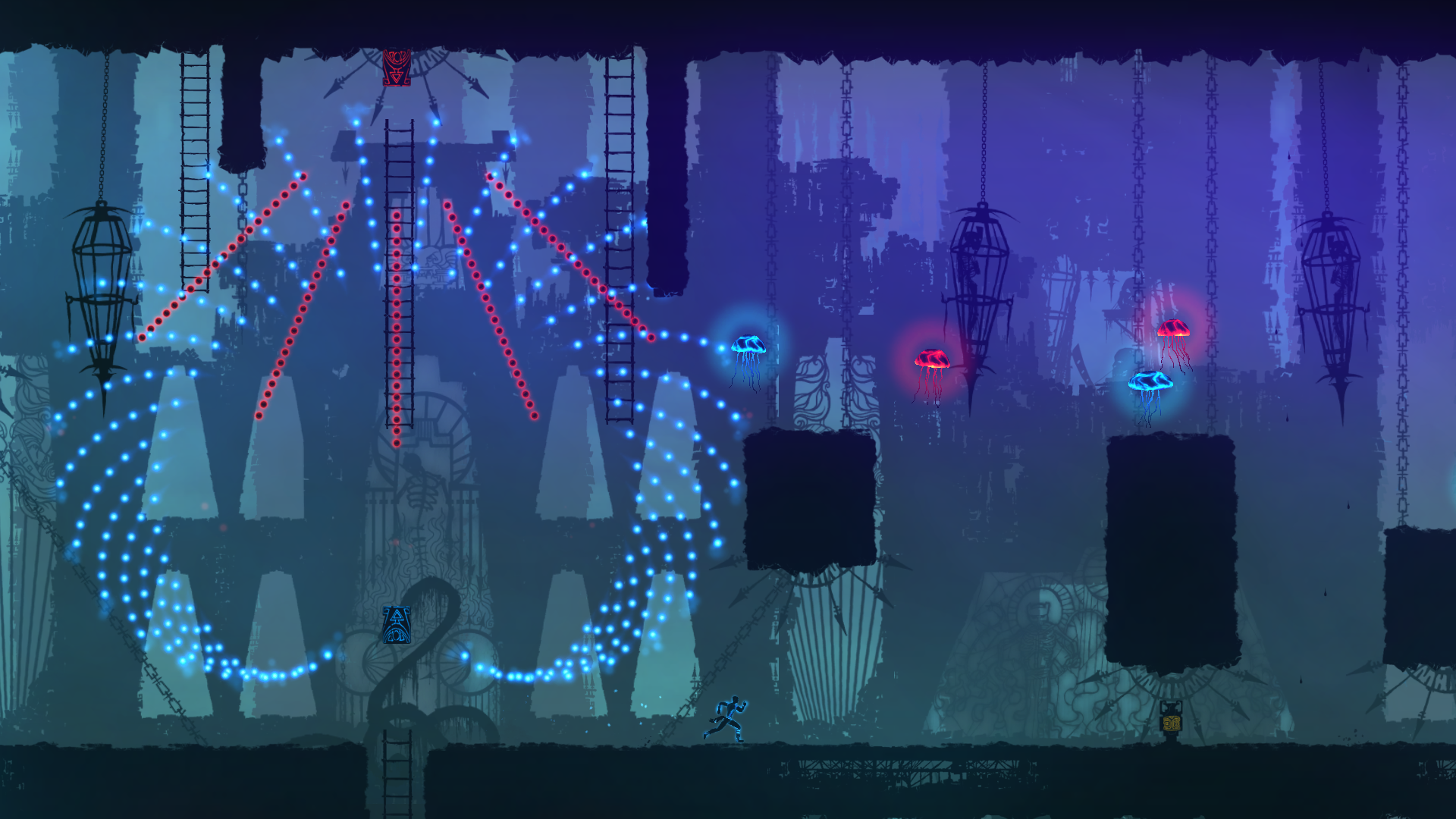
Outland is a Action, Platform, Sandbox game released in 2011 developed by Housemarque that offers Co-operative, Multiplayer gameplay from a side view perspective playable on Linux, Mac, PC (Microsoft Windows) with 48 user ratings averaging 71.8/100. The game explores themes like Fantasy, Warfare. If you enjoy Outland, you might also like similar games in our database of 45,000+ titles.
Basic Info
Details
↑ Back to topAdditional Information
Платформы 5
Genres 3
Themes 2
Player Perspectives 1
Game Modes 3
Companies
↑ Back to topDevelopers
Housemarque
No description available
Publishers
Ubisoft Entertainment
No description available
Keywords
↑ Back to topScreenshots
↑ Back to top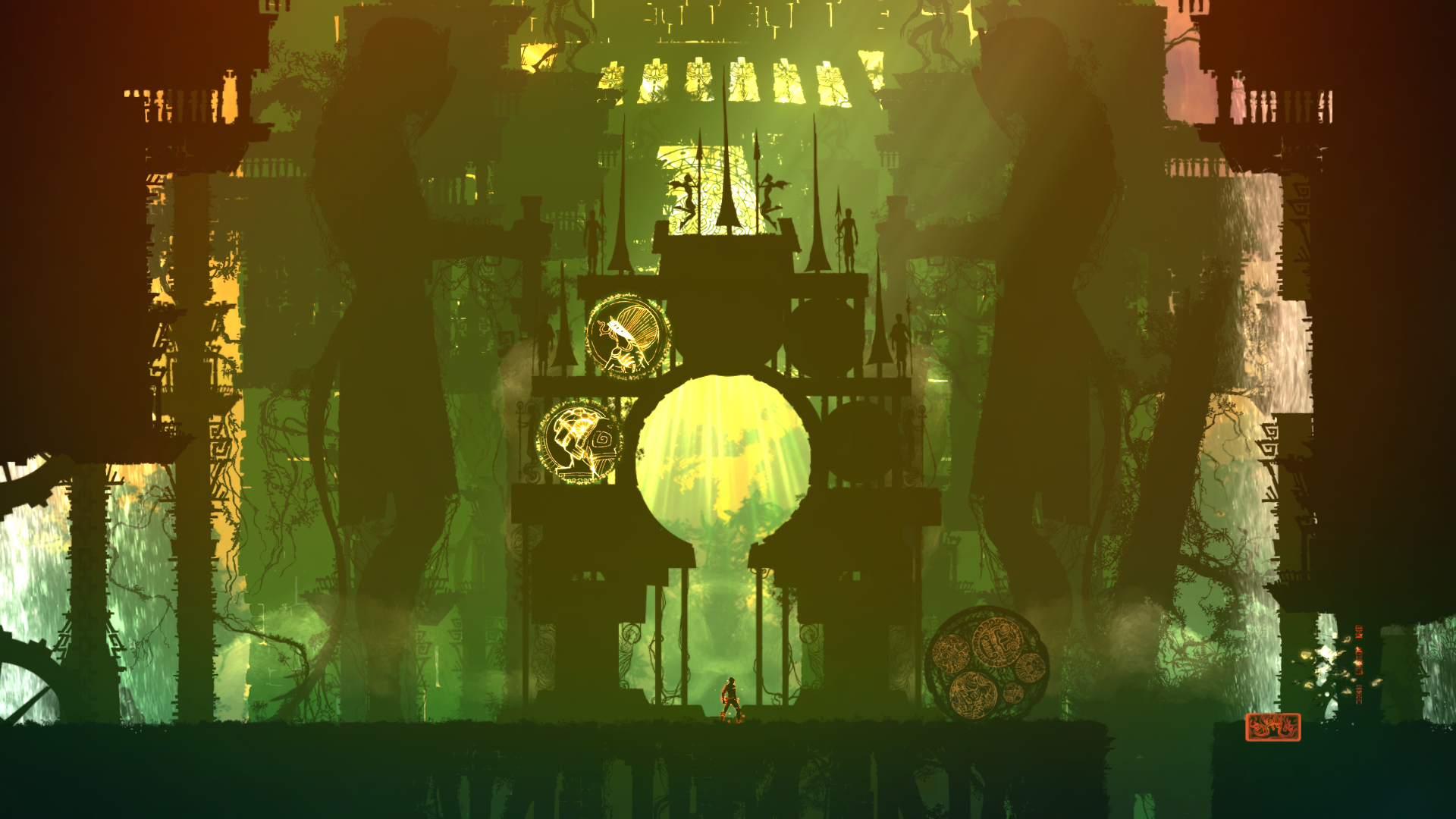
Similar Games
↑ Back to top
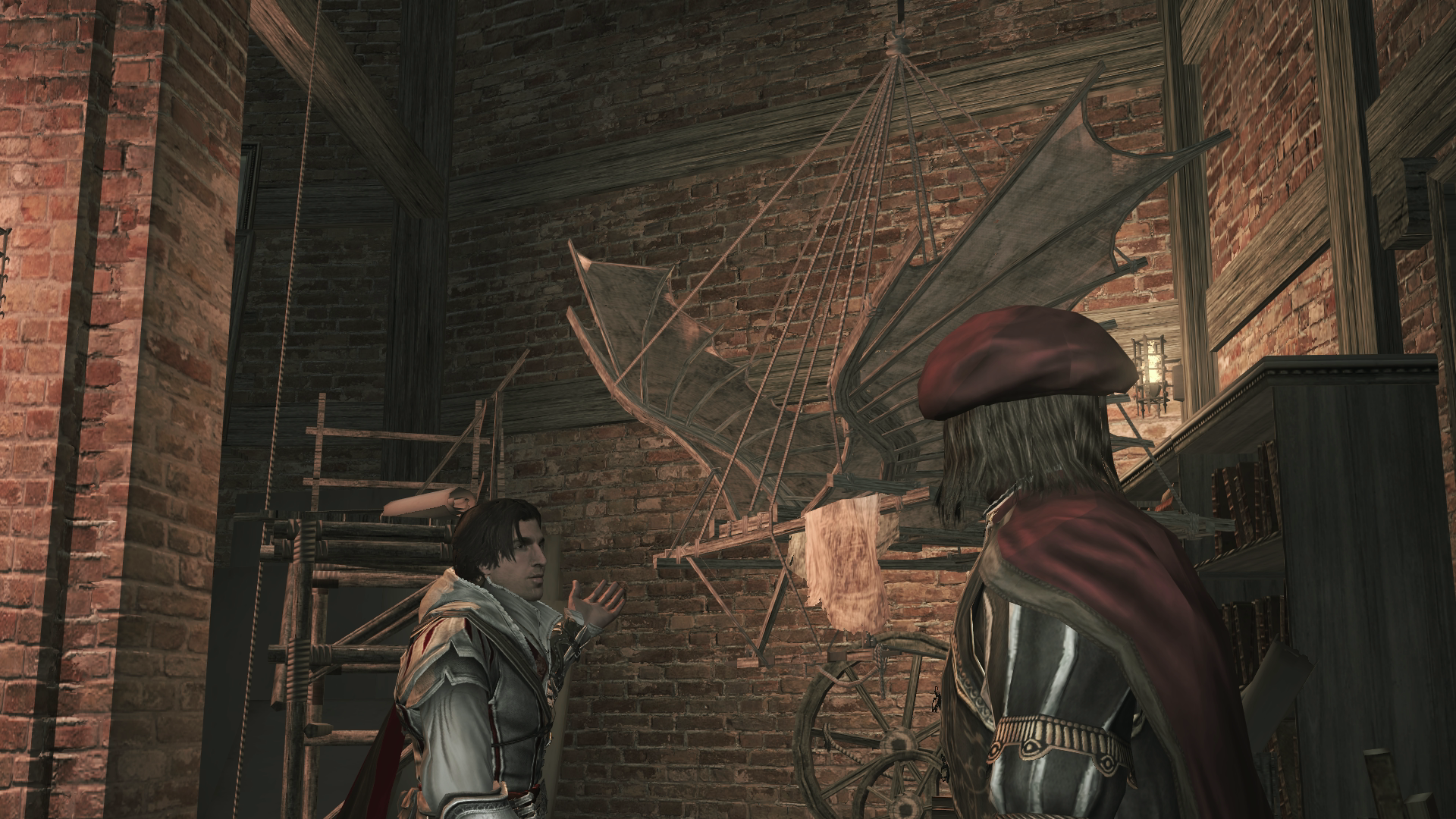
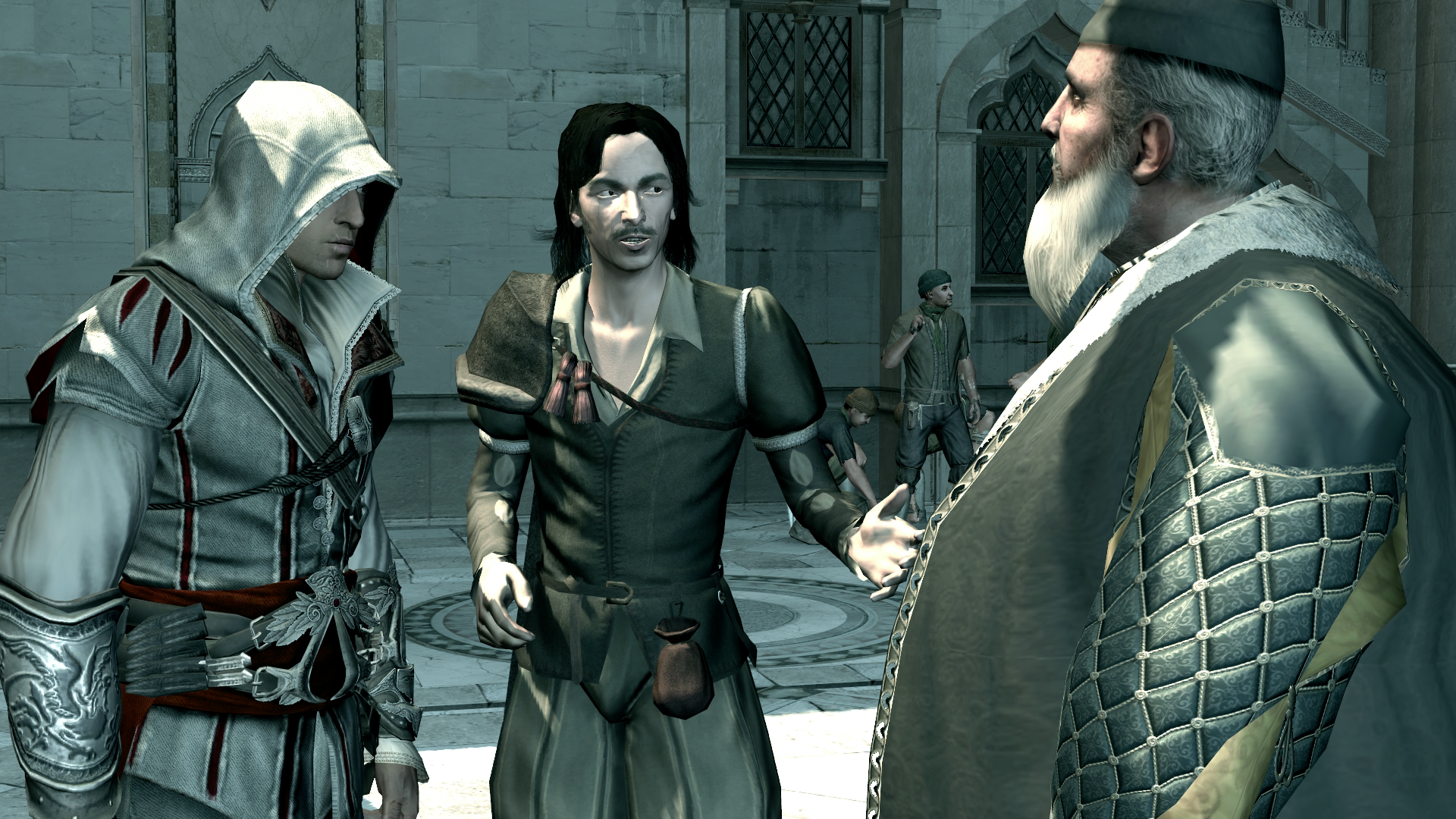
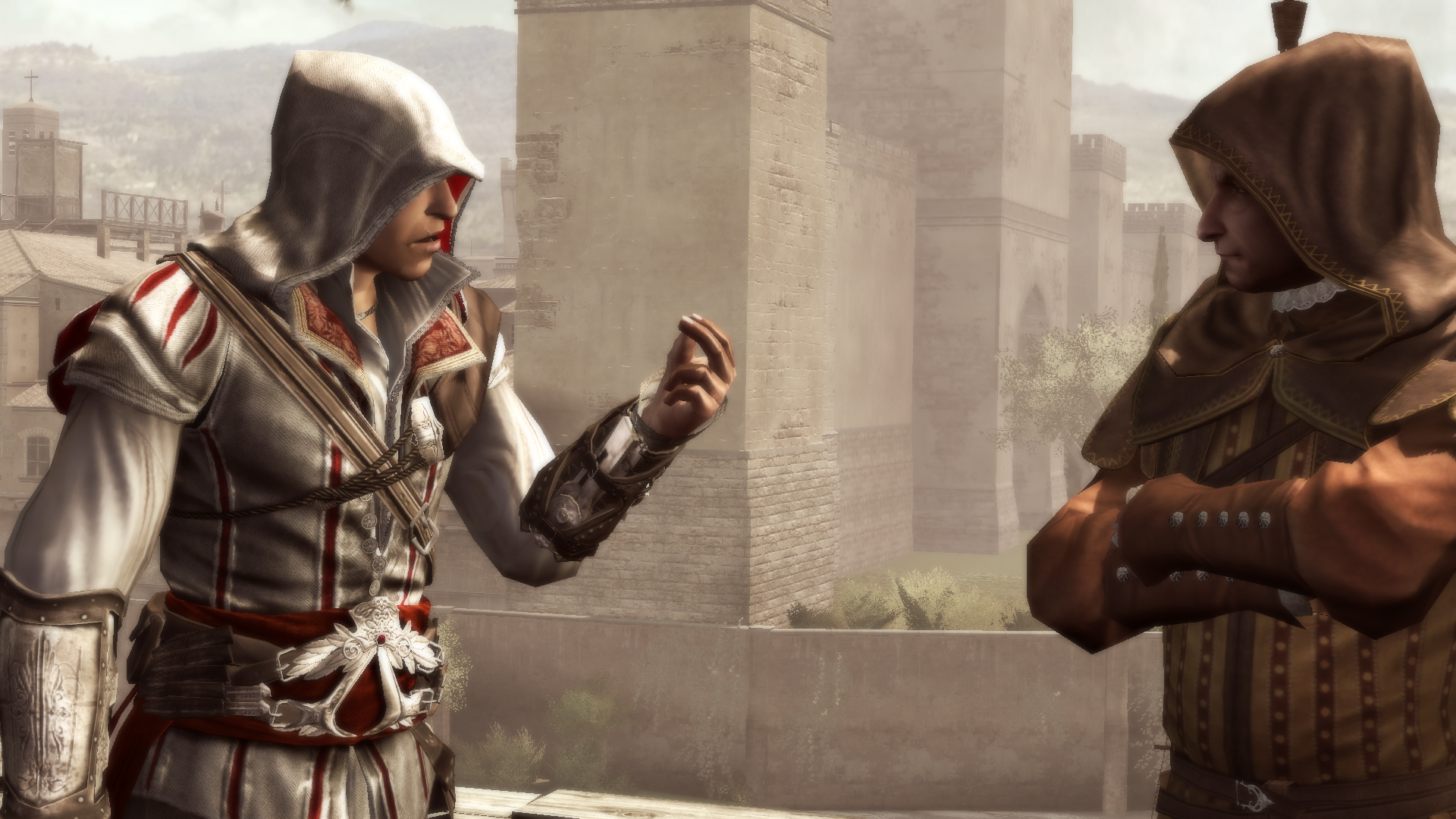
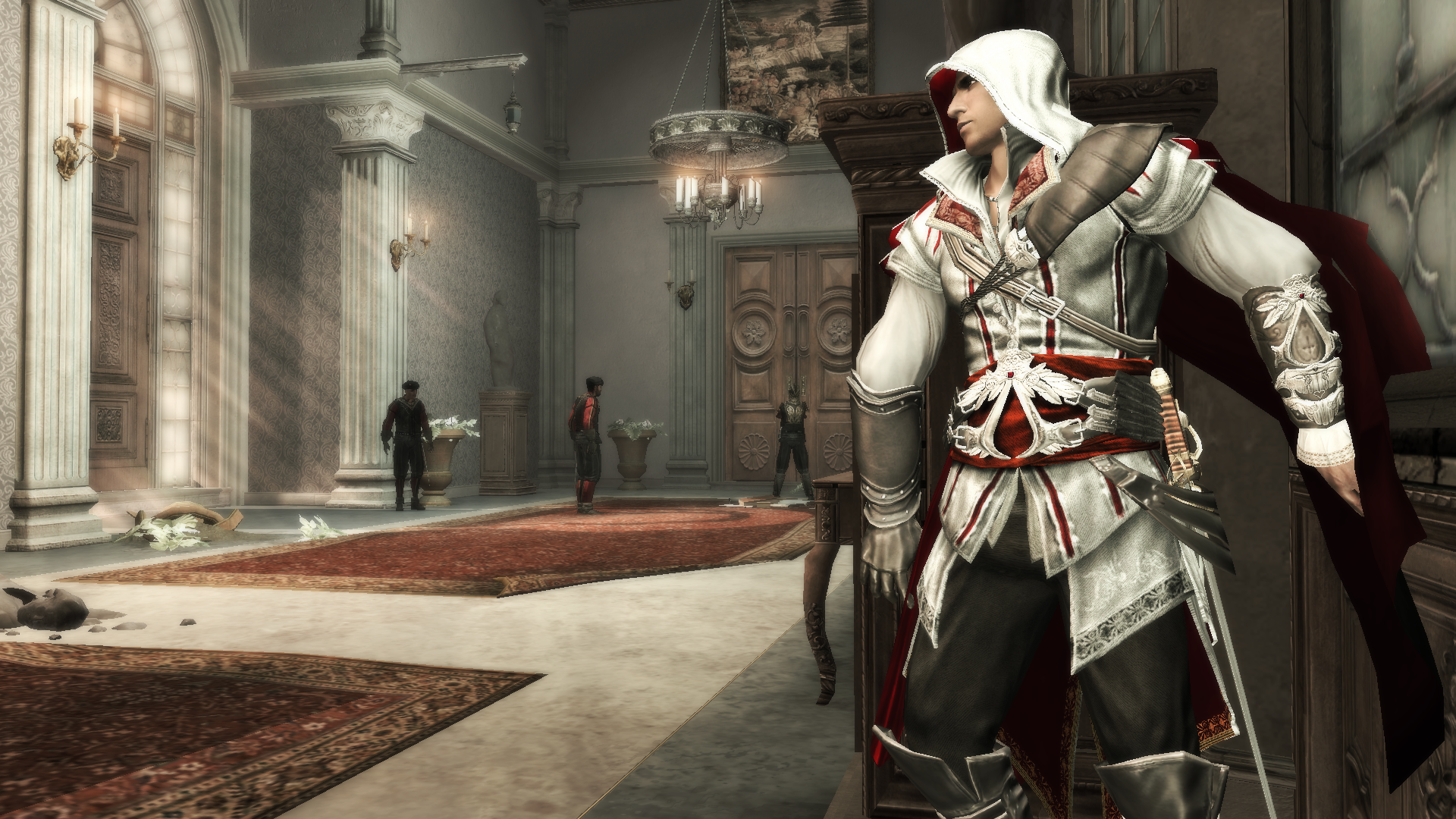

Assassin's Creed II


Tomb Raider



Hollow Knight
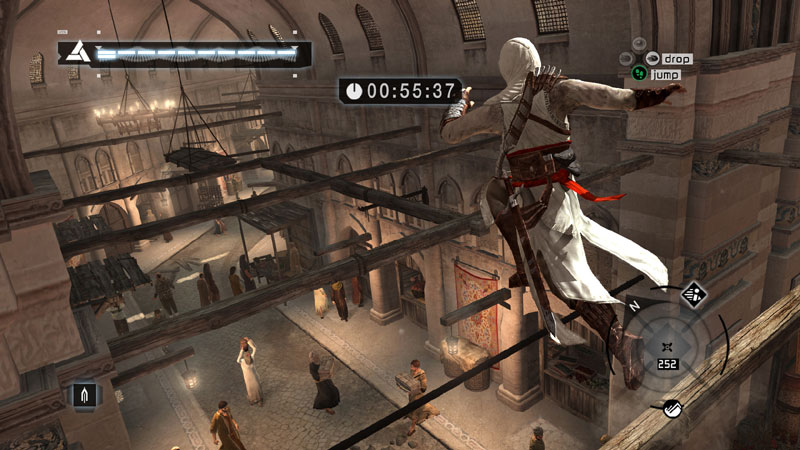
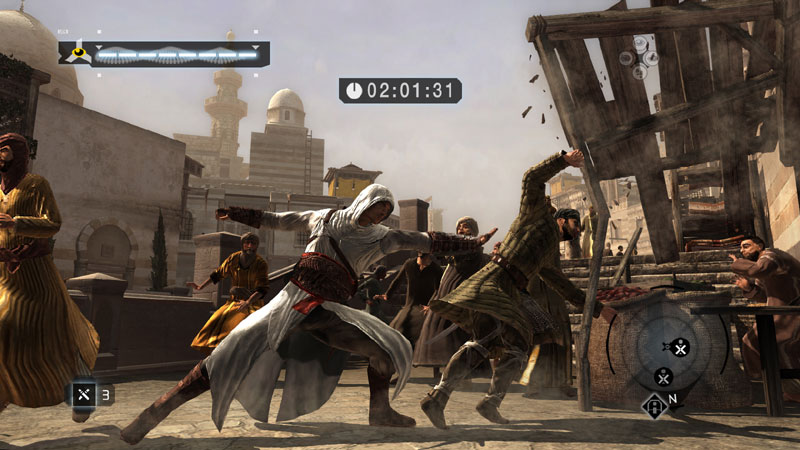

Assassin's Creed


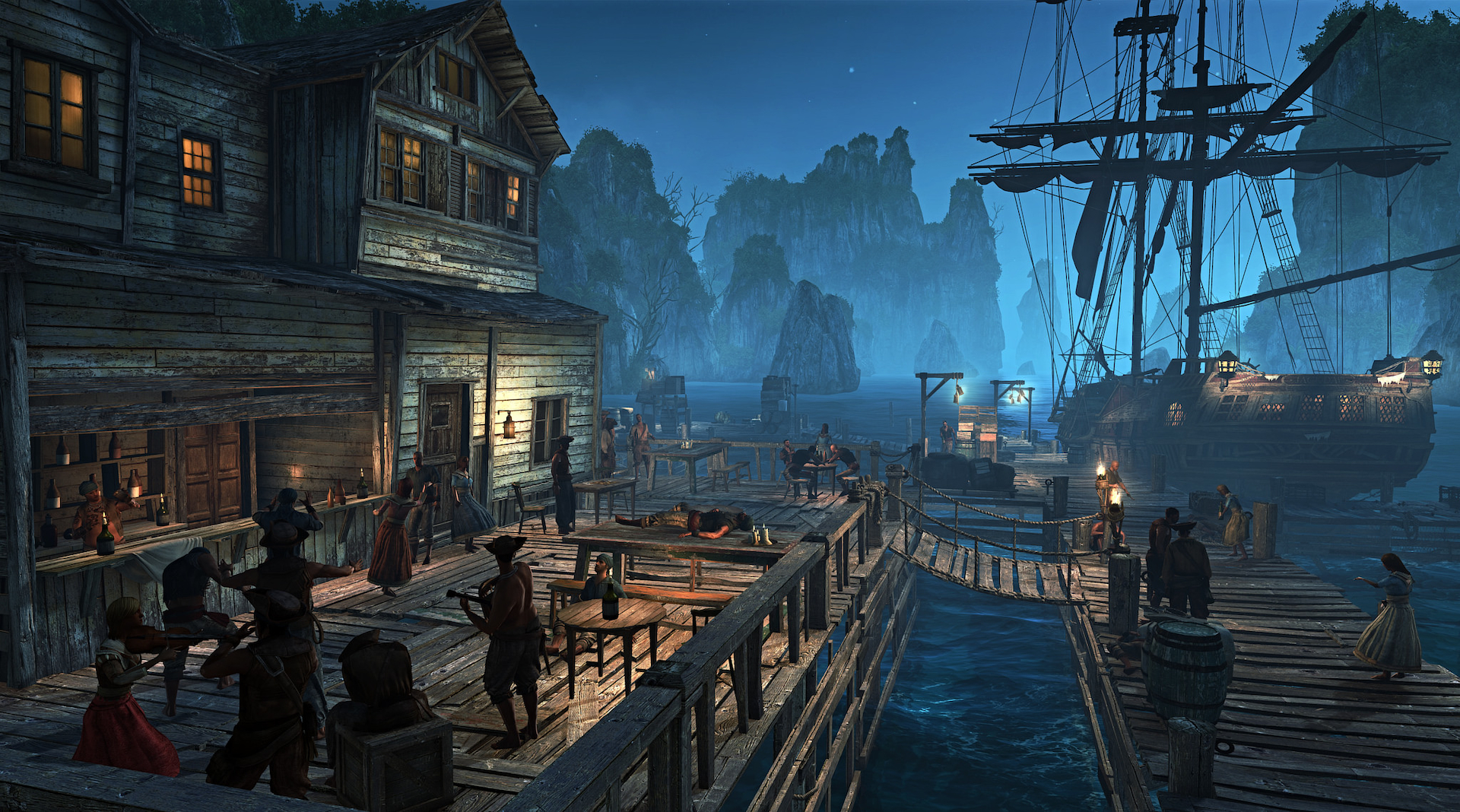


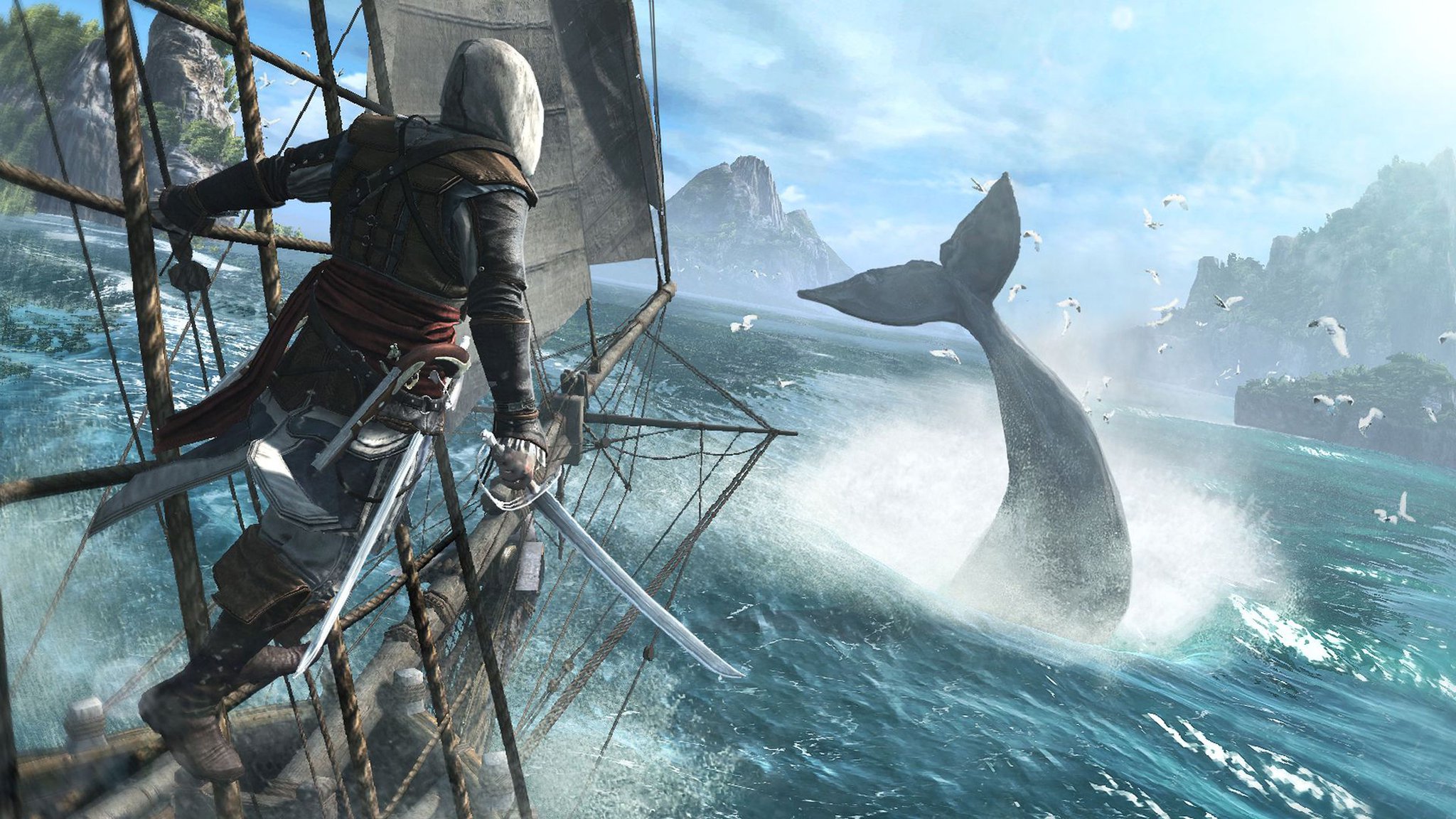
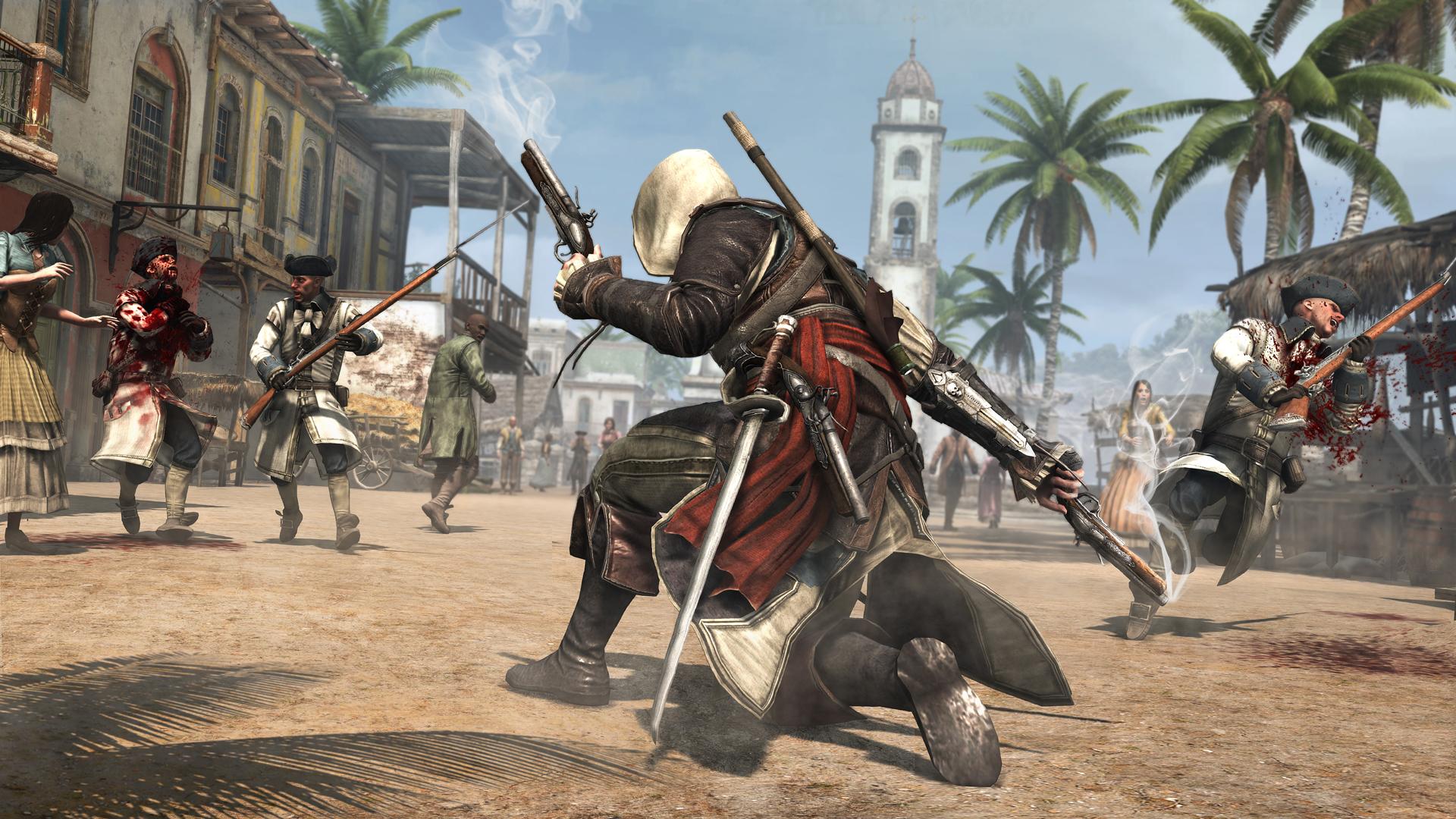


Assassin's Creed IV Black Flag


Stardew Valley
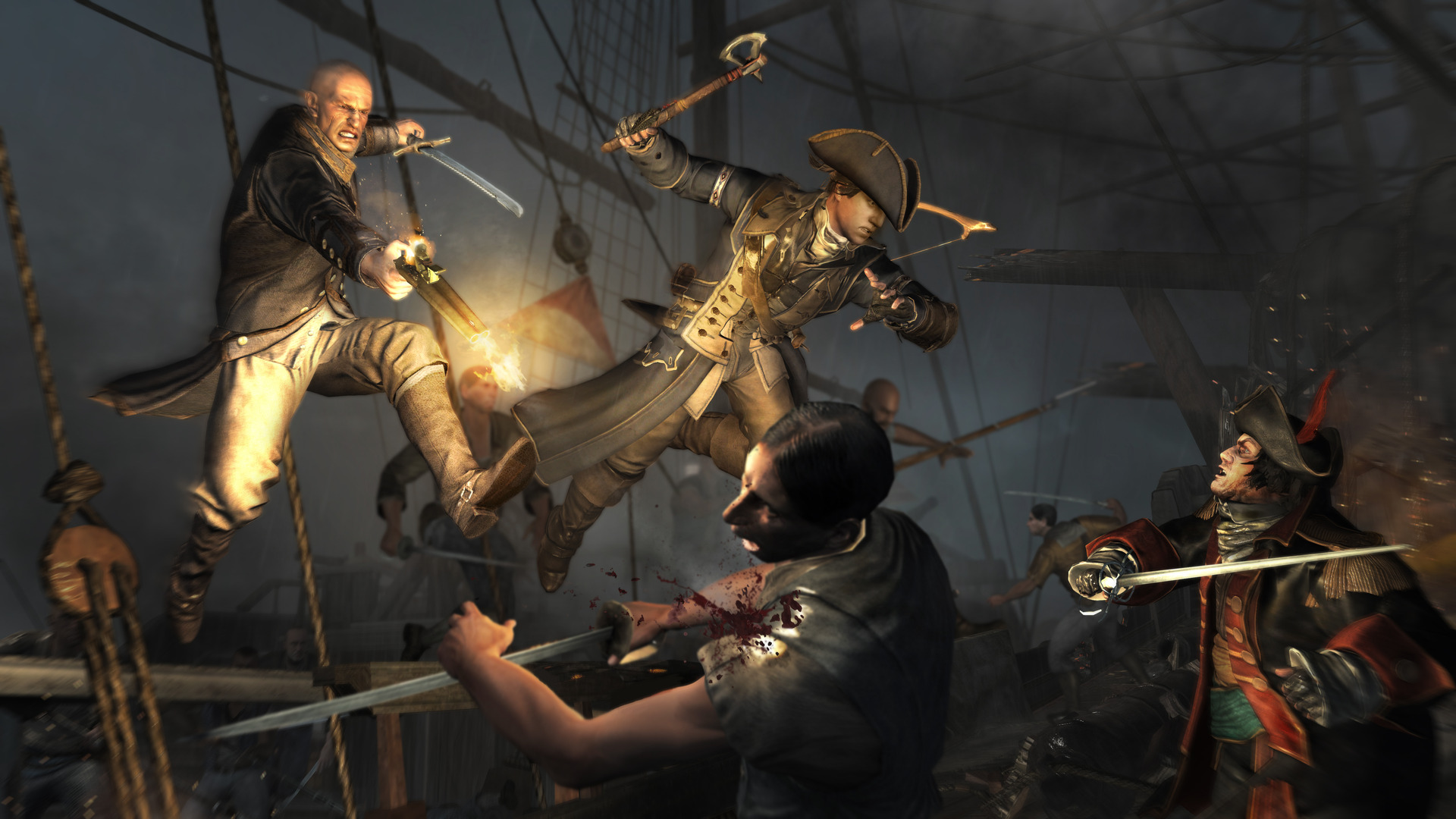
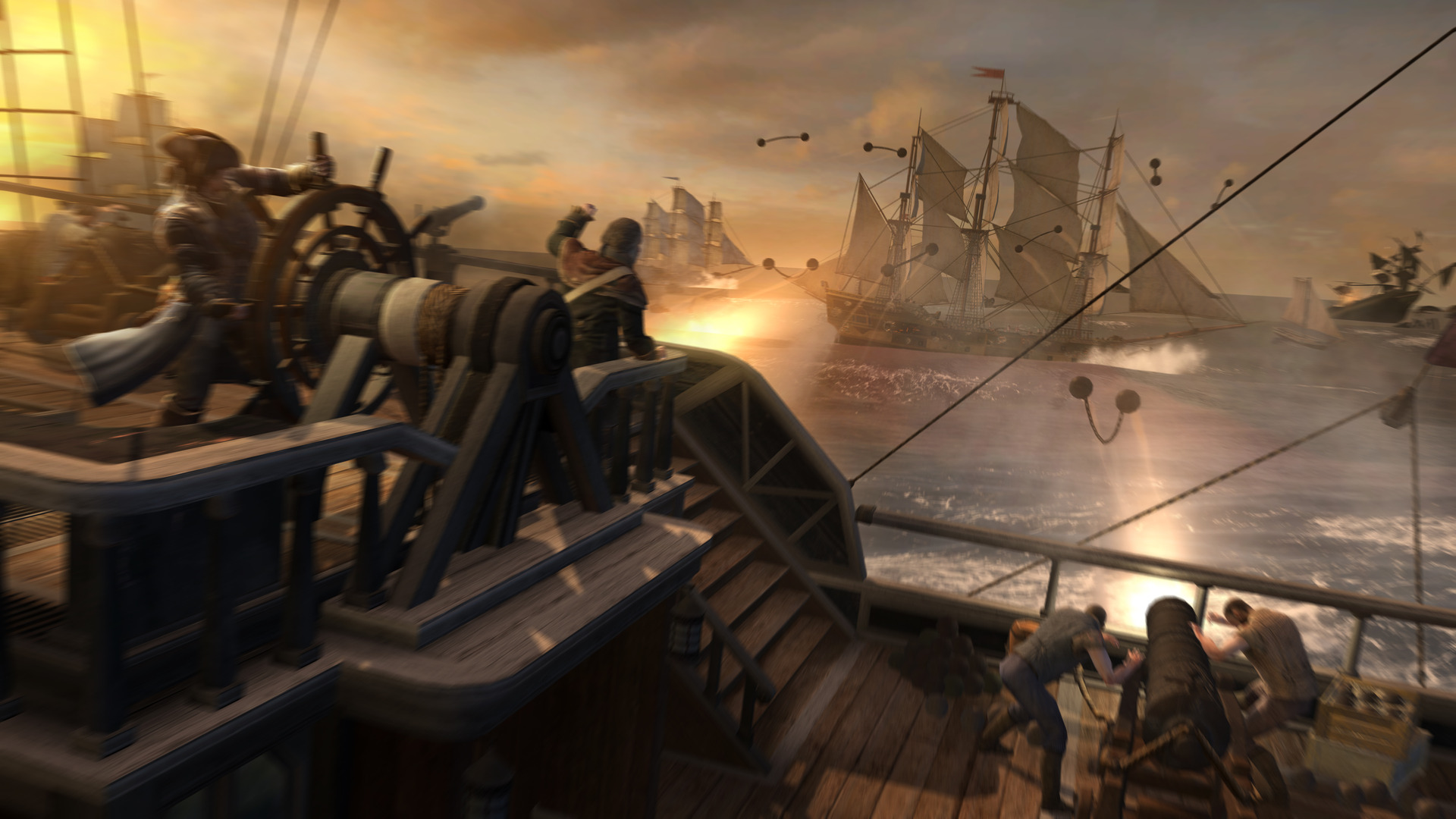
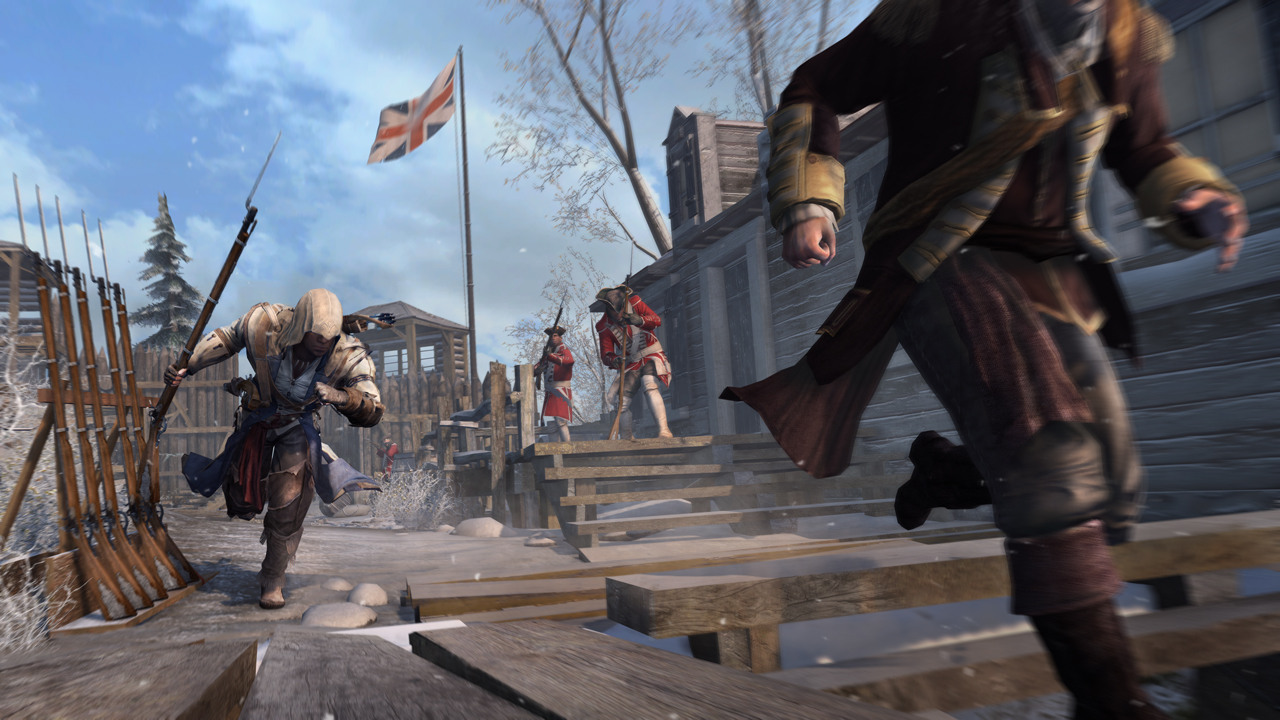
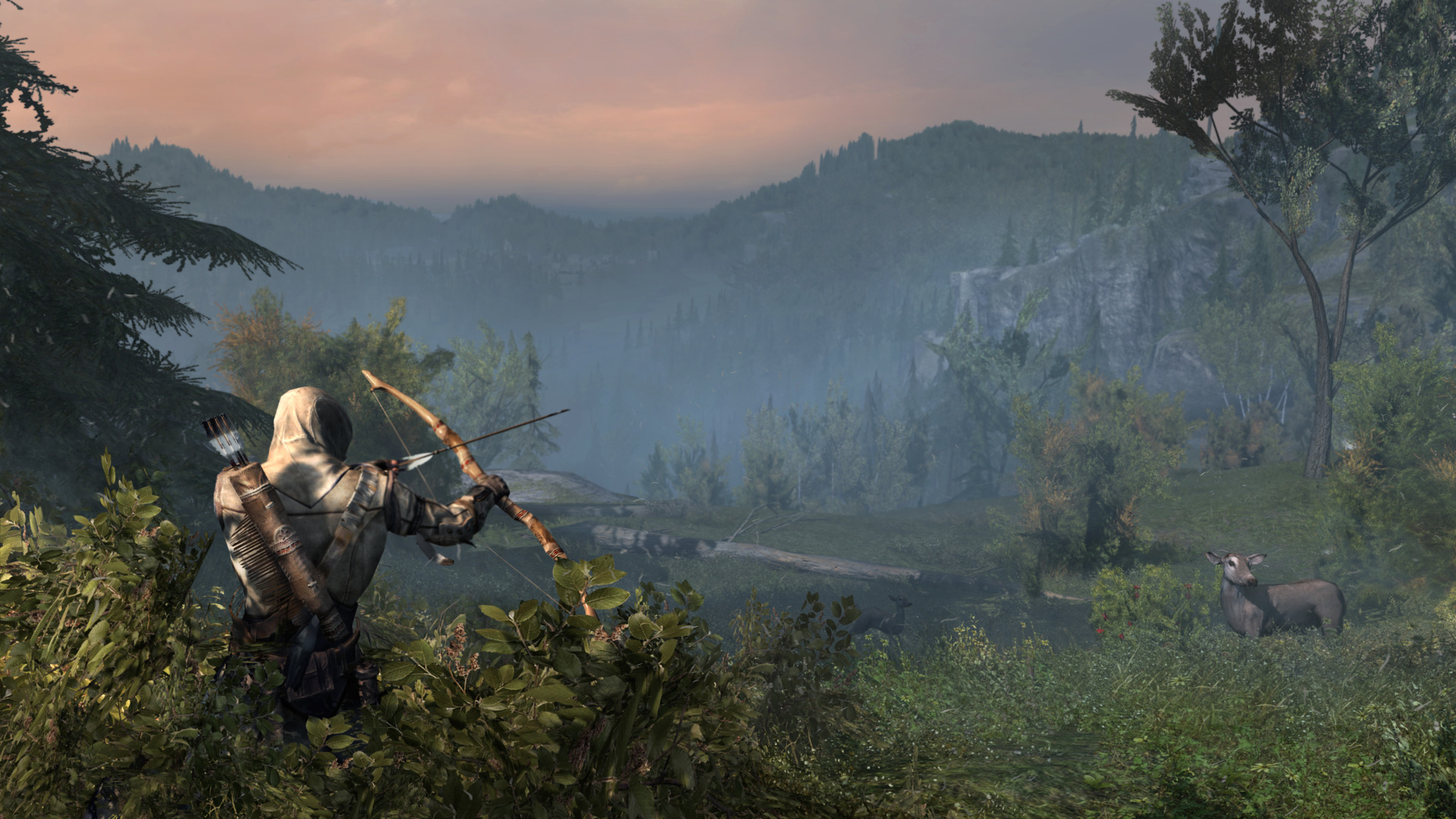
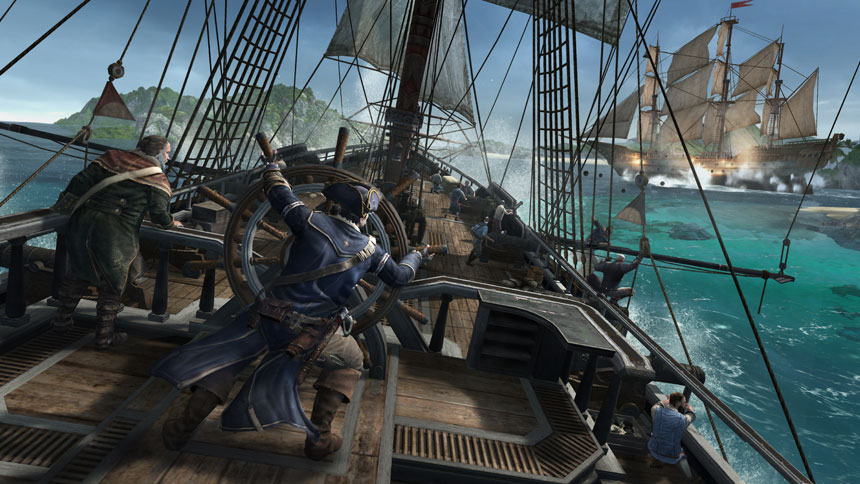
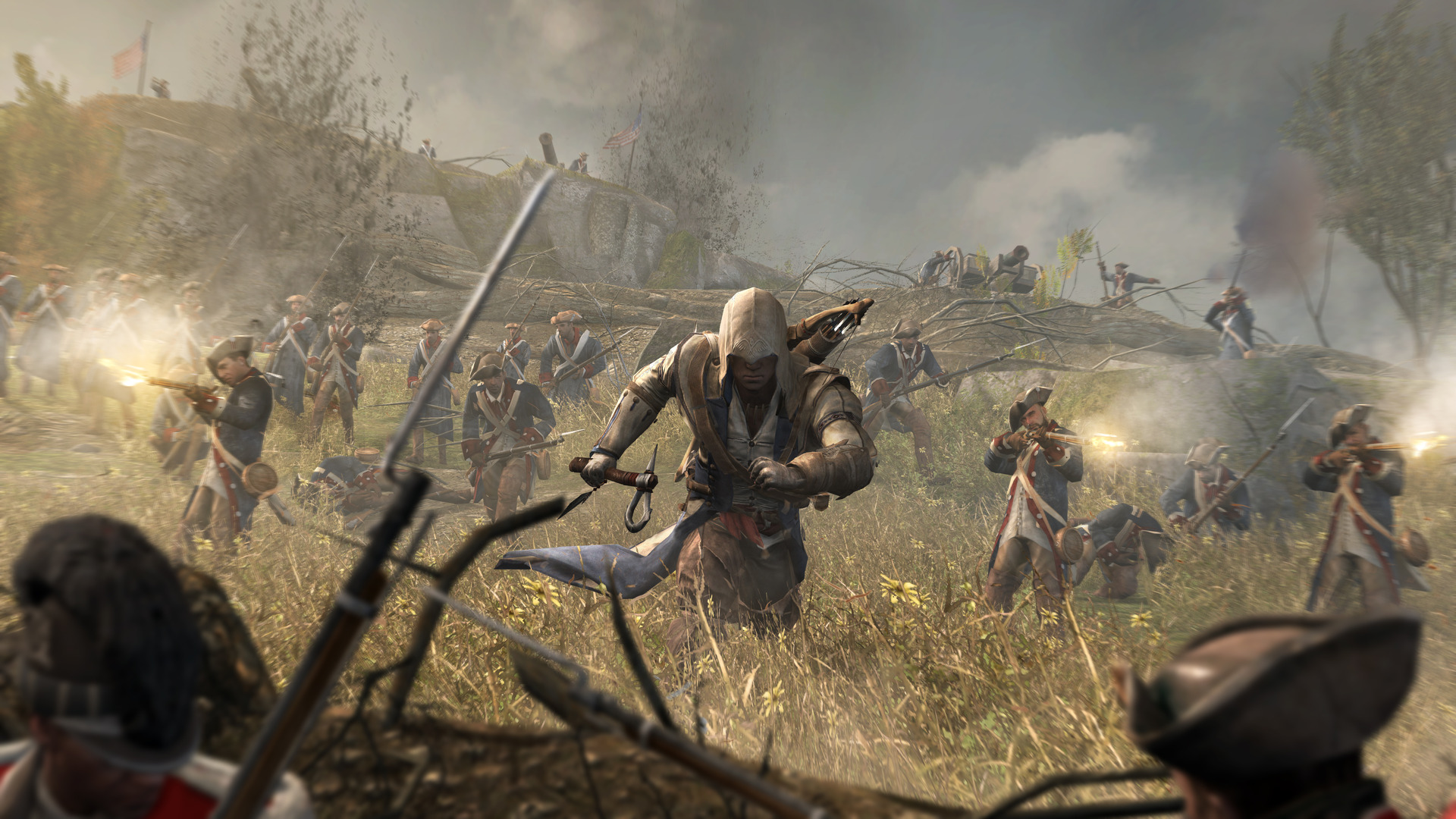
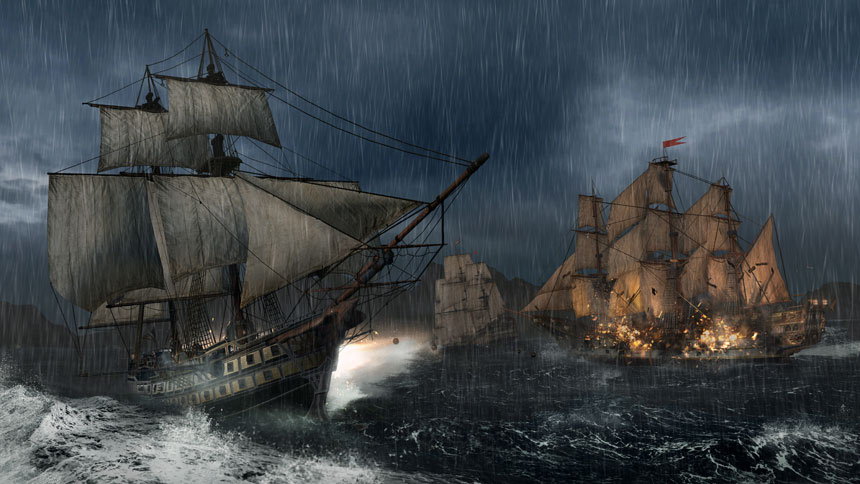
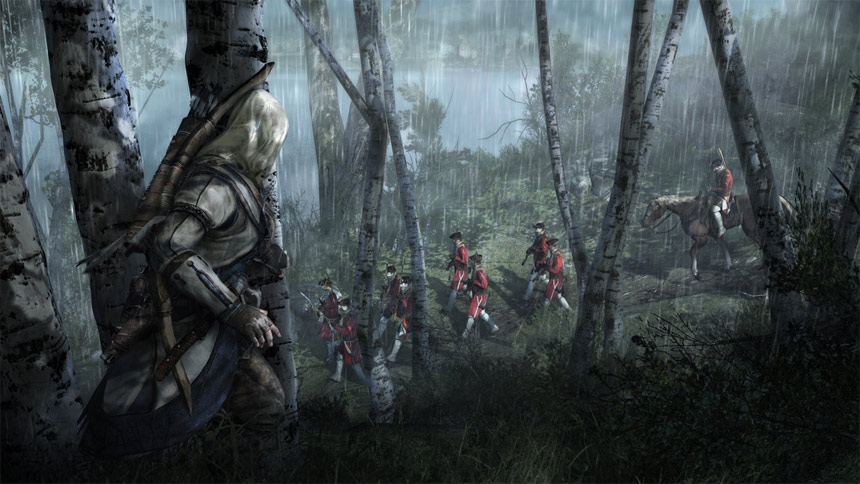
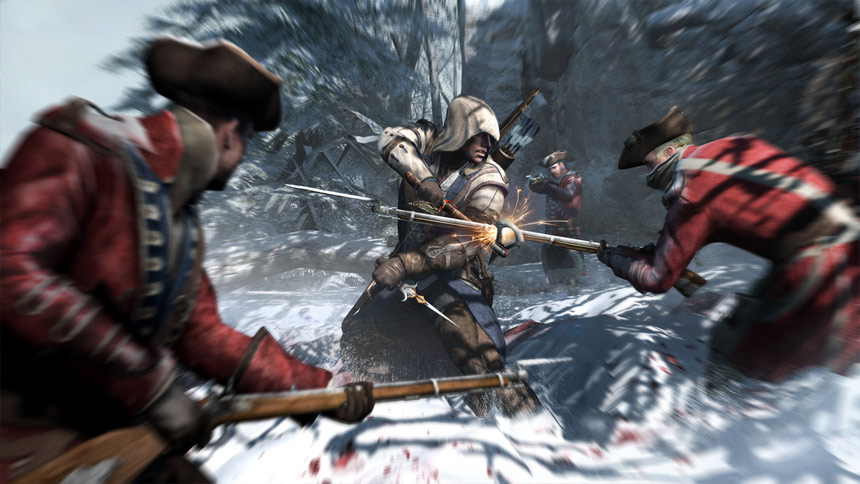

Assassin's Creed III
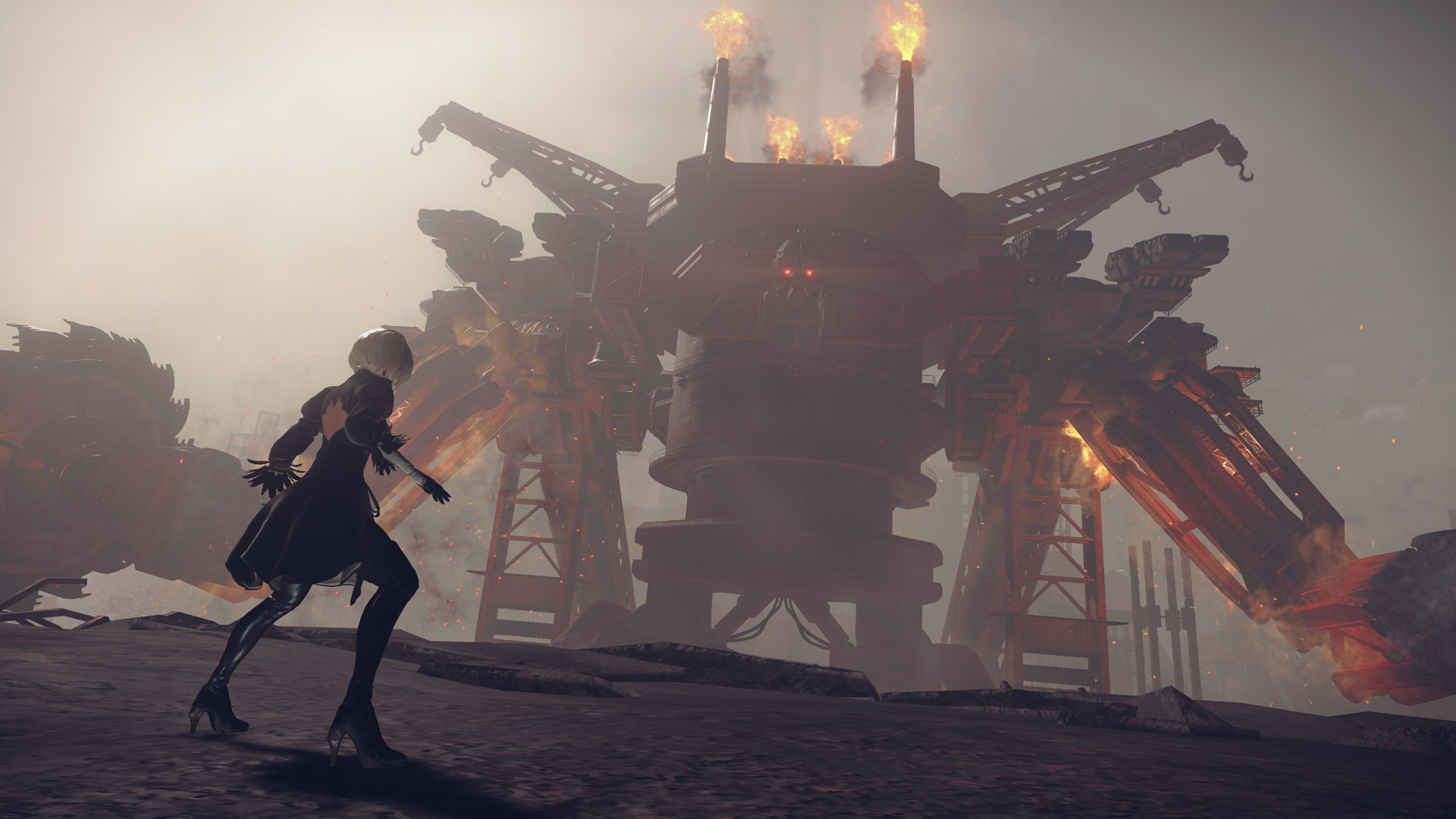
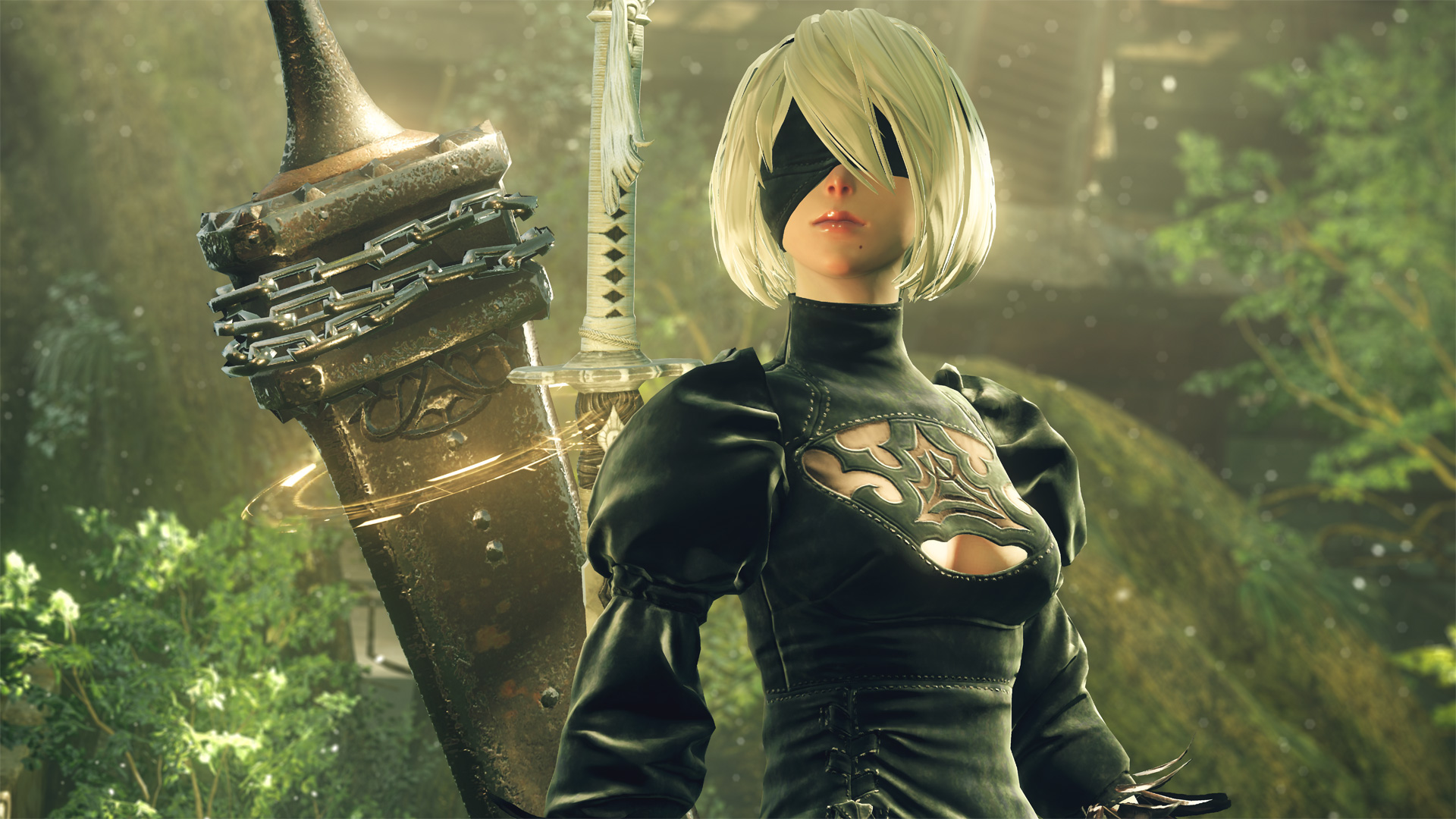
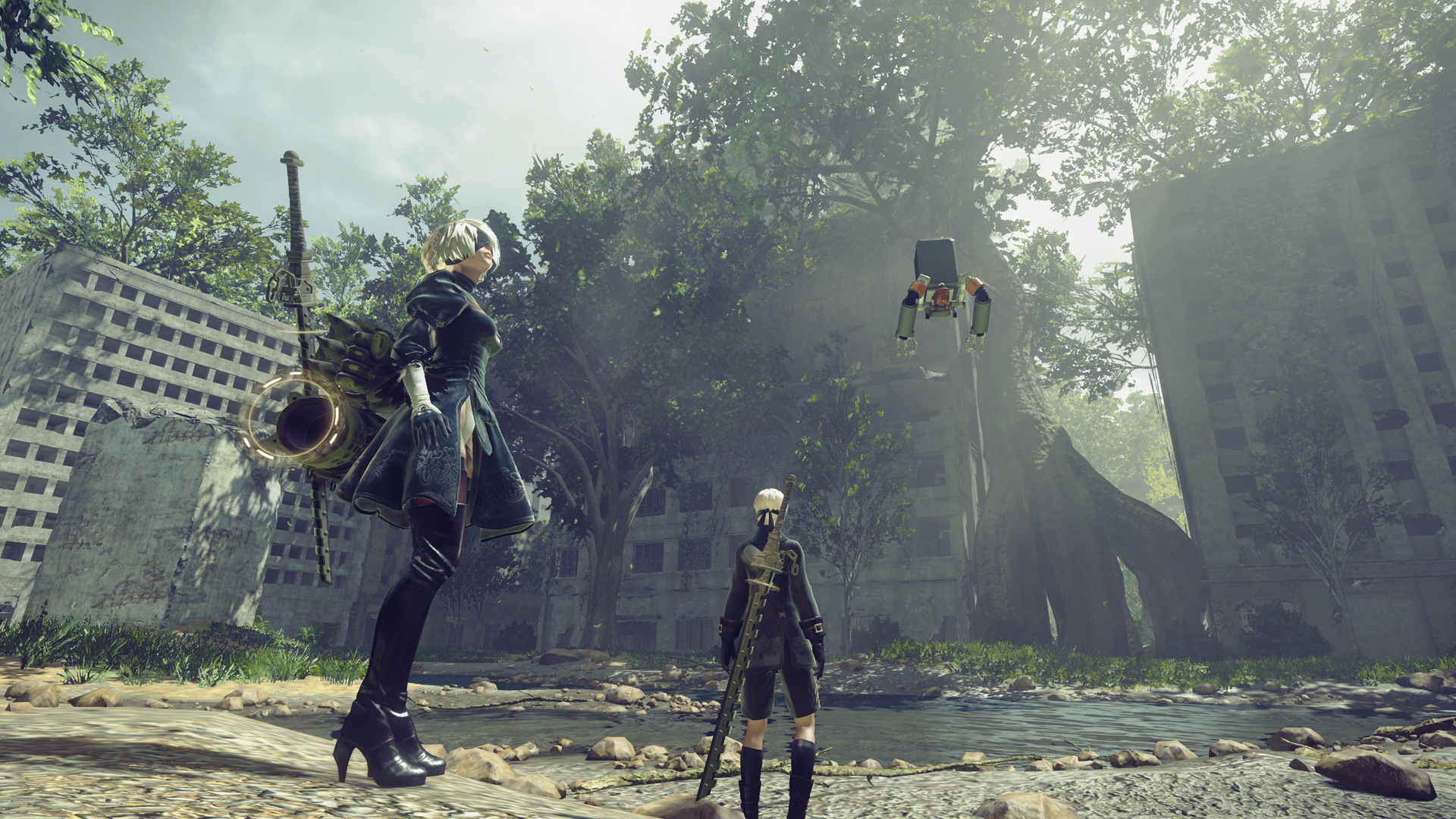
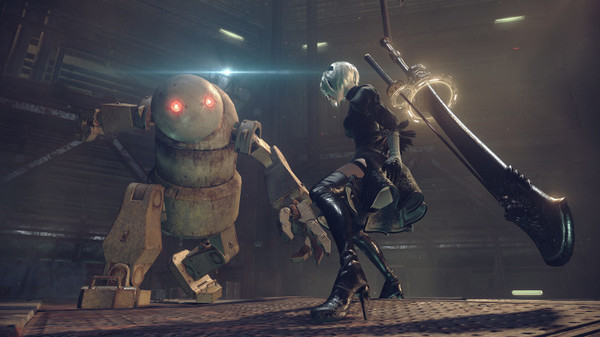
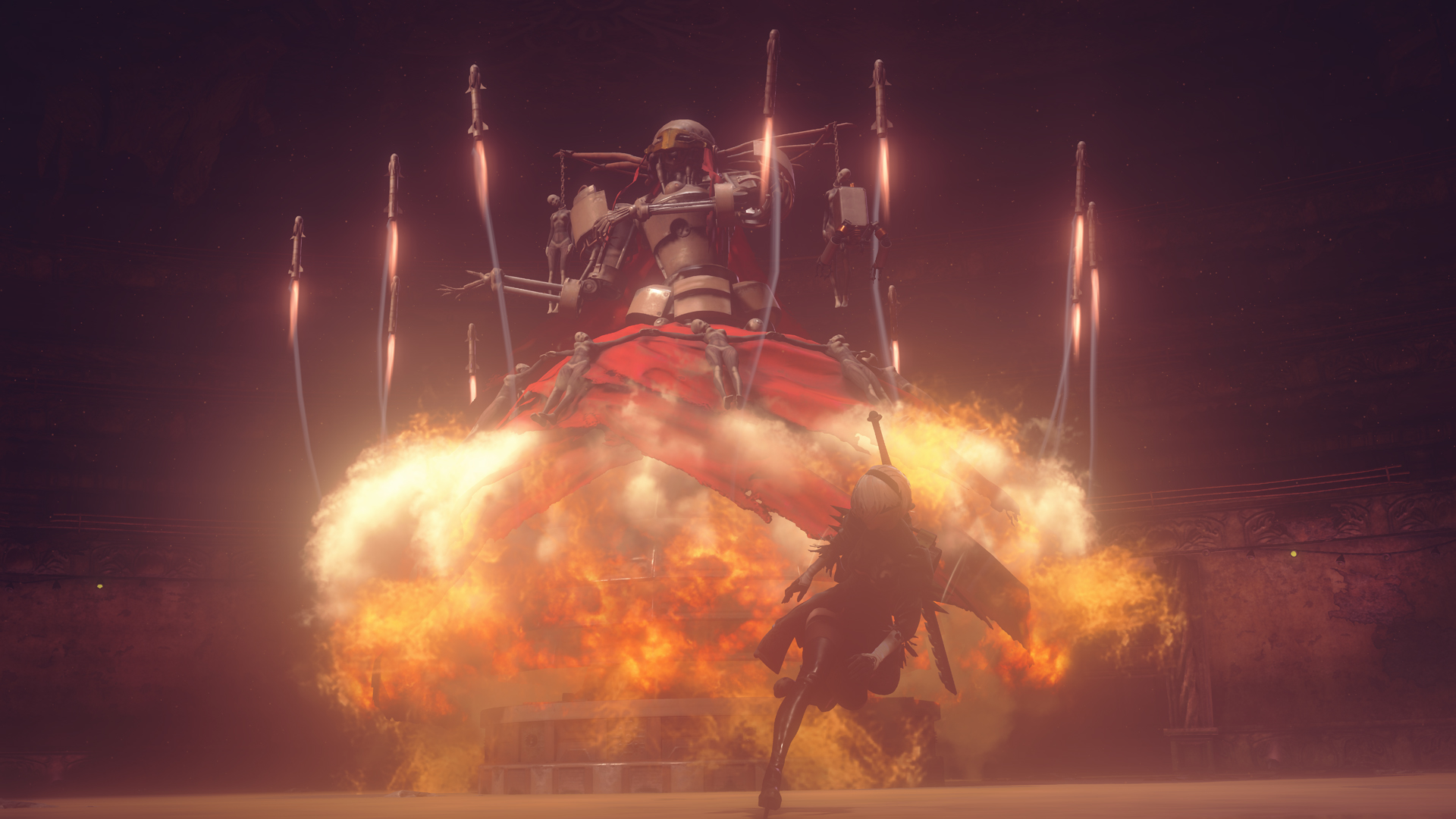
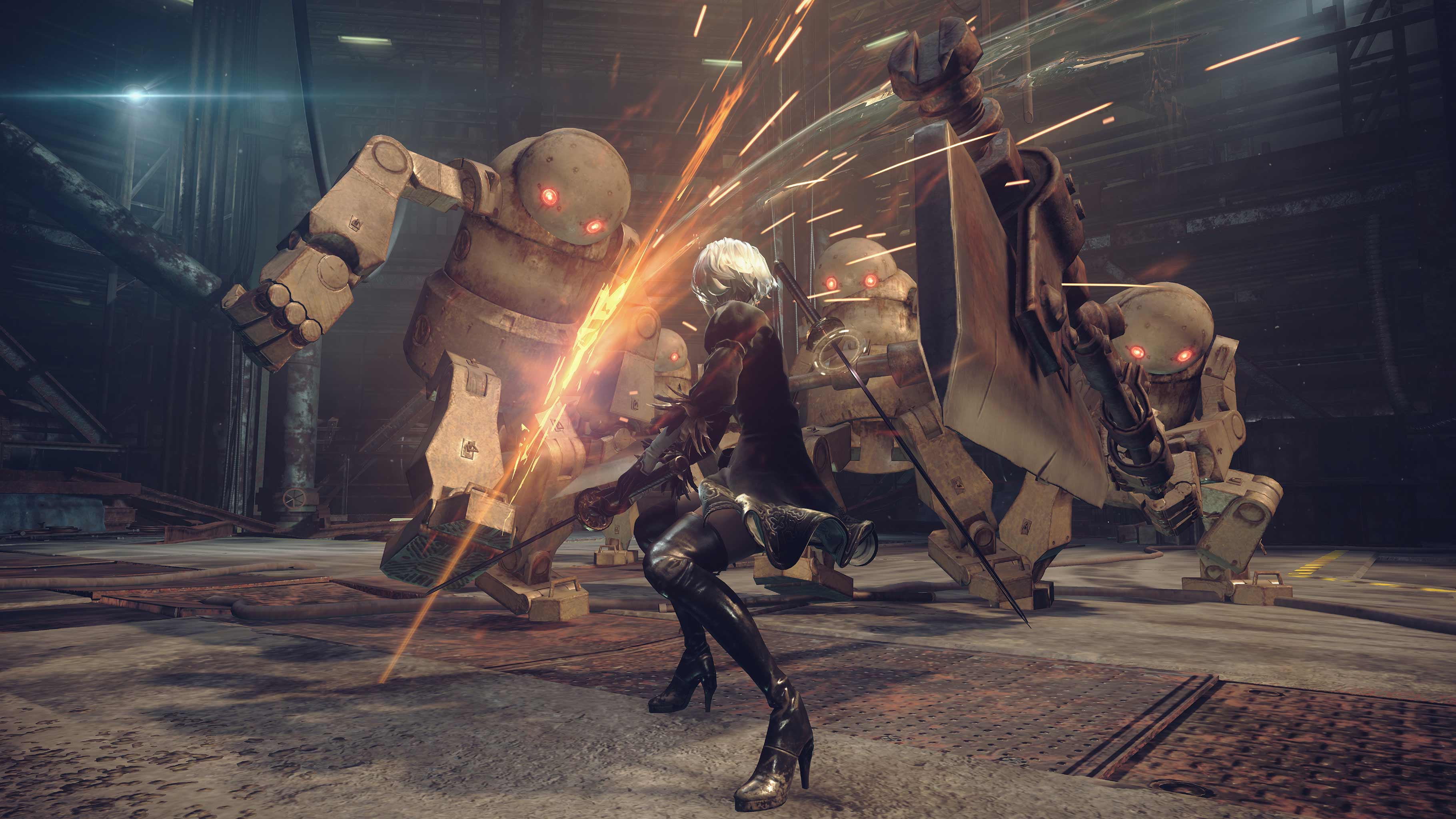

NieR: Automata
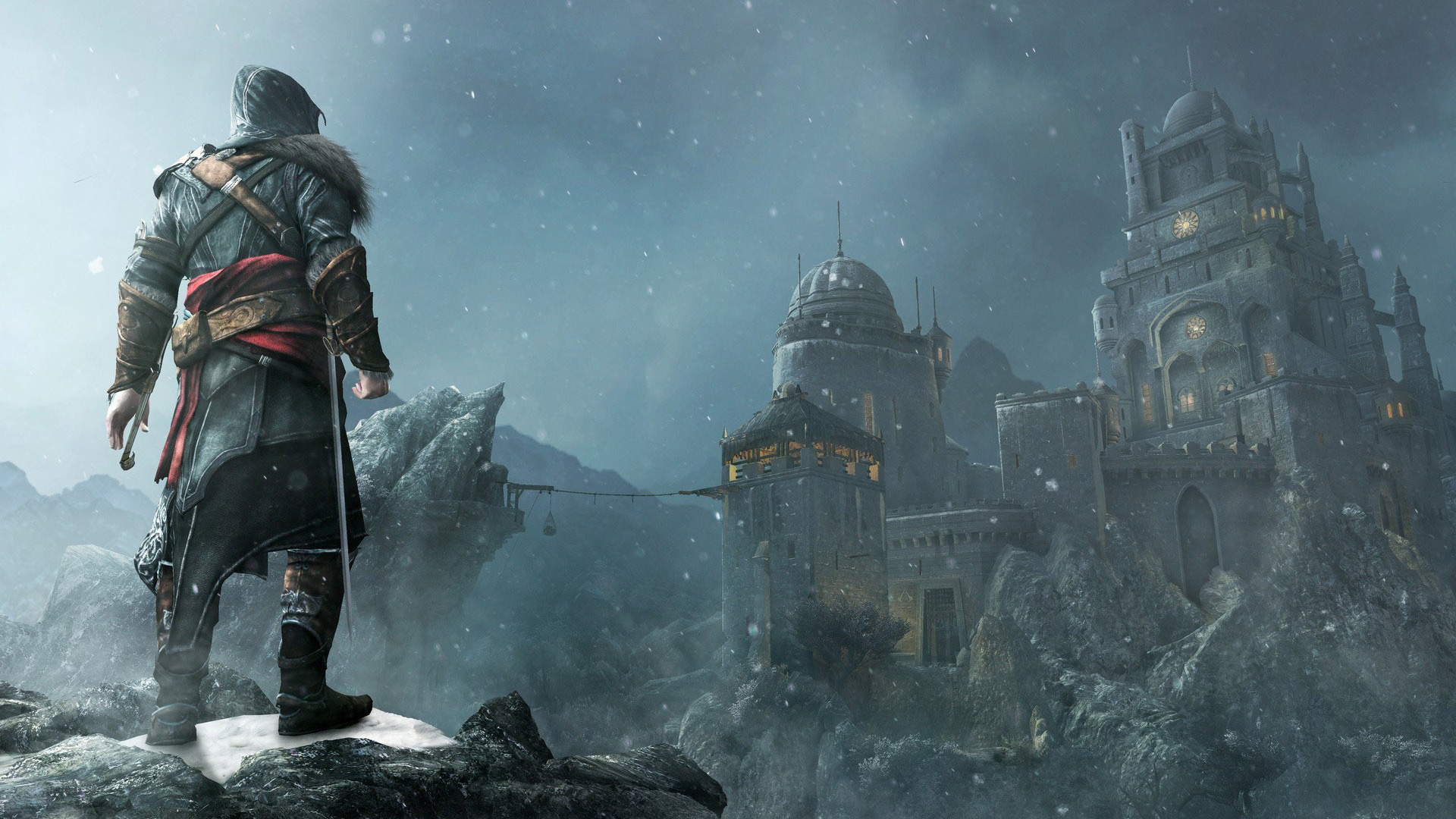
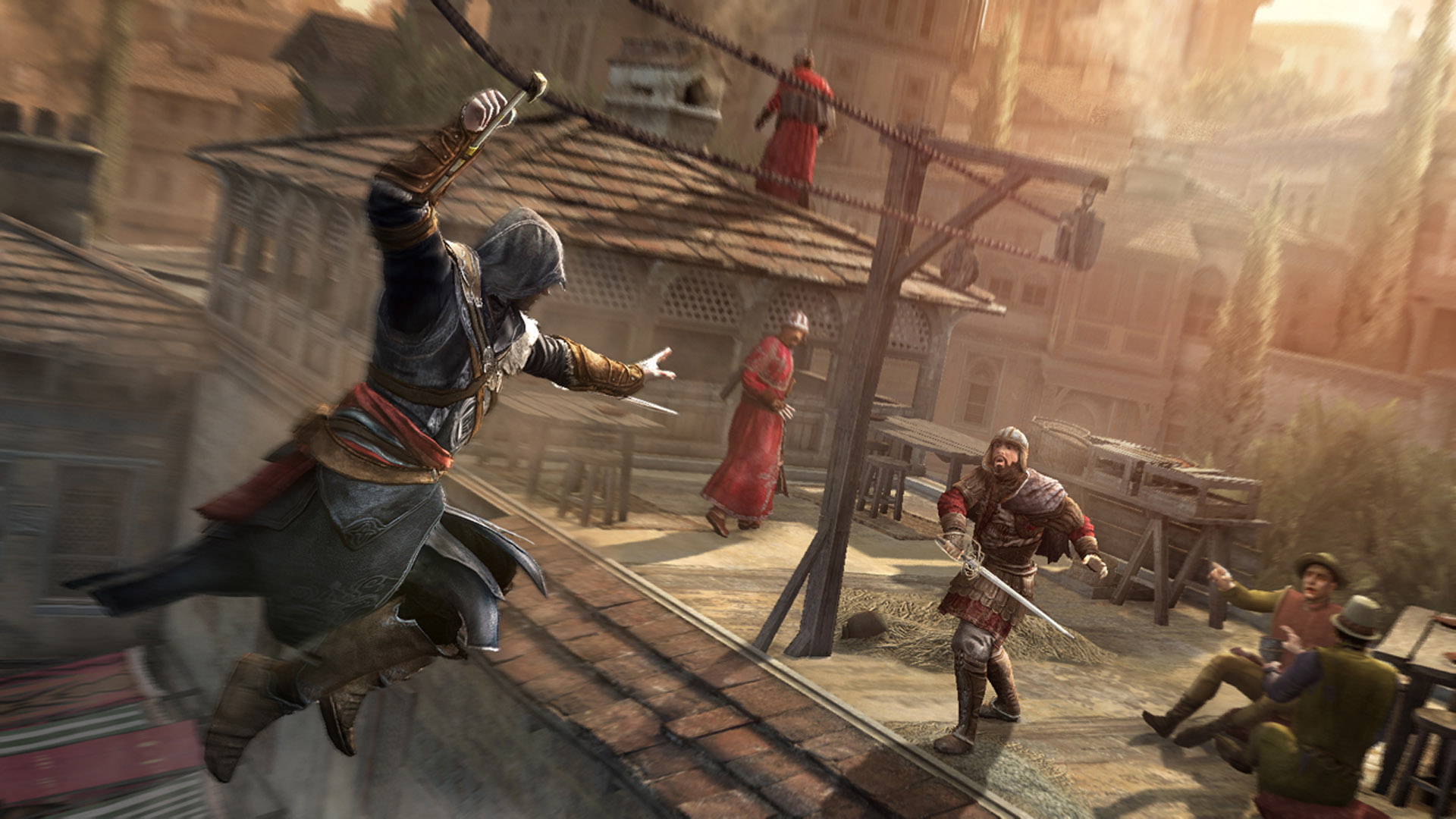
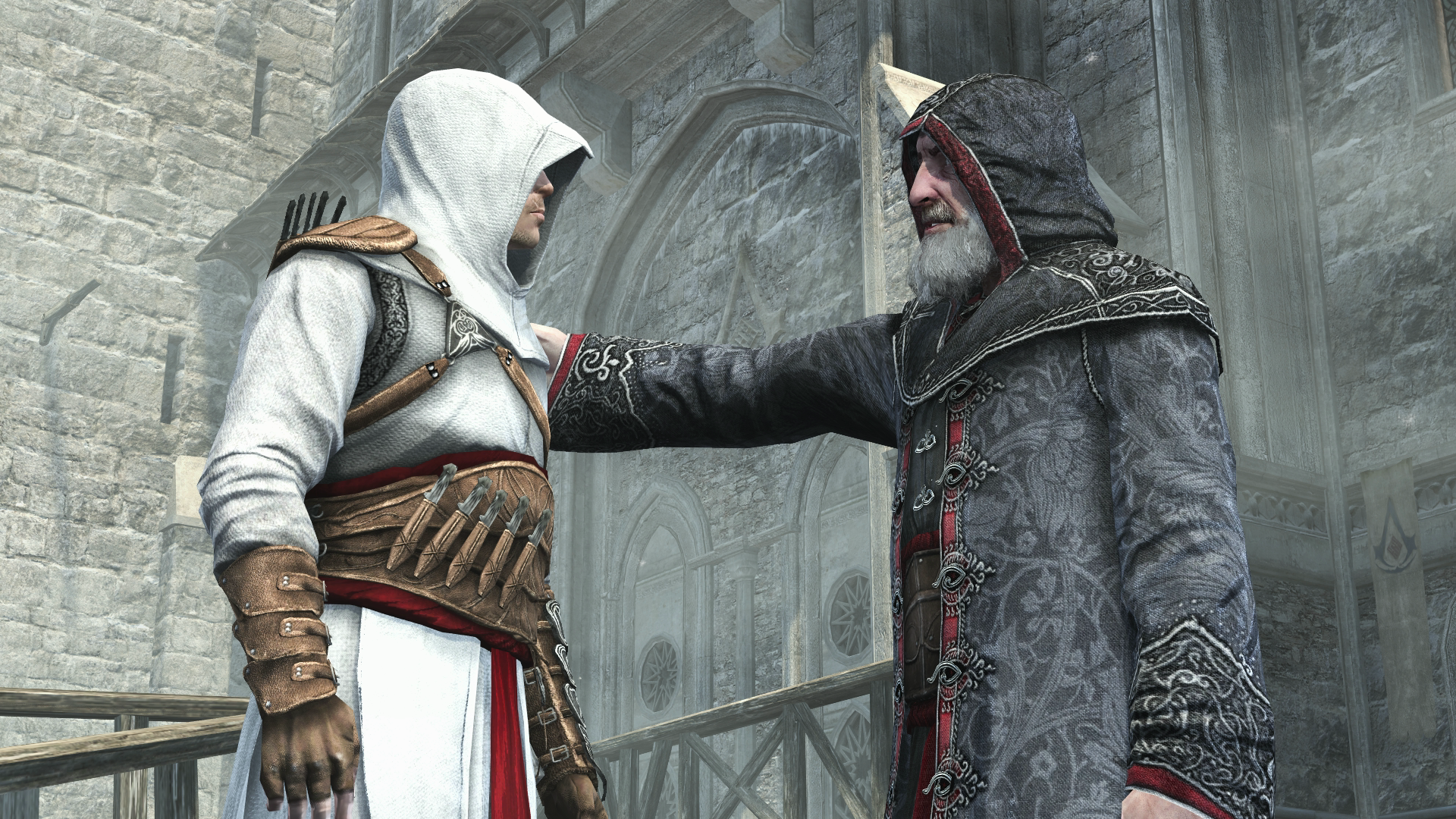
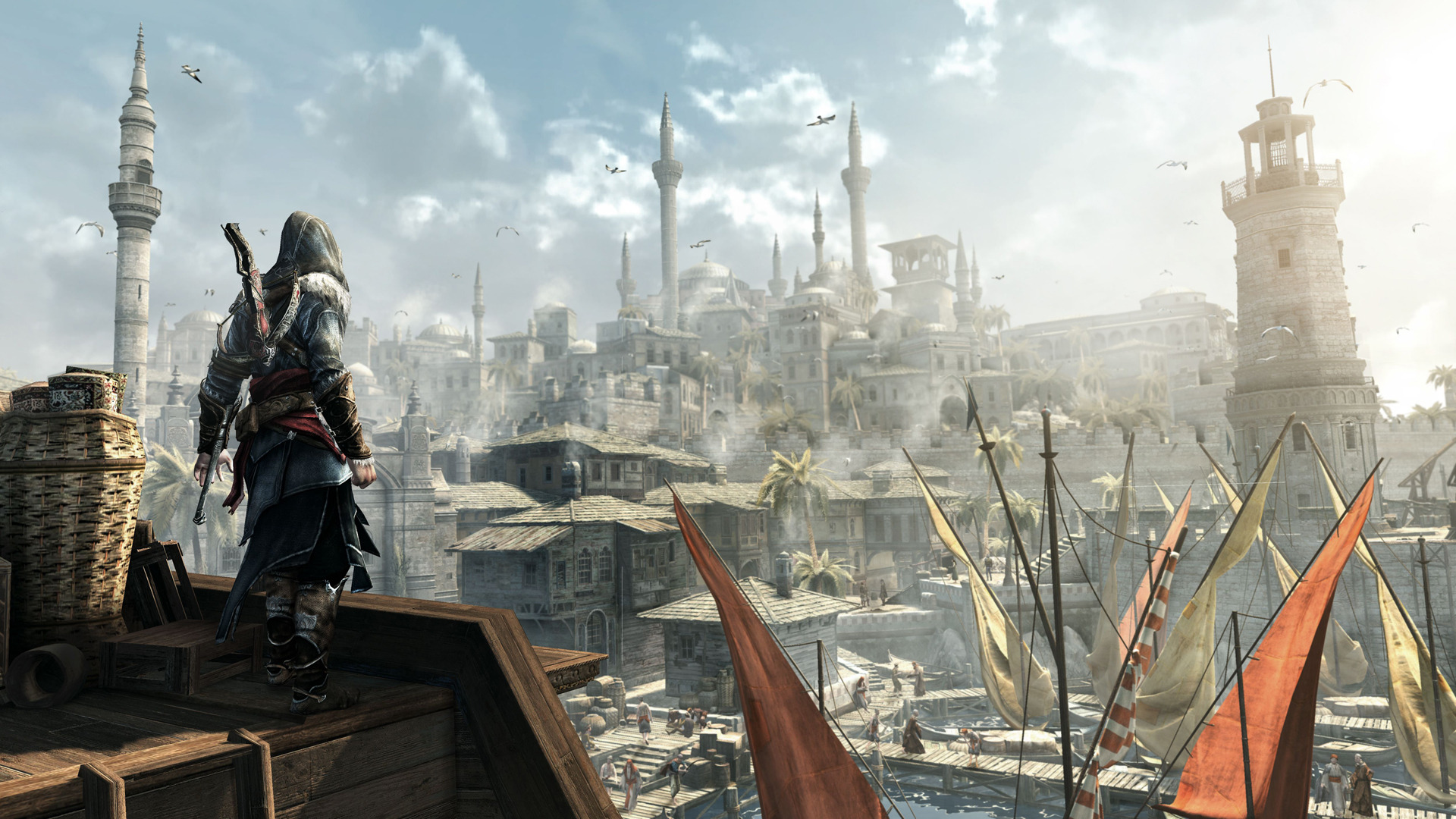
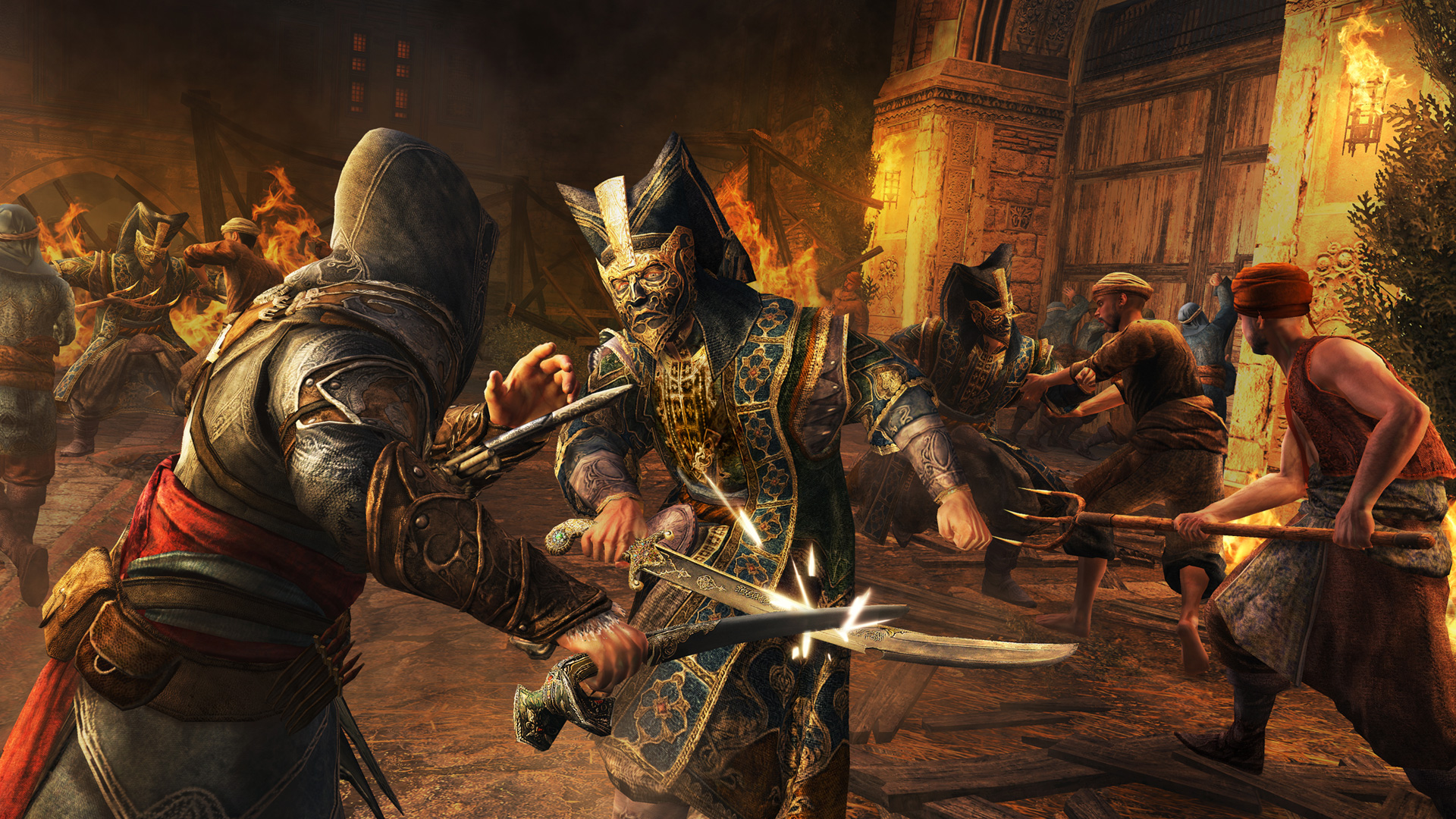

Assassin's Creed Revelations
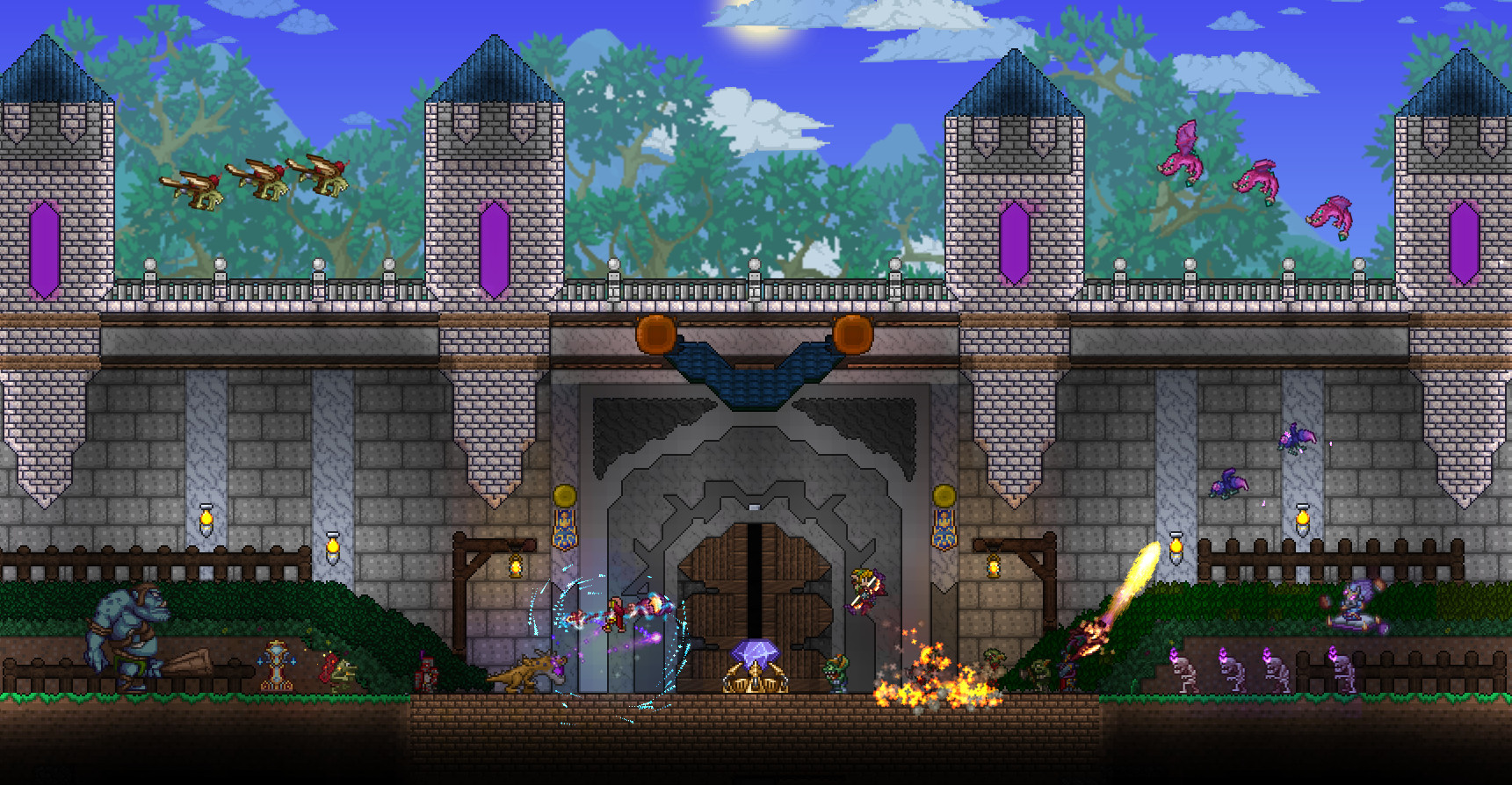
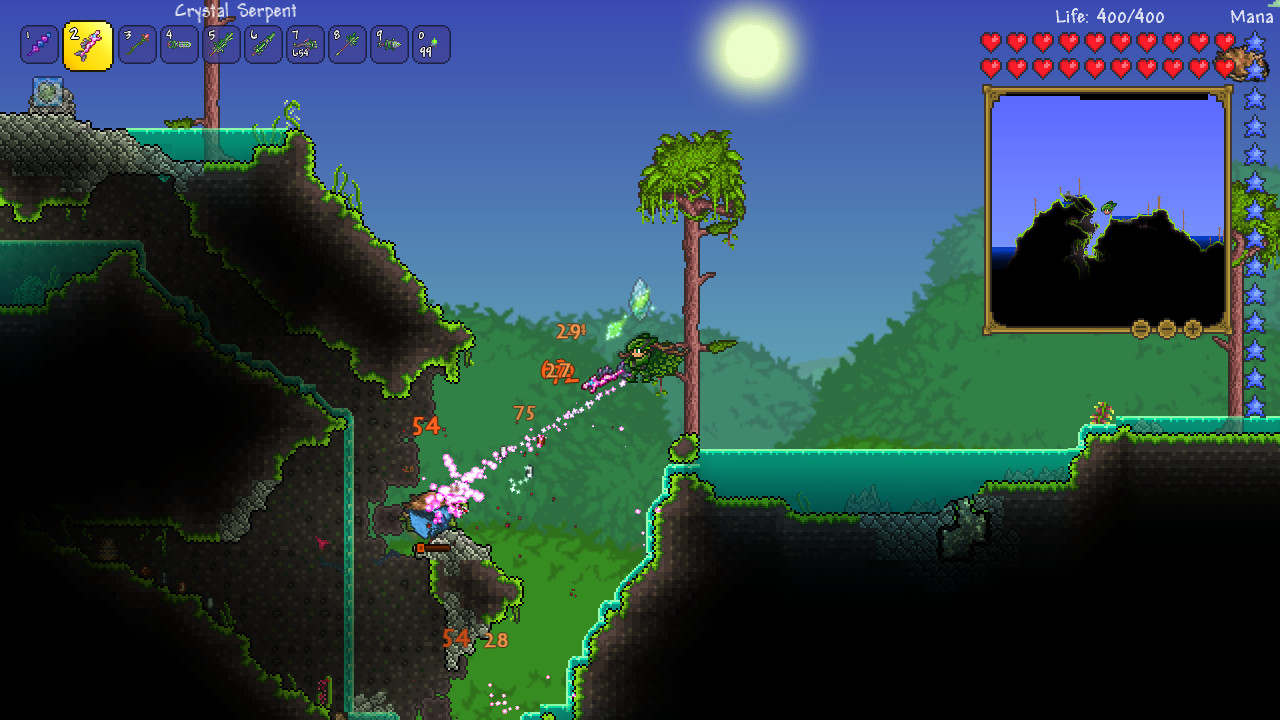


Terraria


Final Fantasy XV