Game Info
↑ Back to top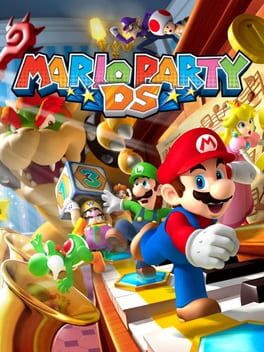

Mario Party DS
Series:
Genres:
Themes:
Perspectives:
Game Modes:
Overview
↑ Back to topDescription from IGDB IGDB
He's captured Mario and his friends in his pursuit of a crystal that the group collected when it fell from the sky, and he doesn't hesitate to shrink them to miniature size to get rid of them and get his hands on the other four crystals. The mini-heroes have to find the crystals before he does, making their way through giant environments filled with enormous creatures. The single-player campaign takes place in five different settings, each of them ending with a boss. As usual, players have to collect coins and stars, at the same time escaping dangers such as Piranha Plants and other classic creatures from the Mario universe.
Storyline IGDB
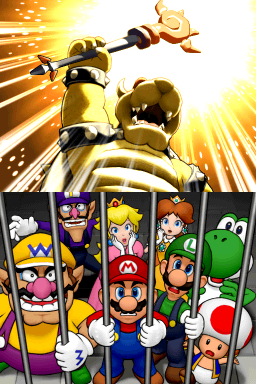
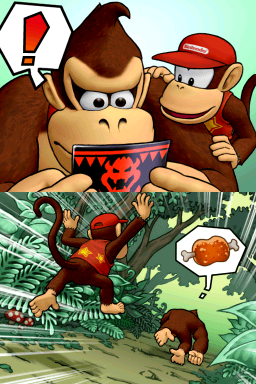
One night, five mysterious Sky Crystals fall to Earth. Mario discovers one and eagerly shows it to his friends. Suddenly, a surprise invitation arrives from Bowser: “Hey, chumps! I'm throwing a Big Bowser Bash to apologize for being such a jerk!” Naturally, everyone is suspicious, but the promise of free food is too tempting to resist. They head to Bowser’s Castle, hoping for a party, but it's a trap. Bowser steals the Sky Crystal and uses a new device called the Minimizer to shrink everyone down to tiny size. With four Sky Crystals still missing, Bowser launches the mini-sized heroes to the far edge of the kingdom to keep them out of his way. Their adventure begins, small in size and facing a world full of giant challenges.
Wikipedia Description WIKIPEDIA
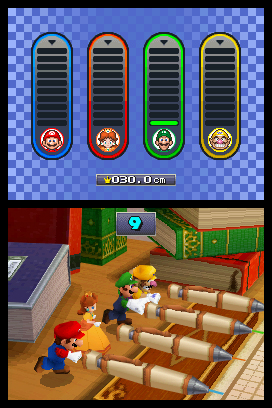
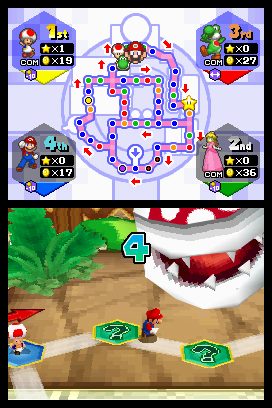
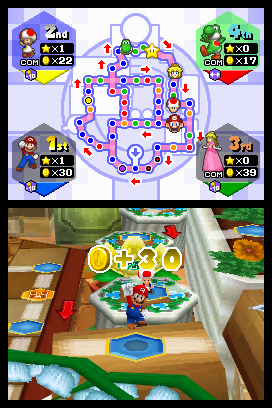
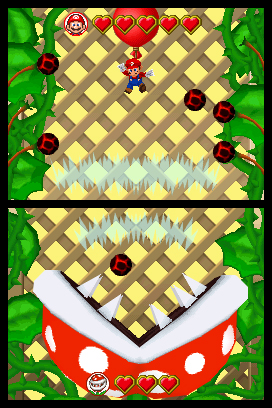
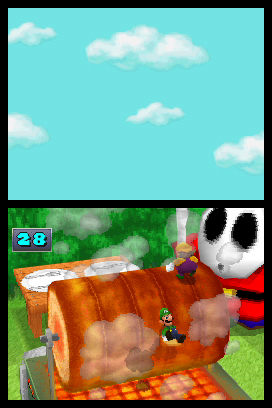
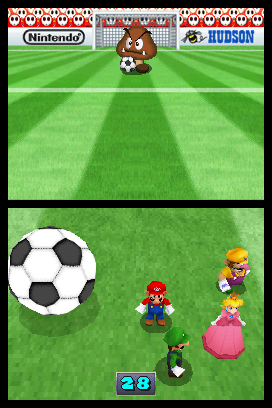
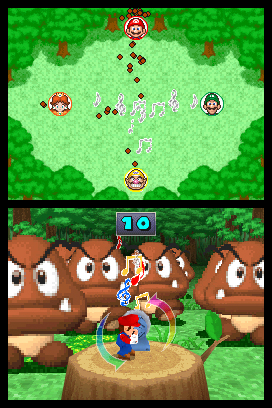
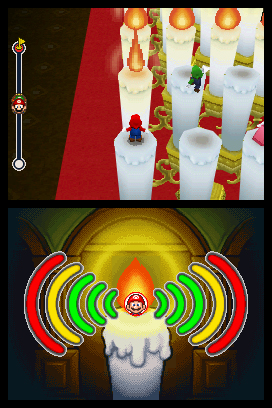
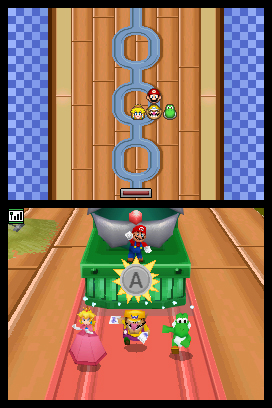
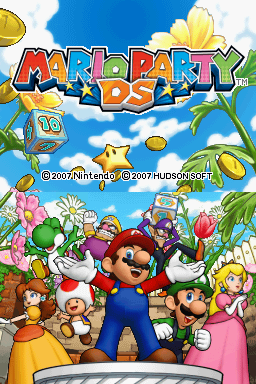
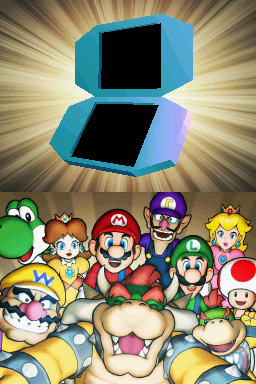
Much like other titles in the Mario Party series, Mario Party DS is a party video game that allows up to four players to compete in an interactive board game, rolling dice to move between one and ten spaces at a time. There are eight playable characters (Mario, Luigi, Princess Peach, Yoshi, Princess Daisy, Toad, Wario, and Waluigi) and five game boards. Characters can be controlled by human players as well as artificial intelligence (AI). There are four difficulty levels for computer-controlled characters: easy, medium, hard, and expert, with the lattermost difficulty being unlockable. The players' objective is to collect more Stars than their opponents, though the method of obtaining them varies depending on the board. However, most Stars require coins to be purchased, which can be obtained by landing on certain spaces, as well as by winning minigames. Coins can also be spent on items to help players win. Once there are five turns remaining, an event known as the "Final 5 Frenzy" occurs in which Bowser aids the player in last place by giving them coins or a Star, depending on the outcome of a roulette. This event also adds spaces that allow two players to duel for Stars or coins via a minigame. At the end of each board game, the player with the most Stars is crowned the "Superstar". Additional Stars based on randomly selected criteria (such as winning the most minigames or using the most items) are awarded post-game if Bonus Stars are enabled. Mario Party DS includes a total of 73 minigames, most of which utilize the unique features of the Nintendo DS. While some minigames simply use the buttons and D-pad, others make use of the console's built-in microphone or dual screen and touchscreen mechanics. Each minigame is a short event that rewards players with coins for completing an objective. During board games, a minigame is automatically played every time each player has taken a turn, as well as whenever a "Duel Space" is landed on. The type of minigame played depends on the color of the space each player lands on. Mario Party DS's minigames are categorized into five types, including four-player free-for-alls, teams of two, and three against one. There are also "battle" minigames in which all players compete for a communal jackpot, as well as five "boss" minigames in which villains from the Mario franchise, such as Bowser, are fought. Mario Party DS features a single-player story game mode wherein all of the playable characters are significantly shrunken down. This detail is reflected in the game boards and minigames, in which characters ride rubber ducks, drive wind-up cars, and glide across a backyard on clothes hangers. To complete the story mode, the player must defeat three other characters, all of whom are randomly selected and computer-controlled, on all five game boards, in addition to clearing all five boss minigames. There is also a "Party Mode" that allows up to four players, human or computer-controlled, to compete on any of the five game boards, either independently or in opposing pairs. Unlike with "Story Mode", the number of turns, the difficulty levels of the computer-controlled characters, and the number of Stars each player starts the game with can all be adjusted. "Minigame Mode" allows players to play any minigames that have been unlocked by playing through Story Mode and Party Mode. A "Free Play" option allows any minigame to be played at any time; there are also five other game modes with different rulesets. Most of these game modes allow up to four players to play minigames that are either randomly selected, manually chosen, or part of a predetermined set. One of the game modes, "Boss Bash", is a single-player challenge in which one player must complete all five boss minigames as quickly as possible. "Puzzle Mode" allows players to play puzzle games from previous installments of the Mario Party series: "Mario's Puzzle Party" from Mario Party 3 (2000), "Bob-omb Breakers" from Mario Party 4 (2002), "Piece Out" from Mario Party 5 (2003), "Block Star" from Mario Party 6 (2004), and "Stick and Spin" from Mario Party 7 (2005). A new game, "Triangle Twisters", can be unlocked by completing the story mode for the first time. "Extras Mode" features two additional game modes, wherein players can either work together or compete against one another. Mario Party DS introduces a mechanic known as "Mario Party Points", which can be accumulated based on a variety of conditions, such as performance in minigames, and used to unlock collectibles like figurines and trophies. Collectibles can also be unlocked in various other ways, such as completing the story mode with different characters, playing on specific game boards, and clearing one of the boss minigames a certain number of times. Players can view any collectibles they have unlocked and listen to in-game audio – including music, jingles, and character voices – in the game's gallery. Although Mario Party DS lacks an online multiplayer mode, the game supports local multiplayer, with the Nintendo DS's Download Play functionality enabling up to four people to play together wirelessly using only one game card.
About Mario Party DS
Mario Party DS is a Card & Board Game, Puzzle, Strategy, Turn-based strategy (TBS) game released in 2007 developed by Hudson Soft, Nintendo that offers Co-operative, Multiplayer gameplay from a bird view / isometric, third person perspective playable on Nintendo DS, Wii U with 86 user ratings averaging 77.1/100. The game explores themes like Party. If you enjoy Mario Party DS, you might also like similar games in our database of 45,000+ titles.
Basic Info
Details
↑ Back to topAdditional Information
Платформы 2
Genres 4
Themes 1
Player Perspectives 2
Game Modes 3
Companies
↑ Back to topDevelopers
Hudson Soft
No description available
Nintendo
No description available
Publishers
Nintendo
No description available
Keywords
↑ Back to topScreenshots
↑ Back to top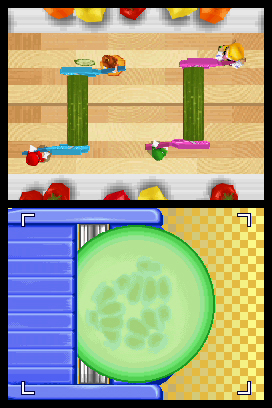


Similar Games
↑ Back to top

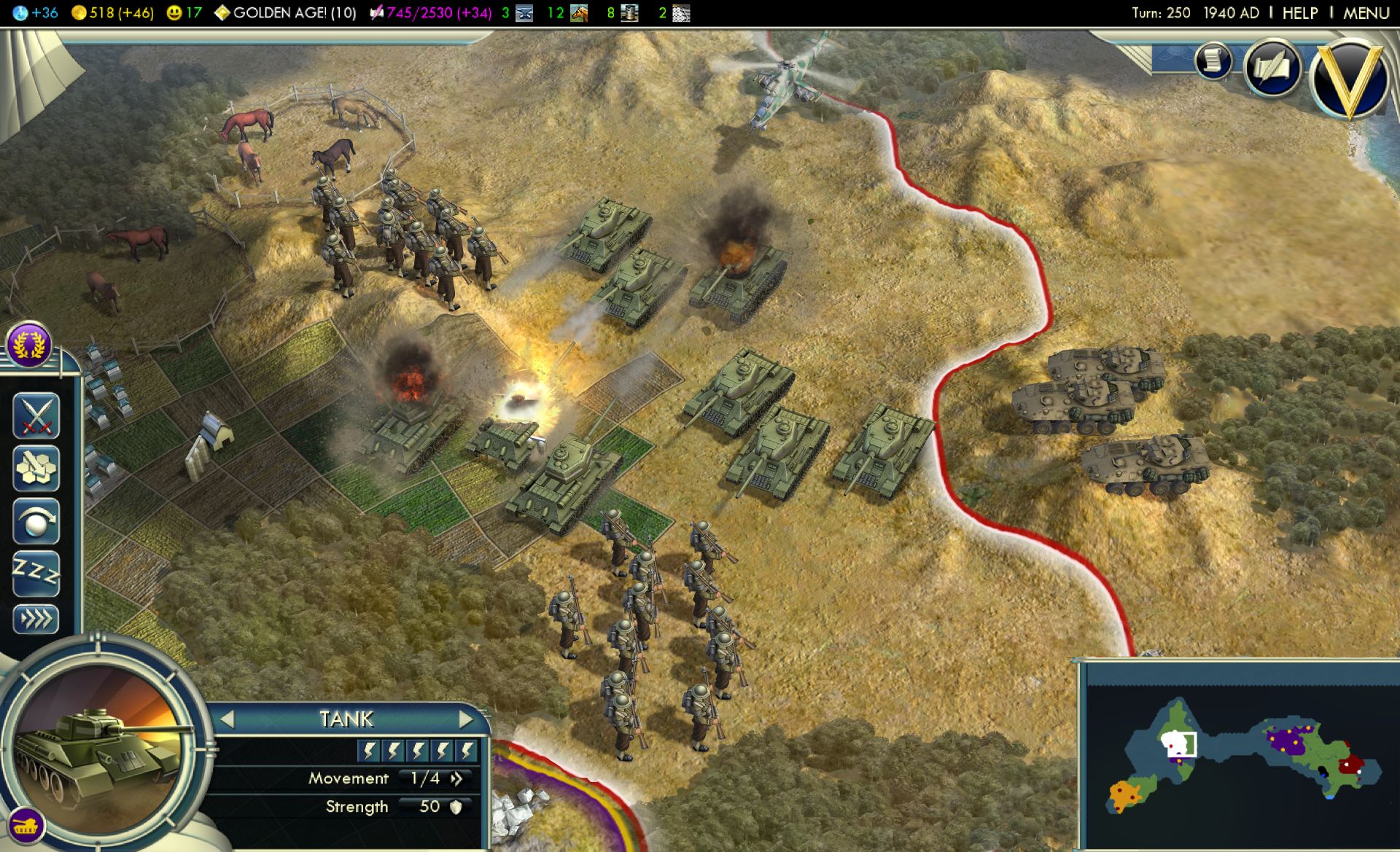
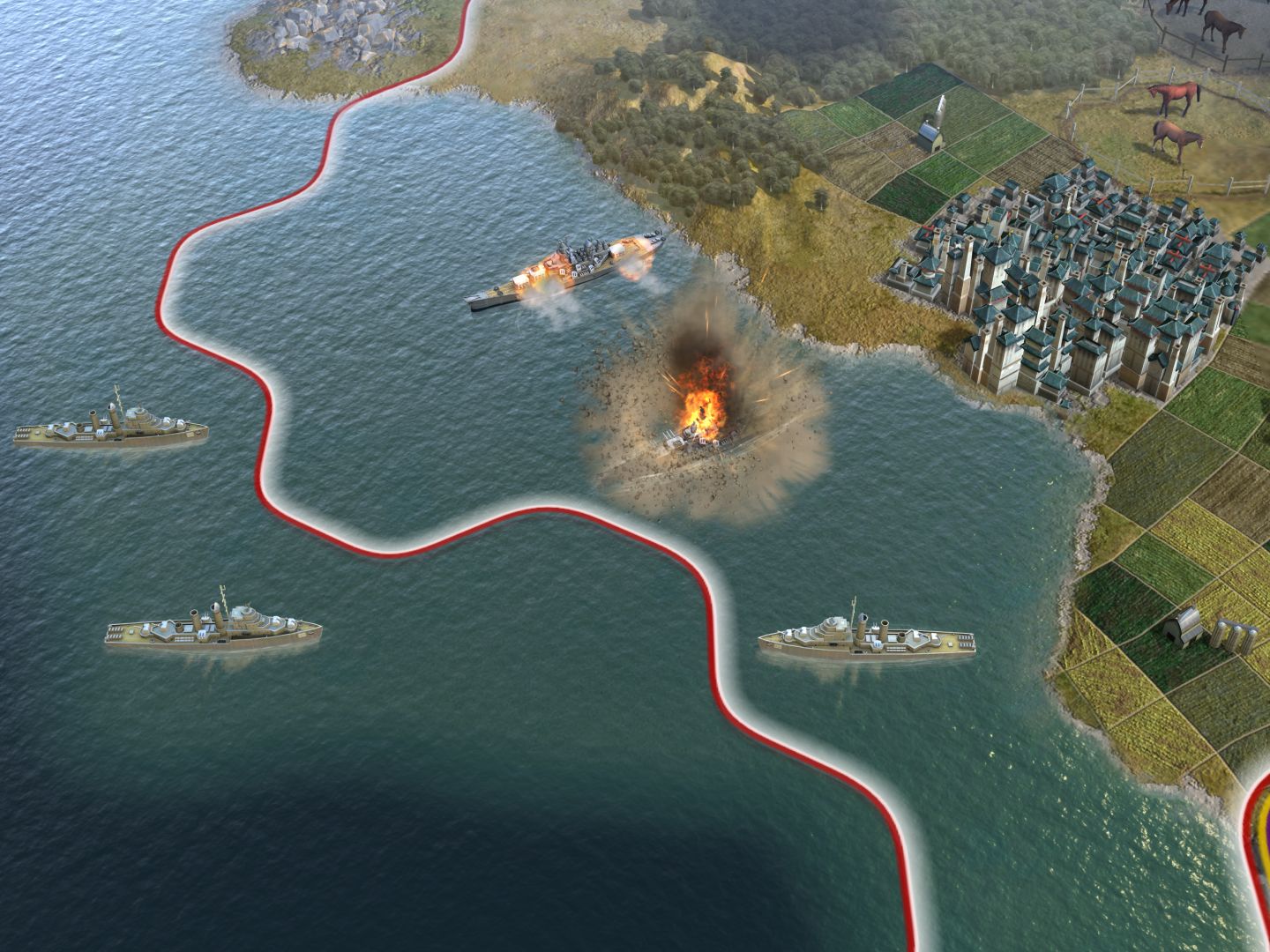
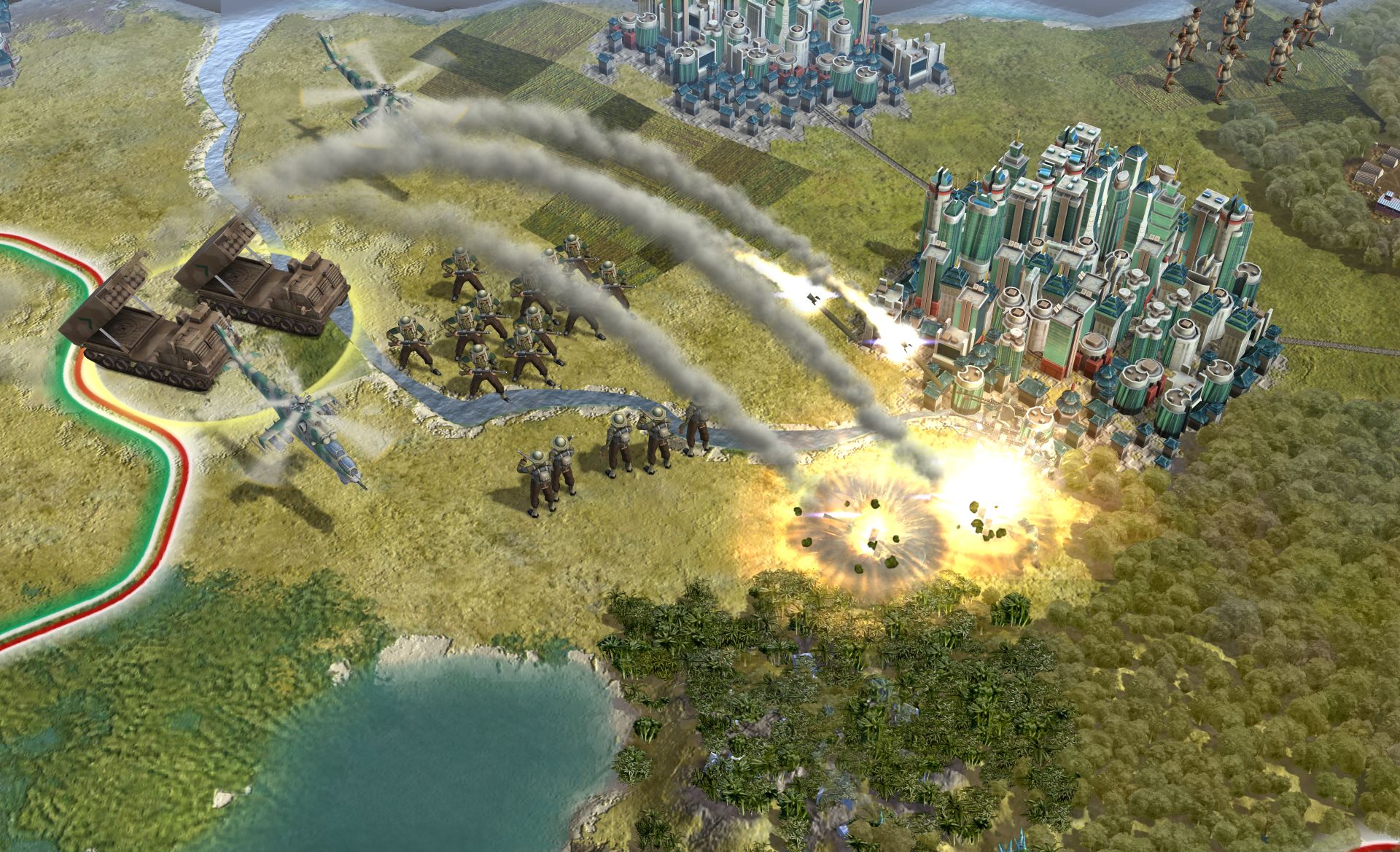
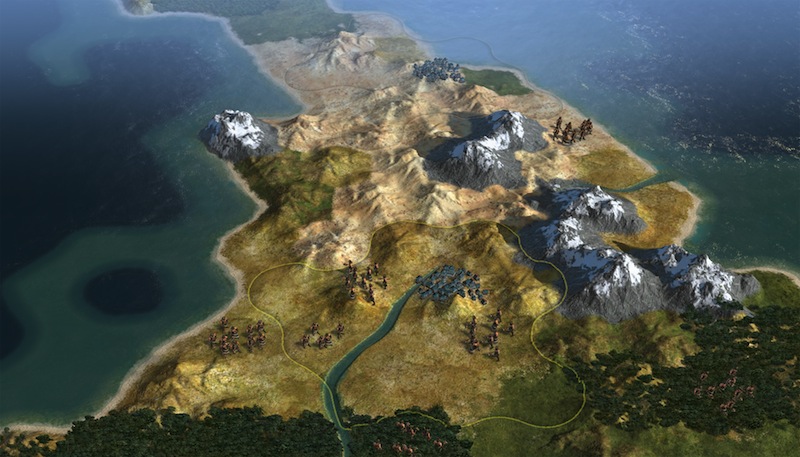

Sid Meier's Civilization V


Slay the Spire




Pokémon Stadium
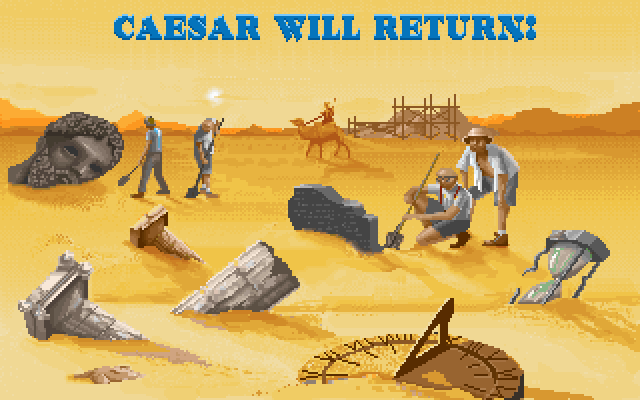
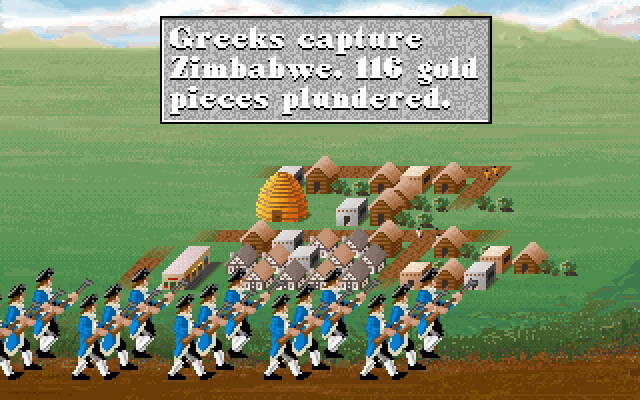
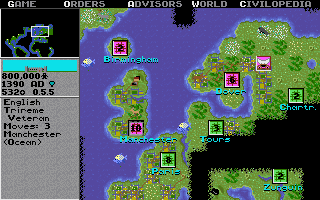
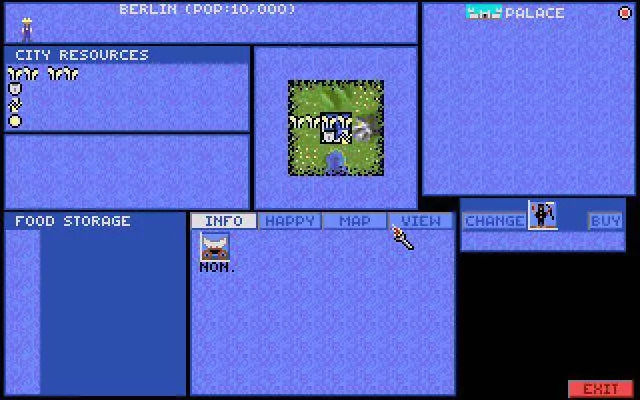
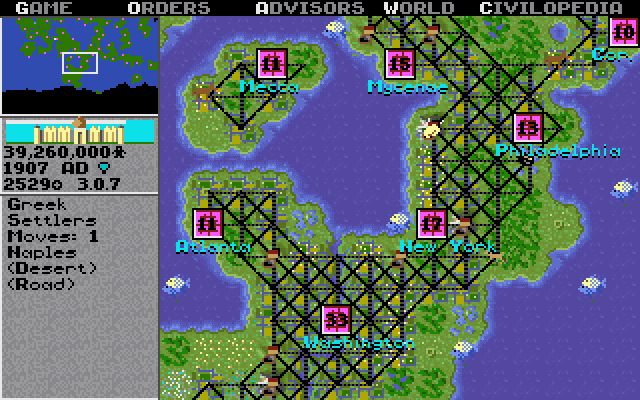

Sid Meier's Civilization
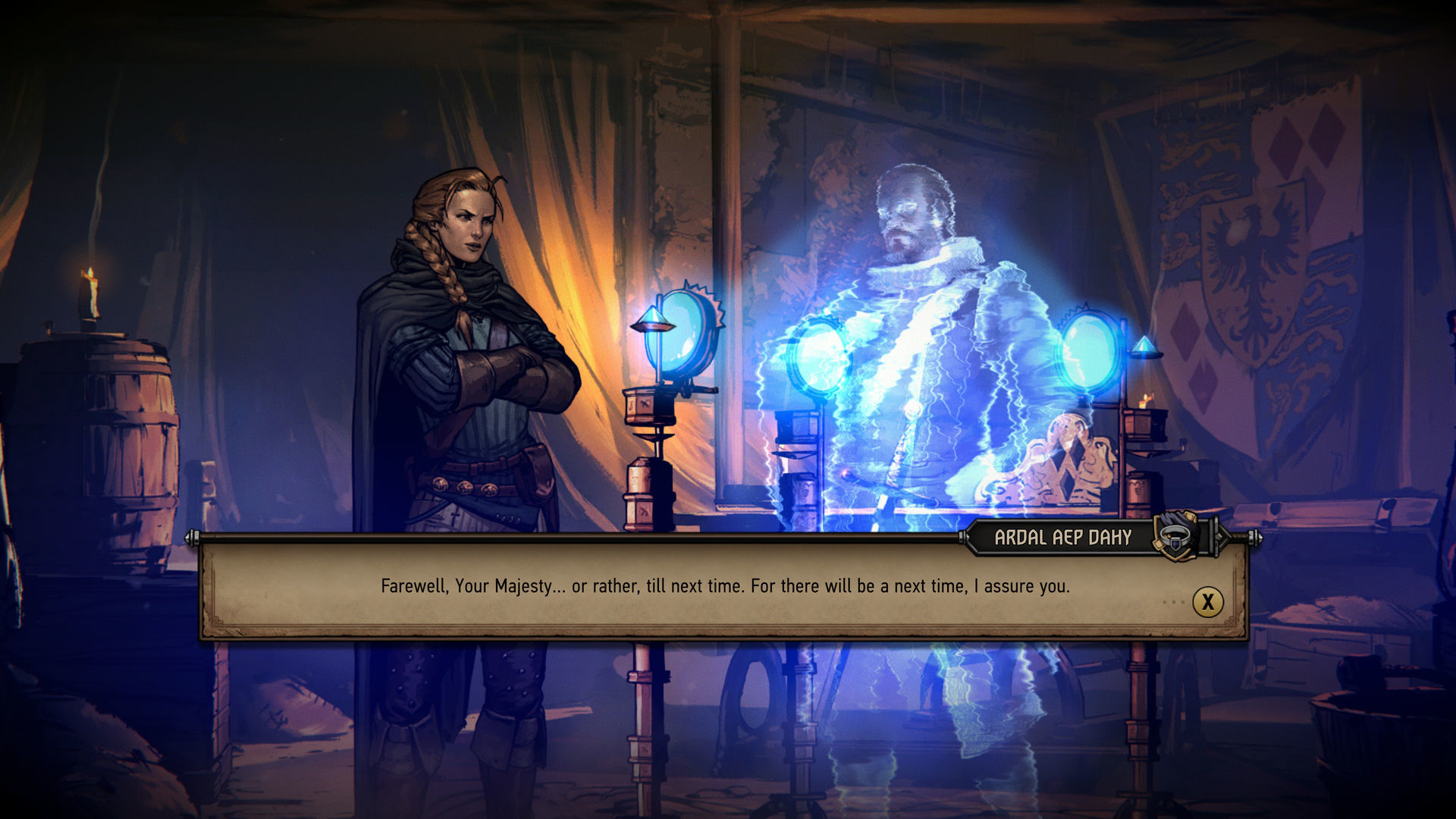
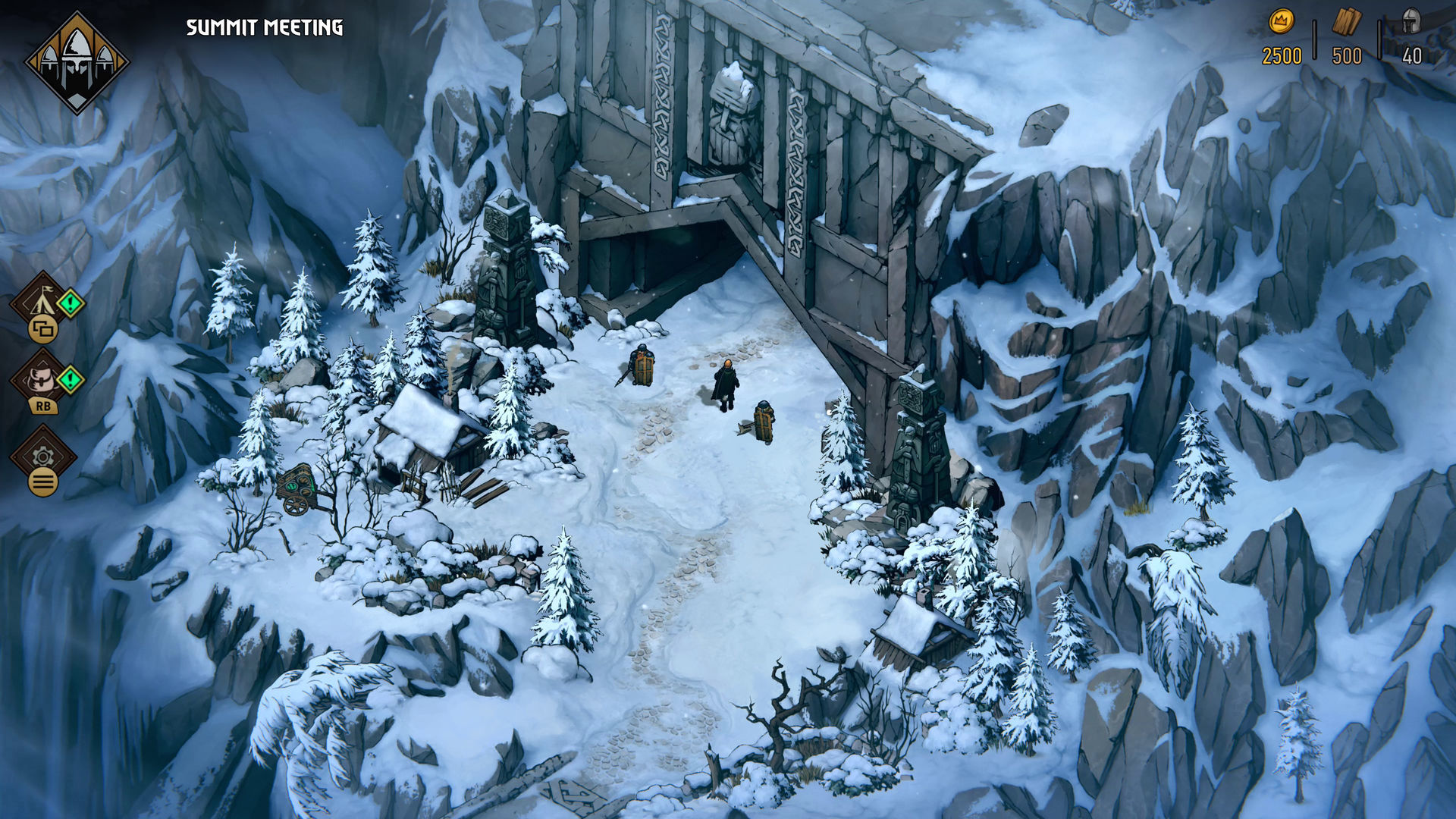
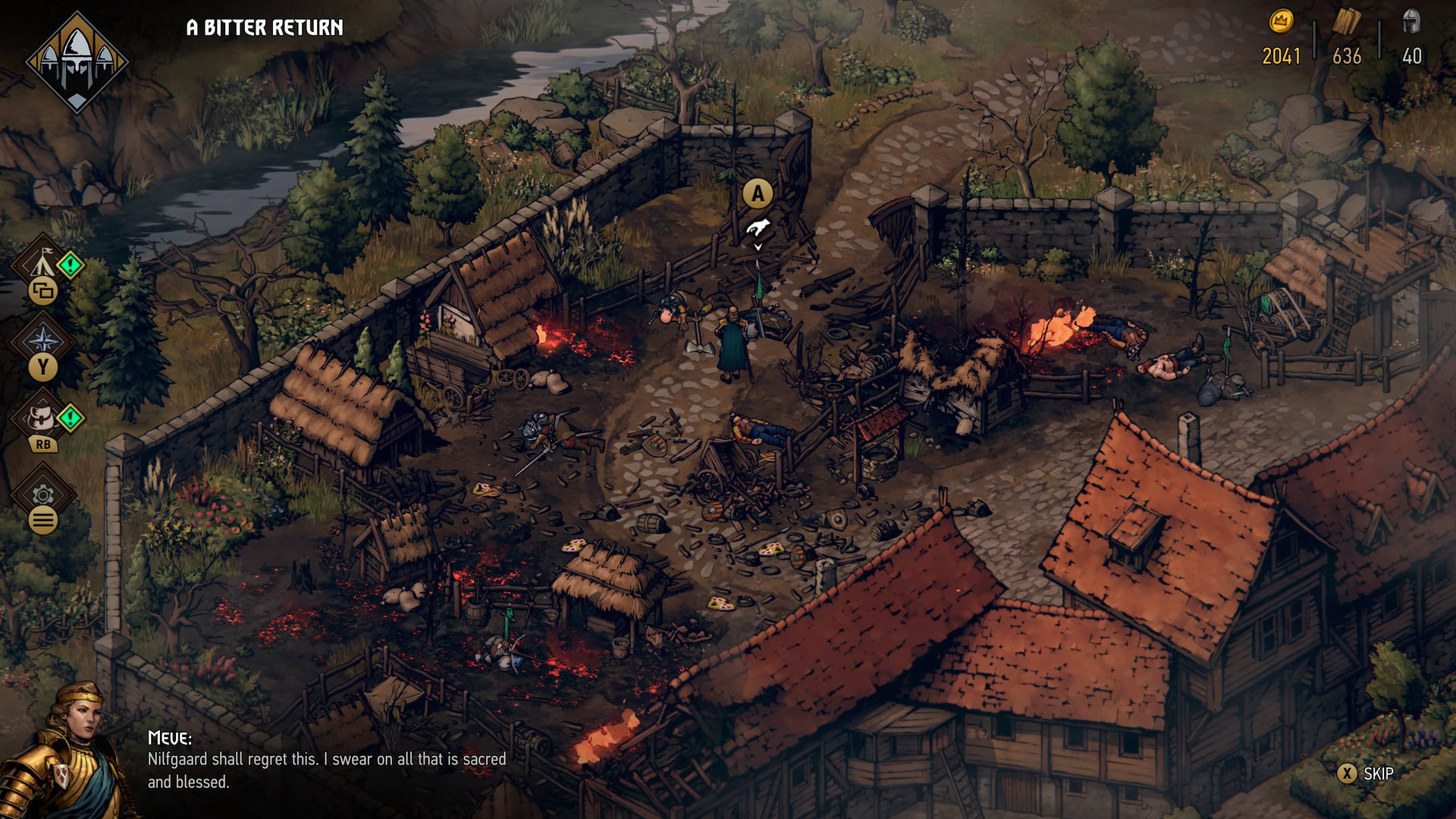
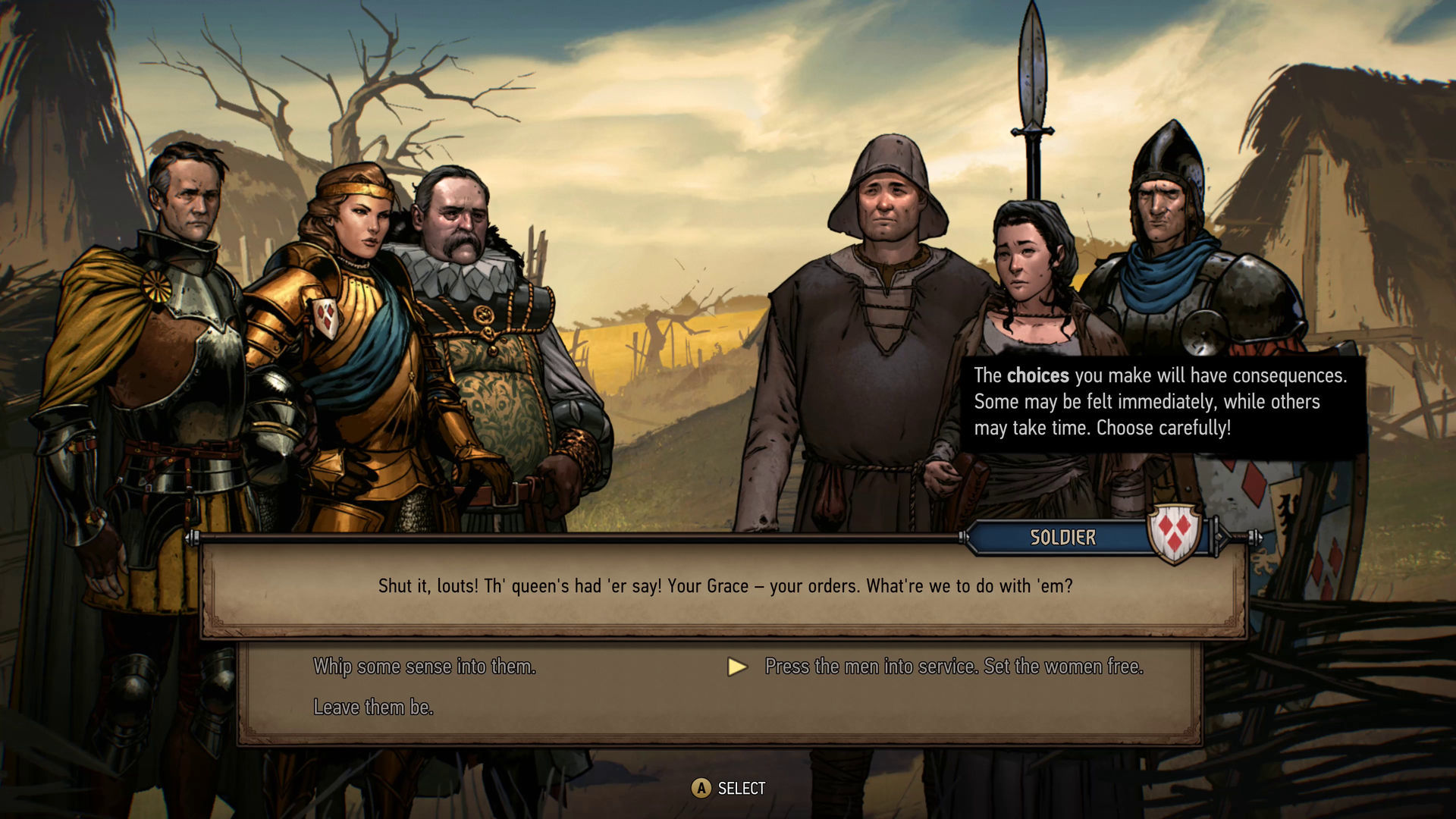
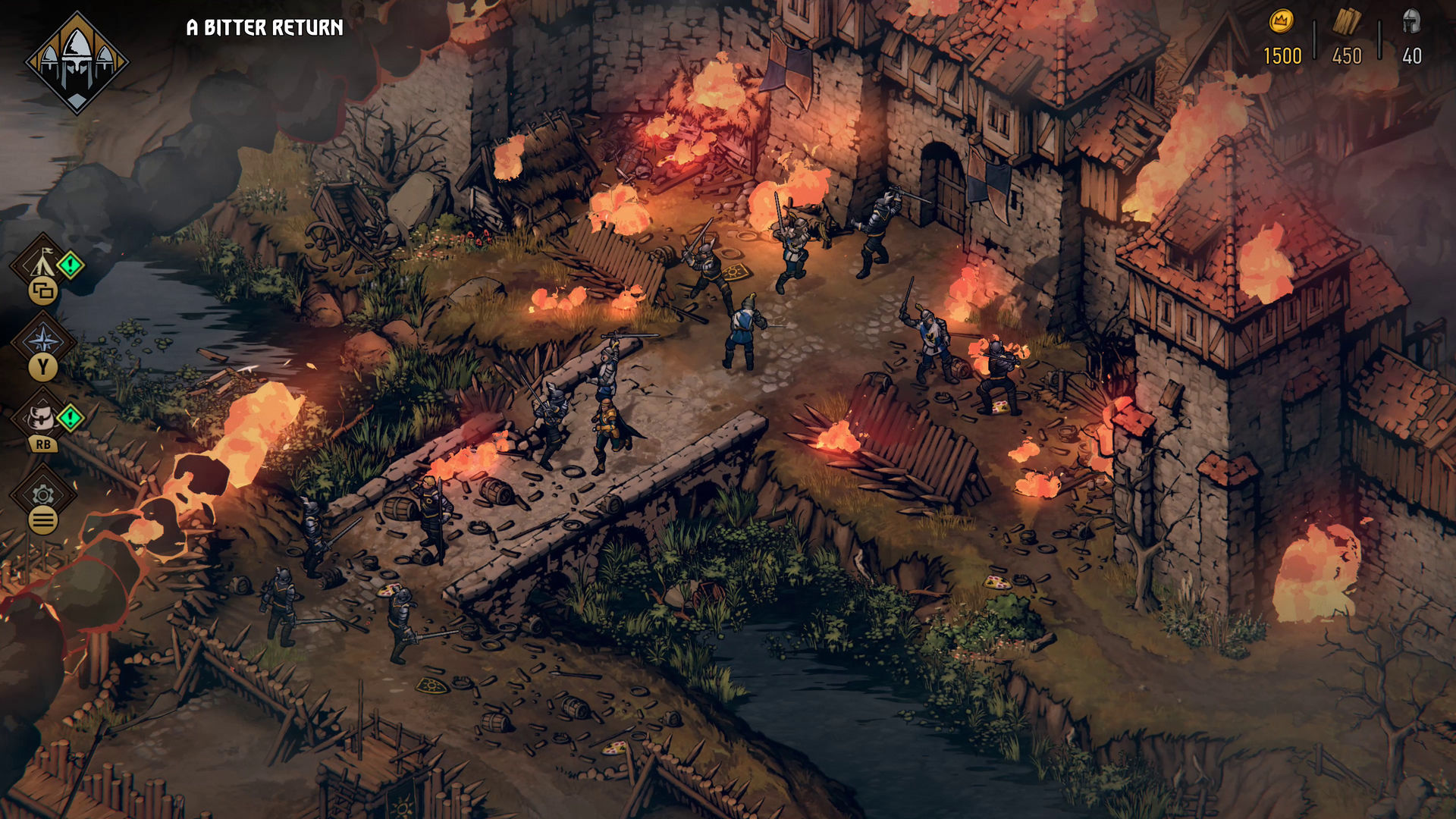
Thronebreaker: The Witcher Tales
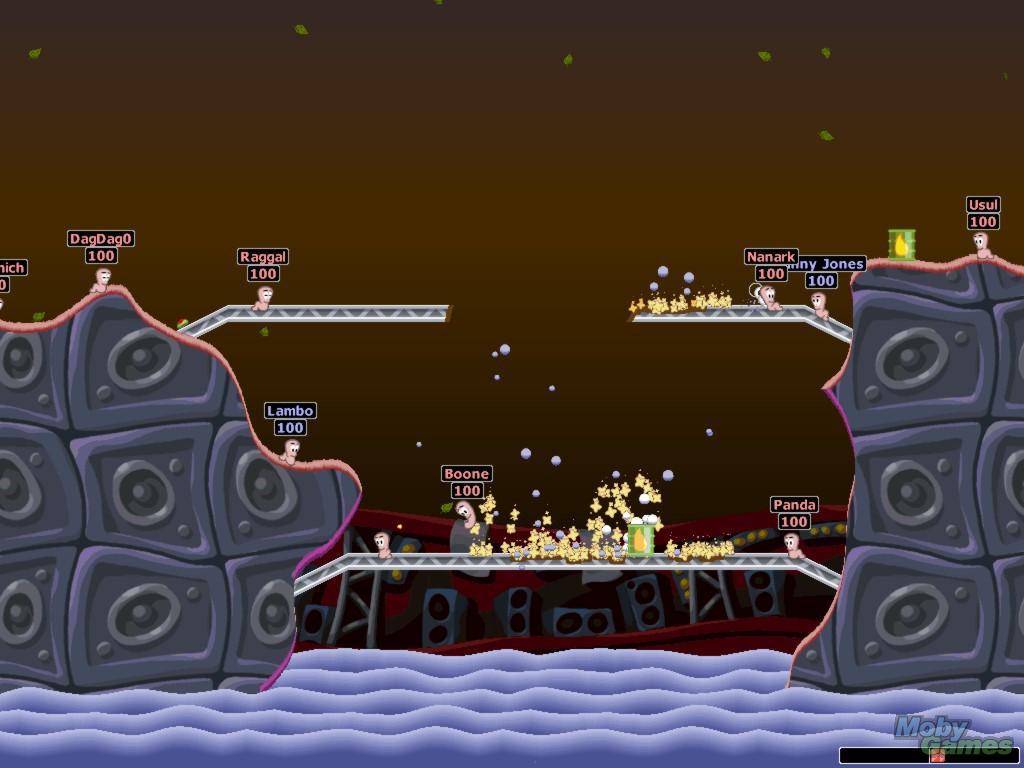
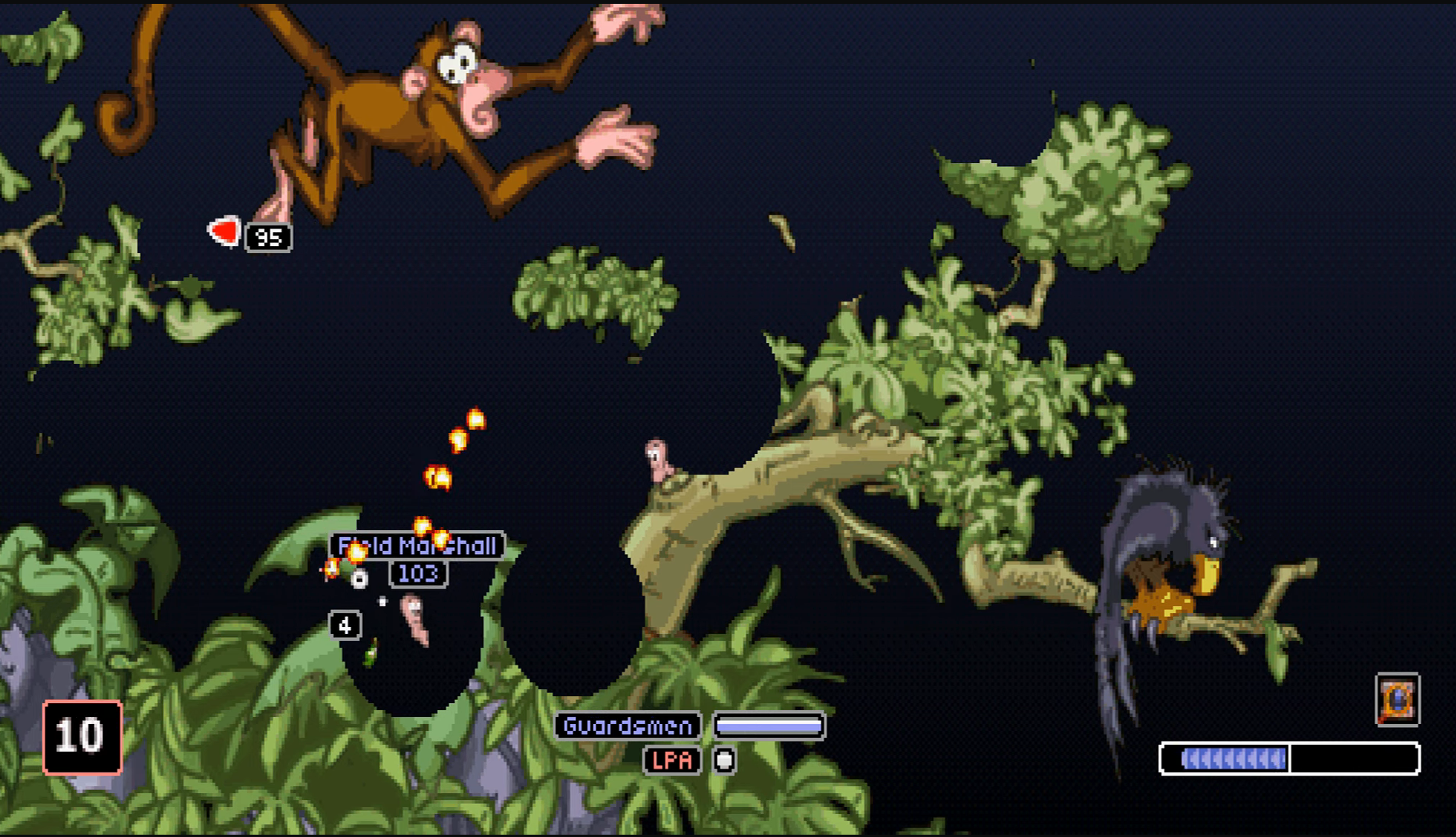
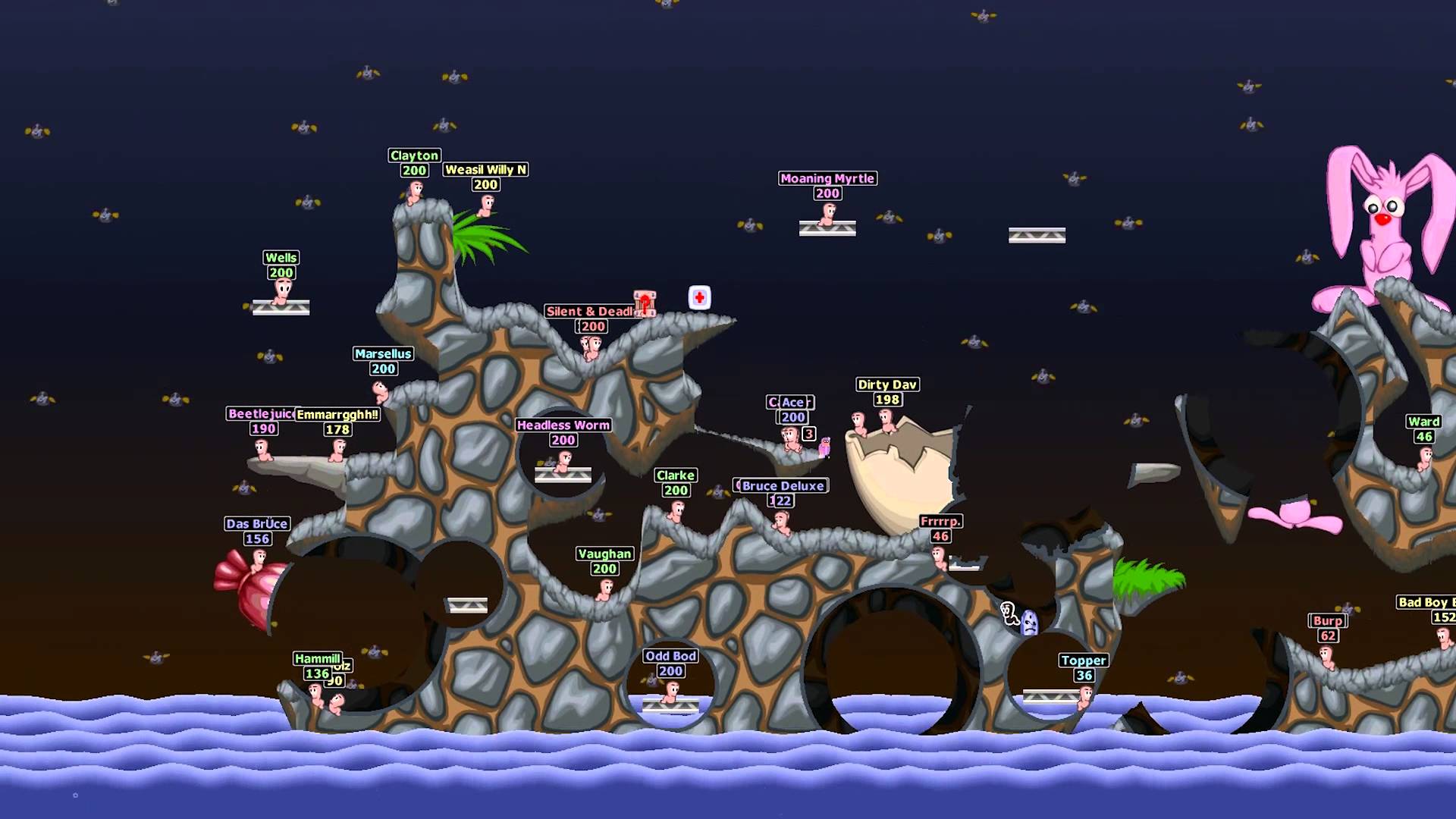

Worms World Party
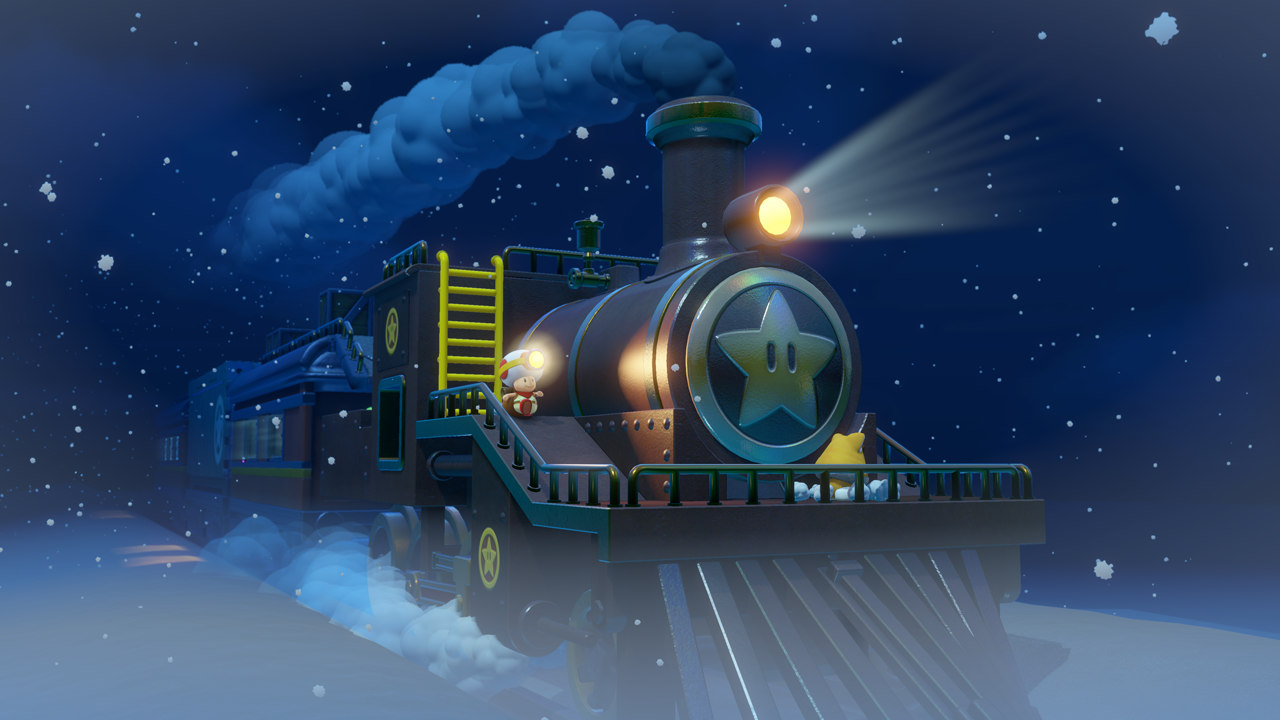

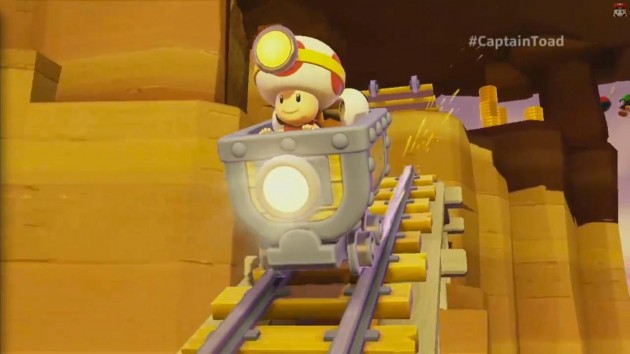
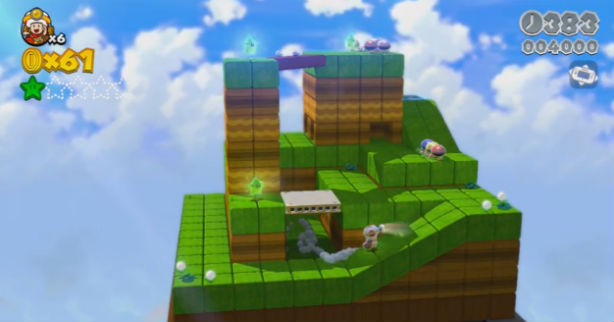

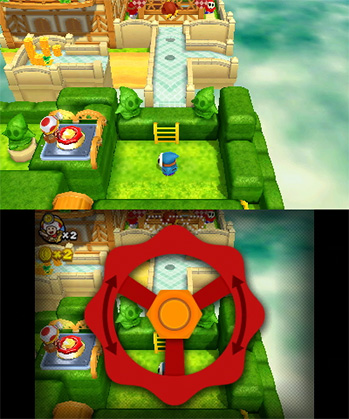




Captain Toad: Treasure Tracker


Tabletop Simulator

Lara Croft Go

Yu-Gi-Oh! Duel Links