Game Info
↑ Back to top

Final Fantasy
Series:
Genres:
Themes:
Perspectives:
Game Modes:
Overview
↑ Back to topDescription from Steam STEAM
FINAL FANTASY I-VI Bundle Purchase the bundle now to receive all soundtracks and wallpapers from FF1-6! Soundtracks and Wallpapers will unlock in line with each title’s launch. See individual store pages for details. The games that inspired a generation come to life once more, in the ultimate 2D pixel remaster! Purchase the bundle and receive FINAL FANTASY FINAL FANTASY II FINAL FANTASY III FINAL FANTASY IV FINAL FANTASY V FINAL FANTASY VI This bundle lets you purchase all six games from FINAL FANTASY 1 to FINAL FANTASY 6 at a discount price. It also contains a sound track, featuring total of 20 tracks and total of 14 unique wallpapers. Enjoy universally updated 2D pixel graphics and the beautifully rearranged soundtrack. Gameplay is improved with modernised UI, and extras such as a beastiary, illustration gallery and music player allow further immersion into the world of the game. *These games are newly developed remaster editions based on the original titles. Some of the changes and additional elements found in other remakes of these games are not included. About the Game A remodeled 2D take on the first game in the world-renowned FINAL FANTASY series! Enjoy the timeless story told through charming retro graphics. All the magic of the original, with improved ease of play. Earth, fire, water, wind... The light that once shone within the four Crystals was lost. Darkness covered the land, until the only hope for humanity rested in legends past. Become the Warriors of Light and embark on your own journey to restore power to the Crystals and save the world. Switch between classes to improve your characters. Traverse the wide world with your airship and other vessels. Return to the game that started it all. ------------------------------------------------------------------------------- ■ Beautifully revived with new graphics and sound! Universally updated 2D pixel graphics, including the iconic FINAL FANTASY character pixel designs created by Kazuko Shibuya, the original artist and current collaborator. Beautifully rearranged soundtrack in a faithful FINAL FANTASY style, overseen by original composer Nobuo Uematsu. ■Improved gameplay! Including modernized UI, auto-battle options, and more. Switch the soundtrack between the rearranged version, created for the pixel remaster, or the original version, capturing the sound of the original game. Now possible to switch between different fonts, including the default font and a pixel-based font based on the atmosphere of the original game. Additional boost features to expand gameplay options, including switching off random encounters and adjusting experience gained multipliers between 0 and 4. Dive into the world of the game with supplemental extras like the bestiary, illustration gallery, and music player. (This remaster is based on the original 'FINAL FANTASY' game released in 1987. Features and/or content may differ from previously rereleased versions of the game.)
Description from IGDB IGDB
Storyline IGDB
Wikipedia Description WIKIPEDIA
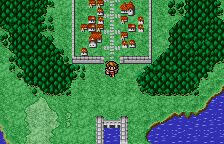
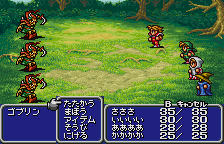
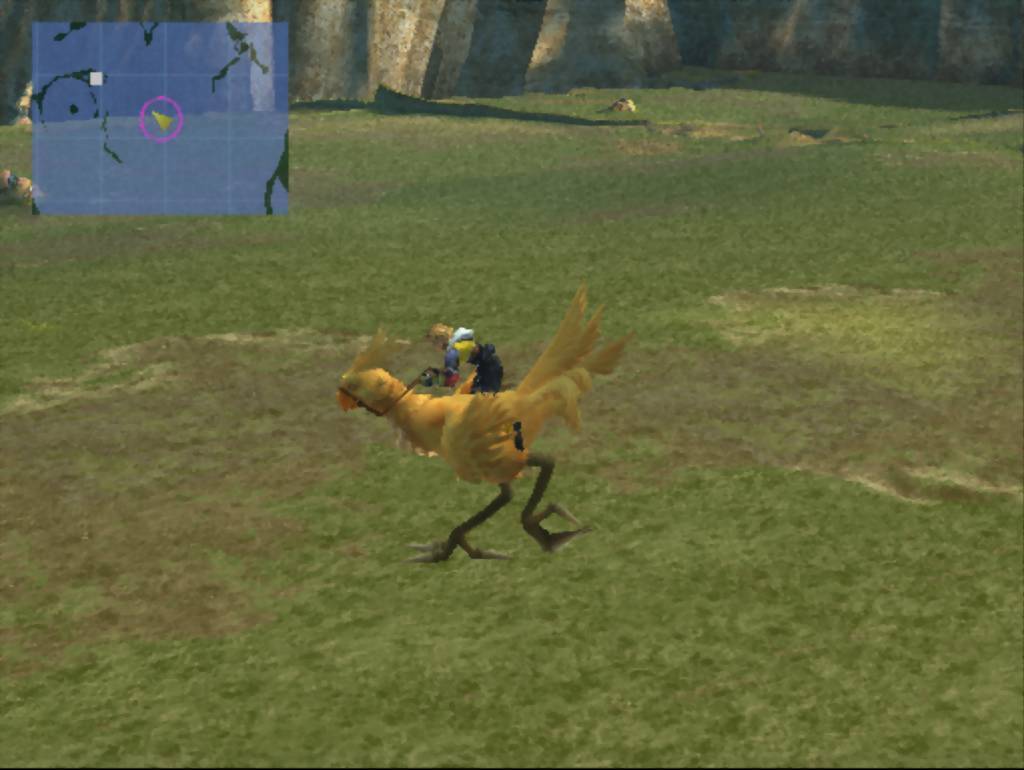
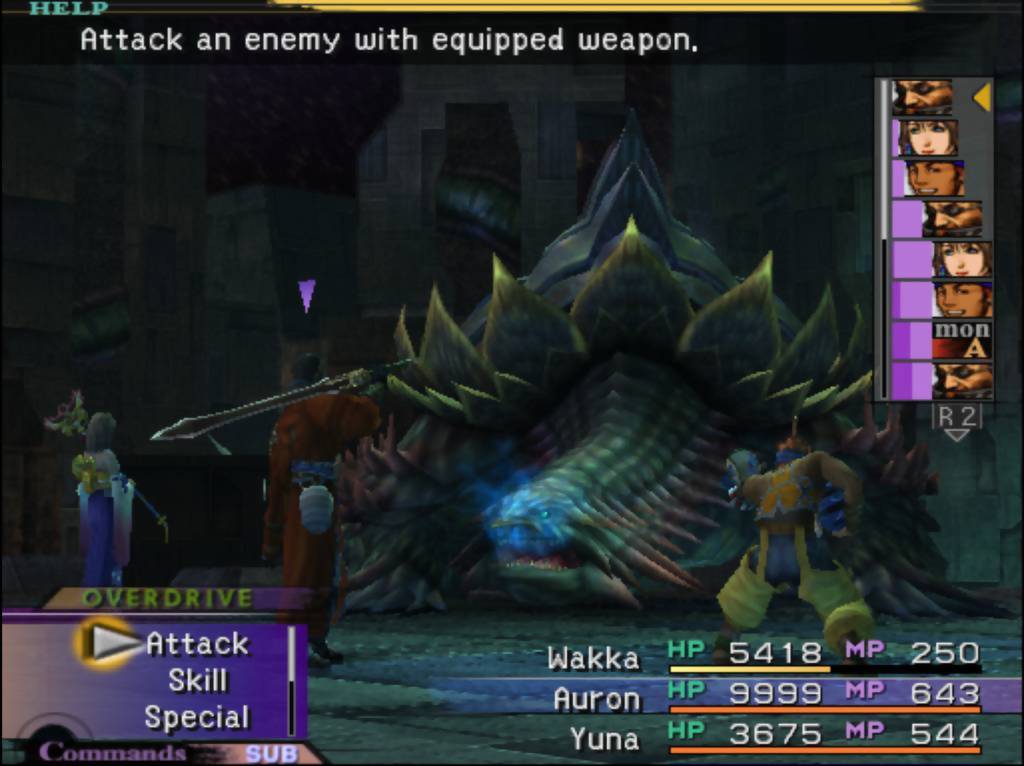
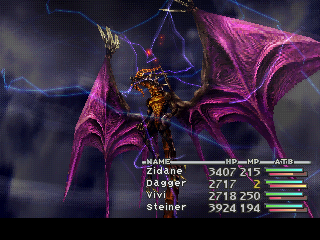
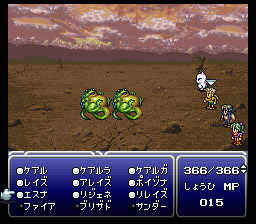
In Final Fantasy games, players command a party of characters as they progress through the game's story by exploring the game world and defeating enemies. Enemies are typically encountered randomly through exploring, a trend which changed in Final Fantasy XI and XII. The player issues combat orders—like "Fight", "Magic", and "Item"—to individual characters via a menu-driven interface while engaging in battles. Throughout the series, the games have used different battle systems. Prior to Final Fantasy XI, battles were turn-based with the protagonists and antagonists on different sides of the battlefield. Final Fantasy IV introduced the "Active Time Battle" (ATB) system that augmented the turn-based nature with a perpetual time-keeping system. Designed by Hiroyuki Ito, it injected urgency and excitement into combat by requiring the player to act before an enemy attacks, and was used until Final Fantasy X, which implemented the "Conditional Turn-Based" (CTB) system. This new system returned to the previous turn-based system, but added nuances to offer players more challenge. Final Fantasy XI adopted a real-time battle system where characters continuously act depending on the issued command. Final Fantasy XII continued this gameplay with the "Active Dimension Battle" system. Final Fantasy XIII's combat system, designed by the same man who worked on X, was meant to have an action-oriented feel, emulating the cinematic battles in Final Fantasy VII: Advent Children. Final Fantasy XV introduces a new "Open Combat" system (OCS). Unlike previous battle systems in the franchise, it provides a more fluid battle scenario that allows free range attacks and movement. This system also incorporates a "Tactical" Option during battle, which pauses active battle to allow use of items. Like most RPGs, the Final Fantasy installments use an experience level system for character advancement, in which experience points are accumulated by killing enemies. Character classes, specific jobs that enable unique abilities for characters, are another recurring theme. Introduced in the first game, character classes have been used differently in each game. Some restrict a character to a single job to integrate it into the story, while other games feature dynamic job systems that allow the player to choose from multiple classes and switch throughout the game. Though used heavily in many games, such systems have become less prevalent in favor of characters that are more versatile; characters still match an archetype, but are able to learn skills outside their class. Magic is another common RPG element in the series. The method by which characters gain magic varies between installments, but is generally divided into classes organized by color: "White magic", which focuses on spells that assist teammates; "Black magic", which focuses on harming enemies; "Red magic", which is a combination of white and black magic, "Blue magic", which mimics enemy attacks; and "Green magic" which focuses on applying status effects to either allies or enemies. Other types of magic frequently appear such as "Time magic", focusing on the themes of time, space, and gravity; and "Summoning magic", which evokes legendary creatures to aid in battle and is a feature that has persisted since Final Fantasy III. Summoned creatures are often referred to by names like "Espers" or "Eidolons" and have been inspired by mythologies from Arabic, Hindu, Norse, and Greek cultures. Different means of transportation have appeared through the series. The most common is the airship for long range travel, accompanied by chocobos for travelling short distances, but others include sea and land vessels. Following Final Fantasy VII, more modern and futuristic vehicle designs have been included.
About Final Fantasy
Final Fantasy is a Role-playing (RPG), Squad Management, Turn-based game released in 2000 developed by Square Product Development Division 5 that offers Single player gameplay from a bird view / isometric, side view perspective playable on BlackBerry OS, PlayStation, PlayStation 3 with 36 user ratings averaging 77.7/100. The game explores themes like Fantasy. If you enjoy Final Fantasy, you might also like similar games in our database of 45,000+ titles.
Basic Info
Details
↑ Back to topAdditional Information
Платформы 5
Genres 3
Themes 1
Player Perspectives 2
Game Modes 1
Companies
↑ Back to topDevelopers
Square Product Development Division 5
No description available
Publishers
Namco Bandai Games
No description available
Square Enix
No description available
Squaresoft
No description available
Keywords
↑ Back to topScreenshots
↑ Back to top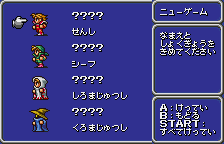
Similar Games
↑ Back to top
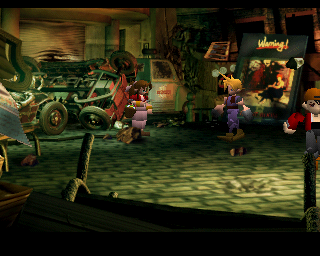
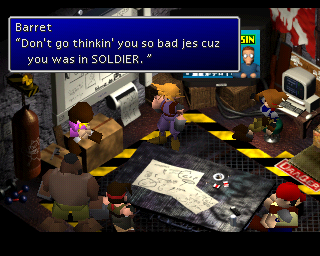
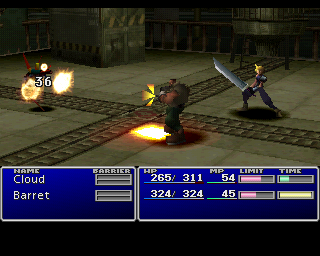
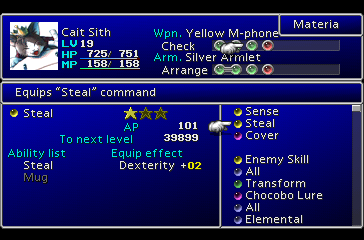
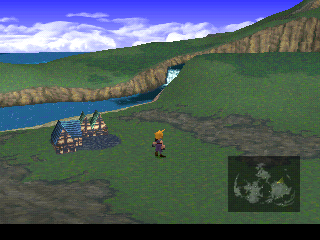

Final Fantasy VII
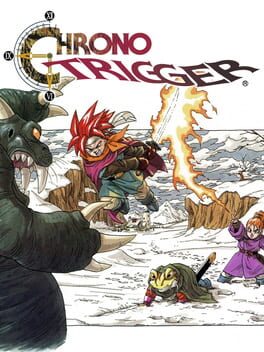



Chrono Trigger
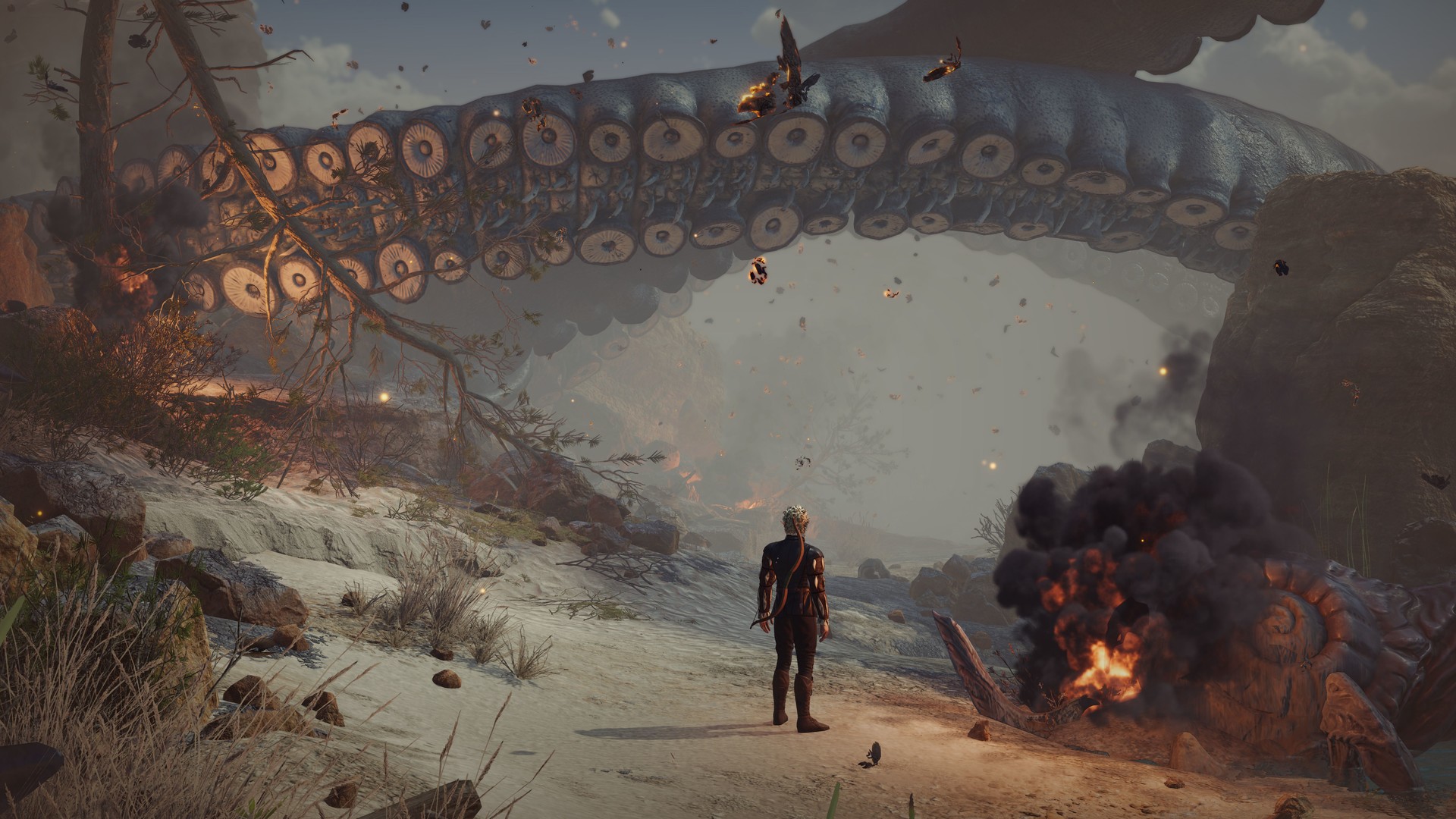
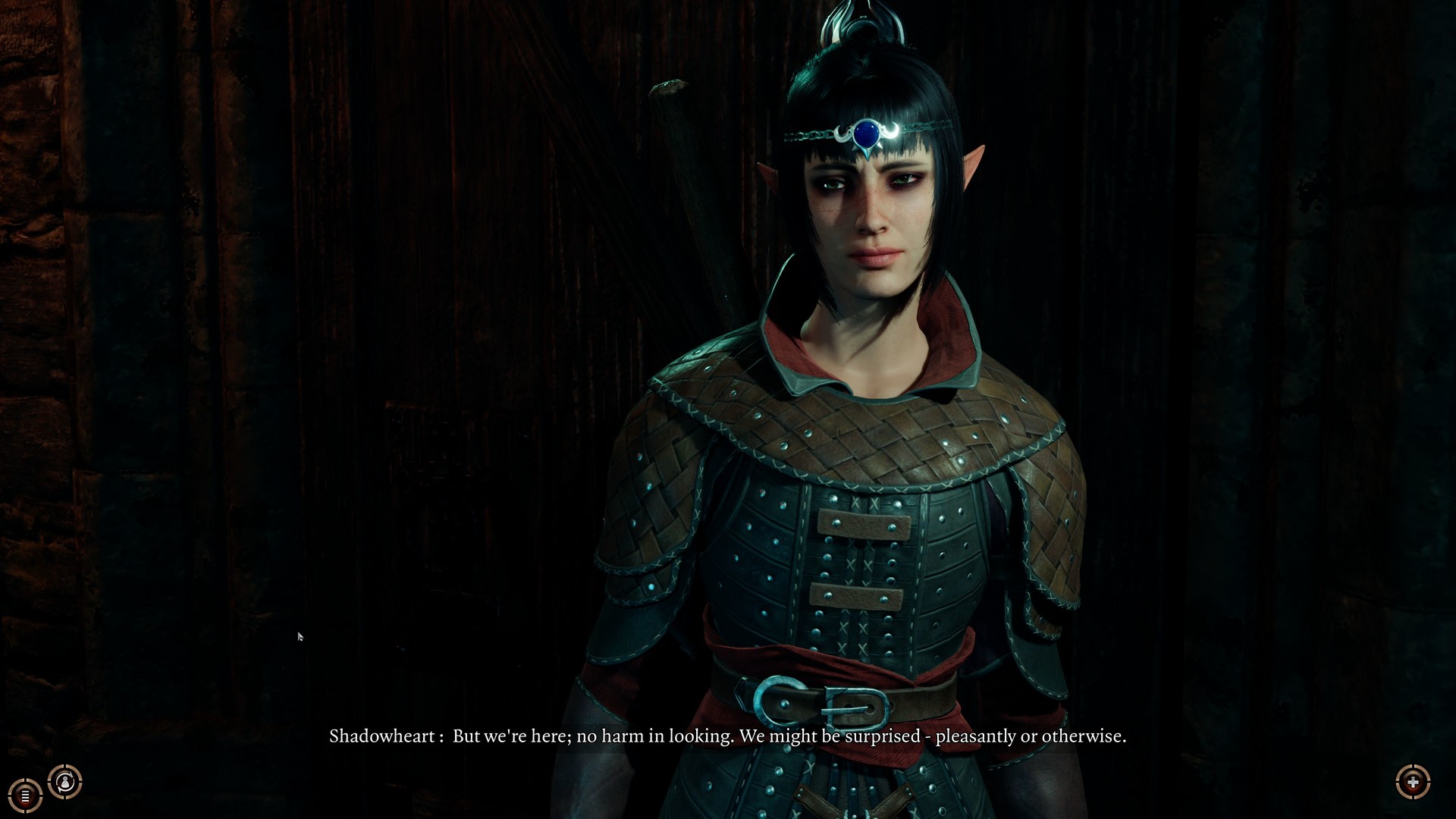
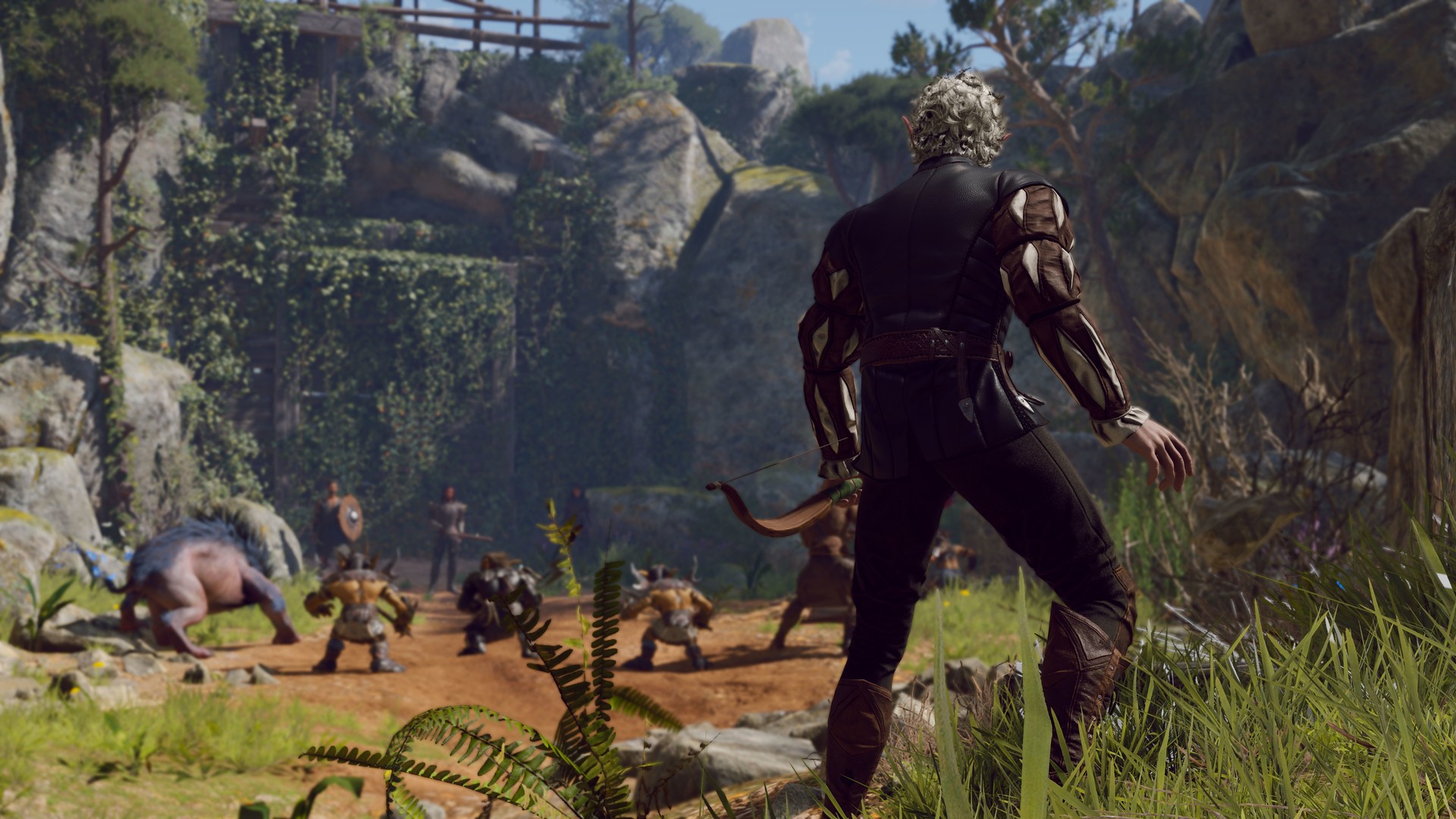

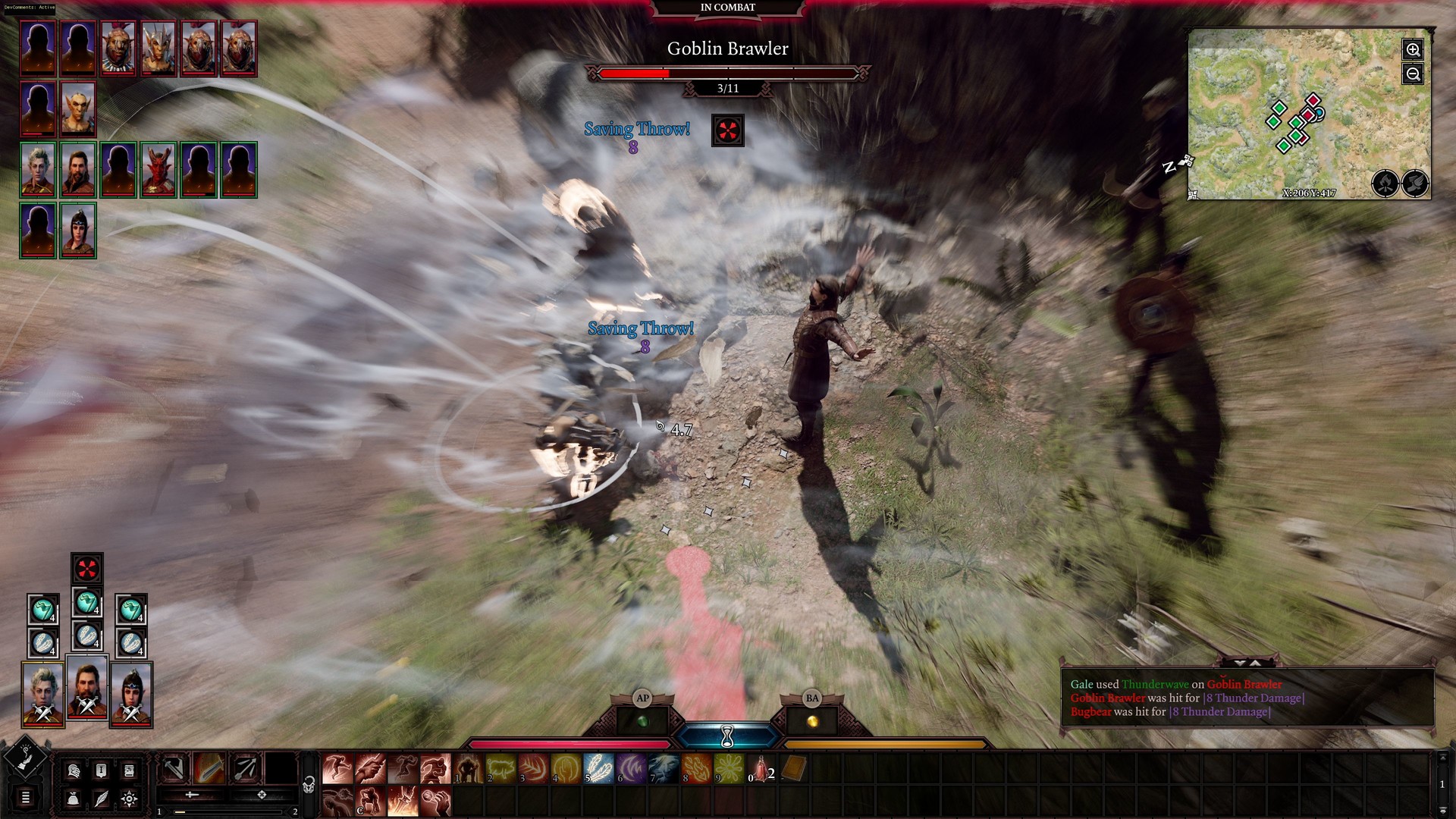
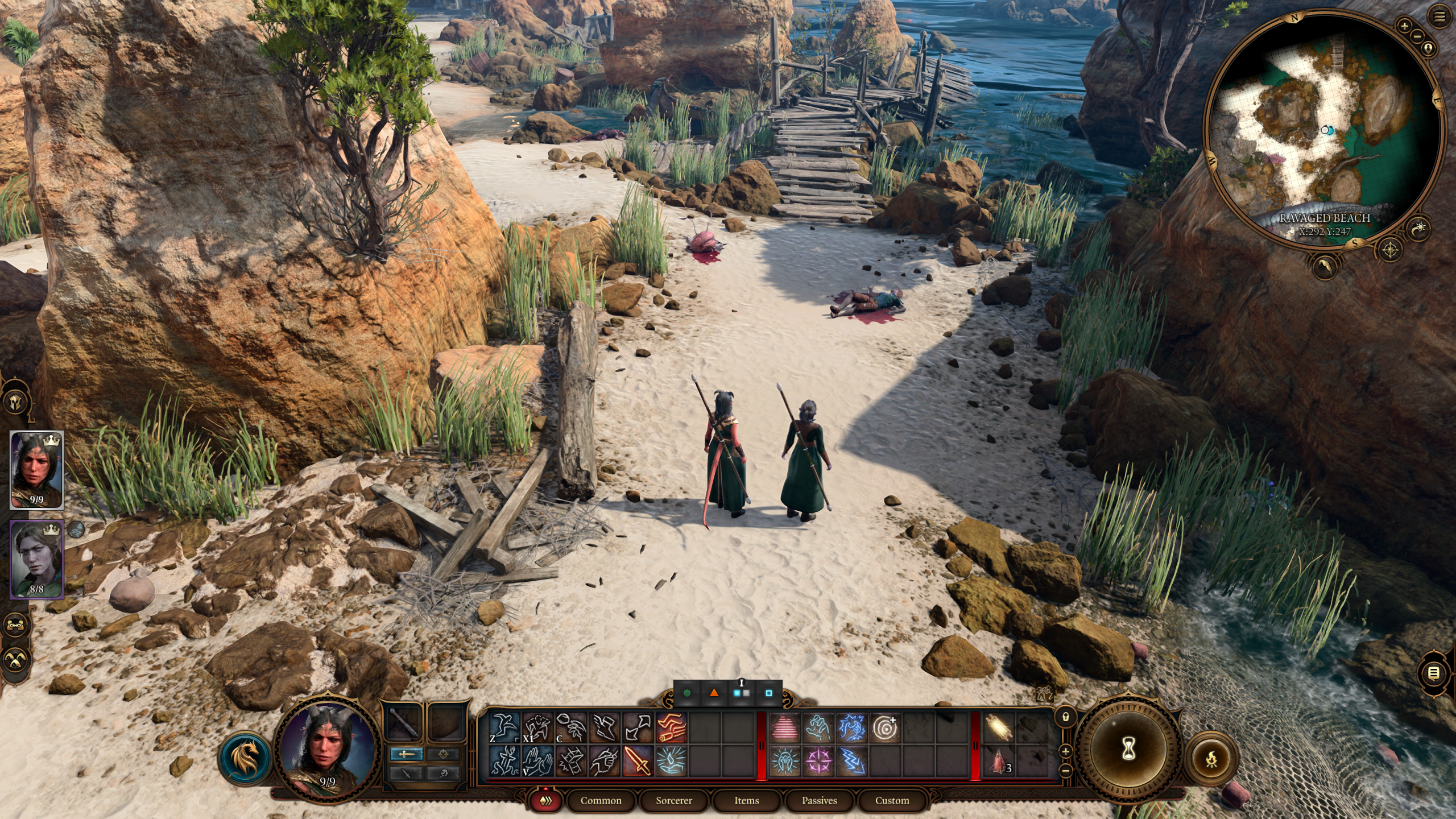

Baldur's Gate III
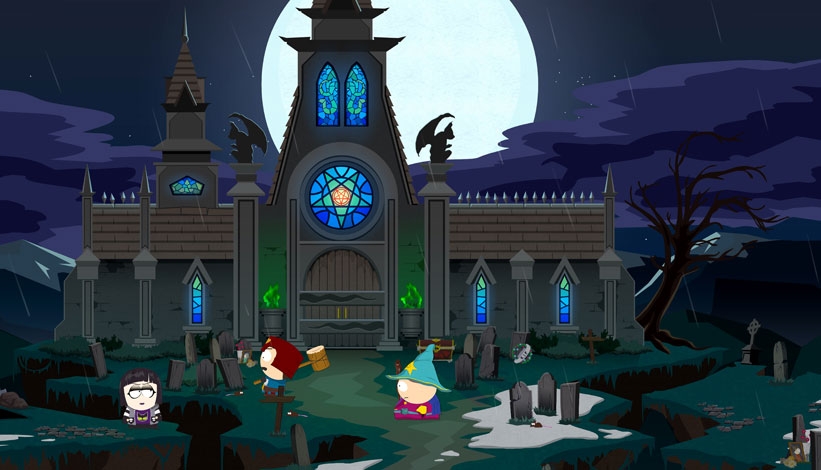
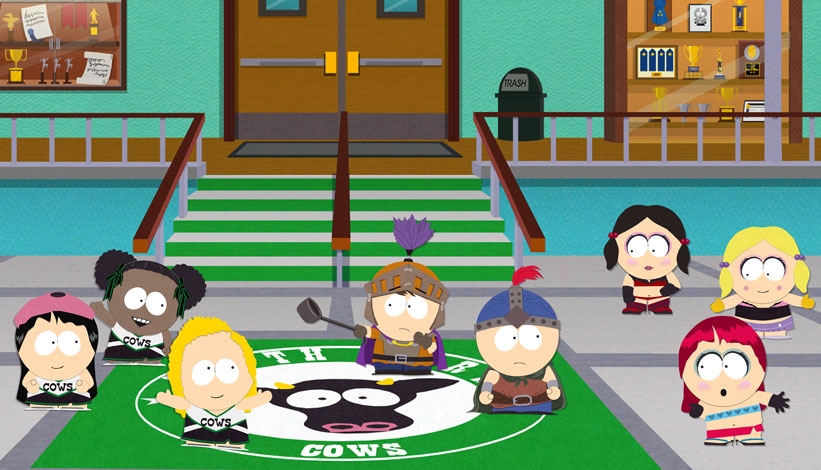


South Park: The Stick of Truth
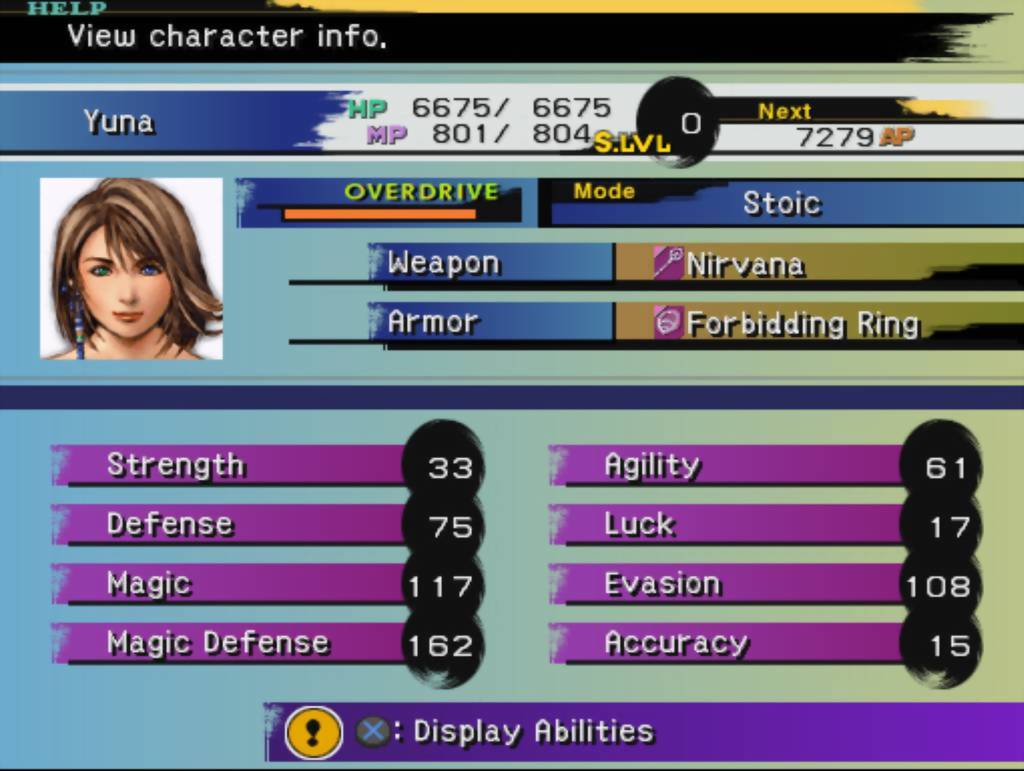
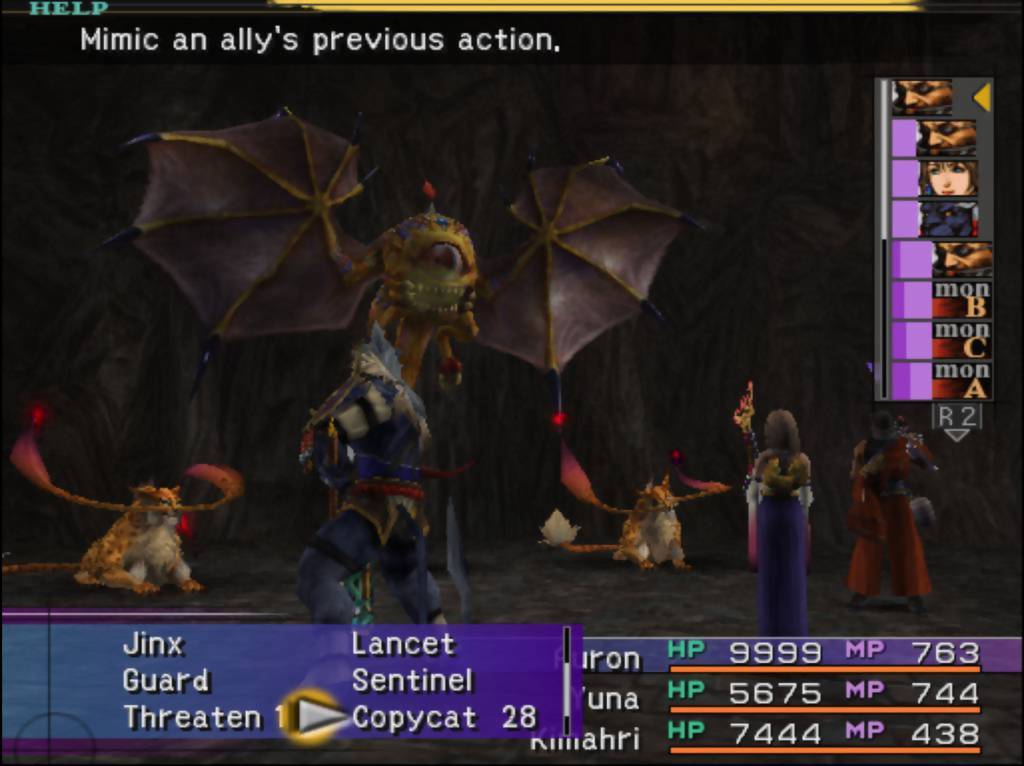
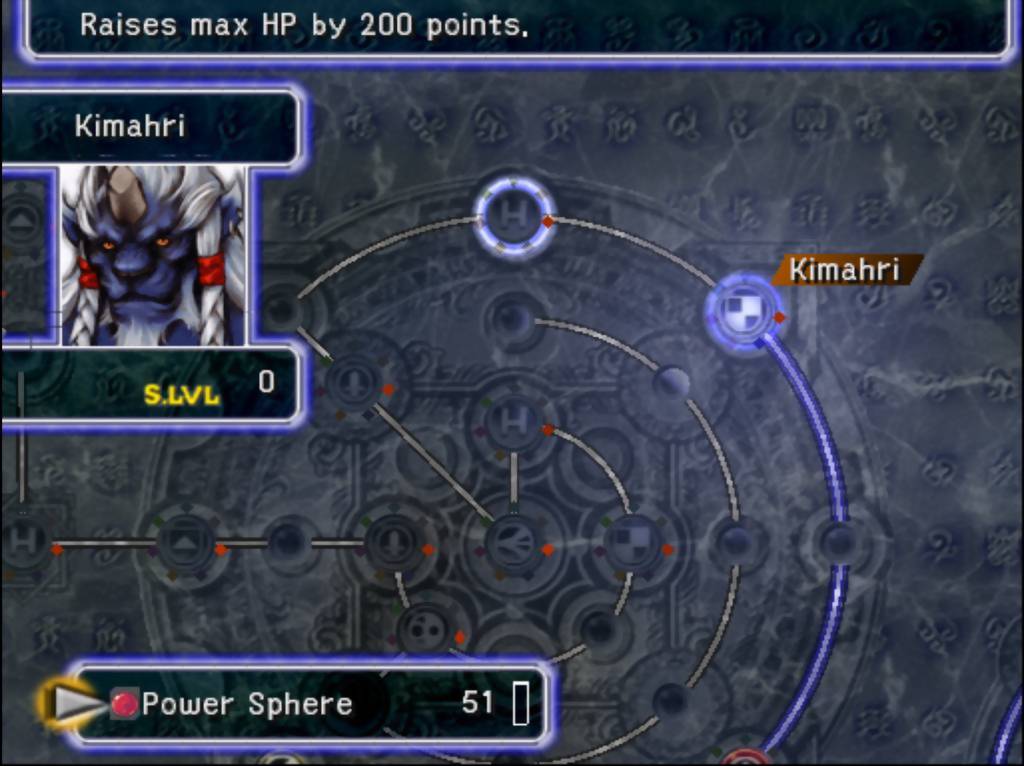

Final Fantasy X
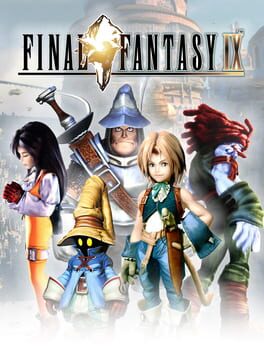
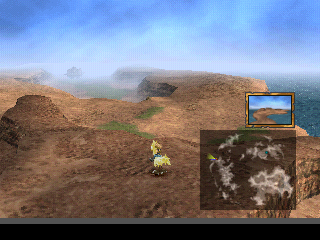
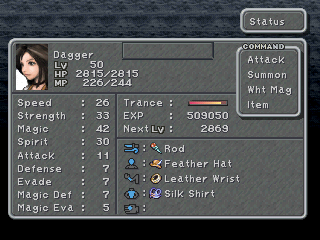
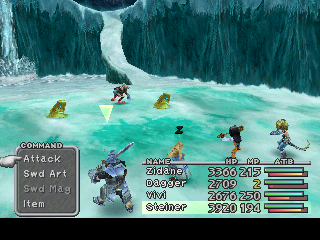
Final Fantasy IX

Final Fantasy III
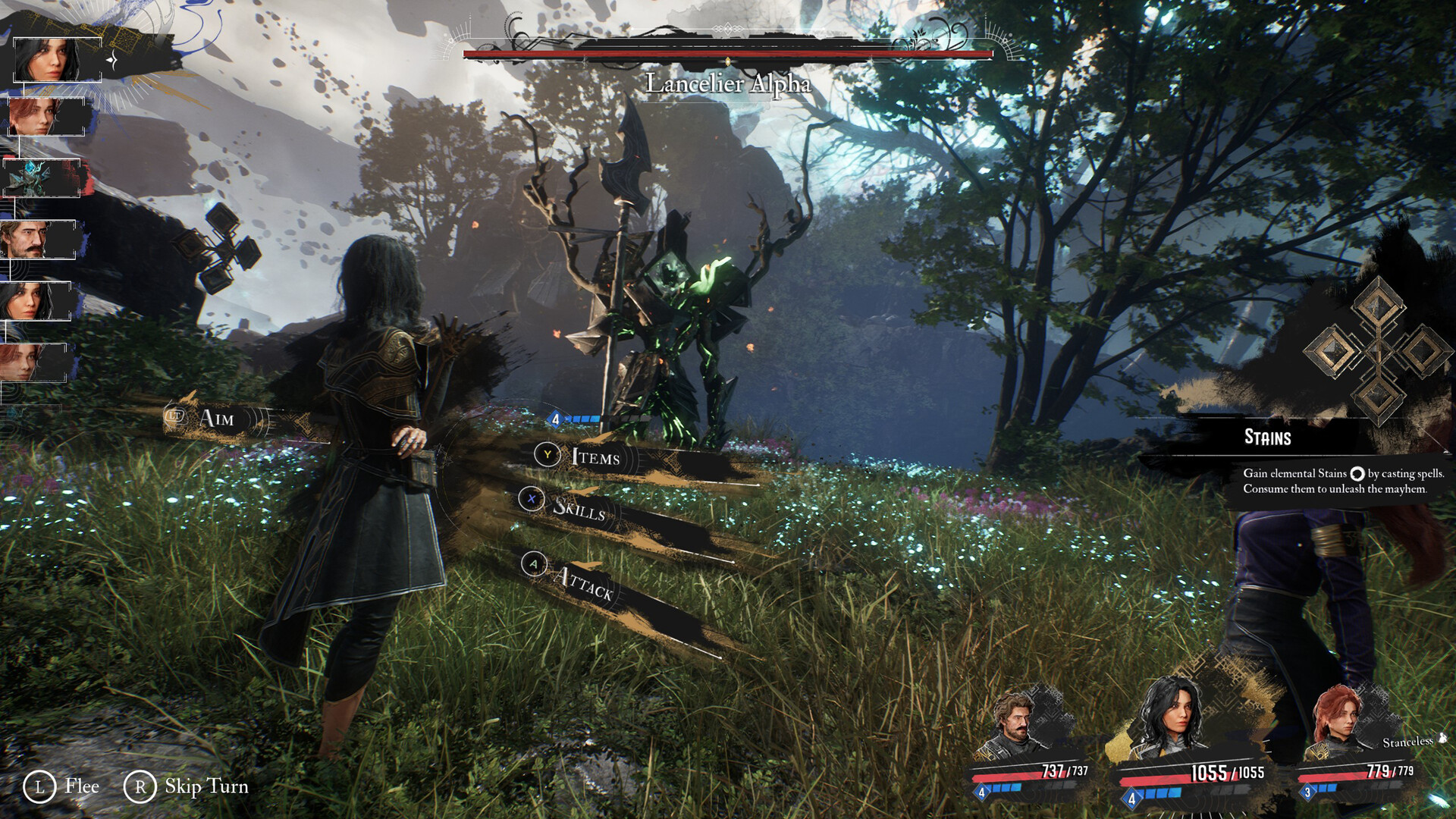
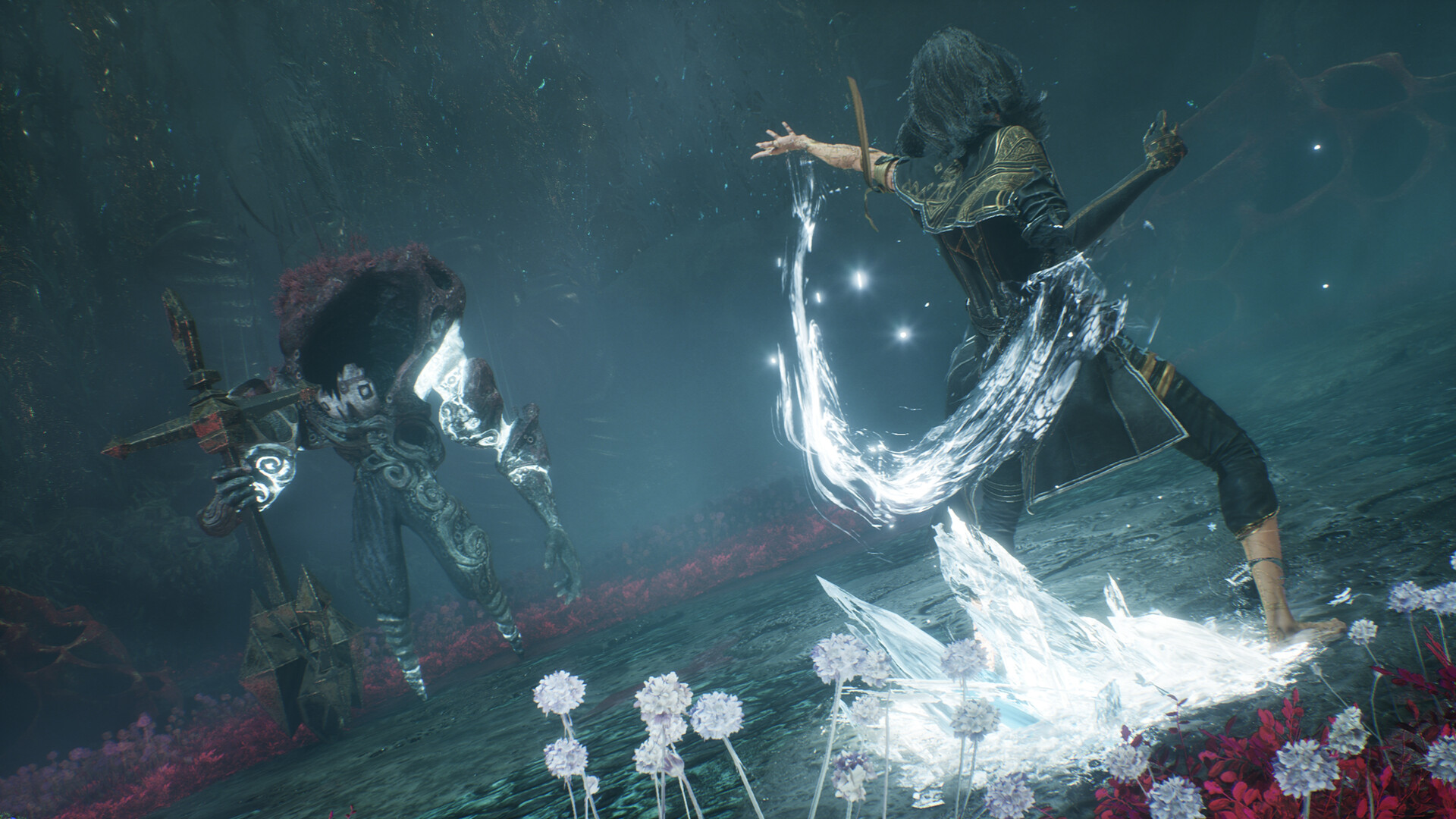
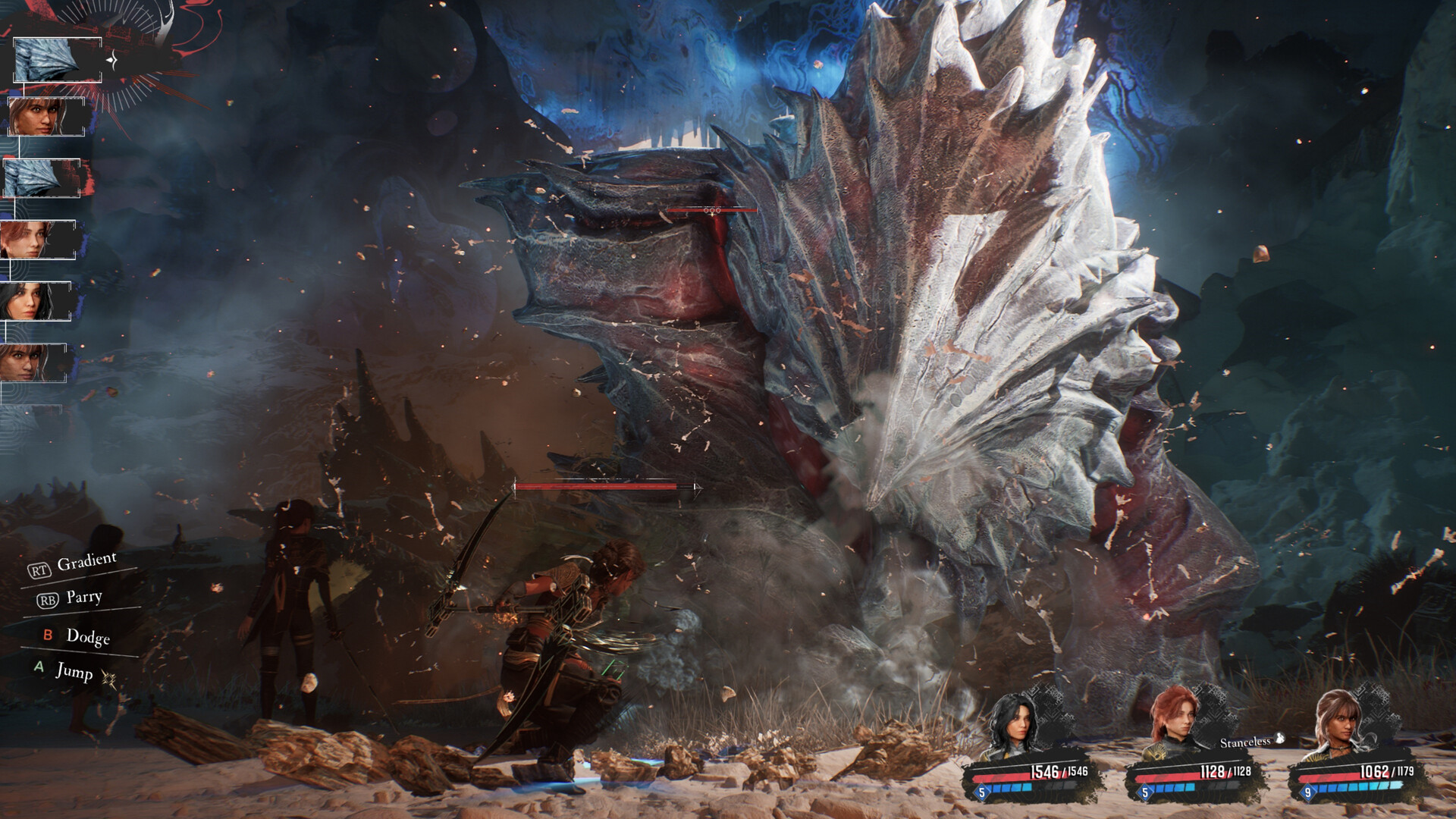
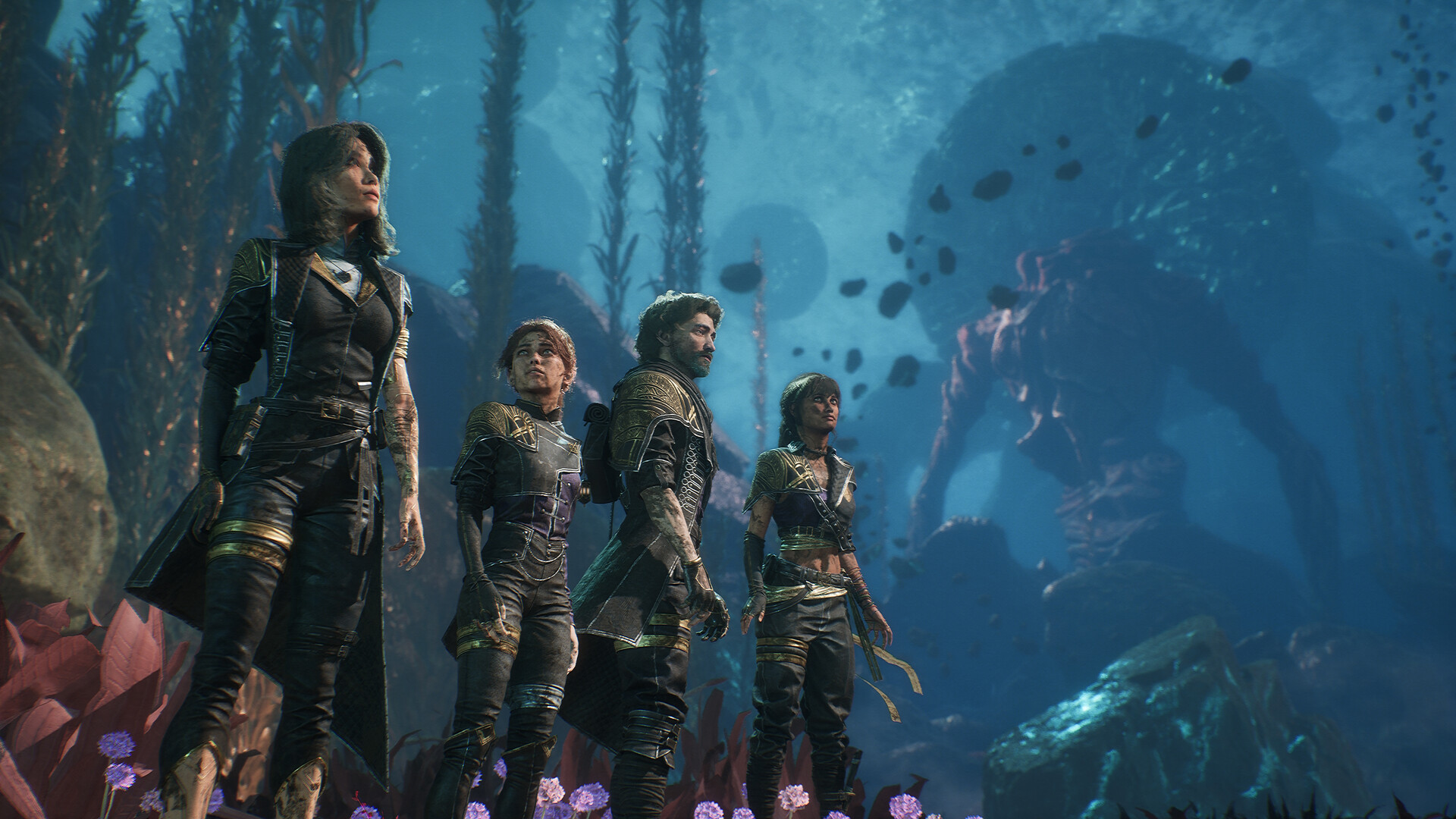
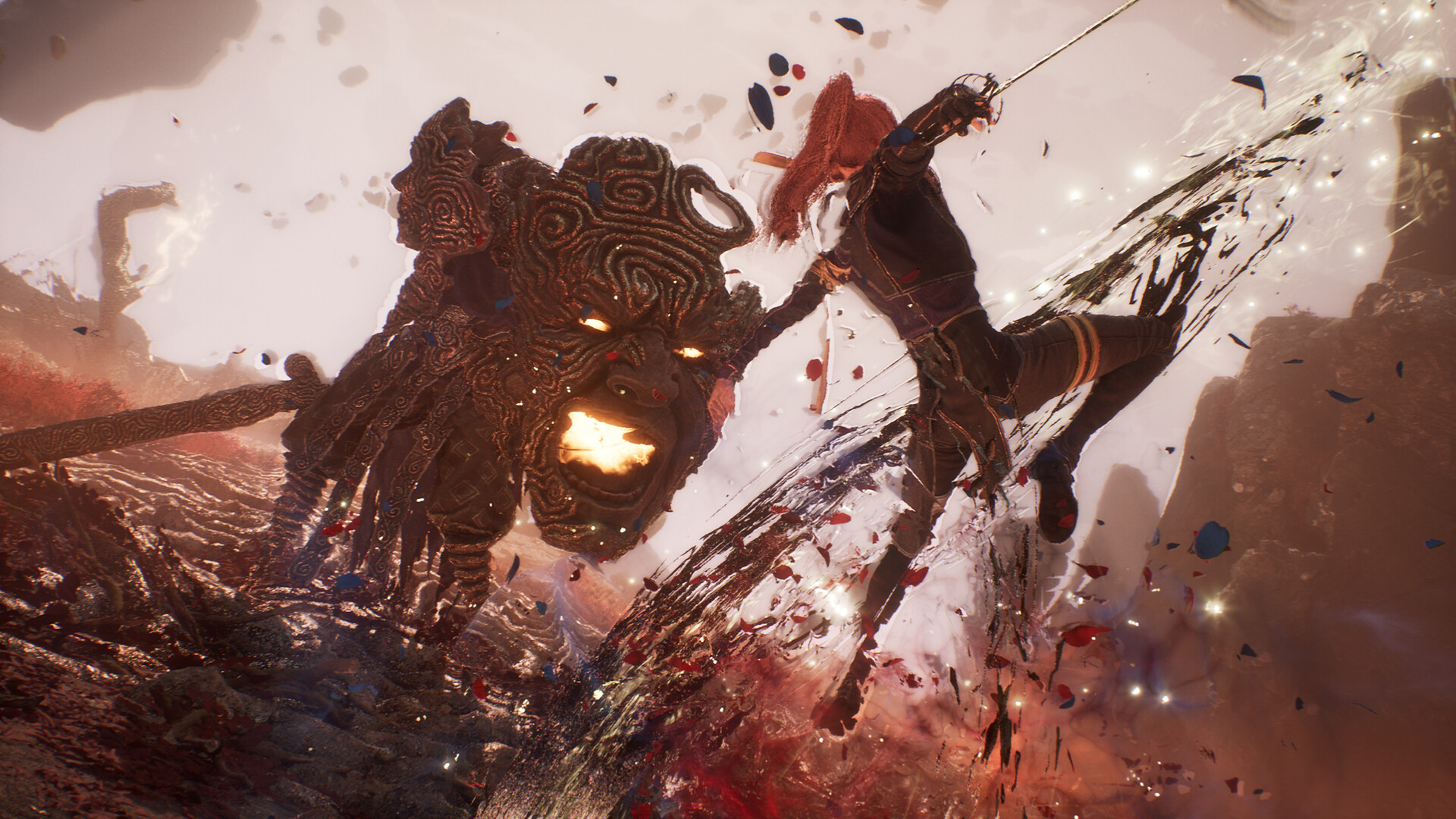
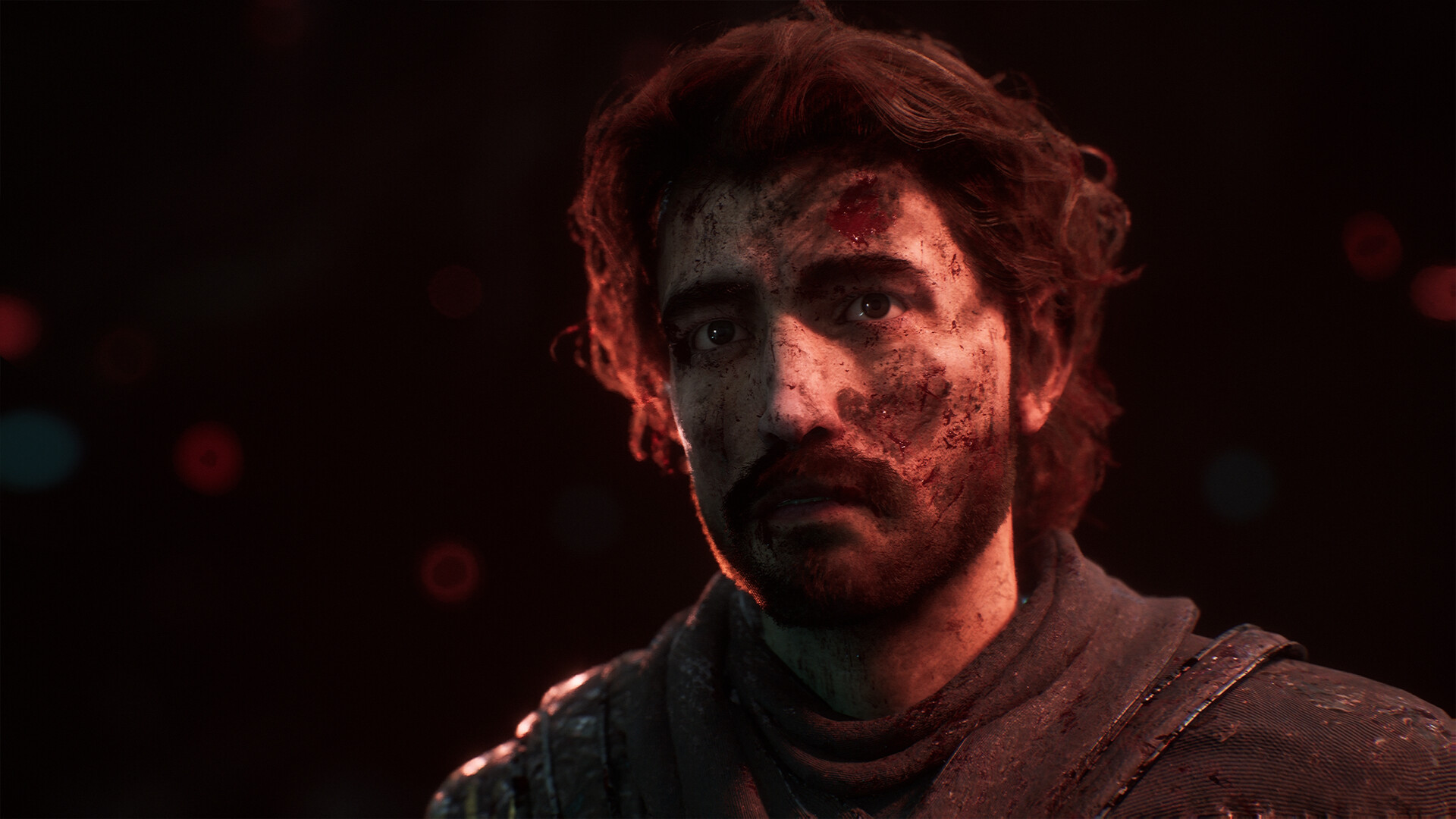

Clair Obscur: Expedition 33



Divinity: Original Sin II


Pokémon Silver Version


Pokémon Gold Version