Game Info
↑ Back to top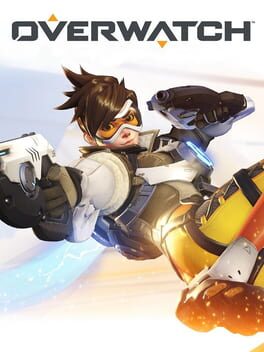

Overwatch
Series:
Genres:
Themes:
Perspectives:
Game Modes:
Game Engines:
Overview
↑ Back to topDescription from IGDB IGDB
Storyline IGDB
Wikipedia Description WIKIPEDIA
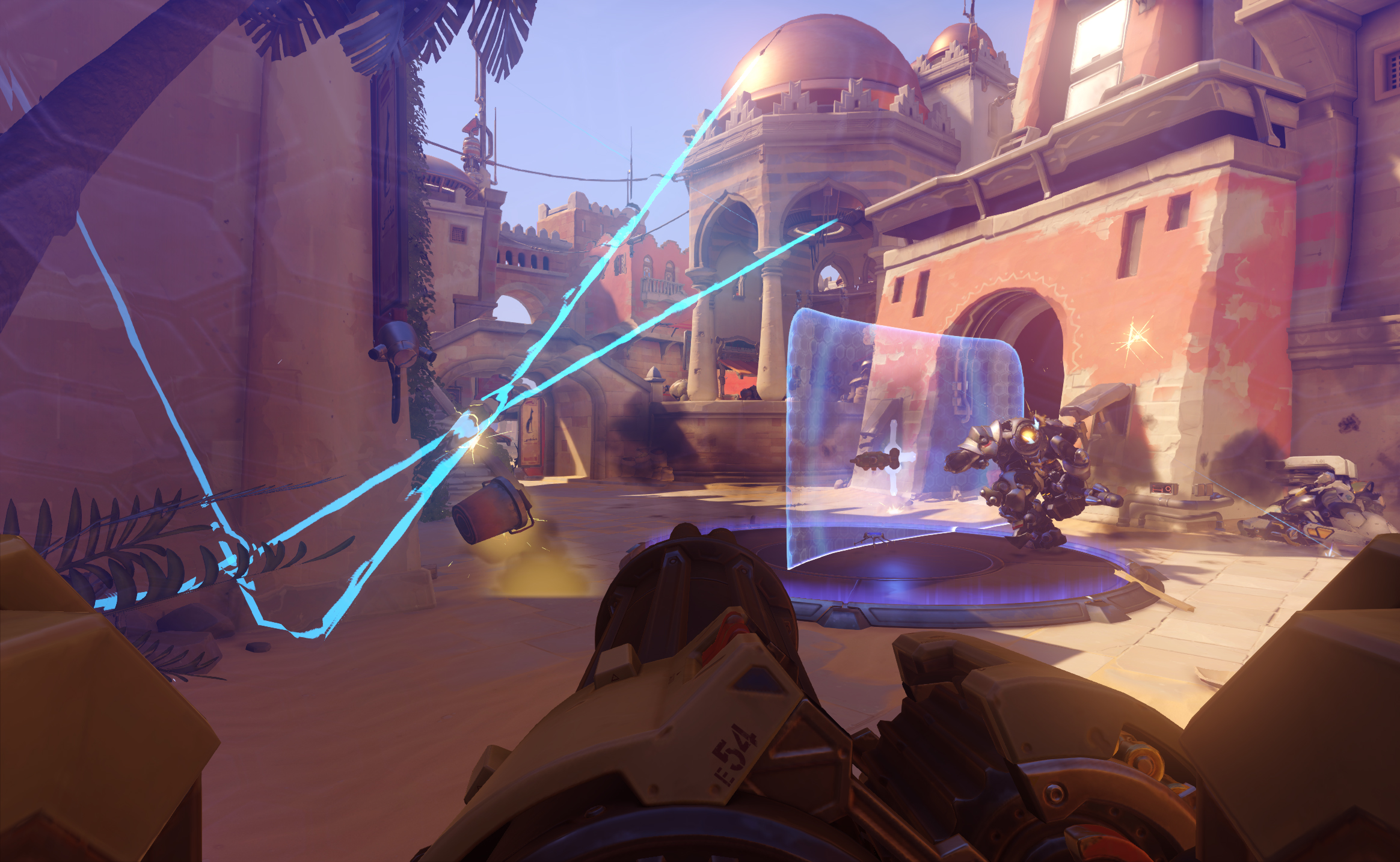
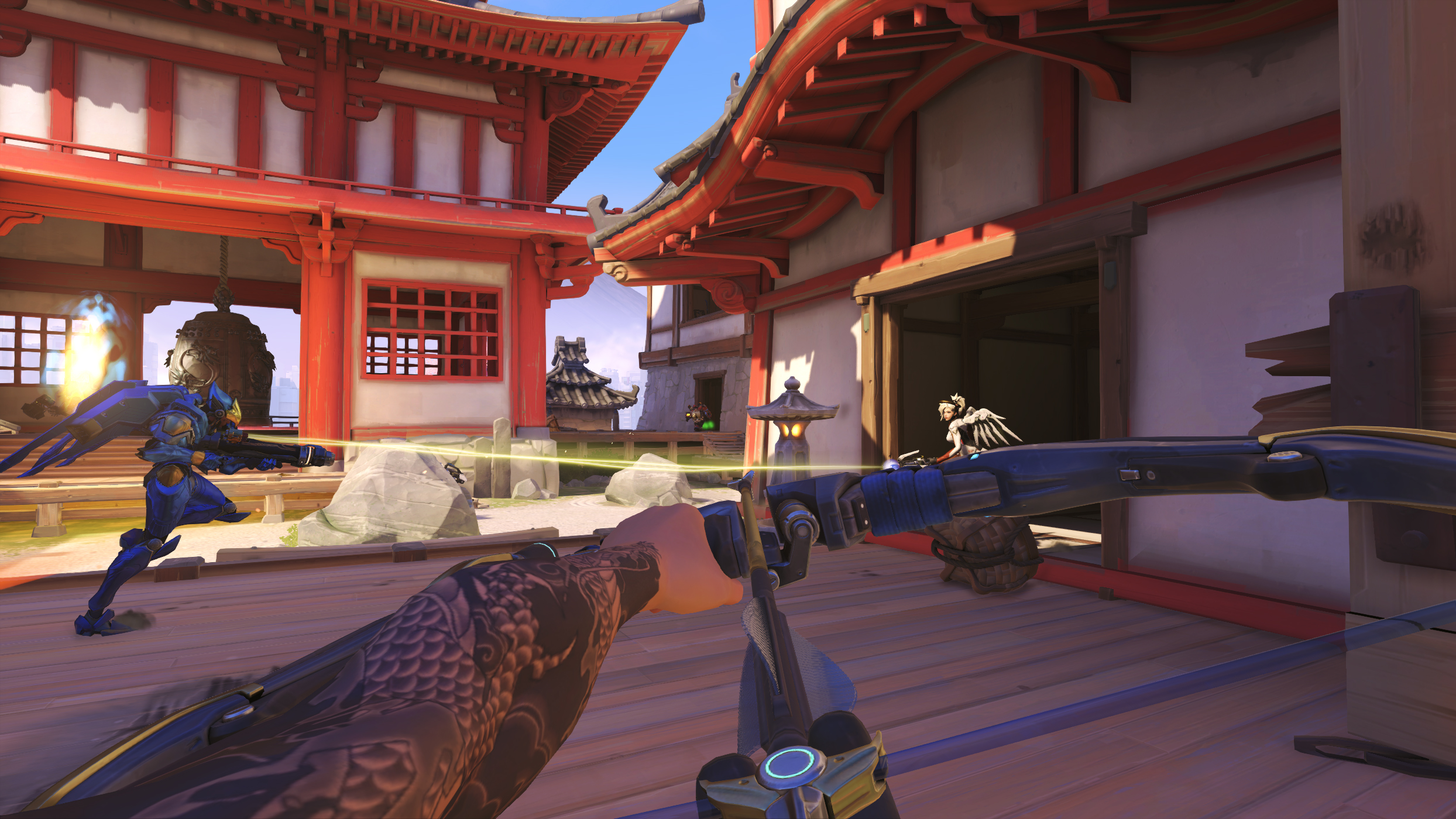
Both games in the Overwatch series are team-based hero shooters. Players select a hero character from a large roster (50 by the start of 2026), divided among three class types. These are: Tanks, who have higher health and generally meant to help protect their teammates from damage, but are larger and easier to hit; Damage, who act as the team's offensive leads; and Support, who heal, provide buffs for teammates, or de-buff the opposing team. Players are generally free to change to different heroes while inside their spawn room during the course of a match in response to the current tactics employed by other players. As of the development of Overwatch 2, a standard game features one tank player, two damage players and two support players, a change from having two of each class in its predecessor. Players choose their class before the match, and can only pick characters within that class for the duration of the game. There are different styles of game modes, however, that allow players to choose characters from any class throughout the game. Each hero has a skill kit that includes a primary attack, active skills that require a cooldown period before they can be used again, passive skills that remain active at all times, and an Ultimate skill that can only be used once they fill their Ultimate meter either by damaging opponents, mitigating damage, healing teammates or by passively generating it over time. An update in 2025 saw each hero receive a total of four unique abilities known as perks. Each hero has two minor and two major perks; minor perks consist of smaller changes to a hero's kit, while major perks are intended to affect the match more significantly. At the beginning of each match, all heroes are set to level 1 for each player. As the match progresses, players can individually level up their respective heroes, minor perks are unlocked at level 2, and major perks are unlocked at the maximum level 3. When perks become available, players may only select one of each type of perk; a selected perk becomes irreversibly attached to the current hero for the remainder of the match. If a player switches to another hero mid-match, the previously selected hero retains their level and perk progress. Game types of Overwatch are split between standard matches, competitive play, and arcade modes. Standard matches have matchmaking based loosely on the player's skill level as measured by the game. Competitive mode uses more strict matchmaking based on a player's current rank on the competitive ladder, with their rank increasing or decreasing when they win or lose a game, respectively. Arcade modes do not use matchmaking and are generally more experimental modes compared to standard and competitive modes. Standard and competitive game modes are randomly selected at the start of each match, and are objective based, requiring teams to control a fixed objective point for a duration of time, or escort a payload to a target zone before match time expires. These modes include: Assault (introduced in Overwatch): Also known as 2 Capture Points (or 2CP), Assault has the attacking team tasked with capturing two target points in sequence on the map, while the defending team must stop them. Assault-style maps were removed from main gameplay rotation after Overwatch 2 released but available in the game's arcade mode. It is still available in the game's custom game modes. Since Season 2, Assault-style maps are available in Arcade Mode daily routines. Escort (introduced in Overwatch): The attacking team is tasked with escorting a payload to a certain delivery point before time runs out, while the defending team must stop them. The payload vehicle moves along a fixed track when any player on the attacking team is close to it, increasing in speed if multiple attackers are present, but will stop if a defending player is nearby; should no attacker be near the vehicle, it will start to move backwards along the track. Passing specific checkpoints will extend the match time and prevent the payload from moving backwards from that point. Hybrid (Assault/Escort) (introduced in Overwatch): The attacking team has to capture the payload (as if it were a target point from Assault) and escort it to its destination, while the defending team tries to hold them back. Control (introduced in Overwatch): Each team tries to capture and maintain a common control point until their capture percentage reaches 100%. This game mode is played in a best-of-three format. Control maps are laid out in a symmetric fashion so no team has an intrinsic position advantage. Push (introduced in Overwatch 2's launch): Each team attempts to secure control of a large robot that pushes one of two barriers to the opposing team's side of the map, whilst being escorted by at least one team member, stopping when enemy players are nearby, similar to the payload movement system in Escort. The team that pushes the payload fully to the other side, or furthest into the enemy territory before the time runs out, wins the match. Flashpoint (introduced in Overwatch 2 in 2023): Similar to Control, each team attempts to capture and maintain a common control point until their capture percentage reaches 100%. This game mode takes place on significantly larger maps with five separate control points, which take a shorter amount of time to capture as compared to a standard Control map. A central control point is always activated first; after it is secured by one team, the remaining four are activated in a random order. The first team to secure three control points wins. Clash (introduced in Overwatch 2 in 2024): Clash maps feature symmetrical maps with five control points. Teams initially vie for control of the central point, with the winning team progressing to the next control point, towards the opponent's base. Opponents can push back by winning control points and shifting the next point away from their base. If a team captures the point closest to the opponent's base, they win. Otherwise the match plays out until one team wins control five times. Arcade modes may include variations of the above modes with experimental rules, and can also include modes like Deathmatch and Capture the Flag. Other common arcade modes include: Elimination (introduced in Overwatch in 2016): Two teams face off in a series of rounds, attempting to wipe out the other team; once a player is killed they remain out of the game until the next round, though they can be revived by Mercy's 'Resurrect' ability. If no team has won a round by a certain time, then the winners are decided by the team that can first take a neutral control point. Players cannot change heroes until the next round. Some of these can be played in "lockout" mode, in which the heroes selected by the winning team for a round are "locked" and cannot be selected in future rounds. Total Mayhem (introduced in Overwatch): A game mode similar to the base team-versus-team matches, but where all heroes have double health, and all cooldowns are significantly reduced, allowing players to use abilities and ultimates more often, typically creating chaotic matches. Mystery Heroes (introduced in Overwatch): Also based on team-versus-team matches, players are randomly assigned a hero when the match starts, with the character changing upon each death. Stadium (introduced in Overwatch 2 in 2025): Stadium maps are played in a best-of-seven (in Competitive Play) or best-of-five (in Unranked) format. During each round, players earn in-game currency that then can be used between rounds to purchase improvements for their chosen hero. These rounds are played on different maps of varying game modes, featuring Control, Push and Clash. Stadium also allows players to play from a third-person camera to aid with certain improvement combinations. A recent update added Payload Race as a mode, where the players have to escort a payload to the final destination while preventing the opposing team from doing the same. Players also can use tools built into the game to create custom game types, sharable with other players using an alphanumeric code.
About Overwatch
Overwatch is a Arcade, MOBA, Role-playing (RPG), Shooter, Squad Management, Strategy, Tactical game released in 2016 developed by Blizzard Entertainment that offers Multiplayer gameplay from a first person, third person perspective playable on Nintendo Switch, PC (Microsoft Windows), PlayStation 4 with 1131 user ratings averaging 81.8/100. The game explores themes like Comedy, Science fiction. If you enjoy Overwatch, you might also like similar games in our database of 45,000+ titles.
Basic Info
Details
↑ Back to topAdditional Information
Платформы 4
Genres 7
Themes 2
Player Perspectives 2
Game Modes 1
Companies
↑ Back to topDevelopers
Blizzard Entertainment
No description available
Publishers
Blizzard Entertainment
No description available
Square Enix
No description available
Keywords
↑ Back to topScreenshots
↑ Back to top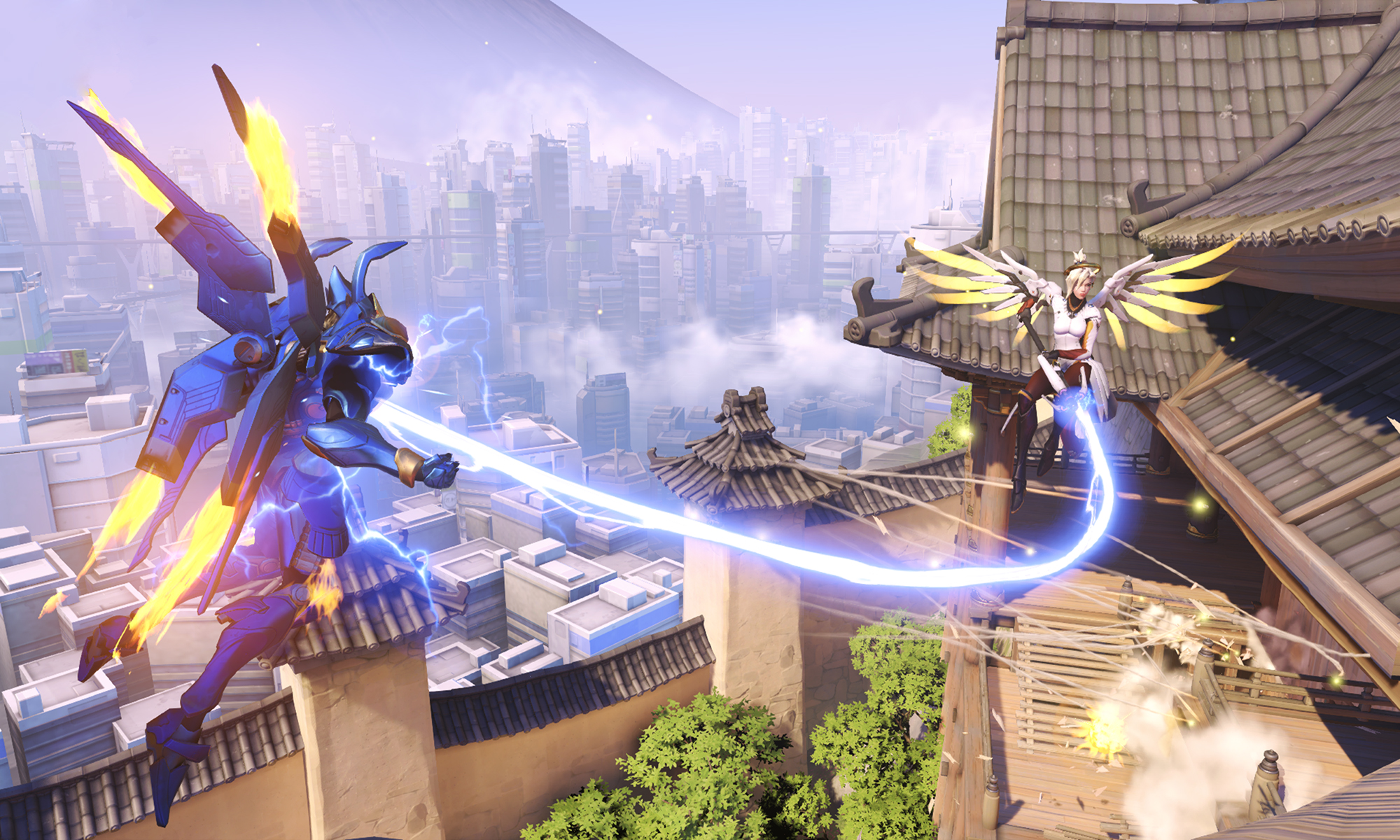


Similar Games
↑ Back to top

BioShock
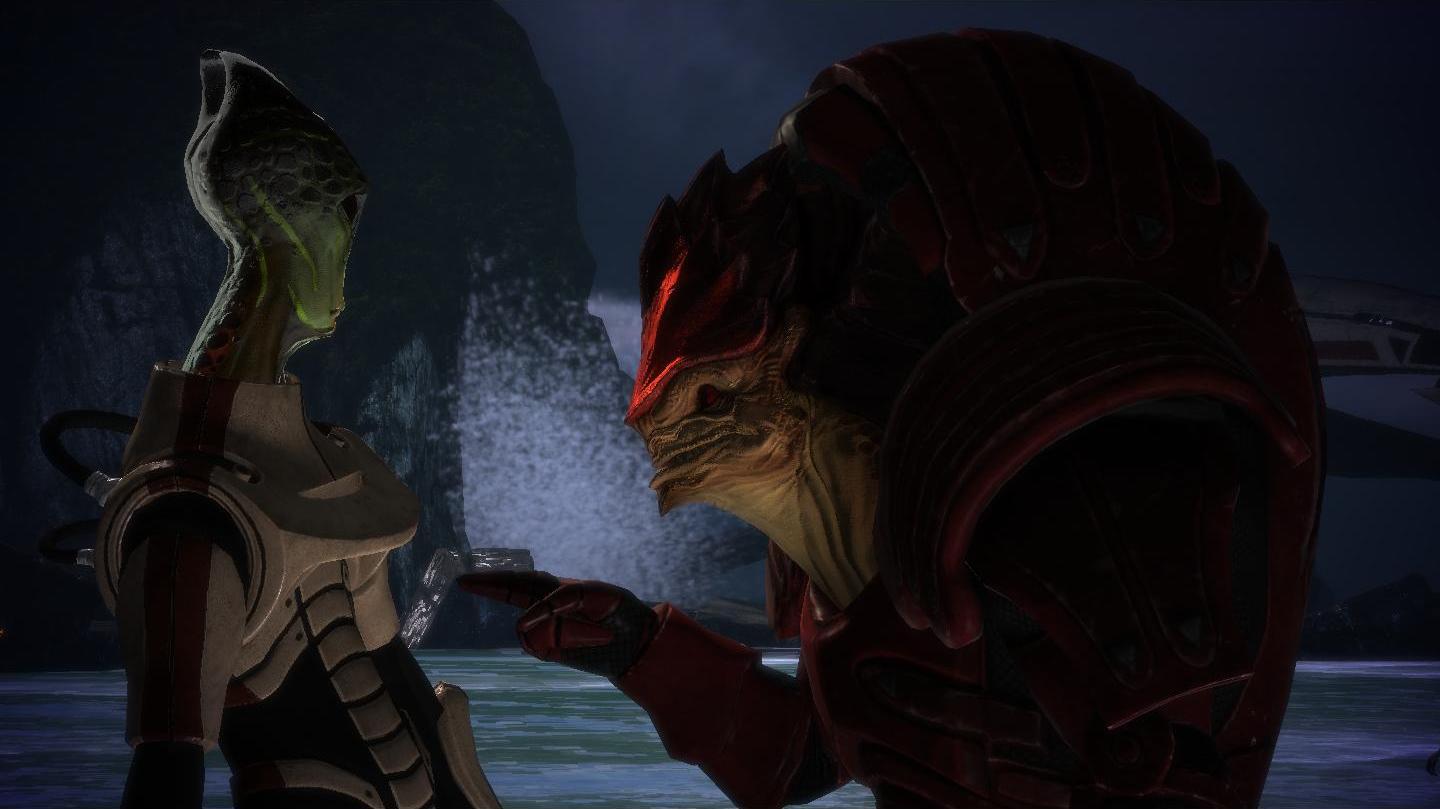

Mass Effect

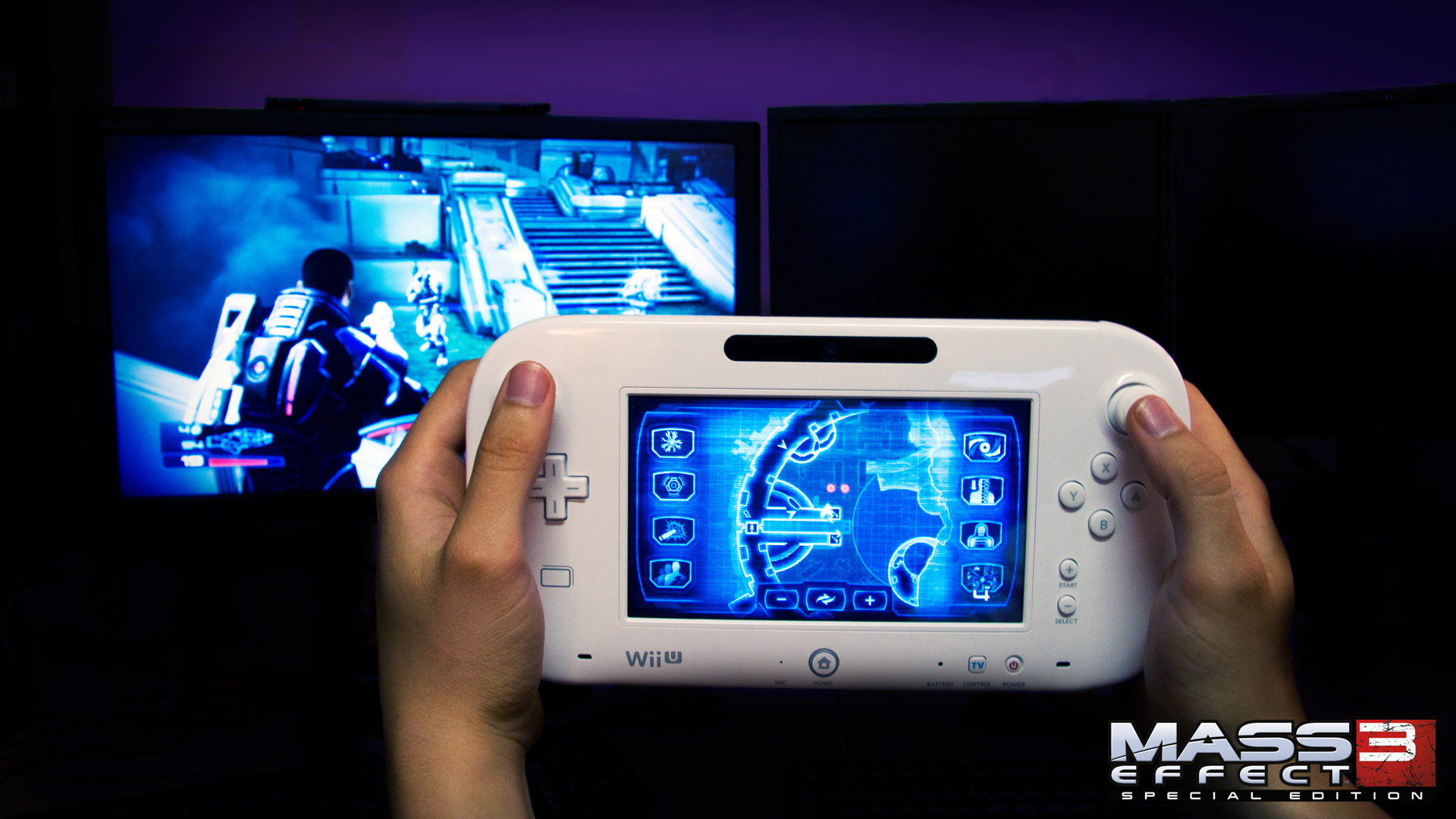
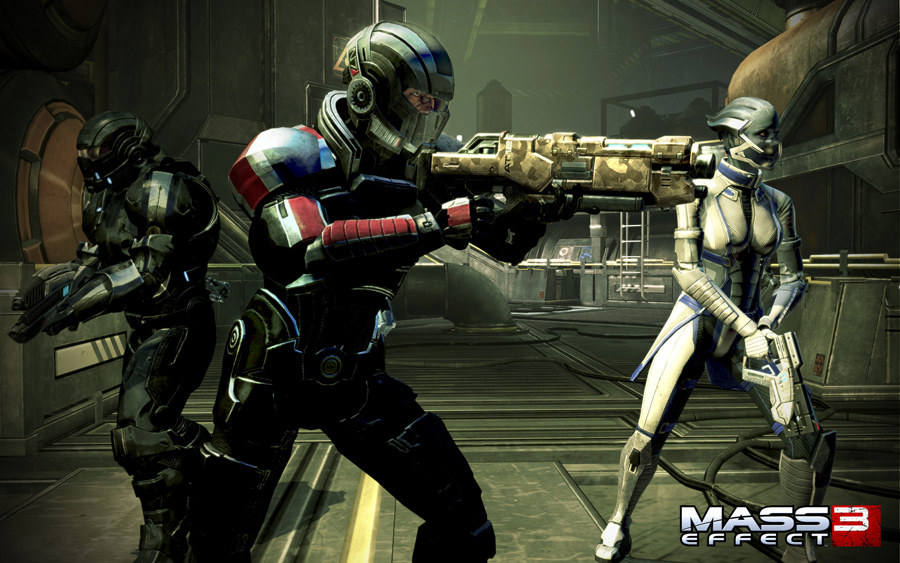
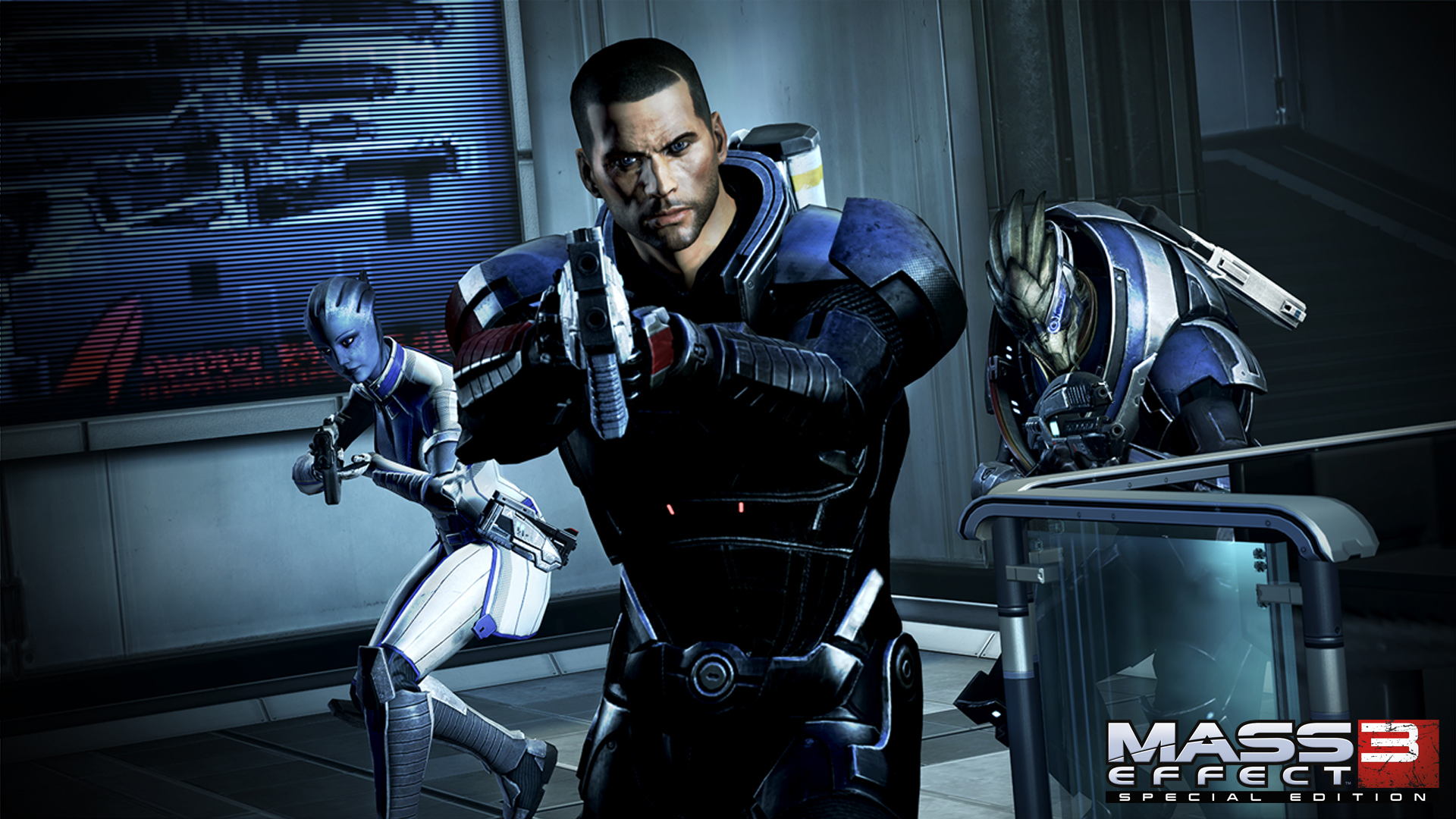
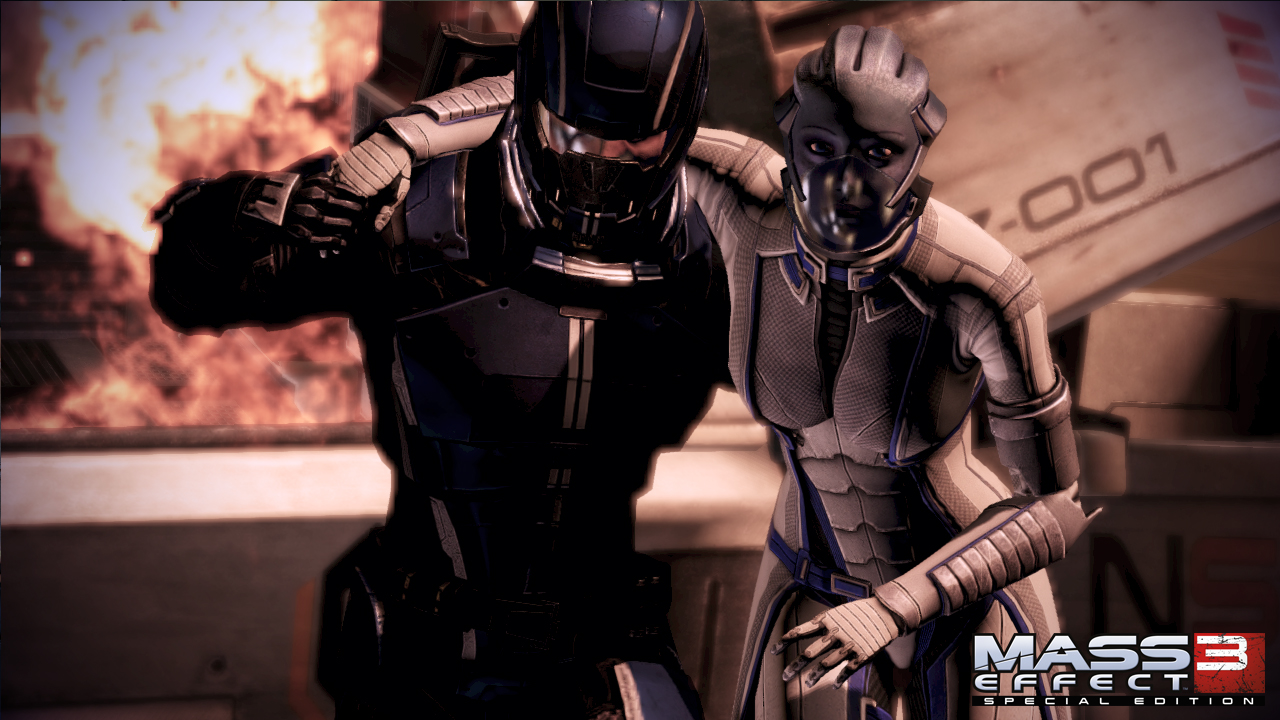
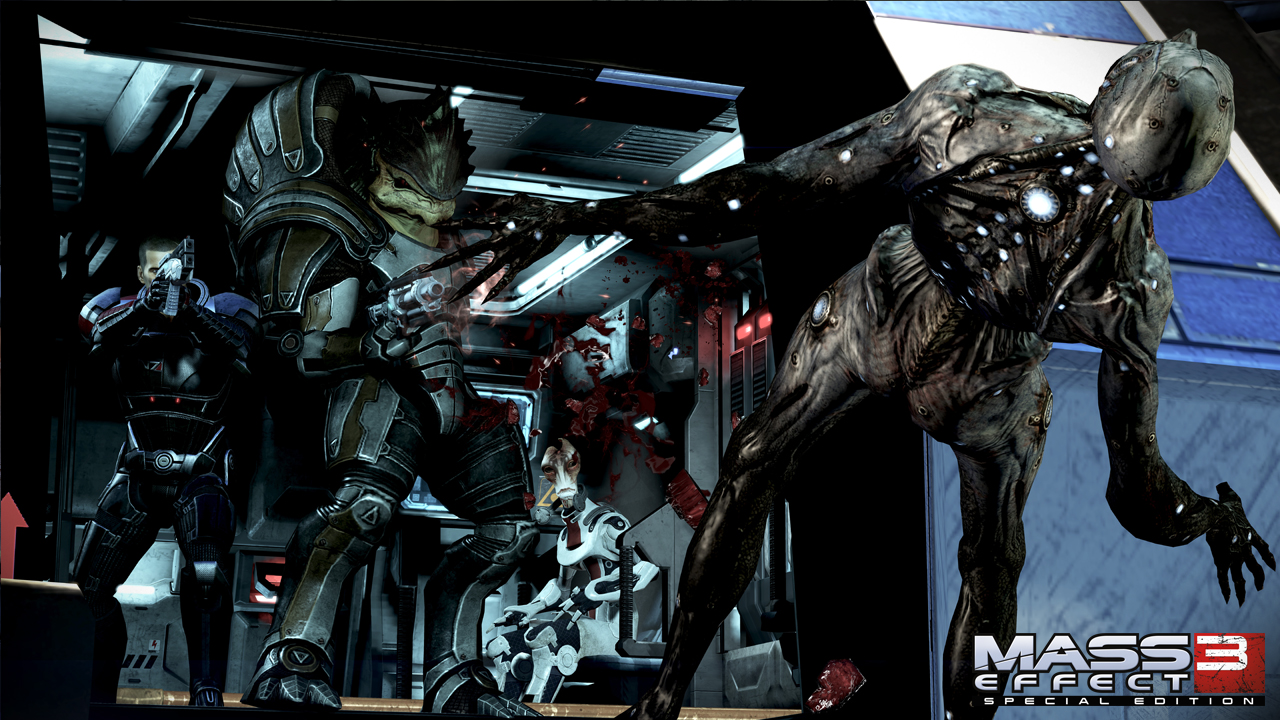
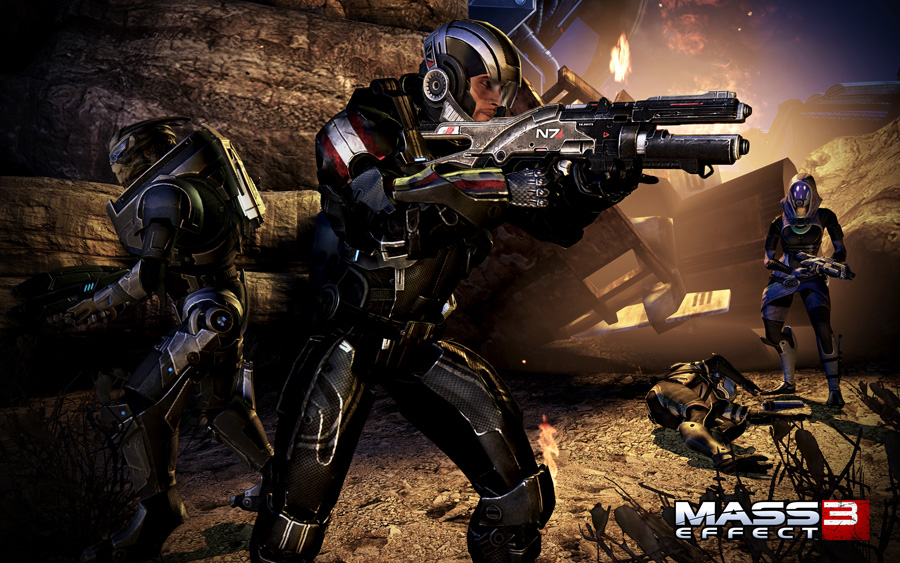
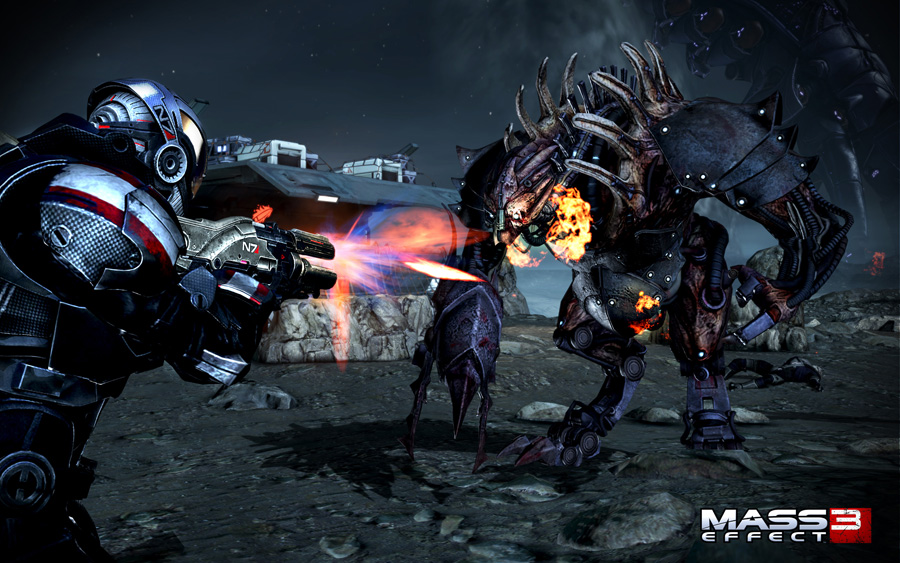
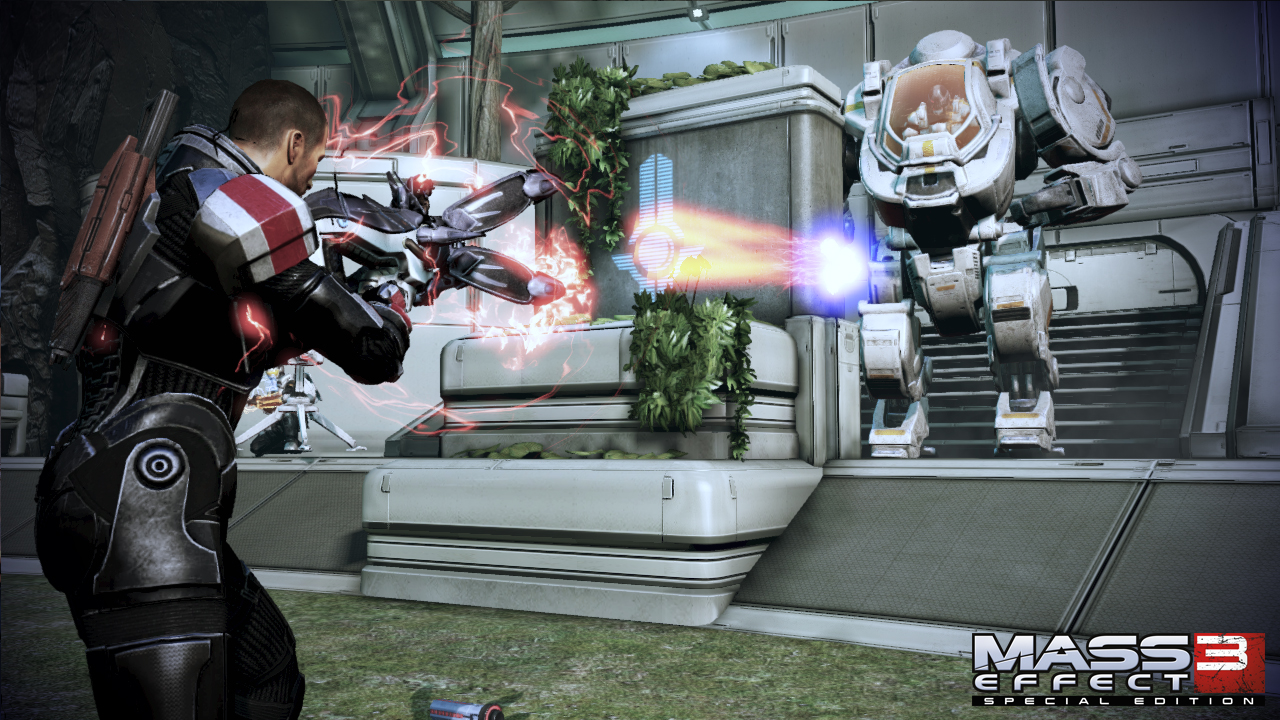
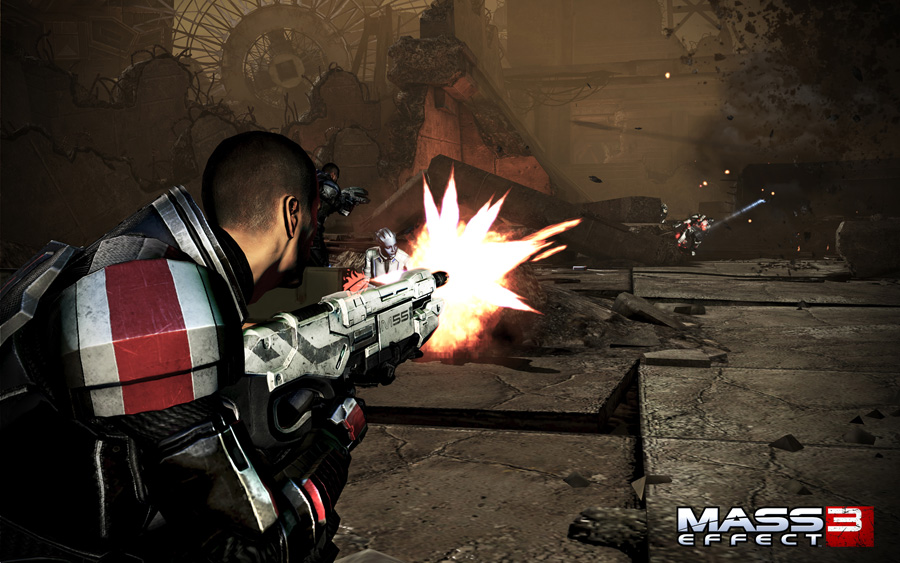
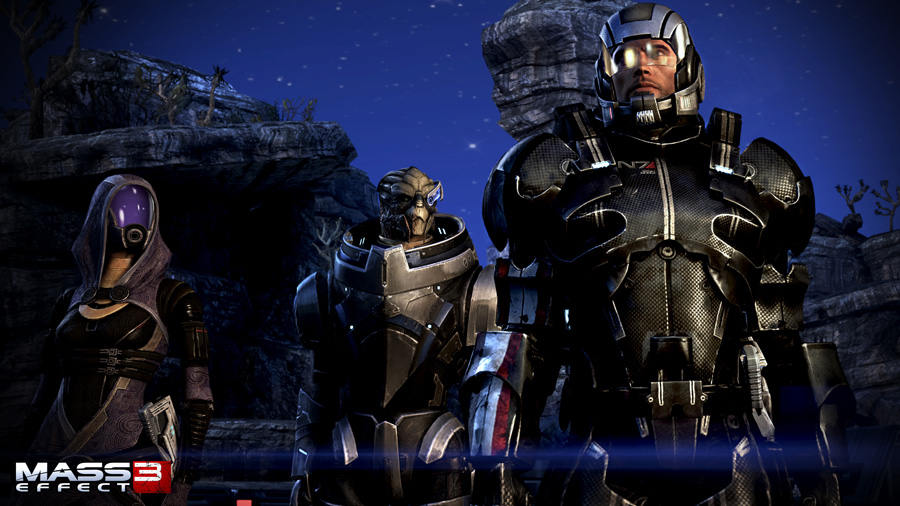

Mass Effect 3

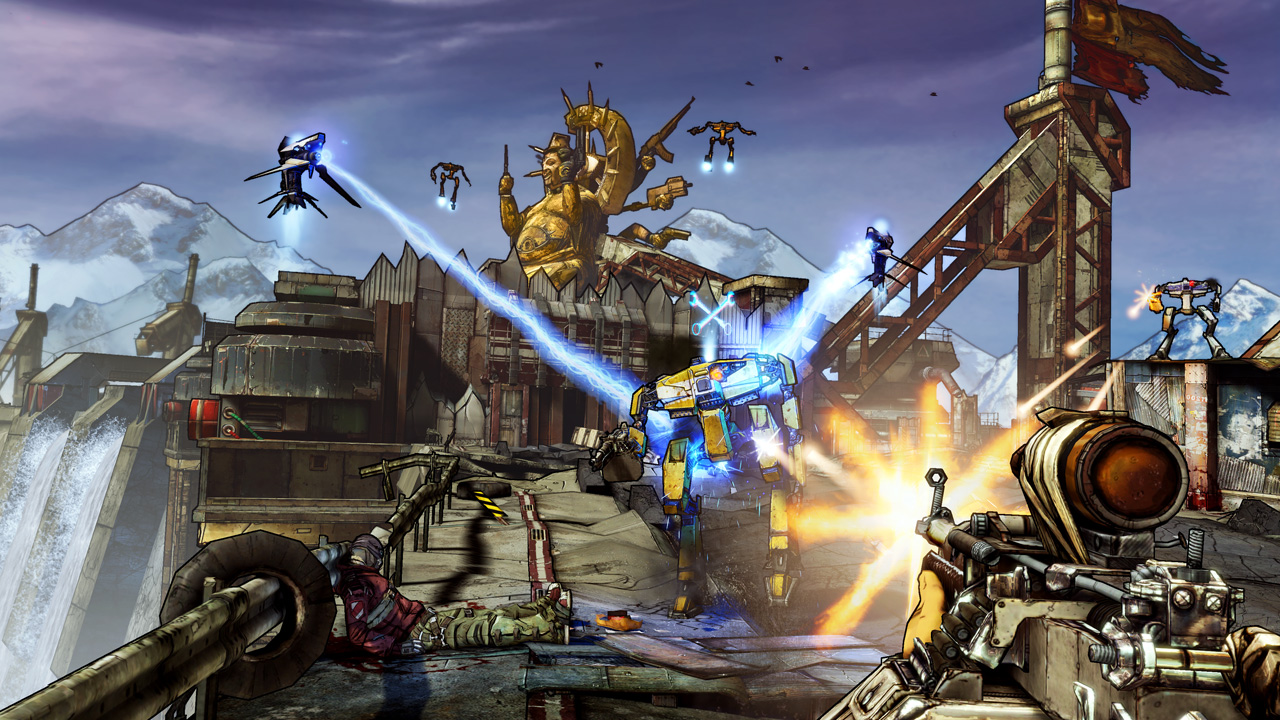
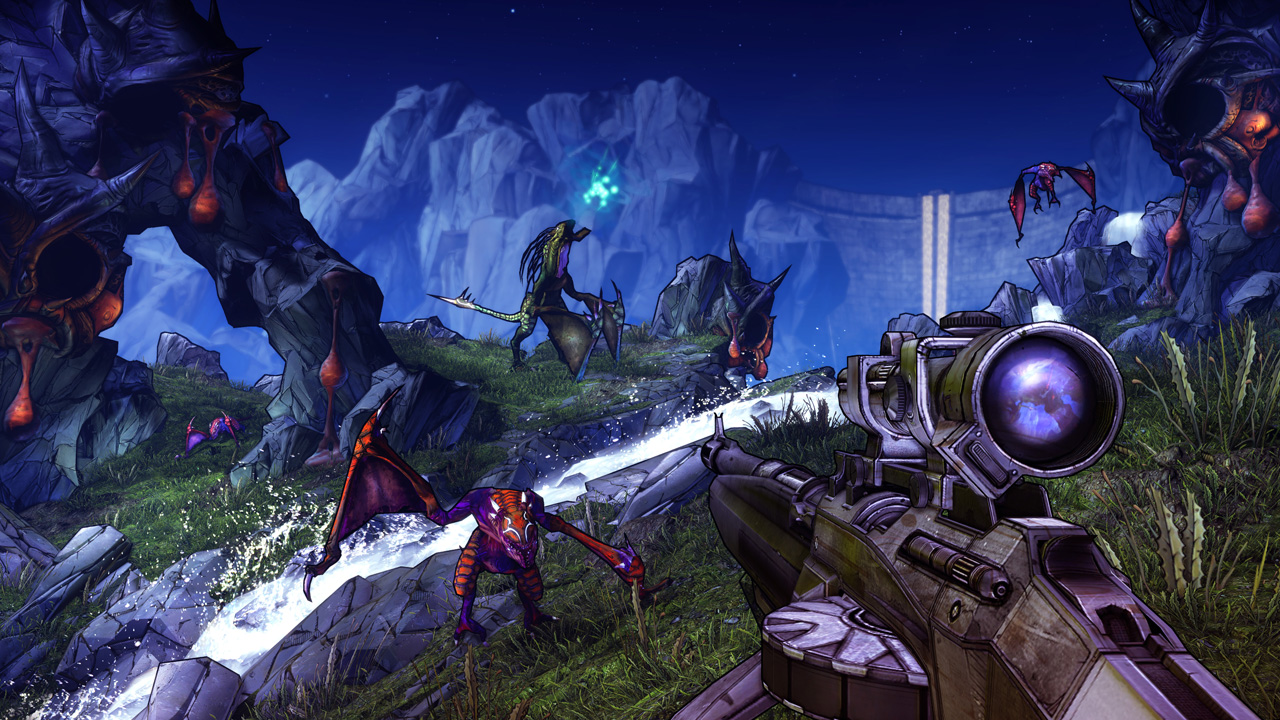
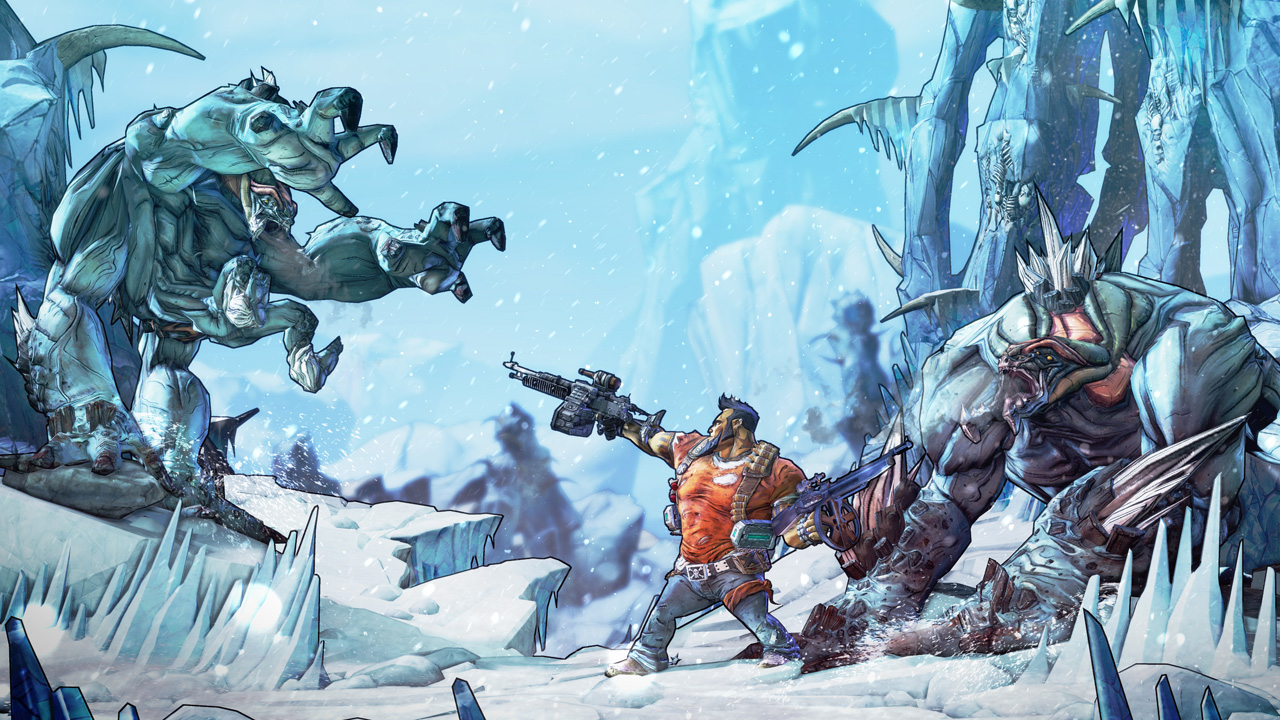
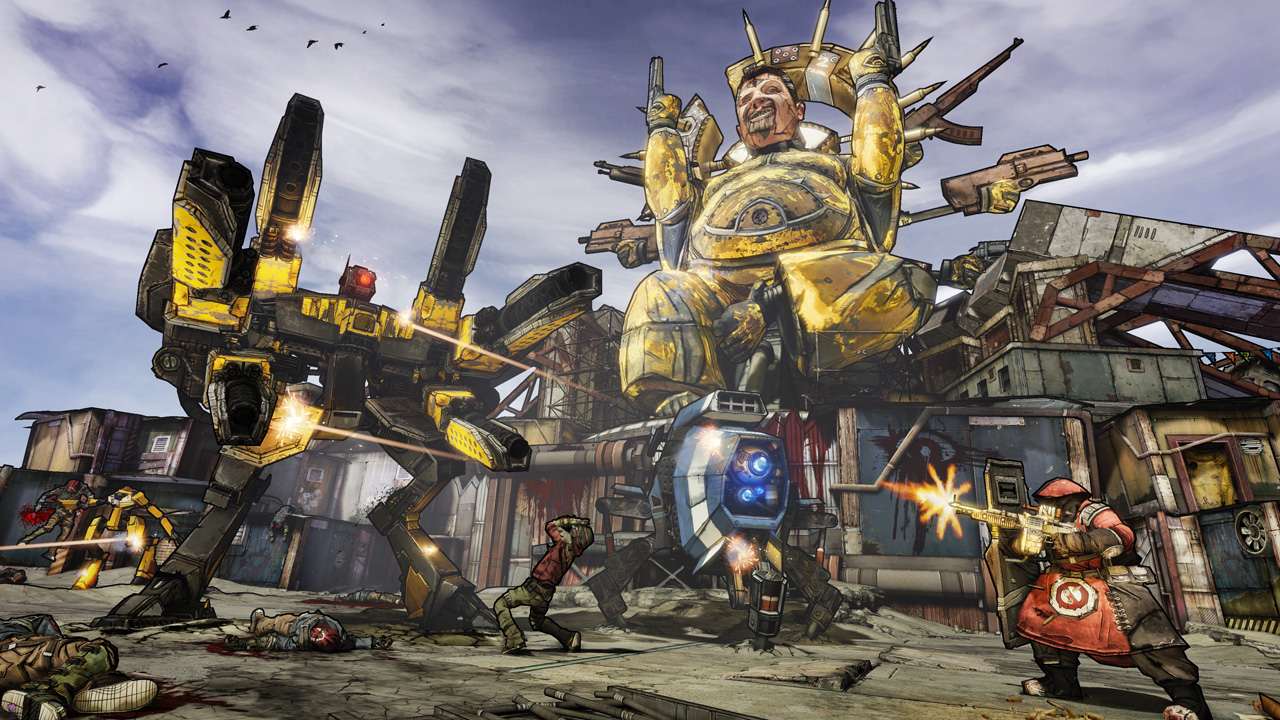
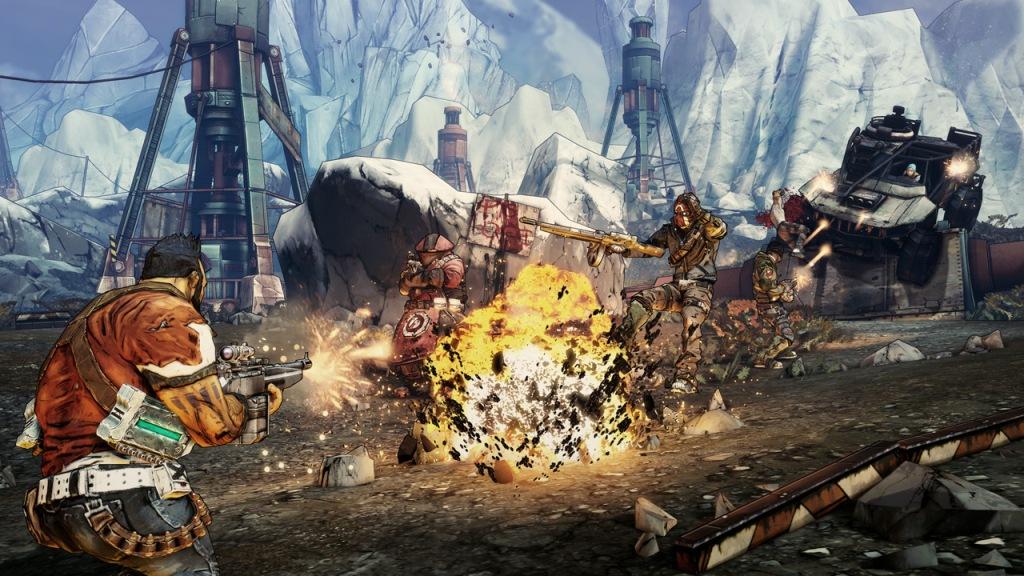
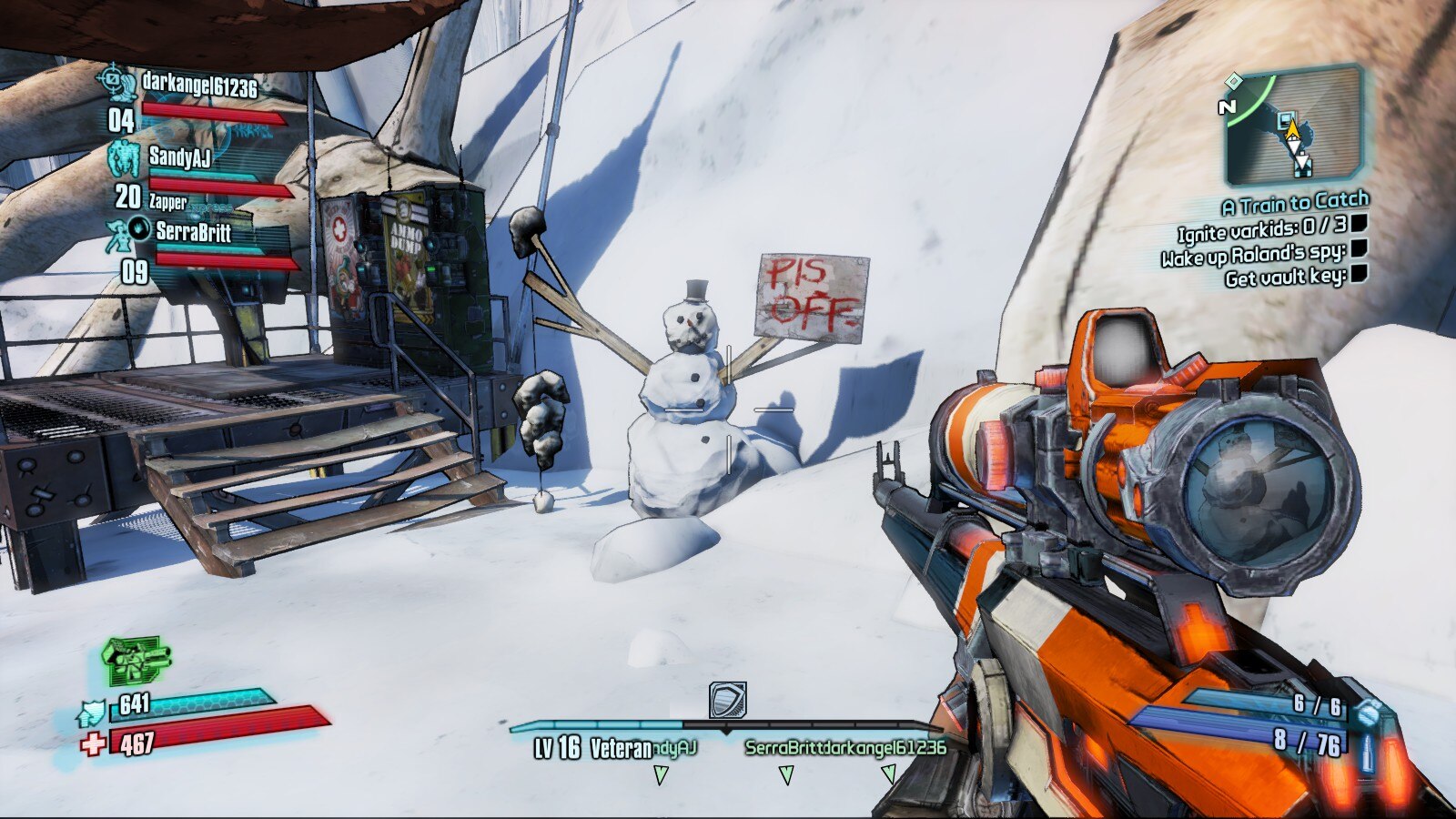

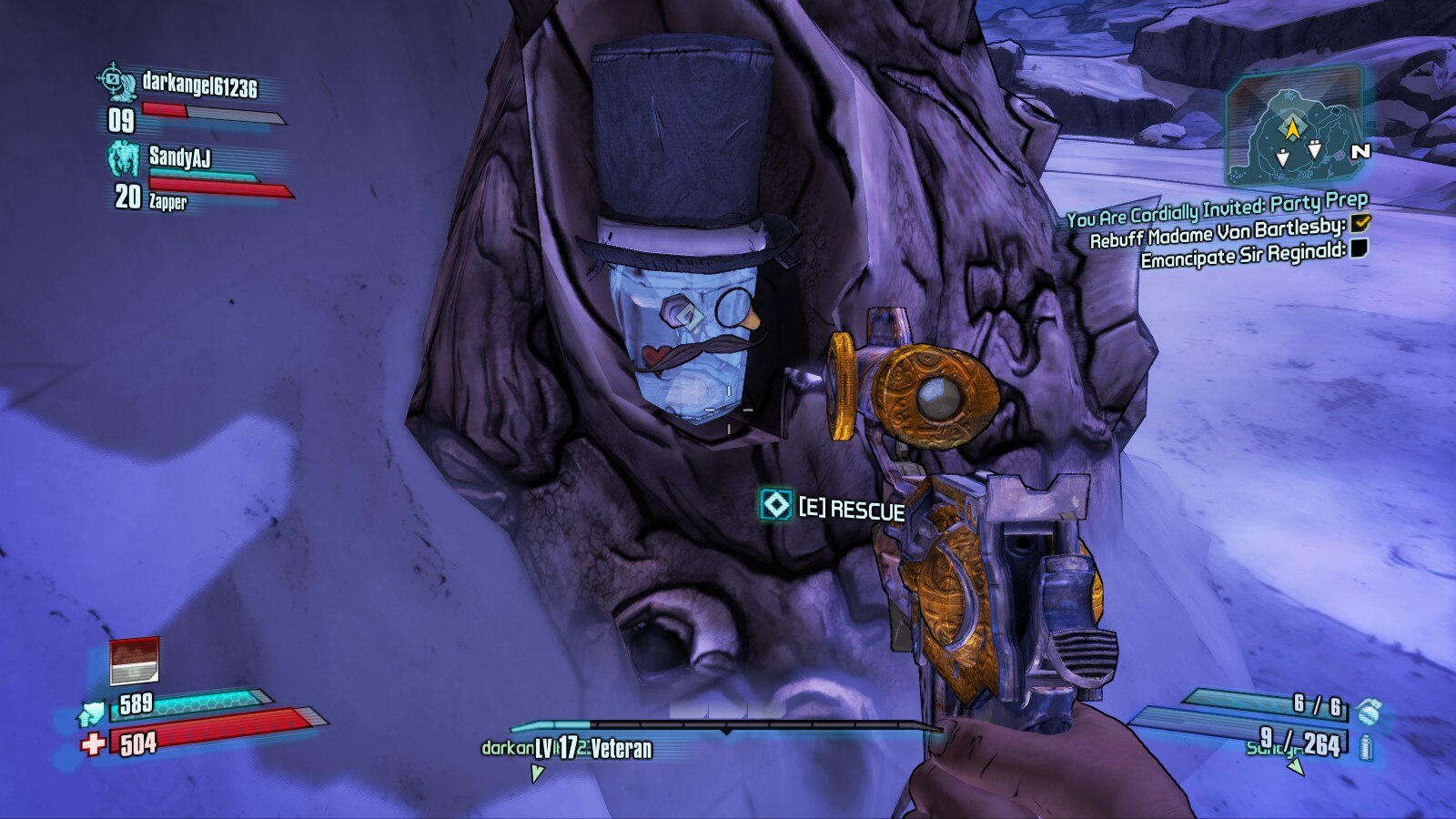
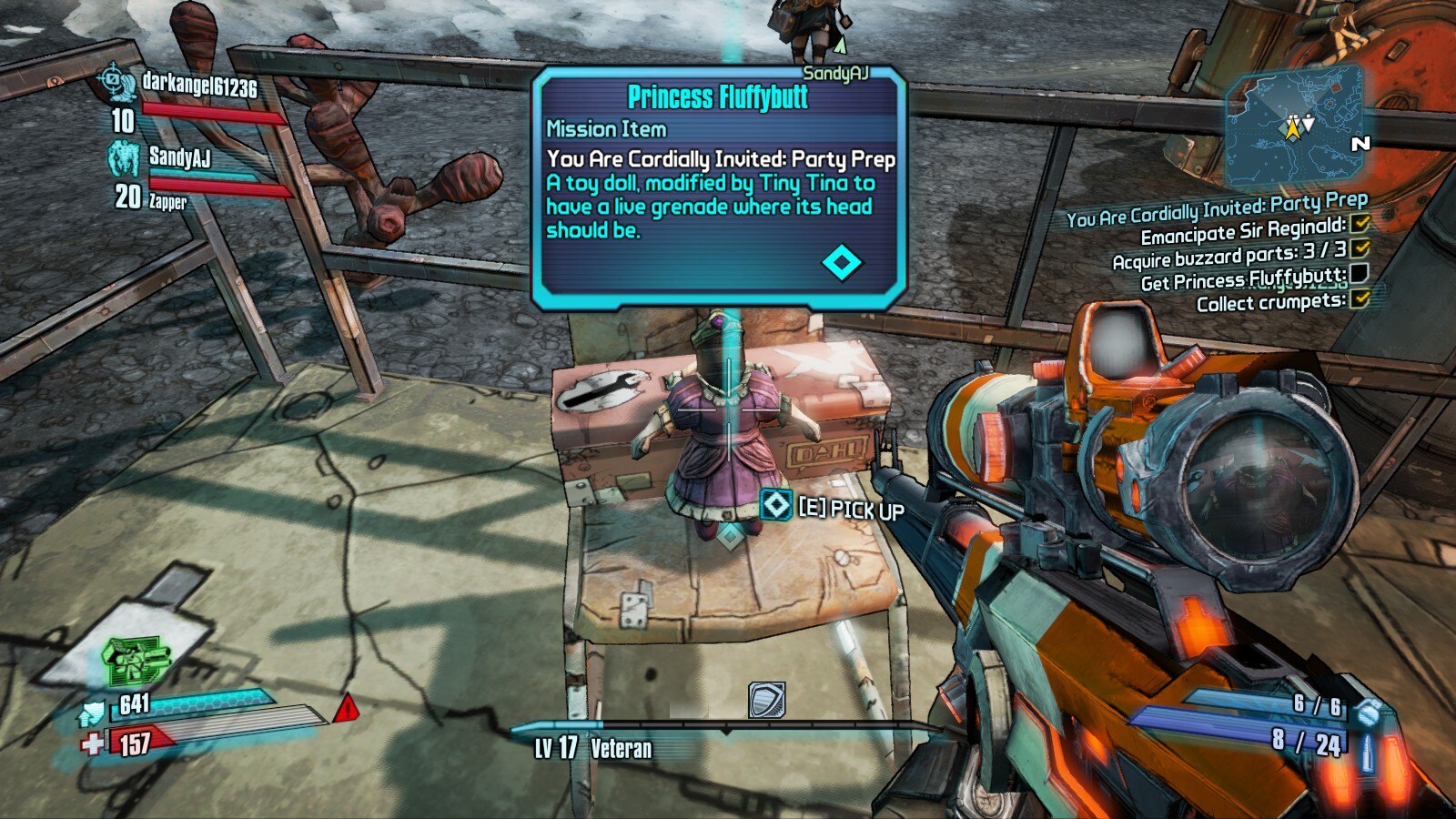

Borderlands 2

Fallout 3
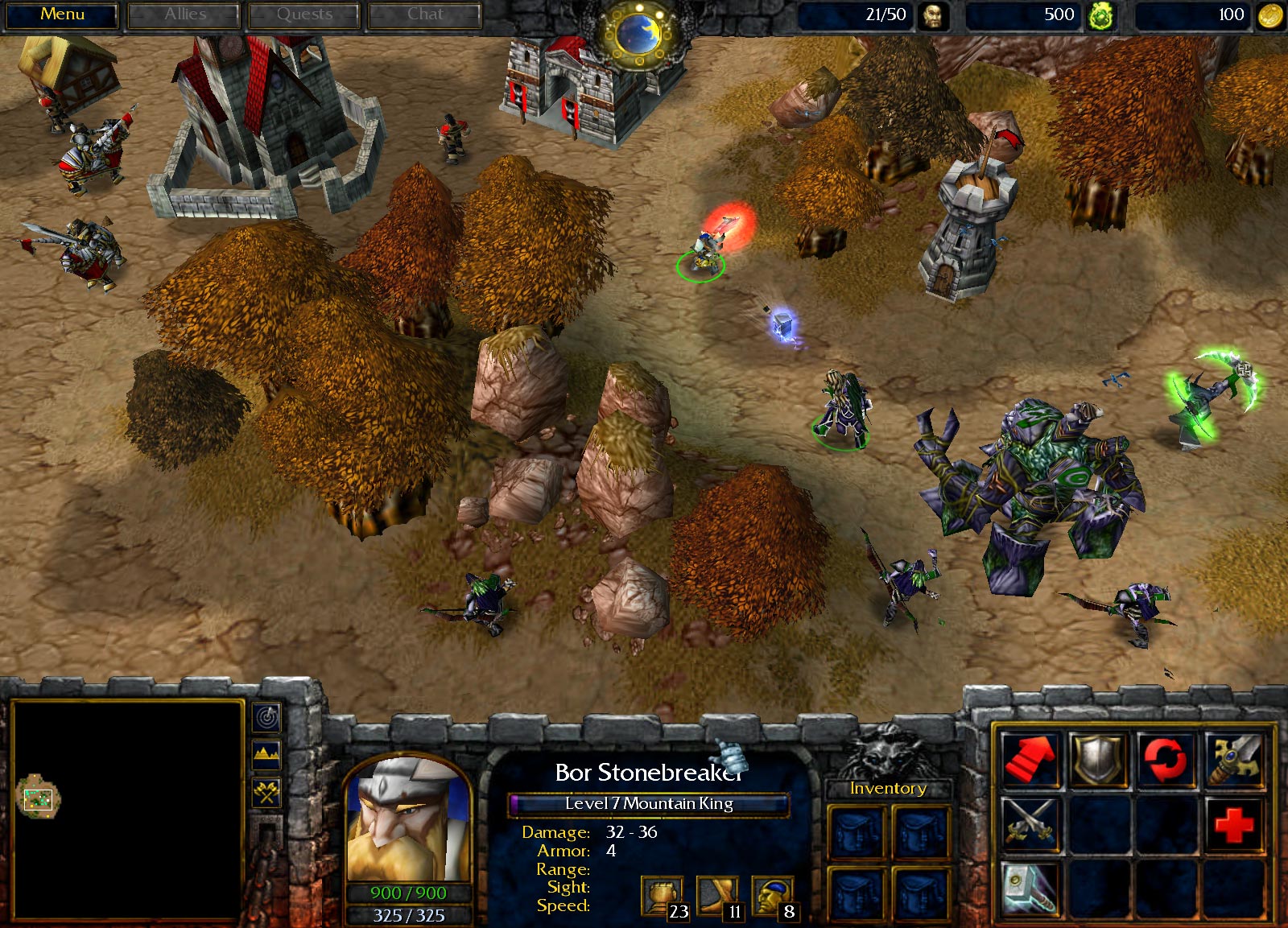
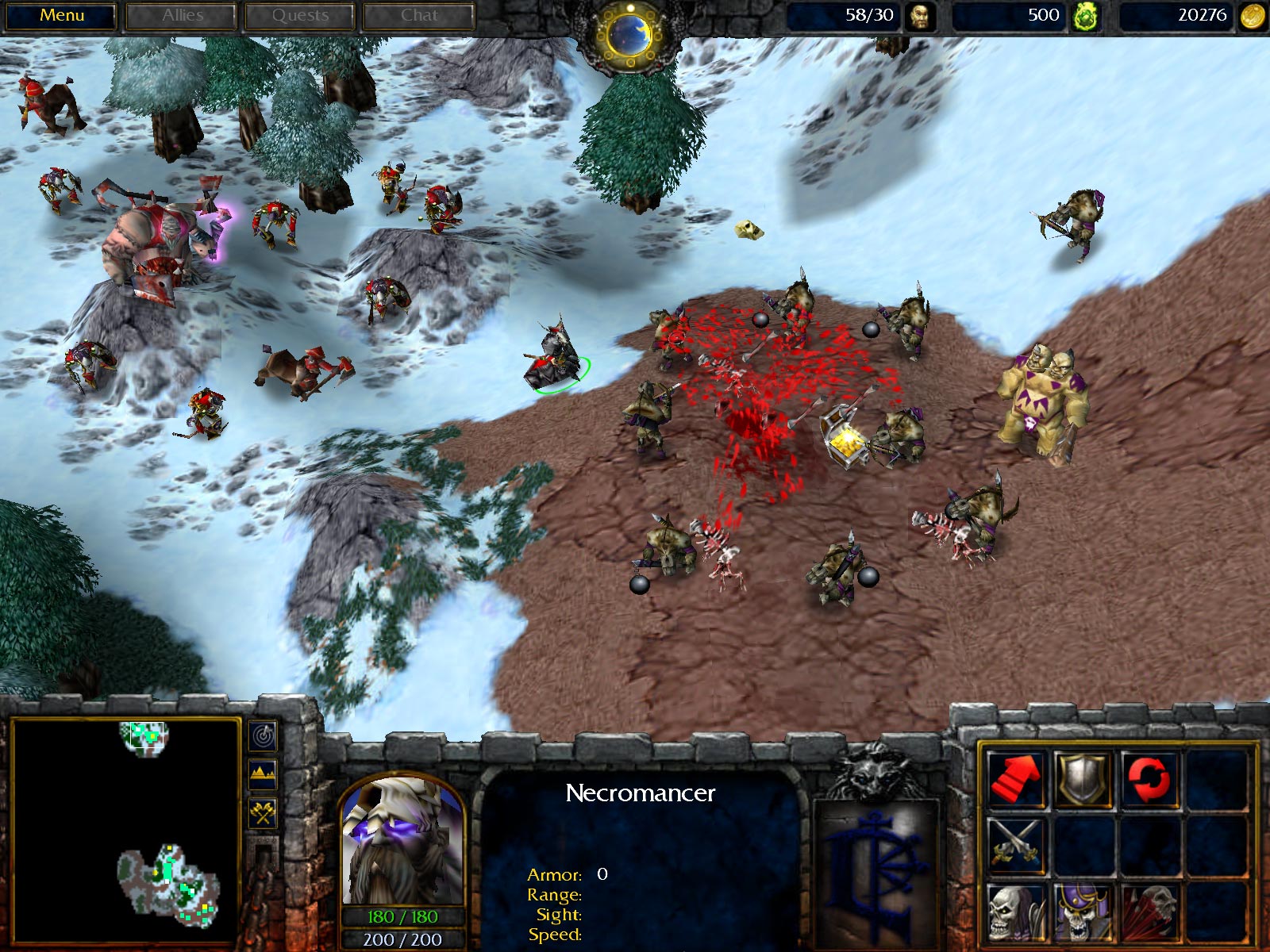
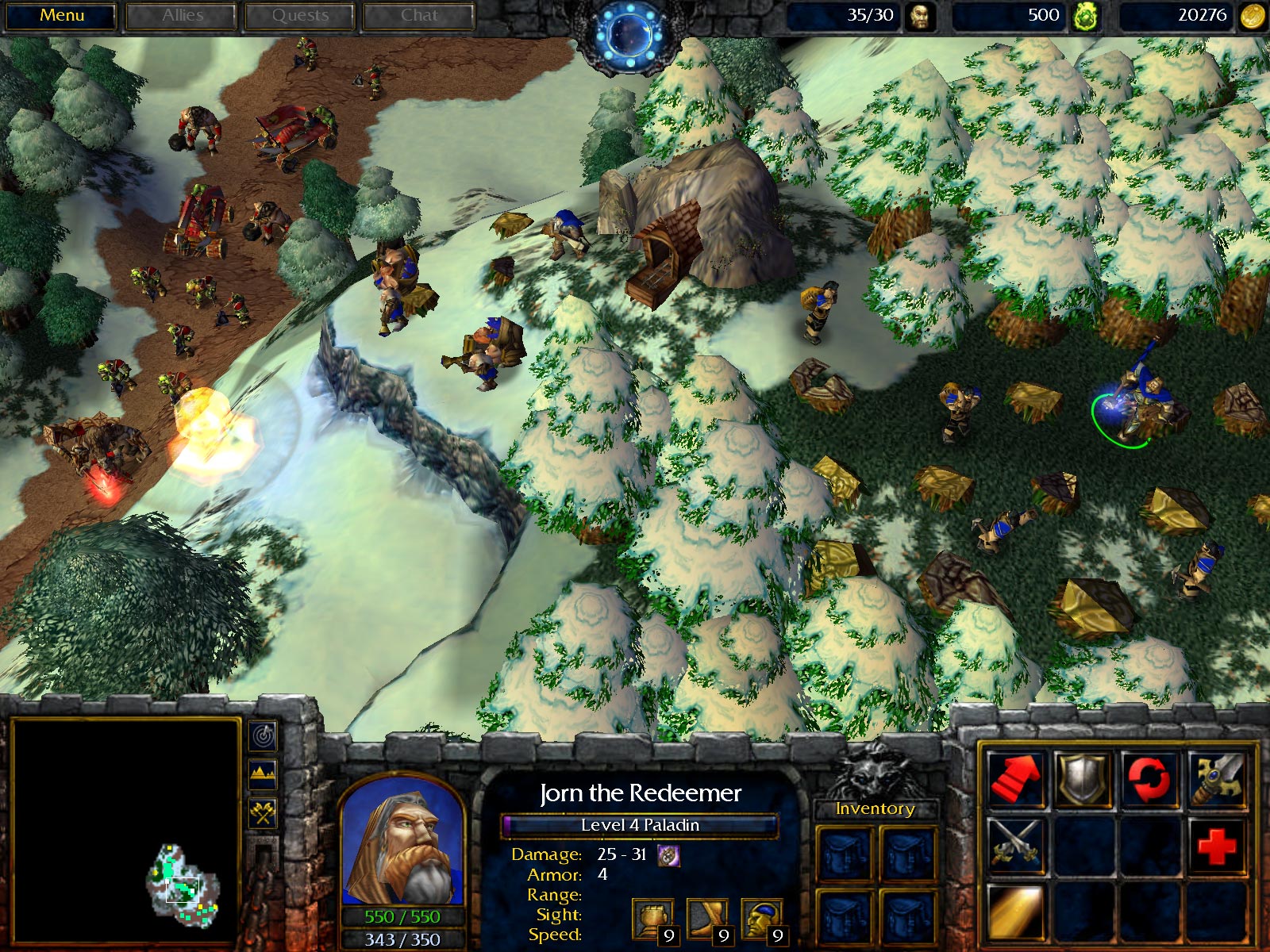
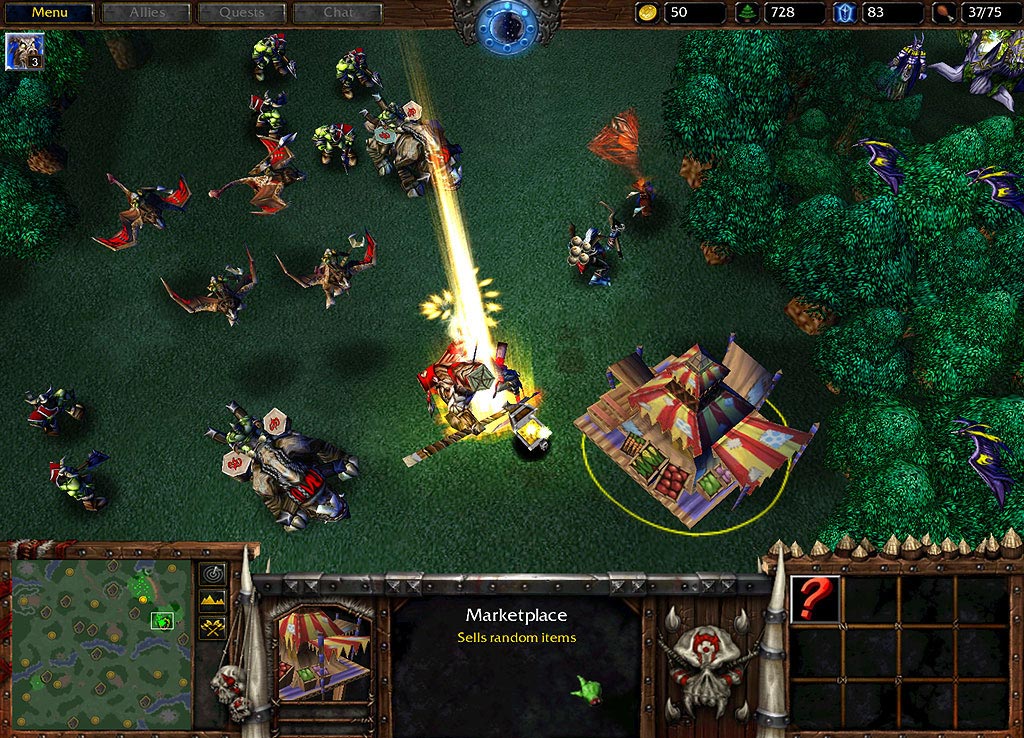
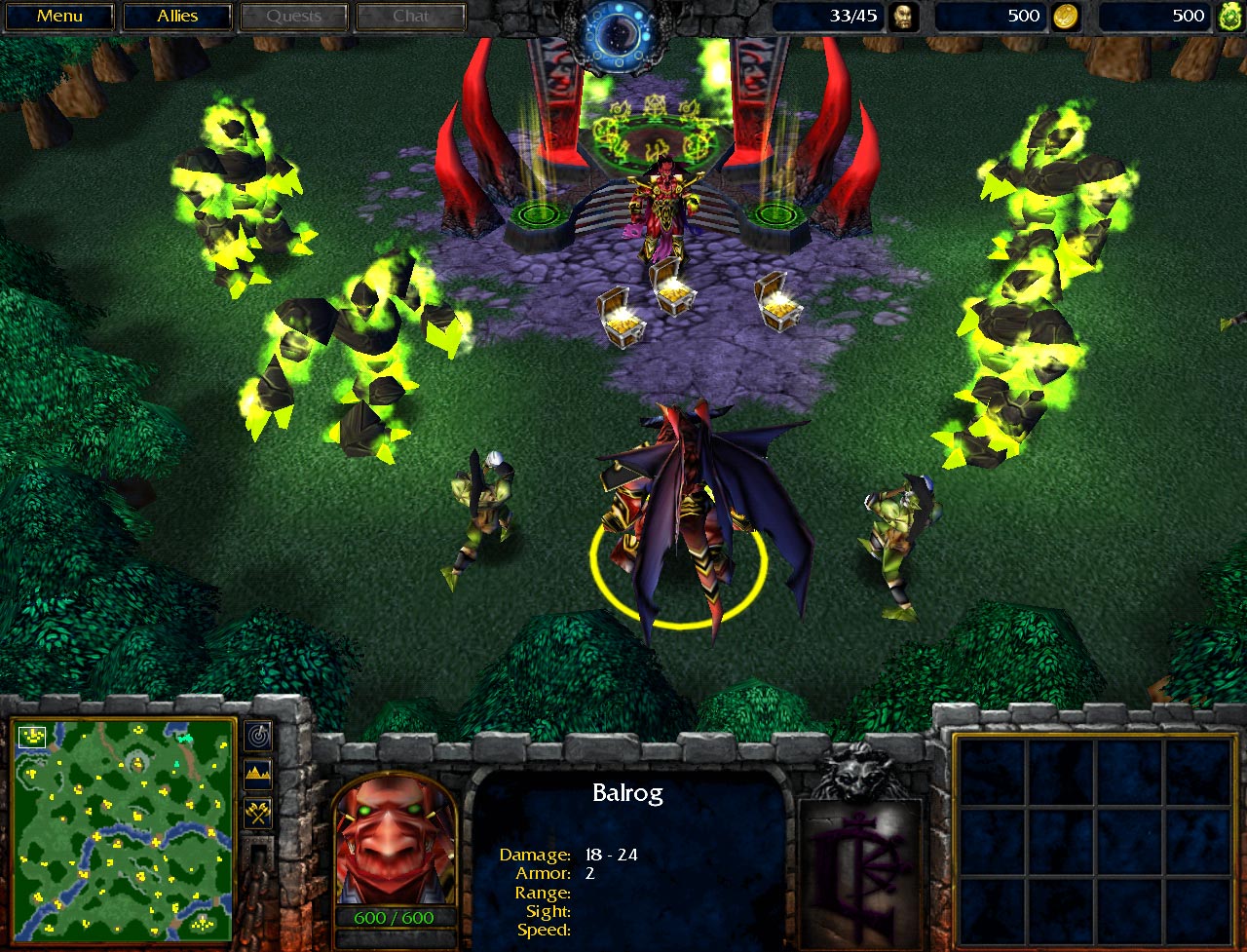

Warcraft III: Reign of Chaos
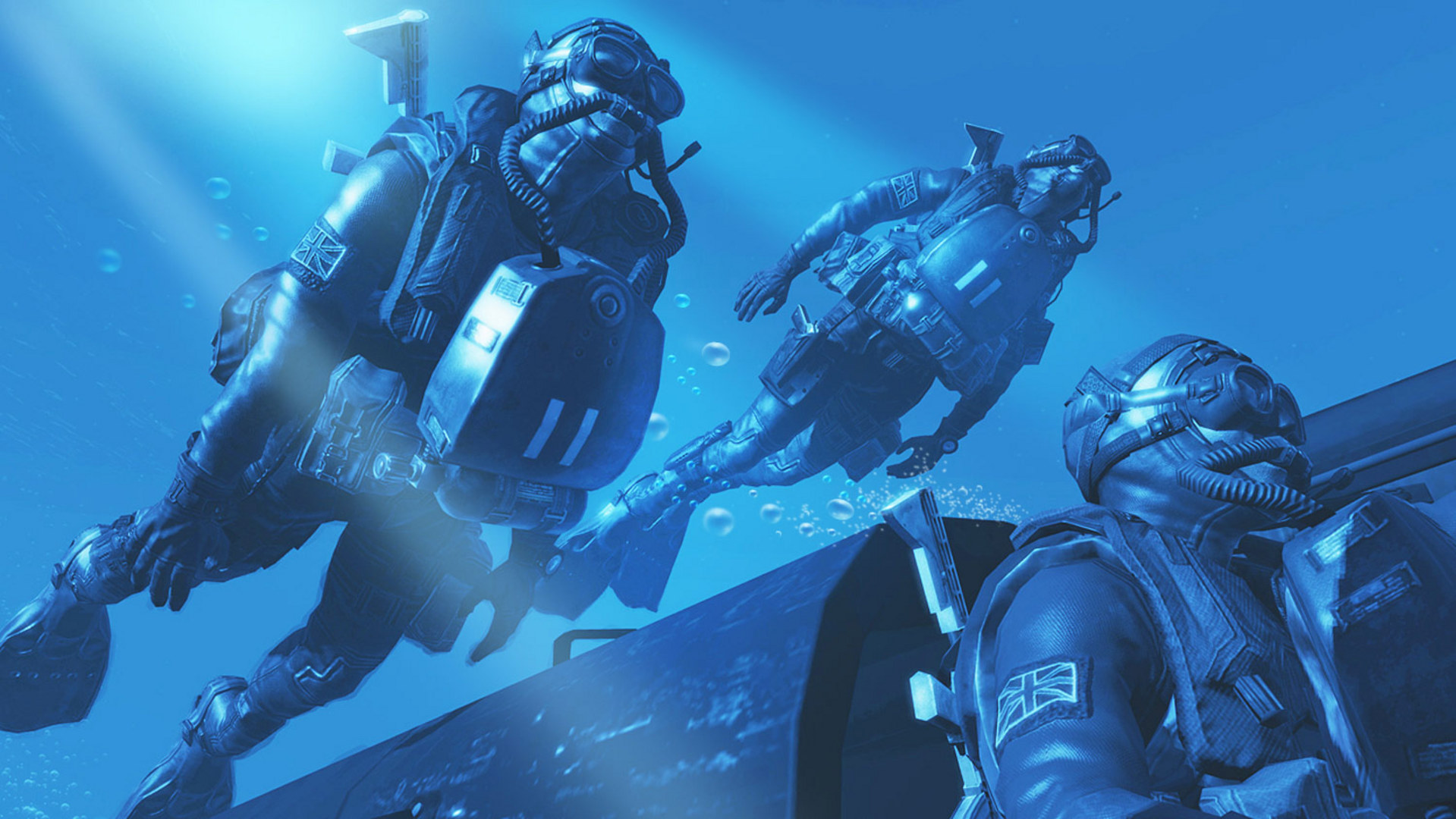
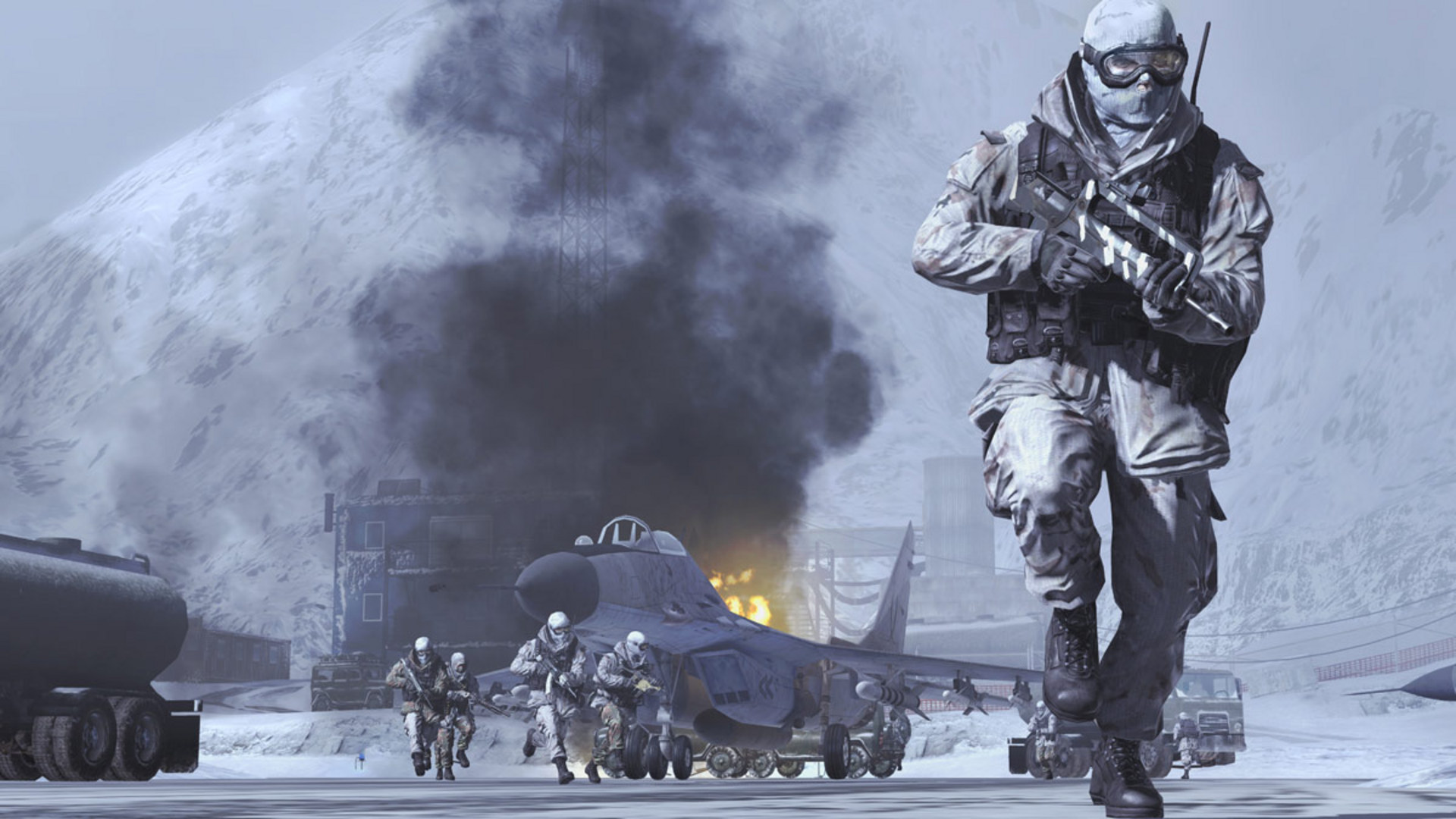


Call of Duty: Modern Warfare 2
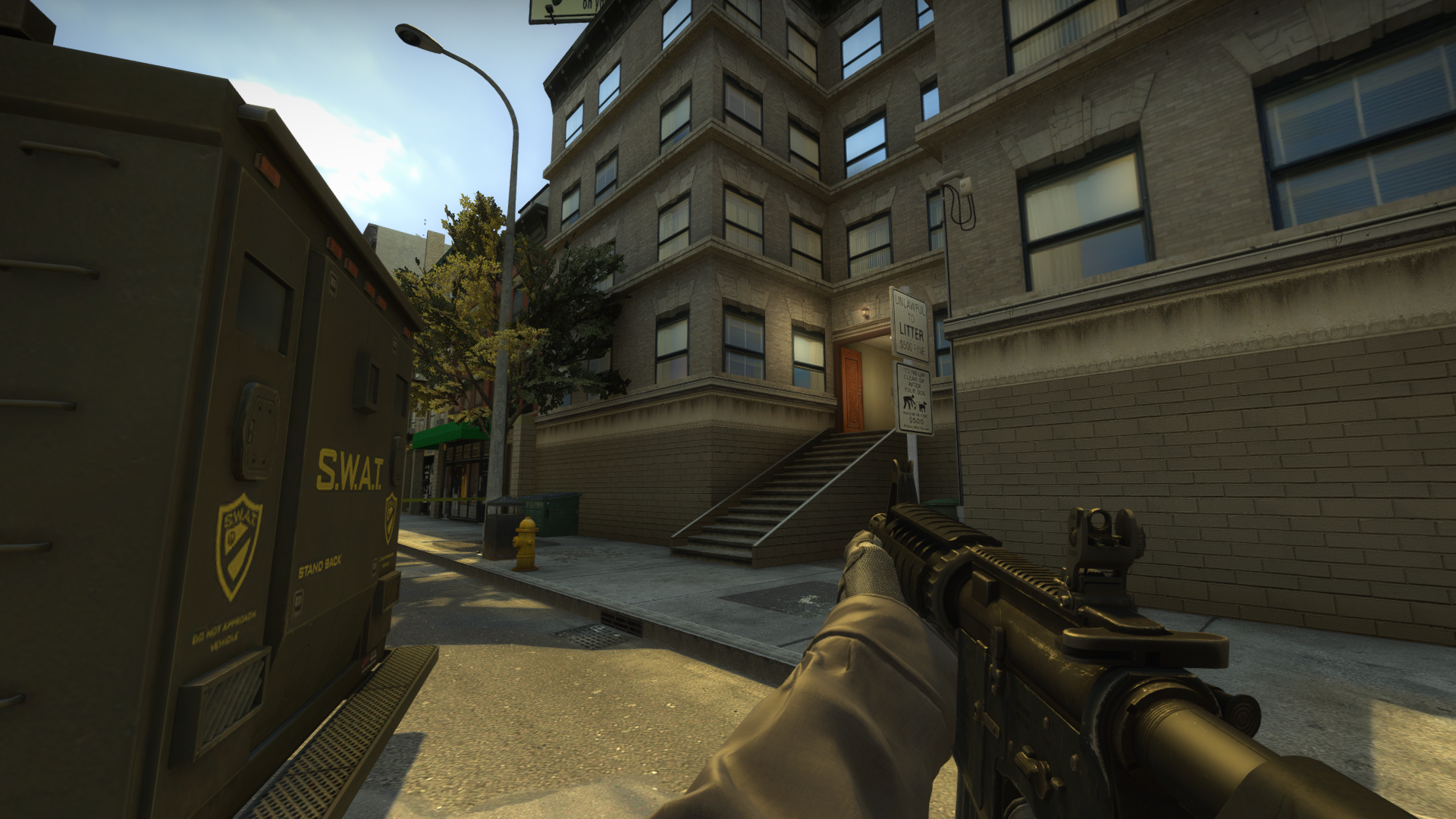
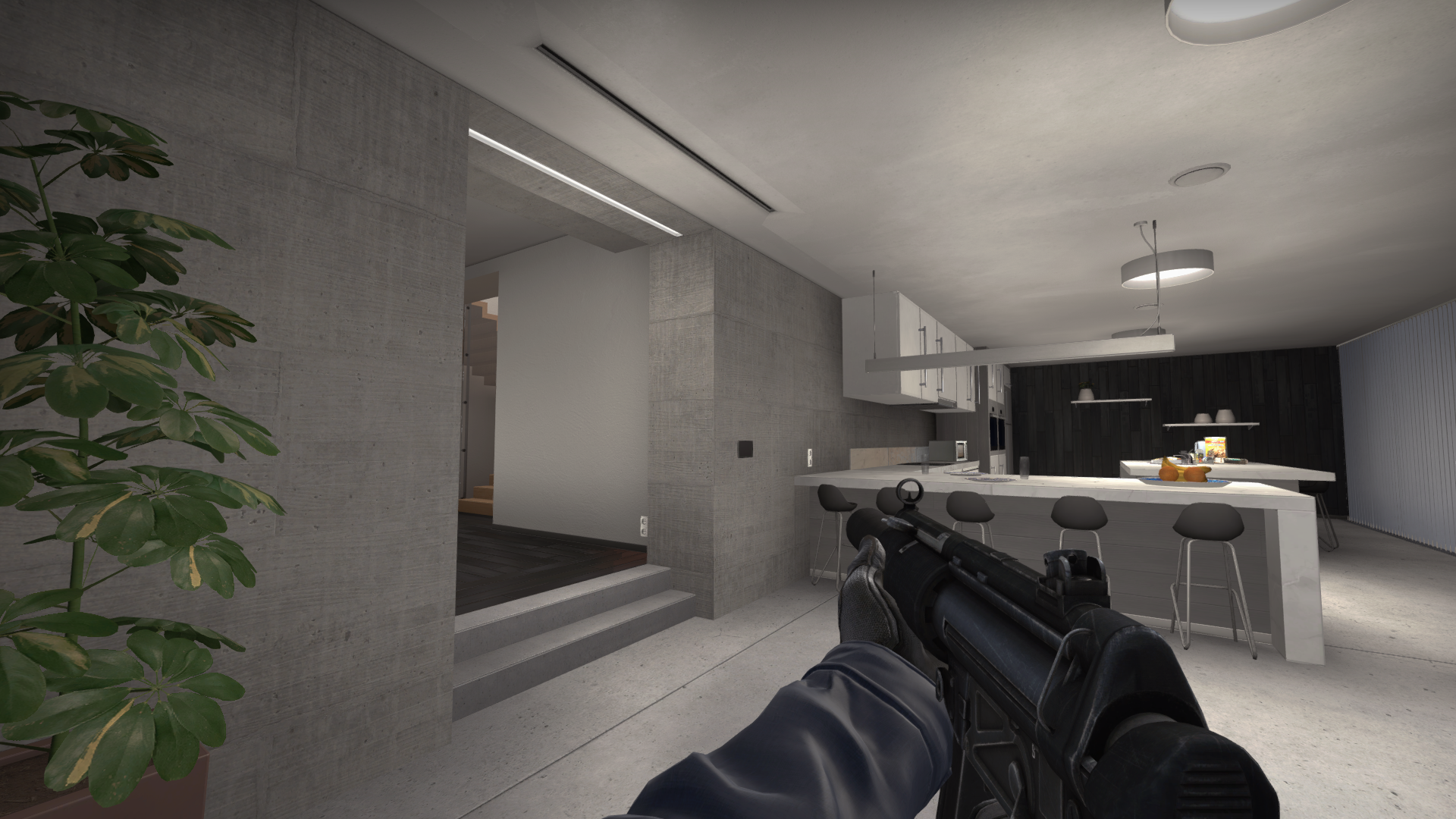
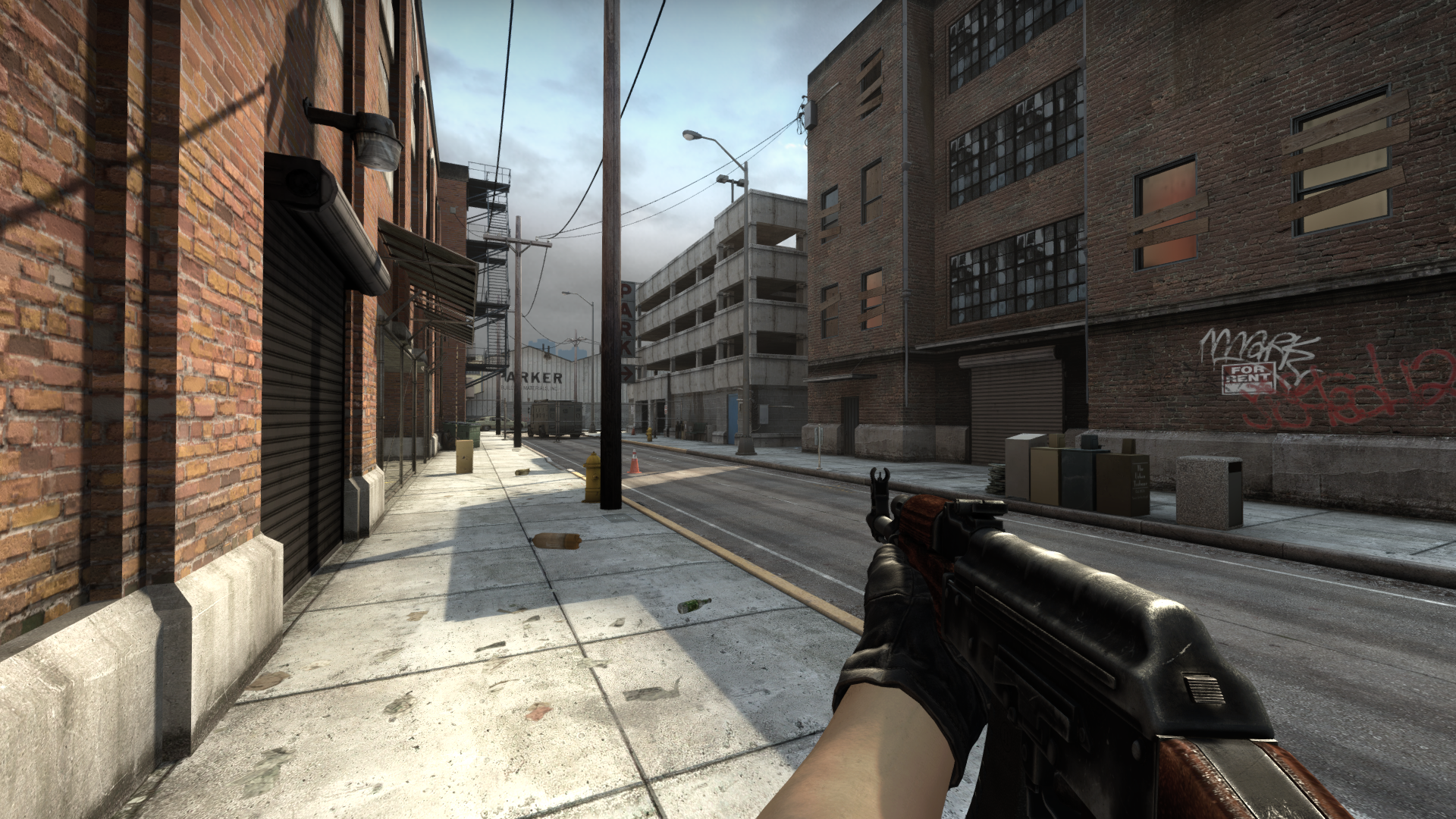
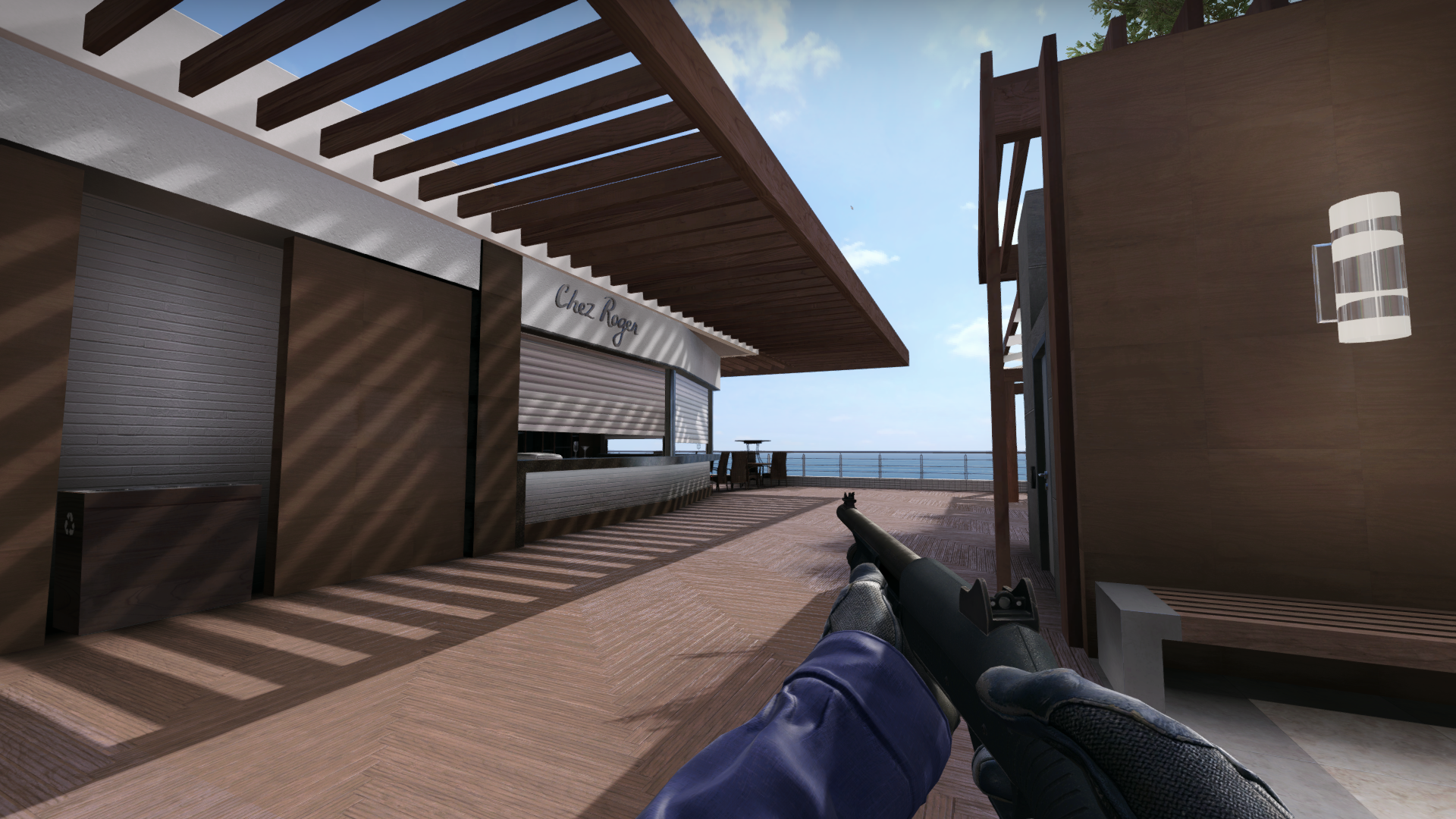
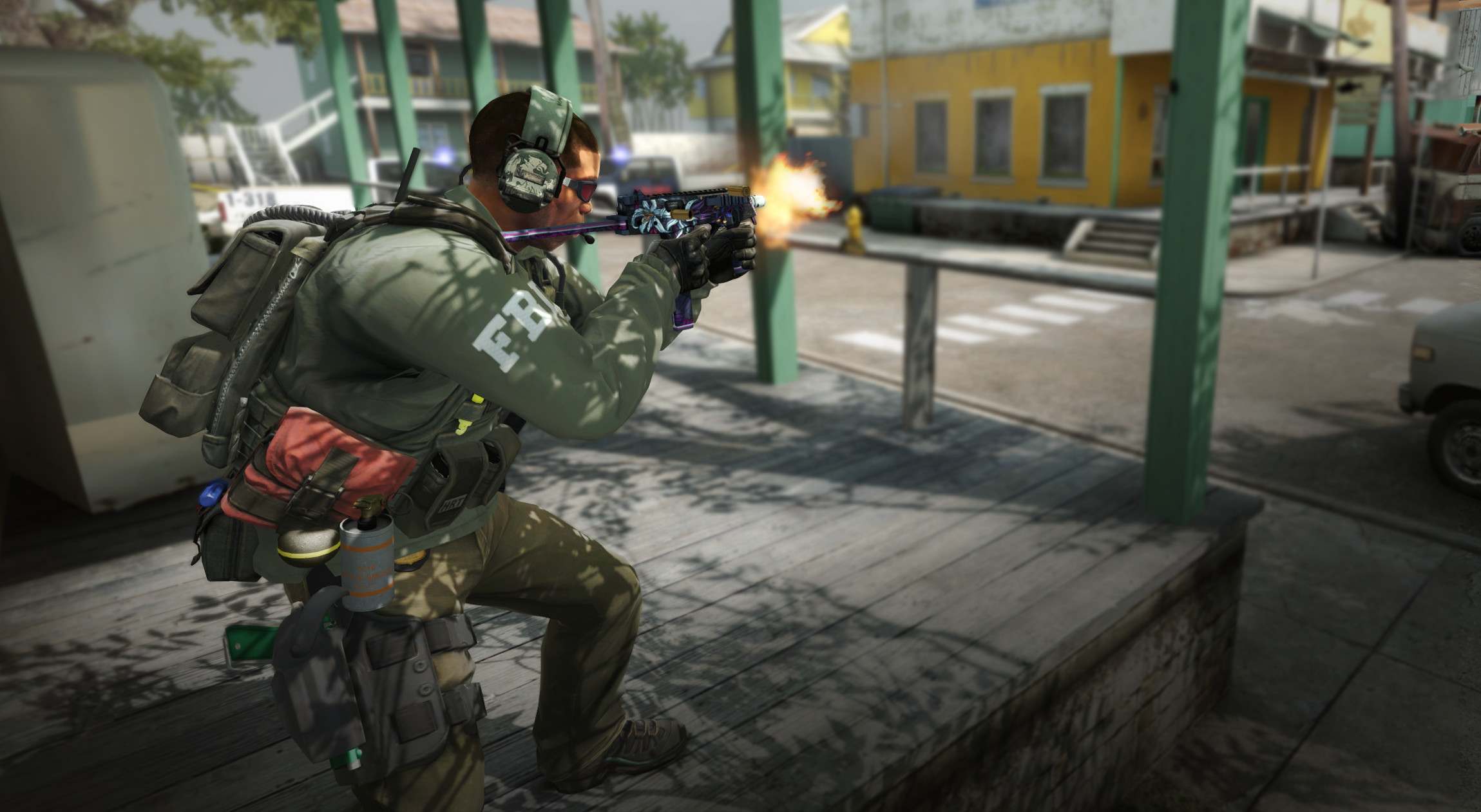
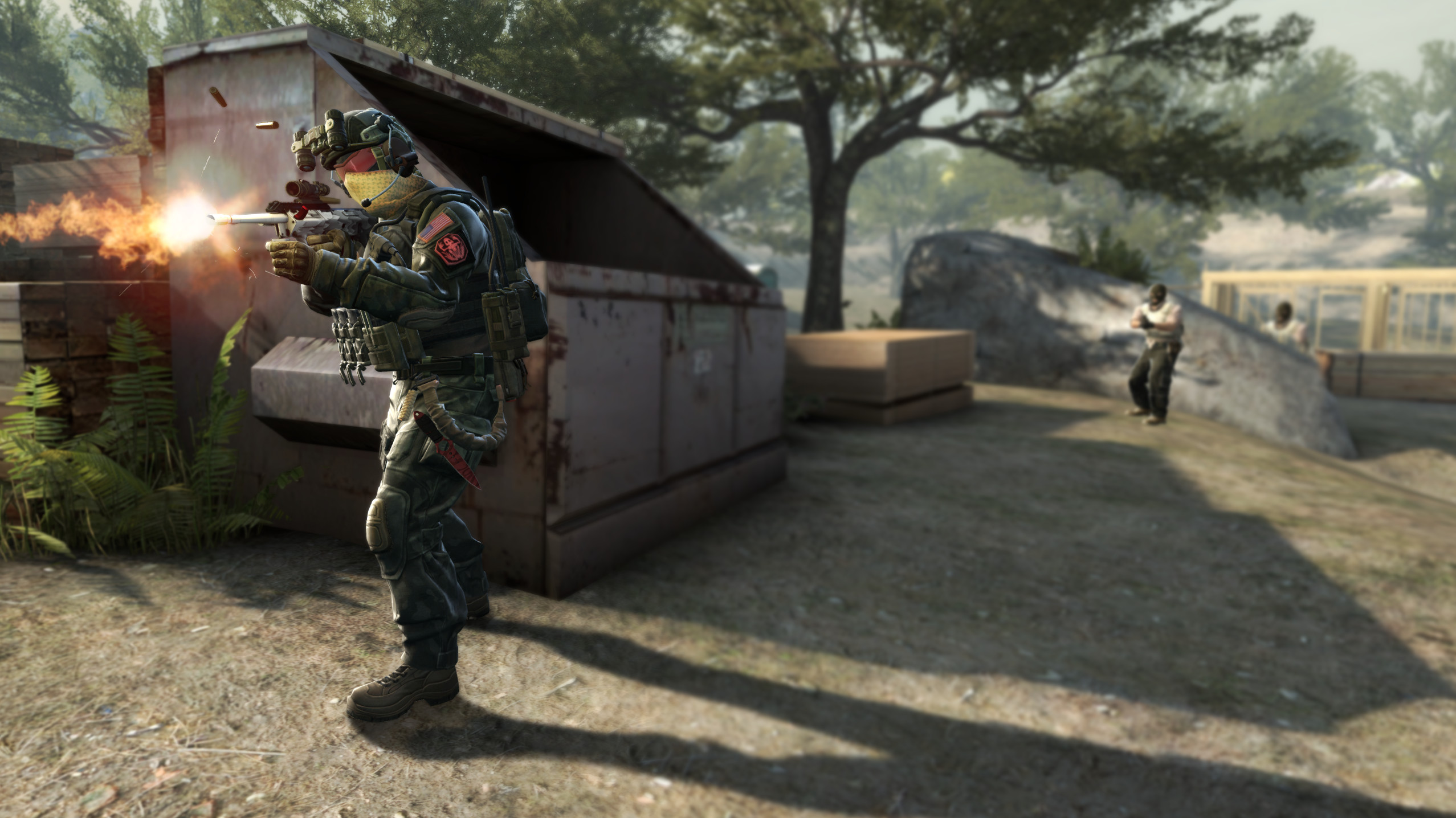
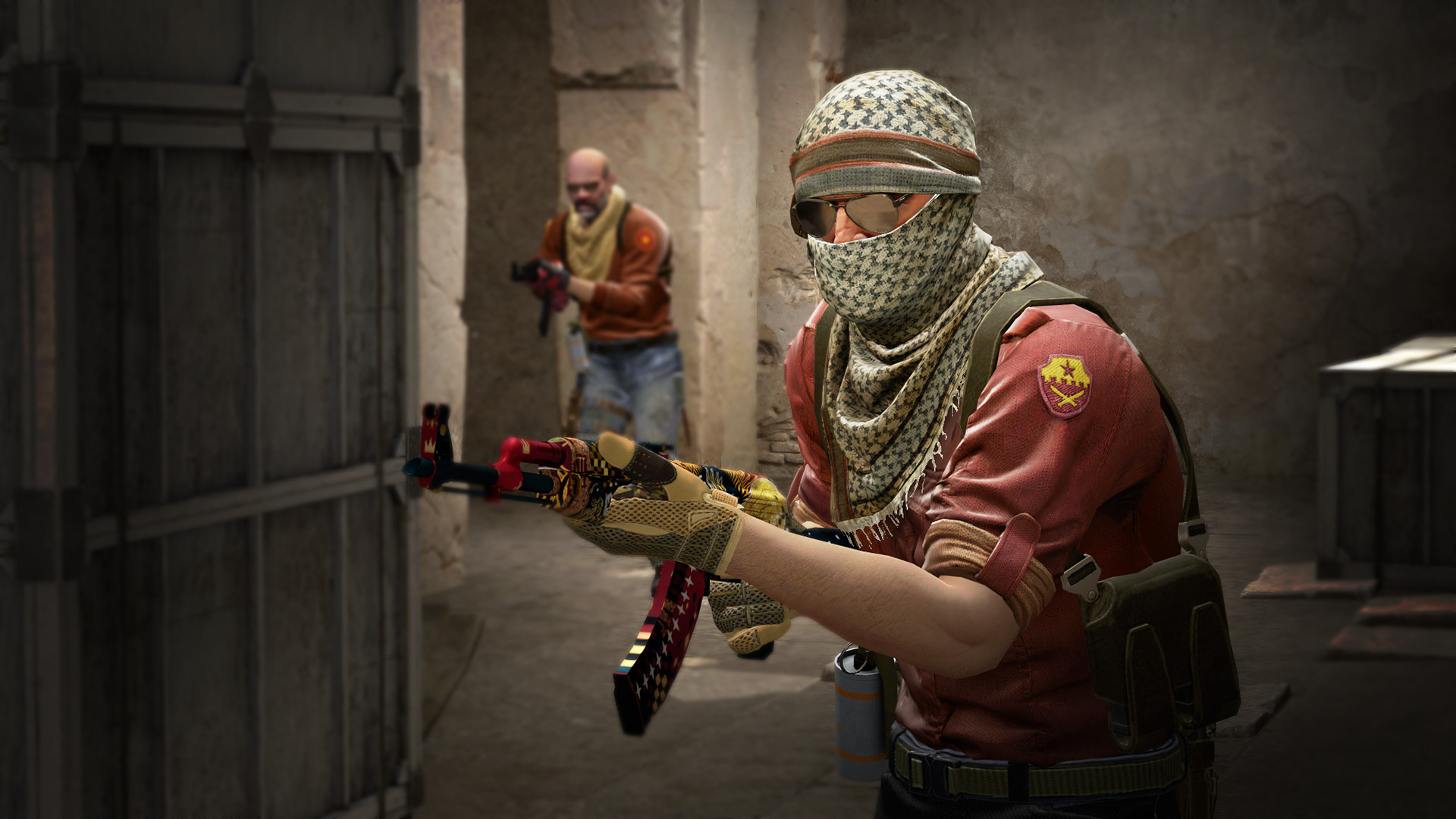

Counter-Strike: Global Offensive

BioShock 2


Dragon Age: Inquisition