Game Info
↑ Back to top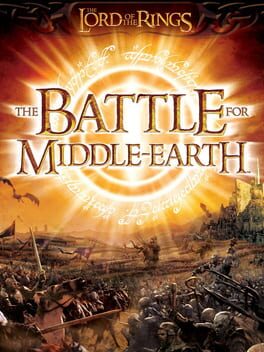

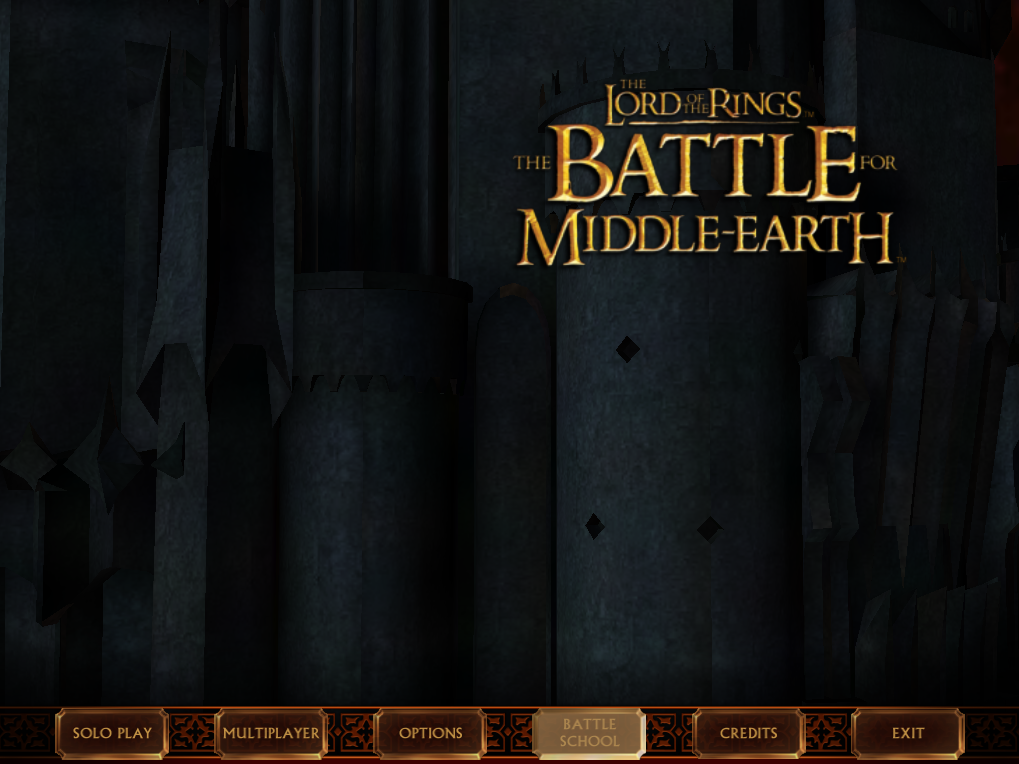
The Lord of the Rings: The Battle for Middle-earth
Series:
Genres:
Themes:
Perspectives:
Game Modes:
Game Engines:
Overview
↑ Back to topDescription from IGDB IGDB
The players control the heroes or villians from the famous Lord of The Rings movies. With a hero characters similar to the Warcraft series you control both the armies and all the unique heroes. The game follows the movies very closely and even got scenes from the films appear in game. Not only does the game contain a giant campaign where you play through the journey of the ring as the good side, the game also features an evil campaign where as the players play as the evil forces of Middle Earth. With multiple diffrent races from all over Middle Earth, a giant spell tree to customize your game and a unique basebuilding layout the game was great for its time.
Wikipedia Description WIKIPEDIA
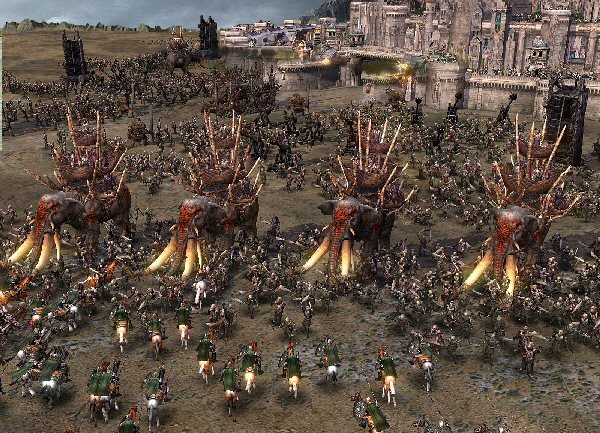
The Battle for Middle-earth is a real-time strategy game. Warring factions gather resources, then use them to construct military bases and armies on-site. In The Battle for Middle-earth, buildings may only be constructed on the building slots of predefined plots. Plots range from farmhouses to full-fledged castles, with different slot arrangements and available buildings, and plots can be purchased when they're in the sole presence of a side's forces. The only resource are the nebulous "resources," which are produced inexhaustibly in dedicated buildings. Four factions on two sides wage the War of the Ring: Representing the Free Peoples are the horse-lords of Rohan, and Gondor with its forges and battlements. The Forces of Darkness are the fighting Uruk-hai of Isengard, and Mordor's orc hordes, bolstered by Haradrim, Mûmakil, and Trolls. Keeping with the trends of contemporary RTS titles, basic units operate in groups, significant characters are represented by "hero units", and the destruction of units gathers points for the purchase of special abilities. There is also a unit limit. Unit strengths and weaknesses form a sort of rock-paper-scissors system. Cavalry beats archers as they do not have a lot of time to shoot and are then forced to close quarters fighting, Pikemen beat cavalry, swordsmen beat pikemen and archers beat swordsmen. Fire beats Ents, Mûmakil, and Trolls. Units gain experience and levels, becoming hardier and more dangerous. Squads replace lost members when rank 2 or higher without losing experience. Most normal units have purchasable upgrades and may also have abilities such as changing formation, changing weapons, combining with other squad types, Ranger stealth and orc cannibalism. Heroes are unique, far more potent units (and Hobbits and Gollum) that lack upgrades but do have multiple, elaborate abilities, and can be purchased back if killed. Most hero abilities require certain experience levels. Good has the advantage in the quantity and quality of heroes; Gandalf at the peak of his strength is an anti-army device. Buildings also gain experience and may become able to build new units, research new upgrades, or bestow better passive bonuses such as a reduction in cavalry build costs. The player's special powers are purchased from a small tree. They can be utilitarian (Vision of the Palantír, reveals an area), supportive (Healing), or able to call in temporary units (Summon Eagles, Summon Balrog). They are usable indefinitely once acquired, with recharge times but no cost. Both factions on a side share the same powers, and the tree is much larger (and slower to climb) in campaign mode than it is in skirmishes. Good has some powers that boost the ability of a single hero (Power of the Istari, Andúril). Evil receives aid in resource harvesting (Industry, Fuel the Fires). The Heroes for Gondor are Pippin, Faramir, Boromir, and Gandalf. Rohan's heroes are Merry, Éowyn, Éomer, Théoden, Gimli, Legolas, Aragorn, and Treebeard (he is bought at an Entmoot). Isengard's heroes are Lurtz and Saruman. Mordor's heroes are Gollum, two Fell Beast-riding Ringwraiths (Nazgûl), and the Fell Beast-riding Witch-king of Angmar. Frodo, Sam and Shelob are playable at various stages of the good and evil campaigns, but cannot be used in skirmish battles.
About The Lord of the Rings: The Battle for Middle-earth
The Lord of the Rings: The Battle for Middle-earth is a Base Building, Real Time Strategy (RTS), Role-playing (RPG), Stealth, Strategy game released in 2004 developed by EA Los Angeles that offers Multiplayer, Single player gameplay from a bird view / isometric perspective playable on PC (Microsoft Windows) with 228 user ratings averaging 82.1/100. The game explores themes like Crafting & Gathering, Fantasy, Warfare. If you enjoy The Lord of the Rings: The Battle for Middle-earth, you might also like similar games in our database of 45,000+ titles.
Basic Info
Details
↑ Back to topAdditional Information
Платформы 1
Genres 5
Themes 3
Player Perspectives 1
Game Modes 2
Companies
↑ Back to topDevelopers
EA Los Angeles
No description available
Publishers
Electronic Arts
No description available
Keywords
↑ Back to topScreenshots
↑ Back to top
Similar Games
↑ Back to top
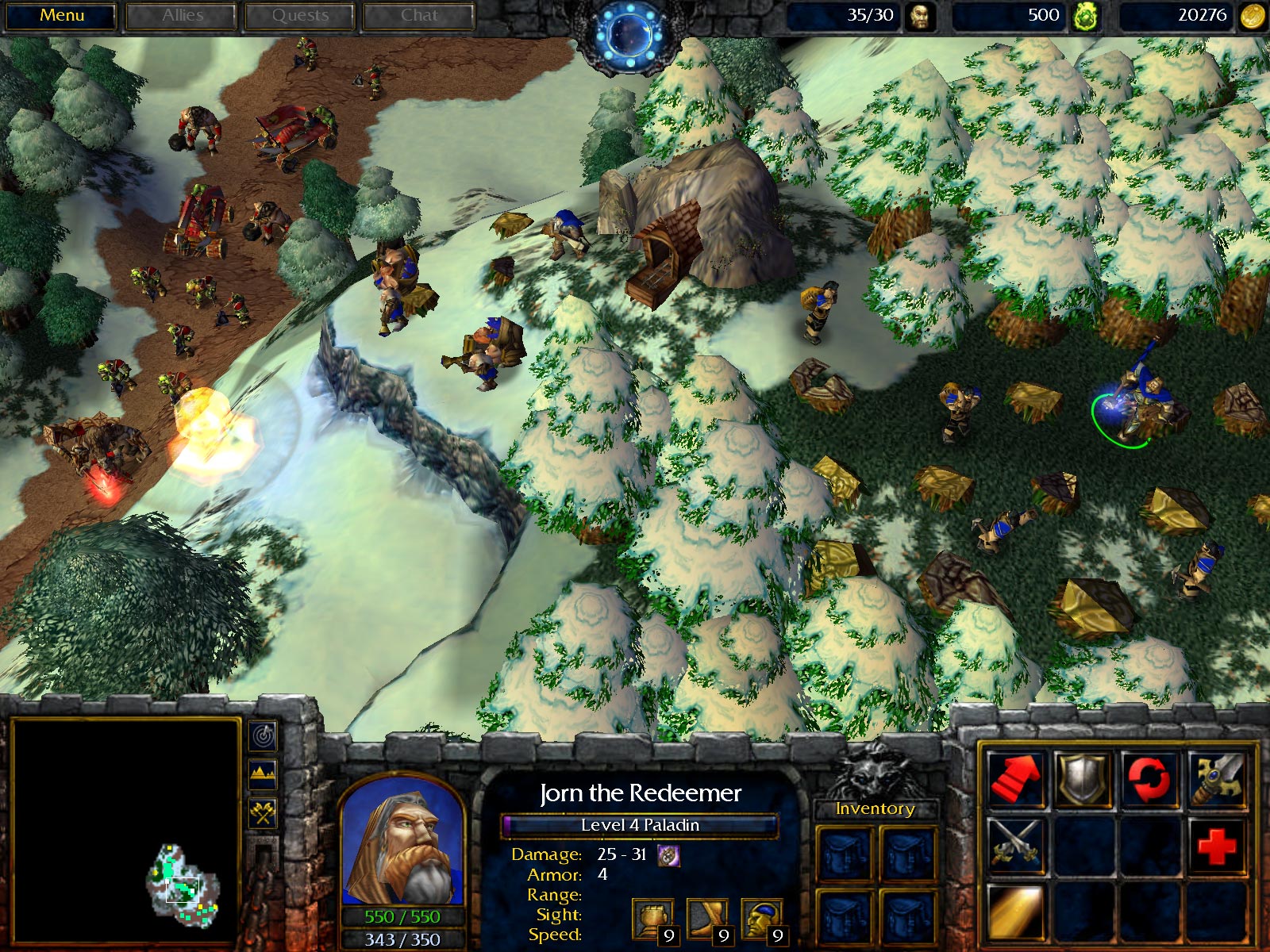
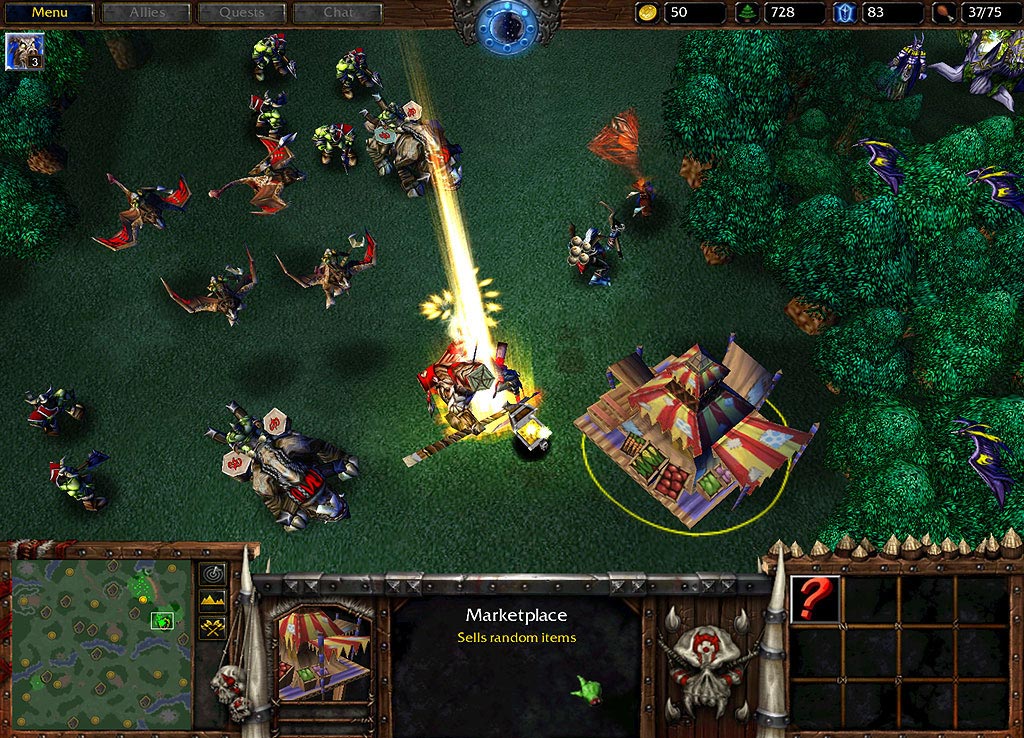
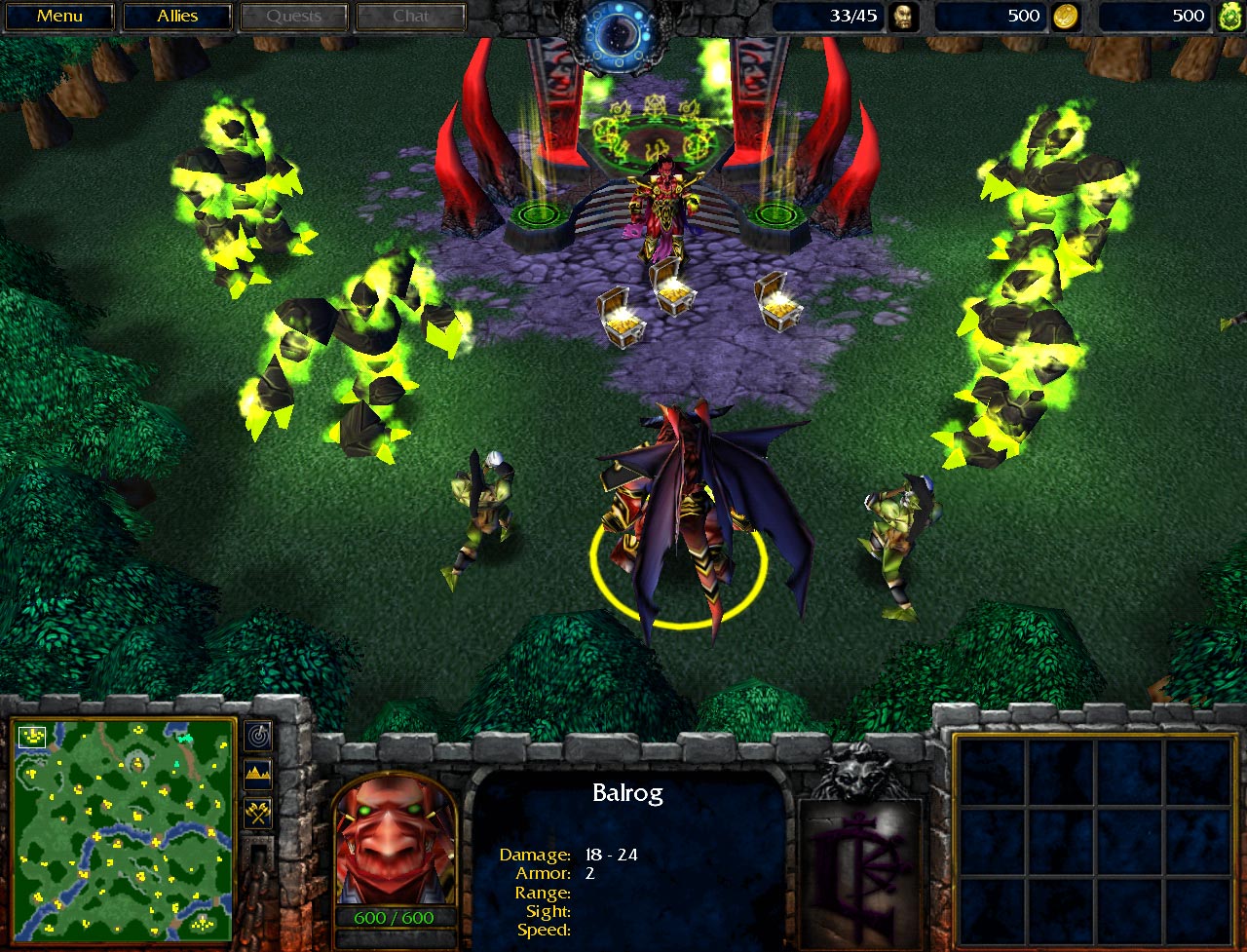

Warcraft III: Reign of Chaos
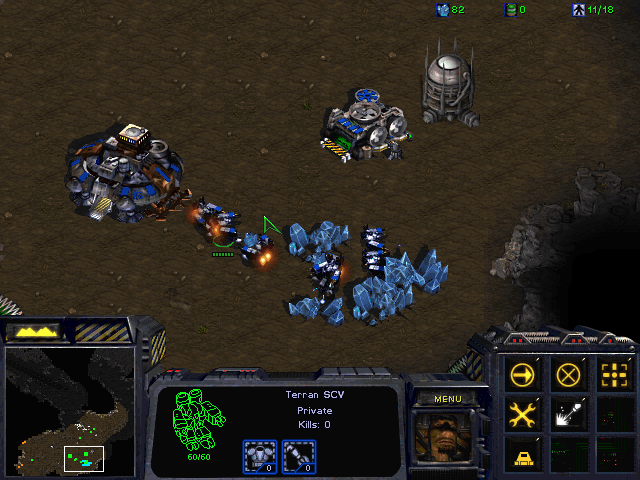
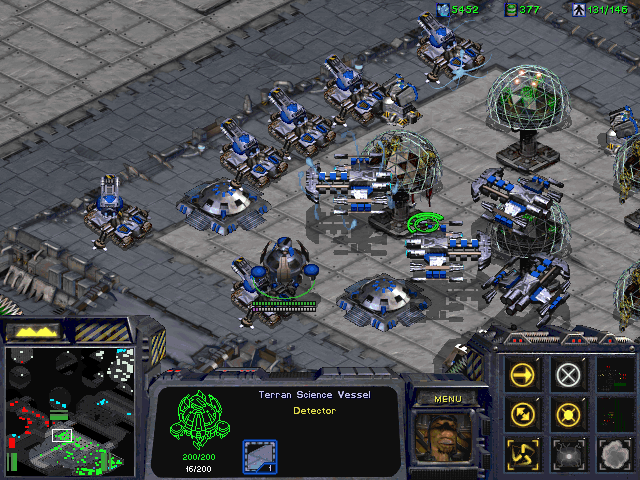
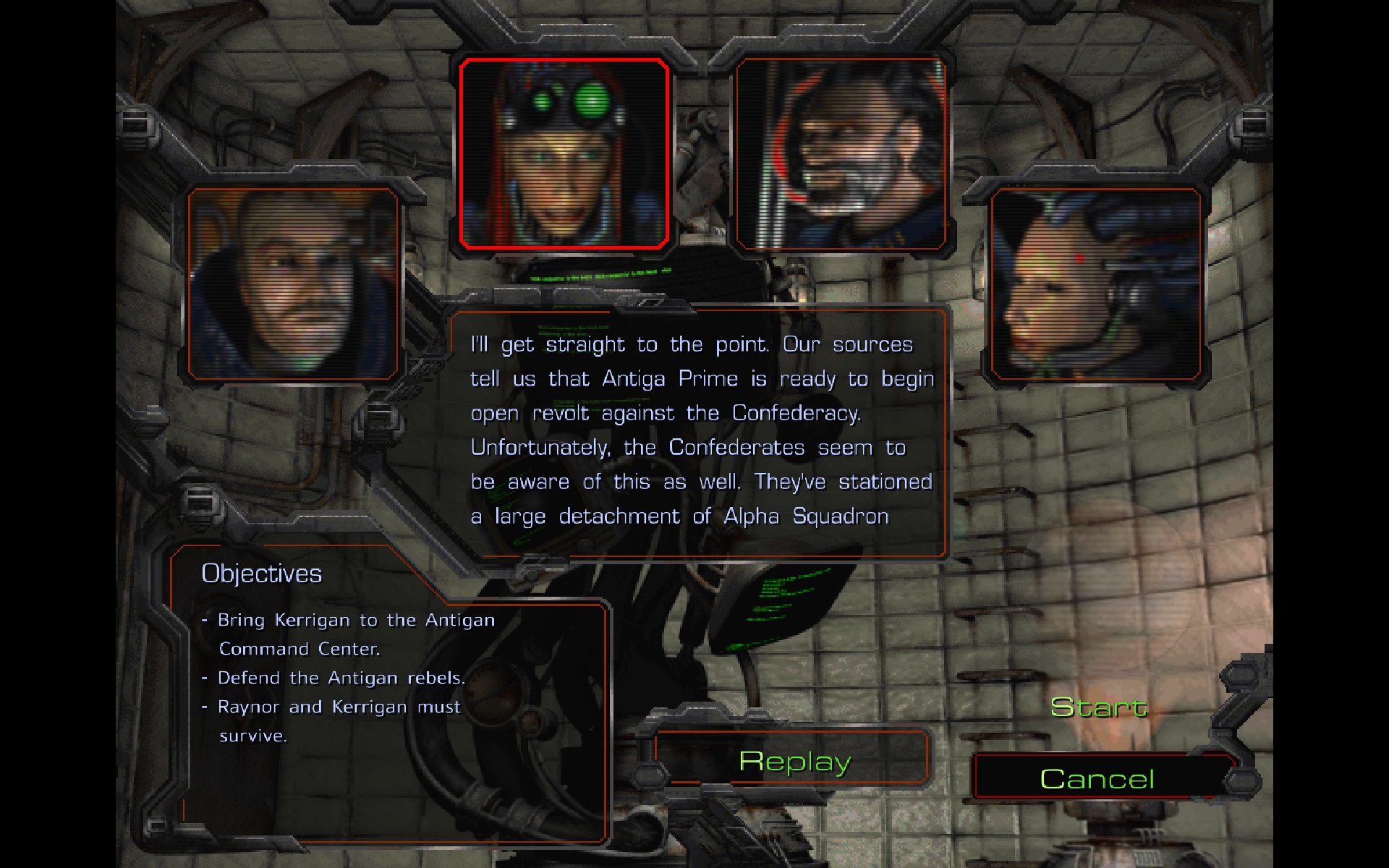
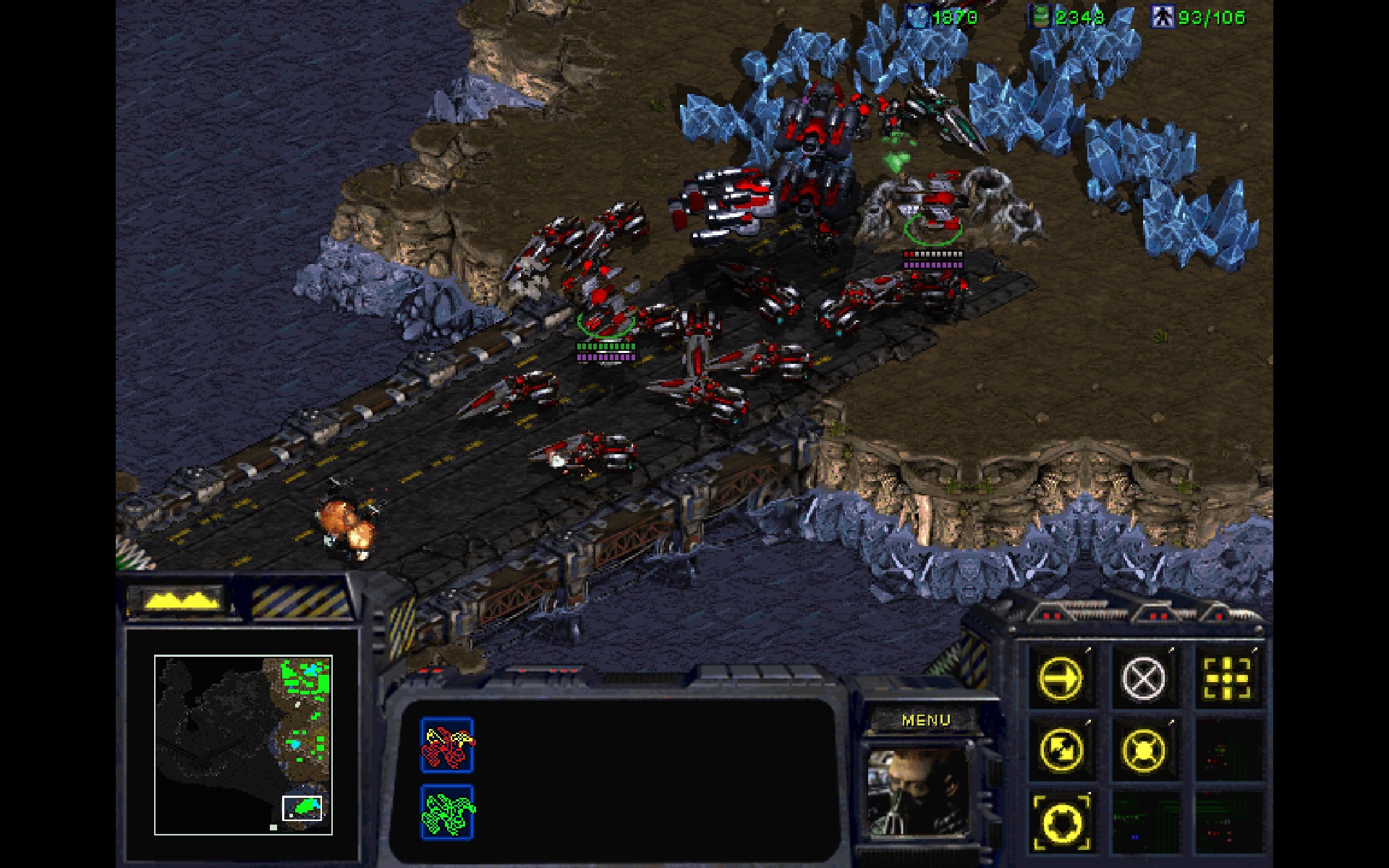
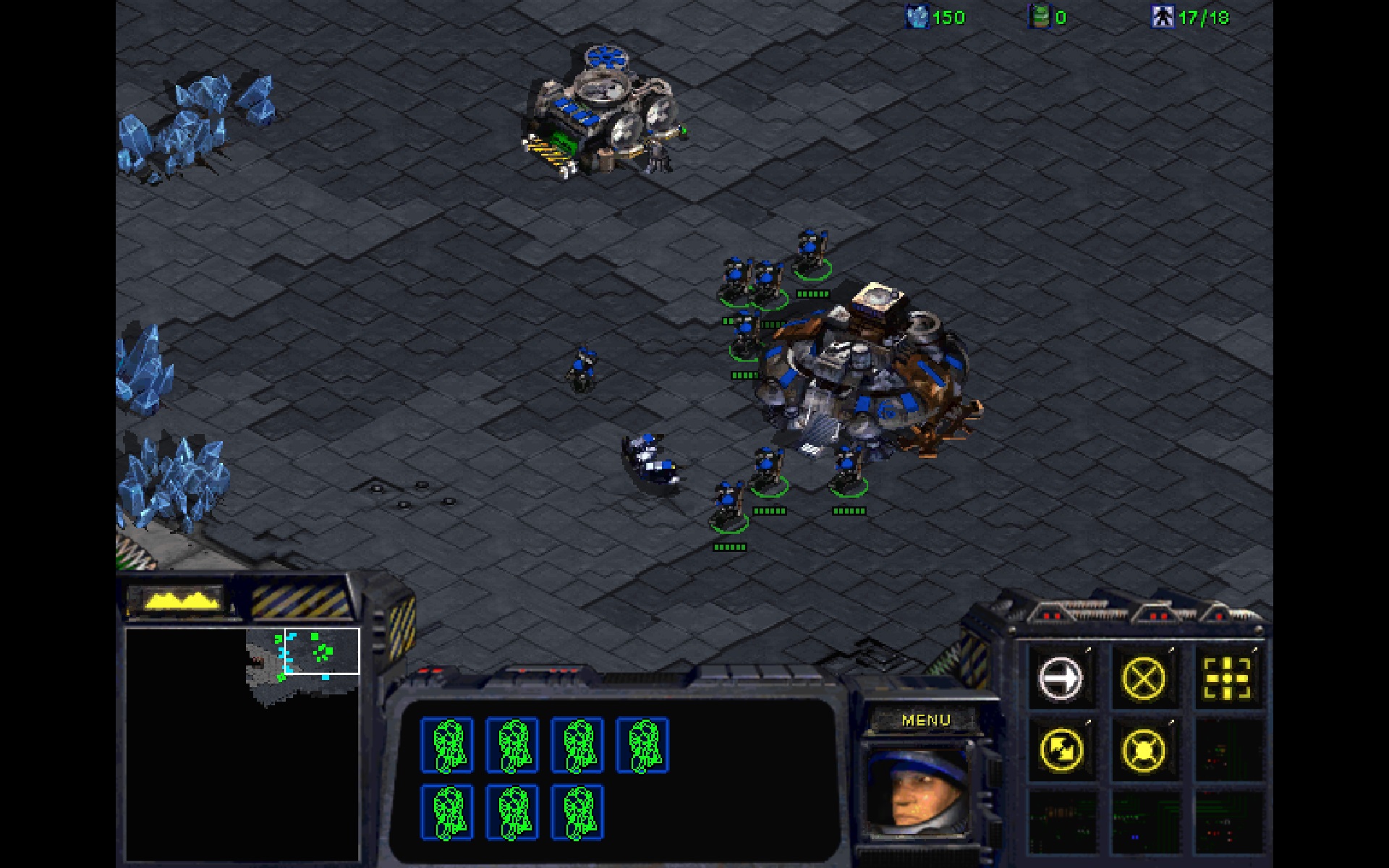
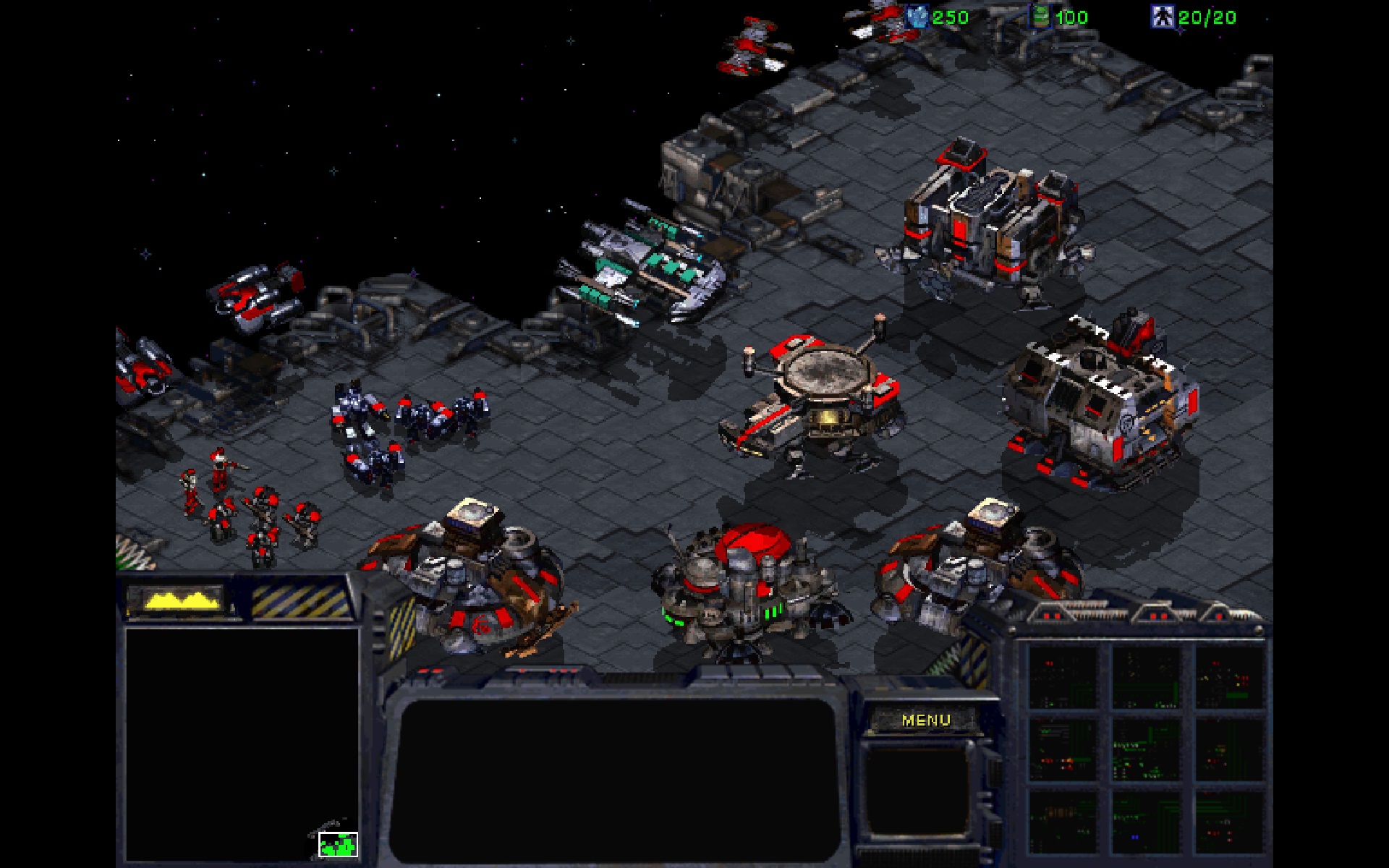
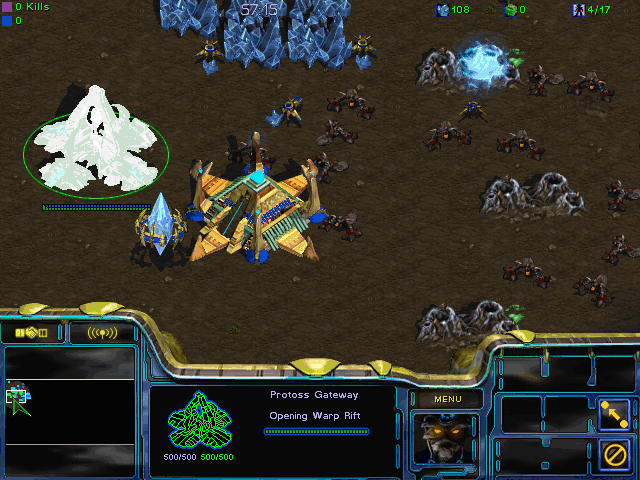

StarCraft
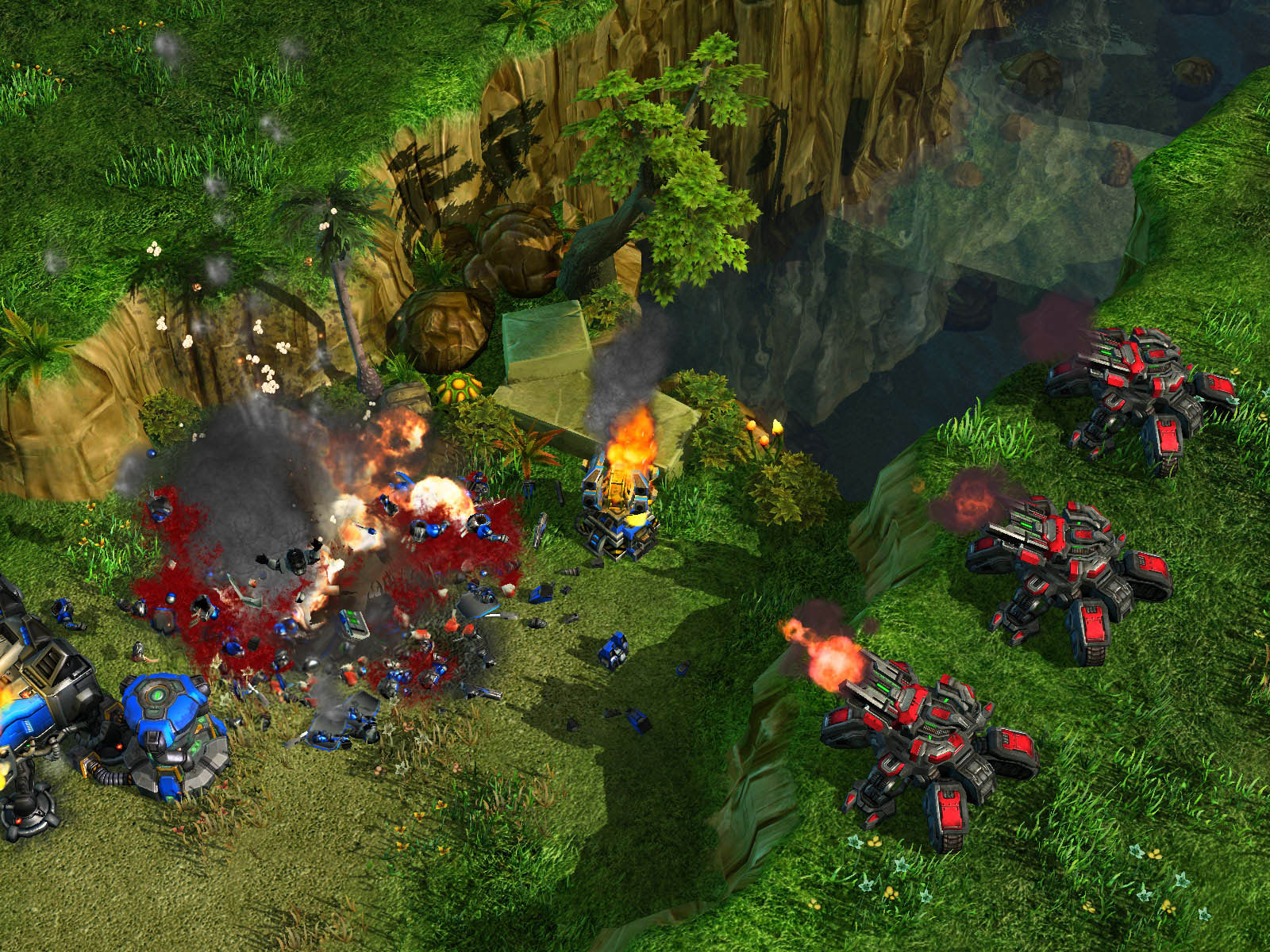
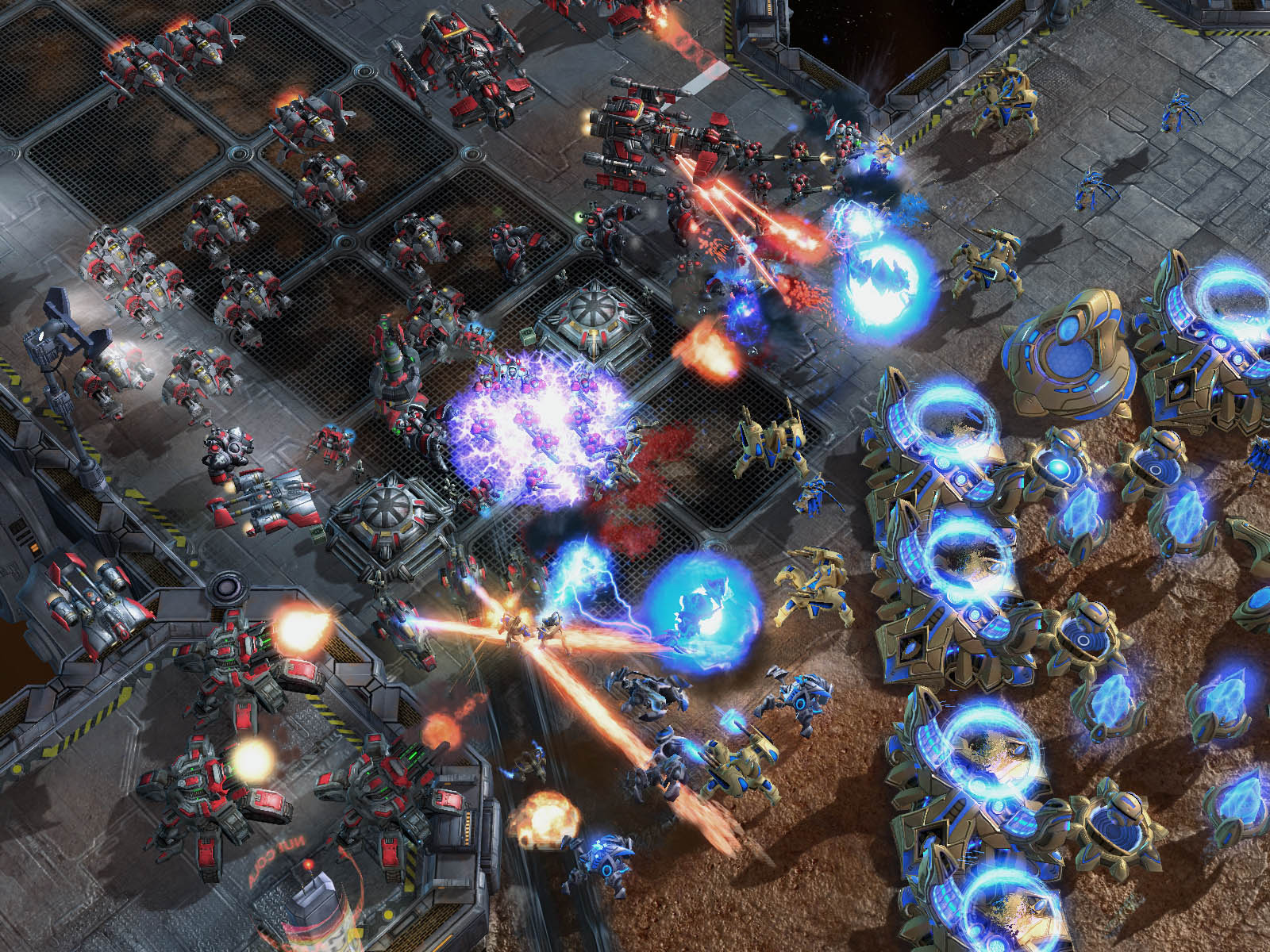


StarCraft II: Wings of Liberty
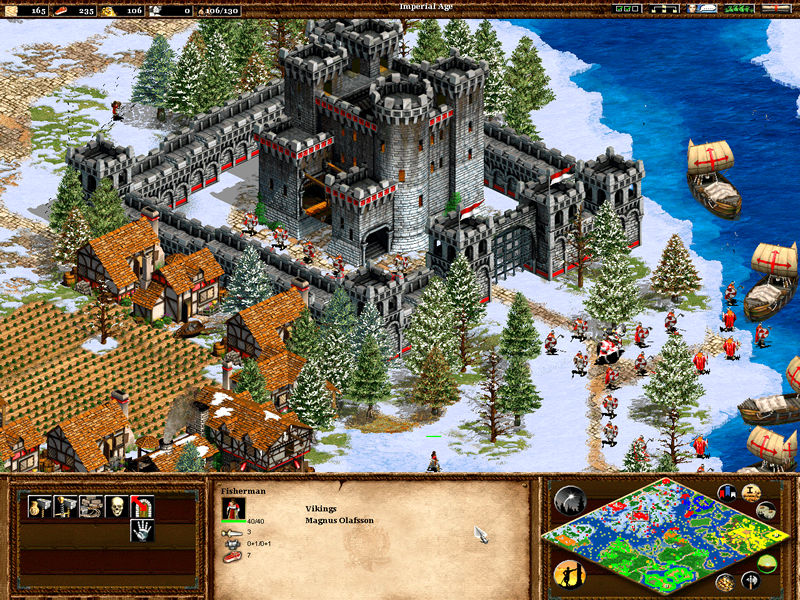
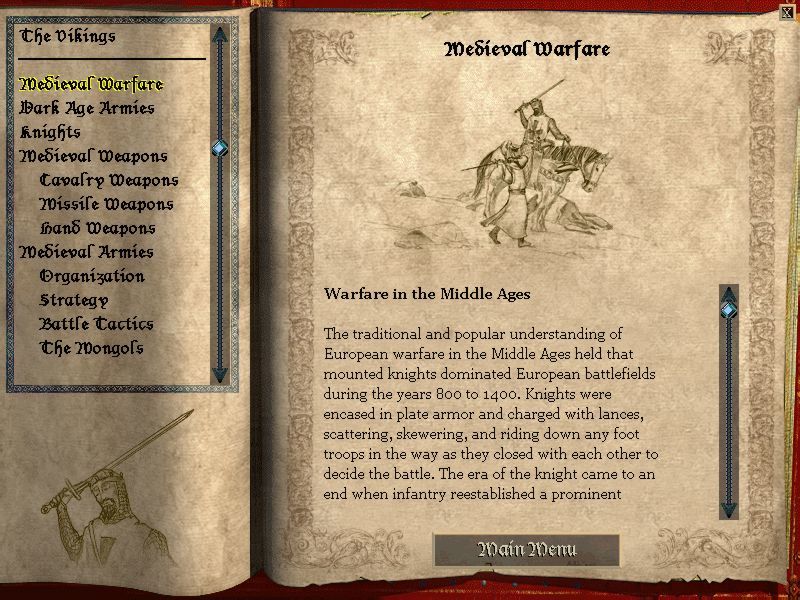
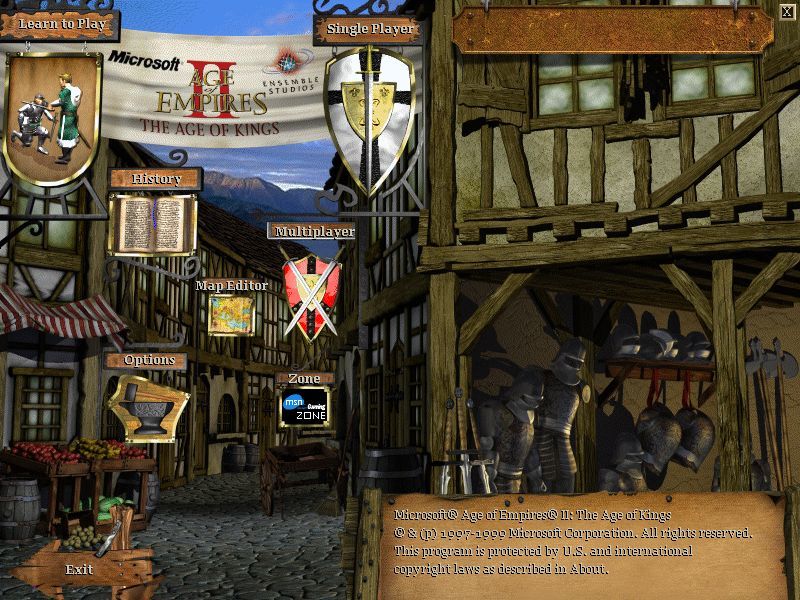
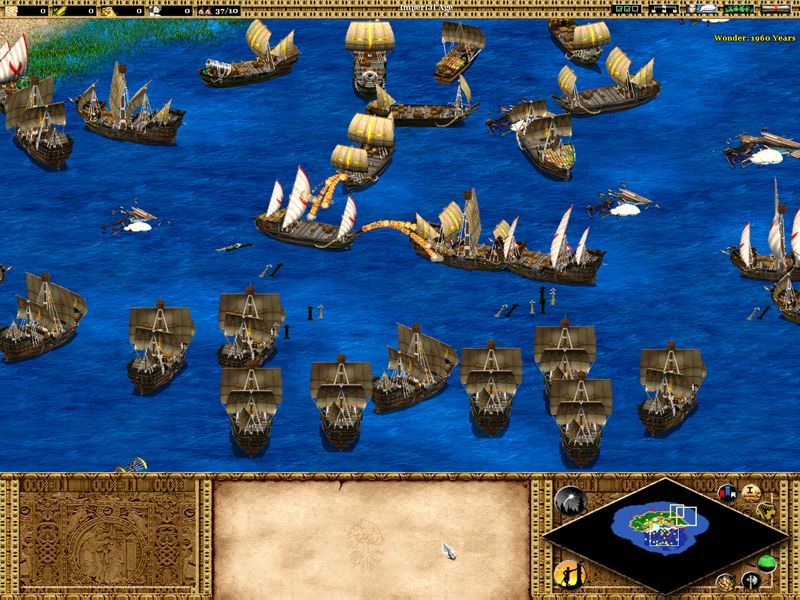
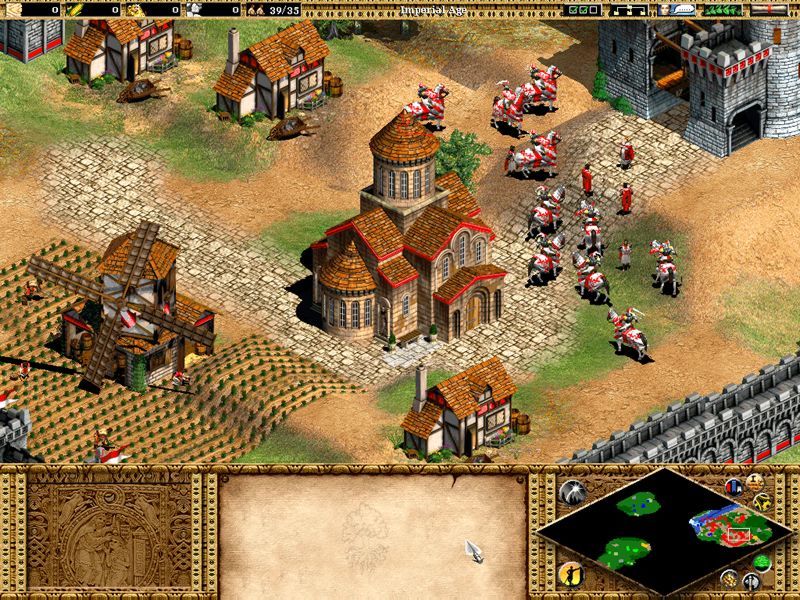
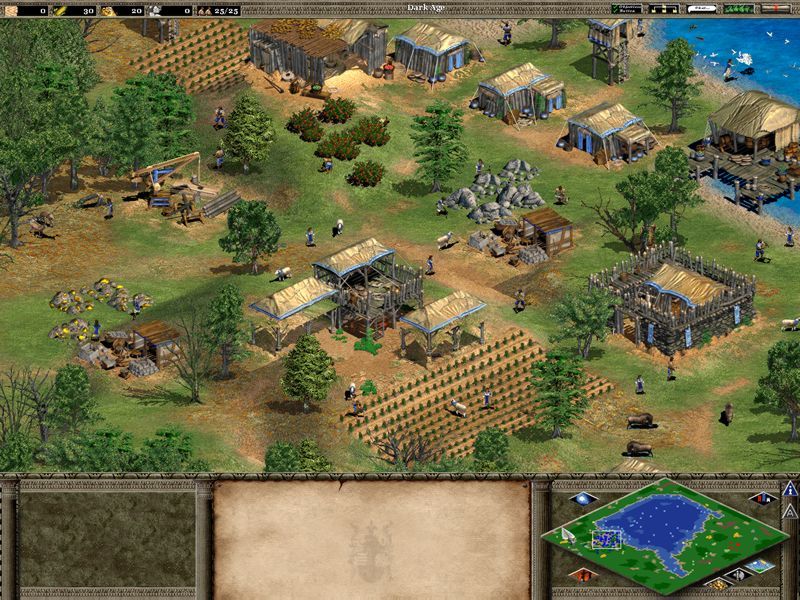
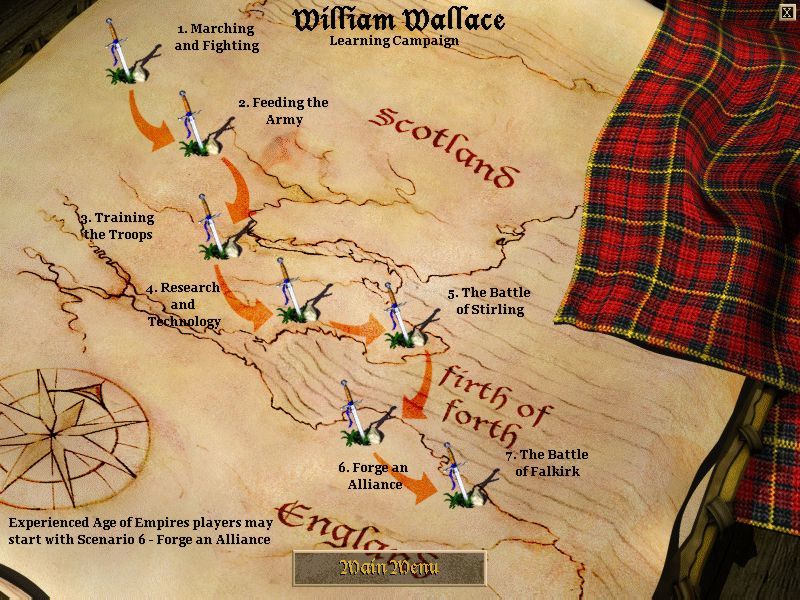
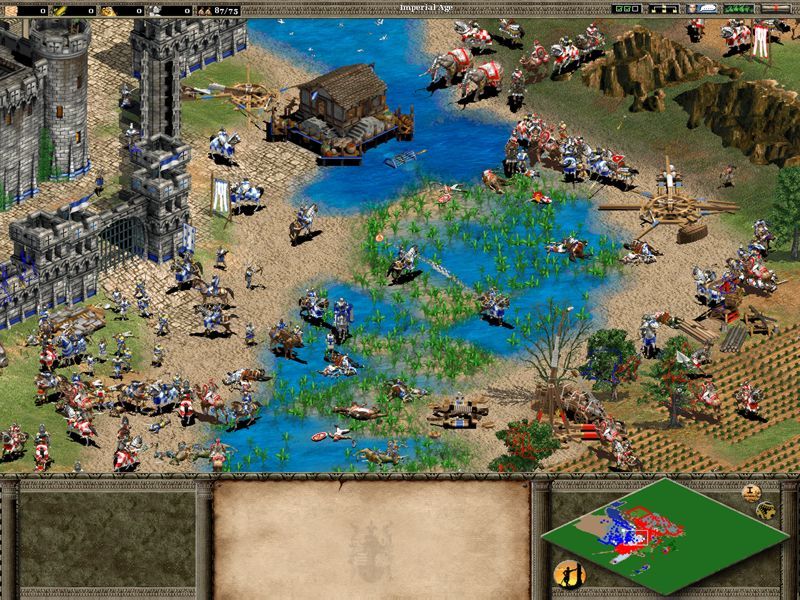
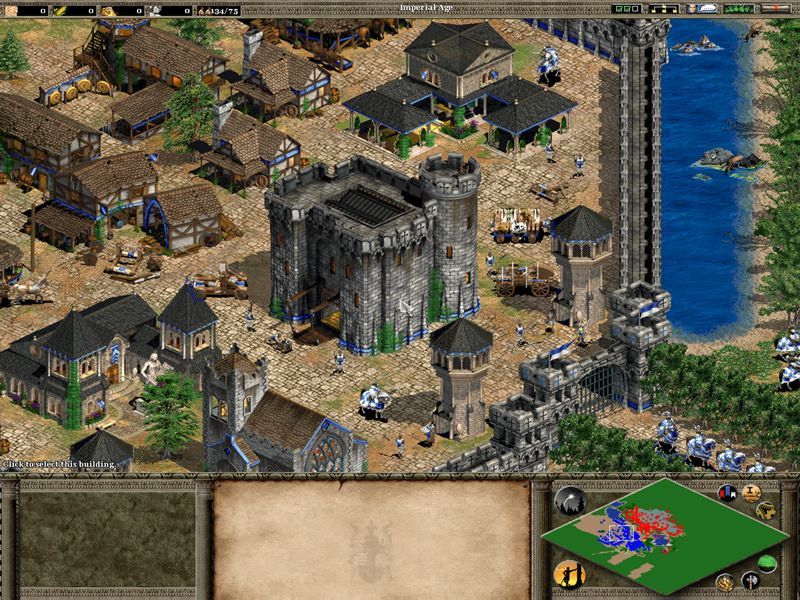


Age of Empires II: The Age of Kings
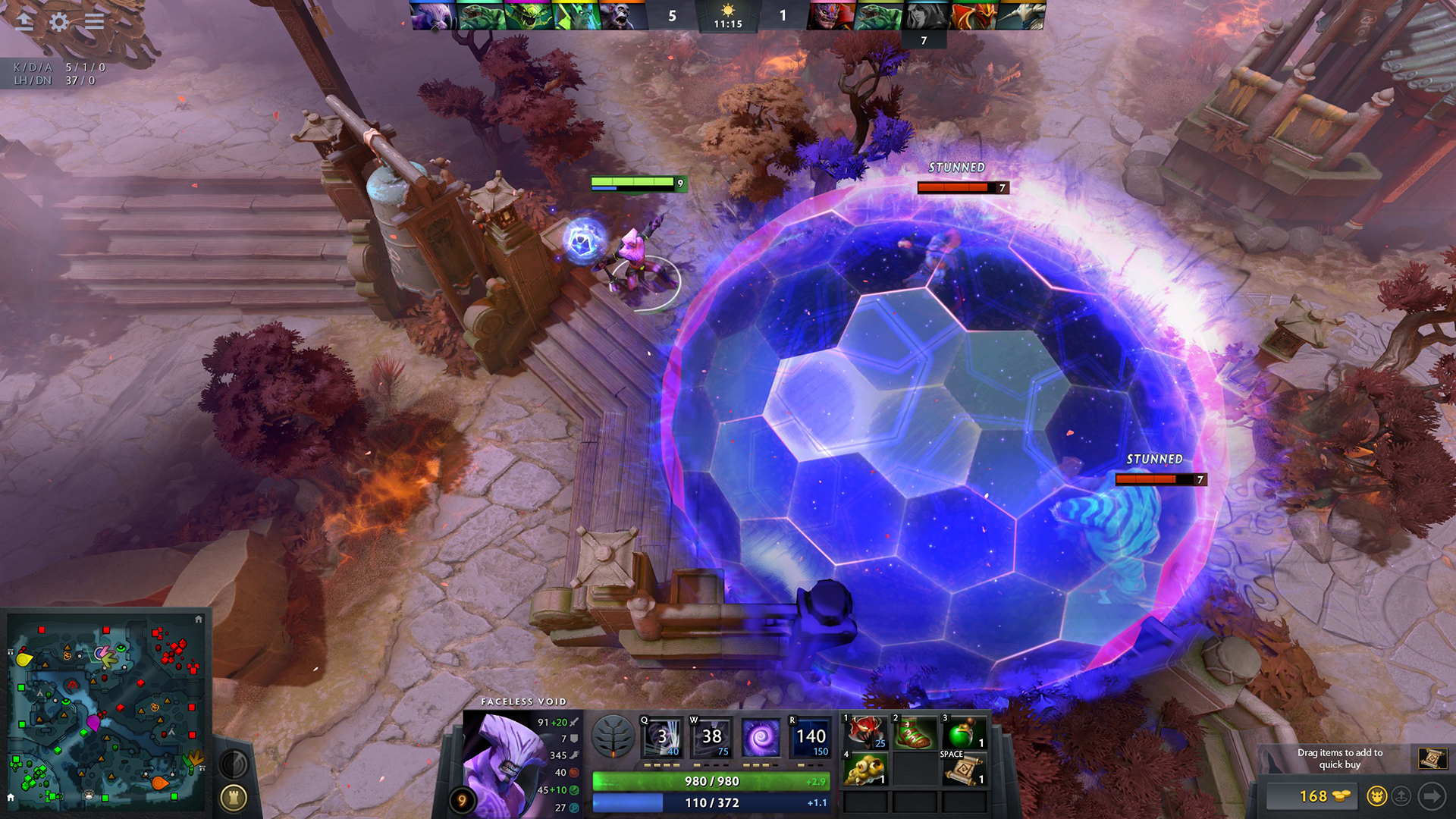

Dota 2
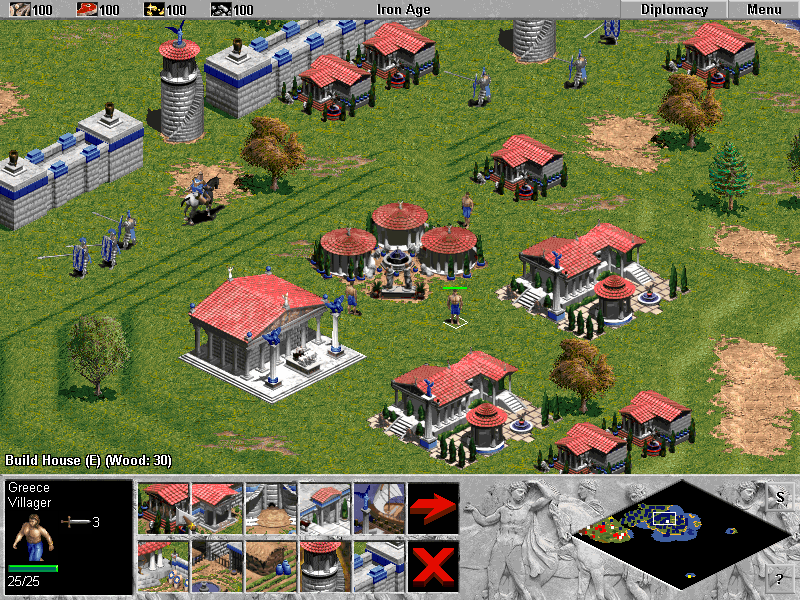
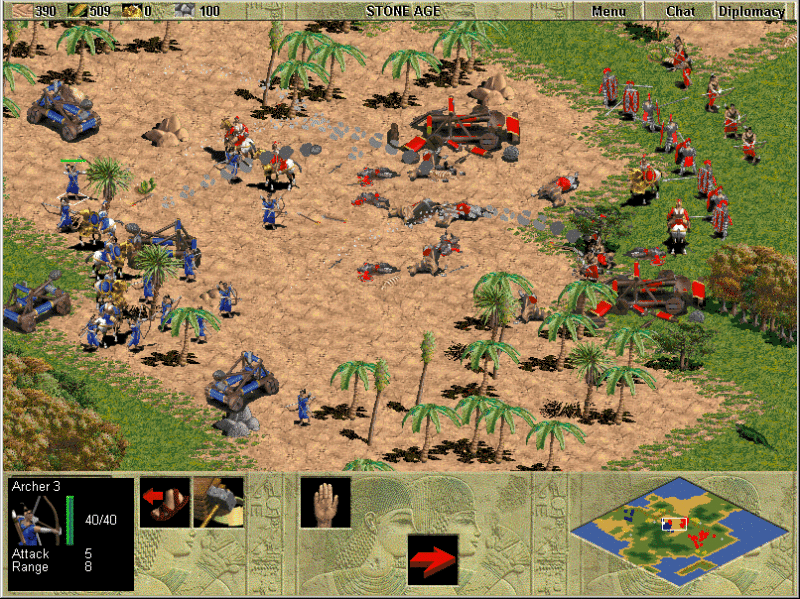
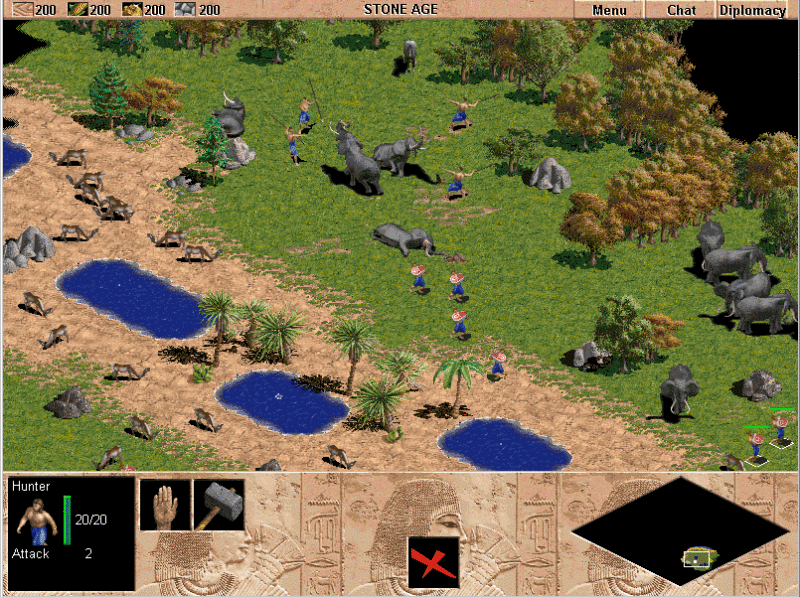

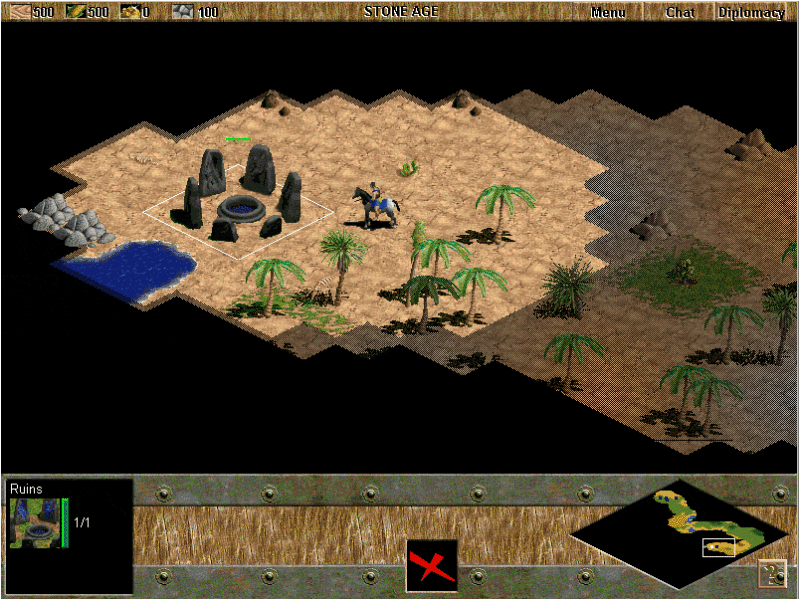
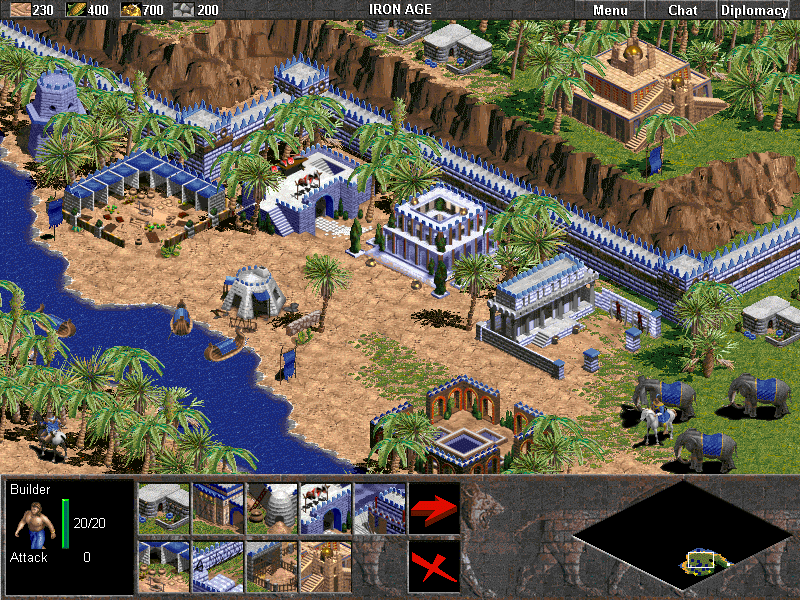
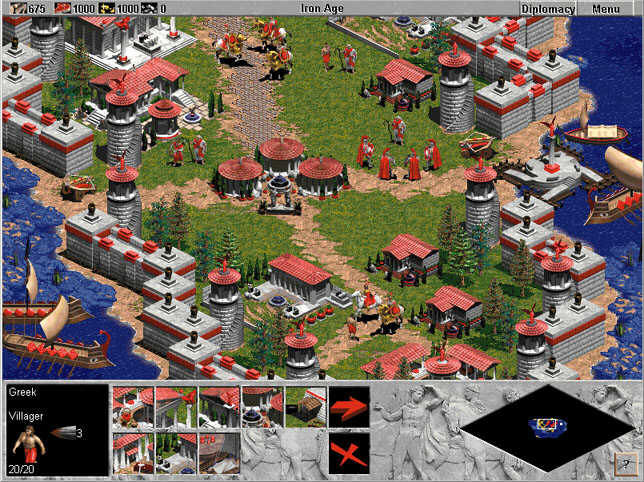
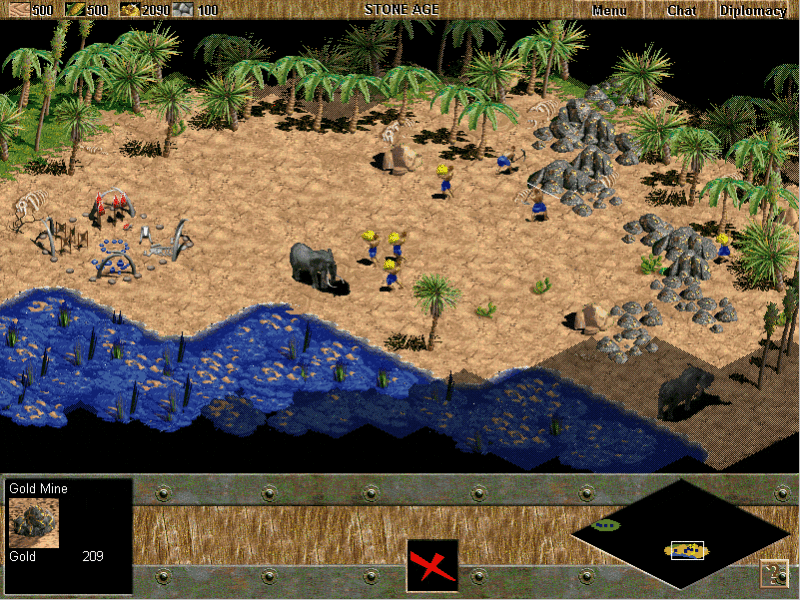

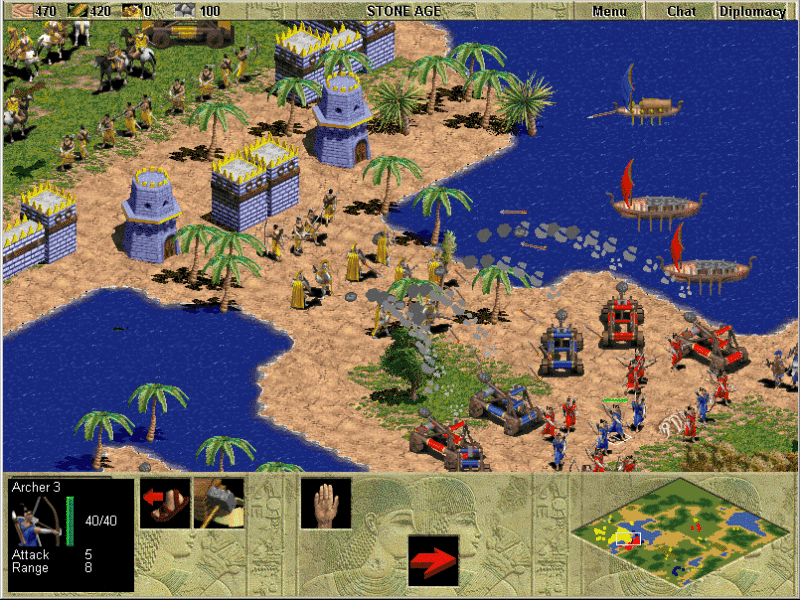
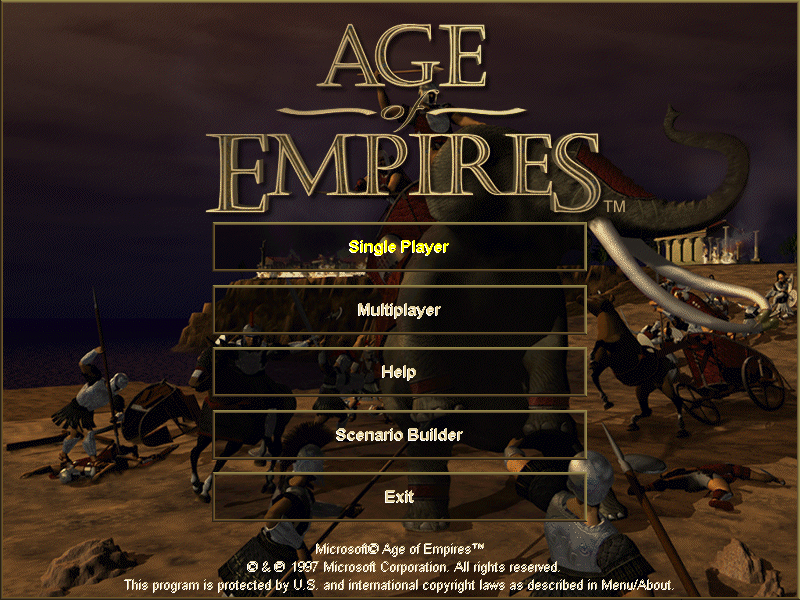

Age of Empires


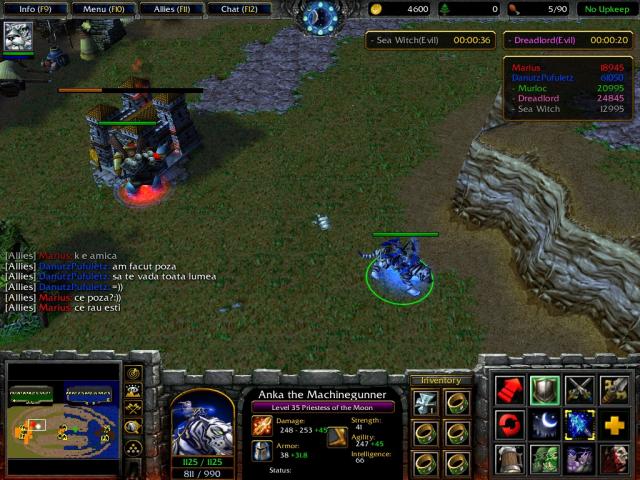
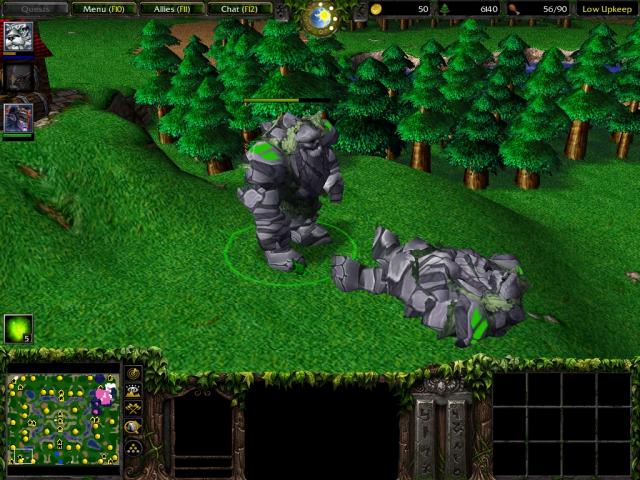


Warcraft III: The Frozen Throne


The Sims 2


Age of Mythology

Age of Empires III


Command & Conquer: Red Alert 2