Game Info
↑ Back to top

Stellaris
Genres:
Themes:
Perspectives:
Game Modes:
Game Engines:
Overview
↑ Back to topDescription from Steam STEAM
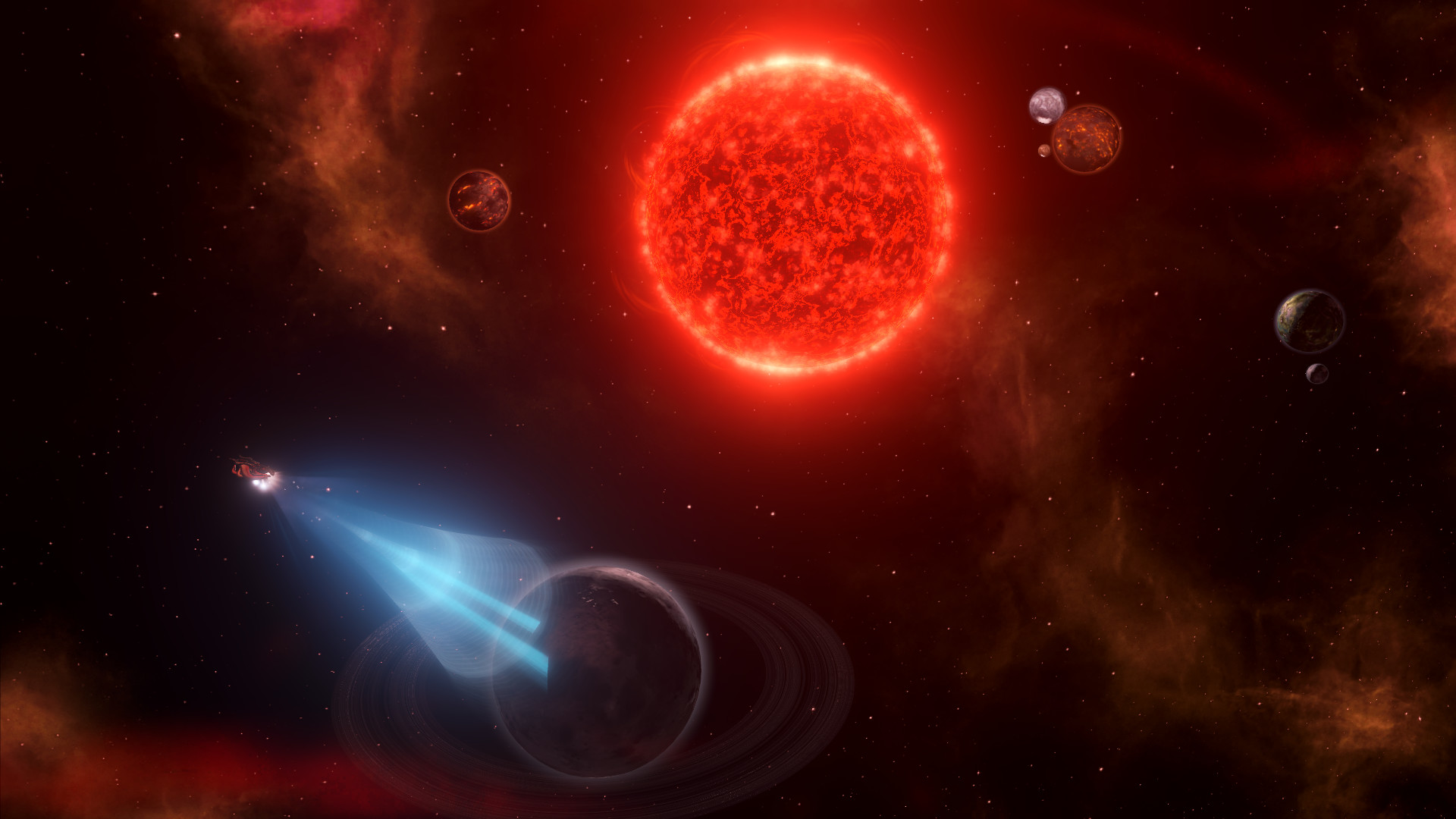
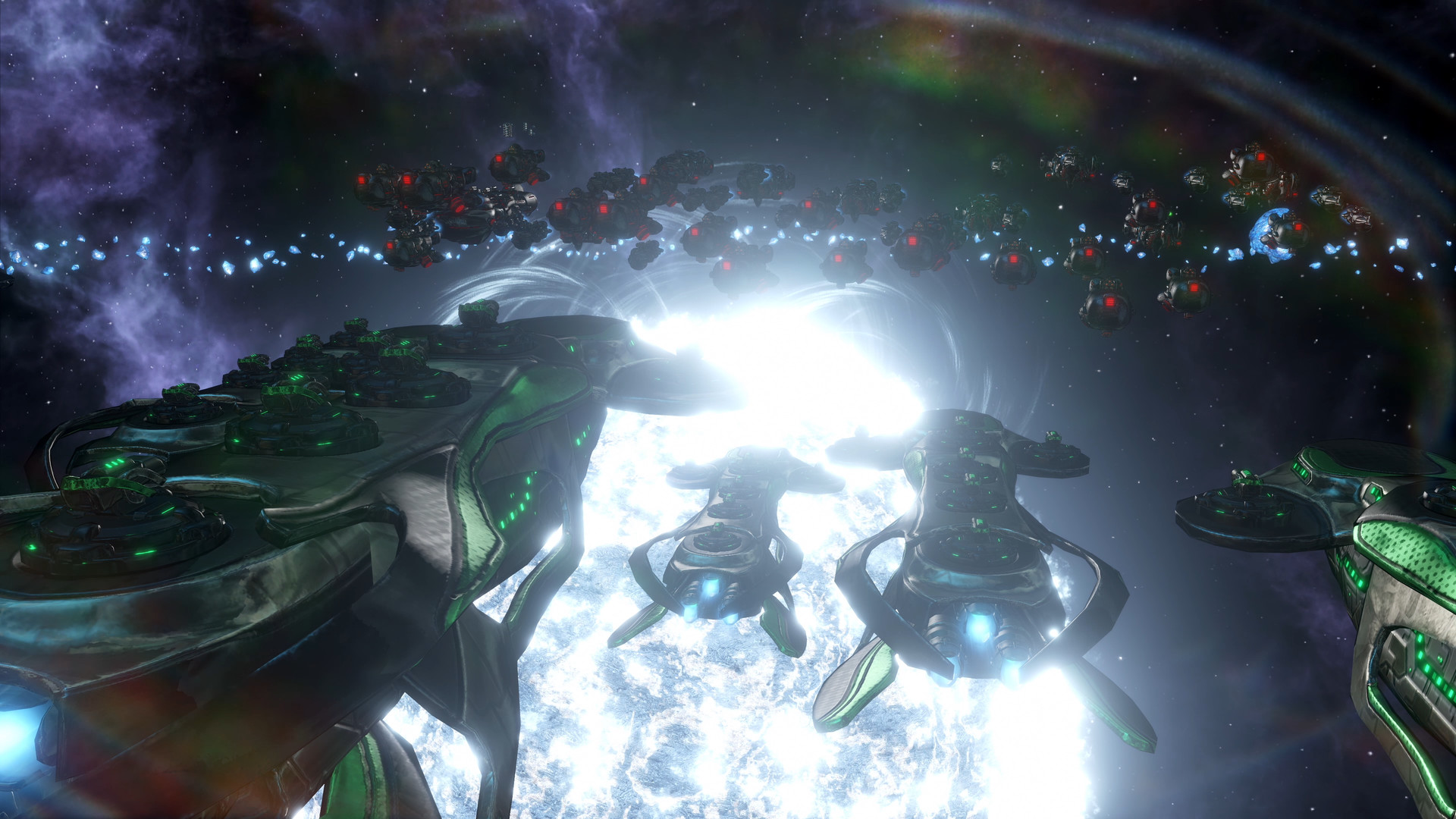
Get ready to explore, discover and interact with a multitude of species as you journey among the stars. Forge a galactic empire by sending out science ships to survey and explore, while construction ships build stations around newly discovered planets. Discover buried treasures and galactic wonders as you spin a direction for your society, creating limitations and evolutions for your explorers. Alliances will form and wars will be declared. Like all our Grand Strategy games, the adventure evolves with time. Because free updates are a part of any active Paradox game, you can continue to grow and expand your empire with new technologies and capabilities. What will you find beyond the stars? Only you can answer that. DEEP AND VARIED EXPLORATION Every game begins with a civilization that has just discovered the means to travel between stars and is ready to explore the galaxy. Have your science ships survey and explore anomalies, leading you into a myriad of quests, introducing strange worlds with even stranger stories and discoveries that may completely change your outcome. STUNNING SPACE VISUALS With characteristically complex unique planets and celestial bodies, you will enter a whirlwind of spectacles in a highly detailed universe. INFINITE VARIATION OF SPECIES AND ADVANCED DIPLOMACY Through customization and procedural generation, you will encounter infinitely varied races. Choose positive or negative traits, specific ideologies, limitations, evolutions or anything you can imagine. Interact with others through the advanced diplomacy system. Diplomacy is key in a proper grand strategy adventure. Adjust your strategy to your situation through negotiation and skill. INTERSTELLAR WARFARE An eternal cycle of war, diplomacy, suspicions and alliances await you. Defend or attack with fully customizable war fleets, where adaptation is the key to victory. Choose from an array of complex technologies when designing and customizing your ships with the complex ship designer. You have a multitude of capabilities to choose from to meet the unknown quests that await. ENORMOUS PROCEDURAL GALAXIES Grow and expand your empire with thousands of randomly generated planet types, galaxies, quests and monsters lurking in space. PLAY THE WAY YOU WANT Customize your Empire! The characters you choose, be it a murderous mushroom society or an engineering reptile race, can be customized with traits like ethics, type of technology, form of preferred space travel, type of habitat, philosophies and more. The direction of the game is based on your choices. FREE UPDATE HISTORY
Description from IGDB IGDB
Wikipedia Description WIKIPEDIA
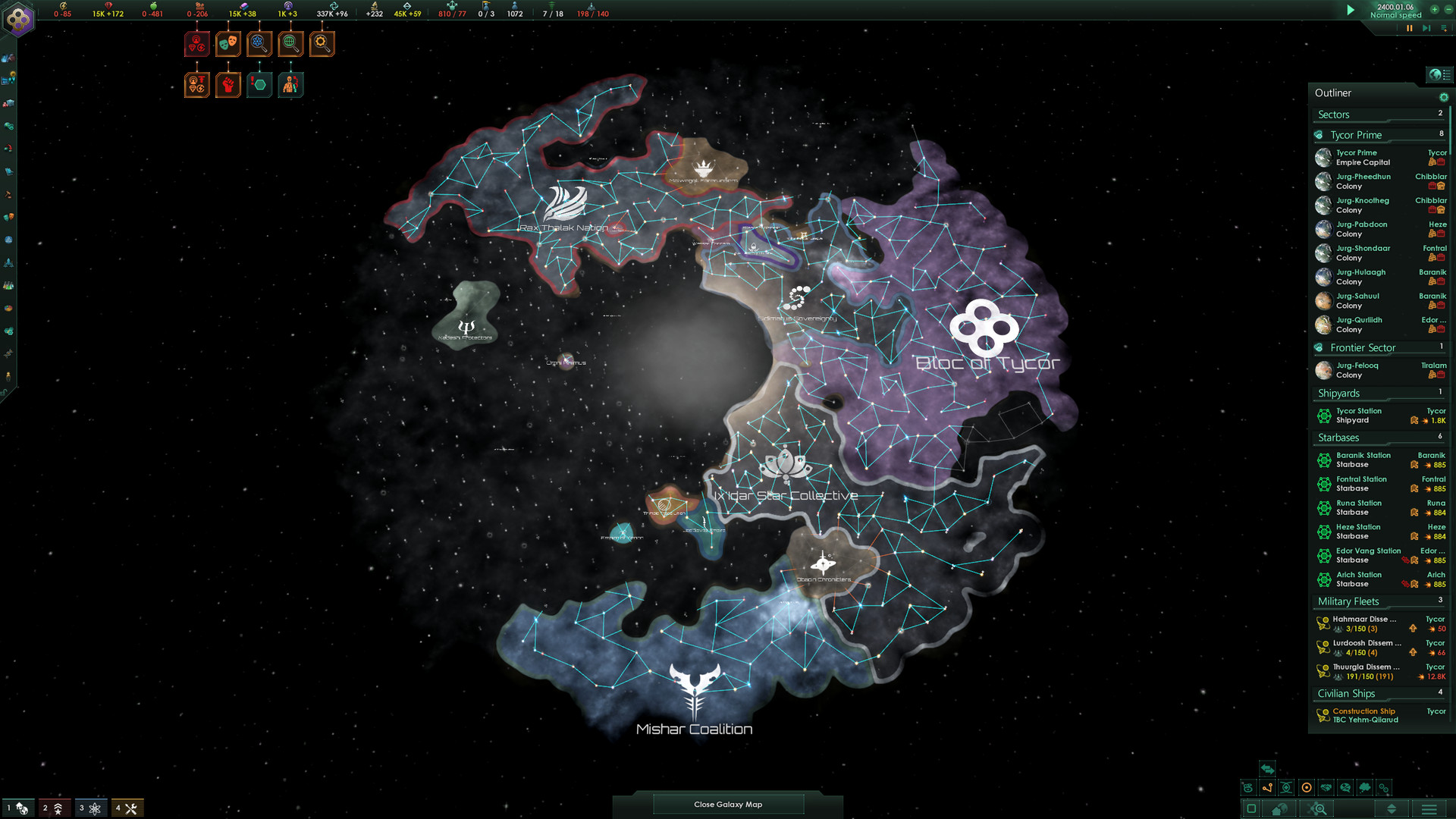
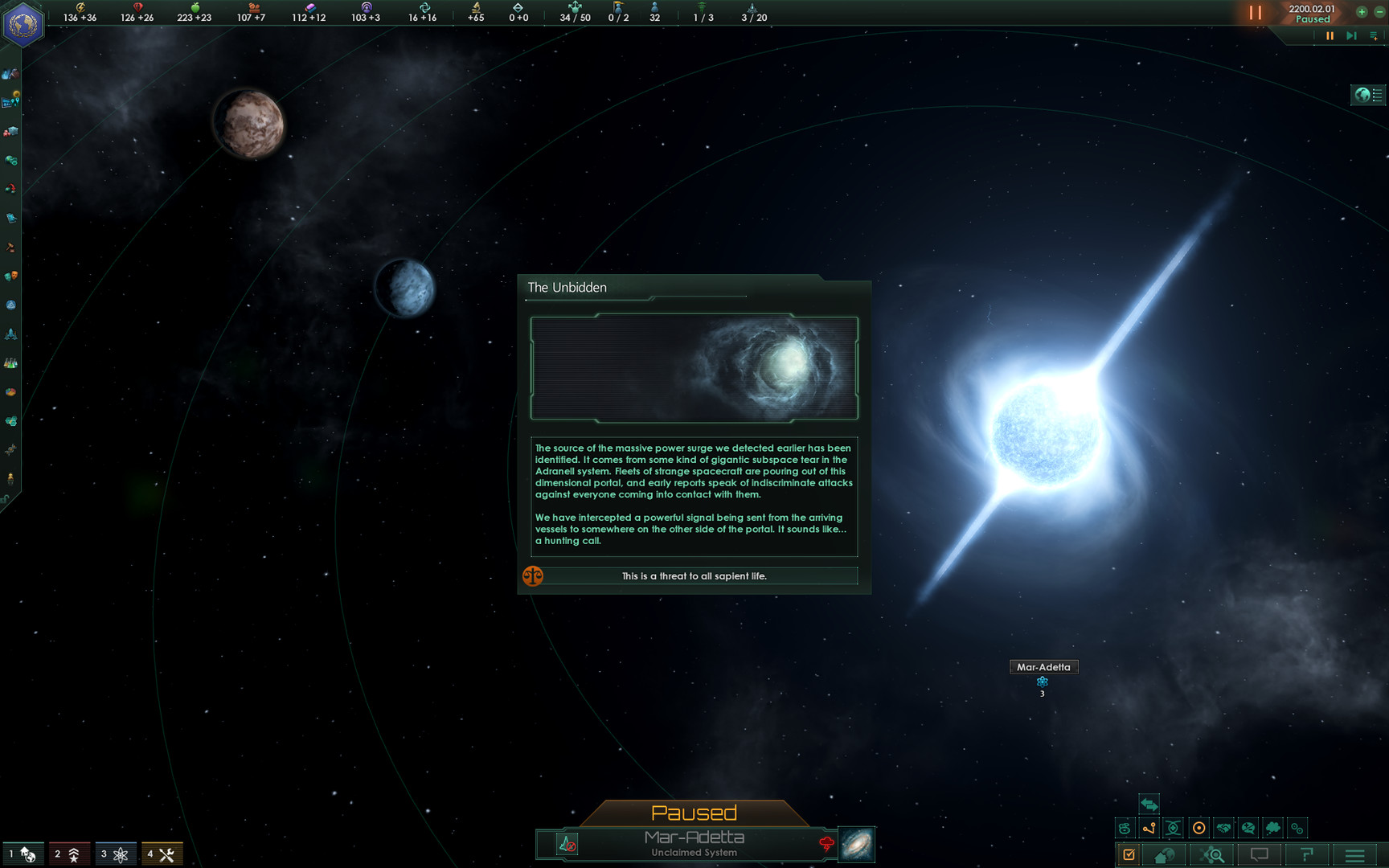
Stellaris is a real-time strategy game with 4X and grand strategy elements, taking place on a map of a procedurally generated galaxy with individual star systems acting as two-dimensional tiles similar to previous Paradox releases. Players take the role of a single FTL-capable civilization, referred to as an empire, with the goal of exploring and claiming systems, colonizing habitable planets, and expanding their economy to outcompete rival civilizations progressively encountered through first contact events. The relative power of empires is evaluated on three factors – military strength, technological progress, or economic power – allowing players to either specialize in a single area or maintain a balanced approach. The ultimate goal is to either ally with or defeat every other empire in the game while surviving a number of external "crises" threatening the entire galaxy. Star systems can only be traversed via a web of faster-than-light routes called hyperlanes, while habitable planets hold populations of an empire's citizens – represented by "pops" and pop groups – and can be built up with buildings and districts that produce resources or other passive effects as long as there are enough pops to fill the available jobs. A large part of Stellaris's main gameplay is determined by the design of the player's empire, with templates dictating both visual and mechanical effects and the player being free to either select from developer-made pre-set empires or create their own. Players can customize the unique "traits" of their starting species, an "origin" representing the pre-FTL history of their civilization, the starting head of state, a selection of two to three "ethics" representing the core philosophy of their empire, and an "authority" and two "civics" representing the internal structure of their government and society. Ethics are chosen from a total of eight options along four mutually exclusive axes, allowing the player to either select moderate versions of three ethics or a fanatical version of one and a moderate version of another, while authorities in the base game consist of democratic, oligarchic, dictatorial, or imperial options representing the system of election for new rulers. The Utopia expansion would add a Gestalt Consciousness ethic, overriding other ethic choices and granting access to new authorities representing either a biological Hive Mind or an artificial intelligence network, as well as a large number of new civics and a megacorporation authority. The game begins on January 1, 2200 AD, upon the player empire's discovery of the hyperlane network. The default campaign length is 300 in-game years, divided into 100-year earlygame, midgame, and endgame segments dictating certain events and modifiers. The economy of a player's empire throughout the game is primarily based on five main resources: energy credits, minerals, food, consumer goods, and alloys, each having a primary purpose to contribute to the player's economy. There are also Strategic resources that are used to make advanced buildings, weapons, defenses, and can also be used to endorse edicts. Edicts also can cost Unity which can be obtained by supporting factions within your empire or by constructing buildings that create Unity producing jobs. Advancement in Stellaris is achieved through technologies and traditions which progressively scale in cost for the player to achieve, but provide better features for the player as the game continues. Edicts are used to boost and passively upgrade empires, which can cost Strategic resources, energy, or Unity to maintain. There are also mid-game crises which can occur, such as a crusade by a marauder empire or an invasion by nanomachines from an extragalactic cluster. Later in the game, larger crisis events occur that have galaxy-wide implications—for example, an awakening of dormant sentient AI, another version of this which works more diplomatically, or an invasion by extra-dimensional or extra-galactic forces, these being either randomly chosen or selected by the player at the start of the game. Paradox hoped that this feature would address a common late-game problem in 4X style games; whereby one faction is so powerful that their eventual victory is inevitable, resulting in frustrating gameplay. Subsequent expansions have added multiple ways for empires to become a crisis faction themselves by researching dangerous technologies that imperil the entire galaxy: harvesting stars for energy, rewriting the laws of physics, genetically engineering enormous space monsters, or artificially turning every star in the galaxy into a red giant. Expansions also offer empires the path to take one of several "ascension paths", which radically alter the inhabitants of a player's empire. These include advanced genetic engineering, cybernetic augmentation, psionic powers, or mind uploading; machine empires have their own ascension paths. Some civics within the game radically change how to play the game. For example, "genocidal" civics may not initiate diplomacy and sometimes act like early-game crises, or the Feudal Society civic, which makes vassalization of other empires a priority.
About Stellaris
Stellaris is a Real Time Strategy (RTS), Strategy game released in 2016 developed by Paradox Development Studio that offers Multiplayer, Single player gameplay from a bird view / isometric perspective playable on Linux, Mac, PC (Microsoft Windows) with 258 user ratings averaging 78.7/100. The game explores themes like 4X (explore, expand, exploit, and exterminate), Procedural Generation, Science fiction. If you enjoy Stellaris, you might also like similar games in our database of 45,000+ titles.
Basic Info
Details
↑ Back to topAdditional Information
Платформы 7
Genres 2
Themes 3
Player Perspectives 1
Game Modes 2
Companies
↑ Back to topDevelopers
Paradox Development Studio
No description available
Publishers
DMM GAMES
No description available
Paradox Interactive
No description available
Keywords
↑ Back to topScreenshots
↑ Back to top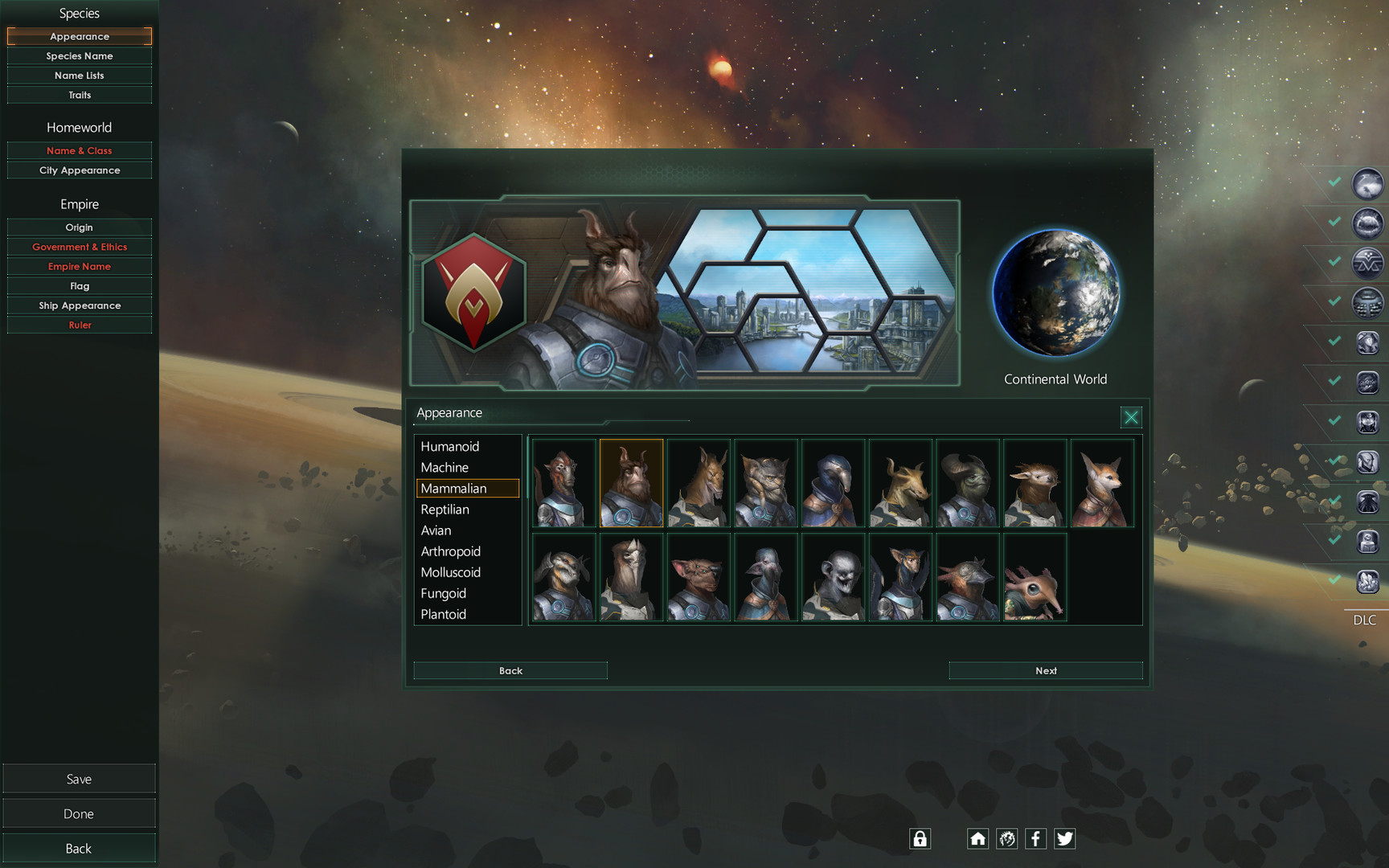
Similar Games
↑ Back to top
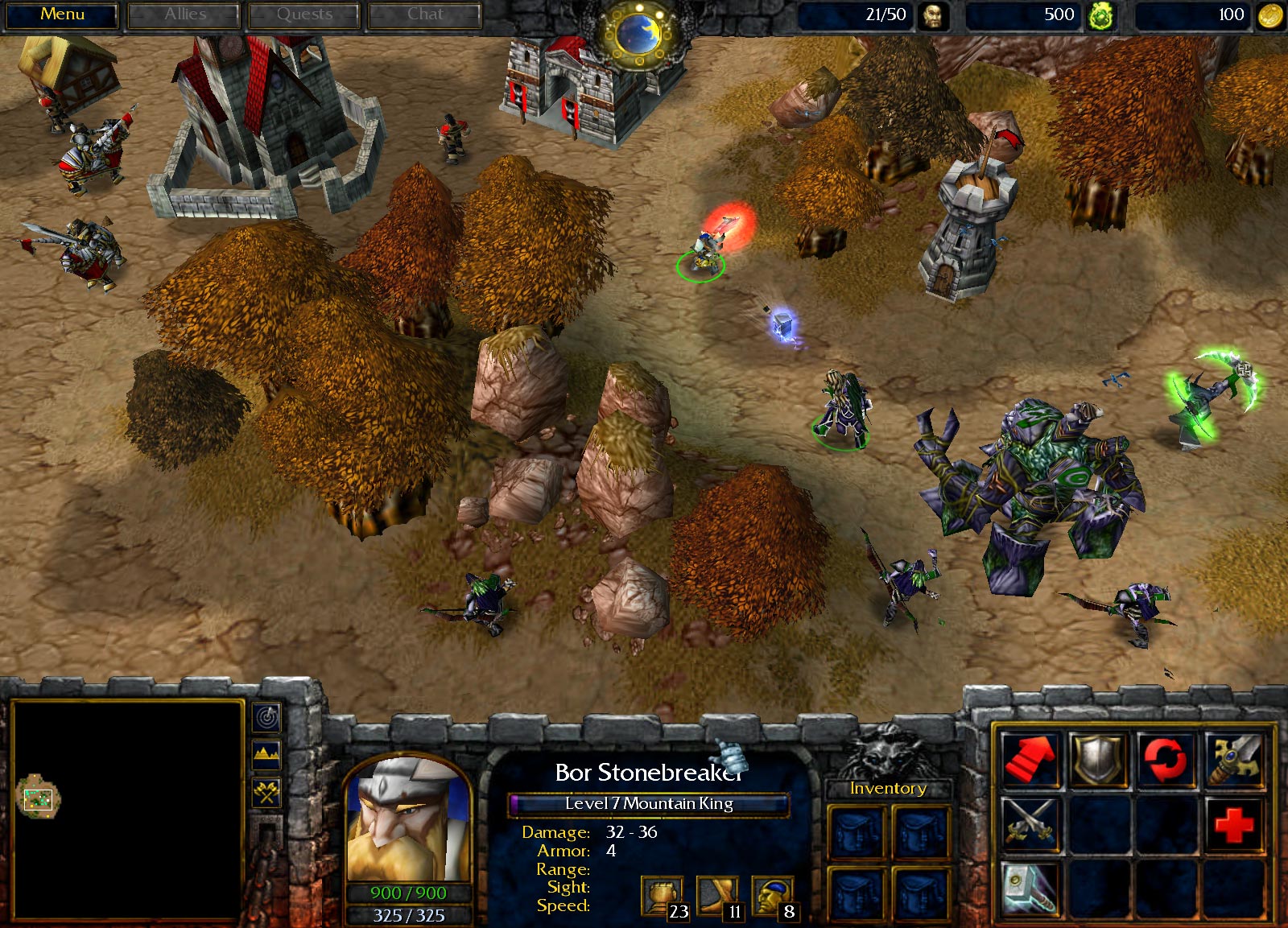
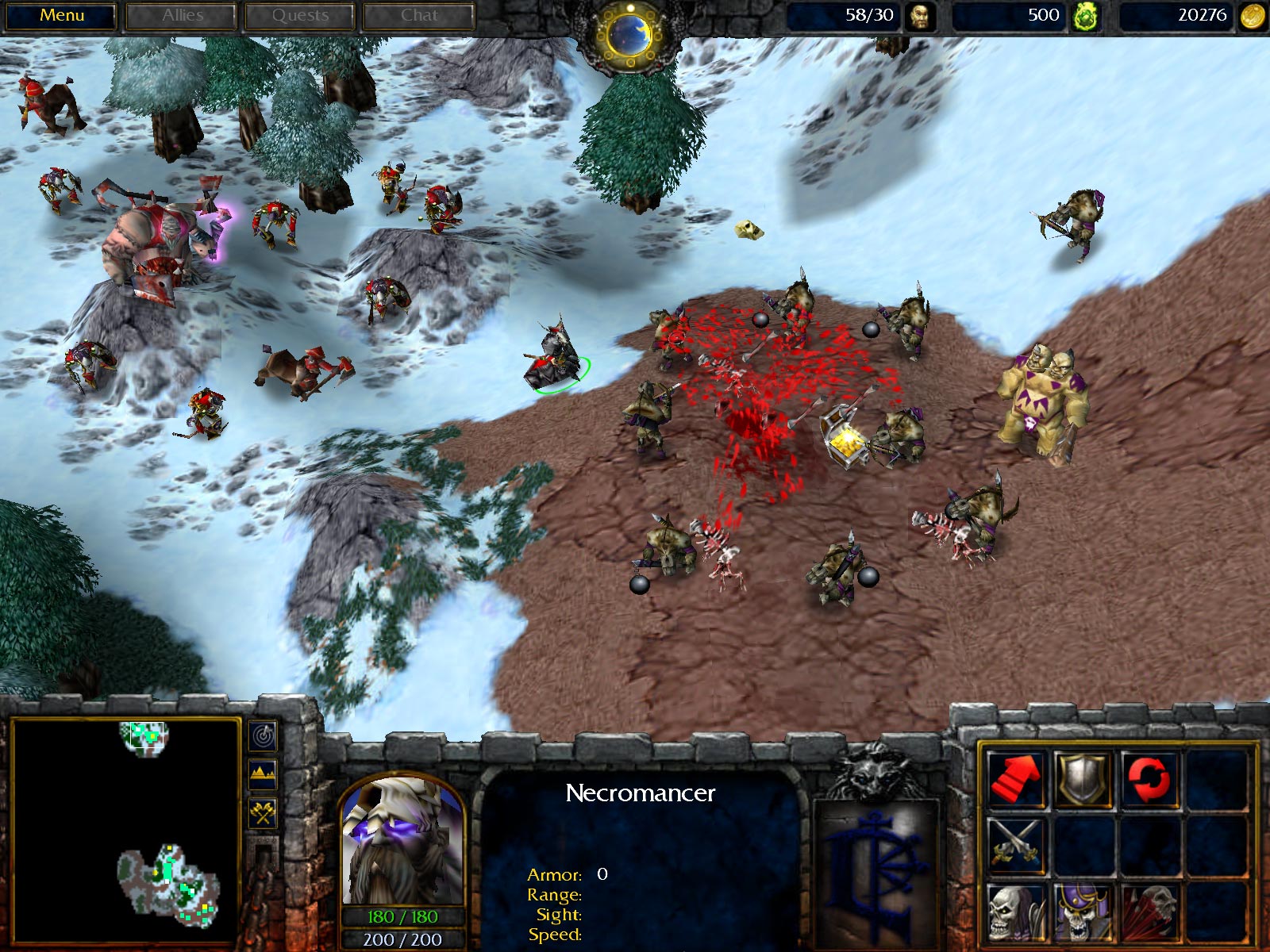
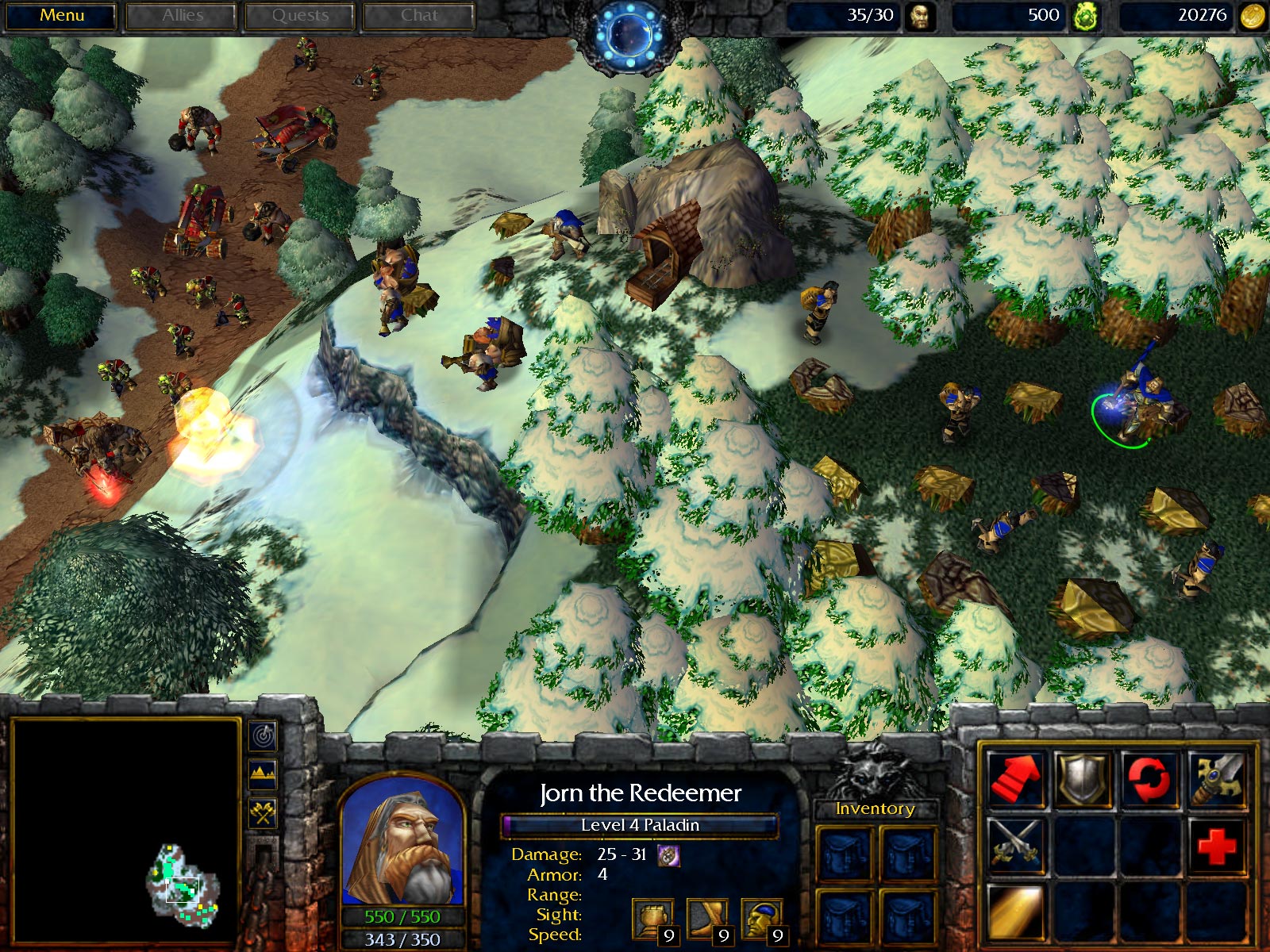
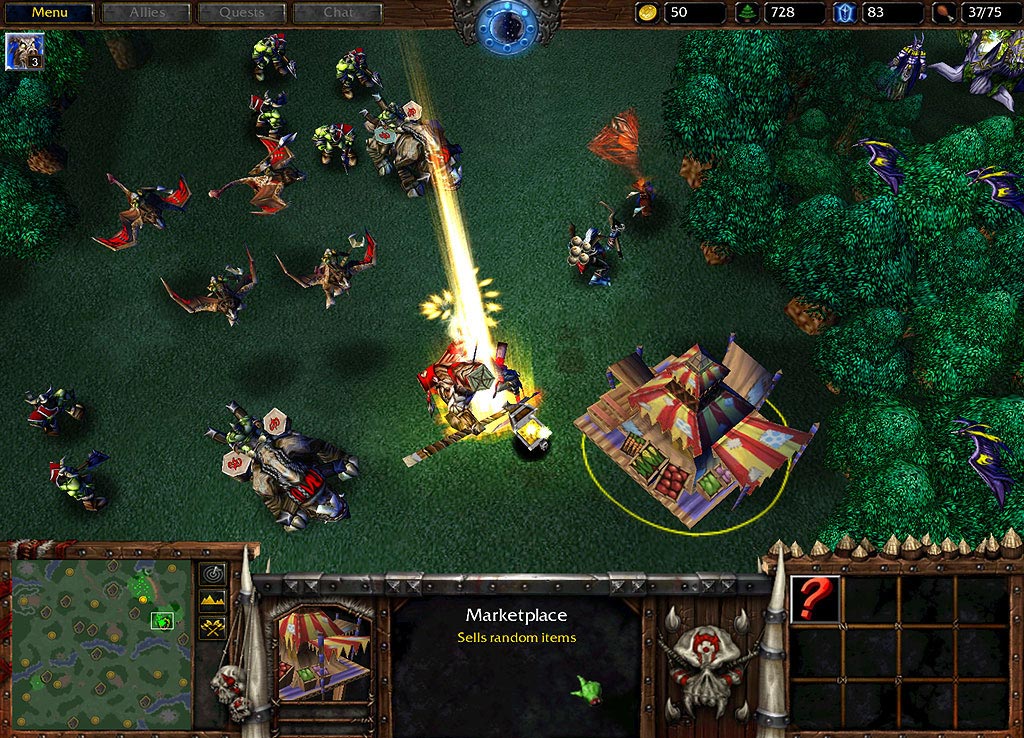
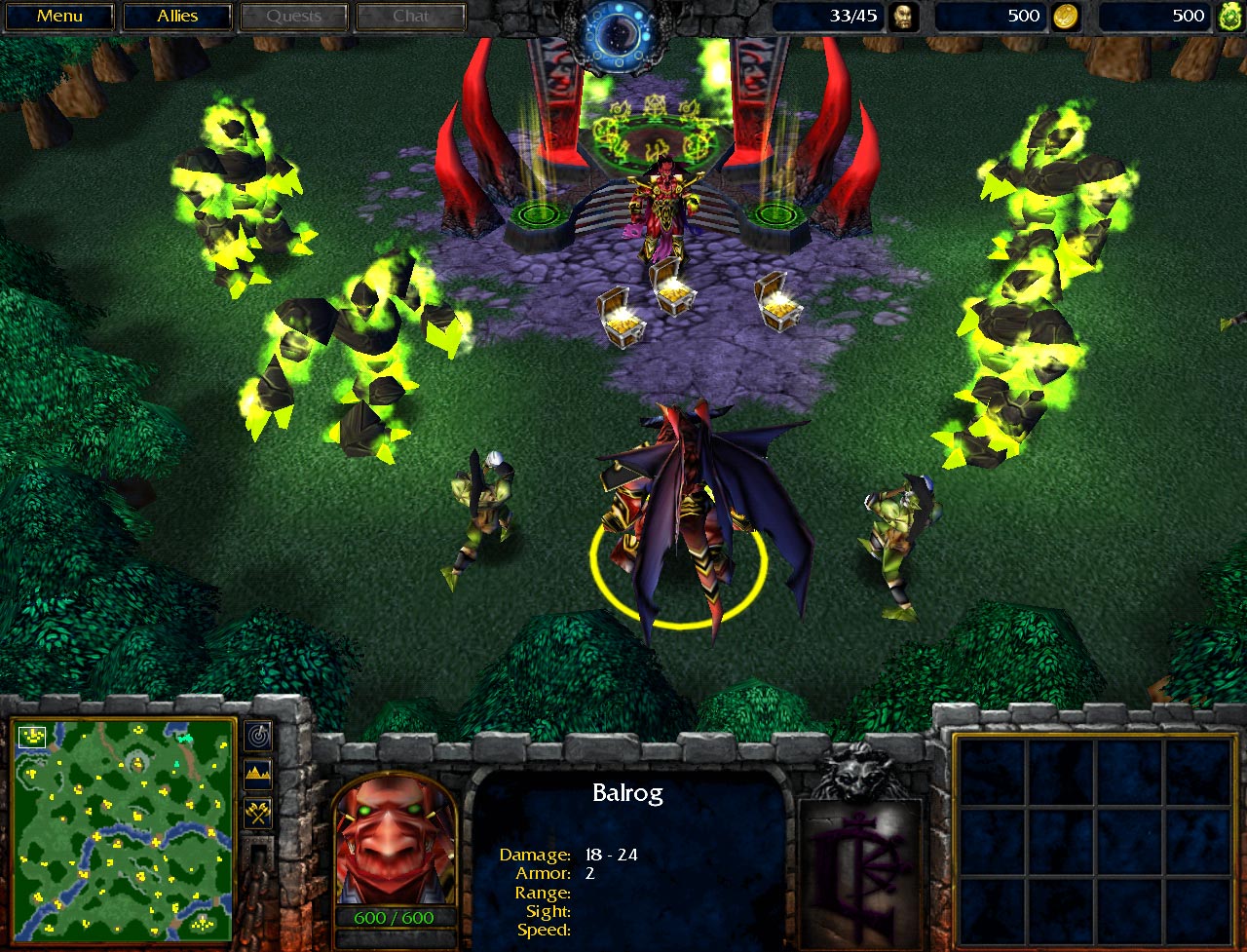

Warcraft III: Reign of Chaos

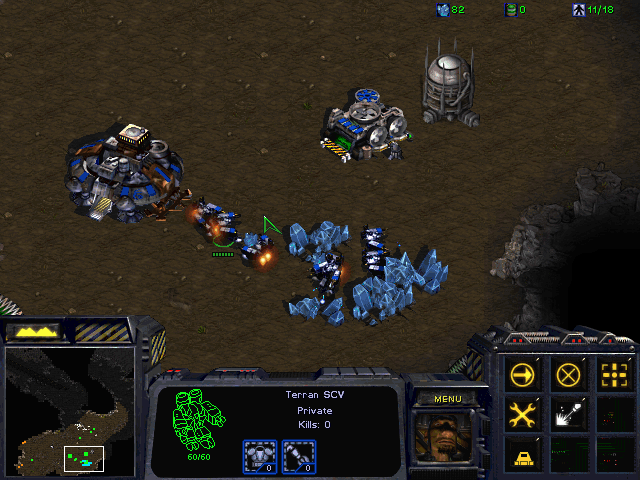
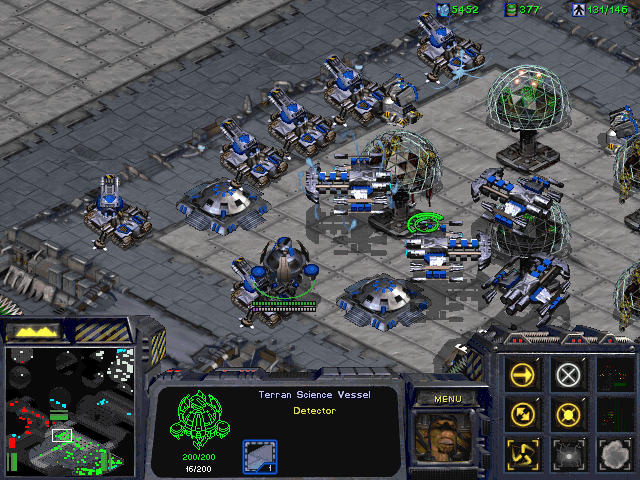
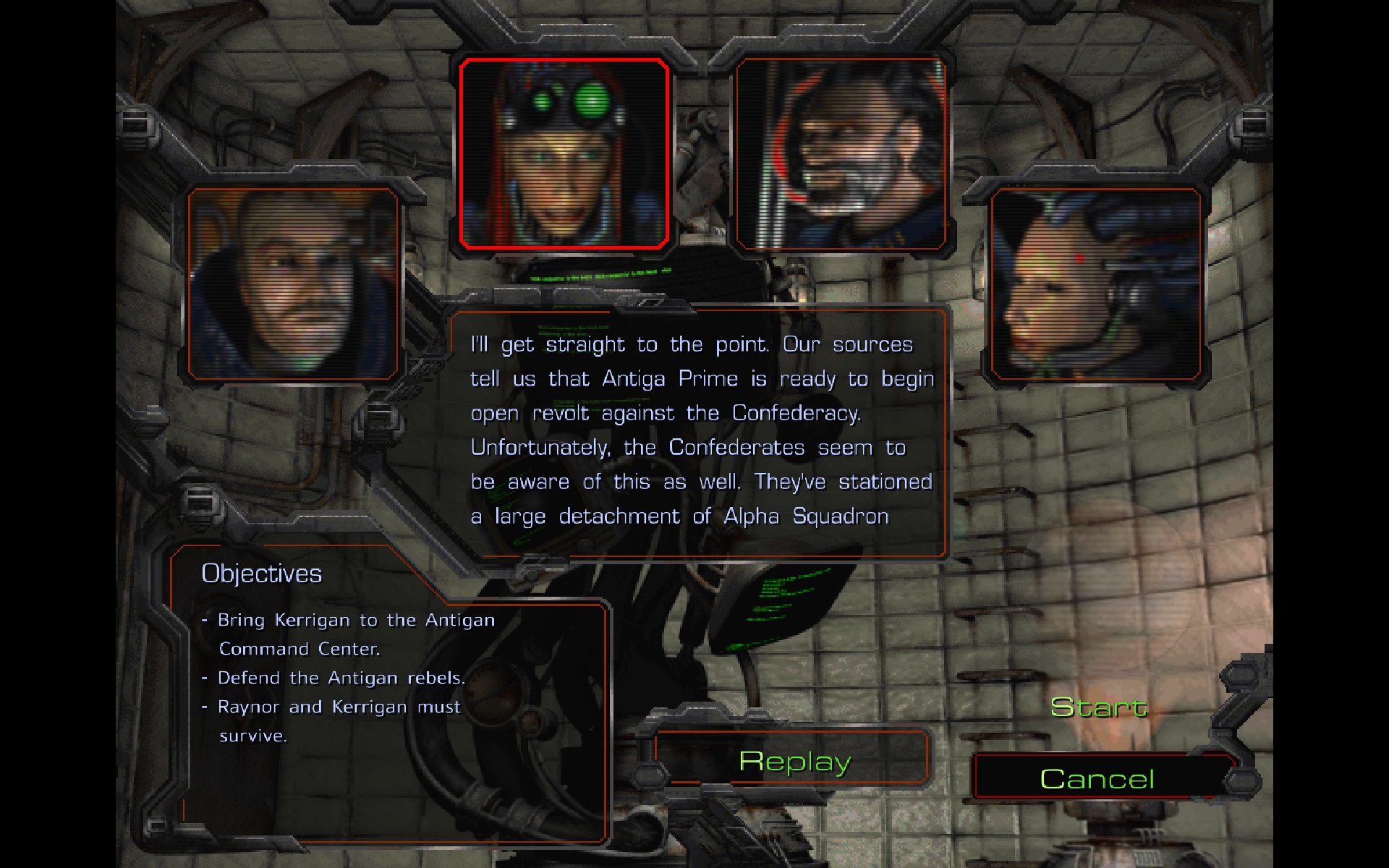

StarCraft
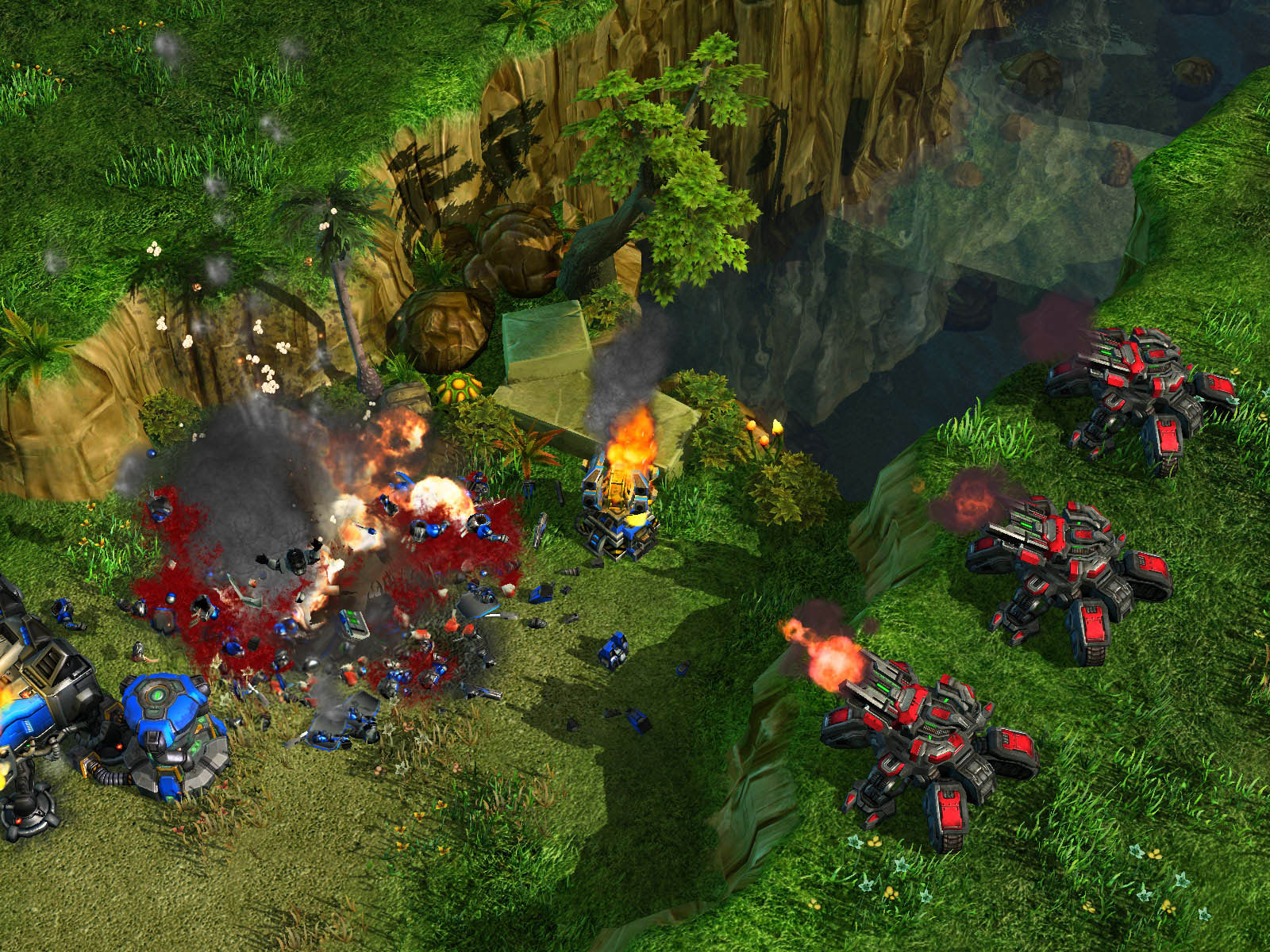
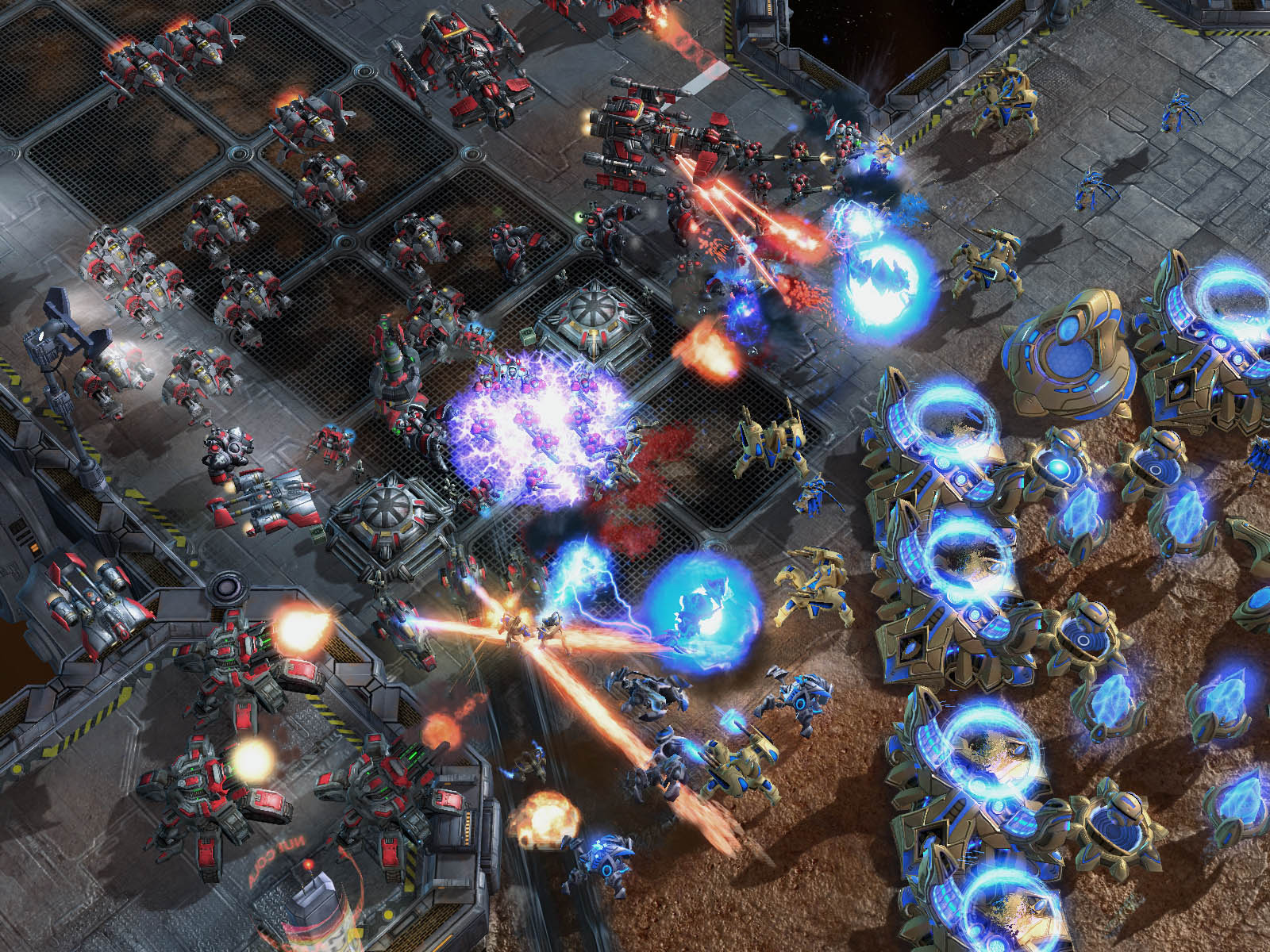
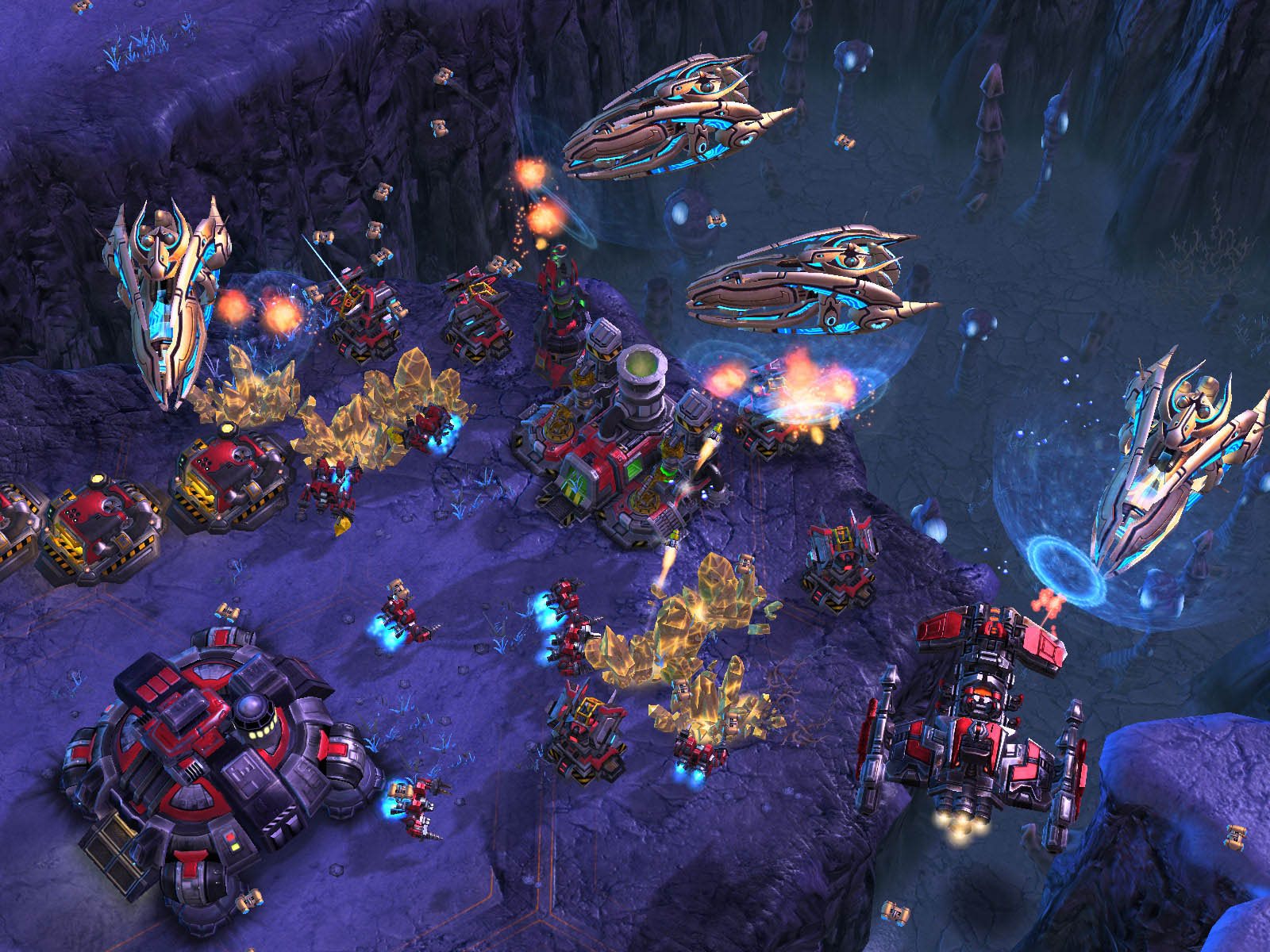

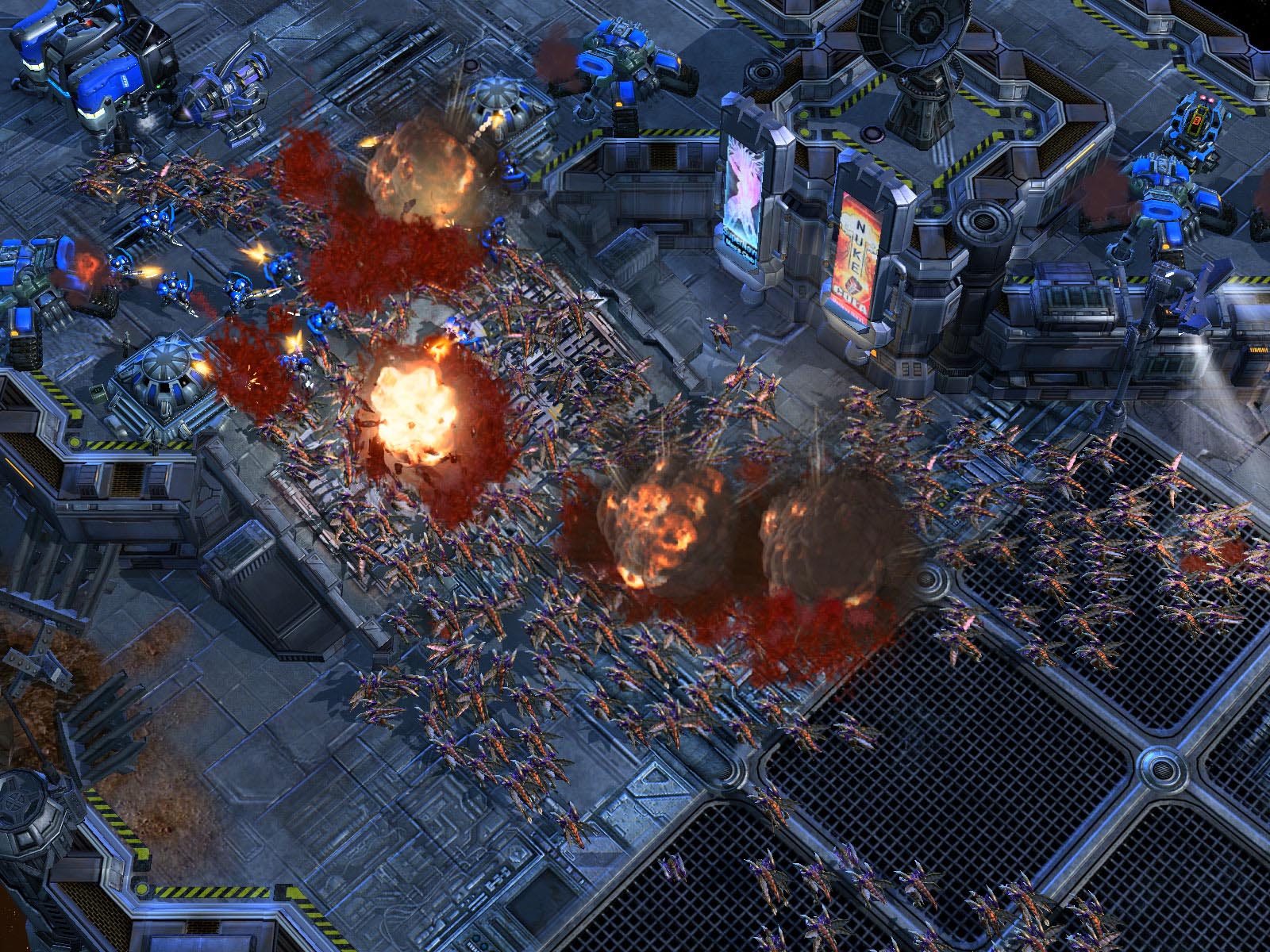

StarCraft II: Wings of Liberty

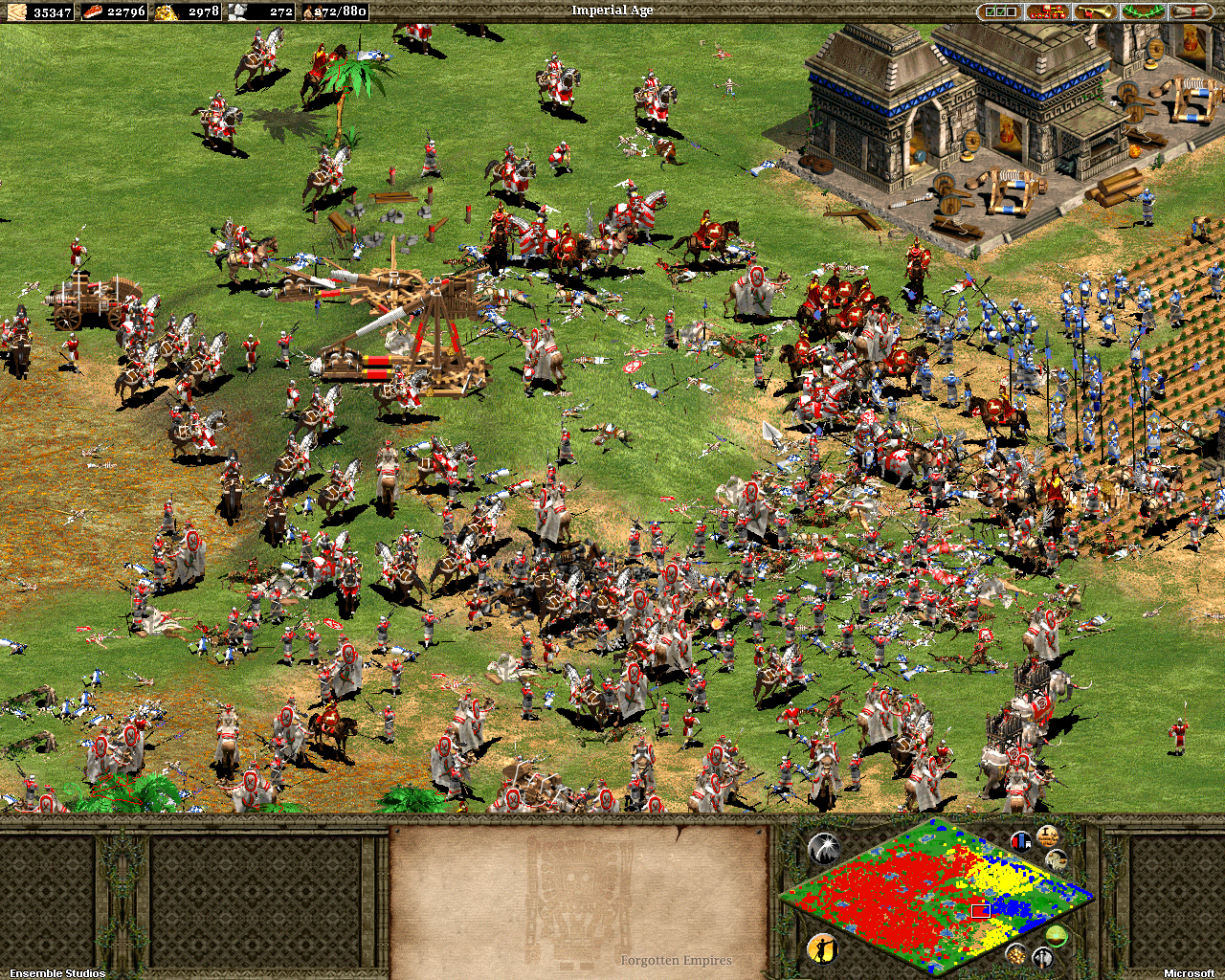

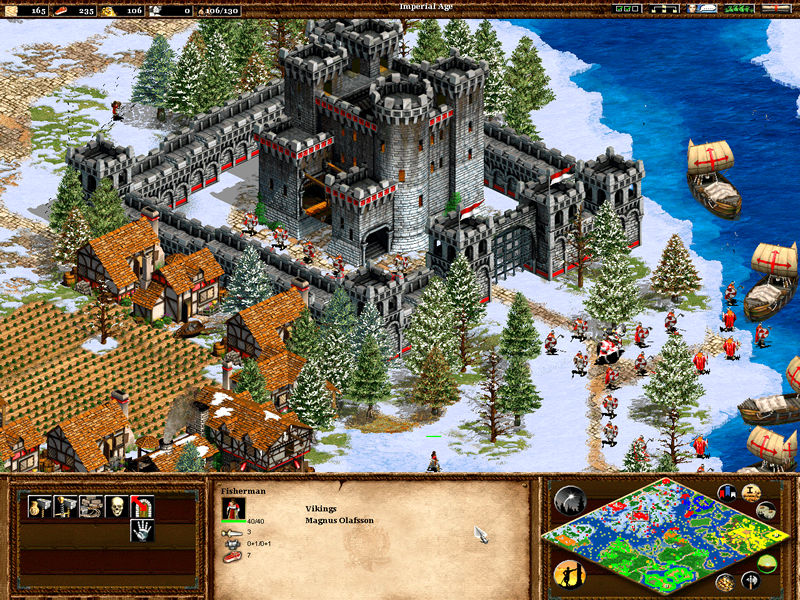
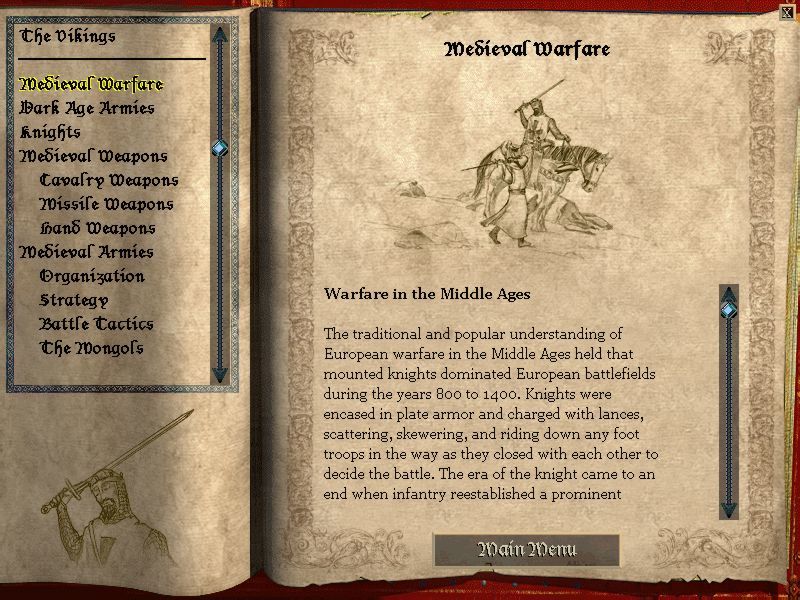
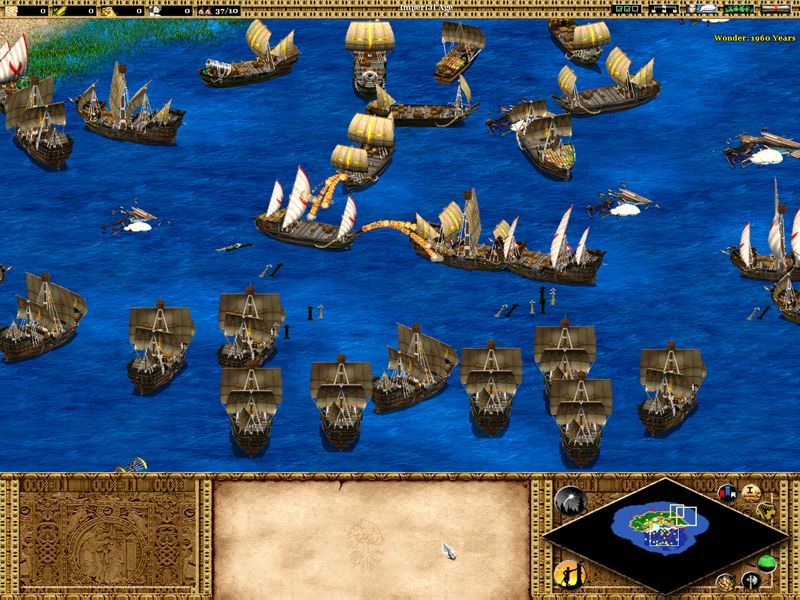
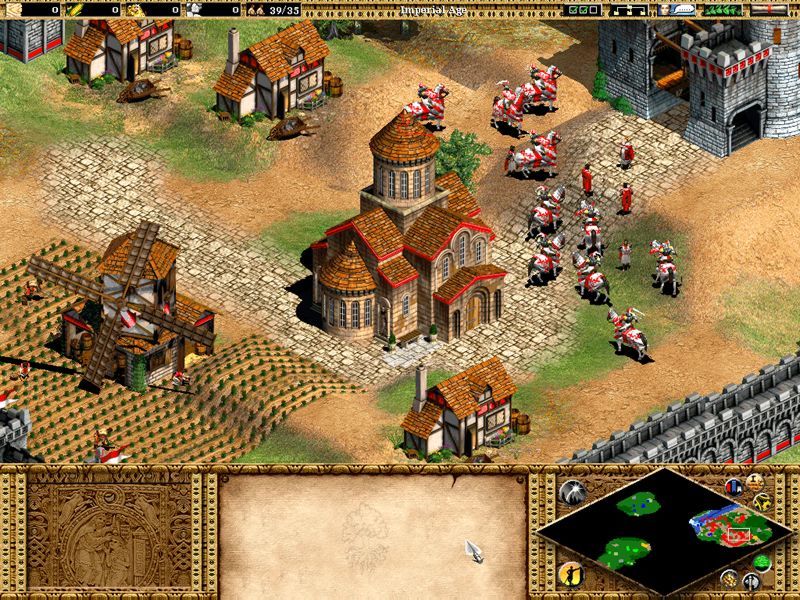
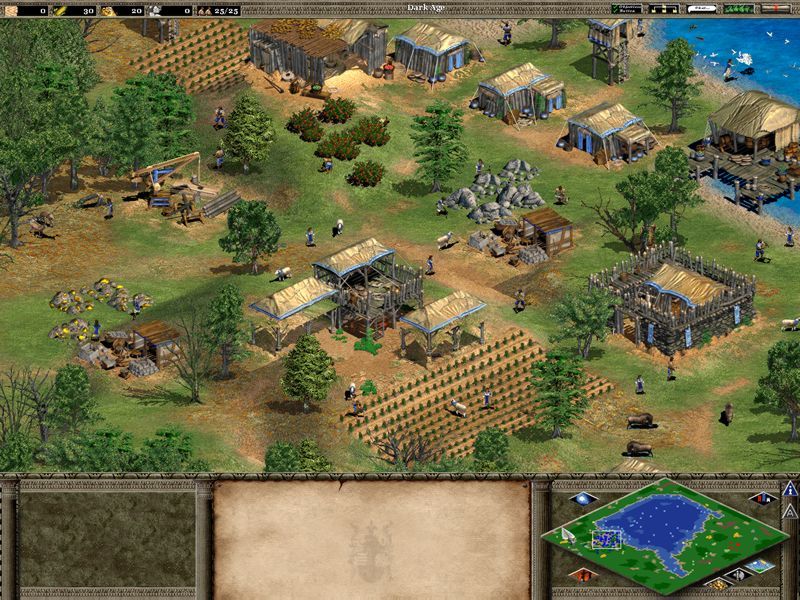
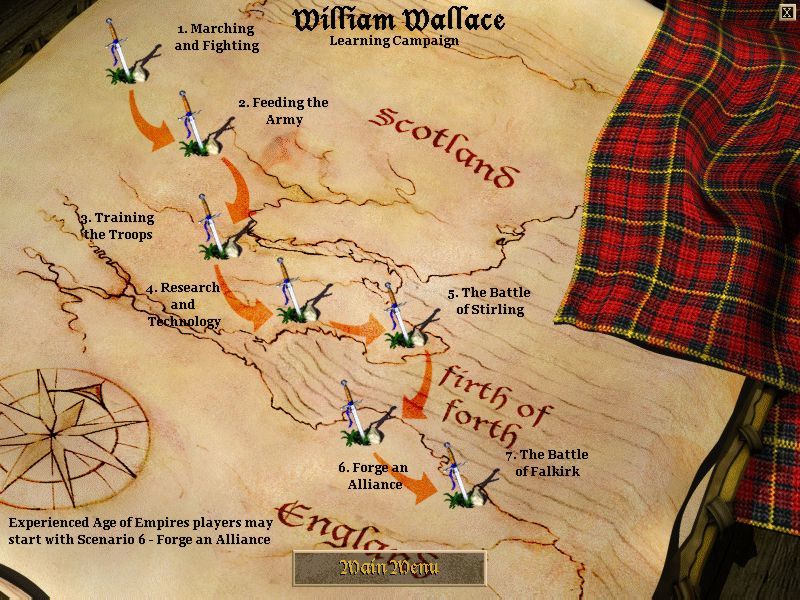
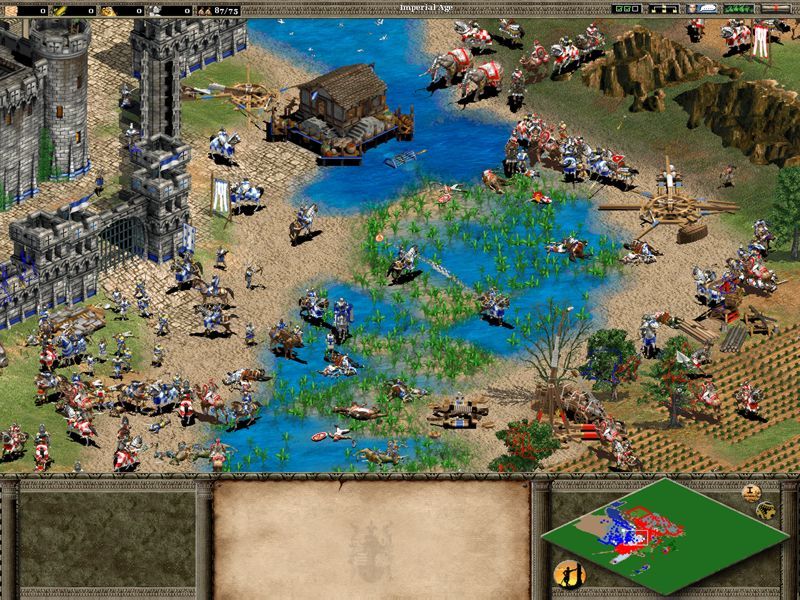
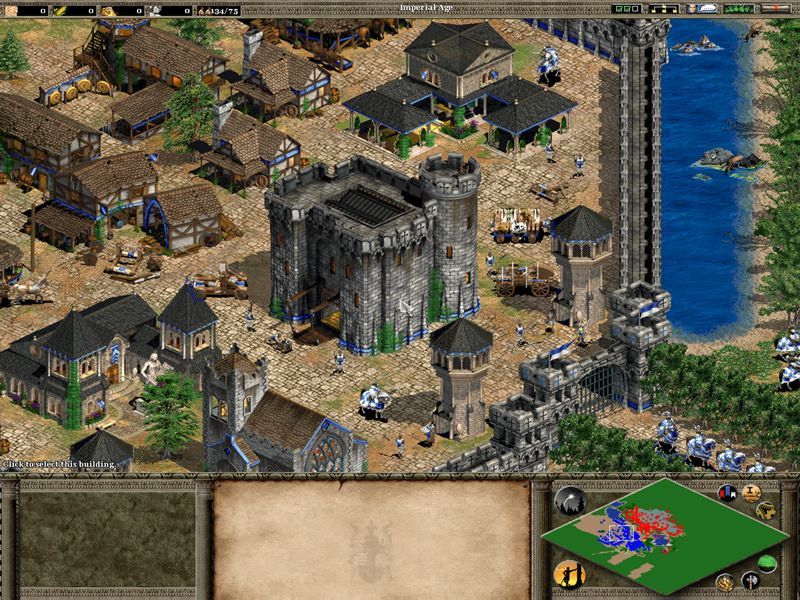


Age of Empires II: The Age of Kings
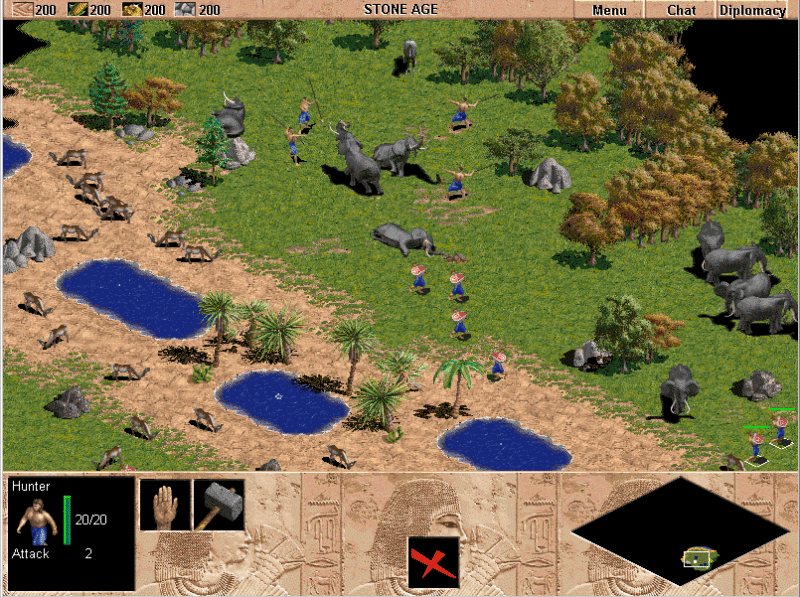

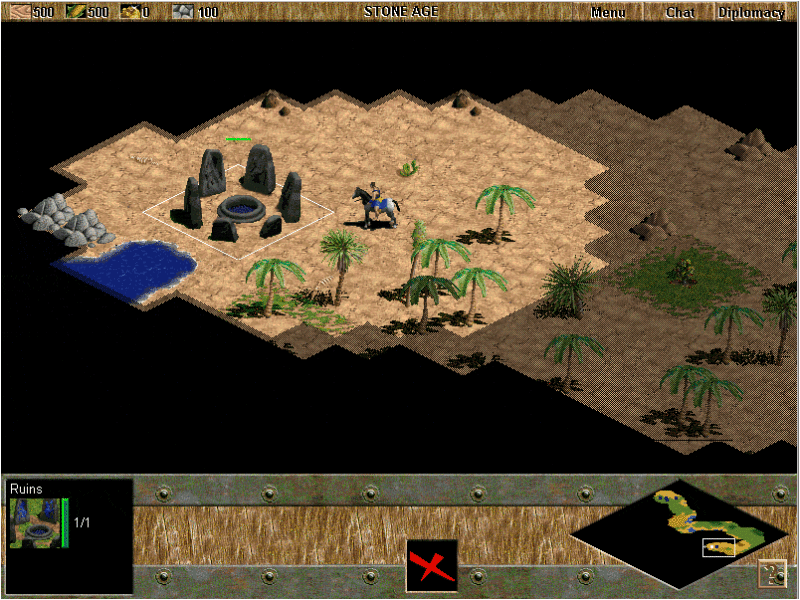
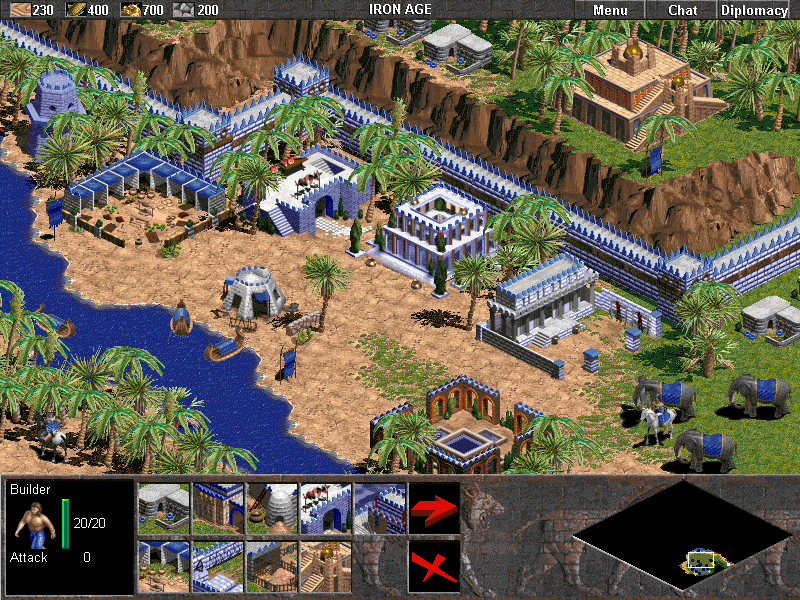
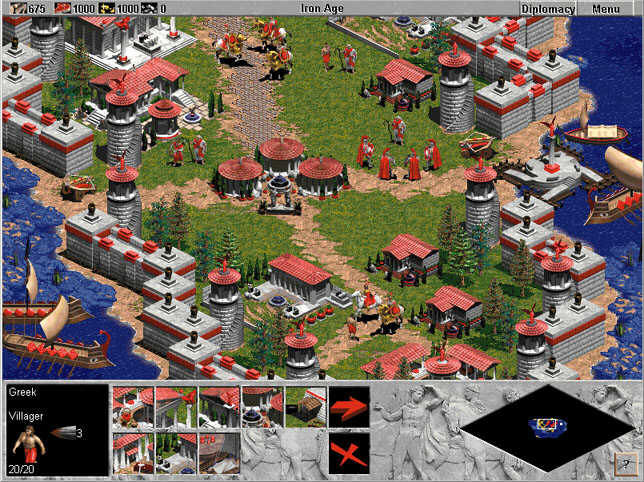


Age of Empires




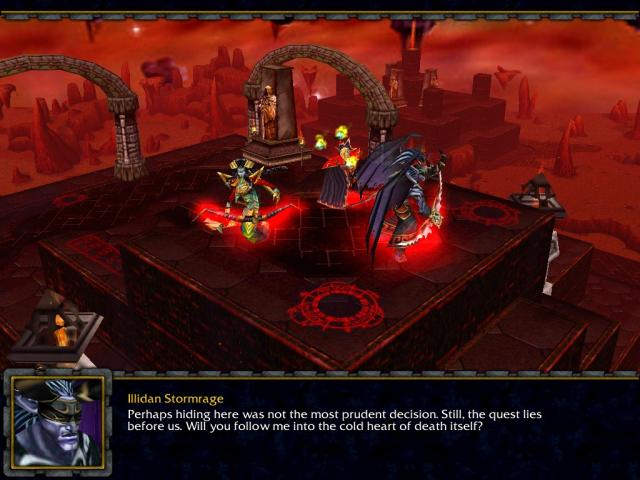

Warcraft III: The Frozen Throne
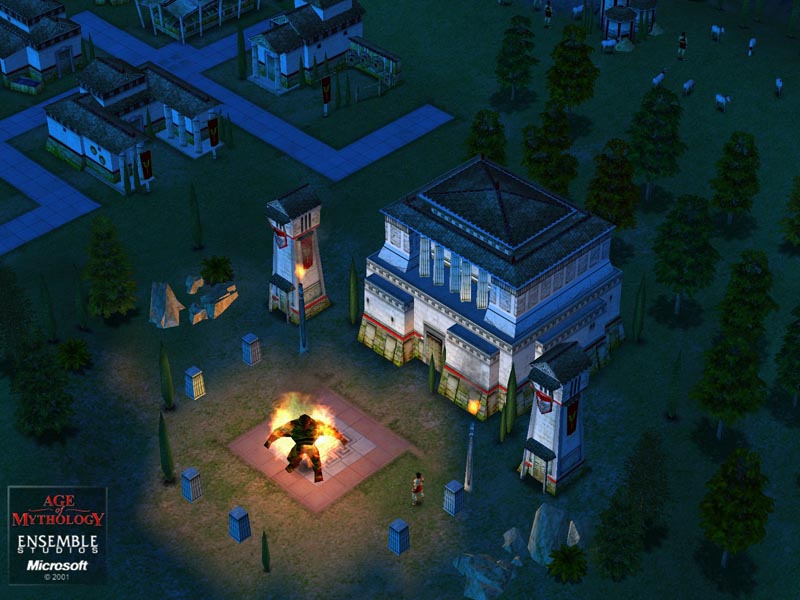
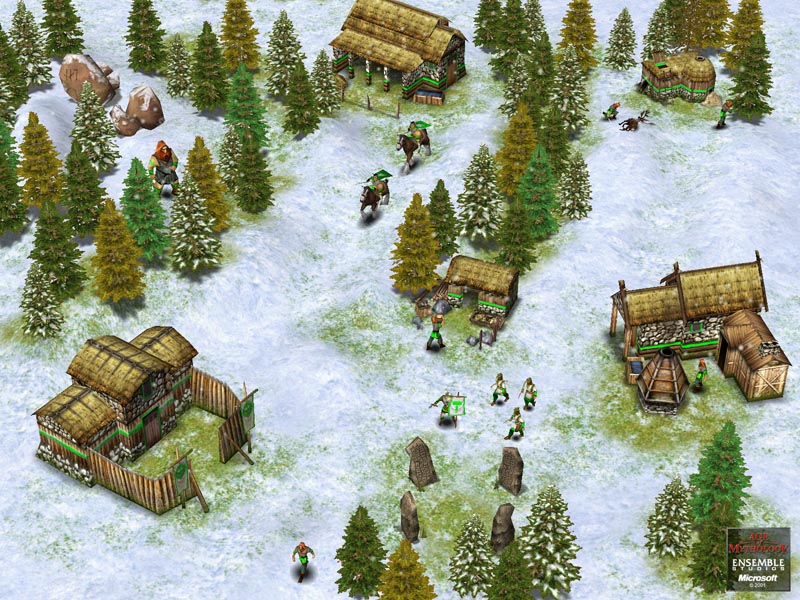


Age of Mythology
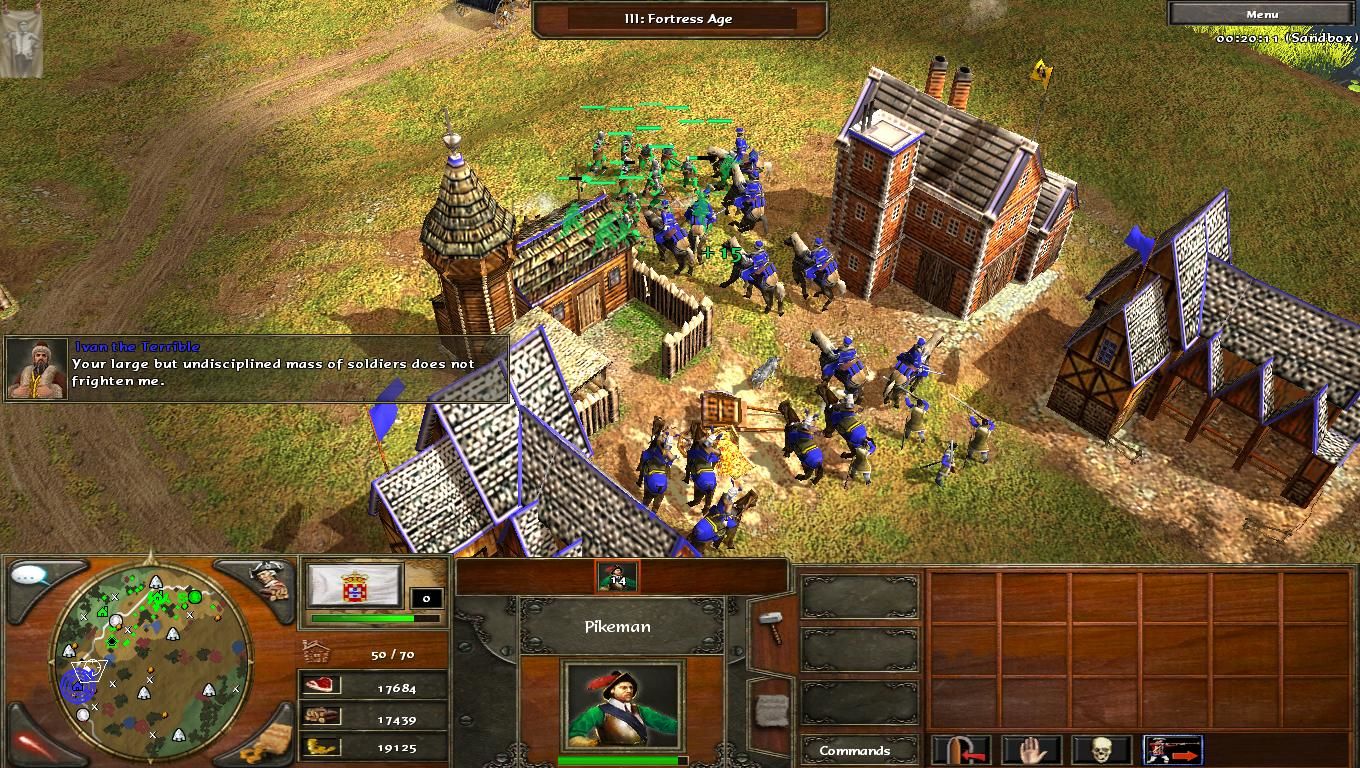
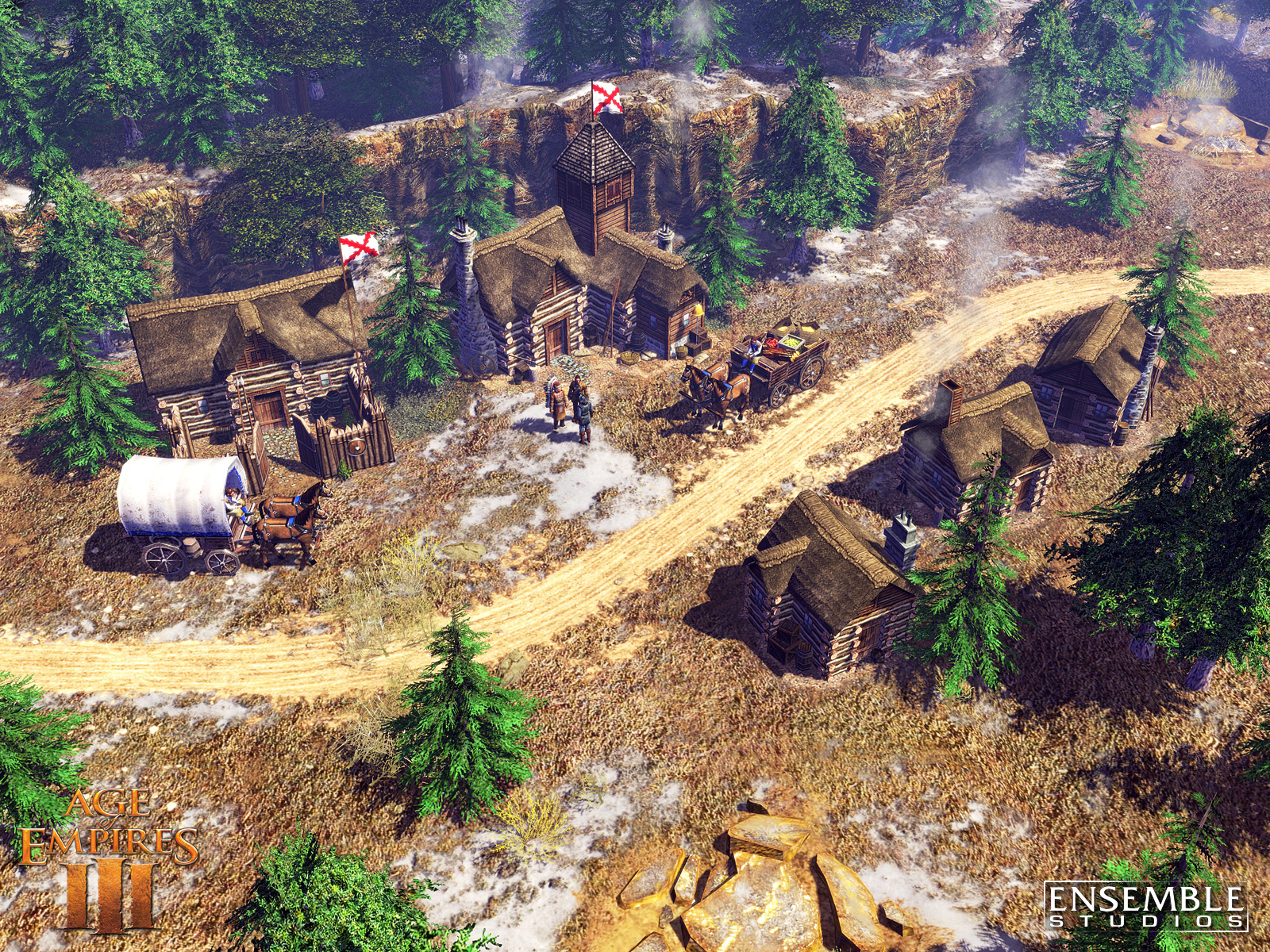
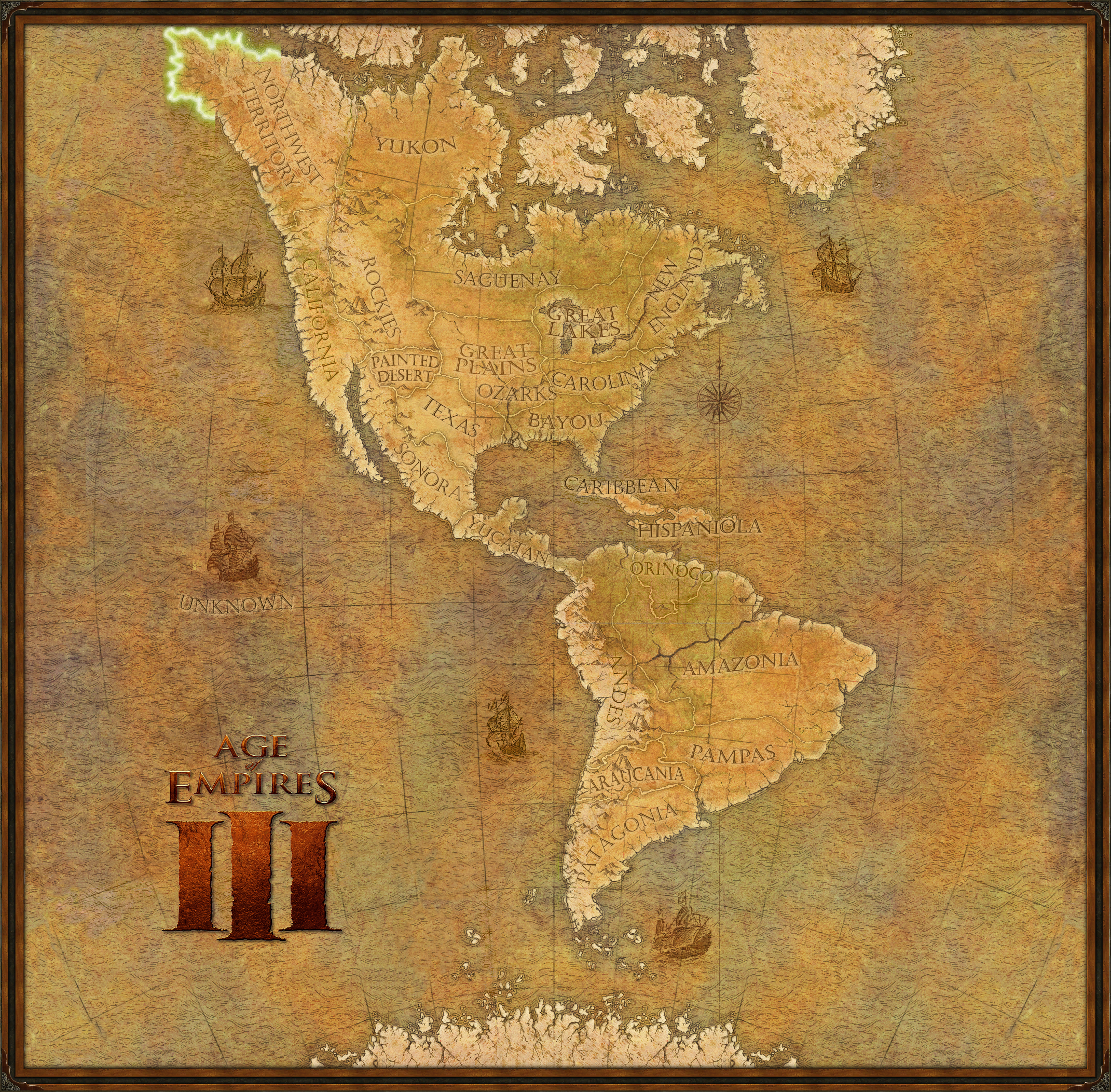

Age of Empires III


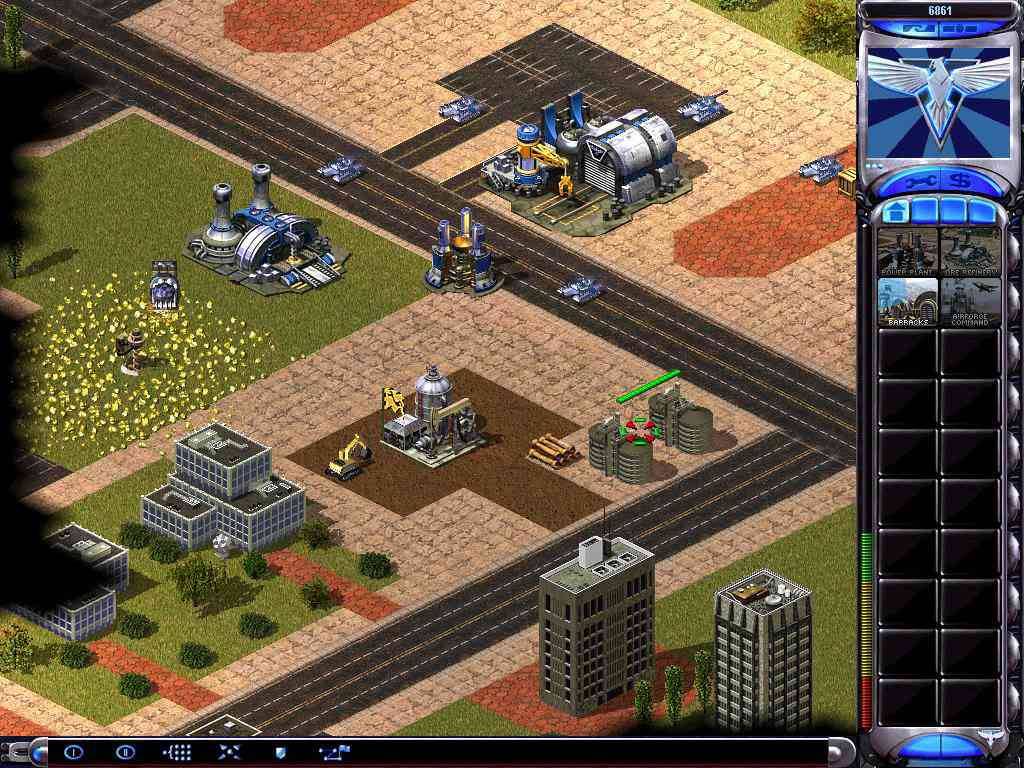
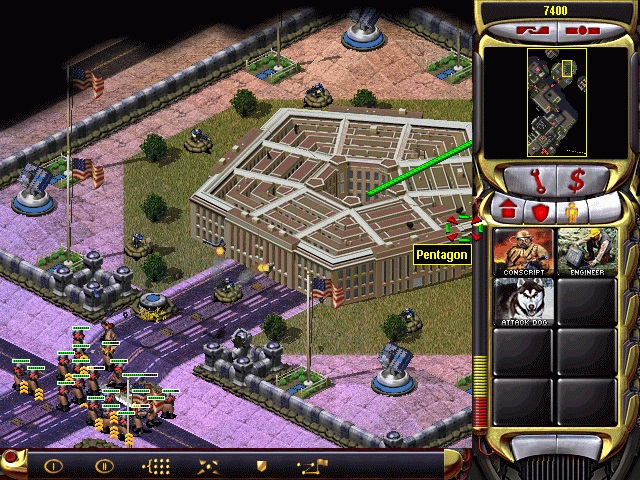
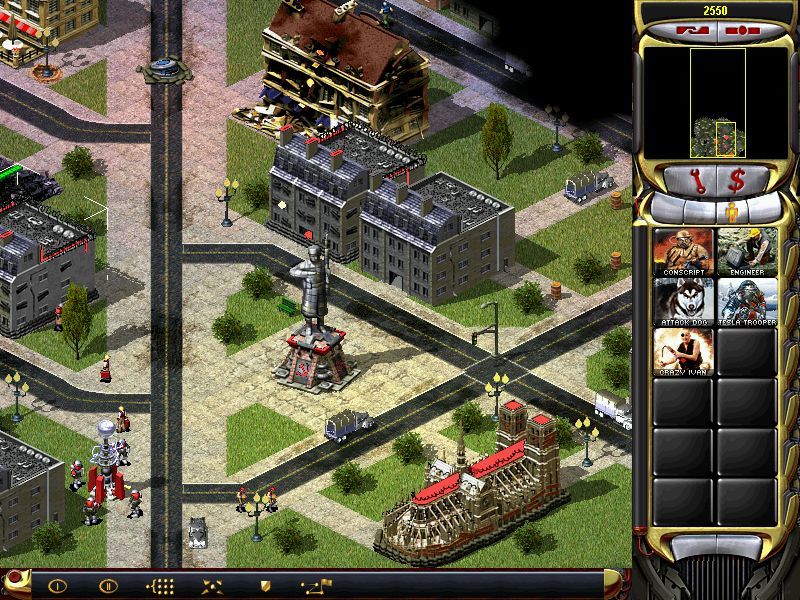

Command & Conquer: Red Alert 2

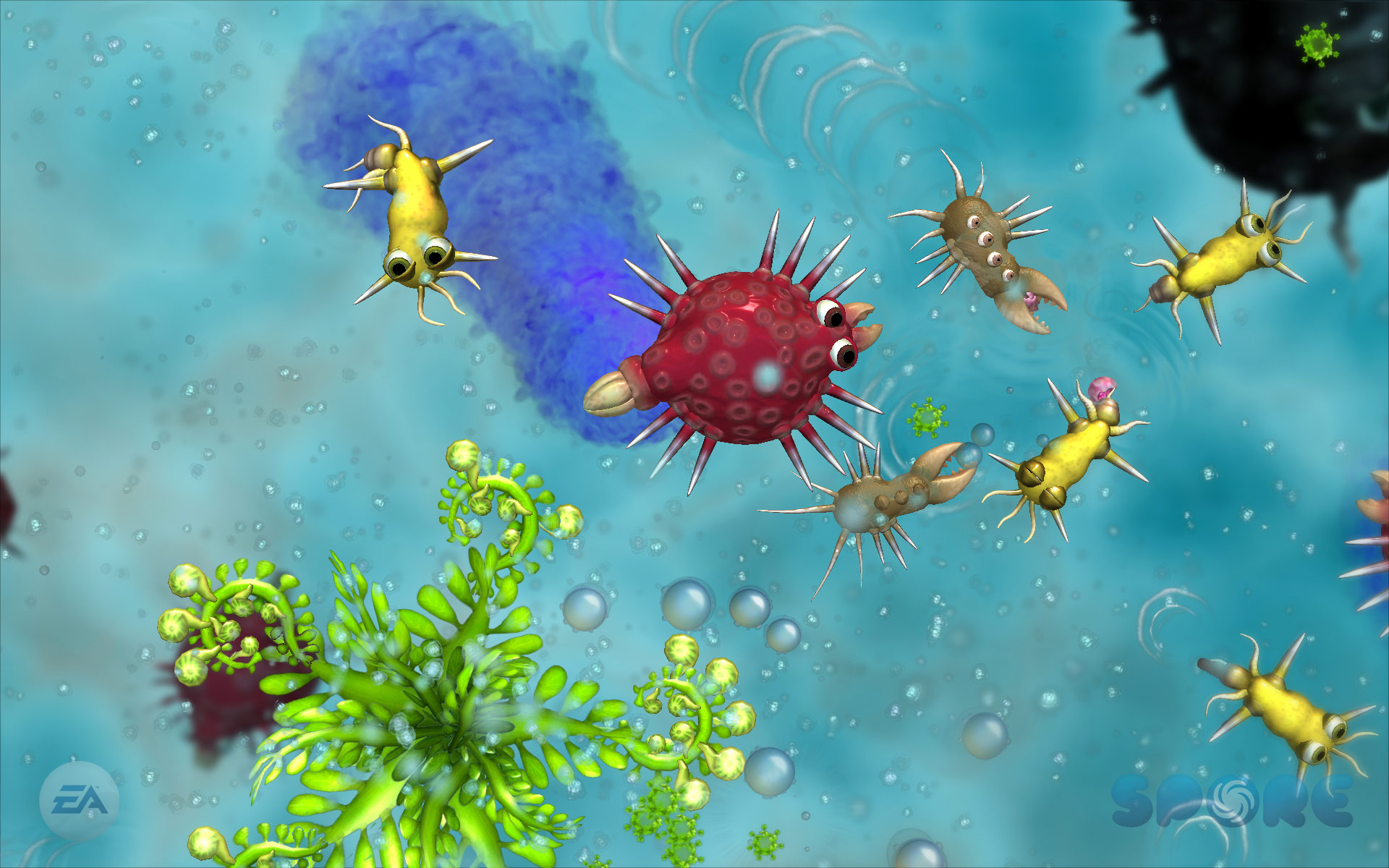
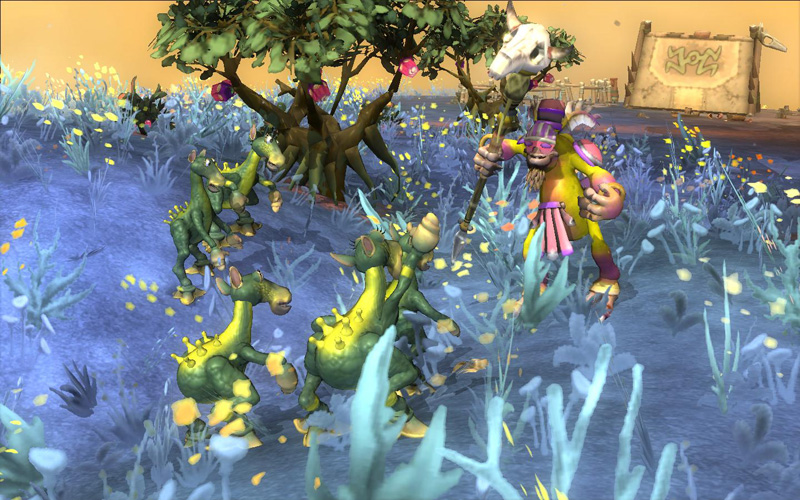

Spore

Warcraft II: Tides of Darkness