Game Info
↑ Back to top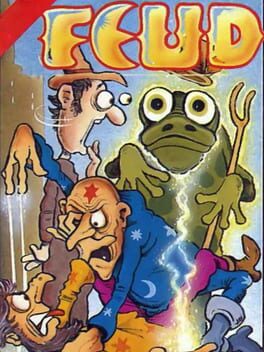

Feud
Genres:
Themes:
Perspectives:
Game Modes:
Overview
↑ Back to topDescription from IGDB IGDB
Wikipedia Description WIKIPEDIA
The game features two competing families, each represented by five members (reduced to four contestants for the 1994–95 season), who compete to determine the answers to survey questions. The original version of the show began with the families being introduced, seated opposite each other as if posing for family portraits, after which the host interviewed them. While there is no minimum age to participate in Family Feud, as long as at least one member of the family is 18 years of age or older, producers recommend that contestants are 15 years of age or older due to the nature of some questions. Each round begins with a "face-off" question that serves as a toss-up between two opposing contestants. The host asks a survey question that was previously posed to a group of 100 people, such as "Name something you expect to see on the streets at Christmas time." A certain number of answers are concealed on the board, ranked by popularity of the survey's responses. The first contestant to buzz in gives an answer; if it is the most popular, their family immediately wins the face-off. Otherwise, the opponent is offered a chance to answer, and the face-off is won by whichever family's member has offered a higher-valued answer (or, if both answers have the same point value, whoever rang in sooner). If neither contestant's answer is on the board or they don't answer within three seconds, the other eight contestants have a chance to respond, one at a time from alternating sides, until an answer is revealed. The family that wins the face-off may choose to play the question or pass control to their opponents (except on the 1988–95 versions, when the family who won the face-off automatically gained control of the question). The family with control of the question then tries to win the round by guessing all of the remaining concealed answers, with each member giving one answer in sequence. Giving an answer not on the board or failing to respond within five seconds earns the family a strike. After three strikes are earned, the opposing family is given one chance to "steal" the points for the round by guessing any of the remaining answers. Otherwise, the points are automatically awarded to the family that originally had control. From 1992 to 2003, the value of the "stealing" answer was credited to the "stealing" family. If the opponents are given the opportunity to "steal" the points, then only their team's captain is required to answer the question. For most of the series, this is done after the family confers with each other; the only exception was from 1988 to 1994 where Ray Combs polled each family member for an answer with the team captain having the option to either select one of the family's answers or give a different answer. At the end of the round, any remaining concealed answers on the board that were not guessed are then revealed. Answers are worth one point for every person in the 100-member survey who gave them. The winning family in each round scores the total points for all revealed answers to that question, including those given during the face-off but excluding the one used to steal. The number of answers on the board decreases from round to round, and as the game progresses, certain rounds are played for double or triple point value. For most of the show's existence, the first team to reach or surpass a certain point total won the game. The most common goal has been 300 points but there have been exceptions. When the original series first premiered, the goal was 200 points and for its final year, it was increased to 400 points, although the goal reverted to 300 points for special weeks. From the debut of the original series until 1992, families were awarded $1 per point scored. From 1999 to 2003, the family with the highest point total after four rounds of play won the game regardless of their score. The first three rounds were played as normal rounds. In the fourth round, the point values were tripled, but the families were only allowed one strike if they had control. In the rare instance that the family in control was trailing and could not accumulate enough points to potentially overtake the leaders before striking out, the game ended without the other family attempting to steal. On the first two series a match continued until a family reached the goal. The current series reinstated the 300 point goal in 2003 but kept the four round format. If neither family has reached 300 points after four rounds, one more triple value question is played as a sudden death face-off. Only the top answer is displayed on the board, and the first contestant to buzz in with it wins the points and the game for their team. In the original periodic primetime specials, three games were played, with the first two ending when a team reaches 200 points. For the third game, only one question round was played with the winning two celebrity teams from the previous rounds playing. From March 2, 1983 until the Dawson run ended on June 14, 1985, two lollipop trees filled with Tootsie Pops were placed at the anchor of each family's podium. A family member would select a random lollipop and if it had a black stem, that family won a $100 bonus regardless of the outcome.
About Feud
Feud is a Action, Role-playing (RPG) game released in 1987 developed by Binary Design that offers Single player gameplay from a bird view / isometric perspective playable on Amiga, Amstrad CPC, Atari 8-bit with 5 user ratings averaging 79.7/100. The game explores themes like Fantasy. If you enjoy Feud, you might also like similar games in our database of 45,000+ titles.
Basic Info
Details
↑ Back to topAdditional Information
Платформы 7
Genres 2
Themes 1
Player Perspectives 1
Game Modes 1
Companies
↑ Back to topDevelopers
Binary Design
No description available
Publishers
Bulldog Software
No description available
Mastertronic
No description available
Keywords
↑ Back to topScreenshots
↑ Back to top
Similar Games
↑ Back to top

Hades

Diablo II
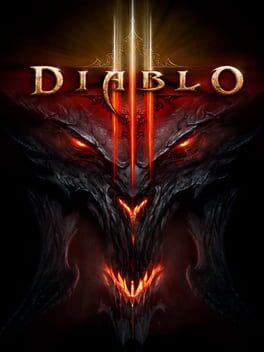
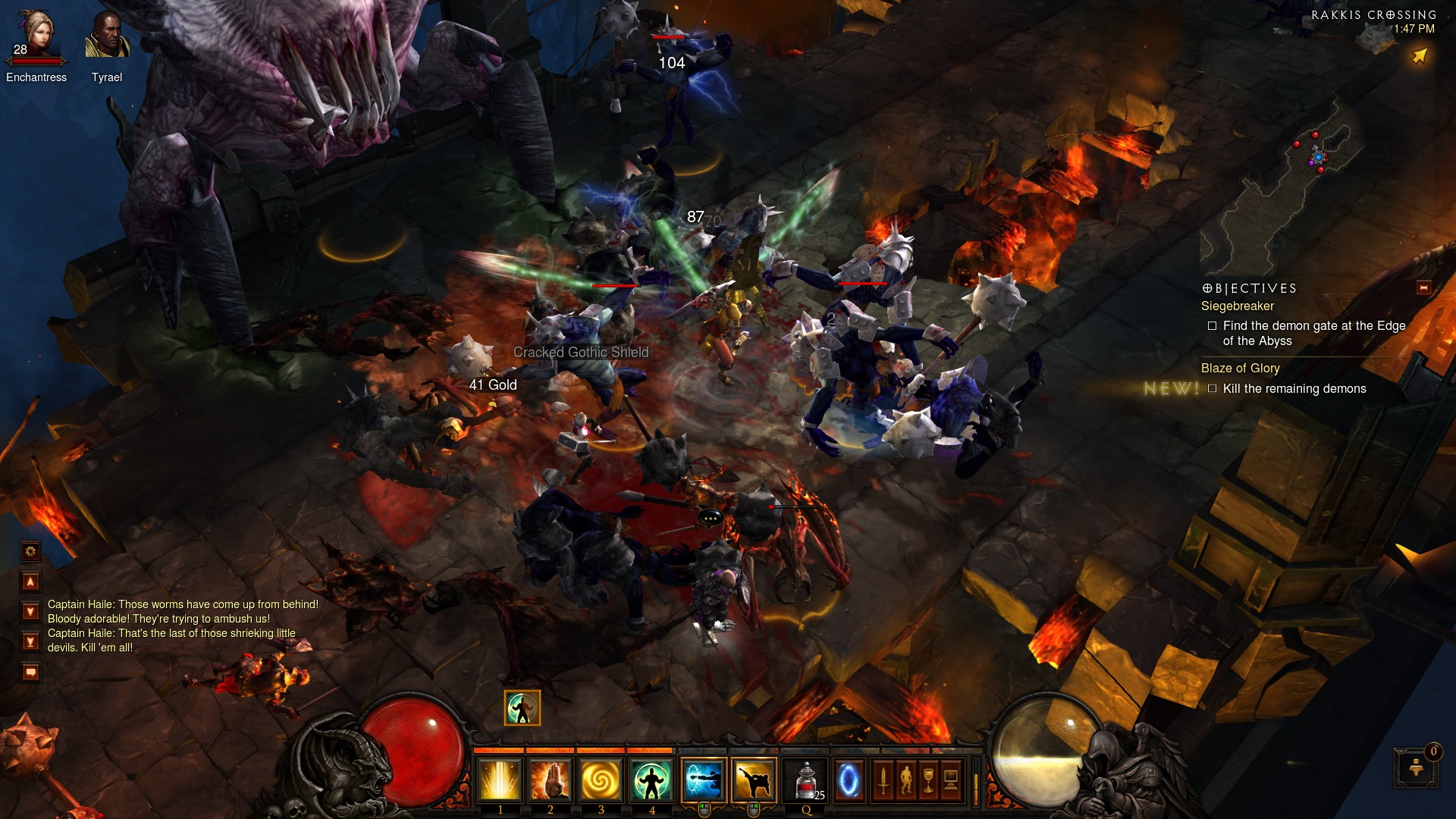
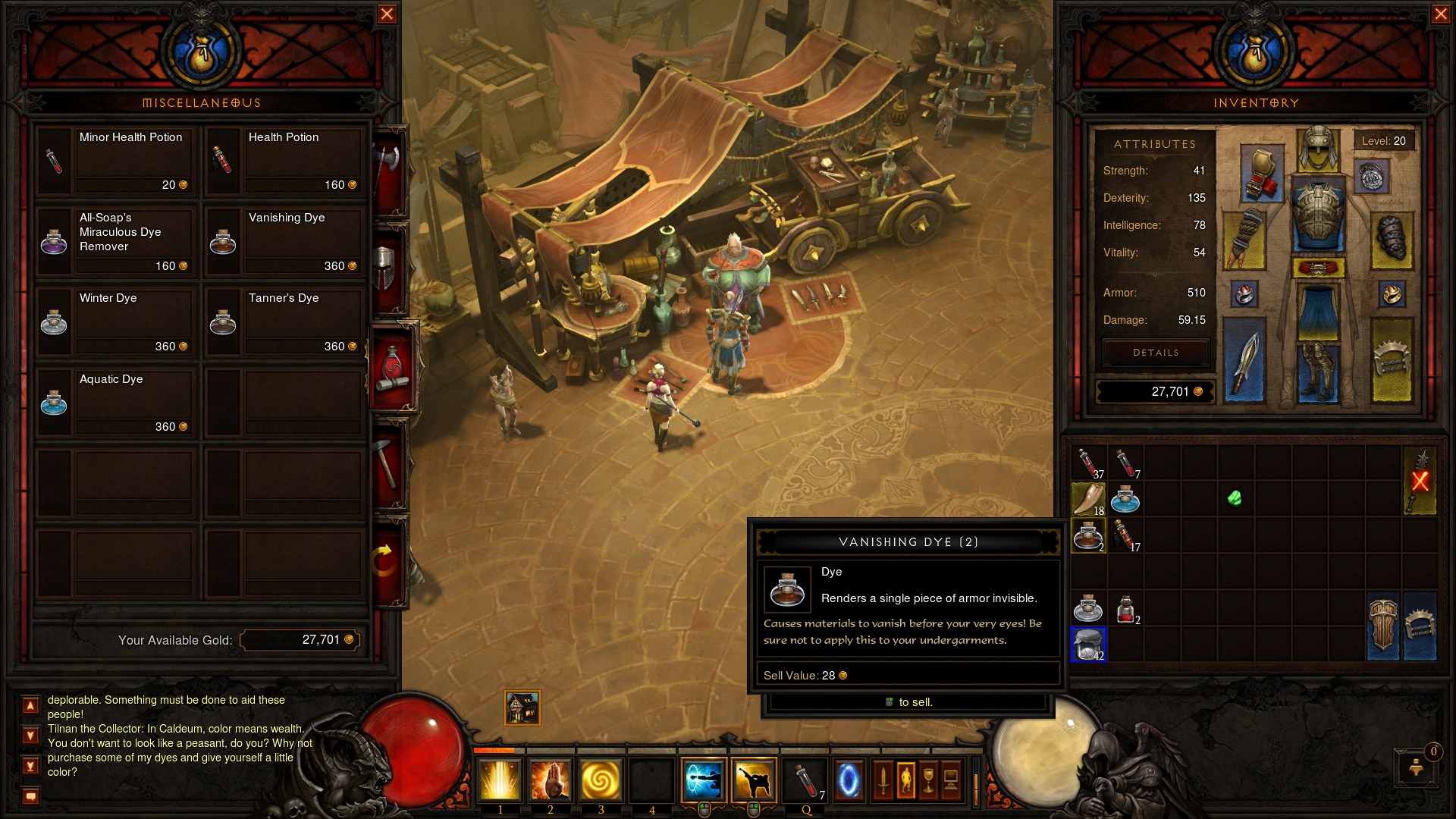
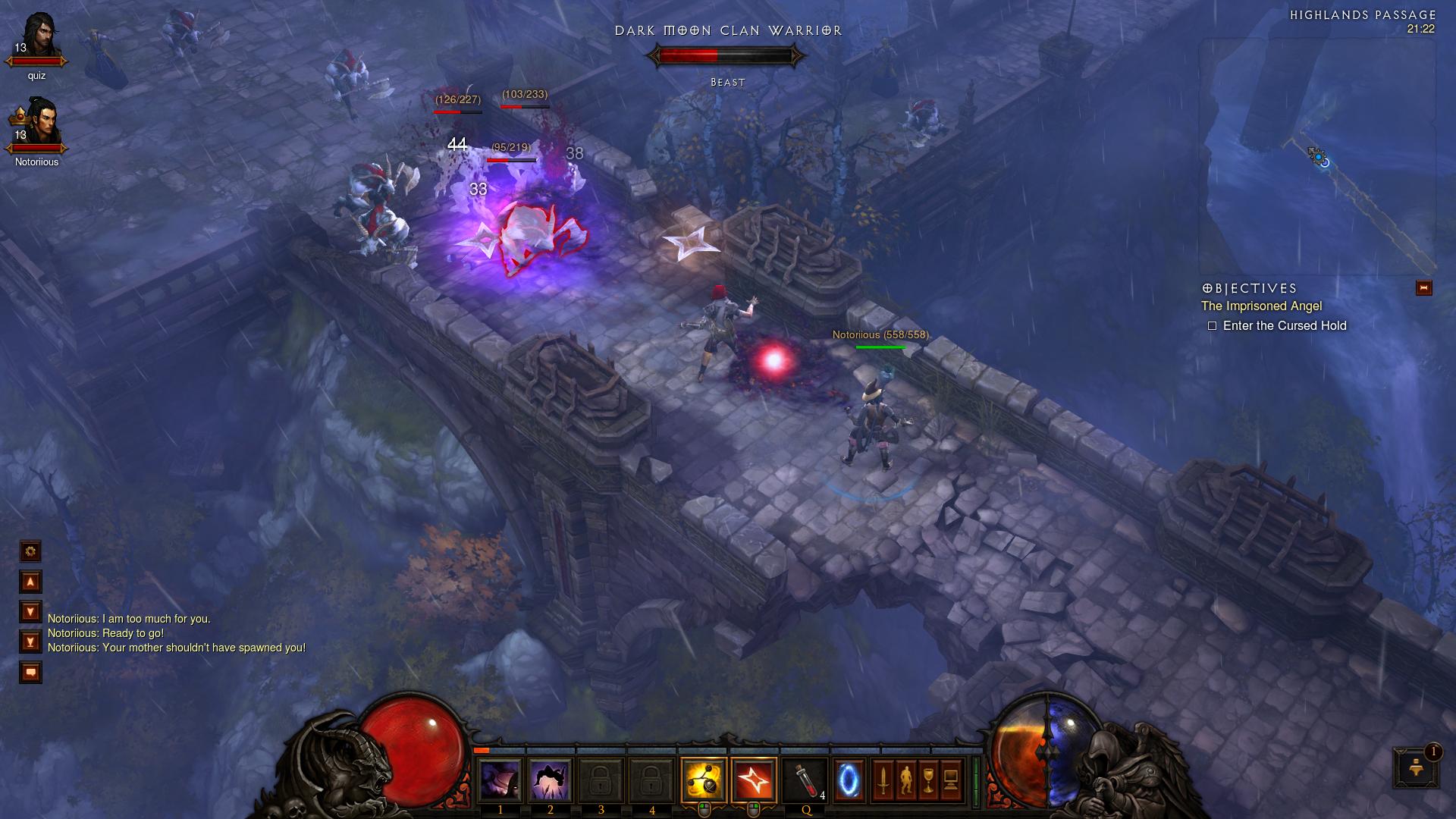
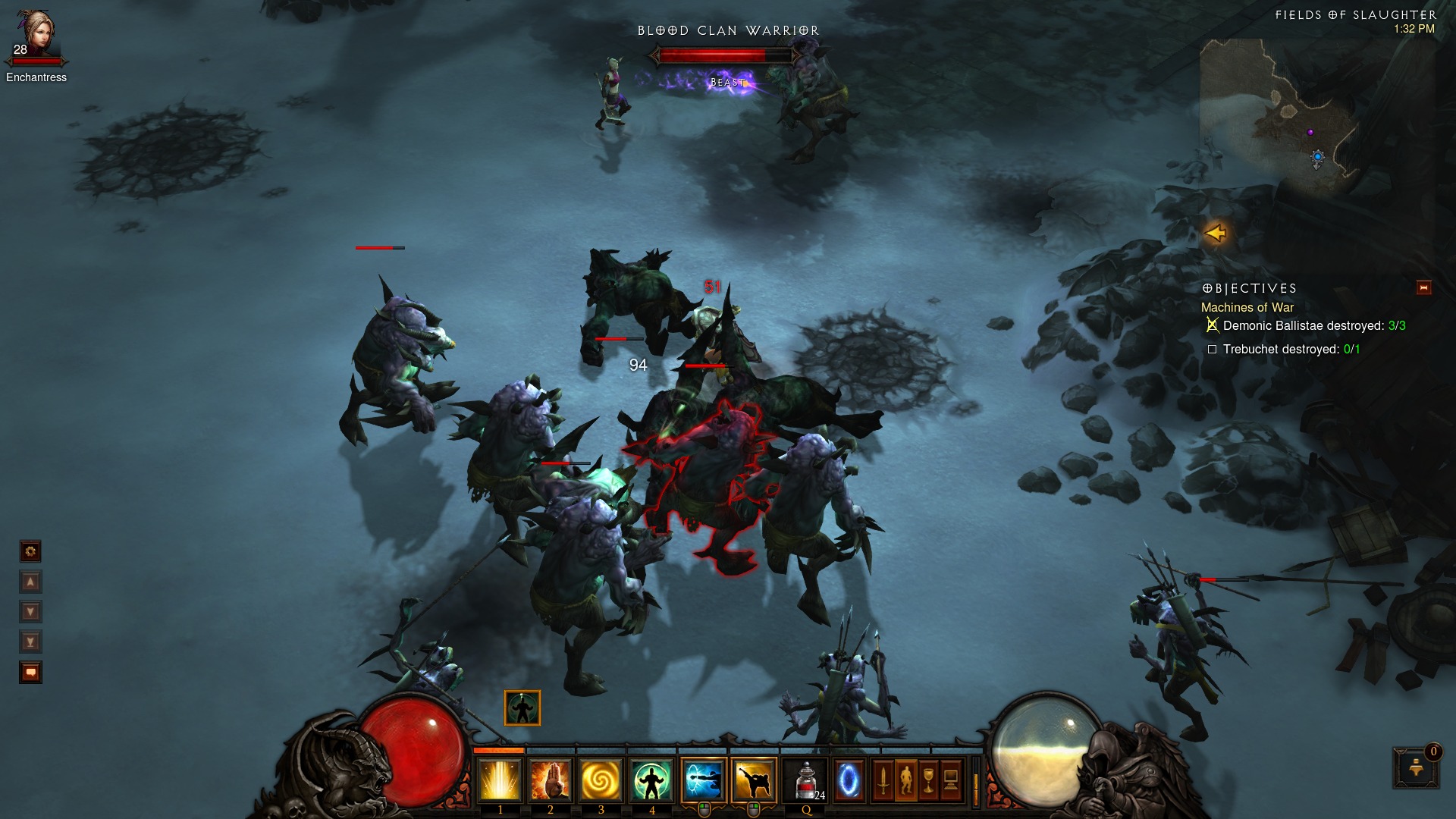

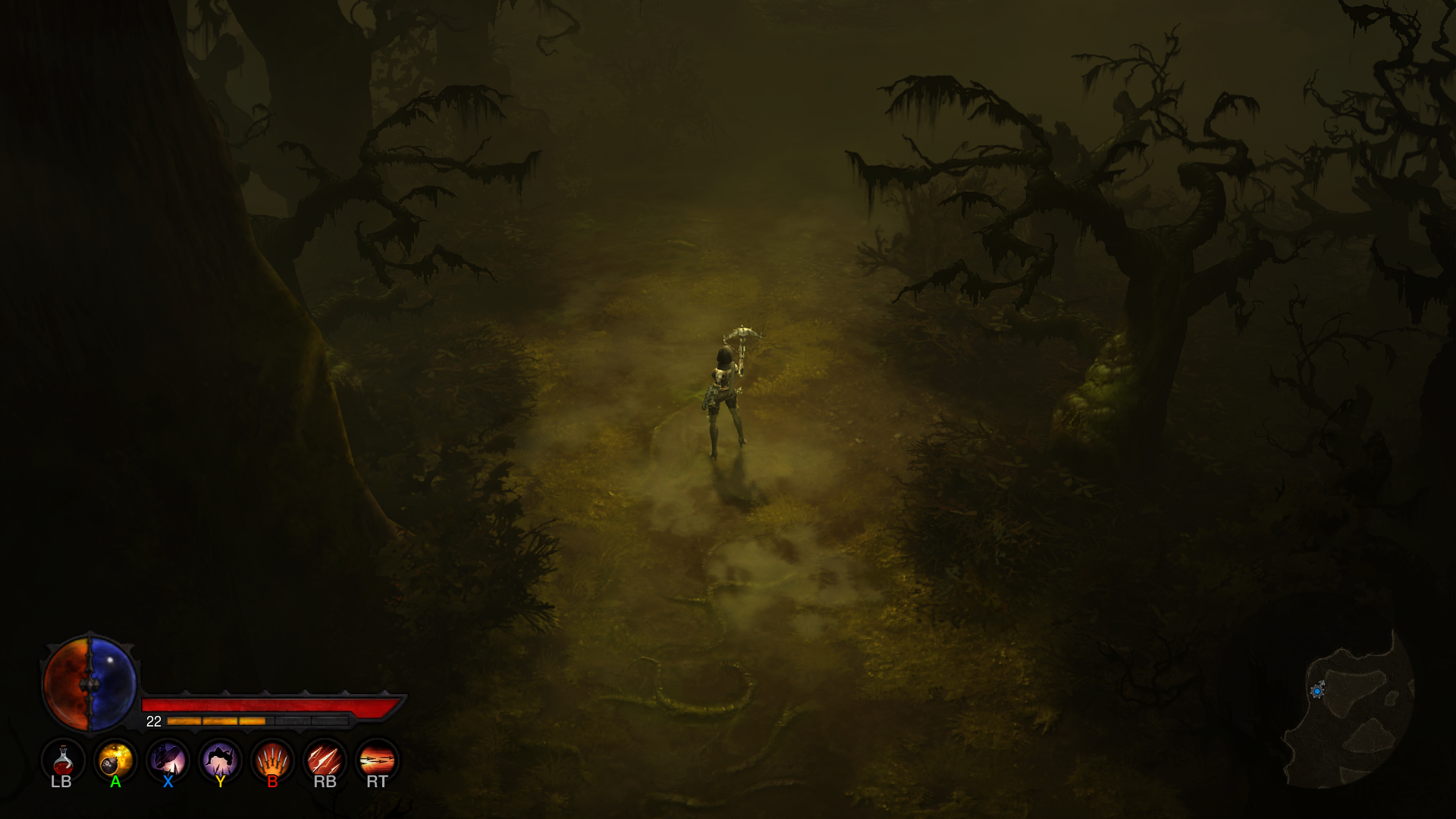
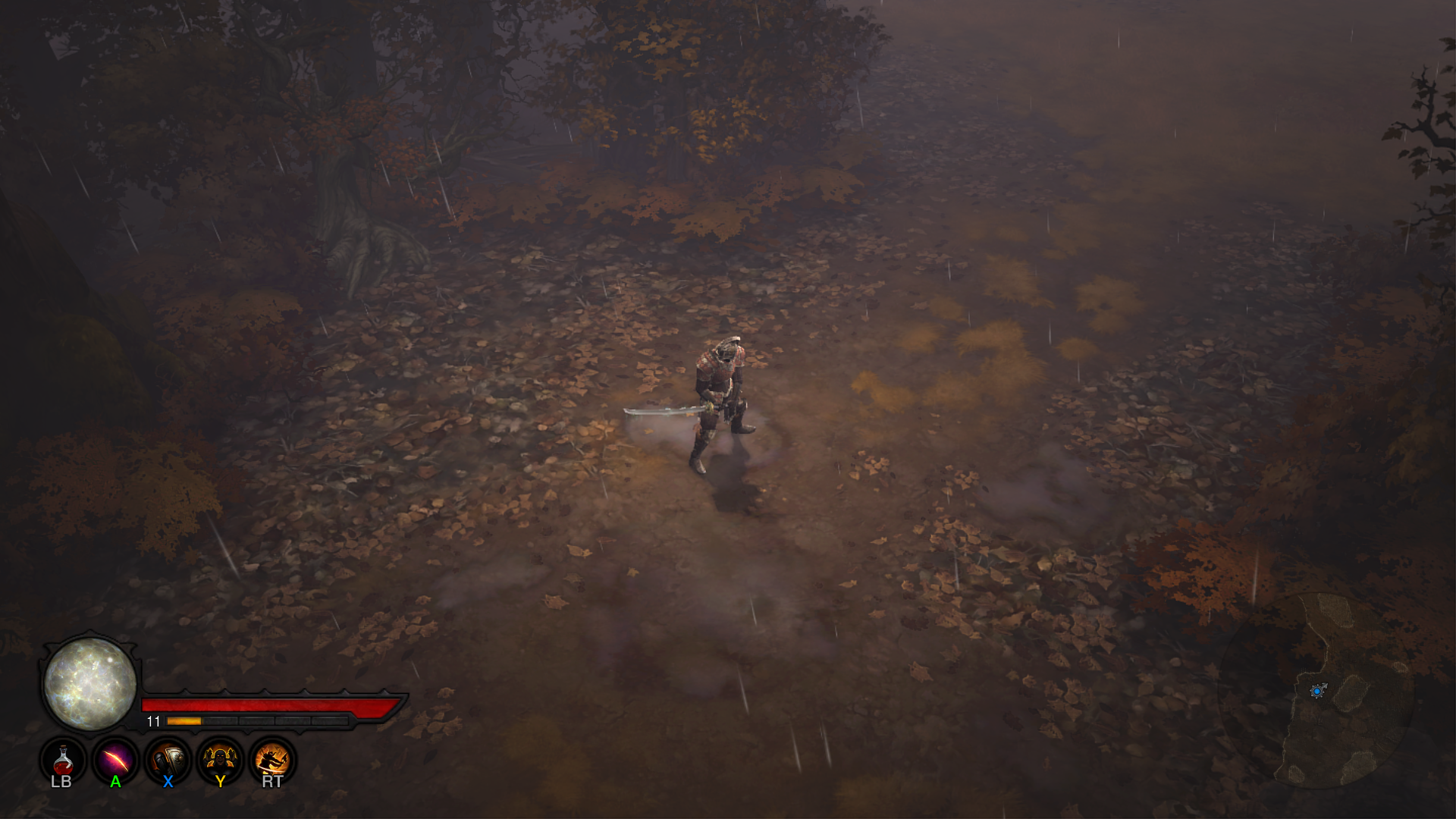

Diablo III
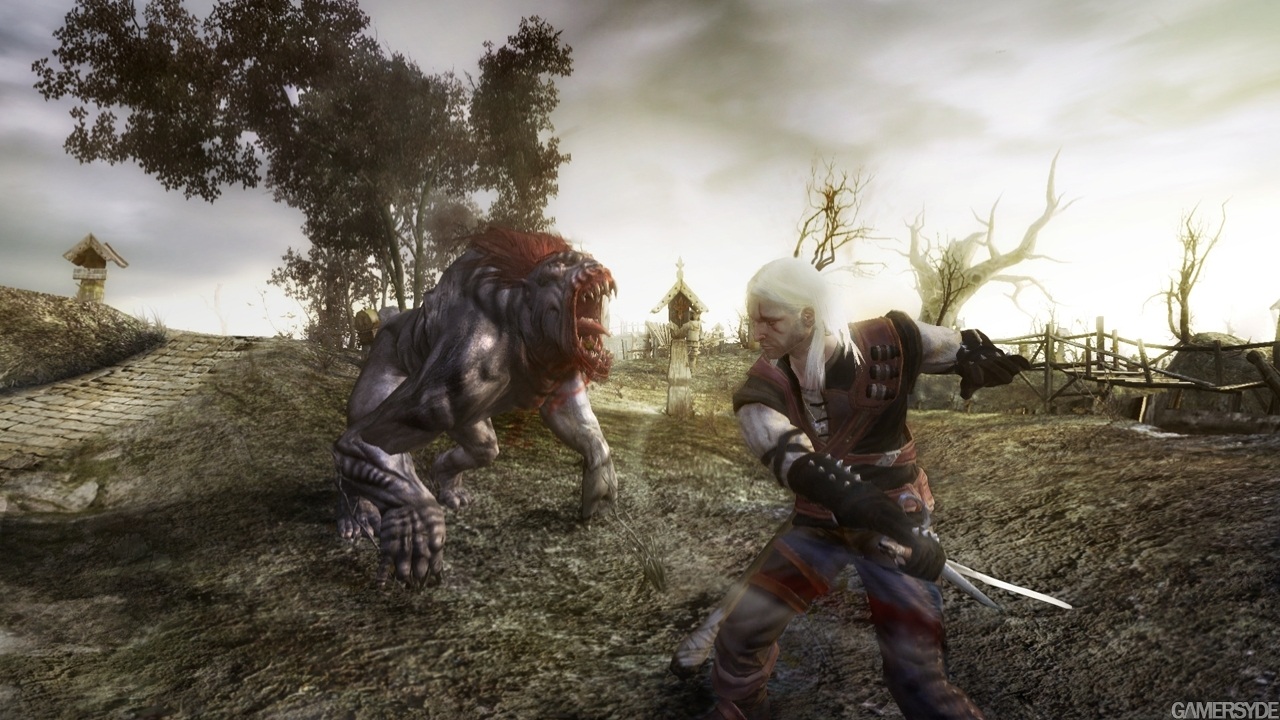

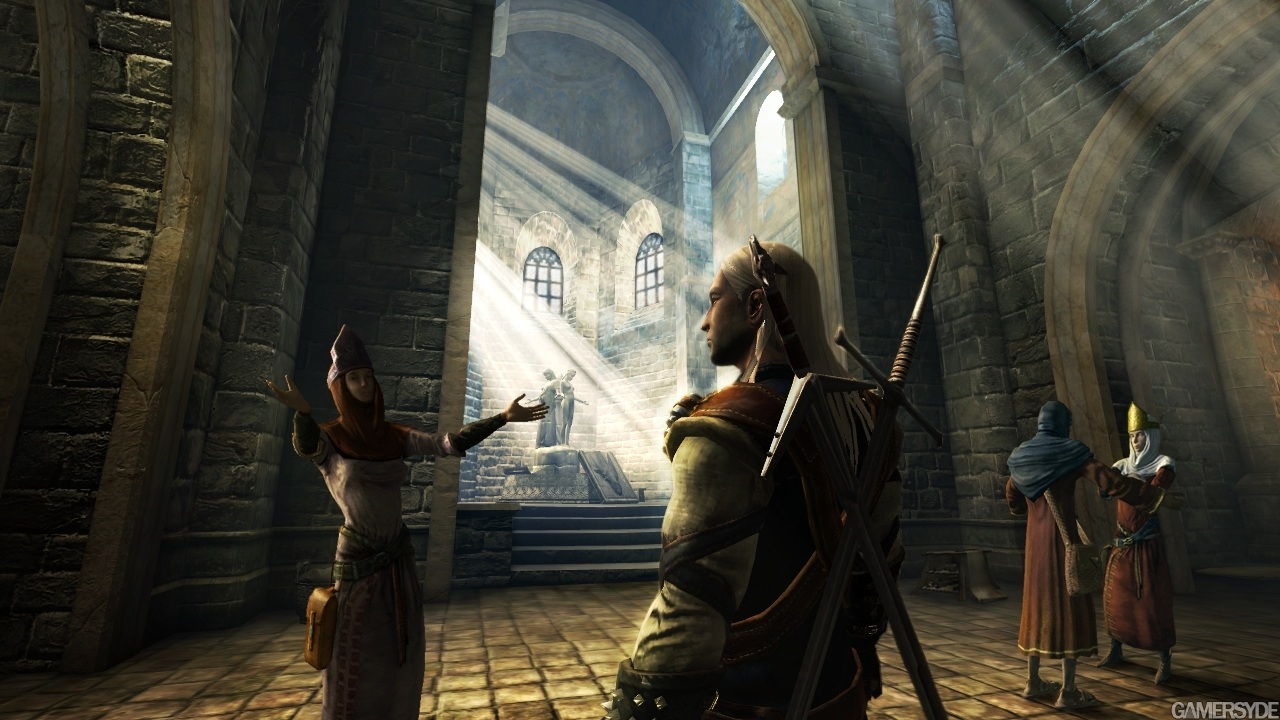
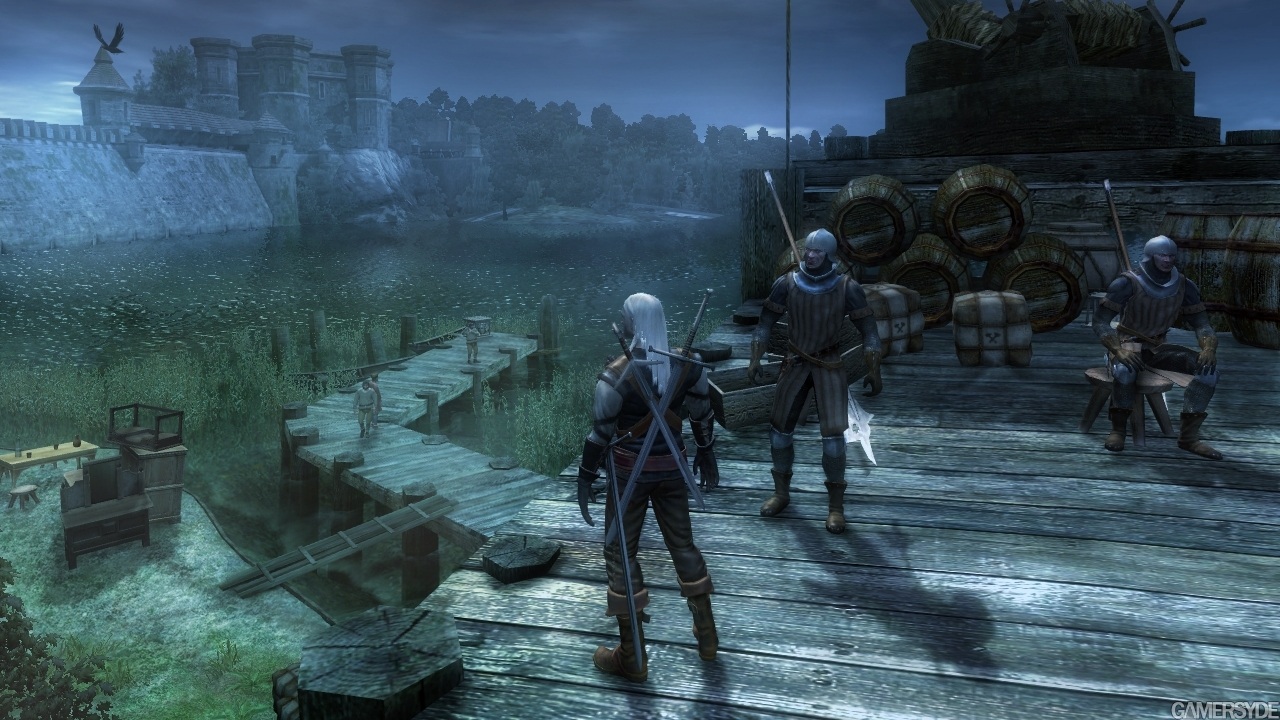
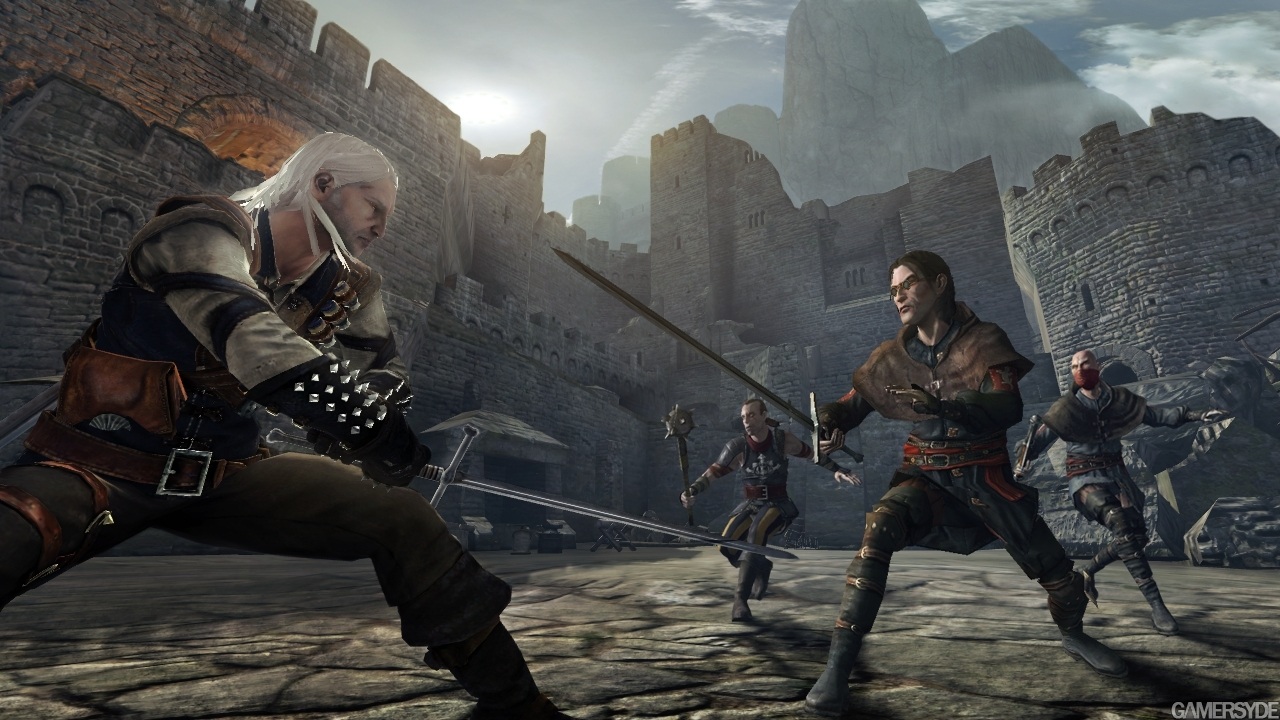

The Witcher

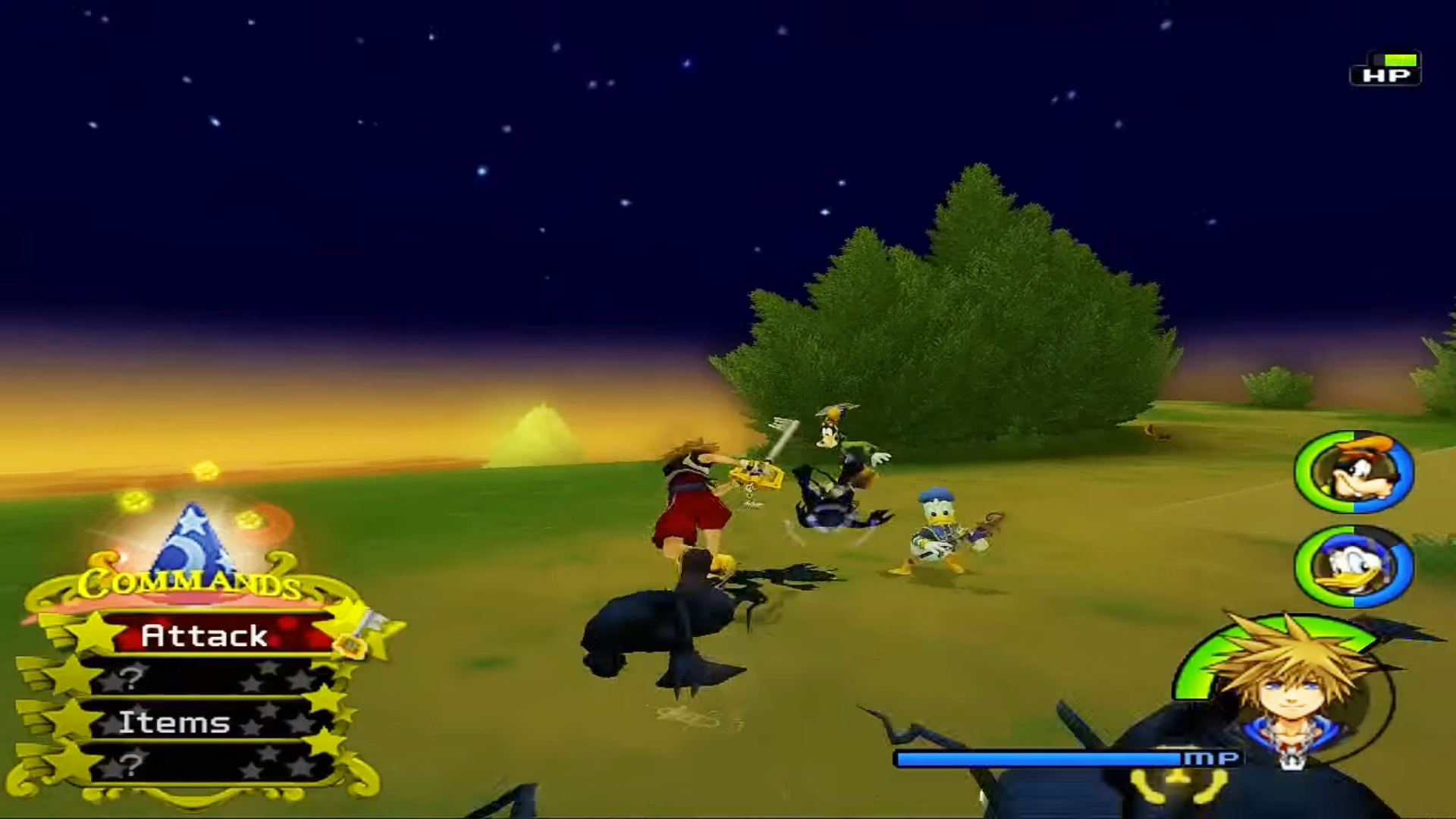
Kingdom Hearts II
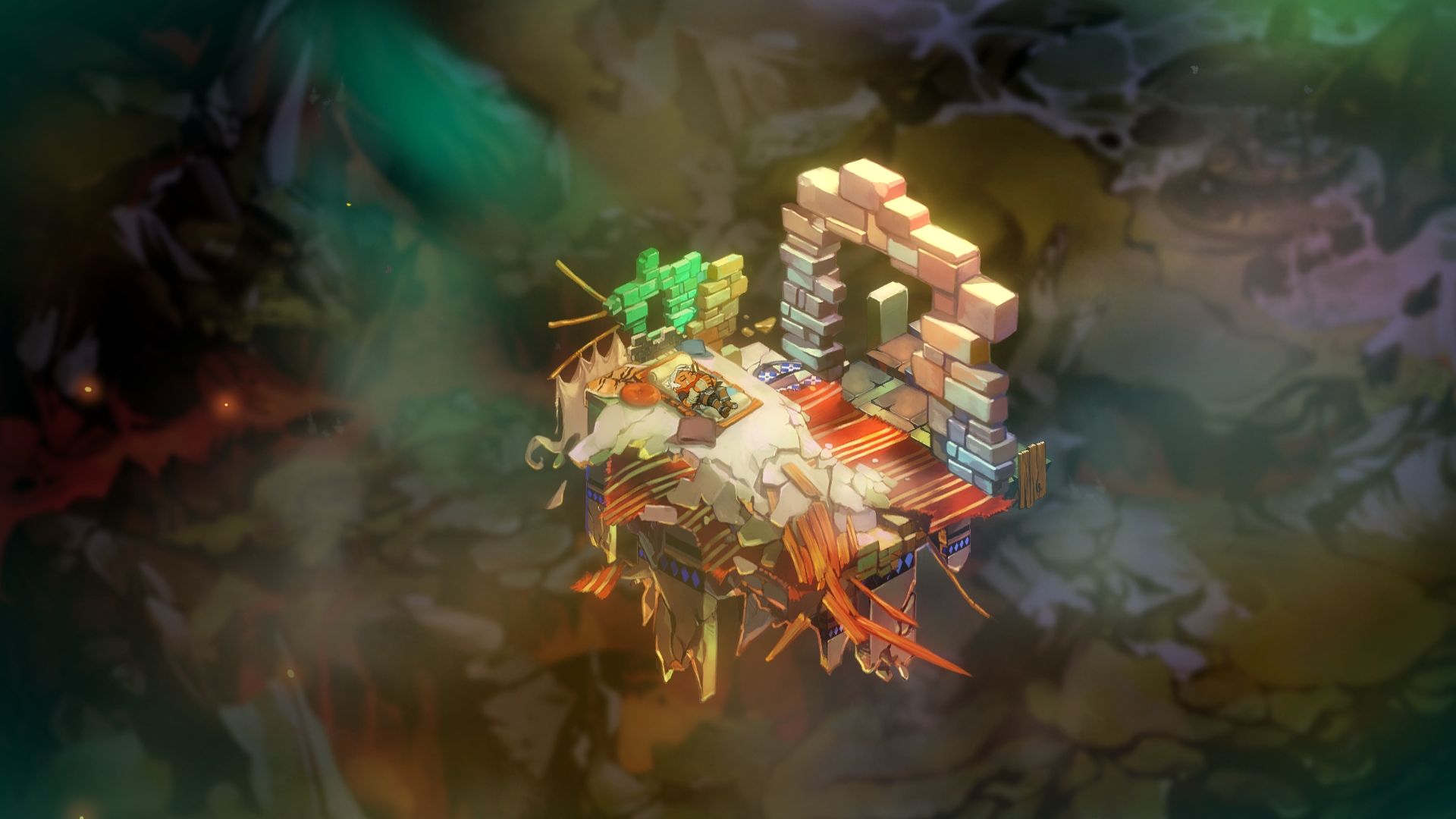
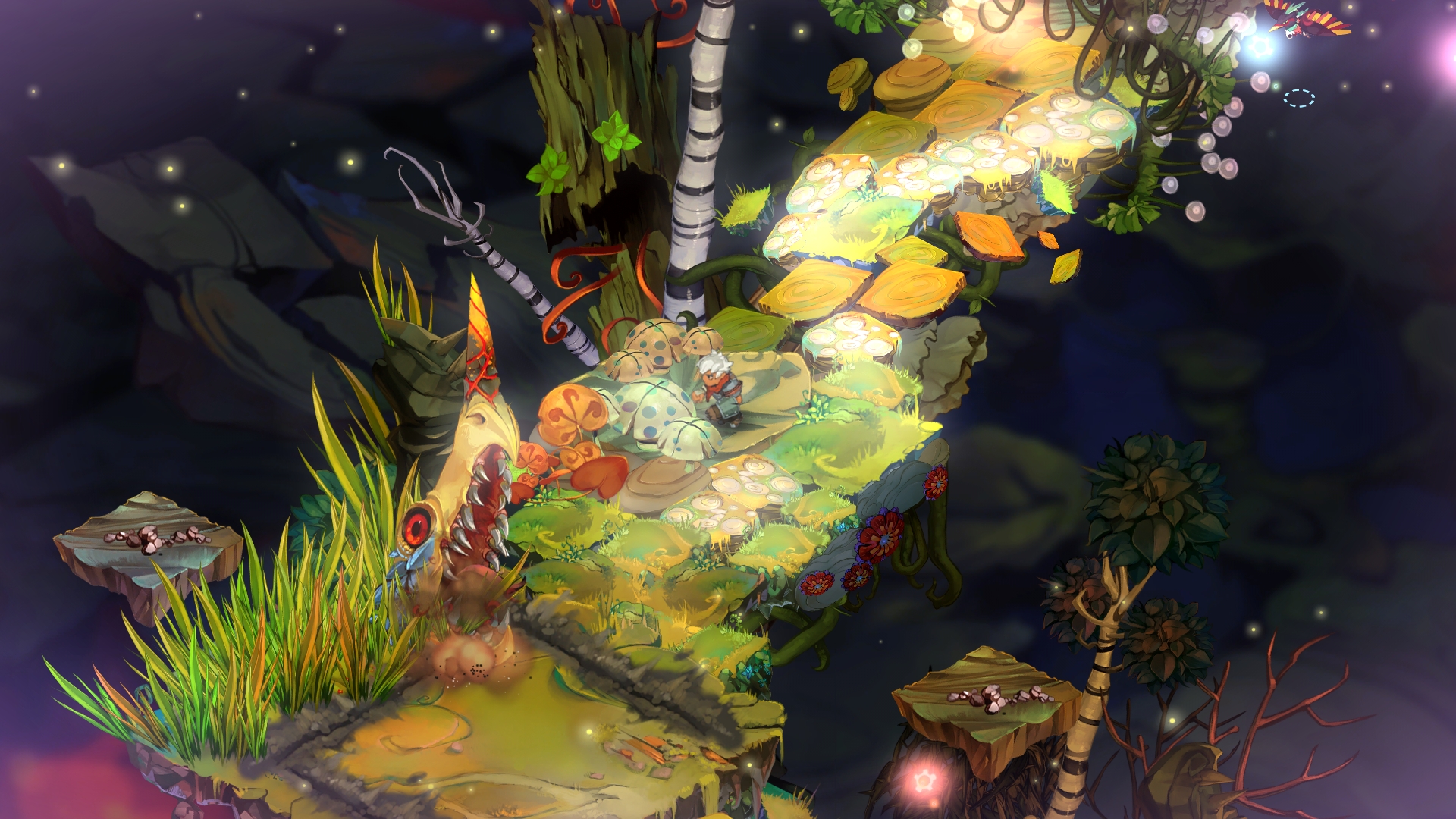
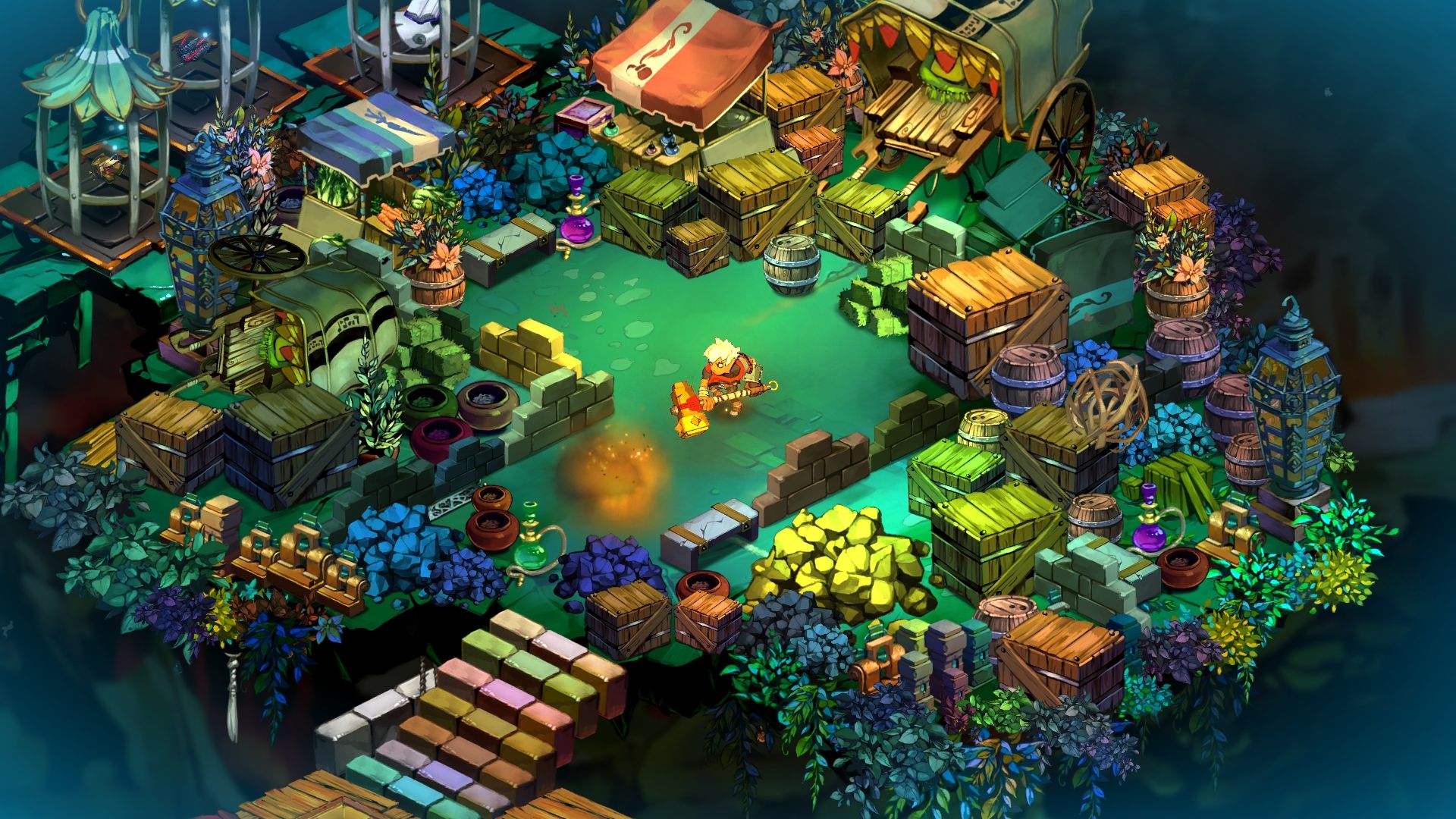
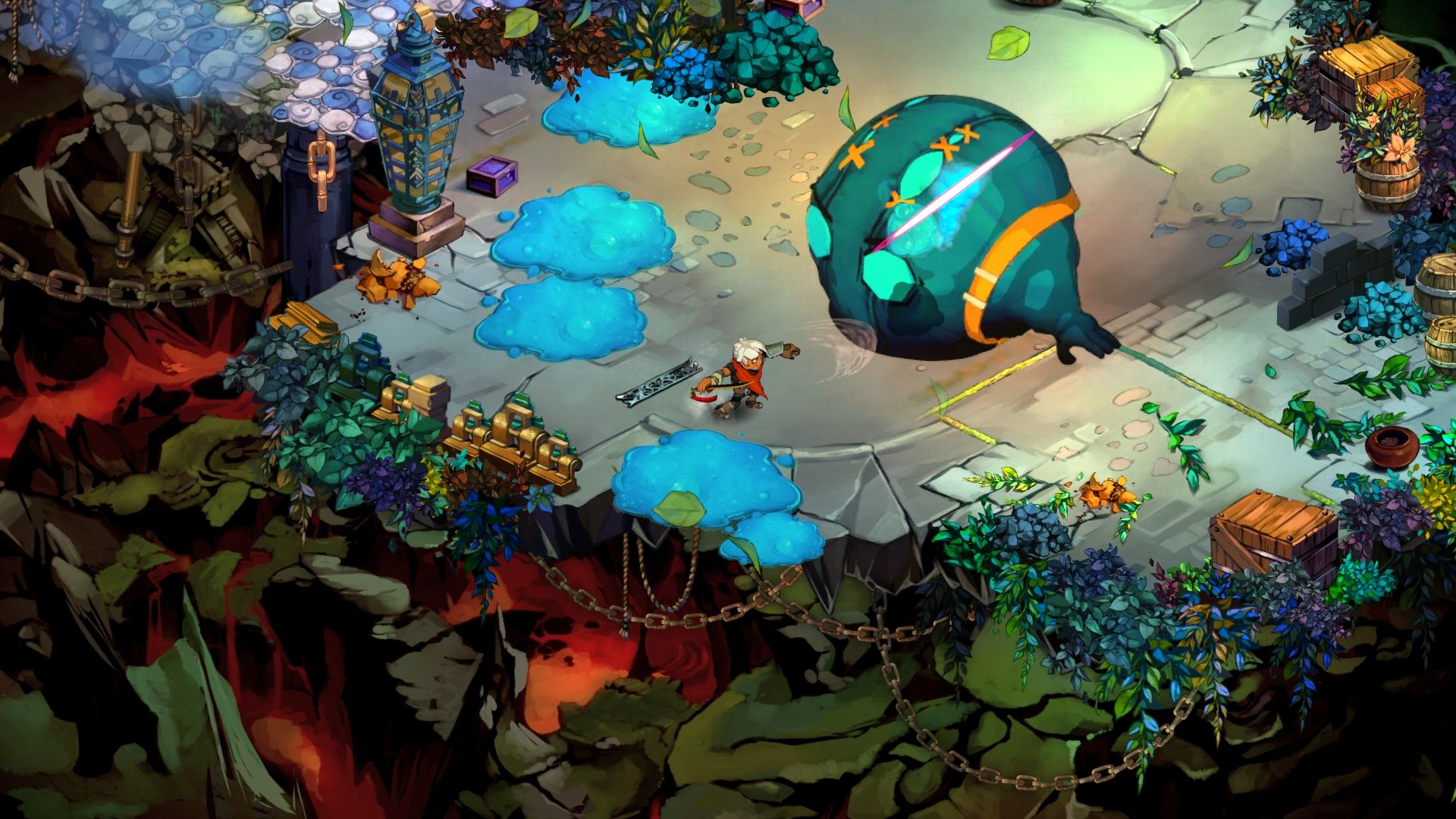

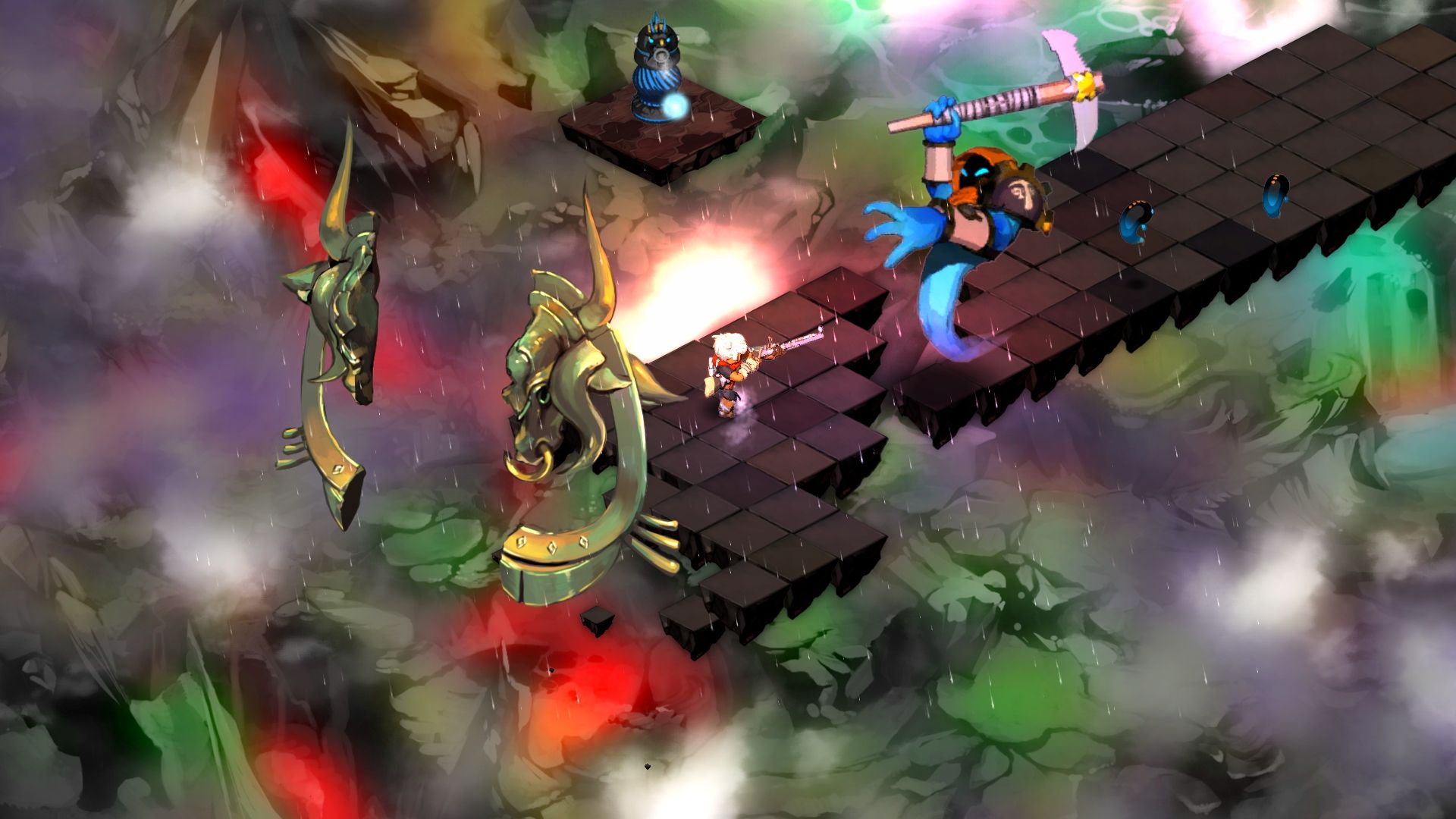
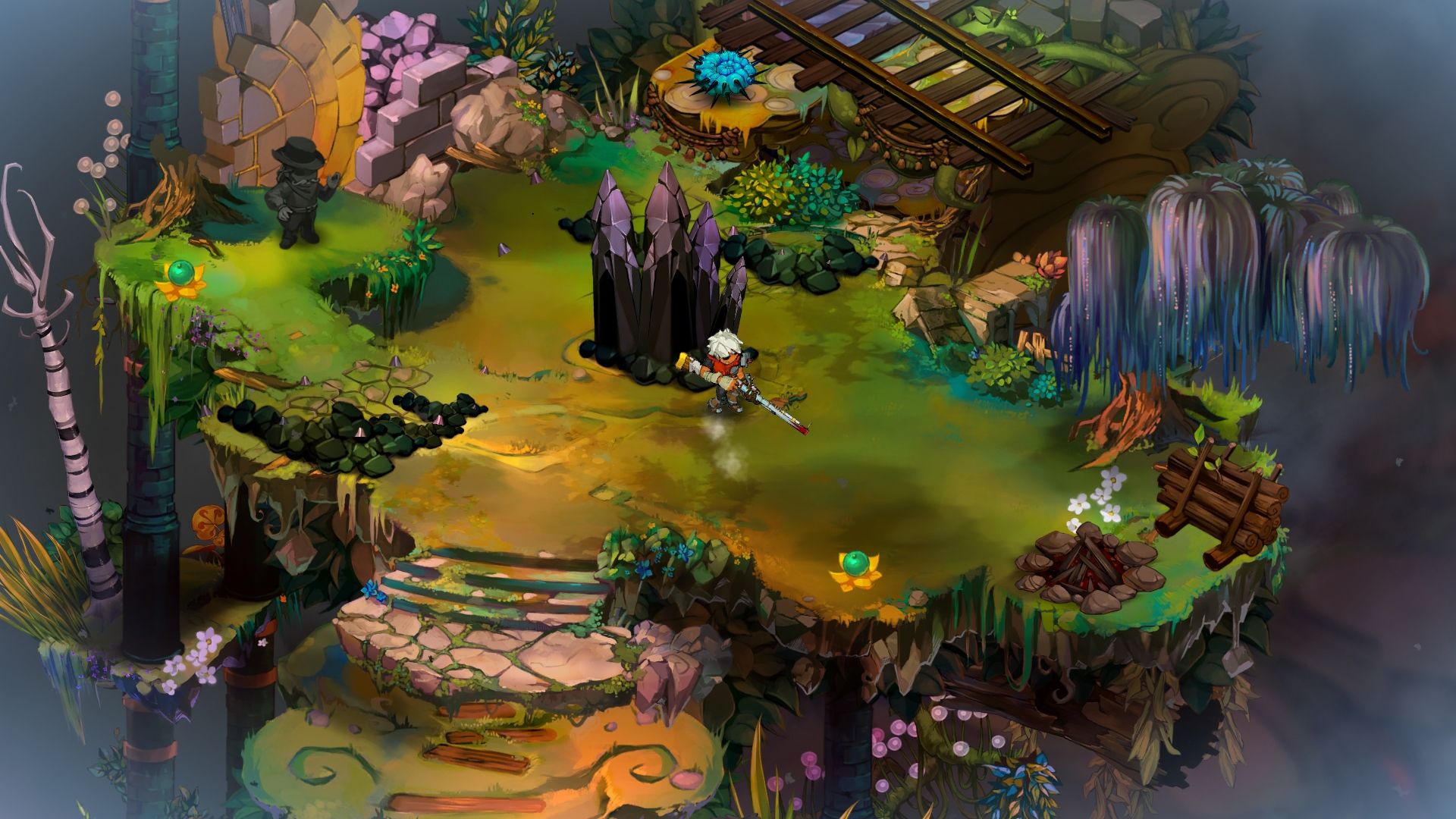



Bastion
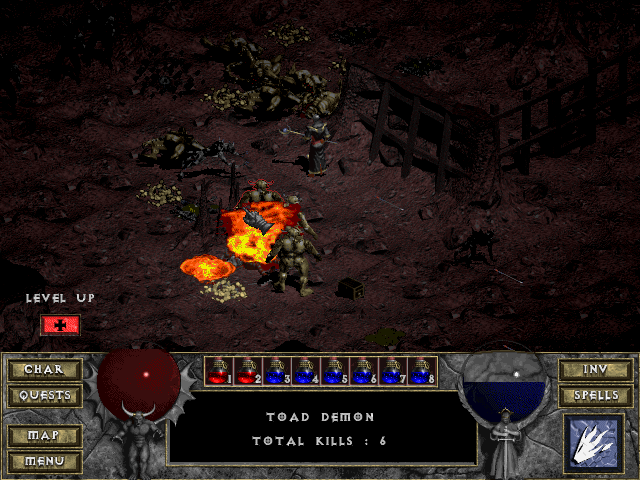
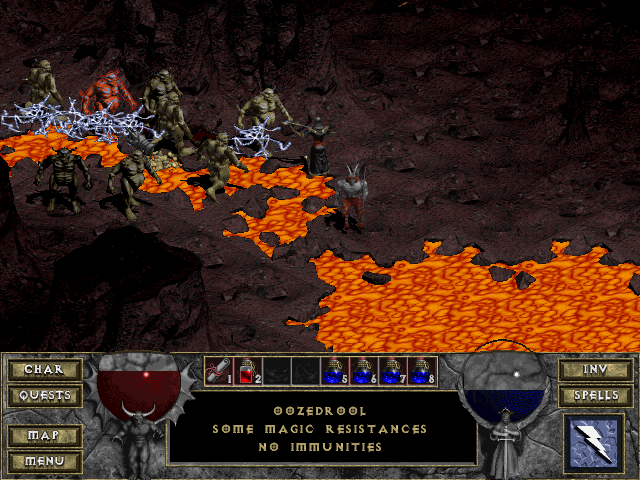
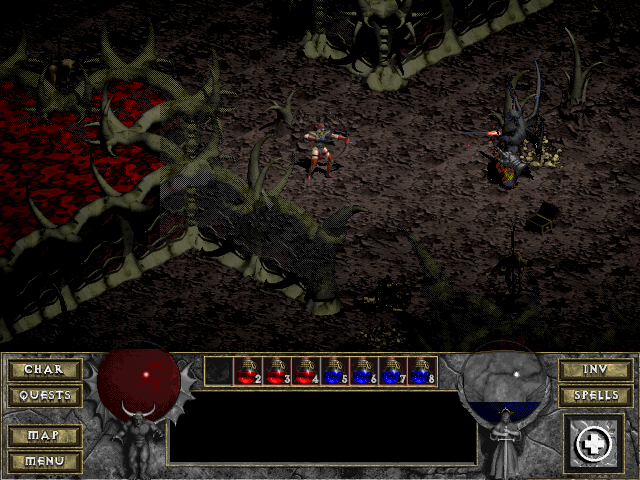

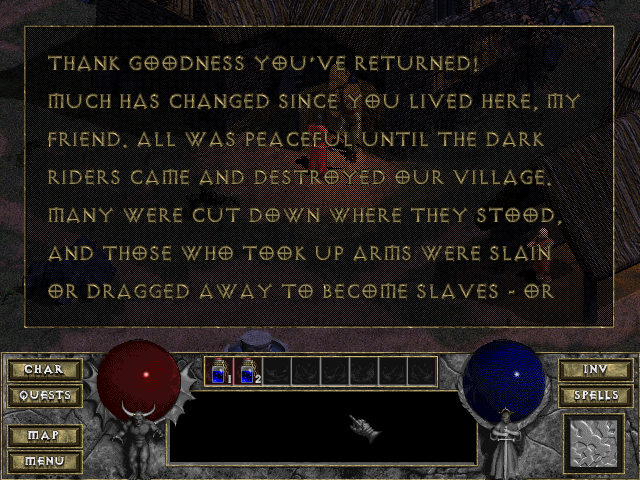
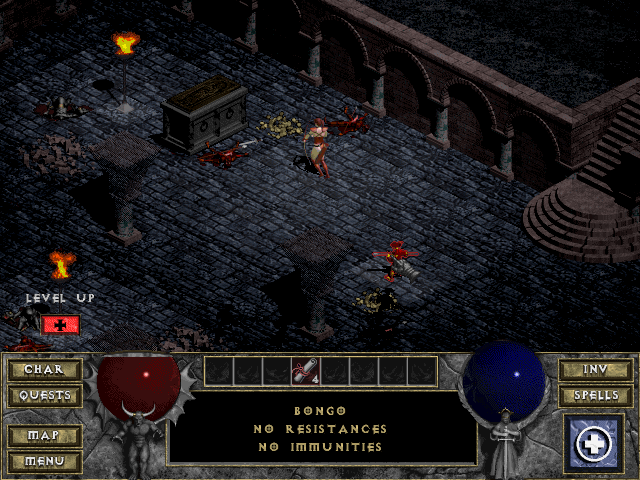
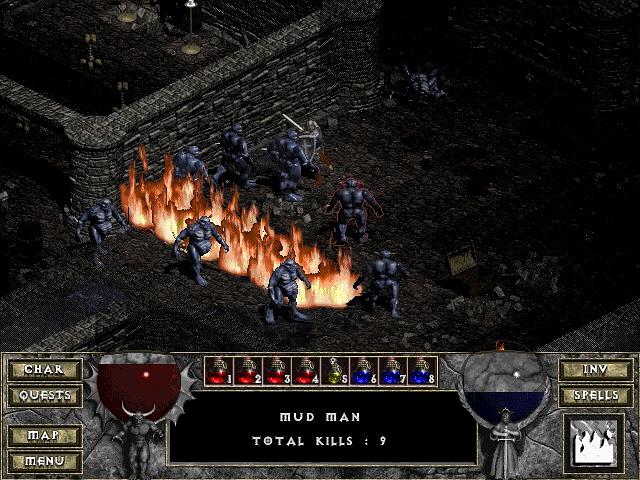

Diablo
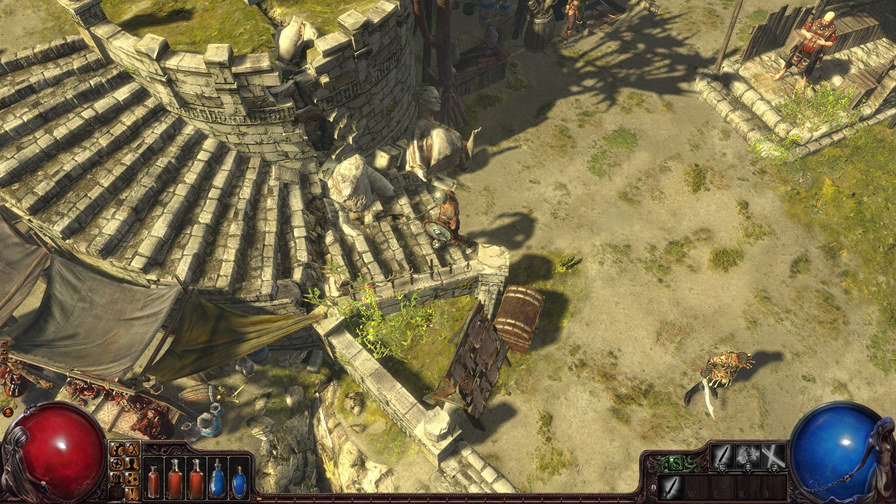
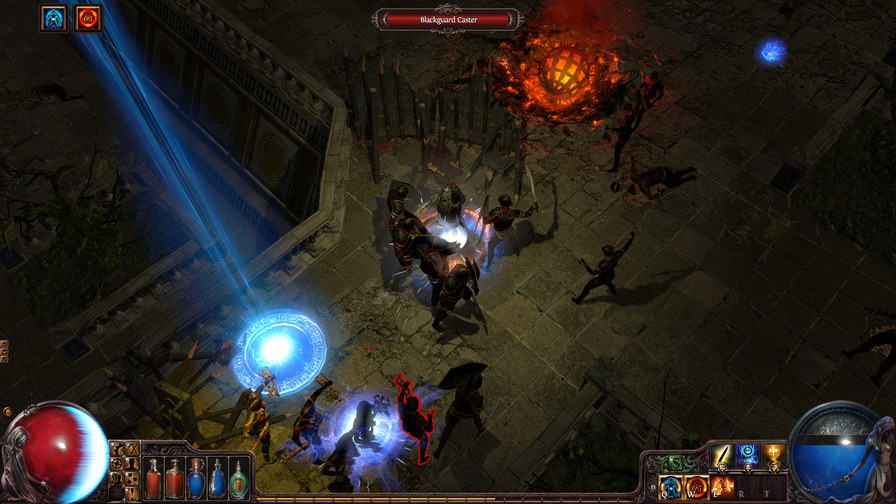
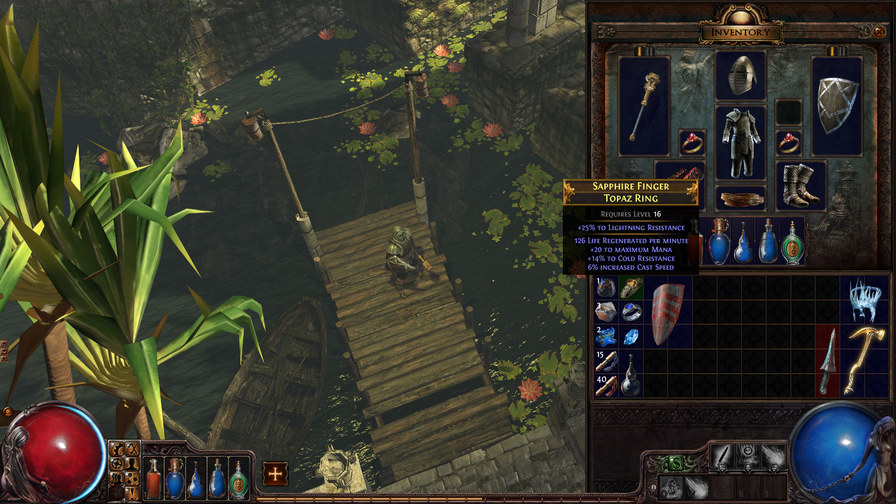
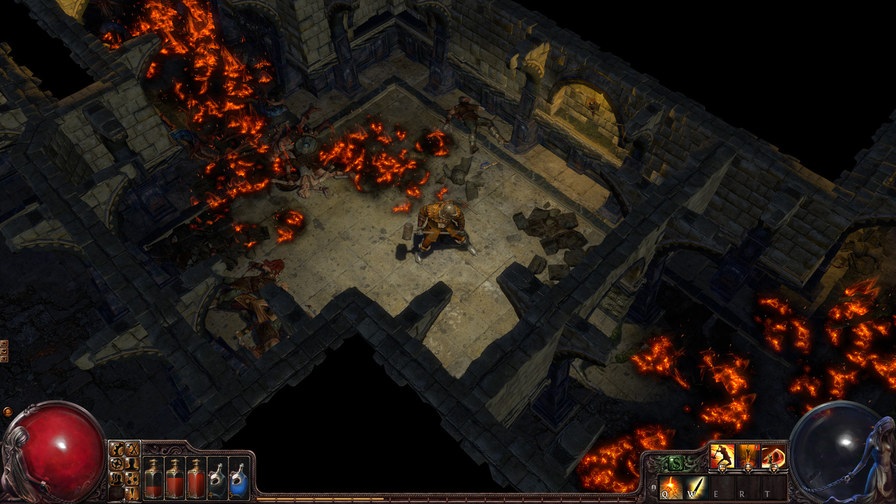


Path of Exile


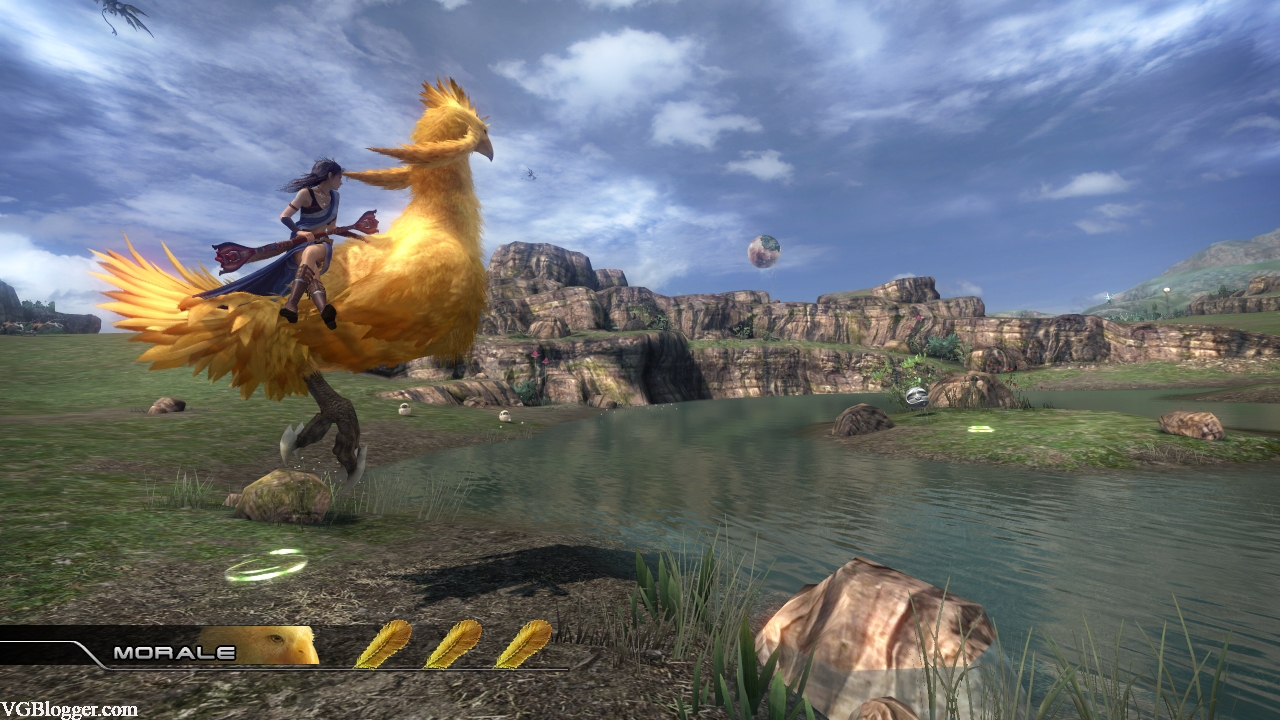

Final Fantasy XIII

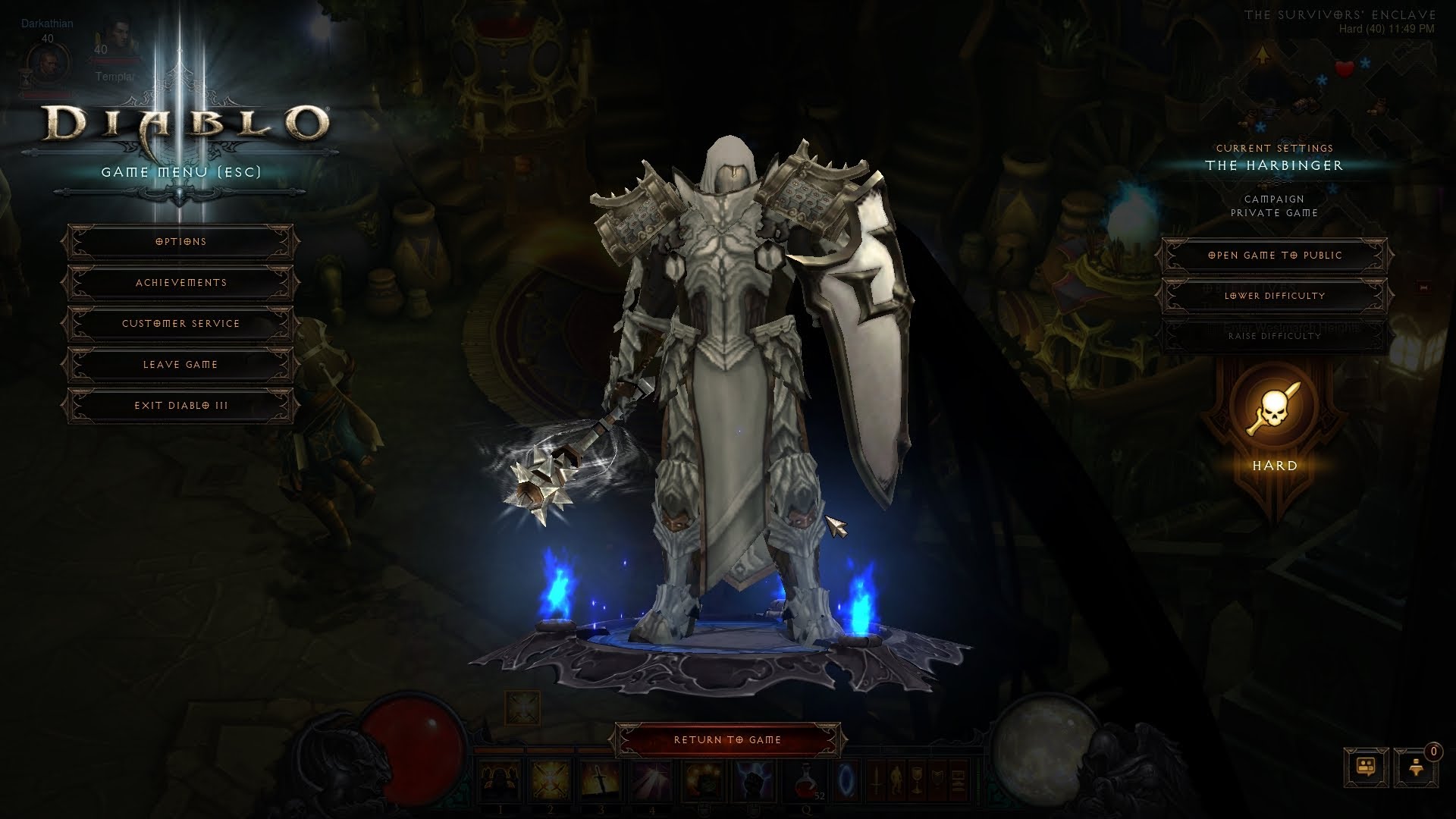

Diablo III: Reaper of Souls

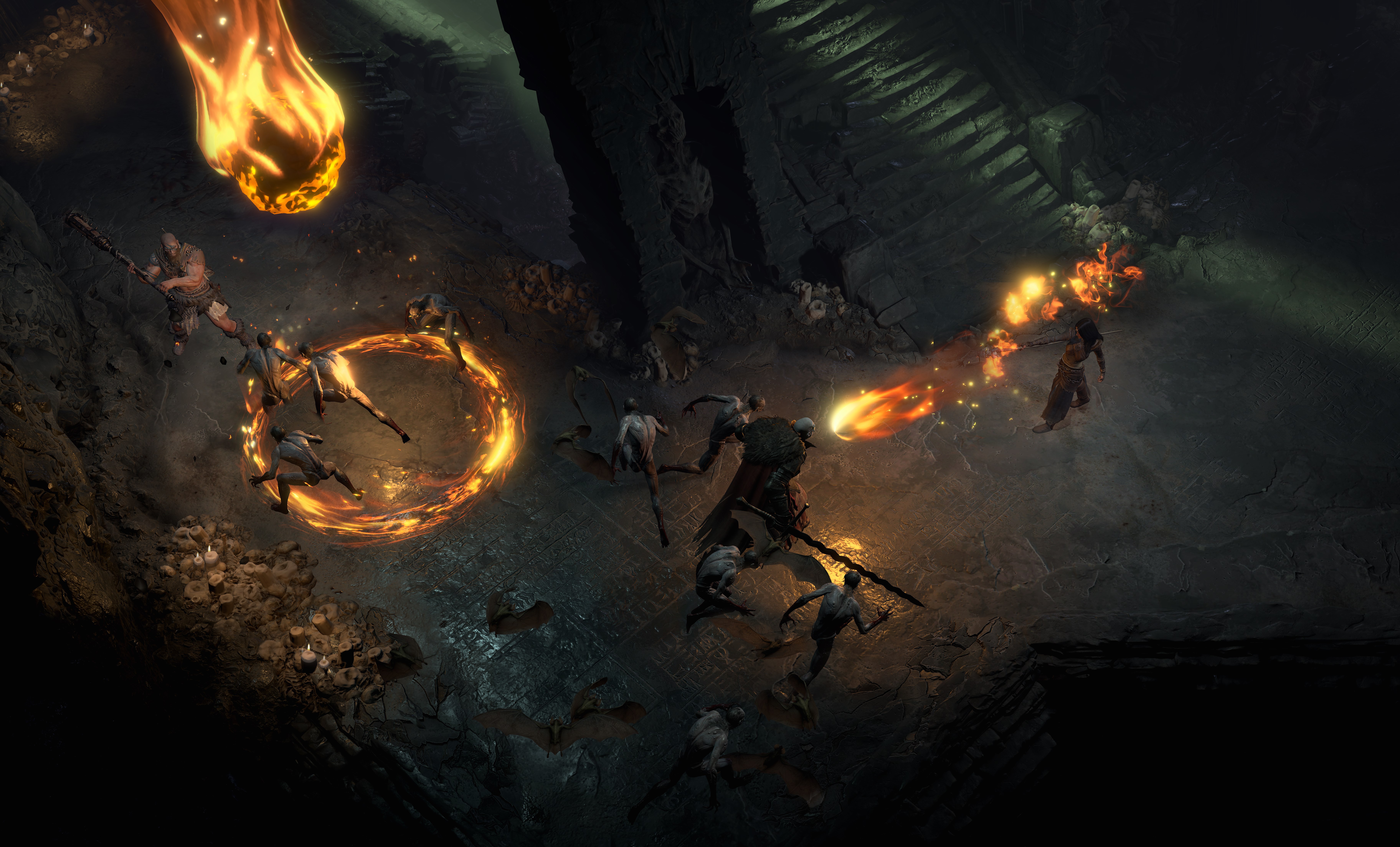
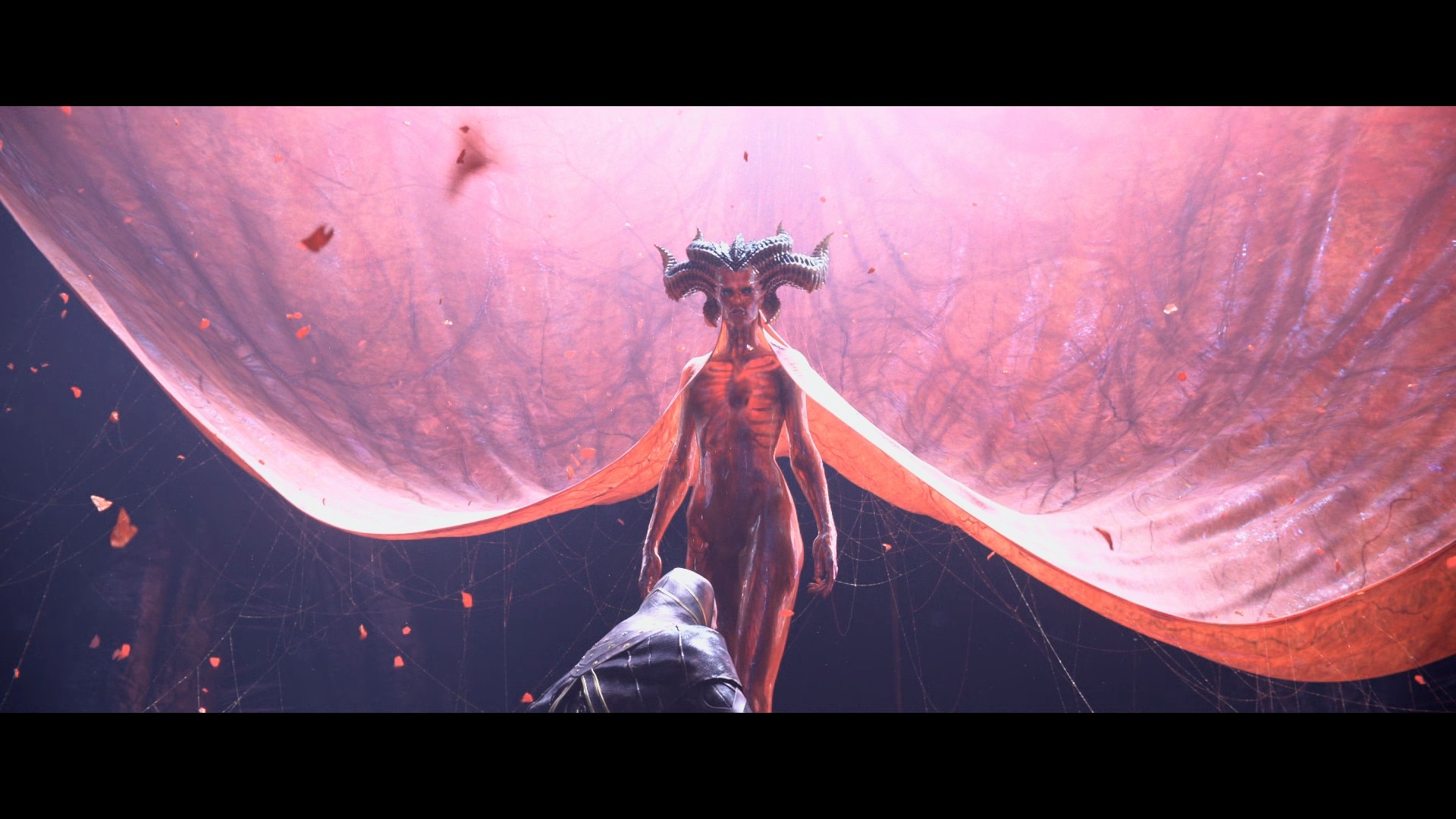
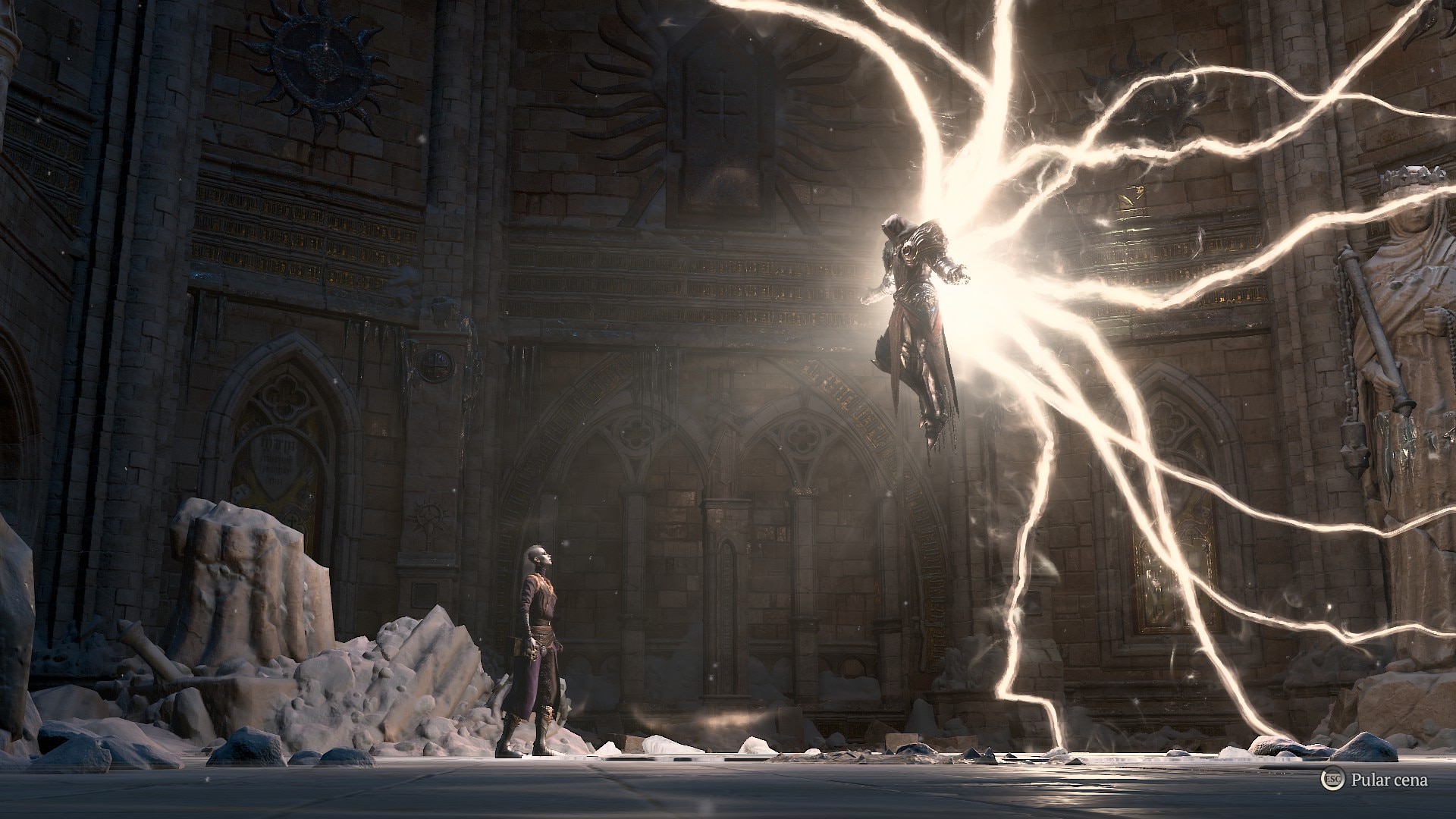
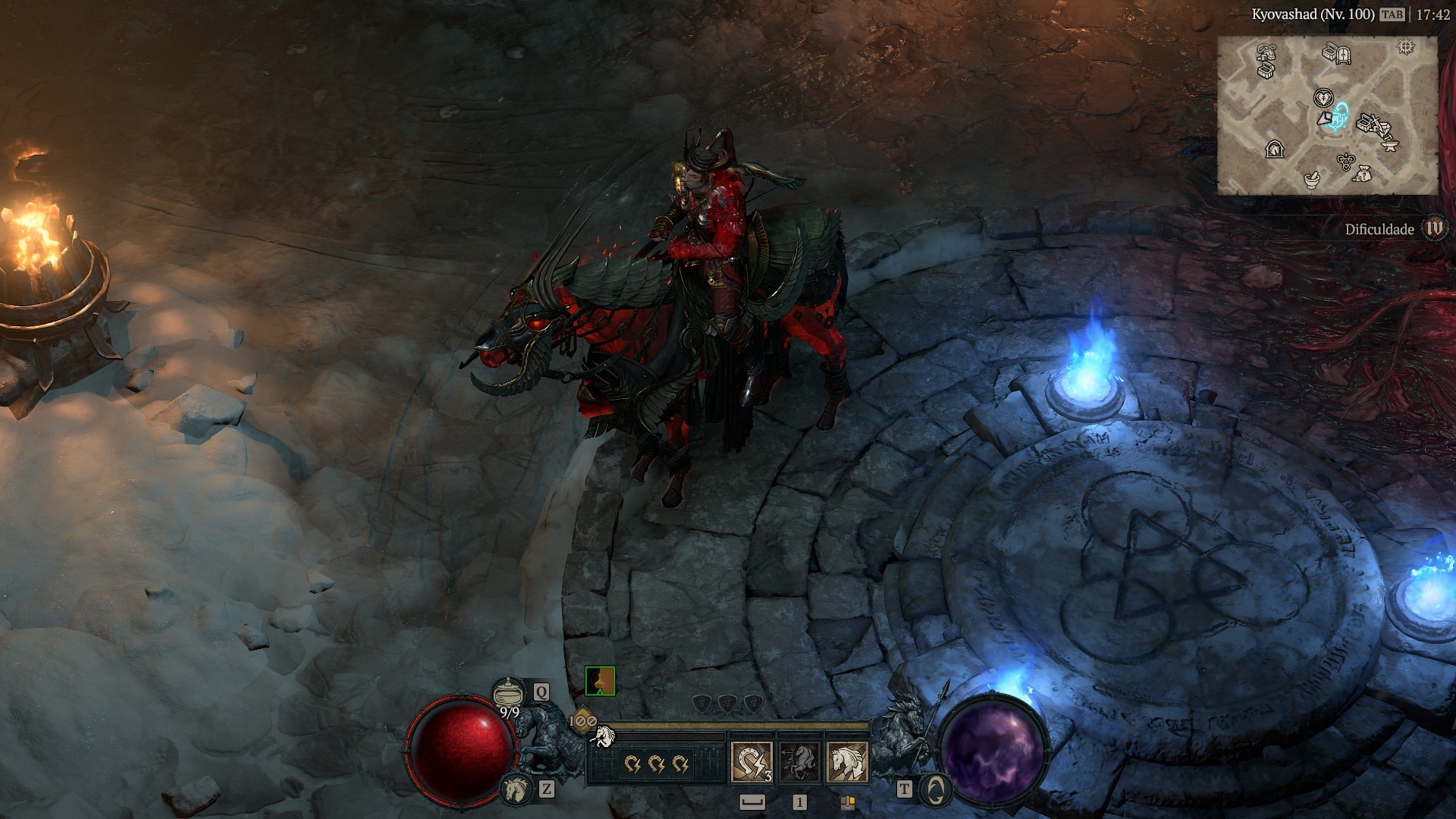
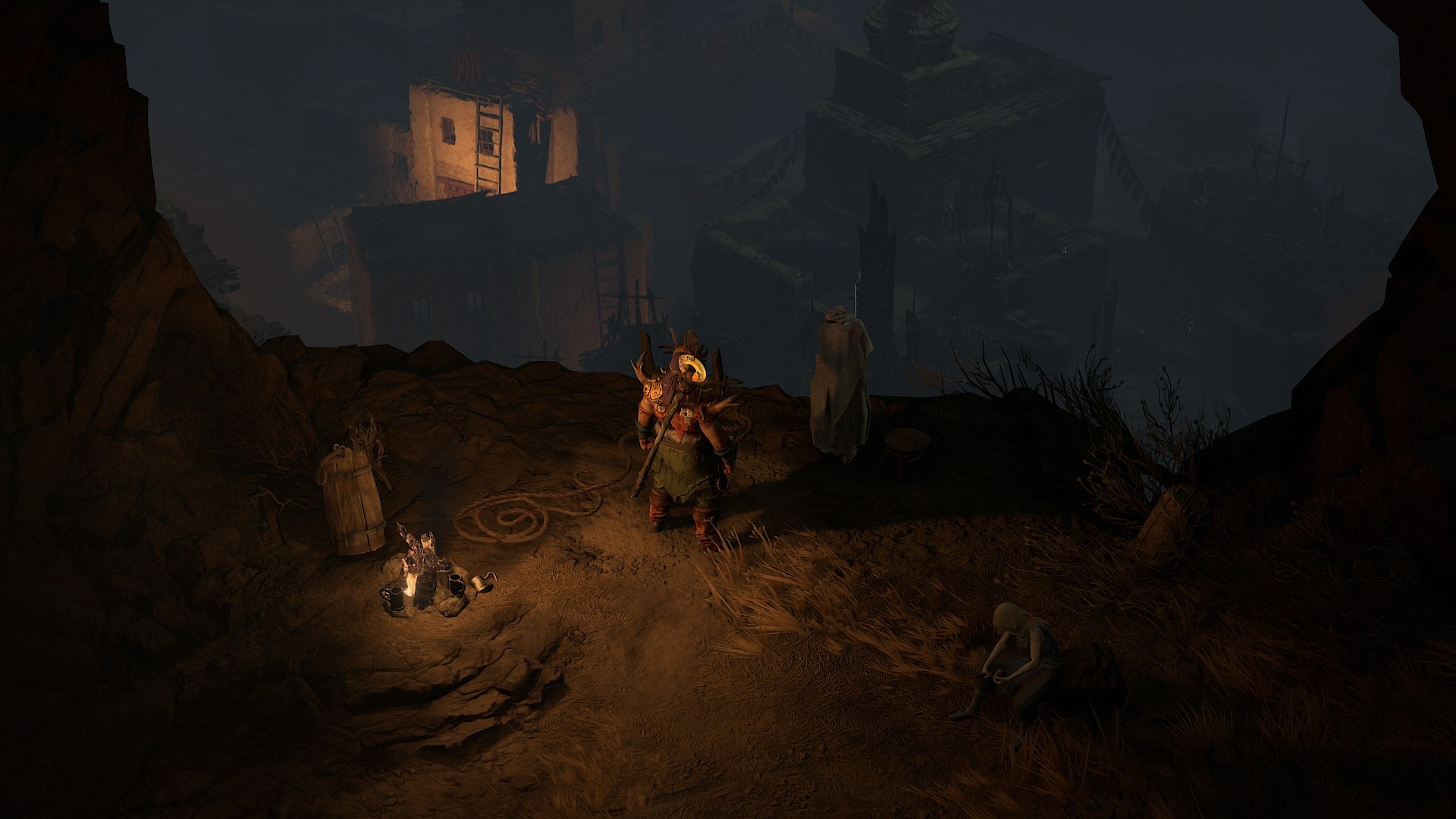
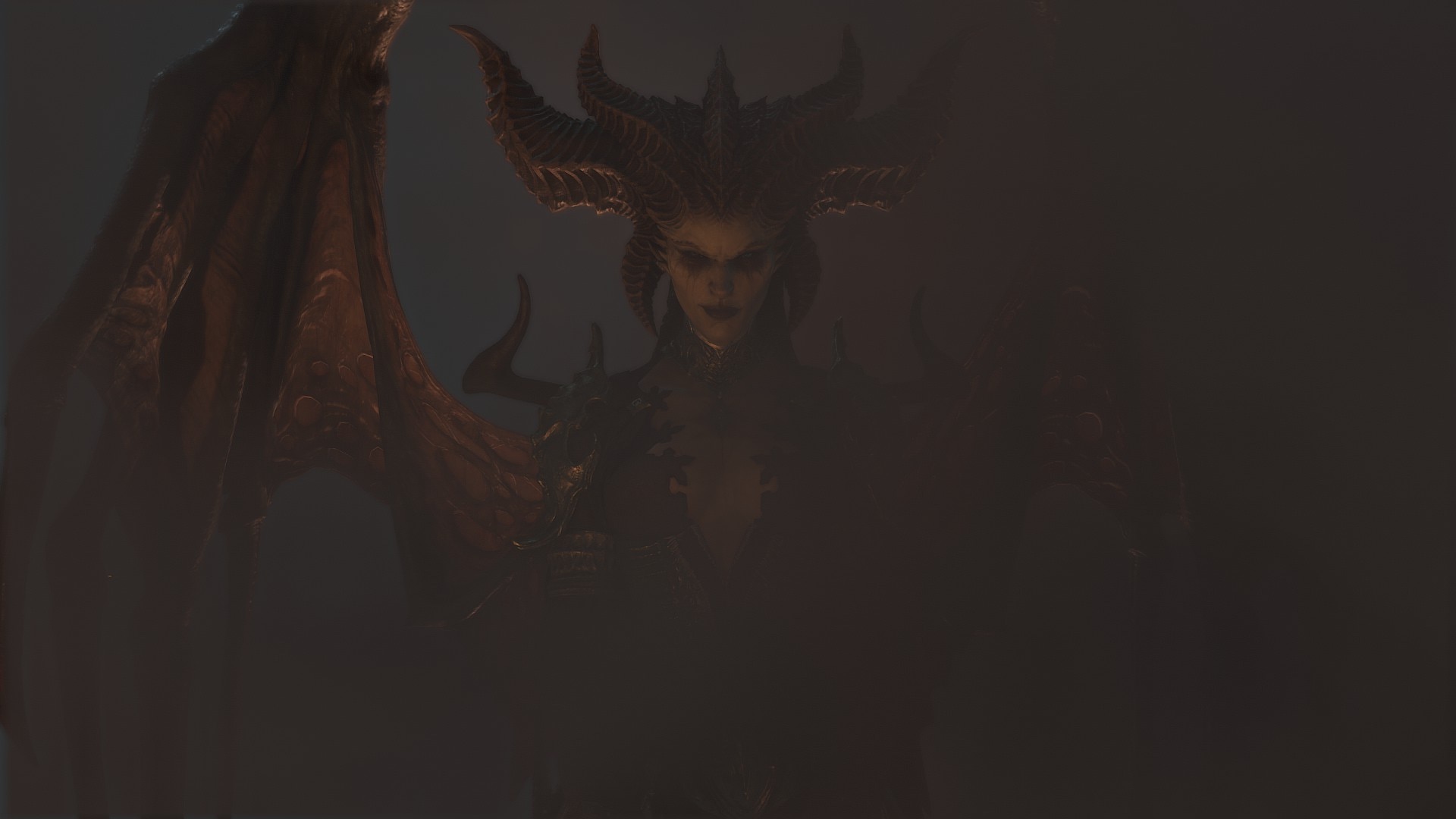
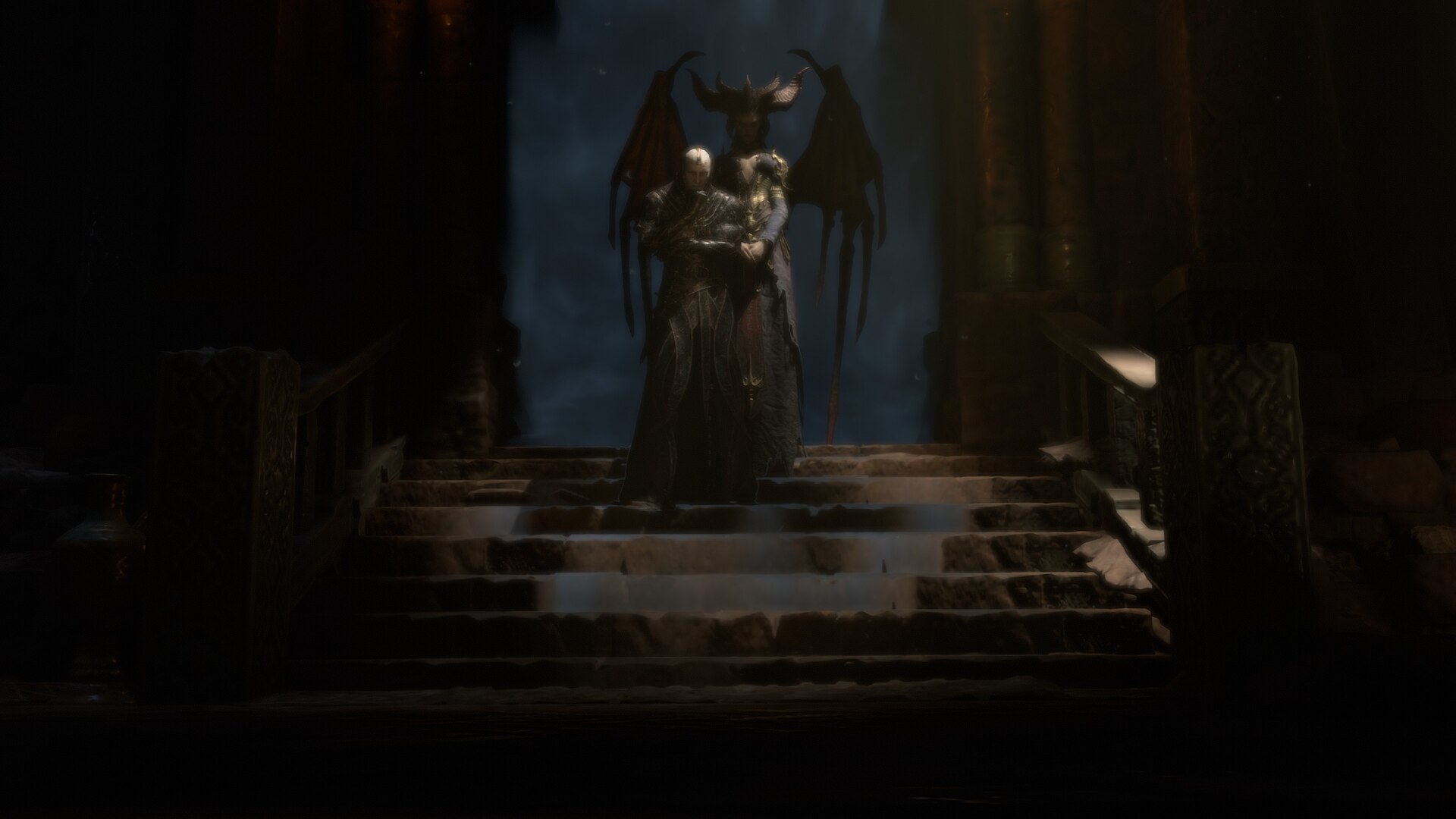

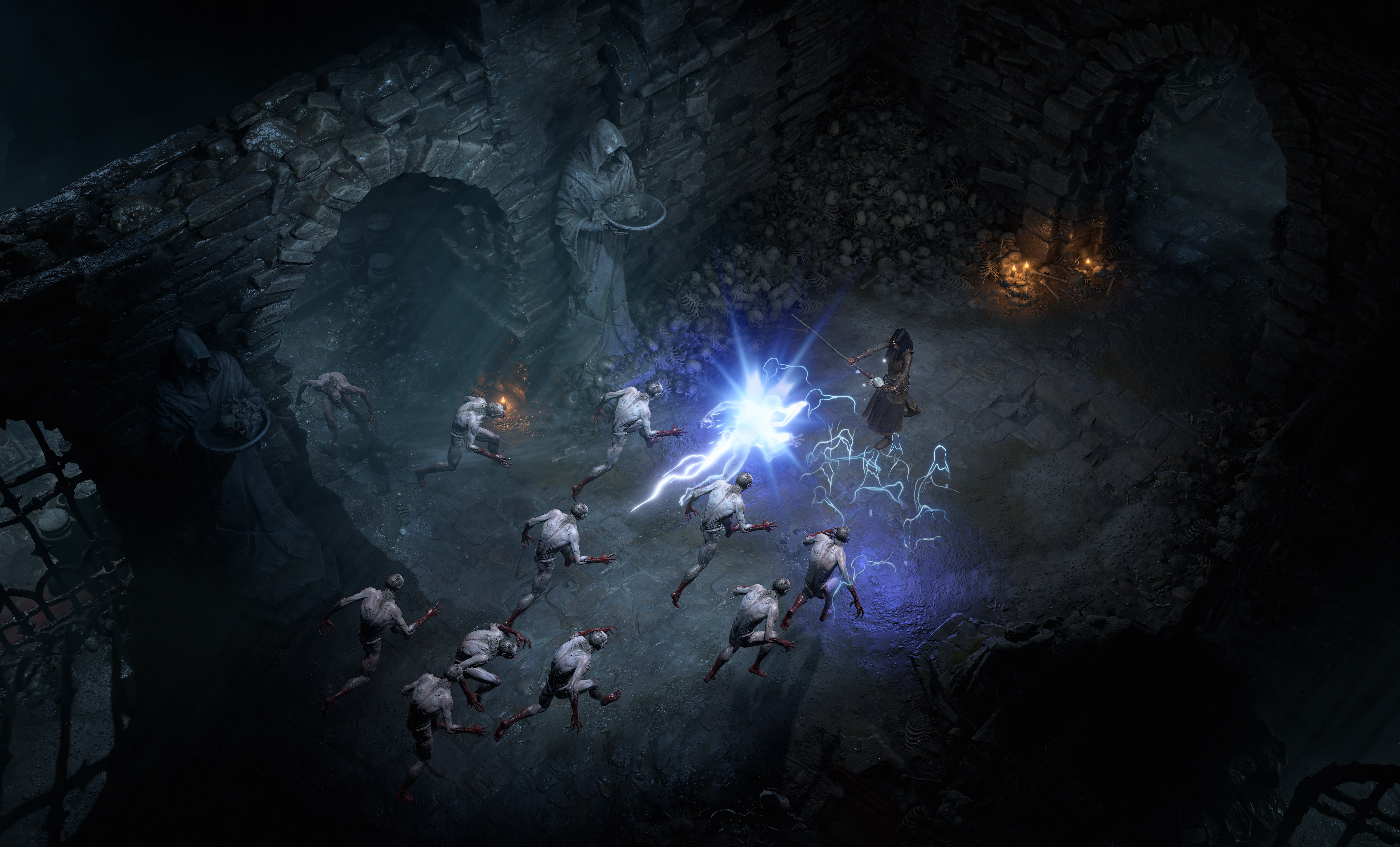

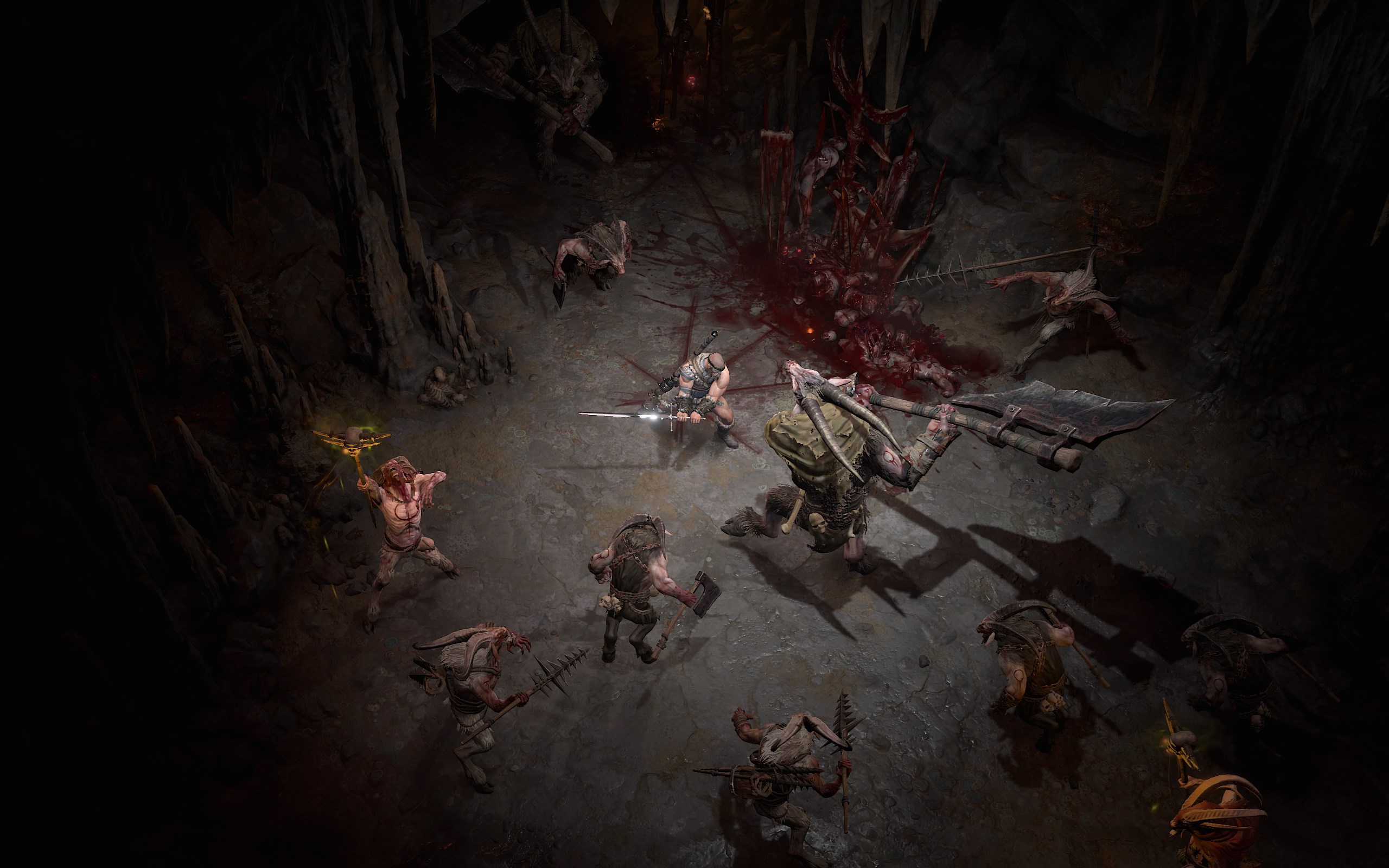
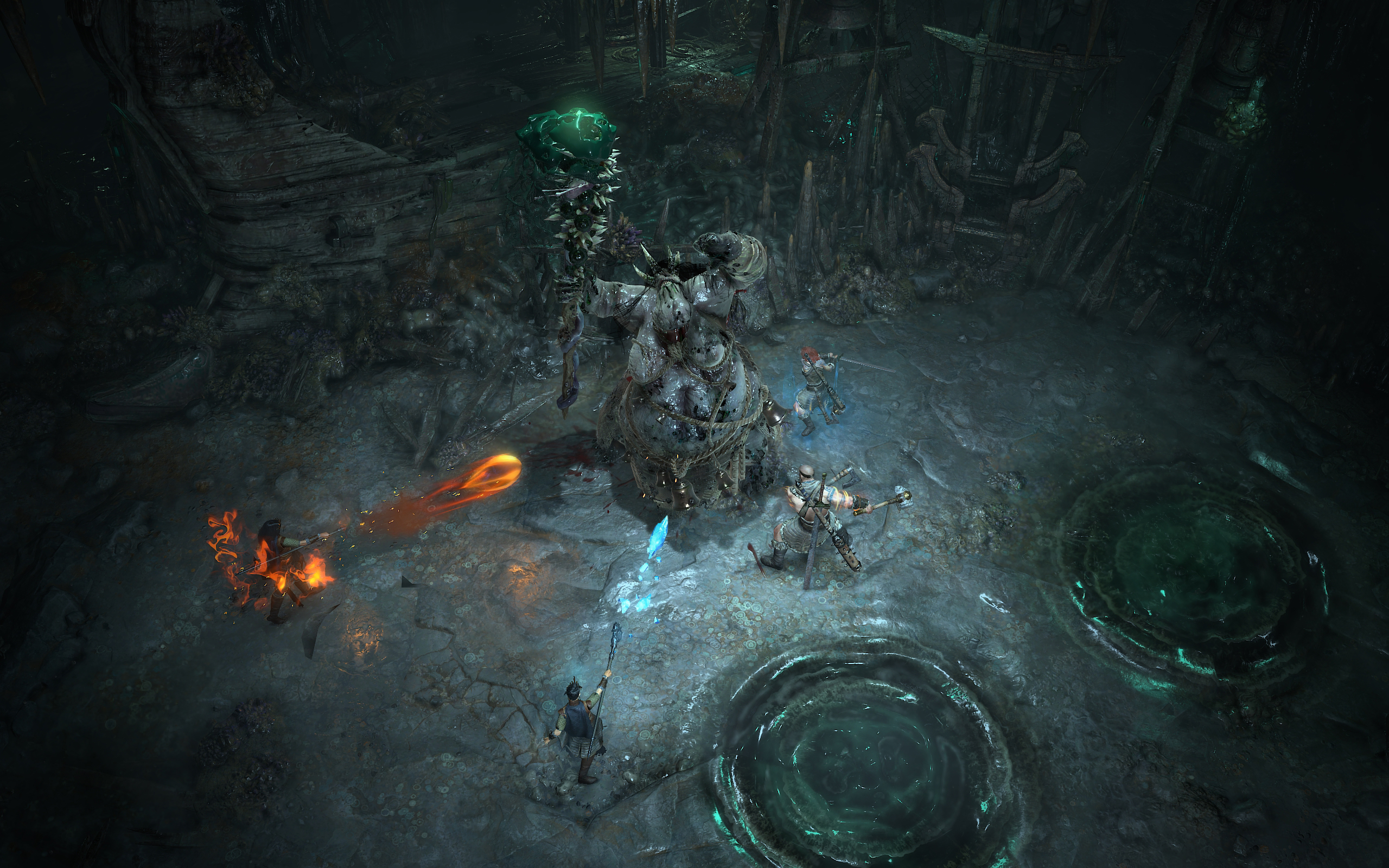

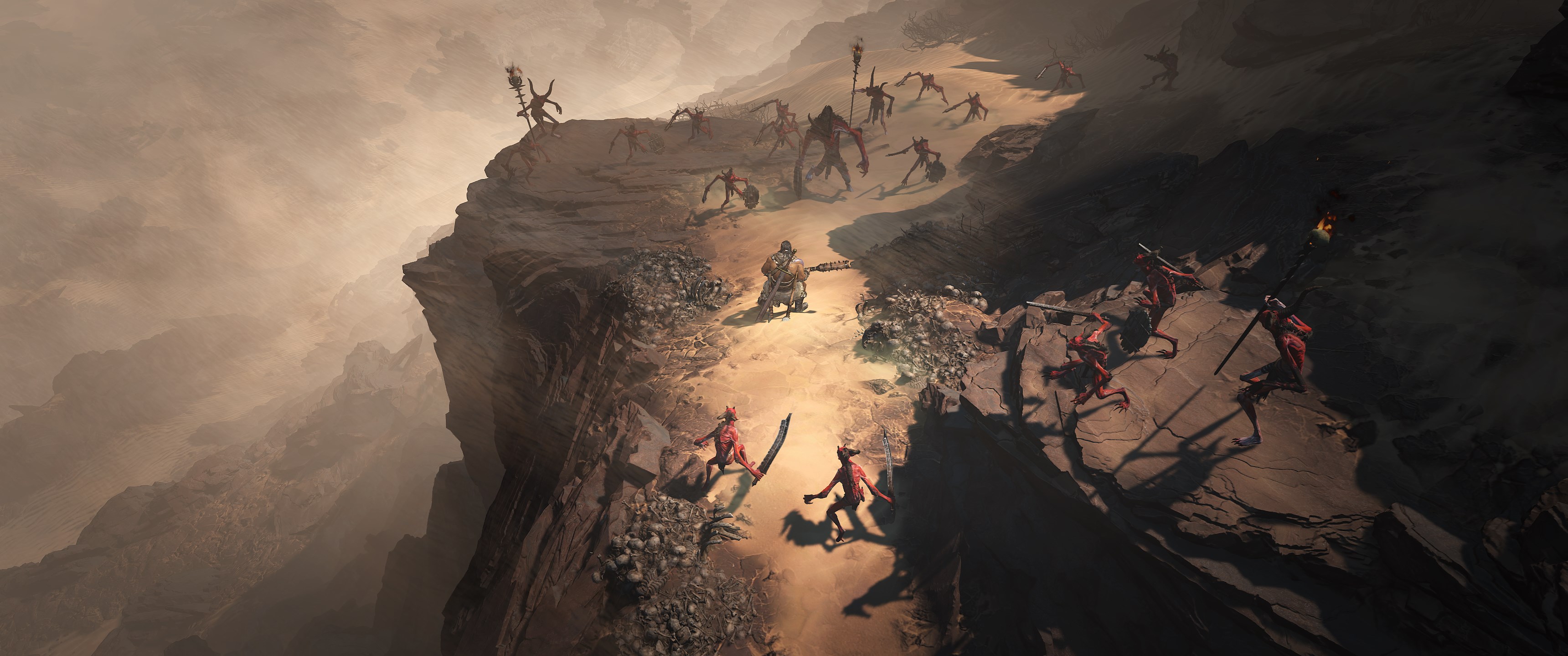
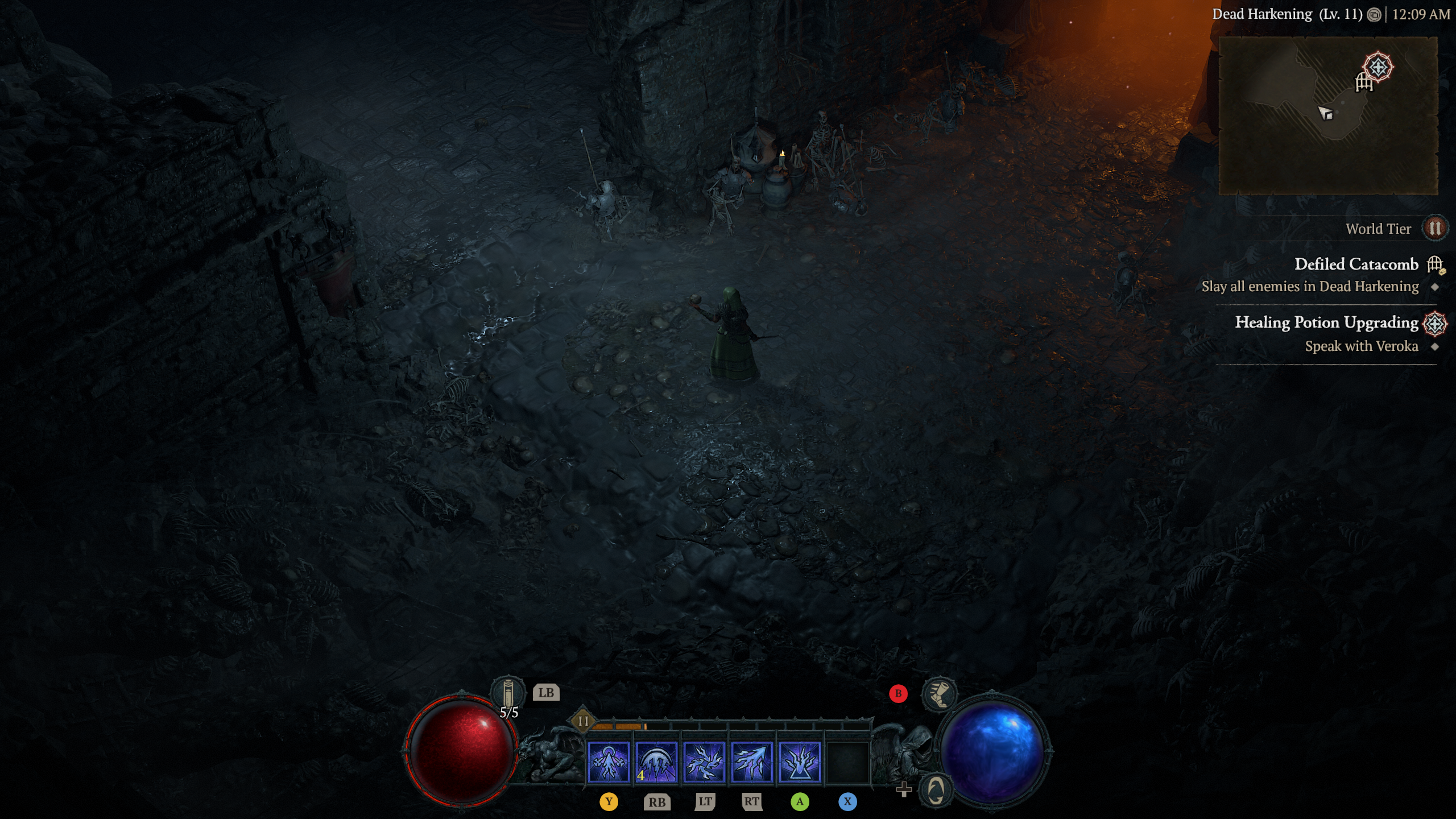
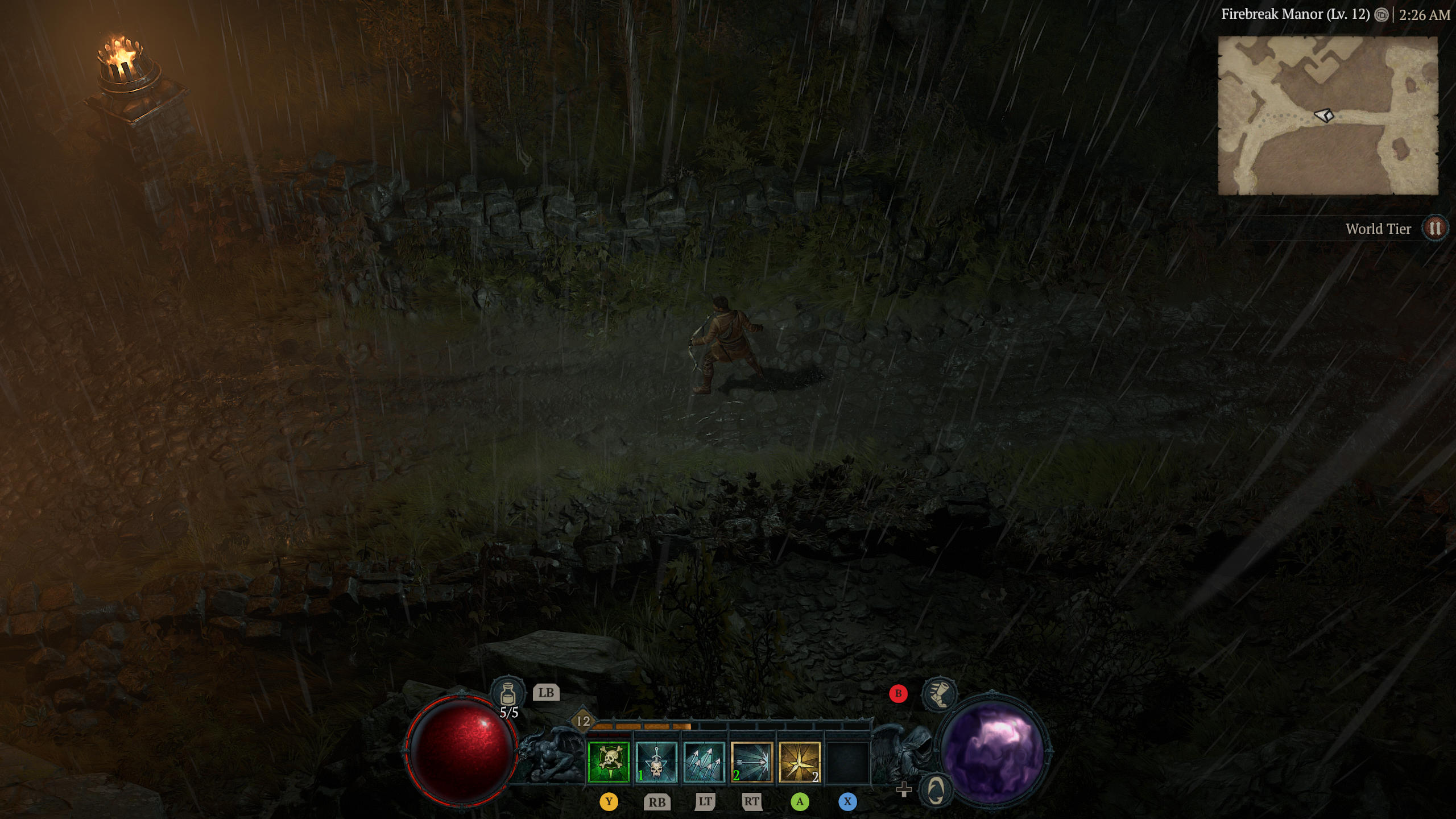

Diablo IV