Game Info
↑ Back to top

Dungeon Crawl Stone Soup
Genres:
Themes:
Perspectives:
Game Modes:
Overview
↑ Back to topDescription from IGDB IGDB
Wikipedia Description WIKIPEDIA
Dungeon Crawl Stone Soup is a roguelike game where the player creates a character and guides it through a dungeon, mostly consisting of persistent levels, full of monsters and items, with the goal of retrieving the "Orb of Zot" (a MacGuffin) located there, and escaping alive. To enter the Realm of Zot where the Orb is located, the player must first obtain at least three "runes of Zot" of the 15 available; these are located at the ends of diverse dungeon branches such as the Spider Nest, Tomb, and Slime Pits. There are also shorter, coffee-break-style modes called "sprints", accessible through the online servers. The majority of the terrain and certain enemies and artifacts have predetermined generation, however many fodder enemies and shop inventories remain randomly-generated. These gamemodes feature new ways to play the game that wouldn't normally fit in with the main gamemode, and range from starting with an amulet that can turn the player invisible on demand to fighting meat giants in a meat pit with an axe that deals infinite damage. The game has an explicit design philosophy intended to provide interesting strategic and tactical choices within a balanced game; to offer replayability based on random dungeon generation; to make the game accessible and enjoyable without deep knowledge of its internal mechanics; and to present a friendly user interface that can optionally automate several tasks like exploration and searching for previously seen items. Conversely, the developer team seeks to avoid providing incentives for repeating boring actions without consideration, or providing illusory gameplay choices where one alternative is always superior. Most levels are randomly generated to maximize variety, while the levels containing the objective items are randomly chosen between several manually-designed layouts, which usually contain random elements, and which are authored in a Crawl-specific language incorporating Lua scripting. Randomly generated levels may contain randomly-chosen, manually-designed fragments called "vaults", as well as portals to special manually designed mini-levels called "portal vaults" such as volcanoes and wizards' laboratories. Characters are initially defined by their species and their background. Character advancement is based on experience points gained by defeating monsters, which increase both an experience level and a set of skills including melee weapons, ranged weapons and magic. The player determines which skills to increase. The species choice determines the aptitudes of the character for each of the skills, which represent how much experience is needed to raise the skill to higher levels and adds species-specific abilities. In the 0.33 version, 27 species are available, from those with little deviation from the common mechanics such as humans and mountain dwarves, to species such as mummies and octopodes which have unusual gameplay mechanics. The background choice determines the starting skills and equipment, with 26 choices as of 0.33 such as fighters, necromancers, and berserkers; unlike species choice, background choice only affects the start of the game – the player is not prevented from pursuing any skills or using any equipment. The game also offers a pantheon of 26 gods as of 0.33. The player can choose to worship one of the gods once the appropriate altar is found. A few backgrounds even start the game already worshipping a specific god, including cinder acolyte and berserker. The choice of the deity significantly impacts gameplay. Favor with gods is earned in different ways. Some appreciate the player exploring or killing enemies, but there are also more whimsical gods like Ru, who expects sacrifices of their worshippers. Favor with one's god is rewarded with widely different benefits, ranging from passive enhancements to occasional gifts to the player to powerful activated abilities. Some gods' enhancements are tailored to specific play styles, such as Okawaru's gifts of weapons and combat boosts supporting fighter types; and Sif Muna's gifts of spell books and increases to MP regeneration, which are more beneficial to sorcerer types. A player can also choose to abandon their god in favor of another, but this will usually cause the deity to become angry at the player. Consequently, they will harass the player for a time with actions like summoning powerful monsters against the player, inflicting harmful status effects like slowing, or simply dealing large amounts of damage to the player.
About Dungeon Crawl Stone Soup
Dungeon Crawl Stone Soup is a Roguelike / Roguelite, Role-playing (RPG), Strategy, Turn-based game released in 2006 that offers Single player gameplay from a bird view / isometric perspective playable on Android, Linux, Mac with 13 user ratings averaging 90.4/100. The game explores themes like Fantasy, Procedural Generation. If you enjoy Dungeon Crawl Stone Soup, you might also like similar games in our database of 45,000+ titles.
Basic Info
Details
↑ Back to topAdditional Information
Платформы 5
Genres 4
Themes 2
Player Perspectives 1
Game Modes 1
Companies
↑ Back to topNo Companies Available
Company information for this game hasn't been loaded yet.
Keywords
↑ Back to topScreenshots
↑ Back to top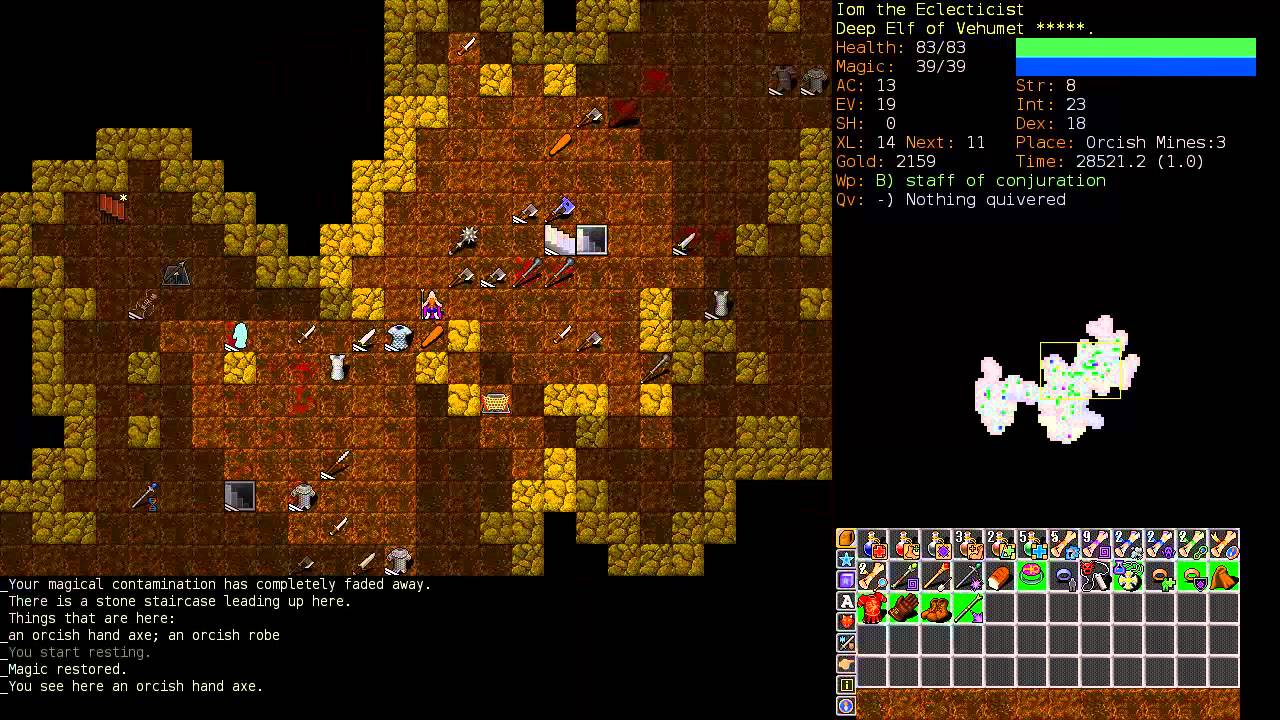
Similar Games
↑ Back to top

Final Fantasy VII



Chrono Trigger
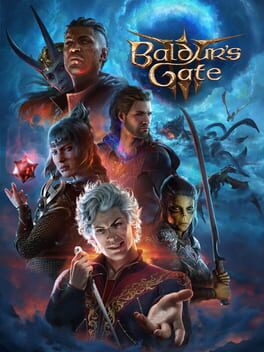
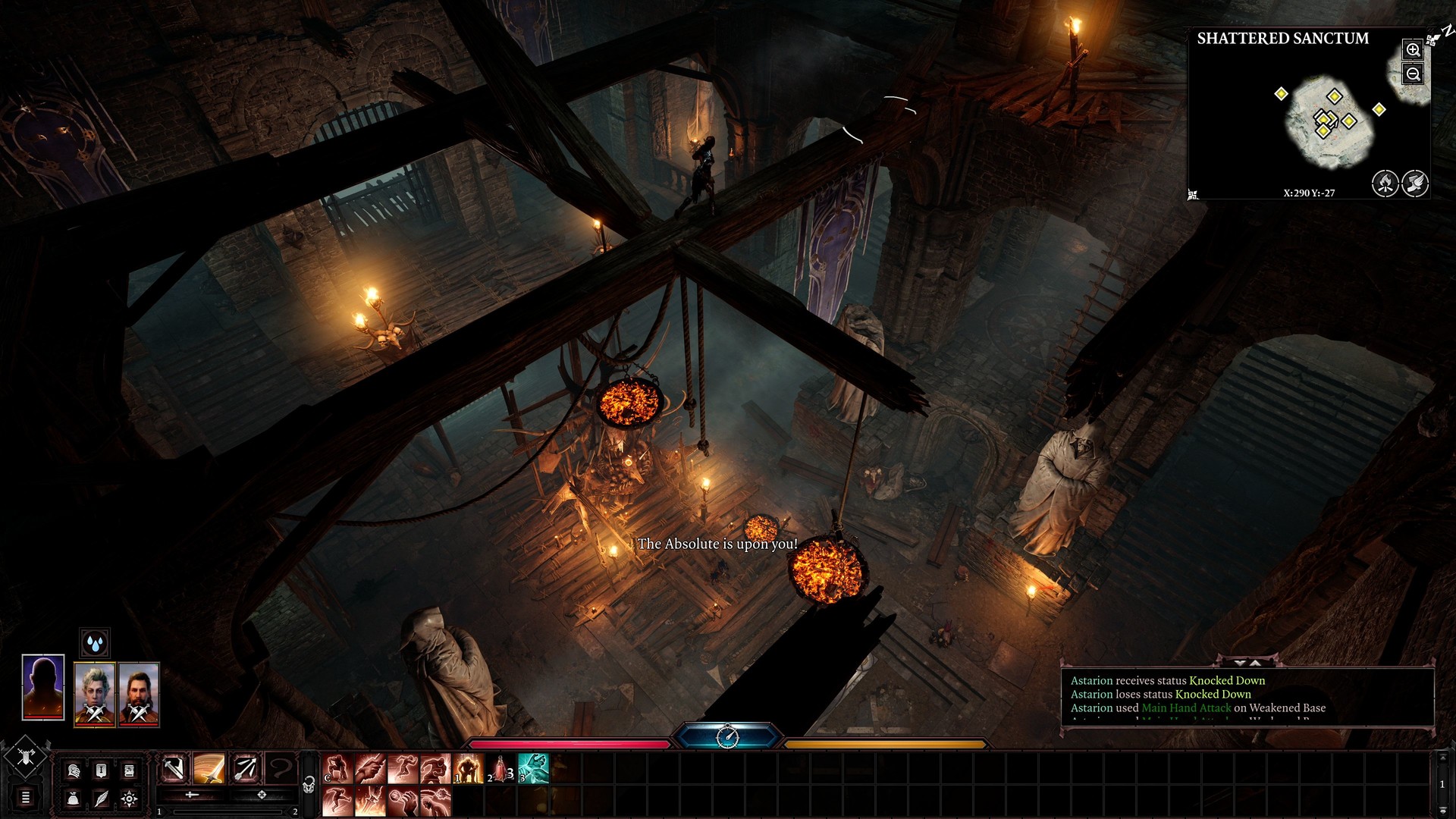
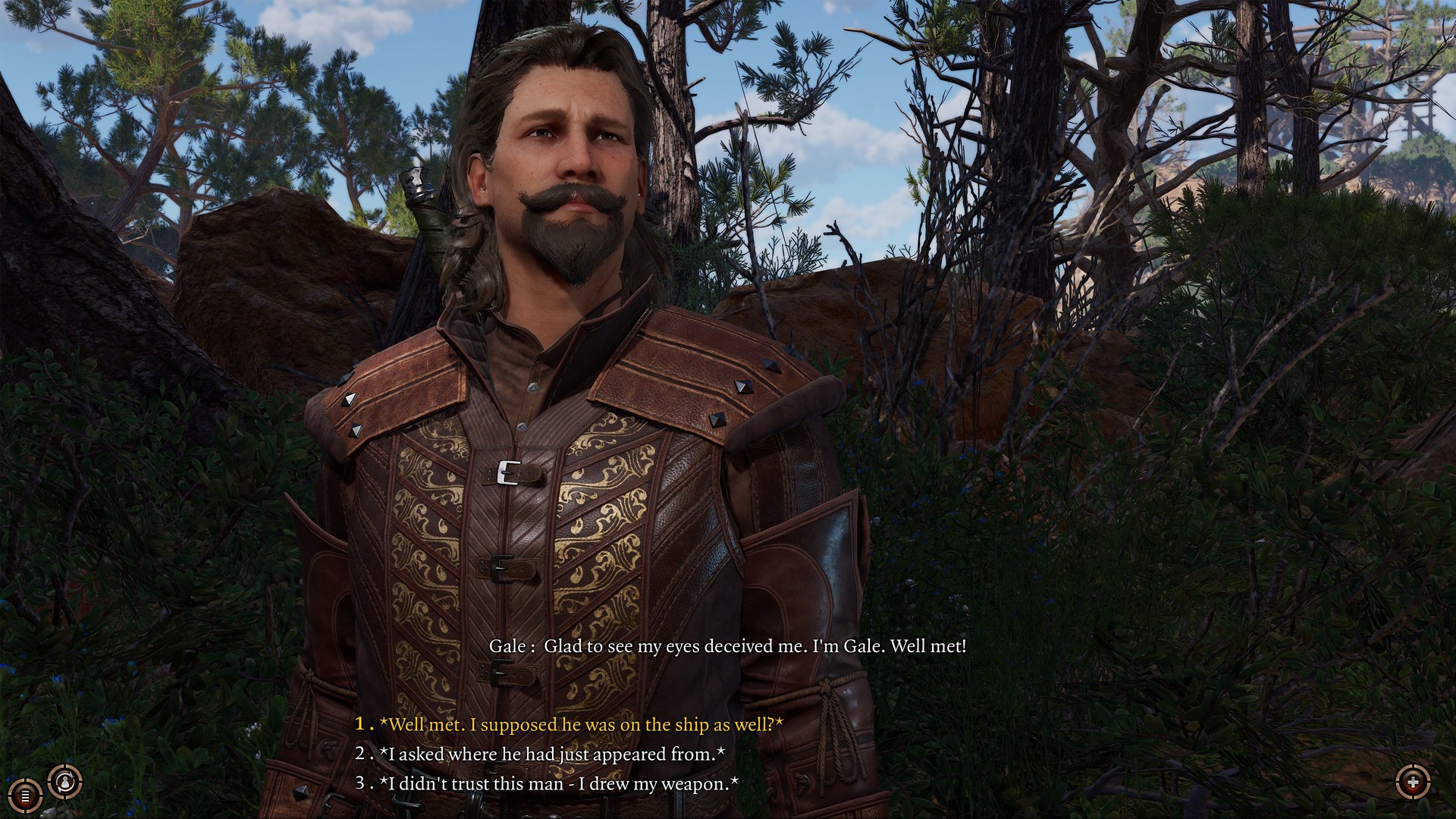
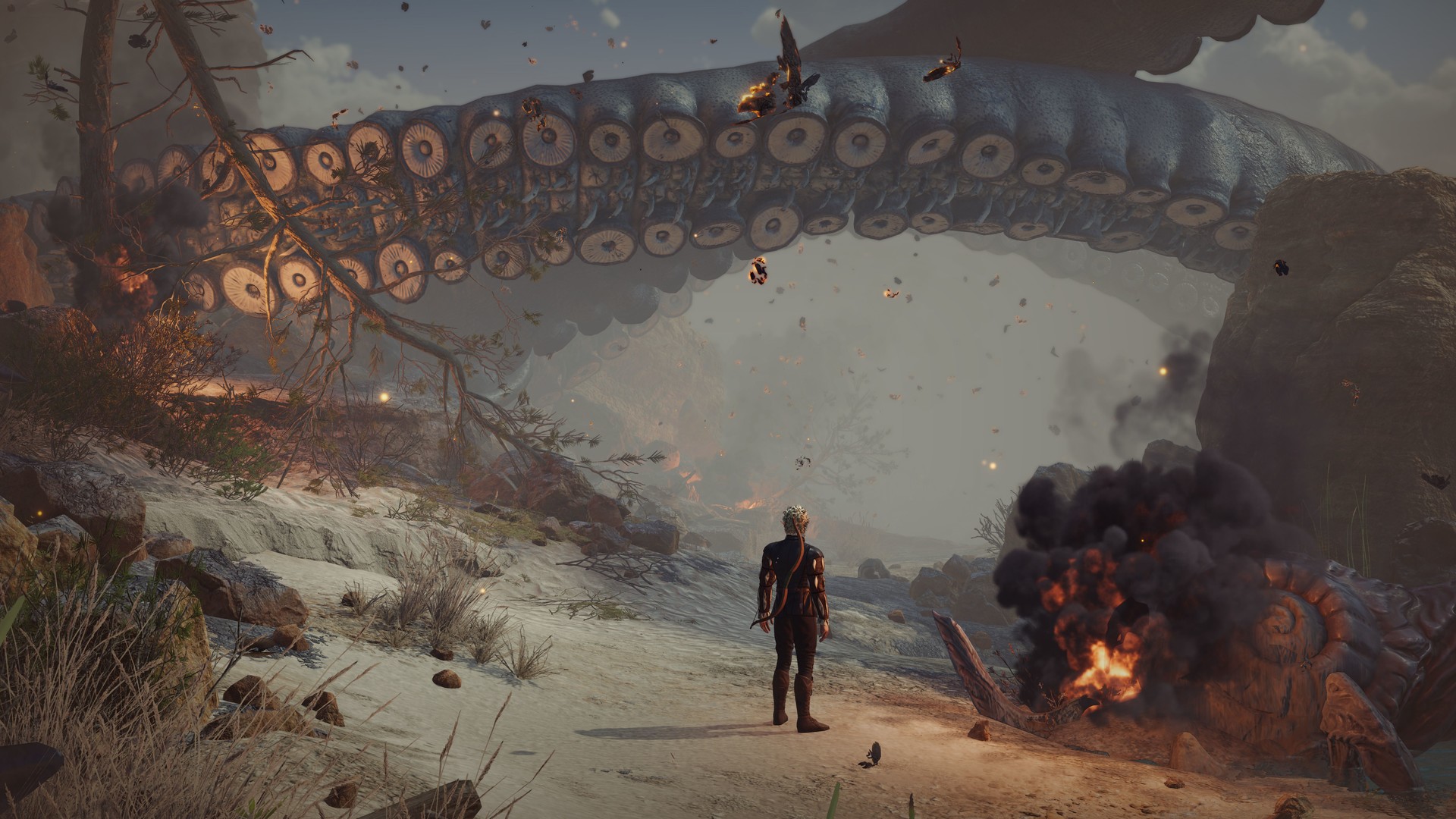
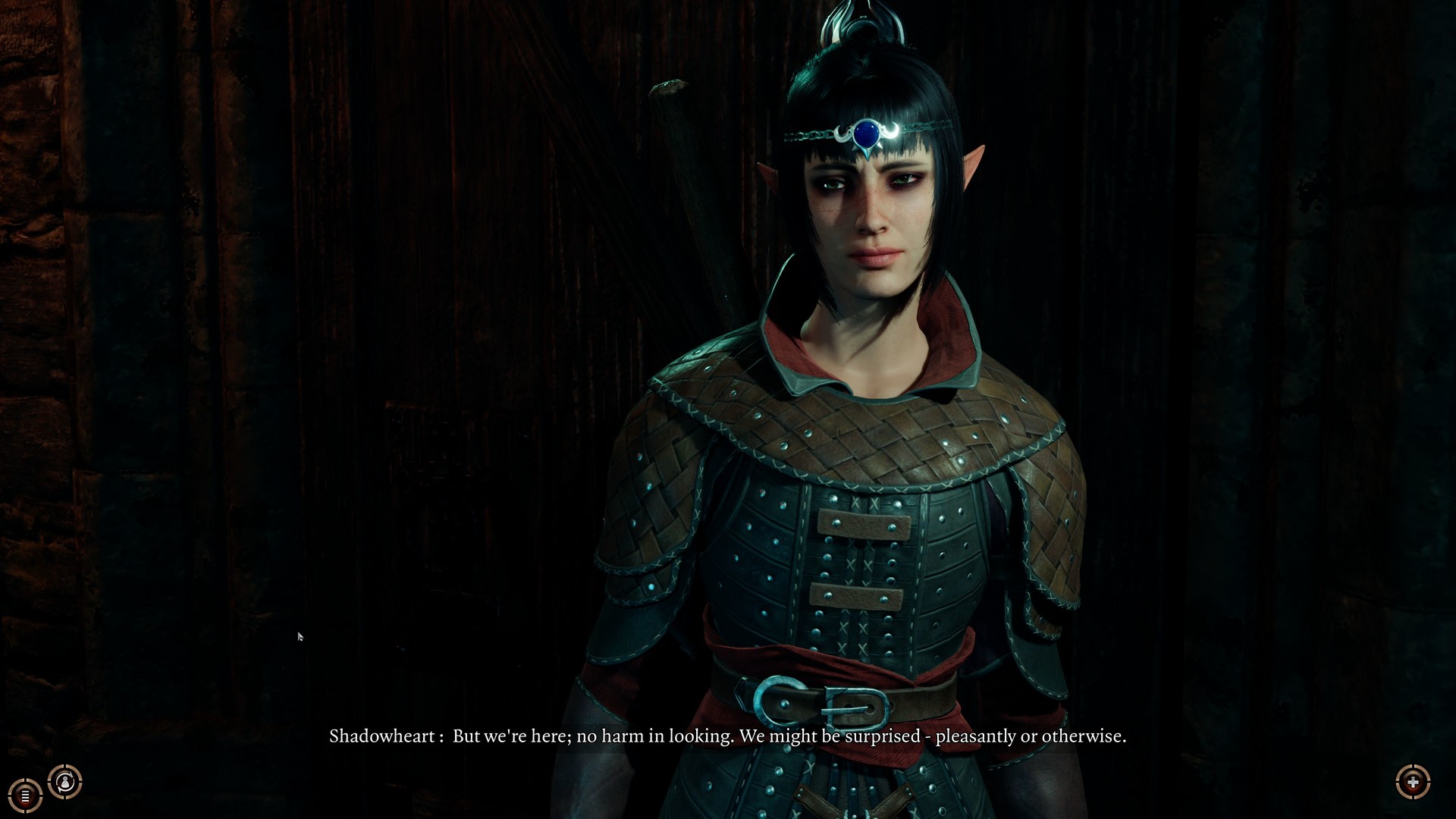
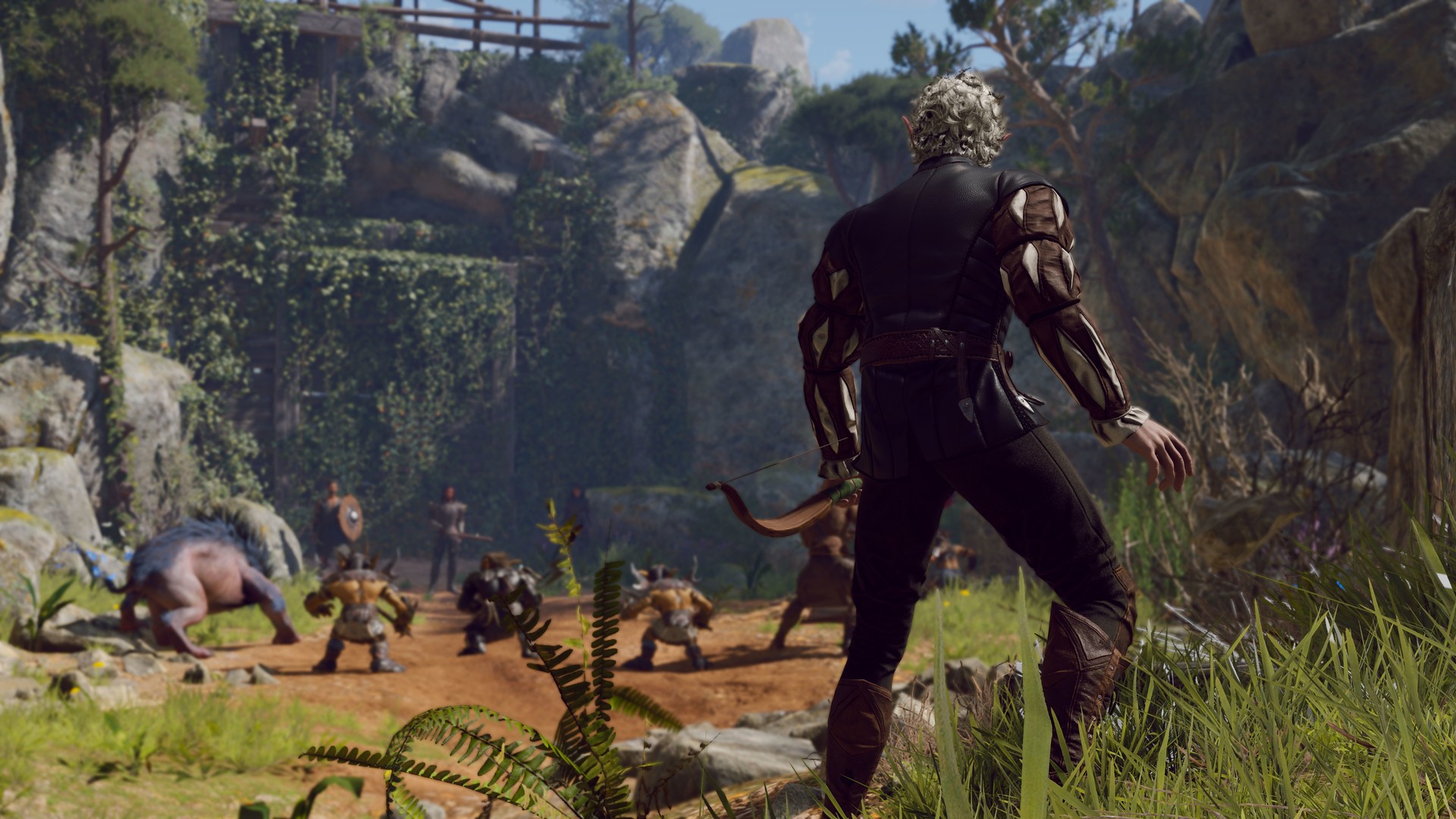

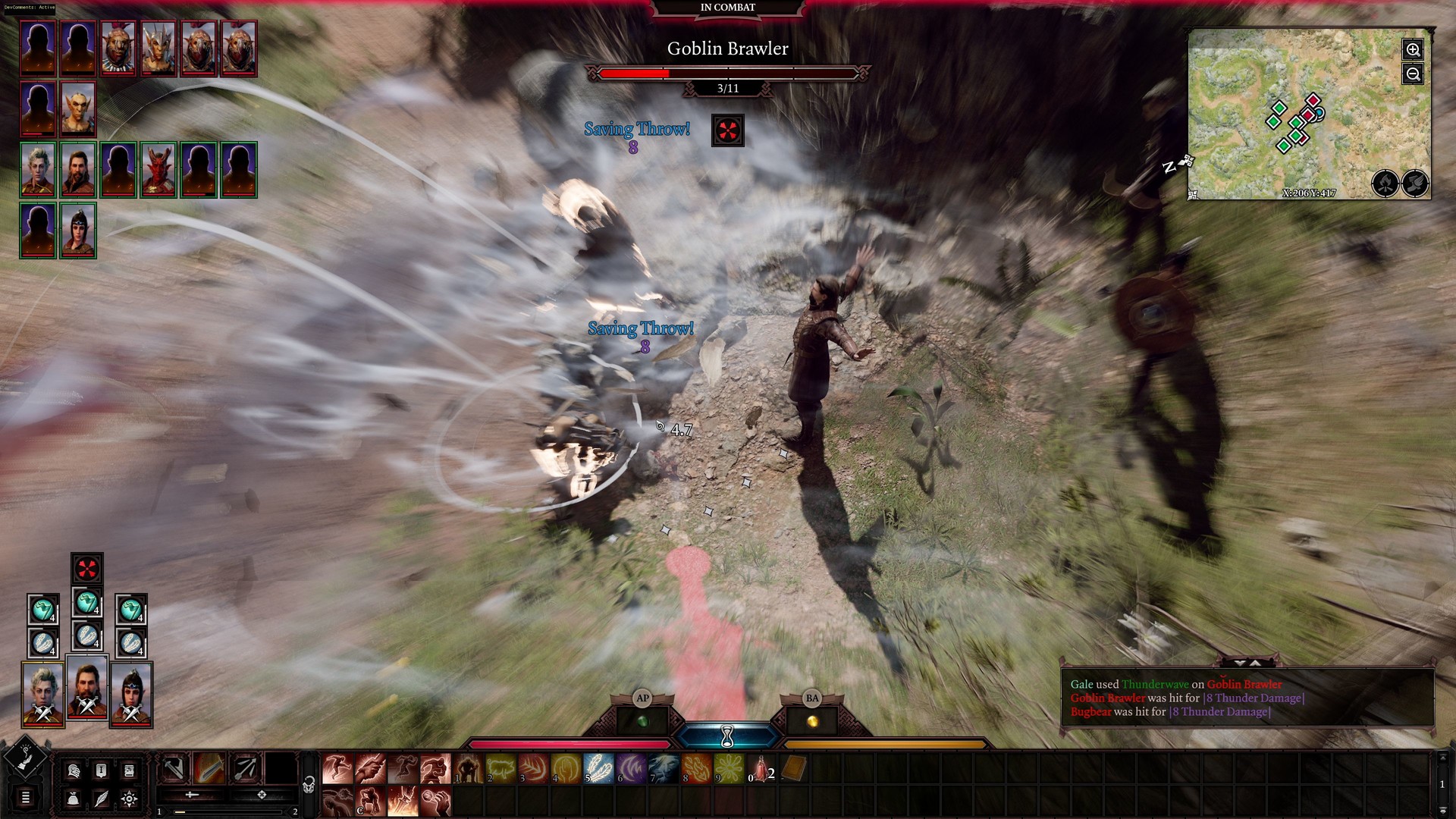
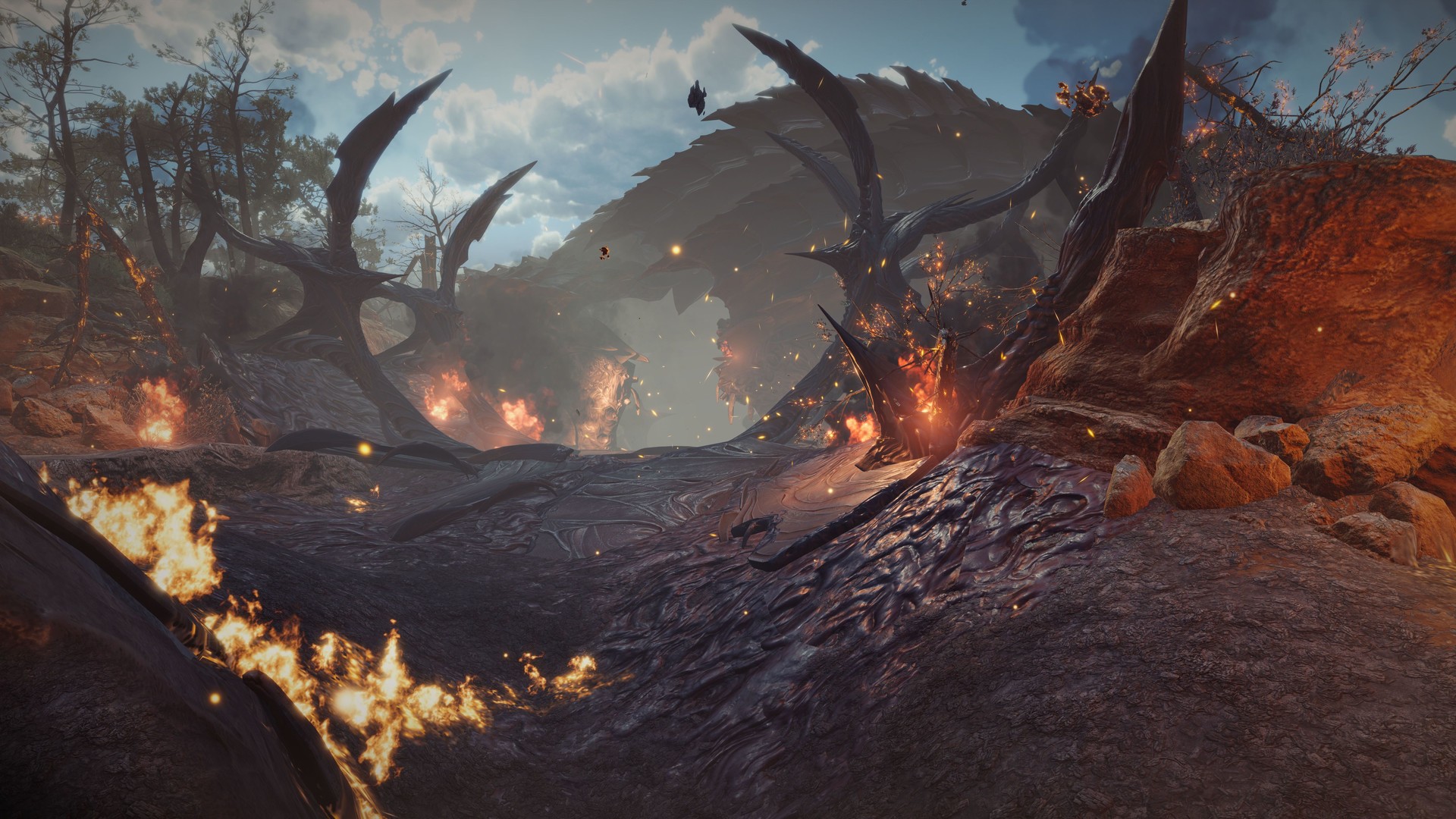
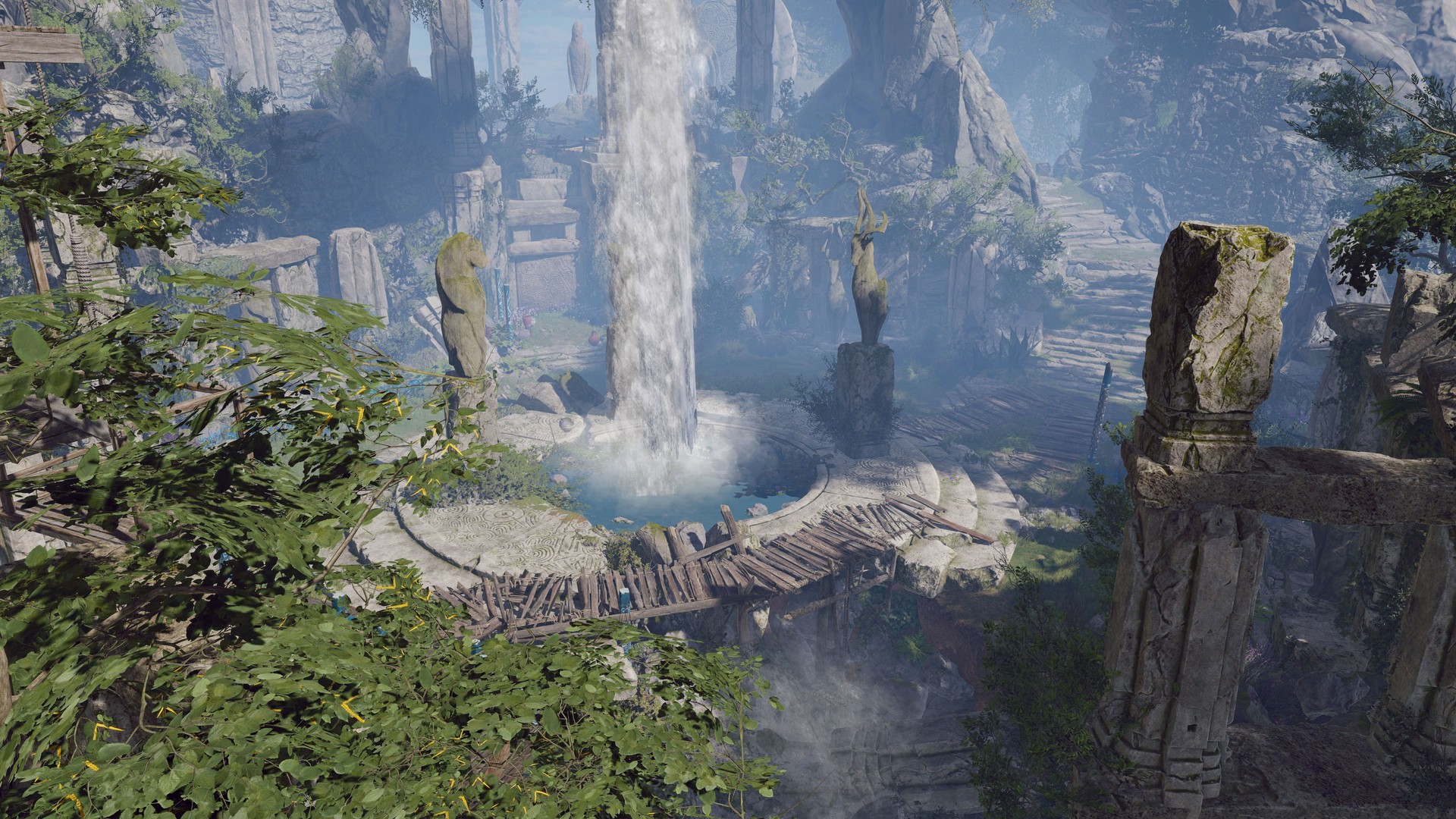
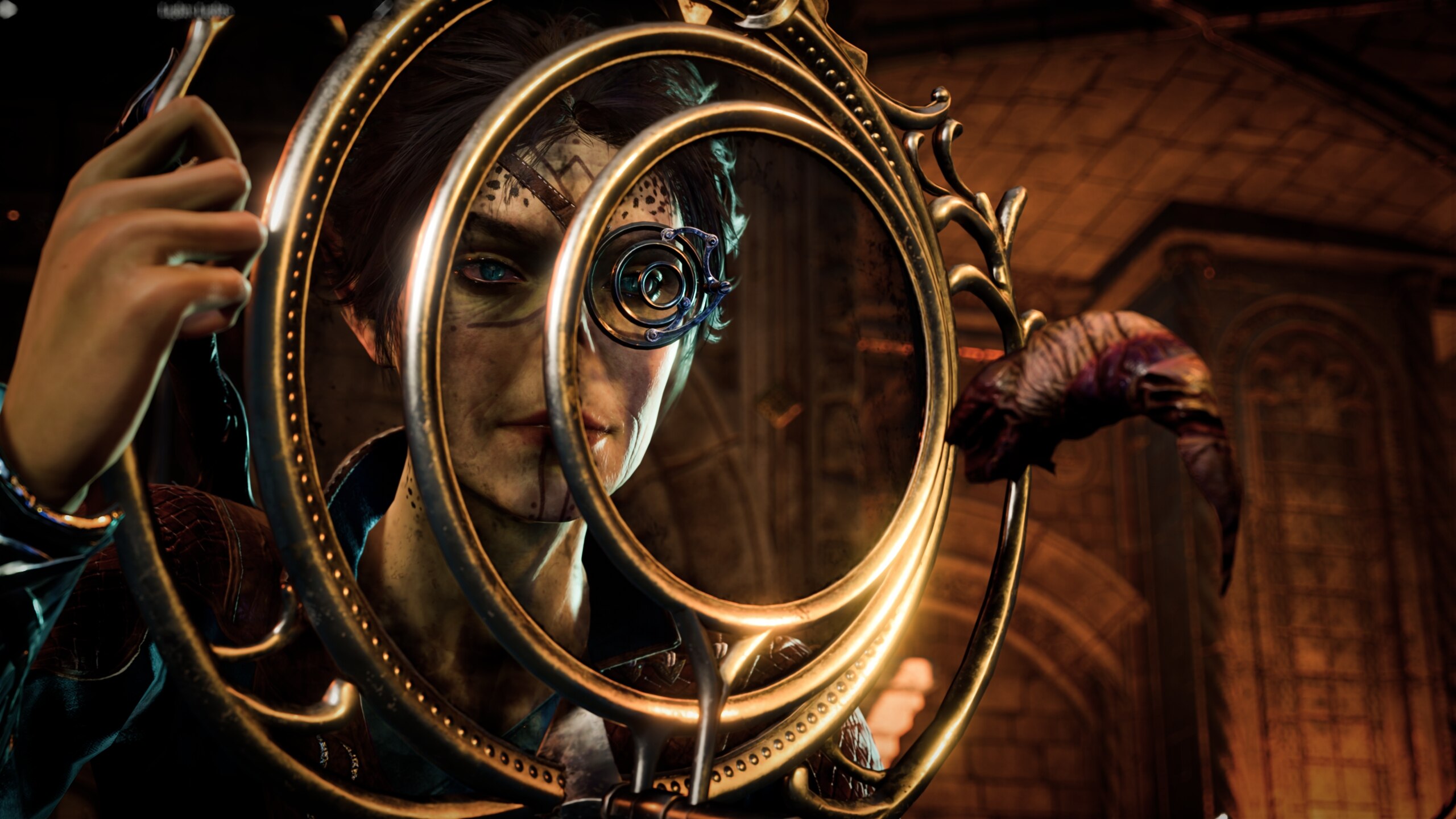
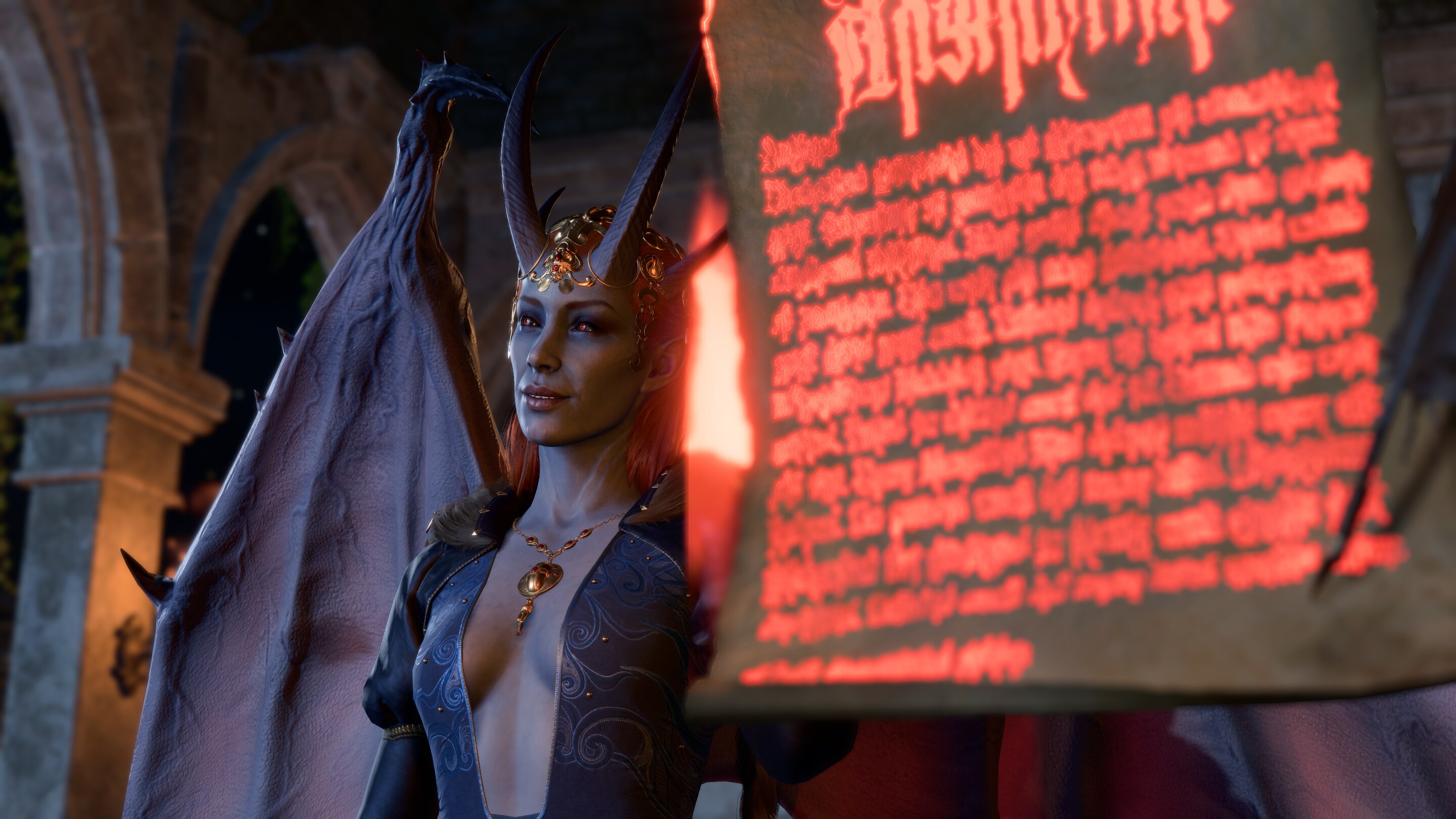
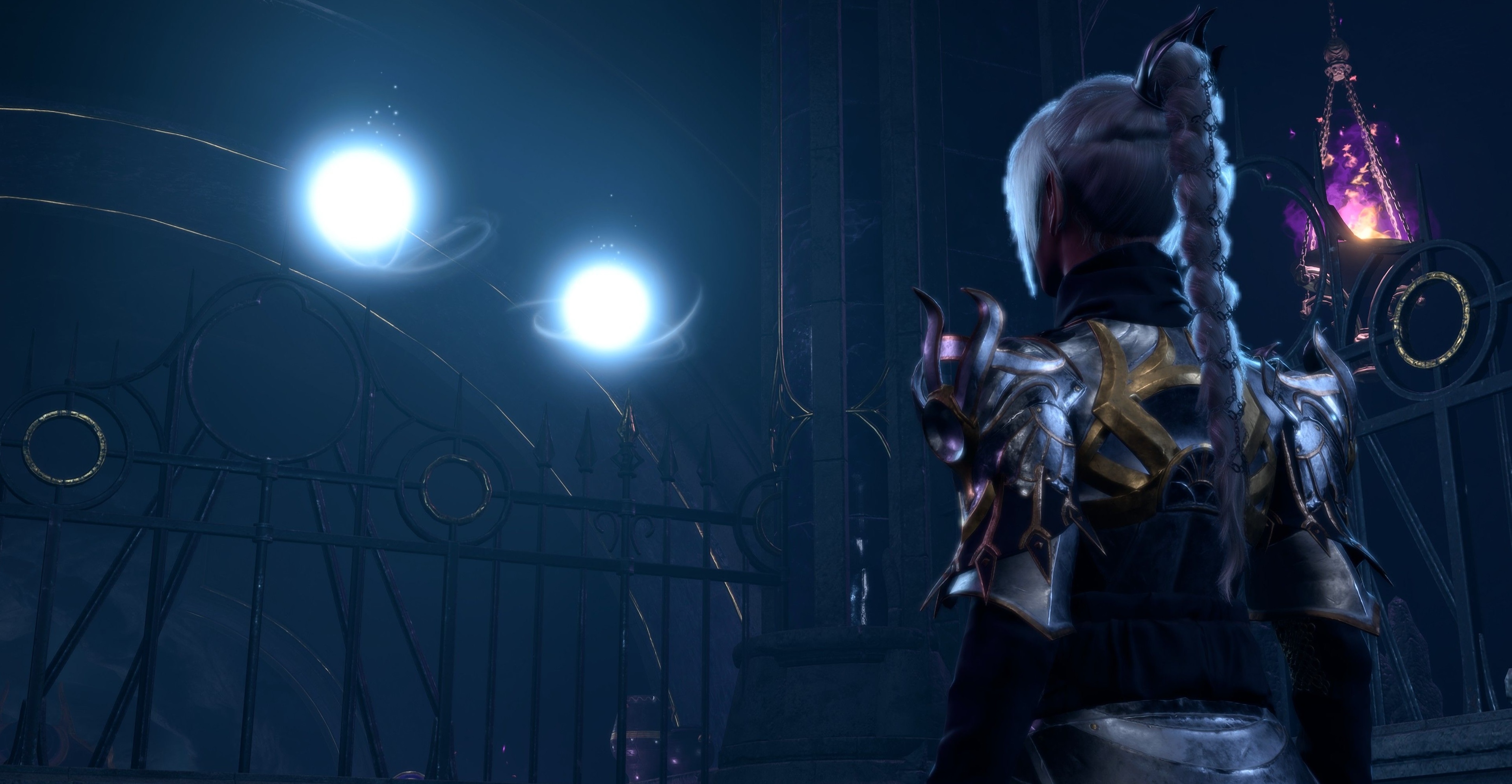
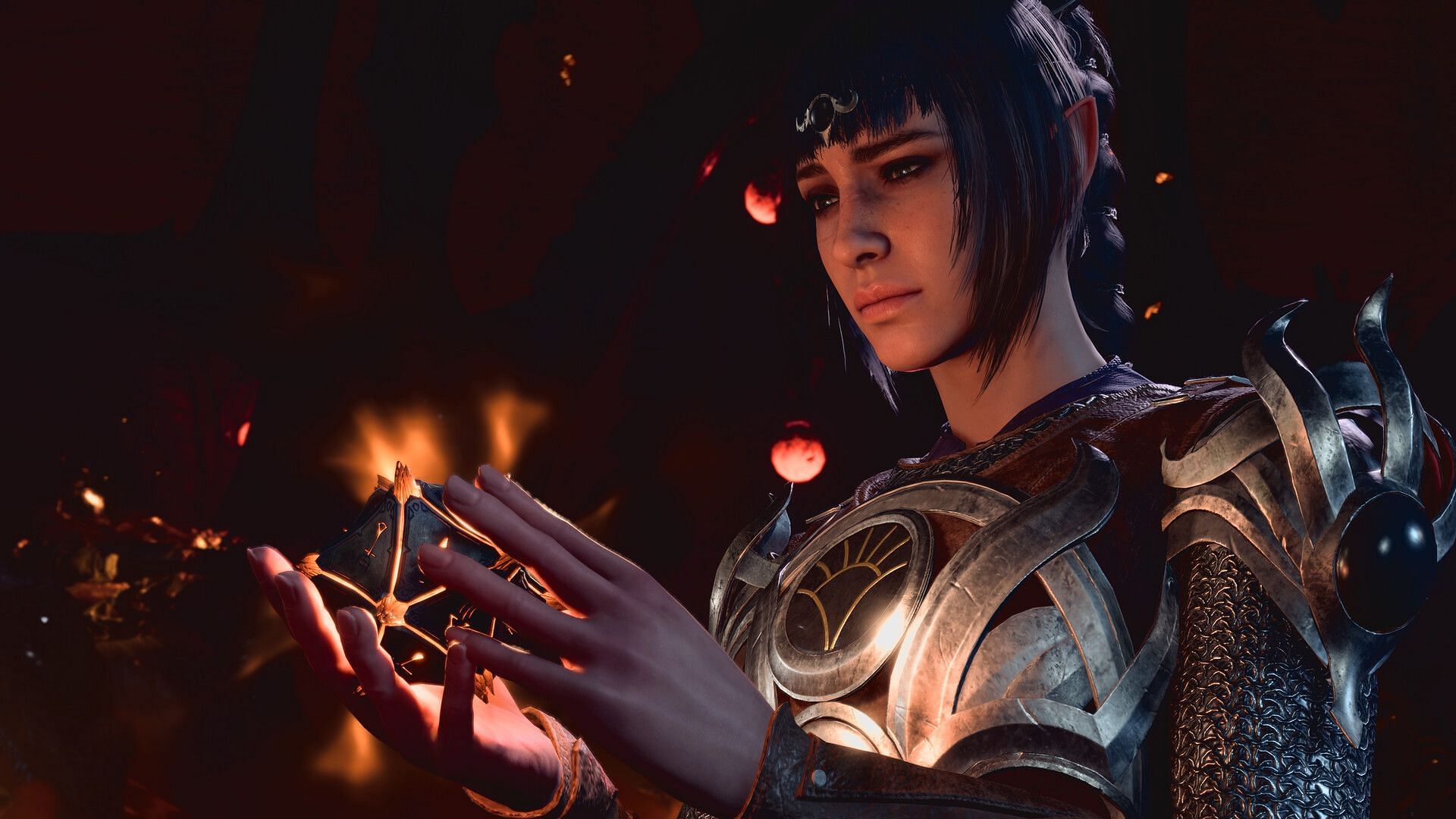
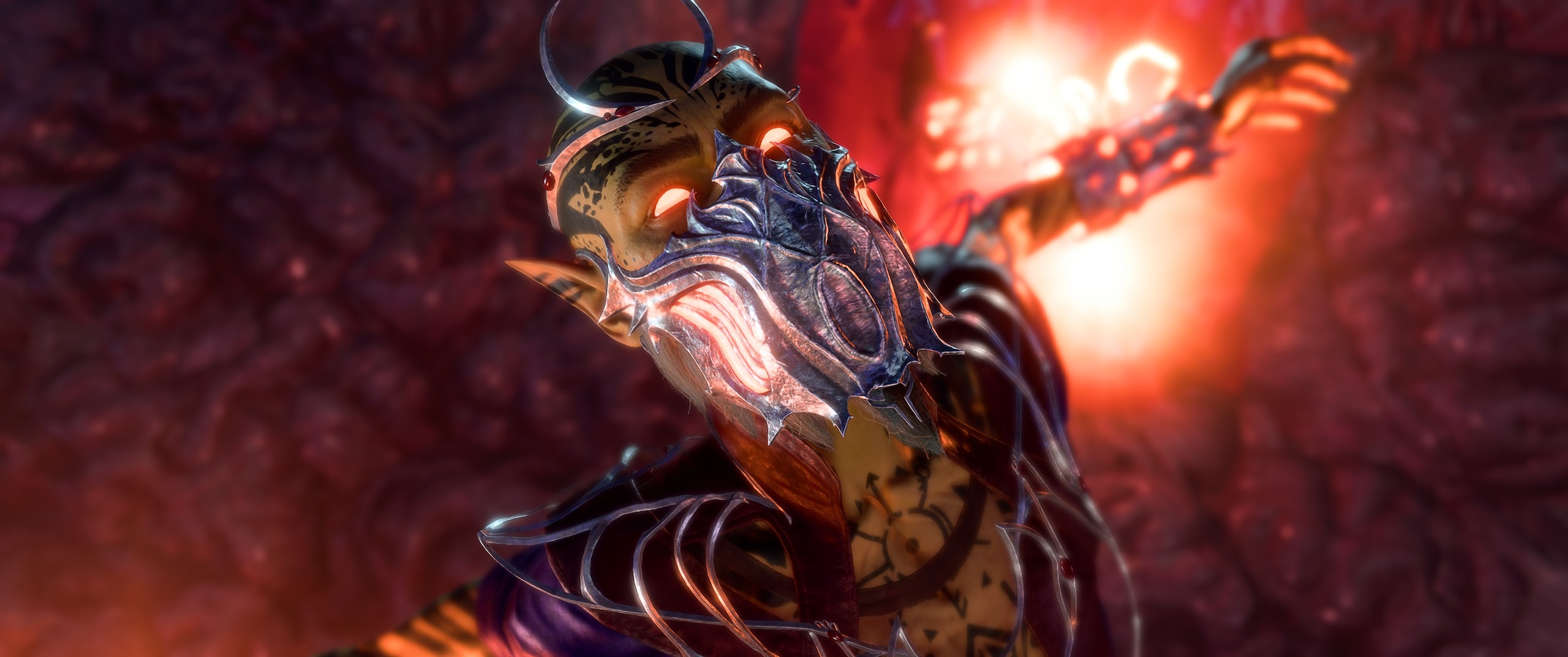
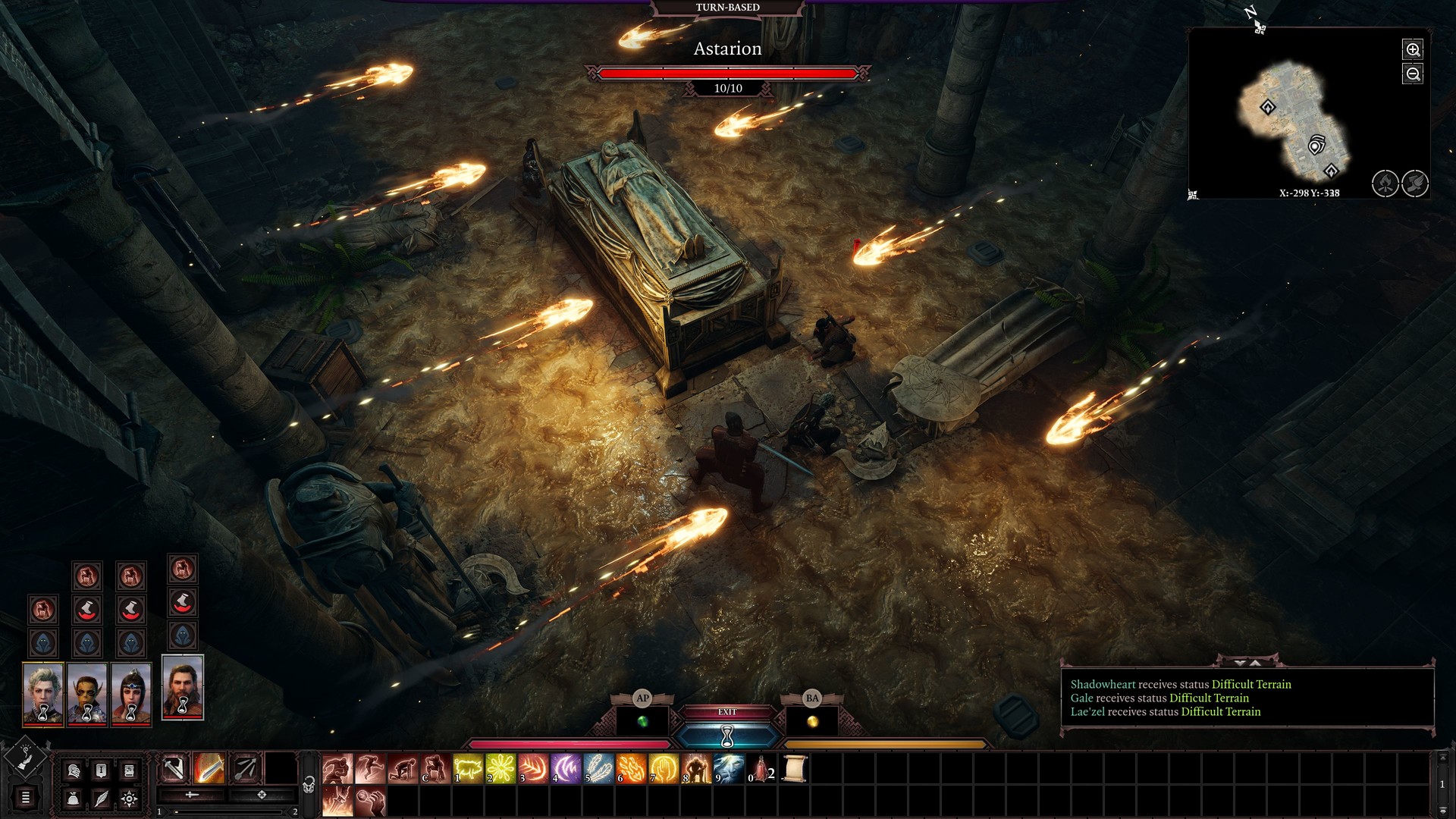
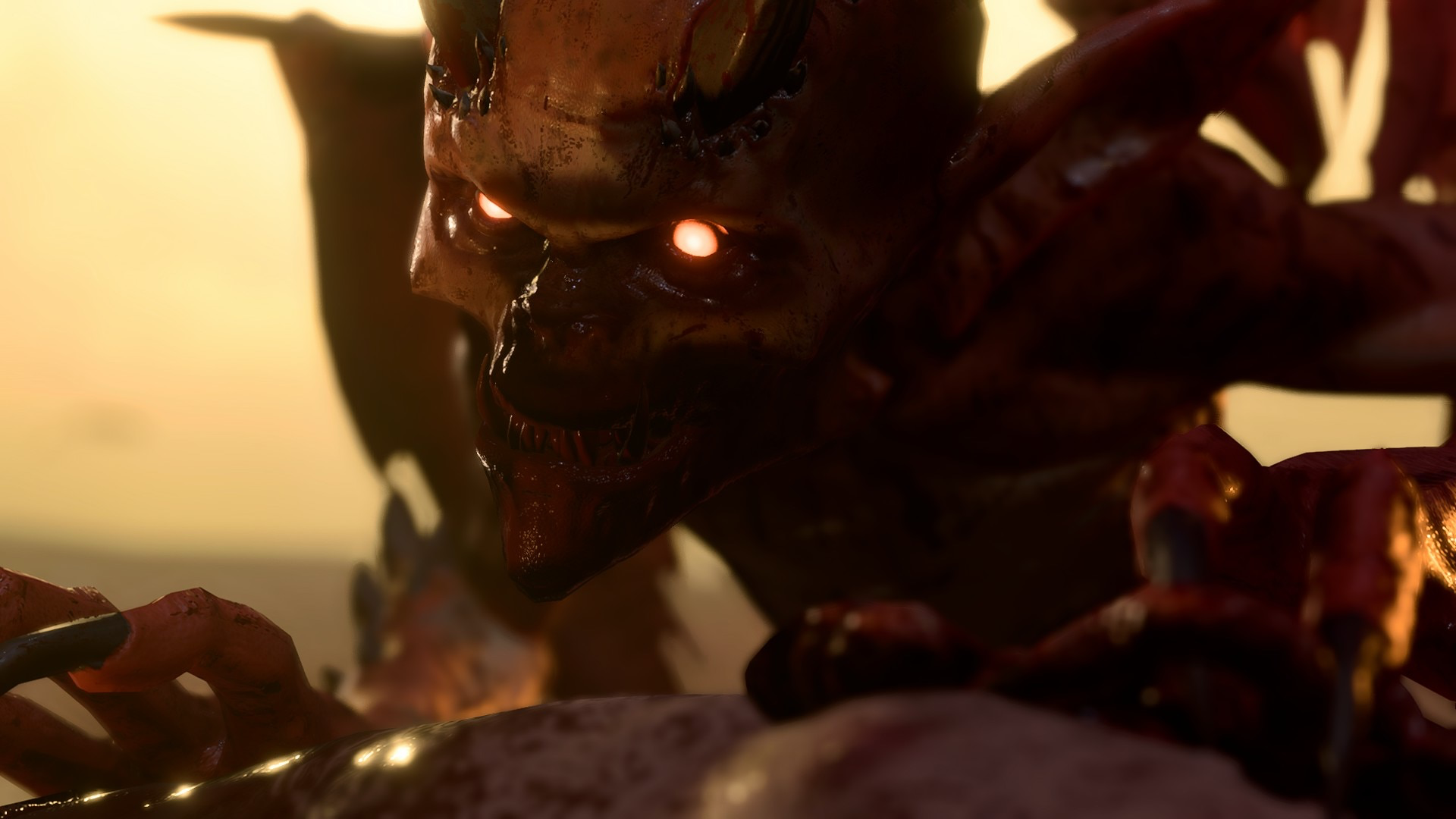

Baldur's Gate III



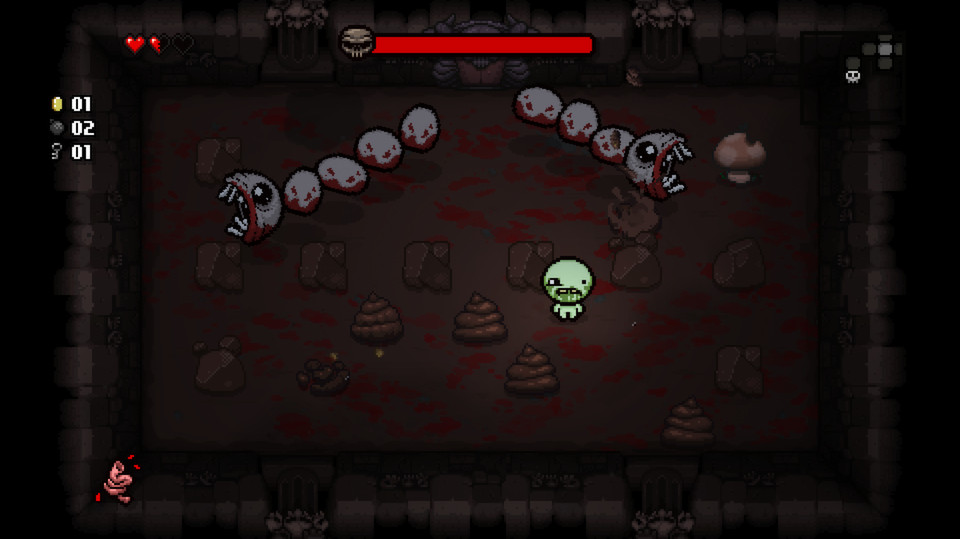
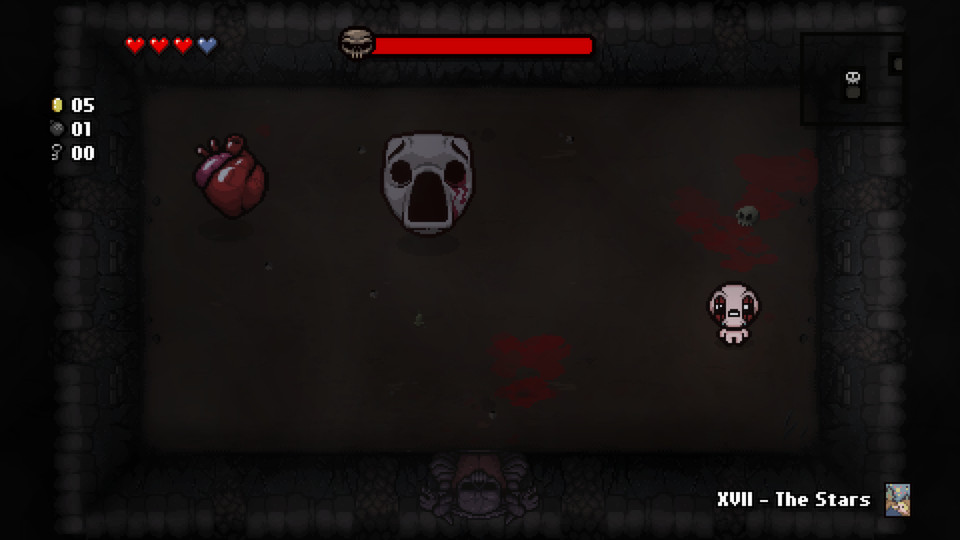
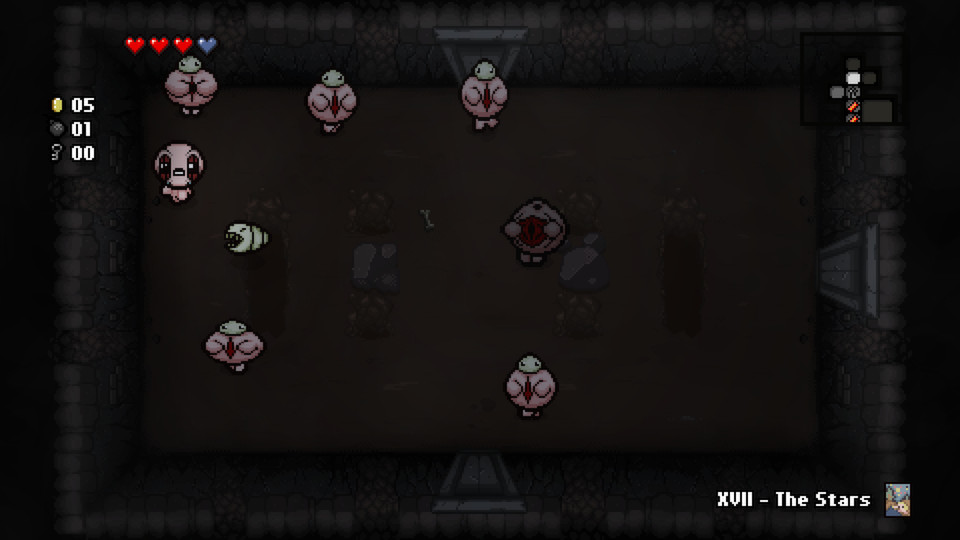
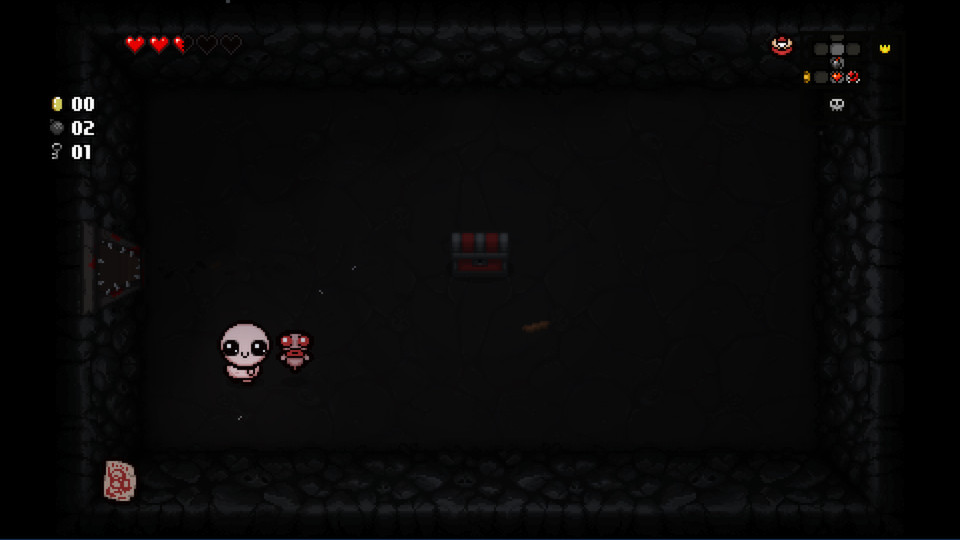


The Binding of Isaac: Rebirth


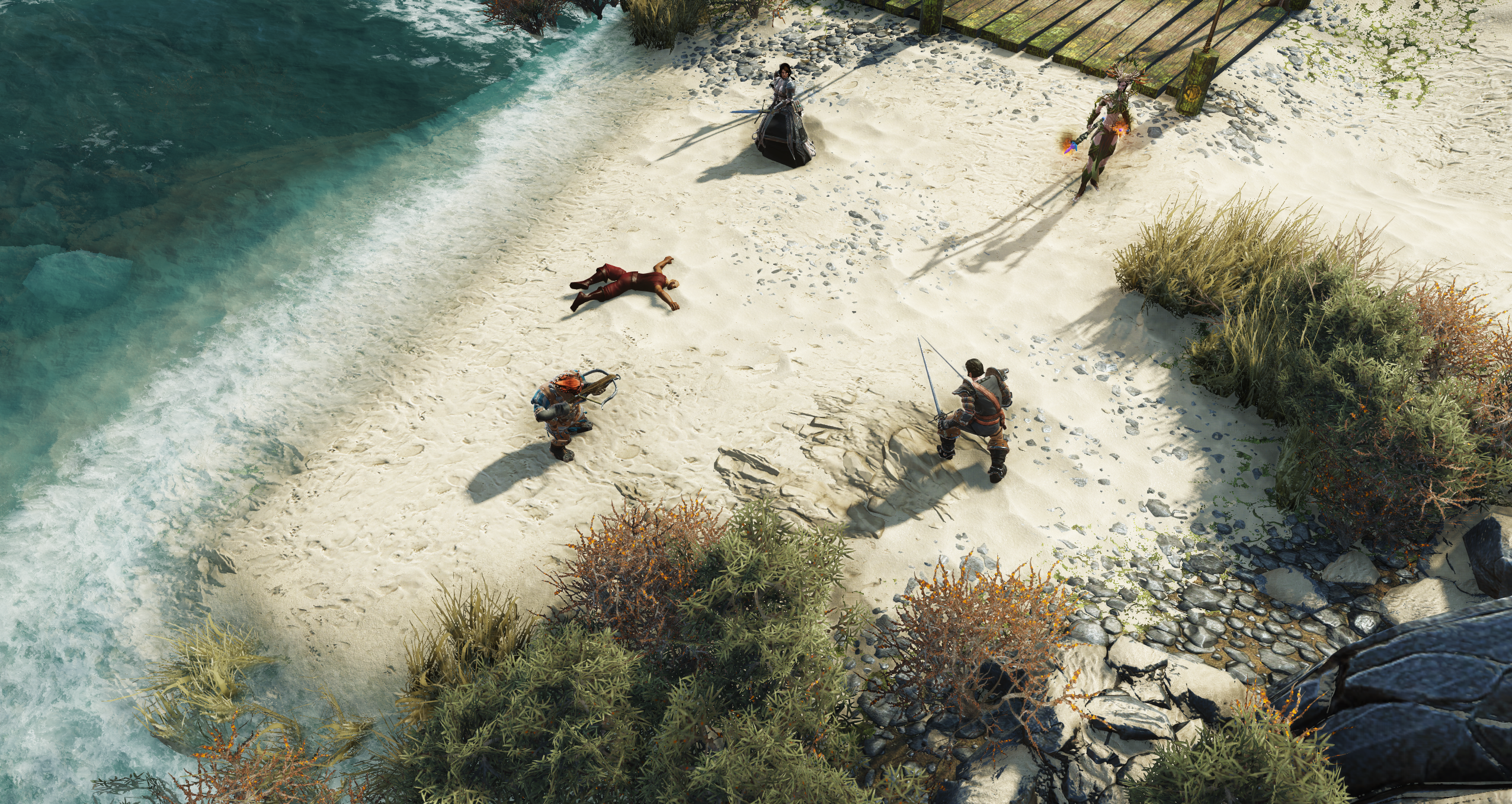

Divinity: Original Sin II

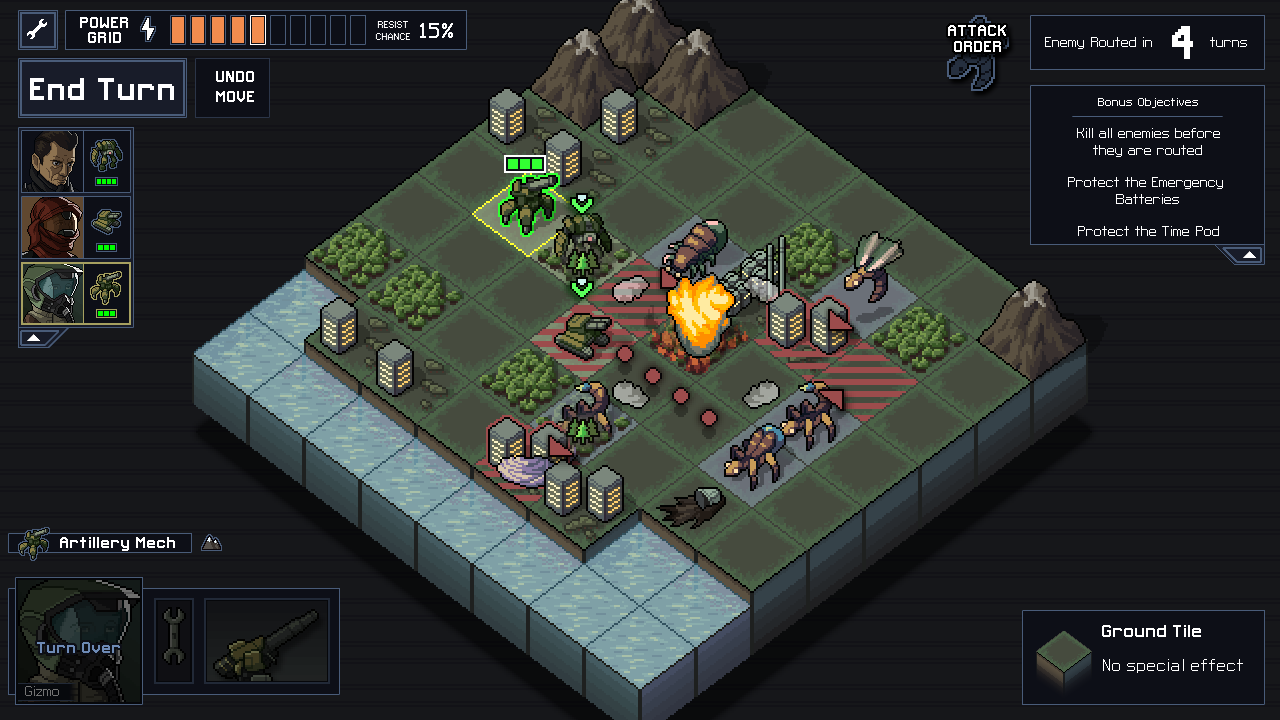

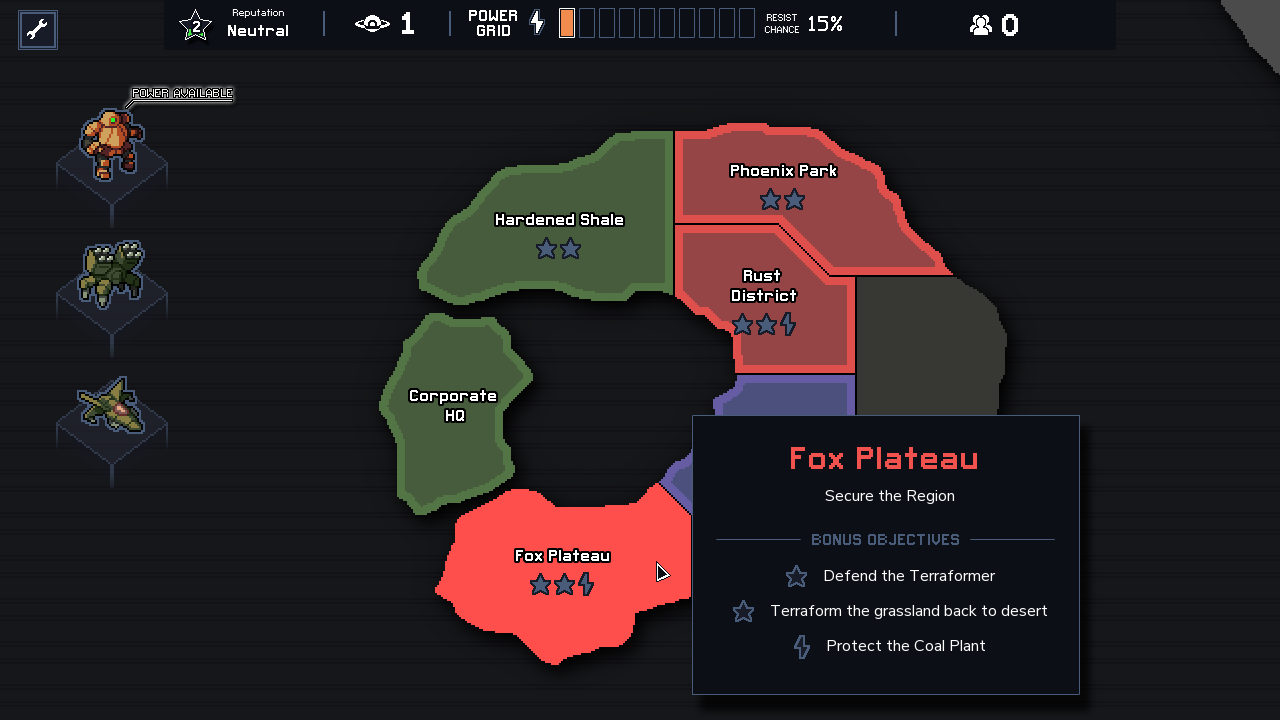

Into the Breach


Heroes of Might and Magic V

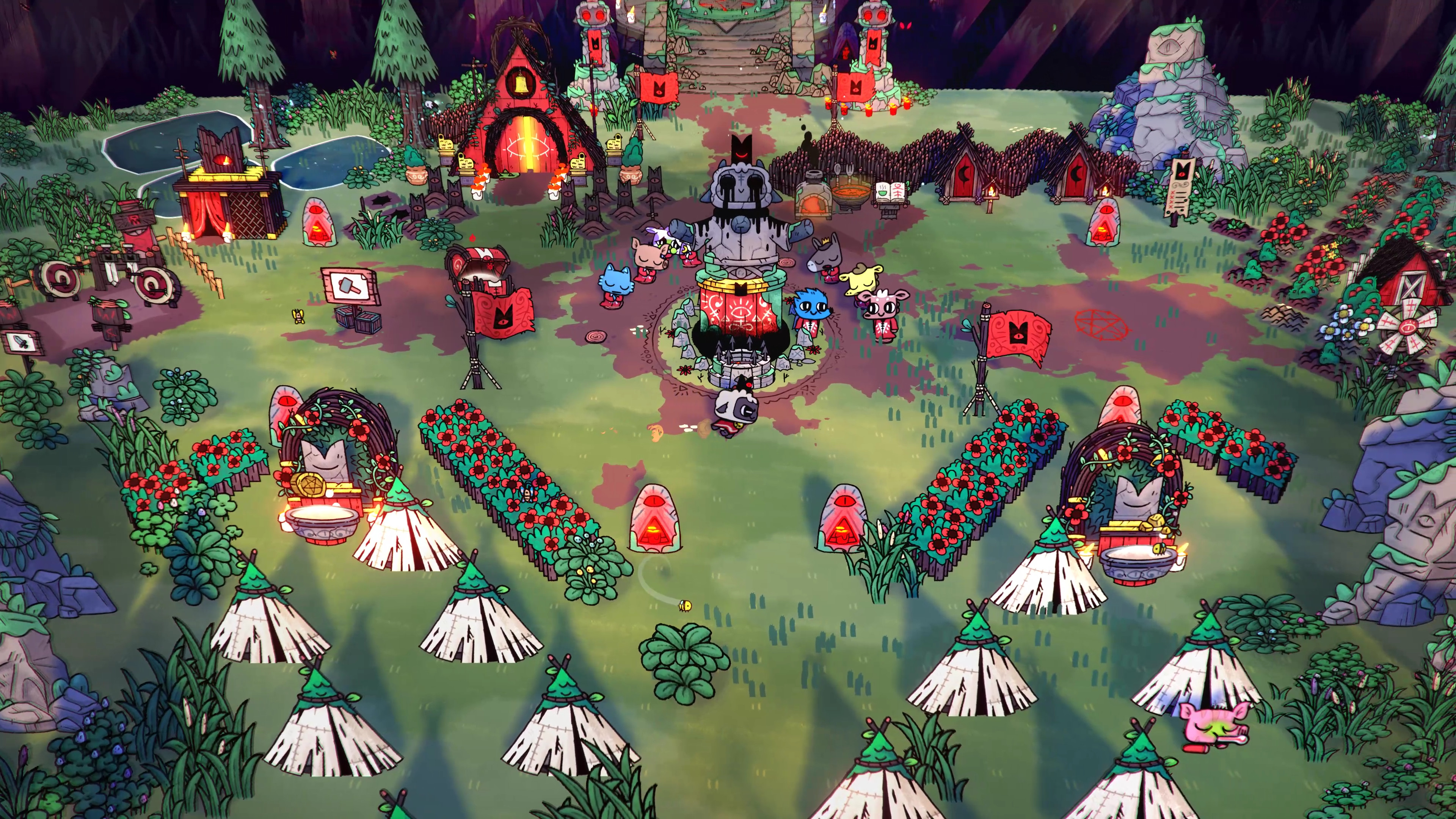
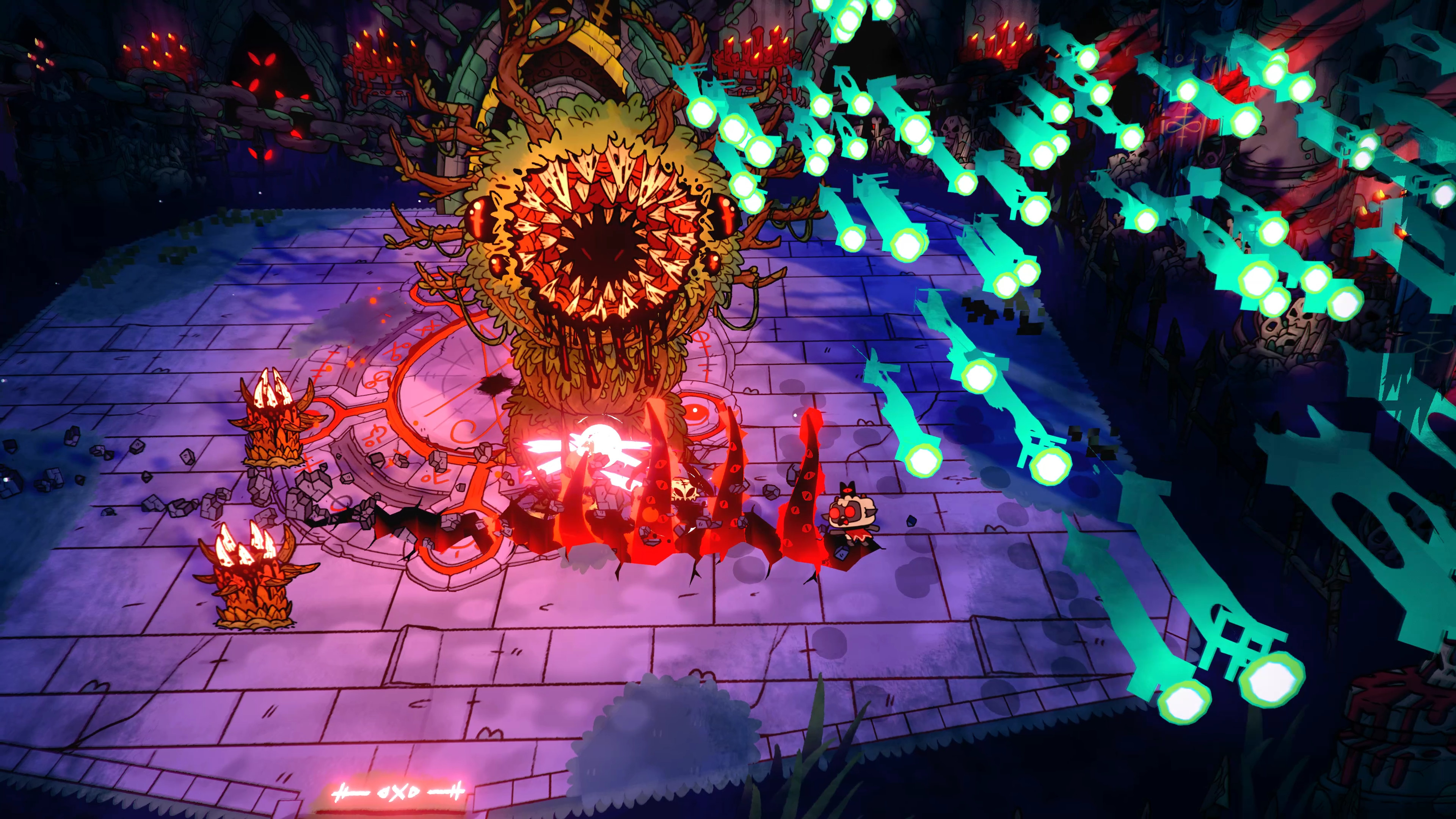

Cult of the Lamb
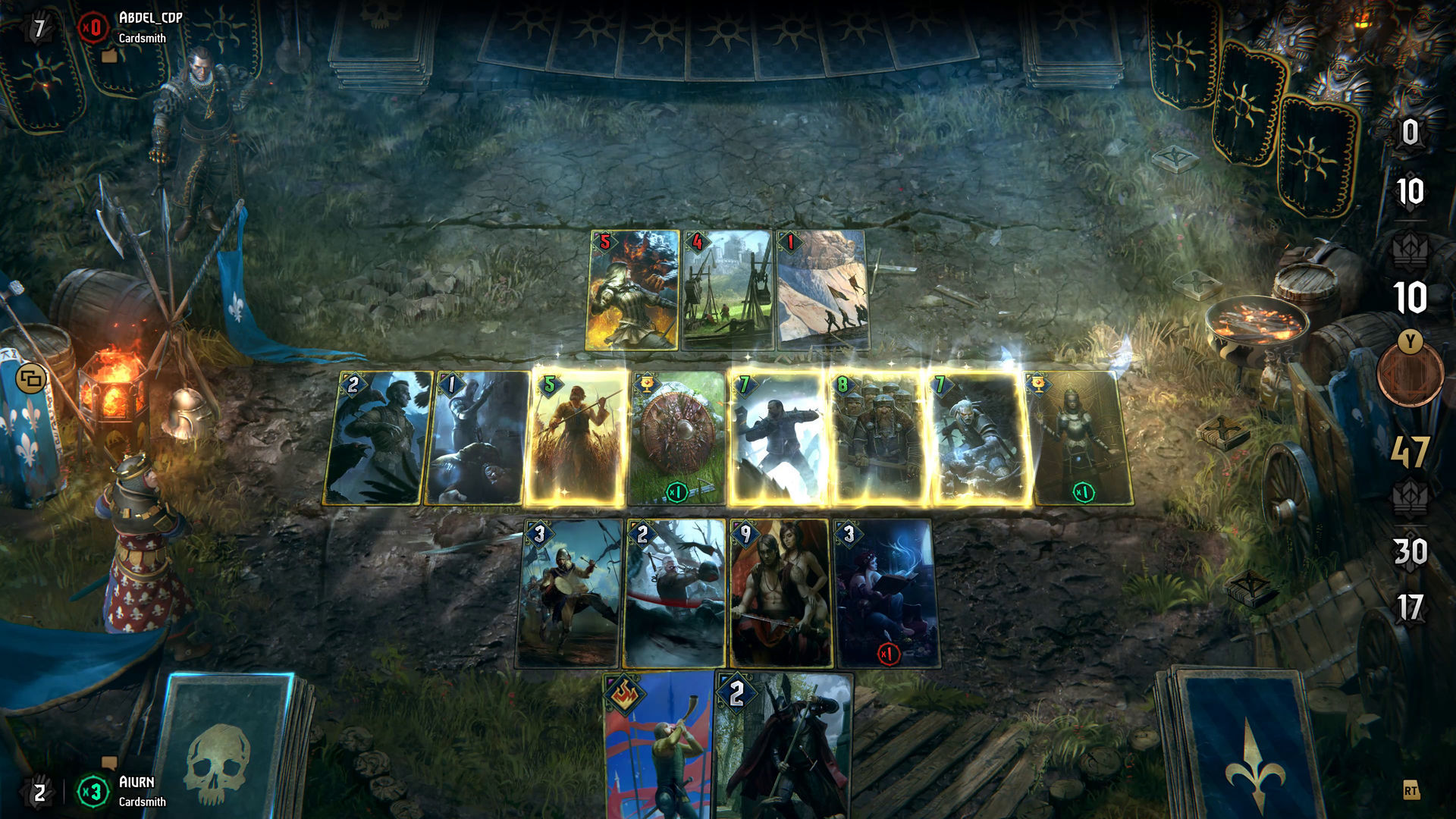

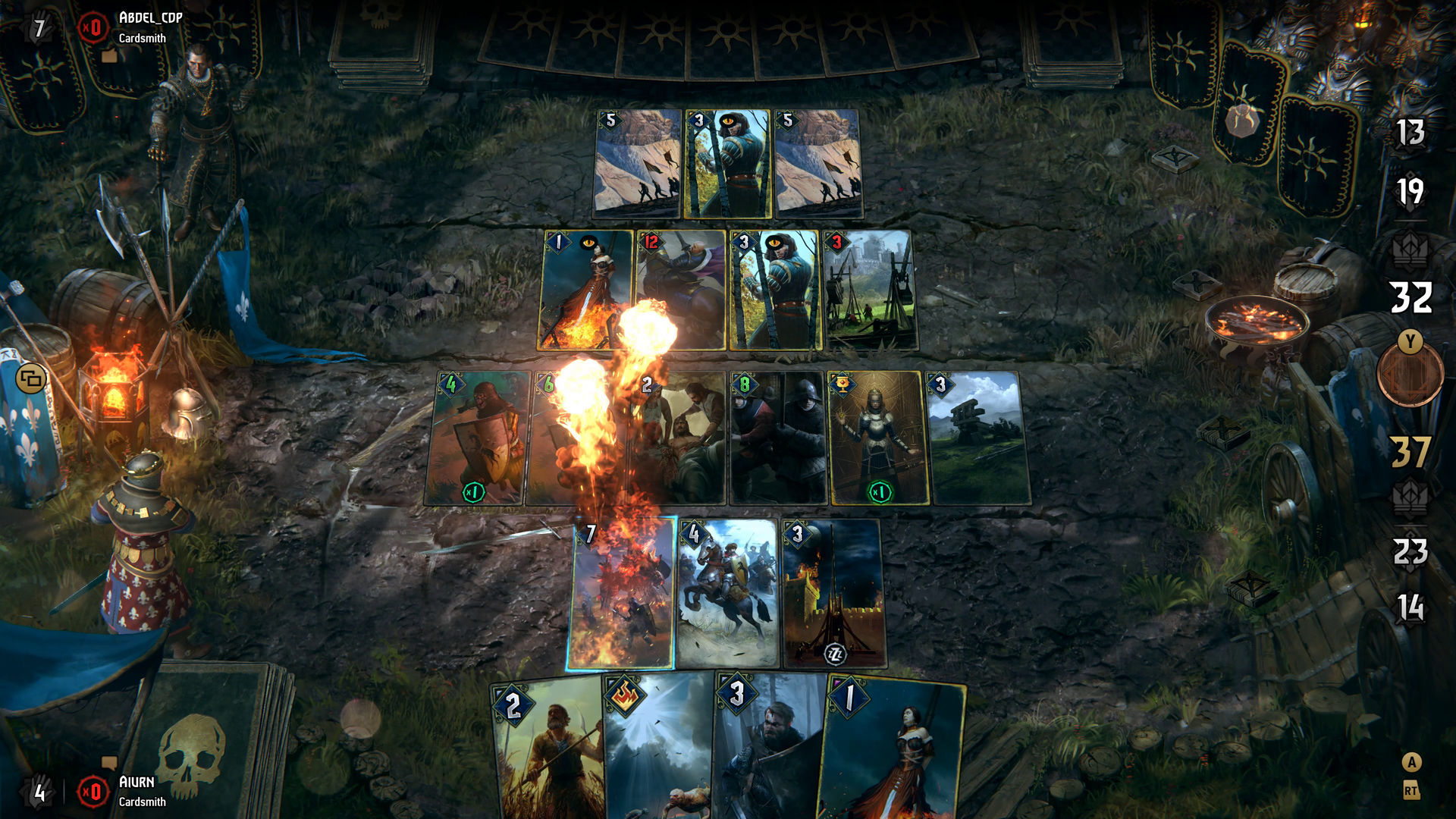
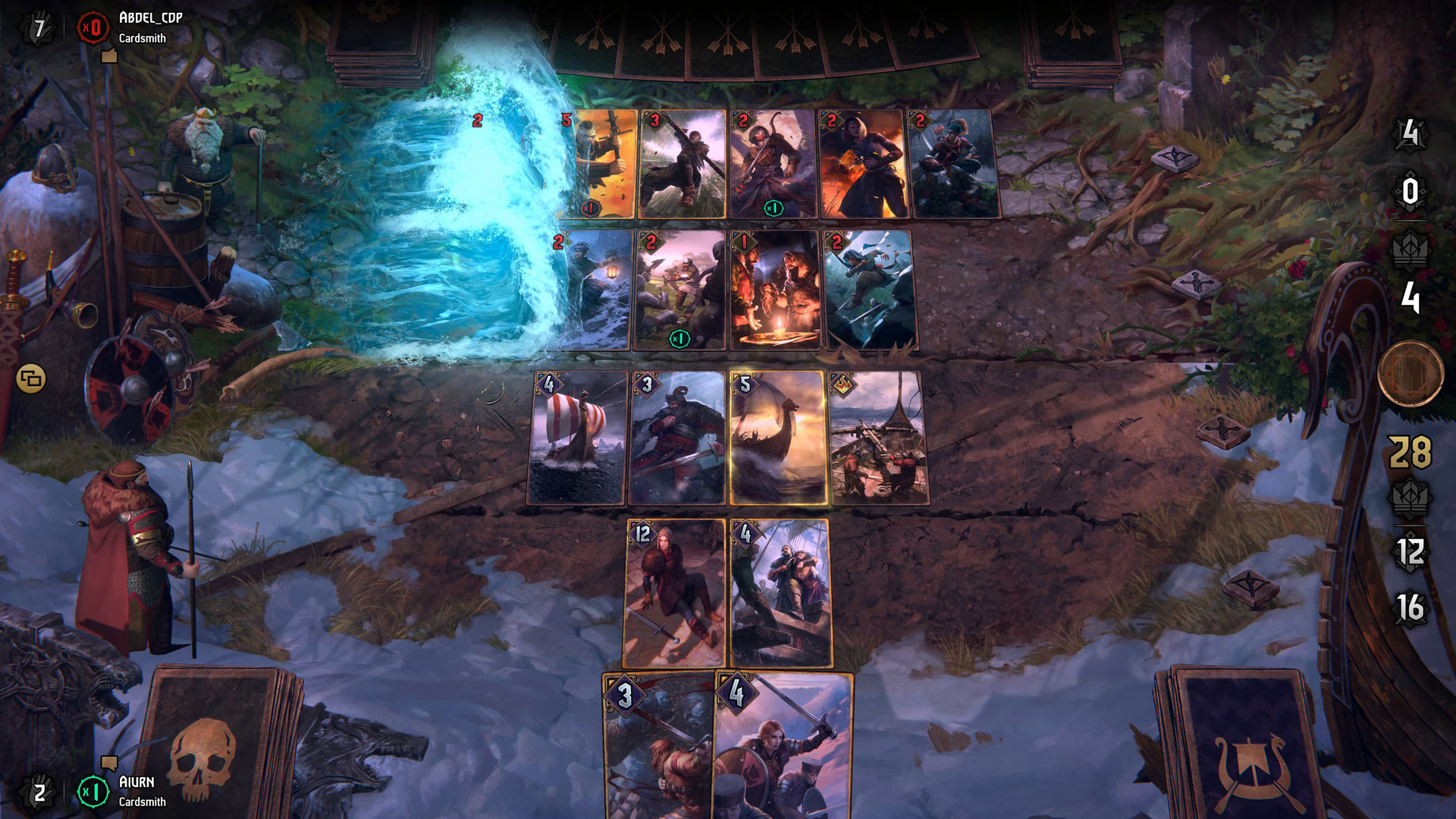

Gwent: The Witcher Card Game
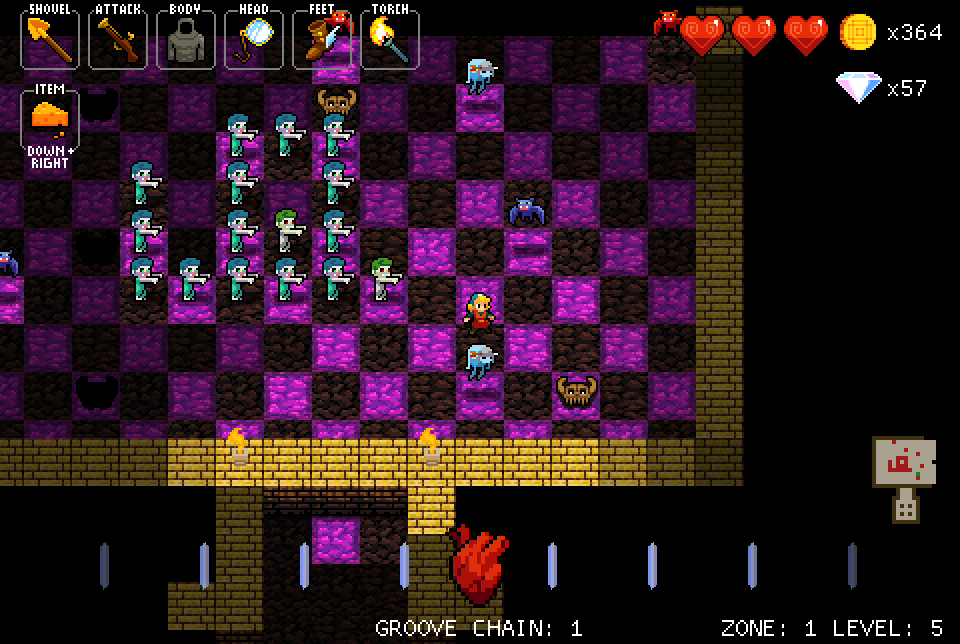


Crypt of the NecroDancer

Loop Hero