Game Info
↑ Back to top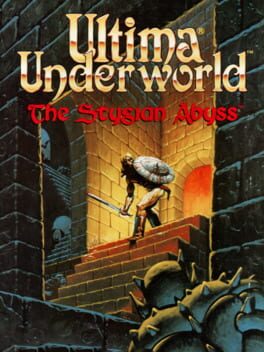

Ultima Underworld: The Stygian Abyss
Series:
Genres:
Themes:
Perspectives:
Game Modes:
Overview
↑ Back to topDescription from IGDB IGDB
The Isle of the Avatar was discovered during the Fourth Age (as related in Quest of the Avatar), at the climax of the Avatar’s quest. The Stranger from Another World, who came to Britannia in answer to Lord British’s summons, completed the Test of the Eight Virtues and became the Avatar — the embodiment of the pure axiom of life. It was during his journeys that the Avatar unearthed a chilling artifact: the skull of Mondain the Wicked, the first of the Triad of Evil. There were those who claimed that the artifact held the power to destroy all life on our world. Fortunately, it was the Stranger who discovered it, and not someone of lesser Virtue. Upon completing the Path of the Eight Virtues, the Avatar embarked on a search for the Codex of Ultimate Wisdom. Legend linked this ancient tome with the subterranean maze known as the Great Stygian Abyss. “Truly, no one has ever plumbed its depths,” wrote Shamino, who arranged by magic to obtain a map of its corridors. “I cannot imagine the horrors that await the first to venture into the Stygian depths.”
Storyline IGDB
Setting Ultima Underworld is set in Britannia, the fantasy world of the Ultima series. Specifically, the game takes place inside a large, underground dungeon called the Great Stygian Abyss. The dungeon's entrance lies on the Isle of the Avatar, an island ruled by Baron Almric. The Abyss first appeared in Ultima IV: Quest of the Avatar, in which it contains the player's final goal, the Codex of Ultimate Wisdom. Ultima Underworld is set after the events of Ultima VI: The False Prophet; in the time between the two games, a man named Cabirus attempted to create a utopian colony inside the Abyss. The eight settlements of the Ultima series each embody one of eight virtues, and Cabirus wished to create a ninth that embodied all virtues. To achieve this, he united diverse cultures and races in peaceful co-existence and planned to promote harmony by giving each group one of eight virtue-imbued magical artifacts. However, he died before distributing the artifacts, and left no instructions for doing so. As a result, the colony collapsed into anarchy and war, and the artifacts were lost. At the time of Ultima Underworld, the Abyss contains the remnants of Cabirus's colony, inhabited by fractious groups of humans, goblins, trolls and others. Story Before the beginning of the game, the Abyss-dwelling wizard brothers Garamon and Tyball accidentally summon a demon, the Slasher of Veils, while experimenting with inter-dimensional travel. Garamon is used as bait to lure the demon into a room imbued with virtue. However, the demon offers Tyball great power if he betrays Garamon. Tyball agrees, but the betrayal fails; Garamon is killed, but seals the demon inside the room. Because he lacks virtue, Tyball cannot re-enter by himself, and plans to sacrifice Baron Almric's daughter, Arial, at the doorway to gain entrance. In the game's introduction, the ghost of Garamon haunts the Avatar's dreams with warnings of a great danger in Britannia. The Avatar allows Garamon to take him there, where he watches Tyball kidnap Arial. Tyball escapes, leaving the Avatar to be caught by the Baron's guards. The guards take him to the Baron, who banishes him to the Great Stygian Abyss to rescue Arial. After the introduction, the Avatar explores the dungeon and finds remnants of Cabirus's colony. A few possible scenarios include deciding the fate of two warring goblin tribes, learning a language, and playing an instrument to complete a quest. The Avatar eventually defeats Tyball and frees Arial.
Wikipedia Description WIKIPEDIA
Ultima Underworld is a role-playing video game (RPG) that takes place from a first-person perspective in a three-dimensional environment. The player's goal is to adventure through a large, multi-level dungeon, in which the entire game is set. The player uses a freely movable mouse cursor to interact with the game's world, and with the icon-based interface on the heads-up display (HUD). Each icon has a specific effect; for example, the player uses the Look icon to examine objects closely, while the Fight icon readies the weapons of the player character. The player's progression through the game is non-linear: areas may be explored, and puzzles and quests finished, in any order. An automatically filling map, to which the player may add notes, records what the player has seen above a minimum level of brightness. The player character may carry light sources to extend the line of sight in varying amounts. Exploratory actions include looking up and down, jumping, and swimming. The player begins the game by creating a character, for whom traits such as gender, class and skills may be selected. Skills range from fighting with an axe, to bartering, to picking locks. By participating in combat, quests and exploration, the character gains experience points. When certain amounts of experience points are accumulated, the character levels up, gaining additional hit points and mana. Experience is required to recite mantras at shrines in the game. Each mantra is a statement—such as "Om Cah"—that increases proficiency in a specific skill when typed. Simple mantras are provided in the game's manual, while more complex ones are hidden throughout the game. An inventory on the HUD lists the items and weapons carried by the player character; carrying capacity is limited by weight. Players equip items via a paper doll system, wherein items are clicked-and-dragged onto a representation of the player character. Combat occurs in real-time, and the player character may use both melee and ranged weapons. The player attacks by holding the cursor over the game screen and clicking, depressing the button longer to inflict greater damage. Some weapons allow for different types of attacks depending on where the cursor is held; for example, clicking near the bottom of the screen may result in a jab, while clicking in the middle produces a slash. Simulated dice rolls occur behind the scenes to determine weapon accuracy. Enemies sometimes try to escape when near death, and the game's stealth mechanics may occasionally be used to avoid combat altogether. The player may cast spells by selecting an appropriate combination of runestones. Like mantras, runestones must be found in the game world before use. There are over forty spells, some undocumented; their effects range from causing earthquakes to flight. The developers intended Ultima Underworld to be a realistic and interactive "dungeon simulation", rather than a straightforward role-playing video game. For example, many objects in the game have no actual use, while a lit torch may be used on corn to create popcorn. Weapons deteriorate with use, and the player character must eat and rest; light sources burn out unless extinguished before sleeping. A physics system allows, among other things, for items to bounce when thrown against surfaces. The game contains non-player characters (NPCs) with whom the player may interact by selecting dialogue choices from a menu. Most NPCs have possessions, and are willing to trade them. The game was designed to give players "a palette of strategies" with which to approach situations, and its simulation systems allow for emergent gameplay.
About Ultima Underworld: The Stygian Abyss
Ultima Underworld: The Stygian Abyss is a Role-playing (RPG), Stealth game released in 1992 developed by Looking Glass Studios, Looking Glass Technologies that offers Single player gameplay from a first person perspective playable on DOS, FM Towns, PC-9800 Series with 28 user ratings averaging 82.5/100. The game explores themes like Fantasy. If you enjoy Ultima Underworld: The Stygian Abyss, you might also like similar games in our database of 45,000+ titles.
Basic Info
Details
↑ Back to topAdditional Information
Платформы 4
Genres 2
Themes 1
Player Perspectives 1
Game Modes 1
Companies
↑ Back to topDevelopers
Looking Glass Studios
No description available
Looking Glass Technologies
No description available
Publishers
Electronic Arts Victor
No description available
Origin Systems
No description available
ZIOSoft
No description available
Keywords
↑ Back to topScreenshots
↑ Back to top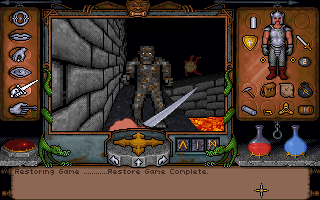
Similar Games
↑ Back to top
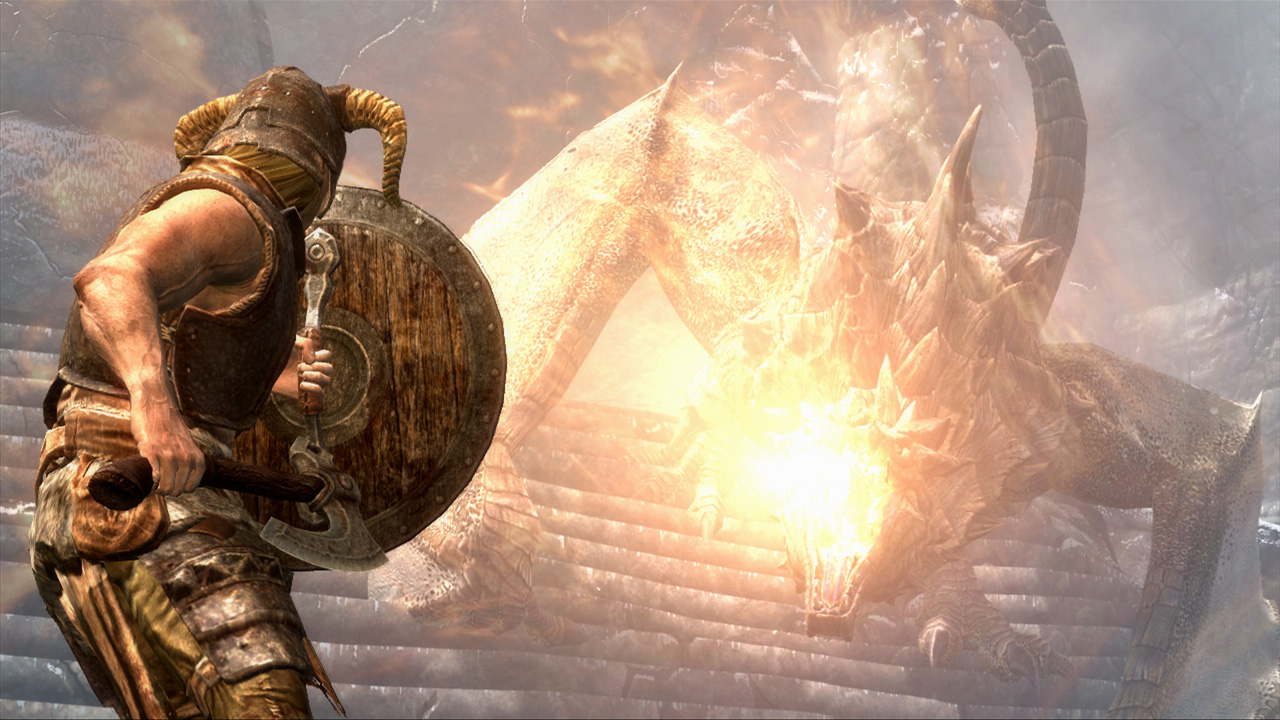
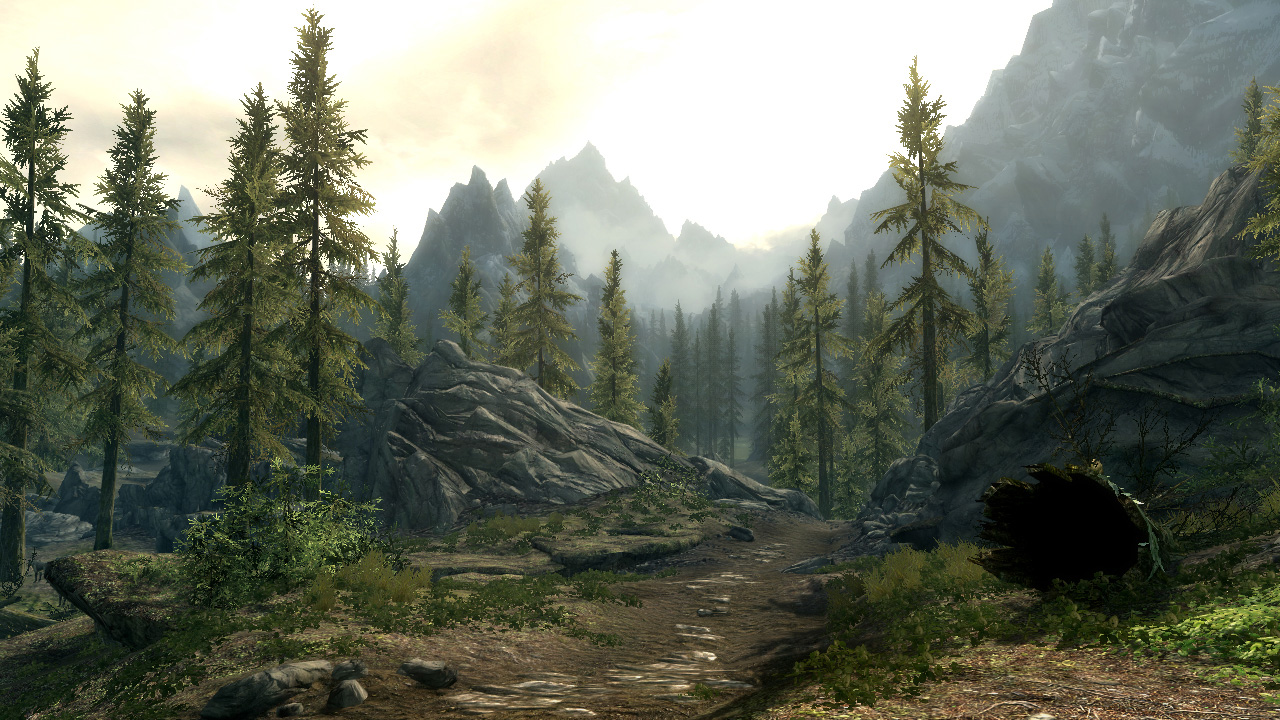
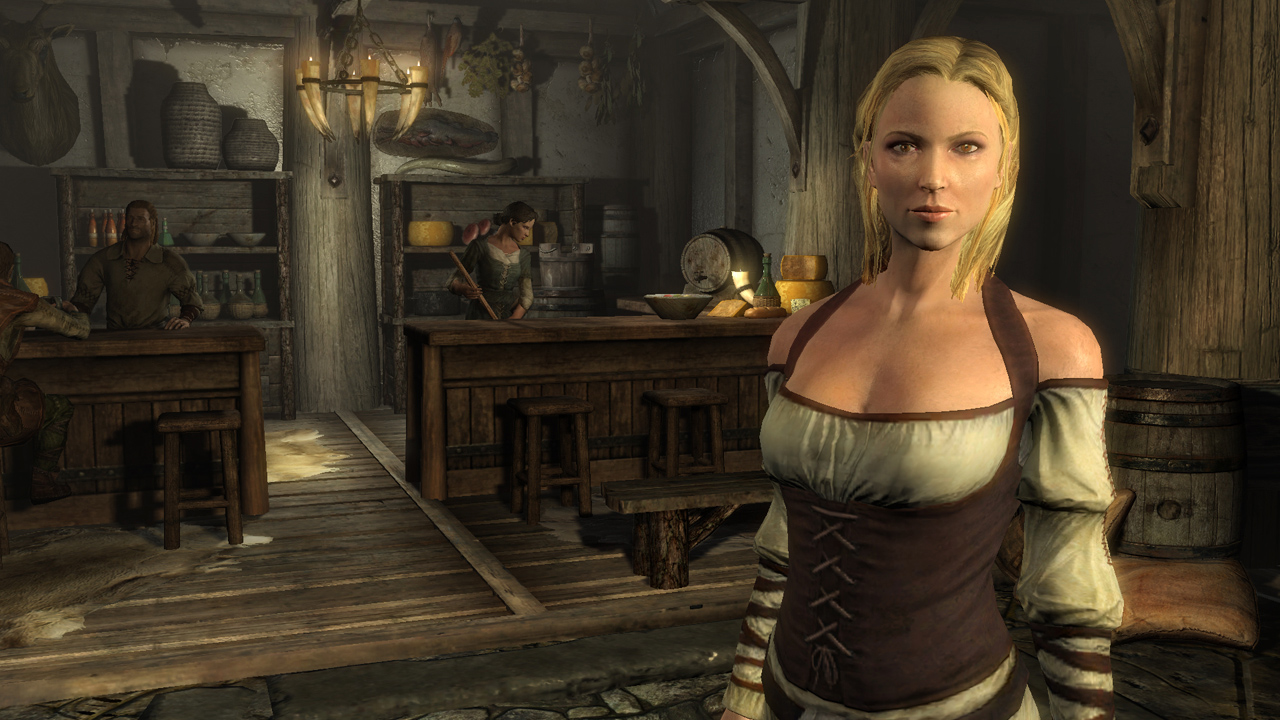
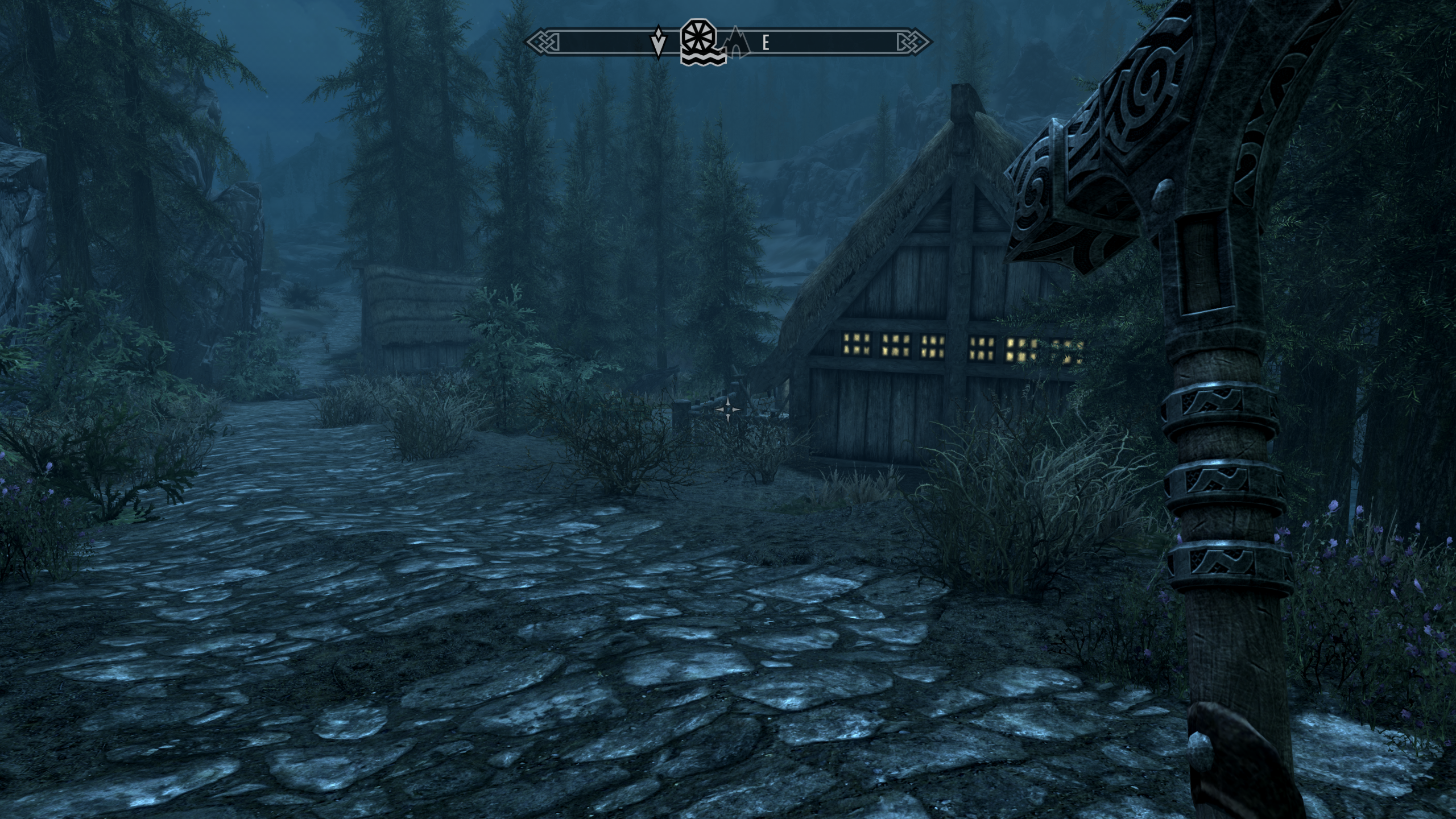

The Elder Scrolls V: Skyrim










Red Dead Redemption 2
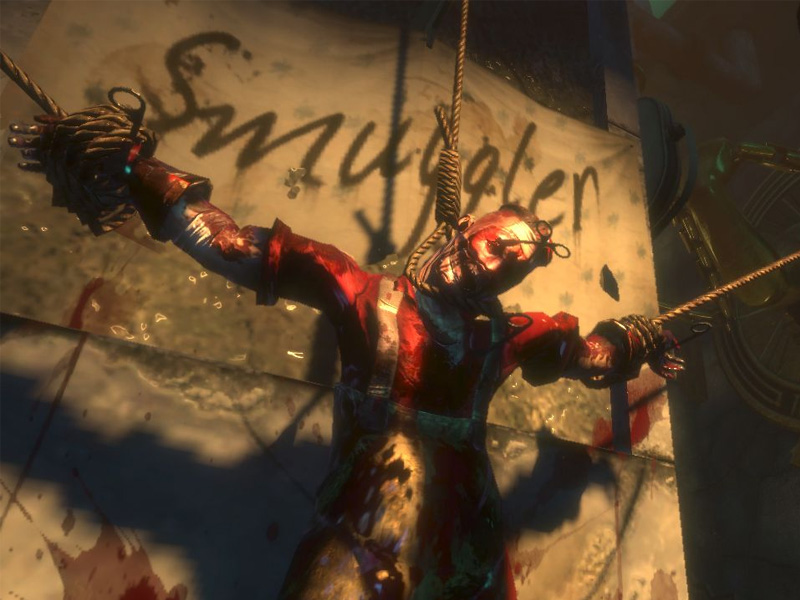

BioShock
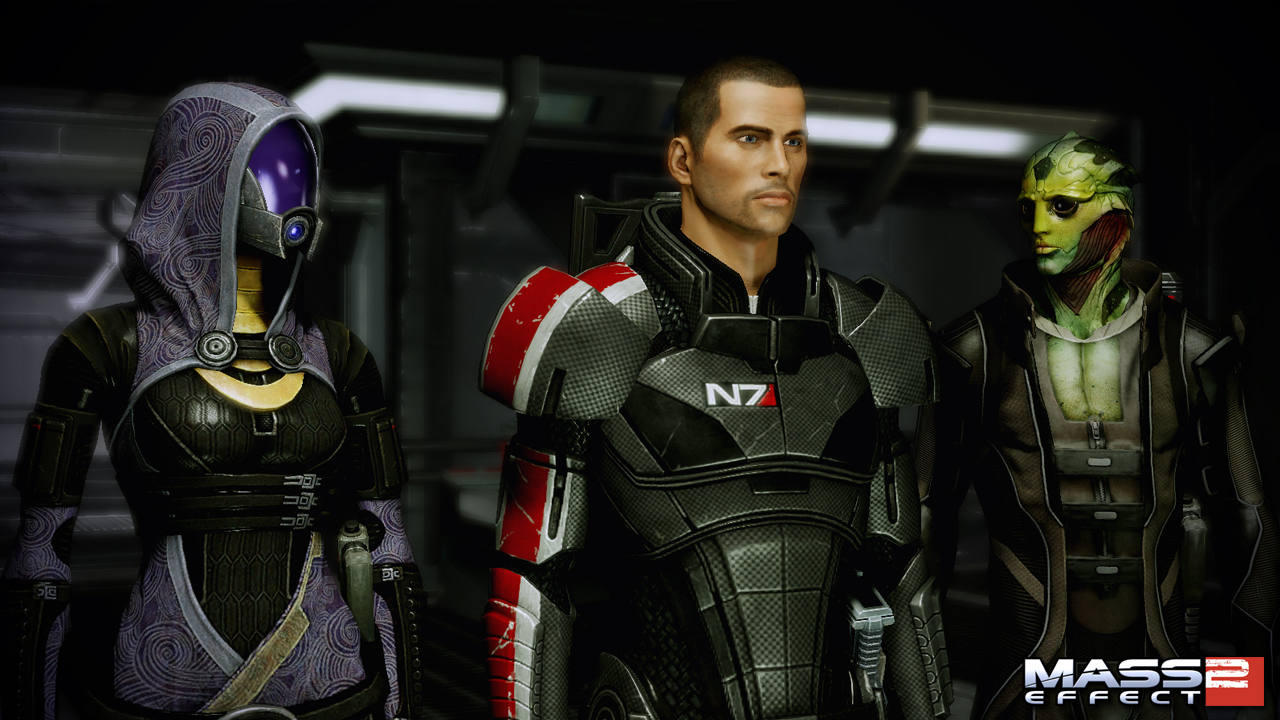
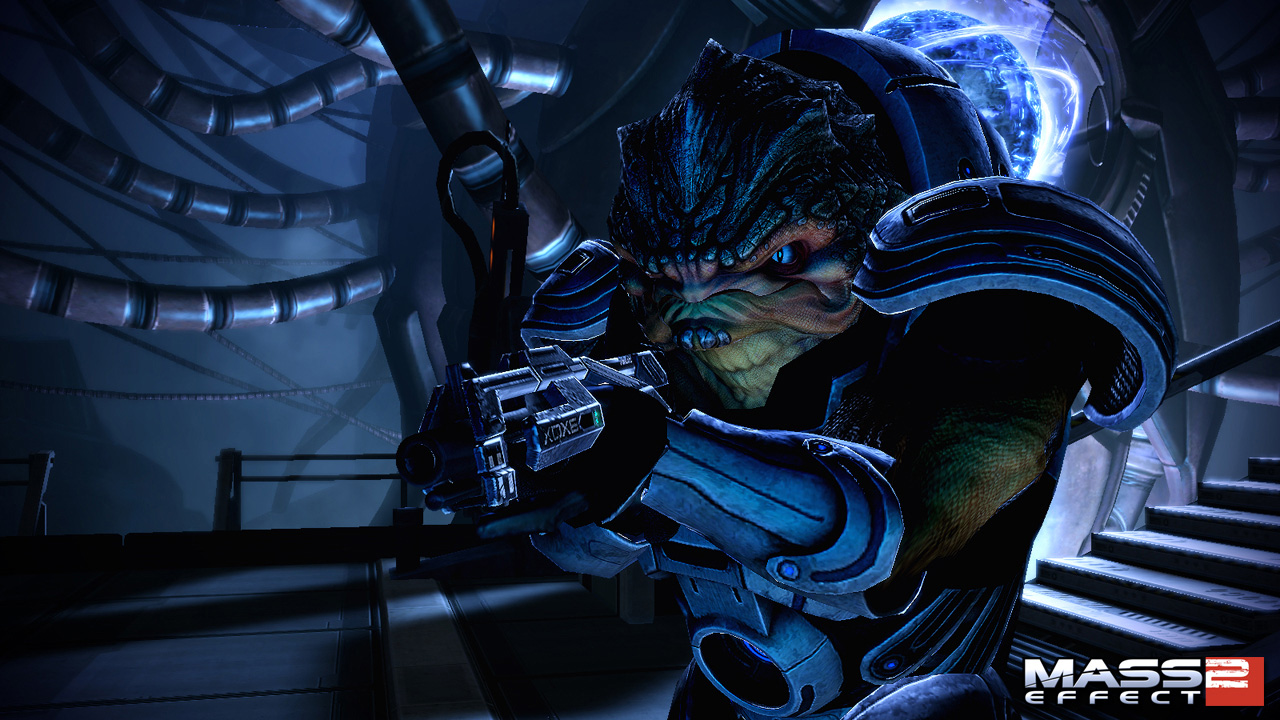
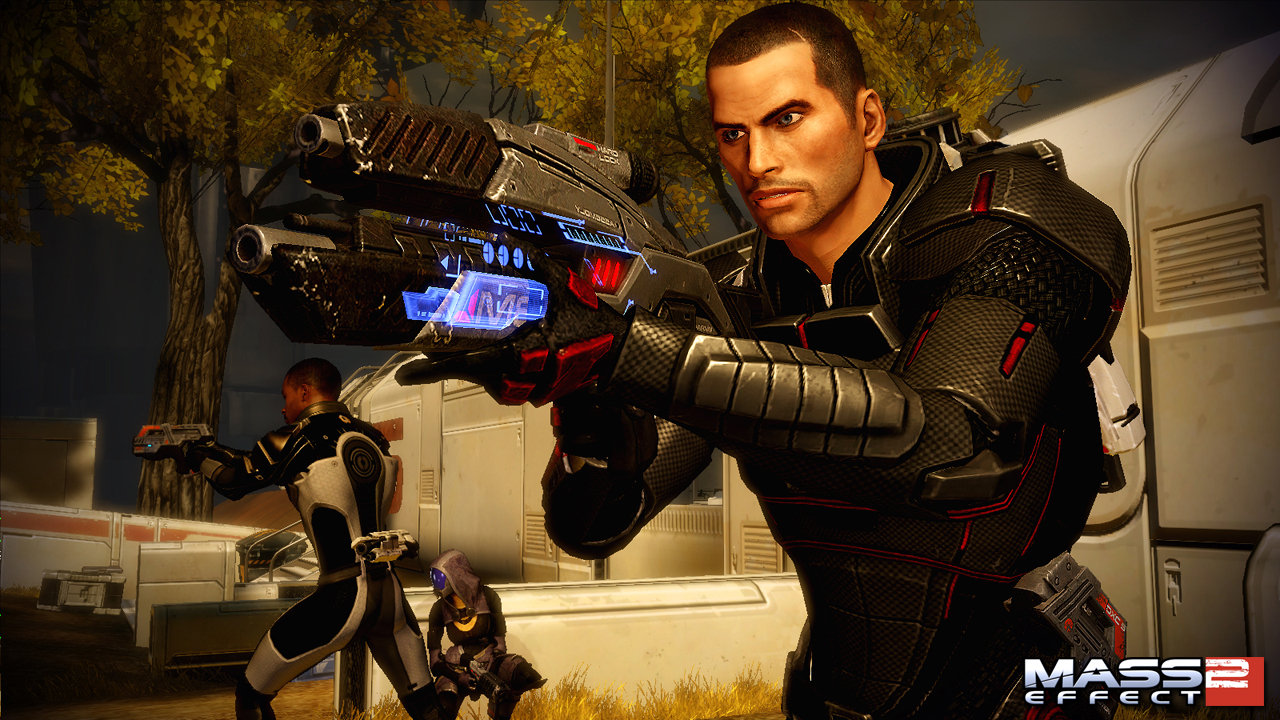
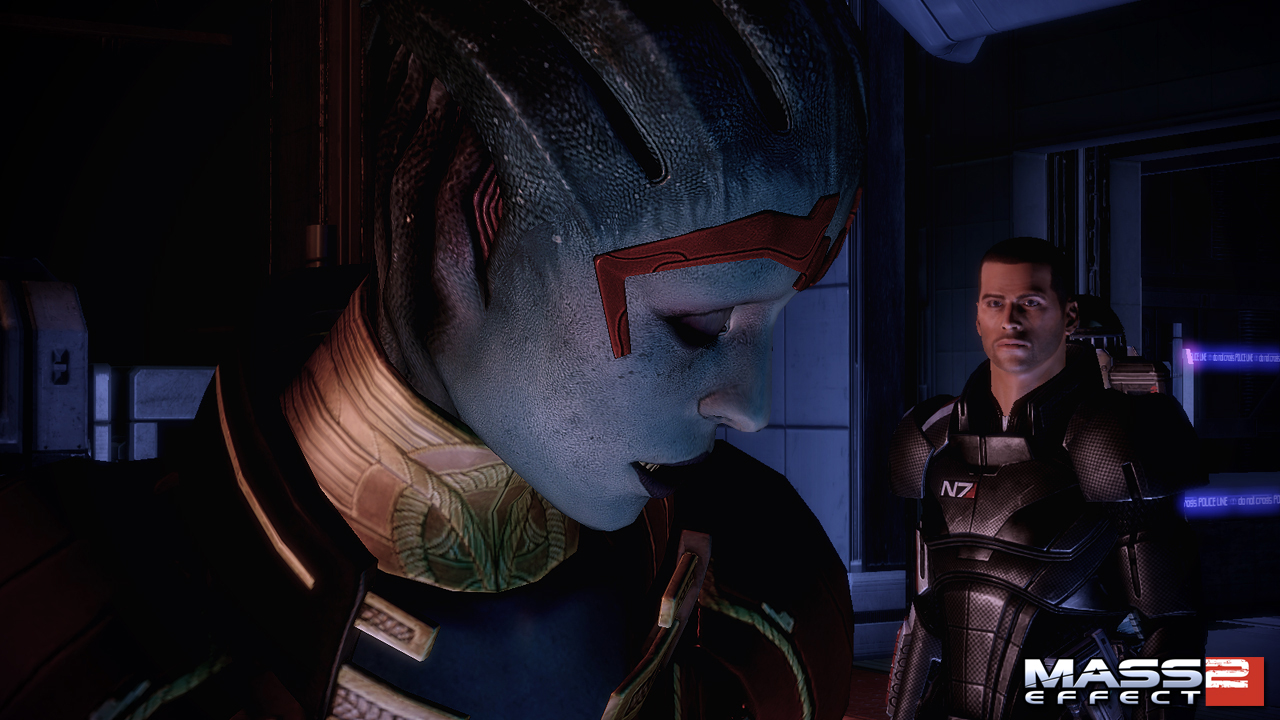


Mass Effect 2
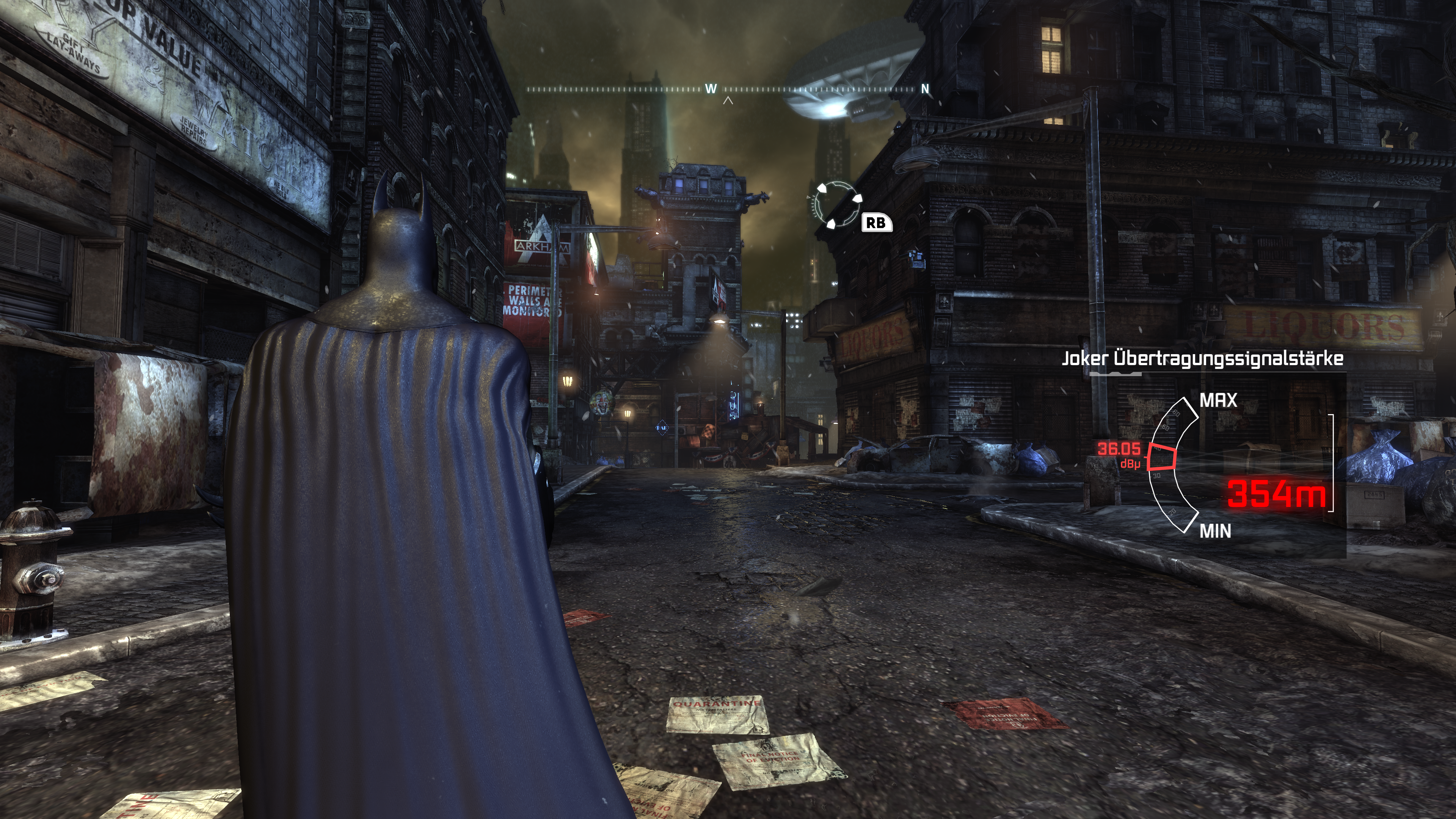
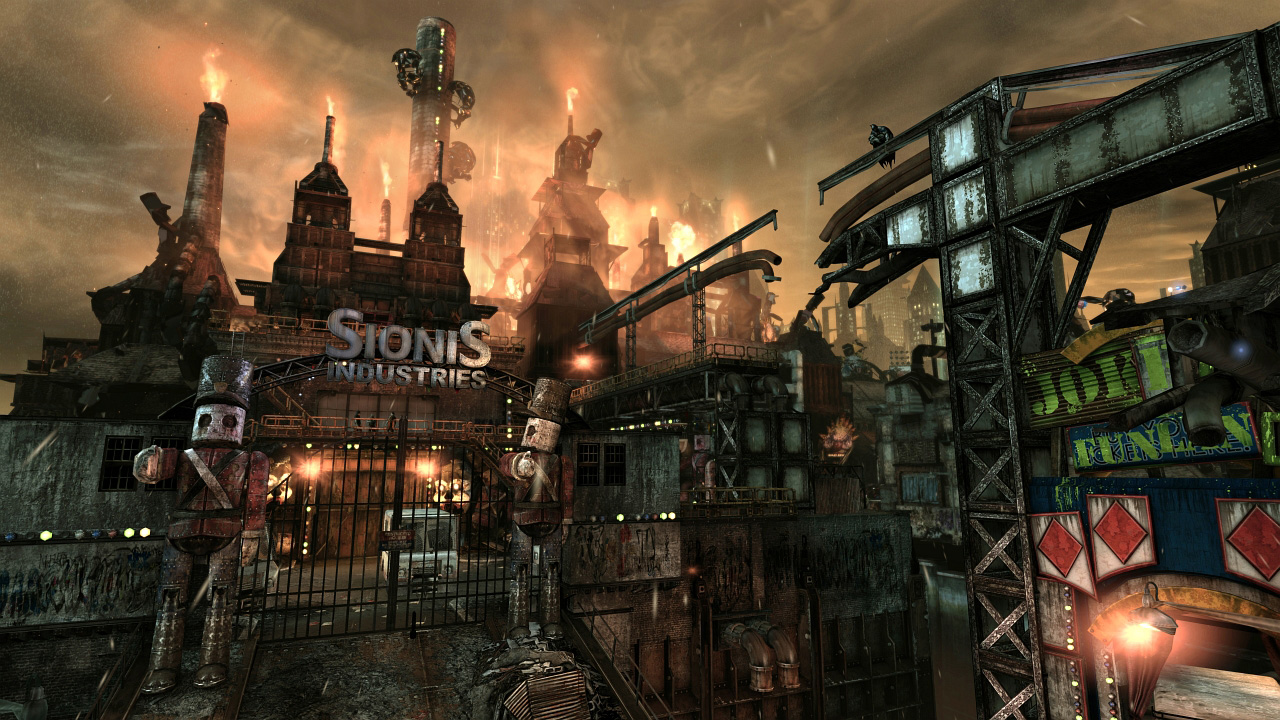
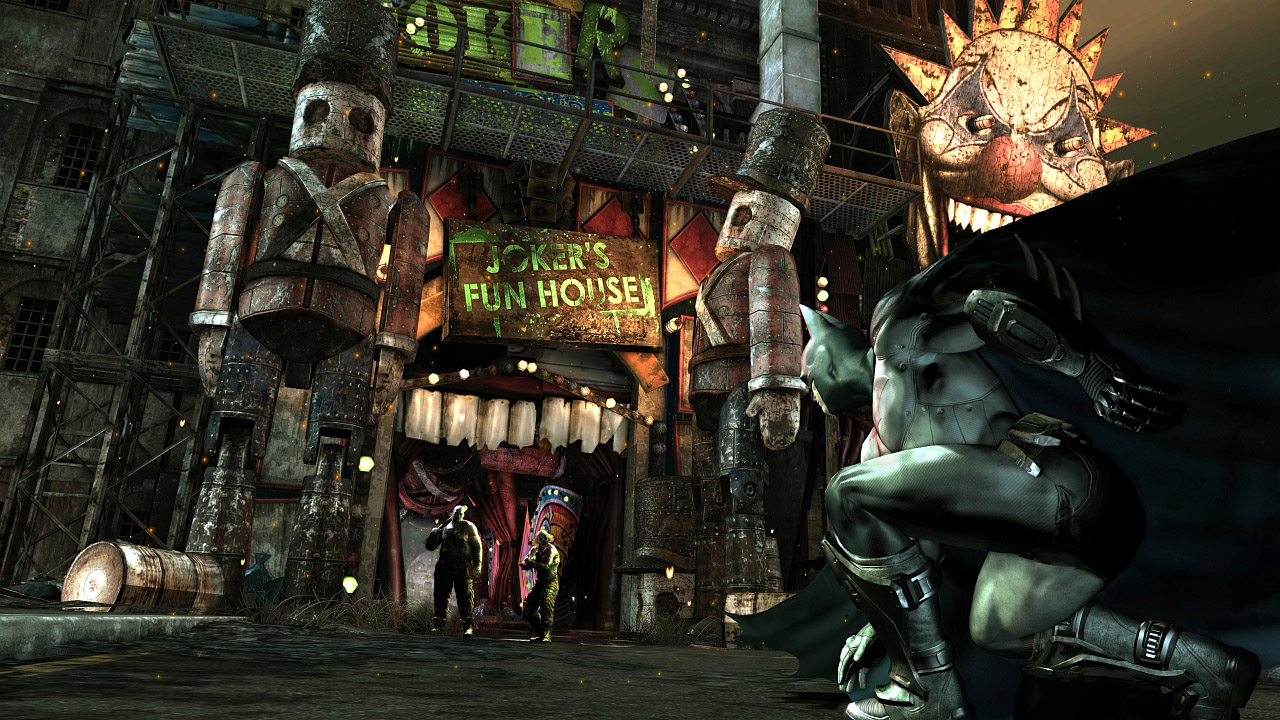
Batman: Arkham City
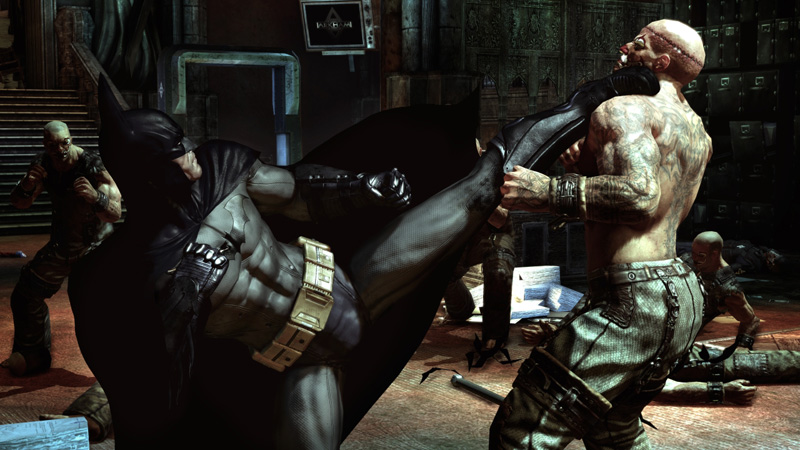

Batman: Arkham Asylum

Horizon Zero Dawn



Far Cry 3


The Legend of Zelda: Ocarina of Time

Elden Ring


Dishonored