Game Info
↑ Back to top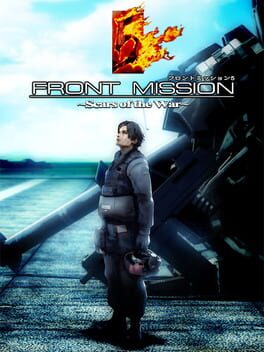
Front Mission 5: Scars of the War
Series:
Genres:
Themes:
Perspectives:
Game Modes:
Overview
↑ Back to topDescription from IGDB IGDB
Front Mission 5: Scars of the War is the fifth in Square's Front Mission tactical RPG series. It brings the player back to a gritty futuristic world in which conflicts are waged between five world powers: the U.S.N., O.C.U., E.C., O.A.C., and the Republic of Zaftra. Such conflicts are waged with the wanzer, Front Mission-speak for mecha. Gameplay-wise, the game is a true return to Front Mission 2 roots while incorporating various features from Front Mission 1, 3, and 4. The player takes part in turn-based missions, which pit their group of wanzers against enemy forces. Old features that have returned include the ability to upgrade parts and mission branching. New features to Front Mission 5 include friendly fire and the ability to recruit new pilots.
Storyline IGDB
The plot of Scars of the War revolves around USN soldier Walter Feng. When Huffman Island is deemed ready for colonization by the United Nations in 2065, Feng becomes one of the island's first immigrants. Living in Freedom City, Walter befriends two other children - Randy O'Neill and Glen Duval. The three boys experience first-hand the realities of war during the outbreak of the 1st Huffman Conflict in 2070; Walter and Glen are literally scarred by shell casings during a battle in Freedom City. The three boys were separated at the end of the war when the USN forcefully repatriates Walter and Randy, and Glen is forcefully repatriated by the OCU. The three reunites during a peacekeeping operation as soldiers for their respective armies during the Huffman Crisis in 2086. Upon seeing Glen pilot a wanzer, Walter and Randy sign up for the USN Army's wanzer training program. As tensions between the OCU and USN elevate to a new high from the Larcus Incident, the two men qualify as wanzer pilots. However, on the same day they qualify, Walter and Randy are sent off to fight in the 2nd Huffman Conflict. During the invasion of Freedom City, they encounter Glen in the suburbs of city and defeat him. Feng and O'Neill visit Duval before he is shipped off to a POW camp. A year later, the three face off again on the battlefield - this time, Glen easily defeats his friends. However, instead of showing mercy, Glen kills Randy inside his cockpit block. A ceasefire between the OCU and the USN is declared shortly after he escapes. Traumatized by the experience, Walter cleans up Randy's quarters in an attempt to move on with life. Seeing an application form for the Strike Wyverns assault unit, Feng signs the form and undergoes intensive training. He passes the test and joins the unit, where he meets his old friend Edward Collins and new commanding officer Lynn Wenwright (who happens to be his childhood sweetheart). Over the next few years, Walter participates in numerous military operations and begins to take an interest in the conflicts he gets involved with. From Zaftra's struggles involving natural resources to pro-independence movements in the OCU, Feng gets drawn into a global war between nationalism and globalization that has been on-going for decades. At the heart of this conflict is the Grimnir - a terrorist organization aimed at destabilizing the supranational unions and return to a world governed by nation-states.
Wikipedia Description WIKIPEDIA
Front Mission 5: Scars of the War borrows much of the core gameplay mechanics found in Front Mission 2, as well as a plethora of features from other Front Mission entries. The game progresses in a linear manner: watch cut-scene events, complete missions, set up their wanzers during intermissions, and sortie for the next mission. Military bases and supply camps act as intermission points where the player can organize and set up their units for the upcoming mission. Missions in Scars of the War are traditional tactical RPG fare, ranging from destroying all enemy targets to protecting a certain allied target. There are a number of returning features from Front Mission 2 that are used for mission play, namely Action Points (AP) and Links. Action Points (AP) is a feature that dictates how much actions can be done with each unit. Actions such as moving and attacking require a certain amount of AP to use. At the end of a full turn, which is one Player Phase and Enemy Phase, a set amount of AP is replenished. A unit's AP amount and recharge value depends on its pilot's proficiency levels; the higher it is, the greater the amount of AP that can be used and replenished. Links is a feature that allows multiple units to provide offensive and defensive support to each other during battles. Scars of the War streamlines this feature by allowing up to six units to form one "link" for Player Phase and Enemy Phase battles. As long as a unit's pilot has a Link-class skill and the appropriate weapons equipped, they can participate in linked battles. Incorporated into the Links feature is pilot types; this dictates the linked actions that a unit can do during combat. For example, an aggressive pilot will attack with complete disregard for friendly fire situations and AP. Likewise, a defensive pilot will avoid causing friendly fire, but will disregard this concern if they have used repairs on an allied unit in the line of fire. Returning features aside, Scars of the War has a number of new gameplay mechanics, the most notable being friendly fire. Unlike other Front Mission titles, any units in a weapon's line of fire will be subject to being hit by its rounds. Each weapon class has a distinct firing path; for example, shotgun rounds spread in mid-flight and can hit units away from its firing path. Another new addition is part skills; parts can be equipped with special features that grant them unique properties. For example, rifles can shoot through multiple targets in its line of fire with the part skill "Piercing". Auxiliary backpacks from Front Mission 4 that make a return include: item, turbo, repair, jetpack, sensor, and EMP backpacks. Several of the auxiliary backpacks have new functions: item backpacks come with a small increase in power output, sensor backpacks can use EMP, and EMP backpacks can add armor coats or repair damaged parts. Outside of battles, Scars of the War also boasts a New Game + option as well as a Hard Mode difficulty setting. Other returning features from other Front Mission entries include: Arena, Battle Simulator, briefings, mission branching, and remodeling. Other new features to Scars of the War include: part sorting, scouting, Survival Simulator, and Theater Mode. Arena is a feature where the player can field a number of pilots to battle Arena combatants, controlled by AI, for monetary rewards (Command Points, or CP). The player can also battle characters from past Front Mission entries. Briefings are shown to aid the player about mission conditions, special notes, and special enemies. Pictures, streaming data, and the ability to review the mission area are used to illustrate these details. Battle Simulator is a VR simulator where the player can improve the combat proficiencies of their pilots. These simulators can be taken and repeated at any given time. Mission branching is an option that allows the player to choose what type of mission they can play next. This feature is seen several times in the game. Parts and weapons that are purchased can be upgraded through remodeling. New to remodeling in this game is part optimization; when using Remodel Points (RP), a part can transform into one of many derivative versions from its part set. Parts, auxiliary backpacks, weapons, and items can be arranged in a number of ways through part sorting. Scouting allows the player to recruit extra pilots to their platoon. The range of pilots that can be recruited increases as the game progresses. Over 80 pilots can be scouted, with a maximum of 12 pilots being used at any given time. Survival Simulator is a simulator where the player goes through a set number of floors with one pilot. Upon completing the simulator or finding the item "Escape Code", the player can end the simulation and bring items found in the floors back to the main game. Any leftover item space is converted into RP. In Theater Mode, the player can view event cut-scenes that have taken place based on when the save file was made. Players can also change their wanzer setups at any given time.
About Front Mission 5: Scars of the War
Front Mission 5: Scars of the War is a Role-playing (RPG), Squad Management, Strategy, Survival, Tactical, Turn-based, Turn-based strategy (TBS) game released in 2005 developed by Square Enix Product Development Division 6 that offers Single player gameplay from a bird view / isometric perspective playable on PlayStation 2 with 0 user ratings averaging 0/100. The game explores themes like Mecha, Science fiction, Warfare. If you enjoy Front Mission 5: Scars of the War, you might also like similar games in our database of 45,000+ titles.
Basic Info
Details
↑ Back to topAdditional Information
Платформы 1
Genres 7
Themes 3
Player Perspectives 1
Game Modes 1
Companies
↑ Back to topDevelopers
Square Enix Product Development Division 6
No description available
Publishers
Square Enix
No description available
Keywords
↑ Back to topScreenshots
↑ Back to top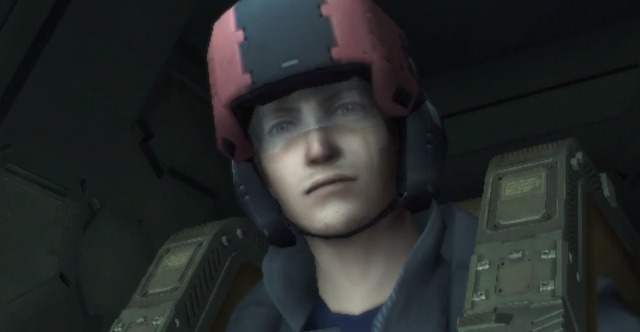

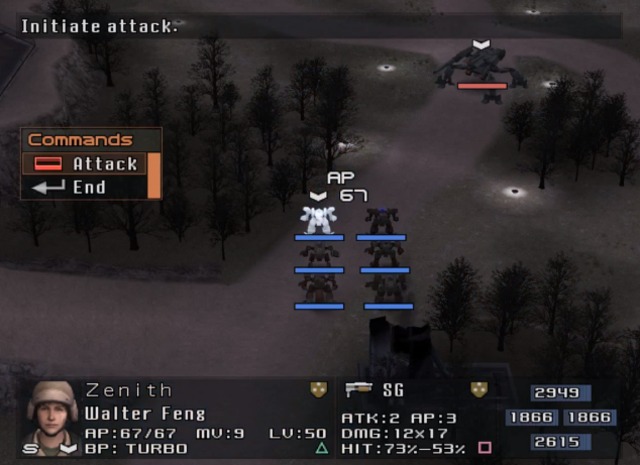
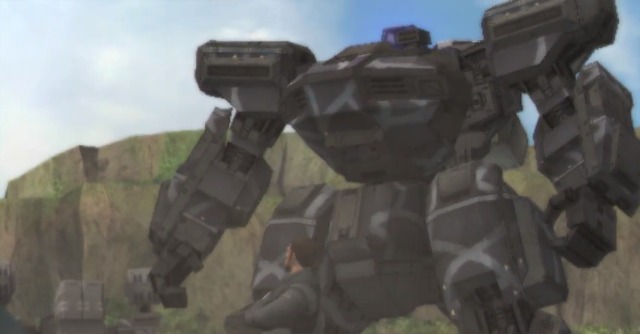
Similar Games
↑ Back to top


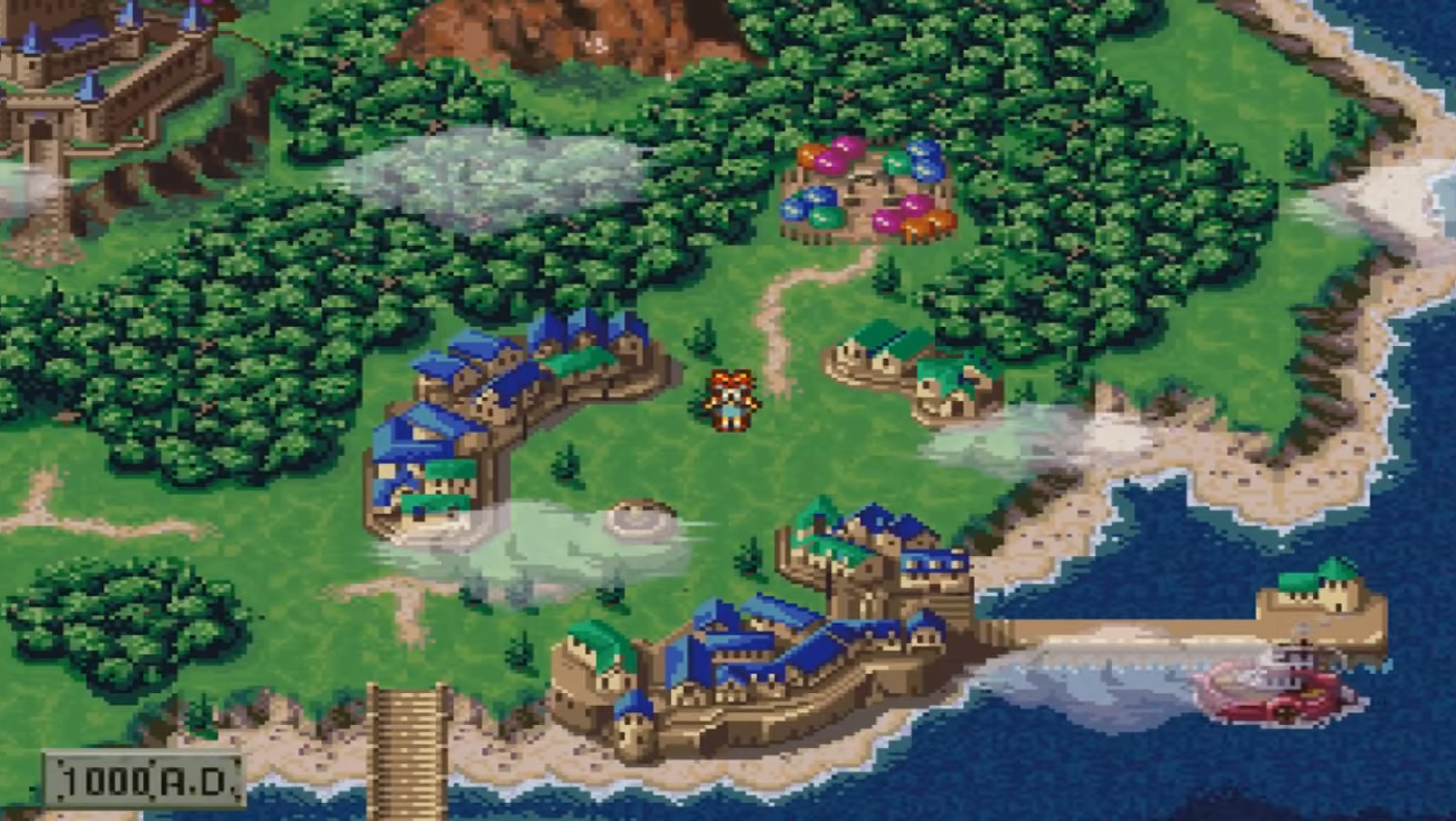

Chrono Trigger


Baldur's Gate III


Sid Meier's Civilization V


Dota 2
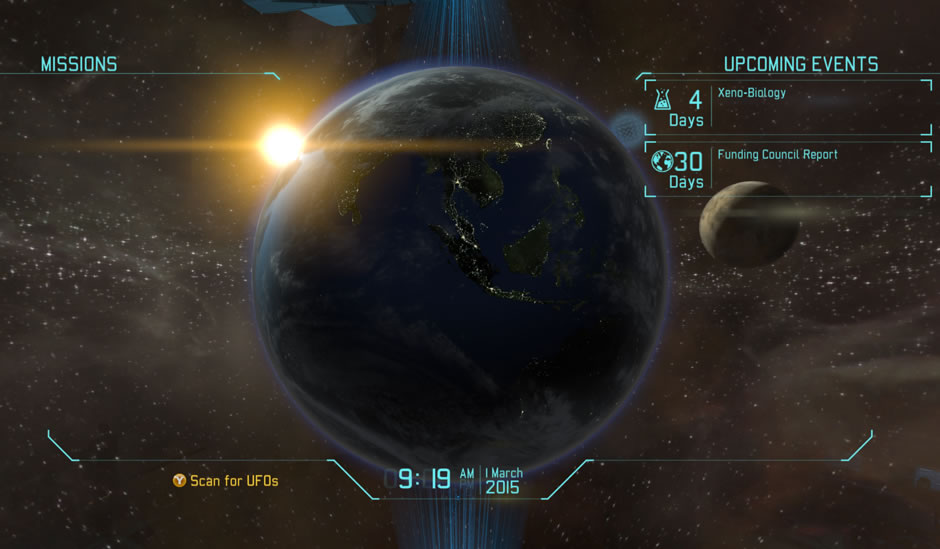
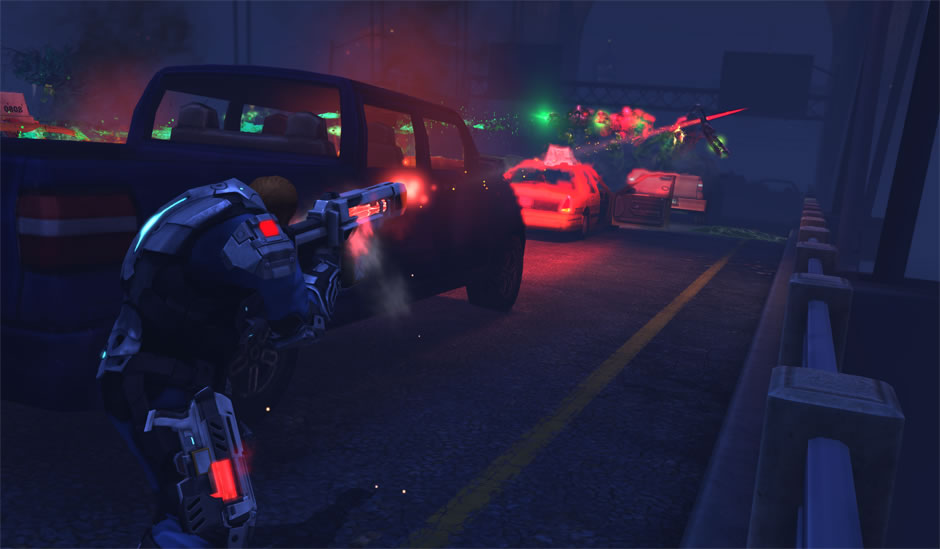
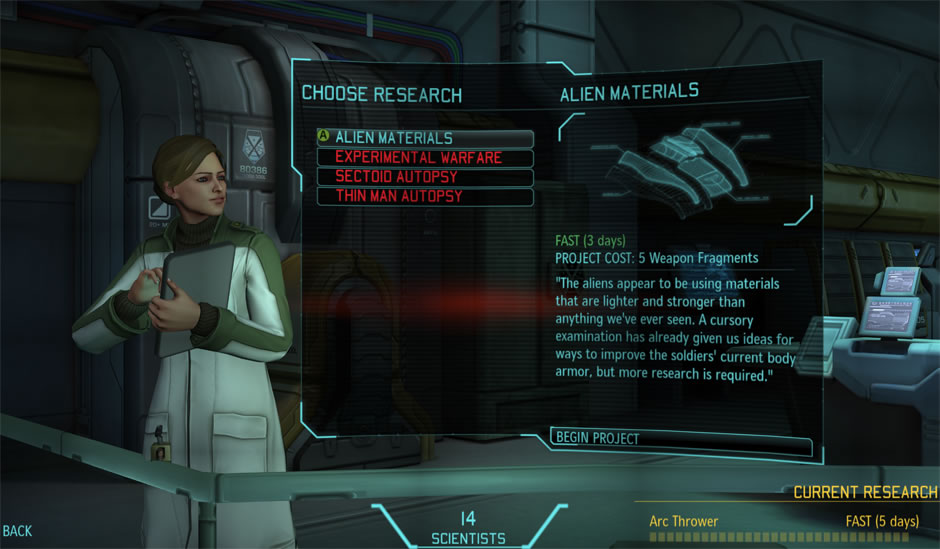

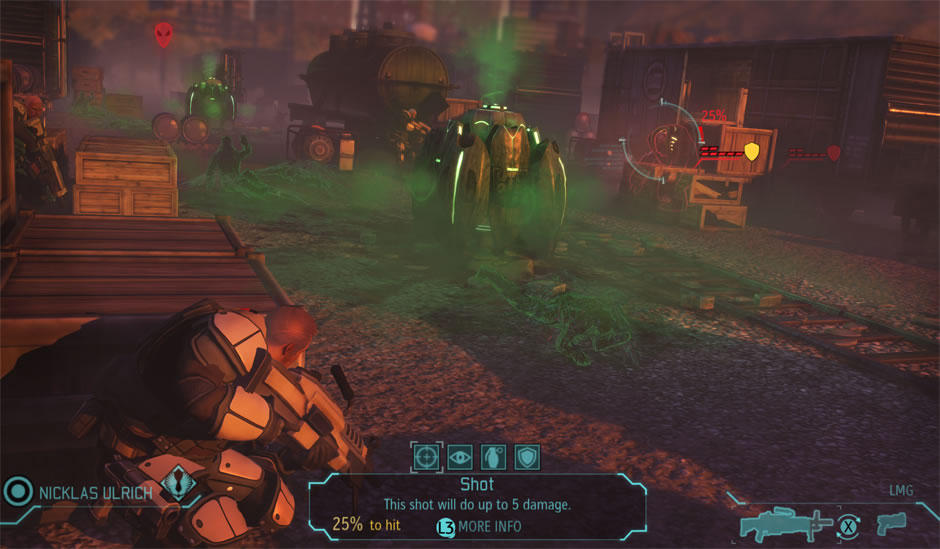

XCOM: Enemy Unknown




Divinity: Original Sin II

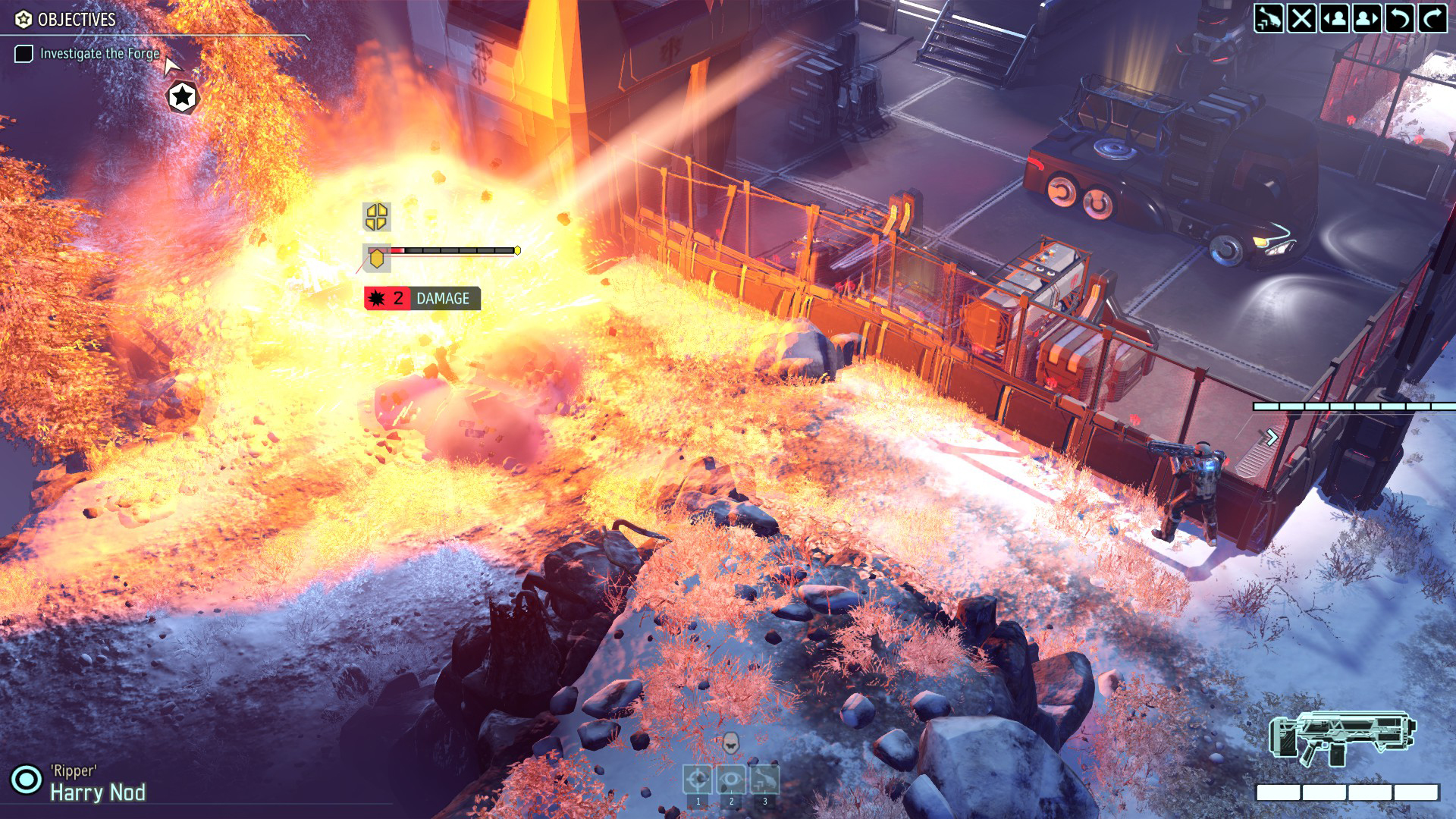

XCOM 2
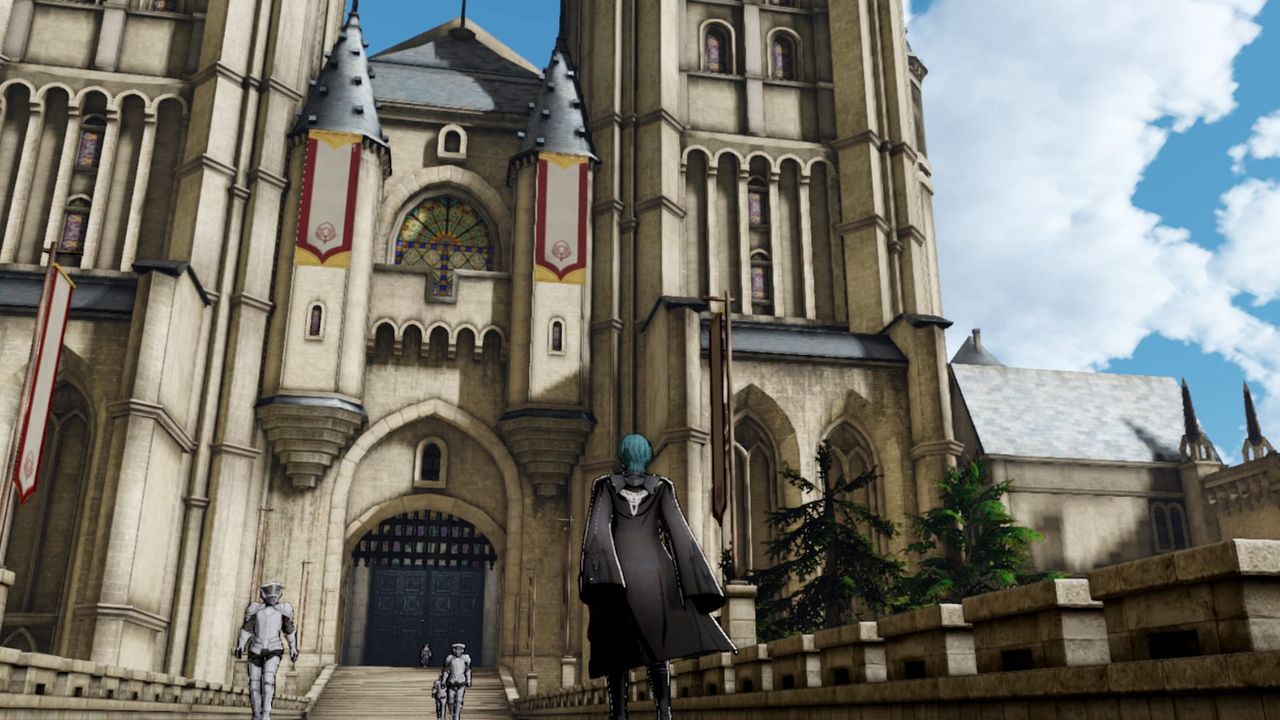
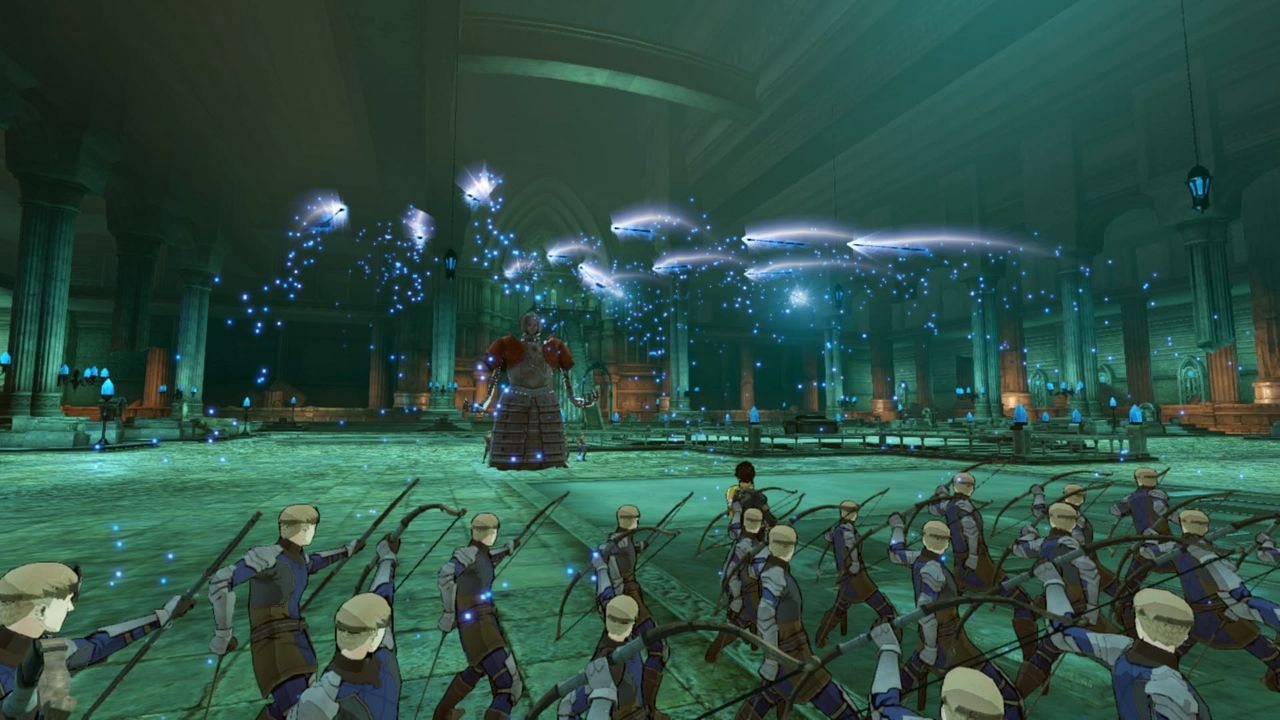



Fire Emblem: Three Houses



Into the Breach


Heroes of Might and Magic V


The Lord of the Rings: The Battle for Middle-earth II