Game Info
↑ Back to top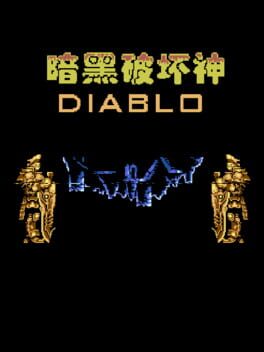
Diablo
Genres:
Themes:
Perspectives:
Game Modes:
Overview
↑ Back to topDescription from IGDB IGDB
Wikipedia Description WIKIPEDIA
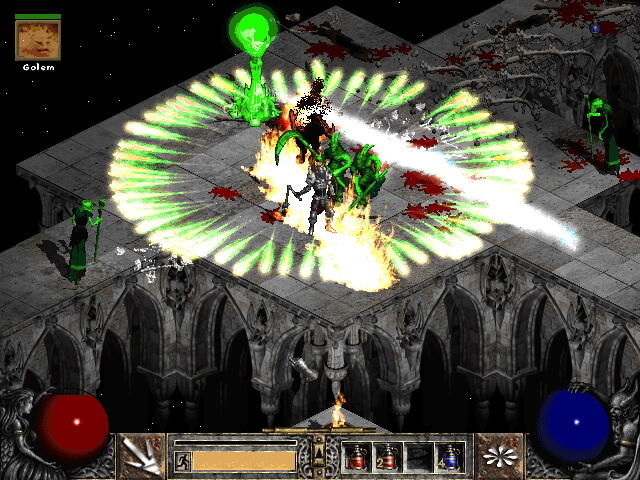
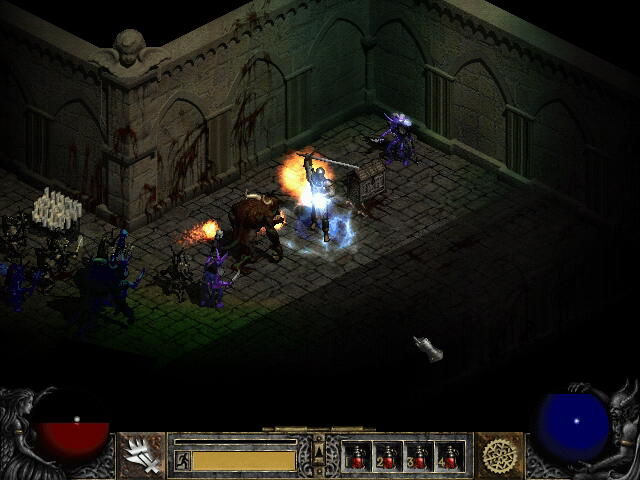
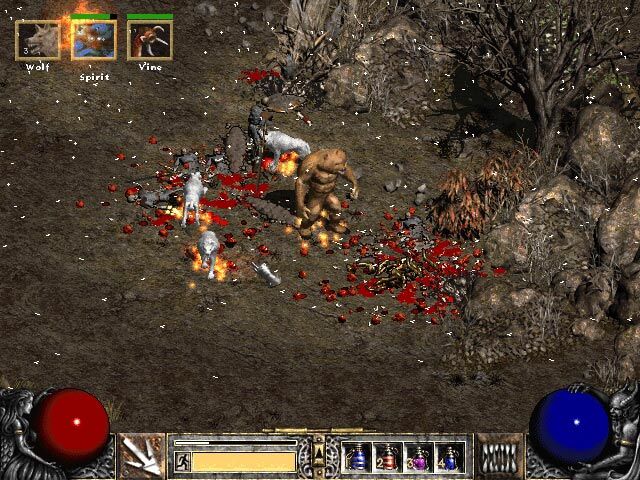
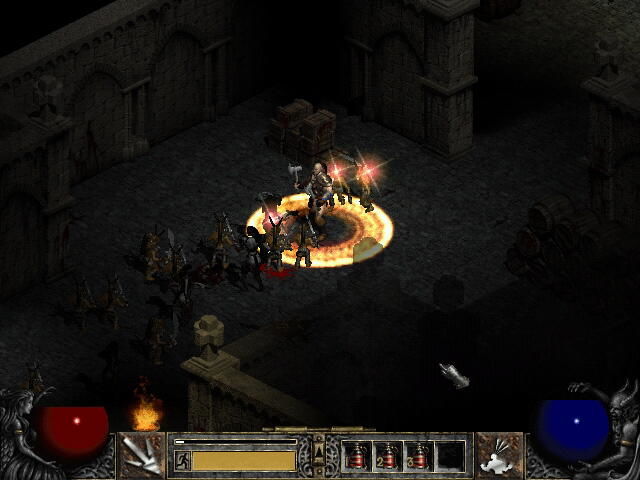
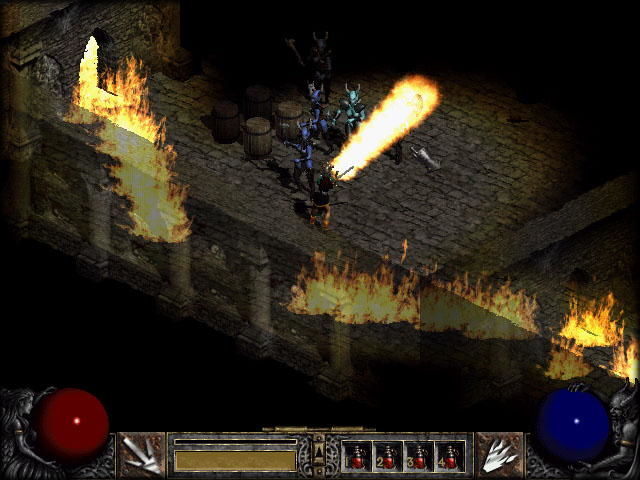
Diablo II's storyline progresses through four chapters or "acts", the Lord of Destruction expansion adds the fifth chapter Act V which continues the story where Act IV left off. Each act follows a predetermined path, but the wilderness and dungeons between key areas are randomly generated. The player progresses through the story by completing a series of quests within each act (six per act, except for Act IV which only has three quests), compared to the preceding Diablo which most quests are assigned at random and most are optional. Diablo II also has optional side dungeons for extra monsters and experience. In contrast to the first Diablo, whose levels consisted of descending deeper and deeper into a Gothic-themed dungeon and Hell, Diablo II's environments are much more varied. Act I is similar to the original Diablo; the Rogue Encampment is a simple palisade fort, with plains and boreal forests making up the wilderness area, and the Monastery resembles the typical medieval fortress. Act II mimics Ancient Egypt's desert and tombs; Lut Gholein resembles a Middle Eastern city and palace during the Crusades. Act III is supposedly based on the Central American jungles; Kurast is inspired by the lost Mayan civilization. Act IV takes place in Hell, modeled on the classical Christian conception with rocks and lava, leading up to a medieval cathedral with demonic features. Added in the expansion, Act V's style is mainly mountainous to showcase the ascending of Mount Arreat by traversing alpine plateaus and icy tunnels and caverns, though there are portals leading to Hellish side dungeons (similar to Act IV), and at the Arreat Summit is the Worldstone Keep whose architecture is inspired by Angkor Wat. In addition to the acts, there are three sequential difficulty levels: Normal, Nightmare, and Hell; completing the game (four Acts in the original or five Acts in the expansion) on a difficulty setting will open up the next level. On higher difficulties, monsters are more varied, stronger, and may be resistant or immune to an element or physical damage; experience is penalized on dying, and the player's resistances are handicapped. However, better items are rewarded to players as they go through higher difficulties. A character retains all abilities and items between difficulties and may return to a lower difficulty at any time, albeit it is not possible to replay the quests that are already completed. Players can create a hardcore character. In normal mode, the player can resurrect their character if killed and resume playing, while a hardcore character has only one life. If killed, the character is permanently dead and unplayable. In addition, all items and equipment on that character will be lost unless another friendly character has the "loot" icon checked. Standard and hardcore characters play on separate online channels; as such a hardcore player can never appear in the same game session as a standard player.
About Diablo
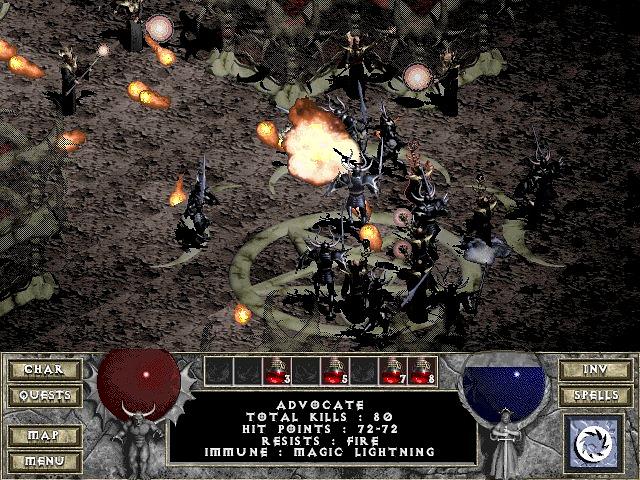
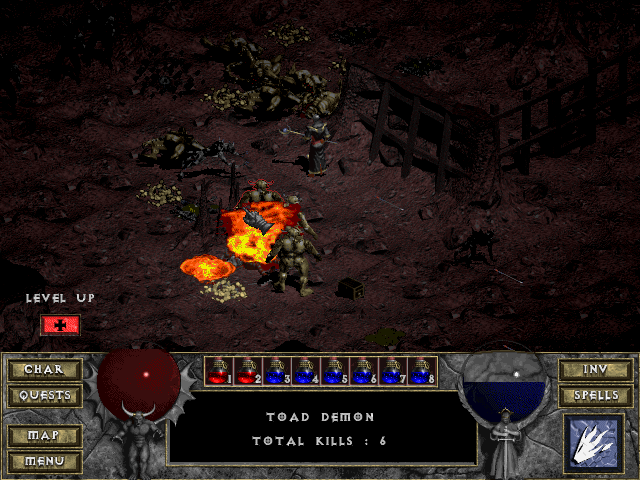
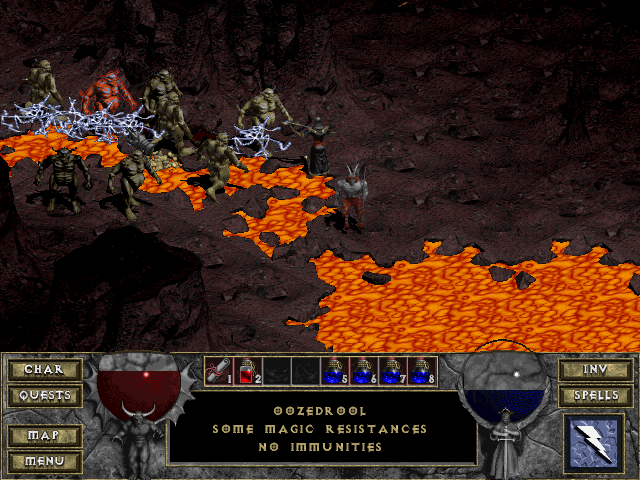
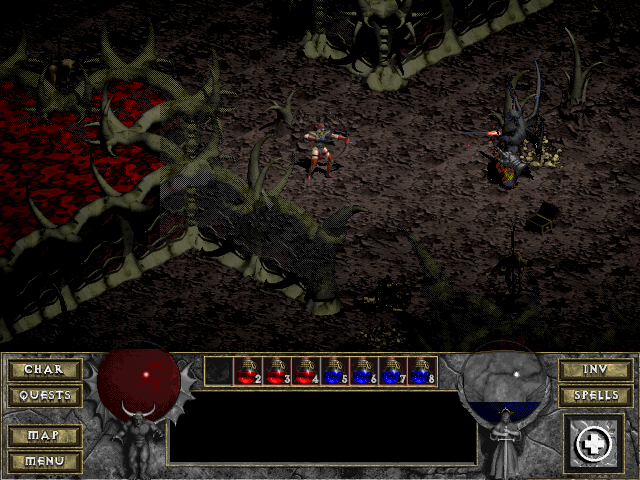
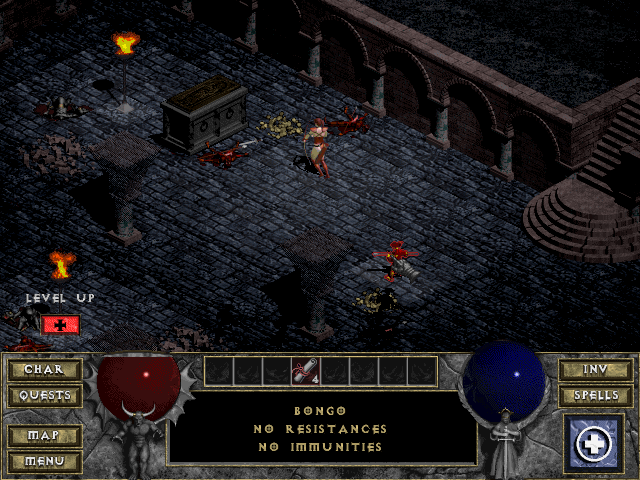
Diablo is a Action, Roguelike / Roguelite, Role-playing (RPG), Turn-based game developed by Shenzhen Nanjing Technology that offers Single player gameplay from a bird view / isometric perspective playable on Family Computer with 0 user ratings averaging 0/100. The game explores themes like Dark Fantasy. If you enjoy Diablo, you might also like similar games in our database of 45,000+ titles.
Basic Info
Details
↑ Back to topAdditional Information
Платформы 1
Genres 4
Themes 1
Player Perspectives 1
Game Modes 1
Companies
↑ Back to topDevelopers
Shenzhen Nanjing Technology
No description available
Keywords
↑ Back to topScreenshots
↑ Back to top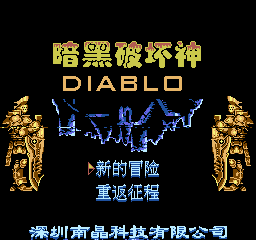
Similar Games
↑ Back to top
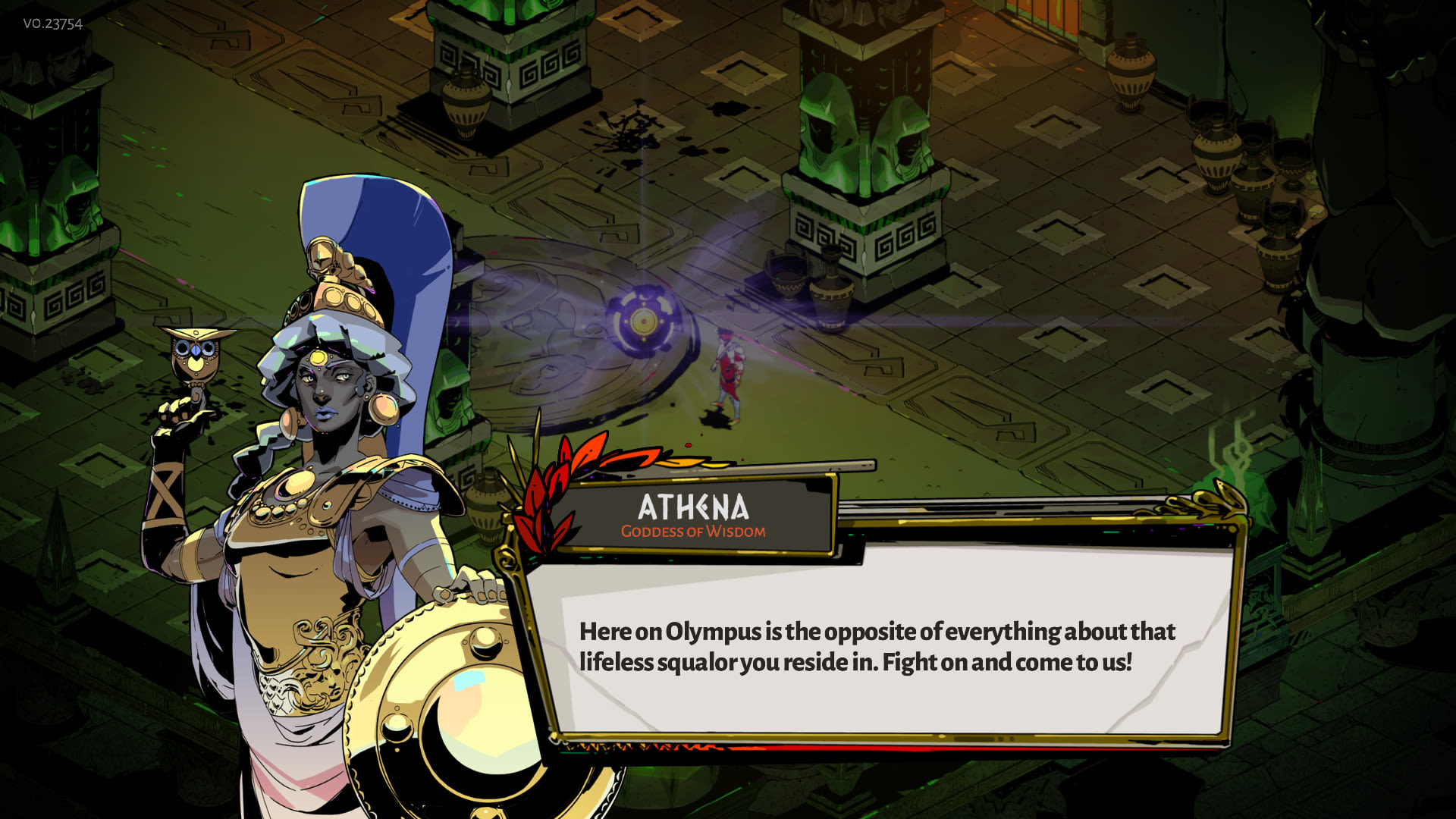
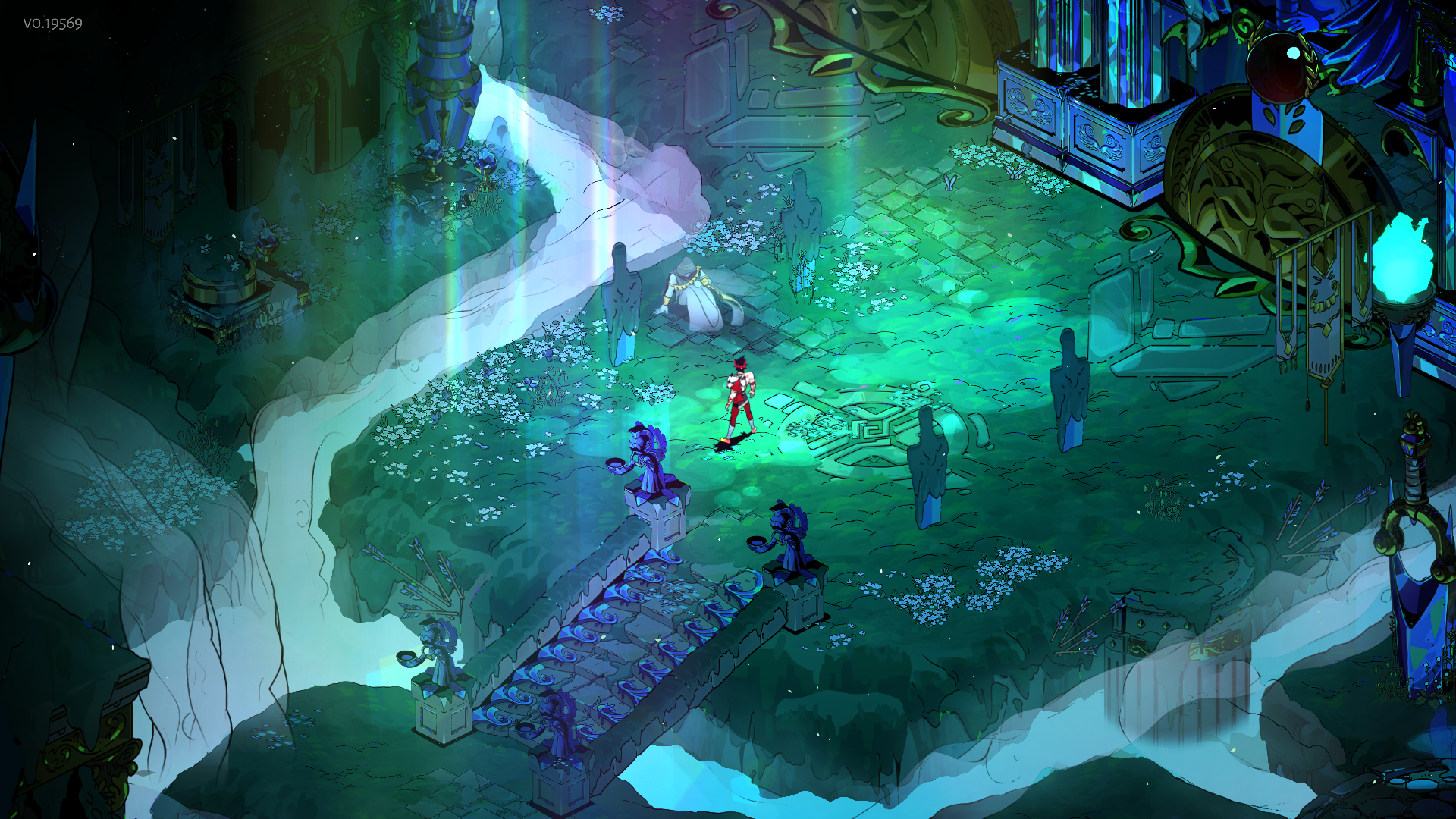
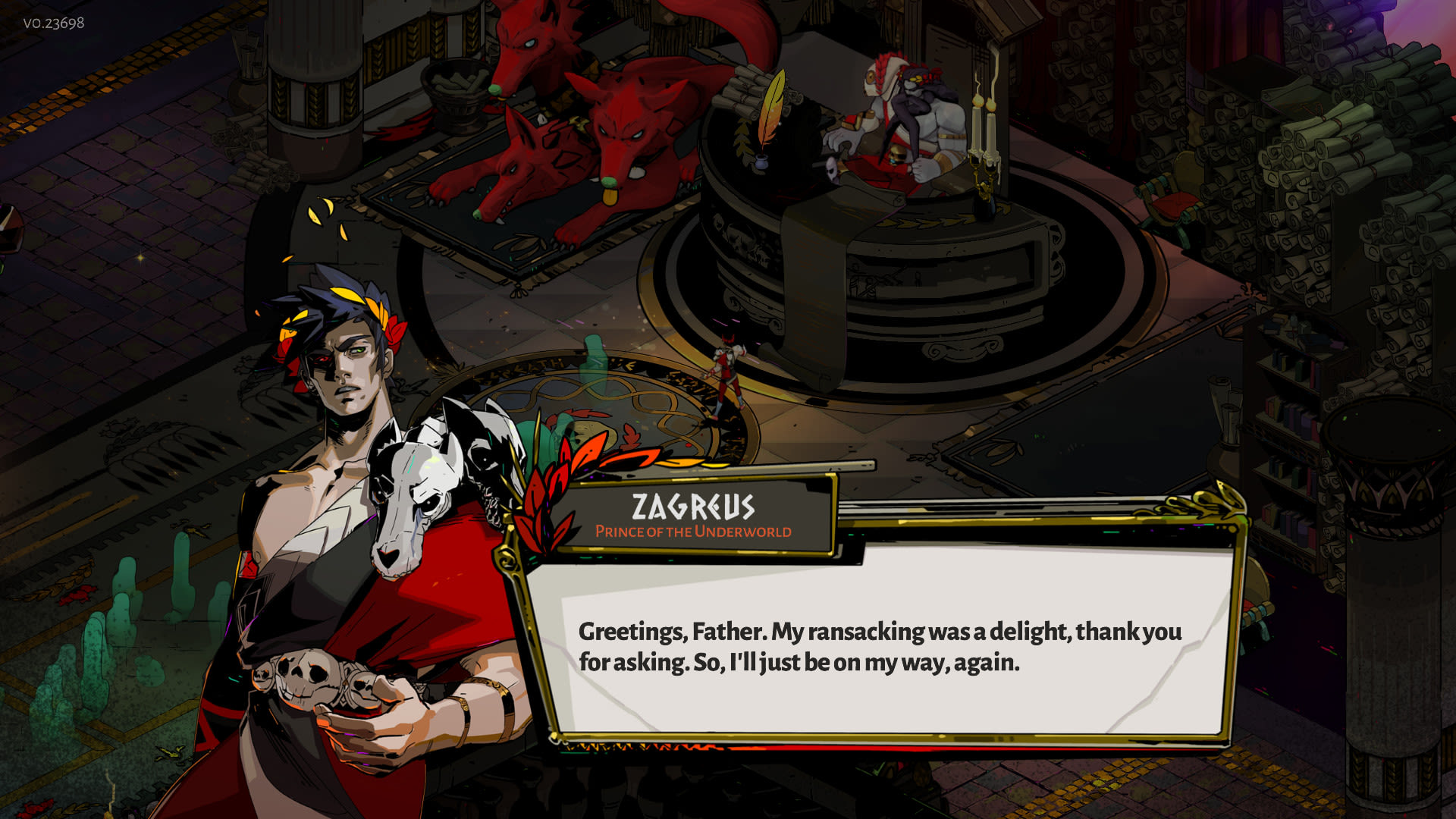
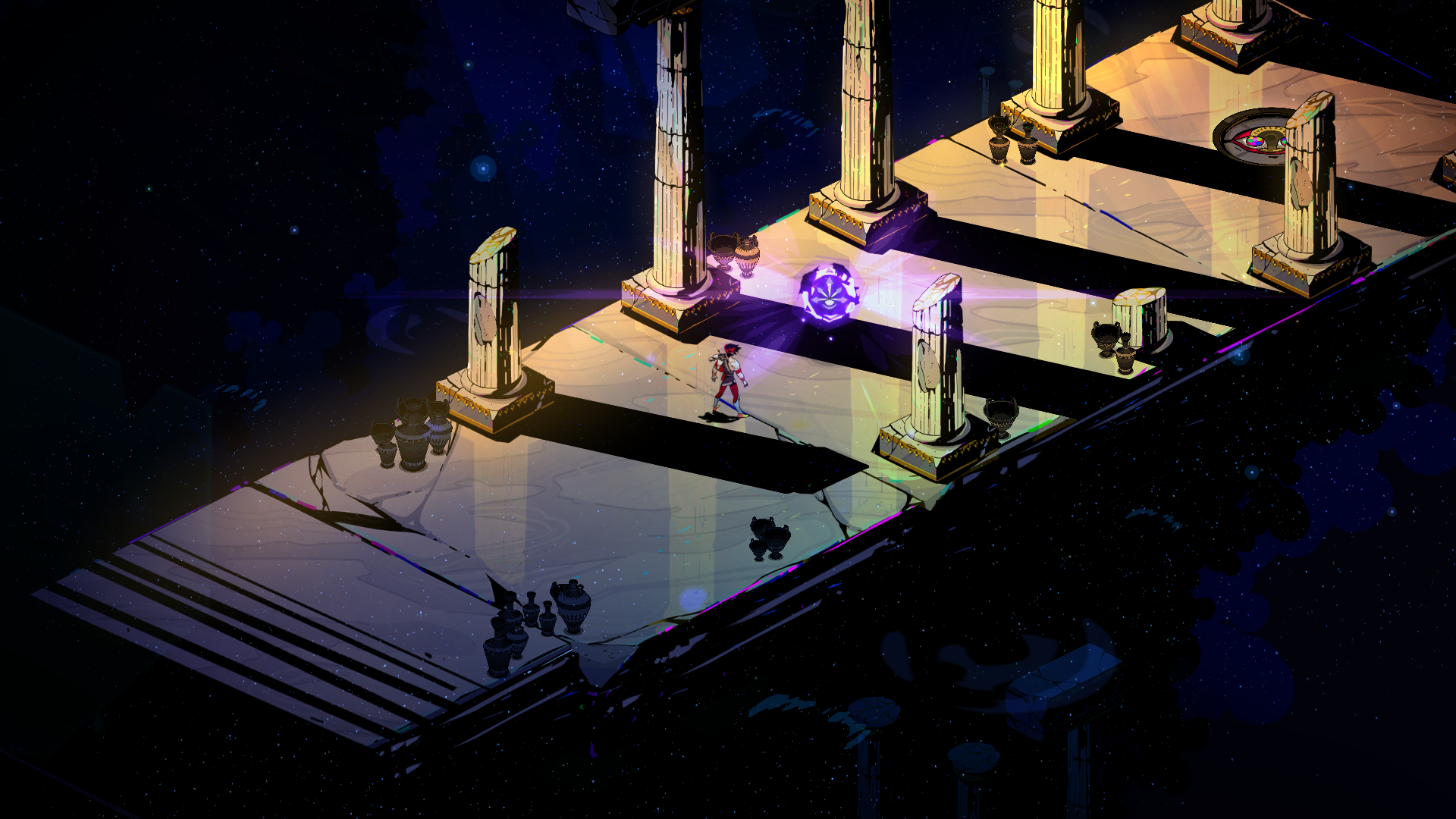
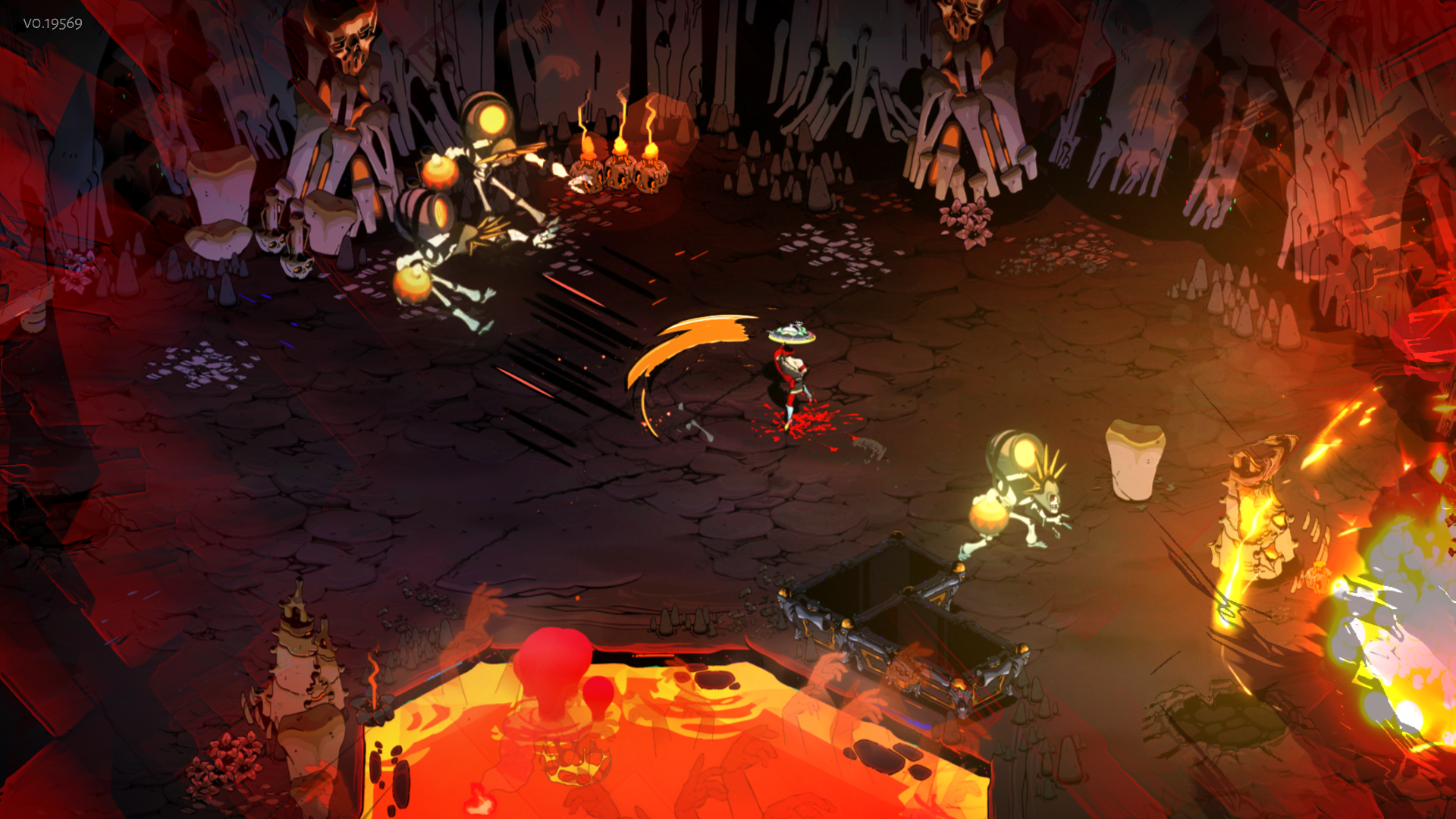
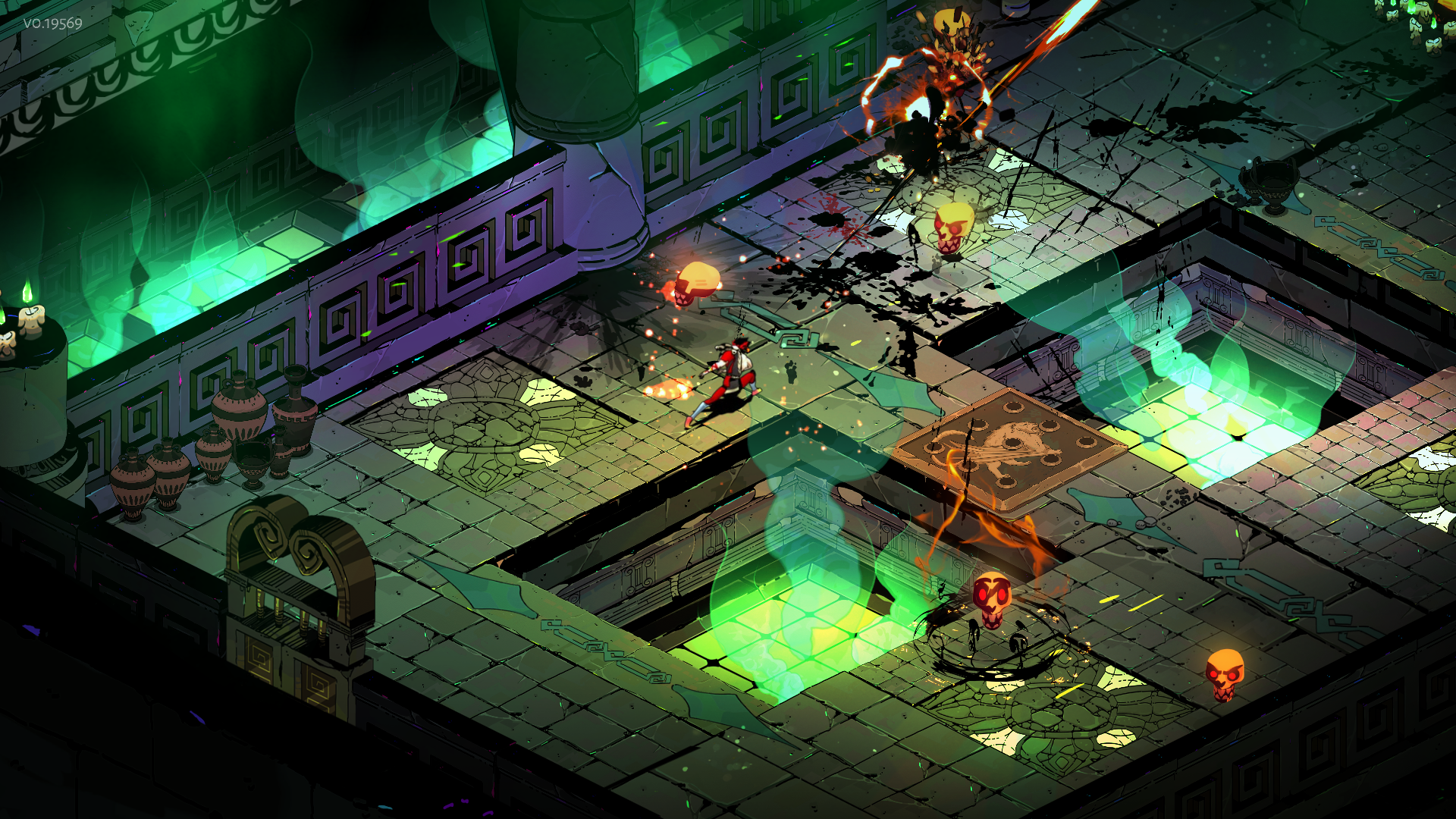

Hades
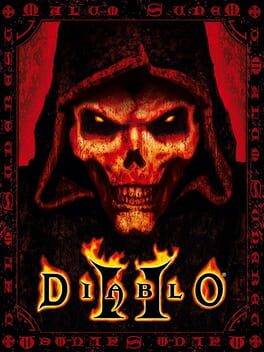
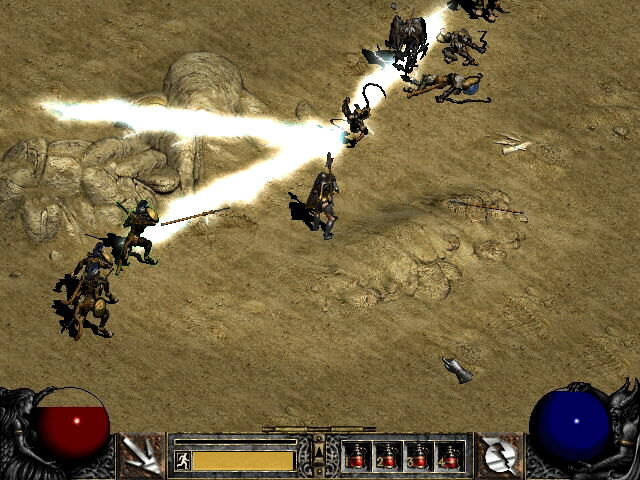

Diablo II


Diablo III


The Witcher


Diablo
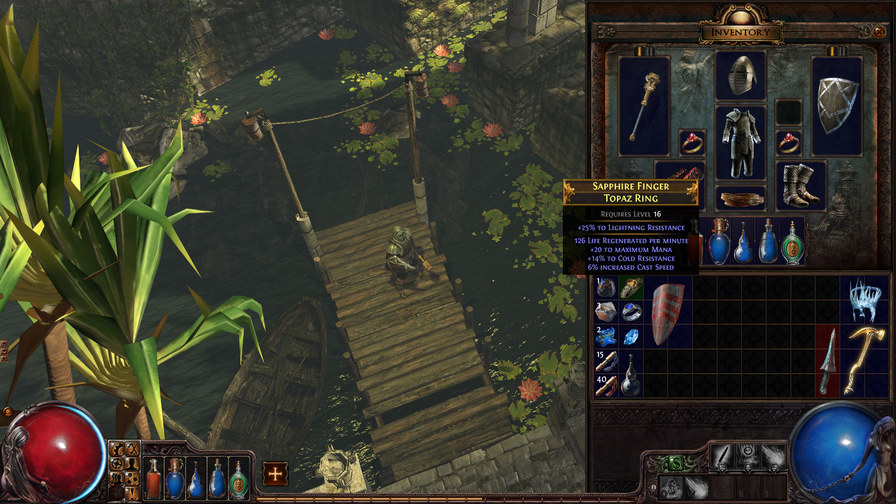
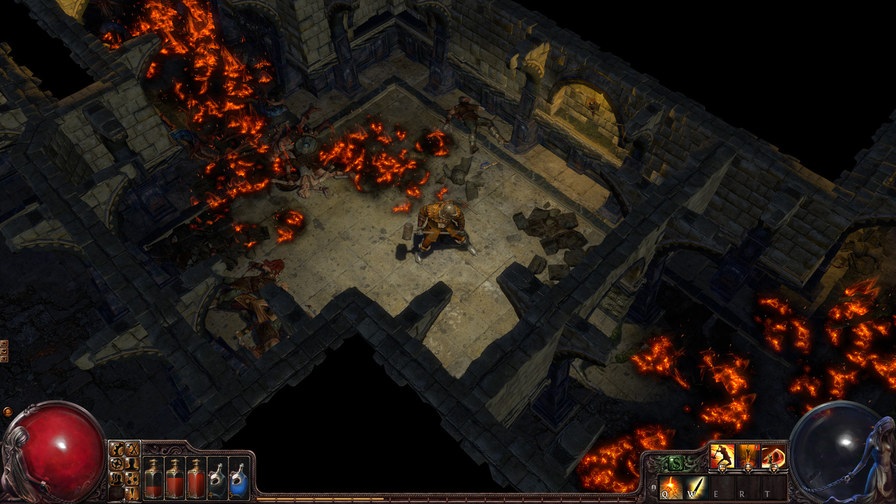


Path of Exile

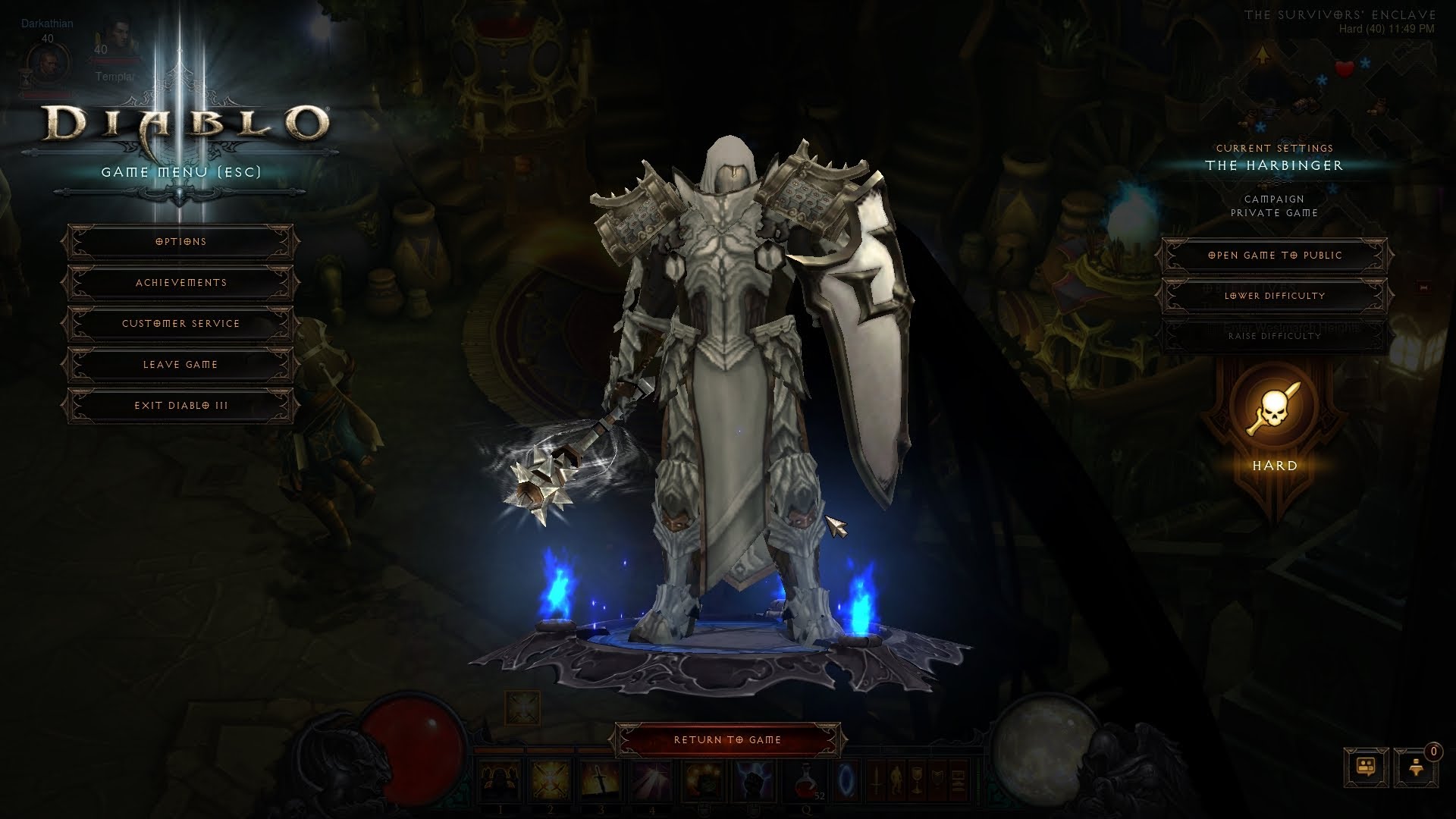

Diablo III: Reaper of Souls
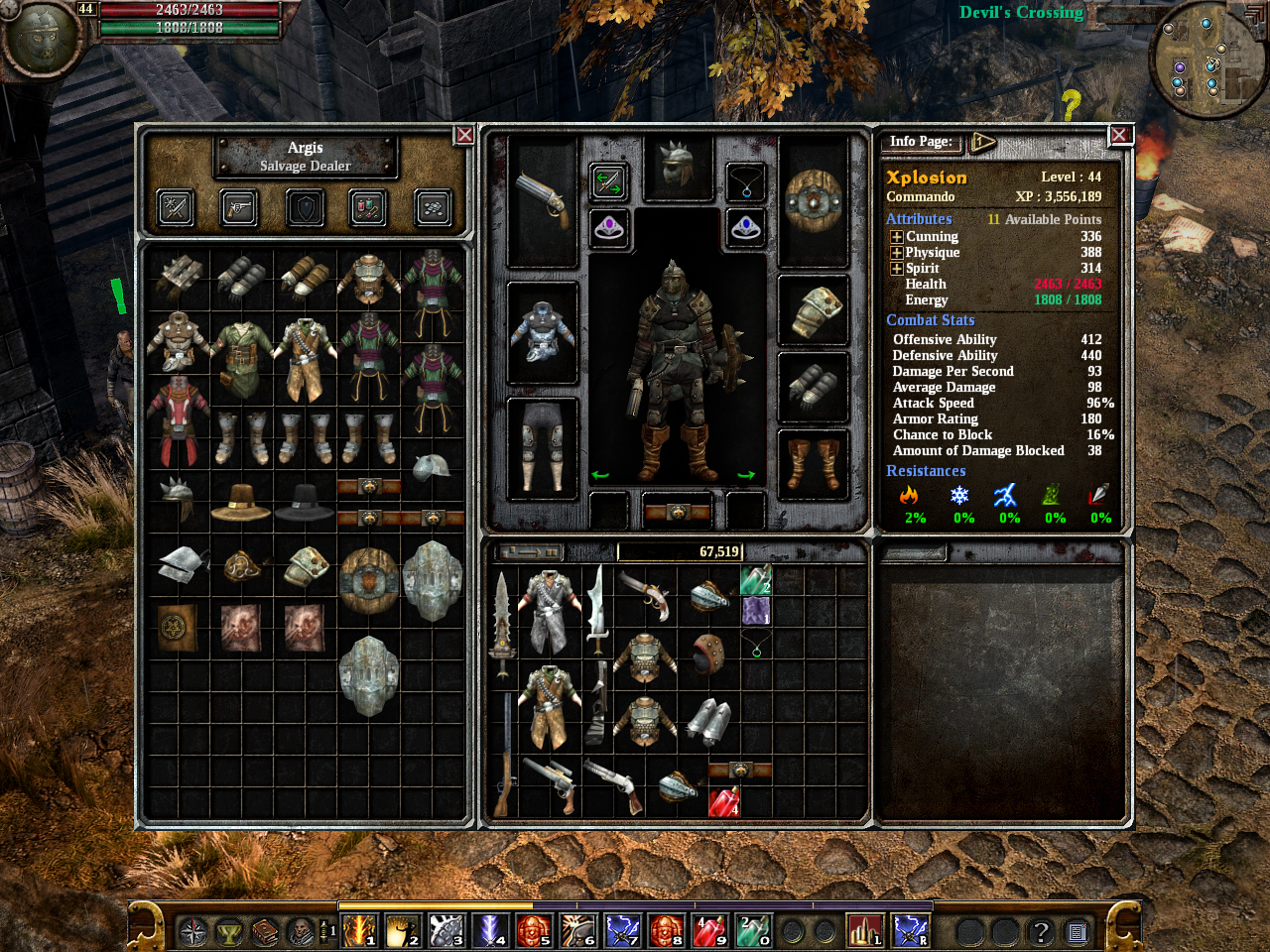
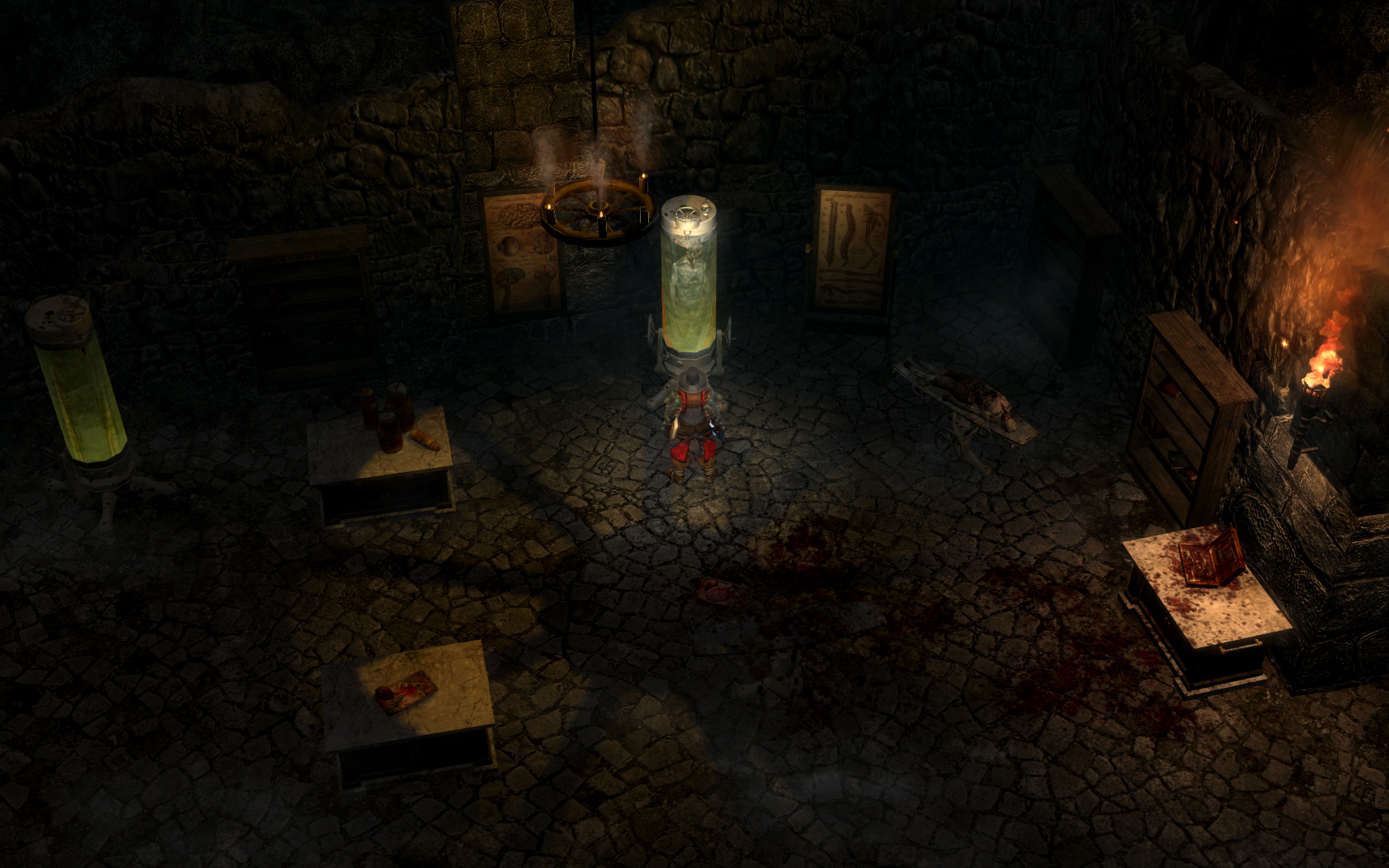

Grim Dawn
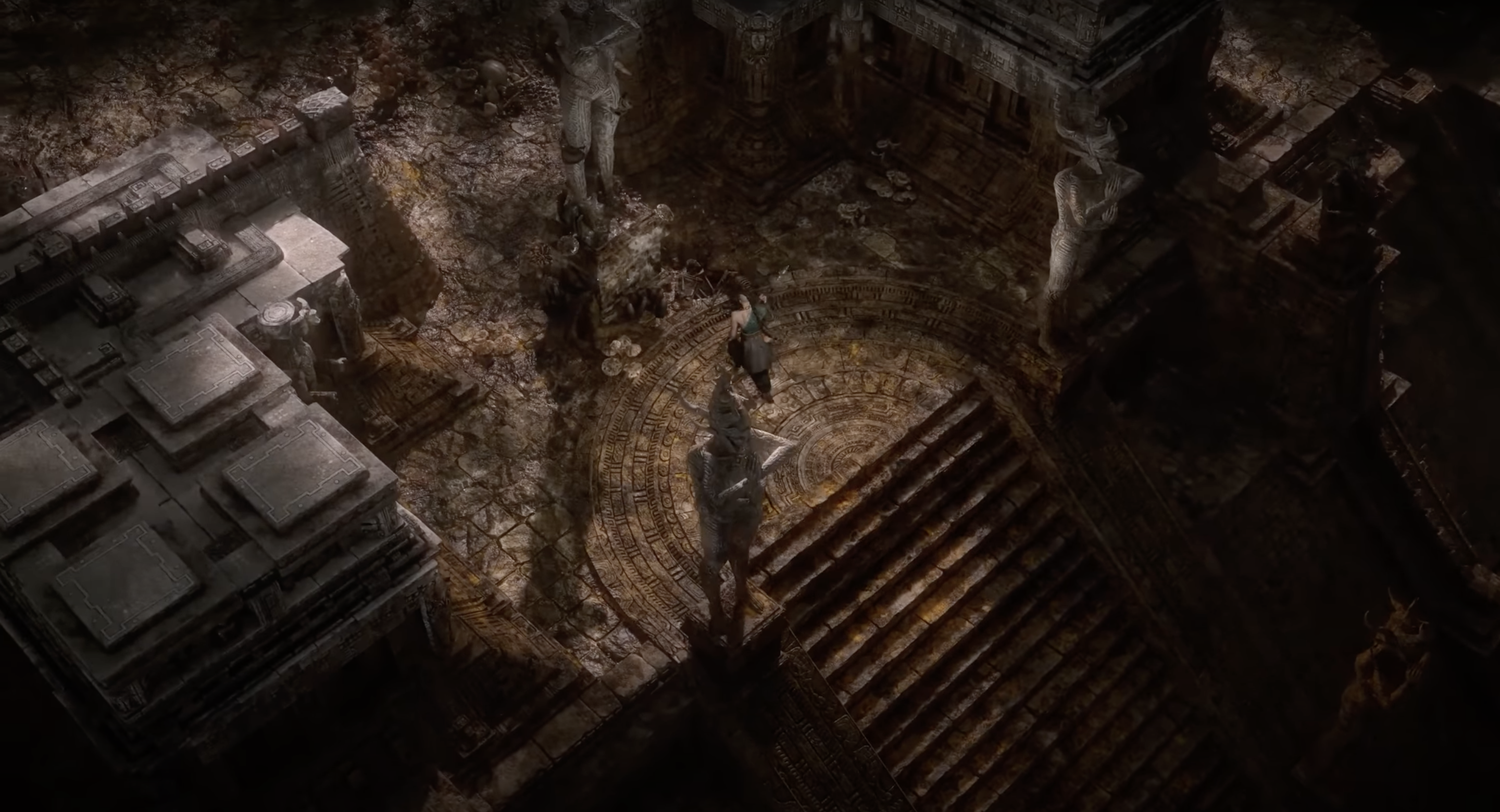

Path of Exile 2

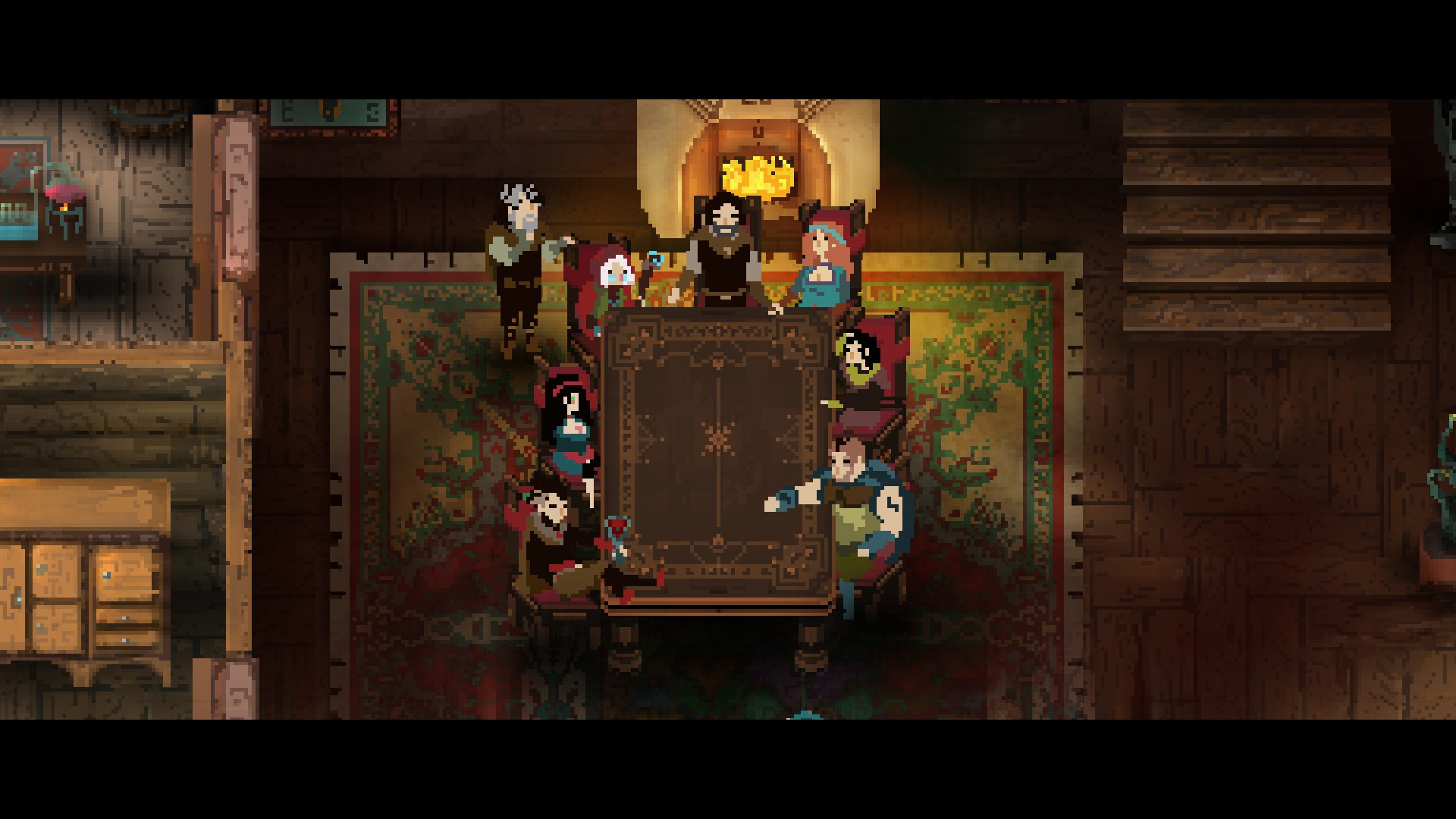

Children of Morta
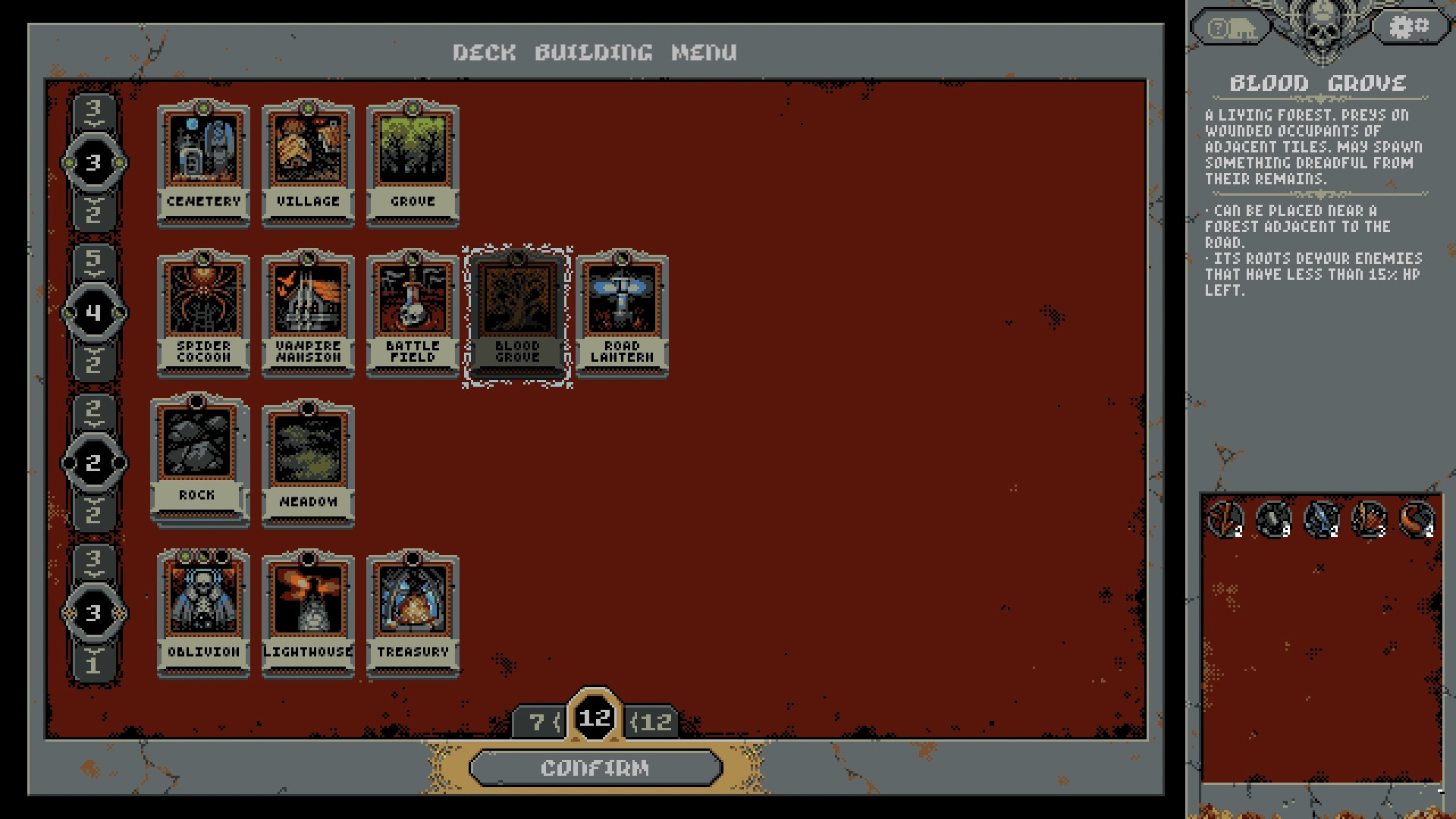
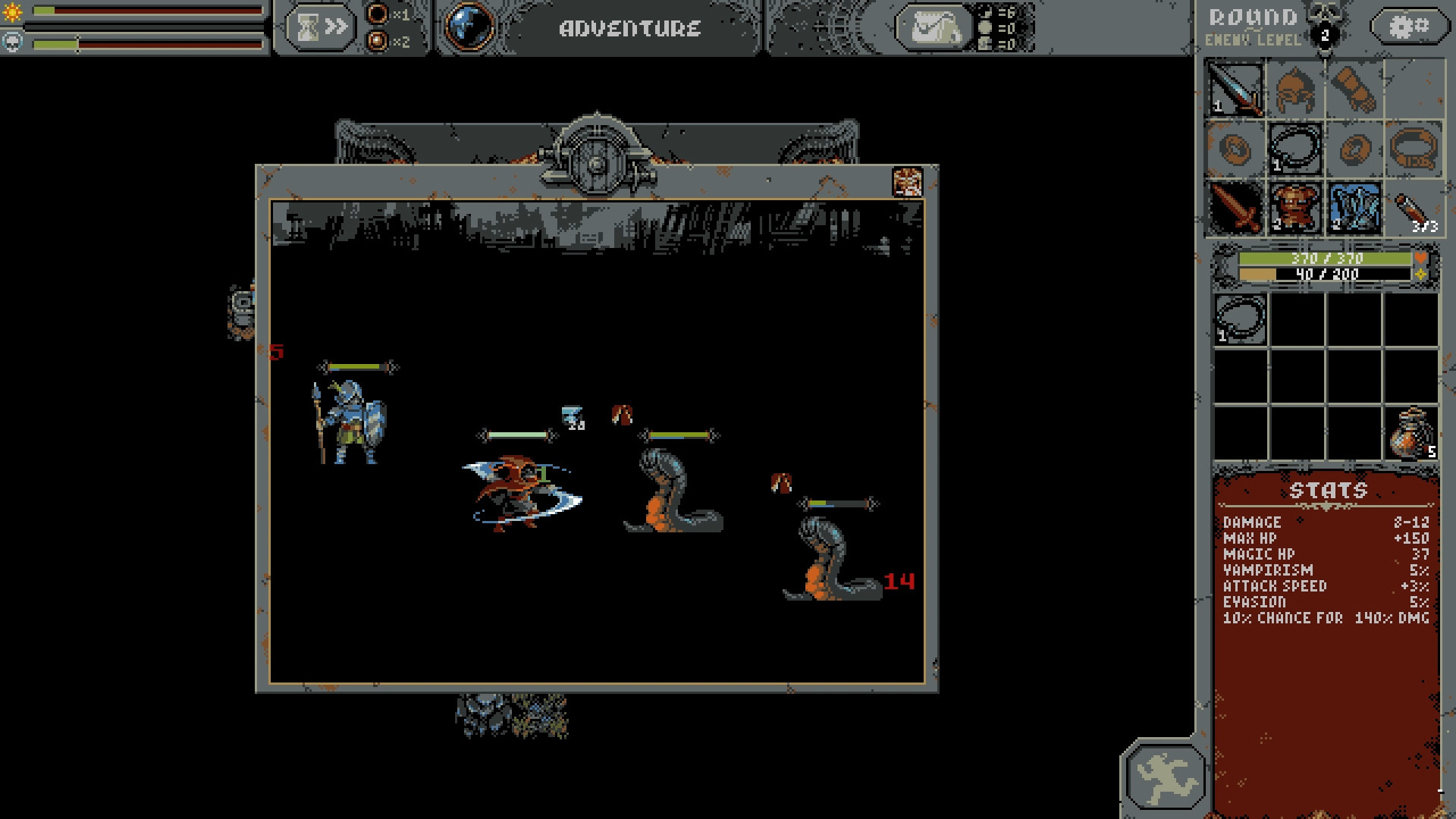

Loop Hero