Game Info
↑ Back to top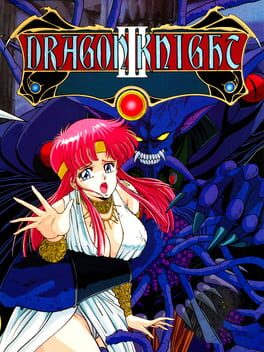

Knights of Xentar
Series:
Genres:
Themes:
Perspectives:
Game Modes:
Overview
↑ Back to topDescription from IGDB IGDB
Dragon Knight III is an eroge role-playing video game released on many Japanese PCs in 1991. It is part of the Dragon Knight series of games created by Japanese game developer ELF, who originally released the game for the NEC PC-9801 computer in 1991, followed by ports for the Sharp X68000 and PC Engine CD platforms. The game is a sequel of Dragon Knight and Dragon Knight II. Its gameplay system is different from that of previous installments of the Dragon Knight series, resembling this of the early Final Fantasy (even more in the PC version) series instead of first-person-view dungeon crawler, and enabling the player to explore the entire world of the game. Some of the characters were renamed in the English and German localized Knights of Xentar release, including the protagonist Takeru's name changed to Desmond.
Storyline IGDB
After liberating the city of Phoenix from an evil curse in his previous adventure, Takeru finds himself in a situation unworthy of his heroic status: robbers have taken all his possessions, including his magic sword, and even his clothes! So the first task for the unsuccessful hero is to get some money. Luckily, the mayor has an assignment for him, for which he is also willing to pay. Takeru accepts the assignment without knowing what it will lead to - traveling all over the world, fighting fearsome enemies, encountering beautiful women, and solving a mystery that will also reveal the secret of his own true identity!
Wikipedia Description WIKIPEDIA
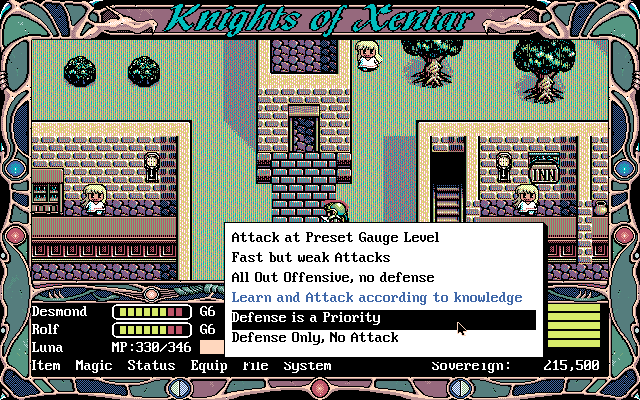
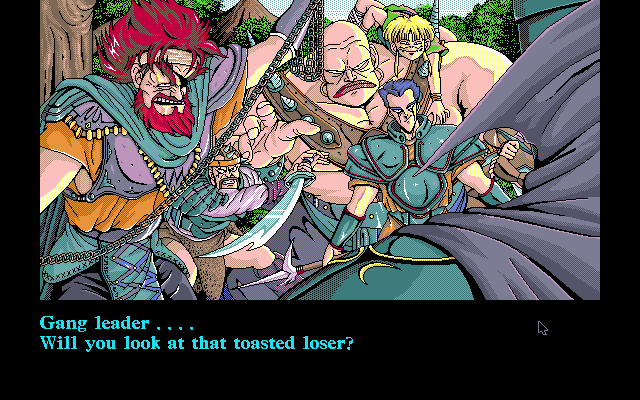
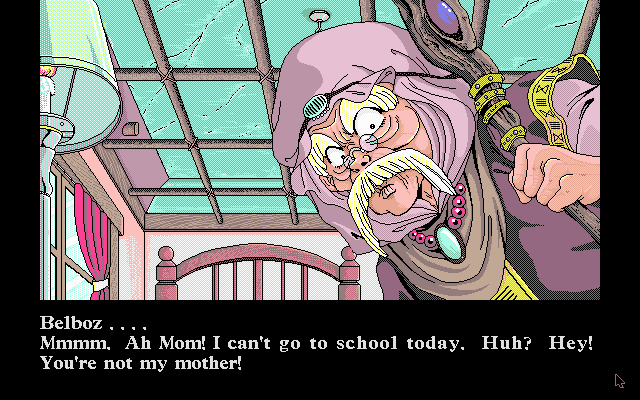
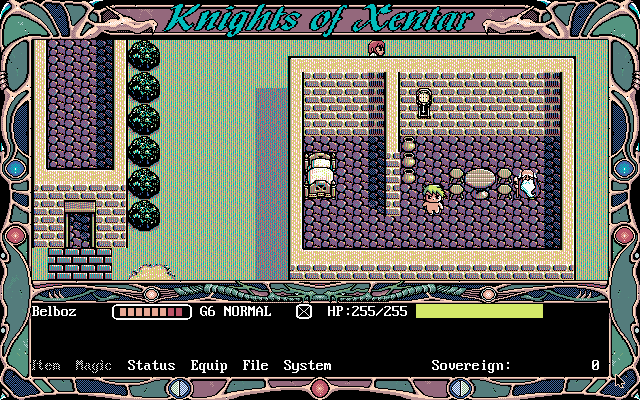
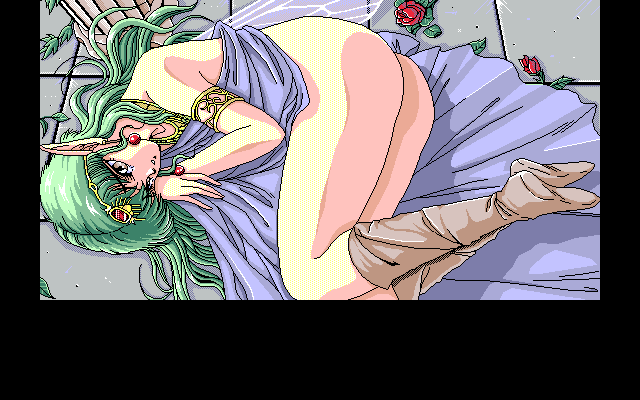
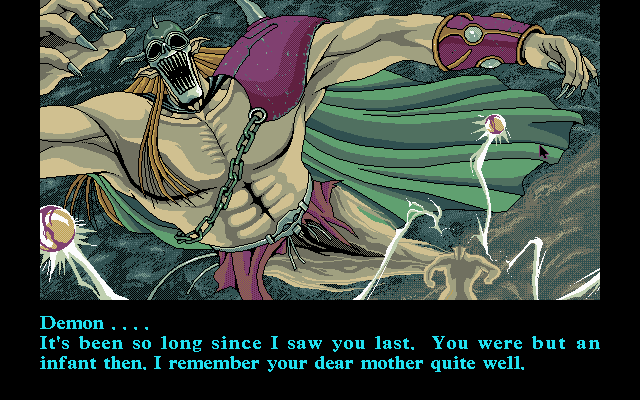
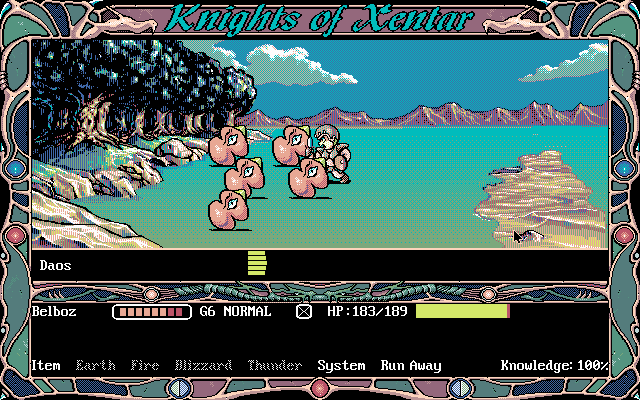
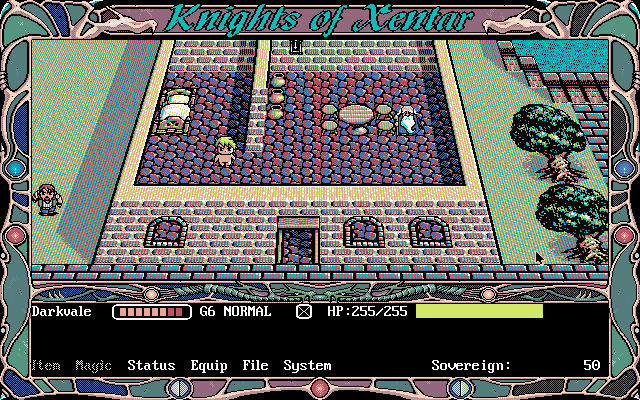
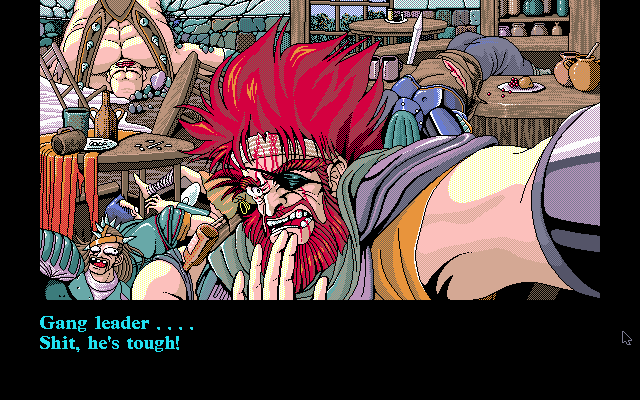
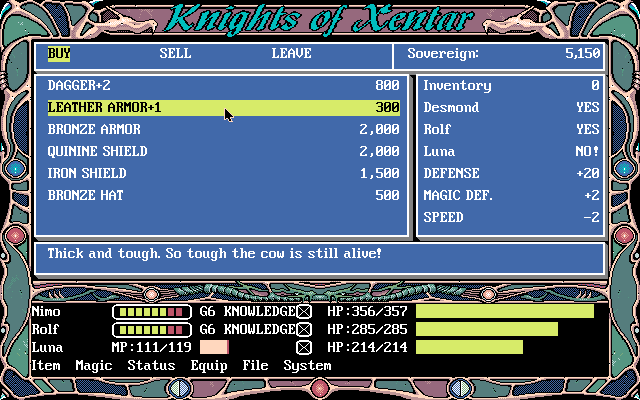
The RPG system is completely different from that of the previous games in the Dragon Knight series. The player travels with a top-down view on the world map, visiting towns and dungeons (including Strawberry Fields and Phoenix from the first two games, Dragon Knight and Dragon Knight II respectively). The game's quest is nearly two times longer than the series' first episode. The enemy encounters are random and the battles, depending on the version, are displayed either in a first-person perspective like in the previous games in the series (similar to these in Wizardry) or in a side-view style (like in many other Japanese RPGs from that era such as the early Final Fantasy entries). The battles are partially automated with the enemies and characters attacking each other in real-time. A battle can be paused at any time to cast a spell, use an item, or change attack style through a list of AI scripts. There are eight levels of attack strength, each with its advantages and disadvantages (for example, more powerful attack levels require more time). The game features cartoonish cut scenes, many of which contain nude erotic images - the girls the main character encounters and helps will often feel grateful and award him with sexual favors. However, there are no explicit hardcore sex scenes in the game and the girls' genital areas are censored as in most eroge (the sound of a toilet flushing is played when the main character supposedly reaches his climax). Visiting a girl for a sexual encounter has the same effect as resting in an Inn for most traditional RPGs: HP and MP are restored. Crude erotic humour is combined with classical fairy takes; the hero for example saves Little Red Riding Hood from rape by the Wolf, and Snow White from rape by the seven dwarves.
About Knights of Xentar
Knights of Xentar is a Role-playing (RPG), Visual Novel game released in 1991 developed by ELF Corporation that offers Single player gameplay from a bird view / isometric, first person perspective playable on DOS, FM Towns, PC-9800 Series with 6 user ratings averaging 79.8/100. The game explores themes like Comedy, Erotic, Fantasy. If you enjoy Knights of Xentar, you might also like similar games in our database of 45,000+ titles.
Basic Info
Details
↑ Back to topAdditional Information
Платформы 5
Genres 2
Themes 4
Player Perspectives 5
Game Modes 1
Companies
↑ Back to topDevelopers
ELF Corporation
No description available
Publishers
ELF Corporation
No description available
MegaTech Software
No description available
NEC Avenue
No description available
Softgold Computerspiele GmbH
No description available
Keywords
↑ Back to topScreenshots
↑ Back to top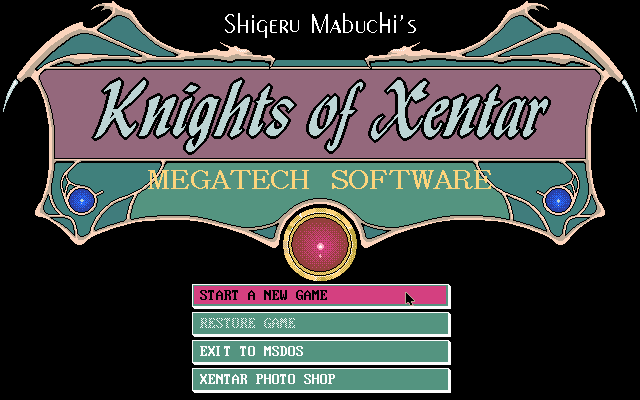
Similar Games
↑ Back to top


To the Moon



HuniePop

Pyre

Slay the Princess


Recettear: An Item Shop's Tale




House Party

Sengoku Rance




Nekopara Vol. 3

Slay the Princess: The Pristine Cut



Vampire: The Masquerade - Coteries of New York










Being a DIK